Legisladores rumanos cuestionan ayuda estatal a Blue Air
El Senado de Rumania ha modificado el decreto del Gobierno de Rumania por el que se conceden ayudas estatales a las empresas de aviación al eliminar la ayuda de € 62 millones de Euros para la compañía aérea privada Blue Air. El Gobierno rumano ha obtenido la aprobación de la Comisión Europe (EC) para la ayuda estatal, que consiste en garantizar un préstamo bancario para la aerolínea low cost Blue Air.
El Gobierno garantizaría un préstamo que cubra sólo las pérdidas de la empresa debido a la crisis del Coronavirus, en el marco del plan aprobado por la CE. Sin embargo, el banco estatal Eximbank, que se suponía que prorrogaba el préstamo, elaboró un informe bastante negativo sobre la capacidad de reembolso de Blue Air. Según el análisis de Eximbank, las posibilidades son altas de que el Gobierno acabe pagando el préstamo de € 62 millones de Euros con cargo al presupuesto público. La solvencia de Blue Air, evaluada por EximBank sobre la base de los resultados financieros de la compañía a finales de 2019, es particularmente débil en una escala A-E, representada por la Categoría D. «Existe una incertidumbre significativa sobre la capacidad de la compañía para seguir operando y un alto riesgo de no cumplir con sus obligaciones financieras. La compañía cumple actualmente con los requisitos legales para ser incluida en la categoría de sociedades en crisis, ya que más de la mitad de su capital social suscrito ha desaparecido debido a las pérdidas acumuladas», según la evaluación de EximBank.
La CEO de Blue Air, Oana Petrescu, envió una carta abierta al Senado rumano, argumentando a favor del apoyo estatal a su empresa. El mercado se dejó libre después del posible colapso de la línea aérea Blue Air bajo la principal competidora Wizz Air con sede en Budapest, Hungría y no representa una competencia la aerolínea de bandera rumana Tarom Airlines.
Aid to Romanian Blue Air questioned
Romanian lawmakers question state aid to Blue Air
The Romanian Senate has modified the decree of the Romanian Government granting state aid to aviation companies by eliminating the € 62 million aid for the private airline Blue Air. The Romanian government has obtained approval from the European Commission (EC) for state aid, which consists of guaranteeing a bank loan for the low cost airline Blue Air.
The Government would guarantee a loan that covers only the losses of the company due to the Coronavirus crisis, within the framework of the plan approved by the EC. However, the state bank Eximbank, which was supposed to extend the loan, produced a rather negative report on Blue Air’s repayment capacity. According to Eximbank’s analysis, the chances are high that the government will end up paying off the € 62 million loan from the public budget. Blue Air’s creditworthiness, assessed by EximBank based on the company’s end-2019 financial results, is particularly weak on an AE scale, represented by Category D. «There is significant uncertainty about the company’s ability to continue operating and a high risk of not meeting its financial obligations. The company currently meets the legal requirements to be included in the category of companies in crisis, since more than half of its subscribed capital stock has disappeared due to losses accumulated», according to the evaluation of EximBank.
Blue Air CEO Oana Petrescu sent an open letter to the Romanian Senate, arguing in favor of state support for her company. The market was left free after the possible collapse of the airline Blue Air under the main competitor Wizz Air based in Budapest, Hungary and the Romanian flag carrier Tarom Airlines does not represent a competition.
Ajutor pentru Romanian Blue Air pus la îndoială
Legiuitorii pun sub semnul întrebării ajutorul acordat Blue Air
Senatul României a modificat decretul Guvernului României de acordare a ajutorului de stat companiilor de aviație prin eliminarea ajutoarelor de 62 milioane EUR pentru compania aeriană privată Blue Air. Guvernul român a obținut aprobarea de la Comisia Europeană (CE) pentru ajutorul de stat, care constă în garantarea unui împrumut bancar pentru compania aeriană low cost Blue Air.
Guvernul ar garanta un împrumut care acoperă doar pierderile companiei din cauza crizei Coronavirus, în cadrul planului aprobat de CE. Cu toate acestea, banca de stat Eximbank, care trebuia să prelungească împrumutul, a produs un raport destul de negativ cu privire la capacitatea de rambursare a Blue Air. Conform analizei Eximbank, sunt mari șanse ca guvernul să ajungă la plata împrumutului de 62 de milioane de euro de la bugetul public. Bonitatea Blue Air, evaluată de EximBank pe baza rezultatelor financiare ale companiei la sfârșitul anului 2019, este deosebit de slabă la scara AE, reprezentată de categoria D. „Există o incertitudine semnificativă cu privire la capacitatea companiei de a continuă să funcționeze și un risc ridicat de a nu-și îndeplini obligațiile financiare. Compania îndeplinește în prezent cerințele legale pentru a fi inclusă în categoria companiilor în criză, deoarece mai mult de jumătate din capitalul său subscris a dispărut din cauza pierderilor acumulat», conform evaluării EximBank.
CEO-ul Blue Air, Oana Petrescu, a trimis o scrisoare deschisă Senatului României, argumentând în favoarea sprijinului statului pentru compania sa. Piața a fost lăsată liberă după posibila prăbușire a companiei aeriene Blue Air sub principalul concurent Wizz Air cu sediul la Budapesta, Ungaria și transportatorul de pavilion român Tarom Airlines nu reprezintă o concurență.
La aerolínea low cost húngara Wizz Air ha anunciado el Jueves 22/10 que está abriendo una nueva base en Trondheim, una ciudad del Reino de Noruega. La aerolínea de presupuesto planea comenzar a volar siete nuevas rutas nacionales desde Trondheim en Diciembre 2020, y afirma que ha tenido una buena respuesta del mercado, aunque desde la óptica de la política, sindicatos han mantenido reacios al avance del transportados aéreo de presupuesto.
La aerolínea está duplicando su número planificado de rutas nacionales en Noruega, antes incluso de despegar. El fundador y CEO de Wizz Air, József Váradi, ha admitido que su aerolínea no ha recibido una cálida bienvenida en Noruega, después de que varias federaciones sindicales anunciaran boicots que incluso la Primera Ministra conservadora Erna Solberg. Casi todos los partidos políticos del Parlamento han denunciado a la aerolínea debido a sus políticas contra el trabajo organizado. «No lo llamaría una invitación al matrimonio», dijo József Váradi cuando se le preguntó sobre la recepción de la aerolínea en una conferencia de prensa digital el Jueves 22/10. Ha expresado que no se sentía muy querido en Noruega en este momento. Sin embargo, está ampliando el anuncio de la aerolínea a principios de este mes de que tenía la intención de lanzar rutas nacionales desde Oslo a principios de Noviembre 2020.
Wizz Air ha dado a conocer las tarifas aéreas que serían tan bajas con valores aproximados desde NOK$ 199 (US$ 22) por tramo, seguidas por el sable-rattling, exhibición ostentosa del poder, de las federaciones sindicales y las organizaciones que representan tanto a los pilotos como a las azafatas. Las repercusiones se hicieron sentir en las federaciones como YS, Industri Energi, Lederne y Nito instando a sus miles de miembros a no volar con Wizz Air, razón por la que la aerolínea tiene una historia desalentador e incluso de bloqueo de organizaciones laborales.
Trayectoria de Wizz Air
Los empleados despedidos de Wizz Air, informaron esta semana sobre el caso de la azafata Mircea Constantin, quien se unió a otros empleados rumanos infelices de Wizz Air para formar un sindicato. Constantin había trabajado para Wizz Air durante siete años, de 2007 a 2014. «Cuando informamos a Wizz Air de que habíamos iniciado un sindicato, nos invitaron a una conversación con la gerencia. Nos dijeron que los sindicatos no forman parte de la cultura de la empresa y que debemos reevaluar cómo nos comunicamos con la empresa», dijo Mircea Constantin. Afirma que se les dijo además que disolvieran la unión en un plazo de siete días, para evitar más consecuencias. Los empleados se negaron. «Ocho días después me despidieron, y dos días después los demás fueron presionados para que firmaran declaraciones de que habían renunciado al sindicato», dijo Mircea Constantin. Un total de 19 empleados fueron finalmente despedidos junto con ella.
La Federación Europea de Trabajadores del Transporte (ETF) llevó el asunto a los tribunales contra Wizz Air y los empleados finalmente prevalecieron. En 2016 Mircea Constantin fue recontratada pero, se afirma con un salario base de sólo 400 euros al mes y sin ser llamado para vuelos. Más tarde fue uno de los aproximadamente 1.000 empleados de Wizz Air despedidos durante la crisis de Coronavirus. Según se informa, ETF está demandando para revertir los despidos. Un portavoz de Wizz Air ha comunicado que la aerolínea no podía comentar casos de personal específicos, pero negaron la situación como se describe. «Wizz Air respeta los derechos de los empleados, incluido el derecho a organizarse», según el comunicado de la aerolínea.
Mircea Constantin aplaudió las amenazas de boicot presentadas por los referentes de las organizaciones políticas y sindicatos noruegos y las declaraciones de la Primer Ministro Erna Solberg en el Parlamento la semana pasada de que no volaría en una aerolínea que no tuviera acuerdos laborales adecuados con sus empleados, advirtiendo, sin embargo, que «si Wizz Air se afianza en el mercado interno de Noruega, en un momento en que las otras tres aerolíneas SAS Airlines, Norwegian Air y Widerøe Air han tenido que cortar personal y aviones, será una catástrofe para Escandinavia. Llevarán el dumping social a Noruega y luego a Suecia y Dinamarca».
El CEO Józcef Váradi no ha negado su oposición al trabajo organizado, alegando que su aerolínea en cambio tiene una cultura de diálogo dentro de la compañía, rechazando la participación de cualquier tercero, como los sindicatos, pero afirmó que la aerolínea pagará tasas de mercado a sus trabajadores. También afirmó el Jueves 22/10 que él y otros funcionarios de Wizz Air estaban muy contentos por la respuesta del mercado y los consumidores.
Wizz Air ventures into Norway
Wizz Air expansion challenging pandemic environment
The Hungarian low cost airline Wizz Air announced on Thursday 10/22 that it is opening a new base in Trondheim, a city in the Kingdom of Norway. The budget carrier plans to start flying seven new domestic routes from Trondheim in December 2020, and claims it has had a good response from the market, although from a policy standpoint, unions have been reluctant to advance budget airfare.
The airline is doubling its planned number of domestic routes in Norway, before even taking off. Wizz Air founder and CEO József Váradi has admitted that his airline has not received a warm welcome in Norway, after various union federations announced boycotts including conservative Prime Minister Erna Solberg. Almost all political parties in Parliament have denounced the airline for its policies against organized labor. «I would not call it an invitation to marriage», József Váradi said when asked about the airline’s reception at a digital press conference on Thursday 10/22. He has expressed that he did not feel very loved in Norway at this time. However, it is expanding on the airline’s announcement earlier this month that it intended to launch domestic routes from Oslo in early November 2020.
Wizz Air has unveiled airfares that would be so low with values starting at NOK $ 199 (US $ 22) per leg, followed by saber-rattling, a showy display of power, from union federations and organizations that represent so much pilots as well as flight attendants. The repercussions were felt by federations like YS, Industri Energi, Lederne and Nito urging their thousands of members not to fly with Wizz Air, which is why the airline has a discouraging and even blocking history of labor organizations.
Wizz Air trajectory
The dismissed Wizz Air employees reported this week on the case of flight attendant Mircea Constantin, who joined other unhappy Romanian Wizz Air employees to form a union. Constantin had worked for Wizz Air for seven years, from 2007 to 2014. «When we informed Wizz Air that we had started a union, they invited us to a conversation with management. They told us that unions are not part of the culture of the company. company and that we must re-evaluate how we communicate with the company», Mircea Constantin said. He states that they were further told to dissolve the union within seven days, to avoid further consequences. The employees refused. «Eight days later. I was fired, and two days later the others were pressured to sign statements that they had resigned from the union», Mircea Constantin said. A total of 19 employees were eventually fired along with her.
The European Transport Workers Federation (ETF) took the matter to court against Wizz Air and the employees ultimately prevailed. In 2016 Mircea Constantin was rehired but, she claims with a base salary of only 400 euros per month and without being called for flights. He was later one of roughly 1,000 Wizz Air employees laid off during the Coronavirus crisis. ETF is reportedly suing to reverse the layoffs. A Wizz Air spokesperson said the airline was unable to comment on specific personnel cases, but denied the situation as described. «Wizz Air respects the rights of employees, including the right to organize», according to the airline’s statement.
Mircea Constantin applauded the boycott threats made by leaders of Norwegian political organizations and trade unions and Prime Minister Erna Solberg’s statements in Parliament last week that she would not fly on an airline that did not have proper labor agreements with its employees, warning, however, that «if Wizz Air takes hold in Norway’s domestic market, at a time when the other three airlines SAS Airlines, Norwegian Air and Widerøe Air have had to cut staff and planes, it will be a catastrophe for Scandinavia. They will take social dumping to Norway and then to Sweden and Denmark».
CEO Józcef Váradi has not denied his opposition to organized labor, claiming that his airline instead has a culture of dialogue within the company, rejecting the participation of any third parties, such as unions, but stated that the airline will pay market rates to your workers. He also stated on Thursday 10/22 that he and other Wizz Air officials were very pleased with the response from the market and consumers.
Wizz Air våger seg inn i Norge
Wizz Air-utvidelse utfordrende pandemimiljø
Det ungarske lavprisflyselskapet Wizz Air kunngjorde torsdag 10/22 at det åpner en ny base i Trondheim, en by i Kongeriket Norge. Budsjettselskapet planlegger å begynne å fly syv nye innenriksruter fra Trondheim i desember 2020, og hevder at det har hatt god respons fra markedet, selv om fagforeninger fra et politisk synspunkt har vært tilbakeholdne med å fremme budsjettflyget.
Flyselskapet dobler sitt planlagte antall innenlandske ruter i Norge, før det til og med tar av. Wizz Air-gründer og administrerende direktør József Váradi har innrømmet at flyselskapet hans ikke har mottatt en varm velkomst i Norge, etter at forskjellige fagforeninger kunngjorde boikotter, inkludert den konservative statsministeren Erna Solberg. Nesten alle politiske partier i parlamentet har fordømt flyselskapet for sin politikk mot organisert arbeidskraft. «Jeg vil ikke kalle det en invitasjon til ekteskap», sa József Váradi på spørsmål om flyselskapets mottakelse på en digital pressekonferanse torsdag 10/22. Han har gitt uttrykk for at han ikke følte seg veldig elsket i Norge på dette tidspunktet. Imidlertid utvider det flyselskapets kunngjøring tidligere denne måneden om at det hadde til hensikt å lansere innenlandsruter fra Oslo tidlig i november 2020.
Wizz Air har avduket billettpriser som ville være så lave med verdier fra NOK 199, – (US $ 22) per etappe, etterfulgt av sabel-rattling, en prangende maktdisplay, fra fagforeninger og organisasjoner som representerer så mye piloter så vel som flyvertinner. Følgene føltes av føderasjoner som YS, Industri Energi, Lederne og Nito som oppfordret sine tusenvis av medlemmer til ikke å fly med Wizz Air, og derfor har flyselskapet en nedslående og til og med blokkerende historie med arbeidsorganisasjoner.
Wizz Air-bane
De oppsagte Wizz Air-ansatte rapporterte denne uken om saken til flyvertinne Mircea Constantin, som ble med andre ulykkelige rumenske Wizz Air-ansatte for å danne en fagforening. Constantin hadde jobbet for Wizz Air i syv år, fra 2007 til 2014. «Da vi informerte Wizz Air om at vi hadde startet et fagforbund, inviterte de oss til en samtale med ledelsen. De fortalte oss at fagforeninger ikke er en del av kulturen i selskapet. selskap og at vi må revurdere hvordan vi kommuniserer med selskapet», sa Mircea Constantin. Han opplyser at de ble videre bedt om å oppløse fagforeningen innen syv dager, for å unngå ytterligere konsekvenser. De ansatte nektet. «Åtte dager senere. Jeg ble sparket, og to dager senere ble de andre presset til å undertegne uttalelser om at de hadde trukket seg fra fagforeningen», sa Mircea Constantin. Totalt ble 19 ansatte sparket sammen med henne.
European Transport Workers Federation (ETF) tok saken til retten mot Wizz Air, og de ansatte hadde til slutt seiren. I 2016 ble Mircea Constantin ansatt på nytt, men hun hevder med en grunnlønn på bare 400 Euro per måned og uten å bli kalt til flyreiser. Han var senere en av rundt 1000 Wizz Air-ansatte som ble permittert under Coronavirus-krisen. ETF er angivelig saksøkt for å reversere permitteringene. En talsperson for Wizz Air har rapportert at flyselskapet ikke kunne kommentere spesifikke personalsaker, men benektet situasjonen som beskrevet. «Wizz Air respekterer de ansattes rettigheter, inkludert retten til å organisere seg», ifølge flyselskapets uttalelse.
Mircea Constantin applauderte boikottrusslene fra ledere for norske politiske organisasjoner og fagforeninger og statsminister Erna Solbergs uttalelser i parlamentet i forrige uke om at hun ikke ville fly med et flyselskap som ikke hadde ordentlige arbeidsavtaler med sine ansatte, advarsel imidlertid om at «hvis Wizz Air tar tak i Norges innenlandske marked, på et tidspunkt da de tre andre flyselskapene SAS Airlines, Norwegian Air og Widerøe Air har måttet kutte ned i personalet og flyene, vil det være en katastrofe for Skandinavia. De vil ta sosial dumping til Norge og deretter til Sverige og Danmark».
Konsernsjef Józcef Váradi har ikke nektet sin motstand mot organisert arbeidskraft, og hevdet at hans flyselskap i stedet har en dialogkultur i selskapet, og avviser deltakelse fra tredjeparter, for eksempel fagforeninger, men uttalte at flyselskapet vil betale markedspriser til dine arbeidere. Han uttalte også torsdag 10/22 at han og andre Wizz Air-tjenestemenn var veldig fornøyd med responsen fra markedet og forbrukerne.
Los gobiernos de Suecia y Dinamarca han anunciado la inyección de capital en la SAS Airlines aumentado al 21,8% del paquete accionario. Es parte del plan de recapitalización de la aerolínea escandinava revelado por primera vez en Junio 2020 para permitirle continuar como un proveedor clave de infraestructura aérea de la región escandinava. El plan revisado de recapitalización recibió la aprobación de ambos gobiernos en Agosto 2020. Suecia y Dinamarca poseían anteriormente un 14,8% y un 14,2%, respectivamente.
Scandinavian Air System (SAS) es una de las varias aerolíneas que se han visto gravemente afectadas por la pandemia de Coronavirus. El plan incluye la financiación de alrededor de SKr 1.37 billones de Corona Sueca y la conversión de otra deuda SKr 2.25 mil millones de Corona Sueca (US$ 256 millones) en capital.
El Director Ejecutivo de SAS, Rickard Gustafson, ha expresado «que hemos estado agradecido por el apoyo de nuestros mayores propietarios, el Gobierno de Suecia, el Gobierno de Dinamarca y la Fundación Knut y Alice Wallenberg, que han demostrado a lo largo de este proceso de recapitalización. De cara al futuro, nuestro enfoque es ejecutar nuestro plan de negocio destinado a adaptar SAS a un mercado definido por la menor demanda, y volver como una aerolínea rentable y más sostenible a medida que el mundo se recupera de la pandemia Covid-19».
En Abril 2020, SAS Airlines había anunciado su plan de recortar 5.000 empleados o aproximadamente el 40% de su fuerza de trabajo debido a la puesta en tierra continua de las aeronaves. En Septiembre 2020, la aerolínea dijo que transportaba 0,6 millones de pasajeros y reportó una reducción de capacidad del 73% en comparación con el año anterior.
Sweden/Denmark capitalize SAS
Governments of Sweden/Denmark agree to participate in SAS
The governments of Sweden and Denmark have announced the injection of capital into SAS Airlines increased to 21.8% of the share package. It is part of the Scandinavian airline’s recapitalization plan first revealed in June 2020 to allow it to continue as a key provider of air infrastructure to the Scandinavian region. The revised recapitalization plan received approval from both governments in August 2020. Sweden and Denmark previously owned 14.8% and 14.2%, respectively.
Scandinavian Air System (SAS) is one of several airlines that have been severely affected by the Coronavirus pandemic. The plan includes the financing of around SKr 1.37 billion Swedish Krona and the conversion of another SKr 2.25 billion Swedish Krona (US$ 256 million) debt into equity.
SAS CEO Rickard Gustafson said «that we have been grateful for the support of our largest owners, the Government of Sweden, the Government of Denmark and the Knut and Alice Wallenberg Foundation, who have demonstrated throughout this process Going forward, our focus is to execute our business plan aimed at adapting SAS to a market defined by lower demand, and returning as a profitable and more sustainable airline as the world recovers from the Covid-19 pandemic. 19».
In April 2020, SAS Airlines had announced its plan to cut 5,000 employees or roughly 40% of its workforce due to continuous grounding of aircraft. In September 2020, the airline said it carried 0.6 million passengers and reported a 73% reduction in capacity compared to the previous year.
Sverige/Danmark aktiverar SAS
Regeringarna Sverige/Danmark deltar i SAS
Sveriges och Danmarks regeringar har meddelat att kapitaltillskottet i SAS Airlines ökat till 21,8% av aktiepaketet. Det är en del av det skandinaviska flygbolagets rekapitaliseringsplan som först avslöjades i juni 2020 för att låta det fortsätta som en viktig leverantör av luftinfrastruktur till den skandinaviska regionen. Den reviderade rekapitaliseringsplanen fick godkännande från båda regeringarna i augusti 2020. Tidigare ägde Sverige och Danmark 14,8% respektive 14,2%.
Scandinavian Air System (SAS) är ett av flera flygbolag som har drabbats hårt av Coronavirus-pandemin. Planen inkluderar finansiering av cirka 1,37 miljarder kronor och omvandling av ytterligare 2,25 miljarder kronor (256 miljoner dollar) till eget kapital.
SAS VD Rickard Gustafson sa «att vi har varit tacksamma för stödet från våra största ägare, Sveriges regering, Danmarks regering och Knut och Alice Wallenberg Foundation, som har demonstrerat under hela denna process Framöver är vårt fokus att genomföra vår affärsplan som syftar till att anpassa SAS till en marknad som definieras av lägre efterfrågan och återvända som ett lönsamt och mer hållbart flygbolag när världen återhämtar sig från Covid-19-pandemin 19».
I april 2020 tillkännagav SAS Airlines sin plan att minska 5 000 anställda eller cirka 40% av sin personal på grund av den kontinuerliga jordning av flygplan. I september 2020 sa flygbolaget att det transporterade 0,6 miljoner passagerare och rapporterade en kapacitetsminskning på 73% jämfört med föregående år.
Sverige/Danmark aktiverer SAS
Regeringer Sverige/Danmark deltager i SAS
Sveriges og Danmarks regeringer har meddelt, at kapitalindskuddet i SAS Airlines er steget til 21,8% af aktiepakken. Det er en del af det skandinaviske flyselskabs rekapitaliseringsplan, der først blev afsløret i juni 2020 for at give det mulighed for at fortsætte som en vigtig udbyder af luftinfrastruktur til den skandinaviske region. Den reviderede rekapitaliseringsplan blev godkendt af begge regeringer i august 2020. Sverige og Danmark ejede tidligere henholdsvis 14,8% og 14,2%.
Scandinavian Air System (SAS) er et af flere flyselskaber, der er blevet hårdt ramt af Coronavirus-pandemien. Planen inkluderer finansiering af ca. 1,37 mia. Svenske kroner og konvertering af en anden gæld på 2,25 mia. Svenske kroner (256 mio. USD) til egenkapital.
SAS CEO Rickard Gustafson sagde «at vi har været taknemmelige for støtten fra vores største ejere, Sveriges regering, Danmarks regering og Knut og Alice Wallenberg Foundation, som har demonstreret gennem denne proces Fremadrettet er vores fokus at udføre vores forretningsplan, der sigter mod at tilpasse SAS til et marked defineret af lavere efterspørgsel og vende tilbage som et rentabelt og mere bæredygtigt flyselskab, når verden kommer sig efter Covid-19-pandemien 19».
I april 2020 annoncerede SAS Airlines sin plan om at nedskære 5.000 ansatte eller ca. 40% af arbejdsstyrken på grund af kontinuerlig jordforbindelse af fly. I september 2020 sagde flyselskabet, at det transporterede 0,6 millioner passagerer og rapporterede en reduktion på 73% i kapacitet sammenlignet med året før.
Gobierno francés estudia estatización de aerolíneas francesas
El Ministerio de Transporte de Francia ha comunicado que la posible nacionalización de las aerolíneas afectadas por la ralentización de los viajes, provocada por la pandemia debería ser temporal. La cartera de Transporte a cargo de Jean-Baptiste Gebbari ha informado que «la nacionalización de las aerolíneas representa una opción técnica, temporal, pero se necesita un proyecto y una estrategia, señalando que la nacionalización de una empresa es una solución a corto plazo”.
Francia y los Países Bajos poseen cada uno una participación del 14% en Air France-KLM Group, que acordó un plan de rescate de los gobiernos respectivos con préstamos y garantías. Pero a medida que la epidemia se acelera en Europa, aumenta la incertidumbre sobre los viajes y el futuro de las aerolíneas y se puede pedir a los gobiernos que intervengan nuevamente.
France observes airline nationalization
Government studies nationalization of french airlines
The French Ministry of Transport has communicated that the possible nationalization of the airlines affected by the slowdown in travel, caused by the pandemic, should be temporary. The Transportation portfolio led by Jean-Baptiste Gebbari has reported that «the nationalization of the airlines represents a technical, temporary option, but a project and a strategy are needed, pointing out that the nationalization of a company is a short-term solution».
France and the Netherlands each own a 14% stake in Air France-KLM Group, which agreed to a rescue plan from the respective governments with loans and guarantees. But as the epidemic accelerates in Europe, uncertainty about travel and the future of airlines increases and Government may be asked to intervene again.
France observe nationalisation des aériennes
Gouvernement étudie nationalisation des aériennes françaises
Le Ministère Français des Transports a fait savoir que l’éventuelle nationalisation des compagnies aériennes affectées par le ralentissement des voyages, causé par la pandémie, devrait être temporaire. Le portefeuille Transport dirigé par Jean-Baptiste Gebbari a rapporté que «la nationalisation des compagnies aériennes représente une option technique et temporaire, mais un projet et une stratégie sont nécessaires, soulignant que la nationalisation d’une entreprise est une solution à court terme».
La France et les Pays-Bas détiennent chacun une participation de 14% dans le groupe Air France-KLM, qui a accepté un plan de sauvetage des gouvernements respectifs avec des prêts et des garanties. Mais alors que l’épidémie s’accélère en Europe, l’incertitude sur les voyages et l’avenir des compagnies aériennes augmente et le gouvernement français pourrait être invité à intervenir à nouveau.
AW | 2020 10 26 11:00 | AIRLINES / AVIATION / GOVERNMENT
Flybondi dejaría de volar si no reabre El Palomar
La aeerolínea low cost de Argentina, Flybondi Líneas Aéreas ha rechazado la resolución del Organismo Regulador del Sistema Nacional de Aeropuertos (ORSNA) de iniciar operaciones en el Aeropuerto Internacional Ezeiza, después que el Gobierno cancelara las operaciones en el Aeropuerto El Palomar. El comunicado de la aerolínea de presupuesto denota la crisis desatada en el sector: “Sus argumentos son íntegramente impugnables y maliciosos”.
Flybondi Líneas Aéreas ha cuestionado con dureza la decisión del Gobierno nacional de no habilitar el Aeropuerto El Palomar, desde donde aterrizan y despegan las aerolíneas low cost. La compañía consideró que los argumentos detrás de la medida son íntegramente impugnables y maliciosos y rechazó operar desde Ezeiza, la única terminal habilitada en el Área Metropolitana de Buenos Aires (AMBA). A través de un comunicado publicado en su sitio web, Flybondi aludió a la carta enviada por el Organismo Regulador del Sistema Nacional de Aeropuertos (ORSNA) a la titular de la Administración Nacional de Aviación Civil (ANAC), Paola Tamborelli, en la que le dijo que el único aeropuerto habilitado en el AMBA es el de Ezeiza, ya que el Aeropuerto Jorge Newbery estará cerrado hasta Marzo de 2021 por las obras de refacción.
La aerolínea aún no ha sido notificada oficialmente acerca de deetalles y alcance de esta medida sobre el Aeropuerto Internacional El Palomar, pero la medida establecida por el Gobierno establecería la suspención de las operaciones en el aeropuerto low cost. Flybondi se ha expresado «total repudio y rechazo absoluto a esta decisión, cuyos argumentos son íntegramente impugnables y maliciosos; pero lo que es más grave aún, es que deja al descubierto el desmanejo regulatorio y la ausencia total de planificación y coordinación, generando dos claros damnificados: los pasajeros y los trabajadores”. El comunicado también expresó sorpresa por parte de la compañía, después de que el 14/10 el Ministerio de Transporte de la Nación y la Administradora Nacional de Aviación Civil (ANAC) confirmaran públicamente que el Aeropuerto en El Palomar continuaría operativo.
Esteban Tossutti, CEO de la aerolínea low cost, aseguró que volar desde el Aeropuerto Ezeiza no es una opción comercial para Flybondi ni para sus clientes. “Su decisión demuestra el poco respeto hacia los pasajeros que adquirieron tickets para volar desde El Palomar y que hasta último momento no saben desde donde saldrá su vuelo, sumado a los miles de pasajeros que sólo pueden viajar en avión si lo hacen desde un aeropuerto al que pueden llegar en transporte público”. Por esa razón, y ante la preocupación por la posible pérdida de miles de puestos de trabajo, concluyó: “Vamos a solicitarle a las autoridades la revisión de esta medida y realmente esperamos que puedan tomar decisiones idóneas, que pongan en el centro a los pasajeros, a los empleados y al trabajo genuino”.
Gobierno vs aviación
En Argentina a las compañías de bajo costo les resulta difícil volver a reiniciar sus vuelos nacionales. El ORSNA ha bloqueado las operaciones desde el Aeropuerto El Palomar a días de haber dado el visto bueno para que las aerolíneas de presupuesto puedan reactivar sus vuelos. Tanto Flybondi Líneas Aéreas como JetSmart Airlines Argentina, ahora han postergado las operaciones aéreas en el reinicio de los vuelos en el país por la cancelación por parte del Gobierno a último momento del aeropuerto low cost El Palomar.
Destrás de todas estas idas y vueltas que el Gobierno continúa realizando en medio de una crisis sanitaria respecto al aeropuerto low cost, amerita una reflexión seria y responsable. ¿Es la crisis de la pandemia una excusa para manejar acciones espúreas? Espúreas en la definición de realizar acciones falsas, bastardas e ilegítimas en contra de las reglas de mercado y del sentido común. En ningún país responsable se pueden manejar definiciones tan desmesuradas como las que se están realizando durante el proceso de la pandemia en Argentina en un marco de inseguridad jurídica atroz donde el país camina al borde de la anarquía.
Repensar una aviación responsable y de libre mercado parece ser una utopía en el país, donde el Estado en vez de atender las imperiosas necesidades de preservar las fuentes laborales, continúa con una postura mediocre y miope. Los desmanejos desde el Gobierno de Argentina respecto a la postura asumida frente a las aerolíneas low cost confirman por los hechos incongruentes desalentar las inversiones en materia de aviación comercial, atendiendo solamente las necesidades de su deficitaria Aerolíneas Argentinas como única protagonista del mercado aéreo en el país. Desde las serias amenazas que ha atravesado Latam Airlines Argentina (LAN Argentina) en el viejo reclamo del Estado por quedarse con los hangares del Aeropuerto Jorge Newbery, hasta la actualidad, con un panorama de inseguridad jurídica para las aerolíneas en un libre mercado y donde los derechos de los usuarios del transporte aéreo continúan desarrollándose entre una encrucijada en la lucha por la libertad de volar.
Flybondi rejects operations Ezeiza
Flybondi would stop flying if El Palomar does not reopen
Argentina’s low cost airline, Flybondi Líneas Aéreas, has rejected the resolution of the Regulatory Body of the National Airport System (ORSNA) to start operations at Ezeiza International Airport, after the Government canceled operations at El Palomar Airport. The statement from the budget airline denotes the crisis unleashed in the sector: «Their arguments are fully open to challenge and malicious».
Flybondi Líneas Aéreas has harshly questioned the decision of the national government not to enable the El Palomar Airport, from where the low cost airlines land and take off. The company considered that the arguments behind the measure are fully objectionable and malicious and refused to operate from Ezeiza, the only terminal enabled in the Metropolitan Area of Buenos Aires (AMBA). Through a statement published on its website, Flybondi alluded to the letter sent by the Regulatory Body of the National Airport System (ORSNA) to the head of the National Civil Aviation Administration (ANAC), Paola Tamborelli, in which he He said that the only airport enabled in the AMBA is Ezeiza, since the Jorge Newbery Airport will be closed until March 2021 for the renovation works.
The airline has not yet been officially notified about the details and scope of this measure on the El Palomar International Airport, but the measure established by the Government would establish the suspension of operations at the low cost airport. Flybondi has expressed «total repudiation and absolute rejection of this decision, whose arguments are fully objectionable and malicious; but what is even more serious, is that it reveals regulatory mismanagement and the total absence of planning and coordination, generating two clear victims: passengers and workers”. The statement also expressed surprise on the part of the company, after on 10/14 the Ministry of Transportation of the Nation and the National Civil Aviation Administrator (ANAC) publicly confirmed that the Airport in The Palomar would continue operating.
Esteban Tossutti, CEO of the low cost airline, assured that flying from Ezeiza Airport is not a commercial option for Flybondi or for its clients. “His decision shows the lack of respect for the passengers who acquired tickets to fly from El Palomar and who until the last moment do not know where their flight will depart from, added to the thousands of passengers who can only travel by plane if they do so from an airport to that can be reached by public transport”. For that reason, and in view of the concern about the possible loss of thousands of jobs, he concluded: “We are going to ask the authorities to review this measure and we really hope that they can make the right decisions that put passengers at the center, to employees and genuine work”.
Government vs aviation
In Argentina, it is difficult for low-cost airlines to restart their domestic flights. The ORSNA has blocked operations from El Palomar Airport days after giving the go-ahead for budget airlines to reactivate their flights. Both Flybondi Líneas Aéreas and JetSmart Airlines Argentina have now postponed air operations in the restart of the flights in the country due to the cancellation by the Government at the last minute of the low cost airport El Palomar.
Behind all these twists and turns that the Government continues to carry out in the midst of a health crisis regarding the low cost airport, it deserves a serious and responsible reflection. Is the pandemic crisis an excuse to handle spurious actions? Spurious in the definition of carrying out false, bastard and illegitimate actions against market rules and common sense. In no accountable country can definitions be handled as excessive as those that are being made during the process of the pandemic in Argentina in a framework of atrocious and excessive legal insecurity where the country walks on the edge of anarchy.
Rethinking a responsible and free market aviation seems to be a utopia in the country, where the State, instead of attending to the urgent needs of preserving job sources, continues with a mediocre and myopic position. The mismanagement of the Government of Argentina regarding the position assumed in relation to low cost airlines confirms, due to incongruous facts, the discouragement of investments in commercial aviation, attending only to the needs of its deficit Aerolíneas Argentinas as the only player in the air market in the country. From the serious threats that Latam Airlines Argentina (LAN Argentina) has gone through in the old claim of the State to keep the hangars of the Jorge Newbery Airport, to the present, with a panorama of legal insecurity for the airlines in a free market and where the The rights of air transport users continue to unfold at a crossroads in the fight for the freedom to fly.
Asamblea aprueba fusión con rechazos accionista, APTA/AAA/UPSA
La reunión constitutiva de la Asamblea de Accionistas del día 22/10 ha aprobado la fusión de Aerolíneas Argentinas y Austral Líneas Aéreas formalizando la disolución de Austral Líneas Aéreas en un proceso sin liquidación de su capital y la transferencia total de su patrimonio a Aerolíneas Argentinas. La voluntad de fusionar ambas compañías se retrotrae a la década de 1990 tras la adquisición por parte del Estado de Aerolíneas Argentinas y posteriormente de Austral Líneas Aéreas Cielos del Sur S.A., pero históricamente fue rechazada por los gremios aeronáuticos en muchas oportunidades que la veían como una amenaza a los convenios colectivos de trabajo.
El CEO del Grupo Aerolíneas, Pablo Ceriani, ha explicado que el proceso de integración «fue totalmente casual que coincida esta etapa con el retorno de la operación aérea, en la medida en que el proceso de fusión se encuentra calendarizado desde que comenzamos con este trabajo. Estamos en las últimas etapas de acuerdo al cronograma planteado». Pero las aprobaciones han generado rechazos dentro del grupo de accionistas por parte de Eduardo Claro, del Programa de Propiedad Participada (PPP) de Austral Líneas Aéreas y por los sindicato de la Asociación Personal Técnicos Aeronáuticos (APTA) y de la Asociación Argentina de Aeronavegantes (AAA). Los gremios están divididos en la lectura de las consecuencias que tendrá en los convenios laborales.
Pandemia y sinergia
El procedimiento de integración de ambas compañías estuvo alentada por el advenimiento de la pandemia de Coronavirus y los efectos macroeconómicos en la industria de la aviación comercial. A principios de Octubre 2020 los diferentes referentes del sector realizaron un preacuerdo al que arribaron los sindicatos de pilotos que operan en ambas compañías Asociación Pilotos de Líneas Aéreas (APLA) y la Unión de Aviadores de Líneas Aéreas (UALA) para integración un una sola unidad sindical. La UALA, liderada por Cristian Erhardt, agrupa a la tripulación de mando (CMD/FO) de Austral, que continuaban más reacios a lograr un acuerdo de integración por la ley de fusiones que plantea la revisión de derechos a la baja y la virtual disolución de esa organización gremial.
Las posturas en contra de la fusión fueron representadas dentro de la asamblea de accionistas de Austral Líneas Aéreas. El Comandante Eduardo Claro, titular de las acciones de la PPP, rechazó el procedimiento de fusión, pero que de todas formas se ha aprobado por mayoría. El proceso de integración AR/AU continuará para lograr el acuerdo pendiente con los sindicatos de tripulantes de cabinas (AAA), de personal superior (UPSA) y de técnicos (APTA). La asamblea constitutiva ha formalizado el proceso de sinergia de ambas compañías de forma unánime en la empresa residual de Aerolíneas Argentinas.
La postura de Aerolíneas Argentinas referente a la fusión se esgrime en el concepto de unificar procesos y reducir gastos duplicados. La fusión de las compañías permitiría ahorros significativos. El sindicato APLA, liderado por Pablo Biró, ha expresado que «una absorbe a la otra pero ninguna pierde capital. No compromete ni las condiciones laborales ni los puestos. En la unificación de los convenios nadie pierde, los salarios eran iguales pero constituidos de distinta forma. Después de esta pandemia no habrá ni ganadores ni perdedores, sólo sobrevivientes. Es lógico que nos pidan más eficiencia. Todo el mundo acompaña. Algunas cosas las perdimos pero en pos de ganar estabilidad laboral».
El sindicato de técnicos APTA, liderado por Ricardo Cirielli, explicó que «Austral está fusionada en la mayoría de sus áreas con Aerolíneas Argentinas desde la privatización de ambas al comienzo de los ’90, sus autoridades y directorio son los mismos. No hay ningún cierre. Si todo el plan de negocios se ejecuta debidamente, se logrará reducir costos y aumentar la productividad, asegurando la viabilidad empresaria y los puestos de trabajo durante la transición de la presente crisis».
El sector de los técnicos de Austral, manifestó su oposición. Uno de sus dirigentes, Gastón Kutnick, explicó que «el proceso fue muy poco claro. La tasación la hizo un grupo privado y no el Tribunal de Tasación de la Nación. Desconocemos la posición de la Auditoría General. No quedaron en claro ni los patrimonios ni la viabilidad a futuro para garantizar todos los puestos de trabajo y los derechos laborales adquiridos». El dirigente explicó que «hay una real amenaza porque el gobierno despidió sin causa a cuatro compañeros durante la pandemia. Fuimos la única voz pública que expresó diferencias y dudas, y no nos consultaron», expresando su descontento.
El destino de muchas aerolíneas han sido alcanzada por los efectos de la pandemia, donde muchas aerolíneas han terminado su ciclo, junto con ella Austral Líneas Aéreas, que continúa con el proceso de integración y la conclusión de una aerolínea emblemática en el mundo de la aviación comercial.
The constitutive meeting of the Shareholders’ Assembly on 10/22 approved the merger of Aerolíneas Argentinas and Austral Líneas Aéreas, formalizing the dissolution of Austral Líneas Aéreas in a process without liquidation of its capital and the total transfer of its assets to Aerolíneas Argentinas. The desire to merge both companies dates back to the 1990s after the acquisition by the State of Aerolíneas Argentinas and later Austral Líneas Aéreas Cielos del Sur SA, but historically it was rejected by the aeronautical unions on many occasions that saw it as a threat to collective bargaining agreements.
The CEO of Grupo Aerolíneas, Pablo Ceriani, explained that the integration process «was totally coincidental that this stage coincides with the return of the air operation, to the extent that the merger process has been scheduled since we started with this work. We are in the last stages according to the established schedule. » But the approvals have generated rejections within the group of shareholders on the part of Eduardo Claro, the Participated Property Program (PPP) of Austral Lineas Aereas and by the unions of the Asociación Personal Técnicos Aeronáuticos (APTA) and the Asociación Argentina de Aeronavegantes ( AAA). The unions are divided in the reading of the consequences that it will have in the labor agreements.
Pandemic and synergy
The integration procedure of both companies was encouraged by the advent of the Coronavirus pandemic and the macroeconomic effects on the commercial aviation industry. At the beginning of October 2020, the different referents of the sector made a preliminary agreement reached by the pilot unions that operate in both companies, the Airline Pilots Association (APLA) and the Airline Aviators Union (UALA) to integrate a single unit union. The UALA, led by Cristian Erhardt, brings together Austral’s command crew (CMD/FO), who continued to be more reluctant to reach an integration agreement due to the merger law that proposes the revision of rights to the reduction and the virtual dissolution of that union organization.
The positions against the merger were represented within the shareholders’ meeting of Austral Líneas Aéreas. Commander Eduardo Claro, owner of the PPP shares, rejected the merger procedure, but it was approved by majority anyway. The AR/AU integration process will continue to reach the pending agreement with the cabin crew unions (AAA), senior personnel (UPSA) and technicians (APTA). The constitutive assembly has formalized the synergy process of both companies unanimously in the residual company of Aerolineas Argentinas.
The position of Aerolíneas Argentinas regarding the merger is based on the concept of unifying processes and reducing duplicate expenses. The merger of the companies would allow significant savings. The APLA union, led by Pablo Biró, has stated that «one absorbs the other but neither loses capital. It does not compromise working conditions or positions. In the unification of the agreements, no one loses, salaries were equal but constituted differently. After this pandemic there will be neither winners nor losers, only survivors. It is logical that they ask us for more efficiency. Everyone goes along. Some things we lost but in pursuit of gaining job stability».
The APTA technicians union, led by Ricardo Cirielli, explained that «Austral has been merged in most of its areas with Aerolíneas Argentinas since the privatization of both at the beginning of the ’90s, its authorities and board of directors are the same. There is no closure. If the entire business plan is properly executed, it will be possible to reduce costs and increase productivity, ensuring business viability and jobs during the transition from the current crisis».
Austral’s technical sector, expressed its opposition. One of its leaders, Gastón Kutnick, explained that «the process was very unclear. The appraisal was done by a private group and not by the National Appraisal Court. We do not know the position of the General Auditor. Neither the assets were clear. nor the future viability to guarantee all the jobs and the acquired labor rights». The leader explained that «there is a real threat because the government dismissed four colleagues without cause during the pandemic. We were the only public voice that expressed differences and doubts, and they did not consult us», expressing their discontent.
The fate of many airlines has been affected by the effects of the pandemic, where many airlines have completed their cycle, along with Austral Líneas Aéreas, which continues with the integration process and the completion of a flagship airline in the world of aviation commercial.
AW | 2020 10 25 00:18 | AIRPORTS / AIRLINES / GOVERNMENT
Gobierno Argentina bloquea ops en Aeropuerto El Palomar
El Gobierno de la República Argentina ha rechazado la reapertura del Aeropuerto internacional El Palomar. Por medio del organismo de la Agencia Nacional de Aviación Civil (ANAC) ha determinado que la aeroestación no cumple con con las garantías del distanciamiento social y con las estrictas disposiciones sanitarias establecidas en los protocolos para evitar el contagio y propagación del coronavirus. De esta manera, las aéreas low cost JetSmart Airlines Argentina y Flybondi Líneas Aéreas no podrán retomar los vuelos de cabotaje desde su base natural de operaciones. Andes Líneas Aéreas no había confirmado fechas por el momento, a pesar de que los servicios fueran habilitados oportunamente por la ANAC.
El Organismo Regulador del Sistema Nacional de Aeropuertos (ORSNA) ha bloqueado las operaciones del Aeropuerto El Palomar para vuelos regulares domésticos, trayendo sorpresa e indignación por parte de las aerolíneas de presupuesto. El Gobierno nacional bloqueó las operaciones en el aeropuerto El Palomar y sólo habilitó al Aeropuerto Ezeiza para realizar los vuelos de cabotaje. De esta manera, las aerolíneas low cost deberán migrar sus operaciones hacia la aeroestación de Ezeiza.
Las compañías aéreas low cost han expresado su indignación por la manera imprudente de ordenar intempestuosamente el traslado de las operaciones aéreas de las compañías de bajo cost sin elaborar un protocolo de previsión que se requiere para reordenar la operatoria de las aerolíneas que involucran las operaciones desde El Palomar. El traslado de las operaciones a Ezeiza traerá como consecuencia el aumento de sus costos tanto en las operaciones como en las tarifas que la operadora AA2000 cobra en el Aeropuerto Ezeiza, aunque el Gobierno oportunamente había establecido un canon especial para operaciones low cost en el principal aeropuerto de ingreso en Argentina.
Aéreas low cost
Tras los anuncios sorpresivos, JetSmart Airlines Argentina tuvo que cancelar todos los vuelos domésticos previstos para Octubre 2020. El primer viaje había sido programado para el Viernes 30/10 hacia Mendoza. En tanto la aerolínea Flybondi tenía programado reiniciar operaciones hacia los primeros días de Noviembre 2020.
La determinación sobre El Palomar fue dada a conocer por el Organismo Regulador del Sistema Nacional de Aeropuertos (ORSNA), que estableció que el aeropuerto de Ezeiza es el único donde se han adaptado medidas y procesos para atender los nuevos protocolos sanitarios. Pero si el Gobierno estaba en conocimiento que solamente Ezieza cumplía con los lineamientos para reactivar las operaciones, por qué razón no han comunicado con anticipación a las compañías aéreas el posible traslado de las operaciones hacia el Aeropuerto Internacional Ezeiza. Las acciones del Gobierno dejan entrever las desprolijidades e irresponsabilidades de los organismos y funcionarios de turno.
El Gerente General de JetSmart Airlines Argentina, Gonzalo Pérez Corral, dijo que ellos presentaron el cronograma de vuelos para Octubre el pasado jueves. Por el momento serán un promedio de dos frecuencias semanales a destinos como Córdoba, Mendoza, Tucumán, Salta, Neuquén, Bariloche e Iguazú. Andes Líneas Aéreas realizará dos vuelos rotativos por semana, uno uniendo Buenos Aires desde Ezeiza, con Jujuy y Salta y otro partiendo también desde Ezeiza hacia Comodoro Rivadavia y Puerto Madryn, expresó el Gerente de la compañía, Horacio Preneste, aunque aún sin fechas confirmadas. Flybondi Líneas Aéreas establecerá su programación como teníaprevisto a partir de Noviembre 2020.
Perspectivas aéreas
La decisión de suspender las operaciones desde el Aeropuerto El Palomar se da en el marco del regreso de los vuelos de cabotaje regulares que comenzaron este Jueves 22/10. Así, Flybondi y Jetsmart comenzarán a volar desde Ezeiza en los próximos días, reanudando sus vuelos domésticos que estuvieron suspendidos desde el inicio de la crisis sanitaria por el Coronavirus. La ANAC ha autorizado a Jetsmart Airlines Argentina a retomar las operaciones de cabotaje a partir del próximo Lunes 26 de Octubre de 2020, cuando partirá desde Ezeiza un vuelo hacia Córdoba y otro a Mendoza. Flybondi Líneas Aéreas ha comunicado que ha adelantado la programación para reiniciar las operaciones aéreas a partir de la próxima semana desde el Aeropuerto Ezeiza.
Government does not authorize ops El Palomar
Argentine government blocks ops at El Palomar Airport
The Government of the Argentine Republic has rejected the reopening of the El Palomar International Airport. Through the agency of the National Civil Aviation Agency (ANAC) it has determined that the air station does not comply with the guarantees of social distancing and with the strict health provisions established in the protocols to avoid the contagion and spread of the coronavirus. In this way, the low cost airlines JetSmart Airlines Argentina and Flybondi Líneas Aéreas will not be able to resume domestic flights from their natural base of operations. Andes Líneas Aéreas had not confirmed dates at the moment, despite the fact that the services were duly authorized by the ANAC.
The Regulatory Body of the National Airport System (ORSNA) has blocked the operations of El Palomar Airport for regular domestic flights, bringing surprise and outrage on the part of budget airlines. The national government blocked operations at El Palomar airport and only enabled Ezeiza Airport to carry out domestic flights. In this way, low cost airlines will have to migrate their operations to the Ezeiza air station.
Low cost airlines have expressed their outrage at the reckless way of untimely ordering the transfer of the air operations of low cost companies without elaborating a forecast protocol that is required to reorder the operations of the airlines that involve operations from El Dovecote. The transfer of operations to Ezeiza will result in an increase in costs both in operations and in the rates that the operator AA2000 charges at the Ezeiza Airport, although the Government had established a special fee for low cost operations at the main airport. entry in Argentina.
Low cost airlines
After the surprise announcements, JetSmart Airlines Argentina had to cancel all domestic flights scheduled for October 2020. The first trip had been scheduled for Friday 10/30 to Mendoza. Meanwhile, the Flybondi airline was scheduled to restart operations towards the first days of November 2020.
The determination on El Palomar was released by the Regulatory Body of the National Airport System (ORSNA), which established that the Ezeiza airport is the only one where measures and processes have been adapted to meet the new sanitary protocols. But if the Government was aware that only Ezieza was complying with the guidelines to reactivate operations, why have they not communicated in advance to the airlines the possible transfer of operations to the Ezeiza International Airport. The actions of the Government reveal the carelessness and irresponsibility of the agencies and officials on duty.
The General Manager of JetSmart Airlines Argentina, Gonzalo Pérez Corral, said that they presented the flight schedule for October last Thursday. At the moment there will be an average of two weekly frequencies to destinations such as Córdoba, Mendoza, Tucumán, Salta, Neuquén, Bariloche and Iguazú. Andes Líneas Aéreas will carry out two rotary flights per week, one connecting Buenos Aires from Ezeiza, with Jujuy and Salta and another also departing from Ezeiza to Comodoro Rivadavia and Puerto Madryn, expressed the company’s Manager, Horacio Preneste, although there are still no confirmed dates. Flybondi Líneas Aéreas will establish its schedule as planned as of November 2020.
Aerial perspectives
The decision to suspend operations from the El Palomar Airport comes within the framework of the return of the regular domestic flights that began this Thursday 10/22. Thus, Flybondi and Jetsmart will begin flying from Ezeiza in the coming days, resuming their domestic flights that were suspended since the beginning of the health crisis due to the Coronavirus. The ANAC has authorized Jetsmart Airlines Argentina to resume cabotage operations as of next Monday, October 26, 2020, when a flight to Córdoba and another to Mendoza will depart from Ezeiza. Flybondi Líneas Aéreas has communicated that it has advanced the schedule to restart air operations starting next week from Ezeiza Airport.
AW | 2020 10 24 23:37 | AIRLINES MARKET / GOVERNMENT
Gobierno habilita reapertura aéreas y turismo
El Gobierno de Cuba ha anunciado las habilitaciones a las líneas aéreas, turoperadores, agentes de viajes a reiniciar sus operaciones en Cuba, después que las autoridades de la isla anunciaran el pasado 15 de Octubre de 2020 la apertura de todos los aeropuertos del país, con la excepción del Aeropuerto Internacional José Martí de La Habana. «Teniendo en cuenta el cumplimiento de los protocolos higiénico-epidemiológicos en Cuba, turoperadores y agentes de viajes incentivan la emisión de vacacionistas a la isla, con la apertura de aeropuertos y polos turísticos en los meses de octubre y noviembre», ha detallado este Sábado 24/10 el Sistema Informativo de la Televisión Cubana.
La reapertura permitirá reactivar las economías estancadas en Cuba después de un parate de la nación en materia de transporte. Entre ellos está el turoperador anglo-alemán TUI, que regresará a Cuba a partir del 25/10, con dos vuelos directos semanales desde el Reino Unido al balneario de Varadero, a unos 110 kilómetros al este de La Habana. También llegará a Varadero con tres vuelos semanales la aerolínea Cóndor Airlines, desde las ciudades alemanas de Frankfurt y Dusseldorf, mientras que al occidental balneario cubano llegarán además a inicios de noviembre aviones de Air Canadá, desde Toronto y Montreal, que estarán conectadas con los cayos del archipiélago antillano a través de la nueva aerolínea OWG. A su vez, se espera que se reanuden los vuelos desde Rusia a Cuba, a partir del 1 de noviembre, con dos vuelos semanales a los aeropuertos de Cayo Coco y Santa Clara, en la región central de la isla. Otras aerolíneas como Iberia (España), Air France (Francia), Copa Airlines (Panamá), American Airlines y JetBlue Airways (Estados Unidos), también anunciaron el reinicio de sus operaciones a La Habana el próximo mes, mientras que las compañías aéreas mexicanas Viva y Aeromar conectarán a la ciudad de Cancún, en México, con el destino Cuba.
Cuba restarts air ops
Government restarts opening of flights in Cuba
The Government of Cuba has announced authorization for airlines, tour operators, and travel agents to restart their operations in Cuba, after the island’s authorities announced on October 15, 2020 the opening of all the country’s airports, with the exception of the José Martí International Airport in Havana. «Taking into account compliance with the hygienic-epidemiological protocols in Cuba, tour operators and travel agents encourage the issuance of vacationers to the island, with the opening of airports and tourist resorts in the months of October and November», he detailed this Saturday 10/24 the Cuban Television Information System.
The reopening will make it possible to reactivate the stagnant economies in Cuba after a nationwide stoppage in transportation. Among them is the Anglo-German tour operator TUI, which will return to Cuba as of 10/25, with two weekly direct flights from the United Kingdom to the Varadero resort, about 110 kilometers east of Havana. The Cóndor Airlines airline will also arrive in Varadero with three weekly flights, from the German cities of Frankfurt and Dusseldorf, while Air Canada planes will also arrive at the western Cuban resort at the beginning of November, from Toronto and Montreal, which will be connected with the keys. of the Antillean archipelago through the new airline OWG. In turn, it is expected that flights from Russia to Cuba will resume, starting on November 1, with two weekly flights to the airports of Cayo Coco and Santa Clara, in the central region of the island. Other airlines such as Iberia (Spain), Air France (France), Copa Airlines (Panama), American Airlines and JetBlue Airways (United States), also announced the restart of their operations to Havana next month, while Mexican airlines Viva and Aeromar will connect the city of Cancun, in Mexico, with the destination Cuba.
AW | 2020 10 24 12:16 | AIRLINES ALLIANCE / GOVERNMENT
EE.UU. aprueba tentativamente la alianza Delta-WestJet
El Departamento de Transporte de los Estados Unidos (DOT) dijo el Viernes 23/10 que había aprobado tentativamente un acuerdo de alianza Interline propuesto entre Delta Air Lines y WestJet de Canadá que se espera que amplíe las opciones de viaje entre los Estados Unidos y Canadá. La empresa conjunta Delta-WestJet tendría una participación combinada del 27% de la capacidad transfronteriza programada de las compañías aéreas.
Transportation ha comunicado que como parte de su aprobación tentativa de inmunidad antimonopolio requeriría que los transportistas retirarían a Swoop, una aerolínea de ultra bajo costo de WestJet, de la alianza, y desinvertirían 16 permisos de despegue y aterrizaje en el aeropuerto (slots) en elAeropuerto LaGuardia de Nueva York. También propone exigir a WestJet que proporcione acceso interlínea a determinados transportistas que vuelen a Canadá, y que revise la alianza propuesta en cinco años. Los acuerdos Interline permiten a los consumidores volar a destinos utilizando ambas aerolíneas.
La empresa conjunta Delta-WestJet tendría una participación combinada del 27% de la capacidad transfronteriza programada de las compañías aéreas, mientras que la aerolínea dominante, Air Canada, tendría el 45%. WestJet, que es propiedad de la firma de capital privado Onex Corp, acogió con beneplácito la aprobación provisional, diciendo que los dos transportistas están revisando la orden y responderán. Los transportistas dijeron que la alianza propuesta optimizaría la utilización de las aeronaves, mejoraría los horarios y reduciría los costos. La portavoz de WestJet, Lauren Stewart, dijo que las aerolíneas dan la bienvenida a la decisión del DOT y están revisando las condiciones.
Canadá aprobó el pacto Delta-WestJet en Junio de 2019. El pacto podría ser un salvavidas para WestJet. La aerolínea ha sido duramente golpeada por las restricciones de viaje de Canadá, así como por el cierre fronterizo de Estados Unidos, que han mantenido a gran parte de su flota en tierra desde que la pandemia de coronavirus golpeó América del Norte a principios de año. A principios de Octubre 2020, WestJet anunció que pondría fin al servicio a cinco ciudades en el este de Canadá. El movimiento dejará a la competidora Air Canada como la única aerolínea de red que sirve a cuatro de ellos.
Capacidad transfronteriza
Canadá, con 38 millones de personas, es el segundo mercado aéreo internacional de pasajeros más grande de Estados Unidos después de México, con vuelos de Toronto que representan más del 50% de la demanda de viajes aéreos transfronterizos. La capacidad de vuelo transfronterizo entre Estados Unidos y Canadá ha crecido un 15% en los últimos cinco años hasta llegar a 39 millones de asientos al año. El Departamento de transporte de Estados Unidos dijo que la competencia no es tan saludable para los vuelos entre Estados Unidos y Canadá frente a los vuelos transfronterizos de Estados Unidos a México, señalando que las tarifas de vuelo comparables entre Estados Unidos y Canadá son 12% más altas.
Las compañías aéreas habían instado a desinversiones en la LaGuardia de Nueva York, señalando que American Airlines, Delta Air Lines y United Airlines controlan el 83% de todos los permisos de frecuencias aeroportuarias, con Delta controlando el 45% de los vuelos. Los vuelos de Nueva York-Toronto representan el 6% de todos los vuelos entre Estados Unidos y Canadá y las rutas son el segundo mercado internacional de viajes aéreos más grande de Estados Unidos. Juntos, Delta y WestJet transportaron el 28% de los 31,5 millones de viajeros entre los EE.UU. y Canadá en 2019, según los datos de la Oficina de Estadísticas de Transporte a través de Cirium. Esto es el segundo lugar sólo por ese cambio de la participación del 44% en el mercado de Air Canada.
Interline Delta-WestJet
Funcionarios del DOT han firmado una asociación largamente planeada entre Delta Air Lines y WestJet en vuelos entre los Estados Unidos y Canadá. Dos años después de que las aerolíneas solicitaron la aprobación del Gobierno, el Departamento de Transporte ha acogido el pacto con condiciones mínimas el 23/10. Delta Air Lines y WestJet deben desinvertir ocho slots en la LaGuardia de Nueva York/LGA y excluir a la aerolínea de presupuesto Swoop de la empresa conjunta para avanzar. La aprobación se produce cuando la frontera entre Estados Unidos y Canadá permanece cerrada a todos los viajes, excepto esenciales, debido a la pandemia de Coronavirus. Está previsto que la frontera se reabra provisionalmente el 21 de Noviembre de 2020 a la espera de una mejora en las tasas de infección en los Estados Unidos.
Los viajeros se beneficiarían de una experiencia de viaje más fluida al volar Delta y WestJet bajo la asociación propuesta. La aprobación del DOT permite a las aerolíneas coordinar horarios y tarifas, así como trabajar más estrechamente en conjunto en todo, desde compartir reservas hasta datos y compartir salas VIP y puertas de aeropuertos. Delta y WestJet han argumentado que la empresa conjunta les permitirá competir mejor con Air Canada. Esto incluye la adición de al menos seis nuevas rutas transfronterizas, según su aplicación inicial de 2018.
Las condiciones para una nueva empresa conjunta son comunes. Delta y Aeroméxico tuvieron que renunciar a las franjas horarias tanto en la Ciudad de México (MEX) como en el JFK de Nueva York cuando su asociación fue aprobada en 2016. JetBlue Airways y Southwest Airlines pidieron la desinversión de ocho pares de ranuras laGuardia como condición para el pacto Delta-WestJet. Ambas aerolíneas argumentaron que sin obligarlos a renunciar a los derechos, las ranuras terminarían efectivamente en manos de Delta después de que la aerolínea los desinvirtara como parte de su intercambio de slots laGuardia con US Airways en 2011.
El DOT propone una subasta a ciegas para vender ocho slots de Delta o WestJet en un paquete a un transportista elegible a aerolíneas con una presencia pequeña o nula en el Aeropuerto LaGuardia. La subasta se llevará a cabo dentro de las ocho semanas de la firma final, o probablemente en algún momento a principios de 2021.
Delta-WestJet Interline alliance
US tentatively approves Delta-WestJet alliance
The United States Department of Transportation (DOT) said on Friday 10/23 that it had tentatively approved a proposed alliance agreement between Delta Air Lines and WestJet of Canada that is expected to expand travel options between the United States and Canada. The Delta-WestJet joint venture would have a combined 27% stake in the airlines’ scheduled cross-border capacity.
Transportation has communicated that as part of its tentative approval of antitrust immunity it would require carriers to remove Swoop, an ultra-low-cost carrier from WestJet, from the alliance, and divest 16 airport take-off and landing permits (slots) at the Airport. LaGuardia of New York. It also proposes to require WestJet to provide interline access to certain carriers flying to Canada, and to review the proposed alliance within five years. Interline agreements allow consumers to fly to destinations using both airlines.
The Delta-WestJet joint venture would have a combined 27% stake in the airlines’ scheduled cross-border capacity, while the dominant carrier Air Canada would have 45%. WestJet, which is owned by private equity firm Onex Corp, welcomed the tentative approval, saying the two carriers are reviewing the order and will respond. Carriers said the proposed alliance would optimize aircraft utilization, improve schedules and reduce costs. WestJet spokeswoman Lauren Stewart said the airlines welcome the DOT’s decision and are reviewing the terms.
Canada passed the Delta-WestJet pact in June 2019. The pact could be a lifesaver for WestJet. The airline has been hit hard by Canada’s travel restrictions, as well as the U.S. border closure, which have kept much of its fleet grounded since the coronavirus pandemic hit North America earlier this year. In early October 2020, WestJet announced that it would end service to five cities in eastern Canada. The move will leave competitor Air Canada as the only network airline serving four of them.
Cross-border capacity
Canada, with 38 million people, is the second-largest international air passenger market in the United States after Mexico, with flights from Toronto accounting for more than 50% of the demand for cross-border air travel. Cross-border flight capacity between the United States and Canada has grown 15% in the last five years to reach 39 million seats a year. The United States Department of Transportation said that competition is not as healthy for flights between the United States and Canada versus cross-border flights from the United States to Mexico, noting that comparable flight rates between the United States and Canada are 12% higher. high.
The airlines had urged divestitures in New York’s LaGuardia, noting that American Airlines, Delta Air Lines and United Airlines control 83% of all airport frequency permits, with Delta controlling 45% of flights. New York-Toronto flights represent 6% of all flights between the United States and Canada and the routes are the second largest international air travel market in the United States. Together, Delta and WestJet carried 28% of the 31.5 million travelers between the US and Canada in 2019, according to data from the Bureau of Transportation Statistics via Cirium. This is second only down from Air Canada’s 44% market share.
Interline Delta-WestJet
DOT officials have signed a long-planned partnership between Delta Air Lines and WestJet on flights between the United States and Canada. Two years after the airlines requested the approval of the Government, the Department of Transportation has accepted the pact with minimum conditions on 10/23. Delta Air Lines and WestJet must divest eight slots in New York’s LaGuardia / LGA and exclude budget airline Swoop from the joint venture to move forward. The approval comes as the border between the United States and Canada remains closed to all but essential travel due to the Coronavirus pandemic. The border is scheduled to be provisionally reopened on November 21, 2020 pending an improvement in infection rates in the United States.
Travelers would benefit from a smoother travel experience when flying Delta and WestJet under the proposed partnership. DOT approval allows airlines to coordinate schedules and fares, as well as work more closely together on everything from sharing reservations to data to sharing lounge areas and airport gates. Delta and WestJet have argued that the joint venture will allow them to better compete with Air Canada. This includes the addition of at least six new cross-border routes, based on their initial 2018 application.
The conditions for a new joint venture are common. Delta and Aeroméxico had to waive slots in both Mexico City (MEX) and New York’s JFK when their partnership was approved in 2016. JetBlue Airways and Southwest Airlines called for the divestment of eight pairs of laGuardia slots as a condition. for the Delta-WestJet pact. Both airlines argued that without forcing them to give up the rights, the slots would effectively end up in Delta’s hands after the airline divested them as part of its laGuardia slot exchange with US Airways in 2011.
DOT is proposing a blind auction to sell eight Delta or WestJet slots in a package to an eligible carrier to airlines with little or no presence at LaGuardia Airport. The auction will take place within eight weeks of the final signing, or likely sometime in early 2021.
Canadá está preparando un paquete de rescate de aerolíneas
El Gobierno Federal de Canadá está preparando un paquete de rescate de aerolíneas específico para cada sector. El rescate consistirá en préstamos a bajo interés, una reversión de las tasas aeroportuarias y, potencialmente, un esquema de apoyo a la nómina de empleados, han expresado este Viernes 23/10.
Después de que el Congreso de los Estados Unidos y la Administración Trump no alcanzaran una resolución a tiempo, lo que resultó en miles de empleos perdidos; tras los fuertes reclamos del sector aeronáutico canadiense hacia el Ministerio de Transporte, se desconoce el alcance e impacto de la crisis en la aviación comercial. El paquete de rescate objetivo incluirá préstamos a bajo interés, junto con un retroceso de las tarifas aeroportuarias. Es probable que los préstamos lleguen a través del Banco de Desarrollo de Negocios de Canadá o la Corporación de Desarrollo de Exportaciones. Según se informa, el gabinete también está considerando un plan de apoyo a la nómina específica del sector.
El Gobierno planea hacer que los fondos estén disponibles en ciertas condiciones. En primer lugar, las compañías aéreas no pueden utilizar el dinero del paquete de apoyo estatal para pagar a sus ejecutivos. En segundo lugar, se puede solicitar a los transportistas que reinicien los servicios a las conexiones regionales clave que se han interrumpido desde el inicio de la pandemia.
Nacionalización
En una entrevista a principios de esta semana el Ministro de Asuntos Intergubernamentales, Dominic Leblanc, no ha excluido que el Gobierno canadiense pudiera participar en las principales aerolíneas del país. La rama canadiense de la Asociación Internacional de Maquinistas y Trabajadores Aeroespaciales (IAM) incluso ha instado al Gobierno a nacionalizar la aerolínea Air Canada. A pesar de las dificultades económicas, Air Canadá continúa planificando la adquisición de la segunda línea aérea más grande de Canada, Air Transat.
Los aeropuertos de todo el país han aumentado sus honorarios en los últimos meses. Pearson de Toronto ha aumentado sus honorarios en un 20%. La Autoridad de Aeropuertos de Winnipeg aumentó sus tarifas hasta en un 50%. Por lo tanto, es comprensible que un recorte de las tasas aeroportuarias, exigido por el gobierno, pueda marcar una diferencia sustancial.
La aviación canadiense también sigue sufriendo mucho las restricciones de viaje intransigentes del país. Incluso a nivel nacional, las aerolíneas han cancelado rutas y conexiones, mucho debido a la «burbuja atlántica». Air Canada ha cancelado 30 rutas nacionales, y WestJet recientemente redujo el 80% de su tráfico en el Atlántico canadiense.
La industria ha estado presionando al Gobierno de Canadá para que apoye a las aerolíneas, pero todas las súplicas han caído hasta ahora en oídos sordos. Si bien las compañías aéreas canadienses han recibido una ayuda indirecta de C$ 1.000 millones de Dólares canadienses en forma de subsidios salariales, no ha habido alivio sectorial.
En una conferencia de prensa de este Martes 20/10, la Ministra de Finanzas de Canadá, Chrystia Freeland, dijo que había hablado con los jefes de las principales aerolíneas y sindicatos del Canadá, pero no dio más detalles. «Obviamente somos conscientes de los desafíos particulares que el sector de los viajes, las aerolíneas se enfrentan en este momento. Definitivamente es un problema que estamos mirando de cerca y trabajando», definió la Ministra de Finanzas.
Canada prepares air aid
Canada is preparing an airline rescue package
The Federal Government of Canada is preparing a specific airline rescue package for each sector. The rescue will consist of low-interest loans, a reversal of airport charges and, potentially, a support scheme for the payroll of employees, they have expressed this Friday 10/23.
After the United States Congress and the Trump Administration failed to reach a resolution on time, resulting in thousands of lost jobs; After the strong claims of the Canadian aeronautical sector towards the Ministry of Transport, the scope and impact of the crisis on commercial aviation is unknown. The target rescue package will include low-interest loans, along with a drop in airport fees. Loans are likely to come through the Business Development Bank of Canada or the Export Development Corporation. The cabinet is also reportedly considering a sector-specific payroll support plan.
The government plans to make the funds available under certain conditions. First, airlines cannot use the money from the state support package to pay their executives. Second, carriers can be required to restart services to key regional connections that have been disrupted since the onset of the pandemic.
Nationalization
In an interview earlier this week, the Minister of Intergovernmental Affairs, Dominic Leblanc, did not exclude that the Canadian government could participate in the country’s main airlines. The Canadian branch of the International Association of Machinists and Aerospace Workers (IAM) has even urged the government to nationalize the airline Air Canada. Despite economic difficulties, Air Canada continues to plan the acquisition of Canada’s second largest airline, Air Transat.
Airports across the country have increased their fees in recent months. Toronto Pearson has increased its fees by 20%. The Winnipeg Airports Authority increased its rates by as much as 50%. So it is understandable that a government-required cut in airport charges could make a substantial difference.
Canadian aviation also continues to suffer heavily from the country’s uncompromising travel restrictions. Even domestically, airlines have canceled routes and connections, largely due to the «Atlantic bubble.» Air Canada has canceled 30 domestic routes, and WestJet recently reduced 80% of its traffic in Atlantic Canada.
The industry has been lobbying the Government of Canada to support the airlines, but all the pleas so far have fallen on deaf ears. While Canadian airlines have received C$ 1 billion indirect aid in the form of wage subsidies, there has been no sectoral relief.
At a press conference on Tuesday 10/20, Canadian Finance Minister Chrystia Freeland said she had spoken with the heads of Canada’s major airlines and unions, but did not elaborate. «Obviously we are aware of the particular challenges that the travel sector, airlines are facing at the moment. It is definitely a problem that we are watching closely and working on», defined the Minister of Finance.
Canada prépare l’aide aérienne
Canada prépare un programme de sauvetage aérien
Le Gouvernement Fédéral du Canada prépare un programme de sauvetage aérien spécifique pour chaque secteur. Le sauvetage consistera en des prêts à faible taux d’intérêt, une annulation des redevances aéroportuaires et, potentiellement, un régime de soutien à la masse salariale des salariés, ont-ils exprimé ce vendredi 23/10.
Après que le Congrès des États-Unis et l’administration Trump ne sont pas parvenus à une résolution à temps, entraînant la perte de milliers d’emplois; Après les fortes revendications du secteur aéronautique canadien envers le ministère des Transports, la portée et l’impact de la crise sur l’aviation commerciale sont inconnus. Le plan de sauvetage cible comprendra des prêts à faible taux d’intérêt, ainsi qu’une baisse des frais d’aéroport. Les prêts viendront probablement de la Banque de développement du Canada ou de la Société pour l’expansion des exportations. Le cabinet envisagerait également un plan de soutien de la paie spécifique au secteur.
Le gouvernement prévoit de rendre les fonds disponibles sous certaines conditions. Premièrement, les compagnies aériennes ne peuvent pas utiliser l’argent du programme de soutien de l’État pour payer leurs dirigeants. Deuxièmement, les transporteurs peuvent être tenus de redémarrer les services vers les connexions régionales clés qui ont été interrompues depuis le début de la pandémie.
Nationalisation
Dans une entrevue plus tôt cette semaine, le ministre des Affaires intergouvernementales, Dominic Leblanc, n’a pas exclu que le gouvernement canadien puisse participer aux principales compagnies aériennes du pays. La section canadienne de l’Association internationale des machinistes et des travailleurs de l’aérospatiale (IAM) a même exhorté le gouvernement à nationaliser la compagnie aérienne Air Canada. Malgré les difficultés économiques, Air Canada continue de planifier l’acquisition de la deuxième compagnie aérienne en importance au Canada, Air Transat.
Les aéroports de tout le pays ont augmenté leurs frais ces derniers mois. Toronto Pearson a augmenté ses frais de 20%. L’Administration aéroportuaire de Winnipeg a augmenté ses tarifs jusqu’à 50%. Il est donc compréhensible qu’une réduction des redevances aéroportuaires imposée par le gouvernement puisse faire une différence substantielle.
L’aviation canadienne continue également de souffrir fortement des restrictions de voyage sans compromis du pays. Même au niveau national, les compagnies aériennes ont annulé des itinéraires et des connexions, en grande partie à cause de la «bulle atlantique». Air Canada a annulé 30 liaisons intérieures et WestJet a récemment réduit 80% de son trafic au Canada atlantique.
L’industrie a fait pression sur le gouvernement du Canada pour qu’il appuie les compagnies aériennes, mais tous les appels jusqu’à présent sont restés dans l’oreille d’un sourd. Bien que les compagnies aériennes canadiennes aient reçu une aide indirecte de C$ 1 milliard de Dollars canadiens sous forme de subventions salariales, il n’y a pas eu d’allégement sectoriel.
Lors d’une conférence de presse le mardi 20 octobre, la ministre canadienne des Finances, Chrystia Freeland, a déclaré qu’elle s’était entretenue avec les dirigeants des principales compagnies aériennes et syndicats du Canada, mais qu’elle n’avait pas précisé. «Évidemment, nous sommes conscients des défis particuliers auxquels le secteur du voyage, les compagnies aériennes sont confrontés en ce moment. C’est certainement un problème que nous surveillons de près et sur lequel nous travaillons», a précisé le ministre des Finances.
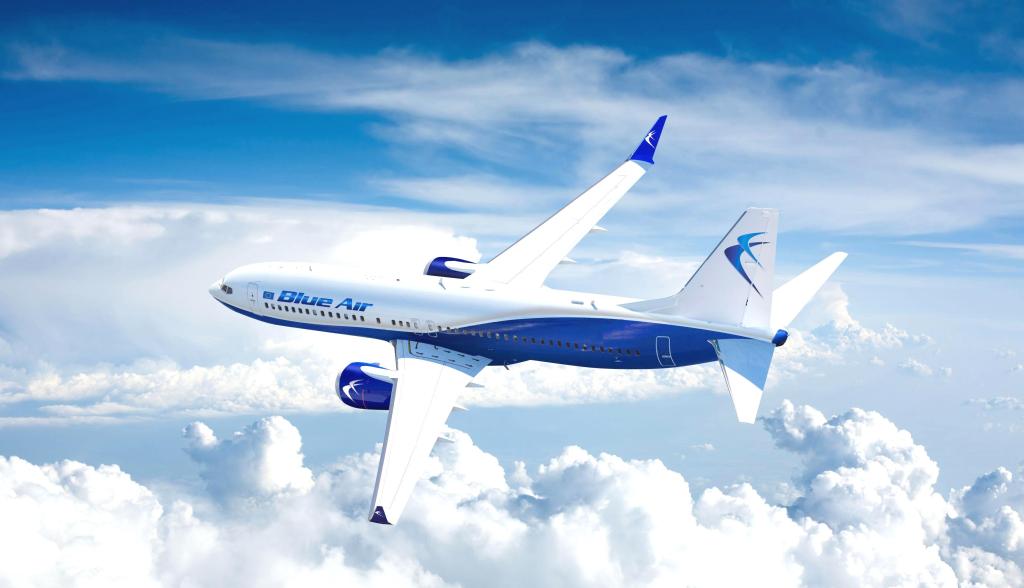



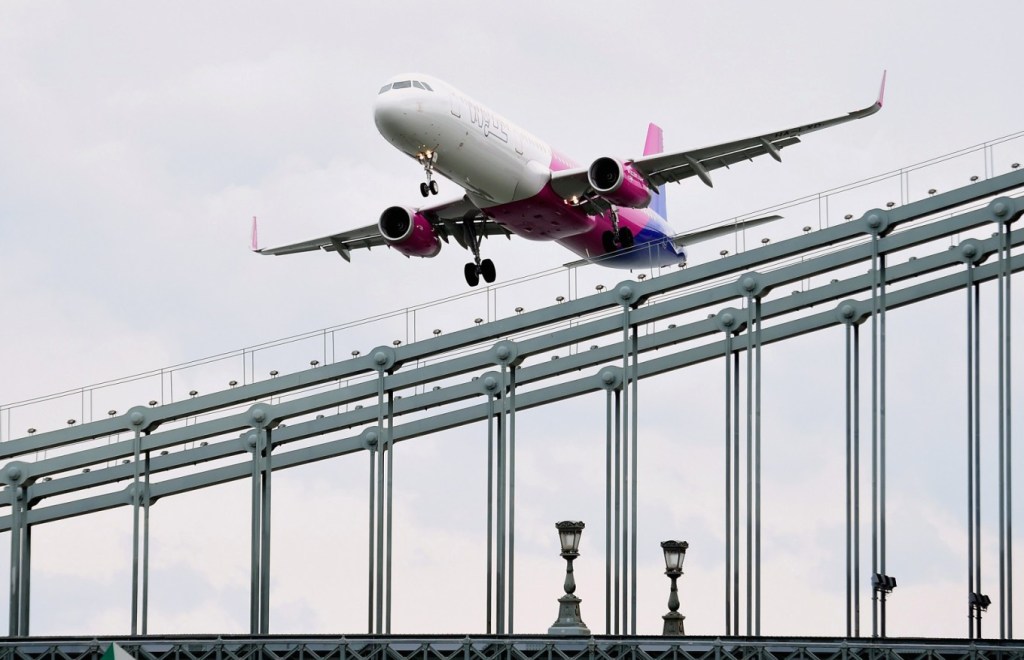
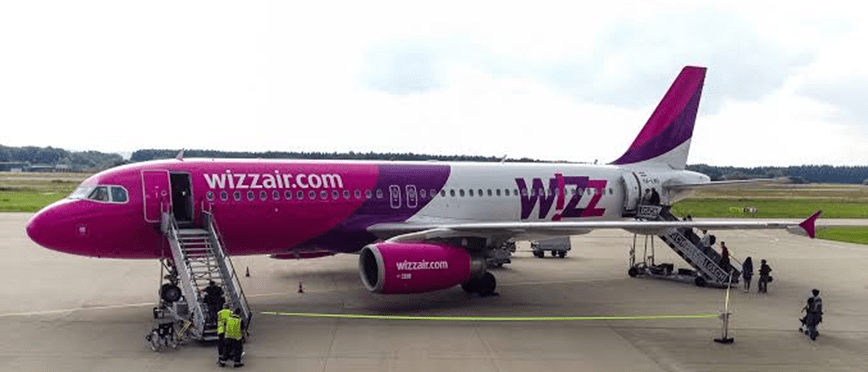
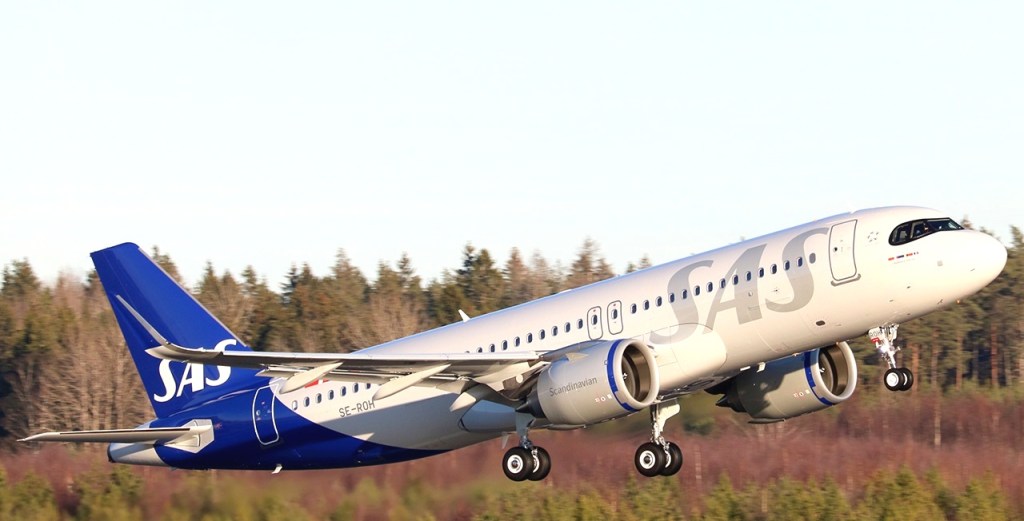

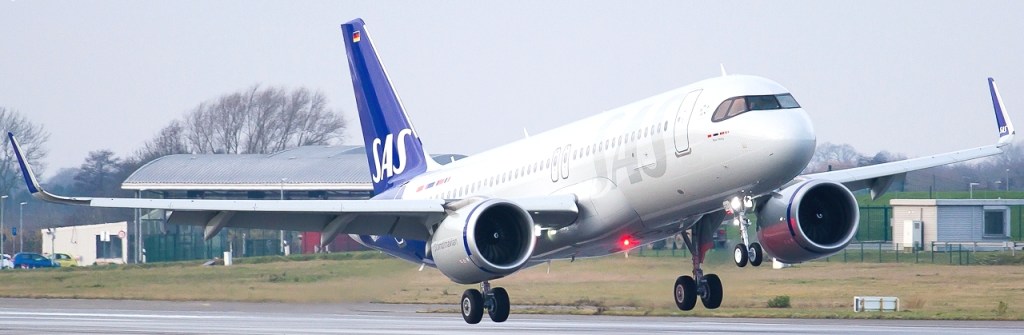
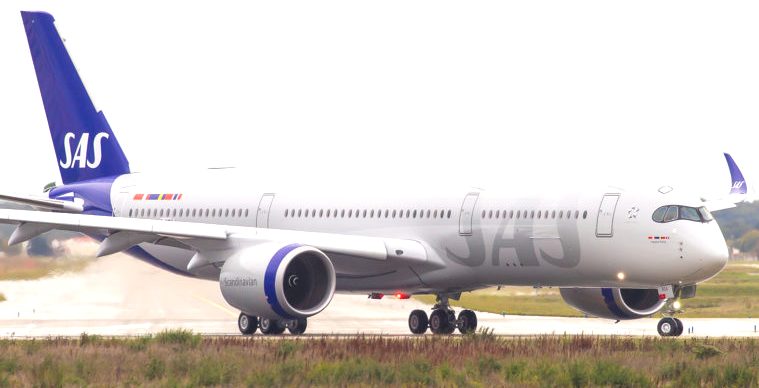
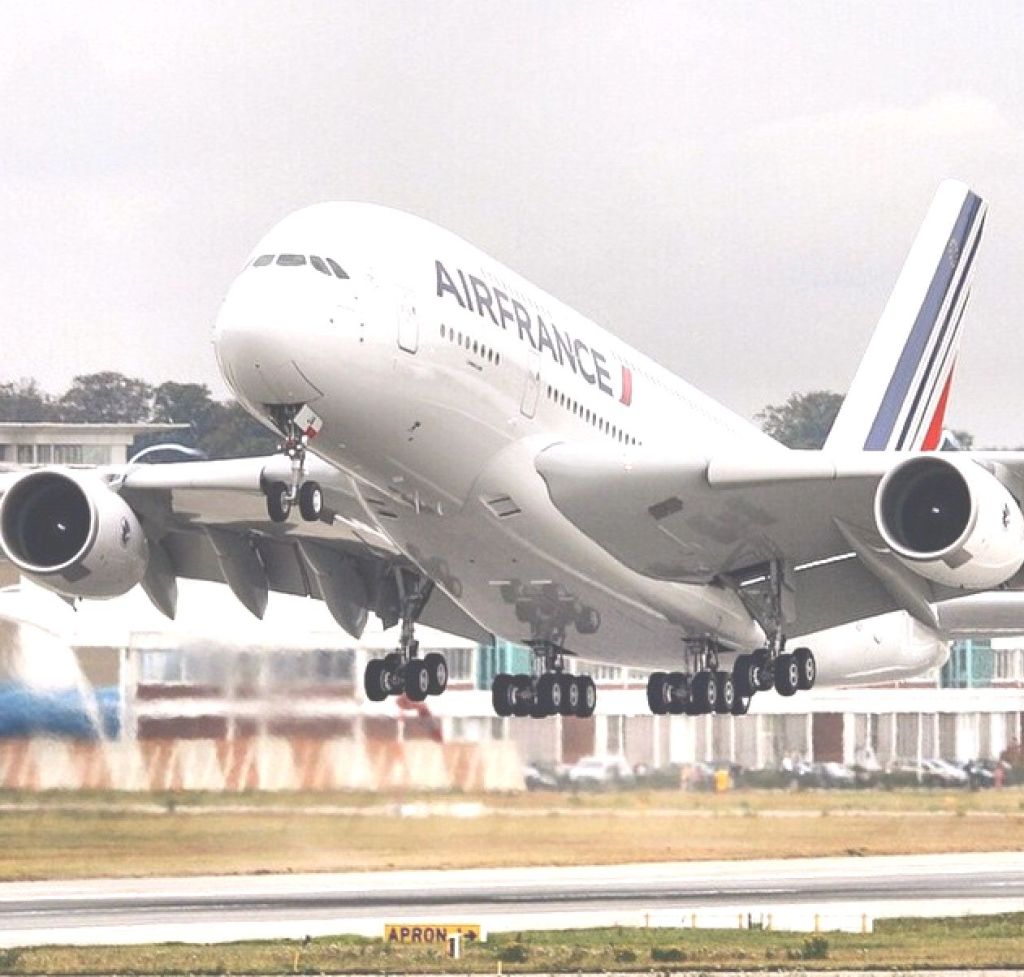

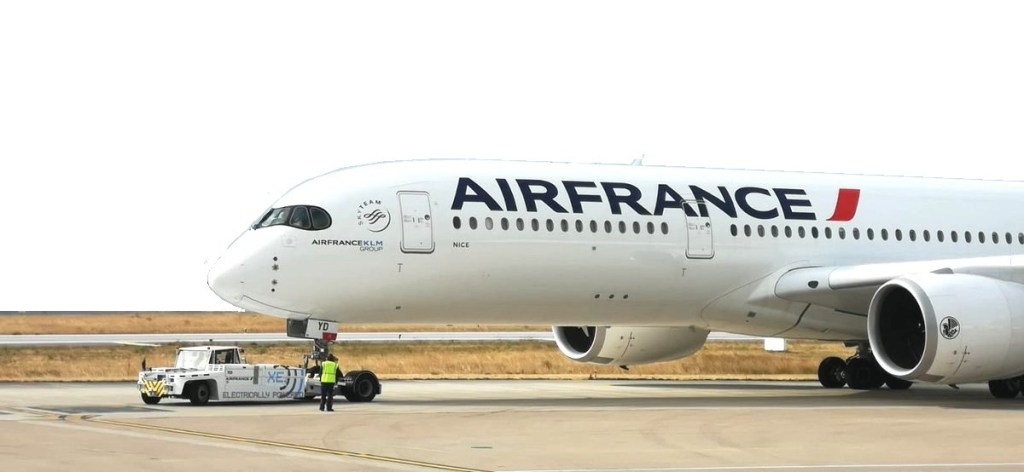
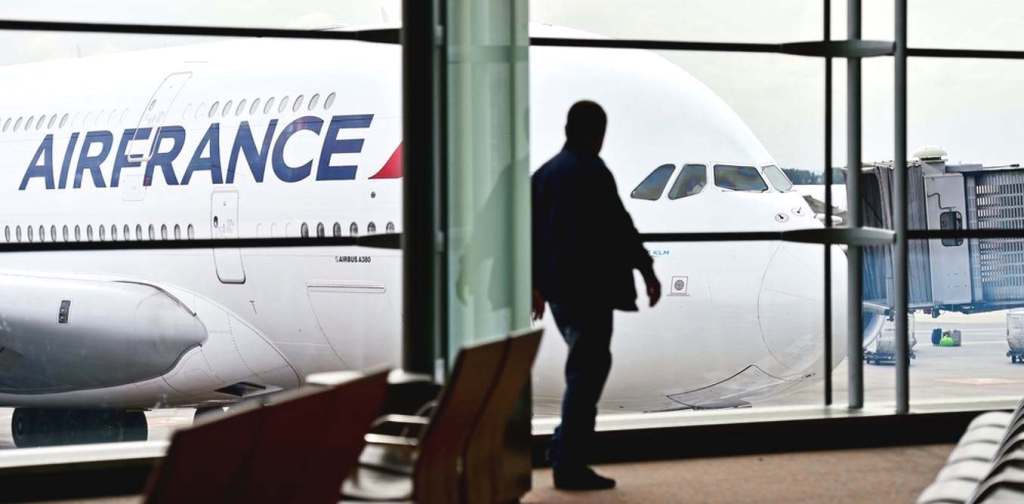
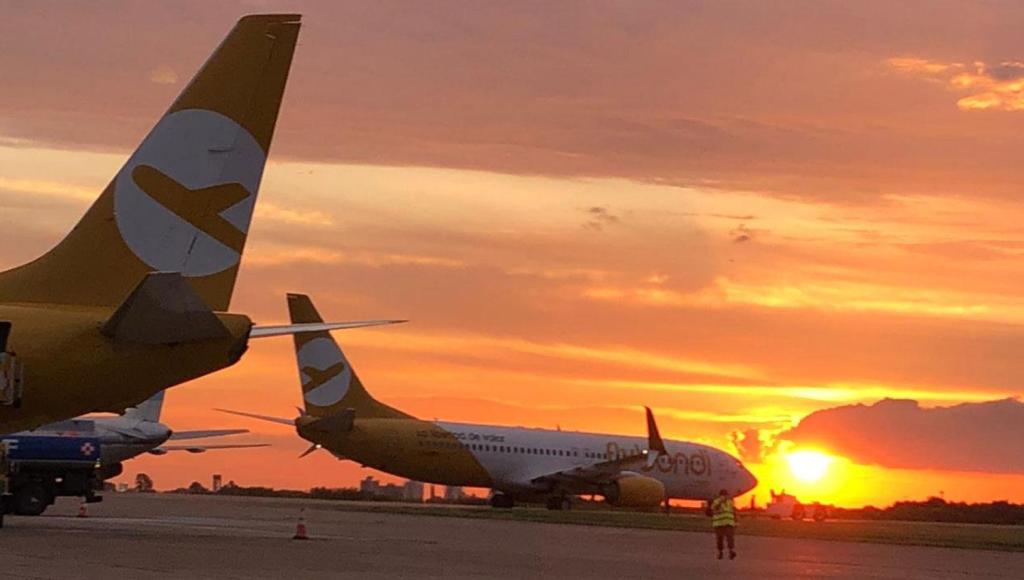


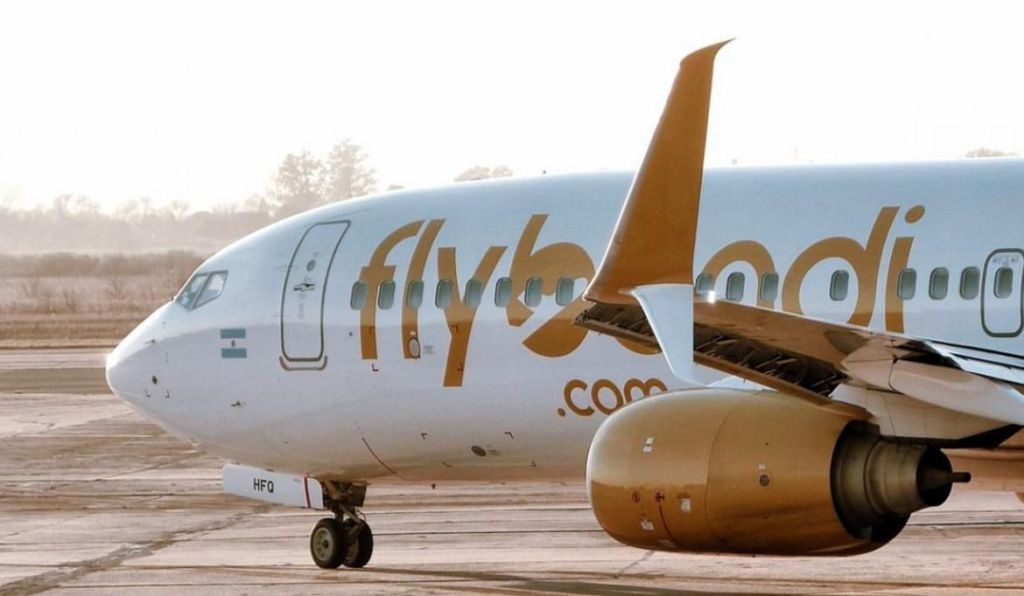
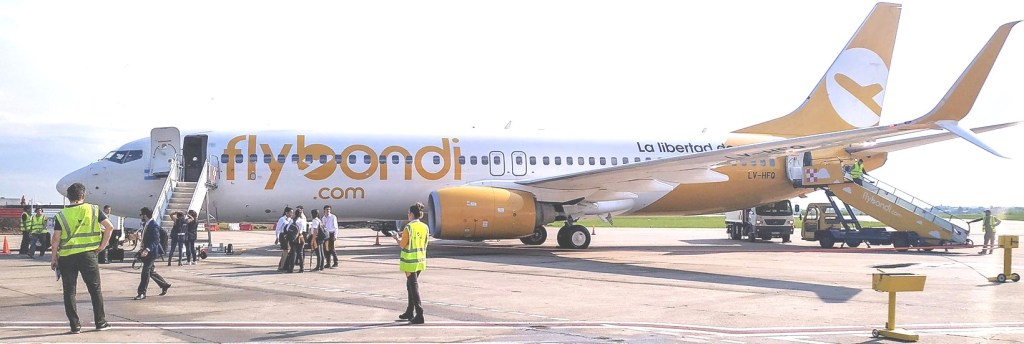




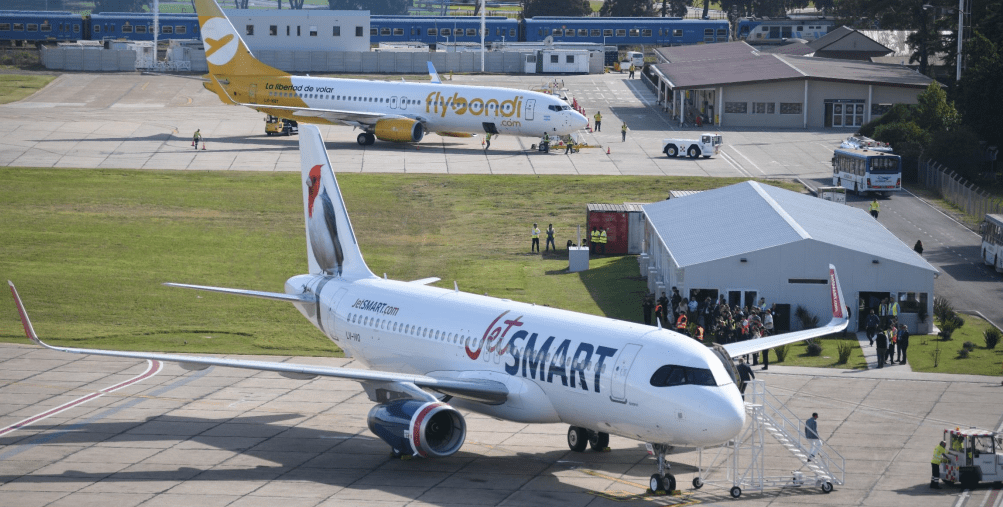
 Gobierno Argentina bloquea ops en Aeropuerto El Palomar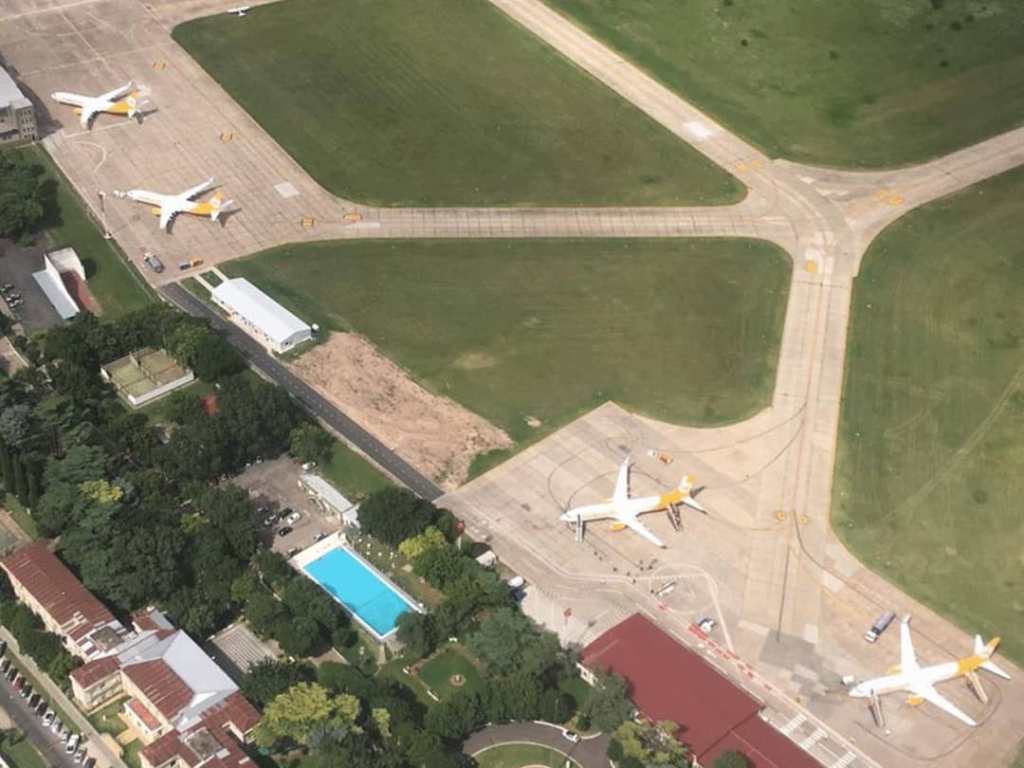
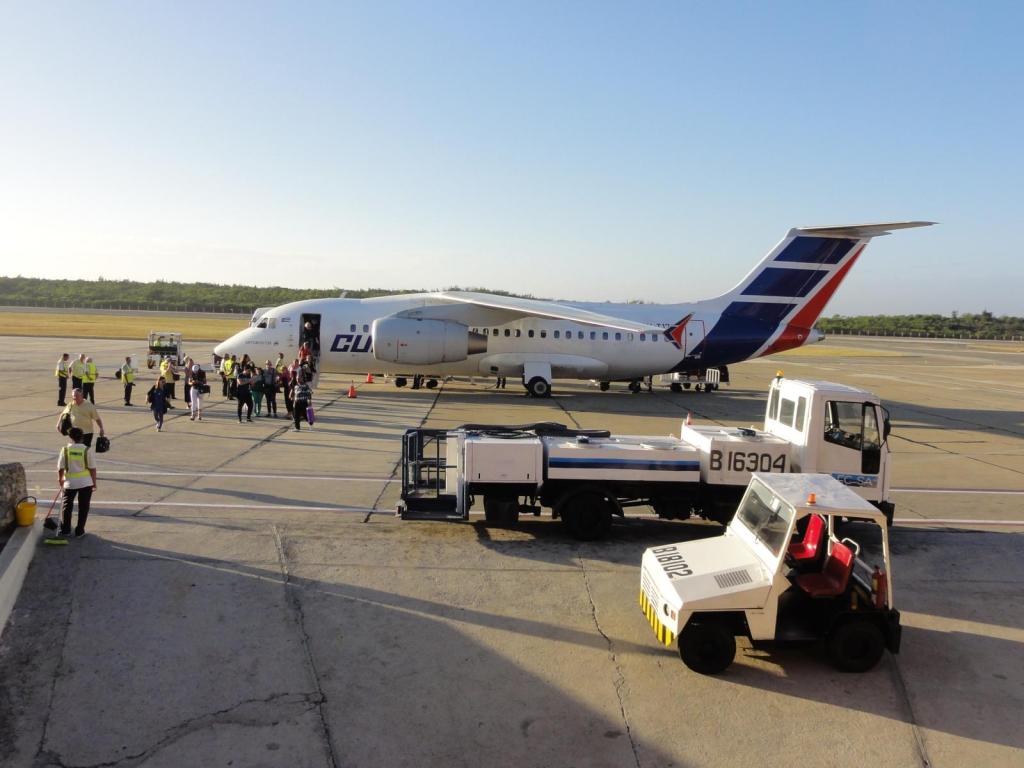
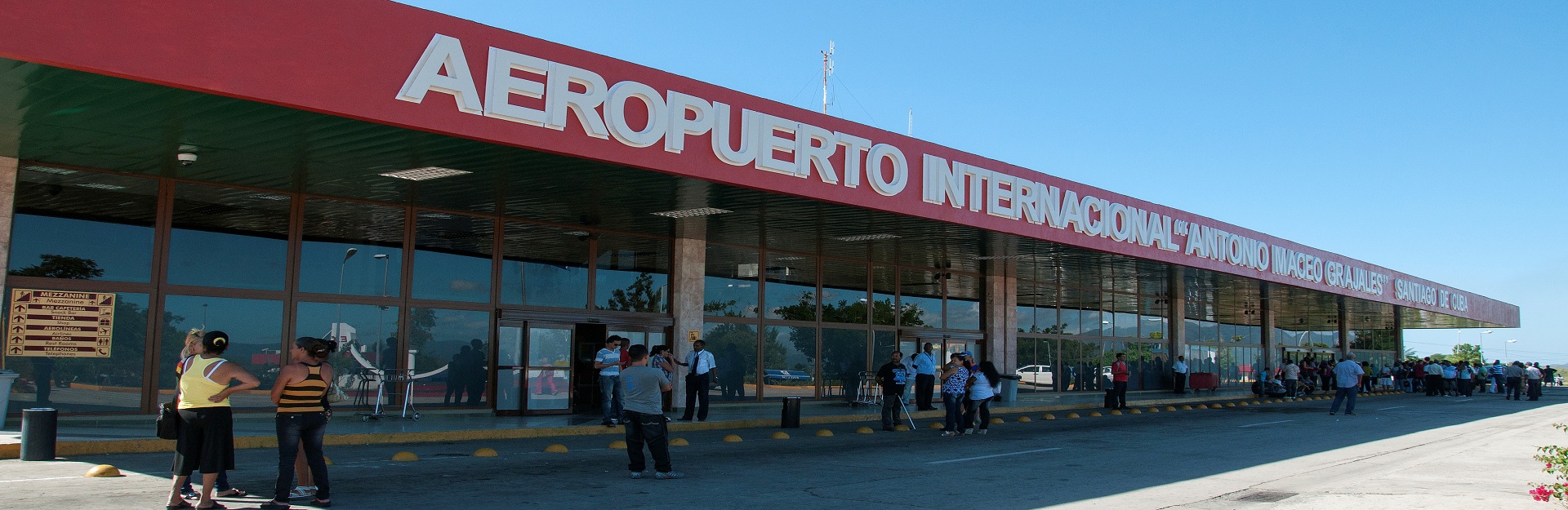
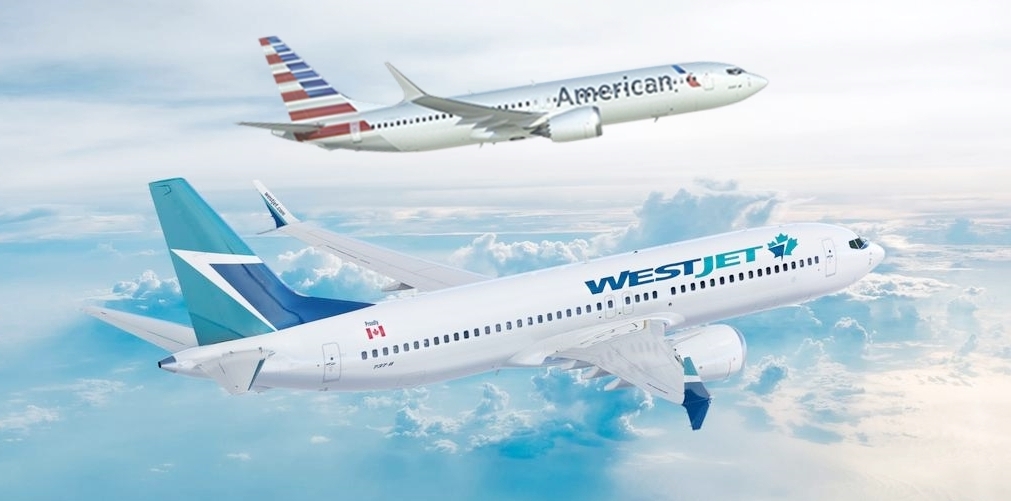




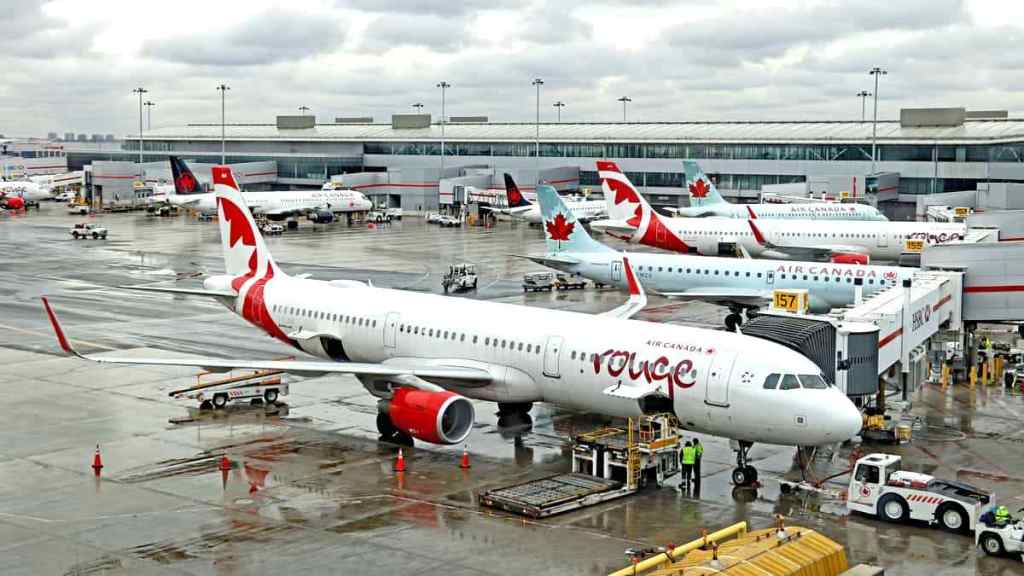
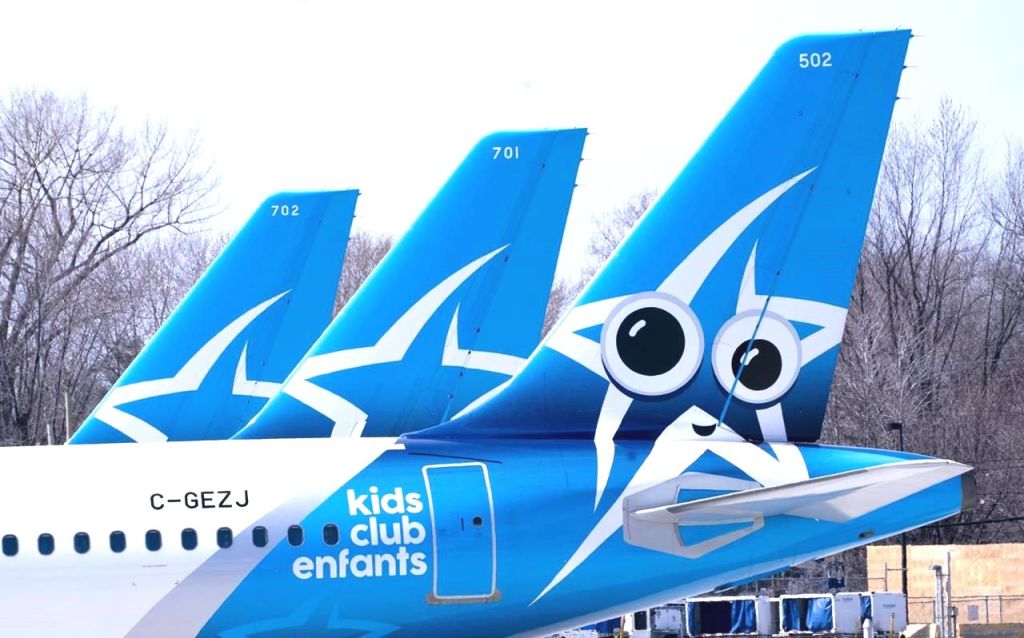
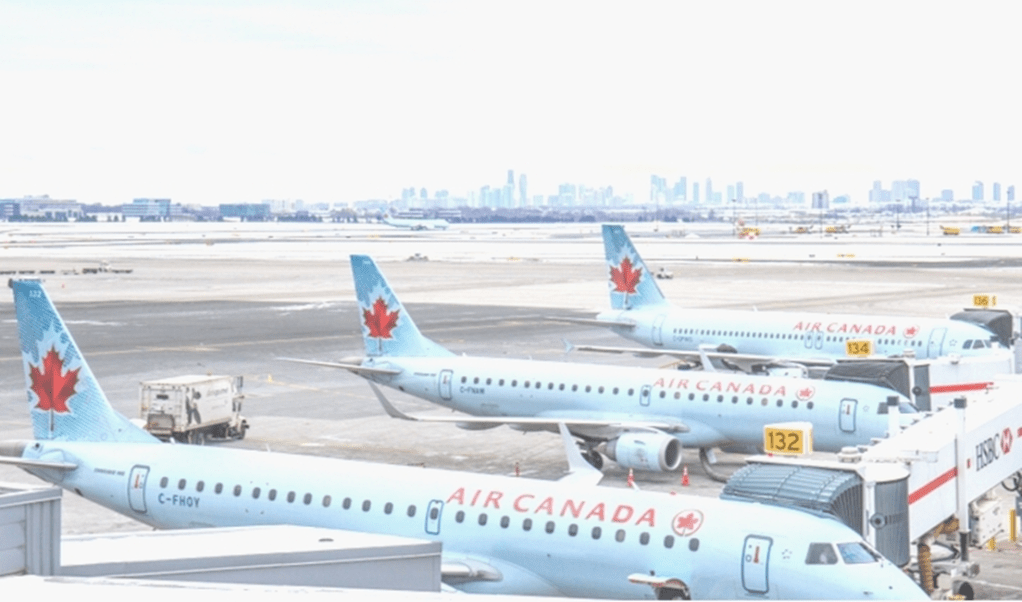
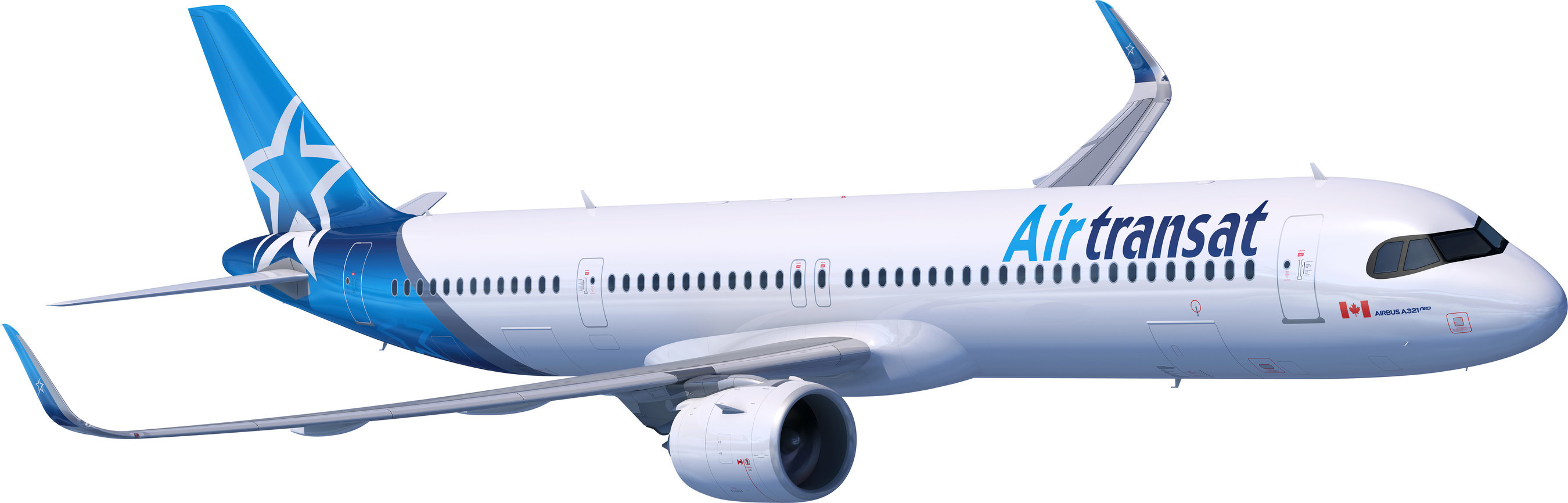
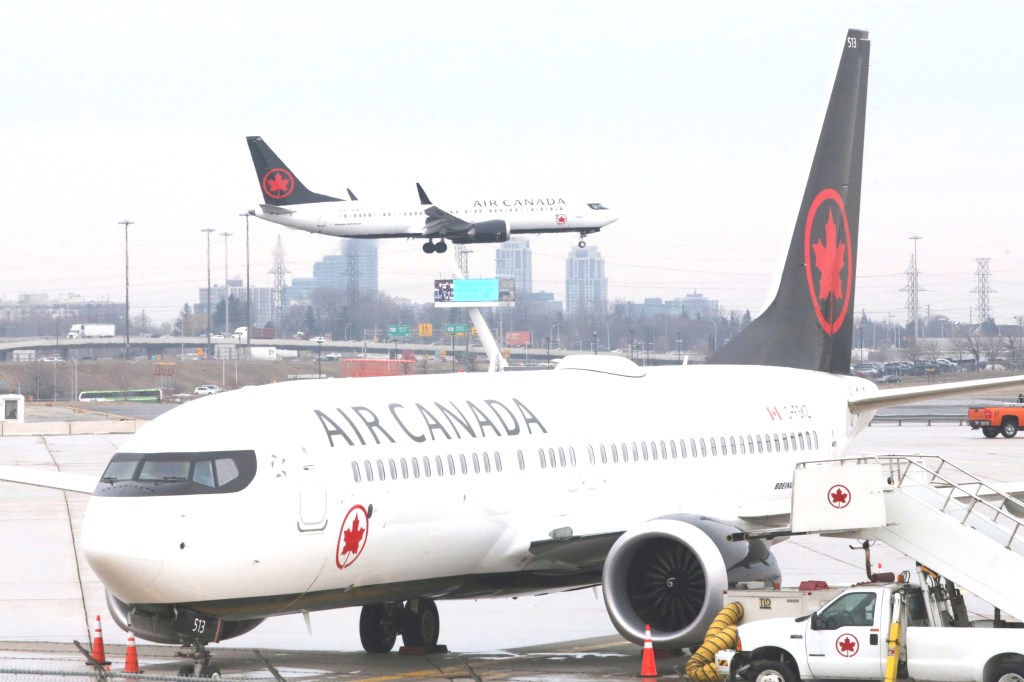
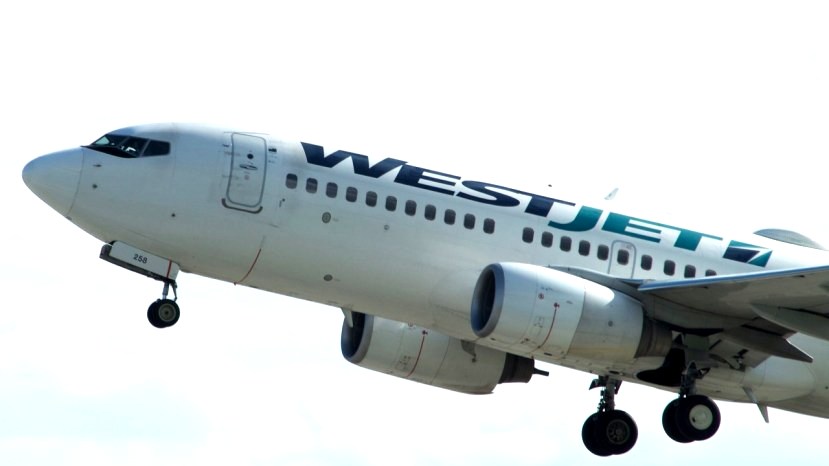

 airgways.com