Reacondicionarán Aeropuerto Guarujá en Estado Sao Paulo
El reacondicionamiento del Aeropuerto Guarujá, localizado en el Estado de Sao Paulo, ingresará al sistema de aeropuerto para operaciones de líneas aéreas en la República de Brasil, estimando la apertura de las operaciones aerocomerciales para principios de 2021. Infraero ha iniciado los servicios de topografía y perforación en la pista, servicios fundamentales para la elaboración de proyectos de Ingeniería, para que el Aeropuerto Guarujá entre en funcionamiento a principios del próximo año. Infraero es una empresa pública federal que controla y administra las operaciones técnicas de los aeropuertos civiles en Brasil.
En Mayo 2020, la empresa asumió la gestión del Aeropuerto Civil Metropolitano de Guarujá por un período de 12 meses, donde realizará la gestión aeroportuaria y operativa de las instalaciones con el objetivo de adecuar el aeropuerto a los vuelos comerciales. Este trabajo está a cargo de la Superintendente de Infraero, Adriana Lopes, quien tiene 16 años de experiencia proveniente de Río de Janeiro para realizar la tarea de reacondicionamiento.
Adriana Lopes explicó que las obras están dentro del cronograma, y que en 2021 Guarujá comienza a recibir vuelos de aviación comercial. Azul Linhas Aéreas ha solicitado los permisos pertinentes para iniciar operaciones aéreas con conexiones con Río de Janeiro, Belo Horizonte, Curitiba y el interior de São Paulo.
El reacondicionamientos del aeropuerto es un viejo reclamo postergado, donde la burocracia había impedido avanzar con la iniciativa de realizar operaciones para líneas aéreas. El trabajo de la Diputada Rosana Valle ha permitido indagar y trabajar para junto a los organismos de aviación de la ANAC Brasil, la Comisión de Viação e Transportes (CVT), y el Alcalde de Guarujá, Valter Suman para motorizar los trámites para la liberación de la licencia de operación del aeropuerto civil.
Guarujá Airport opening works
Guarujá Airport to be refurbished in Sao Paulo State
The refurbishment of Guarujá Airport, located in the State of Sao Paulo, will enter the airport system for airline operations in the Republic of Brazil, estimating the opening of commercial air operations for early 2021. Infraero has started the topography and drilling services on the runway, fundamental services for the preparation of Engineering projects, so that Guarujá Airport comes into operation at the beginning of next year. Infraero is a federal public company that controls and manages the technical operations of civil airports in Brazil.
In May 2020, the company assumed the management of the Guarujá Metropolitan Civil Airport for a period of 12 months, where it will carry out the airport and operational management of the facilities in order to adapt the airport to commercial flights. This work is in charge of the Infraero Superintendent, Adriana Lopes, who has 16 years of experience from Rio de Janeiro to carry out the reconditioning task.
Adriana Lopes explained that the works are within the schedule, and that in 2021 Guarujá begins to receive commercial aviation flights. Azul Linhas Aéreas has requested the pertinent permits to start air operations with connections to Rio de Janeiro, Belo Horizonte, Curitiba and the interior of São Paulo.
The reconditioning of the airport is an old postponed claim, where the bureaucracy had prevented progress with the initiative to carry out operations for airlines. The work of Deputy Rosana Valle has made it possible to investigate and work together with the aviation organizations of ANAC Brazil, the Viação e Transportes Commission (CVT), and the Mayor of Guarujá, Valter Suman to motorize the procedures for the release of the civil airport operating license.
Obras de inauguração do Aeroporto do Guarujá
Aeroporto do Guarujá será reformado no estado de São Paulo
A reforma do Aeroporto do Guarujá, localizado no Estado de São Paulo, entrará no sistema aeroportuário para operação de companhias aéreas na República do Brasil, com previsão de abertura de operações aéreas comerciais para o início de 2021. A Infraero deu início aos serviços de topografia e perfuração da pista, serviços fundamentais para a elaboração de projetos de Engenharia, para que o Aeroporto do Guarujá entre em operação no início do próximo ano. A Infraero é uma empresa pública federal que controla e administra as operações técnicas de aeroportos civis no Brasil.
Em Maio de 2020, a empresa assumiu a gestão do Aeroporto Civil Metropolitano do Guarujá por um período de 12 meses, onde fará a gestão aeroportuária e operacional das instalações para adequação do aeroporto aos voos comerciais. A obra está a cargo da Superintendente da Infraero, Adriana Lopes, que tem 16 anos de experiência no Rio de Janeiro para realizar a tarefa de recondicionamento.
Adriana Lopes explicou que as obras estão dentro do cronograma e que em 2021 o Guarujá começará a receber voos da aviação comercial. A Azul Linhas Aéreas solicitou as licenças pertinentes para iniciar operações aéreas com conexões para o Rio de Janeiro, Belo Horizonte, Curitiba e o interior de São Paulo.
O recondicionamento do aeroporto é uma reivindicação antiga adiada, onde a burocracia impedia o andamento da iniciativa de realizar operações para companhias aéreas. O trabalho da deputada Rosana Valle tem possibilitado apurar e trabalhar junto aos órgãos de aviação da ANAC Brasil, da Comissão Viação e Transportes (CVT), e do prefeito do Guarujá, Valter Suman, para motorizar os trâmites de liberação dos a licença de operação civil de aeroporto.
Entre Ríos firma licitación para readecuación Aeropuerto Concordia
El Gobierno de la Provincia de Entre Ríos, República Argentina ha formado el decreto para el llamado a licitación de la construcción y readecuación del Aeropuerto de Concordia/Comodoro Pierrestegui que financia el Banco Interamericano de Desarrollo (BID). Desde el gobierno, indicaron que la obra, que generará puestos de trabajo directos e indirectos, se enmarca en el programa de Desarrollo e Integración de la Región de Salto Grande. La apertura de sobres con las propuestas será el 30 de Noviembre 2020.
“Es un proyecto que se viene impulsando desde el gobierno de la provincia y el municipio para que Concordia tenga una conectividad aérea. Es la plataforma para el futuro, sobre todo en el turismo y la producción para poder sacar mucha carga desde Concordia, como arándanos y otros productos que van por avión. Esto generará mucho empleo también acá en la zona en la etapa de construcción. Estamos hablando de un proyecto de gran envergadura que viene a mejorar sustancialmente la conectividad de la región, permitiendo a las cadenas productivas y actividades cada vez más importantes como el turismo, un relanzamiento de sus productos y servicios, y por lo tanto creando condiciones cada vez más favorables para la generación de empleos de calidad”, expresó el Gobernador Gustavo Bordet.
El Gobierno provincial indica que a través de este importante proyecto se busca la integración productiva a través del fomento de encadenamientos productivos binacionales en la industria citrícola, de arándanos y el turismo. Con el readecuación del aeropuerto se busca la integración logística, la conectividad física a través de la ampliación de la capacidad del Aeropuerto Concordia, permitiendo atender demanda de aerolíneas comerciales para vuelo de pasajeros y carga liviana, además de la implementación de servicios de transporte urbano binacional por medios terrestres como fluviales.
Obras Aeropuerto Concordia
La obra de remodelación del Aeropuerto Condordia consiste en extender y ampliar la pista existente de 1.600 metros para alcanzar los 2.000 metros, incluyendo la Zona Antichorro y Capa Resistente del Área de Seguridad al Final de Pistas (RESA). Asimismo se incluye la construcción de calle de rodaje y plataforma de estacionamiento de aeronaves, y la adquisición y montaje de la señalética diurna y nocturna.
El proyecto propone la mejora de la vía de acceso al aeropuerto y construcción del nuevo estacionamiento, camino y cerco perimetral. En relación a infraestructura para personal aeroportuario y pasajeros se incluye la construcción de una nueva terminal de pasajeros y torre de control. Al ser el predio de jurisdicción municipal, no se prevé la adquisición de terrenos. Además, el programa de desarrollo e integración de la Región de Salto Grande financiará la supervisión técnica de las obras del aeropuerto y el estudio de factibilidad del nuevo puente vecinal entre Concordia y Salto.
Concordia Airport works tender
Entre Ríos Government signs bidding for Concordia Airport
The Government of the Province of Entre Ríos, Argentine Republic has created the decree for the call for bids for the construction and retrofitting of the Concordia/Comodoro Pierrestegui Airport, which is financed by the Inter-American Development Bank (IDB). The government indicated that the work, which will generate direct and indirect jobs, is part of the Salto Grande Region Development and Integration program. The opening of envelopes with the proposals will be on November 30, 2020.
“It is a project that has been promoted by the government of the province and the municipality so that Concordia has an air connectivity. It is the platform for the future, especially in tourism and production to be able to get a lot of cargo from Concordia, such as blueberries and other products that go by plane. This will also generate a lot of employment here in the area in the construction phase. We are talking about a large-scale project that substantially improves the connectivity of the region, allowing production chains and increasingly important activities such as tourism, a relaunch of their products and services, and therefore creating conditions each time more favorable for the generation of quality jobs», said Governor Gustavo Bordet.
The provincial government indicates that through this important project, productive integration is sought through the promotion of binational production chains in the citrus, blueberry and tourism industries. With the readjustment of the airport, logistics integration and physical connectivity are sought through the expansion of the capacity of the Concordia Airport, allowing it to meet the demand of commercial airlines for passenger flights and light cargo, in addition to the implementation of binational urban transport services by land and river means.
Concordia Airport Works
The remodeling work at Condordia Airport consists of extending and expanding the existing 1,600-meter runway to reach 2,000 meters, including the Anti-Jet Zone and Resistant Layer of the Runway End Security Area (RESA). It also includes the construction of a taxiway and aircraft parking platform, and the acquisition and assembly of day and night signage.
The project proposes the improvement of the access road to the airport and construction of the new parking lot, road and perimeter fence. In relation to infrastructure for airport personnel and passengers, the construction of a new passenger terminal and control tower is included. As the property is under municipal jurisdiction, the acquisition of land is not foreseen. In addition, the Salto Grande Region development and integration program will finance the technical supervision of the airport works and the feasibility study of the new neighborhood bridge between Concordia and Salto.
AW | 2020 10 05 11:02 | AIRLINES ROUTES / GOVERNMENT
Provincias adherentes/no adherentes al reinicio de vuelos
El Gobierno de Argentina ha establecido la reapertura de los vuelos domésticos e internacionales hacia mediados de Octubre 2020 terminando con uno de los procesos de Aislamiento Social Preventivo y Obligatorio (ASPO), esperando determinar los procedimientos a implementar para reactivar la aviación comercial y el turismo.
En contraparte, algunas provincias argentinas, que a pesar de los protocolos sanitarias implementados para la reapertura de la actividad aérea y turística, han expresado que continuarán con las restricciones de los vuelos.
Provincias sin reaperturas
Desde el Ministerio de Turismo habían dejado trascender que había diez provincias que ya habían anunciado que no recibirían turistas. Fuentes del Gobierno nacional explicaron: “Las provincias que hasta ahora señalaron que no recibirán en el corto plazo turistas son San Luis, Santiago del Estero, La Rioja y Formosa».
Provincias stand-by
Hay otras provincias que están analizando la situación. Este 05/10 llega una delegación del Ministerio de Salud a Chubut, se quedarán cuatro días, pero los casos están subiendo y será difícil que se autorice para Octubre. En este contexto hay preocupación por lo que pueda suceder con la Provincia de Santa Fe, en especial con Rosario. Algo similar sucede con Provincia de Córdoba que podría no ser de las primeras en habilitar la llegada de turistas. En la misma línea está la Provincia de Neuquén, donde los casos están incrementándose. El Gobierno de la Provincia de Salta aún no definió sobre los vuelos de cabotaje. A días de que se habiliten los vuelos dentro del país, el Ejecutivo provincial aún no tiene una posición al respecto. Tampoco hay acuerdo en cómo avanzar con nuevas flexibilizaciones. El sector turístico presiona para volver.
Provincias con reapertura
Las provincias que han confirmado que recibirán vuelos se encuentran la Provincia de Tierra del Fuego y la Provincia de Chaco. La Provincia de Río Negro en la Región Patagonia también ha solicitado la reapertura de vuelos regulares controlados. «Aceptaremos los vuelos cuando regresen, seguramente desde octubre, y Bariloche empezará una experiencia de reapertura turística, respaldada por Nación”, dijo la Gobernadora Arabela Carrera. En esta prueba piloto la ciudad recibirá grupos acotados de 500 turistas bajo estrictas normas de control y trazabilidad.
Las aerolíneas
JetSmart Airlines Argentina afirmaron que vienen implementando un protocolo sanitario, en función de las normas de la Organización de Aviación Civil Internacional (OACI). En caso de que el Gobierno y los gobernadores se lo permitan, su plan es volar desde Buenos Aires a Salta, Córdoba, Mendoza, Neuquén y Bariloche cinco veces por semana; a Iguazú, cuatro, y a Tucumán, dos; luego retomaría otras rutas. El jueves, la aérea anunció que retomaría vuelos internacionales desde Chile e informó que operará la ruta Santiago-Buenos Aires cuando las autoridades argentinas lo permitan, durante Octubre 2020.
Flybondi Líneas Aéreas también tiene previsto operar a un 25% de su capacidad previa a la pandemia y en función de la demanda.
Andes Líneas Aéreas proyecta comenzar con tres frecuencias semanales en las dos rutas redondas Buenos Aires-Salta-Jujuy y Buenos Aires-Puerto Madryn-Comodoro Rivadavia.
Aerolíneas Argentinas prevé volar en forma regular cuando las autoridades lo permitan, pero aún no definió qué rutas proyectará a destinos domésticos e internacionales.
Reopening destinations in Argentina
Adherent/non-adherent provinces to restart flights
The Government of Argentina has established the reopening of domestic and international flights by mid-October 2020 ending with one of the processes of Preventive and Mandatory Social Isolation (ASPO), hoping to determine the procedures to be implemented to reactivate commercial aviation and tourism.
On the other hand, some Argentine provinces, which despite the health protocols implemented for the reopening of air and tourist activity, have expressed that they will continue with the restrictions on flights.
Provinces without reopening
The Ministry of Tourism had revealed that there were ten provinces that had already announced that they would not receive tourists. National Government sources explained: “The provinces that have so far indicated that they will not receive tourists in the short term are San Luis, Santiago del Estero, La Rioja and Formosa».
Stand-by provinces
There are other provinces that are analyzing the situation. This 05/10 a delegation from the Ministry of Health arrives in Chubut, they will stay for four days, but the cases are increasing and it will be difficult for it to be authorized for October. In this context, there is concern about what may happen to the Province of Santa Fe, especially Rosario. Something similar happens with the Province of Córdoba, which might not be one of the first to enable the arrival of tourists. Along the same lines is the Province of Neuquén, where cases are increasing.
The Government of the Province of Salta has not yet defined the cabotage flights. Days before flights within the country are enabled, the provincial Executive still does not have a position on the matter. There is also no agreement on how to move forward with new flexibilities. The tourism sector is pressing to return.
Provinces with reopening
The provinces that have confirmed that they will receive flights are the Province of Tierra del Fuego and the Province of Chaco. The Province of Río Negro in the Patagonia Region has also requested the reopening of regular controlled flights. «We will accept the flights when they return, surely from October, and Bariloche will begin a tourist reopening experience, supported by the Nation», said Governor Arabela Carrera. In this pilot test, the city will receive limited groups of 500 tourists under strict control and traceability regulations. .
Airlines
JetSmart Airlines Argentina stated that they have been implementing a sanitary protocol, based on the standards of the International Civil Aviation Organization (ICAO). In case the Government and the governors allow it, their plan is to fly from Buenos Aires to Salta, Córdoba, Mendoza, Neuquén and Bariloche five times a week; to Iguazú, four, and to Tucumán, two; then she would resume other routes. On Thursday, the airline announced that it would resume international flights from Chile and informed that it will operate the Santiago-Buenos Aires route when the Argentine authorities allow it, during October 2020.
Flybondi Líneas Aéreas also plans to operate at 25% of its pre-pandemic capacity and based on demand.
Andes Líneas Aéreas plans to start with three weekly frequencies on the two round routes Buenos Aires-Salta-Jujuy and Buenos Aires-Puerto Madryn-Comodoro Rivadavia.
Aerolíneas Argentinas plans to fly regularly when authorities allow it, but has not yet defined which routes it will plan to domestic and international destinations.
México construirá aeropuerto en Tulum en Quintana Roo
El reciente anuncio del nuevo Aeropuerto Tulum en Quintana Roo ha sido aprobado por el Gobierno para reforzar la demanda turística en la Península de Yucatán. El proyecto había sido detenido desde hace más de ocho años. Luego de varios estudios se estaba consiguiendo la licitación, pero luego quedó vacante con el cambio de administración. “Habrá que esperar para ver si este proyecto tiene inversión oficial o será un proyecto privado, como estaba planteado originalmente. Falta mucha información por recibir”, indicó el Ejecutivo Nacional, Andrés Obrador.
La titular de la Secretaría de Turismo de Quintana Roo (Sedetur), Marisol Vanegas Pérez, se declaró sorprendida por el reciente anuncio presidencial sobre la construcción de un aeropuerto en Tulum. “Fue tan sorpresivo para nosotros como para muchísimas personas en Quintana Roo; ahora habrá que ver si es en el mismo emplazamiento que tenía el proyecto anterior, si va con las mismas condiciones, porque ese proyecto avanzó incluso hasta las etapas de factibilidad en la parte técnica; me parece que con el proyecto que se tiene sería mucho más rápido, hay que sondear cómo viene la parte de los recursos para ese aeropuerto”, señaló la titular de Sedetur.
Tulum, megaproyecto
Se trata de otro pretendido megaproyecto, el aeropuerto de la Riviera Maya, contemplado en el Programa Nacional de Infraestructura (PNI) de 2011 y que ese mismo año fue cancelado por enésima ocasión cuando la Secretaría de Comunicaciones y Transportes (SCT) declaró desierta la licitación. En ese entonces, la SCT consideró que ni el consorcio integrado por Grupo México y Grupo Aeroportuario del Pacífico (GAP), ni el compuesto por Tradeco y el señor Haig Gulesserian cumplían los requisitos “para participar en el proceso del proyecto para mejorar la conectividad aérea de la Riviera Maya con México y el mundo”.
El nuevo aeropuerto en Tulum permitirá cubrir una demanda creciente de pasajeros en la Región de la Riviera Maya, que complementaría a las aeroestaciones de Cancún y el de la Isla de Cozumel.
Mexico announces Tulum Airport
Mexico to build airport in Tulum in Quintana Roo
The recent announcement of the new Tulum Airport in Quintana Roo has been approved by the Government to reinforce the tourist demand in the Yucatan Peninsula. The project had been stopped for more than eight years. After several studies the tender was being obtained, but then it became vacant with the change of administration. “We will have to wait to see if this project has an official investment or will it be a private project, as it was originally planned. There is a lot of information to receive”, indicated the National Executive, Andrés Obrador.
The head of the Quintana Roo Tourism Secretariat (Sedetur), Marisol Vanegas Pérez, declared herself surprised by the recent presidential announcement about the construction of an airport in Tulum. “It was as surprising for us as it was for many people in Quintana Roo; Now it will be necessary to see if it is in the same location that the previous project had, if it goes with the same conditions, because that project even advanced to the feasibility stages in the technical part; It seems to me that with the project that we have, it would be much faster, we have to find out how the part of the resources for that airport is coming”, said the head of Sedetur.
Tulum, megaproject
This is another alleged megaproject, the Riviera Maya airport, contemplated in the National Infrastructure Program (PNI) of 2011 and that that same year was canceled for the umpteenth time when the Ministry of Communications and Transportation (SCT) declared the tender void. At that time, the SCT considered that neither the consortium made up of Grupo México and Grupo Aeroportuario del Pacífico (GAP), nor that made up of Tradeco and Mr. Haig Gulesserian met the requirements “to participate in the project process to improve air connectivity of the Riviera Maya with Mexico and the world”.
The new airport in Tulum will allow to cover a growing passenger demand in the Riviera Maya Region, which would complement the air stations in Cancun and the one on the Island of Cozumel.
Firma acuerdo entre pilotos primer paso hacia la fusión
El CEO del Grupo Aerolíneas, Pablo Ceriani ha comunicado que ha avanzado en la integración de Aerolíneas Argentinas y Austral Líneas Aéreas. Tras la introducción de los problemas de la pandemia en el mundo de la aviación, los ejecutivos de la compañía del Estado un plan para continuar con la sinergia de ambas líneas aéreas, o más exactamente la eliminación de su compañera Austral Líneas Aéreas, un antiguo anhelo político-sindical entre el ambiente de la aviación comercial.
Alcanzar la integración de las dos compañías ha sumado un nuevo capítulo con un acuerdo de base de los sindicatos de pilotos de la Asociación de Pilotos de Líneas Aéreas (APLA) representados por Aerolíneas Argentinas y los de Unión de Aviadores de Líneas Aéreas (UALA) que nuclean a los de Austral Líneas Aéreas.
La integración de los pilotos de las dos flotas se ha convertido en un problema de unión efectiva tras la adquisición de Austral por parte del Estado al Grupo Aerolíneas en 2008. La rivalidad entre los gremios UALA y APLA era un asunto que incidía en el proceso de fusión entre ambas compañías.
Antecedentes
Cielos del Sur S.A. e Iberia formaron un consorcio para adquirir una participación del 85% en Aerolíneas Argentinas en 1990, en el marco de la privatización de esa aerolínea bandera. Poco después, Cielos del Sur S.A. vendió Austral Líneas Aéreas a Iberia. El destino de Aerolíneas Argentinas y Austral se alineó a partir de entonces. En Julio de 1998, la compañía era propiedad en un 10% de su antiguo competidor Aerolíneas Argentinas. El 21 de Julio de 2008, el Gobierno de Argentina retomó el control estatal de la aerolínea tras adquirir el 99,4% del capital social por un precio no revelado. El 0,6% restante sigue siendo propiedad de los empleados de la empresa. En Septiembre de 2008, el Senado de Argentina aprobó la nacionalización de Aerolíneas Argentinas y su subsidiaria Austral Líneas Aéreas en una votación de 46 a 21 a favor de la toma de posesión. En Junio de 2010 Aerolíneas Argentinas lanzó un nuevo esquema de pintura para renovar la imagen de la aerolínea. La nueva librea se asemeja al color azul de la bandera de Argentina y al color amarillo del sol. Como aerolínea subsidiaria, Austral también adoptó la nueva imagen. La librea de Austral en realidad difiere de la de Aerolíneas Argentinas solo por una línea roja. Mientras tanto, la aerolínea también anunció la incorporación de 20 nuevos Embraer E190 a su flota, recibiendo los dos primeros en Septiembre de 2010.
Reunión integración
En Julio 2020 la compañía había convocado a una reunión de accionistas para notificar la integración o fusión de ambas compañías en una sola unidad de negocio.
La dirección del Grupo Aerolíneas se ha reunido este Viernes 02/10 para continuar avanzando con la integración de Aerolíneas/Austral. «Ayer dimos un paso fundamental para concretar la fusión de Aerolíneas y Austral. Alcanzamos un acuerdo entre los pilotos de ambas empresas que pone fin a una historia de desencuentros al interior de nuestra línea aérea de bandera. A partir de este acuerdo, el trabajo de nuestros pilotos se desarrollará bajo las mismas reglas y criterios, se integrarán sus escalafones y se unificará su representación gremial, lo que se traduce en más horas de vuelo y mayor productividad para nuestros aviones. También, mejorará la programación de los vuelos de Aerolíneas, unificará los criterios operativos y nos permitirá hacer más eficiente nuestra estructura organizacional», ha expresado el CEO Pablo Ceriani por medio de Twitter.
El titular de Aerolíneas agregó que la empresa se propuso dos objetivos al comienzo de la pandemia de Coronavirus: «Poner nuestro trabajo al servicio del país, con los vuelos de repatriación y los de carga con material sanitario, y realizar las transformaciones para mejorar la productividad y así superar la peor crisis de la industria. La fusión de Aerolíneas Argentinas y Austral resulta un paso fundamental en ese sentido, incorporar las mejores prácticas de la industria nos permitirá fijar una senda de crecimiento en la etapa que viene. Este acuerdo significa un avance en esa dirección».
Acuerdo integración
El acuerdo entre los pilotos del gremio de Austral (UALA) y el de Aerolíneas (APLA) siempre fue espinoso. Sucede que ambos gremios siempre estuvieron enfrentados y la conjunción de ambos en una sola flota jamás se pudo lograr. El gran ganador en esta negociación fue el Gremio APLA. La cuestión estaba trabada en la carrera el escalafón de los pilotos. Los de la línea aérea de bandera no querían recibir a sus primos hermanos y darles la oportunidad de que compitan con ellos. Los de Austral, por el contrario, pretendían poder aspirar a volar aviones más grandes y tener otro techo en su carrera que no sea los de fuselaje angosto, los Embraer 190.
Ahora, los pilotos y copilotos de Austral podrán optar por seguir la carrera en los Embraer o tratar de ocupar las vacantes que se abran en el resto de la flota, ya sea por jubilación, por incorporación de aviones o cuando vuelvan a operar los Boeing 737 MAX, aunque se desconoce qué tan aceitado estará en camino de la competencia con los primos de Aerolíneas. Los pilotos de Austral quedaron todos por debajo de los de Aerolíneas. Lograron cierta prioridad a la hora de ascender de copilotos a pilotos. Los copilotos de Austral tienen prioridad para ser pilotos de esas cabinas frente a los de Aerolíneas. Después, APLA entregó algunos cargos en la estructura del gremio. La convivencia futura entre ambos es una incógnita.
El Secretario General de la Asociación de Pilotos de Líneas Aéreas (APLA), Pablo Biró, sostuvo que la fusión entre ambas firmas «es la respuesta para que Aerolíneas despegue de verdad. Una decisión histórica porque eran dos compañías públicas con estructuras paralelas, que comparten casi todo». Sobre las negociaciones, añadió: «Cerramos el acuerdo anoche tarde, fue un trabajo de mucho tiempo, muy complejo, muy trabajoso. Es una cosa que muchos soñamos, en lo personal estoy feliz». El representante gremial destacó que tras años de desencuentros, esto permitirá una representación sindical más fuerte porque será una compañía más grande e incluso más eficiente, al terminar la pandemia. En cuanto a ello, comentó que los millones de Dólares de facturación que se ahorrarán debido a la unión de Aerolíneas Argentinas y Austral podrán destinarse a otras cuestiones como repuestos de aviones o nuevas rutas.
El CEO Pablo Ceriani sabe que el paso que se ha realizado ha sido importante y necesario pero no suficiente para lograr que la empresa empiece a caminar por un sendero algo más competitivo. De hecho, hay dos gremios importantes que aún no han cerrado las condiciones de la fusión: los Técnicos (APTA) y los Tripulantes de Cabina (AAA).
Pablo Biró admitió que los dos sindicatos de pilotos APLA y UALA fueron «perros y gatos durante años». «Con la renovación generacional, hace muchos años trabajamos como si fuéramos un solo gremio, hubo un trabajo en unidad muy importante con estas estructuras paralelas».
Mayor escollo
A pesar de esa sintonía manifestada y de los anuncios de conjunción entre APLA y UALA, el Secretario General fue cauteloso: «Está por verse la fusión. La de empresas la logramos, ahora, la decisión de afiliarse a un sindicato es individual. Lo deseado sería que terminemos todos en un único sindicato más fuerte, pero es una decisión individual y yo soy respetuoso de los compañeros del otro sindicato». Pablo Biró dijo que «sería una alegría la unión de ambas estructuras de representación, ya que potenciarían un gremio más fuerte, incluso en lo técnico-profesional, con gente que desde hace más de 30 años vuela en la industria».
La empresa sabe que la pelea fuerte está en otro lado. Por estas horas, además, negocia para cambiar algunas condiciones laborales que parecían duras. El Decreto el 671 de 1994 y que, pese a haber sufrido muchos cambios, es el eje central de la regulación del personal civil de las aerolíneas. Allí es donde se refugia lo que tiene que ver con los tiempos de servicio, las horas de vuelo de cada tripulación y los descansos del personal. Además de que la norma incluye el tema vacaciones, lo más importante es que dispone cuánto puede volar el personal. Justamente, las condiciones allí estampadas son parte de los motivos que llevaron a Latam Airlines Argentina a desmontar su operación local.
Perspectivas aéreas
El pasado 5 de Mayo 2020, el Gobierno anunció la decisión de fusionar Aerolíneas Argentinas y Austral Líneas Aéreas en una sola compañía aérea con el objetivo de generar un ahorro, ante un panorama de fuerte crisis para el sector. «La duplicación de estructuras en este contexto no tienen razón de ser», explicó Pablo Ceriani en ese momento. Aerolíneas Argentinas absorbería a Austral Líneas Aéreas en una fusión que se prevé concluirá a fin de año. En ese marco, Austral dejará de existir como marca. Se estima que la medida le permitirá a Aerolíneas Argentinas mejorar sus números en US$ 100 millones aproximadamente, como producto de la reorganización de las estructuras internas, un aumento de la eficiencia operativa y un incremento de la facturación.
Aunque los anuncios de la compañía Aerolíneas Argentinas, la posición del Gobierno y parte de la posición sindical sean muy promisorias, son poco sostenibles hacia el futuro. Detrás de esta mentada fusión que por años se ha estado gestando, existe el deseo de eliminar a Austral Líneas Aéreas en medio de mezquindades y atropellos a la aviación comercial, para materializar el viejo anhelo de la dirigencia política y empresaria de Aerolíneas Argentinas de fortalecer la posición dominante en el mercado argentino.
Aerolíneas-Austral merger process
Sign agreement between pilots first step towards merger
The CEO of Grupo Aerolíneas, Pablo Ceriani, has announced that he has made progress in the integration of Aerolíneas Argentinas and Austral Líneas Aéreas. After the introduction of the problems of the pandemic in the world of aviation, the executives of the State company a plan to continue with the synergy of both airlines, or more precisely the elimination of its partner Austral Líneas Aéreas, an old desire political-union in the commercial aviation environment.
Reaching the integration of the two companies has added a new chapter with a basic agreement of the pilot unions of the Airline Pilots Association (APLA) represented by Aerolíneas Argentinas and those of the Union of Airline Aviators (UALA) that they bring together those of Austral Líneas Aéreas.
The integration of the pilots of the two fleets has become a problem of effective union after the acquisition of Austral by the State to the Aerolineas Group in 2008. The rivalry between the unions UALA and APLA was an issue that affected the process of merger between both companies.
Background
Cielos del Sur S.A. and Iberia formed a consortium to acquire an 85% stake in Aerolineas Argentinas in 1990, within the framework of the privatization of that flag carrier. Shortly after, Cielos del Sur S.A. Austral Líneas Aéreas sold to Iberia. The fate of Aerolíneas Argentinas and Austral was aligned from then on. In July 1998, the company was 10% owned by its former competitor Aerolíneas Argentinas. On July 21, 2008, the Government of Argentina regained state control of the airline after acquiring 99.4% of the capital stock for an undisclosed price. The remaining 0.6% is still owned by the company’s employees. In September 2008, the Argentine Senate approved the nationalization of Aerolíneas Argentinas and its subsidiary Austral Líneas Aéreas in a 46-21 vote in favor of taking office. In June 2010 Aerolíneas Argentinas launched a new paint scheme to renew the image of the airline. The new livery resembles the blue color of the Argentine flag and the yellow color of the sun. As a subsidiary airline, Austral also adopted the new image. Austral’s livery actually differs from Aerolíneas Argentinas only by a red line. Meanwhile, the airline also announced the addition of 20 new Embraer E190s to its fleet, receiving the first two in September 2010.
Integration meeting
In July 2020 the company had called a shareholders meeting to notify the integration or merger of both companies into a single business unit. The management of Grupo Aerolíneas met this Friday 02/10 to continue advancing with the integration of Aerolíneas/Austral. «Yesterday we took a fundamental step to finalize the merger of Aerolíneas and Austral. We reached an agreement between the pilots of both companies that puts an end to a history of disagreements within our flag airline. From this agreement, the work of Our pilots will be developed under the same rules and criteria, their ranks will be integrated and their union representation will be unified, which translates into more flight hours and greater productivity for our aircraft. It will also improve the programming of Airlines flights, unify operating criteria and will allow us to make our organizational structure more efficient», CEO Pablo Ceriani said via Twitter.
The head of Aerolíneas added that the company proposed two objectives at the beginning of the Coronavirus pandemic: «To put our work at the service of the country, with repatriation flights and cargo flights with medical supplies, and to carry out transformations to improve productivity. and thus overcome the worst crisis in the industry. The merger of Aerolíneas Argentinas and Austral is a fundamental step in that sense, incorporating the best practices of the industry will allow us to set a growth path in the next stage. This agreement represents progress in that direction».
Integration agreement
The agreement between the pilots of the Austral union (UALA) and the Aerolineas union (APLA) was always thorny. It happens that both guilds were always at odds and the conjunction of both in a single fleet could never be achieved. The big winner in this negotiation was the APLA Guild. The issue was locked in the career ladder of the pilots. Those of the flag airline did not want to receive their first cousins and give them the opportunity to compete with them. Those of Austral, on the other hand, wanted to be able to aspire to fly larger planes and have another ceiling in their career that is not the narrow-body, the Embraer 190s.
Now, Austral pilots and co-pilots will be able to choose to continue their careers in the Embraers or try to fill the vacancies that are opened in the rest of the fleet, either due to retirement, incorporation of aircraft or when the Boeing 737s return MAX, though it is unknown how oiled it will be on the road to competition with Aerolíneas cousins. Austral pilots were all below those of Aerolíneas. They achieved some priority when it came to moving up from co-drivers to pilots. Austral’s co-pilots have priority to be pilots in those cabins over those of Aerolíneas. Later, APLA handed over some positions in the structure of the union. The future coexistence between the two is unknown.
The Secretary General of the Airline Pilots Association (APLA), Pablo Biró, said that the merger between the two firms «is the answer for Aerolíneas to really take off. A historic decision because they were two public companies with parallel structures, which share most». On the negotiations, he added: «We closed the agreement late last night, it was a long time job, very complex, very hard work. It is something that many of us dream about, personally I am happy». The union representative stressed that after years of disagreements, this will allow a stronger union representation because it will be a larger and even more efficient company, when the pandemic ends. Regarding this, he commented that the millions of dollars in billing that will be saved due to the union of Aerolíneas Argentinas and Austral may be used for other issues such as aircraft spare parts or new routes.
CEO Pablo Ceriani knows that the step that has been taken has been important and necessary, but not enough to get the company to start down a somewhat more competitive path. In fact, there are two important unions that have not yet closed the conditions of the merger: the Técnicos (APTA) and the Cabin Crew (AAA).
Pablo Biró admitted that the two pilot unions APLA and UALA were «cats and dogs for years». «With the generational renewal, many years ago we worked as if we were a single union, there was a very important work in unity with these parallel structures».
Biggest stumbling block
Despite this manifested harmony and the announcements of conjunction between APLA and UALA, the Secretary General was cautious: «The merger remains to be seen. The company was achieved, now, the decision to join a union is individual. It would be that we all end up in a single stronger union, but it is an individual decision and I am respectful of the colleagues of the other union». Pablo Biró said that «the union of both representation structures would be a joy, since they would promote a stronger union, even in technical-professional terms, with people who have been flying in the industry for more than 30 years».
The company knows that the strong fight is elsewhere. During these hours, in addition, he negotiates to change some working conditions that seemed harsh. Decree 671 of 1994, which, despite having undergone many changes, is the central axis of the regulation of civilian airline personnel. That is where what has to do with service times, flight hours for each crew and staff breaks takes refuge. In addition to the fact that the rule includes the topic of vacations, the most important thing is that it states how much staff can fly. Precisely, the conditions stamped there are part of the reasons that led Latam Airlines Argentina to dismantle its local operation.
Aerial perspectives
On May 5, 2020, the Government announced the decision to merge Aerolíneas Argentinas and Austral Líneas Aéreas into a single airline with the aim of generating savings, in the face of a severe crisis for the sector. «The duplication of structures in this context has no reason to exist», Pablo Ceriani explained at the time. Aerolíneas Argentinas would absorb Austral Líneas Aéreas in a merger that is expected to conclude by year-end. In this framework, Austral will cease to exist as a brand. It is estimated that the measure will allow Aerolíneas Argentinas to improve its numbers by approximately US$ 100 million, as a result of the reorganization of internal structures, an increase in operating efficiency and an increase in billing.
Although the announcements of the Aerolíneas Argentinas company, the government’s position and part of the union position are very promising, they are not very sustainable in the future. Behind this so-called merger that has been brewing for years, there is the desire to eliminate Austral Líneas Aéreas amidst miseries and outrages against commercial aviation, to materialize the old desire of the political and business leadership of Aerolíneas Argentinas to strengthen the dominant position in the Argentine market.
AW | 2020 10 03 19:47 | AVIATION SAFETY / GOVERNMENT
Amenaza terrorista en el sur del Cáucaso puede extenderse a Europa
La República de Azerbaiyán cancela todos los vuelos internacionales en medio de los combates en la ocupada Nagorno-Karabaj. Durante todo el período de conflicto entre Azerbaiyán y Armenia, la escalada nunca llegó a un punto tan crítico. Incluso en Abril de 2016, cuando la parte armenia inició operaciones masivas contra Azerbaiyán, las dos partes nunca habían hablado abiertamente de una guerra con tanta confianza. La movilización del ejército de ambas partes es un hecho alarmante que la comunidad internacional debe tomar en serio.
Por los conflictos entre ambas naciones por el enclave de Nagorno-Karabaj, Azerbaiyán ha cancelado todos los vuelos internacionales excepto aquellos con Turquía, ya que los combates se intensificaron en la región de Nagorno-Karabaj ocupada por los armenios.
El Domingo 27/09, Ukrainian International Airlines anunció que canceló todos los vuelos a la capital armenia, Ereván. «Evaluamos los posibles riesgos y decidimos que el vuelo a Ereván es imposible hasta que las autoridades de aviación de Ucrania aclaren nuestras acciones adicionales y la posición oficial de Bakú y Ereván sobre garantizar la seguridad del espacio de aviación sobre Azerbaiyán y Armenia», Yevheniy Dykhne, dijo en Twitter el Director Ejecutivo de Ukraine International Airlines.
La compañía ucraniana ha tomado experiencia de su último accidente aéreo ocurrido del vuelo PS-752 con un Boeing 737-800 el 8 Enero 2020 al despegar del Aeropuerto internacional Teherán, República Islámica de Irán por error bélico, en medio de un conflicto internacional.
Expansión conflicto
La República de Turquía ha prometido su pleno apoyo a Azerbaiyán en su lucha contra la ocupación y agresión armenias en la ocupada Nagorno-Karabaj. Las Fuerzas Armadas de Azerbaiyán tomaron medidas de contraofensiva en virtud del derecho de la nación a la autodefensa y en pleno cumplimiento del derecho internacional humanitario para frustrar una mayor agresión militar de Armenia y brindar seguridad a las zonas residenciales civiles densamente pobladas. Al calificar la presencia ilegal del ejército armenio en la ocupada Nagorno-Karabaj y las regiones circundantes de Azerbaiyán como una grave amenaza para la paz y la seguridad regionales, el país pidió a la comunidad internacional que condene enérgicamente la política de agresión y las actividades de provocación de Armenia contra Azerbaiyán. El Presidente de Azerbaiyán, Ilham Aliyev, ha ordenado la imposición de la ley marcial en algunas regiones del país y pidió el toque de queda en las principales ciudades.
El espacio aéreo en la zona del Cáucaso se encuentra comprometido para el tránsito de las líneas aéreas debido al incremento de la escalada bélica entre ambos países implicados, pero con el riesgo de convertirse como un reguero de pólvora y extenderse en Asia, Europa con la participación de varios países en el conflicto.
Azerbaijan-Armenia conflict in aviation
Terrorist threat in the South Caucasus may spread to Europe
The Republic of Azerbaijan cancels all international flights amid the fighting in occupied Nagorno-Karabakh. During the entire period of conflict between Azerbaijan and Armenia, escalation never reached such a critical point. Even in April 2016, when the Armenian side launched massive operations against Azerbaijan, the two sides had never openly talked about a war with such confidence. The mobilization of the army on both sides is an alarming development that the international community must take seriously.
Due to conflicts between the two nations over the Nagorno-Karabakh enclave, Azerbaijan has canceled all international flights except those with Turkey, as fighting intensified in the Armenian-occupied Nagorno-Karabakh region.
On Sunday 09/27, Ukrainian International Airlines announced that it has canceled all flights to the Armenian capital Yerevan. «We assessed the possible risks and decided that the flight to Yerevan is impossible until the Ukrainian aviation authorities clarify our further actions and the official position of Baku and Yerevan on ensuring the security of aviation space over Azerbaijan and Armenia», Yevheniy Dykhne the CEO of Ukraine International Airlines said on Twitter.
The Ukrainian company has taken experience from its last plane crash occurred on flight PS-752 with a Boeing 737-800 on January 8, 2020 when taking off from Tehran International Airport, Islamic Republic of Iran due to a military error, in the middle of an international conflict.
Conflict expansion
The Republic of Turkey has pledged its full support to Azerbaijan in its fight against the Armenian occupation and aggression in occupied Nagorno-Karabakh. The Azerbaijani Armed Forces took counteroffensive measures under the nation’s right to self-defense and in full compliance with international humanitarian law to thwart further Armenian military aggression and provide security for densely populated civilian residential areas. Qualifying the illegal presence of the Armenian army in occupied Nagorno-Karabakh and the surrounding regions of Azerbaijan as a serious threat to regional peace and security, the country called on the international community to strongly condemn the policy of aggression and the activities of Azerbaijan. provocation of Armenia against Azerbaijan. Azerbaijan President Ilham Aliyev has ordered the imposition of martial law in some regions of the country and called for a curfew in major cities.
The airspace in the Caucasus area is compromised for the transit of airlines due to the increase in the military escalation between both countries involved, but with the risk of becoming like wildfire and spreading to Asia, Europe with the participation from various countries in conflict.
Ադրբեջան-Հայաստան հակամարտություն ավիացիայում
Հարավային Կովկասում ահաբեկչական սպառնալիքը կարող է տարածվել Եվրոպա
Ադրբեջանի Հանրապետությունը չեղյալ է հայտարարում բոլոր միջազգային թռիչքները գրավյալ Լեռնային Karabakhարաբաղում մարտերի ֆոնին: Ադրբեջանի և Հայաստանի հակամարտության ողջ ընթացքում սրացումը երբեք չի հասել նման կրիտիկական կետի: Նույնիսկ 2016-ի ապրիլին, երբ հայկական կողմը սկսեց զանգվածային գործողություններ Ադրբեջանի դեմ, երկու կողմերը երբեք բացահայտ չէին խոսել պատերազմի մասին այդքան վստահ: Երկու կողմից էլ բանակի մոբիլիզացումը տագնապալի զարգացում է, որին միջազգային հանրությունը պետք է լուրջ վերաբերվի:
Լեռնային Karabakhարաբաղի անկլավի շուրջ երկու ժողովուրդների միջև հակամարտությունների պատճառով Ադրբեջանը չեղյալ է հայտարարել բոլոր միջազգային թռիչքները, բացառությամբ Թուրքիայի հետ իրականացվող չվերթների, քանի որ հայերի կողմից գրավված Լեռնային fightingարաբաղի տարածքում մարտերն ակտիվացել են:
Կիրակի 09/27, Ukrainian International Airlines ավիաընկերությունը հայտարարեց, որ չեղյալ է հայտարարել բոլոր մայրաքաղաք Երևան չվերթները: «Մենք գնահատեցինք հնարավոր ռիսկերը և որոշեցինք, որ դեպի Երևան թռիչքն անհնար է, քանի դեռ ուկրաինական ավիացիոն իշխանությունները չեն պարզաբանել մեր հետագա գործողությունները և Բաքվի և Երևանի պաշտոնական դիրքորոշումը Ադրբեջանի և Հայաստանի օդային տարածքի անվտանգության ապահովման վերաբերյալ», Եվհենի Դիխնե Twitter- ում հայտնել է Ուկրաինայի միջազգային ավիաուղիների գործադիր տնօրենը:
Ուկրաինական ընկերությունը փորձ է վերցրել իր վերջին ավիավթարից, որը տեղի է ունեցել PS-752 չվերթում Boeing 737-800 ինքնաթիռով 2020 թ.-ի հունվարի 8-ին `միջազգային բախման մեջտեղում, Իրանի իսլամական հանրապետության Թեհրանի միջազգային օդանավակայանից ռազմական սխալի պատճառով օդ բարձրանալիս:
Հակամարտությունների ընդլայնում
Թուրքիայի Հանրապետությունը խոստացել է իր լիակատար աջակցությունը ցուցաբերել Ադրբեջանին օկուպացված Լեռնային Karabakhարաբաղում հայկական օկուպացիայի և ագրեսիայի դեմ պայքարում: Ադրբեջանի զինված ուժերը ձեռնարկեցին հակահարձակողական միջոցառումներերկրի ինքնապաշտպանության իրավունքի ներքո և միջազգային մարդասիրական օրենսդրությանը լիովին համապատասխան, խափանելու Հայաստանի կողմից ռազմական հետագա ագրեսիան և ապահովելու խիտ բնակեցված քաղաքացիական բնակավայրերի անվտանգությունը: Օկուպացված Լեռնային արաբաղում և Ադրբեջանի հարակից շրջաններում հայկական բանակի անօրինական ներկայությունը որակելով որպես լուրջ սպառնալիք տարածաշրջանային խաղաղության և անվտանգության համար `երկիրը կոչ է արել միջազգային հանրությանը խստորեն դատապարտել ագրեսիայի քաղաքականությունը և գործողությունները: Հայաստանի սադրանքը Ադրբեջանի դեմ. Ադրբեջանի նախագահ Իլհամ Ալիևը կարգադրել է ռազմական դրություն մտցնել երկրի որոշ շրջաններում և կոչ է արել պարետային ժամ անցկացնել խոշոր քաղաքներում:
Կովկասի տարածքում օդային տարածքը փոխզիջման է ենթարկվում ավիաընկերությունների տարանցման համար ՝ կապված երկու երկրների միջև ռազմական սրացման աճի հետ, բայց կրակի նմանվելու ռիսկի և տարածվելու է Ասիա, Եվրոպա մասնակցությամբ: հակամարտության մեջ գտնվող տարբեր երկրներից:
Azərbaycan-Ermənistan aviasiya münaqişəsi
Cənubi Qafqazdakı terror təhlükəsi Avropaya yayıla bilər
Azərbaycan Respublikası işğal olunmuş Dağlıq Qarabağdakı döyüşlər fonunda bütün beynəlxalq uçuşları ləğv edir. Azərbaycanla Ermənistan arasındakı bütün münaqişə dövründə eskalasiya heç vaxt bu qədər kritik nöqtəyə çatmamışdır. Hələ 2016-cı ilin aprelində, erməni tərəfi Azərbaycana qarşı kütləvi əməliyyatlar başlatdıqda, iki tərəf heç vaxt bu qədər inamla müharibə barədə açıq danışmamışdı. Ordunun hər iki tərəfə səfərbər olması beynəlxalq birliyin ciddi qəbul etməsi lazım olan həyəcan verici bir inkişafdır.
Dağlıq Qarabağ anklavı ilə əlaqədar iki xalq arasındakı qarşıdurmalara görə, Azərbaycan, Ermənistan tərəfindən işğal olunmuş Dağlıq Qarabağ bölgəsində döyüşlərin intensivləşdiyindən Türkiyə ilə olan uçuşlar xaricindəki bütün beynəlxalq uçuşları ləğv etdi.
09/27 Bazar günü Ukrayna Beynəlxalq Hava Yolları, Ermənistanın paytaxtı İrəvana bütün uçuşları ləğv etdiyini açıqladı. «Mümkün riskləri qiymətləndirdik və qərara gəldik ki, Ukrayna aviasiya rəhbərliyi bundan sonrakı hərəkətlərimizə və Bakı ilə İrəvanın Azərbaycan və Ermənistan üzərindəki aviasiya məkanının təhlükəsizliyinin təmin edilməsinə dair rəsmi mövqeyinə aydınlıq gətirməyincə İrəvana uçuşun mümkünsüzlüyüdür», Yevheniy Dyxne Ukrayna Beynəlxalq Hava Yollarının baş icraçı direktoru Twitter-də bildirib.
Ukrayna şirkəti, PS-752 reysində Boeing 737-800 təyyarəsi ilə 8 yanvar 2020-ci il tarixində hərbi bir səhv səbəbiylə İran İslam Respublikasının Tehran Beynəlxalq Hava Limanından havalanarkən, beynəlxalq bir qarşıdurmanın ortasında meydana gələn son təyyarə qəzasından təcrübə götürdü.
Münaqişənin genişlənməsi
Türkiyə Cümhuriyyəti, Ermənistanın işğalına və işğal altındakı Dağlıq Qarabağdakı təcavüzə qarşı mübarizədə Azərbaycana hərtərəfli dəstəyini göstərdi. Azərbaycan Silahlı Qüvvələri, millətin özünümüdafiə hüququ və beynəlxalq humanitar hüquqa tam uyğun olaraq Ermənistanın gələcək hərbi təcavüzünün qarşısını almaq və əhalinin sıx məskunlaşdığı mülki yaşayış yerlərinin təhlükəsizliyini təmin etmək üçün əks-hücum tədbirləri gördü. Ermənistan ordusunun işğal olunmuş Dağlıq Qarabağ və Azərbaycanın ətraf bölgələrində qanunsuz mövcudluğunu regional sülh və təhlükəsizlik üçün ciddi bir təhdid kimi xarakterizə edən ölkə beynəlxalq ictimaiyyəti təcavüz siyasətini və fəaliyyətlərini qətiyyətlə pisləməyə çağırdı. Ermənistanın Azərbaycana qarşı təxribatı. Azərbaycan Prezidenti İlham Əliyev ölkənin bəzi bölgələrində hərbi vəziyyətin tətbiq edilməsi barədə sərəncam verib və böyük şəhərlərdə komendant saatı tətbiq olunmasına çağırıb.
Hər iki tərəf arasında hərbi eskalasiyanın artması səbəbi ilə Qafqaz bölgəsindəki hava məkanı, ancaq meşə atəşinə bənzəmək və iştirakı ilə Asiyaya, Avropaya yayılma riski ilə əlaqədar olaraq, hava yollarının tranziti üçün təhlükəlidir. münaqişə olan müxtəlif ölkələrdən.
AW | 2020 10 03 11:30 | AIRLINES MARKET / GOVERNMENT
Venezuela abriría aviación regular hacia Diciembre 2020
Enmedio de la crisis sanitaria y económica, las aerolíneas venezolanas iniciarán negociaciones con los organismos de aviación y del Estado para acercar propuestas para el retorno de la aviación comercial en el país. El Instituto Nacional de Aeronáutica Civil (INAC) ha establecido una reunión para el próximo Lunes 5 de Octubre de 2020, en función de preparar un posible reinicio de operaciones aéreas comerciales en el país a partir de Noviembre 2020.
La propuesta de la Cámara de Empresas Venezolanas de Transporte Aéreo contempla la reactivación de las operaciones con vuelos no regulares en Noviembre y más adelante, a partir del 16 de Diciembre, retomar los vuelos regulares. La proposición fue presentada la semana pasada al Ejecutivo Nacional, según un comunicado del Viernes 02/10.
“Es el primer paso para materializar la propuesta, pues ahí definiríamos y discutiríamos cómo serían esas operaciones no regulares, nacionales e internacionales. Sentimos que vamos por buen camino”, dijo el Presidente de Avior Airlines en Venezuela, Juan Bracamonte.
Aproximando reapertura
La reapertura de las operaciones hacia Noviembre-Diciembre 2020 permitirá activar las economías de manera progresiva. Los pasajeros de vuelos internacionales deberán estar en el aeropuerto seis horas antes para cumplir con todos protocolos de higiene y seguridad establecidos por el INAC. Las aerolíneas deberán ajustar sus logísticas y protocolos de seguridad sanitarias para la reactivación de las operaciones aéreas.
Venezuela approaches air reopening
Venezuela would open regular aviation by December 2020
In the midst of the health and economic crisis, Venezuelan airlines will begin negotiations with aviation and state agencies to bring together proposals for the return of commercial aviation in the country. The National Institute of Civil Aeronautics (INAC) has established a meeting for next Monday, October 5, 2020, in order to prepare a possible restart of commercial air operations in the country from November 2020.
The proposal of the Chamber of Venezuelan Air Transport Companies contemplates the reactivation of operations with non-scheduled flights in November and later, as of December 16, to resume regular flights. The proposal was presented last week to the National Executive, according to a statement on Friday 02/10.
“It is the first step to materialize the proposal, because there we would define and discuss what these non-regular, national and international operations would be like. We feel that we are on the right track”, said the President of Avior Airlines in Venezuela, Juan Bracamonte.
Approaching reopening
The reopening of operations towards November-December 2020 will allow the economies to be activated progressively. Passengers on international flights must be at the airport six hours before to comply with all hygiene and safety protocols established by INAC. Airlines must adjust their logistics and health security protocols for the reactivation of air operations.
AW | 2020 10 03 10:57 | AIRLINES MARKET / GOVERNMENT
Aéreas de Argentina reiniciarán operaciones mitad 10/2020
El Ministerio de Transporte de Argentina ha anunciado el retorno de la aviación comercial en el país hacia mediados de Octubre 2020, aunque no han estipulado una fecha certera. En el actual mercado aéreo, la Argentina y Venezuela son los únicos países de la región que continúan con las restricciones en los vuelos domésticos e internacionales. El Gobierno está trabajando para la normalización de la actividad aérea, aunque expresan desde la cartera de Transporte que no todas las autoridades provinciales están dispuestas a recibir vuelos, lo que va a condicionar el regreso de las operaciones aéreas.
Los vuelos comerciales, tanto domésticos como internacionales, se encuentran suspendidos desde la declaración del Aislamiento Social Preventivo y Obligatorio (ASPO), el 20 de Marzo de 2020. A partir de ese momento, solo se autorizaron vuelos especiales de repatriación, en las primeras semanas, y luego vuelos especiales de cabotaje e internacionales, representando alrededor de 700 vuelos habilitados con 100.000 pasajeros transportados por sesenta compañías. Desde el inicio de las restricciones por la pandemia, Aerolíneas Argentinas, por ejemplo, efectuó 335 vuelos especiales: 184 internacionales y 151 de cabotaje.
Expectativas de mercado
Entre las aerolíneas en Argentina aun hay mucha incertidumbre sobre los cronogramas que podrán tener disponibles a partir de mediados de este mes. Fuentes oficiales anticiparon que no todas las autoridades provinciales están dispuestas a recibir vuelos, lo que va a condicionar el regreso de las operaciones. “No tuvimos información oficial aún. Cuanto recibamos eso podremos evaluar la planificación y programación posible. Por ahora, no hay referencias sobre a qué destinos se volará ni frecuencias”, contaron al diario Infobae desde una de las compañías.
Las expectativas comienzan a poner sobre la mesa la modalidad de las operaciones aéreas en un nuevo entorno, un tanto diferente para las aerolíneas. Estiman que existirá una demanda importante apenas se reanude la operación, por personas que están esperando movilizarse, pero luego dependerá de la evolución de la emergencia sanitaria y del turismo.
La aerolínea low cost Jetsmart Airlines Argentina ha expresado que en el reinicio de las operaciones habrá variaciones en las tarifas aéreas ajustando en función a la oferta y la demanda, aunque inicialmente se estimule inicialmente con pasajes con precios a la baja. “Creemos que va a haber un primer aluvión de gente que necesita volar por trabajo, para ver a su familia, trámites pendientes. Innumerables situaciones. Después, a medida que las personas vayan perdiendo el miedo al contagio de COVID-19, se irán sumando. Ojalá en la temporada alta de verano tengamos las primeras incursiones de gente haciendo turismo dentro del país”, destacó Gonzalo Pérez Corral, Gerente General de Jetsmart Airlines Argentina. La empresa ya tiene un cronograma de vuelos a partir del 12 de Octubre que incluye vuelos a Salta, Iguazú, Tucumán, Córdoba, Neuquén, Mendoza y Bariloche desde Buenos Aires, y también un vuelo entre Salta y Neuquén.
Turismo, motor económico
Aunque el retraso en el regreso de los vuelos parece alejar la posibilidad de que se desarrolle una temporada turística en el verano, desde el sector de turismo aseguraron que esa posibilidad no está descartada y que se trabaja para que pueda concretarse. “Hay un tema a resolver que tiene que ver con la situación sanitaria que se está complicando. En las provincias ya hay circulación comunitaria, por eso no se justifica que rechacen vuelos de otras. Pero sí se entiende en el caso de los distritos donde el sistema está saturado por el temor de que no haya camas disponibles”, explicó Aldo Elías, Presidente de la Cámara Argentina de Turismo (CAT).
“No descartamos que haya temporada, estamos analizando alternativas, como el turismo interprovincial entre distritos donde la situación sanitaria es similar. No hay motivos para que no haya turismo cuando el resto de las actividades están habilitadas. Sin turismo, se pasó de cero casos a la circulación comunitaria, así que no el motivo no fue el movimiento turístico”, agregó Aldo Elías.
Perspectivas de mercado
“El panorama es de incertidumbre total. No parece haber una estrategia. El Gobierno va prorrogando una medida de aislamiento que se pensó para marzo, cuando para vuelos internacionales el objetivo era repatriar argentinos del exterior y que los extranjeros vuelvan a sus países, y para el mercado doméstico el objetivo era que la gente no se mueva. Pasaron siete meses, la pandemia avanzó, en muchos sectores de la economía nos adaptamos a vivir con ella, pero en la aviación nada cambió. Los vuelos internacionales son solo para argentinos o extranjeros con residencia. El mundo entero se adaptó, se implementaron protocolos y hay quienes piden testeo previo y hasta test rápidos al llegar a un nuevo destino. No estamos mejor que otros países, no hay excusas para no imitarlos”, expresó al diario Infobae, Mariano Ansaldo, especialista en el mercado aerocomercial.
Mientras tanto, las líneas aéreas reinician su programa de operaciones con miras a reactivar sus economías, donde sólo el mercado, los controles efectivos sanitarios y las condiciones sanitarias permitirán que las compañías aéreas lentamente comiencen a levantar vuelo.
Argentina prepares aviation return
Argentine airlines will restart operations mid 10/2020
The Argentine Ministry of Transport has announced the return of commercial aviation in the country towards mid-October 2020, although they have not stipulated a certain date. In the current air market, Argentina and Venezuela are the only countries in the region that continue with restrictions on domestic and international flights. The Government is working for the normalization of air activity, although they express from the Transportation portfolio that not all provincial authorities are willing to receive flights, which will condition the return of air operations.
Commercial flights, both domestic and international, have been suspended since the declaration of the Preventive and Mandatory Social Isolation (ASPO), on March 20, 2020. From that moment, only special repatriation flights were authorized, in the first weeks , and then special domestic and international flights, representing around 700 flights enabled with 100,000 passengers transported by sixty companies. Since the beginning of the restrictions due to the pandemic, Aerolineas Argentinas, for example, carried out 335 special flights: 184 international and 151 domestic.
Market expectations
Among the airlines in Argentina there is still a lot of uncertainty about the schedules that may be available from the middle of this month. Official sources anticipate that not all provincial authorities are willing to receive flights, which will condition the return of operations. “We have no official information yet. When we receive that we can evaluate the planning and possible programming. For now, there are no references on which destinations or frequencies will be flown”, they told the Infobae newspaper from one of the companies.
Expectations are beginning to put on the table the modality of air operations in a new environment, somewhat different for airlines. They estimate that there will be a significant demand as soon as the operation is resumed, by people who are waiting to mobilize, but then it will depend on the evolution of the health emergency and tourism.
The low cost airline Jetsmart Airlines Argentina has stated that in the restart of operations there will be variations in airfares adjusting according to supply and demand, although initially it is initially stimulated with tickets with falling prices. “We believe that there will be a first flood of people who need to fly for work, to see their family, pending procedures. Countless situations. Then, as people lose their fear of contagion of COVID-19, they will add up. Hopefully in the high summer season we will have the first incursions of people doing tourism within the country”, highlighted Gonzalo Pérez Corral, General Manager of Jetsmart Airlines Argentina. The company already has a flight schedule as of October 12 that includes flights to Salta, Iguazú, Tucumán, Córdoba, Neuquén, Mendoza and Bariloche from Buenos Aires. And also a flight between Salta and Neuquén.
Tourism, economic engine
Although the delay in the return of flights seems to remove the possibility of a tourist season developing in the summer, from the tourism sector they assured that this possibility is not ruled out and that they are working to make it happen. “There is an issue to be resolved that has to do with the health situation that is getting complicated. In the provinces there is already community circulation, so it is not justified that they reject flights from others. But it is understood in the case of districts where the system is saturated due to the fear that there are no beds available”, explained Aldo Elías, President of the Argentine Chamber of Tourism (CAT).
«We do not rule out that there is a season, we are analyzing alternatives, such as interprovincial tourism between districts where the health situation is similar. There are no reasons why there is no tourism when the rest of the activities are enabled. Without tourism, it went from zero cases to community circulation, so the reason was not the tourist movement», added Aldo Elías.
Market prospects
“The outlook is one of total uncertainty. There doesn’t seem to be a strategy. The Government is extending an isolation measure that was thought for March, when for international flights the objective was to repatriate Argentines from abroad and for foreigners to return to their countries, and for the domestic market the objective was that people do not move. Seven months passed, the pandemic advanced, in many sectors of the economy we adapted to living with it, but in aviation nothing changed. International flights are only for Argentines or foreigners with residence. The whole world adapted, protocols were implemented and there are those who ask for prior testing and even rapid tests when arriving at a new destination. We are no better than other countries, there are no excuses for not imitating them», Mariano Ansaldo, a specialist in the commercial aviation market, told the Infobae newspaper.
Meanwhile, airlines are restarting their operations program with a view to reactivating their economies, where only the market, effective sanitary controls and sanitary conditions will allow airlines to slowly start to take off.
AW | 2020 10 02 15:10 | AIRLINES MARKET / GOVERNMENT
Aerolíneas despiden miles empleados cuando finaliza ayuda Federal
Las aerolíneas estadounidenses han comenzado a despedir a miles de trabajadores después de que los esfuerzos para negociar un nuevo plan de ayuda económica en el Congreso de los Estados Unidos se estancaron. Los transportistas aéreos gravemente afectados por la pandemia de Coronavirus, dicen que están listos para revertir las decisiones si se encuentra más financiamiento. Anteriormente, las aerolíneas habían recibido miles de millones de Dólares del Gobierno Federal, pero la profunda crisis económica ha agotado los recursos rápidamente. Anticipándose a una lenta recuperación, las aerolíneas en el 3Q2020 alentaron a los empleados a ofrecerse como voluntarios para recortes salariales, licencias sin goce de sueldo, adquisiciones y jubilaciones anticipadas para reducir la necesidad de licencias.
El Congreso de Estados Unidos había acordado la ayuda económica a principios de año como parte de la Ley de Ayuda, Alivio y Seguridad Económica por el Coronavirus (Act CARES). Estaba condicionado a que los transportistas no despidieran a los trabajadores hasta el 1 de Octubre 2020. Vencido el plazo, las líneas aéreas locales están recurriendo a reestructurar las empresas ante un panorama de déficit cada vez mayor.
Las aerolíneas de Estados Unidos han anunciado en estos días el anunciado «Octubre negro». American Airlines ha comunicado que despedirá a 19.000 trabajadores. En una carta al personal anunciando los despidos, el Director Ejecutivo de American Airlines, Doug Parker, dijo: «Lamento mucho que hayamos alcanzado este resultado. No es lo que todos merecen». United Airlines ha establecido que 13.000 empleados quedarán desafectados. El Miércoles 30/09, United Airlines, en un mensaje a sus empleados, dijo que estaba implorando «a nuestros líderes electos para llegar a un acuerdo de compromiso, hacer un trato ahora y salvar empleos. En un esfuerzo continuo por brindarle al Gobierno Federal todas las oportunidades para actuar, hemos dejado claro a los líderes de la Administración, el Congreso y entre nuestros socios sindicales que podemos revertir el proceso de licencia si el Programa de Apoyo a la Nómina de la Ley CARES se extiende en los siguientes días. A los 13.000 miembros de nuestra familia que se van: gracias por su dedicación y esperamos darle la bienvenida nuevamente».
Southwest Airlines y Delta Air Lines, las otras dos grandes aerolíneas nacionales del país, han evitado amplias licencias debido a licencias temporales y otros programas voluntarios, al menos por ahora. Más de 40.000 trabajadores de Delta se inscribieron para una licencia no remunerada a corto y largo plazo. La compañía ha dicho que aún puede suspender a unos 1.700 pilotos el próximo mes. Casi 17.000 empleados en Southwest se han inscrito para licencias, adquisiciones o jubilaciones anticipadas, y la compañía ha dicho que no dará licencia a ningún trabajador hasta fin de año. “Tienen culturas corporativas muy, muy fuertes y creo que esas culturas se exhibieron en cómo estas aerolíneas han podido evitar los permisos. Delta y Southwest pudieron enviar mensajes de manera más eficaz”, dijo Henry Harteveldt, fundador de Atmosphere Research Group, una firma de análisis de viajes.
American y United han obtenido préstamos del Departamento del Tesoro de más de US$ 5 mil millones, que podrían crecer a US$ 7,5 mil millones cada uno a discreción de la Administración. Southwest y Delta rechazaron los préstamos, que fueron autorizados por la Ley CARES de estímulo de Marzo 2020. En toda la industria, las aerolíneas han recaudado miles de millones de diversas fuentes.
Presión política
Los despidos aumentan la presión sobre el Secretario del Tesoro, Steven Mnuchin, y la Presidenta de la Cámara de Representantes, Nancy Pelosi, que han estado tratando de acordar un plan de ayuda de seguimiento para la economía estadounidense en dificultades. Los Demócratas, que controlan la Cámara, han estado presionando por un paquete de US$ 2,2 billones, mientras que la Casa Blanca quiere mantenerlo en US$ 1,6 billones. La propuesta más reciente incluye US$ 20 mil millones de Dólares para aerolíneas con problemas.
La Administración Trump ha estado explorando durante semanas formas de ayudar a la industria unilateralmente, a través de acciones ejecutivas o reutilizando el dinero no utilizado de la legislación de ayuda anterior. Pero los funcionarios han concluido que esas opciones no eran factibles. El Secretario del Tesoro, Steven Mnuchin, ha indicado que el Congreso debería autorizar al Tesoro a redirigir los fondos sobrantes, como el dinero que se asignó para respaldar los programas de préstamos de la Reserva Federal. Mark Meadows, el Jefe de Gabinete de la Casa Blanca, dijo el Miércoles 30/09 que a la Administración Trump le gustaría ver una legislación que proporcione US$ 20 mil millones adicionales para ayudar a las aerolíneas a pagar a los trabajadores durante seis meses.
Perspectivas aéreas
Sin una recuperación a la vista y las negociaciones sobre otro paquete de estímulo en un punto muerto, United Airlines y American Airlines comenzaron el Jueves 01/10 a despedir a más de 32.000 trabajadores. Las empresas dijeron que revertirían los recortes si el Congreso y la administración Trump llegaban a un acuerdo para extender más ayuda a la industria, pero ha habido poco o ningún progreso en esas conversaciones.
En teoría, las aerolíneas podrían solicitar algunos de los fondos no utilizados reservados para compañías que son críticas para la seguridad nacional, pero el Departamento de Defensa tendría que certificar ese uso y el dinero podría venir con condiciones de pago onerosas. Incluso si se interpretara que la definición de seguridad nacional incluye a las líneas aéreas de pasajeros, no está claro qué tan rápido se podrían desembolsar esos fondos y si las empresas se sentirían cómodas con los términos.
US airlines lay off workers
Airlines lay off thousands of employees as Federal aid ends
US airlines have started laying off thousands of workers after efforts to negotiate a new economic aid plan in the US Congress stalled. Air carriers severely affected by the Coronavirus pandemic say they are ready to reverse decisions if more funding is found. Previously, airlines had received billions of dollars from the Federal Government, but the deep economic crisis has quickly depleted resources. In anticipation of a slow recovery, airlines in 3Q2020 encouraged employees to volunteer for pay cuts, unpaid leave, acquisitions and early retirements to reduce the need for leave.
The U.S. Congress had agreed to financial aid earlier in the year as part of the Coronavirus Relief, Relief and Economic Security Act (CARES Act). It was conditional on carriers not laying off workers until October 1, 2020. After the deadline, local airlines are resorting to restructuring companies in the face of a growing deficit outlook.
The airlines of the United States have announced these days the announced «Black October». American Airlines has announced that it will lay off 19,000 workers. In a letter to staff announcing the layoffs, American Airlines Chief Executive Officer Doug Parker said: «I am very sorry that we have achieved this result. It is not what everyone deserves». United Airlines has established that 13,000 employees will be disabled. On Wednesday 09/30, United Airlines, in a message to its employees, said it was imploring «our elected leaders to reach a compromise agreement, make a deal now, and save jobs. Every opportunity to act, we have made it clear to the leaders of the Administration, Congress and among our union partners that we can reverse the licensing process if the CARES Act Payroll Support Program is extended in the following days. the 13,000 members of our family who are leaving: thank you for your dedication and we look forward to welcoming you again».
Southwest Airlines and Delta Air Lines, the nation’s other two big national airlines, have avoided broad licenses due to temporary licenses and other voluntary programs, at least for now. More than 40,000 Delta workers signed up for short and long-term unpaid leave. The company has said it can still suspend about 1,700 pilots next month. Nearly 17,000 employees at Southwest have signed up for leave, acquisitions or early retirements, and the company has said it will not release any workers until the end of the year. “They have very, very strong corporate cultures and I think those cultures were showcased in how these airlines have been able to avoid permits. Delta and Southwest were able to send messages more effectively”, said Henry Harteveldt, founder of Atmosphere Research Group, a travel analytics firm.
American and United have borrowed from the Treasury Department of more than US$ 5 billion, which could grow to US$ 7.5 billion each at the discretion of the Administration. Southwest and Delta declined the loans, which were authorized by the Atc CARES stimulus of March 2020. Across the industry, airlines have raised billions from various sources.
Political pressure
The layoffs increase pressure on Treasury Secretary Steven Mnuchin and House Speaker Nancy Pelosi, who have been trying to agree on a follow-up relief plan for the struggling US economy. The Democrats, who control the House, have been pushing for a US$ 2.2 trillion package, while the White House wants to keep it at US$ 1.6 trillion. The most recent proposal includes US$ 20 billion for troubled airlines.
The Trump Administration has been exploring for weeks ways to help the industry unilaterally, through executive action or repurposing unused money from previous aid legislation. But officials have concluded that those options were not feasible. Treasury Secretary Steven Mnuchin has indicated that Congress should authorize the Treasury to redirect surplus funds, such as money that was allocated to support Federal Reserve loan programs. Mark Meadows, the White House Chief of Staff, said Wednesday 9/30 that the Trump Administration would like to see legislation providing an additional US$ 20 billion to help airlines pay workers for six months.
Aerial perspectives
With no recovery in sight and negotiations on another stimulus package at a standstill, United Airlines and American Airlines began on Thursday 10/01 to lay off more than 32,000 workers. The companies said they would reverse the cuts if Congress and the Trump administration reached an agreement to extend more aid to the industry, but there has been little or no progress in those talks.
In theory, airlines could request some of the unused funds set aside for companies that are critical to national security, but the Department of Defense would have to certify that use and the money could come with onerous payment terms. Even if the definition of national security were interpreted to include passenger airlines, it is unclear how quickly those funds could be disbursed and whether companies would be comfortable with the terms.
AW | 2020 10 02 13:50 | AIRLINES MARKET / GOVERNMENT
Ministerio Transporte aprobaría reapertura aérea
El Ministerio de Transporte de Argentina ha anunciado la confirmación hacia dos semanas vista la reapertura de la aviación comercial en el país. La reapertura de los vuelos se establecerán hacia la tercer semana de Octubre 2020 incluyendo los protocolos de bioseguridad correspondientes para los viajes nacionales e internacionales. El Ministro de Transporte, Mario Meoni, ha confirmado este Jueves que entre el 12 y el 15 de Octubre 2020 retornarán los vuelos regulares en el sector aerocomercial anticipando que el Gobierno se encuentra trabajando para retornar a la normalización de la actividad aérea. “Tenemos una fecha prevista para el regreso de los vuelos. Nosotros estamos procurando resolverlo cuanto antes, pero no más allá del 12 de octubre o a mediados de octubre como máximo. Estaremos operando en larga distancia y en cabotaje”, expresó el funcionario de Transporte.
Los vuelos, tanto domésticos como internacionales, se encuentran restringidos desde la declaración del Aislamiento Social Preventivo y Obligatorio (ASPO), que comenzó el 20 de Marzo 2020. A partir de esa fecha, solamente se autorizaron viajes especiales de repatriación, en una primera etapa, y luego algunos sujetos a las condiciones dispuestas por los países de destino. A nivel local, sólo están habilitados servicios esenciales a muy pocas provincias.
Vuelos nacionales
El Ministerio de Transporte ha comunicado que es importante recuperar el cabotaje, pero será crucial la posición que tengan al respecto los gobernadores o las autoridades de las ciudades a las cuales llegan esos aviones, por lo que eso podría condicionar el retorno de los servicios regulares hacia algunos destinos. De todas formas, aclaró que “naturalmente seguirán las restricciones en función del nivel de contagio y cada una de las autoridades tendrán la potestad de poder limitar la cantidad de pasajeros”. Desde la Casa Rosada, han comunicado que hasta la fecha, algunas provincias han confirmado que continuarán con las restricciones aéreas en el corto plazo: San Luis, Santiago del Estero, La Rioja y Formosa.
Vuelos internacionales
El Ministerio de Transporte ha expresado la misma posición de reapertura con respecto a los vuelos nacionales: “En cuanto a las operaciones internacionales, en estos momentos están operando una buena cantidad de vuelos especiales a distintos destinos, pero seguramente a partir de esa fecha empezarán a funcionar de manera habitual”, expresó el Ministro de Transporte Mario Meoni.
Reclamo de IATA
La Asociación Internacional de Transporte Aéreo que agrupa a aerolíneas de todo el mundo, ha expresado que la Argentina es el único país que lleva casi ocho meses con sus vuelos comerciales regulares nacionales e internacionales suspendidos. El Vicepresidente regional paras Las Américas, Peter Cerdá, ha expresado su posición a las autoridades nacionales para manifestar los riesgos de la decisión de recargar los precios de los pasajes de los vuelos internacionales con un 35% por adelanto de impuestos. “La industria no fue consultada sobre esta medida. Es un momento donde teníamos que generar más incentivos para los viajeros y no que paguen más. Esto provocará que más líneas aéreas salgan del mercado”, cuestionó.
Perspectivas aéreas
El Gobierno de Argentina se encuentra finiquitando las definiciones hacia una reapertura ordenada y controlada de las operaciones aéreas en el país. Ahora, las aerolíneas locales parecen tener un horizonte más entusiasta con más certezas y definiciones desde Transporte. Es hora de reordenar este escenario nefasto que ha provocado una profunda crisis a nivel mundial. Las aerolíneas comienzan a pedir pista para volver a volar.
Argentina approves air reopening
Transport Ministry would approve air reopening
The Ministry of Transport of Argentina has announced the confirmation within two weeks view of the reopening of commercial aviation in the country. The reopening of the flights will be established around the third week of October 2020 including the corresponding biosecurity protocols for national and international travel. The Minister of Transport, Mario Meoni, has confirmed this Thursday that between October 12 and 15, 2020, regular flights will return in the commercial aviation sector, anticipating that the Government is working to return to the normalization of air activity. “We have a scheduled date for the return of the flights. We are trying to resolve it as soon as possible, but not beyond October 12 or mid-October at the latest. We will be operating long distance and in cabotage”, said the Transportation official.
Flights, both domestic and international, have been restricted since the declaration of Mandatory Preventive Social Isolation (ASPO), which began on March 20, 2020. As of that date, only special repatriation trips were authorized, in a first stage, and then some subject to the conditions established by the destination countries. At the local level, essential services are only enabled in a very few provinces.
Domestic flights
The Ministry of Transport has communicated that it is important to recover cabotage, but the position of the governors or the authorities of the cities to which these planes arrive will be crucial, so that could condition the return of regular services to some destinations. In any case, he clarified that «naturally the restrictions will follow depending on the level of contagion and each of the authorities will have the power to limit the number of passengers». From the Casa Rosada, they have communicated that to date, some provinces have confirmed that they will continue with air restrictions in the short term: San Luis, Santiago del Estero, La Rioja and Formosa.
International flights
The Ministry of Transport has expressed the same reopening position with regard to domestic flights: “As for international operations, at the moment a good number of special flights are operating to different destinations, but surely from that date they will begin to operate. to function as usual”, said the Minister of Transport Mario Meoni.
IATA claim
The International Air Transport Association, which brings together airlines from around the world, has stated that Argentina is the only country that has been suspended for almost eight months with its regular domestic and international commercial flights. The Regional Vice President for the Americas, Peter Cerdá, has expressed his position to the national authorities to express the risks of the decision to recharge the prices of the tickets of international flights with a 35% advance tax. “The industry was not consulted on this measure. It is a time where we had to generate more incentives for travelers and not for them to pay more. This will cause more airlines to leave the market”, he questioned.
Aerial perspectives
The Government of Argentina is finalizing the definitions towards an orderly and controlled reopening of air operations in the country. Now, local airlines seem to have a more enthusiastic horizon with more certainties and definitions from Transportation. It is time to rearrange this dire scenario that has caused a profound crisis worldwide. The airlines begin to ask for a track to fly again.
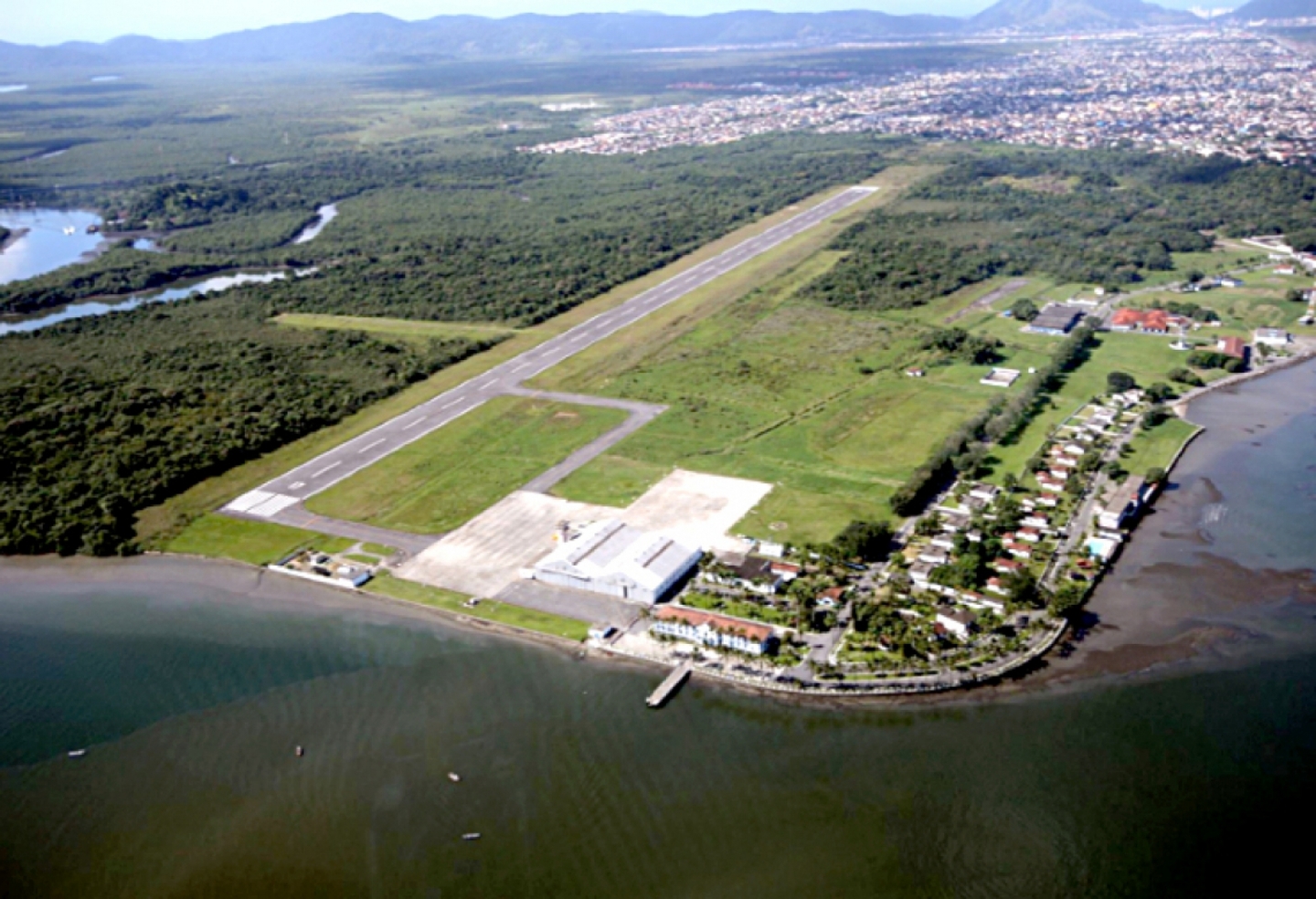


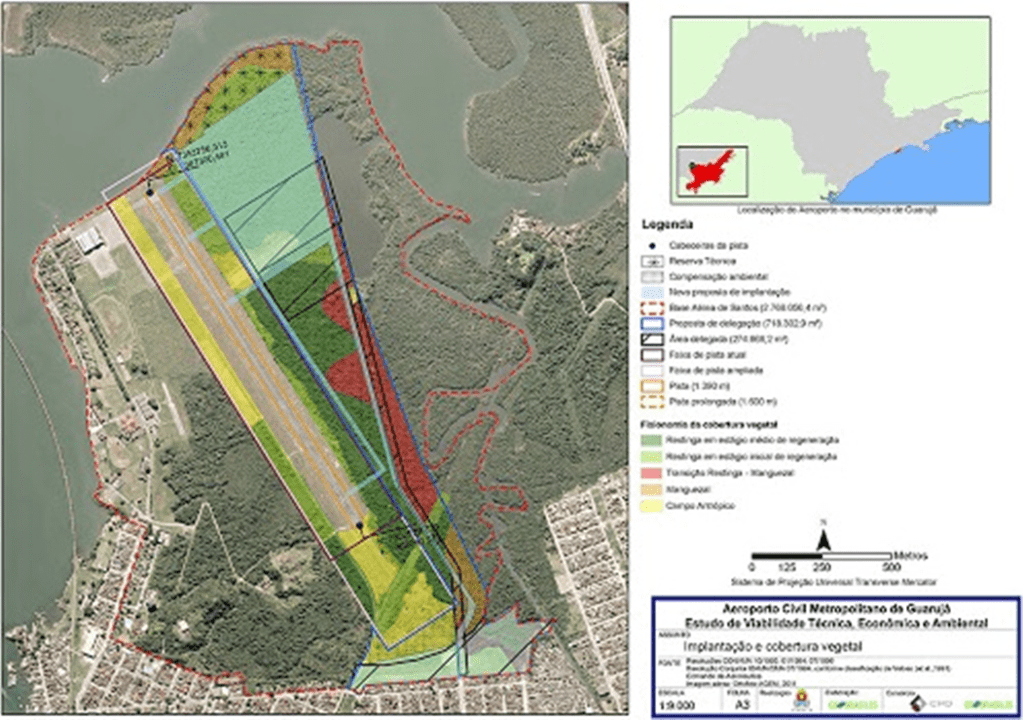



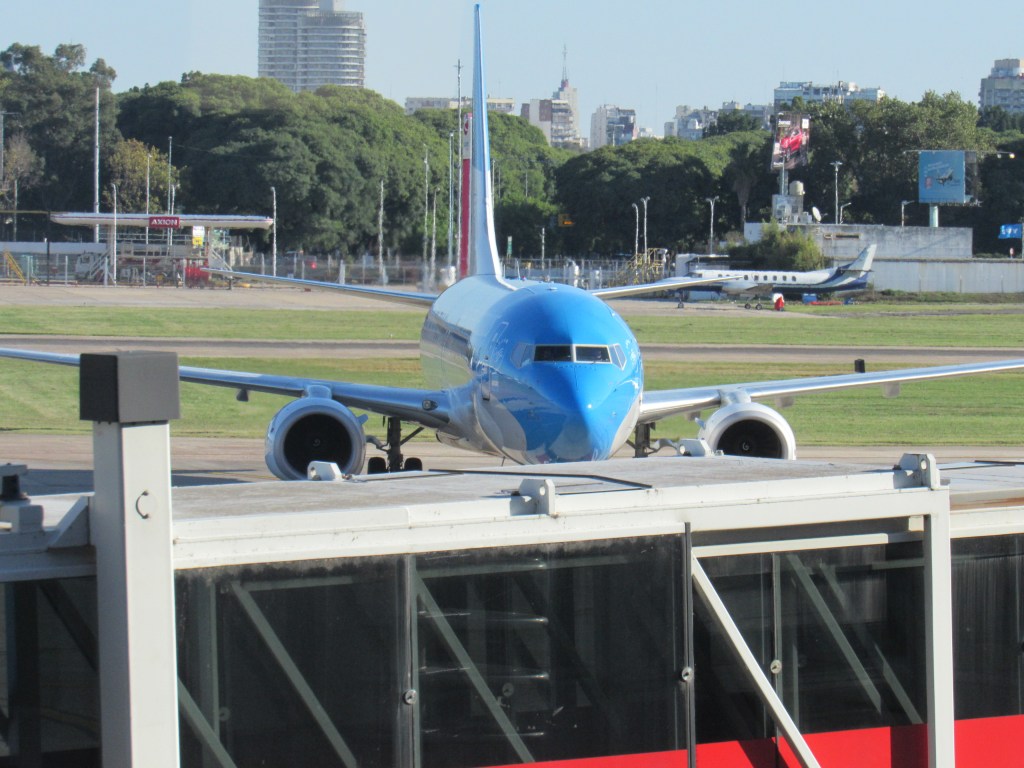


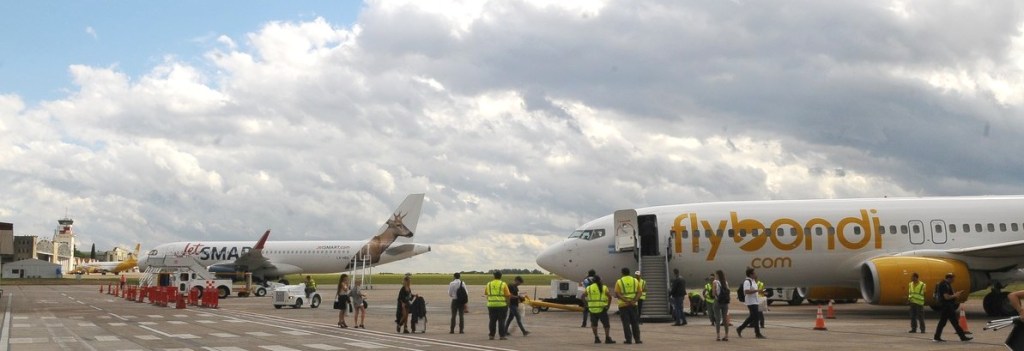




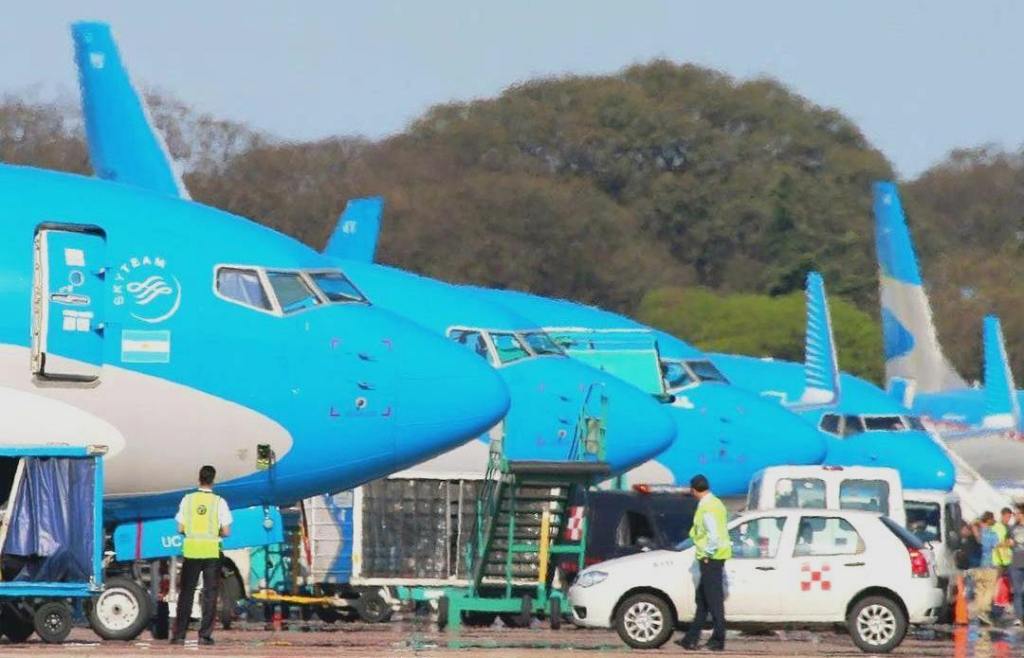

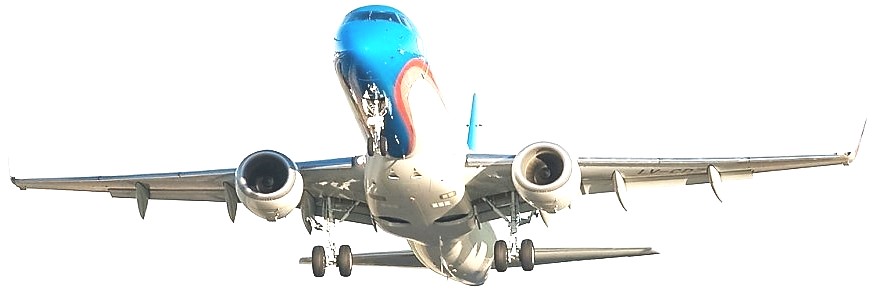



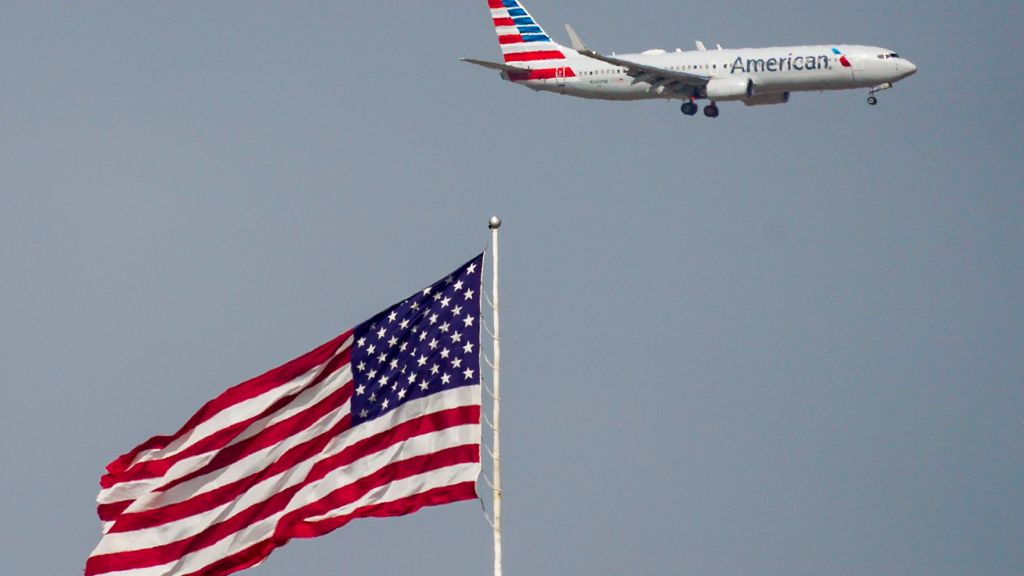

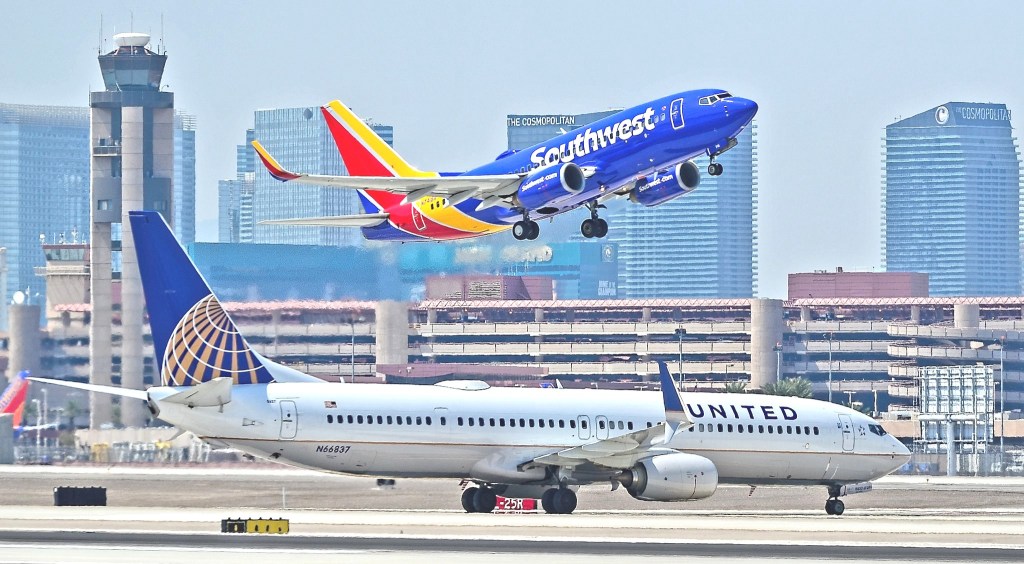

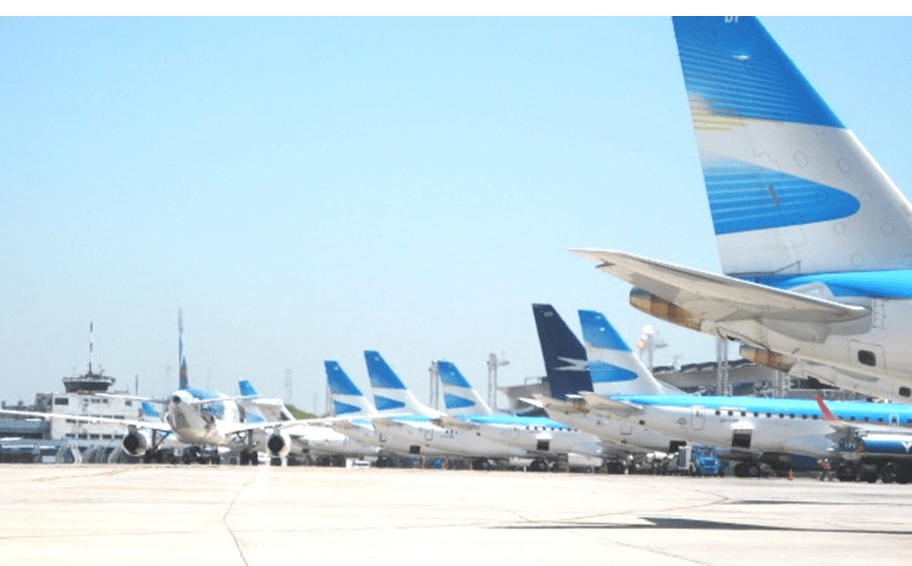
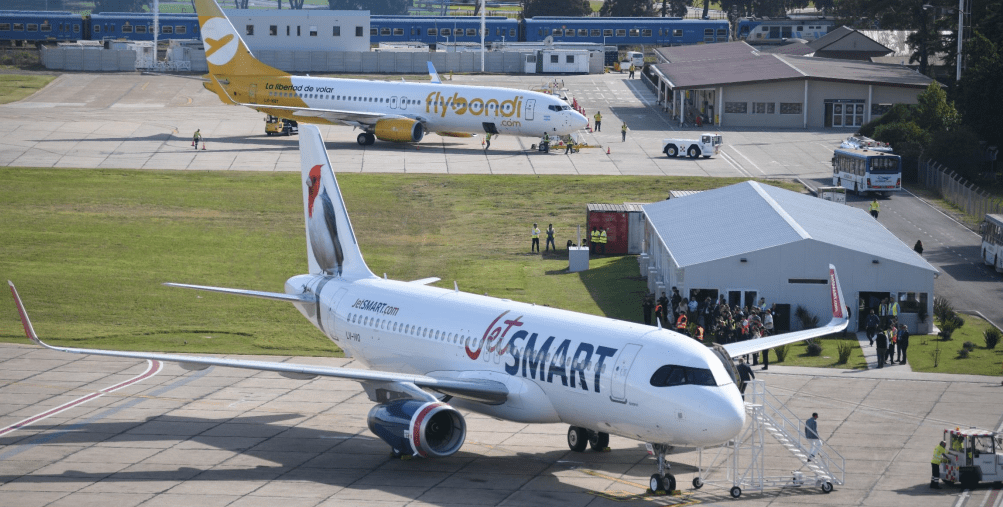
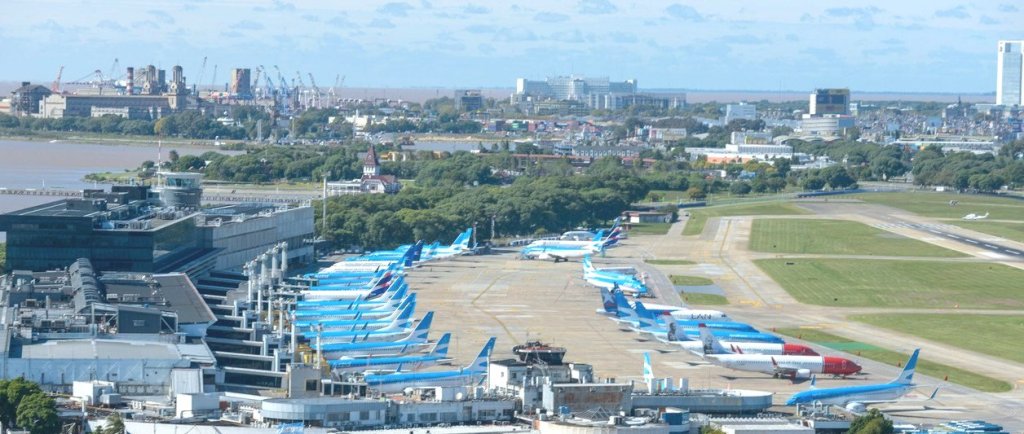
 airgways.com