Air Canada estrategia en controles

AW | 2020 10 07 12:10 | AIRLINES / AIR TRAFFIC / GOVERNMENT

Air Canada presiona eliminación cuarentena en favor de estrategias

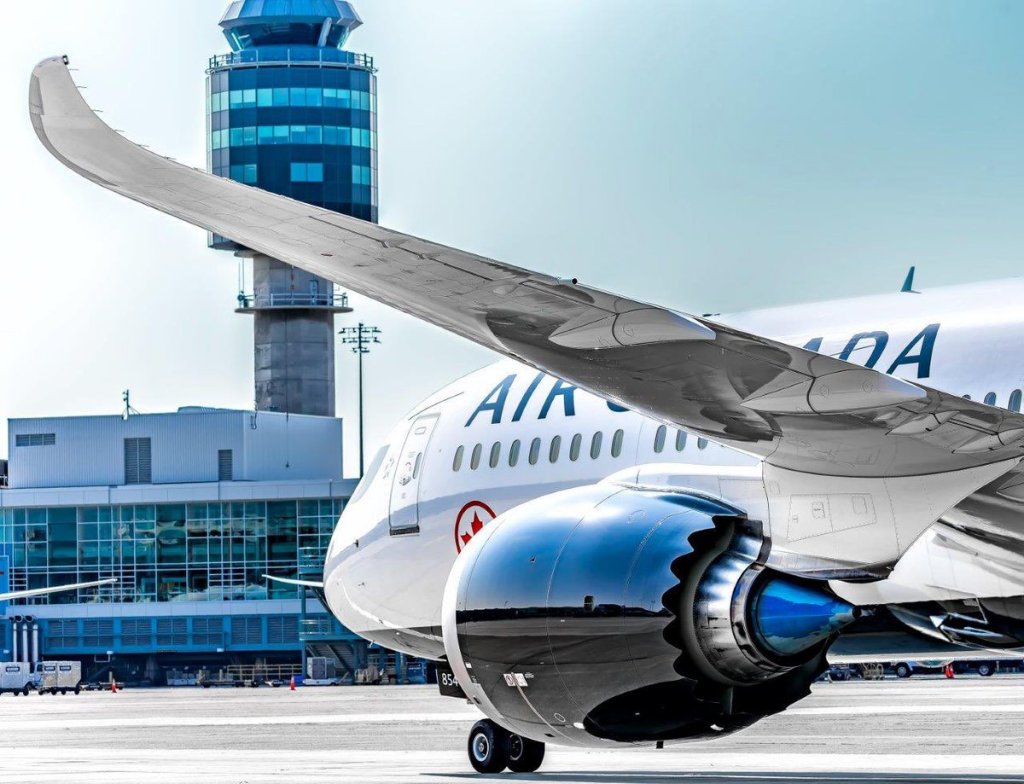
La aerolínea canadiense Air Canada está presionando para eliminar el período de cuarentena obligatorio de catorce días para los viajeros que regresan al país a favor de un enfoque basado en pruebas a pesar de que varios vuelos aún aterrizan en el país con pasajeros positivos para COVID-19. La aerolínea reveló la idea en una publicación en las redes sociales el Martes 06/10, diciendo que más del 99 por ciento de las 15.000 pruebas voluntarias de COVID-19 realizadas por clientes internacionales en el Aeropuerto Internacional Toronto/Lester B. Pearson dieron negativo. «Creemos que una estrategia basada en pruebas puede ser una alternativa segura a la cuarentena de catorce días», dijo la aerolínea.

Estudios pruebas

El estudio comenzó el 3 de Septiembre de 2020 en asociación con McMaster HealthLabs (MHL) y duró aproximadamente un mes. Los participantes eran todos voluntarios que aceptaron hacerse la prueba a su llegada a Toronto. Luego fueron enviados a casa con dos kits de prueba adicionales y se les enseñó cómo tomar muestras después de siete días y luego de 14 días. Recibieron los primeros resultados de sus pruebas en 48 horas. De los que dieron positivo en la prueba de COVID-19, Air Canada dice que el 80 por ciento se detectó en la prueba inicial y el resto se diagnosticó después de la segunda prueba. Todos los participantes se pusieron en cuarentena durante 14 días para cumplir con las regulaciones federales.

Air Canada dijo que los resultados aún son preliminares y están destinados a ayudar a recopilar información para ayudar a guiar las decisiones políticas futuras. “Al comprender que tendremos que vivir junto a este virus a corto y mediano plazo, hemos estado buscando relaciones y un enfoque en capas como una forma de mantener seguros a nuestros empleados y clientes. Creemos que las pruebas serán clave para proteger a los empleados y clientes hasta que esté disponible una vacuna COVID-19”, dijo el Dr. Jim Chung, Jefe de Air Canada Oficial médico, dijo en un comunicado de prensa emitido la semana pasada. Jim Chung continuó diciendo que las pruebas rápidas pueden permitir a los gobiernos relajar las restricciones generales de viaje y cuarentenas al tiempo que garantizan la salud y seguridad del público. «Nos alienta aún más nuestra creencia en la efectividad de las pruebas, incluidas las pruebas autoadministradas, por los resultados preliminares de nuestra asociación con MHL y la GTAA. Los resultados preliminares sugieren que una estrategia más corta basada en pruebas puede estar disponible y ser segura alternativa a la cuarentena de 14 días», expresó Jim Chung.

En Marzo 2020, los gobiernos de Estados Unidos y Canadá acordaron cerrar las fronteras a los viajes no esenciales. La prohibición se ha extendido en numerosas ocasiones desde entonces, aunque el Gobierno canadiense ha suavizado recientemente algunas políticas de viajes transfronterizos para permitir que más familias extendidas y estudiantes internacionales ingresen al país. Un portavoz de la Agencia de Salud Pública de Canadá dijo que, independientemente de los cambios de política, no hay exenciones del período de cuarentena obligatorio. «Esto se debe a que una prueba negativa para COVID-19 no prueba que un viajero esté libre de COVID-19», dijo el portavoz.

Las restricciones han tenido un serio impacto financiero en numerosas aerolíneas, y muchas de ellas han optado por pausar la operación o suspender ciertos vuelos. Al mismo tiempo, numerosos vuelos nacionales e internacionales han reportado pasajeros positivos COVID-19 a bordo en los últimos 12 días de Septiembre 2020. Según el Gobierno canadiense, al menos 28 vuelos nacionales entre el 21 de Septiembre y el 2 de Octubre han tenido un viajero a bordo que, después de los hechos, dio positivo por COVID-19. Al menos 26 de los vuelos internacionales aterrizaron o despegaron de Toronto, que ha sido categorizado como un punto de acceso COVID-19 debido a la creciente cantidad de infecciones reportadas cada día.

Listado de vuelos internacionales afectados por un caso de COVID-19:
AA6020/American Airlines de Filadelfia a Montreal el 21/09
NH116/Nippon Airways desde Tokio a Vancouver el 21/09
AC846/Air Canada desde Toronto a Munich el 22/09
AC848/Air Canada vuelo de Toronto a Londre 22/09
AI7310/Air India vuelo de Toronto a Londres 22/09
AF356/Air France vuelo de París a Toronto el 22/09
ET553/Ethiopian Airlines desde Toronto a Addis Abeba el 22/09
AC855/Air Canada de Londres a Vancouver el 23/09
AC1255/Air Canada desde Kingston, Jamaica a Toronto el 23/09
AC43/Air Canada desde Nueva Delhi a Toronto el 24 de septiembre
AC45/Air Canada desde Nueva Delhi a Vancouver el 25/09
AC871/Air Canada de París a Montreal el 25/09
AC1241/Air Canada de Cancún a Montreal el 25/09
ET552/Ethiopian Airlines desde Addis Abeba a Toronto el 25/09
AC0873/Air Canada desde Frankfurt a Toronto el 26/09
LH6794/Lufthansa de Frankfurt a Montreal el 26/09
AM696/Aeroméxico de Ciudad de México a Vancouver el 27/09
AI1143/Air India de Delhi a Vancouver el 27/09
TS573/Air Transat de Lyon a Montreal el 27/09
CS829/Cathay Pacific desde Toronto a Hong Kong el 27/09
EK241/Emirates Airline desde Dubai a Toronto el 27/09
KL681/KLM Royal Dutch Airlines desde Amsterdam a Vancouver el 27/09
AC794/Air Canada desde Los Ángeles a Toronto el 29/09
AC80/Air Canada de Toronto a Tel Aviv el 29/09
AC992/Air Canada desde Ciudad de México a Toronto el 29/09
TK17/Turkish Airlines de Estambul a Toronto el 29/09
AC8491/Air Canada de Washington a Toronto el 29/09
QK8491/Jazz Air de Washington a Toronto el 29/09
Air Canada controls strategy

Air Canada pushes quarantine removal in favor of strategies

Canadian airline Air Canada is pushing to eliminate the mandatory fourteen-day quarantine period for returning travelers in favor of an evidence-based approach despite several flights still landing in the country with COVID-19-positive passengers. The airline revealed the idea in a social media post on Tuesday 10/06, saying that more than 99 percent of the 15,000 voluntary COVID-19 tests performed by international customers at Toronto/Lester B. Pearson International Airport came back negative. «We believe that an evidence-based strategy can be a safe alternative to the fourteen-day quarantine», the airline said.

Studies tests

The study began on September 3, 2020 in association with McMaster HealthLabs (MHL) and lasted approximately one month. The participants were all volunteers who agreed to be tested upon arrival in Toronto. They were then sent home with two additional test kits and taught how to take samples after seven days and after 14 days. They received the first results of their tests in 48 hours. Of those who tested positive for COVID-19, Air Canada says 80 percent were detected in the initial test and the rest were diagnosed after the second test. All participants were quarantined for 14 days to comply with federal regulations.

Air Canada said the results are still preliminary and are intended to help gather information to help guide future policy decisions. “Realizing that we will have to live alongside this virus in the short to medium term, we have been seeking relationships and a layered approach as a way to keep our employees and customers safe. We believe testing will be key to protecting employees and customers until a COVID-19 vaccine is available”, said Dr. Jim Chung, Chief Air Canada Medical Officer, said in a press release issued last week. Jim Chung went on to say that rapid tests can allow governments to relax general travel and quarantine restrictions while ensuring the health and safety of the public. «We are further encouraged by our belief in the effectiveness of testing, including self-administered tests, by the preliminary results of our association with MHL and GTAA. Preliminary results suggest that a shorter, evidence-based strategy may be available and safe. alternative to the 14-day quarantine», said Jim Chung.

In March 2020, the governments of the United States and Canada agreed to close the borders to non-essential travel. The ban has been extended numerous times since then, although the Canadian Government has recently relaxed some cross-border travel policies to allow more extended families and international students to enter the country. A spokesperson for the Public Health Agency of Canada said that regardless of the policy changes, there are no exemptions from the mandatory quarantine period. «This is because a negative test for COVID-19 does not prove that a traveler is COVID-19 free», the spokesperson said.

The restrictions have had a serious financial impact on numerous airlines, and many of them have chosen to pause operations or suspend certain flights. At the same time, numerous domestic and international flights have reported positive COVID-19 passengers on board in the last 12 days of September 2020. According to the Canadian government, at least 28 domestic flights between September 21 and October 2 have had a traveler on board who, after the fact, tested positive for COVID-19. At least 26 of the international flights landed or took off from Toronto, which has been categorized as a COVID-19 hotspot due to the increasing number of infections reported each day.

List of international flights affected by a case of COVID-19:
AA6020 / American Airlines from Philadelphia to Montreal on 09/21
NH116 / Nippon Airways from Tokyo to Vancouver on 09/21
AC846 / Air Canada from Toronto to Munich on 09/22
AC848 / Air Canada flight from Toronto to London 09/22
AI7310 / Air India flight from Toronto to London 09/22
AF356 / Air France flight from Paris to Toronto on 09/22
ET553 / Ethiopian Airlines from Toronto to Addis Ababa on 09/22
AC855 / Air Canada from London to Vancouver on 09/23
AC1255 / Air Canada from Kingston, Jamaica to Toronto on 09/23
AC43 / Air Canada from New Delhi to Toronto on September 24
AC45 / Air Canada from New Delhi to Vancouver on 09/25
AC871 / Air Canada from Paris to Montreal on 09/25
AC1241 / Air Canada from Cancun to Montreal on 09/25
ET552 / Ethiopian Airlines from Addis Ababa to Toronto on 09/25
AC0873 / Air Canada from Frankfurt to Toronto on 09/26
LH6794 / Lufthansa from Frankfurt to Montreal on 09/26
AM696 / Aeroméxico from Mexico City to Vancouver on 09/27
AI1143 / Air India from Delhi to Vancouver on 09/27
TS573 / Air Transat from Lyon to Montreal on 09/27
CS829 / Cathay Pacific from Toronto to Hong Kong on 09/27
EK241 / Emirates Airline from Dubai to Toronto on 09/27
KL681 / KLM Royal Dutch Airlines from Amsterdam to Vancouver on 09/27
AC794 / Air Canada from Los Angeles to Toronto on 09/29
AC80 / Air Canada from Toronto to Tel Aviv on 09/29
AC992 / Air Canada from Mexico City to Toronto on 09/29
TK17 / Turkish Airlines from Istanbul to Toronto on 09/29
AC8491 / Air Canada from Washington to Toronto on 09/29
QK8491 / Jazz Air from Washington to Toronto on 09/29


PUBLISHER: Airgways.com
DBk: Canada.ca / Aircanada.com / Cp24.com / Airgways.com
AW-POST: 202010071210AR

A\W   A I R G W A Y S ®
Paraguay estudia reapertura aérea

AW | 2020 10 07 11:34 | AIRLINES MARKET / GOVERNMENT

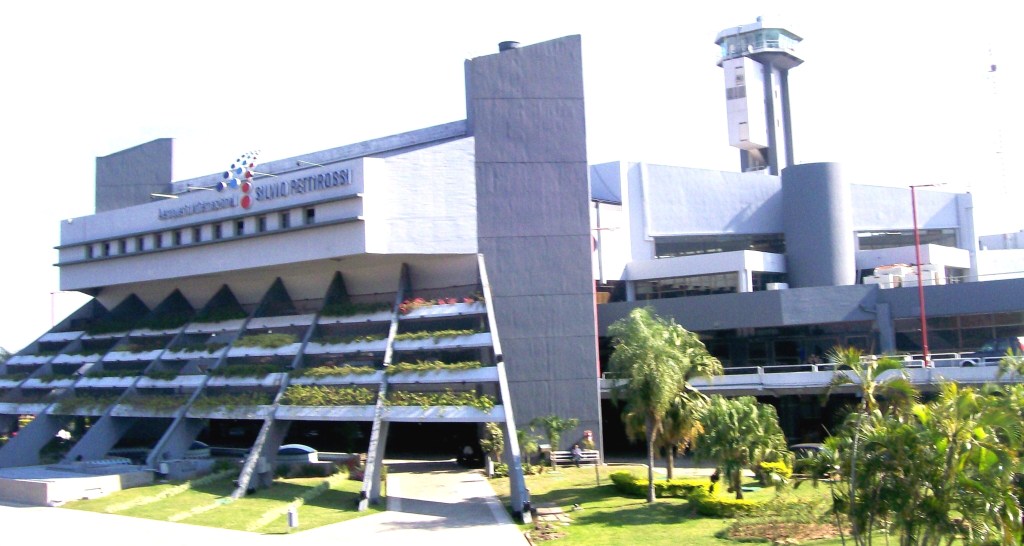
Gobierno Paraguay analiza reapertura hacia finales Octubre 2020

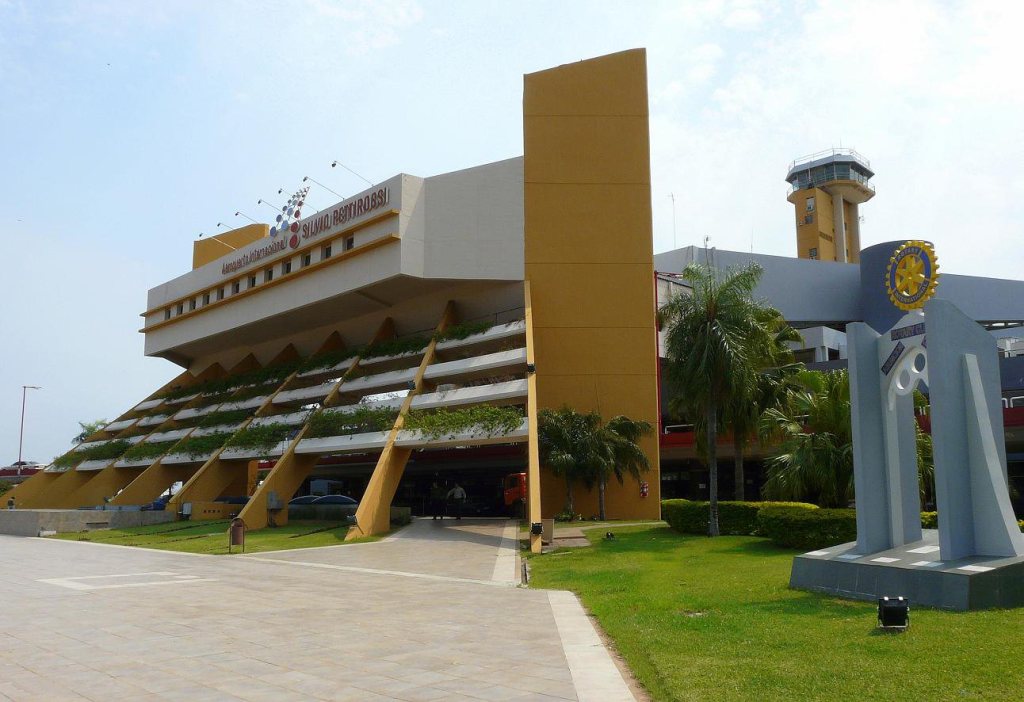
El Presidente de la Dirección Nacional de Aeronáutica Civil (DINAC), de la República de Paraguay, Félix Kanasawa, ha expresado que la reunión efectuada el Lunes 05/10 podría resolverse la fecha de reapertura total del Aeropuerto Internacional Asunción del Paraguay/Silvio Pettirossi. La DINAC está interesada en que se reabra el aeropuerto, teniendo en cuenta que el 100% de los ingresos provienen de los vuelos. “Todo será bajo protocolo sanitario para garantizar que no ingresen pasajeros con COVID. Uno de los requisitos antes del embarque hacia nuestro país será presentar un test negativo de coronavirus”, señaló el Presidente de la agencia aeronáutica. Otro de los requisitos para los pasajeros dentro del aeropuerto mismo será que las personas al llegar tienen que usar las mascarillas, al hacer el check-in la interacción debe ser mínima.

Después de la reunión del Gobierno, la Junta de Representantes de Líneas Aéreas Internacionales en Paraguay (JURCAIP) ha solicitado mediante la divulgación de un comunicado exigiendo al Gobierno la urgente reapertura de los vuelos en los aeropuerto del Paraguay, pues, la continua postergación agravará la crisis del sector con consecuencias irreversibles para la aviación comercial.

El Gobierno de Paraguay ha anunciado la posible reapertura de la actividad aérea en el país hacia finales de Octubre 2020, teniendo en cuenta los índices de contagio de la pandemia existente.

Paraguay studies air reopening

Government analyzes reopening towards the end of October 2020

The President of the National Directorate of Civil Aeronautics (DINAC), of the Republic of Paraguay, Felix Kanasawa, has stated that the meeting held on Monday 05/10 could resolve the date of total reopening of the Asunción del Paraguay / Silvio Pettirossi International Airport. DINAC is interested in having the airport reopened, taking into account that 100% of the revenues come from flights. “Everything will be under sanitary protocol to guarantee that passengers with COVID do not enter. One of the requirements before embarking to our country will be to present a negative coronavirus test», said the President of the aeronautical agency. Another requirement for passengers within the airport itself will be that when they arrive they have to wear masks, when they check-in the interaction should be minimal.

After the meeting of the Government, the Board of Representatives of International Airlines in Paraguay (JURCAIP) has requested by means of the disclosure of a statement demanding from the Government the urgent reopening of flights at the Paraguayan airport, since the continuous postponement will aggravate the crisis in the sector with irreversible consequences for commercial aviation.

The Government of Paraguay has announced the possible reopening of air activity in the country towards the end of October 2020, taking into account the contagion rates of the existing pandemic.


PUBLISHER: Airgways.com
DBk: Dinac.gov.py / Lanacion.com.py / Airgways.com / Wikipedia.org/Felipe Méndez
AW-POST: 202010071134AR

A\W   A I R G W A Y S ®

Reapertura aérea Venezuela en 11/2020

AW | 2020 10 07 11:12 | AIRLINES MARKET / GOVERNMENT

Venezuela evalúa reactivar vuelos a partir de Noviembre 2020

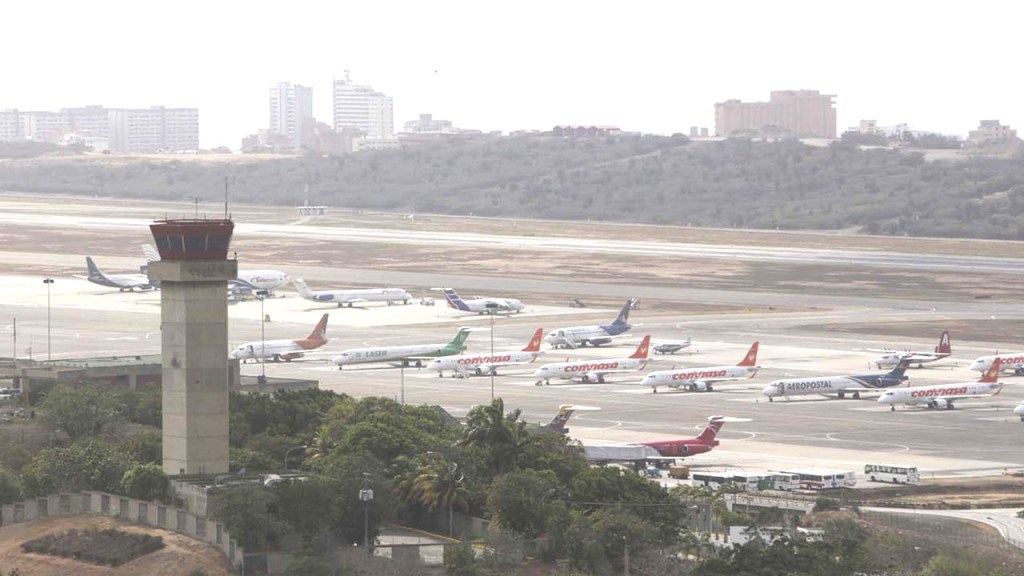
La República de Venezuela se encuentra analizando la reapertura de los vuelos en el país. Los organismos de aviación esperan que el Instituto Nacional de Aeronáutica Civil (INAC) tome la decisión hacia la reapertura en Noviembre 2020. Para reactivar los planes de vuelo en Venezuela, las asociaciones que nuclean a las líneas aéreas y la Cámara de Transporte Aéreo esperan por la decisión de la INAC para abrir el espacio aéreo para la reactivación de los vuelos de cabotaje e internacionales.

La INAC se encuentra realizando actualmente una auditoría a todas las líneas aéreas y sus aeronaves, señaló Humberto Figuera, Presidente Ejecutivo de la Asociación de Líneas Aéreas en Venezuela (ALAV). En la autoría, el INAC determinará qué líneas están en capacidad de iniciar operaciones y qué aviones están autorizados para cubrir los itinerarios y “para saber a qué aviones se le han hecho el mantenimiento, cuáles siguen teniendo póliza de seguro porque de lo contrario no pueden viajar y qué tripulación está al día con sus licencias”, dijo Humberto Figuera. En las mesas de propuesta de la activación del sector aéreo han participado el viceministro de turismo aéreo, Ramón Celestino Velásquez, la Asociación Venezolana de Agencias de Viajes y Turismo (AVAVIT), la Cámara de Empresas Aéreas de Venezuela y la Asociación de Líneas Aéreas en Venezuela (ALAV)

Vuelos regulares

El Presidente de la Asociación Venezolana de Agencias de Viajes y Turismo (AVAVIT), Nicolás Furnari, destacó que se han reunido con la Cámara de Empresas Aéreas de Venezuela y con el viceministro Velásquez, para abordar las propuestas que tienen sobre la reactivación del sector y establecer un cronograma de fechas tentativas para los vuelos. Entre las opciones que se estarían evaluando están reiniciar las actividades las primeras semanas de Noviembre con vuelos chárter y no regulares a mediados del mes. Para los vuelos no regulares “en principio es para quienes no tengan pasajes y quieran volver a sus destino”, detalló Nicolás Furnari. AVAVIT aclaró que las embajadas son garantes de la recepción de solicitudes, siempre que los viajeros cumplan con los requisitos establecidos para abordar el vuelo. Los pasajeros con vuelos internacionales deberán inscribirse en las respectivas embajadas venezolanas en el exterior donde deberán llamar o enviar un correo electrónico para inscribirse en una lista para cumplimentar la solicitud del vuelo.

Venezuela air reopening on 11/2020

Venezuela evaluates reactivating flights from November 2020

The Republic of Venezuela is analyzing the reopening of flights in the country. The aviation organizations hope that the National Institute of Civil Aeronautics (INAC) will make the decision towards the reopening in November 2020. To reactivate the flight plans in Venezuela, the associations that bring together the airlines and the Air Transport Chamber wait INAC’s decision to open the airspace for the reactivation of domestic and international flights.

INAC is currently conducting an audit of all airlines and their aircraft, said Humberto Figuera, Executive President of the Association of Air Lines in Venezuela (ALAV). In the authorship, the INAC will determine which lines are able to start operations and which aircraft are authorized to cover the itineraries and “to know which aircraft have been maintained, which ones continue to have an insurance policy because otherwise they cannot travel and which crew is up to date with their licenses”, said Humberto Figuera. The Deputy Minister of Air Tourism, Ramón Celestino Velásquez, the Venezuelan Association of Travel and Tourism Agencies (AVAVIT), the Chamber of Air Companies of Venezuela and the Air Lines Association participated in the tables to propose the activation of the air sector. Venezuela (ALAV)

Regular flights

The President of the Venezuelan Association of Travel and Tourism Agencies (AVAVIT), Nicolás Furnari, highlighted that they have met with the Chamber of Air Companies of Venezuela and with Vice Minister Velásquez, to address the proposals they have on the reactivation of the sector and establish a schedule of tentative dates for flights. Among the options that are being evaluated are restarting activities in the first weeks of November with charter and non-scheduled flights in the middle of the month. For non-scheduled flights «in principle it is for those who do not have tickets and want to return to their destination», explained Nicolás Furnari. AVAVIT clarified that the embassies are guarantors of the receipt of applications, as long as travelers meet the requirements established to board the flight. Passengers with international flights must register at the respective Venezuelan embassies abroad where they must call or send an email to register on a list to complete the flight application.


PUBLISHER: Airgways.com
DBk: Inac.gob.ve / Avavit.com / Airgways.com
AW-POST: 202010071112AR

A\W   A I R G W A Y S ®

Reapertura Aeropuerto El Palomar

AW | 2020 10 06 16:58 | AIRPORTS / GOVERNMENT

Transporte aprueba continuidad del Aeropuerto El Palomar

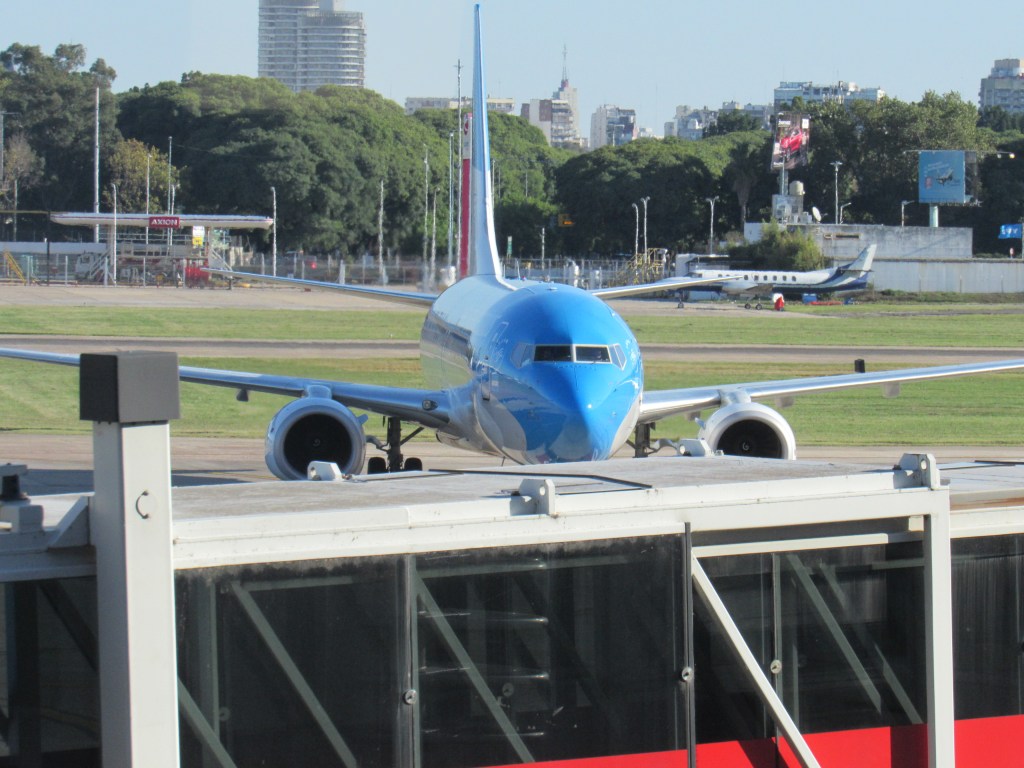
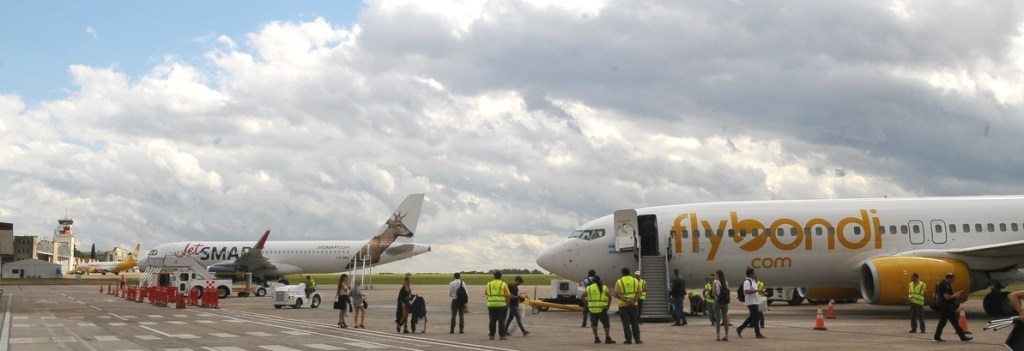
El Gobierno de Argentina se ha reunido con las partes interesadas para aprobar la continuidad del Aeropuerto Internacional El Palomar. El primer aeropuerto low cost de Sudamérica continuará sus operaciones aerocomerciales junto con los vuelos proyectados de Flybondi Líneas Aéreas y JetSmart Airlines Argentina. De esta manera desde Transporte han confirmado a finales de horas del Lunes 05/10 que el aeropuerto seguirá funcionando. Aseguró que continuará sus operaciones y sin descuidar en ningún momento la delicada situación sanitaria por la pandemia por coronavirus se buscará asegurar los puestos de trabajo actuales.

El encuentro estuvo conformado por el Intendente de Morón, Lucas Ghi, Alberto Descalzo (Ituzaingó), Juan Zabaleta (Hurlingham) y Diego Valenzuela (Tres de Febrero). Los cuatro dialogaron con el responsable de la cartera de Transporte, Mario Meoni, en la sede del Ministerio de Transporte de la Nación. “Fue un encuentro muy positivo en el que le transmitimos al Ministro la expectativa que tenemos en la región en torno al restablecimiento progresivo de la actividad aerocomercial en el Aeropuerto de El Palomar. Obviamente con todas las condiciones sanitarias garantizadas. El Ministro nos confío que toma nuestra inquietud. También nos adelantó que si la tendencia en relación a la dinámica epidemiológica sigue mejorando, el aeropuerto estaría en condiciones de ir recobrando su funcionamiento en el transcurso de las próximas semanas”, destacó Lucas Ghi.

Reapertura El Palomar

Según información del Ministerio de Transporte, los estudios para el retorno con protocolos de la actividad tendrá en cuenta determinadas variables. Una de ellas será la cantidad de vuelos en relación a los pasajeros e inversión. Al mismo tiempo se hará un relevamiento sobre el estado técnico de la terminal de El Palomar. La aeroestación se encuentra actualmente en funcionamiento. Aunque solo se permiten vuelos especiales que realizan las aerolíneas autorizados en el marco del aislamiento social y preventivo. Los vuelos continuarán realizándose en la franja horaria entre las 07:00 y las 22:00 hs. por lo que ha representado un avance muy importante para las aerolíneas de presupuesto en Argentina.

Reconsideraciones

Sesenta días atrás, desde el Ministerio de Transporte estaban enfocados que no era necesario el Aeropuerto El Palomar, por la redundancia de actividad junto con el Aeroparque Jorge Newbery y el Aeropuerto Ezeiza. Detrás de los dichos no existían un verdadero estudio de factibilidad respecto a discontinuar las operaciones por deficiencias en el tráfico; más bien todo lo contrario, antes de la pandemia había un incremento sustancial de los vuelos, razón por la cual empezaba a molestar a los intereses ocultos en el medio de transporte. La misma situación respecto a la reapertura del Aeropuerto Jorge Newbery hacia Diciembre 2020 traerá más reclamos por parte del sector de las líneas aéreas, pues Aerolíneas Argentinas detentará más del 80% de los vuelos de cabotaje, lo que representará una posición dominante frente a la libertad de volar.

El Palomar Airport reopening

Transportation approves continuity of El Palomar Airport

The Government of Argentina has met with interested parties to approve the continuity of the El Palomar International Airport. The first low cost airport in South America will continue its commercial aviation operations together with the projected flights of Flybondi Líneas Aéreas and JetSmart Airlines Argentina. In this way, Transport has confirmed at the end of Monday 05/10 that the airport will continue to operate. He assured that it will continue its operations and without neglecting the delicate health situation due to the coronavirus pandemic at any time, it will seek to secure current jobs.

The meeting was made up of the Mayor of Morón, Lucas Ghi, Alberto Descalzo (Ituzaingó), Juan Zabaleta (Hurlingham) and Diego Valenzuela (Tres de Febrero). The four spoke with the person in charge of the Transport portfolio, Mario Meoni, at the headquarters of the Ministry of Transport of the Nation. “It was a very positive meeting in which we conveyed to the Minister the expectation that we have in the region regarding the progressive reestablishment of commercial aviation activity at the El Palomar Airport. Obviously with all the sanitary conditions guaranteed. The Minister entrusted us that he takes our concern. He also told us that if the trend in relation to epidemiological dynamics continues to improve, the airport would be in a position to recover its operation in the course of the next few weeks”, said Lucas Ghi.

El Palomar reopening

According to information from the Ministry of Transport, the studies for the return with activity protocols will take into account certain variables. One of them will be the number of flights in relation to passengers and investment. At the same time, a survey will be carried out on the technical state of the El Palomar terminal. The airstation is currently in operation. Although only special flights are allowed by authorized airlines within the framework of social and preventive isolation. The flights will continue to be carried out in the time slot between 07:00 and 22:00. so it has represented a very important advance for budget airlines in Argentina.

Reconsiderations

Sixty days ago, from the Ministry of Transportation they were focused that the El Palomar Airport was not necessary, due to the redundancy of activity together with the Jorge Newbery Airport and the Ezeiza Airport. Behind the statements there was no real feasibility study regarding discontinuing operations due to traffic deficiencies; On the contrary, before the pandemic there was a substantial increase in flights, which is why it began to bother hidden interests in the means of transport. The same situation regarding the reopening of the Jorge Newbery Airport towards December 2020 will bring more claims from the airline sector, as Aerolíneas Argentinas will hold more than 80% of the domestic flights, which will represent a dominant position against freedom to fly.


PUBLISHER: Airgways.com
DBk: Argentina.gob.ar/transporte / Airgways.com / Clarin.com / Ambito.com
AW-POST: 202010061658AR

A\W   A I R G W A Y S ®

EEUU aprueba Ley Graves

AW | 2020 10 05 20:50 | AIRPORTS / GOVERNMENT

Cámara aprueba Ley Graves financiación proyectos aeroportuarios

La legislación liderada por el Representante estadounidense Sam Graves (R-MO) que permitiría el uso de pagos de incentivos para acelerar ciertos proyectos de desarrollo de aeropuertos financiados por el Gobierno Federal recibió la aprobación de la Cámara de Representantes de los Estados Unidos el 1 de Octubre de 2020.

“El tiempo es dinero en la construcción de proyectos de infraestructura, y eso incluye en los aeropuertos de la nación. Esta es una reforma inteligente que ya funciona para la construcción de proyectos de carreteras y puentes, y entregar los proyectos del aeropuerto antes de lo programado puede ayudar a ahorrar dinero y, en esencia, proporcionar un impacto similar al aumento de la inversión sin recursos federales adicionales”, dijo el Representante Sam Graves, miembro de alto rango del Comité de Infraestructura y Transporte de la Cámara de Representantes de Estados Unidos.

La Ley de Entrega Acelerada de Infraestructura Aeroportuaria de 2020, HR 5912, fue patrocinada en febrero por el Representante Graves con el copatrocinador principal el Representante de los Estados Unidos Garret Graves (R-LA). El proyecto de ley garantizaría que los fondos del Programa de Mejoramiento del Aeropuerto (AIP) puedan ser utilizados por los aeropuertos para incentivar la finalización anticipada de los proyectos de pistas y aeropuertos, según un resumen del proyecto de ley proporcionado por la oficina del Representante Graves, que señaló que el Programa AIP proporciona subvenciones a agencias públicas y otras entidades para la planificación, desarrollo y finalización de proyectos de infraestructura en aeropuertos de uso público. Específicamente, HR 5912 permitiría a los aeropuertos usar hasta US$ 1 millón en dinero AIP para incentivar a un contratista a completar el proyecto antes de tiempo. El uso de pagos de incentivos quedaría a discreción del operador del aeropuerto, según el resumen. El proyecto de ley ha sido respaldado por el Consejo Internacional de Aeropuertos de América del Norte, la Asociación Estadounidense de Ejecutivos de Aeropuertos y los Contratistas Generales Asociados de América.

USA approves Graves Law

Chamber approves Law Graves on financing of airport projects

Legislation led by U.S. Representative Sam Graves (R-MO) that would allow the use of incentive payments to accelerate certain federally funded airport development projects received approval from the U.S. House of Representatives on 1 October 2020.

“Time is money in building infrastructure projects, and that includes the nation’s airports. This is a smart reform that is already working for highway and bridge project construction, and delivering airport projects ahead of schedule can help save money and, in essence, provide an impact similar to increased investment without federal resources. additional”, said Representative Sam Graves, a senior member of the US House of Representatives Committee on Infrastructure and Transportation.

The Expedited Airport Infrastructure Delivery Act of 2020, HR 5912, was sponsored in February by Representative Graves with lead co-sponsor United States Representative Garret Graves (R-LA). The bill would ensure that funds from the Airport Improvement Program (AIP) can be used by airports to incentivize early completion of runway and airport projects, according to a summary of the bill provided by Representative Graves’ office, which pointed out that the AIP Program provides grants to public agencies and other entities for the planning, development and completion of infrastructure projects in airports for public use. Specifically, HR 5912 would allow airports to use up to US$ 1 million in AIP money to incentivize a contractor to complete the project early. The use of incentive payments would be at the discretion of the airport operator, according to the summary. The bill has been endorsed by the Airports Council of North America International, the American Association of Airport Executives and the Associated General Contractors of America.


PUBLISHER: Airgways.com
DBk: House.gov / Airgways.com
AW-POST: 202010052050AR

A\W   A I R G W A Y S ®
Congreso EEUU aprueba reformas FAA

AW | 2020 10 05 20:25 | INDUSTRY / GOVERNMENT

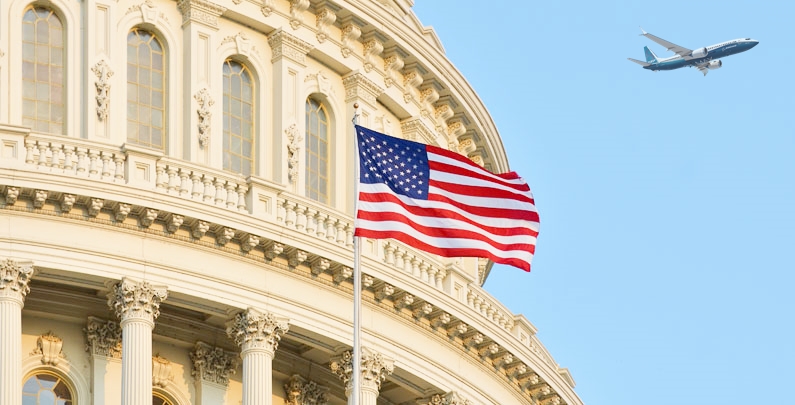
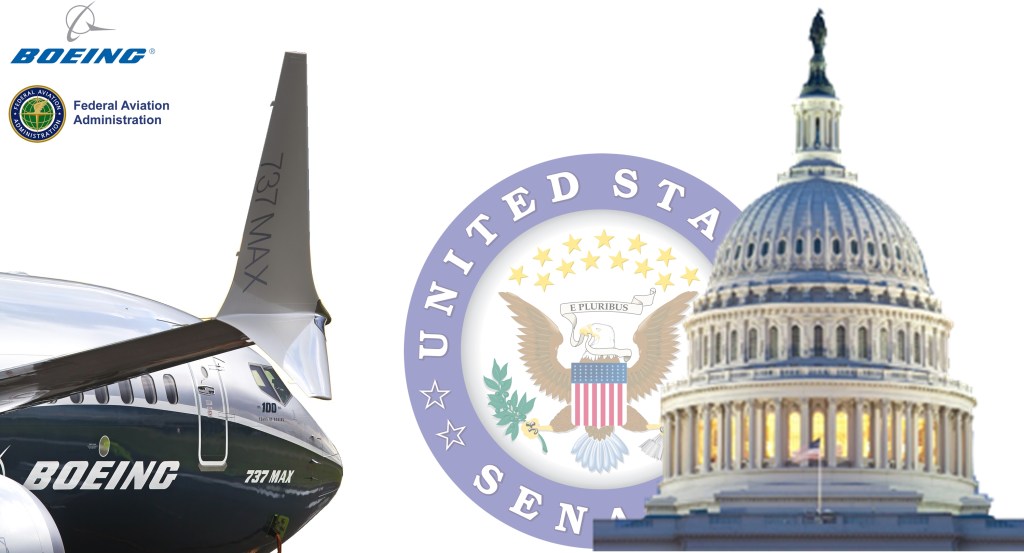
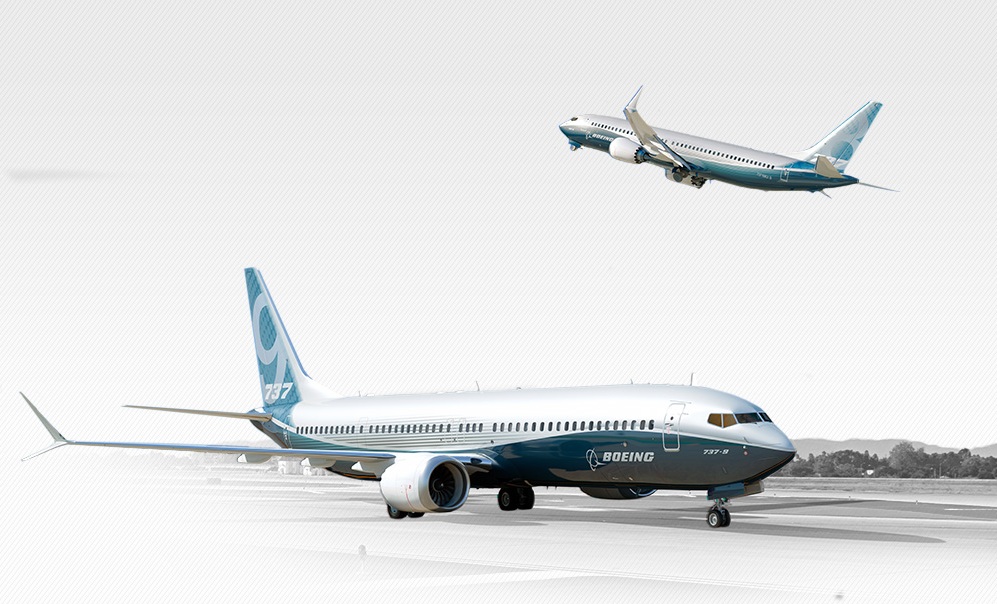
Congreso aprueba ley de reforma FAA post-accidentes 737 MAX

El Comité de la Cámara de Representantes del Congreso de Estados Unidos ha aprobado el Miércoles 30/09 por unanimidad una legislación bipartidista para reformar el proceso de certificación de aeronaves de la Administración Federal de Aviación (FAA) después de dos accidentes fatales de Boeing 737 MAX en los que murieron 346 personas. El Representante Peter DeFazio, quien preside el Comité de Transporte e Infraestructura, dijo que la Cámara votaría sobre la medida de reforma radical a finales de 2020.

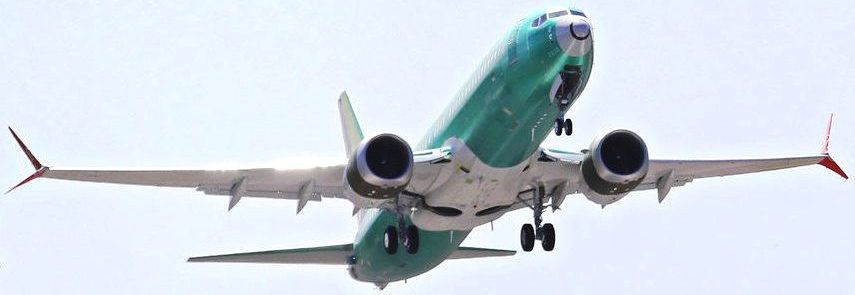
El Boeing 737 MAX ha estado en tierra desde Marzo de 2019. Entre otras reformas, el proyecto de ley requiere que un panel de expertos evalúe la cultura de seguridad de Boeing y recomiende mejoras. “Esos choques fueron la inevitable culminación de impresionantes actos y omisiones dentro de Boeing y la (FAA)”, dijo DeFazio en una audiencia. Dijo que la FAA no había garantizado adecuadamente la seguridad del 737 MAX y calificó la certificación de aeronaves como «un sistema roto que rompió la confianza del público». Tanto la compañía Boeing y la agencia fiscalizadora FAA se han negado a comentar sobre la legislación.

El proyecto de ley requeriría que los fabricantes de aviones estadounidenses adopten sistemas de gestión de seguridad y completen evaluaciones de seguridad del sistema para cambios de diseño significativos, garanticen que los cálculos de riesgo se basen en suposiciones realistas del tiempo de respuesta del piloto y compartan evaluaciones de riesgo con la FAA.

Un informe publicado la semana pasada por los Demócratas del Comité de Transporte de la Cámara de Representantes encontró que los accidentes del 737 MAX fueron la terrible culminación de las fallas de Boeing y la FAA y pidió reformas urgentes. El proyecto de ley de la Cámara ampliaría la protección de los denunciantes de irregularidades de las aerolíneas a los empleados de fabricación de Estados Unidos, exigiría la aprobación de la FAA de los nuevos trabajadores que realizan tareas de certificación delegadas para la agencia e impondría sanciones civiles a quienes interfieran con el desempeño de las funciones autorizadas por la FAA.

Evaluaciones sobre Boeing/FAA

Los accidentes de las aeronaves Boeing 737-8 MAX se debieron a una cadena de fallos y corrupción. El informe del Comité de Transportes de la Cámara de Representantes de EEUU ha identificado como causas la ocultación del problema por Boeing, su influencia en la FAA y el desconocimiento de los pilotos. En circunstancias normales, sin la epidemia de coronavirus Covid-19 ocupando las portadas de los medios cada día, el informe de la Cámara de Representantes de EEUU sobre los fallos de seguridad que llevaron a los accidentes de los Boeing 737 MAX habrían sido un escándalo para el fabricante y para el regulador aéreo de los Estados Unidos.

Reportes investigación JT-610/ET-302

La investigación certifica que el sistema Maneuvering Characteristics Augmentation System (MCAS) fue el culpable de los accidentes debido a las lecturas erróneas de un sensor, junto con el desconocimiento de los pilotos para inhabilitarlo. El MCAS, cuya función es la de estabilizar el vuelo del avión en determinadas circunstancias, hizo que los dos aviones inclinaran su morro hacia abajo, sin la intervención del piloto, e impidió que los comandantes pudiesen recuperar el control del vuelo, estrellándose en ambos casos.

El primer accidente aéreo ocurrió el 29 de Octubre de 2018 en el vuelo JT-610 de Lion Air que despegó de Indonesia. El segundo, que llevó a paralizar toda la flota mundial de 737 MAX y provocó la mayor crisis de reputación de Boeing, sucedió el 10 de Marzo de 2019 en el vuelo ET-302 de Ethiopian Airlines, que despegó de Addis Abeba. El informe destaca que un día antes del primer accidente, un mecánico en Indonesia remplazó en el avión que se estrelló el sensor de Ángulo de Ataque (AOA) por una sonda usada en otro avión. Tras ese cambio, ese mismo día el avión despegó y pasados unos minutos el MCAS bajó el morro debido a una lectura errónea de los valores del AOA. En los momentos de tensión posteriores, uno de los tres pilotos que se encontraban en cabina se dio cuenta de cuál era el fallo e indicó al comandante cómo desactivar el funcionamiento del MCAS, lo que salvó el vuelo. Cuando aterrizaron, el comandante anotó en el registro de mantenimiento del avión las advertencias que aparecieron durante el vuelo, pero “no informó sobre el uso por parte de la tripulación de vuelo de los interruptores de corte del estabilizador para hacer frente al inesperado movimiento horizontal del estabilizador”, según refleja la investigación del Comité de Transportes del Congreso estadounidense. Esta falta de información fue letal para la tripulación del día siguiente, que al enfrentarse al mismo problema no supo cómo solucionarlo y produjo el accidente del 29 de Octubre de 2019.

Esa misma situación se repitió en el vuelo ET-302 de Ethiopian Airlines. Un sensor AOA defectuoso envió lecturas incorrectas al MCAS, que empezó a estabilizar el morro del avión, tirando del aparato hacia abajo. A diferencia del caso de Lion Air, en el que aparecieron varias alertas y avisos mientras se producía el fallo, en el vuelo de Ethiopian no hubo alarmas. Los pilotos no pudieron controlar el aparato.

Los resultados de la investigación de la Cámara de Representantes han identificado una tremenda presión financiera sobre Boeing y el Programa 737 MAX para competir con el nuevo avión Airbus A320NEO. Entre otras cuestiones, esta presión implicó una reducción de costes, el mantenimiento del programa del 737 MAX y la evitación de retrasos en la línea de producción del 737 MAX. La investigación del Comité ha identificado varios casos en que la intención de cumplir estos objetivos puso en peligro la seguridad de vuelo.

Además, el Comité también señala que Boeing hizo suposiciones erróneas sobre tecnologías críticas en el 737 MAX, sobre todo con el MCAS. Basándose en ellas, Boeing permitió que el MCAS se activara con los datos que le enviaba el sensor AOA. También esperaba que los pilotos, que en gran medida desconocían la existencia del sistema, pudieran mitigar su mal funcionamiento. Asimismo, Boeing no clasificó el MCAS como un sistema de seguridad crítico, lo que habría permitido una mayor atención de la FAA durante el proceso de certificación. El funcionamiento del MCAS también violaba las propias directrices de diseño internas de Boeing relacionadas con el desarrollo del 737 MAX, que establecían que el sistema no debía tener ninguna interacción objetable con el pilotaje del avión y no interferir con la recuperación de la inmersión.

La investigación también ha revelado que Boeing ocultó información crucial a la FAA, a sus clientes, las aerolíneas, y a los pilotos del 737 MAX. Por ejemplo, el fabricante estadounidense no reveló la existencia del MCAS a los pilotos del 737 MAX y tampoco que la alerta de desacuerdo del AOA era inoperante en la gran mayoría de la flota del 737 MAX, a pesar de haber sido certificada como una característica estándar del avión. Boeing no sólo ocultó esta información a la FAA y a los pilotos, sino que siguió entregando aviones MAX a sus clientes sabiendo que la alerta de desacuerdo del AOA era inoperante en la mayoría de estos aviones. Además, Boeing ocultó los datos de pruebas internas en los que un piloto de pruebas tardó más de 10 segundos en diagnosticar y responder a la activación del MCAS no autorizada en un simulador de vuelo. El propio piloto considera esta condición como catastrófica. No obstante, el informe de la Cámara de Representantes destaca que “no era necesario compartir esta información con la FAA o los clientes de Boeing”, pero considera inconcebible e inexcusable que no se hiciese.

El Comité también ha determinado que la actual estructura de supervisión de la FAA con respecto a Boeing ha creado conflictos de intereses que han puesto en peligro la seguridad de los pasajeros. La investigación ha documentado varios casos en los que los representantes autorizados de Boeing, empleados de Boeing a los que se les concede un permiso especial para representar los intereses de la FAA y para actuar en nombre de la agencia en la validación de los sistemas y diseños de las aeronaves, no revelaron información importante a la FAA que podría haber mejorado la seguridad de las aeronaves 737 MAX. Algunas de las cuestiones planteadas por los representantes autorizados no fueron investigadas a fondo por los empleados de Boeing, como la preocupación por la repetida activación del MCAS y el impacto que tenía en el vuelo el envío de datos defectuosos del AOA al MCAS.

El informe también señala más agujeros en la forma de funcionar de la FAA, el regulador estadounidense de la aviación. Por ejemplo, varios funcionarios de la FAA han documentado ejemplos en los que la dirección de la FAA anuló iniciativas de los expertos técnicos de la agencia a instancias de Boeing. En estos casos, los expertos técnicos y de seguridad del organismo gubernamental determinaron que ciertos enfoques de diseño de Boeing en sus aeronaves eran potencialmente inseguros e incumplían los reglamentos de la FAA. La dirección de la FAA anuló estos pronunciamientos y se puso del lado de Boeing. El informe también revela otro aspecto preocupante: los empleados de la Aviation Safety Organization (AVS), la que se encarga de la seguridad aérea, opinan que “los altos dirigentes de la AVS están demasiado preocupados por lograr resultados orientados a los negocios de las partes interesadas de la industria y no se les hace responsables de las decisiones relacionadas con la seguridad”.

Perspectivas

Como respuesta a este cúmulo de fallos y de corrupción, el Congreso estadounidense ha elaborado una ley, apoyada por Demócratas y Republicanos, para evitar sucesos similares. La nueva norma introduce una docena de modificaciones, que inciden en una mayor protección de los denunciantes y una revisión de la cultura de seguridad de Boeing. Además, la ley obliga a los fabricantes a que proporcionen a la FAA, clientes y pilotos información detallada sobre cualquier sistema que pueda alterar el vuelo sin la intervención del piloto. Asimismo, la legislación permitirá que se contraten más expertos en la FAA y creará penalizaciones para los ejecutivos que interfieran en las labores de investigación y certificación de la agencia. La perspectiva de la compañía Boeing sobre los Boeing 737 MAX al retorno de los cielos, después de un largo período de escrutinio, esté próximo con el aval de la FAA.

Una vez superada la crisis del 737 MAX, la aviación mundial extraerá una lección muy valiosa acerca de la importancia de no alterar en todas sus etapas los procesos de industrialización y fiscalización necesarios para una aviación más segura.

US Congress approves FAA reforms

House Representatives pass FAA post-accident reform law 737 MAX

The Committee of the House of Representatives of the United States Congress unanimously approved bipartisan legislation on Wednesday 09/30 to reform the Federal Aviation Administration (FAA) aircraft certification process after two fatal Boeing 737 MAX accidents in which 346 people died. Representative Peter DeFazio, who chairs the Transportation and Infrastructure Committee, said the House would vote on the radical reform measure in late 2020.

The Boeing 737 MAX has been on the ground since March 2019. Among other reforms, the bill requires a panel of experts to assess Boeing’s safety culture and recommend improvements. «Those crashes were the inevitable culmination of impressive acts and omissions within Boeing and the (FAA)», DeFazio said at a hearing. He said the FAA had not adequately ensured the safety of the 737 MAX and called the aircraft certification «a broken system that broke the public’s trust». Both the Boeing company and the FAA enforcement agency have declined to comment on the legislation.

The bill would require US aircraft manufacturers to adopt safety management systems and complete system safety assessments for significant design changes, ensure risk calculations are based on realistic assumptions of pilot response time, and share assessments. risk with the FAA.

A report released last week by Democrats from the House Transportation Committee found that the 737 MAX crashes were the dire culmination of the failures of Boeing and the FAA and called for urgent reforms. The House bill would extend protection from airline whistleblowers to U.S. manufacturing employees, require FAA approval of new workers performing agency delegated certification duties, and impose civil penalties. to those who interfere with the performance of functions authorized by the FAA.

La imagen tiene un atributo ALT vacío; su nombre de archivo es boeing-737-8-max-005.jpg

Boeing/FAA Assessments

The Boeing 737-8 MAX aircraft accidents were due to a string of failures and corruption. The report of the Transportation Committee of the US House of Representatives has identified as causes the concealment of the problem by Boeing, its influence in the FAA and the ignorance of the pilots. Under normal circumstances, without the Covid-19 coronavirus epidemic making headlines every day, the US House of Representatives report on the security flaws that led to the Boeing 737 MAX crashes would have been a scandal to the manufacturer and to the United States air regulator.

Investigation reports JT-610 / ET-302

The investigation certifies that the Maneuvering Characteristics Augmentation System (MCAS) was to blame for the accidents due to erroneous sensor readings, along with the pilots’ ignorance to disable it. The MCAS, whose function is to stabilize the flight of the plane in certain circumstances, caused the two planes to tilt their nose down, without the intervention of the pilot, and prevented the commanders from being able to regain control of the flight, crashing in both cases.

The first plane crash occurred on October 29, 2018 on Lion Air flight JT-610 that took off from Indonesia. The second, which led to the paralysis of the entire global 737 MAX fleet and caused Boeing’s biggest reputational crisis, happened on March 10, 2019 on Ethiopian Airlines flight ET-302, which took off from Addis Ababa. The report highlights that a day before the first accident, a mechanic in Indonesia replaced the Angle of Attack (AOA) sensor on the crashed plane with a probe used on another plane. After that change, that same day the plane took off and after a few minutes the MCAS lowered its nose due to an erroneous reading of the AOA values. In the moments of tension that followed, one of the three pilots in the cockpit realized what the fault was and told the captain how to deactivate the MCAS operation, saving the flight. When they landed, the captain noted the warnings that appeared during the flight in the aircraft’s maintenance log, but “did not report on the flight crew’s use of the stabilizer cut-off switches to cope with the unexpected horizontal movement of the aircraft. stabilizer”, as reflected in the investigation of the Transportation Committee of the US Congress. This lack of information was lethal for the crew the next day, who when faced with the same problem did not know how to solve it and caused the accident on October 29, 2019.

The same situation was repeated on Ethiopian Airlines flight ET-302. A faulty AOA sensor sent incorrect readings to MCAS, which began to stabilize the nose of the plane, pulling the device down. Unlike the Lion Air case, in which several alerts and warnings appeared while the failure was occurring, there were no alarms on the Ethiopian flight. The pilots could not control the device.

The results of the House investigation have identified tremendous financial pressure on Boeing and the 737 MAX Program to compete with the new Airbus A320NEO aircraft. Among other issues, this pressure involved cost reduction, maintenance of the 737 MAX program, and avoidance of delays on the 737 MAX production line. The Committee’s investigation has identified several cases where the intent to meet these objectives jeopardized flight safety.

In addition, the Committee also notes that Boeing made incorrect assumptions about critical technologies in the 737 MAX, particularly with the MCAS. Based on them, Boeing allowed the MCAS to be activated by the data sent by the AOA sensor. He also hoped that the pilots, who were largely unaware of the system, could mitigate its malfunction. In addition, Boeing did not classify MCAS as a critical safety system, which would have allowed for greater attention from the FAA during the certification process. The operation of MCAS also violated Boeing’s own internal design guidelines related to the development of the 737 MAX, which stated that the system must not have any objectionable interaction with the aircraft’s piloting and not interfere with recovery from the dive.

The investigation has also revealed that Boeing withheld crucial information from the FAA, its customers, the airlines, and the 737 MAX pilots. For example, the American manufacturer did not disclose the existence of MCAS to 737 MAX pilots, nor did it disclose that the AOA disagreement alert was inoperative in the vast majority of the 737 MAX fleet, despite being certified as a standard feature. of the airplane. Boeing not only withheld this information from the FAA and pilots, but continued to deliver MAX planes to its customers knowing that the AOA Disagreement Alert was inoperative on most of these planes. Additionally, Boeing withheld internal test data in which it took more than 10 seconds for a test pilot to diagnose and respond to unauthorized MCAS activation in a flight simulator. The pilot himself considers this condition catastrophic. However, the House of Representatives report highlights that «it was not necessary to share this information with the FAA or Boeing customers», but considers it inconceivable and inexcusable that it was not done.

The Committee has also determined that the FAA’s current oversight structure with respect to Boeing has created conflicts of interest that have jeopardized the safety of passengers. The investigation has documented several instances in which Boeing’s authorized representatives, Boeing employees who are granted special permission to represent the interests of the FAA and to act on behalf of the agency in validating systems and designs of the aircraft, did not disclose important information to the FAA that could have improved the safety of the 737 MAX aircraft. Some of the issues raised by authorized representatives were not fully investigated by Boeing employees, such as concerns over repeated activation of MCAS and the impact that sending faulty data from AOA to MCAS had on the flight.

The report also points to more holes in the way the FAA, the US aviation regulator, operates. For example, several FAA officials have documented examples in which FAA leadership overruled initiatives by the agency’s technical experts at the behest of Boeing. In these cases, the government agency’s safety and technical experts determined that certain Boeing design approaches to its aircraft were potentially unsafe and in violation of FAA regulations. The FAA leadership overturned these pronouncements and sided with Boeing. The report also reveals another worrying aspect: Employees of the Aviation Safety Organization (AVS), which is in charge of aviation safety, believe that «the senior leadership of the AVS are too concerned with achieving results oriented to the business of the parties. industry stakeholders and are not held accountable for safety-related decisions”.

Perspectives

In response to this accumulation of failures and corruption, the US Congress has drafted a law, supported by Democrats and Republicans, to prevent similar events. The new rule introduces a dozen modifications, which impact on greater whistleblower protection and a review of Boeing’s safety culture. Additionally, manufacturers are required by law to provide the FAA, customers, and pilots with detailed information on any system that may alter flight without pilot intervention. The legislation will also allow more experts to be hired at the FAA and create penalties for executives who interfere with the agency’s investigation and certification efforts. The Boeing company’s perspective on the Boeing 737 MAX returning from the skies, after a long period of scrutiny, is close with the FAA’s endorsement.

Once the 737 MAX crisis is over, world aviation will draw a very valuable lesson about the importance of not disrupting the industrialization and control processes necessary for safer aviation at all stages.


PUBLISHER: Airgways.com
DBk: House.gov / Boeing.com / Faa.gov / Reuters.com
AW-POST: 202010052025AR

A\W   A I R G W A Y S ®
Obras apertura Aeropuerto Guarujá

Edital do Aeroporto de Guarujá sai nesta sexta-feira - Diário do Litoral

AW | 2020 10 05 16:57 | AIRPORTS / GOVERNMENT

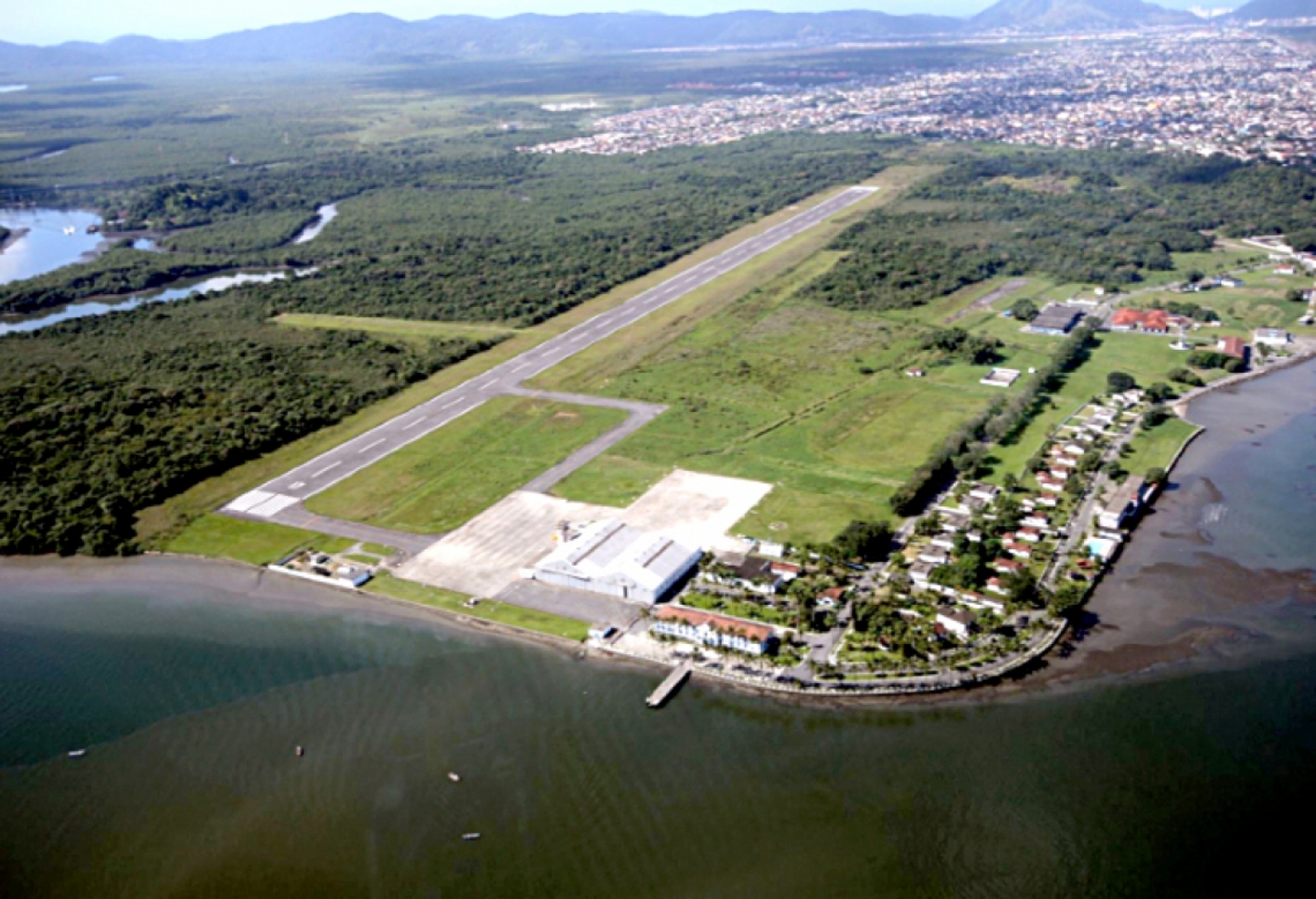
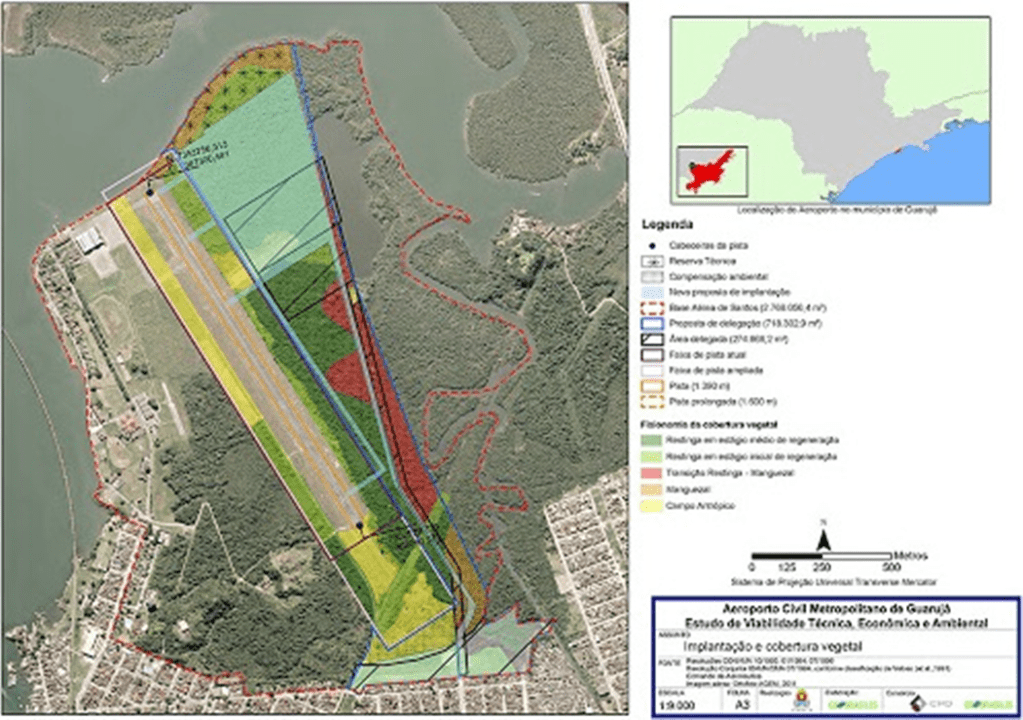
Reacondicionarán Aeropuerto Guarujá en Estado Sao Paulo

El reacondicionamiento del Aeropuerto Guarujá, localizado en el Estado de Sao Paulo, ingresará al sistema de aeropuerto para operaciones de líneas aéreas en la República de Brasil, estimando la apertura de las operaciones aerocomerciales para principios de 2021. Infraero ha iniciado los servicios de topografía y perforación en la pista, servicios fundamentales para la elaboración de proyectos de Ingeniería, para que el Aeropuerto Guarujá entre en funcionamiento a principios del próximo año. Infraero es una empresa pública federal que controla y administra las operaciones técnicas de los aeropuertos civiles en Brasil.

En Mayo 2020, la empresa asumió la gestión del Aeropuerto Civil Metropolitano de Guarujá por un período de 12 meses, donde realizará la gestión aeroportuaria y operativa de las instalaciones con el objetivo de adecuar el aeropuerto a los vuelos comerciales. Este trabajo está a cargo de la Superintendente de Infraero, Adriana Lopes, quien tiene 16 años de experiencia proveniente de Río de Janeiro para realizar la tarea de reacondicionamiento.

Adriana Lopes explicó que las obras están dentro del cronograma, y ​​que en 2021 Guarujá comienza a recibir vuelos de aviación comercial. Azul Linhas Aéreas ha solicitado los permisos pertinentes para iniciar operaciones aéreas con conexiones con Río de Janeiro, Belo Horizonte, Curitiba y el interior de São Paulo. 

El reacondicionamientos del aeropuerto es un viejo reclamo postergado, donde la burocracia había impedido avanzar con la iniciativa de realizar operaciones para líneas aéreas. El trabajo de la Diputada Rosana Valle ha permitido indagar y trabajar para junto a los organismos de aviación de la ANAC Brasil, la Comisión de Viação e Transportes (CVT), y el Alcalde de Guarujá, Valter Suman para motorizar los trámites para la liberación de la licencia de operación del aeropuerto civil.

Guarujá Airport opening works

Guarujá Airport to be refurbished in Sao Paulo State

The refurbishment of Guarujá Airport, located in the State of Sao Paulo, will enter the airport system for airline operations in the Republic of Brazil, estimating the opening of commercial air operations for early 2021. Infraero has started the topography and drilling services on the runway, fundamental services for the preparation of Engineering projects, so that Guarujá Airport comes into operation at the beginning of next year. Infraero is a federal public company that controls and manages the technical operations of civil airports in Brazil.

In May 2020, the company assumed the management of the Guarujá Metropolitan Civil Airport for a period of 12 months, where it will carry out the airport and operational management of the facilities in order to adapt the airport to commercial flights. This work is in charge of the Infraero Superintendent, Adriana Lopes, who has 16 years of experience from Rio de Janeiro to carry out the reconditioning task.

Adriana Lopes explained that the works are within the schedule, and that in 2021 Guarujá begins to receive commercial aviation flights. Azul Linhas Aéreas has requested the pertinent permits to start air operations with connections to Rio de Janeiro, Belo Horizonte, Curitiba and the interior of São Paulo.

The reconditioning of the airport is an old postponed claim, where the bureaucracy had prevented progress with the initiative to carry out operations for airlines. The work of Deputy Rosana Valle has made it possible to investigate and work together with the aviation organizations of ANAC Brazil, the Viação e Transportes Commission (CVT), and the Mayor of Guarujá, Valter Suman to motorize the procedures for the release of the civil airport operating license.

Obras de inauguração do Aeroporto do Guarujá

Aeroporto do Guarujá será reformado no estado de São Paulo

A reforma do Aeroporto do Guarujá, localizado no Estado de São Paulo, entrará no sistema aeroportuário para operação de companhias aéreas na República do Brasil, com previsão de abertura de operações aéreas comerciais para o início de 2021. A Infraero deu início aos serviços de topografia e perfuração da pista, serviços fundamentais para a elaboração de projetos de Engenharia, para que o Aeroporto do Guarujá entre em operação no início do próximo ano. A Infraero é uma empresa pública federal que controla e administra as operações técnicas de aeroportos civis no Brasil.

Em Maio de 2020, a empresa assumiu a gestão do Aeroporto Civil Metropolitano do Guarujá por um período de 12 meses, onde fará a gestão aeroportuária e operacional das instalações para adequação do aeroporto aos voos comerciais. A obra está a cargo da Superintendente da Infraero, Adriana Lopes, que tem 16 anos de experiência no Rio de Janeiro para realizar a tarefa de recondicionamento.

La imagen tiene un atributo ALT vacío; su nombre de archivo es aw-aeroporto-guaruja_panejamento.png

Adriana Lopes explicou que as obras estão dentro do cronograma e que em 2021 o Guarujá começará a receber voos da aviação comercial. A Azul Linhas Aéreas solicitou as licenças pertinentes para iniciar operações aéreas com conexões para o Rio de Janeiro, Belo Horizonte, Curitiba e o interior de São Paulo.

O recondicionamento do aeroporto é uma reivindicação antiga adiada, onde a burocracia impedia o andamento da iniciativa de realizar operações para companhias aéreas. O trabalho da deputada Rosana Valle tem possibilitado apurar e trabalhar junto aos órgãos de aviação da ANAC Brasil, da Comissão Viação e Transportes (CVT), e do prefeito do Guarujá, Valter Suman, para motorizar os trâmites de liberação dos a licença de operação civil de aeroporto.


PUBLISHER: Airgways.com
DBk: Infraero.gov.br / Diariodolitoral.com.br / Airgways.com / Pedro Rezende
AW-POST: 202010051657AR

A\W   A I R G W A Y S ®

Licitación obras Aeropuerto Concordia

Estadísticas | Municipalidad de Concordia

AW | 2020 10 05 14:40 | AIRPORTS / GOVERNMENT

Entre Ríos firma licitación para readecuación Aeropuerto Concordia

El Gobierno de la Provincia de Entre Ríos, República Argentina ha formado el decreto para el llamado a licitación de la construcción y readecuación del Aeropuerto de Concordia/Comodoro Pierrestegui que financia el Banco Interamericano de Desarrollo (BID). Desde el gobierno, indicaron que la obra, que generará puestos de trabajo directos e indirectos, se enmarca en el programa de Desarrollo e Integración de la Región de Salto Grande. La apertura de sobres con las propuestas será el 30 de Noviembre 2020.

“Es un proyecto que se viene impulsando desde el gobierno de la provincia y el municipio para que Concordia tenga una conectividad aérea. Es la plataforma para el futuro, sobre todo en el turismo y la producción para poder sacar mucha carga desde Concordia, como arándanos y otros productos que van por avión. Esto generará mucho empleo también acá en la zona en la etapa de construcción. Estamos hablando de un proyecto de gran envergadura que viene a mejorar sustancialmente la conectividad de la región, permitiendo a las cadenas productivas y actividades cada vez más importantes como el turismo, un relanzamiento de sus productos y servicios, y por lo tanto creando condiciones cada vez más favorables para la generación de empleos de calidad”, expresó el Gobernador Gustavo Bordet.

El Gobierno provincial indica que a través de este importante proyecto se busca la integración productiva a través del fomento de encadenamientos productivos binacionales en la industria citrícola, de arándanos y el turismo. Con el readecuación del aeropuerto se busca la integración logística, la conectividad física a través de la ampliación de la capacidad del Aeropuerto Concordia, permitiendo atender demanda de aerolíneas comerciales para vuelo de pasajeros y carga liviana, además de la implementación de servicios de transporte urbano binacional por medios terrestres como fluviales.

Obras Aeropuerto Concordia

La obra de remodelación del Aeropuerto Condordia consiste en extender y ampliar la pista existente de 1.600 metros para alcanzar los 2.000 metros, incluyendo la Zona Antichorro y Capa Resistente del Área de Seguridad al Final de Pistas (RESA). Asimismo se incluye la construcción de calle de rodaje y plataforma de estacionamiento de aeronaves, y la adquisición y montaje de la señalética diurna y nocturna.

El proyecto propone la mejora de la vía de acceso al aeropuerto y construcción del nuevo estacionamiento, camino y cerco perimetral. En relación a infraestructura para personal aeroportuario y pasajeros se incluye la construcción de una nueva terminal de pasajeros y torre de control. Al ser el predio de jurisdicción municipal, no se prevé la adquisición de terrenos. Además, el programa de desarrollo e integración de la Región de Salto Grande financiará la supervisión técnica de las obras del aeropuerto y el estudio de factibilidad del nuevo puente vecinal entre Concordia y Salto.

Desarrollo del aeropuerto binacional de cargas y pasajeros de Concordia ::  EL HERALDO - Edición digital

Concordia Airport works tender

Entre Ríos Government signs bidding for Concordia Airport

The Government of the Province of Entre Ríos, Argentine Republic has created the decree for the call for bids for the construction and retrofitting of the Concordia/Comodoro Pierrestegui Airport, which is financed by the Inter-American Development Bank (IDB). The government indicated that the work, which will generate direct and indirect jobs, is part of the Salto Grande Region Development and Integration program. The opening of envelopes with the proposals will be on November 30, 2020.

“It is a project that has been promoted by the government of the province and the municipality so that Concordia has an air connectivity. It is the platform for the future, especially in tourism and production to be able to get a lot of cargo from Concordia, such as blueberries and other products that go by plane. This will also generate a lot of employment here in the area in the construction phase. We are talking about a large-scale project that substantially improves the connectivity of the region, allowing production chains and increasingly important activities such as tourism, a relaunch of their products and services, and therefore creating conditions each time more favorable for the generation of quality jobs», said Governor Gustavo Bordet.

The provincial government indicates that through this important project, productive integration is sought through the promotion of binational production chains in the citrus, blueberry and tourism industries. With the readjustment of the airport, logistics integration and physical connectivity are sought through the expansion of the capacity of the Concordia Airport, allowing it to meet the demand of commercial airlines for passenger flights and light cargo, in addition to the implementation of binational urban transport services by land and river means.

Concordia Airport Works

The remodeling work at Condordia Airport consists of extending and expanding the existing 1,600-meter runway to reach 2,000 meters, including the Anti-Jet Zone and Resistant Layer of the Runway End Security Area (RESA). It also includes the construction of a taxiway and aircraft parking platform, and the acquisition and assembly of day and night signage.

The project proposes the improvement of the access road to the airport and construction of the new parking lot, road and perimeter fence. In relation to infrastructure for airport personnel and passengers, the construction of a new passenger terminal and control tower is included. As the property is under municipal jurisdiction, the acquisition of land is not foreseen. In addition, the Salto Grande Region development and integration program will finance the technical supervision of the airport works and the feasibility study of the new neighborhood bridge between Concordia and Salto.


PUBLISHER: Airgways.com
DBk: Entrerios.gov.ar / Elentrerios.com / Airgways.com
AW-POST: 202010051440AR

A\W   A I R G W A Y S ®

Destinos reapertura en Argentina

AW | 2020 10 05 11:02 | AIRLINES ROUTES / GOVERNMENT

Provincias adherentes/no adherentes al reinicio de vuelos

El Gobierno de Argentina ha establecido la reapertura de los vuelos domésticos e internacionales hacia mediados de Octubre 2020 terminando con uno de los procesos de Aislamiento Social Preventivo y Obligatorio (ASPO), esperando determinar los procedimientos a implementar para reactivar la aviación comercial y el turismo.

En contraparte, algunas provincias argentinas, que a pesar de los protocolos sanitarias implementados para la reapertura de la actividad aérea y turística, han expresado que continuarán con las restricciones de los vuelos.

Provincias sin reaperturas

Desde el Ministerio de Turismo habían dejado trascender que había diez provincias que ya habían anunciado que no recibirían turistas. Fuentes del Gobierno nacional explicaron: “Las provincias que hasta ahora señalaron que no recibirán en el corto plazo turistas son San Luis, Santiago del Estero, La Rioja y Formosa».

Provincias stand-by

Hay otras provincias que están analizando la situación. Este 05/10 llega una delegación del Ministerio de Salud a Chubut, se quedarán cuatro días, pero los casos están subiendo y será difícil que se autorice para Octubre. En este contexto hay preocupación por lo que pueda suceder con la Provincia de Santa Fe, en especial con Rosario. Algo similar sucede con Provincia de Córdoba que podría no ser de las primeras en habilitar la llegada de turistas. En la misma línea está la Provincia de Neuquén, donde los casos están incrementándose. El Gobierno de la Provincia de Salta aún no definió sobre los vuelos de cabotaje. A días de que se habiliten los vuelos dentro del país, el Ejecutivo provincial aún no tiene una posición al respecto. Tampoco hay acuerdo en cómo avanzar con nuevas flexibilizaciones. El sector turístico presiona para volver.

Provincias con reapertura

Las provincias que han confirmado que recibirán vuelos se encuentran la Provincia de Tierra del Fuego y la Provincia de Chaco. La Provincia de Río Negro en la Región Patagonia también ha solicitado la reapertura de vuelos regulares controlados. «Aceptaremos los vuelos cuando regresen, seguramente desde octubre, y Bariloche empezará una experiencia de reapertura turística, respaldada por Nación”, dijo la Gobernadora Arabela Carrera. En esta prueba piloto la ciudad recibirá grupos acotados de 500 turistas bajo estrictas normas de control y trazabilidad.

Las aerolíneas

JetSmart Airlines Argentina afirmaron que vienen implementando un protocolo sanitario, en función de las normas de la Organización de Aviación Civil Internacional (OACI). En caso de que el Gobierno y los gobernadores se lo permitan, su plan es volar desde Buenos Aires a Salta, Córdoba, Mendoza, Neuquén y Bariloche cinco veces por semana; a Iguazú, cuatro, y a Tucumán, dos; luego retomaría otras rutas. El jueves, la aérea anunció que retomaría vuelos internacionales desde Chile e informó que operará la ruta Santiago-Buenos Aires cuando las autoridades argentinas lo permitan, durante Octubre 2020.

Flybondi Líneas Aéreas también tiene previsto operar a un 25% de su capacidad previa a la pandemia y en función de la demanda.

Andes Líneas Aéreas proyecta comenzar con tres frecuencias semanales en las dos rutas redondas Buenos Aires-Salta-Jujuy y Buenos Aires-Puerto Madryn-Comodoro Rivadavia.

Aerolíneas Argentinas prevé volar en forma regular cuando las autoridades lo permitan, pero aún no definió qué rutas proyectará a destinos domésticos e internacionales.

Reopening destinations in Argentina

Adherent/non-adherent provinces to restart flights

The Government of Argentina has established the reopening of domestic and international flights by mid-October 2020 ending with one of the processes of Preventive and Mandatory Social Isolation (ASPO), hoping to determine the procedures to be implemented to reactivate commercial aviation and tourism.

On the other hand, some Argentine provinces, which despite the health protocols implemented for the reopening of air and tourist activity, have expressed that they will continue with the restrictions on flights.

Provinces without reopening

The Ministry of Tourism had revealed that there were ten provinces that had already announced that they would not receive tourists. National Government sources explained: “The provinces that have so far indicated that they will not receive tourists in the short term are San Luis, Santiago del Estero, La Rioja and Formosa».

Stand-by provinces

There are other provinces that are analyzing the situation. This 05/10 a delegation from the Ministry of Health arrives in Chubut, they will stay for four days, but the cases are increasing and it will be difficult for it to be authorized for October. In this context, there is concern about what may happen to the Province of Santa Fe, especially Rosario. Something similar happens with the Province of Córdoba, which might not be one of the first to enable the arrival of tourists. Along the same lines is the Province of Neuquén, where cases are increasing.

The Government of the Province of Salta has not yet defined the cabotage flights. Days before flights within the country are enabled, the provincial Executive still does not have a position on the matter. There is also no agreement on how to move forward with new flexibilities. The tourism sector is pressing to return.

Provinces with reopening

The provinces that have confirmed that they will receive flights are the Province of Tierra del Fuego and the Province of Chaco. The Province of Río Negro in the Patagonia Region has also requested the reopening of regular controlled flights. «We will accept the flights when they return, surely from October, and Bariloche will begin a tourist reopening experience, supported by the Nation», said Governor Arabela Carrera. In this pilot test, the city will receive limited groups of 500 tourists under strict control and traceability regulations. .

Airlines

JetSmart Airlines Argentina stated that they have been implementing a sanitary protocol, based on the standards of the International Civil Aviation Organization (ICAO). In case the Government and the governors allow it, their plan is to fly from Buenos Aires to Salta, Córdoba, Mendoza, Neuquén and Bariloche five times a week; to Iguazú, four, and to Tucumán, two; then she would resume other routes. On Thursday, the airline announced that it would resume international flights from Chile and informed that it will operate the Santiago-Buenos Aires route when the Argentine authorities allow it, during October 2020.

Flybondi Líneas Aéreas also plans to operate at 25% of its pre-pandemic capacity and based on demand.

Andes Líneas Aéreas plans to start with three weekly frequencies on the two round routes Buenos Aires-Salta-Jujuy and Buenos Aires-Puerto Madryn-Comodoro Rivadavia.

Aerolíneas Argentinas plans to fly regularly when authorities allow it, but has not yet defined which routes it will plan to domestic and international destinations.


PUBLISHER: Airgways.com
DBk: Argentina.gob.ar/transporte / Airgways.com / Clarin.com
AW-POST: 202010051102AR

A\W   A I R G W A Y S ®
México anuncia Aeropuerto Tulum

Experience Luxury Riviera Maya, Tulum and Cancun | Journey Mexico

AW | 2020 10 04 17:52 | AIRPORTS / GOVERNMENT

México construirá aeropuerto en Tulum en Quintana Roo

El reciente anuncio del nuevo Aeropuerto Tulum en Quintana Roo ha sido aprobado por el Gobierno para reforzar la demanda turística en la Península de Yucatán. El proyecto había sido detenido desde hace más de ocho años. Luego de varios estudios se estaba consiguiendo la licitación, pero luego quedó vacante con el cambio de administración. “Habrá que esperar para ver si este proyecto tiene inversión oficial o será un proyecto privado, como estaba planteado originalmente. Falta mucha información por recibir”, indicó el Ejecutivo Nacional, Andrés Obrador.

La titular de la Secretaría de Turismo de Quintana Roo (Sedetur), Marisol Vanegas Pérez, se declaró sorprendida por el reciente anuncio presidencial sobre la construcción de un aeropuerto en Tulum. “Fue tan sorpresivo para nosotros como para muchísimas personas en Quintana Roo; ahora habrá que ver si es en el mismo emplazamiento que tenía el proyecto anterior, si va con las mismas condiciones, porque ese proyecto avanzó incluso hasta las etapas de factibilidad en la parte técnica; me parece que con el proyecto que se tiene sería mucho más rápido, hay que sondear cómo viene la parte de los recursos para ese aeropuerto”, señaló la titular de Sedetur.

Tulum, megaproyecto

Se trata de otro pretendido megaproyecto, el aeropuerto de la Riviera Maya, contemplado en el Programa Nacional de Infraestructura (PNI) de 2011 y que ese mismo año fue cancelado por enésima ocasión cuando la Secretaría de Comunicaciones y Transportes (SCT) declaró desierta la licitación. En ese entonces, la SCT consideró que ni el consorcio integrado por Grupo México y Grupo Aeroportuario del Pacífico (GAP), ni el compuesto por Tradeco y el señor Haig Gulesserian cumplían los requisitos “para participar en el proceso del proyecto para mejorar la conectividad aérea de la Riviera Maya con México y el mundo”.

El nuevo aeropuerto en Tulum permitirá cubrir una demanda creciente de pasajeros en la Región de la Riviera Maya, que complementaría a las aeroestaciones de Cancún y el de la Isla de Cozumel.

Mexico announces Tulum Airport

Mexico to build airport in Tulum in Quintana Roo

The recent announcement of the new Tulum Airport in Quintana Roo has been approved by the Government to reinforce the tourist demand in the Yucatan Peninsula. The project had been stopped for more than eight years. After several studies the tender was being obtained, but then it became vacant with the change of administration. “We will have to wait to see if this project has an official investment or will it be a private project, as it was originally planned. There is a lot of information to receive”, indicated the National Executive, Andrés Obrador.

The head of the Quintana Roo Tourism Secretariat (Sedetur), Marisol Vanegas Pérez, declared herself surprised by the recent presidential announcement about the construction of an airport in Tulum. “It was as surprising for us as it was for many people in Quintana Roo; Now it will be necessary to see if it is in the same location that the previous project had, if it goes with the same conditions, because that project even advanced to the feasibility stages in the technical part; It seems to me that with the project that we have, it would be much faster, we have to find out how the part of the resources for that airport is coming”, said the head of Sedetur.

Tulum, megaproject

This is another alleged megaproject, the Riviera Maya airport, contemplated in the National Infrastructure Program (PNI) of 2011 and that that same year was canceled for the umpteenth time when the Ministry of Communications and Transportation (SCT) declared the tender void. At that time, the SCT considered that neither the consortium made up of Grupo México and Grupo Aeroportuario del Pacífico (GAP), nor that made up of Tradeco and Mr. Haig Gulesserian met the requirements “to participate in the project process to improve air connectivity of the Riviera Maya with Mexico and the world”.

The new airport in Tulum will allow to cover a growing passenger demand in the Riviera Maya Region, which would complement the air stations in Cancun and the one on the Island of Cozumel.


PUBLISHER: Airgways.com
DBk: Gob.mx / Qroo.gob.mx/sedetur / Airgways.com
AW-POST: 202010041752AR

A\W   A I R G W A Y S ®