Argentina prepara retorno aviación

AW | 2020 10 03 10:57 | AIRLINES MARKET / GOVERNMENT

Aéreas de Argentina reiniciarán operaciones mitad 10/2020

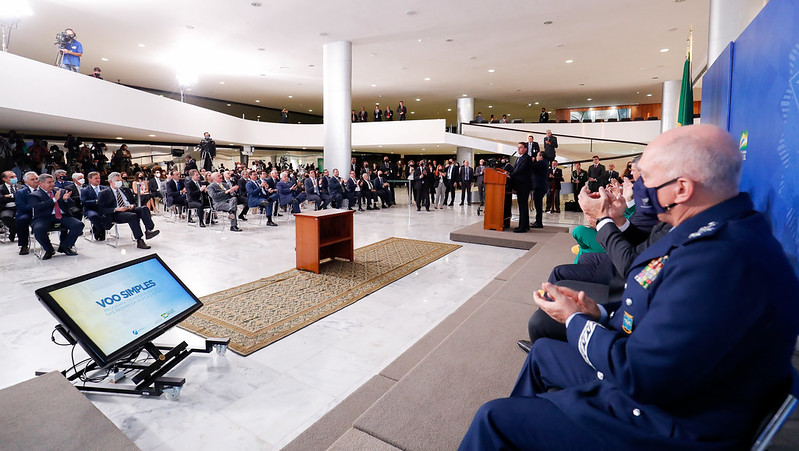
El Ministerio de Transporte de Argentina ha anunciado el retorno de la aviación comercial en el país hacia mediados de Octubre 2020, aunque no han estipulado una fecha certera. En el actual mercado aéreo, la Argentina y Venezuela son los únicos países de la región que continúan con las restricciones en los vuelos domésticos e internacionales. El Gobierno está trabajando para la normalización de la actividad aérea, aunque expresan desde la cartera de Transporte que no todas las autoridades provinciales están dispuestas a recibir vuelos, lo que va a condicionar el regreso de las operaciones aéreas.

Los vuelos comerciales, tanto domésticos como internacionales, se encuentran suspendidos desde la declaración del Aislamiento Social Preventivo y Obligatorio (ASPO), el 20 de Marzo de 2020. A partir de ese momento, solo se autorizaron vuelos especiales de repatriación, en las primeras semanas, y luego vuelos especiales de cabotaje e internacionales, representando alrededor de 700 vuelos habilitados con 100.000 pasajeros transportados por sesenta compañías. Desde el inicio de las restricciones por la pandemia, Aerolíneas Argentinas, por ejemplo, efectuó 335 vuelos especiales: 184 internacionales y 151 de cabotaje.

Expectativas de mercado

Entre las aerolíneas en Argentina aun hay mucha incertidumbre sobre los cronogramas que podrán tener disponibles a partir de mediados de este mes. Fuentes oficiales anticiparon que no todas las autoridades provinciales están dispuestas a recibir vuelos, lo que va a condicionar el regreso de las operaciones. “No tuvimos información oficial aún. Cuanto recibamos eso podremos evaluar la planificación y programación posible. Por ahora, no hay referencias sobre a qué destinos se volará ni frecuencias”, contaron al diario Infobae desde una de las compañías.

Las expectativas comienzan a poner sobre la mesa la modalidad de las operaciones aéreas en un nuevo entorno, un tanto diferente para las aerolíneas. Estiman que existirá una demanda importante apenas se reanude la operación, por personas que están esperando movilizarse, pero luego dependerá de la evolución de la emergencia sanitaria y del turismo.

La aerolínea low cost Jetsmart Airlines Argentina ha expresado que en el reinicio de las operaciones habrá variaciones en las tarifas aéreas ajustando en función a la oferta y la demanda, aunque inicialmente se estimule inicialmente con pasajes con precios a la baja. “Creemos que va a haber un primer aluvión de gente que necesita volar por trabajo, para ver a su familia, trámites pendientes. Innumerables situaciones. Después, a medida que las personas vayan perdiendo el miedo al contagio de COVID-19, se irán sumando. Ojalá en la temporada alta de verano tengamos las primeras incursiones de gente haciendo turismo dentro del país”, destacó Gonzalo Pérez Corral, Gerente General de Jetsmart Airlines Argentina. La empresa ya tiene un cronograma de vuelos a partir del 12 de Octubre que incluye vuelos a Salta, Iguazú, Tucumán, Córdoba, Neuquén, Mendoza y Bariloche desde Buenos Aires, y también un vuelo entre Salta y Neuquén.

Turismo, motor económico

Aunque el retraso en el regreso de los vuelos parece alejar la posibilidad de que se desarrolle una temporada turística en el verano, desde el sector de turismo aseguraron que esa posibilidad no está descartada y que se trabaja para que pueda concretarse. “Hay un tema a resolver que tiene que ver con la situación sanitaria que se está complicando. En las provincias ya hay circulación comunitaria, por eso no se justifica que rechacen vuelos de otras. Pero sí se entiende en el caso de los distritos donde el sistema está saturado por el temor de que no haya camas disponibles”, explicó Aldo Elías, Presidente de la Cámara Argentina de Turismo (CAT).

“No descartamos que haya temporada, estamos analizando alternativas, como el turismo interprovincial entre distritos donde la situación sanitaria es similar. No hay motivos para que no haya turismo cuando el resto de las actividades están habilitadas. Sin turismo, se pasó de cero casos a la circulación comunitaria, así que no el motivo no fue el movimiento turístico”, agregó Aldo Elías.

Perspectivas de mercado

“El panorama es de incertidumbre total. No parece haber una estrategia. El Gobierno va prorrogando una medida de aislamiento que se pensó para marzo, cuando para vuelos internacionales el objetivo era repatriar argentinos del exterior y que los extranjeros vuelvan a sus países, y para el mercado doméstico el objetivo era que la gente no se mueva. Pasaron siete meses, la pandemia avanzó, en muchos sectores de la economía nos adaptamos a vivir con ella, pero en la aviación nada cambió. Los vuelos internacionales son solo para argentinos o extranjeros con residencia. El mundo entero se adaptó, se implementaron protocolos y hay quienes piden testeo previo y hasta test rápidos al llegar a un nuevo destino. No estamos mejor que otros países, no hay excusas para no imitarlos”, expresó al diario Infobae, Mariano Ansaldo, especialista en el mercado aerocomercial.

Mientras tanto, las líneas aéreas reinician su programa de operaciones con miras a reactivar sus economías, donde sólo el mercado, los controles efectivos sanitarios y las condiciones sanitarias permitirán que las compañías aéreas lentamente comiencen a levantar vuelo.

Argentina prepares aviation return

Argentine airlines will restart operations mid 10/2020

The Argentine Ministry of Transport has announced the return of commercial aviation in the country towards mid-October 2020, although they have not stipulated a certain date. In the current air market, Argentina and Venezuela are the only countries in the region that continue with restrictions on domestic and international flights. The Government is working for the normalization of air activity, although they express from the Transportation portfolio that not all provincial authorities are willing to receive flights, which will condition the return of air operations.

Commercial flights, both domestic and international, have been suspended since the declaration of the Preventive and Mandatory Social Isolation (ASPO), on March 20, 2020. From that moment, only special repatriation flights were authorized, in the first weeks , and then special domestic and international flights, representing around 700 flights enabled with 100,000 passengers transported by sixty companies. Since the beginning of the restrictions due to the pandemic, Aerolineas Argentinas, for example, carried out 335 special flights: 184 international and 151 domestic.

Market expectations

Among the airlines in Argentina there is still a lot of uncertainty about the schedules that may be available from the middle of this month. Official sources anticipate that not all provincial authorities are willing to receive flights, which will condition the return of operations. “We have no official information yet. When we receive that we can evaluate the planning and possible programming. For now, there are no references on which destinations or frequencies will be flown”, they told the Infobae newspaper from one of the companies.

Expectations are beginning to put on the table the modality of air operations in a new environment, somewhat different for airlines. They estimate that there will be a significant demand as soon as the operation is resumed, by people who are waiting to mobilize, but then it will depend on the evolution of the health emergency and tourism.

The low cost airline Jetsmart Airlines Argentina has stated that in the restart of operations there will be variations in airfares adjusting according to supply and demand, although initially it is initially stimulated with tickets with falling prices. “We believe that there will be a first flood of people who need to fly for work, to see their family, pending procedures. Countless situations. Then, as people lose their fear of contagion of COVID-19, they will add up. Hopefully in the high summer season we will have the first incursions of people doing tourism within the country”, highlighted Gonzalo Pérez Corral, General Manager of Jetsmart Airlines Argentina. The company already has a flight schedule as of October 12 that includes flights to Salta, Iguazú, Tucumán, Córdoba, Neuquén, Mendoza and Bariloche from Buenos Aires. And also a flight between Salta and Neuquén.

Tourism, economic engine

Although the delay in the return of flights seems to remove the possibility of a tourist season developing in the summer, from the tourism sector they assured that this possibility is not ruled out and that they are working to make it happen. “There is an issue to be resolved that has to do with the health situation that is getting complicated. In the provinces there is already community circulation, so it is not justified that they reject flights from others. But it is understood in the case of districts where the system is saturated due to the fear that there are no beds available”, explained Aldo Elías, President of the Argentine Chamber of Tourism (CAT).

«We do not rule out that there is a season, we are analyzing alternatives, such as interprovincial tourism between districts where the health situation is similar. There are no reasons why there is no tourism when the rest of the activities are enabled. Without tourism, it went from zero cases to community circulation, so the reason was not the tourist movement», added Aldo Elías.

Market prospects

“The outlook is one of total uncertainty. There doesn’t seem to be a strategy. The Government is extending an isolation measure that was thought for March, when for international flights the objective was to repatriate Argentines from abroad and for foreigners to return to their countries, and for the domestic market the objective was that people do not move. Seven months passed, the pandemic advanced, in many sectors of the economy we adapted to living with it, but in aviation nothing changed. International flights are only for Argentines or foreigners with residence. The whole world adapted, protocols were implemented and there are those who ask for prior testing and even rapid tests when arriving at a new destination. We are no better than other countries, there are no excuses for not imitating them», Mariano Ansaldo, a specialist in the commercial aviation market, told the Infobae newspaper.

Meanwhile, airlines are restarting their operations program with a view to reactivating their economies, where only the market, effective sanitary controls and sanitary conditions will allow airlines to slowly start to take off.


PUBLISHER: Airgways.com
DBk: Argentina.gob.ar/transporte / Infobae.com / Camaradeturismo.org.ar / Airgways.com
AW-POST: 202010031057AR

A\W   A I R G W A Y S ®

Aéreas EEUU despiden trabajadores

AW | 2020 10 02 15:10 | AIRLINES MARKET / GOVERNMENT

Aerolíneas despiden miles empleados cuando finaliza ayuda Federal

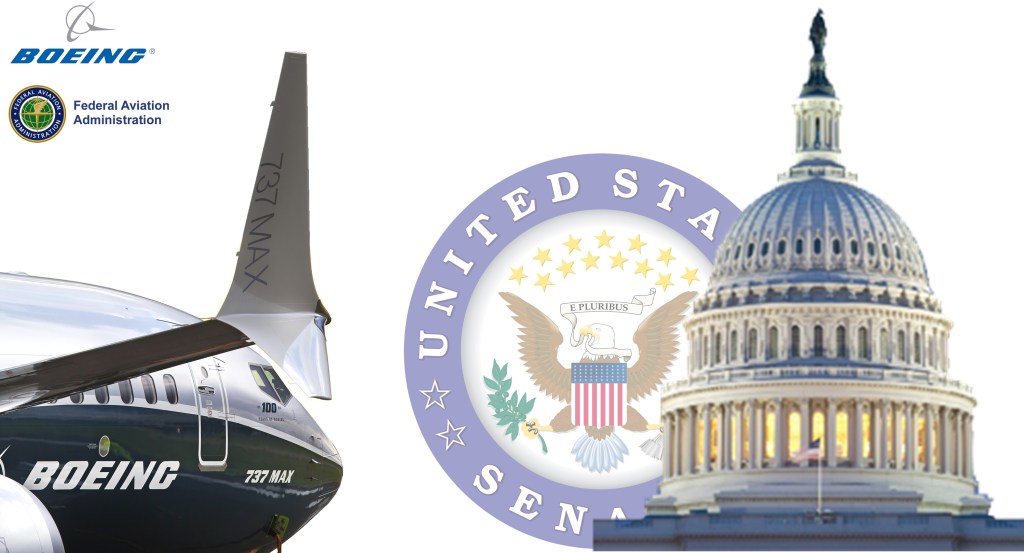
Las aerolíneas estadounidenses han comenzado a despedir a miles de trabajadores después de que los esfuerzos para negociar un nuevo plan de ayuda económica en el Congreso de los Estados Unidos se estancaron. Los transportistas aéreos gravemente afectados por la pandemia de Coronavirus, dicen que están listos para revertir las decisiones si se encuentra más financiamiento. Anteriormente, las aerolíneas habían recibido miles de millones de Dólares del Gobierno Federal, pero la profunda crisis económica ha agotado los recursos rápidamente. Anticipándose a una lenta recuperación, las aerolíneas en el 3Q2020 alentaron a los empleados a ofrecerse como voluntarios para recortes salariales, licencias sin goce de sueldo, adquisiciones y jubilaciones anticipadas para reducir la necesidad de licencias.

El Congreso de Estados Unidos había acordado la ayuda económica a principios de año como parte de la Ley de Ayuda, Alivio y Seguridad Económica por el Coronavirus (Act CARES). Estaba condicionado a que los transportistas no despidieran a los trabajadores hasta el 1 de Octubre 2020. Vencido el plazo, las líneas aéreas locales están recurriendo a reestructurar las empresas ante un panorama de déficit cada vez mayor.

Las aerolíneas de Estados Unidos han anunciado en estos días el anunciado «Octubre negro». American Airlines ha comunicado que despedirá a 19.000 trabajadores. En una carta al personal anunciando los despidos, el Director Ejecutivo de American Airlines, Doug Parker, dijo: «Lamento mucho que hayamos alcanzado este resultado. No es lo que todos merecen». United Airlines ha establecido que 13.000 empleados quedarán desafectados. El Miércoles 30/09, United Airlines, en un mensaje a sus empleados, dijo que estaba implorando «a nuestros líderes electos para llegar a un acuerdo de compromiso, hacer un trato ahora y salvar empleos. En un esfuerzo continuo por brindarle al Gobierno Federal todas las oportunidades para actuar, hemos dejado claro a los líderes de la Administración, el Congreso y entre nuestros socios sindicales que podemos revertir el proceso de licencia si el Programa de Apoyo a la Nómina de la Ley CARES se extiende en los siguientes días. A los 13.000 miembros de nuestra familia que se van: gracias por su dedicación y esperamos darle la bienvenida nuevamente».

Southwest Airlines y Delta Air Lines, las otras dos grandes aerolíneas nacionales del país, han evitado amplias licencias debido a licencias temporales y otros programas voluntarios, al menos por ahora. Más de 40.000 trabajadores de Delta se inscribieron para una licencia no remunerada a corto y largo plazo. La compañía ha dicho que aún puede suspender a unos 1.700 pilotos el próximo mes. Casi 17.000 empleados en Southwest se han inscrito para licencias, adquisiciones o jubilaciones anticipadas, y la compañía ha dicho que no dará licencia a ningún trabajador hasta fin de año. “Tienen culturas corporativas muy, muy fuertes y creo que esas culturas se exhibieron en cómo estas aerolíneas han podido evitar los permisos. Delta y Southwest pudieron enviar mensajes de manera más eficaz”, dijo Henry Harteveldt, fundador de Atmosphere Research Group, una firma de análisis de viajes.

American ops San Vicente & Granadinas |

American y United han obtenido préstamos del Departamento del Tesoro de más de US$ 5 mil millones, que podrían crecer a US$ 7,5 mil millones cada uno a discreción de la Administración. Southwest y Delta rechazaron los préstamos, que fueron autorizados por la Ley CARES de estímulo de Marzo 2020. En toda la industria, las aerolíneas han recaudado miles de millones de diversas fuentes.

Presión política

Los despidos aumentan la presión sobre el Secretario del Tesoro, Steven Mnuchin, y la Presidenta de la Cámara de Representantes, Nancy Pelosi, que han estado tratando de acordar un plan de ayuda de seguimiento para la economía estadounidense en dificultades. Los Demócratas, que controlan la Cámara, han estado presionando por un paquete de US$ 2,2 billones, mientras que la Casa Blanca quiere mantenerlo en US$ 1,6 billones. La propuesta más reciente incluye US$ 20 mil millones de Dólares para aerolíneas con problemas.

La Administración Trump ha estado explorando durante semanas formas de ayudar a la industria unilateralmente, a través de acciones ejecutivas o reutilizando el dinero no utilizado de la legislación de ayuda anterior. Pero los funcionarios han concluido que esas opciones no eran factibles. El Secretario del Tesoro, Steven Mnuchin, ha indicado que el Congreso debería autorizar al Tesoro a redirigir los fondos sobrantes, como el dinero que se asignó para respaldar los programas de préstamos de la Reserva Federal. Mark Meadows, el Jefe de Gabinete de la Casa Blanca, dijo el Miércoles 30/09 que a la Administración Trump le gustaría ver una legislación que proporcione US$ 20 mil millones adicionales para ayudar a las aerolíneas a pagar a los trabajadores durante seis meses.

Perspectivas aéreas

Sin una recuperación a la vista y las negociaciones sobre otro paquete de estímulo en un punto muerto, United Airlines y American Airlines comenzaron el Jueves 01/10 a despedir a más de 32.000 trabajadores. Las empresas dijeron que revertirían los recortes si el Congreso y la administración Trump llegaban a un acuerdo para extender más ayuda a la industria, pero ha habido poco o ningún progreso en esas conversaciones.

En teoría, las aerolíneas podrían solicitar algunos de los fondos no utilizados reservados para compañías que son críticas para la seguridad nacional, pero el Departamento de Defensa tendría que certificar ese uso y el dinero podría venir con condiciones de pago onerosas. Incluso si se interpretara que la definición de seguridad nacional incluye a las líneas aéreas de pasajeros, no está claro qué tan rápido se podrían desembolsar esos fondos y si las empresas se sentirían cómodas con los términos.

US airlines lay off workers

Airlines lay off thousands of employees as Federal aid ends

US airlines have started laying off thousands of workers after efforts to negotiate a new economic aid plan in the US Congress stalled. Air carriers severely affected by the Coronavirus pandemic say they are ready to reverse decisions if more funding is found. Previously, airlines had received billions of dollars from the Federal Government, but the deep economic crisis has quickly depleted resources. In anticipation of a slow recovery, airlines in 3Q2020 encouraged employees to volunteer for pay cuts, unpaid leave, acquisitions and early retirements to reduce the need for leave.

The U.S. Congress had agreed to financial aid earlier in the year as part of the Coronavirus Relief, Relief and Economic Security Act (CARES Act). It was conditional on carriers not laying off workers until October 1, 2020. After the deadline, local airlines are resorting to restructuring companies in the face of a growing deficit outlook.

The airlines of the United States have announced these days the announced «Black October». American Airlines has announced that it will lay off 19,000 workers. In a letter to staff announcing the layoffs, American Airlines Chief Executive Officer Doug Parker said: «I am very sorry that we have achieved this result. It is not what everyone deserves». United Airlines has established that 13,000 employees will be disabled. On Wednesday 09/30, United Airlines, in a message to its employees, said it was imploring «our elected leaders to reach a compromise agreement, make a deal now, and save jobs. Every opportunity to act, we have made it clear to the leaders of the Administration, Congress and among our union partners that we can reverse the licensing process if the CARES Act Payroll Support Program is extended in the following days. the 13,000 members of our family who are leaving: thank you for your dedication and we look forward to welcoming you again».

Southwest Airlines and Delta Air Lines, the nation’s other two big national airlines, have avoided broad licenses due to temporary licenses and other voluntary programs, at least for now. More than 40,000 Delta workers signed up for short and long-term unpaid leave. The company has said it can still suspend about 1,700 pilots next month. Nearly 17,000 employees at Southwest have signed up for leave, acquisitions or early retirements, and the company has said it will not release any workers until the end of the year. “They have very, very strong corporate cultures and I think those cultures were showcased in how these airlines have been able to avoid permits. Delta and Southwest were able to send messages more effectively”, said Henry Harteveldt, founder of Atmosphere Research Group, a travel analytics firm.

American and United have borrowed from the Treasury Department of more than US$ 5 billion, which could grow to US$ 7.5 billion each at the discretion of the Administration. Southwest and Delta declined the loans, which were authorized by the Atc CARES stimulus of March 2020. Across the industry, airlines have raised billions from various sources.

Political pressure

The layoffs increase pressure on Treasury Secretary Steven Mnuchin and House Speaker Nancy Pelosi, who have been trying to agree on a follow-up relief plan for the struggling US economy. The Democrats, who control the House, have been pushing for a US$ 2.2 trillion package, while the White House wants to keep it at US$ 1.6 trillion. The most recent proposal includes US$ 20 billion for troubled airlines.

The Trump Administration has been exploring for weeks ways to help the industry unilaterally, through executive action or repurposing unused money from previous aid legislation. But officials have concluded that those options were not feasible. Treasury Secretary Steven Mnuchin has indicated that Congress should authorize the Treasury to redirect surplus funds, such as money that was allocated to support Federal Reserve loan programs. Mark Meadows, the White House Chief of Staff, said Wednesday 9/30 that the Trump Administration would like to see legislation providing an additional US$ 20 billion to help airlines pay workers for six months.

Aerial perspectives

With no recovery in sight and negotiations on another stimulus package at a standstill, United Airlines and American Airlines began on Thursday 10/01 to lay off more than 32,000 workers. The companies said they would reverse the cuts if Congress and the Trump administration reached an agreement to extend more aid to the industry, but there has been little or no progress in those talks.

In theory, airlines could request some of the unused funds set aside for companies that are critical to national security, but the Department of Defense would have to certify that use and the money could come with onerous payment terms. Even if the definition of national security were interpreted to include passenger airlines, it is unclear how quickly those funds could be disbursed and whether companies would be comfortable with the terms.


PUBLISHER: Airgways.com
DBk: Senate.gov / Nytimes.com / Bbc.com / Airgways.com / Dallasnews.com
AW-POST: 202010021510AR

A\W   A I R G W A Y S ®

Argentina aprueba reapertura aérea

AW | 2020 10 02 13:50 | AIRLINES MARKET / GOVERNMENT

Ministerio Transporte aprobaría reapertura aérea

El Ministerio de Transporte de Argentina ha anunciado la confirmación hacia dos semanas vista la reapertura de la aviación comercial en el país. La reapertura de los vuelos se establecerán hacia la tercer semana de Octubre 2020 incluyendo los protocolos de bioseguridad correspondientes para los viajes nacionales e internacionales. El Ministro de Transporte, Mario Meoni, ha confirmado este Jueves que entre el 12 y el 15 de Octubre 2020 retornarán los vuelos regulares en el sector aerocomercial anticipando que el Gobierno se encuentra trabajando para retornar a la normalización de la actividad aérea. “Tenemos una fecha prevista para el regreso de los vuelos. Nosotros estamos procurando resolverlo cuanto antes, pero no más allá del 12 de octubre o a mediados de octubre como máximo. Estaremos operando en larga distancia y en cabotaje”, expresó el funcionario de Transporte.

Los vuelos, tanto domésticos como internacionales, se encuentran restringidos desde la declaración del Aislamiento Social Preventivo y Obligatorio (ASPO), que comenzó el 20 de Marzo 2020. A partir de esa fecha, solamente se autorizaron viajes especiales de repatriación, en una primera etapa, y luego algunos sujetos a las condiciones dispuestas por los países de destino. A nivel local, sólo están habilitados servicios esenciales a muy pocas provincias.

Vuelos nacionales

El Ministerio de Transporte ha comunicado que es importante recuperar el cabotaje, pero será crucial la posición que tengan al respecto los gobernadores o las autoridades de las ciudades a las cuales llegan esos aviones, por lo que eso podría condicionar el retorno de los servicios regulares hacia algunos destinos. De todas formas, aclaró que “naturalmente seguirán las restricciones en función del nivel de contagio y cada una de las autoridades tendrán la potestad de poder limitar la cantidad de pasajeros”. Desde la Casa Rosada, han comunicado que hasta la fecha, algunas provincias han confirmado que continuarán con las restricciones aéreas en el corto plazo: San Luis, Santiago del Estero, La Rioja y Formosa.

Vuelos internacionales

El Ministerio de Transporte ha expresado la misma posición de reapertura con respecto a los vuelos nacionales: “En cuanto a las operaciones internacionales, en estos momentos están operando una buena cantidad de vuelos especiales a distintos destinos, pero seguramente a partir de esa fecha empezarán a funcionar de manera habitual”, expresó el Ministro de Transporte Mario Meoni.

Reclamo de IATA

La Asociación Internacional de Transporte Aéreo que agrupa a aerolíneas de todo el mundo, ha expresado que la Argentina es el único país que lleva casi ocho meses con sus vuelos comerciales regulares nacionales e internacionales suspendidos. El Vicepresidente regional paras Las Américas, Peter Cerdá, ha expresado su posición a las autoridades nacionales para manifestar los riesgos de la decisión de recargar los precios de los pasajes de los vuelos internacionales con un 35% por adelanto de impuestos. “La industria no fue consultada sobre esta medida. Es un momento donde teníamos que generar más incentivos para los viajeros y no que paguen más. Esto provocará que más líneas aéreas salgan del mercado”, cuestionó.

Perspectivas aéreas

El Gobierno de Argentina se encuentra finiquitando las definiciones hacia una reapertura ordenada y controlada de las operaciones aéreas en el país. Ahora, las aerolíneas locales parecen tener un horizonte más entusiasta con más certezas y definiciones desde Transporte. Es hora de reordenar este escenario nefasto que ha provocado una profunda crisis a nivel mundial. Las aerolíneas comienzan a pedir pista para volver a volar.

Argentina approves air reopening

Transport Ministry would approve air reopening

The Ministry of Transport of Argentina has announced the confirmation within two weeks view of the reopening of commercial aviation in the country. The reopening of the flights will be established around the third week of October 2020 including the corresponding biosecurity protocols for national and international travel. The Minister of Transport, Mario Meoni, has confirmed this Thursday that between October 12 and 15, 2020, regular flights will return in the commercial aviation sector, anticipating that the Government is working to return to the normalization of air activity. “We have a scheduled date for the return of the flights. We are trying to resolve it as soon as possible, but not beyond October 12 or mid-October at the latest. We will be operating long distance and in cabotage”, said the Transportation official.

Flights, both domestic and international, have been restricted since the declaration of Mandatory Preventive Social Isolation (ASPO), which began on March 20, 2020. As of that date, only special repatriation trips were authorized, in a first stage, and then some subject to the conditions established by the destination countries. At the local level, essential services are only enabled in a very few provinces.

Domestic flights

The Ministry of Transport has communicated that it is important to recover cabotage, but the position of the governors or the authorities of the cities to which these planes arrive will be crucial, so that could condition the return of regular services to some destinations. In any case, he clarified that «naturally the restrictions will follow depending on the level of contagion and each of the authorities will have the power to limit the number of passengers». From the Casa Rosada, they have communicated that to date, some provinces have confirmed that they will continue with air restrictions in the short term: San Luis, Santiago del Estero, La Rioja and Formosa.

International flights

The Ministry of Transport has expressed the same reopening position with regard to domestic flights: “As for international operations, at the moment a good number of special flights are operating to different destinations, but surely from that date they will begin to operate. to function as usual”, said the Minister of Transport Mario Meoni.

IATA claim

The International Air Transport Association, which brings together airlines from around the world, has stated that Argentina is the only country that has been suspended for almost eight months with its regular domestic and international commercial flights. The Regional Vice President for the Americas, Peter Cerdá, has expressed his position to the national authorities to express the risks of the decision to recharge the prices of the tickets of international flights with a 35% advance tax. “The industry was not consulted on this measure. It is a time where we had to generate more incentives for travelers and not for them to pay more. This will cause more airlines to leave the market”, he questioned.

Aerial perspectives

The Government of Argentina is finalizing the definitions towards an orderly and controlled reopening of air operations in the country. Now, local airlines seem to have a more enthusiastic horizon with more certainties and definitions from Transportation. It is time to rearrange this dire scenario that has caused a profound crisis worldwide. The airlines begin to ask for a track to fly again.


PUBLISHER: Airgways.com
DBk: Argentina.gob.ar/transporte / Airgways.com / Infobae.com / Iata.org
AW-POST: 202010021350AR

A\W   A I R G W A Y S ®

Aerolíneas Argentinas, compás espera

AW | 2020 10 02 10:15 | AIRLINES / GOVERNMENT

Aerolíneas en su quinto mes suspensiones del personal

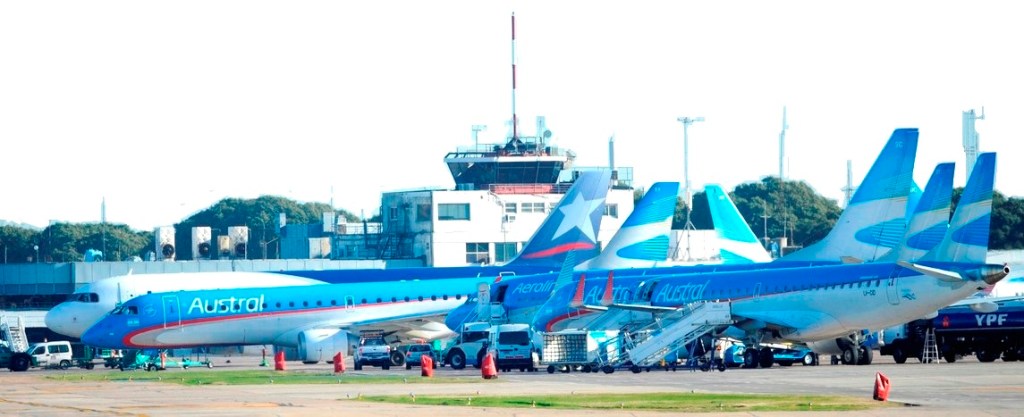
Aerolíneas Argentinas ingresa en su quinto mes con las suspensiones de un tercio del personal que representan 4.000 empleados de los 12.000 trabajadores que continúan en sus hogares desde Junio 2020. El CEO Pablo Ceriani de Aerolíneas ha expresado el jueves 1 Octubre 2020 la esperanza por reanudar las operaciones en el país, cuando se conoció que el Ministro de Transporte, Mario Meoni, había asegurado a la agencia oficial Télam que los vuelos de cabotaje podrían volver a mediados de este mes.

En Aerolíneas Group donde la mayoría de sus aviones continúan en tierra, como las demás líneas aéreas desde hace más de seis meses, han comunicado extender por otro mes las suspensiones a 4.000 de sus 12.000 empleados, representando un tercio de su personal en su hogares, sin cumplir ningún tipo de funciones, mientras que otra parte importante del personal, del área administrativa, también se encuentran sus casas trabajando bajo la modalidad de home office. El comunicado de la compañía expresa: «Las suspensiones por ahora son por 30 días, esperando a ver qué sucede con los vuelos de cabotaje. Y siempre con la posibilidad de levantar suspensiones, en función de las necesidades operativas».

Argentina, tiempo definiciones aviación

El retorno de los vuelos regulares estaba definido para comienzos de Septiembre 202, una fecha muy lejana en el horizonte para las líneas aéreas desde Mayo 2020. Ante el avance de la pandemia en el país y los pronósticos poco alentadores, la titular de la Administración Nacional de Aviación Civil (ANAC), Paola Tamburelli, había anunciado que los vuelos serían reanudados el 1 Octubre 2020, para luego confirmar un nuevo desplazamiento de la fecha comunicada por el Ministerio de Transporte hacia el 12 de Octubre, en sintonía con la extensión de la cuarentena por parte del Poder Ejecutivo.

El Jueves 02/10, el Ministro de Transporte, Mario Meoni que quieren restablecer cuanto antes los vuelos de cabotaje y dijo que la fecha podría definirse dentro de este mes, abriendo el paraguas: «Naturalmente seguirán las restricciones en función del nivel de contagio y los gobernadores y cada una de las autoridades tendrán la potestad de poder limitar la cantidad de pasajeros».

Cuarentena vs déficit

Los empleados suspendidos de Aerolíneas Argentinas y Austral Líneas Aéreas cobran 100% de su salario de bolsillo, según acuerdo del CEO de la compañía Pablo Ceriani con los gremios aeronáuticos que avalaron el acuerdo ante el Ministerio de Trabajo. La intención de la empresa, cuando aplicó por primera vez la medida, era extender las suspensiones a 8.000 empleados, pero los gremios negociaron que la cantidad afectada fuera la mitad. ¿Qué ventajas han obtenido en la aerolínea? Según los voceros, la aplicación del Artículo 223 bis de la Ley de Contrato de Trabajo exime a Aerolíneas de pagar las cargas sociales, equivalentes a un sueldo de mano adicional. Además, al no tener que asistir a su lugar de trabajo, dejan de cobrar viáticos, horas extra y otros adicionales que en algunos caso de pilotos, tripulantes de a bordo, mecánicos o empleados de tierra con funciones específicas, representa hasta 20% adicional a su sueldo.

Otra parte de los empleados están trabajando de manera normal, ya que la empresa, aún con los vuelos regulares cerrados, tiene programados más de 65 vuelos especiales autorizados, caso por caso, por la Agencia de la ANAC.

Mientras tanto, el déficit de Aerolíneas Argentinas como de la mayoría de las líneas aéreas continúa creciendo debido a la parálisis del transporte aéreo en el país y a la poca asistencia económica por parte del Estado. Las extensiones prolongadas en el industria de la aviación, como en el turismo y en otras áreas continuarán afectando profundamente las estructuras de las compañías sin importar la solidez de las mismas. Las líneas aéreas continúan esperanzadas de poder retornar a los cielos progresivamente para salir de manera responsable de la actual crisis que sacude al mundo entero.

Aerolíneas Argentinas, wait compass

Aerolíneas in their fifth month staff suspensions

Aerolíneas Argentinas enters its fifth month with the suspensions of a third of the personnel that represents 4,000 employees of the 12,000 workers who remain in their homes since June 2020. The CEO Pablo Ceriani of Aerolineas has expressed his hope on Thursday, October 1, 2020, to resume operations in the country, when it was learned that the Minister of Transport, Mario Meoni, had assured the official agency Télam that domestic flights could return to the middle of this month.

At Aerolíneas Group, where most of its aircraft remain on the ground, like the other airlines for more than six months, they have reported extending the suspensions for another month to 4,000 of their 12,000 employees, representing a third of their staff at home. without fulfilling any type of functions, while another important part of the staff, from the administrative area, also find their homes working under the home office modality. The company statement states: «The suspensions, for now, are for 30 days, waiting to see what happens with domestic flights. And always with the possibility of lifting suspensions, depending on operational needs».

Argentina, time definitions aviation

The return of regular flights was defined for the beginning of September 202, a very distant date on the horizon for airlines since May 2020. Given the advance of the pandemic in the country and the disappointing forecasts, the head of the National Administration of Civil Aviation (ANAC), Paola Tamburelli, had announced that the flights would be resumed on October 1, 2020, to then confirm a new shift of the data communicated by the Ministry of Transport to October 12, in line with the extension of the quarantine by the Executive Power.

On Thursday 02/10, the Minister of Transport, Mario Meoni who wants to restore domestic flights as soon as possible and said that the date could be defined within this month, opening the umbrella: «Naturally the restrictions will continue depending on the level of contagion and the governors and each of the authorities will have the power to limit the number of passengers».

Quarantine vs deficit

The suspended employees of Aerolíneas Argentinas and Austral Líneas Aéreas receive 100% of their pocket salary, according to an agreement between the CEO of the company Pablo Ceriani with the aeronautical unions that endorsed the agreement before the Ministry of Labor. The intention of the company, when it first applied the measure, was to extend the suspensions to 8,000 employees, but the unions negotiated that the amount affected was half. What advantages have they obtained in the airline? According to the spokespersons, the application of Article 223 bis of the Labor Contract Law exempts Aerolíneas from paying social charges, equivalent to an additional salary. In addition, by not having to go to their place of work, they stop charging travel expenses, overtime, and other additional hours that in some cases for pilots, crew members, mechanics, or ground employees with specific functions, represent up to 20% added to your income.

Another part of the employees are working normally, since the company, even with closed scheduled flights, has scheduled more than 65 special flights authorized, case by case, by the ANAC Agency.

Meanwhile, the deficit of Aerolíneas Argentinas, as well as that of most airlines, continues to grow due to the paralysis of air transport in the country and the little economic assistance from the State. Prolonged extensions in the aviation industry, such as tourism and other areas will continue to deeply affect company structures no matter how robust they are. The airlines remain hopeful of being able to progressively return to the skies to emerge responsibly from the current crisis that is shaking the entire world.


PUBLISHER: Airgways.com
DBk: Telam.com.ar / Clarin.com / Aerolineas.com / Airgways.com / Pinterest.com / Beiting / Argentina.gob.ar / Anac.gov
AW-POST: 202010021015AR

A\W   A I R G W A Y S ®
Norwegian Air podría nacionalizarse

AW | 2020 10 01 12:25 | AIRLINES / GOVERNMENT

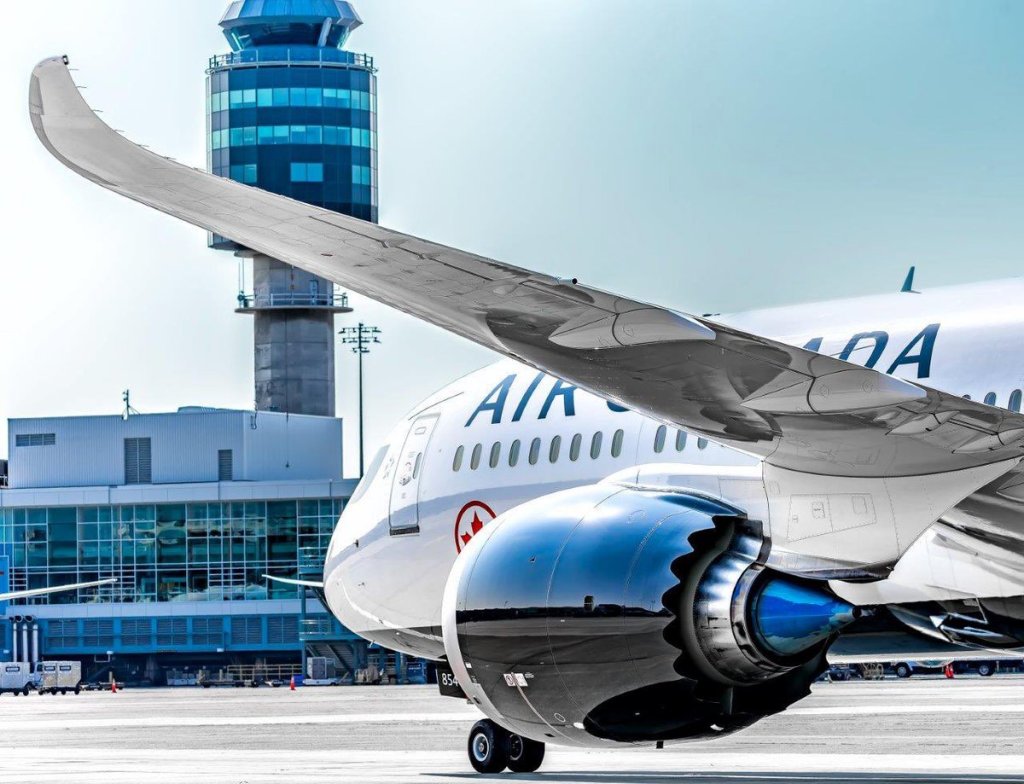
Noruega busca nacionalización de Norwegian Air Shuttle

El Gobierno de Noruega ha expresado las intensiones de poder nacionalizar la aerolínea low cost Norwegian Air Shuttle ASA. El Gobierno se encuentra analizando tomar una participación temporaria en la compañía low cost para capitalizarla en un proceso para rescatarla económicamente, reacondicionarla para la posterior venta.

Norwegian, ajustando cinturones

Norwegian Air continúa en apuros negociando la nacionalización de la compañía, después de varios intentos de rescates económicos y ajustes. Los máximos directivos de Norwegian Air han iniciado negociaciones con el Gobierno noruego de cara a una posible nacionalización de la empresa. La medida sería transitoria, aunque la aerolínea low-cost que ha reducido su actividad y es propiedad de sus antiguos acreedores, permanecería bajo la órbita del Gobierno. Jacob Schram, el Director General de la compañía, ha mantenido reuniones con integrantes del gobierno noruego de cara a conseguir una inyección de dinero que le permita pasar el invierno boreal. Hasta ahora, la compañía apenas ha obtenido algo menos de 300 millones de Euros de dinero público, aunque por otro lado ha reducido su plantilla de empleados a su mínima expresión.

El Director General de la aerolínea low cost ha expresado a los medios de comunicación que, desgraciadamente, esta ayuda no ha sido suficiente para que la compañía pueda atravesar esta crisis. Las negociaciones abanzarían desde la arena política, pues han manifestado su disposición a ayudar antes a Norwegian Air que al grupo SAS Airlines, que es propiedad conjunta de los gobiernos sueco , noruego y danés. Jon Gunnes, el portavoz de los liberales noruegos, dijo que es muy importante salvar esta aerolínea. Todas las fuentes citadas por la prensa noruega indican que nunca el gobierno invertirá de manera definitiva y que si accede al capital sería transitoriamente.

Norwegian Air llegó a lo más profundo de su crisis, que arrastraba desde hacía varios años, al estallar la pandemia del Coronavirus. En ese momento, los acreedores, sobre todo los bancos que arriendan los aviones a través de BOC Aviation, del Banco de China, convirtieron su deuda en capital, desplazando a los anteriores propietarios. En aquellas fechas tempranas, cuando todo el mundo pensaba que esta crisis no duraría muchos meses, Norwegian Air dijo que no volvería a volar hasta 2021, pero actualmente sólo una parte mínima de su flota ha vuelto a volar. La compañía, que volverá muy orientada a los vuelos trascontinentales, dice que quiere recuperar la normalidad para 2022.

El Gobierno chino es dueño de Norwegian Air Shuttle a través de la empresa BOC Aviation. Ha dispuesto la venta de 421 mil acciones, de modo que ha reducido su participación a 9,99% del total de las acciones. Esta empresa china adquirió la low cost noruega mediante el proceso que llevó a que todas las empresas deudoras a cambiar esos pasivos por participaciones accionarias. De ese modo, el directorio quedó compuesto por AerCap Holdings, MG Aviation Limited, Avolon Holdings Limited, DP Aircraft Ireland y la mencionada BOC Aviation.

Norwegian Air could go national

Norway seeks nationalization of Norwegian Air Shuttle

The Government of Norway has expressed its intentions to nationalize the low cost airline Norwegian Air Shuttle ASA. The Government is analyzing taking a temporary participation in the low cost company to capitalize it in a process to rescue it economically, reconditioning it for subsequent sale.

Norwegian, adjusting belts

Norwegian Air continues to struggle to negotiate the nationalization of the company, after several attempts at economic bailouts and adjustments. The top executives of Norwegian Air have begun negotiations with the Norwegian Government with a view to a possible nationalization of the company. The measure would be temporary, although the low-cost airline that has reduced its activity and is owned by its former creditors, would remain under the orbit of the Government. Jacob Schram, the CEO of the company, has held meetings with members of the Norwegian government in order to get an injection of money that will allow him to spend the winter. So far, the company has barely obtained slightly less than 300 million Euros of public money, although on the other hand it has reduced its workforce to a minimum.

The General Director of the low cost airline has told the media that, unfortunately, this help has not been enough for the company to go through this crisis. The negotiations would start from the political arena, as they have expressed their willingness to help Norwegian Air before the SAS Airlines group, which is jointly owned by the Swedish, Norwegian and Danish governments. Jon Gunnes, the spokesman for the Norwegian Liberals, said it is very important to save this airline. All the sources cited by the Norwegian press indicate that the government will never invest permanently and that if it accesses the capital it would be temporarily.

Norwegian Air reached the depths of its crisis, which it had dragged on for several years, when the Coronavirus pandemic broke out. At that time, creditors, especially banks that lease the planes through BOC Aviation of the Bank of China, converted their debt into equity, displacing the previous owners. In those early days, when everyone thought that this crisis would not last many months, Norwegian Air said it would not fly again until 2021, but currently only a small part of its fleet has flown again. The company, which will return highly oriented to transcontinental flights, says it wants to return to normal by 2022.

The Chinese Government owns Norwegian Air Shuttle through the company BOC Aviation. It has ordered the sale of 421 thousand shares, so that it has reduced its participation to 9.99% of the total shares. This Chinese company acquired the Norwegian low cost through the process that led all the debtor companies to exchange these liabilities for shareholdings. Thus, the board of directors was made up of AerCap Holdings, MG Aviation Limited, Avolon Holdings Limited, DP Aircraft Ireland and the aforementioned BOC Aviation.

Norwegian Air kan gå nasjonalt

Norge søker nasjonalisering av Norwegian Air Shuttle

Norges Regjering har gitt uttrykk for sine intensjoner om å nasjonalisere lavprisselskapet Norwegian Air Shuttle ASA. Regjeringen analyserer å ta en midlertidig deltakelse i lavprisselskapet for å kapitalisere det i en prosess for å redde det økonomisk og renovere det for påfølgende salg.

Norsk, justerende belter

Norwegian Air fortsetter å slite med å forhandle om nasjonalisering av selskapet, etter flere forsøk på økonomisk redning og justeringer. Topplederne i Norwegian Air har startet forhandlinger med den norske regjeringen med tanke på en mulig nasjonalisering av selskapet. Tiltaket vil være midlertidig, selv om lavprisflyselskapet som har redusert aktiviteten og eies av sine tidligere kreditorer, vil forbli under regjeringens bane. Jacob Schram, Administrerende Direktør i selskapet, har holdt møter med medlemmer av den norske regjeringen for å få en injeksjon med penger som gjør at han kan tilbringe vinteren. Så langt har selskapet knapt skaffet seg under 300 millioner euro med offentlige penger, selv om det derimot har redusert arbeidsstyrken til et minimum.

Generaldirektøren for lavprisflyselskapet har fortalt media at dessverre ikke denne hjelpen har vært nok for selskapet å gå gjennom denne krisen. Forhandlingene ville starte fra den politiske arenaen, ettersom de har uttrykt sin vilje til å hjelpe Norwegian Air overfor SAS Airlines-gruppen, som er felleseid av de svenske, norske og danske myndighetene. Jon Gunnes, talsmann for Norges Venstre, sa det er veldig viktig å redde dette flyselskapet. Alle kildene som er nevnt i norsk presse indikerer at regjeringen aldri vil investere permanent, og at hvis den får tilgang til hovedstaden, vil det være midlertidig.

Norwegian Air nådde dypet av krisen, som den hadde trukket på i flere år, da Coronavirus-pandemien brøt ut. På den tiden konverterte kreditorer, spesielt banker som leier flyene gjennom BOC Aviation of the Bank of China, gjelden til egenkapital og fortrengte de tidligere eierne. I de tidlige dager, da alle trodde at denne krisen ikke ville vare i mange måneder, sa Norwegian Air at den ikke ville fly igjen før i 2021, men for øyeblikket er det bare en liten del av flåten som har fløyet igjen. Selskapet, som vil komme tilbake høyt orientert til transkontinentale flyreiser, sier at det ønsker å gå tilbake til det normale innen 2022.

Den kinesiske regjeringen eier Norwegian Air Shuttle gjennom selskapet BOC Aviation. Det har bestilt salg av 421 tusen aksjer, slik at det har redusert sin deltakelse til 9,99% av de totale aksjene. Dette kinesiske selskapet anskaffet de norske lave kostnadene gjennom prosessen som førte til at alle debitorselskapene byttet disse forpliktelsene mot aksjepost. Styret besto således av AerCap Holdings, MG Aviation Limited, Avolon Holdings Limited, DP Aircraft Ireland og nevnte BOC Aviation.


PUBLISHER: Airgways.com
DBk: Norwegian.com / Regjeringen.no / Airgways.com / Reuters.com / Eurocontrol.int
AW-POST: 202010011225AR

A\W   A I R G W A Y S ®

Aproximación ofertas por Jet Airways

AW | 2020 09 30 12:48 | AIRLINES / GOVERNMENT

SBI votará por dos ofertas presentadas a Jet Airways

State Bank of India (SBI) iniciará el proceso para comenzar a votar sobre las dos ofertas establecidas para este 7 de Octubre de 2020. El CEO Rajnish Kumar, Presidente de SBI, el prestamista principal de Jet Airways culmina su mandato en el banco donde le seguirá en su cargo Dinesh Kumar Khara. La fecha ha entrado en juego en el proceso de insolvencia de Jet Airways incluso cuando los prestamistas se reúnen el 30 de Septiembre y comienzan el proceso de votación. El Comité de Acreedores (CoC) dirigido por el SBI tendrá que votar las dos ofertas presentadas por los dos interesados en competencia: el consorcio liderado por Flight Simulation Technique Center (FSTC) y que consiste en Big Charter e Imperial Capital y el consorcio liderado por Kalrock Capital y Murari Lal Jalan. La votación, que será en línea, podría comenzar a partir del 30 de Septiembre de 2020. «Normalmente es un proceso prolongado y puede tardar hasta dos semanas», dijo un alto ejecutivo. Cada prestamista debe evaluar individualmente las dos propuestas y luego emitir su voto.

La votación ocurre después de un retraso más en el proceso de insolvencia. El 28 de Septiembre 2020, cuando el CoC se iba a reunir y los bancos posiblemente hubieran comenzado a votar, se tomó una decisión para dar a las dos partes la oportunidad de revisar sus ofertas. Esto sucedió después de que el consorcio liderado por FSTC se ofreciera a mejorar su plan de resolución. «Se les ha dado a las dos partes unos días más para volver a presentar sus planes. Se les pedirá que hagan una presentación, y la votación se realizará después de eso», dijo un alto ejecutivo. Sin embargo, eso llevó al combinado Kalrock-Jalan a hacer una excepción por el retraso. En una carta redactada enérgicamente a los prestamistas el 29 de septiembre , el consorcio destacó lo que dice es un «total desprecio por los plazos establecidos para la presentación final del plan de resolución». La fecha límite para el Proceso de Resolución de Insolvencia Corporativa de Jet Airways (CIRP), es el 21 de Octubre de 2020.

A raíz de su carta a los prestamistas, el consorcio Kalrock-Jalan ha dicho a los bancos que está comprometido con el proceso. Curiosamente, si bien ha pedido a los prestamistas que consideren su plan presentado el 21 de Septiembre de 2020, el combinado ha dicho: «No tenemos objeciones si se considera la última oferta comercial realizada por el consorcio FSTC el 28 de Septiembre de 2020, siempre que no haya más extensiones o se les concede la oportunidad de realizar más cambios en su plan». Las fuentes agregaron que el consorcio FSTC-Imperial ha mejorado su oferta, específicamente en el cronograma de reembolso a los prestamistas.

Teoría de la conspiración

Mientras tanto, los observadores de la industria se han pronunciado mucho sobre el retraso y también los ex empleados de Jet Airways. Esto es lo que dijo uno de ellos: «Esto muestra claramente lo poco profesional y poco preparado que ha sido el CoC en la gestión de la resolución de Jet. Después de pedir a los postores las ofertas finales para este día, han extendido nuevamente la presentación de ofertas por una semana. Solo la fecha de presentación de ofertas sigue extendiéndose. Si bien se ha criticado la demora, ahora ha surgido que las dos partes también se han acusado mutuamente de no tener en cuenta el proceso». El combinado Kalrock-Jalan había insinuado lo mismo en su carta a los prestamistas, pidiéndoles que no permitan que el consorcio FSTC frustre el proceso de resolución por medios poco éticos.

Por otro lado, algunos ejecutivos han cuestionado la prisa del consorcio Kalrock-Jalan cuando la fecha límite del proceso es el 21 de Octubre de 2020. Mientras que el consorcio FSTC está siendo asesorado por la Consultora Deloitte y la firma de abogados Luthra & Luthra, Alvarez & Marsal está ayudando a los bancos a evaluar las ofertas.

Approach offers by Jet Airways

SBI will vote for two offers submitted to Jet Airways

State Bank of India (SBI) will initiate the process to begin voting on the two offers established for this October 7, 2020. CEO Rajnish Kumar, President of SBI, the main lender of Jet Airways ends his term in the bank where he Dinesh Kumar Khara will remain in office. The date has come into play in the Jet Airways insolvency process even as the lenders meet on September 30 and begin the voting process. The Creditors Committee (CoC) led by the SBI will have to vote on the two offers submitted by the two competing stakeholders: the consortium led by Flight Simulation Technique Center (FSTC) and consisting of Big Charter and Imperial Capital and the consortium led by Kalrock Capital and Murari Lal Jalan. Voting, which will be online, could start from September 30, 2020. «Normally it is a lengthy process and can take up to two weeks», said a senior executive. Each lender must individually evaluate the two proposals and then cast their vote.

The vote comes after one more delay in the insolvency process. On September 28, 2020, when the CoC was to meet and the banks might have started voting, a decision was made to give the two parties an opportunity to review their offers. This came after the FSTC-led consortium offered to improve its resolution plan. «The two parties have been given a few more days to resubmit their plans. They will be asked to make a presentation, and the vote will take place after that», said a senior executive. However, that prompted the Kalrock-Jalan team to make an exception for the delay. In a strongly worded letter to the lenders on Sept. 29, the consortium highlighted what it says is «total disregard for the deadlines set for the final submission of the resolution plan». The deadline for the Jet Airways Corporate Insolvency Resolution Process (CIRP) is October 21, 2020.

Following its letter to the lenders, the Kalrock-Jalan consortium has told the banks that it is committed to the process. Interestingly, while he has asked the lenders to consider his plan presented on September 21, 2020, the combine has said: «We have no objections if the last commercial offer made by the FSTC consortium on September 28, 2020 is considered, always no more extensions or they are given the opportunity to make further changes to their plan». The sources added that the FSTC-Imperial consortium has improved its offering, specifically in the schedule of repayment to lenders.

Conspiracy theory

Meanwhile, industry observers have been vocal about the delay and so have former Jet Airways employees. This is what one of them said: «This clearly shows how unprofessional and unprepared the CoC has been in handling Jet’s resolution. After asking the bidders for final bids for this day, they have again extended the submission of bids for a week. Only the date of submission of offers continues to extend. While the delay has been criticized, it has now emerged that the two sides have also accused each other of disregarding the process». The Kalrock-Jalan merger had hinted the same in its letter to the lenders, asking them not to allow the FSTC consortium to thwart the resolution process by unethical means.

On the other hand, some executives have questioned the rush of the Kalrock-Jalan consortium when the deadline for the process is October 21, 2020. While the FSTC consortium is being advised by the Deloitte Consultant and the law firm Luthra & Luthra, Alvarez & Marsal is helping banks evaluate the offers.

जेट एयरवेज द्वारा एप्रोच ऑफर

एसबीआई जेट एयरवेज को दिए गए दो प्रस्तावों के लिए मतदान करेगा

भारतीय स्टेट बैंक (एसबीआई) इस 7 अक्टूबर, 2020 के लिए स्थापित दो प्रस्तावों पर मतदान शुरू करने के लिए प्रक्रिया शुरू करेगा। एसबीआई के अध्यक्ष, सीईओ रजनीश कुमार, जेट एयरवेज के मुख्य ऋणदाता बैंक में अपना कार्यकाल समाप्त करेंगे दिनेश कुमार खारा पद पर बने रहेंगे। यह तिथि जेट एयरवेज की दिवालिया प्रक्रिया में भी खेल में आ गई है क्योंकि ऋणदाता 30 सितंबर को मिलते हैं और मतदान प्रक्रिया शुरू करते हैं। SBI की अगुवाई वाली लेनदारों की समिति (CoC) को दो प्रतिस्पर्धी हितधारकों द्वारा प्रस्तुत दो प्रस्तावों पर वोट देना होगा: फ्लाइट सिमुलेशन तकनीक केंद्र (FSTC) के नेतृत्व वाले कंसोर्टियम और बिग चार्टर और इंपीरियल कैपिटल और कंसोर्टियम के नेतृत्व वाले कंसोर्टियम। कलारोक कैपिटल और मुरारी लाल जालान। एक वरिष्ठ कार्यकारी ने कहा, वोटिंग, जो ऑनलाइन होगी, 30 सितंबर, 2020 से शुरू हो सकती है। «आम तौर पर यह एक लंबी प्रक्रिया है और इसमें दो सप्ताह तक का समय लग सकता है»। प्रत्येक ऋणदाता को व्यक्तिगत रूप से दो प्रस्तावों का मूल्यांकन करना चाहिए और फिर अपना वोट डालना चाहिए।

इन्सॉल्वेंसी प्रोसेस में एक और देरी के बाद वोट आता है। 28 सितंबर, 2020 को, जब सीओसी को मिलना था और बैंकों ने मतदान शुरू कर दिया था, तो दोनों पक्षों को अपने प्रस्तावों की समीक्षा करने का अवसर देने के लिए एक निर्णय लिया गया था। यह एफएसटीसी के नेतृत्व वाले कंसोर्टियम द्वारा अपनी संकल्प योजना में सुधार करने की पेशकश के बाद आया था। एक वरिष्ठ कार्यकारी ने कहा, «दोनों दलों को अपनी योजनाओं को फिर से शुरू करने के लिए कुछ और दिन दिए गए हैं। उन्हें एक प्रस्तुति देने के लिए कहा जाएगा, और उसके बाद मतदान होगा।» हालाँकि, इसने Kalrock-Jalan टीम को देरी के लिए एक अपवाद बनाने के लिए प्रेरित किया। 29 सितंबर को ऋणदाताओं को जोरदार शब्दों में पत्र में, कंसोर्टियम ने कहा कि यह कहता है कि «संकल्प योजना के अंतिम प्रस्तुत करने के लिए निर्धारित समयसीमा के लिए कुल उपेक्षा है»। जेट एयरवेज कॉरपोरेट इन्सॉल्वेंसी रिजॉल्यूशन प्रोसेस (CIRP) की समय सीमा 21 अक्टूबर, 2020 है।

ऋणदाताओं को दिए गए अपने पत्र के बाद, कलोरोक-जालान संघ ने बैंकों से कहा है कि वह इस प्रक्रिया के लिए प्रतिबद्ध है। दिलचस्प बात यह है कि जब उन्होंने उधारदाताओं से 21 सितंबर, 2020 को प्रस्तुत अपनी योजना पर विचार करने के लिए कहा था, तो गठबंधन ने कहा है: «हमें कोई आपत्ति नहीं है अगर FSTC कंसोर्टियम द्वारा 28 सितंबर, 2020 को किए गए अंतिम वाणिज्यिक प्रस्ताव पर विचार किया जाता है, हमेशा कोई और एक्सटेंशन नहीं या उन्हें अपनी योजना में और बदलाव करने का अवसर दिया गया है»। सूत्रों ने कहा कि एफएसटीसी-इंपीरियल कंसोर्टियम ने अपनी पेशकश में सुधार किया है, विशेष रूप से ऋणदाताओं को पुनर्भुगतान की अनुसूची में।

षड्यंत्र सिद्धांत

इस बीच, उद्योग पर नजर रखने वाले देरी के बारे में मुखर रहे हैं और जेट एयरवेज के पूर्व कर्मचारी भी हैं।यह उनमें से एक ने कहा: «यह स्पष्ट रूप से दर्शाता है कि जेट के प्रस्ताव को संभालने में सीओसी कितना अप्रमाणित और अप्रकाशित रहा है। इस दिन के लिए बोली लगाने वालों से पूछने के बाद, उन्होंने फिर से एक सप्ताह के लिए बोलियां प्रस्तुत की हैं। केवल ऑफ़र प्रस्तुत करने की तिथि का विस्तार जारी है। हालांकि देरी की आलोचना की गई है, लेकिन अब यह सामने आया है कि दोनों पक्षों ने एक-दूसरे पर प्रक्रिया की अवहेलना करने का भी आरोप लगाया है»। Kalrock-Jalan विलय ने उधारदाताओं को अपने पत्र में समान संकेत दिया था, उनसे कहा कि वे FSTC संघ को अनैतिक तरीकों से संकल्प प्रक्रिया को विफल करने की अनुमति न दें।

दूसरी ओर, कुछ अधिकारियों ने कल्रो-जालान कंसोर्टियम की भीड़ पर सवाल उठाया है जब प्रक्रिया की समय सीमा 21 अक्टूबर, 2020 है। जबकि एफएसटीसी कंसोर्टियम को डेलॉइट कंसल्टेंट और लॉ फर्म लूथरा और लूथरा द्वारा सलाह दी जा रही है। अल्वारेज़ और मार्साल बैंकों को प्रस्तावों का मूल्यांकन करने में मदद कर रहा है।


PUBLISHER: Airgways.com
DBk: Onlinesbi.com / India.gov.in / Airgways.com
AW-POST: 202009301248AR

A\W   A I R G W A Y S ®
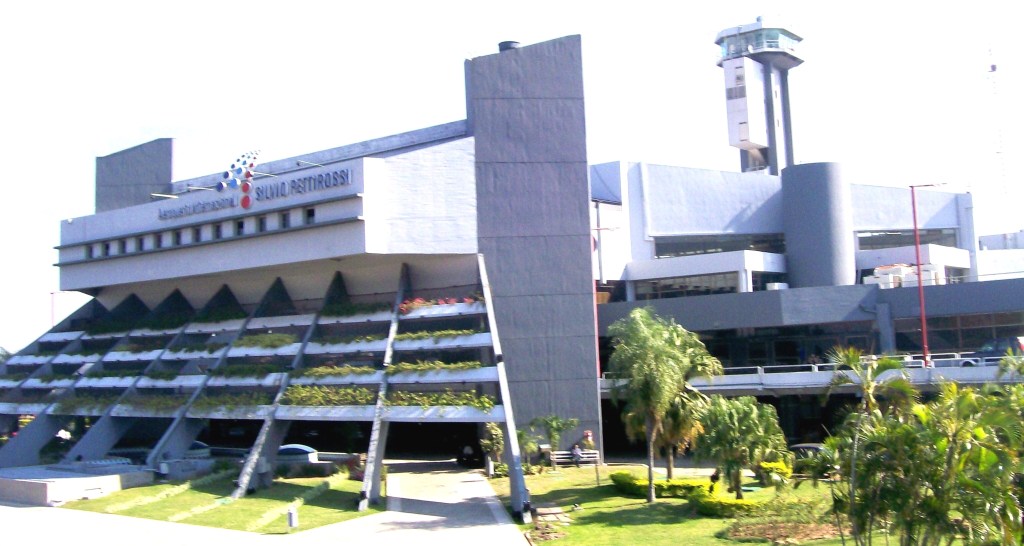
Gobierno pospone privatización Croatia

AW | 2020 09 30 12:08 | AIRLINES / GOVERNMENT

Croatia Airlines se privatizará en otro escenario

El Ministerio de Marítimo, Transporte e Infraestructura de la República de Croacia ha anunciado que el Gobierno continuará la privatización de la aerolínea estatal Croatia Airlines después de que la crisis de la pandemia desaparezca del escenario mundial.

A principios de año, el Gobierno de Croacia estaba listo para entrar en la segunda fase de negociaciones con dos empresas interesadas. Sin embargo, tras la expansión del Coronavirus, la industria de la aviación se vio gravemente afectada por las consecuencias de la pandemia y las negociaciones tuvieron que paralizarse. El Gobierno croata estableció en Junio de 2020 como la fecha límite inicial para la privatización de Croatia Airlines y dos compañías de aviación internacional expresaron interés en la aerolínea nacional croata en ese momento.

Interés por Croatia Airlines

Aegean Airlines de Grecia y la aerolínea regional española Air Nostrum habían expresado interés en adquirir acciones de Croatia Airlines. En Enero 2020, Aegean Airlines dijo: «Cualquier decisión importante sobre si es probable que la empresa participe o no en la próxima fase del proceso de privatización se tomará en los próximos meses, tras la provisión de información y discusiones, de acuerdo con el procedimiento establecido. por la República de Croacia».

La siguiente fase del proceso consistió en que el Gobierno croata anunciara una licitación para la presentación de ofertas vinculantes y estableciera la cantidad de acciones que estaba dispuesto a vender en la empresa. Anteriormente señaló que ofrecería una participación de hasta el 70%.

El Ministro de Transporte, Oleg Butković, ha reiterado que el estado proporcionaría ayuda a la aerolínea de bandera. “Compartimos la misma fe que todos los demás países, donde los gobiernos están salvando a sus aerolíneas. Sin duda, junto con la Unión Europea y la Comisión, proporcionaremos asistencia a Croatia Airlines, que estará en consonancia con las normas de ayuda de la UE”, expresó el Ministro.

Croatia Airlines ha registrado una pérdida neta de € 23,1 millones de Euros durante el primer semestre del año. La compañía ha elaborado tres escenarios diferentes sobre cómo la pandemia en curso puede afectar su negocio, con estimaciones que oscilan entre una pérdida de treinta millones a € 73 millones de Euros a finales de año. La aerolínea ha negado los informes recientes de que ha alquilado un turbohélice Dash 8-Q400 adicional, que llegó a Zagreb la semana pasada.

Modificación vuelos

Croatia Airlines ha realizado cambios en la programación en las rutas internacionales con epicentro en Zagreb. Tras la escasa demanda, la compañía ha cancelado determinadas salidas en varios vuelos. Las alteraciones de sus horarios de vuelos para la primera quincena de Octubre de este año, operando casi tres veces al día a Frankfurt, lo que permitirá a los pasajeros continuar su viaje a varios destinos en Europa y el mundo con una única parada en la ciudad alemana. Recordemos que esta fue la única línea internacional a Zagreb durante el bloqueo mediante la cual la empresa nacional permitió la repatriación continua de ciudadanos croatas.

Croatia Airlines ha cancelado algunos vuelos de su red de servicios en Europa: Zagreb-Amsterdam: se cancelaron los vuelos del 7, 8 y 11 Octubre 2020. Zagreb-Bruselas: los vuelos de los días 1, 3, 6, 8, 10, 14 y 15 Octubre 2020. Zagreb-Dublín, el último vuelo es el 4 de Octubre 2020. Zagreb-Munich se cancelaron los vuelos del 7, 12 y 14 Octubre 2020. Zagreb-París, cancelación de dos vuelos 3 y 16 Octubre 2020. Zagreb-Sarajevo dos vuelos 2 y 16 Octubre 2020. Zagreb-Skopje cancelación cuatro vuelos 2, 9, 12 y 16 Octubre 2020. Zagreb-Zurich los días 2, 6, 7, 9, 12, 13, 14 y 16 Octubre 2020. Zagreb-Copenhague: vuelos cancelados los días 2, 6, 7, 10, 12, 13, 14 de Octubre 2020. La ruta Zagreb-Londres operará con más frecuencia que en Septiembre 2020. Croatia Airlines ofrecerá dos vuelos por semana, todos los Lunes y Viernes, hasta la primera quincena de Octubre 2020. Ha existido algunas reducciones en las rutas internacionales desde Dubrovnik y Split. Los usuarios del transporte aéreo deberán comunicarse con la aerolínea para confirmar por modificaciones o alteraciones en el servicio de la aerolínea croata.

Government postpones privatization Croatia

Croatia Airlines will be privatized in another scenario

The Ministry of Maritime, Transport and Infrastructure of the Republic of Croatia has announced that the Government will continue the privatization of the state airline Croatia Airlines after the pandemic crisis disappears from the world stage.

At the beginning of the year, the Government of Croatia was ready to enter the second phase of negotiations with two interested companies. However, after the expansion of the Coronavirus, the aviation industry was severely affected by the consequences of the pandemic and negotiations had to come to a standstill. The Croatian government set June 2020 as the initial deadline for the privatization of Croatia Airlines and two international aviation companies expressed interest in the Croatian national airline at that time.

Interest in Croatia Airlines

Greece’s Aegean Airlines and Spanish regional airline Air Nostrum had expressed interest in acquiring shares in Croatia Airlines. In January 2020, Aegean Airlines said: «Any important decision on whether or not the company is likely to participate in the next phase of the privatization process will be made in the coming months, following the provision of information and discussions, in accordance with the procedure. established by the Republic of Croatia».

Croatia Airlines seeks financing for A320neos

The next phase of the process consisted of the Croatian government announcing a tender for the submission of binding offers and establishing the number of shares it was willing to sell in the company. It previously indicated that it would offer a stake of up to 70%.

The Minister of Transport, Oleg Butković, has reiterated that the state would provide aid to the flag carrier. “We share the same faith as all other countries, where governments are saving their airlines. Without a doubt, together with the European Union and the Commission, we will provide assistance to Croatia Airlines, which will be in line with the EU aid rules”, said the Minister.

Croatia Airlines has recorded a net loss of € 23.1 million during the first half of the year. The company has come up with three different scenarios for how the ongoing pandemic may affect its business, with estimates ranging from a loss of € 30 million to € 73 million by the end of the year. The airline has denied recent reports that it has leased an additional Dash 8-Q400 turboprop, which arrived in Zagreb last week.

Flight modification

Croatia Airlines has made changes to the schedule on international routes with an epicenter in Zagreb. Following low demand, the company has canceled certain departures on several flights. Alterations to its flight schedules for the first half of October this year, operating almost three times a day to Frankfurt, which will allow passengers to continue their trip to various destinations in Europe and the world with a single stop in the city German. Recall that this was the only international line to Zagreb during the blockade through which the national company allowed the continuous repatriation of Croatian citizens.

Croatia Airlines has canceled some flights of its service network in Europe: Zagreb-Amsterdam: the flights of 7, 8 and 11 October 2020 were canceled. Zagreb-Brussels: the flights of days 1, 3, 6, 8, 10, October 14 and 15, 2020. Zagreb-Dublin, the last flight is October 4, 2020. Zagreb-Munich flights from October 7, 12 and 14, 2020 were canceled. Zagreb-Paris, cancellation of two flights October 3 and 16, 2020. Zagreb-Sarajevo two flights 2 and 16 October 2020. Zagreb-Skopje cancels four flights 2, 9, 12 and 16 October 2020. Zagreb-Zurich on 2, 6, 7, 9, 12, 13, 14 and 16 October 2020. Zagreb-Copenhagen: flights canceled on October 2, 6, 7, 10, 12, 13, 14, 2020. The Zagreb-London route will operate more frequently than in September 2020. Croatia Airlines will offer two flights per week, every Monday and Friday, until the first half of October 2020. There have been some reductions in international routes from Dubrovnik and Split. Air transport users should contact the airline to confirm any modifications or alterations in the service of the Croatian airline.

Vlada odgađa privatizaciju Hrvatska

Croatia Airlines bit će privatiziran po drugom scenariju

Ministarstvo Pomorstva, Prometa i Infrastrukture Republike Hrvatska najavilo je da će Vlada nastaviti privatizaciju državne zrakoplovne tvrtke Croatia Airlines nakon nestanka pandemijske krize sa svjetske pozornice.

Početkom godine Vlada Hrvatske bila je spremna ući u drugu fazu pregovora s dvije zainteresirane tvrtke. Međutim, nakon širenja Coronavirusa, zrakoplovna industrija bila je teško pogođena posljedicama pandemije i pregovori su morali zastati. Hrvatska vlada odredila je lipanj 2020. kao početni rok za privatizaciju Croatia Airlines, a dvije međunarodne zrakoplovne tvrtke izrazile su interes za hrvatskim nacionalnim zračnim prijevoznikom u to vrijeme.

Interes za Croatia Airlines

Grčki Aegean Airlines i španjolski regionalni zračni prijevoznik Air Nostrum izrazili su interes za stjecanjem udjela u Croatia Airlinesu. U siječnju 2020. Aegean Airlines rekao je: «Svaka važna odluka o tome hoće li tvrtka vjerojatno sudjelovati u sljedećoj fazi postupka privatizacije donijet će se u sljedećim mjesecima, nakon pružanja informacija i rasprava, u skladu s postupkom. koju je uspostavila Republika Hrvatska».

Sljedeća faza procesa sastojala se od toga da je hrvatska vlada objavila natječaj za podnošenje obvezujućih ponuda i utvrdila broj dionica koje je bila spremna prodati u tvrtki. Prethodno je naznačio da će ponuditi udio do 70%.

Ministar prometa Oleg Butković ponovio je da će država pružiti pomoć nosaču zastave. “Dijelimo istu vjeru kao i sve druge zemlje u kojima vlade spašavaju svoje zrakoplovne tvrtke. Bez sumnje ćemo zajedno s Europskom unijom i Komisijom pružiti pomoć Croatia Airlinesu koja će biti u skladu s pravilima EU o pomoći”, rekao je ministar.

Croatia Airlines zabilježio je neto gubitak od 23,1 milijuna eura u prvoj polovici godine. Tvrtka je iznijela tri različita scenarija kako trajna pandemija može utjecati na njezino poslovanje, a procjene se kreću od 30 do 73 milijuna eura do kraja godine. Zrakoplovna tvrtka demantirala je nedavna izvješća da je unajmila dodatni turbopropelerski pogon Dash 8-Q400, koji je stigao u Zagreb prošlog tjedna.

Izmjena leta

Croatia Airlines izmijenio je red vožnje na međunarodnim linijama s epicentrom u Zagrebu. Nakon male potražnje, tvrtka je otkazala određene polaske na nekoliko letova. Izmjene rasporeda letova za prvu polovicu listopada ove godine, koji prometuju gotovo tri puta dnevno do Frankfurta, što će putnicima omogućiti da nastave putovanje do različitih odredišta u Europi i svijetu s jednim zaustavljanjem u gradu Njemački. Sjetimo se, ovo je bila jedina međunarodna linija za Zagreb tijekom blokade kojom je nacionalna tvrtka dopustila kontinuiranu repatrijaciju hrvatskih građana

Croatia Airlines otkazao je neke letove svoje servisne mreže u Europi: Zagreb-Amsterdam: otkazani su letovi 7, 8 i 11 listopada 2020. Zagreb-Bruxelles: letovi 1, 3, 6, 8, 10, 14 i 15 listopada 2020. Zagreb-Dublin, posljednji let je 4 listopada 2020. Otkazani su letovi Zagreb-München od 7, 12 i 14 listopada 2020. Zagreb-Pariz, otkazivanje dva leta 3 i 16 listopada 2020. Zagreb-Sarajevo dva leta 2. i 16. listopada 2020. Zagreb-Skoplje otkazuje četiri leta 2, 9, 12 i 16 listopada 2020. Zagreb-Zurich 2, 6, 7, 9, 12, 13, 14 i 16 listopada 2020. Zagreb-Kopenhagen: letovi otkazani 2, 6, 7, 10, 12, 13, 14 listopada 2020. Ruta Zagreb-London prometovat će češće nego u rujnu 2020. Croatia Airlines ponudit će dva leta tjedno, svaki ponedjeljak i petak, do prve polovice listopada 2020. Došlo je do smanjenja međunarodnih ruta iz Dubrovnika i Splita. Korisnici zračnog prijevoza trebali bi kontaktirati zrakoplovnu tvrtku kako bi potvrdili bilo kakve promjene ili izmjene u usluzi hrvatskog zračnog prijevoznika.


PUBLISHER: Airgways.com
DBk: Croatiaairlines.com / Mmpi.gov.hr / Airgways.com
AW-POST: 202009301208AR

A\W   A I R G W A Y S ®
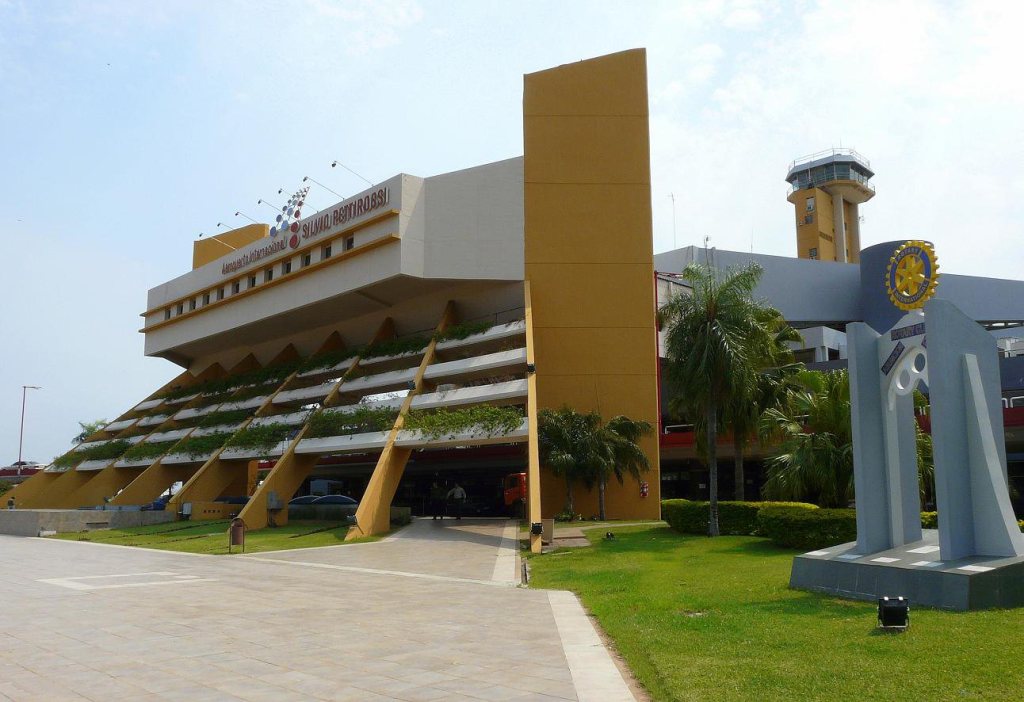
Nuevo reclamo low cost en Argentina

AW | 2020 09 30 10:55 | AIRLINES / GOVERNMENT

Flybondi y JetSmart reclamarán en todo el país por Ops

Las aerolíneas de presupuesto de Argentina realizarán unnuevo reclamo al Gobierno en favor del reinicio de operaciones este Jueves 1 Octubre 2020 a las 10:00 hs, donde los empleados de las aerolíneas low cost Flybondi Líneas Aéreas y JetSmart Airlines Argentina se concentrarán en diferentes puntos de todo el país para pedir por el reinicio de las actividades aéreas, después de más de seis meses de inactividad. Las aerolíneas realizarán los reclamos frente a las respectivas sede de Gobiernos provinciales como así también en el Ministerio de Transporte de la Nación, en Buenos Aires.

Fuente de reclamos

Las líneas aéreas JetSmart Airlines Argentina y Flybondi Líneas Aéreas exigirán una fecha para el reinicio de operaciones definido, sin más postergaciones y la reapertura del Aeropuerto El Palomar, la primer aeroestación low cost de Sudamérica. «Las indefiniciones por parte de las autoridades nacionales generan preocupación y angustia en los más de 10.000 trabajadores directos e indirectos vinculados al desarrollo de las low cost. Todos los trabajadores sabemos que cuanto más tiempo pasa y más se dilata el comienzo, más en riesgo se ponen nuestros puestos de trabajo. Previendo que el reinicio será con una operación reducida y con muy pocos pasajeros, ninguna de las aerolíneas privadas que operan hoy en Argentina pueden aguantar mucho más tiempo sin volar», expresaron en un comunicado desde los gremios aeronáuticos ATAF y ASTJ, que agrupan a los trabajadores de Flybondi y JetSmart respectivamente.

Tercer reclamo

La manifestación frente a las diferentes sedes de los gobiernos para este 01/10 será la tercera vez que los empleados de las aerolíneas se concentran en varias provincias. El Gobierno de Argentina inicialmente había establecido en Mayo 2020 una fecha muy distante para el reinicio de operaciones aéreas hacia Septiembre 2020. Posteriormente, desde el Ministerio de Salud habían analizado adelantar a fines de junio las operaciones para mediados de Julio o principios de Agosto 2020, pero el aumento de la cadena de contagios ha hecho retroceder las fechas no solo para el 1 de Septiembre, sino ha sido movida provisoriamente al 1 Octubre 2020 y posteriormente hacia el 12/10.

Ante tal incertidumbre, las aerolíneas locales continuarán exigiendo al Gobierno por una pronta reanudación de los vuelos implementando los máximos controles para vuelos seguros. En medio del escenario particular actual económico-sanitario en Argentina, JetSmart Airlines Argentina había dado indicios hace una semana posterior las intenciones de retirar sus operaciones del país porque «son demasiadas decisiones en su contra», aseguró Gonzalo Pérez Corral, gerente general de la empresa en el país. JetSmart asegura que por ahora permanecerá en la Argentina, pero necesitan que desde el Gobierno implementen señales positivas y certeras hacia una salida ordenada y responsable de la crisis sanitaria y económica actual.

Cierra El Palomar? El conflicto que enfrenta a los vecinos y los políticos  - LA NACION

They claim again low cost Argentina

Flybondi and JetSmart will claim nationwide for Ops

The budget airlines of Argentina will make a new claim to the Government in favor of the restart of operations this Thursday, October 1, 2020 at 10:00 a.m., where the employees of the low cost airlines Flybondi Líneas Aéreas and JetSmart Airlines Argentina will concentrate on different points of the whole country to ask for the resumption of air activities, after more than six months of inactivity. The airlines will make the claims in front of the respective provincial government headquarters as well as in the Ministry of Transportation of the Nation, in Buenos Aires.

Claim source

The airlines JetSmart Airlines Argentina and Flybondi Lineas Aereas will demand a definite date for the restart of operations, without further delay and the reopening of El Palomar Airport, the first low cost airstation in South America. «The uncertainties on the part of the national authorities generate concern and anguish in the more than 10,000 direct and indirect workers linked to the development of low cost. All workers know that the more time passes and the more the beginning is delayed, the more at risk is They put our jobs. Anticipating that the restart will be with a reduced operation and with very few passengers, none of the private airlines that operate today in Argentina can last much longer without flying», expressed in a statement from the aeronautical unions ATAF and ASTJ, which group Flybondi and JetSmart workers respectively.

Third claim

The demonstration in front of the different government headquarters for this 01/10 will be the third time that airline employees are concentrated in several provinces. The Government of Argentina had initially established in May 2020 a very distant date for the restart of air operations towards September 2020. Subsequently, the Ministry of Health had analyzed advancing operations to the end of June for mid-July or early August 2020, But the increase in the chain of infections has pushed back the dates not only to September 1, but has been temporarily moved to October 1, 2020 and later to 10/12.

Faced with such uncertainty, local airlines will continue to demand the Government for an early resumption of flights by implementing the maximum controls for safe flights. In the midst of the current particular economic-health scenario in Argentina, JetSmart Airlines Argentina had indicated a week later that it intended to withdraw its operations from the country because «there are too many decisions against it», said Gonzalo Pérez Corral, general manager of the company. in the country. JetSmart assures that for now it will remain in Argentina, but they need the Government to implement positive and accurate signals towards an orderly and responsible exit from the current health and economic crisis.


PUBLISHER: Airgways.com
DBk: Flybondi.com / Jetsmart.com / Airgways.com / Lanacion.com.ar
AW-POST: 202009301055AR

A\W   A I R G W A Y S ®
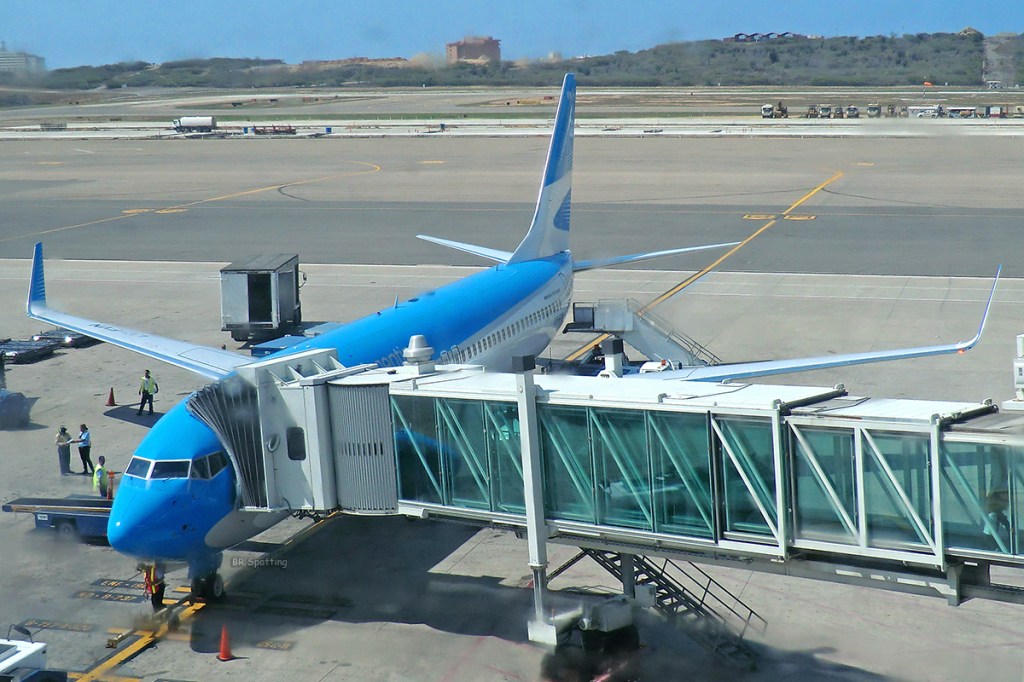
SAA suspende nuevamente operaciones

AW | 2020 09 30 10:12 | AIRLINES / GOVERNMENT

Gobierno no ha alcanzado recaudación para continuar volando

La compañía aérea de la República de Sudáfrica, South African Airways (SAA) ha suspendido nuevamente sus operaciones aéreas porque el Gobierno no ha logrado recaudar R 10.5 mil millones de Rand en fondos urgentes para reiniciar la aerolínea estatal en dificultades financieras. Las operaciones de SAA, junto con la industria de la aviación en general, se suspendieron desde el 27 de marzo, cuando el gobierno implementó restricciones de viaje y cerró las fronteras para frenar la propagación de Covid-19. Pero esta vez el cimiento de las operaciones de SAA se debe a su precaria situación financiera.

Los Profesionales de Rescate Empresarial (BRP) de SAA informaron a los acreedores en una nota el Martes 29 de Septiembre de 2020 que todas las operaciones de SAA se habían suspendido con efecto inmediato porque la aerolínea se había quedado sin capital de trabajo por completo. A principios de Septiembre 2020, los participantes del rescate de SAA, Siviwe Dongwana y Les Matuson, dijeron a los acreedores que la situación financiera de la aerolínea era terrible porque el capital de trabajo disponible para financiar sus operaciones está al borde del agotamiento. Las demoras en la recepción de fondos del gobierno exacerbaron la situación financiera de SAA, lo que resultó en la suspensión de sus operaciones dos veces en seis meses. La última suspensión también afecta las operaciones de las subsidiarias de SAA AirLink, incluidas Mango Airlines, SAA Technical, Air Chefs y SAA Cargo. Mango Airlines ha atravesado una mala semana con amenazas de que su aeronave quede en tierra porque supuestamente debe dinero a SAA Technical por trabajos de mantenimiento de aeronaves. Siviwe Dongwana y Les Matuson han informado que todas las operaciones de SAA se colocarían bajo cuidado y mantenimiento, y que solo se realizarían trabajos esenciales de seguridad y mantenimiento para preservar su flota de aviones y otros activos relacionados con la aviación.

Plan rescate SAA

Los profesionales de rescate han estado en conversaciones durante las últimas dos semanas con el Departamento de Empresas Públicas, el Tesoro Nacional y los bancos comerciales para reunir fondos para el plan de rescate comercial de la aerolínea. La SAA requiere R 10.5 mil millones de Rand para financiar la implementación de su plan de rescate empresarial, que propone pagar a los acreedores no garantizados casi R 2 mil millones Rand durante tres años, paquetes de reducción de personal por un valor de R 2.2 mil millones a 2.000 trabajadores y financiar el reinicio de los vuelos de la aerolínea en Enero de 2021.

Pero el Gobierno no ha conseguido el dinero para SAA, y solo ha dicho que existe un compromiso claro del Gabinete de proporcionar financiación a la aerolínea en problemas. Esto se haría de una manera fiscalmente neutral y podría incluir que se les pida a los ministros que recorten sus presupuestos departamentales para liberar fondos para SAA, en lugar de recaudar fondos a través de nuevas fuentes de deuda. Sin dinero del Gobierno, los rescatistas solicitaron financiamiento puente a corto plazo de los bancos comerciales para cubrir los gastos operativos de SAA mientras se reestructuraba.

Algunos de los bancos, que ya están expuestos a SAA porque son los mayores acreedores de la aerolínea, no estaban dispuestos a proporcionar más apoyo a SAA porque no es solvente dada su terrible situación financiera. Pero Siviwe Dongwana y Les Matuson dijeron que los bancos comerciales habían indicado una «voluntad de proporcionar una parte de los fondos necesarios para la implementación del plan de rescate empresarial». Los profesionales de rescate no revelaron cuánto financiamiento están dispuestos a invertir los bancos para la reestructuración de SAA. Los bancos quieren que el financiamiento esté respaldado por más garantías gubernamentales, un acuerdo que el gobierno o el fisco pagarían si la SAA incumple los pagos. Pero no ha habido avances en la parte del gobierno de la financiación requerida por la SAA. “Los Profesionales de Rescate Empresarial están colaborando con el gobierno en relación con la obtención de los fondos restantes que se requieren para implementar completamente el plan de rescate empresarial y cuáles serían las implicaciones para la empresa si recibe una parte de los fondos necesarios. Ncesitan tiempo para evaluar y determinar la forma adecuada de proceder en ausencia de financiación”, dijeron Siviwe Dongwana y Les Matuson en una nota a los acreedores.

Sin fondos del gobierno, los profesionales de rescate han presentado dos opciones para el futuro de SAA: una liquidación estructurada de sus operaciones o liquidación. Una liquidación implica la enajenación de activos y el pago de pasivos con el producto, y la posible supervivencia de una empresa en dificultades financieras. La liquidación implica una venta al por menor de los activos de una empresa y su cierre permanente. Se tomará una decisión la semana que viene, pero mientras tanto, los practicantes de rescate han suspendido todas las operaciones de SAA.

SAA suspends ops again

Government has not reached collection to continue flying

The Republic of South Africa airline, South African Airways (SAA) has again suspended its air operations because the Government has failed to raise R 10.5 billion Rand in urgent funds to restart the financially distressed state airline. SAA operations, along with the aviation industry in general, have been suspended since March 27, when the government implemented travel restrictions and closed borders to curb the spread of Covid-19. But this time the foundation of SAA’s operations is due to its precarious financial situation.

SAA’s Business Rescue Professionals (BRP) informed creditors in a note on Tuesday, September 29, 2020 that all SAA operations had been suspended with immediate effect because the airline had completely run out of working capital. In early September 2020, SAA bailout participants Siviwe Dongwana and Les Matuson told creditors that the airline’s financial situation was dire because the working capital available to finance its operations is on the verge of depletion. Delays in receiving funds from the government exacerbated SAA’s financial situation, resulting in the suspension of its operations twice in six months. The latest suspension also affects the operations of SAA AirLink’s subsidiaries, including Mango Airlines, SAA Technical, Air Chefs and SAA Cargo. Mango Airlines has gone through a bad week with threats that its aircraft will be grounded because it supposedly owes money to SAA Technical for aircraft maintenance work. Siviwe Dongwana and Les Matuson have reported that all SAA operations would be placed under care and maintenance, and that only essential safety and maintenance work would be performed to preserve its fleet of aircraft and other aviation-related assets.

SAA rescue plan

Rescue professionals have been in talks for the past two weeks with the Department of Public Enterprises, the National Treasury and commercial banks to raise funds for the airline’s commercial rescue plan. The SAA requires R 10.5 billion Rand to finance the implementation of its business rescue plan, which proposes to pay unsecured creditors almost R 2 billion Rand over three years, staff reduction packages worth R 2.2 thousand million to 2,000 workers and finance the restart of the airline’s flights in January 2021.

But the government has not raised the money for SAA, saying only that there is a clear commitment from the Cabinet to provide financing to the troubled airline. This would be done in a fiscally neutral way and could include asking ministers to cut their departmental budgets to free up funds for SAA, rather than raising funds through new sources of debt. With no government money, rescuers requested short-term bridge financing from commercial banks to cover SAA’s operating expenses while it restructured.

Some of the banks, already exposed to SAA because they are the airline’s biggest creditors, were unwilling to provide more support to SAA because it is not solvent given its dire financial situation. But Siviwe Dongwana and Les Matuson said that commercial banks had indicated a «willingness to provide a portion of the funds necessary for the implementation of the corporate rescue plan». Rescue professionals did not disclose how much financing the banks are willing to invest for SAA’s restructuring. The banks want the financing to be backed by more government guarantees, an agreement that the government or the treasury would pay if the SAA defaults on payments. But there has been no progress on the government’s part of the funding required by the SAA. “The Business Rescue Professionals are working with the government in relation to obtaining the remaining funds that are required to fully implement the business rescue plan and what the implications would be for the business if it receives a portion of the necessary funds. They need time to evaluate and determine the appropriate way to proceed in the absence of financing”, Siviwe Dongwana and Les Matuson said in a note to creditors.

Without government funding, rescue professionals have presented two options for the future of SAA: a structured liquidation of its operations or liquidation. A liquidation involves the disposal of assets and the payment of liabilities with the product, and the possible survival of a company in financial difficulties. Liquidation involves a retail sale of a company’s assets and its permanent closure. A decision will be made next week, but in the meantime, rescue practitioners have suspended all SAA operations.

Die SAL staak die operasie weer

Die regering het nie die versameling bereik om verder te vlieg nie

Die Suid-Afrikaanse lugdiens van die Republiek van die Suid-Afrikaanse Lugdiens (SAL) het weer sy lugbedrywighede opgeskort omdat die regering nie R 10,5 miljard rand in dringende fondse kon insamel om die finansieel noodlottige lugdiens weer te begin nie. Die SAL-bedrywighede, tesame met die lugvaartbedryf in die algemeen, is sedert 27 Maart opgeskort toe die regering reisbeperkings ingestel het en grense gesluit het om die verspreiding van Covid-19 te beperk. Maar hierdie keer is die grondslag van die SAL se bedrywighede te danke aan sy bedenklike finansiële situasie.

Die SAL se Business Rescue Professionals (BRP) het skuldeisers op Dinsdag 29 September 2020 in ‘n nota meegedeel dat alle SAL-bedrywighede met onmiddellike ingang opgeskort is omdat die lugdiens se bedryfskapitaal heeltemal opraak. Vroeg in September 2020 het die SAA-reddingsdeelnemers, Siviwe Dongwana en Les Matuson, aan skuldeisers gesê die lugdiens se finansiële situasie is haglik omdat die bedryfskapitaal wat beskikbaar is om sy bedrywighede te finansier op die punt van uitputting is. Vertraging met die ontvangs van fondse van die regering het die SAL se finansiële situasie vererger, wat daartoe gelei het dat sy bedrywighede twee keer binne ses maande opgeskort is. Die jongste opskorting het ook ‘n invloed op die bedrywighede van SAA AirLink se filiale, waaronder Mango Airlines, SAA Technical, Air Chefs en SAA Cargo. Mango Airlines het ‘n slegte week deurgemaak met dreigemente dat sy vliegtuie gegrond sal wees omdat hy kwansuis geld aan SAA Technical skuld vir vliegtuiginstandhoudingswerk. Siviwe Dongwana en Les Matuson het berig dat alle SAL-bedrywighede onder versorging en onderhoud geplaas sal word, en dat slegs noodsaaklike veiligheids- en instandhoudingswerk gedoen sal word om sy vloot vliegtuie en ander lugvaartverwante bates te bewaar.

La imagen tiene un atributo ALT vacío; su nombre de archivo es telegraph_saa.jpg

SAL-reddingsplan

Reddingswerkers het die afgelope twee weke met die departement van openbare ondernemings, die nasionale tesourie en handelsbanke in gesprek getree om fondse in te samel vir die kommersiële reddingsplan van die lugdiens. Die SAL benodig R 10,5 miljard Rand om die implementering van sy sakereddingsplan te finansier, wat voorstel om onversekerde skuldeisers byna R 2 miljard Rand oor drie jaar te betaal, pakkette vir personeelvermindering ter waarde van R 2,2 duisend miljoen tot 2000 werkers en finansier die herbegin van die vliegdiens van die lugdiens in Januarie 2021.

Maar die regering het nie die geld vir die SAL ingesamel nie en slegs gesê daar is ‘n duidelike verbintenis van die kabinet om finansiering vir die onrustige lugdiens te bied. Dit sal fiskaal neutraal gedoen word en kan insluit dat ministers gevra word om hul departementele begroting te sny om fondse vir SAL te bevry, eerder as om fondse in te samel deur nuwe skuldbronne. Met geen staatsgeld nie, het redders korttermynbrugfinansiering van handelsbanke gevra om die SAL se bedryfsuitgawes te dek terwyl dit herstruktureer is.

Sommige van die banke, wat reeds aan die SAL blootgestel is omdat hulle die grootste krediteure van die lugdiens is, was nie bereid om meer ondersteuning aan die SAL te bied nie omdat dit nie oplosbaar is nie, gegewe die haglike finansiële situasie. Maar Siviwe Dongwana en Les Matuson het gesê dat handelsbanke ‘n ,,bereidwilligheid het om ‘n gedeelte van die fondse te verskaf wat nodig is vir die implementering van die korporatiewe reddingsplan». Reddingswerkers het nie bekend gemaak hoeveel finansiering die banke bereid is om te belê vir die herstrukturering van die SAL nie. Die banke wil hê dat die finansiering gerugsteun moet word deur meer staatswaarborge, ‘n ooreenkoms wat die regering of die tesourie sal betaal as die SAL nie die betalings wanbetaal nie. Maar daar was geen vordering van die regering se kant van die finansiering wat deur die SAL benodig word nie. ,,Die professionele reddingswerkers werk saam met die regering in verband met die verkryging van die oorblywende fondse wat benodig word om die ondernemingsreddingsplan volledig te implementeer en wat die implikasies vir die onderneming sal wees as dit ‘n gedeelte van die nodige fondse ontvang. Hulle het tyd nodig om te evalueer en te bepaal wat die regte manier is om te gaan in die afwesigheid van finansiering», het Siviwe Dongwana en Les Matuson in ‘n nota aan krediteure gesê.

Sonder befondsing van die regering het reddingswerkers twee opsies vir die toekoms van die SAL aangebied: ‘n gestruktureerde likwidasie van sy bedrywighede of likwidasie. ‘N Likwidasie behels die verkoop van bates en die betaling van laste met die produk, en die moontlike voortbestaan ​​van ‘n onderneming in finansiële probleme. Likwidasie behels ‘n kleinhandelverkope van bates van ‘n maatskappy en die permanente sluiting daarvan. Daar sal volgende week besluit word, maar intussen het reddingspraktisyns alle SAL-operasies opgeskort.


PUBLISHER: Airgways.com
DBk: Flysaa.com / Dailymaverik.co.za / Airgways.com / Telegraph.co.za
AW-POST: 202009301012AR

A\W   A I R G W A Y S ®
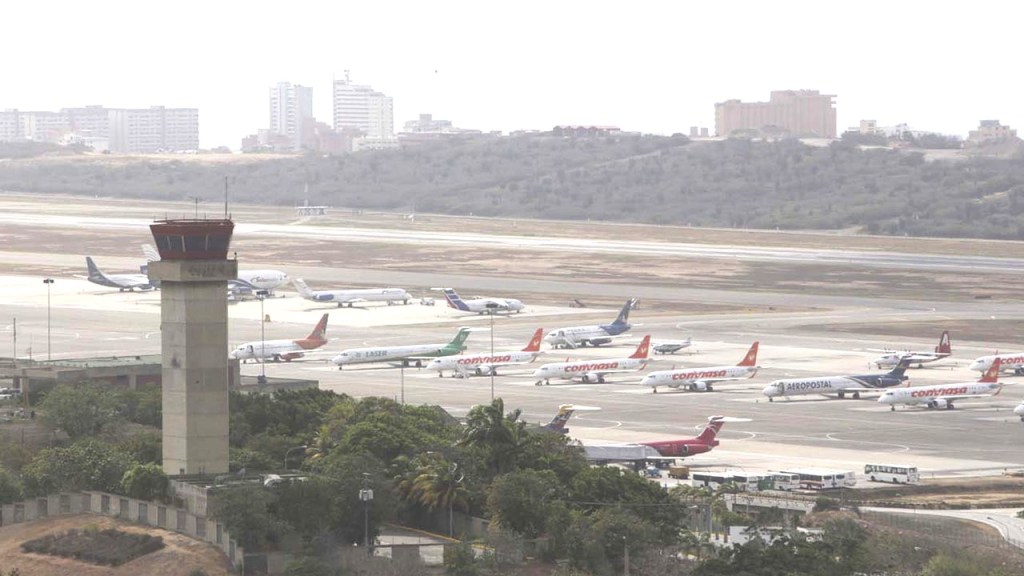
Zoom cancela conferencia de terrorista

AW | 2020 09 30 01:53 | AVIATION SAFETY / GOVERNMENT

Zoom cancela seminario web activista terrorista Leila Khaled

La aplicación Zoom.com, una plataforma de videoconferencia, se enfrenta a un aluvión de críticas en línea después de cancelar un seminario web con la activista palestina y ex secuestradora de aviones Leila Khaled. El evento en línea fue cancelado por Zoom y luego bloqueado por Facebook y YouTube. El evento, titulado «¿De quiénes son las narrativas? Género, justicia y resistencia», fue patrocinado por la Universidad Estatal de San Francisco (SFSU) y se iba a llevar a cabo el Miércoles 23 Septiembre 2020.

Sin embargo, fue bloqueado por la aplicación citando preocupaciones sobre la afiliación reportada de Leila Khaled con una organización terrorista extranjera designada por Estados Unidos. Leila Khaled es miembro del Frente Popular para la Liberación de Palestina (FPLP), que ha sido designado como organización terrorista por Estados Unidos.

Después de la decisión de la aplicación de videoconferencias ha expresado: «Zoom se compromete a respaldar el intercambio abierto de ideas y conversaciones, sujeto a ciertas limitaciones contenidas en nuestros términos de servicio, incluidas las relacionadas con el cumplimiento del usuario con el control de exportación, las sanciones y las leyes antiterroristas de EE.UU. A la luz de la afiliación o membresía informada del orador en una organización terrorista extranjera designada por los Estados Unidos, y la incapacidad de SFSU para confirmar lo contrario, determinamos que la reunión infringe las Condiciones de servicio de Zoom y le dijimos a SFSU que no pueden usar Zoom para este evento en particular», dijo la plataforma de video en un declaración publicada el Martes 29/09.

Tras la decisión de Zoom, el programa de Estudios de las Diásporas y Etnias Árabes y Musulmanas de la SFSU y el Departamento de Estudios de Mujeres y Género, que patrocinó el seminario web, transmitieron el evento en YouTube y Facebook. El metraje también fue retirado posteriormente por ambas plataformas.

La imagen tiene un atributo ALT vacío; su nombre de archivo es 1018316866-copia.jpg

Miembro del FPLP, Leila Khaled es conocida por ser la primera mujer en secuestrar un avión y por sus décadas de activismo y lucha por la libertad. Más tarde se convirtió en un símbolo icónico de la resistencia palestina y el poder femenino, después de que secuestró un avión Boeing 707 de la TWA vuelos TWA840 que se dirigía de Roma a Tel Aviv en 1969.

El panel en línea estaba programado para presentar a varios otros destacados oradores, incluidos Sekou Odinga, ex miembro del Ejército de Liberación Negra y preso político durante 33 años, y Laura Whitehorn, presa política durante 14 años y miembro de Jewish Voice for Peace.

Censura a Zoom

Mucha gente acudió a las redes sociales para criticar a Zoom por censurar el contenido y limitar la libertad de expresión. Más de 2.000 personas también han firmado una petición para apoyar la libertad académica en Palestina en apoyo del seminario web. Algunos han calificado la cancelación del evento como un doble estándar.

Rabab Ibrahim Abdulhadi, uno de los organizadores del evento, compartió un correo electrónico que envió a la SFSU con respecto a la cancelación del webinar. «Esta censura viola nuestra libertad de expresión y libertad académica como facultad para enseñar, priva a nuestros estudiantes del derecho a aprender y niega al público en general el derecho a escuchar a oradores que no están fácilmente disponibles en los medios de comunicación. Por lo tanto, esperamos que la universidad desafíe seria y públicamente el intento de Zoom de controlar la educación superior y el contenido de nuestro plan de estudios y aulas», decía el correo electrónico.

Cadena de eventos

Varios grupos pro-Israel se han atribuido el mérito de presionar a las plataformas para que cancelen el evento. La Ministra de Asuntos Estratégicos de Israel, Orit Farkash Hacohen, dijo que estaba complacida de que las plataformas impidieran que el evento siguiera adelante y calificó a Leila Khaled de terrorista.

El evento es el último ejemplo de plataformas que censuran contenido palestino en línea. A principios de este año, Facebook eliminó o desactivó el perfil de más de 50 periodistas y activistas palestinos por no seguir los estándares comunitarios, lo que dejó a muchos frustrados y confundidos sobre el motivo.

En Julio 2020, la supermodelo Bella Hadid también atacó en Instagram por censurar su publicación, en la que compartió una foto del pasaporte de su padre, destacando su lugar de nacimiento como Palestina.

Zoom cancels terrorist conference

Zoom cancels Palestinian terrorist activist Leila Khaled webinar

The Zoom.com app, a video conferencing platform, is facing a barrage of criticism online after canceling a webinar with Palestinian activist and former aircraft hijacker Leila Khaled. The online event was canceled by Zoom and later blocked by Facebook and YouTube. The event, entitled «Whose narratives are? Gender, justice, and resistance», was sponsored by the San Francisco State University (SFSU) and was to take place on Wednesday 23 September 2020.

However, it was blocked by the app citing concerns about Leila Khaled’s reported affiliation with a US-designated foreign terrorist organization. Leila Khaled is a member of the Popular Front for the Liberation of Palestine (PFLP), which has been designated as a terrorist organization by the United States.

After the decision of the video conferencing application has expressed: «Zoom is committed to supporting the open exchange of ideas and conversations, subject to certain limitations contained in our terms of service, including those related to user compliance with export control, US counterterrorism laws and sanctions In light of the speaker’s reported affiliation or membership in a United States designated foreign terrorist organization, and the SFSU’s inability to confirm otherwise, we determine that the meeting violates the Zoom Terms of Service and we told SFSU that they cannot use Zoom for this particular event», the video platform said in a statement released Tuesday 09/29.

Following Zoom’s decision, the SFSU Arab and Muslim Ethnicity and Diaspora Studies program and the Department of Women and Gender Studies, which sponsored the webinar, streamed the event on YouTube and Facebook. The footage was also subsequently removed by both platforms.

A member of the PFLP, Leila Khaled is known for being the first woman to hijack a plane and for her decades of activism and freedom struggle. She later became an iconic symbol of Palestinian resistance and female power, after she hijacked a Boeing 707 plane for TWA flights TWA840 heading from Rome to Tel Aviv in 1969.

The online panel was scheduled to feature several other prominent speakers, including Sekou Odinga, a former member of the Black Liberation Army and a political prisoner for 33 years, and Laura Whitehorn, a political prisoner for 14 years and a member of the Jewish Voice for Peace.

Zoom censorship

Many people took to social media to criticize Zoom for censoring content and limiting freedom of expression. More than 2,000 people have also signed a petition to support academic freedom in Palestine in support of the webinar. Some have called the cancellation of the event a double standard.

Rabab Ibrahim Abdulhadi, one of the event organizers, shared an email he sent to the SFSU regarding the cancellation of the webinar. «This censorship violates our freedom of expression and academic freedom as a school to teach, deprives our students of the right to learn, and denies the general public the right to hear speakers who are not readily available in the media. Therefore We hope that the university will seriously and publicly challenge Zoom’s attempt to control higher education and the content of our curriculum and classrooms», the email read.

Chain of events

Various pro-Israel groups have taken credit for pressuring the platforms to cancel the event. Israel’s Minister of Strategic Affairs Orit Farkash Hacohen said she was pleased that the platforms prevented the event from going ahead and called Leila Khaled a terrorist.

The event is the latest example of platforms censoring Palestinian content online. Earlier this year, Facebook removed or deactivated the profiles of more than 50 Palestinian journalists and activists for not following community standards, leaving many frustrated and confused about why.

In July 2020, supermodel Bella Hadid also attacked on Instagram for censoring her post, in which she shared a photo of her father’s passport, highlighting her birthplace as Palestine.


PUBLISHER: Airgways.com
DBk: Zoom.com / Middleeasteye.net / Airgways.com
AW-POST: 202009300153AR

A\W   A I R G W A Y S ®