Flybondi ejercería derechos para reclamar por El Palomar
La Sala II de la Cámara Contencioso Administrativo Federal ha rechazado este 10/09 el Recurso Extraordinario interpuesto por el Organismo Regulador del Sistema Nacional de Aeropuertos (ORSNA) contra la Cautelar dictaminada previamente, dándole a Flybondi Líneas Aéreas derecho a dar vista y participar del Expediente respecto al cierre del Aeropuerto Internacional El Palomar a las operaciones comerciales, permitiendo a la aerolínea low cost exponer su posición jurídica al respecto.
La compañía ha logrado un avance importante donde podrá ejercer sus derechos en el expediente administrativo, limitando las posibilidades del ORSNA de tomar decisiones que afecten a de manera directa las operaciones de la línea aérea en el Aeropuerto Internacional El Palomar hasta que «se le otorgue vista por diez días hábiles y copia de todo expediente en el que tramite cualquier pedido dirigido a que se proceda al cierre del Aeropuerto El Palomar o a que de cualquier forma se limiten las operaciones que se realizan en dicho Aeropuerto, y se le permita ser tenido por parte interesada e intervenir en esas actuaciones en forma previa al dictado de una decisión sobre las cuestiones que el ORSNA se encuentre analizando; permitiéndose a Flybondi exponer su posición jurídica al respecto», según consta en el edicto judicial.
El nuevo fallo otorga mayor libertad a Flybondi para efectuar los justos reclamos que en Abril 2020 el conccesionario Aeropuertos Argentina 2000 (AA2000) había solicitado al ORSNA la desafectación del Aeropuerto de El Palomar al Sistema Nacional de Aeropuertos (SNA) bajo el justificativo de su falta de rentabilidad. Las mismas políticas pudieran formularse en aeropuertos de la Región Patagonia donde el flujo de movimiento aéreo es incluso menor al de El Palomar. La posición frente a la desición del Gobierno y del concesionario AA2000 de cerrar el primer aeropuerto low cost de Sudamérica es impresentable y falto de ética, sin llamar a consulta entre los organismos y compañías afectadas. El Gobierno, a través del Ministerio de Transporte, viró el reclamo para alinearlo al argumento oneroso sobre la sobreoferta de aeroestaciones en la región del Área Metropolitana de Buenos Aires, donde participan los aeropuerto Jorge Newbery, Ezeiza y El Palomar.
El actual fallo judicial avala la posición de la aerolínea Flybondi a reclamar los legítimos derechos para continuar persiguiendo el fallo definitivo de la Justicia de Argentina para que el primer aeropuerto low cost de Sudamérica continúe abierto a un mercado más democrático con la libertad de volar en Argentina hacia el mundo.
Flybondi favorable ruling File
Flybondi would exercise rights to claim for El Palomar
On 09/10, Chamber II of the Federal Administrative Litigation Chamber has rejected the Extraordinary Appeal filed by the Regulatory Body of the National Airport System (ORSNA) against the Precautionary Law previously ruled, giving Flybondi Líneas Aéreas the right to view and participate in the File regarding the closure of El Palomar International Airport to commercial operations, allowing the low cost airline to present its legal position in this regard.
The company has made important progress where it will be able to exercise its rights in the administrative file, limiting the ORSNA’s possibilities to make decisions that directly affect the operations of the airline at the El Palomar International Airport until «it is granted a hearing for ten business days and a copy of any file in which it processes any request directed to the closure of the El Palomar Airport or in any way limiting the operations carried out at said Airport, and allowing it to be held by interested party and intervene in those actions prior to the issuance of a decision on the issues that the ORSNA is analyzing, allowing Flybondi to present its legal position in this regard», as stated in the judicial decree.
The new ruling gives Flybondi greater freedom to make the just claims that in April 2020 the concessionaire Airports Argentina 2000 (AA2000) had requested the ORSNA to disengage the El Palomar Airport from the National Airport System (SNA) under the justification of its lack profitability. The same policies could be formulated at airports in the Patagonia Region where the flow of air movement is even lower than that of El Palomar. The position regarding the decision of the Government and the AA2000 concessionaire to close the first low cost airport in South America is unpresentable and unethical, without calling for consultation between the affected organizations and companies. The Government, through the Ministry of Transportation, turned the claim to align it to the onerous argument about the oversupply of air stations in the Buenos Aires Metropolitan Area region, where the Jorge Newbery, Ezeiza and El Palomar airports participate.
The current court ruling supports the position of the airline Flybondi to claim the legitimate rights to continue pursuing the final ruling of the Argentine Justice so that the first low cost airport in South America continues to be open to a more democratic market with the freedom to fly in Argentina towards the world.
AW | 2020 09 10 15:35 | GOVERNMENT / AIRLINES MARKET
Gobierno Argentina aproxima reapertura aerocomercial 10/2020
Representantes de la industria aerocomercial y el Gobierno de la República Argentina analizaron el retorno de los vuelos en el país. En el encuentro organizado por la Asociación Internacional de Transporte Aéreo (IATA), la Administración Nacional de Aviación Civil (ANAC) Argentina, han confirmado que el Gobierno apunta a que la actividad se reanude a partir del 1 Octubre 2020.
Representantes de organismos y organizaciones vinculadas con la industria aerocomercial, así como de aerolíneas que operan en la Argentina, analizaron este 10/09 en una reunión virtual organizada por la Asociación Internacional de Transporte Aéreo (IATA) la situación del sector y las posibilidades del retorno de los vuelos regulares, cuya fecha podría ser a partir del 1 Octubre 2020, según autoridades gubernamentales. Participaron del encuentro Paola Tamburelli, titular de la Administración Nacional de Aviación Civil (ANAC); Peter Cerdá, Vicepresidente para América de IATA; Gonzalo Yelpo, Asesor de la Asociación de Líneas Aéreas de América Latina y el Caribe (ALTA), Pablo Ceriani, CEO de Aerolíneas Argentinas, Daniel Ketchibachian, CEO de Aeropuertos Argentina 2000 (AA2000); Gonzalo Pérez Corral, Gerente de JetSmart Airlines Argentina; Mauricio Sena, CEO de Flybondi Líneas Aéreas, y Luis Monreal, Gerente General de Lufthansa German Airlines, entre otros actores de la industria.
Durante la reunión virtual, la ANAC ha señalado que han venido trabajando “desde hace varios meses con los distintos sectores para la conformación de un protocolo unificado para reducir al máximo la transmisión del virus, antes, durante y después”, expresó Paola Tamburelli que será presentado el Viernes 11/09 a las autoridades sanitarias para su aprobación definitiva. Reiteró que están “pensando en el 1 de octubre para el reinicio de los vuelos. La última palabra la tienen las autoridades sanitarias, que son las que evalúan el desarrollo de la pandemia y en ese sentido estamos consustanciados con el objetivo del Presidente de la Nación, en cuanto a que la prioridad es la seguridad de la población”.
Peter Cerdá, del organismo de la IATA, ha indicado que para la recuperación de la industria en la Argentina “será fundamental el trabajo conjunto y mancomunado del sector público con el sector privado, y que una colaboración estrecha con el Gobierno, no sólo con las autoridades de Transporte, sino también de Turismo y de Finanzas, será fundamental para esa recuperación. Argentina tiene un gran potencial y está ante la gran oportunidad de lograr una recuperación total, manteniendo la conectividad interna y externa, y estamos seguros de que habrá más gente viajando en el corto tiempo”, expresó el Vicepresidente para América de la IATA.
También expuso Daniel Ketchibachian, del concesionario de Aeropuertos Argentina 2000 sostuvo que han estado “mirando lo que sucede en los aeropuertos del mundo para adaptarse y adecuarse a los nuevos tiempos y aseguró que los aeropuertos no son focos de contagio del virus, por lo que estamos convencidos en que se puede avanzar en el retorno de los vuelos. Estamos preparados para eso”, detalló el CEO de AA2000. De la misma manera, tanto Monreal de Lufthansa Airlines, como el CEO Pérez Corral de JetSmart Argentina y Mauricio Sana de Flybondi, quienes detallaron su posición frente a la posibilidad de volver a volar, y particularmente Monreal anticipó que Lufthansa concretará, a partir de Octubre 2020, tres vuelos por semanales de Lufthansa Buenos Aires-Frankfurt y un vuelo semanal de Edelweiss Air Buenos Aires-Zurich.
Argentina reopens air 10/2020
Government approaches commercial air reopening 10/2020
Representatives of the commercial aviation industry and the Government of the Argentine Republic analyzed the return of flights in the country. At the meeting organized by the International Air Transport Association (IATA), the Argentine National Civil Aviation Administration (ANAC), they have confirmed that the Government aims for the activity to resume from 1 October 2020.
Representatives of agencies and organizations linked to the commercial aviation industry, as well as airlines operating in Argentina, analyzed this 10/09 in a virtual meeting organized by the International Air Transport Association (IATA) the situation of the sector and the possibilities of the return of flights regular, whose date could be from October 1, 2020, according to government authorities. Paola Tamburelli, head of the National Civil Aviation Administration (ANAC); Peter Cerdá, IATA Vice President for America; Gonzalo Yelpo, Advisor to the Latin American and Caribbean Airlines Association (ALTA), Pablo Ceriani, CEO of Aerolíneas Argentinas, Daniel Ketchibachian, CEO of Aeropuertos Argentina 2000 (AA2000); Gonzalo Pérez Corral, Manager of JetSmart Airlines Argnetina; Mauricio Sena, CEO of Flybondi Líneas Aéreas, and Luis Monreal, General Manager of Lufthansa German Airlines, among other players in the industry.
During the virtual meeting, the ANAC has indicated that they have been working «for several months with the different sectors for the conformation of a unified protocol to reduce the transmission of the virus to the maximum, before, during and after», said Paola Tamburelli who will be presented on Friday 9/11 to the health authorities for final approval. She reiterated that they are “thinking about October 1 for the restart of flights. The last word is held by the health authorities, which are the ones who evaluate the development of the pandemic and in that sense we are ingrained with the objective of the President of the Nation, in that the priority is the safety of the population”.
Peter Cerdá, from the IATA body, has indicated that for the recovery of the industry in Argentina “it will be essential the joint and joint work of the public sector with the private sector, and that a close collaboration with the Government, not only with the Transport authorities, but also Tourism and Finance authorities, will be essential for this recovery. Argentina has great potential and is facing a great opportunity to achieve a full recovery, maintaining internal and external connectivity, and we are sure that there will be more people traveling in a short time”, said the IATA Vice President for America.
Daniel Ketchibachian, from the Aeropuertos Argentina 2000 concessionaire, also explained that they have been “looking at what happens in the world’s airports to adapt and adapt to the new times and assured that airports are not sources of contagion of the virus, so we are convinced that progress can be made in the return of flights. We are prepared for that”, detailed the CEO of AA2000. In the same way, both Monreal of Lufthansa Airlines, as CEO Pérez Corral of JetSmart Argentina and Mauricio Sana of Flybondi, who detailed their position regarding the possibility of flying again, and particularly Monreal anticipated that Lufthansa will specify, starting in October 2020, three flights per week with Lufthansa Buenos Aires-Frankfurt and one weekly flight with Edelweiss Air Buenos Aires-Zurich.
AW | 2020 09 10 14:58 | AIRLINES / AIRPORTS / GOVERNMENT
Aéreas low cost manifestaron en reclamo continuidad El Palomar
Trabajadores de las aerolíneas low cost volvieron a manifestarse este Jueves 10/09 por el retorno de las operaciones de cabotaje y la continuidad de la terminal aérea del Aeropuerto Internacional El Palomar, ante el cambio de discurso del Ministerio de Transporte. La convocatoria representada por los empleados y los gremios aeronáuticos de la Asociación Trabajadores Aviadores de Flybondi (ATAF) y la Asociación Sindical Trabajadores de JetSmart (ASTJ) acompañados por un sector de la política en favor de los intereses de conservar la unidad aérea en la localidad de El Palomar, Municipio de Morón, Provincia de Buenos Aires. Es la ex-base de la I Brigada Aérea.
El reclamo en este 10S tuvo lugar en la puerta de acceso del Aeropuerto Internacional El Palomar a favor de la continuidad operativa de la aeroestación como así también de las fuentes laborales en juego, más de 10 mil puestos de trabajo directos e indirectos, que esperan volver a la actividad.
«Hay una intención de querer favorecer al operador estatal. Se va Latam y deja lugares en Aeroparque, que nos podrían dar, y hasta eso está en duda. Quieren que Aeroparque lo use monopólicamente Aerolíneas Argentinas, y a nosotros mandarnos a una terminal más cara y lejana», sostuvo ayer el CEO de Jetsmart, Gonzalo Pérez Corral.
Una causa en la Justicia Federal de San Martín continúa tramitada por daño al medio ambiente y al propio concesionario: «AA2000 tiene muchos aeropuertos deficitarios y el único que pidió cerrar es éste, que es muy barato y que ha tenido una baja inversión en relación a los pasajeros», explicó el CEO de JetSmart a la editorial Un Medio de Morón.
A Aerolíneas Argentinas la subenciona el Estado y está en una etapa de ajuste. Es probable que el Ministerio de Transporte entregue al aeropuerto low cost como moneda de cambio. Por ahora, los trabajadores se mostraron muy preocupados y angustiados por la situación. “No hay ningún cambio, se ha empeorado la situación”, dijo Florencia Busso, empleada de Flybondi.
«La contagiosidad en vuelo es bajísima y debería reponerse cuanto antes. Hay mucha gente que necesita viajar. Hasta ahora no hay nada cierto», expresó el CEO de Jetsmart Argentina.
Turismo presente
Desde el sector del turismo se encuentran muy enojados porque desde Nación jamás bajaron un protocolo de trabajo y anuncian que habrá temporada. La fecha estimada es el 1 Octubre 2020, pero no hay nada oficial. Por lo pronto, depende del aval de Salud.
Claim 10S in favor of El Palomar
Low cost airline employees protested El Palomar continuity
Workers of the low cost airlines demonstrated again this Thursday 09/10 for the return of cabotage operations and the continuity of the air terminal of the El Palomar International Airport, before the change of discourse of the Ministry of Transport. The call represented by the employees and aeronautical unions of the Flybondi Aviation Workers Association (ATAF) and the JetSmart Workers Union Association (ASTJ) accompanied by a sector of politics in favor of the interests of conserving the air unit in the locality from El Palomar, Municipality of Morón, Province of Buenos Aires. It is the former base of the 1st Air Brigade.
The claim in this 10S took place at the access door of the El Palomar International Airport in favor of the operational continuity of the air station as well as the job sources at stake, more than 10 thousand direct and indirect jobs, which expect to return to the activity.
«There is an intention of wanting to favor the state operator. Latam is leaving and leaving places in Aeroparque, which they could give us, and even that is in doubt. They want Aeroparque to use it monopolistically Aerolíneas Argentinas, and to send us to a more expensive terminal and far away», Jetsmart CEO Gonzalo Pérez Corral said yesterday.
A case in the Federal Justice of San Martín continues to be processed for damage to the environment and to the concessionaire itself: «AA2000 has many deficit airports and the only one that asked to close is this one, which is very cheap and has had a low investment in relation to the passengers», explained the CEO of JetSmart to the publishing house Un Medio de Morón.
Aerolineas Argentinas is subsidized by the State and is in an adjustment stage. It is likely that the Ministry of Transport will give the airport low cost as a bargaining chip. For now, the workers have been very concerned and distressed by the situation. «There is no change, the situation has worsened», said Florence Busso, an employee of Flybondi.
«In-flight contagion is very low and should be restored as soon as possible. There are many people who need to travel. So far there is nothing certain», said the CEO of Jetsmart Argentina.
Tourism present
From the tourism sector they are very angry because from the Nation they never lowered a work protocol and announced that there will be a season. The estimated date is October 1, 2020, but there is nothing official. For now, it depends on the guarantee of Health.
El Viceministro de Transporte de Venezuela, Claudio Farías, ha anunciado la intensión de reiniciar las operaciones aéreas en el país. Desde la cartera de Transporte se estudia la posibilidad de abrir los terminales terrestres, así como activar el transporte aéreo y acuático. “Próximamente, posiblemente, vamos entonces a abrir nuevamente las líneas aéreas, los vuelos nacionales primero para ver cómo va la cosa, y luego vamos viendo igualmente el tema del transporte terrestre”, expresó.
Desde el Ministerio de Transporte han comunicado la intensión de abrir la aviación comercial a vuelos domésticos, e ir monitoreando si existe impacto en la pandemia. El esquema de reactivación del transporte aéreo irá acompañado de medidas sanitarias con el fin de cumplir con los protocolos de transporte aéreo de acuerdo con las normas internacionales de higiene.
Venezuela approaches reopening flights
Transport announces opening flights in Venezuela
The Vice Minister of Transportation of Venezuela, Claudio Farías, has announced the intention to restart air operations in the country. The Transportation portfolio is studying the possibility of opening land terminals, as well as activating air and water transport. «Soon, possibly, then we are going to open the airlines again, the national flights first to see how things are going, and then we will also look at the issue of land transportation», he said.
From the Ministry of Transportation they have communicated the intention to open commercial aviation to domestic flights, and to monitor whether there is an impact on the pandemic. The air transport reactivation scheme will be accompanied by sanitary measures in order to comply with air transport protocols in accordance with international hygiene standards.
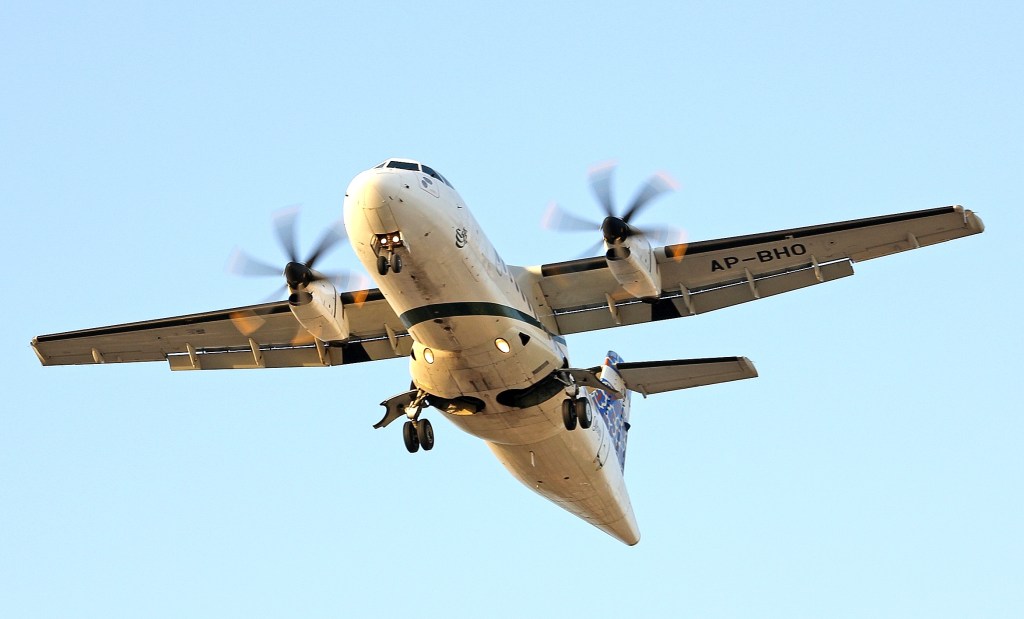
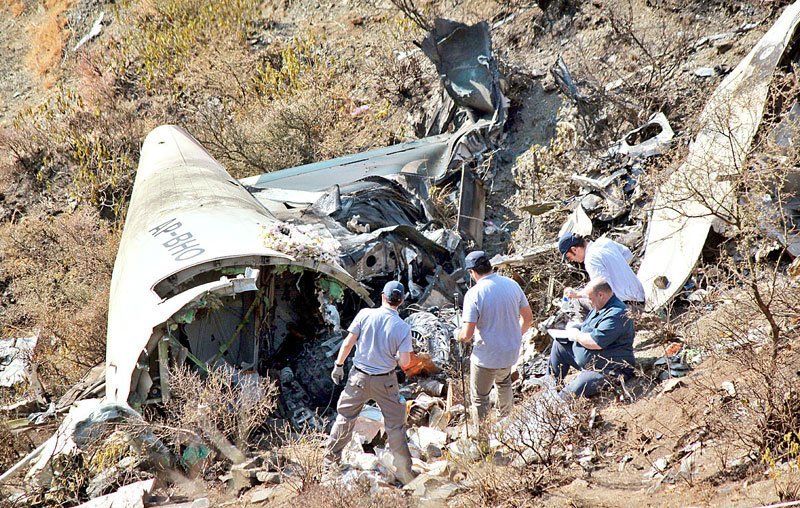
El Martes 08/09, el Tribunal Superior de Sindh solicitó el informe de la Junta de Investigación y Accidentes de Aeronaves (AAIB) antes del 15 Octubre 2020 sobre el accidente de la aeronave regional ATR 42-500 de la compañía Pakistan Airlines ocurrida en 7 Diciembre 2016.
Un banco de dos jueces presidido por el Juez Mohammad Ali Mazhar observó que en caso de una nueva demora en la presentación del informe, se llamaría al Secretario de la División de Aviación para una explicación. Cuando el asunto llegó a la audiencia el 08/09, el Fiscal General Adjunto junto con un funcionario de la división de aviación presentaron una declaración y mencionaron ciertas razones para la demora en el informe de investigación del accidente del ATR 42-500 y solicitaron 45 días para completar la investigación y la presentación. del informe.
La división de aviación en la declaración expresó que el borrador final del informe de investigación de PK-661 se envió al representante acreditado, incluida la Oficina de Investigación y Análisis para la Seguridad de la Aviación Civil (BEA) de Francia, la Junta de Seguridad del Transporte (TSB) de Canadá y la Junta Nacional de Seguridad en el Transporte (NTBS) de los EE.UU. en Mayo 2020 de conformidad con las obligaciones internacionales de todos los estados signatarios de la convención de la OACI. Después de completar dos meses para revisar el borrador, la AAIB recibió las respuestas de la BEA y la TSB en julio, pero el alcance de participación de la NTSB fue complicado y, además, hubo varias restricciones para trabajar y viajar debido a Covid-19, por lo que La respuesta de la NTSB se retrasó y se recibió el mes pasado, sostuvo. Dijo además que todas las respuestas requerían conciliación sobre algunos hallazgos técnicos y recomendaciones relevantes del informe y pidió más tiempo.
La petición se presentó después de que un vuelo de Pakistan International Airlines con destino a Islamabad se estrellara cerca de Abbottabad después de despegar de Chitral el 7 Diciembre 2016 en el que 42 pasajeros y tripulación.
Implementando el PIA, CAA y otros como demandados, el peticionario argumentó que hubo varios incidentes en los que aviones ATR de la flota de PIA en los que se perdieron una gran cantidad de vidas preciosas y solicitó una investigación judicial para responsabilizar a los funcionarios responsables del mismo, enjuiciarlos y ordenar una indemnización a los herederos legales de las víctimas.
On Tuesday 08/09, the High Court of Sindh requested the report of the Aircraft Accident and Investigation Board (AAIB) before October 15, 2020 on the accident of the regional aircraft ATR 42-500 of the Pakistan Airlines company that occurred on 7 December 2016.
A bench of two judges chaired by Judge Mohammad Ali Mazhar observed that in the event of a further delay in the submission of the report, the Secretary of the Aviation Division would be called for an explanation. When the matter reached the hearing on 09/08, the Deputy Attorney General along with an official from the aviation division presented a statement and mentioned certain reasons for the delay in the ATR 42-500 accident investigation report and requested 45 days to complete the investigation and presentation. Of the report.
The aviation division in the statement stated that the final draft of the PK-661 investigation report was sent to the accredited representative, including the French Office of Investigation and Analysis for Civil Aviation Safety (BEA), the Safety Board of Transportation (TSB) of Canada and the National Transportation Safety Board (NTBS) of the USA in May 2020 in accordance with the international obligations of all signatory states of the ICAO convention. After completing two months to review the draft, the AAIB received the responses from the BEA and TSB in July, but the scope of the NTSB’s involvement was complicated, and there were also various restrictions on work and travel due to Covid-19, so the NTSB’s response was delayed and received last month, he argued. He further said that all responses required reconciliation on some relevant technical findings and recommendations from the report and asked for more time.
The petition was filed after a Pakistan International Airlines flight bound for Islamabad crashed near Abbottabad after taking off from Chitral on December 7, 2016 carrying 42 passengers and crew.
Implementing the PIA, CAA and others as defendants, the petitioner argued that there were several incidents in which ATR aircraft of the PIA fleet were lost in which a large number of precious lives were lost and requested a judicial investigation to hold the officials responsible for the himself, prosecute them and order compensation to the legal heirs of the victims.
Aerolíneas europeas obtienen € 25.000 millones en ayudas públicas
Las aerolíneas europeas obtuvieron un apoyo financiero directo de los gobiernos de más de € 25.000 millones de euros tras el inicio de la crisis del coronavirus a principios de este año, según datos de Scope Ratings que asegura que la reducción de viajes y el aumento de la deuda ponen a prueba la escasa capacidad de generación de efectivo del sector aéreo europeo. El apoyo de los gobiernos europeos ha evitado una crisis de liquidez de los operadores aéreos ante un descenso del tráfico aéreo de hasta el 50%. El desapalancamiento y la reestructuración operativa del sector supondrán un reto en los próximos meses.
El apoyo gubernamental y las ayudas públicas han ayudado a los grandes turoperadores europeos a evitar una crisis de liquidez ante el descenso del tráfico aéreo de al menos el 50% en 2020, según análisis de las perspectivas del sector de aerolíneas europeas que ha realizado Scope Ratings, con el Analista Werner Stäblein a la cabeza que considera que el desapalancamiento tras la crisis de Covid-19 será un desafío para un sector con baja generación de flujo de caja libre. «Las reservas de liquidez de la mayoría de las aerolíneas eran insuficientes para hacer frente a una crisis de la magnitud de la provocada por la pandemia, que llevó a la inmovilización de casi todas las aeronaves en Abril y Mayo», asegura Werner Stäblein, analista de Scope. En su opinión, en estos momentos la financiación está estabilizada gracias a las ayudas estatales, «pero el futuro desapalancamiento y la reestructuración operativa -incluida la disminución de las operaciones- supondrán un reto para algunos actores de la industria».
El informe señala que el sector de las aerolíneas tiene un escaso historial en la generación de flujo de caja libre operativo. Las tres grandes compañías de la red Deutsche Lufthansa, Air France-KLM, International Airlines Group (IAG), tenían unos ingresos combinados de unos € 90.000 millones de Euros antes de la crisis de Covid-19, pero el flujo de caja libre operativo combinado antes de la crisis era sólo de unos € 2.500 millones de Euros, lo que refleja los bajos márgenes y la alta inversión en el sector.
Por ahora, la visibilidad de la recuperación del tráfico aéreo es baja. Los clientes de vuelos de larga y corta distancia siguen reservando con muy poca antelación. Los viajes de negocios se están recuperando sólo lentamente. El tráfico de pasajeros también está estrechamente ligado a la actividad económica, tendiendo a aumentar más rápidamente que la producción económica en tiempos de bonanza, pero cae más rápidamente cuando las economías se desploman. En cambio, el transporte aéreo de mercancías es un sector al que le ha ido bien, no obstante, con el aumento gradual del tráfico de pasajeros se producirá un aumento de la capacidad de carga en los aviones de pasajeros. Esto reducirá los elevados rendimientos del transporte de mercancías. Además, el negocio del transporte aéreo de mercancías también es demasiado pequeño para compensar la disminución de los ingresos procedentes de los viajes de pasajeros.
La crisis del Covid-19 ha llevado al cierre de algunas aerolíneas, como Flybe, un operador regional con base en Reino Unido, y al fin de las operaciones en otras, como la unidad Germanwings de Lufthansa. Las tres mayores compañías europeas han anunciado un recorte combinado de gastos de capital de más de € 4.000 millones de Euros para los próximos años.
Perspectivas
Los flujos de caja libres operativos del primer semestre negativos sugieren que la destrucción de efectivo para todo el 2020 puede resultar menos grave de lo previsto durante el punto álgido de la crisis. «Gran parte de las necesidades de efectivo en 2020 dependen de los niveles de reembolso de los billetes de vuelo, la continuación de los acuerdos de trabajo a tiempo parcial y un repunte en la demanda de viajes. Una recuperación del tráfico aéreo a los niveles anteriores a la Covid-19 es poco probable antes de 2024», estima Werner Stäblein que considera que la industria tendrá que reducir su capacidad. El informe concluye que la ayuda financiera directa del Estado a las grandes aerolíneas debería darles un respiro para ajustar las operaciones al nuevo entorno de mercado y organizar fuentes alternativas de financiación para volver a pagar a los accionistas y devolver los préstamos de los gobiernos.
European airlines get aid
European airlines obtained € 25,000 million in public aid
European airlines obtained direct financial support from governments of more than € 25,000 million after the start of the coronavirus crisis earlier this year, according to data from Scope Ratings that ensures that the reduction of trips and the increase in debt tests the poor cash-generating capacity of the European airline industry. The support of European governments has avoided a liquidity crisis for air operators in the face of a decrease in air traffic of up to 50%. Deleveraging and operational restructuring in the sector will pose a challenge in the coming months.
Government support and public aid have helped large European tour operators avoid a liquidity crisis due to the decrease in air traffic of at least 50% in 2020, according to an analysis of the outlook for the European airline sector carried out by Scope Ratings, with Analyst Werner Stäblein at the helm who believes that deleveraging after the Covid-19 crisis will be a challenge for a sector with low generation of free cash flow. «The liquidity reserves of most airlines were insufficient to face a crisis of the magnitude of the one caused by the pandemic, which led to the immobilization of almost all aircraft in April and May», says Werner Stäblein, analyst by Scope. In his opinion, financing is stabilized at the moment thanks to state aid, «but future deleveraging and operational restructuring, including the reduction in operations, will pose a challenge for some players in the industry».
The report notes that the airline industry has a poor track record in generating operating free cash flow. The big three companies in the Deutsche Lufthansa network, Air France-KLM, International Airlines Group (IAG), had combined revenues of about € 90 billion before the Covid-19 crisis, but combined operating free cash flow Before the crisis it was only around € 2.5 billion, reflecting the low margins and high investment in the sector.
For now, the visibility of the air traffic recovery is low. Long-haul and short-haul customers continue to book on very short notice. Business travel is recovering only slowly. Passenger traffic is also closely linked to economic activity, tending to increase faster than economic output in good times, but falls faster when economies crash. On the other hand, air freight transport is a sector that has done well, however, with the gradual increase in passenger traffic there will be an increase in cargo capacity in passenger aircraft. This will reduce the high returns of freight transport. Furthermore, the air freight business is also too small to make up for the decline in revenue from passenger travel.
The Covid-19 crisis has led to the closure of some airlines, such as Flybe, a regional operator based in the United Kingdom, and the end of operations in others, such as Lufthansa’s Germanwings unit. The three biggest European companies have announced a combined capex cut of more than € 4 billion for the next few years.
Perspectives
Negative first half operating free cash flows suggest that the destruction of cash for all of 2020 may turn out to be less severe than anticipated during the peak of the crisis. «Much of the cash needs in 2020 depend on levels of reimbursement for flight tickets, the continuation of part-time work arrangements and a rebound in travel demand. A recovery of air traffic to previous levels Covid-19 is unlikely before 2024», estimates Werner Stäblein who believes that the industry will have to reduce its capacity. The report concludes that direct financial assistance from the state to large airlines should give them a break to adjust operations to the new market environment and organize alternative sources of financing to repay shareholders and repay government loans.
Ministro anuncia Plan Nacional de Reanudación Turística
El Ministro de Turismo, Marcelo Álvaro Antônio, anunció el Plan Nacional de Reanudación del Turismo, este Jueves 3 Septiembre 2020, en el Museo de la Inconfidência, en Ouro Preto (MG). La iniciativa es parte de las diversas acciones tomadas por MTur para reducir los impactos de la pandemia de Coronavirus (Covid-19). El ministro Marcelo Álvaro Antônio destacó la relevancia del retorno responsable de las actividades del sector, especialmente para todos aquellos que desde hace meses padecen la parálisis del turismo y la cultura. “Venimos de un año exitoso para el turismo. El 2019 estuvo marcado por récords y logros históricos, pero desafortunadamente, nos sorprendió una pandemia sin precedentes. Por eso esta noche es tan importante: este es el hito de la reanudación del turismo en nuestro país”, declaró el ministro.
Álvaro Antônio también destacó la importancia que el Turismo y la Cultura tienen en la recuperación económica de Brasil. “Nuestro trabajo no se detiene ahí y pronto tendremos más novedades para compartir. Siempre enfocados en asegurar la recuperación económica y la inclusión social de los millones de brasileños afectados por esta situación. Como siempre dice el presidente Bolsonaro: ¡Ningún brasileño se quedará atrás!”, concluyó.
Como parte de los anuncios previstos, el Ministerio de Turismo también garantizó la transferencia de R$ 3 millones Reales al Programa Minas por Minas con el fin de dar a conocer los destinos locales e impulsar el turismo regional.
Brazil activates Tourist Plan
Minister announces National Plan for Tourist Resumption
The Minister of Tourism, Marcelo Álvaro Antônio, announced the National Plan for the Resumption of Tourism, this Thursday, September 3, 2020, at the Museum of Inconfidência, in Ouro Preto (MG). The initiative is part of the various actions taken by MTur to reduce the impacts of the Coronavirus (Covid-19) pandemic. Minister Marcelo Álvaro Antônio highlighted the relevance of the responsible return of the activities of the sector, especially for all those who for months have suffered from the paralysis of tourism and culture. “We come from a successful year for tourism. 2019 was marked by historical records and achievements, but unfortunately, we were surprised by an unprecedented pandemic. That is why tonight is so important: this is the milestone of the resumption of tourism in our country”, declared the minister.
Álvaro Antônio also highlighted the importance that Tourism and Culture have in Brazil’s economic recovery. “Our work doesn’t stop there and we will have more news to share soon. Always focused on ensuring economic recovery and social inclusion for the millions of Brazilians affected by this situation. As President Bolsonaro always says: No Brazilian will be left behind!”, he concluded.
As part of the planned announcements, the Ministry of Tourism also guaranteed the transfer of R$ 3 million to the Mines by Mines Program in order to publicize local destinations and promote regional tourism.
Brasil ativa Plano Turístico
Ministro anuncia Plano Nacional de Retomada do Turismo
O Ministro do Turismo, Marcelo Álvaro Antônio, anunciou o Plano Nacional de Retomada do Turismo, nesta quinta-feira, 3 de setembro de 2020, no Museu da Inconfidência, em Ouro Preto (MG). A iniciativa faz parte das diversas ações do MTur para reduzir os impactos da pandemia do Coronavírus (Covid-19). O ministro Marcelo Álvaro Antônio destacou a importância do retorno responsável das atividades do setor, principalmente para todos aqueles que há meses sofrem com a paralisia do turismo e da cultura. “Viemos de um ano de muito sucesso para o turismo. 2019 foi marcado por recordes e conquistas históricas, mas, infelizmente, fomos surpreendidos por uma pandemia sem precedentes. Por isso esta noite é tão importante: este é o marco da retomada do turismo em nosso país”, declarou o ministro.
Álvaro Antônio também destacou a importância que o Turismo e a Cultura têm na recuperação econômica do Brasil. “Nosso trabalho não pára por aí e teremos mais novidades para compartilhar em breve. Sempre focado em garantir a recuperação econômica e a inclusão social dos milhões de brasileiros afetados por essa situação. Como sempre diz o presidente Bolsonaro: nenhum brasileiro vai ficar para trás!”, Concluiu.
Como parte dos editais previstos, o Ministério do Turismo também garantiu o repasse de R$ 3 milhões de reais ao Programa Minas de Minas para divulgar os destinos locais e promover o turismo regional.
AW | 2020 09 07 22:04 | GOVERNMENT / AIRLINES MARKET
Gobierno Argentina aprobaría reapertura aviación para 10/2020
El Ministro de Transporte de Argentina ha comunicado por intermedio de su titular Mario Meoni en declaraciones este 07/09 que “se está pensando en el 1 de Octubre 2020 para el retorno de los vuelos regulares, tanto domésticos como internacionales”. Los Ministerios de Transporte y Salud trabajan conjuntamente en los correspondientes protocolos, en el marco de la pandemia para reconfigurar el reinicio de las operaciones aerocomerciales. Tras seis meses de paralización de la actividad aerocomercial, el Ministro de Transporte, Mario Meoni, afirmó que se está trabajando para reactivar los vuelos en el país. No obstante, la cantidad de viajeros va a estar condicionada por la apertura de fronteras internacionales y la decisión que al respecto vayan tomando las provincias argentinas. “La decisión final la vamos a tomar en consonancia con el Ministerio de Salud y siguiendo los lineamientos que desde el principio ha establecido el Presidente Alberto Fernández, en cuanto a que la prioridad es la seguridad y la salud de la gente».
Transporte ha expresado: “Por eso es que, si bien estamos trabajando con el objetivo de esa fecha, todo va a depender de la evolución de la pandemia en los próximos días. En lo que hace a los vuelos internacionales, vamos a analizar hacia qué destinos vamos a volar y desde cuáles destinos se va a permitir el ingreso al país. En primera instancia estemos abriendo con Uruguay y Paraguay y posteriormente con Chile y Brasil, también dependiendo de la decisión que tomen los otros países. En cuanto a los vuelos domésticos, los destinos van a depender de la evolución de la pandemia en cada provincia«, expresó Mario Meoni.
Argentina approaches return aviation
Argentine government would approve aviation reopening by 10/2020
The Minister of Transport of Argentina has communicated through its owner Mario Meoni in statements on 09/07 that «the return of regular flights, both domestic and international, is being considered on October 1, 2020». The Ministries of Transport and Health are working together on the corresponding protocols, within the framework of the pandemic to reconfigure the restart of commercial air operations. After six months of paralysis of commercial aviation activity, the Minister of Transport, Mario Meoni, stated that work is being done to reactivate flights in the country. However, the number of travelers will be conditioned by the opening of international borders and the decision that the Argentine provinces take in this regard. “We are going to make the final decision in accordance with the Ministry of Health and following the guidelines established from the beginning by President Alberto Fernández, in that the priority is the safety and health of the people».
Transport has expressed: “That is why, although we are working with the objective of that date, everything will depend on the evolution of the pandemic in the coming days. Regarding international flights, we are going to analyze to which destinations we are going to fly and from which destinations we are going to allow entry to the country. In the first instance we are opening with Uruguay and Paraguay and later with Chile and Brazil, also depending on the decision made by the other countries. As for domestic flights, the destinations will depend on the evolution of the pandemic in each province», expressed Mario Meoni.
La decisión del Gobierno de Colombia de aprobar un préstamo para Avianca Holdings de hasta US$ 370 millones de Dólares a un plazo de 18 meses, con recursos del Fondo de Mitigación de Emergencias (Fome), no solo desató críticas y suspicacias en el Congreso y otros sectores de la opinión, sino que también ha generado un debate en la sociedad que se intensifica.
El Ministerio de Hacienda de Colombia, con la ayuda de asesores locales y extranjeros, puso sobre la balanza los efectos para la economía de dar el crédito o no, con un análisis detallado. El estudio de factibilidad de la compañía deje de operar por no lograr la financiación para su reestructuración bajo el Capítulo 11 de la Ley de Bancarrotas de Estados Unidos, el resultado del costo para la economía sería de C$ 20 billones de Pesos colombianos, por impactos no solo en turismo y viajes, sino en la pérdida de conectividad para el comercio y exportación en vuelos de carga de diversos productos colombianos.
El Viceministro de Hacienda, Juan Alberto Londoño, indicó que la decisión también se enmarcó en un contexto mundial, en el que diversos países han tenido que utilizar fondos públicos para ir al rescate de las principales compañías aéreas, con el fin de mantener su conectividad interna y externa. “Desde la perspectiva del Gobierno, lo importante es garantizar el servicio público de transporte aéreo para Colombia”, explicó Londoño a medios esta semana. Las aerolíneas se les dijo que para solicitar la evaluación de ayudas del Estado deberían entrar en procesos de reorganización, porque bajo esta figura se puede establecer que el país tenga prelación de pago en los préstamos que les otorgue.
Avianca
Avianca Holdings es una matriz con sede en la República de Panamá, su operación principal está en Colombia a través de Avianca S.A. y otras empresas como Deprisa o Avianca Cargo y, según el Ministerio de Hacienda, al tener una cuota de mercado mayor que el 50 por ciento, un eventual cese de operaciones generaría un impacto negativo en más de 500.000 empleos que se derivan del transporte aéreo.
Avianca Holdings, se llegó a la cifra de préstamos de hasta US$ 370 millones de Dólares luego de que la empresa consiguiera US$ 1.630 millones con inversionistas para apalancar un plan por US$ 2.000 millones, bajo la figura de Deudor en Posesión (DIP). La empresa explica que, de esos US$ 2.000 millones de Dólares, hay un Primer Tramo, de US$ 1.300 millones, que es una financiación de la deuda, y el crédito del Gobierno colombiano hace parte de esta estructura, el resto será aportado por instituciones financieras internacionales y bonistas de Avianca Holdings, mientras que el Segundo Tramo, de US$ 700 millones, es una deuda convertible en acciones.
Polémica sectorial
A las aerolíneas que no han entrado en reestructuración, el Ministerio de Hacienda les ha dicho que les da garantía de la Nación para que vayan al sector financiero, pero esta semana, el presidente ejecutivo de Viva Air Group, Declan Ryan ha expresado que el Gobierno ha tenido un trato preferencial con Avianca y que el monto aprobado es excesivo en comparación con la ayuda que se ofrece a otras aerolíneas, incluida Viva, que hace dos meses anunció que buscaba un crédito del Gobierno de US$ 50 millones de Dólares. “Aceptamos que Avianca es más grande que el resto de las aerolíneas, incluida Viva Air, pero no hay proporcionalidad con la cantidad de dinero que van a recibir”, indicó Decan Ryan.
Latam Airlines le había pedido al Ministerio de Hacienda un préstamo de US$ 117 millones de Dólares, monto que hacía parte de un paquete pedido a los países en donde opera.
La compañía aérea regional EasyFly también ha solicitado un préstamo de US$ 14 millones de Dólares. El Viceministro ha revelado que se está analizando la aprovación del mismo.
Avianca · Claves garantías del préstamo
Los puntos claves para las aprobaciones de los préstamos para la reestructuración de deuda consisten en: · La Justicia debe aprobar el Proceso de Insolvencia para avalar la reestructuración y otorgar el crédito. · Como garantías del préstamo DIP está la participación en Lifemiles, Avianca Cargo y cuentas en efectivo, entre otros. · Al hacer parte del Capítulo 11, el Gobierno tiene prelación en el pago. · Los recursos no van a los socios, sino a la firma. · El Juez vigila en qué se invierten los recursos.
Rescates financieros en el mundo
Alrededor de 39 gobiernos han brindado ayudas al sector de la aviación comercial. Datos de la Asociación Internacional del Transporte Aéreo (IATA) muestran que en América Latina, que en Julio 2020 tuvo una cuota de 5,1 por ciento en el mercado mundial de pasajeros, la demanda cayó 87,5 por ciento en Julio 2020, lo que ha repercutido en el desplome de los ingresos de las aerolíneas y en abultadas pérdidas. En el mundo, según esta entidad, a la fecha, más de US$ 92.000 millones de Dólares han sido destinados como ayudas de los gobiernos a compañías aéreas, y 39 gobiernos han entregado rescates directos en forma de garantías crediticias, ayudas reembolsables y ayudas no reembolsables. En Estados Unidos, las ayudas equivalen en US$ 29.000 millones de Dólares, en España la cifra llega a US$ 1.400 millones de Dólares y en Alemania el valor sobrepasa los 12.600 millones de dólares. Ahora, en este contexto, Avianca Holdings podría recibir unos US$ 370 millones de Dólares una vez que la Justicia apruebe la reestructuración del proceso de insolvencia.
Avianca pursues Government loan
Turbulence continues due to Avianca rescue
The decision of the Government of Colombia to approve a loan for Avianca Holdings of up to US$ 370 million dollars for a term of 18 months, with resources from the Emergency Mitigation Fund (Fome), not only unleashed criticism and suspicions in Congress and other sectors of opinion, but has also generated a debate in society that is intensifying.
The Colombian Ministry of Finance, with the help of local and foreign advisers, put on the balance the effects on the economy of giving credit or not, with a detailed analysis. The feasibility study of the company stopped operating due to not obtaining financing for its restructuring under Chapter 11 of the United States Bankruptcy Law, the result of the cost to the economy would be C$ 20 billion Colombian pesos, due to impacts not only in tourism and travel, but also in the loss of connectivity for trade and export in cargo flights of various Colombian products.
The Vice Minister of Finance, Juan Alberto Londoño, indicated that the decision was also framed in a global context, in which various countries have had to use public funds to go to the rescue of the main airlines, in order to maintain their internal connectivity and external. «From the government’s perspective, the important thing is to guarantee the public air transport service for Colombia», Londoño explained to the media this week. The airlines were told that to request the evaluation of State aid they should enter into reorganization processes, because under this figure it can be established that the country has priority of payment in the loans that it grants them.
Avianca
Avianca Holdings is a parent company based in the Republic of Panama, its main operation is in Colombia through Avianca S.A. and other companies such as Deprisa or Avianca Cargo and, according to the Ministry of Finance, having a market share greater than 50 percent, an eventual cessation of operations would have a negative impact on more than 500,000 jobs derived from air transport.
Avianca Holdings, the number of loans of up to US$ 370 million dollars was reached after the company obtained US$ 1,630 million with investors to leverage a plan for US$ 2,000 million, under the figure of Debtor in Possession (DIP). The company explains that, of those US$ 2,000 million, there is a First Tranche, of US$ 1,300 million, which is debt financing, and the Colombian Government credit is part of this structure, the rest will be provided by international financial institutions and bondholders of Avianca Holdings, while the Second Tranche, of US$ 700 million, is a debt convertible into shares.
Sector controversy
To the airlines that have not entered into restructuring, the Ministry of Finance has told them that it gives them a guarantee from the Nation to go to the financial sector, but this week, the executive president of Viva Air Group, Declan Ryan has expressed that the Government It has had preferential treatment with Avianca and that the approved amount is excessive compared to the help offered to other airlines, including Viva, which two months ago announced that it was seeking a US$ 50 million dollar loan from the Government. «We accept that Avianca is larger than the rest of the airlines, including Viva Air, but there is no proportionality with the amount of money they are going to receive», said Decan Ryan.
Latam Airlines had asked the Ministry of Finance for a loan of US$ 117 million, an amount that was part of a package requested from the countries where it operates.
The regional airline EasyFly has also requested a loan of US$ 14 million. The Vice Minister has revealed that the approval of the same is being analyzed.
Avianca · Key loan guarantees
The key points for loan approvals for debt restructuring consist of: · The Justice must approve the Insolvency Process to guarantee the restructuring and grant the credit. · As guarantees of the DIP loan is the participation in Lifemiles, Avianca Cargo and cash accounts, among others. · By being part of Chapter 11, the Government has priority in the payment. · The resources do not go to the partners, but to the firm. · The Judge monitors what resources are invested in.
Financial bailouts in the world
Some 39 governments have provided assistance to the commercial aviation sector. Data from the International Air Transport Association (IATA) show that in Latin America, which in July 2020 had a 5.1 percent share in the world passenger market, demand fell 87.5 percent in July 2020, which which has resulted in the collapse of airline revenues and huge losses. In the world, according to this entity, to date, more than US$ 92,000 million dollars have been allocated as aid from governments to airlines, and 39 governments have delivered direct rescues in the form of credit guarantees, reimbursable aid and non-financial aid. refundable. In the United States, the aid amounts to US$ 29,000 million, in Spain the figure reaches US$ 1,400 million, and in Germany the value exceeds 12,600 million dollars. Now, in this context, Avianca Holdings could receive about US$ 370 million dollars once the Justice approves the restructuring of the insolvency process.
El Gobierno de Ecuador impulsará retorno de Ecuatoriana
La República de Ecuador actualmente no posee una aerolínea propia después del cese de operaciones de Tame Airlines, la compañía del Gobierno. De esta manera el país ha perdido sus rutas aéreas domésticas, quedando solamente en operaciones Latam Ecuador con vuelos muy limitados. La actual crisis ha generado un derrumbe de las economías de las líneas aéreas, del sector turístico. Pero las crisis mismas pueden generar alternativas y nuevas oportunidades a las salidas de una debacle socio-económica.
Ante la necesidad de transporte aéreo en Ecuador, el Gobierno ha estimulado la presentación del retorno de la aerolínea Ecuatoriana de Aviación y ha presentado la solicitud a la Dirección de Aviación Civil y adquirir el Certificado de Operador Aéreo (AOC). La iniciativa es comenzar operaciones de carga en rutas nacionales desde el Aeropuerto Internacional Mariscal Sucre/Quito.
Ecuatoriana Aviación
Ecuatoriana de Aviación, más comúnmente conocida simplemente como Ecuatoriana, era la aerolínea nacional de Ecuador, fue establecida en Mayo de 1957, como Compañía Ecuatoriana de Aviación (CEA) por un grupo de inversores ecuatorianos y americanos que decidieron crear una línea aérea. La aerolínea tuvo una pausa operativa entre Septiembre de 1993 y Agosto de 1995, reanudando sus operaciones el 23 de Junio de 1996, después de que VASP Airlines se convirtiera en el accionista mayoritario. La aerolínea cerró definitivamente en 2006, tras los problemas financieros de la compañía matriz brasileña.
La Aviación Civil de Ecuador ha iniciado los trámites por parte del Gobierno de fomentar la nueva compañía denominada Ecuatoriana Airlines de la mano del sector privado a cargo de Eduardo Delgado Martillo y Ann Marlene Martillo. El objetivo de la nueva Ecuatoriana es atender las siguientes ciudades desde Quito su hub a Coca, Cuenca, Esmeraldas, Guayaquil, Loja, Macas, Manta, Santa Rosa y Tulcán, lo que la convertiría en una auténtica aerolínea de cabotaje. La programación de vuelos es desarrollar enlaces entre Quito-Guayaquil con tres frecuencias semanales (3Frq/S), mientras que todas las demás rutas sólo tengan un vuelo al día.
Tras las pérdidas acumuladas de la aerolínea TAME Airlines con uun pasivo de US$ 400 millones de Dólares, no ha podido hacer frente al impacto de la pandemia actual. El despegue de Ecuatoriana Airlines abrirá una nueva esperanza para todos los ecuatorianos de poseer una aerolínea de capitales nacionales para todo Ecuador.
Ecuadoriana airline reborn
The Government of Ecuador will promote the return of Ecuadoriana
The Republic of Ecuador does not currently have its own airline after the cessation of operations of Tame Airlines, the government company. In this way, the country has lost its domestic air routes, leaving only Latam Ecuador with very limited flights. The current crisis has generated a collapse of the economies of the airlines, the tourism sector. But the crises themselves can generate alternatives and new opportunities to come out of a socio-economic debacle.
Given the need for air transport in Ecuador, the Government has encouraged the presentation of the return of the Ecuadorian airline of Aviation and has submitted the request to the Civil Aviation Directorate and acquire the Air Operator Certificate (AOC). The initiative is to start cargo operations on national routes from the Mariscal Sucre/Quito International Airport.
Ecuadoriana Aviation
Ecuatoriana de Aviación, more commonly known simply as Ecuatoriana, was the national airline of Ecuador, it was established in May 1957, as Compañía Ecuatoriana de Aviación (CEA) by a group of Ecuadorian and American investors who decided to create an airline. The airline had an operational hiatus between September 1993 and August 1995, resuming operations on June 23, 1996, after VASP Airlines became the majority shareholder. The airline closed permanently in 2006, after the financial problems of the Brazilian parent company.
The Civil Aviation of Ecuador has initiated the procedures by the Government to promote the new company called Ecuatoriana Airlines in the hands of the private sector in charge of Eduardo Delgado Martillo and Ann Marlene Martillo. The objective of the new Ecuatoriana is to serve the following cities from Quito, its hub to Coca, Cuenca, Esmeraldas, Guayaquil, Loja, Macas, Manta, Santa Rosa and Tulcán, which would make it a true domestic airline. The flight schedule is to develop links between Quito-Guayaquil with three weekly frequencies (3Frq/S), while all other routes only have one flight per day.
After the accumulated losses of the airline TAME Airlines with a liability of US $ 400 million, it has not been able to cope with the impact of the current pandemic. The takeoff of Ecuatoriana Airlines will open a new hope for all Ecuadorians to have an airline with national capitals for all of Ecuador.












 airgways.com