Arik Air demanda contra Nigeria

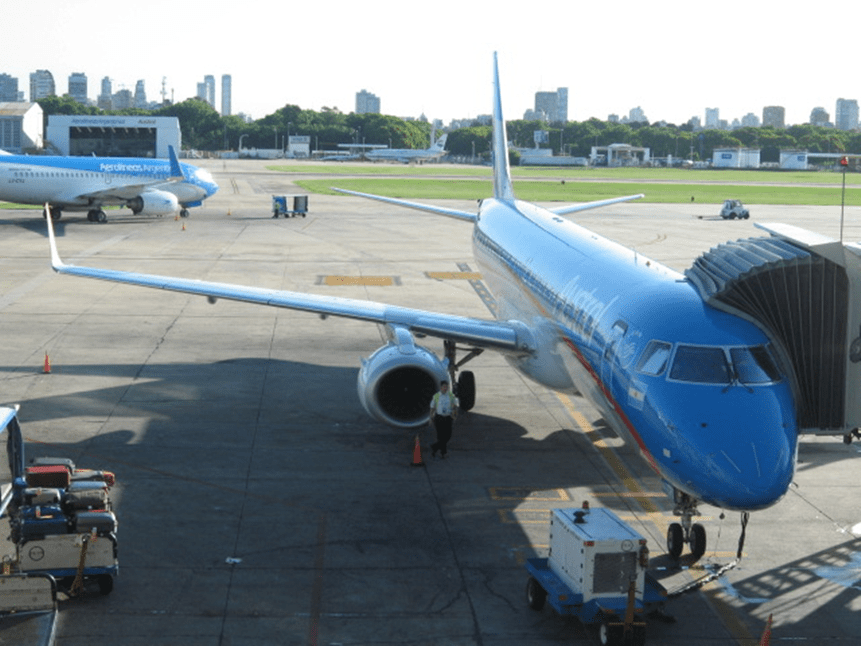
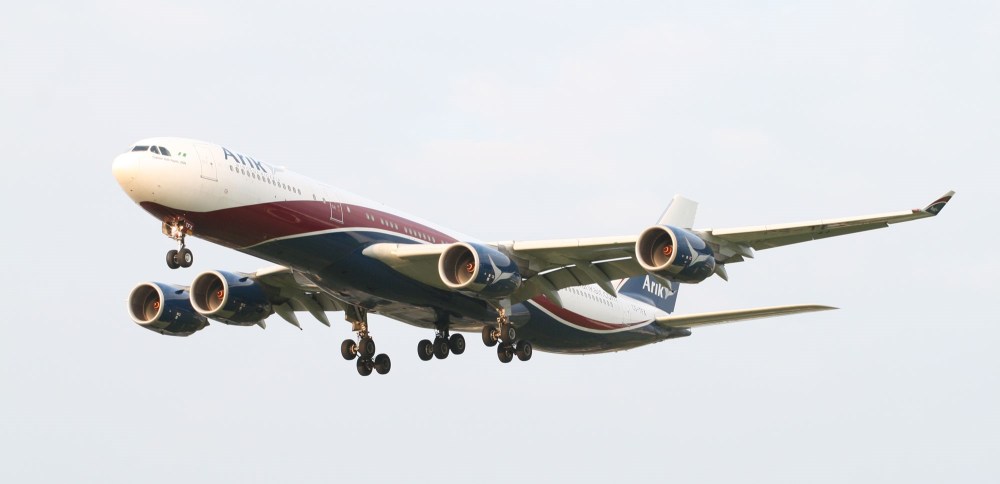
ArikAir-A340.jpg

AW | 2017 09 11 16:34 | AIRLINES / GOVERNMENT

Arik Air de Nigeria demanda al gobierno por la toma de control de Etiopía

Arik Air ha presentado una demanda contra el gobierno nigeriano sobre planes para que la aerolínea sea tomada por Ethiopian Airlines. La demanda, presentada ante la Corte Suprema Federal de Lagos, solicita que Ethiopian Airlines y el Ministerio Federal de Transporte sean restringidos de las negociaciones de adquisición.

Arik Air ha estado bajo el control del gobierno a través de su Asset Management Corporation (AMCON) desde febrero. Tras meses de especulación, Ethiopian Airlines confirmó a finales de agosto que estaba de hecho en conversaciones para administrar la lisiada aerolínea nigeriana.

El fundador de Arik Air, Joseph Arumeni-Ikhide, ya ha expresado su fuerte oposición a cualquier adquisición de Arik Air por los etíopes, diciendo que lanzaría un desafío legal si lo hiciera. Él no es el instigador, sin embargo, de este pleito, que está siendo perseguido por Chris Ndulue, Arik Air Director.

La declaración de Ndulue afirma que mientras dos demandas están pendientes cuestionando la validez de la adquisición original de AMCON de Arik Air, no se pueden discutir con partes externas.

«El demandante aduce además que la acción tomada por el primer y el segundo acusado tendrá un efecto negativo en la imagen del país, ya que el demandante que es la aerolínea más grande será empeñado a otro país para la gestión», dice el affidávit de Ndulue. Todavía no se ha fijado fecha para escuchar este nuevo caso. AIRWAYS® AW-Icon TXT

Arik Air files suit against Government Nigeria

Nigeria’s Arik Air sues the government for Ethiopia’s takeover

Arik Air has filed a lawsuit against the Nigerian government over plans for the airline to be taken over by Ethiopian Airlines. The lawsuit, filed before the Federal Supreme Court in Lagos, requests that Ethiopian Airlines and the Federal Ministry of Transportation be restricted from the acquisition negotiations.

Arik Air has been under government control through its Asset Management Corporation (AMCON) since February. After months of speculation, Ethiopian Airlines confirmed in late August that it was in fact in talks to administer the crippled Nigerian airline.

Arik Air founder Joseph Arumeni-Ikhide has already expressed strong opposition to any acquisition of Arik Air by the Ethiopians, saying it would launch a legal challenge if it did. He is not the instigator, however, of this lawsuit, which is being pursued by Chris Ndulue, Arik Air Director.

Ndulue’s statement states that while two lawsuits are pending questioning the validity of AMCON’s original acquisition of Arik Air, they can not be discussed with outside parties.

«The plaintiff further argues that the action taken by the first and second accused will have a negative effect on the image of the country, since the plaintiff who is the largest airline will be engaged in another country for management,» says the affidavit of Ndulue. No date has yet been set for hearing this new case. A \ W


Ξ A I R G W A Y S Ξ
SOURCE:  Airgways.com
DBk:  Allafrica.com / Airportspotting.com
AW-POST: 201709111634AR

A\W   A I R G W A Y S ®

Subasta judicial inmuebles de VARIG

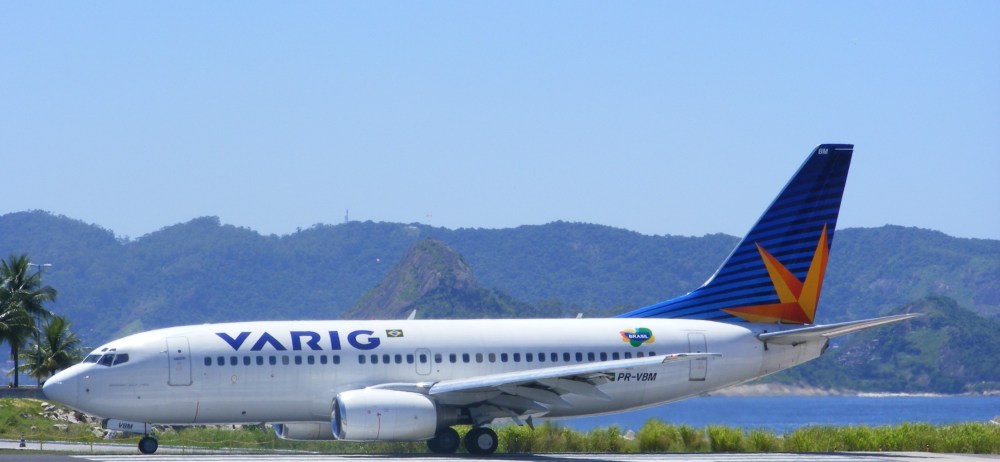
Varig_Boeing_737-700_PR-VBM_@_SDU.jpg

AW | 2017 09 09 14:42 | AIRLINES / GOVERNMENT

Resultado de imagen para VARIG FalênciaDesde 2012 los activos están siendo subastados para el pago de acreedores. Durante una reunión de CPI, el diputado anuncia la subasta de inmuebles de VARIG para indemnizar a empleados

Hasta finales de este año, 34 inmuebles de VARIG serán subastados y el valor recaudado será dividido entre los ex empleados de la empresa. La información fue divulgada por el gestor judicial de Flex Nordeste Líneas Aéreas, compañía que heredó las deudas de Varig, Jaime Nader Canha, durante una reunión de la Comisión Parlamentaria de Investigación (CPI) de la Asamblea Legislativa del Estado de Río de Janeiro que investiga los desdoblamientos de la recuperación judicial y de la quiebra de Varig.

Desde 2012 los activos de la empresa, entre ellos inmuebles y obras de arte, están siendo subastados para el pago de acreedores. Jaime Canha informó que en total, Varig tenía 155 móviles para ser subastados. De ellos, 96 ya han sido vendidos y 25 todavía están en proceso de reconocimiento.

«Hasta el momento, ya se han recaudado 103 millones de reales con las subastas», indicó. Sin embargo, según Canha, para pagar todas las deudas laborales de los acreedores de Varig, sería necesario cerca de R $ 1 mil millón.

«Este valor sería suficiente para pagar al menos el mínimo judicial de 150 salarios mínimos para cada acreedor. Pero sabemos que tienen trabajadores que tendrían que recibir cerca de R$ 500 mil de indemnización». «Si todos fueran a recibir el valor correcto, esa cantidad sería aún mayor, superando los 1.000 millones de reales», aclaró.

El gestor judicial de Flex también fue cuestionado sobre su proximidad con el juez titular de la 1ª Vara Empresarial de la capital, responsable de la quiebra de la empresa, Luiz Roberto Ayoub. Canha fue nombrado gestor de Flex en noviembre de 2010, por la jueza Márcia Cunha, que trabajaba en la misma vara empresarial que Ayoub.

El gestor declaró que tenía una relación de proximidad con el juez, pero no hubo influencia en la elección de su nombre para el cargo. «Conozco a Ayoub, pero fui nombrado por mi historial profesional», declaró.

El presidente de la CPI, diputado Paulo Ramos (PSOL), cuestionó el tipo de proximidad que el gestor mantenía con el juez. En respuesta, Canha dijo que se encontraba con Ayúb sólo una vez al año. AIRWAYS® AW-Icon TXT

Varig real estate auction to compensate employees

Since 2012 the assets are being auctioned for the payment of creditors. During a meeting of CPI, the deputy announces the auction of properties of VARIG to indemnify employees

By the end of this year, 34 properties of VARIG will be auctioned and the value collected will be divided among the former employees of the company. The information was disclosed by the judicial manager of Flex Nordeste Líneas Aéreas, which inherited the debts of Varig, Jaime Nader Canha, during a meeting of the Parliamentary Investigation Commission (CPI) of the Legislative Assembly of the State of Rio de Janeiro, which investigates the unfolding of the judicial recovery and the bankruptcy of Varig.

Since 2012 the assets of the company, including real estate and works of art, are being auctioned for the payment of creditors. Jaime Canha reported that in total, Varig had 155 mobiles to be auctioned. Of these, 96 have already been sold and 25 are still in the process of recognition.

«So far, have already raised 103 million reais with the auctions,» he said. However, according to Canha, to pay all labor debts of Varig’s creditors, it would require about R $ 1 billion.

«This amount would be sufficient to pay at least the minimum judicial minimum of 150 minimum wages for each creditor, but we know that they have workers who would have to receive about R $ 500 thousand of compensation.» If all were to receive the correct value, that amount would be even higher, surpassing 1 billion reais, «he said.

Flex’s judicial manager was also questioned about his proximity to the judge in charge of the bankruptcy of the company, Luiz Roberto Ayoub. Canha was appointed manager of Flex in November 2010, by Judge Márcia Cunha, who worked on the same business line as Ayoub.

The manager stated that he had a close relationship with the judge, but there was no influence in choosing his name for the position. «I know Ayoub, but I was named because of my professional background,» he said.

The president of the CPI, deputy Paulo Ramos (PSOL), questioned the type of proximity that the manager maintained with the judge. In response, Canha said that he met Ayub only once a year. A \ W

Resultado de imagen para VARIG Falência

Leilão Imobiliário VARIG para compensar funcionários

Desde 2012, os ativos estão sendo leiloados para o pagamento de credores. Durante uma reunião do CPI, o deputado anuncia o leilão de propriedades da VARIG para indenizar funcionários

Até o final deste ano, 34 propriedades da VARIG serão leiloadas e o valor arrecadado será dividido entre os ex-funcionários da empresa. A informação foi divulgada pelo gerente judicial da Flex Nordeste Líneas Aéreas, que herdou as dívidas da Varig, Jaime Nader Canha, durante uma reunião da Comissão de Investigação Parlamentar (CPI) da Assembléia Legislativa do Estado do Rio de Janeiro, que investiga o desdobramento da recuperação judicial e a falência da Varig.

Desde 2012, os ativos da empresa, incluindo imóveis e obras de arte, estão sendo leiloados para o pagamento de credores. Jaime Canha informou que, no total, Varig tinha 155 celulares para serem leiloados. Destes, 96 já foram vendidos e 25 ainda estão em processo de reconhecimento.

«Até agora, já arrecadamos 103 milhões de reais com os leilões», disse ele. No entanto, de acordo com a Canha, para pagar todas as dívidas trabalhistas dos credores da Varig, exigiria cerca de R $ 1 bilhão.

«Este montante seria suficiente para pagar pelo menos o mínimo mínimo de 150 salários mínimos para cada credor, mas sabemos que eles têm trabalhadores que teriam que receber cerca de R $ 500 mil de compensação». «Se todos recebessem o valor correto, esse valor seria ainda maior, superando 1 bilhão de reais», disse ele.

O gerente judicial da Flex também foi questionado sobre sua proximidade com o juiz responsável pela falência da empresa, Luiz Roberto Ayoub. Canha foi nomeado gerente de Flex em novembro de 2010, pela juíza Márcia Cunha, que trabalhou na mesma linha de negócios como Ayoub.

O gerente afirmou que ele teve uma relação próxima com o juiz, mas não houve influência na escolha de seu nome para o cargo. «Conheço Ayoub, mas fui nomeado por minha formação profissional», disse ele.

O presidente do CPI, deputado Paulo Ramos (PSOL), questionou o tipo de proximidade que o gerente manteve com o juiz. Em resposta, Canha disse que conheceu Ayub apenas uma vez por ano. A \ W


Ξ A I R G W A Y S Ξ
SOURCE:  Airgways.com
DBk:  Portalatual.com.br / Wikipedia.org
AW-POST: 201709091442AR

A\W   A I R G W A Y S ®

2da. Audiencia Pública Aerocomercial

AW | 2017 09 07 10:43 | AIRLINES MARKET / GOVERNMENT

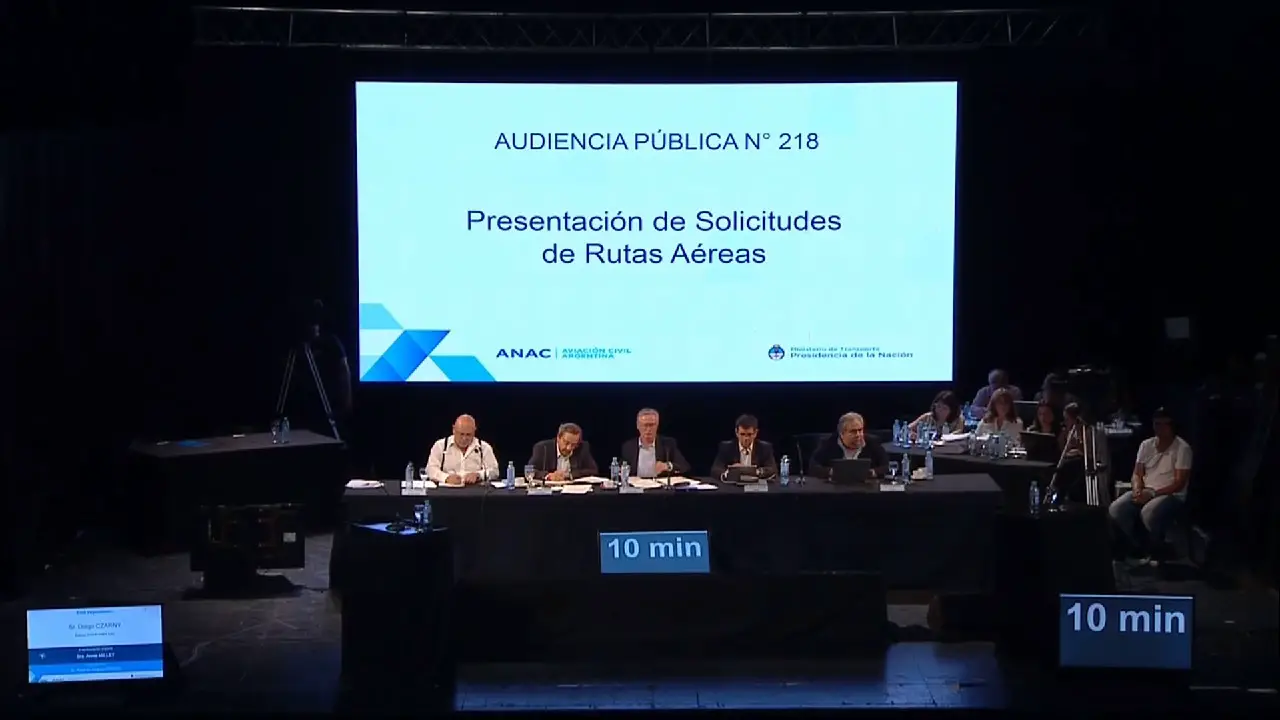
En el día de ayer se llevó a cabo la 2da. Audiencia Pública de Rutas Aéreas en Argentina

La audiencia pública para analizar las ofertas presentadas por siete empresas para cubrir 503 rutas aéreas internacionales y de cabotaje arrancó a las 9, con la presencia del ministro de Transporte, Guillermo Dietrich, y su par de Turismo, Gustavo Santos. Por casi cinco horas, empresarios, funcionarios y expertos analizaron los pedidos de las siete empresas, que solicitaron nada menos que 503 rutas.

Las primeras exposiciones en el Teatro de La Ribera, en La Boca, fueron iniciadas por la presidenta de la Junta de Investigación de Accidentes de Aviación Civil, Pamela Suárez, y el titular de la Empresa Argentina de Navegación Aérea (EANA), Agustín Rodríguez Grellet. El encuentro fue presidido por el titular de la Administración Nacional de Aviación Civil (ANAC), Juan Pedro Irigoin.

Otro de los primeros en hablar fue el presidente del Organismo Regulador del Sistema Nacional de Aeropuertos (ORSNA), Patricio Di Stéfano, que detalló que hay un plan de infraestructura en marcha por $ 20.000 millones que incluirá entre otras cosas la construcción de 39 aeropuertos y 19 terminales de pasajeros.

También destacó que en los últimos 20 meses se consiguió ahorrar $ 942 millones en obras y que algunos lugares donde se iniciaron trabajos fue en Córdoba, Rosario, Neuquén y Ushuaia.

Dietrich, por su parte, volvió a hablar de «una revolución de los aviones» y destacó que está habiendo “un récord de pasajeros del Interior que vuelan directo al exterior y de turistas extranjeros que ahora pueden venir directamente al Interior, como a Tucumán, Mendoza o Rosario”. “Esto es importante, porque cuando el turista viene una de las cosas que mira es la conectividad”, subrayó.

El Ministro de Transporte destacó que gracias a la apertura aerocomercial ya hay 15 ciudades que tienen vuelos y que esto es algo muy pedido en el Interior: “Todos los días nos llegan pedidos de intendentes que quieren tener nuevos vuelos”. Y negó que esta mayor apertura esté perjudicando a Aerolíneas Argentinas (AR), como se temía: “Tuvo récord de pasajeros transportados en julio, la mayor cifra en 66 años de historia”.

El ministro también cruzó a los sindicatos que en ese momento realizaban medidas de fuerza en Aeroparque y Ezeiza demorando vuelos. Dijo que «en lugar de festejar que estamos realizando una nueva audiencia que va a significar más trabajo para todos, no permiten que en estos momentos se pueda volar en Argentina, tomando como rehenes a miles de pasajeros que ahora están varados en los aeropuertos». Aclaró Dietrich que «nosotros no estamos gestionando convenios de trabajo, lo que estamos haciendo es abriendo la posibilidad de que haya más trabajo, que haya compañías que quieran contratar personal argentino».

La palabra de las líneas aéreas

Polar Lineas Aéreas, un proyecto de Ricardo Barbosa, ex titular de CATA, aseguraron que la empresa reclama tener «mayor integración latinoamericana» y que va a crear 1.200 empleos, con un centro de capacitación propio. Y destacaron que se usarán Airbus 340, y que la idea es sumar 4 aeronaves en 2018, 9 en 2019 y 15 en 2020. Pidió 44 rutas, muchas con base en San Luis.

Servicios Aéreos Patagónicos S.A​ (SAPSA), que es parte del grupo Vía Bariloche, afirmaron que la idea será ofrecer un servicio integrado de transporte aéreo y terrestre para alcanzar casi 35 destinos, a los que se sumarán otros destinos regionales. «Pensamos en una red integrada donde el pasajero llegue al aeropuerto en ómnibus», lo que permitirá incorporar pasajeros al sistema aéreo a través de la vía terrestre, afirmaron.

El plan de la empresa será abrir rutas regionales a Chile, Uruguay, Paraguay y Brasil desde el Interior y establecer puntos de interconexión en Rosario (a Uruguay, Brasil y Chile, entre otros), Resistencia (a Tucumán, Formosa, Santiago del Estero y Córdoba, entre otros) Córdoba (a Catamarca y San Juan) y Buenos Aires (a Santa Fe, Córdoba y Mendoza, entre otros). Pide 41 rutas.

Norwegian Air Argentina informaron que van a invertir US$ 4.300 millones para desarrollar 150 rutas que van a conectar al menos 100 ciudades de Argentina y el mundo. Según dijeron, lo innovador de su propuesta es que incluye una red combinada de rutas de corto, mediano y largo alcance, algo que por su amplitud tendrá un impacto directo a la baja sobre las tarifas aeronáuticas en general. Destacaron que la edad promedio de la flota de la matriz Norwegian Air (Noruega) es de 3,5 años y que en los últimos 20 años la aerolínea transportó 220 millones de pasajeros sin inconvenientes

Buenos Aires International Airlines; Grupo Lasa; Just Flight S.A. y Avian, que amplía lo solicitado en la audiencia anterior. Dos empresas, Emprendimientos Aeronáuticos SA (SEA) y Argenjet solicitaron autorización para operar vuelos no regulares.

En total se solicitan 203 rutas de cabotaje y 300 internacionales, habrá 15 nuevas ciudades que estarán conectadas con vuelos comerciales y 11 provincias (Buenos Aires, Córdoba, Santa Fe, Mendoza, Salta, Tucumán, San Juan, Chaco, Jujuy y Neuquén) tendrán conexiones internacionales.

Entre los destinos nacionales que hasta el momento no tienen conectividad aérea se cuentan ciudades como Presidencia Roque Sánez Peña, en Chaco; Marcos Juárez, en Córdoba; Tandil, La Plata; Necochea, Olavarría, Bolívar y Tres Arroyos en la provincia de Buenos Aires; Villa Mercedes, San Luis; Perito Moreno y San Julián en Santa Cruz; Concordia en Entre Ríos y Sunchales y Reconquista en Santa Fe.

El Gobierno ya otorgó, luego de la audiencia pública del 27 de diciembre, 135 nuevas rutas a cinco empresas: Andes, American Jet, Alas del Sur, Avian y FlybondiAIRWAYS® AW-Icon TXT

AW-7008567.png

2nd Public Hearing Aviation

Yesterday was held the 2nd. Public Hearing of Air Routes in Argentina

The public hearing to analyze the offers presented by seven companies to cover 503 international air and coastal routes started at 9, with the presence of Transport Minister Guillermo Dietrich and his tourism partner, Gustavo Santos. For almost five hours, businessmen, officials and experts analyzed the orders of the seven companies, which requested no fewer than 503 routes.

The first exhibitions at La Ribera Theater in La Boca were initiated by the president of the Civil Aviation Accident Investigation Board, Pamela Suárez, and the head of the Argentine Air Navigation Company (EANA), Agustín Rodríguez Grellet . The meeting was chaired by the head of the National Civil Aviation Administration (ANAC), Juan Pedro Irigoin.

Another of the first to speak was the president of the Regulatory Agency of the National System of Airports (ORSNA), Patricio Di Stéfano, who detailed that there is an infrastructure plan in progress of $ 20,000 million that will include, among other things, the construction of 39 airports and 19 passenger terminals.

He also noted that in the last 20 months saved $ 942 million in works and that some places where work began in Cordoba, Rosario, Neuquén and Ushuaia.

Dietrich, for his part, spoke again about «an airplane revolution» and stressed that there is «a record of passengers from the Interior that fly directly to the outside and foreign tourists who can now come directly to the Interior, such as Tucumán, Mendoza or Rosario». «This is important, because when the tourist comes one of the things he looks at is connectivity,» he said.

The Minister of Transport said that thanks to the commercial opening there are already 15 cities that have flights and that this is something very requested in the Interior: «Every day we get orders from intendants who want to have new flights.» And denied that this greater opening is hurting Aerolíneas Argentinas (AR), as was feared: «It had record passengers transported in July, the highest figure in 66 years of history.»

The minister also crossed to the unions that at that moment carried out measures of force in Aeroparque and Ezeiza delaying flights. He said that «instead of celebrating that we are holding a new audience that is going to mean more work for all, they do not allow that at the moment it is possible to fly in Argentina, taking hostages to thousands of passengers who now are stranded at the airports.» Dietrich clarified that «we are not managing labor agreements, what we are doing is opening the possibility of more work, that there are companies that want to hire Argentine personnel.»

The word of the airlines

Polar Lineas Aéreas, a project of Ricardo Barbosa, former head of CATA, said that the company claims to have greater Latin American integration and that it will create 1,200 jobs, with its own training center. And they emphasized that Airbus 340 will be used, and that the idea is to add 4 aircraft in 2018, 9 in 2019 and 15 in 2020. It requested 44 routes, many based in San Luis.

Servicios Aereas Patagónicos S.A (SAPSA), which is part of the Vía Bariloche group, stated that the idea will be to offer an integrated air and land transport service to reach almost 35 destinations, to which will be added other regional destinations. «We think of an integrated network where the passenger arrives at the airport by bus,» which will allow passengers to enter the air system through the ground, they said.

The company’s plan will be to open regional routes to Chile, Uruguay, Paraguay and Brazil from the Interior and establish interconnection points in Rosario (to Uruguay, Brazil and Chile, among others), Resistencia (to Tucumán, Formosa, Santiago del Estero and Cordoba, among others) Cordoba (to Catamarca and San Juan) and Buenos Aires (to Santa Fe, Cordoba and Mendoza, among others). Order 41 routes.

Norwegian Air Argentina reported that they will invest US $ 4.3 billion to develop 150 routes that will connect at least 100 cities in Argentina and the world. According to them, the innovator of their proposal is that it includes a combined network of short, medium and long-range routes, something that, by its breadth, will have a direct downward impact on aeronautical tariffs in general. They pointed out that the average age of Norwegian Air’s parent fleet is 3.5 years and that in the last 20 years the airline carried 220 million passengers without any inconvenience

Buenos Aires International Airlines; Grupo Lasa; Just Flight S.A. and Avian, which extends what was requested at the previous hearing. Two companies, Emprendimientos Aeronáuticos SA (SEA) and Argenjet requested authorization to operate not regular flights.

In total, 203 cabotage routes and 300 international routes are requested, there will be 15 new cities that will be connected with commercial flights and 11 provinces (Buenos Aires, Córdoba, Santa Fe, Mendoza, Salta, Tucumán, San Juan, Chaco, Jujuy and Neuquén) international connections.

Among the national destinations that so far do not have aerial connectivity are cities such as Presidencia Roque Sánez Peña, in Chaco; Marcos Juárez, in Córdoba; Tandil, La Plata; Necochea, Olavarría, Bolívar and Tres Arroyos in the province of Buenos Aires; Villa Mercedes, San Luis; Perito Moreno and San Julián in Santa Cruz; Concordia in Entre Ríos and Sunchales and Reconquista in Santa Fe.

After the public hearing on December 27, the Government already granted 135 new routes to five companies: the Andes, American Jet, Alas del Sur, Avian and Flybondi.

A \ W


Ξ A I R G W A Y S Ξ
SOURCE:  Airgways.com
DBk:  Cronista.com / Airgways.com
AW-POST: 201709071043AR

A\W   A I R G W A Y S ®
Segunda Audiencia Pública Argentina

Resultado de imagen para Audiencia Pública Aérea Argentina

AW | 2017 09 05 18:23 | AIRLINES MARKET / GOVERNMENT

Este miércoles, 6 de septiembre de 2017 se inicia la Segunda Audiencia Pública Aérea en Argentina

En esta Segunda Audiencia Pública para el otorgamiento de Rutas Aéreas se presentarán siete empresas con 503 rutas proyectadas tanto nacionales como internacionales. Se suma gran expectativas en la era de la «Revolución de los Aviones».

El miércoles se realizará la Segunda Audiencia Pública convocada por el Gobierno de Argentina donde se incorporan nuevas aerolíneas clásicas y lowcost al mercado aerocomercial donde se otorgarán 503 nuevas rutas aéreas.

Las aerolíneas que presentaron sus pedidos para explotar vuelos regulares de pasajeros fueron: Buenos Aires International Airlines, Grupo Lasa, Just Flight, Norwegian Air Argentina, Servicios Aéreos Patagónicos, Polar Líneas Aéreas, y Avian Líneas Aéreas (Avianca Argentina) que ha ampliado la solicitud de más rutas aéreas desde la primera audiencia pública.

En total, se solicitaron 203 rutas de cabotaje y 300 internacionales. A estas rutas para transporte de pasajeros se le sumaron siete de cargas, pedidas por Polar Líneas Aéreas. En tanto, dos empresas más presentaron pedidos para realizar servicios no regulares: Servicios y Emprendimientos Aeronáuticos y Argenjet.

La resolución de los nuevos pedidos está a cargo de la Junta Asesora de Transporte Aéreo (JATA). Tras la audiencia pública anterior, celebrada el 27 de diciembre de 2016, el gobierno argentino ya extendió el aval para 135 nuevas rutas a cinco empresas: Andes Líneas Aéreas, American Jet Líneas Aéreas, Alas del Sur Líneas Aéreas, Avian Líneas Aéreas y Flybondi Líneas Aéreas.

Uno de los objetivos del Gobierno de Argentina para 2019 es duplicar el mercado de cabotaje. Para lograrlo, se busca que más argentinos vuelen y que el mercado aerocomercial crezca, mejorando la conectividad dentro del país. En paralelo, se pretende impulsar el turismo, una industria estratégica para el crecimiento de Argentina. Además, desde el Ministerio de Transporte aseguran que existen 12 millones de personas que en la actualidad no usan el avión, posibilitando flexibilizar las tarifas para un mayor beneficio del consumidor.

Plan para la aviación comercial

Para enfrentar este escenario, desde Transporte se diseñó un plan aerocomercial con tres pilares. El primero es impulsar a Aerolíneas Argentinas, con una estrategia para que continúe siendo líder del mercado nacional, y absorbiendo cuatro millones de pasajeros. El segundo factor, es la transformación de la infraestructura y del espacio aéreo para aumentar la capacidad de los aeropuertos, modernizar instalaciones, y tecnología de navegación aérea. El tercer elemento es la incorporación de nuevas líneas aéreas para brindar más alternativas de conexión como se busca ahora.

El pedido para operar nuevas rutas, se da en un contexto de fuerte crecimiento del sector aéreo. Durante el primer semestre del año volaron 1.100.000 pasajeros lo que representó 11% de incremento con respecto a junio de 2016. En tanto, los vuelos de cabotaje de todas las compañías en el mismo período alcanzaron los 873.000 pasajeros.

El Gobierno de Argentina está apostando fuertemente en el sector de aviación comercial para incorporar más inversiones, más ofertas y más beneficios para los usuarios del transporte aéreo, una bonanza que deseamos disfrutar después de mucho tiempo de prohibiciones y desmanejos. Esta Segunda Audiencia Pública de Rutas Aéreas marcará el comienzo para que los vuelos en Argentina por fin tengan alas para volar.  AIRWAYS® AW-Icon TXT

AW-70089771.png

Second Public Hearing Argentina

This Wednesday, September 6, 2017, the Second Air Public Hearing begins in Argentina

In this Second Public Hearing for the granting of Air Routes will be presented seven companies with 503 routes projected both national and international. Great expectations are added in the era of the «Aircraft Revolution».

On Wednesday will be the Second Public Hearing convened by the Government of Argentina where new classic and lowcost airlines are added to the aerial commercial market where 503 new air routes will be awarded.

The airlines that submitted their orders to operate scheduled passenger flights were: Buenos Aires International Airlines, Grupo Lasa, Just Flight, Norwegian Air Argentina, Servicios Aéreos Patagónicos, Polar Líneas Aéreas, and Avian Airlines (Avianca Argentina) of more air routes since the first public hearing.

In total, 203 cabotage and 300 international routes were requested. To these routes for passenger transport were added seven loads, ordered by Polar Líneas Aéreas. Meanwhile, two more companies submitted orders to perform non-scheduled services: Aeronautical Services and Enterprises and Argenjet.

The new orders are resolved by the Air Transport Advisory Board (JATA). Following the previous public hearing, held on December 27, 2016, the Argentine government has already extended the endorsement for 135 new routes to five companies: Andes Líneas Aéreas, American Jet Líneas Aéreas, Alas del Sur Líneas Aéreas, Avian Líneas Aéreas and Flybondi Airlines.

One of the objectives of the Government of Argentina for 2019 is to double the cabotage market. To achieve this, it is sought that more Argentines fly and that the aerial commercial market grows, improving the connectivity within the country. In parallel, it aims to boost tourism, a strategic industry for the growth of Argentina. In addition, from the Ministry of Transport say that there are 12 million people who currently do not use the aircraft, making it possible to relax tariffs for greater consumer benefit.

Plan for Commercial Aviation

In order to face this scenario, an aerial commercial plan with three pillars was designed from Transport. The first is to boost Aerolíneas Argentinas, with a strategy to continue being the leader of the national market, and absorbing four million passengers. The second factor is the transformation of infrastructure and airspace to increase airport capacity, modernize facilities, and air navigation technology. The third element is the incorporation of new airlines to provide more connection alternatives as it is now sought.

The request to operate new routes, occurs in a context of strong growth of the air sector. During the first half of the year 1,100,000 passengers flew, which represented an increase of 11% compared to June 2016. Meanwhile, the cabotage flights of all companies in the same period reached 873,000 passengers.

The Government of Argentina is betting heavily on the commercial aviation sector to incorporate more investments, more offers and more benefits for air transport users, a bonanza we want to enjoy after a long time of prohibitions and losses. This Public Air Routes Hearing will mark the beginning so that the flights in Argentina finally have wings to fly. A \ W


AW-Airgways.com-Jet

AW-Airgways Icon-web001Ξ A I R G W A Y S Ξ
SOURCE:  Airgways.com
DBk:  Airgways.com / Aviacionline.com
AW-POST: 201709051823AR

A\W   A I R G W A Y S ®

Mozambique busca socio a aerolínea LAM

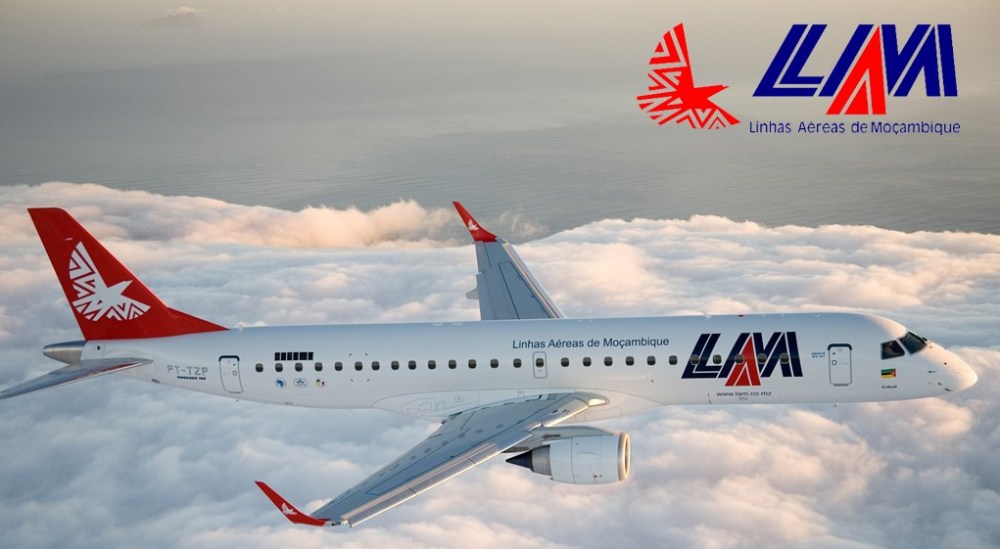
LAM-header.jpg

AW | 2017 08 23 18:07 | AIRLINES / GOVERMENT

Resultado de imagen para Linhas Aéreas Moçambique logoMozambique-Map.jpgEl Gobierno de Mozambique está buscando un socio estratégico que permita recuperar la aerolínea Linhas Aéreas de Moçambique (LAM)

El Director General de la empresa estatal Linheas Aéreas Mozambique (LAM), Raimundo Matule, aún no se ha tomado ninguna decisión, «y el gobierno continúa discutiendo maneras de recuperar la compañía con varios socios», pero agregó que mientras se busca un socio, se buscan formas de reestructurar a LAM, a saber, analizando su costo-estructura para determinar dónde se puede recortar el gasto y dónde se pueden recaudar fondos para mantenerlo en funcionamiento.

La presidenta de Igepe, Ana Isabel Senda, dijo que la reestructuración del Sector Empresarial Estatal (SEE) «es el trabajo que llevamos realizando desde 2016 e incluye el análisis de cada una de las empresas, así como las formas de llevar a cabo el financiamiento Reestructuración de las unidades de producción». «Nuestro principal objetivo es hacer que las empresas sean rentables para mejorar su contribución a los ingresos del Estado, que se espera que alcance los 5 mil millones de meticais (unos 80 millones de dólares) en cinco años». Ana Isabel Senda añadió que en 2016 y parte de 2017, la SEE aportó 1.2 mil millones de meticais, de modo que «dentro de cinco años podremos llegar a la suma buscada, pero es necesario para ello consolidar los mecanismos de control de las empresas». AIRWAYS® AW-Icon TXT

Mozambique seeks partner for LAM airline

The Mozambican government is seeking a strategic partner to recover the airline Linhas Aéreas de Moçambique (LAM)

The director of state-owned Linhas Aéreas Mozambique (LAM), Raimundo Matule, has not yet made any decision, «and the government continues to discuss ways to recover the company with several partners,» but added that while looking for a partner, ways are sought to restructure LAM, namely by analyzing its cost-structure to determine where expenditure can be cut and where funds can be raised to keep it running.

Igepe’s president, Ana Isabel Senda, said that the restructuring of the State Business Sector (SEE) «is the work we have been doing since 2016 and includes the analysis of each of the companies, as well as the ways to carry out the financing Restructuring of production units «. «Our main goal is to make companies profitable to improve their contribution to state revenues, which is expected to reach 5 billion meticais in five years.» Ana Isabel Senda added that in 2016 and part of 2017, the SEE provided 1.2 billion meticais, so that «within five years we will be able to reach the sum sought, but it is necessary to consolidate the control mechanisms of the companies» . A \ W


Ξ A I R G W A Y S Ξ
SOURCE:  Airgways.com
DBk:  Lam.co.mz / Sapo.pt
AW-POST: 201708231807AR

A\W   A I R G W A Y S ®

Liquidación últimos bienes de Mexicana

Imagen relacionada

AW | 2017 08 21 16:35 | AIRLINES / GOVERNMENT

Resultado de imagen para Mexicana Aviación logotipo 1924 1926Proceso de liquidación de últimos bienes de Mexicana de Aviación

El proceso de liquidación de la compañía aérea Mexicana de Aviación a pasado por un proceso largo similar al abordado por la compañía brasileña VASP Airlines

descarga.pngEl proceso de liquidación de bienes de la Mexicana de Aviación ha cumplido el 2 de agosto de 2017, siete años desde el inicio del concurso mercantil. En este proceso judicial los ex-empleados han recuperado el 40% de sus derechos de pagos después de la quiebra de la aerolínea. El restante 60% de los pagos pendientes estaría cubierto por la puesta a disposición de los bienes de Mexicana MRO Services, una división que ha sobrevivido de Mexicana de Aviación.

Últimos bienes de Mexicana de Aviación
Resultado de imagen para mexicana mro servicesLa Mexicana MRO Services es empresa que ha sobrevivido a la quiebra. Esta se dedica al mantenimiento y reparación de aeronaves comerciales, administración de los slots de Mexicana de Aviación y Mexicana Click y de los Depósitos Fiscales y emplea actualmente a 400 empleados. Operativamente, es una empresa que pudo capear la crisis, y es solvente. Esta división ha permanecido con vida ya que pudo pilotear la crisis generada por la quiebra de la compañía más antigua de México.

El Presidente de la Delegación de Mexicana de Aviación, Rafael Gutiérrez, miembro de la Asociación Sindical de Pilotos de Aviadores de México (ASPA), están a la espera de que el Síndico de control del Concurso Mercantil a cargo de la quiebra de Mexicana de Aviación, apruebe la liquidación y venta de los bienes de la división de mantenimiento de aeronaves, Mexicana MRO Services. Aunque no se puede estipular el monto del volumen de la venta de esta división; lo recaudado se utilizaría para cubrir los gastos adeudados a los proveedores y ex-empleado de Mexicana para el año 2018. Además la división MRO Mexicana tiene a cargo los 9.000 slot como derechos que actualmente cobra a otras compañías por su uso. Los slot corresponden a Mexicana de Aviación y a su fedeers, Mexicana Click, una línea aérea de bajo costo. El derecho de los slot pueden variar su precio por su ruta, ubicación y horario. Por ejemplo, una frecuencia de slot en la ruta a Nueva York (JFK) puede tener un valor de U$D 40.000.000 millones de dólares.

También están a disposición la venta de la marca comercial de Mexicana (isologotipos); y los Almacenes Fiscales, las Bodegas de Carga que aunque son una concesión de la Secretaría de Hacienda de México, pueden vendense para el pago a los acreedores. Las Bases de Mantenimiento dan servicios a las aerolíneas Volaris, Interjet y VivaAerobus, Policía Federal, Presidencia de la República y la Fuerza Aérea.

Los fondos obtenidos hasta la fecha son por la venta de mobiliario y útiles de poco valor, más el ingreso por la producción del Centro de Adiestramiento de Tripulaciones y los Almacenes Fiscales. «De todo esto, el Síndico completó el 40% de los pagos pendientes» detalló Rafael Gutiérrez. El cálculo de deuda, sólo de los pilotos asciende a $4.800 millones de pesos mexicanos. Rafael Gutiérrez objetó: «Nosotros hemos dicho que o se nos liquida como debe ser o que nos regresen la empresa completita y esa sería una forma de pagarnos».

Por otro lado, La Asociación de Sobrecargos de Aviación (ASSA) solicitó la intervención de la Corte Suprema de Justicia. La Asociación Sindical de Sobrecargos de Aviación de México informó que dentro del proceso de quiebra de la Compañía Mexicana de Aviación S.A. de C.V., la sindicatura designada por la Secretaría de Comunicaciones y Transportes (SCT), ha realizado la venta de varios bienes que fueron propiedad de la empresa para posibilitar el pago a sus acreedores.

Ante este hecho, la Sindicatura le informó al Juez Décimo Primero de Distrito en Materia Civil, que en el transcurso de las siguientes semanas estará en condiciones de realizar un primer pago parcial a los sobrecargos activos que no han recibido retribución alguna, y que se contemplan en la sentencia de reconocimiento, graduación y prelación de créditos, que dictó la autoridad.

La venta de la base de mantenimiento de Mexicana MRO Services, podría llevarse a cabo este año, por lo que de concretarse los pagos a los extrabajadores y jubilados de la extinta aerolínea Mexicana de Aviación, comenzarían en 2018.

«Si logramos agilizar la venta, ojalá pudiéramos cerrar este año con los pagos, pero todo tiene sus tiempos y tenemos que respetar la forma en que evolucione», manifestó el subsecretario del Trabajo de la Secretaría del Trabajo y Previsión Social (STPS), Rafael Avante Juárez.  AIRWAYS® AW-Icon TXT

Settlement of the last assets of Mexicana

Resultado de imagen para CMA Mexicana logotipoProcess of liquidation of the last assets of Mexicana de Aviación

The liquidation process of the airline Mexicana de Aviación has gone through a long process similar to that approached by the Brazilian company VASP Airlines

The Mexicana de Aviación property settlement process has been completed on August 2, 2017, seven years since the beginning of the commercial competition. In this judicial process the former employees have recovered 40% of their payment rights after the bankruptcy of the airline. The remaining 60% of the outstanding payments would be covered by the provision of the assets of Mexicana MRO Serevices, a division that has survived Mexicana de Aviación.

Latest Mexicana Aviation goods
Resultado de imagen para mexicana mro servicesMexicana MRO Services is a company that has survived bankruptcy. This one is dedicated to the maintenance and repair of commercial aircraft, administration of the Mexicana de Aviación and Mexicana Click slot and of the Fiscal Deposits and currently employs 400 employees. Operationally, it is a company that could weather the crisis, and is solvent. This division has remained alive since it was able to politear the crisis generated by the bankruptcy of the oldest company in Mexico.

MAINTENANCE OF A BR715 ENGINE OF A BOEING 717-200 IN MEXICANA MRO SERVICES

The President of the Mexicana de Aviación Delegation, Rafael Gutiérrez, a member of the Association of Pilot Airmen of Mexico (ASPA), are waiting for the Trustee of the Commercial Contest in charge of the bankruptcy of Mexicana de Aviación , approve the liquidation and sale of the assets of the aircraft maintenance division, Mexicana MRO Service. Although the volume of the sale of this division can not be stipulated; The proceeds would be used to cover expenses owed to suppliers and former employee of Mexicana for the year 2018. In addition, the MRO Mexicana division is in charge of the 9,000 slot as rights currently charged to other companies for their use. The slots correspond to Mexicana de Aviación and its fedeers, Mexicana Click, a low-cost airline. The right of the slot can vary its price by its route, location and schedule. For example, a slot frequency on the route to New York (JFK) may have a value of U$D 40,000,000 million dollars.

FLEET OF MEXICANA DE AVIACIÓN ON GROUND

Also available for sale are the trademark of Mexicana (isologotypes); And the Tax Warehouses, Cargo Warehouses that although they are a concession of the Ministry of Finance of Mexico, can be sold for the payment to the creditors. The Bases of Maintenance serve the airlines Volaris, Interjet and VivaAerobus, Federal Police, Presidency of the Republic and the Air Force.

The funds obtained to date are for the sale of furniture and tools of little value, plus income from the production of the Center for the Admission of Crews and Tax Warehouses. «Of all this, the Trustee completed 40% of the outstanding payments,» said Rafael Gutiérrez. The calculation of debt, only of the pilots amounts to $ 4.8 billion of Mexican pesos. Rafael Gutiérrez objected: «We have said that either we are liquidated as it should be or that we return the company completita and that would be a way to pay us.»

On the other hand, the Association of Aviation Surcharges (ASSA) requested the intervention of the Supreme Court of Justice. The Mexican Association of Aviation Surcharges reported that in the bankruptcy proceedings of Compañía Mexicana de Aviación S.A. Of C.V., the union appointed by the Ministry of Communications and Transportation (SCT), has made the sale of several assets that were owned by the company to enable payment to its creditors.

In view of this fact, the Sindicatura informed the Judge Eleventh of District in Civil Matters, that in the course of the following weeks it will be able to make a first partial payment to the active surcharges that have not received any remuneration, and that are contemplated In the judgment of recognition, graduation and priority of credits, which dictated the authority.

The sale of the maintenance base of Mexicana MRO Services could be carried out this year, so that payments to retirees and retirees of the former Mexican airline Aviación would begin in 2018.

«If we can speed up the sale, I wish we could close this year with the payments, but everything has its time and we have to respect the way it evolves,» said the Undersecretary of Labor of the Ministry of Labor and Social Security (STPS), Rafael Avante Juárez. A \ W


AIRGWAYS AW-Isologotype SloganAW-Airgways.com-Jet

AW-Airgways Icon-webΞ A I R G W A Y S Ξ
SOURCE:  Airgways.com
DBk:  Airgways.com / Canaljudicial.mx
AW-POST: 201708211635AR

A\W   A I R G W A Y S ®

Argentina autoriza dos nuevas aerolíneas

AW | 2017 08 09 00:09 | AIRLINES / GOVERNMENT

La ANAC ha aprobado la constitución de dos nuevas líneas aéreas para realizar vuelos no regulares de pax/carga nacional/internacional

La Administración Nacional de Aviación Civil (ANAC) de Argentina ha autorizado a dos empresas aerocomerciales, Habock Aviation Argentina y Juano S.A., a explotar servicios no regulares internos e internacionales de transporte aéreo de pasajeros, carga y correo, utilizando aeronaves de reducido porte.

A través de las Resoluciones 581-E/2017 y 596-E/2017 del Ministerio de Transporte, fueron publicadas hoy en el Boletín Oficial. La primera Resolución, la 581-E/2017, se autoriza a la empresa Habock Aviation Argentina S.A., continuadora de Air Energy, a explotar servicios aéreos. La segunda Resolución, la 596-E/2017, la ANAC también autoriza a la empresa Juano S.A. pero advierte que previamente deberá obtener certificado de explotador de servicios aéreos, e iniciar sus operaciones dentro de los 180 días posteriores.

LV-GVR

LEARJET40 C/N 45-2007 REG. LV-GVR

La empresa Juano S.A. posee un Cessna 525 CitationJet, con registro LV-GVQ. Fue entregado el 24/02/17 a la compañía para realizar vuelos no regulares. En cuanto a Habock Aviation Argentina S.A. Tiene su empresa matriz en España conocida como Habock Aviation Group donde realliza traslado de pax, emergencias médicas y mantenimiento de aeronaves. Tras la adquicisión de SAP Sociedad Aeronáutica Peninsular en España, ahora ha efectivizado su proyecto para transporte en Argentina.

El Gobierno de Argentina sigue abriendo el mercado a nuevos competidores. Tras las audiencias públicas de febrero 2017 han aprobados cinco nuevas aerolíneas regulares, a las que se suman ahora Juano S.A. y Habock Aviation Argentina S.A. AIRWAYS® AW-Icon TXT

Argentina authorizes two new airlines

The ANAC has approved the constitution of two new airlines to carry out non-regular flights of pax / national / international cargo

Argentina’s National Civil Aviation Administration (ANAC) has authorized two airlines, Habock Aviation Argentina and Juano S.A., to operate domestic and international non-scheduled passenger, cargo and mail air services using small aircraft.

Through Resolutions 581-E / 2017 and 596-E / 2017 of the Ministry of Transport, were published today in the Official Gazette. The first Resolution, 581-E / 2017, authorizes the company Habock Aviation Argentina S.A., a subsidiary of Air Energy, to operate air services. The second Resolution, 596-E / 2017, the ANAC also authorizes the company Juano S.A. But warns that it must first obtain a certificate from an air operator and start operations within 180 days.

The company Juano S.A. Owns a Cessna 525 CitationJet, with registration LV-GVQ. It was delivered on 2/24/17 to the company for non-scheduled flights. As for Habock Aviation Argentina S.A. It has its parent company in Spain known as Habock Aviation Group where it realizes transfer of pax, medical emergencies and maintenance of aircraft. Following the acquisition of SAP Aeronautical Society Peninsular in Spain, has now carried out its project for transportation in Argentina.

The Government of Argentina continues to open the market to new competitors. Following the public hearings of February 2017, five new regular airlines have been approved, to which Juano S.A. And Habock Aviation Argentina S.A. A \ W


Ξ A I R G W A Y S Ξ
SOURCE:  Airgways.com
DBk:  Cronista.com
AW-POST: 201708090009AR

A\W   A I R G W A Y S ®

Remate últimos Boeing 737-200 PLUNA

AW | 2017 08 08 11:09 | AIRLINES / GOVERNMENT

Imagen relacionadaEn Uruguay se llevó a cabo el remate judicial de los últimos 2 Boeing 737-200 que pertenecían a PLUNA
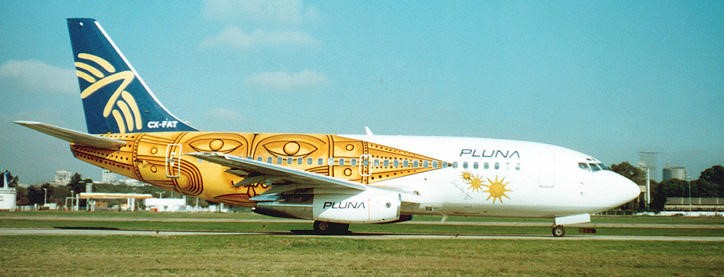
El primer Boeing 737-200 se remataba sin motores, fue vendidoi en U$D10.500 y el segundo Boeing 737-200 estaba en mejores condiciones fue vendido en U$D27.000

La aerolínea PLUNA fue inaugurada el 20 de noviembre de 1936 y cerrada en junio de 2012 debido a una crisis que la llevó a la bancarrota. El último proceso judicial de la ex-aerolínea fue la venta de los últimos dos Boeing 737-2A3 que tuvo la línea aérea, estos eran los matrículas CX-BOP S/N 22739 y CX-BON S/N 22737.

El proceso para la puesta a la venta judicial fue iniciada en 2015, pero recién ayer fueron vendidas a diferentes oferentes. Todavía quedan algunos mobiliarios a ser rematados, últimos vestigios de lo que fue la aerolínea principal de Uruguay.

La aviación uruguaya no ha tenido los mejores resultados a la hora de implementar una política eficiente para las líneas aéreas, pues han emergido proyectos como Uair, BQB Líneas Aéreas, Alas Uruguay, entre otras y no han podido sobrevivir como lo fue la otrora PLUNA, apagándose las ilusiones con lágrimas en los ojos. AIRWAYS® AW-Icon TXT

0036067

The auction of the latest Boeing 737-200 from PLUNA

In Uruguay was carried out the judicial auction of the last 2 Boeing 737-200 that belonged to PLUNA

The first Boeing 737-200 was finished without engines, was sold at U$D10,500 and the second Boeing 737-200 was in better conditions was sold at U$D27,000

The airline PLUNA was inaugurated on November 20, 1936 and closed in June 2012 due to a crisis that led to bankruptcy. The last judicial process of the ex-airline was the sale of the last two Boeing 737-2A3 that had the airline, these were the registrations CX-BOP S/N 22739 and CX-BON S/N 22737.

The process for the judicial sale began in 2015, but only yesterday they were sold to different suppliers. There are still some furniture to be finished, last vestiges of what was the main airline of Uruguay.

Uruguayan aviation has not had the best results when implementing an efficient policy for airlines, as projects such as Uair, BQB Líneas Aéreas, Alas Uruguay, and others have emerged and have not been able to survive as was once the PLUNA, extinguishing the illusions with tears in the eyes. A \ W


Ξ A I R G W A Y S Ξ
SOURCE:  Airgways.com
DBk:  Balastro e Hijos / Sebastian Poposky
AW-POST: 201708081109AR

A\W   A I R G W A Y S ®

Justicia ordena a FAA revisión asientos

AW | 2017 07 30 18:00 | AIRLINES / SAFETY / SECURITY / GOVERNMENT

Justicia ha librado una orden para que la FAA revise el tamaño de los asientos de los aviones comerciales por cuestiones de seguridad médica. El Senado de Estados Unidos ha rechazado el plan para regular el tamaño del asiento del avión

Jueces federales en Washington DC, han dictado este viernes una orden a la Administración Federal de Aviación (FAA) para revisar el tamaño de los asientos y el espacio para las piernas en las líneas aéreas comerciales.

La FAA no ha determinado como norma cuánto espacio las aerolíneas deben garantizar a los clientes en sus aviones por cuestiones de seguridad médica. El pedido de los jueces federales pone en el tapete la cuestión de la seguridad de las personas abordo, obligando a la FAA a realizar un estudio pormenorizado acerca de la salud de los pasajeros durante el viaje en avión y la relación que guarda la disminución del tamaño de los asientos y el espacio entre las filas de los asientos.

La FAA expresó en un comunicado que está «estudiando cuidadosamente el fallo y de las posibles acciones que podamos tomar para abordar las conclusiones de la Corte».

El fallo de «Flyers Rights»

Un grupo de abogados, Flyers Rights, solicitó a la FAA en 2015 que implementara nuevas reglas para regular el espacio de los asientos. La FAA reprendió el esfuerzo, por lo que Flyers Rights tomó sus demandas ante los tribunales y ganó el derecho a seguir adelante. El grupo celebró la decisión de los jueces el viernes, diciendo que la corte «concedió a Flyers Rights y pasajeros aéreos una victoria».

Flyers Rights dijo que le preocupa que los pequeños asientos de las aerolíneas sean realmente un peligro para la seguridad, poniendo a los pasajeros en riesgo de tener condiciones como la trombosis venosa profunda. Esa es una condición potencialmente fatal que puede causar coágulos de sangre en las piernas de las personas. Las compañías aéreas pueden estar fuera de acuerdo con las realidades de las necesidades de los estadounidenses, especialmente a la luz de las tasas de obesidad escalada.

Flyers Rights dio a la corte pruebas de que el ancho promedio de los asientos de avión ha disminuido de 18,5 pulgadas en el 2000s temprano, a 17 pulgadas por alrededor de 2005. Los asientos más angostos han sido impulsados ​​principalmente por aviones de pasajeros de largo recorrido permitiendo así ganar más espacio para agregar más filas de asientos.

Estudios sobre tamaño de asientos

En el mercado de aviones de pasajeros, la industria ha contribuido en la mejora de la calidad de los asientos, permitiendo hacerlos más livianos, más ergonométricos y más seguros. Pero un detalle que continúa en un análisis más crítico es el del tamaño de las butacas y las distancias entre filas. El promedio de distancia entre los asientos «ha disminuido de un promedio de 35 pulgadas a 31 pulgadas, y en algunos aviones ha sido tan reducido como a 28 pulgadas», expresa la demanda de Flyers Rights.

La medición de la distancia de un asiento a otro es entre un punto en un asiento al mismo punto en el asiento detrás de él. Así la demanda de Flyers Rights pone un precedente en el análisis obligatorio ante la FAA para un estudio detallado del impacto en la salud de los pasajeros el tamaño y la distancia de los asientos.

Las Aerolíneas

Las aerolíneas afirman que el aumento del número de asientos en un avión es bueno tanto para la línea inferior del transportista como para la billetera de un viajero. Al extender sus costos para operar un vuelo sobre un mayor número de asientos en el mismo plano de tamaño, la aerolínea puede ofrecer tarifas más bajas y operar más eficientemente volando menos vuelos.AW-70087788.png

Por ejemplo, American Airlines había informado en mayo que planeaba reducir la cantidad de espacio para las piernas de algunos de sus asientos de clase económica en su nuevo Boeing 737 MAX, para luego dar marcha atrás en junio, comprometiéndose a mantener todos los asientos en su cabina principal de clase económica a 30 pulgadas.

Entre las compañías que menos distancia mantienen entre filas de asientos están Frontier Airlines y Spirit Airlines que acortaron la longitud a sólo 28 pulgadas de distancia.

Las filas de clase económica en Delta Air Lines y United Airlines están espaciadas entre 30 y 31 pulgadas, mientras que JetBlue Airways, Southwest Airlines y Alaska Airlines tienen entre 31 y 33 pulgadas.

El gobierno

En marzo, el Congreso volvió a considerar medidas que habrían establecido un ancho mínimo de asientos de avión y una distancia entre piernas. Pero el Senado rechazó el plan en abril. Un reglamento de la FAA evitaría la necesidad de que el Congreso actúe. Ningún regulador de aviación en ningún país ha establecido un ancho mínimo de asiento con efecto requisitorio obligatorio.

La FAA regula partes significativas de la cabina de un avión, incluyendo el diseño seguro de cada asiento y su capacidad de soportar un aterrizaje de alto impacto o un accidente. Hasta ahora, la agencia ha permitido a las aerolíneas determinar cómo dimensionar y espaciar sus asientos, pero cualquier arreglo de la cabina de una aerolínea debe permitir que todos los pasajeros y la tripulación evacúen en 90 segundo un avión en caso de emergencia.   AIRWAYS® AW-Icon TXT

Justice Orders FAA Review Size Seating Aircraft

Justice has issued an order for the FAA to review the size of commercial aircraft seats for medical safety issues. The United States Senate has rejected the plan to regulate the seat size of the plane

Federal judges in Washington DC have issued an order Friday to the Federal Aviation Administration to review seat size and legroom on commercial airlines.

The Federal Aviation Administration (FAA) has not determined as a rule how much space airlines should guarantee to customers on their planes because of medical safety issues. The federal judges’ request raises the question of the safety of people on board, forcing the FAA to conduct a detailed study on the health of passengers during the plane ride and the relationship that decreases the size Of the seats and the space between the rows of seats.

The FAA said in a statement that it is «carefully studying the ruling and possible actions we can take to address the Court’s findings.»

The ruling of «Flyers Rights»

A group of lawyers, Flyers Rights, asked the FAA in 2015 to implement new rules to regulate seat space. The FAA rebuked the effort, so Flyers Rights took their claims to court and won the right to move on. The group welcomed the judges’ decision on Friday, saying the court «granted Flyers Rights and air passengers a victory.»

Flyers Rights said it worries that small airline seats are actually a safety hazard, putting passengers at risk for conditions such as deep vein thrombosis. That is a potentially fatal condition that can cause blood clots in people’s legs. Airlines can be out of touch with the realities of Americans’ needs, especially in light of escalating obesity rates.

Flyers Rights gave court evidence that the average width of airplane seats has dropped from 18.5 inches in the early 2000s to 17 inches by around 2005. The narrower seats have been driven primarily by aircraft Long-distance passengers thus allowing more room to add more rows of seats.

Seat size studies

In the passenger aircraft market, the industry has contributed to the improvement of the quality of the seats, allowing them to be lighter, more ergonometric and safer. But a detail that continues in a more critical analysis is the size of the seats and the distances between rows. The average distance between seats «has dropped from an average of 35 inches to 31 inches, and in some aircraft has been as small as 28 inches,» says Flyers Rights.

Measuring the distance from one seat to another is between a point on a seat at the same point on the seat behind it. Thus the Flyers Rights claim sets a precedent in the FAA’s mandatory analysis for a detailed study of the health impact of passengers on seat size and distance.

The Airlines

Airlines say that increasing the number of seats on a plane is good for both the bottom line of the carrier and a traveler’s wallet. By extending its costs to operate a flight over a larger number of seats in the same size plane, the airline can offer lower fares and operate more efficiently by flying fewer flights.AW-70087788.png

For example, American Airlines had reported in May that it planned to reduce the legroom of some of its economy-class seats in its new Boeing 737 MAX, then back out in June, committing to keep all seats in its Class economy cabin at 30 inches.

Among the companies that have the least distance between rows of seats are Frontier Airlines and Spirit Airlines that shortened the length to only 28 inches away.

Economy class ranks in Delta Air Lines and United Airlines are spaced between 30 and 31 inches, while JetBlue Airways, Southwest Airlines and Alaska Airlines are between 31 and 33 inches.

The Government

In March, Congress reconsidered measures that would have established a minimum width of airplane seats and a distance between legs. But the Senate rejected the plan in April. An FAA regulation would avoid the need for Congress to act. No aviation regulator in any country has established a minimum seat width with mandatory check effect.

The FAA regulates significant parts of an aircraft cabin, including the safe design of each seat and its ability to withstand a high impact landing or accident. So far, the agency has allowed airlines to determine how to size and space their seats, but any arrangement of an airline’s cabin should allow all passengers and crew to evacuate an avon in 90 seconds in case of an emergency. A \ W


Ξ A I R G W A Y S Ξ
SOURCE:  Airgways.com
DBk:  Airgways.com / Flyingmag.com / Telegraph.co.uk / Skift.com
AW-POST: 201707301800AR

A\W   A I R G W A Y S ®

Venezuela «desconectándose del mundo»

AW | 2017 07 29 20:41 | AIRLINES / GOVERNMENT

Resultado de imagen para iata logoIATA advierte a Venezuela que está “desconectando del mundo”
Opositores venezolanos participan este viernes de una protesta denominada la “Toma de Venezuela”, que se realiza en todo el país, en rechazo a la Asamblea Constituyente.

La Asociación Internacional de Transporte Aéreo (IATA) instó este viernes en un comunicado al Gobierno de Venezuela a respetar los estándares internacionales para asegurar la sostenibilidad del transporte aéreo en ese país y le advirtió que está perdiendo conexión con el resto del mundo.

“Venezuela, desafortunadamente, está desconectándose del mundo en cuanto a la conectividad aérea se refiere; como cualquier país Venezuela necesita una conectividad robusta y los importantes beneficios económicos que esta genera; sin embargo, el Gobierno de Venezuela no está cumpliendo con los requisitos necesarios para que esto ocurra”, dice el comunicado publicado en la web de la IATA.

Profundización crisis aérea en Venezuela

Venezuela ha realizado “la retención de 3.800 millones de dólares que pertenecen a las aerolíneas y un sistema de venta de combustible que perjudica a las aerolíneas internacionales” en ese país, sostuvo el vicepresidente regional de las Américas para IATA, Peter Cerdá. La negativa de Venezuela a repatriar los fondos de 3.800 millones de dólares de las aerolíneas viola los tratados internacionales que el país firmó, afirmó la IATA.

En Venezuela no se está garantizando un trato igualitario para las diferentes aerolíneas que compiten en el país, dice el comunicado, ya que el Gobierno exige el pago en dólares por compras de combustible a las aerolíneas extranjeras. Esa medida contradice la naturaleza no discriminatoria del Convenio de Chicago, ratificado por Venezuela. “En muchos lugares del mundo hemos visto que, cuando los gobiernos aplican un marco regulatorio diferente al establecido a nivel internacional, los pasajeros y la industria sufren, y es el caso de Venezuela”, sostuvo Cerdá. El ejecutivo agregó que “las aerolíneas quieren servir al país pero necesitan tener unas garantías mínimas de estabilidad económica y social para poder seguir invirtiendo”.

La IATA representa a unas 275 líneas aéreas, que constituyen el 83 por ciento de tráfico aéreo internacional, asegura la Asociación.

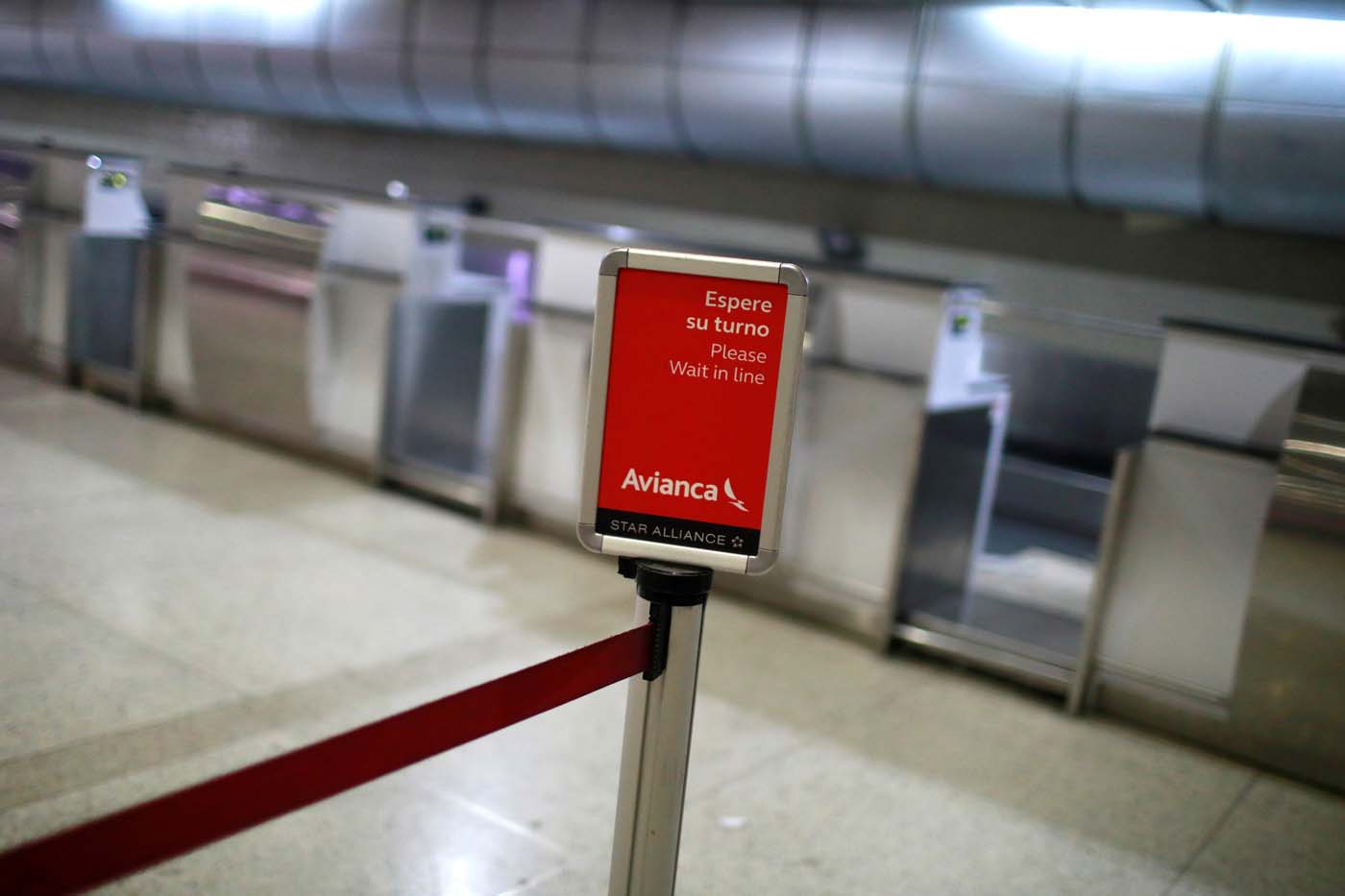
El jueves la aerolínea colombiana Avianca suspendió sus operaciones desde y hacia Venezuela, luego de haber anunciado el miércoles que lo haría a partir del 16 de agosto. La medida incluye el cierre de la venta de pasajes en las rutas que conectan a Caracas con Bogotá y Lima, precisó la firma.

Este viernes Avianca anunció también que suspendía los vuelos a Barbados hasta que reorganice sus planes de vuelo sin tener que pasar por el espacio aéreo venezolano.

Cruce de «reciprocidades»

La aerolínea colombiana Avianca aseguró este viernes que no pudo reubicar a los pasajeros de sus vuelos suspendidos desde y hacia Caracas por determinaciones del Gobierno de Venezuela. “La autoridad aeronáutica venezolana (INAC) ha negado los permisos para vuelos adicionales solicitados por las aerolíneas contactadas por Avianca para el traslado de viajeros en las rutas suspendidas”, indicó la aerolínea en un comunicado. Este viernes se conoció que la aerolínea venezolana Conviasa canceló también sus operaciones y rutas hacia Colombia, al parecer por una disposición del INAC (Instituto Nacional de Aeronáutica Civil) de Venezuela. De esta manera, varios pasajeros de Avianca que habían sido reacomodados en vuelos de Conviasa se quedaron sin viajar.

La compañía aérea Iberia, recientemente ha cancelado un vuelo para mañana domingo por las razones de las elecciones y el efecto que pudiera ocasionar las manifestaciones.

La profundización de la crisis venezolana se encuentra en caída libre, y en el sector de la aviación comercial de Venezuela ha entrado en un espiral de impacto político-económico donde las aerolíneas internacionales que prestan servicio en el país han levantado sus rutas por razones de peso: desde la falta de pago de las deudas contraídas por el Gobierno nacional hasta los problemas técnicos y de seguridad que se viven en el país. En Venezuela solo quedan 12 de 22 líneas aéreas que había hasta 2015.  AIRWAYS® AW-Icon TXT

IATA, Venezuela «disconnecting from the world»

Resultado de imagen para Venezuela map flag pngIATA warns Venezuela that it is «disconnecting from the world»

Venezuelan opponents participate this Friday in a protest called the «Toma de Venezuela», which takes place throughout the country, in rejection of the Constituent Assembly.

The International Air Transport Association (IATA) urged Friday in a statement to the Venezuelan government to respect international standards to ensure the sustainability of air transport in that country and warned that it is losing connection with the rest of the world.

«Venezuela, unfortunately, is disconnecting itself from the world in terms of air connectivity; As any country Venezuela needs a robust connectivity and the important economic benefits that this generates; However, the Venezuelan Government is not meeting the necessary requirements for this to happen», the statement said on the IATA website.

Deepening air crisis in Venezuela

Venezuela has carried out «the retention of 3.8 billion dollars belonging to the airlines and a fuel sales system that harms international airlines» in that country, said IATA Regional Vice President for the Americas, Peter Cerdá. Venezuela’s refusal to repatriate $ 3.8 billion of the airline’s funds violates international treaties that the country signed, IATA said.

Venezuela is not guaranteeing equal treatment for the different airlines competing in the country, the statement said, as the government demands payment in dollars for purchases of fuel from foreign airlines. That measure contradicts the non-discriminatory nature of the Chicago Convention, ratified by Venezuela. «In many parts of the world we have seen that when governments apply a regulatory framework different from that established at an international level, passengers and industry suffer, and this is the case in Venezuela,» Cerdá said. The executive added that «airlines want to serve the country but they need to have minimum guarantees of economic and social stability in order to continue to invest.»

IATA represents some 275 airlines, which make up 83 percent of international air traffic, says the Association.

On Thursday Colombian airline Avianca suspended operations from and to Venezuela, after announcing Wednesday that it would do so from August 16. The measure includes closing the sale of tickets on the routes connecting Caracas with Bogota and Lima, the company said.

This Friday Avianca also announced that it suspended flights to Barbados until it reorganized its flight plans without having to go through Venezuelan airspace.

Crossing of «reciprocities»

Colombian airline Avianca said Friday it was unable to relocate passengers from its suspended flights to and from Caracas by Venezuelan government determinations. «The Venezuelan aeronautical authority (INAC) has denied permits for additional flights requested by the airlines contacted by Avianca for the transfer of passengers on the suspended routes,» the airline said in a statement. On Friday, Venezuelan airline Conviasa also canceled its operations and routes to Colombia, apparently by a provision of the Venezuelan National Civil Aeronautics Institute (INAC). In this way, several passengers of Avianca that had been reconomodados in flights of Conviasa were left without traveling.

The airline Iberia has recently canceled a flight for Sunday morning for the reasons of the elections and the effect that could cause the demonstrations.

The deepening of the Venezuelan crisis is in free fall, and in the commercial aviation sector of Venezuela has entered a spiral of political and economic impact where the international airlines that serve in the country have lifted their routes for reasons of weight : From the lack of payment of the debts contracted by the national Government to the technical and security problems that are experienced in the country. In Venezuela there are only 12 of 22 airlines that had until 2015. A \ W


Ξ A I R G W A Y S Ξ
SOURCE:  Airgways.com
DBk:  Clarin.com / Prodavinci.com / Kn3.net / Lapatilla.com / José Ramírez (BRSpotting) / Pinimg.com
AW-POST: 201707292041AR

A\W   A I R G W A Y S ®