ANA amplía caja herramientas rendimiento MRO Mantenimiento digital aumenta eficiencia mantenimiento
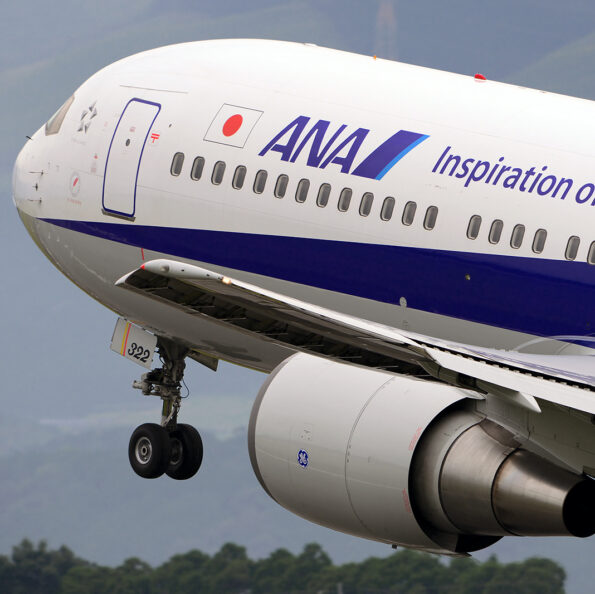
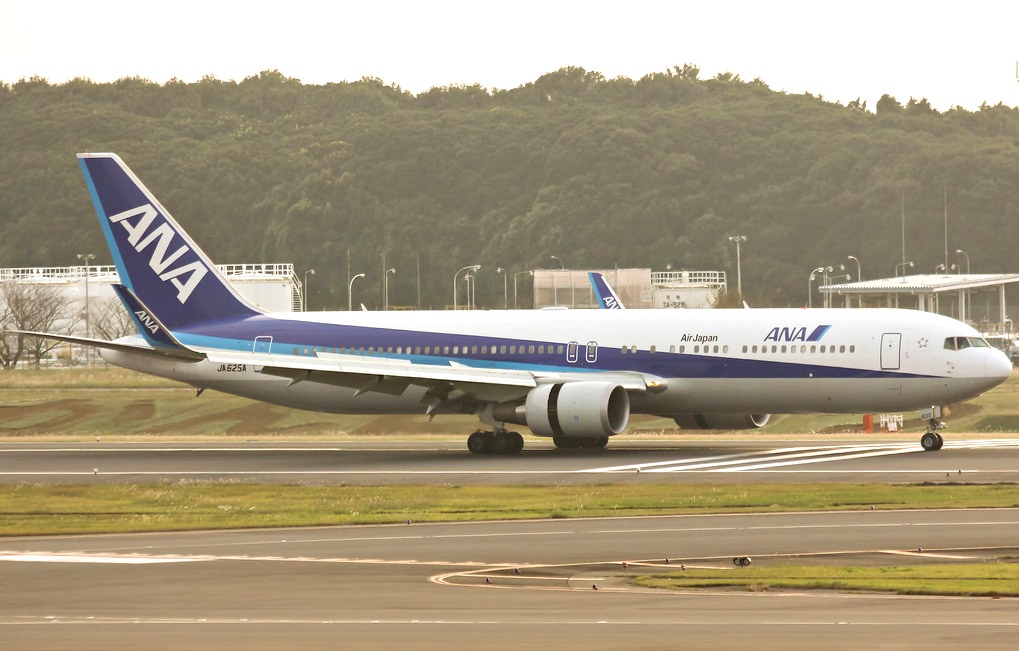
The Boeing Company anunció en el Salón Aeronáutico de Singapur que All Nippon Airways (ANA) firmó una extensión para la caja de herramientas de rendimiento de mantenimiento de Boeing por otros cinco años. La aerolínea japonesa ha utilizado la solución digital de Boeing durante los últimos ocho años para gestionar la información de mantenimiento de toda su flota de aviones y motores. Maintenance Performance Toolbox permite a los operadores simplificar sus operaciones de mantenimiento al permitirles administrar, distribuir, procesar y ver la documentación de mantenimiento inteligente en un formato digital uniforme a través de una única interfaz, independientemente del fabricante de la aeronave o el tipo de motor.
«La adopción de Maintenance Performance Toolbox es un ejemplo de cómo hemos simplificado nuestros procesos de mantenimiento a través de herramientas digitales. Ha reducido en gran medida la complejidad de administrar la información de mantenimiento. para múltiples tipos de aviones en toda nuestra flota. Hemos visto mejoras en la eficiencia de nuestras operaciones de mantenimiento y continuaremos utilizando Maintenance Performance Toolbox para aprovechar esos beneficios», dijo Hajime Kaneko, Vicepresidente del Departamento de Gestión de Portafolio de Transformación Digital de ANA.
En la actualidad, casi 350 operadores de aviones y sus proveedores de MRO confían en Maintenance Performance Toolbox para respaldar sus operaciones de ingeniería y mantenimiento. ANA Airways y otras aerolíneas han desplegado sus capacidades de flota completa en el mantenimiento de sus aviones Boeing y no Boeing.
«ANA fue un socio de desarrollo de Maintenance Performance Toolbox y fue el primer cliente en poner en marcha la capacidad de flota completa de la plataforma en 2013. Esperamos continuar para hacer crecer y mejorar la caja de herramientas de rendimiento de mantenimiento a través de nuestra colaboración con ANA para respaldar la optimización de sus operaciones de mantenimiento», dijo Duane Wehking, Vicepresidente de Soluciones de Aviación Digital de Boeing Global Services.
Boeing también se ha asociado con AIRDO, una filial de ANA Airways, para brindar servicios de modificación de cabina para los aviones Boeing 767 de su flota. Como parte del acuerdo, Boeing ejecutará la ingeniería de diseño, la certificación y el suministro de las piezas necesarias para su finalización.
ANA-Boeing alliance in MRO
ANA Expands MRO Performance Toolbox Digital maintenance increases maintenance efficiency
The Boeing Company announced at the Singapore Air Show that All Nippon Airways (ANA) has signed an extension to Boeing’s Maintenance Performance Toolkit for another five years. The Japanese airline has used Boeing’s digital solution for the past eight years to manage maintenance information for its entire aircraft and engine fleet. Maintenance Performance Toolbox enables operators to simplify their maintenance operations by allowing them to manage, distribute, process and view intelligent maintenance documentation in a consistent digital format through a single interface, regardless of aircraft manufacturer or engine type.
«The adoption of the Maintenance Performance Toolbox is one example of how we have streamlined our maintenance processes through digital tools. It has greatly reduced the complexity of managing maintenance information for multiple aircraft types across our fleet. We have seen improvements in the efficiency of our maintenance operations and we will continue to use the Maintenance Performance Toolbox to reap those benefits», said Hajime Kaneko, Vice President of ANA’s Digital Transformation Portfolio Management Department.
Today, nearly 350 aircraft operators and their MRO providers rely on the Maintenance Performance Toolbox to support their engineering and maintenance operations. ANA Airways and other airlines have deployed their full fleet capabilities in servicing their Boeing and non-Boeing aircraft.
«ANA was a development partner of the Maintenance Performance Toolbox and was the first customer to go live with the platform’s full fleet capability in 2013. We look forward to continuing to grow and improve the Maintenance Performance Toolbox through our collaboration with ANA to support the optimization of its maintenance operations», said Duane Wehking, vice president of Digital Aviation Solutions, Boeing Global Services.
Boeing has also partnered with AIRDO, a subsidiary of ANA Airways, to provide cabin modification services for the Boeing 767 aircraft in its fleet. As part of the agreement, Boeing will perform the design engineering, certification, and supply of parts necessary for completion.
PUBLISHER: Airgways.com DBk: Boeing.com / Ana.co.jp / Airgways.com AW-POST: 202202172103AR OWNERSHIP: Airgways Inc. A\W A I R G W A Y S ®
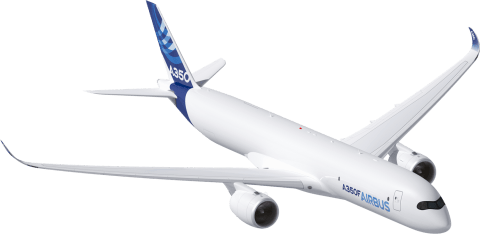
Singapore Airlines (SIA) ha finalizado un acuerdo este Miércoles 16/02 de compra con Airbus Group de siete aviones de carga A350F (7). El pedido fue firmado en el Salón Aeronáutico de Singapur por el director ejecutivo de SIA, Goh Choong Phong, y el Director Comercial y Director Internacional de Airbus, Christian Scherer. El pedido reafirma el compromiso de la aerolínea con el carguero de nueva generación anunciado por el fabricante de aviones en Diciembre de 2021. El avión recién pedido reemplazará la flota 747-400F existente de la aerolínea a partir del cuarto trimestre de 2025.
“Esta orden subraya la importancia del mercado de carga para el Grupo SIA. La introducción del A350F mejorará nuestras capacidades en este sector clave, asegurando que estemos preparados para las oportunidades de crecimiento que surgirán en los próximos años. Estos aviones de nueva generación aumentarán sustancialmente nuestra eficiencia operativa y reducirán nuestro consumo de combustible, lo que contribuirá de manera importante al éxito de nuestros objetivos de descarbonización a largo plazo”, dijo Goh Choon Phong, Director Ejecutivo de Singapore Airlines.
“Singapore Airlines es el operador más grande del mundo del A350 y ahora se convertirá en el primero en volar la nueva variante de carga. El A350F se integrará a la perfección en la flota existente de la aerolínea, al mismo tiempo que redefine la eficiencia operativa de sus operaciones de carga, con una reducción del 40 % en el consumo de combustible y las emisiones en comparación con la aeronave que reemplazará en SIA, al tiempo que ofrece la misma capacidad de transporte de carga útil. y mayor alcance. Los patrones de consumo han cambiado drásticamente en los últimos tiempos, generando una mayor demanda por el transporte rápido de carga por vía aérea. Con el A350F, SIA estará bien posicionada para responder a este enorme potencial de mercado de una manera rentable y sostenible”, dijo Christian Scherer.
El A350F cumple con la ola inminente de reemplazos de grandes cargueros y los requisitos ambientales en evolución, dando forma al futuro del transporte aéreo. El A350F estará propulsado por la última tecnología, motores Rolls-Royce Trent XWB-97 de bajo consumo de combustible. El A350F se basa en la familia de pasajeros de largo alcance más moderna del mundo. Con una capacidad de carga útil de 109 toneladas, el A350F servirá a todos los mercados de carga. El avión cuenta con una gran puerta de carga en la cubierta principal, con una longitud de fuselaje y una capacidad optimizadas para los palets y contenedores estándar de la industria.
Más del 70 % del fuselaje estará fabricado con materiales avanzados, lo que resultará en un peso de despegue 30 toneladas más ligero y generará al menos un 20 % menos de consumo de combustible y emisiones que su competidor más cercano actual. El A350F cumplirá plenamente con los estándares mejorados de emisiones de CO₂ de la OACI que entrarán en vigor en 2027. Singapore Airlines es el operador más grande del mundo del A350, con 58 actualmente en servicio.
SIA finalizes A350F order
Singapore Airlines orders seven A350 Freighter
Singapore Airlines (SIA) has finalized an agreement this Wednesday 02/16 with Airbus Group for the purchase of seven A350F cargo aircraft (7). The order was signed at the Singapore Air Show by SIA CEO Goh Choong Phong and Airbus Chief Commercial Officer and International Head Christian Scherer. The order reaffirms the airline’s commitment to the next-generation freighter announced by the aircraft manufacturer in December 2021. The newly ordered aircraft will replace the airline’s existing 747-400F fleet beginning in the fourth quarter of 2025.
“This order underlines the importance of the cargo market for the SIA Group. The introduction of the A350F will enhance our capabilities in this key sector, ensuring that we are prepared for the growth opportunities that will arise in the coming years. These next-generation aircraft will substantially increase our operational efficiency and reduce our fuel consumption, which will make an important contribution to the success of our long-term decarbonization goals”, said Goh Choon Phong, CEO of Singapore Airlines..
«Singapore Airlines is the world’s largest operator of the A350 and will now become the first to fly the new cargo variant. The A350F will integrate seamlessly into the airline’s existing fleet, while redefining the operational efficiency of its cargo operations, with a 40% reduction in fuel burn and emissions compared to the aircraft it will replace in SIA, while offering the same payload carrying capacity. and greater range. Consumption patterns have changed drastically in recent times, generating a greater demand for fast cargo transportation by air. With the A350F, SIA will be well positioned to respond to this huge market potential in a profitable and sustainable way”, said Christian Scherer.
The A350F meets the looming wave of large freighter replacements and evolving environmental requirements, shaping the future of air transport. The A350F will be powered by the latest technology, fuel-efficient Rolls-Royce Trent XWB-97 engines. The A350F is based on the world’s most modern long-range passenger family. With a payload capacity of 109 tonnes, the A350F will serve all cargo markets. The aircraft features a large cargo door on the main deck, with fuselage length and capacity optimized for industry-standard pallets and containers.
More than 70% of the airframe will be made from advanced materials, resulting in a 30-tonne lighter takeoff weight and generating at least 20% less fuel burn and emissions than its current closest competitor. The A350F will fully comply with ICAO’s enhanced CO₂ emission standards that come into force in 2027. Singapore Airlines is the world’s largest operator of the A350, with 58 currently in service.
PUBLISHER: Airgways.com DBk: Airbus.com / Singaporeair.com / Airgways.com AW-POST: 202202172045AR OWNERSHIP: Airgways Inc. A\W A I R G W A Y S ®
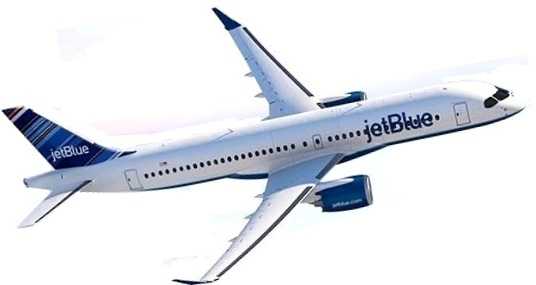
JetBlue eleva pedido en firme a 100 familia A320NEO
JetBlue Airways firmó este 15 de Febrero de 2022 un pedido en firme con Airbus Group por treinta aviones A220-300 (30) adicionales. Esto lleva la firme apuesta de la aerolínea por el A220-300 a 100 aviones. Este último acuerdo eleva la cartera total de pedidos en firme para el A220 a 740.
“Ya estamos viendo los beneficios de los ocho A220 que hemos agregado a la flota y estamos muy contentos de tener más en camino. Hemos visto aumentos de dos dígitos en los puntajes de satisfacción del cliente, y estos aviones de bajo consumo de combustible respaldan nuestro liderazgo en la reducción de las emisiones de carbono. Con 30 A220 adicionales en pedido, estamos en condiciones de acelerar nuestros planes de modernización de flotas para ofrecer un rendimiento de costos más sólido y respaldar nuestra estrategia de red de ciudades focales”, dijo Robin Hayes, Director Ejecutivo de JetBlue Airways.
“Es muy gratificante ver a un cliente satisfecho volver por más aviones ni siquiera un año después de la entrada en servicio de su primer A220. Saludamos a nuestros amigos de JetBlue por este acuerdo histórico. Más de 700 pedidos de A220 hasta la fecha subrayan el fuerte apetito del mercado por este nuevo avión de pasillo único”, dijo Christian Scherer, Director Comercial de Airbus y director de Airbus International.
Jetblue Airways inició las operaciones del A220-300 en Abril de 2021 y actualmente opera ocho A220 (8) en una configuración de 140 asientos, con USB-C, USB-A y alimentación de CA en cada asiento. El A220 también ofrece la cabina más grande, el techo más alto, las ventanas más grandes y los compartimentos superiores más espaciosos de su clase.
El A220 es el único avión diseñado específicamente para el mercado de 100-150 asientos, que combina aerodinámica de última generación, materiales avanzados y motores turbofan con engranajes PW1500G de última generación de Pratt & Whitney. El A220 ofrece a los clientes un 50 % menos de ruido y hasta un 25 % menos de consumo de combustible por asiento y emisiones de CO2 en comparación con los aviones de la generación anterior, así como alrededor de un 50 % menos de emisiones de NOx que los estándares de la industria. Con alrededor de quince aerolíneas operando cerca de doscientos A220 en cuatro continentes, el A220 es el avión óptimo para rutas regionales y de larga distancia.
JetBlue orders 30 additional A220-300s
JetBlue places firm order for 100 A320NEO family
JetBlue Airways signed this February 15, 2022 a firm order with Airbus Group for thirty additional A220-300 (30) aircraft. This brings the airline’s firm commitment to the A220-300 to 100 aircraft. This latest deal brings the total firm order book for the A220 to 740.
“We are already seeing the benefits of the eight A220s we have added to the fleet and are very pleased to have more on the way. We’ve seen double-digit increases in customer satisfaction scores, and these fuel-efficient aircraft support our leadership in reducing carbon emissions. With an additional 30 A220s on order, we are poised to accelerate our fleet modernization plans to deliver stronger cost performance and support our focus city network strategy”, said Robin Hayes, CEO of JetBlue Airways.
“It is very gratifying to see a satisfied customer come back for more aircraft not even a year after their first A220 entered service. We salute our friends at JetBlue for this historic agreement. More than 700 A220 orders to date underscore the strong market appetite for this new single-aisle aircraft”, said Christian Scherer, Airbus Chief Commercial Officer and Head of Airbus International.
Jetblue Airways started A220-300 operations in April 2021 and currently operates eight A220s (8) in a 140-seat configuration, with USB-C, USB-A and AC power at each seat. The A220 also offers the largest cabin, highest roof, largest windows and most spacious overhead bins in its class.
The A220 is the only aircraft designed specifically for the 100-150 seat market, combining state-of-the-art aerodynamics, advanced materials and Pratt & Whitney’s next-generation PW1500G geared turbofan engines. The A220 offers customers 50% less noise and up to 25% lower fuel burn per seat and CO2 emissions compared to previous generation aircraft, as well as around 50% lower NOx emissions than industry standards. With around fifteen airlines operating close to two hundred A220s on four continents, the A220 is the optimal aircraft for regional and long-haul routes.
PUBLISHER: Airgways.com DBk: Jetblueairways.com / Airbus.com / Airgways.com AW-POST: 202202172033AR OWNERSHIP: Airgways Inc. A\W A I R G W A Y S ®
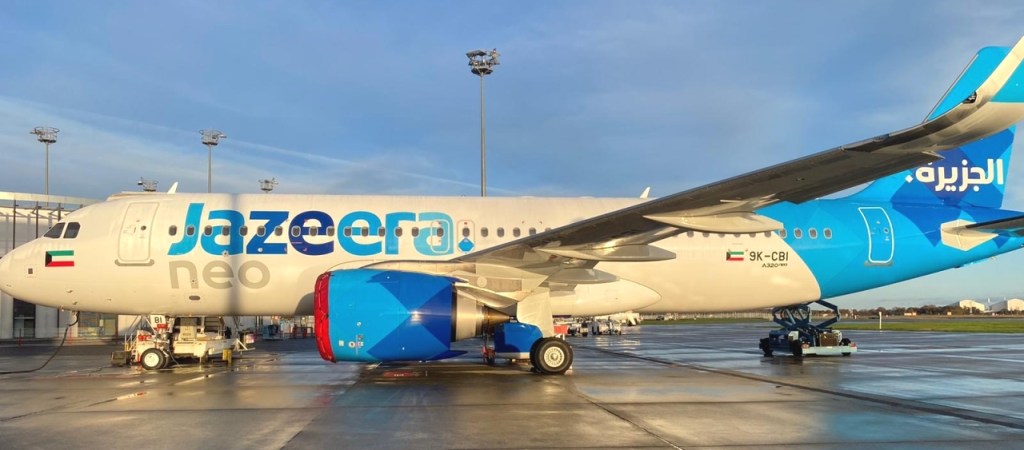
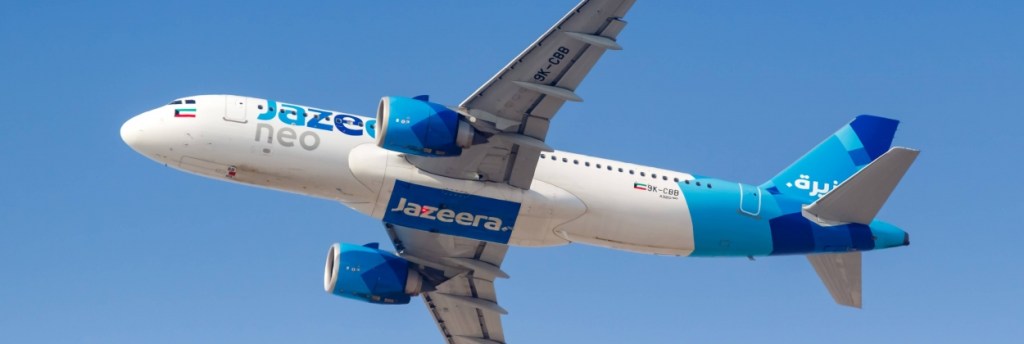
Jazeera Airways, la aerolínea con sede en Kuwait, ha firmado un pedido este 14/02 con Airbus por 28 aviones, incluidos veinte A320NEO (20) y ocho A321NEO (8). La orden confirma el Memorando de Entendimiento (MoU) anunciado en Noviembre de 2021.
“Jazeera Airways es un socio de larga data de Airbus y estamos encantados de verlos aumentar su flota de Airbus con 28 aviones adicionales de la familia A320NEO. La familia A320NEO ofrece el tamaño, la economía y la comodidad del cliente adecuados para que Jazeera Airways sirva a su creciente base de clientes y abra nuevas rutas de manera competitiva. Saludamos al equipo Jazeera por su notable desarrollo y les agradecemos su confianza y este importante pedido”, dijo Christian Scherer, Director Comercial de Airbus y Director de Airbus International.
“Nos complace confirmar este último pedido con Airbus. Al tomar las versiones A320NEO y A321NEO tendremos una gran flexibilidad para extender nuestra red a destinos de media y larga distancia desde Kuwait, ofreciendo a los pasajeros más opciones para viajar y disfrutar tanto de destinos populares como de los desatendidos”, dijo Rohit Ramachandran, Director Ejecutivo de Jazeera Airways.
La familia A320NEO incorpora las últimas tecnologías, incluidos motores de nueva generación, Sharklets y aerodinámica, que juntos ofrecen un 20 % de ahorro de combustible y reducción de CO2 en comparación con los aviones Airbus de la generación anterior. La Familia A320NEO ha recibido más de 7.400 pedidos de más de ciento veinte clientes.
Jazeera Airways confirms 28 new A320NEOs
Jazeera Airways confirms A320NEO order
Jazeera Airways, the Kuwait-based airline, has signed an order this 02/14 with Airbus for 28 aircraft, including twenty A320NEOs (20) and eight A321NEOs (8). The order confirms the Memorandum of Understanding (MoU) announced in November 2021.
“Jazeera Airways is a long-standing partner of Airbus and we are delighted to see them augment their Airbus fleet with an additional 28 A320NEO Family aircraft. The A320NEO Family offers the right size, economy and customer comfort for Jazeera Airways to serve its growing customer base and competitively open new routes. We salute the Jazeera team for their remarkable development and thank them for their trust and this important order”, said Christian Scherer, Airbus Chief Commercial Officer and Head of Airbus International.
“We are pleased to confirm this latest order with Airbus. By taking the A320NEO and A321NEO versions we will have great flexibility to extend our network to medium and long-haul destinations from Kuwait, offering passengers more options to travel and enjoy both popular and underserved destinations”, said Rohit Ramachandran, Director Executive of Jazeera Airways.
The A320NEO Family incorporates the latest technologies, including new generation engines, Sharklets and aerodynamics, which together deliver 20% fuel savings and CO2 reduction compared to previous generation Airbus aircraft. The A320NEO Family has received more than 7,400 orders from more than one hundred and twenty customers.
PUBLISHER: Airgways.com DBk: Airbus.com / Jazeeraairways.com / Airgways.com AW-POST: 202202172018AR OWNERSHIP: Airgways Inc. A\W A I R G W A Y S ®
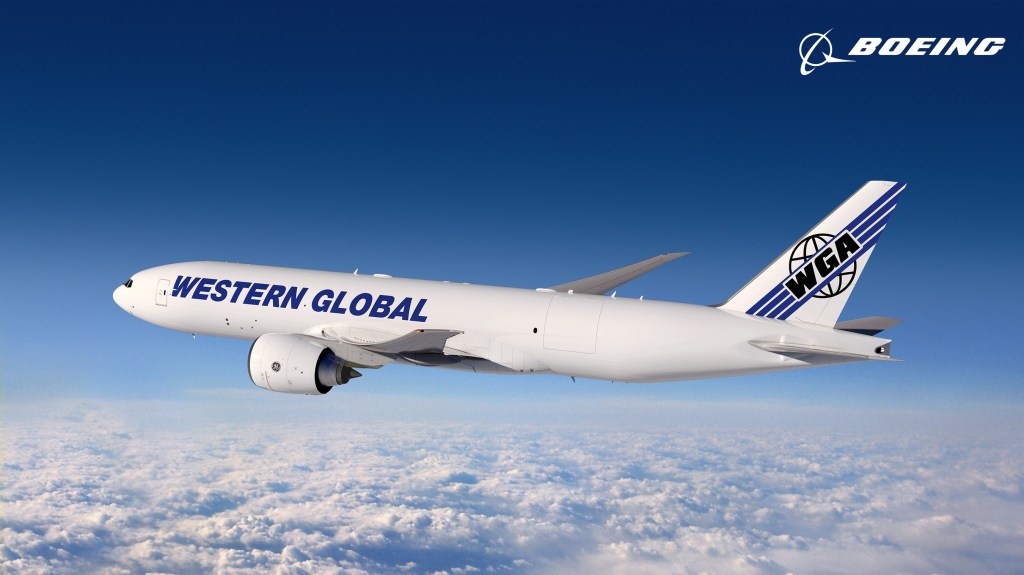
The Boeing Company y Western Global Airlines anunciaron este Miércoles 16/02 un pedido en firme de dos Boeing 777 Freighters, los primeros cargueros de nueva producción para el operador de carga de Boeing con sede en Estero, Florida El pedido se finalizó en Enero de 2022 y actualmente figura como no identificado en la cartera de pedidos de Boeing. El acuerdo también incluye una opción de compra adicional.
«Western Global se complace en adquirir el avión 777 Freighter de nueva construcción. Como la aerolínea de carga de más rápido crecimiento en el mundo, hemos determinado que aumentar nuestra flota existente con nuevos 777 Freighter nos permitirá brindar un mejor servicio a nuestros clientes y brindar un camino claro hacia nuestro futuro». planes de flota», dijo Jim Neff , CEO y fundador de Western Global Airlines.
El 777 Freighter de Boeing, líder en el mercado, es el carguero bimotor más grande, de más largo alcance y más capaz del mundo actualmente en vuelo, con el costo de viaje más bajo y la mayor confiabilidad de cualquier carguero grande. Con un alcance de 4970 millas náuticas (9200 kilómetros), el 777 Freighter puede transportar una carga útil estructural máxima de 107 toneladas métricas (235 900 libras), mientras reduce el uso de combustible y las emisiones de CO2 en comparación con los aviones anteriores. Esta capacidad y eficiencia excepcional se traducen en ahorros significativos para los operadores de carga, con menos paradas y tarifas de aterrizaje asociadas.
Boeing ha pronosticado que la flota mundial de carga crecerá un 70 % en los próximos 20 años, con transportistas de carga como Western Global apoyando un negocio de comercio electrónico global en rápida expansión y cadenas de suministro en evolución.
«La incorporación de 777 Freighters permitirá a Western Global continuar su crecimiento, brindando una mayor capacidad y flexibilidad a sus operaciones. Estos nuevos cargueros complementarán su flota de Boeing existente y estamos comprometidos a profundizar la asociación entre nuestras compañías, que ha existido desde el inicio de Western Global», dijo Ihssane Mounir, Vicepresidente Senior de Ventas Comerciales y Marketing de Boeing.
Habiendo volado a más de 400 aeropuertos en 135 países en seis continentes, Western Global Airlines actualmente posee y opera una flota de 21 747-400 y MD-11 Freighters, que brinda servicios de transporte llave en mano contratados en todo el mundo para una variedad de blue-chip. empresas de logística, plataformas de comercio electrónico y el Departamento de Defensa de Estados Unidos.
Western Global will incorporate Boeing 777F
Agreement sale by Boeing 777 Freighter (2)
The Boeing Company and Western Global Airlines announced this Wednesday 02/16 a firm order for two Boeing 777 Freighters, the first new production freighters for Boeing’s cargo operator based in Estero, Florida The order was finalized in January 2022 and it is currently listed as unidentified on Boeing’s backlog. The deal also includes an additional purchase option.
«Western Global is pleased to acquire the new build 777 Freighter aircraft. As the world’s fastest growing cargo airline, we have determined that augmenting our existing fleet with new 777 Freighters will allow us to better serve our customers and deliver a clear path to our future. fleet plans», said Jim Neff, CEO and founder of Western Global Airlines.
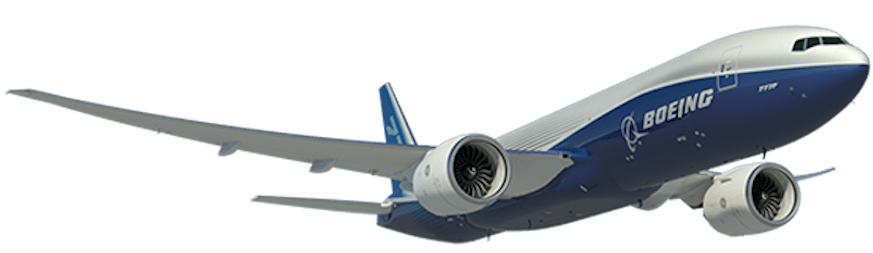
Boeing’s market-leading 777 Freighter is the world’s largest, longest-range and most capable twin-engine freighter currently in flight, with the lowest travel cost and highest reliability of any large freighter. With a range of 4,970 nautical miles (9,200 kilometers), the 777 Freighter can carry a maximum structural payload of 107 metric tons (235,900 pounds), while reducing fuel use and CO2 emissions compared to previous aircraft. This exceptional capacity and efficiency translates into significant savings for cargo operators, with fewer stops and associated landing fees.
Boeing has forecast that the global cargo fleet will grow 70% over the next 20 years, with cargo carriers like Western Global supporting a rapidly expanding global e-commerce business and evolving supply chains.
«The addition of 777 Freighters will allow Western Global to continue its growth, bringing greater capacity and flexibility to its operations. These new freighters will complement its existing Boeing fleet and we are committed to deepening the partnership between our companies, which has existed since the beginning of Western Global», said Ihssane Mounir, Senior Vicepresident of Commercial Sales and Marketing for Boeing.
Having flown to more than 400 airports in 135 countries on six continents, Western Global Airlines currently owns and operates a fleet of 21 747-400s and MD-11 Freighters, providing turnkey contract transportation services worldwide for a variety of blue chip. logistics companies, e-commerce platforms, and the US Department of Defense.
PUBLISHER: Airgways.com DBk: Boeing.com / Westernglobalairlines.com / Airgways.com AW-POST: 202202171828AR OWNERSHIP: Airgways Inc. A\W A I R G W A Y S ®
Mejoras de cabina y nuevos servicios de materiales
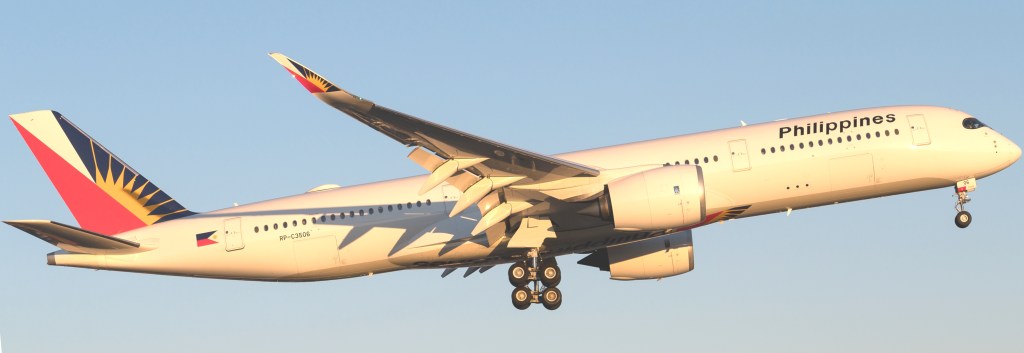
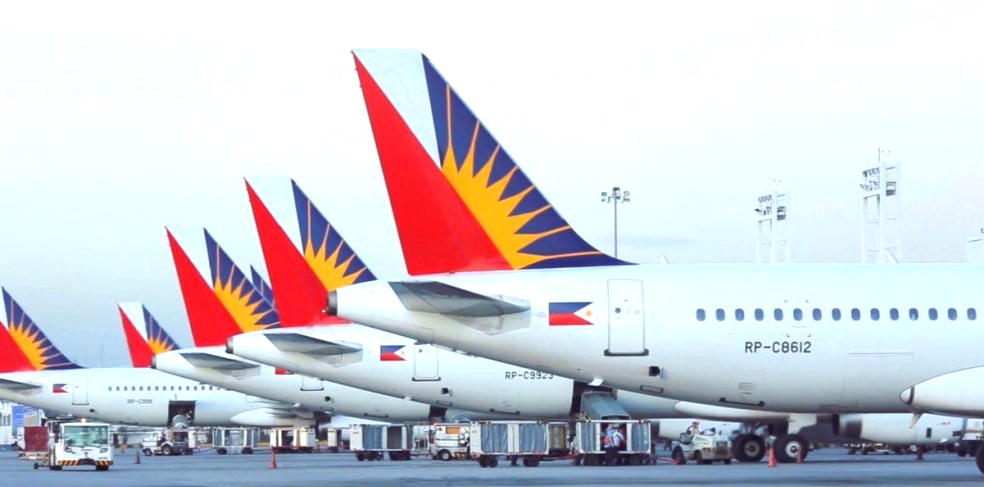
Philippine Airlines (PAL) ha seleccionado a Airbus para realizar la modificación de la cabina de quince aviones y ampliar el programa de servicios materiales para la flota Airbus de la aerolínea. El acuerdo de modificación de cabina cubre once A320 (11), dos A330-300 (2) y dos A350-900 (2).
Las nuevas mejoras introducidas permitirán extender las aeronaves A320 con 24 asientos adicionales para llevar el número total de asientos a 180, una configuración que se adapta a los requisitos de la aerolínea para rutas nacionales entre islas de corta distancia. Los dos A330 obtendrán 50 asientos adicionales para llevar el recuento total de asientos a 359 para una mejor capacidad de transporte aéreo en rutas regionales clave de mayor densidad y vuelos de repatriación. Los A350 obtendrán otros 18 asientos para un total de 313 asientos, lo que aún conserva el diseño espacioso de la cabina y la experiencia amigable para los pasajeros que disfrutan los pasajeros de Philippine Airlines en Business Class y Economy Class en las rutas de larga distancia del A350.
PAL ha contratado a Airbus para que proporcione los boletines de servicio y los kits necesarios para el programa de modificación de cabina, que forma parte de los planes de reestructuración de la flota de la aerolínea. “Philippine Airlines cree que, a medida que salimos de la pandemia, nuestra estrategia de reestructuración de flota nos ayuda a adaptarnos mejor a las situaciones cambiantes del mercado y garantizar que estemos bien posicionados para la recuperación. Nuestras decisiones de despliegue de aeronaves y los acuerdos de soporte técnico relacionados están diseñados para una red reestructurada que se adapta a un entorno global muy diferente”, dijo Nilo Thaddeus Rodriguez, Director Financiero de PAL.
“Elegimos Airbus con la firme expectativa de que PAL recibiría boletines de servicio de alta calidad y actualizaciones oportunas de la documentación técnica, junto con el amplio apoyo de ingeniería de gran prestigio que esperamos de un fabricante de aviones líder”, dijo Alvin Kendrich Limqueco, Vicepresidente Senior de Gestión de Cadena de Suministro de PAL.
Además, PAL está ampliando su programa de materiales ‘Flight Hour Services’ (FHS) con Airbus para cubrir una mayor parte de su flota, con disponibilidad garantizada de piezas para garantizar la fiabilidad operativa y la eficiencia de los aviones de fuselaje ancho y estrecho de PAL. El programa FHS, que actualmente cubre dos A350, ahora incluye 37 aviones más, que comprenden 29 Familia A321 (incluidos ocho A321NEO) y ocho A330CEO. Airbus proporcionará intercambio estándar de componentes, reparaciones de componentes, fiabilidad de componentes y servicios de ingeniería, así como stock in situ en la base principal de PAL en Manila.
“Airbus se preocupa por los intereses de sus clientes y trabaja en estrecha colaboración con ellos para proponer soluciones de materiales flexibles que satisfagan sus necesidades. Nos complace que PAL reconozca los importantes ahorros y el rendimiento operativo que Airbus puede aportar con FHS, extendiendo el acuerdo actual a sus flotas de la familia A330 y A321”, Anand Stanley, Presidente de Airbus Asia-Pacífico.
Airbus will support increased Philippine traffic
Cabin upgrades and new material services
Philippine Airlines (PAL) has selected Airbus to perform cabin modifications on fifteen aircraft and expand the material services program for the airline’s Airbus fleet. The cabin modification agreement covers eleven A320s (11), two A330-300s (2) and two A350-900s (2).
The new improvements introduced will allow the A320 aircraft to be extended with an additional 24 seats to bring the total number of seats to 180, a configuration that suits the airline’s requirements for short-haul domestic inter-island routes. The two A330s will gain an additional 50 seats to bring the total seat count to 359 for better airlift capacity on key higher-density regional routes and repatriation flights. The A350s will gain a further 18 seats for a total of 313 seats, still retaining the spacious cabin layout and passenger-friendly experience enjoyed by Philippines Airlines passengers in Business Class and Economy Class on the airline’s long-haul routes. A350.
PAL has contracted with Airbus to provide the necessary kits and service bulletins for the cabin modification programme, which is part of the airline’s fleet restructuring plans. “Philippine Airlines believes that as we emerge from the pandemic, our fleet restructuring strategy helps us better adapt to changing market situations and ensure we are well positioned for recovery. Our aircraft deployment decisions and related technical support agreements are designed for a restructured network that adapts to a very different global environment”, said Nilo Thaddeus Rodriguez, PAL Chief Financial Officer.
“We chose Airbus with the strong expectation that PAL would receive high-quality service bulletins and timely updates to technical documentation, along with the extensive, highly regarded engineering support we expect from a leading aircraft manufacturer”, said Alvin Kendrich Limqueco, Senior Vice President of Supply Chain Management at PAL.
In addition, PAL is expanding its ‘Flight Hour Services’ (FHS) materials program with Airbus to cover more of its fleet, with guaranteed availability of parts to ensure the operational reliability and efficiency of Airbus’ narrow and wide-body aircraft. PAL. The FHS programme, which currently covers two A350s, now includes a further 37 aircraft, comprising 29 A321 Family (including eight A321NEOs) and eight A330CEOs. Airbus will provide standard component exchange, component repairs, component reliability and engineering services, as well as on-site stock at PAL’s main base in Manila.
“Airbus cares about the interests of its customers and works closely with them to propose flexible material solutions that meet their needs. We are pleased that PAL recognizes the significant savings and operational performance that Airbus can bring with FHS, extending the current agreement to its A330 and A321 Family fleets”, Anand Stanley, President of Airbus Asia-Pacific.
PUBLISHER: Airgways.com DBk: Philippineairlines.com / Airbus.com / Kevin De la Cruz / Airgways.com AW-POST: 202202171815AR OWNERSHIP: Airgways Inc. A\W A I R G W A Y S ®
Informa sólidos resultados 2021 611 aviones comerciales entregados en 2021
Airbus Group SE informó los resultados financieros consolidados del año completo (FY) 2021 y proporcionó orientación para 2022. Las finanzas del consorcio europeo Airbus Group SE reflejan un sólido desempeño operativo en todo el grupo. Ingresos por valores de € 52,1 mil millones; EBIT ajustado € 4,9 mil millones; EBIT (reportado) € 5.3 mil millones. Flujo de caja libre antes de fusiones y adquisiciones y financiación de clientes 3.500 millones de euros; Efectivo neto € 7.600 millones de Euros. Récord de ingresos netos de € 4.200 millones de Euros; BPA (reportado) € 5,36.
“2021 fue un año de transición, donde nuestra atención pasó de navegar la pandemia a la recuperación y el crecimiento. Gracias a la resiliencia y los esfuerzos de nuestros equipos, clientes y proveedores, obtuvimos resultados extraordinarios para todo el año. Las sólidas finanzas reflejan el mayor número de entregas de aviones comerciales, el buen desempeño de nuestros negocios de Helicópteros y Defensa y Espacio, así como nuestros esfuerzos en la contención de costos y la competitividad. Los ingresos netos récord y nuestros esfuerzos para fortalecer la posición de efectivo neto respaldan nuestra propuesta de reintroducir los pagos de dividendos en el futuro. Al mismo tiempo, seguimos invirtiendo en nuestras prioridades estratégicas y en la transformación de nuestra empresa”, dijo Guillaume Faury, Director Ejecutivo de Airbus.
Los pedidos brutos de aviones comerciales totalizaron 771 (2020: 383 aviones) con pedidos netos de 507 aviones después de las cancelaciones (2020: 268 aviones). Se incluyeron los primeros pedidos de cargueros A350, lo que confirma la demanda de los clientes por este nuevo programa. La cartera de pedidos era de 7.082 aviones comerciales a 31 de diciembre de 2021 (finales de 2020: 7.184 aviones). Airbus Helicopters registró 414 pedidos netos (2020: 268 unidades), logrando una relación book-to-bill muy superior a 1 tanto en términos de unidades como de valor. Estos incluyeron 52 H160, de los cuales 30 fueron el primer lote de versiones militares H160M para el programa de helicópteros ligeros conjuntos de Francia. La entrada de pedidos de Airbus Defence and Space por valor aumentó hasta los 13.700 millones de euros (2020: 11.900 millones de euros), lo que representa una relación book-to-bill de alrededor de 1,3. Se incluyeron pedidos clave en el negocio de aviones militares, como el apoyo en servicio de las flotas alemana y española de Eurofighter, así como un buen impulso de exportación para el avión de transporte C295, A330 MRTT y A400M.
La entrada de pedidos consolidada por valor aumentó a 62.000 millones de Euros (2020: 33.300 millones de Euros) con una cartera de pedidos consolidada valorada en 398.000 millones de Euros a 31 de Diciembre de 2021 (final de 2020: 373.000 millones de Euros). El aumento en el valor de la cartera de pedidos reflejó principalmente el fortalecimiento del dólar estadounidense.
Los ingresos consolidados aumentaron un 4 por ciento a € 52.100 millones de Euros (2020: € 49.900 millones de Euros), reflejando principalmente el mayor número de entregas de aviones comerciales, parcialmente compensado por tipos de cambio menos favorables. Se entregaron un total de 611 aviones comerciales (2020: 566 aviones), incluidos A220 (50), A320 Family (483), A330 (18), A350 (55) y A380 (5). Los ingresos generados por las actividades de aviones comerciales de Airbus aumentaron un 6%, lo que refleja en gran medida el aumento de las entregas en comparación con 2020. Airbus Helicopters entregó 338 unidades (2020: 300 unidades), incluido el primer H160, con un aumento de los ingresos del 4% que refleja el crecimiento de los servicios y la mayor entregas Los ingresos de Airbus Defence and Space disminuyeron un 2 por ciento, impulsados principalmente por Military Aircraft, parcialmente compensados por Space Systems. En 2021 se entregaron ocho aviones A400M.
EBIT Ajustado Consolidado una alternativa la medida de rendimiento y el indicador clave que captura el margen comercial subyacente mediante la exclusión de cargos importantes o beneficios causados por movimientos en las provisiones relacionadas con programas, reestructuraciones o impactos cambiarios, así como ganancias/pérdidas de capital por la enajenación y adquisición de negocios, fue de € 4.865 millones de Euros ( 2020: € 1.706 millones de Euros). El EBIT ajustado relacionado con las actividades de aviones comerciales de Airbus aumentó hasta los 3570 millones de euros (2020: € 618 millones de Euros), impulsado principalmente por el rendimiento de las entregas y los esfuerzos de contención de costes y competitividad.
La producción de aviones comerciales avanza de acuerdo con los planes previamente anunciados, en un entorno complejo. Específicamente en la familia A320, el aumento está en camino de alcanzar la tasa 65 para el verano de 2023 y la compañía continúa eliminando riesgos notablemente al permitir que todos los sitios de ensamblaje estén listos para A321. Para las tasas de producción de la Familia A320 más allá de 2023, la Compañía aún se encuentra en la fase de evaluación y está trabajando con los proveedores para permitir potencialmente un aumento por encima de la tasa 65.
El EBIT ajustado de Airbus Helicopters aumentó hasta los € 535 millones de Euros (2020: € 471 millones de Euros), impulsado principalmente por el soporte y los servicios, la ejecución del programa y el enfoque en los costes.
El EBIT ajustado de Airbus Defence and Space aumentó hasta los 696 millones de euros (2020: € 660 millones de Euros), lo que refleja la continua contención de costes.
En el programa A400M, las actividades de desarrollo continuaron para lograr la hoja de ruta de capacidad revisada. Las actividades de reacondicionamiento están progresando en estrecha alineación con el cliente. En el cuarto trimestre de 2021, se registró un cargo de € 200 millones de Euros que refleja principalmente las estimaciones actualizadas del patrón de entrega del contrato de lanzamiento. Esto se refleja en el EBIT informado.
Los gastos de I+D autofinanciados consolidados ascendieron a € 2.746 millones de Euros (2020: € 2.858 millones de Euros).
EBIT consolidado (reportado) ascendió a € 5.342 millones de Euros (2020: € -510 millones de Euros), incluidos los ajustes netos de € +477 millones de Euros.
Estos Ajustes comprendieron: € +274 millones de Euros relacionados con el programa A380, de los cuales € +84 millones de Euros fueron en el cuarto trimestre; € +122 millones de Euros de ganancia por la venta de un sitio en Francia, registrada en el cuarto trimestre; € -212 millones de Euros relacionados con el A400M, de los cuales € -209 millones de Euros fueron en el cuarto trimestre; € -38 millones de Euros de impacto negativo por tipo de cambio y revaluación del balance, de los cuales € +127 millones de Euros fueron en el cuarto trimestre; € +331 millones de Euros de otros ajustes, incluidos principalmente alrededor de € 200 millones de Euros de liberación de provisiones relacionadas con el plan de reestructuración y pagos de proveedores. Se reservaron € +285 millones de Euros en el cuarto trimestre. El resultado financiero fue de € -315 millones de Euros (2020: € -620 millones de Euros). Refleja principalmente el resultado neto por intereses de € -246 millones de Euros así como la revalorización de instrumentos financieros y de determinadas participaciones. El beneficio neto consolidado fue de 4.213 millones de Euros (pérdida neta en 2020: -1.133 millones de Euros) con un beneficio por acción informado consolidado de € 5,36 (pérdida por acción en 2020: € -1,45).
El flujo de caja libre consolidado antes de fusiones y adquisiciones y financiación de clientes fue € 3.515 millones de Euros (2020: € -6.935 millones de Euros), lo que refleja los esfuerzos en la contención de efectivo y una disminución en el capital circulante, impulsado principalmente por la mejora del inventario. El flujo de caja libre consolidado fue de € 3.511 millones de Euros (2020: € -7.362 millones de Euros).
A 31 de Diciembre de 2021, la posición de caja bruta ascendía a € 22.700 millones de Euros (final de 2020: € 21.400 millones de Euros) con una posición de caja neta consolidada de € 7.600 millones de Euros (final de 2020: € 4.300 millones de Euros). La posición de liquidez de la compañía sigue siendo sólida, situándose en € 28.700 millones de Euros a finales de 2021.
El Consejo de Administración propondrá el pago de un dividendo de 2021 de € 1,50 por acción a la Junta General de Accionistas de 2022. La fecha de pago es el 21 de Abril de 2022.
Perspectivas Airbus
Como base para su orientación para 2022, la compañía asume que no habrá más interrupciones en la economía mundial, el tráfico aéreo, las operaciones internas de la Compañía y su capacidad para ofrecer productos y servicios. La orientación de la compañía para 2022 es antes de fusiones y adquisiciones. Sobre esa base, la Compañía tiene como objetivo lograr en 2022 en torno a: 720 entregas de aviones comerciales; EBIT ajustado de € 5.500 millones de Euros; Flujo de caja libre antes de fusiones y adquisiciones y financiación de clientes de € 3.500 millones de Euros.
Airbus Results 2021
Reports strong 2021 results 611 commercial aircraft delivered in 2021
Airbus Group SE reported consolidated financial results for the full year (FY) 2021 and provided guidance for 2022. The financials of the European Airbus Group SE consortium reflect strong operating performance across the group. Value income of € 52.1 billion; Adjusted EBIT € 4.9 billion; EBIT (reported) € 5.3 billion. Free cash flow before mergers and acquisitions and customer financing € 3.5 billion; Net cash € 7.6 billion Euros. Record net income of € 4.2 billion Euros; BPA (reported) €5.36.
“2021 was a year of transition, where our focus shifted from navigating the pandemic to recovery and growth. Thanks to the resilience and efforts of our teams, customers and suppliers, we achieved extraordinary results for the entire year. The strong financials reflect the increased number of commercial aircraft deliveries, the good performance of our Helicopter and Defense & Space businesses, as well as our efforts in cost containment and competitiveness. Record net income and our efforts to strengthen the net cash position support our proposal to reintroduce dividend payments in the future. At the same time, we continue to invest in our strategic priorities and in the transformation of our company”, said Guillaume Faury, CEO of Airbus.
Gross commercial aircraft orders totaled 771 (2020: 383 aircraft) with net orders of 507 aircraft after cancellations (2020: 268 aircraft). The first orders for A350 freighters were included, confirming customer demand for this new programme. The order book was 7,082 commercial aircraft as of December 31, 2021 (end 2020: 7,184 aircraft). Airbus Helicopters booked 414 net orders (2020: 268 units), achieving a book-to-bill ratio well above 1 in both unit and value terms. These included 52 H160s, of which 30 were the first batch of H160M military versions for France’s joint light helicopter programme. Airbus Defense and Space order intake by value increased to € 13.7 billion (2020: € 11.9 billion), representing a book-to-bill ratio of around 1.3. Key orders in the military aircraft business were included, such as in-service support of the German and Spanish Eurofighter fleets, as well as a good export drive for the C295, A330 MRTT and A400M transport aircraft.
Consolidated order intake by value increased to €62 billion (2020: € 33.3 billion) with a consolidated order book valued at € 398 billion as of December 31, 2021 (end 2020: € 373 billion). The increase in the value of the order book mainly reflected the strengthening of the US dollar.
Consolidated revenue increased 4 percent to € 52.1 billion (2020: €49.9 billion), primarily reflecting higher commercial aircraft deliveries, partially offset by less favorable exchange rates. A total of 611 commercial aircraft were delivered (2020: 566 aircraft), including A220 (50), A320 Family (483), A330 (18), A350 (55) and A380 (5). Revenue from Airbus commercial aircraft activities increased by 6%, largely reflecting increased deliveries compared to 2020. Airbus Helicopters delivered 338 units (2020: 300 units), including the first H160, with a 4% revenue increase reflecting growth in services and higher deliveries Airbus Defense and Space revenues decreased 2 percent, mainly driven by Military Aircraft, partially offset by Space Systems. In 2021 eight A400M aircraft were delivered.
Consolidated Adjusted EBIT an alternative performance measure and key indicator that captures the underlying trading margin by excluding material charges or benefits caused by movements in provisions related to programs, restructurings or currency impacts, as well as gains/losses from capital from the disposal and acquisition of businesses, was €4,865 million Euros (2020: € 1,706 million Euros). Adjusted EBIT related to Airbus’ commercial aircraft activities increased to € 3.57 billion (2020: € 618 million), primarily driven by delivery performance and cost containment and competitiveness efforts.
Commercial aircraft production proceeds according to previously announced plans, in a complex environment. Specifically on the A320 family, the ramp-up is on track to reach rate 65 by summer 2023 and the company continues to markedly de-risk by enabling all assembly sites to become A321-ready. For A320 Family production rates beyond 2023, the Company is still in the evaluation phase and is working with suppliers to potentially enable an increase above the 65 rate.
Airbus Helicopters’ adjusted EBIT increased to € 535 million (2020: € 471 million), primarily driven by support and services, program execution and cost focus.
Airbus Defense and Space Adjusted EBIT increased to € 696 million (2020: € 660 million), reflecting continued cost containment.
On the A400M programme, development activities continued to achieve the revised capability roadmap. Reconditioning activities are progressing in close alignment with the customer. In the fourth quarter of 2021, a charge of € 200 million was recorded primarily reflecting updated estimates of the launch contract delivery pattern. This is reflected in the reported EBIT.
Consolidated self-financed I+D expenses amounted to € 2,746 million (2020: € 2,858 million).
Consolidated EBIT (reported) amounted to € 5,342 million (2020: € -510 million), including net adjustments of € +€477 million.
These Adjustments included: € +274 million Euros related to the A380 programme, of which € +84 million Euros were in the fourth quarter; € +122 million Euros gain from the sale of a site in France, recorded in the fourth quarter; € -212 million Euros related to the A400M, of which € -209 million Euros were in the fourth quarter; € -38 million Euros of negative impact due to exchange rate and balance sheet revaluation, of which € +127 million Euros were in the fourth quarter; € +331 million Euros of other adjustments, mainly including around €200 million Euros of release of provisions related to the restructuring plan and supplier payments. € +285 million Euros were booked in the fourth quarter. The financial result was € -315 million Euros (2020: € -620 million Euros). It mainly reflects the net interest income of € -246 million Euros as well as the revaluation of financial instruments and certain shares. Consolidated net profit was € 4,213 million (2020 net loss: -€1,133 million) with consolidated reported earnings per share of € 5.36 (2020 loss per share: € -1.45).
Consolidated free cash flow before I+D and customer financing was € 3,515 million Euros (2020: € -6,935 million Euros), reflecting efforts in cash containment and a decrease in working capital, driven mainly due to the improvement of the inventory. Consolidated free cash flow was € 3,511 million Euros (2020: € -7,362 million Euros).
As of December 31, 2021, the gross cash position amounted to € 22.7 billion Euros (end 2020: € 21.4 billion Euros) with a consolidated net cash position of € 7.6 billion Euros (end 2020: € 4.3 billion). millions of euros). The company’s liquidity position remains strong, standing at € 28.7 billion at the end of 2021.
The Board of Directors will propose the payment of a 2021 dividend of €1.50 per share to the 2022 General Shareholders’ Meeting. The payment date is April 21, 2022.
Airbus perspectives
As a basis for its 2022 guidance, the Company assumes no further disruption to the global economy, air traffic, the Company’s internal operations and its ability to deliver products and services. The company’s guidance for 2022 is before mergers and acquisitions. On this basis, the Company aims to achieve in 2022 around: 720 commercial aircraft deliveries; Adjusted EBIT of € 5.5 billion Euros; Free cash flow before mergers and acquisitions and customer financing of € 3.5 billion.
PUBLISHER: Airgways.com DBk: Airbus.com / Airgways.com AW-POST: 202202171547AR OWNERSHIP: Airgways Inc. A\W A I R G W A Y S ®
AW | 2022 02 17 15:20 | INDUSTRY / TRAINING / AIRLINES
Centro Formación Airbus Asia inaugura cuarto simulador vuelo A350
El Centro de Formación de Airbus Asia (AATC) ha inaugurado su cuarto simulador de vuelo completo (FFS) del A350. Esto hace que AATC ofrezca más capacidad de simulador A350 que cualquier otro centro de capacitación en el mundo. La incorporación también consolida la posición de AATC como el mayor centro de formación de tripulaciones de vuelo operado por Airbus en la red global de la compañía, con dos simuladores A320, dos A330, un A380 y cuatro A350. AATC también alberga un ATR 72-600 FFS. El enfoque en el A330, A350 y A380 refleja la popularidad de los aviones de fuselaje ancho de Airbus en la región de Asia-Pacífico, con casi 900 en servicio y alrededor de 220 pedidos actualmente para entrega futura.
AATC es una empresa conjunta propiedad en un 55% de Airbus y en un 45% de Singapore Airlines (SIA). Con casi 10.000 metros cuadrados de tamaño, el La instalación en Seletar Aerospace Park es parte de la red de entrenamiento de vuelo de Airbus y sirve a la región de Asia-Pacífico y más allá. Desde que comenzaron las operaciones en abril de 2016, AATC ha atraído con éxito a 69 aerolíneas clientes. AATC tiene la capacidad de ofrecer habilitación de tipo y cursos de formación recurrentes para hasta 10.000 alumnos al año. SIA es también el operador más grande del mundo del A350, con 58 aviones en servicio en toda su red a partir de Febrero de 2022. Además, SIA ha confirmado la compra de siete aviones de carga A350F. Junto con su socio, la creación de capacidades de capacitación de la tripulación de vuelo del A350 por parte de AATC es una respuesta a la creciente demanda de las aerolíneas clientes en la región.
“La región de Asia-Pacífico ha sido tradicionalmente el mayor mercado para los aviones de fuselaje ancho de Airbus. Esto se ha confirmado aún más con el éxito del A350 que ahora vuela con 16 aerolíneas de la región. Nuestra inversión conjunta con SIA para ofrecer servicios integrales de capacitación de tripulaciones de vuelo más cerca de las bases de operaciones de las aerolíneas en la región ha sido muy bien recibida. Nos complace continuar nuestra exitosa asociación en AATC”, dijo Valerie Manning, Vicepresidenta Senior de Servicios de Operaciones de Vuelo y Capacitación de Airbus.
“Como el operador más grande del mundo del Airbus A350, SIA ve a AATC como un centro de excelencia para la formación de pilotos de A350. Nuestra asociación estratégica continúa creciendo a medida que aumenta la demanda de viajes aéreos. El último A350 Full Flight Simulator de AATC continuará ayudando a SIA y a otros operadores a mantenerse al día con los últimos requisitos de capacitación, al tiempo que respalda la posición de Singapur como un centro de aviación líder”, dijo el Capitán Quay Chew Eng, Vicepresidente Senior de Operaciones de Vuelo de Singapore Airlines.
Airbus Center AATC A350
Airbus Asia Training Center inaugurates fourth A350 flight simulator
The Airbus Asia Training Center (AATC) has inaugurated its fourth A350 Full Flight Simulator (FFS). This makes AATC offer more A350 simulator capacity than any other training center in the world. The addition also cements AATC’s position as the largest Airbus-operated flight crew training center in the company’s global network, with two A320, two A330, one A380 and four A350 simulators. AATC is also home to an ATR 72-600 FFS. The focus on the A330, A350 and A380 reflects the popularity of Airbus’ wide-body aircraft in the Asia-Pacific region, with almost 900 in service and around 220 currently on order for future delivery.
AATC is a joint venture owned 55% by Airbus and 45% by Singapore Airlines (SIA). At nearly 10,000 square meters in size, the facility at Seletar Aerospace Park is part of the Airbus flight training network, serving the Asia-Pacific region and beyond. Since operations began in April 2016, AATC has successfully attracted 69 customer airlines. AATC has the capacity to offer type rating and recurring training courses for up to 10,000 students per year. SIA is also the world’s largest operator of the A350, with 58 aircraft in service across its network as of February 2022. In addition, SIA has confirmed the purchase of seven A350F freighters. Together with its partner, AATC’s creation of A350 flight crew training capabilities is a response to growing demand from airline customers in the region.
“The Asia-Pacific region has traditionally been the largest market for Airbus wide-body aircraft. This hasbeen further confirmed by the success of the A350 which now flies with 16 airlines in the region. Our joint investment with SIA to offer comprehensive flight crew training services closer to airline operating bases in the region has been very well received. We are pleased to continue our successful partnership at AATC”, said Valerie Manning, Senior Vice President, Flight Operations Services and Training, Airbus.
“As the world’s largest operator of the Airbus A350, SIA views AATC as a center of excellence for A350 pilot training. Our strategic partnership continues to grow as the demand for air travel increases. AATC’s latest A350 Full Flight Simulator will continue to help SIA and other operators keep up with the latest training requirements, while supporting Singapore’s position as a leading aviation hub», said Capt. Quay Chew Eng, Vice President Flight Operations Senior at Singapore Airlines.
PUBLISHER: Airgways.com DBk: Airbus.com / Singaporeair.com / Airgways.com AW-POST: 202202171520AR OWNERSHIP: Airgways Inc. A\W A I R G W A Y S ®
Korean Air establece fecha regreso Marzo para el Boeing 737 MAX
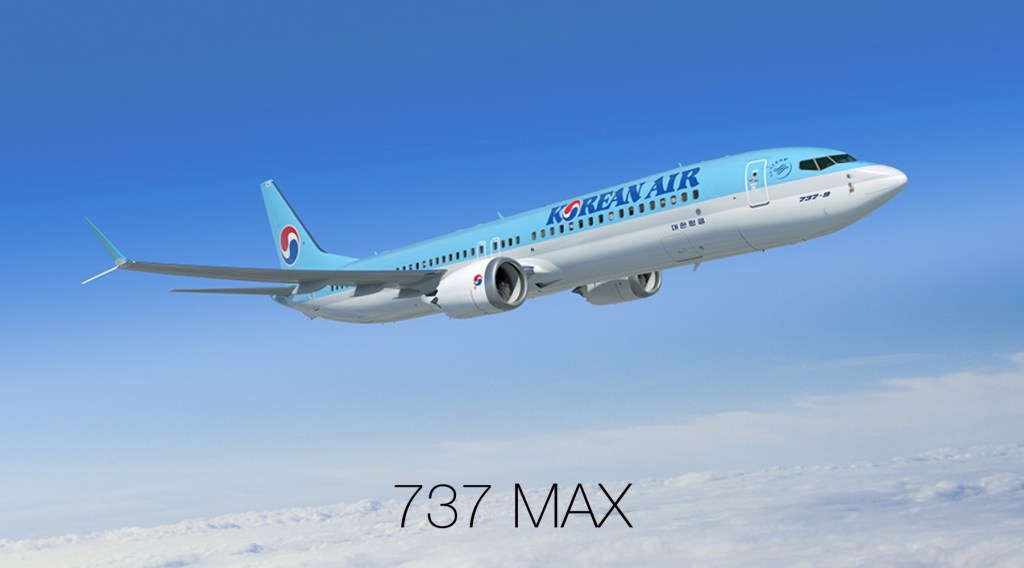
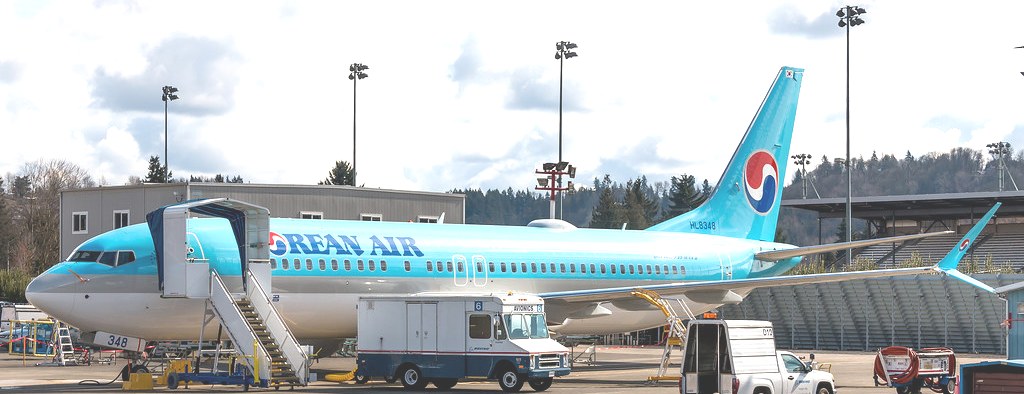
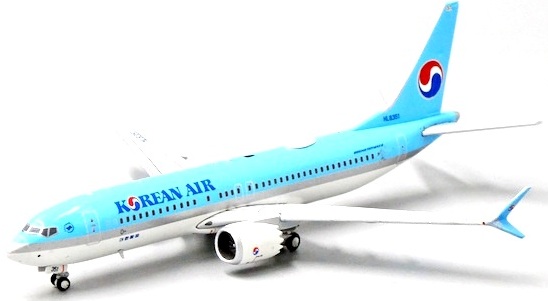
La aerolínea de bandera de Corea del Sur, Korean Air, ha anunciado la fecha en la que comenzará a operar vuelos de pasajeros con su avión Boeing 737-8 MAX tras la llegada del avión a Seúl, Corea del Sur, el 13 de Febrero de 2022. Al día siguiente, el 14/02 Korean Air confirmó a los medios que comenzará a operar su primer avión Boeing 737-8 MAX en Marzo de 2022. La moderna aeronave posee 2,8 años con registro HL8348, fue transportado desde su sitio de almacenamiento en el Aeropuerto Internacional de Narita (NRT) en Japón al Aeropuerto Internacional de Gimpo (GMP) en Corea del Sur.
“Pondremos todos los esfuerzos para su operación segura bajo la supervisión del Ministerio de Transporte. Nuestra oficina de seguridad y protección servirá como una torre de control integral para la operación segura del avión”, dijo un portavoz de Korean Air
Korean Air ha pedido 30 aviones Boeing 737 MAX desde Noviembre de 2015. Sin embargo, la entrega de los aviones se pospuso debido a la puesta a tierra global del avión luego de 346 muertes en dos accidentes fatales: el vuelo JT-610 de Lion Air en Octubre de 2018 y el vuelo ET-302 de Ethiopian Airlines en Marzo de 2019. La aerolínea con sede en Seúl actualmente tiene un solo avión de este tipo, pero planea expandir su flota MAX hasta 29 aviones hacia 2028.
Korean Air to return Boeing 737 MAX
Korean Air sets March return date for Boeing 737 MAX
South Korea’s flag carrier, Korean Air, has announced the date on which it will begin operating passenger flights with its Boeing 737-8 MAX aircraft following the plane’s arrival in Seoul, South Korea on February 13, 2022. The next day, on 02/14, Korean Air confirmed to the media that it will start operating its first Boeing 737-8 MAX aircraft in March 2022. The modern aircraft is 2.8 years old with registration HL8348, it was transported from its site from storage at Narita International Airport (NRT) in Japan to Gimpo International Airport (GMP) in South Korea.
“We will put all efforts for its safe operation under the supervision of the Ministry of Transportation. Our safety and security office will serve as a comprehensive control tower for the safe operation of the aircraft”, a Korean Air spokesperson said.
Korean Air has ordered 30 Boeing 737 MAX aircraft since November 2015. However, the delivery of the planes was postponed due to the global grounding of the aircraft following 346 deaths in two fatal accidents: Lion Air flight JT-610 in October 2018 and Ethiopian Airlines flight ET-302 in March 2019. The Seoul-based carrier currently has only one such aircraft but plans to expand its MAX fleet to 29 aircraft by 2028.
대한항공, 보잉 737 MAX 반환
대한항공, 보잉 737 MAX 월 귀국 예정
대한민국 대표 항공사인 대한항공은 2022년 2월 13일 대한민국 서울에 도착한 보잉 737-8 MAX 항공기 여객기 운항 개시일을 발표했다. 다음날인 2월 2일/ 대한항공은 2022년 3월 첫 보잉 737-8 MAX 항공기 운항을 시작한다고 14일 언론에 확인했다. 현대식 항공기는 등록번호 HL8348로 2.8년 된 것으로 나리타 국제공항(NRT) 창고에서 현장에서 운송됐다. ) 일본에서 한국의 김포 국제공항(GMP)까지.
“교통부 주관 하에 안전한 운행을 위해 최선을 다하겠습니다. 대한항공 관계자는 «우리 안전보안실은 항공기 안전운항을 위한 종합관제탑 역할을 할 것»이라고 말했다.
대한항공은 2015년 11월부터 보잉 737 MAX 항공기 30대를 주문했다. 그러나 2018년 10월 라이언에어 JT-610편과 에티오피아항공 두 건의 치명적인 사고로 346명이 사망한 뒤 글로벌 이항으로 항공기 인도가 연기됐다. 2019년 3월 ET-302 비행. 서울에 기반을 둔 이 항공사는 현재 그러한 항공기를 단 1대만 보유하고 있지만 2028년까지 MAX 항공기를 29대로 확장할 계획입니다.
PUBLISHER: Airgways.com DBk: Koreanair.com / Boeing.com / Woodis Aeroimages / Airgwways.com AW-POST: 202202160931AR OWNERSHIP: Airgways Inc. A\W A I R G W A Y S ®
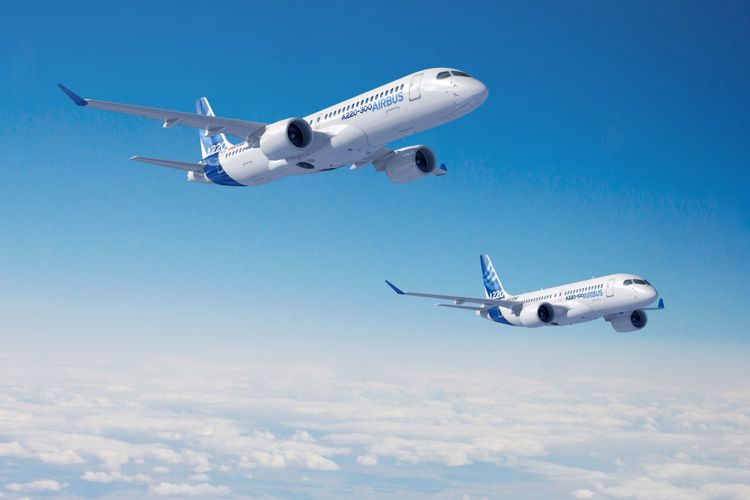
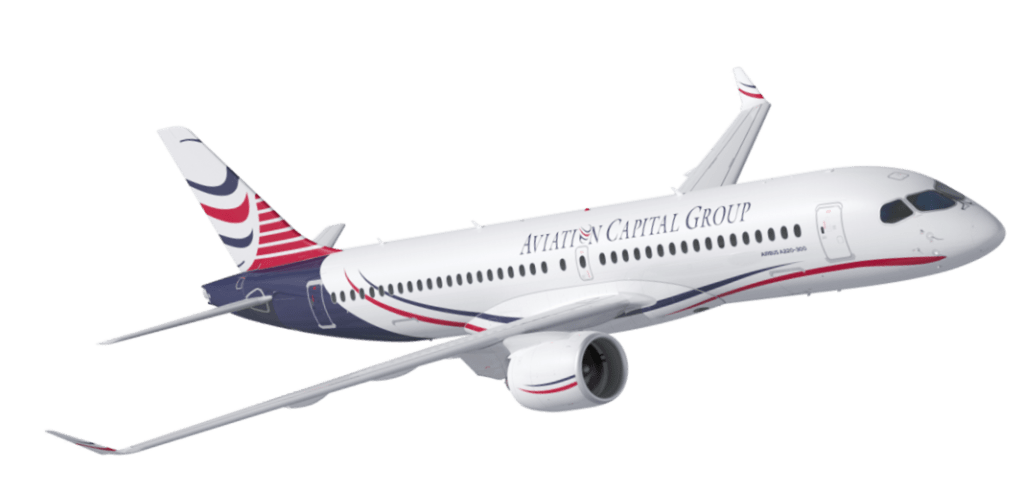
El arrendador de aviones estadounidense con sede en Newport Beach, Aviation Capital Group, ha confirmado un pedido de veinte aviones regionales Airbus A220 (20). La orden fue anunciada este Lunes 14/02 antes de la apertura de la feria aeronáutica Singapur Airshow 2022. La nueva orden no especifica la variante del modelo (200/300). Airbus Group ha aprovechado la oportunidad para confirmar otro pedido de su popular A220 de fuselaje estrecho. El avión recibió 20 pedidos firmes del Aviation Capital Group. Estos se incluyeron como un memorando de entendimiento junto con un pedido de 40 aviones de la familia A320NEO, incluidos cinco A321, en Diciembre de 2021.
El Director Comercial de Airbus, Christian Scherer, se ha pronunciado respecto a la nueva orden en firme: «Este pedido de veinte A220 del Aviation Capital Group de la compañía matriz TC Skyward Aviation U.S., Inc. refleja el potencial de la aeronave como una inversión sólida, incluso para inversores con sede en la región de Asia Pacífico. Con la eficiencia de combustible y emisiones cada vez más como una opción de inversión discriminatoria, el A220 realmente se destaca. Igualmente gratificante es la retroalimentación del mercado de que la cabina del A220 se está convirtiendo en la favorita de los pasajeros en los segmentos regionales y pequeños de pasillo único».
Protagonismo del A220
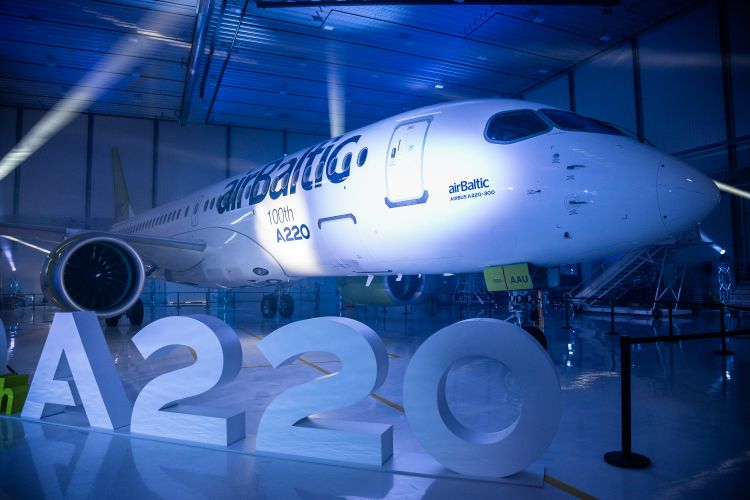
El Airbus A220 continúa aumentando rápidamente en popularidad y en órdenes en todo el mundo. A finales de Enero 2022, se habían colocado pedidos por 690, con una cartera de órdenes entregadas totales de 195 unidades desde 2009, inicialmente promocionados como CSeries. Tras la adquisición de la unidad de Bombardier CSeries en Octubre de 2017, ha aumentado la cartera de pedidos, acumulando órdenes por más de 700 aeronaves.
Perspectivas A220
La aeronave regional continuará incrementando su popularidad entre los transportadores aéreos mundiales a medida que entre en servicio con aún más aerolíneas. La compañía Airbus Group continúa evaluando una versión más grande denominada A330-500 que permitiría a los operadores más capacidades para desarrollar vuelos regionales.
Aviation Capital Group confirms 20 A220
Confirm MoU placed in December 2021
Newport Beach-based US aircraft lessor Aviation Capital Group has confirmed an order for twenty Airbus A220 (20) regional jets. The order was announced this Monday 02/14 before the opening of the Singapore Airshow 2022 air fair. The new order does not specify the model variant (200/300). Airbus Group has taken the opportunity to confirm another order for its popular narrow-body A220. The aircraft received 20 firm orders from the Aviation Capital Group. These were included as a memorandum of understanding alongside an order for 40 A320NEO family aircraft, including five A321s, in December 2021.
Airbus Commercial Director Christian Scherer commented on the new firm order: «This order for twenty A220s from the Aviation Capital Group of parent company TC Skyward Aviation US, Inc. reflects the potential of the aircraft as an investment solid, even for investors based in the Asia Pacific region With fuel efficiency and emissions increasingly becoming a discriminating investment option, the A220 really stands out Equally gratifying is the market feedback that the A220 cabin is becoming a passenger favorite in the regional and small single-aisle segments».
Prominence of the A220
The Airbus A220 continues to grow rapidly in popularity and orders around the world. By the end of January 2022, 690 orders had been placed, with a total delivered order book of 195 units since 2009, initially advertised as CSeries. After the acquisition of the Bombardier CSeries unit in October 2017, the order book has increased, accumulating orders for more than 700 aircraft.
Outlook A220
The regional aircraft will continue to grow in popularity with global air carriers as it enters service with even more airlines. The Airbus Group company continues to evaluate a larger version called the A330-500 that would allow operators more capabilities to develop regional flights.
PUBLISHER: Airgways.com DBk: Airbus.com / Aviationcapitalgroup.com / Airgways.com AW-POST: 202202141805AR OWNERSHIP: Airgways Inc. A\W A I R G W A Y S ®






















 airgways.com