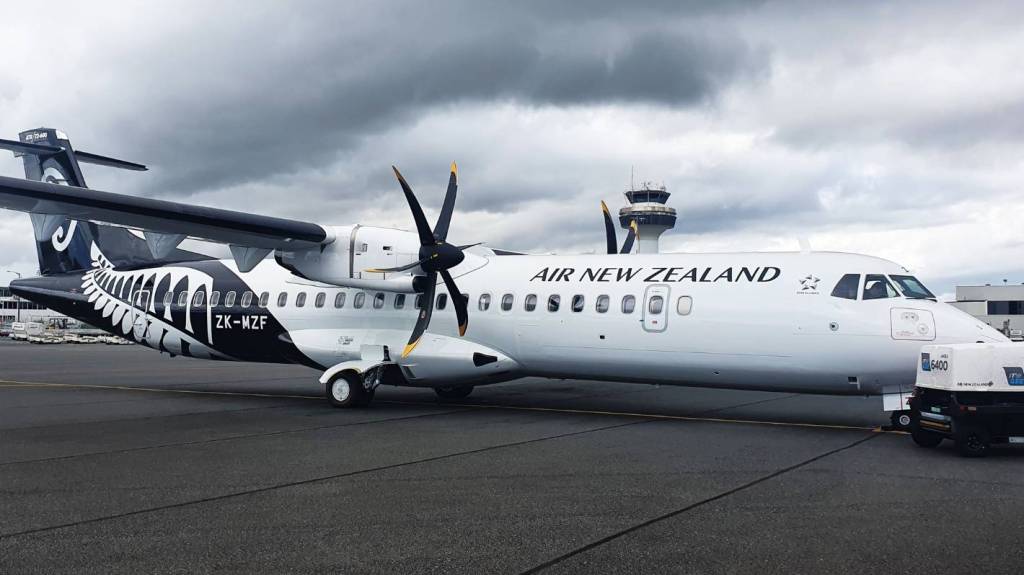
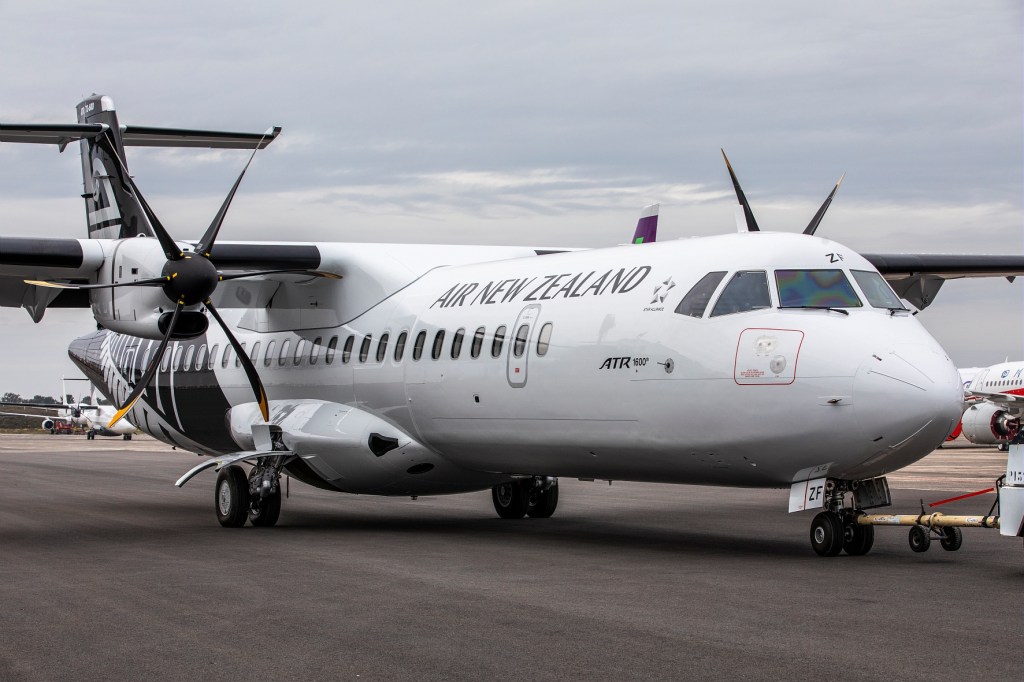
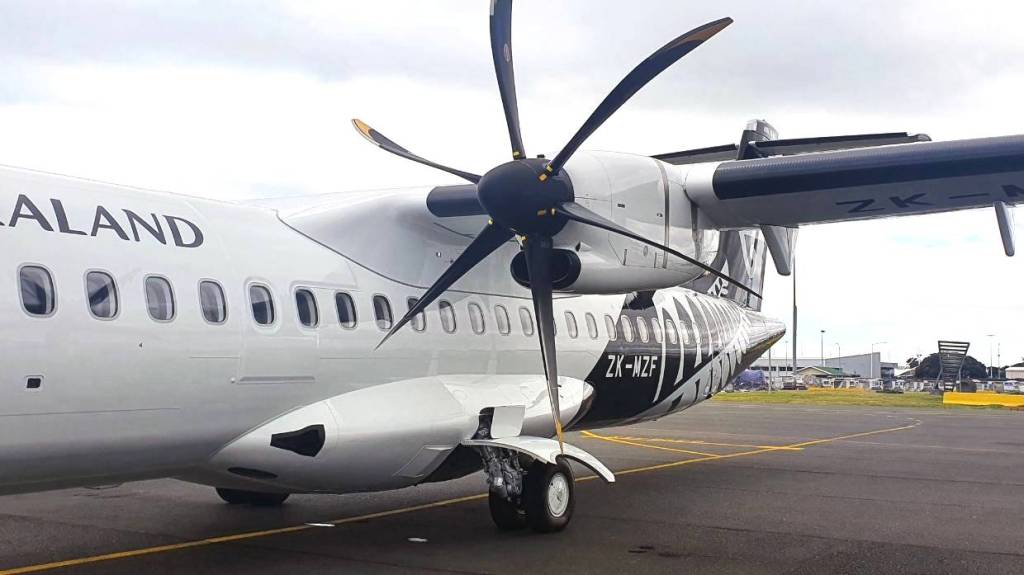
ATR Aircraft entrega su avión 1.600 a Air New Zealand
ATR Aircraft, fabricante franco-italiano de aeronaves regionales celebra la entrega de su avión número 1.600 para Air New Zealand. El constructor ha sabido posicionar sus dos modelos ATR 42/ATR 72 con una gama de variantes en cada uno de ellos entre los más demandados del mercado.
La compañía aeronáutica ha sabido producir esa cantidad de aviones enrazón de los requerimientos de los clientes a través del mundo. «Cuando una aerolínea compra este avión, lo hace porque le ofrece lo que nadie más le da», expresa el constructor de aviones. ATR Aircraft ha trabajado con mucho cuidado el consumo de combustible o la capacidad para despegar y aterrizar en pistas muy cortas, permitiendo diferenciarse de los productos de su competencia.
Air New Zealand recibió el ATR 72-600 número 1.600, colocado para su compañía feeder Mount Cook Airline. Era 2012. Air New Zealand, como muchas otras aerolíneas, continúa muy satisfecha con estos aviones por la razón de que es un opeerador desde 1994, cuando incorporó el primero de ellos para los vuelos regionales en el país.
“Tenemos una larga relación con ATR, al punto de que este es el vigésimo noveno avión del modelo 600 que incorporamos desde 2012. Con estos aviones hemos aumentado la red regional en un cincuenta por ciento y han demostrado ser aviones tremendamente eficientes. Con estos aviones hemos transportado 33 millones de pasajeros en 636 mil vuelos en Nueva Zelanda”, dijo Greg Foran, Director Ejecutivo de la aerolínea.
ATR delivers ATR #1,600
ATR Aircraft delivers its 1,600 aircraft to Air New Zealand
ATR Aircraft, the French-Italian manufacturer of regional aircraft, celebrates the delivery of its 1,600th aircraft for Air New Zealand. The manufacturer has managed to position its two ATR 42/ATR 72 models with a range of variants in each of them among the most demanded on the market.
The aeronautical company has been able to produce that quantity of airplanes according to the requirements of customers throughout the world. «When an airline buys this plane, it does so because it offers it what no one else gives it», explains the aircraft builder. ATR Aircraft has worked with great care on fuel consumption or the ability to take off and land on very short runways, allowing it to differentiate itself from its competitors’ products.
Air New Zealand received the 1,600th ATR 72-600, placed for its feeder carrier Mount Cook Airline. It was 2012. Air New Zealand, like many other airlines, continues to be very satisfied with these aircraft for the reason that it has been an operator since 1994, when it incorporated the first of them for regional flights in the country.
“We have a long relationship with ATR, to the point that this is the 29th model 600 aircraft that we have incorporated since 2012. With these aircraft we have increased the regional network by fifty percent and they have proven to be tremendously efficient aircraft. With these planes we have transported 33 million passengers on 636 thousand flights in New Zealand”, said Greg Foran, Executive Director of the airline.
Airbus firma un pedido de cuatro aviones de carga A350F
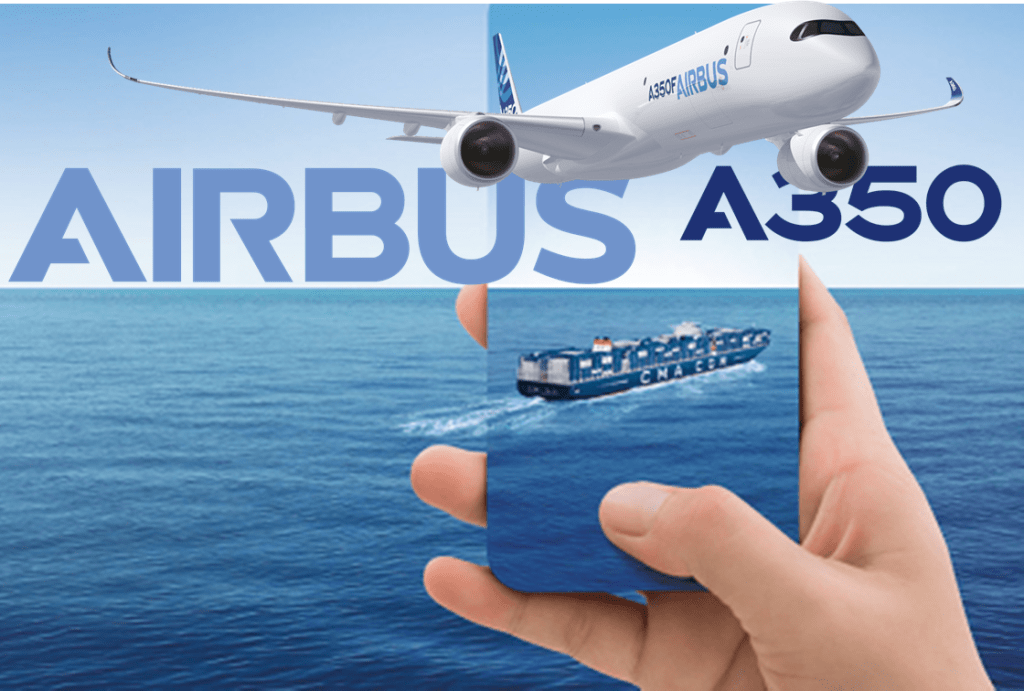
Airbus Group ha firmado una orden para la compra de cuatro aviones cargueros Airbus A350F (4) con CMA CGM Group, líder mundial en transporte y logística. Este pedido elevará la flota total de Airbus de CMA CGM a nueve aviones (9), incluidos cuatro A330-200F (4) y un A330-200 (1) que se convertirán en un carguero.
El A350F se basa en el líder de largo alcance más moderno del mundo, el A350. La aeronave cuenta con una gran puerta de carga en la cubierta principal y una longitud de fuselaje optimizada para operaciones de carga. Más del 70% de la estructura del avión está hecha de materiales avanzados, lo que resulta en un peso de despegue 30t más ligero, lo que genera un consumo de combustible al menos un 20% menor que su competidor más cercano actual. Con una capacidad de carga útil de 109t (+3t de carga útil/11% más de volumen que su competencia), el A350F sirve a todos los mercados de carga express, carga general, carga especial, ubicándose en la categoría de carguero grande, el único avión carguero de nueva generación listo para las normas mejoradas de emisiones de CO₂ de la OACI de 2027.
Airbus order A350F from CMA CGM Group
Airbus signs order for four A350F cargo aircraft
Airbus Group has signed an order for the purchase of four Airbus A350F freighters (4) with CMA CGM Group, a world leader in transport and logistics. This order will bring CMA CGM’s total Airbus fleet to nine aircraft (9), including four A330-200F (4) and one A330-200 (1) that will be converted to a freighter.
The A350F is based on the world’s most modern long-range leader, the A350. The aircraft features a large cargo door on the main deck and an optimized fuselage length for cargo operations. More than 70% of the aircraft structure is made of advanced materials, resulting in a 30t lighter take-off weight, generating at least 20% lower fuel consumption than its current closest competitor. With a payload capacity of 109t (+3t payload/11% more volume than its competition), the A350F serves all markets of express cargo, general cargo, special cargo, placing itself in the category of large freighter, the only next generation freighter aircraft ready for the ICAO 2027 enhanced CO₂ emission standards.
Aerolíneas enfrentan limitaciones suministro nuevos aviones Backlog afecta a la industria aerocomercial
La industria de la aviación comercial enfrenta un backlog en los atrasos de las entregas de pedidos de aeronaves comerciales históricos en el mundo. Situaciones como los problemas generados en la línea Boeing 737 MAX, Boeing 787 Dreamliner, dificultados por la crisis sanitaria mundial, como así también problemas en la fabricación y distribución de autopartes a los constructores han minado de limitaciones a la industria de la construcción aeronáutica mundial atrasando el suministro de aeronaves a los clientes en todo el mundo.
Las aerolíneas que ordenan aviones populares de pasillo único utilizados en rutas de corta distancia enfrentan una espera de dos años para la entrega a medida que persisten las limitaciones de suministro, según un comunicado del constructor europeo Airbus Group. Christian Scherer, Director Comercial ha expresado que la demanda de las aerolíneas para la familia de aviones A320 de la compañía era tan fuerte que los espacios de entrega en general para pedidos más grandes ahora eran alrededor de 2024-25. «Ojalá tuviera más aviones para vender. Hay una restricción de suministro para los activos más deseables que existen en el pasillo único, esto apunta hacia el A320 y el A321 y ahora también hacia el A220», dijo el ejecutivo.
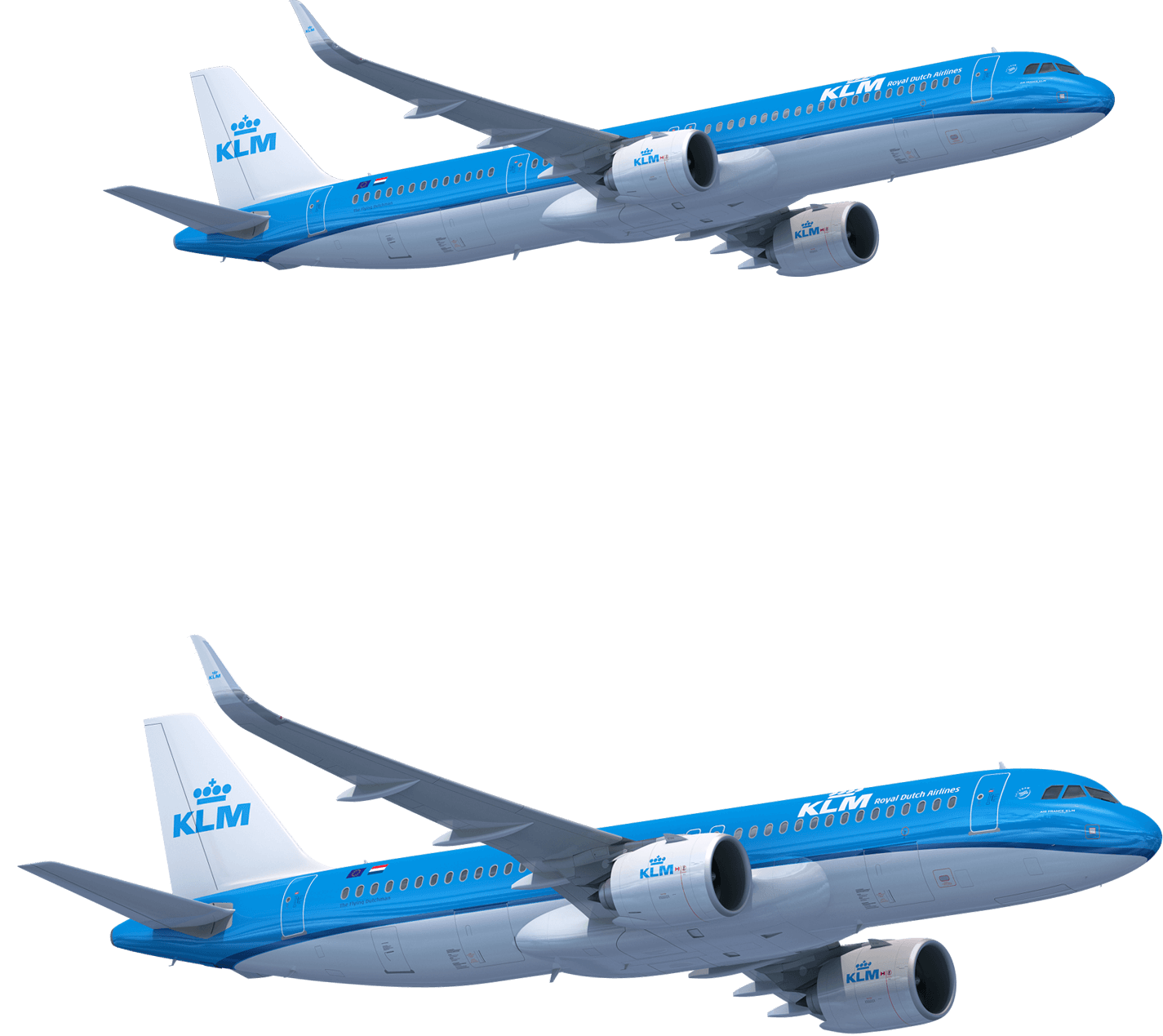
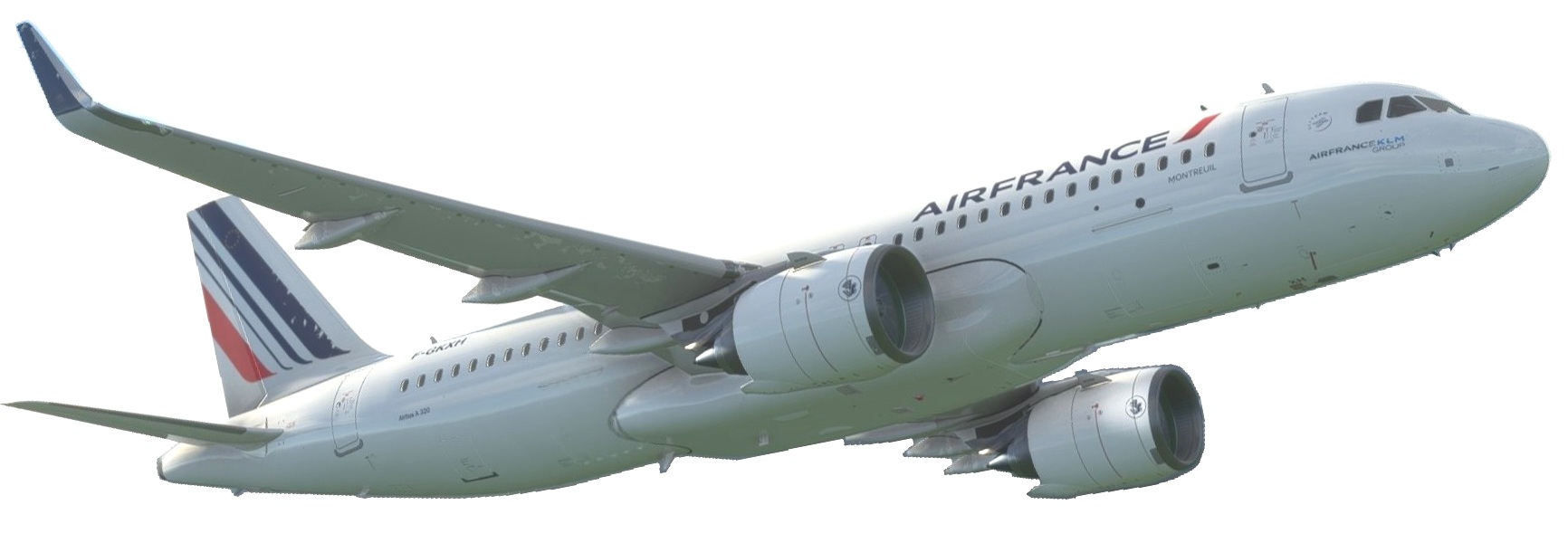
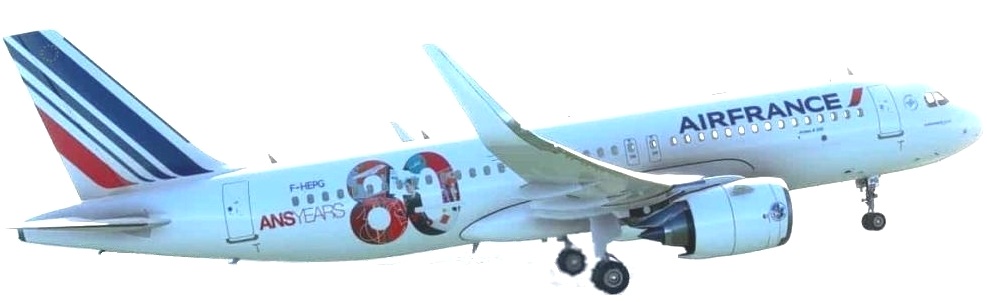
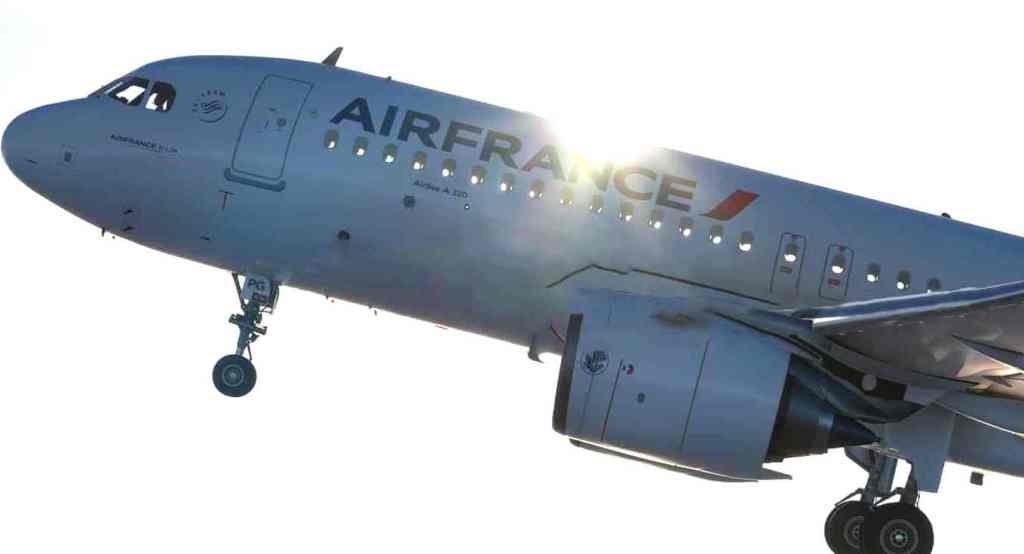
A pesar de las preocupaciones sobre la propagación de la nueva variante de Coronavirus Omicron, la demanda estaba siendo impulsada fundamentalmente por la necesidad de aviones más eficientes en el consumo de combustible. Airbus obtuvo la semana pasada dos pedidos significativos, incluido un acuerdo con Air France-KLM por 100 A320NEO y A321NEO. Las primeras entregas se esperan para la segunda mitad de 2023.
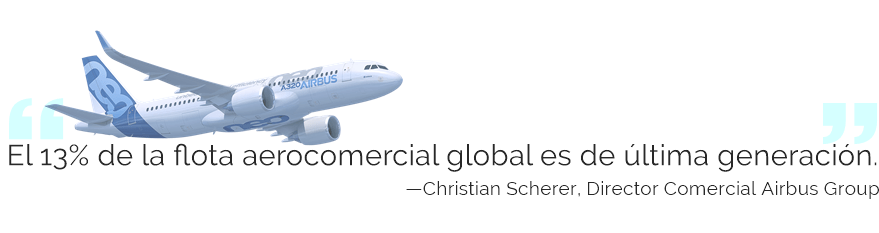
Actualmente, el trece por ciento de la flota aerocomercial global es de última generación. El año pasado, las aerolíneas casi dejaron de ordenar aviones y, en muchos casos, intentaron aplazar o incluso cancelar las entregas en el apogeo de la pandemia. Pero con muchos transportistas, incluida la australiana Qantas Airways, que ahora buscan renovar sus flotas, las presiones se han acumulado en la cadena de suministro aeroespacial.
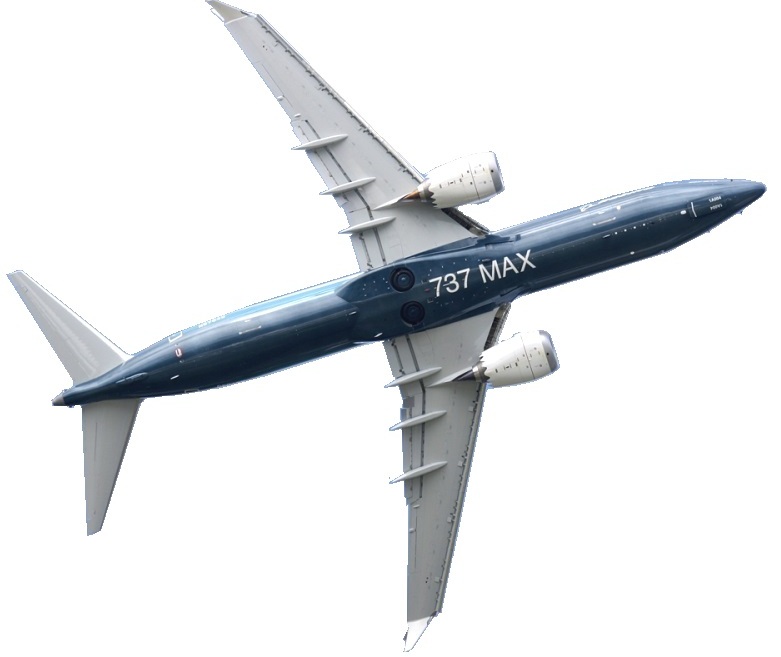
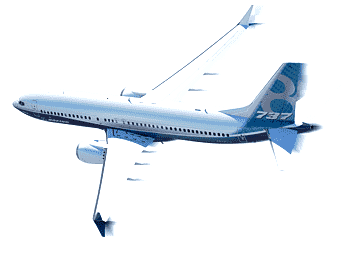
Las demandas de fabricación para el Boeing 737 MAX se están sumando a la tensión. El fabricante estadounidense ha estado vendiendo más unidades que el constructor europeo Airbus este año 2021 por primera vez desde que la producción del avión se reanudó en Mayo de 2020 después de su puesta a tierra en 2019. Boeing había asegurado 692 pedidos para el 737 MAX este año, hasta finales de Noviembre 2021. Airbus había asegurado 540 pedidos para el A321NEO y A320NEO en el mismo período. El grupo europeo aún sigue en camino de retener su título como el mayor fabricante de aviones del mundo a finales de año 2021. Entregó 518 aviones hasta finales de 11/2021, mientras que Boeing entregó 302 unidades.
Airbus, incrementará producción
Airbus Group ha insistido en que la demanda de sus aviones de pasillo único es lo suficientemente fuerte como para justificar un fuerte aumento de la producción por encima de los niveles previos a la pandemia. Airbus planea aumentar la producción de su familia A320 a 65 aviones al mes para 2023. Está considerando tasas tan altas como 75 al mes para 2025. Había alcanzado un récord de 60 al mes en 2019 antes de caer a 40 al mes el año pasado cuando llegó el Covid.
Airbus traza un rumbo ambicioso, pero corre el riesgo de que Boeing reacciones vorazmente mientras resuelve sus problemas internos. Sin embargo, los arrendadores de aviones y los fabricantes de motores han expresado su preocupación por los objetivos agresivos, preocupados de que demasiados aviones nuevos empujen a los existentes más rápidamente a la jubilación, lo que afectaría sus ganancias. Ihssane Mounir, Vicepresidente Senior de Ventas Comerciales de The Boeing Company, emitió una nota más cautelosa sobre las perspectivas de la demanda, expresando que «hay que establecer objetivos de producción que el mercado necesitará y hacia lo que la cadena de suministro puede soportar. Hay que vigilar la cadena de suministro con mucho cuidado. Los clientes quieren confiabilidad, calidad y previsibilidad», dijo Ihssane Mounir. A pesar de las presiones en la cadena de suministro, Christian Scherer insistió en que «no parece haber un obstáculo sistémico que nos impida hacer el aumento».
Sash Tusa, Analista de Agency Partners, dijo «que tomaría tiempo restaurar la capacidad de la cadena de suministro. Incluso los grandes proveedores querrían algún tipo de compromiso de Airbus (efectivo, precios o compra garantizada) antes de invertir para elevar las tasas, ciertamente más de sesenta A320NEO (60) al mes, ese nivel es un verdadero obstáculo para la industria».
Commercial aircraft supplies
Airlines face constraints on supplying new planes Backlog affects the commercial aerospace industry
The commercial aviation industry faces a backlog in the delays in order deliveries for historic commercial airplanes around the world. Situations such as the problems generated in the Boeing 737 MAX and Boeing 787 Dreamliner lines, made difficult by the global health crisis, as well as problems in the manufacture and distribution of auto parts to constructors, have undermined limitations to the global aeronautical construction industry, trapping supplying aircraft to customers around the world.
Airlines ordering popular single-aisle jets used on short-haul routes face a two-year wait for delivery as supply constraints persist, according to a statement from European builder Airbus Group. Christian Scherer, Commercial Director has expressed that demand from airlines for the company’s A320 family of aircraft was so strong that the overall delivery slots for larger orders were now around 2024-25. «I wish I had more aircraft to sell. There is a supply restriction for the most desirable assets that exist in the single aisle, this is pointing towards the A320 and the A321 and now the A220 as well», the executive said.
Despite concerns about the spread of the new variant of Coronavirus Omicron, demand was being driven primarily by the need for more fuel-efficient aircraft. Airbus secured two significant orders last week, including a deal with Air France-KLM for 100 A320NEOs and A321NEOs. The first deliveries are expected in the second half of 2023.
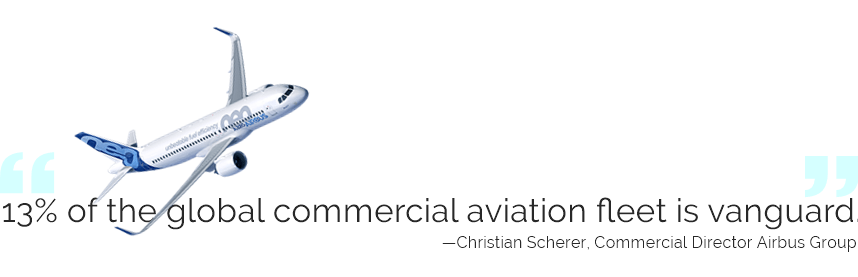
Currently, thirteen percent of the global commercial aviation fleet is state-of-the-art. Last year, airlines almost stopped ordering planes, and in many cases tried to postpone or even cancel deliveries at the height of the pandemic. But with many carriers, including Australia’s Qantas Airways, now looking to renew their fleets, pressures have built up in the aerospace supply chain.
Manufacturing demands for the Boeing 737 MAX are adding to the tension. The American manufacturer has been selling more units than European manufacturer Airbus this year 2021 for the first time since production of the plane resumed in May 2020 after its grounding in 2019. Boeing had secured 692 orders for the 737 MAX this year, until the end of November 2021. Airbus had secured 540 orders for the A321NEO and A320NEO in the same period. The European group is still on track to retain its title as the world’s largest aircraft manufacturer by the end of 2021. It delivered 518 aircraft as of the end of 11/2021, while Boeing delivered 302 units.
Airbus will increase production
Airbus Group has insisted that demand for its single-aisle aircraft is strong enough to justify a sharp increase in production above pre-pandemic levels. Airbus plans to increase production of its A320 Family to 65 aircraft a month by 2023. It is looking at rates as high as 75 a month by 2025. It had hit a record 60 a month in 2019 before falling to 40 a month last year when Covid arrived.
Airbus sets an ambitious course, but runs the risk of Boeing reacting voraciously as it solves its internal problems. However, aircraft lessors and engine manufacturers have raised concerns about aggressive targets, concerned that too many new planes will push existing ones more quickly into retirement, hurting their bottom line. Ihssane Mounir, Senior Vice President of Commercial Sales for The Boeing Company, issued a more cautious note on the demand outlook, stating that «you have to set production targets that the market will need and towards what the supply chain can support. There is They have to watch the supply chain very carefully. Customers want reliability, quality and predictability», said Ihssane Mounir. Despite the pressures in the supply chain, Christian Scherer insisted that «there does not appear to be a systemic obstacle preventing us from making the increase».
Sash Tusa, an analyst at Agency Partners, said «it would take time to restore supply chain capacity. Even the big suppliers would want some kind of commitment from Airbus (cash, prices or guaranteed purchase) before investing to raise rates, certainly more than sixty A320NEOs (60) a month, that level is a real obstacle for the industry».
Embraer realiza entrega E175-E1 a Skywest Airlines
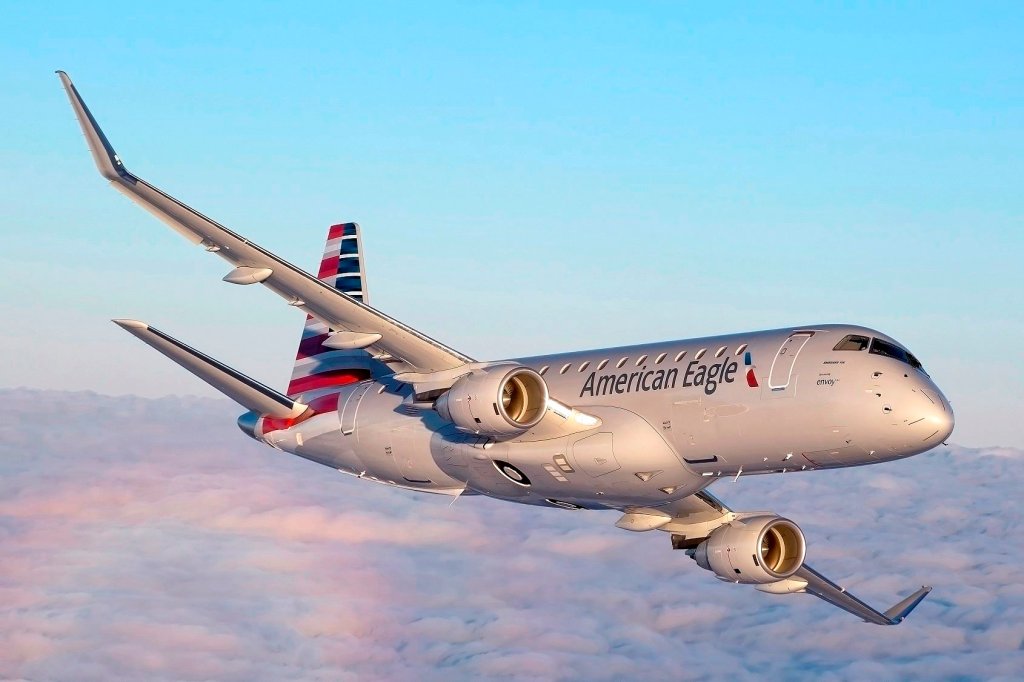
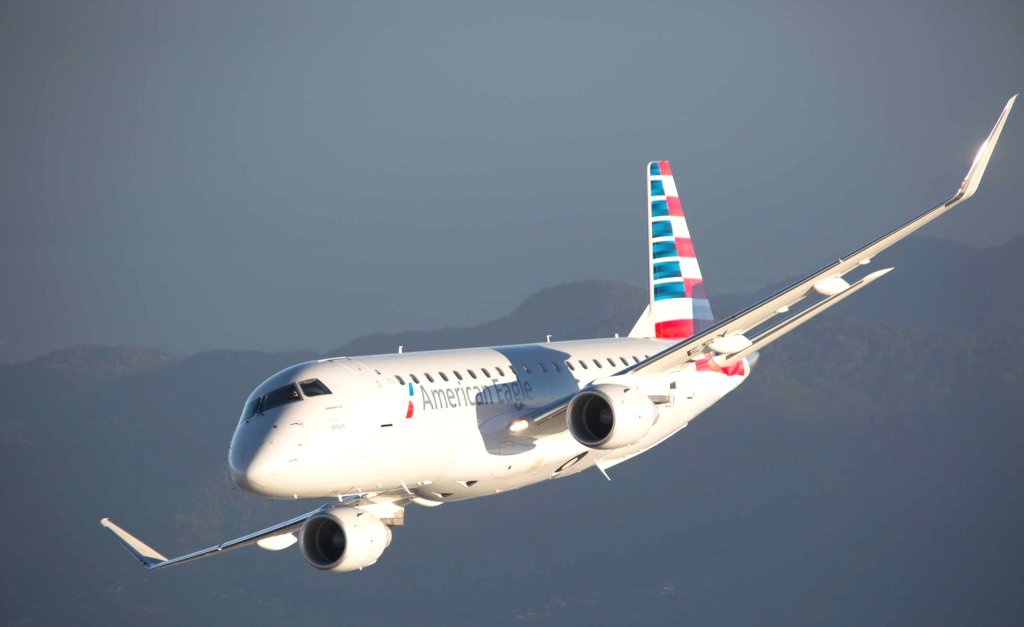
Embraer ha entregado dos E175-E1 (2) a Skywest Airlines, aerolínea regional de Estados Unidos. La compañía tomará entrega de ambas aeronaves que operarán con los colores de American Eagle, el brazo regional de American Airlines. Las aeronaves E175-E1 emplearán matrículas N515SY (MSN 17000896) y N516SY (MSN 17000897). La primer aeronave E175-E1 ha despegado de São José dos Campos, en el interior del Estado de São Paulo, hizo escalas en Manaos y San Juan (Puerto Rico), antes de ingresar a los Estados Unidos.
Skywest Airlines es una compañía feeder que sirve a aerolíneas de mayor estructura estadounidenses como American Airlines, United Airlines y Alaska Airlines. Actualmente, la línea aérea posee una flota de más de 211 aviones Embraer E175, un número que pronto alcanzará a 240.En su modelo de negocio, a SkyWest se desarrolla principalmente en vuelos programados, comercializados para alimentar a las principales aerolíneas y con precios ventajosos. La compañía opera un promedio de más de 2.400 vuelos diarios a 250 ciudades de Estados Unidos, Canadá y México.
Embraer deliveries E175-E1 Skywest
Embraer delivers E175-E1 to Skywest Airlines
Embraer has delivered two E175-E1 (2) to Skywest Airlines, a regional airline in the United States. The company will take delivery of both aircraft that will operate in the colors of American Eagle, the regional arm of American Airlines. E175-E1 aircraft will use license plates N515SY (MSN 17000896) and N516SY (MSN 17000897). The first E175-E1 aircraft has taken off from São José dos Campos, in the interior of the State of São Paulo, making stops in Manaus and San Juan (Puerto Rico), before entering the United States.
Skywest Airlines is a feeder company serving larger American airlines such as American Airlines, United Airlines, and Alaska Airlines. Currently, the airline has a fleet of more than 211 Embraer E175 aircraft, a number that will soon reach 240. In its business model, SkyWest operates mainly on scheduled flights, marketed for feed the main airlines and with advantageous prices. The company operates an average of more than 2,400 daily flights to 250 cities in the United States, Canada and Mexico.
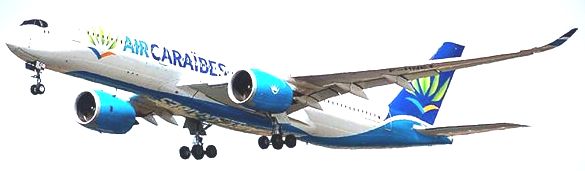
French Bee toma entrega primer A350-1000 Air Caraïbes recibe su tercer A350-1000 en su flota
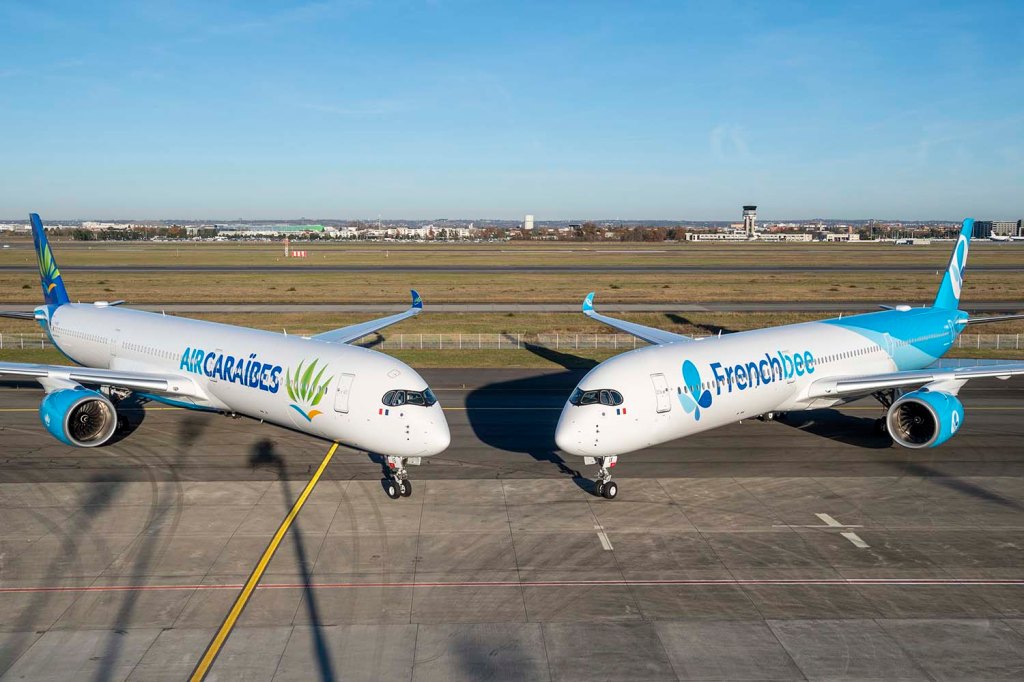
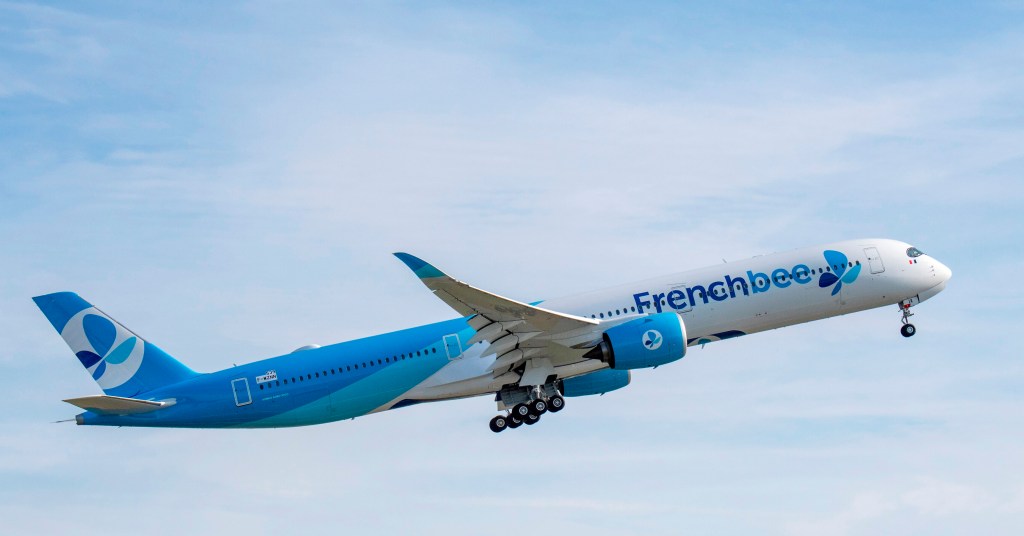
French Bee, la aerolínea de bajo coste y larga distancia, miembro del Groupe Dubreuil, con sede en Francia, ha recibido este Viernes 17/12 su primer Airbus A350-1000, alquilado por Air Lease Corporation, uniéndose a su flota y convirtiéndose a la aerolínea operador de flota totalmente A350. La aerolínea francesa French Bee ha adquirido su primer A350-1000 con matrícula F-HMIX, mientras que su flota de A350-900 (4) representa un total en la familia A350 de cinco unidades. El avión es el primero de dos A350-1000 (2) que operará la aerolínea en la ruta de París a Saint Denis en la Isla La Reunión en el Océano Índico.
Los A350-1000 complementarán los cuatro aviones A350-900 que actualmente están en la flota de French Bee, proporcionando a la aerolínea una flexibilidad operativa sin igual y soluciones ecoeficientes para su red. El avión cuenta con una configuración para 480 asientos en un diseño de dos clases (40 en Clase Premium y 440 en Clase Económica), lo que brinda todo el confort y las comodidades de la cabina Airspace de Airbus, incluido entretenimiento de última generación para pasajeros en vuelo (IFE). y conectividad WiFi completa en toda la cabina. La cabina del A350 es también la más silenciosa de todos los aviones de dos pasillos.
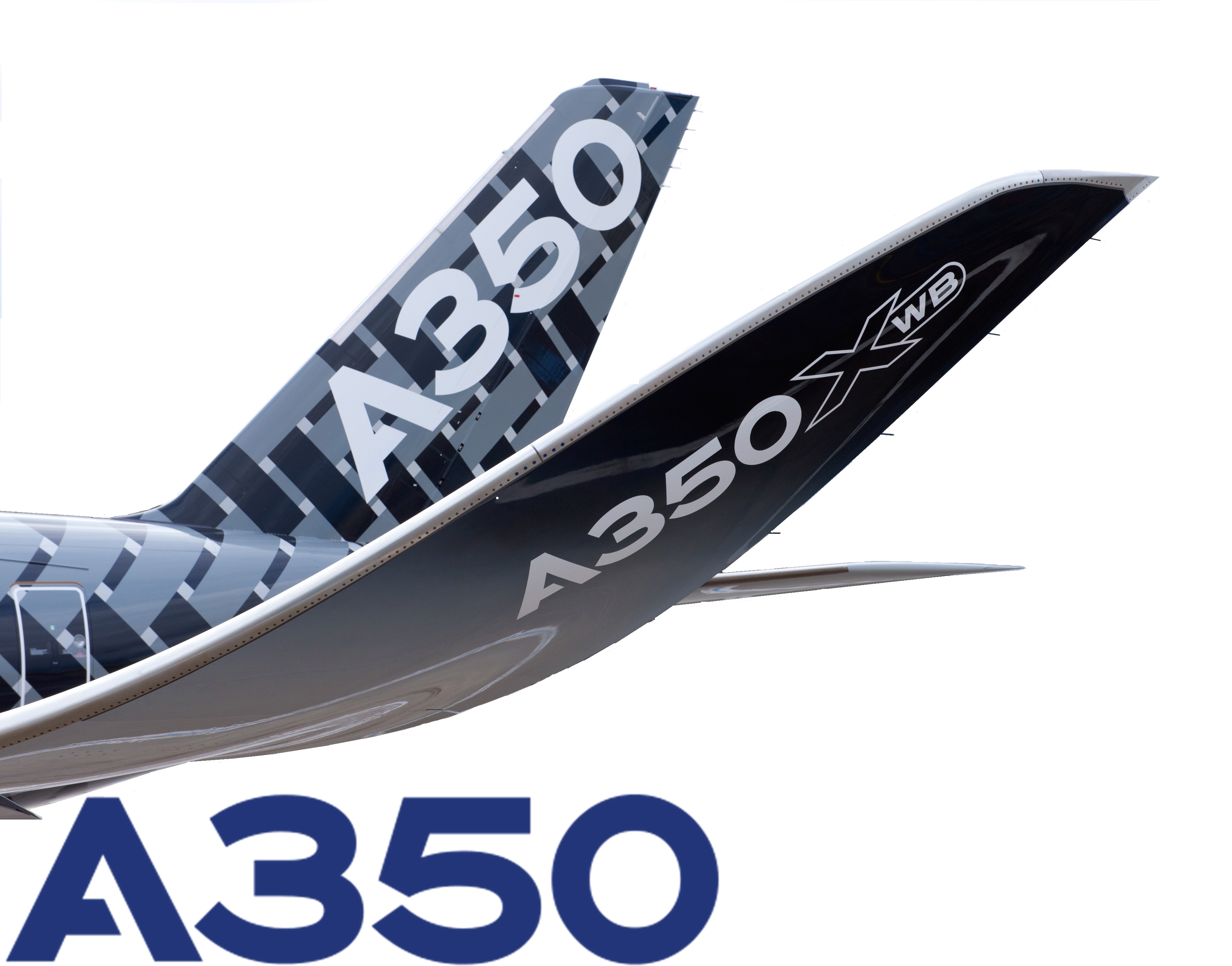
El A350-1000, el fuselaje ancho más grande de Airbus en la categoría de bimotores, cuenta con el último diseño aerodinámico, un fuselaje y alas de fibra de carbono, además de nuevos motores Rolls-Royce Trent XWB-97 de bajo consumo de combustible, lo que permite a la aerolínea volar en largas distancias. destinos de transporte de hasta 16.000 km (8.700 nm). Juntos, estos elementos se traducen en niveles inigualables de eficiencia operativa con un 25% menos de consumo de combustible y emisiones de CO2 y un 50% de reducción del ruido.
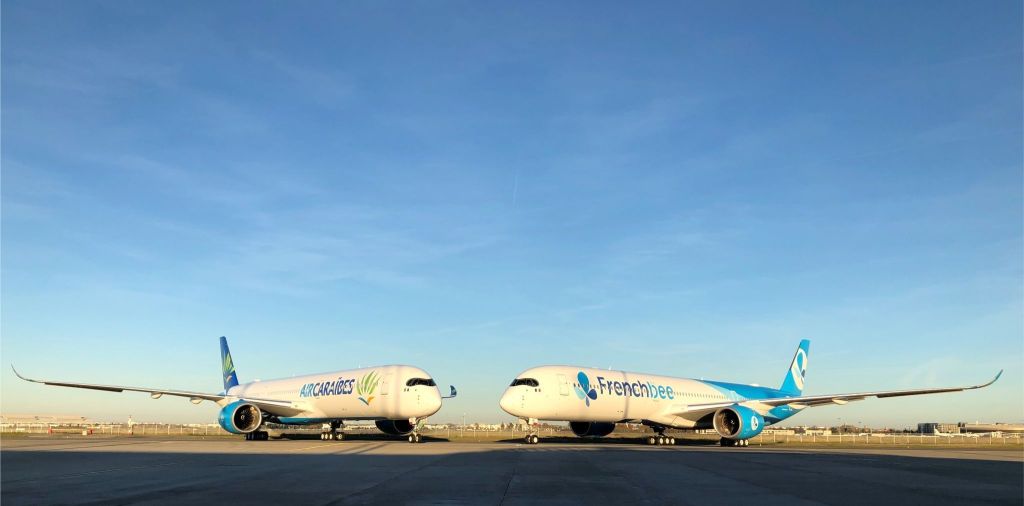
Al mismo tiempo, el grupo Dubreuil también recibe otro A350-1000 en arrendamiento de Air Lease Corporation destinado a Air Caraïbes, lo que eleva el número de aviones Airbus en la flota del grupo a trece (13) unidades. Air Caraïbes adquiere su tercer Airbus A350-1000 en su flota con registro francés F-HSIS, mientras que representa su sexta aeronave de la familia A350 A350-900 (3) y A350-1000 (3). A finales de Noviembre de 2021, la Familia A350 había recibido 913 pedidos en firme de 49 clientes en todo el mundo.
French Bee receives first A350-1000
French Bee takes delivery of first A350-1000 Air Caraïbes receives its third A350-1000 in its fleet
French Bee, the low-cost and long-haul airline, member of the Groupe Dubreuil, based in France, has received its first Airbus A350-1000 this Friday 17/12, leased by Air Lease Corporation, joining its fleet and becoming the Fully A350 fleet operator airline. The French airline French Bee has acquired its first A350-1000 with the registration F-HMIX, while its fleet of A350-900s (4) represents a total in the A350 family of five units. The aircraft is the first of two A350-1000s (2) to be operated by the airline on the route from Paris to Saint Denis on La Reunion Island in the Indian Ocean.
The A350-1000s will complement the four A350-900 aircraft currently in the French Bee fleet, providing the airline with unmatched operational flexibility and eco-efficient solutions for its network. The aircraft features a 480-seat configuration in a two-class layout (40 in Premium Class and 440 in Economy Class), providing all the comfort and convenience of the Airbus Airspace cabin, including state-of-the-art passenger entertainment. in flight (IFE). and full WiFi connectivity throughout the cabin. The A350 cabin is also the quietest of all two-aisle aircraft.
The A350-1000, Airbus’ largest widebody in the twin-engine category, features the latest aerodynamic design, a carbon fiber fuselage and wings, plus new fuel-efficient Rolls-Royce Trent XWB-97 engines, allowing the airline to fly long distances. transport destinations of up to 16,000 km (8,700 nm). Together these elements translate into unmatched levels of operational efficiency with 25% lower fuel consumption and CO2 emissions and 50% reduced noise.
At the same time, the Dubreuil group also receives another A350-1000 leased from Air Lease Corporation destined for Air Caraïbes, bringing the number of Airbus aircraft in the group’s fleet to thirteen (13) units. Air Caraïbes acquires its third Airbus A350-1000 in its fleet with French registration F-HSIS, while it represents its sixth aircraft of the A350 family, A350-900 (3) and A350-1000 (3). By the end of November 2021, the A350 Family had received 913 firm orders from 49 customers around the world.
French Bee reçoit le premier A350-1000
French Bee prend livraison du premier A350-1000 Air Caraïbes reçoit son troisième A350-1000 de sa flotte
French Bee, la compagnie aérienne low-cost et long-courrier, membre du Groupe Dubreuil, basée en France, a reçu ce vendredi 17/12 son premier Airbus A350-1000, loué par Air Lease Corporation, rejoignant sa flotte et devenant le Full A350 compagnie aérienne exploitant de flotte. La compagnie aérienne française French Bee a acquis son premier A350-1000 avec l’immatriculation F-HMIX, tandis que sa flotte d’A350-900 (4) représente un total de cinq unités dans la famille A350. L’avion est le premier des deux A350-1000 (2) à être exploité par la compagnie aérienne sur la liaison Paris-Saint-Denis sur l’île de La Réunion dans l’océan Indien.
Les A350-1000 viendront compléter les quatre A350-900 actuellement dans la flotte de French Bee, offrant à la compagnie aérienne une flexibilité opérationnelle inégalée et des solutions éco-efficaces pour son réseau. L’avion dispose d’une configuration de 480 sièges dans une configuration à deux classes (40 en classe Premium et 440 en classe économique), offrant tout le confort et la commodité de la cabine Airbus Airspace, y compris un divertissement de pointe pour les passagers. vol (IFE). et une connectivité WiFi complète dans toute la cabine. La cabine de l’A350 est également la plus silencieuse de tous les avions à deux couloirs.
L’A350-1000, le plus gros gros-porteur d’Airbus dans la catégorie des bimoteurs, présente la dernière conception aérodynamique, un fuselage et des ailes en fibre de carbone, ainsi que de nouveaux moteurs Rolls-Royce Trent XWB-97 économes en carburant, permettant à la compagnie aérienne de voler longtemps. distances. destinations de transport jusqu’à 16 000 km (8 700 nm). Ensemble, ces éléments se traduisent par des niveaux d’efficacité opérationnelle inégalés avec une consommation de carburant et des émissions de CO2 réduites de 25 % et un bruit réduit de 50 %.
Parallèlement, le groupe Dubreuil reçoit également un autre A350-1000 loué à Air Lease Corporation à destination d’Air Caraïbes, portant le nombre d’avions Airbus de la flotte du groupe à treize (13) unités. Air Caraïbes acquiert son troisième Airbus A350-1000 de sa flotte immatriculée en France F-HSIS, alors qu’il représente son sixième appareil de la famille A350, l’A350-900 (3) et l’A350-1000 (3). Fin novembre 2021, la famille A350 avait reçu 913 commandes fermes de 49 clients dans le monde.
AW | 2021 12 17 23:03 | INDUSTRY / AVIATION TECHNOLOGY
Boeing metaverso para su próxima revolución digital
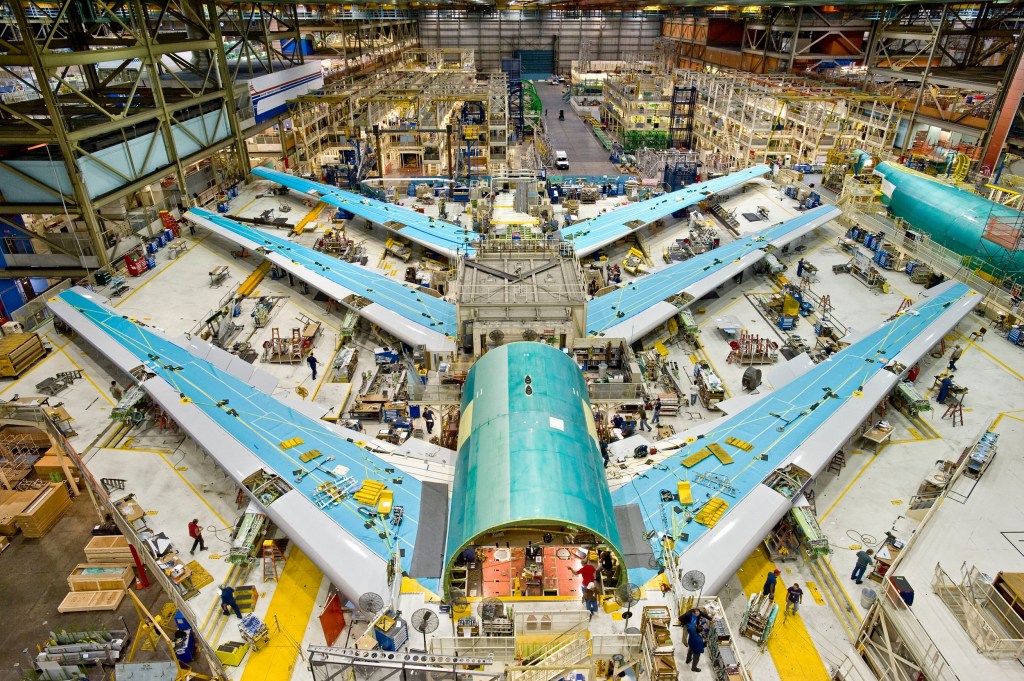
The Boeing Company anunció el Viernes 17/12 que quiere construir su próximo avión en el mundo virtual. El constructor americano continúa con una nueva y ambiciosa estrategia para unificar las operaciones de diseño, producción y servicios aéreos en expansión bajo un solo ecosistema digital, en tan solo dos años. Los críticos dicen que Boeing ha hecho repetidamente promesas audaces similares sobre una revolución digital, con resultados mixtos. Pero los expertos dicen que los objetivos generales de mejorar la calidad y la seguridad han adquirido una mayor urgencia e importancia a medida que la compañía aborda múltiples amenazas.
El fabricante de aviones está entrando en 2022 luchando por reafirmar su dominio de la ingeniería después de la crisis del Boeing 737 MAX mientras sienta las bases para un futuro programa de aviones durante la próxima década, una apuesta de US$ 15 mil millones. También tiene como objetivo prevenir futuros problemas de fabricación, como los defectos estructurales que han afectado a su línea Boeing 787 Dreamliner durante el año pasado y en el presente. «Se trata de fortalecer la ingeniería Estamos hablando de cambiar la forma en que trabajamos en toda la empresa», dijo el Ingeniero Jefe de Boeing, Greg Hyslop, en su primera entrevista en casi dos años.
Después de años de salvaje competencia en el mercado de la aviación, la necesidad de cumplir con las abultadas carteras de pedidos ha abierto un nuevo frente en la guerra desde las fábricas de Boeing en Estados Unidos y con Airbus en Europa. Una enorme cartera backlog de aeronaves han agrandado los tiempos de espera para las entregas a los clientes en todo el mundo.
El Presidente Ejecutivo de Airbus, Guillaume Faury se ha comprometido a inventar nuevos sistemas de producción y aprovechar el poder de los datos para optimizar su sistema industrial. El enfoque de Boeing hasta ahora ha estado marcado por avances incrementales dentro de programas o herramientas específicas de aviones, en lugar de la revisión sistémica que caracteriza el impulso de Greg Hyslop en la actualidad. El impulso simultáneo de ambos gigantes del avión es emblemático de una revolución digital que está ocurriendo a nivel mundial, mientras que los fabricantes de automóviles como Ford Motor Company y las compañías de redes sociales como Meta Platforms Inc., matriz de Facebook, cambian el trabajo y juegan en un mundo virtual inmersivo a veces llamado el metaverso. Entonces, ¿cómo funciona el metaverso? Es un espacio digital compartido que a menudo utiliza realidad virtual o realidad aumentada y accesible a través de Internet, en la aviación. Al igual que Airbus, Boeing buscará para su próximo nuevo avión construir y vincular réplicas virtuales 3D de gemelos digitales del avión y el sistema de producción capaz de ejecutar simulaciones. Las maquetas digitales están respaldadas por un hilo digital que une cada pieza de información sobre la aeronave desde su infancia, desde los requisitos de las aerolíneas hasta millones de piezas y miles de páginas de documentos de certificación, que se extiende profundamente en la cadena de suministro.
La revisión de las prácticas anticuadas basadas en papel podría traer un cambio poderoso. Más del 70% de los problemas de calidad en Boeing se remontan a algún tipo de problema de diseño, dijo Greg Hyslop. Boeing cree que tales herramientas serán fundamentales para llevar un nuevo avión desde su inicio al mercado en tan solo cuatro o cinco años. «Obtendrá velocidad, obtendrá una mejor calidad, una mejor comunicación y una mejor capacidad de respuesta cuando ocurran problemas. Cuando la calidad de la base de suministro es mejor, cuando la construcción del avión se combina de manera más fluida cuando se minimiza el retrabajo, el rendimiento financiero se derivará de eso», expresó Greg Hyslop
Enorme desafío
Los escépticos apuntan a problemas técnicos en el mini-jumbo 777X de Boeing y el avión de entrenamiento militar T-7A RedHawk, que se desarrollaron utilizando herramientas digitales. Boeing también ha puesto demasiado énfasis en los rendimientos de los accionistas a expensas del dominio de la ingeniería, y continúa recortando el gasto en investigación y desarrollo (I+D), dijo el analista de Teal Group Richard Aboulafia. «¿Vale la pena perseguirlo? Por supuesto. ¿Resolverá todos sus problemas? No», expresó Richard Aboulafia.
Gigantes como el fabricante de piezas de aviones Spirit AeroSystems han invertido en tecnología digital. Los principales fabricantes de aviones tienen asociaciones con el fabricante francés de software Dassault Systemes, pero cientos de proveedores más pequeños repartidos por todo el mundo carecen del capital o los recursos humanos para dar grandes saltos. Muchos se han visto debilitados por las crisis del Boeing 737 MAX y la pandemia, que siguieron a una década de presión sobre los precios de Boeing o Airbus. «No solo nos dicen qué hardware podemos comprar, sino que ahora van a especificar toda esta basura digital de lujo que va encima de ella», dijo un ejecutivo de la cadena de suministro.
Boeing se ha dado cuenta de que la tecnología digital por sí sola no es una panacea. Debe venir con cambios organizacionales y culturales en toda la empresa, dicen fuentes de la industria. El constructor americano recientemente contrató a la veterana ingeniera Linda Hapgood para supervisar la «transformación digital», que una fuente de la industria dijo que estaba respaldada por más de cien ingenieros. Linda Hapgood es mejor conocida por convertir dibujos en papel en blanco y negro de los paquetes de cableado del avión cisterna Boeing 767 en imágenes 3D y luego equipar a los mecánicos con tabletas y auriculares de realidad aumentada HoloLens. La calidad mejoró en un 90%, dijo un informante. En su nuevo cargo, Linda Hapgood contrató ingenieros que trabajaron en un gemelo digital para un avión de mercado medio ahora desguazado conocido como NMA. También se basa en las lecciones aprendidas del avión no tripulado de reabastecimiento aéreo MQ-25 y el T-7A Red Hawk. Boeing construyó los primeros aviones T-7A en simulación, siguiendo un diseño basado en modelos. El T-7A fue lanzado al mercado en solo 36 meses. Aun así, el programa está lidiando con la escasez de piezas, retrasos en el diseño y requisitos de prueba adicionales.
Boeing tiene un comienzo en funcionamiento con su fábrica de alas del Boeing 777X en el Estado de Washington, donde el diseño y la optimización del robot se realizaron por primera vez digitalmente. Pero el programa más amplio tiene años de retraso y está sumido en desafíos de certificación. «Este es un juego largo. Cada uno de estos esfuerzos estaba abordando parte del problema. Pero ahora lo que queremos hacer es hacerlo de punta a punta», concluye Greg Hyslop.
Boeing perspective digital design
Boeing metaverse for its next digital revolution
The Boeing Company announced on Friday 12/17 that it wants to build its next airplane in the virtual world. The American builder continues with an ambitious new strategy to unify expanding design, production and air service operations under a single digital ecosystem, in just two years. Critics say Boeing has repeatedly made similar bold promises about a digital revolution, with mixed results. But experts say the overarching goals of improving quality and safety have grown in urgency and importance as the company tackles multiple threats.
The aircraft maker is entering 2022 struggling to reassert its engineering dominance after the Boeing 737 MAX crisis while laying the groundwork for a future aircraft program over the next decade, a US$ 15 billion gamble. It also aims to prevent future manufacturing problems, such as the structural defects that have plagued its Boeing 787 Dreamliner line over the past year and present. «It’s about strengthening engineering. We’re talking about changing the way we work across the company», Boeing Chief Engineer Greg Hyslop said in his first interview in nearly two years.
After years of fierce competition in the aviation market, the need to fulfill bulging order books has opened a new front in the war from Boeing’s factories in the United States and with Airbus in Europe. A huge aircraft backlog portfolio has increased lead times for deliveries to customers around the world.
Airbus Chief Executive Officer Guillaume Faury is committed to inventing new production systems and harnessing the power of data to optimize his industrial system. Boeing’s approach thus far has been marked by incremental advancements within aircraft-specific programs or tools, rather than the systemic overhaul that characterizes Greg Hyslop’s drive today. The simultaneous push by both aircraft giants is emblematic of a digital revolution happening globally, as automakers like Ford Motor Company and social media companies like Facebook parent Meta Platforms Inc. change the job. and they play in an immersive virtual world sometimes called the metaverse. So how does the metaverse work? It is a shared digital space that often uses virtual reality or augmented reality and accessible through the Internet, in aviation. Like Airbus, Boeing will be looking for its next new aircraft to build and link virtual 3D replicas of the aircraft’s digital twins and the production system capable of running simulations. The digital mockups are backed by a digital thread that ties together every piece of information about the aircraft from its infancy, from airline requirements to millions of pieces and thousands of pages of certification documents, extending deep into the supply chain.
The revision of outdated paper-based practices could bring powerful change. More than 70% of quality problems at Boeing can be traced back to some kind of design problem, Greg Hyslop said. Boeing believes that such tools will be critical in getting a new aircraft to market from inception in just four to five years. «You get speed, you get better quality, better communication, and better responsiveness when problems occur. When the supply base quality is better, when the aircraft construction blends more seamlessly, when rework is minimized, financial performance will come from that, «said Greg Hyslop
Huge challenge
Skeptics point to technical problems in Boeing’s 777X mini-jumbo and the T-7A RedHawk military training aircraft, which were developed using digital tools. Boeing has also put too much emphasis on shareholder returns at the expense of engineering dominance, and continues to cut spending on research and development (R&D), said Teal Group analyst Richard Aboulafia. «Is it worth pursuing? Of course. Will it solve all your problems? No», said Richard Aboulafia.
Giants like aircraft parts maker Spirit AeroSystems have invested in digital technology. Major aircraft manufacturers have partnerships with French software maker Dassault Systemes, but hundreds of smaller vendors around the world lack the capital or human resources to make big leaps. Many have been weakened by the Boeing 737 MAX crises and the pandemic, which followed a decade of price pressure from Boeing or Airbus. «They’re not just telling us what hardware we can buy, but now they’re going to specify all this fancy digital junk that goes on top of it», said one supply chain executive.
Boeing has realized that digital technology alone is not a panacea. It must come with organizational and cultural changes throughout the company, say industry sources. The American builder recently hired veteran engineer Linda Hapgood to oversee the «digital transformation,» which an industry source said was backed by more than 100 engineers. Linda Hapgood is best known for turning black and white paper drawings of Boeing 767 tanker wiring packages into 3D images and then outfitting mechanics with HoloLens augmented reality tablets and headsets. Quality improved by 90%, said one informant. In her new role, Linda Hapgood hired engineers who worked on a digital twin for a now scrapped mid-market aircraft known as the NMA. She also draws on lessons learned from the MQ-25 aerial refueling drone and the T-7A Red Hawk. Boeing built the first T-7A aircraft in simulation, following a model-based design. The T-7A was launched on the market in just 36 months. Still, the program is dealing with parts shortages, design delays, and additional testing requirements.
Boeing has a running start with its Boeing 777X wing factory in Washington State, where the design and optimization of the robot was first done digitally. But the broader program is years behind and mired in certification challenges. «This is a long game. Each of these efforts was addressing part of the problem. But now what we want to do is do it end-to-end», concludes Greg Hyslop.
Air France-KLM ordena 100 aviones de pasajeros Grupo aéreo franco-holandés selecciona cargueros A350
El grupo de aviación franco-holandés Air France-KLM ordena cien (100) aviones al constructor aeronáutico europeo Airbus Group. El acuerdo incluye cien aviones de media distancia de las series A320NEO y A321NEO, anunció la compañía Air France-KLM el Jueves 16/12 por la noche en París, Francia. Se espera que las primeras aeronaves lleguen en la segunda mitad de 2023.
El nuevo pedido de aeronaves para el grupo Air France-KLM permitirá renovar las flotas de KLM y Transavia en los Países Bajos. La flota de Transavia Francia también se actualizará y ampliará. Además del pedido en firme, la aerolínea ha acordado una opción de compra para sesenta (60) aviones adicionales. Además, el Grupo tiene la intención de comprar cuatro cargueros Airbus A350F para Air France. La compañía firmó una carta de intención que también incluye los derechos de compra de cuatro máquinas adicionales en la serie.
La compañía KLM Royal Dutch Airlines podría estar migrando un cambio de filosofía de los productos de la línea Boeing 737 hacia la familia Airbus A320NEO, un cambio radical e histórico en la flota de la aerolínea neerlandesa.
Air France-KLM order 100 Airbus
Air France-KLM orders 100 passenger planes Franco-Dutch airline group selects A350 freighters
The French-Dutch aviation group Air France-KLM orders one hundred (100) aircraft from the European aircraft manufacturer Airbus Group. The agreement includes one hundred medium-haul aircraft of the types A320NEO and A321NEO, announced the company Air France-KLM on Thursday night 12/16 in Paris, France. The first aircraft are expected to arrive in the second half of 2023.
The new aircraft order for the Air France-KLM group will allow the renewal of the KLM and Transavia fleets in the Netherlands. The Transavia France fleet will also be updated and expanded. In addition to the firm order, the airline has agreed to a purchase option for an additional sixty (60) aircraft. In addition, the Group intends to purchase four Airbus A350F freighters for Air France. The company signed a letter of intent that also includes the purchase rights for four additional machines in the series.
The KLM Royal Dutch Airlines company could be migrating a change of philosophy of the products of the Boeing 737 line towards the Airbus A320NEO family, a radical and historic change in the fleet of the Dutch airline.
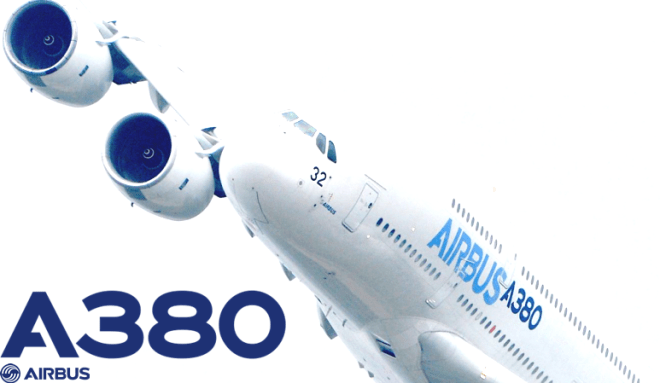
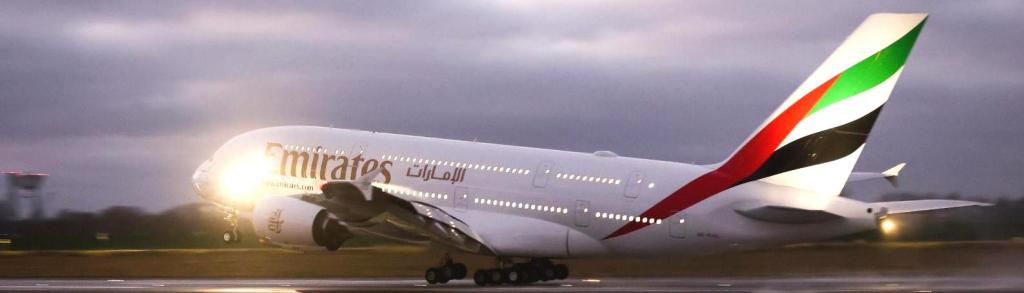
Airbus Group ha anunciado la finalización del Programa de ensamblaje de la Línea A380, clausurando el final del Superjumbo, aeronave de dos pisos de fabricación europea. El constructor europeo ha expresado que el Programa A380 continuará dando asistencia técnica a las aeronaves en servicio en el mundo.
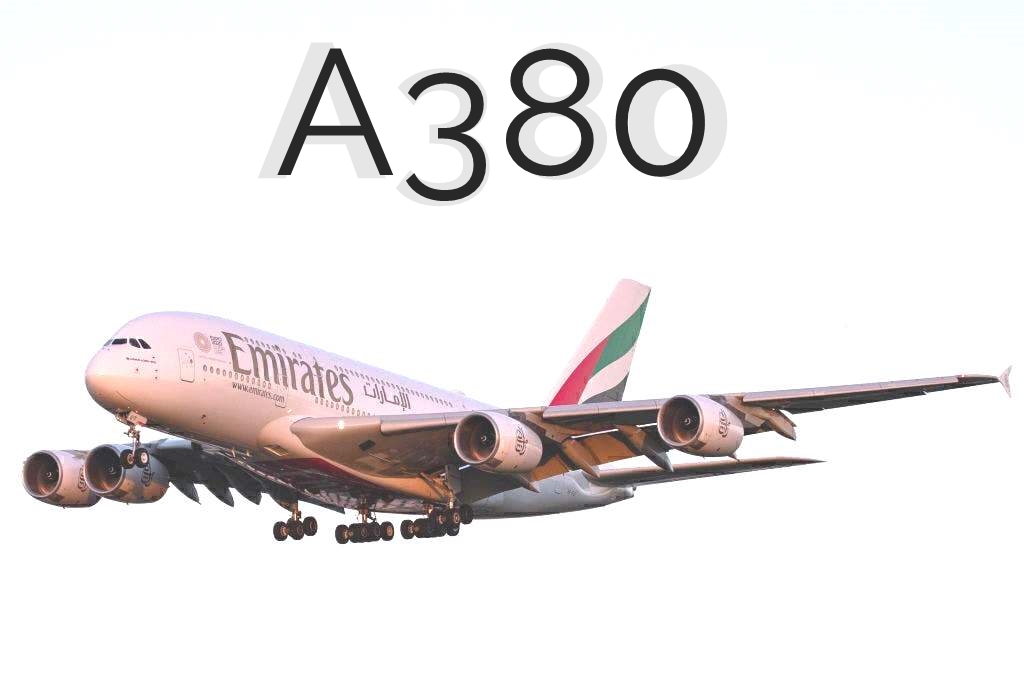
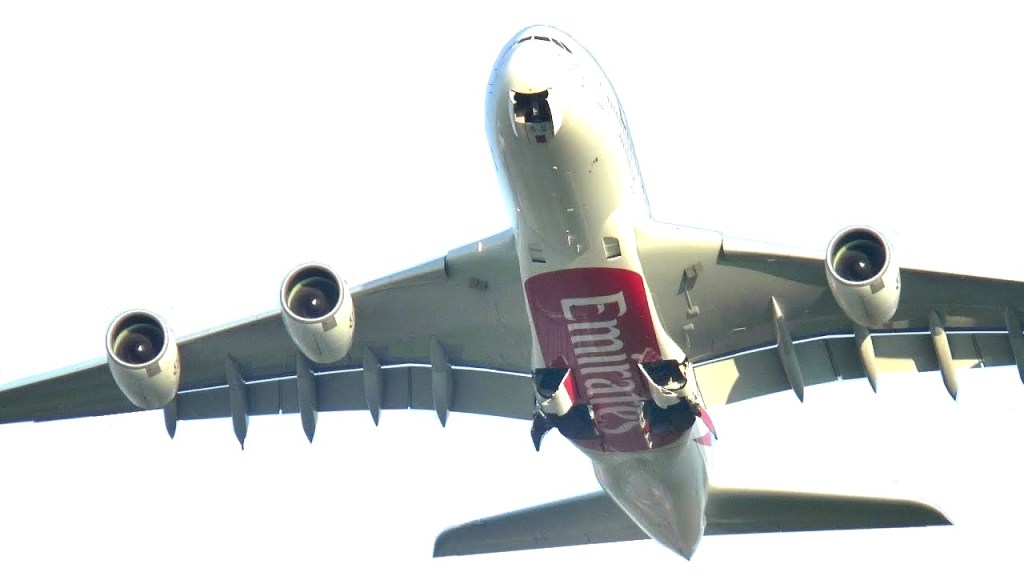
La aerolínea árabe Emirates Airline es el mayor operador mundial de aviones Airbus A380, con aproximadamente la mitad de los superjumbos en servicio. La aerolínea ha tomado entrega este Jueves 16/12 el último Airbus A380 fabricado, el avión número MSN123 que completó su flota de superjumbos. La entrega coronó una carrera histórica para el A380 de fuselaje ancho, el primer avión nuevo del siglo 21. Se entregaron un total de 249 aviones a catorce clientes, incluida Etihad Airways de Abu Dhabi. Emirates opera aproximadamente la mitad de los A380 en servicio a nivel mundial.
«El A380 es un avión verdaderamente especial en muchos sentidos. Para Emirates, nos dio la oportunidad de redefinir la experiencia de viaje, atender de manera eficiente la demanda en aeropuertos con limitaciones de franjas horarias y reforzar el crecimiento de nuestra red. El A380 seguirá siendo el producto estrella de Emirates durante los próximos años, y un pilar vital de nuestros planes de red», dijo Tim Clark, Presidente de la aerolínea Emirates Airline, en un comunicado. El superjumbo entregado a Emirates el Jueves 16/12 presenta los últimos productos de cabina, incluida la clase Economy Premium. «Compárelo con nuestro primer A380 entregado en 2008 y verá la gran cantidad de mejoras y actualizaciones invertidas para garantizar que la experiencia del A380 de Emirates no tenga paralelo», agregó Tim Clark.
El A380 seguirá siendo el producto estrella de Emirates Airline durante los próximos años, y un pilar vital de nuestros planes de red.—Tim Clark, Presidente de la aerolínea Emirates
La vida del Programa A380 no ha representado un producto con mayores perspectivas debido al golpe de las economías y los efectos de la pandemia de Covid-19, que golpeó duramente a la industria de la aviación y obligó a varios operadores de A380 a dejar en tierra el avión o retirarlos de sus operaciones de manera definitiva. La alemana Lufthansa Airlines, que retiró seis de los superjumbos en 2019, desechó todas sus operaciones del A380 en Septiembre 2021 debido a la pandemia. Singapore Airlines, el cliente de lanzamiento del A380, dejó en tierra sus diecisiete A380 (17) durante la pandemia y en Noviembre de 2020 anunció planes para reducir su flota a doce unidades. El mes pasado, Qantas Airways anunciaba el retorno de un A380 (1) regresando a Australia después de pasar casi 600 días en el desierto californiano.
Mientras que la producción del A380 llega a su fin, Airbus Group con sede en Toulouse, dijo que continuará dando servicio de asistencia a la línea. «A medida que la producción llega a su fin, el A380 seguirá volando en las próximas décadas, y Airbus continúa apoyando plenamente a los operadores del A380 y sus flotas», dijo Airbus en su sitio web.
En Febrero de 2019, Airbus anunció que eliminará la producción del A380. Emirates acordó en ese momento recibir catorce Superjumbos adicionales desde 2019 hasta finales de 2021 y ordenó setenta aviones A330 y A350 más pequeños.
El A380, el avión civil más grande de la historia, estableció nuevos estándares en la aviación. Su cabina más ancha permite asientos más anchos hasta 48 centímetros en clase turista y tiene espacio para 545 pasajeros, aunque teóricamente puede llevar un máximo de 853. Su cabina permite a las aerolíneas acomodar 232 asientos más, o un 75 por ciento más que el Boeing 747-400, y 199 asientos más, o un 60 por ciento más, que el Boeing 747-8 en una configuración de diseño de cuatro clases.
«El A380 ha tocado la vida de tantos pasajeros al establecer nuevos estándares en términos de experiencia de vuelo y viaje. Confío en que continuará haciéndolo durante las próximas décadas con Emirates, que ha introducido continuamente nuevos servicios y productos que permiten a los pasajeros de todo el mundo experimentar las características únicas de sus A380», dijo Guillaume Faury, Director Ejecutivo de Airbus Group. El avión también necesita pistas que son unos 300 metros más cortas para despegar y aterrizar en comparación con otros aviones de su clase. Concebido a principios de la década de 1990, el A380 fue presentado en Diciembre de 2000 y entró en servicio comercial el 25 de Octubre de 2007, con Singapore Airlines.
Airbus A380 end of line
Emirates receives latest Arbus A380 Superjumbo
Airbus Group has announced the completion of the Assembly Program of the A380 Line, closing the end of the Superjumbo, a double-decker aircraft of European manufacture. The European manufacturer has stated that the A380 Program will continue to provide technical assistance to aircraft in service around the world.
The Arab airline Emirates Airline is the world’s largest operator of Airbus A380 aircraft, with approximately half of the superjumbos in service. The airline has delivered this Thursday 12/16 the last Airbus A380 manufactured, the aircraft number MSN123 that completed its fleet of superjumbos. The delivery capped a historic run for the wide-body A380, the first new aircraft of the 21st century. A total of 249 aircraft were delivered to fourteen customers, including Etihad Airways of Abu Dhabi. Emirates operates approximately half of the A380s in service globally.
«The A380 is a truly special aircraft in many ways. For Emirates, it gave us the opportunity to redefine thetravel experience, efficiently meet demand at time-constrained airports, and strengthen the growth of our network. The A380 will continue. being Emirates’ flagship product for years to come, and a vital pillar of our network plans», said Tim Clark, President of Emirates Airline, in a statement. The superjumbo delivered to Emirates on Thursday 16/12 features the latest cabin products, including Economy Premium class. «Compare it to our first A380 delivered in 2008 and you will see a lot of improvements and upgrades invested to ensure that the Emirates A380 experience is unparalleled», added Tim Clark.
The A380 will continue to be Emirates Airline’s flagship product for years to come, and a vital pillar of our network plans .
—Tim Clark, President of Emirates Airline
The life of the A380 Program has not represented a product with greater prospects due to the blow to the economies and the effects of the Covid-19 pandemic, which hit the aviation industry hard and forced several A380 operators to land the aircraft or remove them from operations permanently. Germany’s Lufthansa Airlines, which retired six of the superjumbos in 2019, scrapped all of its A380 operations in September 2021 due to the pandemic. Singapore Airlines, the launch customer of the A380, grounded its seventeen A380s (17) during the pandemic and in November 2020 announced plans to reduce its fleet to twelve units. Last month, Qantas Airways announced the return of an A380 (1) returning to Australia after spending almost 600 days in the Californian desert.
As production of the A380 draws to a close, Toulouse-based Airbus Group said it will continue to support the line. «As production comes to an end, the A380 will continue to fly for decades to come, and Airbus continues to fully support the A380 operators and their fleets», Airbus said on its website.
In February 2019, Airbus announced that it will phase out the A380 production. Emirates agreed at the time to receive an additional fourteen SuperJumbos from 2019 through the end of 2021 and ordered seventy smaller A330s and A350s.
The A380, the largest civil aircraft in history, set new standards in aviation. Its wider cabin allows wider seats up to 48 centimeters in economy class and has space for 545 passengers, although theoretically it can carry a maximum of 853. Its cabin allows airlines to accommodate 232 more seats, or 75 percent more than the Boeing 747-400, and 199 more seats, or 60 percent more, than the Boeing 747-8 in a four-class layout configuration.
«The A380 has touched the lives of so many passengers by setting new standards in terms of the flight and travel experience. I am confident that it will continue to do so for decades to come with Emirates, which has continually introduced new services and products that enable passengers of all the world to experience the unique characteristics of their A380s», said Guillaume Faury, Chief Executive Officer of Airbus Group. The aircraft also needs runways that are about 300 meters shorter for take off and landing compared to other aircraft in its class. Conceived in the early 1990s, the A380 was introduced in December 2000 and entered commercial service on October 25, 2007, with Singapore Airlines.
Qantas elige al constructor europeo en sector narrowbodies
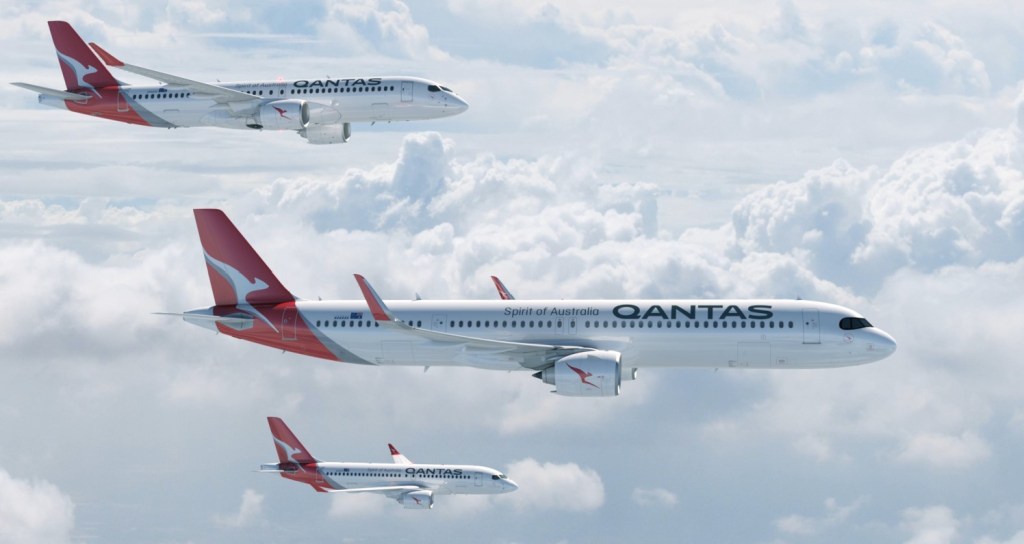
Qantas Airwyas ha seleccionado al constructor europeo Airbus Group de la familia A320NEO que incluyen a las aeronaves A320NEO, A321NEO, coma así también al avión regional A220 como las aeronaves de reemplazo para la renovación a largo plazo de su flota doméstica de fuselaje estrecho que incluye los Boeing 737-800 y Boeing 717.
El acuerdo consiste en un pedido en firme de veinte Airbus A321XLR (20) y veinte Airbus A220-300 (20). Cuenta con la opción de comprar 94 aviones adicionales por un período de entrega de más de diez años, que incluirán más Airbus A220, A320NEO y A321NEO. Además, se suma a un pedido de treinta y seis A321XLR (36) realizado en 2020 para su entrega en 2024. Los pedidos estarían sujetos a la aprobación final de la Junta Administrativa de la compañía, con un pedido anticipado para fines de 2022 con flexibilidad en el momento y la combinación de aviones de estas dos familias. El anuncio actual sigue a una revisión minuciosa y detallada por parte de los equipos de ingeniería, operaciones de vuelo, experiencia del cliente, red, adquisición de flotas y finanzas de la aerolínea. La aerolínea realizó una evaluación detallada de las familias A320NEO y Boeing 737 MAX, así como de los pequeños A220 y Embraer E190/195-E2.
El nuevo pedido ha permitido dar un cambio de cliente decantándose por el constructor europeo, quebrando así el dominio de The Boeing Company en la flota de Qantas Group. El acuerdo se suma al acuerdo existente de Jetstar Airways con Airbus por más de cien aviones de la familia A320NEO (100). En este nuevo acuerdo se incluye la combinación de estos dos pedidos para permitir que el grupo utilice un total de 299 aviones del fabricante europeo, como se requiere durante la próxima década para Qantas Airways, QantasLink y Jetstar Airways. Alan Joyce dijo que presentará un nuevo interior y una nueva experiencia de vuelo una vez que comiencen a entregarse los nuevos aviones. Una vez finalizado el acuerdo, representará el pedido de aviones más grande en la historia de la aviación australiana.
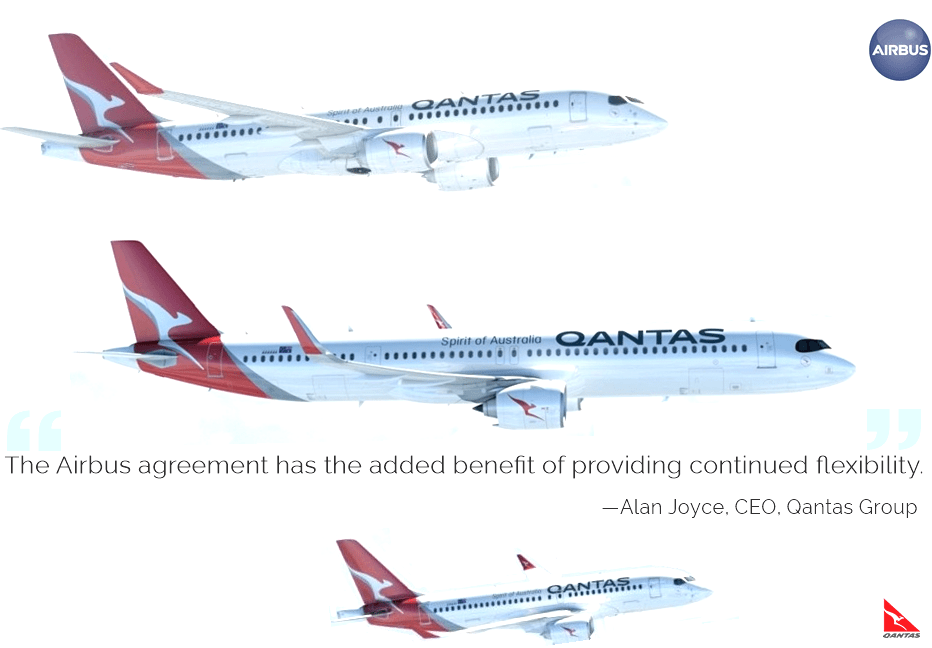
«El acuerdo de Airbus tiene el beneficio adicional de proporcionar una flexibilidad continua dentro del pedido, lo que significa que podemos seguir eligiendo entre todas las familias A320NEO y A220 en función de nuestras necesidades cambiantes en los años venideros. La capacidad de combinar el pedido de Jetstar y Qantas para el tipo A320 también fue un factor», explicó Alan Joyce, Director Ejecutivo de Qantas Group.
Proyecto Winton
Qantas Airways había bautizado la renovación de su flota nacional como «Proyecto Winton» en honor a la ciudad donde nació la aerolínea nacional hace 101 años, marcando este proyecto como una decisión estratégica clave para el futuro de Qantas Domestic. «Se trata de un plan de renovación a largo plazo con entregas y pagos repartidos durante la próxima década y más allá, pero el tiempo de espera igualmente largo para los pedidos de aviones significa que debemos tomar estas decisiones ahora. La combinación de aviones pequeños, medianos y grandes y el diferente alcance y economía de cada uno significa que podemos tener el avión correcto en la ruta correcta. Para los clientes, esto significa tener más salidas a lo largo del día en una aeronave más pequeña y capacidad adicional en las horas punta con una aeronave más grande o incluso más la capacidad de iniciar una nueva ruta regional porque los costos de la aeronave lo hacen posible», expresó el CEO de Qantas Airways.
Qantas selects A220/A320NEO
Qantas chooses European builder in narrowbodies sector
Qantas Airwyas has selected the European constructor Airbus Group of the A320NEO family which includes the A320NEO, A321NEO aircraft, as well as the A220 regional aircraft as the replacement aircraft for the long-term renewal of its domestic narrow-body fleet that includes the Boeing 737-800 and Boeing 717.
The agreement consists of a firm order for twenty Airbus A321XLR (20) and twenty Airbus A220-300 (20). You have the option to purchase an additional 94 aircraft for a delivery period of more than ten years, which will include more Airbus A220, A320NEO and A321NEO. In addition, it is in addition to an order for thirty-six A321XLR (36) placed in 2020 for delivery in 2024. Orders would be subject to final approval by the company’s Board of Directors, with a pre-order by the end of 2022 with flexibility at the time and the combination of aircraft of these two families. The current announcement follows a thorough and detailed review by the airline’s engineering, flight operations, customer experience, network, fleet acquisition and finance teams. The airline conducted a detailed assessment of the A320NEO and Boeing 737 MAX families, as well as the small A220 and Embraer E190/195-E2.
The new order has allowed for a change of client, opting for the European manufacturer, thus breaking the dominance of The Boeing Company in the Qantas Group fleet. The agreement adds to Jetstar Airways’ existing agreement with Airbus for more than 100 A320NEO family aircraft (100). This new agreement includes the combination of these two orders to allow the group to use a total of 299 aircraft from the European manufacturer, as required over the next decade for Qantas Airways, QantasLink and Jetstar Airways. Alan Joyce said that he will introduce a new interior and a new flight experience once the new aircraft begin to be delivered. Upon completion of the deal, it will represent the largest aircraft order in Australian aviation history.
«The Airbus agreement has the added benefit of providing continued flexibility within the order, whichmeans that we can continue to choose between all the A320NEO and A220 families based on our changing needs for years to come. The ability to combine ordering from Jetstar and Qantas for the A320 type was also a factor», explained Alan Joyce, CEO of Qantas Group.
Winton Project
Qantas Airways had christened the renewal of its national fleet «Project Winton» in honor of the city where the national airline was born 101 years ago, marking this project as a key strategic decision for the future of Qantas Domestic. «This is a long-term renewal plan with deliveries and payments spread over the next decade and beyond, but the equally long lead time for aircraft orders means we must make these decisions now. The combination of small aircraft, Medium and large and the different range and economy of each means that we can have the right aircraft on the right route. For customers, this means having more departures throughout the day on a smaller aircraft and additional capacity at peak times. with a larger aircraft or even more ability to start a new regional route because aircraft costs make it possible», said the CEO of Qantas Airways.
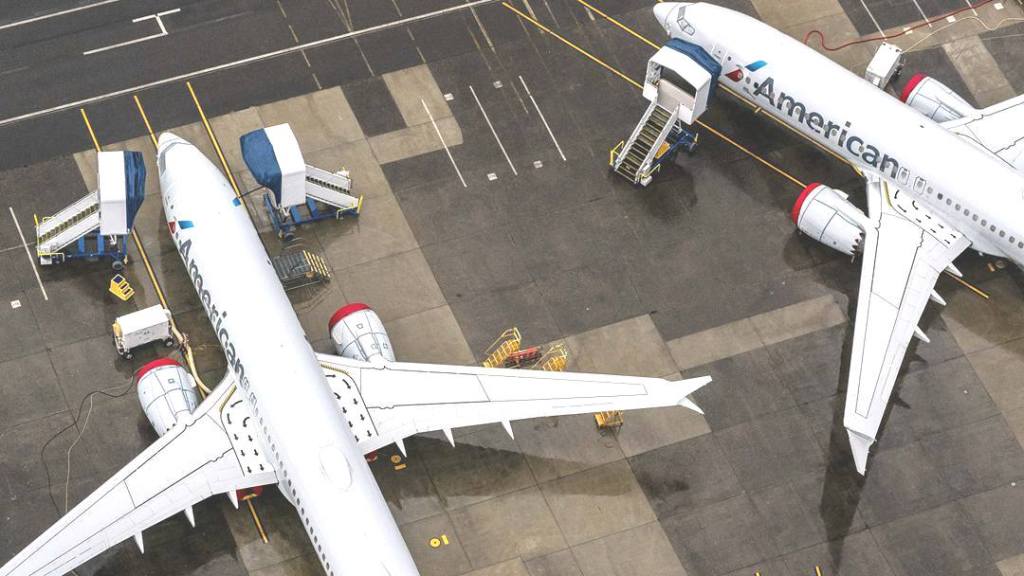
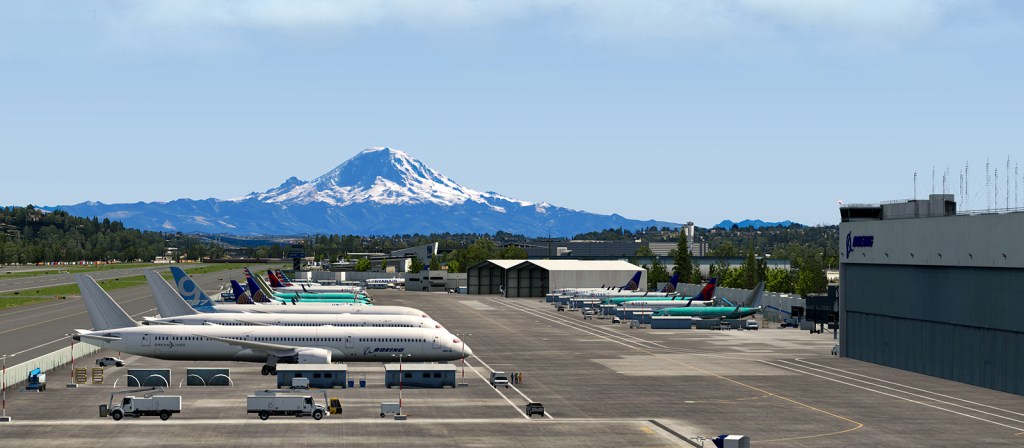
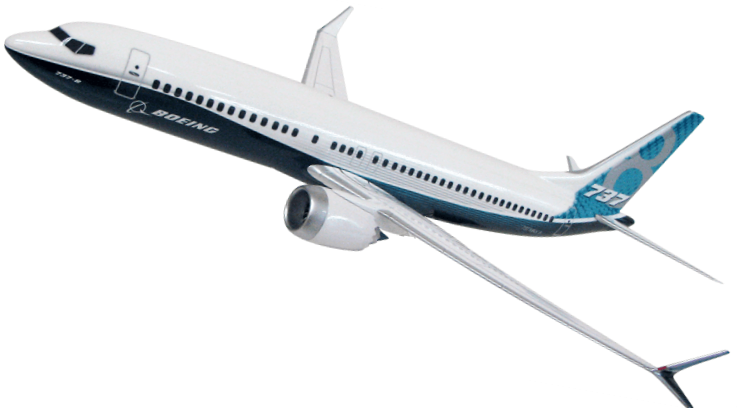
The Boeing Company ha comunicado este Martes 14/12 que ha entregado treinta y cuatro (34) nuevos aviones a clientes el mes de Noviembre 2021, poniéndolo en camino a más del doble del recuento de 2020 para este año. Los nuevos pedidos netos totalizaron 91 en Noviembre 2021, la mayoría de ellos 737 MAX, marcando el décimo mes consecutivo en que las nuevas ventas superaron las cancelaciones. Boeing entregó 302 aviones este año hasta Noviembre 2021, cerca del doble que los 157 que entregó en todo 2020 durante las profundidades de la pandemia de coronavirus y cuando la puesta a tierra mundial de su 737 MAX después de dos accidentes mortales duró la mayor parte del año. Antes de la pandemia, en 2019, Boeing entregó 380 aviones a los clientes.
China, uno de los últimos países en mantener su puesta a tierra del 737 MAX aprobó a principios de este mes de 12/2021 un plan que podría permitir que los aviones vuelvan a volar. Boeing dijo a fines de Octubre 2021 que las aerolíneas chinas representan alrededor de un tercio de los aproximadamente 370 aviones MAX que Boeing tenía en inventario. Sin embargo, siguen existiendo otros desafíos.
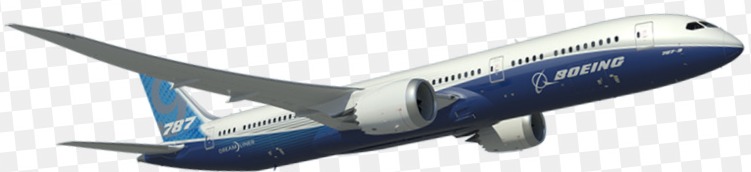
Las entregas de sus aviones 787 Dreamliner han sido suspendidas durante gran parte del año pasado mientras Boeing trabaja a través de fallas de fabricación, obstaculizando su recuperación y complicando los planes de programación de grandes clientes, como American Airlines. La semana pasada, American Airlines dijo en una presentación que tendrá que recortar su programa de vuelos internacionales de larga distancia para el próximo verano septentrional debido a los retrasos.
Boeing delivers 34 units 11/2021
Deliveries represent a modest increase
The Boeing Company has announced this Tuesday 12/14 that it has delivered thirty-four (34) new aircraft to customers in the month of November 2021, putting it on track to more than double the 2020 count for this year. Net new orders totaled 91 in November 2021, most of them 737 MAX, marking the 10th consecutive month that new sales exceeded cancellations. Boeing delivered 302 aircraft this year through November 2021, about double the 157 it delivered in all of 2020 during the depths of the coronavirus pandemic and when the global grounding of its 737 MAX after two fatal crashes lasted most of the time. anus. Before the pandemic, in 2019, Boeing delivered 380 aircraft to customers.
China, one of the last countries to maintain its 737 MAX grounding, approved earlier this month 12/2021 a plan that could allow the planes to fly again. Boeing said in late October 2021 that Chinese airlines account for about a third of the roughly 370 MAX planes Boeing had in inventory. However, other challenges remain.
Deliveries of its 787 Dreamliner jets have been on hold for much of the past year as Boeing works through manufacturing failures, hampering its recovery and complicating scheduling plans for large customers, such as American Airlines. Last week, American Airlines said in a presentation that it will have to cut its long-haul international flight schedule for next northern summer due to delays.





















 El A380 seguirá siendo el producto estrella de Emirates Airline durante los próximos años, y un pilar vital de nuestros planes de red
  . —Tim Clark, Presidente de la aerolínea Emirates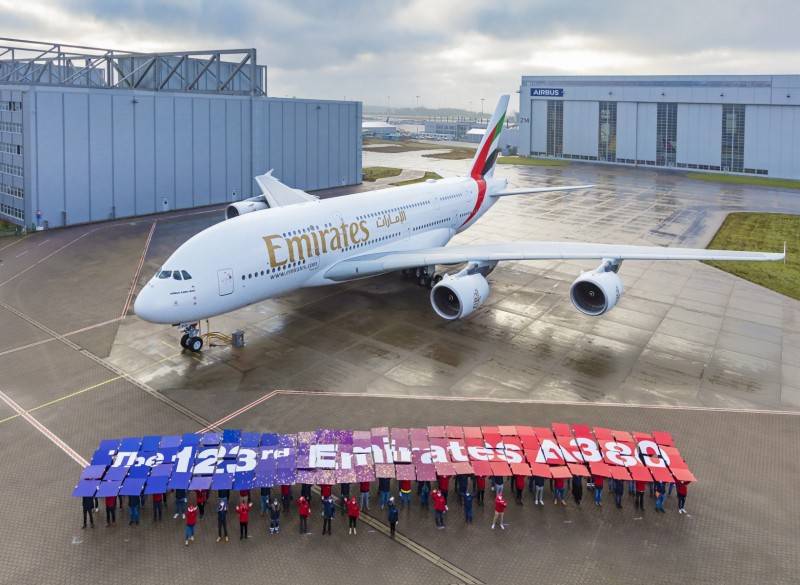





 airgways.com