La expansión de The Boeing Company en el Aeropuerto MidAmerica St. Louis/BLV en el Condado de St. Clair ha dado un paso adelante, permitiendo al gigante aeroespacial firmar un contrato de arrendamiento con el Gobierno propietario de la instalación. MidAmerica espera más momentos históricos después del avance de la aviación en el aeropuerto del Estado de Illinois (IL).
El desarrollo propuesto de Boeing tiene varias etapas en el Aeropuerto MidAmerica St. Louis. Actualmente, comienza la segunda fase del proyecto de expansión de la terminal de US$ 30 millones del Aeropuerto MidAmerica. Una expansión planificada de las operaciones de defensa de Boeing en el Aeropuerto MidAmerica St. Louis dio otro paso adelante con un nuevo contrato de arrendamiento a largo plazo aprobado esta semana, pero los detalles sobre el proyecto aún no están claros.
El acuerdo de arrendamiento de 20 años entre Midamerica Airport y Boeing fue aprobado por unanimidad por la Comisión de Construcción Pública del Condado de St. Clair, que supervisa el aeropuerto propiedad del condado, el Martes 31/08. Incluye tres opciones de renovación de veinte años que, si se ejercen, convertirían al contratista de defensa en un inquilino en MidAmerica durante ochenta años.
El sitio de 34 acres se desarrollará para varios usos, según documentos de la comisión. Eso incluye el diseño aeroespacial, el desarrollo, la producción, el montaje, el mantenimiento y algunos estacionamientos y almacenamiento de vehículos. Su promesa incluye creación significativa de empleos, desarrollo económico para la región e ingresos significativos para el condado, según una sinopsis de una página del proyecto proporcionada a la comisión de construcción. Pero Boeing ha sido hermético sobre el proyecto desde que se alcanzó un acuerdo previo al desarrollo en diciembre, reconociendo solo que se está trabajando en una expansión de sus operaciones en el aeropuerto. «Hemos firmado un contrato de arrendamiento en el aeropuerto MidAmerica St. Louis, que es una continuación del acuerdo previo al desarrollo de Boeing y el aeropuerto firmado en diciembre de 2020 relacionado con la posible expansión de las operaciones existentes de Boeing. Esas operaciones actualmente incluyen actividades de producción y pruebas de vuelo para programas relacionados con la defensa. No estamos publicando detalles adicionales esta vez», dijo Kurt LaBelle, representante de Boeing, en un comunicado.
Además de los nuevos ingresos para el aeropuerto, el desarrollo promete aumentar sus operaciones y reforzar la relación del aeropuerto con Boeing, según la sinopsis. Los miembros de la comisión de construcción del condado han remitido preguntas adicionales sobre el desarrollo a Boeing. El desarrollo estará ubicado cerca de la Ruta 4 de Illinois, justo al sur de la entrada a MidAmerica. El Director del aeropuerto, Bryan Johnson, dijo que Boeing pagará 65.000 dólares en alquiler en su primer año como inquilino. Después del primer año del contrato de arrendamiento, el alquiler aumentará a aproximadamente US$ 450.000 al año. Dijo que todos los ingresos del alquiler se reinvertirán en el aeropuerto. «Todos los ingresos del contrato de arrendamiento volverán al aeropuerto en proyectos de capital u operaciones y mantenimiento», dijo Bryan Johnson.
Dos parcelas adicionales de tierra podrían estar disponibles para una mayor expansión en el futuro, dijo Bryan Johnson, que ha estimado previamente que el proyecto tardaría de tres a cuatro años en completarse. El martes, dijo que el desarrollo había comenzado, pero no podía ser más específico.
Boeing no hizo comentarios sobre su cronograma esperado del proyecto propuesto. El nuevo desarrollo es uno de los proyectos en curso en el aeropuerto, que en Septiembre 2021 recibió una subvención federal de US$ 6.5 millones del Departamento de Transporte de los Estados Unidos para expandir su terminal en más de 41.000 pies cuadrados.
La semana pasada, Boeing presentó su nuevo avión de combate F-15QA en su St. Louis. El contrato incluye logística, soporte de mantenimiento y capacitación de pilotos, que ha estado en marcha en la Base de la Fuerza Aérea Scott y MidAmerica desde Febrero 2021. También se está trabajando en una extensión de MetroLink desde la estación Shiloh-Scott hasta MidAmerica, financiada por el plan de infraestructura Rebuild Illinois del gobernador J.B. Pritzker. Se han reservado aproximadamente 96 millones de dólares para el proyecto.
Boeing expansion in MidAmerica
Boeing Expansion at MidAmerica Airport
The Boeing Company‘s expansion at MidAmerica St. Louis Airport/BLV in St. Clair County has taken a step forward, allowing the aerospace giant to sign a lease with the government that owns the facility. MidAmerica looks forward to more historic moments after the advancement of aviation at the Illinois State (IL) airport.
Boeing’s proposed development has multiple stages at MidAmerica St. Louis Airport. Currently, the second phase of the expansion project of the US$ 30 million terminal at MidAmerica Airport is beginning. A planned expansion of Boeing’s defense operations at MidAmerica St. Louis Airport took another step forward with a new long-term lease approved this week, but details about the project are still unclear.
The 20-year lease agreement between Midamerica Airport and Boeing was unanimously approved by the St. Clair County Public Construction Commission, which oversees the county-owned airport, on Tuesday 08/31. It includes three twenty-year renewal options that, if exercised, would make the defense contractor a tenant in MidAmerica for eighty years.
The 34-acre site will be developed for multiple uses, according to commission documents. That includes aerospace design, development, production, assembly, maintenance, and some vehicle parking and storage. His promise includes significant job creation, economic development for the region and significant revenue for the county, according to a one-page synopsis of the project provided to the construction commission. But Boeing has been secretive about the project since a pre-development agreement was reached in December, acknowledging only that it is working on an expansion of its operations at the airport. «We have entered into a lease agreement at MidAmerica St. Louis Airport, which is a continuation of Boeing’s pre-development agreement and the airport signed in December 2020 related to the possible expansion of Boeing’s existing operations. Those operations currently include production activities and flight testing for defense-related programs. We are not releasing additional details this time», said Kurt LaBelle, a Boeing representative, in a statement.
In addition to new revenue for the airport, the development promises to increase its operations and strengthen the airport’s relationship with Boeing, according to the synopsis. Members of the county’s building commission have referred additional questions about the development to Boeing. The development will be located near Illinois Route 4, just south of the entrance to MidAmerica. Airport Director Bryan Johnson said Boeing will pay US$ 65,000 in rent in its first year as a tenant. After the first year of the lease, the rent will increase to approximately US$ 450,000 per year. He said that all income from the rental will be reinvested at the airport. «All proceeds from the lease will go back to the airport in capital projects or operations and maintenance», Bryan Johnson said.
Two additional parcels of land could be available for further expansion in the future, said Bryan Johnson, who has previously estimated the project would take three to four years to complete. On Tuesday, he said development had started, but couldn’t be more specific.
Boeing did not comment on its expected timeline for the proposed project. The new development is one of the ongoing projects at the airport, which in September received a US$ 6.5 million federal grant from the US Department of Transportation to expand its terminal by more than 41,000 square feet.
Last week, Boeing unveiled its new F-15QA fighter jet in its St. Louis. The contract includes logistics, maintenance support and pilot training, which has been underway at Scott Air Force Base and MidAmerica since February 2021. Work is also underway on a MetroLink extension from Shiloh-Scott station to MidAmerica, funded by Governor JB’s Rebuild Illinois infrastructure plan Pritzker. Approximately US$ 96 million has been set aside for the project.
Iraqi Airways ha anunciado la próxima incorporación de la línea Airbus A220-300. La aerolínea ha anunciado la primer imagen del primero de los cinco A220 (5) que espera recibir a partir del próximo mes de Octubre 2021. La primer unidad ha sido vista en Airbus Mirabel cerca de Montreal en Québec, Canadá.
Iraq Airways realizó un pedido a Bombardier Aeropsace de cinco A220-300 (5) en 2013, cuando el avión todavía de encontraba bajo la denominación como Canadair Series CS300, mientras que tiene opciones para comprar 11 A220 adicionales del fabricante de aviones europeo.
La formación de pilotos está en marcha en Alemania. Iraq Airways dijo que había enviado a un grupo de sus pilotos a Lufthansa en Alemania para obtener una licencia que les permitirá volar el Airbus A220-300. El entrenamiento de vuelo es realizado por una compañía llamada Flight Training Alliance, una empresa conjunta entre CAE y Lufthansa Aviation Training. Ubicada en el aeropuerto de Frankfurt (FRA), Flight Training Alliance es el único Proveedor de Capacitación Autorizado (ATP) para la capacitación de Airbus A220 en todo el mundo. Todos los cursos que ofrece Flight Training Alliance se han desarrollado en estrecha colaboración con Airbus.
Actualmente, Iraqi Airways posee una flota de treinta aviones entre ellos Airbus A320-200 (3), Airbus A321-200 (2), Airbus A330-200 (1), Boeing 737-800 (15), Boeing 747-400 (2), Boeing 777-200LR (1), CRJ900ER (6).
Airbus A220
En Julio de 2018, Airbus adquirió el 50,1% del programa CS y renombró el avión como A220-100 y A220-300. Además de la fábrica principal en Mirabel, Quebec, Airbus abrió una segunda línea de producción en Mobile en Alabama. En 2020, Bombardier abandonó el programa A220 dejando a Airbus con una participación del 75% y el 25% restante en manos del Gobierno de Québec. Construido con un fuselaje de aluminio-litio y alas compuestas de carbono, el A220 está propulsado por dos motores turbofan Pratt & Whitney PW1500G.
Diseñado por Bombardier Aerospace como Bombardier CSeries, el Airbus A220 es un avión de pasajeros de fuselaje estrecho adecuado para destinos de corta y media distancia. El CS100, ahora conocido como A220-100, puede acomodar entre 108 y 133 pasajeros, mientras que el CS300 más grande A220-300 puede acomodar entre 130 y 160 pasajeros. Swiss Air Lines fue el cliente de lanzamiento del A220-100 en 2016, y airBaltic fue el cliente de lanzamiento del A220-300 más tarde el mismo año. Delta Air Lines es el mayor operador del A220 con 50 aviones en su flota, mientras que airBaltic de Letonia opera una flota de Airbus de 30 aviones.
Acerca de Iraq Airways
Iraqi Airways Company, que opera como Iraqi Airways, en árabe: الخطوط الجوية العراقية al-Xuṭūṭ al-Jawwiyyah al-ʿIrāqiyyah, es la aerolínea nacional de Irak, con sede en el Aeropuerto Internacional Bagdad en Bagdad. Es la segunda aerolínea más antigua de Oriente Medio. Iraqi Airways opera el servicio nacional y regional. Su base principal es el Aeropuerto Internacional de Bagdad. Iraqi Airways fue fundada en 1945 como un departamento de los Ferrocarriles Estatales Iraquíes y comenzó a operar el 28 de Enero de 1946. Aunque durante el desarrollo de la guerra de Irak, los vuelos cesaron después de que las fuerzas de la coalición impusieran una zona de exclusión aérea sobre el país, mientras la aerolínea sufría impactos económicos. La aerolínea continúa actualmente construyendo su estructura de vuelos en Medio Oriente.
Iraqi Airways to acquire A220
Iraqi Airways to acquire Airbus A220-300
Iraqi Airways has announced the upcoming addition of the Airbus A220-300 line. The airline has announced the first image of the first of the five A220s (5) that it expects to receive starting next October 2021. The first unit has been seen at Airbus Mirabel near Montreal in Québec, Canada.
Iraq Airways placed an order from Bombardier Aeropsace for five A220-300s (5) in 2013, while the aircraft was still under the name Canadair Series CS300, while it has options to purchase an additional 11 A220s from the European aircraft manufacturer.
Pilot training is underway in Germany. Iraq Airways said it had sent a group of its pilots to Lufthansa in Germany to obtain a license that will allow them to fly the Airbus A220-300. Flight training is conducted by a company called the Flight Training Alliance, a joint venture between CAE and Lufthansa Aviation Training. Located at Frankfurt Airport (FRA), Flight Training Alliance is the only Authorized Training Provider (ATP) for Airbus A220 training worldwide. All courses offered by the Flight Training Alliance have been developed in close collaboration with Airbus.
Iraqi Airways currently has a fleet of thirty aircraft including Airbus A320-200 (3), Airbus A321-200 (2), Airbus A330-200 (1), Boeing 737-800 (15), Boeing 747-400 (2 ), Boeing 777-200LR (1), CRJ900ER (6).
Airbus A220
In July 2018, Airbus acquired 50.1% of the CS program and renamed the aircraft A220-100 and A220-300. In addition to the main factory in Mirabel, Quebec, Airbus opened a second production line in Mobile in Alabama. In 2020, Bombardier exited the A220 program, leaving Airbus with a 75% stake and the remaining 25% in the hands of the Québec government. Built with an aluminum-lithium fuselage and carbon composite wings, the A220 is powered by two Pratt & Whitney PW1500G turbofan engines.
Designed by Bombardier Aerospace as the Bombardier CSeries, the Airbus A220 is a narrow-body airliner suitable for short and medium-haul destinations. The CS100, now known as the A220-100, can seat between 108 and 133 passengers, while the larger CS300 A220-300 can seat between 130 and 160 passengers. Swiss Air Lines was the launch customer for the A220-100 in 2016, and airBaltic was the launch customer for the A220-300 later the same year. Delta Air Lines is the largest A220 operator with 50 aircraft in its fleet, while Latvia’s airBaltic operates an Airbus fleet of 30 aircraft.
About Iraq Airways
Headquartered at Baghdad International Airport (BGW), Iraq Airways is the second oldest airline in the Middle East after Egyptair. In the early years, Iraq Airways cooperated with the British Overseas Aircraft Corporation (BOAC), flying British-made Vickers aircraft. During the Iraq war, flights ceased after coalition forces imposed a no-fly zone over the country. After the war, the airline struggled due to debt and today operates mainly domestically and to neighboring countries.
الخطوط الجوية العراقية تستحوذ على طائرة A220
الخطوط الجوية العراقية تستحوذ على طائرة إيرباص A220-300
أعلنت الخطوط الجوية العراقية عن الإضافة المرتقبة لخط إيرباصA220-300. أعلنت شركة الطيران عن أول صورة لأول طائرة من طائرات A220 الخمسة التي تتوقع استلامها اعتبارًا من أكتوبر المقبل 2021. وقد شوهدت الوحدة الأولى في إيرباص ميرابل بالقرب من مونتريال في كيبيك ، كندا.
قدمت الخطوط الجوية العراقية طلبًا من Bombardier Aeropsace لخمس طائرات A220-300 (5) في عام 2013 ، بينما كانت الطائرة لا تزال تحت اسم Canadair Series CS300 ، في حين أن لديها خيارات لشراء 11 A220s إضافية من الشركة المصنعة للطائرات الأوروبية.
يجري تدريب الطيارين في ألمانيا. قالت الخطوط الجوية العراقية إنها أرسلت مجموعة من طياريها إلى شركة لوفتهانزا في ألما للحصول على رخصة تسمح لهم بالتحليق بالطائرة ايرباص A220-300. يتم إجراء التدريب على الطيران من قبل شركة تسمى Flight Training Alliance ، وهي مشروع مشترك بين CAE و Lufthansa Aviation Training. يقع Flight Training Alliance في مطار فرانكفورت (FRA) ، وهو مزود التدريب المعتمد الوحيد (ATP) لتدريب Airbus A220 في جميع أنحاء العالم. تم تطوير جميع الدورات التدريبية التي يقدمها تحالف التدريب على الطيران بالتعاون الوثيق مع شركة إيرباص.
الخطوط الجوية العراقية لديها حاليا أسطول من ثلاثين طائرة بما في ذلك ايرباص A320-200 (3) ، ايرباص A321-200 (2) ، ايرباص A330-200 (1) ، بوينغ 737-800 (15) ، بوينغ 747-400 (2) ، بوينج 777-200LR (1) ، CRJ900ER (6).
ايرباص A220
في يوليو 2018 ، استحوذت إيرباص على 50.1٪ من برنامج CS وأعادت تسمية الطائرة إلى A220-100 و A220-300. بالإضافة إلى المصنع الرئيسي في ميرابل ، كيبيك ، افتتحت شركة إيرباص خط إنتاج ثانٍ في موبايل في ألاباما. في عام 2020 ، خرجت بومباردييه من برنامج A220 ، تاركة لشركة إيرباص بحصة 75٪ والباقي 25٪ في أيدي حكومة كيبيك. تم بناء A220 بهيكل من الألومنيوم والليثيوم وأجنحة من الكربون المركب ، وهو مدعوم من اثنين من Pratt & amp؛ ويتني PW1500G.
تم تصميم طائرة إيرباص A220 من قبل بومباردييه إيروسبيس باسم بومباردييه سي سيريز ، وهي طائرة ضيقة البدن مناسبة للمسافات القصيرة والمتوسطة. يمكن لـ CS100 ، المعروفة الآن باسم A220-100 ، أن تستوعب ما بين 108 و 133 راكبًا ، في حين أن CS300 A220-300 الأكبر يمكنها أن تستوعب ما بين 130 و 160 راكبًا. كانت Swiss Air Lines هي العميل الأول لطائرة A220-100 في عام 2016 ، وكانت شركة airBaltic هي العميل الأول لطائرة A220-300 في وقت لاحق من نفس العام. دلتا إيرلاينز هي أكبر مشغل من طراز A220 مع 50 طائرة في أسطولها ، في حين أن شركة طيران لاتفيا airBaltic تشغل أسطول إيرباص من 30 طائرة.
حول الخطوط الجوية العراقية
الخطوط الجوية العراقية ، التي تعمل كخطوط جوية عراقية ، بالعربية: الخطوط الجوية العراقية al-Jawwiyyah al-Airāqiyyah ، هي شركة الطيران الوطنية للعراق ، ومقرها بغداد المطار الدولي في بغداد. وهي ثاني أقدم شركة طيران في الشرق الأوسط. الخطوط الجوية العراقية تدير خدمة وطنية وإقليمية. قاعدتها الرئيسية هي مطار بغداد الدولي. تأسست الخطوط الجوية العراقية في عام 1945 كإدارة لسكك حديد الدولة العراقية وبدأت العمل في 28 يناير 1946. على الرغم من أنه خلال حرب العراق ، توقفت الرحلات الجوية بعد أن فرضت قوات التحالف منطقة حظر جوي فوق البلاد. عانت شركات الطيران من آثار اقتصادية. تواصل الشركة حاليًا بناء هيكل رحلاتها في الشرق الأوسط.
Boeing-Ethiopian Airlines asocian para centro de aviación de África
The Boeing Company y Ethiopian Airlines han firmado un Memorando de Entendimiento (MoU) para transformar el país en el centro de aviación más grande de África y construir una tubería para carreras de aviación. Etiopía también dijo que estaban comprometidos a usar el Boeing 737 MAX después de que las dos compañías llegaron a un acuerdo sobre un accidente mortal en marzo de 2019.
El proyecto aumentará la capacidad de fabricación en Etiopía y viene con la construcción planificada de un aeropuerto de US$ 5 billones cerca de la capital de Etiopía, Addis Abeba. «Hemos estado trabajando en colaboración con Boeing en diferentes proyectos a gran escala en la aviación durante más de 70 años para servir al continente africano y esta asociación amplía y desarrolla nuestra capacidad en múltiples campos», dijo el CEO de Ethiopian Airlines, Tewolde GebreMariam.
Boeing-Ethiopian Airlines association
Boeing-Ethiopian Airlines partner for Africa aviation hub
The Boeing Company and Ethiopian Airlines have signed a Memorandum of Understanding (MoU) to transform the country into Africa’s largest aviation hub and build a pipeline for aviation careers. Ethiopia also said they were committed to using the Boeing 737 MAX after the two companies reached an agreement on a fatal accident in March 2019.
The project will increase manufacturing capacity in Ethiopia and comes with the planned construction of a US$ 5 billion airport near the Ethiopian capital, Addis Ababa. «We have been working collaboratively with Boeing on different large-scale projects in aviation for more than 70 years to serve the African continent and this partnership expands and develops our capacity in multiple fields», said Ethiopian Airlines CEO Tewolde GebreMariam.
Griffin Global Asset Management ordena Boeing 737 MAX
The Boeing Company y Griffin Global Asset Management, la compañía de arrendamiento de aviones con sede en Los Ángeles, anunciaron este 2 de Septiembre de 2021 que el arrendador de aviones está ampliando su cartera de aviones comerciales con cinco nuevos aviones Boeing 737-8 MAX (5). La compra es el primer pedido directo de Griffin con Boeing, ya que ve oportunidades estratégicas para colocar los aviones durante la recuperación del mercado.
«A medida que las condiciones del mercado se recuperan, estamos encontrando oportunidades para servir a nuestrosclientes de aerolíneas de maneras innovadoras. Un componente importante de esta estrategia es proporcionar una capacidad equilibrada que satisfaga la demanda de pasajeros que regresan. El 737-8 está bien posicionado para apoyar este objetivo, y esta orden sienta una base sólida para que más cosas vengan con Boeing y Griffin en oportunidades futuras», dijo Ryan McKenna, fundador y CEO de Griffin Global Asset Management.
Diseñada y construida en Renton, Washington, la familia 737 MAX ofrece una eficiencia, flexibilidad y confiabilidad superiores, al tiempo que reduce el uso de combustible y las emisiones de carbono en al menos un 14% en comparación con los aviones que reemplazan. El 737-8 tiene capacidad para 189 pasajeros y puede volar 3.550 millas náuticas, unas 600 millas más lejos que su predecesor, lo que permite a las aerolíneas ofrecer rutas nuevas y más directas para los pasajeros. Cada 737 MAX cuenta con el nuevo Boeing Sky Interior, resaltado por modernas paredes laterales esculpidas y reveladores de ventanas, iluminación LED que mejora la sensación de amplitud y compartimentos de almacenamiento superiores pivotantes más grandes.
«Griffin Global Asset Management está construyendo un negocio de arrendamiento de aeronaves de primera clase, y estamos encantados de que hayan seleccionado el 737-8 para su cartera de pasillo único. A medida que Griffin realiza su primer pedido directo con Boeing, les damos la bienvenida a la familia 737 y esperamos trabajar con el equipo en el futuro», dijo Ihssane Mounir, Vicepresidente Senior de Ventas Comerciales y Marketing de Boeing.
Como empresa aeroespacial líder a nivel mundial, Boeing desarrolla, fabrica y presta servicios a aviones comerciales, productos de defensa y sistemas espaciales para clientes en más de 150 países. Como uno de los principales exportadores de Estados Unidos, la compañía aprovecha los talentos de una base de proveedores globales para promover las oportunidades económicas, la sostenibilidad y el impacto en la comunidad. El diverso equipo de Boeing está comprometido a innovar para el futuro y vivir los valores fundamentales de la compañía de seguridad, calidad e integridad.
Respaldado por Bain Capital Credit, Griffin Asset Management ofrece arrendamiento de aviones comerciales y gestión de activos alternativos con oficinas en Dublín y Los Ángeles. El equipo cuenta con profesionales de la aviación experimentados que trabajan en estrecha colaboración con aerolíneas, fabricantes de aviones e inversores para proporcionar soluciones de flota personalizadas y productos de financiación innovadores a aerolíneas de todo el mundo.
Griffin Global Orders 5 Boeing 737 MAX
Griffin Global Asset Management orders Boeing 737 MAX
The Boeing Company and Griffin Global Asset Management, the Los Angeles-based aircraft leasing company, announced this September 2, 2021 that the aircraft lessor is expanding its commercial aircraft portfolio with five new Boeing 737-8 MAX aircraft (5). The purchase is Griffin’s first direct order with Boeing as it sees strategic opportunities to place the jets during the market recovery.
«As market conditions recover, we are finding opportunities to serve our airline customers in innovative ways. An important component of this strategy is providing balanced capacity to meet returning passenger demand. The 737-8 is well positioned to support this goal, and this order lays a strong foundation for more to come with Boeing and Griffin in future opportunities», said Ryan McKenna, founder and CEO of Griffin Global Asset Management.
Designed and built in Renton, Washington, the 737 MAX family offers superior efficiency, flexibility and reliability, while reducing fuel use and carbon emissions by at least 14% compared to the aircraft they replace. The 737-8 seats 189 passengers and can fly 3,550 nautical miles, some 600 miles farther than its predecessor, allowing airlines to offer new and more direct routes for passengers. Every 737 MAX features the new Boeing Sky Interior, highlighted by modern sculpted sidewalls and window revelers, LED lighting that enhances the feeling of spaciousness, and larger pivoting overhead storage compartments.
«Griffin Global Asset Management is building a world-class aircraft leasing business, and we are delighted that they have selected the 737-8 for their single-aisle portfolio. As Griffin places their first direct order with Boeing, we are giving them the welcome to the 737 family and we look forward to working with the team in the future», said Ihssane Mounir, Senior Vice President, Commercial Sales and Marketing, Boeing.
As the world’s leading aerospace company, Boeing develops, manufactures and services commercial aircraft, defense products and space systems for customers in more than 150 countries. As one of America’s leading exporters, the company harnesses the talents of a global supplier base to promote economic opportunity, sustainability, and community impact. Boeing’s diverse team is committed to innovating for the future and living the company’s core values of safety, quality, and integrity.
Backed by Bain Capital Credit, Griffin Asset Management offers commercial aircraft leasing and alternative asset management with offices in Dublin and Los Angeles. The team consists of seasoned aviation professionals who work closely with airlines, aircraft manufacturers and investors to provide customized fleet solutions and innovative financing products to airlines around the world.
Boeing elige a David Joyce como miembro Junta Directiva
La Junta Directiva (JD) de The Boeing Company anunció este 31/08 que David L. Joyce ha sido elegido miembro de la junta, con efecto inmediato. Formará parte de los comités de Compensación y Seguridad Aeroespacial. La Junta de Boeing también anunció este Martes 31/08 que el Almirante Edmund P. Giambastiani Jr. informó a la compañía que se retirará de la junta a fines de 2021. David Joyce, un ejecutivo aeroespacial consumado, de 64 años, se retiró de General Electric (GE) como Vicepresidente en 2020, donde también se desempeñó como Presidente y Director Ejecutivo de GE Aviation de 2008 a 2020. Durante sus doce años de liderazgo en la división más grande de GE, David Joyce también dirigió el soporte de productos y clientes para más de 19.000 motores globales y 500 clientes de aerolíneas y supervisó la implementación de un sistema de gestión de seguridad líder en la industria en GE Aviation.
David Joyce, una veterana de 40 años en GE, se unió a GE Aviation en 1980 como ingeniera de producto y pasó 15 años diseñando y desarrollando motores comerciales y militares de GE, antes de ocupar una variedad de posiciones de liderazgo en GE Aviation, incluido el de vicepresidente y gerente general de Comercial. Motores. Joyce obtuvo una licenciatura en ciencias y una maestría en ingeniería mecánica de la Universidad Estatal de Michigan y tiene una maestría en finanzas comerciales de la Universidad Xavier. «David Joyce es un líder reconocido de la industria aeroespacial que aporta un historial demostrado de liderazgo en seguridad, experiencia en ingeniería y excelencia operativa a nuestra junta. Brindará valiosos consejos y orientación basados en su importante experiencia», dijo el Presidente de Boeing, Larry Kellner.
David Joyce es miembro de la Academia Nacional de Ingeniería y ha recibido el Premio al Liderazgo Industrial James Forrestal de la Asociación Industrial de Defensa Nacional y la Medalla al Avance de la Investigación de la Sociedad Estadounidense de Materiales. Desde 2010, ha sido miembro del Patronato de la Universidad Xavier. «Boeing se beneficiará de la profunda experiencia en aviación de David Joyce y de las amplias relaciones con la industria. La experiencia de David transformando negocios y su enfoque en la calidad y la seguridad en la industria aeroespacial fortalecerá aún más nuestra Junta», dijo David Calhoun, Presidente y Director Ejecutivo de Boeing y miembro de la Junta Directiva.
El Almirante (retirado) Edmund P. Giambastiani se unió a la Junta en 2009 después de una distinguida carrera militar, que culminó con su servicio como séptimo Vicepresidente del Estado Mayor Conjunto. El Almirante Edmund Giambastiani es un oficial de submarinos de carrera con entrenamiento nuclear de la Marina de los Estados Unidos. Con una amplia experiencia en operaciones, mantenimiento, revisión, ingeniería y adquisiciones. Aportó a la junta una amplia experiencia en el desarrollo de programas importantes, la provisión de recursos para programas y otros aspectos de la gestión de grandes programas de adquisición de las fuerzas armadas de EE.UU., Con un enfoque particular en programas de alta tecnología. Su experiencia y liderazgo en asuntos relacionados con la seguridad nacional y la defensa ha beneficiado claramente a la empresa. En 2019, el Almirante E. Giambastiani fue nombrado presidente del Comité de Políticas y Procedimientos de Aviones de la Junta, que se formó para revisar las políticas y procesos de Boeing en toda la empresa para el diseño y desarrollo de aviones. Después de una revisión intensiva de cinco meses, el comité recomendó varias acciones que se han implementado para fortalecer las prácticas y la cultura de seguridad de Boeing, entre ellas: la creación de un Comité de Seguridad Aeroespacial permanente, que el Almirante Giambastiani ha presidido desde sus inicios; el establecimiento de una Organización de seguridad de productos y servicios que informe al liderazgo superior de la empresa y al Comité de seguridad aeroespacial; realinear los equipos de ingeniería en una organización unificada bajo el Ingeniero Jefe para fortalecer aún más la función de ingeniería de la empresa; establecer un programa formal de requisitos de diseño; mejorar el programa de seguridad de funcionamiento continuo de la empresa; reexaminar el diseño de la cabina de vuelo y los supuestos de operación; y ampliar el papel y el alcance del Centro de Promoción de la Seguridad de la empresa. Además de presidir el Comité de Seguridad Aeroespacial, el Almirante Giambastiani se desempeña como miembro del Comité de Gobernanza y Políticas Públicas y del Comité de Programas Especiales de la Junta. El Almirante Giambastiani obtuvo una licenciatura en ciencias con una especialización en ingeniería eléctrica con distinción de liderazgo de la Academia Naval de los EE.UU.
«Apreciamos profundamente el encomiable servicio de Ed en nuestra junta. Boeing se ha beneficiado enormemente de su liderazgo distinguido y su servicio comprometido, incluido su compromiso de garantizar la calidad y seguridad de todos los productos aeroespaciales de Boeing», dijo el Presidente de Boeing, Larry Kellner.
«Ha sido un privilegio trabajar de cerca y servir junto a Ed. Estamos agradecidos por sus contribuciones significativas y duraderas a nuestra empresa, incluido su liderazgo en seguridad de productos y asuntos relacionados con la seguridad nacional y la defensa», dijo el Presidente y Director Ejecutivo de Boeing, David Calhoun.
Boeing appoints new member
Boeing Elects David Joyce to Board of Directors
The Boeing Company Board of Directors (BD) announced this 08/31 that David L. Joyce has been elected to the board, effective immediately. He will serve on the Aerospace Safety and Compensation committees. The Boeing Board also announced this Tuesday 08/31 that Admiral Edmund P. Giambastiani Jr. informed the company that he will retire from the board at the end of 2021. David Joyce, an accomplished 64-year-old aerospace executive, retired from General Electric (GE) as Vice President in 2020, where he also served as President and CEO of GE Aviation from 2008 to 2020. During his twelve years of leadership at the GE’s largest division, David Joyce also led product and customer support for more than 19,000 global engines and 500 airline customers and oversaw the implementation of an industry-leading safety management system at GE Aviation.
David Joyce, a 40-year veteran of GE, joined GE Aviation in 1980 as a product engineer and spent 15 years designing and developing GE commercial and military engines, before holding a variety of leadership positions at GE Aviation, including that of vice president and general manager of Commercial. Engines. Joyce earned a Bachelor of Science and a Master of Mechanical Engineering from Michigan State University and an MBA from Xavier University. «David Joyce is a recognized aerospace industry leader who brings a proven track record of safety leadership, engineering expertise and operational excellence to our board. He will provide valuable advice and guidance based on his significant experience», said the Boeing President, Larry Kellner.
David Joyce is a member of the National Academy of Engineering and has received the James Forrestal Industrial Leadership Award from the National Defense Industrial Association and the Medal for Advancement in Research from the American Materials Society. Since 2010, he has been a member of the Board of Trustees of the Xavier University. «Boeing will benefit from David Joyce’s deep aviation experience and extensive industry relationships. David’s experience transforming business and his focus on quality and safety in the aerospace industry will further strengthen our board», said David. Calhoun, President and CEO of Boeing and a member of the Board of Directors.
Admiral (Retired) Edmund P. Giambastiani joined the Board in 2009 after a distinguished military career, culminating in his service as the 7th Vice Chairman of the Joint Chiefs of Staff. Admiral Edmund Giambastiani is a career submarine officer with nuclear training in the United States Navy. He with extensive experience in operations, maintenance, overhaul, engineering and procurement. He brought extensive experience to the board in developing major programs, providing program resources, and other aspects of managing large U.S. military procurement programs, with a particular focus on high-profile programs. technology. His experience and leadership in matters related to national security and defense has clearly benefited the company. In 2019, Admiral E. Giambastiani was appointed chair of the Board’s Aircraft Policies and Procedures Committee, which was formed to review Boeing’s company-wide policies and processes for aircraft design and development. After an intensive five-month review, the committee recommended several actions that have been implemented to strengthen Boeing’s safety practices and culture, including: the creation of a permanent Aerospace Safety Committee, which Admiral Giambastiani has chaired since the beginning; the establishment of a Product and Service Safety Organization reporting to the company’s senior leadership and the Aerospace Safety Committee; realign engineering teams into a unified organization under the chief engineer to further strengthen the engineering function of the company; establish a formal program of design requirements; improve the company’s ongoing safety program; re-examine the design of the flight deck and operating assumptions; and expanding the role and scope of the company’s Safety Promotion Center. In addition to chairing the Aerospace Safety Committee, Admiral Giambastiani serves as a member of the Board’s Governance and Public Policy Committee and Special Programs Committee. Admiral Giambastiani earned a Bachelor of Science major in Electrical Engineering with Leadership Distinction from the US Naval Academy.
«We deeply appreciate Ed’s commendable service on our board. Boeing has benefited greatly from his distinguished leadership and committed service, including his commitment to ensuring the quality and safety of all Boeing aerospace products», said the Boeing President, Larry Kellner.
«It has been a privilege to work closely with and serve alongside Ed. We are grateful for his significant and enduring contributions to our company, including his leadership in product safety and defense and national security matters», said the President and CEO. Boeing Executive David Calhoun.
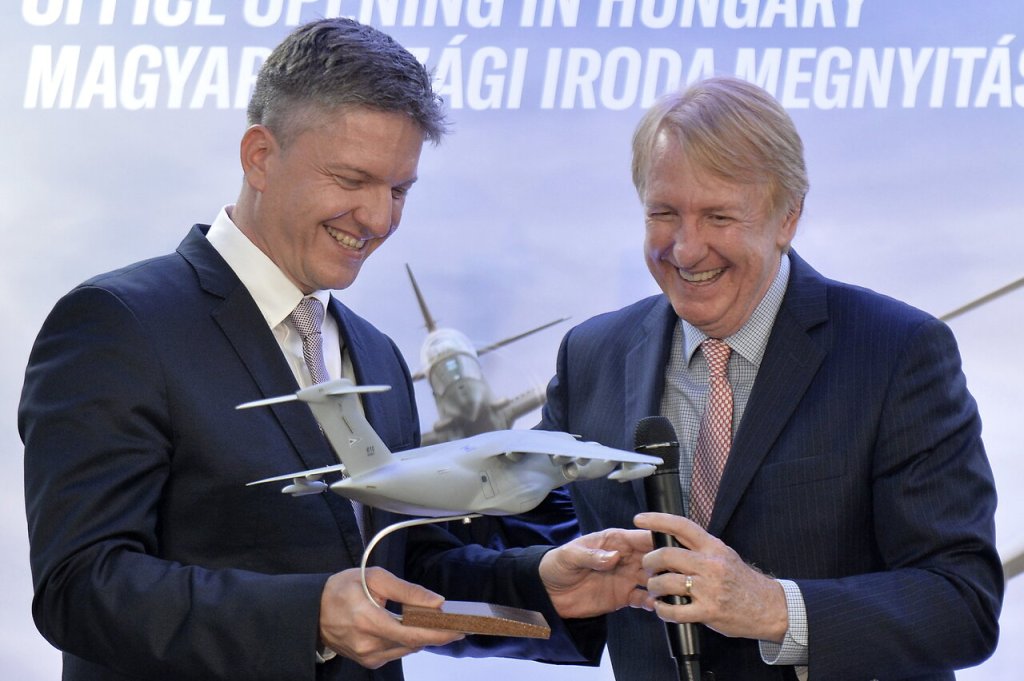
Embraer S.A. ha anunciado la apertura de una oficina en Budapest, Hungría, que tiene por objetivo principal fomentar la cooperación en en el país, lo que podría dar lugar a futuros desarrollos en el marco de nuevas asociaciones. La oficina también crea un centro administrativo para el desarrollo de proyectos en Europa central y oriental. «Embraer está interesada en aumentar su presencia en Hungría y expandir nuestra red con representantes húngaros de alta tecnología y otras partes interesadas, con el objetivo de establecer una cooperación profunda y bien estructurada con algunas de las empresas más calificadas e innovadoras del país», dijo Jackson Schneider, Director Ejecutivo de Embraer Defence and Security.
Esta iniciativa es parte de una estrategia para establecer nuevas asociaciones en mercados seleccionados. Algunos de los aspectos clave de esta cooperación futura son los esfuerzos de colaboración con nuevos socios, proyectos a largo plazo e inversión en tecnología confiable de doble uso.
«Hace menos de un año, comenzamos a trabajar juntos en la construcción de las capacidades de transporte de petroleros de nuestra fuerza aérea. Esperamos ampliar esta cooperación con las actividades de ingeniería e industriales entre Embraer y el sector aeroespacial-de defensa húngaro en evolución», dijo Gáspár Maróth, Comisionado Gubernamental para el Desarrollo de la Defensa. La oficina empleará personal húngaro, personal administrativo y de ingeniería que trabajará en estrecha cooperación con los equipos en Brasil.
Embraer opens office in Hungary
Embraer opens Hungarian office
Embraer S.A. has announced the opening of an office in Budapest, Hungary, whose main objective is to foster cooperation in the country, which could lead to future developments within the framework of new partnerships. The office also creates an administrative center for the development of projects in Central and Eastern Europe. «Embraer is interested in increasing its presence in Hungary and expanding our network with Hungarian high-tech representatives and other stakeholders, with the aim of establishing deep and well-structured cooperation with some of the most qualified and innovative companies in the country», he said Jackson Schneider, CEO of Embraer Defense and Security.
This initiative is part of a strategy to establish new partnerships in selected markets. Some of the key aspects of this future cooperation are collaborative efforts with new partners, long-term projects, and investment in reliable dual-use technology.
«Less than a year ago, we started working together on building our air force’s tanker transport capabilities. We look forward to expanding this cooperation with engineering and industrial activities between Embraer and the evolving Hungarian defense-aerospace sector», said Gáspár Maróth, Government Commissioner for Defense Development. The office will employ Hungarian staff, administrative and engineering staff who will work in close cooperation with the teams in Brazil.
Az Embraer magyarországi irodát nyit
Az Embraer megnyitja magyar irodáját
Embraer S.A. bejelentette, hogy megnyit egy irodát Budapesten, amelynek fő célja az országon belüli együttműködés előmozdítása, ami új partnerségek keretében jövőbeli fejlesztésekhez vezethet. Az iroda létrehoz egy adminisztratív központot is a közép- és kelet -európai projektek fejlesztéséhez. «Az Embraer érdekelt abban, hogy növelje jelenlétét Magyarországon, és bővítse hálózatunkat magyar csúcstechnológiai képviselőkkel és más érdekeltekkel, azzal a céllal, hogy mély és jól strukturált együttműködést alakítson ki az ország legképzettebb és leginnovatívabb vállalataival»-tette hozzá. – mondta Jackson Schneider, az Embraer Defense and Security vezérigazgatója.
Ez a kezdeményezés része annak a stratégiának, amely új partnerségeket kíván létrehozni a kiválasztott piacokon. Ennek a jövőbeni együttműködésnek néhány kulcsfontosságú eleme az új partnerekkel való együttműködés, a hosszú távú projektek és a megbízható kettős felhasználású technológiákba való befektetés.
«Kevesebb mint egy éve kezdtünk együtt dolgozni a légierőnk tartályhajó-szállító képességeinek kiépítésén. Bízunk benne, hogy ezt az együttműködést kibővíthetjük az Embraer és a fejlődő magyar védelmi-űrtechnikai szektor közötti mérnöki és ipari tevékenységekkel»-mondta Maróth Gáspár, Védelmi fejlesztési kormánybiztos. Az iroda magyar munkatársakat, adminisztratív és mérnöki alkalmazottakat fog foglalkoztatni, akik szoros együttműködésben dolgoznak a brazil csapatokkal.
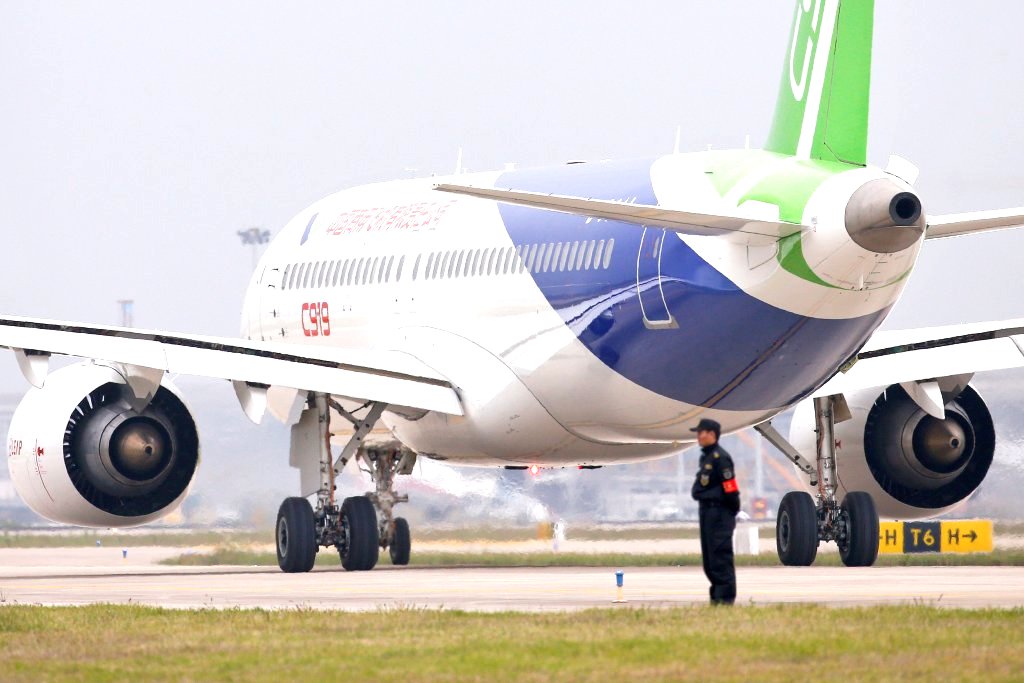
El fabricante chino COMAC Corporation ha anunciado que se encuentra próximo a la primer entrega de su aeronave narrowbody C919 twinjet para finales de 2021. La aerolínea China Eastern Airlines se convertirá en la primera compañía en recibir el nuevo avión de fuselaje estrecho COMAC C919. La aerolínea con sede en Shanghai anunció que se convertiría en el primer cliente de lanzamiento del mundo del nuevo modelo comercial C919.
La entrada en servicio de la flamante aeronave narrowbody C919 permitirá introducir un nuevo competidor mundial de su categoría. El anuncio ha generado un movimiento de tablero respecto a los históricos constructores europeo y americano. Respecto al futuro del Boeing 737 MAX, continúan los acercamientos para que la aeronave pueda recibir su recertificación. El último pronóstico de la flota de las aeronaves de cuarta generación de China Eastern Airlines no tiene un calendario de entrega fijo. La aerolínea declaró: «A la fecha de este informe, el 737 MAX ha sido aparcado, por lo que el plan de entrega de este avión no se ha incluido en la planificación futura».
COMAC Corp. ha tenido que esperar un buen tiempo para poder realizar su primera entrega. El C919 realizó su primer vuelo de prueba hace más de cuatro años, en Mayo de 2017. Sin embargo, recientemente ha tropezado con algunos obstáculos que han obstaculizado los procesos de certificación del nuevo avión. Al igual que muchos aspectos de la aviación comercial, la actual pandemia de Coronavirus ha sido un factor clave en estos retrasos. A pesar de los contratiempos transcurridos, COMAC ha podido seguir adelante con su producción del avión, que ha sido promocionado como un potencial sustituto de los Airbus A320NEO y Boeing 737 MAX.
Perspectivas C919
COMAC Corp introducirá al segundo y tercer avión de este pedido en firme para China Eastern Airlines en 2022. La aerolínea ha estado muy involucrada en el desarrollo del Programa C919, proporcionando sugerencias desde las perspectivas del uso y mantenimiento del cliente, como así también ha promovido constantemente la cooperación y la innovación en la cadena industrial. El nuevo avión comercial COMAC C919 se introducirá pronto en las aerolíneas del mundo rompiendo el duopolio de más de treinta años de Airbus y Boeing, que represente un giro en la historia de la aviación comercial mundial.
C919 profiles 1st delivery 4Q2021
COMAC will deliver the first C919 by the end of 2021
The Chinese manufacturer COMAC Corporation has announced that it is close to the first delivery of its narrowbody C919twinjet aircraft by the end of 2021. China Eastern Airlines will become the first company to receive the new narrowbody COMAC C919 aircraft. The Shanghai-based airline announced that it would become the world’s first launch customer for the new C919 business model.
The entry into service of the brand new narrowbody C919 aircraft will introduce a new global competitor in its category. The announcement has generated a dash movement regarding the historical European and American constructures. Regarding the future of the Boeing 737 MAX, the approaches continue so that the aircraft can receive its recertification. China Eastern Airlines’ latest fourth-generation aircraft fleet forecast does not have a fixed delivery schedule. The airline stated: «As of the date of this report, the 737 MAX has been parked, so the delivery plan for this aircraft has not been included in future planning».
COMAC Corp. has had to wait a long time to be able to make its first delivery. The C919 made its first test flight more than four years ago, in May 2017. However, it has recently encountered some obstacles that have hampered the certification processes of the new aircraft. Like many aspects of commercial aviation, the current Coronavirus pandemic has been a key factor in these delays. Despite the setbacks, COMAC has been able to continue with its production of the aircraft, which has been touted as a potential replacement for the Airbus A320NEO and Boeing 737 MAX.
C919 perspectives
COMAC Corp will introduce the second and third aircraft of this firm order for China Eastern Airlines in 2022. The airline has been heavily involved in the development of the C919 Program, providing input from the customer’s use and maintenance perspectives, as well as promoting constantly cooperation and innovation in the industrial chain. The new COMAC C919 commercial aircraft will soon be introduced to the world’s airlines, breaking the duopoly of more than thirty years of Airbus and Boeing, which represents a turning point in the history of global commercial aviation.
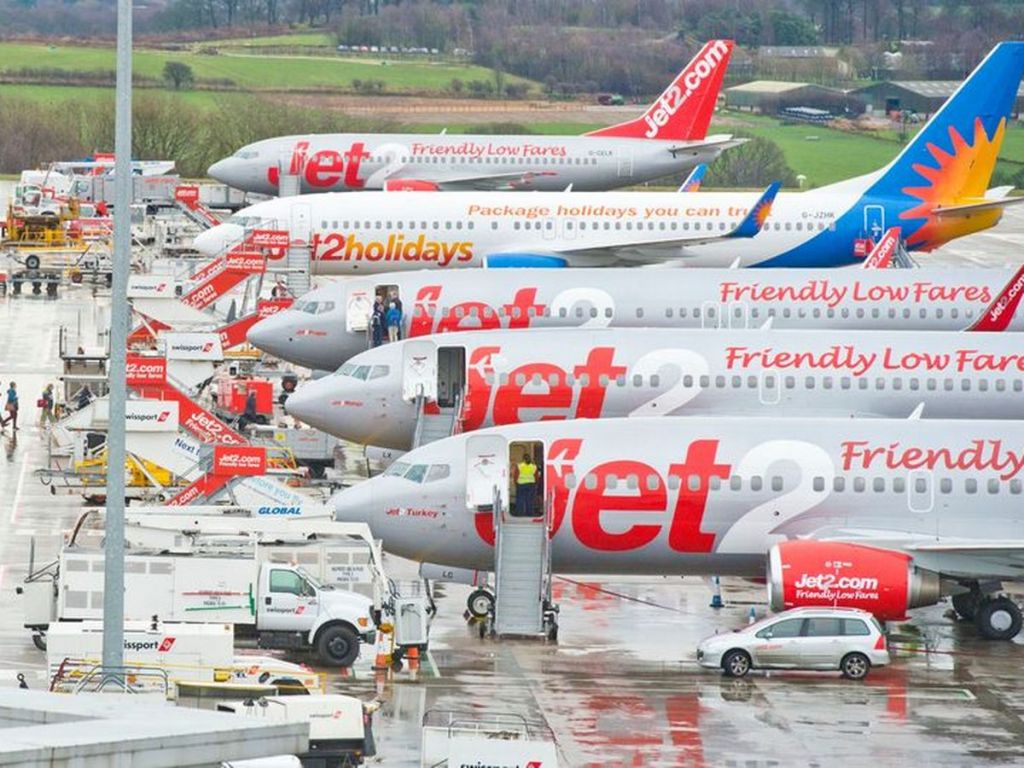
El operador británico de ocio y bajo coste Jet2 Airways ha realizado su primer pedido del constructor de aviación europeo Airbus Group. El transportista con sede en Leeds, Reino Unido ha solicitado inicialmente un pedido para el A321NEO de 36 unidades. La aerolínea ha inciado un quiebre en su flota de aviones all-Boeing al establecer su primer orden de aeronaves de diseño europeo. Por su parte, Airbus Group acaba de anunciar que tiene un nuevo cliente. Este es el modelo más grande de la familia A320NEO de próxima generación del fabricante europeo. El avión también fue objeto de un aumento de 30 unidades al pedido existente de 125 aviones A321NEO por parte de Delta Air Lines. Jet2 Airways ha introducido un cambio en el concepto de aeronaves para pasar a la filosofía europea para la renovación de su flota que buscará expandir sus rutas aerocomerciales.
El Presidente Ejecutivo de Jet2 Airways, Philip Meeson, ha dado la bienvenida a la orden, declarando: «Este avión es, en nuestra opinión, el avión más eficiente y respetuoso con el medio ambiente en su clase hoy en día. Brindará a nuestros clientes de vacaciones una experiencia maravillosamente cómoda y agradable mientras viajan con nosotros para sus merecidas vacaciones en Jet2».
La declinación por parte de un pedido de Jet2 Airways se establece en la eficiencia del A321NEO y las capacidades que ofrece la aeronave para operaciones del tipo que necesita la aerolínea británica de ocio. La compañía ha configurado los A321NEO con 232 asientos. Los detalle estéticos que incorporará la nueva gama de aeronaves permitirá disfrutar de la cabina Airspace de Airbus que ofrece un entorno más amplio y confortante. Contará además, con compartimentos superiores más grandes, que ofrecen un 60% más de espacio.
La renovación de la flota que se producirá como resultado del innovador pedido de Jet2 Airways que modificará fundamentalmente la composición de su flota. Actualmente, la compañía vacacional posee A321CEO (1), mientras que opera noventa aviones del fabricante estadounidense, con 75 son ejemplos de Boeing 737-800. Estos son los aviones Boeing más jóvenes de la flota con una edad promedio de 12.1 años. También tiene siete 737-300 con 23,4 años de edad en promedio, y ocho 757-200 (8) con un promedio de 30,9 años de antigüedad.
El Director Comercial de Airbus, Christian Scherer, afirma: «Tradicionalmente, después de haber estado operando aviones que no vuelan por cable, observamos con gran satisfacción que, después de haber probado un par de A321 arrendados y ejecutar una evaluación exhaustiva, Jet2 tiene una visión de futuro e invierte en tecnología moderna y preparada para el futuro de Airbus fly-by-wire». Describe a la aerolínea Jet2 Airways como «un testimonio de la visión de Jet2 de eficiencia, calidad, rendimiento y vuelo respetuoso con el medio ambiente», permitiendo observar el claro ejemplo de una aerolínea de ocio europea para abrise mercado en tiempos de crisis.
Jet2 orders Airbus A321NEO
Jet2 Airways selects Airbus A321NEO
British leisure and low-cost operator Jet2 Airways has placed its first order from European aviation manufacturer Airbus Group. The Leeds, UK-based carrier has initially placed an order for the 36-unit A321NEO. The airline has kicked off its all-Boeing fleet by establishing its first order of European-designed aircraft. For its part, Airbus Group has just announced that it has a new customer. This is the largest model in the European manufacturer’s next-generation A320NEO family. The aircraft was also the subject of a 30-unit increase to Delta Air Lines’ existing order for 125 A321NEO aircraft. Jet2 Airways has introduced a change in the aircraft concept to move to the European philosophy for the renewal of its fleet that will seek to expand its commercial air routes.
Jet2 Airways Chief Executive Officer Philip Meeson has welcomed the order, stating: «This aircraft is, in our opinion, the most efficient and environmentally friendly aircraft in its class today. It will provide our customers with A wonderfully comfortable and enjoyable vacation experience as you travel with us for your well-deserved Jet2 vacation».
The decline for an order from Jet2 Airways is based on the efficiency of the A321NEO and the capabilities the aircraft offers for operations of the type required by the British leisure airline. The company has configured the A321NEOs with 232 seats. The aesthetic details that the new range of aircraft will incorporate will allow you to enjoy the Airbus Airspace cabin, which offers a more spacious and comfortable environment. It will also have larger upper compartments, which offer 60% more space.
The renewal of the fleet that will occur as a result of the innovative order from Jet2 Airways that will fundamentally change the composition of its fleet. Currently, the vacation company owns A321CEO (1), while it operates 90 aircraft from the US manufacturer, with 75 being examples of Boeing 737-800s. These are the youngest Boeing jets in the fleet with an average age of 12.1 years. It also has seven 737-300s with an average age of 23.4, and eight 757-200s (8) with an average age of 30.9 years.
Airbus Chief Commercial Officer Christian Scherer says: «Traditionally, having been operating non-wireline aircraft, we noted with great satisfaction that after testing a pair of leased A321s and running a thorough evaluation, Jet2 has a forward-thinking and investing in modern and future-proof Airbus fly-by-wire technology». He describes the airline Jet2 Airways as «a testament to Jet2’s vision of efficiency, quality, performance and environmentally friendly flight», allowing us to observe the clear example of a European leisure airline to open the market in times of crisis.
La aerolínea kazaja SCAT Airlines ha tomado entrega de su primer Boeing 737-9 MAX este Sábado 28/08. La nueva aeronave partió desde Renton, Washington para realizar escalas en Keflavik (Islandia) y Estambul (Turquía), para arribar a Shymkent, República de Kazajstán, demandaba alrededor de dieciséis horas de vuelo. El MAX 9 partió de las instalaciones de ensamblaje de Boeing en Renton el 27 de Agosto a las 08:07 hora local. Después de casi siete horas de vuelo, aterrizó en el aeropuerto de Keflavik a las 22:04 locales. Con menos de una hora en tierra repostando, el avión despegaba un minuto antes de la medianoche. Volando esta segunda etapa durante poco más de cinco horas y media, el avión aterrizó en el aeropuerto de Estambul a las 07:33 hora local. Despegaba a las 10:27 para un vuelo de cuatro horas., aterrizando en el Aeropuerto de Shymkent a las 17:33 hora local.
El Boeing 737-9 MAX con MSN 60389 y S/N 8107, ha sido matriculado como UP-B3726. La aeronave ha estado en los últimos meses realizando test de vuelos de San Antonio (Texas) a Moses Lake (Washington) el 20/05, seguido por varios vuelos entre Moses Lake, Boeing Field, Paine Field y Renton durante el período de Julio y Agosto de 2021 antes de ser entregado a la aerolínea kazaja.
La nueva entrega para SCAT Airlines es una variante de mayores prestaciones que la MAX 8 que se encuentra en su flota. La nueva incorporación del Boeing 737-9 MAX estará configurada configurada en una única clase Economy con una capacidad para 213 pasajeros, encontrándose levemente por debajo de la capacidad máxima publicada por Boeing de 220 pasajeros. La flota actualizada del Boeing 737 MAX comprende 737-8 (1) y 737-9 (1). El primer 737 de cuarta generación entregado a la aerolínea es un MAX 8 registrado UP-B3720. Este avión llegó en Marzo 2018, pasando unos dos años en tierra debido a la crisis mundial con el tipo. La compañía aérea SCAT Airlines ha ordenado un total de seis MAX 8, todos con una configuración de clase única para 186 asientos en Economy. SCAT Airlines ha estado desarrollando la aeronave MAX 8 desde Febrero 2021 volando entre las dos ciudades más grandes de Kazajstán, Nursultan (anteriormente Astana) y Almaty.
SCAT receives 1st Boeing 737-9 MAX
First Boeing 737-9 MAX arrives in Kazakhstan
The Kazakh airline SCAT Airlines has taken delivery of its first Boeing 737-9 MAX this Saturday 08/28. The new aircraft departed from Renton, Washington to make stopovers in Keflavik (Iceland) and Istanbul (Turkey), to arrive in Shymkent, Republic of Kazakhstan, requiring around sixteen hours of flight. The MAX 9 departed from the Boeing assembly facility in Renton on August 27 at 08:07 local time. After nearly seven hours of flight, he landed at Keflavik airport at 10:04 p.m. local time. With less than an hour on the ground refueling, the plane took off one minute before midnight. Flying this second stage for just over five and a half hours, the plane landed at Istanbul airport at 07:33 local time. It took off at 10:27 a.m. for a four-hour flight, landing at Shymkent Airport at 05:33 p.m. local time.
The Boeing 737-9 MAX with MSN 60389 and S/N 8107, has been registered as UP-B3726. The aircraft has been in recent months testing flights from San Antonio (Texas) to Moses Lake (Washington) on 05/20, followed by several flights between Moses Lake, Boeing Field, Paine Field and Renton during the period of July and August 2021 before being delivered to the Kazakh airline.
The new installment for SCAT Airlines is a higher-performance variant than the MAX 8 found in its fleet. The new addition of the Boeing 737-9 MAX will be configured in a single Economy class with a capacity for 213 passengers, being slightly below the maximum capacity published by Boeing of 220 passengers. The updated Boeing 737 MAX fleet comprises 737-8 (1) and 737-9 (1). The first fourth-generation 737 delivered to the airline is a registered MAX 8 UP-B3720. This aircraft arrived in March 2018, spending about two years on the ground due to the global crisis with the type. SCAT Airlines has ordered a total of six MAX 8s, all with a single class configuration for 186 Economy seats. SCAT Airlines has been developing the MAX 8 aircraft since February 2021 flying between Kazakhstan’s two largest cities, Nursultan (previously Astana) and Almaty.
SCAT бірінші Boeing 737-9 MAX алады
Бірінші Boeing 737-9 MAX Қазақстанға келеді
SCAT Airlines қазақстандық әуе компаниясы 28.08.28 сенбіде өзінің алғашқы Boeing 737-9 MAX ұшағын жеткізді. Жаңа ұшақ Вашингтонның Рентон қаласынан Кефлавикке (Исландия) және Ыстамбұлға (Түркия) ұшып келіп, Қазақстан Республикасының Шымкент қаласына жету үшін шамамен 16 сағат ұшуды қажет етті. MAX 9 27 тамызда жергілікті уақыт бойынша 08:07-де Рентондағы Боинг құрастыру қондырғысынан ұшып кетті. Жеті сағатқа жуық ұшудан кейін ол жергілікті уақыт бойынша 22:04-те Кефлавик әуежайына қонды. Жерге жанармай құюға бір сағат жетпей ұшақ түн ортасына бір минут қалғанда ұшып кетті. Бұл екінші кезеңді бес жарым сағаттан астам уақыт бойы ұшып өткен ұшақ жергілікті уақыт бойынша сағат 07:33-те Стамбул әуежайына қонды. Ол таңғы 10:27-де төрт сағаттық рейспен ұшып, жергілікті уақыт бойынша 17:33-те Шымкент әуежайына қонды.
MSN 60389 және S/N 8107 бар Boeing 737-9 MAX UP-B3726 ретінде тіркелді. Ұшақ соңғы айларда Сан -Антониодан (Техас штаты) Мосе көліне (Вашингтон) рейсті 05/20 күні сынақтан өткізді, содан кейін 2021 жылдың шілдесі мен тамызы аралығында Мосе көлі, Боинг -Филд, Пейн Филд және Рентон арасында бірнеше рейстер болды. қазақстандық авиакомпанияға жеткізіледі.
SCAT авиакомпаниясының жаңа жарнасы оның паркінде табылған MAX 8-ге қарағанда өнімділігі жоғары нұсқа болып табылады. Boeing 737-9 MAX жаңа қондырғысы сыйымдылығы 213 жолаушыға арналған бірыңғай эконом класында, Boeing 220 жолаушы шығаратын максималды сыйымдылығынан сәл төмен болады. Жаңартылған Boeing 737 MAX паркі 737-8 (1) және 737-9 (1) ұшақтарынан тұрады. Авиакомпанияға жеткізілген бірінші төртінші буын 737-MAX 8 UP-B3720 тіркелген. Бұл ұшақ 2018 жылдың наурызында келді, түрдегі жаһандық дағдарысқа байланысты екі жылдай жерде болды. SCAT авиакомпаниясы барлығы алты эконом -орындық бір класты конфигурациясы бар алты MAX 8-ге тапсырыс берді. SCAT Airlines 2021 жылдың ақпанынан бастап Қазақстанның екі ірі қаласы Нұрсұлтан (бұрынғы Астана) мен Алматы арасында ұшатын MAX 8 ұшағын жасап шығарады.
Trabajadores área Toronto exigen mesa negociaciones
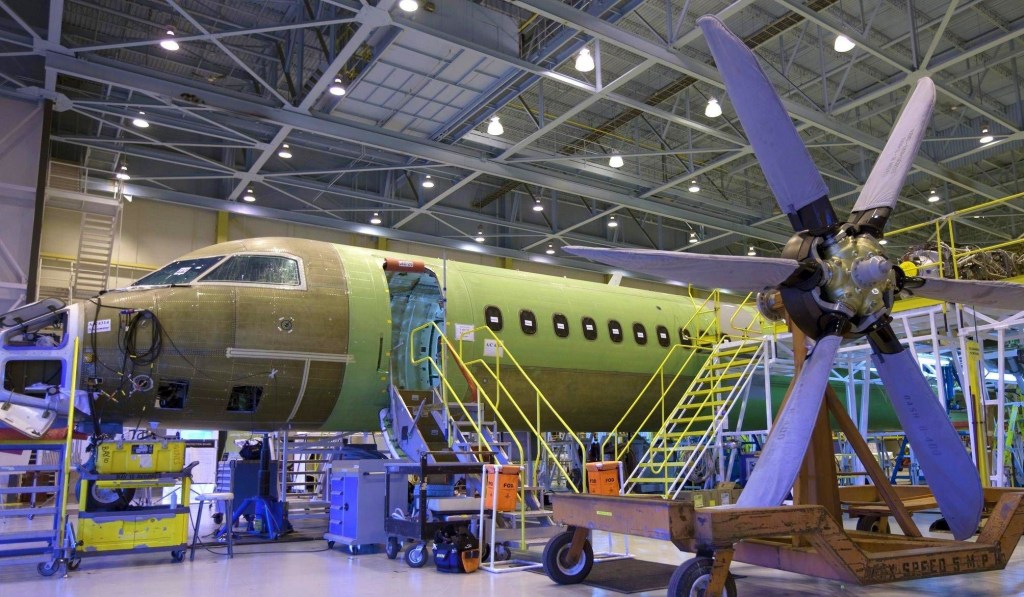
El Presidente de Unifor, Jerry Dias, hace comentarios al piquete de De Havilland Canada (DHC) en la planta de Downsview en Toronto el pasado Martes 24 de Agosto de 2021. Jerry Dias dijo en el mitin del norte de Toronto que él y los 700 trabajadores representados por Unifor Local 673 y 112 están decididos a que la compañía vuelva a la mesa de negociaciones y se acerque a un acuerdo que sea justo para el personal. El líder sindical Jerry Dias regresó a la planta de fabricación de aviones del norte de Toronto, donde trabajó hace casi 45 años, para presionar al propietario De Havilland para poner fin a una disputa laboral en curso el Martes 24/08.
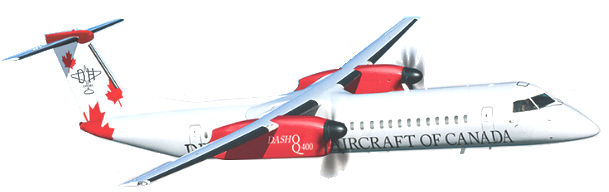
Mientras los trabajadores en huelga se manifestaban frente a la planta de Downsview, el Presidente nacional de Unifor pidió a De Havilland Canada y a su empresa matriz Longview Aviation Capital Corp. con sede en Victoria, Columbia Británica (BC), Canadá, que regresen a la mesa de negociaciones con un acuerdo que sea justo para el personal y prometió que seguirá luchando por los derechos de los empleados. «Esta planta es parte de lo que todos somos porque fui contratado aquí con otras 1,500 personas para el programa Dash 7», dijo Jerry Dias, quien en 1987 fue Presidente de una de las unidades locales que representan a los trabajadores con los que habló y cuyo padre ocupó el cargo antes que él. Jerry Dias prometió su apoyo a 700 trabajadores representados por Unifor Local 673 y 112, que han estado en huelga desde el 27/07 por la futura ubicación del programa de turbohélice Dash 8.
De Havilland Canada dijo a los trabajadores a principios de este año 2021 que ya no produciría nuevos aviones Q400 en las instalaciones de Downsview más allá de los pedidos actualmente confirmados, y dijo hace dos años que el trabajo terminará en el sitio una vez que expiren los contratos de arrendamiento de la tierra. «El sitio de producción de Downsview fue vendido por el propietario anterior Bombardier en 2018. La venta del sitio estableció plazos para que la pista sea demolida y el sitio de la aeronave desocupado», dijo un comunicado de la Portavoz de De Havilland, Philippa King.
El sindicato sostienen que en el momento de la venta de la factoría, la fabricación de aviones en la FAL Downsview estaba en tiempo de descuento. Desde entonces, el sindicato ha estado presionando a De Havilland Canada para que se comprometa a fabricar el Dash 8 en algún lugar del área metropolitana de Toronto cuando se reanude la producción. La compañía se ha negado a negociar cualquier cláusula de alcance que limite la producción a algún lugar del GTA y Dias ha dicho que espera que se traslade al Estado de Alberta (AB). Los trabajadores en huelga y sus partidarios aplauden en la línea de piquete de De Havilland en la planta de Downsview en Toronto, el martes 24 de agosto de 2021. El primer ministro de Ontario, Doug Ford, apoyó la manifestación durante una visita a una instalación de Alstom en Thunder Bay, Ontario. Doug Ford dijo que está decepcionado de que el Programa Dash 8 pueda irse porque el Gobierno provincial ha gastado cientos de millones en De Havilland y la producción de aviones. «De repente, este gran multimillonario viene y dice: ‘Estoy sacando la producción de Dash 8 de Toronto, y llevándola de Ontario, y la estamos enviando a otra provincia solo porque el multimillonario vive en esa provincia», dijo Doug Ford en referencia a la propietaria de De Havilland, Sherry Brydson, miembro de la familia Thomson. «Cuando se trata de pellizcar el nervio que conecta su billetera con su cerebro, no estamos en una buena situación», dijo Jerry Dias.
Anteriormente en el proceso de negociación, de Havilland dijo que estaba ansioso por colaborar con el sindicato mientras se trazaba un futuro sostenible a largo plazo para la fabricación de aviones y el empleo calificado. Pero la capacidad de trabajar juntos hacia un futuro a largo plazo depende de un esfuerzo concertado para transformar el negocio a las circunstancias que enfrentamos.
La industria de la aviación se ha visto muy afectada por la crisis sanitaria mundial alcanzada por la pandemia del Coronavirus. A medida que las personas intentan evitar contraer el virus, muchos renuncian a viajar. Las aerolíneas se vieron obligadas a dejar en tierra los aviones durante gran parte del año pasado y a principios de este año, cuando los recuentos de casos de COVID-19 eran altos. Esto ha afectado a la industria de la aviación mundial, mientras que ha tenido un efecto de goteo en las ventas de fabricantes de aviones como De Havilland Canada.
Posición DHC
El Martes 24/08, Philippa King dijo que la necesidad de transformar el negocio de aviones Dash 8 se remonta a varios años, antes de la pandemia y antes de la adquisición del programa por parte de De Havilland Canada. La compañía dijo que la pandemia ha dejado en claro la necesidad de transformar su modelo de negocio. Philippa King dijo que la demanda de nuevos aviones por parte de los clientes disminuyó severamente ya que las aerolíneas globales perdieron aproximadamente US$ 128 mil millones en 2020 y se pronostica que perderán otros US$ 48 mil millones en 2021, según los pronósticos de la IATA. Philippa King dijo que De Havilland Canada mantiene una perspectiva optimista sobre su futuro y el futuro del programa Dash 8, a pesar de los desafíos que la pandemia de COVID-19 tuvo en la aviación, y agregó que la compañía tiene la intención de estar lista para satisfacer la demanda de nuevos aviones a medida que la industria se recupera. «Sin embargo, la compañía no puede y no se apresurará a tomar una decisión sobre la futura ubicación de producción, ni negociar un plan de sitio en público», expresó Philippa King.
Existe mucho en juego para los trabajadores de la compañía, que quieren aferrarse a sus trabajos. «Estoy luchando para cuidar a mi familia sin un cheque de pago. No tengo los beneficios de un segundo ingreso. Que te arrebataran puestos de trabajo de debajo es devastador y muchos de nosotros hemos tenido que visitar bancos de alimentos por primera vez. Muchos de nosotros estamos deprimidos y luchando sin saber si volveremos a nuestros trabajos algún día», dijo Donna Day, una madre soltera, que ha trabajado en la planta durante 35 años. Connie Wright, que ha trabajado en la planta durante más de 36 años, es igualmente apasionada. Describe a la fábrica como su segundo hogar: «Cada vez que vuelo por la Autopista 400 y veo esos Dash 8, sé que una pequeña parte de mí está en ese avión».
Employees claim De Havilland Canada
Toronto area workers demand negotiating table
Unifor President Jerry Dias makes remarks at the De Havilland Canada (DHC) picket at the Downsview plant in Toronto on Tuesday, August 24, 2021. Jerry Dias said at the North Toronto rally that he and the 700 Workers represented by Unifor Local 673 and 112 are determined to bring the company back to the bargaining table and move closer to a deal that is fair to staff. Union leader Jerry Dias returned to the North Toronto aircraft manufacturing plant, where he worked nearly 45 years ago, to pressure owner de Havilland to end an ongoing labor dispute Tuesday.
As striking workers demonstrated in front of the Downsview plant, Unifor’s National President asked De Havilland Canada and its parent company Longview Aviation Capital Corp. based in Victoria, British Columbia (BC), Canada, to return to the negotiating table with an agreement that is fair to staff and promised to continue to fight for employee rights. «This plant is part of who we all are because I was hired here with 1,500 other people for the Dash 7 program», said Jerry Dias, who in 1987 was President of one of the local units representing the workers he spoke with and whose father held the position before him. Jerry Dias pledged his support to 700 workers represented by Unifor Local 673 and 112, who have been on strike since 07/27 over the future location of the Dash 8 turboprop program.
De Havilland Canada told workers earlier this year 2021 that it would no longer produce new Q400 jets at the Downsview facility beyond currently confirmed orders, and said two years ago that work will end at the site once the contracts expire. land leases. «The Downsview production site was sold by the previous owner Bombardier in 2018. The sale of the site set timelines for the runway to be demolished and the aircraft site unoccupied», said a statement from De Havilland Spokesperson Philippa King.
The union contend that at the time of the factory sale, aircraft manufacturing at FAL Downsview was in discount time. Since then, the union has been pressuring de Havilland Canada to commit to making the Dash 8 somewhere in the greater Toronto area when production resumes. The company has refused to negotiate any scope clause limiting production anywhere in the GTA and Dias has said he expects it to move to the State of Alberta (AB). Striking workers and their supporters applaud at De Havilland’s picket line at Toronto’s Downsview plant, Tuesday, Aug. 24, 2021. Ontario Prime Minister Doug Ford supported the rally during a facility visit. from Alstom in Thunder Bay, Ontario. Doug Ford said he is disappointed that the Dash 8 Program can go because the provincial government has spent hundreds of millions on de Havilland and aircraft production. «All of a sudden this big billionaire comes in and says, ‘I’m taking the Dash 8 production out of Toronto, and I’m taking it out of Ontario, and we’re shipping it to another province just because the billionaire lives in that province», Doug Ford said in reference to De Havilland’s owner, Sherry Brydson, a member of the Thomson family. «When it comes to pinching the nerve that connects your wallet to his brain, we are not in a good situation», said Jerry Dias.
Earlier in the bargaining process, de Havilland said he was eager to collaborate with the union while charting a long-term sustainable future for aircraft manufacturing and skilled employment. But the ability to work together toward a long-term future depends on a concerted effort to transform the business to the circumstances we face.
The aviation industry has been hit hard by the global health crisis hit by the Coronavirus pandemic. As people try to avoid contracting the virus, many give up traveling. Airlines were forced to ground planes for much of last year and earlier this year, when COVID-19 case counts were high. This has affected the global aviation industry, while it has had a trickle-down effect on the sales of aircraft manufacturers such as De Havilland Canada.
DHC position
On Tuesday 08/24, Philippa King said that the need to transform the Dash 8 aircraft business dates back several years, before the pandemic and before the acquisition of the program by De Havilland Canada. The company said the pandemic has made clear the need to transform its business model. Philippa King said customer demand for new jets declined severely as global airlines lost roughly US$ 128 billion in 2020 and are forecast to lose another US$ 48 billion in 2021, according to IATA forecasts. Philippa King said De Havilland Canada maintains an optimistic outlook on its future and the future of the Dash 8 program, despite the challenges the COVID-19 pandemic had on aviation, adding that the company intends to be ready. to meet the demand for new aircraft as the industry recovers. «However, the company cannot and will not rush to make a decision on the future production location, or to negotiate a site plan in public», said Philippa King.
The stakes are high for company workers who want to hang on to their jobs. «I am struggling to care for my family without a paycheck. I do not have the benefits of a second income. Having jobs taken away from you is devastating and many of us have had to visit food banks for the first time. Many of we are depressed and struggling not knowing if we will ever get back to our jobs», said Donna Day, a single mother who has worked at the plant for 35 years. Connie Wright, who has worked at the plant for more than 36 years, is equally passionate. She describes the factory as her second home: «Every time I fly down Highway 400 and see those Dash 8s, I know a little part of me is on that plane».
Des employés réclament De Havilland Canada
Travailleurs région Toronto réclament une table de négociation
Le président d’Unifor, Jerry Dias, commente lors du piquetage de De Havilland Canada (DHC) à l’usine Downsview de Toronto le mardi 24 août 2021. Jerry Dias a déclaré lors du rassemblement du nord de Toronto que lui et les 700 travailleurs représentés par les sections locales 673 et 112 d’Unifor sont déterminé à ramener l’entreprise à la table de négociation et à se rapprocher d’un accord équitable pour le personnel. Le leader syndical Jerry Dias est retourné à l’usine de fabrication d’avions du nord de Toronto, où il travaillait il y a près de 45 ans, pour faire pression sur le propriétaire de Havilland pour qu’il mette fin mardi à un conflit de travail en cours.
Alors que les grévistes manifestaient devant l’usine de Downsview, le président national d’Unifor a appelé De Havilland Canada et sa société mère Longview Aviation Capital Corp. basée à Victoria, en Colombie-Britannique (CB), au Canada, à revenir à la table des négociations avec un accord qui est juste pour le personnel et a promis de continuer à lutter pour les droits des employés. «Cette usine fait partie de ce que nous sommes tous parce que j’ai été embauché ici avec 1 500 autres personnes pour le programme Dash 7», a déclaré Jerry Dias, qui en 1987 était président de l’une des unités locales représentant les travailleurs avec qui il s’est entretenu et dont le père occupait le poste avant lui. Jerry Dias a promis son soutien aux 700 travailleurs représentés par les sections locales 673 et 112 d’Unifor, qui sont en grève depuis le 27 juillet pour le futur emplacement du programme de turbopropulseurs Dash 8.
De Havilland Canada a déclaré aux travailleurs plus tôt cette année 2021 qu’il ne produirait plus de nouveaux avions Q400 à l’usine de Downsview au-delà des commandes actuellement confirmées, et a déclaré il y a deux ans que les travaux se termineraient sur le site une fois le terrain loué. «Le site de production de Downsview a été vendu par l’ancien propriétaire Bombardier en 2018. La vente du site a fixé des délais pour la démolition de la piste et l’inoccupation du site de l’avion», a indiqué dans un communiqué la porte-parole de De Havilland, Philippa King.
Le syndicat soutient qu’au moment de la vente de l’usine, la fabrication d’avions à FAL Downsview était en période d’escompte. Depuis lors, le syndicat a fait pression sur de Havilland Canada pour qu’il s’engage à fabriquer le Dash 8 quelque part dans la grande région de Toronto lorsque la production reprendra. La société a refusé de négocier une clause de portée limitant la production n’importe où dans la RGT et Dias a déclaré qu’il espérait qu’elle serait transférée dans l’État de l’Alberta (AB). Les grévistes et leurs partisans applaudissent à la ligne de piquetage de De Havilland à l’usine Downsview de Toronto, le mardi 24 août 2021. Le Premier ministre ontarien Doug Ford a soutenu le rassemblement lors d’une visite d’une installation d’Alstom à Thunder Bay, en Ontario. Doug Ford a déclaré qu’il était déçu que le programme Dash 8 puisse disparaître parce que le gouvernement provincial a dépensé des centaines de millions de dollars pour de Havilland et la production d’avions. «Tout d’un coup, ce grand milliardaire arrive et dit:» Je retire la production du Dash 8 de Toronto, et je la retire de l’Ontario, et nous l’expédions dans une autre province simplement parce que le milliardaire vit dans cette province«, a déclaré Doug Ford en référence à la propriétaire de De Havilland, Sherry Brydson, membre de la famille Thomson. «Quand il s’agit de pincer le nerf qui relie votre portefeuille à votre cerveau, nous ne sommes pas dans une bonne situation», a déclaré Jerry Dias.
Plus tôt dans le processus de négociation, de Havilland a déclaré qu’il était impatient de collaborer avec le syndicat tout en traçant un avenir durable à long terme pour la fabrication d’avions et l’emploi qualifié. Mais la capacité de travailler ensemble vers un avenir à long terme dépend d’un effort concerté pour transformer l’entreprise en fonction des circonstances auxquelles nous sommes confrontés.
L’industrie aéronautique a été durement touchée par la crise sanitaire mondiale touchée par la pandémie de coronavirus. Alors que les gens essaient d’éviter de contracter le virus, beaucoup renoncent à voyager. Les compagnies aériennes ont été obligées d’immobiliser des avions pendant une grande partie de l’année dernière et plus tôt cette année, lorsque le nombre de cas de COVID-19 était élevé. Cela a affecté l’industrie aéronautique mondiale, alors qu’il a eu un effet d’entraînement sur les ventes des constructeurs d’avions tels que De Havilland Canada.
Poste DHC
Mardi 24/08, Philippa King a déclaré que la nécessité de transformer l’activité des avions Dash 8 remontait à plusieurs années, avant la pandémie et avant l’acquisition du programme par De Havilland Canada. La société a déclaré que la pandémie a clairement mis en évidence la nécessité de transformer son modèle commercial. Philippa King a déclaré que la demande des clients pour de nouveaux jets avait fortement diminué, les compagnies aériennes mondiales ayant perdu environ US$ 128 milliards de Dollars en 2020 et devraient perdre encore US$ 48 milliards de Dollars en 2021, selon les prévisions de l’IATA. Philippa King a déclaré que De Havilland Canada maintient une vision optimiste de son avenir et de l’avenir du programme Dash 8, malgré les défis que la pandémie de COVID-19 a posés sur l’aviation, ajoutant que la société a l’intention d’être prête à répondre à la demande de nouveaux avions. à mesure que l’industrie se redresse. «Cependant, la société ne peut pas et ne se précipitera pas pour prendre une décision sur le futur site de production ou pour négocier un plan de site en public», a déclaré Philippa King.
L’enjeu est de taille pour les salariés de l’entreprise qui souhaitent conserver leur emploi. «J’ai du mal à prendre soin de ma famille sans salaire. Je n’ai pas les avantages d’un deuxième revenu. Se voir retirer des emplois est dévastateur et beaucoup d’entre nous ont dû visiter des banques alimentaires pour la première fois. Beaucoup d’entre nous sont déprimés et ont du mal à ne pas savoir si nous retournerons un jour à notre travail», a déclaré Donna Day, une mère célibataire qui travaille à l’usine depuis 35 ans. Connie Wright, qui travaille à l’usine depuis plus de 36 ans, est tout aussi passionnée. Il décrit l’usine comme sa deuxième maison: «Chaque fois que je descends l’autoroute 400 et que je vois ces Dash 8, je sais qu’une petite partie de moi est dans cet avion».

















 airgways.com