Sky Express ordena 5 ATR 72

AW | 2021 07 13 15:57 | AIRLINES / INDUSTRY

Sky Express acuerda por cinco ATR 72-600 adicionales

AW-7888065

La aerolínea griega Sky Express Greece ha firmado un acuerdo para adquirir cinco ATR 72-600 (5) adicionales. La aerolínea con sede en la Isla Heraklion, Grecia, recibió su primer ATR 72-600 a finales de Junio de 2021 como parte de la incorporación de aeronaves turboprop de mayores prestaciones. Este nuevo acuerdo verá a otros cinco ATR 72-600 unirse a su flota en los próximos doce meses. «Estamos expandiendo y modernizando nuestra flota, aumentando el número de destinos y desarrollando nuestras operaciones. La adquisición de seis nuevos aviones ATR 72-600 de última generación es otro hito en el curso de SKY Express», dice en un comunicado el CEO de Sky Express Ioannis Grylos.

ATR 72, adaptación

AW-Sky Express Greece_001

Sky Express opera actualmente una flota de dieciséis aviones Airbus A320-251NEO (6), ATR 42-500 (4), ATR 72-212A (5), ATR 72-600 (1). Las características operativas claves del ATR 72-600 hacen atractivas por su bajo consumo de combustible consumiendo hasta un 40% menos y emite hasta un 40% menos de CO2 que un avión regional comparable de su categoría. El ATR 72-600 continúa siendo atractivo por sus operaciones STOL en pistas cortas, permitiendo acceder a rutas inter-islas en aeropuertos con pistas de 1.279 metros (4,196 pies) y una distancia de aterrizaje de 915 metros (3,002 pies).

Sky Express vuela a 48 destinos en nueve países. La aerolínea posee la red más grande de servicios en Grecia, volando a 35 aeropuertos nacionales y regionales, por lo que los ATR 42/72 se adaptan para llegar a pistas cortas en el esporádico territorio de Grecia. «Los aviones ATR son muy adecuados para servir a las islas con su capacidad de despegar y aterrizar desde pistas a las que otros aviones simplemente no pueden acceder, y esto es esencial para las operaciones regionales en un país como Grecia», dice el Presidente de Sky Express, Theodoros Krokidas.

Renovación de flota

El acuerdo es parte de un proceso de renovación de flota en Sky Express. La aerolínea ha incorporado su primer ATR 72-600, mientras que se esperan diez ATR 72-600 adicionales para complementar la flota comprenden cinco ATR 72-5212A con una edad promedio de 19.4 años y cuatro ATR 42-500 con una edad promedio de 24.3 años. A medida que los nuevos ATR 72-600 comiencen a aterrizar en Heraklion, la aerolínea comenzará a retirar sus antiguos ATR 47/72.

ATR Aircraft

El fabricante de aviones regionales franco-italiano ATR Aircraft dice que su ATR 72-600 establece el punto de referencia sostenible en la aviación regional contemporánea. «Los estudios han demostrado que un aumento del 10% en los vuelos regionales puede conducir a un aumento del 5% en el PIB local, lo que demuestra el valor del transporte aéreo regional y el papel fundamental de la conectividad regional. Pasar de la serie -500 a la serie -600 muestra el valor de nuestra política de desarrollo continuo. Sky Express se beneficiará de la suite de aviónica actualizable de última generación, y sus pasajeros disfrutarán de una cabina moderna y cómoda. Esta es una inversión en las aeronaves regionales más eficientes y eco-responsables, y es un momento ideal para hacerlo», dice el Director Ejecutivo de ATR, Stefano Bortoli.

Sky Express continúa con sus políticas ecológicas, buscando reducir la huella ambiental invirtiendo en un avión potencial como los ATR 72-600 que representan un factor clave en las compensaciones de costos operativos directos. «Gracias a la eficiencia de la tecnología turbohélice y los beneficios del enfoque de la compañía en la innovación contínua, los aviones ATR abren más de 100 nuevas rutas cada año, queman hasta un 40% menos de combustible y emiten hasta un 40% menos de CO2 que los aviones regionales. Por todas estas razones, los aviones ATR han sido elegidos por unas 200 compañías en 100 países de todo el mundo», dice ATR en su sitio web.

Sky Express Greece con dieciséis años de operaciones representa la tercera aerolínea más grande de la República de Grecia, ostentando la red más grande de servicios y la aerolínea de más rápido crecimiento.

Sky Express orders five ATR 72

Sky Express agrees for five additional ATR 72-600s

The Greek airline Sky Express Greece has signed an agreement to acquire five additional ATR 72-600 (5). The airline based in Heraklion Island, Greece, received its first ATR 72-600 at the end of June 2021 as part of the addition of higher performance turboprop aircraft. This new deal will see five more ATR 72-600s join its fleet in the next twelve months. «We are expanding and modernizing our fleet, increasing the number of destinations and developing our operations. The acquisition of six new state-of-the-art ATR 72-600 aircraft is another milestone in the course of SKY Express», said Ioannis Grylos, CEO Sky Express.

ATR 72, adaptation

Sky Express currently operates a fleet of sixteen Airbus A320-251NEO (6), ATR 42-500 (4), ATR 72-212A (5), ATR 72-600 (1) aircraft. The key operating characteristics of the ATR 72-600 make it attractive for its low fuel consumption, consuming up to 40% less and emitting up to 40% less CO2 than a comparable regional aircraft in its category. The ATR 72-600 continues to be attractive for its STOL operations on short runways, allowing access to inter-island routes at airports with runways of 1,279 meters (4,196 feet) and a landing distance of 915 meters (3,002 feet).

Sky Express flies to 48 destinations in nine countries. The airline has the largest network of services in Greece, flying to 35 national and regional airports, so the ATR 42/72 are adapted to reach short runways in the sporadic territory of Greece. «ATR aircraft are well suited to serving islands with their ability to take off and land from runways that other aircraft simply cannot access, and this is essential for regional operations in a country like Greece», says the President of Sky Express, Theodoros Krokidas.

Fleet renewal

The agreement is part of a fleet renewal process at Sky Express. The airline has incorporated its first ATR 72-600, while ten additional ATR 72-600s are expected to complement the fleet comprising five ATR 72-5212A with an average age of 19.4 years and four ATR 42-500 with an average age of 24.3 years. As the new ATR 72-600s start to land in Heraklion, the airline will begin to retire its old ATR 47/72s.

ATR Aircraft

French-Italian regional aircraft maker ATR Aircraft says its ATR 72-600 sets the sustainable benchmark in contemporary regional aviation. «Studies have shown that a 10% increase in regional flights can lead to a 5% increase in local GDP, demonstrating the value of regional air travel and the critical role of regional connectivity. Skip the series 500 to 600 series shows the value of our policy of continuous development. Sky Express will benefit from the latest generation upgradeable avionics suite, and your passengers will enjoy a modern and comfortable cabin. This is an investment in regional aircraft more efficient and eco-responsible, and it is an ideal time to do so», says ATR CEO Stefano Bortoli.

Sky Express continues with its green policies, seeking to reduce the environmental footprint by investing in a potential aircraft such as the ATR 72-600 that represent a key factor in direct operating cost offsets. «Thanks to the efficiency of turboprop technology and the benefits of the company’s focus on continuous innovation, ATR aircraft open more than 100 new routes each year, burn up to 40% less fuel and emit up to 40% less fuel. CO2 than regional aircraft. For all these reasons, ATR aircraft have been chosen by some 200 companies in 100 countries around the world», ATR says on its website.

Sky Express Greece with sixteen years of operations represents the third largest airline in the Republic of Greece, holding the largest service network and the fastest growing airline.

Η Sky Express παραγγέλνει 5 ATR 72

Η Sky Express συμφωνεί για πέντε επιπλέον ATR 72-600s

Η ελληνική αεροπορική εταιρεία Sky Express Greece έχει υπογράψει συμφωνία για την απόκτηση πέντε επιπλέον ATR 72-600 (5). Η αεροπορική εταιρεία που εδρεύει στο Ηράκλειο της Ελλάδας, έλαβε το πρώτο ATR 72-600 στα τέλη Ιουνίου 2021 ως μέρος της προσθήκης αεροσκαφών turboprop υψηλότερης απόδοσης. Αυτή η νέα συμφωνία θα δει πέντε ακόμη ATR 72-600s να ενταχθούν στο στόλο της στους επόμενους δώδεκα μήνες. «Επεκτείνουμε και εκσυγχρονίζουμε τον στόλο μας, αυξάνοντας τον αριθμό των προορισμών και αναπτύσσουμε τις δραστηριότητές μας. Η απόκτηση έξι νέων υπερσύγχρονων αεροσκαφών ATR 72-600 είναι ένα άλλο ορόσημο κατά τη διάρκεια της SKY Express», δήλωσε ο CEO της Sky σε μια δήλωση. Εκφράστε τον Ιωάννη Γρύλο.

ATR 72, προσαρμογή

Η Sky Express διαθέτει επί του παρόντος στόλο δεκαέξι αεροσκαφών Airbus A320-251NEO (6), ATR 42-500 (4), ATR 72-212A (5), ATR 72-600 (1). Τα βασικά χαρακτηριστικά λειτουργίας του ATR 72-600 το καθιστούν ελκυστικό για τη χαμηλή κατανάλωση καυσίμου, καταναλώνοντας έως και 40% λιγότερο και εκπέμποντας έως και 40% λιγότερο CO2 από ένα συγκρίσιμο περιφερειακό αεροσκάφος στην κατηγορία του. Το ATR 72-600 εξακολουθεί να είναι ελκυστικό για τις λειτουργίες STOL σε μικρούς διαδρόμους, επιτρέποντας την πρόσβαση σε διαδρομές μεταξύ νησιών σε αεροδρόμια με διαδρόμους 1.279 μέτρων (4.196 πόδια) και απόσταση προσγείωσης 915 μέτρα (3.002 πόδια).

Το Sky Express πετά σε 48 προορισμούς σε εννέα χώρες. Η αεροπορική εταιρεία διαθέτει το μεγαλύτερο δίκτυο υπηρεσιών στην Ελλάδα, που πετά σε 35 εθνικά και περιφερειακά αεροδρόμια, οπότε το ATR 42/72 είναι προσαρμοσμένο ώστε να φτάνει σε σύντομους διαδρόμους στο σποραδικό έδαφος της Ελλάδας. «Τα αεροσκάφη ATR είναι κατάλληλα για να εξυπηρετούν νησιά με την ικανότητά τους να απογειώνονται και να προσγειώνονται από διαδρόμους στους οποίους απλά δεν έχουν πρόσβαση άλλα αεροσκάφη, και αυτό είναι απαραίτητο για περιφερειακές επιχειρήσεις σε μια χώρα όπως η Ελλάδα», λέει ο Πρόεδρος της Sky Express, Θεόδωρος Κροκίδας.

Ανανέωση στόλου

Η συμφωνία αποτελεί μέρος μιας διαδικασίας ανανέωσης στόλου στο Sky Express. Η αεροπορική εταιρεία έχει ενσωματώσει το πρώτο ATR 72-600, ενώ δέκα επιπλέον ATR 72-600 αναμένεται να συμπληρώσουν τον στόλο που περιλαμβάνει πέντε ATR 72-5212A με μέση ηλικία 19,4 ετών και τέσσερα ATR 42-500 με μέση ηλικία 24,3 χρόνια. Καθώς τα νέα ATR 72-600s αρχίζουν να προσγειώνονται στο Ηράκλειο, η αεροπορική εταιρεία θα αρχίσει να αποσύρει τα παλιά της ATR 47/72s.

ATR Aircraft

Ο γαλλικός-ιταλικός περιφερειακός κατασκευαστής αεροσκαφών ATR Aircraft αναφέρει ότι το ATR 72-600 αποτελεί το βιώσιμο σημείο αναφοράς στη σύγχρονη περιφερειακή αεροπορία. «Μελέτες έχουν δείξει ότι μια αύξηση 10% στις περιφερειακές πτήσεις μπορεί να οδηγήσει σε αύξηση 5% του τοπικού ΑΕγχΠ, αποδεικνύοντας την αξία των περιφερειακών αεροπορικών ταξιδιών και τον κρίσιμο ρόλο της περιφερειακής συνδεσιμότητας. Παράλειψη της σειράς -500 έως -600 σειρές δείχνει την αξία της πολιτικής μας για συνεχή ανάπτυξη. Το Sky Express θα επωφεληθεί από την αναβαθμιζόμενη σουίτα αεροναυπηγικής επόμενης γενιάς και οι επιβάτες σας θα απολαύσουν μια μοντέρνα και άνετη καμπίνα. Πρόκειται για μια επένδυση σε περιφερειακά αεροσκάφη πιο αποτελεσματικά και οικολογικά υπεύθυνα, και είναι ιδανικό ήρθε η ώρα να το κάνουμε», λέει ο Διευθύνων Σύμβουλος της ATR Stefano Bortoli

Η Sky Express συνεχίζει με τις πράσινες πολιτικές της, επιδιώκοντας να μειώσει το περιβαλλοντικό αποτύπωμα επενδύοντας σε ένα πιθανό αεροσκάφος όπως το ATR 72-600 που αντιπροσωπεύουν έναν βασικό παράγοντα στις άμεσες αντισταθμίσεις κόστους λειτουργίας. «Χάρη στην αποτελεσματικότητα της τεχνολογίας turboprop και τα οφέλη της εστίασης της εταιρείας στη συνεχή καινοτομία, τα αεροσκάφη ATR ανοίγουν περισσότερες από 100 νέες διαδρομές κάθε χρόνο, καίνε έως και 40% λιγότερα καύσιμα και εκπέμπουν έως και 40% λιγότερα καύσιμα. CO2 από τα περιφερειακά αεροσκάφη. Για όλους αυτούς τους λόγους, τα αεροσκάφη ATR έχουν επιλεγεί από περίπου 200 εταιρείες σε 100 χώρες σε όλο τον κόσμο», λέει η ATR στον ιστότοπό της.

Η Sky Express Greece με δεκαέξι χρόνια λειτουργίας αντιπροσωπεύει την τρίτη μεγαλύτερη αεροπορική εταιρεία στην Ελλάδα, κατέχει το μεγαλύτερο δίκτυο υπηρεσιών και την ταχύτερα αναπτυσσόμενη αεροπορική εταιρεία.

PUBLISHER: Airgways.com
DBk: Skyexpress.gr / Atraircraft.com / Airgways.com
AW-POST: 202107131557AR

A\W   A I R G W A Y S ®

Boeing entregas 2SQ2021

AW | 2021 07 13 13:07 | INDUSTRY

Boeing anuncia entregas en el segundo trimestre
La compañía proporciona actualización Programa 787

Boeing_Isologo.svg

The Boeing Company anunció este 13/07 importantes entregas de programas en sus operaciones comerciales como así también en el área de defensa para el segundo trimestre de 2021 (SQ2021). «Continuamos trabajando para cumplir con nuestros compromisos con nuestros clientes comerciales, de defensa, espaciales y de servicios, al tiempo que posicionamos nuestro negocio para una recuperación estable y fuerte de la pandemia. En el segundo trimestre, avanzamos en el retorno seguro del 737 MAX al servicio en más mercados internacionales y en el aumento del ritmo de entregas de 737», dijo la compañía aeroespacial.

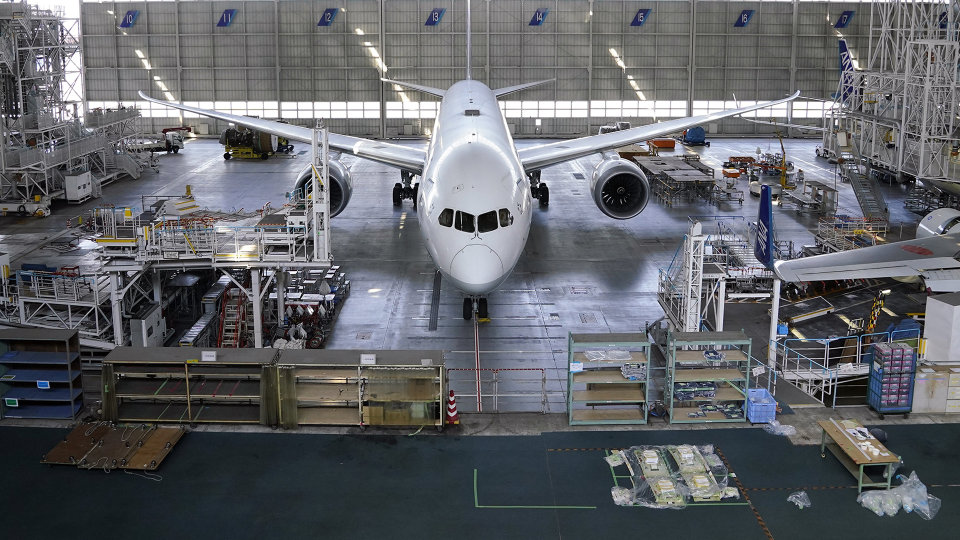
Como Boeing ha compartido anteriormente, la compañía ha estado participando en discusiones detalladas con la Federal Aviation Administration (FAA) sobre la metodología de verificación para el Programa 787 que comprende áreas de fuselajes, realización de inspecciones y retrabajos asociados. En relación con estos esfuerzos, la compañía ha identificado reelaboraciones adicionales que se requerirán en 787 no entregados. Sobre la base de nuestra evaluación del tiempo necesario para completar este trabajo, Boeing está reutilizando los recursos de producción durante unas semanas para apoyar la inspección y el retrabajo. A medida que se realice ese trabajo, la tasa de producción del 787 será temporalmente inferior a cinco por mes y volverá gradualmente a esa tasa. Boeing ahora espera entregar menos de la mitad de los 787 actualmente en inventario este año. «Continuaremos tomando el tiempo necesario para garantizar que los aviones Boeing cumplan con la más alta calidad antes de la entrega. En toda la empresa, nuestros equipos siguen centrados en la seguridad y la integridad a medida que impulsamos la estabilidad, la calidad por primera vez y la productividad en nuestras operaciones», agregó la compañía.

Las principales entregas de programas de The Boeing Company pueden observarse en el siguiente link: https://boeing.mediaroom.com/2021-07-13-Boeing-Announces-Second-Quarter-Deliveries. Las principales entregas comerciales durante el segundo trimestre SQ2021 fueron las siguientes:

Boeing Deliveries 2SQ2021

Boeing Announces Second Quarter Deliveries
Company provides 787 Program update

The Boeing Company announced on 07/13 important program deliveries in its commercial operations as well as in the defense area for the second quarter of 2021 (SQ2021). «We continue to work to meet our commitments to our commercial, defense, space and service customers, while positioning our business for a strong and stable recovery from the pandemic. In the second quarter, we made progress on the safe return of the 737 MAX. serving more international markets and increasing the pace of 737 deliveries», the aerospace company said.

As Boeing has previously shared, the company has been engaging in detailed discussions with the Federal Aviation Administration (FAA) on the verification methodology for the 787 Program that encompasses airframe areas, conducting inspections, and associated rework. In connection with these efforts, the company has identified additional reworks that will be required on 787 undelivered. Based on our assessment of the time required to complete this work, Boeing is reusing production resources over a few weeks to support inspection and rework. As that work is done, the 787’s production rate will temporarily fall below five per month and gradually return to that rate. Boeing now expects to deliver less than half of the 787s currently in inventory this year. «We will continue to take the time to ensure Boeing aircraft are of the highest quality prior to delivery. Across the company, our teams remain focused on safety and integrity as we drive stability, quality for the first time. and productivity in our operations», the company added.

The main deliveries of The Boeing Company programs can be seen at the following link: https://boeing.mediaroom.com/2021-07-13-Boeing-Announces-Second-Quarter-Deliveries. The main commercial deliveries during the second quarter SQ2021 were the following:

PUBLISHER: Airgways.com
DBk: Boeing.com / Airgways.com
AW-POST: 202107131307AR

A\W   A I R G W A Y S ®

Porter Airlines adquisición 80 E195-E2

AW | 2021 07 12 14:50 | AIRLINES / INDUSTRY

Perspectivas ampliación servicios en América del Norte

AW-Porter Airlines_Banner

Porter Airlines de Canadá ha anunciado la introducción de hasta ochenta aeronaves Embraer E195-E2 (80) de última generación y de bajo consumo de combustible en su flota. Los aviones tienen alcance transcontinental y entrarán en servicio con Porter a partir del segundo semestre de 2022. La aerolínea se encuentra en proceso de expansión de servicio a destinos en toda América del Norte.

Porter es el cliente de lanzamiento en América del Norte de la nueva familia Embraer E2-Jets. El pedido total de aeronaves está valorado en hasta US$ 5.82 mil millones a precios de lista actuales, con 30 compromisos firmes, más 50 opciones de compra. Los aviones están siendo adquiridos por Porter Aircraft Leasing Corp., una compañía hermana de Porter Airlines. Esta inversión mejora la competencia, eleva los niveles de servicio de pasajeros y crea hasta 6.000 nuevos puestos de trabajo basados en 80 entregas de aeronaves. La capacidad de convertir los derechos de compra en aeronaves de menor porte E190-E2 se incluye en el acuerdo. Esto ofrece oportunidades para introducir el servicio sin escalas en mercados donde los vuelos de conexión son a menudo la única opción en la actualidad. También permite el servicio de mayor frecuencia para rutas con mayor demanda.

Red servicios

La gama del Embraer E195-E2 permite la creación de una red de rutas continentales. Los mercados potenciales llegan de costa a costa en Canadá y Estados Unidos, incluyendo destinos de ocio en Estados Unidos, además de México y el Caribe. Un mapa de destino está disponible en flyporter.com, con rutas iniciales que se anunciarán en 2022.

Porter Airlines tiene la intención de introducir las operaciones de los E195-E2 a destinos populares desde Ottawa a Montreal, Halifax y Toronto. La introducción de rutas específicas se determinará antes de las entregas de aeronaves. «Estamos llevando el estilo distintivo de servicio de Porter a docenas de nuevas ciudades de América del Norte. Creemos que ahora es el momento adecuado para hacer esta inversión a medida que la pandemia restablece el panorama de la aviación. Agregar una diversa selección de destinos populares de negocios y ocio a nuestra red significa que estamos mejor posicionados para satisfacer las necesidades de muchos más pasajeros», dijo Michael Deluce, Presidente y CEO de Porter Airlines.

Si bien se establece el servicio en el Aeropuerto Toronto/Pearson por primera vez, los vuelos desde el centro de operaciones existente de Porter en el Aeropuerto Toronto/Billy Bishop del centro de la Ciudad de Toronto siguen siendo fundamentales para su negocio y continuarán con el servicio regional de alta frecuencia en aviones turbohélice. Se confirma que el servicio se reiniciará en Billy Bishop el 8 de Septiembre de 2021, después de un cierre temporal debido a la pandemia de Coronavirus y las restricciones de viaje asociadas. El aeropuerto es esencial para los planes inmediatos de la aerolínea para restablecer los vuelos y desarrollar futuras rutas. Los E2 no operarán en este aeropuerto. «Nuestro compromiso con el aeropuerto Billy Bishop no está cambiando. Nuestra sede corporativa en Billy Bishop se está manteniendo y continuaremos sirviendo a la misma red de mercados regionales desde el centro de Toronto. Nos estamos moviendo más allá de esta huella existente para dar la bienvenida a más viajeros en toda América del Norte, con un énfasis en proporcionar el servicio sofisticado que solo Porter ofrece», dijo Robert Deluce.

La aerolínea actualmente ofrece vuelos a Toronto, Ottawa, Montreal, Quebec City, Fredericton, Saint John, Moncton, Halifax, St. John’s, Thunder Bay, Sault Ste. Marie, Sudbury, Timmins, Windsor, Nueva York (Newark), Chicago (Midway), Boston y Washington (Dulles), y tiene vuelos estacionales a Mt. Tremblant, Que., Muskoka, Ont., Myrtle Beach, (SC) y Stephenville, (NL)

Servicio distinguido

Porter Airlines estableció un nuevo estándar para el vuelo regional cuando despegó en 2006. Su promesa de la marca Flying Refined enfatiza traer dignidad y facilidad para viajar, con una experiencia elevada y de alto valor. La cerveza y el vino de cortesía servidos en cristalería, y los bocadillos premium para todos los pasajeros son sellos distintivos reconocibles de cada vuelo. La aerolínea está planeando mejorar su galardonada experiencia del cliente y transformar los viajes nuevamente en el mercado más amplio de América del Norte.

Introduciendo E-Jets

La configuración de las nuevas aeronaves Embraer E195-E2 tendrán una disponibilidad de entre 120 y 146 pasajeros. El interior complementa la oferta de servicio tradicional de Porter, con un diseño centrado en el pasajero que enfatiza el espacio y la comodidad. Las características incluyen asientos de pasillo o ventana para cada pasajero, sin asientos en el medio, además de grandes ventanas y contenedores superiores, e iluminación ambiental de la cabina. Porter actualmente está finalizando su configuración preferida y detalles adicionales de la experiencia del pasajero, como el entretenimiento a bordo y el servicio a bordo.

Embraer E-Jets

«Con este pedido de hasta ochenta de nuestros aviones más grandes, el E2 está haciendo un impresionante debut en América del Norte. Como el avión más silencioso y más eficiente en el segmento, el E195-E2 también ofrece un excelente rendimiento económico», dijo Arjan Meijer, presidente y CEO de Embraer Commercial Aviation.

El E2-Jets es la familia de aviones de pasillo único más respetuosa con el medio ambiente, medida por emisiones sonoras y de CO2. El E195-E2 está certificado según el estándar internacional más estricto para el ruido de las aeronaves, con un 65% más silencioso que los tipos de la generación anterior. Las emisiones de carbono son casi un 10% más bajas por viaje, con hasta un 25% menos de emisiones de CO2 por asiento. Combinada con los De Havilland Dash 8-400 existentes de Porter, la aerolínea tendrá una de las flotas de aviones comerciales más sostenibles del mundo.

Las empresas aeroespaciales con sede en Canadá contribuyen con más del 37% de los principales sistemas del E2. Los motores son producidos por Pratt &Whitney Canada en Quebec, con la revolucionaria tecnología de turboventilador engranado siendo el componente más significativo de la increíble eficiencia de combustible de la aeronave y su perfil de sonido mínimo. Además, Thales, con sede en Ontario, produce aviónica selecta y Alta Precision, con sede en Quebec, el tren de aterrizaje principal. La compra de Porter apoya los empleos calificados y la innovación continua dentro de este importante sector económico.

«El apoyo de nuestra junta directiva y accionistas fue crucial para decidir invertir en el futuro de Porter. Tenemos inversores, socios, clientes y miembros del equipo que han estado con nosotros desde el primer día, mientras que otros se unieron en diferentes puntos del camino. Es hora de que construyamos colectivamente sobre la excepcional reputación global que hemos construido para Porter y continuemos nuestro viaje», dijo Don Carty, Presidente de la Junta Directiva de Porter Airlines. Los fondos para la compra de aeronaves se están recaudando de forma privada de los accionistas, así como a través de acuerdos de venta y arrendamiento de aeronaves.

Porter Airlines acquisition 80 E195-E2

Prospects for expanding services in North America

Embraer_Isologotype.svg

Canada’s Porter Airlines has announced the introduction of up to eighty fuel-efficient, state-of-the-art Embraer E195-E2 (80) aircraft to its fleet. The aircraft have transcontinental range and will enter service with Porter beginning in the second half of 2022. The airline is in the process of expanding service to destinations throughout North America.

Porter is the North American launch customer for the new Embraer E2-Jets family. The total aircraft order is valued at up to US$ 5.82 billion at current list prices, with 30 firm commitments, plus 50 purchase options. The planes are being acquired by Porter Aircraft Leasing Corp., a sister company to Porter Airlines. This investment improves competition, raises passenger service levels and creates up to 6,000 new jobs based on 80 aircraft deliveries. The ability to convert purchase rights to smaller E190-E2 aircraft is included in the agreement. This offers opportunities to introduce nonstop service in markets where connecting flights are often the only option today. It also allows higher frequency service for routes with higher demand.

Services network

Embraer E195-E2_Isologotype

The Embraer E195-E2 range allows the creation of a continental route network. Potential markets come from coast to coast in Canada and the United States, including leisure destinations in the United States, as well as Mexico and the Caribbean. A destination map is available at flyporter.com, with initial routes to be announced in 2022.

Porter Airlines intends to introduce E195-E2 operations to popular destinations from Ottawa to Montreal, Halifax and Toronto. The introduction of specific routes will be determined prior to aircraft deliveries. «We are bringing Porter’s distinctive style of service to dozens of new cities in North America. We believe now is the right time to make this investment as the pandemic resets the aviation landscape. Adding a diverse selection of popular destinations Business and leisure to our network means that we are better positioned to meet the needs of many more passengers», said Michael Deluce, President and CEO of Porter Airlines.

While service is being established at Toronto/Pearson Airport for the first time, flights from Porter’s existing hub at Toronto/Billy Bishop Airport in downtown Toronto remain critical to its business and will continue to operate. regional high-frequency service in turboprop aircraft. Service is confirmed to restart at Billy Bishop on September 8, 2021, after a temporary shutdown due to the Coronavirus pandemic and associated travel restrictions. The airport is essential to the airline’s immediate plans to reestablish flights and develop future routes. The E2s will not operate at this airport. «Our commitment to Billy Bishop Airport is not changing. Our corporate headquarters in Billy Bishop is being maintained and we will continue to serve the same network of regional markets from downtown Toronto. We are moving beyond this existing footprint to welcome to more travelers across North America, with an emphasis on providing the sophisticated service that only Porter offers», said Robert Deluce.

The airline currently offers flights to Toronto, Ottawa, Montreal, Quebec City, Fredericton, Saint John, Moncton, Halifax, St. John’s, Thunder Bay, Sault Ste. Marie, Sudbury, Timmins, Windsor, New York (Newark), Chicago (Midway), Boston and Washington (Dulles), and has seasonal flights to Mt. Tremblant, Que., Muskoka, Ont., Myrtle Beach, (SC), and Stephenville, (NL).

Distinguished service

Porter Airlines set a new standard for regional flight when it took off in 2006. Its Flying Refined brand promise emphasizes bringing dignity and ease of travel, with an elevated, high-value experience. Complimentary beer and wine served in glassware, and premium snacks for all passengers are recognizable hallmarks of each flight. The airline is planning to enhance its award-winning customer experience and transform travel again in the broader North American market.

Introducing E-Jets

The configuration of the new Embraer E195-E2 aircraft will have an availability of between 120 and 146 passengers. The interior complements Porter’s traditional service offering, with a passenger-centric design that emphasizes space and comfort. Features include aisle or window seats for each passenger, no middle seats, plus large windows and overhead bins, and ambient cabin lighting. Porter is currently finalizing your preferred settings and additional details of the passenger experience, such as inflight entertainment and inflight service.

Embraer E-Jets

«With this order for up to eighty of our largest aircraft, the E2 is making an impressive debut in North America. As the quietest and most efficient aircraft in the segment, the E195-E2 also offers excellent economic performance», said Arjan Meijer, president and CEO of Embraer Commercial Aviation.

The E2-Jets is the most environmentally friendly family of single aisle aircraft, measured by CO2 and noise emissions. The E195-E2 is certified to the strictest international standard for aircraft noise, 65% quieter than previous generation types. Carbon emissions are almost 10% lower per trip, with up to 25% less CO2 emissions per seat. Combined with Porter’s existing de Havilland Dash 8-400s, the airline will have one of the most sustainable fleets of commercial aircraft in the world.

Canada-based aerospace companies contribute more than 37% of the major E2 systems. The engines are produced by Pratt & Whitney Canada in Quebec, with revolutionary geared turbofan technology being the most significant component of the aircraft’s incredible fuel efficiency and minimal sound profile. Additionally, Ontario-based Thales produces select avionics and Quebec-based Alta Precision the main landing gear. The Porter purchase supports skilled jobs and continued innovation within this important economic sector.

«The support of our board of directors and shareholders was crucial in deciding to invest in Porter’s future. We have investors, partners, clients, and team members who have been with us from day one, while others joined at different points along the way. It is time for us to collectively build on the exceptional global reputation we have built for Porter and continue our journey», said Don Carty, Chairman of the Board of Directors of Porter Airlines. Funds for the purchase of aircraft are being raised privately from shareholders, as well as through aircraft sale and lease agreements.

Acquisition de Porter Airlines 80 E195-E2

Perspectives d’expansion des services en Amérique du Nord

Porter Airlines_Isologotype

La compagnie aérienne canadienne Porter Airlines a annoncé l’introduction de jusqu’à quatre-vingts avions Embraer E195-E2 (80) à la fine pointe de la technologie à faible consommation de carburant dans sa flotte. L’avion a une autonomie transcontinentale et entrera en service avec Porter à partir du second semestre 2022. La compagnie aérienne est en train d’étendre son service à des destinations dans toute l’Amérique du Nord.

Porter est le client de lancement nord-américain de la nouvelle famille Embraer E2-Jets. La commande totale d’avions est évaluée à 5,82 milliards de dollars US aux prix catalogue actuels, avec 30 engagements fermes, plus 50 options d’achat. Les avions sont acquis par Porter Aircraft Leasing Corp., une société sœur de Porter Airlines. Cet investissement améliore la concurrence, augmente les niveaux de service aux passagers et crée jusqu’à 6 000 nouveaux emplois sur la base de 80 livraisons d’avions. La possibilité de convertir les droits d’achat en petits avions E190-E2 est incluse dans l’accord. Cela offre des opportunités d’introduire un service sans escale sur des marchés où les vols de correspondance sont souvent la seule option aujourd’hui. Il permet également un service à plus haute fréquence pour les routes à forte demande.

Réseau de services

AW-Porter Airlines_Mascot

La gamme Embraer E195-E2 permet la création d’un réseau de routes continentales. Les marchés potentiels viennent d’un océan à l’autre au Canada et aux États-Unis, y compris des destinations de loisirs aux États-Unis, ainsi qu’au Mexique et dans les Caraïbes. Une carte des destinations est disponible sur flyporter.com, avec des itinéraires initiaux qui seront annoncés en 2022.

Porter Airlines a l’intention d’introduire les vols E195-E2 vers des destinations populaires d’Ottawa à Montréal, Halifax et Toronto. L’introduction de routes spécifiques sera déterminée avant les livraisons d’avions. «Nous apportons le style de service distinctif de Porter à des dizaines de nouvelles villes en Amérique du Nord. Nous pensons que le moment est venu de faire cet investissement alors que la pandémie réinitialise le paysage de l’aviation. Ajout d’une sélection diversifiée de destinations populaires Affaires et loisirs à notre réseau signifie que nous sommes mieux placés pour répondre aux besoins de beaucoup plus de passagers», a déclaré Michael Deluce, président et chef de la direction de Porter Airlines.

Alors que le service est établi à l’aéroport de Toronto/Pearson pour la première fois, les vols au départ de la plaque tournante existante de Porter à l’aéroport de Toronto/Billy Bishop au centre-ville de Toronto restent essentiels à ses activités et continueront d’exploiter un service régional à haute fréquence dans des avions à turbopropulseurs. Le service est confirmé pour redémarrer à Billy Bishop le 8 septembre 2021, après un arrêt temporaire en raison de la pandémie de coronavirus et des restrictions de voyage associées. L’aéroport est essentiel aux plans immédiats de la compagnie aérienne pour rétablir les vols et développer les futures routes. Les E2 ne fonctionneront pas dans cet aéroport. «Notre engagement envers l’aéroport Billy Bishop ne change pas. Notre siège social à Billy Bishop est maintenu et nous continuerons de desservir le même réseau de marchés régionaux à partir du centre-ville de Toronto. Nous allons au-delà de cette empreinte existante pour accueillir davantage de voyageurs à travers le Nord. America, en mettant l’accent sur la fourniture du service sophistiqué que seul Porter offre», a déclaré Robert Deluce.

La compagnie aérienne offre actuellement des vols vers Toronto, Ottawa, Montréal, Québec, Fredericton, Saint John, Moncton, Halifax, St. John’s, Thunder Bay, Sault Ste. Marie, Sudbury, Timmins, Windsor, New York (Newark), Chicago (Midway), Boston et Washington (Dulles) et propose des vols saisonniers vers Mt. Tremblant, Québec, Muskoka, Ont., Myrtle Beach, SC, et Stephenville, NL.

Service distingué

Porter Airlines a établi une nouvelle norme pour les vols régionaux lorsqu’elle a décollé en 2006. La promesse de sa marque Flying Refined met l’accent sur la dignité et la facilité de voyage, avec une expérience élevée et de grande valeur. De la bière et du vin gratuits servis dans des verres et des collations de qualité supérieure pour tous les passagers sont des caractéristiques reconnaissables de chaque vol. La compagnie aérienne prévoit d’améliorer son expérience client primée et de transformer à nouveau les voyages sur le marché nord-américain au sens large.

Présentation des E-Jets

La configuration du nouvel avion Embraer E195-E2 aura une disponibilité comprise entre 120 et 146 passagers. L’intérieur complète l’offre de service traditionnelle de Porter, avec une conception centrée sur le passager qui met l’accent sur l’espace et le confort. Les caractéristiques comprennent des sièges côté couloir ou côté hublot pour chaque passager, aucun siège central, ainsi que de grandes fenêtres et des compartiments supérieurs, et un éclairage ambiant de la cabine. Porter finalise actuellement vos paramètres préférés et des détails supplémentaires sur l’expérience des passagers, tels que les divertissements en vol et le service en vol.

Embraer E-Jets

«Avec cette commande de jusqu’à quatre-vingts de nos plus gros avions, l’E2 fait des débuts impressionnants en Amérique du Nord. En tant qu’avion le plus silencieux et le plus efficace du segment, l’E195-E2 offre également d’excellentes performances économiques», a déclaré Arjan Meijer, Président et chef de la direction d’Embraer Commercial Aviation.

Les E2-Jets sont la famille d’avions monocouloirs la plus respectueuse de l’environnement, mesurée en termes d’émissions de CO2 et de bruit. Le E195-E2 est certifié selon la norme internationale la plus stricte en matière de bruit des avions, 65 % plus silencieux que les types de génération précédente. Les émissions de carbone sont près de 10 % inférieures par voyage, avec jusqu’à 25 % d’émissions de CO2 en moins par siège. Combiné aux de Havilland Dash 8-400 existants de Porter, la compagnie aérienne disposera de l’une des flottes d’avions commerciaux les plus durables au monde.

Les entreprises aérospatiales canadiennes contribuent à plus de 37 % des principaux systèmes E2. Les moteurs sont produits par Pratt & Whitney Canada au Québec, la technologie révolutionnaire des turboréacteurs à double flux étant l’élément le plus important de l’incroyable efficacité énergétique et du profil sonore minimal de l’avion. De plus, Thales, basé en Ontario, produit une avionique sélectionnée et Alta Precision, basé au Québec, le train d’atterrissage principal. L’achat de Porter soutient les emplois qualifiés et l’innovation continue au sein de cet important secteur économique.

«Le soutien de notre conseil d’administration et de nos actionnaires a été crucial pour décider d’investir dans l’avenir de Porter. Nous avons des investisseurs, des partenaires, des clients et des membres de l’équipe qui nous accompagnent depuis le premier jour, tandis que d’autres nous ont rejoint à différents moments en cours de route. Il est temps que nous nous appuyions collectivement sur la réputation mondiale exceptionnelle que nous avons bâtie pour Porter et poursuivons notre voyage», a déclaré Don Carty, Président du conseil d’administration de Porter Airlines. Les fonds pour l’achat d’avions sont levés de manière privée auprès des actionnaires, ainsi que par le biais de contrats de vente et de location d’avions.

PUBLISHER: Airgways.com
DBk: Flyporter.com / Embraer.com / Airgways.com
AW-POST: 202107121450AR

A\W   A I R G W A Y S ®

IAI conversión cargueros en Europa

AW | 2021 07 11 15:25 | INDUSTRY / MRO

IAI establecerá primer sitio conversión cargueros en Europa

AW-IAI_Isologotype

El acuerdo para establecer las instalaciones para convertir aeronaves Boeing 737 Next Generation en configuración de carga sigue a un aumento de la demanda mundial de aviones de carga. El Israel Aerospace Industries Aviation Group (IAI) ha acordado con la compañía italiana Atitech establecer un sitio para la conversión de aviones Boeing 737-700/800 de pasajeros a cargueros, la primera instalación de su tipo en el centro de Atitech en Nápoles, Italia, sigue a un aumento en la demanda mundial de aviones de carga. La compañía posee además, dos sitios de conversión de pasajeros a cargueros en China.

Atitech es una empresa de mantenimiento, reparación y revisión de aeronaves (MRO) con amplia experiencia certificada por la Agencia Federal de Aviación (FAA) de estados Unidos y la Agencia de Seguridad Aérea de la Unión Europea (EASA). El centro MRO suministrará soluciones en mantenimiento y renovación de aeronaves, convirtiendo aeronaves de pasajeros a configuración de carga. Además, proporcionará capacitación y apoyo en materia de concesión de licencias y registro. El establecimiento del centro es un testimonio del creciente impacto de IAI en todo el mundo, dijo la compañía israelí.

El Presidente de Atitech, Gianni Lettieri dijo: «Al firmar este contrato con IAI reiniciaremos la actividad de alta tecnología realizada cuando la Planta North Capodichino, hoy Atitech, pertenecía a Aeronavali Venice y se especializaba en la conversión de DC8/DC10/MD10/MD11. Personalmente, me complace ver a Atitech ampliar su cartera de servicios con este nuevo producto de muy alta tecnología, en línea con la estrategia de la empresa que tiene como objetivo hacer el MRO Nacional Italiano (Polo delle Manutenzioni). Las conversiones de cargueros requieren una gran inversión, tecnología avanzada y personal calificado, con altas barreras de entrada en el sector. Atitech, que posee todo lo anterior y el know-how para modernizar los aviones de pasajeros de Boeing, espera generar apoyo y cooperación con IAI. Sobre la base de su infraestructura MRO de clase mundial, Atitech convertirá en paralelo, dos aviones, en una nariz a líneas de cola que contribuyen a fortalecer la competitividad de la industria de la aviación italiana».

Yossi Melamed, Vicepresidente Ejecutivo y Director General de IAI Aviation Group, dijo: «Establecer el primer sitio de conversión de carga en Europa es un paso histórico para IAI. La compañía comenzó su camino hace casi 70 años como una casa de mantenimiento para aviones, desde entonces IAI se ha convertido en un nombre líder mundial en la conversión de aviones de pasajeros a cargueros. Hoy en día, los aviones de carga convertidos de IAI sirven a las compañías de carga más grandes del mundo y a la mayor parte del mercado de comercio electrónico. Atitech MRO fue seleccionado como socio comercial para proporcionar una solución al mercado europeo, entre otros mercados también. Estoy seguro de que la colaboración entre estas empresas contribuirá mutuamente al negocio de IAI y Atitech».

El Grupo de Aviación de IAI une bajo un mismo techo todas las operaciones de la compañía relacionadas con el mantenimiento de aeronaves tripuladas, aviones de negocios, conversiones de pasajeros a cargueros, hangares de aviación y otras estructuras, actualizaciones de aeronaves y más. Los clientes de IAI incluyen algunas de las compañías más grandes en el mercado global, incluyendo Amazon, DHL, Lockheed Martin, Boeing y Gulf Stream.

IAI freighter conversion in Europe

IAI to establish first freighter conversion site in Europe

The agreement to establish the facilities to convert Boeing 737 Next Generation aircraft into cargo configuration follows an increase in global demand for cargo aircraft. The Israel Aerospace Industries Aviation Group (IAI) has agreed with the Italian company Atitech to establish a site for the conversion of passenger Boeing 737-700/800 aircraft to freighters, the first facility of its kind at the Atitech center in Naples, Italy, follows an increase in global demand for cargo aircraft. The company also owns two passenger-to-freighter conversion sites in China.

Atitech is an aircraft maintenance, repair and overhaul (MRO) company with extensive experience certified by the Federal Aviation Agency (FAA) of the United States and the Aviation Safety Agency of the European Union (EASA). The MRO center will provide solutions in aircraft maintenance and renovation, converting passenger aircraft to cargo configuration. In addition, it will provide training and support in licensing and registration. The establishment of the center is a testament to IAI’s growing impact around the world, the Israeli company said.

Atitech President Gianni Lettieri said: «By signing this contract with IAI we will restart the high-tech activity carried out when the North Capodichino Plant, today Atitech, belonged to Aeronavali Venice and specialized in the conversion of DC8/DC10/MD10/MD11 Personally, I am pleased to see Atitech expand its service portfolio with this new, very high-tech product, in line with the company’s strategy that aims to do the Italian National MRO (Polo delle Manutenzioni). Freighter conversions require a large investment, advanced technology and qualified personnel, with high barriers to entry in the sector Atitech, which possesses all of the above and the know-how to modernize Boeing airliners, hopes to generate support and cooperation with IAI. The foundation of its world-class MRO infrastructure, Atitech will parallel convert two aircraft into a nose to tail lines that help strengthen the competitiveness of the i Italian aviation industry».

Yossi Melamed, Executive Vice President and Managing Director of IAI Aviation Group, said: «Establishing the first cargo conversion site in Europe is a historic step for IAI. The company began its journey almost 70 years ago as an aircraft maintenance house, since then IAI has become a leading global name in the conversion of passenger aircraft to freighters. Today, IAI converted cargo aircraft serve the world’s largest cargo companies and most of the commercial market. Atitech MRO was selected as a business partner to provide a solution to the European market among other markets as well. I am confident that the collaboration between these companies will mutually contribute to the business of IAI and Atitech».

IAI Aviation Group brings together under one roof all of the company’s operations related to the maintenance of manned aircraft, business jets, passenger-to-freighter conversions, aviation hangars and other structures, aircraft upgrades and more. IAI clients include some of the largest companies in the global market, including Amazon, DHL, Lockheed Martin, Boeing, and Gulf Stream.

המרת מטוסים בתעשייה האווירית באירופה

התעשייה האווירית הקימה אתר המרת מטוסים ראשון באירופה

AW-IAI_Isologotype_Hbr

ההסכם להקמת המתקנים להסבת מטוסי הדור הבא של בואינג 737 לתצורת מטען נובע מגידול בביקוש העולמי למטוסי מטען. קבוצת התעופה התעשיות האווירית בישראל (IAI) סיכמה עם חברת אטיטק האיטלקית להקים אתר להסבת מטוסי מטוס בואינג 737-700 / 800 למטוסי משא, המתקן הראשון מסוגו במרכז אטיטק בנאפולי, איטליה. , בעקבות עלייה בביקוש העולמי למטוסי מטען. החברה מחזיקה גם בשני אתרי המרה מנוסעים לספינות מטוסים בסין.

חברת Atitech הינה חברת אחזקה, תיקון ושיפוץ מטוסים (MRO) עם ניסיון רב המוסמכת על ידי סוכנות התעופה הפדרלית (FAA) של ארצות הברית והסוכנות לבטיחות תעופה של האיחוד האירופי (EASA). מרכז MRO יספק פתרונות בתחזוקת שיפוצים ומטוסים, והסבת מטוסי נוסעים לתצורת מטען. בנוסף, הוא יספק הדרכה ותמיכה ברישוי ורישום. הקמת המרכז היא עדות להשפעה הגוברת של התעשייה האווירית ברחבי העולם, אמרה החברה הישראלית.

נשיא אטיטק, ג’אני לטיירי, אמר: «על ידי חתימה על חוזה זה עם התעשייה האווירית אנו נתחיל מחדש את פעילות הטכנולוגיה העילית שבוצעה כאשר מפעל צפון קפודיצ’ינו, היום אטיטק, היה שייך לאירונוולי ונציה והתמחה בהסבת DC8/DC10/MD10/ MD11 באופן אישי אני שמח לראות את אטיטק מרחיבה את תיק השירותים שלה עם מוצר חדש והיי-טק מאוד זה, בהתאם לאסטרטגיה של החברה שמטרתה לבצע את ה- MRO הלאומי האיטלקי (Polo delle Manutenzioni). המרות מטוסי הובלה דורשות השקעה גדולה, טכנולוגיה מתקדמת ו כוח אדם מוסמך, עם חסמי כניסה גבוהים בתחום Atitech, המחזיק בכל האמור לעיל והידע למודרניזציה של מטוסי מטוס בואינג, מקווה לייצר תמיכה ושיתוף פעולה עם התעשייה האווירית. מקבילים להמיר שני מטוסים לאף לקווי זנב המסייעים לחיזוק התחרותיות של ה- i תעשיית התעופה האיטלקית».

יוסי מלמד, סגן נשיא בכיר ומנכ»ל קבוצת התעופה של התעשייה האווירית, אמר: «הקמת אתר הסבת המטענים הראשון באירופה היא צעד היסטורי עבור התעשייה האווירית. החברה החלה את דרכה לפני כמעט 70 שנה כבית אחזקת מטוסים, מאז התעשייה האווירית הפך לשם עולמי מוביל בהסבת מטוסי נוסעים לספינות משא. כיום מטוסי מטען מומרים של התעשייה האווירית משרתים את חברות המטען הגדולות בעולם ורוב השוק המסחרי. Atitech MRO נבחרה כשותפה עסקית למתן מענה לשוק האירופי. גם בין שאר השווקים. אני בטוח ששיתוף הפעולה בין חברות אלה יתרום הדדית לעסקי התעשייה האווירית ואתיטק».

קבוצת התעופה התעשייתית האווירית מרכזת תחת קורת גג אחת את כל פעולות החברה הקשורות לתחזוקת מטוסים מאוישים, מטוסי עסקים, הסבות נוסעים לספינות, האנגרים תעופתיים ומבנים אחרים, שדרוג מטוסים ועוד. לקוחות התעשייה האווירית כוללים כמה מהחברות הגדולות בשוק העולמי, כולל אמזון, DHL, לוקהיד מרטין, בואינג וגולף סטרים.

PUBLISHER: Airgways.com
DBk: Iai.co.il / Airgways.com
AW-POST: 202107111525AR

A\W   A I R G W A Y S ®

Airbus crea solución desembarco seguro

AW | 2021 07 11 14:55 | AVIATION TECHNOLOGY / INDUSTRY

Nuevo sistema iluminación para desembarco aeronaves

Airbus_Logotype Globe

El constructor europeo Airbus Group ha elaborado a través de combinaciones de sistema de iluminación de cabina, una solución para un desembarque seguro, saludable de pasajeros y evitar filas de espera. La solución de un sistema de iluminación que propone la industria aeronáutica del consorcio Airbus evitará la aglomeración en los pasillos de un avión, un diseño de iluminación basado en simples principios de guía de tráfico. El sistema utiliza diferentes combinaciones de iluminación en la cabina para indicar las filas que están designadas para desembarcar a continuación. Los escenarios de iluminación complementan las indicaciones verbales de la tripulación de cabina para facilitar una salida ordenada.

El sistema de ayudas visuales por iluminación es una novedosa solución de guiado de tráfico dentro de la aeronave que implica que los diseñadores e ingenieros de software programen escenarios que permiten espaciar un color o una combinación de colores a la vez, de una manera determinada y en una dirección determinada en los sentidos de adelante hacia atrás o viceversa. Los esquemas de combinación de colores en la iluminación pueden adaptarse en función a las necesidades de cada aerolínea.

Airbus también hace recomendaciones al pasajero para la preparación del vuelo, la cual ofrece informarse con una aplicación denominada Tripset que busca entregar información en tiempo real sobre los requerimientos sanitarios de cada destino. Otro aspecto es preparar toda la logística vía on line para no tener que imprimir la tarjeta de embarque en el aeropuerto, de esta manera se aprovecha las funciones que ofrecen las aplicaciones móviles de la aerolínea. También las recomendaciones buscan respetar y aplicar las nuevas normas de salud y seguridad y mantenerse en buen estado de salud antes de iniciar un viaje.

Airbus creates safe disembarkation solution

New lighting system for aircraft landing

The European manufacturer Airbus Group has developed through combinations of cabin lighting system, a solution for a safe, healthy disembarkation of passengers and avoid waiting lines. The solution of a lighting system proposed by the aeronautical industry of the Airbus consortium will avoid the crowding in the corridors of an airplane, a lighting design based on simple principles of traffic guidance. The system uses different combinations of lighting in the cabin to indicate the rows that are designated to disembark next. The lighting scenarios complement the cabin crew’s verbal cues to facilitate an orderly departure.

The lighting visual aids system is a novel in-aircraft traffic guidance solution that involves designers and software engineers to program scenarios that allow one color or color combination to be spaced at a time, in a specific way and in different ways. a certain direction in the directions from front to back or vice versa. The lighting color combination schemes can be adapted according to the needs of each airline.

Airbus also makes recommendations to the passenger for the preparation of the flight, which offers information with an application called Tripset that seeks to provide information in real time on the health requirements of each destination. Another aspect is to prepare all the logistics via online so as not to have to print the boarding pass at the airport, in this way taking advantage of the functions offered by the airline’s mobile applications. The recommendations also seek to respect and apply the new health and safety regulations and stay in good health before starting a trip.

PUBLISHER: Airgways.com
DBk: Airbus.com / Airgways.com
AW-POST: 202107111455AR

A\W   A I R G W A Y S ®

SACI sección fuselaje 100 del A220

AW | 2021 07 10 21:10 | INDUSTRY

SACI de China produce secció9n Nº100 fuselaje A220

AVIC_Isologotype

Airbus_Isologotype_svg

La sección 100 de fuselaje medio fabricado en China para el avión Airbus A220 salió de la línea de producción en Shenyang, en la Provincia de Liaoning, en el noreste de China, el Viernes 09/07. El fuselaje medio fue fabricado por Commercial Aircraft International Ltd. (SACI), una subsidiaria de la Aviation Industry Corporation of China. Con un peso de alrededor de 4,6 toneladas con una longitud de hasta 16 metros, es la parte más grande de los aviones A220 de pasillo único.

«La finalización a tiempo y la entrega del fuselaje medio demuestran nuestra capacidad de fabricación, que hace hincapié en la seguridad, la calidad y la fiabilidad. Demuestra nuestra confianza en los aviones A220, en nuestra cooperación con Airbus y en la industria china de fabricación de aeronaves civiles», dijo Deng Yudong, Presidente de SACI. La confianza de la compañía se basa en el reconocimiento del mercado, el fortalecimiento de la cadena de suministro nacional y la cooperación estable entre China y Europa.

Actualmente, la tasa de producción mensual de SACI es suficiente para satisfacer las demandas de cinco aviones A220. Sin embargo, SACI está preparando su tasa de producción para satisfacer las demandas de la tasa de producción mensual del Airbus A220, que alcanzará seis aviones a principios de 2022, y catorce a mediados de esta década, según la compañía. «La calidad es la base de la seguridad, la alta tasa de entrega es la garantía de la economía, mientras que las nuevas tecnologías, la baja huella de carbono y la protección del medio ambiente son la garantía del desarrollo sostenible», dijo Deng Yudong.

El personal de SACI está trabajando en una parte del fuselaje de los aviones Airbus A220. El avión de pasillo único de la familia A220 está diseñado específicamente para el segmento de mercado de 100 a 150 asientos. Hasta la fecha, la familia de aviones ha recibido más de 640 pedidos, con 159 entregados al mercado. «Todos los aviones A220 que vuelan alrededor del mundo tienen sus fuselajes hechos aquí. Hay muchas razones para que Airbus continúe y amplíe la cooperación con China, no solo en cantidad, sino también en calidad. China es nuestro mercado clave y el centro de nuestra cadena de suministro, pero es mucho más que eso. Es una parte integral del ecosistema industrial de la aviación global, un país con personas talentosas y vitalidad de innovación, y buenos potenciales», dijo Michel Tran Van, Director de Operaciones de Airbus China. Airbus y SACI se han comprometido a profundizar la cooperación para garantizar la calidad y la entrega de piezas de aeronaves, así como a aumentar la tasa de producción.

SACI fuselage section 100 of the A220

SACI of China produces section No. 100 fuselage A220

The China-made section 100 medium fuselage for the Airbus A220 aircraft rolled off the production line in Shenyang, northeast China’s Liaoning Province, on Friday 07/09. The medium fuselage was manufactured by Commercial Aircraft International Ltd. (SACI), a subsidiary of the Aviation Industry Corporation of China. Weighing in at around 4.6 tons with a length of up to 16 meters, it is the largest part of the single-aisle A220 aircraft.

«On-time completion and delivery of the medium fuselage demonstrates our manufacturing capabilities, which emphasizes safety, quality and reliability. It demonstrates our confidence in the A220 aircraft, in our cooperation with Airbus and in the Chinese manufacturing industry. of civil aircraft», said Deng Yudong, President of SACI. The company’s trust is based on market recognition, strengthening the national supply chain, and stable cooperation between China and Europe.

Currently, SACI’s monthly production rate is sufficient to meet the demands of five A220 aircraft. However, SACI is preparing its production rate to meet the demands of the monthly production rate of the Airbus A220, which will reach six aircraft in early 2022, and fourteen by the middle of this decade, according to the company. «Quality is the foundation of safety, high delivery rate is the guarantee of economy, while new technologies, low carbon footprint and environmental protection are the guarantee of sustainable development», Deng Yudong said.

SACI personnel are working on a part of the fuselage of the Airbus A220 aircraft. The A220 family single aisle aircraft is specifically designed for the 100 to 150 seat market segment. To date, the aircraft family has received more than 640 orders, with 159 delivered to the market. «All A220 aircraft flying around the world have their airframes made here. There are many reasons for Airbus to continue and expand cooperation with China, not only in quantity, but also in quality. China is our key market and the center of our business. supply chain, but it is much more than that. It is an integral part of the global aviation industrial ecosystem, a country with talented people and vitality for innovation, and good potential», said Michel Tran Van, Chief Operating Officer of Airbus China. Airbus and SACI are committed to deepening cooperation to ensure the quality and delivery of aircraft parts, as well as to increase the production rate.

A220的SACI機身第100節

中國SACI生產100號機身A220

用於空客 A220 飛機的國產 Section 100 中型機身於 09 年 7 月星期五在中國東北遼寧省沉陽市下線。中型機身由中國航空工業集團公司的子公司商業商用飛機國際有限公司(SACI)製造。它重約 4.6 噸,長度可達 16 米,是單通道 A220 飛機中最大的部分。

“中型機身的按時完工和交付展示了我們強調安全、質量和可靠性的製造能力。它展示了我們對A220飛機的信心,對我們與空客的合作以及對中國民用飛機製造業的信心”, SACI總裁鄧玉東說。公司的信任基於市場認可、強化全國供應鏈、中歐穩定合作。

目前,SACI的月產能足以滿足5架A220飛機的需求。然而,SACI 正在準備其生產率以滿足空中客車 A220 的月生產率需求,據該公司稱,該機在 2022 年初將達到 6 架,到本十年中期將達到 14 架。 “質量是安全的基礎,高交貨率是經濟的保障,新技術、低碳足跡和環保是可持續發展的保障”, 鄧玉東說。

SACI 人員正在處理空客 A220 飛機機身的一部分。 A220 系列單通道飛機專為 100 至 150 座細分市場而設計。迄今為止,該飛機系列已收到超過 640 架訂單,其中 159 架已交付市場。 “在世界各地飛行的所有A220飛機的機身都是在這裡製造的。空中客車繼續擴大與中國的合作有很多原因,不僅在數量上,而且在質量上。中國是我們的主要市場和業務中心。供應鏈,但遠不止於此,它是全球航空產業生態系統的重要組成部分,是一個人才濟濟、創新活力和潛力巨大的國家”, 空客中國首席運營官陳文說。空客和SACI致力於深化合作,以確保飛機零部件的質量和交付,並提高生產率。

PUBLISHER: Airgways.com
DBk: Airbus.com / Avic.com / Airgways.com
AW-POST: 202107102110AR

A\W   A I R G W A Y S ®

Airbus aumenta entregas 52% 1S2021

AW | 2021 07 09 06:55 | INDUSTRY

Entregas de aviones incrementaron 52% en primer semestre 2021

Airbus_Isologotype_svg

Airbus Group ha comunicado que ha entregado 297 aviones en la primera mitad del año después de un aumento de la actividad de traspaso en Junio 2021, dijo el Jueves 08/07 el fabricante de aviones europeo. Las entregas, que se han estado recuperando de una recesión relacionada con la pandemia, aumentaron un 52% en los primeros seis meses desde 196 unidades a mediados de 2020, y se comparan con un total de 389 en el primer semestre de 2019 antes de que la crisis sanitaria paralizara el transporte aéreo mundial. Además, Airbus había ganado 165 pedidos brutos en la primera mitad, cayendo a un total neto de 38 pedidos después de cancelaciones.

La actualización mensual que a anunciado el fabricante demuestra un fuerte repunte en Junio 2021 después de que se informara a principios de esta semana que Airbus había entregado más de 70 aviones ese mes para dejar las entregas de la primera mitad a una distancia de la marca de casi 300 unidades entregadas. Las entregas pusieron a Airbus en vuelo para cumplir con el objetivo para 2021 de al menos igualar las entregas del año anterior, expresaron los analistas del sector. «En términos de entregas generales, Airbus parece estar cómodamente en camino de al menos igualar la orientación de alrededor de los 566 aviones reportados en 2020, y probablemente se acerque a 600», dijo el analista de Agency Partners Sash Tusa.

En un movimiento inusual, un pedido de cinco aviones A350 previamente atribuidos a IAG Group, la unidad del grupo que contempla a Aer Lingus fue eliminada de la columna de pedidos de esa aerolínea y parecía haber sido colocada en una columna para aerolíneas cuyos nombres no han sido revelados. Una fuente de la industria dijo que tal medida podría crear flexibilidad para ajustar parte del pedido, aunque los datos mensuales de Airbus mostraron que el pedido no se ha cancelado hasta ahora. IAG, que previamente había transferido pedidos de A350 de la aerolínea irlandesa a otras partes del grupo de aerolíneas europeas, no estuvo disponible de inmediato para hacer comentarios. Además, Macquarie Airfinance, una unidad del Grupo Macquarie de Australia, que ha estado reduciendo gradualmente los pedidos del avión A220, canceló en Junio 2021 otros dos de lasa aeronaves ordenadas.

Airbus increases deliveries 52% 1H2021

Centre de Livraison AIRBUS

Aircraft deliveries increased 52% in the first half of 2021

Airbus Group has announced that it has delivered 297 aircraft in the first half of the year after an increase in handover activity in June 2021, the European aircraft manufacturer said on Thursday 08/07. Deliveries, which have been recovering from a pandemic-related recession, were up 52% ​​in the first six months from 196 units in mid-2020, compared to a total of 389 in the first half of 2019 before the health crisis paralyzed world air transport. In addition, Airbus had gained 165 gross orders in the first half, falling to a net total of 38 orders after cancellations.

The manufacturer’s announced monthly update shows a strong rebound in June 2021 after it was reported earlier this week that Airbus had delivered more than 70 aircraft that month to bring first-half deliveries within the mark of almost 300 units delivered. The deliveries put Airbus in flight to meet the 2021 goal of at least matching the previous year’s deliveries, industry analysts said. «In terms of overall deliveries, Airbus appears to be comfortably on track to at least match the guidance of around 566 aircraft reported in 2020, and is likely to approach 600», said Agency Partners analyst Sash Tusa.

In an unusual move, an order for five A350 aircraft previously attributed to IAG Group, the group unit that contemplates Aer Lingus was removed from that airline’s order column and appeared to have been placed in a column for airlines whose names have not been revealed. An industry source said such a move could create flexibility to adjust part of the order, although monthly data from Airbus showed that the order has not been canceled so far. IAG, which had previously transferred A350 orders from the Irish airline to other parts of the European airline group, was not immediately available for comment. In addition, Macquarie Airfinance, a unit of Australia’s Macquarie Group, which has been gradually reducing orders for the A220 aircraft, canceled two more of the aircraft ordered in June 2021.

PUBLISHER: Airgways.com
DBk: Airbus.com / Airgways.com
AW-POST: 202107090655AR

A\W   A I R G W A Y S ®

Boeing publicará resultados 2Q20221

AW | 2021 07 08 06:50 | INDUSTRY

Boeing publicará resultados segundo trimestre 28/07

The Boeing Company ha anunciado que publicará sus resultados financieros para el segundo trimestre de 2021 el Miércoles 28 de Julio de 2021. El Presidente y Director Ejecutivo David Calhoun y el Director Financiero interino Dave Dohnalek discutirán los resultados y las perspectivas de la compañía durante una conferencia telefónica ese día a las 10:30 a.m. ET.

El evento será transmitido por internet en http://services.choruscall.com/links/ba210728.html. También se puede acceder al evento marcando 1-877-692-8955 dentro de los EE. UU. y marcando 234-720-6979 fuera de los EE. UU. El código de acceso para ambos es 8930033. Las personas deben revisar el sitio de transmisión por Internet antes de la sesión para asegurarse de que sus computadoras puedan acceder a la transmisión de audio y la presentación de diapositivas. Las instrucciones para obtener el software descargable gratuito requerido se publicarán en el sitio. El comunicado de prensa de Boeing y los materiales de presentación se publicarán en la sección de Inversores de www.boeing.com antes del evento.

Boeing to publish 2Q20221 results

Boeing to Publish Second Quarter Results 07/28

The Boeing Company has announced that it will release its financial results for the second quarter of 2021 on Wednesday, July 28, 2021. President and CEO David Calhoun and Acting Chief Financial Officer Dave Dohnalek will discuss the company’s results and outlook during a conference call. phone that day at 10:30 am ET.

The event will be webcast at http://services.choruscall.com/links/ba210728.html. The event can also be accessed by dialing 1-877-692-8955 within the US and by dialing 234-720-6979 outside the US The access code for both is 8930033. People should check out the site webcast before the session to ensure their computers can access the audio stream and slide show. Instructions for obtaining the required free downloadable software will be posted on the site. The Boeing press release and presentation materials will be posted on the Investors section of www.boeing.com prior to the event.

PUBLISHER: Airgways.com
DBk: Boeing.com / Airgways.com
AW-POST: 202107080650AR

A\W   A I R G W A Y S ®

Actualización programa A321XLR

AW | 2021 07 07 09:45 | INDUSTRY

Airbus A321XLR perspectivas entrada servicio 2023

Airbus_Group_Logo_2014.svg - copia

El constructor europeo Airbus Group planea que el A321XLR tendrá un alcance un 15% más largo que el A321LR, entre en servicio durante 2023. Desde el lanzamiento oficial del Programa A321XLR (eXtra Long Range) en el Paris Air Show de 2019, ha habido más de 420 pedidos y compromisos de más de veinte clientes, incluidas compañías aéreas heredadas y de bajo costo, así como arrendadores líderes para la versión de largo alcance adicional del avión de fuselaje más largo de la familia A320NEO. Tal demanda subraya claramente su atractivo como puente entre las ofertas de aviones de pasillo único y doble de Airbus. Su alcance adicional y un 30% menos de consumo de combustible por asiento que los aviones de la generación anterior permitirán a las aerolíneas operar un avión de pasillo único de menor costo de hasta 4.700 nm en rutas más largas y menos transitadas, muchas de las cuales ahora solo pueden ser servidas por aviones de cuerpo ancho más grandes y menos eficientes.

A pesar de estar diseñado para maximizar la similitud general con el A321LR y el resto de la familia A320NEO, incorporando los mismos motores P&W o CFM que ahorran combustible y dispositivos de punta de ala sharklet, el A321XLR cuenta con varias características únicas y distintivas. «Las principales diferencias son el tanque central trasero integrado en el fuselaje de popa, el tanque de aguas residuales más grande, un tren de aterrizaje de nariz reforzado y el tren de aterrizaje principal, incluidos los frenos, lo que permite un aumento de MTOW de 97t a 101t», dice Gary O’Donnell, Jefe del Programa A321XLR. En particular, el tanque central trasero optimizado (RCT) contiene más combustible que varios tanques centrales adicionales opcionales anteriormente, mientras que ocupa menos espacio en la bodega de carga, liberando así bajo el volumen del piso para carga y equipaje adicionales en rutas de largo alcance. Por su parte, las mejoras aerodinámicas incluyen un nuevo flap de una sola ranura y mejoras en la limpieza aerodinámica de las superficies de la aeronave, así como nuevas configuraciones de flap/slat adaptadas a las características del A321XLR. Para proporcionar comodidad adicional en vuelos más largos, el A321XLR utilizará la última cabina de Espacio Aéreo de Airbus, que cuenta con iluminación ambiental mejorada, conectividad a bordo y contenedores más grandes que ofrecen un 40% más de capacidad instalada como equipo equipado con el proveedor. «La cabina ofrece a los pasajeros la mejor experiencia de viaje, incluidos asientos similares a los utilizados en un avión de cuerpo ancho. El espacio aéreo ya está en servicio en los aviones A350 y A330NEO y estará totalmente disponible para el A321XLR», dice Gary O’Donnell.

Línea Programa A321XLR

La industrialización y la producción de piezas para el primer A321XLR está en marcha en las plantas de Airbus y su cadena de suministro, con el ensamblaje de componentes importantes de las primeras secciones delanteras del fuselaje, el fuselaje central y trasero y las alas que se espera que ocurran antes de finales de este año. Airbus tiene como objetivo una entrada en servicio para el A321XLR de 2023, aunque esto puede retrasarse dependiendo de cómo se procedan las pruebas y la certificación del tanque de combustible. «La producción de componentes y sistemas para el primer avión de prueba de vuelo A321XLR está progresando en sitios de todo el mundo. En paralelo, muchas piezas ya se están probando y demostrando, tanto en la estructura de la aeronave como en el lado de los sistemas, para validar la funcionalidad de todos esos primeros componentes de la aeronave», dice Gary O’Donnell.

Airbus tiene demostradores para la estructura, el sistema, el equipo y la cabina repartidos en sus instalaciones en Hamburgo en Alemania, St. Nazaire en Francia y Broughton, Reino Unido, así como en los principales sitios de proveedores. «Estos van desde cupones de material detallados hasta demostradores de sección completa. El sistema de producción en particular está cobrando vida, con nuestros equipos recibiendo los dibujos de diseño tanto internamente como de socios clave y llevándolos a la realidad física. Esto está permitiendo a nuestras fábricas en Europa y el Reino Unido preparar sus operaciones piloto para la fase de ensamblaje de componentes principales que comenzará a finales de este año y, a su vez, para la posterior inducción del primer ensamblaje de componentes principales completado en la línea de montaje final en Hamburgo en la segunda parte del año», expresa Gary O’Donnell.

Si bien todas las secciones principales del A321XLR contienen cambios de diseño significativos en comparación con los aviones actuales A321NEO/A321LR, el fuselaje central y de popa del XLR se desvía más debido al RCT integral y los sistemas de gestión de combustible asociados. En un intento por evitar cualquier interrupción en las tasas de producción existentes de pasillo único, se ha construido una línea piloto de estructura separada dedicada a ensamblar las secciones centrales y traseras del fuselaje central y trasero del A321XLR en la planta de producción de Hamburg Finkenwerder en Alemania.

La línea piloto ha sido completamente diseñada en 3D, con datos de diseño A321XLR utilizados para validar digitalmente la ergonomía, las operaciones y la logística de antemano. «La línea piloto en Hamburgo significa que podemos tener una fábrica estable. Nos permitirá comenzar a aumentar la producción del conjunto de componentes principales del fuselaje de popa del A321XLR utilizando tiempos de ciclo más largos para empezar y con un mayor nivel de ingeniería y soporte, para garantizar la integración sin problemas del nuevo tanque central trasero y sus nuevos sistemas de combustible. Es importante destacar que también evitará que pongamos en riesgo el resto de la producción de un solo pasillo. Y luego, una vez que estamos contentos de que todo esté lo suficientemente maduro, podemos transferirlo con confianza al sistema de producción principal», detalla Gary O’Donnell.

Mientras tanto, el ciclo de producción del fuselaje central y de popa del A321XLR continúa progresando, con el trabajo dividido en varios sitios clave. La fabricación del subensamblaje de la caja del ala central comenzó a mediados de Noviembre de 2020 en Nantes y pronto se entregará e integrará en la sección de ensamblaje de componentes principales del fuselaje de popa en Hamburgo.

Al mismo tiempo, Premium Aerotec Group en Augsburgo, Alemania, está completando las piezas finales para el RCT y está preparando las herramientas y el piso de producción para el ensamblaje del tanque de combustible. En otros emplazamientos de Premium Aerotec Group en Nordenham y Varel en Alemania, también se están empezando a producir varios componentes grandes del fuselaje central y de popa.

La producción de piezas para la sección de nariz y fuselaje delantero de la aeronave está en marcha en Stelia Aerospace. Una vez completados, serán transportados a Saint-Nazaire, Francia, para la etapa de montaje de componentes principales de la nariz y el fuselaje delantero.

Otra estructura clave de ensamblaje de componentes importantes es el conjunto de alas de la aeronave, para el cual el enfoque particular del equipo de Broughton, Reino Unido, es la configuración de flap del A321XLR. Con este fin, se están realizando las pruebas de herramientas asociadas para los nuevos flaps internos y fuera de borda, que se están realizando en conjunto con Spirit AeroSystems en Malasia y FACC en Austria, respectivamente.

Los componentes fijos más convencionales del ala, como las palas y los largueros, están tomando forma en Broughton y en la cadena de suministro asociada. Del mismo modo, la producción está en marcha para los componentes del tren de aterrizaje en Safran, Collins y Triumph, los sistemas de combustible e inerción en Collins y Parker Aerospace y los pilones de motor en la planta de producción dedicada de Airbus en St. Eloi, Toulouse. Los sistemas de cabina y carga se encuentran actualmente en fase de prueba para validar los elementos de confort para pasajeros de alcance extralargaje del A321XLR.

Airbus está utilizando demostradores dedicados para validar los procesos de diseño y montaje antes de la fabricación final. Los mismos demostradores de tamaño completo también se utilizan para pre-entrenar al personal de la línea de producción en la instalación de ensamblaje final en Hamburgo, donde se construirá el primer A321XLR.

«Hemos estado utilizando una mezcla de realidad virtual y aumentada [VR y AR] para demostrar el modelo digital 3D desde hace algún tiempo. También hemos estado utilizando los primeros demostradores físicos, maquetas de madera y piezas impresas en 3D. Más recientemente, hemos desarrollado los demostradores de producción a gran escala que vemos cada vez más hoy en día, principalmente en Saint Nazaire y Hamburgo. Los primeros demostradores físicos y los demostradores virtuales nos permiten validar nuestras decisiones de diseño. La mayor parte de eso se completó en 2020. Los demostradores de producción apoyan principalmente la capacitación, la madurez del proceso industrial y ayudan a asegurar nuestro aumento, porque los ejecutamos a la tasa de producción. Esto está sucediendo en todas las áreas de ensamblaje. Luego estamos ejecutando demostradores para equipos de mantenimiento, reparación y atención al cliente, para que puedan crear los documentos de la aerolínea, otros documentos técnicos y manuales de reparación. Utilizamos demostradores físicos con VR y AR para que los equipos puedan probar cómo cambian y arreglan las piezas, ya sea en un hangar o en el delantal, para que cuando estén escribiendo documentos técnicos, ya hayan podido verificar estas referencias virtuales», dice Gary O’Donnell.

Esta atención al detalle está diseñada para garantizar que Airbus pueda mantener sus objetivos de entrega agresivos para un avión que continúa ganando pedidos. «Actualmente, estamos en una tasa de 40 para la familia A320 en general con un plan para aumentar a 45 a finales de este año», revela Gary O’Donnell. Las dos grandes estructuras de fuselaje y demostradores de sistemas ubicados en Hamburgo, Alemania y en Saint Nazaire, Francia, son el foco actual. Respectivamente, estas maquetas físicas (PMUs) son el Acelerador de Sistemas Preindustriales (PISA) para la sección central y de popa del fuselaje (CAF), y la sección de nariz y fuselaje delantero (NFF). «En el demostrador PMU para la sección delantera nos centramos en el refuerzo de la estructura del XLR debido a las diferentes cargas, y también en la mejora de los nuevos sistemas para la comodidad de la cabina», dice Martin Schnoor, líder del fuselaje del A321XLR en Airbus. «El PMU nos da la oportunidad de reunir todas las modificaciones del fuselaje, los sistemas y la cabina para confirmar las interfaces industriales. Mientras tanto, el PMU en Hamburgo se está centrando en los principales componentes del XLR, incluida la integración del tanque central trasero, la integración del tanque de agua, el sistema de combustible extendido y el sistema hidráulico modificado. Aquí, aprovechamos al máximo la proximidad del PMU del fuselaje trasero a la línea de montaje final para proporcionar capacitación a los operadores de producción antes de que entren en el primer avión producido en serie», continúa detallando el Jefe del Programa A321XLR.

Airbus planea mantener y actualizar los demostradores de PMU durante la vida útil del programa XLR, para perfeccionar las modificaciones futuras también para fines de capacitación en el taller. «Todos estos demostradores nos ayudan a observar los sistemas, las actividades y los flujos de trabajo en condiciones reales holísticas en una etapa temprana antes del inicio de la producción. Los demostradores, junto con la capacitación en el aula y la capacitación en VR / AR, serán una parte integral de la capacitación y la incorporación de nuestros empleados en el futuro. Proporcionan un espacio protegido para el aprendizaje y el desarrollo posterior y permiten aprender de los errores, sin poner en peligro la producción o la seguridad», dice Hauke Delmas, Jefe de Equipamiento XLR de pasillo único en las instalaciones de Airbus en Hamburgo Finkenwerder.

Montaje estructural

A finales de Junio 2021, la producción del A321XLR había comenzado en la línea piloto de estructura dedicada dentro del Hangar 260 en la planta de Airbus en Hamburgo, responsable del montaje estructural de los fuselajes centrales y traseros. Paralelamente, el montaje estructural de la sección 15 había comenzado a mediados de abril con la integración de los proyectiles de RUAG, así como la caja del ala central de Airbus Nantes, y el módulo de viga de quilla y brida trasera suministrado por Premium Aerotec.

En las próximas semanas, los equipos finalizarán la integración del módulo RCT en la Sección 17, con el montaje estructural del segundo avión de prueba de vuelo. La fase de montaje del equipo de la primera aeronave está prevista en el otoño, seguida de un período dedicado a la instalación de equipos de prueba de vuelo.

Premium Aerotec en Augsburgo, Alemania, es responsable de la producción del tanque central trasero (RCT) del A321XLR, un tanque de combustible de alta capacidad instalado permanentemente que hace el máximo uso volumétrico del fuselaje inferior de la aeronave. La estructura RCT, que está integrada en las secciones 15 y 17 del fuselaje, se encuentra detrás de la bahía principal del tren de aterrizaje y contiene hasta 13.100 litros de combustible.

Sin embargo, Boeing recientemente planteó preocupaciones a la EASA de que la integración del nuevo tanque de combustible en el fuselaje «presenta muchos peligros potenciales», lo que sugiere que tal diseño proporciona menos redundancia que los tanques de combustible estructuralmente separados y ofrece menos protección contra la interrupción estructural debido a un evento de falla fuera de la pista o del tren de aterrizaje que de otra manera podría sobrevivir.

Para garantizar la seguridad, la AESA ha impuesto condiciones especiales para proteger la mitad inferior del fuselaje alrededor del tanque central de combustible de la penetración de incendios. En Mayo 2021, Premium Aerotec entregó el primer RCT totalmente equipado a las instalaciones de Airbus en Hamburgo, anunciando el inicio del ensamblaje del fuselaje trasero de la aeronave y el fuselaje central en la línea de pilotos dedicada del fabricante de aviones. «Es un hito importante para el programa A321XLR. Los equipos pueden estar orgullosos de este logro y de la velocidad general de la industrialización. Estamos en el buen camino con nuestra planificación y la línea piloto dedicada al A321XLR está lista y a la espera de operar las fases de montaje para el primer avión de prueba de vuelo, hasta la entrada en servicio», dice Martin Schnoor, Jefe del Programa de Desarrollo de Fuselajes del Programa A321XLR en Airbus.

A321XLR test program update

Airbus A321XLR service entry prospects 2023

AW-A321LR

European manufacturer Airbus Group plans that the A321XLR will have a 15% longer range than the A321LR, entering service during 2023. Since the official launch of the A321XLR (eXtra Long Range) Program at the 2019 Paris Air Show, there have been more 420 orders and commitments from more than twenty customers, including low-cost and legacy airlines, as well as leading lessors for the additional long-range version of the longest-body aircraft in the A320NEO family. Such demand clearly underscores its appeal as a bridge between Airbus’ single and dual aisle aircraft offerings. Its additional range and 30% less fuel consumption per seat than previous generation aircraft will allow airlines to operate a lower-cost single-aisle aircraft of up to 4,700 nm on longer, less-traveled routes, many of which they can now only be served by larger and less efficient widebody aircraft.

Despite being designed to maximize overall similarity to the A321LR and the rest of the A320NEO family, incorporating the same fuel-saving P&W or CFM engines and sharklet wingtip devices, the A321XLR boasts several unique and distinctive features. «The main differences are the rear center tank integrated into the aft fuselage, the larger sewage tank, a reinforced nose landing gear and the main landing gear, including brakes, allowing an MTOW increase of 97t to 101t», says Gary O’Donnell, A321XLR Program Manager. In particular, the optimized rear center tank (RCT) holds more fuel than several optional additional center tanks previously, while taking up less space in the cargo hold, thus freeing up under floor volume for additional cargo and luggage on long-haul routes. Aerodynamic improvements include a new single-slot flap and improvements in the aerodynamic cleaning of the aircraft surfaces, as well as new flap / slat configurations adapted to the characteristics of the A321XLR. To provide additional comfort on longer flights, the A321XLR will utilize Airbus’ latest Aerospace cabin, featuring improved ambient lighting, inflight connectivity and larger containers offering 40% more installed capacity as vendor-equipped equipment. «The cabin offers passengers the best travel experience, including seats similar to those used in a wide-body aircraft. The airspace is already in service on the A350 and A330NEO aircraft and will be fully available for the A321XLR», says Gary O’Donnell.

Progama A321XLR Line

Industrialization and production of parts for the first A321XLR is underway at Airbus plants and its supply chain, with the assembly of important components of the first forward fuselage sections, the central and rear fuselage and the wings expected. that occur before the end of this year. Airbus is targeting entry into service for the 2023 A321XLR, although this may be delayed depending on how fuel tank testing and certification proceeds. «Production of components and systems for the first A321XLR flight test aircraft is progressing at sites around the world. In parallel, many parts are already being tested and demonstrated, both on the aircraft frame and on the aircraft side systems, to validate the functionality of all those early aircraft components», says Gary O’Donnell.

Airbus has demonstrators for the structure, system, equipment and cabin spread across its facilities in Hamburg in Germany, St. Nazaire in France and Broughton, UK, as well as at major supplier sites. «These range from detailed material coupons to full-section demonstrators. The production system in particular is coming to life, with our teams receiving the design drawings both internally and from key partners and bringing them to physical reality. This is enabling our factories in Europe and the UK prepare their pilot operations for the main component assembly phase which will start later this year and, in turn, for the subsequent induction of the first completed main component assembly on the final assembly line in Hamburg in the second part of the year», says Gary O’Donnell.

While all major sections of the A321XLR contain significant design changes compared to the current A321NEO/ A321LR aircraft, the XLR’s center and aft fuselage deviates further due to the comprehensive RCT and associated fuel management systems. In an attempt to avoid any disruption to existing single aisle production rates, a separate structure pilot line dedicated to assembling the A321XLR center and rear fuselage center and rear sections has been built at the Hamburg Finkenwerder production facility in Germany.

The pilot line has been completely designed in 3D, with A321XLR design data used to digitally validate ergonomics, operations and logistics in advance. «The pilot line in Hamburg means we can have a stable factory. It will allow us to start increasing production of the A321XLR aft fuselage core component set using longer cycle times to start with and with a higher level of engineering and support, to ensure the seamless integration of the new rear center tank and its new fuel systems. Importantly, it will also prevent us from putting the rest of the single-aisle production at risk. And then once we’re happy that everything is mature enough, we can confidently transfer it to the main production system», details Gary O’Donnell.

Meanwhile, the A321XLR’s aft and center fuselage production cycle continues to progress, with work divided into several key sites. Manufacturing of the mid-wing box sub-assembly started in mid-November 2020 in Nantes and will soon be delivered and integrated into the main component assembly section of the aft fuselage in Hamburg.

At the same time, Premium Aerotec Group in Augsburg, Germany, is completing the final parts for the RCT and preparing the tooling and shop floor for the fuel tank assembly. At other Premium Aerotec Group locations in Nordenham and Varel in Germany, several large aft and central fuselage components are also starting to be produced.

Production of parts for the nose and forward fuselage section of the aircraft is underway at Stelia Aerospace. Once completed, they will be transported to Saint-Nazaire, France, for the assembly stage of the main components of the nose and forward fuselage.

Another key important component assembly structure is the aircraft’s wing assembly, for which the particular focus of the team from Broughton, UK, is the flap configuration of the A321XLR. To this end, associated tool tests are underway for the new inboard and outboard flaps, which are being conducted in conjunction with Spirit AeroSystems in Malaysia and FACC in Austria, respectively.

More conventional fixed wing components, such as blades and spars, are taking shape at Broughton and the associated supply chain. Similarly, production is underway for landing gear components at Safran, Collins and Triumph, fuel and inert systems at Collins and Parker Aerospace, and engine pylons at Airbus’ dedicated production facility in St. Eloi, Toulouse. The cabin and cargo systems are currently undergoing testing to validate the extra long reach passenger comfort features of the A321XLR.

Airbus is using dedicated demonstrators to validate the design and assembly processes prior to final fabrication. The same full-size demonstrators are also used to pre-train production line personnel at the final assembly facility in Hamburg, where the first A321XLR will be built.

«We have been using a mixture of virtual and augmented reality [VR and AR] to demonstrate the 3D digital model for some time. We have also been using the first physical demonstrators, wooden models and 3D printed parts. More recently, we have developed the large-scale production demonstrators that we see more and more today, mainly in Saint Nazaire and Hamburg. The first physical demonstrators and virtual demonstrators allow us to validate our design decisions. Most of that was completed in 2020. The Production demonstrators mainly support training, industrial process maturity and help ensure our increase, because we run them at production rate. This is happening in all areas of assembly. Then we are running demonstrators for maintenance, repair and equipment equipment. customer support, so they can create airline documents, other technical documents s and repair manuals. We use physical demonstrators with VR and AR so that teams can test how they change and arrange parts, either in a hangar or on the apron, so that when they are writing technical documents, they have already been able to verify these virtual references», says Gary O ‘Donnell.

This attention to detail is designed to ensure that Airbus can maintain its aggressive delivery targets for an aircraft that continues to win orders. «We are currently at a rate of 40 for the overall A320 Family with a plan to increase to 45 by the end of this year», reveals Gary O’Donnell. The two large fuselage structures and system demonstrators located in Hamburg, Germany and Saint Nazaire, France, are the current focus. Respectively, these physical mock-ups (PMUs) are the Pre-Industrial Systems Accelerator (PISA) for the central and aft section of the fuselage (CAF), and the nose and forward fuselage section (NFF). «In the PMU demonstrator for the forward section we focused on strengthening the XLR structure due to different loads, and also on improving the new systems for cabin comfort», says Martin Schnoor, Airframe Leader for the A321XLR at Airbus. «The PMU gives us the opportunity to bring together all the modifications to the airframe, systems and the cockpit to confirm the industrial interfaces. Meanwhile, the PMU in Hamburg is focusing on the main components of the XLR, including the integration of the rear center tank, the integration of the water tank, the extended fuel system and the modified hydraulic system. Here, we take full advantage of the proximity of the rear fuselage PMU to the final assembly line to provide training to production operators before they go into operation. the first series-produced aircraft», continues the A321XLR Program Manager.

Airbus plans to maintain and upgrade the PMU demonstrators for the life of the XLR program, to refine future modifications also for in-shop training purposes. «All of these demonstrators help us to observe systems, activities, and workflows in holistic real-world conditions at an early stage before production starts. The demonstrators, along with classroom training and VR/AR training , will be an integral part of the training and onboarding of our employees in the future. They provide a protected space for learning and further development and allow learning from mistakes, without compromising production or safety», says Hauke ​​Delmas , Head of Single Aisle XLR Equipment at the Airbus facility in Hamburg Finkenwerder.

Structural assembly

By the end of June, production of the A321XLR had started on the dedicated structure pilot line inside Hangar 260 at the Airbus plant in Hamburg, responsible for the structural assembly of the central and rear fuselages. In parallel, the structural assembly of section 15 had started in mid-April with the integration of the RUAG projectiles, as well as the Airbus Nantes central wing box, and the keel girder and rear flange module supplied by Premium Aerotec.

In the coming weeks, the teams will finalize the integration of the RCT module in Section 17, with the structural assembly of the second flight test aircraft. The equipment assembly phase for the first aircraft is scheduled for the fall, followed by a period dedicated to the installation of flight test equipment.

Premium Aerotec in Augsburg, Germany, is responsible for the production of the A321XLR’s Rear Center Tank (RCT), a permanently installed high-capacity fuel tank that makes maximum volumetric use of the aircraft’s lower fuselage. The rct structure, which is integrated into sections 15 and 17 of the fuselage, is located behind the main landing gear bay and contains up to 13,100 liters of fuel.

However, Boeing recently raised concerns with EASA that the integration of the new fuel tank into the fuselage «presents many potential hazards», suggesting that such a design provides less redundancy than structurally separate fuel tanks and offers less protection against structural disruption due to an otherwise surviving off-runway or landing gear failure event.

To ensure safety, EASA has imposed special conditions to protect the lower half of the fuselage around the central fuel tank from fire penetration. In May 2021, Premium Aerotec delivered the first fully equipped RCT to the Airbus facility in Hamburg, announcing the start of assembly of the aircraft’s rear fuselage and central fuselage in the aircraft manufacturer’s dedicated pilot line. «It is an important milestone for the A321XLR program. Teams can be proud of this achievement and the overall speed of industrialization. We are on the right track with our planning and the dedicated A321XLR pilot line is ready and waiting to operate. assembly phases for the first flight test aircraft, until entry into service», says Martin Schnoor, head of the airframe development program for the A321XLR program at Airbus.

PUBLISHER: Airgways.com
DBk: Airbus.com / Airgways.com
AW-POST: 202107070945AR

A\W   A I R G W A Y S ®

Airbus entrega +70 aviones 06/2021

AW | 2021 07 05 07:08 | INDUSTRY

Airbus entregó más de setenta aeronaves en Junio 2021

Airbus_Isologotype_svg

Airbus Group ha informado que ha entrega más de setenta aviones en Junio 2021 para dejar las entregas del primer semestre (1FH2021) a una distancia de 300 aeronaves comerciales. Entre Enero y Mayo 2021, el constructor europeo entregó un total de 220 aviones, un 38% más que en el mismo periodo de 2020, que se vio muy afectado por los confinamientos por por la crisis sanitaria mundial del Coronavirus desde finales de Marzo 2020.

El desempeño de Junio 2021 coloca el total del primer semestre cómodamente por encima de 290 y marca uno de los totales mensuales más fuertes desde el inicio de la pandemia, detrás de un pico de 89 en Diciembre de 2020. Airbus declinó hacer comentarios antes de la publicación de las entregas del primer semestre el Jueves 08/07.

Airbus delivers 70+ aircraft 06/2021

Airbus delivered more than seventy aircraft in June 2021

AW-Airbus-line_000

Airbus Group has reported that it has delivered more than seventy aircraft in June 2021 to bring deliveries for the first half (1FH2021) at a distance of 300 commercial aircraft. Between January and May 2021, the European manufacturer delivered a total of 220 aircraft, 38% more than in the same period in 2020, which was greatly affected by the confinements due to the global health crisis of the Coronavirus since the end of March 2020.

The June 2021 performance puts the first half total comfortably above 290 and marks one of the strongest monthly totals since the start of the pandemic, behind a peak of 89 in December 2020. Airbus declined to comment before the publication of the deliveries of the first semester on Thursday 08/07.

PUBLISHER: Airgways.com
DBk: Airbus.com / Reuters.com/Stephane Mahe / Airgways.com
AW-POST: 202107050708AR

A\W   A I R G W A Y S ®