The Boeing Company ha cerrado esta semana la venta de 310 acres de tierra sin desarrollar adyacente a su planta de fabricación en Frederickson en el Condado de Pierce por un valor de US$ 200 millones de Dólares, según muestran los documentos de impuestos inmobiliarios. Este es el último acuerdo cerrado como parte de una venta masiva de propiedades locales a gran escala por parte de Boeing, que debido a la fuerte recesión comercial ha dicho que está revisando todas sus oficinas, almacenes y propiedades y se ha fijado el objetivo de reducir el espacio total de oficinas de la compañía en un 30%.
La portavoz de Boeing, Jessica Kowal, dijo que la venta de la tierra en Frederickson, que la compañía ha poseído durante poco más de treinta años, no afectará directamente las operaciones del sitio de fabricación ni a sus empleados. El sitio, que emplea a unos 850 trabajadores, máquinas de piel metálica y mástiles de ala para todos los aviones Boeing y también fabrica la cola vertical compuesta de carbono del 777 y los componentes para la cola vertical del 787 Dreamliner.
El comprador es la firma de bienes raíces comerciales Panattoni Development Company, que ya posee extensas propiedades industriales en la región sur de Puget Sound (WA), incluido el Centro Logístico DuPont al sur de Tacoma y el Parque Industrial Pacific Gateway en Kent.
Boeing había vendido anteriormente un almacén en el Bomarc Business Park en Everett por US$ 35 millones y siete edificios de oficinas en el área Eastgate de Bellevue por US$ 139 millones. Ha arrendado estos últimos edificios durante dos años. Entre las propiedades locales de Boeing que aún están en el mercado se encuentra su sede de Commercial Airplanes en Longacres en Renton.
Boeing for sale land in Pierce
Boeing sells unused land in Pierce
The Boeing Company this week closed the sale of 310 acres of undeveloped land adjacent to its manufacturing plant in Frederickson in Pierce County for US$ 200 million, property tax documents show. This is the latest deal closed as part of a large-scale local property sell-off by Boeing, which due to the severe business recession has said it is reviewing all of its offices, warehouses and properties and has set itself the goal of reducing the company’s total office space by 30%.
Boeing spokeswoman Jessica Kowal said the sale of the land in Frederickson, which the company has owned for just over thirty years, will not directly affect the operations of the manufacturing site or its employees. The site, which employs about 850 workers, metal skin machines and wing masts for all Boeing aircraft, and also manufactures the carbon composite vertical tail of the 777 and components for the vertical tail of the 787 Dreamliner.
The buyer is commercial real estate firm Panattoni Development Company, which already owns extensive industrial properties in the southern Puget Sound (WA) region, including the DuPont Logistics Center south of Tacoma and the Pacific Gateway Industrial Park in Kent.
Boeing had previously sold a warehouse in the Bomarc Business Park in Everett for US$ 35 million and seven office buildings in the Eastgate area of Bellevue for US$ 139 million. It has leased these last buildings for two years. Among Boeing’s local properties still on the market is its Commercial Airplanes headquarters at Longacres in Renton.
Airbus llega acuerdo reestructurar pedido de AirAsia
Airbus Group ha acordado reducir los precios o reprogramar la entrega de cientos de aviones pedidos por AirAsia Bhd para salvar un contrato por valor de decenas de miles de millones de Dólares con su mayor cliente asiático este Viernes 17/09 fuentes de la industria. El acuerdo de reestructuración restablece las relaciones entre dos de los socios más cercanos de la industria, desgarrados por el impacto financiero de la crisis del Coronavirus, y aumenta la incertidumbre sobre el destino de hasta 400 aviones de pasillo único de la familia A320 que aún no se han entregado. Airbus declinó hacer comentarios, mientras que AirAsia no respondió de inmediato a una solicitud de comentarios.
El acuerdo de AirAsia no implica la cancelación de aviones bajo pedido, pero incluye un nuevo calendario de entrega y recortes de precios u otras mejoras en los términos. AirAsia dijo el año pasado 2020 que dejaría de recibir entregas de todos los aviones Airbus y revisaría los pedidos restantes. Fuentes de la industria dijeron que también había dejado de enviar pagos de progreso a Airbus, lo que llevó al fabricante de aviones a suspender los planes para producir aviones bajo pedido en espera del nuevo acuerdo de reestructuración.
El acuerdo se produce cuando otras aerolíneas en Asia que han ordenado cientos de aviones para asegurar su crecimiento se encuentran en medio de una reestructuración o se espera que presionen para obtener alivio. También se espera que otros proveedores se encuentren bajo presión para negociar nuevas condiciones, dijo una de las fuentes.
Arrival of Airbus-AirAsia agreement
Airbus reaches agreement to restructure AirAsia order
Airbus Group has agreed to reduce prices or reschedule the delivery of hundreds of aircraft ordered by AirAsia Bhd to save a contract worth tens of billions of Dollars with its largest Asian customer this Friday 09/17 from industry sources. The restructuring agreement restores relationships between two of the industry’s closest partners, torn by the financial impact of the Coronavirus crisis, and increases uncertainty about the fate of up to 400 single-aisle A320 family aircraft that have yet to be have been delivered. Airbus declined to comment, while AirAsia did not immediately respond to a request for comment.
The AirAsia deal does not involve cancellation of on-demand planes, but does include a new delivery schedule and price cuts or other improvements to terms. AirAsia said last year 2020 that it would stop receiving deliveries of all Airbus jets and would review the remaining orders. Industry sources said it had also stopped sending progress payments to Airbus, prompting the aircraft manufacturer to suspend plans to produce aircraft to order pending the new restructuring agreement.
The deal comes as other airlines in Asia that have ordered hundreds of planes to ensure growth are either in the middle of a restructuring or are expected to push for relief. Other providers are also expected to be under pressure to negotiate new terms, one of the sources said.
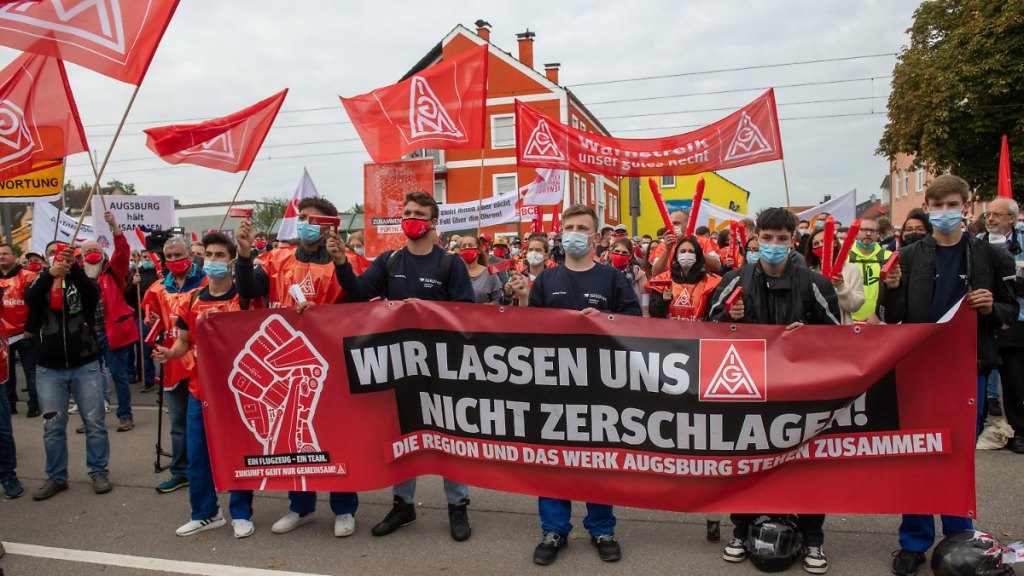
El Sindicato IG Metall ha comunicado que podría pedir más acciones industriales en una disputa sobre los planes del fabricante de aviones europeo Airbus Group SE para reestructurar las operaciones de piezas alemanas. El grupo sindical celebró un día de huelgas y manifestaciones el Viernes 17/09 para protestar contra los planes de revisar las subsidiarias que hacen secciones de ala y fuselaje. La medida, anunciada por primera vez en Abril 2021, implicaría la creación de nuevas compañías construidas alrededor de las divisiones Stelia Aerospace y Premium Aerotec, mientras que una unidad de piezas detalladas sería construida.
Debido a la reestructuración planificada en Airbus Operations y Premium Aerotec, varios miles de empleados en toda Alemania se declararon en huelga de advertencia que duró poco menos de un día. Por la tarde, más de 10.100 empleados ya habían dejado de trabajar y participado en manifestaciones, como anunció IG Metall. Deberían seguirse más paros laborales durante el día y la noche. Según la información, las ubicaciones del fabricante de aviones Airbus en Hamburgo, Stade, Bremen y Buxtehude se vieron afectadas. En la filial de Airbus, Premium Aerotec, los empleados de Augsburgo, Bremen, Varel y Nordenham están en huelga. «Esta es una fuerte señal para la dirección de Airbus. Junto con los empleados de todas las ubicaciones de Airbus y Premium Aerotec, hemos dejado claro: no nos dejaremos dividir», dijo el Gerente de Distrito de la Costa de IG Metall, Daniel Friedrich, en un mitin con alrededor de 1.000 empleados en Airbus en Hamburgo-Finkenwerder. Pidió al empleador que busque una solución en la mesa de negociación.
Jürgen Kerner, miembro de la junta directiva de IG Metall, enfatizó a unos 1.500 empleados de Aerotec en Augsburgo: «Estamos felices de ayudar a dar forma a estructuras delgadas y eficientes en la cadena de valor, pero organizaremos la resistencia contra la ruptura de las ubicaciones en Airbus y Premium Aerotec». El Gerente de Distrito bávaro de IG Metall, Johann Horn, advirtió: «Si Airbus implementa sus planes de ventas, 2.200 empleos están en juego en Augsburgo».
El CEO de Airbus, Guillaume Faury, anunció en Abril 2021 que partes de Airbus Operations y grandes partes de Premium Aerotec con un total de alrededor de 13.000 empleados se fusionarían en una nueva subsidiaria a principios de 2022. Además, se creará una nueva unidad que se concentrará en la producción de piezas individuales y componentes pequeños. Para esta compañía, que también atenderá a otros clientes, Airbus se esfuerza por establecer una conexión con un socio externo fuerte.
En caso de que los empleados pierdan su empleo como consecuencia de ello, IG Metall exige una indemnización por despido de tres salarios mensuales brutos al año de empleo con una cantidad base de 25.000 euros. Además, se acordaron regulaciones de dificultad para los miembros de IG Metall, así como medidas de calificación de dos años si la remuneración continúa pagándose. IG Metall exige un plazo de doce años para esta regulación.
Un portavoz de Airbus dijo que la gerencia entendía que la situación actual estaba causando incertidumbre. «Ya estamos en negociaciones con nuestros interlocutores sociales y hemos hecho concesiones específicas para la reorganización y su implementación, incluidos los mecanismos de seguridad para las ubicaciones y el empleo», dijo. Sin embargo, Airbus todavía está convencido de que puede hacer que el negocio de piezas individuales esté preparado para el futuro vendiéndolo a un socio fuerte.
El Gerente de la Planta de Hamburgo y Director General de Airbus Commercial en Alemania, André Walter, dijo: «Nosotros […] respetar el derecho de nuestros empleados a expresar sus preocupaciones en forma de huelga de advertencia. Pero hay que encontrar una solución en la mesa de negociaciones. Tenemos la responsabilidad de preparar el futuro de Airbus y el futuro de Airbus en Alemania y estamos convencidos de que nuestros planes ofrecen las mejores soluciones para Airbus y nuestros empleados».
Los huelguistas recibieron el apoyo del portavoz de política del mercado laboral del grupo parlamentario del SPD, Jan Koltze: «Airbus tiene que apoyar a sus empleados y eso requiere un convenio colectivo con garantías». Se trata de una cuestión de respeto y de asociación social justa, pero también de razón económica. «No debe ser que la incertidumbre sobre el futuro de los empleos y los ingresos surja sin necesidad», dijo Jan Koltze.
Airbus Germany forecasts strikes
Airbus union warns of more strike Germany
The IG Metall Union has said it could ask for more industrial action in a dispute over plans by European aircraft manufacturer Airbus Group SE to restructure German parts operations. The union group held a day of strikes and demonstrations on Friday 09/17 to protest against plans to review subsidiaries that make wing and fuselage sections. The move, first announced in April 2021, would involve the creation of new companies built around the Stelia Aerospace and Premium Aerotec divisions, while a detailed parts unit would be built.
Due to the planned restructuring at Airbus Operations and Premium Aerotec, several thousand employees across Germany went on a warning strike that lasted just under a day. By the afternoon, more than 10,100 employees had already stopped work and participated in demonstrations, as announced by IG Metall. More work stoppages should be followed during the day and night. According to the information, the locations of the aircraft manufacturer Airbus in Hamburg, Stade, Bremen and Buxtehude were affected. At Airbus’ subsidiary Premium Aerotec, employees from Augsburg, Bremen, Varel and Nordenham are on strike. «This is a strong signal to Airbus leadership. Together with employees at all Airbus and Premium Aerotec locations, we have made it clear: we will not be divided», said IG Metall Coastal District Manager Daniel Friedrich , at a rally with around 1,000 employees at Airbus in Hamburg-Finkenwerder. He asked the employer to find a solution at the negotiation table.
Jürgen Kerner, member of the IG Metall board of directors, emphasized to some 1,500 Aerotec employees in Augsburg: «We are happy to help shape lean and efficient structures in the value chain, but we will organize resistance against the breakdown of the locations in Airbus and Premium Aerotec». IG Metall Bavarian District Manager Johann Horn warned: «If Airbus implements its sales plans, 2,200 jobs are at stake in Augsburg».
Airbus CEO Guillaume Faury announced in April 2021 that parts of Airbus Operations and large parts of Premium Aerotec with a total of around 13,000 employees would be merged into a new subsidiary in early 2022. In addition, a new unit will be created that It will focus on the production of individual parts and small components. For this company, which will also serve other customers, Airbus strives to establish a connection with a strong external partner.
In the event employees lose their jobs as a result, IG Metall requires severance pay of three gross monthly salaries per year of employment with a base amount of € 25,000. Additionally, hardship regulations were agreed for IG Metall members, as well as two-year qualification measures if remuneration continues to be paid. IG Metall requires a twelve-year term for this regulation.
An Airbus spokesman said management understood the current situation was causing uncertainty. «We are already in negotiations with our social partners and have made specific concessions for the reorganization and its implementation, including security mechanisms for locations and employment», he said. However, Airbus is still convinced that it can make the individual parts business future-proof by selling it to a strong partner.
The Manager of the Hamburg Plant and Managing Director of Airbus Commercial in Germany, André Walter, said: «We […] respect the right of our employees to express their concerns in the form of a warning strike. But one has to be found. solution at the bargaining table. We have a responsibility to prepare the future of Airbus and the future of Airbus in Germany and we are convinced that our plans offer the best solutions for Airbus and our employees».
The strikers were supported by the SPD parliamentary group’s labor market policy spokesperson, Jan Koltze: «Airbus has to support its employees and that requires a guaranteed collective agreement». It is a matter of respect and fair social association, but also of economic reason. «It should not be that uncertainty about the future of jobs and income arises unnecessarily», Jan Koltze said.
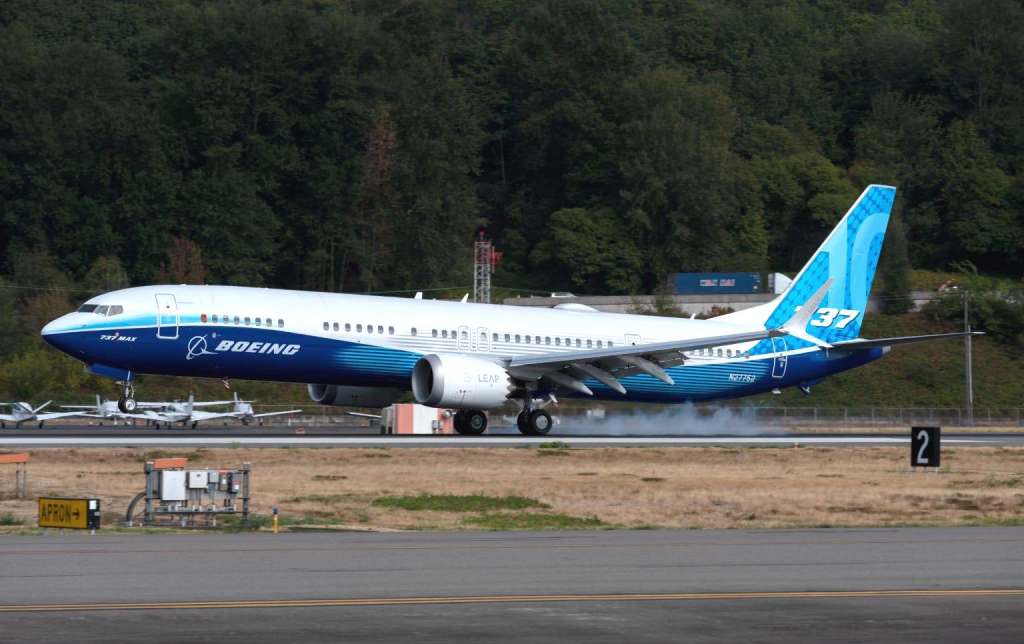
El segundo prototipo del Boeing 737-10 MAX, ha completado su primer vuelo. El avión voló este Miércoles 15/09 desde Renton donde fue construido en Boeing Field (WA). Con el número de línea S/N7705, N27752 despegó a las 12:45 hs del 15/09 desde Renton (RNT).
Tras las recertificaciones después de un año de incursiones del Boeing 737 MAX en tierra por la Administración Federal de Aviación (FAA). Sin embargo, mientras que aviones como el MAX 8 y el MAX 9 fueron autorizados a tomar los cielos, las variantes MAX 8-200, MAX 7 y MAX 10 no estaban certificados cuando el avión estaba en tierra. El primer 737 MAX 10 ya lleva varios meses volando. Sin embargo, ayer el segundo avión se unió a la flota de pruebas. Las pruebas de test de certificaciones del Boeing 737-10 MAX continuarán tras el primer vuelo de segundo prototipo que requerirán muchos vuelos de prueba para garantizar fiabilidad.
Las pruebas en el aire desde Renton hasta el campo de Boeing es de solo ocho kilómetros (cinco millas), el avión tomó una ruta un poco más prolongada. Después de volar de ida y vuelta sobre el Estado de Washington (WA), el avión aterrizó en Boeing Field (BFI) a las 15:14 hs, dos horas y media después.
La nueva aeronave ha sido utilizado para el trabajos de certificaciones, mientras que el avión será entregado a United Airlines. El segundo prototipo experimental será reacondicionado para la configuración requerida por la aerolínea estadounidense. Actualmente, United Airlines posee una cartera de órdenes por 255 aviones MAX 10 en firme, adicionalmente los aviones MAX 8 (92) y MAX 9 (66), lo que da un pedido total actual de 413 unidades, aunque no contempla la versión MAX 7 de menor capacidades.
Second flight Boeing 737-10 MAX
Second 737-10 MAX prototype takes first flight
The second prototype of the Boeing 737-10 MAX has completed its maiden flight. The plane flew this Wednesday 09/15 from Renton where it was built at Boeing Field (WA). With the line number S/N7705, N27752 took off at 12:45 on 09/15 from Renton (RNT).
Following recertifications after a year of incursions of the Boeing 737 MAX on the ground by the Federal Aviation Administration (FAA). However, while aircraft such as the MAX 8 and MAX 9 were authorized to take to the skies, the MAX 8-200, MAX 7, and MAX 10 variants were not certified when the aircraft was on the ground. The first 737 MAX 10 has been flying for several months now. However, yesterday the second aircraft joined the test fleet. Boeing 737-10 MAX certification test tests will continue after the first second prototype flight which will require many test flights to ensure reliability.
Airborne testing from Renton to the Boeing field is only five miles (eight kilometers), the plane took a slightly longer route. After flying back and forth over Washington State (WA), the plane landed at Boeing Field (BFI) at 03:14 p.m., two and a half hours later.
The new aircraft has been used for certification work, while the aircraft will be delivered to United Airlines. The second experimental prototype will be reconditioned to the configuration required by the US airline. Currently, United Airlines has an order book for 255 firm MAX 10 aircraft, in addition to the MAX 8 (92) and MAX 9 (66) aircraft, which gives a current total order of 413 units, although it does not include the MAX 7 version. of lower capacities.
Perspectivas aviación comercial según enfoque del constructor europeo
La mayor parte del mundo ha salido de la primera fase de la pandemia, mientras que la industria de la aviación todavía está luchando por recuperarse de los cimbronazos producidos por los impactos colaterales en la economía y el transporte. En Agosto de 2021, los viajes nacionales a nivel mundial solo alcanzaron el 70 por ciento de los niveles de Agosto 2019, mientras que los viajes internacionales apenas alcanzaron el 50 por ciento, según Guillaume Faury, CEO de Airbus Group. «Todavía hay un sentimiento de incertidumbre. No creo que los viajes nacionales vuelvan a los niveles de 2019 antes de 2023, y será más largo que eso para los viajes internacionales. Estamos viendo cierta recuperación en los viajes de negocios, pero nuevamente, no alcanzará los niveles de 2019 durante muchos años más», dijo Guillaume Faury durante una presentación virtual en la Conferencia «El futuro de la aviación» en Montreal, Canadá el 14 de Septiembre de 2021.
«Los próximos 12 a 18 meses serán los más desafiantes para la cadena de suministro, ya que la producción aumentanuevamente. Tenemos más de 3.200 proveedores y si uno o dos colapsan, pone en riesgo todo el sistema. Hemos proyectado nuestras tasas de producción para 2025, lo que debería permitir a los proveedores reaccionar en consecuencia», expresa el CEO de Airbus. Uno de los pocos puntos brillantes para la industria fue un aumento en la demanda de carga aérea durante la pandemia. Hay unos 25.000 aviones comerciales en todo el mundo y 2.000 cargueros dedicados, señaló Guillaume Faury. Algunos de los modelos más antiguos deberán ser reemplazados para cumplir con los nuevos requisitos de cambio climático de la OACI.
«Estamos lanzando una versión de carguero del A350, que debería entrar en servicio en 2025 con un consumo de combustible mucho menor. La industria se encuentra en una coyuntura importante en la que tenemos que contribuir a la prosperidad de la tierra mediante la reducción de las emisiones. Pero en comparación con hace cinco o 10 años, sabemos a dónde tenemos que ir. Primero, tenemos que reemplazar los aviones más antiguos con aviones nuevos. En segundo lugar, debemos aumentar el uso de combustible de aviación sostenible (SAF), porque solo alrededor del uno por ciento de la industria está utilizando actualmente SAF. En tercer lugar, necesitamos mejorar los sistemas de gestión del tráfico aéreo, porque los aviones están volando más lejos de lo necesario», dijo con énfasis el CEO Guillaume Faury.
Las perspectivas acerca del combustible hidrógeno tiene mucho potencial como fuente de combustible y es más económico que los combustibles sintéticos, que son caros de desarrollar. Predice que un avión de cero emisiones se lanzará alrededor de 2027 con la entrada en servicio alrededor de 2035. Gillaume Faury siente que un impuesto sobre el combustible es más dañino que útil para mejorar la eficiencia del combustible, al desalentar a la industria a realizar más inversiones en investigación y desarrollo de aeronaves. «Un impuesto va en contra de eso. Los gobiernos deben apoyar una transición más rápida a aeronaves más eficientes, y los reguladores deben entender eso. Las asociaciones públicas y privadas deben trabajar juntas. Si desarrollamos un avión que pueda funcionar con hidrógeno, pero no haya suministros en los aeropuertos, entonces no estamos más adelante. Ahí es donde los gobiernos pueden intervenir», comentó el CEO de Airbus.
La seguridad cibernética es otro problema con el que Airbus debe lidiar, ya que también trabaja en el sector de la defensa. «Los gobiernos globales deben actuar juntos para evitar que las personas intenten acceder al dinero y la tecnología. Una nueva tecnología en la que Airbus está trabajando son los taxis aéreos, que es una parte significativa del futuro. La propulsión eléctrica y el pilotaje no tripulado están en su infancia, pero estamos invirtiendo en este espacio, ya que impulsa la innovación y se puede utilizar en otras aplicaciones», concluye el CEO de Airbus Group.
Airbus vision of the future of aviation
Prospects commercial aviation according approach European constructor
Most of the world has emerged from the first phase of the pandemic, while the aviation industry is still struggling to recover from the simbronaces produced by collateral impacts on the economy and transport. In August 2021, global domestic travel only reached 70 percent of August 2019 levels, while international travel barely reached 50 percent, according to Guillaume Faury, CEO of Airbus Group. «There is still a feeling of uncertainty. I don’t think domestic travel will return to 2019 levels before 2023, and it will be longer than that for international travel. We are seeing some recovery in business travel, but again, it will not catch up. 2019 levels for many years to come», said Guillaume Faury during a virtual presentation at «The Future of Aviation» Conference in Montreal, Canada on September 14, 2021.
«The next 12 to 18 months will be the most challenging for the supply chain, as production increases again. We have more than 3,200 suppliers and if one or two collapse, it puts the whole system at risk. We have projected our production rates to 2025, which should allow suppliers to react accordingly», says the Airbus CEO. One of the few bright spots for the industry was an increase in demand for air cargo during the pandemic. There are about 25,000 commercial aircraft worldwide and 2,000 dedicated freighters, Guillaume Faury noted. Some of the older models will need to be replaced to meet the new ICAO climate change requirements.
«We are launching a freighter version of the A350, which should enter service in 2025 with much lower fuelconsumption. The industry is at an important juncture where we have to contribute to the prosperity of the earth by reducing the But compared to five or 10 years ago, we know where we have to go. First, we have to replace older aircraft with newer aircraft. Second, we must increase the use of Sustainable Aviation Fuel (SAF), because only about one percent of the industry is currently using SAF. Third, we need to improve air traffic management systems, because planes are flying farther than necessary», CEO Guillaume Faury said emphatically.
The outlook for hydrogen fuel has great potential as a fuel source and is cheaper than synthetic fuels, which are expensive to develop. He predicts that a zero-emission aircraft will be launched around 2027 with entry into service around 2035. Gillaume Faury feels that a fuel tax is more harmful than helpful in improving fuel efficiency, by discouraging industry from doing more. investments in aircraft research and development. «A tax works against that. Governments must support a faster transition to more efficient aircraft, and regulators must understand that. Public and private partnerships must work together. If we develop an aircraft that can run on hydrogen, but not there are supplies at airports, then we are not further ahead. That is where governments can intervene», commented the CEO of Airbus.
Cybersecurity is another issue Airbus must grapple with, as it also works in the defense sector. «Global governments must act together to prevent people from trying to access money and technology. A new technology that Airbus is working on is air taxis, which is a significant part of the future. Electric propulsion and unmanned piloting They are in their infancy, but we are investing in this space as it drives innovation and can be used in other applications», concludes the CEO of Airbus Group.
Alliance Airlines prolonga operaciones con línea Fokker 100
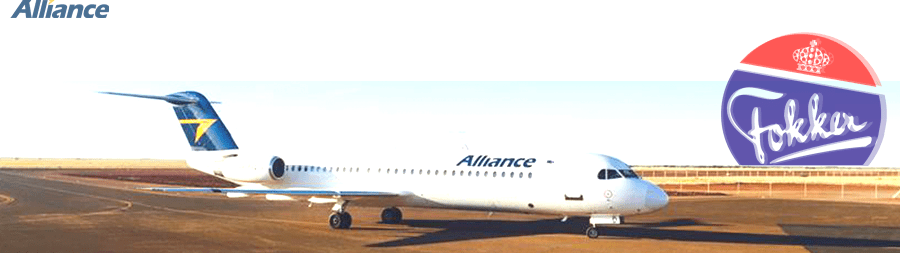
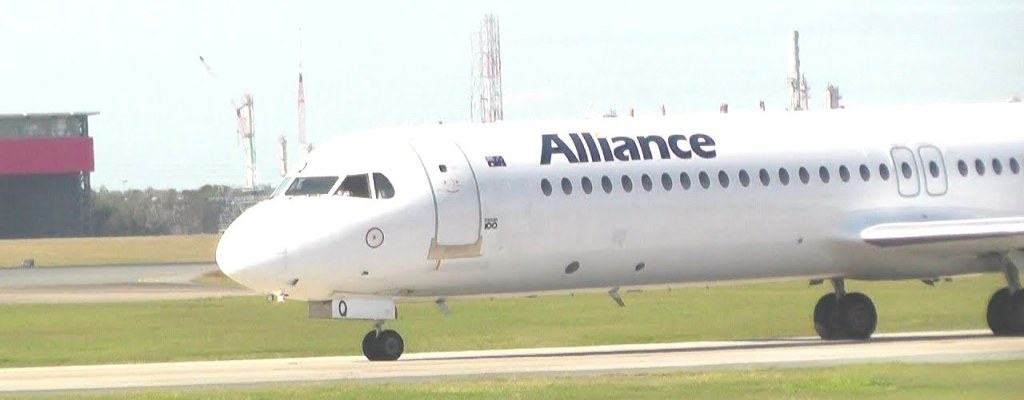
La aerolínea doméstica Alliance Airlines ha anunciado la continuidad de las operaciones con la línea de aeronaves Fokker F100. La aerolínea australiana planea continuar volando aviones durante otros siete a nueve años, a pesar de la adición de los nuevos Embraer 190 a su flota. El Director Ejecutivo de Alliance Airlines, Lee Schofield ha expresado que una flota de veinticuatro Fokker 100 (24), catorce Fokker 70 (14) que incluye al anterior avión del Gobierno holandés, y dos turbohélices Fokker 50 (2), la aerolínea es el mayor usuario mundial de aviones de la línea Fokker.
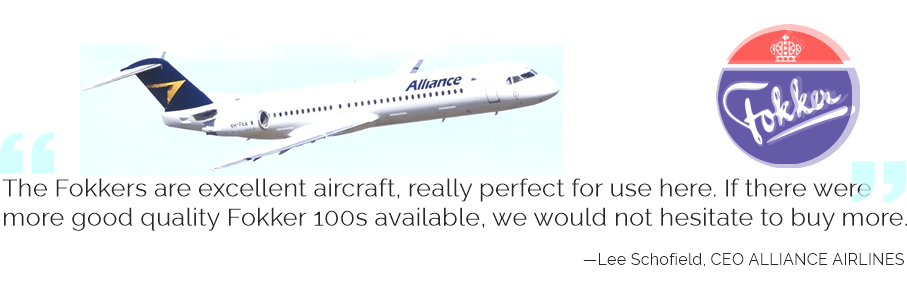
La aerolínea describe las bondades de este tipo de aeronaves comerciales: «Los Fokkers son excelentes aviones, realmente perfectos para el uso aquí. Si hubiera más Fokker 100 de buena calidad disponibles, no dudaríamos en comprar más», dice Lee Schofield. La producción de aviones Fokker se detuvo en 1997, aún así, la compañía industrial holandesa más antigua del mundo ha desarrollado excelentes aeronaves comerciales que han tenido un excelente historial operativo. American Airlines ha incorporado centenares del modelo Fokker F100 en sus vuelos domésticos, como así también otras aerolíneas a través del mundo han incorporado estas aeronaves muy nobles.
Pero la disponibilidad limitada en el mercado de aviones Fokker en buenas condiciones ha obligado a Alliance a comprar Embraer 190 de segunda mano, comparable en capacidad al Fokker 100. El número de E190 en la flota está creciendo rápidamente: a mediados de 2022 incorporarán treinta y dos (32) unidades adicionales. Una gran ventaja del Embraer 190, según Lee Schofield, es el intervalo de mantenimiento de 7.500 horas ciclos. Esto se refleja en la usabilidad operativa. En lo que respecta a la flota de Fokker, Alliance Airlines espera un despliegue de mil horas por avión por año; para el E190, el número de horas es casi tres veces mayor. Donde los Fokkers se despliegan actualmente principalmente en vuelos FIFO, Alliance Airlines utiliza principalmente los E190 en vuelos wetlease en beneficio de Qantas Airways, con una participación accionaria de un 20%. Los vuelos chárter nacionales también son una fuente creciente de ingresos para la aerolínea doméstica australiana.
Alliance prolongs ops Fokker 100
Alliance Airlines extends operations with Fokker 100 line
The domestic airline Alliance Airlines has announced the continuity of operations with the Fokker F100 aircraft line. The Australian airline plans to continue flying aircraft for another seven to nine years, despite the addition of the new Embraer 190s to its fleet. The Executive Director of Alliance Airlines, Lee Schofield has stated that a fleet of twenty-four Fokker 100 (24), fourteen Fokker 70 (14) which includes the former Dutch Government aircraft, and two Fokker 50 (2) turboprops, the airline is the The world’s largest user of the Fokker line aircraft.
The airline describes the benefits of these types of commercial aircraft: «The Fokkers are excellent aircraft, really perfect for use here. If there were more good quality Fokker 100s available, we would not hesitate to buy more», says Lee Schofield. Fokker aircraft production stopped in 1997, yet the oldest Dutch industrial company in the world has developed excellent commercial aircraft that have had an excellent operating history. American Airlines has incorporated hundreds of the Fokker F100 model in its domestic flights, as well as other airlines throughout the world have incorporated these very noble aircraft.
But the limited market availability of Fokker aircraft in good condition has forced the Alliance to purchase second-hand Embraer 190s, comparable in capacity to the Fokker 100. The number of E190s in the fleet is growing rapidly: by mid-2022 they will add thirty-one two (32) additional units. A big advantage of the Embraer 190, according to Lee Schofield, is the 7,500-hour maintenance interval. This is reflected in operational usability. With regard to the Fokker fleet, Alliance Airlines expects a deployment of 1,000 hours per aircraft per year; for E190, the number of hours is almost three times as long. Where Fokkers are currently deployed primarily on FIFO flights, Alliance Airlines primarily uses E190s on wetlease flights for the benefit of Qantas Airways, with an equity stake of 20%. Domestic charter flights are also a growing source of revenue for the Australian domestic airline.
AW | 2021 09 14 15:34 | INDUSTRY / AVIATION ORGANISMS
Primer C919 destinado cliente lanzamiento China Eastern Airlines
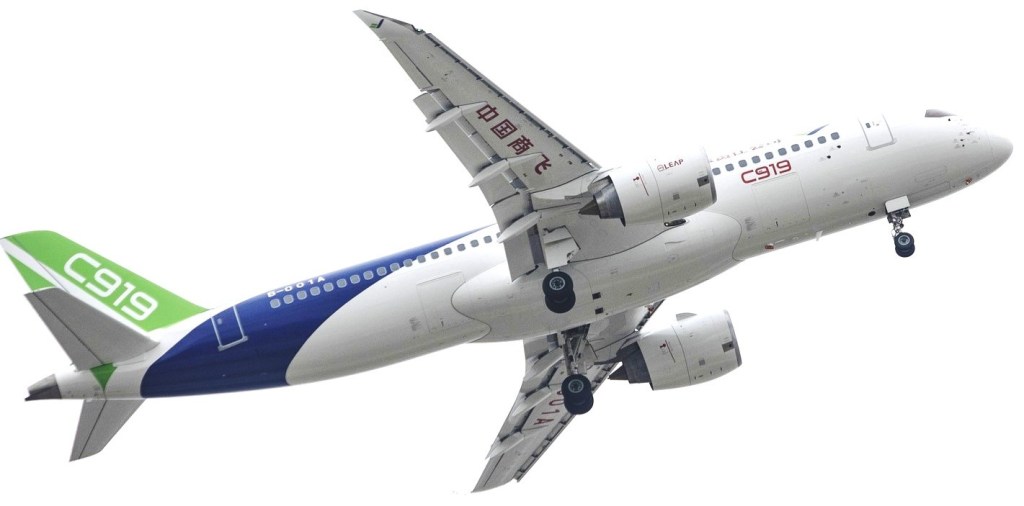
El primer avión de fuselaje estrecho COMAC C919 de China que se entregará al cliente de lanzamiento China Eastern Airlines está a punto de entrar en el ensamblaje final, dijo el Lunes 13/09 el regulador de la Administración de Aviación Civil de China (CAAC), y la entrega se entregará antes de fin de año.
El C919, construido por el fabricante de aviones estatal Commercial Aircraft Corp of China (COMAC), marcará un hito en un programa de una década para rivalizar con los aviones fabricados por Airbus y Boeing. La Junta de Certificación del Programa C919 se reunió en Shanghai el 10 de Septiembre de 2021 y revisó los informes de COMAC sobre la producción por lotes del avión, dijo el organismo estatal de la CAAC/Región Oriental en su cuenta de redes sociales.
COMAC Corp. espera obtener un certificado de tipo, que certifique el modelo como aeronavegable, para finales de año. La Junta de Certificación también aprobó propuestas para ajustar los planes actuales para obtener el certificado de producción de la aeronave, que se requiere para la producción en masa, dijo el regulador, sin dar más detalles. El C919 se encuentra actualmente en la fase de producción por lotes más limitada.
First COMAC C919 for airline
First C919 destined for customer launch China Eastern Airlines
China’s first COMAC C919 narrow-body aircraft to be delivered to launch customer China Eastern Airlines is about to enter final assembly, the regulator of the Civil Aviation Administration of China (CAAC) said on Monday 09/13, and the delivery will be delivered before the end of the year.
The C919, built by state-owned aircraft maker Commercial Aircraft Corp of China (COMAC), will mark a milestone in a decade-long program to rival aircraft made by Airbus and Boeing. The C919 Program Certification Board met in Shanghai on September 10, 2021 and reviewed COMAC’s reports on the aircraft’s batch production, the state body of the CAAC/Eastern Region said on its social media account.
COMAC Corp. expects to obtain a type certificate, certifying the model as airworthy, by the end of the year. The Certification Board also approved proposals to adjust current plans to obtain the aircraft’s production certificate, which is required for mass production, the regulator said, without elaborating. The C919 is currently in the more limited batch production phase.
Airbus tiene una cartera pedidos de casi 500 pedidos de A220
El fabricante europeo de aviones Airbus Group cree que la industria de la aviación no volverá a los niveles anteriores a la pandemia hasta 2023-2025, pero dijo en Dublín, Irlanda, el Lunes 13/09 que tiene una cartera de pedidos de casi 500 pedidos de su nuevo modelo A220, que está parcialmente construido en Belfast. El A220 es el único avión diseñado específicamente para el segmento de mercado de 100 a 150 asientos.
La compañía aerospacial continúan incrementando los pedidos del avión regional A220 observa el Jefe de Clientes de Arrendamiento de Airbus, Sinead Cormican. El A220 es el único avión construido específicamente para el segmento de mercado de 100 a 150 asientos, ofreciendo hasta 1.100 millas náuticas más de alcance. Tiene pasillos más anchos para aumentar las velocidades de giro, mientras que su huella de ruido también es hasta un 50 por ciento más pequeña que la de los aviones de la generación anterior. Airbus tiene actualmente 643 pedidos históricos de alrededor de 25 clientes, de los cuales 173 han sido entregados.
Airbus dice que en comparación con los «competidores más cercanos» del modelo, tiene un alcance de hasta 6.390 km, ofrece hasta 20 asientos más y hasta un 14 por ciento menos de costo operativo por asiento. También tiene los asientos más anchos, las ventanas más grandes y un 20 por ciento más de espacio de almacenamiento aéreo por pasajero en comparación con sus competidores. El avión quema un 25 por ciento menos de combustible por asiento, mientras que el aire en la cabina es una mezcla de aire fresco extraído del exterior y aire que ha pasado a través de filtros HEPA, que eliminan el 99,9 por ciento de las partículas de aire. El aire en la cabina del A220 se renueva completamente cada dos o tres minutos. Airbus tiene actualmente 643 pedidos históricos de alrededor de 25 clientes, de los cuales 173 han sido entregados, dejando una cartera de pedidos de 470, según el Jefe de Marketing Narrowbodies de Airbus, Claude Debeauquenne.
El avión se fabrica principalmente en Mirabel en Canadá y Mobile en Alabama, Estados Unidos, pero sus alas se fabrican en la antigua fábrica aeroespacial de Bombardier en el este de Belfast, Reino Unido. La fábrica es ahora propiedad del gigante estadounidense Spirit AeroSystems. Claude Debeauquenne dijo que sería difícil para la industria escapar de la realidad de la crisis de Covid-19, pero agregó que muchos mercados de todo el mundo ya están mostrando signos de recuperación. «Los mercados nacionales en todo el mundo se han recuperado al 86 por ciento de los niveles previos a la pandemia. Algunos mercados como China y América del Norte están mostrando niveles de recuperación equivalentes a los que volaban antes de la pandemia. El tráfico doméstico es el mercado premium para los aviones de pasillo único, por lo que esta es una buena noticia para los pasillos únicos y aún más para el A220», expresó Claude Debeauquenne.
La compañía continúa desarrollando un fuerte impulso en las ventas y un fuerte impulso en las capacidades de producción, mientras continúa recibiendo pedidos de la aeronave durante la crisis de Covid-19. «Vemos un corredor de recuperación en cualquier momento entre 2023 y 2025, primero con tráfico nacional y luego internacional. El hecho es que dependemos en gran medida de las regulaciones locales, las medidas de cuarentena y los requisitos específicos para la entrada. Eso es algo que está en manos de los gobiernos. Esa es la razón por la que el tráfico internacional está realmente rezagado. Vemos que los pasaportes de vacunación que permiten a las personas viajar de nuevo sin ninguna restricción son probablemente el camino a seguir», dijo el Jefe de Marketing Narrowbodies.
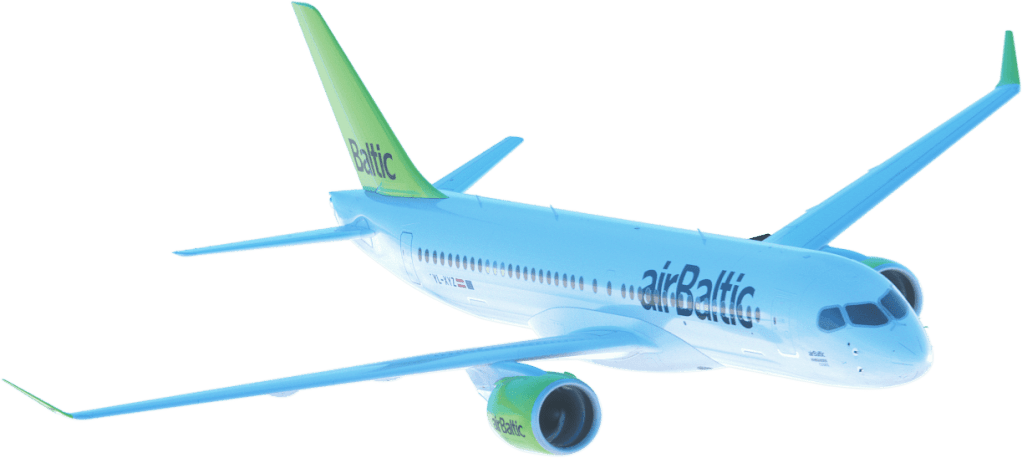
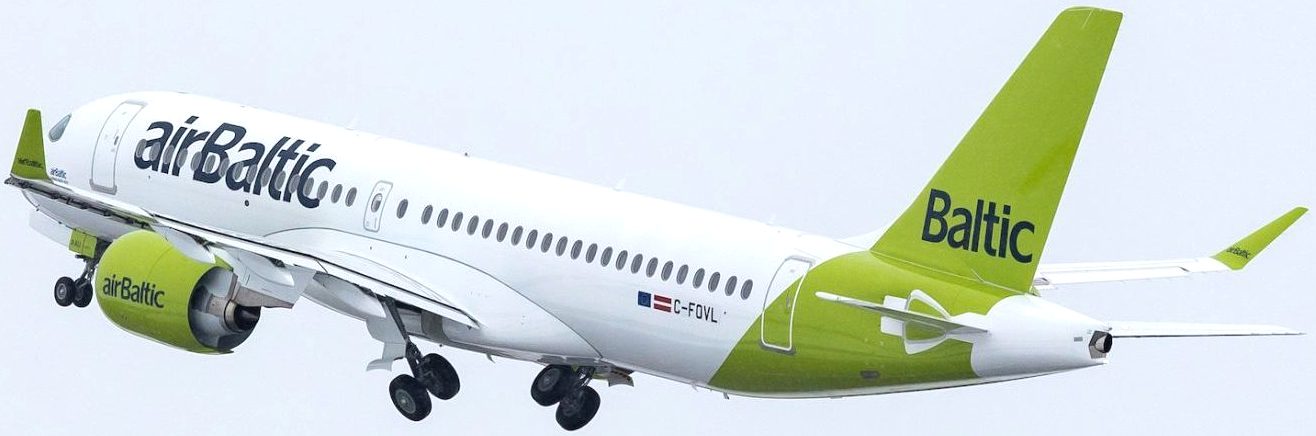
El Presidente Ejecutivo de Air Baltic, Martin Gauss, dijo que su compañía es el mayor operador de A220 en Europa. «Después de Covid, el mayor problema que enfrentarán las aerolíneas será abordar el cambio climático. Estos avioneste dan la mejor oportunidad porque está muy por delante de los demás. Hemos logrado una gran parte del objetivo que tenemos que alcanzar como aerolíneas con solo tomar el Airbus A220. Volar a Londres Gatwick en el A220 implica un consumo de combustible significativamente menor en lugar de un 737. Es un ahorro en efectivo de US$ 775/€ 657. Si usted es el CFO de una aerolínea, esto es todo lo que cuenta. Cada vez que despegamos, es un puro ahorro de costos», expresó Martin Gauss.
Airbus accumulates portfolio 500 A220
Airbus has an order book of almost 500 A220 orders
European aircraft maker Airbus Group believes the aviation industry will not return to pre-pandemic levels until 2023-2025, but said in Dublin, Ireland, on Monday 9/13 that it has an order book of nearly 500 orders. of its new A220 model, which is partially built in Belfast. The A220 is the only aircraft specifically designed for the 100-150 seat market segment.
The aerospace company continues to increase orders for the A220 regional aircraft, observes Airbus Head of Leasing Customers, Sinead Cormican. The A220 is the only aircraft built specifically for the 100-150 seat market segment, offering up to 1,100 more nautical miles of range. It has wider aisles to increase turning speeds, while its noise footprint is also up to 50 percent smaller than that of previous-generation aircraft. Airbus currently has 643 historical orders from around 25 customers, of which 173 have been delivered.
Airbus says that compared to the model’s «closest competitors», it has a range of up to 6,390 km, offers up to 20 more seats and up to 14 percent lower operating cost per seat. It also has the widest seats, the largest windows, and 20 percent more air storage space per passenger compared to its competitors. The aircraft burns 25 percent less fuel per seat, while the air in the cabin is a mixture of fresh air drawn from outside and air that has passed through HEPA filters, which remove 99.9 percent of the fuel. air particles. The air in the A220 cabin is completely renewed every two to three minutes. Airbus currently has 643 historical orders from around 25 customers, of which 173 have been delivered, leaving an order book of 470, according to Airbus Head of Narrowbodies Marketing Claude Debeauquenne.
The aircraft is manufactured primarily at Mirabel in Canada and Mobile in Alabama, United States, but its wings are manufactured at the former Bombardier aerospace factory in East Belfast, United Kingdom. The factory is now owned by the American giant Spirit AeroSystems. Claude Debeauquenne said it would be difficult for the industry to escape the reality of the Covid-19 crisis, but added that many markets around the world are already showing signs of recovery. «Domestic markets around the world have recovered to 86 percent of pre-pandemic levels. Some markets such as China and North America are showing recovery levels equivalent to those that flew before the pandemic. Domestic traffic is the premium market for single aisle aircraft, so this is good news for single aisles and even more so for the A220», said Claude Debeauquenne.
The company continues to develop strong sales momentum and a strong boost in production capabilities, as it continues to receive orders for the aircraft during the Covid-19 crisis. «We see a recovery corridor anytime between 2023 and 2025, first with domestic and then international traffic. The fact is, we rely heavily on local regulations, quarantine measures, and specific requirements for entry. That is something. that is in the hands of governments. That is the reason why international traffic is really lagging behind. We see that vaccination passports that allow people to travel again without any restrictions are probably the way to go», said the Chief of Marketing Narrowbodies.
,Air Baltic CEO Martin Gauss said that his company is the largest A220 operator in Europe. «After Covid, the biggest problem airlines will face will be tackling climate change. These planes give you the best chance because it is way ahead of the rest. We have achieved a large part of the goal that we have to achieve as airlines just by taking the Airbus A220. Flying to London Gatwick on the A220 involves significantly less fuel consumption than a 737. That’s a cash savings of US$ 775/€ 657. If you are the CFO of an airline, this is all. That counts. Every time we take off, it’s pure cost savings», said Martin Gauss.
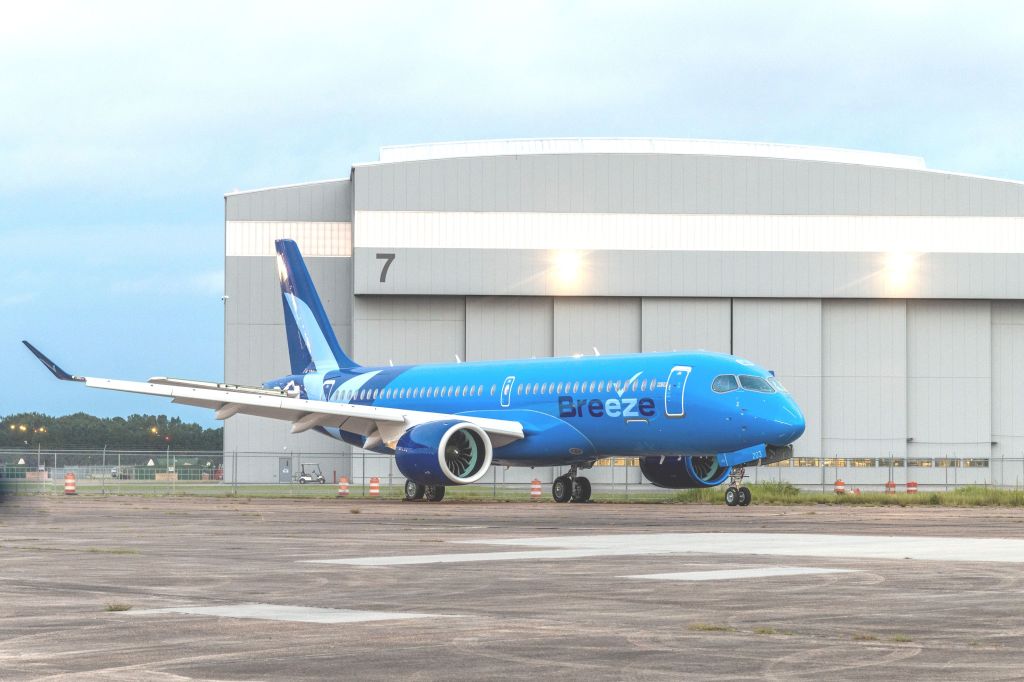
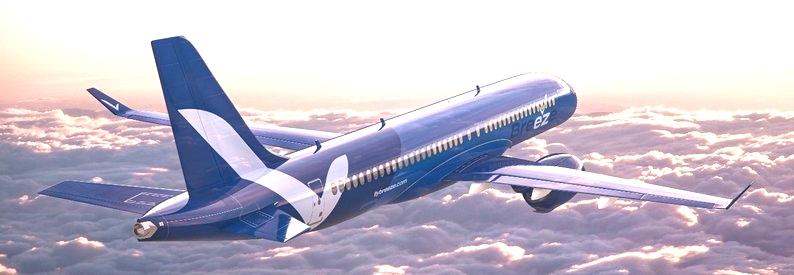
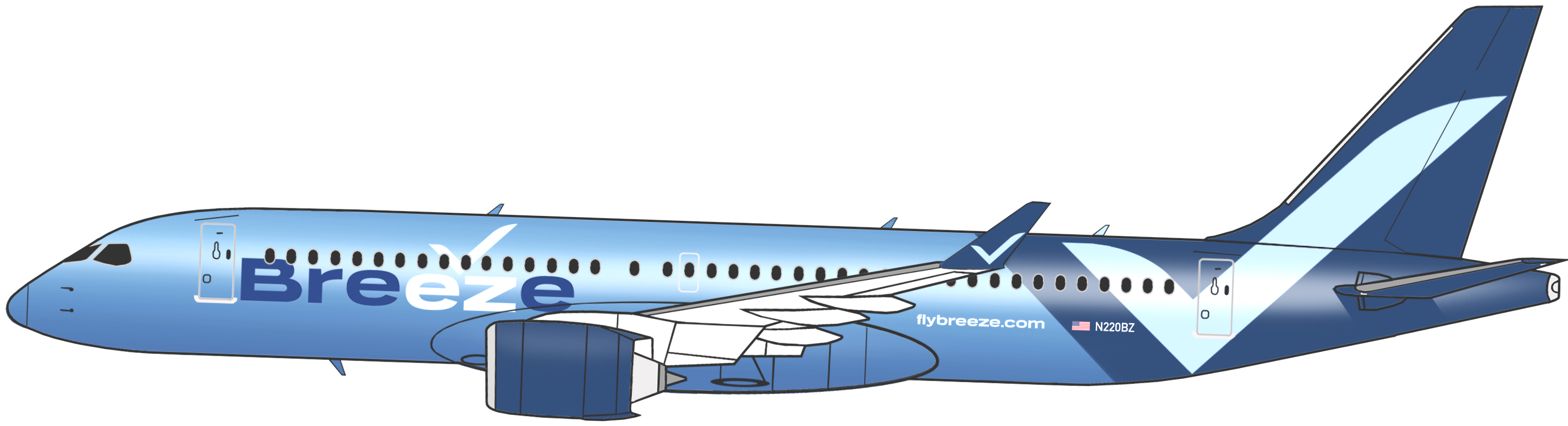
Breeze Airways, una nueva startup de Estados Unidos revela la nueva decoración del avión regional Airbus A220-300 y confirma el pedido de veinte unidades A220-300 (20) adicionales. La primer aeronave ha sido vista en la Mobile Final Assembly Line, en Alabama.
Breeze Airways ha revelado su nueva librea A220-300, al tiempo que confirma que ha llegado a un acuerdo de compra con Airbus Group por veinte aviones adicionales. Este pedido previamente no revelado de 20 unidades eleva la cartera total de pedidos de Breeze a ochenta A220-300 (80), el primero de los cuales se entregará en el cuarto trimestre (4Q2021). El diseño de pintura se completó en las instalaciones de Airbus en Mobile, Alabama, que entregará aproximadamente un A220 por mes a Breeze Airways durante los próximos seis años y medio. La aerolínea planea iniciar vuelos con la flota de Airbus en el segundo trimestre de 2022.
La eficiencia superior del A220 respaldará los objetivos comerciales de la nueva aerolínea de ofrecer una excelente experiencia de viaje, con tarifas bajas y alta flexibilidad. Se espera que Breeze brinde un servicio sin escalas entre rutas desatendidas en Estados Unidos a tarifas asequibles.
Breeze Airways inició las operaciones de la aerolínea en Mayo de 2021. Este primer A220 es el primer avión nuevo que será operado por la aerolínea.
El A220 es el único avión especialmente diseñado para el mercado de 100-150 asientos y reúne aerodinámica de última generación, materiales avanzados y motores turbofan con engranajes Pratt & Whitney de última generación PW1500G. Beneficiándose de las últimas tecnologías, el A220 es el avión más silencioso, limpio y ecológico de su categoría. Con una huella de ruido 50% menor y hasta un 25% menos de consumo de combustible por asiento en comparación con los aviones de la generación anterior, así como unas emisiones de NOx un 50% más bajas que los estándares de la industria, el A220 es un gran avión para operaciones urbanas. Se han entregado más de 170 A220 a diez operadores en Asia, América del Norte, Europa y África, lo que demuestra la gran versatilidad del último miembro de la familia de Airbus.
Breeze Airways A220 Presentation
Public presentation of the first Airbus 2A20-300
Breeze Airways, a new US startup unveils the new livery for the Airbus A220-300 regional aircraft and confirms the order for twenty additional A220-300 (20) units. The first aircraft has been seen on the Mobile Final Assembly Line, in Alabama.
Breeze Airways has revealed its new A220-300 livery, while confirming that it has reached a purchase agreement with Airbus Group for an additional twenty aircraft. This previously undisclosed order of 20 units brings Breeze’s total order book to eighty A220-300 (80), the first of which will be delivered in the fourth quarter (4Q2021). The paint design was completed at the Airbus facility in Mobile, Alabama, which will deliver approximately one A220 per month to Breeze Airways for the next six and a half years. The airline plans to start flights with the Airbus fleet in the second quarter of 2022.
The superior efficiency of the A220 will support the new airline’s business goals of offering a great travel experience, with low fares and high flexibility. Breeze is expected to provide nonstop service between underserved routes in the United States at affordable rates.
Breeze Airways began operations for the airline in May 2021. This first A220 is the first new aircraft to be operated by the airline.
The A220 is the only aircraft specially designed for the 100-150 seat market and brings together state-of-the-art aerodynamics, advanced materials and state-of-the-art Pratt & Whitney geared turbofan engines. Benefiting from the latest technologies, the A220 is the quietest, cleanest and most environmentally friendly aircraft in its class. With a 50% lower noise footprint and up to 25% less fuel consumption per seat compared to previous generation aircraft, as well as 50% lower NOx emissions than industry standards, the A220 it is a great airplane for urban operations. More than 170 A220s have been delivered to ten operators in Asia, North America, Europe and Africa, demonstrating the great versatility of the latest member of the Airbus family.
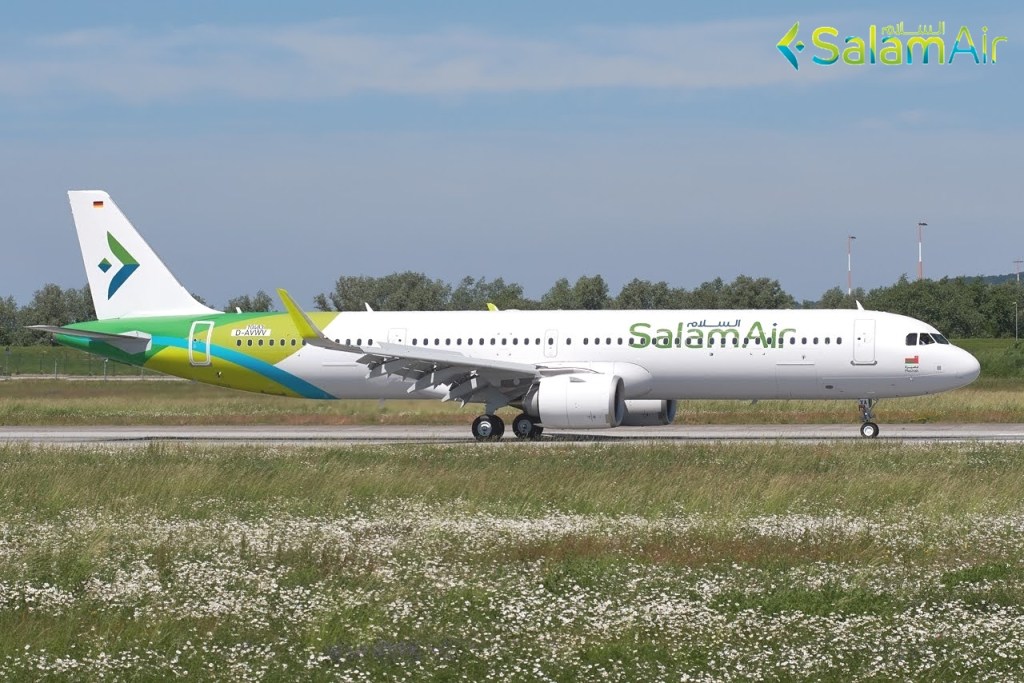
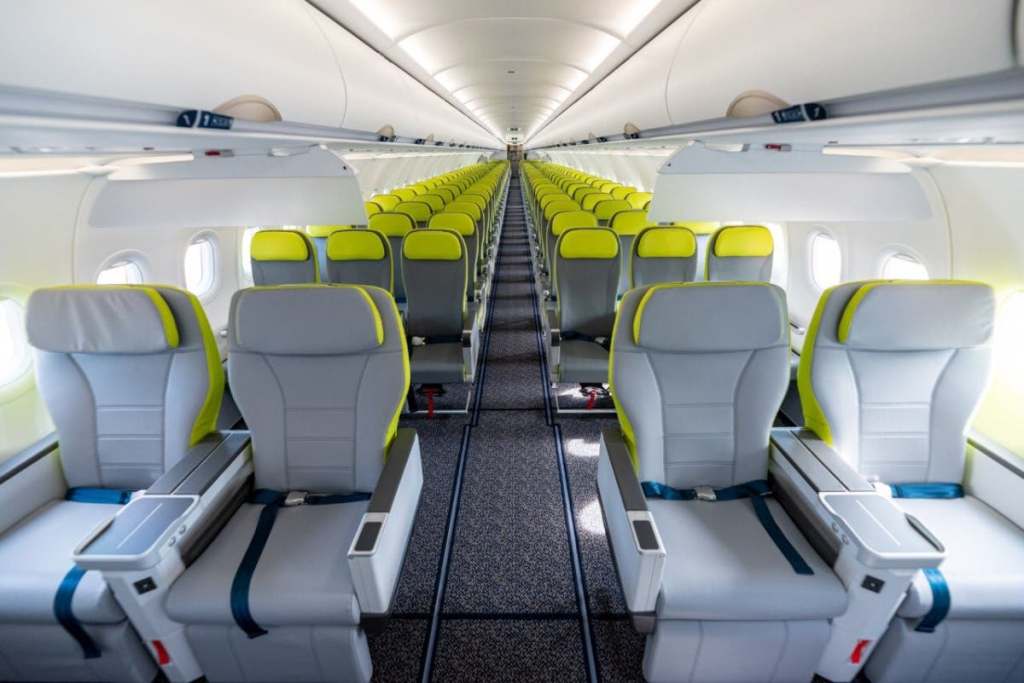
SalamAir, con sede en el Aeropuerto Internacional de Mascate, recibió este Viernes 10/09 el primero de dos aviones Airbus A321NEO, mientras busca expandir su alcance desde el Sultanato de Omán. La nueva incorporación permitirá ofrecer un alto nivel de confort y expandir su red de servicios a nuevos destinos en Europa, el Lejano Oriente y África.
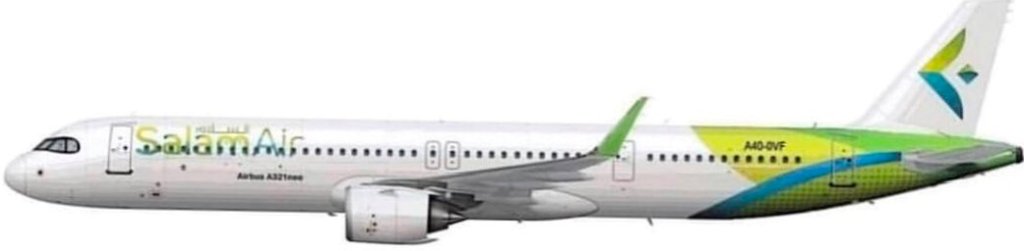
La nueva incorporación ha sido tomada de GE Capital Aviation Services (GECAS),el avión llamado Masirah W con el número de registro A4O-OXA y presenta una configuración para 212 pasajeros, configurado en cuatro asientos de Clase Ejecutiva y 208 asientos de Clase Económica. Posee una de las flotas más jóvenes de Oriente Medio con seis Airbus A320NEO (6) y el nuevo Airbus A321NEO (1). SalamAir tiene una flota de edad media de 2,2 años. Actualmente, tiene una red de destinos a más de 84 aeropuertos en 35 países.
SalamAir empleará su nuevo Airbus A321NEO en rutas desde el Aeropuerto Internacional de Mascate/MCT hacia el Aeropuerto Internacional de Salalah (SLL) en Omán con siete frecuencias semanales (7Frq/S) desde el 11/09. Al Aeropuerto de Trabzon (TZX) en Turquía a partir del 12/09 con una frecuencia semanal (1Frq/S). Al Aeropuerto Internacional Sabiha Gokcen Estambul (SAW) a partir del 13/09, con una frecuencia semanal. Al Aeropuerto Internacional Hazrat Shahjalal (DAC) en Dhaka, Bangladesh, a partir del 14/09 con cinco vuelos semanales (5Frq/S).
Con el arribo del nuevo Airbus A321NEO, SalamAir se convierte en una de las primeras aerolíneas en operar el avión en la Región de Oriente Medio. El alcance extendido de la aeronave y su capacidad para volar sin escalas durante hasta ocho horas de autonomía cumplen con los planes de SalamAir de conectar el Sultanato con el resto de la región. SalamAir está afianzando el mercado para satisfacer la demanda de turismo internacional.
La aerolínea arábiga SalamAir es una compañía low cost (LCC) de Oriente Medio de rápido crecimiento. El Vicepresidente Senior y Gerente de región de GECAS, Michael O’Mahony, dijo: «GECAS se complace en entregar nuestro primer avión con SalamAir, una de las aerolíneas de bajo costo de más rápido crecimiento en el Medio Oriente. Estos aviones con motor CFM LEAP ayudarán en su expansión a ubicaciones en Asia y Europa».
El Capitán Mohamed Ahmed, CEO de SalamAir, dijo al arribo del primer A321NEO: «Nos complace introducir el avión A321NEO más nuevo en nuestra flota a medida que continuamos expandiendo nuestra red. La inducción del avión A321NEO marca otro paso hacia la satisfacción de las necesidades de los pasajeros internacionales, regionales y nacionales en el mercado de la aviación en constante crecimiento. El empleo de este avión en nuestra flota con su alcance adicional y 32 asientos adicionales a nuestro A320NEO existente respaldará los planes de crecimiento de la red de nuestra aerolínea. Nos sentimos honrados de complementar la flota de nuestra aerolínea con un nuevo avión que ofrece costos operativos más bajos, un compromiso ecológico superior y una mayor comodidad para nuestros pasajeros. También estamos encantados de que SalamAir esté bien posicionada para ser parte y ayudar a acelerar el crecimiento de los viajes aéreos de Omán y Vison Oman 2040, contribuir al crecimiento del país es uno de los principales objetivos de nuestra compañía».
Mikail Houari, Presidente de Airbus África y Oriente Medio, dijo: «Estamos orgullosos de nuestra asociación con SalamAir. El A321NEO es un avión de última generación que ayudará a expandir la red de la aerolínea al tiempo que brinda ahorros significativos a la aerolínea y una comodidad óptima para los pasajeros. Esperamos celebrar muchos más éxitos e hitos juntos en los años venideros».
SalamAir receives 1st A321NEO
First Airbus A321NEO operator in Oman
SalamAir, based at Muscat International Airport, received the first of two Airbus A321NEO aircraft this Friday, 09/10, as it seeks to expand its range from the Sultanate of Oman. The new addition will allow it to offer a high level of comfort and expand its service network to new destinations in Europe, the Far East and Africa.
The new addition has been taken from GE Capital Aviation Services (GECAS), the aircraft called Masirah W with registration number A4O-OXA and features a configuration for 212 passengers, configured in four Business Class seats and 208 Economy Class seats. It has one of the youngest fleets in the Middle East with six Airbus A320NEOs (6) and the new Airbus A321NEO (1). SalamAir has an average fleet age of 2.2 years. Currently, it has a network of destinations to more than 84 airports in 35 countries.
SalamAir will use its new Airbus A321NEO on routes from Muscat International Airport/MCT to Salalah International Airport (SLL) in Oman with seven weekly frequencies (7Frq/S) from 09/11. To Trabzon Airport (TZX) in Turkey from 12/09 with a weekly frequency (1Frq/S). To Istanbul Sabiha Gokcen International Airport (SAW) from 09/13, on a weekly basis. To Hazrat Shahjalal International Airport (DAC) in Dhaka, Bangladesh, starting 09/14 with five weekly flights (5Frq/S).
With the arrival of the new Airbus A321NEO, SalamAir becomes one of the first airlines to operate the aircraft in the Middle East Region. The extended range of the aircraft and its ability to fly nonstop for up to eight hours of autonomy comply with SalamAir’s plans to connect the Sultanate with the rest of the region. SalamAir is consolidating the market to meet the demand for international tourism.
The Arabian airline SalamAir is a fast growing low cost carrier (LCC) from the Middle East. GECAS Senior Vice President and Region Manager Michael O’Mahony said: «GECAS is pleased to deliver our first aircraft with SalamAir, one of the fastest growing low-cost airlines in the Middle East. These CFM-powered aircraft LEAP will assist in its expansion to locations in Asia and Europe».
Captain Mohamed Ahmed, CEO of SalamAir, said upon the arrival of the first A321NEO: «We are pleased to introduce the newest A321NEO aircraft to our fleet as we continue to expand our network. The induction of the A321NEO aircraft marks another step towards meeting needs. of international, regional and domestic passengers in the ever-growing aviation market The use of this aircraft in our fleet with its additional range and 32 additional seats to our existing A320NEO will support our airline’s network growth plans. We are honored to complement our airline’s fleet with a new aircraft that offers lower operating costs, a superior environmental commitment and greater comfort for our passengers. We are also delighted that SalamAir is well positioned to be a part and help accelerate the growth of air travel of Oman and Vison Oman 2040, contributing to the growth of the country is one d e the main objectives of our company».
Mikail Houari, President of Airbus Africa and Middle East, said: «We are proud of our partnership with SalamAir. The A321NEO is a next generation aircraft that will help expand the airline’s network while providing significant savings to the airline and a optimal passenger comfort. We look forward to celebrating many more successes and milestones together in the years to come».
طيران السلام يستقبل أول طائرة من طراز A321NEO
أول مشغل لطائرة إيرباص A321NEO في عمان
استقبل طيرانالسلام ، الذي يتخذ من مطار مسقط الدولي مقراً له ، أول طائرتين من طراز إيرباصA321NEO يوم الجمعة الموافق 09/10 ، حيث يسعى لتوسيع نطاقه انطلاقاً من سلطنة عمان. ستسمح الإضافة الجديدة لها بتقديم مستوى عالٍ من الراحة وتوسيع شبكة خدماتها إلى وجهات جديدة في أوروبا والشرق الأقصى وأفريقيا.
تم الحصول على الإضافة الجديدة من GE Capital Aviation Services (GECAS) ، وهي الطائرة المسماة Masirah W برقم تسجيل A4O-OXA وتتميز بتكوين لـ 212 راكبًا ، ومكونة في أربعة مقاعد في درجة رجال الأعمال و 208 مقاعد في الدرجة السياحية. لديها واحد من أحدث الأساطيل في الشرق الأوسط مع ستة طائرات إيرباص A320NEOs (6) وطائرة إيرباص A321NEO الجديدة (1). يبلغ متوسط عمر أسطول طيران السلام 2.2 سنة. حاليًا ، لديها شبكة من الوجهات إلى أكثر من 84 مطارًا في 35 دولة.
ستستخدم طيران السلام طائراتها الجديدة من طراز إيرباص A321NEO على المسارات من مطار مسقط الدول / مطار مسقط الدولي إلى مطار صلالة الدولي (SLL) في عمان مع سبعة ترددات أسبوعية (7Frq/S) اعتبارًا من 09/11. إلى مطار طرابزون (TZX) في تركيا من 12/09 بتردد أسبوعي (1Frq/S). إلى مطار اسطنبول صبيحة كوكجن الدولي (SAW) من 09/13 ، على أساس أسبوعي. إلى مطار حضرة شاه جلال الدولي (DAC) في دكا ، بنغلاديش ، بدءًا من 09/14 بخمس رحلات أسبوعية (5Frq/S).
مع وصول طائرة إيرباص A321NEO الجديدة ، أصبحت طيران السلام واحدة من أولى شركات الطيران في منطقة الشرق الأوسط. يتوافق النطاق الموسع للطائرة وقدرتها على الطيران بدون توقف لمدة تصل إلى ثماني ساعات من الحكم الذاتي مع خطط طيران السلام لربط السلطنة ببقية المنطقة. تعمل طيران السلام على توحيد السوق لتلبية الطلب على السياحة الدولية.
شركة الطيران العربية طيران السلام هي شركة طيران منخفضة التكلفة سريعة النمو من الشرق الأوسط. قال مايكل أوماهوني ، نائب رئيس GECAS ومدير المنطقة: «يسر GECAS تسليم طائراتنا الأولى مع طيران السلام ، إحدى أسرع شركات الطيران منخفضة التكلفة نموًا في الشرق الأوسط. ستساعد هذه الطائرات LEAP التي تعمل بنظام CFM في توسعها. إلى مواقع في آسيا وأوروبا».
قال الكابتن محمد أحمد ، الرئيس التنفيذي لطيران السلام ، عند وصول أول طائرة من طراز A321NEO: «يسعدنا تقديم أحدث طائرة من طراز A321NEO إلى أسطولنا بينما نواصل توسيع شبكتنا. يمثل بدء تشغيل طائرة A321NEO خطوة أخرى نحو تلبية الاحتياجات. عدد الركاب الدوليين والإقليميين والمحليين في سوق الطيران المتنامي باستمرار إن استخدام هذه الطائرة في أسطولنا بنطاقها الإضافي و 32 مقعدًا إضافيًا لطائرة A320NEO الحالية سوف يدعم خطط نمو شبكة خطوط الطيران لدينا. أسطول مع طائرة جديدة توفر تكاليف تشغيل أقل ، والتزامًا بيئيًا فائقًا وراحة أكبر لركابنا. ويسعدنا أيضًا أن طيران السلام في وضع جيد ليكون جزءًا منه ويساعد في تسريع نمو السفر الجوي في عُمان و Vison Oman 2040 ، المساهمة في نمو البلاد واحد د (هـ) الأهداف الرئيسية لشركتنا».
وقال ميكائيل هواري ، رئيس شركة إيرباص أفريقيا والشرق الأوسط: «نحن فخورون بشراكتنا مع طيران السلام. إن طائرة A321NEO هي طائرة من الجيل التالي ستساعد في توسيع شبكة خطوط الطيران مع توفير وفورات كبيرة لشركة الطيران والراحة المثلى للركاب. نتطلع إلى الاحتفال بالعديد من النجاحات والمعالم الأخرى معًا في السنوات القادمة».

























 airgways.com