 AW | 2019 02 02 13:44 | INDUSTRY
 Airbus y Emirates Airline continúan en conversaciones para salvar un orden crucial
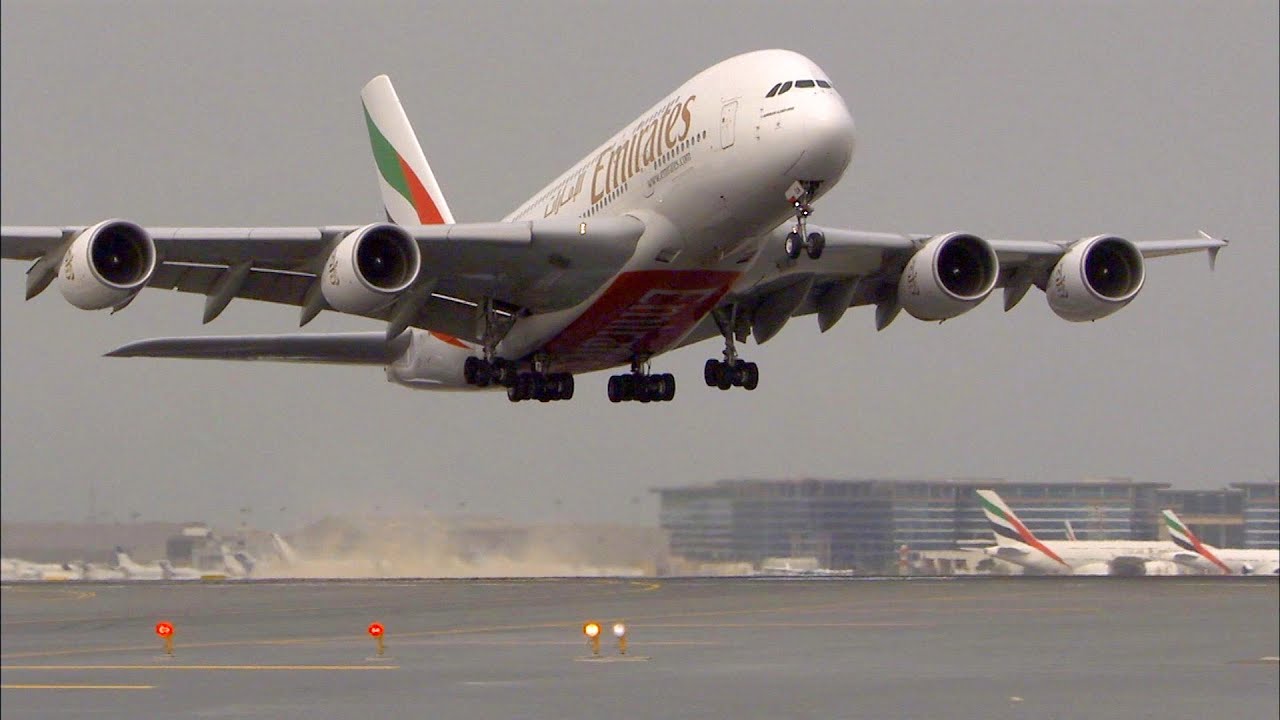
A pesar de su tamaño imponente y su presencia dominante en los cielos, el Airbus A380 no ha logrado dejar una gran huella en la mayoría de las aerolíneas, relegado a una idea de último momento para los transportistas que construyeron sus establos alrededor de aviones más ágiles. Los transportistas dicen que están contentos con mudarse a aviones de pasajeros más versátiles.
Como el A380 se enfrenta a otra crisis existencial, esta vez porque un pedido crucial con un cliente clave en el que Emirates corre el riesgo de implosionarse. Ningún operador se apresura a salvar al gigante, está contento con los pequeños números que tienen y se centra en los potentes modelos de dos motores que funcionan igual de bien y pueden ser más baratos de operar.
Ejecutivos de One World Airlines, Alan Joyce, revelan planes para el futuro y habla en la reunión de la alianza de aerolíneas Oneworld, el 1 Febrero 2019: «Estamos muy contentos con lo que tenemos», dijo el gerente general de Qantas Airways Ltd., Alan Joyce, en una reunión de los jefes de la alianza de Oneworld en Londres el viernes. Joyce dijo que la aerolínea australiana no convertirá las opciones que tiene para comprar ocho A380 más para agregar a su flota de 12, con el avión cada vez más mal adaptado a la mayor parte de sus rutas. Ya no vemos un uso para más».
Malaysia Airlines Bhd. expresó en el evento que podría vender sus seis superjumbos, que son demasiado grandes para sus necesidades, mientras que British Airways se enfoca en la compra de cuerpos anchos más pequeños después de concluir que el A380 es demasiado caro. El avión es, con mucho, el más caro de Airbus, con un precio de lista de US$ 445 millones, aunque los clientes suelen obtener descuentos masivos.
Desde que entró en servicio comercial en 2008, el A380 se ha enfrentado a una base de fans cada vez más reducida. Los pasajeros adoran el avión por su diseño moderno, como bares espaciosos en clase ejecutiva e incluso cabinas y duchas cerradas en algunas ofertas de primera clase, pero las aerolíneas han sido mucho más difíciles de ganar. Algunos clientes anticipados abandonaron, otros redujeron su libro de pedidos. Solo Emirates se convirtió en un verdadero campeón del A380, construyendo una gran parte de su flota global alrededor del avión, con más de 100 en operación.
Pero incluso Emirates ha sido más difícil de convencer. Una orden de seguimiento que parecía casi segura no se materializó en noviembre de 2017, dejando a los ejecutivos de Airbus con la cara roja y las manos vacías en una ceremonia de firma planeada en el Dubai Air Show. Cuando Emirates superó el mes de enero siguiente, fue aclamado como un acuerdo para salvar la vida del programa, cuyos números de producción se han reducido constantemente a un mero goteo para ayudar a espaciar la producción.
Ahora Emirates, también, parece tener dudas. La aerolínea del Golfo puede convertir algunos o todos sus más recientes 20 pedidos superjumbo en A350 más pequeños, dijeron personas familiarizadas con el asunto. El A330NEO, otro de cuerpo ancho, también está en la mezcla, dijo una de las personas. Airbus dijo en un comunicado que está en conversaciones con Emirates en relación con el contrato del A380, que incluye 16 opciones. La compañía con sede en Toulouse, Francia, no dio más detalles.
Sobre el papel, el A380 parecía el avión perfecto cuando se ideó hace dos décadas. El tráfico aéreo estaba en aumento, particularmente en Asia, y los aeropuertos en el hemisferio occidental estaban cada vez más restringidos. El A380, con su capacidad sin igual, podría ayudar a superar el cuello de botella.
Airbus también trató de apoderarse del mercado de 747 de la gran rival Boeing Co. en el mercado de aviones muy grandes. A medida que el fabricante europeo empujaba con fuerza los aviones más grandes que eran el hábitat natural de Boeing, la categoría jumbo parecía una extensión obvia de su cartera.
Asia, en particular, apareció madura para el A380. Los transportistas japoneses, tradicionalmente leales a Boeing, habían desplegado el antiguo 747 en rutas de corta distancia muy conmutadas. China, con su creciente clase de turistas y una economía en rápida expansión, parecía un lugar obvio para aterrizar. Al final, los pedidos reales fueron decepcionantes. Un cliente japonés temprano, un operador de descuento, se derrumbó bajo el peso financiero de su compromiso, dejando a ANA Holdings Inc. para intervenir y tomar los aviones.
Malaysia Air ha retirado sus seis A380 de la flota principal después de concluir que son demasiado grandes para sus rutas. El transportista no pudo encontrar un comprador, y está utilizando tres para transportar a clientes musulmanes en las peregrinaciones del Hajj y la Umrah, y para completar cuando la demanda es alta. Los otros tres están en modo de espera.
El director ejecutivo Izham Ismail dijo que consideraría todas las opciones para los aviones, incluida la venta. La expansión de las aerolíneas del Golfo en la región ha llevado a una fragmentación de la participación de mercado, de modo que menos rutas tienen la masa crítica para respaldarlas, dijo Ismail. Además de Emirates, Qatar Airways y Etihad Airways PJSC también operan el A380, aunque en números mucho más pequeños. «El A380 depende del mercado. Para Emirates y BA está bien. Pero para Malasia es demasiado grande. Es un avión hermoso, pero no encaja con nuestra red», dijo Ismail.
Sin duda, Boeing también ha visto un apetito muy limitado para su último jumbo, el 747-8. Deutsche Lufthansa AG es uno de los pocos clientes para la versión de pasajero, pero la variante de carguero ha mejorado.
Airbus había previsto previamente una versión de carga para el A380, un plan que nunca se materializó. Debido a su estructura de dos pisos, el espacio del vientre en la versión del pasajero es más limitado que en otros aviones de largo alcance. «Cada aerolínea construye una flota basada en su red. Desde Hong Kong, la aerolínea puede llegar a ambas costas de los Estados Unidos con la tecnología existente de grandes gemelos y hacerlo de manera muy eficiente y sin restricciones de carga útil, y llevamos una gran cantidad de carga», dijo Rupert Hogg, CEO de Cathay Pacific Airways Ltd., que no opera el A380.
Cathay Pacific Airways optó por el bimotor A350 de Airbus, y Hogg calificó al Boeing 777 como un «caballo de batalla maravilloso». Es una visión compartida por muchos ejecutivos de aerolíneas que valoran las aeronaves ágiles y versátiles, y los pasajeros que buscan más opciones de ruta directa.
Cuando Airbus siguió adelante con el A380, Boeing fue por el otro lado, argumentando que el tráfico futuro se construiría menos en torno al modelo de hubs y radios de los aeropuertos de mamut, y en su lugar se centraría más en los viajes punto a punto. Su 787 Dreamliner ha resultado ser un éxito masivo para la compañía con sede en Chicago, y estableció el tono para modelos de bajo consumo de combustible construidos en grandes partes de compuestos de carbono livianos.
Debido a que solo Emirates ha hecho del A380 el eje de su flota, otras aerolíneas están luchando para generar las mismas economías de escala con el avión. El jet puede ser costoso de operar con sus cuatro motores, particularmente con los espaciosos diseños preferidos por muchas aerolíneas que ponen el lujo por encima de la eficiencia. La mayoría de los clientes tienen configuraciones de 450 a 550 pasajeros en tres clases, y los Emiratos solo recientemente superaron los 600 asientos en algunos de los A380 en rutas seleccionadas. «Hemos dejado claro a Airbus que podríamos considerar más, pero solo a un precio que no hemos podido alcanzar. El A380 funciona extremadamente bien, pero el precio no ha sido tan atractivo como debería ser», dijo Willie Walsh, CEO de International Consolidated Airlines Group SA, matriz de British-Airways.
Airbus ha reconocido que su tiempo podría haber sido imprudente. El ex jefe comercial, Fabrice Bregier, dijo que el avión probablemente se introdujo una década demasiado pronto y enfrentó vientos en contra de la crisis financiera mundial que obligó a las empresas de todo el mundo a recortar, perjudicando los flujos de viajes e inversiones. Singapore Airlines Ltd. , el primer cliente que tomó los aviones en 2008, dejó caer dos aviones viejos de su flota luego de que el contrato se agotó y el propietario no pudo encontrar otro comprador.
Esos modelos se enfrentan ahora a un destino poco glorioso cerca del lugar donde nacieron en Toulouse, en el sur de Francia. Aquí, en las estribaciones de las montañas de los Pirineos, el par de aviones gigantescos permanecen inactivos, esperando ser divididos en partes, solo una década después de su primer vuelo.

Superjumbo facing his survival
Airbus and Emirates Airline continue in talks to save a crucial order
Despite its imposing size and its dominant presence in the skies, the Airbus A380 has failed to leave a large mark on most airlines, relegated to a last-minute idea for the carriers that built their stables around more agile aircraft . Carriers say they are happy to move to more versatile passenger planes.
As the A380 is facing another existential crisis, this time because a crucial order with a key customer in which Emirates runs the risk of implosion. No operator rushes to save the giant, is happy with the small numbers they have and focuses on the powerful models of two engines that work just as well and can be cheaper to operate.
One World Airlines executives, Alan Joyce, reveal plans for the future and speaks at the meeting of the Oneworld airline alliance on 1 February 2019: «We are very happy with what we have», said the general manager of Qantas Airways Ltd., Alan Joyce, at a meeting of the heads of the Oneworld alliance in London on Friday. Joyce said the Australian airline will not convert the options it has to buy eight more A380s to add to its fleet of 12, with the plane becoming increasingly ill adapted to most of its routes. We no longer see a use for more.
Malaysia Airlines Bhd. He said at the event that he could sell his six superjumbos, which are too big for his needs, while British Airways focuses on buying smaller body widths after concluding that the A380 is too expensive. The plane is by far the most expensive Airbus, with a list price of US$ 445 million, although customers usually get massive discounts.
Since entering commercial service in 2008, the A380 has faced a dwindling fan base. Passengers love the plane for its modern design, such as spacious executive class bars and even closed cabins and showers in some first class deals, but airlines have been much harder to win. Some prospective customers abandoned, others reduced their order book. Only Emirates became a true champion of the A380, building a large part of its global fleet around the plane, with more than 100 in operation.
But even Emirates has been harder to convince. A follow-up order that seemed almost certain did not materialize in November 2017, leaving Airbus executives red-faced and empty-handed at a planned signing ceremony at the Dubai Air Show. When Emirates passed the following January, it was hailed as an agreement to save the life of the program, whose production numbers have been constantly reduced to a mere trickle to help space production.
Now Emirates, too, seems to have doubts. The Gulf airline can convert some or all of its more recent 20 superjumbo orders into smaller A350s, people familiar with the matter said. The A330NEO, another wide body, is also in the mix, said one of the people. Airbus said in a statement that it is in talks with Emirates regarding the A380 contract, which includes 16 options. The company based in Toulouse, France, did not elaborate.
On paper, the A380 looked like the perfect airplane when it was devised two decades ago. Air traffic was increasing, particularly in Asia, and airports in the Western Hemisphere were increasingly restricted. The A380, with its unrivaled capacity, could help overcome the bottleneck.
Airbus also tried to seize the 747 market from the big rival Boeing Co. in the very large aircraft market. As the European manufacturer pushed hard the larger aircraft that were the natural habitat of Boeing, the jumbo category seemed an obvious extension of its portfolio.
Asia, in particular, appeared mature for the A380. Japanese carriers, traditionally loyal to Boeing, had deployed the former 747 on highly commuted short-haul routes. China, with its growing class of tourists and a rapidly expanding economy, seemed like an obvious place to land. In the end, the actual orders were disappointing. An early Japanese customer, a discount operator, collapsed under the financial weight of their commitment, leaving ANA Holdings Inc. to intervene and take over the aircraft.
Malaysia Air has withdrawn its six A380s from the main fleet after concluding that they are too large for their routes. The carrier could not find a buyer, and is using three to transport Muslim customers on Hajj and Umrah pilgrimages, and to complete when the demand is high. The other three are in standby mode.
Chief Executive Izham Ismail said he would consider all options for the aircraft, including the sale. The expansion of Gulf airlines in the region has led to a fragmentation of market share, so fewer routes have the critical mass to support them, Ismail said. In addition to Emirates, Qatar Airways and Etihad Airways PJSC also operate the A380, albeit in much smaller numbers. «The A380 depends on the market, for Emirates and BA it’s fine, but for Malaysia it’s too big, it’s a beautiful plane, but it does not fit with our network», said Ismail.
Without doubt, Boeing has also seen a very limited appetite for its last jumbo, the 747-8. Deutsche Lufthansa AG is one of the few customers for the passenger version, but the freighter variant has improved.
Airbus had previously planned a cargo version for the A380, a plan that never materialized. Due to its two-story structure, the belly space in the passenger version is more limited than in other long-range aircraft. «Each airline builds a fleet based on its network, from Hong Kong, the airline can reach both coasts of the United States with the existing technology of large twins and do it very efficiently and without restrictions of payload, and we carry a large amount of cargo», said Rupert Hogg, CEO of Cathay Pacific Airways Ltd., which does not operate the A380.
Cathay Pacific Airways opted for the Airbus twin-engine A350, and Hogg called the Boeing 777 a «wonderful workhorse». It is a vision shared by many airline executives who value agile and versatile aircraft, and passengers seeking more direct route options.
When Airbus went ahead with the A380, Boeing went the other way, arguing that future traffic would be built less around the model hubs and radios of mammoth airports, and instead focus more on point-to-point travel. His 787 Dreamliner has proved to be a massive success for the Chicago-based company, setting the tone for fuel-efficient models built on large parts of lightweight carbon compounds.
Because only Emirates has made the A380 the hub of its fleet, other airlines are struggling to generate the same economies of scale with the plane. The jet can be expensive to operate with its four engines, particularly with the spacious designs preferred by many airlines that put luxury above efficiency. Most customers have configurations of 450 to 550 passengers in three classes, and the Emirates only recently exceeded 600 seats in some of the A380s on selected routes. «We have made it clear to Airbus that we could consider more, but only at a price we could not reach, the A380 works extremely well, but the price has not been as attractive as it should be», said Willie Walsh, CEO of International Consolidated Airlines Group. SA, parent company of British-Airways.
Airbus has acknowledged that its time could have been reckless. Former commercial chief Fabrice Bregier said the plane probably entered a decade too early and faced winds against the global financial crisis that forced companies around the world to cut back, hurting travel and investment flows. Singapore Airlines Ltd., the first customer to take the aircraft in 2008, dropped two old planes from its fleet after the contract ran out and the owner could not find another buyer.
These models now face an unglamorous fate near the place where they were born in Toulouse, in the south of France. Here, in the foothills of the mountains of the Pyrenees, the pair of gigantic airplanes remain inactive, waiting to be divided into parts, only a decade after their first flight. A \ W
Ξ A I R G W A Y S Ξ
SOURCE: Airgways.com
DBk: Airbus.com / Bloomberg.com / Airgways.com
AW-POST: 201902021344AR
A\W A I R G W A Y S ®
 AW | 2019 02 05 23:47 | INDUSTRY
 Boeing apunta a acelerar la producción del 737 aviones a principios del 3Q2019

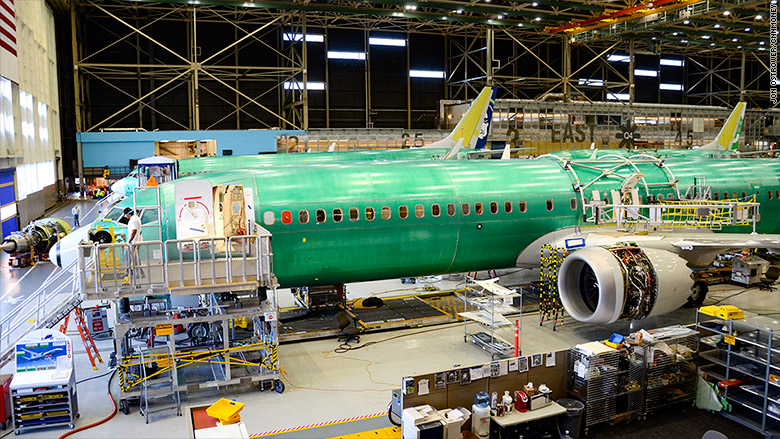
 Boeing aims to accelerate the production of 737 aircraft at the beginning of 3Q2019

 AW | 2019 02 05 23:31 | AIRLINES / INDUSTRY
 SkyWest orders 9 Embraer E175
 The US regional airline SkyWest signs contract for nine E175

 Airbus en Alabama es para construir capital político, no aviones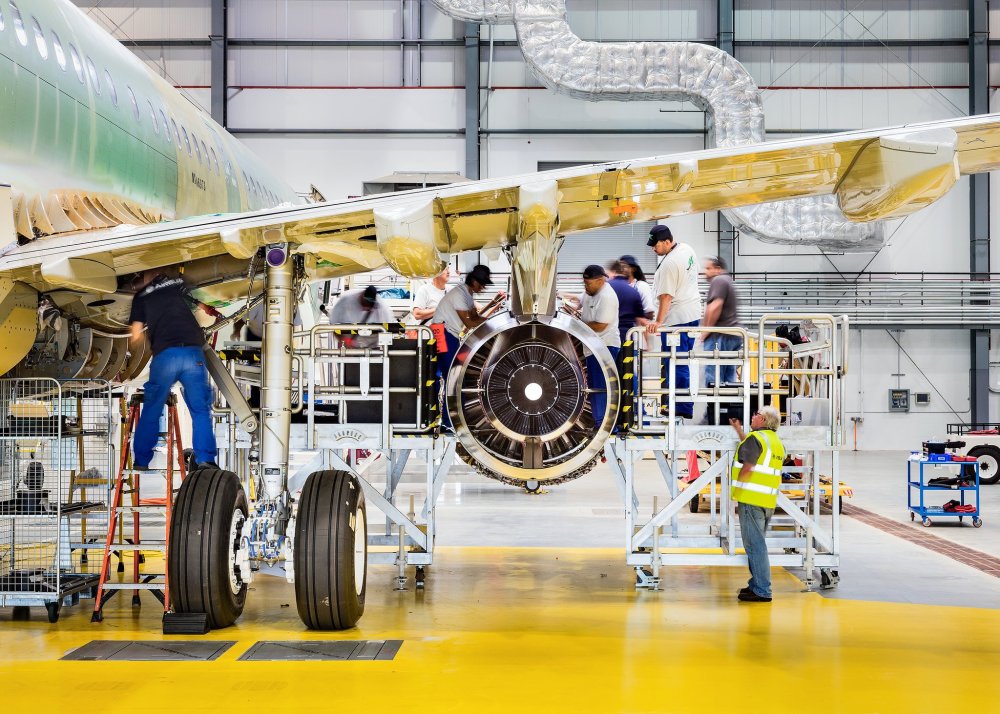
 Airbus Móbile, the political wing in the US
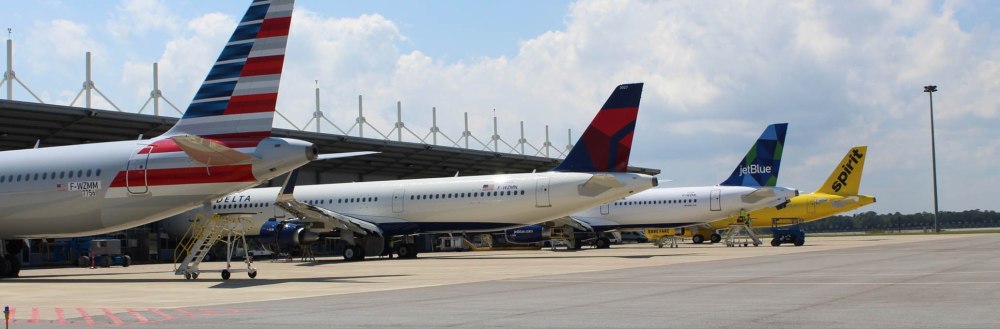 AIRBUS US FAL INTEGRATED AGILE LEARNING
 AW | 2019 02 04 13:20 | AIRLINES / INDUSTRY
 Garuda reconfigura órdenes de la línea Boeing 737 MAX
 arrendadores para reconfigurar su libro de órdenes de Boeing 737 MAX, reveló el Director Ejecutivo Ari Askhara. El transportista indonesio actualmente tiene cincuenta órdenes por Boeing 737-8 MAX encomendados a Boeing de los cuales solo uno se ha entregado hasta el momento con el resto aplazado, dado un programa de reestructuración de costos en curso.
 Los datos financieros del 3Q2018, en Septiembre 2018, la aerolínea acordó diferir cinco B737-8 MAX que debían haberse entregado en 2018 y cinco que habían llegado en 2019, 2023 y 2024 respectivamente. Sin embargo, anticipando una ganancia para el 4Q2018 y una ganancia neta adicional para el 4Q2019, la aerolínea habrá alcanzado una solidez para su crecimiento de la red aérea más sólida.
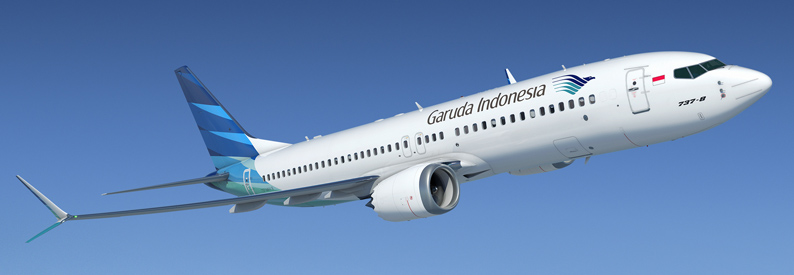 Garuda restructures orders 737 MAX
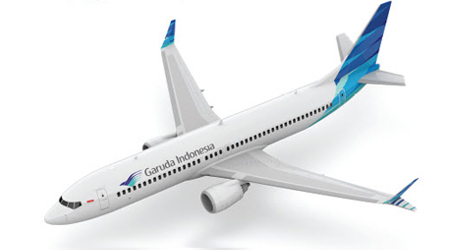 The financial data of 3Q2018, in September 2018, the airline agreed to defer five B737-8 MAX that should have been delivered in 2018 and five that had arrived in 2019, 2023 and 2024 respectively. However, anticipating a gain for 4Q2018 and an additional net gain for 4Q2019, the airline will have achieved solidity for its growth of the strongest air network.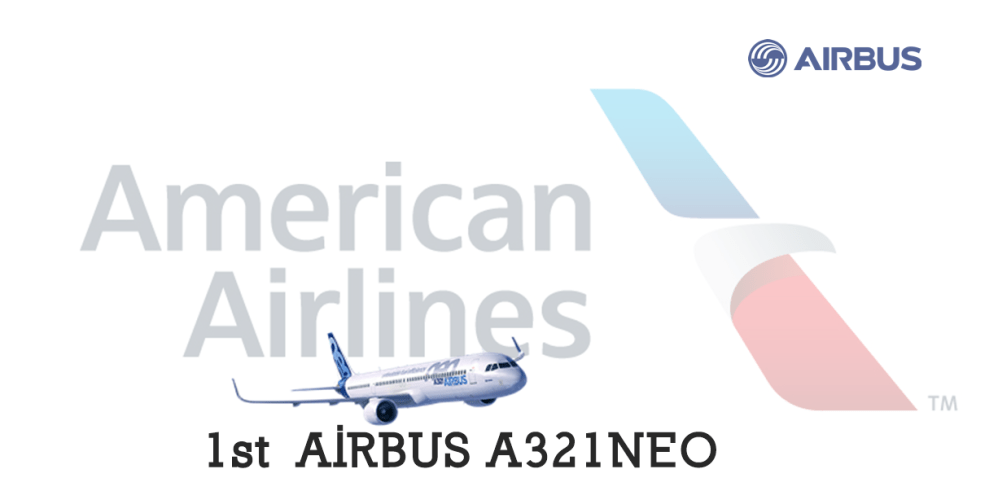

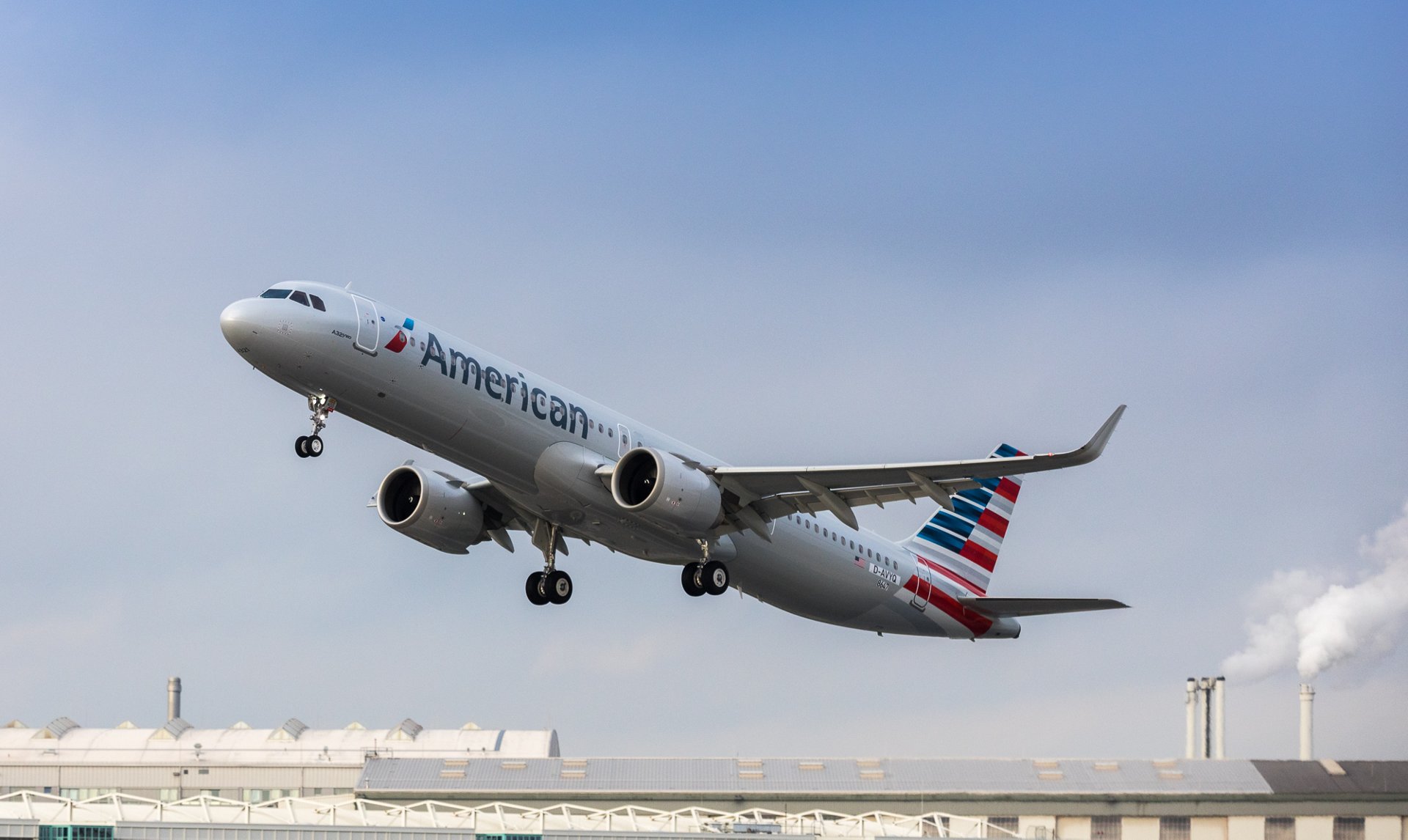
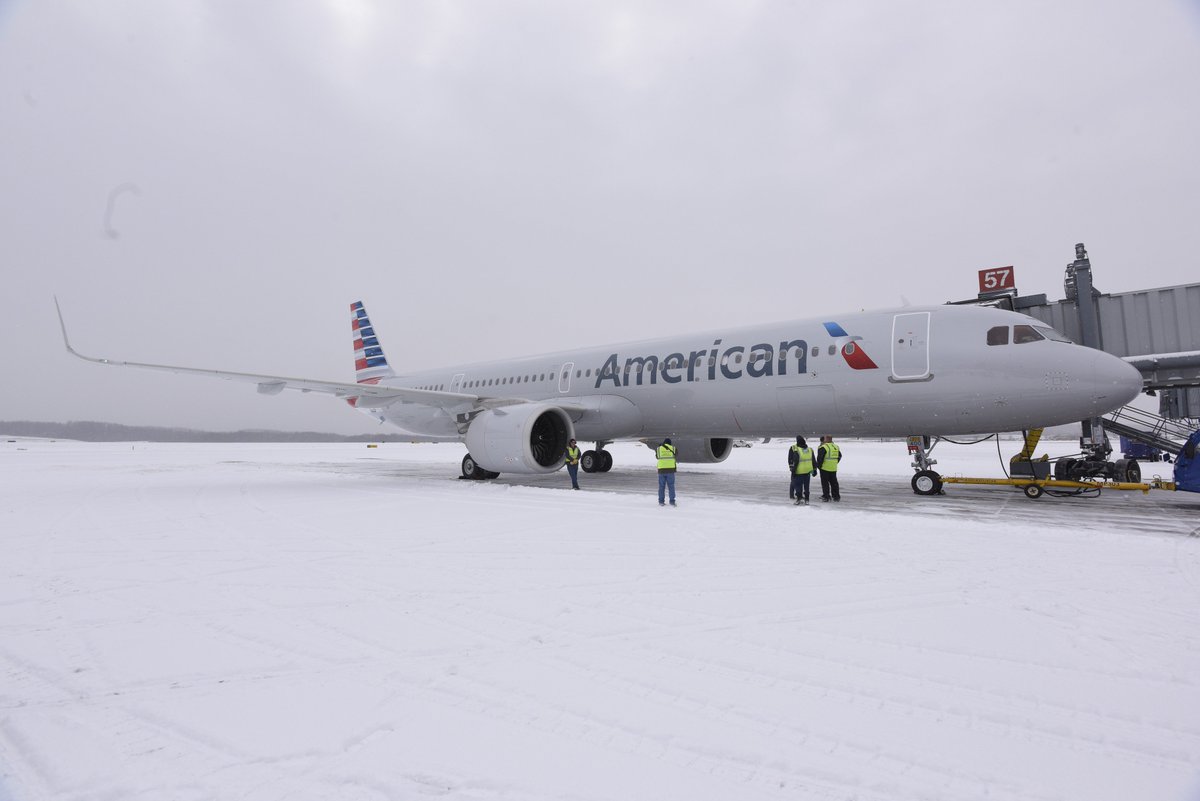
 American Airlines recibió el primero de los 100 A321NEO’s
 motores CFM LEAP-1A. La aeronave con matrícula MSN8647, partió de Hamburgo, Alemania, el Viernes, 1 Febrero 2019 efectuando un vuelo ferry transatlántico a Pittsburgh, Estados Unidos, donde los técnicos prepararán al A321NEO para los preparativos del primer vuelo comercial.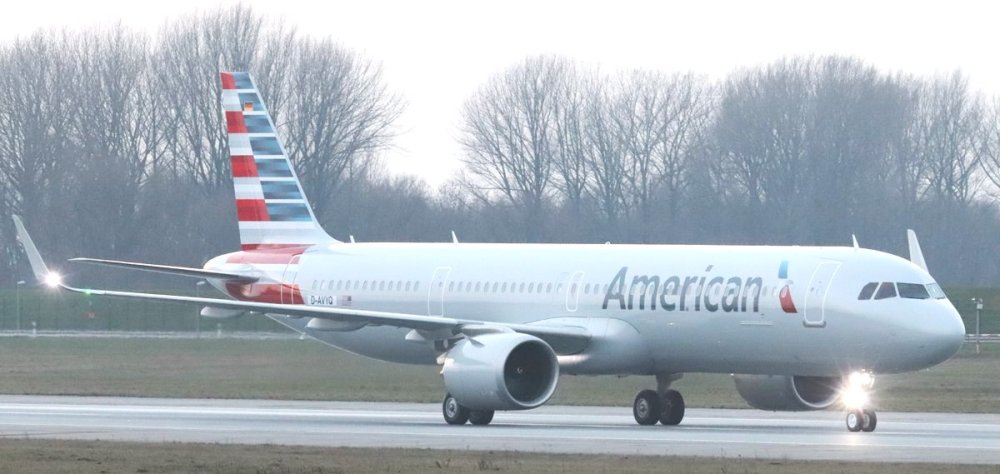
 American Airlines receives first A321NEO
 American Airlines received the first of the 100 A321NEO’s
 AW | 2019 02 01 13:20 | INDUSTRY
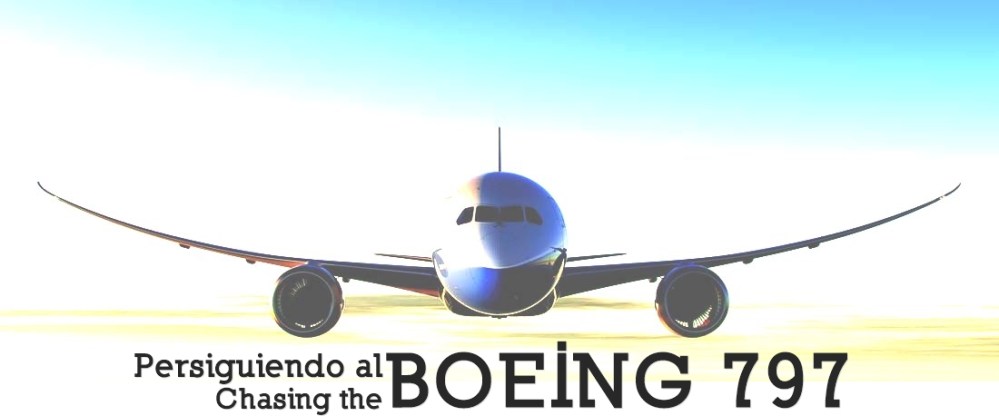
 Boeing seeks to launch 797 in 2020
 AW | 2019 02 01 12:26 | AIRLINES / INDUSTRY
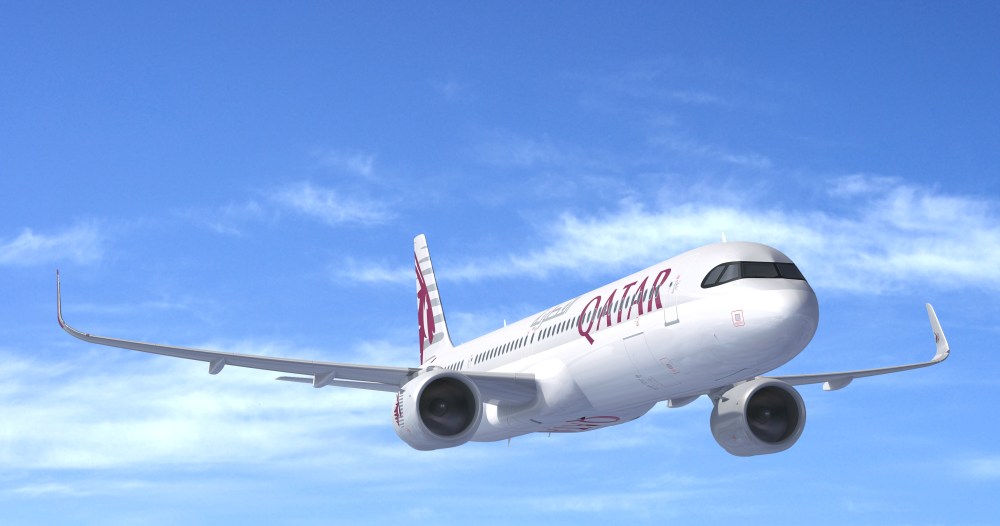
 Qatar Airways reconvierte 10 A321NEO a versión largo alcance
 Qatar Airways convertirá 10 de sus 50 aviones Airbus A321NEO en orden a la variante de mayor alcance. El primer A321LR de la aerolínea se entregará en 2020.La aerolínea nacional del Estado de Qatar utilizará el A321LR para conectar Doha a nuevos mercados en crecimiento donde la demanda no es suficiente para los aviones de fuselaje ancho. Además, el A321LR puede volar rutas más largas que el resto de la familia Airbus A320, con un alcance de hasta 4,000 nm (7,400 km). Permite a Qatar Airways ingresar a nuevos mercados de larga distancia que anteriormente no eran accesibles con su actual avión A320/A321 de cuerpo estrecho. Alternativamente, Qatar Airways dice que la nueva aeronave se adoptará para proporcionar frecuencias adicionales en las rutas existentes.
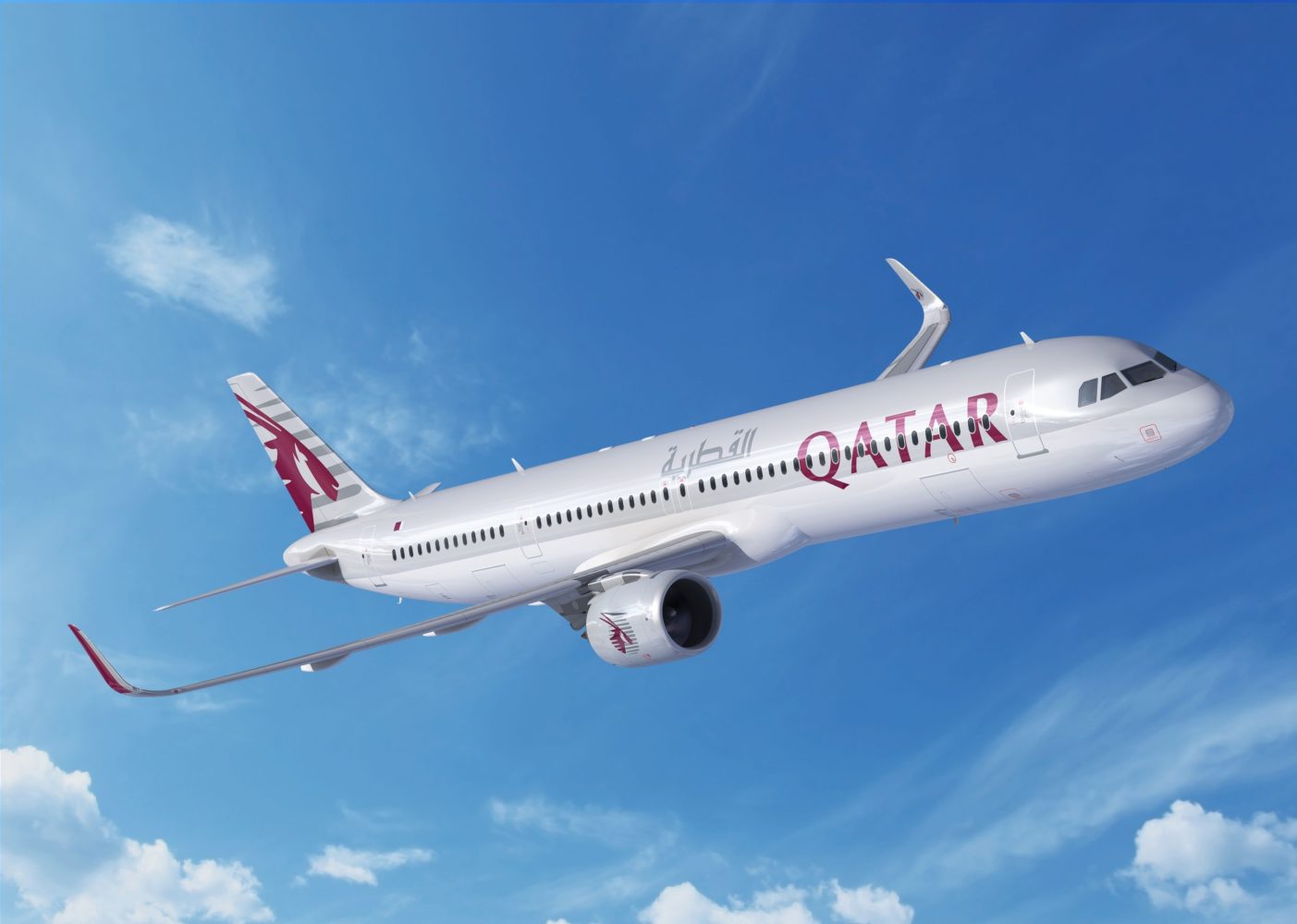 Qatar reconverts 10 Airbus A321NEO
 AW | 2019 02 01 12:18 | AIRLINES / INDUSTRY
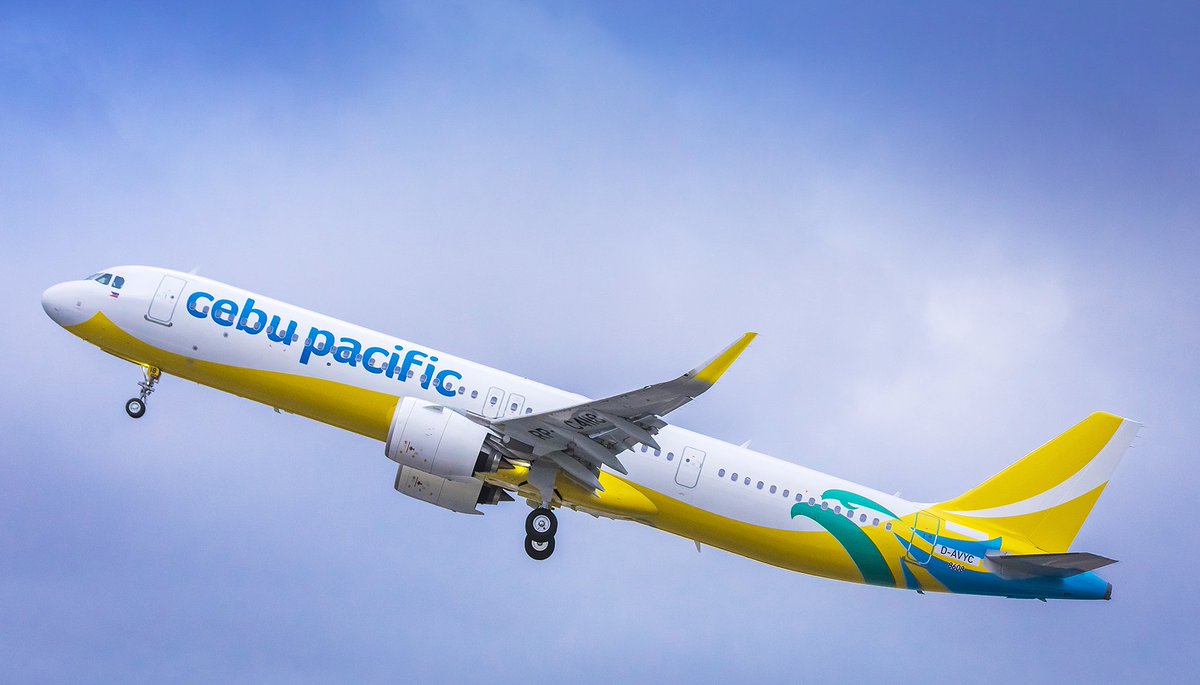
 Cebu Pacific Airlines recibe su primer Airbus A321NEO
 Cebu Pacific receives 1erA321NEO

 Declaración de Airbus en incidentes cibernéticos
 Airbus suffers cyber attack
