Boeing se mantiene confiada en el 737

AW-700008765

AW | 2018 09 07 15:22 | INDUSTRY

Boeing-Logo.svgBoeing, analistas e inversores se mantienen confiados en su línea 737FK,4923,36,737-max-round-pin

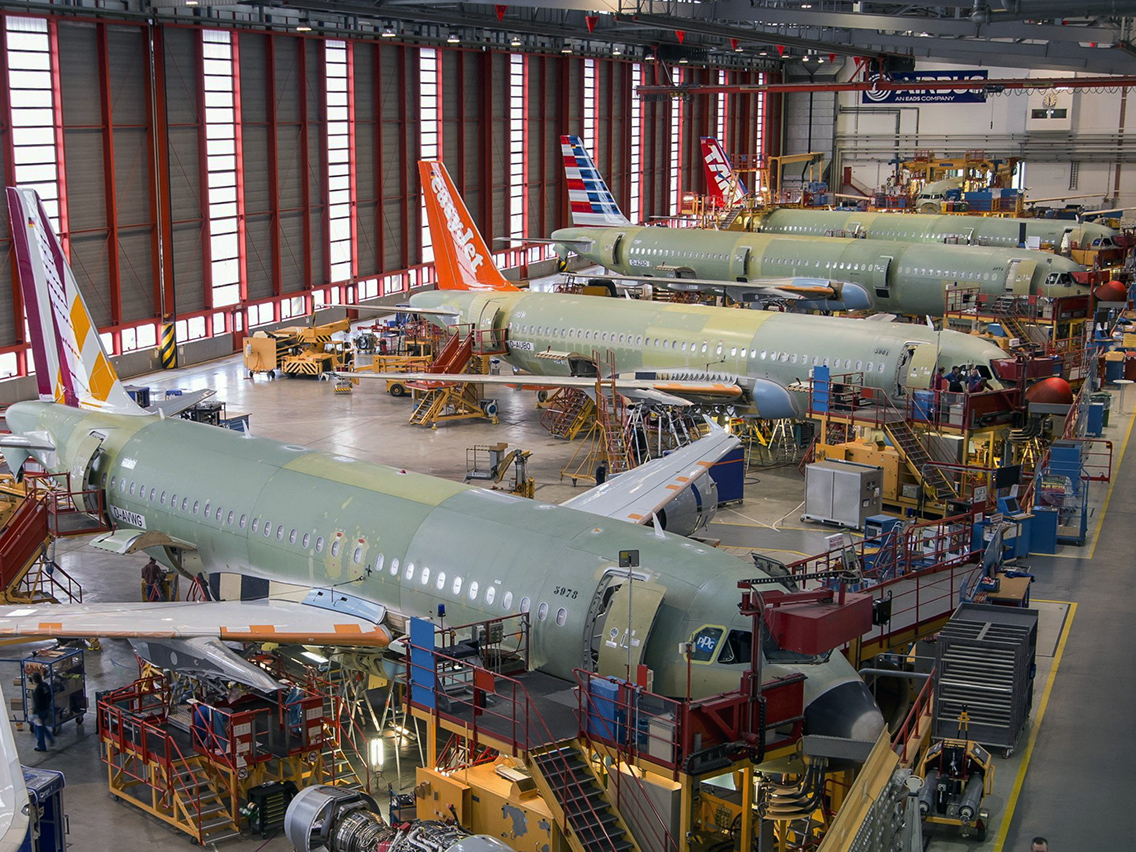
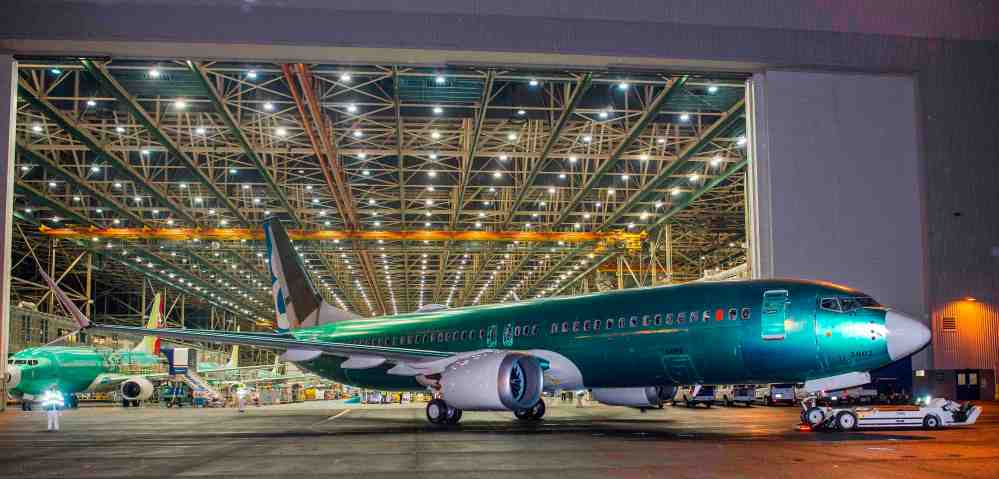
Mientras que los aviones Boeing 737 siguen acumulándose en la planta de ensamblaje de Boeing en Renton, los empleados están trabajando largas horas extras y luchando para que los aviones terminen. La Gerencia de Boeing ha asegurado a Wall Street que puede arreglar los problemas de producción para fin de año 2018, aunque algunos trabajadores de primera línea de Boeing se mantienen escépticos.

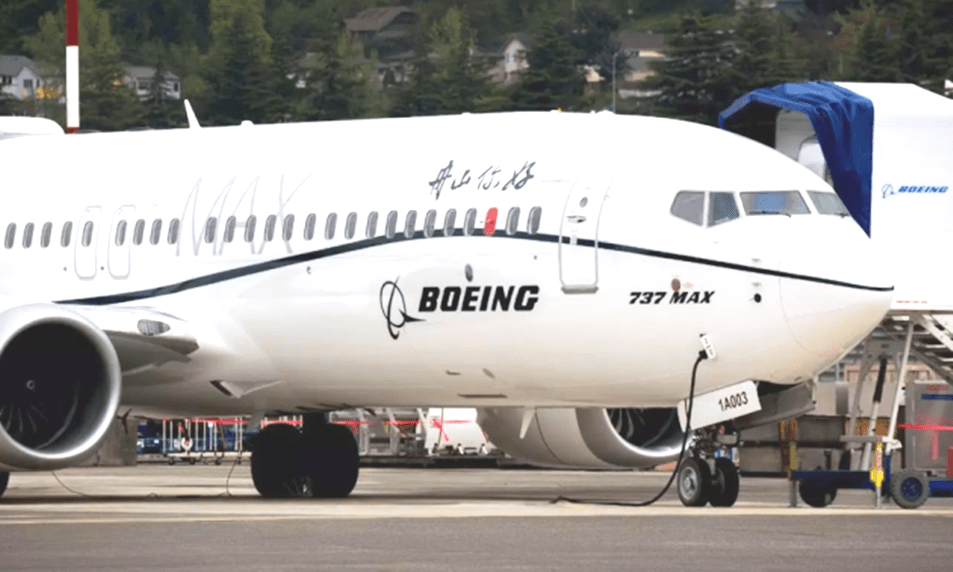
Boeing ha aparcado actualmente 53 aviones que se encuentran estacionados esta semana frente a la planta Renton de Boeing. Los trabajadores dentro de la fábrica estaban sintiendo la presión de las horas extraordinarias constantes y una acumulación incesante de tareas sin terminar. Aunque Boeing aseguró a los analistas de Wall Street que visitaron Seattle el miércoles, que la acumulación de Boeing 737 aviones alcanzó su punto máximo y que será resuelta a fines de año, algunos trabajadores de primera línea fueron menos optimistas.

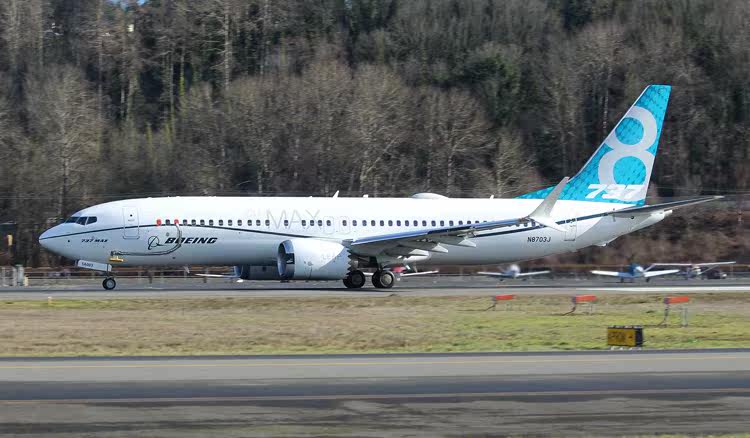
Los aviones que esperaban ser entregados llenaron las rampas a lo largo de los bordes del Aeropuerto Municipal de Renton el martes, se aparcaron en una de las calles de rodaje y se estacionaron en todos los espacios disponibles en el sitio de Boeing, a lo largo del lago y entre los edificios. De ellos, 38 fueron el nuevo modelo 737 MAX, 14 de ellos sin motores. Los retrasos en la entrega de los nuevos motores LEAP del modelo MAX, fabricados por CFM International, son solo uno de los puntos de estrangulamiento que causan la acumulación.El suministro del motor mejora notablemente. Sin embargo, la escasez de otras partes significa que la cantidad de trabajo pendiente en los reactores en desarrollo en Renton sigue creciendo.

Imagen relacionadaResultado de imagen para Boeing 737 parked Renton

Los documentos internos de Boeing que muestran datos operativos detallados vistos por el Seattle Times indican que el 30 Agosto 2018, Boeing Renton tenía aproximadamente 26.600 empleos atrasados. Una semana después, el jueves 6 Septiembre, ese total se había incrementado a aproximadamente 31.000 empleos atrasados.

Un trabajador dijo que Boeing ha establecido un objetivo abrumador de no más de 50 trabajos atrasados ​​por avión por ensamblaje a fines de octubre, lo que representaría un total de aproximadamente 1.500 empleos. Esos totales incluyen montaje final, fabricación de alas y pruebas previas al vuelo. Cada trabajo es una tarea discreta, cada uno varía en complejidad y el tiempo y los recursos necesarios para completar.

Un trabajo como una prueba de presión del avión terminado tomará varias horas, y ningún otro trabajo en el avión es posible mientras está en progreso. Los trabajos más pequeños, como la instalación de módulos electrónicos, se pueden realizar de forma más rápida y completa mientras los mecánicos realizan otros trabajos en otro lugar del avión. Terminar el trabajo en el campo que normalmente se realiza dentro de la fábrica consume mucho más tiempo y recursos, ya que el equipo debe llevarse a los aviones. Tal trabajo fuera de secuencia, a menudo denominado «trabajo viajado», puede tardar dos o tres veces más en realizarse que si se lleva a cabo en la línea de montaje. Además, todos los aviones estacionados tienen que barajarse constantemente para ser trabajados, un proceso que lleva mucho tiempo. En un día típico la semana pasada, 17 aviones tuvieron que ser trasladados de un lugar en el sitio de Renton a otro, muestra un documento interno de Boeing.  AIRWAYS® AW-Icon TXT

Resultado de imagen para Boeing 737 parked Renton

Boeing remains confident in 737

Boeing, analysts and investors remain confident in their line 737

Boeing-Company-Logo.jpgWhile Boeing 737 aircraft continue to accumulate at the Boeing assembly plant in Renton, employees are working long overtime and fighting for the planes to end. Boeing Management has assured Wall Street that it can fix production problems by year-end 2018, although some front-line workers at Boeing remain skeptical.

Boeing has currently parked 53 airplanes that are parked this week in front of the Boeing Renton plant. The workers inside the factory were feeling the pressure of constant overtime and an incessant buildup of unfinished tasks. Although Boeing assured Wall Street analysts that they visited Seattle on Wednesday, that the accumulation of Boeing 737 aircraft peaked and will be resolved by the end of the year, some front-line workers were less optimistic.Resultado de imagen para Boeing 737 parked Renton

The planes waiting to be delivered filled the ramps along the edges of the Renton Municipal Airport on Tuesday, were parked on one of the taxiways and parked in all available spaces on the Boeing site, along the lake and between buildings. Of these, 38 were the new 737 MAX model, 14 of them without engines. The delays in the delivery of the new LEAP engines of the MAX model, manufactured by CFM International, are only one of the bottlenecks that cause the accumulation. The engine supply improves significantly. However, the shortage of other parts means that the amount of work pending in the developing reactors in Renton continues to grow.

Boeing’s internal documents showing detailed operational data seen by the Seattle Times indicate that on August 30, 2018, Boeing Renton had approximately 26,600 overdue jobs. One week later, on Thursday 6 September, that total had increased to approximately 31,000 backlog jobs.

One worker said that Boeing has set an overwhelming goal of no more than 50 late jobs per aircraft by assembly at the end of October, which would represent a total of approximately 1,500 jobs. These totals include final assembly, wing fabrication and pre-flight tests. Each job is a discrete task, each one varies in complexity and the time and resources necessary to complete it.

A job such as a pressure test of the finished plane will take several hours, and no other work on the plane is possible while it is in progress. Smaller jobs, such as the installation of electronic modules, can be done more quickly and completely while mechanics do other work elsewhere on the plane. Finishing work in the field that is normally done inside the factory consumes much more time and resources, since the equipment must be taken to the aircraft. Such out-of-sequence work, often referred to as «traveled work,» can take two or three times longer to perform than if it is carried out on the assembly line. In addition, all parked aircraft have to constantly shuffle to be worked, a process that takes a long time. On a typical day last week, 17 planes had to be moved from one place on the Renton site to another, an internal Boeing document shows. A \ W


Ξ A I R G W A Y S Ξ
SOURCE:  Airgways.com
DBk: Boeing.com / Woody Aeroimages / Leehamnews.com / Seattletimes.com / Rentonwa.gov / Airwaysmag.com 
AW-POST: 201809071522AR

A\W   A I R G W A Y S ®


ARJ 21-700 de Genghis Khan

DmKtaqNV4AAeHQj

AW | 2018 09 07 14:58 | AIRLINES / INDUSTRY

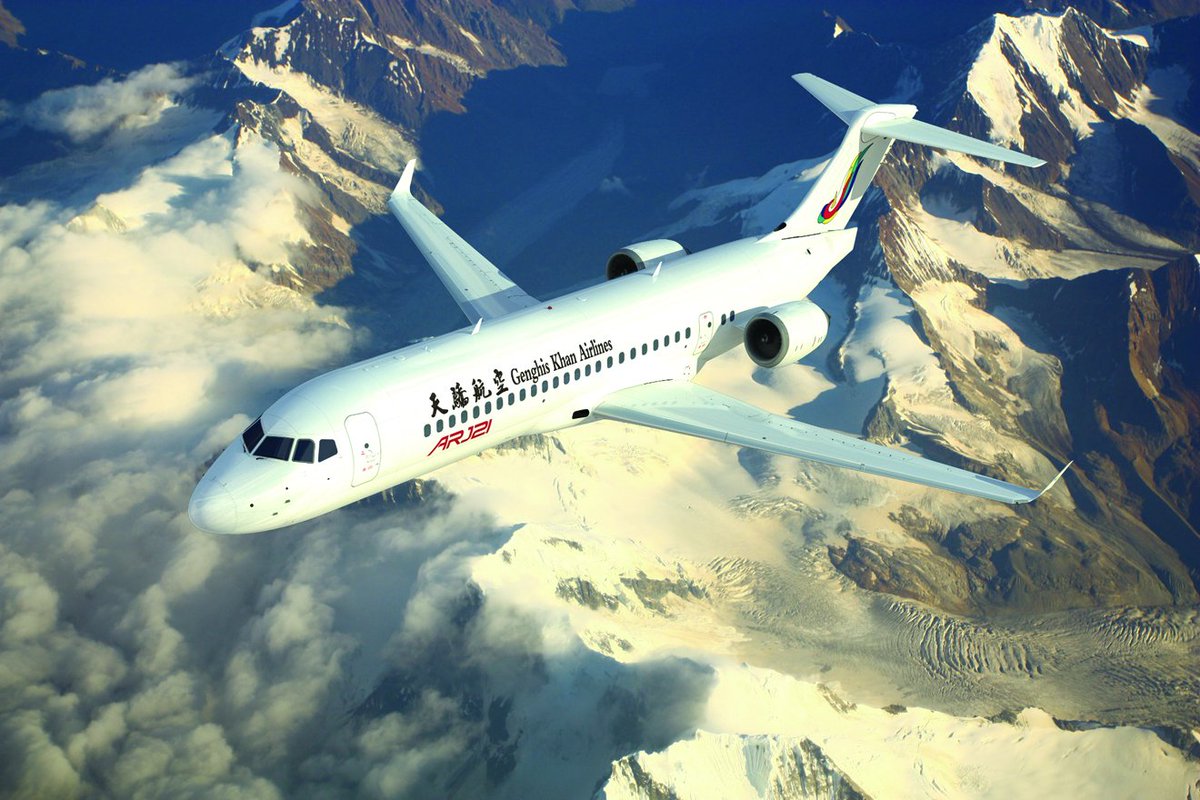
COMAC_logoCOMAC ha publicado imágenes del ARJ 21-700 de la aerolínea de Mongolia, Genghis Khan Airlines

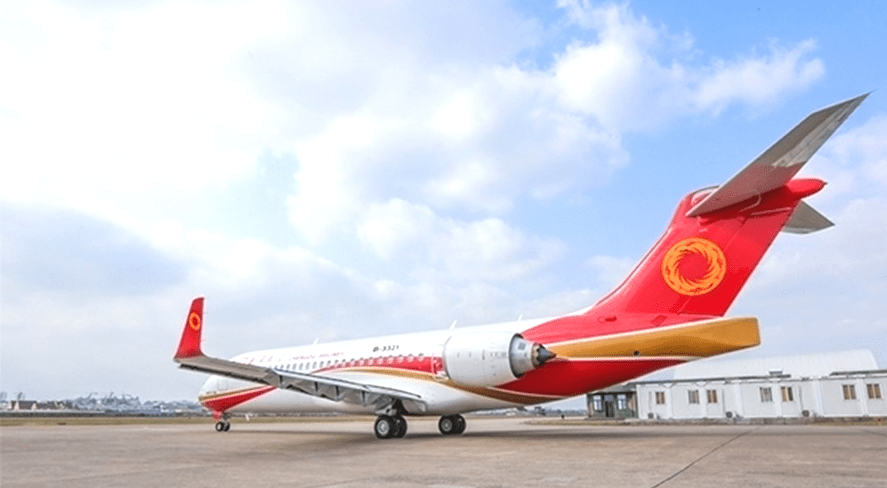
COMAC ha publicado imágenes del primer ARJ 21-700 en los colores de Genghis Khan Airlines. La nueva aerolínea de Mongolia se convirtió en el segundo usuario de este avión comercial después de Chengdu Airlines.

Ghenghis Khan Airlines originalmente había estudiado el análisis de incorporación para el inicio de sus operaciones con Bombardier CRJ900 pero eventualmente decidiría declinó por el ARJ 21-700.

La cartera de pedidos de aviones ARJ 21-700 son de 453 órdenes. COMAC ha entregado cinco aviones ARJ 21 a Chengdu Airlines, estimando el arribo de dos ARJ 21-700 adicionales a su flota de aeronaves chinas.  AIRWAYS® AW-Icon TXT

AW-70033772

ARJ 21-700 by Genghis Khan

ARJ21.SVGCOMAC has published images of the ARJ 21-700 of the Mongolian airline, Genghis Khan Airlines

COMAC has published images of the first ARJ 21-700 in the colors of Genghis Khan Airlines. The new Mongolian airline became the second user of this commercial aircraft after Chengdu Airlines.

Ghenghis Khan Airlines had originally studied the incorporation analysis for the start of its operations with Bombardier CRJ900 but would eventually decide to decline for the ARJ 21-700.

The order book for ARJ 21-700 aircraft is 453 orders. COMAC has delivered five ARJ 21 aircraft to Chengdu Airlines, estimating the arrival of two additional ARJ 21-700 aircraft to its Chinese aircraft fleet. A \ W

AW-7000021700.jpg

成吉思汗的ARJ 21-700

中国商飞公布了蒙古航空公司成吉思汗航空公司ARJ 21-700的图片

中国商飞以成吉思汗航空公司的颜色发布了第一架ARJ 21-700的图像。 这家新的蒙古航空公司成为仅次于成都航空公司的商用飞机的第二个用户。

Ghenghis Khan Airlines最初研究了与Bombardier CRJ900开始运营的合并分析,但最终决定拒绝ARJ 21-700。

ARJ 21-700飞机的订单是453个订单。 中国商飞已向成都航空公司交付了5架ARJ 21飞机,估计另外两架ARJ 21-700飞机将投入其中国飞机机队。A \ W


Ξ A I R G W A Y S Ξ
SOURCE:  Airgways.com
DBk: Comac.cn / Pilootenvliegtuig.nl / Airgways.com
AW-POST: 201809071458AR

A\W   A I R G W A Y S ®

Embraer E195-E2 completa Spray-test

Resultado de imagen para Embraer E195-E2 spray-test

AW | 2018 09 07 14:34 | INDUSTRY

embraer logo.jpgEmbraer E195-E2 completa Pruebas de Spray en pista inundada

El Embraer E195-E2 ha finalizado con éxito las Pruebas de Spray, que contemplan el comportamiento de la aeronave en diferentes etapas como taxeo, rodaje, despegue y aterrizaje. El comportamiento del E195-E2 estuvo dentro de los parámetros aceptados por el Spray-test en el que ha soportado un mínimo de ingesta de agua/lodo en las unidades críticas como lo son los motores y la Unidad de Potencia Auxiliar (APU).

Datos técnicos del E195-E2

El Embraer E195-E2 tiene una longitud de 41,5 metros siendo la variante más grande de la familia E-jets, transportando 146 pasajeros en comparación con la variante anterior el E195-E1 con una longitud de 38,6 metros y 124 asientos.

El E195-E2 es 1,4 metros mayor en envergadura alar para obtener una mayor sustentación, lo que llevaría aparejado un aumento del peso máximo al despegue de 2.000 kilogramos para aumentar el alcance en 835 kilómetros (450 millas) si el despegue se produjese a nivel del mar, y en 465 kilómetros (250 millas) en condiciones hot and high.

Los nuevos E195-E2 emplean dos motores Pratt & Whitney PW1919G/21G/22G/23G de última generación más eficientes en un 20% con respecto al modelo anterior. Los controles de la aeronave E195-E2 incorporan Fly-by-wire en todos los sistemas operativos, convirtiéndo una automatización full con respecto a la variante anterior E195-E1 con sistemas mixtos Fly-by-wire/mecánicos.

Certificación E195-E2

La certificación por parte de los organismos de control y estandarización para la línea E195-E2 se efectuará en 2019, ha comunicado John Slattery, Presidente y CEO de Embraer. Azul Linhas Aéreas es el cliente de lanzamiento del E195-E2 con órdenes por 51 aeronaves. Existen pedidos por más de 150 aviones E195-E2 de última generación. La entrada en servicio está estimada para 2020-2021. AIRWAYS® AW-Icon TXT

Resultado de imagen para Embraer E195-E2 spray-testE190-E2spraytest-01.jpgResultado de imagen para Embraer E195-E2 spray-test

Embraer E195-E2 complete Spray-test

embraer logoEmbraer E195-E2 Complete Spray Tests on flooded runway

The Embraer E195-E2 has successfully completed the Spray Tests, which contemplate the behavior of the aircraft in different stages such as taxiing, taxiing, take-off and landing. The behavior of the E195-E2 was within the parameters accepted by the Spray-test in which it has supported a minimum intake of water / sludge in the critical units such as the motors and the Auxiliary Power Unit (APU).

Technical data of the E195-E2

The Embraer E195-E2 has a lengh of 41.5 meters  being the largest variant of the E-jet family, carrying 146 passengers compared to the previous variant the E195-E1 with a length of 38.6 meters and 124 seats.

The E195-E2 is 1.4 meters higher in wingspan to obtain greater lift, which would entail an increase in the maximum takeoff weight of 2,000 kilograms to increase the range by 835 kilometers (450 miles) if the takeoff occurred at sea ​​level, and in 465 kilometers (250 miles) in hot and high conditions.

The new E195-E2 employ two Pratt & Whitney PW1919G/21G/22G/23G engines of last generation more efficient by 20% over the previous model. The controls of the aircraft E195-E2 incorporate Fly-by-wire in all operating systems, converting a full automation with respect to the previous variant E195-E1 with mixed Fly-by-wire / mechanical systems.

Certification E195-E2

Certification by the control and standardization bodies for the E195-E2 line will be carried out in 2019, said John Slattery, President and CEO of Embraer. Azul Linhas Aéreas is the launch customer of the E195-E2 with orders for 51 aircraft. There are orders for more 150 last-generation E195-E2 aircraft. The entry into service is estimated for 2020-2021. A \ W

Embraer E195-E2 teste completo de pulverização

AW-7000195E2.pngEmbraer E195-E2 Testes de Pulverização Completos em pista inundada

O Embraer E195-E2 completou com sucesso os testes de pulverização (Spray-test), que contemplam o comportamento da aeronave em diferentes etapas, como taxiamento, taxiamento, decolagem e pouso. O comportamento do E195-E2 estava dentro dos parâmetros aceitos pelo teste de pulverização, no qual ele suportou uma ingestão mínima de água / lodo nas unidades críticas, como os motores e a Unidade Auxiliar de Potência (APU).

Dados técnicos do E195-E2

O Embraer E195-E2 tem uma extensão de 41,5 metros, sendo a maior variante da família de E-jets, transportando 146 passageiros em comparação com a variante anterior, o E195-E1, com 38,6 metros de comprimento e 124 lugares.

O E195-E2 tem 1.4 metros de altura na envergadura para obter maior sustentação, o que implicaria um aumento no peso máximo de 2.000 kg para aumentar o alcance em 835 quilômetros (450 milhas) se a decolagem ocorrer no nível do mar, e em 465 quilômetros (250 milhas) em condições quentes e altas.

O novo E195-E2 emprega dois motores Pratt & Whitney PW1919G / 21G / 22G / 23G de última geração mais eficientes em 20% em relação ao modelo anterior. Os controles da aeronave E195-E2 incorporam o Fly-by-wire em todos os sistemas operacionais, convertendo uma automação completa em relação à variante anterior E195-E1 com sistemas mistos Fly-by-wire / mecânicos.

Certificação E195-E2

A certificação pelos órgãos de controle e padronização da linha E195-E2 será realizada em 2019, disse John Slattery, presidente e diretor executivo da Embraer. A Azul Linhas Aéreas é a cliente lançadora do E195-E2 com pedidos para 51 aeronaves. Há pedidos para mais de 150 aeronaves E195-E2 de última geração. A entrada em serviço é estimada para 2020-2021. A \ W


Ξ A I R G W A Y S Ξ
SOURCE:  Airgways.com
DBk: Embraer.com / Airgways.com
AW-POST: 201809071434AR

A\W   A I R G W A Y S ®


Embraer finaliza el primer estabilizador horizontal para el E175-E2

AW-700022229.jpg

AW | 2018 09 07 12:58 | INDUSTRY

1280px-Embraer_logo.svgEmbraer concluye la construcción del primer estabilizador horizontal para el E175-E2

El constructor aeronáutico brasileño Embraer ha finalizado el primer estabilizador horizontal para la línea de ensamblaje del Embraer E175-E2, el avión regional de la nueva generación Etapa 2.

Imagen relacionadaDentro del cronograma establecido por Embraer, a mediados de Agosto 2018 fue finalizado el primer estabilizador horizontal para el E175-E2 elaborado con materiales compuestos. Las piezas y autopartes del miembro más pequeño de los aviones regionales conserva comunalidad con los E190-E2 y E195-E2.

El Embraer E175-E2 es el tercer derivado de la familia Embraer Etapa 2 (E2) de nueva generación. La segmentación de mercado del E175-E2 cubrirá 76 asientos en rutas de menor densidad. El costo por asientos/kilómetros es más bajo en comparación con los turbohélices de su categoría.

El primer vuelo del Embraer E175-E2 está previsto para el 2019 y las certificaciones tipos establecidas para el 2021. El E175-E2 deberá reemplazar a una flota de aeronaves E175-E1 en el mercado. Embraer deberá ajustar sus prestaciones sobre todo para el mercado en Estados Unidos, donde la Ley de Cláusula de Alcance continúa vigente y donde Embraer no desea perder mercado.  AIRWAYS® AW-Icon TXT

AW-700005EMB

Embraer completes 1st horizontal stabilizer E175-E2

Embraer concludes the construction of the first horizontal stabilizer for the E175-E2

The Brazilian aeronautical constructor Embraer has completed the first horizontal stabilizer for the Embraer E175-E2 assembly line, the regional aircraft of the new generation Stage 2.

Within the timeline established by Embraer, in mid-August 2018 the first horizontal stabilizer for the E175-E2 made with composite materials was completed. The parts and auto parts of the smallest member of the regional aircraft retain commonality with the E190-E2 and E195-E2.

The Embraer E175-E2 is the third derivative of the new generation Embraer Stage 2 (E2) family. The market segmentation of the E175-E2 will cover 76 seats on lower density routes. The cost per seats / kilometers is lower compared to the turboprops in its category.

The first flight of the Embraer E175-E2 is scheduled for 2019 and the type certifications set for 2021. The E175-E2 will have to replace a fleet of E175-E1 aircraft on the market. Embraer must adjust its performance especially for the US market, where the Scope Clause Law is still in force and where Embraer does not want to lose market. A \ W

Embraer completa 1º estabilizador horizontal E175-E2

Embraer conclui a construção do primeiro estabilizador horizontal para o E175-E2

A construtora aeronáutica brasileira Embraer concluiu o primeiro estabilizador horizontal para a linha de montagem Embraer E175-E2, a aeronave regional da nova geração de estágio 2.

Dentro do cronograma estabelecido pela Embraer, em meados de agosto de 2018, foi concluído o primeiro estabilizador horizontal para o E175-E2 feito com materiais compósitos. As peças e autopeças do menor membro da aeronave regional mantêm comunhão com o E190-E2 e o E195-E2.

O Embraer E175-E2 é o terceiro derivado da nova geração da família Embraer Estágio 2 (E2). A segmentação de mercado do E175-E2 cobrirá 76 assentos em rotas de baixa densidade. O custo por assentos / quilômetros é menor em comparação aos turboélices de sua categoria.

O primeiro voo do Embraer E175-E2 está programado para 2019 e as certificações de tipo definidas para 2021. O E175-E2 terá que substituir uma frota de aeronaves E175-E1 no mercado. A Embraer terá que ajustar seus serviços especialmente para o mercado nos Estados Unidos, onde a Lei de Cláusula de Escopo continua em vigor e onde a Embraer não quer perder mercado. A \ W


Ξ A I R G W A Y S Ξ
SOURCE:  Airgways.com
DBk: Embraer.com / Airgways.com
AW-POST: 201809071258AR

A\W   A I R G W A Y S ®


Ensamblado del Boeing 777-9X

AW-7000009.jpg

AW | 2018 09 06 11:31 | INDUSTRY

Boeing-Logo.svgEl constructor americano Boeing reveló la línea de ensamblaje del Boeing 777-9XBoeing-777X.png

Las pruebas de vuelo del Boeing 777-9X, que Boeing designa como WH001, efectuará su primer vuelo de prueba en 2019 y Boeing planea entregar su primer 777-9 para lanzar al cliente All Nippon Airways en 2020.

A principios de Julio 2018, Boeing ha informado los primeros dos prototipos 777 que se están ensamblando actualmente en Everett. Ambas aeronaves son Boeing 777-9X en la línea de fabricación de Boeing Everett. Con el segundo prototipo WH0001, las primeras pruebas de vuelo se llevarán a cabo a partir de 2019. En comparación con las variantes actuales del 777, las versiones 777-8X/777-9X están hechas de alas hechas de materiales compuestos. El lapso de esto es tan grande que los extremos del ala se pueden plegar.

004_1st_777x_wing_movelow.jpgAW-7000008.jpg

Pruebas al Boeing 777-9X

Actualmente hay dos prototipos del 777-9X en construcción, uno de los cuales se utilizará para pruebas estáticas. Boeing pronto someterá el fuselaje a una serie de pruebas diseñadas para evaluar la resistencia de estructuras como las alas, los puntales y el fuselaje. Ese fuselaje de prueba será el primer 777X fuera de línea en el sitio de Boeing en Everett. El fuselaje de prueba carece de motores y sistemas de aviónica y se usará exclusivamente para pruebas en tierra, dice ella.Con estos aviones, se llevarán a cabo fuertes pruebas, entre otras cosas, del casco y las alas, con especial referencia a la punta plegable del ala. Boeing no ha revelado la línea de tiempo de su cronograma de pruebas estáticas. La prueba estática verifica todas las partes portadoras de la estructura. La intención es probar la resistencia estructural del fuselaje del nuevo avión, sostiene Boeing.

El primer General Electric GE9X para alimentar el 777X con un Antonow An-124-100 de Volga-Dnepr ha volado de regreso a la sede central de GE en American Peebles. Con este motor, los vuelos de prueba se han realizado desde marzo de 2018 bajo el ala del propio avión de pruebas 747-400 de GE.

Los primeros 777-9 están proyectados para volar en compañías aéreas a partir de 2020. boeing tiene una cartera de pedidos de 263 pedidos para el Boeing 777-8 y Boeing 777-9. AIRWAYS® AW-Icon TXT

Resultado de imagen para following wingtips Boeing 777-9X

Assembling the Boeing 777-9X

The American builder Boeing revealed the assembly line of the Boeing 777-9X

Resultado de imagen para Boeing 777X logoThe flight tests of the Boeing 777-9X, which Boeing designates as WH001, will make its first test flight in 2019 and Boeing plans to deliver its first 777-9 to launch the All Nippon Airways customer in 2020.

At the beginning of July 2018, Boeing has reported the first two 777 prototypes that are currently assembling in Everett. Both aircraft are Boeing 777-9X in the Boeing Everett manufacturing line. With the second prototype WH0001, the first flight tests will be carried out from 2019. Compared with the current variants of the 777, the 777-8X / 777-9X versions are made of wings made of composite materials. The span of this is so great that the ends of the wing can be folded.

Testing the Boeing 777-9X

Currently there are two prototypes of the 777-9X under construction, one of which will be used for static tests. Boeing will soon submit the fuselage to a series of tests designed to evaluate the strength of structures such as wings, struts and fuselage. That test fuselage will be the first 777X offline at the Boeing site in Everett. The test fuselage lacks engines and avionics systems and will be used exclusively for ground tests, she says. With these aircraft, strong tests will be carried out, among other things, on the hull and wings, with special reference to the tip foldable wing Boeing has not revealed the timeline of its static test schedule. The static test verifies all the carrier parts of the structure. The intention is to test the structural strength of the fuselage of the new aircraft, says Boeing.

Resultado de imagen para Boeing 777X folding wingtip

AW-7000007.jpg

The first GE9X General Electric to power the 777X with an Antonow An-124-100 from Volga-Dnepr has flown back to GE’s headquarters at American Peebles. With this engine, test flights have been conducted since March 2018 under the wing of the GE 747-400 test plane itself.

The first 777-9 are projected to fly in airlines as of 2020. Boeing has an order book of 263 orders for the Boeing 777-8 and Boeing 777-9. A \ W


Ξ A I R G W A Y S Ξ
SOURCE:  Airgways.com
DBk: Boeing.com / Aviationweek.com / Airgways.com
AW-POST: 201809061131AR

A\W   A I R G W A Y S ®

Modificación tren Boeing 737-10 MAX

AW-7000004323.jpg

AW | 2018 09 05 15:05 |INDUSTRY

FK,4923,36,737-max-round-pinBoeing-Logo.svgBoeing ha finalizado una nueva configuración del tren de aterrizaje para el Boeing 737-10 MAX

Boeing Commercial Airplanes ha finalizado el diseño del tren de aterrizaje para el Boeing 737-10 MAX. La modificación más significativa efectuada al tren del MAX 10 es la diferencia de su altura con respecto a las series MAX 7/8/9. El tren de aterrizaje de la variante MAX 10 será más alta que los otros modelos MAX, pero se aloja en la misma caja ventral donde se aloja en tren principal.

El Boeing 737-10 MAX alcanzó una configuración de diseño firme mostrándose en el Airshow de Singapur 2018. El hito ha marcado el inicio de la fase de diseño detallado del programa, ya que la empresa espera su primera entrega en 2020 para uno de los 18 clientes que se han comprometido con 416 de los aviones desde su lanzamiento en el Paris Air Show 2017.737-max-10-landing-gear-rotation

Cambios en MAX 10

El MAX 10 incorpora un par de tapones de fuselaje para extender la longitud del MAX 9 por 66 pulgadas. Otros cambios incluyen un tren de aterrizaje principal apalancado, cambios de ala menores para acomodar el tren de aterrizaje de estilo 777 y una puerta de salida media de cuatro pulgadas más ancha para permitir los 12 pasajeros adicionales, llevando la capacidad máxima a 230. Boeing afirma que entrega un costo menor de 5% y un costo de millaje de asiento un 5% más bajo que el A321LR.

Nuevo tren aterrizaje principal

Aunque el motor no ha cambiado, el fuselaje se alarga, por lo que el tren de aterrizaje principal debe modificarse para permitir un espacio adecuado para la rotación en el despegue y el aterrizaje y para garantizar que el avión permanezca estancado en lugar de limitado por el paso.

AW-7000073755.jpg

El plan original era alargar el MLG, sin embargo, dado que el diámetro del ventilador no se modifica, se ha adoptado una solución más fácil que no requiere cambios en el volante, es decir, un diseño «semi-palanca» que se conoce más comúnmente como trailing-link, similar a la utilizada en el 777-300ER y 787-10, que desplaza el punto de rotación ligeramente hacia atrás. El engranaje también es telescópico y se contrae durante la retracción para encajar en el hueco existente de la rueda.

Los detalles del tren de aterrizaje MAX 10 fueron lanzados por Boeing a fines de Agosto 2018 en el cual el Ingeniero Jefe de la línea 737 MAX, Gary Hamatani, afirma que Boeing se ha basado en un diseño apalancado que permite que el equipo se extienda 241mm (9.5 in) al girar durante el despegue. Además de la palanca, el engranaje principal del MAX 10 tiene un mecanismo innovador de contracción de acero que tira del cilindro interno a medida que el engranaje se retrae, lo que permite que encaje en la misma rueda. Desde la perspectiva de un piloto, no hay absolutamente nada diferente del tren de aterrizaje MAX 10 y la familia MAX existente.

El ensamblaje del novedoso tren de aterrizaje extensible para la variante estirada del Boeing 737-10 MAX está en marcha, marcando el comienzo de un desarrollo y aumento de la producción que culminará con el primer vuelo a finales de 2019. El nuevo diseño del tren de aterrizaje, que es 9.5 pulg. (24 cm) más alto que el tren de aterrizaje principal estándar de la línea 737 MAX cuando está completamente extendido, es el habilitador clave para el desarrollo del Boeing 737-10 para acomodar 230 asientos y así evitar tener problemas de «tail strikes» en los despegues. AIRWAYS® AW-Icon TXT

Resultado de imagen para Boeing 737MAX 10 landing gear

Modification train Boeing 737-10 MAX

Boeing has completed a new landing gear configuration for the Boeing 737-10 MAX

Boeing Commercial Airplanes has completed the design of the landing gear for the Boeing 737-10 MAX. The most significant change made to the MAX 10 train is the difference in its height with respect to the MAX 7/8/9 series. The landing gear of the MAX 10 variant will be higher than the other MAX models, but it is housed in the same ventral box where it is housed in the main train.

The Boeing 737-10 MAX achieved a firm design configuration at the Singapore Airshow 2018. The milestone marked the start of the detailed design phase of the program, as the company expects its first delivery in 2020 for one of the 18 Customers who have committed to 416 of the aircraft since its launch at the Paris Air Show 2017.

Changes in MAX 10

The MAX 10 incorporates a pair of fuselage plugs to extend the length of the MAX 9 by 66 inches. Other changes include a leveraged main landing gear, minor wing changes to accommodate the 777-style landing gear and a four-inch wider average exit door to allow an additional 12 passengers, bringing the maximum capacity to 230. Boeing says which delivers a cost of less than 5% and a cost of seat mileage 5% lower than the A321LR.

New main landing gear

Although the engine has not changed, the fuselage is lengthened, so the main landing gear must be modified to allow adequate space for the takeoff and landing rotation and to ensure that the aircraft remains stationary rather than limited by the He passed.

AW-70007372

The original plan was to lengthen the MLG, however, since the diameter of the fan is not modified, an easier solution has been adopted that does not require changes to the steering wheel, that is, a «semi-lever» design that is more known commonly as a trailing-link, similar to the one used in the 777-300ER and 787-10, which shifts the rotation point slightly backwards. The gear is also telescopic and contracts during retraction to fit into the existing hollow of the wheel.

Details of the MAX10 undercarriage were released by Boeing at the end of August 2018 in which the Chief Engineer of the 737 MAX line, Gary Hamatani, states that Boeing has relied on a leveraged design that allows the equipment to extend 241mm ( 9.5 in) when turning during takeoff. In addition to the lever, the main gear of the MAX 10 has an innovative mechanism of steel shrinkage that pulls the inner cylinder as the gear retracts, allowing it to fit in the same wheel. From a pilot’s perspective, there is absolutely nothing different from the MAX 10 undercarriage and the existing MAX family.

The assembly of the new extensible landing gear for the stretched version of the Boeing 737-10 MAX is underway, marking the beginning of a development and increase in production that will culminate with the first flight at the end of 2019. The new design of the landing, which is 9.5 in. (24 cm) higher than the standard main landing gear of the 737 MAX line when fully extended, it is the key enabler for the development of the Boeing 737-10 to accommodate 230 seats and thus avoid having tail tail problems in takeoffs. A \ Wvideo-camera_318-50337.jpg


Ξ A I R G W A Y S Ξ
SOURCE:  Airgways.com
DBk: Boeing.com / Airgways.com
AW-POST: 201809051505AR

A\W   A I R G W A Y S ®

Nueva tecnología en Boeing 737-10 MAX

Resultado de imagen para Boeing 737-10 MAX

AW | 2018 09 03 09:40 | INDUSTRY

Boeing-Logo.svg.pngBoeing anuncia nueva tecnología para 737-10 MAX

En 2010, el fabricante europeo de aviones Airbus lanzó la familia Airbus A320NEO, que aprovechó la ya exitosa familia de fuselaje estrecho y mejoró el FK,4923,36,737-max-round-pin.jpgconsumo de combustible y la eficiencia operativa. El programa cosechó un gran número de pedidos, batiendo récords para un nuevo avión con una cartera de pedidos de más de 1.000 a mediados de 2011.

El 30 de agosto de 2011, al reconocer la necesidad de hacer retroceder a Airbus y sus neos, Boeing lanzó el programa para una nueva evolución del Boeing 737. Esto vino después de años de ida y vuelta en cuanto a cómo diseñar de manera más efectiva una nueva, más avión eficiente de fuselaje estrecho.

Salieron originalmente con tres variantes, el 737-7/8/9. Pero clientes como Korean Air y United Airlines querían algo más grande y más comparable al Airbus A321NEO, que se comercializaba no solo como una potencia de corto alcance. sino también una forma para que las aerolíneas aprovechen las rutas de transporte de medio a corto-largo operando distancias más lejanas con menos capacidad. Y a fines de 2016, finalmente se aprobó el Boeing 737-10 MAX.

Sin embargo, uno de los mayores obstáculos de Boeing para el MAX 10 es el tren de aterrizaje estándar 737. El engranaje es demasiado corto para manejar la longitud del MAX 10. En otras palabras, los pilotos rasparían la cola del fuselaje, que es 66 pulgadas más larga que la del MAX 9, en el despegue si realizaron la maniobra de despegue de rutina como con otros tipos.

Los ingenieros de Boeing se enfrentaron a una de dos opciones: cambiar la carcasa del tren de aterrizaje, que requeriría grandes rediseños del fuselaje en su conjunto para compensar el espacio perdido para la vivienda, o hacer que el tren de aterrizaje más grande encajara en el mismo espacio.

Eligieron el segundo, lo que requeriría mucha innovación y nueva tecnología. La compañía cree que la segunda opción fue la correcta y que valió la pena los recursos. «Siempre nos gusta ver cómo podemos abordar la demanda del mercado con la tecnología y las soluciones de ingeniería que serían necesarias», dijo Gary Hamatani, ingeniero jefe de proyectos del Programa 737 MAX de Boeing.

Para agregar nueve pulgadas a la longitud del engranaje mientras se mantiene la carcasa del mismo tamaño, el equipo realizó numerosos cambios en la estructura del aparato, agregando una palanca que extiende el tren de aterrizaje y otro aparato que tira de la pieza extendida hacia adentro cuando necesita ser cargado en la bahía del tren de aterrizaje después del despegue.

El rediseño es, por supuesto, solo una parte del diseño completo del MAX 10, a pesar de que el diseño es más del 95% similar al MAX 9. Hamatani, sin embargo, cree que todo el programa todavía está a tiempo para el primer entrega en 2020, según lo programado originalmente.

«Nuestros equipos de ingeniería han pasado muchos meses diseñando, probando y probando este nuevo mecanismo de engranajes apalancados. Es satisfactorio poder ver y tocar estas primeras partes que eventualmente ayudarán al primer MAX 10 en salir de la fábrica de Renton. Realmente desafiamos a nuestro equipo para que idease este innovador diseño de engranaje, y lo han eliminado del parque», expresó en un comunicado Gary Hamatani.  AIRWAYS® AW-Icon TXT

Resultado de imagen para Boeing 737-10 MAX

New technology for Boeing 737-10 MAX

Boeing announces new technology for 737-10 MAX

In 2010, the European aircraft manufacturer Airbus launched the Airbus A320NEO family, which took advantage of the already successful narrow-body family and improved fuel consumption and operational efficiency. The program garnered a large number of orders, breaking records for a new plane with an order book of more than 1,000 by mid-2011.

On August 30, 2011, recognizing the need to push back Airbus and its neos, Boeing launched the program for a new evolution of the Boeing 737. This came after years of roundtrip as to how to design more effectively A new, more efficient narrow-body airplane.

They came out originally with three variants, 737-7 / 8/9. But customers like Korean Air and United Airlines wanted something bigger and more comparable to the Airbus A321neo, which was marketed not only as a short-range power. but also a way for airlines to take advantage of medium to short-long transport routes operating farther distances with less capacity. And at the end of 2016, the Boeing 737-10 MAX was finally approved.

However, one of Boeing’s biggest obstacles to the MAX 10 is the standard 737 undercarriage. The gear is too short to handle the length of the MAX 10. In other words, the pilots would scrape the tail of the fuselage, which is 66 inches longer than the MAX 9, at takeoff if they performed the takeoff maneuver routinely as with other types.

Boeing engineers faced one of two options: to change the casing of the landing gear, which would require major redesigns of the fuselage as a whole to compensate for lost space for the home, or to make the larger landing gear fit into the same space.

They chose the second, which would require a lot of innovation and new technology. The company believes that the second option was the correct one and that it was worth the resources. «We always like to see how we can address market demand with the technology and engineering solutions that would be necessary», said Gary Hamatani, chief project engineer for Boeing’s 737 MAX Program.

To add nine inches to the length of the gear while maintaining the same size housing, the team made numerous changes to the structure of the apparatus, adding a lever that extends the landing gear and another device that pulls the extended part inward when It needs to be loaded into the landing gear bay after takeoff.

The redesign is, of course, only a part of the complete design of the MAX 10, even though the design is more than 95% similar to MAX 9. Hamatani, however, believes that the entire program is still in time for the first delivery in 2020, as originally scheduled.

«Our engineering teams have spent many months designing, testing and testing this new leveraged gear mechanism, it is satisfying to see and touch these first parts that will eventually help the first MAX 10 to leave the Renton factory. for him to devise this innovative gear design, and have it removed from the park», Gary Hamatani said in a statement. A \ W


Ξ A I R G W A Y S Ξ
SOURCE:  Airgways.com
DBk: Boeing.com
AW-POST: 201809030940AR

A\W   A I R G W A Y S ®


Brasil aprobará acuerdo Boeing-Embraer

Resultado de imagen para Boeing Embraer

AW | 2018 08 31 17:47 | INDUSTRY

Boeing-Embraer-Logo.pngEl acuerdo Boeing-Embraer podría aprobarse después elecciones en Brasil

El Gobierno de Brasil aprobará la unión entre Boeing y Embraer, pero solo después de las elecciones residenciales de Octubre 2018 para evitar provocar el debate entre los candidatos, dijo el Ministro de Defensa, Joaquim Silva e Luna.

Boeing dijo el mes pasado que planeaba hacerse cargo de la unidad de jets comerciales de Embraer en una empresa conjunta propuesta de US$ 4.75 billones, en la que tendría una participación del 80%.

La moneda de Brasil ha perdido un 10% desde el 3 Agosto 2018, ya que las encuestas mostraron un aumento en el apoyo al ex presidente. Lula da Silva, quien prometió bloquear el acuerdo con Boeing utilizando el poder de veto del gobierno en Embraer; a Lula, actualmente en la cárcel, se le puede prohibir la carrera, pero hay indicios de que podría levantar a su compañero de fórmula para la segunda ronda de votación el 28 Octubre 2018.  AIRWAYS® AW-Icon TXT

Brazil will approve Boeing-Embraer agreement

The Boeing-Embraer agreement could be approved after elections in Brazil

The Brazilian government will approve the union between Boeing and Embraer, but only after the residential elections of October 2018 to avoid provoking debate among the candidates, said Defense Minister Joaquim Silva e Luna.

Boeing said last month it planned to take over Embraer’s commercial jet unit in a proposed joint venture of US $ 4.75 billion, in which it would have an 80% stake.

The Brazilian currency has lost 10% since August 3, 2018, as polls showed an increase in support for the former president. Lula da Silva, who promised to block the agreement with Boeing using the government’s veto power in Embraer; Lula, currently in jail, can be banned from the race, but there are indications that he could pick up his running mate for the second round of voting on October 28, 2018. A \ W


Ξ A I R G W A Y S Ξ
SOURCE:  Airgways.com
DBk: Boeing.com / Embraer.com
AW-POST: 201808311747AR

A\W   A I R G W A Y S ®


Línea de producción de motores aviación

AW-70083771.png

AW | 2018 08 30 14:18 | INDUSTRY

Los fabricantes de turbofans podrían cumplir sus promesas de producción para 2019

La escasez de la entrega de turbofans debido a problemas en las líneas de producción pueden empujar a la salida del atasco y retomar las entrega en 2019.

Los narrowbodies en escena

El Boeing 737 y Airbus A320 son los programas de pasillo único de Boeing y Airbus. Con estas plataformas de pasillo único, los fabricantes de aviones están tratando de satisfacer la demanda de 31.360 entregas previstas en los próximos 20 años. El Boeing 737 nació en 1967 y ha desarrollado un éxito rotundo hasta llegar a la cuarta generación el 737 MAX.

Airbus llevó su familia Airbus A320 al mercado en 1988. Con el desarrollo del nuevo avión, Boeing se vio obligado a desarrollar el Boeing 737 Next Generation, que era la tercera generación de la familia Boeing 737. Airbus también apostó con éxito en la demanda de una variante estirada y lanzó con éxito el Airbus A321 al mercado.

En los últimos años, Boeing y Airbus han aumentado las tasas de producción para apoyar una mayor demanda de aviones de un solo pasillo. En junio de 2017, Boeing aumentó su índice de producción de 42 aviones por mes a 47 aviones por mes y un año después se aumentó a 52 aviones por mes. De acuerdo con el desempeño pasado, se encuentra en la línea de expectativas de que Boeing aumentará su producción a mediados de 2019.

Los ajustes de tasas ocurren a mediados de año o alrededor del tercer trimestre del año. Una subida de tasas que entrará en vigencia en junio equivale a 7 meses de entregas en la tarifa baja y 5 meses de entregas en la tarifa más alta. Intuitivamente, hubiera tenido más sentido que fuera al revés, pero eso no tomaría en cuenta el menor número inicial de entregas durante los primeros meses del año y el tiempo requerido para que la tasa de producción aumentada sea visible en las cifras de entrega. Lo que es increíblemente importante de tener en cuenta es el hecho de que los fabricantes de aviones y la cadena de suministro saben con años de anticipación que se planea un aumento en la tasa de producción. La tasa de producción que ocurrió en junio de 2018 ya se anunció en octubre de 2014.

Resultado de imagen para LEAP vs PW1000G

Generaciones de motorización

La generación actual de aviones está propulsada por los turbofans de la serie CFM56 y la serie IAE V2500, mientras que las familias de aviones de la generación más actual funcionan con la serie CFM LEAP y la serie PW1000G.

Airbus y Boeing aún tienen pedidos sin completar para la familia Boeing 737NG (Next Generation) y Airbus A320CEO (Current Engine Option). Actualmente, los pedidos de aeronaves de este tipo están disminuyendo sus pedidos. Boeing no reservó pedidos para la parte comercial de su línea Next Generation.

Alta demanda de órdenes

La acumulación de Boeing 737 es de 4.704 jets. La mayoría de estos pedidos no cumplidos son para Boeing 737 MAX. Así que no hay duda de que hay demanda para el jet. Sin embargo, es más importante tener en cuenta que todavía hay 214 pedidos sin completar para la variante actual del motor. Estas entregas deben incorporarse al sistema, donde tenemos en cuenta que parte de las entregas se realizarán este año.

Boeing tiene 214 aviones Boeing 737 MAX de generación actual atrasados, Airbus tiene 258 aviones atrasados de la serie A320NEO. Esta es una diferencia menor, pero puede explicarse por el hecho de que algunas aerolíneas han asegurado la expansión de la capacidad mediante la realización de pedidos para la variante del CEO en lugar de la variante NEO y el éxito continuo de ventas del Airbus A321CEO. Esperamos que algunas de estas órdenes se extiendan aún más en el futuro y puedan estar sujetas a conversión, ya que Airbus espera una transición total a la producción de la variante NEO. Lo que se refleja en esta proyección es el hecho de que Airbus debería depender menos de su backlog de CEO’s dado que debería estar un poco adelantado en el arranque y los pedidos que registra se extienden más en el futuro que para Boeing. Esperamos que en 2019, las entregas de generación actual representen del 10-15% de todas las entregas de pasillo único para Boeing, mientras que este porcentaje es de 5-10% para Airbus.

Boeing y Airbus producirán un número combinado de 130 variantes de generación actual frente a 1.192 variantes de próxima generación. Esto apunta a una fuerte demanda de la serie CFM LEAP y turbofans serie PW1000G. Esta proyección no tiene en cuenta los informes de que Airbus se perderá su objetivo de entregas de Airbus A32NEO en 2018 ya que el fabricante de aviones ha mantenido su objetivo general de entrega.

Motorización de aeronaves

El turbofan de la serie CFM56 es el turbofan más usado en la historia de la aviación. A partir de junio de 2018, se han entregado 32,645 turbofans. Con los años, el turbofan se ha convertido en uno de los turboventiladores más confiables y duraderos disponibles. Los turboventiladores CFM56 se han utilizado para Airbus A320, Airbus A340, Boeing 737 Classic, Boeing 737 Next Generation, DC-8-70 y KC135R. El CFM-56-7B se utiliza exclusivamente en el Boeing 737 Next Generation, mientras que la serie -5B se utiliza en la familia Airbus A320CEO. En 2017, CFM (una empresa conjunta entre General Electric y Safran produjo casi 1.700 turboventiladores, ya que simultáneamente comenzó a aumentar su producción de los turboventiladores CFM LEAP.

Para el Airbus A318, los clientes tienen la posibilidad de seleccionar ya sea el turboventilador PW6000A o la serie CFM-56 5B. Dado que no hay pedidos para el A318 en cartera, la economía desfavorable de las variantes de contracción de una aeronave y el perfil de demanda futura, no hay ninguna función para la PW6000A en llenar cualquier demanda actual o próxima en nuestra opinión.

Para los clientes de Airbus A319, A320 y A320 también tienen la posibilidad de seleccionar la serie CFM-56-5B, pero también pueden seleccionar la serie IAE V2500. Se dice que el IAE V2500 consume menos aceite en comparación con el CFM56-5B y también es un poco más eficiente. El IAE V2500 también se utiliza en McDonnell Douglas MD-90 y Embraer KC-930. Hasta la fecha, IAE produjo más de 7.600 turbofans.

El CFM56 se ha desarrollado en el CFM LEAP, que promete una reducción de la quema de combustible del 15% en comparación con la serie CFM56-7B. A fines de 2017, CFM registró 2.870 pedidos de motores CFM LEAP. Hay 3 variantes, la variante A se usa en la familia Airbus A320neo, mientras que la variante B alimenta al Boeing 737 MAX y la variante C alimentará el Comac C919.

La introducción del CFM LEAP pareció ser bastante suave para Boeing, pero poco antes de que comenzaran las primeras entregas, se detectó un escape de calidad en la cadena de suministro de CFM.

Después de recibir una notificación por parte de CFM y su proveedor de que había habido un «escape de calidad» con respecto a la turbina de baja presión del turboventilador, Boeing puso a tierra su flota MAX 8 y MAX 9. El problema se centró en posibles grietas en la turbina de baja presión del LEAP-1B. El problema causó una pequeña demora en las entregas a los primeros clientes.

Resultado de imagen para LEAP-1BUNIDADES DE TURBOFANS LEAP-1B

En el avión Airbus A320NEO, los clientes también pueden seleccionar el PW1100G que es parte de Pratt & Whitney’s (parte de United Technologies) alineación turbofan engranaje. El turboventilador engranado hace uso de una caja de engranajes entre el ventilador y el carrete de baja presión, que permite que todas las partes del turboventilador giren más cerca de sus velocidades óptimas. Mientras que la caja de cambios pesa más, permite un mejor rendimiento del motor y disminuye el número de etapas en el motor. En general, se espera que la mejora en la quema de combustible sea 16-17% mejor que la serie CFM56.

Similar al IAE V2500, el PW1100G sufría de arco de rotor. El arco del rotor se produce debido a un enfriamiento diferencial o enfriamiento asimétrico, que simplemente dice que da como resultado una flexión del eje del rotor que posiblemente haga que las cuchillas golpeen las paredes exteriores. El arco del rotor no es problemático siempre que haya espacio suficiente entre las cuchillas y las paredes exteriores. En el PW1100G, este no era el caso, lo que significaba que se requería un procedimiento de arranque más lento. Es importante notar que el arco del rotor no es un fenómeno excepcional y que es más probable que exista un diferencial de enfriamiento que el que no exista. El problema fue abordado con una combinación de modificaciones de software y hardware. Se detectaron problemas de durabilidad para los operadores en ambientes cálidos, húmedos y salados y forzaron a Pratt & Whitney a rediseñar la cámara de combustión. El último problema que golpeó al PW1000G fue un problema que ocurrió después de que el compresor de alta presión había sido modificado, causando problemas en el sello del borde de la cuchilla. En ese momento, Airbus dejó de aceptar turboventiladores PW1100G. Las entregas se reanudaron en abril de 2018. El problema fue abordado con una combinación de modificaciones de software y hardware. Se detectaron problemas de durabilidad para los operadores en ambientes cálidos, húmedos y salados y forzaron a Pratt & Whitney a rediseñar la cámara de combustión. El último problema que golpeó al PW1000G fue un problema que ocurrió después de que el compresor de alta presión había sido modificado, causando problemas en el sello del borde de la cuchilla. En ese momento, Airbus dejó de aceptar turboventiladores PW1100G.

Las entregas se reanudaron en abril de 2018. El problema fue abordado con una combinación de modificaciones de software y hardware. Se detectaron problemas de durabilidad para los operadores en ambientes cálidos, húmedos y salados y forzaron a Pratt & Whitney a rediseñar la cámara de combustión. El último problema que golpeó al PW1000G fue un problema que ocurrió después de que el compresor de alta presión había sido modificado, causando problemas en el sello del borde de la cuchilla. En ese momento, Airbus dejó de aceptar turboventiladores PW1100G. Las entregas se reanudaron en abril de 2018. Airbus dejó de aceptar turboventiladores PW1100G.

Los turbofans de la serie PW1000G se utilizan en la familia Airbus A320NEO, Airbus A220, Embraer E-jets E2, Irkut Mc-21 y Mitsubishi MRJ70/90.

Turbinas de capacidad de producción

Las capacidades de producción de los programas turbofan y el déficit impulsado por una planificación incorrecta o limitaciones de capacidad.

Comenzamos con el programa PW1000G. El programa PW1000G suministra turboventiladores para 5 programas de aviones. En 2019, sin embargo, solo habrá 3 programas de aeronaves que requerirán entregas, ya que los otros programas no entrarán en producción en serie hasta 2020.

En el programa Airbus A220, 17 entregas en 2017, 31 están programadas para 2018 y Airbus espera que la demanda pueda soportar niveles de producción de hasta 100 aviones por año. Anteriormente ya había habido indicios de que la producción podría aumentar de 90 a 120 aviones en 2020. Ajustándose a esa trayectoria, en 2019 podríamos ver alrededor de 55 entregas de Airbus A220 en 2019.

El otro programa que depende de turbofans de la serie PW1000G es el programa E2 Embraer. En 2018, el fabricante de aviones espera entregar entre 5 y 10 jets con motor PW1000G. En el lado superior, eso indicaría que durante un patrón de incremento normal, el número de entregas estaría entre 15 y 30 entregas en 2019. En este análisis, suponemos que Embraer entregará 30 E-jets E2 en 2019 para simular el impacto más duro en la disponibilidad de turbofans para Airbus. De hecho, creemos que habrá entre 20 y 25 entregas de E-jet E2 en 2019.

Las entregas E2 de Embraer E2 y Airbus A220 en la imagen más amplia de la disponibilidad de turboventiladores, reconociendo que el Airbus A320NEO comparte la capacidad de producción de turboventiladores con otros dos jugadores. En 2017, Pratt & Whitney entregó 374 turbofans y cree que puede duplicar la producción en 2018 y acumular 2.500 entregas hasta 2020. Tener en cuenta una aceleración que se reduciría a al menos 820 entregas de motores en 2019. ¿Qué debería hacer entonces también? Se debe tener en cuenta que habrá producción de motor de repuesto, que aumentará con respecto a los 40 aviones el año pasado. Creemos que habrá 576 turboventiladores PW1100G disponibles para Airbus en 2019 .

Inicialmente, las cuotas de mercado prevalecientes por plataforma para determinar cuántas entregas de Airbus A320CEO incluirán turbofans IAE V2500. Sin embargo, encontramos que las entregas para el IAE V2500 actualmente están más o menos impulsadas por los horarios de los clientes y su selección de turboventiladores en lugar de las cuotas de mercado prevalecientes a largo plazo. De acuerdo con los plazos de entrega, esperamos una contribución menor de IAE V2500 de 16 turbofans en 2019 .

Sobre la base de los planes de capacidad comunicadas por Safran en Noviembre 2017 y se actualizan durante sus resultados de ganancias 1Q2018, esperamos 246- 256 entregas CFM56 y entregas de 1.850 CFM LEAP en 2019.

Lo que se puede observar es una capacidad total de 262 turbofans de generación actual y un poco más de 2.400 turbofans de próxima generación, en total 2.700 turboventiladores para respaldar los programas Boeing 737 y Airbus A320.

Demanda hacia futuro

No hay indicios de que, de acuerdo con las tasas de producción comunicadas para varios programas turbofán y las tasas de producción anunciadas para jets de pasillo único, exista la necesidad de que cualquiera de los fabricantes de jet asuma un cierto déficit. AIRWAYS® AW-Icon TXT

Imagen relacionada

The production line of aviation engines

Turbofan manufacturers could fulfill their production pledges by 2019

The shortage of delivery of turbofans due to problems in the production lines can push the exit of the jam and resume delivery in 2019.

The narrowbodies on stage

The Boeing 737 and Airbus A320 are the single-aisle programs of Boeing and Airbus. With these single aisle platforms, aircraft manufacturers are trying to meet the demand of 31,360 deliveries planned in the next 20 years. The Boeing 737 was born in 1967 and has developed a resounding success until reaching the fourth generation the 737 MAX.

Airbus brought its Airbus A320 family to market in 1988. With the development of the new aircraft, Boeing was forced to develop the Boeing 737 Next Generation, which was the third generation of the Boeing 737 family. Airbus also successfully bet on the demand for a stretched variant and successfully launched the Airbus A321 to the market.

In recent years, Boeing and Airbus have increased production rates to support increased demand for single-aisle aircraft. In June 2017, Boeing increased its production rate from 42 aircraft per month to 47 aircraft per month and a year later it was increased to 52 aircraft per month. Based on past performance, it is in the line of expectations that Boeing will increase its production by mid-2019.

Rate adjustments occur mid-year or around the third quarter of the year. A rate hike that will take effect in June equals 7 months of deliveries at the low rate and 5 months of deliveries at the highest rate. Intuitively, it would have made more sense to go the other way, but that would not take into account the lower initial number of deliveries during the first months of the year and the time required for the increased production rate to be visible in the delivery figures. What is incredibly important to keep in mind is the fact that aircraft manufacturers and the supply chain know years in advance that an increase in the rate of production is planned. The production rate that occurred in June 2018 was already announced in October 2014.

Motorization generations

The current generation of aircraft is powered by the turbofans of the CFM56 series and the IAE V2500 series, while the most current generation aircraft families operate with the CFM LEAP series and the PW1000G series.

Airbus and Boeing still have unfinished orders for the Boeing 737NG family (Next Generation) and Airbus A320CEO (Current Engine Option). Currently, orders for aircraft of this type are decreasing their orders. Boeing did not reserve orders for the commercial part of its Next Generation line.

High order demand

The accumulation of Boeing 737 is 4,704 jets. Most of these unfulfilled orders are for Boeing 737 MAX. So there is no doubt that there is demand for the jet. However, it is more important to note that there are still 214 unfilled orders for the current engine variant. These deliveries must be incorporated into the system, where we take into account that part of the deliveries will be made this year.

Boeing has 214 current generation backward Boeing 737 MAX aircraft, Airbus has 258 overdue aircraft of the A320NEO series. This is a minor difference, but it can be explained by the fact that some airlines have assured capacity expansion by placing orders for the CEO variant instead of the NEO variant and the continued sales success of the Airbus A321CEO. We hope that some of these orders will be extended further in the future and may be subject to conversion, since Airbus expects a total transition to the production of the NEO variant. What is reflected in this projection is the fact that Airbus should be less dependent on its CEO’s backlog since it should be a bit ahead of schedule and the orders it registers are more extended in the future than Boeing. We expect that in 2019, current generation deliveries represent 10-15% of all single-aisle deliveries for Boeing, while this percentage is 5-10% for Airbus.

Boeing and Airbus will produce a combined number of 130 current-generation variants versus 1,192 next-generation variants. This points to strong demand for the CFM LEAP series and turbofans PW1000G series. This projection does not take into account reports that Airbus will miss its delivery target of Airbus A32NEO in 2018 as the aircraft manufacturer has maintained its overall delivery goal.

Aircraft motorization

The turbofan of the CFM56 series is the most used turbofan in the history of aviation. As of June 2018, 32,645 turbofans have been delivered. Over the years, the turbofan has become one of the most reliable and durable turbofans available. The CFM56 turbofans have been used for Airbus A320, Airbus A340, Boeing 737 Classic, Boeing 737 Next Generation, DC-8-70 and KC135R. The CFM-56-7B is used exclusively in the Boeing 737 Next Generation, while the -5B series is used in the Airbus A320CEO family. In 2017, CFM (a joint venture between General Electric and Safran produced almost 1,700 turbofans, as it simultaneously began to increase its production of the CFM LEAP turbofans.

Resultado de imagen para LEAP-1BTURBOFAN LEAP-1B

For the Airbus A318, customers have the possibility to select either the PW6000A turbofan or the CFM-56 5B series. Since there are no orders for the A318 in portfolio, the unfavorable economy of the contraction variants of an aircraft and the future demand profile, there is no function for the PW6000A in filling any current or upcoming demand in our opinion.

For Airbus A319, A320 and A320 customers also have the possibility to select the CFM-56-5B series, but they can also select the IAE V2500 series. It is said that the IAE V2500 consumes less oil compared to the CFM56-5B and is also a bit more efficient. The IAE V2500 is also used in McDonnell Douglas MD-90 and Embraer KC-930. To date, IAE has produced more than 7,600 turbofans.

The CFM56 has been developed in CFM LEAP, which promises a 15% reduction in fuel burn compared to the CFM56-7B series. At the end of 2017, CFM registered 2,870 orders of LEAP CFM engines. There are 3 variants, variant A is used in the Airbus A320neo family, while variant B feeds the Boeing 737 MAX and variant C will power the Comac C919.

The introduction of the LEAP CFM appeared to be rather mild for Boeing, but shortly before the first deliveries began, a quality leak was detected in the CFM supply chain.

After receiving notification from CFM and its supplier that there had been a «quality leak» with respect to the turbofan’s low pressure turbine, Boeing grounded its MAX 8 and MAX 9 fleet. The problem centered on possible cracks in the LEAP-1B low pressure turbine. The problem caused a small delay in deliveries to the first customers.

On the Airbus A320NEO aircraft, customers can also select the PW1100G that is part of Pratt & Whitney’s (part of United Technologies) turbofan gear alignment. The geared turbofan makes use of a gearbox between the fan and the low pressure spool, which allows all parts of the turbofan to rotate closer to its optimum speeds. While the gearbox weighs more, it allows for better engine performance and decreases the number of stages in the engine. In general, the improvement in fuel combustion is expected to be 16-17% better than the CFM56 series.

Resultado de imagen para LEAP-1ATURBOFAN LEAP-1A FOR THE AIRBUS A320NEO

Similar to the IAE V2500, the PW1100G suffered from a rotor arc. The rotor arc occurs due to differential cooling or asymmetric cooling, which simply says that it results in a flexing of the rotor shaft that possibly causes the blades to strike the outer walls. The arc of the rotor is not problematic as long as there is sufficient space between the blades and the outer walls. On the PW1100G, this was not the case, which meant that a slower starting procedure was required. It is important to note that the rotor arc is not an exceptional phenomenon and that it is more likely that there is a cooling differential than that which does not exist. The problem was addressed with a combination of software and hardware modifications. Durability problems were detected for operators in hot, humid and salty environments and forced Pratt & Whitney to redesign the combustion chamber. The last problem that hit the PW1000G was a problem that occurred after the high pressure compressor had been modified, causing problems in the edge seal of the blade. At that time, Airbus stopped accepting PW1100G turbofans. Deliveries resumed in April 2018. The problem was addressed with a combination of software and hardware modifications. Durability problems were detected for operators in hot, humid and salty environments and forced Pratt & Whitney to redesign the combustion chamber. The last problem that hit the PW1000G was a problem that occurred after the high pressure compressor had been modified, causing problems in the edge seal of the blade. At that time, Airbus stopped accepting PW1100G turbofans.

Deliveries resumed in April 2018. The problem was addressed with a combination of software and hardware modifications. Durability problems were detected for operators in hot, humid and salty environments and forced Pratt & Whitney to redesign the combustion chamber. The last problem that hit the PW1000G was a problem that occurred after the high pressure compressor had been modified, causing problems in the edge seal of the blade. At that time, Airbus stopped accepting PW1100G turbofans. Deliveries resumed in April 2018. Airbus stopped accepting PW1100G turbofans.

The turbofans of the PW1000G series are used in the Airbus A320NEO family, Airbus A220, Embraer E-jets E2, Irkut Mc-21 and Mitsubishi MRJ70 /90.

Production capacity turbines

The production capacities of the turbofan programs and the deficit driven by incorrect planning or capacity limitations.

We started with the PW1000G program. The PW1000G program supplies turbofans for 5 aircraft programs. By 2019, however, there will only be 3 aircraft programs that will require deliveries, since the other programs will not enter series production until 2020.

In the Airbus A220 program, 17 deliveries in 2017, 31 are scheduled for 2018 and Airbus expects demand to support production levels of up to 100 aircraft per year. Previously there had already been indications that production could increase from 90 to 120 aircraft by 2020. Fitting to that trajectory, by 2019 we could see about 55 deliveries of Airbus A220 in 2019.

Resultado de imagen para LEAP-1A

The other program that depends on turbofans of the PW1000G series is the E2 Embraer program. In 2018, the aircraft manufacturer expects to deliver between 5 and 10 jets with PW1000G engine. On the upper side, that would indicate that during a normal increase pattern, the number of deliveries would be between 15 and 30 deliveries in 2019. In this analysis, we assume that Embraer will deliver 30 E2 jets in 2019 to simulate the hardest impact on the availability of turbofans for Airbus. In fact, we believe that there will be between 20 and 25 deliveries of E-jet E2 in 2019.

The E2 deliveries of Embraer E2 and Airbus A220 in the broader picture of the availability of turbofans, recognizing that the Airbus A320NEO shares the production capacity of turbofans with two other players. In 2017, Pratt & Whitney delivered 374 turbofans and believes it can double production by 2018 and accumulate 2,500 deliveries by 2020. Consider an acceleration that would be reduced to at least 820 engine deliveries by 2019. What should I do then as well? It should be borne in mind that there will be spare engine production, which will increase with respect to the 40 aircraft last year. We believe there will be 576 PW1100G turbofans available for Airbus in 2019.

Initially, the prevailing market shares per platform to determine how many Airbus A320CEO deliveries will include IAE V2500 turbofans. However, we find that deliveries for the IAE V2500 are now more or less driven by customer schedules and their selection of turbofans instead of the prevailing long-term market shares. In accordance with the delivery times, we expect a lower contribution of IAE V2500 of 16 turbofans in 2019.

Based on the capacity plans communicated by Safran in November 2017 and updated during their earnings results 1Q2018, we expect 246- 256 deliveries CFM56 and deliveries of 1,850 CFM LEAP in 2019.

What can be seen is a total capacity of 262 current-generation turbofans and a little over 2,400 next-generation turbofans, a total of 2,700 turbofans to support the Boeing 737 and Airbus A320 programs.

Demand towards the future

There are no indications that, according to the production rates reported for several turbofan programs and the announced production rates for single-aisle jets, there is a need for any of the jet manufacturers to assume a certain deficit.  A \ W


Ξ A I R G W A Y S Ξ
SOURCE:  Airgways.com
DBk: Seekingalpha.com / Aviationvoice.com / Aero-mag.com / Safran-usa.com / Boursedirect.fr / Airgways.com 
AW-POST: 201808301418AR

A\W   A I R G W A Y S ®

Nuevos incidentes motores P&W1000GTF

Resultado de imagen para P&W 1000 GTF

AW | 2018 08 30 12:01 | INDUSTRY

PW_Eagle.5745d0a09d53e.jpgLa constructora de motores Pratt & Whitney investiga nuevos incidentes en los P&W1000GTF para los A320NEO

Pratt & Whitney está investigando incidentes de vibración excesiva en sus motores que propulsan el avión Airbus A320NEO pero aún no ha identificado la causa y está evaluando si hay una conexión con problemas de diseño previos.

La escala del último problema parece menos perjudicial que los problemas recientes con la cámara de combustión del motor, el sello de aceite y el sello del filo de la navaja. Esos problemas, que desencadenaron un cese de producción de tres meses a principios de año 2018, se resolvieron con nuevos motores entregados por Pratt & Whitney. AIRWAYS® AW-Icon TXT

Resultado de imagen para P&W 1000 GTF

New motor incidents P&W1000GTF

Resultado de imagen para pratt & whitneyEngine builder Pratt & Whitney investigates new incidents in the P & W1000GTF for the A320NEO

Pratt & Whitney is investigating incidents of excessive vibration in its engines that propel the Airbus A320NEO aircraft but has not yet identified the cause and is evaluating whether there is a connection with previous design problems.

The scale of the last problem seems less damaging than the recent problems with the combustion chamber of the engine, the seal of oil and the seal of the edge of the knife. These problems, which triggered a three-month production stop at the beginning of 2018, were resolved with new engines delivered by Pratt & Whitney. A \ W


Ξ A I R G W A Y S Ξ
SOURCE:  Airgways.com
DBk: Pw.utc.com / Airbus.com / Mro-network.com / Ainonline.com / Airgways.com
AW-POST: 201808301201AR

A\W   A I R G W A Y S ®