/arc-anglerfish-tgam-prod-tgam.s3.amazonaws.com/public/DXWG7SVKYVDIRMNBF5K4CEWX54.JPG)
AW | 2018 11 10 18:44 | INDUSTRY
 Bombardier Inc. recortará 5.000 empleos en reestructuración
 La compañía canadiense Bombardier Inc. recortará 5.000 empleos en todo el mundo y venderá su línea turbohélice QSeries en un intento por agilizar las operaciones, anunció el jueves la compañía en un comunicado.
La reducción del 7% de su fuerza laboral en toda la organización se producirá en los próximos 12 a 18 meses, mientras que los miembros clave del equipo de ingeniería aeroespacial se redistribuirán a su segmento de aeronaves en pleno auge. Los recortes se concentrarán en el negocio aeroespacial y afectarán a 3.000 trabajadores en Canadá, dijo el portavoz de la compañía, Simon Letendre. Se ha reducido más de 15.000 empleos en sus divisiones aeroespaciales y ferroviarias en todo el mundo desde 2015.
El grupo con sede en Montreal también anunció la venta de activos no esenciales por un total de alrededor de US$ 900 millones, incluido el programa de aeronaves turbohélices regionales QSeries y la marca registrada de Havilland Canada, que se vendió por unos US$ 300 millones a un fondo de inversión canadiense. El simulador de vuelo y la firma de entrenamiento CAE, acordó adquirir el segmento de entrenamiento de vuelo de los aviones comerciales de Bombardier, que se prevé que genere regalías de US$ 800 millones.
El anuncio de la reestructuración se produjo cuando la compañía reportó un ingreso neto de US$ 167 millones en el tercer trimestre, en comparación con una pérdida de US$ 11 millones del año anterior. «Continuamos haciendo progresos sólidos en la ejecución de nuestro plan de cambio. Con los anuncios de hoy, hemos puesto en marcha la siguiente ronda de acciones necesarias para liberar todo el potencial de la cartera de Bombardier», dijo el jefe de Bombardier, Alain Bellemare, sobre el esfuerzo de reestructuración. A pesar de los fuertes cambios de reestructuración la firma continuará siendo proactiva en el enfoque y la racionalización de la organización mostrando optimismo sobre las perspectivas de la compañía.
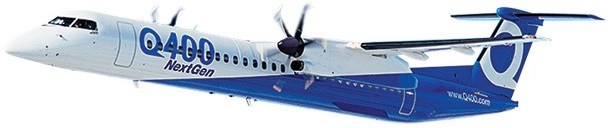
Programas Q400
Bombardier anunció la venta del Programa QSeries a una subsidiaria de Longview por aproximadamente US$ 300 millones al grupo Viking Air Ltd. Bombardier desprogramará su división de la línea turbohélice Q400, anunció este Jueves, 7 Octubre 2018. La compañía Viking Air Ltd. fabrica un avión turbohélice Twin Otter, tiene la intención de mantener las cadenas de suministro para la serie Q400 que actualmente se extiende sus unidades en China, Irlanda y México. El acuerdo, que está programado para cerrarse en la segunda mitad de 2019, posiciona a Longview en más del triple de sus ingresos anuales a US$ 1 mil millones.
 BOMBARDIER SE DESPRENDE DEL PROGRAMA QSERIES
La compañía Bombardier, con sede en Montreal, dijo en su comunicado de ganancias del 3Q2018 que esperaba registrar ganancias netas de US$ 250 millones por la venta de la línea Q400 y los certificados de tipo e IP para versiones más pequeñas del avión con doble propulsor a la empresa matriz de Viking Air Longview Capital, que ha construido un negocio en aviones que ha adquirido de Bombardier y que fue desarrollado por el extinto fabricante de aviones canadiense De Havilland Canada (DHC). Boeing había adquirido la división de aviones turbohélice De Havilland Canada y posteriormente Bombardier se hizo de la empresa comprándola a Boeing en 1992.
El Q400 es un turbohélice de mayor rendimiento que el ATR de la competencia, pero los observadores dicen que muchas aerolíneas regionales no han visto la necesidad de sus capacidades al precio más alto correspondiente. Forecast International espera que el CRJ y el Q400 sean un cuarto distante en el mercado de aeronaves regionales con 503 ventas en los próximos 15 años, detrás de Embraer con ventas proyectadas de 1.519 jets regionales, y ATR con 1.207 turbopropulsores.
La decisión de vender la línea de la QSeries, dijo Bellemare, se tomó «porque creemos que hay un mejor propietario que nosotros para mantener este programa».
Longview Aviation Capital
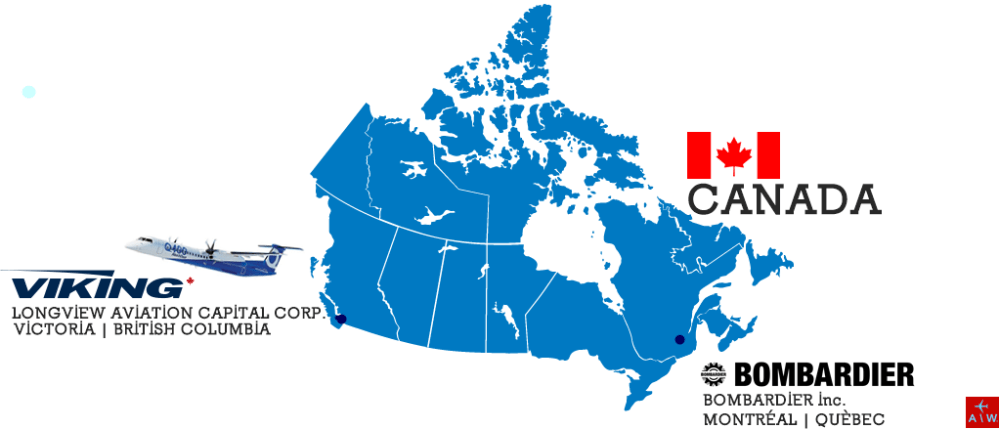
La adquisición de la línea de producción de aviones de pasajeros turbohélice QSeries de Bombardier es el siguiente paso lógico en el plan de crecimiento de Longview Aviation Capital Corp., mantener las alas canadienses en alza. La compañía dice que el acuerdo de US$ 300 millones para continuar la fabricación de la línea Bombardier Dash 8 Series 100, Q200 y Q300, Q400 lo convertirá en el mayor fabricante de aviones turbohélices comerciales de Norteamérica.
Con base en Victoria, Estado de British Columbia, en el extremo oeste de Canadá, la administración de la compañía anticipa alrededor de US$ 1 mil millones en ingresos en el primer año de su nueva empresa. «Nos complace unir toda la línea de productos De Havilland bajo la misma bandera por primera vez en décadas. Uno de los aspectos interesantes de esta transacción serán las oportunidades que rodean al resurgimiento de la marca de Havilland», dijo Dave Curtis, Presidente de Longview Aviation Capital.
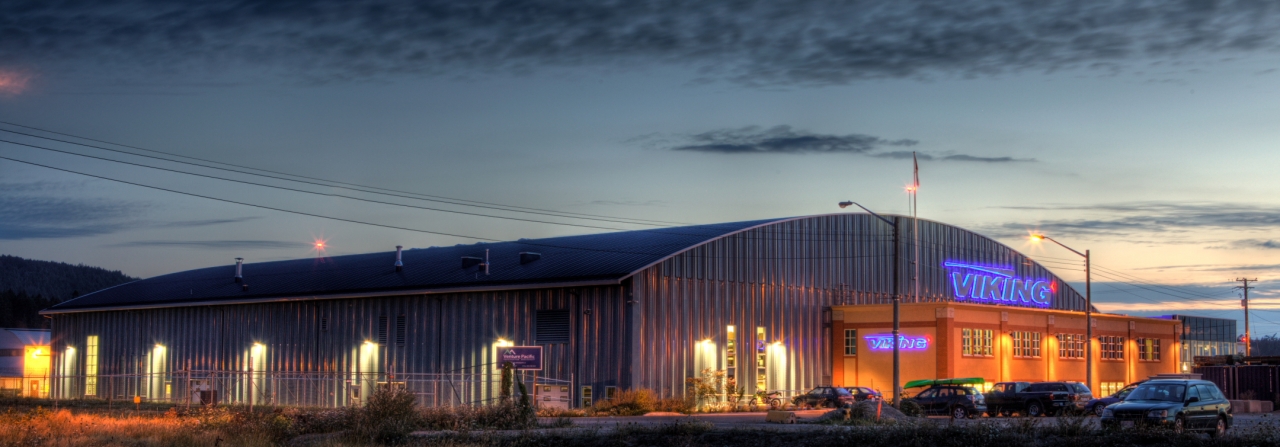
Mientras Bombardier se enfoca en su plan de cambio, Longview Aviation Capital, en cambio, ha sido una empresa aeroespacial canadiense en alza desde que se estableció en 2016 como la empresa matriz de Viking Air Ltd. y Pacific Sky Aviation Inc. Desde entonces, la compañía ha aumentado su fuerza laboral a 612 empleados: 433 en Victoria y 179 en Calgary, donde se ubican las plantas de ensamblaje de Viking Air Ltd.
Viking fabrica la serie Canadian Twin Otter 400 y posee los certificados para seguir fabricando piezas y brindando soporte de producto para los aviones DHC-1 a DHC-7 de De Havilland Canada. También produce los anfibios Canadair 215 y CL-415, ambos bombarderos de agua, que formaron parte de las adquisiciones de 2016 de Longview. La compañía también dice que satisface una demanda mundial constante de piezas y soporte de aviones confiables construidos en Canadá, como el Twin Otter y el Dash 7, que aún se encuentran ampliamente desplazados desde regiones polares a regiones subtropicales del mundo.
Programa Canadair CRJ
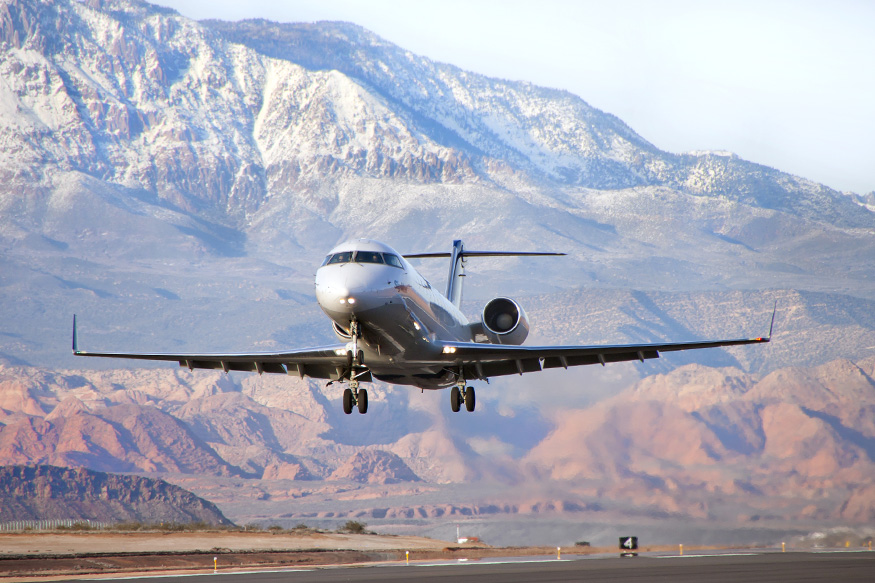
 Bombardier dijo que continuará explorando opciones estratégicas para su línea de aviones comerciales remanentes, los jets regionales CRJ Series, mientras busca devolverla a la rentabilidad. Con respecto a la línea de aeronaves jet CRJ, el CEO dijo que esperaba ver más movimiento de los proveedores para reducir los costos en la línea de aviones regionales CRJ, y señaló que Bombardier sigue perdiendo dinero en su fabricación. Las entregas de la serie CRJ y Q400 para el trimestre totalizaron sólo cinco aviones, mientras que los pedidos netos totalizaron once.
El nuevo avión Global 7500 de la compañía, el jet de negocios más grande y de mayor alcance en el mercado, mientras tanto, ha sido certificado como digno de vuelo, allanando el vía para su entrada en servicio en Diciembre 2018.
Existe una gran demanda de aviones regionales en medio del auge de los viajes aéreos en todo el mundo: Forecast International proyecta que se producirán 6,086 aviones regionales en el período de 15 años desde 2018 hasta 2032, pero la capacidad de Bombardier para competir en el segmento ha disminuido.
Bombardier fue pionero en el mercado de aviones regionales en la década de 1990 con el CRJ, una versión extendida de su avión de negocios Challenger, pero el envejecimiento del fuselaje se ha superado en los últimos años con los aviones Ejets más nuevos de Embraer.
Los Sindicatos
Los líderes sindicales y de la oposición en Quebec se manifestaron en contra del movimiento de Bombardier el jueves para despedir a 5.000 trabajadores, incluidos 500 en Ontario y 2.500 en Quebec, como parte de un plan de reestructuración que recorta más del 12% de sus posiciones canadienses.
Mary Ellen McIlmoyle, presidenta de un local de Unifor que representa a algunos de los 2.100 trabajadores en el ala aeroespacial de Bombardier en Downsview, dijo que sus miembros se sienten traicionados. Habían expresado que durante la negociación en Abril 2018, la compañía dijo que mantenían la línea Q400, pero la realidad fue un gran shock cuando descubrimos que se dieron la vuelta y lo vendieron.
La falta de certeza de los trabajadores acerca de la instalación de Downsview, que forma cabinas y alas, entre otros componentes, después de 2021 es su mayor preocupación. Renaud Gagne, del Sindicato Unifor, que representa a los trabajadores aeroespaciales canadienses, advirtió que «los despidos envían un mensaje preocupante para el futuro de la industria». Bombardier tiene un contrato de arrendamiento de la propiedad hasta 2021, con una opción de prórroga de dos años, está claro que para la fuerza laboral se tendrán que mudar a British Columbia.
Las Finanzas
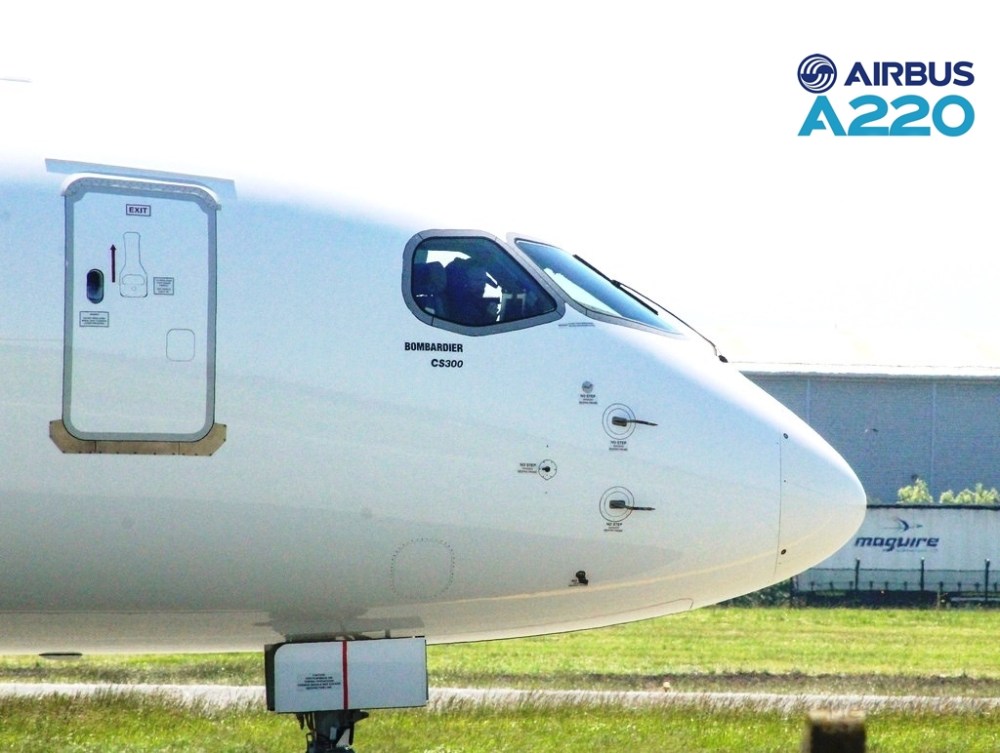
Bombardier registró ganancias trimestrales de cuatro centavos por acción, por encima del consenso de los analistas que esperaban una ganancia de dos centavos. El fuerte beneficio se produjo a pesar de una caída del 5% en las ventas trimestrales del mismo período del año anterior a US$ 3.6 mil millones. En todo el ejercicio del año 2018, Bombardier espera ingresos de aproximadamente US$ 16.5 mil millones, en el límite  inferior de su rango de orientación. Para compensar la diferencia, el fabricante canadiense de aeronaves había decidido ceder el control del 50.01% de su filial dedicada a las aeronaves CSeries, ahora conocida como Airbus A220, al gigante europeo Airbus Group a cambio de utilizar las ventas y la comercialización de Airbus para incremento de las ventas de CSeries.
Bombardier proporcionó una manera de esquivar los fuertes deberes de impuestos arancelarios por el Departamento de Comercio de los Estados Unidos como resultado de una queja comercial de supuestos subsidios por parte del Gobierno de Quebec al Programa CSeries interpuesta por Boeing. Así la línea CSeries fue cedida bajo el ala de Airbus para ser fabricado en la planta de Airbus en Mobile, Alabama.
Alain Bellemare fue contratado en 2015 para apuntalar a la compañía que tenía serios problemas financieros con el Programa CSeries. El Gobierno de Quebec tuvo que acudir a su rescate en 2015 con un rescate de US$ 1 mil millones a cambio de una participación del 16,44% en CSeries, dejando a Bombardier con el 33,55% de la propiedad. El CSeries, cuando se lanzó oficialmente en 2016, fue el primer diseño nuevo en la categoría de 100 a 150 asientos en más de 25 años. Bellemare notó que el acuerdo con Airbus se completó más rápido de lo esperado, y que todos los riesgos relacionados con el desarrollo de las CSeries, que habían sufrido importantes retrasos y sobrecostos, ahora han sido dejado detrás. 
Strong restructuring in Bombardier Inc.
 Bombardier Inc. will cut 5,000 jobs in restructuring
Canadian company Bombardier Inc. will cut 5,000 jobs worldwide and sell its QSeries turboprop line in an attempt to streamline operations, the company said in a statement on Thursday.
The 7% reduction of its workforce throughout the organization will occur in the next 12 to 18 months, while key members of the aerospace engineering team will be redistributed to its booming aircraft segment. The cuts will focus on the aerospace business and will affect 3,000 workers in Canada, company spokesman Simon Letendre said. It has reduced more than 15,000 jobs in its aerospace and rail divisions around the world since 2015.
The Montreal-based group also announced the sale of non-essential assets for a total of about US$ 900 million, including the QSeries regional turboprop aircraft program and the Havilland Canada trademark, which sold for about US$ 300 million. to a Canadian investment fund. The flight simulator and CAE training firm agreed to acquire the flight training segment of Bombardier’s commercial aircraft, which is expected to generate royalties of US$ 800 million.
The announcement of the restructuring occurred when the company reported a net income of US$ 167 million in the third quarter, compared to a loss of US$ 11 million the previous year. «We continue to make solid progress in executing our change plan with today’s announcements, we have launched the next round of actions needed to unlock the full potential of the Bombardier portfolio», said Bombardier boss Alain Bellemare. , about the restructuring effort. Despite the strong restructuring changes, the firm will continue to be proactive in the approach and rationalization of the organization, showing optimism about the company’s prospects.
![dash[1] - copia](https://airgways.com/wp-content/uploads/2018/11/dash1-copia.jpg?w=1000) Programs Q400
Programs Q400
Bombardier announced the sale of the QSeries Program to a Longview subsidiary for approximately US$ 300 million to the Viking Air Ltd. Group. Bombardier will deprogram its division of the Q400 turboprop line, announced this Thursday, October 7, 2018. The company Viking Air Ltd. manufactures a Twin Otter turboprop aircraft, intends to maintain supply chains for the Q400 series that currently extends its units in China, Ireland and Mexico. The agreement, which is scheduled to close in the second half of 2019, positions Longview more than triple its annual revenues to US$ 1 billion.
The Bombardier company, based in Montreal, said in its 3Q2018 earnings release that it expected to record net profits of US$ 250 million from the sale of the Q400 line and type and IP certificates for smaller versions of the double-propeller aircraft. to the parent company of Viking Air Longview Capital, which has built an aircraft business that it acquired from Bombardier and was developed by the late Canadian aircraft manufacturer De Havilland Canada (DHC). Boeing had acquired De Havilland Canada’s turbo-prop aircraft division and Bombardier subsequently acquired the company from Boeing in 1992.
The Q400 is a higher-performance turboprop than the competition’s ATR, but observers say that many regional airlines have not seen the need for their capabilities at the corresponding higher price. Forecast International expects the CRJ and Q400 to be a distant quarter in the regional aircraft market with 503 sales over the next 15 years, behind Embraer with projected sales of 1,519 regional jets, and ATR with 1,207 turboprops.
The decision to sell the QSeries line, Bellemare said, was taken «because we believe there is a better owner than us to maintain this program».
Longview Aviation Capital
The acquisition of Bombardier’s QSeries turboprop passenger aircraft production line is the logical next step in the Longview Aviation Capital Corp. growth plan, keeping Canadian wings on the rise. The company says the US$ 300 million agreement to continue manufacturing the Bombardier Dash 8 Series 100, Q200 and Q300, Q400 line will make it the largest manufacturer of commercial turbocharged aircraft in North America.
Based in Victoria, State of British Columbia, in the extreme west of Canada, the company’s management anticipates around US$ 1 billion in revenues in the first year of its new company. «We are pleased to unite the entire De Havilland product line under the same banner for the first time in decades. One of the interesting aspects of this transaction will be the opportunities surrounding the resurgence of the Havilland brand», said Dave Curtis, President of Longview. Aviation Capital.
While Bombardier focuses on its change plan, Longview Aviation Capital, on the other hand, has been a Canadian aerospace company since it was established in 2016 as the parent company of Viking Air Ltd. and Pacific Sky Aviation Inc. Since then, the The company has increased its workforce to 612 employees: 433 in Victoria and 179 in Calgary, where the assembly plants of Viking Air Ltd. are located.
Viking manufactures the Canadian Twin Otter 400 series and holds the certificates to continue manufacturing parts and providing product support for the DHC-1 to DHC-7 aircraft of De Havilland Canada. It also produces the amphibians Canadair 215 and CL-415, both water bombers, which were part of the 2016 Longview acquisitions. The company also says it meets a consistent global demand for parts and support from reliable aircraft built in Canada, such as the Twin Otter and Dash 7, which are still widely displaced from polar regions to subtropical regions of the world.
Canadair CRJ Program
Bombardier said it will continue to explore strategic options for its line of remaining commercial aircraft, the regional Canadair CRJ jets, while seeking to return it to profitability. With regard to the CRJ jet aircraft line, the CEO said he expected to see more movement from suppliers to reduce costs in the regional CRJ aircraft line, and noted that Bombardier continues to lose money in its manufacture. Deliveries of the CRJ and Q400 series for the quarter totaled only five aircraft, while net orders totaled eleven.
The company’s new Global 7500 aircraft, the largest and most powerful business jet on the market, meanwhile, has been certified as worthy of flight, paving the way for its entry into service in December 2018.
There is a great demand for regional aircraft in the midst of the worldwide air travel boom: Forecast International projects that 6,086 regional aircraft will be produced in the 15-year period from 2018 to 2032, but Bombardier’s ability to compete in the segment It has decreased.
Bombardier pioneered the regional aircraft market in the 1990s with the CRJ, an extended version of its Challenger business jet, but the aging of the fuselage has been overcome in recent years with Embraer’s newest E aircraft.
Unions
Union and opposition leaders in Quebec demonstrated against the Bombardier movement on Thursday to lay off 5,000 workers, including 500 in Ontario and 2,500 in Quebec, as part of a restructuring plan that cuts more than 12% of their positions Canadians
Mary Ellen McIlmoyle, president of a Unifor store that represents some of the 2,100 workers at Bombardier’s aerospace wing in Downsview, said her members feel betrayed. They had expressed that during the negotiation in April 2018, the company said that they maintained the Q400 line, but the reality was a great shock when we discovered that they turned around and sold it.
The lack of certainty of the workers about the installation of Downsview, which forms cabins and wings, among other components, after 2021 is their main concern. Renaud Gagne, of the Unifor Union, which represents Canadian aerospace workers, warned that «the dismissals send a worrisome message for the future of the industry». Bombardier has a lease on the property until 2021, with a two-year extension option, it is clear that for the workforce they will have to move to British Columbia.

The finances
Bombardier posted quarterly earnings of four cents per share, above the consensus of analysts who expected a profit of two cents. The strong profit came despite a 5% drop in quarterly sales from the same period of the previous year to US$ 3.6 billion. Throughout the year 2018, Bombardier expects revenues of approximately US$ 16.5 billion, at the lower limit of its guidance range. To compensate for the difference, the Canadian aircraft manufacturer had decided to cede control of 50.01% of its subsidiary dedicated to the CSeries aircraft, now known as Airbus A220, to the European giant Airbus Group in exchange for using Airbus sales and marketing to Increase in sales of CSeries.
Bombardier provided a way to circumvent the heavy tariff duty duties of the US Department of Commerce as a result of a commercial complaint of alleged subsidies from the Government of Quebec to the CSeries Program filed by Boeing. Thus the CSeries line was transferred under the wing of Airbus to be manufactured at the Airbus plant in Mobile, Alabama.
Alain Bellemare was hired in 2015 to shore up the company that had serious financial problems with the CSeries Program. The Government of Quebec had to come to his rescue in 2015 with a bailout of US$ 1 billion in exchange for a 16.44% stake in CSeries, leaving Bombardier with 33.55% ownership. The CSeries, when officially launched in 2016, was the first new design in the 100 to 150 seat category in more than 25 years. Bellemare noted that the agreement with Airbus was completed faster than expected, and that all the risks related to the development of the CSeries, which had suffered significant delays and cost overruns, have now been left behind. A \ W
Forte restructuration de Bombardier Inc.
 Bombardier Inc. supprimera 5 000 emplois en restructuration
La société canadienne Bombardier Inc. supprimera 5 000 emplois dans le monde et vendra sa ligne à turbopropulseur QSeries afin de rationaliser ses opérations, a annoncé la société dans un communiqué publié jeudi.
La réduction de 7% de ses effectifs dans l’ensemble de l’organisation se produira dans les 12 à 18 prochains mois, tandis que les membres clés de l’équipe d’ingénierie aérospatiale seront redistribués à son segment en plein essor. Les coupes se concentreront sur l’industrie aérospatiale et toucheront 3 000 travailleurs au Canada, a déclaré le porte-parole de la société, Simon Letendre. Depuis 2015, il a réduit plus de 15.000 emplois dans ses divisions aérospatiale et ferroviaire du monde entier.
Le groupe basé à Montréal a également annoncé la vente d’actifs non essentiels pour un total d’environ 900 millions de dollars US, y compris le programme d’avions à turbopropulseurs régionaux QSeries et la marque de commerce Havilland Canada, qui s’est vendue à environ 300 millions de dollars US. à un fonds d’investissement canadien. Le simulateur de vol et l’entreprise de formation CAE ont convenu d’acquérir le segment de la formation au pilotage des avions commerciaux de Bombardier, qui devrait générer des redevances de 800 millions de dollars US.
L’annonce de la restructuration a eu lieu lorsque la société a annoncé un bénéfice net de 167 millions USD au troisième trimestre, contre une perte de 11 millions USD pour l’exercice précédent. «Nous continuons de progresser dans l’exécution de notre plan de changement avec les annonces d’aujourd’hui. Nous avons lancé la prochaine série d’actions nécessaires pour libérer tout le potentiel du portefeuille de Bombardier», a déclaré le chef de Bombardier, Alain Bellemare, à propos de l’effort de restructuration. Malgré les importants changements apportés à la restructuration, le cabinet continuera à adopter une approche proactive et à rationaliser son organisation, faisant preuve d’optimisme quant aux perspectives de l’entreprise.
Programmes Q400
Bombardier a annoncé la vente du programme Q400 à une filiale de Longview pour environ 300 millions de dollars américains au groupe Viking Air Ltd. Bombardier déprogrammera sa division de la ligne d’avions à turbopropulseurs Q400, annoncée ce jeudi 7 octobre 2018. La société Viking Air Ltd., qui fabrique un avion à turbopropulseurs Twin Otter, a l’intention de maintenir les chaînes d’approvisionnement de la série Q400, qui agrandit actuellement ses unités. en Chine, en Irlande et au Mexique. L’accord, qui devrait être finalisé au second semestre de 2019, positionne Longview plus du triple de son chiffre d’affaires annuel à 1 milliard de dollars américains.
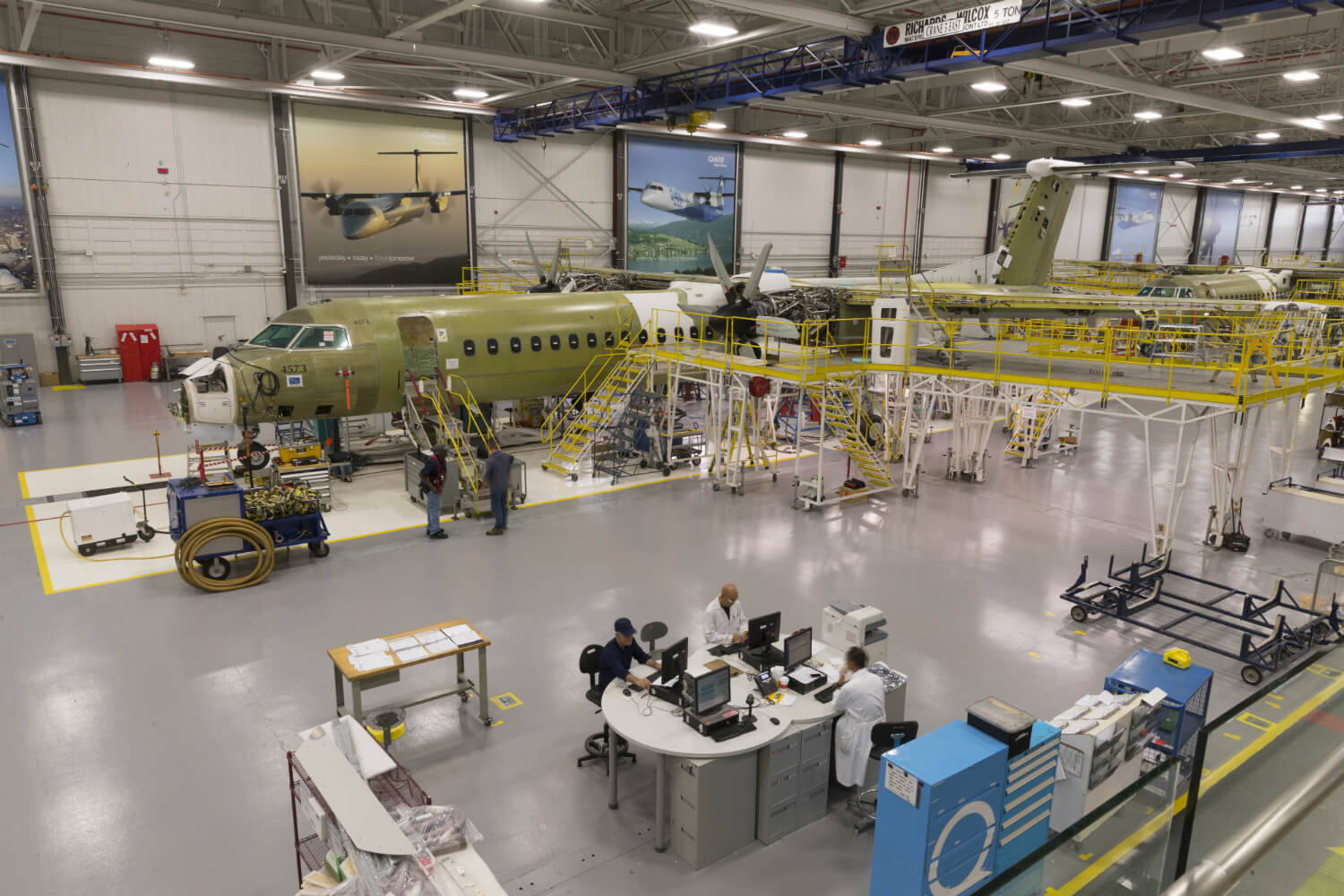 MONTAGE DE LA LIGNE DU BOMBARDIER Q400
La société Bombardier, basée à Montréal, a déclaré dans son communiqué sur les résultats du 3T2018 qu’elle espérait enregistrer un bénéfice net de 250 millions de dollars US provenant de la vente de la ligne Q400 et des certificats de type et IP pour de plus petites versions de l’avion à double hélice. à la société mère de Viking Air Longview Capital, qui a construit une entreprise aéronautique acquise par Bombardier et développée par le dernier constructeur aéronautique canadien De Havilland Canada (DHC). Boeing avait acquis la division avions à turbopropulseurs de De Havilland Canada et Bombardier avait ensuite acquis la société de Boeing en 1992.
Le Q400 est un turbopropulseur plus performant que l’ATR de la concurrence, mais des observateurs affirment que de nombreuses compagnies aériennes régionales n’ont pas compris la nécessité de leurs capacités au prix plus élevé correspondant. Forecast International prévoit que le CRJ et le Q400 constitueront un trimestre éloigné sur le marché des avions régionaux avec 503 ventes au cours des 15 prochaines années, derrière Embraer avec des ventes prévues de 1 519 avions régionaux et l’ATR avec 1 207 avions à turbopropulseur.
Bellemare a déclaré que la décision de vendre la ligne QSeries avait été prise «parce que nous croyons qu’il existe un meilleur propriétaire que nous pour maintenir ce programme».
Longview Aviation Capital
L’acquisition de la chaîne de production d’avions de passagers à turbopropulseurs QSeries de Bombardier est la prochaine étape logique du plan de croissance de Longview Aviation Capital, qui permet de maintenir les ailes canadiennes à la hausse. La société affirme que l’accord de 300 millions de dollars américains visant à poursuivre la fabrication des lignes Bombardier Dash 8 Séries 100, Q200 et Q300, Q400 en fera le plus grand fabricant d’avions commerciaux suralimentés par turbocompresseur en Amérique du Nord.
Basée à Victoria, dans l’État de la Colombie-Britannique, à l’extrême ouest du Canada, la direction de la société prévoit des revenus d’environ 1 milliard de dollars américains pour la première année de sa nouvelle société. «Nous sommes ravis de réunir toute la gamme de produits De Havilland sous la même bannière pour la première fois depuis des décennies.» L’un des aspects intéressants de cette transaction sera les opportunités offertes par le renouveau de la marque Havilland», a déclaré Dave Curtis, président de Longview. Capitale de l’aviation.
Bien que Bombardier se concentre sur son plan de changement, Longview Aviation Capital, d’autre part, est une entreprise canadienne de l’aérospatiale depuis sa création en 2016 en tant que société mère de Viking Air Ltd. et de Pacific Sky Aviation Inc. La société compte désormais 612 employés: 433 à Victoria et 179 à Calgary, où se trouvent les usines de montage de Viking Air Ltd.
Viking fabrique la série canadienne Twin Otter 400 et détient les certificats lui permettant de continuer à fabriquer des pièces et à fournir un support produit pour les avions DHC-1 à DHC-7 de De Havilland Canada. Elle produit également les amphibiens Canadair 215 et CL-415, tous deux des bombardiers à eau, qui faisaient partie des acquisitions de Longview en 2016. La société affirme également qu’elle répond à une demande mondiale constante de pièces et de support provenant d’aéronefs fiables construits au Canada, tels que les Twin Otter et Dash 7, qui sont encore largement déplacés des régions polaires vers les régions subtropicales du monde.
Programme CRJ Canadair
 Bombardier a déclaré qu’elle continuerait à explorer les options stratégiques pour sa gamme d’avions commerciaux restants, les avions à réaction régionaux Canadair CRJ, tout en cherchant à la rentabiliser. En ce qui concerne la ligne d’avions à réaction CRJ, le PDG a indiqué qu’il espérait que les fournisseurs se déplaceraient davantage afin de réduire les coûts de la gamme d’avions régionaux CRJ, et a indiqué que Bombardier continuait de perdre de l’argent lors de sa fabrication. Les livraisons des séries CRJ et Q400 n’ont totalisé que cinq avions au cours du trimestre, tandis que les commandes nettes en ont totalisé 11.
Le nouvel avion Global 7500 de la société, l’avion d’affaires le plus grand et le plus puissant du marché, a quant à lui été certifié digne de vol, ouvrant ainsi la voie à sa mise en service en décembre 2018.
La demande d’avions régionaux est forte en plein boom mondial du trafic aérien: Forecast International prévoit la production de 6 086 avions régionaux entre 2018 et 2032, mais la capacité de Bombardier à faire face à la concurrence dans ce segment cela a diminué.
Bombardier a été le pionnier du marché des avions régionaux dans les années 90 avec le CRJ, une version étendue de son avion d’affaires Challenger, mais le vieillissement du fuselage a été surmonté ces dernières années avec le dernier avion E d’Embraer.
Les syndicats
Les dirigeants syndicaux et d’opposition du Québec ont manifesté jeudi contre le mouvement Bombardier pour licencier 5.000 travailleurs, dont 500 en Ontario et 2 500 au Québec, dans le cadre d’un plan de restructuration réduisant de plus de 12% leurs postes. Canadiens
Mary Ellen McIlmoyle, présidente d’un magasin Unifor représentant quelques-uns des 2 100 travailleurs de l’aile aérospatiale de Bombardier à Downsview, a déclaré que ses membres se sentaient trahis. Ils l’avaient indiqué lors de la négociation d’avril 2018, la société avait déclaré qu’elle maintenait la ligne Q400, mais la réalité a été un choc énorme lorsque nous avons découvert qu’ils se sont retournés pour la vendre.
Le manque de certitude des travailleurs quant à l’installation de Downsview, qui forme des cabines et des ailes, entre autres composants, après 2021, constitue leur principale préoccupation. Renaud Gagne, du syndicat d’Unifor, qui représente les travailleurs canadiens de l’aérospatiale, a averti que «les licenciements envoient un message inquiétant pour l’avenir de l’industrie». Bombardier a un bail sur la propriété jusqu’en 2021, avec une option de prolongation de deux ans, il est clair que la main-d’œuvre devra être mutée en Colombie-Britannique.
Des finances
Bombardier a publié un bénéfice trimestriel de quatre cents par action, supérieur au consensus des analystes qui tablaient sur un bénéfice de deux cents. Le solide bénéfice a été atteint malgré une baisse de 5% des ventes trimestrielles par rapport à la même période de l’année précédente, pour atteindre 3,6 milliards de dollars américains. Au cours de l’année 2018, Bombardier prévoit des revenus d’environ 16,5 milliards USD, à la limite inférieure de sa fourchette prévue. Pour compenser cette différence, l’avionneur canadien avait décidé de céder le contrôle de 50,01% de sa filiale dédiée aux avions CSeries, désormais baptisée Airbus A220, au géant européen Airbus Group, en échange de l’utilisation des ventes et du marketing d’Airbus Augmentation des ventes de CSeries.
Bombardier a fourni un moyen de contourner les droits de douane élevés imposés par le Département du commerce des États-Unis à la suite d’une plainte commerciale concernant de prétendues subventions du gouvernement du Québec au programme CSeries déposé par Boeing. Ainsi, la ligne CSeries a été transférée sous l’aile d’Airbus pour être fabriquée à l’usine Airbus de Mobile, en Alabama.
Alain Bellemare a été embauché en 2015 pour consolider l’entreprise confrontée à de graves problèmes financiers avec le programme CSeries. Le gouvernement du Québec a dû venir à sa rescousse en 2015 avec un renflouement de 1 milliard de dollars américains en échange d’une participation de 16,44% dans CSeries, laissant à Bombardier une participation de 33,55%. Lors de son lancement officiel en 2016, le CSeries était le premier nouveau design de la catégorie des 100 à 150 places depuis plus de 25 ans. Bellemare a précisé que l’accord avec Airbus avait été conclu plus rapidement que prévu et que tous les risques liés au développement de la CSeries, qui avaient subi des retards importants et des dépassements de coûts, étaient désormais laissés de côté. A\W
Ξ A I R G W A Y S Ξ
SOURCE: Airgways.com
DBk: Bombardier.com / Ctvnews.ca / Thestar.com / Vikingair.com / Lvav.ca / Theglobeandmail.com / Airgways.com / JCJ Chung Studios
AW-POST: 201811101844AR
A\W A I R G W A Y S ®

 Airbus nombra gerente de proyecto para el inicio de producción en serie del A220 en Airbus Mobile, Estados Unidos
 Airbus appoints project manager for the start of serial production of the A220 at Airbus Mobile, United States
 Hoar Program Management (HPM) will be responsible for managing all aspects of the design and construction of the new facility. The company also oversaw the construction of the A320 facility that opened at Brookley in 2015. HPM currently has offices in Mobile, Birmingham, Huntsville, Auburn, Atlanta, Dallas and Tampa. HPM is currently the Airbus Helicopters representative in Grand Prairie, Texas. The company’s history with Airbus in Mobile dates back to the completion of the Airbus Engineering Center in Mobile in 2007.
![Bombardier_logo[1].jpg](https://airgways.com/wp-content/uploads/2018/11/bombardier_logo1.jpg?w=113&h=113) Bombardier Inc. perderá cuarta parte de valor de mercado aéreo
Bombardier Inc. perderá cuarta parte de valor de mercado aéreo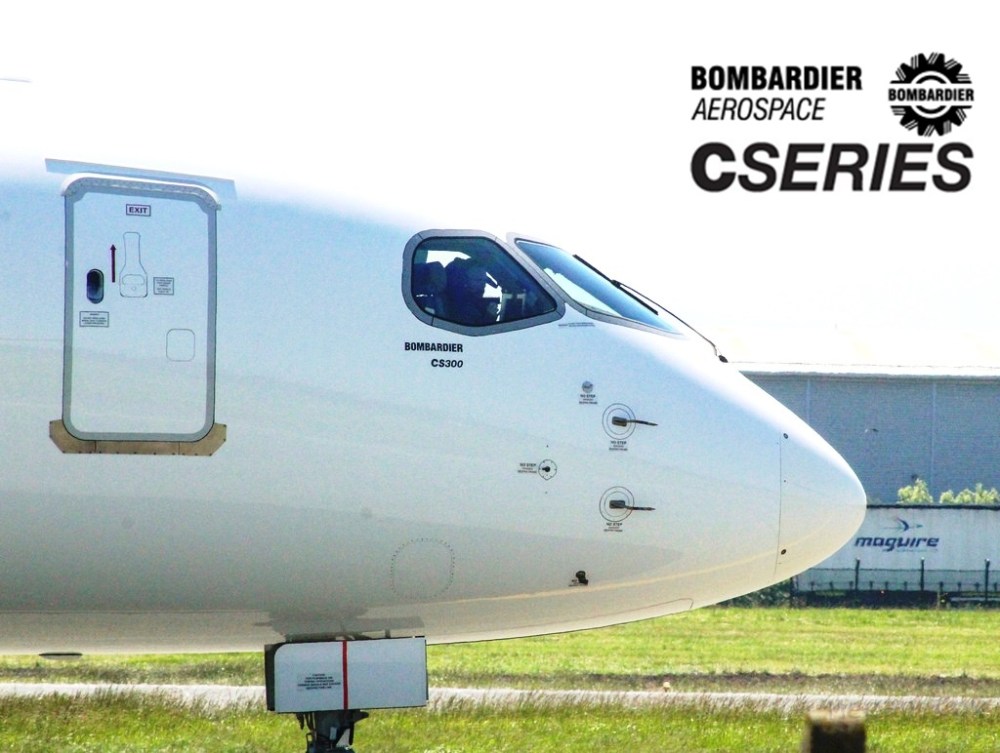
 Bombardier anunció la semana pasada la venta del Programa QSeries a Viking Air Ltd., una subsidiaria de Longview Aviation Capital Ltd. por aproximadamente US$ 300 millones de dólares.

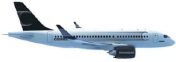 Bombardier cornered by financial compromises and conflicts with US regulators for the imposition of customs duties in the order of 300% to the imported product CS-100 and CS-300, the CSeries Program was threatened. Bombardier was pushed to make the decision to carry out a market strategy to form a Joint Venture with Airbus for the manufacture of the CSeries in the Mobile Plant that Airbus owns in Alabama, United States.
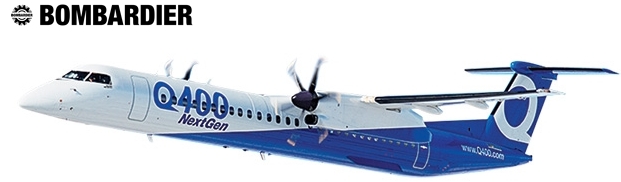 QSeries Program
 Programme CSeries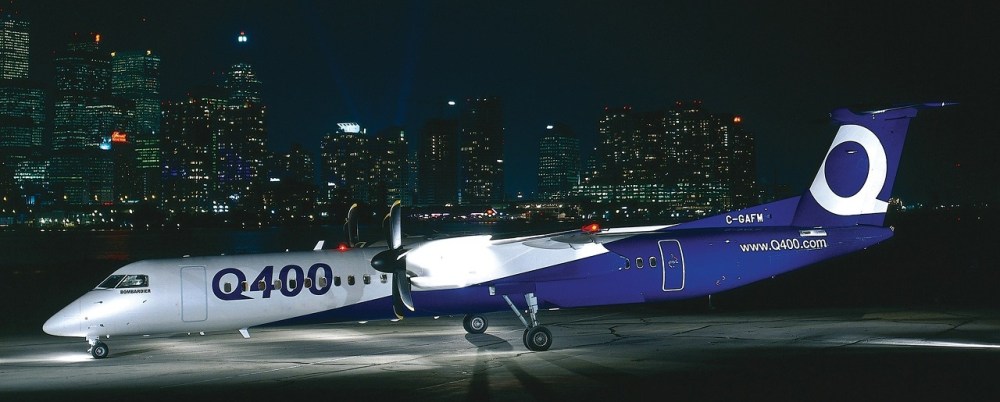
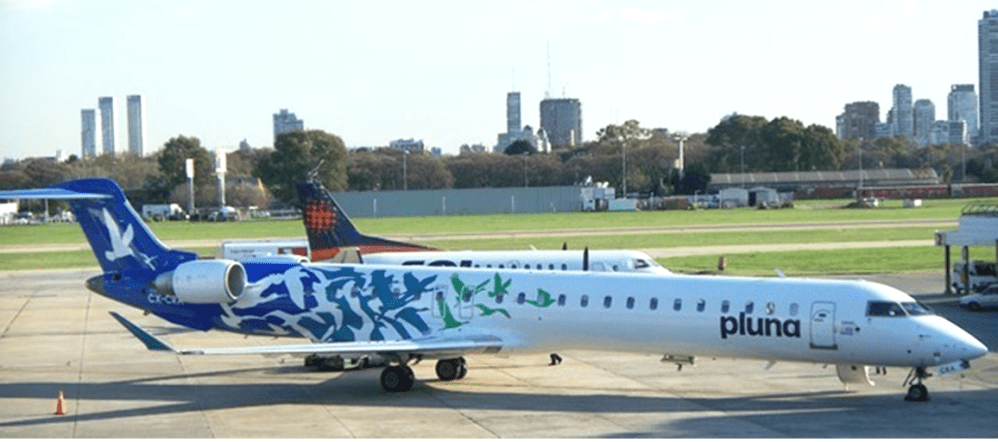 ANCIEN BOMBARDIER CRJ-900 PLUNA À AÉROPARQUE, ARGENTINE
 Ξ A I R G W A Y S Ξ
![1I1A64842[1]](https://airgways.com/wp-content/uploads/2018/11/1i1a64842021.jpg?w=1000&h=667)
 El Proyecto COMAC ARJ21-900 sin luz verde a pesar de pronósticos de mercado

 Major variant COMAC ARJ21 delayed
 尽管市场预测,COMAC项目ARJ21-900没有绿灯
 Últimos detalles del accidente del Boeing 737-8 MAX de Lion Air
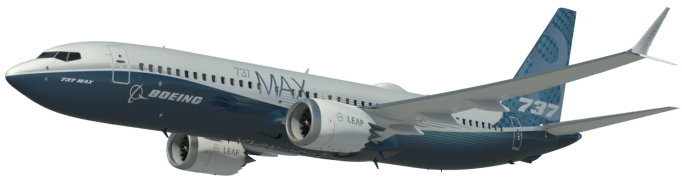 Revisiones del Boeing 737 MAX
 Lion Air JT-610 | Day 16
 AIRCRAFT BOEING 737-8 MAX PK-LQP ACCIDENTED IN THE SEA OF JAVA, INDONESIA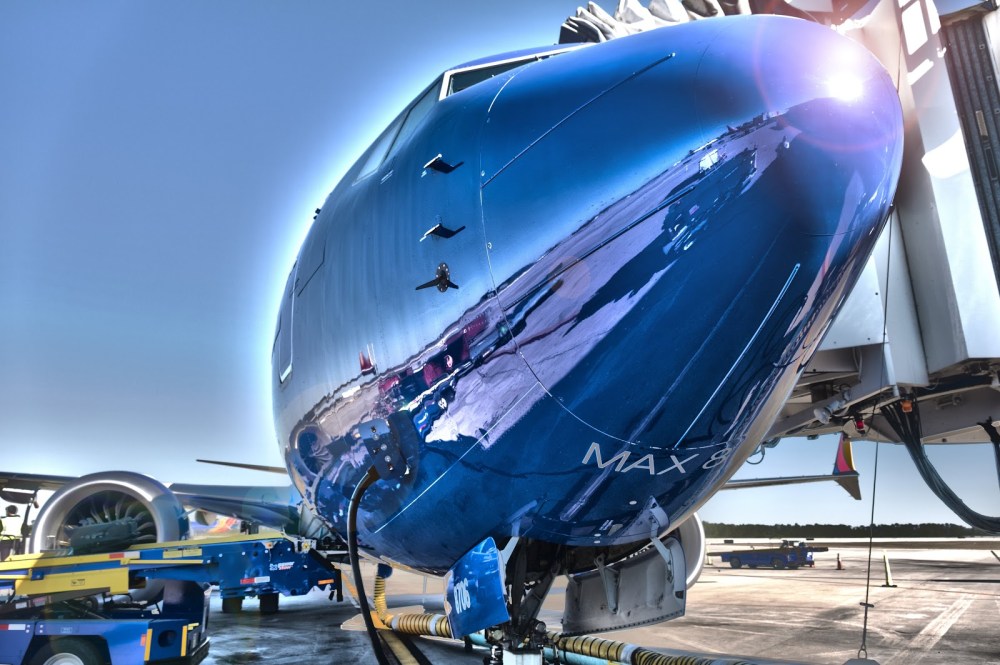
 El Sindicato de Pilotos de Southwest Airlines ha cuestionado el Technical Guide de los Boeing 737 MAX
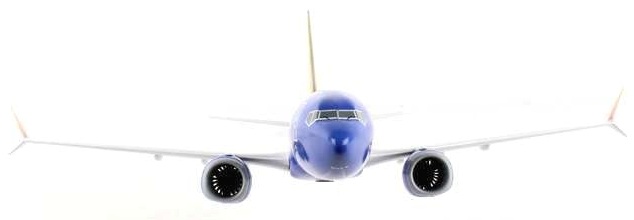 Crítica del Sindicato
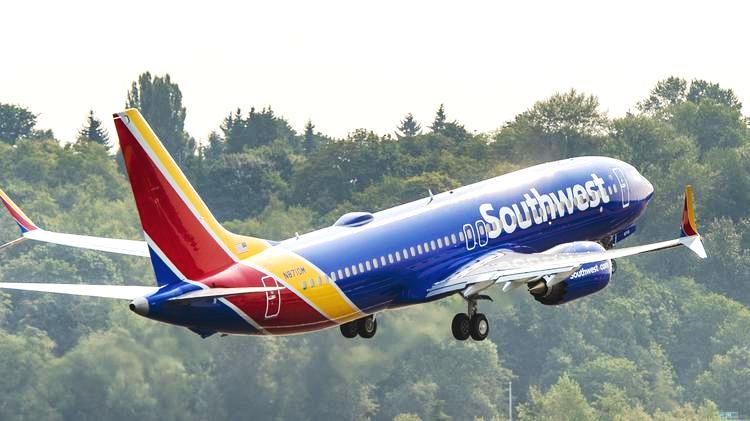 Guild Southwest questions Boeing 737 MAX
 Two US pilot unions claim that the potential risks of a safety feature on the Boeing 737 MAX aircraft that has been linked to a fatal accident in Indonesia were not sufficiently explained in their manuals or training.
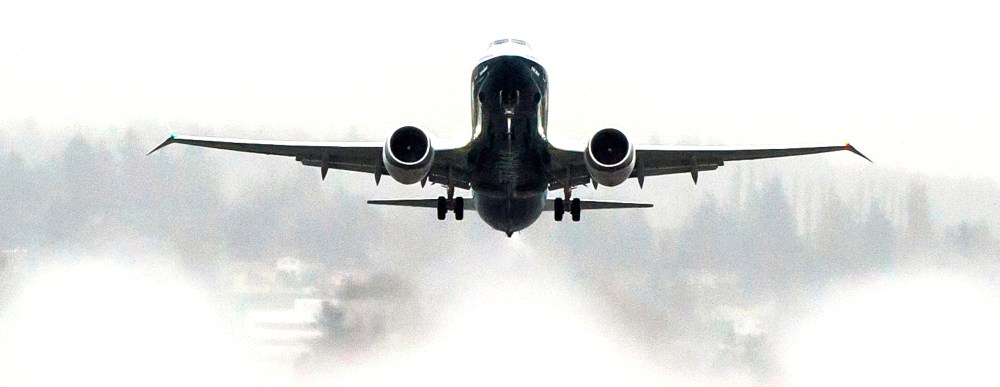 FAA regulations
 El fabricante de aviones de Estados Unidos continúa haciendo inversiones inteligentes para el futuro
 Durante el mes, se agregaron a S7 Airlines (Rusia) y SpiceJet (India) como operadores para el Boeing 737-8 MAX y el se concretó el primer cliente para el Boeing Business Jet MAX.
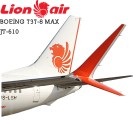 tripulación. El accidente marcó el primer accidente con el Boeing 737-8 MAX matando a todas las personas a bordo. Los resultados preliminares han demostrado que, a pesar de los problemas anteriores con el indicador de velocidad del aire, el sensor de ángulo de ataque que proporcionó el error ahora se considera como el principal contribuyente al accidente, donde los datos erróneos del sensor dieron lugar a una acción de recorte automática que dio lugar a una tendencia a la disminución. La investigación aún está en curso, pero Boeing proporcionó un boletín del manual de operaciones que aborda el problema. La FAA, la Administración Federal de Aviación, emitió una directiva de aeronavegabilidad ya que considera que todos los aviones Boeing 737-8 MAX y Boeing 737-9 MAX pueden sufrir el mismo problema.
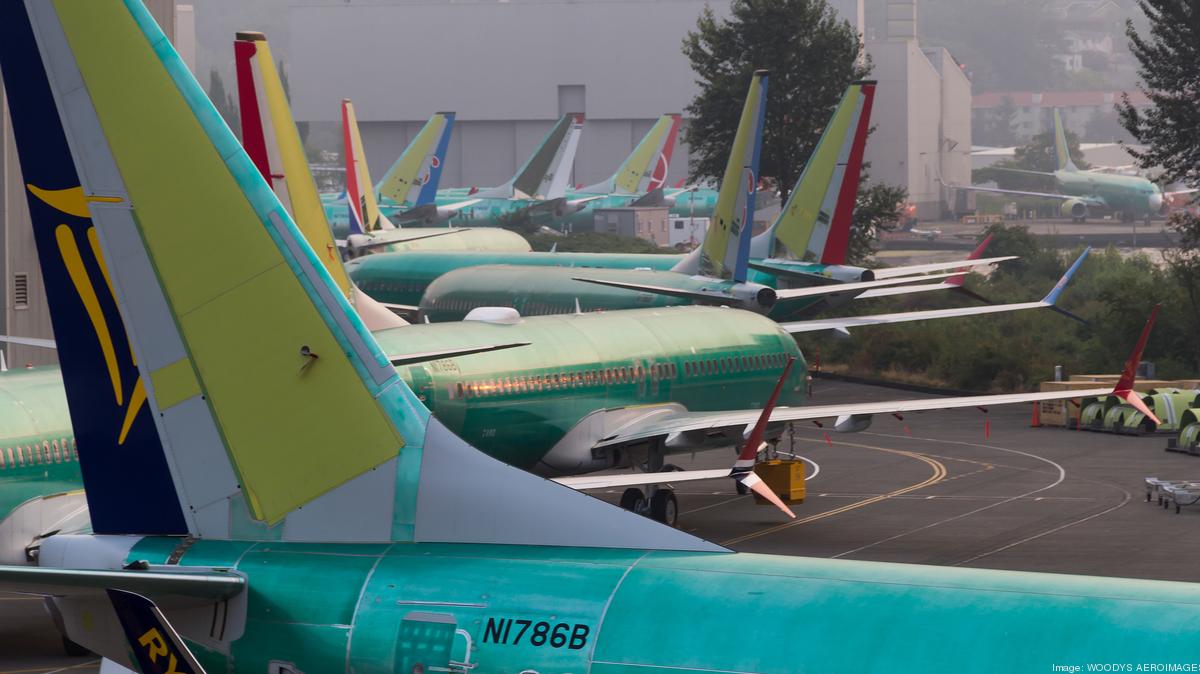 BOEING HA TENIDO PROBLEMAS CON LAS ENTREGAS DE MOTORES LEAP 1-B PARA LOS BOEING 737 MAX
 Boeing ha abierto su primera planta en Europa denominada Boeing Sheffield, de procesamientos de insumos que producirá componentes para la línea Boeing 737 y Boeing 767. La compañía expandirá su conocimiento de MRO y reducirá costos.
 Boeing finalizó la adquisición de KLX, que es un distribuidor líder de piezas. Es una adquisición realizada a principios de 2018 y se adapta perfectamente a la estrategia de Boeing.
 Boeing no solo pretende expandir las ventas de piezas de repuesto, sino que también aumenta su enfoque en los programas, servicios y datos. Ahí es donde encaja el acuerdo de Boeing con Flightdocs. Ambas partes han firmado un acuerdo de varios años para comercializar y vender exclusivamente la plataforma Enterprise de Flightdocs, una solución de servicio completo de mantenimiento, cumplimiento y gestión de inventario para el mercado de aviación general y de negocios. Las compañías también han firmado un Memorando de Entendimiento (MOU) para integrar la plataforma Flightdocs Enterprise con el portafolio de compañías, productos y servicios de Boeing Global Services, incluidos Aviall, Inventory Locator Services y Jeppesen.
 La empresa conjunta entre Boeing Adient maximizarán los esfuerzos de desarrollo, fabricación y venta de asientos de aeronaves, que pretende mejorar la calidad de los asientos, pero sobre todo puede verse como la respuesta de Boeing a la mayor demanda de asientos de aeronaves a medida que aumenta la producción de aeronaves en un esfuerzo por agilizar el proceso.
 Boeing anunció una nueva organización de Disruptive Computing and Networks (DC&N) para desarrollar soluciones informáticas y de comunicaciones para aplicaciones aeroespaciales comerciales y gubernamentales avanzadas. La inteligencia artificial y la computación avanzada no son lo primero que se conectaría a Boeing, pero con los productos de Boeing cada vez más orientados a los datos, incluyendo el enlace ascendente y el enlace descendente de datos, los diseños se vuelven más avanzados y el enfoque en sistemas autónomos la computación avanzada se vuelve intrínsecamente más importante invertir en Boeing.
 Boeing, junto con Robotic Skies, se ajusta a la estrategia de la compañía; Boeing y sus subsidiarias Jeppesen y Aviall se unieron a Robotic Skies, un proveedor de servicios de soporte de sistemas de aeronaves no tripuladas comercial líder, para desarrollar y ofrecer servicios de optimización y análisis, análisis, y mantenimiento, reparación y revisión de la cadena de suministro líderes en la industria para el comercio y Mercados UAS civiles. La cooperación entre las compañías permitirá a Boeing aumentar sus capacidades en el espacio de soporte de UAV.
 Boeing ha invertido en Accion Systems que apunta a desarrollar capacidades de propulsión electrónica para una amplia variedad de satélites. Como el sistema de propulsión es más pequeño, los satélites pueden volverse más pequeños. En los lanzamientos de vuelos espaciales y satélites, estamos viendo una tendencia a llevar nuevas capacidades al espacio y estamos viendo el objetivo de reducir los costos al reducir la carga útil de los satélites.
 The Boeing Co. y Safran Group acordaron una alianza en Junio 2018 para diseñar, construir y dar servicio conjuntamente a las Unidades de Energía Auxiliar (APU), creando un mejor valor para los clientes y para ambas compañías. Una APU es un motor a bordo que se utiliza principalmente para arrancar los motores principales y los sistemas de aeronaves de potencia en tierra y, si es necesario, en vuelo.
 The US aircraft manufacturer continues making smart investments for the future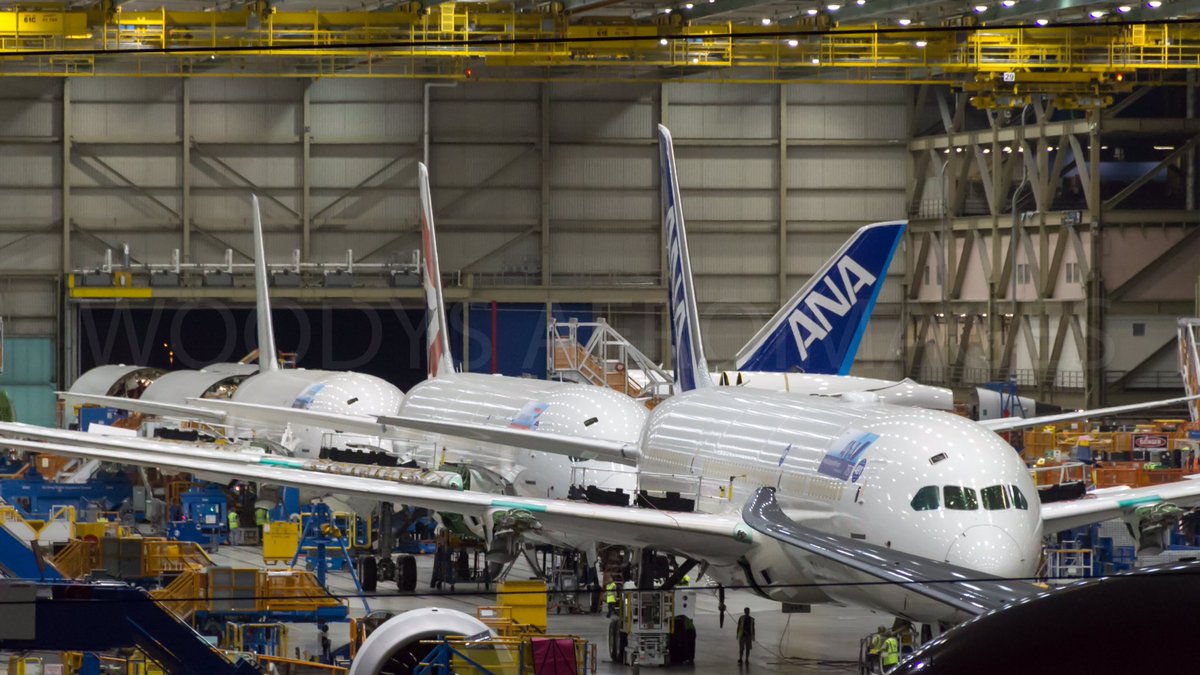
 During the month, S7 Airlines (Russia) and SpiceJet (India) were added as operators for the Boeing 737-8 MAX and the first customer for the Boeing Business Jet MAX was completed.
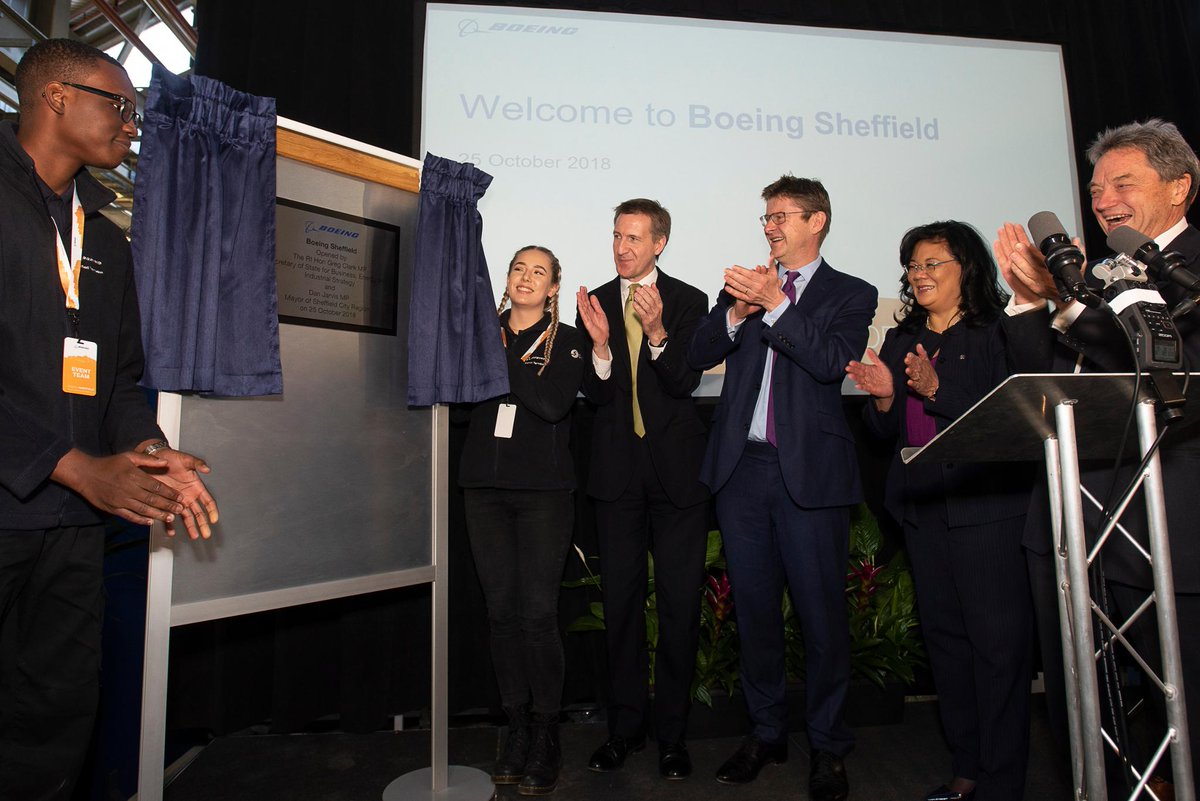 INAUGURATION OF BOEING SHEFFIELD IN THE UNITED KINGDOM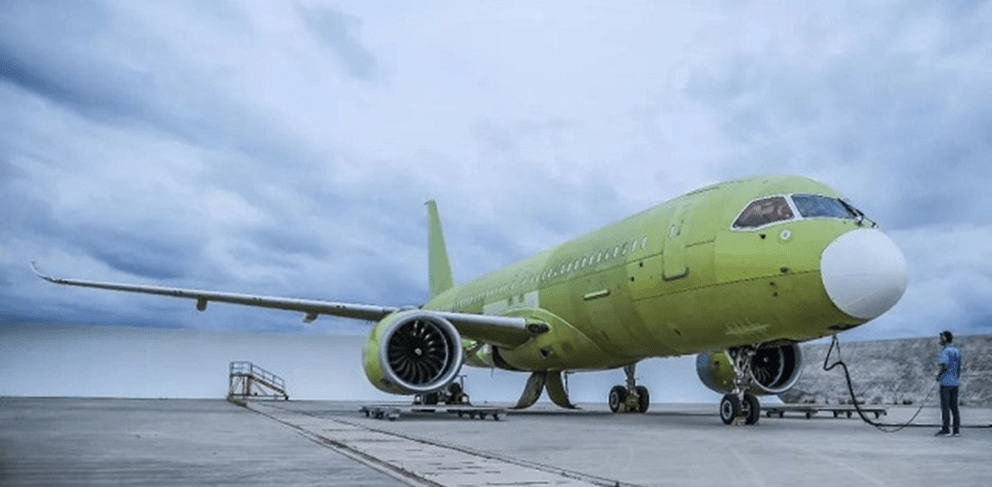
 COMAC Corp. ha terminado el ensamblaje del tercer prototipo del avión C919


 The Boeing Company y Safran SA formalizaron una alianza después de las aprobaciones regulatorias para comenzar su empresa conjunta para el diseño, la construcción y el mantenimiento de unidades de potencia auxiliar. Las compañías Boeing-Safran nombraron a Etienne Boisseau como Director Ejecutivo de la empresa conjunta.
 El acuerdo establece una asociación entre dos de las compañías aeroespaciales líderes en el mundo para trabajar en conjunto en los productos de APU y ampliar las capacidades de servicio para beneficiar a los clientes y la industria. Ambas compañías tienen una participación del 50% en la empresa conjunta. El equipo inicial realizará trabajos de diseño en San Diego, California.