Ensamblaje 1er Ilyushin IL-96-400M

AW-70IL9996400M.png

AW | 2018 11 22 12:42 | INDUSTRY

Resultado de imagen para ilyushin logoEl constructor ruso Ilyushin está terminando el desarrollo de la variante Il-96-400M

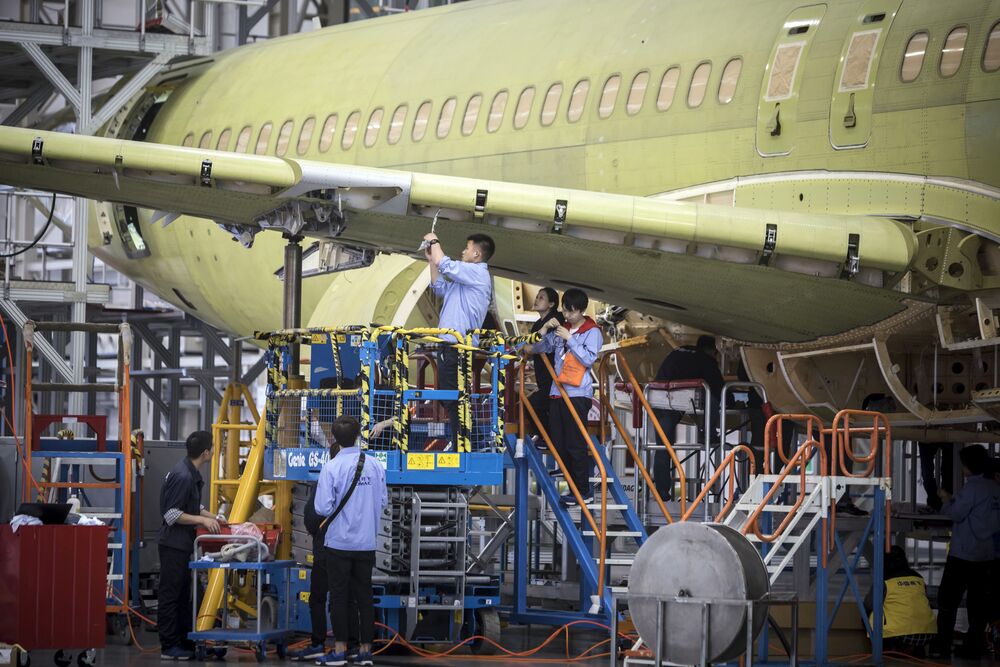
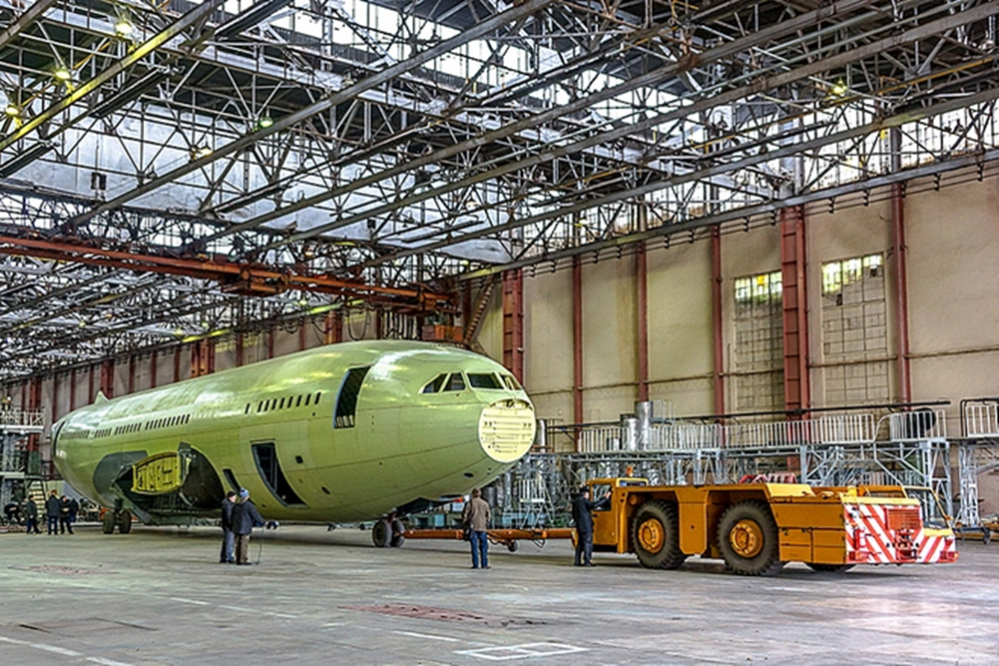
El ensamblaje del la variante Ilyushin IL-96-400M de cuatro motores ha comenzado en la planta de aviación Voronezh (VASO) en el suroeste de Rusia. A principios de Noviembre 2018, la fábrica informó que estaba entregando algunos componentes estructurales y que estaba comenzando a montar el ala y el fuselaje de la nueva versión. La documentación de diseño para la aeronave completa también se está finalizando.

A principios de 2018, el gobierno ruso asignó 1,32 mil millones de rublos a United Aircraft Corporation (UAC), matriz de la planta de aviación Voronezh, para la necesaria reconstrucción y actualización técnica de las instalaciones de fabricación designadas para el ensamblaje en serie del IL-96-400M.

El Ilyushin IL-96-400M es una nueva versión para pasajeros, con un fuselaje extendido de 9.65 metros más largo y 20 toneladas adicionales de peso máximo de despegue (MTOW) en comparación con la versión original de carga básica IL-96-400T. Con una capacidad proyectada de 390 asientos, el primer vuelo de la aeronave, impulsado por motores PS-90A1 de fabricación rusa, está programado para el próximo año. El fabricante de motores UEC-Perm Motors (parte de United Engine Corporation) ha confirmado que planea entregar los primeros motores para el programa antes de finales de este año.

Perspectivas de Ilyushin

El proyecto de aviones de pasajeros IL-96-400M, aunque oficialmente reconocido como comercialmente inviable, tiene como objetivo mantener y desarrollar las competencias generales de VASO. UAC informó anteriormente que la producción promedio planificada para el modelo estaría entre dos y 2.5 aviones por año hasta 2025. La instalación también participa en otros programas de UAC como el MC-21 avanzado de cuerpo estrecho, el Sukhoi Superjet 100 (SSJ100), el avión regional Ilyushin IL-114-300 y el avión de transporte Ilyushin IL-76MD-90A. Mantener y mejorar dichas capacidades de producción es parte de la estrategia política de preservar el legado de la aviación de Rusia y su independencia del oeste en vista de las sanciones económicas. Mientras tanto, el fabricante de Voronezh informó recientemente que estaba ensamblando el avión número 25 de la serie IL-96-300. “Todos tenemos el deseo de lograr tasas de producción estables de estos aviones, de modo que la producción del IL-96 no se interrumpa. Por lo tanto, estamos haciendo un gran esfuerzo para garantizar que el modelo –M se produzca en serie lo antes posible”, dice Yury Shestakov, jefe de montaje de la planta de aviación de Voronezh.AW-Icon-TXT-01


Assembly 1st Ilyushin IL-96-400M

The Russian constructor Ilyushin is finishing the development of the variant Il-96-400M

The assembly of the four-engine Ilyushin IL-96-400M variant has started at the Voronezh aviation plant (VASO) in southwestern Russia. At the beginning of November 2018, the factory reported that it was delivering some structural components and that it was beginning to assemble the wing and fuselage of the new version. The design documentation for the complete aircraft is also being finalized.

In early 2018, the Russian government allocated 1.32 billion rubles to United Aircraft Corporation (UAC), parent company of the Voronezh aviation plant, for the necessary reconstruction and technical upgrade of the designated manufacturing facilities for series assembly of the IL-96-400M.

The Ilyushin IL-96-400M is a new version for passengers, with an extended fuselage of 9.65 meters longer and 20 additional tons of maximum takeoff weight (MTOW) compared to the original version of basic load IL-96-400T. With a projected capacity of 390 seats, the first flight of the aircraft, powered by Russian-made PS-90A1 engines, is scheduled for next year. The engine manufacturer UEC-Perm Motors (part of the United Engine Corporation) has confirmed that it plans to deliver the first engines for the program before the end of this year.

Perspectives of Ilyushin

The IL-96-400M passenger aircraft project, although officially recognized as commercially unviable, aims to maintain and develop VASO’s general competencies. UAC previously reported that the planned average production for the model would be between two and 2.5 aircraft per year until 2025. The facility also participates in other UAC programs such as the advanced narrow body MC-21, the Sukhoi Superjet 100 (SSJ100), the regional aircraft Ilyushin IL-114-300 and the Ilyushin transport plane IL-76MD-90A. Maintaining and improving such production capacities is part of the political strategy of preserving Russia’s aviation legacy and its independence from the West in the face of economic sanctions. Meanwhile, the Voronezh manufacturer recently reported that it was assembling aircraft number 25 of the IL-96-300 series. «We all have the desire to achieve stable production rates of these aircraft, so that the production of the IL-96 is not interrupted. Therefore, we are making a great effort to ensure that the -M model is produced in series as soon as possible», says Yury Shestakov, assembly manager of the Voronezh aviation plant. A \ W


Ξ A I R G W A Y S Ξ
SOURCE: Airgways.com
DBk: Iyushin.org / Rusianinsider.com
AW-POST: 201811221242AR

A\W   A I R G W A Y S ®

China recortes impuestos en aviación

AW | 2018 11 22 11:28 | INDUSTRY

Image result for china ministry industryChina considera recorte de impuestos para abaratar costo de producción para aviones de la industria china

China está discutiendo un plan para reducir los aranceles de insumos importados para aviones comerciales desarrollados a nivel nacional. Esta medida puede beneficiar a proveedores como General Electric Co. y Honeywell International Inc.

La propuesta del Ministerio de Finanzas, que está siendo revisada por el Consejo de Estado, podría obtener aprobaciones en unas pocas semanas. En la actualidad, los aranceles de importación para los componentes de la aviación se fijan en un 1,5% para las naciones más favorecidas, mientras que la tasa es del 11% para otros.

Tal paso ayudaría a reducir los costos para la empresa estatal Commercial Aircraft Corp. de China Ltd., que el año pasado realizó exitosamente el primer vuelo de prueba del primer avión de pasajeros de un solo pasillo de la nación, el COMAC C919. La compañía con sede en Shanghai, que ya comenzó a ofrecer un avión regional más pequeño a las aerolíneas nacionales, también está en el proceso de construir un avión de fuselaje ancho denominado CR929 en colaboración con Rusia. El proyecto del avión de pasajeros es parte del ambicioso programa «Made in China 2025» del presidente Xi Jinping, en virtud del cual el sector aeroespacial ocupa el tercer lugar en su lista de prioridades después de la tecnología de la información y la robótica. El Presidente está buscando transformar la manufactura de China a un nivel donde pueda comenzar a competir con gigantes como Boeing y Airbus.

Según Boeing, China necesitará 7.690 aviones nuevos por valor de 1,2 billones de dólares en las próximas dos décadas, ya que la economía número 2 del mundo está lista para superar a Estados Unidos como el mayor mercado de aviación a principios de la próxima década.

Para la fabricación de aviones, Beijing también ha puesto sus ojos en el desarrollo de helicópteros pesados ​​y varios tipos de motores, en cooperación con socios globales. Eso significa que China necesita obtener componentes del extranjero. El COMAC C919 de pasillo único de 156-168 asientos está construido principalmente con versiones personalizadas de piezas de otros fabricantes. Algunos de los proveedores clave del C919 incluyen GE, Honeywell, Eaton Corp., CFM International y Arconic Inc. El C919 ha acumulado pedidos y compromisos para más de 800 aviones de operadores y arrendadores en su mayoría en China continental, según COMAC. Rolls-Royce Holdings Plc y GE se encuentran actualmente entre los que se encuentran en una carrera por suministrar motores al avión de ancho de COMAC.

La propuesta de reducir los aranceles en los componentes de los aviones también forma parte del compromiso de Beijing de abrir su economía y fomentar el consumo. En una gran exposición de importación a principios de este mes, Xi Jinping dijo a una audiencia internacional que su país está comprometido a reducir aún más los impuestos a las importaciones y gastar más en bienes del exterior, lo que indica que hay nuevas medidas de estímulo en camino.AW-Icon-TXT-01.png

Resultado de imagen para comac factoryChina aviation tax cuts

China considers tax cuts to lower production costs for Chinese industry aircraft

China is discussing a plan to reduce tariffs on imported inputs for commercial airplanes developed nationwide. This measure can benefit suppliers such as General Electric Co. and Honeywell International Inc.

The proposal of the Ministry of Finance, which is being reviewed by the Council of State, could obtain approvals in a few weeks. At present, import tariffs for aviation components are set at 1.5% for the most favored nations, while the rate is 11% for others.

Such a step would help reduce costs for the state-owned Commercial Aircraft Corp. of China Ltd., which last year successfully completed the first test flight of the nation’s first single-aisle passenger aircraft, the COMAC C919. The Shanghai-based company, which has already started offering a smaller regional aircraft to domestic airlines, is also in the process of building a wide-body aircraft called CR929 in collaboration with Russia. The passenger plane project is part of President Xi Jinping’s ambitious «Made in China 2025» program, whereby the aerospace sector ranks third on its list of priorities after information technology and robotics. The President is looking to transform China’s manufacturing to a level where it can begin to compete with giants such as Boeing and Airbus.

According to Boeing, China will need 7,690 new aircraft worth $ 1.2 trillion over the next two decades, as the world’s No. 2 economy is ready to overtake the United States as the largest aviation market early next decade. .

For the manufacture of aircraft, Beijing has also set its sights on the development of heavy helicopters and various types of engines, in cooperation with global partners. That means that China needs to obtain components from abroad. The COMAC C919 single aisle 156-168 seats is mainly built with custom versions of parts from other manufacturers. Some of the key suppliers of the C919 include GE, Honeywell, Eaton Corp., CFM International and Arconic Inc. The C919 has accumulated orders and commitments for more than 800 aircraft from operators and lessors mostly in mainland China, according to COMAC. Rolls-Royce Holdings Plc and GE are currently among those in a race to supply engines to the COMAC wide plane.

The proposal to reduce tariffs on aircraft components is also part of Beijing’s commitment to open up its economy and encourage consumption. In a large import exposure earlier this month, Xi Jinping told an international audience that his country is committed to further reducing import taxes and spending more on goods from abroad, indicating that there are new stimulus measures on my way. A\W

Resultado de imagen para comac factory中国航空减税

中国考虑减税以降低生产成本 适用于中国工业飞机

中国正在讨论降低全国开发的商用飞机进口投入关税的计划。这项措施可以使通用电气公司和霍尼韦尔国际公司等供应商受益。

正在由国务委员会审查的财政部的提案可以在几周内获得批准。目前,对于最受欢迎的国家,航空部件的进口关税定为1.5%,而其他国家则为11%。

这一步骤将有助于降低中国有限公司,去年成功进行了国家,COMAC C919的第一客机单通道的首次试飞的国有商业飞机公司的成本。总部位于上海的公司,该公司已经开始提供一个更小的国家航空公司的支线飞机,也是在与俄罗斯的合作建立了一个名为CR929宽体飞机的过程。该客机项目是雄心勃勃的计划“中国制造2025”副主席习近平,从而使航空业居第三位的是信息技术和机器人技术后优先事项清单的一部分。总统正在寻求将中国的制造业转变为能够开始与波音和空客等巨头竞争的水平。

据波音公司,中国将需要7690架在未来的二十年价值$ 1.2万亿的新增飞机,在世界经济中的数字2有望提前超越美国成为最大的航空市场在未来十年。

在制造飞机方面,北京还与全球合作伙伴合作,着眼于重型直升机和各类发动机的开发。这意味着中国需要从国外获得零部件。 COMAC C919单通道156-168座椅主要采用其他制造商定制的零件版本。有些C919的主要供应商包括GE,霍尼韦尔,伊顿公司,CFM国际公司和Arconic公司的C919已累计订单和承诺超过800个飞机运营商和主要在中国大陆出租人,根据中国商飞。罗尔斯·罗伊斯控股有限公司和通用电气公司目前正在为COMAC广泛的飞机供应发动机。

降低飞机部件关税的提议也是北京开放经济和鼓励消费的承诺的一部分。在一个大型展会的进口本月初,习近平告诉世界各地的观众,他的国家正在致力于进一步降低进口税,花费更多的从国外的商品,表示没有新的刺激措施在路上。A \ W


Ξ A I R G W A Y S Ξ
SOURCE: Airgways.com
DBk: Bloomberg..com / English.gov.cn / Comac.cc
AW-POST: 201811221128AR

A\W   A I R G W A Y S ®

Lion Air JT-610 | Día 24

AW-77000021

AW | 2018 11 21 16:55 | INDUSTRY
AW-7007378Boeing realizará reuniones planificadas por la seguridad del 737 MAX

En lugar de una llamada de conferencia con las aerolíneas, Boeing celebrará la próxima semana una serie de reuniones regionales para responder preguntas sobre la seguridad del 737 MAX. En un mensaje a los empleados, el CEO Dennis Muilenburg negó que el procedimiento para tratar un nuevo sistema de control de vuelo no esté cubierto en el manual del piloto.

Boeing realizó una llamada en conferencia planeada el martes con las aerolíneas para tranquilizarlos sobre la seguridad del 737 MAX, y lo reemplazará con una serie de reuniones regionales y llamadas en conferencia con las aerolíneas a principios de la próxima semana. El cambio es «para permitir más asistencia, más tiempo para preguntas y respuestas y para adaptarse a diferentes zonas horarias. Estas reuniones serán organizadas por representantes de servicio de campo de Boeing que se ubican regionalmente con nuestros clientes», dijo Boeing.

Las reuniones planificadas están destinadas a permitir que el personal de ingeniería y mantenimiento de Boeing responda a las preguntas técnicas de sus homólogos de líneas aéreas. La llamada de teleconferencia original se organizó en respuesta a las consultas de las aerolíneas después de la divulgación de un nuevo sistema de control de vuelo automatizado introducido en el MAX que puede estar implicado en el accidente fatal del 29 de octubre de Lion Air en el vuelo JT-610.Un portavoz de Boeing dijo que era difícil encontrar un momento que funcionara para todos los participantes en todo el mundo. Por otra parte, Boeing ofrece seguridad interna a los empleados.

Comunicado del CEO de Boeing

El Presidente y Director ejecutivo de Boeing, Dennis Muilenburg, envió un correo electrónico a todos los empleados el lunes, expresando su confianza en la seguridad del MAX y discutiendo algunos informes de los medios. El mensaje de Muilenburg comienza diciendo que «La pérdida del avión Lion Air está pesando mucho en nuestros corazones y mentes colectivas y expresando simpatía por las familias de las 189 personas que murieron. Continuó enfatizando la importancia central de la seguridad de la aviación para la compañía. Tengo una confianza absoluta en todos ustedes y nuestros productos, incluido el 737 MAX, pero cuando se trata de seguridad, nuestros estándares nunca pueden ser demasiado altos. Sé que sientes lo mismo», escribió Muilenburg a los empleados.

Controles de vuelo MAX en foco

Una comprensión más profunda del Boeing 737 MAX y de cómo deberían funcionar sus Sistemas de Control de Vuelo bajo ciertas condiciones se ha convertido en el foco de la investigación de accidentes del vuelo JT-610 de Lion Air. No se ha determinado ninguna causa oficial para el accidente, que mató a las 189 personas a bordo después de que los pilotos de Lion Air que operaban el Boeing 737-8 MAX que perdieron el contacto con el Control de Tráfico Aéreo (ATC) del Aeropuerto Soekarno-Hatta y se estrellara en el Mar de Java, al norte de la isla de Java en Indonesia.

Los funcionarios del Comité Nacional de Seguridad del Transporte de Indonesia (KNKT) que investigaron el accidente del 29 Octubre 2018 inicialmente atribuyeron la causa más probable del accidente a los datos erróneos del Ángulo de Ataque (AOA). Ahora, esos mismos funcionarios y varios sindicatos de pilotos de línea aérea afirman que el manual de operaciones de la tripulación de vuelo no contenía información crítica para los pilotos con respecto al sistema de aumento de características de maniobra (MCAS) diseñado para evitar que el 737 MAX se atasque.

El MCAS del 737 MAX y otros sistemas de control de vuelo se convirtieron en un punto focal de la investigación JT-610 después de que los oficiales revisaron el registrador de datos de vuelo (FDR) de la aeronave. Los datos del FDR mostraron que si se recibe una entrada del sensor AOA único erróneamente alta desde el sistema de control de vuelo de la aeronave, existe la posibilidad de que el 737 realice repetidamente comandos de recorte de su estabilizador horizontal. Posteriormente, la FAA emitió una nueva directiva de aeronavegabilidad para las aeronaves que requieren que las aerolíneas actualicen sus manuales de operaciones de la tripulación de vuelo 737 MAX.

Durante una conferencia de prensa el 12 Noviembre 2018 en Indonesia, los funcionarios de KNKT dijeron que los procedimientos que los pilotos del vuelo JT-610 deberían haber seguido no figuraban en el manual 737 MAX de la aeronave Lion Air.

Las organizaciones que representan a varias de las principales aerolíneas comerciales han enviado consultas a Boeing, la FAA y la NTSB para aclarar la información relacionada con la operación del 737 MAX cuando los pilotos están experimentando ciertas condiciones de vuelo. Boeing no comenta si se proporcionó o no un resumen de cómo funcionaban o no las funciones del MCAS en el manual de vuelo de la aeronave.

Una copia oficial del boletín de seguridad publicado por Boeing al Manual de Operaciones de la Tripulación de Vuelo 737 MAX en respuesta a la investigación de Lion Air llama la atención sobre una condición de falla del AOA que solo puede ocurrir cuando los pilotos vuelan manualmente la aeronave sin ninguna participación del control de vuelo. La información de fondo incluida en la actualización del boletín de seguridad indica que, en caso de que el sistema de control de vuelo 737 MAX experimente datos AOA erróneos, el sistema de compensación de tono puede hacer que el estabilizador realice movimientos de nariz hacia abajo sin control que duren incrementos de 10 segundos cada uno.

La Asociación de Pilotos Aliados, que representa a los pilotos de American Airlines, presentó una carta a Boeing, la FAA y la NTSB solicitando claridad sobre el sistema MCAS de la aeronave. El capitán Dennis Tajer, un capitán del 737, dijo que los pilotos de American Airlines no recibieron detalles sobre el sistema.

“Recientemente nos dieron detalles sobre un nuevo sistema automatizado de prevención de bloqueo en el que Boeing previamente ocultó información. No conocíamos este sistema automatizado antes del accidente de Lion Air. Ahora tenemos la información y los procedimientos que se han dirigido para combatir ese sistema en caso de que se dispare durante un ángulo erróneo de eventos de datos de ataque», dijo el capitán Dennis Tajer, un portavoz de APA.

El Capitán Tim Cannoll, presidente de la Asociación de Pilotos de Línea Aérea, Internacional, también presentó una carta instando a la FAA, NTSB y Boeing a comunicar «toda la información relevante» disponible relacionada con la operación del 737 MAX. La letra de Cannol no hace referencia al sistema MCAS por su nombre, sino que lo describe como un «nuevo sistema de control de tono automático» que es una nueva función de navegación no incluida en las versiones anteriores del 737.

El Comité Nacional de Seguridad del Transporte de Indonesia (KNKT) señaló que la revisión del FDR también concluyó que el indicador de velocidad aérea de la aeronave funcionaba mal en cuatro vuelos consecutivos antes del accidente. Utomo también indicó que los pilotos deberían haber reconocido el mal funcionamiento cuando ocurrió en el vuelo JT-610.

Las declaraciones obtenidas de los representantes de Boeing por Avionics International señalan que la compañía no comenta ningún detalle relacionado con el sistema MCAS o informes de noticias con declaraciones internas de la compañía realizadas por el CEO Dennis Muilenburg.

«Si bien no podemos discutir detalles específicos de una investigación en curso, hemos proporcionado dos actualizaciones para nuestros operadores en todo el mundo que vuelven a enfatizar los procedimientos existentes para estas situaciones. Estamos profundamente tristes por la pérdida del vuelo de Lion Air JT 610. Extendemos nuestras más sinceras condolencias y simpatías a las familias y seres queridos de aquellos a bordo. Estamos tomando todas las medidas para comprender completamente todos los aspectos de este accidente, trabajando estrechamente con el equipo de investigación y todas las autoridades reguladoras involucradas», dijo un representante de Boeing a Avionics en un comunicado enviado por correo electrónico.

Los representantes de NTSB, que apoya la investigación porque el 737 MAX se fabrica en los Estados Unidos, se negaron a comentar sobre la investigación.

Los equipos de búsqueda que trabajan con Basarnas, la agencia nacional de búsqueda y rescate de Indonesia, todavía están tratando de ubicar la grabadora de voz de la cabina del avión (CVR), que podría proporcionar información adicional sobre la causa del accidente. JT-610 es el primer accidente del tipo de aeronave 737 MAX, de los cuales hay 246 en servicio a nivel mundial y un número de pedidos acumulados superior a 4.000 aeronaves.

Seguros de Viaje

PT Amas Interconsult protege a sus empleados con el programa Pro Whole Life de Equity Life. Este es un gran aprecio por el desempeño de Equity Life en la respuesta rápida relacionada con el proceso de reclamación.

PT Amas Interconsult ha definido un programa de pagos de seguros a las v´ctimas del vuelo JT-610.»Equity Life está lista para pagar las obligaciones de reclamo a todos los herederos de nuestros clientes que son víctimas del accidente del avión Lion Air JT 610. Por el proceso, nos comprometemos a brindar un servicio rápido y fácil a través de nuestro Programa de Reclamo de Jet para que facilite a las familias que quedan atrás», expresó la compañía de seguros.AW-Icon-TXT-01


AW-700066667Lion Air JT-610 | Day 24

Boeing will hold meetings planned for the safety of the Boeing 737 MAX

Instead of a conference call with the airlines, Boeing will hold a series of regional meetings next week to answer questions about the safety of the 737 MAX. In a message to employees, CEO Dennis Muilenburg denied that the procedure for dealing with a new flight control system is not covered in the pilot’s manual.

Boeing made a conference call planned Tuesday with airlines to reassure them about the safety of the 737 MAX, and replace it with a series of regional meetings and conference calls with airlines early next week. The change is «to allow more assistance, more time for questions and answers and to adapt to different time zones». These meetings will be organized by Boeing field service representatives who are located regionally with our clients, said Boeing.

The planned meetings are designed to allow Boeing engineering and maintenance staff to answer technical questions from their airline counterparts. The original teleconference call was organized in response to airline inquiries after the disclosure of a new automated flight control system introduced in the MAX that may be involved in the fatal October 29 Lion Air accident on the flight JT-610. A spokesperson for Boeing said it was difficult to find a time that would work for all participants around the world. On the other hand, Boeing offers internal security to employees.

Statement from the CEO of Boeing

The President and CEO of Boeing, Dennis Muilenburg, sent an email to all employees on Monday, expressing confidence in MAX’s security and discussing some media reports. Muilenburg’s message begins by saying that «The loss of the Lion Air plane is weighing heavily on our collective hearts and minds and expressing sympathy for the families of the 189 people who died. He continued to emphasize the central importance of aviation security for the company. I have absolute confidence in all of you and our products, including the 737 MAX, but when it comes to safety, our standards can never be too high, I know you feel the same», Muilenburg wrote to employees.

MAX flight controls in focus

A deeper understanding of the Boeing 737 MAX and how its Flight Control Systems should function under certain conditions has become the focus of Lion Air’s JT-610 flight accident investigation. No official cause for the accident has been determined, which killed the 189 people on board after the Lion Air pilots who operated the Boeing 737-8 MAX who lost contact with the Airport’s Air Traffic Control (ATC) Soekarno-Hatta and they crashed in the Java Sea, north of the island of Java in Indonesia.
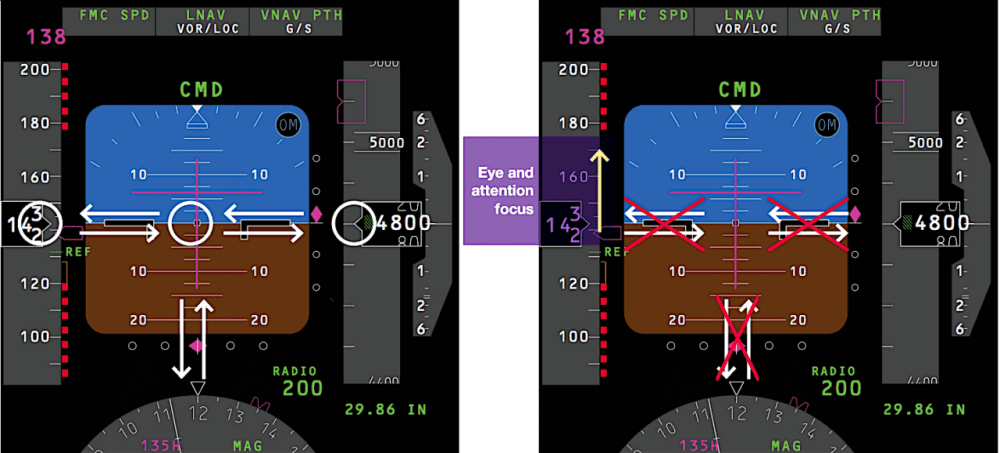
AW-70007BOE.pngAN OVERVIEW OF THE T-SHAPE PRINCIPLE OF BASIC INSTRUMENTS SCAN BOEING 737 MAX DISPLAYS

The officials of the National Transport Security Committee of Indonesia (KNKT) who investigated the accident of 29 October 2018 initially attributed the most probable cause of the accident to the wrong data of the Angle of Attack (AOA). Now, those same officials and several airline pilots unions claim that the flight crew operations manual did not contain critical information for pilots with respect to the maneuvering enhancement system (MCAS) designed to prevent the 737 MAX gets stuck.

The MCAS of the 737 MAX and other flight control systems became a focal point of the JT-610 investigation after officers reviewed the flight data recorder (FDR) of the aircraft. The FDR data showed that if a single wrong AOA sensor input is received from the aircraft’s flight control system, there is a possibility that the 737 repeatedly performs trimming commands of its horizontal stabilizer. Subsequently, the FAA issued a new airworthiness directive for aircraft that require airlines to update their operation manuals for the 737 MAX flight crew.

During a press conference on 12 November 2018 in Indonesia, KNKT officials said that the procedures that JT-610 flight pilots should have followed were not included in the manual 737 MAX of the Lion Air aircraft.

Organizations representing several major commercial airlines have sent queries to Boeing, the FAA and the NTSB to clarify information related to the operation of the 737 MAX when pilots are experiencing certain flight conditions. Boeing does not comment on whether or not a summary was provided of how the MCAS functions functioned or not in the aircraft flight manual.

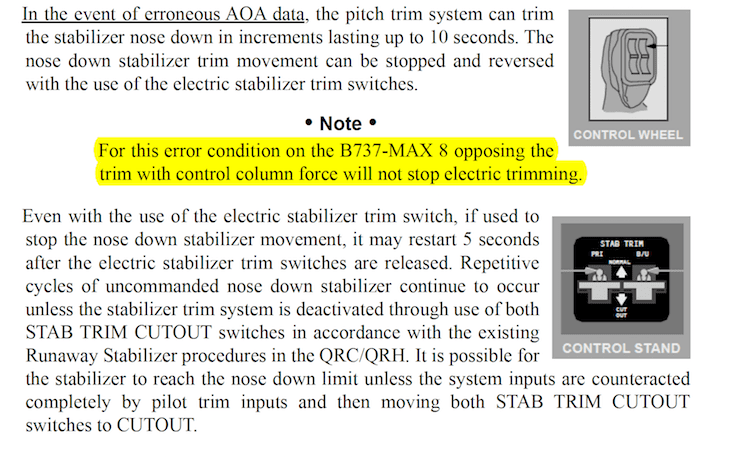
An official copy of the security bulletin published by Boeing to the 737 MAX Flight Crew Operations Manual in response to the Lion Air investigation calls attention to an AOA failure condition that can only occur when pilots manually fly the aircraft without any participation of flight control. The background information included in the security bulletin update indicates that, in the event that the 737 MAX flight control system experiences erroneous AOA data, the tone compensation system may cause the stabilizer to perform nose-down movements without control that lasts increments of 10 seconds each.
AW-AOA-data-screen.png

BOEING’S CALL TO ATTENTION FOR 737 MAX PILOTS THAT CALL ATTENTION TO AN AOA FAILURE CONDITION THAT CAN OCCUR DURING MANUAL FLIGHT ONLY (AUTOPILOT OFF AND FLAPS UP)

The Allied Pilots Association, which represents American Airlines pilots, submitted a Related imageletter to Boeing, the FAA and the NTSB requesting clarity about the MCAS system of the aircraft. Captain Dennis Tajer, a 737 captain, said the American Airlines pilots did not receive details about the system.

«They recently gave us details about a new automated blocking prevention system in which Boeing previously hid information. We did not know this automated system before the Lion Air accident. We now have the information and procedures that have been directed to combat that system in the event that it is triggered during an erratic angle of attack data events», said Capt. Dennis Tajer, an APA spokesman.

Captain Tim Cannoll, president of the International Airline Pilots Association, also presented a letter urging the FAA, NTSB and Boeing to communicate «all relevant information» available related to the operation of the 737 MAX. The Cannol letter does not refer to the MCAS system by its name, but describes it as a «new automatic tone control system» which is a new navigation function not included in the previous versions of the 737.

The National Transport Security Committee of Indonesia (KNKT) noted that the review of the FDR also concluded that the aircraft’s airspeed indicator was malfunctioning on four consecutive flights before the accident. Utomo also indicated that the pilots should have recognized the malfunction when it occurred on flight JT-610.

The statements obtained from representatives of Boeing by Avionics International indicate that the company does not comment on any details related to the MCAS system or news reports with internal company statements made by CEO Dennis Muilenburg.

«While we can not discuss specific details of an ongoing investigation, we have provided two updates for our operators around the world that re-emphasize existing procedures for these situations. We are deeply saddened by the loss of the Lion Air JT 610 flight. We extend our deepest condolences and sympathies to the families and loved ones of those on board, and we are taking all measures to fully understand all aspects of this accident, working closely with the investigation team and all the regulatory authorities involved», said one. Boeing representative to Avionics in a statement sent by email.

The representatives of NTSB, which supports the investigation because the 737 MAX is manufactured in the United States, declined to comment on the investigation.

The search teams working with Basarnas, Indonesia’s national search and rescue agency, are still trying to locate the voice recorder in the plane’s cabin (CVR), which could provide additional information about the cause of the accident. JT-610 is the first accident of the aircraft type 737 MAX, of which there are 246 in service worldwide and a number of accumulated orders exceeding 4,000 aircraft.

Travel Insurance

PT Amas Interconsult protects its employees with the Pro Whole Life program of Equity Life. This is a great appreciation for the performance of Equity Life in the rapid response related to the claim process.

PT Amas Interconsult has defined an insurance payment program for the victims of flight JT-610. «Equity Life is ready to pay the claim obligations to all the heirs of our clients who are victims of the Lion Air JT plane crash. 610. Through the process, we are committed to providing a quick and easy service through our Jet Claim Program to facilitate the families left behind, «said the insurance company. A\W


Ξ A I R G W A Y S Ξ
SOURCE: Airgways.com
DBk: Boeing.com / Seattletimes.com / Alliedpilots.org / Ntsb.gov / Faa.gov / Dephub.go.id / Airgways.com
AW-POST: 201811211655AR

A\W   A I R G W A Y S ®
Boeing anunciaría 797 NMA en 2019

AW-700000797X.jpgAW | 2018 11 21 15:51 | INDUSTRY

Boeing-Logo.svgEl Programa lanzado en secreto en 2012 explica lo que el constructor americano está haciendo para lanzar el Programa 797
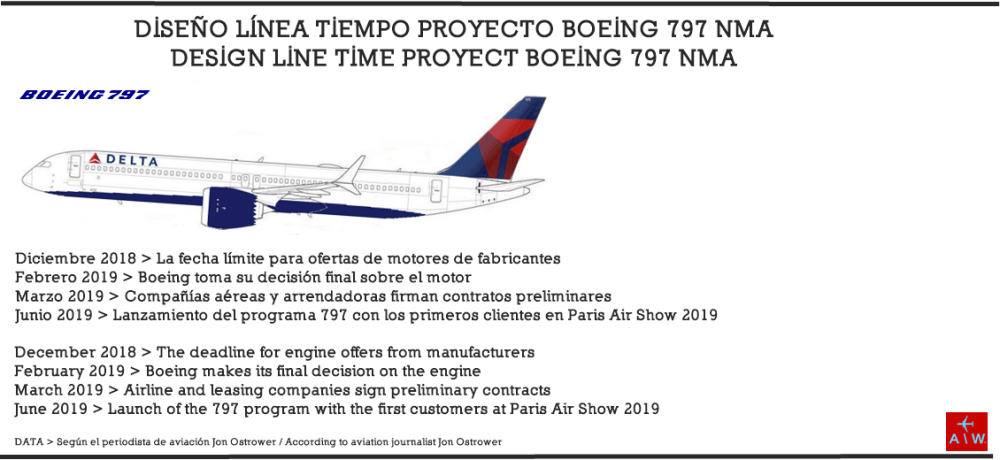
The Boeing Company estaría preparando el lanzamiento del Programa 797 proyectado para el Salón Aeronáutico de París en Junio 2019. Boeing estaría centrada en desarrollar nuevas tecnologías. El constructor americano a obtenido a lo largo de 107 años trofeos otorgados por la Asociación Aeronáutica Nacional de Estados Unidos con respecto a las innovaciones alcanzadas por Boeing en los programas 747 (1970), 757 y 767 (1982), 777 (1995), y finalmente el 787 en 2011. Todas las líneas de producción de Boeing otorgaron nuevas fronteras de tecnologías para la historia de aviación comercial.

El Proyecto secreto denominado «Black Diamond» lanzado en 2012 en St. Louis, tenía como objetivo alcanzar el liderazgo en el desarrollo de nuevas tecnologías en los campos aeroespacial, defensa y comercial.El nuevo proyecto se convertiría en la plataforma sobre la cual se está construyendo el futuro modelo de negocios de Boeing. A pesar de que el fabricante con sede en Chicago había perdido un importante contrato en materia de defensa, Programa B-21, a manos de Northrop Grumman; Boeing continuaría enfocando esas tecnologías en el desarrollo del nuevo avión de mediano rango Boeing 797 NMA (New Mid-Market Airplane).

El desarrollo del Programa Black Diamond para el Programa B-21 perdido se convirtió en la columna vertebral tecnológica para la transformación digital de la compañía. El esfuerzo de Boeing tiene muchas implicaciones estratégicas para los accionistas, trabajadores, proveedores y clientes de la compañía a medida que se acerca el lanzamiento del nuevo Programa 797 NMA.

Mercado medio

Después de que Boeing diera de baja la línea de fabricación del Boeing 757, se generó una grieta en el mercado de mediano rango. Ante la falte de aeronaves que cumpliesen con las prestaciones ETOPS del Boeing 757, las aerolíneas continuaban arrendando estas aeronaves para suplir las necesidades de mediano-largo radio con reducido tráfico, como el caso de ciertas rutas transatlánticas. El constructor americano no supo actualizar el el Programa 757, y Airbus comenzó a desarrollar una variante de mayor amplitud de autonomía, el Airbus A321LR (Long Range).

Muchas aerolíneas están luchando por encontrar una manera de transportar a 250 pasajeros de mediano recorrido, sin tener que depender de aviones más grandes como el Boeing 787, Boeing 777 o Airbus A330, A350. Además, estos aviones más grandes cuestan mucho para operar, y las aerolíneas realmente necesitan esencialmente una versión más pequeña del 787.

AW-70002883.pngBoeing 797

A la acción del fabricante europeo Airbus, la reacción de Boeing para recuperar el espacio perdido ante la escalada de pedidos del Airbus A321LR y A321NEO LR. El Boeing 797 NMA llenaría el espacio vacío, quizás algo confiado el la expansión del Programa Boeing 737 MAX, donde el desarrollo del MAX 9 y MAX 10 podrían traer soluciones concretas al espacio perdido de rango medio.

El nuevo avión comercial de Boeing 797 tendrá dos variante: Boeing 797-6X de 228 asientos con un alcance de 5.000 millas náuticas, y el Boeing 797-7X para 268 pasajeros con un rango de 4.200 millas náuticas. Delta Air Lines, United Airlines, Norwegian y Air Lease Corporation se consideran clientes potenciales para recibir el avión a partir del 2025.

París Air Show 2019

Rolls-Royce ha presentado una oferta para el futuro proyecto, y podemos esperar que los otros fabricantes de motores también lo hagan. Por lo tanto, encaja muy bien para un anuncio para el Salón Aeronáutico de París. Construir un avión no es tarea fácil, y Boeing ya ha dedicado US$ 15 mil millones a este proyecto. A pesar de no comentar sobre el desarrollo del Boeing 797 en el Salón Aeronáutico de Farnborough 2018.

El fabricante necesita tener ciertos pedidos para activar el desarrollo de una nueva aeronave. Entonces, si observamos cómo están rastreando sus proveedores podemos sugerir cuándo llegará un gran anuncio. La cuestión es que Boeing todavía está trabajando duro en la construcción del Programa 777X y es poco probable que trabajen en un nuevo desarrollo por algún tiempo. El otro problema es que Boeing solo lo construirá si tienen las órdenes en concreto.

United Airlines y Delta Air Lines ya han expresado interés. Pero una vez que llegan los pedidos y están confirmados, podemos esperar alrededor de 5 años desde el concepto hasta el desarrollo. El despegue del Proyecto 797 NMA contaría con nuevas tecnologías más modernas capaces de justificar las inversiones en un concepto nuevo de aeronaves comerciales para Boeing. El esfuerzo de Boeing tiene muchas implicaciones estratégicas, pero al mismo tiempo, necesita continuar a la vanguardia de la demanda del mercado con un nuevo concepto de avión de rango medio.AW-Icon-TXT-01

AW-70007976X8X.png

Boeing would announce 797 NMA in 2019

Boeing-Logo.svgThe Program launched in secret in 2012 explains what the American contractor is doing to launch the 797 Program

The Boeing Company would be preparing the launch of the 797 Program projected for the Paris Air Show in June 2019. Boeing would be focused on developing new technologies. The American manufacturer obtained over 107 years trophies awarded by the National Aeronautical Association of the United States with respect to the innovations reached by Boeing in the programs 747 (1970), 757 and 767 (1982), 777 (1995), and finally the 787 in 2011. All the Boeing production lines granted new frontiers of technologies for the history of commercial aviation.

The secret project called «Black Diamond», launched in 2012 in St. Louis, aimed to achieve leadership in the development of new technologies in the aerospace, defense and commercial fields. The new project would become the platform on which building the future business model of Boeing. Although the Chicago-based manufacturer had lost an important defense contract, Program B-21, at the hands of Northrop Grumman; Boeing would continue to focus these technologies on the development of the new mid-range Boeing 797 NMA aircraft (New Mid-Market Airplane).

The development of the Black Diamond Program for the lost B-21 Program became the technological backbone for the digital transformation of the company. The Boeing effort has many strategic implications for the shareholders, workers, suppliers and customers of the company as the launch of the new 797 NMA Program approaches.

Middle market

After Boeing dropped the production line of the Boeing 757, a crack was created in the mid-range market. In the absence of aircraft that met the ETOPS performance of the Boeing 757, airlines continued to lease these aircraft to meet the needs of medium-long radius with reduced traffic, as in the case of certain transatlantic routes. The American constructor did not know how to update the Program 757, and Airbus began to develop a variant of greater amplitude of autonomy, the Airbus A321LR (Long Range).

Many airlines are struggling to find a way to transport 250 medium-haul passengers, without having to rely on larger aircraft such as the Boeing 787, Boeing 777 or Airbus A330, A350. Also, these larger planes cost a lot to operate, and airlines really need a smaller version of the 787.

AW-70002883.pngBoeing 797

To the action of the European manufacturer Airbus, the reaction of Boeing to recover the lost space before the escalating orders of the Airbus A321LR and A321NEO LR. The Boeing 797 NMA would fill the empty space, perhaps somewhat confident in the expansion of the Boeing 737 MAX Program, where the development of the MAX 9 and MAX 10 could bring concrete solutions to the lost mid-range space.

The new commercial airplane of Boeing 797 will have two variant: Boeing 797-6X of 228 seats with a reach of 5,000 nautical miles, and the Boeing 797-7X for 268 passengers with a range of 4200 nautical miles. Delta Air Lines, United Airlines, Norwegian and Air Lease Corporation are considered potential customers to receive the plane after 2025.

Paris Air Show 2019

Rolls-Royce has submitted an offer for the future project, and we can expect the other engine manufacturers to do the same. Therefore, it fits very well for an advertisement for the Paris Air Show. Building an airplane is not an easy task, and Boeing has already dedicated $ 15 billion to this project. Despite not commenting on the development of the Boeing 797 at the Farnborough Air Show 2018.

The manufacturer needs to have certain orders to activate the development of a new aircraft. So, if we look at how your suppliers are tracking, we can suggest when a great ad will arrive. The point is that Boeing is still working hard on the construction of the 777X Program and it is unlikely that they will work on a new development for some time. The other problem is that Boeing will only build it if they have the specific orders.

United Airlines and Delta Air Lines have already expressed interest. But once the orders arrive and they are confirmed, we can wait around 5 years from concept to development. The takeoff of Project 797 NMA would have new, more modern technologies capable of justifying investments in a new concept of commercial aircraft for Boeing. The Boeing effort has many strategic implications, but at the same time, it needs to continue at the forefront of market demand with a new mid-range aircraft concept. A \ W


Ξ A I R G W A Y S Ξ
SOURCE: Airgways.com
DBk: Boeing.com / Airgways.com
AW-POST: 201811211551AR

A\W   A I R G W A Y S ®

Ensamblaje final del Boeing 777X

Related image

AW | 2018 11 21 14:47 | INDUSTRY

Boeing-Logo.svgBoeing ha unido las diferentes secciones del primer Boeing 777X
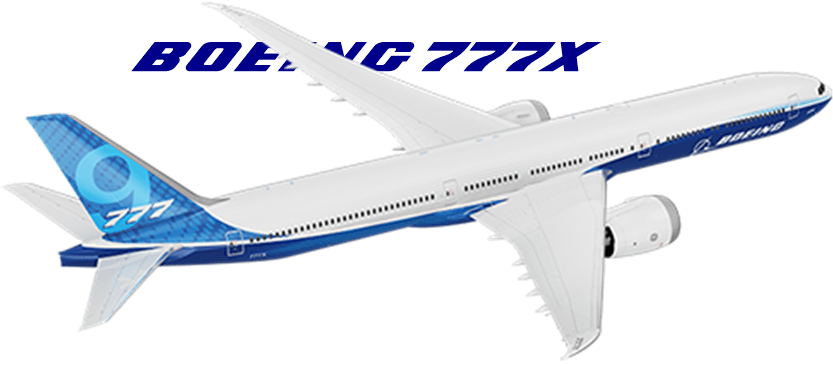
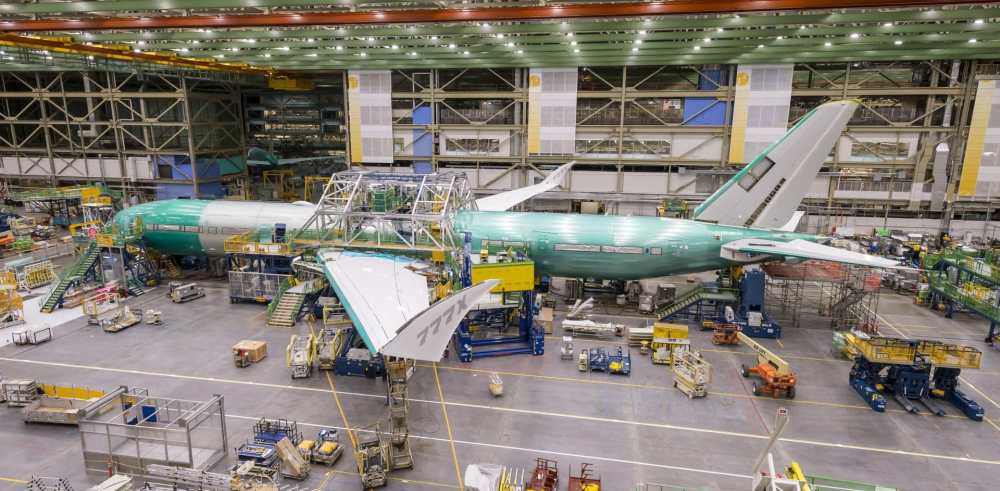
Boeing ha concluido con el ensamblaje a las principales secciones del fuselaje para formar el primer avión Boeing 777-9 (SN:9995) en la línea de la factoría en Everett, Washington. En un importante hito de producción llamado «Unión final del cuerpo», los equipos de Boeing conectaron las secciones de nariz, la sección mitad del fuselaje, sección de popa a la aeronave. El avión tiene una longitud de 252 pies de largo (77 metros) desde la nariz hasta la cola, lo que lo convierte en el avión de pasajeros más largo que el fabricante haya producido.

«El 777X es un nuevo avión y un nuevo sistema de producción. Con el 777X, el sistema de producción se integró en el programa de desarrollo antes que cualquier otro avión, y el equipo está haciendo un gran trabajo al alcanzar nuestros hitos como se esperaba», dijo Josh Binder, Vicepresidente y Gerente General del Programa 777X. El 777X se basa en el Boeing 777 líder en el mercado y en el Boeing 787 para ofrecer a las aerolíneas el jet bimotor más grande y más eficiente del mundo. El avión proporciona un 12% menos de consumo de combustible y un 10% menos de costos operativos que los aviones de la competencia.AW-7000012.pngEl Boeing 777-9 logra un rendimiento sin precedentes a través de la introducción de las últimas tecnologías, como el motor GE9X más eficiente en cuanto a combustible y un diseño de ala compuesta totalmente nueva de cuarta generación que proporciona elevación y eficiencia. Con la extensión de un conjunto de alerones plegables y rastrillados, el ala del avión se extiende a lo largo de 235 pies (72 metros). Al agregar las aletas plegables, Folding Wingtip, la envergadura del Boeing 777-9 se ha incrementado para mejorar la eficiencia aerodinámica del ala, reduciendo el empuje del motor y el uso de combustible. Además, las aletas plegables permiten que el 777X mantenga la compatibilidad en los aeropuertos con la familia 777 existente.
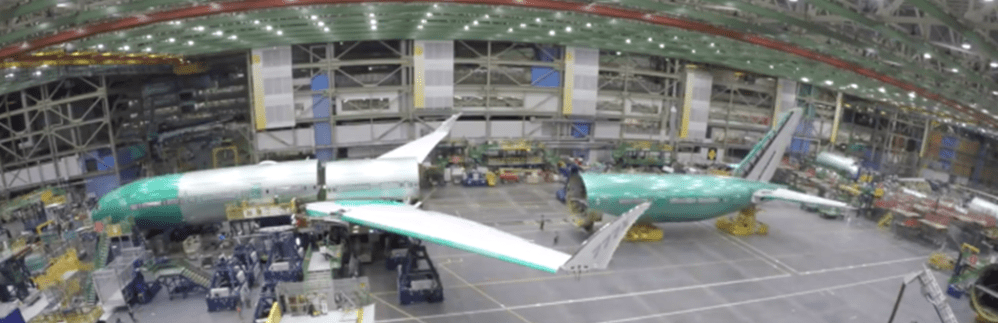
El primer 777X introducido será el modelo Boeing 777-9, que puede acomodar de 400 a 425 pasajeros en una configuración estándar y ofrecer un alcance de 7.600 millas náuticas (14.075 km). Boeing se basa en el interior preferido por los pasajeros del 777 y en el 787 con las innovaciones interiores para crear una experiencia de pasajero como ninguna otra. Los pasajeros disfrutarán de ventanas más grandes y ubicadas más arriba en el fuselaje que el 777 actual, junto con una cabina más amplia, una nueva iluminación y una arquitectura mejorada.

El primer avión de prueba Boeing 777X para pruebas estáticas en tierra se completó en Septiembre 2018. Se construirán tres aviones de prueba de vuelo adicionales para diferentes pruebas. El primer Boeing 777-9 realizará su primer vuelo de prueba (WH001) programado para Marzo 2019.

La primera entrega está programada para 2020. Hasta la fecha, Boeing ha ganado 340 pedidos y compromisos para el 777X de varias aerolíneas, incluidas All Nippon Airways, Cathay Pacific, Emirates, Etihad Airways, Qatar Airways, Lufthansa y Singapore Airlines.AW-Icon-TXT-01

Image result for Boeing 777-XAW-70000023.pngImage result for Boeing 777-XAW-70003433211.jpg

Final assembly of the Boeing 777X

Boeing has joined the different sections of the first Boeing 777X

Boeing has concluded with the assembly to the main sections of the fuselage to form the first Boeing 777-9 (SN: 9995) aircraft in the line of the factory in Everett, Washington. At an important production milestone called «Final Body Union», the Boeing teams connected the nose sections, the mid-fuselage section, the aft section to the aircraft. The aircraft has a length of 252 feet in length (77 meters) from the nose to the tail, which makes it the longest passenger plane the manufacturer produced.

«The 777X is a new aircraft and a new production system, with the 777X, the production system was integrated into the development program before any other aircraft, and the team is doing a great job of reaching our milestones as expected», said Josh Binder, Vice President and General Manager of the 777X Program. The 777X is based on the Boeing 777 leading the market and the Boeing 787 to offer airlines the world’s largest and most efficient twin-engine jet. The airplane provides 12% less fuel consumption and 10% less operating costs than competing aircraft.

The Boeing 777-9 achieves unprecedented performance through the introduction of the latest technologies, such as the GE9X engine with the most fuel efficiency and an all-new fourth-generation composite wing design that provides lift and efficiency. With the extension of a set of folding and raked flaps, the plane’s wing extends for 235 feet (72 meters). By adding the folding wings, Folding Wingstip, the wingspan of the Boeing 777-9 has been increased to improve the aerodynamic efficiency of the wing, reducing engine thrust and fuel use. In addition, folding flaps allow the 777X to maintain compatibility at airports with the existing 777 family.

The first 777X introduced will be the Boeing 777-9 model, which can accommodate from 400 to 425 passengers in a standard configuration and offer a range of 7,600 nautical miles (14,075 km). Boeing is based on the interior preferred by the passengers of the 777 and the 787 with interior innovations to create a passenger experience like no other. Passengers will enjoy larger windows located higher up on the fuselage than the current 777, along with a wider cabin, new lighting and improved architecture.

The first Boeing 777X test aircraft for static ground tests was completed in September 2018. Three additional flight test aircraft will be built for different tests. The first Boeing 777-9 will make its first test flight (WH001) scheduled for March 2019.

The first delivery is scheduled for 2020. To date, Boeing has won 340 orders and commitments for the 777X from several airlines, including All Nippon Airways, Cathay Pacific, Emirates, Etihad Airways, Qatar Airways, Lufthansa and Singapore Airlines. A\W


Ξ A I R G W A Y S Ξ
SOURCE: Airgways.com
DBk: Boeing.com / Airgways.com
AW-POST: 201811211347AR

A\W   A I R G W A Y S ®

GKN Fokker adquiere sistema Airbourne

Resultado de imagen para GKN Fokker Airborne

AW | 2018 11 20 19:55 | INDUSTRY

Resultado de imagen para GKN Fokker AirborneGKN Fokker adquiere el Airborne, sistema automatizado de suministro de piezas

GKN Fokker ha pedido una solución de kitting* automatizada de Airborne. El negocio de GKN Aerospace será el cliente de lanzamiento del sistema automatizado de clasificación de capas, que apoyará su ambición de reducir costos y aumentar la producción mediante la implementación de la automatización.

El equipo de kitting de Airborne reduce los costos al ahorrar en horas de trabajo y desechos de materiales, y permite un flujo de trabajo digital y flexible. La traducción de los archivos de anidamiento a los controles de la máquina y la optimización de la clasificación está totalmente automatizada por los algoritmos patentados de Airborne y funciona sobre la marcha. En cualquier momento, el gerente de producción puede cambiar el anidamiento, y los sistemas seguirán. No se necesita programación. La solución de kitting automatizada también garantiza un seguimiento digital completo de la clasificación y elimina cualquier error.

El sistema se instalará en las instalaciones de GKN Fokker en Papendrecht a mediados de 2019 y se implementará de forma gradual. Airborne implementará primero el sistema de clasificación independiente en el que el sistema puede detectar automáticamente cualquier capa aleatoria que le haya dado el operador utilizando tecnología de visión avanzada. En una segunda fase, se agregará la selección automática de capas del nido.

«GKN Fokker es un cliente muy apreciado durante años y estamos orgullosos de la confianza demostrada en nuestra compañía para implementar su primer sistema automatizado de clasificación de capas. GKN Fokker reducirá significativamente sus costos de fabricación y mejorará su tiempo de comercialización. Además, nuestra solución de kitting automatizada brinda la oportunidad de implementar el concepto de anidación dinámica. Esto permite a GKN Fokker utilizar una mezcla mucho mayor en el anidamiento que se puede adaptar sobre la marcha. Debido a que esto disminuirá la cantidad de desperdicio de material, los costos se reducirán aún más», dice Arno van Mourik, CEO de Airborne.

La solución de kitting de Airborne está diseñada para recoger, colocar y clasificar las capas compuestas de manera eficiente a través de una plataforma robotizada. Tradicionalmente, los operadores recogen manualmente las capas compuestas cortadas de la tabla de corte y las ordenan manualmente en el orden correcto para crear una pila ordenada de capas. El sistema Airborne, desarrollado internamente, es totalmente automatizado y digital, lo que reduce drásticamente los costos operativos sin valor agregado.

El concepto de kitting es uno de los pilares de la estrategia de automatización y digitalización de Airborne. Los otros son la encapsulación en panal automatizada y una celda de laminación automatizada, ambas introducidas durante el JEC World 2018.

Para las funciones ampliadas, Airborne trabaja en estrecha colaboración con socios como Gunnar (mesa de corte), Plataine (software de anidamiento), KUKA (plataforma de robot) y Siemens (software de diseño y control). Estos dos últimos socios también colaboran en la Digital Factory for Composites (DFC), que es un laboratorio de campo que encabeza el desarrollo de conceptos de fabricación digital.

Para GKN Fokker y Airborne, esta implementación también es un primer paso en un programa más grande para implementar los conceptos de automatización y fabricación digital, como lo admite SAM | XL. SAM | XL es un Centro de Investigación Colaborativa con sede en TU Delft Campus, donde los socios se han unido para desarrollar nuevas tecnologías de automatización para la fabricación, ensamblaje e inspección de estructuras ligeras. Los participantes fundadores de SAM | XL son GKN Fokker, Airborne, TU Delft, Airbus, Suzlon, GTM, KVE y TNO. En junio de 2018, esta iniciativa recibió 4,2 millones de euros del Fondo Europeo de Desarrollo Regional (FEDER), la Provincia de Zuid-Holland y la Municipalidad de La Haya. El proyecto forma parte del programa EFRO de la Unión Europea.AW-Icon-TXT-01

GKN Fokker acquires Airborne system

GKN Fokker acquires the Airborne, automated system of supply of parts

GKN Fokker has requested an automated kitting* solution from Airborne. The business of GKN Aerospace will be the launch customer of the automated layer classification system, which will support its ambition to reduce costs and increase production through the implementation of automation.

The Airborne kitting equipment reduces costs by saving on labor hours and material waste, and allows a flexible and digital workflow. The translation of the nesting files to the controls of the machine and the optimization of the classification is fully automated by the patented Airborne algorithms and works on the fly. At any time, the production manager can change the nesting, and the systems will follow. No programming is necessary. The automated kitting solution also guarantees a complete digital tracking of the classification and eliminates any errors.

The system will be installed in the facilities of GKN Fokker in Papendrecht in mid-2019 and will be implemented gradually. Airborne will first implement the independent classification system in which the system can automatically detect any random layer that the operator has given it using advanced vision technology. In a second phase, the automatic selection of nest layers will be added.

«GKN Fokker is a very appreciated customer for years and we are proud of the confidence shown in our company to implement its first automated layer classification system. GKN Fokker will significantly reduce its manufacturing costs and improve its time to market. In addition, our automated kitting solution provides the opportunity to implement the concept of dynamic nesting. This allows GKN Fokker to use a much larger nesting mix that can be adapted on the fly. Because this will decrease the amount of material waste, the costs will be further reduced», says Arno van Mourik, CEO of Airborne.

The Airborne kitting solution is designed to collect, place and classify composite layers efficiently through a robotic platform. Traditionally, operators manually collect the cut composite layers from the cutting table and manually sort them in the correct order to create an ordered stack of layers. The Airborne system, developed internally, is fully automated and digital, which drastically reduces operating costs without added value.

The concept of kitting is one of the pillars of the automation and digitalization strategy of Airborne. The others are automated honeycomb encapsulation and an automated lamination cell, both introduced during the JEC World 2018.

For expanded functions, Airborne works closely with partners such as Gunnar (cutting table), Plataine (nesting software), KUKA (robot platform) and Siemens (design and control software). These last two partners also collaborate in the Digital Factory for Composites (DFC), which is a field laboratory that leads the development of digital manufacturing concepts.

For GKN Fokker and Airborne, this implementation is also a first step in a larger program to implement the concepts of automation and digital manufacturing, as supported by SAM | XL SAM | XL is a Collaborative Research Center based at TU Delft Campus, where partners have come together to develop new automation technologies for manufacturing, assembly and inspection of lightweight structures. The founding participants of SAM | XL are GKN Fokker, Airborne, TU Delft, Airbus, Suzlon, GTM, KVE and TNO. In June 2018, this initiative received 4.2 million euros from the European Regional Development Fund (ERDF), the Province of Zuid-Holland and the Municipality of The Hague. The project is part of the EFRO program of the European Union. A\ W

GKN Fokker Orders Airborne’s Automated Kitting System

GKN Fokker neemt Airborne-systeem over

GKN Fokker verwerft het geautomatiseerde Airborne-systeem voor levering van onderdelen

GKN Fokker heeft een geautomatiseerde kitting-oplossing* van Airborne aangevraagd. Het bedrijf van GKN Aerospace zal de launching customer zijn van het geautomatiseerde layer-classificatiesysteem, dat zijn ambitie zal ondersteunen om kosten te verlagen en de productie te verhogen door de implementatie van automatisering.

De Airborne-kittingapparatuur verlaagt de kosten door te besparen op arbeidsuren en materiaalverspilling en maakt een flexibele en digitale workflow mogelijk. De vertaling van de nestbestanden naar de bedieningselementen van de machine en de optimalisatie van de classificatie is volledig geautomatiseerd door de gepatenteerde Airborne-algoritmen en werkt on the fly. De productiemanager kan op elk moment het nesten wijzigen en de systemen volgen. Er is geen programmering nodig. De geautomatiseerde kitting-oplossing garandeert ook een volledige digitale tracking van de classificatie en elimineert eventuele fouten.

Het systeem zal medio 2019 worden geïnstalleerd in de faciliteiten van GKN Fokker in Papendrecht en zal geleidelijk worden ingevoerd. Airborne zal eerst het onafhankelijke classificatiesysteem implementeren waarin het systeem automatisch elke willekeurige willekeurige laag kan detecteren die de exploitant heeft gegeven met behulp van geavanceerde vision-technologie. In een tweede fase wordt de automatische selectie van nestlagen toegevoegd.

,,GKN Fokker is al jaren een zeer gewaardeerde klant en we zijn trots op het vertrouwen dat ons bedrijf heeft getoond bij de implementatie van zijn eerste geautomatiseerde classificatiesysteem voor lagen. GKN Fokker zal de productiekosten aanzienlijk verlagen en de time-to-market verbeteren. Bovendien biedt onze geautomatiseerde kitting-oplossing de mogelijkheid om het concept van dynamisch nesten te implementeren. Hierdoor kan GKN Fokker een veel grotere nestingmix gebruiken die on-the-fly kan worden aangepast. Omdat dit de hoeveelheid materiaalverspilling zal verminderen, zullen de kosten verder worden verlaagd», zegt Arno van Mourik, CEO van Airborne.

De Airborne kitting-oplossing is ontworpen om samengestelde lagen efficiënt te verzamelen, plaatsen en classificeren via een robotplatform. Traditioneel verzamelen operators handmatig de gesneden composietlagen van de snijtafel en sorteren ze handmatig in de juiste volgorde om een ​​geordende stapel lagen te maken. Het intern ontwikkelde Airborne-systeem is volledig geautomatiseerd en digitaal, wat de bedrijfskosten drastisch verlaagt zonder toegevoegde waarde.

Het concept van kitting is een van de pijlers van de automatiserings- en digitaliseringsstrategie van Airborne. De andere zijn geautomatiseerde honingraatinkapseling en een geautomatiseerde lamineercel, beide geïntroduceerd tijdens de JEC World 2018.

Voor uitgebreide functies werkt Airborne nauw samen met partners zoals Gunnar (snijtafel), Plataine (nestingsoftware), KUKA (robotplatform) en Siemens (ontwerp- en besturingssoftware). Deze laatste twee partners werken ook samen in de Digital Factory for Composites (DFC), een veldlaboratorium dat de ontwikkeling van digitale productieconcepten leidt.

Voor GKN Fokker en Airborne is deze implementatie ook een eerste stap in een groter programma om de concepten van automatisering en digitale productie te implementeren, ondersteund door SAM | XL. SAM | XL is een Collaborative Research Centre op de Campus van de TU Delft, waar partners samenkomen om nieuwe automatiseringstechnieken te ontwikkelen voor de productie, assemblage en inspectie van lichtgewicht constructies. De oprichtende deelnemers van SAM | XL zijn GKN Fokker, Airborne, TU Delft, Airbus, Suzlon, GTM, KVE en TNO. In juni 2018 ontving dit initiatief 4,2 miljoen euro van het Europees Fonds voor Regionale Ontwikkeling (EFRO), de provincie Zuid-Holland en de gemeente Den Haag. Het project maakt deel uit van het EFRO-programma van de Europese Unie. A \ W


Right-Arrow-PNG-Image-with-Transparent-BackgroundKitting: Es un proceso en el que los ensambladores se suministran con kits, una caja de partes, piezas y herramientas, para cada tarea que realizan. Esto elimina el tiempo de consumo de viajes de una cuna bin partes de la herramienta, o un centro de alimentación a otro para obtener los materiales necesarios.
Kitting: It is a process in which the assemblers are supplied with kits, a box of parts, pieces and tools, for each task they perform. This eliminates travel time from one cradle bin parts of the tool, or one feeding center to another to obtain the necessary materials.
Kitting: het is een proces waarbij de monteurs worden geleverd met kits, een doos met onderdelen, stukken en gereedschappen, voor elke taak die ze uitvoeren. Dit elimineert de reistijd van de ene houderbakdelen van het gereedschap of van het ene voedingscentrum naar het andere om de benodigde materialen te verkrijgen.


Ξ A I R G W A Y S Ξ
SOURCE: Airgways.com
DBk: Netcomposites.com / Airborne.com
AW-POST: 201811201955AR

A\W   A I R G W A Y S ®

Rusia/CEI prevé duplicar flota para 2037

Imagen relacionada

AW | 2018 11 20 11:03 | INDUSTRY

Logo_Airbus_2014.svgCrecimiento tráfico en Región Rusia/CEI generará una demanda por más 1200 aeronaves según Airbus

Según el Pronóstico del Mercado global de Airbus, presentado en la conferencia Wings of the Future en Moscú, Rusia y las aerolíneas de la CEI necesitarán unos 1220 nuevos aviones valorados en US$ 175 mil millones en los próximos 20 años (2018-2037). Esto significa que la flota de pasajeros en la región casi se duplicará de 857 aviones en servicio hoy a más de 1700 para 2037. Durante los próximos 20 años, el tráfico de pasajeros en Rusia y la región de la CEI crecerá a una tasa promedio de 4.1% anual, siendo Rusia El mayor contribuyente a este crecimiento. Para 2037, la propensión al transporte aéreo en Rusia se duplicará.

A350 Logo.jpgEn la región de Rusia y la CEI, en el segmento Pequeño que cubre el espacio donde compiten la mayoría de los aviones de pasillo único de hoy, existe un requisito para 998 nuevos aviones de pasajeros; en el segmento Medio, para las misiones que requieren capacidad adicional y flexibilidad de rango, representadas por cuerpos de banda más pequeños y aviones de pasillo único de mayor alcance, Airbus pronostica una demanda de 140 aviones de pasajeros. Para capacidad adicional y flexibilidad de rango, en el segmento grande donde la mayoría de los A350 están presentes hoy en día, se necesitan 39 aviones. En el segmento Extra Grande, que generalmente refleja misiones de gran capacidad y largo alcance por los tipos de aeronaves más grandes, incluidos el A350-1000 y el A380, Airbus pronostica una demanda de 44 aviones de pasajeros.

El GMF de Airbus prevé que en los próximos 20 años, las aerolíneas en la región de Rusia y la CEI continuarán renovando sus flotas mediante la introducción de más modelos nuevos que ahorran combustible, al tiempo que eliminan gradualmente los aviones de generaciones anteriores. La duplicación en la flota requerirá más de 23,000 pilotos nuevos y 27.960 AW-70099433especialistas técnicos adicionales. “Vemos un crecimiento en el sector del transporte aéreo en Rusia y la CEI. El turismo y los negocios siguen siendo los principales impulsores que resultan en una mayor demanda de nuevas generaciones y aeronaves más eficientes en combustible. Durante más de 25 años, Airbus ha apoyado a sus clientes de Rusia y CIS en sus necesidades de desarrollo de flota, ofreciendo la familia de aviones más avanzada, eficiente y completa. Esperamos ver más nuevas entregas de Airbus en los próximos años, incluida la A220, nuestra familia A320NEO más vendida y la A350”, dijo Julien Franiatte, Jefe de País Rusia, Airbus.

Se prevé que el crecimiento del tráfico de pasajeros en términos de Kilómetros de pasajeros (RPK) hacia, desde y dentro de la región de Rusia y la CEI aumente a un promedio del 4,1% anual en los próximos 20 años. Se espera que el mayor crecimiento de tráfico de la región se encuentre en las rutas internacionales a América Latina (+5,9%), Asia-Pacífico (+5,4%), Oriente Medio (+5,1%) y América del Norte (+4,5%). A finales de Octubre 2018, casi 400 aviones de pasillo único y de ancho de banda estaban operando en Rusia y la CEI, con más de 330 de ellos solo en Rusia.AW-Icon-TXT-01

Resultado de imagen para Airbus family fleet

Russia /CIS plan to double fleet by 2037

Traffic growth in Russia / CIS region will generate a demand for more 1200 aircraft according to Airbus

According to the global Airbus Market Forecast, presented at the Wings of the Future conference in Moscow, Russia and the CIS airlines will need about 1220 new aircraft valued at US$ 175 billion over the next 20 years (2018-2037). This means that the passenger fleet in the region will almost double from 857 aircraft in service today to more than 1700 by 2037. Over the next 20 years, passenger traffic in Russia and the CIS region will grow at an average rate of 4.1% annual, with Russia being the largest contributor to this growth. By 2037, the propensity for air transport in Russia will double.

In the Russia and CIS region, in the Small segment covering the space where most of today’s single-aisle aircraft compete, there is a requirement for 998 new passenger aircraft; in the Medium segment, for missions that require additional capacity and range flexibility, represented by smaller gang corps and longer single-aisle aircraft, Airbus forecasts a demand for 140 passenger aircraft. For additional capacity and range flexibility, in the large segment where most A350s are present today, 39 aircraft are needed. In the Extra Large segment, which generally reflects large capacity and long-range missions for the largest aircraft types, including the A350-1000 and the A380, Airbus forecasts a demand for 44 passenger aircraft.AW-70000434.jpgThe Airbus GMF anticipates that in the next 20 years, airlines in the Russian and CIS region will continue to renew their fleets by introducing more new models that save fuel, while gradually eliminating aircraft of previous generations. The duplication in the fleet will require more than 23,000 new pilots and 27,960 additional technical specialists. «We see growth in the air transport sector in Russia and the CIS. Tourism and business continue to be the main drivers that result in greater demand for new generations and more fuel efficient aircraft. For more than 25 years, Airbus has supported its Russian and CIS customers in their fleet development needs, offering the most advanced, efficient and complete aircraft family. We look forward to seeing more new Airbus deliveries in the coming years, including the A220, our best-selling A320NEO family and the A350», said Julien Franiatte, Head of Country Russia, Airbus.

The growth of passenger traffic in terms of passenger kilometers (RPK) to, from and within the region of Russia and the CIS is projected to increase to an average of 4.1% per annum over the next 20 years. The region’s highest traffic growth is expected to be found on international routes to Latin America (+5.9%), Asia-Pacific (+5.4%), the Middle East (+5.1%) and America. North (+4.5%). By the end of October 2018, almost 400 single-aisle and bandwidth aircraft were operating in Russia and the CIS, with more than 330 of them alone in Russia. A \ W


Ξ A I R G W A Y S Ξ
SOURCE: Airgways.com
DBk: Airbus.com / Aviationbulletin.org / Airgways.com
AW-POST: 201811201103AR

A\W   A I R G W A Y S ®

1er Boeing 737 MAX 200 sale de fábrica

AW | 2018 11 19 15:31 | INDUSTRY

Boeing-Logo.svg.pngEl primer Boeing 737-8 MAX 200 sale de la línea de ensamblaje en Renton, WA
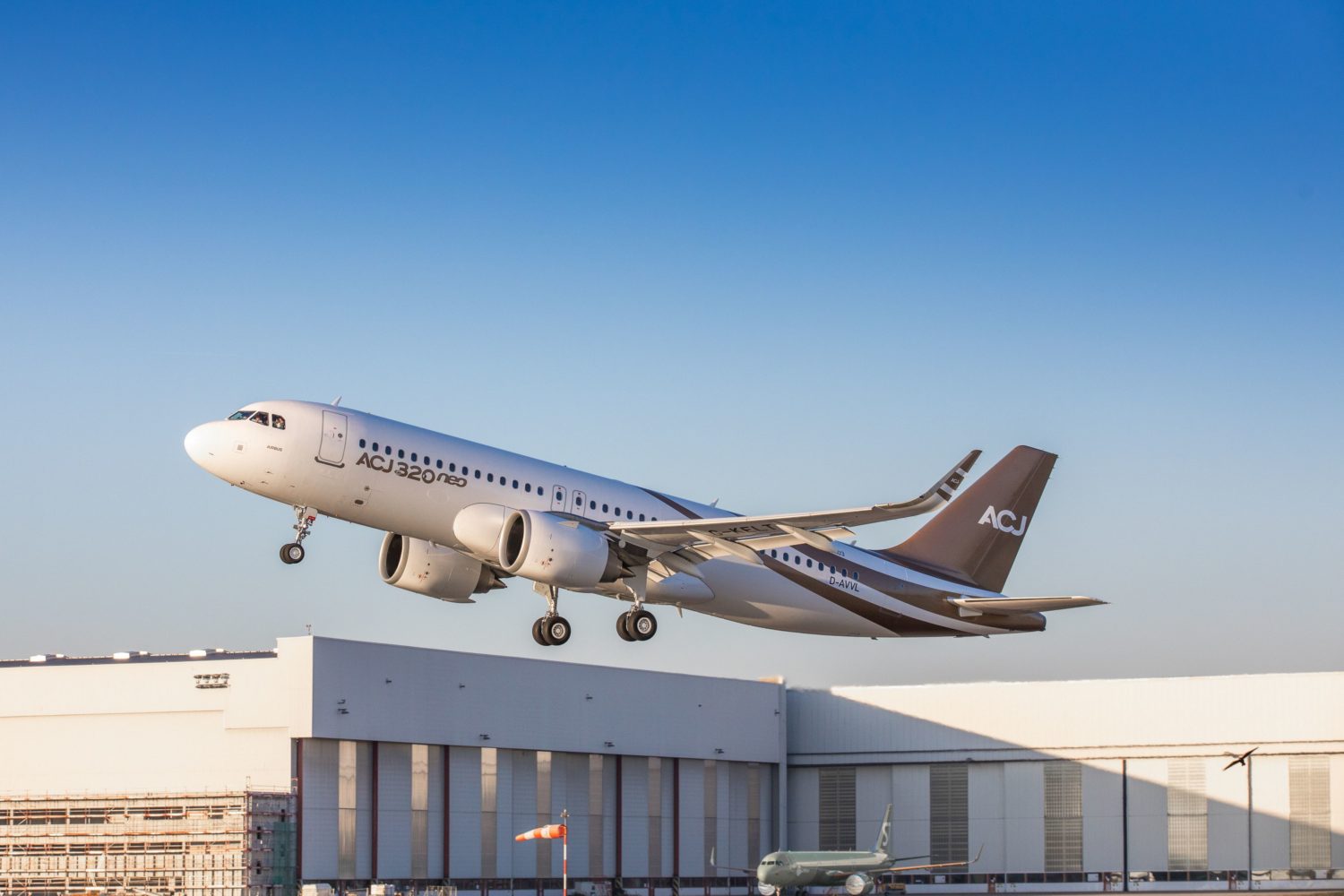
El primer Boeing 737-8 MAX 200 para Ryanair salió de la fábrica de Renton, Washington. La primer aeronave tendrá capacidad para 197 pasajeros, 8 más que los 737-800 (189 pax alta densidad) con los que opera Ryanair.

Desarrollo del MAX 200

En septiembre de 2014, Boeing lanzó una versión de alta densidad del 737-8 MAX, el 737-8 MAX 200, nombrado para asientos de hasta 200 pasajeros en una configuración de alta densidad de clase única con asientos de línea delgada; se requiere una puerta de salida adicional debido a la mayor capacidad de pasajeros. Boeing afirma que esta versión será 20% más rentable por asiento que los modelos 737 actuales, y será la más eficiente en el mercado cuando se entregue, incluidos los costos operativos un 5% más bajos que los 737-8 MAX. Tres de los ocho carros de galley se retiran para acomodar más espacio para pasajeros. El 1 Diciembre 2014 se completó un pedido de 100 aviones por parte de la aerolínea low cost irlandesa Ryanair. Junto con las mejoras aerodinámicas y los nuevos motores, Ryanair ahorrará un 18% de los costos por pasajero.

MAX 200 «Slim»

Las aeronaves Boeing 737-8 MAX 200 incorporan 8 asientos más que en la variante standard Boeing 737-8 MAX. Aunque los dos modelos guardan las mismas longitudes del fuselaje, el MAX 200 reduce más espacio dentro de la cabina de pasajeros. Algunas modificaciones efectuadas en el MAX 200 son los asientos más delgados tipo ‘slimline’. El nuevo modelo de asientos reducen los respaldos siendo más delgados. Los baños se han reducidos sustancialmente y son más estrechos, distribuidos dos en la parte trasera del fuselaje y uno en la parte delantera.

La nueva variante Boeing 737-8 MAX 200 entrará en servicio en el segundo trimestre de 2019 (2Q2019) y el cliente de lanzamiento es la aerolínea irlandesa Ryanair que espera incorporarlo para continuar maximizando sus ganancias en vuelos de bajo costo.AW-Icon-TXT-01

Imagen relacionada

First Boeing 737 MAX 200 leaves the factory

The first Boeing 737-8 MAX 200 leaves the assembly line in Renton, WA

The first Boeing 737-8 MAX 200 for Ryanair left the Renton factory in Washington. The first aircraft will have capacity for 197 passengers, 8 more than the 737-800 (189 pax high density) with which Ryanair operates.

Development of the MAX 200

In September 2014, Boeing launched a high-density version of the 737-8 MAX, the 737-8 MAX 200, named for seats of up to 200 passengers in a high-density, single-class configuration with thin-line seats; An additional exit door is required due to the greater passenger capacity. Boeing says that this version will be 20% more profitable per seat than the current 737 models, and will be the most efficient in the market when delivered, including operating costs 5% lower than the 737-8 MAX. Three of the eight galley cars are removed to accommodate more passenger space. On December 1, 2014, an order for 100 planes was completed by the Irish low-cost airline Ryanair. Along with aerodynamic improvements and new engines, Ryanair will save 18% of costs per passenger.

MAX 200 «Slim»

The Boeing 737-8 MAX 200 aircraft incorporate 8 more seats than the standard Boeing 737-8 MAX variant. Although both models have the same fuselage lengths, the MAX 200 reduces more space inside the passenger cab. Some modifications made to the MAX 200 are the slimmest slimline seats. The new seat model reduces the backrest by being thinner. The bathrooms have been substantially reduced and narrower, with two distributed in the rear of the fuselage and one in the front.

The new Boeing 737-8 MAX 200 variant will come into service in the second quarter of 2019 (2Q2019) and the launch partner is the Irish airline Ryanair that hopes to incorporate it to continue maximizing its profits on low-cost flights. A \ W


Ξ A I R G W A Y S Ξ
SOURCE: Airgways.com
DBk: Woody Aeroimages / Boeing.com / Ryanair.com
AW-POST: 201811191531AR

A\W   A I R G W A Y S ®

Vuelo inaugural del Airbus ACJ320NEO

Resultado de imagen para ACJ320NEO

AW | 2018 11 19 11:37 | INDUSTRY

Logo_Airbus_2014.svg.pngEl primer Airbus ACJ320NEO realiza su vuelo inaugural
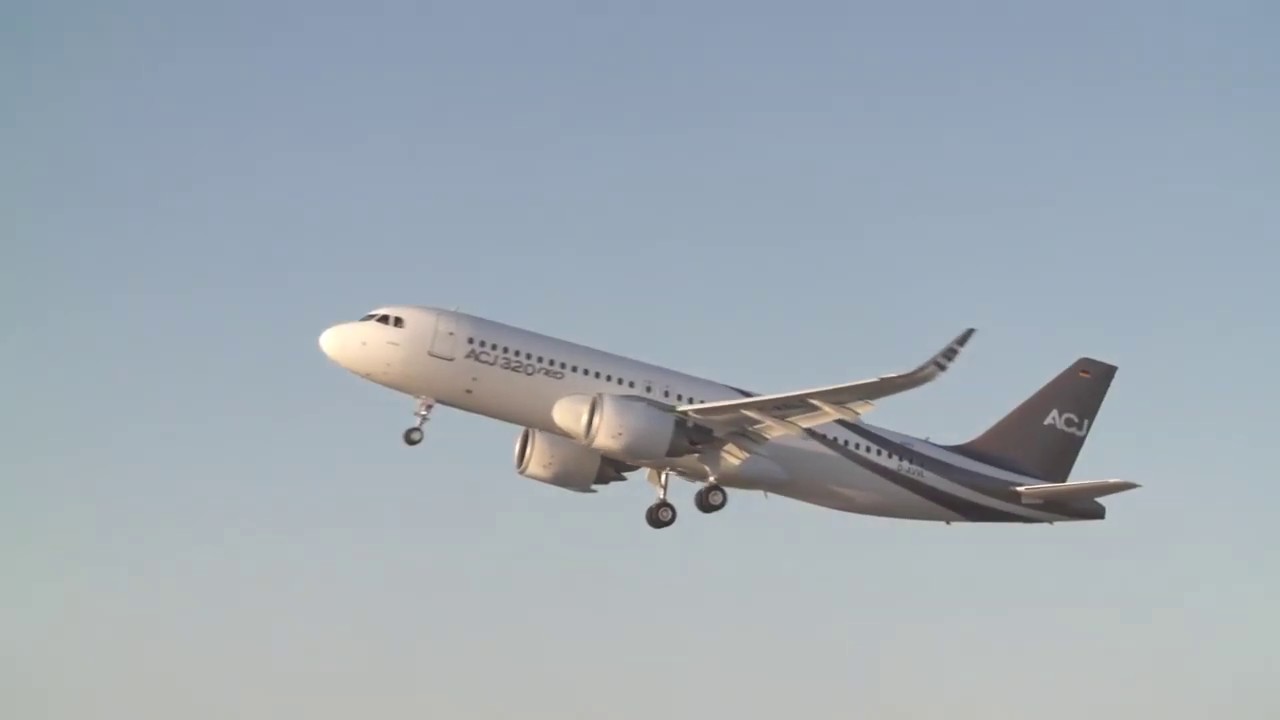
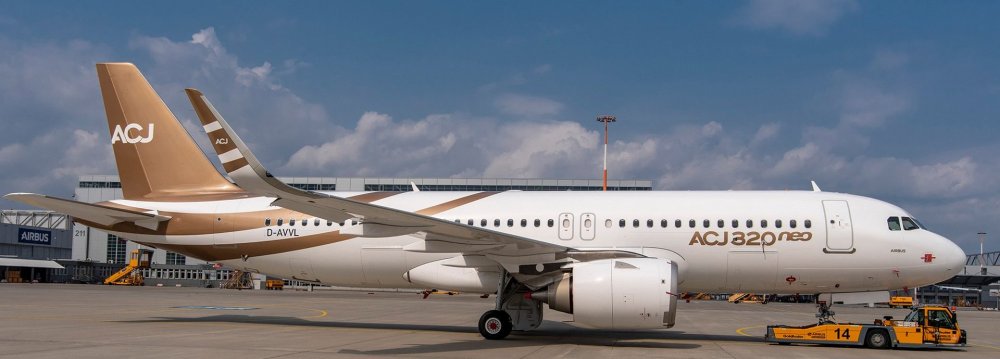
El primer Airbus ACJ320NEO completó con éxito el vuelo inaugural en Hamburgo. El vuelo inaugural se realizó el 16 Noviembre 2018 desde la factoría de Airbus en Hamburgo, Alemania, con unas 02:40 hs de vuelos de pruebas, ha remarcado el éxito del programa de esta etapa.

Derivado de la popular familia de aviones A320NEO, unos 500 de los cuales están en servicio aéreo, la versión corporativa del jet incluye características tales como tanques de combustible adicionales en la bodega de carga que entregarán aún más rango intercontinental, además de una mayor presión en la cabina para un mejor pasajero comodidad. Estas características se están probando antes de la entrega de la aeronave a Acropolis Aviation en los próximos meses. El avión se someterá luego al equipamiento de cabina de AMAC en Basilea, Suiza, y se volverá a pintar en los colores de los clientes.

Resultado de imagen para ACJ320NEOACJ320NEO REALIZÓ CON ÉXITO SU VUELO INAUGURAL EN LA FACTORÍA AIRBUS HAMBURGO
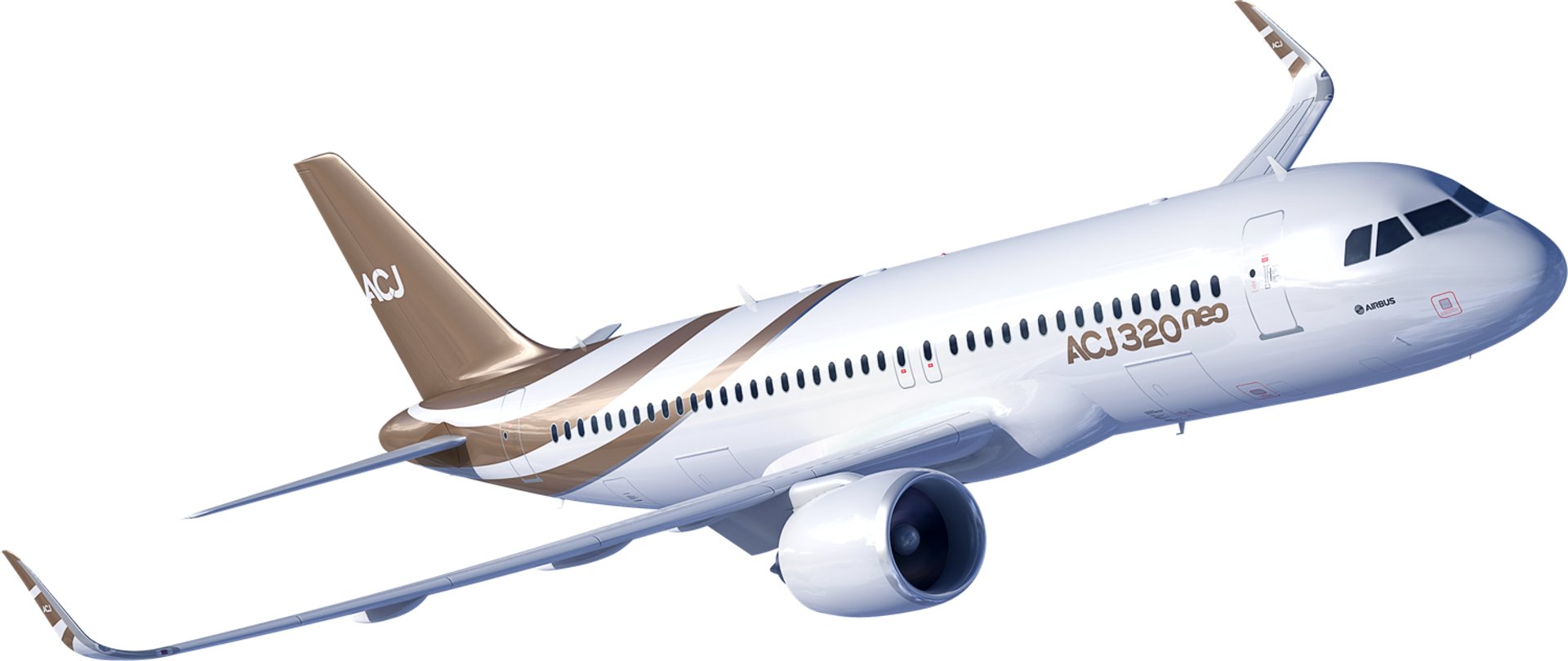
«El primer vuelo de ACJ320NEO anuncia una nueva era del jet corporativo de Airbus, que ofrece una mejora en el rango que permite viajar sin escalas entre más ciudades, en lo que es ampliamente reconocido como la mejor cabina de cualquier avión comercial. La eficiencia de combustible mejorada de la familia ACJ320NEO también significa que se compara aún más favorablemente en costos operativos con aviones de negocios tradicionales», dijo el presidente de ACJ, Benoit Defforge.

Las mejoras continuas significan que la familia ACJ320 ahora comprende el ACJ319NEO, con ocho pasajeros que vuelan a 6,750 nm/12,500 km o más de 15 horas, y el ACJ320NEO, con 25 pasajeros que vuelan a 6,000 nm/11,100 km o más de 13 horas. Ambos aviones cuentan con motores de nueva generación que ahorran combustible y Sharklets, y ofrecen más comodidad y espacio que los aviones de negocios tradicionales con costos operativos similares.

Airbus también ofrece una familia completa de widebodies VIP que pueden transportar aún más pasajeros sin escalas al mundo, incluyendo el nuevo ACJ330NEO y ACJ350 XWB.

En la actualidad, los clientes de más de 190 ACJ se benefician de la sólida confiabilidad y el soporte mundial que proviene de su herencia de aviones, además de servicios adaptados a las necesidades de los aviones corporativos.AW-Icon-TXT-01


Resultado de imagen para ACJ320NEOInaugural flight of the Airbus ACJ320NEO
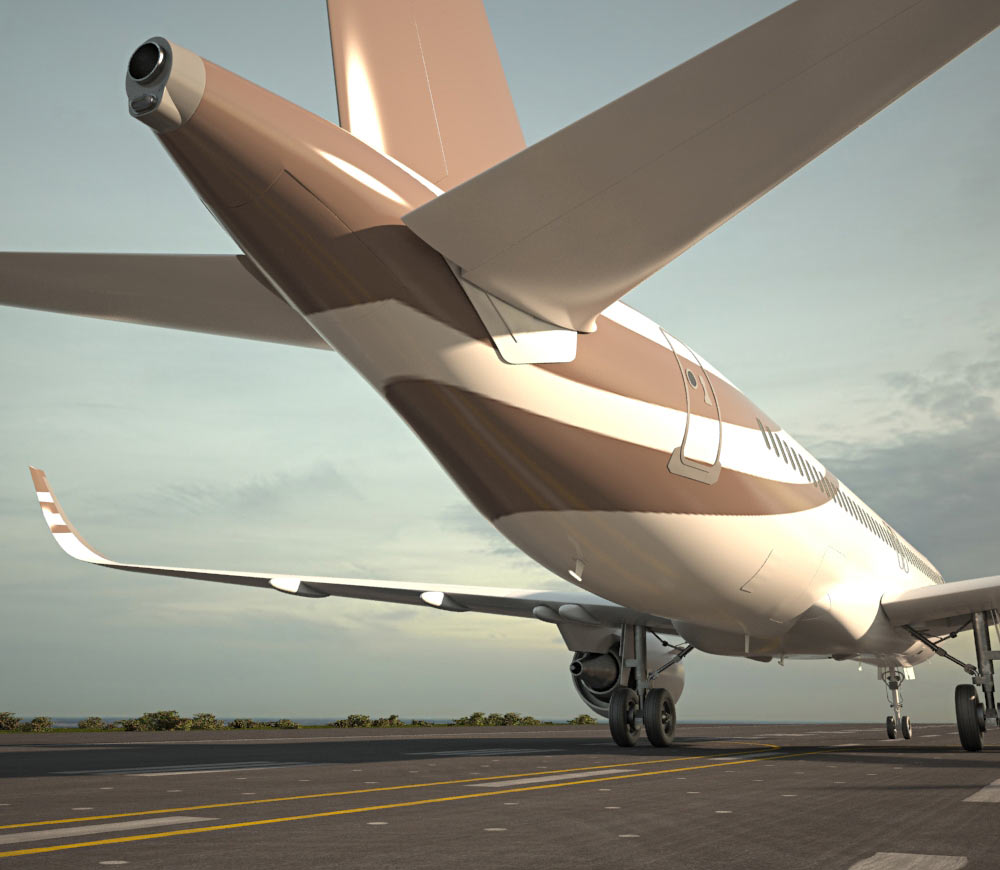
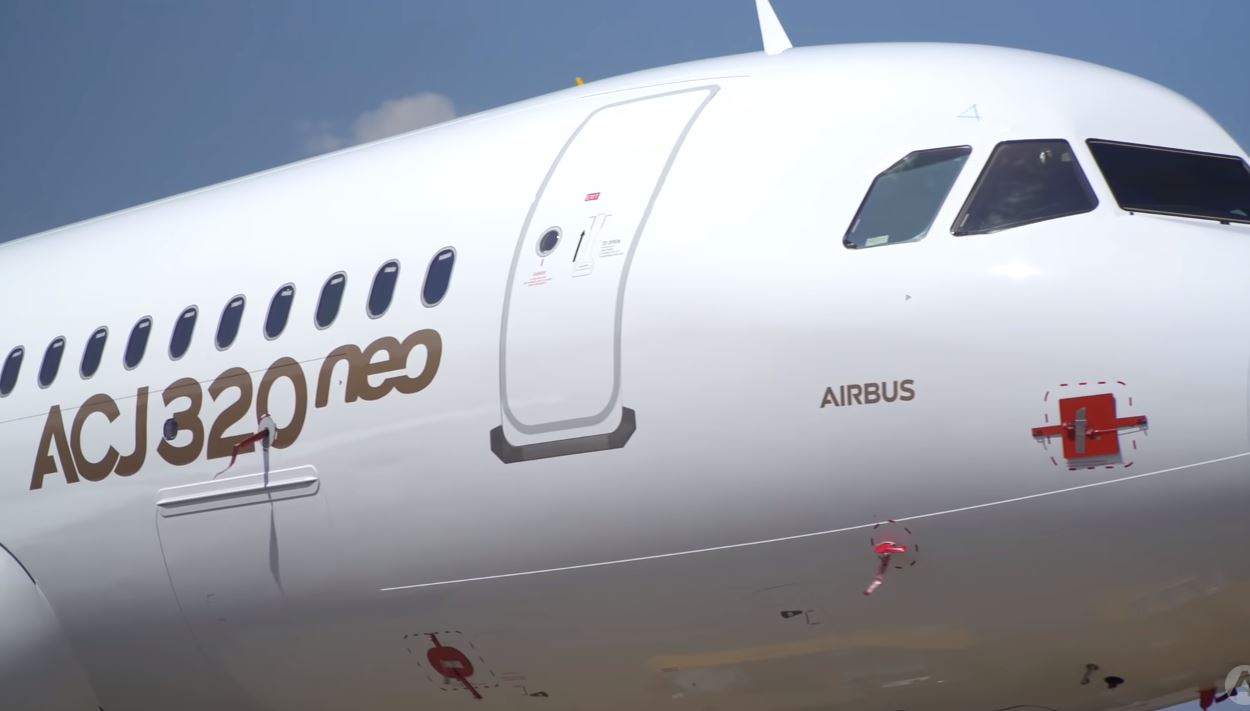
The first Airbus ACJ320NEO makes its inaugural flight

The first Airbus ACJ320NEO successfully completed the inaugural flight in Hamburg. The inaugural flight was made on November 16, 2018 from the Airbus factory in Hamburg, Germany, with 02:40 hours of test flights, has highlighted the success of the program of this stage.

Derived from the popular family of A320NEO aircraft, about 500 of which are in air service, the corporate version of the jet includes features such as additional fuel tanks in the cargo hold that will deliver even more intercontinental range, in addition to increased pressure on the cabin for a better passenger comfort. These features are being tested before the delivery of the aircraft to Acropolis Aviation in the coming months. The aircraft will then be subjected to AMAC cabin equipment in Basel, Switzerland, and will be repainted in the colors of the customers.

Resultado de imagen para ACJ320NEOResultado de imagen para ACJ320NEO1st-ACJ320neo.jpg

«The first flight of ACJ320NEO heralds a new era of Airbus corporate jet, offering an improvement in the range that allows nonstop travel between more cities, in what is widely recognized as the best cabin of any commercial aircraft. The improved fuel of the ACJ320NEO family also means that it compares even more favorably in operating costs with traditional business aircraft», said ACJ President Benoit Defforge.

Continuous improvements mean that the ACJ320 family now comprises the ACJ319NEO, with eight passengers flying at 6,750 nm/12,500 km or more than 15 hours, and the ACJ320NEO, with 25 passengers flying at 6,000 nm/11,100 km or more than 13 hours. Both aircraft feature fuel-saving new generation engines and Sharklets, and offer more comfort and space than traditional business aircraft with similar operating costs.

Airbus also offers a full family of VIP widebodies that can transport even more non-stop passengers to the world, including the new ACJ330NEO and ACJ350 XWB.

Today, customers of more than 190 ACJ benefit from the robust reliability and global support that comes from their aircraft heritage, as well as services tailored to the needs of corporate aircraft. A \ W


Ξ A I R G W A Y S Ξ
SOURCE: Airgways.com
DBk: Airbus.com
AW-POST: 201811191137AR

A\W   A I R G W A Y S ®

Sukhoi suministraría MRO a Irán

5tia9AK

AW | 2018 11 16 23:41 | INDUSTRY

Sukhoi Aircraft apoyará suministros a la República de Irán para flota logo_sukhoide SSJ-100

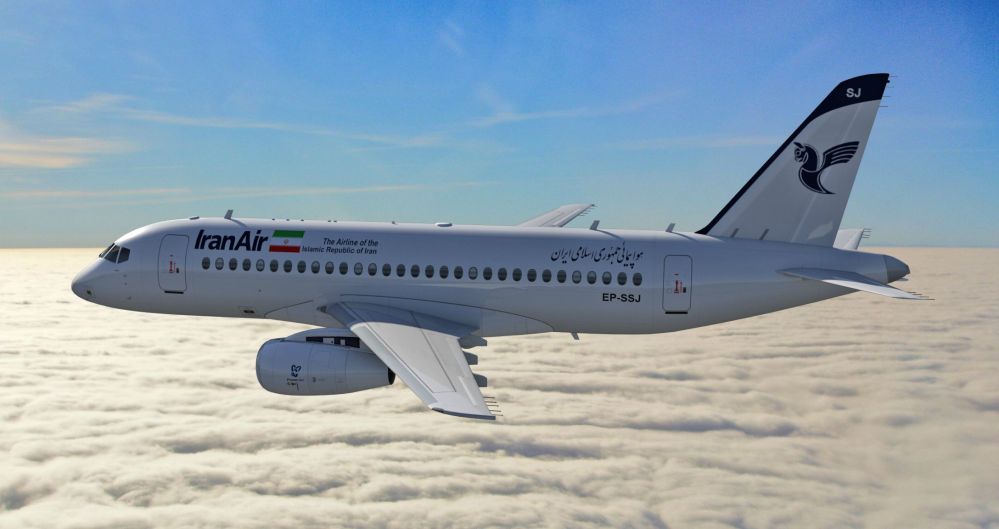
La compañía rusa Sukhoi Civil Aircraft volverá al tema de los suministros de los aviones Sukhoi Superjet 100 (SSJ-100) a Irán después de que la proporción de componentes estadounidenses en el avión se reduzca a menos del 10%, dijo el Presidente Alexander Rubtsov.

Los dos países firmaron Memorandos de Entendimiento (MoU) en Abril 2018 sobre la venta de 40 SSJ-100 en 2022, pero la decisión de Estados Unidos de volver a imponer sanciones a Irán dificultó que Rusia obtuviera componentes fabricados en Estados Unidos para los aviones. El 23 Octubre 2018, el embajador de Irán en Rusia, Mehdi Sanaei, dijo que Irán no estaba perdiendo la esperanza de comprar los aviones SSJ-100. El SSJ100 es un avión bimotor fabricado por la compañía Sukhoi Civil Aircraft de Rusia. Puede transportar hasta 98 ​​pasajeros y volar a una distancia de hasta 2,470 millas. El jet hizo su vuelo inaugural en Mayo 2008.AW-Icon-TXT-01

AW-70008877

Sukhoi will supply MRO to Iran

Sukhoi Aircraft will support supplies to the Republic of Iran for fleet of SSJ-100

The Russian company Sukhoi Civil Aircraft will return to the issue of supplies of Sukhoi Superjet 100 (SSJ-100) aircraft to Iran after the proportion of American components in the plane is reduced to less than 10%, said President Alexander Rubtsov.

The two countries signed Memoranda of Understanding (MoU) in April 2018 on the sale of 40 SSJ-100 in 2022, but the US decision to re-impose sanctions on Iran made it difficult for Russia to obtain US-made components for the aircraft. On October 23, 2018, Iran’s ambassador to Russia, Mehdi Sanaei, said that Iran was not losing hope of buying the SSJ-100 aircraft. The SSJ100 is a twin-engine aircraft manufactured by the company Sukhoi Civil Aircraft of Russia. It can carry up to 98 passengers and fly at a distance of up to 2,470 miles. The jet made its maiden flight in May 2008. A \ W


Ξ A I R G W A Y S Ξ
SOURCE: Airgways.com
DBk: Scac.ru / Airgways.com
AW-POST: 201811162341AR

A\W   A I R G W A Y S ®