Ξ Boeing 747 celebra 50º Aniversario Ξ

AW | 2018 09 27 17:22 | INDUSTRY
 El Boeing 747 reina de los cielos celebra sus 50º aniversarios de su creación
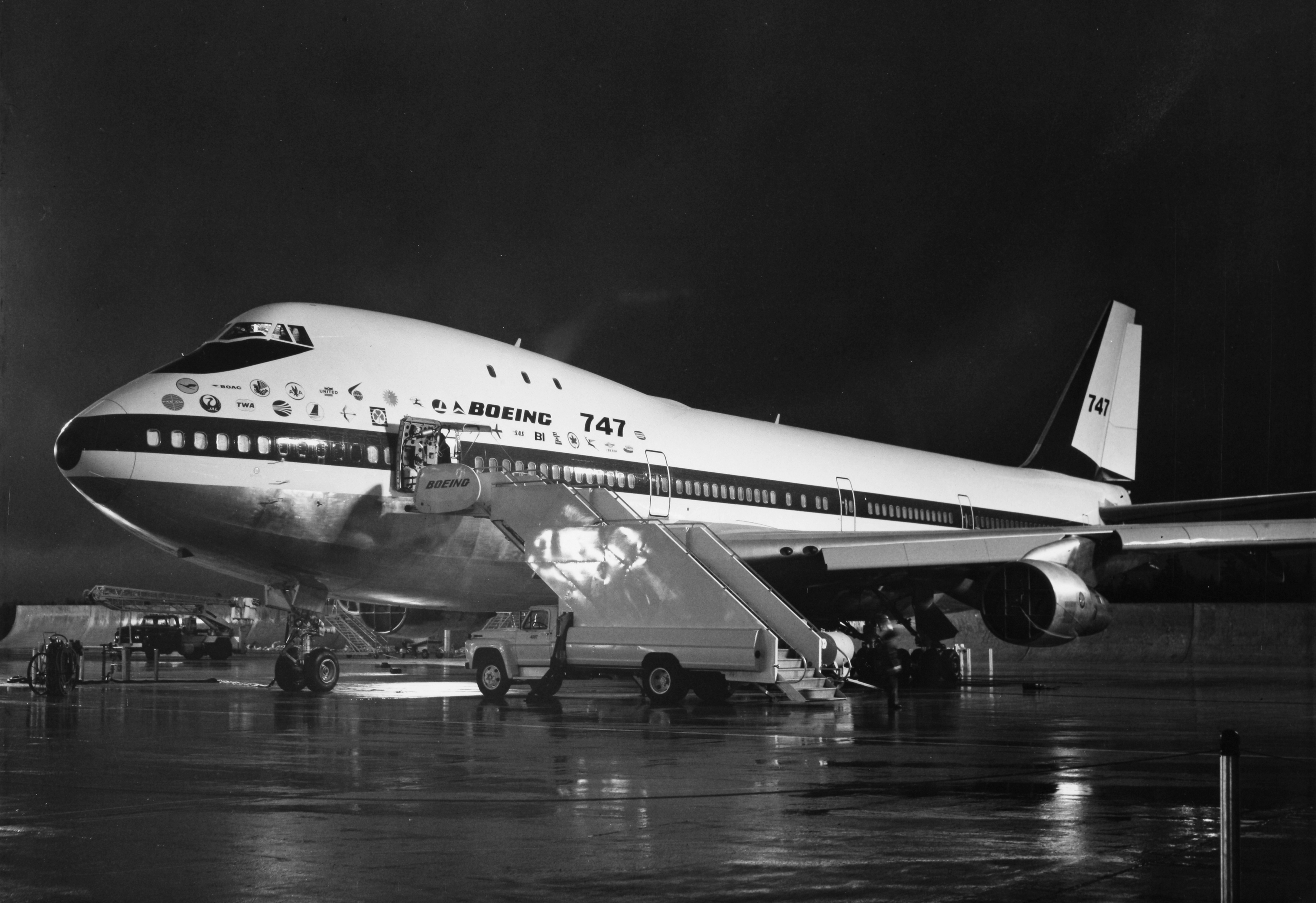
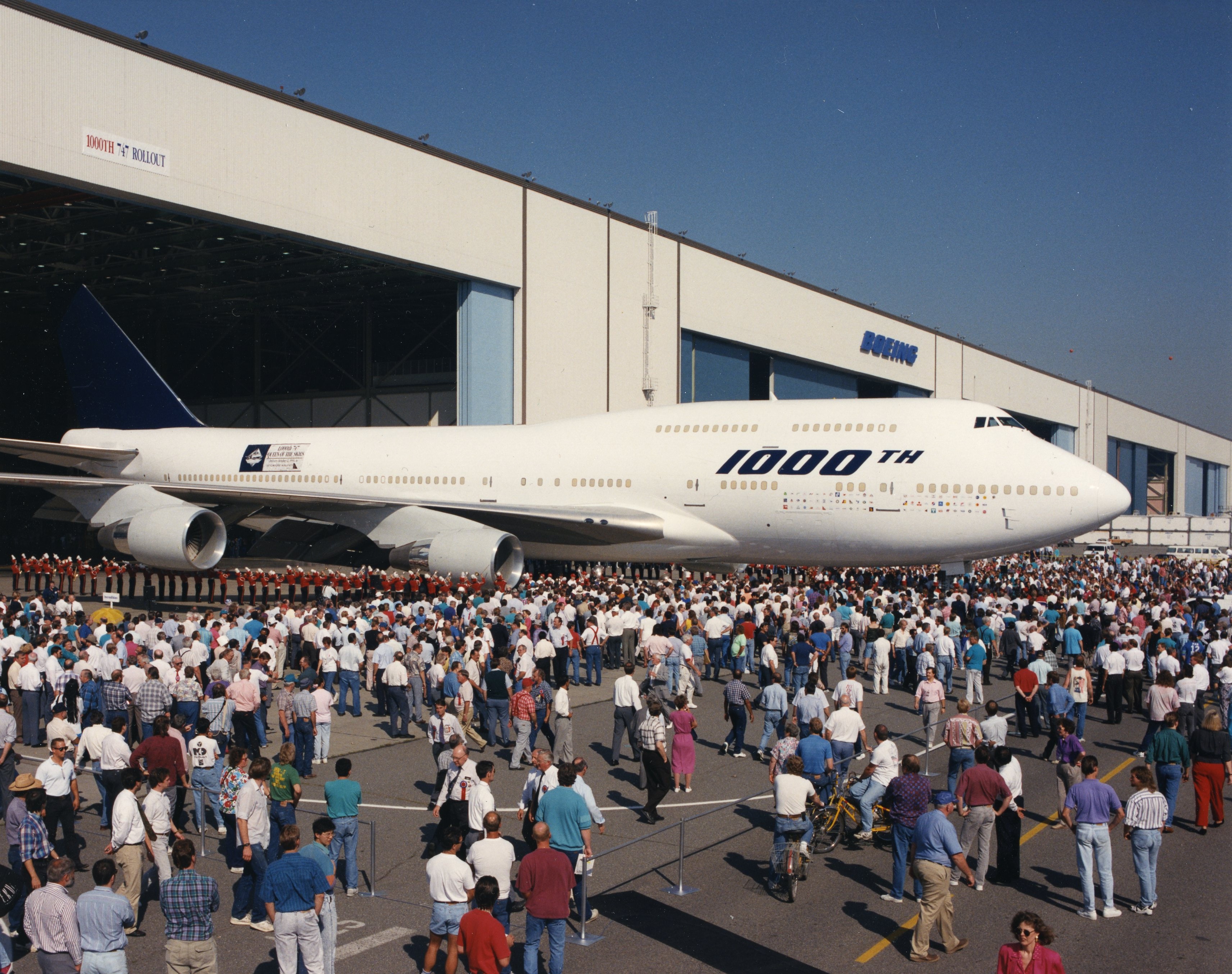
El Boeing 747 denominado con cariño «Jumbo» y «Reina de los cielos» conmemorará sus 50º aniversarios desde su presentación pública el 30 Septiembre 1968, durante la llamada época dorada de la aviación comercial.
El 747 se originó en 1963 ya que la Fuerza Aérea de los EEUU necesitaba un avión grande y capaz para transportar carga que no cabía en los aviones en ese momento. El Jumbo o la Reina de los cielos, revolucionó el transporte aéreo en un momento de verdadero auge de la industria de aviación. Los viajes aéreos para el público en general también estaban creciendo en este momento ya que las personas comenzaron a tomar más vacaciones en el extranjero.
Era Boeing 747
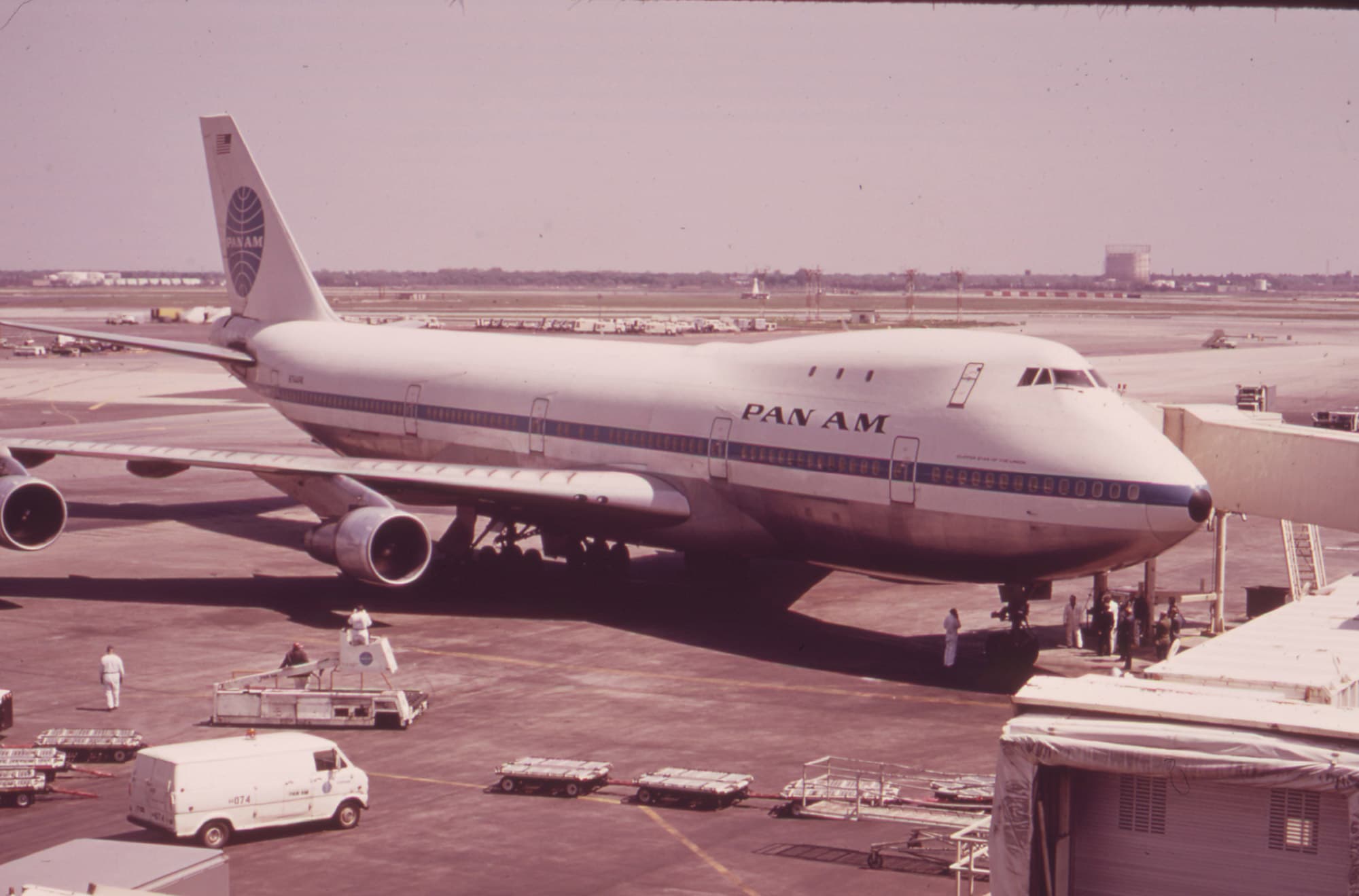
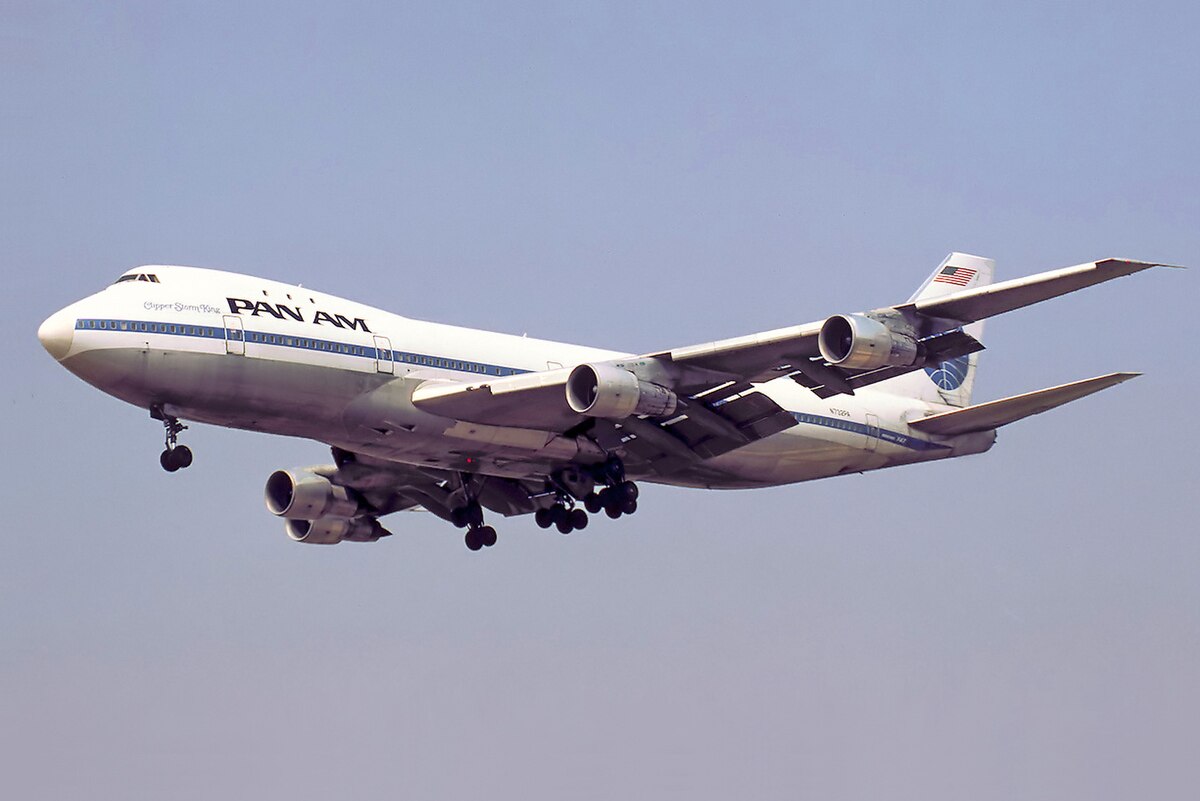
El 747 fue precedido por el 707, un avión diseñado en 1957 con un cuerpo estrecho y un pasillo central. Pan American Airlines, al mando de su CEO Juan Trippe le había preguntado a Boeing si podía diseñar un avión que duplicara el tamaño del 707. Con más y más personas volando, los aviones debían ser más grandes, por lo que el 747 se diseñó con un bulto distintivo en su nariz y una cubierta doble parcial, aunque la mayoría de los pasajeros se sentaría en la cubierta inferior. Fue un éxito inmediato, ya que en 1966, Pan Am ordenó 25 Boeing 747 a un costo de US$ 525 millones.
Rollout & Primer vuelo
El avión fue presentado al público el 30 Septiembre 1968, cuando periodistas y representantes de 26 aerolíneas diferentes acudieron a su presentación en la fábrica de Boeing en Everett, Washington. El primer vuelo de un Boeing 747 fue dos años más tarde por Pan Am, desde Nueva York a Londres el 22 Enero 1970, bautizado por la Primera Dama de los Estados Unidos en ese momento como «Pam Nixon». Sin embargo, el primer avión que debía usarse se sobrecalentó, por lo que tuvo que usarse un avión sustituto en su lugar, retrasando el despegue en seis horas.

Llevando 400 personas, el avión tenía una configuración de 3-4-3 y se veía gigante en los cielos para aquellos que estaban acostumbrados al 707 a la mitad de su tamaño y capacidad. Las opiniones de los usuarios variaban en pro y contra acerca del nuevo avión comercial, pero rápidamente el Boeing 747 fue creciendo en mejoras y bondades. Otras aerolíneas comenzaron a invertir en los aviones, atraídas por el hecho de que un avión completo reduciría el costo de un pasajero volando a la mitad.
Con los años, las aerolíneas hicieron todo tipo de cosas con sus 747 para hacerlos más atractivos para los pasajeros. En la década de 1970, American Airlines introdujo las barras de piano en los aviones, mientras que Air France tenía una barra de cócteles, completa con un cantinero. Gracias a su tamaño, el 747 fue un gran componente de la edad de oro del viaje.
El Jumbo se ganó rápidamente el cariño de una población muy populosa. La ex azafata de vuelo de British Airways, Pamela Kamula, expresó: «El transporte aéreo era un poco más especial y la gente lo trataba de esa manera. En aquellos días, la gente se vestía para su vuelo. Creo que obtuvimos el mejor momento, lo tratamos tan bien, como las modelos que se tratan hoy. Era un momento en que todo comenzaba a suceder en los viajes internacionales, la gente comenzaba a volar y éramos parte de la emoción». Estos fueron también los años en que los asistentes de vuelo fueron tratados como modelos.
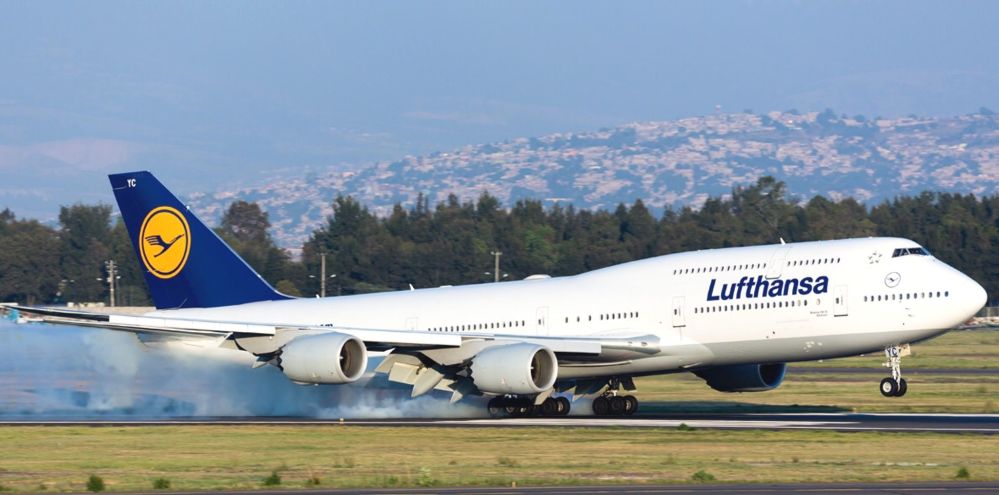
El Boeing 747 tuvo las series 100, Special (SP), 200, 300, 400 y 8 Intercontinental (8I), de las que ha desarrollado variantes de cada una de ellas y otras en aplicaciones militares y generales. El Boeing 747 Jumbo representó todo un acontecimiento para las aerolíneas más grandes, convirtiendo al Jumbo en el avión emblemático de la era 747.
Historial del Boeing 747
 Hasta la fecha, el Boeing 747 ha estado involucrado en 146 incidentes de accidentes de aviación, resultando en la pérdida de 3.722 vidas. Los aviones han sido secuestrados 32 veces, resultando en 24 muertes. Sin embargo, la mayoría de los accidentes no tienen que ver con los aviones, sino con el error del piloto. Qantas anunció que sus 474 existentes se retirarían en 2021, y British Airways, el mayor operador 747, planea retirar toda su flota de aviones para febrero de 2024.
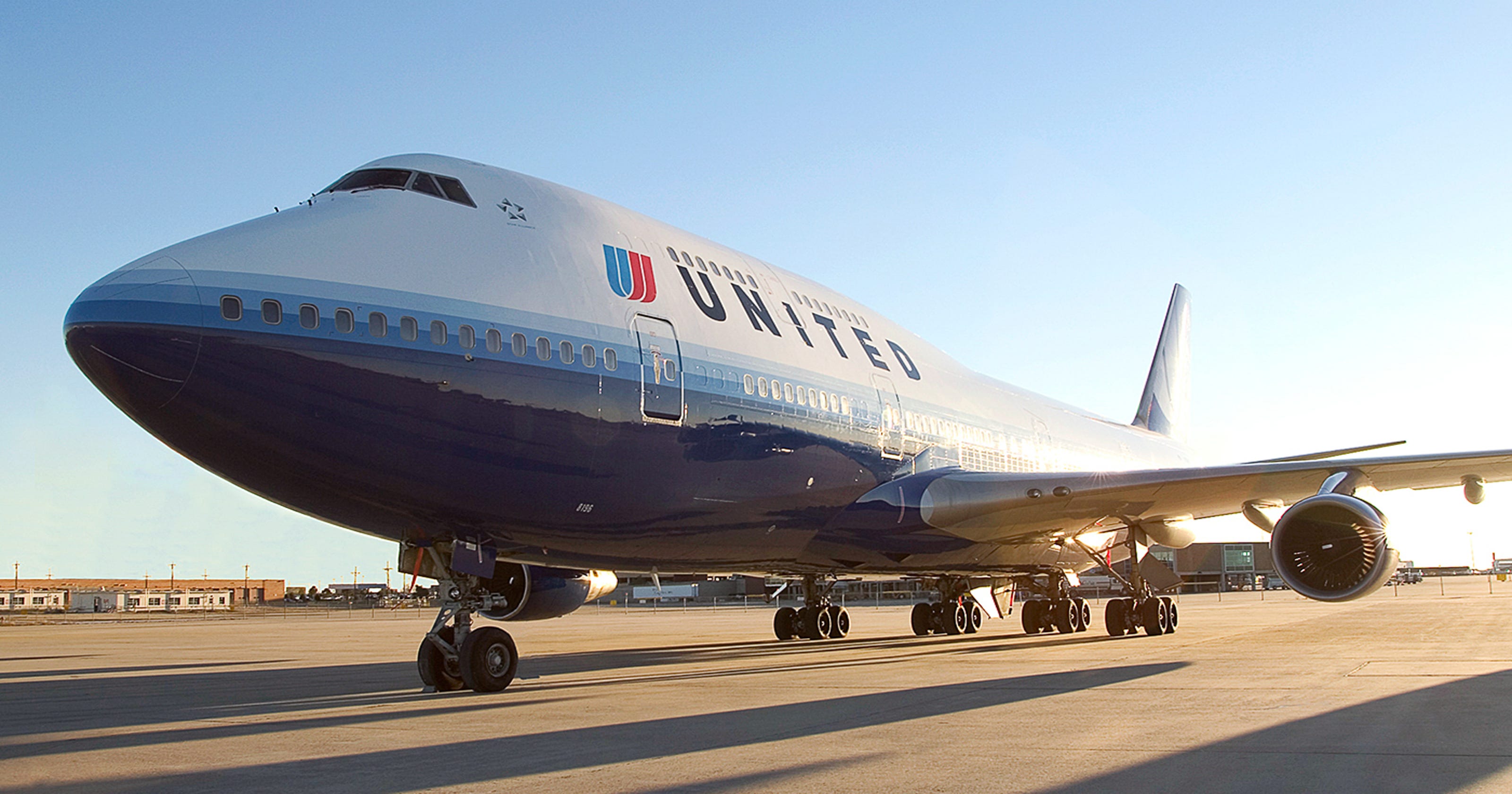
Desde 1966, más de 1.500 de los aviones han sido entregados, con el último avión de pasajeros Boeing 747 encargado en Julio 2017 para Korean Air Lines. En 2017, los aviones recibieron una despedida de United Airlines con un vuelo de despedida desde San Francisco a Honolulu.
Aunque alrededor de 500 de los aviones aún continúan volando, pero las aerolíneas ahora los están reemplazando después de 50 años de servicio con aviones más modernos y eficiente como el Boeing 787-9 o el Airbus A350. Su rival, el Airbus A380 apodado Superjumbo le ha presentado batalla en la conquista por los cielos del mundo. Todavía el Jumbo se resiste a ir, pero pronto será eclipsado si no encuentra mercado, por aeronaves más eficientes. Aquel coloso del aire que en un tiempo se convirtió en todo un símbolo de la aeronáutica, marcó sin lugar a dudas un hito en la aviación comercial mundial. 






Jumbo, renombre afamado
Al magnífico Boeing 747 se le conoce con el nombre de «Jumbo». La mayoría de los pasajeros pueden identificar claramente la figura de un Jumbo 747 con su joroba. Pero, ¿por qué ese nombre? ¿Quién lo ha inspirado? ¿Quién era Jumbo?
Jumbo el elefante «volador»
Jumbo era el nombre de un elefante africano que había nacido en 1861 en el actual territorio de Mali, África. Desde pequeño mostró una estatura desmesurada para su edad, una fortaleza a prueba de todo y un carácter dócil. Era un juguete gigante para los niños, de trato sencillo y obediente. En la lengua de su tierra natal recibió el nombre de Jambo que significa «¡Hola!» porque parecía saludar a cada persona con el brillo bonachón de sus ojos. Su nombre se transformó en Jumbo cuando se mudó a vivir a Londres en 1865. Al zoológico de Londres exactamente, donde fue la atracción de los pequeños a quienes llevaba de paseo. Antes había vivido en el viejo Zoológico de París.
El elefante Jumbo tenía un tamaño descomunal, su dulzura en el trato, su obediencia y su inteligencia para aprender las gracias que le enseñaban sus cuidadores. En Londres vivió 16 años en los que se ganó el amor de los ingleses. Pero el dinero es el dinero, y en 1881 Jumbo es vendido al circo más grande y famoso del momento: el Barnum & Bailey.
Llegada a Nueva York, 1882
Y con el circo cruzó el Atlántico para comenzar un eterno peregrinar por grandes ciudades y pequeños pueblos en Estados Unidos y Canadá. Asombraba por su tamaño y docilidad. Su nombre comenzó a ser sinónimo de grande o gigante con un sentido amistoso. Si en Londres su estatura llegaba a los 3.25 metros, a los 24 años de edad, ya alcanzaba los 4 metros y podría seguir creciendo un poco más. Después de miles de kilómetros de carretera, el circo y Jumbo llegaron a un pequeño pueblo canadiense llamado St.Thomas en Ontario, Canadá. A este pueblo se le conocía ya como la Ciudad Ferroviaria por su trayectoria industrial y sus talleres que le daban vida y sustento. Y fue un tren quien se llevó la vida de Jumbo, en un cruce de vías cuando una locomotora le golpeó fatalmente el 15 Septiembre 1885 mientras el circo armaba sus carpas.
Más de 150 personas tuvieron que ayudar a mover el cuerpo del elefante muerto. Todo el mundo del circo y miles de personas a uno y otro lado del Atlántico lloraron la desaparición de la mascota gigante de los niños. El circo no tardó en aprovechar el tirón publicitario: donó su esqueleto al Museo de Historia Natural de Nueva York, vendió su corazón a la Universidad de Cornell y embalsamó el cuerpo que siguió viajando como una atracción hasta 1889.
A partir de allí, lo que quedaba de Jumbo vivió una segunda vida en la Universidad de Tufts donde se convirtió en la mascota. Su figura y su nombre fue adoptada por los equipos universitarios que pasaron a llamarse los elephants. Así perduró hasta 1975 cuando un incendio lo destruyó por completo terminando su peregrinar de más de un siglo.
En memoria de este elefante gigante que se ganó el amor de tanta gente, se han nombrado hamburguesas extra grandes, tiendas enormes, etc. En St. Thomas, Ontario, tiene su avenida, su mural, su plaza, su estatua. Es mencionado en la obra Ulises de James Joyce publicada en 1922. Disney se inspiró en su carácter para darle vida a Dumbo. Y su nombre es entendido como algo especial, gigante y cercano. Jumbo, ese gigante que se ganó el corazón de todos. Así, el fabricante The Boeing Company le hizo otro homenaje al bautizar al gigante Boeing 747 con el apodo de Jumbo desde su presentación en 1970. A \ W

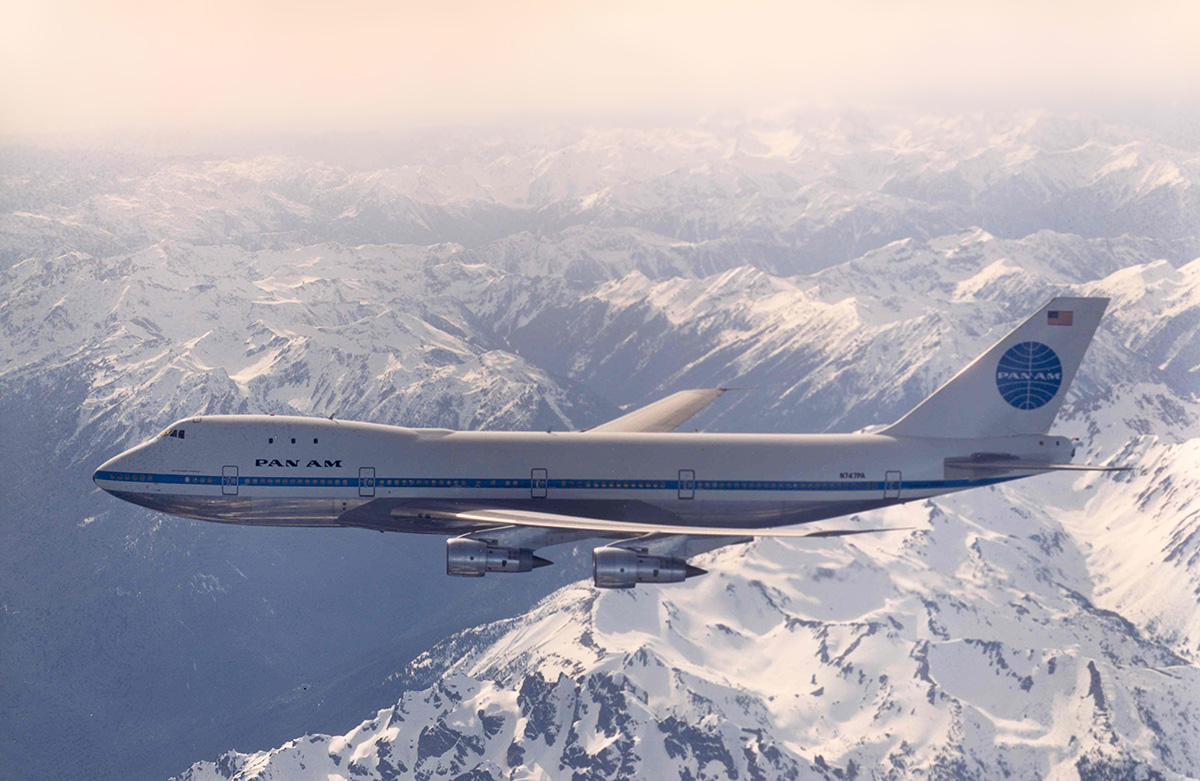
Ξ Boeing 747 celebrates 50th Anniversary Ξ
 The Boeing 747 Queen of Heaven celebrates its 50th anniversaries of its creation
The Boeing 747 affectionately named «Jumbo» and «Queen of Heaven» will commemorate its 50th anniversaries since its public presentation on September 30, 1968, during the so-called «golden age» of commercial aviation.
The 747 originated in 1963 as the US Air Force needed a large and capable aircraft to carry cargo that did not fit in the airplanes at that time. The Jumbo or Queen of the heavens, revolutionized air transport at a time of real boom in the aviation industry. Air travel for the general public was also growing at this time as people began to take more vacations abroad.
Era of the Boeing 747
The 747 was preceded by the 707, an aircraft designed in 1957 with a narrow body and a central corridor. Pan American Airlines, commanded by its CEO Juan Trippe, had asked Boeing if it could design an aircraft that would double the size of the 707. With more and more people flying, the planes had to be larger, so the 747 was designed with a distinctive bulge in his nose and a partial double cover, although most passengers would sit on the lower deck. It was an immediate success, since in 1966, Pan Am ordered 25 Boeing 747 at a cost of US$ 525 million.
Rollout & First flight
The plane was presented to the public on September 30, 1968, when journalists and representatives of 26 different airlines attended its presentation at the Boeing factory in Everett, Washington. The first flight of a Boeing 747 was two years later by Pan Am, from New York to London on January 22, 1970, baptized by the First Lady of the United States at that time as «Pam Nixon». However, the first aircraft to be used was overheated, so a substitute aircraft had to be used instead, delaying the takeoff in six hours.
Carrying 400 people, the plane had a 3-4-3 configuration and it looked giant in the skies for those who were accustomed to 707 at half its size and capacity. The opinions of the users would see in favor and against about the new commercial airplane, but quickly the Boeing 747 was growing in improvements and benefits. Other airlines began to invest in airplanes, attracted by the fact that a full plane would reduce the cost of a passenger by flying in half.
Over the years, airlines did all kinds of things with their 747 to make them more attractive to passengers. In the 1970s, American Airlines introduced piano bars on airplanes, while Air France had a cocktail bar, complete with a bartender. Thanks to its size, the 747 was a large component of the golden age of the trip.
The Jumbo quickly gained the affection of a very populous population. The former flight attendant of British Airways, Pamela Kamula, said: «Air travel was a bit more special and people treated it that way, in those days, people dressed for their flight, I think we got the best time We treat it as well as the models we are dealing with today, it was a time when everything started to happen on international trips, people started to fly and we were part of the emotion». These were also the years in which the flight attendants were treated as models.
The Boeing 747 had the series 100, Special (SP), 200, 300, 400 and 8 Intercontinental (8I), of which it has developed variants of each of them and others in military and general applications. The Boeing 747 Jumbo represented an event for the largest airlines, making the Jumbo the flagship aircraft of the 747 era.
History of the Boeing 747
 To date, the Boeing 747 has been involved in 146 aviation accident incidents, resulting in the loss of 3,722 lives. The planes have been hijacked 32 times, resulting in 24 deaths. However, most accidents do not have to do with airplanes, but with the pilot’s error. Qantas announced that its existing 474 would be retired in 2021, and British Airways, the largest 747 operator, plans to withdraw its entire fleet of aircraft by February 2024.
Since 1966, more than 1,500 of the aircraft have been delivered, with the last Boeing 747 passenger plane commissioned in July 2017 for Korean Air Lines. In 2017, the planes received a farewell from United Airlines with a farewell flight from San Francisco to Honolulu.
Although about 500 of the aircraft still go flying, but the airlines are now replacing them after 50 years of service with more modern and efficient aircraft like the Boeing 787-9 and the A350. His rival, the Airbus A380 nicknamed Superjumbo has presented him battle in the conquest for the skies of the world. Still the Jumbo refuses to go, but soon it will be eclipsed if it does not find a market, by more efficient aircraft. That colossus of the air that at one time became a symbol of aeronautics, marked without a doubt a milestone in world commercial aviation. A \ W
Jumbo, renowned fame
The magnificent Boeing 747 is known as «Jumbo». Most passengers can clearly identify the figure of a Jumbo 747 with its hump. But why the name? Who inspired it? Who was Jumbo?
Jumbo the «flying» elephant
Jumbo was the name of an African elephant that had been born in 1861 in the present territory of Mali, Africa. From small he showed a stature beyond measure for his age, a strength to test everything and a docile character. It was a giant toy for children, of simple and obedient treatment. In the language of his native land he received the name of Jambo which means «Hello!» because he seemed to greet each person with the good-natured brightness of his eyes. His name was transformed into Jumbo when he moved to live in London in 1865. To the London Zoo, exactly, where he was the attraction of the little ones whom he took for a walk. I had previously lived in the old Paris Zoo.
The Jumbo elephant was enormous in size, its sweetness in the treatment, its obedience and its intelligence to learn the graces that its keepers taught him. In London he lived 16 years in which he won the love of the English. But money is money, and in 1881 Jumbo is sold to the biggest and most famous circus of the moment: the Barnum & Bailey.
Arrival in New York, 1882
And with the circus he crossed the Atlantic to begin an eternal pilgrimage through big cities and small towns in the United States and Canada. Amazed by its size and docility. His name began to be synonymous with big or giant with a friendly sense. If in London his height reached 3.25 meters, at 24 years of age, he reached 4 meters and could continue to grow a little more. After thousands of kilometers of road, the circus and Jumbo came to a small Canadian town called St.Thomas in Ontario, Canada. This town was already known as the Railway City because of its industrial trajectory and its workshops that gave it life and sustenance. And it was a train that took the life of Jumbo, in a crossroad when a locomotive fatally struck him on September 15, 1885 while the circus set up his tents.
More than 150 people had to help move the body of the dead elephant. The whole world of the circus and thousands of people on both sides of the Atlantic mourned the disappearance of the giant mascot of children. The circus soon took advantage of the advertising pull: he donated his skeleton to the Museum of Natural History in New York, sold his heart to Cornell University and embalmed the body that continued to travel as an attraction until 1889.
From there, what remained of Jumbo lived a second life at Tufts University where he became the mascot. His figure and his name was adopted by the university teams that happened to be called the elephants. This lasted until 1975 when a fire completely destroyed it, ending his pilgrimage of more than a century.
In memory of this giant elephant that won the love of so many people, they have named oversized burgers, huge stores, etc. In St. Thomas, Ontario, he has his avenue, his mural, his plaza, his statue. It is mentioned in the work Ulises by James Joyce published in 1922. Disney was inspired by his character to give life to Dumbo. And his name is understood as something special, giant and close. Jumbo, that giant who won everyone’s heart. Thus, the manufacturer The Boeing Company paid him another tribute by baptizing the giant Boeing 747 with the nickname of Jumbo since its introduction in 1970. A \ W


 Ξ A I R G W A Y S Ξ
SOURCE: Airgways.com
DBk: Boeing.com / Airgways.com / Lufthansa.com / Usatoday.com / Pinterest.com / Wikimedia.org / Flightdeskfriend.com
AW-POST: 201809271722AR
A\W A I R G W A Y S ®

 El acuerdo entre el consorcio europeo Airbus y China ascendería en US$ 18 mil millones en aeronaves comerciales
 Airbus China está conmemorando el décimo aniversario de la primera línea de ensamblaje de Airbus China y la inauguración de una planta de helicópteros. Además el fabricante de aviones comerciales Airbus ha comunicado que incrementaría la línea de producción de la familia de aviones Airbus A320 en Tianjin. A principios de este año, Airbus anunció sus planes de aumentar el número de jets A320 de mayor alcance de mediano recorrido ensamblados en Tianjin de 4 por mes a 6 por mes para 2020, lo que representa aproximadamente una décima parte de la producción total del A320. Hace un año, agregó una planta de terminación para aviones A330 en Tianjin, con la esperanza de impulsar su modelo A330NEO de ventas lentas, que obtuvo la certificación de seguridad europea el miércoles.

 The agreement between the European Airbus consortium and China would amount to US$ 18 billion
 AW | 2018 09 26 12:50 | INDUSTRY
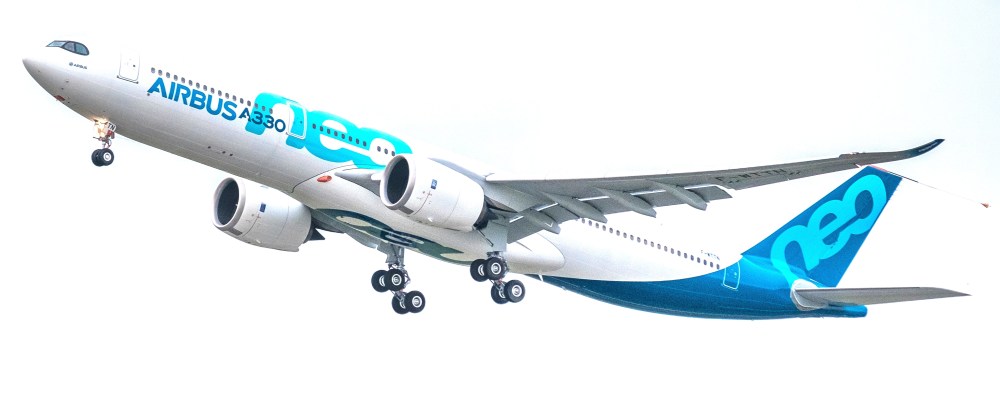
 A330-900 listo para la entrega al primer operador TAP Air Portugal pronto
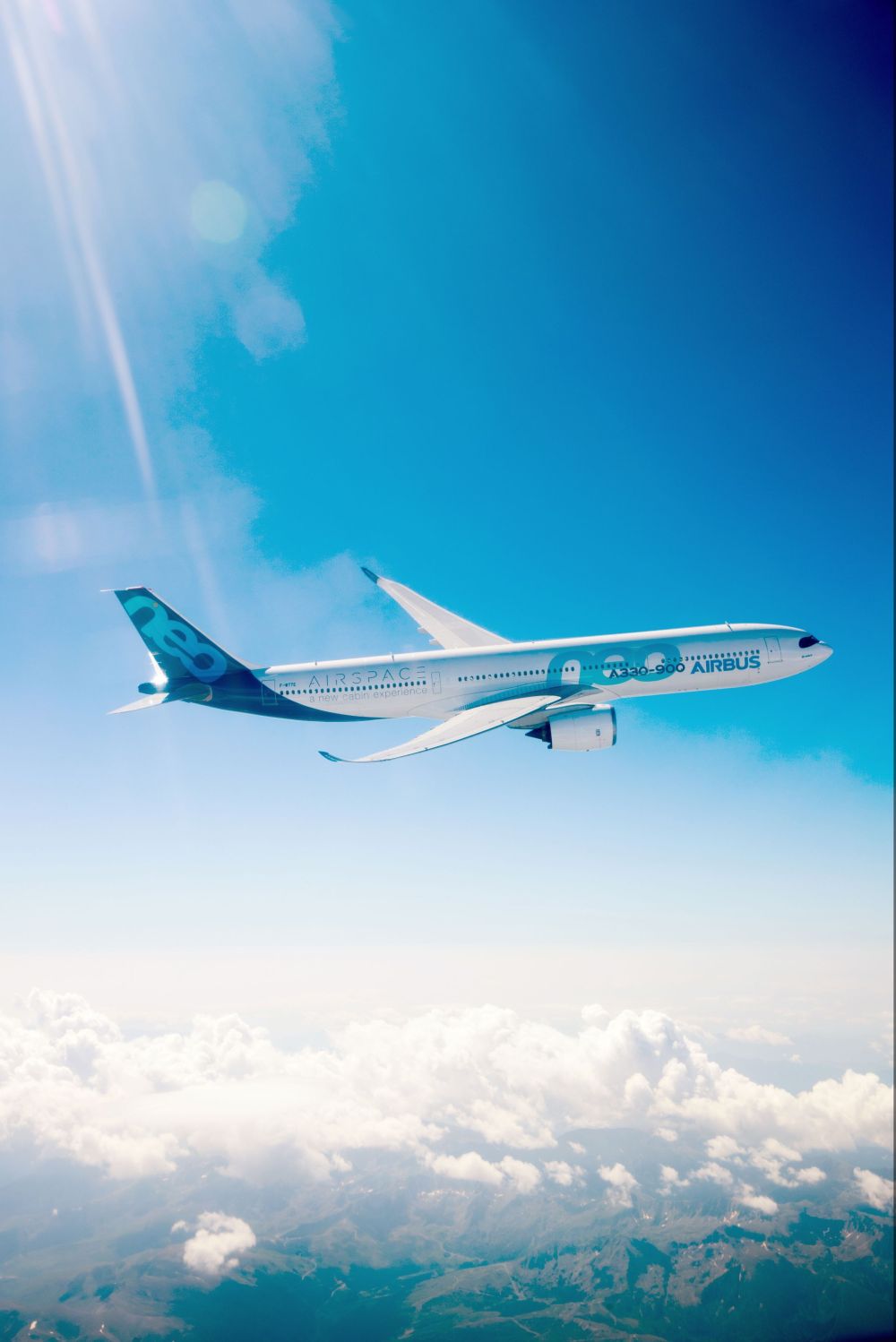
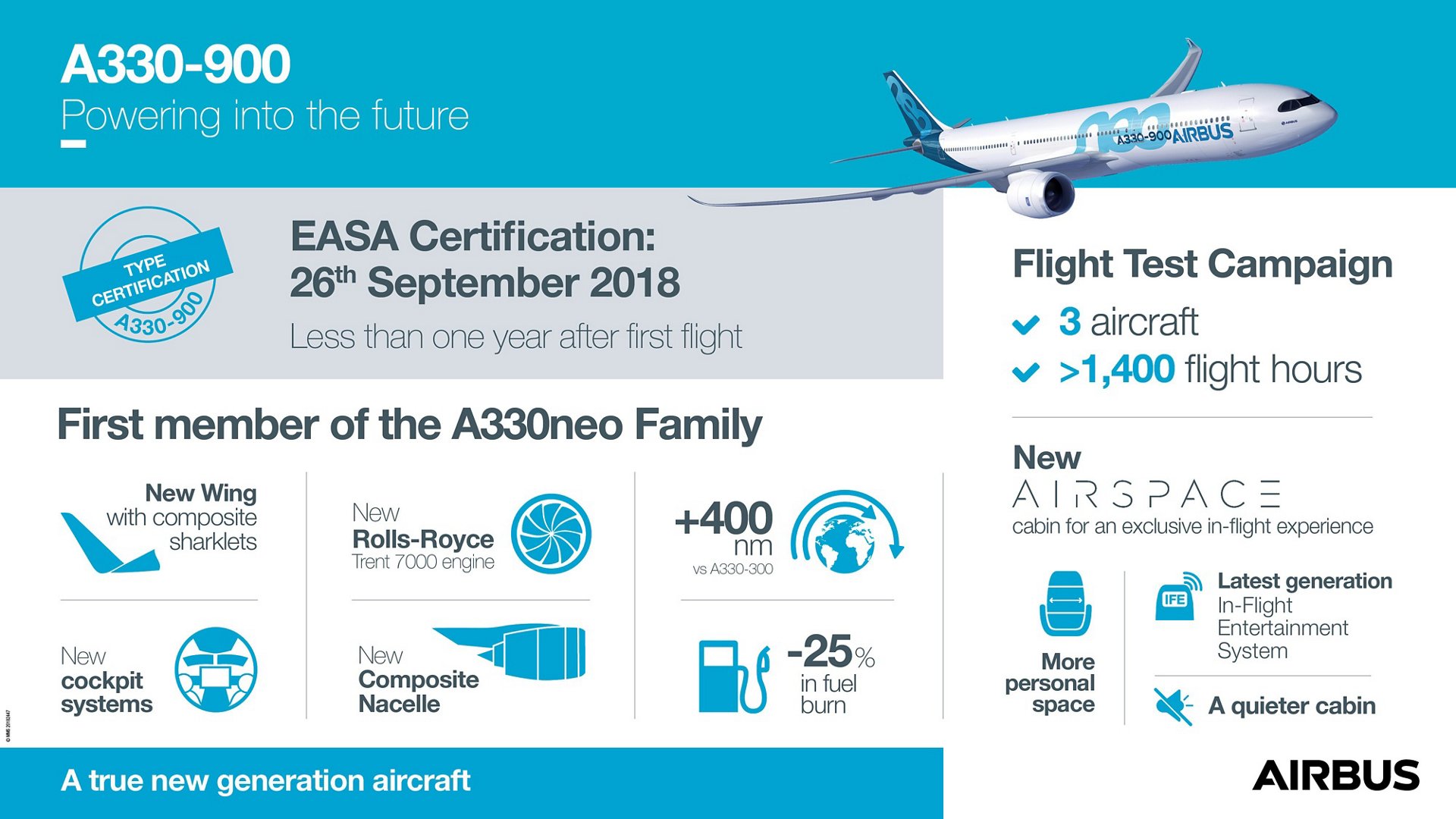
 A330-900 ready for delivery to first operator TAP Air Portugal soon
 Embraer intenta cerrar negocio con Boeing mayor brevedad posible

 The Joint Venture between Embraer and Boeing is still a complex process and will depend on some necessary approvals in the political circle. Embraer requests clarification on what was mentioned about the merger. Embraer says that speculating about the relationship between the electoral process and the business combination is tireless.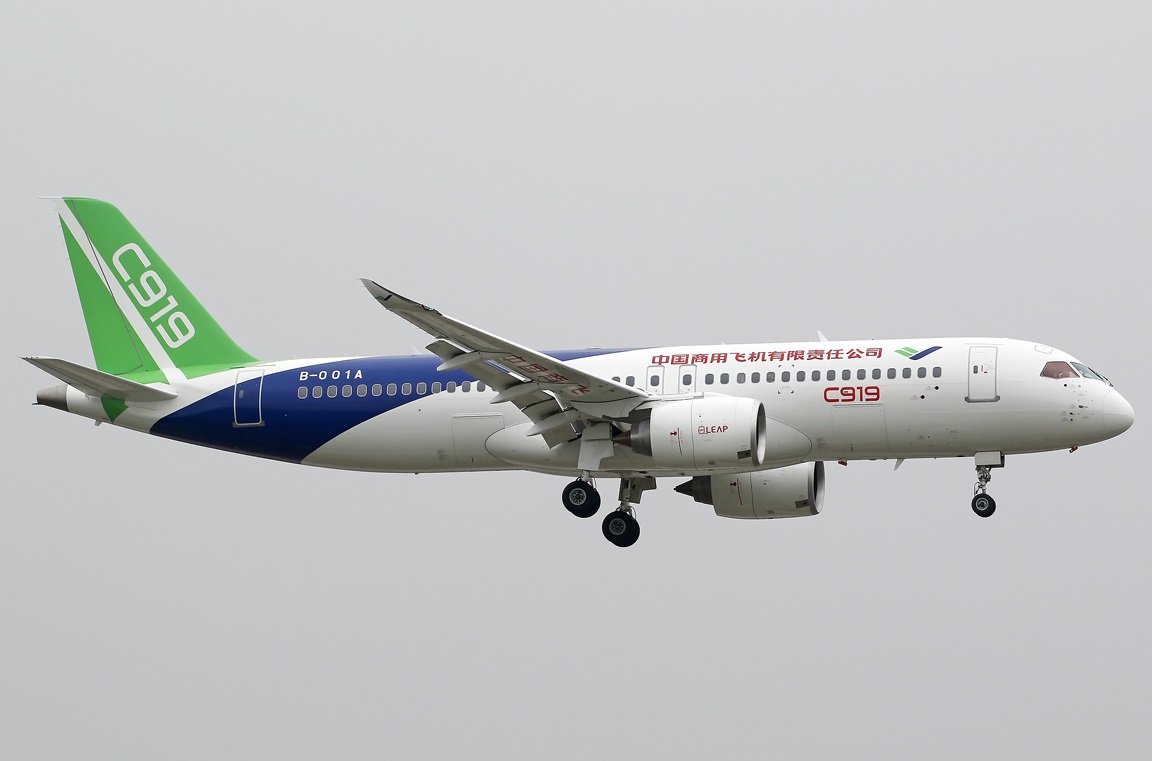
 Liebherr LAMC Aviation ha entregado el primer chasis montado en China para el COMAC C919 de pasillo único al fabricante de aviones chino

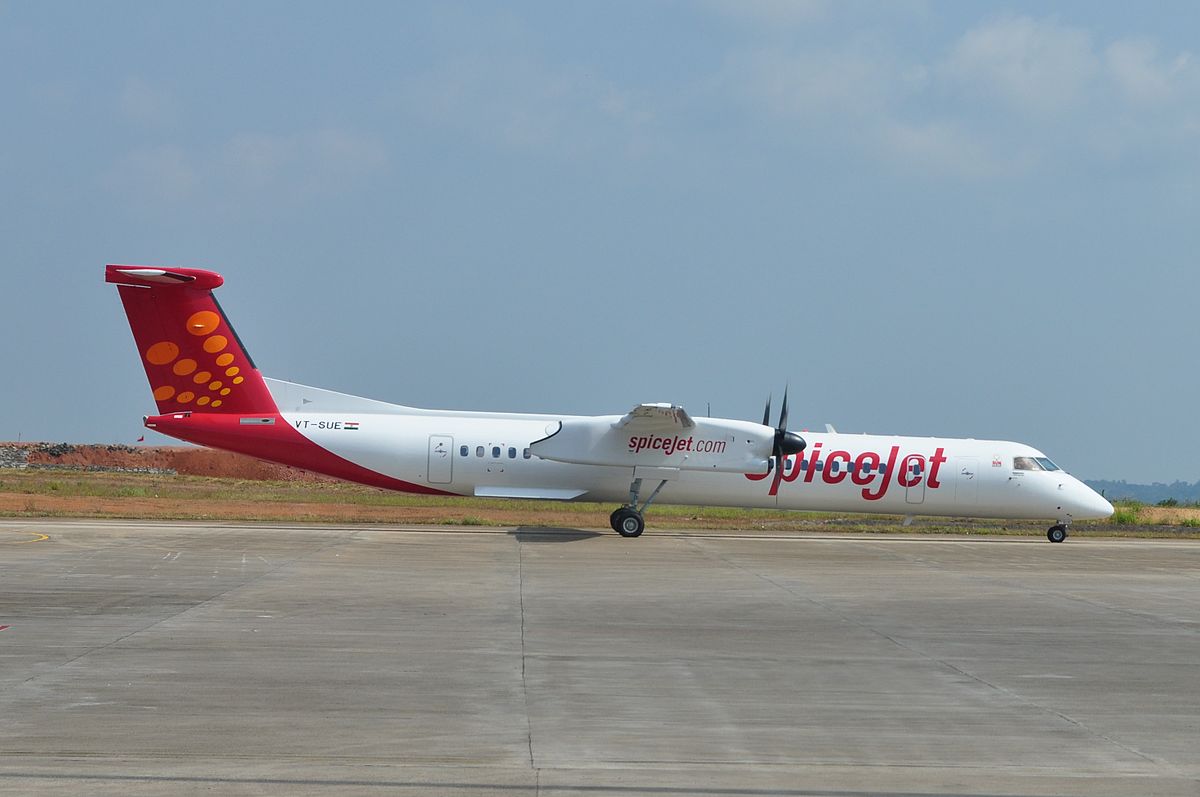
 Bombardier entrega la primera aeronave Q400 de 90 plazas a SpiceJet
 Bombardier ha entregado la primera versión de 90 asientos de su serie Q-400 a la aerolínea de la India SpiceJet. De acuerdo con el anuncio de la compañía, la aerolínea es el primer cliente del Bombardier Q400 con pasajeros incrementado, que ofrece espacio para 90 asientos. La capacidad de la versión básica es de 86 pasajero, mientras que el fuselaje no se ha estirado, lo que Bombardier ha configurado las secciones interiores para alojar más asientos hasta acomodar 90 pasajeros.

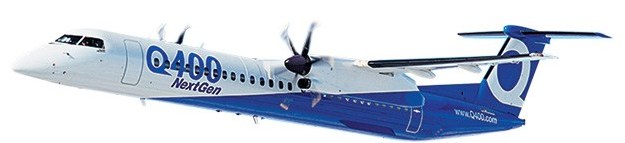
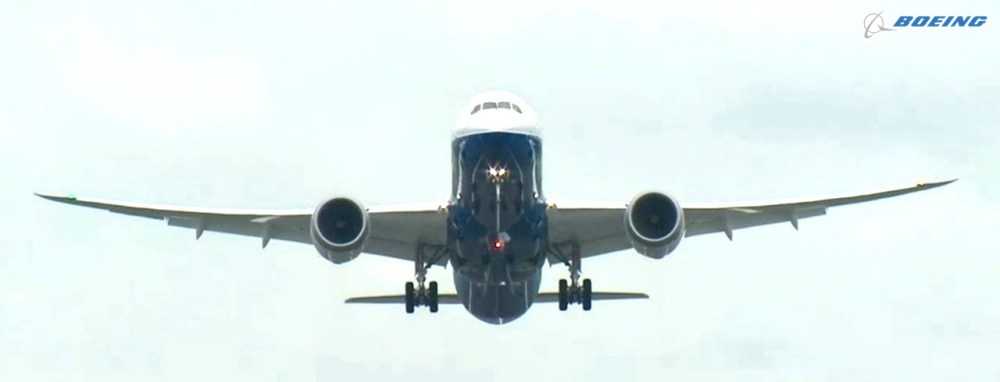
 The Boeing Company está analizando con precisión una nueva aeronave de mediano rango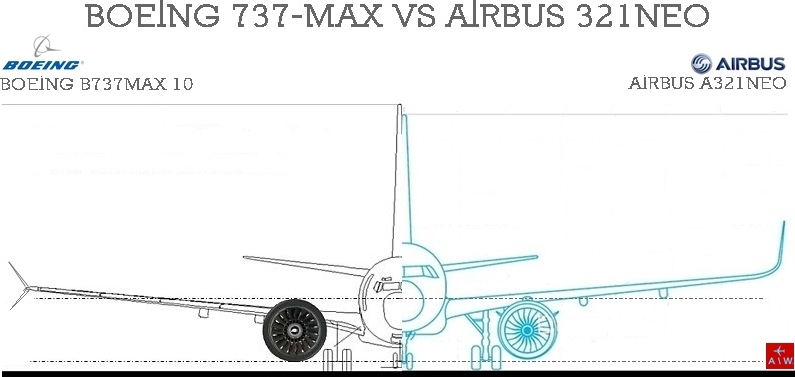


 The Boeing Company is accurately analyzing a new mid-range aircraft
 BOEING SEEKS IN THE NEW PROGRAM 797 A NEW MOTORIZATION ACCORDING TO ITS STRUCTURE
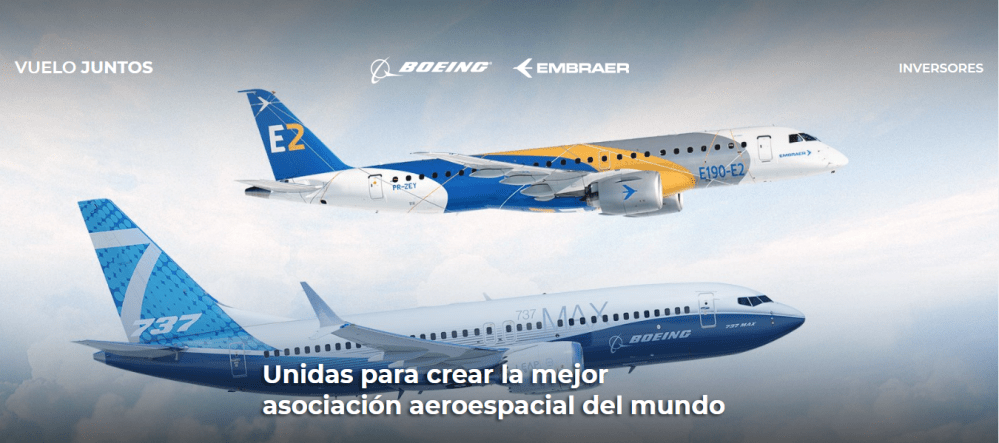
 El nuevo joint venture entre Boeing y Embraer promueven una mejor conexión en una web bautizada Volando Juntas

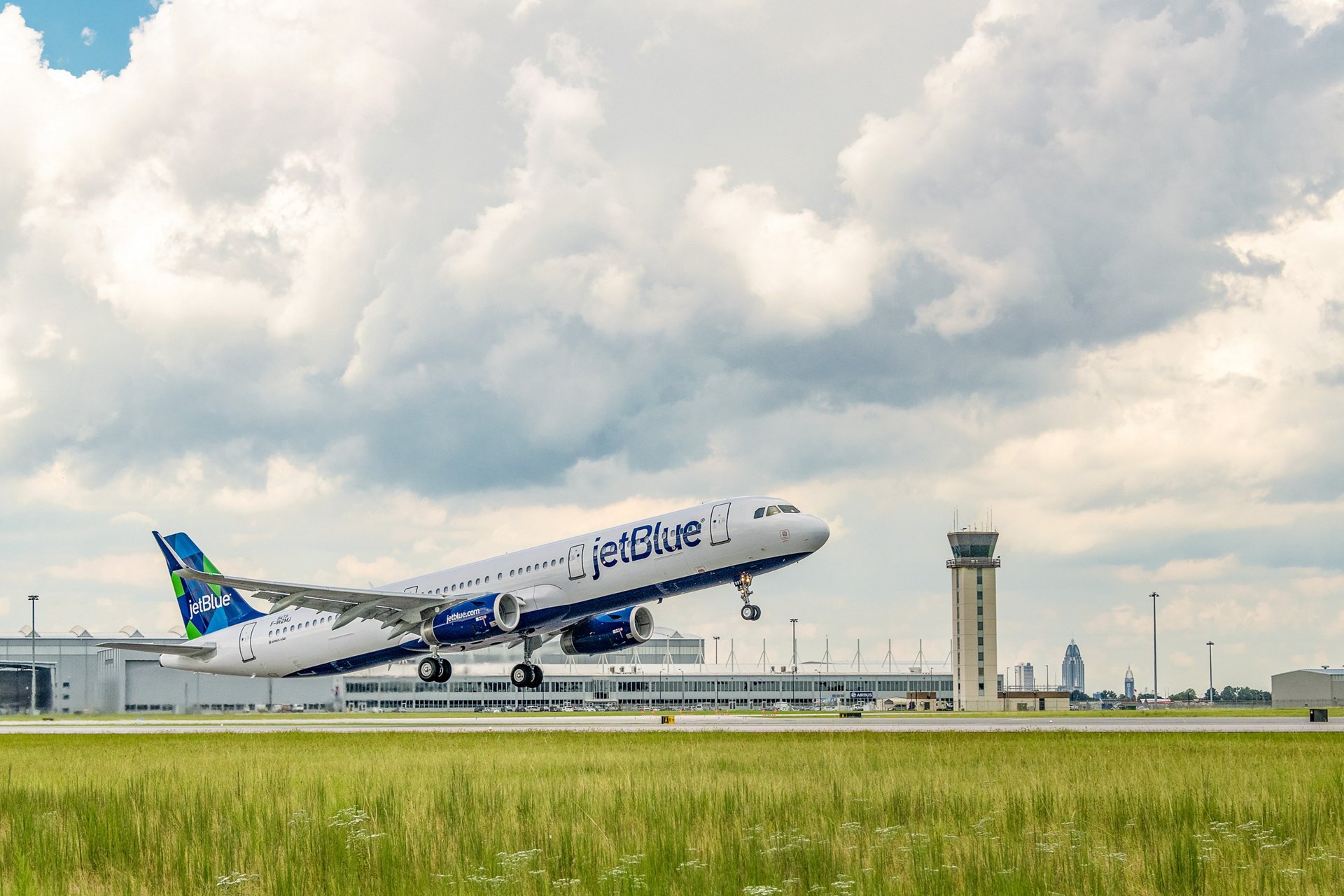
 La factoría Airbus Mobile en Estados Unidos entregará el primer avión de la familia A320 con combustible sostenible



 Airbus y Boeing continúan subsanando los problemas en la línea de producción de sus narrowbodies
 Después de las turbulencias generadas por la escaséz de turbinas como así de otros componentes en la línea de producción tanto del Airbus A320NEO como del Boeing 737 MAX, una tormenta perfecta es como la denominan los analistas de mercado al retraso de entrega de aeronaves comerciales.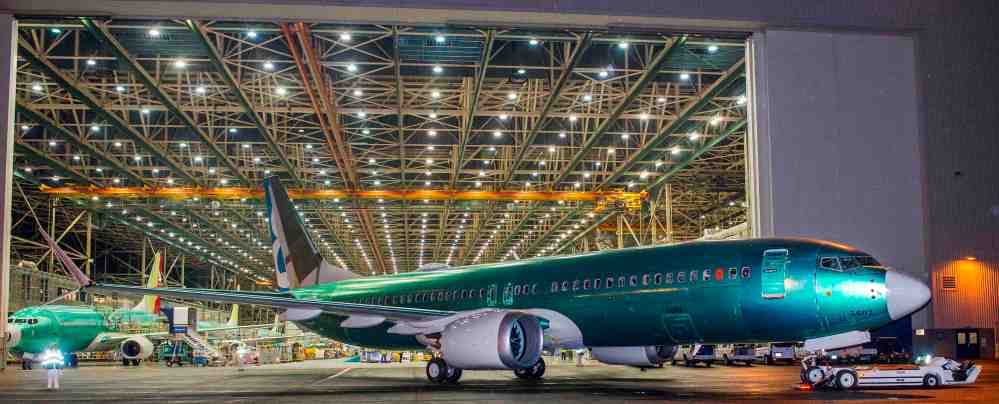



 Ξ A I R G W A Y S Ξ
