Nueva bisagra doble pliegue mesas desplegables asientos pasajeros
Southco, Inc ha ampliado su exitosa línea de bisagras de doble pliegue con torsión constante lanzando una nueva solución diseñada para las mesas desplegables de menor espesor usadas en las aplicaciones de interior de los medios de transporte de pasajeros. La bisagra AH-2E-12 de doble pliegue con torsión constante de Southco usa la fricción para aumentar el control de las mesas desplegables a 180 grados, lo que evita que las alas caigan y se abran durante el accionamiento, mejorando la experiencia del usuario final.
Esta exitosa línea de bisagras de doble pliegue con torsión constante se ha ampliado para permitir su instalación en paneles de hasta solo 12 mm de espesor. Las nuevas bisagras AH-2E complementan los modelos ya existentes AH-2E, también de doble pliegue, que fueron diseñados para paneles de 20 mm. Muchos ingenieros, con el objetivo de reducir el peso y el tamaño de sus diseños, buscan soluciones para paneles de menor espesor.
La bisagra AH-2E de doble pliegue con torsión constante de Southco proporciona un accionamiento consistente y suave, lo que permite a los pasajeros posicionar de forma segura las mesas desplegables en vehículos en movimiento como trenes, aviones o autocares. La torsión constante integrada hace posible mantener la mesa en posición en cualquier ángulo, impidiendo que caiga y se abra con el vehículo en movimiento. Gracias a su estética mejorada y a su mayor fiabilidad, la bisagra AH-2E es el reemplazo idóneo para renovar las bisagras de libre oscilación convencionales equipadas con amortiguador.
Con su diseño enrasado, la bisagra AH-2E de doble pliegue con torsión constante ocupa un espacio mínimo en la aplicación y permite situar una mesa de forma segura en posición horizontal y plegarla después en vertical. Fabricada con materiales resistentes, la bisagra AH-2E brinda un rendimiento fiable y libre de mantenimiento, ofreciendo además una mayor seguridad gracias a su movimiento controlado, que evita el peligro en los dedos, y al diseño enrasado, que elimina los puntos de atrapamiento a lo largo de la junta.
El Jefe de Productos global Stewart Beck añade: «La bisagra AH-2E de doble pliegue con torsión constante logra un nuevo nivel de seguridad y rendimiento en las mesas desplegables de las aplicaciones de transporte de pasajeros en ferrocarriles, autobuses y autocares, y aeronáutica. Con su tecnología integrada de torsión constante, la bisagra AH-2E es el reemplazo idóneo de las soluciones de libre oscilación, al permitir un movimiento controlado que evita que la mesa se abra y caiga sobre el regazo del pasajero».
La continua competencia global de las aerolíneas significa que mejorar la experiencia del pasajero y, por lo tanto, el apoyo y la lealtad de la marca, es crucial. Esto se traduce en desafíos de diseño para el interior de la aerolínea: se están introduciendo nuevas tecnologías para mejorar los asientos ergonómicos y los reposacabezas, así como mejoras en los mecanismos de cierre del compartimento superior. A medida que los accesorios interiores de la cabina se modifican y mejoran para mejorar la experiencia del pasajero, existen tecnologías de bisagras y enganches que pueden ayudar a abordar estos desafíos.
Acerca de Southco
Southco Inc. es el líder global en el diseño y la fabricación de soluciones técnicas de acceso. Desde la calidad hasta el rendimiento, pasando por la estética y la ergonomía, somos conscientes de que, en el diseño de productos, las primeras impresiones son impresiones que perduran. Durante más de 70 años, Southco ha ayudado a las marcas más prestigiosas del mundo a crear valor para sus clientes con soluciones de acceso innovadoras, diseñadas para mejorar los puntos de contacto de sus productos en aplicaciones industriales y de transporte, equipos médicos, centros de datos y muchos otros sectores. Con recursos de ingeniería sin parangón, productos innovadores y un equipo internacional propio, Southco proporciona a los diseñadores de equipos de todo el mundo la más amplia cartera de soluciones de acceso de alta gama disponible.
Southco incorporates interior improvements
New hinged double fold drop down tables passenger seats
Southco, Inc has expanded its successful line of constant torsion bi-fold hinges by introducing a new solution designed for the thinner-gauge drop-down tables used in interior passenger conveyance applications. Southco’s AH-2E-12 Constant Torque Bi-Fold Hinge uses friction to increase control of 180 degree drop-down tables, preventing the wings from falling open during actuation, improving the end-user experience.
This successful line of constant torsion bi-fold hinges has been expanded to allow installation on panels as thin as 12mm. The new AH-2E hinges complement the existing AH-2E models, also bi-fold, which were designed for 20mm panels. Many engineers, with the aim of reducing the weight and size of their designs, look for solutions for thinner panels.
Southco’s AH-2E Constant Torque Bi-Fold Hinge provides a consistent and smooth actuation, allowing passengers to safely position drop-down tables in moving vehicles such as trains, planes or coaches. Built-in constant torque makes it possible to hold the table in position at any angle, preventing it from falling open while the vehicle is moving. Thanks to its improved aesthetics and greater reliability, the AH-2E hinge is the ideal replacement to upgrade conventional free-swing hinges equipped with a damper.
With its flush design, the AH-2E Constant Torque Bi-Fold Hinge takes up minimal space in the application and allows a table to be securely placed horizontally and then folded vertically. Constructed of durable materials, the AH-2E hinge provides reliable, maintenance-free performance, while also offering increased safety with its controlled movement, which prevents finger hazards, and flush design, which eliminates pinch points through along the board.
Global Product Manager Stewart Beck adds: “The AH-2E constant-torque bi-fold hinge achieves a new level of safety and performance for drop-down tables in rail, bus and coach, and aeronautical passenger transport applications. With its integrated constant-torque technology, the AH-2E hinge is the ideal replacement for free-swing solutions, allowing controlled movement that prevents the table from swinging open and falling into the passenger’s lap».
Continued global competition from airlines means that improving the passenger experience, and therefore brand support and loyalty, is crucial. This translates into design challenges for the airline’s interior: new technologies are being introduced to improve ergonomic seats and headrests, as well as improvements to the overhead bin closing mechanisms. As cabin interior fittings are modified and improved to enhance the passenger experience, there are hinge and latch technologies that can help address these challenges.
About Southco
Southco Inc. is the global leader in the design and manufacture of technical access solutions. From quality to performance to aesthetics and ergonomics, we know that in product design, first impressions are lasting impressions. For more than 70 years, Southco has helped the world’s most prestigious brands create value for their customers with innovative access solutions designed to improve their product touch points in industrial and transportation applications, medical equipment, service centers, data and many other sectors. With unmatched engineering resources, innovative products and a global team of its own, Southco provides equipment designers around the world with the broadest portfolio of high-end access solutions available.
PUBLISHER: Airgways.com DBk: Southco.com / Airgways.com AW-POST: 202212010937AR OWNERSHIP: Airgways Inc. A\W A I R G W A Y S ®
Airbus finaliza acuerdo CJIP con autoridades francesas
El Presidente del Tribunal Judicial de París ha aprobado el Convention Judiciaire d’Intérêt Public (CJIP) firmado el 17 de Noviembre de 2022 entre Airbus Group SE y el francés Parquet National Financier (PNF). Este CJIP cubre asuntos anteriores relacionados con el uso de intermediarios en campañas de ventas anteriores a 2012, en particular en relación con Libia y Kazajstán. Estos no pudieron ser tratados simultáneamente con el CJIP 2020 por razones de procedimiento.
Según el CJIP aprobado el 30 de Noviembre de 2022, Airbus deberá pagar una multa de € 15.856.044 Euros. No hay obligación de supervisión asociada con este nuevo CJIP. Este CJIP no tendrá un impacto adverso en los acuerdos de 2020 alcanzados con las autoridades francesas, británicas y estadounidenses en el contexto de sus investigaciones de cumplimiento de Airbus. La Compañía ha dado pasos significativos desde 2016 para reformarse mediante la implementación de un sistema de cumplimiento de referencia respaldado por un compromiso inquebrantable con la integridad y la mejora continua.
Airbus-CJIP litigation agreement
Airbus finalizes CJIP agreement with French authorities
The President of the Judicial Court of Paris has approved the Convention Judiciaire d’Intérêt Public (CJIP) signed on November 17, 2022 between Airbus Group SE and the French Parquet National Financier (PNF). This CJIP covers earlier issues related to the use of intermediaries in sales campaigns prior to 2012, in particular in relation to Libya and Kazakhstan. These could not be dealt with simultaneously with the 2020 CJIP for procedural reasons.
According to the CJIP approved on November 30, 2022, Airbus must pay a fine of €15,856,044 Euros. There is no oversight obligation associated with this new CJIP. This CJIP will not have an adverse impact on the 2020 settlements reached with French, UK and US authorities in the context of their Airbus compliance investigations. The Company has taken significant steps since 2016 to reform itself by implementing a benchmark compliance system backed by an unwavering commitment to integrity and continuous improvement.
PUBLISHER: Airgways.com DBk: Tribunal-de-paris.justice.fr / Agence-francaise-anticorruption.gouv.fr / Airbus.com / Airgways.com AW-POST: 2022120923AR OWNERSHIP: Airgways Inc. A\W A I R G W A Y S ®
AW | 2022 12 01 01:57 | GOVERNMENT / AVIATION ORGANISMS / AVIATION SAFETY / INDUSTRY
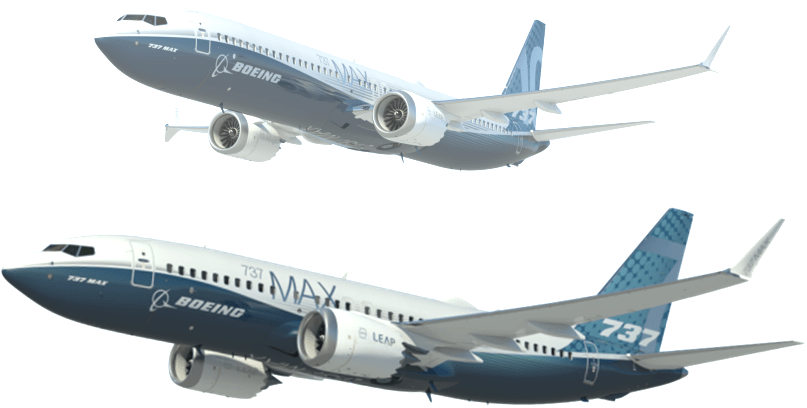
Senado cancelaría fecha límite certificación diferencial 737 MAX
El Senado de Estados Unidos podría cancelar la fecha límite para la homologación homogénea de la línea Boeing 737 MAX que obligaría al constructor The Boeing Company a certificar con dos tipos de certificaciones. El constructor americano podría recibir ser una buena noticia cuando la Senadora estadounidense Maria Cantwell distribuyó el Martes 29/11 un Proyecto de Ley que despejaría el camino para que los dos últimos modelos Boeing 737-7 MAX y Boeing 737-10 MAX entren en servicio sin cambios en el avión ensamblado en Renton (WA).
La Enmienda Legislativa eliminaría la fecha límite en una ley formulada en 2020 que amenaza con obligar a Boeing a realizar cambios sustanciales en los Sistemas de Alerta de la Tripulación en los modelos MAX 7 y MAX 10 para obtener la certificación para transportar pasajeros. La Senadora Maria Cantwell dijo que su enmienda, si bien permite que el MAX 7 y el MAX 10 avancen, también incluye condiciones que requerirían que todas las aerolíneas actualicen dos mejoras de seguridad significativas en los modelos MAX 8 y MAX 9 actualmente en servicio. La enmienda no pone fecha límite para la certificación de los MAX 7 y MAX 10, y requerirá la modernización probablemente dentro de dos o tres años. El objetivo es evitar los intentos de los Republicanos de insertar Enmiendas alternativas en la Ley de Autorización de Defensa Nacional (NDAA).
El hecho de que los políticos estén luchando para obtener alguna enmienda en la prisa Legislativa de fin de año para relajar la ley señala un alivio inminente para Boeing. El MAX 7, la variante más pequeña, es crucial para los planes del mayor cliente del Boeing 737, Southwest Airlines. El MAX 10, la variante más grande, ha ganado múltiples órdenes de Alaska Airlines, Delta Air Lines, United Airlines y otros, por lo que representa un caudal importante para la cartera de pedidos de Boeing.
El Republicano de mayor rango en su Comité de Comercio del Senado, el Senador Roger Wicker por el Estado de Mississippi (MS), presentó una enmienda a la NDAA en Septiembre 2022 que habría extendido el plazo para Boeing hasta Septiembre de 2024, sin condiciones. Esa enmienda continúa activa. El Representante Peter DeFazio, Demócrata de Oregón (OR), quien actualmente preside el Comité de Transporte e Infraestructura de la Cámara de Representantes de Estados Unidos, sigue oponiéndose a cualquier cambio en la fecha límite actual, dijo el martes su portavoz Peter True. El representante Sam Graves, republicano de Missouri, quien se hará cargo de ese comité en enero, dijo en una conferencia el mes pasado que haría todo lo posible para autorizar la certificación de MAX 7 y 10.
Ansley Lacitis, Subjefe de Personal de Maria Cantwell, dijo: «Seguimos viendo que esta extensión limpia todavía estaba allí y no queríamos que nos rodaran». La medida de Maria Cantwell fue inmediatamente denunciada por los familiares de las víctimas de los dos accidentes fatales del 737 MAX que mataron a 346 personas. Queriendo obligar a Boeing a actualizar sus sistemas de manera más sustancial, han presionado fuertemente contra cualquier enmienda que cambie la ley actual. Michael Stumo, cuya hija Samya Rose Stumo murió en el accidente del vuelo 302 de Ethiopian Airlines, dijo que «las familias de accidentes de todo el mundo están molestas por esto». Dijo que los Legisladores estadounidenses aprobaron la ley en 2020 como resultado de los accidentes del MAX, pero que «su memoria se está desvaneciendo nuevamente de la sangre de las víctimas».
La Ley de Certificación, Seguridad y Responsabilidad de Aeronaves, aprobada en 2020 después de los dos accidentes del MAX, establece que todos los aviones certificados después de finales de este año 2022 deben tener Sistemas de Alerta de la Tripulación diseñados según las últimas regulaciones de seguridad, un estándar que el MAX no cumple.
La certificación del MAX 7, interrumpida por los accidentes y la prolongada puesta a tierra del MAX en todo el mundo, sea probable para el primer trimestre del próximo año (1Q2023), después de la fecha límite de Diciembre 2022. Boeing dice que el MAX 10 no será certificado hasta finales de 2023 como muy pronto, dos años y medio después de su primer vuelo de prueba.
Una enmienda del Congreso es el único alivio disponible para Boeing que le permitiría certificar el MAX 7 y MAX 10 para que puedan unirse a los MAX 8 y MAX 9 en servicio con el diseño actual de Alerta de la Tripulación sin cambios para obtener una igual homologación en toda la flota de la línea 737 MAX.
Sindicatos aeronáuticos
Los sindicatos de pilotos estadounidenses están divididos sobre la relajación de la ley para el Boeing 737 MAX. La Asociación de Pilotos Aliados (APA), que representa a los 15.000 pilotos de American Airlines y uno de los sindicatos de pilotos más grandes de los Estados Unidos, se opone a la autorización de los MAX 7 y MAX 10 y quiere que el Sistema de Alerta de la Tripulación se actualice para hacerlo más seguro. Alineándose con Boeing, la Asociación de Pilotos de Líneas Aéreas (ALPA), que representa a más de 66.000 pilotos en América del Norte, emitió un comunicado diciendo que «confiamos en la seguridad del Boeing 737 MAX«.
La Asociación de Pilotos de Southwest Airlines (SWAPA), que representa a los 10.000 pilotos de la aerolínea low cost estadounidense, el mayor cliente del MAX, con 234 de la variante MAX 7 en orden, pidió explícitamente al Congreso que otorgara a Boeing la extensión de la norma de certificación.
Próximos requisitos
Las condiciones en la disposición de Maria Cantwell requerirían que la Administración Federal de Aviación (FAA) ordene una actualización en todos los modelos MAX de dos mejoras de seguridad que Boeing desarrolló y actualmente está probando en el MAX 10, la última variante de la línea narrowbody. La primera actualización es una tercera medida del Ángulo de Ataque (AOA) de la aeronave, un punto de datos clave que alimenta a la computadora de vuelo el AOA entre el plano alar y la corriente de aire que se aproxima. El MAX tiene dos sensores físicos de Ángulo de Ataque. Esto sería una verificación cruzada virtual de esa medida calculada por la computadora de vuelo a partir de una variedad de otros sensores y entradas. El segundo requisito de actualización es un interruptor que permita al piloto silenciar un «agitador de palo» erróneo, una advertencia de pérdida que vibra vigorosamente la columna de control y es una gran distracción si se trata de una falsa alarma.
La Senadora Maria Cantwell dijo que su enmienda le dice a las aerolíneas que «tienen que hacer estas modernizaciones y Boeing tiene que pagar por ellas». Una entrada falsa de Ángulo de Ataque (AOA) y un Agitador de Palos que distraen fueron elementos contribuyentes en los dos accidentes fatales del MAX.
Como resultado, estas mejoras específicas en el MAX 10 fueron requeridas por dos reguladores extranjeros, la Agencia de Seguridad Aérea de la Unión Europea (EASA) y Transport Canada (TA), como condición para permitir que el MAX volviera al servicio en Europa y Canadá. Además, EASA dijo que esperaba que Boeing ofreciera estas mejoras como una adaptación a todos los modelos MAX anteriores. «Estas modificaciones se incorporarán en el 737-10 desde el inicio de la producción y se adaptarán en los aviones MAX en servicio», declaró la Agencia EASA en Enero de 2021 cuando permitió que el MAX volviera al servicio. Una fuente familiarizada con la posición de Boeing, que habló bajo condición de anonimato debido a la sensibilidad de las negociaciones en curso en el Congreso, dijo que la compañía acordó ofrecer estas mejoras de modernización como una opción viable en las negociaciones.
«Lo pondremos a disposición de nuestros clientes de aerolíneas. Si quieren que se adapten al resto de su flota, absolutamente», expresó Boeing como parte de un acuerdo para que el Boeing 737 MAX no pierda clientes al tener diferentes homologaciones para una misma línea de aeronaves. La enmienda de Maria Cantwell lo haría obligatorio. Requeriría que la FAA tome medidas de cumplimiento contra cualquier aerolínea estadounidense que no incorpore las modernizaciones.
Congreso & Boeing
La decisión del Congreso de Estados Unidos es enorme para Boeing. El CEO David Calhoun insinuó en Julio 2022 la cancelación del Programa MAX 10 en lugar de incurrir en el gasto de una actualización del sistema y tener que revisar el entrenamiento de pilotos para el modelo. En una conferencia en Octubre 2022, Casey Murray, Presidente del Sindicato de pilotos de Southwest, sugirió que si Boeing se ve obligado a actualizar el sistema de alerta de la tripulación en el MAX 7, Southwest no optaría por la variante MAX 7, presumiblemente debido al costo de la capacitación adicional que representaría para los pilotos. Además de Southwest, solo un par de aerolíneas se han comprometido con la variante más pequeña, con unos cincuenta aviones entre ellos. Si Southwest retrocediera, el Programa MAX 7 estaría muerto.
Boeing certificó en 2014 la primera versión del Boeing 737 MAX, convenció a la FAA de que actualizar el Sistema de Alerta de Tripulación de la década de 1960 del avión sería demasiado costoso para muy poco beneficio. Las presentaciones internas de Boeing hechas públicas durante las investigaciones del Congreso sobre los accidentes del MAX explicaron los motivos de la compañía. Revelan la preocupación de Boeing de que actualizar el sistema sería costoso, ralentizaría el cronograma de desarrollo del MAX y aumentaría los costos de capacitación de pilotos para los clientes de las aerolíneas. Aún así, cuando el Congreso aprobó la ley de 2020, se pretendía que se aplicara a todos los diseños de aviones futuros, no solamente al MAX. Los dos primeros modelos MAX, el MAX 8 y MAX 9, se encontraban certificados antes de los accidentes. Después de la puesta a tierra que duró 21 meses mientras Boeing desarrollaba arreglos extensos, la FAA volvió a certificar esos aviones para volver al servicio. El Congreso otorgó dos años de gracia antes de que la ley de 2020 entrara en vigencia en el supuesto de que el MAX 7 y el MAX 10 también estarían certificados como seguros para volar para entonces. Eso resultó falso. Esto se debe en parte a que la pandemia de COVID-19 ralentizó los planes de certificación de Boeing. Más allá de eso, la legislación de 2020 también hizo que el proceso de la FAA para certificar un avión fuera mucho más estricto y lento. Ahora se requiere que Boeing pruebe más a fondo cómo una Tripulación de Vuelo podría responder a cada mal funcionamiento de los sistemas del avión. Eso, junto con la supervisión más rigurosa de la FAA, alargó considerablemente el proceso de certificación.
Actualmente, los modelos MAX 8 y MAX 9 están volando en servicio de pasajeros en Estados Unidos y el mundo. Desde que se levantó la puesta a tierra, han volado con seguridad más de 1 millón de vuelos. La fuente familiarizada con la posición de Boeing dijo que en cada uno de los cinco accidentes fatales de aviones 737 donde el fabricante de aviones ha reconocido que alguna falla del Sistema de Alerta de la Tripulación fue un factor, ha introducido actualizaciones del sistema para abordar las fallas específicas.
Boeing ha expresado la benevolencia del producto 737: «El avión ya ha demostrado a través de las décadas ser un producto seguro en un variado grupo demográfico de pilotos. El gran volumen de vuelos donde no hubo accidentes y no hubo problemas significa algo». Las estadísticas de Boeing muestran que históricamente el avión 737 Next Generation ha sufrido menos de un accidente fatal por cada 10 millones de vuelos. The Boeing Company se negó a comentar sobre el cambio legislativo propuesto por Maria Cantwell, como así tambien del organismo fiscal de la Agencia de la FAA.
FAA would clear amendment 737 MAX
Senate would cancel differential certification deadline for 737 MAX
The United States Senate could cancel the deadline for the homogeneous approval of the Boeing 737 MAX line, which would force the builder The Boeing Company to certify with two types of certifications. The American manufacturer could receive good news when US Senator Maria Cantwell distributed a Bill on Tuesday 11/29 that would clear the way for the last two Boeing 737-7 MAX and Boeing 737-10 MAX models to enter service without changes to the aircraft assembled in Renton (WA).
The Legislative Amendment would remove the deadline on a law enacted in 2020 that threatens to force Boeing to make substantial changes to the Crew Alert Systems on the MAX 7 and MAX 10 models to become certified to carry passengers. Senator Maria Cantwell said her amendment, while allowing the MAX 7 and MAX 10 to move forward, also includes conditions that would require all airlines to update two significant safety enhancements to the MAX 8 and MAX 9 models currently in service. The amendment does not set a deadline for certification of the MAX 7 and MAX 10, and will require modernization likely within two to three years. The goal is to prevent attempts by Republicans to insert Alternative Amendments into the National Defense Authorization Act (NDAA).
The fact that politicians are fighting to get any amendments in the year-end Legislative rush to relax the law signals imminent relief for Boeing. The MAX 7, the smallest variant, is crucial to the plans of Boeing’s biggest 737 customer, Southwest Airlines. The MAX 10, the largest variant, has won multiple orders from Alaska Airlines, Delta Air Lines, United Airlines and others, representing a significant asset to Boeing’s order book.
The ranking Republican on his Senate Commerce Committee, Mississippi (MS) Senator Roger Wicker, introduced an amendment to the NDAA in September 2022 that would have extended Boeing’s deadline to September 2024, with no strings attached. That amendment is still active. Rep. Peter DeFazio, D-Oregon (OR), who currently chairs the US House Committee on Transportation and Infrastructure, continues to oppose any changes to the current deadline, his spokesman Peter True said Tuesday. Rep. Sam Graves, a Missouri Republican, who will take over that committee in January, told a conference last month that he would do everything possible to authorize certification of MAX 7 and 10.
Ansley Lacitis, Maria Cantwell’s Deputy Chief of Staff, said: «We kept seeing that this clean extension was still there and we didn’t want to get shot». Maria Cantwell’s move was immediately denounced by relatives of the victims of the two fatal 737 MAX crashes that killed 346 people. Wanting to force Boeing to upgrade its systems more substantially, they have lobbied heavily against any amendments that would change the current law. Michael Stumo, whose daughter Samya Rose Stumo died in the crash of Ethiopian Airlines Flight 302, said «accident families around the world are upset by this». He said US lawmakers passed the law in 2020 as a result of the MAX accidents, but «its memory is fading again in the blood of the victims».
The Aircraft Certification, Safety and Liability Act, passed in 2020 after the two MAX accidents, states that all aircraft certified after the end of this year 2022 must have Crew Alert Systems designed to the latest safety regulations, a standard that the MAX does not meet.
The certification of the MAX 7, interrupted by the accidents and the prolonged grounding of the MAX around the world, is likely by the first quarter of next year (1Q2023), after the deadline of December 2022. Boeing says that the MAX 10 will not be certified until late 2023 at the earliest, two and a half years after its first test flight.
A congressional amendment is the only relief available to Boeing that would allow it to certify the MAX 7 and MAX 10 so they can join the MAX 8 and MAX 9 in service with the current Crew Alert design unchanged for equal certification. across the entire fleet of the 737 MAX line.
Aviation unions
American pilot unions are divided on relaxing the law for the Boeing 737 MAX. The Allied Pilots Association (APA), which represents American Airlines’ 15,000 pilots and one of the largest pilot unions in the United States, opposes authorization of the MAX 7 and MAX 10 and wants the Aircraft System to Crew Alert is updated to make it safer. Aligning with Boeing, the Air Line Pilots Association (ALPA), which represents more than 66,000 pilots in North America, issued a statement saying that «we are confident in the safety of the Boeing 737 MAX».
The Southwest Airlines Pilots Association (SWAPA), which represents the 10,000 pilots of the US low-cost airline, the largest MAX customer, with 234 of the MAX 7 variant on order, explicitly asked Congress to grant Boeing the extension. of the certification standard.
Upcoming requirements
The conditions in the Maria Cantwell disposition would require the Federal Aviation Administration (FAA) to order an update on all MAX models of two safety enhancements that Boeing developed and is currently testing on the MAX 10, the latest variant of the narrowbody line. The first update is a third measurement of the aircraft’s Angle of Attack (AOA), a key data point that feeds the flight computer the AOA between the wingplane and the oncoming airstream. The MAX has two physical Angle of Attack sensors. This would be a virtual cross check of that measurement calculated by the flight computer from a variety of other sensors and inputs. The second upgrade requirement is a switch that allows the pilot to silence an erroneous «Stick Shaker», a stall warning that vibrates the control column vigorously and is a major distraction if it’s a false alarm.
Senator Maria Cantwell said her amendment tells airlines that they «have to do these upgrades and Boeing has to pay for them». A false Angle of Attack (AOA) input and a distracting Stick Shaker were contributing elements in the two fatal MAX crashes.
As a result, these specific improvements to the MAX 10 were required by two foreign regulators, the European Union Aviation Safety Agency (EASA) and Transport Canada (TA), as a condition of allowing the MAX to return to service in Europe and Canada. Additionally, EASA said that it expected Boeing to offer these enhancements as a retrofit to all previous MAX models. «These modifications will be incorporated into the 737-10 from the start of production and will be adapted to MAX aircraft in service», the EASA Agency stated in January 2021 when it allowed the MAX to return to service. A source familiar with Boeing’s position, who spoke on condition of anonymity due to the sensitivity of the ongoing negotiations in Congress, said the company has agreed to offer these modernization upgrades as a viable option in negotiations.
«We will make it available to our airline customers. If they want them to adapt to the rest of their fleet, absolutely», Boeing said as part of an agreement so that the Boeing 737 MAX does not lose customers by having different approvals for the same aircraft line. Maria Cantwell’s amendment would make it mandatory. It would require the FAA to take enforcement action against any US airline that fails to incorporate the upgrades.
Congress & Boeing
The decision by the US Congress is huge for Boeing. CEO David Calhoun hinted at the cancellation of the MAX 10 Program in July 2022 rather than incur the expense of a system upgrade and having to revise pilot training for the model. At a conference in October 2022, Casey Murray, President of the Southwest Pilots Union, suggested that if Boeing is forced to upgrade the crew alert system on the MAX 7, Southwest would not go with the MAX 7 variant, presumably because at the cost of the additional training it would represent for the pilots. Other than Southwest, only a couple of airlines have committed to the smaller variant, with about fifty aircraft between them. If Southwest were to back down, the MAX 7 Program would be dead.
Boeing certified the first version of the Boeing 737 MAX in 2014, convinced the FAA that upgrading the plane’s 1960s-era Crew Alert System would be too expensive for too little benefit. Internal Boeing filings made public during congressional investigations into the MAX accidents explained the company’s motives. They reveal Boeing’s concern that upgrading the system would be costly, slow down the MAX’s development timeline and increase pilot training costs for airline customers. Still, when Congress passed the 2020 law, it was intended to apply to all future aircraft designs, not just the MAX. The first two MAX models, the MAX 8 and MAX 9, were certified before the accidents. After the 21-month grounding while Boeing developed extensive fixes, the FAA re-certified those planes for return to service. Congress granted a two-year grace before the 2020 law took effect on the assumption that the MAX 7 and MAX 10 would also be certified safe to fly by then. That turned out to be false. This is partly because the COVID-19 pandemic slowed down Boeing’s certification plans. Beyond that, the 2020 legislation also made the FAA’s process for certifying an aircraft much stricter and slower. Boeing is now required to further test how a Flight Crew might respond to each malfunction of the plane’s systems. That, along with more rigorous oversight by the FAA, significantly lengthened the certification process.
Currently, the MAX 8 and MAX 9 models are flying in passenger service in the United States and around the world. Since the grounding was lifted, more than 1 million flights have been flown safely. The source familiar with Boeing’s position said that in each of the five fatal 737 crashes where the planemaker has acknowledged that some Crew Alert System failure was a factor, it has introduced system updates to address the concerns. specific faults.
Boeing has expressed the benevolence of the 737 product: «The airplane has already proven over the decades to be a safe product in a diverse demographic of pilots. The high volume of flights where there were no accidents and no problems means something». Boeing statistics show that historically the 737 Next Generation aircraft has suffered less than one fatal accident per 10 million flights. The Boeing Company declined to comment on the legislative change proposed by Maria Cantwell, as well as the agency’s fiscal body, the FAA.
PUBLISHER: Airgways.com DBk: Senate.gov / Faa.gov / Easa.europa.eu / Alpa.org / Swapa.org / Alliedpilots.org / Airgways.com AW-POST: 202212010157AR OWNERSHIP: Airgways Inc. A\W A I R G W A Y S ®
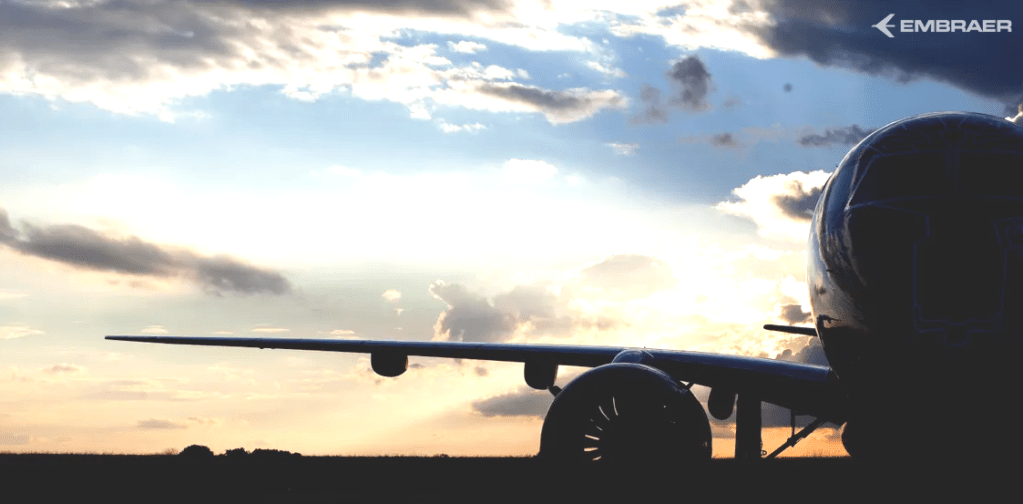
Embraer selecciona 5 E195-E2 para cliente indefinido
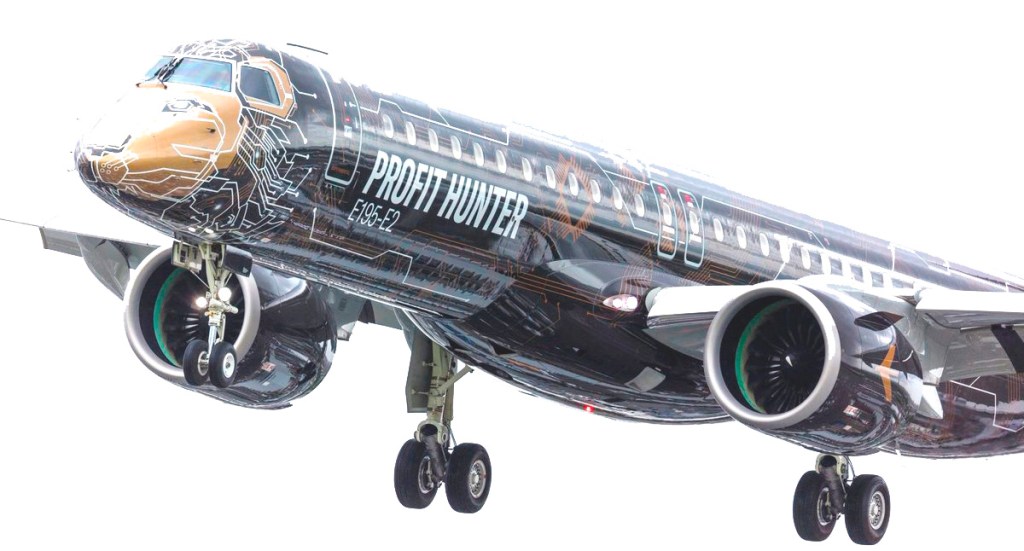
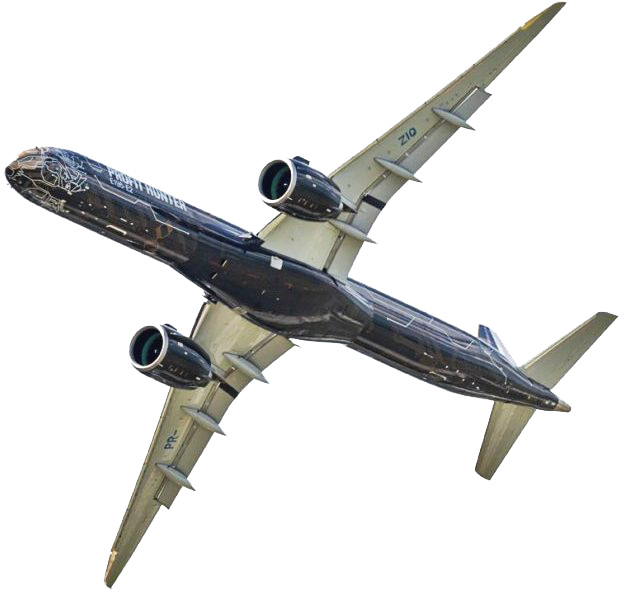
El constructor brasileño Embraer ha recibido un pedido en firme por cinco aeronaves Embraer E195-E2 de un cliente no identificado. El comprador no ha sido revelado al público, pero han informado que es una startup para entrar al mercado de la aviación comercial. Embraer anunció la nueva orden al cliente no identificado el Miércoles, 30 de Noviembre de 2022.
Embraer ha expresado que la aerolínea no identificada recibirá las primeras cuatro aeronaves a partir de finales del 2023, mientras que la quinta aeronave la recibirá a principios de 2024, según el plan de adquisiciones de la compañía con el fabricante brasileño. Embraer ha revelado que el monto de la facturación por los cinco aviones es de US$ 389.4 millones de Dólares.
El modelo Embraer E195-E2 se encuentra reforzando la cartera de órdenes del fabricante en el cuarto trimestre de 2022. Actualmente, los E2-Jets son operado actualmente por aproximadamente diez líneas aéreas, entre ellas los clientes más importantes KLM Cityhopper y Azul Linhas Aéreas. En un mercado competitivo, el constructor brasileño ha comenzado a ganar tracción para incorporar a su nómina más clientes y posicionándose en nuevos mercados particularmente en la región de Asia y el Pacífico, tras varias giras de promociones del modelo E2-Jets. Tras recibir las aprobaciones de certificaciones respectivas por parte de la Agencia de Aviación CAAC de China, ha alcanzado un importante logro para incursionar en el poderoso mercado chino.
Perspectivas E2-Jets
Embraer continúa desarrollando una política entusiasta con respecto de su flota E2-Jets para incorporarse en un nicho de mercado regional de la aviación china y Asia, sembrando oportunidades en mercados emergentes con nuevos clientes en espera de ser revelados.
Embraer 5 E195-E2 unidentified customer
Embraer selects 5 E195-E2 for permanent customer
Brazilian manufacturer Embraer has received a firm order for five Embraer E195-E2 aircraft from an unidentified customer. The buyer has not been revealed to the public, but it has been reported that it is a startup to enter the commercial aviation market. Embraer announced the new order to the unidentified customer on Wednesday, November 30, 2022.
Embraer has said that the unidentified airline will receive the first four aircraft starting at the end of 2023, while the fifth aircraft will receive it in early 2024, according to the company’s acquisition plan with the Brazilian manufacturer. Embraer has revealed that the billing amount for the five aircraft is US$389.4 million.
The Embraer E195-E2 model is reinforcing the manufacturer’s order book in the fourth quarter of 2022. Currently, the E2-Jets are currently operated by approximately ten airlines, including the most important customers KLM Cityhopper and Azul Linhas Aéreas. In a competitive market, the Brazilian manufacturer has begun to gain traction to incorporate more clients into its roster and positioning itself in new markets, particularly in the Asia-Pacific region, after several promotional tours of the E2-Jets model. After receiving the respective certification approvals from the CAAC China Aviation Agency, it has reached an important achievement to enter the powerful Chinese market.
Perspectives E2-Jets
Embraer continues to develop an enthusiastic policy regarding its E2-Jets fleet to break into a niche Chinese and Asian aviation regional market, sowing opportunities in emerging markets with new customers waiting to be revealed.
Embraer 5 E195-E2 cliente não identificado
Embraer seleciona 5 E195-E2 para cliente permanente
A fabricante brasileira Embraer recebeu um pedido firme de cinco aeronaves Embraer E195-E2 de um cliente não identificado. O comprador não foi revelado ao público, mas foi informado que se trata de uma startup para entrar no mercado de aviação comercial. A Embraer anunciou o novo pedido ao cliente não identificado na Quarta-feira, 30 de Novembro de 2022.
A Embraer informou que a companhia aérea não identificada receberá as quatro primeiras aeronaves a partir do final de 2023, enquanto a quinta aeronave receberá no início de 2024, de acordo com o plano de aquisição da empresa com a fabricante brasileira. A Embraer revelou que o valor de faturamento das cinco aeronaves é de US$ 389,4 milhões.
O modelo Embraer E195-E2 está reforçando a carteira de pedidos da fabricante no quarto trimestre de 2022. Atualmente, os E2-Jets são operados por aproximadamente dez companhias aéreas, incluindo os clientes mais importantes KLM Cityhopper e Azul Linhas Aéreas. Em um mercado competitivo, a fabricante brasileira começa a ganhar fôlego para incorporar mais clientes ao seu portfólio e se posicionar em novos mercados, principalmente na região da Ásia-Pacífico, após várias viagens promocionais do modelo E2-Jets. Depois de receber as respectivas aprovações de certificação da CAAC China Aviation Agency, alcançou uma conquista importante para entrar no poderoso mercado chinês.
Perspectivas E2-Jets
A Embraer continua a desenvolver uma política entusiástica em relação à sua frota de E2-Jets para entrar em um nicho de mercado regional da aviação chinesa e asiática, semeando oportunidades em mercados emergentes com novos clientes esperando para serem revelados.
PUBLISHER: Airgways.com DBk: Embraer.com / Airgways.com AW-POST: 202212010118AR OWNERSHIP: Airgways Inc. A\W A I R G W A Y S ®
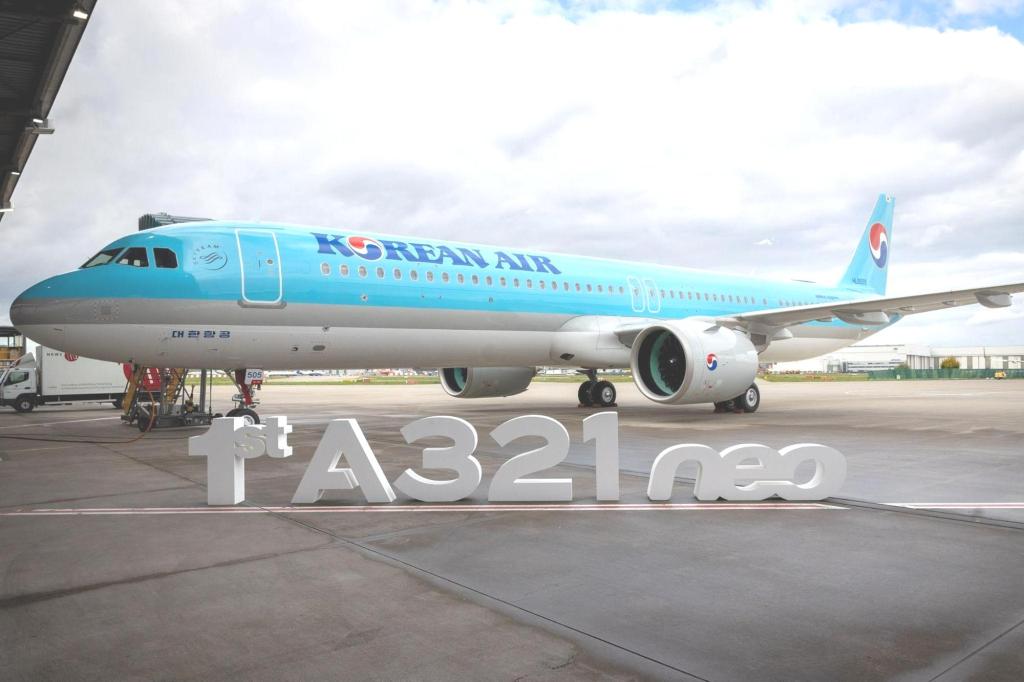
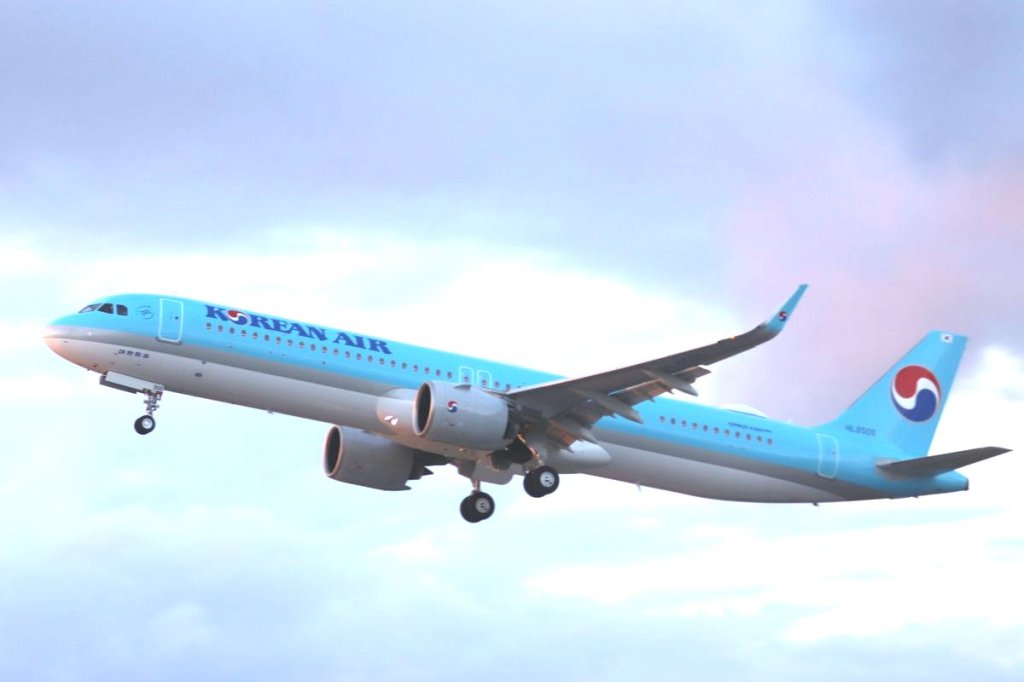
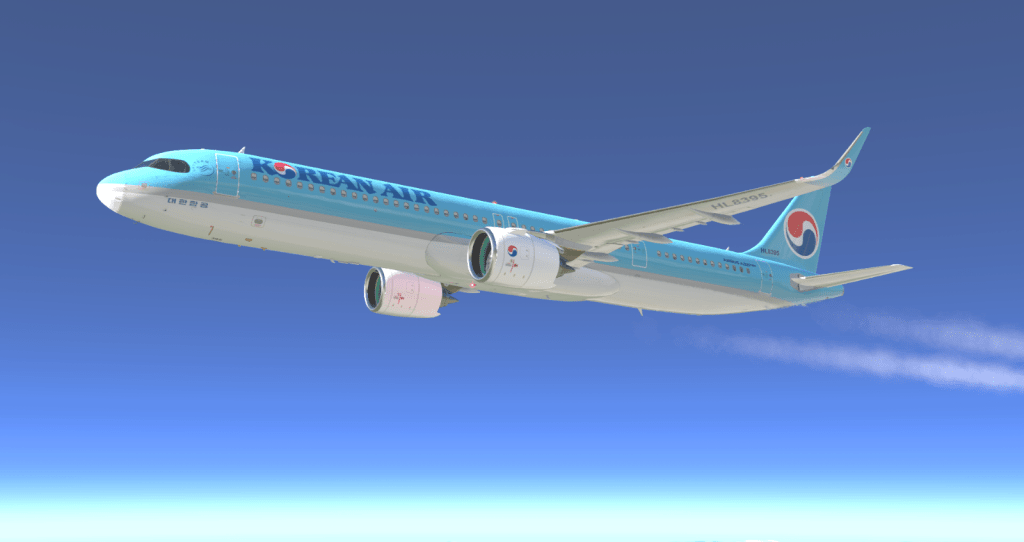
Korean Air ha recibido el primer Airbus A321NEO a su flota. La bienvenida a su primer avión narrowbody A321NEO había ocurrido hace aproximadamente un mes atrás, pero se ha anunciado oficialmente en estos días a la prensa. El nuevo A321NEO es un avión de nueva generación para alcanzar mejoras en el ahorro de consumo de combustible de al menos el 25%, reduciendo significativamente los costos operativos y las emisiones de carbono al medio ambiente.
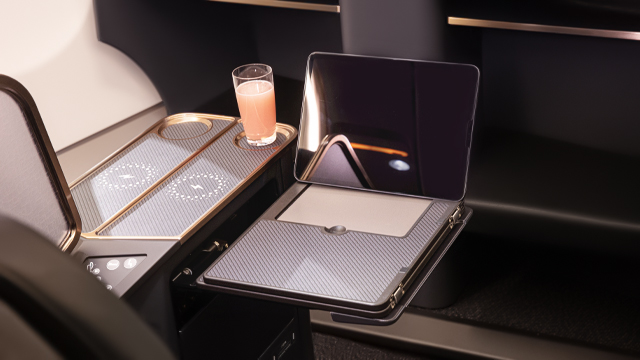
El A321NEO de Korean Air ofrecerá un total de 182 asientos en una configuración en Clase Ejecutiva Prestige (8) y en clase Economy (174). Korean Air es también la primera aerolínea asiática en contar con la cabina Airspace de Airbus en un A321NEO. El avión posee nuevas características de interior de cabina, ofrecer Internet a bordo y sistemas avanzados de entretenimiento personal a bordo. La aerolínea introduce asientos cama plana de 180 grados que estarán disponibles en la clase Prestige de la flota de fuselaje estrecho de la aerolínea. Los asientos Premium tendrán un monitor personal de 44 cm para servicios de audio/video bajo demanda junto con un cargador inalámbrico para teléfonos inteligentes. Los asientos en clase Economy también estarán equipados con una pantalla de entretenimiento personal a bordo de 33 cm. Se dice que mejora la comodidad de los pasajeros, el ambiente de la cabina y los servicios a bordo. Las persianas de las ventanas proporcionan una vista más amplia, y el inodoro está equipado con iluminación brillante y un revestimiento antibacteriano. La tela de los asientos de clase ejecutiva en el A321 es una mezcla de gris oscuro y dorado en comparación con los colores azul claro y blanco actuales de Corea. Según PaxEx, esta es una variante personalizada del asiento completamente plano Collins Aerospace Diamond. Para la tela del asiento de clase Economy, se ha elegido un patrón tejido con colores llamativos. Los compartimentos superiores son un 40% más grandes que otros A321NEO, lo que proporciona a los pasajeros más espacio para guardar el equipaje de mano.
Soo Keun Lee, Vicepresidente Ejecutivo y Director de Seguridad y Operaciones de Korean Air, comentó: «Estamos encantados de recibir nuestro primer A321NEO, que será un gran activo para nuestra flota, red y pasajeros. Este A321NEO de próxima generación y bajo consumo de combustible llevará la experiencia de nuestros clientes a un nuevo nivel con la galardonada cabina Airspace y los asientos de clase ejecutiva totalmente reclinables».
La nueva aeronave operará a partir de Diciembre 2022 principalmente en rutas de corta distancia, incluyendo el Sudeste asiático, China y Japón. La aerolínea ha ordenado un total de treinta Airbus A321NEO (30) para agregar a su flota de aeronaves que complementan la línea Airbus A220, A330 y A380.
Korean receives 1st A321NEO
Korean Air acquires first Airbus A321NEO
Korean Air has received the first Airbus A321NEO to its fleet. The welcome to its first narrowbody A321NEO aircraft had occurred about a month ago, but it has been officially announced these days to the press. The new A321NEO is a new generation aircraft to achieve improvements in fuel consumption savings of at least 25%, significantly reducing operating costs and carbon emissions to the environment.
Korean Air’s A321NEO will offer a total of 182 seats in a Prestige Business Class (8) and Economy Class (174) configuration. Korean Air is also the first Asian airline to have the Airbus Airspace cabin on an A321NEO. The aircraft has new cabin interior features, offers inflight Internet and advanced personal inflight entertainment systems. The airline introduces 180-degree flatbed seats that will be available in the Prestige class of the airline’s narrow-body fleet. Premium seats will have a 44 cm personal monitor for on-demand audio/video services along with a wireless charger for smartphones. Economy class seats will also be equipped with a 33cm personal inflight entertainment screen. It is said to improve passenger comfort, cabin environment and inflight services. Window blinds provide a broader view, and the toilet is fitted with bright lighting and an antibacterial coating. The business class seat fabric on the A321 is a mix of dark gray and gold compared to Korea’s current light blue and white colours. According to PaxEx, this is a custom variant of the fully flat Collins Aerospace Diamond seat. For the fabric of the Economy class seat, a woven pattern with bold colors has been chosen. The overhead compartments are 40% larger than other A321NEOs, giving passengers more space to stow carry-on luggage.
Soo Keun Lee, Executive Vice President and Director of Safety and Operations at Korean Air, commented: «We are delighted to take delivery of our first A321NEO, which will be a great asset to our fleet, network and passengers. This next-generation, fuel-efficient A321NEO will take our customer experience to a new level with the award-winning Airspace cabin and fully reclining business class seats».
The new aircraft will operate from December 2022 mainly on short-haul routes, including Southeast Asia, China and Japan. The airline has ordered a total of thirty Airbus A321NEO (30) to add to its fleet of aircraft that complement the Airbus A220, A330 and A380 line.
한국인 최초의 A321NEO 인수
대한항공, 에어버스 A321NEO 첫 인수
대한항공이 첫 번째 에어버스 A321NEO를 기단에 도입했다. 첫 내로우 바디 A321NEO 항공기에 대한 환영은 약 한 달 전에 발생했지만 요즘 공식적으로 언론에 발표되었습니다. 새로운 A321NEO는 최소 25%의 연료 소비 절감을 달성하여 운영 비용과 환경에 대한 탄소 배출량을 크게 줄이는 차세대 항공기입니다.
대한항공의 A321NEO는 프레스티지 비즈니스 클래스(8)와 이코노미 클래스(174) 구성으로 총 182석을 제공합니다. 대한항공은 아시아 항공사 최초로 A321NEO에 에어버스 에어스페이스 객실을 갖췄다. 항공기는 새로운 기내 인테리어를 갖추고 있으며 기내 인터넷과 고급 개인용 기내 엔터테인먼트 시스템을 제공합니다. 항공사는 항공사의 내로우 바디 항공기의 프레스티지 클래스에서 사용할 수 있는 180도 플랫베드 좌석을 소개합니다. 프리미엄 좌석에는 주문형 오디오/비디오 서비스를 위한 44cm 개인용 모니터와 스마트폰용 무선 충전기가 있습니다. 이코노미 클래스 좌석에는 33cm 개인용 기내 엔터테인먼트 스크린도 장착됩니다. 승객의 편안함, 기내 환경 및 기내 서비스를 개선한다고 합니다. 창문 블라인드는 더 넓은 시야를 제공하며 화장실은 밝은 조명과 항균 코팅이 되어 있습니다. A321의 비즈니스 클래스 좌석 패브릭은 한국의 현재 하늘색과 흰색 색상에 비해 어두운 회색과 금색이 혼합되어 있습니다. PaxEx에 따르면 이것은 완전히 평평한 Collins Aerospace Diamond 시트의 맞춤형 변형입니다. 이코노미 클래스 좌석의 패브릭은 대담한 색상의 우븐 패턴을 선택했습니다. 머리 위 수납 공간은 다른 A321NEO보다 40% 더 커서 승객에게 기내 반입 수하물을 보관할 수 있는 더 많은 공간을 제공합니다.
대한항공 이수근 전무이사 겸 안전운영본부장은 “첫 A321NEO를 인도받게 되어 기쁘게 생각한다. 연비 효율적인 A321NEO는 수상 경력에 빛나는 Airspace 객실과 완전히 기울어지는 비즈니스석 좌석으로 고객 경험을 새로운 차원으로 끌어올릴 것입니다».
신형 항공기는 2022년 12월부터 동남아, 중국, 일본 등 단거리 노선을 중심으로 운항된다. 항공사는 Airbus A220, A330 및 A380 라인을 보완하는 항공기를 추가하기 위해 총 30대의 Airbus A321NEO(30대)를 주문했습니다.
PUBLISHER: Airgways.com DBk: Koreanair.com / Airbus.com / Airgways.com AW-POST: 202211302300AR OWNERSHIP: Airgways Inc. A\W A I R G W A Y S ®
Air Corsica recibe primer ATR 72-600 con motores PW127XT
Air Corsica ha recibido la entrega de la primer ATR 72-600 con motores Pratt & Whitney PW127XT. La aerolínea firmó un pedido en firme de cinco ATR 72-600 en el Dubai Airshow en 2021. La aerolínea francesa ha recibido su primer ATR 72-600 con motores de última generación PW127XT y también el primero en tener puertos USB en los asientos de los pasajeros.
Marie-Hélène Casanova-Servas, Presidenta de Air Corsica expresó: «Los ATR son fundamentales para nuestros modelo de viaje aéreo en Córcega. Han demostrado ser los correctos producto para nuestras operaciones de corta distancia, lo que nos permite limitar nuestra impacto en el entorno prístino de la isla y para cumplir con nuestros La demanda de pasajeros de servicios rápidos, frecuentes, fiables y, sin embargo, más bajos emisión, viajes aéreos. Seleccionando tanto la última generación turbohélice, el motor más nuevo del mercado para equiparlo, y el El mejor programa de mantenimiento para optimizar su fiabilidad, hace que perfecto sentido comercial, y además, es el más responsable elección».
Según ATR Aircraft, el nuevo motor PW127XT proporcionará a la aerolínea una reducción del 20% en costes de mantenimiento y un 3% de mejora en el consumo de combustible en comparación con el PW127M, lo que significa un 45% menos de consumo de combustible y CO2 emisiones en comparación con aviones regionales de tamaño similar.
Air Corsica también ha apostado por optimizar el mantenimiento de toda su flota ATR a través de un Global de 12 años Acuerdo de mantenimiento. El contrato de pago por horas cubre el servicios de reparación, revisión y agrupación de unidades reemplazables de línea, e incluye las hélices, trenes de aterrizaje y bordes de ataque disponibilidad y mantenimiento, además de un acuerdo de precios a largo plazo para el suministro de más de 2.000 piezas de repuesto.
«Air Corsica y ATR han crecido juntos desde siempre desde su primer vuelo ATR en 1990. A lo largo de décadas han demostrado Compromiso con volar la última tecnología y la más responsable aviones disponibles. A medida que nuestro producto evoluciona para satisfacer las nuevas necesidades del mercado y incorpora más innovaciones, sigue siendo el más confiable, aeronaves eficientes y rentables en el mercado, así como el Plataforma más sostenible para operar rutas regionales. Esto hace que ATR y Air Corsica son una combinación perfecta», dijo Nathalie Tarnaud Laude, Director Ejecutivo de ATR Aircraft.
Air Corsica 1st ATR 72 PW127XT engines
Air Corsica takes delivery of first ATR 72-600 with PW127XT engines
Air Corsica has taken delivery of the first ATR 72-600 with Pratt & Whitney PW127XT engines. The airline signed a firm order for five ATR 72-600s at the Dubai Airshow in 2021. The French airline has taken delivery of its first ATR 72-600 with the latest generation PW127XT engines and also the first to have USB ports in passenger seats. passengers.
Marie-Hélène Casanova-Servas, President of Air Corsica said: «ATRs are fundamental to our air travel model in Corsica. They have proven to be the right product for our short-haul operations, allowing us to limit our impact on the environment. of the island and to meet our passenger demand for fast, frequent, reliable and yet lowest emission air travel, selecting both the latest generation turboprop, the newest engine on the market to equip it, and the The best maintenance schedule to optimize your reliability, makes perfect business sense, and furthermore, is the most responsible choice».
According to ATR Aircraft, the new PW127XT engine will provide the airline with a 20% reduction in maintenance costs and a 3% improvement in fuel consumption compared to the PW127M, which means 45% less fuel consumption and CO2 emissions compared to regional aircraft of similar size.
Air Corsica has also opted to optimize the maintenance of its entire ATR fleet through a 12-year Global Maintenance Agreement. The hourly pay contract covers line replaceable unit assembly, overhaul and repair services, and includes propellers, landing gear and leading edge availability and maintenance, plus a long-term price agreement for the supply of more than 2,000 spare parts.
«Air Corsica and ATR have grown together forever since their first ATR flight in 1990. Over the decades they have demonstrated a Commitment to flying the latest technology and most responsible aircraft available. As our product evolves to meet the new needs of the market and incorporating more innovations, it remains the most reliable, efficient and cost-effective aircraft on the market, as well as the most sustainable platform for operating regional routes. This makes ATR and Air Corsica a perfect match», said Nathalie Tarnaud Laude, Director ATR Aircraft Executive.
PUBLISHER: Airgways.com DBk: Aircorsica.com / Atraircraft.com / Airgways.com AW-POST: 202211291603AR OWNERSHIP: Airgways Inc. A\W A I R G W A Y S ®
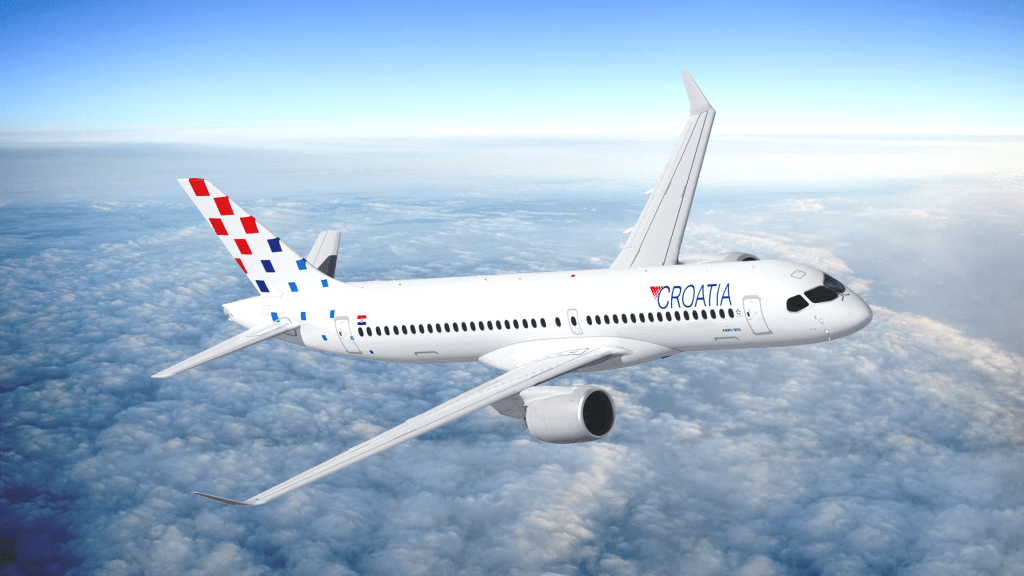
Croatia Airlines firma pedido en firme de seis aviones A220-300
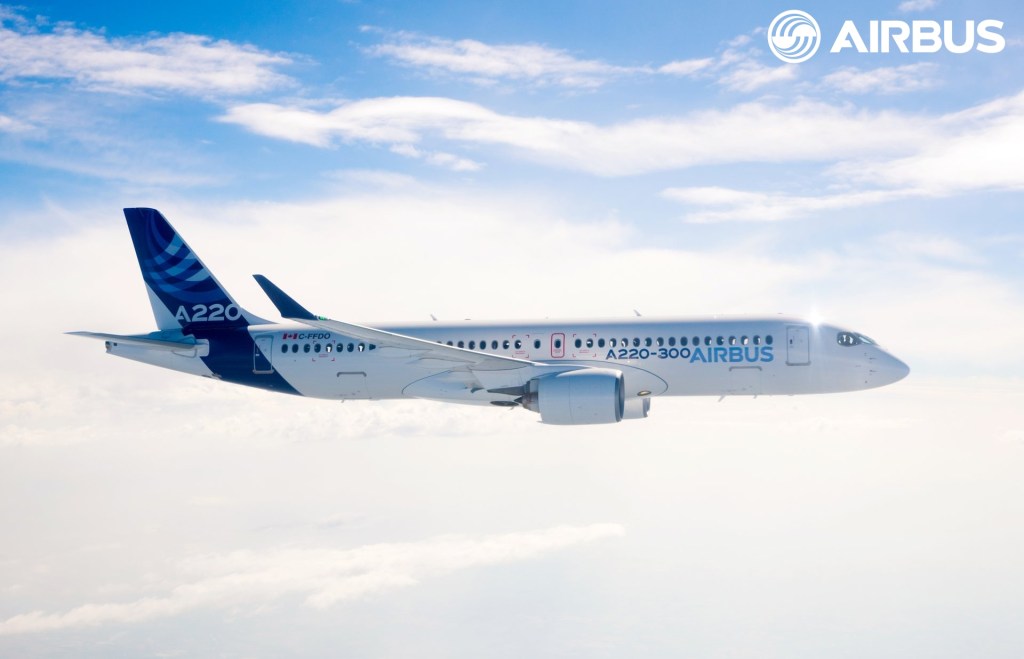
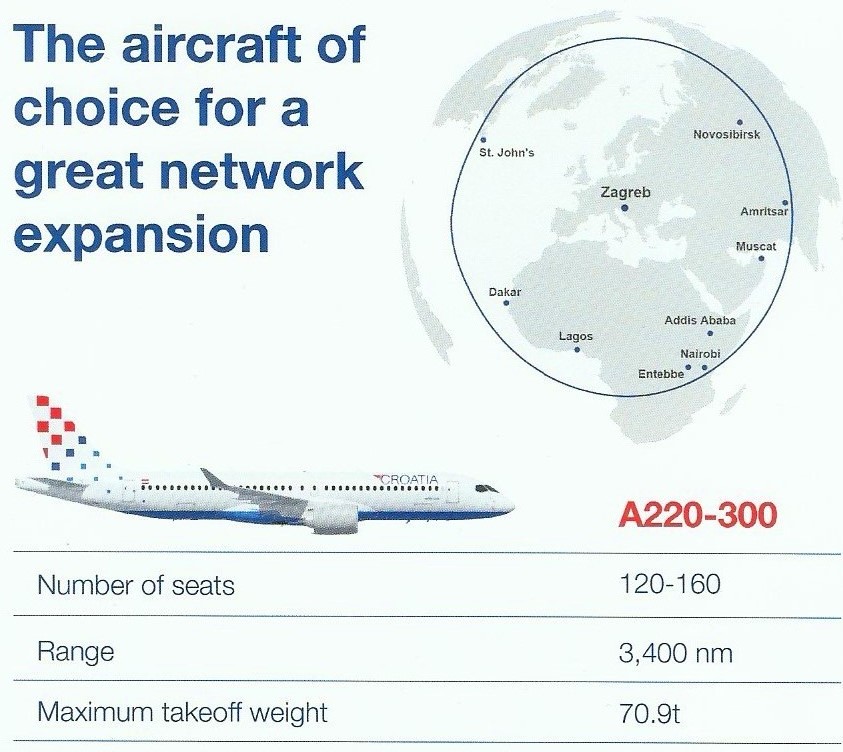
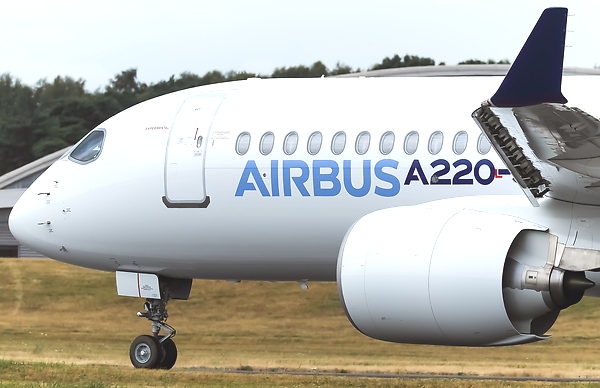
Croatia Airlines, la aerolínea de bandera nacional de Croacia con sede en Zagreb, ha firmado un pedido en firme de seis aviones Airbus A220-300 (6). Croatia Airlines planea arrendar nueve A220 adicionales, lo que eleva su compromiso total para el tipo a 15. La constructora Airbus Group ha informado el 29 de Noviembre de 2022 que la aerolínea croata ha firmado una orden para el avión regional europeo. Los A220 reemplazarán a los aviones de la generación anterior en la flota de la compañía, lo que reducirá los costos operativos y mejorará la eficiencia ambiental y la competitividad al tiempo que ofrece a los pasajeros una comodidad sin igual en toda su flota.
«La firma de hoy de un contrato para la compra de aviones Airbus de última generación es un momento muy especial para todos nosotros en Croatia Airlines. Marca el comienzo de un nuevo período de la aviación, un nuevo período en la vida de Croatia Airlines, un nuevo período para nuestros pasajeros y un nuevo período para el turismo y la economía de Croacia en su conjunto”, dijo Jasmin Bajić, CEO y Presidente de el Consejo de Administración de Croatia Airlines.
“Estamos encantados de incorporar a Croatia Airlines como nuevo cliente del A220. El A220 se adapta de manera ideal a las necesidades de aviación de Croacia, ya que brinda flexibilidad y eficiencia operativas, lo que le permite a la aerolínea perseguir su ambición de conectividad tanto regional como internacional sin comprometer ningún aspecto, ya sea la comodidad de los pasajeros o la economía de costos de viajes y asientos”, dijo Christian Scherer, Director Comercial de Airbus y Director Internacional.
El A220 es un diseño de hoja limpia y el único avión construido específicamente para el segmento de mercado de 100 a 150 asientos que reúne aerodinámica de última generación, materiales avanzados y los motores GTF™ de última generación de Pratt & Whitney. El A220 ofrece un 50% menos de ruido, hasta un 25% menos de consumo de combustible por asiento y emisiones de CO2, en comparación con los aviones de la generación anterior, así como alrededor de un 50% menos de emisiones de NOx que los estándares de la industria.
Airbus y las aerolíneas de Croacia han tenido una asociación de larga data que comenzó hace veinticinco años, cuando la aerolínea se convirtió por primera vez en un operador de Airbus. En la actualidad, la aerolínea croata opera una flota Airbus de siete aviones de pasillo único de la familia A320, cinco A319 (5) y dos A320 (2).
Con más de 230 Airbus A220 entregados actualmente a dieciséis aerolíneas que operan en cuatro continentes, el A220 es el avión óptimo para rutas regionales y de larga distancia. Hasta la fecha, más de 70 millones de pasajeros han disfrutado del A220. La flota vuela actualmente en más de 800 rutas y 325 destinos en todo el mundo. A fines de octubre de 2022, alrededor de 30 clientes habían pedido más de 780 aviones A220, lo que confirma su avance en el mercado de aviones pequeños de pasillo único.
La próxima incorporación del avión regional A200 en Croatia Airlines contribuirá aún más al desarrollo del turismo en la región, al tiempo que brinda flexibilidad y permitirá dimensionar correctamente sus operaciones. La aerolínea croata había estudiado varias opciones como avión de transporte regional entre ellas los Airbus A220 y Embraer E195-E2 de última generación, inclinándose así por el constructor europeo.
Croatia signs for 6 A220
Croatia Airlines signs firm order for six A220 aircraft
Croatia Airlines, the national flag carrier of Croatia based in Zagreb, has signed a firm order for six Airbus A220-300 aircraft (6). Croatia Airlines plans to lease an additional nine A220s, bringing its total commitment for the type to 15. Construction company Airbus Group has reported on November 29, 2022 that the Croatian airline has signed an order for the European regional aircraft. The A220s will replace previous generation aircraft in the company’s fleet, reducing operating costs and improving environmental efficiency and competitiveness while offering passengers unrivaled comfort across its fleet.
«Today’s signing of a contract for the purchase of state-of-the-art Airbus aircraft is a very special moment for all of us at Croatia Airlines. It marks the beginning of a new period of aviation, a new period in the life of Croatia Airlines, a new period for our passengers and a new period for tourism and the economy of Croatia as a whole”, said Jasmin Bajić, CEO and Chairman of the Board of Directors of Croatia Airlines.
“We are delighted to welcome Croatia Airlines as a new A220 customer. The A220 is ideally suited to Croatia’s aviation needs as it provides operational flexibility and efficiency, allowing the airline to pursue its ambition of both regional and international connectivity without compromising any aspect, be it the comfort of passengers passengers or the cost savings of travel and seats”, said Christian Scherer, Airbus Commercial Director and International Director.
The A220 is a clean sheet design and the only aircraft built specifically for the 100-150 seat market segment to bring together state-of-the-art aerodynamics, advanced materials and Pratt & Whitney’s next-generation GTF™ engines. The A220 offers 50% less noise, up to 25% less fuel consumption per seat and CO2 emissions, compared to previous generation aircraft, as well as around 50% less NOx emissions than previous generation aircraft. industry standards.
Airbus and Croatian Airlines have had a long-standing partnership that began twenty-five years ago, when the airline first became an Airbus operator. Currently, the Croatian airline operates an Airbus fleet of seven A320 family single-aisle aircraft, five A319s (5) and two A320s (2).
With more than 230 Airbus A220s currently delivered to sixteen airlines operating on four continents, the A220 is the aircraft of choice for long-haul and regional routes. To date, more than 70 million passengers have enjoyed the A220. The fleet currently flies more than 800 routes and 325 destinations around the world. By the end of October 2022, around 30 customers had ordered more than 780 A220 aircraft, confirming its breakthrough in the single-aisle small aircraft market.
The upcoming addition of the A200 regional aircraft at Croatia Airlines will further contribute to the development of tourism in the region, while providing flexibility and enabling the right sizing of its operations. The Croatian airline had studied several options as a regional transport aircraft, including the latest generation Airbus A220 and Embraer E195-E2, thus leaning towards the European manufacturer.
Croatia potpisuje za 6 A220
Croatia Airlines potpisao čvrstu narudžbu za šest zrakoplova A220
Croatia Airlines, hrvatski nacionalni zrakoplovni prijevoznik sa sjedištem u Zagrebu, potpisao je čvrstu narudžbu za šest aviona Airbus A220-300 (6). Croatia Airlines planira iznajmiti dodatni A220, čime će njegova ukupna obveza za taj tip biti 15. Graditelj Airbus Grupa obavijestio je 29 Studenog 2022 da je hrvatski zračni prijevoznik potpisao narudžbu za europski regionalni zrakoplov. A220 će zamijeniti avione prethodne generacije u floti tvrtke, što će smanjiti operativne troškove i poboljšati ekološku učinkovitost i vremensku konkurentnost koja putnicima nudi jedinstvenu pogodnost u cijeloj floti.
«Današnje potpisivanje ugovora o kupnji najmodernijih zrakoplova Airbus poseban je trenutak za sve nas u Croatia Airlines. Označava početak novog razdoblja zrakoplovstva, novog razdoblja u životu Croatia Airlines, novo razdoblje za naše putnike i novo razdoblje za turizam i gospodarstvo Hrvatske u cjelini”, kaže Jasmin Bajić, Predsjednik Uprave i Predsjednik Upravnog vijeća Croatia Airlines.
“Drago nam je što smo se pridružili Croatia Airlines kao novi korisnik A220. A220 se na idealan način prilagođava potrebama zrakoplovstva u Hrvatskoj, budući da nudi operativnu fleksibilnost i učinkovitost, što omogućuje zrakoplovnom prijevozniku da slijedi svoju ambiciju povezivanja, kako regionalno tako i međunarodno, bez ugrožavanja bilo kojeg aspekta, jer je to udobnost njih putnike ili ekonomiju putovanja i troškova sjedala”, kaže Christian Scherer, Komercijalni Direktor Airbus i Međunarodni Direktor.
A220 je čistog dizajna i jedini zrakoplov izgrađen posebno za tržišni segment od 100 do 150 sjedala koji kombinira vrhunsku aerodinamiku, napredne materijale i posljednju generaciju GTF™ motora tvrtke Pratt & Whitney. A220 nudi 50% manje buke, do 25% manju potrošnju goriva po sjedalu i emisiju CO2, u usporedbi s avionima prethodne generacije, kao i 50% manje emisije NOx od industrijskih standarda.
Airbus i hrvatski zrakoplovni prijevoznici imaju dugogodišnju suradnju koja je započela prije dvadeset i pet godina, kada je zrakoplovni prijevoznik prvi put postao Airbusovim operaterom. Hrvatski zrakoplovni prijevoznik trenutačno upravlja Airbusovom flotom od sedam jednoprolaznih zrakoplova iz obitelji A320, pet A319 (5) i dva A320 (2).
S više od 230 Airbus A220 trenutno isporučenih dizelskim zračnim prijevoznicima koji rade na četiri kontinenta, A220 je najbolji zrakoplov za regionalne i međugradske rute. Do zatvaranja, više od 70 milijuna putnika uživalo je u A220. Flota trenutno leti na više od 800 ruta i 325 odredišta diljem svijeta. Do kraja listopada 2022. oko 30 kupaca naručilo je više od 780 zrakoplova A220, što potvrđuje njegov napredak na tržištu malih jednoprolaznih zrakoplova.
Sljedeće uključivanje regionalnog zrakoplova A200 u Croatia Airlines još će više doprinijeti razvoju turizma u regiji, vrijeme koje daje fleksibilnost i omogućuje pravilno skaliranje poslovanja. Hrvatski zračni prijevoznik proučavao je različite opcije poput zrakoplova za regionalni transport, uključujući najnoviju generaciju Airbus A220 i Embraer E195-E2, naginjući europskom proizvođaču.
PUBLISHER: Airgways.com DBk: Crooatiaairlines.com / Airbus.com / Airgways.com AW-POST: 202211290933AR OWNERSHIP: Airgways Inc. A\W A I R G W A Y S ®
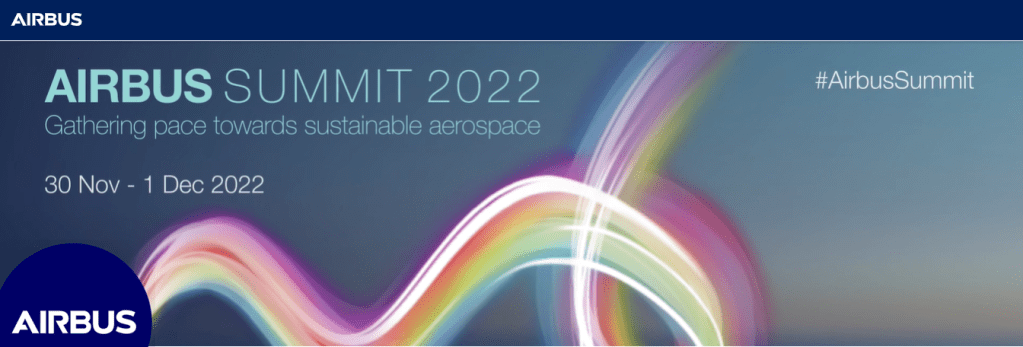
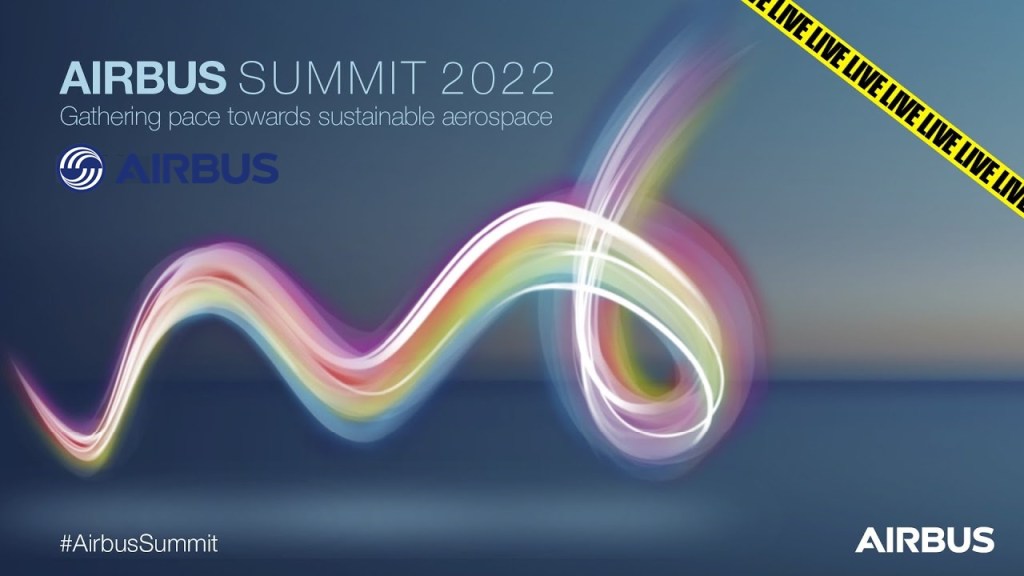
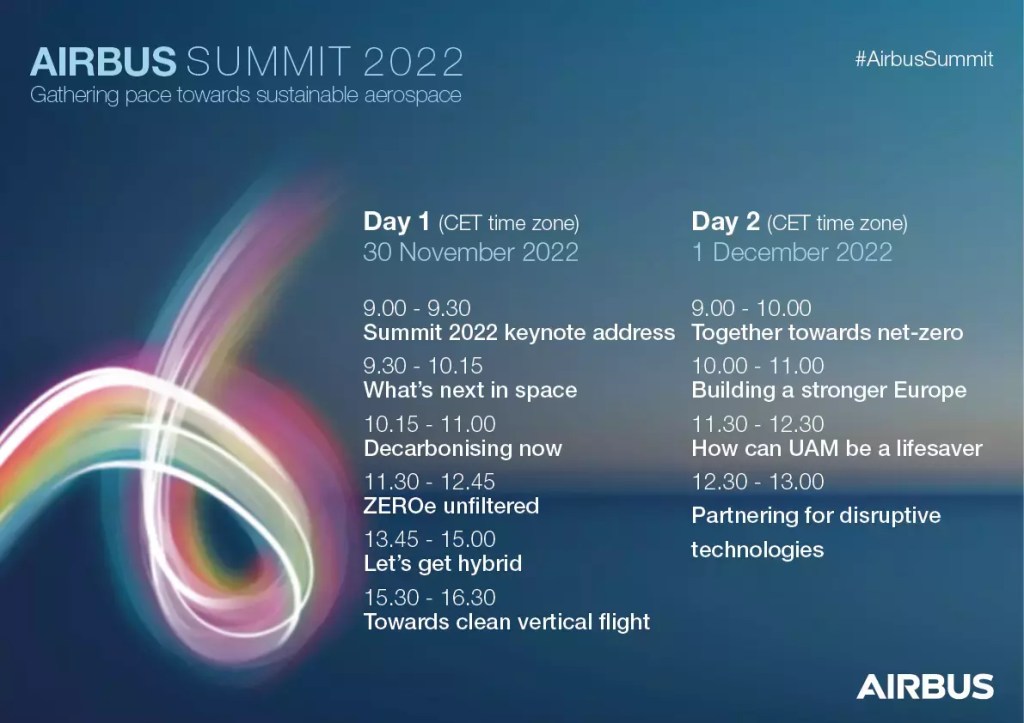
La edición Airbus Summit 2022 tendrá lugar durante dos días, el 30 de Noviembre y el 1 de Diciembre de 2022. Aprovechando el impulso de la Cumbre de 2021, el evento de este año buscará mostrar el progreso tangible y los logros obtenidos por el sector aeroespacial a medida que avanza hacia un futuro más sostenible.
Invitados expertos del mundo de los negocios, la ciencia, la automoción y las industrias energéticas, así como del sector de la aviación, se unirán a los oradores de Airbus para explorar innovaciones prometedoras, tecnologías disruptivas e iniciativas intersectoriales que están acelerando el camino hacia la aviación neta cero.
Las sesiones incluirán debates sobre los próximos pasos en tecnologías espaciales, energías híbridas, nuevas características innovadoras de vuelo vertical, asociaciones entre industrias, combustibles de aviación sostenibles, así como lo último en aviones de hidrógeno ZEROe de Airbus. La Cumbre de 2022 también abordará la necesidad de una defensa y seguridad europeas sólidas, y discutirá por qué esto es un requisito previo para lograr nuestros objetivos de sostenibilidad.
Las audiencias en línea podrán hacer preguntas en vivo a los oradores utilizando la función de preguntas y respuestas dedicada de Youtube. Ambos enlaces permanecerán disponibles para su reproducción después del evento.
Más información sobre los temas y la agenda de la Cumbre, así como anuncios clave y comunicados de prensa publicados durante el evento, estarán disponibles en el sitio web de Airbus a través de este enlace.
Airbus Summit 2022
Airbus Summit will take place 11/30—12/01, 2022
The edition of the Airbus Summit 2022 will take place over two days, on November 30 and December 1, 2022. Building on the momentum of the 2021 Summit, this year’s event will seek to showcase tangible progress and achievements. by the aerospace industry as it moves towards a more sustainable future.
Expert guests from the business, science, automotive and energy industries, as well as the aviation sector, will join Airbus speakers to explore promising innovations, disruptive technologies and cross-sector initiatives that are accelerating the path to zero net aviation.
Sessions will include discussions on next steps in space technologies, hybrid power, innovative new vertical flight features, cross-industry partnerships, sustainable aviation fuels, as well as the latest in Airbus ZEROe hydrogen aircraft. The 2022 Summit will also address the need for strong European defense and security, and discuss why this is a prerequisite for achieving our sustainability goals.
Online audiences will be able to ask speakers live questions using Youtube’s dedicated Q&A feature. Both links will remain available for playback after the event.
More information on the Summit topics and agenda, as well as key announcements and press releases issued during the event, will be available on the Airbus website via this link.
AIRBUS SUMMIT 2022 Starting at 09:00 CET, Paris time, France, on November 30, the event will be broadcast live on YouTube at this link: https://www.youtube.com/watch?v=8OGdJlzOAP0
AIRBUS SUMMIT 2022 A partir de las 09:00 CET, hora de París, Francia, del 30 de Noviembre, el evento se retransmitirá en directo por Youtube en este enlace: https://www.youtube.com/watch?v=8OGdJlzOAP0
Consorcio europeo enfrenta mismos desafíos que Boeing
Airbus Group redujo su objetivo de entrega a principios de este año 2022 de 720 unidades a alrededor de 700 unidades anuales. El rendimiento pasado y los problemas actuales de la cadena de suministro sugieren que se requerirá un rendimiento extraordinario para que Airbus cumpla con el objetivo reducido. El cumplimiento del objetivo por parte de Airbus indicaría una fortaleza significativa para el próximo año 2023.
Airbus SE está entregando aviones a los clientes a un ritmo más alto que su competidor The Boeing Company. Boeing está en camino de regreso, pero las expectativas para sus volúmenes de entrega han sido mayores dados los cientos de aviones que ha preparado y que requieren solo un trabajo de finalización menor. También enfrenta desafíos para estabilizar su tasa de producción en 31 aviones por mes. Mientras que Airbus tiene como objetivo aumentar la producción hasta 75 aviones por mes para su popular familia Airbus A320NEO, el fabricante europeo de aviones se enfrenta a importantes desafíos para entregar aviones en línea con su tasa de producción. Además, Airbus está impulsando los envíos de proveedores de 2022 a 2023, lo que sugiere que existe un desajuste entre la tasa de producción comunicada y la tasa de producción real.
Ahí es donde Airbus y Boeing se enfrentan a un desafío. Debido a la escasez de personal, así como a la presión sobre el suministro de materiales, es difícil aumentar y mantener las tasas de producción. Durante bastante tiempo, he señalado que el objetivo de entrega al que apunta Airbus podría no ser realista. Con varias semanas restantes en 2022, vuelvo a visitar el tema para ver qué tan realista es asumir que se alcanzará el objetivo de entrega. El mes de Octubre 2022 mostró una divergencia positiva de esa tendencia, ya que el primer mes del 4Q2022 comenzó con números de entrega superiores a los del mes anterior.
Retrasos A320NEO
Airbus ha informado que se encuentra modificando las entregas de aviones de línea A320NEO, retrasando las entregas de algunos aviones el próximo año 2023, pues trabaja para cumplir con los objetivos de entrega para 2022 en medio de dificultades laborales y de cadena de suministro.
El fabricante europeo de aviones enfrenta incertidumbres sobre la disponibilidad de motores para nuevos aviones. Su rival americano Boeing se ha enfrentado a una escasez similar de motores a medida que los fabricantes enfrentan cuellos de botella en las cadenas de suministro.
Airbus aircraft deliveries challenges
European consortium faces same challenges as Boeing
Airbus Group reduced its delivery target earlier this year 2022 from 720 units to around 700 units per year. Past performance and current supply chain issues suggest extraordinary performance will be required for Airbus to meet the reduced target. Airbus meeting the target would indicate significant strength for the coming year 2023.
Airbus SE is delivering planes to customers at a higher rate than its competitor The Boeing Company. Boeing is on its way back, but expectations for its delivery volumes have been higher given the hundreds of planes it has prepared that require only minor completion work. It also faces challenges in stabilizing its production rate at 31 aircraft per month. While Airbus aims to ramp production up to 75 aircraft per month for its popular Airbus A320NEO family, the European planemaker faces significant challenges to deliver aircraft in line with its production rate. Additionally, Airbus is boosting supplier shipments from 2022 to 2023, suggesting that there is a mismatch between the reported production rate and the actual production rate.
That is where Airbus and Boeing face a challenge. Due to staff shortages, as well as pressure on material supplies, it is difficult to increase and maintain production rates. For quite some time, I have pointed out that the delivery target that Airbus is aiming for might not be realistic. With several weeks left in 2022, I revisit the topic to see how realistic it is to assume the delivery target will be met. The month of October 2022 showed a positive divergence from that trend, since the first month of 4Q2022 began with delivery numbers higher than those of the previous month.
A320NEO delays
Airbus has reported that it is modifying deliveries of A320NEO airliners, delaying deliveries of some aircraft to next year 2023, as it works to meet delivery targets for 2022 amid labor and supply chain difficulties.
The European planemaker faces uncertainties about the availability of engines for new planes. Its American rival Boeing has faced a similar shortage of engines as manufacturers face bottlenecks in supply chains.
PUBLISHER: Airgways.com DBk: Airbus.com / Airgways.com AW-POST: 202211261141AR OWNERSHIP: Airgways Inc. A\W A I R G W A Y S ®
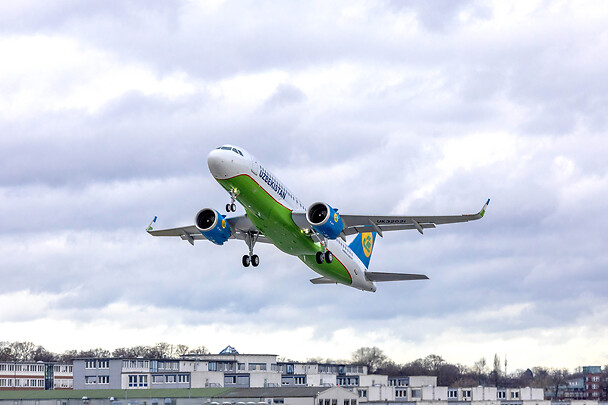
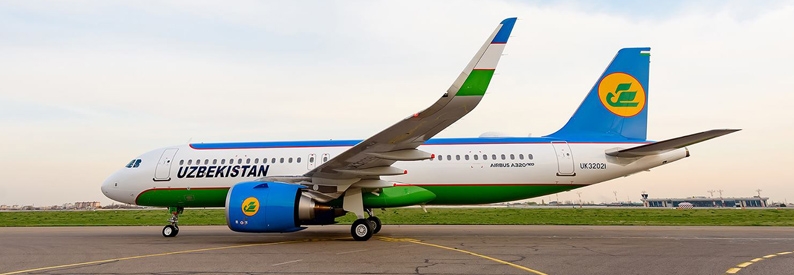
Uzbekistan Airways se unió a Airbus Group durante otra década, firmando un contrato para doce (12) aviones Airbus A320NEO. La compañía aérea nacional de Uzbekistán, ha llegado a un acuerdo con el fabricante europeo Airbus sobre la adquisición de doce nuevos aviones de fuselaje estrecho de la familia A320NEO que comprenden ocho Airbus A320NEO (8) y cuatro A321NEO (4) de nueva generación con entrega en 2029-2030.
Un contrato a largo plazo para aviones remotorizados, así como un Memorando de Entendimiento (MoU) entre Uzbekistan Helicopters y Airbus Helicopters sobre la entrega de dos helicópteros H145 a mediano plazo, se firmaron como parte de la visita oficial del Presidente Shavkat Mirziyoyev a Francia.
Uzbekistan orders 12 A320NEOs
Uzbekistan Airways orders twelve Airbus A320NEO
Uzbekistan Airways joined the Airbus Group for another decade, signing a contract for twelve (12) Airbus A320NEO aircraft. The national airline of Uzbekistan has reached an agreement with the European manufacturer Airbus on the acquisition of twelve new narrow-body aircraft of the A320NEO family, comprising eight Airbus A320NEO (8) and four A321NEO (4) of new generation with delivery in 2029-2030.
A long-term contract for re-powered aircraft, as well as a Memorandum of Understanding (MoU) between Uzbekistan Helicopters and Airbus Helicopters on the medium-term delivery of two H145 helicopters, were signed as part of President Shavkat Mirziyoyev’s official visit to France.
O‘zbekiston 12 A320NEO samolyotlariga buyurtma beradi
O’n ikkita Airbus A320NEO buyurtma beradi
O‘zbekiston havo yo‘llari MAK yana o‘n yil davomida Airbus Group qo‘shildi va o‘n ikkita (12) Airbus A320NEO samolyotiga shartnoma imzoladi. O‘zbekiston Milliy aviakompaniyasi Yevropaning Airbus ishlab chiqaruvchisi bilan 2029-yilda yetkazib beriladigan sakkizta Airbus A320NEO (8) va to‘rtta A321NEO (4) dan iborat A320NEO oilasiga mansub o‘n ikkita yangi tor fyuzelyajli samolyotlarni sotib olish bo‘yicha kelishuvga erishdi. 2030.
Prezident Shavkat Mirziyoyevning Fransiyaga rasmiy tashrifi doirasida qayta quvvatlanadigan samolyotlar boʻyicha uzoq muddatli shartnoma, shuningdek, Uzbekistan Helicopters va Airbus Helicopters oʻrtasida ikkita H145 vertolyotini oʻrta muddatli yetkazib berish boʻyicha oʻzaro anglashuv memorandumi imzolandi.
PUBLISHER: Airgways.com DBk: Uzairways.com / Airbus.com / Airgways.com AW-POST: 202211252330AR OWNERSHIP: Airgways Inc. A\W A I R G W A Y S ®































 airgways.com