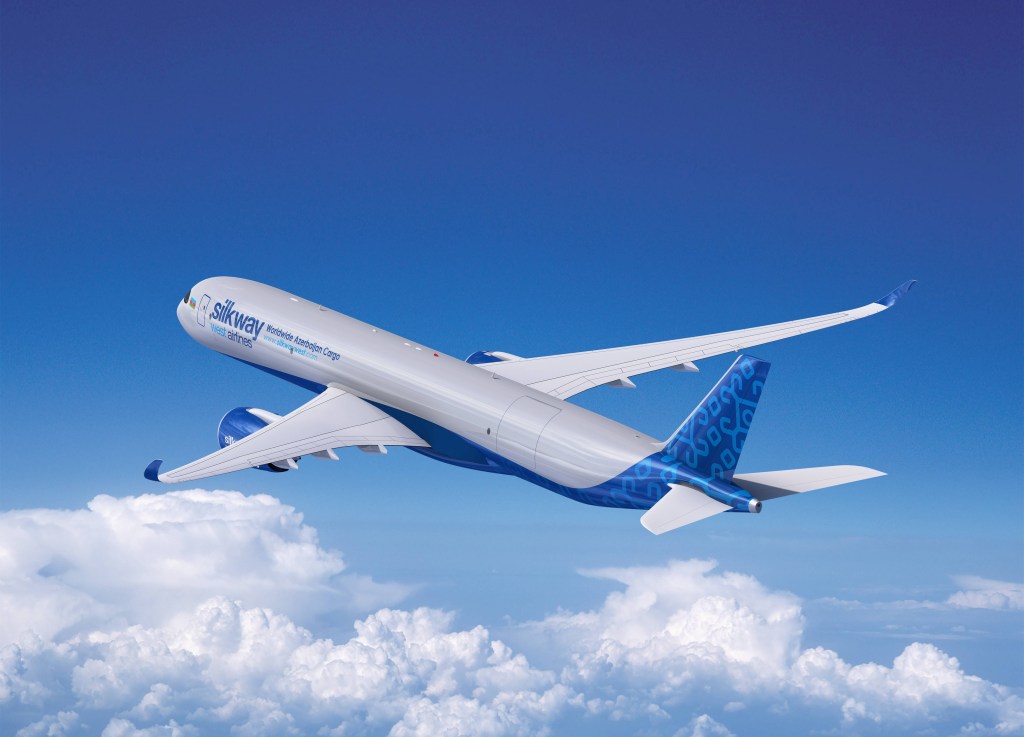
Preparación Superjet SSJ-100NEW

AW | 2022 05 19 16:03 | INDUSTRY

Superjet prepara test vuelo inaugural remotorizado

logo_sukhoi

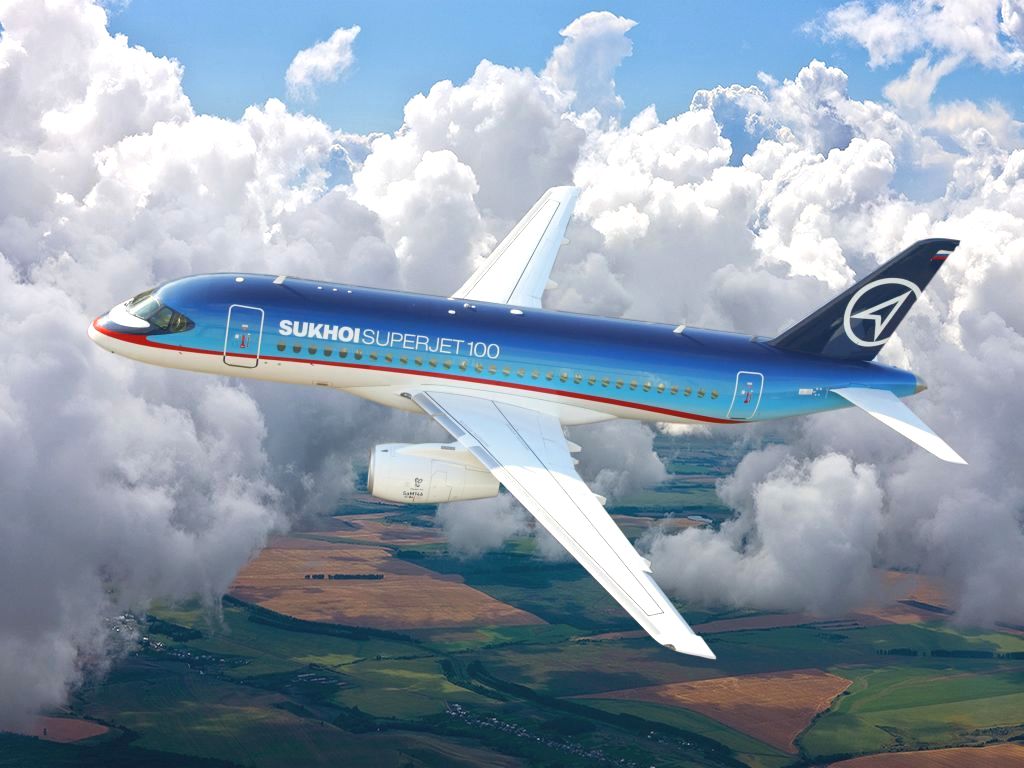
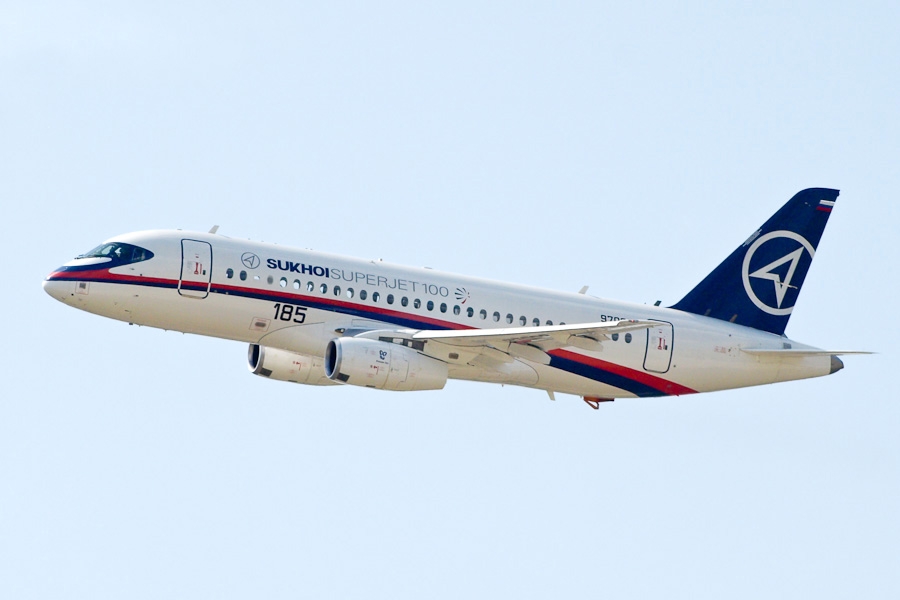
United Engine Corporation (ODK) de la Federación Rusia ha completado las pruebas en tierra del turboventilador PD-8 y ha comenzado a prepararlo para las pruebas de vuelo en el banco de pruebas en Ilyushin-76LL a finales de este año 2022. La fabricación de dos motores experimentales ha comenzado para su instalación en un Sukhoi Superjet 100/SSJ100NEW a finales de año. Si las pruebas de vuelo van según lo planeado, la aeronave regional rusa remotorizada y recableada obtendrá un certificado de tipo suplementario a fines de 2023 y entrará en servicio comercial en 2024.

El trabajo en el nuevo motor para el SSJ100 de 100 plazas y el anfibio Beriev Be-200 comenzó en 2020 en la oficina de diseño Saturn de ODK en Rybinsk. La compañía había desarrollado previamente la sección fría para el PowerJet SAM.146 que alimenta el SSJ100 original. Para reducir el tiempo y los costos de desarrollo, ODK decidió combinar la sección fría existente con un nuevo generador de gas que sería una copia a escala de uno en el Aviadvigatel PD-14 que alimenta el avión de fuselaje estrecho Irkut MC-21-310. El nuevo núcleo reemplaza al DEM.21 de Snecma, actualmente Safran Aircraft Engines, que la compañía francesa contribuyó en 2008 para su programa conjunto con los rusos.

Saturn exhibió el primer generador de gas para el PD-8 en el salón aeronáutico MAKS 2021 de Julio pasado en las afueras de Moscú, ensambló el segundo en Septiembre de 2021 y los probó hasta fin de año. Luego produjo un motor completo para una serie de pruebas de banquillo que comenzaron a principios de 2022 e involucraron stands cerrados/abiertos y una cámara de altitud.

Instrumentado con 500 sensores, el motor experimental permitió la recopilación de datos sobre campos de temperatura, rigidez y niveles de vibración, así como el ajuste de Fadec para estabilizar el consumo de combustible en todos los modos, desde el ralentí hasta la potencia máxima de despegue. Los ingenieros realizaron comprobaciones para el correcto funcionamiento de los sistemas de combustible y lubricación. Según una declaración de ODK emitida el 11 de Mayo de 2022, el PD-8 está «en pleno funcionamiento y sus parámetros principales cumplen con la especificación». Según los datos de ODK, el PD-8 tiene un peso en seco de 1.690 kg (3.726 libras) o 18 kg menos que el del SAM.146-1S18, mientras que genera el mismo empuje máximo de 7.900 kN (17.416 libras). Las especificaciones muestran una mejora del 3 por ciento en el consumo de combustible durante el vuelo de crucero.

La compañía planea producir el PD-8 en varias versiones con un empuje de hasta 10,000 kN, por encima de las cifras respectivas para el SAM.146. El nuevo generador de gas presenta una relación de presión un 20 por ciento más alta y un aumento en la temperatura del gas de 100º C. Un aumento en la potencia permite un mayor peso máximo al despegue, actualmente en 49.450 kg para el SSJ-100LR introducido en 2012, lo que aumenta la posibilidad de una versión estirada que aumentaría el número de asientos a más del límite superior actual de 108.

La planta de aviación en Komsomolsk-upon-Amur puede producir hasta 40 Superjets al año, pero ha estado funcionando a menos de la mitad de esa capacidad debido en parte a la escasez de artículos de proveedores, incluidos los motores SAM.146. El CEO de United Aircraft Corporation (UAC), Yuri Slyusar, explicó que la escasez fue el resultado de las restricciones occidentales a los envíos de alta tecnología a Rusia mucho antes de que el ejército ruso invadiera Ucrania en Febrero de 2022.

Para eliminar la dependencia de los proveedores extranjeros, el Kremlin asignó US$ 1.83 mil millones para el desarrollo de un Superjet completamente indígena, denominado SSJ100NEW. Aproximadamente la mitad de esa suma se destina al PD-8, incluidos los preparativos de producción. Para reducir los costos unitarios, ODK planea expandir el uso de la tecnología de impresión 3D. Si los proveedores locales logran producir suficientes componentes, UAC planea aumentar la tasa de producción de Superjet de 20 en 2022 a 30 en 2024-2025 y luego a más de 40. Debido a que Occidente ahora se niega a vender aviones a las aerolíneas rusas, solo pueden comprar a la industria local. UAC estima la demanda interna de SSJ100 en 150 aviones.

Preparation Superjet SSJ-100NEW

Superjet prepares maiden repowered test flight

Sukhoi-logo-350

United Engine Corporation (ODK) of the Russian Federation has completed ground tests of the PD-8 turbofan and has started preparing it for flight tests on the Ilyushin-76LL test bed by the end of this year 2022. The manufacture of two experimental engines has started for installation in a Sukhoi Superjet 100/SSJ100NEW by the end of the year. If flight tests go as planned, the repowered and rewired Russian regional aircraft will obtain a supplemental type certificate in late 2023 and enter commercial service in 2024.

Work on the new engine for the 100-seat SSJ100 and Beriev Be-200 amphibian began in 2020 at ODK’s Saturn design bureau in Rybinsk. The company had previously developed the cold section for the PowerJet SAM.146 that powers the original SSJ100. To reduce development time and costs, ODK decided to combine the existing cold section with a new gas generator that would be a scale copy of one on the Aviadvigatel PD-14 that powers the Irkut MC-21-310 narrow-body aircraft. The new core replaces the DEM.21 from Snecma, currently Safran Aircraft Engines, which the French company contributed in 2008 for its joint program with the Russians.

Saturn displayed the first gas generator for the PD-8 at last July’s MAKS 2021 airshow outside Moscow, assembled the second in September 2021 and tested them through the end of the year. It then produced a complete engine for a series of bench tests beginning in early 2022 involving closed/open stands and an altitude camera.

Instrumented with 500 sensors, the experimental engine enabled the collection of data on temperature fields, stiffness and vibration levels, as well as Fadec tuning/tuning to stabilize fuel consumption in all modes, from idle to full power. take off The engineers carried out checks for the correct operation of the fuel and lubrication systems. According to an ODK statement issued on May 11, 2022, the PD-8 is «fully operational and its main parameters are within specification». According to ODK data, the PD-8 has a dry weight of 1,690 kg (3,726 lb) or 18 kg less than that of the SAM.146-1S18, while generating the same maximum thrust of 7,900 kN (17,416 lb). Specifications show a 3 percent improvement in fuel consumption during cruise flight.

The company plans to produce the PD-8 in various versions with a thrust of up to 10,000 kN, above the respective figures for the SAM.146. The new gas generator features a 20 percent higher pressure ratio and an increase in gas temperature of 100 degrees C. An increase in power allows for a higher maximum takeoff weight, currently at 49,450 kg for the SSJ- 100LR introduced in 2012, raising the possibility of a stretched version that would increase the number of seats to more than the current upper limit of 108.

The aviation plant in Komsomolsk-upon-Amur can produce up to 40 Superjets a year, but has been running at less than half that capacity due in part to shortages of supplier items, including SAM.146 engines. United Aircraft Corporation (UAC) CEO Yuri Slyusar explained that the shortage was the result of Western restrictions on high-tech shipments to Russia long before the Russian military invaded Ukraine in February 2022.

To eliminate dependency on foreign suppliers, the Kremlin allocated US$ 1.83 billion for the development of an entirely indigenous Superjet, dubbed the SSJ100NEW. About half of that sum goes to the PD-8, including production preparations. To reduce unit costs, ODK plans to expand the use of 3D printing technology. If local suppliers manage to produce enough components, UAC plans to increase the Superjet production rate from 20 in 2022 to 30 in 2024-2025 and then to more than 40. Because the West now refuses to sell planes to Russian airlines, they can only buy from the local industry. UAC estimates domestic demand for the SSJ100 at 150 aircraft.

Подготовка Superjet SSJ-100NEW

Superjet готовит удаленный испытательный полет

AW-Sukhoi__RU__Isologotype

Объединенная двигателестроительная корпорация (ОДК) Российской Федерации завершила наземные испытания ТРДД-8 и приступила к его подготовке к летным испытаниям на стенде Ил-76ЛЛ к концу 2022 года. к концу года приступили к установке на Sukhoi Superjet 100/SSJ100NEW. Если летные испытания пройдут по плану, модернизированный российский региональный самолет получит дополнительный сертификат типа в конце 2023 года и поступит в коммерческую эксплуатацию в 2024 году.

AW-SSJ-100_TX

Работа над новым двигателем для 100-местного SSJ100 и самолета-амфибии Бериева Бе-200 началась в 2020 году в рыбинском конструкторском бюро ОДК Сатурн. Ранее компания разработала холодную секцию для PowerJet SAM.146, которым оснащен оригинальный SSJ100. Для сокращения сроков и затрат на разработку в ОДК было принято решение скомбинировать существующую холодную секцию с новым газогенератором, который будет масштабной копией такового на ПД-14 Авиадвигателя, которым оснащен узкофюзеляжный самолет Иркут МС-21-310. Новое ядро ​​заменяет ядро ​​DEM.21 от Snecma, в настоящее время Safran Aircraft Engines, которое французская компания предоставила в 2008 году для своей совместной с Россией программы.

Первый газогенератор для ПД-8 компания Сатурн представила на прошедшем в июле прошлого года подмосковном авиасалоне МАКС-2021, в сентябре 2021 года собрала второй и до конца года испытывала его. Затем он произвел полный двигатель для серии стендовых испытаний, начавшихся в начале 2022 года, с участием закрытых / открытых стендов и камеры высоты.

Оснащенный 500 датчиками экспериментальный двигатель позволил собирать данные о температурных полях, уровнях жесткости и вибрации, а также осуществлять настройку/регулировку Fadec для стабилизации расхода топлива во всех режимах, от холостого хода до полной мощности. Инженеры провели проверку исправности топливной и смазочной систем. Согласно заявлению ОДК от 11 мая 2022 года, ПД-8 «полностью исправен, основные параметры соответствуют техническим требованиям». По данным ОДК, ПД-8 имеет сухую массу 1690 кг (3726 фунтов), что на 18 кг меньше, чем у ЗУР.146-1С18, при такой же максимальной тяге 7900 кН (17 416 фунтов). Спецификации показывают 3-процентное улучшение расхода топлива во время крейсерского полета.

Компания планирует выпускать ПД-8 в различных модификациях с тягой до 10 000 кН, что выше соответствующих показателей SAM.146. Новый газогенератор отличается увеличенной на 20 процентов степенью сжатия и повышением температуры газа на 100 градусов C. Увеличение мощности позволяет увеличить максимальную взлетную массу, которая в настоящее время составляет 49 450 кг для SSJ-100LR, представленного в 2012 году, что повышает вероятность расширенной версии, которая увеличила бы количество мест больше, чем текущий верхний предел в 108.

Авиазавод в Комсомольске-на-Амуре может выпускать до 40 самолетов «Суперджеты» в год, но работает менее чем наполовину из-за нехватки деталей поставщиков, в том числе двигателей SAM.146. Генеральный директор Объединенной авиастроительной корпорации (ОАК) Юрий Слюсарь объяснил, что дефицит стал результатом западных ограничений на поставки высокотехнологичных товаров в Россию задолго до того, как российские военные вторглись в Украину в феврале 2022 года.

Чтобы устранить зависимость от иностранных поставщиков, Кремль выделил 1,83 миллиарда долларов США на разработку полностью местного Superjet, получившего название SSJ100NEW. Около половины этой суммы идет на ПД-8, включая подготовку производства. Чтобы снизить удельные затраты, ODK планирует расширить использование технологии 3D-печати. Если местным поставщикам удастся произвести достаточно комплектующих, ОАК планирует увеличить выпуск «Суперджетов» с 20 в 2022 году до 30 в 2024-2025 годах, а затем и более чем до 40. Поскольку Запад сейчас отказывается продавать самолеты российским авиакомпаниям, они могут только покупать из местной промышленности. ОАК оценивает внутренний спрос на SSJ100 в 150 самолетов.

PUBLISHER: Airgways.com
DBk: Uecrus.com / Sukhoi.ru / Airgways.com
AW-POST: 202205191603AR
OWNERSHIP: Airgways Inc.
A\W A I R G W A Y S ®
IAG acuerda 150 Boeing 737 MAX

AW | 2022 05 19 15:35 | AIRLINES / INDUSTRY

International Airlines Group finaliza acuerdo por 150 737 MAX

Boeing 737 MAX_Isologotype

Boeing_Isologotype

· La compra incluye pedidos en firme y opciones para aviones 737-8-200 y 737-10
· IAG selecciona el 737 MAX más grande y alta capacidad y desempeño ambiental
· Familia aviones de bajo consumo de combustible promoverá objetivos sostenibilidad de IAG

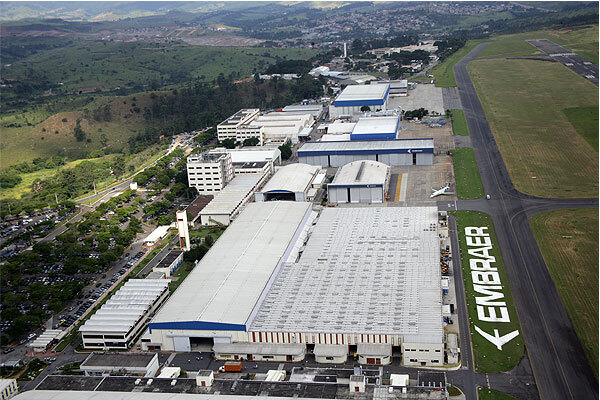
The Boeing Company e International Airlines Group (IAG) anunciaron el Jueves 19/05 un pedido para un total combinado de Boeing 737 MAX de cincuenta Boeing 737-8-200 MAX (50) y opciones por cien Boeing 737-10 MAX, (100). «La incorporación de nuevos Boeing 737 es una parte importante de la renovación de la flota de corta distancia de IAG. Estos aviones de última generación son más eficientes en el consumo de combustible que los que reemplazarán y están en línea con nuestro compromiso de lograr cero emisiones netas de carbono para 2050», dijo Luis Gallego, Consejero Delegado de IAG Group.

El 737-8-200 permitirá a IAG configurar el avión con hasta 200 asientos, aumentando el potencial de ingresos y reduciendo el consumo de combustible. El modelo más grande de la familia, el 737-10 tiene capacidad para 230 pasajeros en una configuración de una sola clase y puede volar hasta 3.300 millas. El avión de bajo consumo de combustible puede cubrir el 99% de las rutas de pasillo único, incluidas las rutas servidas por los 757. «Con la selección del 737-8-200 y el 737-10 más grande, IAG ha invertido en un futuro sostenible y rentable, ya que ambas variantes reducirán significativamente los costos operativos y las emisiones de CO2. El acuerdo de hoy para hasta 150 aviones, incluidas 100 opciones, es una adición bienvenida del 737 a las flotas de corta distancia de IAG y refleja nuestro compromiso de apoyar la recuperación continua de la red del Grupo y el crecimiento futuro con la inigualable familia de aviones de Boeing», dijo Stan Deal, Presidente y CEO de Boeing Commercial Airplanes.

El 737 incorpora los motores CFM International LEAP-1B de última tecnología, winglets de tecnología avanzada y otras mejoras para ofrecer la mayor eficiencia, confiabilidad y comodidad para los pasajeros en el mercado de pasillo único. La familia de aviones 737 es, en promedio, un 14% más eficiente en el consumo de combustible que los 737 de próxima generación más eficientes de la actualidad y un 20% más eficiente que los 737 de próxima generación originales cuando entraron en servicio. El anuncio de este día finaliza un compromiso asumido por IAG para el 737 en el Salón Aeronáutico de París 2019 y está sujeto a la aprobación de los accionistas de IAG.

IAG agrees 150 Boeing 737 MAX

International Airlines Group finalizes agreement for 150 737 MAX

AW-Boeing 737-10 MAX (6)

International_Airlines_Group_logo.svg

Purchase includes firm orders and options for 737-8-200 and 737-10 aircraft
IAG selects largest, highest-capacity 737 MAX and environmental performance
Family of fuel-efficient aircraft will further IAG’s sustainability goals

The Boeing Company and International Airlines Group (IAG) announced on Thursday 05/19 an order for a combined total of fifty Boeing 737-8-200 MAX (50) and options for one hundred Boeing 737-10 MAX, (100). «The addition of new Boeing 737s is an important part of IAG’s short-haul fleet renewal. These next-generation aircraft are more fuel efficient than the ones they will replace and are in line with our commitment to achieving zero net carbon emissions by 2050», said Luis Gallego, CEO of IAG Group.

The 737-8-200 will allow IAG to configure the aircraft with up to 200 seats, increasing revenue potential and reducing fuel consumption. The largest model in the family, the 737-10 seats 230 passengers in a single-class configuration and can fly up to 3,300 miles. The fuel-efficient aircraft can cover 99% of single-aisle routes, including routes served by 757s. «With the selection of the 737-8-200 and the larger 737-10, IAG has invested in a sustainable and profitable future, as both variants will significantly reduce operating costs and CO2 emissions. Today’s deal for up to 150 aircraft, including 100 options, is a welcome addition of the 737 to IAG’s short-haul fleets and reflects our commitment to support the continued recovery of the Group’s network and future growth with Boeing’s unrivaled family of airplanes», said Stan Deal, president and CEO of Boeing Commercial Airplanes.

The 737 incorporates the latest CFM International LEAP-1B engines, advanced technology winglets and other enhancements to deliver the highest efficiency, reliability and passenger comfort in the single-aisle market. The 737 family of aircraft is, on average, 14% more fuel efficient than today’s most efficient Next-Generation 737s and 20% more efficient than the original Next-Generation 737s when they entered service. Today’s announcement finalizes a commitment made by IAG for the 737 at the 2019 Paris Air Show and is subject to IAG shareholder approval.

PUBLISHER: Airgways.com
DBk: Boeing.com / Iairgroup.com / Airgways.com
AW-POST: 202205191535AR
OWNERSHIP: Airgways Inc.
A\W A I R G W A Y S ®

ATR proyecto turbohélice EVO

AW | 2022 05 18 20:22 | INDUSTRY

ATR propulsión híbrida-eléctrica para nuevo turbohélice

AW-ATR Aircraft__Isologotype_png

El fabricante de aviones franco-italiano ATR Aircraft ha asegurado el respaldo de su Junta Directiva y accionistas para analizar la viabilidad de un turbohélice de próxima generación que apunta a un 20 por ciento de combustible y CO2, la reducción de emisiones y los costos de operación y mantenimiento de dos dígitos reducen los costos de operación y mantenimiento en comparación con los ATR de la generación actual. La nueva variante, denominada ATR EVO, abreviatura de Evolution, abarcará toda la familia ATR, que consiste en el ATR 42, ATR 72-600, ATR 72F y el ATR 42S de despegue y aterrizaje corto, ahora en desarrollo.

Como su nombre lo indica, el ATR EVO se basa en la estrategia incremental del OEM para el desarrollo de su familia de turbohélices. El EVO seguirá siendo un turbohélice bimotor capaz de volar con Combustible de Aviación Sostenible (SAF) en un 100 por ciento. Incorporará una nueva planta motriz con capacidad híbrida, así como un diseño ecológico que incluye hélices actualizadas y cabina y sistemas mejorados. «Nuestra próxima generación de aviones será un paso adelante en el vuelo responsable. Cuando entre en el mercado, el ATR Evo allanará el camino hacia un futuro descarbonizado para la aviación. Una mejora general del combustible del 20 por ciento significa que la aeronave emitirá más del 50 por ciento menos de CO2 que un avión regional cuando funciona con queroseno. Cuando se usa 100 por ciento SAF, sus emisiones serán cercanas a cero», comentó el CEO de ATR, Stefano Bortoli.

ATR espera lanzar el programa el próximo año 2023 con un objetivo de entrada en servicio de 2030. El OEM con sede en Toulouse ha emitido una solicitud de información a los principales fabricantes de motores para el desarrollo de «una planta motriz optimizada que tenga en cuenta una hibridación con un motor eléctrico y un sistema de baterías. La idea es optimizar el motor termodinámico [convencional] con una segunda fuente de energía, a saber, una eléctrica», dijo el Vicepresidente Senior de Ingeniería de ATR, Stéphane Viala. Debido a que el motor eléctrico aumentaría la potencia durante el despegue y el ascenso, la aeronave generará un rendimiento optimizado y una mejor eficiencia de combustible en las diferentes fases del vuelo. Los ATR actuales emplean motores turbohélice Pratt & Whitney PW127M.

El plan para el nuevo motor es independiente del movimiento de ATR para equipar sus aviones con nuevos turbohélices PW127XT a partir de la segunda mitad de este año. El PW127XT, para un tiempo prolongado en el ala, permite una reducción del 20 por ciento en los costos de mantenimiento y una reducción del 3 por ciento en el consumo de combustible en comparación con PW127M, según ATR, que ha reconocido que el motor eléctrico y el sistema de batería agregarán algo de peso a los aviones turbohélice regionales de ATR, pero señaló que los ingenieros esperan compensar reduciendo el peso en otro lugar o aumentando ligeramente el peso máximo de despegue de la aeronave. «En cualquier caso, mantendremos la carga útil o incluso la aumentaremos un poco. Esta es una característica clave que estamos investigando», dijo Stéphane Viala.

ATR ha señalado en 2021 que comenzó a explorar opciones de propulsión no convencionales, incluido el hidrógeno, para mejorar el rendimiento ambiental y económico de sus turbohélices. Los ejecutivos en ese momento advirtieron que los aviones que queman hidrógeno podrían presentar la solución correcta o factible para muchos operadores de ATR, insistiendo en que la compañía solo integraría CO.2 tecnología de reducción de emisiones que está disponible y asequible. El OEM está manteniendo ese razonamiento, a pesar del aumento de las iniciativas de terceros que involucran la propulsión basada en celdas de combustible de hidrógeno para aviones regionales. Muchos operadores de ATR como Air Nostrum de España, ASL Aviation Holdings de Irlanda, Icelandair Group y Ravn Alaska se han comprometido a instalar kits de conversión de propulsión de hidrógeno en sus flotas de aviones turbohélice existentes o futuras.

ATR decidió lo que Stéphane Viala describe como un «nivel leve de hibridación» porque considera que el hidrógeno es una opción a más largo plazo que requerirá muchas modificaciones de producción e infraestructura. La propulsión híbrida-eléctrica garantiza un progreso significativo en el desempeño ambiental y económico de la familia de aviones ATR, sostuvo el vicepresidente comercial senior de la compañía, Fabrice Vautier.

“Este estudio de factibilidad analiza las soluciones técnicas basadas en un nuevo motor, pero también es una revisión global de nuestro potencial de mercado con este nuevo avión. Estamos evaluando cómo podemos capturar más participación de mercado y hacer que nuestro producto sea más inclusivo para que podamos servir a más comunidades regionales”, expresó Fabrice Vautier. Con ahorros de costos operativos de dos dígitos logrados a través de una reducción del 20 % en el consumo de combustible y una reducción del 20 % en los costos generales de mantenimiento, las aerolíneas pueden servir rutas estrechas de manera más rentable y las comunidades pueden beneficiarse de más conectividad, más servicios esenciales y más desarrollo económico, agregó.

La compañía busca responder a la necesidad de una aviación más sostenible desde el punto de vista ambiental y viajes más asequibles, según Fabrice Vautier. “Necesitamos no solo lograr un cambio drástico en la sostenibilidad ambiental, sino también continuar reduciendo los costos operativos. En muchos de nuestros mercados, el tema de la sustentabilidad no resuena de la misma manera que en Europa. Si bien la sostenibilidad ambiental es un tema clave en mercados maduros como Europa, América del Norte, Australia y Nueva Zelanda, el costo por asiento es el factor clave en los mercados emergentes”, dijo Fabrice Vautier.

El plan para el ATR Evo cuenta con el total apoyo de los dos accionistas de la compañía, Airbus y Leonardo, afirmó. El desarrollo de la variante de próxima generación coincide con una recuperación constante del fuselaje. ATR entregó 31 aviones nuevos en 2021 frente a 10 en 2020 y planea enviar cerca de 40 aviones nuevos este año, entre 40 y 50 en 2023, y más de 50 unidades en 2024. “Estamos en modo de aceleración. Nos estamos acercando a donde estábamos antes de la crisis”, señaló Fabrice Vautier.

Si bien el nuevo motor híbrido-eléctrico ocupa un lugar central, el Evo incorporará muchas otras innovaciones para impulsar el rendimiento, la economía y la sostenibilidad de la aeronave. Incluyen nuevas hélices y posiblemente un cambio de seis a ocho palas, un mayor uso de materiales de origen biológico más livianos para la cabina y un mayor enfoque en la reciclabilidad y reutilización de materiales como la fibra de carbono.

ATR EVO turboprop project

ATR hybrid-electric propulsion for new turboprop

Franco-Italian aircraft manufacturer ATR Aircraft has secured the backing of its Board of Directors and shareholders to analyze the feasibility of a next-generation turboprop targeting 20 percent fuel and CO2 reduction, emissions reduction and operating costs. and double-digit maintenance reduce O&M costs compared to current-generation ATRs. The new variant, named ATR EVO, short for Evolution, will encompass the entire ATR family, consisting of the ATR 42, ATR 72-600, ATR 72F and the short take-off and landing ATR 42S, now in development.

As its name implies, the ATR EVO builds on the OEM’s incremental strategy for the development of its family of turboprops. The EVO will remain a twin-engine turboprop capable of flying on 100 percent Sustainable Aviation Fuel (SAF). It will incorporate a new hybrid-capable powerplant, as well as an eco-friendly design that includes updated propellers and upgraded cabin and systems. «Our next generation of aircraft will be a step forward in responsible flight. When it enters the market, the ATR Evo will pave the way to a decarbonized future for aviation. An overall fuel improvement of 20 percent means the aircraft will emit more 50 percent less CO2 than a regional airliner when running on kerosene. When using 100 percent SAF, its emissions will be close to zero», said ATR CEO Stefano Bortoli.

ATR expects to launch the program next year 2023 with a target entry into service of 2030. The Toulouse-based OEM has issued a request for information to major engine manufacturers for the development of «an optimized power plant that takes into account a hybridization with an electric motor and a battery system. The idea is to optimize the [conventional] thermodynamic motor with a second source of energy, namely an electric one», said ATR Senior Vice President of Engineering, Stéphane Viala. Because the electric motor would increase power during takeoff and climb, the aircraft will generate optimized performance and better fuel efficiency in the different phases of flight. Current ATRs use Pratt & Whitney PW127M turboprop engines.

The plan for the new engine is separate from ATR’s move to equip its aircraft with new PW127XT turboprops starting in the second half of this year. The PW127XT, for extended time on the wing, enables a 20 percent reduction in maintenance costs and a 3 percent reduction in fuel consumption compared to PW127M, according to ATR, which has acknowledged that the electric motor and battery system will add some weight to ATR’s regional turboprop aircraft, but he noted that engineers hope to compensate by reducing weight elsewhere or slightly increasing the aircraft’s maximum takeoff weight. «In any case, we will keep the payload or even increase it a bit. This is a key feature that we are investigating», said Stéphane Viala.

ATR has signaled in 2021 that it has begun exploring unconventional propulsion options, including hydrogen, to improve the environmental and economic performance of its turboprops. Executives at the time warned that hydrogen-burning aircraft could present the right or feasible solution for many ATR operators, insisting that the company would only integrate CO.2 emissions-reduction technology that is available and affordable. The OEM is holding to that reasoning, despite the rise of third-party initiatives involving hydrogen fuel cell-based propulsion for regional jets. Many ATR operators such as Spain’s Air Nostrum, Ireland’s ASL Aviation Holdings, Icelandair Group and Ravn Alaska have committed to installing hydrogen propulsion conversion kits on their existing or future turboprop aircraft fleets.

ATR decided on what Viala describes as a «mild level of hybridization» because it sees hydrogen as a longer-term option that will require many production and infrastructure modifications. The hybrid-electric propulsion ensures significant progress in the environmental and economic performance of the ATR aircraft family, said the company’s Senior Commercial Vice-president, Fabrice Vautier.

“This feasibility study looks at technical solutions based on a new engine, but it is also a global review of our market potential with this new aircraft. We are evaluating how we can capture more market share and make our product more inclusive so we can serve more regional communities”, said Stéphane Vautier. With double-digit operating cost savings achieved through a 20% reduction in fuel consumption and a 20% reduction in overall maintenance costs, airlines can serve narrow routes more profitably and communities can benefit of more connectivity, more essential services and more economic development, he added.

The company seeks to respond to the need for more environmentally sustainable aviation and more affordable travel, according to Fabrice Vautier. “We need to not only make a drastic change in environmental sustainability, but also continue to reduce operating costs. In many of our markets, the topic of sustainability does not resonate in the same way as in Europe. While environmental sustainability is a key issue in mature markets like Europe, North America, Australia and New Zealand, cost per seat is the key factor in emerging markets”, said Fabrice Vautier.

The plan for the ATR Evo has the «full support» of the company’s two shareholders, Airbus and Leonardo, he said. The development of the next-generation variant coincides with a steady recovery of the airframe, Fabrice Vautier added. ATR delivered 31 new aircraft in 2021 versus 10 in 2020 and plans to ship close to 40 new aircraft this year, between 40 and 50 in 2023, and more than 50 units in 2024. “We are in acceleration mode. We are getting closer to where we were before the crisis”, Fabrice Vautier has expressed.

While the new hybrid-electric powertrain takes center stage, the Evo will incorporate many other innovations to boost the aircraft’s performance, economy and sustainability, Viala revealed. They include new propellers (and possibly a change from six to eight blades), increased use of lighter bio-sourced materials for the cabin, and a greater focus on the recyclability and reuse of materials such as carbon fiber.

PUBLISHER: Airgways.com
DBk: Atraircraft.com / Airgways.com
AW-POST: 202205182022AR
OWNERSHIP: Airgways Inc.
A\W A I R G W A Y S ®

Ryanair cancela MAX precio lista

AW | 2022 05 18 01:37 | AIRLINES / INDUSTRY

Ryanair desiste compra 737 MAX a precio actual
CEO Michael O’Leary: “Boeing es hoy un pollo sin cabeza”

Boeing 737 MAX_Isologotype

Ryanair_Isologotype

Las recientes declaraciones de su principal cliente europeo Ryanair suponen un duro golpe para el fabricante americano, que está intentando recuperar su credibilidad después de varios golpes duros en sus líneas de producción comercial. El CEO de Ryanair, Michael O’Leary ha expresado en una comparecencia ante analistas bursátiles: “Ryanair está dispuesta a acudir al mercado de aviones de segunda mano antes de pagar los precios que pide hoy Boeing”. La aerolínea, explicó, está dispuesta a seguir fiel a Boeing, pero el fabricante necesita urgentemente mejorar porque “están corriendo como si fuera un pollo sin cabeza”.

Michael O’Leary, que reconoció que necesitaba más aviones 737 pero que no quiere pagar los precios que dice que le está pidiendo Boeing, afirmó que “el fabricante necesita volver a empezar en Seattle y mejorar el actual equipo gestor o, en su caso, cambiarlo. Nosotros creemos que Boeing tiene que mejorar mucho lo que nos ha estado entregado en estos últimos doce meses”, en una queja que comparte también otro gran cliente como es Emirates Airline. Decir esto ante analistas bursátiles es un duro golpe a Boeing, que está intentando recuperar su credibilidad. Ryanair es el mayor cliente de Boeing en Europa y uno de los más relevantes del mundo.

Ryanair había iniciado negociaciones con Airbus, el fabricante europeo, pero las interrumpió diciendo que no había forma de entenderse a los precios que pedía la compañía del Viejo Continente. En Estados Unidos, Boeing en ocasiones anteriores, respecto a manifestaciones igualmente críticas de Ryanair, dijo que no haría comentarios. Sin embargo, esta es la primera vez en la que, de forma más pública Michael O’Leary cuestiona la calidad de los aviones entregados.

Ryanair cancels MAX price list

Ryanair abandons purchase of 737 MAX at current price
CEO Michael O’Leary: «Boeing is today a headless chicken»

AW-Boeing737MAX_Ryanair001

Recent statements by its main European customer Ryanair are a blow to the American manufacturer, which is trying to regain its credibility after several hard blows to its commercial production lines. The CEO of Ryanair, Michael O’Leary has expressed in an appearance before stock market analysts: «Ryanair is willing to go to the second-hand aircraft market before paying the prices that Boeing asks today». The airline, he explained, is willing to stay true to Boeing, but the manufacturer urgently needs to improve because «they are running around like a headless chicken».

Michael O’Leary, who acknowledged that he needed more 737s but did not want to pay the prices he says Boeing is asking him for, said that «the manufacturer needs to start over in Seattle and improve the current management team or, in his case, change it. We believe that Boeing has to improve a lot what has been delivered to us in the last twelve months”, in a complaint that is also shared by another large client such as Emirates Airline. Saying this to stock analysts is a blow to Boeing, which is trying to regain its credibility. Ryanair is Boeing’s largest customer in Europe and one of the largest in the world.

Ryanair had begun negotiations with Airbus, the European manufacturer, but interrupted them saying that there was no way to understand the prices that the company from the Old Continent was asking for. In the United States, Boeing on previous occasions, regarding statements equally critical of Ryanair, said it would not comment. However, this is the first time Michael O’Leary has more publicly questioned the quality of the aircraft delivered.

PUBLISHER: Airgways.com
DBk: Ryanair.com / Boeing.com / Airgways.com
AW-POST: 202205180137AR
OWNERSHIP: Airgways Inc.
A\W A I R G W A Y S ®

SATENA incorpora ATR 72

AW | 2022 05 16 05:21 | AIRLINES / GOVERNMENT / INDUSTRY

Aerolínea regional colombiana incorpora dos ATR 72-600

Satena_Isologotype

La aerolínea colombiana SATENA (Servicio Aéreo de los Territorios Nacionales) incorporará a su flota dos aviones ATR 72, anunció este Sábado 14/05 el Gobierno en la celebración del 60 aniversario de esta compañía estatal. La flota de Satena está compuesta por ocho aviones ATR 42 para 48 pasajeros y tres Embraer 145, para 50 pasajeros. “Con estos dos aviones que tendrá Satena, llega hoy el primer ATR 72 para viajes regionales en trayectos de corta duración, habrá un incremento en productividad, en servicios, en atención y en conectividad”, dijo el Ministro de Defensa, Diego Molano. El Gobierno de Colombia ha expresado que buscan en Satena que sea más fuerte, robusta, social.

El ATR 72, de fabricación franco-italiana es “uno de los aviones regionales más modernos”, y los adquiridos por Satena están configurados con entre 68 y 78 pasajeros. Los nuevos aviones se utilizarán para vuelos que conectarán a Cali y Villavicencio con las ciudades de Puerto Carreño, Puerto Inírida, Mitú, Tumaco, Puerto Asís, Quibdó y Apartadó. “Este nuevo servicio busca cubrir una demanda desatendida en años anteriores”, agregó Diego Molano sobre la operación de los nuevos aviones en esas regiones apartadas.

Satena fue creada el 12 de Abril de 1962 para ofrecer servicios aéreos a las regiones más lejanas del país, donde habitualmente no llegan otras aerolíneas, y desde sus inicios es operada por la Fuerza Aérea Colombiana (FAC). Satena es una entidad que nació para servir a todos los colombianos, pero especialmente también para superar las fallas del sistema aéreo y garantizar, bajo un prisma de equidad, que todas las regiones de Colombia estuvieran conectadas de manera adecuada. La aerolínea hace parte del Grupo Social y Empresarial de la Defensa (GSED), un conglomerado de 17 compañías o fundaciones de las áreas industrial, comercial, turística, de servicios sociales y de seguridad.

SATENA incorporates ATR 72

Colombian regional airline incorporates two ATR 72-600

The Colombian airline SATENA (Servicio Aéreo de los Territorios Nacionales) will incorporate two ATR 72 planes into its fleet, the Government announced this Saturday 05/14 in the celebration of the 60th anniversary of this state company. Satena’s fleet is made up of eight ATR 42 aircraft for 48 passengers and three Embraer 145 for 50 passengers. «With these two planes that Satena will have, the first ATR 72 arrives today for regional trips on short journeys, there will be an increase in productivity, services, attention and connectivity», said the Minister of Defense, Diego Molano. The Government of Colombia has expressed that they are looking for Satena to be stronger, more robust, and more social.

The Franco-Italian-made ATR 72 is «one of the most modern regional aircraft», and those acquired by Satena are configured with between 68 and 78 passengers. The new planes will be used for flights connecting Cali and Villavicencio with the cities of Puerto Carreño, Puerto Inírida, Mitú, Tumaco, Puerto Asís, Quibdó and Apartadó. «This new service seeks to cover a demand that was neglected in previous years», added Diego Molano about the operation of the new aircraft in these remote regions.

Satena was created on April 12, 1962 to offer air services to the most distant regions of the country, where other airlines do not usually arrive, and since its inception it has been operated by the Colombian Air Force (FAC). Satena is an entity that was born to serve all Colombians, but especially also to overcome the failures of the air system and guarantee, under a prism of equity, that all the regions of Colombia are properly connected. The airline is part of the Social and Business Defense Group (GSED), a conglomerate of 17 companies or foundations from the industrial, commercial, tourism, social services and security areas.

PUBLISHER: Airgways.com
DBk: Satena.com / Atraircraft.com / Airgways.com
AW-POST: 202205160521AR
OWNERSHIP: Airgways Inc.
A\W A I R G W A Y S ®

FAA certificación incompleta 787

AW | 2022 05 16 05:07 | INDUSTRY

Documentos certificación Boeing 787 están incompletos

FAA-Isologotype

Dreamliner_Isologotype

Las acciones de The Boeing Company caen desde máximos anteriores el Viernes 13/05 luego de un informe de que la Administración Federal de Aviación (FAA) le dijo a la compañía que los documentos de certificación presentados para la reanudación de las entregas del 787 Dreamliner están incompletos. Según los informes, la FAA identificó una serie de omisiones en la documentación de The Boeing Company, presentada a fines de Abril 2022, y ha enviado partes de ella a la compañía.

Las preocupaciones de la FAA podrían conducir a nuevos retrasos en la reanudación de las entregas, que se han suspendido durante el año pasado debido a fallas en la línea de producción.

FAA certification incomplete 787

Boeing 787 certification documents are incomplete

The Boeing Company shares downfall from previous highs on Friday 05/13 following a report that the Federal Aviation Administration (FAA) told the company that certification documents submitted for resumption of 787 Dreamliner deliveries are incomplete. The FAA has reportedly identified a number of omissions in The Boeing Company’s documentation, filed in late April 2022, and has forwarded portions of it to the company.

The FAA’s concerns could lead to further delays in resuming deliveries, which have been suspended for the past year due to production line failures.

PUBLISHER: Airgways.com
DBk: Faa.gov / Boeing.com / Brandon Farris / Airgways.com
AW-POST: 202205160507AR
OWNERSHIP: Airgways Inc.
A\W A I R G W A Y S ®

C919 completa test pruebas

AW | 2022 05 14 11:47 | INDUSTRY

COMAC C919 completa vuelo prueba debut para China Eastern

COMAC_Isologotype

El primer avión prototipo COMAC C919 que se entregará a China Eastern Airlines completó su vuelo de prueba debut en Shanghai el Sábado 14/05. A las 06:52 am, el avión numerado B-001J despegó del Aeropuerto Internacional de Shanghai Pudong y aterrizó a las 09:54 am después de realizar múltiples tareas en buenas condiciones y rendimiento, según el fabricante Commercial Aircraft Corporation of China.

La verificación para la prueba de vuelo y la preparación para la entrega de la aeronave están progresando, dijo COMAC. El avión C919 es el primer avión de pasajeros de fuselaje estrecho de cosecha propia de China. Desde 2019, seis aviones se han sometido a una serie de rigurosas pruebas en tierra y vuelo en diferentes regiones, incluidas Shanghai, Yanliang de la Provincia de Shaanxi, Dongying de la rPovincia de Shandong y Nanchang de la Provincia de Jiangxi. En Noviembre de 2020, el modelo C919 recibió la aprobación de inspección de tipo y entró en la etapa de prueba de vuelo. China Eastern Airlines firmó un acuerdo con COMAC para la compra de cinco aviones C919 el 1 de Marzo de 2021.

C919 complete test tests

COMAC C919 completes debut test flight for China Eastern Airlines

The first COMAC C919 prototype aircraft to be delivered to China Eastern Airlines completed its debut test flight in Shanghai on Saturday 05/14. At 06:52 am, the aircraft numbered B-001J took off from Shanghai Pudong International Airport and landed at 09:54 am after performing multiple tasks in good condition and performance, according to the manufacturer Commercial Aircraft Corporation of China.

Verification for flight testing and preparation for delivery of the aircraft are progressing, COMAC said. The C919 aircraft is China’s first homegrown narrow-body airliner. Since 2019, six aircraft have undergone a series of rigorous ground and flight tests in different regions, including Shanghai, Yanliang of Shaanxi Province, Dongying of Shandong Province and Nanchang of Jiangxi Province. In November 2020, the C919 model received type inspection approval and entered the flight test stage. China Eastern Airlines signed an agreement with COMAC for the purchase of five C919 aircraft on March 1, 2021.

C919完整的測試測試

中國商飛C919完成東航首飛

C919_Isologotype

交付給中國東方航空公司的首架中國商飛 C919 原型機於 2014 年 5 月 5 日星期六在上海完成了首次試飛。據製造商中國商用飛機有限責任公司稱,06時52分,B-001J飛機從上海浦東國際機場起飛,完成多項任務後,狀態良好,性能良好,於09時54分降落。

中國商飛表示,飛行測試驗證和飛機交付準備工作正在進行中。 C919飛機是中國第一架國產窄體客機。 2019年以來,六架飛機在上海、陝西炎良、山東東營、江西南昌等不同地區進行了一系列嚴格的地面和飛行測試。 2020年11月,C919機型獲得型式檢驗批准,進入試飛階段。 2021年3月1日,中國東方航空公司與中國商飛公司簽署採購5架C919飛機的協議。

PUBLISHER: Airgways.com
DBk: Comac.cn / Airgways.com
AW-POST: 202205141147AR
OWNERSHIP: Airgways Inc.
A\W A I R G W A Y S ®

ATR lanza ATR 42-600S STOL

AW | 2022 05 14 11:35 | INDUSTRY

Vuelo prueba inaugural de aeronave para pistas cortas

LOGO_ATR (2)

ATR Aircraft el principal fabricante de aviones regionales del mundo, y Safran Landing Systems, el líder mundial en sistemas de aterrizaje y frenado, han desarrollado Smart Lander, un innovador servicio de diagnóstico del tren de aterrizaje que utiliza conocimientos de vanguardia en el análisis de datos para optimizar los tiempos de respuesta del fabricante en caso de aterrizajes forzosos y permitir que las aeronaves vuelvan rápidamente al servicio. Este servicio innovador, el primero de su tipo en la industria de la aviación, se basa en la tecnología de aprendizaje automático. Basado en cientos de miles de simulaciones de aterrizaje forzoso, Smart Lander emite recomendaciones a los operadores sobre las acciones de mantenimiento que deben tomarse de acuerdo con la dureza del aterrizaje y el nivel de carga sostenido por el tren de aterrizaje. Posteriormente, se puede permitir que las aeronaves continúen sus operaciones comerciales o, alternativamente, se envíen a una base de mantenimiento. Este proceso toma menos de una hora, en comparación con más de una semana antes.

Aircraft Aircraft lanza ahora una aeronave de entre 30 y 50 asientos que es capaz de aterrizar en una pista ultra corta. Esta semana hizo su primer vuelo el ATR42-600S diseñado con este fin. El primer vuelo, que tuvo lugar en Francia, se desarrolló según las previsiones. Ahora queda por comprobar algunas innovaciones. El avión puede operar en pistas de entre 800 y mil metros.

David Brigante, Vicepresidente Senior de Atención al Cliente y Servicios de ATR, declaró: «Nuestro proceso anterior podría tomar hasta 10 a 20 días hábiles. Requirió análisis tanto de la Oficina de Diseño atr como de Safran Landing Systems para decidir si la aeronave estaba en condiciones de volver al servicio. Con Smart Lander, podremos reducir masivamente nuestros tiempos de respuesta, aumentando así la disponibilidad de las aeronaves, reduciendo los costos para los clientes y mejorando la satisfacción del cliente, manteniendo al mismo tiempo el mismo nivel de calidad de análisis».

Patrick Joyez, Director Técnico de Safran Landing Systems, dijo: «Hemos estado trabajando mano a mano con ATR, capitalizando nuestro conocimiento conjunto sobre el tren de aterrizaje y las operaciones realizadas por ATR para desarrollar este servicio de monitoreo de salud, analizando la condición del tren de aterrizaje basado en la experiencia de Safran en el aprovechamiento de datos. Smart Lander es un verdadero avance en términos de análisis de carga de aterrizaje, que ofrecerá un valor real a los operadores de ATR».

Al reducir considerablemente los tiempos de respuesta necesarios para devolver la aeronave al servicio después de un aterrizaje forzoso, Smart Lander ofrecerá ventajas innegables tanto a ATR como a sus clientes en términos de horas-hombre, disponibilidad de aeronaves y satisfacción del cliente. El éxito como fabricante de aviones no reside en hacer modelos bonitos y seductores, sino en encontrar soluciones prácticas a problemas reales. ATR, el fabricante europeo de aviones a turbohélice, es especialista en esto. Sus aviones de pequeñas dimensiones se caracterizan por ofrecer soluciones excelentes en recorridos cortos. Y ahora, la dirección ha abordado otro mercado clave, el de los aeropuertos con pistas muy cortas.

En el mundo existen muchos aeropuertos con pistas cortas que que presentan limitaciones para las operaciones aéreas por razones geográficas o topográficas entre otras razones que hacen necesarias aeronaves con sistema STOL. El mercado de aviones regionales de línea para pistas cortas es un mercado que ha estado letargado y que propone retornar con la nueva variante ATR 42-600S.

ATR launches ATR 42-600S STOL

Inaugural aircraft test flight for short runways

LOGO_ATR

ATR Aircraft, the world’s leading manufacturer of regional aircraft, and Safran Landing Systems, the world leader in landing and braking systems, have developed Smart Lander, an innovative landing gear diagnostic service that uses cutting-edge insights in data analysis to optimize manufacturer response times in the event of forced landings and allow aircraft to quickly return to service. This innovative service, the first of its kind in the aviation industry, is based on machine learning technology. Based on hundreds of thousands of forced landing simulations, Smart Lander issues recommendations to operators on maintenance actions to take based on the harshness of the landing and the level of load sustained by the landing gear. The aircraft may subsequently be allowed to continue commercial operations or alternatively be sent to a maintenance base. This process takes less than an hour, compared to more than a week before.

Aircraft Aircraft is now launching an aircraft with between 30 and 50 seats that is capable of landing on an ultra-short runway. This week the ATR42-600S designed for this purpose made its first flight. The first flight, which took place in France, went according to plan. Now it remains to check some innovations. The aircraft can operate on runways between 800 and 1,000 meters.

David Brigante, ATR Senior Vice President of Customer Care and Services, stated, «Our previous process could take up to 10-20 business days. It required analysis from both the atr Design Office and Safran Landing Systems to decide if the aircraft was in conditions to return to service.With Smart Lander, we will be able to massively reduce our response times, thus increasing aircraft availability, reducing costs for customers and improving customer satisfaction, while maintaining the same level of analysis quality».

Patrick Joyez, Technical Director of Safran Landing Systems, said: «We have been working hand-in-hand with ATR, capitalizing on our joint knowledge of landing gear and operations performed by ATR to develop this health monitoring service, analyzing the condition of the landing gear based on Safran’s expertise in leveraging data. Smart Lander is a true breakthrough in terms of landing load analytics, which will deliver real value to ATR operators».

By significantly reducing the response times required to return the aircraft to service after a forced landing, Smart Lander will offer undeniable benefits to both ATR and its customers in terms of man-hours, aircraft availability and customer satisfaction. Success as an aircraft manufacturer lies not in making pretty, seductive models, but in finding practical solutions to real problems. ATR, the European manufacturer of turboprop aircraft, is a specialist in this. Its small-sized aircraft are characterized by offering excellent solutions on short routes. And now, the management has tackled another key market, that of airports with very short runways.

In the world there are many airports with short runways that present limitations for air operations due to geographical or topographical reasons, among other reasons, that make aircraft with a STOL system necessary. The short-runway regional airliner market is a market that has been dormant and is proposing to return with the new ATR 42-600S variant.

PUBLISHER: Airgways.com
DBk: Atraircraft.com / Airgways.com
AW-POST: 202205141135AR
OWNERSHIP: Airgways Inc.
A\W A I R G W A Y S ®
Boeing 737 MAX problemas suministros

AW | 2022 05 11 19:49 | INDUSTRY

Producción 737 MAX afectada por problemas cadena de suministro

Boeing 737 MAX_Isologotype

Boeing_Isologo.svg

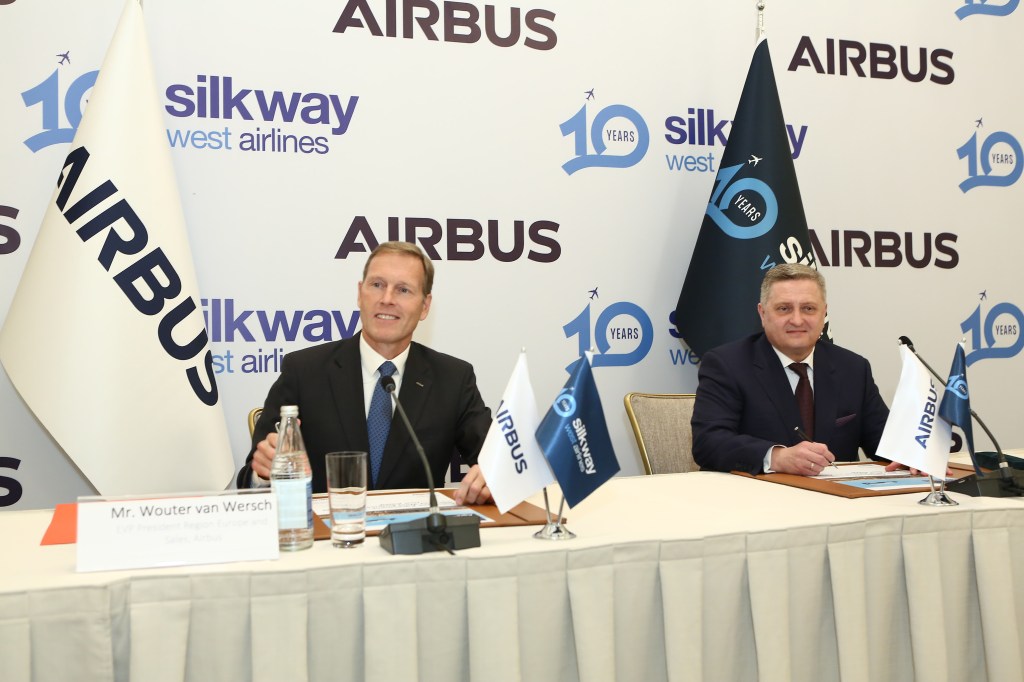
Los aviones Boeing 737 MAX se enfrentan a un nuevo desafío después del segundo accidente en cinco meses. The Boeing Company dijo el Miércoles 11/05 que las interrupciones en la cadena de suministro han ralentizado la producción y las entregas de su avión 737 MAX en las últimas semanas, pero no espera ningún cambio en su plan general para el año 2022. El Director Financiero Brian West dijo en una conferencia de Goldman Sachs que está lidiando con la escasez de múltiples proveedores de un conector de cableado en particular, pero en general la compañía podría producir 31 aviones mensuales según lo planeado. «Es un reflejo de un mundo loco de la cadena de suministro en el que vivimos en este momento. Está bastante localizado y aislado, pero tenemos opciones y las estamos trabajando duro», expresó Brain West.

Brian West culpó a la caída de Abril 2022 en las entregas del 737 MAX a la falta de conectores de cableado. Boeing reportó entregas totales de 35 aviones en 04/2022, incluidos 28 aviones MAX, que cayeron de los 41 aviones entregados en 03/2022.

El Director Financiero también dijo que Boeing está llegando a su fin a los retrasos en la entrega del 787 Dreamliner que han perjudicado el flujo de efectivo y elevado la deuda, y que la compañía no necesitaría aprovechar las líneas de crédito o recaudar capital de inmediato. Sin embargo, ha expresado que todas las opciones están sobre la mesa a largo plazo, como un aumento de capital, a medida que las entregas y la producción se recuperan.

Boeing 737 MAX supplies problems

737 MAX production affected by supply chain problems

AW-Boeing 737 MAX_png (15)

Boeing 737 MAX aircraft are facing a new challenge after the second accident in five months. The Boeing Company said Wednesday 5/11 that supply chain disruptions have slowed production and deliveries of its 737 MAX aircraft in recent weeks, but it does not expect any changes to its overall plan for 2022. Chief Financial Officer Brian West told a Goldman Sachs conference that he is dealing with multiple vendor shortages of a particular wiring connector, but overall the company could produce 31 planes a month as planned. «It’s a reflection of the crazy supply chain world we live in right now. It’s pretty localized and isolated, but we have options and we’re working hard on them», said Brain West.

Brian West blamed the April 2022 drop in 737 MAX deliveries on a lack of wiring connectors. Boeing reported total deliveries of 35 aircraft on 04/2022, including 28 MAX aircraft, which fell from 41 aircraft delivered on 03/2022.

The CFO also said that Boeing is ending 787 Dreamliner delivery delays that have hurt cash flow and raised debt, and that the company would not need to tap credit lines or raise capital immediately. However, he has expressed that all options are on the table in the long term, such as a capital increase, as deliveries and production recover.

PUBLISHER: Airgways.com
DBk: Boeing.com / Airgways.com
AW-POST: 202205111949AR
OWNERSHIP: Airgways Inc.
A\W A I R G W A Y S ®
India perfila socio de Embraer

AW | 2022 05 11 12:17 | INDUSTRY

India entre socios potenciales para el turbohélice Embraer

Embraer_Isologotype_shaded isotype WMk

La brasileña Embraer está en conversaciones con posibles socios en India y en otros lugares sobre las propuestas de un nuevo avión turbohélice denominado E3 Turboprop, que podría lanzar a mediados de 2023, dijo el Martes 10/05 el Jefe Comercial del fabricante de aviones brasileño. Embraer también está en conversaciones detalladas con los fabricantes de motores sobre el nuevo avión regional propuesto, que buscaría penetrar en un mercado dominado por el franco-italiano ATR, dijo el Presidente Ejecutivo de Embraer Commercial Aviation, Arjan Meijer, en la conferencia Airline Economics.

Embraer ha estado discutiendo el regreso al sector de turbohélices desde 2017 mientras busca expandir su cartera. Dijo que en 2020 podría optar por una combinación de respaldo industrial y financiero, aunque algunos analistas esperan un enfoque más tradicional basado en acuerdos de riesgo compartido con los proveedores. «Estamos avanzando con eso. Esa va a ser una gran decisión que tenemos que tomar. Para el lanzamiento estamos mirando a mediados de 2023», agregó Arjan Meijer. La nueva aeronave turboprop podría entrar en servicio a fines de 2027 o principios de 2028. Embraer ha emitido una solicitud de propuestas a los fabricantes de motores y espera tomar una decisión para fin de año.

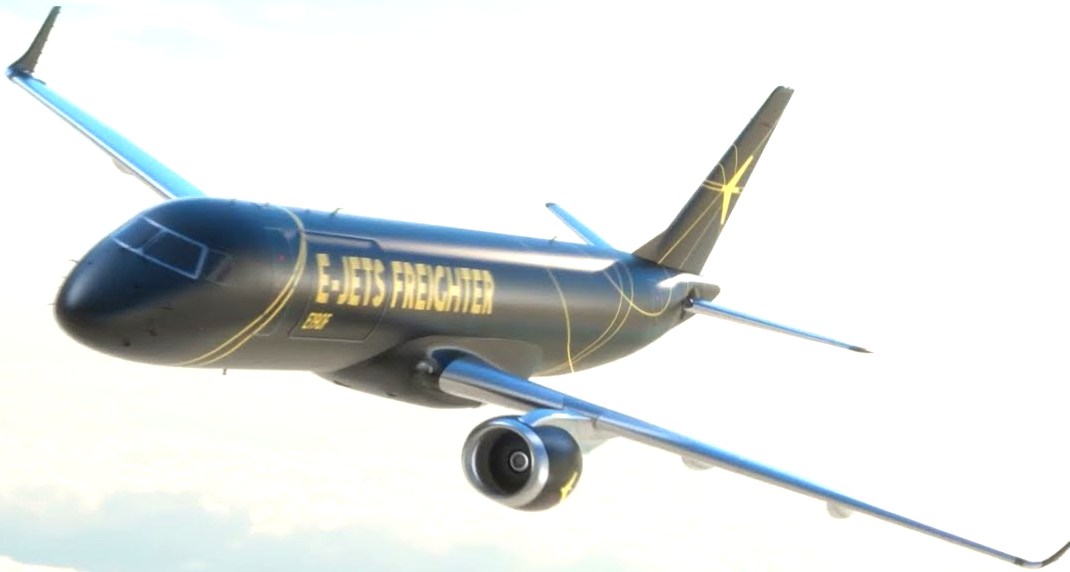
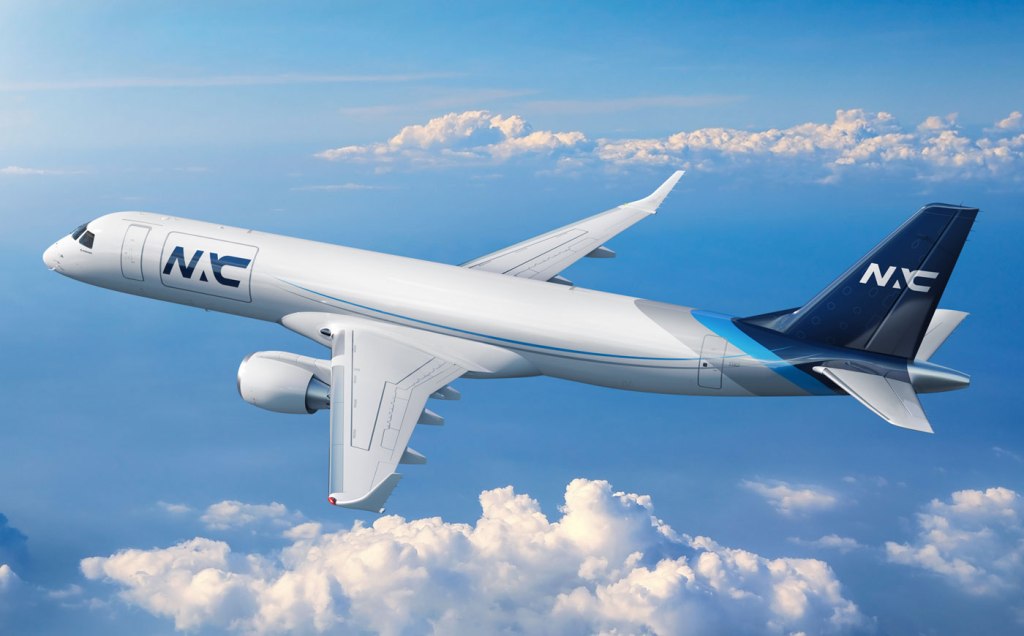
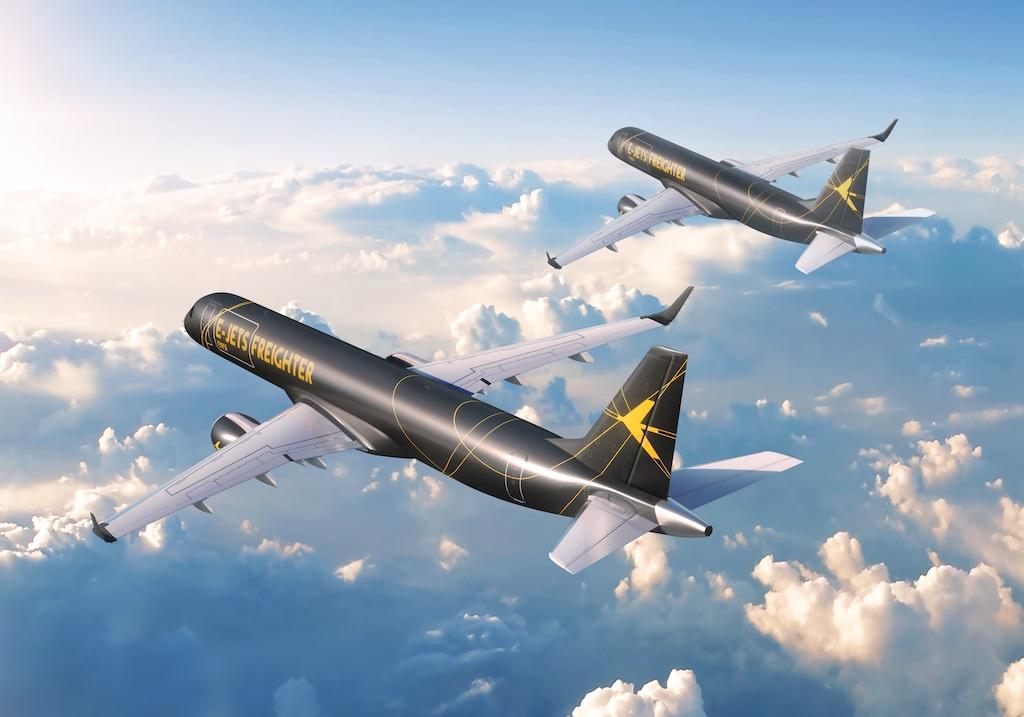
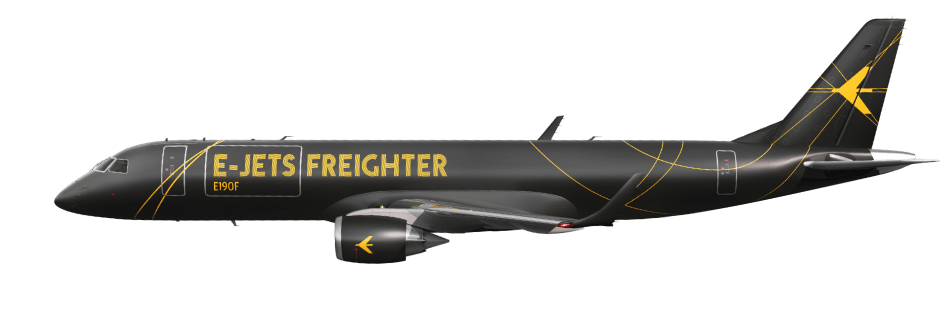
E-Jets cargo

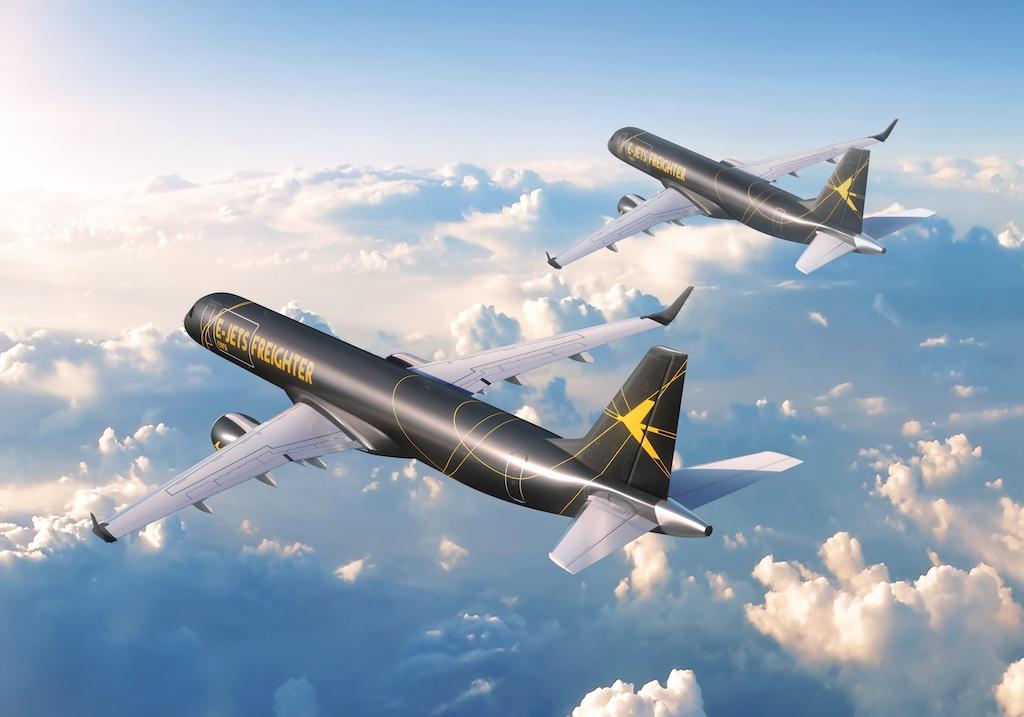
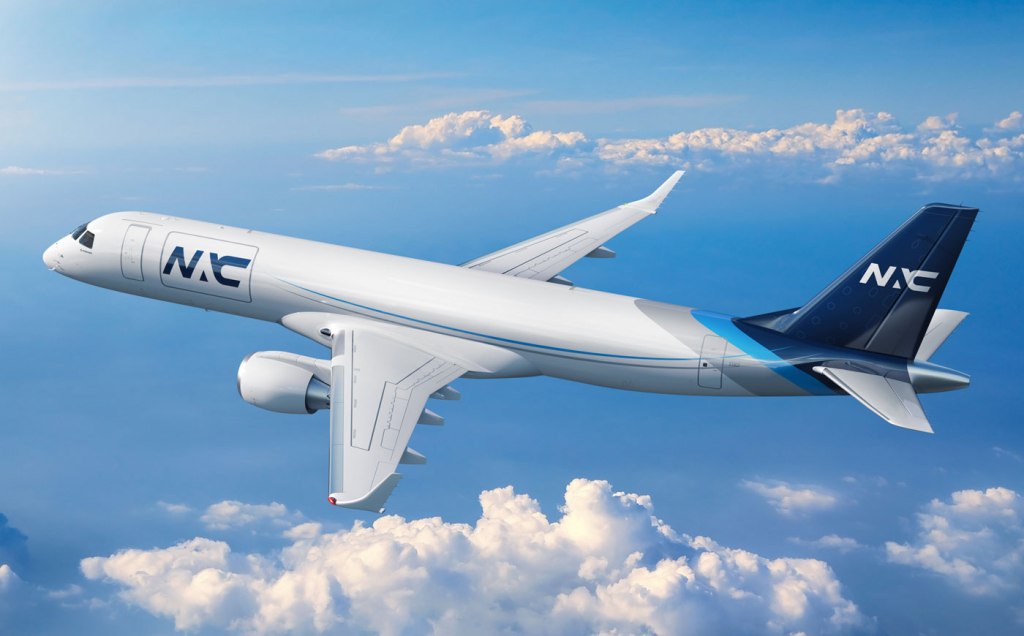
El fabricante de aviones brasileño anunció anteriormente el primer cliente de arrendamiento delproyecto de reconversión de aeronaves comerciales de pasajeros a cargueros E-Jets, Nordic Aviation Capital. NAC y Embraer han llegado a un acuerdo sobre diez aviones con el primer avión en 2024. Embraer ve un mercado total para 700 conversiones de este tipo en los próximos 20 años y tiene como objetivo capturar el 20%. «La carga es lo más importante en este momento. Todos pedimos más desde casa, por lo que hay muchas más entregas en su puerta principal. La pandemia ha acelerado estas tendencias en todo el mundo», expresó Arjan Meijer.

Al igual que la mayoría de los fabricantes, Embraer está viendo problemas en la cadena de suministro, pero espera que eso resulte en que las cadenas de suministro para la fabricación y otras industrias se acorten en general. Eso, a su vez, debería impulsar la demanda de viajes más cortos que se adapten al mercado regional atendido por Embraer.

India profiles Embraer partner

India among potential partners for Embraer turboprop

Embraer_Isotype.svg

Brazil’s Embraer is in talks with possible partners in India and elsewhere on proposals for a new turboprop aircraft called E3 Turboprop, which could launch in mid-2023, the Commercial Chief of the Brazilian aircraft manufacturer said on Tuesday 05/10. Embraer is also in detailed talks with engine makers about the proposed new regional jet, which would seek to penetrate a market dominated by the Franco-Italian ATR, Embraer Commercial Aviation Chief Executive Officer Arjan Meijer said at the Airline Economics conference.

Embraer has been discussing a return to the turboprop sector since 2017 as it looks to expand its portfolio. He said that in 2020 it could opt for a combination of industrial and financial backing, although some analysts expect a more traditional approach based on joint venture agreements with suppliers. «We’re moving forward with that. That’s going to be a big decision that we have to make. For launch we’re looking at mid-2023», added Arjan Meijer. The new turboprop aircraft could enter service in late 2027 or early 2028. Embraer has issued a request for proposals to engine manufacturers and expects to make a decision by the end of the year.

E-Jets charge

The Brazilian aircraft manufacturer previously announced the first leasing client of the E-Jets commercial passenger aircraft conversion project, Nordic Aviation Capital. NAC and Embraer have reached an agreement on ten aircraft with the first aircraft in 2024. Embraer sees a total market for 700 such conversions in the next 20 years and aims to capture 20%. «Freight is top of mind right now. We all order more from home, so there are a lot more deliveries at your front door. The pandemic has accelerated these trends around the world», said Arjan Meijer.

Like most manufacturers, Embraer is seeing supply chain problems, but expects that will result in supply chains for manufacturing and other industries being shortened across the board. That, in turn, should drive demand for shorter trips that suit the regional market served by Embraer.

Índia perfila parceira da Embraer

Índia entre potenciais parceiros para turboélice da Embraer

Embraer_Isologotype_002

A brasileira Embraer está conversando com possíveis parceiros na Índia e em outros lugares sobre propostas para uma nova aeronave turboélice chamada E3 Turboprop, que poderá ser lançada em meados de 2023, disse o chefe comercial da fabricante brasileira de aeronaves na terça-feira 10/05. A Embraer também está em conversas detalhadas com fabricantes de motores sobre o novo jato regional proposto, que buscaria penetrar em um mercado dominado pelo ATR franco-italiano, disse o CEO da Embraer Aviação Comercial, Arjan Meijer, na conferência Airline Economics.

AW-Embraer E3_Turboprop_000

A Embraer vem discutindo um retorno ao setor de turboélices desde 2017, enquanto busca expandir seu portfólio. Ele disse que em 2020 pode optar por uma combinação de apoio industrial e financeiro, embora alguns analistas esperem uma abordagem mais tradicional baseada em acordos de joint venture com fornecedores. «Estamos avançando com isso. Essa será uma grande decisão que temos que tomar. Para o lançamento, estamos olhando para meados de 2023», acrescentou Arjan Meijer. A nova aeronave turboélice pode entrar em serviço no final de 2027 ou início de 2028. A Embraer emitiu um pedido de propostas aos fabricantes de motores e espera tomar uma decisão até o final do ano.

E-Jets cargo

A fabricante brasileira de aeronaves anunciou anteriormente o primeiro cliente de leasing do projeto de conversão de aeronaves comerciais de passageiros E-Jets, a Nordic Aviation Capital. A NAC e a Embraer chegaram a um acordo sobre dez aeronaves com a primeira aeronave em 2024. A Embraer prevê um mercado total para 700 dessas conversões nos próximos 20 anos e pretende capturar 20%. «O frete está em primeiro lugar no momento. Todos nós pedimos mais em casa, então há muito mais entregas na sua porta. A pandemia acelerou essas tendências em todo o mundo», disse Arjan Meijer.

Como a maioria dos fabricantes, a Embraer está vendo problemas na cadeia de suprimentos, mas espera que isso resulte no encurtamento geral das cadeias de suprimentos para manufatura e outros setores. Isso, por sua vez, deve impulsionar a demanda por viagens mais curtas que se adequem ao mercado regional atendido pela Embraer.

PUBLISHER: Airgways.com
DBk: Embraer.com / Airgways.com
AW-POST: 202205111217AR
OWNERSHIP: Airgways Inc.
A\W A I R G W A Y S ®