Air India mega-orden 470 aviones

AW | 2023 02 12 17:57 | AIRLINES / INDUSTRY

Órdenes alcanzan aeronaves de Airbus y Boeing

Air_India.svg

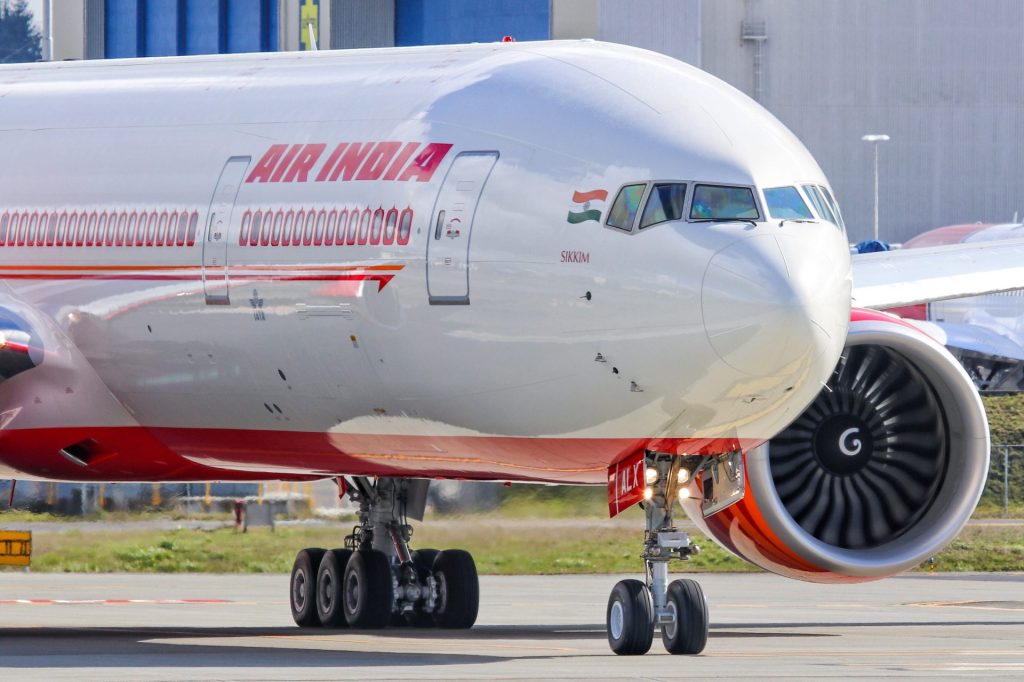
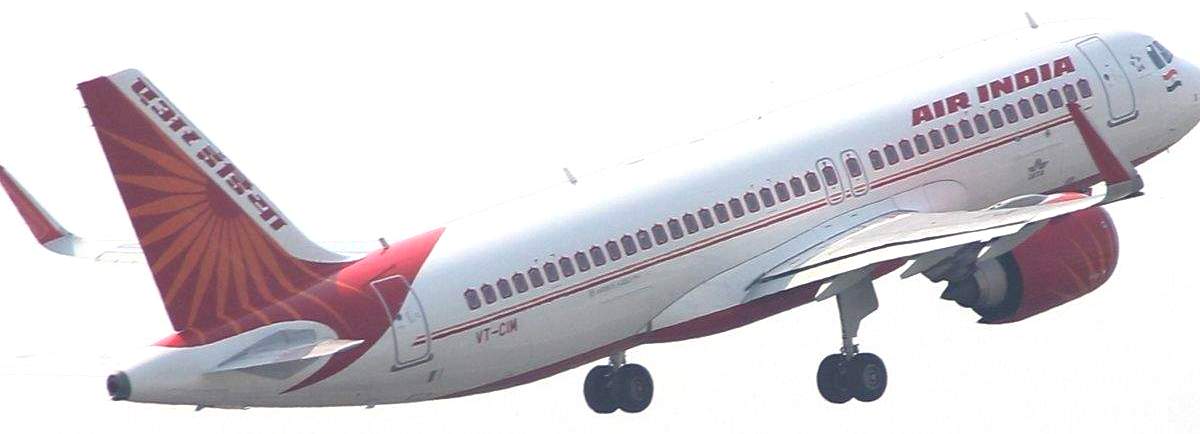
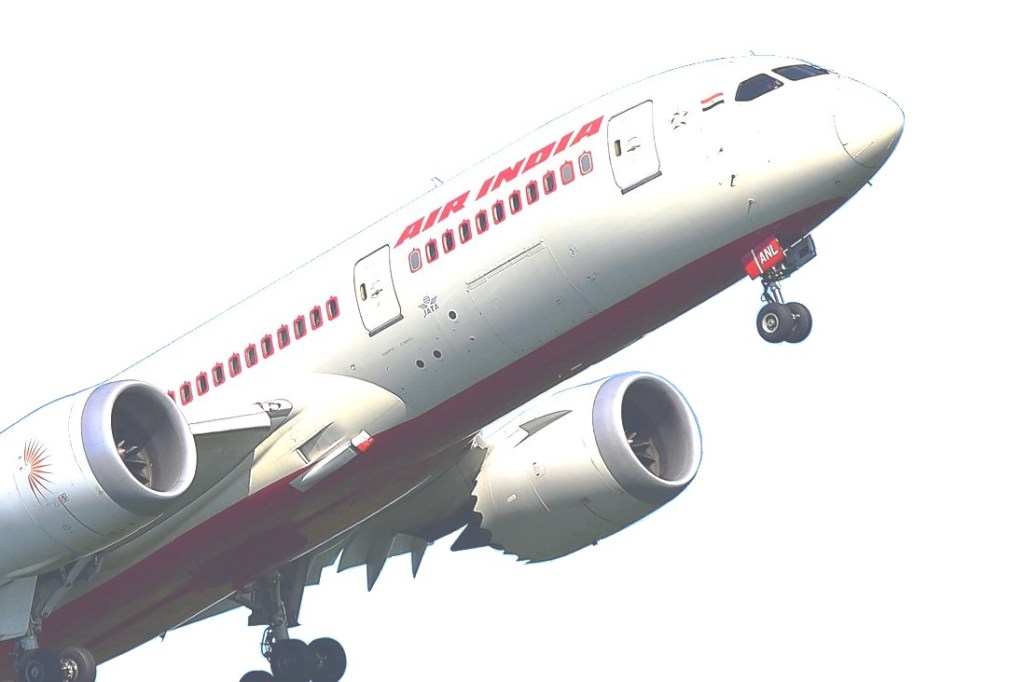
Air India ha finalizado uno de los pedidos de aviones más importantes de su historia. En un movimiento histórico de TATA Group para ordenar casi 500 aviones nuevos, la nueva Air India busca recuperar el 30% del mercado nacional e internacional después de una importante reestructuración y saneamiento de la compañía india.

La aerolínea ha acordado la mega-compra que alcanza la cifra de 475 nuevos aviones que incluyen: un pedido de 250 aeronaves a Airbus Group que incluyen A320NEO (210) de pasillo único y A350 (40) de fuselaje ancho. El pedido a The Boeing Company comprende una mega-orden de 220 aviones que comprende Boeing 737 MAX (190) narrowbodies, Boeing 787 (20) y Boeing 777X (10). El pedido conjunto está valorado en más de US$ 150 mil millones de Dólares, que cobran un nuevo impulso para ambos constructores de aeronaves comerciales. Las entregas comenzarán para los próximos ocho años vista.

La mega-orden corresponde a un plan de modernización de flota de Air India mientras se centra en su participación de mercado en destinos internacionales. Con la gran población de la India y la diáspora global en el extranjero, la aerolínea tiene como objetivo recuperar a sus pasajeros locales que viajan con frecuencia con aerolíneas de Oriente Medio, con las expectativas de ganar mercados.

Focalizando mercado doméstico

La orden mixta de A320NEO/Boeing 737 MAX de cuatrocientas aeronaves narrowbodies permitirá a TATA Group presentarse en el mercado doméstico con una buena posición para hacer frente al mayor competidor de rutas de cabotaje IndiGo Airlines.

Como parte de las estrategias de sinergias de las aerolíneas del TATA Group, la unión de Air India y Vistara Airlines seleccionarán la flota de Airbus A320NEO, mientras que la compañía aérea resultante de la fusión de Air India Expres y AirAsia India seleccionarán la flota de aviones Boeing 737 MAX para potenciar el mercado low cost/low fare. La flota de aeronaves widebodies Boeing 787 Dremliner, Airbus A350 y Boeing 777X recaerán en la flota de la nueva Air India.

El grupo continúa consolidando sus unidades de negocios con inyección de más capital, alcanzando el 100% del total de las operaciones de sus aeronaves activas. El CEO de Air India, Campbell Wilson, comentó sobre las operaciones actuales: «El número de vuelos diarios ha aumentado en un 30%, y los servicios internacionales semanales han aumentado un 63%. Se han iniciado o anunciado dieciséis nuevas rutas internacionales, y se ha aumentado la frecuencia en nueve rutas existentes. El promedio de pasajeros diarios ha aumentado en un 72%, y los ingresos diarios se han duplicado. La frecuencia diaria promedio tiene 81%». Después del frágil equilibrio de Air India, la reestructuración histórica permitirá a TATA Group afianzar el mercado en la India.

Air India confirm mega-order 470 aircraft
Orders reach Airbus and Boeing aircraft

Air India has finished one of the most important aircraft orders in its history. In a historical movement of Tata Group to order almost 500 new airplanes, the new Air India seeks to recover 30% of the national and international market after an important restructuring and sanitation of the Indian company.

The airline has agreed to the mega-compra that reaches the figure of 475 new aircraft that include: a request for 250 Airbus Group that include A320NEO (210) of a single corridor and A350 (40) of wide fuselage. The order to The Boeing Company includes a mega-order of 220 aircraft comprising Boeing 737 MAX (190) narrowbodies, Boeing 787 (20) and Boeing 777X (10). The joint request is valued in more than US$ 150 billion, which charge a new impulse for both commercial aircraft builders. Deliveries will begin for the next eight years seen.

The mega-order corresponds to an Air India fleet modernization plan while focusing on its market share in international destinations. With the large population of India and the global diaspora abroad, the airline aims to recover its local passengers who frequently travel with the Middle East airlines, with the expectations of winning markets.
AW-7000005

Focusing domestic market

The mixed order of A320NEO/Boeing 737 MAX of four hundred narrowbodies aircraft will allow Tata Group to present themselves in the domestic market with a good position to deal with the largest competitor of Indigo Airlines cabotage routes.

As part of the synergies strategies of the Tata Group airlines, the Air India Union and View Airlines will select the Airbus A320neo fleet, while the airline resulting from the melting of Air India Express and Airsia India will select the airplane fleet Boeing 737 Max to enhance the low cost/low Fare market. The widebodies Boeing 787 Dremliner, Airbus A350 and Boeing 777X aircraft will fall on the new Air India fleet.

The group continues to consolidate its business units with more capital injection, reaching 100% of the total operations of its active aircraft. The Air India CEO, Campbell Wilson, commented on current operations: «The number of daily flights has increased by 30%, and weekly international services have increased 63%. Sixteen new international routes have begun or announced or announced The frequency has been increased on nine existing routes. The average daily passengers has increased by 72%, and daily income has doubled. The average daily frequency has 81%». Historical will allow Tata Group strengthening the market in India.

एयर इंडिया मेगा-पेडिडो 470 विमान की पुष्टि करता है
आदेश एयरबस और बोइंग विमान तक पहुंचते हैं

Air_India.svg

एयर इंडिया ने अपने इतिहास में सबसे महत्वपूर्ण विमान आदेशों में से एक को पूरा किया है। लगभग 500 नए हवाई जहाजों को ऑर्डर करने के लिए टाटा समूह के एक ऐतिहासिक आंदोलन में, नया एयर इंडिया भारतीय कंपनी के एक महत्वपूर्ण पुनर्गठन और स्वच्छता के बाद 30% राष्ट्रीय और अंतर्राष्ट्रीय बाजार की वसूली करना चाहता है।

एयरलाइन ने मेगा-कॉम्परा के लिए सहमति व्यक्त की है जो 475 नए विमानों के आंकड़े तक पहुंचता है जिसमें शामिल हैं: 250 एयरबस समूह एयरनेव्स के लिए एक अनुरोध जिसमें एकल गलियारे के A320NEO (210) और व्यापक धड़ के A350 (40) शामिल हैं। बोइंग कंपनी के आदेश में 220 विमानों का एक मेगा-ऑर्डर शामिल है जिसमें बोइंग 737 मैक्स (190) संकीर्णता, बोइंग 787 (20) और बोइंग 777x (10) शामिल हैं। संयुक्त अनुरोध यूएस $ 150 बिलियन से अधिक में घुड़सवार है, जो दोनों वाणिज्यिक विमान बिल्डरों के लिए एक नया आवेग चार्ज करता है। डिलीवरी अगले आठ वर्षों के लिए शुरू होगी।

मेगा-ऑर्डर अंतरराष्ट्रीय गंतव्यों में अपने बाजार हिस्सेदारी पर ध्यान केंद्रित करते हुए एक एयर इंडिया फ्लीट आधुनिकीकरण योजना से मेल खाता है। भारत की बड़ी आबादी और विदेशों में वैश्विक प्रवासी लोगों के साथ, एयरलाइन का उद्देश्य अपने स्थानीय यात्रियों को पुनर्प्राप्त करना है जो अक्सर मध्य पूर्व एयरलाइंस के साथ यात्रा करने वाले बाजारों की अपेक्षाओं के साथ यात्रा करते हैं।

घरेलू बाजार पर ध्यान केंद्रित करना

A320NEO/Boeing 737 MAX अधिकतम चार सौ एयरबॉडी विमानों का मिश्रित क्रम टाटा समूह को इंडिगो एयरलाइंस कैबोटेज मार्गों के सबसे बड़े प्रतियोगी से निपटने के लिए एक अच्छी स्थिति के साथ घरेलू बाजार में खुद को पेश करने की अनुमति देगा।

टाटा ग्रुप एयरलाइंस की तालमेल की रणनीतियों के हिस्से के रूप में, एयर इंडिया यूनियन और व्यू एयरलाइंस एयरबस A320NEO बेड़े का चयन करेगी, जबकि एयर इंडिया एक्सप्रेस और एयरसिया इंडिया के पिघलने से उत्पन्न एयरलाइन हवाई जहाज के बेड़े बोइंग 737 MAX मैक्स का चयन करेगी। कम लागत/कम किराया बाजार। वाइडबॉडी बोइंग 787 ड्रेमलिनर, एयरबस ए 350 और बोइंग 777x विमान न्यू एयर इंडिया के बेड़े पर गिर जाएंगे।

समूह अपने व्यावसायिक इकाइयों को अधिक पूंजी इंजेक्शन के साथ समेकित करना जारी रखता है, अपने सक्रिय विमान के कुल संचालन के 100% तक पहुंचता है। एयर इंडिया के सीईओ, कैंपबेल विल्सन ने वर्तमान कार्यों पर टिप्पणी की: «दैनिक उड़ानों की संख्या में 30%की वृद्धि हुई है, और साप्ताहिक अंतर्राष्ट्रीय सेवाओं में 63%की वृद्धि हुई है। सोलह नए अंतर्राष्ट्रीय मार्गों ने शुरू किया है या घोषणा की है या घोषणा की है कि आवृत्ति पर वृद्धि हुई है या घोषणा की गई है। नौ मौजूदा मार्ग। औसत दैनिक यात्रियों में 72%की वृद्धि हुई है, और दैनिक आय दोगुनी हो गई है। औसत दैनिक आवृत्ति में 81%है»। ऐतिहासिक टाटा समूह को भारत में बाजार को मजबूत करने की अनुमति देगा।

PUBLISHER: Airgways.com
DBk: Airindia.in / Airbus.com / Boeing.com / Airgways.com
AW-POST: 202302121757AR
OWNERSHIP: Airgways Inc.
A\W A I R G W A Y S ®

Aurora ordena 8 SSJ-100

AW | 2023 02 12 17:55 | AIRLINES

Pedido de ocho SSJ-100 y diez aviones Baikal para 2026

AW-Aurora Airlines__Isologotype_Ru

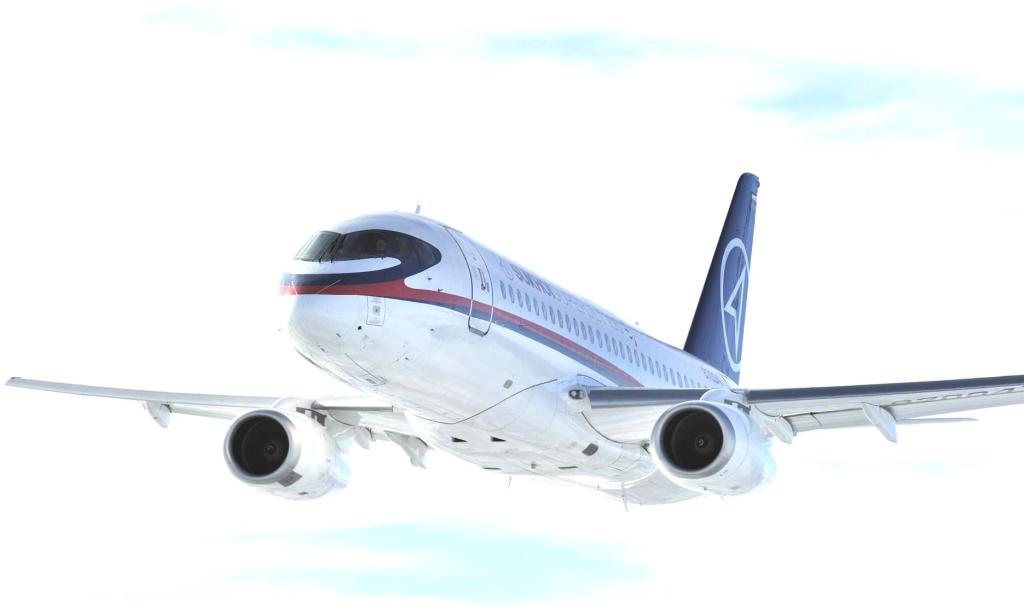
La compañía aérea Aurora Airlines planea recibir ocho aviones Sukhoi Superjet SSJ-100 (8) y diez aviones Baikal (10) para el calendario 2026. Esto se informó en la presentación adjunta del Director General Adjunto de Aurora Airlines, Oleg Yemets, presentada el Martes 07/02 en la exposición nacional de infraestructura de aviación civil NAIS 2023.

El plan de incorporación de las aeronaves están programadas con cuatro (4) Sukhoi Superjet SSJ-100 para 2024, cuatro (4) aviones en 2025, dos (2) aviones Baikal en 2024, cuatro (4) aviones en 2025 y cuatro (4) aviones en 2026, ha comunicado el anuncio de la compañía aérea. Además, se planea entregar diecinueve (19) aviones Il-114 para 2025. También se espera que entregue veintiún (21) helicópteros Mi-171A2 (A3) para 2026. Al hablar sobre el mantenimiento de estas aeronaves, Oleg Yemets agregó que es necesario crear una institución educativa para la capacitación del personal.

Aurora orders 8 SSJ-100

Order of eight SSJ-100 and ten Baikal aircraft for 2026

The Aurora Airline airline plans to receive eight Sukhoi Superjet SSJ-100 (8) and ten Baikal (10) aircraft for the 2026 calendar. This was reported in the attached presentation of the deputy general director of Aurora Airlines, Oleg Yemets, presented on Tuesday 07/02 at the National Exhibition of Civil Aviation Infrastructure NAIS 2023.

The aircraft incorporation plan are scheduled with four (4) Sukhoi Superjet SSJ-100 for 2024, four (4) aircraft in 2025, two (2) Baikal aircraft in 2024, four (4) aircraft in 2025 and four (4) aircraft in 2026, has communicated the announcement of The airline. In addition, it is planned to deliver nineteen (19) IL-114 aircraft by 2025. It is also expected that it will deliver twenty-one (21) MI-171A2 helicopters (A3) by 2026. When talking about the maintenance of these aircraft, Oleg Yemets added that it is necessary to create an educational institution for staff training.

PUBLISHER: Airgways.com
DBk: Flyaurora.ru / Irkut.com / Baikal.ru / Airgways.com
AW-POST: 202302121755AR
OWNERSHIP: Airgways Inc.
A\W A I R G W A Y S ®
SSJ-New no equipará con PD-8

AW | 2023 02 12 17:54 | INDUSTRY

Superjet-100 no estará equipado con motores domésticos PD-8

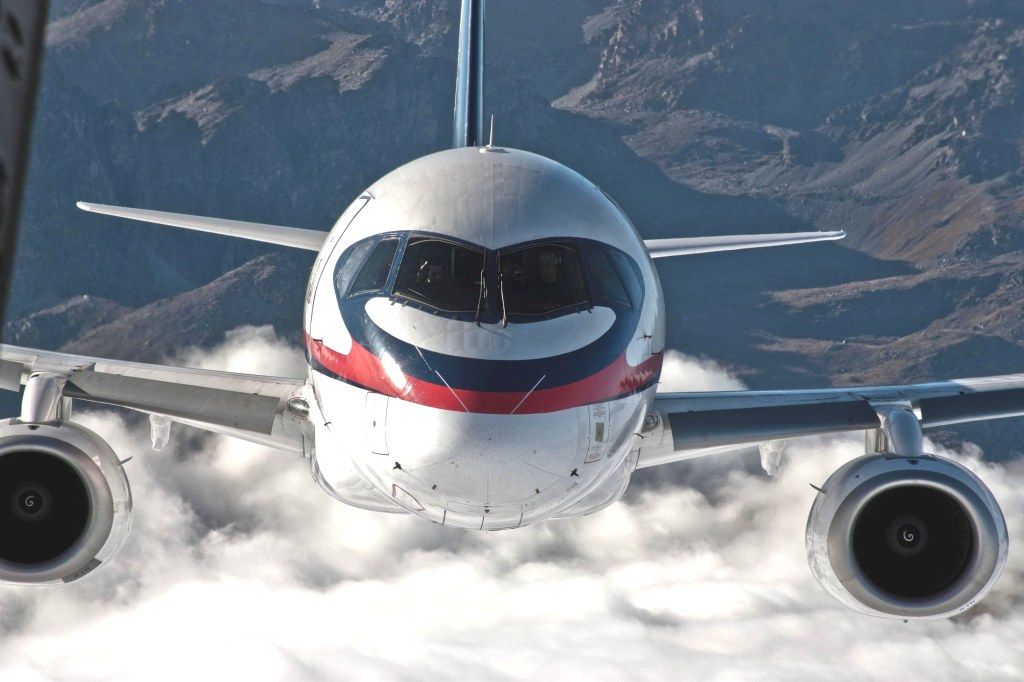
El Jefe de la United Aircraft Corporation (UAC), Yuri Slyusar, ha anunciado que el Irkut Sukhoi Superjet no estará equipado con motores PD-8 destinados al Programa SSJ New. «Técnicamente, esto es posible, pero no económicamente rentable. Por lo tanto, con el valor residual de la aeronave, por ejemplo, 500 millones de rublos, será necesario comprar nuevos componentes por una cantidad comparable, si no más», expresó Yuri Slyusar.

El Superjet SSJ-100 utiliza el motor franco-ruso SaM146. En el Programa SSJ New sería reemplazado por el motor de cosecha propia PD-8. Según Yuri Slyusar, las aerolíneas quieren que Rusia aprenda a reparar SaM146 para mantener la flota existente de unos 150 aviones en el mercado. Obviamente, esto es más eficiente económicamente, pero está lleno de dificultades: la parte más responsable de SaM146, un generador de gas, fue producida por una empresa francesa, las tecnologías no se transfirieron a la Federación Rusa. Además, existen dificultades con la reproducción de la turbina, la cámara de combustión y otros elementos. Hasta ahora, Rusia tiene un stock de varias docenas de motores SaM146, pero esto claramente no es suficiente.

SSJ-New will not equip with PD-8

Superjet-100 plane will not be equipped with PD-8 household engines

The United Aircraft Corporation (UAC), Yuri Slyusar, announced that the Irkut Sukhoi Superjet will not be equipped with PD-8 engines destined for the SSJ New Program. «Technically, this is possible, but not economically profitable. Therefore. Therefore , with the residual value of the aircraft, for example, 500 million rubles, it will be necessary to buy new components for a comparable amount, if not more», said Yuri Slyusar.

The SSJ-100 Superjet uses the SaM146 Franco-Ruso motor. In the SSJ New program it would be replaced by the PD-8 crop engine. According to Yuri Slyusar, airlines want Russia to learn to repair SaM146 to maintain the existing fleet of about 150 aircraft in the market. Obviously, this is more economically efficient, but it is full of difficulties: the most responsible part of SaM146, a gas generator, was produced by a French company, technologies were not transferred to the Russian Federation. In addition, there are difficulties with the reproduction of the turbine, the combustion chamber and other elements. Until now, Russia has a stock of several dozen Sam146 engines, but this is not enough.

SSJ-New не будет оснащен PD-8

Superjet-100 не будет оснащен домашним двигателями PD-8

Объединенная Aвиационная Kорпорация (OAK), Юрий Слюсар, объявила, что Superjet Irkut Sukhoi не будет оснащен двигателями PD-8, предназначенными для новой программы SSJ. «Технически это возможно, но не экономически выгодно. Поэтому, с помощью, с помощью с помощью с помощью. Остаточная стоимость самолета, например, 500 миллионов рублей, необходимо будет купить новые компоненты для сопоставимой суммы, если не больше», сказал Юрий Слиусар.

SSJ-100 Superjet использует мотор Franco-Ruso SaM146. В новой программе SSJ она будет заменена двигателем PD-8. По словам Юрия Слюсара, авиакомпании хотят, чтобы Россия научилась ремонтировать SaM146, чтобы поддерживать существующий флот из около 150 самолетов на рынке. Очевидно, что это более экономически эффективно, но он полон трудностей: наиболее ответственная часть SaM146, генератора газа, была произведена французской компанией, технологии не были переданы в Российскую федерацию. Кроме того, существуют трудности с воспроизводством турбины, камеры сгорания и других элементов. До сих пор у России есть несколько десятков двигателей SaM146, но этого недостаточно.

PUBLISHER: Airgways.com
DBk: Uacrussia.ru / Nikola Krasnov / Airgways.com
AW-POST: 202302121754AR
OWNERSHIP: Airgways Inc.
A\W A I R G W A Y S ®

Aerolíneas reclaman extensión plazo 5G

AW | 2023 02 12 17:53 | AIRLINES / AVIATION TECHNOLOGY

Aéreas instan a FAA extender plazo implementación tecnología 5G

AW-Technology Band C 5G_Isologotype

Las aerolíneas estadounidenses ha anunciado a la Federal Aviation Administration (FAA) para extender el plazo de actualización de la tecnología de quinta generación (5G). Por medio de Airlines for America (A4A), un grupo que representa a las principales aerolíneas entre ellas a American Airlines, Delta Air Lines, United Airlines entre otras, ha instado a la agencia de aviación de Estados Unidos a extender una fecha límite propuesta hasta Junio de 2024 para modernizar los altímetros de los aviones para garantizar que no sean susceptibles a la interferencia inalámbrica 5G. También ha solicitado a la FAA que revise una directiva de seguridad 5G propuesta «para reflejar las realidades técnicas y la operación segura continua de muchas aeronaves». El grupo advirtió que un número de aviones en las flotas estadounidenses no se modificará para Julio 2023 y sin cambios podría limitar severamente las operaciones y provocar retrasos y cancelaciones de vuelos, según la solicitada del organismo que nuclea a las líneas aéreas estadounidense. Los operadores inalámbricos de comunicaciones se opusieron a la solicitud.

Los altímetros, que proporcionan datos sobre la altitud de un avión son cruciales para el aterrizaje en mal tiempo, provocaron interrupciones en algunos aeropuertos de Estados Unidos el año pasado involucraron a aerolíneas internacionales.

En Enero 2023, la FAA propuso exigir que los aviones de pasajeros y carga en los Estados Unidos tengan altímetros de radio tolerantes a la Banda C 5G o filtros aprobados para Febrero de 2024. La agencia reiteró el Viernes 10/02 que evaluará todos los comentarios. También el Viernes, una coalición que incluye Boeing, Airbus Lockheed Martin, Raytheon, sindicatos de pilotos y aerolíneas dijeron que la directiva «no proporciona controles suficientemente sólidos para garantizar la seguridad, pues tanto las operaciones de aviación como los servicios inalámbricos evolucionan conjuntamente» y no incluye una estimación realista de costos.

Verizon Communications y AT&T acordaron voluntariamente en Junio 2022 retrasar parte del uso de 5G de banda C hasta Julio 2023, ya que las compañías aéreas trabajan para modernizar los aviones para garantizar que no enfrenten interferencias.

Las compañías inalámbricas gastaron más de US$ 80 mil millones en el espectro 5G de Banda C, incluidos US$ 52.9 mil millones de gastos de la empresa Verizon en costos de subasta y compensación. El grupo comercial inalámbrico CTIA, que representa a Verizon y AT&T, dijo que la FAA proporcionó tiempo suficiente para las aerolíneas y no debería extender los plazos. «Al exigir responsabilidad, la FAA está tomando pasos importantes para garantizar que el rendimiento del altímetro de radio sea más resistente al tiempo que permite el despliegue oportuno de 5G en Banda C», dijo CTIA.

Airlines demand extension 5G term

Airlines urge FAA to extend term implementation 5G technology

American airlines has announced the Federal Aviation Administration (FAA) to extend the fifth generation technology (5G) technology. Through Airlines For America (A4A), a group that represents the main airlines between them to American Airlines, Delta Air Lines, United Airlines among others, has urged the United States Aviation Agency to extend a proposed deadline until June 2024 to modernize the altimeters of the airplanes to ensure that they are not susceptible to 5G wireless interference. He has also asked the FAA to review a 5G Proposed Security Directive «to reflect the technical realities and the continuous safe operation of many aircraft». The group warned that a number of airplanes in US fleets will not be modified by July 2023 and unchanged could severely limit operations and cause delays and cancellations of flights, according to the agency’s requested that brings together the US airlines. Wireless communications operators opposed the application.

The altimeters, which provide data on the altitude of an airplane are crucial for landing in bad weather, caused interruptions in some United States airports last year involved international airlines.

In January 2023, FAA proposed to demand that passenger and load aircraft in the United States have tolerant to tolerant Band C 5G or filters approved for February 2024. The agency reiterated on Friday 10/02 that will evaluate all comments all comments. Also on Friday, a coalition that includes Boeing, Airbus Lockheed Martin, Raytheon, pilot and airline unions said the directive «does not provide sufficiently solid controls to guarantee security, since both aviation operations and wireless services evolve together» and It does not include a realistic cost estimate.

Verizon Communications and AT&T voluntarily agreed in June 2022 delaying part of the use of 5G Band C until July 2023, since airlines work to modernize airplanes to ensure that they do not face interference.

Wireless companies spent more than US$ 80 billion in the 5G Band C spectrum, including US$ 52.9 billion of the Verizon company in auction and compensation costs. The CTIA wireless commercial group, which represents Verizon and AT&T, said the FAA provided enough time for airlines and should not extend the deadlines. «When demanding responsibility, FAA is taking important steps to ensure that the radio altimeter performance is more resistant while allowing the timely deployment of 5G in Band C», said CTIA.

PUBLISHER: Airgways.com
DBk: Airlines.org / Faa.gov / Airgways.com
AW-POST: 202302121753AR
OWNERSHIP: Airgways Inc.
A\W A I R G W A Y S ®
UAC aumentará línea Tu-204

AW | 2023 02 12 17:50 | INDUSTRY

Incremento línea producción Tupolev Tu-214

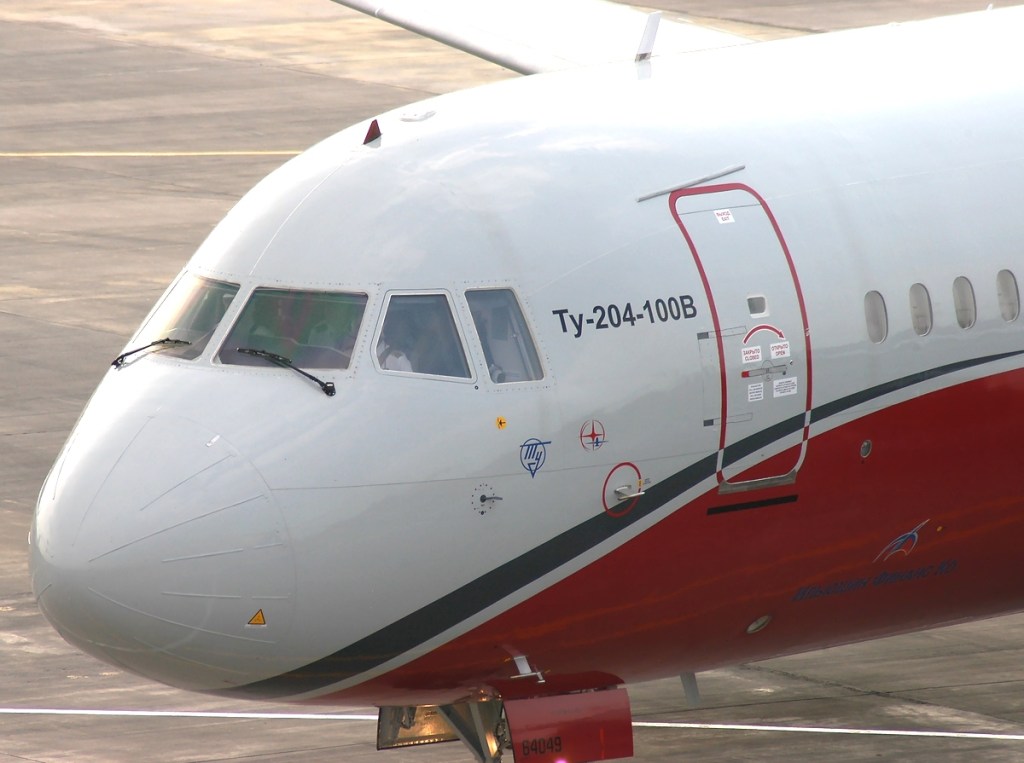
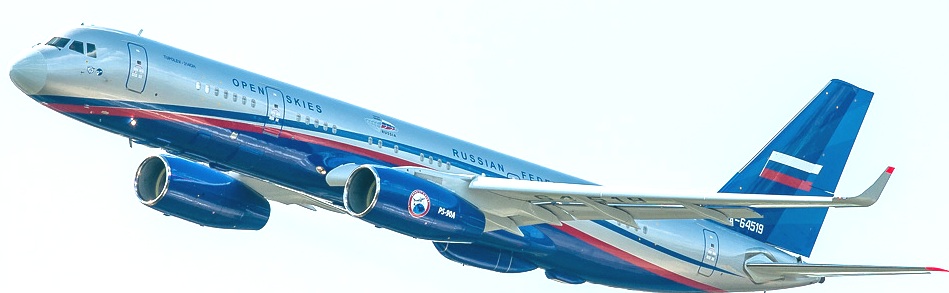
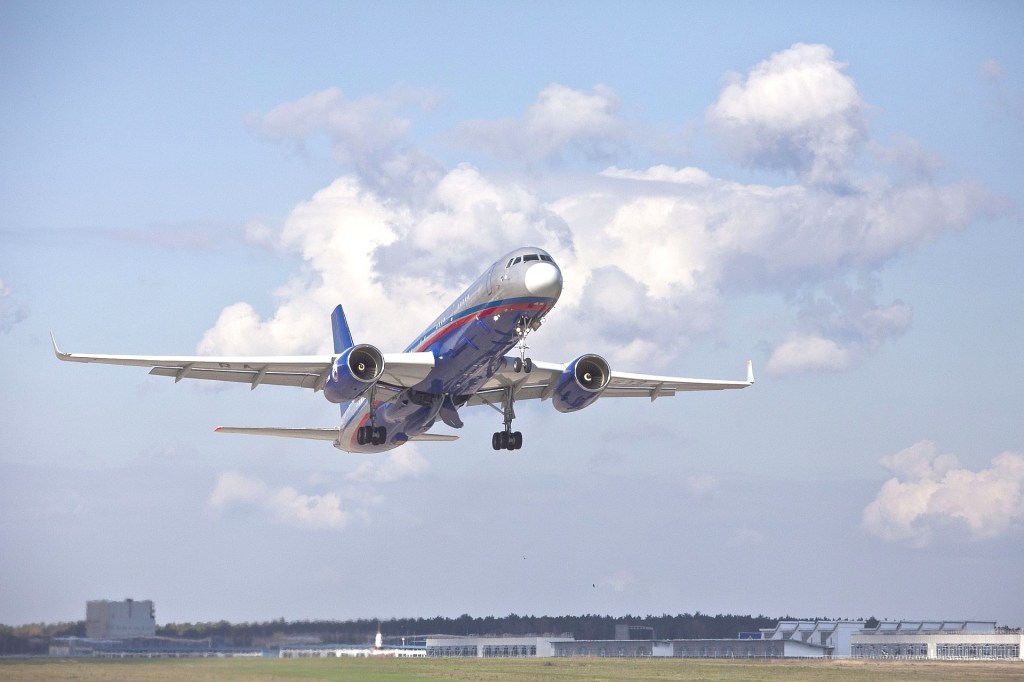
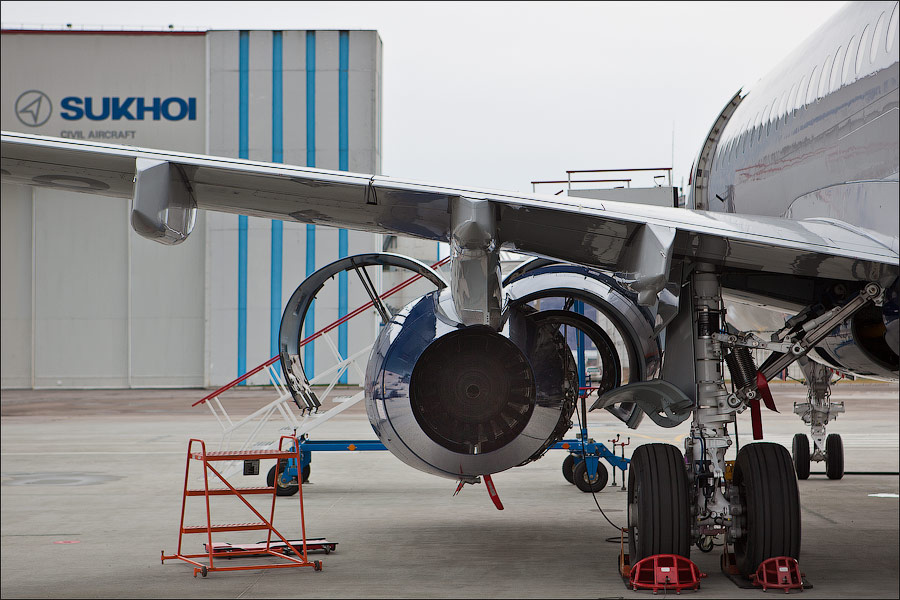
United Aircraft Company (UAC Group) confirma planes para aumentar la producción de aviones Tupolev Tu-204 elevando a veinte unidades (20) por año. El aumento de las unidades de producción de aviones de la era soviética contarán con las dos variantes de pasajeros y carga. La industria de la aviación civil de la Federación Rusia ha pasado por una gran sacudida desde que el Presidente Vladimir Putin lanzó una guerra de agresión contra Ucrania hace casi un año. Las sanciones impuestas han llevado a Rusia a encontrar soluciones sustitutivas de importación para proyectos de aviones ya en curso, como el Irkut Sukhoi SSJ-100 y su nuevo avión de la familia de fuselaje estrecho MC-21.

Mientras tanto, para satisfacer la demanda de nuevos aviones de las aerolíneas rusas, los responsables han decidido aumentar la producción del Tupolev Tu-214, anteriormente solo disponible bajo pedido especial.

Además, ha expresado que las entregas comerciales en serie del Tu-214, el MC-21-310 y el SSJ-NEW están programadas para comenzar en 2024. Mientras tanto, el CEO de Aeroflot Russian Airlines, Sergei Aleksandrovsky, ha declarado que espera que su grupo de aerolíneas reciba la primera versión totalmente nacional de Superjet en Diciembre de 2023.

El Tu-214 es una versión del diseño de la era soviética del Tu-204, ambos aviones bimotores de fuselaje estrecho de gama media con una capacidad máxima para 210 pasajeros. El Tu-214 es una versión que precede de mayor peso bruto que tiene tanques de combustible adicionales instalados. La aeronave Tu-214 realizó su primer vuelo el 2 de Enero de 1989, propulsados por dos motores turbofan Aviadvigatel PS-90.

Los planes para renovar el programa han ido tomando forma durante en 2022. Inicialmente, la producción aumentará gradualmente a diez unidades anuales para alcanzar las veinte unidades previstas para 2026 con una demanda de mil aeronaves para el mercado de la órbita rusa.

UAC will increase Tu-204 line

Tupolev Tu-214 Production Increase

United Aircraft Company (UAC Group) confirms plans to increase the production of Tupolev Tu-204 aircraft raising twenty units (20) per year. The increase in aircraft production units of the Soviet era will have the two passenger and cargo variants. The civil aviation industry of the Russia Federation has gone through a great shake since President Vladimir Putin launched a war of aggression against Ukraine almost a year ago. The imposed sanctions have led Russia to find import-import substitute solutions for airplane projects already in progress, such as the Irkut Sukhoi SSJ-100 and its new aircraft of the MC-21 narrow fuselage family.

Meanwhile, to meet the demand for new airlines of Russian airlines, those responsible have decided to increase the production of Tupolev Tu-214, previously only available on special order.

In addition, he has expressed that the TU-214 serial commercial deliveries, the MC-21-310 and the SSJ-NEW are scheduled to start in 2024. Meanwhile, Aeroflot CEO Russian Airlines, Sergei Aleksandrovsky, has declared what he hopes that your group of airlines receives the first totally national version of Superjet in December 2023.

The TU-214 is a version of the design of the Soviet era of Tu-204, both bimonctors of narrow mid-range fuselage with a maximum capacity for 210 passengers. Tu-214 is a version that precedes greater gross weight that has additional fuel tanks installed. The Tu-214 aircraft made its first flight on January 2, 1989, propelled by two Turbofan Aviadvigatel PS-90 engines.

The plans to renew the program have been taking shape during 2022. Initially, the production will gradually increase to ten annual units to reach the twenty units planned by 2026 with a demand for a thousand aircraft for the Russian Obit market.

UAC увеличит линию TU-204

Увеличение производства Tupolev TU-214

United Aircraft Company (UAC Group) подтверждает планы по увеличению производства самолетов Tupolev Tu-204, повышающих двадцать единиц (20) в год. Увеличение производственных подразделений самолетов в советской эпохе будет иметь два варианта пассажирских и грузов. Гражданская авиационная индустрия Федерации России прошла через большой коктейль с тех пор, как президент Владимир Путин начал агрессивную войну против Украины почти год назад. Наложенные санкции заставили Россию найти импортные заменительные решения для проектов самолетов, таких как Irkut Sukhoi SSJ-100 и его новые самолеты семьи MC-21.

Между тем, для удовлетворения спроса на новые авиакомпании российских авиакомпаний, ответственные решили увеличить производство Tupolev Tu-214, ранее доступное только в специальном порядке.

Кроме того, он заявил, что серийные коммерческие доставки Tu-214, MC-21-310 и SSJ-NEW планируют начать в 2024 году. Между тем, генеральный директор Aeroflot Russian Airlines, Sergei Aleksandrovsky, заявил, что он надеется, что ваши Группа авиакомпаний получает первую полностью национальную версию Superjet в декабре 2023 года.

TU-214 является версией дизайна советской эры Tu-204, оба бимонкт-бимонкт-узких средних фюзеляжа с максимальной мощностью для 210 пассажиров. Tu-214-это версия, которая предшествует большему брудному весу, в которой установлены дополнительные топливные баки. Самолет Tu-214 совершил свой первый рейс 2 января 1989 года, который продвигался двумя турбовентирующими двигателями Aviadvigatel PS-90.

Планы по обновлению программы были формированы в течение 2022 года. Первоначально производство будет постепенно увеличиваться до десяти годовых подразделений, чтобы достичь двадцати единиц, запланированных к 2026 году, с требованием на тысячу самолетов для российского рынка oбита.

NAIS 2023
El Martes 7 de Febrero de 2023 comenzó en Moscú la décima edición de la Exposición Nacional de Infraestructura de Aviación Civil (NAIS). Según lo informado por la agencia de noticias estatal rusa TASS, Yury Slyusar, Jefe de United Aircraft Corporation, dijo a los periodistas que la compañía aumentará la producción del Tu-214 a 20 unidades por año. El Sr. Slyusar dijo a los periodistas en el lugar: «Estamos trabajando en ello. Estamos haciendo una versión abreviada y de carga para vuelos en el Lejano Oriente. Aumentaremos la producción gradualmente».

Nais 2023
On Tuesday, February 7, 2023, the tenth edition of the National Civil Aviation Infrastructure (NAIS) began in Moscow. As reported by the Russian state news agency Tass, Yury Slyusar, head of United Aircraft Corporation, told journalists that the company will increase the production of TU-214 to 20 units per year. Mr. Slyusar told journalists in the place: «We are working on it. We are making an abbreviated and loading version for flights in the Far East. We will increase the production gradually».

Наис 2023
Во вторник, 7 февраля 2023 года, десятое издание Национальной инфраструктуры гражданской авиации (NAIS) началось в Москве. Как сообщило Российское государственное информационное агентство TASS, Yury Slyusar, глава United Aircraft Corporation, заявил журналистам, что компания увеличит производство TU-214 до 20 единиц в год. Г-н Слюсар сказал журналистам в этом месте: «Мы работаем над этим. Мы делаем сокращенную и загруженную версию для полетов на Дальнем Востоке. Мы постепенно увеличим производство».

PUBLISHER: Airgways.com
DBk: Uacrussia.ru / Airgways.com
AW-POST: 202302121750AR
OWNERSHIP: Airgways Inc.
A\W A I R G W A Y S ®
Obras Aeropuerto Barreirinhas

AW | 2023 02 12 17:47 | AIRPORTS

Comienzan obras para recibir nuevos vuelos comerciales

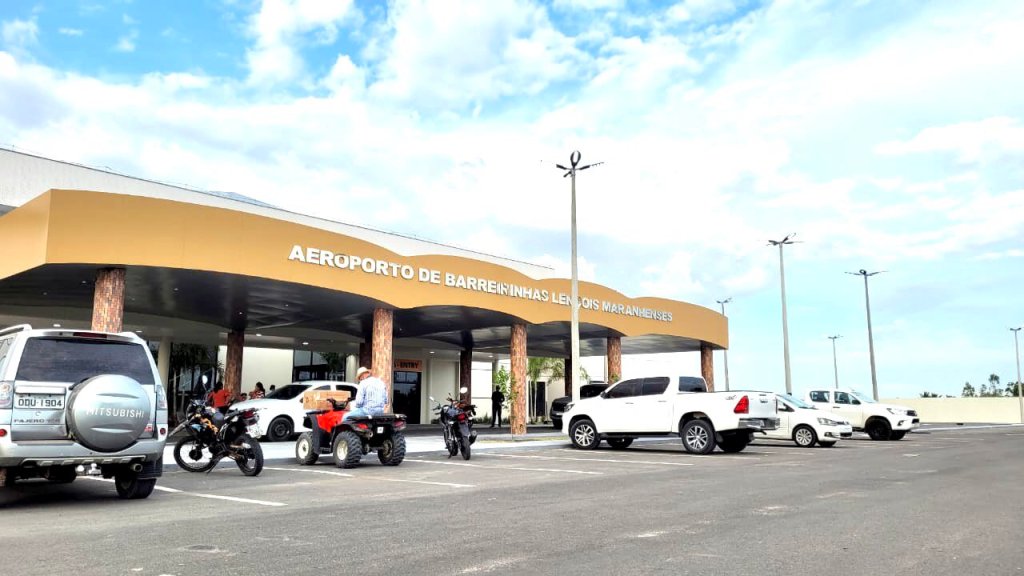
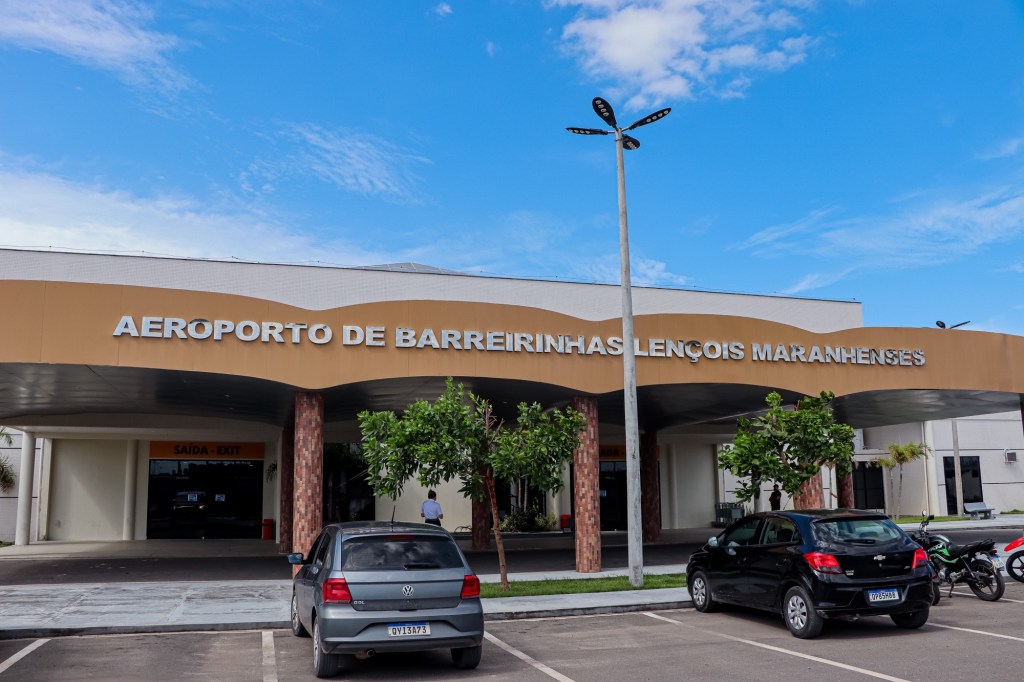
El Gobierno del Estado de Maranhão (MA), a través de la Secretaría de Estado de Industria y Comercio (SEINC), comenzó el Jueves 09/02 las obras de ampliación y adecuación del Aeropuerto de Barreirinhas/BRB. El objetivo es realizar las intervenciones necesarias para mejoras en infraestructura y seguridad operacional para establecer vuelos comerciales de línea aérea y para la solicitud de un cambio de categoría aeroportuaria que permitirá operar las 24 horas del día.

El inicio de los trabajos estuvo acompañado por el Secretario de Estado de Industria y Comercio, Cassiano Pereira Junior. También estuvieron presentes la Gerente del Departamento Aeroportuario de SEINC Shirlei Aparecido Alves, Liz Martins Directora de Operaciones de ESAERO, empresa contratada por el Gobierno del Estado de Maranhão que administra la estación aeroportuaria, el Secretario Municipal de Medio Ambiente de Barreirinhas, Carlos Kerluylys y Reges Reis Subsecretario Municipal de Desarrollo Económico de Barreirinhas.

Para el Secretario Cassiano Pereira Junior, las intervenciones deben mejorar la región. «Una de las directrices del Gobernador Carlos Brandão es un plan para la expansión y reestructuración de aeropuertos y aeródromos, como Barreirinhas, para que pronto podamos recibir vuelos más grandes y nuevas rutas, contribuyendo al calentamiento del emprendimiento, el turismo y otros potenciales que ofrece la región», dijo el mandatario.

Obras en Barreirinhas

Las intervenciones incluyen reparación y mantenimiento en la pista, nueva señalización horizontal, carril de taxi y estacionamiento de aeronaves, reparación en el sistema de drenaje y mantenimiento de áreas verdes, ampliación del estacionamiento de aeronaves; y el suministro de aeronaves comerciales para la instalación de hangares y estaciones de servicio de aeronaves. La implementación del sistema de balizamiento nocturno, la iluminación del patio de estacionamiento de aeronaves, como así también contará con una nueva ruta de acceso para servicios de seguridad, canal operativo y de inspección (ampliación de equipos de rayos X, detector de metales, entre otros); y, también, la aprobación y operación de la estación meteorológica de superficie automatizada.

Luego de las adaptaciones estructurales, se realizarán los trámites para el cambio de categoría y certificación del Aeropuerto de Barreirinhas, para que pueda operar las 24 horas del día, recibiendo aterrizajes y permitiendo despegues de aeronaves de aviación general, comercial, regular y de carga. Se espera que las acciones se completen a finales del primer semestre de 2023.

Articular vuelos

Después de la articulación del Gobierno de Maranhão, a través del SEINC y la Secretaría de Estado de Turismo (SETUR), desde Septiembre de 2022 el Aeropuerto de Barreirinhas forma parte de la ruta comercial de Azul Linhas Aéreas, que opera la «Ruta de las Emociones». Diariamente, el vuelo Azul sale de Aracati, Estado de Ceará, con destino a Fortaleza, luego, desde la capital de Ceará, el vuelo despega hacia Jericoacoara, con la siguiente parada en el Estado de Parnaíba, luego en el Estado de Piauí y, desde allí, el vuelo va a Barreirinhas. La última parada es en São Luis. El vuelo de regreso sale de la capital de Maranhão y sigue la misma ruta inversa. Toda la ruta se lleva a cabo a bordo del avión Cessna Grand Caravan C208, en una experiencia única de explorar las bellezas de la costa noreste.

En una reunión realizada el 18 de Enero de 2023, el Gobernador Carlos Brandão recibió al Gerente de Relaciones Institucionales de GOL, Ciro Camargo, para tratar las operaciones de la aerolínea en Maranhão y la expansión de los vuelos. En ese momento, el inicio de la operación se articuló en Barreirinhas, con vuelo con salida desde São Paulo, programado para este año.

Barreirinhas Airport works

Works begin to receive new commercial flights

The Government of the State of Maranhão (MA), through the Secretariat of State of Industry and Commerce (Seinc), began on Thursday 09/02 the expansion and adaptation works of the Barreirinhas Airport/BRB. The objective is to carry out the necessary interventions for improvements in infrastructure and operational safety to establish commercial airline flights and for the request of a change of airport category that will allow operating 24 hours a day.

The beginning of the works was accompanied by the Secretary of State for Industry and Commerce, Cassiano Pereira Junior. Also present were the manager of the Airport Department of Seinc Shirlei appeared Alves, Liz Martins Director of Operations of ESAERO, a company hired by the Government of the State of Maranhão that administers the Airport Station, the Municipal Secretary of the Environment of Barreirinhas, Carlos Kerluylys and Reges Reis Municipal Undersecretary of Economic Development of Barreirinhas.

For Secretary Cassian Pereira Junior, interventions must improve the region. «One of the guidelines of Governor Carlos Brandão is a plan for the expansion and restructuring of airports and airfields, like Barreirinhas, so that we can soon receive larger flights and new routes, contributing to the warming of entrepreneurship, tourism and other potential that the region offers», said the president.

Works in Barreirinhas

Interventions include repair and maintenance on the track, new horizontal signage, taxi lane and aircraft parking, repair in the drainage and maintenance system of green areas, expansion of aircraft parking; and the supply of commercial aircraft for the installation of hangars and aircraft service stations. The implementation of the nocturnal beacon system, the lighting of the aircraft parking yard, as will also have a new access route for safety, operational and inspection channel (expansion of X-ray equipment, metal detector, between others); and, also, the approval and operation of the automated surface meteorological station.

After the structural adaptations, the procedures for the change of category and certification of the Barreirinhas Airport will be carried out, so that it can operate 24 hours a day, receiving landings and allowing takeoffs of general, commercial, regular and cargo aviation aircrafts. The shares are expected to be completed at the end of the first semester of 2023.

Articulate flights

After the articulation of the Maranhão government, through the SEIN and the Secretary of State for Tourism (SETUR), since September 2022 the Barreirinhas airport is part of the commercial route of Azul Linhas Aéreas, which operates the «Route of the Emotions». Daily, the blue flight leaves Aracati, state of Ceará, destined for strength, then, from the capital of Ceará, the flight takes off to Jericoacarara, with the next stop in the state of Parnaíba, then in the state of Piauí and, From there, the flight is going to Barreirinhas. The last stop is in São Luis. The return flight leaves the capital of Maranhão and follows the same reverse route. The entire route is carried out aboard the Cessna Grand Caravan C208 plane, in a unique experience to explore the beauties of the Northeast coast.

At a meeting held on January 18, 2023, Governor Carlos Brandão received the Gol Institutional Relations Manager, Ciro Camargo, to treat the airline operations in Maranhão and the expansion of flights. At that time, the beginning of the operation was articulated in Barreirinhas, with flight with departure from São Paulo, scheduled for this year.

Trabalhos do Aeroporto de Barreirinhas

Trabalhos começam a receber novos vôos comerciais

O Governo do Estado de Maranhão (MA), através da Secretaria de Estado da Indústria e Comércio (SEINC), começou na Quinta-feira 09/02 os trabalhos de expansão e adaptação do Aeroporto Barreirinhas/BRB. O objetivo é realizar as intervenções necessárias para melhorias na infraestrutura e segurança operacional para estabelecer voos de companhias aéreas comerciais e para a solicitação de uma mudança de categoria de aeroporto que permitirá a operação de 24 horas por dia.

O início das obras foi acompanhado pelo Secretário de Estado da indústria e do comércio, Cassiano Pereira Junior. Também estavam presentes o gerente do Departamento de Aeroportos de Seinc Shirlei apareceu em Alves, diretora de operações da Liz Martins, uma empresa contratada pelo governo do Estado de Maranhão que administra a estação de aeroporto, o secretário municipal do meio ambiente de Barreirinas, Carlos Kerluylys e Reges Reis Municipal subsecretário de Desenvolvimento Econômico de Barreirinas. Para o secretário Cassian Pereira Junior, as intervenções devem melhorar a região. «Uma das diretrizes do governador Carlos Brandão é um plano para a expansão e reestruturação de aeroportos e aeroportos, como Barreirinhas, para que em breve possamos receber vôos maiores e novas rotas, contribuindo para o aquecimento do empreendedorismo, turismo e outro potencial que a região oferece», disse o Presidente.

Trabalha em Barreirinhas

As intervenções incluem reparo e manutenção na pista, nova sinalização horizontal, estacionamento de pista de táxi e aeronaves, reparo no sistema de drenagem e manutenção de áreas verdes, expansão do estacionamento de aeronaves; e o fornecimento de aeronaves comerciais para a instalação de hangares e estações de serviço de aeronaves. A implementação do sistema noturno de farol, a iluminação do estacionamento do aeronave, como também terá uma nova rota de acesso para canal de segurança, operacional e inspeção (expansão do equipamento de raios X, detector de metais, entre outros); e, também, a aprovação e operação da estação meteorológica de superfície automatizada.

Após as adaptações estruturais, os procedimentos para a mudança de categoria e certificação do aeroporto de Barreirinhas serão realizados, para que possa operar 24 horas por dia, recebendo desembarques e permitindo decolagens de aeronaves gerais, comerciais, regulares e de aviação de carga. As ações devem ser concluídas no final do primeiro semestre de 2023.

Articular vôos

Após a articulação do governo de Maranhão, através da Sein e do Secretário de Estado do Turismo (SETUR), desde setembro de 2022, o Aeroporto de Barreirinhas faz parte da rota comercial do Azul Linhas Aéreas, que opera a «Rota das Emoções». Diariamente, o vôo Azul deixa Aracati, estado de Ceará, destinado a força, então, da capital de Ceará, o vôo decorre para Jicoacarara, com a próxima parada no estado de Parnaíba, então no estado de Piauí e, de lá, o vôo está indo para Barreirinhas. A última parada é em São Luis. O vôo de volta deixa a capital de Maranhão e segue a mesma rota reversa. Toda a rota é realizada a bordo do avião Cessna Grand Caravan C208, em uma experiência única para explorar as belezas da costa nordeste.

Em uma reunião realizada em 18 de Janeiro de 2023, o Governador Carlos Brandão recebeu o Gerente de Relações Institucionais da GOL, Ciro Camargo, para tratar as operações aéreas em Maranhão e a expansão dos vôos. Naquela época, o início da operação foi articulado em Barreirinhas, com o vôo com a partida de São Paulo, programada para este ano 2023.

PUBLISHER: Airgways.com
DBk: Ma.gov.br / Seinc.ma.gov.br / Turismo.ma.gov.br / Gilberto Léda / Airgways.com
AW-POST: 202302121747AR
OWNERSHIP: Airgways Inc.
A\W A I R G W A Y S ®

Paysandú ingresa SINAI Uruguay

AW | 2023 02 11 13:26 | AIRPORTS

Aeropuerto Paysandú forma parte Sistema Nacional Aeropuertos

AW-Aeropuesto Paysandú__PDU

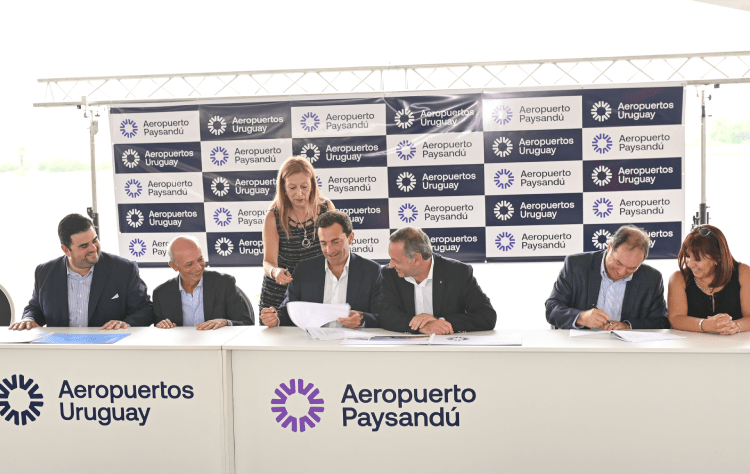
El Aeropuerto Paysandú ha ingresado al Sistema Nacional Aeropuertos. Como parte del desarrollo del Sistema Nacional de Aeropuertos Internacionales (SINAI), Aeropuertos Uruguay celebró junto al Ministerio de Defensa Nacional la toma de posesión del Aeropuerto Internacional de Paysandú/Tydeo Larre Borges/PDU. En la ceremonia estuvieron presentes el Ministro de Defensa Nacional, Javier García, el Secretario de Presidencia, Álvaro Delgado, el intendente de Paysandú, Nicolás Olivera, representantes de Aeropuertos Uruguay, autoridades nacionales y departamentales.

Este es el quinto aeropuerto que pasa a formar parte del Sistema Nacional de Aeropuertos Internacionales que lleva adelante Aeropuertos Uruguay, empresa del grupo Corporación América Airports. La compañía anunció una inversión de alrededor de US$ 10 millones de Dólares para las obras de modernización y compartió con la comunidad local el plan de modernización que se llevará adelante en el Aeropuerto de Paysandú.

Las obras se iniciarán en el segundo semestre de 2024 e incluirán la construcción de una nueva y moderna terminal de pasajeros, así como la renovación de la infraestructura aeroportuaria, recapado de la pista, calle de rodaje, construcción de nueva plataforma, la instalación de una estación meteorológica automática, una nueva planta de combustible, cerco y camino perimetral, además de la iluminación de plataforma y balizamiento de la pista con tecnología LED, un anillo perimetral de fibra óptica para las comunicaciones, entre otras.

El objetivo de las obras es llevar el aeropuerto de Paysandú a los estándares internacionales establecidos por la normativa de la Organización de la Aviación Civil Internacional, brindando un excelente nivel de servicios.

“Es un honor llevar adelante un proyecto estratégico para el país en una industria que derrama oportunidad en tantos sectores. La toma de posesión del Aeropuerto Internacional de Paysandú es un paso más para hacer realidad nuestro propósito de desarrollar una red aeroportuaria nacional sólida, que permita fortalecer la conectividad del país y sea un motor de desarrollo”, expresó Diego Arrosa, CEO de Aeropuertos Uruguay.

En el marco del desarrollo del Sistema Nacional de Aeropuertos Internacionales, Aeropuertos Uruguay, que también gestiona los Aeropuertos de Carrasco y de Punta del Este, asumió el compromiso de modernizar seis aeropuertos del interior del país, ubicados en Carmelo, Rivera, Salto, Melo, Durazno y Paysandú.

En Diciembre 2022 la compañía inauguró junto al Presidente de la República el nuevo Aeropuerto Internacional de Carmelo, el primero en ser modernizado por la compañía en el proceso, cuyo primer mes de funcionamiento en temporada reportó resultados históricos para la operativa del Aeropuerto.

Paysandú enters SINAI Uruguay

Paysandú Airport is part of the National Airports System

Paysandú Airport has entered the National Airports system. As part of the development of the National System of International Airports (SINAI), Uruguay Airports celebrated with the Ministry of National Defense, taking possession of the Paysandú International Airport/Tydeo Larre Borges/PDU. The ceremony was present at the Minister of National Defense, Javier García, the Secretary of Presidency, Álvaro Delgado, the mayor of Paysandú, Nicolás Olivera, representatives of Uruguay airports, national and departmental authorities.

This is the fifth airport that becomes part of the National System of International Airports that carries out Airports Uruguay, a company of the Corporation Airports. The company announced an investment of around US$ 10 million for modernization works and shared with the local community the modernization plan that will be carried out at Paysandú airport.

The works will begin in the second semester of 2024 and will include the construction of a new and modern passenger terminal, as well as the renewal of the airport infrastructure, re-shaped of the track, shooting street, construction of new platform, the installation of a Automatic weather station, a new fuel plant, fence and perimeter road, in addition to the platform lighting and beaconing of the track with LED technology, a perimeter ring of fiber optic for communications, among others.

The objective of the works is to take the Paysandú airport to the international standards established by the regulations of the International Civil Aviation Organization, providing an excellent level of services.

“It is an honor to carry out a strategic project for the country in an industry that spills opportunity in so many sectors. The inauguration of the Paysandú International Airport is another step to realize our purpose of developing a solid national airport network, which allows strengthening the connectivity of the country and is a development engine”, said Diego Arrosa, CEO of Uruguay Airports.

Within the framework of the development of the National System of International Airports, Uruguay Airports, which also manages the airports of Carrasco and Punta del Este, assumed the commitment to modernize six airports inside the country, located in Carmelo, Rivera, Salto, Melo, Melo, Peach and Paysandú.

In December 2022, the company opened with the President of the Republic the New Carmelo International Airport, the first to be modernized by the company in the process, whose first month of operation in season reported historical results for the airport operation.

PUBLISHER: Airgways.com
DBk: Dinacia.gob.uy / Aeropuertosuruguay.com.uy / Airgways.com
AW-POST: 202302111326AR
OWNERSHIP: Airgways Inc.
A\W A I R G W A Y S ®

Ξ EMB-110 celebra 50º Aniversarios Ξ

AW | 2023 02 11 12:39 | AVIATION HISTORY / INDUSTRY

Embraer 50º aniversarios operaciones Bandeirante

Embraer_Isologotype_shaded isotype WMk

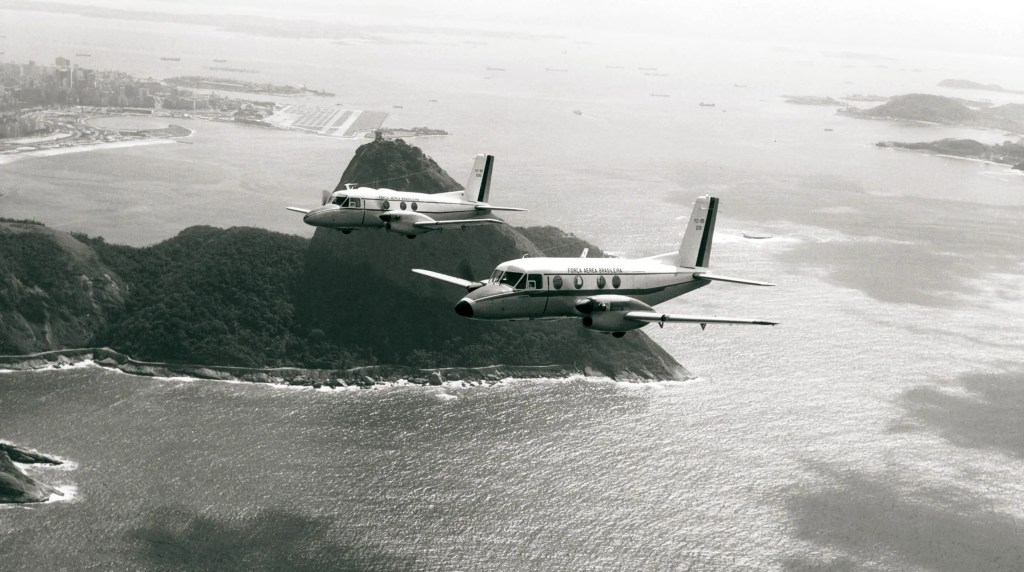
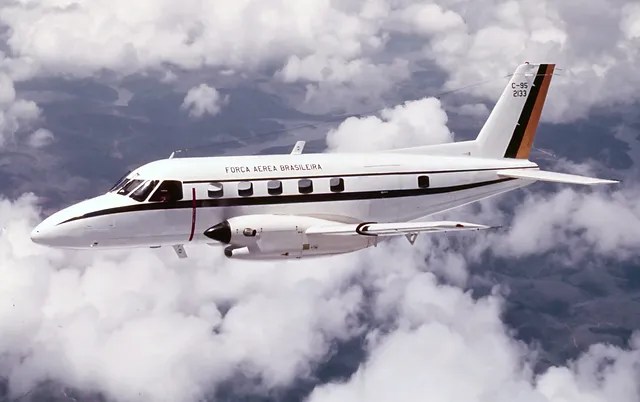
Embraer ha celebrado el Jueves 09/02 el cincuenta aniversarios de operaciones del turbohélice bimotor EMB-110 Bandeirante. El modelo entró en servicio con la Força Aérea Brasileira (FAB/Fuerza Aérea Brasileña) el 9 de Febrero de 1973, marcando el inicio de la era de aviones civiles del fabricante brasileño. En total, se entregaron 498 EMB-110 a clientes en 36 países antes de que la producción terminara en 1990.

Autorizado por el Ministerio de Aeronáutica de Brasil en 1965, el Bandeirante fue desarrollado bajo el proyecto aeronáutico IPD/PAR 6504. El prototipo voló por primera vez el 22 de Octubre de 1968. Las versiones de la aeronave se han utilizado para misiones que incluyen servicio regional de pasajeros, transporte de carga, instrucción de vuelo, búsqueda y rescate, reconocimiento militar y apoyo humanitario.

«El avión fue un hito para el desarrollo de la aviación regional en todo el mundo y el primer éxito comercial de la industria aeronáutica brasileña en el extranjero. Robusto y versátil, resultado de un proyecto innovador para la época, el Bandeirante fue producido en versiones para uso civil y militar, y nos llena de orgullo saber que muchas unidades todavía están en funcionamiento hoy en día», dijo el Presidente y CEO de Embraer, Francisco Gomes Neto.

Historia del Bandeirante

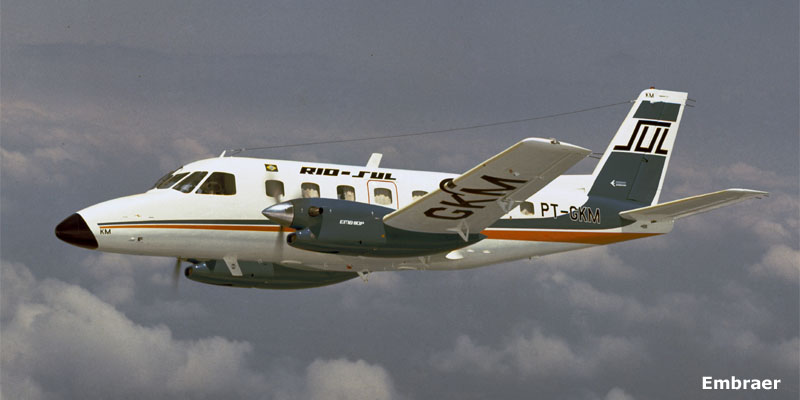
El Embraer EMB-110 es un avión de transporte ligero biturbohélice brasileño de propósito general de 15-21 pasajeros diseñado por Embraer para uso militar y civil. El EMB 110 fue diseñado por el ingeniero francés Max Holste; había sido diseñado de acuerdo con las especificaciones emitidas por el Ministerio de Aeronáutica de Brasil en 1965. El objetivo era crear un avión de propósito general, adecuado para funciones civiles y militares con un bajo costo operativo y alta confiabilidad. El 26 de octubre de 1968, el prototipo YV-95 realizó su primer vuelo; otros dos aviones de desarrollo EMB 110 seguirían junto con un pedido inicial de 80 aviones de transporte para la Fuerza Aérea Brasileña en el año siguiente. La certificación de tipo fue recibida de las autoridades de aviación brasileñas a fines de 1972, permitiendo su entrada en servicio en abril de 1973 con la compañía aérea brasileña Transbrasil.

EMBRAER EMB-100

Los orígenes del EMB 110 Bandeirante se remontan a la emisión de una directiva por el Ministerio de Aeronáutica de Brasil en 1965; Esto requería la producción de un avión de transporte para operaciones civiles y militares que fuera confiable y poseyera bajos costos operativos. Debía estar equipado con motores turbohélice, un ala de montaje bajo, y tener capacidad suficiente para acomodar a ocho personas; estas estipulaciones se habían extraído de un estudio del tráfico aéreo comercial brasileño y tenían como objetivo producir un avión que se adaptara bien a la infraestructura aeroportuaria existente en el país en ese momento. La especificación resultante que se había generado bajo el programa IPD-6504 daría forma en gran medida a la futura aeronave.

Los primeros trabajos en lo que se convertiría en el EMB 110 en realidad son anteriores al establecimiento de su fabricante, Embraer, que fue fundado en agosto de 1969. El diseñador principal fue el ingeniero francés Max Holste. La construcción del prototipo fue supervisada por el ingeniero aeronáutico brasileño Ozires Silva, quien también jugaría un papel clave en la fundación y funcionamiento de Embraer. La compañía fue creada para llevar a cabo la comercialización de la aeronave y la producción en serie.

El 26 de Octubre de 1968, el primer prototipo, que llevaba la designación militar YC-95, realizó su primer vuelo desde el aeropuerto de São José dos Campos. Pilotado por José Mariotto Ferreira y acompañado por el ingeniero de vuelo Michel Cury, aterrizó después de aproximadamente 50 minutos. Antes de este punto, se habían trabajado un total de 110.000 horas de proyecto, produciendo 12.000 planos de fabricación, respaldados por 22.000 horas de cálculos estructurales y aerodinámicos; También se han gastado aproximadamente 282.000 horas de fabricación y herramientas de aeronaves. El prototipo fue presentado oficialmente ante varios funcionarios civiles y militares junto con miembros de la prensa en un evento celebrado cuatro días después, durante el cual se repitió su vuelo inaugural. El rendimiento positivo del prototipo llevó a la producción de la aeronave, y por lo tanto al establecimiento de Embraer, siendo aprobado a mediados de 1969; la empresa de nueva creación asumiría la responsabilidad de su producción el 2 de Enero de 1970.

Rediseño y producción en cantidad
Se construyó un par adicional de prototipos, que fueron designados EMB 100. El 19 de Octubre de 1969, el segundo prototipo realizó su primer vuelo, mientras que el tercer prototipo siguió el 29 de Junio de 1970. Si bien estos prototipos arrojaron resultados positivos en las pruebas, se reconoció que las condiciones del mercado habían cambiado hasta el punto en que un avión de ocho asientos parecía ser menos viable de lo que parecía anteriormente; por lo tanto, se decidió rediseñar rápidamente el EMB 100 en el EMB 110 Bandeirante, que presentaba varios avances tecnológicos junto con una mayor capacidad.

En mayo de 1970, el programa fue reforzado por la Fuerza Aérea Brasileña (FAB) que decidió emitir a Embraer un pedido inicial de 80 aviones de producción. Cerca del final de 1972, el Bandeirante recibió su certificado de aeronavegabilidad brasileño. El 9 de Febrero de 1973, se realizó la primera entrega a la FAB.

En una configuración típica, el EMB 110 tenía entre 15 y 21 pasajeros, y fue volado por un par de pilotos. Varias configuraciones y personalizaciones fueron posibles para adaptarse a los diversos requisitos y condiciones de funcionamiento de los clientes. El modelo EMB 110P1A/41, que estaba equipado con 18 asientos, tenía una longitud de 15,1 metros, una altura de 4,92 metros y una envergadura de 15,33 metros. Tiene una velocidad máxima de crucero de 411 km/h (222 nudos), mientras que su velocidad de crucero más económica fue de 341 km/h (184 nudos), a cuya velocidad se puede lograr un alcance efectivo de 1.964 km (1.060 NM) incluso mientras se conservan los combustibles de reserva durante otros 45 minutos de vuelo. El EMB 110 tiene un techo de servicio de 21.490 pies.

Durante la década de 1970, Embraer optó por aprovechar el éxito del EMB 110 diseñando un derivado ampliado de la aeronave, designado como EMB 120 Brasilia; Además de ser lo suficientemente grande como para acomodar hasta 30 pasajeros, también era más rápido y estaba equipado con una cabina presurizada. Todo el desarrollo posterior del EMB 110 fue detenido por Embraer durante la década de 1980 para concentrar sus recursos en el desarrollo y producción del nuevo EMB 120.

Ξ EMB-110 celebrates 50th anniversaries Ξ

Embraer 50th Anniversaries operations EMB-110 Bandeirante

Embraer has celebrated on Thursday 09/02 the fifty anniversaries of operations of the Bimotor EMB-110 Bandeirante. The model entered service with the Brazilian Air Força (FAB/Brazilian Air Force) on February 9, 1973, marking the beginning of the Civil Air age of the Brazilian manufacturer. In total, 498 EMB-110 were delivered to customers in 36 countries before production ended in 1990.

Authorized by the Ministry of Aeronautics of Brazil in 1965, the Bandeirante was developed under the IPD/PAR 6504 Aeronautical Project. The prototype flew for the first time on October 22, 1968. The versions of the aircraft have been used for missions that include service Regional passengers, cargo transport, flight, search and rescue instruction, military recognition and humanitarian support.

«The plane was a milestone for the development of regional aviation worldwide and the first commercial success of the Brazilian aeronautical industry abroad. Robust and versatile, the result of an innovative project for the time, the Bandoante was produced in versions For civil and military use, and we are proud to know that many units are still in operation today», said the president and Embraer CEO, Francisco Gomes Neto.

History of the Bandeirante

The Embraer EMB-110 is a lightweight light turbo-propeller transport plane of general purpose of 15-21 passengers designed by Embraer for military and civil use. EMB 110 was designed by the French engineer Max Holste; It had been designed according to the specifications issued by the Ministry of Aeronautics of Brazil in 1965. The objective was to create a general purpose plane, suitable for civil and military functions with a low operational cost and high reliability. On October 26, 1968, the YV-95 prototype made its first flight; Two other EMB 110 development aircraft would continue along with an initial order of 80 transport aircraft for the Brazilian Air Force in the following year. The type certification was received from the Brazilian aviation authorities at the end of 1972, allowing its entry into service in April 1973 with the Transbrasil Brazilian airline.

The origins of the EMB 110 Bandoante date back to the issuance of a directive by the Ministry of Aeronautics of Brazil in 1965; This required the production of a transport aircraft for civil and military operations that was reliable and possessed low operational costs. It should be equipped with turboheric engines, a low mounting wing, and have sufficient capacity to accommodate eight people; These stipulations had been extracted from a study of Brazilian commercial air traffic and aimed to produce a plane that adapted well to the existing airport infrastructure in the country at that time. The resulting specification that had been generated under the IPD-6504 program would greatly shape the future aircraft.

The first works in what would become the EMB 110 are actually prior to the establishment of its manufacturer, Embraer, which was founded in August 1969. The main designer was the French engineer Max Holste. The construction of the prototype was supervised by the Brazilian aeronautical engineer Ozires Silva, who would also play a key role in the foundation and operation of Embraer. The company was created to carry out the marketing of the aircraft and serial production.

On October 26, 1968, the first prototype, which carried the military designation YC-95, made its first flight from São José Dos Campos airport. Piloted by José Mariotto Ferreira and accompanied by flight engineer Michel Cury, landed after approximately 50 minutes. Before this point, a total of 110,000 hours of project had worked, producing 12,000 manufacturing planes, backed for 22,000 hours of structural and aerodynamic calculations; Approximately 282,000 hours of manufacturing and aircraft tools have also been spent. The prototype was officially presented to several civil and military officials along with members of the press at an event held four days later, during which its inaugural flight was repeated. The positive performance of the prototype led to the production of the aircraft, and therefore to the Embraer establishment, being approved in mid 1969; the newly created company would assume responsibility for its production on January 2, 1970.

Redesign and quantity production
An additional pair of prototypes were built, which were designated EMB 100. On October 19, 1969, the second prototype made its first flight, while the third prototype continued on June 29, 1970. Although these prototypes showed positive results in The evidence was recognized that the market conditions had changed to the point where an eight -seat plane seemed to be less viable than it seemed before; therefore, it was decided to quickly redesign the EMB 100 in the EMB 110 Bandeirante, which presented several technological advances along with greater capacity.

In May 1970, the program was reinforced by the Brazilian Air Force (FAB) that decided to emit an initial order of 80 production aircraft. Near the end of 1972, the Bandeirante received his Brazilian aircraft certificate. On February 9, 1973, the first installment was made to the FAB.

In a typical configuration, EMB 110 had between 15 and 21 passengers, and was flown by a couple of pilots. Several configurations and customizations were possible to adapt to the various requirements and operating conditions of customers. The EMB 110P1A/41 model, which was equipped with 18 seats, had a length of 15.1 meters, a height of 4.92 meters and one wingspan of 15.33 meters. It has a maximum cruise speed of 411 km/h (222 knots), while its cheapest cruise speed was 341 km/h (184 knots), at whose speed an effective range of 1,964 km (1,060 nm) Even while reserve fuels are preserved for another 45 minutes of flight. EMB 110 has a 21,490 feet service roof.

During the 1970s, Embraer chose to take advantage of the success of EMB 110 designing an expanded derivative of the aircraft, designated as EMB 120 Brasilia; In addition to being large enough to accommodate up to 30 passengers, it was also faster and was equipped with a pressurized cabin. All subsequent development of EMB 110 was arrested by Embraer during the 1980s to concentrate its resources on the development and production of the new EMB 120.

PUBLISHER: Airgways.com
DBk: Embraer.com / Airgways.com
AW-POST: 202302111239AR
OWNERSHIP: Airgways Inc.
A\W A I R G W A Y S ®

Viva Air-JetSMART Airlines

AW | 2023 02 11 10:00 | AIRLINES

Confirman inicio de negociaciones JetSMART-Viva Air Colombia

AW-Viva_A3202001

JetSmart_Isologotype.svg

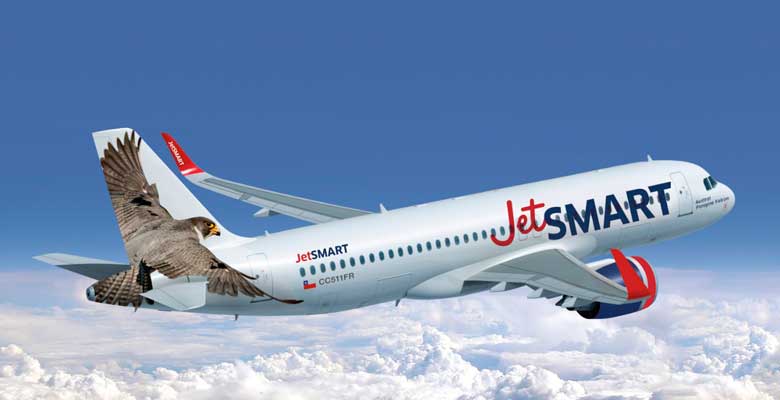
El interés de la aerolínea JetSMART Airlines de adquirir a Viva Air Colombia ha recibió visto bueno de parte de la compañía aérea colombiana. La compañía chilena ha confirmado por medio de un comunicado en el que reiteró su interés de compra de la aérea de Colombia. JetSMART aseguró que mantiene activo su interés con miras a la adquisición del 100% de las acciones de Viva Air, “en el marco de las normas existentes y del debido proceso, de manera expedita y transparente”.

Castlesouth Limited, accionista controlante de Viva Air, respondió a la invitación realizada por la aerolínea chilena para negociar una posible transacción confirmando su interés, lo que da inicio al proceso oficial de negociación entre las empresas. Estuardo Ortiz, CEO de JetSMART Airlines Group, afirmó: “Celebramos la rápida respuesta de Castlesouth y esperamos avanzar en la consolidación de una opción viable para Viva y los viajeros”.

El comunicado de la compañía chilena es anunciado horas después de que Viva Air Colombia anunciara que se sometería a un proceso de recuperación empresarial en Colombia. JetSMART dijo que mantiene su interés en comprar a Viva Air después que la agencia Aerocivil Colombia cancelara la sinergia Avianca-Viva Air Colombia por considerarla posición dominante de mercado. «Creemos que una transacción entre JetSMART y Viva Air permitirá mantener el modelo ultra bajo costo en Colombia y eso permitirá seguir ofreciendo más rutas a menores precios. Tenemos una visión de largo plazo para expandirnos en Suramérica y estamos en posición de continuar invirtiendo en nuestro crecimiento», expresó el CEO Estuardo Ortíz.

La aerolínea chilena aseguró que tiene los recursos, capacidad y experiencia para negociar y cerrar una adquisición de manera ágil. La presentación de oferta se habrá próximamente ante los organismos correspondientes para avanzar en la compra de la aerolínea low cost colombiana. JetSMART Airlines había mostrado interés por efectivizar una filial en Colombia, mientras que esta opción presenta una viabilidad más conveniente para hacer pie en medio de una fuerte competencia de mercado en Colombia.

Actualmente, JetSMART Airlines opera 79 rutas en siete países de Suramérica y en Colombia, donde opera desde finales de 2019, vuela a Bogotá, Cali y Medellín con destino a Chile. La aerolínea alcanza un rápido crecimiento de la región y cuenta con una orden en firme de aviones Airbus A320NEO y A321NEO con estimaciones de superar una flota de 124 aviones para 2029.

JetSMART Airlines Group forma parte del portafolio de líneas aéreas de Indigo Partners, fondo de inversión estadounidense que controla otras cinco líneas aéreas y es reconocido por su liderazgo en este segmento de la industria aérea mundial.

Viva Air-JetSMART Airlines

Confirms start of negotiations JetSMART-Viva Air Colombia

AW-Viva_Isologotype_Isltd

The interest of the airline JetSMART Airlines to acquire Viva Air Colombia has received approval from the Colombian airline. The Chilean company has confirmed through a statement in which it reiterated its interest in purchasing the Colombian airline. JetSMART assured that it maintains its interest active with a view to the acquisition of 100% of the shares of Viva Air, «within the framework of existing regulations and due process, in an expeditious and transparent manner».

Castlesouth Limited, Viva Air’s controlling shareholder, responded to the invitation made by the Chilean airline to negotiate a possible transaction confirming its interest, which begins the official negotiation process between the companies. Estuardo Ortiz, CEO of JetSMART Airlines Group, said: «We celebrate Castlesouth’s quick response and look forward to consolidating a viable option for Viva and travelers».

The Chilean company’s statement is announced hours after Viva Air Colombia announced that it would undergo a business recovery process in Colombia. JetSMART said that it maintains its interest in buying Viva Air after the agency Aerocivil Colombia canceled the Avianca-Viva Air Colombia synergy, considering it a dominant market position. «We believe that a transaction between JetSMART and Viva Air will allow us to maintain the ultra-low-cost model in Colombia and that will allow us to continue offering more routes at lower prices. We have a long-term vision to expand in South America and we are in a position to continue investing in our growth», said CEO Estuardo Ortíz.

The Chilean airline assured that it has the resources, capacity and experience to negotiate and close an acquisition in an agile manner. The presentation of the offer will soon be before the corresponding organizations to advance in the purchase of the Colombian low cost airline. JetSMART Airlines had shown interest in creating a subsidiary in Colombia, while this option presents a more convenient feasibility to establish itself in the midst of strong market competition in Colombia.

Currently, JetSMART Airlines operates 79 routes in seven South American countries and in Colombia, where it has been operating since the end of 2019, it flies to Bogotá, Cali and Medellín to Chile. The airline achieves rapid growth in the region and has a firm order for Airbus A320NEO and A321NEO aircraft with estimates to exceed a fleet of 124 aircraft by 2029.

JetSMART Airlines Group is part of the airline portfolio of Indigo Partners, a US investment fund that controls five other airlines and is recognized for its leadership in this segment of the global airline industry.

PUBLISHER: Airgways.com
DBk: Jetsmart.com / Vivaair.com / Airgways.com
AW-POST: 202302111000AR
OWNERSHIP: Airgways Inc.
A\W A I R G W A Y S ®

Primer aniversario Alas La Rioja

AW | 2023 02 11 09:55 | AIRLINES

Alas La Rioja celebra su primer aniversario

AW-Alas La Rioja Líneas Aéreas__Isologotype

Alas La Rioja ha celebrado su primer aniversario con el primer servicio de transporte aéreo propio con el que cuenta la Provincia de La Rioja. La línea aérea riojana presenta un modelo alternativo para los riojanos para volar a Buenos Aires y que permite a la ciudadanía contar con otra opción de conexión rápida con la capital argentina.

El Gobernador de la Provincia de La Rioja, Ricardo Quintela, celebró el primer año de la compañía aérea recibiendo a turistas que llegaron en el vuelo del primer aniversario de Alas La Rioja. Ricardo Quintela se acercó al Aeropuerto La Rioja/Vicente Almandos Almonacid/IRJ. El festejo de la empresa se dio de la mano de los pasajeros que iban o regresaban de Buenos Aires, y que son quienes posibilitaron este aniversario por lo que fueron agasajados con presentes y la presencia de artistas locales.

El Gobernador Ricardo Quintela, agradeció en primer término a los usuarios que eligen esta empresa para realizar sus viajes. “Estamos muy contentos que en un año, los riojanos se hayan apropiado de este servicio que obedece a que La Rioja tiene una gran demanda, que va creciendo día a día con las políticas de turismo, de trabajo, implementadas y que oportunamente contaba con una oferta muy limitada. Creemos que fue un gran acierto en materia de transporte porque vino de la mano también de la prestación de un servicio que está a la altura de lo que cualquier empresa del rubro puede ofrecer por lo que felicito también a las autoridades de la Secretaría de Transporte y al personal de Alas”, señaló el mandatario.

Alas La Rioja es una empresa que nació con la idea de hacer del transporte aéreo un servicio accesible y más popular de lo que tradicionalmente es, por ello busca contar con tarifas bajas, lo que se ve reflejado en que más de 7.000 pasajeros la eligieron. En la actualidad cuenta con tres frecuencias semanales (3Frq/S) y tarifa plana que enlaza la ruta La Rioja/IRJ—Buenos Aires/AEP.

First anniversary Alas La Rioja

Alas la Rioja celebrates its first anniversary

AW-Alas La Rioja__Provincia de La Rioja, Argentina

Alas La Rioja has celebrated its first anniversary with the first own air transport service with which the Province of La Rioja has. The Rioja airline presents an alternative model for the Riojans to fly to Buenos Aires and that allows citizens to have another quick connection option with the Argentine capital.

The governor of the province of La Rioja, Ricardo Quintela, celebrated the first year of the airline receiving tourists who arrived on the flight of the first anniversary of Alas La Rioja. Ricardo Quintela approached the La Rioja/Vicente Almos Almonacid Airport/IRJ. The company’s celebration was given by the passengers who were going or returned from Buenos Aires, and who allowed this anniversary for what they were entertained with present and the presence of local artists.

Governor Ricardo Quintela, first thanked users who choose this company to make their trips. “We are very happy that in a year, the Riojans have appropriated this service that obeys that the Rioja has a great demand, which is growing day by day with tourism, labor policies, implemented and that timely had a very limited offer. We believe that it was a great success in transport because it also came hand in to wings staff”, said the Governor.

Alas La Rioja is a company that was born with the idea of making air transport an accessible and more popular service than it is traditionally, so it seeks to have low rates, which is reflected in that more than 7,000 passengers chose it. It currently has three weekly frequencies (3Frq/S) and flat rate that links the route La Rioja/IRJ—Buenos Aires/AEP.

PUBLISHER: Airgways.com
DBk: Alaslarioja.com.ar / Larioja.gov.ar / Airgways.com
AW-POST: 202302110955AR
OWNERSHIP: Airgways Inc.
A\W A I R G W A Y S ®