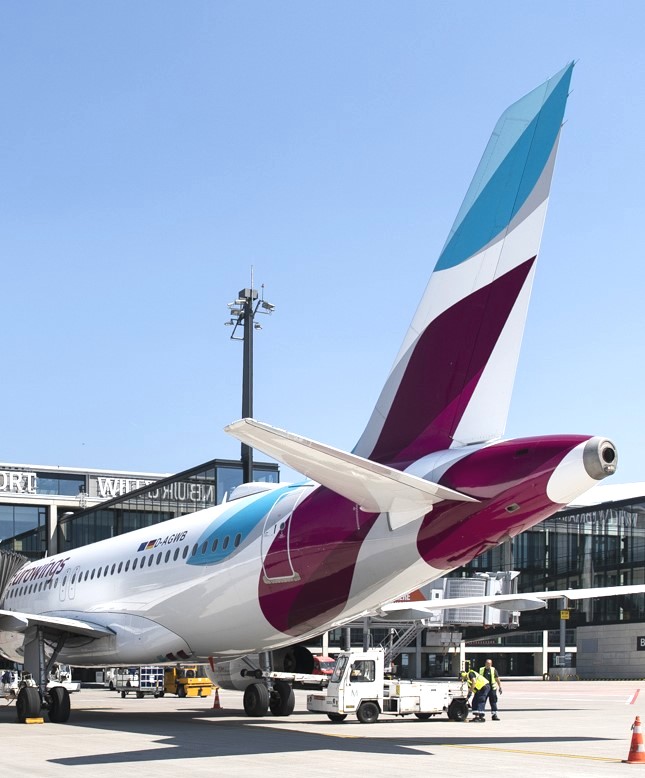
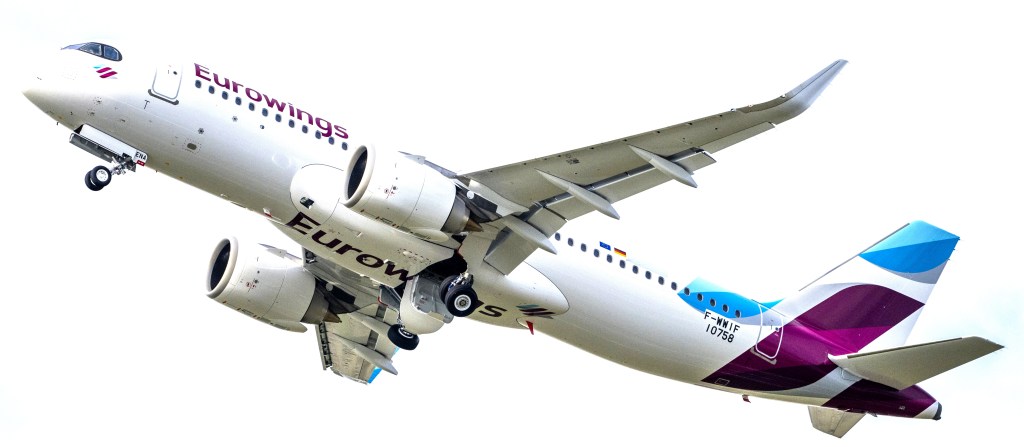
La aerolínea low cost de alemana Eurowings está registrando un incremento de las reservas de hasta el 60 por ciento para Noviembre 2022. En medio de una economía europea vulnerable debido al conflicto ruso-ucraniano y los embates económicos colaterales, la compañía filial de Lufthansa German Airlines continúa experimentando un aumento de la ventas de tickets en medio de un panorama poco propicio.
“Están aumentando las ventas y los viajes en todos los mercados. Nosotros pensamos que se debe a un aumento de las relaciones cara a cara entre los actores de la economía, que por fin consideran que vamos a la normalización pos-pandemia”, dice el CEO de Eurowings, Jens Bischof.
Aunque este inesperado crecimiento no había sido considerado en medio de una recesión europea, la aerolínea de presupuesto ha visto aumentar exponencialmente sus ventas debido a un poco desmesurado crecimiento de visitantes a las ferias en Colonia, Dusseldorf, Hamburgo o Stuttgart que son bases de Eurowings. La semana del 7 de Noviembre de 2022 fue la que tuvo más reservas para volar desde el pasado registro del mes de Mayo 2022. La vida en Internet se mantiene, pero para los directivos de la aerolínea, había latente una necesidad de recuperar los contactos presenciales. Pero esto también está sucediendo con rutas internacionales de la aerolínea. Por ejemplo, la ruta entre Dusseldorf y Milán o Dusseldorf—Viena vuelas con un coeficiente de ocupación lleno, Hamburgo—Londres continúa con un índice elevado de ocupación mientras que Stuttgart—Budapest mantiene un aumento importante de las ventas de pasajes.
Eurowings boosts sales
Increase in reserves by 60% in 11/2022
German low-cost airline Eurowings is recording an increase in bookings of up to 60 percent by November 2022. Amid a vulnerable European economy due to the Russo-Ukrainian conflict and collateral economic shocks, Lufthansa’s subsidiary German Airlines continues to experience increased ticket sales amid an inauspicious outlook.
“Sales and travel are increasing in all markets. We think that it is due to an increase in face-to-face relations between the actors in the economy, who finally consider that we are going to normalization post-pandemic”, says the CEO of Eurowings, Jens Bischof.
Although this unexpected growth had not been considered in the midst of a European recession, the budget airline has seen its sales increase exponentially due to a somewhat excessive growth in visitors to the fairs in Cologne, Dusseldorf, Hamburg or Stuttgart that are Eurowings bases. The week of November 7, 2022 was the one that had the most reservations to fly since the last record of the month of May 2022. Life on the Internet continues, but for the airline’s managers, there was a latent need to recover face-to-face contacts. But this is also happening with the airline’s international routes. For example, the route between Dusseldorf and Milan or Dusseldorf-Vienna you fly with a full load factor, Hamburg-London continues with a high occupancy rate while Stuttgart-Budapest maintains a significant increase in ticket sales.
PUBLISHER: Airgways.com DBk: Eurowings.com / Anikka Bauer / Airgways.com AW-POST: 202211181422AR OWNERSHIP: Airgways Inc. A\W A I R G W A Y S ®
AW | 2022 11 18 10:43 | INDUSTRY / AVIATION TECHNOLOGY
Instalación I+D de captura directa de carbono
Airbus Group ha anunciado el 17 de Noviembre de 2022 que invierte en Carbon Engineering Ltd., una empresa de soluciones climáticas con sede en Canadá, que opera la instalación de investigación y Desarrollo de Captura Directa de Carbono (DACC) más grande del mundo. La inversión contribuirá a financiar parte de las tecnologías avanzadas de investigación y desarrollo de captura directa de aire de Carbon Engineering en el Centro de Innovación de la compañía en Squamish, BC, Canadá.
“La tecnología de captura directa de aire de Carbon Engineering proporciona una solución escalable y asequible para descarbonizar la aviación. Estamos agradecidos con Airbus por tomar medidas y continuar liderando el camino ayudando a acelerar las soluciones para la industria y el clima”, dijo Daniel Friedmann, Director Ejecutivo de Carbon Engineering.
“Estamos orgullosos de invertir en Carbon Engineering, reafirmando nuestro compromiso con el uso de la captura directa de carbono del aire como una solución doble para la descarbonización de la industria de la aviación”, dijo Karine Guenan, VP ZEROe Ecosystem, Airbus.
DACC es una tecnología de alto potencial que consiste en capturar las emisiones de CO2 directamente del aire mediante ventiladores de alta potencia. Una vez eliminado del aire, el CO2 se puede utilizar para producir combustible de aviación sostenible (SAF) de energía a líquido que es compatible con los aviones actuales. Como la industria de la aviación no puede capturar todas las emisiones de CO2 liberadas a la atmósfera en la fuente, el CO2 atmosférico capturado también puede almacenarse de forma segura y permanente en depósitos geológicos. Esta última solución de eliminación de carbono permitiría al sector extraer la cantidad equivalente de emisiones de sus operaciones directamente del aire, compensando así las emisiones residuales.
La inversión en Carbon Engineering es una parte clave de la estrategia climática global de Airbus, que fomenta el desarrollo y el despliegue de tecnología de captura directa de aire, entre una serie de vías tecnológicas en apoyo de las ambiciones de descarbonización de la industria de la aviación. La transacción también es un elemento clave de la estrategia de Airbus para aumentar su contribución a la economía canadiense. Airbus respalda la capacidad industrial clave de tecnología limpia lanzada recientemente en Canadá, en el marco de la política de beneficios industriales y tecnológicos.
Airbus invests in climate solutions
I+D facility for direct carbon capture
Airbus Group has announced on November 17, 2022 that it is investing in Carbon Engineering Ltd., a Canada-based climate solutions company, which operates the world’s largest Direct Carbon Capture (DACC) research and development facility. The investment will help fund part of Carbon Engineering’s advanced direct air capture research and development technologies at the company’s Innovation Center in Squamish, BC, Canada.
“Carbon Engineering’s direct air capture technology provides a scalable and affordable solution to decarbonize aviation. We are grateful to Airbus for taking action and continuing to lead the way in helping accelerate solutions for industry and climate”, said Daniel Friedmann, CEO of Carbon Engineering.
“We are proud to invest in Carbon Engineering, reaffirming our commitment to using direct carbon capture from the air as a two-pronged solution to decarbonise the aviation industry”, said Karine Guenan, VP ZEROe Ecosystem, Airbus.
DACC is a high-potential technology that consists of capturing CO2 emissions directly from the air using high-powered fans. Once removed from the air, CO2 can be used to produce energy-to-liquid sustainable aviation fuel (SAF) that is compatible with today’s aircraft. As the aviation industry cannot capture all CO2 emissions released into the atmosphere at source, captured atmospheric CO2 can also be safely and permanently stored in geological repositories. This latest carbon removal solution would allow the sector to extract the equivalent amount of emissions from its operations directly from the air, thus offsetting residual emissions.
The investment in Carbon Engineering is a key part of Airbus’ global climate strategy, which fosters the development and deployment of direct air capture technology, among a number of technology pathways in support of the decarbonisation ambitions of the industry. aviation. The transaction is also a key element of Airbus’s strategy to increase its contribution to the Canadian economy. Airbus supports recently launched key cleantech industrial capacity in Canada, under the Industrial and Technology Benefits Policy.
Boeing reorganiza unidad negocio de defensa, espacio y seguridad
Ocho divisiones se consolidarán en cuatro para simplificar la integración y la colaboración La realineación tiene como objetivo acelerar la disciplina operativa, la calidad del programa, la seguridad y el rendimiento
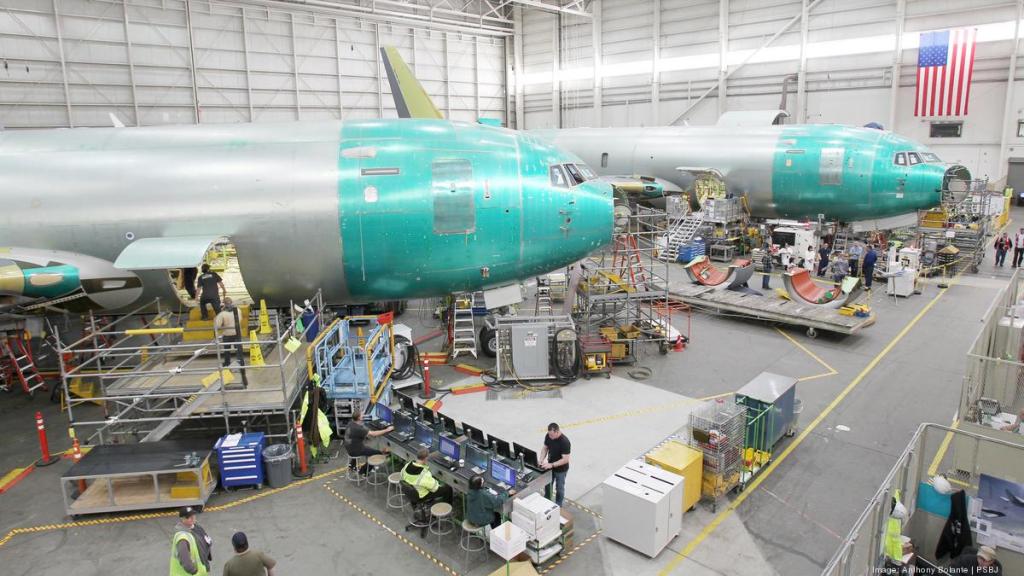
The Boeing Company ha anunciado el 17 de Noviembre de 2022 una serie de cambios y reorganizaciones en el liderazgo ejecutivo con el objetivo de acelerar la disciplina operativa, la calidad y el rendimiento por primera vez, al tiempo que simplifica las funciones y responsabilidades del liderazgo sénior. Con efecto inmediato, Boeing Defence, Space & Security (BDS) consolidará sus ocho divisiones en cuatro, que incluyen: Vertical Lift, dirigido por el Vicepresidente y Gerente General Mark Cherry. Movilidad, vigilancia y bombarderos, dirigido por el Vicepresidente y Gerente General Dan Gillian, que incluirá KC-46, SAOC, E-7, VC-25B, P-8, bombarderos, AWACS/AEW&C, componentes 777X y todos los programas de transporte ejecutivo. Air Dominance, dirigido por el vicepresidente y gerente general Steve Nordlund, que incluirá programas clasificados; los programas F/A-18, F-15, T-7, MQ-25 y MQ-28; y la cartera no espacial de Phantom Works, incluidos los Virtual Warfare Centers. Steve también se convertirá en el ejecutivo principal del sitio para la región de St. Louis. Space, Intelligence & Weapon Systems, dirigido por la vicepresidenta y gerente general Kay Sears, que incluirá programas de lanzamiento y exploración espacial, satélites, municiones, misiles, disuasión de sistemas de armas, submarinos marítimos, Phantom Works Space y subsidiarias (BI&A, Millennium, Insitu, Liquid Robotics, Spectrolab, Argon y DRT). Desde ahora hasta el 4 de Febrero de 2023, Jim Chilton, Vicepresidente sénior de Space and Launch, continuará administrando la exploración espacial y los programas de lanzamiento, satélites y Phantom Works Space. El 5 de Febrero de 2023, Chilton se convertirá en asesor principal de Ted Colbert, presidente y director ejecutivo de BDS, y se centrará en futuras empresas espaciales. Estos cambios se basan en una consolidación de Fabricación y Seguridad, Calidad Total, Cadena de Suministro y Gestión de Programas, y el nombramiento de Steve Parker como director de operaciones de BDS.
«Estoy seguro de que esta reorganización impulsará una mayor y más simplificada integración y colaboración en Boeing Defense, Space & Security. Estos cambios ayudarán a acelerar la disciplina operativa y la calidad y el rendimiento del programa, mientras estabilizan nuestros programas de desarrollo y producción. Estos son pasos necesarios para poner a BDS en el camino hacia un crecimiento más sólido y rentable», dijo Ted Colbert.
Además, Tim Peters, actualmente Vicepresidente y Gerente General de Movilidad y Vigilancia, y Cindy Gruensfelder, actualmente vicepresidenta y gerente general de Sistemas de Misiles y Armas, se jubilarán después de ayudar con las transiciones. «Durante las últimas tres décadas, Tim y Cindy han desempeñado un papel integral en la entrega de capacidades críticas para nuestros clientes y en el desarrollo de los mejores talentos en toda la empresa. El Consejo Ejecutivo de Boeing y yo estamos agradecidos por su liderazgo y años de servicio», Ted Colbert.
Coincidiendo con estos cambios, Boeing Global Services (BGS) integrará todos los servicios gubernamentales, nacionales e internacionales, en una sola organización, dirigida por Torbjorn (Turbo) Sjogren, vicepresidente y gerente general de BGS Government Services.
Como empresa aeroespacial líder mundial, Boeing desarrolla, fabrica y presta servicios a aviones comerciales, productos de defensa y sistemas espaciales para clientes en más de 150 países. Como uno de los principales exportadores de EE.UU., la empresa aprovecha los talentos de una base de proveedores global para promover las oportunidades económicas, la sostenibilidad y el impacto en la comunidad. El diverso equipo de Boeing está comprometido a innovar para el futuro, liderar con sustentabilidad y cultivar una cultura basada en los valores centrales de seguridad, calidad e integridad de la compañía.
Boeing reorganizes BDS units
Boeing reorganizes defense, space and security business unit
Eight divisions will be consolidated into four to simplify integration and collaboration The realignment is aimed at accelerating operational discipline, program quality, safety and performance
The Boeing Company has announced on November 17, 2022 a series of executive leadership changes and reorganizations with the goal of accelerating operational discipline, quality and performance for the first time, while simplifying the roles and responsibilities of senior leadership. Effective immediately, Boeing Defense, Space & Security (BDS) will consolidate its eight divisions into four, including: Vertical Lift, led by Vice President and General Manager Mark Cherry. Mobility, Surveillance and Bombers, led by Vice President and General Manager Dan Gillian, which will include KC-46, SAOC, E-7, VC-25B, P-8, Bombers, AWACS/AEW&C, 777X components and all transport programs executive. Air Dominance, led by Vice President and General Manager Steve Nordlund, which will include classified shows; the F/A-18, F-15, T-7, MQ-25 and MQ-28 programs; and Phantom Works’ non-space portfolio, including Virtual Warfare Centers. Steve will also become the site’s CEO for the St. Louis region. Space, Intelligence & Weapon Systems, led by Vice President and General Manager Kay Sears, which will include space exploration and launch programs, satellites, munitions, missiles, weapon systems deterrence, maritime submarines, Phantom Works Space and subsidiaries (BI&A, Millennium, Insitu, Liquid Robotics, Spectrolab, Argon and DRT). From now until February 4, 2023, Jim Chilton, Senior Vice President of Space and Launch, will continue to manage the space exploration and launch programs, satellites, and Phantom Works Space. On February 5, 2023, Chilton will become a Senior Advisor to Ted Colbert, President and CEO of BDS, focusing on future space ventures. These changes build on a consolidation of Manufacturing and Safety, Total Quality, Supply Chain and Program Management, and the appointment of Steve Parker as BDS COO.
«I am confident that this reorganization will drive further and streamlined integration and collaboration at Boeing Defense, Space & Security. These changes will help accelerate operational discipline and program quality and performance, while stabilizing our development and production schedules. These are necessary steps to put BDS on the path to stronger and more profitable growth», said Ted Colbert.
In addition, Tim Peters, currently Vice President and General Manager of Mobility and Surveillance, and Cindy Gruensfelder, currently Vice President and General Manager of Missile and Weapon Systems, will retire after helping with transitions. «Over the past three decades, Tim and Cindy have played an integral role in delivering critical capabilities to our customers and developing top talent across the company. The Boeing Executive Council and I are grateful for their leadership and Years of Service», Ted Colbert.
Coinciding with these changes, Boeing Global Services (BGS) will integrate all government services, domestic and international, into a single organization, led by Torbjorn (Turbo) Sjogren, vice president and general manager of BGS Government Services.
As the world’s leading aerospace company, Boeing develops, manufactures and services commercial aircraft, defense products and space systems for customers in more than 150 countries. As a leading US exporter, the company harnesses the talents of a global supplier base to promote economic opportunity, sustainability and community impact. Boeing’s diverse team is committed to innovating for the future, leading sustainably and cultivating a culture based on the company’s core values of safety, quality and integrity.
PUBLISHER: Airgways.com DBk:Boeing.com / Airgways.com AW-POST: 202211181033AR OWNERSHIP: Airgways Inc. A\W A I R G W A Y S ®
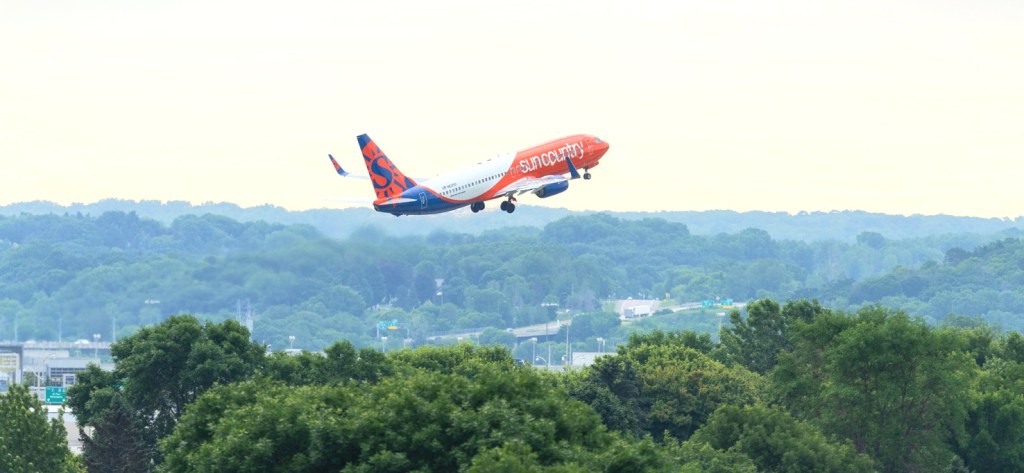
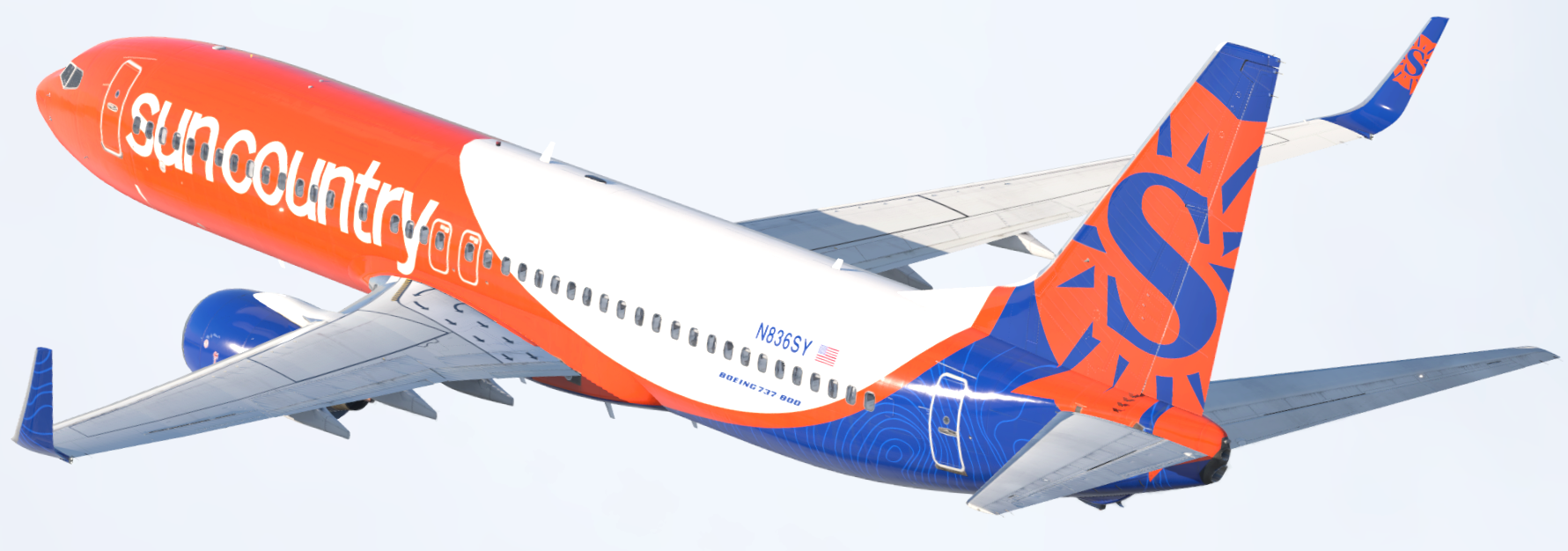
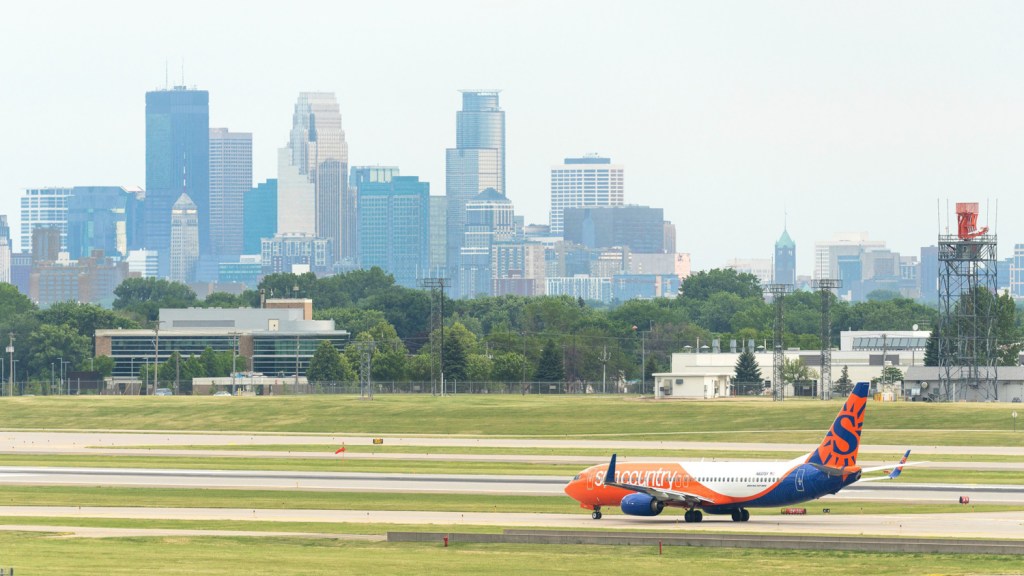
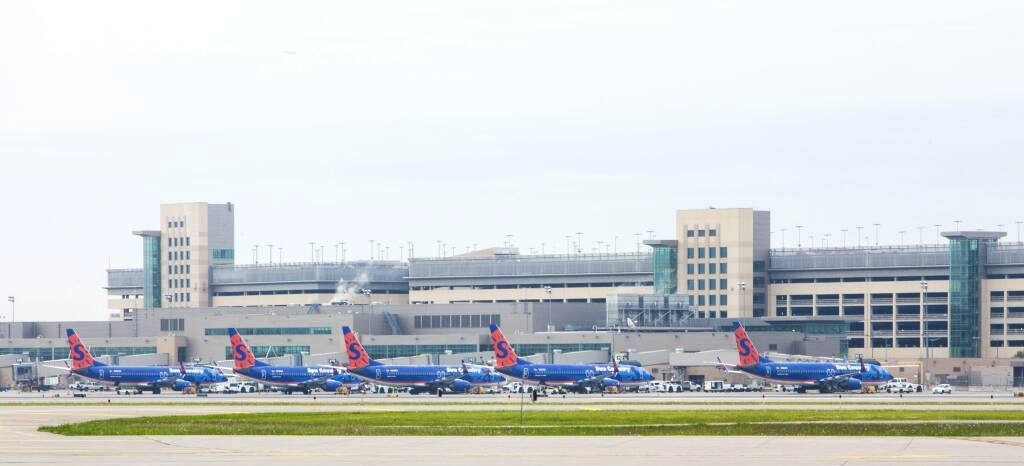
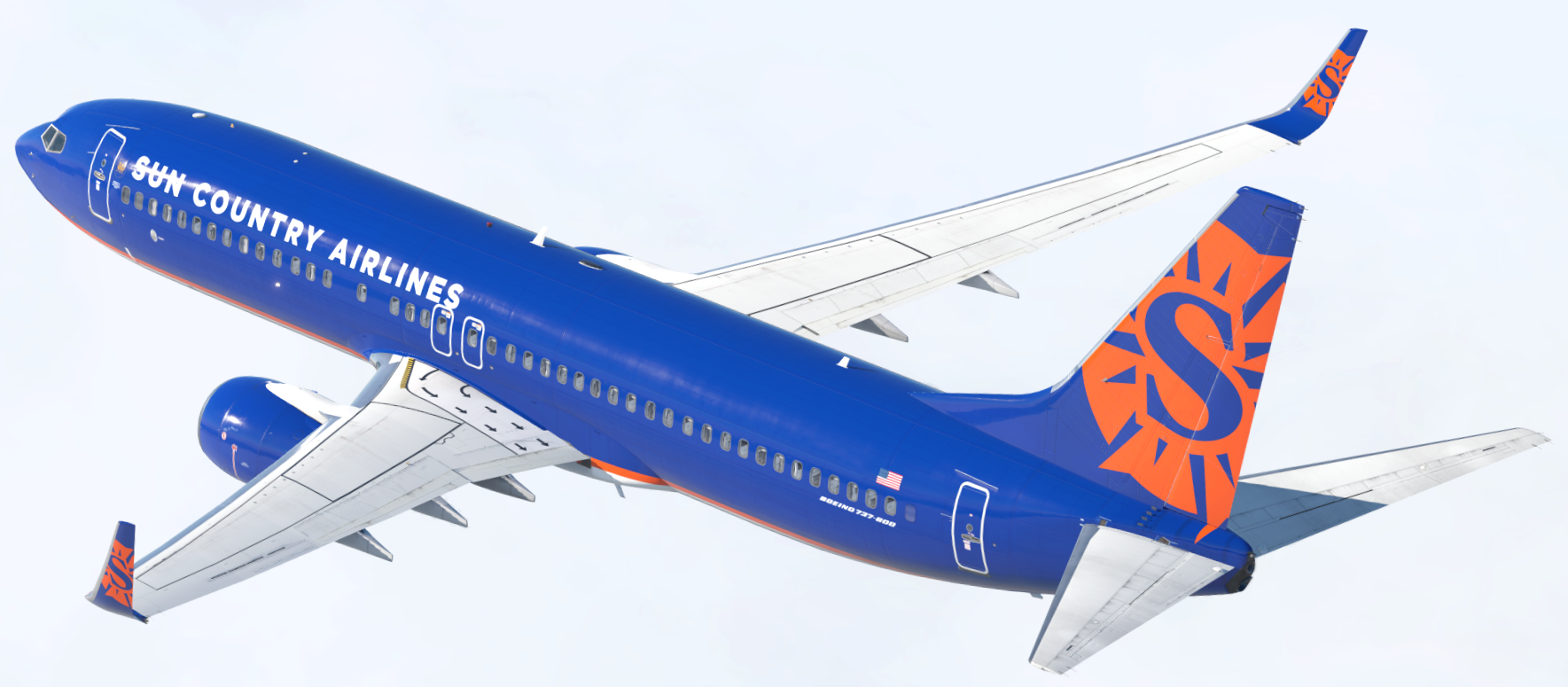
Sun Country Airlines anuncia 15 nuevos destinos para verano 2023 Conexiones a destinos que incluyen playas y montañas
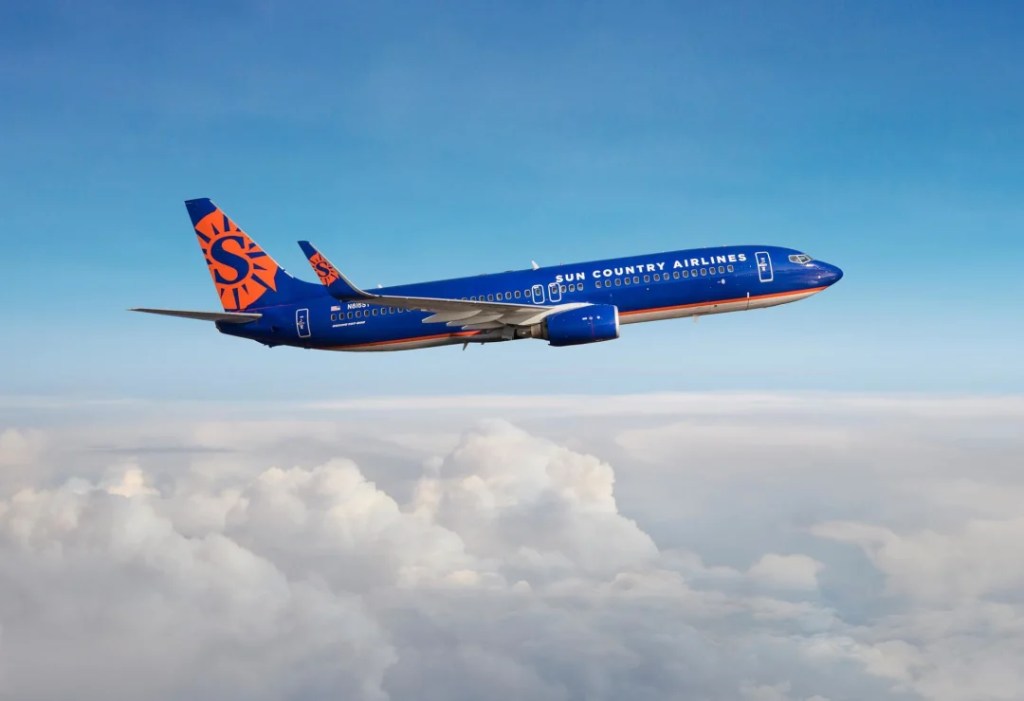
Sun Country Airlines ha anunciado el Martes 15 de Noviembre de 2022, quince (15) nuevas rutas sin escalas desde Minneapolis-St. Paul/MSP a partir del verano de 2023. Doce nuevos destinos se presentan a medida que la aerolínea continúa expandiendo su red, mientras también ha extendido su horario de reservas para que los clientes ahora puedan reservar viajes hasta el Día del Trabajo 2023.
El horario de verano de Sun Country conectará a los viajeros con las montañas de Colorado Springs, la costa de Jersey, la barbacoa de Kansas City, Black Hills y el país de bourbon de Louisville, entre otros destinos. Sun Country también reanudará el servicio desde Minneapolis-St. Paul/MSP a New York/John F. Kennedy/JFK para los clientes que deseen opciones adicionales para visitar la ciudad de Nueva York, además de volar a Newark. Sun Country voló por última vez a JFK en 2019.
Sun Country agregará un nuevo servicio sin escalas desde Minneapolis-St. Paul/MSP al Aeropuerto Internacional Charlotte Douglas/CLT, Aeropuerto Internacional de Wilmington en Carolina del Norte/ILM, Aeropuerto Internacional John Glenn Columbus/CMH en Ohio, Aeropuerto Internacional Kansas City/MCI, Aeropuerto Internacional Richmond/RIC en Virginia, Aeropuerto Internacional Louisville/SDF, Aeropuerto Regional Rapid City/RAP, Aeropuerto Colorado Springs/COS, Aeropuerto Internacional Atlantic City/ACY, Aeródromo Omaha Eppley/OMA, Aeropuerto Metropolitano Condado de Wayne de Detroit/DTW y Aeropuerto Cherry Capital/TVC en Traverse City, Michigan.
La aerolínea también reanudará el servicio sin escalas desde Minneapolis-St. Paul/MSP al Aeropuerto Internacional Mitchell Milwaukee/MKE y al Aeropuerto Internacional Lambert St. Louis/STL. Sun Country voló por última vez a Milwaukee/MKE en Enero de 2022 y a St. Louis/STL en Octubre de 2021.
«Estamos entusiasmados de continuar nuestro crecimiento a los principales destinos de ocio en todo el país. Con estas nuevas rutas, Sun Country ahora volará directamente desde MSP a 86 mercados únicos en los Estados Unidos, México, América Central, Canadá y el Caribe. Esperamos conectar a nuestros huéspedes con sus personas y lugares favoritos para crear recuerdos para toda la vida y experiencias transformadoras. Nuestros destinos más nuevos respaldan nuestro modelo de negocio único, ya que coordinamos nuestro servicio programado con importantes clientes chárter y de carga. El nuevo servicio a Charlotte, Columbus, Kansas City y St. Louis se coordinará con nuestro servicio chárter de la Major League Soccer (MLS). El nuevo servicio a Atlantic City apoyará a nuestros clientes de casino charter. Además, cada uno de los socios interlínea de Sun Country* actualmente vuela desde JFK, lo que creará más oportunidades para que nuestros clientes viajen internacionalmente», dice Grant Whitney, Director de Ingresos de Sun Country Airlines.
«El calendario ampliado de Sun Country demuestra que la demanda de viajes nacionales y de placer sigue siendo fuerte y prometedora en 2023 a medida que continúa la recuperación general de los viajes aéreos. Esta es una de las expansiones de red de rutas más grandes en MSP. Ofrece a los viajeros aún más ciudades y opciones de vuelo, incluido el servicio a tres nuevos destinos: Atlantic City, Colorado Springs y Wilmington», dijo Brian Ryks, CEO de la Comisión Metropolitana de Aeropuertos, que posee y opera Minneapolis-St. Paul/MSP.
Con la expansión actual, Sun Country Airlines operará 120 rutas que sirven a más de 90 aeropuertos en los Estados Unidos, México, América Central, Canadá y el Caribe, proporcionando vuelos seguros, confiables y sin complicaciones a precios asequibles. Sun Country ofrece una experiencia al cliente que incluye entretenimiento gratuito a bordo, servicio gratuito de bebidas no alcohólicas, un sitio web optimizado para dispositivos móviles con más herramientas de autoservicio y nuevos interiores en cada avión. Estas nuevas rutas se encuentran disponibles a la venta en la web de la aerolínea low cost suncountry.com.
PROGRAMACIÓN VUELOS SUN COUNTRY AIRLINES Desde el Aeropuerto Internacional Minneapolis/St. Paul/MSP Aeropuerto Internacional New York/John F. Kennedy/JFK El servicio se reanuda el 13 de Abril de 2023, 4Frq/S Lunes, Jueves, Viernes y Domingos Aeropuerto Internacional Charlotte Douglas/CLT El servicio comienza el 13 de Abril de 2023, 2Frq/S Luneas y Viernes Aeropuerto Internacional Atlantic City/ACY El servicio comienza el 1 de Mayo de 2023, 2Frq/S Lunes y Viernes Aeropuerto Internacional Louisville/SDF El servicio comienza el 4 de Mayo de 2023, 2Frq/S Lunes y Viernes Aeropuerto Internacional John Glenn Columbus-OH (CMH) El servicio comienza el 4 de Mayo de 2023, 2Frq/S Jueves y Domingos hasta el 28 de Mayo de 2023. Transiciones a dos veces por semana los Lunes y Viernes a partir del 2 de Junio de 2023 Aeropuerto Metropolitano Condado de Wayne de Detroit/DTW El servicio comienza el 5 de Mayo de 2023, 2Frq/S Lunes y Viernes hasta el 26 de Mayo de 2023. Se expande a cuatro veces por semana los Lunes, Jueves, Viernes y Domingos a partir del 29 de Mayo de 2023 Aeropuerto Internacional Mitchell/Milwaukee/MKE El servicio se reanuda el 5 de Mayo de 2023, 2Frq/S Viernes y Domingos Aeropuerto Internacional de Richmon/RIC El servicio comienza el 19 de Mayo de 2023, 2Frq/S Lunes y Viernes Aeropuerto Internacional St. Louis Lambert/STL El servicio se reanuda el 22 de Mayo de 2023, 2Frq/S Viernes y Domingos Aeródromo de Omaha Eppley/OMA El servicio comienza el 26 de Mayo de 2023, 2Frq/S Lunes y Viernes Aeropuerto Internacional Kansas City/MCI El servicio comienza el 29 de Mayo de 2023, 2Frq/S Lunes y Viernes Aeropuerto Internacional Wilmington/ILM El servicio comienza el 1 de Junio de 2023, 2Frq/S Jueves y Domingos Aeropuerto Colorado Springs/COS El servicio comienza el 8 de Junio de 2023, 2Frq/S Jueves y Domingos Aeropuerto Cherry Capital-Traverse City/TVC El servicio comienza el 16 de Junio de 2023, 2Frq/S Lunes y Viernes Aeropuerto Regional Rapid City/RAP El servicio comienza el 19 de Junio de 2023, 2Frq/S Lunes y Viernes
*Los socios interlínea de Sun Country incluyen EVA Air, China Airlines, Condor Airlines, Emirates, Icelandair y Hawaiian Airlines.
Sun Country Airlines es una nueva generación de aerolíneas híbridas de bajo costo, cuya misión es conectar a los huéspedes con sus personas y lugares favoritos, para crear recuerdos para toda la vida y experiencias transformadoras. Sun Country despliega dinámicamente recursos compartidos en nuestros negocios sinérgicos de servicios programados, chárter y carga. Con sede en Minnesota, nos enfocamos en servir a pasajeros de ocio y visitas a amigos y familiares (VFR) y clientes chárter y brindar servicio CMI a Amazon, con vuelos en todo Estados Unidos y destinos en México, América Central, Canadá y el Caribe.
Sun Country 15 new destinations
Sun Country Airlines announces 15 new destinations for summer 2023 Connections to destinations including beaches and mountains
Sun Country Airlines has announced on Tuesday, November 15, 2022, fifteen (15) new non-stop routes from Minneapolis-St. Paul/MSP beginning summer 2023. Twelve new destinations are introduced as the airline continues to expand its network, while also extending its booking hours so customers can now book travel through Labor Day 2023.
Sun Country’s summer time will connect travelers to the mountains of Colorado Springs, the Jersey Shore, the barbecue of Kansas City, the Black Hills and the bourbon country of Louisville, among other destinations. Sun Country will also resume service from Minneapolis-St. Paul/MSP to New York/John F. Kennedy/JFK for customers who want additional options for visiting New York City in addition to flying to Newark. Sun Country last flew to JFK in 2019.
Sun Country will add new nonstop service from Minneapolis-St. Paul/MSP to Charlotte Douglas International Airport/CLT, Wilmington International Airport in North Carolina/ILM, John Glenn Columbus International Airport/CMH in Ohio, Kansas City International Airport/MCI, Richmond/RIC International Airport in Virginia, Louisville International Airport /SDF, Rapid City Regional Airport/RAP, Colorado Springs Airport/COS, Atlantic City International Airport/ACY, Omaha Eppley Airfield/OMA, Detroit Wayne County Metropolitan Airport/DTW and Cherry Capital Airport/TVC in Traverse City, Michigan.
The airline will also resume nonstop service from Minneapolis-St. Paul/MSP to Mitchell Milwaukee International Airport/MKE and Lambert St. Louis International Airport/STL. Sun Country last flew to Milwaukee/MKE in January 2022 and to St. Louis/STL in October 2021.
«We are excited to continue our growth to major leisure destinations across the country. With these new routes, Sun Country will now fly direct from MSP to 86 unique markets in the United States, Mexico, Central America, Canada and the Caribbean. We look forward to connecting our guests to their favorite people and places to create lifelong memories and transformative experiences.Our newest destinations support our unique business model as we coordinate our scheduled service with major charter and cargo customers.The new service to Charlotte, Columbus, Kansas City and St. Louis will coordinate with our Major League Soccer (MLS) charter service New service to Atlantic City will support our charter casino customers In addition, each of Sun Country’s interline partners* currently flies out of JFK, which will create more opportunities for our customers to travel internationally», says Grant Whitney, Di Revenue Director of Sun Country Airlines.
«Sun Country’s expanded schedule demonstrates domestic and leisure travel demand remains strong and promising in 2023 as the overall recovery in air travel continues. This is one of the largest route network expansions in MSP It offers travelers even more cities and flight options, including service to three new destinations: Atlantic City, Colorado Springs and Wilmington», said Brian Ryks, CEO of the Metropolitan Airport Commission, which owns and operates the Minneapolis-St. Paul/MSP.
With the current expansion, Sun Country Airlines will operate 120 routes serving more than 90 airports in the United States, Mexico, Central America, Canada and the Caribbean, providing safe, reliable and hassle-free flights at affordable prices. Sun Country offers a customer experience that includes free inflight entertainment, free soft drink service, a mobile-optimized website with more self-service tools and new interiors on every aircraft. These new routes are available for sale on the website of the low cost airline suncountry.com.
SUN COUNTRY AIRLINES FLIGHT SCHEDULE From the Minneapolis/St. Paul/MSP New York/John F. Kennedy/JFK International Airport Service resumes on April 13, 2023, 4Frq/S Monday, Thursday, Friday and Sunday Charlotte Douglas International Airport/CLT The service begins on April 13, 2023, 2Frq/S Mondays and Fridays Atlantic City International Airport/ACY Service begins May 1, 2023, 2Frq/S Monday and Friday Louisville/SDF International Airport Service begins May 4, 2023, 2Frq/S Monday and Friday John Glenn Columbus-OH International Airport (CMH) Service begins May 4, 2023, 2Frq/S Thursdays and Sundays through May 28, 2023. Transitions to twice a week on Mondays and Fridays beginning June 2, 2023 Detroit Metropolitan Wayne County Airport/DTW Service begins May 5, 2023, 2Frq/S Monday and Friday through May 26, 2023. Expands to four times a week on Monday, Thursday, Friday, and Sunday beginning May 29, 2023 Mitchell/Milwaukee/MKE International Airport Service resumes on May 5, 2023, 2Frq/S Fridays and Sundays Richmond/RIC International Airport Service begins May 19, 2023, 2Frq/S Monday and Friday St. Louis Lambert International Airport/STL Service resumes on May 22, 2023, 2Frq/S Fridays and Sundays Omaha Eppley Airfield/OMA Service begins May 26, 2023, 2Frq/S Monday and Friday Kansas City International Airport/MCI Service begins May 29, 2023, 2Frq/S Monday and Friday Wilmington International Airport/ILM Service begins June 1, 2023, 2Frq/S Thursdays and Sundays Colorado Springs/COS Airport Service begins June 8, 2023, 2Frq/S Thursdays and Sundays Cherry Capital Traverse City Airport/TVC Service begins June 16, 2023, 2Frq/S Monday and Friday Rapid City/RAP Regional Airport Service begins June 19, 2023, 2Frq/S Monday and Friday
*Sun Country’s interline partners include EVA Air, China Airlines, Condor Airlines, Emirates, Icelandair and Hawaiian Airlines.
Sun Country Airlines is a new generation of low-cost hybrid airlines whose mission is to connect guests with their favorite people and places, to create lifelong memories and transformative experiences. Sun Country dynamically deploys shared resources across our synergistic scheduled, charter and cargo businesses. Headquartered in Minnesota, we focus on serving leisure and visiting friends and family (VFR) passengers and charter customers and provide CMI service to Amazon, with flights throughout the United States and destinations in Mexico, Central America, Canada and the Caribbean.
PUBLISHER: Airgways.com DBk: Suncountry.com / Airgways.com AW-POST: 202211171417AR OWNERSHIP: Airgways Inc. A\W A I R G W A Y S ®
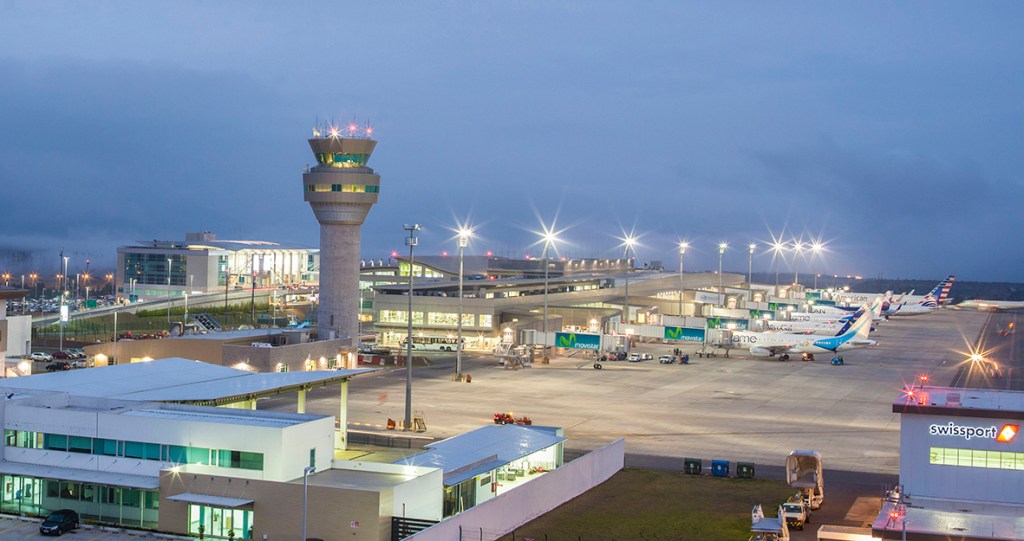
Los gobiernos de Ecuador y de Estados Unidos suscribieron el Miércoles 16/11 un Acuerdo de Cielos Abiertos para impulsar el transporte aéreo, al facilitar a las aerolíneas la apertura de nuevas rutas de pasajeros y de carga entre ambos países. El acuerdo lo suscribieron, en Quito, el Ministro de Relaciones Exteriores de Ecuador, Juan Carlos Holguín, y la Subsecretaria de Estado para Asuntos Políticos de Estados Unidos, Victoria Nuland, quien se encuentra en una gira por Latinoamérica.
Victoria Nuland, ha arribado a Ecuador como parte de su gira, que también incluye a Jamaica y Colombia, confió en que este acuerdo permita un mejor acceso a Estados Unidos de los principales productos de exportación de Ecuador como flores, camarones, banano y chocolate, entre otros. Asimismo, la funcionaria estadounidense ha estimado que existe la posibilidad de implementar un vuelo directo desde Washington hacia Ecuador, sin necesidad de hacer escala en Miami. También auguró que la política de Cielos Abiertos fortalecerá el turismo, catalizará miles de millones de dólares e impulsará el intercambio de estudiantes entre ambos países para realizar formaciones en un lado y en otro. «Estos acuerdos funcionan porque eliminan interferencias gubernamentales innecesarias en vuelos comerciales y dan oportunidades convenientes para los pasajeros, además de generar redes de confianzas necesarias en cualquier país democrático», expresó Victoria Nuland.
Por su parte, el Canciller Juan Carlos Holguín señaló que este acuerdo refrenda que Ecuador y Estados Unidos atraviesan el mejor momento de su relación bilateral en las últimas décadas. El titular de la cartera de Relaciones Exteriores y Movilidad Humana destacó el trabajo tomado en la elaboración del documento, con la participación tanto del sector público como del sector aeronáutico. «Estamos felices de firmar este acuerdo, que más vuelos y rutas vengan al Ecuador», reconoció Juan Carlos Holguín, quien espera que las exportaciones ecuatorianas tengan más facilidades para llegar a Estados Unidos pese a no existir aún un acuerdo comercial entre los dos países.
El Viceministro de Servicios del Transporte y Obras Públicas de Ecuador, José Luis Aguilar, confió a raíz de esta firma, arriben nuevas aerolíneas con nuevas rutas a Ecuador. «Es un paso más para la atracción de las inversiones y de nuevas aerolíneas al país. Esperamos que generen nuevas rutas para los turistas que quieren conocer al país. Somos un país que tiene mucho que ofrecer», destacó el Viceministro.
Turismo Ecuador
Estados Unidos es el origen de la gran mayoría de turistas extranjeros que visitan Ecuador y también ha sido durante los últimos años el principal socio comercial de la nación andina. El Acuerdo de Cielos Abiertos permite el tránsito aéreo sin restricciones de capacidad y frecuencia entre Estados Unidos y Ecuador, lo que permitirá un incremento de los viajes y del comercio, un fortalecimiento de las cadenas de suministro y la creación de más puestos de trabajo de alta calidad en ambos países. La diversificación de la aviación comercial permitirá reducir el costo promedio de las tarifas aéreas, mejores conexiones y nuevas oportunidades culturales para ambos países.
Ecuador-USA Open Skies Agreement
US and Ecuador sign Open Skies Agreement
The governments of Ecuador and the United States signed an Open Skies Agreement on Wednesday 11/16 to promote air transport by making it easier for airlines to open new passenger and cargo routes between the two countries. The agreement was signed in Quito by the Minister of Foreign Affairs of Ecuador, Juan Carlos Holguín, and the Undersecretary of State for Political Affairs of the United States, Victoria Nuland, who is on a tour of Latin America.
Victoria Nuland, who has arrived in Ecuador as part of her tour, which also includes Jamaica and Colombia, is confident that this agreement will allow better access to the United States for Ecuador’s main export products such as flowers, shrimp, bananas, and chocolate. among others. Likewise, the US official has estimated that there is the possibility of implementing a direct flight from Washington to Ecuador, without the need to make a stopover in Miami. She also predicted that the Open Skies policy will strengthen tourism, catalyze billions of dollars, and promote the exchange of students between the two countries to carry out training on one side and the other. «These agreements work because they eliminate unnecessary government interference in commercial flights and provide convenient opportunities for passengers, as well as building networks of trust necessary in any democratic country», said Victoria Nuland.
For his part, Foreign Minister Juan Carlos Holguín pointed out that this agreement endorses that Ecuador and the United States are going through the best moment of their bilateral relationship in recent decades. The head of the Ministry of Foreign Relations and Human Mobility highlighted the work undertaken in preparing the document, with the participation of both the public sector and the aeronautical sector. «We are happy to sign this agreement, that more flights and routes come to Ecuador», acknowledged Juan Carlos Holguín, who hopes that Ecuadorian exports will have more facilities to reach the United States despite the fact that there is still no trade agreement between the two countries.
The Vice Minister of Transportation Services and Public Works of Ecuador, José Luis Aguilar, trusted as a result of this signing, new airlines with new routes to Ecuador will arrive. «It is one more step to attract investment and new airlines to the country. We hope that they will generate new routes for tourists who want to get to know the country. We are a country that has a lot to offer», said the Vice Minister.
Ecuador Tourism
The United States is the origin of the vast majority of foreign tourists who visit Ecuador and has also been the Andean nation’s main trading partner in recent years. The Open Skies Agreement allows air traffic without capacity and frequency restrictions between the United States and Ecuador, which will allow an increase in travel and trade, a strengthening of supply chains and the creation of more high-quality jobs. quality in both countries. The diversification of commercial aviation will allow reducing the average cost of airfares, better connections and new cultural opportunities for both countries.
PUBLISHER: Airgways.com DBk: State.gov / Gob.ec/mremh / Airgways.com AW-POST: 202211171220AR OWNERSHIP: Airgways Inc. A\W A I R G W A Y S ®
El Gobierno de Venezuela ha recibido la solicitud de doce aerolíneas internacionales para conexión con este país de América, informó el Mércoles 16/11. «Tenemos aproximadamente entre diez y doce solicitudes de aerolíneas internacionales que quieren conectar con Venezuela, y en su debido momento se van a anunciar», expresó Juan Manuel Teixeira, Presidente del Instituto Nacional de Aeronáutica Civil (INAC).
El organismo de aviación venezolano indicó que las solicitudes son evaluadas actualmente por el Gobierno y dijo que algunas de estas son de países cercanos. El INAC señaló que aprobó recientemente a la aerolínea portuguesa EuroAtlantic Airways para iniciar vuelos próximamente entre Portugal y Venezuela.
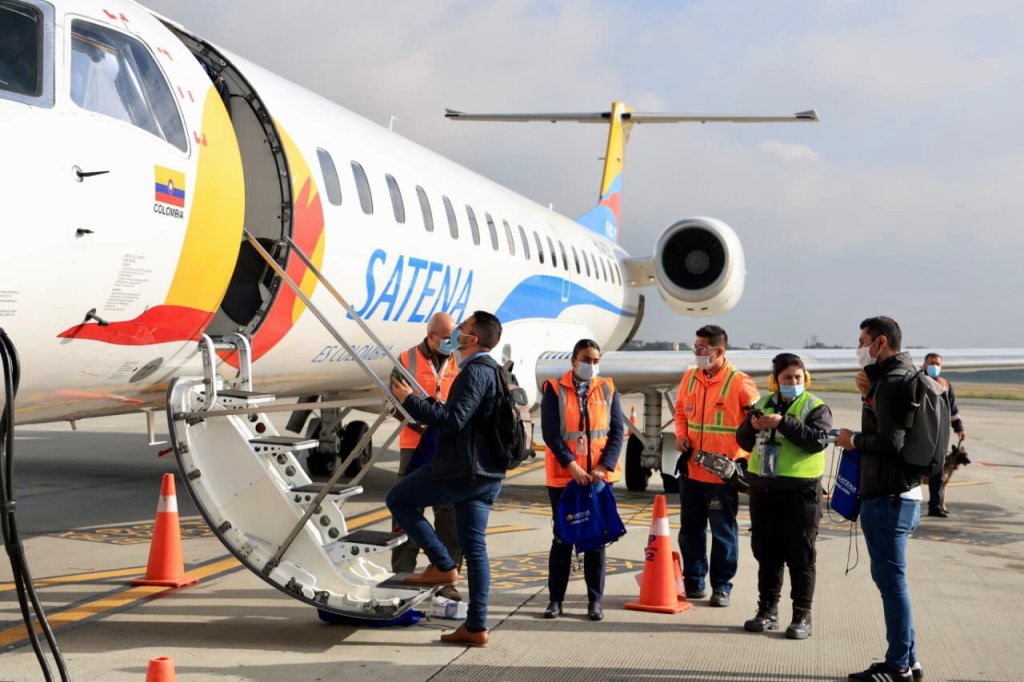
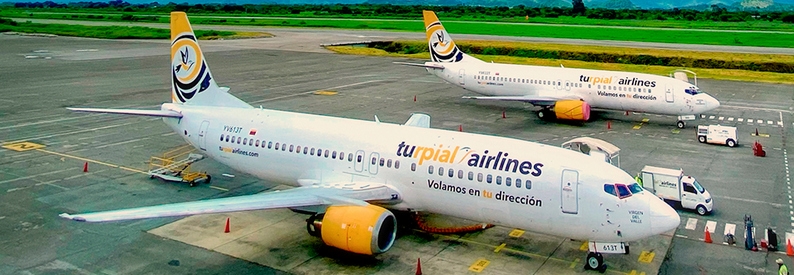
Una semana atrás se restablecieron los vuelos entre Caracas y Bogotá, tras la normalización de las relaciones entre estas naciones. Actualmente están autorizadas dos aerolíneas, Turpial Airlines por Venezuela y Satena Airlines por Colombia, y que luego anunciarán el cronograma de vuelos para las otras líneas aéreas que comenzarán a enlazar ambos países. Además, Caracas y Teherán también inauguraron en Julio 2022 los vuelos directos, luego de la visita del Presidente Nicolás Maduro al país islámico Irán durante su gira por Eurasia.
En Octubre 2022, Venezuela fue electa para integrar el consejo de la Organización de Aviación Civil Internacional (OACI) para el período 2022-2025. El Consejo de la OACI es responsable de la adopción de normas y de otras funciones de gobernanza del ente, mientras la Asamblea de la Organización, compuesta por representantes de 193 gobiernos nacionales, no se encuentra en sesiones, según reseñó la Cancillería.
Venezuela receives air requests
INAC receives twelve international airline applications
The Government of Venezuela has received the request of twelve international airlines for connection with this American country, reported on Wednesday 11/16. «We have approximately between ten and twelve requests from international airlines that want to connect with Venezuela, and they will be announced in due course», said Juan Manuel Teixeira, President of the National Institute of Civil Aeronautics (INAC).
The Venezuelan aviation organization indicated that the applications are currently being evaluated by the Government and said that some of these are from nearby countries. The INAC indicated that it recently approved the Portuguese airline EuroAtlantic Airways to start flights soon between Portugal and Venezuela.
A week ago, flights between Caracas and Bogotá were restored, after the normalization of relations between these nations. Two airlines are currently authorized, Turpial Airlines for Venezuela and Satena Airlines for Colombia, and they will later announce the flight schedule for the other airlines that will begin to link both countries. In addition, Caracas and Tehran also inaugurated direct flights in July 2022, after the visit of President Nicolás Maduro to the Islamic country Iran during his tour of Eurasia.
In October 2022, Venezuela was elected to integrate the council of the International Civil Aviation Organization (ICAO) for the period 2022-2025. The ICAO Council is responsible for the adoption of standards and other governance functions of the entity, while the Assembly of the Organization, made up of representatives of 193 national governments, is not in session, according to the Foreign Ministry.
PUBLISHER: Airgways.com DBk: Inac.gov.ve / Airgways.com AW-POST: 202211171050AR OWNERSHIP: Airgways Inc. A\W A I R G W A Y S ®
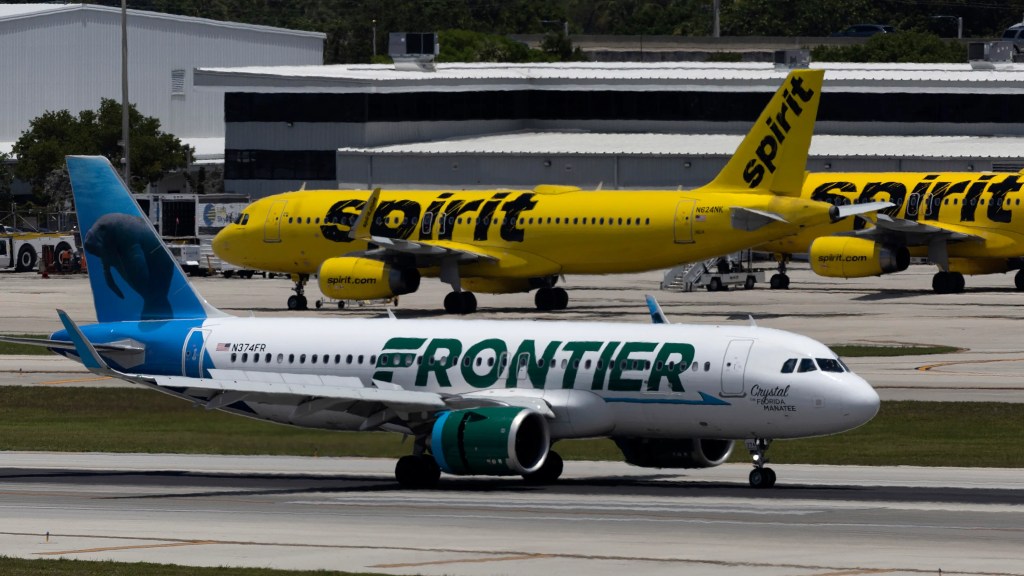
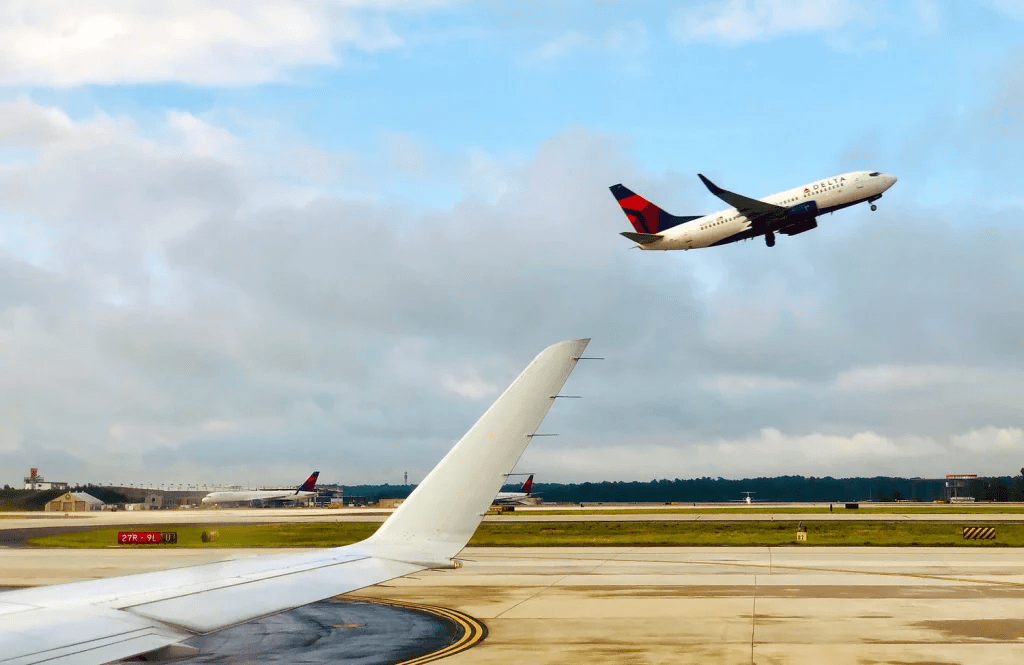
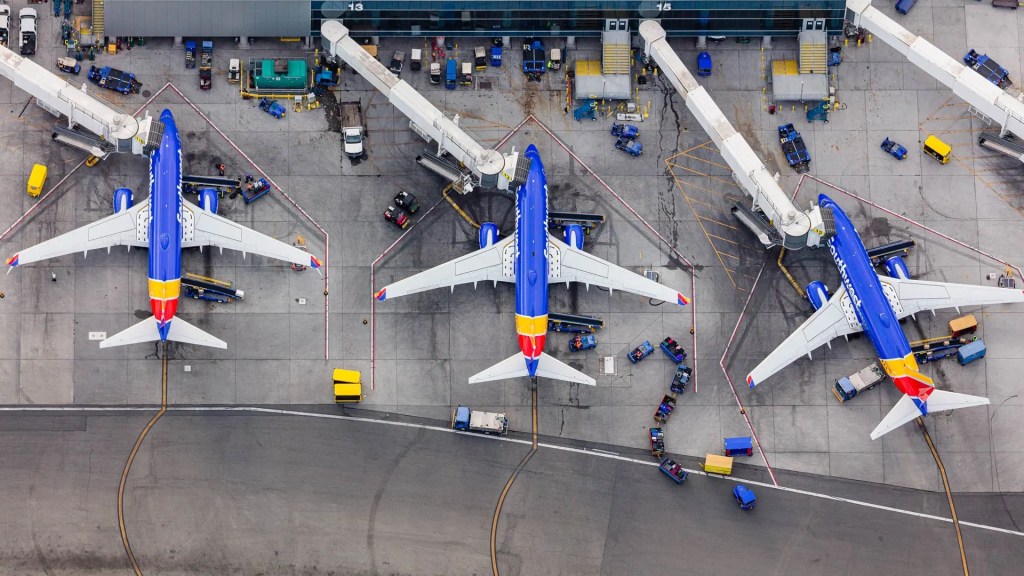
Las aerolíneas de bajo costo han agregado una cantidad considerablemente de operaciones de Estados Unidos al total de vuelos ofrecidos comúnmente. Los cambios en la forma en que se vuela derivado de cómo han respondido las aerolíneas a los desafíos ha permitido aumentar el número de vuelos a pesar de los desafíos por la falta de personal disponibles.
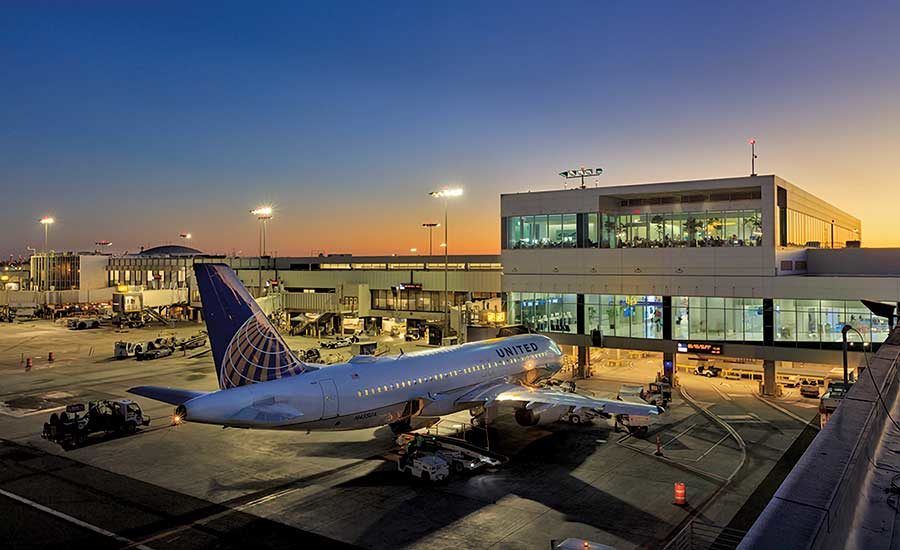
“Hace uno o dos años, los aeropuertos con más servicios aéreos internacionales fueron los más afectados en las primeras etapas de la pandemia. Pero esto no es así ahora. Hace tres años, el 10% de la capacidad en el Aeropuerto Internacional de Detroit/DTW era internacional, en Miami la proporción internacional superaba el 50%. Atlanta se mantiene como el aeropuerto con mayor capacidad de asientos, aunque registra una disminución de 13% respecto a las cifras de 2019; en contraste, Miami incrementó su oferta en 15%. Sin embargo, Detroit experimentó mayor disminución en la capacidad general (-26%), mientras que Miami tuvo el mayor aumento (+15%) en los últimos tres años”, afirmó Becca Rowland, analista de OAG. Los tres aeropuertos más grandes son Atlanta/ATL, Chicago O’Hare/ORD y Los Ángeles/LAX, marcando una continuidad de dominio por aerolíneas tradicionales. Su cuota de capacidad es del 82%, 91% y 76% respectivamente, mientras que el promedio en los veinticinco principales aeropuertos es del 70%. Por el contrario, las terminales que registraron una fuerte disminución de la capacidad de asientos entre octubre de 2019 y ahora, son Detroit/DTW, Minneapolis St Paul/MSP y San Francisco/SFO; aún con esta baja, siguen operando a más del 80% de su capacidad de antes de la pandemia.
“Cuando comparamos los cinco aeropuertos con el mayor aumento de volumen con los cinco aeropuertos con la mayor disminución, parece que, en general, los aumentos se deben al incremento operado por aerolíneas de bajo costo, mientras que las bajas se deben a la reducción de funcionamiento de las aerolíneas tradicionales”, afirmó la analista de AOG.
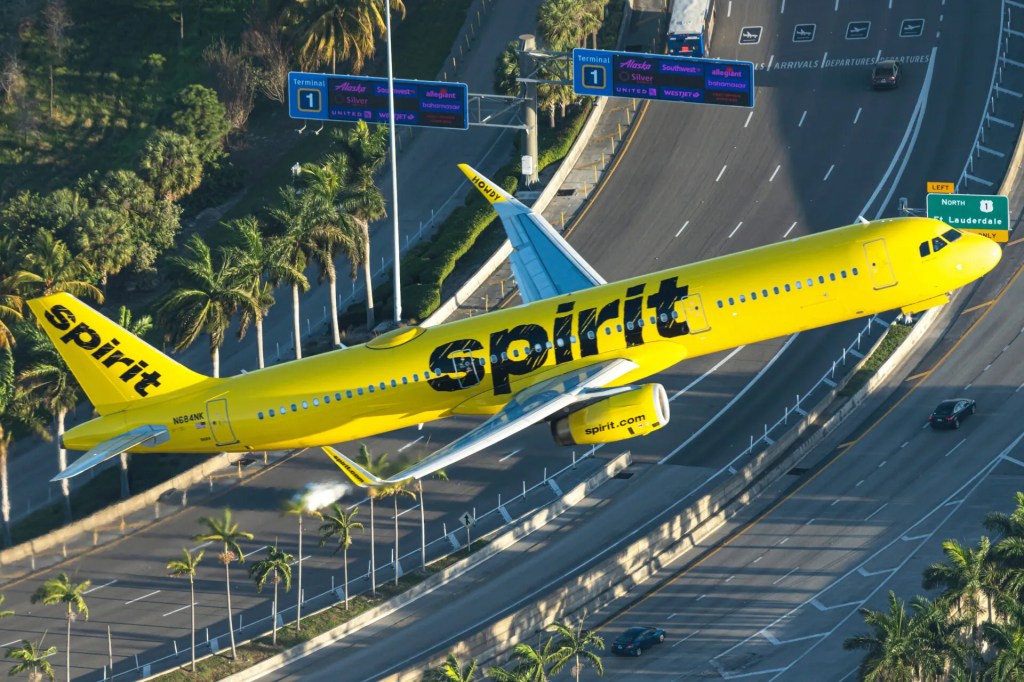
En el caso de Miami, su potencial general creció un 15%, pero la capacidad de las aerolíneas de bajo costo lo hizo en 425% a medida que Spirit Airlines, Southwest Airlines y JetBlue Airways continúan en el mercado, en tanto que Frontier Airlines aumentó su participación.
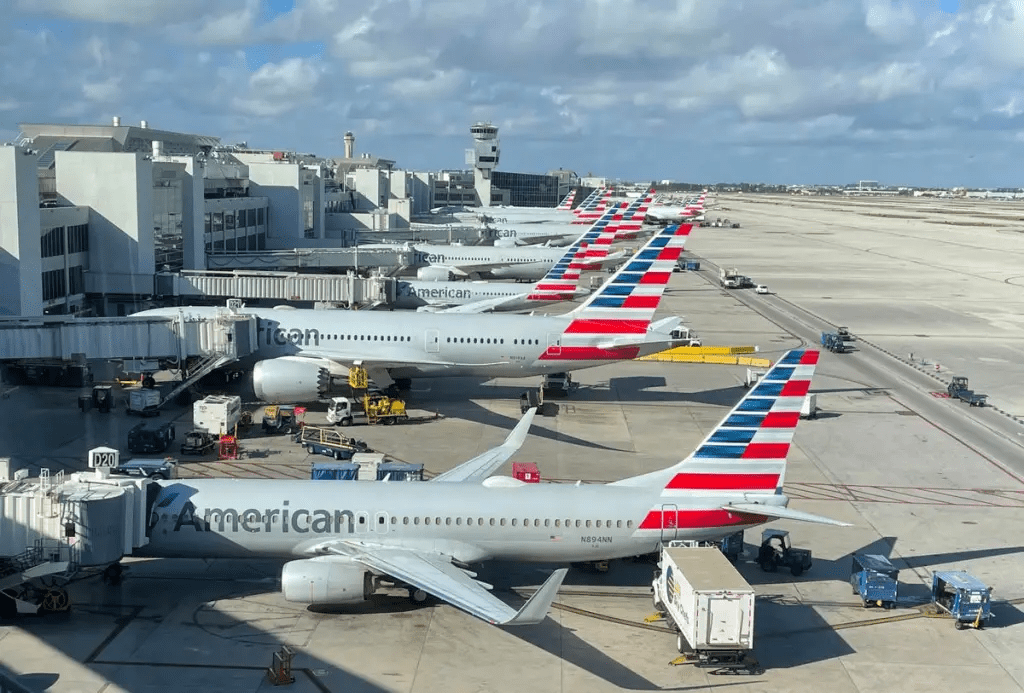
No es que las aerolíneas tradicionales, especialmente American Airlines, no hayan aumentado también la capacidad, sino que las aerolíneas de bajo costo han agregado una cantidad considerablemente más grande al total de operaciones. “Por el contrario, parece que las aerolíneas tradicionales son responsables de gran parte de la reducción de usuarios en los aeropuertos que han visto caer su capacidad de asientos. En DTW, por ejemplo, mientras que las aerolíneas de bajo costo han reducido la capacidad en un 11%, las tradicionales la han reducido en un 28%”, expresó Becca Rowland.
Existe una serie de aeropuertos donde la disminución de operaciones de las empresas tradicionales ha ido acompañada de incrementos en la oferta de las aerolíneas de bajo costo. En Chicago-O’Hare/ORD el crecimiento de las aerolíneas de bajo costo fue del 22% en comparación con el -21% de los operadores tradicionales. En Houston/IAH, las low-cost agregaron un 73% más de capacidad, y las tradicionales la redujeron en un 12%. En Dallas/Ft.Worth/DFW las primeras agregaron un 46% más de asientos, mientras que las segundas eliminaron un 2%.
“Las aerolíneas tradicionales han tratado de volver a la rentabilidad controlando los costos, mientras que las aerolíneas de bajo costo han utilizado su ventaja competitiva para atraer a viajeros conscientes de los precios para hacerse con una participación de mercado”, puntualizó la Analista de OAG. Este tipo de disrupción siempre brinda oportunidades y para los aeropuertos el desafío es asegurarse de mantenerse a la vanguardia mientras son testigos de cómo las aerolíneas están remodelando el mercado.
Low cost growth in the US
Low-cost airlines grow in the United States
Low-cost airlines have added a significant number of US operations to the total number of commonly offered flights. Changes in the way people fly as a result of how airlines have responded to challenges have allowed the number of flights to increase despite challenges due to a lack of available personnel. “A year or two ago, the airports with the most international air services were the most affected in the early stages of the pandemic. But this is not so now. Three years ago, 10% of the capacity at Detroit International Airport/DTW was international, in Miami the international proportion was over 50%. Atlanta remains the airport with the highest seat capacity, although it registers a 13% decrease compared to 2019 figures; in contrast, Miami increased its supply by 15%. However, Detroit experienced the largest decrease in overall capacity (-26%), while Miami had the largest increase (+15%) in the last three years”, said Becca Rowland, OAG analyst. The three largest airports are Atlanta/ATL, Chicago O’Hare/ORD and Los Angeles/LAX, marking a continuation of dominance by traditional airlines. Its capacity share is 82%, 91% and 76% respectively, while the average at the top twenty-five airports is 70%. By contrast, the terminals that saw sharp declines in seat capacity between October 2019 and now are Detroit/DTW, Minneapolis St Paul/MSP, and San Francisco/SFO; Even with this drop, they continue to operate at more than 80% of their pre-pandemic capacity.
“When we compare the five airports with the largest volume increase with the five airports with the largest decrease, it appears that, overall, the increases are due to the increase operated by low-cost carriers, while the decreases are due to the reduction of operation of traditional airlines», said the AOG analyst.
In the case of Miami, its overall potential grew 15%, but low-cost carrier capacity grew 425% as Spirit Airlines, Southwest Airlines and JetBlue Airways continue to be in the market, while Frontier Airlines increased your participation.
It’s not that traditional airlines, especially American Airlines, haven’t increased capacity as well, but low-cost carriers have added considerably more to total operations. “On the contrary, it appears that traditional airlines are responsible for much of the reduction in users at airports that have seen their seat capacity fall. In DTW, for example, while low-cost carriers have reduced capacity by 11%, traditional carriers have reduced capacity by 28%”, said Becca Rowland.
There are a number of airports where the decrease in operations of traditional companies has been accompanied by increases in the offer of low-cost airlines. In Chicago-O’Hare/ORD, growth for low-cost carriers was 22% compared to -21% for traditional carriers. In Houston/IAH, low-cost added 73% more capacity, and traditional reduced it by 12%. In Dallas/Ft.Worth/DFW the former added 46% more seats, while the latter eliminated 2%.
“Traditional airlines have tried to return to profitability by controlling costs, while low-cost carriers have used their competitive advantage to attract price-conscious travelers to gain market share”, the OAG Analyst noted. This type of disruption always brings opportunity and for airports the challenge is to make sure they stay ahead as they witness airlines reshaping the market.
PUBLISHER: Airgways.com DBk: Oag.com / Planetunicorn.com / Daniel Slim / Heliphoto.net / Airgways.com AW-POST: 202211170959AR OWNERSHIP: Airgways Inc. A\W A I R G W A Y S ®
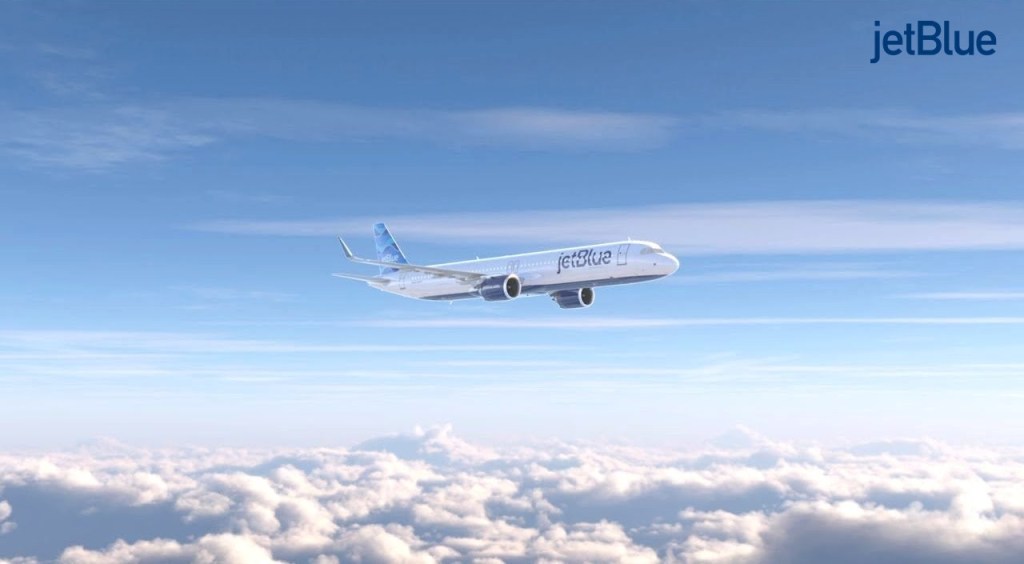
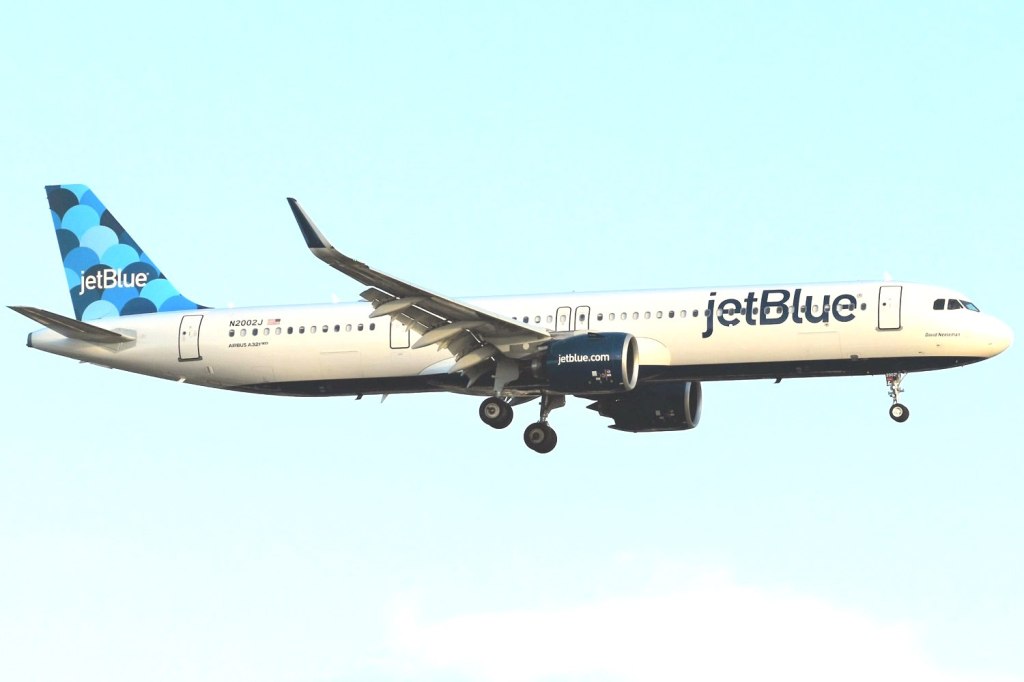
JetBlue presenta nuevo destino París/Charles De Gaulle
La aerolínea estadounidense JetBlue Airways ha anunciado el 16/11 que estará sirviendo a París, hacia el Aeropuerto Charles De Gaulle, Francia a partir del próximo año 2023. La aerolínea estadounidense dice que lanzará vuelos Nueva York/JFK—París/CDG en el verano septentrional de 2023. Será el segundo destino transatlántico de Jetblue después del lanzamiento del servicio de la aerolínea a Londres en Agosto de 2021.
Robin Hayes, CEO de Jetblue Airways, dice: «Estamos ofreciendo algo completamente único a lo que obtienes de las grandes aerolíneas heredadas en estas rutas. La respuesta a nuestro servicio en Londres es una prueba de que combinar un gran servicio con tarifas bajas funciona».
La compañía low cost ofrece productos premium, y un mejorado servicio de catering de clase Economy en sus servicios hacia Londres/LHR y London/LGW. Jetblue Airways actualmente tiene un total de cinco vuelos diarios entre los Estados Unidos y el Reino Unido, sirviendo tanto a Nueva York/JFK como a Boston/BOS hacia Londres Gatwick y Heathrow. El próximo destino París permitirá llegar a una ciudad de atracciones tanto para viajeros de negocios como de placer como parte de las expansiones transatlánticas.
JetBlue Airways es la séptima aerolínea más grande de América del Norte por pasajeros transportados. La aerolínea tiene su sede en el en Long Island City del Distrito de Queens de la ciudad de Nueva York; también mantiene oficinas corporativas en Utah y Florida.
JetBlue announces New York—Paris in 2023
JetBlue introduces new Paris/Charles De Gaulle destination
The American airline JetBlue Airways has announced on 11/16 that it will be serving Paris, to Charles De Gaulle Airport, France starting next year 2023. The American airline says it will launch flights New York/JFK—Paris/CDG in the summer northbound by 2023. It will be Jetblue’s second transatlantic destination after the airline’s service to London launches in August 2021.
Robin Hayes, CEO of Jetblue Airways, says: «We are offering something completely unique to what you get from the big legacy airlines on these routes. The response to our service in London is proof that combining great service with low fares works».
The low cost company offers premium products, and an improved Economy class catering service on its services to London/LHR and London/LGW. Jetblue Airways currently has a total of five daily flights between the United States and the United Kingdom, serving both New York/JFK and Boston/BOS to London Gatwick and Heathrow. The next destination Paris will allow reaching a city of attractions for both business and leisure travelers as part of the transatlantic expansions.
JetBlue Airways is the seventh largest airline in North America by passengers carried. The airline is headquartered in the New York City Borough of Queens in Long Island City; it also maintains corporate offices in Utah and Florida.
PUBLISHER: Airgways.com DBk: Jetblue.com / Airgways.com AW-POST: 202211170851AR OWNERSHIP: Airgways Inc. A\W A I R G W A Y S ®
El Embraer E195-E2, el avión de pasillo único más silencioso y más eficiente en combustible, se exhibe en el Aeropuerto Tokio/Haneda/HND de Tokio como parte de una conferencia de la industria de dos días. El evento, organizado por Embraer, el líder del mercado de aviones comerciales de hasta 150 asientos, profundizará las relaciones con las aerolíneas asociadas de Embraer. La aeronave había arribado a Zhuhai el 4 de Noviembre de 2022, donde permaneció hasta el 10/11. Saliendo de Zhuhai, saltó a Guangzhou antes de despegar hacia Seúl, Corea del Sur, para luego desembarcar en Japón como parte de un tour. El Embraer E195-E2 probablemente se mostró a compradores potenciales en el floreciente mercado surcoreano durante su escala en Seúl. Despegando justo después del mediodía del 13 de Noviembre de 2022, voló durante poco menos de tres horas para llegar a Tokio Haneda, en Japón.
Los E-Jets de Embraer son la familia de aviones dominante en la categoría de asientos sub-150 en Japón con 48 de los E-Jets de primera generación operados por Japan Airlines y Fuji Dream Airlines para conectar más de 30 ciudades en todo Japón. Estos aviones de pasillo único son aclamados mundialmente por ofrecer una comodidad para los pasajeros líder en el segmento, posible gracias a su configuración de asientos de dos por dos sin asiento intermedio, y su participación del 80% en el mercado regional de Estados Unidos con más de 600 E-Jets en servicio.
«Agradecemos a nuestros clientes de aerolíneas en Japón por sacar lo mejor de los E-Jets desde que comenzaron las operaciones de ingresos en el país en 2009. Estamos orgullosos de ver cómo los E-Jets confiables han desempeñado un papel importante en la mejora de la conectividad regional en Japón y continúan brindando a las aerolíneas la flexibilidad para escalar de manera óptima la capacidad a la demanda», dijo Martyn Holmes, Director Comercial de Embraer Commercial Aviation.
La flota de E-Jets en Japón personifica la alta fiabilidad y la alta utilización: la fiabilidad media de 12 meses es del 99,83%, y la utilización es de hasta siete vuelos al día con un tiempo de respuesta medio de 30 minutos. En la conferencia Embraer Day, los invitados recibirán información actualizada sobre los últimos desarrollos del programa E-Jets E2. Aerolíneas como KLM, Helvetic Airways, que opera para SWISS, y Azul Linhas Aéreas operan la familia de aviones E-Jets E2, y pronto con nuevos operadores, incluidos Royal Jordanian, Salam Air y TUI, se anunciaron recientemente.
«Esperamos exhibir las características del E195-E2 a los líderes aeroespaciales de Japón, incluido su excelente rendimiento, el mínimo ruido y las emisiones de combustible y los bajos costos de operación», dijo Raúl Villaron, Vicepresidente de Asia Pacífico para Embraer Commercial Aviation.
Además del reemplazo de aviones más antiguos, Embraer prevé que parte de la gran flota de aviones de fuselaje estrecho existente en el país tenga el tamaño adecuado para aviones de menos de 150 asientos para crear una demanda de mercado de alrededor de 120 nuevas entregas en la categoría de aviones de menos de 150 asientos en los próximos veinte años.
Embraer E195-E2 visits Japan
Eastern tour of the Embraer E195-E2 TechLion
The Embraer E195-E2, the quietest and most fuel-efficient single-aisle aircraft, is on display at Tokyo/Haneda/HND Airport in Tokyo as part of a two-day industry conference. The event, organized by Embraer, the market leader for commercial aircraft with up to 150 seats, will deepen relationships with Embraer’s partner airlines. The aircraft had arrived in Zhuhai on November 4, 2022, where it remained until 10/11. Departing from Zhuhai, it jumped to Guangzhou before taking off for Seoul, South Korea, before landing in Japan as part of a tour. The Embraer E195-E2 was likely shown to potential buyers in the burgeoning South Korean market during its stopover in Seoul. Taking off just after noon on November 13, 2022, it flew for just under three hours to arrive at Tokyo Haneda, Japan.
Embraer’s E-Jets are the dominant aircraft family in the sub-150 seat category in Japan with 48 of the first-generation E-Jets being operated by Japan Airlines and Fuji Dream Airlines to connect more than 30 cities across Japan. These single-aisle aircraft are globally acclaimed for delivering segment-leading passenger comfort, made possible by their two-by-two seating configuration with no middle seat, and their 80% share of the United States regional market with more of 600 E-Jets in service.
«We are grateful to our airline customers in Japan for bringing out the best in E-Jets since revenue operations began in the country in 2009. We are proud to see how reliable E-Jets have played an important role in improving our regional connectivity in Japan and continue to provide airlines the flexibility to optimally scale capacity to demand», said Martyn Holmes, Chief Commercial Officer, Embraer Commercial Aviation.
The E-Jets fleet in Japan epitomizes high reliability and high utilization: average 12-month reliability is 99.83%, and utilization is up to seven flights per day with an average response time of 30 minutes. At the Embraer Day conference, guests will receive an update on the latest developments in the E-Jets E2 program. Airlines such as KLM, Helvetic Airways, which operates for SWISS, and Azul Linhas Aéreas operate the E-Jets E2 family of aircraft, and soon with new operators, including Royal Jordanian, Salam Air and TUI, were recently announced.
«We look forward to showcasing the characteristics of the E195-E2 to Japan’s aerospace leaders, including its excellent performance, minimal noise and fuel emissions, and low operating costs», said Raúl Villaron, Vice President of Asia Pacific for Embraer Commercial Aviation.
In addition to the replacement of older aircraft, Embraer anticipates that part of the country’s existing large fleet of narrow-body aircraft will be sized for aircraft with fewer than 150 seats to create market demand for around 120 new deliveries in the category of aircraft with less than 150 seats in the next twenty years.
JetSMART inaugura Buenos Aires/EZE—Asunción del Paraguay/ASU
La aerolínea JetSMART Airlines Argentina ha inaugurado el Martes 15 de Noviembre de 2022 la ruta Buenos Aires/EZE—Asunción del Paraguay/ASU. El vuelo inaugural partió desde Ezeiza en un Airbus A320-200 con matrícula LV-KFX, con su capacidad completa, arribando a las 12:20 hs a Asunción del Paraguay. JetSMART operará los vuelos regulares entre Buenos Aires y Asunción los días Martes, Jueves y Sábados. El pimer vuelo inaugural aterrizó en tierra guaraní a las 12:20 hs luego de haber recorrido más de 1.200 kilómetros en poco menos de dos horas. El mismo fue recibido por una comitiva de autoridades del Paraguay y diplomáticos representantes de Argentina en ese país.
La aerolínea low cost ha lanzado una tarifa promocionales hasta el 21/11 desde AR$ 23.581,00 finales por tramo para volar a Asunción desde Buenos Aires y desde AR$ 17.848 finales por tramo partiendo desde Asunción. También se podrá aplicar el código 1ERVUELO para obtener un 20% de descuento para volar a Buenos Aires, válido para compras entre el 15-17/11 y aplicable a los viajes entre el 6 de Diciembre de 2022 y el 30 de Junio de 2023.
JetSMART Airlines Argentina establece un nuevo destino en Sudamérica, Paraguay, y continúa la apuesta por conectar Sudamérica a precios de bajo costo. JetSMART inició en el día de hoy sus vuelos regulares entre Buenos Aires y Asunción del Paraguay, incrementando así la oferta de vuelos internacionales disponibles desde Argentina hacia la región.
“Viajar es, para los sudamericanos, mucho más que una cuestión de estatus social, porque vivimos en un territorio sumamente amplio, diverso, con países extensos donde las personas necesitan trasladarse por temas de trabajo, salud, negocios y afectos y cada minuto que se pueda ahorrar en el viaje es un momento más para aquello que motiva el viaje. La propuesta de JetSMART ha venido a cambiar la cultura de los viajes en Sudamérica y más de 12 millones de pasajeros ya confiaron en nosotros para viajar encontrarse con otras personas o para conocer lugares que nunca habían visto”, explica Estuardo Ortiz, CEO de JetSMART Ailrines Group.
“JetSMART comenzó a operar en el día de hoy una nueva ruta para unir más a dos ciudades de Sudamérica, acercando un poco más a todos sus habitantes, en aviones A320 nuevos y a precios ultra bajos. Lo más importante es que estamos ofreciendo precios bajos para unir Buenos Aires con Asunción y ofrecer que más personas puedan viajar y recorrer más de 1.200 kilómetros en poco menos de dos horas, de forma segura y a tiempo, en un mercado donde sólo el 10% de los paraguayos viaja a Argentina en avión que al no tener opciones económicas utiliza otros medios de transporte. En este sentido, nuestra propuesta es la de sumar pasajeros incrementales al sector con una oferta que es complementaria a la existente”, explicó Darío Ratinoff, Gerente Comercial de JetSMART Argentina.
JetSMART Argentina inaugurates Asunción
JetSMART inaugurates Buenos Aires—Asunción del Paraguay
The airline JetSMART Airlines Argentina has inaugurated on Tuesday, November 15, 2022 the Buenos Aires/EZE—Asunción del Paraguay/ASU route. The inaugural flight departed from Ezeiza in an Airbus A320-200 with registration LV-KFX, with full capacity, arriving at 12:20 pm in Asunción, Paraguay. JetSMART will operate regular flights between Buenos Aires and Asunción on Tuesdays, Thursdays and Saturdays. The first inaugural flight landed on Guarani land at 12:20 p.m. after having traveled more than 1,200 kilometers in just under two hours. He was received by a delegation of authorities from Paraguay and diplomatic representatives of Argentina in that country.
The low cost airline has launched a promotional rate until 11/21 from AR$ 23,581.00 final per leg to fly to Asunción from Buenos Aires and from AR$ 17,848 final per leg departing from Asunción. You can also apply the code 1ERVUELO to obtain a 20% discount to fly to Buenos Aires, valid for purchases between 11/15-17 and applicable to trips between December 6, 2022 and June 30, 2023.
JetSMART Airlines Argentina establishes a new destination in South America, Paraguay, and continues the commitment to connect South America at low-cost prices. JetSMART began today its regular flights between Buenos Aires and Asunción del Paraguay, thus increasing the offer of international flights available from Argentina to the region.
“Traveling is, for South Americans, much more than a question of social status, because we live in an extremely large, diverse territory, with extensive countries where people need to travel for work, health, business and love affairs, and every minute they spend can save on the trip is one more moment for what motivates the trip. JetSMART’s proposal has come to change the culture of travel in South America and more than 12 million passengers have already trusted us to travel to meet other people or to see places they had never seen”, explains Estuardo Ortiz, CEO of JetSMART Airlines. Group.
“JetSMART began operating today a new route to further unite two cities in South America, bringing all its inhabitants a little closer, on new A320 aircraft and at ultra-low prices. The most important thing is that we are offering low prices to link Buenos Aires with Asunción and offer that more people can travel and cover more than 1,200 kilometers in just under two hours, safely and on time, in a market where only 10% of Paraguayans travel to Argentina by plane that, having no economic options, use other means of transport. In this sense, our proposal is to add incremental passengers to the sector with an offer that is complementary to the existing one”, explained Darío Ratinoff, Commercial Manager of JetSMART Argentina.
PUBLISHER: Airgways.com DBk: Jetsmart.com / Senatur.gov.py / ASUSpotter / Airgways.com AW-POST: 202211161255AR OWNERSHIP: Airgways Inc. A\W A I R G W A Y S ®