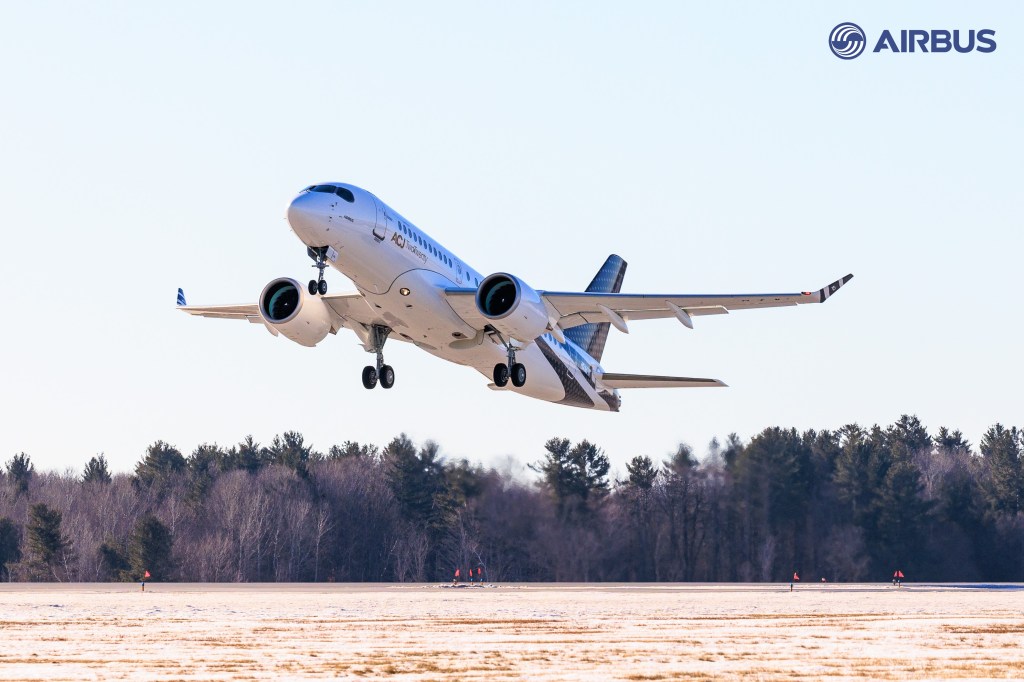
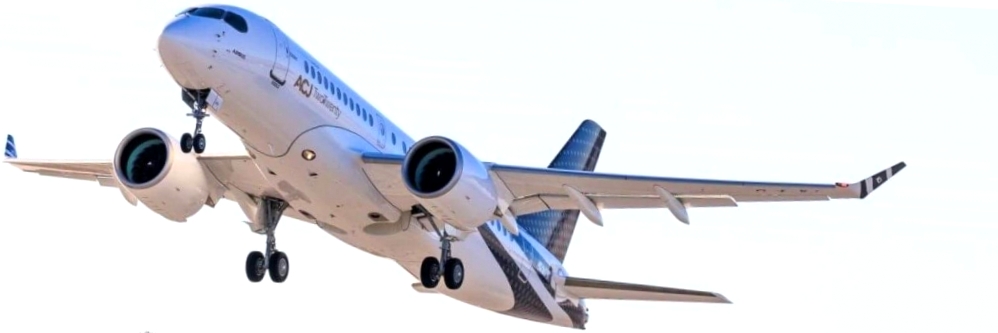
El Airbus ACJ TwoTwenty, lanzado hace poco más de un año, completó su test de primer vuelo desde el Aeropuerto de Mirabel este Martes, 14 de Diciembre de 2021. El vuelo de prueba de producción fue realizado por Christophe Marchand y Adam Mason como pilotos de prueba y apoyado por Romuald Scheling como Ingeniero de pruebas de vuelo. El avión se entregará a Comlux en las próximas semanas y luego COMLUX lo equipará con una cabina VVIP en Indianápolis, Estados Unidos. Después de la entrega. Comlux ha sido seleccionado como socio exclusivo de equipamiento para los primeros 15 aviones ACJ TwoTwenty.
El ACJ TwoTwenty es una nueva propuesta de valor para los compradores de aviación comercial. Las innovadoras soluciones combinadas alcance intercontinental que permite al avión volar hasta 5.650 millas náuticas/10.500 kilómetros (más de 12 horas de vuelo), el espacio personal sin igual que proporciona comodidad para cada pasajero con 73m 2/785 ft 2 de superficie. El ACJ TwoTwenty es el único jet de negocios que cuenta con seis amplias áreas de estar VIP, de alrededor de 12m2 /130 ft2 cada una, y tiene el precio de un bizjet ULR. Equipado con un catálogo de cabina flexible exclusivo, este avión completamente terminado es ideal para usuarios de aviones privados y de negocios. Aproximadamente 200 aviones corporativos Airbus están en servicio en todo el mundo, volando en todos los continentes, incluida la Antártida.
Airbus ACJ makes first flight
ACJ TwoTwenty completes first flight
The Airbus ACJ TwoTwenty, launched just over a year ago, completed its first flight test from Mirabel Airport this Tuesday, December 14, 2021. The production test flight was conducted by Christophe Marchand and Adam Mason as test pilots. and supported by Romuald Scheling as Flight Test Engineer. The aircraft will be delivered to Comlux in the coming weeks and then COMLUX will equip it with a VVIP cabin in Indianapolis, USA. After delivery. Comlux has been selected as the exclusive equipment partner for the first 15 ACJ TwoTwenty aircraft.
The ACJ TwoTwenty is a new value proposition for commercial aviation buyers. The innovative solutions combined intercontinental range that allows the aircraft to fly up to 5,650 nautical miles/10,500 kilometers (more than 12 hours of flight), the unrivaled personal space that provides comfort for each passenger with 73m 2/785 ft 2 of surface. The ACJ TwoTwenty is the only business jet that has six spacious VIP seating areas, of around 12m2/130ft2 each, and is priced like a ULR bizjet. Equipped with a unique flexible cabin catalog, this fully finished aircraft is ideal for business and private jet users. Approximately 200 Airbus corporate jets are in service worldwide, flying on all continents, including Antarctica.
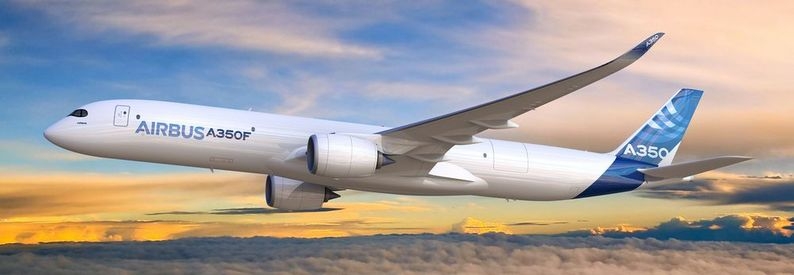
Singapore Airlines (SIA) ha firmado una Carta de intención (LoI) con Airbus Group para siete aviones cargueros puros A350F (7). El acuerdo hará que el A350F comience a reemplazar la flota B747-400F existente de la aerolínea en el cuarto trimestre de 2025. “Nos sentimos honrados por el voto de confianza de Singapore Airlines en el A350F que renueva su flota de cargueros. El A350F es el nuevo gran carguero del mundo y no tendrá rival en su segmento de mercado en términos de eficiencia operativa, menor consumo de combustible y ahorro de CO₂. Es gratificante que Singapore Airlines reconozca el valor del A350F a medida que construimos sobre la sólida asociación de la que ya disfrutamos”, dijo Christian Scherer, director comercial de Airbus y director de Airbus International.
A principios de este año, Airbus recibió la aprobación del Consejo de Administración para un carguero derivado del A350 diseñado para cumplir con la inminente ola de grandes reemplazos de cargueros y los cambiantes requisitos ambientales, dando forma al futuro del transporte aéreo. El A350F estará propulsado por motores Rolls-Royce Trent-XWB97 de última tecnología y de bajo consumo.
Como parte de la familia de largo alcance más moderna del mundo, el A350F tendrá un alto nivel de similitud con las versiones de pasajeros del A350. Con una capacidad de carga útil de 109 toneladas, el A350F servirá a todos los mercados de carga. El avión cuenta con una gran puerta de carga en la cubierta principal, con la longitud y la capacidad del fuselaje optimizadas en torno a los contenedores y paletas estándar de la industria.
Más del 70% de la estructura del avión estará hecha de materiales avanzados, lo que dará como resultado un peso de despegue 30 toneladas más liviano y generará al menos un 20% menos de consumo de combustible y emisiones que su competidor más cercano actual. El A350F cumplirá plenamente con las normas mejoradas de emisiones de CO₂ de la OACI que entrarán en vigor en 2027.
Singapore Airlines es el operador más grande del mundo del A350, con 56 aviones actualmente en servicio en su red. El acuerdo con Singapore Airlines es el tercer compromiso recibido para el nuevo A350F durante el último mes.
Singapore selects A350F
Singapore Airlines selects A350F freighter
Singapore Airlines (SIA) has signed a Letter of Intent (LoI) with Airbus Group for seven A350F pure freighter aircraft (7). The deal will see the A350F begin to replace the airline’s existing B747-400F fleet in the fourth quarter of 2025. “We are honored by Singapore Airlines’ vote of confidence in the A350F renewing its fleet of freighters. The A350F is the world’s new large freighter and will be unrivaled in its market segment in terms of operational efficiency, lower fuel consumption and CO₂ savings. It is gratifying that Singapore Airlines recognizes the value of the A350F as we build on the strong partnership we already enjoy”, said Christian Scherer, Airbus Chief Commercial Officer and Airbus International Director.
Earlier this year, Airbus received approval from the Board of Directors for an A350-derived freighter designed to meet the impending wave of large freighter replacements and changing environmental requirements, shaping the future of air travel. The A350F will be powered by state-of-the-art, fuel-efficient Rolls-Royce Trent-XWB97 engines.
As part of the world’s most modern long-range family, the A350F will have a high level of similarity to passenger versions of the A350. With a payload capacity of 109 tonnes, the A350F will serve all cargo markets. The aircraft features a large cargo door on the main deck, with the fuselage length and capacity optimized around industry standard containers and pallets.
More than 70% of the aircraft’s structure will be made of advanced materials, resulting in a 30-ton lighter takeoff weight and generating at least 20% less fuel consumption and emissions than its current closest competitor. The A350F will be fully compliant with ICAO’s Enhanced CO₂ Emission Standards which come into effect in 2027.
Singapore Airlines is the world’s largest operator of the A350, with 56 aircraft currently in service on its network. The deal with Singapore Airlines is the third commitment received for the new A350F in the last month.
Aerolínea vietnamita alcanza ganancia primeros nueve meses 2021
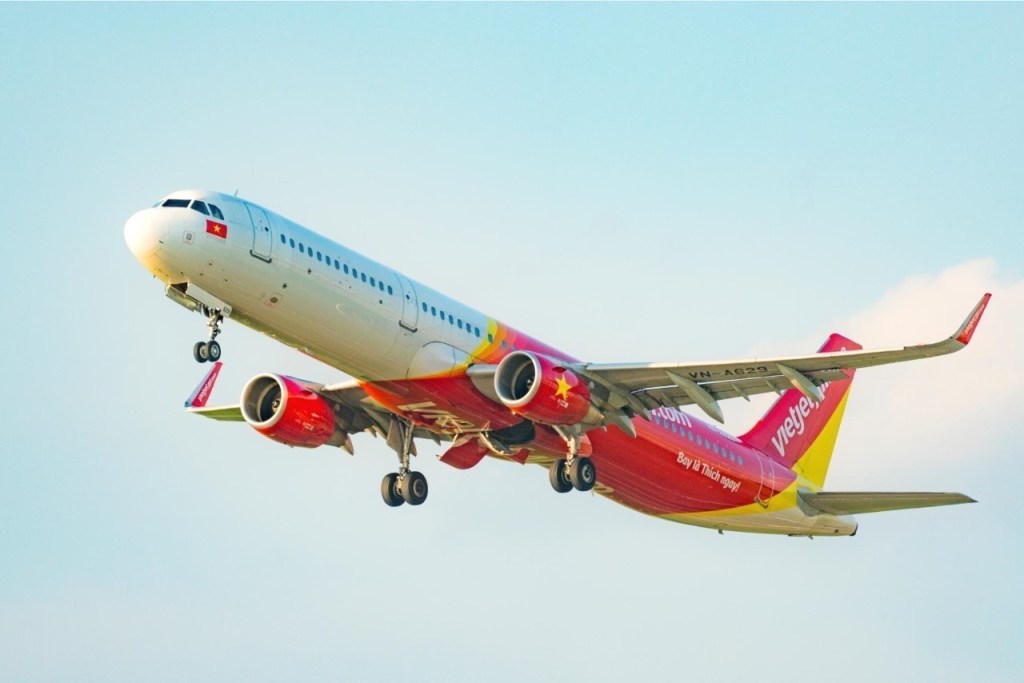
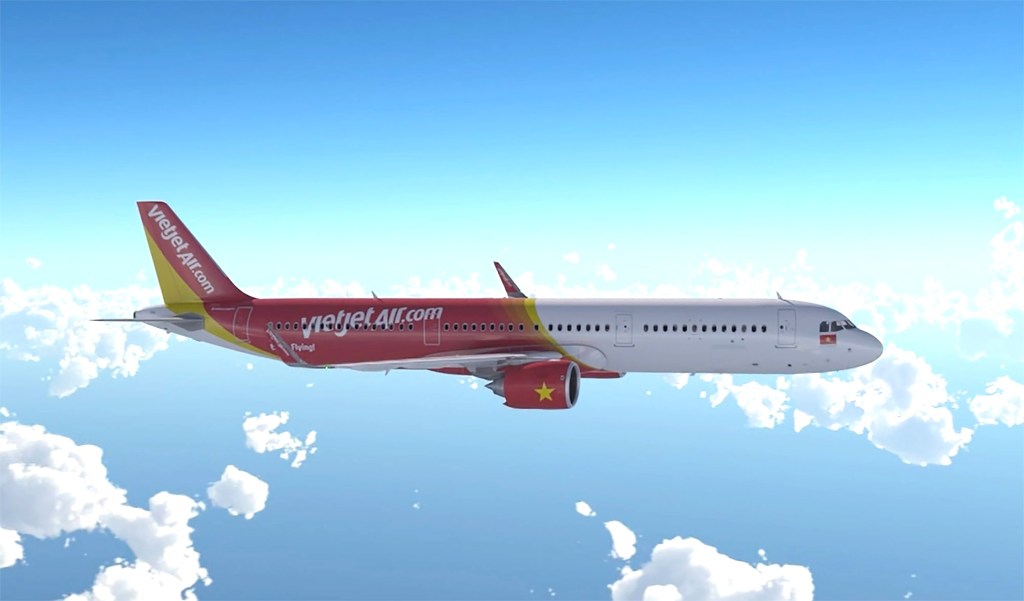
La aerolínea de bajo costo Vietjet de Vietnam alcanzó un ingreso de US$ 227 millones de Dólares en los primeros nueve meses de 2021 para una ganancia de US$ 1,93 millones de Dólares. La compañía aérea de presupuesto implementó en la etapa un total de unos 37.000 vuelos para transportar cerca de 6,4 millones de pasajeros, garantizado la calidad de los viajes y una tasa de puntualidad del 99,7 por ciento, así como el estricto cumplimiento de las normas de prevención y control de la pandemia del COVID-19. También ha realizado muchos vuelos a favor de miles de oficiales médicos, militares y policías, transportando millones de dosis de vacunas contra el COVID-19 y equipos sanitarios a las localidades.
En el tercer trimestre de 2021, Vietjet promovió con fuerza la aplicación de las tecnologías y digitalización y el mejoramiento-actualización de los procesos de explotación y operación del sistema. La aerolínea vietnamita ha llegado a un acuerdo con su socio estratégico, el Airbus Group, para la compra de 119 aviones hasta finales de 2028, con vistas a promover aún más sus actividades en la etapa pos-COVID-19.
En la actualidad, la línea aérea ha reanudado todas las rutas que conectan Ciudad Ho Chi Minh y Hanoi con las provincias y localidades a lo largo del país, satisfaciendo las necesidades de la circulación segura y rápida de las personas. Asimismo, está dispuesta a reabrir los vuelos internacionales en los próximos tiempos y según el plan, explotará a mediados de 2022 tres rutas directas que conectarán Hanoi, Ciudad Ho Chi Minh y Nha Trang con Moscú, Rusia, con modernas aeronaves Airbus A330-300.
Se trata del primer paso en su campaña para conquistar el mercado europeo y perfeccionar la conectividad entre Vietnam y los países en el mundo, como contribución al desarrollo de la economía nacional. Vietjet es un miembro de pleno derecho de la Asociación de Transporte Aéreo Internacional (IATA) con el certificado IATA Operational Safety Audit (IOSA). Como la aerolínea privada más grande de Vietnam, fue galardonada con la clasificación más alta en seguridad con siete estrellas en 2018 y 2019 por el único sitio web de calificación de productos y seguridad aéreos del mundo Airlineratings.com, y catalogada como una de las 50 mejores aerolíneas del mundo por su financiamiento y operaciones saludables por Airfinance Journal. Vietjet también ha sido nombrada la Mejor Aerolínea de Bajo Costo por organizaciones de renombre como Skytrax, CAPA y Airline Ratings, entre otras.
Vietjet makes profit
Vietnamese airline reaches profit first nine months 2021
Vietnam’s low-cost airline Vietjet achieved a revenue of US$ 227 million in the first nine months of 2021 for a profit of US$ 1.93 million. The budget airline company implemented in the stage a total of about 37,000 flights to transport about 6.4 million passengers, guaranteed the quality of the trips and a punctuality rate of 99.7 percent, as well as strict compliance with the norms for the prevention and control of the COVID-19 pandemic. It has also made many flights on behalf of thousands of medical, military and police officers, transporting millions of doses of COVID-19 vaccines and medical teams to the localities.
In the third quarter of 2021, Vietjet strongly promoted the application of technologies and digitization and the improvement-update of the exploitation and operation processes of the system. The Vietnamese airline has reached an agreement with its strategic partner, Airbus Group, for the purchase of 119 aircraft by the end of 2028, with a view to further promoting its activities in the post-COVID-19 stage.
At present, the airline has resumed all the routes that connect Ho Chi Minh City and Hanoi with the provinces and towns throughout the country, meeting the needs of safe and rapid movement of people. It is also willing to reopen international flights in the near future and according to the plan, it will operate in mid-2022 three direct routes that will connect Hanoi, Ho Chi Minh City and Nha Trang with Moscow, Russia, with modern Airbus A330-300 aircraft.
It is the first step in his campaign to conquer the European market and improve connectivity between Vietnam and the countries in the world, as a contribution to the development of the national economy. Vietjet is a full member of the International Air Transport Association (IATA) with the IATA Operational Safety Audit (IOSA) certificate. As the largest private airline in Vietnam, it was awarded the highest safety rating with seven stars in 2018 and 2019 by the world’s only air safety and product rating website Airlineratings.com, and listed as one of the 50 World’s Best Airlines for Financing and Healthy Operations by Airfinance Journal. Vietjet has also been named the Best Low Cost Airline by renowned organizations such as Skytrax, CAPA and Airline Ratings, among others.
Vietjet có lãi
Hãng hàng không Việt Nam đạt lợi nhuận 9 tháng đầu năm 2021
Hãng hàng không giá rẻ của Việt Nam Vietjet đạt doanh thu US$ 227 triệu trong 9 tháng đầu năm 2021 với lợi nhuận US$ 1,93 triệu. Hãng hàng không ngân sách đã thực hiện trong giai đoạn tổng cộng khoảng 37.000 chuyến bay, vận chuyển khoảng 6,4 triệu lượt hành khách, đảm bảo chất lượng chuyến đi và tỷ lệ đúng giờ là 99,7%, cũng như tuân thủ nghiêm ngặt các chỉ tiêu về phòng, chống Đại dịch covid-19. Nó cũng đã thực hiện nhiều chuyến bay thay mặt hàng nghìn sĩ quan quân y, quân đội và công an, vận chuyển hàng triệu liều vắc xin COVID-19 và các đoàn y tế đến các địa phương.
Trong quý III/2021, Vietjet đẩy mạnh ứng dụng công nghệ, số hóa, cải tiến cập nhật quy trình khai thác, vận hành hệ thống. Hãng hàng không Việt Nam đã đạt được thỏa thuận với đối tác chiến lược là Tập đoàn Airbus về việc mua 119 máy bay vào cuối năm 2028 nhằm thúc đẩy hơn nữa các hoạt động của hãng trong giai đoạn sau COVID-19.
Hiện hãng đã mở lại tất cả các đường bay kết nối TP.HCM, Hà Nội với các tỉnh, thành trong cả nước, đáp ứng nhu cầu di chuyển an toàn, nhanh chóng của người dân. Hãng cũng sẵn sàng mở lại các đường bay quốc tế trong thời gian tới và theo kế hoạch sẽ khai thác vào giữa năm 2022 3 đường bay thẳng nối Hà Nội, TP.HCM, Nha Trang với Matxcova, Nga bằng máy bay Airbus A330- hiện đại. 300 máy bay.
Đây là bước đầu tiên trong chiến dịch chinh phục thị trường châu Âu và nâng cao khả năng kết nối giữa Việt Nam với các quốc gia trên thế giới, đóng góp vào sự phát triển của nền kinh tế quốc gia. Vietjet là thành viên chính thức của Hiệp hội Vận tải Hàng không Quốc tế (IATA) với chứng chỉ Kiểm định An toàn Khai thác (IOSA) của IATA. Là hãng hàng không tư nhân lớn nhất Việt Nam, được trang web xếp hạng sản phẩm và an toàn hàng không duy nhất trên thế giới là Airlineratings.com trao tặng xếp hạng an toàn cao nhất với bảy sao vào năm 2018 và 2019, đồng thời được xếp hạng là một trong 50 Hãng hàng không tốt nhất thế giới về tài chính và sức khỏe Hoạt động của Tạp chí Airfinance. Vietjet cũng được các tổ chức danh tiếng như Skytrax, CAPA và Airline Ratings vinh danh là Hãng hàng không giá rẻ tốt nhất.
AW | 2021 12 14 13:25 | AVIATION SAFETY / GOVERNMENT / INDUSTRY
Senado EEUU culpa supervisión de Boeing por parte de la FAA
Un informe del Senado de Estados Unidos publicado el Lunes 13/12 dice que la Administración Federal de Aviación (FAA) debe hacer un mejor trabajo supervisando a The Boeing Company y la certificación de nuevos aviones, así como la revisión de las denuncias planteadas por siete denunciantes de la industria.
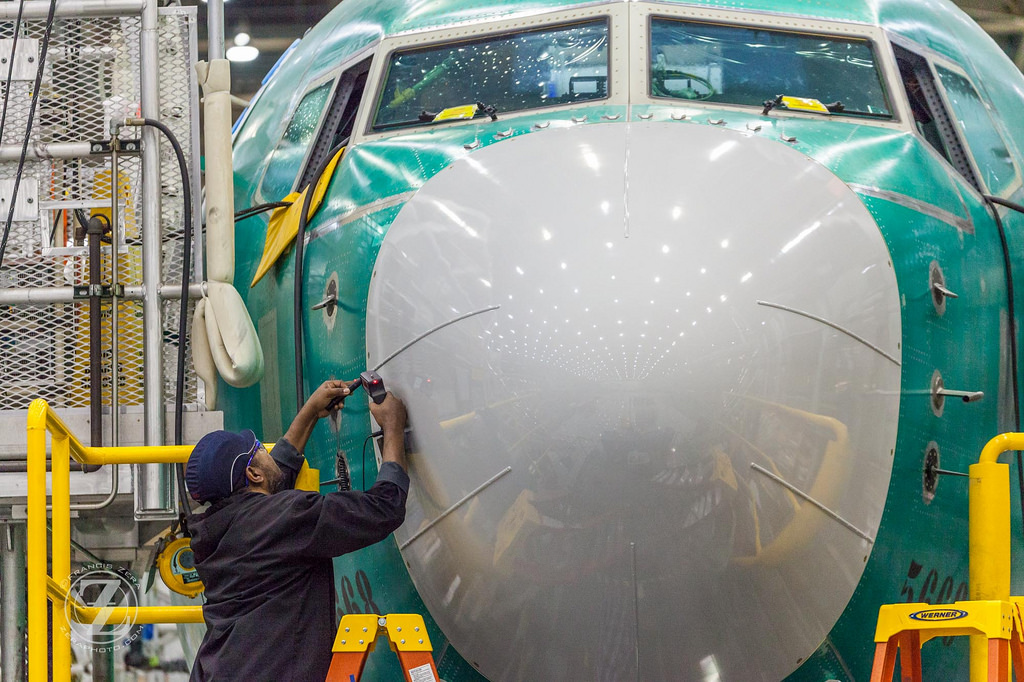
El Comité de Comercio del Senado ha elaborado un informe de 97 páginas que incluye las preocupaciones planteadas a raíz de dos accidentes fatales de Boeing 737 MAX en un período de cinco meses que provocaron la puesta a tierra de veinte meses del avión y el Congreso a aprobar reformas radicales en diciembre de 2020 sobre cómo la FAA certifica los nuevos aviones. «La supervisión de la FAA del proceso de certificación se ha erosionado, con el tiempo, delegó cada vez más su autoridad a Boeing y otros. La FAA debería tomar medidas inmediatas para abordar la presión indebida en la oficina de supervisión de seguridad de Boeing, crónicamente insuficiente en el personal. El proceso de certificación de la FAA sufre de una presión indebida sobre los ingenieros de línea y el personal de producción», dijo el informe.
En Noviembre 2021, tres Demócratas de la Cámara de Representantes de Estados Unidos le pidieron a Steve Dickson que proporcionara más detalles sobre la supervisión de la agencia del Boeing 737 MAX y cuestionaron si el fabricante había sido considerado plenamente responsable. El informe del Senado dijo que los accidentes del 737 MAX y la puesta a tierra de Estados Unidos levantada a fines de 2020 «le costaron a Boeing más de US$ 20 mil millones e infligieron un daño significativo a la reputación del sistema de supervisión de seguridad de la aviación de los Estados Unidos».
La oficina de supervisión de Boeing de la FAA carece de suficientes ingenieros de seguridad, y debe mejorar su cultura de seguridad. La Presidenta del Comité, Maria Cantwell, escribió al administrador de la FAA, Steve Dickson, pidiéndole que revise las «preocupaciones planteadas por estos denunciantes e implemente los cambios necesarios para mejorar la seguridad en la industria de la aviación».
La FAA dijo el Lunes 13/12 que «toma en serio todas las acusaciones de los denunciantes y no tolera represalias contra aquellos que plantean preocupaciones de seguridad». Steve Dickson dijo en Noviembre 2021 que «Boeing no es lo mismo que hace dos años, pero tienen más que trabajar». Dijo que la FAA estaba delegando menos responsabilidades a Boeing para la certificación de aeronaves y estaba exigiendo más transparencia de los fabricantes. La FAA está examinando actualmente una serie de problemas relacionados con los aviones Boeing 787.
US Senate condemns FAA
Senate blames FAA oversight of Boeing
A United States Senate report released Monday 12/13 says the Federal Aviation Administration (FAA) must do a better job overseeing The Boeing Company and the certification of new aircraft, as well as reviewing complaints raised by seven industry whistleblowers.
The Senate Commerce Committee has produced a 97-page report that includes concerns raised in the wake of two fatal Boeing 737 MAX crashes over a five-month period that resulted in the plane’s twenty-month grounding and Congress to pass Radical reforms in December 2020 on how the FAA certifies new aircraft. «The FAA’s oversight of the certification process has eroded, over time, increasingly delegating its authority to Boeing and others. The FAA should take immediate action to address undue pressure on Boeing’s safety oversight office, chronically understaffed. The FAA certification process is under undue pressure on line engineers and production personnel», the report said.
In November 2021, three US House Democrats asked Steve Dickson to provide more details on the agency’s oversight of the Boeing 737 MAX and questioned whether the manufacturer had been held fully responsible. The Senate report said the 737 MAX crashes and the US ground lifted in late 2020 «cost Boeing more than US$ 20 billion and inflicted significant damage on the reputation of the safety oversight system. of aviation of the United States».
The FAA’s Boeing oversight office lacks sufficient safety engineers, and must improve its safety culture. Committee Chair Maria Cantwell wrote to FAA Administrator Steve Dickson asking him to review the «concerns raised by these whistleblowers and implement the changes necessary to improve safety in the aviation industry».
The FAA said Monday 12/13 that it «takes all allegations by whistleblowers seriously and does not tolerate retaliation against those who raise safety concerns». Steve Dickson said in November 2021 that «Boeing is not the same as it was two years ago, but they have more to work with». He said the FAA was delegating fewer responsibilities to Boeing for aircraft certification and was demanding more transparency from manufacturers. The FAA is currently examining a number of issues related to Boeing 787 aircraft.
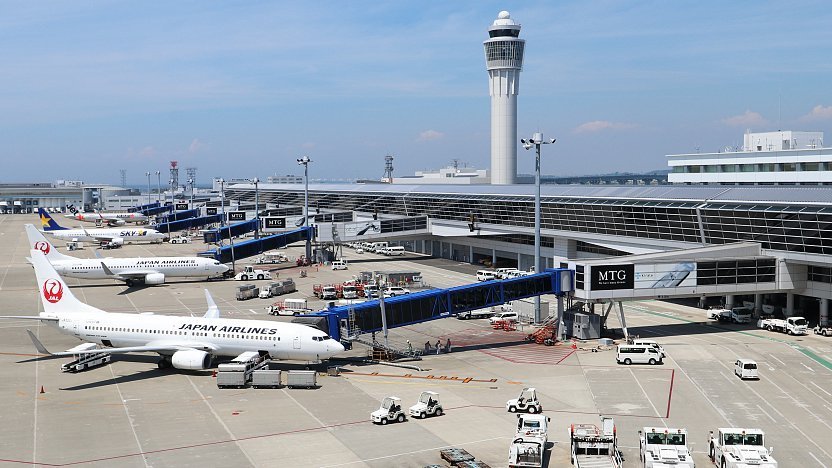
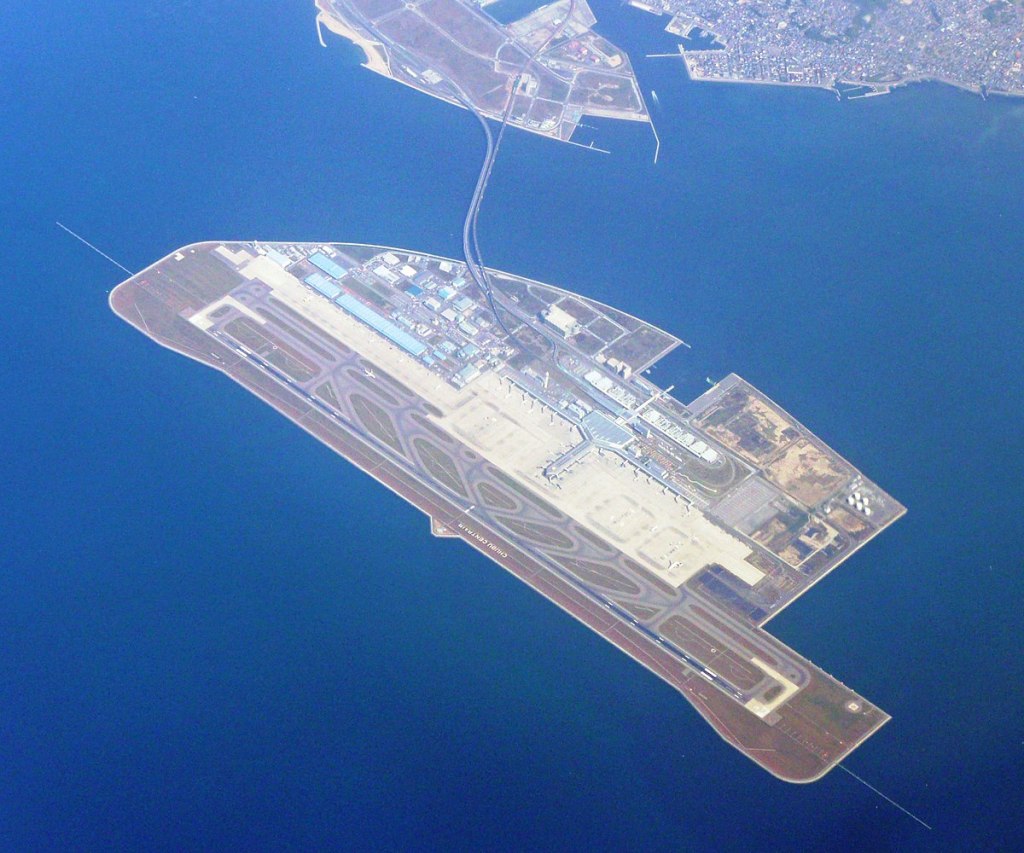
El Aeropuerto Internacional Chubu/NGO construirá una segunda pista para ampliar las operaciones aéreas de Japón. El aeropuerto japonés se encuentra localizado en la Ciudad de Tokoname en la Prefectura de Aichi, Japón, está planeando la construcción de una segunda pista y la revisión de la pista existente.
El Gobernador de la Prefectura de Aichi, Hideaki Omura, dijo que la nueva pista de 3.290 metros se construirá dentro de un período de cinco años mediante la mejora de una calle de rodaje existente, que se encuentra a 210 metros al este de la pista actual. Se estima que esta nueva pista requerirá una inversión de casi US$ 123.3 millones de Dólares/¥14 mil millones Yenes y se dedicará a las salidas de vuelos.
Las instalaciones remotas de torres digitales en todo el mundo ya han demostrado la disminución de los costos y el aumento de los beneficios de seguridad en comparación con las torres de ladrillos y mortero. La digitalización y virtualización de los sistemas de control del tráfico aéreo (ATC) permite a los controladores de tránsito aéreo (ATCO) trabajar desde cualquier ubicación, pero también servir a cualquier espacio aéreo, incluso más allá de las fronteras nacionales o regionales. En regiones donde los aeródromos más pequeños y de bajo volumen de tráfico corren el riesgo de cierre, el concepto de torre remota permite que las operaciones de ATC se ubico en un sitio de fácil acceso, lo que reduce los problemas de personal. Además de eso, la idea de que varios aeropuertos de bajo tráfico puedan ser atendidos y consolidados en un centro de torre remoto ofrece beneficios de costos adicionales. Esta solución ofrece un enorme potencial en términos de optimización de procesos, utilización de recursos y sinergias funcionales en múltiples ubicaciones aeroportuarias.
Multiplicar las eficiencias
El concepto de un controlador de tránsito aéreo que gestiona más de un aeropuerto se ha probado tanto en simulación como en situaciones de la vida real como parte del programa de investigación SESAR 2020, desde 2017. Hay muchos lugares en todo el mundo con aeropuertos pequeños y remotos que requieren vigilancia, pero tienen un número muy pequeño de movimientos de aeronaves. El desafío es a menudo doble; la torre podría estar en un lugar remoto, lejos de la civilización, lo que dificulta el reclutamiento; la segunda es que el controlador pasa una gran parte de su día sin nada que hacer. Esto no solo es contraproducente, sino que tampoco es la mejor situación para un trabajo que requiere un enfoque y una preparación extremos.
La pista existente construida en 2005, que abarca 3.500 m, se utilizará para las llegadas una vez que se complete la nueva pista. La capacidad de llegada y salida del aeropuerto crecerá en un 20% después de que las dos pistas entren en funcionamiento. El proyecto será respaldado financieramente por los gobiernos central y prefectural indirectamente. Inicialmente, la segunda pista se planeó en un terreno recuperado cerca del aeropuerto, pero el plan se cambió ya que se descubrió que el trabajo de recuperación requería casi quince años de tiempo. El plan del aeropuerto de construir una tercera pista, para reemplazar el carril existente de 3.500 m, después de la finalización del proyecto del vertedero.
Mientras tanto, en otro desarrollo en el sector de la aviación de Japón en Octubre 2021, Kansai Airports se asoció con la firma de seguridad Secom para desplegar un robot de vigilancia. A principios de este año, el Aeropuerto Internacional de Narita (NRT) comenzó a probar el equipo de detección de zapatos, que puede detectar artículos prohibidos automáticamente sin requerir que los viajeros se despejen los zapatos.
New runway Chubu Airport
Japanese Chubu airport to build new runway
Chubu International Airport/NGO will build a second runway to expand Japan’s air operations. The Japanese airport is located in Tokoname City in Aichi Prefecture, Japan, it is planning the construction of a second runway and the overhaul of the existing runway.
Aichi Prefectural Governor Hideaki Omura said the new 3,290-meter runway will be built within five years by upgrading an existing taxiway, which is 210 meters east of the current runway. . It is estimated that this new runway will require an investment of almost US$ 123.3 million/¥ 14 billion yen and will be dedicated to flight departures.
Remote digital tower installations around the world have already demonstrated decreased costs and increased security benefits compared to brick and mortar towers. The digitization and virtualization of air traffic control (ATC) systems allows air traffic controllers (ATCO) to work from any location, but also to serve any airspace, even beyond national or regional borders. In regions where smaller and low-volume airfields are at risk of closure, the remote tower concept allows ATC operations to be located in an easily accessible site, reducing personnel problems. On top of that, the idea that multiple low-traffic airports can be serviced and consolidated into a remote tower hub offers additional cost benefits. This solution offers enormous potential in terms of process optimization, resource utilization, and functional synergies across multiple airport locations.
Multiply efficiencies
The concept of an air traffic controller managing more than one airport has been tested in both simulation and real life situations as part of the SESAR 2020 research program, since 2017. There are many places around the world with small airports and remotes that require surveillance, but have a very small number of aircraft movements. The challenge is often twofold; the tower could be in a remote location, far from civilization, making recruitment difficult; the second is that the controller spends a large part of his day with nothing to do. Not only is this counterproductive, it is also not the best situation for a job that requires extreme focus and preparation.
The existing runway built in 2005, covering 3,500m, will be used for arrivals once the new runway is completed. The airport’s arrival and departure capacity will grow by 20% after the two runways become operational. The project will be financially supported by the central and prefectural governments indirectly. Initially, the second runway was planned on reclaimed land near the airport, but the plan was changed as the reclamation work was found to require nearly fifteen years of time. The airport’s plan to build a third runway, to replace the existing 3,500 m lane, after the completion of the landfill project.
Meanwhile, in another development in Japan’s aviation sector in October, Kansai Airports partnered with security firm Secom to deploy a surveillance robot. Earlier this year, Narita International Airport (NRT) began testing shoe detection equipment, which can automatically detect prohibited items without requiring travelers to remove their shoes.
Aerolínea regional brasileña incorporará dos ATR 72
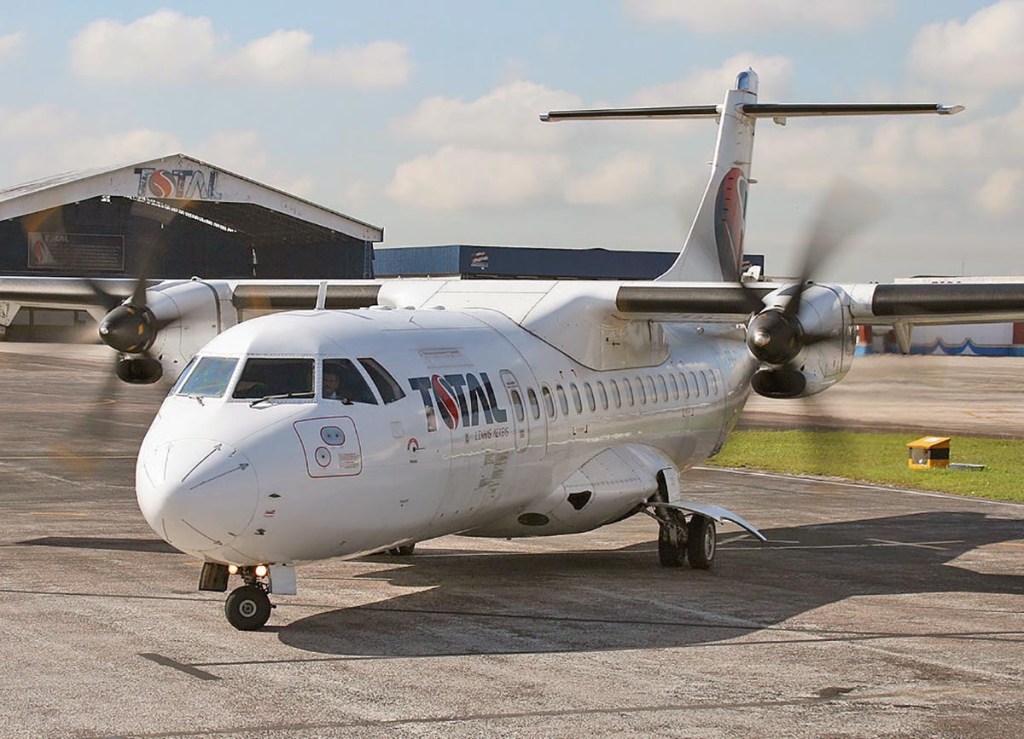
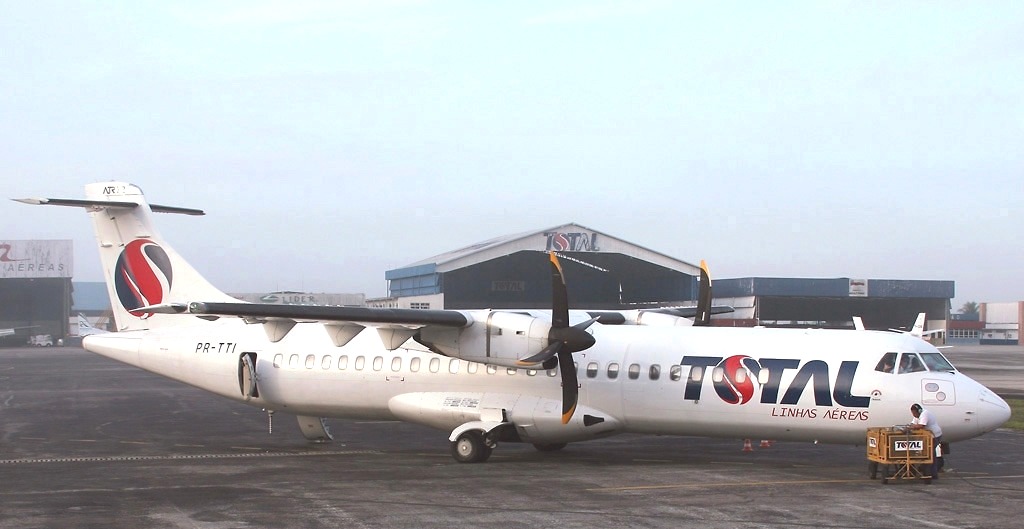
La compañía Total Linhas Aéreas ha anunciado la incorporación de dos (2) ATR 72-212A a su flota de aeronaves turboprop. La compañía aérea con sede en Curitiba (PR) sumará dos aeronaves pertenecientes anteriormente a la aerolínea Azul Linhas Aéreas.
Las aeronaves incorporadas a su flota corresponden a los registros MSN 996, matrícula brasileña PS-TLD (OY-YCO), propiedad de Nordic Aviation Capital (NAC), una empresa de arrendamiento especializada en aviones regionales, la aeronave voló anteriormente en Azul Linhas Aéreas como PR-ATJ entre Marzo de 2012 y Agosto de 2017. El MSN1020 con matrícula PS-TLB (OY-YCP) bajo propiedad de NAC, estuvo en la flota de Azul Linhas Aéreas entre Mayo de 2012 y Julio de 2017, bajo registro anterior como PR-ATK.
La fecha de arribo a Brasil de ambas aeronaves turbohélice todavía no está definida, mientras que las rutas ha incorporar de la compañía por medio de un plan de expansión aún no han sido revelados. Recientemente, Total Linhas Aéreas permisos se frecuencias (slots) en el Aeropuerto Sao Paulo/Congonhas/CGH, que aún no han sido explotados.
Total Airlines orders ATR 72
Brazilian regional airline to incorporate two ATR 72s
The company Total Linhas Aéreas has announced the incorporation of two (2) ATR 72-212A to its fleet of turboprop aircraft. The airline company based in Curitiba (PR) will add two aircraft previously belonging to the Azul Linhas Aereas airline.
The aircraft incorporated into your fleet correspond to the records MSN 996, Brazilian registration PS-TLD (OY-YCO), owned by Nordic Aviation Capital (NAC), a leasing company specialized in regional aircraft, the aircraft previously flew on Azul Linhas Aéreas as PR-ATJ between March 2012 and August The MSN1020 with registration PS-TLB (OY-YCP) under the ownership of NAC, was in the Azul Linhas Aéreas fleet between May 2012 and July 2017, under previous registration as PR-ATK.
The date of arrival in Brazil for both turboprop aircraft has not yet been defined, while the routes to be incorporated by the company through an expansion plan have not yet been revealed. Recently, Total Linhas Aéreas permits the frequencies (slots) at the São Paulo/Congonhas/CGH Airport, which have not yet been operated.
Total incorporará ATR 72
Companhia aérea regional brasileira incorporará dois ATR 72s
A empresa Total Linhas Aéreas anunciou a incorporação de 2 (dois) ATR 72-212A à sua frota de aeronaves turboélice. A companhia aérea sediada em Curitiba (PR) vai agregar duas aeronaves que antes eram da Azul Linhas Aéreas.
As aeronaves incorporadas à sua frota correspondem aos registros MSN 996, registro brasileiro PS-TLD (OY-YCO), de propriedade da Nordic Aviation Capital (NAC), empresa de leasing especializada em aeronaves regionais, a aeronave voou anteriormente na Azul Linhas Aéreas como PR-ATJ entre março de 2012 e agosto. O MSN1020 com registo PS-TLB (OY-YCP) de propriedade da NAC, esteve na frota da Azul Linhas Aéreas entre maio de 2012 e julho de 2017, sob registo prévio como PR-ATK.
A data de chegada ao Brasil das duas aeronaves turboélice ainda não foi definida, enquanto as rotas a serem incorporadas pela empresa por meio de um plano de expansão ainda não foram reveladas. Recentemente, a Total Linhas Aéreas autorizou as frequências (slots) do Aeroporto de São Paulo/Congonhas/CGH, que ainda não foram exploradas.
Bruselas observa pesimismo alianza Iberia-Air Europa
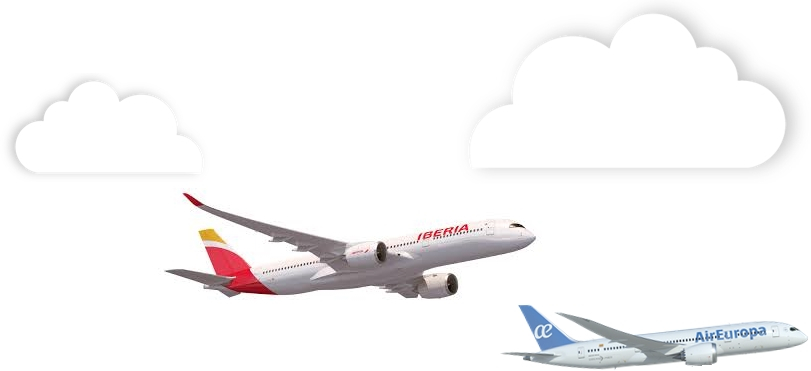
La Comunidad Europea (CE) ha anunciado que la operación de compra por parte de Iberia Líneas Aéreas de Air Europa podría fracasar. Iberia insiste en su pesimismo sobre la compra y en los próximos días anunciará si sigue adelante o da marcha atrás a la adquisición accionaria. Las razones del fracaso es el informe de la Comisión Europea apunta a que no autorizará la compra de la compañía de la familia Hidalgo.
La operación de compra de Air Europa confirma que la Comisión Europea (CE) no tiene intención de permitir la compra al infringir las normas de competencia. Durante las últimas horas Iberia ha repetido su mensaje pesimista sobre la operación, como ha expresado el Presidente de la aerolínea, Javier Sánchez Prieto, en el foro de Preferente celebrado en Octubre 2021 en Madrid. Iberia ha comunicado que decidirá si compra o no Air Europa en los próximos días pero insiste en las negociaciones con Globalia, la compañía matriz de Air Europa, Bruselas y con el Gobierno español. Paralelamente, Iberia insiste en que no está dispuesta a pagar € 500 millones de Euros ante la situación actual de Air Europa, que arrastra una deuda de € 800 millones donde se incluye el rescate de € 475 millones.
Mientras tanto, la Comisión Europea (CE) está ultimando su informe sobre la operación de compra de Air Europa, que si bien el plazo acaba el 4 de Enero de 2022 se prevé adelantarlo antes de fin de 2021. En este punto también existe un total pesimismo y todo apunta a que el dictamen de Bruselas será negativo y no autorizará la operación.
EU approaches Iberia-Air Europa failure
Brussels observes pessimism Iberia-Air Europa alliance
The European Community (EC) has announced that the purchase operation by Iberia Líneas Aéreas of Air Europa could fail. Iberia insists on its pessimism about the purchase and will announce in the next few days whether it will go ahead or reverse the share acquisition. The reasons for the failure is the report of the European Commission indicates that it will not authorize the purchase of the company from the Hidalgo family.
Air Europa’s purchase transaction confirms that the European Commission (EC) has no intention of allowing the purchase by infringing competition rules. During the last hours Iberia has repeated its pessimistic message about the operation, as expressed by the President of the airline, Javier Sánchez Prieto, at the Preferente forum held in October 2021 in Madrid. Iberia has announced that it will decide whether or not to buy Air Europa in the coming days but insists on negotiations with Globalia, the parent company of Air Europa, Brussels and with the Spanish Government. At the same time, Iberia insists that it is not willing to pay € 500 million euros in view of the current situation of Air Europa, which carries a debt of € 800 million which includes the rescue of € 475 million.
Meanwhile, the European Commission (EC) is finalizing its report on the Air Europa purchase operation, which although the deadline ends on January 4, 2022, it is expected to advance it before the end of 2021. At this point there is also a total pessimism and everything indicates that the opinion of Brussels will be negative and will not authorize the operation.
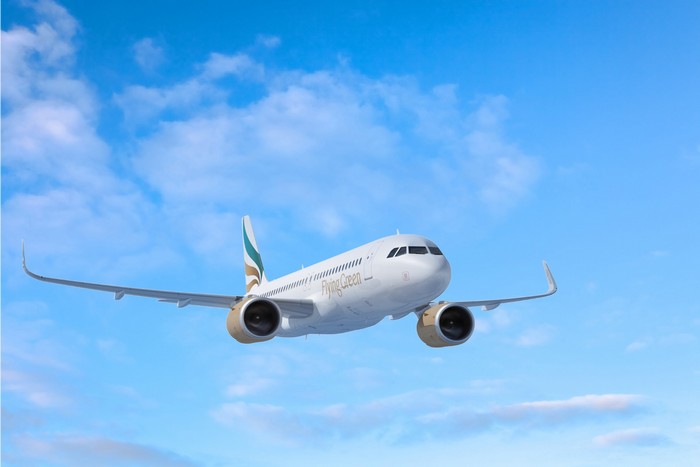
Una nueva compañía aérea en Francia denominada Flying Green iniciará opeeraciones aerocomerciales. Su marca corporativa determinará ser una compañía aérea verde. Su proyección de apertura de lanzamiento está establecida para el 2023, iniciando con base en el Aeropuerto de París/Orly.
La nueva compañía que pretende ser sostenible buscando como objetivos el rendimiento económico, y la menor huella ambiental. Flying Green dice en su sitio web que será la única compañía que tendrá una flota de última generación Airbus A320NEO, por lo que sus aviones consumen un 20 por ciento menos fuel que los demás. «Flying Green se compromete a implementar todas las tecnologías existentes que sean más eficientes para el medio ambiente, desde el inicio. Quiere ser la compañía aérea más cercana a las emisiones de cero CO2, mediante la adopción de nuevas tecnologías certificadas para mantener un nivel de seguridad elevado. Un pasajero que vuele con Flying Green reduce sus emisiones un 16 por ciento como media”, expresa la futura compañía aérea.
French startup Flying Green
New green airline to start operations
A new airline in France called Flying Green will start commercial air operations. Your corporate brand will determine whether you are a green airline. Its launch opening projection is set for 2023, starting from the Paris/Orly Airport.
The new company that aims to be sustainable, seeking economic performance and the smallest environmental footprint as objectives. Flying Green says on its website that it will be the only company that will have a state-of-the-art fleet Airbus A320NEO, so its planes consume 20 percent less fuel than others. «Flying Green is committed to implementing all existing technologies that are more efficient for the environment, from the beginning. It wants to be the closest airline to zero CO2 emissions, by adopting new certified technologies to maintain a level of high security. A passenger flying with Flying Green reduces their emissions by 16 percent on average», says the future airline.
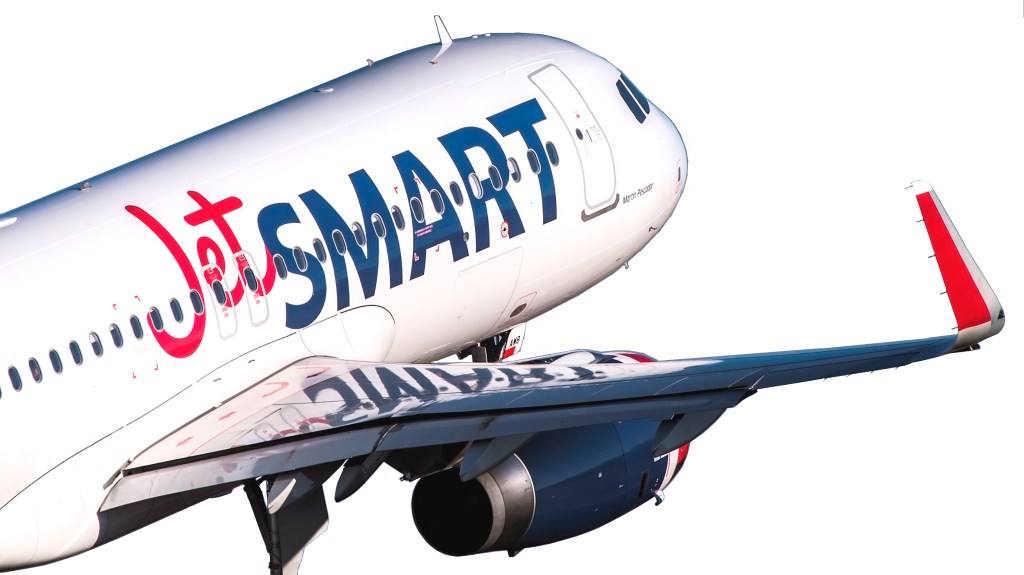
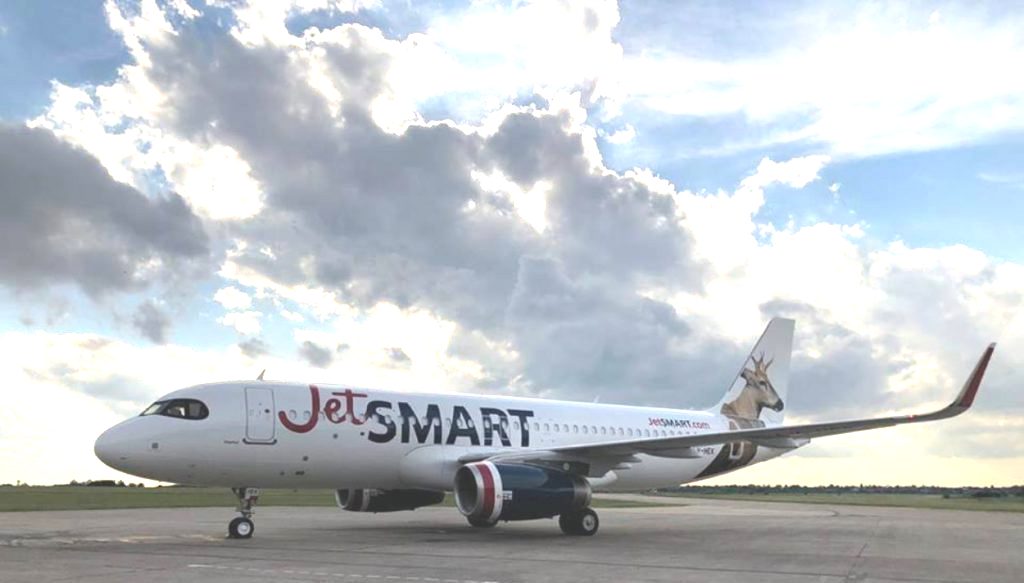
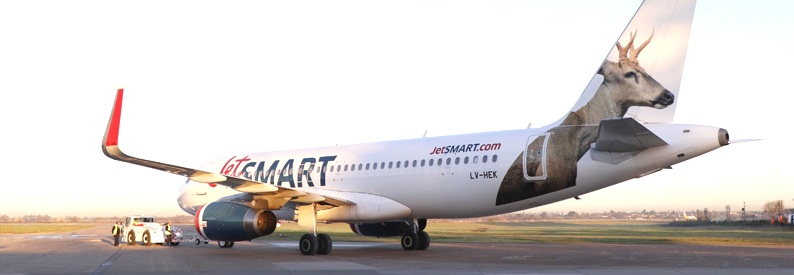
JetSmart Airlines Chile retomará el próximo Jueves 16/12 su ruta entre Santiago de Chile—Foz de Iguazú, actualmente la única compañía que conecta Chile con Brasil en este tramo. Inicialmente, el tramo se operará con dos vuelos semanales (2Frq/S) los Jueves y Domingos, utilizando aviones Airbus A320. Dentro del escenario de reactivación del sector aéreo, el CEO de la compañía, Estuardo Ortíz, clasifica la ruta como extremadamente importante para la compañía, permitiendo la conectividad entre Brasil y Chile a precios bajos. «En JetSmart, hemos duplicado nuestros esfuerzos para continuar en el camino de reactivación de la industria y este es precisamente un hito que lo sustenta», dijo Estuardo Ortíz.
Actualmente, la capital chilena se encuentra entre los destinos preferidos para viajes en grupo desde Brasil, según la aerolínea. Con la reactivación de la frecuencia, se espera que grupos de turistas brasileños regresen a Chile en vuelos directos. Para celebrar la reanudación de su operación en el país, la compañía está lanzando una promoción con descuentos de hasta el 30% en el precio de los boletos para quienes utilicen el código «REGRESAMOS», la cual estará vigente a partir del 14 de Diciembre de 2021 para todos los clientes de JetSmart Airlines.
JetSmart relaunches Foz Iguaçu
JetSmart Chile resumes Santiago — Foz do Iguaçu
JetSmart Airlines Chile will resume next Thursday 12/16 its route between Santiago de Chile-Foz de Iguazú, currently the only company that connects Chile with Brazil in this section. Initially, the section will be operated with two weekly flights (2Frq/S) on Thursdays and Sundays, using Airbus A320 aircraft. Within the scenario of reactivation of the air sector, the CEO of the company, Estuardo Ortíz, classifies the route as extremely important for the company, allowing connectivity between Brazil and Chile at low prices. «At JetSmart, we have doubled our efforts to continue on the path of reactivating the industry and this is precisely a milestone that sustains it», said Estuardo Ortíz.
Currently, the Chilean capital is among the preferred destinations for group travel from Brazil, according to the airline. With the reactivation of the frequency, groups of Brazilian tourists are expected to return to Chile on direct flights. To celebrate the resumption of its operation in the country, the company is launching a promotion with discounts of up to 30% in the price of tickets for those who use the code «RETURN», which will be in force as of December 14, 2021 for all JetSmart Airlines customers.
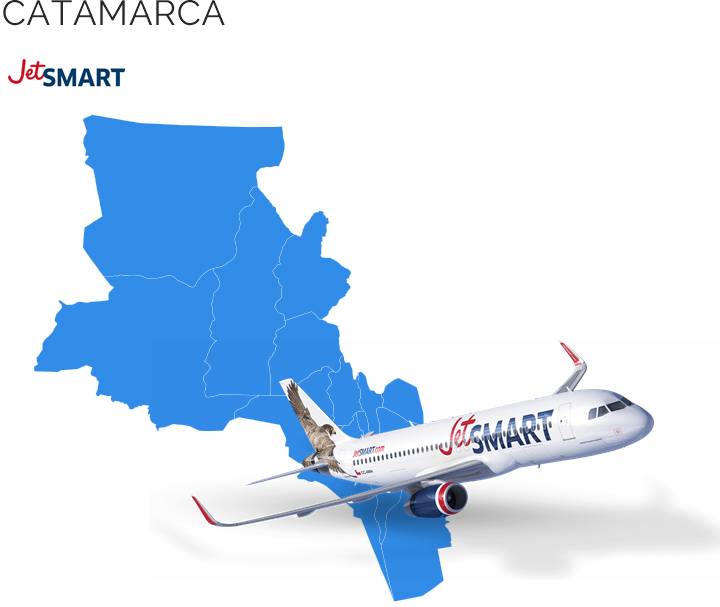
Durante la Feria Internacional de Turismo (FIT), el Gobernador de la Provincia de Catamarca, Raúl Jalil, ha establecido negociaciones con JetSmart Airlines Argentina. El objetivo del gobierno es poder incrementar los vuelos que actualmente tiene la provincia.
En este contexto, el Ministro de Cultura y Turismo Roberto Brunello, reveló que el nuevo servicio contará con dos frecuencias semanales en un corto plazo. Con la incorporación de estos dos vuelos semanales, Catamarca generaría un mecanismo de competitividad con la línea de bandera, “el objetivo es lograr una competencia tranquila con la línea de bandera, esto implica mejorar el servicio siempre en beneficio de los usuarios”, explicó Roberto Brunello.
Las gestiones para que el transporte aéreo mejore las condiciones de conectividad se vienen realizando por diferentes vías, desde el mismo ejecutivo a través del ministerio de Infraestructura y Obras Civiles, las legisladoras Nacionales Lucía Corpacci y Silvana Ginocchio hicieron lo propio en el transcurso del año. En este sentido, Roberto Brunello dijo que “analizado desde el punto de vista de conectividad, el transporte aéreo en la provincia y la posibilidad de que arribe otra empresa al mercado, no solo tiene que ver con un tema de frecuencias, sino el gran costo que tiene los pasajes Catamarca Buenos Aires y con la implementación de la línea a bajo costo eso se acomodaría”.
Actualmente, Aerolíneas Argentinas cuenta con seis frecuencias semanales (6Frq/S) compartidos con la Provincia de La Rioja, Catamarca dejaría de compartir con la vecina provincia uno de los vuelos. Roberto Brunello explicó que “en estos días Aerolíneas va habilitar un vuelo directo Catamarca—Buenos Aires, dejando de lado Catamarca—La Rioja, que estábamos compartiendo casi un cincuenta por ciento de los vuelos. Si bien la solución no es solo un tema de frecuencia, también es el gran costo que tenemos en relación con destinos similares del Noroeste”.
JetSmart incorporates 2Frq Catamarca
Catamarca will add two weekly flights to Catamarca
During the International Tourism Fair (FIT), the Governor of the Province of Catamarca, Raúl Jalil, has established negotiations with JetSmart Airlines Argentina. The government’s objective is to be able to increase the flights that the province currently has.
In this context, the Minister of Culture and Tourism Roberto Brunello, revealed that the new service will have two weekly frequencies in the short term. With the incorporation of these two weekly flights, Catamarca would generate a mechanism of competitiveness with the flag line, «the objective is to achieve a calm competition with the flag line, this implies improving the service always for the benefit of the users», explained Roberto Brunello.
The steps for air transport to improve connectivity conditions have been carried out in different ways, from the same executive through the Ministry of Infrastructure and Civil Works, the National legislators Lucía Corpacci and Silvana Ginocchio did the same during the year. In this sense, Roberto Brunello said that «analyzed from the point of view of connectivity, air transport in the province and the possibility of another company arriving on the market, not only has to do with a frequency issue, but also the great cost that has the Catamarca Buenos Aires tickets and with the implementation of the line at low cost that would be accommodated”.
Currently, Aerolíneas Argentinas has six weekly frequencies (6Frq/S) shared with the Province of La Rioja, Catamarca would stop sharing one of the flights with the neighboring province. Roberto Brunello explained that “these days Aerolíneas will enable a direct flight from Catamarca—Buenos Aires, leaving aside Catamarca-La Rioja, which we were sharing almost fifty percent of the flights. Although the solution is not only a matter of frequency, it is also the great cost that we have in relation to similar destinations in the Northwest”.