La aerolínea Flybondi Líneas Aéreas ha anunciado la programación de algunos vuelos internacionales como parte de las estimaciones de restablecimiento de las operaciones regionales en Sudamérica. Tras el advenimiento de la pandemia en Marzo 2020, la compañía de presupuesto argentina realizaba sus últimos vuelos internacionales desde el Aeropuerto Internacional El Palomar/Buenos Aires con vuelos regulares a Asunción, Porto Alegre, Río de Janeiro y San Paulo, mientras que hacia Florianópolis y Punta del Este comprendía vuelos estacionales. Las restricciones impuestas por el país obligaron a las aerolíneas a cancelar masivamente los vuelos al exterior, mientras que los vuelos domésticos se reducían a una mínima expresión.
Flybondi ha estado planificando restablecer las operaciones regionales a Asunción, Río de Janeiro y Sao Paulo, como parte del reinicio de las rutas post-pandemia hacia Septiembre 2021. Las rutas internacionales se establecerán desde el Aeropuerto Internacional Buenos Aires/Ezeiza desde que la aerolínea ha basado sus operaciones de cabotaje desde el Aeropuerto Jorge Newbery y los vuelos al exterior desde Ezeiza. Mientras tanto, la línea aérea espera realizar operaciones regionales desde Aeroparque, mientras que el cambio es temporal por cuestiones de la crisis sanitaria vigente.
La ultra low cost argentina planea retomar las operaciones internacionales a partir del 1 de Septiembre, con el inicio de los vuelos hacia Asunción, Río de Janeiro y Sao Paulo con aeronaves Boeing 737-800, con capacidad para 189 pasajeros. El destino Porto Alegre no se han definido todavía restablecerlos y las rutas hacia Florianópolis y Punta del Este todavía no fueron confirmadas por la aerolínea para la temporada de verano septentrional 2021-2022.
Flybondi programming Ezeiza
Low cost launches international flight schedule
The airline Flybondi Líneas Aéreas has announced the scheduling of some international flights as part of the estimates for the reestablishment of regional operations in South America. After the advent of the pandemic in March 2020, the Argentine budget company made its last international flights from the El Palomar/Buenos Aires International Airport with regular flights to Asunción, Porto Alegre, Rio de Janeiro and São Paulo, while to Florianópolis and Punta del Este comprised seasonal flights. The restrictions imposed by the country forced airlines to massively cancel flights abroad, while domestic flights were reduced to a minimum.
Flybondi has been planning to reestablish regional operations to Asunción, Rio de Janeiro and Sao Paulo, as part of the restart of the post-pandemic routes by September 2021. International routes will be established from the Buenos Aires/Ezeiza International Airport since the airline has based its domestic operations from Jorge Newbery Airport and flights abroad from Ezeiza. Meanwhile, the airline hopes to carry out regional operations from Aeroparque, while the change is temporary due to the current health crisis.
The ultra low cost Argentina plans to resume international operations as of September 1, with the start of flights to Asunción, Rio de Janeiro and Sao Paulo with Boeing 737-800 aircraft, with capacity for 189 passengers. The Porto Alegre destination has not yet been defined, reestablish them and the routes to Florianópolis and Punta del Este have not yet been confirmed by the airline for the northern summer season 2021-2022.
Nuevo vuelo a Rusia en busca de Sputnik V este 02/06
Un nuevo vuelo AR1060 de Aerolíneas Argentinas despegará desde Argentina este Miércoles 02/06 a la madrugada con el propósito de traer más dosis de vacunas Sputnik V. El gobierno extendió el contrato con el Instituto Gamaleya y el Fondo Ruso de Inversión Directa por otras 10 millones de dosis.
El avión Airbus A330-200 de Aerolíneas Argentinas volará hacia la Federación Rusia en las próximas horas para traer nuevos lotes de la vacuna rusa, convertida hoy en estandarte del plan de vacunación. La cantidad de dosis no está confirmada, pero oscilaría entre las 500.000 y las 800.000. Por una cuestión de logística y características, la Sputnik V se debe almacenarse con temperaturas cercanas a los 20 grados bajo cero no pueden acumularse más que ese máximo por avión, a diferencia de la AstraZeneca de la cual llegaron 2,1 millones en un solo vuelo. Es probable que en este caso arriben más primeras dosis, en sintonía con la idea del Gobierno de inmunizar a la mayor cantidad de población posible con la primera, teniendo en cuenta que sólo la primera dosis posee una eficacia superior a otras vacunas como la Johnson & Johnson, que es monodosis. Esta misma semana saldría otro avión que traería más cantidad de la segunda dosis.
Un análisis sobre la respuesta inmune inducida por la vacuna Sputnik V, apoyado por el Ministerio de Ciencia, indica que el 94% de las 300 personas estudiadas mostró presencia de anticuerpos específicos tras recibir una sola dosis. El estudio reveló que el 96% de las personas menores de 60 años tienen anticuerpos a los 21 días de la primera aplicación. En los mayores, esa tasa es del 89%. «Hay que aclararle a la población que la dosis 1 no se vence. Que el plazo de 90 días es un intervalo orientador, arbitrario, para dar una idea de cuándo se aplica la dosis 2. Pero no hay problemas en que cambien por unas semanas. La eficiencia de la primera dosis de Sputnik V es mayor a la de Johnson que es de una sola dosis”, aseguró la ministra Carla Vizzotti en una entrevista con Joaquín Morales Solá.
Mientras tanto, el gobierno acordó con Rusia una extensión por 10 millones más de dosis. En total, serán 40 millones, de las cuales llegaron unas 8,1 millones. Y se aguarda el envío de la sustancia activa para que el laboratorio Richmond comience la producción a gran escala. Este mes se esperan alrededor de 3,5 millones de AstraZeneca y 2 millones de Sinopharm, de un contrato de 6 millones que el país acordará con China. Ambas, a diferencia de la Sputnik V, tienen el mismo compuesto en la dosis 1 y la dosis 2, por lo que da lo mismo para qué se utiliza cada vacuna que llegue de ellas.
Aerolíneas new flight to Russia
New flight to Russia in search of Sputnik V this 02/06
A new AR1060 flight of Aerolíneas Argentinas will take off from Argentina this Wednesday 02/06 at dawn with the purpose of bringing more doses of Sputnik V vaccines. The government extended the contract with the Gamaleya Institute and the Russian Direct Investment Fund for another 10 million dose.
The Aerolíneas Argentinas Airbus A330-200 aircraft will fly to the Russian Federation in the next few hours to bring in new batches of the Russian vaccine, which today has become the banner of the vaccination plan. The number of doses is not confirmed, but it would range between 500,000 and 800,000. For a matter of logistics and characteristics, the Sputnik V must be stored with temperatures close to 20 degrees below zero, they cannot accumulate more than that maximum per plane, unlike the AstraZeneca, from which 2.1 million arrived in a single flight. It is likely that in this case more first doses will arrive, in tune with the Government’s idea of immunizing as many of the population as possible with the first, taking into account that only the first dose has superior efficacy to other vaccines such as Johnson & Johnson, which is single-dose. This same week another plane would leave that would bring more of the second dose.
An analysis of the immune response induced by the Sputnik V vaccine, supported by the Ministry of Science, indicates that 94% of the 300 people studied showed the presence of specific antibodies after receiving a single dose. The study revealed that 96% of people under the age of 60 have antibodies within 21 days of the first application. In the elderly, that rate is 89%. «We must make it clear to the population that dose 1 does not expire. That the 90-day period is a guiding, arbitrary interval, to give an idea of when dose 2 is applied. But there are no problems in that they change for a few weeks The efficiency of the first dose of Sputnik V is greater than that of Johnson, which is a single dose», said Minister Carla Vizzotti in an interview with Joaquín Morales Solá.
Meanwhile, the government agreed with Russia an extension for 10 million more doses. In total, there will be 40 million, of which about 8.1 million arrived. And the shipment of the active substance is awaited for the Richmond laboratory to begin large-scale production. This month, around 3.5 million from AstraZeneca and 2 million from Sinopharm are expected, out of a contract of 6 million that the country will agree with China. Both, unlike Sputnik V, have the same compound in dose 1 and dose 2, so it does not matter what each vaccine that comes from them is used for.
Empleados de Mexicana demandarán a aerolíneas EEUU
Empleados de la compañía aérea Mexicana de Aviación buscan demandar en contra de aerolíneas estadounidenses que han utilizado las rutas y slots de la anterior aerolínea Mexicana desde que cesó operaciones. La Asociación de Jubilados, Trabajadores y Extrabajadores de la Aviación Mexicana (AJTEAM) busca promover una demanda de indemnización en contra de aerolíneas estadounidenses que han utilizado las rutas y slots de Mexicana de Aviación desde que cesó sus operaciones. De acuerdo con Fausto Guerrero, representante del AJTEAM, la Asociación presentó el plan al Presidente de México, Andrés Manuel López Obrador, con el cual buscan resolver los adeudos laborales de Mexicana de Aviación y sanear a la empresa para atraer inversionistas y reactivar la desaparecida aerolínea. Para llevar a cabo la demanda que se requiere apoyo gubernamental para cumplir con los trámites necesarios para iniciar el proceso en los Tribunales estadounidenses, en el particular, solicitan información relacionada con las rutas que fueron entregadas por el gobierno, de manera gratuita y temporal, a las empresas norteamericanas Delta Air Lines y American Airlines, entre otras.
En caso de ganar el litigio, el dinero que se obtenga será utilizado para cubrir el pago de los laudos a favor de trabajadores, extrabajadores y jubilados de Mexicana, entre otros, dijo Fausto Guerrero. “Lo que requiere cualquier inversionista para participar en el tema de Mexicana de Aviación es que se resuelva el tema del pasivo laboral, eso es lo que estamos intentando a través de esta demanda”, indicó el representante de los jubilados.
Actualmente, Mexicana de Aviación posee 107 fallos de la autoridad en favor de diferentes personas involucradas con la compañía, pero no hay dinero suficiente para cubrir dichas sentencias. Uno de los principales, por cuantía, es el que se tiene con los jubilados, que equivale a MX$ 3.000 millones de Pesos.
Ninguna empresa estará interesada en invertir en Mexicana de Aviación sabiendo de la deuda que mantiene con los ex-empleados. Sin embargo, durante su conferencia matutina, el presidente de México confirmó la existencia de un acuerdo entre trabajadores, jubilados e inversionistas mexicanos en el cual el gobierno prestó ayuda. “En el caso de Mexicana, sí nos importa. En efecto hay una propuesta de inversionistas mexicanos […] Llegaron a un acuerdo trabajadores con empresarios y nosotros ayudamos”, informó el Presidente mexicano. El titular del Ejecutivo no reveló el nombre de los empresarios que participarán en el proyecto, y dijo tener intenciones de reunirse con los trabajadores pasado el periodo de elecciones. “Para nosotros no es importante quién invierta, sino que se reabran las fuentes de empleo y que traiga como consecuencia el pago de nuestra pensión jubilatoria”, añadió Fausto Guerrero. En cuanto a la posible creación de un esquema de Cooperativa para el regreso de Mexicana, el líder de AJTEAM dijo que ese plan falló, ya que no se logró un consenso entre los trabajadores.
Mexican wrapped in slots claims
Mexicana employees will sue US airlines
Employees of the Mexicana de Aviación airline seek to sue US airlines that have used the routes and slots of the former Mexican airline since it ceased operations. The Association of Retirees, Workers and Extra-Workers of the Mexican Aviation (AJTEAM) seeks to file a claim for compensation against US airlines that have used the routes and slots of Mexicana de Aviación since it ceased operations. According to Fausto Guerrero, representative of AJTEAM, the Association presented the plan to the President of Mexico, Andrés Manuel López Obrador, with which they seek to resolve the labor debts of Mexicana de Aviación and clean up the company to attract investors and reactivate the defunct airline . To carry out the claim that government support is required to comply with the necessary procedures to start the process in the United States Courts, in particular, they request information related to the routes that were delivered by the government, free of charge and temporarily, to the North American companies Delta Air Lines and American Airlines, among others.
In case of winning the litigation, the money obtained will be used to cover the payment of the awards in favor of workers, former workers and retirees of Mexicana, among others, said Fausto Guerrero. «What any investor requires to participate in the issue of Mexicana de Aviación is that the issue of labor liabilities be resolved, that is what we are trying through this lawsuit», said the representative of the retirees.
Currently, Mexicana de Aviación has 107 authority rulings in favor of different people involved with the company, but there is not enough money to cover these rulings. One of the main ones, by amount, is the one with retirees, which is equivalent to MX$ 3,000 million pesos.
No company will be interested in investing in Mexicana de Aviación knowing of the debt it has with former employees. However, during his morning conference, the president of Mexico confirmed the existence of an agreement between Mexican workers, retirees and investors in which the government provided assistance. “In the case of Mexicana, we do care. In effect, there is a proposal from Mexican investors […] Workers reached an agreement with businessmen and we helped», the Mexican President reported. The head of the Executive did not reveal the name of the businessmen who will participate in the project, and said he intends to meet with the workers after the election period. «For us it is not important who invests, but rather that the sources of employment are reopened and that it brings as a consequence the payment of our retirement pension», added Fausto Guerrero. Regarding the possible creation of a Cooperative scheme for the return of Mexicana, the AJTEAM leader said that this plan failed, since a consensus was not reached among the workers.
Qatar Airways tensa relaciones con Airbus por proceso contractual
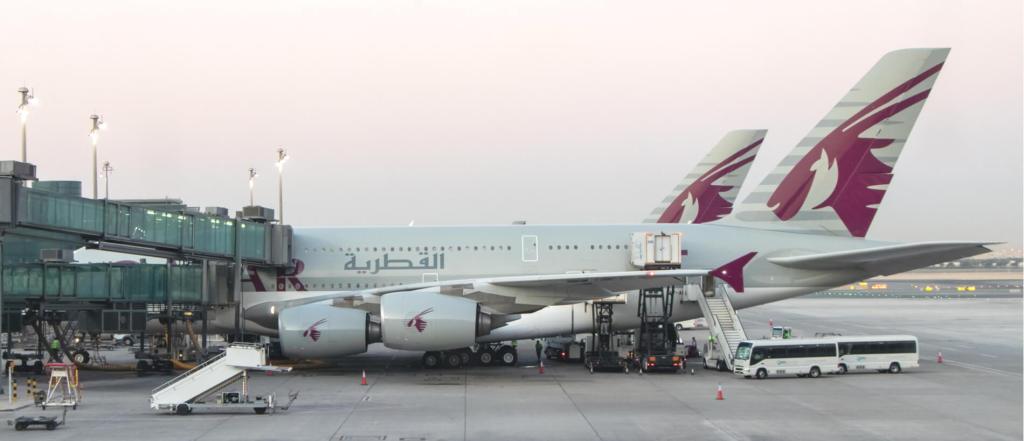
La aerolínea Qatar Airways, con sede en Doha, está en una disputa con el fabricante de aviones europeo Airbus Group sobre la calidad de la pintura de los aviones. El Director Ejecutivo de Qatar Airways, Akbar Al Baker, dijo que la aerolínea se negaría a aceptar las entregas de Airbus si no se resolvía el desacuerdo. Este Lunes 01/06 estalló en los medios un agrio conflicto donde Qatar Airways no piensa aceptar aviones de Airbus que no cumplan al cien por ciento con las especificaciones técnicas que exige su compañía.
Akbar Al Baker criticó a Airbus sin dar detalles específicos sobre la disputa, diciendo que «si no somos capaces de resolver ese grave problema que tenemos con ellos, nos negaremos a tomar cualquier avión de ellos». Sin embargo, fuentes no identificadas cercanas al asunto, citadas por la agencia Reuters el 31 de Mayo de 2021, dijeron que el desacuerdo surgió debido a problemas de calidad del trabajo de pintura de aviones Airbus A350. La flota de aviones Airbus A350 XWB de Qatar Airways se sitúa actualmente en 53, según datos de planespotters.net. La compañía aérea con sede en Doha tiene Airbus A350-1000 (19) y Airbus A350-900 (34) con un promedio de 2,7 años. La última entrega del Airbus A350 se recibió el 31 de Diciembre de 2020. En el apogeo de la pandemia Qatar Airways anunció que aplazaría las entregas tanto de Airbus como de Boeing. Sin embargo, en Enero de 2021, el CEO de Qatar Airways cambió el tono y la dirección de la aerolínea y dijo que la aerolínea continuaría tomando todos y cada uno de los aviones que se habían ordenado. A partir del 31 de Abril de 2021, la aerolínea qatarí recibirá Airbus A321NEO (50) y Airbus A350-1000 (32). Los recientes enfrentamientos de la aerolínea con Airbus podrían resultar en entregas de aviones no cumplidas. Era la segunda vez en un mes que el Consejero Delegado de Qatar Airways hablaba con el fabricante de aviones europeo Airbus. Anteriormente, en Mayo de 2021, Akbar Al Baker se refirió al avión Airbus A380 diciendo que la compra del avión de pasajeros más grande fue el mayor error de la aerolínea. «El mayor error que cometimos fue la compra de Airbus A380. Dejamos en tierra el A380 simplemente porque no es un avión de bajo consumo de combustible», dijo el directivo de la aerolínea el 26 de Mayo de 2021, y agregó que el doble de pisos hace más daño que beneficia tanto a Qatar Airways como al medio ambiente.
Qatar-Airbus commercial dispute
Qatar Airways tense relations with Airbus due to contractual process
Doha-based airline Qatar Airways is in a dispute with European aircraft manufacturer Airbus Group over the quality of the aircraft’s paint. Qatar Airways Chief Executive Officer Akbar Al Baker said the airline would refuse to accept Airbus deliveries if the disagreement was not resolved. This Monday 06/01 a bitter conflict broke out in the media where Qatar Airways does not intend to accept Airbus aircraft that do not comply 100% with the technical specifications required by its company.
Akbar Al Baker criticized Airbus without giving specific details about the dispute, saying that «if we are not able to resolve this serious problem we have with them, we will refuse to take any aircraft from them». However, unidentified sources close to the matter, quoted by Reuters on May 31, 2021, said that the disagreement arose due to quality problems of the paint job of Airbus A350 aircraft. Qatar Airways’ fleet of Airbus A350 XWB aircraft currently stands at 53, according to data from planespotters.net. The Doha-based airline has Airbus A350-1000 (19) and Airbus A350-900 (34) with an average of 2.7 years. The last delivery of the Airbus A350 was received on December 31, 2020. At the height of the pandemic Qatar Airways announced that it would postpone deliveries from both Airbus and Boeing. However, in January 2021, the CEO of Qatar Airways changed the tone and direction of the airline and said that the airline would continue to take each and every aircraft that had been ordered. Starting April 31, 2021, the Qatari airline will receive Airbus A321NEO (50) and Airbus A350-1000 (32). The airline’s recent clashes with Airbus could result in missed aircraft deliveries. It was the second time in a month that the CEO of Qatar Airways spoke ostentatiously about the European aircraft manufacturer Airbus. Earlier, in May 2021, Akbar Al Baker referred to the Airbus A380 aircraft saying that the purchase of the largest passenger jet was the airline’s biggest mistake. «The biggest mistake we made was the purchase of Airbus A380. We grounded the A380 simply because it is not a fuel-efficient aircraft», said the airline’s executive on May 26, 2021, adding that twice as many flooring does more harm than it benefits both Qatar Airways and the environment.
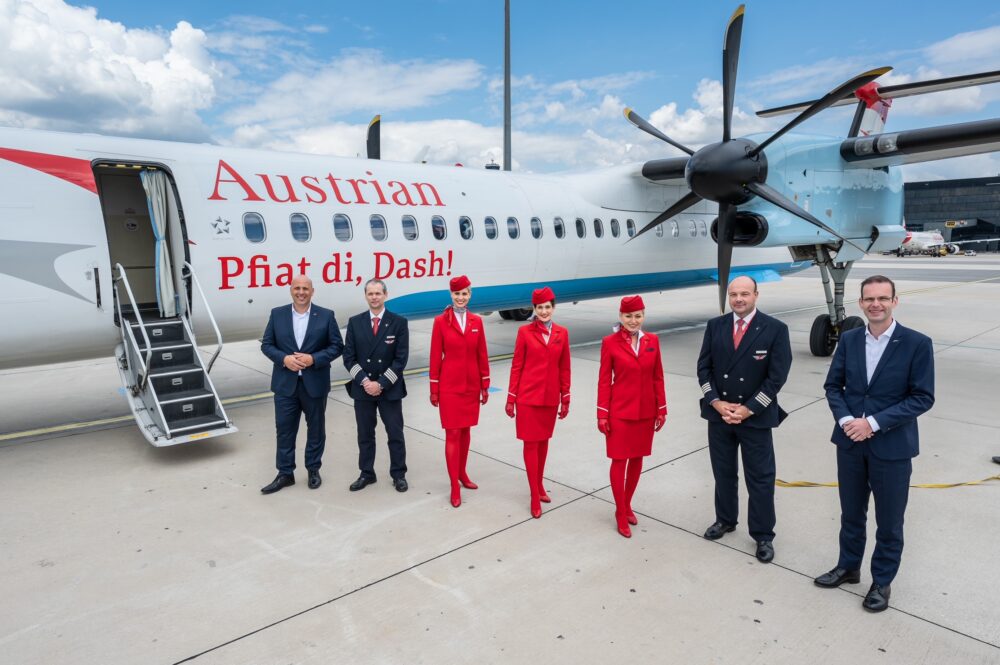
Austrian Airlines ha retirado este Lunes 31/05 el último de sus turbohélices Bombardier Dash 8. La afamada aeronave concluye su vida en la aerolínea con su último vuelo comercial entre Viena e Innsbruck con una librea especial con las palabras «Pfiat di» (adiós). La retirada del Dash 8 definitivo marca el final de las operaciones de turbohélice en Austrian Airlines. La aeronave registro OE-LGI despegó del Aeropuerto Internacional de Viena (VIE) a las 13:55 hora local 31/05 aterrizando en Innsbruck (INN) a las 14:20 hs.. retornando hacia Viena para finalizar sus operaciones bajo la compañía austríaca.
OE-LGI se entregó por primera vez a Tyrolean Airways en Enero de 2005. Sin embargo, no fue el primer Dash en llegar a la flota. En el momento en que Austrian se fusionó con Tyrolean en 1998, 44 Dash 8-100/300 y 400 habían volado para la aerolínea. 18 Dash 8-Q400 se conservaron y pasaron a volar en colores austriacos. Actualmente, 10 de los 18 han sido retirados oficialmente de la flota.
A lo largo de los años, los aviones Dash 8-Q400 de Austrian Airlines han transportado a más de 20,4 millones de pasajeros. La flota ha viajado más de 237 millones de kilómetros (127 millones de millas), lo suficiente como para llevarte a la luna y retroceder 310 veces! Combinados, la flota de Dash 8 ha pasado unos increíbles 54 años en el aire, todos sin accidentes.
Aunque la eliminación del Dash de la flota austriaca marca el final de una era, la aerolínea dice que está en una buena posición para reemplazar el avión. En el futuro, su flota se centrará únicamente en aviones Boeing, Airbus y Embraer. CCO Michael Trestl dijo, «Austrian Airlines está bien preparada para el retiro de la flota del Dash. Con los cómodos y eficientes aviones Embraer y Airbus, continuaremos ofreciendo a nuestros pasajeros un buen servicio de alimentación con Viena como nuestro centro de operaciones».
El Dash ha tocado las vidas de muchos técnicos, pilotos, tripulantes de cabina y más. Como tal, la aerolínea publicó un conmovedor video rindiendo homenaje al poderoso Dash antes del último vuelo. El gerente de la flota para el Dash 8 en el austriaco, Thomas Bleimuth, agregó que «En las horas pico, el Dash 8-Q400 completó hasta 44,000 vuelos individuales por año. Con este tipo de aeronaves, también era posible volar a lugares particularmente exigentes». Para celebrar la historia del avión, Austrian Airlines ha lanzado un nuevo libro llamado Dash Chronicle. Está disponible en alemán en la aerolínea ‘Jetshop’, así como en su tienda emergente en Viena.
Austrian withdraws Q400
Austrian deprogrammes its latest Dash 8 aircraft
Austrian Airlines has retired this Monday 05/31 the last of its Bombardier Dash 8 turboprops. The famous aircraft concludes its life in the airline with its last commercial flight between Vienna and Innsbruck with a special livery with the words «Pfiat di» (goodbye). The retirement of the final Dash 8 marks the end of turboprop operations at Austrian Airlines. The OE-LGI registration aircraft took off from Vienna International Airport (VIE) at 1:55 p.m. local time 05/31 landing in Innsbruck (INN) at 2:20 p.m., returning to Vienna to end its operations under the Austrian company.
OE-LGI was first delivered to Tyrolean Airways in January 2005. However, it was not the first Dash to arrive in the fleet. By the time Austrian merged with Tyrolean in 1998, 44 Dash 8-100/300 and 400 had flown for the airline. 18 Dash 8-Q400 were preserved and went on to fly in Austrian colors. Currently, 10 of the 18 have been officially withdrawn from the fleet.
Over the years, Austrian Airlines Dash 8-Q400 aircraft have carried more than 20.4 million passengers. The fleet has traveled more than 237 million kilometers (127 million miles), enough to get you to the moon and back 310 times! Combined, the Dash 8 fleet has spent an incredible 54 years in the air, all without accidents.
Although the removal of the Dash from the Austrian fleet marks the end of an era, the airline says it is in a good position to replace the aircraft. In the future, its fleet will focus solely on Boeing, Airbus and Embraer aircraft. CCO Michael Trestl said, «Austrian Airlines is well prepared for the retirement of the Dash fleet. With the comfortable and efficient Embraer and Airbus aircraft, we will continue to provide our passengers with good food service with Vienna as our hub».
The Dash has touched the lives of many technicians, pilots, cabin crew and more. As such, the airline posted a moving video paying tribute to the mighty Dash before the last flight. The fleet manager for the Dash 8 in the Austrian, Thomas Bleimuth, added that «In peak hours, the Dash 8-Q400 completed up to 44,000 individual flights per year. With this type of aircraft, it was also possible to fly to particular locations. demanding». To celebrate the history of the plane, Austrian Airlines has released a new book called the Dash Chronicle. It is available in German from the airline ‘Jetshop’, as well as their pop-up store in Vienna.
Singapore Airlines Ltd. dijo que los S$ 6.2 mil millones/US$ 4.7 mil millones recaudados a través de bonos convertibles, junto con las reservas de efectivo existentes, deberían cubrir sus necesidades financieras hasta bien entrado el año que termina en marzo de 2023, según un comunicado el martes. La aerolínea insignia de la nación estaba respondiendo a las preguntas de la Securities Investors Association de Singapur en Mayo 2021 sobre si tiene considerada una privatización. Singapore Airlines dijo que la privatización no era un asunto que deba considerar porque es una acción de los accionistas. «Dado que los ingresos de la emisión de derechos se tratarán como capital en el balance general, esto nos permite mantener una base de capital sólida y crea opciones para obtener más financiamiento de deuda según sea necesario», dijo la aerolínea.
Singapore Airlines ha recaudado S$ 15.4 mil millones Dólares de Singapure, que incluye S$ 8.8 mil millones de una oferta de derechos, desde abril del año pasado y redujo alrededor del 20% de su fuerza laboral para reducir los costos. el Asociación Internacional de Transporte Aéreo en abril amplió su estimar para las pérdidas de este año a alrededor de S$ 48 mil millones a medida que los nuevos brotes de Covid empujan hacia atrás en el cronograma para un inicio de los viajes aéreos internacionales. La situación es particularmente grave para compañías como Singapore Airlines, que no tienen un mercado nacional al que recurrir.
La aerolínea registró su peor pérdida anual a finales de Marzo 2021 en el año más difícil de su historia ya que el la crisis sanitaria continúa causando estragos en los viajes globales. Temasek Holdings Pte, el mayor accionista de Singapore Airlines, se ha comprometo a suscribir su derecho prorrateado y cualquier saldo restante de la emisión de bonos convertibles, la compañía aérea dicho el mes pasado. La compañía continuará refrenando la quema de efectivo a través de los ingresos generados por la carga y una mejora gradual de su negocio de pasajeros. «La demanda de los segmentos de comercio electrónico y farmacéuticos, entre otros, sigue siendo robusta. Singapore Airlines está bien posicionada para capturar más envíos de vacunas contra el Covid-19 en la región de Asia Pacífico a medida que aumenta la producción de vacunas y crecen las exportaciones», dijo en el comunicado del Martes 01/06. El reciente aumento de los precios de los combustibles podría dar lugar a menores pérdidas o ganancias en sus contratos de cobertura de combustible, lo que también le ayudará a reducir los costos. «Nuestro objetivo es proporcionar valor a largo plazo para los accionistas al garantizar que la empresa vuelva a la rentabilidad», dijo Singapore Airlines.
Singapore with reservations until 2023
Singapore Airlines sufficient reservations by 2023
Singapore Airlines Ltd. said that the S$ 6.2 billion/US$ 4.7 billion raised through convertible bonds, along with existing cash reserves, should cover its financial needs well into the year ending March 2023, according to a statement Tuesday. The nation’s flagship airline was responding to questions from Singapore’s Securities Investors Association in May 2021 about whether it is considering a privatization. Singapore Airlines said that privatization was not a matter for you to consider because it is a shareholder action. «As proceeds from the rights issue will be treated as equity on the balance sheet, this allows us to maintain a strong capital base and creates options for further debt financing as needed», the airline said.
Singapore Airlines has raised S$ 15.4 billion Singapore Dollars, which includes S$ 8.8 billion from a rights offering, since April last year and cut about 20% of its workforce to cut costs. The International Air Transport Association in April extended its estimate for this year’s losses to around S$ 48 billion as new Covid outbreaks push back on the schedule for a start of international air travel. The situation is particularly dire for companies like Singapore Airlines, which do not have a domestic market to turn to.
The airline posted its worst annual loss at the end of March 2021 in the toughest year in its history as the health crisis continues to wreak havoc on global travel. Temasek Holdings Pte, Singapore Airlines’ largest shareholder, has agreed to underwrite its pro-rated right and any remaining balance of the convertible bond issue, the airline said last month. The company will continue to curb cash burning through freight generated revenue and a gradual improvement of its passenger business. «Demand from the e-commerce and pharmaceutical segments, among others, remains robust. Singapore Airlines is well positioned to capture more shipments of Covid-19 vaccines in the Asia Pacific region as vaccine production increases and Exports are growing», he said in the statement on Tuesday 01/06. The recent increase in fuel prices could lead to lower profit or loss on your fuel hedging contracts, which will also help you reduce costs. «Our goal is to provide long-term value for shareholders by ensuring that the company returns to profitability», said Singapore Airlines.
Cierre de Wizz Air en Oslo incrementa perspectivas de Norwegian
La aerolínea low cost húngara Wizz Air ha anunciado el próximo cese de operaciones aerocomerciales en Noruega hacia el 14 de Junio de 2021. Después de las evaluaciones necesarias la compañía de presupuesto suprimirá las rutas interiores de Noruega, lo que permitirá recuperar el mercado de Norwegian Air. Después de conocerse las noticias, las acciones aumentaron un 10 por ciento las acciones. Norwegian, que hasta ahora apenas mantenía unos pocos vuelos regionales subvencionados por el Gobierno noruego, ha anunciado que adicionalmente reabrirá sus bases en Suecia una vez que estabilice su economía.
La aerolínea de presupuesto noruega vuelve a cubrir varios aeropuertos a partir del 31/05 como Landvetter, Gotemburgo o Arlanda, Estocolmo. Este verano boreal, la compañía dijo que habrá llegado a atender 33 destinos desde las dos primeras ciudades suecas.
La noticia de la salida de la aerolínea húngara del mercado interior noruego, ha traído beneficio tanto a Norwegian como a SAS Airlines. Las perspectivas de Norwegian permitirá estimular de una manera más cómoda se reestructuración al no tener una competencia dura como el operador húngaro como principal competidor. Norwegian continuará volando como una aerolínea regional escandinava, con algunos vuelos al centro de Europa y puntualmente al Mediterráneo.
Wizz Air closes ops in Norway
Wizz Air shutdown in Oslo boosts Norwegian prospects
The Wizz Air Hungarian low cost airline has announced the next cessation of commercial air operations in Norway around June 14, 2021. After the necessary evaluations, the budget company will eliminate the internal routes of Norway, which will allow Norwegian Air to recover the market. After the news broke, the shares rose 10 percent. Norwegian, which until now only had a few regional flights subsidized by the Norwegian government, has announced that it will additionally reopen its bases in Sweden once its economy stabilizes.
The Norwegian budget airline will again cover several airports as of 05/31 such as Landvetter, Gothenburg or Arlanda, Stockholm. This summer, the company said it will have reached 33 destinations from the first two Swedish cities.
The news of the departure of the Hungarian airline from the Norwegian domestic market has brought benefits to both Norwegian and SAS Airlines. Norwegian’s prospects will allow to stimulate restructuring in a more comfortable way by not having stiff competition as the Hungarian operator as the main competitor. Norwegian will continue to fly as a Scandinavian regional airline, with some flights to central Europe and occasionally to the Mediterranean.
Ultra Air cierra primera capitalización de US$ 10 millones
La aerolínea de bajo costo Ultra Air alcanzó US$ 10 millones al cierre de su primera ronda de capitalización. El capital proviene principalmente de inversionistas colombianos. Con esta capitalización y la elección de la familia de aviones Airbus A320, los directivos iniciarán el proceso de adecuación de startup, mientras esperan la autorización de la Aeronáutica Civil de Colombia. La aerolínea planea realizar vuelos de pasajeros, carga y correo a destinos en Colombia, México y Estados Unidos.
“Estamos cada vez más cerca. Nuestro equipo financiero, ha logrado reunir al mejor grupo de inversionistas que hoy le apuestan a Ultra Air como la aerolínea de bajo costo que dinamizará el mercado aéreo de pasajeros en Colombia, y le permitirá a más y más personas viajar a tarifas más asequibles”, dijo el fundador y CEO de Ultra Air, William Shaw. “Nos sentimos orgullosos de poder contar con el primer grupo de inversionistas colombianos que nos acompañarán a hacer realidad este sueño de una nueva aerolínea de ultra bajo costo de Colombia para la región; ellos le apuestan a nuestro país y hoy nos ratifican su confianza, lo que nos llena de optimismo”, aseguró el Vicepresidente Financiero de Ultra Air, Oscar Herrera, quien estuvo al frente de las negociaciones para obtener el capital inicial.
Ultra Air, el nuevo jugador del transporte aéreo, generará aproximadamente 36.000 empleos directos, indirectos e inducidos, además de una reducción del 20% en las tarifas aéreas del mercado y un crecimiento de 5 % en los ingresos para agencias de viajes y la industria hotelera en los próximos años.
La nueva low cost colombiana iniciará operaciones con aeronaves comerciales Airbus A320, inclinándose por este modelo debido a la existencia en el mercado de personal de pilotos entrenados, técnicos y la fiabilidad de repuestos.
La perspectiva de Ultra Air será desarrollar una flota de cuarenta aeronaves A320CEO como así también la variante más moderna A320NEO durante los próximos cinco años. “La situación de la industria jugó a favor de nosotros; pusimos a competir a los dos grandes fabricantes de la aviación mundial. Tomamos la decisión porque Colombia es un ambiente Airbus, hay más pilotos entrenados en este tipo de aeronave, los técnicos la conocen mejor, hay más facilidad para conseguir repuestos y es un avión ideal para el modelo de bajo costo”, dijo en su momento William Shaw.
Ultra Air gets capitalization
Ultra Air closes first capitalization of US$ 10 million
Low-cost carrier Ultra Air reached US$ 10 million at the close of its first round of capitalization. The capital comes mainly from Colombian investors. With this capitalization and the choice of the Airbus A320 family of aircraft, the executives will begin the process of adapting the startup, while they await authorization from the Civil Aeronautics of Colombia. The airline plans to carry out passenger, cargo and mail flights to destinations in Colombia, Mexico and the United States.
“We are getting closer and closer. Our financial team has managed to bring together the best group of investors who today bet on Ultra Air as the low-cost airline that will boost the passenger air market in Colombia, and will allow more and more people to travel at more affordable rates”, said Ultra Air founder and CEO William Shaw. “We are proud to be able to count on the first group of Colombian investors who will accompany us to make this dream of a new ultra-low-cost airline from Colombia come true for the region; they are betting on our country and today they ratify their trust in us, which fills us with optimism”, assured Ultra Air’s Financial Vice President, Oscar Herrera, who was at the forefront of the negotiations to obtain the initial capital.
Ultra Air, the new player in air transport, will generate approximately 36,000 direct, indirect and induced jobs, in addition to a 20% reduction in market airfares and a 5% growth in revenue for travel agencies and the hotel industry in the next years.
The new Colombian low cost will start operations with commercial Airbus A320 aircraft, leaning towards this model due to the existence in the market of trained pilot personnel, technicians and the reliability of spare parts.
Ultra Air’s perspective will be to develop a fleet of forty A320CEO aircraft as well as the most modern A320NEO variant over the next five years. “The situation in the industry worked in our favor; we put the two great world aviation manufacturers to compete. We made the decision because Colombia is an Airbus environment, there are more pilots trained in this type of aircraft, the technicians know it better, it is easier to get spare parts and it is an ideal aircraft for the low-cost model”, He said at the time William Shaw.
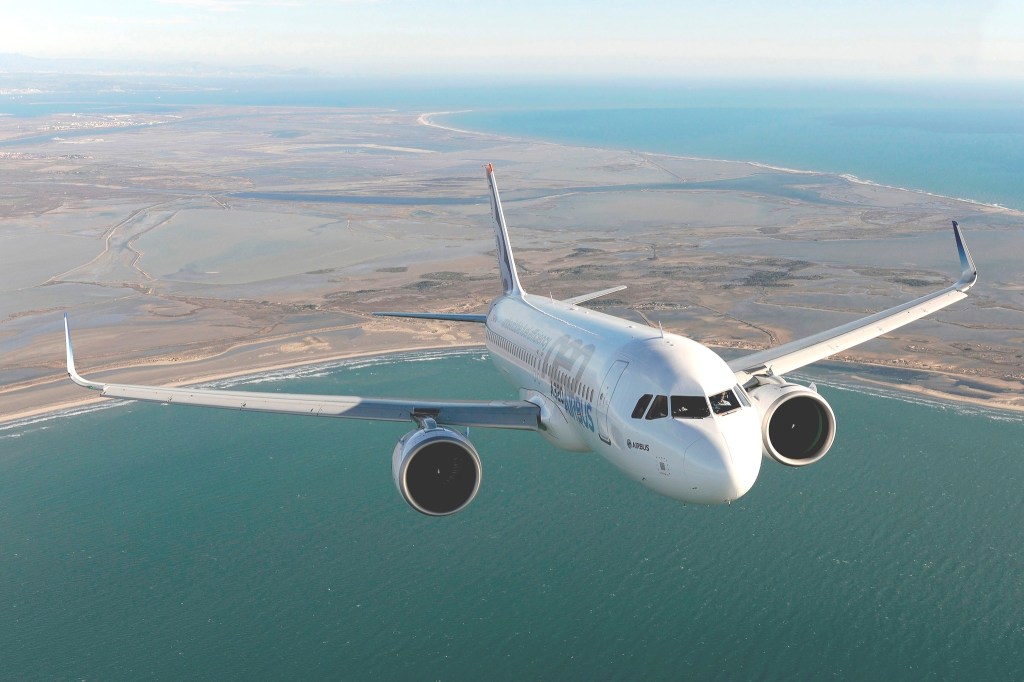
Airbus Group podría estar próxima a anunciar una modernización de su familia A320, junto al modelo A220, con un nuevo ala y fuselajes alargados. Los estudios pondrían al constructor europeo en ventaja respecto a su competidor The Boeing Company con una evolución de sus familias A320 y A220 para ocupar el mercado de los aviones de menos de 250 plazas hasta la llegada de la próxima generación de aviones cero emisiones o al menos CO2 neutros.
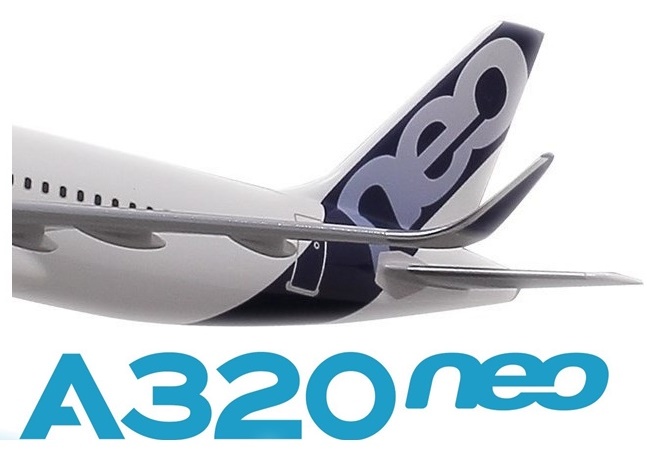
El constructor europeo continúa avanzado con cambios en las características de ambas aeronaves. El A320 podría introducir un nuevo conjunto alar realizada con materiales compuestos, más aerodinámica y económica que las actuales, sería el núcleo de la modernización de la familia A320. La familia NEO (New Engine Option) permitiría alargar en dos o cuatro filas de pasajeros los fuselajes del A320 y A321, al tiempo que ambos modelos dispondrían de motores más potentes y eficientes, mientras que se sustituye el A319NEO por falta de interés dando especial atención al A220-300 como un verdadero sustituto de mercado.
Esta nueva “Ala para el mañana” como se denomina en Airbus, no precisa el uso de autoclaves y su producción sería similar al anunciado para el ala del Irkut MC-21, incluso un ala con mayor envergadura y puntas de plano plegables al estilo del B-777X. Un A321XLR así alargado tendría una capacidad de entre 190 y 248 pasajeros y un alcance de más de 8.000 km. El A321XLR, que entrará en servicio en 2023, podrá transportar a entre 180 y 220 pasajeros a 8.700 km. Estaría por ver qué autonomía recuperaría el avión con el nuevo ala y motores ante la pérdida debida al mayor peso de su fuselaje de mayor longitud.
Airbus continúa en busca de una aeronave para sustituir al Boeing 757 intercontinental, persiguiendo alcanzarlo con la variante A321XLR, para liderar definitivamente el sector de rango medio, impulsado para transportar entre 200 y 228 pasajeros a 7.200 km de autonomía, situando al A321XLR entre el líder indiscutido como una verdadera aeronave de fuselaje estrecho. Una vez que Airbus se hizo con el control del CSeries (A220) este modelo ha sido modernizado y su peso máximo al despegue se ha incrementado en casi 2.300 kg hasta las 63,1 Tm para el A220-100 y 69,9 Tm para el A220-200 al tiempo que se aumentó el alcance en más de 800 km, quedando en 6.200 km para el A220-100 y 6.300 para el A220-300. Posteriormente se aumentó el peso máximo en otros 1.000 kg para aviones entregados desde mediados de 2021. Esto se ha traducido en un aumento de 370 km en su autonomía. Este cambio se realiza sobre papeles sin tener que hacer ninguna modificación en la estructura. Pero Bombardier Inc. tenía un tercer CSeries en desarrollo, el CS500 para entre 160 y 180 pasajeros. Este tercer A220, si se lanzase, cubriría la parte alta de la capacidad del A319, que está en un máximo de 160 gracias a un par de modificaciones (145 sin ellas). El peso máximo al despegue del A319/A319NEO se sitúa entre 64 y 75,9 Tm. El A220-500 sería también competencia del A320NEO ya que sus cifras económicas serían mejores, además de por capacidad y alcance.
Perspectivas industria
Los cambios introducidos por parte de Airbus Group buscarán mejorar las perspectivas a futuro de las actualizaciones de productos para el mercado de la aviación. El A220 es un candidato indiscutido para el mercado regional entre los favoritos. Mientras que del otro lado del atlántico,The Boeing Company continúa ajustando sus procesos de seguridad referentes a las líneas 787 Dreamliner y 737 MAX, un paso gigante para no quedar relegada ante el avance incontrolado de Airbus Group.
Airbus A320/A220 line modernization
Airbus studies next generation A320 family
Airbus Group could be close to announcing a modernization of its A320 family, alongside the A220 model, with a new wing and elongated fuselages. The studies would put the European manufacturer at an advantage over its competitor The Boeing Company with an evolution of its A320 and A220 families to occupy the market for aircraft with less than 250 seats until the arrival of the next generation of zero-emission aircraft or at least CO2 neutral.
The European manufacturer continues to advance with changes in the characteristics of both aircraft. The A320 could introduce a new wing assembly made with composite materials, more aerodynamic and economical than the current ones, it would be the core of the modernization of the A320 family. The NEO (New Engine Option) family would allow the A320 and A321 fuselages to be lengthened by two or four rows of passengers, while both models would have more powerful and efficient engines, while the A319NEO is replaced due to lack of interest, giving special attention to the A220-300 as a true market replacement.
This new «Wing for Tomorrow» as it is called by Airbus, does not require the use of autoclaves and its production would be similar to that announced for the Irkut MC-21 wing, including a wing with a greater span and folding plane tips in the style of the B-777X. Such a lengthened A321XLR would have a capacity of between 190 and 248 passengers and a range of more than 8,000 km. The A321XLR, which will enter service in 2023, will be able to carry between 180 and 220 passengers at 8,700 km. It remains to be seen what autonomy the aircraft would regain with the new wing and engines due to the loss due to the greater weight of its longer fuselage.
Airbus continues in search of an aircraft to replace the intercontinental Boeing 757, pursuing to reach it with the A321XLR variant, to definitively lead the mid-range sector, driven to transport between 200 and 228 passengers at 7,200 km of autonomy, placing the A321XLR among the leader undisputed as a true narrow-body aircraft. Once Airbus took control of the CSeries (A220) this model has been modernized and its maximum take-off weight has increased by almost 2,300 kg to 63.1 tonnes for the A220-100 and 69.9 tonnes for the A220-200 while the range was increased by more than 800 km, remaining at 6,200 km for the A220-100 and 6,300 for the A220-300. Subsequently, the maximum weight was increased by another 1,000 kg for aircraft delivered since mid-2021. This has resulted in a 370 km increase in their range. This change is made on paper without having to make any changes to the structure. But Bombardier Inc. had a third CSeries in development, the CS500 for between 160 and 180 passengers. This third A220, if launched, would cover the top of the A319’s capacity, which is at a maximum of 160 thanks to a couple of modifications (145 without them). The maximum take-off weight of the A319/A319NEO is between 64 and 75.9 tonnes. The A220-500 would also compete with the A320NEO as its economic figures would be better, as well as capacity and range.
Industry perspectives
The changes introduced by Airbus Group will seek to improve the future prospects of product updates for the aviation market. The A220 is an undisputed candidate for the regional market among the favorites. While on the other side of the Atlantic, The Boeing Company continues to adjust its security processes regarding the 787 Dreamliner and 737 MAX lines, a giant step to avoid being relegated to the uncontrolled progress of Airbus Group.
Jamaica da la bienvenida al nuevo servicio de Frontier Airlines
Frontier Airlines ha inaugurado un nuevo destino y servicio a Jamaica. El Aeropuerto Internacional Kington/Sangster, incorpora a la low cost permitiendo acceder a tarifas más bajas para los jamaiquinos que deseen visitar a familiares y amigos, iniciando conexión con Miami, Florida. La aerolínea realizó su primer vuelo de Miami a Montego Bay a la capital del turismo el Viernes 28/05 también está promocionando el acceso a una lucrativa comunidad jamaicana en el sur de Florida.
Frontier Airlines tendrá tres frecuencias semanales, Lunes, Viernes y Sábado (3Frq/S), para unir el sur de Estados Unidos y la isla caribeña. Las tarifas varían entre US$ 239 y US$ 329 por pasajero de regreso durante los meses de Junio y Julio, lo que permite a sus clientes una maleta facturada gratuita y una de equipaje de mano, además de la selección de asientos gratis.
La aeronave, un moderno Airbus A320NEO junto a la tripulación y los pasajeros fueron recibidos por el Alcalde de Montego Bay, Leeroy Williams, el Director Regional de la Junta de Turismo de Jamaica (JTB), Odette Dyer, entre otros funcionarios de turismo. Odette Dyer en su mensaje habló de la demanda reprimida de viajes, argumentando que era el momento perfecto para introducir estos nuevos vuelos sin escalas. «Los vuelos aumentarán en gran medida la accesibilidad a Jamaica desde nuestro mayor mercado turístico, Estados Unidos», declaró.
El Airbus A320NEO fue recibido con un saludo de cañón de agua, engalanado en el interior con la icónica bandera jamaicana negra, verde y dorada en la zona de la cabina. El A320NEO tiene una capacidad de carga de 186 pasajeros. El Capitán Tyler Petersen, que estaba haciendo su primer viaje a Jamaica después de trece años de volar, dijo: «He oído hablar mucho de la comida excepcional, así que estoy triste de no poder quedarme, pero volveré en mi propio tiempo», prometió.
Los pasajeros de Frontier pueden acceder a cualquier otra ciudad estadounidense a través de Miami. La aerolínea vuela a ciudades como Cleveland, Denver y Filadelfia.
Frontier opens Jamaica service
Jamaica welcomes new Frontier Airlines service
Frontier Airlines has launched a new destination and service to Jamaica. The Kington/Sangster International Airport incorporates the low cost allowing access to lower rates for Jamaicans who wish to visit family and friends, starting a connection with Miami, Florida. The airline made its first flight from Miami to Montego Bay to the tourism capital on Friday 05/28 is also promoting access to a lucrative Jamaican community in South Florida.
Frontier Airlines will have three weekly frequencies, Monday, Friday and Saturday (3Frq/S), to link the southern United States and the Caribbean island. Fares range from US$ 239 to US$ 329 per return passenger during the months of June and July, allowing customers one free checked bag and one carry-on bag, plus free seat selection.
The aircraft, a modern Airbus A320NEO along with the crew and passengers were greeted by the Mayor of Montego Bay, Leeroy Williams, the Regional Director of the Jamaica Tourism Board (JTB), Odette Dyer, among other tourism officials. Odette Dyer in her message spoke of the pent-up demand for travel, arguing that it was the perfect time to introduce these new nonstop flights. «The flights will greatly increase the accessibility to Jamaica from our largest tourism market, the United States», she stated.
The Airbus A320NEO was greeted with a water cannon salute, decked out inside with the iconic black, green and gold Jamaican flag in the cockpit area. The airbus has a carrying capacity of 186 passengers. Captain Tyler Petersen, who was making his first trip to Jamaica after thirteen years of flying, said: «I’ve heard a lot about exceptional food so I’m sad I can’t stay, but I’ll be back in my own time», he promised.
Frontier passengers can access any other American city through Miami. The airline flies to cities such as Cleveland, Denver and Philadelphia.