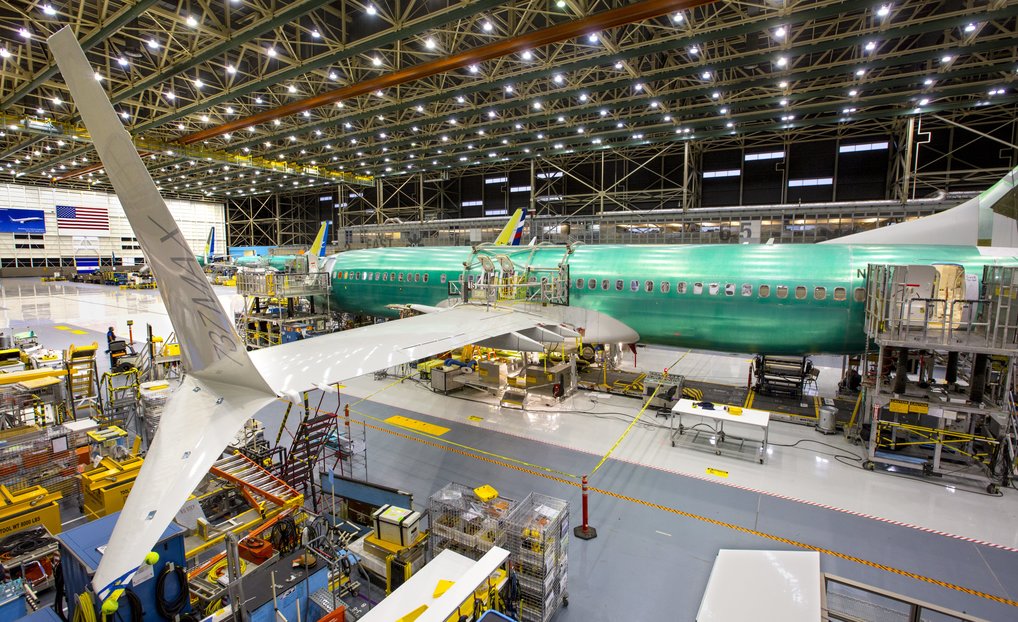
Boeing planifica más despidos empleados línea comercial
The Boeing Company está planeando otra ronda de recortes de empleos además de los 16.000 puestos que anunció previamente que eliminaría. El fabricante de aviones americano se ha visto afectado por cientos de pedidos cancelados mientras las aerolíneas luchan con una caída en la demanda de viajes aéreos durante la pandemia de Coronavirus. Boeing dijo en Abril 2020 que planeaba recortar un 10% de su personal global de 160.000 empleados en respuesta. «La pandemia ha sido dura para nuestra gente, nuestro negocio y nuestra industria. Si bien ha habido algunos signos de recuperación, la realidad es que estamos en una posición desafiante. Esta acción extenderá nuestras reducciones generales de la fuerza laboral más allá del objetivo inicial del 10% y permitirá que más empleados que quieran dejar la empresa lo hagan de manera voluntaria con un paquete de pago y beneficios. Es importante destacar que también ayudará a limitar las acciones adicionales de la fuerza laboral involuntaria. Realmente deseo que la demanda actual del mercado pueda soportar el tamaño de nuestra fuerza laboral. Desafortunadamente, los despidos son un paso difícil pero necesario para alinearnos con nuestra nueva realidad», dijo el CEO Dave Calhoun en un mensaje a los empleados.
A principios de 2020, 5.500 empleados de Boeing acordaron aceptar paquetes de compra y dejar la empresa voluntariamente. Los recortes anunciados en Abril 2020 apuntan principalmente a la unidad Boeing Comercial Airplanes. La última ronda de adquisiciones se ofrecerá a los empleados allí y también a los trabajadores de oficinas corporativas y servicios de aeronaves. Luego, la compañía despidió a otros 6.800 en Mayo 2020. Pero incluso mientras se preparaba para recortes adicionales para alcanzar el objetivo de 16.000, los planes de producción a largo plazo cambiaron para peor.
Líneas de producción
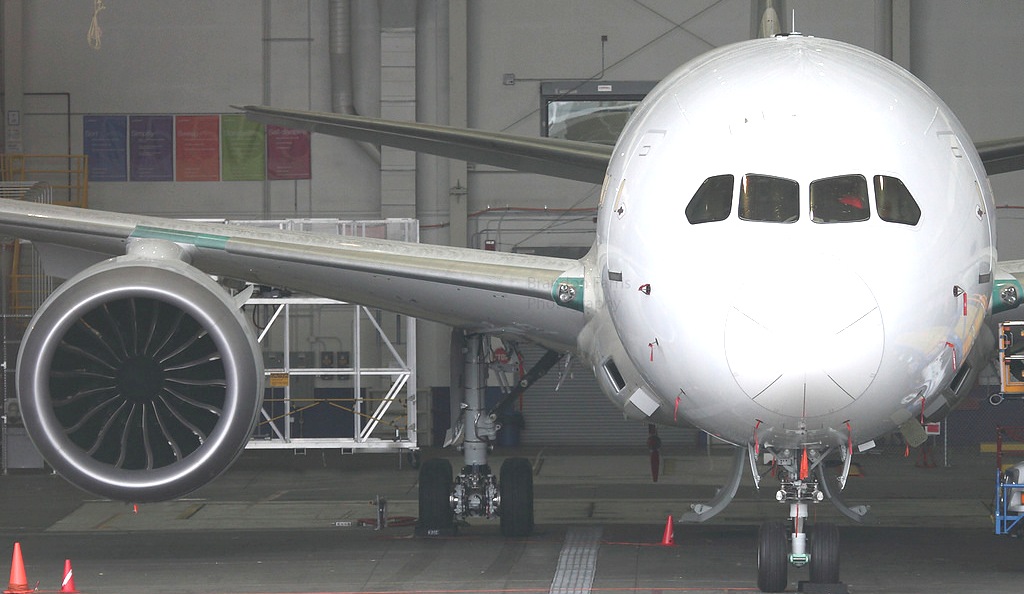
En Julio 2020 Boeing había registrado una producción a un ritmo más lento de lo esperado. Ha anunciado que dejará de construir el Boeing 747 finalizando la producción hacia el 2022. La compañía se encuentra estudiando la supresión de una línea de producción del Boeing 787 que se encuentran en el Estado de Washington como en el Estado de Carolina del Sur, decidirá por cual de ellas quedaría fuera de producción.
El constructor aeroespacial continúa esperando la aprobación de la recertificación del modelo del Boeing 737 MAX para retornar a los cielos, por lo menos en primera instancia en los Estados Unidos.
Boeing plans more job cuts
Boeing plans more commercial line employee layoffs
The Boeing Company is planning another round of job cuts in addition to the 16,000 positions it previously announced it would cut. The American aircraft manufacturer has been hit by hundreds of canceled orders as airlines grapple with a drop in demand for air travel during the Coronavirus pandemic. Boeing said in April 2020 that it planned to cut 10% of its global workforce of 160,000 in response. «The pandemic has been tough on our people, our business and our industry. While there have been some signs of recovery, the reality is that we are in a challenging position. This action will extend our overall workforce reductions beyond the initial target. of 10% and will allow more employees who want to leave the company to do so voluntarily with a pay and benefits package. Importantly, it will also help limit additional actions from the involuntary workforce. I really want the current demand for the market can support the size of our workforce. Unfortunately, layoffs are a difficult but necessary step to align with our new reality», said CEO Dave Calhoun in a message to employees.
In early 2020, 5,500 Boeing employees agreed to accept purchase packages and voluntarily leave the company. The cuts announced in April 2020 mainly target the Boeing Commercial Airplanes unit. The latest round of acquisitions will be offered to employees there as well as corporate office and aircraft service workers. The company then laid off another 6,800 in May 2020. But even as it prepared for additional cuts to hit the 16,000 target, long-term production plans turned for the worse.
Production lines
By July 2020 Boeing had recorded production at a slower rate than expected. It has announced that it will stop building the Boeing 747, ending production by 2022. The company is studying the elimination of a Boeing 787 production line that is located in the State of Washington and in the State of South Carolina, it will decide by which of them would be out of production.
The aerospace manufacturer continues to await the approval of the recertification of the Boeing 737 MAX model to return to the skies, at least in the first instance in the United States.
Ξ A I R G W A Y S Ξ PUBLISHER: Airgways.com DBk: Boeing.com / Airgways.com / Brandon Farris AW-POST: 202008181603AR
AW | 2020 08 18 15:02 | AIRPORTS / AIRLINES / GOVERNMENT
Justicia Argentina definirá pedido de clausura por daño ambiental
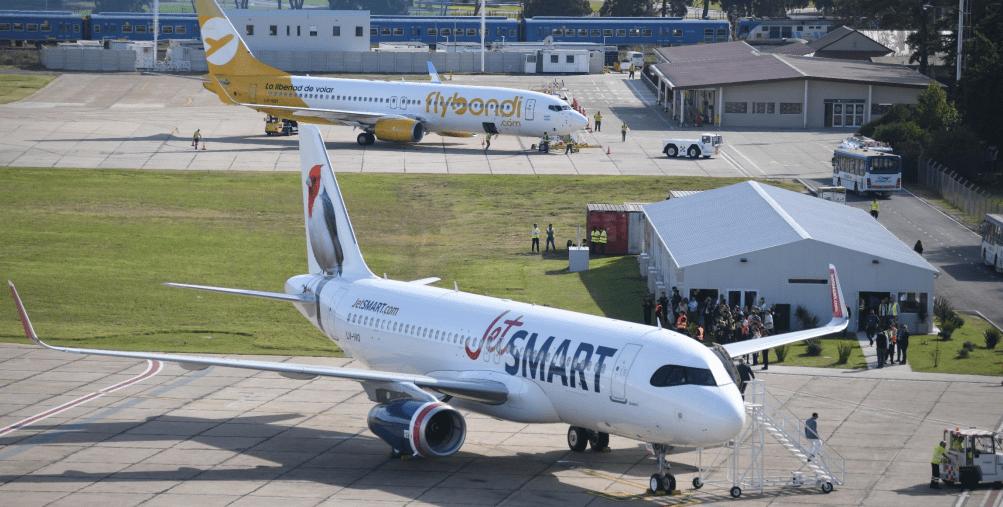
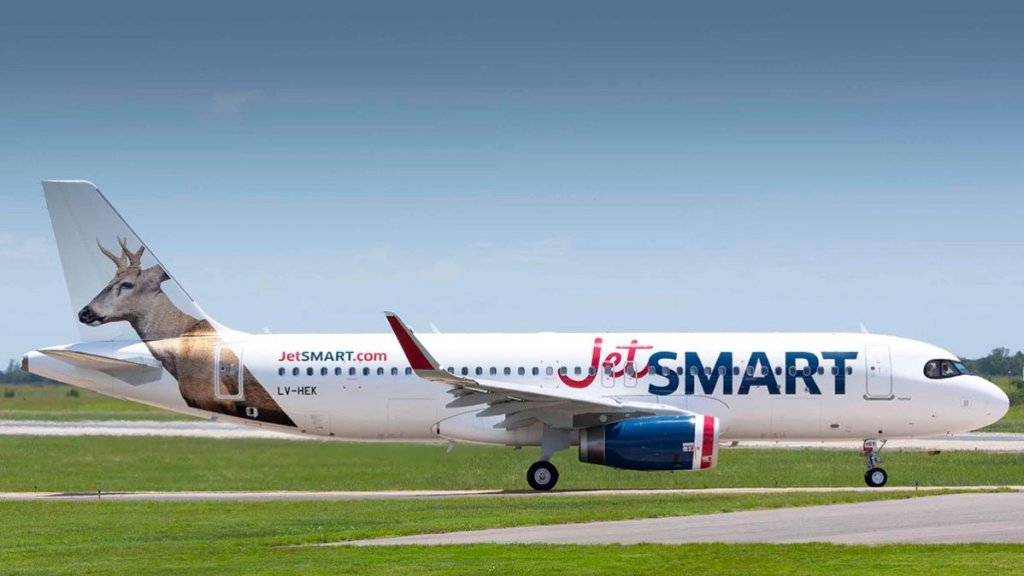
La Justicia Federal de la República Argentina deberá resolver en los próximos días el pedido de clausura del Aeropuerto Internacional El Palomar al haberse superado los límites de ruido admitidos por la Organización Mundial de Salud (OMS), en el marco de la causa que llevan adelante los vecinos de la zona oeste del conurbano bonaerense contra el uso comercial del aeropuerto por parte de las aerolíneas Flybondi Líneas Aéreas y JetSmart Airlines Argentina por el ruido y contaminación acústica. La denuncia vecinal fue radicada el 17 Diciembre 2019 pero quedó en suspenso a raíz de la feria judicial por la pandemia. Con la reanudación de los tribunales la Jueza Martina Forns debe fallar al respecto.
Ministerio Transporte
Las declaraciones del Minsterio de Transporte de Argentina a cargo de Mario Meoni había expresado que no es razonable que haya tres aeropuertos en el área metropolitana, por lo que el Área Metropolitana de Buenos Aires (AMBA) debería tener dos aeropuertos, razón por la cual el Gobierno Nacional mantuvo los planes de inversiones en el Aeropuerto Jorge Newbery y Aeropuerto Internacional Ezeiza. Las últimas declaraciones del la cartera de Transporte arrojan señales: “Nosotros tenemos muchas objeciones respecto del funcionamiento del Aeropuerto El Palomar. Para justificar el funcionamiento de tres aeropuertos, Buenos Aires debería registrar por lo menos el doble del actual volumen de viajeros, entre 27 y 28 millones de pasajeros por año, por lo cual el costo de sostener El Palomar no se justifica”.
Las ciudades del mundo que tienen tres aeropuertos poseen un movimiento de pasajeros por año que duplica, triplica y hasta cuadriplica la cantidad de pasajeros aéreos que registra actualmente el AMBA en Argentina, sostiene el Ministerio de Transporte. Así puso como ejemplo a Washington que tiene más de 50 millones de pasajeros y a Nueva York y Paris, cada una con alrededor de 130 millones de pasajeros anuales por vía aérea, cuatro veces más que el Área Metropolitana de Buenos Aires.
En Junio 2020, desde el Ministerio de Transporte ya se habían pronunciado a favor de establecer un sector low cost en el Aeropuerto Ezeiza, con costos similares a los del Aeropuerto Internacional El Palomar, para que Flybondi Líneas Aéreas y Jetsmart Airlines Argentina operen desde allí, en línea con lo solicitado por el concesionario Aeropuertos Argentina 2000 quien inició en Abril 2020 el procedimiento administrativo en dicho sentido ante el ORSNA, organismo que tiene pendiente la decisión al respecto.
Las declaraciones de Meoni y los planes de AA2000 recibieron un contundente respaldo y apoyo de los vecinos de la localidad de Hurlingham, Tres de Febrero, Morón, San Martín y La Matanza que vienen reclamando hace más de dos años el cese de vuelos comerciales desde el Aeropuerto Internacional El Palomar.
Alerta a low cost
Mientras tanto, trabajadores de Flybondi y JetSmart piden reactivar los vuelos. Las aerolíneas aéreas low cost que operan en Argentina emitieron un comunicado en respuesta a las afirmaciones que hizo el Ministro de Transporte de Argentina. Los reclamos centrales giran en torno a no al cierre de El Palomar, la preservación de 10.000 puestos de trabajo (directos e indirectos), la definición de un plan de reinicio de la actividad aérea y la necesidad de trabajar con protocolo sanitarios para la reapertura de vuelos desde Septiembre 2020.
Tras la declaraciones donde el Ministro de Transporte, Mario Meoni, que había dado trascendidos que los vuelos podrían volver entre 60 a 180 días, los trabajadores de las dos compañías low cost han expresado el repudio porque esos plazos significarán la desaparición de la industria aérea.
Las aerolíneas de presupuesto que operan en Argentina, Flybondi y JetSmart emitieron un comunicado en respuesta a las afirmaciones que hizo el ministro de Transporte, Mario Meoni, respecto no sólo a la fecha de reinicio de los vuelos, sino también al cierre del Aeropuerto El Palomar. “Los trabajadores de Flybondi y JetSmart necesitamos claridad con respesto a los recientes dichos del ministro de Transporte, reflejando una actitud pasiva a la espera de directivas de su par de la cartera de Salud, y desentendiéndose de cualquier precisión acerca del reinicio de la actividad aeronáutica. Peor aún, deslizó que ni siquiera habría vuelos de cabotaje durante los próximos seis meses”, expresan fuertemente los gremios.
La República Argentina es uno de los pocos países en el mundo que pasados ya casi 5 meses no reinició la actividad aérea. Esta actividad requiere de certezas y definiciones que permitan ver con claridad un horizonte: aprobación de protocolos sanitarios, puesta a la venta de pasajes con antelación, apertura de bases aéreas y de rutas definidas. Sin una planificación mínima, la actividad es insostenible. Las aéreas solicitan al Ministerio de Transporte un mayor grado de ocupación ante una situación que afecta a miles de trabajadores aeronáuticos y sus familias, quienes ven amenazada su fuente de trabajo y se encuentran sumidos en la angustia de la incertidumbre.
Perspectivas aéreas
La Justicia Argentina próximamente se expedirá por la continuidad o no del Aeropuerto Internacional El Palomar. Ante una decisión de fallo adverso para las líneas aéreas de presupuesto, las compañías aéreas tendrán que realizar las migraciones de sus bases hacia el Aeropuerto Internacional Ezeiza, donde el Gobierno le asignará un área para dichas operaciones, suprimiendo así la reapertura del primer aeropuerto low cost de Sudamérica. Detrás de todo este movimiento del Gobierno, habrá que esperar que destino tendrá el Aeropuerto El Palomar, después de muchas inversiones por parte de Aeropuertos Argentina 2000.
Respecto al Aeropuerto Jorge Newbery, la compañía JetSmart Airlines Argentina no podrá hacer uso de los slots de la ex-Norwegian Air Argentina. Latam Airlines Argentina ha retirado sus operaciones del país desde su base en este aeropuerto, por lo que su Hangar, por mucho tiempo politizado, pasará a disponibilidad. Austral Líneas Aéreas se fusionará con Aerolíneas Argentinas, barriendo cuestionamientos sindicales hacia el futuro. La próxima reapertura de Aeroparque encontrará a un nuevo aeropuerto con una alta disponibilidad de slots para Aerolíneas Argentinas como operadora local, concentrando más del 95% de las operaciones domésticas.
El próximo escenario del mercado aéreo de Argentina se enfrenta hacia una monopolización del transporte, donde lejos de poder operar las low cost en Aeroparque, Aerolíneas Argentinas de la mano del Gobierno está logrando su objetivo desde hace mucho tiempo, dominar los vuelos desde el Aeropuerto Jorge Newbery, un viejo sueño que se materializará ayudado con el arribo de la pandemia mundial.
Justice defines El Palomar Airport
Argentine Justice will define closure request for environmental damage
The Federal Justice of the Argentine Republic must resolve in the next few days the request to close the El Palomar International Airport as the noise limits admitted by the World Health Organization (WHO) have been exceeded, within the framework of the cause carried out by the residents of the western area of the Buenos Aires suburbs against the commercial use of the airport by the airlines Flybondi Lineas Aereas and JetSmart Airlines Argentina due to noise and noise pollution. The neighborhood complaint was filed on December 17, 2019 but was suspended as a result of the judicial fair for the pandemic. With the resumption of the courts, Judge Martina Forns must rule in this regard.
Ministry of Transportation
The statements of the Ministry of Transport of Argentina in charge of Mario Meoni had expressed that it is not reasonable that there are three airports in the metropolitan area, therefore the Metropolitan Area of Buenos Aires (AMBA) should have two airports, which is why the The National Government maintained the investment plans at the Jorge Newbery Airport and Ezeiza International Airport. The latest statements from the Transportation portfolio show signs: “We have many objections regarding the operation of the El Palomar Airport. To justify the operation of three airports, Buenos Aires should register at least twice the current volume of travelers, between 27 and 28 million passengers per year, so the cost of sustaining El Palomar is not justified”.
The cities of the world that have three airports have a passenger movement per year that doubles, triples and even quadruples the number of air passengers currently registered by the AMBA in Argentina, says the Ministry of Transport. Thus she gave as an example Washington, which has more than 50 million passengers and New York and Paris, each with around 130 million passengers per year by air, four times more than the Metropolitan Area of Buenos Aires.
In June 2020, the Ministry of Transportation had already spoken in favor of establishing a low cost sector at Ezeiza Airport, with costs similar to those at El Palomar International Airport, so that Flybondi Líneas Aéreas and Jetsmart Airlines Argentina can operate from there, in line with what was requested by the Aeropuertos Argentina 2000 concessionaire, who in April 2020 began the administrative procedure in this regard before the ORSNA, an organization that is pending the decision in this regard.
Meoni’s statements and AA2000 plans received strong backing and support from the residents of the town of Hurlingham, Tres de Febrero, Morón, San Martín and La Matanza who have been demanding for more than two years the cessation of commercial flights since El Palomar International Airport.
Low cost alert
Meanwhile, Flybondi and JetSmart workers ask to reactivate the flights. The low cost airlines that operate in Argentina issued a statement in response to the statements made by the Argentine Minister of Transportation. The central claims revolve around not closing El Palomar, the preservation of 10,000 jobs (direct and indirect), the definition of a plan to restart air activity and the need to work with a health protocol for the reopening of flights from September 2020.
After the statements made by the Minister of Transport, Mario Meoni, who had reported that the flights could return between 60 to 180 days, the workers of the two low cost companies have expressed their rejection because those deadlines will mean the disappearance of the airline industry.
The budget airlines that operate in Argentina, Flybondi and JetSmart issued a statement in response to the statements made by the Minister of Transport, Mario Meoni, regarding not only the date of restart of flights, but also the closure of El Palomar Airport. “Flybondi and JetSmart workers need clarity regarding the recent statements of the Minister of Transport, reflecting a passive attitude awaiting directives from his counterpart in the Health portfolio, and ignoring any precision regarding the restart of aeronautical activity . Worse still, it slipped that there would not even be domestic flights for the next six months”, the unions strongly express.
The Argentine Republic is one of the few countries in the world that after almost 5 months did not restart air activity. This activity requires certainties and definitions that allow a clear horizon to be seen: approval of health protocols, sale of tickets in advance, opening of air bases and defined routes. Without minimal planning, the activity is unsustainable. The airlines request a higher degree of occupation from the Ministry of Transport in the face of a situation that affects thousands of aeronautical workers and their families, who see their source of work threatened and are mired in the anguish of uncertainty.
Aerial perspectives
The Argentine Justice will soon be issued for the continuity or not of the El Palomar International Airport. Faced with an adverse ruling decision for budget airlines, airlines will have to migrate from their bases to Ezeiza International Airport, where the Government will assign an area for such operations, thus eliminating the reopening of the first low cost airport from South America. Behind all this movement of the Government, it will be necessary to wait in which destination the El Palomar Airport will have, after many investments by the Aeropuertos Argentina 2000.
Regarding the Jorge Newbery Airport, the JetSmart Airlines Argentina company will not be able to use the slots of the ex-Norwegian Air Argentina. Latam Airlines Argentina has withdrawn its operations from the country from its base at this airport, so its Hangar, for a long time politicized, will become available. Austral Líneas Aéreas will merge with Aerolíneas Argentinas, sweeping union questions into the future. The upcoming reopening of Aeroparque will find a new airport with high availability of slots for Aerolíneas Argentinas as a local operator, concentrating more than 95% of domestic operations.
The next scenario of the air market in Argentina is facing a monopolization of transport, where far from being able to operate the low cost in Aeroparque, Aerolíneas Argentinas, hand in hand with the Government, is achieving its objective for a long time, to dominate flights from Jorge Airport Newbery, an old dream that will materialize helped with the arrival of the global pandemic.
Ξ A I R G W A Y S Ξ PUBLISHER: Airgways.com DBk: Airgways.com / Ambito.com / Argentina.gob.ar/transporte AW-POST: 202008181502AR
AW | 2020 08 18 10:12 | AIRPORTS / AIRLINES / GOVERNMENT / AVIATION SAFETY
Aerolíneas y aeropuertos proponen una alternativa a las cuarentenas
Las aerolíneas europeas y estadounidenses mantienen su propuesta de efectuar un programa global coordinado de test como alternativa efectiva a las cuarentenas y restricciones de entrada, nuevamente establecidas por varios gobiernos ante los rebrotes de casos de Coronavirus que están retrocediendo la reapertura a los viajes. Varios de los principales aeropuertos del mundo están ofreciendo o exigiendo pruebas de COVID-19 en el momento del vuelo para los pasajeros internacionales que arriban.
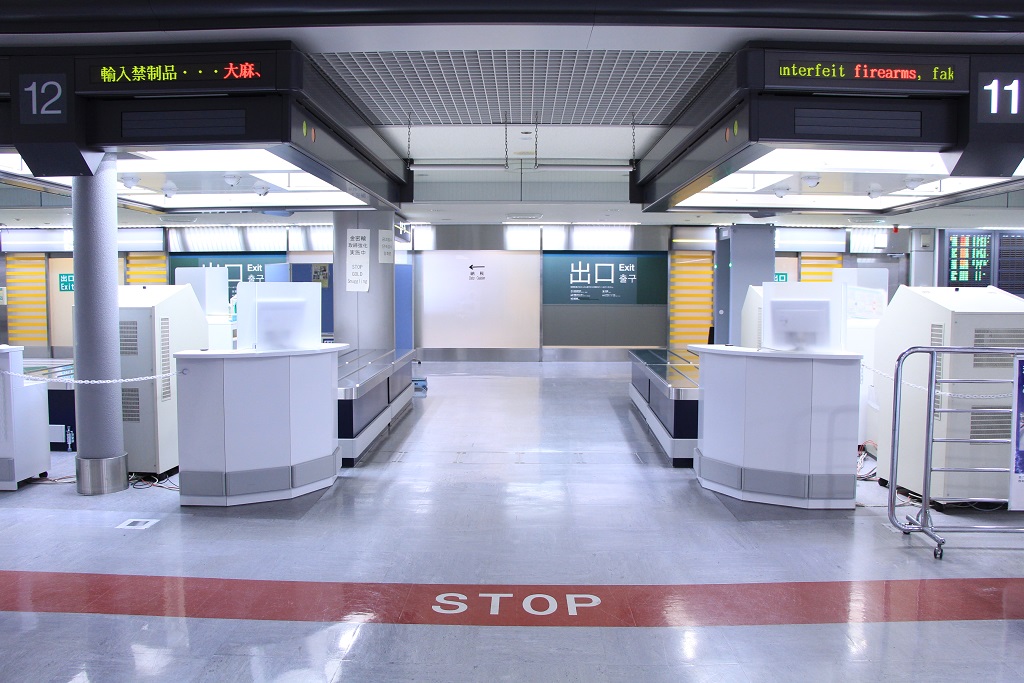
Según un informe de TravelWeekly, la experiencia más amplia en pruebas de COVID-19 en aeropuertos la registran en Alemania, donde los viajeros procedentes de zonas de alto riesgo, incluidos los Estados Unidos son sometidos a estos test durante las 72 horas siguientes a su llegada. De momento, se está llevando a cabo y de forma gratuita en varias de las principales instalaciones alemanas, entre ellas, Berlín/Tegel, Berlín/Schonefeld, Munich, Frankfurt y Dusseldorf. Paralelamente, Lufthansa German Airlines ha iniciado a finales de Junio 2020, en sus dos hubs principales, los aeropuertos de Munich y Frankfurt, su propio programa de pruebas para los viajeros internacionales de llegada, ofreciendo resultados en un plazo de cuatro a cinco horas. Aquellos que obtienen resultados negativos quedan inmediatamente libres de los requisitos de cuarentena de dos semanas. También es un servicio disponible para los pasajeros de salida que viajen a países donde se exige un test negativo.
En los aeropuertos de Tokio/Haneda y Tokio/Narita se ofrecen pruebas con tiempos de respuesta aún más rápidos. Los medios locales informaron a fines de Julio 2020 que los aeropuertos habían comenzado a ofrecer pruebas de antígeno COVID-19 con resultados en una hora. Se esperaba que la capacidad de prueba en Tokio/Haneda aumentara a 3.800 personas por día, según el diario de información financiera Nikkei Asian Review.
También ofrece pruebas de COVID-19 el Aeropuerto Internacional Estambul desde principios de Julio 2020 con un coste de US$ 16,00. La capacidad por día es de aproximadamente 40.000 pruebas. Los resultados se entregan en dos horas.
Mientras tanto, en el Aeropuerto de Hong Kong, los pasajeros que llegan deben tomar un autobús de enlace a un lugar de prueba, según el portal del aeropuerto.
Acción y coordinación global
Analistas señalan que si estas acciones fueran obligatorias y coordinadas globalmente podrían ser la clave para abrir los viajes intercontinentales y reducir algunas medidas restrictivas y las cuarentenas mientras continúa la pandemia de COVID-19 y cuya aplicación está echando para atrás la reactivación de la aviación y el sector turístico, con las repercusiones económicas que tendrá.
También algunas de las principales aerolíneas lo habían propuesto en julio. Las dos mayores operadoras estadounidense, American Airlines y United Airlines, y dos de los mayores grupos aéreos europeos, Lufthansa Group e International Airlines Group (IAG) el holding de British Airways, Iberia, Vueling, Aer Lingus y Level, están pidiendo la creación de un programa conjunto de pruebas de COVID-19 entre los Estados Unidos y la Unión Europea para facilitar el reinicio de los vuelos transatlánticos. En una carta dirigida al vicepresidente de los Estados Unidos, Mike Pence, y al comisionado europeo para Asuntos de Interior, Yiva Johansson, las aerolíneas de los mayores grupos aéreos de ambas regiones pedían que el programa comenzara con un proyecto piloto (ver: Aerolíneas plantean una salida para reabrir el tráfico aéreo transatlántico).
En estos momentos, los Estados Unidos prohíben la llegada de viajeros de la Unión Europea (UE) y el Reino Unido. La UE ha bloqueado la llegada de visitantes procedentes de los EEUU. Mientras que el Reino Unido exige que los viajeros que llegan permanezcan en cuarentena durante 14 días y las recomendaciones de no viajar a otros países como España, Italia o Francia vuelven aparecer en los portales de Asuntos Exteriores de varias naciones europeas, levantándose nuevamente y de forma unilateral las barreras internas del continente.
Josh Walker, Cofundador de Nomi Health, con sede en Utah, que realiza pruebas de COVID-19 bajo contrato con los estados de Utah, Nebraska e Iowa, dijo que cree que los programas de pruebas coordinados podrían ayudar a países de todo el mundo a aliviar las restricciones de viaje, pero no será una tarea fácil. Según agregó, Nomi Health ha tenido conversaciones con los aeropuertos de Miami, London/Heathrow y una gran aerolínea extranjera para realizar sus pruebas.
Protocolo único
Dijo que para que un programa de pruebas coordinado funcione, las diversas autoridades reguladoras deberían establecer un protocolo único. Los pasajeros aéreos podrían comenzar el proceso ingresando información básica de registro en una plataforma única y deberían hacerse las pruebas utilizando tecnología estandarizada. Josh Walker ha agregado que, si bien los aeropuertos que realizan pruebas de COVID-19 a su llegada son un buen paso, sería un mejor enfoque ordenar las pruebas antes de la salida al destino. Los aeropuertos podrían establecer áreas específicas para las pruebas, a las que los viajeros acudirían previa cita en un plazo que les permita tener los resultados antes de volar. «Los resultados podrían incluso codificarse en las tarjetas de embarque», expresó Josh Walker.
Alternative health air/airports
Airlines and airports propose an alternative to quarantines
European and US airlines maintain their proposal to carry out a coordinated global test program as an effective alternative to quarantines and entry restrictions, once again established by several governments in the face of outbreaks of Coronavirus cases that are pushing back the reopening to travel. Several of the world’s major airports are offering or requiring COVID-19 testing at the time of flight for arriving international passengers.
According to a report by TravelWeekly, the most extensive experience in COVID-19 tests at airports is in Germany, where travelers from high-risk areas, including the United States, are subjected to these tests within 72 hours of arrival . At the moment, it is being carried out and free of charge at several of the main German facilities, including Berlin/Tegel, Berlin/Schonefeld, Munich, Frankfurt and Dusseldorf. At the same time, Lufthansa German Airlines has started at the end of June 2020, at its two main hubs, the Munich and Frankfurt airports, its own test program for incoming international travelers, offering results within a period of four to five hours. Those who test negative are immediately released from the two-week quarantine requirements. It is also a service available for outbound passengers traveling to countries where a negative test is required.
COVID-19 SANITARY CONTROL POST AT FRANKFURT INTERNATIONAL AIRPORT, GERMANY
Tests with even faster response times are offered at Tokyo/Haneda and Tokyo/Narita airports. Local media reported in late July 2020 that airports had started offering COVID-19 antigen tests with results within an hour. Testing capacity in Tokyo/Haneda was expected to increase to 3,800 people per day, according to the financial reporting newspaper Nikkei Asian Review.
The Istanbul International Airport also offers COVID-19 tests from the beginning of July 2020 at a cost of US$ 16.00. The capacity per day is approximately 40,000 tests. Results are delivered in two hours.
Meanwhile, at Hong Kong Airport, arriving passengers must take a shuttle bus to a test location, according to the airport portal.
Global action and coordination
Analysts point out that if these actions were mandatory and globally coordinated, they could be the key to opening up intercontinental travel and reducing some restrictive measures and quarantines while the COVID-19 pandemic continues and whose application is reversing the reactivation of aviation and the tourism sector, with the economic repercussions it will have.
Also some of the major airlines had proposed it in July. The two largest US carriers, American Airlines and United Airlines, and two of the largest European airline groups, Lufthansa Group and International Airlines Group (IAG), the holding company of British Airways, Iberia, Vueling, Aer Lingus and Level, are calling for the creation of a joint COVID-19 testing program between the United States and the European Union to facilitate the restart of transatlantic flights. In a letter addressed to the Vice President of the United States, Mike Pence, and the European Commissioner for Home Affairs, Yiva Johansson, the airlines of the largest airline groups in both regions requested that the program begin with a pilot project (see: Airlines propose an outlet to reopen transatlantic air traffic).
At this time, the United States prohibits the arrival of travelers from the European Union (EU) and the United Kingdom. The EU has blocked the arrival of visitors from the US. While the United Kingdom requires that arriving travelers remain in quarantine for 14 days and the recommendations not to travel to other countries such as Spain, Italy or France appear again on the Foreign Affairs portals of several European nations, rising again and in a unilateral internal barriers of the continent.
Josh Walker, Co-Founder of Utah-based Nomi Health, which tests for COVID-19 under contract with the states of Utah, Nebraska and Iowa, said he believes coordinated testing programs could help countries around the world to ease travel restrictions, but it won’t be an easy task. As she added, Nomi Health has had conversations with the airports of Miami, London/Heathrow and a large foreign airline to carry out its tests.
Single protocol
He said that for a coordinated testing program to work, the various regulatory authorities would need to establish a single protocol. Air passengers could start the process by entering basic registration information on a single platform and testing should be done using standardized technology. Josh Walker has added that while airports testing for COVID-19 upon arrival is a good move, it would be a better approach to order testing prior to departure. Airports could establish specific areas for testing, to which travelers would go by appointment within a period that allows them to have the results before flying. «The results could even be encoded on boarding passes», said Josh Walker.
Ξ A I R G W A Y S Ξ PUBLISHER: Airgways.com DBk: Airgways.com / TravelWeekly.com / Nomihealth.com / Nikkei.com / Hosteltur.com / Forbes.com / Narita-airport.jp AW-POST: 202008181012AR
Volga-Dnepr 19º operador carguero bimotor de gran capacidad
Un Boeing 777 Freighter se ha unido este 17/08 a la flota del Grupo Volga-Dnepr de 24 cargueros Boeing, partiendo de Paine Field en Everett, Washington. El carguero bimotor eficiente en combustible comenzará a operar con AirBridgeCargo, una subsidiaria de Volga-Dnepr. AirBridgeCargo operará el avión a través de un acuerdo de venta con arrendamiento posterior con Dubai Aerospace Enterprise (DAE). “Estamos encantados de dar la bienvenida a Volga-Dnepr Group como nuestro cliente más nuevo, ya que presentan el 777 Freighter a su flota. DAE Capital es el arrendador más grande del mundo del rentable y eficiente 777 Freighter. Esperamos tener una relación larga y gratificante con Volga-Dnepr Group a medida que continúan haciendo crecer sus operaciones exitosas”, dijo Firoz Tarapore, director ejecutivo de DAE.
Volga-Dnepr Group se encuentra entre los operadores de cargueros Boeing más grandes del mundo, con una flota compuesta por Boeing 747F (17) de los cuales 13 son Boeing 747-8F, cuatro Boeing 747-400ERF; Boeing 737F (5), incluidos dos Boeing 737-800BCF y tres Boeing 737-400SF.
El 777 Freighter, que puede volar 4.970 millas náuticas (9.200 kilómetros), puede transportar una carga útil de 224.900 libras. (102,010 kg), más capacidad de carga que cualquier otro carguero bimotor. De todos los cargueros de producción, solo el 747F y el 777 Freighter son capaces de transportar cargas altas y de gran tamaño en paletas de 3 metros (10 pies) de altura. Esta capacidad común de altura de paletas en la plataforma principal permite paletas intercambiables para ambos modelos. Además, la puerta de carga lateral de la cubierta principal del 777F es extraordinariamente ancha a 3,72 metros (146,5 pulgadas), lo que le da a ese avión una capacidad de transporte de gran tamaño más allá de las cargas útiles altas. «Nos sentimos honrados de asociarnos con Dubai Aerospace Enterprise y Volga-Dnepr Group para presentar el 777 Freighter a los clientes de Volga. Esperamos presentar el insuperable eficiencia y capacidad del 777 Freighter para complementar la flota existente de Volga», dijo Ihssane Mounir, vicepresidente senior de Ventas Comerciales y Marketing de The Boeing Company.
Boeing proporciona más del 90 por ciento de la capacidad de carga dedicada en todo el mundo. Los clientes han pedido 231 777 cargueros desde que comenzó el programa en 2005. Volga-Dnepr se convierte en el 19º operador hasta la fecha en utilizar el carguero bimotor de gran capacidad.
Boeing 777F joins Volga-Dnepr
Volga-Dnepr becomes 19th operator as high capacity twin-engine freighter
A Boeing 777 Freighter has joined the Volga-Dnepr Group fleet of 24 Boeing freighters on 08/17, departing from Paine Field in Everett, Washington. The fuel-efficient twin-engine freighter will begin operations with AirBridgeCargo, a subsidiary of Volga-Dnepr. AirBridgeCargo will operate the aircraft through a sale and leaseback agreement with Dubai Aerospace Enterprise (DAE). “We are delighted to welcome the Volga-Dnepr Group as our newest customer as they introduce the 777 Freighter to their fleet. DAE Capital is the world’s largest lessor of the profitable and efficient 777 Freighter. We look forward to a long and rewarding relationship with the Volga-Dnepr Group as they continue to grow their successful operations”, said Firoz Tarapore, CEO of DAE.
The Volga-Dnepr Group is among the largest Boeing freighter operators in the world, with a fleet consisting of Boeing 747F (17) of which 13 are Boeing 747-8F, four are Boeing 747-400ERF; Boeing 737F (5), including two Boeing 737-800BCF and three Boeing 737-400SF.
The 777 Freighter, which can fly 4,970 nautical miles (9,200 kilometers), can carry a payload of 224,900 pounds. (102,010 kg), more payload than any other twin-engine freighter. Of all the production freighters, only the 747F and 777 Freighter are capable of carrying tall and oversized loads on 3-meter (10-foot) high pallets. This common pallet height capacity on the main deck allows for interchangeable pallets for both models. Additionally, the 777F’s main deck side cargo door is extraordinarily wide at 3.72 meters (146.5 inches), giving that aircraft oversized carrying capacity beyond high payloads. «We are honored to partner with Dubai Aerospace Enterprise and Volga-Dnepr Group to introduce the 777 Freighter to Volga customers. We look forward to introducing the unsurpassed efficiency and capacity of the 777 Freighter to complement the existing Volga fleet», said Ihssane Mounir, Vice President Senior Commercial Sales and Marketing at The Boeing Company.
Boeing provides more than 90 percent of the dedicated cargo capacity worldwide. Customers have ordered 231,777 freighters since the program began in 2005. Volga-Dnepr becomes the 19th operator to date to use the high-capacity twin-engine freighter.
Ξ A I R G W A Y S Ξ PUBLISHER: Airgways.com DBk: Boeing.com / Volga-dnepr.com / Airgways.com AW-POST: 202008172128AR
Continúan los retiros voluntarios en filial argentina
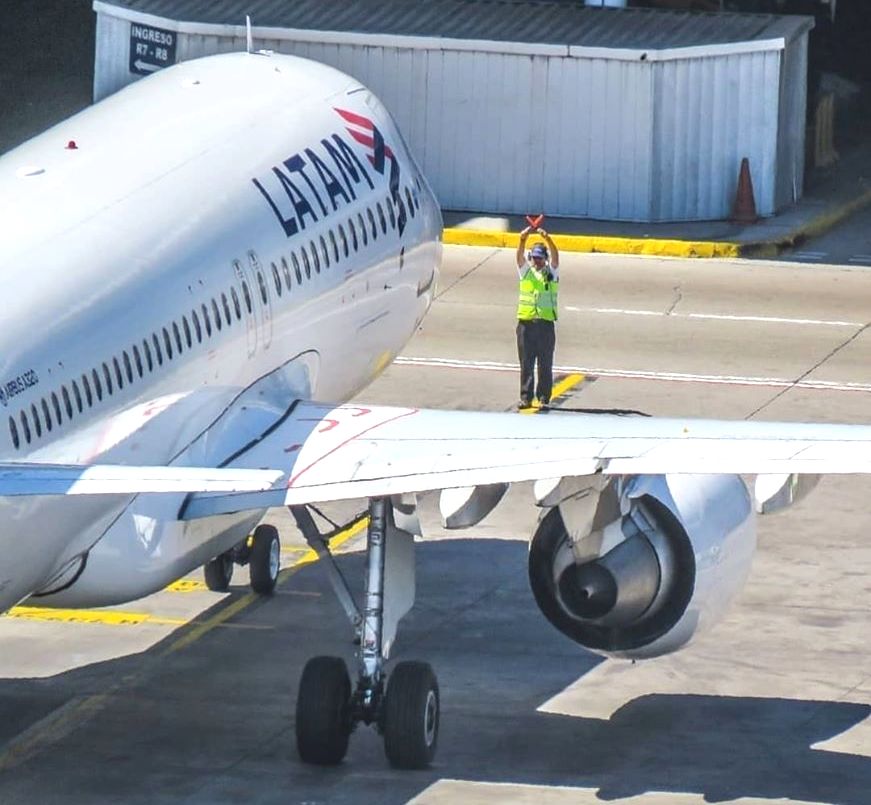
La aerolínea Latam Airlines Argentina continúa con el goteo de retiros voluntarios después que la compañía haya presentado el Procedimiento Preventivo de Crisis (PPC) al Ministerio de Trabajo en Junio 2020 que fue rechazado. A mediados de este mes la línea aérea había anunciado el cierre de la filial, poniendo a disposición de ultimar los recursos para concluir el proceso de desvinculamiento de los 1.715 empleados de la empresa.
Tras el impasse entre Gobierno-Latam Airlines, no se ha avanzado con las negociaciones de los abogados de la empresa y la cartera de Trabajo. La mayor parte de los empleados actualmente han optado por los retiros voluntarios, alcanzando una totalidad de 1.100 trabajadores. El monto de los retiros voluntarios equivalen al 100% del convenio, otros han acordado en estos días montos inferiores al 100%. Casi dos tercios del plantel de empleados actualmente se ha desvinculado de la compañía en proceso de cierre.
Latam Argentina continues withdrawals
Voluntary withdrawals continue in Argentine subsidiary
The airline Latam Airlines Argentina continues with the trickle of voluntary withdrawals after the company presented the Crisis Preventive Procedure (PPC) to the Ministry of Labor in June 2020, which was rejected. In the middle of this month, the airline had announced the closure of the subsidiary, making available to finalize the resources to conclude the process of dismissal of the 1,715 employees of the company.
After the impasse between the Government-Latam Airlines, no progress has been made with the negotiations of the company’s lawyers and the Labor portfolio. Most of the employees currently have opted for voluntary retirements, reaching a total of 1,100 workers. The amount of voluntary withdrawals is equivalent to 100% of the agreement, others have agreed in these days amounts less than 100%. Nearly two-thirds of the workforce has now left the closing company.
Ξ A I R G W A Y S Ξ PUBLISHER: Airgways.com DBk: Latam.com / Airgways.com / Pagina12.com.ar AW-POST: 202008172104AR
Low cost argentina renegocia aeronaves de su flota
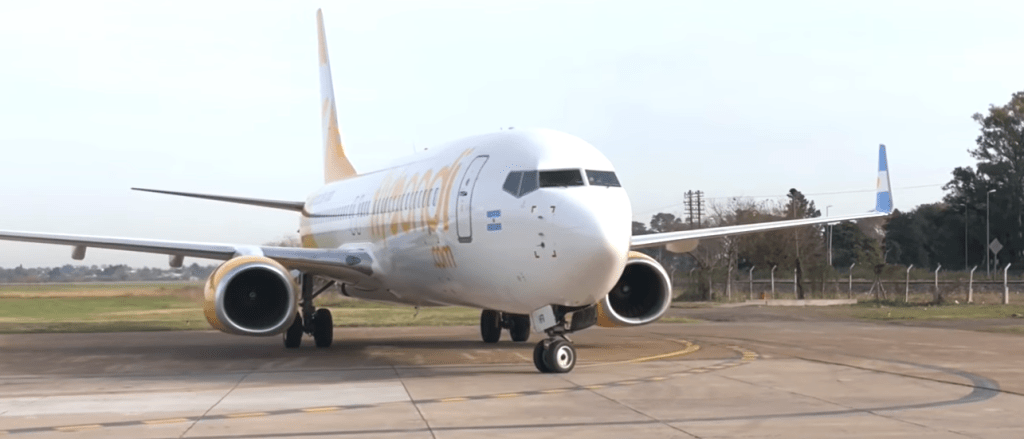
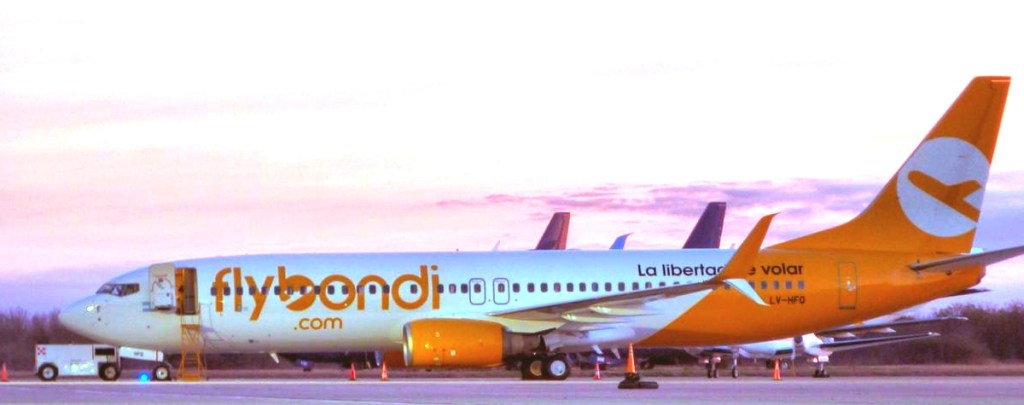
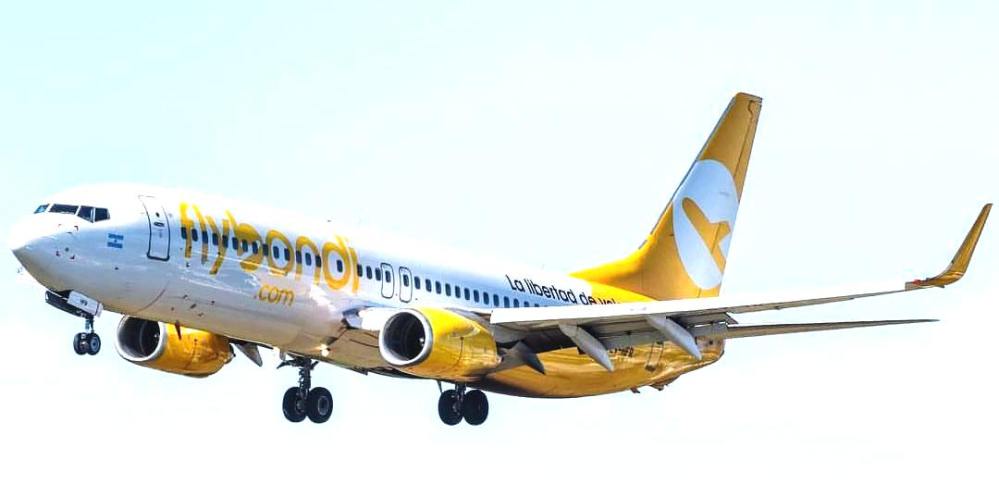
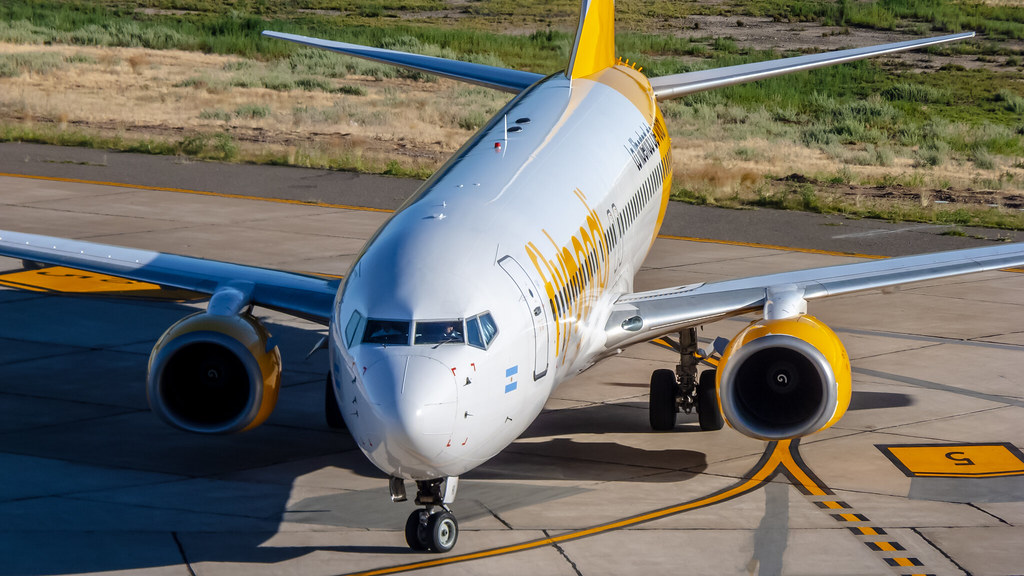
La aerolínea low cost de Argentina ha iniciado nuevas renegociaciones de su flota comercial post-pandemia para ofrecer mejores alternativas de leasing hacia la reapertura de la actividad aérea en el país. Flybondi Líneas Aéreas ha decidido devolver el Boeing 737-800 registrado LV-HKS, arrendado de SMBC Aviation Capital del cual la línea aérea de presupuesto buscará otro reemplazo con mejores condiciones de alquiler post-pandemia. En cuanto al matrícula LV-HKN será trasladado a Estados Unidos, al Estado de Texas para realizar tareas de C-Check, reacondicionando la aeronave para su retorno a las operaciones en la aerolínea.
Perspectivas
Tras un breve receso de las unidades operativas de los Boeing 737-800, Flybondi apunta a recuperar su flota existente de forma gradual durante el 2020-2021. Actualmente, la compañía posee una aeronave Boeing 737-800 activa permitiendo ahorrar sus gastos corrientes para retornar a los cielos en la Argentina post-pandemia a la brevedad.
Flybondi reconditions fleet
Low cost Argentina renegotiates aircraft of its fleet
Argentina’s low-cost airline has begun new renegotiations of its post-pandemic commercial fleet to offer better leasing alternatives towards the reopening of air activity in the country. Flybondi Líneas Aéreas has decided to return the LV-HKS registered Boeing 737-800 leased from SMBC Aviation Capital, of which the budget airline will seek another replacement with better post-pandemic rental conditions. As for the LV-HKN registration, it will be transferred to the United States, to the State of Texas to perform C-Check tasks, reconditioning the aircraft for its return to operations in the airline.
Perspectives
Following a brief hiatus from the Boeing 737-800 operating units, Flybondi aims to gradually recover its existing fleet during 2020-2021. Currently, the company has an active Boeing 737-800 aircraft allowing it to save its current expenses to return to the skies in post-pandemic Argentina as soon as possible.
Ξ A I R G W A Y S Ξ PUBLISHER: Airgways.com DBk: Flybondi.com / Airgways.com AW-POST: 202008172055AR
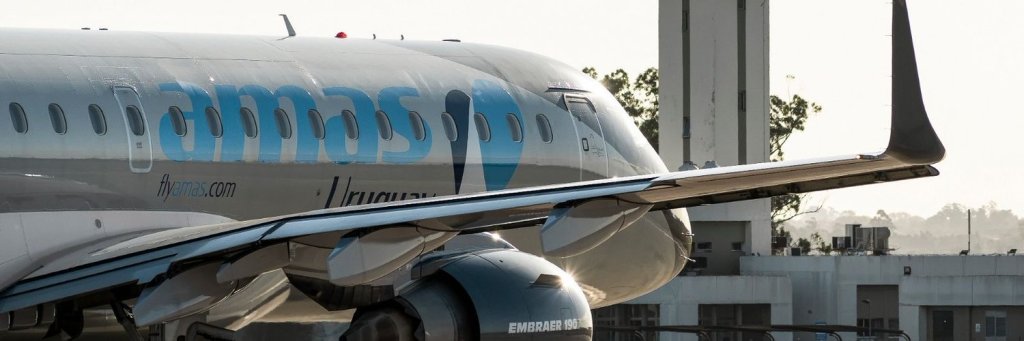
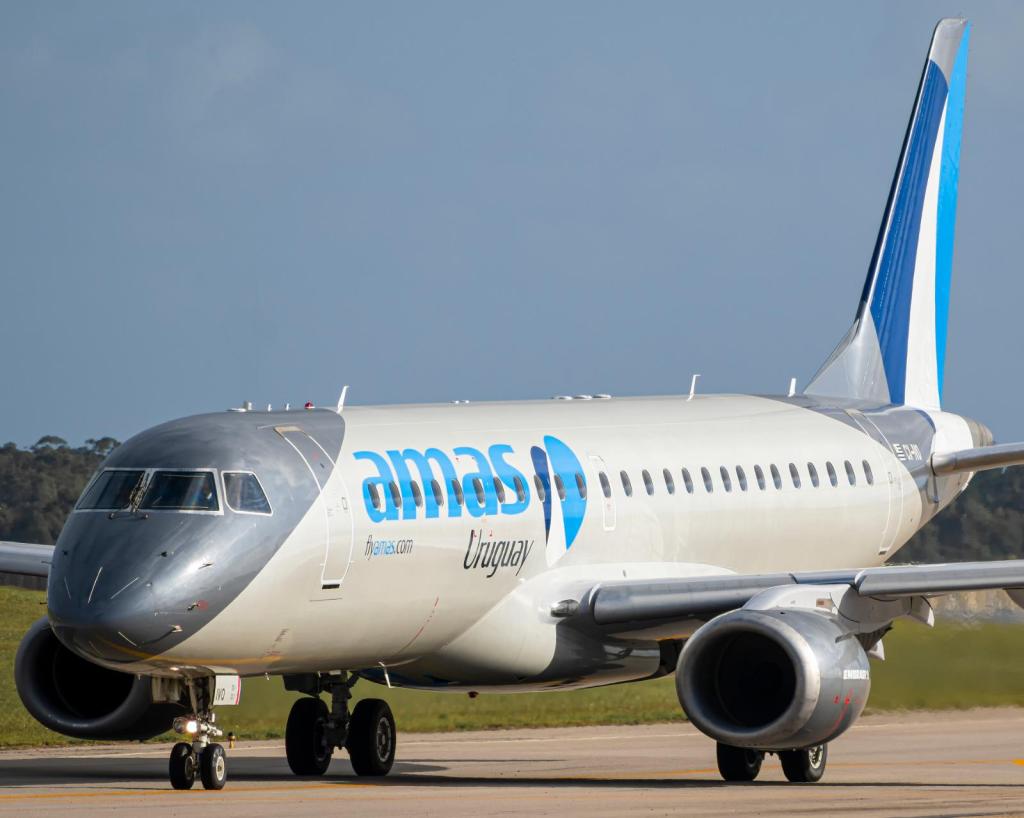
Amaszonas Uruguay (Amas Uruguay) ha anunciado la próxima entrega de su segunda aeronave Embraer E190-100LR como parte de la ampliación de su flota de aeronaves. Actualmente posee Embraer E-190 (1) y Bombardier CRJ-200 (1). La nueva aeronave con matrícula uruguaya CX-SLC es una aeronave cedida de Amas Bolivia. El próximo E190-100LR se encuentra en los talleres del Aeropuerto Santa Cruz de La Sierra.
Con la llegada de la pandemia, Amaszonas Uruguay ha tenido que postergar su segunda incorporación de E190, pero al mismo tiempo ha acelerado los procesos de vuelos por repatriación hacia Brasil desde Mayo 2020, para posteriormente convertirse en vuelos regulares una vez concluido el proceso de retorno de los ciudadanos uruguayos. Actualmente Amas Uruguay vuela desde Montevideo a Sao Paulo/Guarulhos con una frecuencia semanal los días Sábados. La perspectiva para Septiembre 2020 es aumentar tres frecuencias semanales (3FRQ/S) los días Martes, Jueves y Sábados. Además proyecta vuelos adicionales en estudio hacia otros destinos de Brasil y la región.
Amas Uruguay receives 2nd. E190
Amas Uruguay will take delivery second E190-100
Amaszonas Uruguay (Amas Uruguay) has announced the next delivery of its second Embraer E190-100LR aircraft as part of the expansion of its aircraft fleet. It currently owns the Embraer E-190 (1) and the Bombardier CRJ-200 (1). The new aircraft with Uruguayan registration CX-SLC is a ceded aircraft from Amas Bolivia. The next E190-100LR is in the workshops of the Santa Cruz de La Sierra Airport.
With the arrival of the pandemic, Amaszonas Uruguay has had to postpone its second incorporation of E190, but at the same time it has accelerated the processes of flights for repatriation to Brazil from May 2020, to later become regular flights once the return process has concluded. of Uruguayan citizens. Currently Amas Uruguay flies from Montevideo to Sao Paulo/Guarulhos with a weekly frequency on Saturdays. The outlook for September 2020 is to increase three weekly frequencies (3FRQ/S) on Tuesdays, Thursdays and Saturdays. It also plans additional flights under study to other destinations in Brazil and the region.
Ξ A I R G W A Y S Ξ PUBLISHER: Airgways.com DBk: Amaszonas.com / Airgways.com AW-POST: 202008171743AR
OACI avala programa sanidad del Consejo Aeropuertos (ACI)
La Organización de Aviación Civil Internacional (OACI) ha expresado la aprobación del programa de Acreditación de Salud Aeroportuaria recientemente lanzado por el Consejo Internacional de Aeropuertos (ACI) World. A medida que los aeropuertos comienzan a reiniciar sus operaciones, el programa de acreditación de salud aeroportuaria los ayuda a centrarse en la salud y el bienestar de los viajeros, el personal y el público. La OACI ha brindado hoy su apoyo al programa que se lanzó la semana pasada y ya ha despertado el interés de los aeropuertos de todas las regiones del mundo. El aeropuerto de Estambul fue el primer aeropuerto del mundo acreditado a través del programa.
Los aeropuertos están introduciendo nuevas medidas y procedimientos de salud como resultado de la pandemia de COVID-19 y el nuevo programa de ACI proporciona una evaluación de estas medidas de acuerdo con las recomendaciones del Grupo de Trabajo de Recuperación de la Aviación (CART) del Consejo de la OACI y en consonancia con la Aviación conjunta de EASA y ECDC. Protocolo de seguridad sanitaria y Directrices de ACI EUROPE para una experiencia saludable de los pasajeros en los aeropuertos. “Los viajes aéreos son un factor clave para la recuperación económica mundial del impacto de la pandemia de COVID-19 y el apoyo de la OACI a nuestro programa de acreditación brindará una asistencia inconmensurable para promover la armonización de las medidas de salud que se están introduciendo en todo el mundo para facilitar el reinicio de la aviación. Nuestro nuevo programa permite que los aeropuertos demuestren a los pasajeros, el personal, los reguladores y los gobiernos que están dando prioridad a la salud y la seguridad de una manera cuantificable y establecida, al tiempo que validan sus propias medidas y procesos. La coherencia será la clave para una recuperación sostenida y las directrices de la OACI sientan el marco para un enfoque coordinado a nivel mundial que fomentará la confianza del público en la aviación”, dijo el Director General Mundial de ACI, Luis Felipe de Oliveira.
El presidente del Consejo de la OACI, Sr. Salvatore Sciacchitano, dijo: “Un enfoque armonizado de la salud es clave no solo para la recuperación de la aviación civil, sino también para ‘reconstruir mejor’, que es de vital importancia para garantizar la resiliencia futura de la red de aviación. El programa de acreditación de salud aeroportuaria de ACI será de importancia en términos de proporcionar una plataforma e impulso para la implementación de las recomendaciones del Grupo de trabajo de recuperación de la aviación del Consejo de la OACI (CART), de las cuales la armonización y la resiliencia son los principios rectores».
El Secretario General de la OACI, Dr. Fang Liu, dijo: “Para apoyar la implementación de las recomendaciones y orientaciones del CART, la OACI está haciendo uso de todos los recursos disponibles, a través del marco de coordinación del Acuerdo de colaboración para la prevención y gestión de eventos de salud pública en la aviación civil (CAPSCA) y una mayor cooperación con la industria, facilitando la implementación de Corredores de Salud Pública para asegurar operaciones de vuelo continuas con restricciones mínimas, prevenir la propagación de COVID-19 a través de viajes aéreos, proteger la salud y seguridad de la tripulación y los pasajeros y fortalecer la confianza de los pasajeros en viaje aéreo. El programa de acreditación sanitaria del aeropuerto de ACI apoyará estos esfuerzos».
El programa de Acreditación de Salud Aeroportuaria cubre temas como limpieza y desinfección, distanciamiento físico (cuando sea factible y práctico), protección del personal, distribución física, comunicaciones de pasajeros e instalaciones para pasajeros en todas las áreas y procesos de pasajeros. El programa es voluntario y está abierto a todos los aeropuertos miembros de ACI de todos los tamaños en todas las regiones.
ICAO supports ACI health program
ICAO endorses the sanitation program of the ACI
The International Civil Aviation Organization (ICAO) has expressed approval of the Airport Health Accreditation program recently launched by Airports Council International (ACI) World. As airports begin to restart operations, the airport health accreditation program helps them focus on the health and well-being of travelers, staff and the public. ICAO today supported the program that was launched last week and has already sparked interest from airports in all regions of the world. Istanbul Airport was the world’s first airport accredited through the program.
Airports are introducing new health measures and procedures as a result of the COVID-19 pandemic and the new ACI program provides an assessment of these measures in accordance with the recommendations of the Council’s Aviation Recovery Task (CART). ICAO and in line with EASA and ECDC Joint Aviation. ACI EUROPE Health Security Protocol and Guidelines for a healthy passenger experience at airports. “Air travel is a key factor in the global economic recovery from the impact of the COVID-19 pandemic and ICAO’s support for our accreditation program will provide immeasurable assistance to promote the harmonization of health measures that are being introduced. around the world to facilitate the restart of aviation. Our new program enables airports to demonstrate to passengers, staff, regulators and governments that they are prioritizing health and safety in a measurable and established way, while validating their own measures and processes. Coherence will be the key to a sustained recovery and ICAO guidelines provide the framework for a globally coordinated approach that will foster public confidence in aviation”, said ACI Global Director General Luis Felipe de Oliveira.
ICAO Council President Salvatore Sciacchitano said: “A harmonized approach to health is key not only for the recovery of civil aviation, but also for ‘building back better’, which is vitally important to ensure the future resilience of the aviation network. The ACI airport health accreditation program will be of importance in terms of providing a platform and momentum for the implementation of the recommendations of the ICAO Council Aviation Recovery Working Group (CART), of which the harmonization and resilience is the guiding principles».
ICAO Secretary General Dr. Fang Liu said: “To support the implementation of the CART recommendations and guidance, ICAO is making use of all available resources, through the coordination framework of the Collaboration Agreement for the prevention and management of public health events in civil aviation (CAPSCA) and increased cooperation with the industry, facilitating the implementation of Public Health Corridors to ensure continuous flight operations with minimal restrictions, prevent the spread of COVID-19 through travel plan, protect the health and safety of crew and passengers, and strengthen passenger confidence in air travel. ACI’s airport health accreditation program will support these efforts».
The Airport Health Accreditation program covers topics such as cleaning and disinfection, physical distancing (when feasible and practical), personnel protection, physical distribution, passenger communications, and passenger facilities in all passenger areas and processes. The program is voluntary and open to all ACI member airports of all sizes in all regions.
Ξ A I R G W A Y S Ξ PUBLISHER: Airgways.com DBk: Icao.int / Aci.aero / Airgways.com AW-POST: 202008171708AR
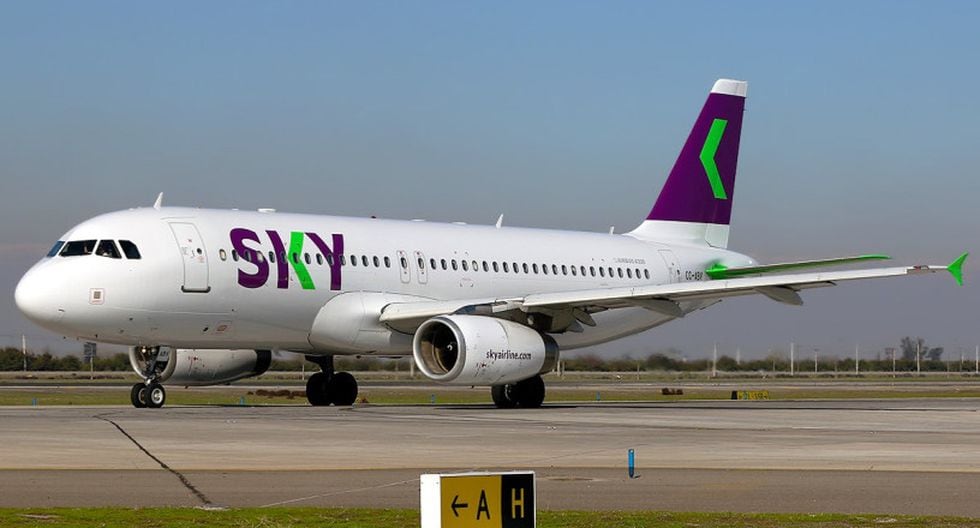
Sky Airline Perú ha transportado 21.300 pasajeros en el primer mes de reactivación del transporte aéreo en la República de Chile. La cifra representa un 83% menos respecto a lo registrado en el mismo período del 2019, cuando la aerolínea trasladó a 130.500 pasajeros.
Las aerolíneas peruanas reiniciaron operaciones el pasado 15 Julio 2020 bajo los protocolos de seguridad establecidos por el Gobierno, para evitar mayores contagios por COVID-19. La aerolínea SKY ha informado que desde el 15 Julio al 14 Agosto 2020 se realizó el transporte de 21.300 pasajeros en vuelos domésticos, lo que representa 83% menos viajeros que los registrados en el mismo período interanual de 2019, cuando la aerolínea trasladó a 130.500 pasajeros. De este total, 11.600 pasajeros volaron de Lima a las provincias del interior y 9.700 lo hicieron del interior hacia la capital de la República de Perú.
Asimismo, debido al impacto de la limitación en la cantidad de operaciones aéreas por hora, los vuelos tuvieron que reducirse. Para Sky Airline Perú, esto ha significado realizar únicamente 168 vuelos, tan solo un poco más del 20% de los que operó en el mismo período interanual. Debido a la coyuntura, la línea aérea se vio en la obligación de modificar sus itinerarios, operando en el mes de agosto a 5 de sus 12 destinos nacionales: Iquitos, Lima, Pucallpa, Piura y Tumbes. Debido a restricciones gubernamentales, no se pueden realizar vuelos comerciales a ciudades como Arequipa, Cusco, Juliaca, Puerto Maldonado y Tarapoto.
“En este contexto, el perfil del pasajero corresponde a quien realmente necesita trasladarse, sea para retornar a sus regiones, visitar a familiares o por alguna oportunidad de negocio. El transporte aéreo está jugando un rol muy importante, ofreciendo la forma más segura de viajar a precios muy accesibles para acompañar la reactivación del país”, señala Franco Chaparro, Gerente Comercial de Sky Airline en Perú.
Sky Peru increases its frequencies
Sky Airline of Peru has increased its flights
Sky Airline Peru has transported 21,300 passengers in the first month of reactivation of air transport in the Republic of Chile. The figure represents 83% less compared to what was registered in the same period of 2019, when the airline transferred 130,500 passengers.
Peruvian airlines restarted operations on July 15, 2020 under the security protocols established by the Government, to avoid further infections by COVID-19. The airline SKY has reported that from July 15 to August 14, 2020, 21,300 passengers were transported on domestic flights, which represents 83% fewer travelers than those registered in the same inter-annual period in 2019, when the airline transferred 130,500 passengers. Of this total, 11,600 passengers flew from Lima to the interior provinces and 9,700 flew from the interior to the capital of the Republic of Peru.
Also, due to the impact of the limitation in the number of air operations per hour, flights had to be reduced. For Sky Airline Peru, this has meant making only 168 flights, just over 20% of those operated in the same year-on-year period. Due to the situation, the airline was forced to modify its itineraries, operating in the month of August to 5 of its 12 national destinations: Iquitos, Lima, Pucallpa, Piura and Tumbes. Due to government restrictions, commercial flights cannot be made to cities such as Arequipa, Cusco, Juliaca, Puerto Maldonado and Tarapoto.
“In this context, the profile of the passenger corresponds to who really needs to move, be it to return to their regions, visit relatives or for a business opportunity. Air transport is playing a very important role, offering the safest way to travel at very affordable prices to accompany the reactivation of the country”, says Franco Chaparro, Commercial Manager of Sky Airline in Peru.
Ξ A I R G W A Y S Ξ PUBLISHER: Airgways.com DBk: Skyairline.com/peru / Airgways.com AW-POST: 202008171305AR
La aerolínea estima reapertura dentro de diez días
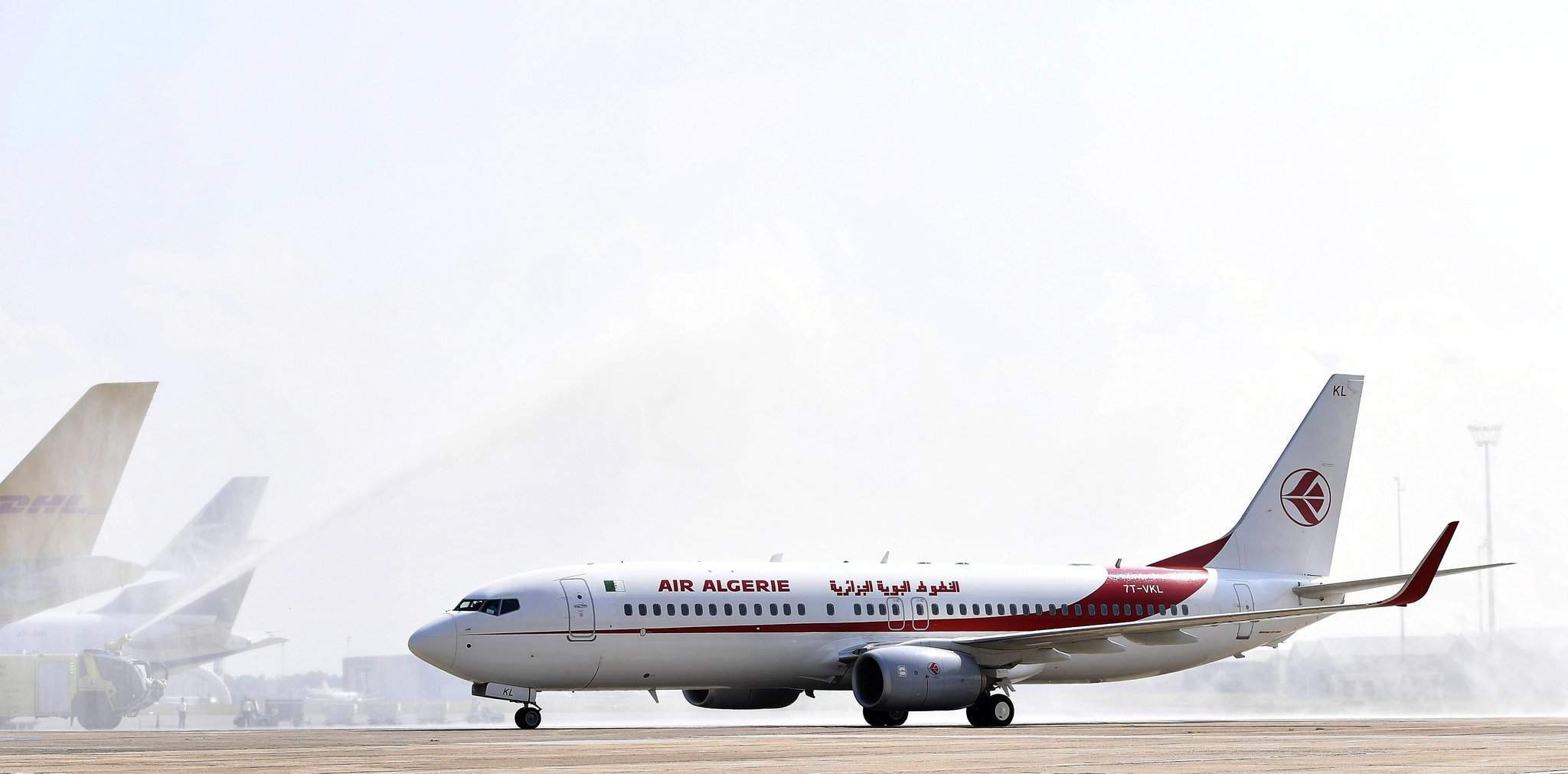
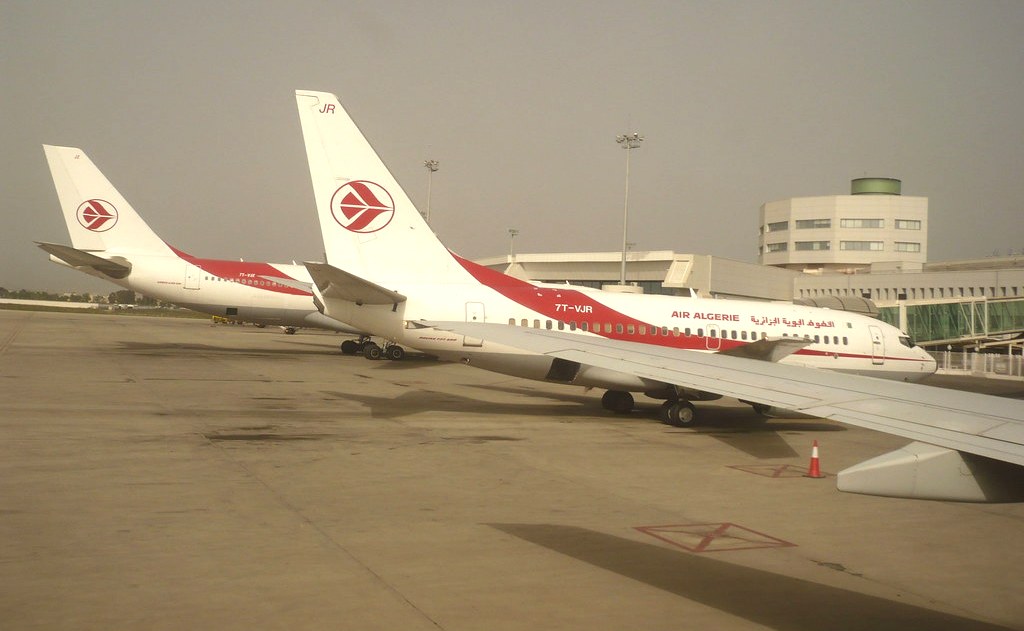
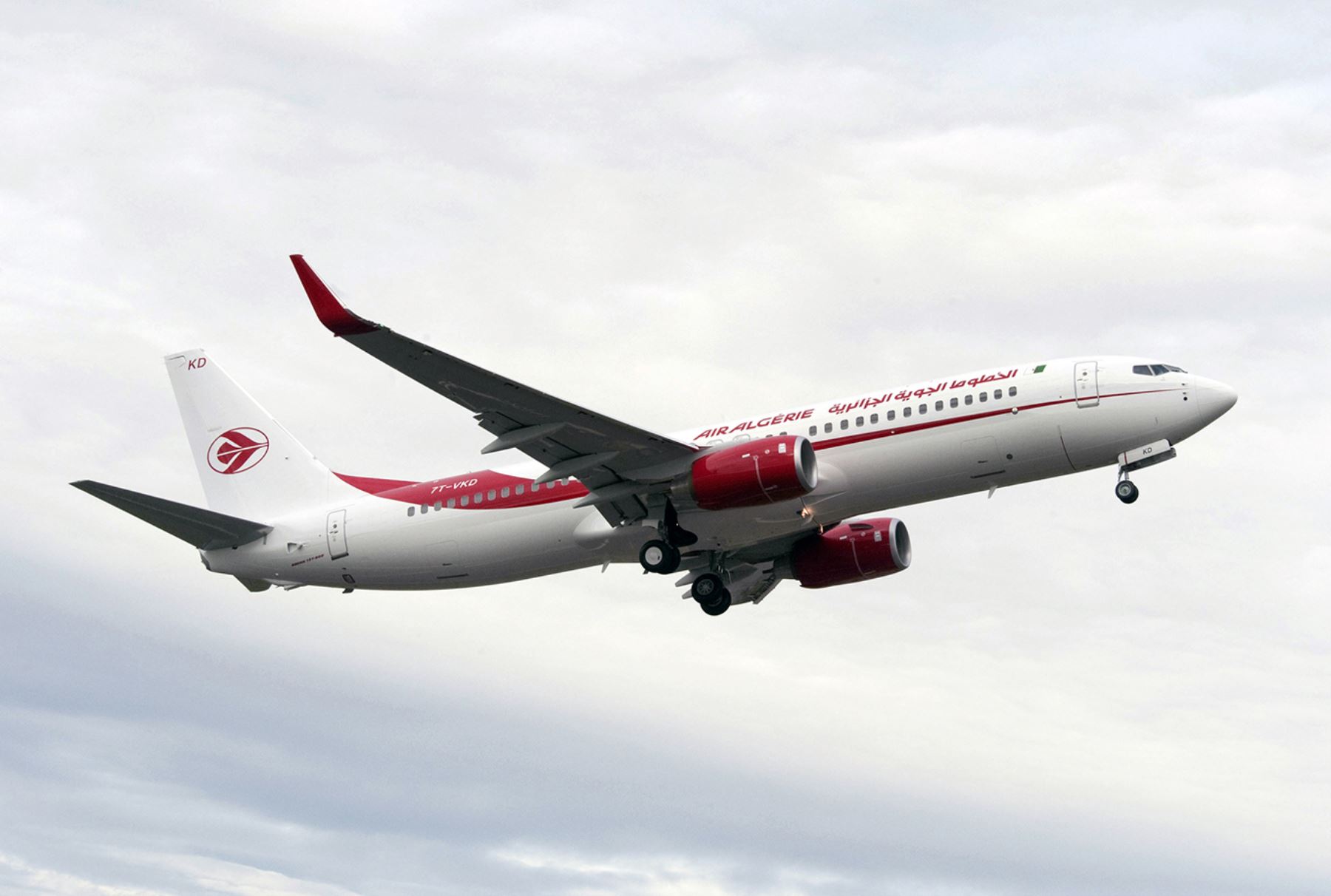
El Presidente y Director General de la aerolínea estatal de Argelia, Air Algérie, ha comunicado este Sábado 15 Agosto 2020 sobre la reanudación de los vuelos dependiendo únicamente de la evolución de la situación sanitaria en el país y de las decisiones de las autoridades de Argelia. El director de Air Algérie ha estimado que en diez días habrán los primeros vuelos al extranjero, teniendo presente el decreciendo el número de contagios en el Argelia. La reanudación de los vuelos de Air Algérie es dependerá de las autoridades públicas, recordó, este sábado, su Consejero Delegado, Bakhouche Alleche. El funcionario dijo que la aerolínea está preparada para reanudar sus vuelos si las autoridades del país levantan las restricciones. «Una vez que las autoridades declaran el desconfinamiento, pondremos en práctica lo que hemos decidido», dijo. Así, la aerolínea argelina ha elaborado un plan de reanudación que se pondrá en marcha en cuanto deciden abrir las fronteras. El funcionario cree que Air Algérie quiere reconectarse con enlaces aéreos, pero la decisión está condicionada por la evolución de la crisis sanitaria vinculada al Coronavirus. «Nos gustaría, pero hay imperativos de salud pública», dijo. Son estos mismos imperativos los que han impuesto un cierre, que ha durado desde marzo pasado, a esta aerolínea, como a otras aerolíneas del mundo.
Apertura de la frontera
Air Algeria ha suspendido sus enlaces aéreos por decisión de las autoridades del país. Una de las medidas entre otras que se han tomado para detener la propagación del Coronavirus en la República de Argelia. En los últimos días se ha iniciado un desconfinamiento gradual en el país. Se han levantado varias medidas restrictivas. Además del relajamiento de las medidas de confinamiento: apertura de las mezquitas, playas y otros sitios recreativos han sido autorizados a reabrir sus puertas al público desde el Sábado 15 Agosto 2020.
Air Algérie approaches Ops restart
The airline estimates reopening in ten days
The President and General Director of the Algerian state airline, Air Algérie, has communicated this Saturday 15 August 2020 about the resumption of flights depending solely on the evolution of the health situation in the country and the decisions of the Algerian authorities. The director of Air Algérie has estimated that in ten days there will be the first flights abroad, bearing in mind the decreasing number of infections in Algeria. The resumption of Air Algérie flights will depend on public authorities, recalled this Saturday, its CEO, Bakhouche Alleche. The official said the airline is prepared to resume its flights if the country’s authorities lift the restrictions. «Once the authorities declare the lack of definition, we will put into practice what we have decided», he said. Thus, the Algerian airline has drawn up a resumption plan that will be launched as soon as they decide to open the borders. The official believes that Air Algérie wants to reconnect with air links, but the decision is conditioned by the evolution of the health crisis linked to the Coronavirus. «We would like to, but there are public health imperatives», he said. It is these same imperatives that have imposed a closure, which has lasted since last March, on this airline, as with other airlines in the world.
Opening of the border
Air Algeria has suspended its air links by decision of the country’s authorities. One of the measures among others that have been taken to stop the spread of the Coronavirus in the Republic of Algeria. In recent days, a gradual deconfinement has begun in the country. Several restrictive measures have been lifted. In addition to the relaxation of confinement measures: the opening of mosques, beaches and other recreational sites have been authorized to reopen their doors to the public from Saturday 15 August 2020.
الخطوط الجوية الجزائرية تقترب من إعادة تشغيل العمليات
تقدر شركة الطيران إعادة الافتتاح في غضون عشرة أيام
أبلغ الرئيس والمدير العام للخطوط الجوية الجزائرية ، الخطوط الجوية الجزائرية ، يوم السبت 15 غشت 2020 ، استئناف الرحلات اعتمادا فقط على تطور الوضع الصحي في البلاد وقرارات السلطات الجزائرية. قدر مدير الخطوط الجوية الجزائرية أنه في غضون عشرة أيام ستكون هناك أولى الرحلات الجوية إلى الخارج ، مع الأخذ في الاعتبار انخفاض عدد الإصابات في الجزائر. يذكر أن استئناف رحلات الخطوط الجوية الجزائرية سيعتمد على السلطات العامة ، حسبما ذكر ، يوم السبت ، رئيسها التنفيذي ، بخوش الليشي. وقال المسؤول إن شركة الطيران مستعدة لاستئناف رحلاتها إذا رفعت سلطات البلاد القيود. وقال «بمجرد أن تعلن السلطات عدم وجود تعريف ، سنطبق ما قررناه». وهكذا ، وضعت الخطوط الجوية الجزائرية خطة استئناف سيتم إطلاقها بمجرد أن يقرروا فتح الحدود. يعتقد المسؤول أن الخطوط الجوية الجزائرية تريد إعادة الاتصال بالروابط الجوية ، لكن القرار مشروط بتطور الأزمة الصحية المرتبطة بفيروس كورونا. وقال «نرغب في ذلك ، لكن هناك ضرورات للصحة العامة». هذه هي الضرورات نفسها التي فرضت الإغلاق ، الذي استمر منذ مارس الماضي ، على هذه الشركة ، كما هو الحال مع شركات الطيران الأخرى في العالم.
فتح الحدود
أوقفت الخطوط الجوية الجزائرية رحلاتها الجوية بقرار من السلطات الجزائرية. من بين الإجراءات التي تم اتخاذها لوقف انتشار فيروس كورونا في الجمهورية الجزائرية. في الأيام الأخيرة ، بدأ تفكيك تدريجي في البلاد. تم رفع العديد من التدابير التقييدية. بالإضافة إلى تخفيف إجراءات الحبس ، فقد تم السماح بافتتاح المساجد والشواطئ وغيرها من الأماكن الترفيهية ، بإعادة فتح أبوابها للجمهور اعتبارًا من يوم السبت 15 أغسطس 2020.
Ξ A I R G W A Y S Ξ PUBLISHER: Airgways.com DBk: Airalgeria.dz / Airgways.com AW-POST: 202008171248AR