AW | 2020 08 20 12:41 | AIRLINES MARKET / GOVERNMENT
Programación vuelos especiales ante demora reapertura aérea
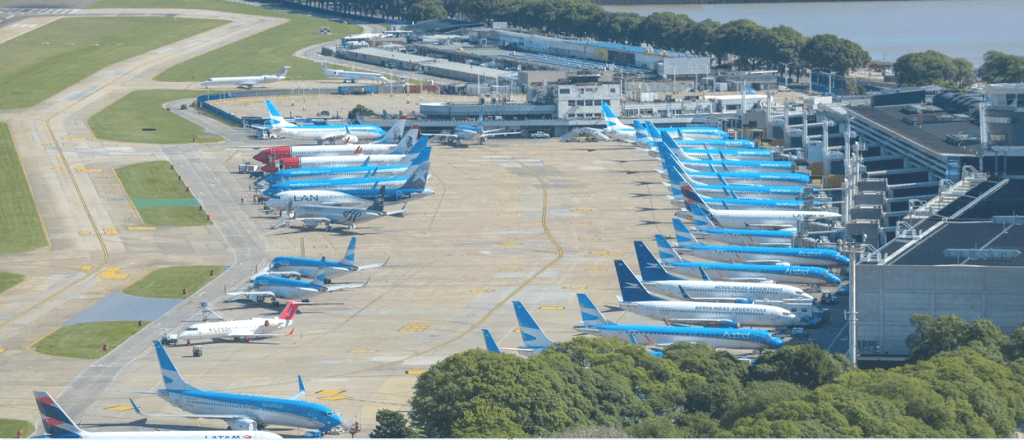
Las aerolíneas de la República Argentina han asumido que los vuelos no se reanudarán el 1 Septiembre 2020 como el sector aéreo estipulaba, en vista que el Gobierno ha postergado el reinicio de las operaciones regulares en el país. Por este motivo, las aerolíneas comenzaron a solicitar permisos al Gobierno para realizar vuelos especiales hacia el mes entrante con la autorización excepcional de la autoridad aeronáutica de la ANAC Argentina.
Aerolíneas Argentinas preveía más vuelos, pero ha disminuido su programación a la ANAC. Según explican, este achicamiento tiene que ver sobre todo con la baja demanda registrada en algunos vuelos a la venta. Habían programado vuelos que había anticipado para Septiembre 2020 a Bogotá, Santa Cruz de la Sierra, Montevideo, Punta del Este, Río de Janeiro, Lima y Punta Cana, aunque quedan en stand-by, mantendría el resto de los destinos anunciados, aunque con menos frecuencias. La compañía efectivamente volará el mes que viene a los siguientes destinos: Asunción del Paraguay, Santiago de Chile, San Pablo, Nueva York, Madrid, Miami y Cancún. Los pedidos todavía están pendientes de ser autorizados por la agencia de la ANAC Argentina.
Las aerolíneas Air France, KLM e Iberia comenzaron a ofrecer en Julio 2020 vuelos semanales a París, Amsterdam y Madrid, respectivamente. También Aerolíneas Argentinas, que en Agosto 2020 ha solicitado volar todas las semanas a Miami y Madrid. En vista del nuevo panorama, algunas de las aerolíneas que ya operaban estos vuelos pidieron aumentar frecuencias y se sumaron a la lista otras compañías como American Airlines, que quiere volar semanalmente entre Miami y Ezeiza, y Air Europa, que solicitó autorización para volar de Madrid a Ezeiza. El grupo aéreo Air France-KLM había solicitado aumentar sus frecuencias desde y hacia el país a partir del 09/2020. El plan era realizar tres vuelos semanales de Air France a París y cinco de KLM a Amsterdam, desde donde podrían conectar a otras ciudades europeas. Sin embargo, han reducido sus pretensiones a partir de la decisión del Gobierno de no reanudar los vuelos regulares. Los vuelos programados especiales sólo pueden abordar quienes tengan ciudadanía o residencia europea o dispongan de algún permiso especial solicitado previamente en la embajada del país. Estados Unidos no tiene restricciones para el ingreso de argentinos.
Argentina special flights schedule
Scheduling special flights due to delayed air reopening
The airlines of the Argentine Republic have assumed that flights will not resume on September 1, 2020 as the air sector stipulated, given that the Government has postponed the restart of regular operations in the country. For this reason, the airlines began to request permits from the Government to carry out special flights towards the next month with the exceptional authorization of the aeronautical authority of ANAC Argentina.
Aerolineas Argentinas planned more flights, but it has reduced its programming to ANAC. As they explain, this reduction has to do above all with the low demand registered in some flights for sale. They had scheduled flights that he had anticipated for September 2020 to Bogotá, Santa Cruz de la Sierra, Montevideo, Punta del Este, Rio de Janeiro, Lima and Punta Cana, although they remain on stand-by, it would keep the rest of the announced destinations, although with less frequencies. The company will effectively fly next month to the following destinations: Asunción del Paraguay, Santiago de Chile, São Paulo, New York, Madrid, Miami and Cancun. The orders are still pending to be authorized by the ANAC Argentina agency.
The airlines Air France, KLM and Iberia began offering weekly flights to Paris, Amsterdam and Madrid, respectively, in July 2020. Also Aerolineas Argentinas, which in August 2020 has requested to fly every week to Miami and Madrid. In view of the new panorama, some of the airlines that already operated these flights asked to increase frequencies and other companies such as American Airlines, which wants to fly weekly between Miami and Ezeiza, and Air Europa, which requested authorization to fly from Madrid, joined the list. to Ezeiza. The Air France-KLM airline group had requested to increase its frequencies to and from the country as of 09/2020. The plan was to carry out three weekly Air France flights to Paris and five from KLM to Amsterdam, from where they could connect to other European cities. However, they have reduced their claims after the government’s decision not to resume regular flights. Special scheduled flights can only board those who have European citizenship or residence or have a special permit previously requested at the country’s embassy. The United States has no restrictions on the entry of Argentines.
Ξ A I R G W A Y S Ξ PUBLISHER: Airgways.com DBk: Airgways.com / Anac.gov.ar / Airport-worldwide.com / Trover.com AW-POST: 202008201241AR
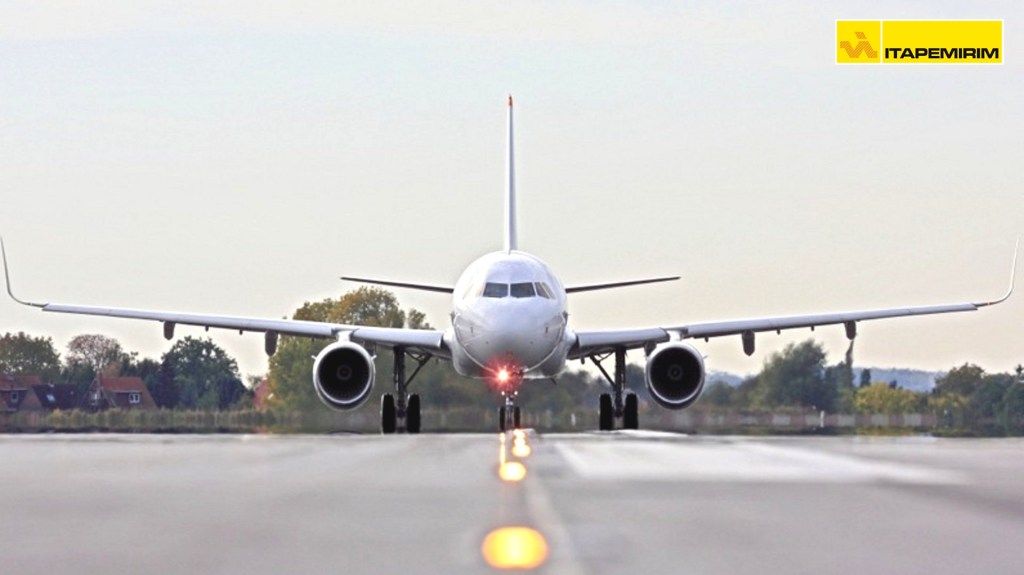
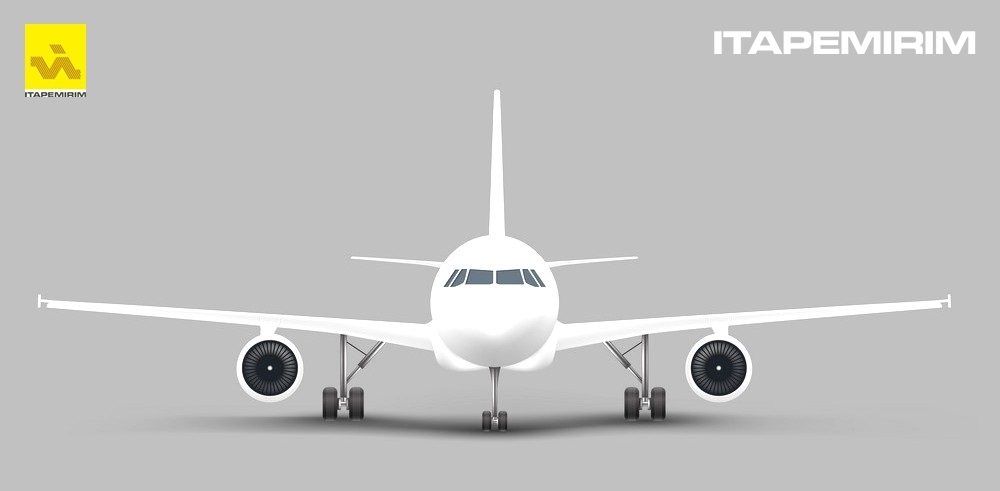
Itapemirim Transportes Aéreos pretende iniciar sus operaciones comerciales nacionales a partir de 2021, con una flota inicialmente compuesta por diez Airbus A320, hubs establecidos en São Paulo/Guarulhos, Brasilia y Rio/Galeão, un servicio a bordo diferenciado y la premisa de no ser una empresa regional doméstica. El CEO Tiago Senna, ha anunciado los detalles este Miércoles 19 Agosto 2020, consolidando tres hubs en Brasil, flota de A320 y servicio diferenciado en 2021.
“Guarulhos, Brasilia y Galeão serán nuestros principales ejes. Nos estamos estructurando para iniciar operaciones desde este trípode”, dijo el Gerente General Tiago Senna, quien aún no ha podido discutir los detalles de las rutas que serán operadas, pero confirmó que las regiones Norte y Nordeste serán atendidas con vuelos comerciales. “El Grupo Itapemirim tiene una capilaridad gigante. Sirve a 2.700 municipios en la carretera, casi la mitad de Brasil, y tiene una marca muy fuerte en el norte y noreste. Por tanto, es obvio que no dejaremos estas regiones desatendidas. Pero nuestro hub principal será Guarulhos, tendremos una capilaridad de vuelos saliendo de allí dentro de una lógica, pero todavía no puedo decir dónde comenzaremos nuestras operaciones precisamente porque es algo estratégico. El avión ya está decidido. No es el A220, no es el Q400, es el Airbus A320. Vamos a entrar al mercado con un avión que nos sirve en este momento, una elección puramente técnica, por razones obvias, como condiciones de entrenamiento adecuadas, pilotos en el mercado, mayor facilidad y grandes cantidades de aviones disponibles. Las negociaciones fueron muy buenas y comenzaremos a operar con una flota de diez aviones, ya para el próximo año”, dijo Tiago Senna. Las Cartas de Intención para la adquisición del modelo de aeronaves a adquirir han sido firmadas por el constructor europeo Airbus Group.
El ejecutivo también informó que Ita Transportes Aéreos ya cuenta con el apoyo de una empresa para analizar todos los jets que están en condiciones de comenzar a volar. “Estamos logrando, incluso en medio de la pandemia, encontrar aviones en condiciones para empezar a volar, que hoy están atrapados en algunos países aún encerrados. Nuestro mayor desafío en este momento es encontrar la aeronave donde se encuentra y luego realizar todos los programas de mantenimiento. Hoy tenemos un equipo totalmente comprometido con este aspecto”, expresó Tiago Senna.
Servicio a bordo diferenciado
“No tendremos clase ejecutiva o primera clase en aviones, porque no funcionó en el pasado, pero queremos tener una clase Comfort para una audiencia que acepta este tipo de servicio. También pretendemos agregar valor al servicio a bordo, con un servicio más premium, aunque no me gusta esta palabra porque parece que vamos a ofrecer caviar, pero no, ofreceremos un snack que entendemos como un servicio adecuado, una ventaja competitiva, pero nada de eso impacta los ingresos a medida que ingresamos al mercado”, dijo Tiago. El Consejero Delegado también informa que es algo totalmente factible de hacer, en las rutas que operarán, precisamente porque hay una mayor elasticidad en el precio de los pasajeros que embarcan. “No pretendemos trabajar con diferencial de precio, sino con calidad. No hay mucho misterio, ni la invención de una rueda, solo tenemos todo un trabajo de gestión que reduce costos para que podamos ingresar al mercado con un servicio diferenciado”, dijo el ejecutivo. La configuración interna de las aeronaves A320 aún no se ha definido, pero habrá un buen espacio para las piernas.
Imagen de la aerolínea
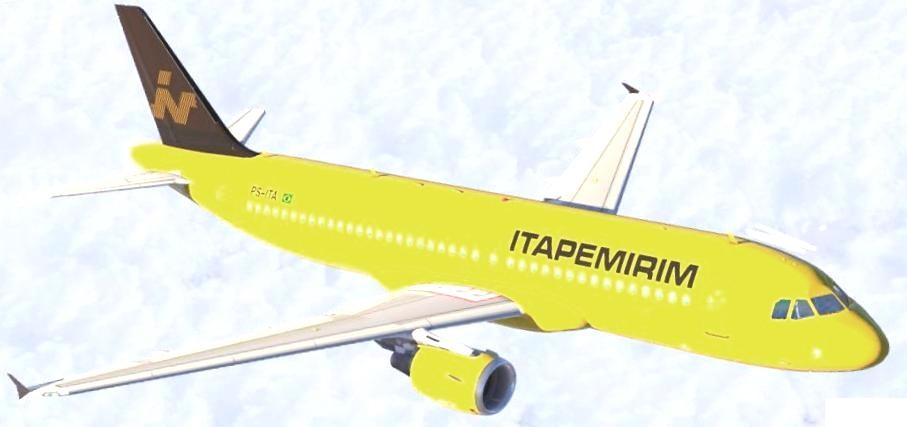
La pintura de la aeronave Itapemirim Transportes Aéreos ya está definida, conservando el color amarillo dorado correspondiente al grupo Itepemirim. “Es una pintura que el dueño no renuncia, un oro amarillo que llenará los cielos brasileños, en un avión que tendrá un buen espacio para las piernas de los pasajeros. No tendremos aviones estrechos, la comodidad será como regla en Itapemirim Transportes Aéreos”, dijo Tiago Senna.
Fuerza laboral
Por otro lado, el equipo de la compañía contará inicialmente con 600 personas, 170 técnicos y 300 auxiliares de vuelo, además del personal de aeropuerto y mantenimiento. En cuanto a las aeronaves, se está elaborando un cronograma para las entregas, algunos localizados en Europa y la India. “En Europa, ya estamos trabajando para encontrar la mejor fecha para recoger estos aviones. Pero todo se trata del horario, está toda la configuración de los asientos”, dijo Tiago Senna.
Mercado aéreo
“No estamos entrando al mercado para ser competidores, al contrario, queremos entrar en alianzas estratégicas, conociendo a los socios y el perfil de cada directivo. Sabemos que no vale la pena arriesgarse y poner una debilidad económica operativa en nuestras líneas y las de otras empresas. Veo a otros competidores como socios y no como competidores reales. La intención es acercarnos a nuestros competidores, pero les garantizo que no seremos una empresa regional. Itapemirim creó la premisa de ser multimodal, con conexión nacional entre aérea y terrestre”, expresó Tiago Senna, mostrando que el momento actual no es de competencia feroz, sino más bien de un entorno de amistad y alianzas complementarias.
El Director General de Ita’ Transportes Aéreos, cree que existe espacio para todos en el mercado aéreo. “La salida de Avianca dejó muchas rutas desatendidas y hoy, con el descenso en Latam, aunque haya una reanudación del mercado, todavía dejará mucho espacio para nuevos entrantes, por lo que es un momento de sinergia y no de competencia. La intención es acercarnos a nuestros competidores y trabajar codo a codo en este sentido. Pero les garantizo que no seremos una empresa regional. Itapemirim creó una premisa de ser multimodal, con una conexión nacional entre aérea y terrestre. Estamos adquiriendo una gran empresa de transporte terrestre de carga, lo que fortalecerá enormemente nuestra operación”, expresó Tiago Senna. Este transporte multimodal incluso será bueno para los competidores que ya están en el mercado. “No pretendemos ser una empresa gigante, por lo que esta carga será transportada a través de socios estratégicos y la competencia en este punto será muy bienvenida. Entraremos con la intención de crecer y estructurarnos, siempre respetando a los que ya están en el mercado”, resaltó el CEO de la startup brasileña.
Lanzamiento operaciones
El Director General Tiago Senna ha anunciado que la historia de Ita’ Transportes Aéreos comenzó incluso en 2016/2017, pero el proyecto tuvo que pararse por cuestiones administrativas. A fines del año pasado, con un aporte millonario de fondos públicos y privados de países entre ellos de la región de Arabia, el Grupo Itapemirim decidió retomar el proyecto de aviación. Hoy, el grupo tiene siete empresas que operan en tres modalidades: carretera, ferrocarril y aire.
Itapemirim sostiene que el momento más propicio para iniciar un negocio, un entorno con mejores condiciones comerciales para quienes tienen dinero en este momento. A pesar de la crisis, es el momento ideal para entrar al mercado. Realizaron un plan de negocios para este escenario. La nueva aerolínea emergente ha realizado planificación, selección personas, establecido procesos, financiación adecuada y el momento adecuado, todo estructurado sobre una sólida plataforma ética. Expresaron que han encontrado todo este escenario en el momento adecuado.
Recuperación judicial Grupo Itapemirim
El ejecutivo Tiago Senna reveló que el Grupo Itapemirim actualmente se encuentra en una situación cómoda, a pesar del proceso de reorganización judicial que no afecta a la nueva aerolínea. “Puedo decir que tenemos una recuperación judicial en curso, que se está pagando, hay una reestructuración, la empresa se está reorganizando. Estamos estrictamente al día con la reorganización judicial en el sector del transporte terrestre. El proyecto aéreo es el tercer modal del grupo, pero no estamos atados a la recuperación judicial de Itapemirim”, resaltó. El Plan de Negocio está bien estructurado, considerando el período actual, por lo que se invierte suficiente capital de trabajo para que la empresa se ponga en marcha y tenga salud financiera hacia el futuro.
Itapemirim orders 10 Airbus A320
Emerging Brazilian airline orders A320
Itapemirim Transportes Aéreos intends to start its national commercial operations from 2021, with a fleet initially made up of ten Airbus A320s, hubs established in São Paulo/Guarulhos, Brasilia and Rio/Galeão, a differentiated on-board service and the premise of not being one domestic regional company. The CEO Tiago Senna, announced the details this Wednesday, August 19, 2020, consolidating three hubs in Brazil, an A320 fleet and differentiated service in 2021.
“Guarulhos, Brasilia and Galeão will be our main hubs. We are structuring ourselves to start operations from this tripod”, said General Manager Tiago Senna, who has not yet been able to discuss the details of the routes that will be operated, but confirmed that the North and Northeast regions will be served with commercial flights. “The Itapemirim Group has a giant capillarity. It serves 2,700 municipalities on the highway, almost half of Brazil, and has a very strong brand in the north and northeast. So it is obvious that we will not leave these regions unattended. But our main hub will be Guarulhos, we will have a capillarity of flights leaving from there within a logic, but I still cannot say where we will start our operations precisely because it is something strategic. The plane is already decided. It’s not the A220, it’s not the Q400, it’s the Airbus A320. We are going to enter the market with an aircraft that serves us at the moment, a purely technical choice, for obvious reasons, such as adequate training conditions, pilots in the market, greater ease and large numbers of available aircraft. The negotiations were very good and we will begin to operate with a fleet of ten aircraft, already for next year”, said Tiago Senna. The Letters of Intent for the acquisition of the aircraft model to be acquired have been signed by the European manufacturer Airbus Group.
The executive also reported that Ita Transportes Aéreos already has the support of a company to analyze all the jets that are ready to start flying. “We are managing, even in the midst of the pandemic, to find airplanes in conditions to start flying, which today are trapped in some countries that are still locked up. Our biggest challenge at the moment is finding the aircraft where it is located and then running all the maintenance schedules. Today we have a team totally committed to this aspect”, expressed Tiago Senna.
Differentiated onboard service
“We will not have business class or first class on airplanes, because it did not work in the past, but we want to have a Comfort class for an audience that accepts this type of service. We also intend to add value to the service on board, with a more premium service, although I do not like this word because it seems that we are going to offer caviar, but no, we will offer a snack that we understand as an adequate service, a competitive advantage, but none of that it impacts revenue as we enter the market», said Tiago. The CEO also informs that it is something totally feasible to do, on the routes that will operate, precisely because there is a greater elasticity in the price of the passengers who embark. “We do not intend to work with a price differential, but with quality. There is not much mystery, nor the invention of a wheel, we only have a management job that reduces costs so that we can enter the market with a differentiated service”, said the executive. The internal configuration of the A320 aircraft has yet to be defined, but there will be good legroom.
Image of the airline
The paint of the Itapemirim Transportes Aéreos aircraft has already been defined, preserving the golden yellow color corresponding to the Itepemirim group. “It is a painting that the owner does not renounce, a yellow gold that will fill the Brazilian skies, on an airplane that will have good legroom for the passengers. We will not have narrow planes, comfort will be the rule at Itapemirim Transportes Aéreos”, said Tiago Senna.
Labor force
On the other hand, the company’s team will initially have 600 people, 170 technicians and 300 flight attendants, in addition to airport and maintenance personnel. As for aircraft, a schedule for deliveries is being drawn up, some located in Europe and India. “In Europe, we are already working to find the best date to pick up these planes. But it’s all about the schedule, it’s all the seating configuration», said Tiago Senna.
Air market
“We are not entering the market to be competitors, on the contrary, we want to enter into strategic alliances, knowing the partners and the profile of each manager. We know that it is not worth taking risks and putting an operational economic weakness on our lines and those of other companies. I see other competitors as partners and not as real competitors. The intention is to get closer to our competitors, but I guarantee that we will not be a regional company. Itapemirim created the premise of being multimodal, with a national connection between air and land”, expressed Tiago Senna, showing that the current moment is not one of fierce competition, but rather of an environment of friendship and complementary alliances.
The General Director of Ita ‘Transportes Aéreos believes that there is space for everyone in the air market. “The departure of Avianca left many routes unattended and today, with the decline in Latam, although there is a resumption of the market, it will still leave a lot of room for new entrants, so it is a time of synergy and not competition. The intention is to get closer to our competitors and work side by side in this regard. But I guarantee you that we will not be a regional company. Itapemirim created a premise of being multimodal, with a national connection between air and land. We are acquiring a large trucking company, which will greatly strengthen our operation”, said Tiago Senna. This multimodal transport will even be good for competitors already in the market. “We do not pretend to be a giant company, so this cargo will be transported through strategic partners and competition at this point will be very welcome. We will enter with the intention of growing and structuring ourselves, always respecting those who are already in the market”, highlighted the CEO of the Brazilian startup.
Launch operations
The General Director Tiago Senna has announced that the history of Ita ‘Transportes Aéreos began even in 2016/2017, but the project had to be stopped for administrative reasons. At the end of last year, with a millionaire contribution of public and private funds from countries including the Arabian region, the Itapemirim Group decided to resume the aviation project. Today, the group has seven companies that operate in three modes: road, rail and air.
Itapemirim maintains that the most propitious moment to start a business is an environment with better commercial conditions for those who have money at the moment. Despite the crisis, it is the ideal time to enter the market. They made a business plan for this scenario. The new emerging airline has done planning, people selection, established processes, adequate financing and the right time, all structured on a solid ethical platform. They expressed that they have found this whole scenario at the right time.
Grupo Itapemirim judicial recovery
Executive Tiago Senna revealed that the Itapemirim Group is currently in a comfortable situation, despite the judicial reorganization process that does not affect the new airline. “I can say that we have a judicial recovery in progress, that it is being paid, there is a restructuring, the company is reorganizing. We are strictly up to date with the judicial reorganization in the trucking sector. The aerial project is the third modality of the group, but we are not tied to the judicial recovery of Itapemirim”, he highlighted. The Business Plan is well structured, considering the current period, so enough working capital is invested for the company to start up and have financial health for the future.
A Itapemirim Transportes Aéreos pretende iniciar suas operações comerciais nacionais a partir de 2021, com uma frota composta inicialmente por dez Airbus A320, hubs instalados em São Paulo/Guarulhos, Brasília e Rio/Galeão, um serviço de bordo diferenciado e com a premissa de não o ser. empresa regional doméstica. O CEO Tiago Senna, anunciou os detalhes nesta quarta-feira, 19 de agosto de 2020, consolidando três hubs no Brasil, uma frota de A320 e atendimento diferenciado em 2021.
“Guarulhos, Brasília e Galeão serão nossos principais hubs. Estamos nos estruturando para iniciar as operações a partir desse tripé”, disse o gerente-geral Tiago Senna, que ainda não pôde discutir os detalhes das rotas que serão operadas, mas confirmou que as regiões Norte e Nordeste serão atendidas com voos comerciais. “O Grupo Itapemirim tem uma capilaridade gigante. Atende 2.700 municípios na rodovia, quase metade do Brasil, e tem uma marca muito forte no Norte e Nordeste. Portanto, é óbvio que não deixaremos essas regiões desacompanhadas. Mas nosso hub principal será Guarulhos, teremos uma capilaridade de voos saindo de lá dentro de uma lógica, mas ainda não posso dizer onde vamos iniciar nossas operações justamente porque é algo estratégico. O avião já está decidido. Não é o A220, não é o Q400, é o Airbus A320. Vamos entrar no mercado com uma aeronave que no momento nos serve, uma escolha puramente técnica, por motivos óbvios, como condições adequadas de treinamento, pilotos no mercado, maior facilidade e grande quantidade de aeronaves disponíveis. As negociações foram muito boas e vamos começar a operar com uma frota de dez aeronaves, já para o ano que vem”, disse Tiago Senna. As Cartas de Intenção para a aquisição do modelo de aeronave a ser adquirido foram assinadas pelo fabricante europeu Airbus Group.
O executivo informou ainda que o Ita Transportes Aéreos já conta com o apoio de uma empresa para analisar todos os jatos que estão prontos para voar. “Estamos conseguindo, mesmo em meio à pandemia, encontrar aviões em condições de voar, que hoje estão presos em alguns países que ainda estão presos. Nosso maior desafio no momento é encontrar a aeronave onde ela está localizada e executar todos os cronogramas de manutenção. Hoje temos uma equipe totalmente comprometida com esse aspecto”, expressou Tiago Senna.
Atendimento a bordo diferenciado
“Não teremos classe executiva ou primeira classe em aviões, porque não funcionava no passado, mas queremos ter uma classe Comfort para um público que aceita esse tipo de serviço. Pretendemos também agregar valor ao serviço a bordo, com um serviço mais premium, embora não goste dessa palavra porque parece que vamos oferecer caviar, mas não, vamos oferecer um lanche que entendemos como um serviço adequado, uma vantagem competitiva, mas nada disso impacta a receita à medida que entramos no mercado”, disse Tiago. O CEO informa também que é algo totalmente viável de se fazer, nas rotas que vão operar, justamente porque há uma elasticidade maior no preço dos passageiros que embarcam. “Não pretendemos trabalhar com diferencial de preço, mas com qualidade. Não há muito mistério, nem mesmo a invenção de uma roda, só temos um cargo de gestão que reduz custos para que possamos entrar no mercado com um atendimento diferenciado”, disse o executivo. A configuração interna da aeronave A320 ainda não foi definida, mas haverá um bom espaço para as pernas.
Imagem da companhia aérea
A pintura da aeronave da Itapemirim Transportes Aéreos já foi definida, preservando a cor amarelo-ouro correspondente ao grupo Itepemirim. “É um quadro ao qual o dono não renuncia, um ouro amarelo que vai encher os céus do Brasil, em um avião que terá espaço para as pernas dos passageiros. Não teremos aviões estreitos, conforto será a regra na Itapemirim Transportes Aéreos”, disse Tiago Senna.
Força laboral
Por outro lado, a equipe da empresa contará inicialmente com 600 pessoas, 170 técnicos e 300 comissários de bordo, além de pessoal aeroportuário e de manutenção. Quanto às aeronaves, está sendo elaborado um cronograma de entregas, algumas localizadas na Europa e Índia. “Na Europa, já estamos trabalhando para encontrar a melhor data para retirar esses aviões. Mas é tudo uma questão de horário, é toda a configuração dos assentos”, disse Tiago Senna.
Mercado aéreo
“Não estamos entrando no mercado para ser concorrentes, pelo contrário, queremos fazer alianças estratégicas, conhecendo os parceiros e o perfil de cada gestor. Sabemos que não vale a pena correr riscos e colocar uma fragilidade econômica operacional em nossas linhas e nas de outras empresas. Eu vejo outros concorrentes como parceiros e não como concorrentes reais. A intenção é nos aproximarmos de nossos concorrentes, mas garanto que não seremos uma empresa regional. Itapemirim criou a premissa de ser multimodal, com uma ligação nacional entre ar e terra”, expressou Tiago Senna, mostrando que o momento atual não é de competição acirrada, mas sim de ambiente de amizade e alianças complementares.
O diretor-geral do Ita ‘Transportes Aéreos acredita que há espaço para todos no mercado aéreo. “A saída da Avianca deixou muitos percursos abandonados e hoje, com a queda na América Latina, embora haja uma retomada do mercado, ainda vai deixar muito espaço para novos entrantes, então é um momento de sinergia e não de competição. A intenção é nos aproximarmos dos nossos concorrentes e trabalharmos lado a lado nesse sentido. Mas garanto que não seremos uma empresa regional. Itapemirim criou a premissa de ser multimodal, com uma conexão nacional entre ar e terra. Estamos adquirindo uma grande empresa de transporte rodoviário, o que fortalecerá muito a nossa operação”, disse Tiago Senna. Esse transporte multimodal vai até ser bom para os concorrentes que já estão no mercado. “Não temos a pretensão de ser uma empresa gigante, então essa carga será transportada por parceiros estratégicos e a concorrência neste momento será muito bem-vinda. Entraremos com a intenção de crescer e nos estruturar, sempre respeitando quem já está no mercado”, destacou o CEO da startup brasileira.
Operações de lançamento
O Diretor-Geral Tiago Senna anunciou que a história da Ita ‘Transportes Aéreos começou ainda em 2016/2017, mas o projeto teve que ser paralisado por motivos administrativos. No final do ano passado, com aporte milionário de recursos públicos e privados de países como a região árabe, o Grupo Itapemirim decidiu retomar o projeto de aviação. Hoje, o grupo possui sete empresas que atuam em três modais: rodoviário, ferroviário e aéreo.
Itapemirim afirma que o momento mais propício para se abrir um negócio é um ambiente com melhores condições comerciais para quem tem dinheiro no momento. Apesar da crise, é o momento ideal para entrar no mercado. Eles fizeram um plano de negócios para este cenário. A nova companhia aérea emergente fez planejamento, seleção de pessoas, processos estabelecidos, financiamento adequado e no momento certo, tudo estruturado em uma plataforma ética sólida. Eles expressaram que encontraram todo este cenário no momento certo.
Recuperação Judicial Grupo Itapemirim
O executivo Tiago Senna revelou que o Grupo Itapemirim está em uma situação confortável, apesar do processo de recuperação judicial que não afeta a nova companhia aérea. “Posso dizer que temos uma recuperação judicial em andamento, que está sendo paga, há uma reestruturação, a empresa está se reorganizando. Estamos rigorosamente em dia com a recuperação judicial do setor de caminhões. O projeto aéreo é a terceira modalidade do grupo, mas não estamos vinculados à recuperação judicial de Itapemirim”, destacou. O Plano de Negócios está bem estruturado, considerando o período atual, de forma que é investido capital de giro suficiente para a empresa iniciar e ter saúde financeira para o futuro.
Ξ A I R G W A Y S Ξ PUBLISHER: Airgways.com DBk: Mercadoeeventos.com.br / Airgways.com AW-POST: 202008201200AR
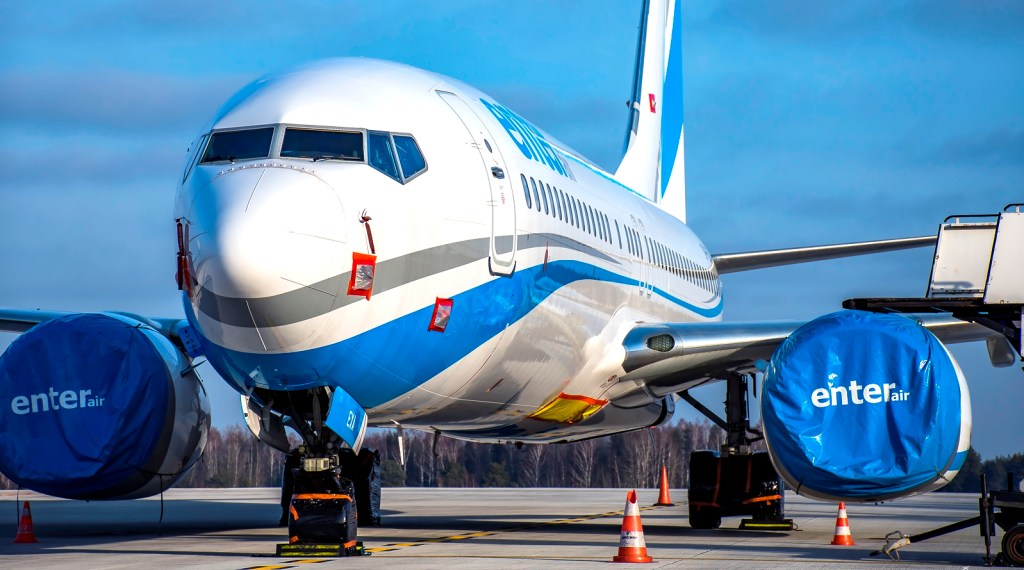
Nuevo pedido amplía compromiso de Enter Air con familia 737 MAX
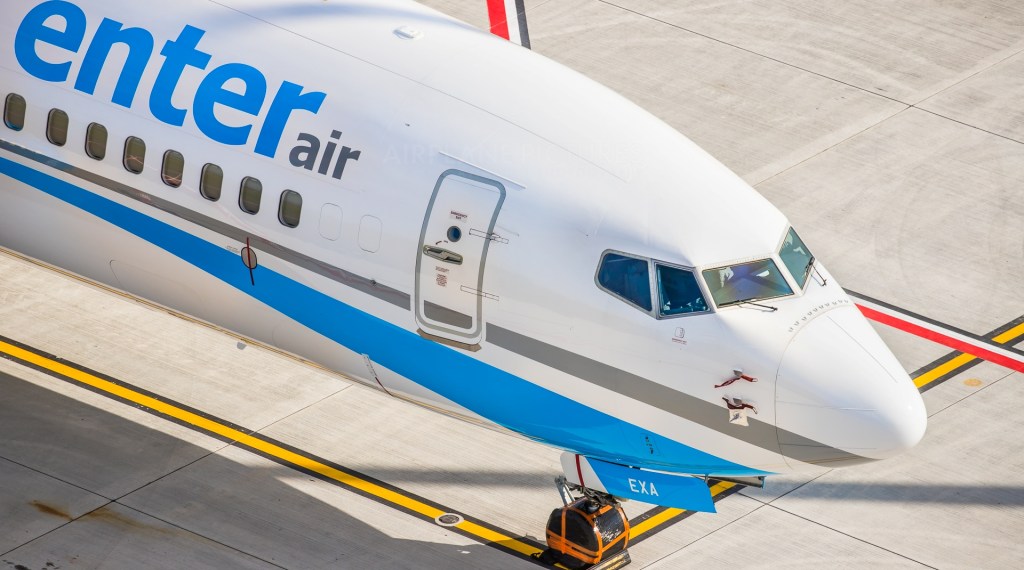
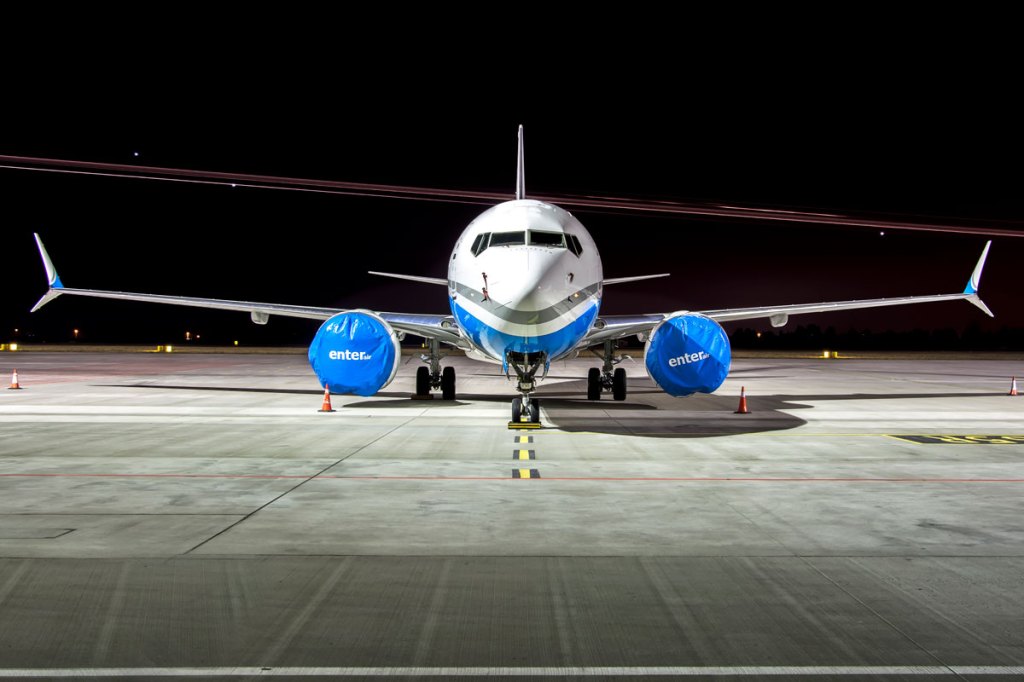
The Boeing Company y Enter Air anunciaron hoy que la aerolínea polaca está ampliando su compromiso con la familia 737 con un nuevo pedido de dos aviones Boeing 737-8 MAX más opciones para dos jets adicionales. Enter Air, un operador totalmente de Boeing y la aerolínea chárter más grande de Polonia, comenzó a operar en 2010 con un solo avión 737. En la actualidad, la flota de la aerolínea incluye 22 aeronaves 737 NG y dos 737-8 MAX. Cuando el nuevo acuerdo de compra se ejerza por completo, la flota 737 MAX de Enter Air se elevará a 10 aviones. “A pesar de la crisis actual, es importante pensar en el futuro. Con ese fin, hemos acordado pedir aviones 737-8 adicionales. Después de las rigurosas comprobaciones a las que se está sometiendo el 737 MAX, estoy convencido de que será el mejor avión del mundo durante muchos años”, dijo Grzegorz Polaniecki, Director General y miembro de la junta de Enter Air.
Enter Air y Boeing también han finalizado un acuerdo para abordar los impactos comerciales derivados de la puesta a tierra de la flota 737 MAX. Si bien los detalles del acuerdo son confidenciales, la compensación se proporcionará en varias formas y se escalonará durante un período de tiempo. “En el acuerdo con Boeing, acordamos revisar el calendario de entrega de los aviones pedidos previamente en respuesta a las condiciones actuales del mercado. Los términos específicos del acuerdo son estrictamente confidenciales, pero estamos satisfechos con la forma en que Boeing nos ha tratado como su cliente”, agregó Grzegorz Polaniecki.
“Nos sentimos honrados por el compromiso de Enter Air con la familia Boeing 737. Su pedido de 737-8 adicionales subraya su confianza en el avión y en los hombres y mujeres de Boeing. Esperamos construir sobre nuestra asociación de una década con Enter Air y trabajar con la aerolínea para devolver de manera segura su flota completa de 737 al servicio comercial”, dijo Ihssane Mounir, vicepresidente senior de Ventas Comerciales y Marketing de The Boeing Company.
Enter Air buy four Boeing 737-8 MAX
New order expands Polish airline’s commitment to 737 MAX family
The Boeing Company and Enter Air announced today that the Polish airline is expanding its commitment to the 737 family with a new order for two Boeing 737-8 MAX aircraft plus options for two additional jets. Enter Air, a wholly Boeing operator and Poland’s largest charter airline, started operations in 2010 with a single 737 aircraft. Currently, the airline’s fleet includes 22 737 NG aircraft and two 737-8 MAX aircraft. When the new purchase agreement is fully executed, Enter Air’s 737 MAX fleet will grow to 10 aircraft. “Despite the current crisis, it is important to think ahead. To that end, we have agreed to order additional 737-8 aircraft. After the rigorous testing the 737 MAX is undergoing, I am convinced that it will be the best aircraft in the world for many years to come”, said Grzegorz Polaniecki, CEO and board member of Enter Air.
Enter Air and Boeing have also finalized an agreement to address the commercial impacts of grounding the 737 MAX fleet. While the details of the agreement are confidential, compensation will be provided in various ways and will be staggered over a period of time. “In the agreement with Boeing, we agreed to review the delivery schedule for previously ordered aircraft in response to current market conditions. The specific terms of the agreement are strictly confidential, but we are satisfied with the way that Boeing has treated us as its customer”,added Grzegorz Polaniecki.
“We are honored by Enter Air’s commitment to the Boeing 737 family. Your order for additional 737-8s underscores your confidence in the aircraft and in the men and women of Boeing. We look forward to building on our decade-long partnership with Enter Air and working with the airline to safely return its entire fleet of 737s to commercial service”, said Ihssane Mounir, senior vice president of Commercial Sales and Marketing for The Boeing Company.
Enter Air kup cztery Boeing 737-8 MAX
Nowe zamówienie rozszerza zaangażowanie polskich linii lotniczych w rodzinę 737 MAX
The Boeing Company i Enter Air ogłosiły dzisiaj, że polska linia lotnicza rozszerza swoje zaangażowanie w rodzinę 737 o nowe zamówienie na dwa samoloty Boeing 737-8 MAX oraz opcje na dwa dodatkowe odrzutowce. Enter Air, w całości operator Boeing i największa polska czarterowa linia lotnicza, rozpoczęła działalność w 2010 roku z jednym samolotem typu 737. Obecnie flota przewoźnika obejmuje 22 samoloty 737 NG i dwa samoloty 737-8 MAX. Kiedy nowa umowa zakupu zostanie w pełni wykonana, flota 737 MAX Enter Air powiększy się do 10 samolotów. „Pomimo obecnego kryzysu ważne jest, aby myśleć z wyprzedzeniem. W tym celu zgodziliśmy się zamówić dodatkowe samoloty 737-8. Jestem przekonany, że po rygorystycznych testach 737 MAX będzie przez wiele lat najlepszym samolotem na świecie», powiedział Grzegorz Polaniecki, prezes i członek zarządu Enter Air.
Enter Air i Boeing sfinalizowały również porozumienie dotyczące komercyjnych skutków uziemienia floty 737 MAX. Chociaż szczegóły umowy są poufne, rekompensata zostanie udzielona na różne sposoby i będzie rozłożona w czasie. „W umowie z Boeing uzgodniliśmy, że dokonamy przeglądu harmonogramu dostaw zamówionych wcześniej samolotów w odpowiedzi na aktualne warunki rynkowe. Szczegółowe warunki umowy są ściśle poufne, ale jesteśmy zadowoleni ze sposobu, w jaki Boeing potraktował nas jako swojego klienta», dodał Grzegorz Polaniecki.
„Jesteśmy zaszczyceni zaangażowaniem Enter Air w rodzinę Boeingów 737. Twoje zamówienie na dodatkowe 737-8 podkreśla Twoje zaufanie do samolotu oraz do mężczyzn i kobiet Boeing. Z niecierpliwością czekamy na kontynuację naszej trwającej dekadę współpracy z Enter Air i współpracę z liniami lotniczymi w celu bezpiecznego przywrócenia całej floty 737 do obsługi komercyjnej ”, powiedział Ihssane Mounir, wiceprezes ds. Sprzedaży i marketingu w firmie Boeing.
Ξ A I R G W A Y S Ξ PUBLISHER: Airgways.com DBk: Boeing.com / Enterair.pl / Airgways.com / Istock.com AW-POST: 202008201040AR
AW | 2020 08 19 22:00 | AIRLINES MARKET / GOVERNMENT
Disyuntiva entre ayudas adicionales o desbanque de aerolíneas
En los primeros días de la crisis ddel sistema sanitario producto por la pandemia de Coronavirus, las aerolíneas podrían ver una caída en la demanda de viajes. Primero, pareció que las áreas afectadas quedarían aisladas de Asia. Incluso el Dr. Anthony Fauci declaró a mediados de febrero que el riesgo de que el virus llegara a Estados Unidos era minúsculo. Nadie vio venir la tormenta hasta que fue demasiado tarde, y la industria que se vio más golpeada fue la industria de viajes global, que incluye a las más de 800 aerolíneas comerciales del mundo.
A partir de 2018, la industria de viajes representó US$ 8,3 billones del PIB mundial y la asombrosa cantidad de 313 millones de empleos, lo que representa uno de cada diez trabajadores en el planeta en ese momento. La industria de los viajes es un componente importante de la economía nacional y mundial. Cuando la industria experimentó una caída sin precedentes de más del 90 por ciento, el impacto económico adverso fue la fuerza impulsora para preparar un paquete de estímulo para ayudar a las aerolíneas estadounidenses como nunca antes.
Ley CARES
La Ley de Ayuda, Alivio y Seguridad Económica por Coronavirus (CARES) proporcionó US$ 25 mil millones en apoyo de nómina. Pero llegó con la estipulación de que las aerolíneas que aceptan el dinero se abstengan de despedir a sus empleados hasta después de la fecha límite del 30 Septiembre 2020. Inicialmente, muchos ejecutivos de aerolíneas dudaban en aceptar el dinero debido a las condiciones impuestas. Con una apariencia de vacilación, las aerolíneas tomaron el efectivo necesario.
Ayudas vs Post-30/09
A medida que nos acercamos a la fecha límite del 1 Octubre 2020, los ejecutivos de las aerolíneas predicen una ola sin precedentes de licencias para empleados y el número colectivo de empleados de la aerolínea afectados podría superar los 100.000. Los sindicatos que representan a los empleados de las aerolíneas están pidiendo una segunda ronda de ayuda para ayudar a retrasar estos despidos por otros tres a seis meses. Para algunos, hacerlo sería una pérdida de dinero de los contribuyentes. Incluso según el cálculo más optimista, la demanda de viajes aéreos podría tardar hasta dos o tres años en recuperarse, entonces, ¿qué lograría realmente un paquete de extensión de nómina de unos pocos meses? Tras un examen detenido, nada más que mantener a las aerolíneas con exceso de personal durante unos meses más. Es por esta razón que no debería concederse una segunda ronda de dinero de nómina a las aerolíneas, sostienen algunos.
La idea de una segunda ronda de ayuda federal a las aerolíneas requeriría más rondas de ayudas, aunque por otro lado, sostener el las ayudas bajo el paraguas de la Ley CARES podría garantizar estirar las esperanzas para recuperarse más rapidamente y evitar un desbanque del sistema de aviavión en los Estados Unidos.
Post-30/09 US aviation effect
Dilemma between additional aid or the removal of airlines
In the early days of the health system crisis caused by the Coronavirus pandemic, airlines could see a drop in travel demand. First, it appeared that the affected areas would be cut off from Asia. Even Dr. Anthony Fauci declared in mid-February that the risk of the virus reaching the United States was miniscule. No one saw the storm coming until it was too late, and the industry that was hit the hardest was the global travel industry, which includes the world’s more than 800 commercial airlines.
As of 2018, the travel industry accounted for US$ 8.3 trillion of global GDP and a staggering 313 million jobs, accounting for one in ten workers on the planet at the time. The travel industry is an important component of the national and global economy. When the industry experienced an unprecedented drop of more than 90 percent, the adverse economic shock was the driving force to prepare a stimulus package to help US airlines like never before.
CARES Law
The Coronavirus Relief, Relief and Economic Security Act (CARES) provided US$ 25 billion in payroll support. But it came with the stipulation that airlines that accept the money refrain from laying off their employees until after the September 30, 2020 deadline. Initially, many airline executives were hesitant to accept the money due to the conditions imposed. With an appearance of hesitation, the airlines took the necessary cash.
Aid vs Post-30/09
As we approach the October 1, 2020 deadline, airline executives predict an unprecedented wave of employee licensing and the collective number of affected airline employees could exceed 100,000. Unions representing airline employees are calling for a second round of help to help delay these layoffs for another three to six months. For some, doing so would be a waste of taxpayer money. Even by the most optimistic estimate, it could take up to two to three years for air travel demand to recover, so what would a payroll extension package of a few months actually accomplish? On close scrutiny, nothing more than keeping over-staffed airlines for a few more months. It is for this reason that a second round of payroll money should not be awarded to airlines, some argue.
The idea of a second round of federal aid to the airlines would require more rounds of aid, although on the other hand, sustaining the aid under the umbrella of the CARES Law could guarantee to stretch hopes for a faster recovery and avoid an unseating of the airline system. aircraft in the United States.
Ξ A I R G W A Y S Ξ PUBLISHER: Airgways.com DBk: Airgways.com / Transportation.gov / Gettyimages.com AW-POST: 202008192200AR
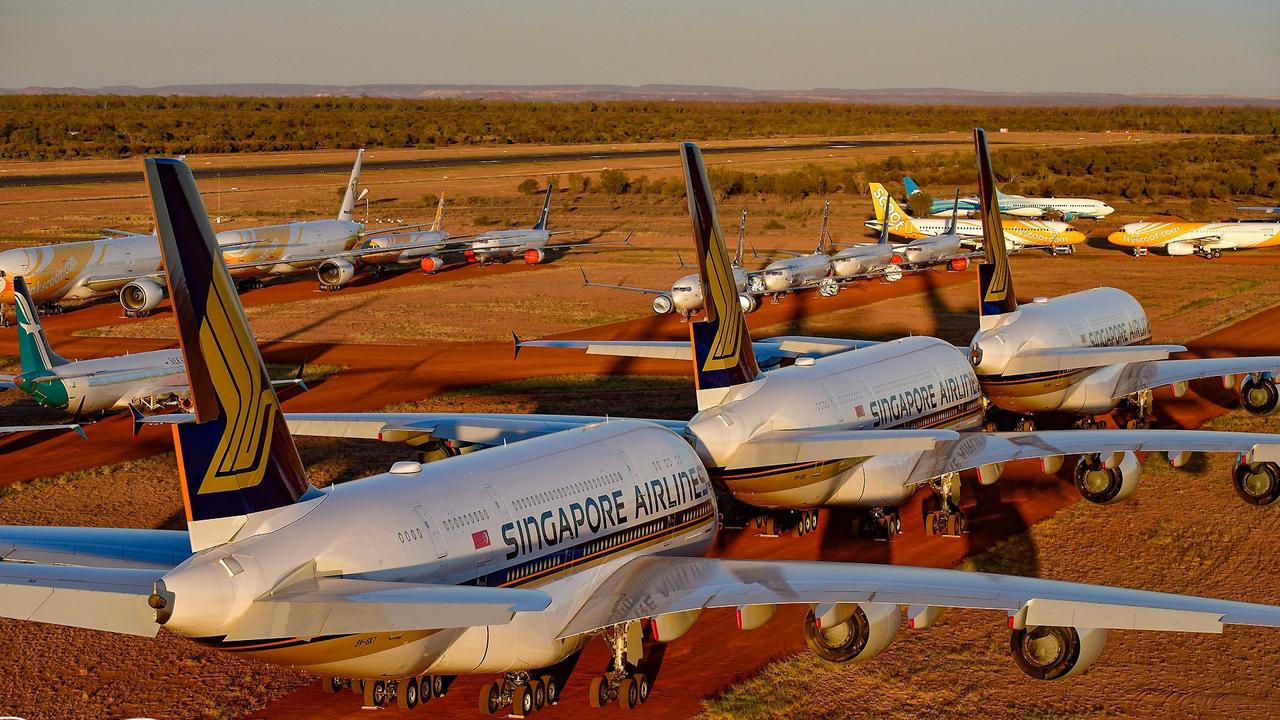
Las perspectivas de las líneas aéreas del mundo a principios de 2020 auguraba un aumento de la participación de mercado y la mejora de los rendimientos para los accionistas. Tras el asomo de la pandemia de Coronovirus el giro rápido de los acontecomientos cambió el horizonte abruptamente. Las fronteras se cerraron, los viajes aéreos y el turismo en todo el mundo se detuvieron. De repente, las aerolíneas del mundo tenían miles de aviones y, literalmente, ningún lugar adonde ir, un panorama algo similar a los acontecomientos del 11-S.
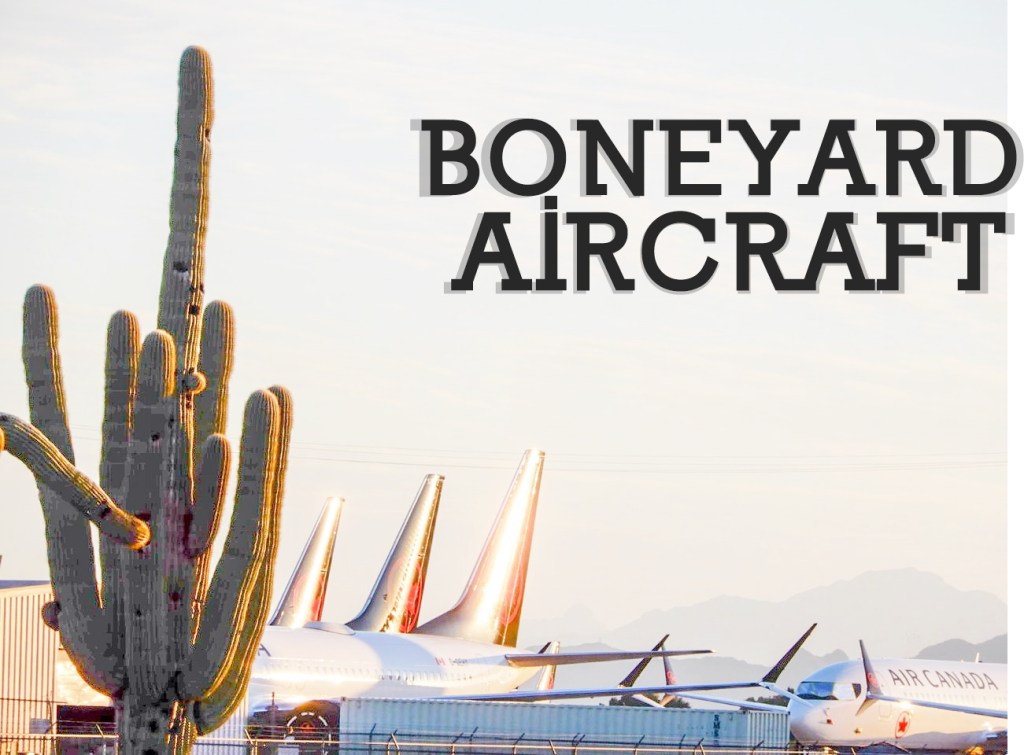
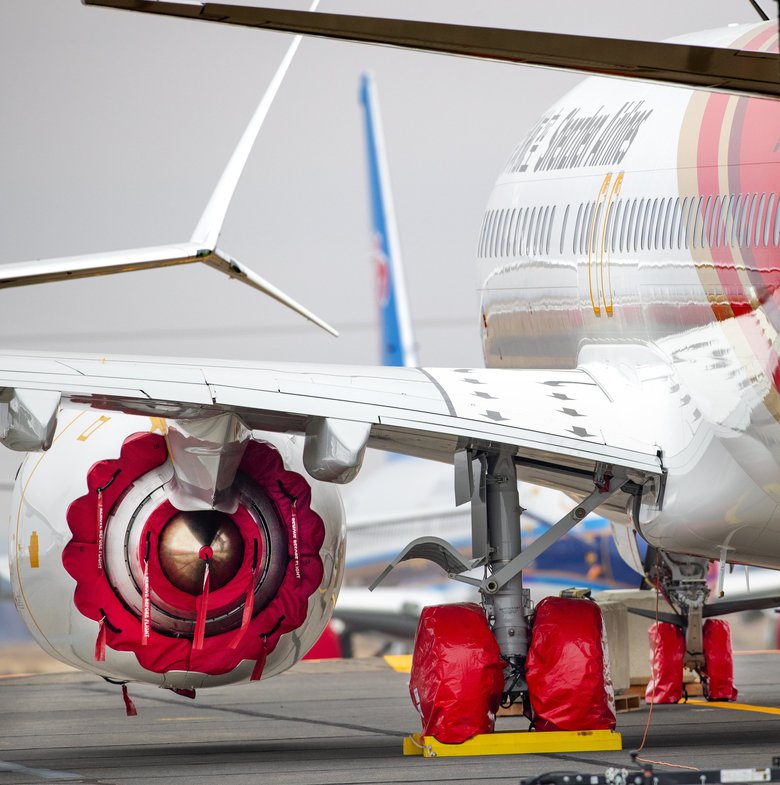
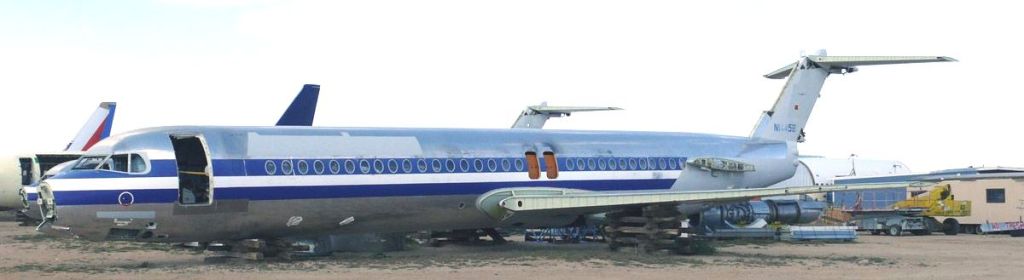
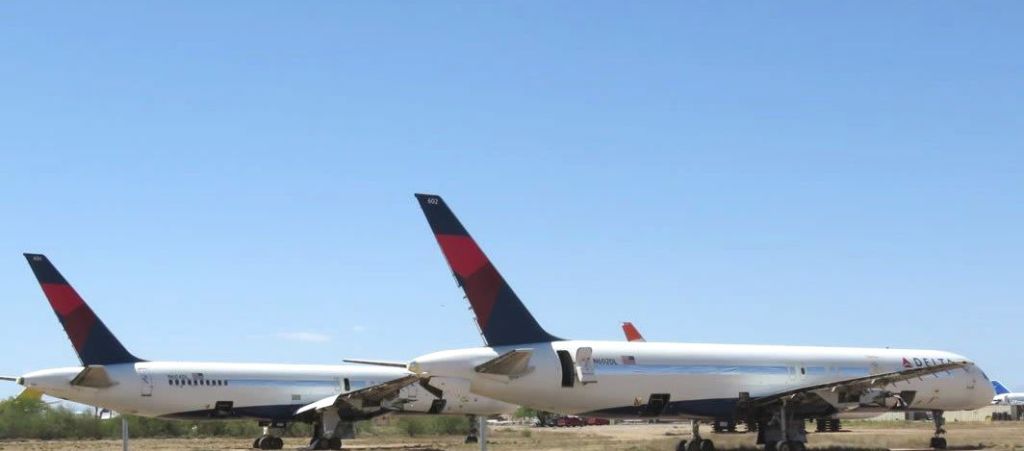
Con el impactoo de la pandemia de Coronavirus presente, las líneas aéreas han tenido que requerir espacio para estacionar una o varias aeronaves. Los aeropuertos tienen espacio limitado para almacenar aviones, ya que están diseñados principalmente para vuelos constantes de entrada y salida en lugar de estadías prolongadas. En su lugar, se utilizan instalaciones dedicadas para almacenar aviones denominados cementerios de aviones. Éstos están localizado preferentemente en lugares con climas frescos y secos, donde las condiciones ambientales afectan mínimamente a los materiales y sistemas de la aeronave; que por el contrario, la alta humedad puede acelerar la corrosión de las piezas y también ayudar al crecimiento de hongos y microbios en el interior de los aviones y los tanques de combustible, pero por otro lado, las altas temperaturas también hacen que las piezas de goma se deterioren más rápido y la luz ultravioleta puede dañar los interiores si no se maneja correctamente, para lo que generalmente utilizan envolturas de aluminio para su preservación.
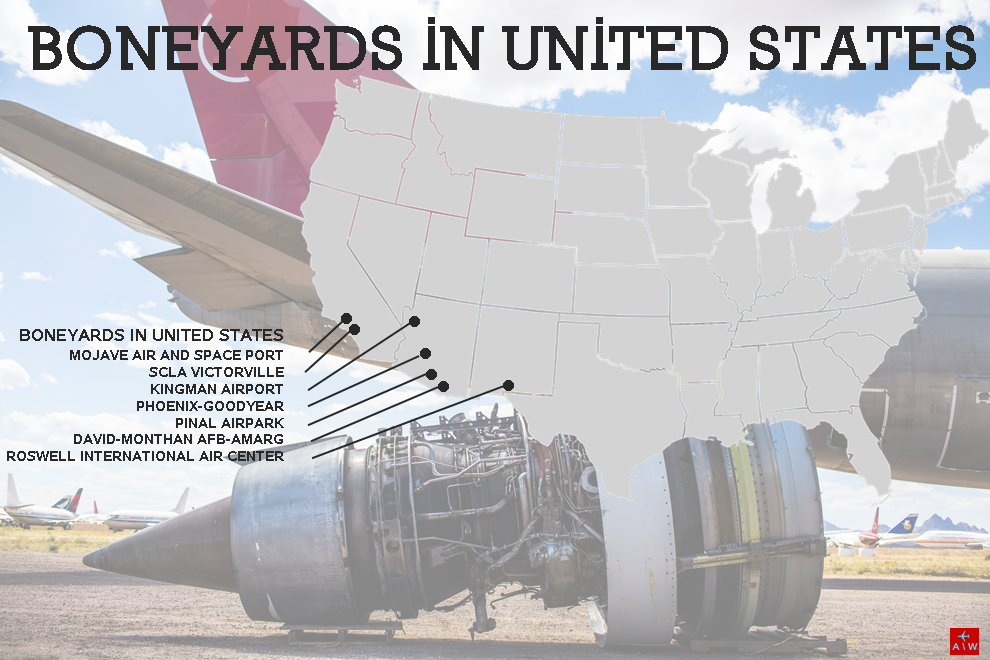
Las ubicaciones populares en los Estados Unidos incluyen Victorville Airport, Mojave Airport en el Estado de California e instalaciones en en el Estado de Arizona como Kingman Airport, Phoenix-Goodyear Airport, Pinal Airpark, Davis-Monthan AFB-Amarg y en el Estado de Nuevo México, Roswell International Air Center, donde las condiciones son más favorables. Instalaciones similares funcionan en el extranjero, con aerolíneas europeas que miran hacia España en el Aeropuerto Teruel y aerolíneas australianas que almacenan algunos aviones en el clima seco de Alice Springs Airport. Tan importante como la ubicación, es la presencia de personal de mantenimiento capacitado para realizar el trabajo. Muchas aerolíneas prefieren almacenar sus aviones en ubicaciones donde pueden confiar en sus propios equipos de ingenieros para cuidar sus valiosos activos.
Aparcamiento vs almacenamiento
Cuando una aerolínea decide que un avión no volará en rutas comerciales por un tiempo, se debe tomar una decisión sobre cuánto tiempo estará fuera de servicio. Las prácticas exactas varían, pero la mayoría distingue entre estacionamiento activo y almacenamiento a largo plazo. El estacionamiento activo se refiere a aviones que se mantienen en una configuración lista para volar o casi lista para volar. Estos aviones generalmente se almacenan en aeropuertos o instalaciones relativamente cerca de sus rutas operativas típicas. Los aviones en el estacionamiento activo deben estar listos para volver a unirse a la línea de vuelo dentro de las 24 a 48 horas cuando sea necesario. En este régimen, partes como los trenes de aterrizaje estarán especialmente lubricadas y se instalarán cubiertas de motor para evitar la entrada de insectos y aves, así como de la corrosión. Otros accesorios como los orificios para tubos pitot y conductos de ventilación, se sellarán de manera similar. El avión también se moverá ligeramente cada pocas semanas para evitar pinchar los neumáticos. Los motores, los sistemas hidráulicos y la electrónica se encenderán a intervalos regulares cada pocas semanas para garantizar que el avión permanezca en un estado funcional. Esto evita efectos negativos como el fallo de los condensadores por falta de uso o la rotura de los cojinetes por largos períodos de tiempo sentado.
El almacenamiento a largo plazo es para aviones que están destinados a estar fuera de servicio durante muchos meses antes de que sean llamados nuevamente. En el clima actual, esto es particularmente relevante para los aviones de fuselaje ancho de gran capacidad, ya que la baja demanda hará que los aviones bimotores más pequeños presten servicio en la mayoría de las rutas en el futuro previsible. En estos casos, se trabaja más para preparar la aeronave para su almacenamiento. Los motores pueden ser decapados, donde sus lubricantes normales se reemplazan con agentes anticorrosivos especiales diseñados para minimizar los efectos del tiempo. Para un almacenamiento a largo plazo, los motores se pueden quitar por completo y enviar de vuelta al fabricante.
Se puede poner más esfuerzo en métodos de conservación más laboriosos, diseñados para reducir el esfuerzo continuo requerido para mantener el avión almacenado. Se evitan los arranques regulares del motor, las comprobaciones del tren de aterrizaje y las pruebas hidráulicas, a expensas de que la aeronave deba pasar por un proceso más largo para volver a unirse a la línea de vuelo al final del almacenamiento. En algunos casos, compañías como Airbus exigen que cualquier avión almacenado debe volver al estado listo para volar después de dos años, antes de un período de almacenamiento adicional. Con tales restricciones sobre la mesa, muchas aerolíneas optarán por retirar o reciclar un avión en este punto en lugar de seguir pagando los altos costos de almacenamiento. Muchos aviones más grandes, como el 747, se enfrentan a una jubilación anticipada por esta misma razón.
Perspectivas
Con la pandemia en pleno apogeo y sin un final a la vista, los viajes aéreos parecen estar estancados en los próximos años. Las estimaciones actuales esperan que la industria regrese a los niveles previos a la pandemia para 2024 como muy pronto. Esto ha llevado a problemas de flujo, y los aviones existentes ya no son el único problema. Boeing alcanzó niveles récord de producción del 787 Dreamliner precisamente en el momento equivocado, y ahora está atascado con un exceso de aviones sin entregar. Esto se deriva de los problemas que ya enfrentó la compañía, tratando de encontrar suficiente estacionamiento en tierra para aviones Boeing 737 MAX.
Afortunadamente, la industria aeroespacial altamente diligente y centrada en listas de verificación se preparó con procedimientos para manejar tal situación. El verdadero obstáculo es simplemente superar la magnitud del problema, tanto en el espacio como en el tiempo. En los próximos años, podemos observar una gran rotación en las flotas a medida que las aerolíneas recurran a aviones recién entregados para reemplazar las aeronaves más antiguas que han pasado demasiado tiempo en el desierto que continuarán en su letargo para poder esperar, por si acaso una nueva oportunidad, o esperar el revelo para dormir definitivamente en su descanso eterno en algunos de los cementerios de aeronaves en el mundo.
Airlines vs aircraft storage
Pandemic and the grounding aviation effect
The outlook for the world’s airlines in early 2020 predicted an increase in market share and improved returns for shareholders. After the outbreak of the Coronovirus pandemic, the rapid turn of events abruptly changed the horizon. Borders were closed, air travel and tourism around the world stopped. Suddenly, the world’s airlines had thousands of planes and literally nowhere to go, a scene somewhat similar to the events of 9/11.
With the impact of the Coronavirus pandemic present, airlines have had to require space to park one or more aircraft. Airports have limited space to store airplanes as they are designed primarily for constant inbound and outbound flights rather than extended stays. Instead, dedicated aircraft storage facilities called aircraft graveyards are used. These are preferably located in places with cool and dry climates, where environmental conditions minimally affect the materials and systems of the aircraft; that on the contrary, high humidity can accelerate the corrosion of parts and also help the growth of fungi and microbes inside aircraft and fuel tanks, but on the other hand, high temperatures also make parts of Rubber deteriorates faster and ultraviolet light can damage interiors if not handled correctly, for which they generally use aluminum wraps for their preservation.
Popular locations in the United States include Victorville Airport, Mojave Airport in the State of California, and facilities in the State of Arizona such as Kingman Airport, Phoenix-Goodyear Airport, Pinal Airpark, Davis-Monthan AFB-Amarg and in the State of New Mexico, Roswell International Air Center, where conditions are more favorable. Similar facilities operate overseas, with European airlines looking to Spain at Teruel Airport and Australian airlines storing some planes in the dry climate of Alice Springs Airport. Just as important as location is the presence of trained maintenance personnel to do the job. Many airlines prefer to store their aircraft in locations where they can rely on their own engineering teams to take care of their valuable assets.
Parking vs storage
When an airline decides that an aircraft will not fly commercial routes for a while, a decision must be made about how long it will be out of service. The exact practices vary, but most distinguish between active parking and long-term storage. Active parking refers to aircraft that are kept in a ready-to-fly or near-ready-to-fly configuration. These aircraft are generally stored at airports or facilities relatively close to their typical operational routes. Aircraft in active parking must be ready to rejoin the flight line within 24 to 48 hours when needed. In this regime, parts such as the landing gears will be specially lubricated and engine covers will be installed to prevent the entry of insects and birds, as well as corrosion. Other accessories such as holes for pitot tubes and vents will be sealed in a similar manner. The plane will also move slightly every few weeks to avoid puncturing the tires. Engines, hydraulics and electronics will be turned on at regular intervals every few weeks to ensure that the aircraft remains in a functional state. This avoids negative effects such as capacitor failure due to lack of use or bearing breakage due to long periods of sitting time.
ALICE SPRINGS AIRPORT / AUSTRALIA
Long-term storage is for aircraft that are destined to be out of service for many months before they are called back. In the current climate, this is particularly relevant for high-capacity wide-body aircraft, as low demand will see smaller twin-engine aircraft serving most routes for the foreseeable future. In these cases, more work is done to prepare the aircraft for storage. Engines can be stripped, where their normal lubricants are replaced with special anti-corrosion agents designed to minimize the effects of time. For long-term storage, the motors can be completely removed and sent back to the manufacturer.
More effort can be put into more labor-intensive preservation methods designed to reduce the ongoing effort required to keep the aircraft in storage. Regular engine starts, landing gear checks and hydraulic tests are avoided, at the expense of the aircraft having to go through a longer process to rejoin the flight line at the end of storage. In some cases, companies like Airbus require that any aircraft in storage must return to ready-to-fly status after two years, prior to an additional storage period. With such restrictions on the table, many airlines will choose to recall or recycle an aircraft at this point rather than continue to pay high storage costs. Many larger jets, like the 747, face early retirement for this very reason.
Perspectives
With the pandemic in full swing and with no end in sight, air travel appears to be stalled for years to come. Current estimates expect the industry to return to pre-pandemic levels by 2024 at the earliest. This has led to flow problems, and existing aircraft are no longer the only problem. Boeing hit record levels of 787 Dreamliner production at precisely the wrong time, and now it’s stuck with a glut of undelivered jets. This stems from problems the company has already faced, trying to find enough ground parking for Boeing 737 MAX jets.
Fortunately, the highly diligent and checklist-focused aerospace industry was prepared with procedures to handle such a situation. The real hurdle is simply overcoming the magnitude of the problem, both in space and time. In the coming years, we can see a large turnover in fleets as airlines turn to newly delivered aircraft to replace older aircraft that have spent too much time in the desert that will continue to be dormant to wait, just in case a new opportunity, or wait for the revelation to finally sleep in its eternal rest in some of the aircraft cemeteries in the world.
Ξ A I R G W A Y S Ξ PUBLISHER: Airgways.com DBk: Airgways.com / Hackaday.com / Pinterest.com AW-POST: 202008191933AR
Préstamo Alemania por € 1.200 millones a TUI Group
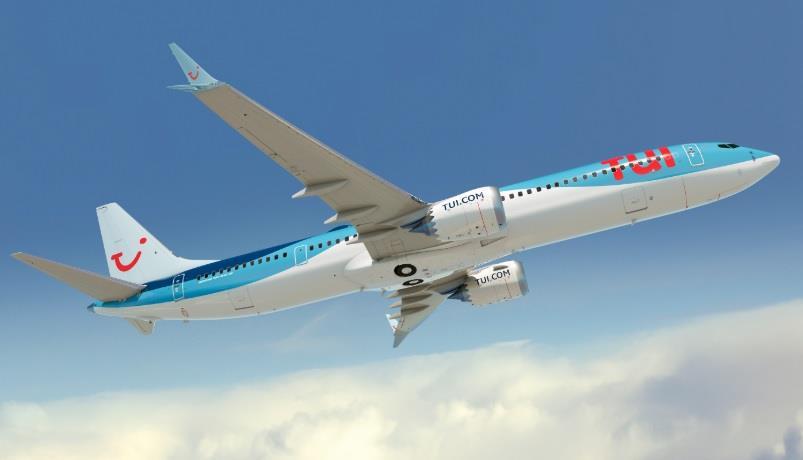
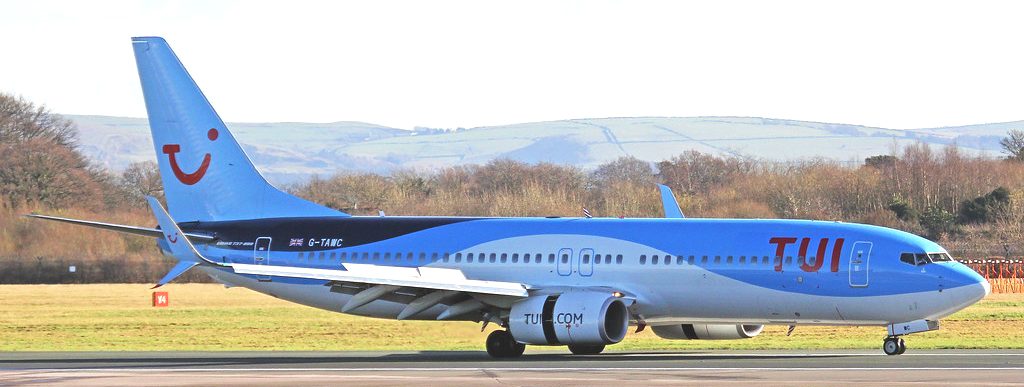
TUI Group obtiene un acuerdo con el Gobierno de Alemania por un paquete de € 1.200 millones de Euros a medida que la demanda comienza a aumentar. El gigante europeo de vacaciones TUI confirmó a finales de la semana pasada que el grupo y el Banco KfW Group acordaron ampliar la línea de crédito existente en € 1.050 millones de Euros, sujeto a determinadas condiciones y suscrito por el Fondo de Estabilización Económica (FSM). El paquete de estabilización de € 1.200 millones de Euros refuerza la posición del TUI Group y proporcionaría suficiente liquidez en este entorno de mercado volátil. Esto cubrirá tanto el cambio estacional en el turismo hasta el invierno 2020/21 como otras restricciones e interrupciones de viaje a largo plazo relacionadas con la actual pandemia de Coronavirus. Incluyendo los fondos del paquete de estabilización adicional, TUI AG tendría así líneas de efectivo y crédito de € 2.400 millones de Euros.
El CEO Fritz Joussen de TUI Group ha comunicado: «El paquete de estabilización adicional nos permite centrarnos en las operaciones y, al mismo tiempo, impulsar la realineación del Grupo. Ya antes de la pandemia, habíamos iniciado la siguiente transformación de TUI: la transformación en digital empresa de plataforma. Esta transformación ahora se acelerará significativamente. Nuestro modelo de negocio integrado está intacto. Las vacaciones de verano están teniendo lugar nuevamente en todos los mercados. Introdujimos reducciones masivas de costos temprano y las implementamos de manera rápida y constante. Sin embargo, nadie sabe en la actualidad cuándo la vacuna o la medicación estarán disponibles y qué efectos tendrá la pandemia en los mercados individuales en los próximos meses».
TUI Airways ha reanudado con éxito sus actividades de viajes en todos los mercados europeos. Los primeros viajes desde mediados de Junio 2020 vuelven a generar volumen de negocios. Implementación de medidas iniciales para la realineación y reducción de costes sostenible con el objetivo de alcanzar un ahorro anual de más de € 300 millones de Euros.
Fritz Joussen habló más sobre la continua reanudación de los servicios del grupo y el aumento de la demanda de viajes combinados: «Nuestro modelo de negocio integrado está demostrando su valor incluso en la crisis. La implementación de nuestros conceptos de higiene y seguridad y el relanzamiento del negocio podrían implementarse en los segmentos de vuelo, hotel, barco y destino desde un solo proveedor. Esto ha brindado a nuestros huéspedes un alto nivel de seguridad. Con la segunda línea de crédito del gobierno, estamos preparados si la pandemia vuelve a tener un impacto significativo en el turismo”.
TUI Airways ha reanudado con éxito sus actividades de viajes en todos los mercados europeos. Después del final oficial de las advertencias de viaje para la mayoría de los destinos europeos, las vacaciones también se lanzaron en los mercados restantes de TUI Airways a principios de Julio 2020. En este mes, más de medio millón de clientes de toda Europa viajaron con TUI en sus vacaciones de verano. Además, la demanda de vacaciones sigue siendo muy alta: desde la reanudación de las actividades de viajes, se han recibido 1,7 millones de nuevas reservas en todo el Grupo.
Las reservas para el verano de 2021 también son muy prometedoras. Actualmente son un 145 por ciento más altas que las reservas del año pasado para este verano. Desde el punto de vista operativo, los costos en efectivo actuales deben cubrirse en el cuarto trimestre y debe lograrse el punto de equilibrio en efectivo. El CEO Fritz Joussen dijo: «Nuestro modelo de negocio integrado con aviones, traslados, hoteles y cruceros está intacto y ha demostrado su valía en este difícil entorno. Durante la crisis, nos ha permitido ser la primera empresa de viajes en transportar pasajeros de vacaciones. Las vacaciones de verano se llevan a cabo de forma responsable y con los más altos estándares de higiene en todos los mercados. Estos fueron desarrollados e implementados en cooperación con los gobiernos de los destinos, los hoteles y aerolíneas del Grupo y los equipos en los destinos. Pudimos tomar decisiones integradas sobre planes de vuelo y aperturas de hoteles y también sobre la implementación de estándares de higiene para todas las etapas de las vacaciones. También introdujimos reducciones masivas de costos con anticipación y las implementamos de manera rápida y consistente. El préstamo gubernamental adicional garantizará nuestra liquidez en caso de que se produzcan más restricciones de viaje e interrupciones a través de COVID-19. La obtención de recursos financieros nos permitirá centrarnos en nuestro negocio operativo y, al mismo tiempo, impulsar la realineación del Grupo. Incluso antes de la pandemia, ya habíamos iniciado la próxima transformación de TUI: la transformación en una empresa de plataforma digital. Esto ahora se está acelerando significativamente. TUI después de la crisis será más fuerte, más rápida y más eficiente que TUI antes de la crisis».
TUI Group loan approved
Germany loan for € 1.2 billion to TUI Group
TUI Group secures an agreement with the German Government for a € 1.2 billion package as demand begins to increase. The European vacation giant TUI confirmed late last week that the group and the KfW Group Bank agreed to extend the existing credit line by € 1,050 million Euros, subject to certain conditions and underwritten by the Economic Stabilization Fund (FSM). The € 1.2 billion stabilization package strengthens the position of the TUI Group and would provide sufficient liquidity in this volatile market environment. This will cover both the seasonal change in tourism through winter 2020/21 as well as other long-term travel restrictions and interruptions related to the current Coronavirus pandemic. Including the funds from the additional stabilization package, TUI AG would thus have cash and credit lines of € 2.4 billion.
TUI Group CEO Fritz Joussen said: «The additional stabilization package allows us to focus on operations and at the same time drive the realignment of the Group. Already before the pandemic, we had started TUI’s next transformation: transformation into digital platform enterprise. This transformation will now accelerate significantly. Our integrated business model is intact. Summer holidays are taking place again in all markets. We introduced massive cost reductions early and implemented them quickly and consistently. No However, no one currently knows when the vaccine or medication will be available and what effects the pandemic will have on individual markets in the coming months».
TUI Airways has successfully resumed its travel activities in all European markets. The first trips since mid-June 2020 return to generate business volume. Implementation of initial measures for realignment and sustainable cost reduction with the aim of achieving annual savings of more than € 300 million Euros.
Fritz Joussen spoke further about the continued resumption of the group’s services and the increasing demand for package tours: «Our integrated business model is proving its value even in the crisis. The implementation of our hygiene and safety concepts and the relaunch could be implemented in the flight, hotel, ship and destination segments from a single provider. This has provided our guests with a high level of security. With the government’s second credit line, we are prepared if the pandemic returns to have a significant impact on tourism”.
TUI Airways has successfully resumed its travel activities in all European markets. After the official end of travel advisories for most European destinations, the holidays were also launched in the remaining TUI Airways markets in early July 2020. In this month, more than half a million customers from all over Europe traveled with TUI on your summer vacation. Furthermore, the demand for holidays remains very high: since the resumption of travel activities, 1.7 million new bookings have been received across the Group.
Reservations for the summer of 2021 are also very promising. They are currently 145 percent higher than last year’s bookings for this summer. Operationally, current cash costs must be met in the fourth quarter and breakeven in cash must be achieved. CEO Fritz Joussen said: «Our integrated business model with airplanes, transfers, hotels and cruises is intact and has proven its worth in this difficult environment. During the crisis, it has allowed us to be the first travel company to transport passengers on vacation. Summer holidays are carried out responsibly and with the highest hygiene standards in all markets. These were developed and implemented in cooperation with the destination governments, the Group’s hotels and airlines and the teams in the destinations. We were able to make integrated decisions about flight plans and hotel openings and also about the implementation of hygiene standards for all stages of the vacation. We also introduced massive cost reductions in advance and implemented them quickly and consistently. The loan Additional government will ensure our liquidity in the event of further travel restrictions and disruption. nes through COVID-19. Obtaining financial resources will allow us to focus on our operating business and, at the same time, drive the realignment of the Group. Even before the pandemic, we had already started TUI’s next transformation: transformation into a digital platform company. This is now accelerating significantly. TUI after the crisis will be stronger, faster and more efficient than TUI before the crisis».
Ξ A I R G W A Y S Ξ PUBLISHER: Airgways.com DBk: Tuigroup.com / Kfw.de / Airgways.com AW-POST: 202008191301AR
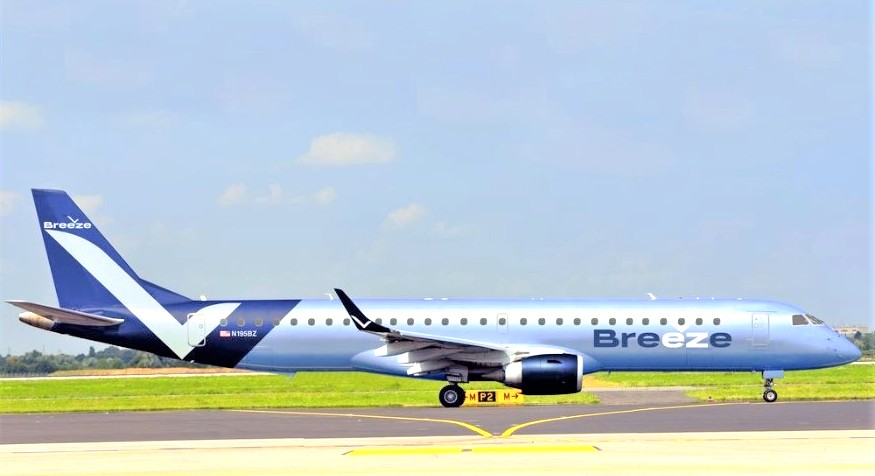
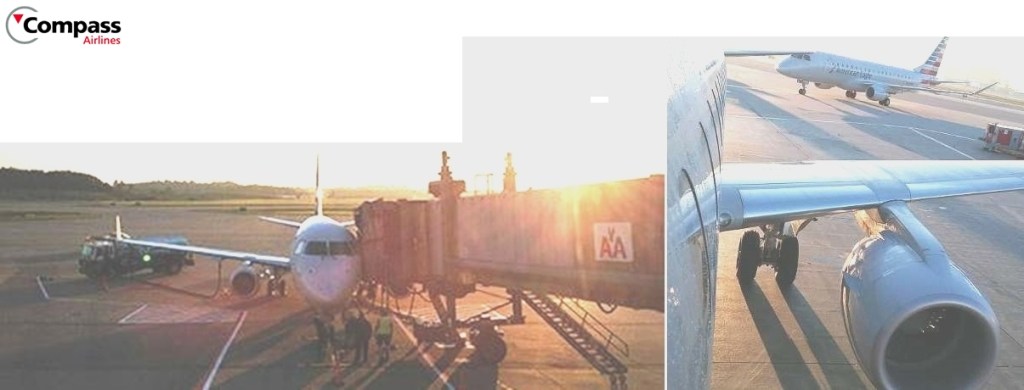
La startup Breeze Airways ha comunicado que ha rechazado la oferta por el Certificado Operativo de la aerolínea regional Compass Airlines. Tras un proceso de adquisición de Compass Airlines LLC, que era una aerolínea regional con sede en Delta Air Lines Building C en el Aeropuerto Internacional de Minneapolis-Saint Paul en Fort Snelling, condado de Hennepin, Estado de Minnesota, la nueva aerolínea regional emergente buscaba los derechos de rutas de la línea aérea Compass que canceló sus operaciones comerciales el 5 Abril 2020, citando la reducción de la demanda de viajes derivada de la pandemia de Coronavirus 2019-2020, junto con los intentos fallidos de sus propietarios de asegurar vuelos adicionales. La aerolínea solicitó transferir el certificado en Julio 2020, tres meses después de que Compass dejara de volar.
El sindicato Air Line Pilots Association (ALPA) y Sun Country Airlines objetaron el plan de Breeze de adquirir el certificado. ALPA argumentó que si se aprobaba la transferencia, su contrato laboral existente con Compass debía cumplirse. Sun Country argumentó que Breeze no cumplía con los requisitos de nivel de financiamiento del regulador.
Breeze Airways continúa el rumbo de lanzar vuelos comerciales de pasajeros en 2021 incluso después de decidir abandonar un plan para adquirir el certificado operativo desaparecido de Compass Airlines. La nueva aerolínea con sede en Salt Lake City, siniciará sus operaciones en 2021 bajo su propio certificado operativo, ha comunicado el Portavoz Gareth Edmondson-Jones.
La aerolínea mantiene su plan de arrendar inicialmente 15 Embraer E190 de segunda mano antes de comenzar a recibir 60 nuevos Airbus A220-300 hacia Agosto 2021. La confirmación de ese cronograma prosigue a la decisión de abandonar los planes para adquirir el certificado de Compass, que Breeze Airways notificó al Departamento de Transporte el Martes 18/08.
La aerolínea ha planificado ofrecer inicialmente vuelos de punto a punto dirigidos a viajeros de placer entre 15 ciudades en la costa este y en el medio oeste, sur y Texas. Los planes a mediano plazo incluyen vuelos entre la costa este y el Estado de California.
El modelo es similar al de la aerolínea de presupuesto Allegiant Air. El Jefe Comercial de Breeze Airways, Lukas Johnson, compartió ocho años antes en esta compañía, luego de unirse a la nueva compañía. El Portavoz de Breeze Airways ha expresado que la aerolínea ofrecerá más detalles hacia Septiembre 2020.
Breeze cancels Compass offer
Breeze Airways abandons certified acquisition of Compass Airlines
The startup Breeze Airways has announced that it has rejected the offer for the Operational Certificate of the regional airline Compass Airlines. Following a process to acquire Compass Airlines LLC, which was a regional airline based in Delta Air Lines Building C at the Minneapolis-Saint Paul International Airport in Fort Snelling, Hennepin County, Minnesota, the new emerging regional airline was looking for the route rights of Compass airline that canceled its commercial operations on April 5, 2020, citing the reduction in travel demand derived from the 2019-2020 Coronavirus pandemic, along with the failed attempts by its owners to secure additional flights. The airline requested to transfer the certificate in July 2020, three months after Compass stopped flying.
The Air Line Pilots Association (ALPA) and Sun Country Airlines objected to Breeze’s plan to acquire the certificate. ALPA argued that if the transfer was approved, its existing employment contract with Compass should be honored. Sun Country argued that Breeze did not meet the regulator’s funding level requirements.
Breeze Airways continues on the path of launching commercial passenger flights in 2021 even after deciding to abandon a plan to acquire the defunct Compass Airlines operating certificate. The new Salt Lake City-based airline will begin operations in 2021 under its own operating certificate, Spokesperson Gareth Edmondson-Jones said.
The airline maintains its plan to initially lease 15 second-hand Embraer E190s before beginning to receive 60 new Airbus A220-300s by August 2021. Confirmation of that schedule follows the decision to abandon plans to acquire the Compass certificate, which Breeze Airways notified the Department of Transportation on Tuesday 08/18.
The airline has planned to initially offer point-to-point flights aimed at leisure travelers between 15 cities on the East Coast and in the Midwest, South and Texas. Medium-term plans include flights between the East Coast and the State of California.
The model is similar to the budget airline Allegiant Air. The Chief Commercial Officer of Breeze Airways, Lukas Johnson, shared eight years earlier with this company, after joining the new company. The Breeze Airways Spokesperson has expressed that the airline will offer more details towards.
Ξ A I R G W A Y S Ξ PUBLISHER: Airgways.com DBk: Flybreeze.com / Transportation.gov / Alpa.org / Airgways.com AW-POST: 202008191233AR
El principal grupo de la industria de la aviación de Alemania propuso la creación de corredores de viajes aéreos limitados entre los principales centros de Estados Unidos y Europa, en un intento por abrir el mercado casi cerrado para los vuelos transatlánticos. El proyecto piloto conectaría los aeropuertos estadounidenses de Chicago, Boston, Los Ángeles y New York/Newark con Frankfurt y Munich en Alemania, junto con otros importantes centros intercontinentales europeos, expresó este Miércoles 19/08 la BDL que representa a los aeropuertos y aerolíneas de Alemania.
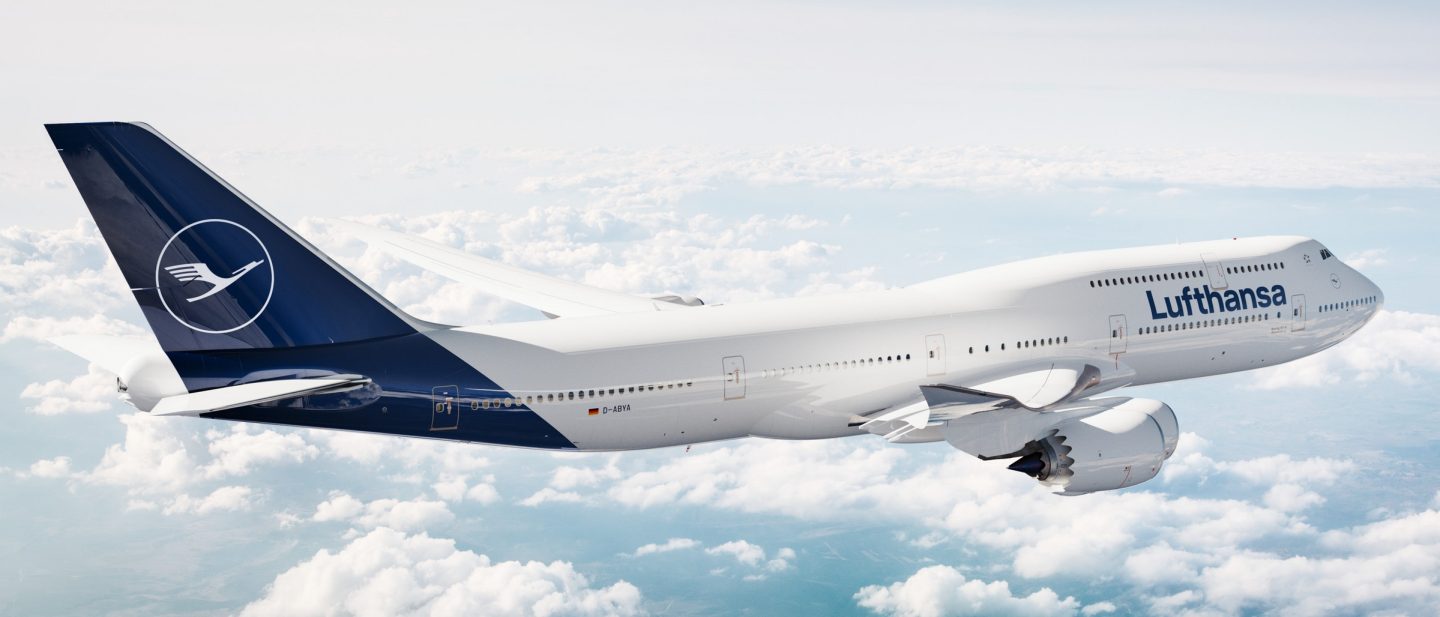
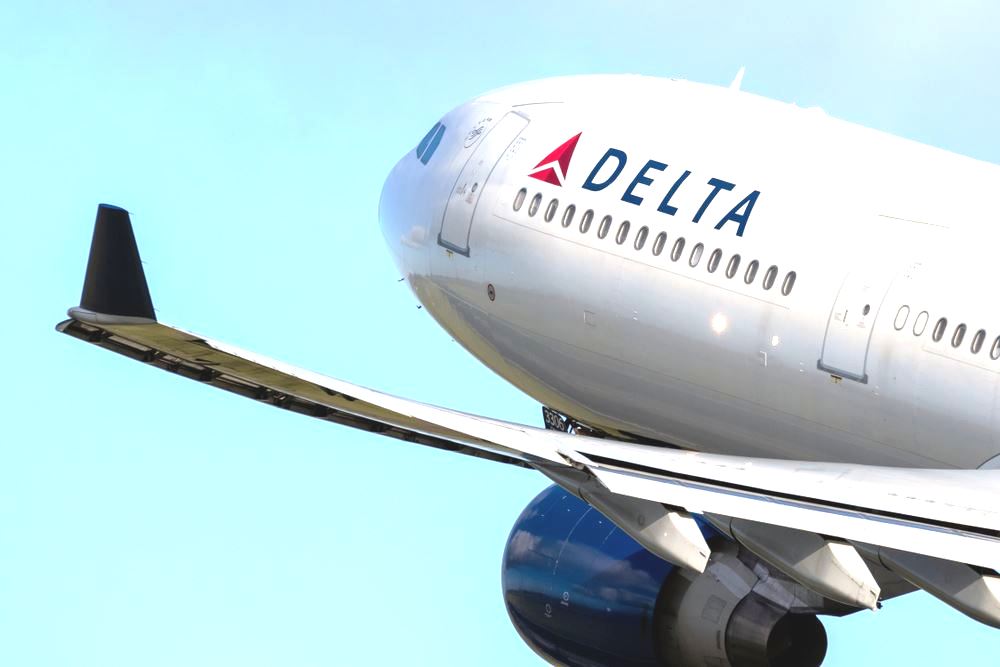
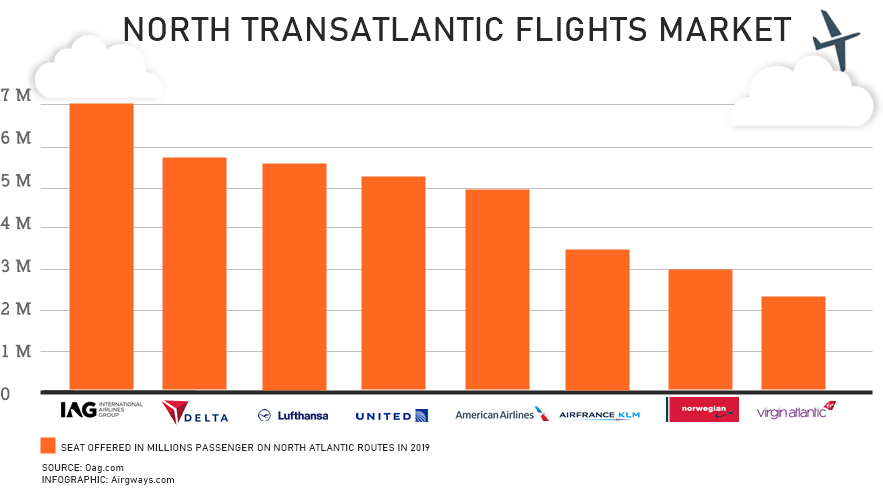
Estos corredores seguros se basarían en las pruebas Covid-19, ya implementadas en Boston y en los aeropuertos alemanes, que podrían instalarse rápidamente en otros lugares, según los ejecutivos de BDL, Matthias von Randow y Peter Gerber. Los pasajeros que deseen viajar tendrían que presentar una prueba negativa para Covid-19 que no tenga más de 48 horas. Un conjunto coordinado de medidas para reabrir los vuelos transatlánticos beneficiaría a las principales aerolíneas de la red como Lufthansa AG, Air France-KLM y British Airways, así como para sus contrapartes estadounidenses, Delta Air Lines, American Airlines y United Airlines. Todas las aerolíneas dependen de lucrativas rutas del Atlántico Norte.
La Asociación Internacional de Transporte Aéreo (IATA) advirtió que los vuelos de larga distancia tardarán años en volver a los niveles de 2019 y ha instado a los países a unificar las reglas de viaje para acelerar el regreso. Las restricciones en constante cambio han frenado la recuperación de la aviación en Europa, mientras que los brotes estado por estado han limitado los viajes nacionales en Estados Unidos.
El aeropuerto más concurrido de Europa, London/Heathrow, está trabajando en un mecanismo de prueba y los ejecutivos de la industria están presionando al gobierno británico para que reemplace las cuarentenas con pruebas de virus como un medio para detectar a los viajeros que llegan de países de alto riesgo. No estaba claro si Heathrow o los otros aeropuertos estaban involucrados en el plan alemán. El centro de Londres no hizo comentarios de inmediato. Los ejecutivos de la Asociación Alemana de Aviación (BDL) dijeron que su plan había sido propuesto a las autoridades de aviación en Europa y Estados Unidos, y que estaban esperando comentarios. El tráfico entre los aeropuertos de París y América del Norte se redujo un 94% en Julio 2020.
Los viajes aéreos alrededor del mundo se han visto devastados por las consecuencias de la pandemia, que generó preocupaciones de salud sobre los vuelos por parte de los consumidores y las autoridades. La combinación de advertencias de viaje, restricciones de entrada y regulaciones de cuarentena paralizó los vuelos después de que el virus se globalizó. que hacen que la planificación confiable del viaje sea casi imposible.
Airlines launch transatlantic corridor
German airlines would create transatlantic air corridors
Germany’s leading aviation industry group proposed creating limited air travel corridors between major hubs in the United States and Europe, in an attempt to open up the nearly closed market for transatlantic flights. The pilot project would connect the US airports of Chicago, Boston, Los Angeles and New York/Newark with Frankfurt and Munich in Germany, along with other major European intercontinental hubs, said on Wednesday 08/19 the BDL representing the airports and airlines of Germany.
These safe corridors would be based on Covid-19 tests, already implemented in Boston and at German airports, which could quickly be installed elsewhere, according to BDL executives Matthias von Randow and Peter Gerber. Passengers wishing to travel would have to submit a negative test for Covid-19 that is no more than 48 hours old. A coordinated set of measures to reopen transatlantic flights would benefit the network’s main airlines such as Lufthansa AG, Air France-KLM and British Airways, as well as their US counterparts, Delta Air Lines, American Airlines and United Airlines. All airlines rely on lucrative North Atlantic routes.
The International Air Transport Association (IATA) has warned that long-haul flights will take years to return to 2019 levels and has urged countries to unify travel rules to speed up the return. Ever-changing restrictions have slowed the recovery of aviation in Europe, while state-by-state outbreaks have limited domestic travel in the United States.
Europe’s busiest airport, London/Heathrow, is working on a testing mechanism and industry executives are lobbying the British government to replace quarantines with virus testing as a means of detecting travelers arriving from countries. high-risk. It was unclear whether Heathrow or the other airports were involved in the German scheme. Central London did not immediately comment. Executives from the German Aviation Association (BDL) said their plan had been proposed to aviation authorities in Europe and the United States, and they were awaiting comment. Traffic between the airports of Paris and North America was reduced by 94% in July 2020.
Air travel around the world has been devastated by the consequences of the pandemic, which raised health concerns about flights from consumers and authorities. The combination of travel advisories, entry restrictions and quarantine regulations brought flights to a standstill after the virus went global. that make reliable trip planning almost impossible.
Fluggesellschaften starten transatlantischen korridor
Deutsche Fluggesellschaften würden transatlantische Luftkorridore schaffen
Deutschlands führender Luftfahrtkonzern schlug vor, begrenzte Flugreisekorridore zwischen den wichtigsten Drehkreuzen in den USA und in Europa zu schaffen, um den nahezu geschlossenen Markt für Transatlantikflüge zu öffnen. Das Pilotprojekt würde die US-Flughäfen Chicago, Boston, Los Angeles und New York/Newark mit Frankfurt und München in Deutschland verbinden, zusammen mit anderen wichtigen europäischen interkontinentalen Drehkreuzen, sagte der BDL am Mittwoch, den 19. August, der die Flughäfen und Fluggesellschaften von vertritt Deutschland.
Diese sicheren Korridore würden auf Covid-19-Tests basieren, die bereits in Boston und auf deutschen Flughäfen durchgeführt wurden und laut den BDL-Führungskräften Matthias von Randow und Peter Gerber schnell an anderer Stelle installiert werden könnten. Passagiere, die reisen möchten, müssten einen negativen Test für Covid-19 einreichen, der nicht älter als 48 Stunden ist. Eine koordinierte Reihe von Maßnahmen zur Wiedereröffnung von Transatlantikflügen würde den wichtigsten Fluggesellschaften des Netzwerks wie der Lufthansa AG, Air France-KLM und British Airways sowie ihren US-amerikanischen Kollegen Delta Air Lines, American Airlines und United Airlines zugute kommen. Alle Fluggesellschaften setzen auf lukrative Nordatlantikrouten.
Die International Air Transport Association (IATA) hat gewarnt, dass Langstreckenflüge Jahre brauchen werden, um auf das Niveau von 2019 zurückzukehren, und die Länder aufgefordert, die Reiseregeln zu vereinheitlichen, um die Rückkehr zu beschleunigen. Die sich ständig ändernden Beschränkungen haben die Erholung der Luftfahrt in Europa verlangsamt, während Ausbrüche von Staat zu Staat die Inlandsreisen in den Vereinigten Staaten eingeschränkt haben.
Der verkehrsreichste Flughafen Europas, London/Heathrow, arbeitet an einem Testmechanismus, und Führungskräfte der Branche setzen sich bei der britischen Regierung dafür ein, Quarantänen durch Virentests zu ersetzen, um Reisende aus Ländern zu erkennen. hohes Risiko. Es war unklar, ob Heathrow oder die anderen Flughäfen an dem deutschen System beteiligt waren. Central London äußerte sich nicht sofort. Führungskräfte des Deutschen Luftfahrtverbandes (BDL) sagten, ihr Plan sei den Luftfahrtbehörden in Europa und den USA vorgeschlagen worden, und sie warteten auf eine Stellungnahme. Der Verkehr zwischen den Flughäfen von Paris und Nordamerika wurde im Juli 2020 um 94% reduziert.
Der Flugverkehr um die Welt wurde durch die Folgen der Pandemie zerstört, die gesundheitliche Bedenken hinsichtlich der Flüge von Verbrauchern und Behörden aufwirft. Die Kombination aus Reisehinweisen, Einreisebeschränkungen und Quarantänevorschriften brachte die Flüge zum Erliegen, nachdem das Virus global geworden war. das macht eine zuverlässige Reiseplanung fast unmöglich.
Ξ A I R G W A Y S Ξ PUBLISHER: Airgways.com DBk: Bdl.aero / Iata.org / Bloomberg.com / Oag.com / Airgways.com / Lufthansa.com / Gettyimages.com AW-POST: 202008191029AR
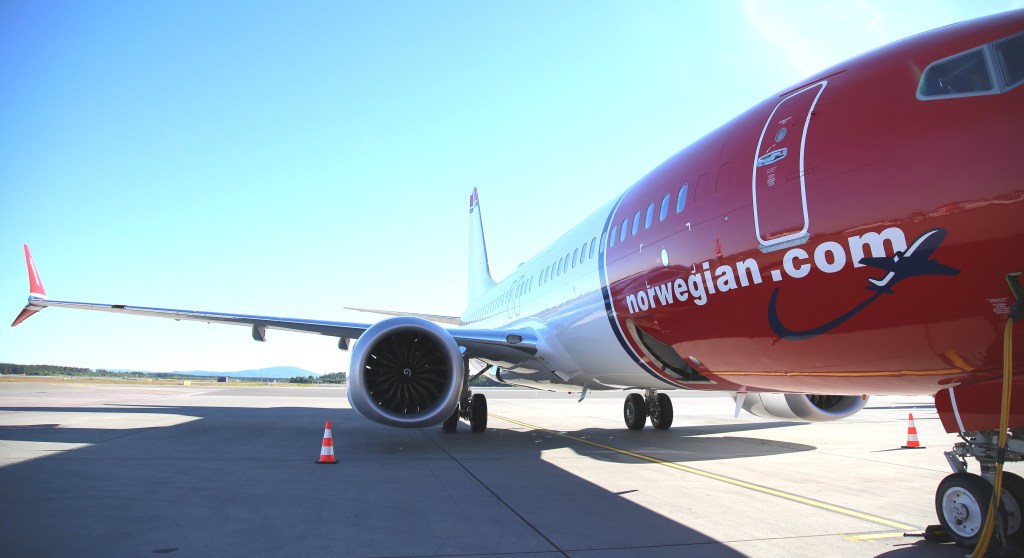
Norwegian Air Sweden con solicitud garantía de crédito denegada
La Oficina Nacional de Deuda de Suecia/Riksgalden ha decidido rechazar la solicitud de la compañía aérea Norwegian Air Sweden AB de una garantía de crédito estatal en el marco del programa de garantías para aerolíneas. La Oficina de Deuda tiene el mandato del Gobierno de emitir garantías crediticias para nuevos préstamos a aerolíneas que, el 1 Enero 2020, tenían una licencia sueca para realizar operaciones de aviación comercial y que tienen sus operaciones principales o tienen su domicilio en Suecia. La provisión de garantías se llevará a cabo de acuerdo con la Ordenanza 2011:211 sobre préstamos y ordenanza de garantías y de acuerdo con ciertas condiciones específicas establecidas en el mandato del Gobierno.
La Oficina de Deuda de Suecia tiene el mandato del Gobierno de emitir garantías crediticias para nuevos préstamos a aerolíneas que tengan una licencia sueca y sus principales operaciones estén domiciliadas en Suecia.
Norwegian Air Sweden AB ha solicitado poder recibir una garantía de crédito sueca en el marco del sistema de garantía de aviación. El mandato del Gobierno de Suecia estipula que solo se puede otorgar una garantía a las compañías aéreas que se evalúen como financieramente viables el 31 Diciembre 2019.
Norwegian Sweden, que genera pérdidas, se ha sometido a un extenso programa de conversión de deuda en capital como parte de una amplia reestructuración, con el fin de obtener financiación estatal del gobierno de Noruega. La aerolínea debe divulgar sus resultados financieros del primer semestre el 28 Agosto 2020, que describirán el impacto total de las interrupciones del segundo trimestre derivadas de la crisis del Coronavirus. Esto sigue a un primer trimestre durante el cual la pérdida operativa de Norwegian Sweden se profundizó en más del 40% a más de NKr 2 mil millones (US$ 226 millones) y su deuda con intereses aumentó a casi NKr 67 mil millones.
La operación de Norwegian Air Sweden opera una flota de 47 aeronaves con una combinación de Boeing 737-8 MAX, Boeing 737-800 y Boeing 787-9. La flota activa (ACT) y almacenada (STK) corresponden al Boeing 737-8 MAX (ACT:2/STK:6), Boeing 737-800 (ACT:15/STK:22) y Boeing 787-9 (STK:2).
La evaluación de la Oficina de la Deuda con respecto a Norwegian Sweden es que, al 31 de Diciembre 2019, existía un riesgo muy alto de que Norwegian Sweden no pudiera cumplir con sus compromisos financieros y de que la empresa no se considerara capaz de gestionar un mayor endeudamiento. Por lo tanto, la empresa no se ha considerado financieramente viable al 31/12/2019. En consecuencia, se denegó la solicitud de Norwegian. De acuerdo con la ordenanza de garantía, la decisión de la Oficina de Deuda no puede ser apelada.
Sweden denies guarantees to Norwegian
Norwegian Air Sweden AB has denied credit guarantee request
The Swedish National Debt Office/Riksgalden has decided to reject the application of the airline Norwegian Air Sweden AB for a state credit guarantee under the airline guarantee program. The Debt Office is mandated by the Government to issue credit guarantees for new loans to airlines which, as of 1 January 2020, had a Swedish license to conduct commercial aviation operations and which have their main operations or are domiciled in Sweden. The provision of guarantees will be carried out in accordance with Ordinance 2011:211 on loans and guarantees ordinance and in accordance with certain specific conditions established in the Government’s mandate.
The Swedish Debt Office is mandated by the Government to issue credit guarantees for new loans to airlines that have a Swedish license and their main operations are domiciled in Sweden.
Norwegian Air Sweden AB has applied to receive a Swedish credit guarantee under the aviation guarantee scheme. The mandate of the Swedish Government stipulates that a guarantee can only be given to airlines that are assessed as financially viable on December 31, 2019.
Loss-making Norwegian Sweden has undergone an extensive debt-to-equity program as part of a comprehensive restructuring in order to obtain state funding from the Norwegian government. The airline is due to disclose its first half financial results by August 28, 2020, which will describe the full impact of the second quarter disruptions stemming from the Coronavirus crisis. This follows a first quarter during which Norwegian Sweden’s operating loss deepened by more than 40% to over NKr 2 billion (US$ 226 million) and its interest-bearing debt increased to almost NKr 67 billion.
Norwegian Air Sweden’s operation operates a fleet of 47 aircraft with a combination of Boeing 737-8 MAX, Boeing 737-800 and Boeing 787-9. The active (ACT) and stored (STK) fleet correspond to the Boeing 737-8 MAX (ACT:2/STK:6), Boeing 737-800 (ACT:15/STK:22) and Boeing 787-9 (STK:2).
The Debt Office’s assessment with respect to Norwegian Sweden is that, as of December 31, 2019, there was a very high risk that Norwegian Sweden would not be able to meet its financial commitments and that the company would not be deemed capable of managing a higher indebtedness. Therefore, the company has not been considered financially viable as of 12/31/2019. Consequently, Norwegian’s request was denied. According to the guarantee ordinance, the decision of the Debt Office cannot be appealed.
Sverige nekar garantier till Norwegian
Norwegian Air Sweden AB har en avslagen begäran om kreditgaranti
Riksgalden/Riksgalden har beslutat att avslå ansökan från flygbolaget Norwegian Air Sweden AB om statlig kreditgaranti enligt flyggarantiprogrammet. Riksgäldskontoret har av regeringen mandat att utfärda kreditgarantier för nya lån till flygbolag som från och med den 1 januari 2020 hade en svensk licens för att bedriva kommersiell luftfartsverksamhet och som har sin huvudsakliga verksamhet eller har hemvist i Sverige. Tillhandahållande av garantier kommer att genomföras i enlighet med förordningen 2011: 211 om förordningar om lån och garantier och i enlighet med vissa specifika villkor fastställda i regeringens mandat.
Riksgäldskontoret har av mandatet mandat av regeringen att utfärda kreditgarantier för nya lån till flygbolag som har en svensk licens och deras huvudsakliga verksamhet har hemvist i Sverige.
Norwegian Air Sweden AB har ansökt om att få en svensk kreditgaranti enligt flyggarantisystemet. Den svenska regeringens mandat föreskriver att en garanti endast kan ges till flygbolag som bedöms vara ekonomiskt hållbara den 31 december 2019.
Förlustgivande norska Sverige har genomgått ett omfattande skuld-till-kapital-program som en del av en omfattande omstrukturering för att få statlig finansiering från den norska regeringen. Flygbolaget kommer att offentliggöra sina finansiella resultat för första halvåret senast den 28 augusti 2020, vilket kommer att beskriva den fulla effekten av störningar i andra kvartalet till följd av krisen i Coronavirus. Detta följer ett första kvartal där norska Sveriges rörelseförlust fördjupades med mer än 40% till mer än 2 miljarder NKR (226 miljoner US $) och dess räntebärande skuld ökade till nästan 67 miljarder NKR.
Norwegian Air Sveriges verksamhet driver en flotta på 47 flygplan med en kombination av Boeing 737-8 MAX, Boeing 737-800 och Boeing 787-9. Den aktiva (ACT) och lagrade (STK) flottan motsvarar Boeing 737-8 MAX (ACT:2/STK:6), Boeing 737-800 (ACT:15/STK:22) och Boeing 787-9 (STK:2).
Riksgäldskontorets bedömning avseende norska Sverige är att det per den 31 december 2019 fanns en mycket hög risk att norska Sverige inte skulle kunna uppfylla sina finansiella åtaganden och att företaget inte skulle bedömas kunna hantera högre skuldsättning. Därför har företaget inte anses vara ekonomiskt lönsamt per 31/12/2019. Följaktligen avslogs norska begäran. Enligt garantiförordningen kan Riksgäldskontorets beslut inte överklagas.
Ξ A I R G W A Y S Ξ PUBLISHER: Airgways.com DBk: Riksgalden.se / Norwegian.se / Airgways.com / Wikipedia.org / Gettyimages.com AW-POST: 202008182058AR
Gobierno y las inversiones en aeropuertos argentinos
El Gobierno de Argentina ha establecido un programa de inversiones por parte del Estado y el sector privado para continuar con las inversiones a pesar del complicado panorama socio-económico global.
En muchos países, los planes de inversión en aeropuertos, ya sea por parte de los gobiernos o del sector privado (o ambos), han quedado paralizados. El Gobierno argentino ha hecho un anuncio no esperado de inversiones por valor de unos US$ 1.400 millones durante cuatro años para mejorar los aeropuertos de la República Argentina. Actualmente existen numerosos planes de este tipo, todos los cuales deberían completarse en los próximos dos años y a la mitad del costo previsto.
Las complicaciones en el mercado aéreo en Argentina se asentuaron por la crisis económica pre-pandemia, que junto con el turismo reflejaban signos de retroceso hacia el 4Q2019. La crisis económico-financiera, sumadoa la crisis sanitaria ha condicionado al país con pocos recursos o alternativas para poder articular una estrategia de salida de bloqueo. El Gobierno parece decidido a adoptar una estrategia de proteccionismo en la aviación que acabará con la mayor parte del progreso logrado en los últimos cinco años.
La mayoría de los aeropuertos son administrados por la empresa del sector privado en concesión Aeropuertos Argentina 2000 (AA2000), donde ha tenido poco margen para desarrollarse y ampliar sus potenciales recursos escasos. Ahora, el Gobierno está bajando el pulgar al Aeropuerto Internacional El Palomar. La próxima concentración del negocio aéreo pasará por el Aeropuerto Jorge Newbery, una aeroestación que traerá mucha demanda hacia el corto plazo, pero donde la oferta de mercado doméstico estará acaparada mayoritariamente por Aerolíneas Argentinas.
Argentina airport investments
Government and investments in Argentine airports
The Government of Argentina has established an investment program by the State and the private sector to continue with investments despite the complicated global socio-economic panorama.
In many countries, airport investment plans, whether by governments or the private sector (or both), have come to a standstill. The Argentine government has made an unexpected announcement of investments worth about US$ 1,400 million over four years to improve the airports of the Argentine Republic. There are currently numerous such plans, all of which should be completed within the next two years and at half the expected cost.
Complications in the air market in Argentina were settled by the pre-pandemic economic crisis, which together with tourism reflected signs of retreat towards 4Q2019. The economic-financial crisis, added to the health crisis, has conditioned the country with few resources or alternatives to be able to articulate an exit strategy from the blockade. The government appears determined to adopt a strategy of protectionism in aviation that will kill most of the progress made in the last five years.
Most airports are managed by the concessioned private sector company Aeropuertos Argentina 2000 (AA2000), where it has had little room to develop and expand its potential scarce resources. Now, the Government is lowering its thumb to El Palomar International Airport. The next concentration of the air business will go through the Jorge Newbery Airport, an air station that will bring a lot of demand in the short term, but where the domestic market supply will be dominated mainly by Aerolineas Argentinas.
Ξ A I R G W A Y S Ξ PUBLISHER: Airgways.com DBk: Aa2000.com.ar / Argentina.gob.ar / Airgways.com AW-POST: 202008181636AR
/passengers-check-in-at-the-desks-of-the-ezeiza-international-airport-in-the-central-hall-of-terminal-a-1044399682-745c713ecb6f41f89a49af583eb45538.jpg)