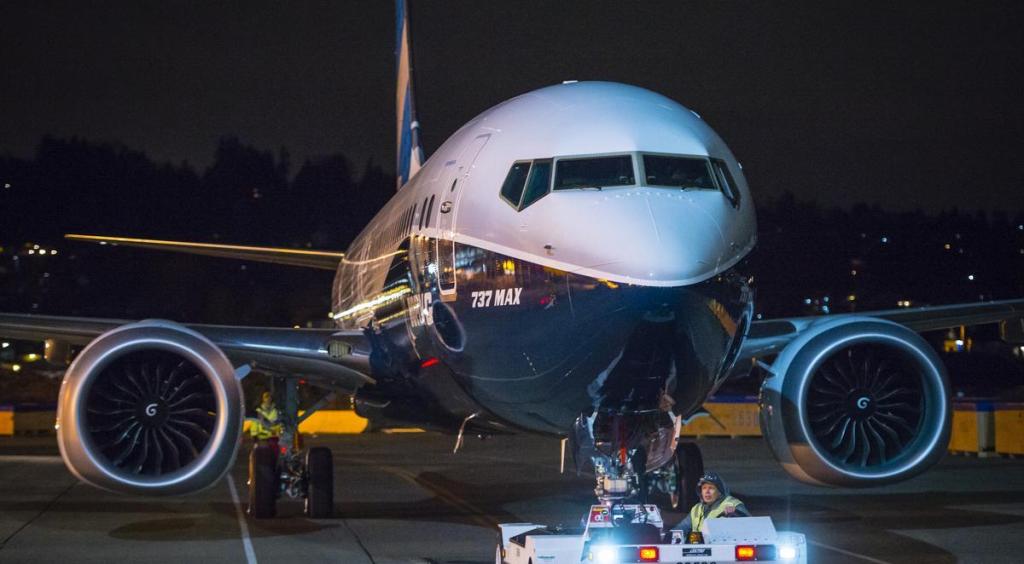
Vuelo prueba Boeing 737 MAX programado próximos días
Los pilotos de la Federal Aviation Administration(FAA) realizarán otra Prueba de Vuelo del Sistema del software de Control de Vuelo revisado del Boeing 737 MAX. El próximo desafío para volver a poner en servicio los aviones 737 MAX de The Boeing Company está programado para esta semana, con otro vuelo de prueba del Gobierno que evalúa la seguridad de las correcciones de software MCAS.
El 737 MAX se ha conectado a tierra desde un vuelo comercial en todo el mundo desde Marzo 2019 después de dos accidentes que mataron a 346 personas en Etiopía e Indonesia durante un período de cinco meses. La agencia dijo que estaba trabajando en mejoras al proceso de certificación de aeronaves. «Levantaremos la orden de puesta a tierra solo después de que los expertos en seguridad de la FAA estén satisfechos de que la aeronave cumple con los estándares de certificación». El informe destaca múltiples instancias en las que Boeing presentó información limitada sobre el nuevo Sistema de Aumento de las Características de Maniobra (MCAS), a los reguladores, con consecuencias significativas. El informe ha afirmado que los ingenieros y el personal clave de certificación de la FAA responsables de aprobar el nivel de capacitación de pilotos de aerolíneas no tenían conocimiento de la revisión de MCAS. «Es de vital importancia tener en cuenta todas las revisiones que se realizan en torno a estos trágicos accidentes, y esperamos con interés las recomendaciones de la Office of Inspector General (OIG) para ayudar a informar la acción del Congreso en los próximos meses», expresó el organismo de fiscalización.
Primeros test vuelos
Los reguladores estadounidenses realizaron el primer Vuelo de Prueba del Boeing 737 MAX el Lunes 29/06, un paso clave para recertificar el avión que estuvo en tierra durante más de un año después de dos accidentes fatales.
Próximos test
La línea Boeing 737 MAX ha sido llamada a una revisión de preparación operativa que se encuentra entre una serie de vuelos de prueba anticipados durante las próximas semanas con pilotos federales junto con tripulaciones de aerolíneas de todo el mundo, todos con la intención de examinar los cambios en el Sistema de Control de Vuelo MCAS de la flota. Pero aunque los vuelos de certificación son una fase crítica, el regulador de la FAA ha hecho hincapié en que el proceso para devolver el avión a los cielos no ha terminado.
El informe se hará público el Miércoles 8 Julio 2020 y expondrá los errores cometidos tanto por Boeing como por la FAA en el desarrollo y certificación de la serie MAX. El organismo de fiscalización de la FAA ha permitido al fabricante aeronáutico reparar algunas falencias, que no representan riesgos inmediatos, después de que el avión regrese al servicio comercial. En la mayoría de los aspectos, el cronograma del inspector general reitera evaluaciones previas sobre fallas de la FAA y Boeing durante las revisiones iniciales de seguridad del MAX. La autoridad de seguridad en la aviación de Estados Unidos ha enfatizado que debe proceder con el debido cuidado y tomarse el tiempo antes de aceptar devolver el modelo 737 MAX al servicio.
Upcoming tests Boeing 737 MAX
Boeing 737 MAX test flight scheduled for the next few days
Pilots of the Federal Aviation Administration (FAA) will perform another Flight Test of the revised Boeing 737 MAX Flight Control Software System. The next challenge to return to service The Boeing Company 737 MAX aircraft is scheduled for this week, with another government test flight evaluating the safety of MCAS software fixes.
The 737 MAX has been grounded from a commercial flight worldwide since March 2019 after two accidents that killed 346 people in Ethiopia and Indonesia over a five-month period. The agency said it was working on improvements to the aircraft certification process. «We will lift the ground order only after FAA safety experts are satisfied that the aircraft meets the certification standards». The report highlights multiple instances in which Boeing presented limited information about the new Maneuvering Characteristics Enhancement System (MCAS) to regulators, with significant consequences. The report has claimed that FAA engineers and key certification personnel responsible for approving the level of airline pilot training were unaware of the MCAS review. «It is vitally important to take into account all the reviews that are conducted around these tragic accidents, and we look forward to the recommendations of the Office of Inspector General (OIG) to help inform the action of Congress in the coming months», expressed the inspection body.
First flight tests
US regulators conducted the first Boeing 737 MAX Test Flight on Monday 06/29, a key step in recertifying the plane that was grounded for more than a year after two fatal accidents.
Upcoming tests
The Boeing 737 MAX line has been called in for an operational readiness review that is among a series of anticipated test flights over the next few weeks with federal pilots alongside airline crews around the world, all with the intention of examining the changes. in the fleet’s MCAS Flight Control System. But while certification flights are a critical phase, the FAA regulator has stressed that the process to return the plane to the skies is not over.
The report will be released on Wednesday, July 8, 2020 and will expose the mistakes made by both Boeing and the FAA in developing and certifying the MAX series. The FAA’s regulatory agency has allowed the aeronautical manufacturer to repair some shortcomings, which do not represent immediate risks, after the plane returns to commercial service. In most respects, the inspector general’s schedule reiterates previous assessments of FAA and Boeing failures during MAX’s initial safety reviews. The United States Aviation Security Authority has emphasized that you must proceed with due care and take the time before agreeing to return the Model 737 MAX to service.
Ξ A I R G W A Y S Ξ PUBLISHER: Airgways.com DBk: Faa.gov / Oig.dot.gov / Boeing.com / Airgways.com AW-POST: 202007052148AR
El Grupo Itapemirim de Brasil ha iniciado el proceso para la puesta a punto de la aerolínea regional Itapemirim Linhas Aéreas. Atravesar la crisis de aviación causada por la pandemia de Coronavirus permitirá al grupo Itapemirim, con una trayectoria en el transporte de buses y antiguamente en transporte aéreo de carga pura, iniciar operaciones como nueva aerolínea en 2021. El CEO del grupo, Rodrigo Villaça, y el CEO de Itapemirim Linhas Aéreas, Tiago Senna, afirmó que la expectativa es firmar el contrato de arrendamiento de los primeros aviones aún en Julio 2020 para comenzar a volar en el primer trimestre del próximo año (1Q2021).
Itapemirim, startup
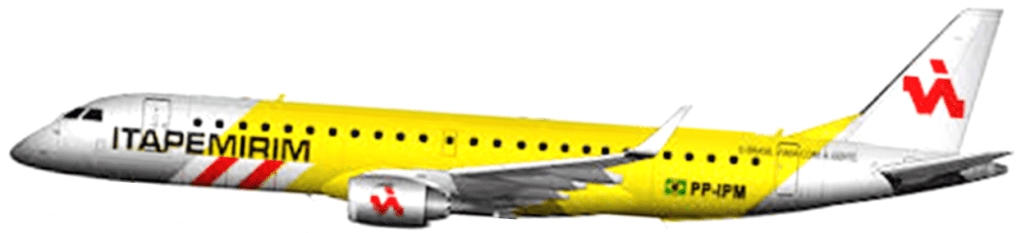
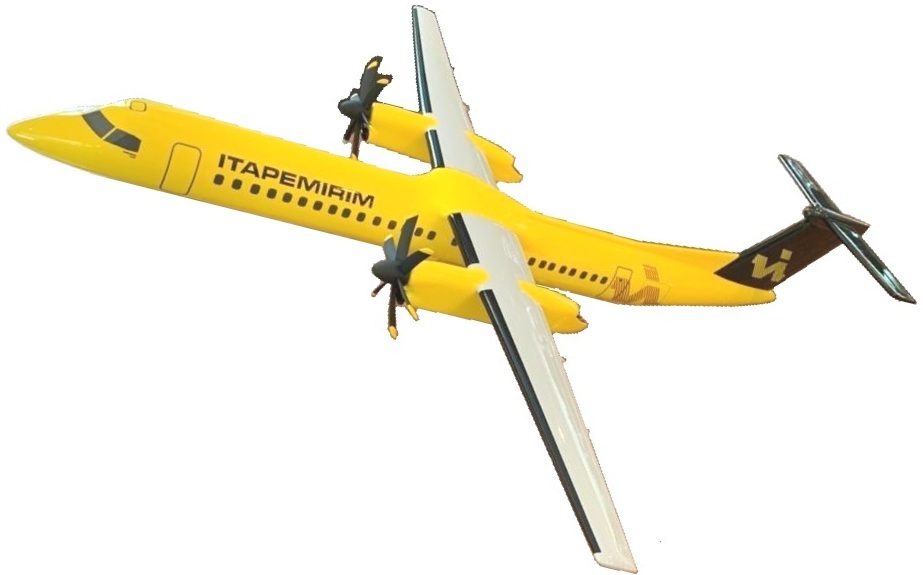
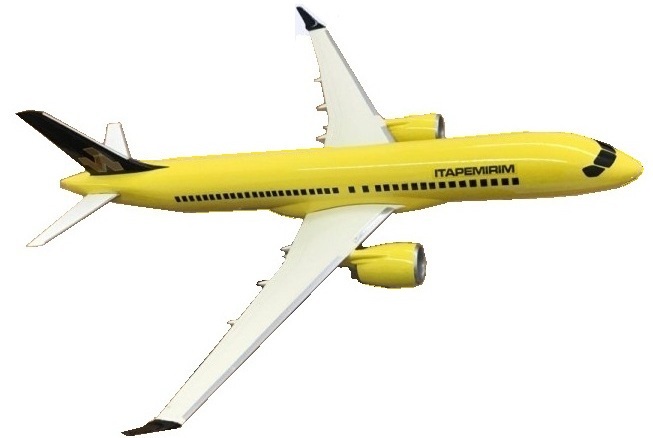
La startup de las operaciones aerocomerciales se iniciaría en Marzo 2021 con diez aeronaves regionales. El CEO de Itapemirim Linhas Aéreas ha ofrecido detalles del proyecto que ha iniciado la etapa primaria de conformación de la compañía aérea y han seleccionado algunas aeronaves como posibles candidatas para la apertura de las rutas internas en Brasil. Algunos ensayos como los Viking Air Q400 (Bombardier Q400), Airbus A220, Airbus A319, Boeing 737-700 y el Embraer 190/195 están en disputa. La nueva línea aérea regional ha establecido un rango de flujo de pasajeros para situarse dentro de los 100-140 pasajeros por avión transportado. «Queremos un avión con una capacidad de entre 100 y 140 pasajeros», dijo Tiago Senna. Sin embargo, los aviones de Itapemerim deben volar con menos asientos que la capacidad máxima, porque planean ofrecer clase ejecutiva en vuelos nacionales.
Aniversario Itapemirim
Viação Itapemirim ha completado este Sábado 4 Julio 2020, 67 años de existencia. Junto con las celebraciones, el CEO de la compañía, Rodrigo Vilaça, grabó un mensaje para las redes sociales de la compañía en el que habla sobre el futuro y la visión de un nuevo Itapemirim, hacia una nueva etapa en la incursión de la aviación comercial.
Itapemirim Linhas Aéreas nace en un momento de crisis mundial, pero aprovecha la debilidad del mercado aéreo para conquistar los cielos del Brasil con un fuerte impulso y proyectando más alternativas para volar.
Itapemirim airline startup in 2021
Itapemirim launches airline for 2021 in Brazil
The Itapemirim Group in Brazil has started the process for the development of the regional airline Itapemirim Linhas Aéreas. Going through the aviation crisis caused by the Coronavirus pandemic will allow the Itapemirim group, with a track record in bus transportation and formerly in pure cargo air transportation, to start operations as a new airline in 2021. The group’s CEO, Rodrigo Villaça, and the CEO of Itapemirim Linhas Aéreas, Tiago Senna, stated that the expectation is to sign the lease of the first aircraft still in July 2020 to start flying in the first quarter of next year (1Q2021).
Itapemirim, startup
The startup of aero-commercial operations would start in March 2021 with ten regional aircraft. The CEO of Itapemirim Linhas Aéreas has offered details of the project that has begun the primary stage of the airline’s formation and some aircraft have been selected as possible candidates for the opening of internal routes in Brazil. Some trials such as the Viking Air Q400 (Bombardier Q400), Airbus A220, Airbus A319, Boeing 737-700 and the Embraer 190/195 are in dispute. The new regional airline has established a passenger flow range to be within 100-140 passengers per plane transported. «We want an airplane with a capacity of between 100 and 140 passengers», said Tiago Senna. However, Itapemerim planes must fly with fewer seats than maximum capacity, because they plan to offer business class on domestic flights.
Itapemirim anniversary
Viação Itapemirim has completed this Saturday, July 4, 2020, 67 years of existence. Along with the celebrations, the CEO of the company, Rodrigo Vilaça, recorded a message for the company’s social networks in which he talks about the future and the vision of a new Itapemirim, towards a new stage in the incursion of commercial aviation.
Itapemirim Linhas Aéreas was born at a time of global crisis, but it takes advantage of the weakness of the air market to conquer the skies of Brazil with a strong impulse and projecting more alternatives to fly.
Startup da companhia aérea Itapemirim em 2021
Itapemirim lança companhia aérea para 2021 no Brasil
O Grupo Itapemirim do Brasil iniciou o processo de desenvolvimento da companhia aérea regional Itapemirim Linhas Aéreas. Passar pela crise da aviação causada pela pandemia de Coronavírus permitirá que o grupo Itapemirim, com histórico em transporte de ônibus e anteriormente em transporte aéreo de carga pura, inicie suas operações como nova companhia aérea em 2021. O CEO do grupo, Rodrigo Villaça, e o CEO da Itapemirim Linhas Aéreas, Tiago Senna, afirmou que a expectativa é assinar o arrendamento da primeira aeronave ainda em julho de 2020 para começar a voar no primeiro trimestre do próximo ano (1T2021).
Itapemirim, startup
O início das operações aeronáuticas começará em março de 2021 com dez aeronaves regionais. O CEO da Itapemirim Linhas Aéreas ofereceu detalhes do projeto que iniciou a etapa principal da formação da companhia aérea e algumas aeronaves foram selecionadas como possíveis candidatas à abertura de rotas internas no Brasil. Alguns ensaios, como o Viking Air Q400 (Bombardier Q400), Airbus A220, Airbus A319, Boeing 737-700 e o Embraer 190/195 estão em disputa. A nova companhia aérea regional estabeleceu uma faixa de fluxo de passageiros entre 100 e 140 passageiros por avião transportado. «Queremos um avião com capacidade entre 100 e 140 passageiros», disse Tiago Senna. No entanto, os aviões Itapemerim devem voar com menos assentos que a capacidade máxima, porque planejam oferecer classe executiva em voos domésticos.
Aniversário de Itapemirim
A Viação Itapemirim completou neste sábado, 4 de julho de 2020, 67 anos de existência. Juntamente com as comemorações, o CEO da empresa, Rodrigo Vilaça, gravou uma mensagem para as redes sociais da empresa, na qual fala sobre o futuro e a visão de um novo Itapemirim, rumo a uma nova etapa da incursão da aviação comercial.
A Itapemirim Linhas Aéreas nasceu em um momento de crise global, mas tira proveito da fraqueza do mercado aéreo para conquistar os céus do Brasil com forte impulso e projetando mais alternativas para voar.
Ξ A I R G W A Y S Ξ PUBLISHER: Airgways.com DBk: Itapemirim.com.br / Airgways.com AW-POST: 202007051555AR
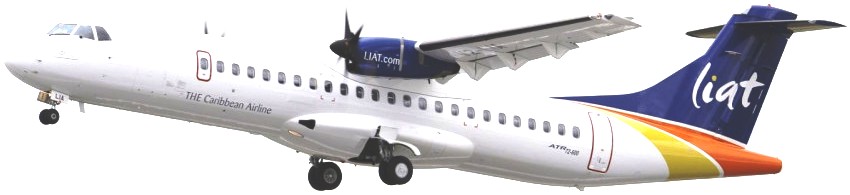
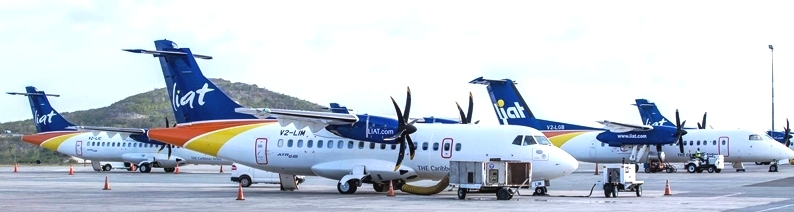
Seis aerolíneas muestran interés por aerolínea LIAT
Las aerolíneas de San Vicente y las Granadinas, Trinidad y Tobago, Martinica y Estados Unidos serían suficientes para mantener la conectividad, especialmente para la subregión. Los transportistas nombrados que han mostrado interés por LIAT Airlines son SVG Air, One Caribbean (San Vicente y las Granadinas), Caribbean Airlines (Trinidad y Tobago), Inter Caribbean (Turcas y Caicos), Silver Airways (Estados Unidos) y Air Antilles (Guadalupe).
La Primera Ministra de Barbados, Mia Amor Mottley ha anunciado el Viernes 3 Julio 2020 que los gobiernos accionistas de la aerolínea regional están avanzando en la decisión de liquidar el LIAT con problemas financieros mientras dan la bienvenida a seis aerolíneas privadas interesadas en la compañía caribeña. La Primera Ministra está transfiriendo la Presidencia de CARICOM al Primer Ministro de San Vicente y las Granadinas, el Dr. Ralph Gonsalves, que ha expresado que seis aerolíneas habían confirmado interés por la aerolínea federal de las Antillas. Los servicios para el sur del Caribe reanudarían en cuestión de semanas, según han establecido.
“Puedo informar con certeza que desde que se hicieron anuncios a principios de esta semana sobre la desaparición de LIAT, seis aerolíneas se han ofrecido para llenar el espacio. Estamos satisfechos de que estas seis aerolíneas pueden más que llenar el vacío inmediato, particularmente dado el tráfico reducido dentro de la pandemia COVID-19. Hay otros actores del sector privado que también han expresado su interés en poder ver cómo pueden trabajar solos o con algunos de los jugadores existentes», dijo Mia Mottley.
La decisión no ha sido una buena noticia para el Primer Ministro de Antigua y Barbuda, Gaston Browne, en cuyo país LIAT tiene su sede en su capital, St. John’s. Browne había optado por no participar en la ceremonia virtual del 3 Julio 2020, después de haber enviado una carta redactada el día anterior a Mia Mottley.
Interest purchase by LIAT airline
Six airlines show interest in LIAT airline
Airlines from Saint Vincent and the Grenadines, Trinidad and Tobago, Martinique and the United States would be sufficient to maintain connectivity, especially for the subregion. The named carriers that have shown interest for LIAT Airlines are SVG Air, One Caribbean (Saint Vincent and the Grenadines), Caribbean Airlines (Trinidad and Tobago), Inter Caribbean (Turks and Caicos), Silver Airways (United States) and Air Antilles (Guadeloupe).
Barbados Prime Minister Mia Amor Mottley has announced on Friday, July 3, 2020 that the shareholder governments of the regional airline are advancing in the decision to liquidate the LIAT with financial problems while welcoming six private airlines interested in the Caribbean company. The Prime Minister is transferring the CARICOM Presidency to the Prime Minister of Saint Vincent and the Grenadines, Dr. Ralph Gonsalves, who has expressed that six airlines have confirmed interest in the West Indies federal airline. Services for the southern Caribbean would resume in a matter of weeks, they have established.
“I can report with certainty that since announcements were made earlier this week about the disappearance of LIAT, six airlines have volunteered to fill the gap. We are satisfied that these six airlines can more than fill the immediate gap, particularly given the reduced traffic within the COVID-19 pandemic. There are other private sector players who have also expressed an interest in seeing how they can work alone or with some of the existing players», said Mia Mottley.
The decision was not good news for the Prime Minister of Antigua and Barbuda, Gaston Browne, in whose country LIAT is based in its capital, St. John’s. Browne had chosen not to participate in the virtual ceremony on July 3, 2020, having sent a letter written the day before to Mia Mottley.
Ξ A I R G W A Y S Ξ PUBLISHER: Airgways.com DBk: Airgways.com / Liat.com / Stabroeknews.com AW-POST: 202007051042AR
Boeing continúa hacia la recertificación de su aeronave 737 MAX
The Boeing Company junto a la Federal Aviation Administration (FAA) han iniciado los test de vuelos para la recertificación del modelo de la línea de cuarta generación Boeing 737 MAX convirtiendo un paso más hacia su entrada en servicio. Esta semana, el personal de Boeing y de la FAA completó tres días de vuelos de prueba, una parte clave del proceso para determinar si los recientes cambios de diseño han hecho que el avión sea seguro para volar.
El proceso de recertificación aún no se ha completado, por lo que Boeing ahora está bien posicionado para reanudar las entregas de 737 MAX a finales de este año. Desafortunadamente, la pandemia de Coronavirus ha aplazado las pruebas de vuelos por cuestiones de seguridad, pero al mismo tiempo ha diezmado la demanda de aviones en los últimos meses, perdiendo más de 600 órdenes solicitadas a la compañía americana.
Siguientes procesos
Boeing y la FAA continuarán con otros pasos hacia la recertificación del 737 MAX. En las próximas semanas, los funcionarios de la FAA analizarán los datos recopilados durante la reciente serie de vuelos de prueba. Esto les ayudará a verificar la efectividad de los cambios de diseño de Boeing. Otros próximos pasos en el proceso de recertificación incluyen el análisis de los procedimientos propuestos para la capacitación de pilotos y la documentación suministrada por Boeing. Después de un período de comentarios públicos, la FAA puede finalmente tomar las medidas tan esperadas de recertificar el 737 MAX y delinear los procedimientos que las aerolíneas deben seguir para reactivar sus flotas 737 MAX.
Según la línea de tiempo actual, que aún podría cambiar, la FAA puede recertificar el 737 MAX a mediados de Septiembre 2020. Eso permitiría un retorno al servicio en los Estados Unidos antes de fin 2020. Sin embargo, la recertificación no marcará el final de la saga de puesta a tierra 737 MAX. Los reguladores internacionales, particularmente en Europa (EASA), están listos para exigir modificaciones adicionales a los sistemas de seguridad del Boeing 737 MAX para fines del próximo año. Estos cambios y las modificaciones para los aviones que ya se han producido agregarán costos para Boeing y afectarán las ganancias futuras. Los pilotos también necesitarán capacitación adicional en el simulador para volar el 737 MAX en el futuro, lo que podría desencadenar pagos de Boeing a los clientes de las aerolíneas para cubrir el costo relacionado.
Mercado escaso
A pesar de los defectos de diseño iniciales del Boeing 737 MAX y los accidentes resultantes, el avión tenía una gran demanda antes de la pandemia de Coronavirus. Entre la fuerza de la demanda global de viajes aéreos y las limitaciones de producción en Airbus, cancelar los pedidos de 737 MAX no era una opción realista para la mayoría de los clientes de Boeing anterior a la pandemia. Actualmente, la situación es muy diferente. Los viajes aéreos permanecen muy por debajo de los niveles de 2019, y los expertos de la industria creen que la demanda tardará varios años en recuperarse por completo. Como resultado, las aerolíneas están tratando de diferir o cancelar tantas entregas de aviones como sea posible. Debido a los extensos retrasos en la entrega de los aviones 737 MAX programados originalmente para ser entregados en 2019 y 2020, los clientes en muchos casos tienen derecho a cancelar algunos de sus pedidos.
En los primeros cinco meses de 2020, más de 600 pedidos 737 MAX se evaporaron de la cartera de pedidos de Boeing. Mientras tanto, la compañía aseguró solo un puñado de pedidos netos para sus modelos de cuerpo ancho.
La avalancha de cancelaciones de pedidos aún no ha terminado. La semana pasada, la compañía de leasing BOC Aviation anunció que había cancelado 30 pedidos del Boeing 737 MAX. Más significativamente, Norwegian Air Shuttle ASA ha cancelado Boeing 737 MAX (92) y Boeing 787 Dreamliner (5). La aerolínea europea de presupuesto que se tambaleaba financieramente ha presentado una demanda exigiendo una indemnización por pérdidas debido a la conexión a tierra del 737 MAX y los problemas del motor para su flota actual 787. También quiere que Boeing devuelva sus depósitos previos a la entrega. Teniendo en cuenta que Norwegian era un cliente importante y que Boeing tiene más de US$ 50 mil millones en anticipos de clientes y facturas de progreso, es probable que estos depósitos sumen cientos de millones de dólares.
Todavía hay un puñado de aerolíneas ansiosas por nuevos aviones. A medida que se recupere la demanda de viajes aéreos, otras aerolíneas también necesitarán comprar nuevos aviones para reemplazar los aviones antiguos y permitir el crecimiento. Sin embargo, la demanda podría mantenerse muy por debajo de los niveles anteriores en el futuro previsible, suponiendo que el viaje aéreo global crezca a un ritmo más lento durante la próxima década que en los últimos cinco años.
Tiempos sombríos por delante
En los primeros 12 meses después de la puesta a tierra del 737 MAX en Marzo 2020, Boeing pudo compensar parcialmente la quema de efectivo de esa parte de su negocio con las ganancias de sus programas de jet de cuerpo ancho y su negocio de servicios. Pero en el entorno actual, esas fuentes de efectivo también se están agotando. Las aerolíneas están retirando aviones antiguos en lugar de gastar dinero en ofertas de servicios de Boeing que podrían extender la vida útil de esos aviones. Simultáneamente, la demanda de todo el cuerpo se ha desplomado, ya que es probable que los viajes internacionales sean una de las partes más lentas del mercado de la aviación en recuperarse.
Por ejemplo, Boeing está reduciendo a la mitad la producción de 787, de una régimen de 14 por mes a siete mensuales. Sin embargo, incluso esa tasa de producción puede ser demasiado ambiciosa. Mientras que Boeing entregó 29 Boeing 787 Dreamliners en el primer trimestre (1Q2020), parece haber entregado solo siete en el segundo trimestre (2Q2020). Además, los clientes clave como Qatar Airways, que representa el 9% de la cartera de pedidos de Boeing, están exigiendo aplazamientos de pedidos de varios años.
Perspectiva Boeing
La demanda de aeronaves se recuperará eventualmente, pero que sin dudas tardará en alcanzar a los niveles anteriores a la pandemia. Mientras tanto, Boeing se ha endeudado con decenas de miles de millones de dólares y está gastando dinero en efectivo a un ritmo arrasador. Entre bastidores, después que pase la tormenta perfecta, el constructor americano tendrá forzosamente que aprender la valiosa lección de la confiabilidad.
Boeing pursues 737 MAX airlift
Boeing continues toward recertification of its 737 MAX aircraft
The Boeing Company together with the Federal Aviation Administration (FAA) have started flight tests for the recertification of the model of the fourth generation Boeing 737 MAX line, turning one more step towards its entry into service. This week, Boeing and FAA staff completed three days of test flights, a key part of the process to determine if recent design changes have made the plane safe to fly.
The recertification process has not yet been completed, so Boeing is now well positioned to resume deliveries of 737 MAX later this year. Unfortunately, the Coronavirus pandemic has delayed flight testing for security reasons, but at the same time it has decimated demand for planes in recent months, losing more than 600 orders requested from the American company.
Next processes
Boeing and the FAA will continue with other steps toward recertification of the 737 MAX. In the coming weeks, FAA officials will analyze data collected during the recent series of test flights. This will help them verify the effectiveness of Boeing’s design changes. Other next steps in the recertification process include reviewing the proposed procedures for pilot training and documentation provided by Boeing. After a period of public comment, the FAA can finally take the long-awaited steps to recertify the 737 MAX and outline the procedures airlines must follow to reactivate their 737 MAX fleets.
Based on the current timeline, which could still change, the FAA may recertify the 737 MAX in mid-September 2020. That would allow for a return to service in the United States before the end of 2020. However, recertification will not mark the end of the grounding saga 737 MAX. International regulators, particularly in Europe (EASA), are set to demand additional modifications to the Boeing 737 MAX’s safety systems by the end of next year. These changes and modifications for aircraft that have already occurred will add costs to Boeing and affect future earnings. Pilots will also need additional simulator training to fly the 737 MAX in the future, which could trigger Boeing payments to airline customers to cover the related cost.
Scarce market
Despite the initial design flaws in the Boeing 737 MAX and the resulting accidents, the plane was in high demand before the Coronavirus pandemic. Between the strength of global air travel demand and production constraints on Airbus, canceling orders for the 737 MAX was not a realistic option for most pre-pandemic Boeing customers. Currently, the situation is very different. Air travel remains well below 2019 levels, and industry experts believe that it will take several years for demand to fully recover. As a result, airlines are trying to defer or cancel as many aircraft deliveries as possible. Due to extensive delivery delays for 737 MAX aircraft originally scheduled to be delivered in 2019 and 2020, customers are in many cases entitled to cancel some of their orders.
In the first five months of 2020, more than 600 737 MAX orders evaporated from Boeing’s order book. Meanwhile, the company secured just a handful of net orders for its widebody models.
The rush of order cancellations is not over yet. Last week, the leasing company BOC Aviation announced that it had canceled 30 orders for the Boeing 737 MAX. More significantly, Norwegian Air Shuttle ASA has canceled Boeing 737 MAX (92) and Boeing 787 Dreamliner (5). The financially reeling European budget airline has filed a lawsuit demanding compensation for losses due to the grounding of the 737 MAX and engine problems for its current 787 fleet. It also wants Boeing to return its pre-delivery deposits. Considering that Norwegian was a major customer and that Boeing has more than US$ 50 billion in customer advances and progress invoices, these deposits are likely to total hundreds of millions of dollars.
There are still a handful of airlines eager for new planes. As demand for air travel picks up, other airlines will also need to buy new planes to replace old planes and allow for growth. However, demand could remain well below previous levels for the foreseeable future, assuming that global air travel grows at a slower rate over the next decade than in the past five years.
Gloomy times ahead
In the first 12 months after the 737 MAX was grounded in March 2020, Boeing was able to partially offset the cash burn of that part of its business with the profits from its widebody jet programs and services business. But in today’s environment, those sources of cash are also running low. Airlines are retiring old planes instead of spending money on Boeing service offerings that could extend the life of those planes. Simultaneously, demand for the entire body has plummeted, as international travel is likely to be one of the slowest parts of the aviation market to recover.
For example, Boeing is halving production of 787s, from a regime of 14 per month to seven a month. However, even that production rate can be too ambitious. While Boeing delivered 29 Boeing 787 Dreamliners in the first quarter (1Q2020), it appears to have delivered only seven in the second quarter (2Q2020). In addition, key customers like Qatar Airways, which represents 9% of Boeing’s order book, are demanding multi-year order deferrals.
Boeing perspective
Aircraft demand will eventually recover, but it will undoubtedly take time to reach pre-pandemic levels. Boeing, meanwhile, has taken on tens of billions of dollars in debt and is spending cash at a whopping pace. Behind the scenes, after the perfect storm passes, the American builder will necessarily have to learn the valuable lesson in reliability.
Ξ A I R G W A Y S Ξ PUBLISHER: Airgways.com DBk: Boeing.com / Faa.gov / Fool.com / Airgways.com AW-POST: 202007041915AR
AW | 2020 07 04 17:48 | AIRLINES MARKET / GOVERNMENT
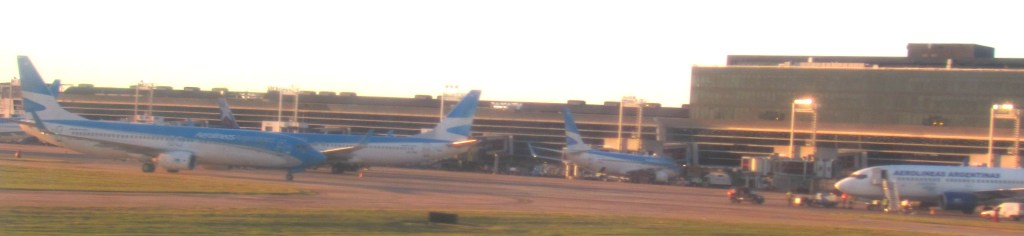
La perspectiva de la aviación argentina en tiempos post-pandemia
A medida que la presión de la pandemima mundial va dejando lugar a una reapertura organizada en todos los países del mundo, América Latina todavía se encuentra en el cénit del problema. Es especialmente particular para estos países continuar estableciendo reglas claras para salir de la crisis sanitaria lo más rápido y responsablemente posible, pues los gobiernos latinoamericanos representan economías más débiles que otras naciones más desarrolladas.
La mayoría de las líneas aéreas de la región de América del Sur poseen débiles reservas para continuar volando. Una economía débil agravada por la crisis sanitaria está dejando sin oxígeno a muchas de ellas. Latam Airlines Group, Avianca, Aeroméxico han fracasado en el intento de gobernarse a sí mismos y han presentado las convocatorias de acreedores para reestructurarse o morir en el intento a corto plazo.
Argentina, volar tiempos turbulentos
La República Argentina es una ecepción a la regla en el sentido de que la salud de su macroeconomía representa un síntoma muy preocupante acerca del futuro de la aviación comercial. Sin reglas claras definidas por el Estado, será imposible proyectar una aviación abierta y de libre mercado.
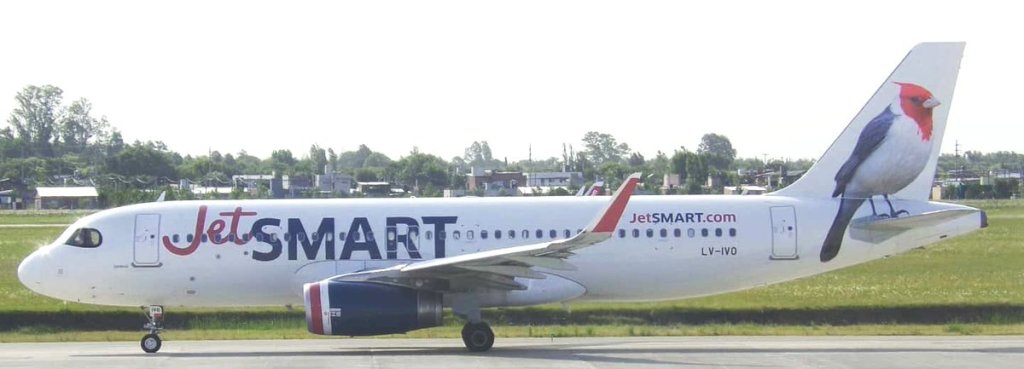
La política de turno no está manifestando señales de plan de progreso hacia una aviación diversificada y federal, más bien, los síntomas que se dejan entrever permiten observar un conservasionismo y protectorismo bajo el paragüas de Aerolíneas Argentinas como único recurso en el mercado aerocomercial, concentrando las perspectivas hacia un monopolio, con menos líneas aéreas, menos oferta, más aumento de precios de viajes. Los últimos detalles políticos en estos tiempos de pandemia en referencia al tema candente del Aeropuerto Internacional El Palomar, la primera aeroestación low cost de Sudamérica, permiten observar un movimiento astuto para correr a las low cost del mercado de Aerolíneas Argentinas que es el tema central: el Aeropuerto Jorge Newbery (Aeroparque). Con la idea de eliminar el Aeropuerto El Palomar para operaciones civiles y trasladar las operaciones de las aerolíneas low cost Flybondi Líneas Aéreas y JetSmart Airlines Argentina hacia el Aeropuerto Internacional Ezeiza, y tras el fracaso de Latam Airlines Argentina, el grupo Aerolíneas podría tener en exclusiva las operaciones en el Aeropuerto Jorge Newbery hacia finales de año 2020 al concluir las obras de mejoramiento de la aeroestación. El tiempo de apertura de Aeroparque hacia el 1 Diciembre 2020, unos 150 días aproximadamente, más de cuatro meses por delante, no le dejaría opciones al resto de las líneas aéreas para el reinicio de las operaciones que concentrarse en volar desde Ezeiza y desde el interior. Atendiendo a los reiterados reclamos de los organismos de aviación, es muy evidente que la actual administración no está fomentando el retorno a una aviación más competitiva. El tiempo podrá determinar si tras la apertura de Aeroparque en Diciembre 2020, las líneas aéreas locales podrán iniciar operaciones desde un aeropuerto reformado con categoría regional.
Las aerolíneas
Mientras tanto, la aviación argentina se ha convertido en un avispero, donde el Gobierno tiene muchos frentes de batallas a punto de estallar y las aerolíneas no tienen más oxígeno para continuar soportando la transición de la pandemia. El enemigo mayor es la falta de definiciones y reglas claras para determinar hacia dónde va la aviación comercial. Las aerolíneas junto al turismo, son unos de los rubros con más impacto por la crisis sanitaria mundial desatada por la pandemia. En Argentina, los vuelos comerciales han sido prohibidos desde Marzo hasta finales de Agosto 2020, la facturación para ventas de tickets aéreos es nula, y los trabajadores sufren las consecuencias.
Aerolíneas Argentinas/Austral
Aerolíneas Argentinas ha informado en estos días atrás que abonará el 50 por ciento del sueldo de Junio 2020 y el resto de los salarios está indefinido. La compañía estatal posee una plantilla de 11.800 empleados de Aerolíneas Argentinas y Austral Líneas Aéreas. Para los salarios más bajos, garantizarán un mínimo de 35 mil pesos. El restante no tiene fecha de pago. “Será cuando el gobierno gire los fondos necesarios”, indicaron fuentes oficiales. El aguinaldo se pagará en cuotas para los sueldos superiores a 80 mil pesos, como en toda la administración pública. Desde la empresa explican que tienen las operaciones paralizadas desde hace casi 4 meses, y los ingresos cayeron en un 97 por ciento. Agregan que, pese a esto, en Marzo, Abril y Mayo los salarios se pagaron en tiempo y forma. Incluso, a los trabajadores que fueron suspendidos por la caída en la actividad. Por otro lado, Aerolíneas avanzó en una reducción salarial del 20 por ciento para los cargos directivos. También implementó medidas para reducir en 350 millones de pesos los costos por mes, con la suspensión de 4 mil trabajadores, el no pago de viáticos, entre otros.
Los sindicatos aeronáuticos APLA, APTA y APA, saliueron con los tapones en punta al rechazar la medida y anticiparon que realizaran una denuncia ante el Ministerio de Trabajo para regularizar la situación.
JetSmart Argentina/Flybondi Líneas Aéreas
Las aerolíneas low cost de Argentina continúan desarrollando estrategias para poder sobrevivir detrás de un escenario poco definido y claro hacia el futuro. De todos modos, están planificando su vuelta a la aviación para Septiembre 2020, definiendo un cronograma de vuelos desde el Aeropuerto Internacional Ezeiza y esperando la solución y definición con respecto al posible cierre del Aeropuerto Internacional El Palomar.
Ambas compañías, ante este escenario, abrieron el paragüas para solicitar más operaciones desde el Hub Córdoba, para garantizar la rentabilidad de sus proyectos.
Latam Airlines Argentina
Los empleados de Latam Airlines Argentina aguardan por la resolución del Procedimiento Preventivo de Crisis (PPC) que ha solicitado la compañía ante el Ministerio de Trabajo, tras anunciar el cierre de las operaciones en el país.
A mediados de Junio 2020, Latam anunció el cierre de sus operaciones en Argentina, por lo que más de 1.700 personas quedarán desempleadas. Según información, al menos 50 pilotos tomaron el retiro voluntario, otros aguardan por el desenlace del PPC que solicitó la aerolínea. Hasta fines de Julio 2020 rige la prohibición de despidos y hasta fin de año, la doble indemnización.
“La empresa pretende tener el aval legal para despedir de forma masiva y abonar sólo el 50 por ciento de la indemnización”, indicaron desde la Unión de Trabajadores Aeronáuticos (USTARA). El Miércoles 08/07 habrá una reunión en el Ministerio de Trabajo entre la empresa, el sindicato y miembros de la cartera a cargo de Claudio Moroni. El pedido de PPC está condenado al fracaso, indicaron fuentes oficiales, dado que para avanzar, las partes deberían ponerse de acuerdo. La empresa ratificó que tiene la determinación de cerrar sus puertas. Los sindicatos alegan que en ese caso, deberán abonar sus deudas y someterse a un proceso de quiebra tradicional.
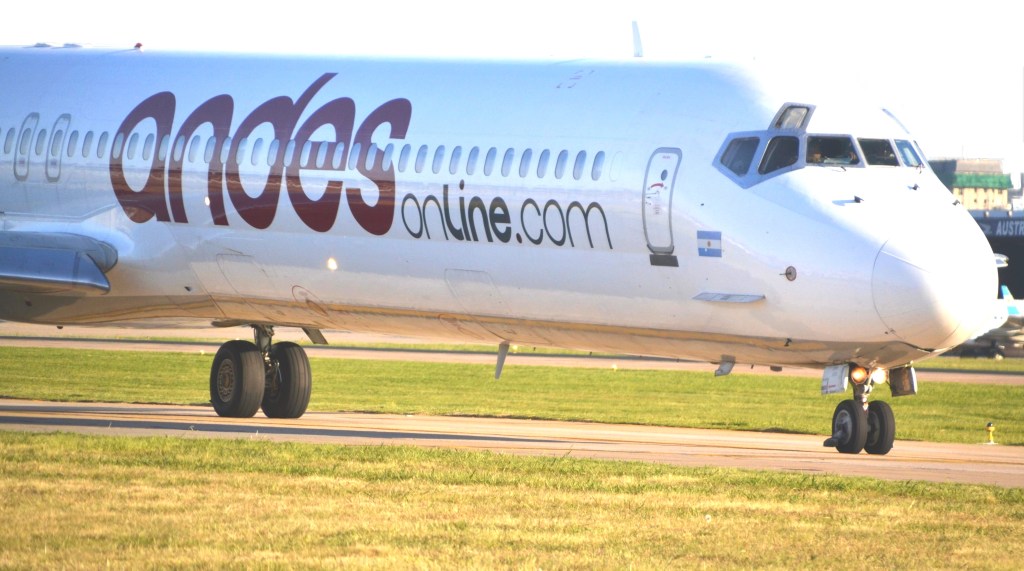
Andes Líneas Aéreas
La crisis en Andes Líneas Aéreas no comenzó con la pandemia. La línea aérea atraviesa varios años de pérdidas y dejó de pagar salarios en Octubre 2019. En la línea aérea Andes los trabajadores sólo cobran la parte del sueldo que les deposita el Estado por el programa ATP, que tiene un tope de AR$ 33.750 Pesos. Los 258 trabajadores recién comenzaron a percibir un ingreso en Mayo 2020, cuando la empresa ingresó en el Programa ATP. Sólo reciben como salario la parte que abona el Estado Argentino en el sueldo de Abril y Mayo. Volverán a cobrar sus salarios si la aerolínea Andes es aceptada nuevamente en el ATP 3 y 4, como se prevé.
A diferencia de Latam y de Avianca, Andes Líneas Aéreas planea volver a volar. Presentó a la ANAC un plan de vuelos a partir de septiembre con cuatro destinos nacionales. Además, intentará llegar a un acuerdo con YPF para financiar el combustible y con Aerolíneas para quedarse con ciertos horarios en vuelos del mercado doméstico. El acuerdo entre la empresa y el sindicato fue que no hubiera despidos, indicó Adrián Campilongo, piloto y delegado. Pero la situación podría complicarse, pues encuentran a una compañía sobredimensionada, cuentan con personal como para 6 aviones, y desde Septiembre 2020 a lo sumo funcionarán con vuelos mínimos.
Perspectivas aviación
El retroceso en la aviación comercial no representa un negocio que beneficie a nadie, ni siquiera al propio Gobierno. La actual política deberá estimular a la aviación para que nuevamente tome vuelo, permitiendo herramientas efectivas para la continuidad y el desarrollo de más lineas aéreas en el país.
Flying Argentina post-pandemic times
The perspective of Argentine aviation in post-pandemic times
As the pressure of the global pandemic leaves room for an organized reopening in all the countries of the world, Latin America is still at the zenith of the problem. It is especially particular for these countries to continue establishing clear rules to get out of the health crisis as quickly and responsibly as possible, since Latin American governments represent weaker economies than other more developed nations.
Most airlines in the South America region have weak reserves to continue flying. A weak economy aggravated by the health crisis is leaving many of them without oxygen. Latam Airlines Group, Avianca, Aeroméxico have failed in the attempt to govern themselves and have presented calls for creditors to restructure or die in the short-term attempt.
Argentina, fly turbulent times
The Argentine Republic is an exception to the rule in the sense that the health of its macroeconomy represents a very worrying symptom about the future of commercial aviation. Without clear rules defined by the State, it will be impossible to project an open and free-market aviation.
The current policy is not showing signs of a plan for progress towards a diversified and federal aviation, rather, the symptoms that are hinted at allow us to observe conservatism and protectorism under the umbrella of Aerolineas Argentinas as the only resource in the aero-commercial market, concentrating the prospects for a monopoly, with fewer airlines, less supply, more travel price increases. The latest political details in these times of pandemic in reference to the hot topic of El Palomar International Airport, the first low cost air station in South America, allow us to observe a cunning movement to run at the low cost of the Aerolineas Argentinas market which is the central issue: Jorge Newbery Airport (Aeroparque). With the idea of eliminating El Palomar Airport for civil operations and transferring the operations of low cost airlines Flybondi Airlines and JetSmart Airlines Argentina to Ezeiza International Airport, and after the failure of Latam Airlines Argentina, the Airlines group could have exclusive operations at Jorge Newbery Airport towards the end of 2020 at the conclusion of the works to improve the aerostation. The opening time of Aeroparque towards December 1, 2020, about 150 days approximately, more than four months ahead, would not leave options for the rest of the airlines to restart operations other than concentrating on flying from Ezeiza and from the interior . In response to repeated complaints from aviation agencies, it is very evident that the current administration is not promoting a return to more competitive aviation. The time will be able to determine if after the opening of the Aeropark in December 2020, the local airlines will be able to start operations from a renovated airport with a regional category.
The airlines
Meanwhile, Argentine aviation has become a hornet’s nest, where the government has many fronts of battles about to break out and the airlines have no more oxygen to continue supporting the transition of the pandemic. The biggest enemy is the lack of definitions and clear rules for determining where commercial aviation is going. The airlines, together with tourism, are one of the items with the most impact due to the global health crisis unleashed by the pandemic. In Argentina, commercial flights have been banned from March to the end of August 2020, billing for air ticket sales is nil, and workers suffer the consequences.
Aerolíneas Argentinas/Austral
Aerolíneas Argentinas has reported in these days ago that it will pay 50 percent of the June 2020 salary and the rest of the salaries are undefined. The state company has a staff of 11,800 employees of Aerolíneas Argentinas and Austral Líneas Aéreas. For the lowest wages, they will guarantee a minimum of 35 thousand pesos. The rest do not have a payment date. «It will be when the government turns the necessary funds», indicated official sources. The bonus will be paid in installments for salaries above 80 thousand pesos, as in all public administration. From the company they explain that they have been paralyzed for almost 4 months, and revenues fell by 97 percent. They add that, despite this, in March, April and May wages were paid on time and in due form. Even to workers who were suspended due to the drop in activity. On the other hand, Airlines advanced in a salary reduction of 20 percent for managerial positions. It also implemented measures to reduce costs by 350 million pesos per month, with the suspension of 4 thousand workers, the non-payment of per diem, among others.
The aeronautical unions APLA, APTA and APA, came out with the plugs pointed when rejecting the measure and anticipated that they would file a complaint with the Ministry of Labor to regularize the situation.
JetSmart Argentina/Flybondi Líneas Aéreas
Las aerolíneas low cost de Argentina continúan desarrollando estrategias para poder sobrevivir detrás de un escenario poco definido y claro hacia el futuro. De todos modos, están planificando su vuelta a la aviación para Septiembre 2020, definiendo un cronograma de vuelos desde el Aeropuerto Internacional Ezeiza y esperando la solución y definición con respecto al posible cierre del Aeropuerto Internacional El Palomar.
Ambas compañías, ante este escenario, abrieron el paragüas para solicitar más operaciones desde el Hub Córdoba, para garantizar la rentabilidad de sus proyectos.
Latam Airlines Argentina
Latam Airlines Argentina employees await the resolution of the Crisis Preventive Procedure (PPC) that the company has requested from the Ministry of Labor, after announcing the closure of operations in the country.
In mid-June 2020, Latam announced the closure of its operations in Argentina, so that more than 1,700 people will be unemployed. According to information, at least 50 pilots took the voluntary retirement, others are waiting for the outcome of the PPC that the airline requested. Until the end of July 2020, the prohibition of dismissals governs and until the end of the year, double compensation.
«The company intends to have the legal endorsement to dismiss massively and pay only 50 percent of the compensation», they indicated from the Union of Aeronautical Workers (USTARA). On Wednesday 08/07 there will be a meeting in the Ministry of Labor between the company, the union and members of the portfolio in charge of Claudio Moroni. PPC’s request is doomed to failure, official sources said, since to move forward the parties would have to agree. The company confirmed that it is determined to close its doors. The unions argue that in that case, they will have to pay off their debts and undergo a traditional bankruptcy process.
Andes Líneas Aéreas
The crisis in Andes Líneas Aéreas did not start with the pandemic. The airline is experiencing several years of losses and stopped paying wages in October 2019. At the Andes airline, workers only collect the part of the salary deposited by the State for the ATP program, which has a ceiling of AR$ 33,750 Pesos. The 258 workers only began to receive an income in May 2020, when the company entered the ATP Program. They only receive as wages the part that the Argentine State pays in the April and May salary. They will collect their wages again if the Andes airline is accepted again in ATP 3 and 4, as planned.
Unlike Latam and Avianca, Andes Líneas Aéreas plans to fly again. He presented to ANAC a flight plan starting in September with four national destinations. In addition, it will try to reach an agreement with YPF to finance the fuel and with Airlines to stay with certain schedules on flights from the domestic market. The agreement between the company and the union was that there would be no layoffs, said Adrián Campilongo, pilot and delegate. But the situation could be complicated, since they find an oversized company, they have personnel for 6 planes, and from September 2020 at most they will operate with minimal flights.
Aviation prospects
The decline in commercial aviation does not represent a business that benefits anyone, not even the government itself. The current policy should stimulate aviation to take flight again, allowing effective tools for the continuity and development of more airlines in the country.
Ξ A I R G W A Y S Ξ PUBLISHER: Airgways.com DBk: Airgways.com AW-POST: 202007041748AR
Nueva herramienta permite monitorear equipaje punto a punto
Azul Linhas Aéreas ha implementado una herramienta que rastrea el equipaje de los clientes en todos los vuelos de la compañía. La tecnología, sin precedentes en Brasil está enpleno funcionamiento en todos los aeropuertos en los vuelos de Azul Linhas Aéreas.
El control de equipaje monitorea el camino de las maletas desde el check-in hasta la entrega al destino final. La tecnología funciona con dispositivos similares a los teléfonos inteligentes que utiliza Azul Crew para leer el código de barras que acompaña a la etiqueta del equipaje facturado. Con el código de seguimiento, la bolsa se rastrea con cada manejo y el estado de la bolsa se envía a un sistema de control. A través de la aplicación Azul, el cliente recibe notificaciones sobre tres etapas diferentes del proceso de movimiento de su equipaje: el check-in, la carga en el avión y el reembolso, en el reclamo de equipaje, en el aeropuerto de destino final.
“Esta tecnología es parte de uno de nuestros frentes, cuyo objetivo es integrar servicios y optimizar nuestra operación, brindando más eficiencia a las actividades diarias de la compañía. Comenzamos a probar esta tecnología en vuelos entre Campinas y Cuiabá por un período y hoy ya es una realidad en todas las bases de Azul, brindando información a los Clientes y controlando el flujo de equipaje facturado y devuelto y reduciendo las pérdidas de equipaje. Capacitamos a más de mil miembros de la Tripulación para que manejen esta herramienta y ya hemos enviado más de 300 dispositivos de detección para la implementación de esta tecnología en los aeropuertos nacionales e internacionales que opera la compañía”, dice Kléber Linhares, Director de Tecnología en Azul. El ejecutivo destaca la logística para llevar el nuevo sistema a todas las bases operativas de Azul.
La herramienta también alimenta un sistema que fortalece el control de la compañía sobre todo el equipaje en tránsito. Azul Linhas Aéreas espera rastrear el 100% del equipaje y reducir aún más el porcentaje de pérdida, que pasó de 2,14 en Abril 2020 a 1,89 bolsas por cada mil clientes transportados en Junio 2020.
Azul allows luggage monitoring pax
New tool enables point-to-point luggage monitoring
Azul Linhas Aéreas has implemented a tool that tracks customer luggage on all company flights. The technology, unprecedented in Brazil, is fully operational at all airports on Azul Linhas Aéreas flights.
The baggage control monitors the way of the suitcases from the check-in until the delivery to the final destination. The technology works with smartphone-like devices that Azul Crew uses to read the barcode that accompanies checked baggage labels. With the tracking code, the bag is tracked with each handling and the state of the bag is sent to a monitoring system. Through the Blue application, the client receives notifications about three different stages of the process of moving their luggage: check-in, loading on the plane and refund, in the claim of luggage, at the airport of final destination.
“This technology is part of one of our fronts, whose objective is to integrate services and optimize our operation, providing more efficiency to the company’s daily activities. We began to test this technology on flights between Campinas and Cuiabá for a period and today it is already a reality in all Azul bases, providing information to Customers and controlling the flow of checked and returned baggage and reducing baggage losses. We trained more than a thousand crew members to use this tool and we have already sent more than 300 detection devices for the implementation of this technology at the national and international airports that the company operates», says Kléber Linhares, Director of Technology at Blue. The executive highlights the logistics to bring the new system to all Azul operating bases.
The tool also powers a system that strengthens the company’s control over all luggage in transit. Azul Linhas Aéreas expects to track 100% of baggage and further reduce the loss percentage, which went from 2.14 in April 2020 to 1.89 bags for every thousand customers transported in June 2020.
Azul permite monitoramento de bagagem pax
Nova ferramenta permite monitoramento de bagagem ponto a ponto
A Azul Linhas Aéreas implementou uma ferramenta que rastreia a bagagem do cliente em todos os voos da empresa. A tecnologia, inédita no Brasil, está totalmente operacional em todos os aeroportos nos voos da Azul Linhas Aéreas.
O controle de bagagem monitora o caminho das malas desde o check-in até a entrega no destino final. A tecnologia funciona com dispositivos semelhantes aos smartphones que o Azul Crew usa para ler o código de barras que acompanha a etiqueta de bagagem despachada. Com o código de rastreamento, a bolsa é rastreada a cada manuseio e o estado da bolsa é enviado para um sistema de monitoramento. Por meio do aplicativo Blue, o cliente recebe notificações sobre três etapas diferentes do processo de movimentação de suas malas: check-in, carregamento no avião e reembolso, na reclamação de bagagem, no aeroporto de destino final. «Essa tecnologia faz parte de uma de nossas frentes, cujo objetivo é integrar serviços e otimizar nossa operação, proporcionando mais eficiência às atividades diárias da empresa. Começamos a testar essa tecnologia em voos entre Campinas e Cuiabá por um período e hoje já é uma realidade em todas as bases da Azul, fornecendo informações aos Clientes e controlando o fluxo de bagagem despachada e devolvida e reduzindo as perdas de bagagem. Treinamos mais de mil tripulantes para usar essa ferramenta e já enviamos mais de 300 dispositivos de detecção para implementar essa tecnologia nos aeroportos nacionais e internacionais em que a empresa opera», afirma Kléber Linhares, diretor de tecnologia da Azul. O executivo destaca a logística para levar o novo sistema a todas as bases operacionais da Azul.
A ferramenta também fornece um sistema que fortalece o controle da empresa sobre toda a bagagem em trânsito. A Azul Linhas Aéreas espera rastrear 100% da bagagem e reduzir ainda mais o percentual de perda, que passou de 2,14 em abril de 2020 para 1,89 sacas para cada mil clientes transportados em junho de 2020.
Ξ A I R G W A Y S Ξ PUBLISHER: Airgways.com DBk: Airgways.com / Voeazul.com.br / Mercadoeeventos.com.br AW-POST: 202007041352AR
Bolivia establece combustible para aviones a precio nacional
El Ministerio de Desarrollo Productivo de la República de Bolivia ha anunciado que el combustible de aviación jet fuel se venderá a precio nacional por el período de un año, a fin de apoyar las operaciones internacionales de las aerolíneas nacionales. “Vamos a dar la posibilidad de que la gasolina que se usa para la aviación, el jet fuel, para los vuelos internacionales que tiene un precio que es más del doble con relación al precio nacional se venderá durante un año a precio nacional”, afirmó el Ministro Óscar Ortiz Antelo.
La autoridad señaló que la medida busca apoyar las operaciones externas de las líneas aéreas nacionales e incentivar a que las aerolíneas internacionales continúen volando a Bolivia y pueda ingresar un flujo de pasajeros que estimule el turismo. No obstante, Ortíz no ha dado más detalles sobre la fecha en que se comenzará a aplicar la medida.
Líneas aéreas
El 8 Junio 2020, Amaszonas Línea Aérea, en nombre de las aerolíneas nacionales, ha enviado una misiva al Gobierno de Bolivia solicitando ayuda para ese sector y la creación un fondo de financiamiento de US$ 100 millones para capital de operaciones, la reducción del 50% del precio internacional del combustible de aviación jet fuel, por tres años, y el descuento del 50% en el pago de servicios de Servicios de Aeropuertos Bolivianos (SABSA) y la Administración de Aeropuertos y Servicios Auxiliares de Navegación Aérea (AASANA).
Bolivia aviation fuel sale
Bolivia establishes jet fuel at national price
The Ministry of Productive Development of the Republic of Bolivia has announced that jet fuel will be sold at the national price for a period of one year, in order to support the international operations of national airlines. «We are going to give the possibility that the gasoline used for aviation, jet fuel, for international flights, which has a price that is more than double in relation to the national price, will be sold for a year at the national price,» he affirmed. the Minister Óscar Ortiz Antelo.
The authority noted that the measure seeks to support the external operations of national airlines and encourage international airlines to continue flying to Bolivia and to allow a flow of passengers to stimulate tourism. However, Ortíz has not given more details on the date on which the measure will begin to be applied.
Airlines
On June 8, 2020, Amaszonas Línea Aérea, on behalf of the national airlines, sent a letter to the Government of Bolivia requesting help for that sector and the creation of a financing fund of US $ 100 million for working capital, the reduction of 50 % of the international price of jet fuel aviation, for three years, and a 50% discount on the payment of services from Bolivian Airports Services (SABSA) and the Administration of Airports and Auxiliary Services of Air Navigation (AASANA).
Ξ A I R G W A Y S Ξ PUBLISHER: Airgways.com DBk: Produccion.gob.bo / Abi.bo / Airgways.com AW-POST: 202007041234AR
Asamblea de acreedores de Latam Airlines se aplaza
El Tribunal de Quiebras de Nueva York ha pospuesto la Asamblea de Acreedores de Latam Airlines Group. El Juez ha validado un esquema para que la firma pueda manejar contratos de coberturas y derivados. El proceso de reestructuración de la asamblea estaba pautada para el 16 Julio 2020. Sin embargo, Este Miércoles 1 Julio 2020 el Tribunal de Quiebra del Distrito Sur de Nueva York concedió una nueva fecha para la instancia, el 22 Julio 2020.
El Tribunal neoyorquino ha distado dos autorizaciones claves. La primera es que el juez autorizó a los deudores (Latam Airlines) y sus filiales, en proceso de reestructuración, a poder celebrar, garantizar y cumplir, modificar y liquidar contratos de coberturas y derivados, que son muy utilizados en la industria por las fluctuaciones de los precios de combustible y de los tipos de cambio. La moción aceptada tendrá vigencia hasta el 19 Agosto 2020. La segunda autorización que tuvo la compañía por parte del juez fue la del uso continuo del sistema de gestión del dinero efectivo, la continuidad de las transacciones intercompañías o entre afiliadas y el uso de las cuentas bancarias para su funcionamiento. También permitió la continuidad de programas de tarjetas ligados a bancos.
Latam Group Assembly postponed
Assembly of creditors of Latam Airlines is postponed
The New York Bankruptcy Court has postponed the Latam Airlines Group Creditors Assembly. The Judge has validated a scheme for the firm to manage hedging and derivative contracts. The restructuring process of the assembly was scheduled for July 16, 2020. However, this Wednesday, July 1, 2020, the Bankruptcy Court of the Southern District of New York granted a new date for the instance, July 22, 2020.
The New York Court has issued two key authorizations. The first is that the judge authorized the debtors (Latam Airlines) and its subsidiaries, in the process of restructuring, to be able to celebrate, guarantee and fulfill, modify and settle hedge and derivative contracts, which are widely used in the industry due to fluctuations. of fuel prices and exchange rates. The motion accepted will be valid until August 19, 2020. The second authorization that the company had from the judge was the continuous use of the cash management system, the continuity of intercompany or affiliate transactions and the use of accounts banking for its operation. It also allowed the continuation of card programs linked to banks.
Ξ A I R G W A Y S Ξ PUBLISHER: Airgways.com DBk: Nysd.uscourts.gov / Reuters.com / Airgways.com / Latam.com AW-POST: 202007041157AR
AW | 2020 07 04 11:27 | AVIATION / GOVERNMENT / INDUSTRY
SEPI de España incursiona en Iberia y la industria aeronáutica
La Sociedad Estatal de Participaciones Industriales (SEPI) de España ha iniciado un retorno a las inversiones en medio de la crisis sanitaria mundial. Después de las actuaciones en los años 90 en diferentes inversiones, la sociedad estatal regresa a la primera línea para representar un papel clave en la salida de la crisis de las compañías de primer nivel.
El Gobierno de España ha iniciado incursionar en la primera línea empresarial, con la misión de la SEPI de respaldar inversiones con una fibra de € 10.000 millones de Euros. Durante los próximos meses, la sociedad actuará como un salvavidas al que podrán recurrir compañías que se vean en situaciones comprometidas por la crisis generada por el Coronavirus. La filosofía que tiene detrás esta decisión es la de salvar empresas viables que sólo tienen que esperar a que la situación en su sector vuelva a un estado previo al de la crisis del Coronavirus para retomar su normal actividad.
Líneas aéreas
Un ejemplo claro de esta situación lo encontramos en las líneas aéreas. Empresas cuyo mercado ha desaparecido durante meses y para las que no hay un calendario claro de regreso. A la vez, en el momento en que se controle la situación sanitaria se espera que sus actividad se recupere. La estrategia de la SEPI perseguiría apoyar a estas empresas durante el tiempo que necesiten esa ayuda para luego salir cuando el mercado se recupere. Por el camino, este planteamiento puede traer alegrías a las arcas del Estado ya que las operaciones se realizarán en un momento de valoraciones muy bajas que, previsiblemente, subirán notablemente una vez que sus mercados recuperen los niveles de actividad necesarios para que operen sin ayudas.
Garantizar la solvencia
El fondo puesto en marcha por el Gobierno se ajustará a la normativa de ayudas de Estado de la Comisión Europea. «Su finalidad es garantizar la solvencia de las empresas que constituyen el corazón de nuestro tejido productivo», remarcó el Presidente del Gobierno, Pedro Sánchez. Según indicó, el fondo se reforzará con los recursos de los fondos europeos que aún tienen que llegar. Para realizar esta acción de ayuda, la SEPI contará con distintos instrumentos como la concesión de préstamos participativos, la adquisición de deuda subordinada o la suscripción de acciones u otros instrumentos de capital. El importe de los dividendos, intereses y plusvalías que resulten de las inversiones que se realicen se ingresarán en el Tesoro Público.
En principio esta iniciativa estará dirigida a sociedades que sean consideradas estratégicas por diversos motivos, como su impacto social y económico, su relevancia para la seguridad, la salud de las personas, las infraestructuras, las comunicaciones o su contribución al buen funcionamiento de los mercados. Se ha descartado que dentro de los sectores afectados vaya a estar el de las entidades financieras y de crédito.
Iberia, Airbus y la industria auxiliar
En la primera línea de las compañías que podrían contar con la ayuda de la SEPI aparece Iberia Líneas Aéreas. Además de las necesidades que pueda tener la empresa para aguantar, mientras los niveles de tráfico siguen tan bajos, las ayudas a la aerolínea del grupo IAG tendrían un efecto dominó muy positivo.
La operación de compra de Air Europa, que llegó a ser anunciada por € 1.000 millones de Euros, ha estado a punto de naufragar debido a la situación generada por el Coronavirus. La ayuda de la SEPI podría garantizar que se llevara finalmente a cabo, aunque muy probablemente a una menor valoración, y, de esta manera, el Grupo Globalia contaría con oxígeno para reconducir su maltrecha situación. Pero los efectos positivos de la ayuda a Iberia no terminarían ahí. La compañía tiene en marcha una importante renovación de flota. Iberia necesita contar con aviones más eficientes sobre todo en el rango de largo radio. Ante las dificultades actuales de liquidez, la aerolínea podría verse obligada a frenar este proceso. La ayuda de la SEPI facilitaría que la compra de nuevos aviones continuara, lo que tendría efecto sobre Airbus cuya producción de aviones comerciales ha caído estrepitosamente durante las últimas semanas.
El gigante aeronáutico Airbus Group SE también está en el radar del Estado español. El Gobierno y Airbus mantienen conversaciones para ampliar la participación de España en el accionariado del gigante aeronáutico europeo. Actualmente España controla un 4,1% de las acciones de Airbus a través de la SEPI. Una posición mucho menor a la que ostenta Francia con un 11% y Alemania con un 10,9%.
En estos momentos Airbus tiene una capitalización bursátil de unos € 51.000 millones de Euros lo que coloca el valor de la participación de España ligeramente por encima de los € 2.000 millones. El objetivo, por tanto, sería utilizar una parte significativa de los € 10.000 millones con los que cuenta la SEPI para abordar la operación.
En estas conversaciones, el consorcio aeronáutico también ha destacado la importancia de contar con recursos directos, al margen de la operación accionarial. El objetivo sería impulsar proyectos de I+D en la plantas españolas que amortiguaran la ausencia de carga de trabajo que van a sufrir durante los próximos meses. Además, desde Airbus se habría pedido al Gobierno que ayudara a sus empresas auxiliares que también van a verse muy dañadas por la reducción de producción del gigante aeronáutico.
Una serie de actuaciones que devolverían a la SEPI a un papel estelar similar al que ostentó en la década de los 90. La sociedad estatal fue creada en 1995. Su constitución se materializó en el marco de un proceso de reordenación y modernización del sector público-empresarial, para gestionar las participaciones industriales de titularidad pública procedentes de antiguos organismos como el Instituto Nacional de Industria (INI) e Instituto Nacional de Hidrocarburos (INH), suprimidos por la misma norma. Desde ese momento, este ente se convirtió en un instrumento clave del Estado durante los años en los que España realizó los procesos de liberalización de mercados que, hasta ese momento, habían actuado casi como monopolios públicos. Los gestores de la SEPI han tenido mucho que decir en la historia de empresas de los sectores más diversos. Desde la banca con Argentaria, a la Energía con Endesa, el transporte aéreo con Iberia o las telecomunicaciones con Telefónica, son casi innumerables las empresas españolas en las que, en algún momento, este ente tuvo un papel crucial.
Actualmente, las posiciones de la SEPI están compuestas por 15 empresas participadas mayoritariamente y de forma directa, con más de 78.000 profesionales. Además, tiene participación directa minoritaria en otras nueve compañías e indirecta en más de 100. Durante las próximas semanas veremos aparecer compañías de primer nivel en los listados de la sociedad estatal. De la gestión que realice durante los próximos años dependerá gran parte del éxito de una de las operaciones más singulares que veremos en medio de los planes para que España salga de la crisis del Coronavirus perdiendo el menor volumen de tejido empresarial posible.
SEPI injects assistance to Iberia, Airbus
SEPI of Spain ventures into Iberia and the aeronautical industry
The State Society for Industrial Participations (SEPI) of Spain has started a return on investments amid the global health crisis. After the performances in the 90s in different investments, the state company returns to the front line to play a key role in the emergence of the crisis from top-tier companies.
The Government of Spain has started to venture into the first business line, with SEPI’s mission of supporting investments with a € 10 billion euro fiber. Over the next few months, the company will act as a lifesaver to which companies that find themselves in situations compromised by the crisis caused by the Coronavirus will be able to turn to. The philosophy behind this decision is to save viable companies that only have to wait for the situation in their sector to return to a state prior to the Coronavirus crisis to resume normal activity.
Airlines
A clear example of this situation is found in the airlines. Companies whose market has disappeared for months and for which there is no clear return schedule. At the same time, when the health situation is controlled, it is expected that their activities will recover. SEPI’s strategy would be to support these companies for as long as they need that help and then leave when the market recovers. Along the way, this approach can bring joy to the coffers of the State since the operations will be carried out at a time of very low valuations that, foreseeably, will rise significantly once their markets recover the levels of activity necessary for them to operate without aid.
Guarantee solvency
The fund launched by the Government will comply with the State aid regulations of the European Commission. «Its purpose is to guarantee the solvency of the companies that constitute the heart of our productive fabric,» stressed the President of the Government, Pedro Sánchez. As indicated, the fund will be reinforced with the resources of the European funds that have yet to come. To carry out this aid action, the SEPI will have different instruments such as the granting of participative loans, the acquisition of subordinated debt or the subscription of shares or other capital instruments. The amount of dividends, interest and capital gains resulting from the investments made will be paid into the Public Treasury.
In principle, this initiative will be aimed at companies that are considered strategic for various reasons, such as their social and economic impact, their relevance to safety, people’s health, infrastructure, communications, or their contribution to the proper functioning of markets. It has been ruled out that within the affected sectors there will be that of financial and credit institutions.
Iberia, Airbus and the auxiliary industry
Iberia Líneas Aéreas appears in the first line of companies that could count on the help of SEPI. In addition to the needs that the company may have to endure, while traffic levels remain so low, aid to the IAG group airline would have a very positive ripple effect.
The purchase operation of Air Europa, which was announced for € 1 billion, has been on the brink of collapse due to the situation caused by the Coronavirus. The help of SEPI could guarantee that it was finally carried out, although most likely to a lower valuation, and, in this way, the Globalia Group would have oxygen to redirect its battered situation. But the positive effects of the aid to Iberia would not end there. The company has a major fleet renewal underway. Iberia needs to have more efficient aircraft, especially in the long-haul range. Given the current liquidity difficulties, the airline could be forced to stop this process. SEPI’s help would facilitate the purchase of new aircraft to continue, which would have an effect on Airbus whose production of commercial aircraft has declined sharply in recent weeks.
The aeronautical giant Airbus Group SE is also on the radar of the Spanish State. The Government and Airbus hold talks to expand Spain’s participation in the shareholding of the European aeronautical giant. Spain currently controls 4.1% of Airbus shares through SEPI. A much lower position than that of France with 11% and Germany with 10.9%.
At the moment, Airbus has a market capitalization of around € 51,000 million, which places the value of Spain’s participation slightly above € 2,000 million. The objective, therefore, would be to use a significant part of the € 10 billion that SEPI has to deal with the operation.
In these conversations, the aeronautical consortium has also highlighted the importance of having direct resources, apart from the shareholder operation. The objective would be to promote R&D projects in Spanish plants that cushion the absence of workload that they will suffer in the coming months. In addition, Airbus would have asked the Government to help its auxiliary companies, which are also going to be severely damaged by the reduction in production of the aeronautical giant.
A series of actions that would return SEPI to a stellar role similar to that held in the 1990s. The state company was created in 1995. Its constitution materialized within the framework of a process of reorganization and modernization of the public sector- business, to manage publicly owned industrial participations from former organizations such as the National Institute of Industry (INI) and the National Institute of Hydrocarbons (INH), suppressed by the same standard. From then on, this entity became a key instrument of the State during the years in which Spain carried out the processes of market liberalization that, until that moment, had acted almost as public monopolies. SEPI managers have had a lot to say in the history of companies in the most diverse sectors. From banking with Argentaria, to Energy with Endesa, air transportation with Iberia or telecommunications with Telefónica, there are almost innumerable Spanish companies in which, at some point, this entity played a crucial role.
Currently, SEPI’s positions are made up of 15 companies that are majority-owned and directly owned, with more than 78,000 professionals. In addition, it has a direct minority interest in nine other companies and indirect participation in more than 100. During the next few weeks we will see first-rate companies appear on the lists of the state company. Much of the success of one of the most unique operations that we will see in the midst of plans for Spain to emerge from the Coronavirus crisis, losing the smallest volume of business fabric possible, will depend on its management over the next few years.
Ξ A I R G W A Y S Ξ PUBLISHER: Airgways.com DBk: Sepi.es / Elespanol.com / Airgways.com AW-POST: 202007041127AR
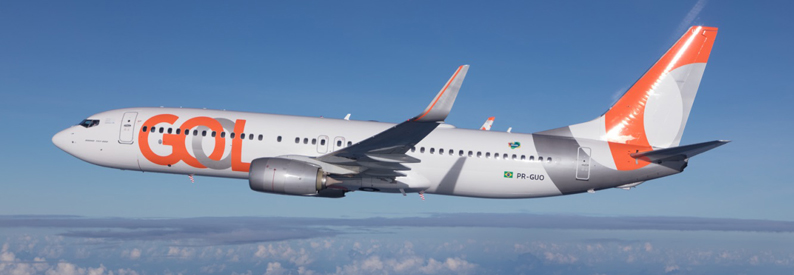
Gol Linhas Aéreas lanzamiento de check-in por Whatsapp
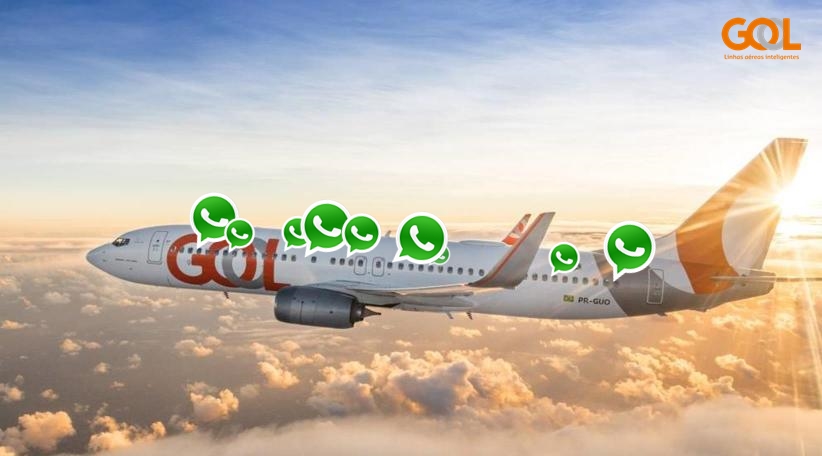
GOL Linhas Aéreas ha comenzado a ofrecer una nueva función en su servicio de chequeo de vuelo a través de la aplicación WhatsApp. El check-in, disponible por adelantado en el sitio web o la aplicación de Gol, ahora también se realizará mediante un flujo simplificado, guiado por el GAL, el asistente virtual de la compañía, directamente en la aplicación de mensajería. En esta fase inicial, el acceso estará disponible con comunicaciones personalizadas para clientes seleccionados con próximos viajes, que aún no se han registrado, colaborando para evitar las multitudes en los aeropuertos. Los clientes también pueden usar el servicio de Whatsapp para administrar sus vuelos.
Las nuevas medidas de seguridad en los aeropuertos también aumentan el tiempo de viaje interno. Con esto, la compañía refuerza la solicitud a los clientes de registrarse en línea, que se ha lanzado a partir del 1 Julio 2020, con 48 horas de anticipación, con un límite de hasta un límite de 1 hora antes del vuelo. Si el cliente aún necesita ir al mostrador, incluso para revisar su maleta, la compañía anticipó la liberación al pasajero durante 3 horas antes de abordar, finalizando el proceso 1 hora antes de que se abra la puerta.
Gol launches WhatsApp check-in
Gol Linhas Aéreas launch of check-in by Whatsapp
GOL Linhas Aéreas has started to offer a new function in its flight check service through the WhatsApp application. Check-in, available in advance on the Gol website or app, will now also be done through a simplified flow, guided by the company’s virtual assistant GAL, directly in the messaging app. In this initial phase, access will be available with personalized communications for selected clients with upcoming trips, who have not yet registered, collaborating to avoid crowds at airports. Customers can also use the WhatsApp service to manage their flights.
New security measures at airports also increase internal travel time. With this, the company reinforces the request to customers to register online, which has been launched from July 1, 2020, 48 hours in advance, with a limit of up to a limit of 1 hour before the flight. If the customer still needs to go to the counter, even to check their suitcase, the company anticipated the release to the passenger for 3 hours before boarding, ending the process 1 hour before the door opens.
Gol lança check-in pelo WhatsApp
Gol Linhas Aéreas lança check-in pelo Whatsapp
A GOL Linhas Aéreas começou a oferecer uma nova função em seu serviço de verificação de voo por meio do aplicativo WhatsApp. O check-in, disponível com antecedência no site ou aplicativo da Gol, agora também será feito por meio de um fluxo simplificado, guiado pela GAL da empresa, o assistente virtual da empresa, diretamente no aplicativo de mensagens. Nesta fase inicial, o acesso estará disponível com comunicações personalizadas para clientes selecionados nas próximas viagens, que ainda não se inscreveram, colaborando para evitar multidões nos aeroportos. Os clientes também podem usar o serviço WhatsApp para gerenciar seus voos.
Novas medidas de segurança nos aeroportos também aumentam o tempo de viagem interno. Com isso, a empresa reforça a solicitação de registro on-line, lançada a partir de 1 Julho 2020, com 48 horas de antecedência, com limite de até 1 hora antes do vôo. Se o cliente ainda precisar ir ao balcão, mesmo para verificar a mala, a empresa antecipou a liberação ao passageiro por 3 horas antes do embarque, encerrando o processo 1 hora antes da porta abrir.
Ξ A I R G W A Y S Ξ PUBLISHER: Airgways.com DBk: Voegol.com.br / Airgways.com / Mercadoeeventos.com.br AW-POST: 202007041055AR