Las crisis de las aerolíneas europeas

AW | 2017 10 28 15:51 | AIRLINES MARKET

Las capacidades de las aerolíneas europeas se encuentran sometidas a examen

Quiebras, problemas de personal y fallas técnicas han afectado a decenas de miles de pasajeros. La aparición de varias compañías de tarifas económicas transformó la industria de los viajes. Estos problemas pueden originarse debido a una incapacidad financiera, otros a los constantes problemas de inseguridad o al alto costo operativo debido a una vorágine demanda creciente de la oferta low-cost.

La aparición en el mercado europeo de varias aerolíneas de tarifas económicas, que ofrecen vuelos desde $15, ha transformado la industria de los viajes en Europa. Monarch y Ryanair, junto con rivales como easyJet, Eurowings, Jet2 y Wizz Air, ofrecían servicios a destinos muy comunes como París o las playas de Portugal, y también a áreas remotas del continente como Lappeenranta, Finlandia, o Varna, Bulgaria.

Los pasajeros esperan precios bajos, por lo que las aerolíneas más tradicionales se han visto obligadas a ofrecer opciones para presupuestos reducidos, en las que los pasajeros pagan una tarifa adicional por servicios como alimentos y equipaje documentado, que antes estaban incluidos.

“Los pasajeros han podido comprar durante mucho tiempo boletos muy baratos. Europa tiene demasiadas aerolíneas”, afirmó Andrew Charlton, director adjunto de la consultora Aviation Advocacy.

Estos cierres, además de otros problemas, han complicado los viajes en Europa. Más de 100.000 pasajeros quedaron varados cuando Monarch se declaró en quiebra este mes, lo que obligó al gobierno británico a contratar aviones para transportar a sus ciudadanos de regreso a casa. Se trató del mayor movimiento de repatriación al Reino Unido en tiempos de paz.

Aunque pudiera ser positivo que cierren las aerolíneas que tienen mal desempeño eliminando los servicios menos eficientes y dando paso a una consolidación muy necesaria, es erróneo pensar que un mercado que no esté regulado por los organismos de estado puede ser muy positivo o ventajoso, pues la historia se repetiría una y otra vez, como una especie de circuito donde siempre llegamos al mismo destino.

La consolidación estadounidense vs europea

Estados Unidos ya experimentó una sacudida similar a través de fusiones y adquisiciones. American Airlines compró TWA en 2001, Delta Air Lines estableció vínculos con Northwest Airlines en 2008, United Airlines y Continental Airlines se unieron en 2010, y American y US Airways se fusionaron en 2013. Ahora, los seis grupos de aerolíneas más importantes de Estados Unidos operan el 80% de los vuelos dentro y fuera de ese país, según Jonathan Wober, director de análisis financiero en la empresa de investigación Centre for Aviation (CAPA). En cambio, la participación de los seis grupos más importantes de Europa es de menos del 50% de los asientos, según reveló la misma fuente.

La proliferación de aerolíneas más pequeñas con el dominio de más del 50 % del mercado está generando altibajos en el sector de la aviación comercial. “Las aerolíneas más sólidas, con mejores operaciones y cuyos modelos de negocios se adaptan mejor están creciendo y fortaleciéndose. Las más pequeñas y menos eficientes, están desapareciendo”, señaló Jonathan Wober.

Esta industria enfrenta otros retos a largo plazo, entre ellos la salida del Reino Unido de la Unión Europea, denominado «Brexit». Ahora existe un acuerdo para el tránsito aéreo que permite a las aerolíneas europeas volar a los aeropuertos de la región. Sin embargo, el brexit ha puesto en duda ese acuerdo, lo cual ha aumentado la incertidumbre para las aerolíneas.

“Las aerolíneas de bajo costo tienen gran flexibilidad gracias a las relaciones con la Unión Europea y la existencia de acuerdos liberales de tránsito aéreo. En cuanto el Reino Unido abandone la Unión Europea, ya no tendrá acceso a estos beneficios y tendrá que negociar nuevas condiciones. ¿Serán liberales o no liberales, amistosas o no amistosas? No se sabe con certeza”, explicó Andrew Lobbenberg, un analista de HSBC.

Aunque algunas aerolíneas están desapareciendo del mercado en Europa, se espera que el mercado competitivo beneficie a los consumidores durante algún tiempo. Las empresas rivales podrían comprar los activos de las aerolíneas que quebraron y seguir ofreciendo las mismas rutas a precios bajos. “Las aerolíneas de bajo costo tienen una presencia muy importante en Europa y estimularon mercados que antes no existían. En ese aspecto no hay marcha atrás”, aseveró Wober.

Mientras se da la consolidación, será importante que las aerolíneas europeas tengan un enfoque global. Podrían concentrar sus esfuerzos en acordar conexiones con rutas a destinos más lejanos como estrategia para ir a mercados de crecimiento más rápido fuera del continente.

Norwegian Air Shuttle ya comenzó a incursionar en el mercado de vuelos largos a precios económicos con destinos a Estados Unidos y Singapur. Por ejemplo, algunos boletos de Nueva York a Dublín en diciembre tenían un precio de U$D 139. La aerolínea española de bajo costo Vueling se asoció con otras importantes aerolíneas europeas como British Airways, Aer Lingus e Iberia a través del grupo International Airlines Group.

“Los vuelos dentro de Europa no serán el objetivo de crecimiento. Es importante pensar a escala global”, afirmó Daniel Roska, analista de la empresa de investigación Sanford C. Bernstein.

La consolidación de la aviación comercial establecerá pautas y reglas que permitirá conocer la importancia de ofrecer una red de servicios necesarias y precios atractivos para alcanzar un liderazgo en el mercado europeo. Pero una vez más, las capacidades de las aerolíneas europeas se sientan a rendir examen sobre aviación. AIRWAYS® AW-Icon TXT

The crises of European airlines

The capabilities of European airlines are subject to examination

Bankruptcies, personnel problems and technical failures have affected tens of thousands of passengers. The emergence of several cheap fare companies transformed the travel industry. These problems can originate due to a financial incapacity, others to the constant problems of insecurity or to the high operative cost due to a vortex increasing demand of the low-cost offer.

The appearance in the European market of several low fare airlines, offering flights starting at $ 15, has transformed the travel industry in Europe. Monarch and Ryanair, along with rivals such as easyJet, Eurowings, Jet2 and Wizz Air, offered services to very common destinations such as Paris or the beaches of Portugal, and also to remote areas of the continent such as Lappeenranta, Finland, or Varna, Bulgaria.

Passengers expect low prices, so more traditional airlines have been forced to offer options for reduced budgets, in which passengers pay an additional fee for services such as food and checked baggage, which were previously included.

«Passengers have been able to buy very cheap tickets for a long time. Europe has too many airlines», said Andrew Charlton, deputy director of the consultancy Aviation Advocacy.

These closures, in addition to other problems, have complicated travel in Europe. More than 100,000 passengers were stranded when Monarch filed for bankruptcy this month, forcing the British government to contract planes to transport its citizens back home. It was the largest movement of repatriation to the United Kingdom in times of peace.

Although it might be good to close poorly performing airlines by eliminating less efficient services and giving way to a much needed consolidation, it is wrong to think that a market that is not regulated by state agencies can be very positive or advantageous, since the History would be repeated again and again, as a kind of circuit where we always arrive at the same destination.

US vs. European consolidation

The United States already experienced a similar shake through mergers and acquisitions. American Airlines bought TWA in 2001, Delta Air Lines established links with Northwest Airlines in 2008, United Airlines and Continental Airlines joined in 2010, and American and US Airways merged in 2013. Now, the six largest airline groups in the United States They operate 80% of flights within and outside that country, according to Jonathan Wober, director of financial analysis at the research company Center for Aviation (CAPA). On the other hand, the participation of the six most important groups in Europe is less than 50% of the seats, according to the same source.

The proliferation of smaller airlines with more than 50% market dominance is generating ups and downs in the commercial aviation sector. «Stronger airlines, with better operations and whose business models adapt better are growing and strengthening. The smaller and less efficient ones are disappearing, «said Jonathan Wober.

This industry faces other long-term challenges, including the departure of the United Kingdom from the European Union, called «Brexit». Now there is an agreement for air traffic that allows European airlines to fly to airports in the region. However, Brexit has questioned that agreement, which has increased the uncertainty for airlines.

«Low cost airlines have great flexibility thanks to relations with the European Union and the existence of liberal air traffic agreements. As soon as the United Kingdom leaves the European Union, it will no longer have access to these benefits and will have to negotiate new conditions. Will they be liberal or not liberal, friendly or unfriendly? It is not known with certainty», explained Andrew Lobbenberg, an analyst at HSBC.

Although some airlines are disappearing from the market in Europe, the competitive market is expected to benefit consumers for some time. The rival companies could buy the assets of the airlines that went bankrupt and continue to offer the same routes at low prices. «Low cost airlines have a very important presence in Europe and stimulated markets that did not exist before. In that aspect there is no turning back», said Wober.

While consolidation takes place, it will be important for European airlines to have a global approach. They could concentrate their efforts on agreeing connections with routes to farther destinations as a strategy to go to markets of faster growth outside the continent.

Norwegian Air Shuttle has already begun to enter the market of long flights at cheap prices to destinations in the United States and Singapore. For example, some tickets from New York to Dublin in December were priced at $ D139. The low-cost Spanish airline Vueling has partnered with other major European airlines such as British Airways, Aer Lingus and Iberia through the International Airlines Group.

«Flights within Europe will not be the goal of growth. It is important to think on a global scale», said Daniel Roska, an analyst at the research firm Sanford C. Bernstein.

The consolidation of commercial aviation will establish guidelines and rules that will make it possible to know the importance of offering a network of necessary services and attractive prices to achieve leadership in the European market. But once again, the capabilities of European airlines sit down to take an aviation test. A \ W


Ξ A I R G W A Y S Ξ
SOURCE:  Airgways.com
DBk:  Airgways.com / Nyctimes.com / Wsj.com
AW-POST: 201710281551AR

A\W   A I R G W A Y S ®

El impacto de Cataluña en la aviación

AW | 2017 10 27 12:18 | AIRLINES MARKET

La República de Cataluña declaró la independencia provocando un impacto en la industria de la aviación. El impacto secesionista de Cataluña en la aviación comercial

La declaración de independencia de la República de Cataluña tendrá un fuerte impacto en las aerolíneas y el turismo. Los partidarios de la secesión creen que las ganancias superarían a los costes. Los contrarios a la ruptura advierten que el PIB catalán podría caer un 20%, y la economía española se reduciría fuertemente.

AW-70041777

Impacto en la aviación

El consejero delegado de International Consolidated Airlines Group (IAG), Willie Walsh, ha asegurado este viernes que la situación en Cataluña ha tenido «cierto impacto» en los resultados trimestrales de la compañía, pero se mostró convencido de que «Barcelona seguirá siendo un destino muy atractivo».

En una teleconferencia al divulgarse los resultados trimestrales del conglomerado formado por Iberia, BA, Aer Lingus y Vueling, el irlandés Walsh dijo que están «comprometidos» con su presencia en Barcelona y que vigilan «con atención» la situación en Cataluña, tras su desafío independentista.

Barcelona seguirá siendo un destino muy atractivo y estamos comprometidos con nuestra presencia allí «Creo que es justo decir que (la situación) ha tenido cierto impacto, sobre todo en Barcelona. Todavía vamos mejor que el año pasado en términos de resultados, aunque, quizá, no nos ha ido tan bien como esperábamos», señaló el consejero delegado. «Barcelona seguirá siendo un destino muy atractivo y estamos comprometidos con nuestra presencia allí, sobre todo con Vueling. Observamos con atención la situación, pero no encontramos problemas», apuntó.

El GrupoAir France–KLM desea quitar hierro candente al conflicto catalán. En la presentación de resultados su director para España y Portugal, Boris Darceaux, dijo que no han registrado un cambio significativo en las reservas hacia Cataluña.

BCNS87643.jpg

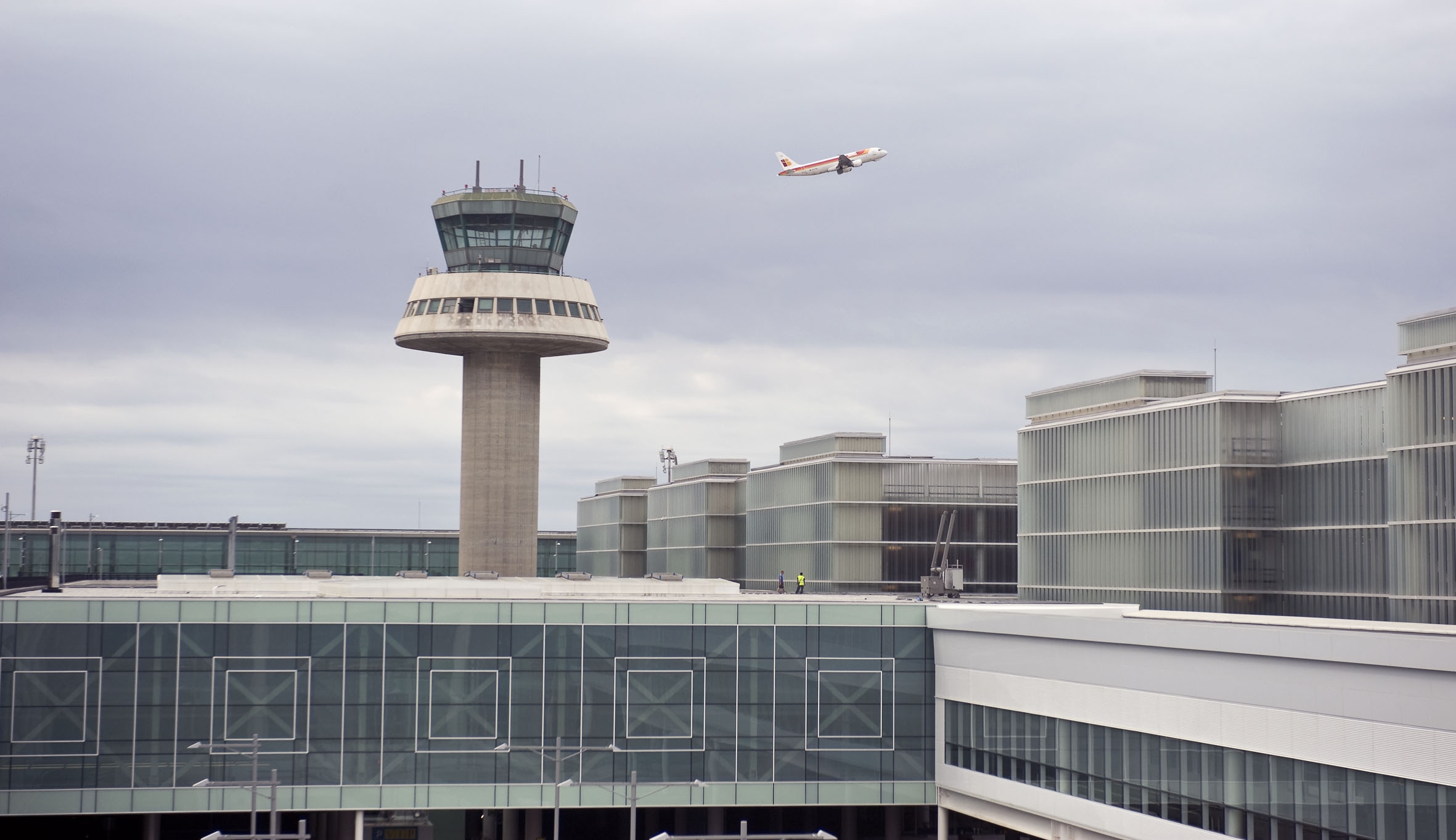
AEROPUERTO INTERNACIONAL BARCELONA-EL PRAT

Efecto «Catalexit»

La formal declaración de la declaración de independencia de la República de Cataluña trerá impactos inesperados a la economía de europea. Cataluña es uno de los principales destinos turísticos de España. Sólo el pasado mes de agosto Cataluña recibió 2,6 millones de visitantes extranjeros, siendo esta comunidad autónoma el primer destino elegido en nuestro país y acaparando el 24,6% de las llegadas internacionales en territorio español. En principio, la secesión no afectaría el turismo, pero sí a las infraestructuras. Aeropuertos y AVE en Cataluña se quedarían sin los fondos y ayudas que el Estado español destina a estas infraestructuras.

Las graves consecuencias económicas, políticas y sociales de la independencia de Catalunya no tienen mediciones certeras. Por su peso económico y población, Cataluña podría ser perfectamente un Estado independiente. Pero otra cosa es que más le conviene, por los costes de la transición, las complicaciones añadidas para las empresas y los desgarros emocionales que se producirían en relaciones personales.

Habrá que esperar cuales serán los efectos del impacto de la declaración en República de Cataluña en la aviación comercial ante las presiones de los organismo de Estado de la Comunidad Europea. Una cosa está quedando muy clara, los efectos «Exit’s» están cobrando más auge, pero no se avizoran cambios benéficos en las economías ni en la aviación comercial. AIRWAYS® AW-Icon TXT

The secessionist impact of Catalonia on commercial aviation

The Republic of Catalonia declared independence causing an impact on the aviation industry

The declaration of independence of the Republic of Catalonia will have a strong impact on airlines and tourism. Supporters of secession believe that profits would outweigh costs. Opponents of the rupture warn that the Catalan GDP could fall by 20%, and the Spanish economy would decline sharply.

Impact on aviation

The CEO of International Consolidated Airlines Group (IAG) Willie Walsh said Friday that the situation in Catalonia has had «some impact» on the company’s quarterly results, but was convinced that «Barcelona will remain a destination very attractive».

In a teleconference after the quarterly results of the conglomerate formed by Iberia, BA, Aer Lingus and Vueling, Irish Walsh said that they are «committed» to their presence in Barcelona and that they «watch» the situation in Catalonia, after their challenge independentist.

Barcelona will continue to be a very attractive destination and we are committed to our presence there «I think it is fair to say that (the situation) has had some impact, especially in Barcelona. We are still better than last year in terms of results, although, maybe , has not gone as well as we expected», said the CEO. «Barcelona will continue to be a very attractive destination and we are committed to our presence there, especially with Vueling. We watch the situation carefully, but we do not find any problems,» he said.

GrupoAir France-KLM wants to remove the burning iron from the Catalan conflict. In the presentation of results, his director for Spain and Portugal, Boris Darceaux, said that they have not registered a significant change in the reserves towards Catalonia.

Effect «Catalexit»

The formal declaration of the declaration of independence of the Republic of Catalonia will bring unexpected impacts to the European economy. Catalonia is one of the main tourist destinations in Spain. Only last August Catalonia received 2.6 million foreign visitors, this autonomous community being the first destination chosen in our country and accounting for 24.6% of international arrivals in Spanish territory. In principle, secession would not affect tourism, but it would affect infrastructures. Airports and AVE in Catalonia would be without the funds and aid that the Spanish State destines to these infrastructures.

The serious economic, political and social consequences of the independence of Catalonia do not have accurate measurements. By its economic weight and population, Catalonia could be perfectly an independent State. But another thing is that it suits him better, for the costs of the transition, the added complications for the companies and the emotional tears that would happen in personal relations.

It will be necessary to wait what will be the effects of the impact of the declaration in Republic of Catalonia in the commercial aviation to the pressures of the organisms of State of the European Community. One thing is becoming very clear, the «Exit’s» effects are gaining more boom, but no beneficial changes are seen in economies or commercial aviation. A \ W

L’impacte secessionista de Catalunya en l’aviació comercial

Resultado de imagen para República de CataluñaLa República de Catalunya va declarar la independència provocant un impacte en la indústria de l’aviació
La declaració d’independència de la República de Catalunya tindrà un fort impacte en les aerolínies i el turisme. Els partidaris de la secessió creuen que els guanys superarien als costos. Els contraris a la ruptura adverteixen que el PIB català podria caure un 20%, i l’economia espanyola es reduiria fortament.

Impacte en l’aviació

El conseller delegat d’International Consolidated Airlines Group (IAG), Willie Walsh, ha assegurat aquest divendres que la situació a Catalunya ha tingut «cert impacte» en els resultats trimestrals de la companyia, però es va mostrar convençut que «Barcelona seguirà sent una destinació molt atractiu».

En una teleconferència en divulgar els resultats trimestrals del conglomerat format per Iberia, BA, Aer Lingus i Vueling, l’irlandès Walsh va dir que estan «compromesos» amb la seva presència a Barcelona i que vigilen «amb atenció» la situació a Catalunya, després de la seva desafiament independentista.

Barcelona seguirà sent una destinació molt atractiu i estem compromesos amb la nostra presència allà «Crec que és just dir que (la situació) ha tingut cert impacte, sobretot a Barcelona. Encara anem millor que l’any passat en termes de resultats, tot i que, potser , no ens ha anat tan bé com esperàvem «, ha assenyalat el conseller delegat. «Barcelona seguirà sent una destinació molt atractiu i estem compromesos amb la nostra presència allà, sobretot amb Vueling. Observem amb atenció la situació, però no trobem problemes», ha apuntat.

El GrupoAir France-KLM voleu treure ferro candent al conflicte català. En la presentació de resultats el seu director per a Espanya i Portugal, Boris Darceaux, va dir que no han registrat un canvi significatiu en les reserves cap a Catalunya.

Efecte «Catalexit»

La formal declaració de la declaració d’independència de la República de Catalunya trerá impactes inesperats a l’economia de europea. Catalunya és un dels principals destinacions turístiques d’Espanya. Només el passat mes d’agost Catalunya va rebre 2,6 milions de visitants estrangers, sent aquesta comunitat autònoma la primera destinació triat al nostre país i acaparant el 24,6% de les arribades internacionals en territori espanyol. En principi, la secessió no afectaria el turisme, però sí a les infraestructures. Aeroports i AVE a Catalunya es quedarien sense els fons i ajudes que l’Estat espanyol destina a aquestes infraestructures.

Les greus conseqüències econòmiques, polítiques i socials de la independència de Catalunya no tenen mesuraments precises. Pel seu pes econòmic i població, Catalunya podria ser perfectament un Estat independent. Però una altra cosa és que més li convé, pels costos de la transició, les complicacions afegides per a les empreses i els esquinçaments emocionals que es produirien en relacions personals.

Caldrà esperar quins seran els efectes de l’impacte de la declaració a República de Catalunya en l’aviació comercial davant les pressions dels organisme d’Estat de la Comunitat Europea. Una cosa està quedant molt clara, els efectes «Exit ‘s» estan cobrant més auge, però no sotgen canvis benèfics en les economies ni en l’aviació comercial. A\W


Ξ A I R G W A Y S Ξ
SOURCE:  Airgways.com
DBk:  Wikimedia.org / Lasociedadgeografica.com
AW-POST: 201710271218AR

A\W   A I R G W A Y S ®

El «Southwest Effect» podría reducir las tarifas aéreas en las Islas de Hawaii

Screen-Shot-2016-07-20-at-7.18.58-AM (2)

AW | 2017 10 23 11:22 | AIRLINES MARKET

Resultado de imagen para Hawaii globe mapResultado de imagen para southwest airlines logoEl jefe de Hawaiian Airlines minimiza el fenómeno en el mercado competitivo

Southwest Airlines ha anunciado a principios de este mes que planea volar a Hawaii en 2018, esto hace que los viajeros aéreos y los analistas del mercado hagan la misma pregunta: ¿Bajarán las tarifas aéreas en esta ruta servida por Hawaiian Airlines?

preview.pngEl «Southwest Effect»* siempre ha estado presente. Hawaii podría tener una reducción de las tarifas y un aumento en el tráfico de pasajeros. Un estudio publicado en agosto por la Escuela de Negocios Darden de la Universidad de Virginia mostró que, en promedio, las tarifas unidireccionales eran $ 45 más bajas cuando Southwest atendía un mercado consecuente. «La presencia y la magnitud del «Southwest Effect» ha perdurado en el tiempo. Incluso hoy, cuando los nuevos mercados ya han sido afectados por las tarifas de Southwest para conectar servicios, el Southwest Effect todavía muestra, en promedio, una reducción adicional de tarifas de mercado del 15 por ciento, y el correspondiente aumento de tráfico de 28 por ciento a 30 por ciento desde la introducción del servicio directo de Southwest», dice el resumen del estudio.

Según Southwest, antes de que comenzara su servicio entre Houston y Boston a principios de Junio de 2013, las tarifas eran de $ 253 por pasajero. Luego, después de que su servicio comenzó en Boston, las tarifas cayeron un 27 por ciento a $ 185, y hubo un aumento del 44 por ciento en el número de pasajeros en la ruta, dijo, citando datos del Departamento de Transporte (DOT) de EEUU.

El CEO de Hawaiian Airlines, Mark Dunkerley, descartó el «Southwest Effect» en Resultado de imagen para hawaii tumblr pngHawaii. «Creo que muchos de los lugares en los que se encuentra Southwest tienen una especie de competencia limitada, para empezar. Y así los precios pueden ser un poco más altos de lo que serían de otra manera. Esa no es la situación en los mercados en los que volamos. Volamos contra muchos competidores. Quiero decir que, saliendo de lugares como Los Ángeles, volamos contra cuatro o cinco competidores diferentes. Es un mercado muy competitivo. Es improbable que agregar un competidor más a ese mercado tenga el tipo de efecto de agregar un competidor cuando el competidor está sentado en un monopolio, por ejemplo», detalló el CEO de Hawaiian Airlines, Mark Dunkerley.
Dunkerley dijo que Hawaiian tiene el «producto adecuado para este mercado» y que no hay otra aerolínea mejor posicionada en Hawaii. «Competimos contra, efectivamente, todos. Quiero decir, Southwest es el último participante, pero hoy competimos contra la mayoría de las principales aerolíneas estadounidenses, la mayoría de las aerolíneas nacionales y hemos tenido éxito contra todas ellas. Y no anticipamos que algo sea diferente en el nuevo entorno», comentó el Presidente de Hawaiian Airlines.

Southwest Airlines es la aerolínea mejor clasificada de EEUU según lo medido por los embarques de aviones de 2016 en los transportistas nacionales. De los operadores extranjeros, según el Departamento de Transporte de EEUU (DOT) La aerolínea registró 151.74 millones de embarques el año pasado, un aumento del 5 por ciento sobre los 144.56 millones en 2015.

El estudio de Darden Business School resumió la historia de Southwest Airlines, que se formó en 1967 y comenzó a operar en 1971. «Desde el principio, la compañía entregó un producto simple con un valor de consumo excepcional: tarifas bajas, alta frecuencia de servicio, tipo de avión único, diseño de producto simple y una experiencia divertida y amigable», dijo el estudio. Southwest no cobra a los pasajeros por sus dos primeras maletas facturadas y no cobra tarifas de cambio.

El portavoz del Departamento de Transporte del Estado (DOT), Tim Sakahara, dijo que, en términos generales, los aeropuertos de Hawaii tienen la capacidad de manejar nuevos transportistas. Sin embargo, cuando hay demanda de la aerolínea para los horarios pico de llegada y salida, de 10 a. m. a 2 p.m. Eso » se vuelve más complicado» , dijo. Durante las horas del mediodía, las aerolíneas desean reservar vuelos para aterrizar y despegar para atender a los viajeros que deseen llegar a las islas a última hora de la mañana y luego partir temprano en la tarde para salir de sus hoteles en el momento del check out y aprovechar al máximo sus visitas. a las islas, dijo.

Los aeropuertos de Kahului y Daniel K. Inouye son los más concurridos del estado, y los desafíos de capacidad con horas pico «se aplican a ellos más», dijo Sakahara a The Maui News. En una declaración preparada, dijo: «El anuncio de que Southwest Airlines planea llevar su exitosa marca y servicio a Hawaii ya está generando una tremenda emoción. Hay capacidad en nuestros aeropuertos para acomodar transportistas adicionales. Trabajaremos con la nueva aerolínea para acomodar sus necesidades logísticas a medida que se prepara para lanzar el servicio el próximo año».

Agregar una gran aerolínea al mercado de Hawaii traerá opciones adicionales para los residentes y visitantes y se espera que genere ingresos adicionales para el estado. Southwest anunció su intención de solicitar una autorización de la Administración Federal de Aviación para operaciones prolongadas entre la parte continental y las islas de Hawaii. Los detalles del servicio se anunciarán más tarde, dijo la aerolínea. El presidente y consejero delegado de Southwest, Gary Kelly, dijo durante una reunión de empleados de la compañía en el sur de California: «Hawaii es un lugar importante para Southwest Airlines porque muchas personas cuentan con nosotros para llevarlos a donde quieran de manera confiable y asequible. Estamos listos y entusiasmados para responder a una solicitud que hemos escuchado durante años».

La aerolínea está lanzando el servicio programado con el Boeing 737-8 MAX , «brindando mayores niveles de eficiencia y alcance a los modelos Boeing 737 de próxima generación». Según la aerolínea, sus 55,000 empleados atienden a más de 115 millones de pasajeros al año. Tiene una red de 99 destinos en los Estados Unidos y otros nueve países.AIRWAYS® AW-Icon TXT

‘Southwest Effect’ could reduce Hawaii airfares

The chief of Hawaiian Airlines minimizes the phenomenon in the competitive market

Southwest Airlines announced earlier this month that it plans to fly to Hawaii in 2018, this causes air travelers and market analysts to ask the same question: Will air fares be lowered on this route served by Hawaiian Airlines?

The «Southwest Effect»* has always been present. Hawaii could have a reduction in fares and an increase in passenger traffic. A study published in August by the University of Resultado de imagen para hawaii tumblr pngVirginia Darden School of Business showed that, on average, one-way fares were $ 45 lower when Southwest served a consistent market. «The presence and magnitude of the Southwest Effect has lasted over time. Even today, when new markets have already been affected by Southwest’s rates for connecting services, the Southwest Effect still shows, on average, an additional reduction of market rates of 15 percent, and the corresponding traffic increase from 28 percent to 30 percent since the introduction of the Southwest direct service», the study said.

According to Southwest, before its service began between Houston and Boston in early June 2013, the rates were $ 253 per passenger. Then, after their service began in Boston, rates fell 27 percent to $ 185, and there was a 44 percent increase in the number of passengers on the route, he said, citing data from the US Department of Transportation.

Hawaiian Airlines CEO Mark Dunkerley ruled out the «Southwest Effect» in Hawaii. «I think many of the places Southwest is in has a kind of limited competition to begin with, and so prices may be a bit higher than they would otherwise be. we are flying against four or five different competitors.It is a very competitive market.It is unlikely that adding another competitor to that market has the kind of effect of add a competitor when the competitor is sitting in a monopoly, for example», said Hawaiian Airlines CEO Mark Dunkerley.

Dunkerley said that Hawaiian has the «right product for this market» and that there is no other best positioned airline in Hawaii. «Southwest is the last participant, but today we are competing against most of the main US airlines, most of the national airlines and we have been successful against all of them, and we do not anticipate that anything will be different in the new environment», commented the President of Hawaiian Airlines.

Southwest Airlines is the top-ranked airline in the US as measured by 2016 aircraft shipments on domestic carriers. According to the US Department of Transportation (DOT), the airline recorded 151.74 million shipments last year, up 5 percent from 144.56 million in 2015.

The Darden Business School study summed up the story of Southwest Airlines, which was formed in 1967 and started operating in 1971. «From the outset, the company delivered a simple product with an exceptional consumer value: low rates, high service frequency, unique aircraft type, simple product design and a fun and friendly experience, «the study said. Southwest does not charge passengers for their first two checked bags and does not charge exchange rates.

State Department of Transportation (DOT) spokesman Tim Sakahara said that, in general terms, Hawaii’s airports have the ability to handle new carriers. However, when there is demand from the airline for peak arrival and departure times, from 10 to. m. at 2 p.m., that «becomes more complicated,» he said. During the noon hours, airlines want to book flights to land and take off to meet travelers who wish to reach the islands late in the morning and then leave early in the afternoon to leave their hotels at the time of check out and make the most of your visits. to the islands, he said.

The Kahului and Daniel K. Inouye airports are the busiest in the state, and peak capacity challenges «apply to them more», Sakahara told The Maui News. In a prepared statement, he said: «The announcement that Southwest Airlines is planning to bring its successful brand and service to Hawaii is already generating tremendous excitement. There is capacity in our airports to accommodate additional carriers.We will work with the new airline to accommodate their logistics needs as it prepares to launch the service next year.

Adding a major carrier to the Hawaiian market will bring additional options for residents and visitors and is expected to generate additional revenue for the state. Southwest announced its intention to request authorization from the Federal Aviation Administration for long-haul operations between the mainland and Southwest President and CEO Gary Kelly said at a meeting of the company’s employees in Southern California: «Hawaii is an important place for Southwest Airlines because many people count on us to take them wherever they want in a reliable and affordable way. We are ready and excited to respond to a request we have heard for years».

The airline is launching scheduled service with the Boeing 737-8 MAX, «providing higher levels of efficiency and reach to the next-generation Boeing 737 models». According to the airline, its 55,000 employees serve more than 115 million passengers a year. It has a network of 99 destinations in the United States and nine other countries. A \ W


DATA: «Southwest Effect»
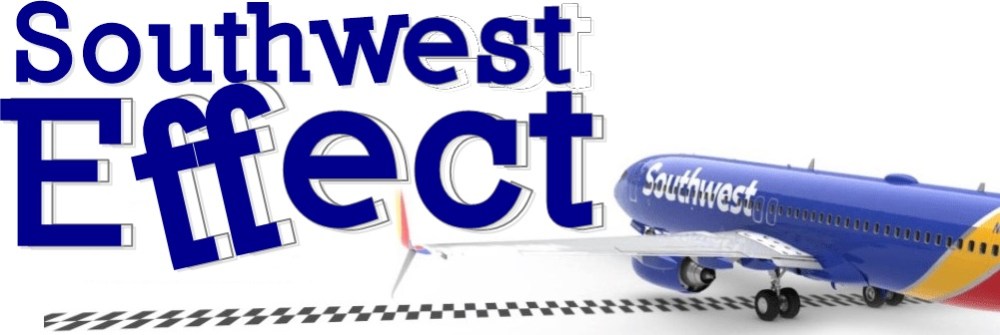
El «Efecto Southwest» es la entrada de la aerolínea low-cost Southwest Airlines a nuevos mercados, lo que provoca que la competencia tradicional de otras líneas aéreas se ajusten a revisar a la baja las tarifas aéreas para no perder clientes y mantenerse competitivas. Al adecuarse a este «efecto» se incrementan las ventas y los servicios aéreos, aunque en muchos casos la batalla pudiera ser muy cruda para la competencia de las aerolíneas clásicas.

DATA: «Southwest Effect»
The «Southwest Effect» is the entry of the Southwest Airlines low-cost airline to new markets, causing other airlines’ traditional competition to adjust to lower airfares so as not to lose customers and stay competitive. Adjusting to this «effect» increases sales and air services, although in many cases the battle could be very crude for the competition of the classic airlines.


Ξ A I R G W A Y S Ξ
SOURCE:  Airgways.com
DBk:  Mauinews.com / Boeing.com / Southwest.com / Airgways.com / Smartertravel.com
AW-POST: 201710231122AR

A\W   A I R G W A Y S ®

En la cúspide de la aviación comercial

Norwegian-737-MAX-8

AW | 2017 10 23 01:03 | AIRLINES MARKET

La aviación comercial ha experimentando el auge de su industria de las líneas aéreas a través del mundo llevadas por los vientos favorables de las economías

Las tendencias de nuevas aerolíneas en todas las regiones del planeta han permitido incrementar la sredes de servicios en el mundo facilitando una mayor y mejor conexión. Europa ha sido el mayor vertedero de nuevas compañías sumando un total de 79 nuevas aerolíneas creadas desde el 2017; pero también la mayoría de las fracasos totalizando unas 25 empresas que han cerrado.

La bipolaridad de los mercados europeos

Las condiciones para comenzar una nueva aerolínea no podrían augurar ser mejores para Europa. Con vientos económicos favorables y bajos precios del combustible.

Pero, por otro lado, el factor Brexit ha provocado inestabilidad geopolítica y problemas en las futuras políticas aéreas a implementar para el Reino Unido. Además la gran crisis en cuanto a los problemas de seguridad aérea. Las conclusiones podrían ser que las condiciones no podrían ser peores para permanecer en el negocio como una aerolínea.

La dinámica europea vs Brexit

Europa es la región más dinámica del mundo. Irlanda ha creado 4 aerolíneas, Bulgaria 3 líneas aéreas han inicado operaciones y Rusia fueron 2 la apertura de aerolíneas. Suman un total de 29 nuevas aerolíneas (37%) que se están instalando en los primeros nueve meses de 2017, pero también ha sido la que más fracasó, con más de la mitad de los cierres (56%). Algunas de las start-ups y fracasos más notables también provienen del viejo continente.

La llegada de easyJet Europe en Julio 2017, pero por otro lado la reciente y triste desaparición de Monarch Airlines, cuyo nombre en la industria tenía 50 años de historia, permiten observar cómo la indsutria está experimentando algunos cambios bruscos en la manera de buscar una consolidación. El principal centro de negocios de easyJet Europe estará en Viena, y gracias a su Certificado de Operador Aéreo Austríaco (AOC) permitirá que la nueva compañía opere rutas intra-europeas posteriores al Brexit, siendo una manera de sobrevivir de una aerolínea británica ante los cambios que se avecinan. Level Airlines propiedad de IAG, un operador de larga distancia de bajo costo que comenzó a operar en Junio, también fue una nueva aerolínea que se lanzó este año en Europa. A pesar del Brexit y las nuevas políticas aéreas, el Reino Unido ha contribuido con la creación de cinco nuevas aerolíneas.

La gran América

América del Norte es el mercado con más tráfico en el mundo. Pero en estos tiempos ha quedado relegada en la cantidad de líneas aéreas que se han creado. Canadá ha experimentado un avance en materia de low cost con la creación de Swoop, el ULCC propiedad de WestJet. Oficialmente anunciada el 27 de septiembre, la nueva aerolínea tendrá su sede en Calgary y tentativamente comenzará a volar en Junio de 2018. NewLeaf Airlines se ha fusionado con Flair Airlines. En cuanto a la americana Shuttle America se ha fusionado con Republic Airlines. Con el 24% de todos los cierres de aerolíneas, América del Norte es el segundo proveedor de demisiones de operadores en los primeros nueve meses de 2017.

AW-70223777

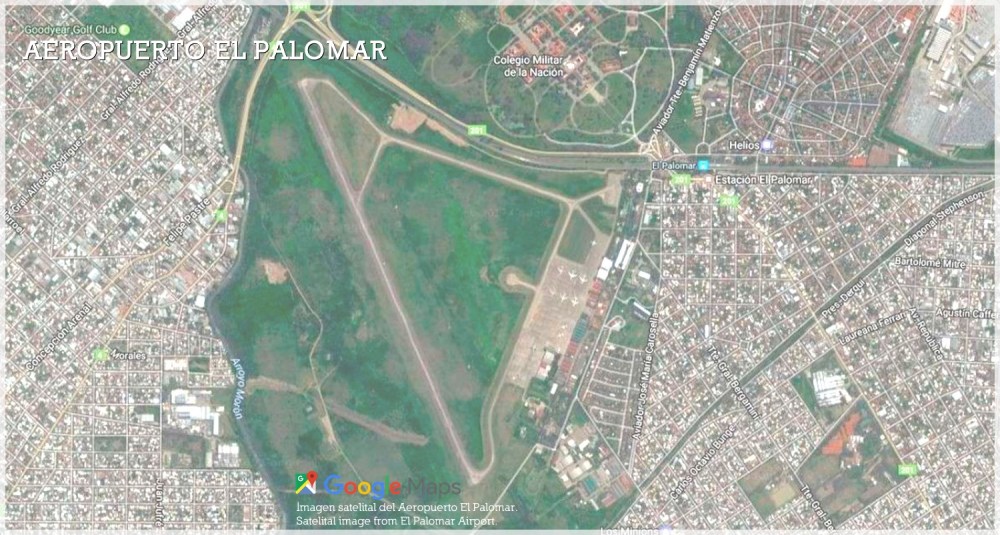
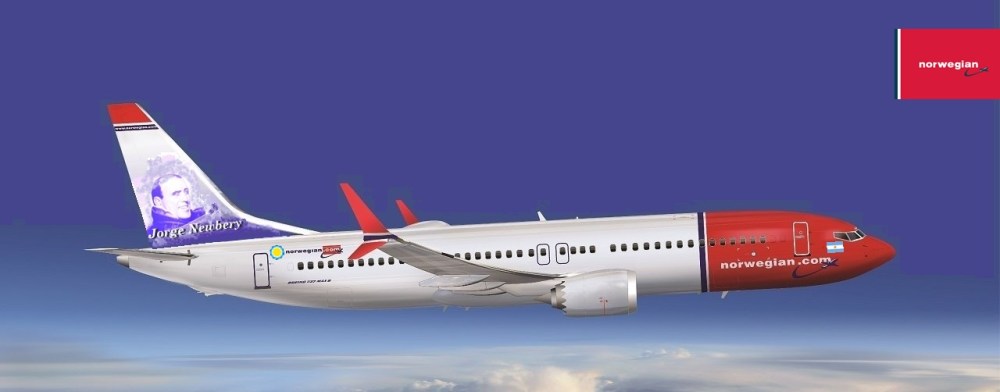
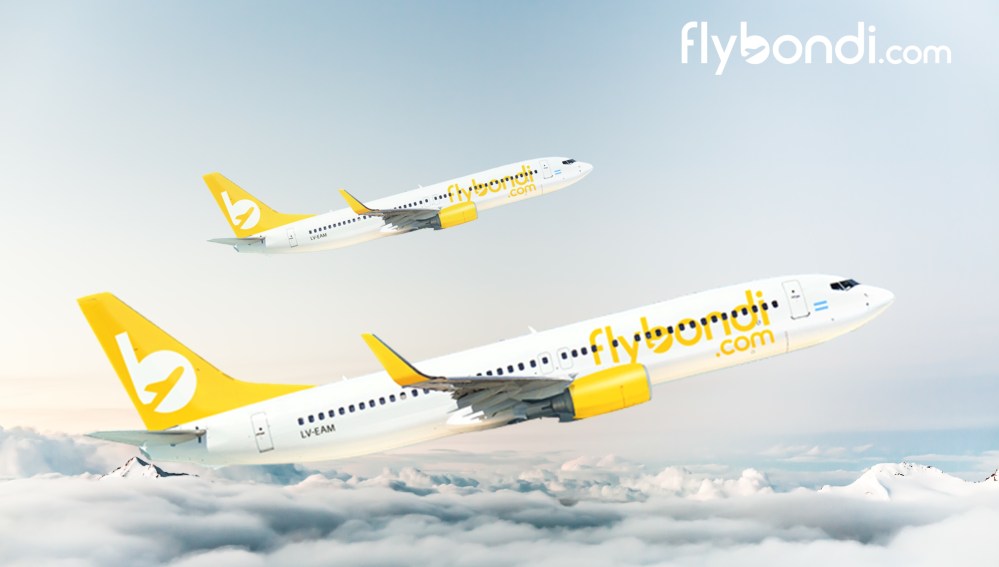
Latinoamérica está en verdadera expansión. Argentina figura como la gran estrella. Primera en el ranking de aerolíneas creadas entre ellas están: Flybondi Líneas Aéreas, Norwegian Air Argentina, Buenos Aires Internacional Airlines, Polar Líneas Aéreas, Avianca (Avian Líneas Aéreas), Alas Mediterráneas Líneas Aéreas, Alas del Sur Líneas Aéreas, Flyest Líneas Aéreas y otras empresas existentes que han ampliado sus servicios como Andes Líneas Aéreas, AmericanJet Líneas Aéreas y Sapsa Líneas Aéreas. El gobierno de Argentina vive una verdadera «Revolución de los Aviones». Un tanto rezagada por mucho tiempo, el cambio político ha permitido expandir sus mercados permitiendo tener a futuro más opciones que la propia Brasil. La Argentina se convertirá en el mayor mercado de nuevas líneas aéreas y con un mayor tráfico exponencial de pasajeros. La ULCC de Chile JetSMART iniciada en Julio, la aerolínea con sede en Santiago de Chile fue creada por Indigo Partners, que tiene participaciones en Frontier Airlines y Volaris.

Asia, la pujanza de las aerolíneas

En el mercado asiático, China es el país que más aerolíneas se iniciaron con un total de cinco compañías. En India han florecido dos nuevas líneas aéreas y en Irán tres nuevos operadores han despegado. Un nuevo escenario aéreo podría hacer que la República de Irán pudiera llegar a un acuerdo con EEUU. AirAsia Cambodia, del grupo AirAsia en constante expansión, y Tigerair Singapore, una aerolínea que se perdió tras su fusión bajo la marca Scoot a principios de este año. Tanto Cambodia y Vietnam están atravezando por un auge de compañías principalmente low cost.

África, la indomable

Los países de África han progresado muhco en cuanto a nuevas compañías, pero por sobre todo han mejorado sus niveles de seguridad. Sudáfrica figura como el país con tres nuevas aerolíneas. Aunque falta mucho por recorrer en la indomable África, sus logros han sido loables.

Austalasia

Las posibilidades de establecer una nueva aerolínea en Oceanía parecen ser muy limitadas. El Gobierno de Samoa anunció que, con el apoyo inicial de Fiji Airways, relanzaría los servicios de vuelos internacionales hacia y desde Samoa, utilizando el nombre de Samoa Airways, tras el cese de su acuerdo anterior con Virgin Australia Airlines. Los vuelos entre Samoa y Nueva Zelanda y Australia comienzan en noviembre.

Despegar, un gran desafío

Pasar de ser simplemente una gran idea en papel a lanzar vuelos realmente es a menudo un viaje largo, con muchas compañías que nunca llegan más allá de esa etapa inicial. La cantidad de aerolíneas en «los papeles» que se han creado y que aún no están en el aire es del orden de 56 (71%). Sólo unas 23 empresas (29%) han logrado la hazaña de pasar de la idea a la inauguración.

En promedio se crea una aerolínea cada 3,5 días, un índice de aumento considerable, a pesar de los fracasos en el camino, nos permite comprender que las líneas aéreas están explotando sus mejores recursos para poder disfrutar de la cúspide o del zénit de la aviación comercial. AIRWAYS® AW-Icon TXT

At the height of commercial aviation

Commercial Aviation has been experiencing the boom of its airlines industry across the world led by the favorable winds of economies

The trends of new airlines in all the regions of the planet have allowed to increase the sredes of services in the world facilitating a greater and better connection. Europe has been the biggest dump of new companies adding a total of 79 new airlines created since 2017; but also most of the failures totaling about 25 companies that have closed.

The bipolarity of European markets

The conditions for starting a new airline could not be expected to be better for Europe. With favorable economic winds and low fuel prices.

But on the other hand, the Brexit factor has led to geopolitical instability and problems in future air policies to be implemented for the UK. In addition the great crisis in the problems of aviation security. The conclusions could be that the conditions could not be worse to stay in business as an airline.

The European Dynamics vs Brexit

Europe is the most dynamic region in the world. Ireland has created 4 airlines, Bulgaria 3 airlines have started operations and Russia were 2 opening airlines. A total of 29 new airlines (37%) are being installed in the first nine months of 2017, but it has also been the most failed, with more than half of the closures (56%). Some of the most notable start-ups and failures also come from the old continent.

The arrival of easyJet Europe in July 2017, but on the other hand the recent and sad disappearance of Monarch Airlines, whose name in the industry had 50 years of history, allow to observe how the indsutria is undergoing some abrupt changes in the way to look for a consolidation . The main business center of easyJet Europe will be in Vienna, and thanks to its Austrian Air Operator Certificate (AOC) will allow the new company to operate intra-European routes after Brexit, being a way of surviving of a British airline before the changes that are coming. Level Airlines owned by IAG, a low-cost long-distance operator that began operating in June, was also a new carrier launched this year in Europe. Despite the Brexit and new air policies, the UK has contributed to the creation of five new airlines.

The Great America

North America is the most trafficked market in the world. But in these times it has been relegated in the amount of airlines that have been created. Canada has experienced a breakthrough in low cost with the creation of Swoop, ULCC owned by WestJet. Officially announced on September 27, the new airline will be based in Calgary and will tentatively begin flying in June 2018. NewLeaf Airlines has merged with Flair Airlines. As for the American Shuttle America has merged with Republic Airlines. With 24% of all airline closures, North America is the second-largest provider of operator firing in the first nine months of 2017.

pexels-photo-37728

Latin America is in real expansion. Argentina figures as the great star. First in the ranking of airlines created among them are Flybondi Airlines, Norwegian Air Argentina, Buenos Aires International Airlines, Polar Airlines, Avianca (Avian Airlines), Mediterranean Airlines Airlines, South Airlines Airlines, Flyest Airlines and other existing companies that have expanded their services like Andes Líneas Aéreas, AmericanJet Airlines and Sapsa Líneas Aéreas. The government of Argentina lives a true «Aircraft Revolution». A little behind for a long time, the political change has allowed to expand its markets allowing to have in future more options than the own Brazil. Argentina will become the largest market for new airlines and with a greater exponential passenger traffic. The ULCC of Chile JetSMART launched in July, the airline based in Santiago de Chile was created by Indigo Partners, which has interests in Frontier Airlines and Volaris.

Asia, the strength of airlines

In the Asian market, China is the country that most airlines started with a total of five companies. In India, two new airlines have flourished and in Iran three new operators have taken off. A new air scenario could lead the Republic of Iran to reach an agreement with the United States. AirAsia Cambodia, of the ever-expanding AirAsia group, and Tigerair Singapore, an airline that lost its merger under the Scoot brand earlier this year. Both Cambodia and Vietnam are traversing a boom of mainly low cost companies.

Africa, the indomitable

The countries of Africa have made a lot of progress on new companies, but above all they have improved their security levels. South Africa is the country with three new airlines. Although there is a long way to go in the indomitable Africa, his achievements have been commendable.

Austalasia

The chances of establishing a new airline in Oceania appear to be very limited. The Government of Samoa announced that, with the initial support of Fiji Airways, it would relaunch international flight services to and from Samoa, using the name Samoa Airways, following the termination of its previous agreement with Virgin Australia Airlines. Flights between Samoa and New Zealand and Australia begin in November.

Take off, a great challenge

Going from being simply a great idea on paper to launching flights really is often a long journey, with many companies never reaching beyond that initial stage. The number of airlines in «the roles» that have been created and are not yet in the air is in the order of 56 (71%). Only 23 companies (29%) have achieved the feat of moving from the idea to the inauguration.

On average, an airline is created every 3.5 days, a considerable increase, despite the failures in the way, allows us to understand that airlines are exploiting their best resources to enjoy the summit or the zenith of the commercial aviation. A \ W


Ξ A I R G W A Y S Ξ
SOURCE:  Airgways.com
DBk:  Themalaysianreserve.com / Airgways.com
AW-POST: 201710230103AR

A\W   A I R G W A Y S ®

TUI Airways compensa vacío de Monarch

Resultado de imagen para Tui Airways wiki

AW | 2017 10 21 15:03 | AIRLINES MARKET

TUI Airways del Reino Unido aumenta su capacidad tras el colapso de Monarch

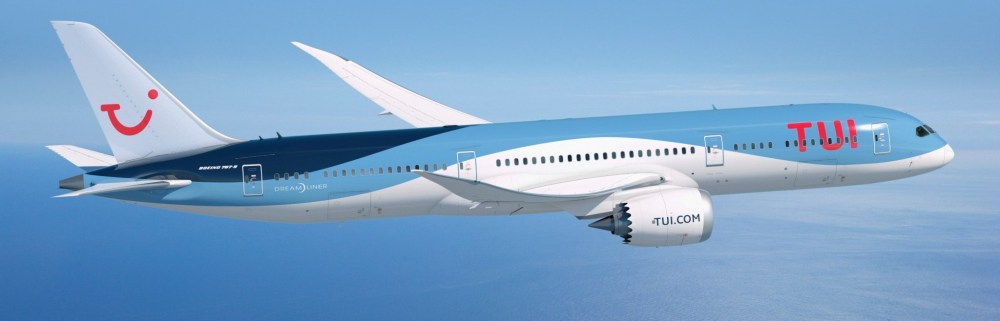
La aerolínea británica TUI Airways está realizando más vuelos tras la desaparición de Monarch Airlines a principios de este mes. «Hemos aumentado nuestra capacidad desde que Monarch dejó de operar», dijo el director general de TUI para Reino Unido e Irlanda, Nick Longman. «Pero creemos que podemos hacer eso a partir de las máquinas tragamonedas existentes que tenemos, y de la asignación de espacio que se está llevando a cabo en este momento».

La aerolínea confía que existe capacidad y más recursos para más vuelos en la red de TUI. «Habrá una oportunidad de buscar nuevas rutas en el mercado. Ya lo hemos hecho un poco para este invierno», dijo Longman. Con una flota total de 65 aviones de Boeing, TUI brinda servicios a 109 destinos en 37 países. AIRWAYS® AW-Icon TXT

TUI Airways compensates for Monarch vacuum

UK TUI Airways increases capacity after Monarch collapse

British airline TUI Airways is making more flights due to the disappearance of Monarch Airlines earlier this month. «We have noted our capacity since Monarch ceased operations,» UK-Ireland CEO Nick Longman said. «But we think we can do that from the slot machines we have now, and the allocation of space that is taking place right now.»

The airline is confident that there is more capacity and resources for more flights on the TUI network. «There will be an opportunity to look for new routes in the market. We have already done it for this winter,» Longman said. With a total fleet of 65 Boeing aircraft, TUI serves 109 destinations in 37 countries. A \ W


Ξ A I R G W A Y S Ξ
SOURCE:  Airgways.com
DBk:  Tui.com / Airgways.com
AW-POST: 201710211503AR

A\W   A I R G W A Y S ®

La FAA retira 1.000 pilotos, podría traer perjuicio para aerolíneas regionales

AW | 2017 10 21 14:46 | AIRLINES MARKET

Las aerolíneas regionales enfrentarán más competencia para las tripulaciones ya que la Fuerza Aérea planea retirar 1,000 pilotos

El plan de la Fuerza Aérea de Estados Unidos (FAA) ha anunciado el viernes retirar 1.000 pilotos, esto podría perjudicar a las aerolíneas más pequeñas en la competencia para contratar tripulaciones capacitadas para volar sus aviones. «Anticipamos que el Secretario de Defensa delegará la autoridad al Secretario de la Fuerza Aérea para retirar hasta 1,000 pilotos retirados por hasta 3 años», dijo el Pentágono en un comunicado.

Las aerolíneas han advertido durante años sobre la escasez de pilotos que se avecina, con la amenaza de que las líneas aéreas más pequeñas puedan perder el servicio regular de las aerolíneas. Pero el debate es polémico porque los sindicatos de pilotos sostienen que si las aerolíneas regionales ofrecieran mejores salarios, más candidatos se embarcarían en la costosa capacitación para unirse a la industria.

«Hay una escasez de pilotos, por lo que tendrá algún efecto. Pero las principales aerolíneas todavía están llenando sus clases. Son las regionales las que están luchando un poco, y algunas de las máquinas tragamonedas de aviación comercial están resultando difíciles de llenar», dijo John Cox, un ex piloto de línea aérea que ahora es consultor como presidente de Safety Operating Systems.

Boeing proyectó en julio que las aerolíneas necesitarán 637,000 nuevos pilotos en los próximos 20 años, incluidos 117,000 en América del Norte, para el crecimiento anticipado en pasajeros.

Mientras tanto, el número de licencias de piloto de FAA en manos de personas de entre 20 y 59 años ha disminuido casi un 20% desde 2009 hasta el año pasado, según un análisis de la Regional Airline Association, un grupo comercial para operadores más pequeños. El número de licencias de piloto de transporte aéreo de primer nivel creció ligeramente durante ese lapso, a 126.070 el año pasado. Pero el número de licencias comerciales y licencias privadas de menor nivel, cuyos pilotos podrían alimentar a las aerolíneas, ha disminuido de un total combinado de 283,339 en 2009 a 198,551 el año pasado. «Este es un desajuste entre oferta y demanda», dijo el general David Goldfein, jefe de gabinete de la Fuerza Aérea, en abril para describir los desafíos del reclutamiento. «La nación en su conjunto está produciendo menos pilotos de los que necesitamos para dar servicio a la aviación comercial, comercial y de negocios».

Horizon Air es uno de los operadores que sintió la peor parte de la competencia, forzado a cortar miles de vuelos de su calendario este año por falta de pilotos, según The Seattle Times. Alaska Airlines y SkyWest Airlines han tomado el relevo.

«Creo que vas a ver un mayor impacto en las aerolíneas regionales y en el taxi aéreo o, en algunos casos, en la aviación de negocios que en las principales aerolíneas», dijo Cox.

Para impulsar su contratación, la principal aerolínea JetBlue Airways comenzó un programa para entrenar a sus propios pilotos. Los primeros seis miembros del programa Gateway Select terminaron el primer año del programa de cuatro años en septiembre. La aerolínea estaba reclutando a otros 24 candidatos a fines del mes pasado.

Los pilotos principiantes podrían intercambiar capacitación en el aula para volar bajo el proyecto de ley del Senado. La escasez también se está debatiendo en el Congreso. La Asociación Regional de Aerolíneas, que representa a las aerolíneas más pequeñas con la mitad de los vuelos del país, ha argumentado durante años que una norma de 2013 de la Administración Federal de Aviación hizo que sea más difícil contratar pilotos principiantes.

La regla requería que los primeros oficiales hicieran coincidir a los capitanes con al menos 1,500 horas de experiencia de vuelo, en comparación con las 250 horas anteriores. Se hicieron excepciones para pilotos militares con 750 horas de experiencia o graduados de universidades de cuatro años con 1,000 horas. El sindicato de pilotos sostiene que las aerolíneas regionales tendrían muchos pilotos iniciales si pagaban un promedio de más de $ 30,000.

La legislación de la FAA pendiente en el Senado permitiría que las lecciones en el aula cuenten durante algunas de las horas. Pero los pilotos y familiares de las víctimas del último accidente fatal de una aerolínea estadounidense de pasajeros han luchado contra el cambio, argumentando que la seguridad no debe verse comprometida.

«Actualmente existen más pilotos totalmente calificados en los Estados Unidos que puestos disponibles, y el transporte aéreo es el modo de transporte más seguro del mundo debido a nuestro compromiso de programar con seguridad. Sin embargo, debemos asegurarnos de tener un suministro futuro adecuado de pilotos calificados, que ganen buenos salarios, y protegernos contra los esfuerzos para reducir la seguridad, especialmente en lo que se refiere a la capacitación y calificaciones de los pilotos», dijo el sinicato en un comunicado. declaración.  AIRWAYS® AW-Icon TXT

FAA withdraws 1,000 pilots, could bring injury to regional airlines

The regional airlines will face more competition for the crews as the Air Force plans to withdraw 1,000 pilots

The US Air Force plan announced on Friday that 1,000 pilots will be withdrawn, this could hurt smaller airlines in the competition to hire capable crews to fly their planes. «We anticipate that the Secretary of Defense will delegate authority to the Secretary of the Air Force to withdraw up to 1,000 retired pilots for up to 3 years,» the Pentagon said in a statement.

Airlines have warned for years about the shortage of pilots ahead, with the threat that smaller airlines may miss scheduled airline service. But the debate is controversial because pilot unions argue that if regional airlines offered better wages, more candidates would embark on costly training to join the industry.

«There is a shortage of pilots, so it will have some effect. But the main airlines are still filling their classes, the regional ones are struggling a bit, and some of the commercial aviation slot machines are proving difficult to fill», said John Cox, a former airline pilot who is now a consultant as president of Safety Operating Systems.

Boeing projected in July that airlines will need 637,000 new pilots in the next 20 years, including 117,000 in North America, for anticipated passenger growth.

Meanwhile, the number of FAA pilot licenses in the hands of 20-59 year olds has declined by almost 20 percent from 2009 to last year, according to an analysis by the Regional Airline Association, a trade group for smaller operators . The number of first-level air transport pilot licenses grew slightly during that time, to 126,070 last year. But the number of low-level commercial licenses and private licenses, whose pilots could feed airlines, has declined from a combined total of 283,339 in 2009 to 198,551 last year. «This is a mismatch between supply and demand,» General David Goldfein, the Air Force chief of staff, said in April to describe recruitment challenges. «The nation as a whole is producing fewer pilots than we need to serve commercial, commercial, and business aviation.»

Horizon Air is one of the operators that felt the worst part of the competition, forced to cut thousands of flights from its calendar this year for lack of pilots, according to The Seattle Times. Alaska Airlines and SkyWest Airlines have taken over. «I think you’re going to see a greater impact on regional airlines and on air taxi or, in some cases, on business aviation than on major airlines,» Cox said.

To boost its hiring, the main airline JetBlue Airways began a program to train its own pilots. The first six members of the Gateway Select program completed the first year of the four-year program in September. The airline was recruiting another 24 candidates late last month.

Beginner pilots could exchange classroom training to fly under the Senate bill. Scarcity is also being debated in Congress. The Regional Airlines Association, which represents smaller airlines with half the nation’s flights, has argued for years that a 2013 Federal Aviation Administration rule made it more difficult to hire novice pilots.

The rule required that the first officers match the captains with at least 1,500 hours of flight experience, compared to the previous 250 hours. Exceptions were made for military pilots with 750 hours of experience or graduates from four-year universities with 1,000 hours. The pilots’ union maintains that regional airlines would have many initial pilots if they paid an average of more than $ 30,000.

The pending FAA legislation in the Senate would allow classroom lessons to count for some of the hours. But pilots and relatives of the victims of the latest fatal crash of a US passenger airline have fought the change, arguing that safety should not be compromised.

«There are currently more fully qualified pilots in the United States than available positions, and air transport is the safest mode of transportation in the world because of our commitment to safety programming, but we must make sure we have an adequate future supply of pilots qualified, earning good wages, and protect us against efforts to reduce safety, especially with regard to driver training and qualifications», the synod said in a statement. declaration. A \ W


Ξ A I R G W A Y S Ξ
SOURCE:  Airgways.com
DBk:  Thenypost.com / Armytimes.com
AW-POST: 201710211446AR

A\W   A I R G W A Y S ®

México experimenta mayor competencia

AW | 2017 10 20 15:17 | AIRLINES MARKET

La desaceleración en demanda es el origen de la competencia entre aerolíneas

Las aerolíneas mexicanas Aeroméxico, Interjet, VivaAerobus y Volaris, enfrentan una especie de ‘tormenta perfecta’ 2017. A inicios de 2017, la debilidad del peso frente al dólar elevó sus costos en la divisa del dolar estadounidense; a partir agosto empezaron a resentir el encarecimiento del combustible y más reciente la desaceleración del crecimiento del pasaje y la agudización de la guerra de tarifas en el mercado doméstico.

Según el Instituto Nacional de Estadística y Geografía (INEGI), los precios de la transportación aérea en México acumularon en los primeros 9 meses de 2017 una caída de 30 por ciento, casi el doble que en igual lapso de 2016 de 16.4 %. Según cálculos de análisis de costo un vuelo de la Ciudad de México a Cancún, que en 2016 por VivaAerobus se cotizaba en $ 1.253 pesos y Volaris lo mejoró a $ 1.098 pesos, una reducción de más de 12 %. Pero la primera no se quedó atrás y lo bajó a $ 498 pesos.

Esto es reflejo, coinciden expertos, de los esfuerzos de las empresas para incrementar su flujo de pasajeros, mejorar ingresos y diluir costos de operación. “La guerra con las demás empresas está durísima, pero no nos vamos a dejar”, dijo Roberto Alcántara, dueño de VivaAerobus, en una entrevista reciente con medios.

Lo que se observa es una fuerte competencia de las aerolíneas. Cuando una línea aérea empieza a bajar el precio del ticket aéreo, luego le sigue otra, lo que genera un círculo vicioso. El último que se sienta en la mesa de remates es el que se quedará con menos pasajeros. Lo que buscan con esto es ganar participación de mercado o en su defecto conservarla pues hay una ligera desaceleración en la demanda.

Los números de la aviación mexicana
Tal es el caso de la México-Cancún, donde el flujo de viajeros subió 14.9 % en los primeros ocho meses de 2017, respecto a igual lapso de 2016; la México-Guadalajara con 10.8 %; la Tijuana-México 12.7 %; la Tijuana-Guadalajara 20.5 % y la Monterrey-Cancún con 16.1 %. Al primer semestre de 2017 el tráfico de pasaje creció 12.1 % anual, en el bimestre Julio-Agosto promedió un alza de 6.2 %, revelan datos de la Dirección General de Aeronáutica Civil (DGAC).

La demanda del transporte se ve afectada por la baja calidad de la relación entre México y Estados Unidos, que afecta el mercado de familiares y parientes, la depreciación del peso aún con la recuperación vista hasta el inicio de las renegociaciones del TLCAN y la demanda interna afectada porque es un año con alta inflación.

Especialistas coincidieron en que la baja en tarifas incentiva a los viajeros a comprar boletos de avión. Según la DGAC, el volumen de pasaje atendido por las aerolíneas en el país se elevó 62 % entre los primeros ocho meses de 2017 y el mismo lapso de 2012.

“Volaris tiene su efecto en el mercado, ofrecemos desde hace 5 años tarifas más baratas, logramos el crecimiento de la compañía y hacemos que más gente viaje en avión y deje el bus”, dijo Holger Blankenstein, director comercial de Volaris.

Expertos y representantes del sector han coincidido que la competencia se ha vuelto más importante en las rutas con mayor densidad.  AIRWAYS® AW-Icon TXT

Mexico experiences greater competition

The slowdown in demand is the source of competition between airlines

Mexican airlines Aeroméxico, Interjet, VivaAerobus and Volaris face a kind of ‘perfect storm’ 2017. In early 2017, the weakness of the peso against the dollar raised its costs in the US dollar currency; as of August began to resent the increase of the fuel and more recently the slowing of the growth of the passage and the worsening of the war of tariffs in the domestic market.

According to the National Institute of Statistics and Geography (INEGI), air transport prices in Mexico accumulated in the first 9 months of 2017 a drop of 30 percent, almost double that of 16.4% in the same period of 2016. According to calculations of cost analysis a flight from Mexico City to Cancun, which in 2016 by VivaAerobus was quoted at $ 1,253 pesos and Volaris improved it to $ 1,098 pesos, a reduction of more than 12%. But the first was not far behind and lowered it to $ 498 pesos.

This reflects, experts say, the efforts of companies to increase their flow of passengers, improve revenues and dilute operating costs. «The war with the other companies is very hard, but we are not going to leave», said Roberto Alcántara, owner of VivaAerobus, in a recent media interview.

What is seen is strong competition from airlines. When an airline begins to lower the price of the air ticket, then another one follows, which generates a vicious circle. The last one who sits at the auction table is the one with fewer passengers. What they are looking for with this is gaining market share or failing to keep it because there is a slight slowdown in demand.

The numbers of Mexican aviation
Such is the case of the Mexico-Cancun, where the flow of travelers rose 14.9% in the first eight months of 2017, compared to the same period of 2016; the Mexico-Guadalajara with 10.8%; the Tijuana-Mexico 12.7%; the Tijuana-Guadalajara 20.5% and the Monterrey-Cancun with 16.1%. In the first half of 2017 passenger traffic increased by 12.1% per year, in the July-August period, it averaged a 6.2% increase, according to data from the Directorate General of Civil Aeronautics (DGAC).

The demand for transportation is affected by the low quality of the relationship between Mexico and the United States, which affects the market of relatives and relatives, the depreciation of the peso even with the recovery seen until the start of the NAFTA renegotiations and domestic demand affected because it is a year with high inflation.

Experts agreed that low fares encourage travelers to buy plane tickets. According to the DGAC, the volume of passengers served by the airlines in the country rose 62% between the first eight months of 2017 and the same period of 2012.

«Volaris has its effect on the market, we have been offering cheaper fares for five years now, we have been able to grow the company and have more people fly and leave the bus», said Holger Blankenstein, Volaris commercial director.

Experts and representatives of the sector have agreed that competition has become more important on routes with greater density. A\W


Ξ A I R G W A Y S Ξ
SOURCE:  Airgways.com
DBk:  Wikimedia.org / Inegi.org.mx
AW-POST: 201710201517AR

A\W   A I R G W A Y S ®

Mejoras de las aerolíneas en EEUU

Imagen relacionada

AW | 2017 10 18 16:00 | AIRLINES MARKET

El Departamento de Transporte de EEUU (DOT) ha informado que las aerolíneas cancelaron más vuelos y hubo un mejor tratamientode los equipajes en Agosto 2017

Las aerolíneas cancelaron más vuelos en Agosto 2017, registraron menos pasajeros y se reportó un mejor manejo de equipaje, según un informe del Departamento de Transporte (DOT) de Estados Unidos.

Cancelaciones vs puntualidad
La docena de aerolíneas informantes cancelaron el 2,2% de sus vuelos domésticos programados, lo que duplicó la tasa del 1,1% en julio y subió desde la tasa del 1,4% en agosto de 2016, según el informe de Air Travel Consumer Report. Delta Air Lines, Hawaiian Airlines y Virgin America tienen el menor número de vuelos cancelados. La mayoría de las cancelaciones fueron en ExpressJet Airlines, United Airlines y Spirit Airlines.

Las aerolíneas informaron que el 77.1% de los vuelos llegó dentro de los 15 minutos de sus horarios, según el informe de la Oficina de Estadísticas de Transporte. Eso fue mejor que el 76.9% en julio, pero peor que el 77.6% en el mismo mes del año anterior. Hawaiian Airlines, Delta Air Lines y Alaska Airlines tuvieron las mejores puntualidades. Las impuntualidades más bajas fueron para Virgin Airlines, JetBlue Airways y Southwest Airlines.

El Departamento de Transporte de EEUU está investigando 11 largas demoras en asfalto en agosto, con multas potenciales en los peores casos. Los nueve retrasos de al menos tres horas para los vuelos nacionales en comparación con 16 en julio. Los dos retrasos de al menos cuatro horas para vuelos internacionales en comparación con seis en Julio. Tres de los largos retrasos internos y uno de los retrasos internacionales se produjeron en Filadelfia. Los vuelos domésticos el 22 de agosto incluyeron un vuelo de Air Wisconsin a Louisville retrasado tres horas y 26 minutos, un vuelo de PSA Airlines a St. Louis demoró tres horas y 18 minutos y un vuelo de Air Wisconsin a Milwaukee demoró tres horas y cuatro minutos. El vuelo internacional el 18 de agosto fue un vuelo de American Airlines desde Cancún que se desvió a Norfolk, Virginia, y se demoró cuatro horas y dos minutos.

Manejo de equipajes
Los equipajes llegaron a sus destinos con un mejor tratamiento. Se reportó mal manejo de 2.45 bolsas de cada 1,000 pasajeros en Agosto 2017. Eso marcó una mejora con respecto a la tasa de 2.79 en Julio o la tasa de 3.15 en Agosto de 2016. En general, las 1.907 quejas de los consumidores al departamento sobre aerolíneas se redujeron ligeramente de las 1.914 de julio y disminuyeron significativamente de las 2.251 del mismo mes del año anterior.

Buentrato vs maltrato
Las aerolíneas tuvieron menos enfrentamientos con pasajeros durante los primeros seis meses del año, después de que la protesta de un hombre de 69 años arrastraron a un vuelo de United en Abril 2017. Las aerolíneas informaron que negaron el embarque a 0.52 pasajeros de 10.000 durante los primeros seis meses del año, que fue la tasa más baja desde que el departamento comenzó a seguir el rastro en 1995. El segundo trimestre fue incluso mejor que el primero, con una tasa de 0,44 pasajeros , que bajó desde 0.62 en el primer trimestre o en el mismo trimestre del año anterior.  AIRWAYS® AW-Icon TXT

US Airline Improvements

The US Department of Transportation (DOT) has reported that airlines canceled more flights and there was better baggage handling in August 2017

Airlines canceled more flights in August 2017, posted fewer passengers and reported better baggage handling, according to a US Department of Transportation (DOT) report.

Cancellations vs. punctuality
The dozen reporting airlines canceled 2.2% of their scheduled domestic flights, doubling the rate of 1.1% in July and rising from the 1.4% rate in August 2016, according to the Air Travel report Consumer Report. Delta Air Lines, Hawaiian Airlines and Virgin America have the lowest number of canceled flights. Most cancellations were on ExpressJet Airlines, United Airlines and Spirit Airlines.

Airlines reported that 77.1% of flights arrived within 15 minutes of their schedules, according to the Bureau of Transportation Statistics report. That was better than 76.9% in July, but worse than 77.6% in the same month of the previous year. Hawaiian Airlines, Delta Air Lines and Alaska Airlines had the best punctualities. The lowest postponements were for Virgin Airlines, JetBlue Airways and Southwest Airlines.

The US Department of Transportation is investigating 11 long asphalt delays in August, with potential fines in the worst cases. The nine delays of at least three hours for domestic flights compared to 16 in July. The two delays of at least four hours for international flights compared to six in July. Three of the long internal delays and one of the international delays occurred in Philadelphia. Domestic flights on August 22 included an Air Wisconsin flight to Louisville delayed three hours and 26 minutes, a flight from PSA Airlines to St. Louis took three hours and 18 minutes and an Air Wisconsin flight to Milwaukee took three hours and four minutes. The international flight on August 18 was an American Airlines flight from Cancun that was diverted to Norfolk, Virginia, and delayed four hours and two minutes.

Handling of luggage
The luggage arrived at their destinations with a better treatment. Bad handling of 2.45 bags per 1,000 passengers was reported in August 2017. This marked an improvement from the 2.79 rate in July or the 3.15 rate in August 2016. Overall, the 1,907 consumer complaints to the department about airlines declined slightly from 1,914 in July and decreased significantly from 2,251 in the same month of the previous year.

Good treatment vs mistreatment
The airlines had fewer clashes with passengers during the first six months of the year, after a 69-year-old man’s protest dragged a United flight in April 2017. Airlines reported that they denied boarding to 0.52 passengers of 10,000 during the first six months of the year, which was the lowest rate since the department began tracking in 1995. The second quarter was even better than the first, with a rate of 0.44 passengers, which fell from 0.62 in the first quarter or in the same quarter of the previous year. A \ W


Ξ A I R G W A Y S Ξ
SOURCE:  Airgways.com
DBk: Shutterstock.com / Flydealfare.com 
AW-POST: 201710181600AR

A\W   A I R G W A Y S ®

Expansión aerolíneas en España

AW | 2017 10 17 18:35 | AIRLINES MARKET

El incremento de pasajeros en España fue en líneas aéreas de bajo costo

El incremento del uso de las aerolíneas low cost por los turistas internacionales en los nueve primeros meses del año 2017 en España, ha tenido un aumento del 19,8 % llegando a los 6,2 millones de pasajeros.

Aerolíneas clásicas vs low cost
El incremento del uso de las aerolíneas de bajo costo por los turistas internacionales en los nueve primeros meses del año en Baleares ha sido del 19,8 % en comparación con el mismo periodo de 2016, hasta los 6,2 millones de pasajeros. La entrada de pasajeros en los aeropuertos españoles a bordo de aerolíneas «low cost» hasta septiembre fue de 36,2 millones de personas, el 52,5 % del total vía aérea, según la estadística difundida por el Ministerio de Energía, Turismo y Agenda Digital.

España ha tenido un incremento del uso de las aerolíneas de bajo coste por los turistas internacionales en los nueve primeros meses del año 2017 del 14,5 % frente al aumento del 3,8 % de las compañías tradicionales en comparación con el mismo periodo de 2016.

Por comunidades autónomas, Cataluña lidera el ránking de aterrizajes de vuelos de bajo coste entre enero y septiembre, con 9,6 millones de pasajeros registrados, un 8,4 % más que en el mismo periodo de 2016. Baleares, con 6,2 millones de turistas llegados vía «low cost» y un incremento del 19,8 % con respecto a las cifras de los nueve primeros meses del año pasado. En septiembre, entre Cataluña y Baleares acapararon casi la mitad del tráfico de pasajeros en «low cost»: el 26 % la primera y el 20,4 % el destino insular del Mediterráneo. Canarias fue la región con un mayor incremento de pasajeros «low cost», con un 23,4 % más, hasta los 4,5 millones de turistas.

Por aeropuertos de destino, Barcelona El Prat recibió uno de cada cuatro aparatos de compañías de bajo coste en el periodo enero-septiembre, con 8,6 millones de pasajeros y una mejora interanual del 7%. Los aeropuertos de Gran Canaria, Lanzarote y Baleares registraron en el periodo analizado desde enero aumentos de más del 20 % en cuanto al número de turistas a bordo de vuelos «low cost». En el caso del de Gran Canaria, el incremento rozó el 30 %

Más de una tercera parte de los usuarios extranjeros de este tipo de vuelos fueron británicos: un 37,3 % del total, hasta 13,5 millones de entradas registradas desde el Reino Unido entre enero y septiembre. En segundo y el tercer mercados emisores, Alemania e Italia, ambos con algo más de 4 millones de visitantes a falta de un trimestre para cerrar 2017.

Solo en septiembre aterrizaron 4,7 millones de turistas en vuelos de low cost, un 14,9 % más que en el mismo mes del año pasado, frente a los 4,3 millones que compraron billetes en compañías tradicionales, un 2,9 % más. AIRWAYS® AW-Icon TXT

Expansion of airlines in Spain

The increase of passengers in Spain was in low-cost airlines

The increase in the use of low cost airlines by international tourists in the first nine months of 2017 in Spain, has increased by 19.8% to 6.2 million passengers.

Classic vs low cost airlines
The increase in the use of low-cost airlines by international tourists in the first nine months of the year in the Balearics was 19.8% compared to the same period in 2016, to 6.2 million passengers. Passenger arrival at Spanish airports on low-cost airlines until September was 36.2 million people, 52.5% of the total air route, according to the statistics released by the Ministry of Energy, Tourism and Agenda Digital.

Spain has had an increase in the use of low-cost airlines by international tourists in the first nine months of 2017 of 14.5% compared to a 3.8% increase in traditional airlines compared to the same period in 2016 .

By autonomous communities, Catalonia leads the ranking of low-cost flights landings between January and September, with 9.6 million registered passengers, 8.4% more than in the same period of 2016. Baleares, with 6.2 million of tourists arriving via low cost and an increase of 19.8% compared to the figures for the first nine months of last year. In September, between Catalonia and the Balearic Islands they captured almost half of the low-cost passenger traffic: 26% the first and 20.4% the island’s Mediterranean destination. The Canary Islands was the region with a greater increase of passengers low cost, with a 23.4% more, to the 4.5 million tourists.

By destination airports, Barcelona El Prat received one of every four units of low-cost carriers in the January-September period, with 8.6 million passengers and a year-on-year improvement of 7%. The airports of Gran Canaria, Lanzarote and the Balearic Islands registered increases of more than 20% in terms of the number of tourists on low-cost flights in the period analyzed since January. In the case of Gran Canaria, the increase was around 30%

More than a third of foreign users of this type of flights were British: 37.3% of the total, up 13.5 million tickets registered from the UK between January and September. Second and third issuer markets, Germany and Italy, both with slightly more than 4 million visitors in the absence of a quarter to close 2017.

In September alone, 4.7 million tourists landed on low-cost flights, 14.9% more than in the same month last year, compared to 4.3 million who bought tickets at traditional companies, 2.9% plus. A \ W


Ξ A I R G W A Y S Ξ
SOURCE:  Airgways.com
DBk:  Rtve.es / Wikimedia.org
AW-POST: 201710171835AR

A\W   A I R G W A Y S ®

Austrian Airlines contratará a 100 pilotos de la aerolínea alemana Airberlin

AW | 2017 10 16 16:16 | AIRLINES MARKET

Resultado de imagen para Austrian Airlines logoAustrian Airlines contratará 100 nuevos pilotos de la insolvente aerolínea Air Berlin

Una selección rápida especial está diseñada para acelerar la reubicación de pilotos. Los solicitantes deberán comprometerse a trabajar para Austrian Airlines por al menos tres años. La oferta se dirige a los pilotos que han trabajado activamente con airberlin en los últimos seis meses y que han sido revalidados en los últimos 12 meses. Además la aerolínea está ampliando su cartera de nuevos pilotos «ad initios», aquellos que ingresan por primera vez a una línea aérea.

Austrian Airlines cuenta con una plantilla de 6,700 empleados, de los cuales 1,140 son pilotos. La flota comprende Boeing: 5 Boeing 777, 6 Boeing 767, Airbus: 6 A321, 23 A320, 7 A319, Bombardier: 2 CRJ-900, 18 Bombardier Dash 8 Q400, Embraer: 17 Embraer E195-200 y Fokker: 5 Fokker 100, 2 Fokker 70. Austrian aIrlines tiene planificado la ampliación de aeronaves a su flota.

Airberlin en agosto pasado sufrió la retirada de su principal accionista, Etihad Airways, que se convirtió en el mayor accionista del operador alemán en 2012 cuando compró una participación del 29,2%, retiró ahora las garantías financieras.

En un acuerdo anunciado el 12 de octubre 2017, Lufthansa espera tomar más de 81 aviones airberlin, emplear a 3,000 personas e invertir un total de € 1,500 millones ($ 1,800 millones) o € 500,000 por trabajo ahorrado.  AIRWAYS® AW-Icon TXT

Austrian Airlines to Hire 100 Airberlin Pilots

Resultado de imagen para Austrian Airlines logoAustrian Airlines to hire 100 new pilots from insolvent airline Air Berlin

A special quick pick is designed to accelerate pilot relocation. Applicants must undertake to work for Austrian Airlines for at least three years. The offer is aimed at pilots who have worked actively with airberlin in the last six months and who have been revalidated in the last 12 months. In addition the airline is expanding its portfolio of new pilots «ad initios», that sque entered for the first time to an airline.

Austrian Airlines has a workforce of 6,700 employees, of which 1,140 are pilots. The fleet comprises Boeing: 5 Boeing 777, 6 Boeing 767, Airbus: 6 A321, 23 A320, 7 A319, Bombardier: 2 CRJ-900, 18 Bombardier Dash 8 Q400, Embraer: 17 Embraer E195-200 and Fokker: 5 Fokker 1002 Fokker 70. Next year, the airline plans to integrate 777 more into its fleet. totaling a fleet of 91 aircraft.

Airberlin filed for bankruptcy in August after its major shareholder, Etihad Airways, which became the largest shareholder of the German operator in 2012 when it bought a 29.2% stake, withdrew its financial guarantees.

In an agreement announced on October 12, Lufthansa expects to take more than 81 airberlin aircraft, employ 3,000 people and invest a total of € 1,500 million ($ 1,800 million) or € 500,000 for labor saved. A \ W


Ξ A I R G W A Y S Ξ
SOURCE:  Airgways.com
DBk:  Kurier.at / Travelandtourworld.com
AW-POST: 201710161616AR

A\W   A I R G W A Y S ®