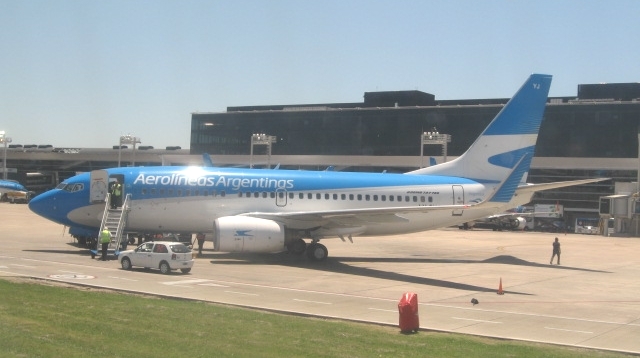
Desembarca Boeing 737-800 para Andes Líneas Aéreas
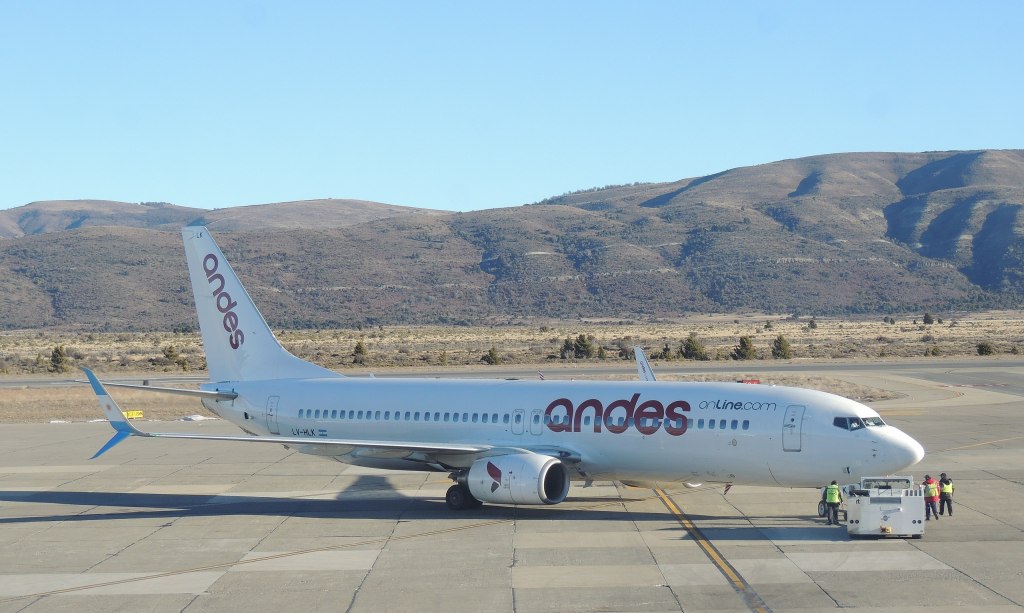
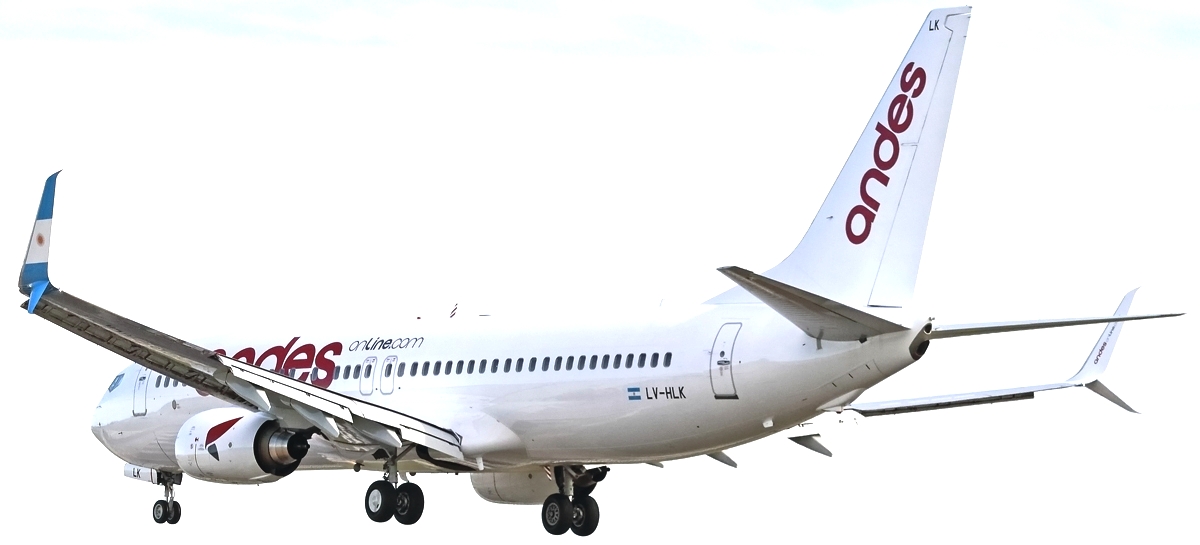
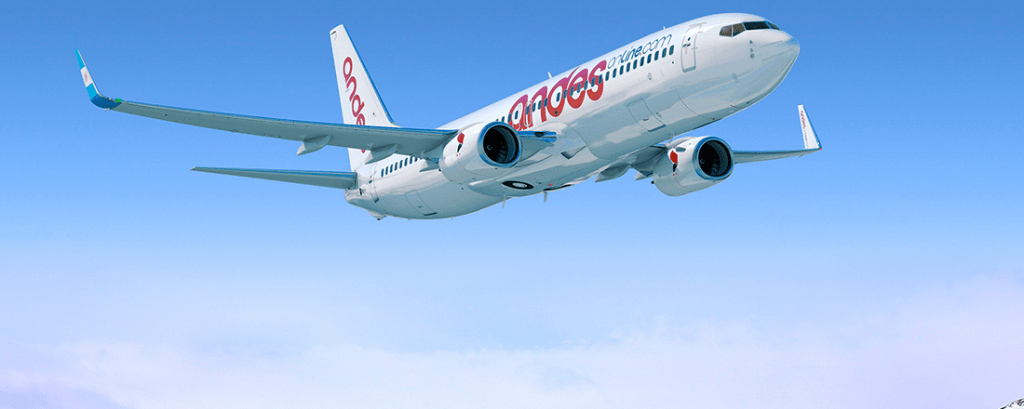
Un Boeing 737-800 ha arribado a Argentina para la aerolínea Andes Líneas Aéreas para reiniciar operaciones aerocomerciales. Tras el cese de operaciones en Febrero de 2019, semana antes del inicio de la pandemia, la línea aérea salteña retomaría las actividades aeronáuticas en el país después de de más de dos años en tierra.
Con nuevas inversiones por parte de nuevos accionistas agregados a la compañía, la aerolínea continuará con las habilitaciones y los certificados correspondientes para la homologación de la aeronave, incluyendo el Certificado CESA que habían caducado.
La nueva aeronave incorporada Boeing 737-800 Next Generation corresponde al Número de Serie SN37366, LN:3628, variante tipo 737-8GJ. Realizó su primer vuelo el 19/04/2011. Registro de Prueba N1796B. Está propulsado por dos motores CFMI CFM56-7B24. La aeronave posee una edad de 11,5 años. Código hexadecimal E0B197. El Boeing 737-800 se encuentra configurado para transportar a 189 pasajeros en Clase Economy (Y189).
La aeronave estuvo operativa para la compañía turca Pegasus Airlines. Fue devuelto al arrendador en 02/2021 como EI-GWS (ECAF). Ha sido entregado a Andes Líneas Aéreas el 01/10/2022. Posee matrícula nacional LV-KFW.
Andes Líneas Aéreas iniciaría en esta nueva etapa con el objetivo de ofrecer vuelos de temporada chárter a destinos turísticos nacionales e internacionales y vuelos de promoción estudiantil.
Arrival 737 Andes to Argentina
Boeing 737-800 disembarks for Andes Líneas Aéreas
A Boeing 737-800 has arrived in Argentina for the airline Andes Líneas Aéreas to restart commercial operations. After the cessation of operations in February 2019, the week before the start of the pandemic, the Salta airline would resume aeronautical activities in the country after more than two years on the ground.
With new investments by new shareholders added to the company, the airline will continue with the corresponding ratings and certificates for the homologation of the aircraft, including the CESA Certificate that had expired.
The new incorporated Boeing 737-800 Next Generation aircraft corresponds to Serial Number SN37366, LN:3628, variant type 737-8GJ. It made its first flight on 04/19/2011. Test Record N1796B. It is powered by two CFMI CFM56-7B24 engines. The aircraft has an age of 11.5 years. Hexadecimal code E0B197. The Boeing 737-800 is configured to transport 189 passengers in Economy Class (Y189).
The aircraft was operational for the Turkish company Pegasus Airlines. It was returned to the lessor on 02/2021 as EI-GWS (ECAF). It has been delivered to Andes Líneas Aéreas on 10/01/2022. It has national registration LV-KFW.
Andes Líneas Aéreas would start this new stage with the aim of offering seasonal charter flights to national and international tourist destinations and student promotional flights.
PUBLISHER: Airgways.com DBk: Andesonline.com / Airgways.com AW-POST: 202210191133AR OWNERSHIP: Airgways Inc. A\W A I R G W A Y S ®
Aerolíneas Argentinas alcanza 91% tráfico pre-pandemia Desarrollo del 18º Foro ALTA 2022
El Secretario de Transporte de Argentina, Diego Giuliano, señaló el Lunes 17/10 que el sistema aerocomercial en Argentina ha transportado en los últimos doce meses más de 28,5 millones de pasajeros con Aerolíneas Argentinas alcanzando un desarrollo del 91% del tráfico de pasajeros a niveles pre-pandemia. «En los últimos doce meses hemos movilizado en nuestro sistema aéreo más de 28,5 millones de pasajeros y nuestra línea de bandera, en promedio, ya está transportando el 91% de lo que trasladaba antes de la pandemia. Ese crecimiento está fuertemente impulsado por el sector doméstico, con una recuperación del 97%, con el sector internacional creciendo más lentamente en un 63% y el regional con un 77%», expresó Diego Giuliano en el 18° Foro de la Asociación de Aerolíneas Latinoamericanas y el Caribe (ALTA) en Buenos Aires.
Además comentó acerca del aumento del tráfico de pasajeros doméstico en Argentina: «Estamos acompañando ese crecimiento de tráfico aéreo con obras de infraestructura, en los aeropuertos de Posadas, La Pampa, San Juan, Santa Fe, Mendoza, Jujuy, Ezeiza, Bariloche e Iguazú. En lo que resta del año se están ejecutando obras en quince terminales aéreas, con nueve pistas nuevas, diez calles de rodaje, dieciséis balizamientos para el mejoramiento de las operaciones, y son obras que no se limitan solamente a la ciudad o a la provincia de Buenos Aires, sino que son totalmente federales».
Destacó finalmente que «las políticas se aplican a todas las aerolíneas que operan en el país, las tradicionales y las denominadas low cost, que han estado creciendo en los últimos tiempos, tanto en pasajeros transportados, como en aviones que incorporan a sus flotas. A punto tal que en los últimos nueve meses han logrado un crecimiento de 167% con respecto al mismo período del año pasado».
El encuentro del Foro ALTA 2022 es considerado como el foro más importante de la industria aerocomercial de Latinoamérica y el Caribe, y cuenta con la participación de quinientos ejecutivos que discuten acerca de cómo abordar los desafíos actuales y cómo prepararse para el futuro del transporte aéreo. Se inició el domingo con paneles y contactos con la prensa de parte de algunos de los participantes, pero formalmente se inauguró el Martes 18/10 con la realización de la Asamblea Anual Regional. Diego Giuliano saludó la realización de este Foro en Buenos Aires, al que definió como «mucho más que un encuentro, es un lugar de diálogo, para discutir, opinar e intercambiar, sobre uno de los temas que ha atravesado toda nuestra actividad, que es la actividad aérea en este tiempo histórico en la región y en el mundo, y avanzar en acciones concretas para lograr una aviación más económica, más eficiente y más sostenible. La aparición de la COVID-19 en el invierno boreal de 2020, marcó un punto de inflexión que se tradujo en un gran impacto en todo medio de transporte, pero sobre todo en la industria aérea, lo que luego, sumado a la guerra en Europa que todavía padecemos, significó un enorme desafío».
El Ministro de Turismo, Matías Lammens, quien se refirió a los desafíos que enfrenta la actividad aérea en Argentina, luego de haber padecido las consecuencias de la Covid-19: «Cuando asumimos en 2019 teníamos la expectativa por el turismo en el país, pero la llegada de la pandemia trastocó todos los objetivos. No obstante, el Estado hizo el esfuerzo de sostener los sueldos del sector», remarcó el ministro. Resaltó la importancia de la implementación del programa «PreViaje en la recuperación del sector turístico, que en su primera edición contó con la participación de más de 6 millones de personas e involucró a 35 empresas, entre ellas las tres aerolíneas que operan nuestro cabotaje». Afirmó además que se llevan invertidos más de US$ 35 millones, y afirmó que «para el año próximo tenemos previsto invertir, con financiamiento del Banco Interamericano de Desarrollo (BID), US$ 33 millones para seguir potenciando la infraestructura de nuestros destinos».
La apertura de la Asamblea estuvo a cargo del Director Ejecutivo de Avianca, Adrián Neuhauser, elegido el Lunes 17/10 como nuevo Presidente del Comité Ejecutivo de ALTA, quien se refirió a la recuperación que está llevando adelante América Latina en el movimiento de pasajeros. Aunque advirtió que «recuperar el 100% del tráfico que teníamos en la prepandemia, no es suficiente. Necesitamos seguir creciendo. Hoy viajar no es un lujo, sino algo esencial y tenemos que estar preparados como industria para enfrentar este desafío», argumentó Adrián Neuhauser. Definió a América Latina «como una región pobre, con cuestiones económicas complejas en los diferentes países, lo que nos impone retos que no son menores». Además, se pronunció por avanzar en la búsqueda del Carbono Cero para el 2050, para lo cual sostuvo que la región necesita prepararse convenientemente para poder producir combustible sustentable.
Aerolíneas reaches 91% traffic
Aerolíneas Argentinas reaches 91% pre-pandemic traffic Development of the 18th ALTA Forum 2022
The Secretary of Transportation of Argentina, Diego Giuliano, pointed out on Monday 10/17 that the commercial air system in Argentina has transported more than 28.5 million passengers with Aerolíneas Argentinas in the last twelve months, reaching a development of 91% of passenger traffic to pre-pandemic levels. «In the last twelve months we have mobilized more than 28.5 million passengers in our air system and our flag carrier, on average, is already transporting 91% of what it was transporting before the pandemic. This growth is strongly driven by the domestic sector, with a recovery of 97%, with the international sector growing more slowly by 63% and the regional sector with 77%», said Diego Giuliano at the 18th Forum of the Association of Latin American and Caribbean Airlines (ALTA ) in Buenos Aires.
He also commented on the increase in domestic passenger traffic in Argentina: «We are accompanying this growth in air traffic with infrastructure works at the Posadas, La Pampa, San Juan, Santa Fe, Mendoza, Jujuy, Ezeiza, Bariloche and Iguazú airports. In the remainder of the year, works are being carried out in fifteen air terminals, with nine new runways, ten taxiways, sixteen beacons to improve operations, and these are works that are not limited only to the city or the province of Buenos Aires, but they are totally federal».
Finally, he stressed that «the policies apply to all airlines that operate in the country, the traditional ones and the so-called low cost ones, which have been growing in recent times, both in passengers transported, and in planes that incorporate their fleets. such a point that in the last nine months they have achieved a growth of 167% compared to the same period last year».
The meeting of the ALTA Forum 2022 is considered the most important forum of the aviation industry in Latin America and the Caribbean and has the participation of five hundred executives who discuss how to address current challenges and how to prepare for the future of air transport. It began on Sunday with panels and contacts with the press by some of the participants, but it was formally inaugurated on Tuesday 10/18 with the Regional Annual Assembly. Diego Giuliano welcomed the holding of this Forum in Buenos Aires, which he defined as «much more than a meeting, it is a place for dialogue, to discuss, give opinions and exchange, on one of the issues that has permeated all of our activity, which is air activity in this historic time in the region and in the world, and advance in concrete actions to achieve cheaper, more efficient and more sustainable aviation. The appearance of COVID-19 in the boreal winter of 2020 marked a point of inflection that translated into a great impact on all means of transport, but above all on the airline industry, which later, added to the war in Europe that we are still suffering, meant an enormous challenge».
The Minister of Tourism, Matías Lammens, who referred to the challenges facing air activity in Argentina, after having suffered the consequences of Covid-19: «When we took office in 2019, we had expectations for tourism in the country, but The arrival of the pandemic disrupted all the objectives. However, the State made the effort to sustain the sector’s salaries», the minister remarked. He highlighted the importance of the implementation of the «Pre-Trip» program in the recovery of the tourism sector, which in its first edition had the participation of more than 6 million people and involved 35 companies, including the three airlines that operate our cabotage. He also stated that more than US$35 million have been invested, and stated that «for next year we plan to invest, with financing from the Inter-American Development Bank (IDB), US$33 million to continue strengthening the infrastructure of our destinations».
The opening of the Assembly was in charge of the Executive Director of Avianca, Adrián Neuhauser, elected on Monday 10/17 as the new President of the ALTA Executive Committee, who referred to the recovery that Latin America is carrying out in the movement of passengers. Although he warned that «recovering 100% of the traffic that we had in the pre-pandemic is not enough. We need to continue growing. Today traveling is not a luxury, but something essential and we have to be prepared as an industry to face this challenge», argued Adrián Neuhauser. He defined Latin America «as a poor region, with complex economic issues in the different countries, which imposes challenges on us that are not minor». In addition, he spoke out for advancing in the search for Zero Carbon by 2050, for which he argued that the region needs to properly prepare itself to be able to produce sustainable fuel.
PUBLISHER: Airgways.com DBk: Aerolineas.com / Alta.aero / Airgways.com AW-POST: 202210181523AR OWNERSHIP: Airgways Inc. A\W A I R G W A Y S ®
AW | 2022 10 18 14:43 | AIRLINES / INDUSTRY / GOVERNMENT
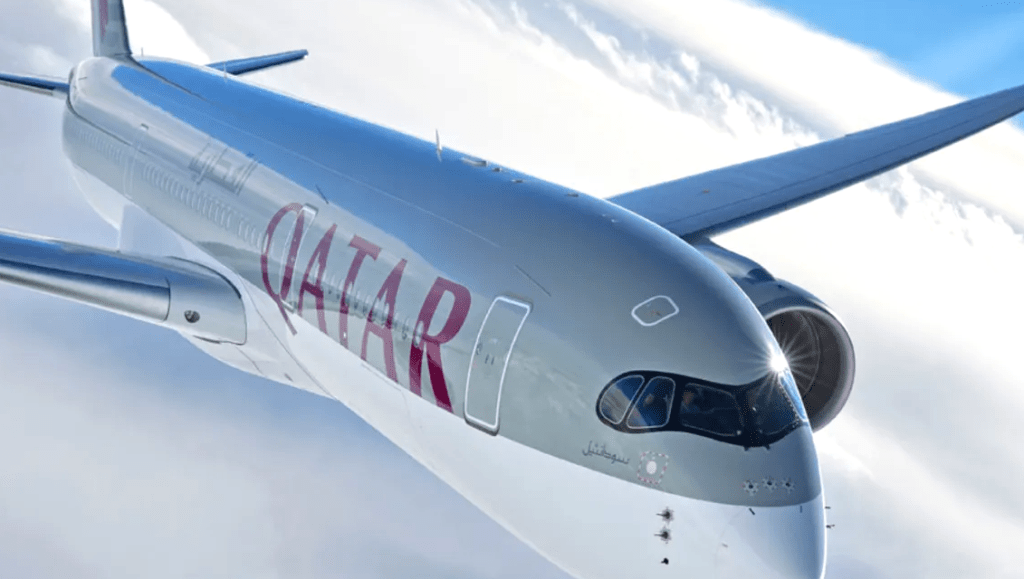
Boeing salpicada por disputa Airbus—Qatar Airways
Los abogados de Airbus Group exigen ver los contratos de compra de los aviones Boeing 737 MAX que Qatar Airways dice haber tenido que comprar debido a una diferencia en el proceso de negociaciones entre las partes. Los jueces han aceptado la petición, de manera que ahora tenemos otro protagonista en la pelea por los intereses económicos, aunque no sea parte en el conflicto original.
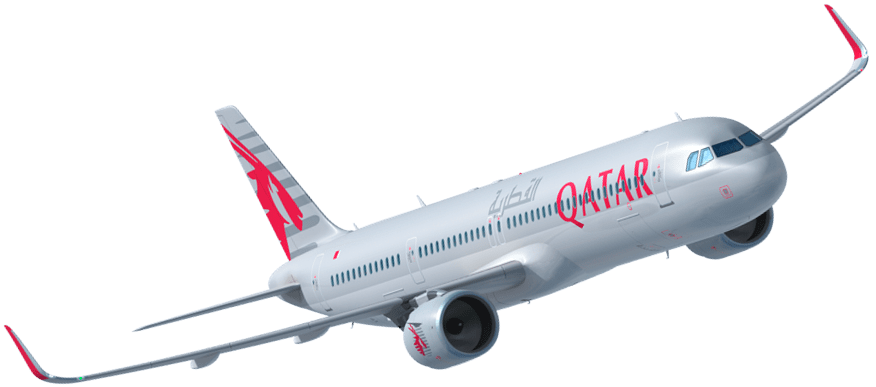
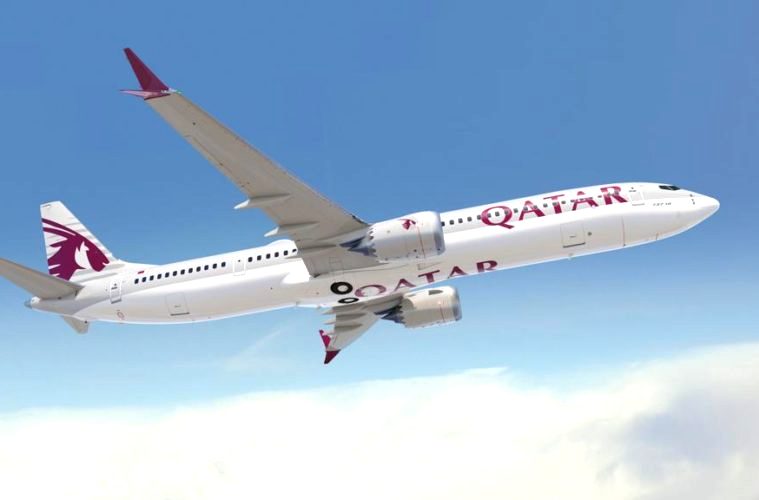
La historia de la batalla judicial entre Airbus y Qatar Airways ha generado mucha prensa debido a una posible influencia en las negociaciones entre Airbus-Qatar Airways. Boeing no tiene parte en el conflicto, pero podría salir salpicada. El Viernes 14/10 en Londres, los abogados de Airbus exigieron ver los contratos de compra de los aviones 737 MAX que Qatar Airways dice haber tenido que comprar cuando Airbus le canceló la venta de los A321 que había adquirido la aerolínea del Golfo. En el ambiente aeronáutico, el anuncio de la compra de estos aviones se hizo con tanta velocidad en relación con la cancelación de la venta de los A321, que muchos no creen que haya sido real, sino sólo una simulación, lo cual provocaría un fuerte impacto también en la imagen de Boeing. Los jueces aceptaron la petición de Airbus, de manera que ahora tenemos otro protagonista que puede salir mal parado, aunque no sea parte en el conflicto.
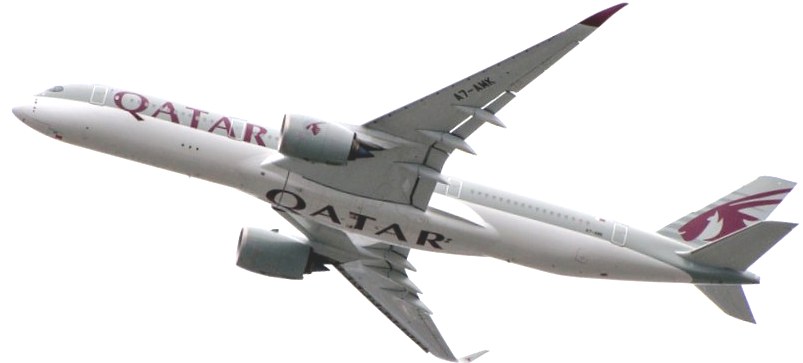
El juicio está teniendo lugar ante la Corte de Londres y tiene incontables ramificaciones. Por un lado, el asunto de fondo es si Qatar Airways tiene o no derecho a parar los aviones A350 por un problema de «diseño» y pedir una compensación económica. Si los jueces aceptan la idea de Airbus, de que el avión presenta únicamente daños exteriores que no afectan a la seguridad, Qatar no tendría razón en su petición. Sin embargo, un poco más complicada es la decisión sobre una consecuencia de este conflicto: Airbus, además de cancelar todas las ventas del A350, también anuló un contrato de venta de cincuenta A321 (50), un avión altamente popular, con Qatar Airways, sin que la compañía aérea hubiera hecho mención alguna a este asunto en las demandas. Al producirse esta cancelación, Qatar Airways se apresuró en anunciar la compra de los Boeing 737 MAX.
Airbus-Qatar dispute sparks controversy
Boeing tainted by Airbus-Qatar Airways dispute
Lawyers for the Airbus Group are demanding to see the purchase contracts for the Boeing 737 MAX planes that Qatar Airways says it had to buy due to a difference in the negotiating process between the parties. The judges have accepted the request, so now we have another protagonist in the fight for economic interests, even if he is not a party to the original conflict.
The story of the court battle between Airbus and Qatar Airways has generated a lot of press due to a possible influence on the negotiations between Airbus-Qatar Airways. Boeing has no part in the conflict, but it could be affected. On Friday 10/14 in London, Airbus lawyers demanded to see the purchase contracts for the 737 MAX aircraft that Qatar Airways says it had to buy when Airbus canceled the sale of the A321 that the Gulf airline had acquired. In the aeronautical environment, the announcement of the purchase of these aircraft was made so quickly in relation to the cancellation of the sale of the A321, that many do not believe that it was real, but only a simulation, which would cause a strong impact also in the image of Boeing. The judges accepted Airbus’s request, so now we have another protagonist who could come out badly, even if he is not a party to the conflict.
The trial is taking place before the London Court and has countless ramifications. On the one hand, the underlying issue is whether or not Qatar Airways has the right to stop the A350 aircraft due to a «design» problem and ask for financial compensation. If the judges accept the idea of Airbus, that the plane presents only external damages that do not affect safety, Qatar would not be right in its request. A little more complicated, however, is the decision on a consequence of this conflict: Airbus, in addition to canceling all sales of the A350, also canceled a contract for the sale of fifty A321 (50), a highly popular aircraft, with Qatar Airways, without the airline having made any mention of this matter in the lawsuits. Upon this cancellation, Qatar Airways was quick to announce the purchase of the Boeing 737 MAX.
الخلاف بين إيرباص وقطر يثير الجدل
تلوثت بوينج بنزاع إيرباص والخطوط الجوية القطرية
يطالب محامو مجموعة إيرباص بالاطلاع على عقود شراء طائرات بوينج 737 ماكس التي تقول الخطوط الجوية القطرية إنها اضطرت لشرائها بسبب اختلاف في عملية التفاوض بين الطرفين. لقد قبل القضاة الطلب ، لذلك لدينا الآن بطل آخر في النضال من أجل المصالح الاقتصادية ، حتى لو لم يكن طرفًا في الصراع الأصلي.
أثارت قصة معركة المحكمة بين إيرباص والخطوط الجوية القطرية الكثير من الصحافة بسبب التأثير المحتمل على المفاوضات بين إيرباص والخطوط الجوية القطرية. ليس لبوينج دور في الصراع ، لكنها قد تتأثر. يوم الجمعة 10/14 في لندن ، طالب محامو شركة إيرباص بالاطلاع على عقود شراء طائرة 737 ماكس التي تقول الخطوط الجوية القطرية إنها اضطرت لشرائها عندما ألغت شركة إيرباص بيع الطائرة A321 التي حصلت عليها شركة طيران الخليج. في بيئة الطيران ، تم الإعلان عن شراء هذه الطائرات بسرعة كبيرة فيما يتعلق بإلغاء بيع A321 ، لدرجة أن الكثيرين لا يعتقدون أنها كانت حقيقية ، بل مجرد محاكاة ، والتي من شأنها إحداث تأثير قوي أيضا في صورة بوينج. قبل القضاة طلب شركة إيرباص ، لذلك لدينا الآن بطل آخر يمكن أن يخرج بشكل سيئ ، حتى لو لم يكن طرفًا في النزاع.
تجري المحاكمة أمام محكمة لندن ولها تداعيات لا حصر لها. من ناحية أخرى ، فإن القضية الأساسية هي ما إذا كان من حق الخطوط الجوية القطرية إيقاف طائرة A350 بسبب مشكلة «في التصميم» والمطالبة بتعويض مالي. إذا قبل القضاة فكرة إيرباص ، أن الطائرة لا تسبب سوى أضرار خارجية لا تؤثر على السلامة ، فإن قطر لن تكون على حق في طلبها. لكن الأمر الأكثر تعقيدًا هو القرار بشأن نتيجة هذا الصراع: فقد ألغت شركة إيرباص ، بالإضافة إلى إلغاء جميع مبيعات A350 ، أيضًا عقدًا لبيع خمسين طائرة من طراز A321 (50) ، وهي طائرة تحظى بشعبية كبيرة ، مع قطر الخطوط الجوية ، دون أن تذكر شركة الطيران هذا الأمر في الدعاوى القضائية. بعد هذا الإلغاء ، سارعت الخطوط الجوية القطرية بالإعلان عن شراء طائرة بوينج 737 ماكس.
PUBLISHER: Airgways.com DBk: Theroyalcourtsofjustice.gov / Airbus.com / Qatarairways.com / Airgways.com AW-POST: 202210181443AR OWNERSHIP: Airgways Inc. A\W A I R G W A Y S ®
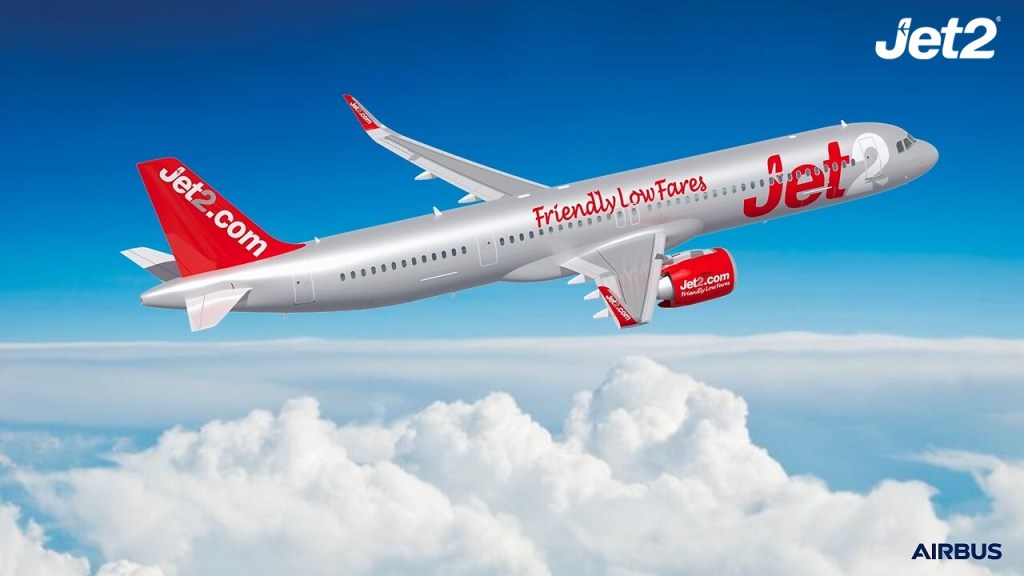
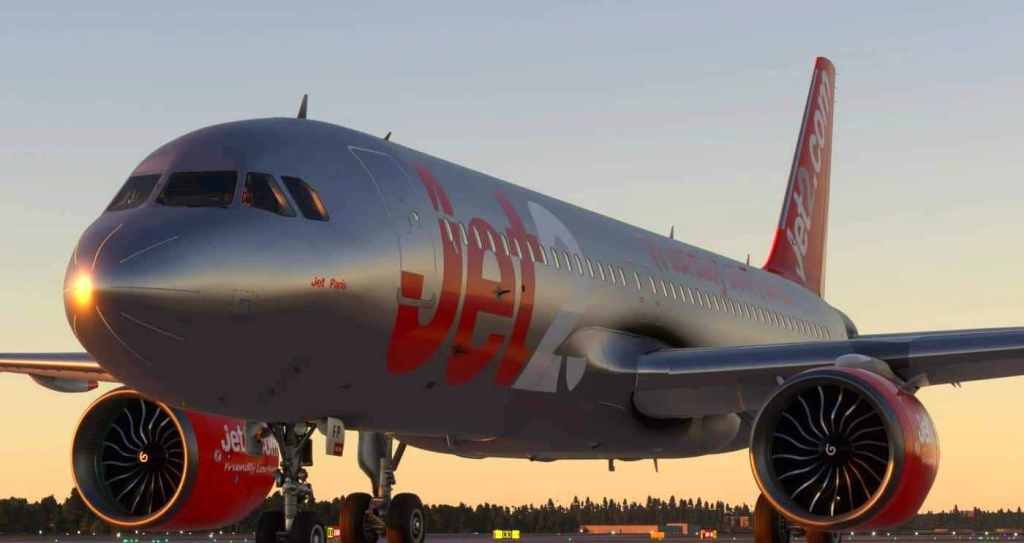
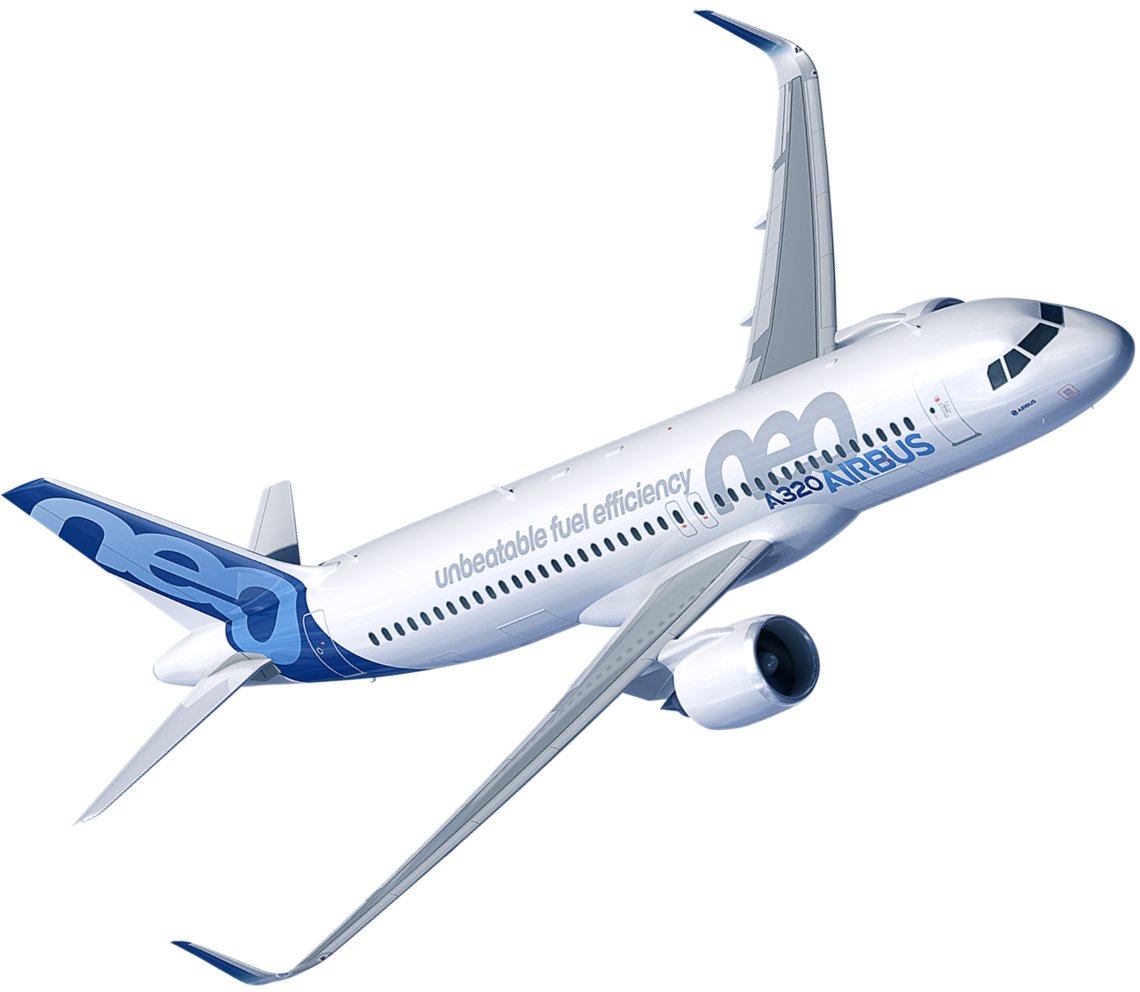
La aerolínea británica Jet2.com ha realizado un pedido incremental de 35 aviones Airbus A320NEO, lo que eleva su compromiso total con la familia de aeronaves narrowbodies a 98 unidades. El último acuerdo llega poco más de un año después de que Jet2.com hiciera su primer pedido de 36 A321NEO en Agosto de 2021, seguido de nuevos compromisos asegurando así sus necesidades de crecimiento a medida que la demanda continúa superando la oferta incluso en los últimos años.
Los Airbus A320NEO estarán configurado para 180 asientos con una cabina Airspace que cuenta con iluminación innovadora, nuevos productos de asientos y compartimientos de equipaje superiores un 60 por ciento más grandes para almacenamiento personal adicional.
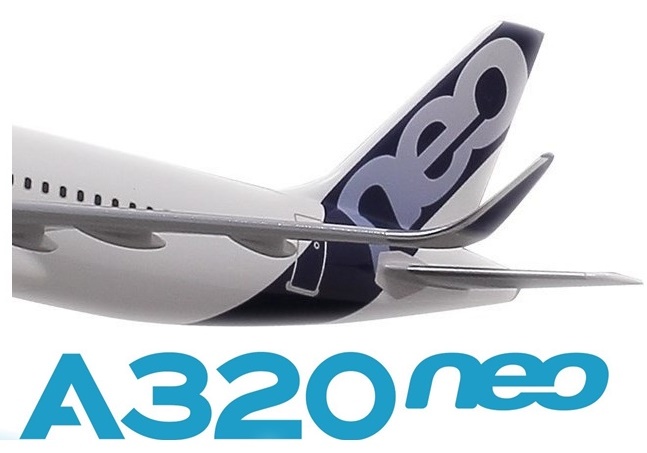
La Familia A320neo incorpora motores de nueva generación y Sharklets, que en conjunto ofrecen un ahorro de combustible y CO2 de más del 25 por ciento, así como una reducción del ruido del 50 por ciento. Los pasajeros se benefician durante todo el viaje del galardonado interior Airspace de Airbus, que trae la última tecnología de cabina a la Familia A320NEO. A finales de Agosto de 2022, la familia A320neo acumulaba más de 8.500 pedidos en firme de más de 130 clientes en todo el mundo.
Jet2 es una aerolínea de ocio británica de bajo coste que ofrece vuelos regulares y chárter desde el Reino Unido. A partir de 2022, es la tercera aerolínea regular más grande del Reino Unido, detrás de EasyJet y British Airways. Jet2 también es oficialmente el segundo operador turístico más grande del Reino Unido detrás de TUI. Su sede se encuentra en el Aeropuerto de Leeds Bradford, con bases adicionales en Alicante-Elche, Belfast-International, East Midlands, Edimburgo, Glasgow, Londres-Stansted, Manchester, Newcastle, Birmingham, Bristol, Palma de Mallorca y Tenerife-Sur. La compañía posee una licencia de operación tipo A de la Autoridad de Aviación Civil del Reino Unido para transportar pasajeros, carga y correo en aeronaves con 20 o más asientos. Jet2 también ofrece un servicio chárter a través de su marca Jet2charters.
Jet2.com increases order A320NEO Family
Jet2.com orders 35 Airbus A320NEO
UK airline Jet2.com has placed an incremental order for 35 Airbus A320NEO aircraft, bringing its total commitment to the narrowbodies family to 98. The latest deal comes just over a year after Jet2.com placed its first order for 36 A321NEOs in August 2021, followed by further commitments to secure its growth needs as demand continues to outstrip supply even in recent years. years.
The Airbus A320NEOs will be configured for 180 seats with an Airspace cabin that features innovative lighting, new seating products and 60 percent larger overhead baggage compartments for additional personal storage.
The A320neo Family incorporates new generation engines and Sharklets, which together deliver fuel and CO2 savings of more than 25 per cent, as well as a 50 per cent noise reduction. Passengers benefit throughout the journey from Airbus’ award-winning Airspace interior, which brings the latest cabin technology to the A320NEO Family. As of the end of August 2022, the A320neo Family had more than 8,500 firm orders from more than 130 customers worldwide.
Jet2 is a British low-cost leisure airline offering scheduled and charter flights from the UK. As of 2022, it is the UK’s third-largest scheduled airline, behind EasyJet and British Airways. Jet2 is also officially the UK’s second largest tour operator behind TUI. Its headquarters are at Leeds Bradford Airport, with additional bases in Alicante-Elche, Belfast-International, East Midlands, Edinburgh, Glasgow, London-Stansted, Manchester, Newcastle, Birmingham, Bristol, Palma de Mallorca and Tenerife-Sur. The company holds a Type A operating license from the UK Civil Aviation Authority to carry passengers, cargo and mail on aircraft with 20 or more seats. Jet2 also offers a charter service through its Jet2charters brand.
PUBLISHER: Airgways.com DBk: Jet2.com / Airbus.com / Airgways.com AW-POST: 202210180955AR OWNERSHIP: Airgways Inc. A\W A I R G W A Y S ®
Arrendamientos aeronaves para finales de Noviembre 2023
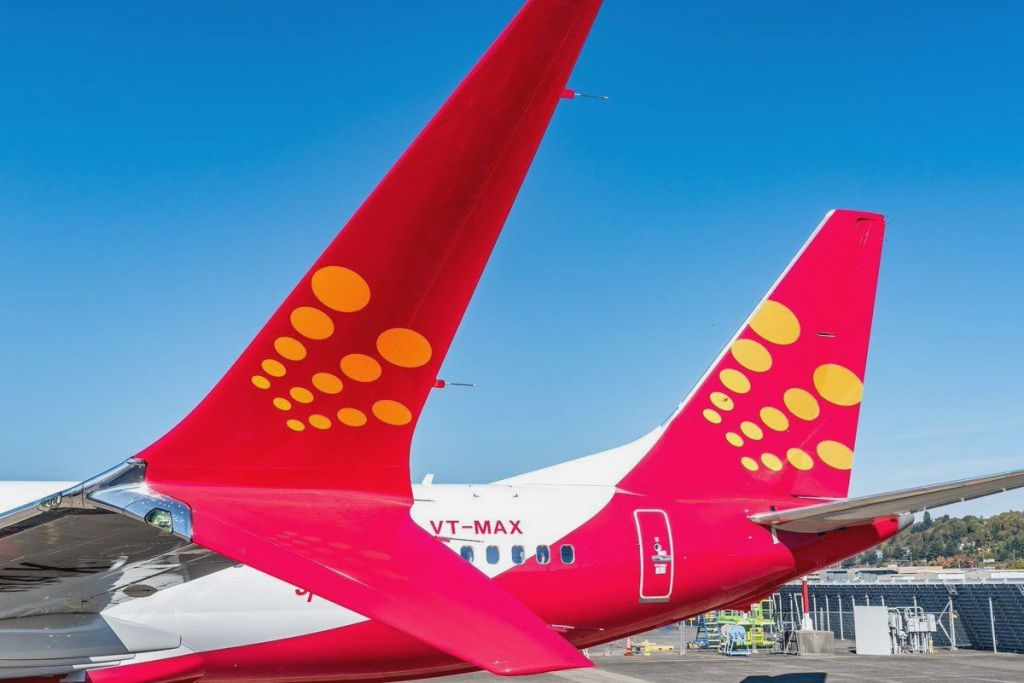
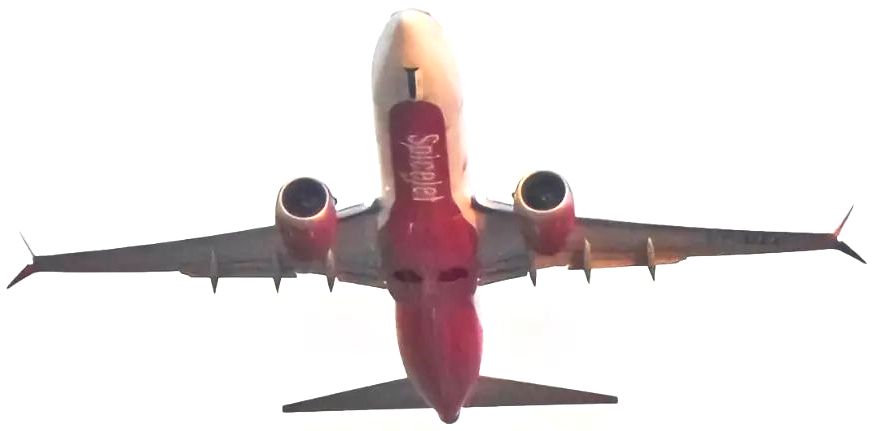
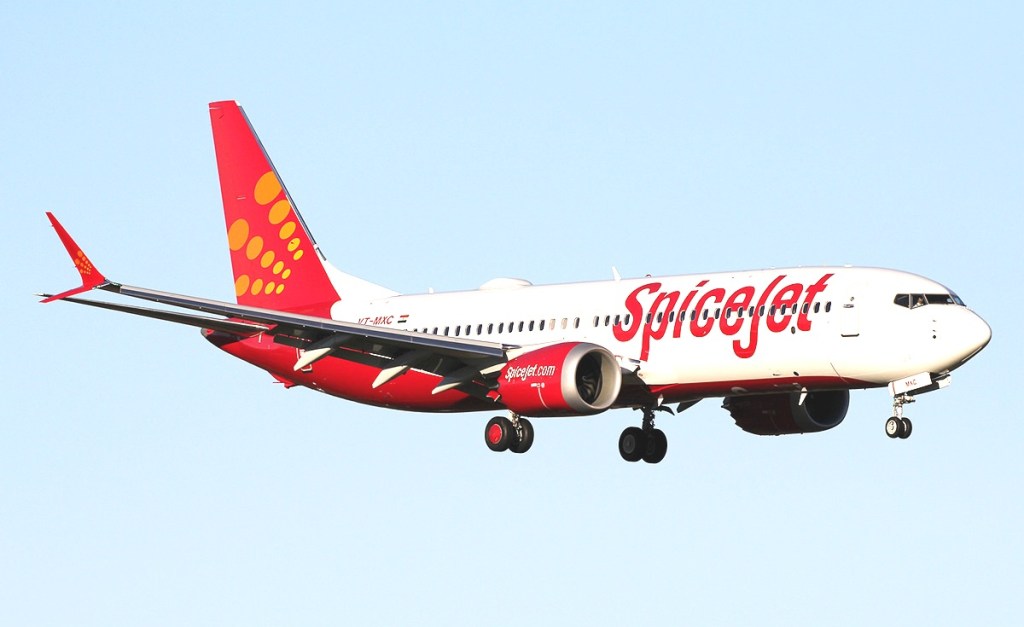
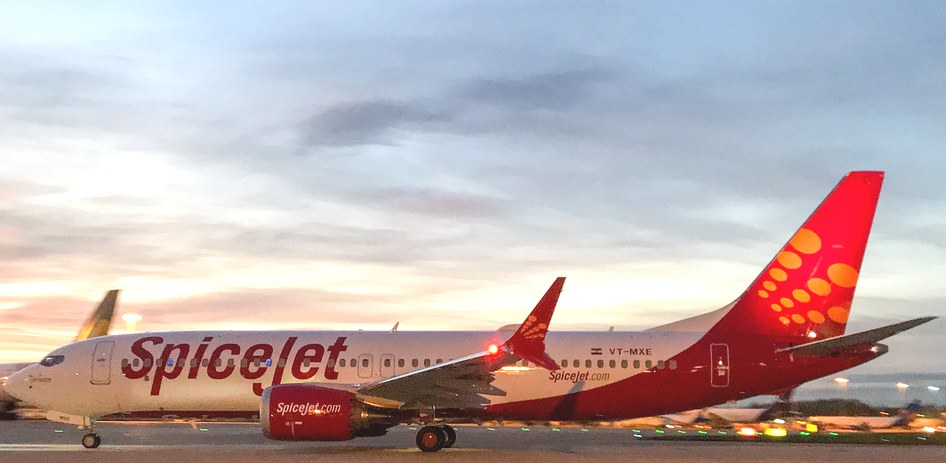
La aerolínea de bajo costo de la India, SpiceJet, tendrá siete aviones Boeing 737 MAX más para fines de Noviembre 2022. La aerolínea india está obteniendo estos aviones de la aerolínea turca Corendon Airlines. La decisión de arrendar estos aviones se tomó para reemplazar los aviones recientemente cancelados después de los incumplimientos de pago del arrendamiento. Se ha informado que los aviones provienen de la aerolínea turca Corendon Airlines, con tres MAX que llegarán a fines de Octubre 2022 y el resto a fines de Noviembre 2022.
SpiceJet actualmente enfrenta un límite de capacidad impuesto por el regulador de aviación de la India, la Dirección General de Aviación Civil (DGCA). La aerolínea de presupuesto tenía seiscientos vuelos aprobados para el horario de verano, mientras que el Gobierno le ha ordenado operar solo la mitad de esos vuelos diarios lo que reduciría su capacidad operativa.
La aerolínea ha estado planificando hacia la inclusión de aeronaves más modernas para reemplazar a la línea 737 Next Generation por 737 MAX. El Gobierno de la India ha aprobado un préstamo de alrededor de US$ 122 millones bajo el Plan de Garantía de Línea de Crédito de Emergencia modificado (ECLGS), lo que le permitiría ayudar a liquidar todas las cuotas legales y los pagos del arrendador, como así también actualizar la flota hacia el 737 MAX.
SpiceJet will lease 7 Boeing 737 MAX
Aircraft leases for the end of November 2023
India’s low-cost carrier SpiceJet will have seven more Boeing 737 MAX aircraft by the end of November 2022. The Indian carrier is getting these aircraft from Turkish carrier Corendon Airlines. The decision to lease these aircraft was made to replace aircraft recently written off following lease payment defaults. The planes are reported to come from Turkish carrier Corendon Airlines, with three MAXs due to arrive in late October 2022 and the rest in late November 2022.
SpiceJet currently faces a capacity cap imposed by India’s aviation regulator, the Directorate General of Civil Aviation (DGCA). The budget airline had 600 flights approved for daylight saving time, while the government has ordered it to operate only half of those daily flights, which would reduce its operational capacity.
The airline has been planning towards the inclusion of more modern aircraft to replace the 737 Next Generation line with the 737 MAX. The Government of India has approved a loan of around US$122 million under the modified Emergency Credit Line Guarantee Scheme (ECLGS), which would allow it to help settle all legal fees and landlord payments, such as as well as upgrading the fleet to the 737 MAX.
स्पाइसजेट 7 बोइंग 737 मैक्स को लीज पर लेगी
नवंबर 2023 के अंत के लिए विमान पट्टे
भारत के कम लागत वाले वाहक स्पाइसजेट के पास नवंबर 2022 के अंत तक सात और बोइंग 737 मैक्स विमान होंगे। भारतीय वाहक को ये विमान तुर्की वाहक कोरेंडन एयरलाइंस से मिल रहे हैं। इन विमानों को पट्टे पर देने का निर्णय हाल ही में लीज भुगतान चूक के बाद बट्टे खाते में डाले गए विमानों को बदलने के लिए किया गया था। विमानों को तुर्की वाहक कोरेंडन एयरलाइंस से आने की सूचना है, जिसमें तीन MAX अक्टूबर 2022 के अंत में और बाकी नवंबर 2022 के अंत में आने वाले हैं।
स्पाइसजेट वर्तमान में भारत के विमानन नियामक, नागरिक उड्डयन महानिदेशालय (डीजीसीए) द्वारा लगाए गए क्षमता कैप का सामना कर रहा है। बजट एयरलाइन के पास डेलाइट सेविंग टाइम के लिए 600 उड़ानें स्वीकृत थीं, जबकि सरकार ने इसे उन दैनिक उड़ानों में से केवल आधी संचालित करने का आदेश दिया है, जिससे इसकी परिचालन क्षमता कम हो जाएगी।
एयरलाइन 737 नेक्स्ट जेनरेशन लाइन को 737 मैक्स से बदलने के लिए और अधिक आधुनिक विमानों को शामिल करने की योजना बना रही है। भारत सरकार ने संशोधित आपातकालीन क्रेडिट लाइन गारंटी योजना (ईसीएलजीएस) के तहत लगभग 122 मिलियन अमेरिकी डॉलर के ऋण को मंजूरी दी है, जो इसे सभी कानूनी शुल्क और मकान मालिक भुगतानों को निपटाने में मदद करने के साथ-साथ बेड़े को 737 में अपग्रेड करने की अनुमति देगा। मैक्स।
PUBLISHER: Airgways.com DBk: Spicejet.com / Airgways.com AW-POST: 202210171603AR OWNERSHIP: Airgways Inc. A\W A I R G W A Y S ®
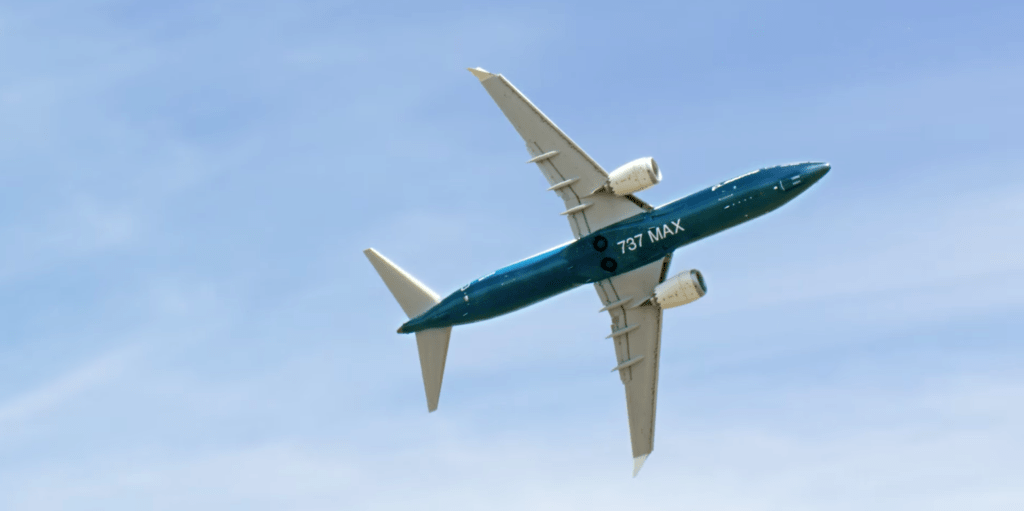
China Southern Airlines podría ser la primera aerolínea de la República Popular de China en reanudar los servicios de vuelos comerciales con el Boeing 737 MAX. Después de más de tres años de suspensión, el Boeing 737 MAX parece listo para regresar a China después de realizar servicios de vuelo de pruebas para su adecuación comercial.
Aunque la Administración de Aviación Civil de China (CAAC) aprobó el regreso del tipo de avión al servicio a fines de 2021, ninguna aerolínea local ha reactivado sus flotas de Boeing 737 MAX hasta la actualidad. La supuesta falta de interés se redujo aún más cuando Air China, China Southern Airlines y China Eastern Airlines realizaron pedidos significativos de Airbus de fuselaje estrecho a principios de este año.
Justo cuando parecía que todas las esperanzas por reactivar el mercado en Oriente Lejano se encontraban perdidas, la aerolínea MIAT Mongolian Airlines se convirtió en la primera línea aérea extranjera en operar un Boeing 737-8 MAX en la región y arribar a China.
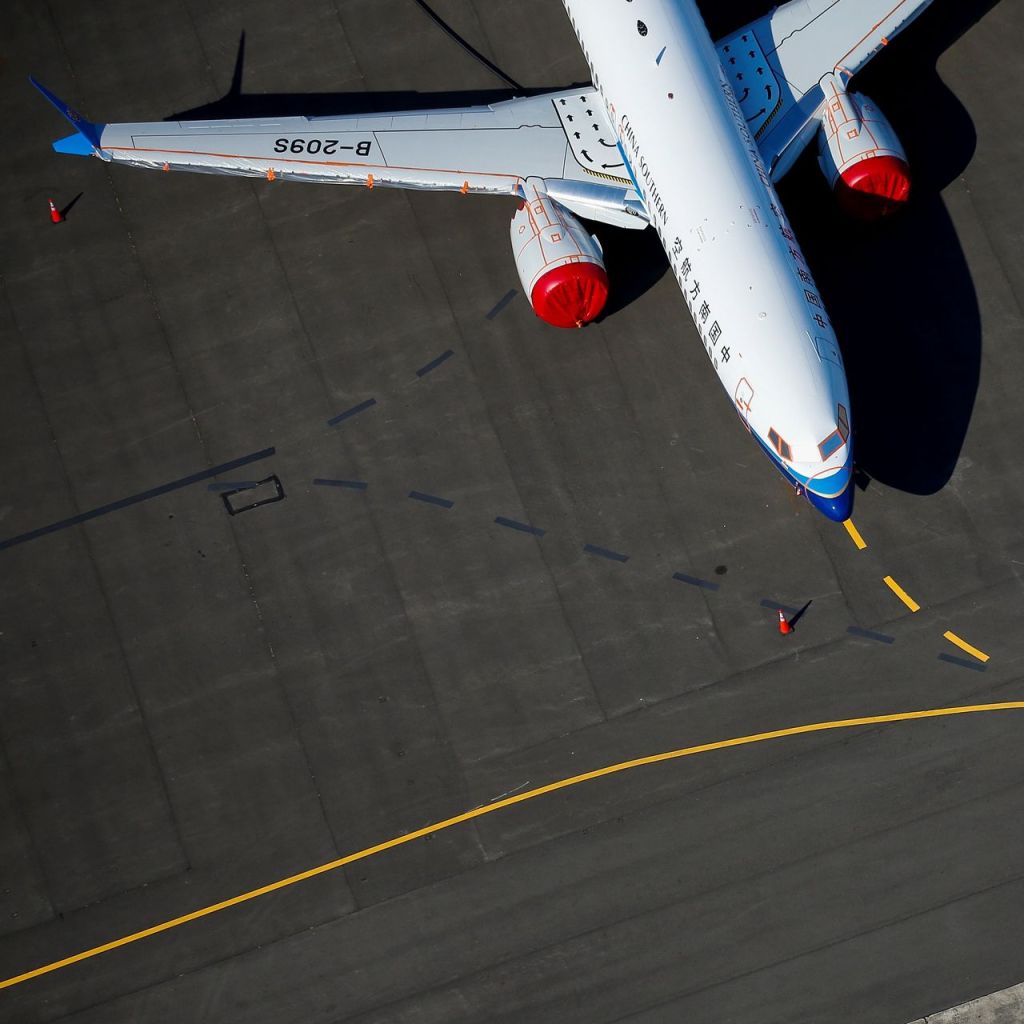
China Southern Airlines con sede en Guangzhou recientemente reacondicionó tres de sus 24 Boeing 737-8 MAX estacionados, marcando una tendencia hacia la puesta en servicio definitivo de la línea 737 de cuarta generación. Tres unidades Boeing 737-8 MAX con matrículas B-1206/B-1207/B-1127 han sido desprecintados y reacondicionado en el área mecánica e ingeniería.
China Southern se encuentra preparándose para reintroducir el tipo de aeronave a su flota activa, impulsada por la alta demanda de vuelos comerciales en la región que ha hecho necesario reactivar la línea 737 MAX, como así también la importancia de ofrecer un mejor producto para los servicios aéreos en un mercado muy competitivo como el de la Región Asia.
China Southern approaches 737 MAX
Reinstatement of Boeing 737 MAX flights in China
China Southern Airlines could be the first airline in the People’s Republic of China to resume commercial flight services with the Boeing 737 MAX. After more than three years of suspension, the Boeing 737 MAX seems ready to return to China after carrying out test flight services for its commercial suitability.
Although the Civil Aviation Administration of China (CAAC) has approved the aircraft type’s return to service at the end of 2021, no local airlines have reactivated their Boeing 737 MAX fleets to date. The perceived lack of interest was further reduced when Air China, China Southern Airlines and China Eastern Airlines placed significant orders for narrow-body Airbus earlier this year.
Just when it seemed that all hopes of reviving the market in the Far East were lost, MIAT Mongolian Airlines became the first foreign airline to operate a Boeing 737-8 MAX in the region and arrive in China.
Guangzhou-based China Southern Airlines recently refurbished three of its 24 parked Boeing 737-8 MAXs, marking a trend toward final service of the fourth-generation 737 line. Three Boeing 737-8 MAX units with license plates B-1206/B-1207/B-1127 have been unsealed and reconditioned in the mechanical and engineering area.
China Southern is preparing to reintroduce the aircraft type to its active fleet, driven by the high demand for commercial flights in the region that has made it necessary to reactivate the 737 MAX line, as well as the importance of offering a better product for services airlines in a very competitive market such as the Asia Region.
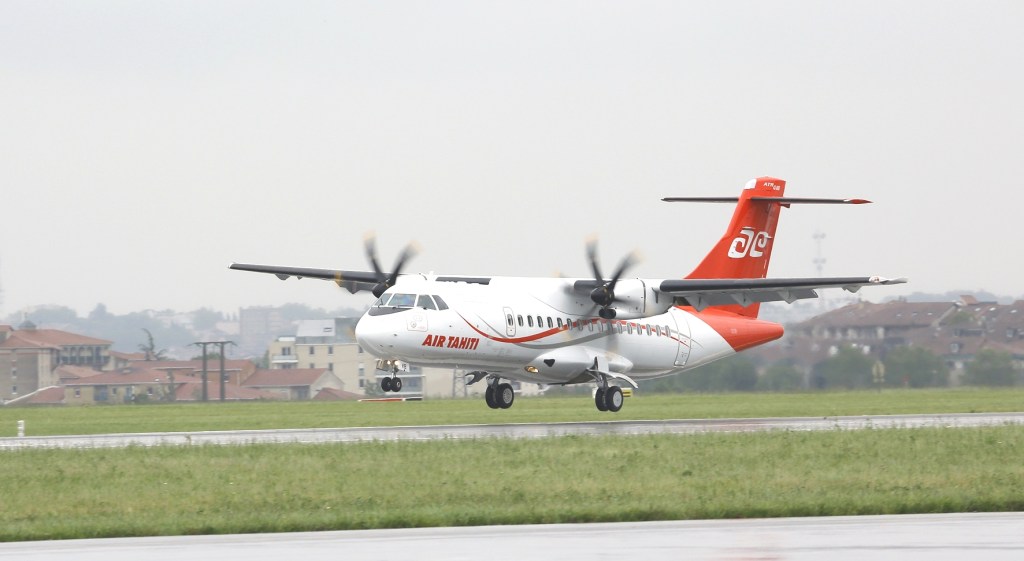
Air Tahiti firma pedido ATR 42-600S para islas con pistas cortas
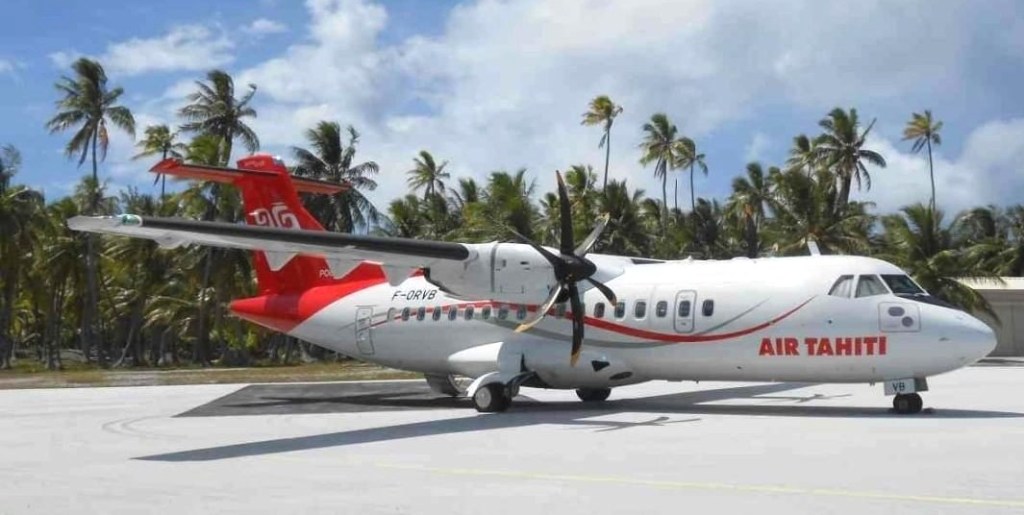
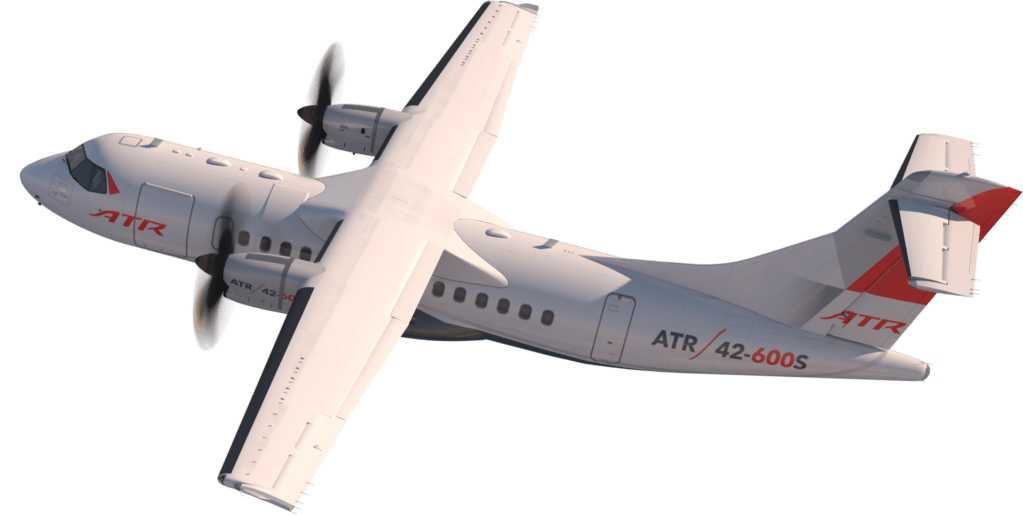
Air Tahiti, una aerolínea nacional de la Polinesia Francesa que opera aviones turbohélice, ha confirmado un pedido de dos aviones ATR 42-600S y un ATR 72-600 adicional. ATR Aircraft confirmó los pedidos en firme en un comunicado que también destaca que se espera que el ATR 42-600S, la nueva variante de despegue y aterrizaje corto (STOL) del ATR 42-600, se certifique a tiempo para las primeras entregas a fines de 2024.
Dice que hay 1.000 aeropuertos, incluidos algunos en la Polinesia Francesa, que tienen entre 800 y 1.000 metros; el segmento de mercado al que se dirige específicamente la nueva variante STOL. El ATR 42 estándar necesita una longitud de pista de alrededor de 1.100 m.
El fabricante de aviones ATR Aircraft dijo: «ATR 42-600S permitirá el acceso a destinos con pistas cortas, como la Isla Maupiti, utilizando el 100% de la capacidad de carga de la aeronave».
Air Tahiti está operando vuelos regulares desde la capital, Papeete, a la isla Maupiti utilizando un ATR 42-600 estándar. La isla tiene una pista de 956 m de largo (3.136 pies).
ATR dice que Air Tahiti opera actualmente diez aviones ATR y que fue un cliente de lanzamiento para el ATR 42-600S cuando se lanzó el programa en junio de 2019 en el Salón Aeronáutico de París. Pero ahora Air Tahiti ha firmado un pedido firme.
Air Tahiti comenzará a arrendar con tripulación un De Havilland Aircraft of Canada DHC 6-300Twin Otter de 19 asientos para que pueda lanzar servicios programados a mediados de Noviembre 2022 que conecten Papette con las islas polinesias francesas de Ua Pou y Ua Huka. Planea reemplazar el Twin Otter en las rutas en 2026 con aviones ATR 42-600S una vez que se hayan alargado la pista de 830 m de largo de Ua Pou y la pista de 755 m de largo de Ua Huka.
La aerolínea también dijo que tiene un ATR 72-600 en orden que originalmente debía entregarse en 2020, pero ahora se entregará en mayo de 2023.
Air Tahiti orders ATR 42S planes
Air Tahiti signs ATR 42-600S order for islands with short runways
Air Tahiti, a French Polynesian national airline that operates turboprop aircraft, has confirmed an order for two ATR 42-600S aircraft and an additional ATR 72-600. ATR Aircraft confirmed the firm orders in a statement that also highlights that the ATR 42-600S, the new short take-off and landing (STOL) variant of the ATR 42-600, is expected to be certified in time for first deliveries in late of 2024.
He says there are 1,000 airports, including some in French Polynesia, that are between 800 and 1,000 meters; the market segment specifically targeted by the new STOL variant. The standard ATR 42 requires a runway length of around 1,100m.
Aircraft manufacturer ATR Aircraft said: «ATR 42-600S will allow access to destinations with short runways, such as Maupiti Island, using 100% of the aircraft’s cargo capacity».
Air Tahiti’s booking engine shows that it is operating scheduled flights from the capital Papeete to Maupiti Island using a standard ATR 42-600. The island has a 956 m long (3,136 ft) runway.
ATR says that Air Tahiti currently operates ten ATR aircraft and was a launch customer for the ATR 42-600S when the program was launched in June 2019 at the Paris Air Show. But now Air Tahiti has signed a firm order.
Air Tahiti will begin wet leasing a 19-seat De Havilland Aircraft of Canada DHC 6-300 Twin Otter so it can launch scheduled services in mid-November 2022 connecting Papette to the French Polynesian islands of Ua Pou and Ua Huka. It plans to replace the Twin Otter on the routes in 2026 with ATR 42-600S aircraft once the 830m-long runway at Ua Pou and the 755m-long runway at Ua Huka have been lengthened.
The airline also said it has an ATR 72-600 on order that was originally due for delivery in 2020, but will now be delivered in May 2023.
Air Tahiti commande des ATR 42S
Air Tahiti signe commande d’ATR 42-600S pour les îles à pistes courtes
Air Tahiti, compagnie aérienne nationale de Polynésie française qui exploite des avions à turbopropulseurs, a confirmé une commande de deux ATR 42-600S et d’un ATR 72-600 supplémentaire. ATR Aircraft a confirmé les commandes fermes dans un communiqué qui souligne également que l’ATR 42-600S, la nouvelle variante à décollage et atterrissage courts (STOL) de l’ATR 42-600, devrait être certifié à temps pour les premières livraisons fin de 2024.
Il dit qu’il y a 1 000 aéroports, dont certains en Polynésie française, qui se situent entre 800 et 1 000 mètres ; le segment de marché spécifiquement ciblé par la nouvelle variante STOL. L’ATR 42 standard nécessite une longueur de piste d’environ 1 100 m.
Le constructeur aéronautique ATR Aircraft a déclaré: «L’ATR 42-600S permettra d’accéder à des destinations avec des pistes courtes, telles que l’île de Maupiti, en utilisant 100 % de la capacité de fret de l’avion«.
Le moteur de réservation d’Air Tahiti indique qu’elle opère des vols réguliers depuis la capitale Papeete vers l’île de Maupiti en utilisant un ATR 42-600 standard. L’île possède une piste de 956 m de long (3 136 pieds).
ATR indique qu’Air Tahiti exploite actuellement dix avions ATR et était un client de lancement de l’ATR 42-600S lors du lancement du programme en Juin 2019 au salon du Bourget. Mais voilà qu’Air Tahiti a signé une commande ferme.
Air Tahiti commencera la location avec équipage d’un DHC 6-300 Twin Otter de 19 places de De Havilland Aircraft of Canada afin de pouvoir lancer des services réguliers à la mi-novembre 2022 reliant Papette aux îles polynésiennes de Ua Pou et Ua Huka. Elle prévoit de remplacer le Twin Otter sur les routes en 2026 par des avions ATR 42-600S une fois que la piste de 830 m de Ua Pou et la piste de 755 m de Ua Huka auront été allongées.
La compagnie aérienne a également déclaré qu’elle avait un ATR 72-600 en commande qui devait initialement être livré en 2020, mais sera désormais livré en mai 2023.
PUBLISHER: Airgways.com DBk: Airtahiti.com / Atraircraft.com / Airgways.com AW-POST: 202210171323AR OWNERSHIP: Airgways Inc. A\W A I R G W A Y S ®
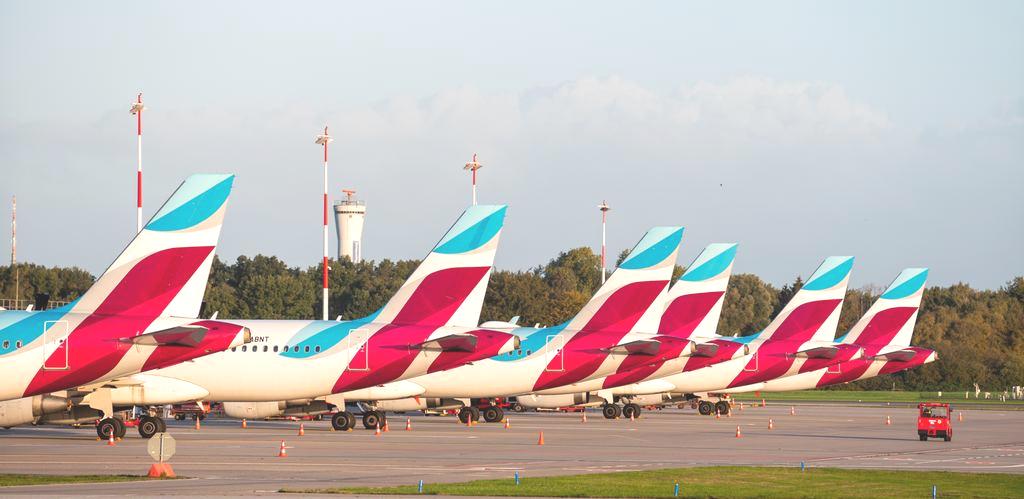
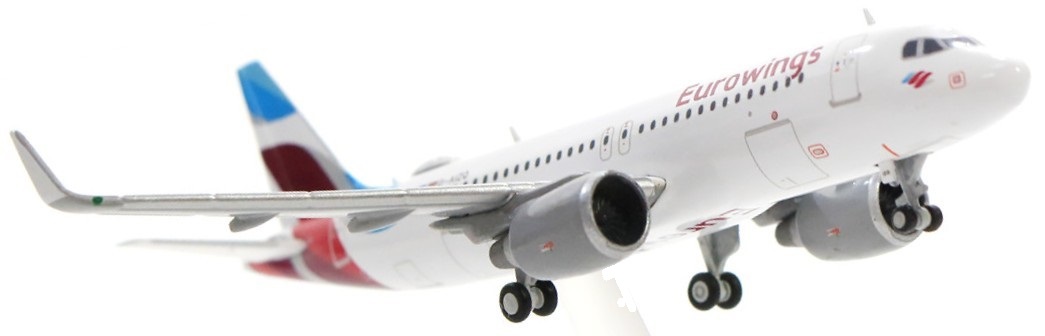
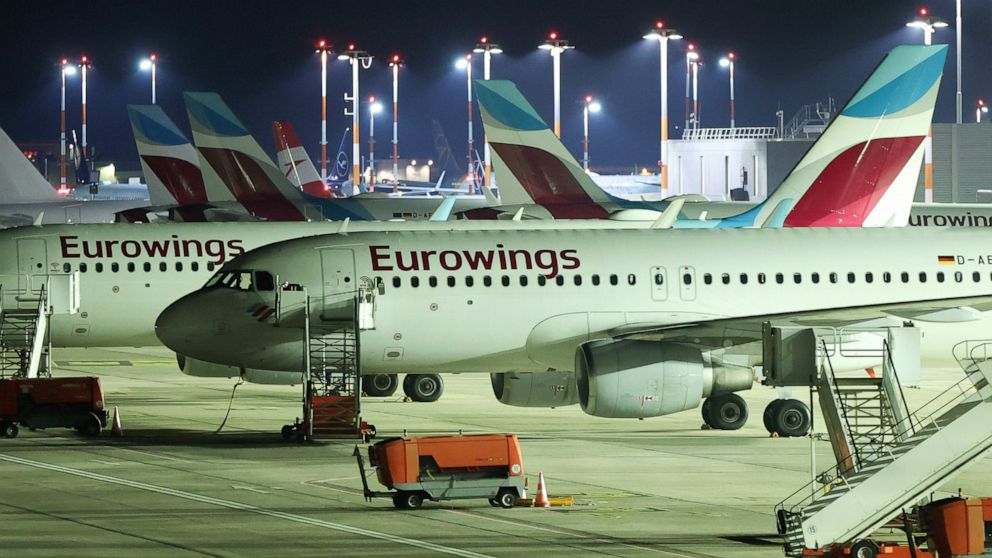
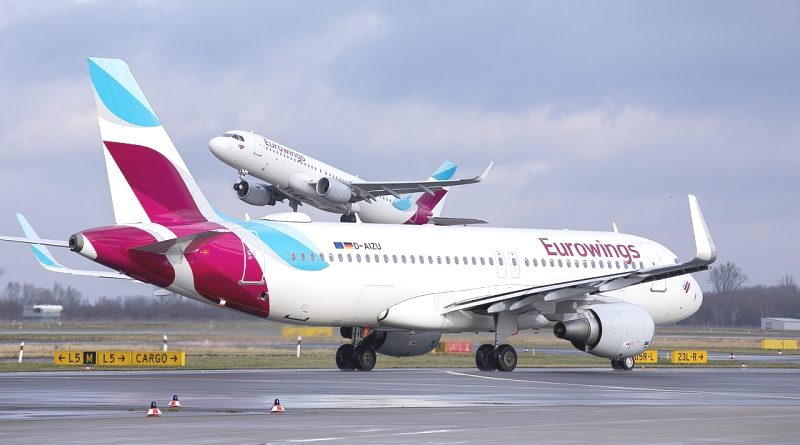
Se espera que una huelga planeada en Eurowings Europe GmbH de Lufthansa Group afecte a unos 20.000 pasajeros el Lunes 17/10, ya que el sindicato de pilotos de la aerolínea convocó una huelga durante las horas de trabajo, dijo Eurowings. El Sindicato Vereinigung Cockpit, dijo que la negociación con Eurowings para llegar a un acuerdo sobre las horas de trabajo ha fracasado, y el viernes convocó una huelga desde el 17 al 19 de Octubre de 2022.
El sindicato dijo que sus principales peticiones a la compañía son una limitación de los tiempos máximos de vuelo, así como un aumento en el tiempo de descanso para el personal de cabina.
La aerolínea Eurowings dijo en un comunicado que más de la mitad de sus vuelos pudieron tener lugar el lunes, y que los clientes serán en gran medida reubicados en conexiones alternativas. Para el martes y el miércoles, la aerolínea dijo que espera también poder operar más de la mitad de sus vuelos planeados.
El sindicato dijo el Viernes 14/10 que está abierto al diálogo con la compañía, pero calificó las ofertas de Eurowings a los pilotos como completamente insuficientes. Eurowings dijo en un comunicado que el paquete de ayuda que ofreció, que incluye diez días libres adicionales por año y tres horas menos de tiempo de trabajo por semana, está en el límite de lo que es financieramente viable.
Eurowings strike
Eurowings strike will affect thousands of passengers
A planned strike at Lufthansa Group’s Eurowings Europe GmbH is expected to affect some 20,000 passengers on Monday 10/17, as the airline’s pilots’ union called a strike during working hours, Eurowings said. The Vereinigung Cockpit Union, said negotiations with Eurowings to reach an agreement on working hours have failed, and on Friday called a strike from October 17-19, 2022.
The union said that its main requests to the company are a limitation of maximum flight times, as well as an increase in rest time for cabin crew.
The airline Eurowings said in a statement that more than half of its flights were able to take place on Monday, and that customers will largely be relocated to alternative connections. By Tuesday and Wednesday, the airline said it also expects to be able to operate more than half of its planned flights.
The union said on Friday 10/14 that it is open to dialogue with the company, but described Eurowings’ offers to the pilots as completely insufficient. Eurowings said in a statement that the aid package it offered, which includes 10 extra days off per year and three hours less working time per week, is at the limit of what is financially feasible.
Eurowings-Streik
Der Eurowings-Streik betrifft tausende passagiere
Ein geplanter Streik bei der Eurowings Europe GmbH der Lufthansa Group wird voraussichtlich am Montag, den 17.10. rund 20.000 Passagiere betreffen, da die Pilotengewerkschaft der Airline während der Arbeitszeit zu einem Streik aufgerufen hat, teilte Eurowings mit. Die Vereinigung Cockpit Union hat die Verhandlungen mit Eurowings über eine Arbeitszeitvereinbarung für gescheitert erklärt und am Freitag zum Streik vom 17. bis 19. Oktober 2022 aufgerufen.
Die Gewerkschaft sagte, ihre Hauptforderungen an das Unternehmen seien eine Begrenzung der maximalen Flugzeiten sowie eine Verlängerung der Ruhezeiten für das Kabinenpersonal.
Die Fluggesellschaft Eurowings teilte in einer Mitteilung mit, dass mehr als die Hälfte ihrer Flüge am Montag stattfinden könne und die Kunden weitgehend auf alternative Verbindungen umgesiedelt würden. Bis Dienstag und Mittwoch rechnet die Fluggesellschaft zudem damit, mehr als die Hälfte ihrer geplanten Flüge durchführen zu können.
Die Gewerkschaft zeigte sich am Freitag, 14.10., offen für einen Dialog mit dem Unternehmen, bezeichnete die Angebote von Eurowings an die Piloten aber als völlig unzureichend. Eurowings sagte in einer Erklärung, dass das angebotene Hilfspaket, das 10 zusätzliche freie Tage pro Jahr und drei Stunden weniger Arbeitszeit pro Woche beinhaltet, an der Grenze des finanziell Machbaren liege.
PUBLISHER: Airgways.com DBk: Eurowings.com / Vcockpit.de / Daniel Bockwoldt/DPA/Picture Alliance / Airgways.com AW-POST: 202210171248AR OWNERSHIP: Airgways Inc. A\W A I R G W A Y S ®
Virgin Atlantic recibe su primer Airbus A330-900NEO
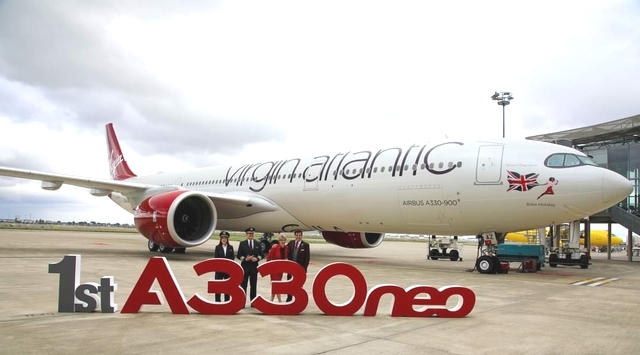
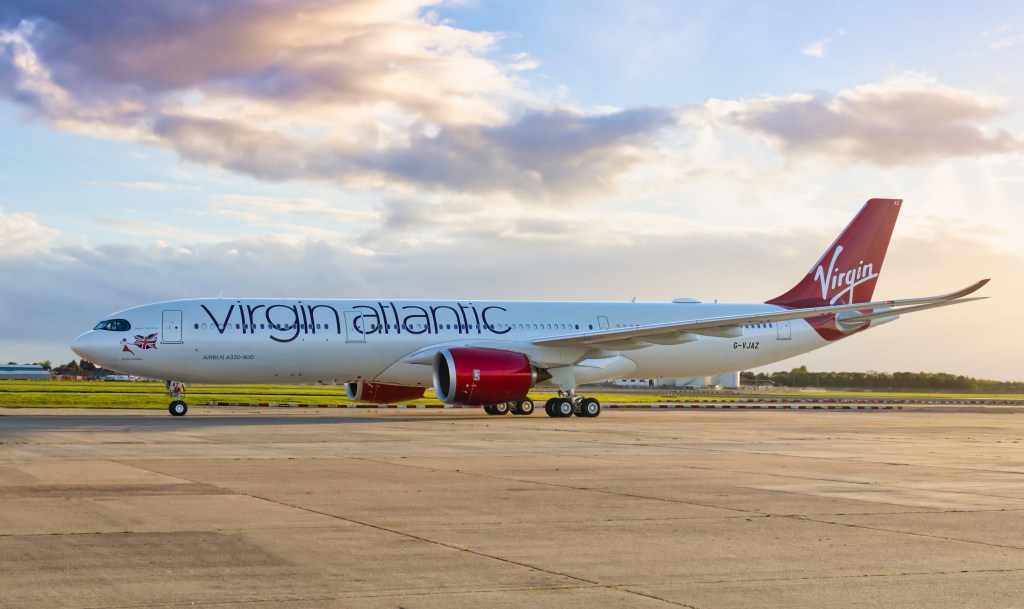
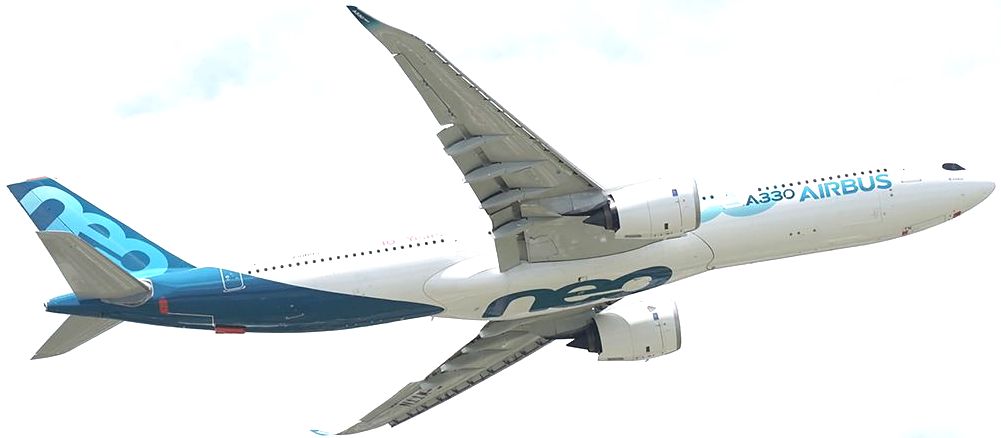
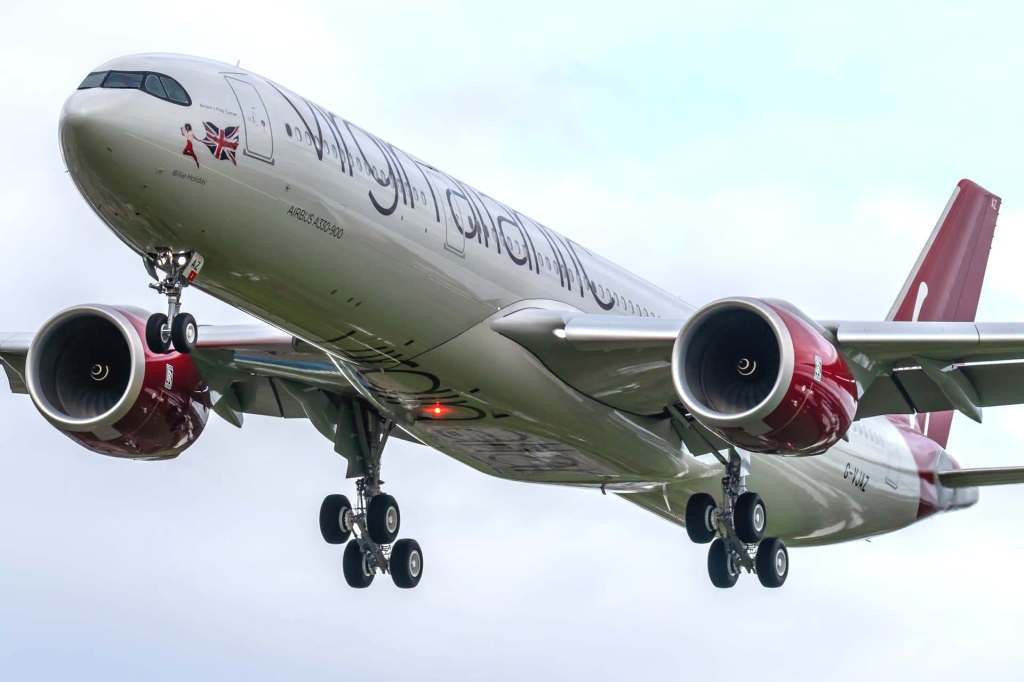
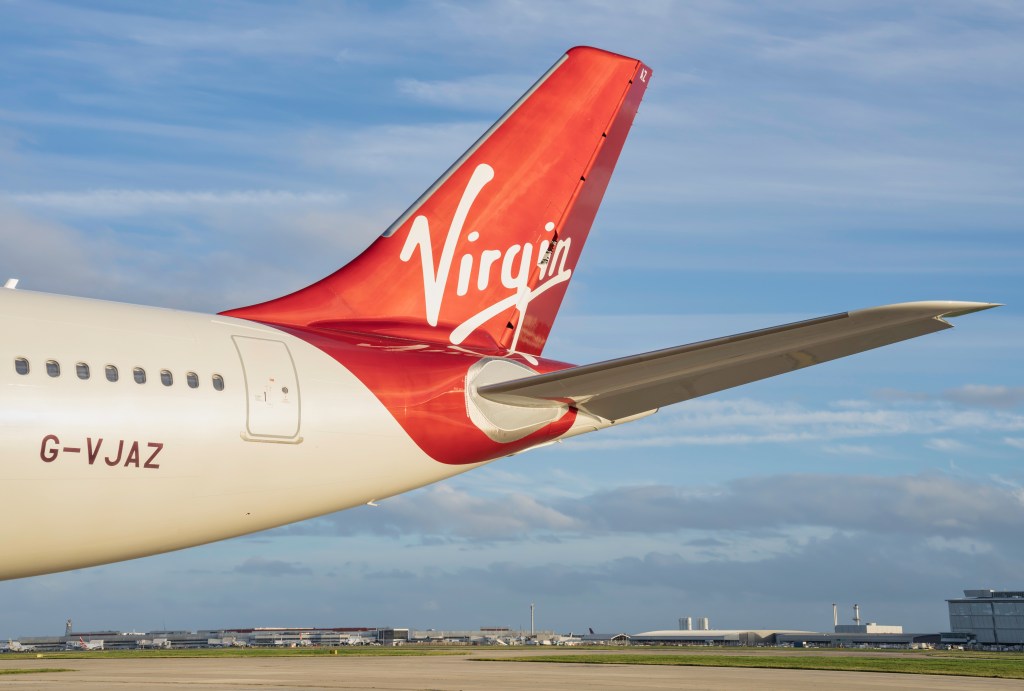
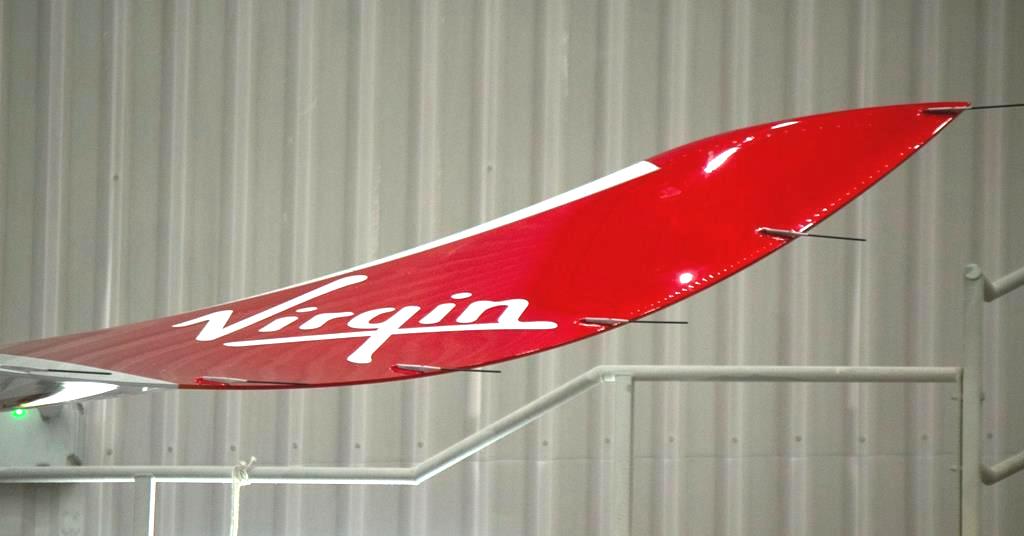
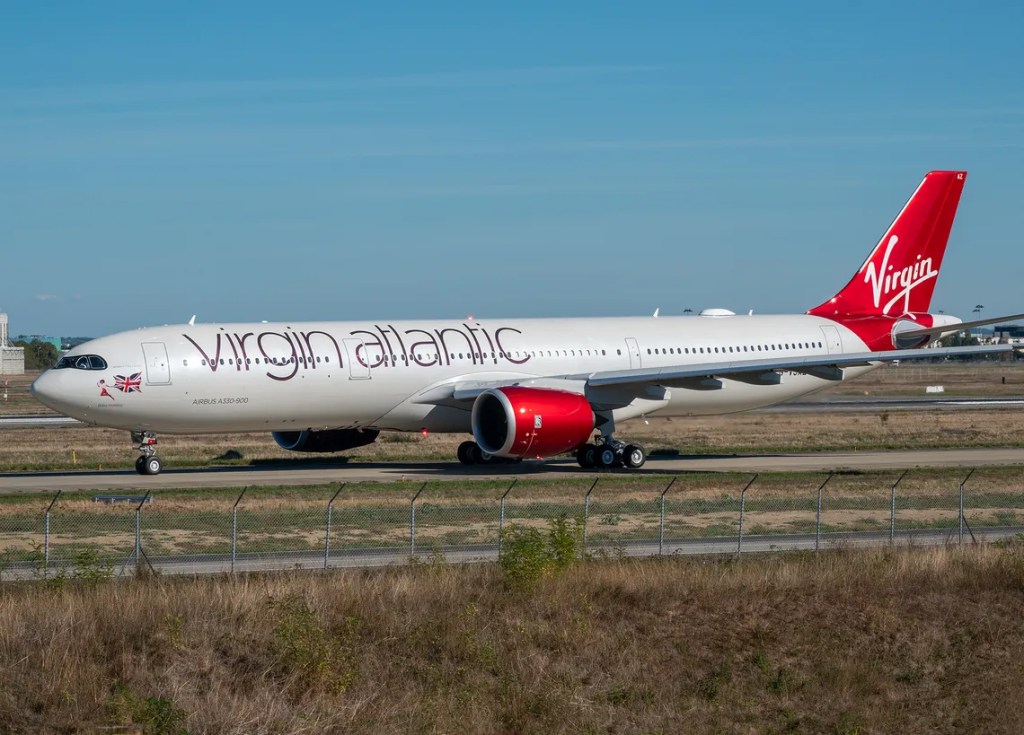
Virgin Atlantic Airways ha recibido el Domingo 16/10 su primer Airbus A330-900NEO. El vuelo de entrega desde Toulouse/Blagnac/TLS a Londres/Heathrow/LHR ha aterrizado iniciando una nueva etapa en el proceso de modernización de flota de la aerolínea de ocio británica. La aeronave ha recibido el nombre de Billie Holiday.
El Airbus A330-900NEO de Virgin Atlantic permitirá introducir una mejor huella de carbono para mejorar el medio ambiente, representando un 11% más eficiente en carbono que el Airbus A330-300, que se eliminará gradualmente de la flota, disminuyendo una reducción del 50% en la contaminación acústica en los aeropuertos. Virgin Atlantic había anunciado en 2019 un pedido en firme por 16 Airbus A330NEO como parte de su compromiso de volar la flota más joven y ecológica. La compañía aérea ha mejorado la huella de carbono en una reducción del 20% en las emisiones de carbono de la flota, a la que se debe agregar otro 10% en los próximos diez años.
Al comentar sobre el Airbus A330NEO, Corneel Koster, Director de Operaciones y Cliente de Virgin Atlantic Airways, ha comentado acerca del compromiso asumido con la incorporación del A330NEO: «El A330NEO juega un papel importante en nuestra transformación multimillonaria de la flota, demostrando nuestro compromiso con el planeta. Sabemos que lo más impactante que podemos hacer como aerolínea es volar la flota más limpia, ecológica y joven posible y el A330NEO es esencial para lograr este objetivo. Es realmente un avión para el futuro».
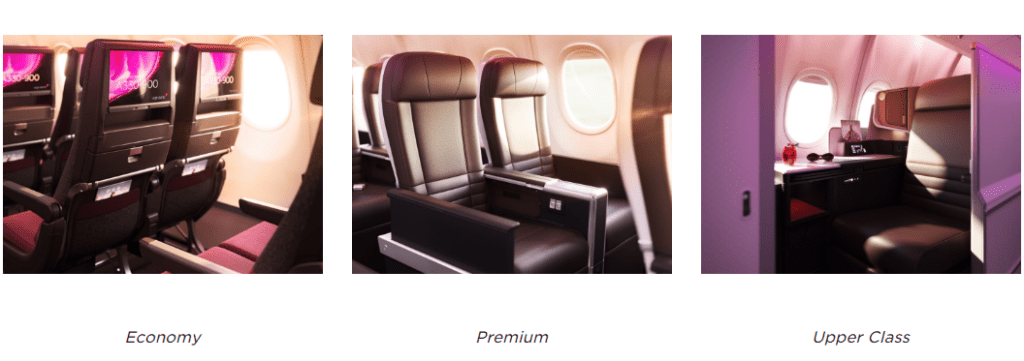
La aerolínea había anunciado la incorporación del próximo avión widebody en Julio 2022 que permitiría actualizar y renovar una nueva experiencia premium a sus clientes presentando un nuevo asiento, un renovado espacio The Loft y The Retreat Suite, dos suites exclusivas en la parte delantera de la cabina de clase superior. Otras características introducidas permitirán aumentar la conectividad en vuelo y sistemas de entretenimiento habilitados para WiFi, Bluetooth, conexiones USB.
Virgin Atlantic Airways posee una flota de edad promedio actualizada de 8,6 años. Actualmente, el 68% de la flota es de nueva generación, que aumentará al 100% a principios de 2027. La aerolínea tiene actualmente diez aviones de nueva generación en orden: siete Airbus A330NEO (7) y tres Airbus A350-1000 (3).
Virgin Atlantic Airways ha anunciado la primera ruta de la nueva aeronave A330-900NEO permitiendo conectar London/Heathrow/LHR—Boston/BOS, Estados Unidos y los tickets aéreos se encuentran disponibles desde principios de 08/2022. Virgin ha programado su primer vuelo para Octubre/Noviembre 2022, después de modificar su calendario inaugural por una ligera demora en la entrega de la aeronave A330-900NEO.
Virgin Atlantic receives A330NEO
Virgin Atlantic takes delivery of its first Airbus A330-900NEO
Virgin Atlantic Airways has received on Sunday 10/16 its first Airbus A330-900NEO. The delivery flight from Toulouse/Blagnac/TLS to London/Heathrow/LHR has landed, initiating a new stage in the British leisure airline’s fleet modernization process. The aircraft has been named after Billie Holiday.
Virgin Atlantic’s Airbus A330-900NEO will enable a better carbon footprint to improve the environment, representing 11% more carbon efficient than the Airbus A330-300, which will be phased out of the fleet, lessening a 50% reduction in noise pollution at airports. Virgin Atlantic had announced in 2019 a firm order for 16 Airbus A330NEOs as part of its commitment to fly the youngest and greenest fleet. The airline has improved the carbon footprint by a 20% reduction in carbon emissions from the fleet, to which another 10% must be added over the next ten years.
Commenting on the Airbus A330NEO, Corneel Koster, Virgin Atlantic Airways Chief Operating Officer and Customer, commented on the commitment made with the addition of the A330NEO: «The A330NEO plays an important role in our multi-million dollar fleet transformation, demonstrating our commitment to the planet. We know that the most impactful thing we can do as an airline is to fly the cleanest, greenest and youngest fleet possible and the A330NEO is essential to achieving this goal. It is truly an aircraft for the future».
The airline had announced the incorporation of the next widebody aircraft in July 2022 that would allow its customers to update and renew a new premium experience by presenting a new seat, a renovated space The Loft and The Retreat Suite, two exclusive suites in the front part of the cabin upper class. Other features introduced will allow increased in-flight connectivity and entertainment systems enabled for WiFi, Bluetooth, USB connections.
Virgin Atlantic Airways has a current average fleet age of 8.6 years. Currently, 68% of the fleet is new generation, which will increase to 100% by early 2027. The airline currently has ten new generation aircraft on order: seven Airbus A330NEO (7) and three Airbus A350-1000 (3).
Virgin Atlantic Airways has announced the first route of the new A330-900NEO aircraft allowing to connect London/Heathrow/LHR—Boston/BOS, United States and air tickets are available from the beginning of 08/2022. Virgin has scheduled its first flights for October/November 2022, after modifying its inaugural schedule due to a slight delay in the delivery of the A330-900NEO aircraft.
PUBLISHER: Airgways.com DBk: Virginatlantic.com / Airgways.com AW-POST: 202210162137AR OWNERSHIP: Airgways Inc. A\W A I R G W A Y S ®
LATAM asegura salida proceso Capítulo 11 próximo 03/11
LATAM Airlines Group ha informado a través de un comunicado, emitido este Sábado 15/10, que el próximo 3 de Noviembre de 2022 contempla salir de su proceso de bancarrota del Capítulo 11 de la Ley de Quiebras en Estados Unidos LATAM Airlines, al cual ingresó en Mayo de 2020. Dicho proceso le permitirá al grupo emerger más ágil, con una estructura de costos más competitiva, una liquidez adecuada para enfrentar el futuro, con aproximadamente US$ 10.300 millones en equity, y una deuda cercana a los US$ 6.900 millones. Para la fecha estipulada de la salida del proceso de Administración, LATAM Airlines Group S.A. entregará las acciones y los bonos convertibles a los accionistas y acreedores según corresponda y pagará ciertas obligaciones como el Junior DIP y otros fees como se establece en el Plan de Reorganización, según expresa el comunicado de la compañía.
Por otra parte, LATAM Group anunció que tras finalizar su periodo de opción preferente, la segunda vuelta y la elección por parte de los acreedores de las alternativas de recuperación contempladas bajo el Plan de Reorganización, LATAM envió los avisos de fondeo para concretar la recepción de los US$ 5.400 millones de nuevos fondos, detallados en el Plan de Reorganización. “En esa línea, LATAM informa el resultado de la elección de los Acreedores de la Clase 5 con respecto a los Bonos Convertibles C que requerían suscripción con nuevos fondos. Finalmente, los acreedores no soportantes suscribieron 36.215.217 Bonos Convertibles C”. También indicaron que todos los instrumentos contemplados en el Plan de Reorganización y el remanente por colocar están completamente respaldados por los accionistas soportantes como Delta Air Lines, Qatar Airways, Grupo Cueto y por los acreedores soportantes como grupo Evercore y ciertos tenedores de bonos locale), asegurando que LATAM Airlines contará con los fondos necesarios para salir exitosamente del proceso de Capítulo 11. Se enviaron los avisos a los partes soportantes a través de los cuales se les solicita a los Acreedores soportantes fondear aproximadamente US$ 3.600 millones y a los accionistas soportantes aproximadamente US$ 736 millones.
LATAM approaches bankruptcy exit
LATAM ensures exit process Chapter 11 next 03/11
LATAM Airlines Group has informed through a statement, issued this Saturday 10/15, that on November 3, 2022 it plans to exit its bankruptcy process of Chapter 11 of the Bankruptcy Law in the United States, LATAM Airlines, which it entered in May 2020. Said process will allow the group to emerge more agile, with a more competitive cost structure, adequate liquidity to face the future, with approximately US$ 10.3 billion in equity, and a debt close to US$ 6.9 billion. For the stipulated date of the exit of the Administration process, LATAM Airlines Group S.A. will deliver the shares and convertible bonds to shareholders and creditors as appropriate and will pay certain obligations such as the Junior DIP and other fees as established in the Reorganization Plan, according to the company’s statement.
On the other hand, LATAM Group announced that after the end of its preferential option period, the second round and the choice by the creditors of the recovery alternatives contemplated under the Reorganization Plan, LATAM sent the funding notices to specify the receipt of the US$ 5.4 billion of new funds, detailed in the Reorganization Plan. “In this line, LATAM informs the result of the election of the Class 5 Creditors with respect to the Convertible Bonds C that required subscription with new funds. Finally, non-supporting creditors subscribed 36,215,217 Convertible Bonds C”. They also indicated that all the instruments contemplated in the Reorganization Plan and the remainder to be placed are fully backed by the supporting shareholders such as Delta Air Lines, Qatar Airways, Grupo Cueto and by the supporting creditors such as the Evercore group and certain local bondholders). ensuring that LATAM Airlines will have the necessary funds to successfully exit the Chapter 11 process. Notices were sent to the supporting parties through which the supporting Creditors are requested to fund approximately US$ 3,600 million and the supporting shareholders approximately US$ 736 million.
PUBLISHER: Airgways.com DBk: Latam.com / Airgways.com AW-POST: 202210151640AR OWNERSHIP: Airgways Inc. A\W A I R G W A Y S ®