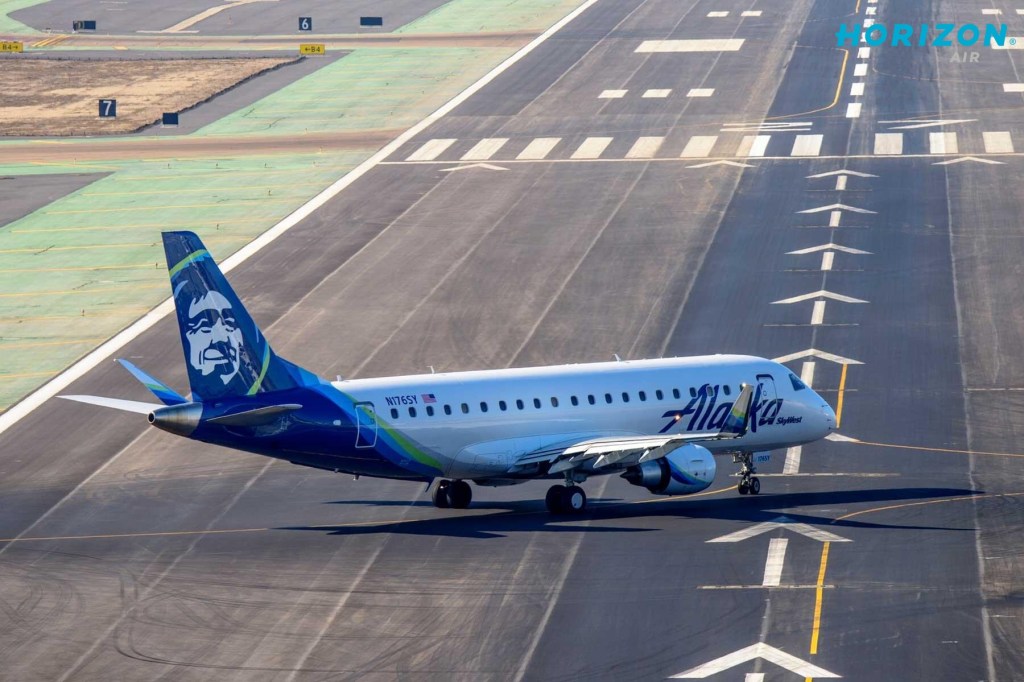
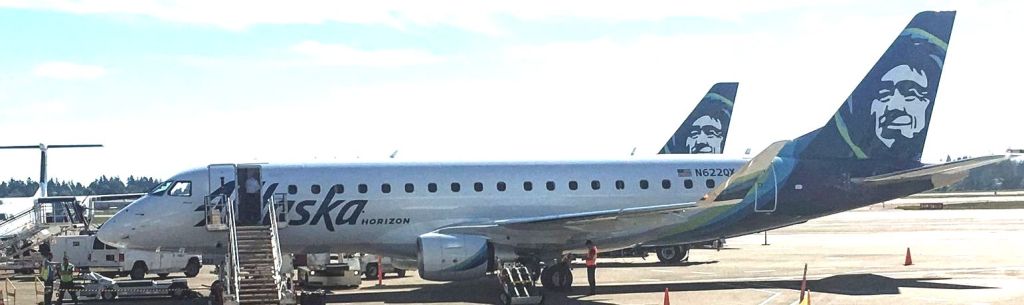
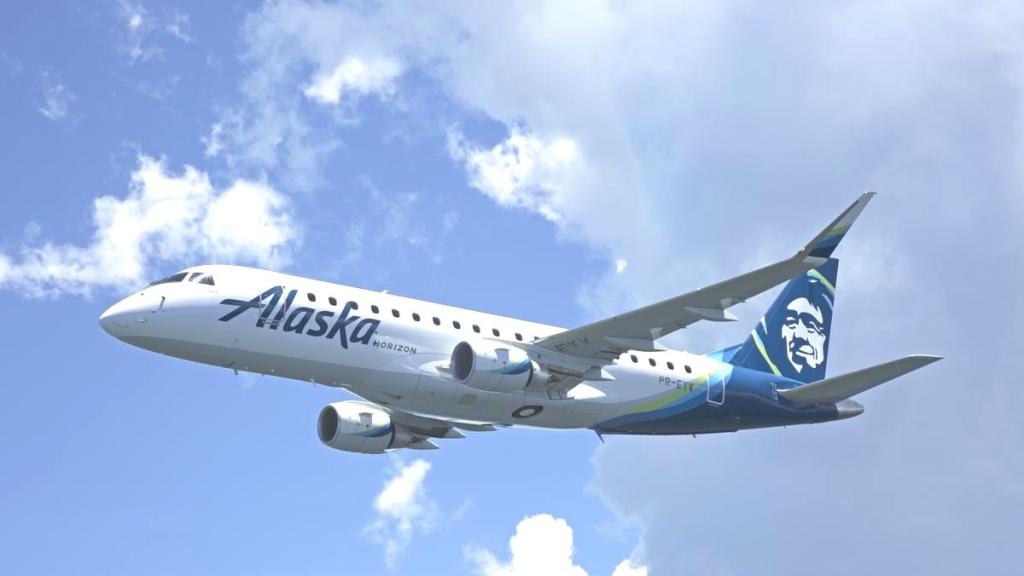
Encomienda ocho Embraer E175 para filial Horizon Air
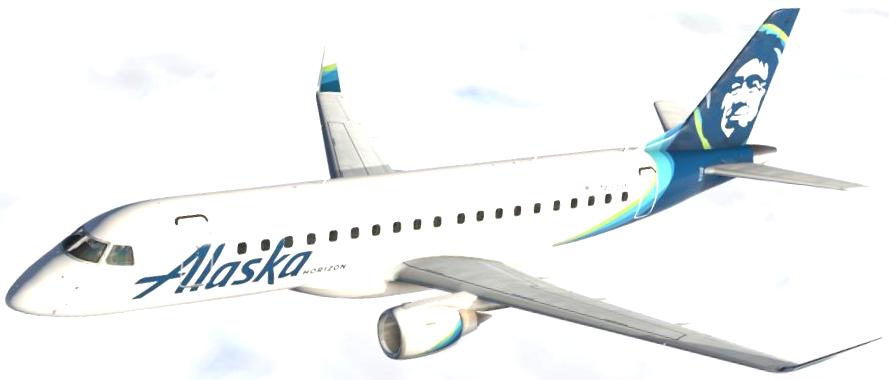
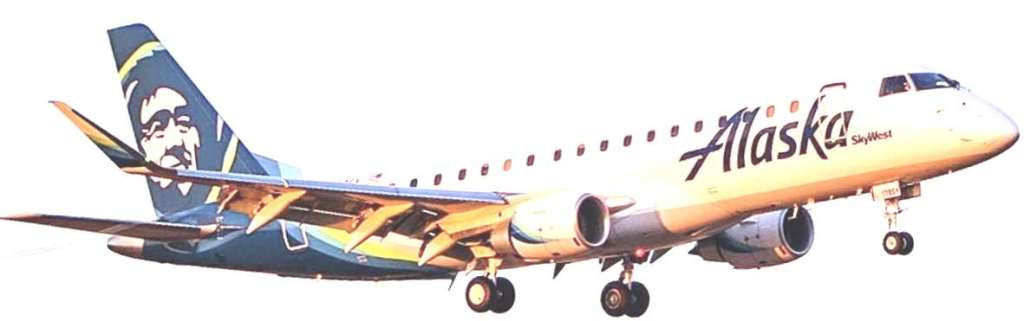
Alaska Air Group ha anunciado una orden adicional por ocho Embraer E175 (8) para su compañía feeder Horizon Air. Alaska Air planea incrementar su flota regional con la línea Embraer E175-E1 (8), más opciones adicionales por trece (13) más. El avión E175 volará exclusivamente para Alaska Airlines bajo un Acuerdo de Compra de Capacidad (CPA) con Horizon Air. El valor del contrato, incluidas las opciones, es de US$ 1.12 mil millones de Dólares según el precio de lista de la compañía brasileña. El nuevo avión de 76 asientos de Horizon Air tendrá una configuración de tres clases en cabina, con 12 asientos en Primera Clase, 12 en Clase Premium y 52 en la Cabina Principal. Los servicios a bordo incluyen entretenimiento gratuito con más de 1.000 películas y programas de televisión. Además, los clientes sentados en Primera Clase disfrutan de una potencia de 110V en cada asiento.
Las aeronaves comenzarán a entregarse durante los próximos cuatro años a partir del segundo trimestre de 2023. El grupo continúa seleccionando al E175-E1 porque mantienen los estándares de las Cláusulas de Alcance de los pilotos para volar en aerolíneas regionales de acuerdo a su peso específico.
Mark Neely, Vicepresidente para las Américas de Embraer Commercial Aviation, dijo: «El E175 es la columna vertebral de la red regional de los Estados Unidos, alimentando los centros aeroportuarios de todo el país y produciendo la conectividad que todas las comunidades necesitan para prosperar, tanto económica como socialmente. Si bien este mercado está actualmente bajo presión, es esencial que los transportistas puedan proporcionar estos servicios esenciales a todo Estados Unidos. El Embraer E175, con una cuota de mercado del 85% en su segmento, mantiene a los Estados Unidos en movimiento y en contacto».
«El E175 es un avión extremadamente eficiente. El avión es el avión perfecto para servir a la red regional de Horizon en el noroeste del Pacífico y más allá. Nuestros huéspedes disfrutarán de una experiencia de cabina consistente de tres clases mientras viajan desde comunidades más pequeñas para tomar vuelos a través de los centros más grandes de Alaska o en una de nuestras muchas aerolíneas asociadas globales», dijo Nat Pieper, Vicepresidente Senior de Flota, Finanzas y Alianzas de Alaska Airlines.
Horizon Air, actualmente posee una flota de turbohélice Bombardier Dash 8-Q400 (31) y Embraer E175 (30). Recibirá adicionalmente nueve E175 (9) durante el próximo año 2023 como parte de un pedido anterior que también incluye tres (3) entregas en 2025. Con este último pedido Horizon Air tendrá una flota de cincuenta (50) Embraer E175-E1. La aerolínea regional partner de Alaska Airlines posee bases en Washington (WA), Oregon (OR) e Idaho (ID), sirviendo a más de 45 ciudades en todo el noroeste del Pacífico, California, el medio oeste, incluyendo a Columbia Británica, y Alberta en Canadá.
Alaska orders more Embraer E175
Orders eight Embraer E175 for subsidiary Horizon Air
Alaska Air Group has announced an additional order for eight Embraer E175s (8) for its feeder company Horizon Air. Alaska Air plans to increase its regional fleet with the Embraer E175-E1 line (8), plus additional options for thirteen (13) more. The E175 aircraft will fly exclusively for Alaska Airlines under a Capacity Purchase Agreement (CPA) with Horizon Air. The value of the contract, including options, is US$1.12 billion based on the list price of the Brazilian company. Horizon Air’s new 76-seat aircraft will have a three-class cabin configuration, with 12 seats in First Class, 12 in Premium Class and 52 in Main Cabin. Onboard services include free entertainment with more than 1,000 movies and TV shows. Plus, customers seated in First Class enjoy 110V power at every seat.
The aircraft will begin delivery over the next four years beginning in the second quarter of 2023. The group continues to select the E175-E1 because it maintains the Pilot Scope Clause standards for flying on regional airlines based on its specific weight.
Mark Neely, Vice President, Americas, Embraer Commercial Aviation, said: «The E175 is the backbone of the US regional network, powering airport hubs across the country and producing the connectivity all communities need to thrive, both economically and socially.While this market is currently under pressure, it is essential that carriers are able to provide these essential services to the entire United States.The Embraer E175, with an 85% market share in its segment, keeps the United States in motion and in contact».
«The E175 is an extremely efficient aircraft. The aircraft is the perfect aircraft to serve Horizon’s regional network in the Pacific Northwest and beyond. Our guests will enjoy a consistent three-class cabin experience while traveling from smaller communities to take flights through Alaska’s largest hubs or on one of our many global partner airlines», said Nat Pieper, Senior Vice President, Fleet, Finance and Alliances, Alaska Airlines.
Horizon Air currently owns a fleet of Bombardier Dash 8-Q400 (31) and Embraer E175 (30) turboprops. It will receive an additional nine (9) E175s during the next year 2023 as part of a previous order that also includes three (3) deliveries in 2025. With this latest order, Horizon Air will have a fleet of fifty (50) Embraer E175-E1s. Alaska Airlines’ regional airline partner has bases in Washington (WA), Oregon (OR), and Idaho (ID), serving more than 45 cities throughout the Pacific Northwest, California, the Midwest, including British Columbia, and Alberta in Canada.
PUBLISHER: Airgways.com DBk: Alaskaair.com / Horizon-air.com / Embraer.com / Airgways.com AW-POST: 202208092020AR OWNERSHIP: Airgways Inc. A\W A I R G W A Y S ®
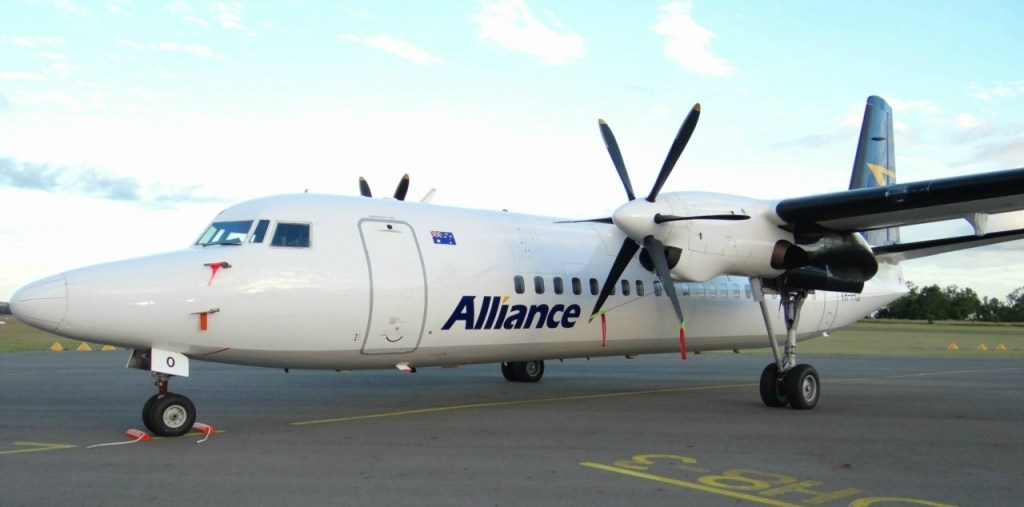
Alliance Airlines, la aerolínea australiana ha anunciado la venta de sus últimos cinco turbohélices Fokker F50 (5), marcando la etapa final de los días como operador de aeronaves turbohélices, convirtiéndose en una línea aérea all-jet. Los cinco aviones Fokker 50 matriculas VH-FKO, VH-FKV, VH-FKW, VH-FKX y VH-FKZ han sido desprogramados y posteriormente vendidos. Poseen una edad promedio de entre 27-33 años de antigüedad. Los Fokker de fabricación holandesa han demostrado ser notablemente adecuados para las operaciones Fly-in Fly-out (FIFO) y chárter australianas, que son reemplazados por la línea de aeronaves brasileñas Embraer E190.
Alliance Airlines ha sido recolector de varias flotas de aviones Fokker en el mundo, constituyéndose el mayor operador mundial de aviones Fokker. Además de los Fokker 50 (5), la aerolínea posee en su flota actual Fokker 100 (25), Fokker 70 (14) y Embraer E190 (20). Alliance Airlines también tiene la mayor participación mundial de piezas y repuestos Fokker. La aerolínea proyecta utilizar la línea jet Fokker 70/100 restantes de la flota durante diez años más, observando la nobleza de este tipo de aeronaves muy empleados alrededor del mundo, especialmente en Estados Unidos con la aerolínea American Airlines.
Alliance sells its Fokker 50
Alliance deprograms Fokker 50 turboprop line
Alliance Airlines, the Australian airline has announced the sale of its last five Fokker F50 turboprops (5), marking the final stage of the days as a turboprop aircraft operator, becoming an all-jet airline. The five Fokker 50 aircraft, registrations VH-FKO, VH-FKV, VH-FKW, VH-FKX and VH-FKZ, have been deprogrammed and subsequently sold. They have an average age of between 27-33 years old. Dutch-built Fokkers have proven remarkably well-suited for Australian Fly-in Fly-out (FIFO) and charter operations, being replaced by the Brazilian Embraer E190 line of aircraft.
Alliance Airlines has been the collector of several fleets of Fokker aircraft in the world, becoming the world’s largest operator of Fokker aircraft. In addition to the Fokker 50 (5), the airline has in its current fleet Fokker 100 (25), Fokker 70 (14) and Embraer E190 (20). Alliance Airlines also has the world’s largest share of Fokker parts and spare parts. The airline plans to use the remaining Fokker 70/100 jet line in the fleet for ten more years, observing the nobility of this type of aircraft widely used around the world, especially in the United States with the American Airlines airline.
PUBLISHER: Airgways.com DBk: Allianceairlines.com.au / Airgways.com AW-POST: 202208091934AR OWNERSHIP: Airgways Inc. A\W A I R G W A Y S ®
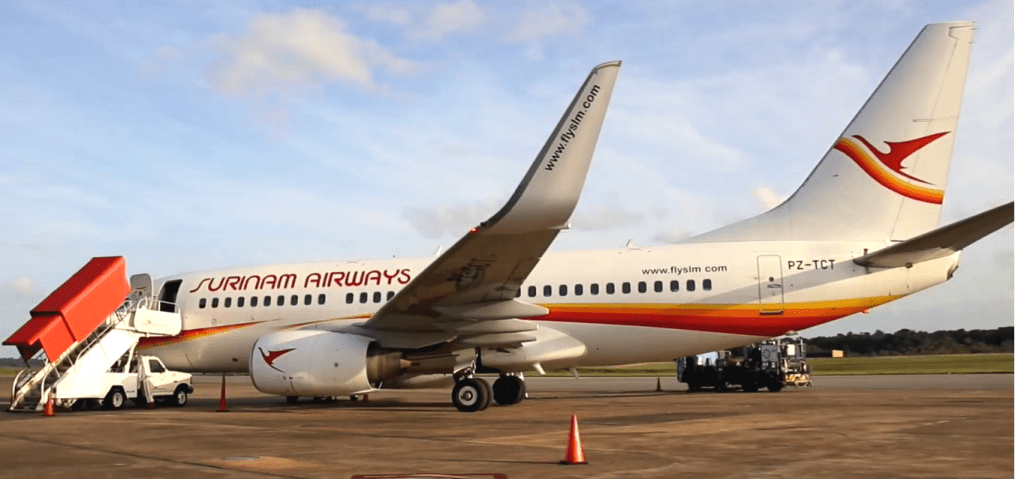
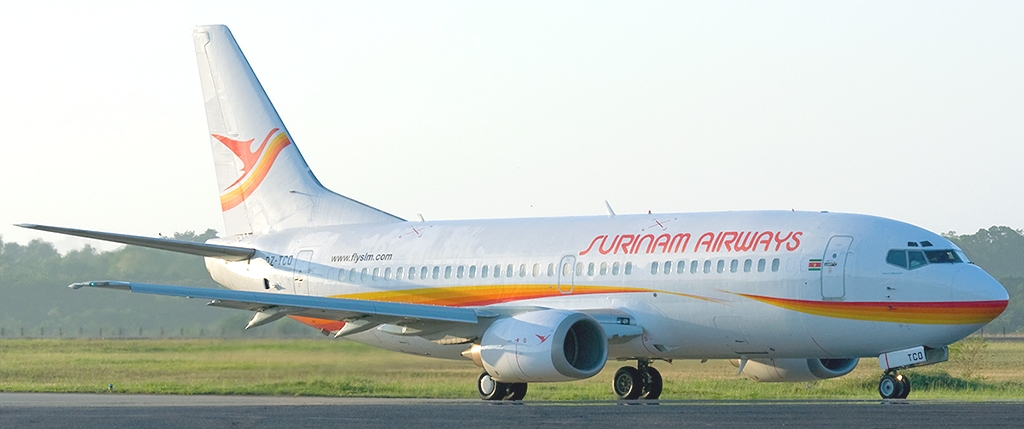
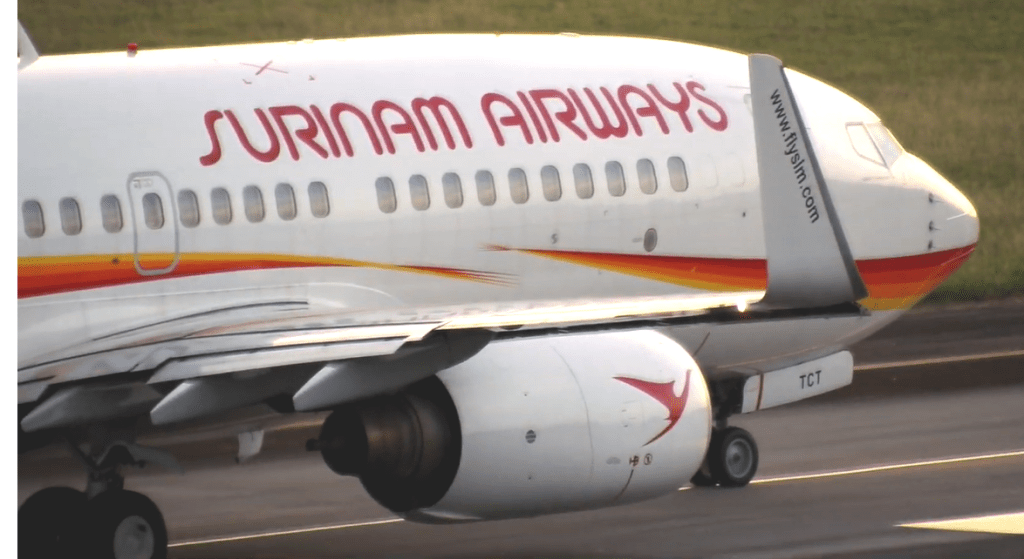
Surinam Airways estructuras divisiones bajo Arena Groep
El Arena Groep es el nuevo nombre bajo el que se ofrecerán los servicios prestados por los conocidos SurAir Cargo, SurAir Catering y SurAir Ground Services. Esta nueva estructura forma parte del plan de recuperación de Surinam Airways, que ha sido aprobado por el accionista. Al implementar esta nueva estructura, se crea un grupo de empresas con una gestión financiera adecuada y operaciones comerciales sostenibles.
El plan de recuperación tiene como objetivo, entre otras cosas, modernizar los procesos de negocio y trabajar en la atracción de las personas adecuadas en los lugares adecuados, con buenas cualidades, manteniendo la operación a pesar de los desafíos diarios que enfrenta la empresa. En este proceso, se establecerán varias entidades. La privatización de estas empresas garantizará el potencial de establecer asociaciones sostenibles a nivel nacional e internacional.
El emprendimiento exitoso significa tener una visión clara del futuro. Sin embargo, una visión del futuro solo se puede realizar con operaciones comerciales financieramente sólidas. Con el inicio formal del Arena Groep, se ha dado un paso importante en el proceso desde la visión hasta la realización.
Suriname consolidates recovery
Surinam Airways structures divisions under Arena Groep
The Arena Groep is the new name under which the services provided by the well-known SurAir Cargo, SurAir Catering and SurAir Ground Services will be offered. This new structure is part of Surinam Airways‘ recovery plan, which has been approved by the shareholder. By implementing this new structure, a group of companies with proper financial management and sustainable business operations is created.
The recovery plan aims, among other things, to modernize business processes and work on attracting the right people in the right places, with good qualities, maintaining the operation despite the daily challenges faced by the company. In this process, several entities will be established. The privatization of these companies will guarantee the potential to establish sustainable associations at national and international level.
Successful entrepreneurship means having a clear vision of the future. However, a vision of the future can only be realized with financially sound business operations. With the formal start of the Arena Groep, an important step has been taken in the process from vision to realization.
Suriname consolideert herstel
Surinam Airways structureert divisies onder Arena Groep
De Arena Groep is de nieuwe naam waaronder de diensten van de bekende SurAir Cargo, SurAir Catering en SurAir Ground Services worden aangeboden. Deze nieuwe structuur is onderdeel van het door de aandeelhouder goedgekeurde herstelplan van Surinam Airways. Door het implementeren van deze nieuwe structuur ontstaat een groep bedrijven met een goed financieel beheer en een duurzame bedrijfsvoering.
Het herstelplan heeft onder meer tot doel de bedrijfsprocessen te moderniseren en te werken aan het aantrekken van de juiste mensen op de juiste plaatsen, met goede kwaliteiten, het in stand houden van de operatie ondanks de dagelijkse uitdagingen waar het bedrijf voor staat. In dit proces zullen verschillende entiteiten worden opgericht. De privatisering van deze bedrijven garandeert het potentieel om duurzame verenigingen op te richten op nationaal en internationaal niveau.
Succesvol ondernemen betekent een duidelijke visie op de toekomst hebben. Een toekomstvisie kan echter alleen worden gerealiseerd met een financieel gezonde bedrijfsvoering. Met de formele start van de Arena Groep is een belangrijke stap gezet in het proces van visie naar realisatie.
PUBLISHER: Airgways.com DBk: Flyslm.com / Airgways.com AW-POST: 202208091122AR OWNERSHIP: Airgways Inc. A\W A I R G W A Y S ®
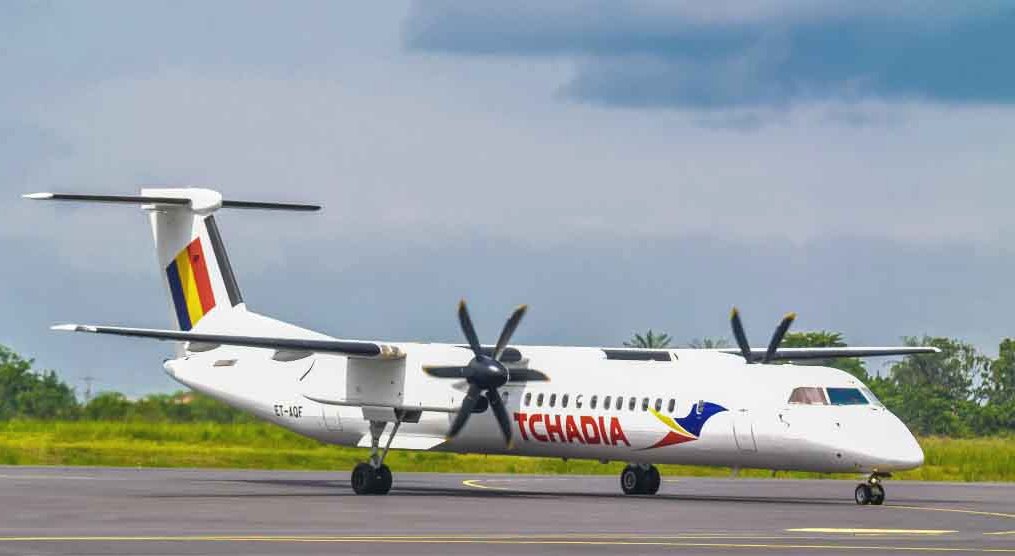
Desaparición aerolínea deja a Chad sin aerolínea nacional
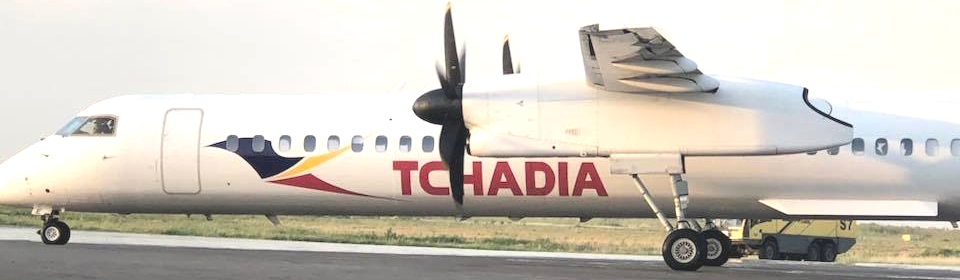
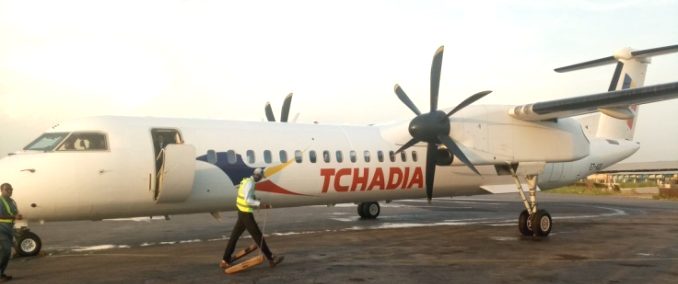
Tchadia Airlines de la República de Chad, localizada en el centro de África, ha sido puesta en liquidación, después de tres años consecutivos de pérdidas financieras. La compañía posee base en el Aeropuerto Internacional Yamena en Yamena, Chad, representada como aerolínea nacional. La medida fue decidida por los accionistas después de la asamblea general en Julio 2022, y ante la falta de apoyo financiero, la perspectiva de recuperación era sombría, decidiendo declarar la quiebra de la aerolínea.
Tras los impactos de la crisis sanitaria y la supresión de los vuelos comerciales, el impulso por volver a volar ha truncado las esperanzas de la línea aérea de Chad. Aunque en muchas rutas no poseía competencia, Tchadia Airlines afrontaba un pasivo que ha hecho imposible sobrevivir a las consecuencias de la pandemia.
Tchadia Airlines fue fundada como parte de un acuerdo entre el Gobierno de Chad y Ethiopian Airlines. La aerolínea, con sede en Yamena, fue fundada en 2018 como parte de un acuerdo entre el Gobierno de Chad y Ethiopian Airlines. Iniciaba sus operaciones comerciales el 1 de Octubre de 2018. Actualmente empleaba dos (2) aviones Bombardier Dash 8-Q400 incluyendo los destinos Douala, Jartum y Niamey. La compañía poseía planes para expandir su flota con aeronaves Boeing 737 Next Generation y ampliar servicios a rutas más lejanas.
Tchadia Airlines era el único operador en muchas rutas regionales, mientras que las comunidades locales y las empresas serán las más afectadas por la reducción de las conexiones desde el Aeropuerto Internacional de Yamena y la falta de conectividad en muchos destinos servidos anteriormente por la aerolínea de Chad.
Tchadia files for bankruptcy
Vanishing airline leaves Chad without national carrier
Tchadia Airlines of the Republic of Chad, located in central Africa, has been put into liquidation, after three consecutive years of financial losses. The company is based at N’Djamena International Airport in N’Djamena, Chad, represented as the national airline. The measure was decided by the shareholders after the general meeting in July 2022, and in the absence of financial support, the prospect of recovery was bleak, deciding to declare the airline bankrupt.
Following the impacts of the health crisis and the abolition of commercial flights, the push to return to flying has dashed the hopes of the Chadian airline. Although there was no competition on many routes, Tchadia Airlines faced a liability that has made it impossible to survive the consequences of the pandemic.
Tchadia Airlines was founded as part of an agreement between the Government of Chad and Ethiopian Airlines. The N’Djamena-based airline was founded in 2018 as part of an agreement between the Chadian government and Ethiopian Airlines. It began its commercial operations on October 1, 2018. It currently used two (2) Bombardier Dash 8-Q400 aircraft including the destinations Douala, Khartoum and Niamey. The company had plans to expand its fleet with Boeing 737 Next Generation aircraft and expand services to more distant routes.
Tchadia Airlines was the sole operator on many regional routes, while local communities and businesses will bear the brunt of reduced connections from N’Djamena International Airport and lack of connectivity in many destinations previously served by the Chadian airline.
Tchadia dépose le bilan
Aérienne disparue quitte le Tchad sans transporteur national
Tchadia Airlines de la République du Tchad, située en Afrique centrale, a été mise en liquidation, après trois années consécutives de pertes financières. La société est basée à l’aéroport international de N’Djamena à N’Djamena, au Tchad, représentée comme la compagnie aérienne nationale. La mesure a été décidée par les actionnaires après l’assemblée générale de juillet 2022, et en l’absence de soutien financier, les perspectives de reprise étaient sombres, décidant de déclarer la compagnie aérienne en faillite.
Suite aux impacts de la crise sanitaire et à la suppression des vols commerciaux, la poussée du retour à l’aviation a anéanti les espoirs de la compagnie aérienne tchadienne. Bien qu’il n’y ait pas eu de concurrence sur de nombreuses liaisons, Tchadia Airlines était confrontée à un passif qui l’a empêché de survivre aux conséquences de la pandémie.
Tchadia Airlines a été fondée dans le cadre d’un accord entre le gouvernement du Tchad et Ethiopian Airlines. La compagnie aérienne basée à N’Djamena a été fondée en 2018 dans le cadre d’un accord entre le gouvernement tchadien et Ethiopian Airlines. Elle a débuté ses opérations commerciales le 1er octobre 2018. Elle utilisait actuellement deux (2) avions Bombardier Dash 8-Q400 incluant les destinations Douala, Khartoum et Niamey. La société prévoyait d’étendre sa flotte avec des Boeing 737 Next Generation et d’étendre ses services à des routes plus éloignées.
Tchadia Airlines était le seul opérateur sur de nombreuses routes régionales, tandis que les communautés et les entreprises locales subiront le poids de la réduction des connexions depuis l’aéroport international de N’Djamena et du manque de connectivité dans de nombreuses destinations précédemment desservies par la compagnie aérienne tchadienne.
PUBLISHER: Airgways.com DBk: Tchadianairlines.com / Airgways.com AW-POST: 202208091050AR OWNERSHIP: Airgways Inc. A\W A I R G W A Y S ®
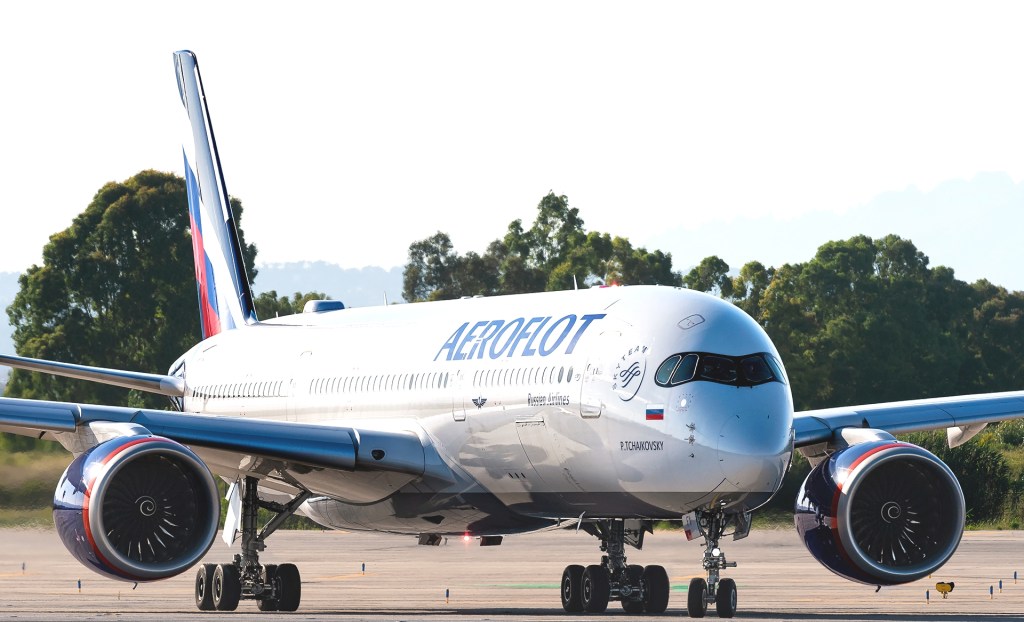
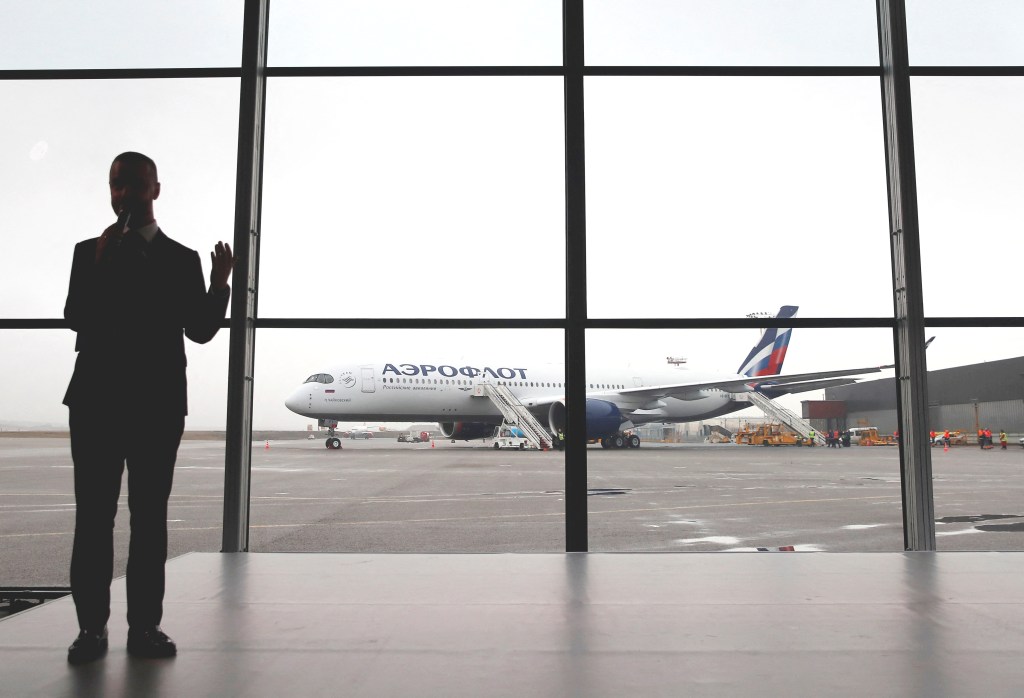
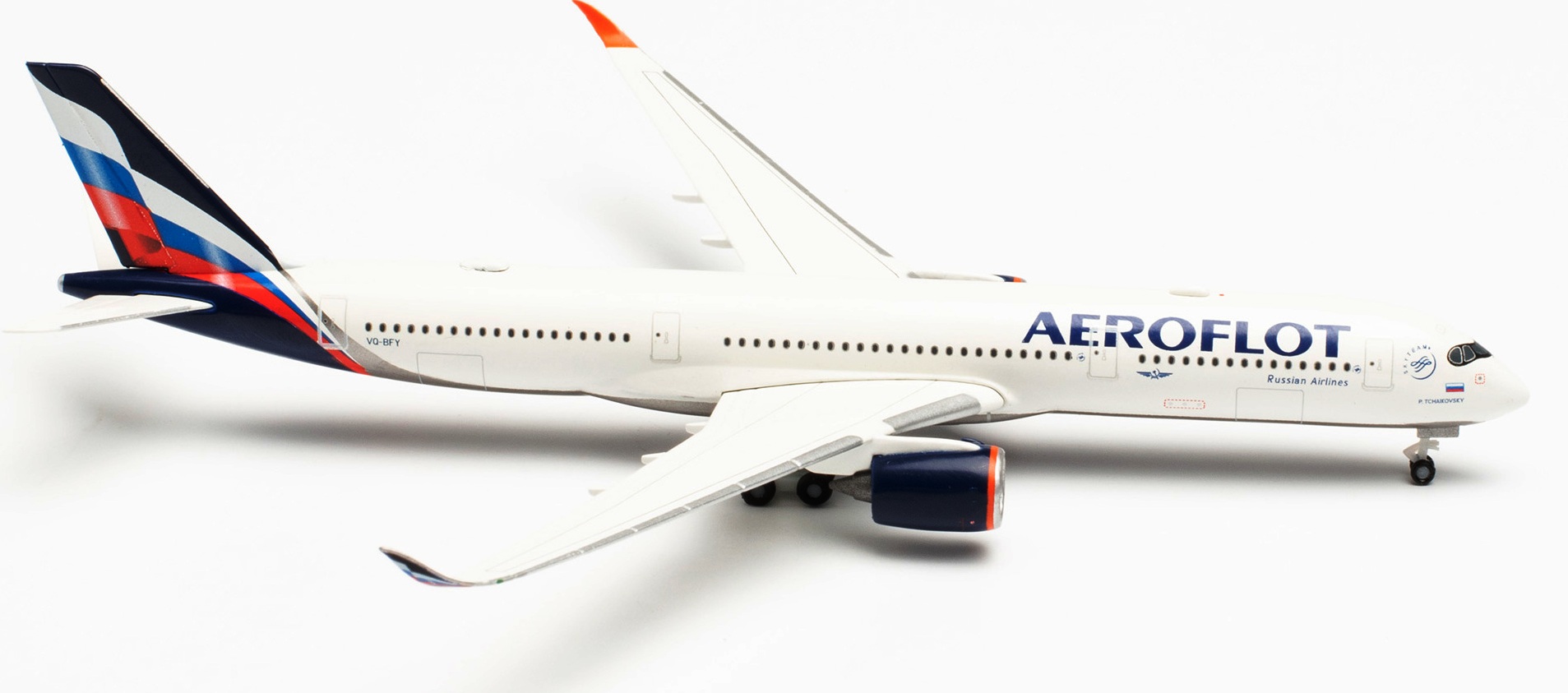
La aerolínea rusa Aeroflot Russian Airlines ha anunciado el inicio de procesos de desguaces en unidades de aeronaves comerciales occidentales impulsado por el bloqueo Occidental debido a la guerra ruso-ucraniana. Los medios de comunicación occidentales han sabido que al menos un avión Sukhoi Superjet SSJ-100 y un Airbus A350-900, ambos prácticamente nuevos, han sido paralizados por Aeroflot para ser desmantelados y utilizados como repuestos para su flota. Además, la aerolínea algunos Boeing 737 y Airbus A320 fuera de uso destinados a suministrar piezas a otros aviones similares. Los aviones rusos no tienen repuestos occidentales debido al bloqueo al que está sometido el país como sanción por la guerra en Ucrania.
El proceso de canibalización se hace evidente en la aerolínea Aeroflot, cuando tiene la necesidad de alimentar a la flota de repuestos para continuar volando. La aeronave estrella de la compañía es el moderno y más nuevo avión el Airbus A350-900. Actualmente, el fabricante europeo no le suministra nuevos materiales por causa de la sanciones impuesta a la Federación Rusia. También, en el caso del Sukhoi SSJ-100 de fabricación rusa, que tiene una fuerte dependencia también de repuestos occidentales porque muchas partes componentes importados y por extensión sufre las mismas consecuencias, mientras continúan dados de baja algunos Boeing 737 y Airbus A320 con el mismo destino.
Tras el aislamiento que sufre la Federación Rusia, actualmente no puede acceder a los repuestos, materiales y actualizaciones de software que tienen lugar constantemente provocando un verdadero problema para los ingenieros aeronáuticos. Desde el momento en que entraron en vigor las medidas de bloqueo tecnológico, los especialistas daban por hecho que Rusia iba a tener que acudir a aviones nuevos para mantener operativa otra parte de la flota.
La flota de Aeroflot se encuentra compuesta por el 80 por ciento constituida de aviones occidentales, de los que dispone de 134 unidades de Boeing y 146 unidades de Airbus. La aeronave rusa más frecuente en su flota es el Sukhoi Superjet SSJ-100, del que actualmente posee sesenta y cinco unidades de las cuales solamente se encuentran en vuelo unos tres aviones, mientras que cuatro SSJ-100 se encuentras virtualmente estacionados.
La disponibilidad de flota de la aerolínea rusa es de alrededor de un 85%, mientras que un 15 por ciento de ellos no vuela desde Julio 2022. De los A350 de amplio radio de acción, tres de los siete no operan desde hace tres meses. Uno de esos tres está siendo despiezado para mantener los otros operativos, una verdadera paradoja en un mundo donde las cosas a veces suceden al revés.
Aeroflot scrapping A350 for spare parts
Scrapping process forced by Western blockade
The Russian airline Aeroflot Russian Airlines has announced the start of scrapping processes in Western commercial aircraft units driven by the Western blockade due to the Russo-Ukrainian war. Western media have learned that at least one Sukhoi Superjet SSJ-100 and one Airbus A350-900 aircraft, both practically new, have been grounded by Aeroflot to be dismantled and used as spare parts for its fleet. In addition, the airline some Boeing 737 and Airbus A320 out of use intended to supply parts to other similar aircraft. Russian planes do not have Western spare parts due to the blockade to which the country is subjected as a sanction for the war in Ukraine.
The cannibalization process becomes evident in the airline Aeroflot, when it has the need to feed the fleet with spare parts to continue flying. The company’s star aircraft is the latest and most modern aircraft, the Airbus A350-900. Currently, the European manufacturer does not supply new materials because of the sanctions imposed on the Russian Federation. Also, in the case of the Russian-made Sukhoi SSJ-100, which also has a strong dependence on Western spare parts because many imported component parts and by extension suffer the same consequences, while some Boeing 737 and Airbus A320 with the same destiny.
After the isolation suffered by the Russian Federation, it is currently unable to access spare parts, materials and software updates that are constantly taking place, causing a real problem for aeronautical engineers. From the moment the technological blocking measures came into force, specialists assumed that Russia was going to have to resort to new planes to keep another part of the fleet operational.
Aeroflot’s fleet is made up of 80 percent Western aircraft, of which it has 134 Boeing units and 146 Airbus units. The most frequent Russian aircraft in its fleet is the Sukhoi Superjet SSJ-100, of which it currently has sixty-five units, of which only about three aircraft are in flight, while four SSJ-100 are virtually parked.
The fleet availability of the Russian airline is around 85%, while 15 percent of them have not flown since July 2022. Of the long-range A350s, three of the seven have not operated for three months. One of those three is being dismembered to keep the others operational, a true paradox in a world where things sometimes happen the other way around.
PUBLISHER: Airgways.com DBk: Aeroflot.ru / Airbus.com / Reuters.com/Maxim Shemetov / Airgways.com AW-POST: 202208091020AR OWNERSHIP: Airgways Inc. A\W A I R G W A Y S ®
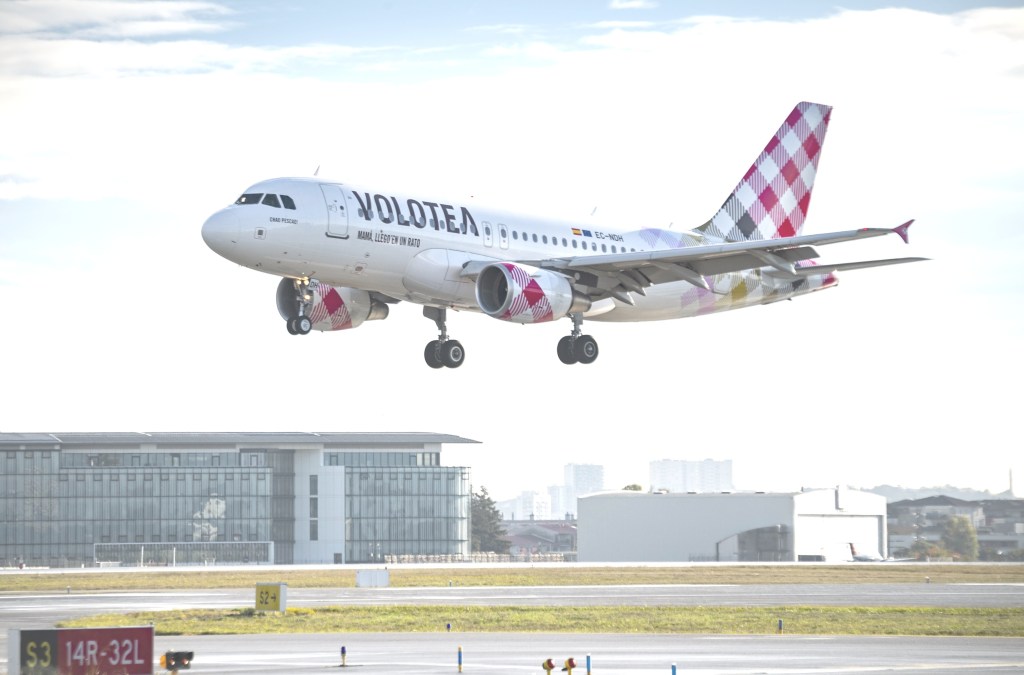
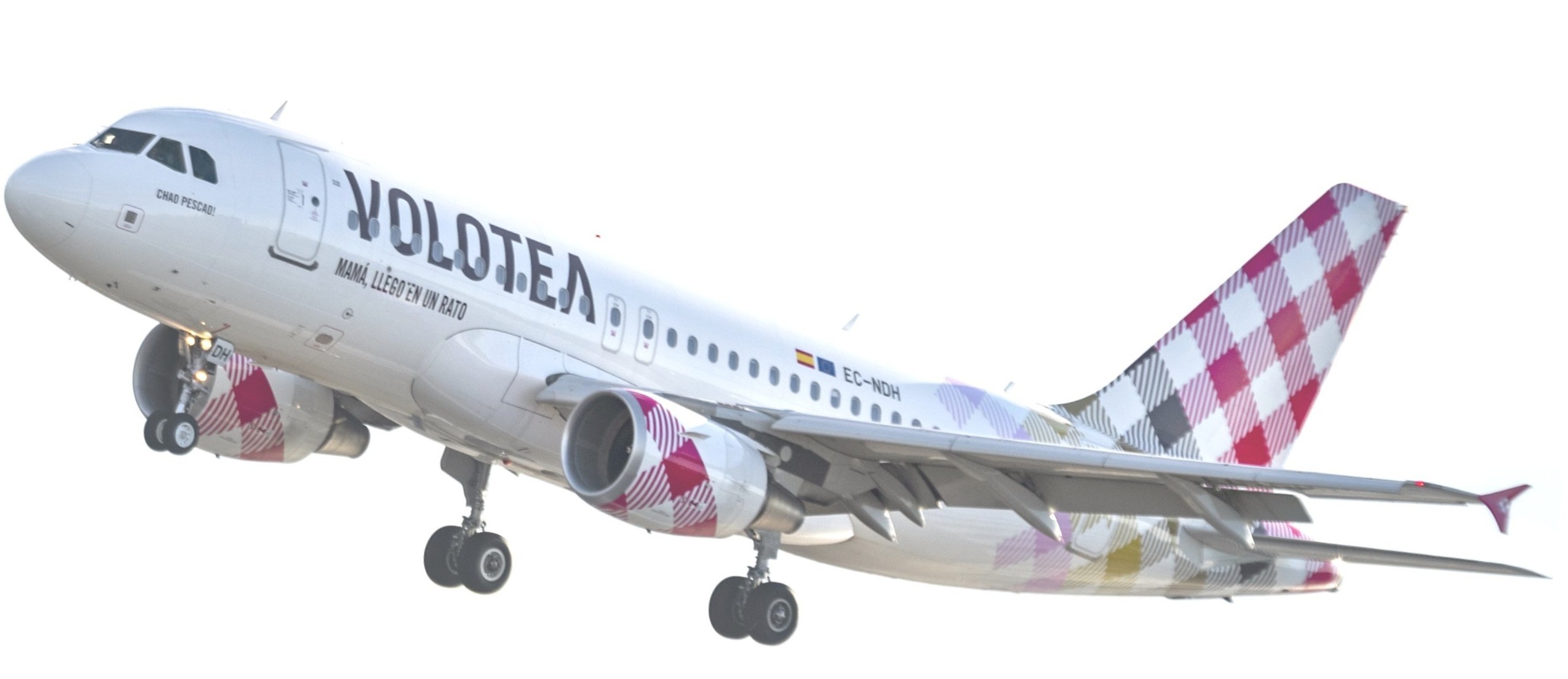
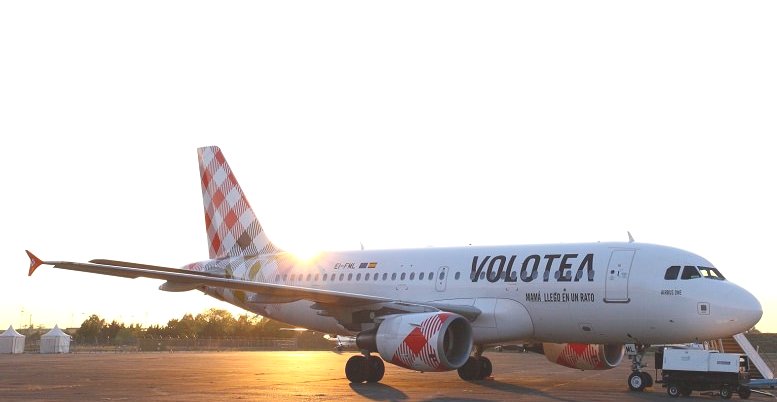
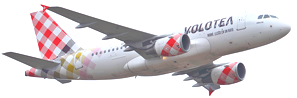
Volotea Airlines continúa expandiéndose con cifras récord de tráfico de pasajeros en el mercado español, superando los números de 2019, tanto en pasajeros como en operaciones aéreas. La aerolínea dispone de fuerte presencia en países como Francia e Italia. Según los datos de AENA, el periodo comprendido Enero—Junio 2022 alcanza un total de 1,1 millones de pasajeros transportados en rutas domésticas y en conexiones internacionales desde o hacia España, lo que representa un incremento del 55,4% respecto a los seis primeros meses de 2019, en los que llegó a 707.771 pax. En Junio 2022 ha desarrollado un total de 349.520 pasajeros transportados, lo que representa un aumento del 62,3% en comparación con los 215.056 del mismo mes de 2019. El incremento es del 31,5% del número de vuelos operados en el periodo 01-06/2022. De Enero a Junio de 2022 ha realizado un total de 7.920 conexiones, muy por encima de las 6.019 de los mismos meses de 2019. La diferencia es más sorprendente en Junio 2022, con 2.435 frente a 1.764 de Junio 2019.
La evolución de Volotea ha mejorado sustancialmente sus operaciones post-pandemia. Mientras que ahora se focalizarán en reducir los márgenes deficitarios que continúa afectando a la aerolínea española. Tras ganar € 17 millones de Euros en 2018, entró en pérdidas en 2019, con un balance negativo de € 7,7 millones. En 2020, año marcado por la crisis sanitaria mundial sus pérdidas se dispararon hasta los € 122 millones. Para afrontar la pandemia, la compañía ha tenido que recurrir a un crédito avalado por el ICO por importe de € 144,7 millones, así como a un rescate estatal de € 200 millones de Euros.
Volotea passenger record
Airlines develops increase of 55.4% year-on-year
Volotea Airlines continues to expand with record passenger traffic figures in the Spanish market, surpassing the numbers of 2019, both in terms of passengers and air operations. The airline has a strong presence in countries such as France and Italy. According to AENA data, the period between January-June 2022 reaches a total of 1.1 million passengers transported on domestic routes and on international connections to or from Spain, which represents an increase of 55.4% compared to the six first months of 2019, in which it reached 707,771 pax. In June 2022 it has developed a total of 349,520 passengers transported, which represents an increase of 62.3% compared to the 215,056 of the same month of 2019. The increase is 31.5% of the number of flights operated in the period 01 -06/2022. From January to June 2022, it has made a total of 7,920 connections, well above the 6,019 in the same months of 2019. The difference is more surprising in June 2022, with 2,435 compared to 1,764 in June 2019.
Volotea’s evolution has substantially improved its post-pandemic operations. While now they will focus on reducing the deficit margins that continue to affect the Spanish airline. After earning €17 million Euros in 2018, it went into losses in 2019, with a negative balance of €7.7 million. In 2020, a year marked by the global health crisis, its losses skyrocketed to €122 million. To deal with the pandemic, the company has had to resort to a loan guaranteed by the ICO amounting to €144.7 million, as well as a state rescue of €200 million Euros.
Volotea rècord de passatgers
Aèria desenvolupa un increment del 55,4% interanual
Volotea Airlines continua expandint-se amb xifres rècord de trànsit de passatgers al mercat espanyol, superant els números del 2019, tant en passatgers com en operacions aèries. L’aerolínia disposa de forta presència a països com França i Itàlia. Segons les dades d’AENA, el període comprès Gener-Juny 2022 assoleix un total d’1,1 milions de passatgers transportats en rutes domèstiques i en connexions internacionals des de o cap a Espanya, cosa que representa un increment del 55,4% respecte als sis primers mesos del 2019, en què va arribar a 707.771 pax. El Juny de 2022 ha desenvolupat un total de 349.520 passatgers transportats, cosa que representa un augment del 62,3% en comparació dels 215.056 del mateix mes del 2019. L’increment és del 31,5% del nombre de vols operats en el període 01-06/2022. De Gener a Juny de 2022 ha realitzat un total de 7.920 connexions, molt per sobre de les 6.019 dels mateixos mesos de 2019. La diferència és més sorprenent el Juny de 2022, amb 2.435 davant de 1.764 de Juny de 2019.
L’evolució de Volotea ha millorat substancialment les seves operacions postpandèmia. Mentre que ara es focalitzaran a reduir els marges deficitaris que continua afectant l’aerolínia espanyola. Després de guanyar € 17 milions d’Euros el 2018, va entrar en pèrdues el 2019, amb un balanç negatiu de € 7,7 milions d’Euros. El 2020, any marcat per la crisi sanitària mundial les seves pèrdues es van disparar fins als 122 € milions. Per afrontar la pandèmia, la companyia ha hagut de recórrer a un crèdit avalat per l’ICO per import de € 144,7 milions d’Euros, així com a un rescat estatal de € 200 milions d’Euros.
PUBLISHER: Airgways.com DBk: Volotea.com / Airgways.com AW-POST: 202208081212AR OWNERSHIP: Airgways Inc. A\W A I R G W A Y S ®
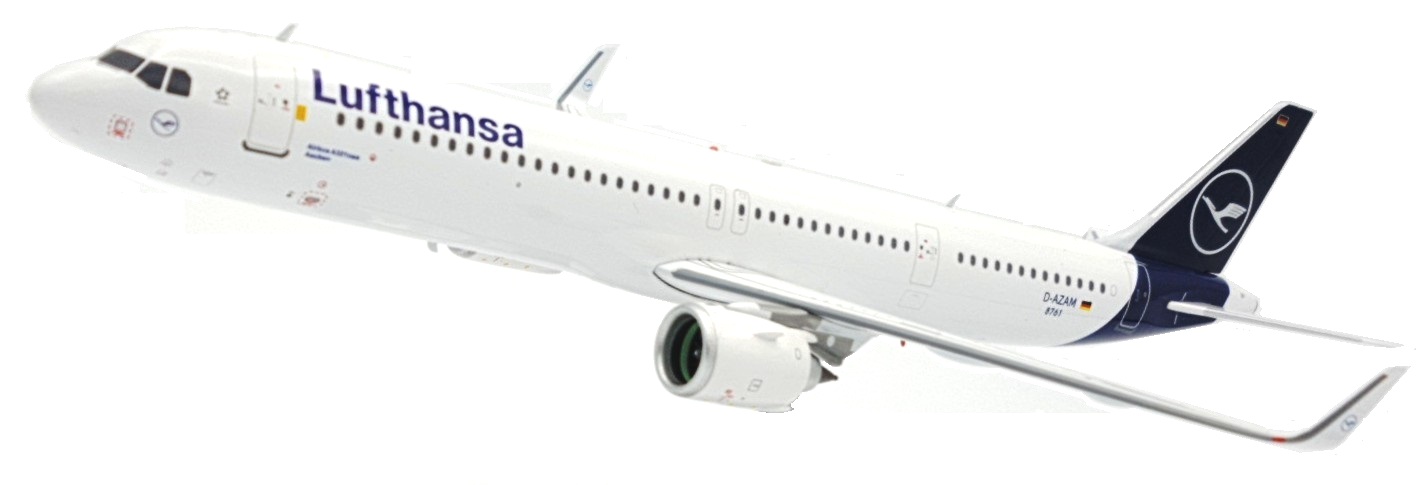
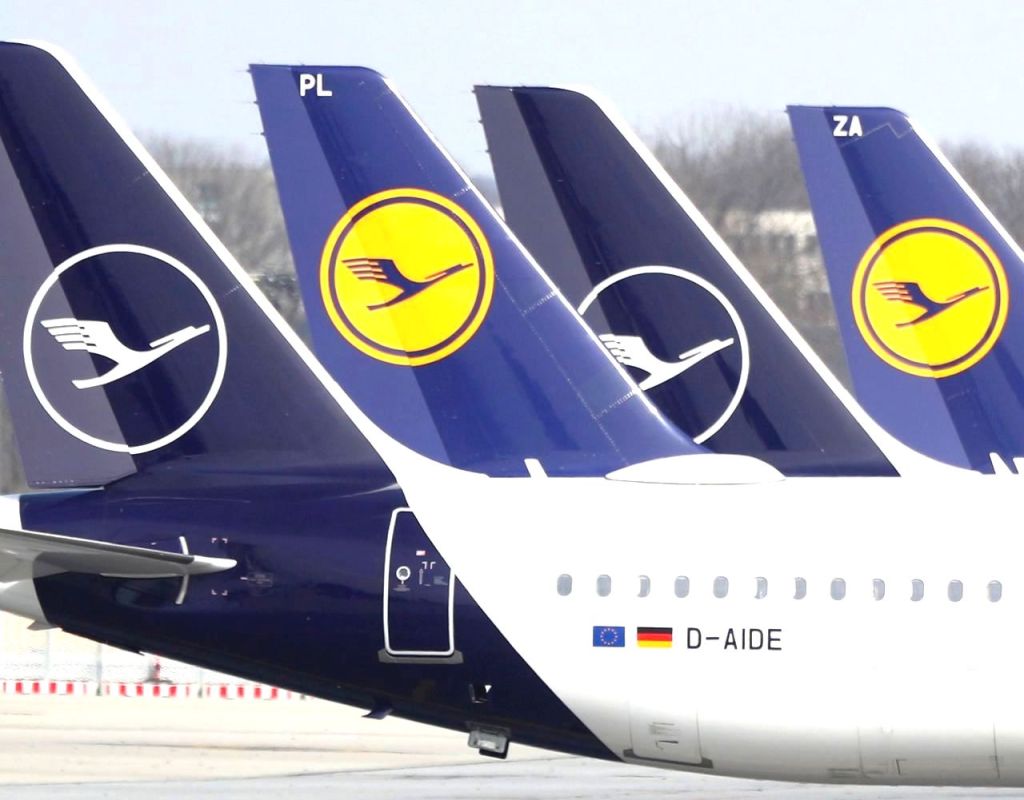
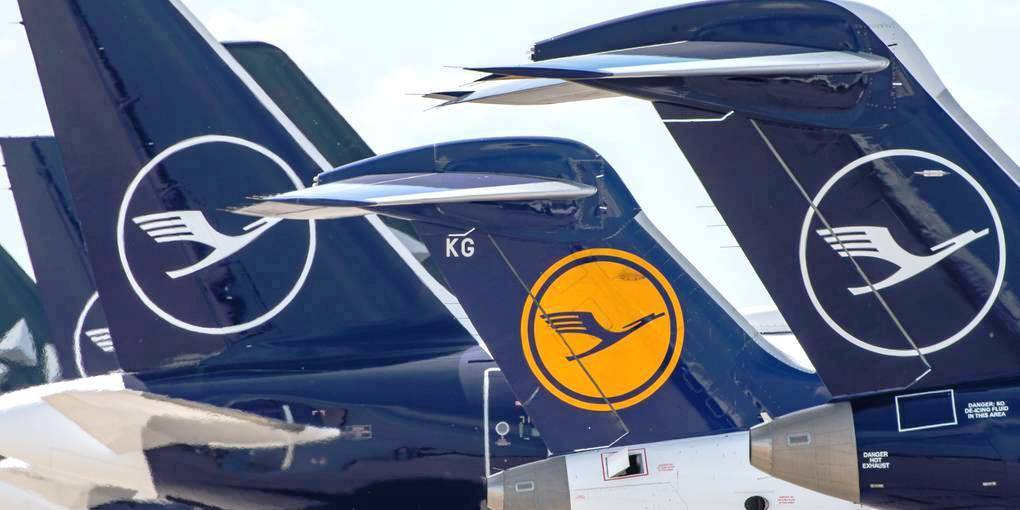
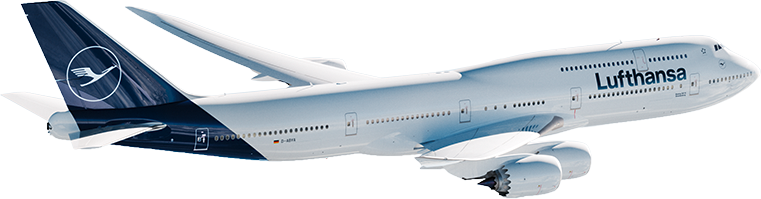
Pilotos Lufthansa votan abrumadoramente a favor de la huelga
El Sindicato de Pilotos Vereinigung Cockpit (VC) y la compañía Lufthansa Airlines han establecido seis rondas de negociaciones con el directorio desde la aerolínea sin produjeron resultados favorables. La gerencia no ha presentado una oferta seria de mejoras en las condiciones laborales para los pilotos. Bajo la presión de sus miembros, el sindicato de pilotos se vio obligado a declarar fracasadas las negociaciones y convocar una votación de huelga. En una votación de huelga reciente, el 97,6 por ciento de los pilotos de aerolíneas de pasajeros de Lufthansa y el 99,3 por ciento de los pilotos de Lufthansa Cargo votaron a favor de tomar medidas, anunció el Gremio de pilotos Vereinigung Cockpit (VC) el Domingo 07/08. Al mismo tiempo, señaló a la Junta que no quería una huelga y ofreció continuar con las negociaciones formalmente fallidas, que ahora se denominan “conversaciones exploratorias”.
El negociador de Vereinigung Cockpit, Marcel Gröls, declaró que era inicialmente una señal de advertencia para la Junta Ejecutiva de Lufthansa. Ahora se esperaba que la gerencia finalmente hiciera buenas ofertas. Lo que se necesitaba era “una voluntad seria de encontrar una solución por parte de Lufthansa, para crear conjuntamente espacios de soluciones creativas en interés de la empresa y sus empleados”, dijo el Jefe de la negociación colectiva de VC.
Los aproximadamente 5.000 pilotos de Lufthansa se enfrentan al hecho de que el sindicato está restringiendo y saboteando su gran disposición a la huelga, casi al 100 por ciento. Esto, a su vez, fortalece y alienta a la gerencia de Lufthansa a apegarse a su provocativa política salarial destinada a reducir los salarios. Para impulsar sus demandas, los pilotos deben librar una batalla en dos frentes. Deben unirse en un comité de acción de base, independiente del sindicato de pilotos, para poner en práctica su decisión de ir a la huelga. Al mismo tiempo, dicho comité de acción crea el requisito previo para vincular la lucha de los pilotos con la de otros empleados de Lufthansa, como el personal de tierra, que actualmente también están involucrados en disputas de negociación colectiva. Además, crea la posibilidad de establecer contacto con los trabajadores de la aviación en huelga en otras empresas y países, coordinando sus luchas y movilizando todo el poder de lucha de los pilotos y todos los demás trabajadores de la aviación.
Sin romper el control de VC, no se puede ganar la lucha, a pesar de una gran disposición a la huelga. Los conflictos surgieron cuando se estaban redactando las demandas salariales. Los pilotos que trabajan para las filiales Eurowings, Austrian Airlines, Swiss Airlines, Air Dolomiti, etc., que pertenecen al Lufthansa Group, pero que ganan mucho menos que los empleados de la marca principal, exigieron un importante aumento salarial para compensar las pérdidas del pasado años y los efectos de la inflación monetaria.
Vereinigung Cockpit (VC) limitó su demanda para este año al 5,5 por ciento, lo que, incluso si se implementara por completo, significaría una pérdida masiva de salarios reales, y pospuso una demanda de compensación automática por inflación hasta el próximo año. Además, demandan un convenio colectivo único que cubra a todo el personal de cabina, que es una espada de doble filo. Si bien es deseable superar los diferentes acuerdos en las distintas operaciones de vuelo, la Mesa Ejecutiva está tratando de romper el protagonismo anterior de la marca central y hacer de los salarios bajos el estándar. La gran voluntad de huelga de los pilotos es también una respuesta a las concesiones masivas que ha hecho VC en los últimos años a causa de la pandemia del coronavirus. Esto ha llevado a un deterioro significativo de las condiciones de trabajo ya enormes pérdidas de ingresos.
En la primavera de 2020, poco después del inicio de la pandemia, Vereinigung Cockpit (VC) había acordado reducir los salarios de los pilotos hasta en un 50 por ciento, inicialmente hasta fin de año. Poco antes de eso, la dirección de VC extendió este recorte salarial hasta finales de Junio de 2022. Además del trabajo a tiempo parcial, el paquete incluía concesiones en salarios y pensiones. “Las concesiones acordadas esta primavera y ahora ofrecidas adicionalmente ascienden a un valor total de más de 600 millones de euros. Esto corresponde a reducciones salariales de hasta un 50 por ciento en comparación con el período anterior a la crisis”, declaró Markus Wahl, entonces Presidente de VC, hace poco menos de dos años.
Los otros dos sindicatos de Lufthansa, Verdi y UFO (Organización Independiente de Asistentes de Vuelo), también ofrecieron recortar las vacaciones y los bonos de las fiestas de fin de año y aceptar una congelación salarial y la renuncia a las asignaciones, lo que eleva la devolución total de ingresos de la fuerza laboral a alrededor de € 1,3 mil millones de Euros.
Lufthansa Airlines es particularmente inescrupulosa en el trato que da a los pilotos jóvenes y al personal subalterno. Seis meses después del inicio de la pandemia, que para los futuros pilotos significó una interrupción total de su costosa formación, la dirección de Lufthansa invitó a sus 500 alumnos piloto a una videollamada. Stephan Klar, entonces Director Gerente de LAT, la subsidiaria de Lufthansa responsable de la capacitación de pilotos, se abrió diciendo a los estudiantes conmocionados que no tenía sentido económico o de perspectiva profesional para que continuaran con su capacitación. Los estudiantes fueron llamados a “reorientarse profesionalmente”, dijo. Alrededor de 200 estudiantes de Lufthansa presentaron una denuncia legal contra esto. Pero el Tribunal Laboral de Frankfurt desestimó la demanda en Diciembre 2021, así como las medidas cautelares contra el cierre de las escuelas de pilotos en Bremen y Phoenix, Arizona. El Jefe de LAT, Matthias Spohr, hermano del director ejecutivo de Lufthansa, Carsten Spohr, acogió con satisfacción el fallo del Tribunal y citó la supuesta “necesidad reducida de pilotos” debido a la pandemia. Mientras tanto, Lufthansa está reanudando la formación de pilotos, en condiciones mucho peores.
Huelgas europeas
Después de que Lufthansa y otras aerolíneas fueran rescatadas con miles de millones de Euros del Gobierno a raíz de la pandemia, estas cantidades ahora se eliminarán del personal a través de recortes en salarios reales y reducciones de empleo. La resistencia a esto está creciendo. La voluntad de huelga de los pilotos de Lufthansa es parte de una amplia ola de huelgas en la industria de la aviación internacional que continúa desde hace meses.
Los pilotos en España, en Easyjet, la segunda aerolínea de bajo costo más grande de Europa, han anunciado una huelga para agosto que durará nueve días. Unos 900 pilotos de SAS de Dinamarca, Noruega y Suecia se declararon en huelga a principios de julio; Se cancelaron cientos de vuelos operados por la aerolínea escandinava. La empresa usó la huelga como pretexto para declararse en quiebra y reorganizar las operaciones de vuelo bajo nuevas condiciones. Se está llevando a cabo una votación sobre una huelga del personal de cabina en British Airways después de que se cancelara una huelga del personal de tierra en el último minuto. Y a principios de esta semana, los sindicatos portugueses anunciaron huelgas en todos los principales aeropuertos para comenzar en la segunda quincena de agosto.
Pero los sindicatos en todas partes están tratando de aislar estos movimientos huelguísticos internacionales entre sí y evitar una lucha conjunta. En Alemania, el sindicato del sector de servicios Verdi está tratando desesperadamente de detener la disputa de negociación colectiva de los aproximadamente 20.000 trabajadores de tierra de Lufthansa para evitar una lucha conjunta con los pilotos.
Los pilotos deben tomar el control de su disputa salarial y la huelga decidida en sus propias manos. No deben permitir que los funcionarios sindicales, que también forman parte del consejo de supervisión de la empresa, cobran grandes recompensas y representan los intereses de la corporación, dicten lo que pueden exigir y si su decisión de huelga se llevará a cabo o no.
Los pilotos, en particular, que están constantemente en contacto con colegas en diferentes países y continentes, saben que enfrentan problemas iguales o similares en todo el mundo. Ahora deben unirse internacionalmente y usar su poder de huelga para organizar una lucha común de todos los trabajadores de la aviación. Por eso, es tan importante la ruptura con Vereinigung Cockpit y la creación de comités de acción independientes. Solo a través de una intervención consciente de las fuerzas de trabajo es posible rechazar la intensificación de la explotación y superar el caos en los aeropuertos. La aviación y el transporte público, como la atención médica, la enfermería y la educación, son componentes importantes de los servicios públicos socialmente indispensables que no deben estar subordinados a la economía capitalista lucrativa.
La creación de Comités de Acción es un paso importante para desarrollar la cooperación internacional que coloca los intereses de los pilotos y todos los demás trabajadores de la aviación y las necesidades de los pasajeros por encima de los intereses de lucro de las corporaciones y accionistas.
Lufthansa towards pilot strike
Lufthansa pilots overwhelmingly vote in favor of strike
The Vereinigung Cockpit (VC) Pilots’ Union and the Lufthansa Airlines company have established six rounds of negotiations with the airline’s board of directors without producing favorable results. The management has not presented a serious offer of improvements in working conditions for the pilots. Under pressure from its members, the pilots’ union was forced to declare negotiations a failure and call a strike vote. In a recent strike vote, 97.6 percent of Lufthansa passenger airline pilots and 99.3 percent of Lufthansa Cargo pilots voted in favor of taking action, the Vereinigung Cockpit Pilots Guild announced ( VC) on Sunday 08/07. At the same time, he told the Board that he did not want a strike and offered to continue the formally failed negotiations, which are now called “exploratory talks”.
Vereinigung Cockpit negotiator Marcel Gröls stated that it was initially a red flag for the Lufthansa Executive Board. Management was now expected to finally make good deals. What was needed was “a serious will to find a solution on the part of Lufthansa, to jointly create spaces for creative solutions in the interest of the company and its employees”, said the Head of VC collective bargaining.
Lufthansa’s 5,000 or so pilots are confronted with the fact that the union is restricting and sabotaging their almost 100 percent willingness to strike. This, in turn, strengthens and encourages Lufthansa’s management to stick to its provocative wage policy aimed at driving down wages. To push through their demands, the pilots must wage a battle on two fronts. They must unite in a rank-and-file action committee, independent of the pilots’ union, to implement their decision to strike. At the same time, such an action committee creates the prerequisite for linking the pilots’ struggle with that of other Lufthansa employees, such as ground crew, who are currently also involved in collective bargaining disputes. In addition, it creates the possibility of establishing contact with striking aviation workers in other companies and countries, coordinating their struggles and mobilizing all the fighting power of pilots and all other aviation workers.
Without breaking VC’s control, the fight cannot be won, despite a strong willingness to strike. Conflicts arose when wage demands were being drafted. Pilots working for the subsidiaries Eurowings, Austrian Airlines, Swiss Airlines, Air Dolomiti, etc., which belong to the Lufthansa Group, but earn much less than employees of the main brand, demanded a significant salary increase to compensate for the losses of the past years and the effects of monetary inflation.
The Vereinigung Cockpit (VC) capped its claim for this year at 5.5 percent, which, even if fully implemented, would mean a massive loss of real wages, and has postponed a claim for automatic compensation for inflation until next year. In addition, they demand a single collective agreement that covers all cabin crew, which is a double-edged sword. While it is desirable to overcome the different agreements in the different flight operations, the Executive Board is trying to break the previous prominence of the central brand and make low wages the standard. The great will to strike of the pilots is also a response to the massive concessions that VC has made in recent years due to the coronavirus pandemic. This has led to a significant deterioration in working conditions and huge losses in income.
In the spring of 2020, shortly after the start of the pandemic, the Vereinigung Cockpit (VC) had agreed to cut pilot salaries by up to 50 percent, initially until the end of the year. Shortly before that, the VC management extended this salary cut until the end of June 2022. In addition to part-time work, the package included concessions on salaries and pensions. “The concessions agreed this spring and now offered additionally amount to a total value of more than 600 million euros. This corresponds to salary reductions of up to 50 percent compared to the pre-crisis period”, declared Markus Wahl, then President of VC, just under two years ago.
Lufthansa’s two other unions, Verdi and UFO (Independent Flight Attendants Organisation), have also offered to cut vacation and holiday bonuses and agree to a pay freeze and waiver of allowances, raising the total return of labor force income to around €1.3 billion Euros.
Lufthansa Airlines is particularly unscrupulous in its treatment of young pilots and junior staff. Six months after the start of the pandemic, which for future pilots meant a complete interruption of their expensive training, Lufthansa management invited its 500 pilot students to a video call. Stephan Klar, then Managing Director of LAT, the Lufthansa subsidiary responsible for pilot training, opened up by telling the shocked students that he didn’t make economic or career sense for them to continue their training. The students were called to «reorient themselves professionally», he said. Around 200 Lufthansa students filed a legal complaint against this. But the Frankfurt Labor Court dismissed the lawsuit in December 2021, as well as injunctions against the closure of pilot schools in Bremen and Phoenix, Arizona. LAT Chief Matthias Spohr, brother of Lufthansa CEO Carsten Spohr, welcomed the Court’s ruling, citing the alleged «reduced need for pilots» due to the pandemic. Meanwhile, Lufthansa is resuming pilot training, under much worse conditions.
European strikes
After Lufthansa and other airlines were bailed out with billions of Euros from the Government in the wake of the pandemic, these amounts will now be removed from staff through cuts in real wages and job reductions. Resistance to this is growing. The Lufthansa pilots’ willingness to strike is part of a broad wave of strikes in the international aviation industry that has been going on for months.
Pilots in Spain at Easyjet, Europe’s second-largest low-cost airline, have announced a nine-day strike for August. Some 900 SAS pilots from Denmark, Norway and Sweden went on strike in early July; Hundreds of flights operated by the Scandinavian airline were cancelled. The company used the strike as a pretext to declare bankruptcy and reorganize flight operations under new conditions. A vote on a cabin crew strike is underway at British Airways after a ground staff strike was called off at the last minute. And earlier this week, Portuguese unions announced strikes at all major airports to start in the second half of August.
But unions everywhere are trying to isolate these international strike movements from each other and prevent a joint fight. In Germany, the Verdi service sector union is desperately trying to stop the collective bargaining dispute of Lufthansa’s estimated 20,000 ground workers to avoid a joint fight with the pilots.
The pilots must take control of their pay dispute and strike decision into their own hands. They must not allow union officials, who are also part of the company’s supervisory board, collect large rewards and represent the interests of the corporation, to dictate what they can demand and whether or not their decision to strike will be carried out.
Pilots in particular, who are constantly in contact with colleagues in different countries and continents, know that they face the same or similar problems all over the world. Now they must unite internationally and use their strike power to organize a common struggle of all aviation workers. That is why the break with the Vereinigung Cockpit and the creation of independent action committees are so important. Only through a conscious intervention of the workforce is it possible to repel the intensification of exploitation and overcome the chaos at airports. Aviation and public transportation, like health care, nursing, and education, are important components of socially indispensable public services that should not be subordinated to the profit-making capitalist economy.
The creation of Action Committees is an important step in developing international cooperation that places the interests of pilots and all other aviation workers and the needs of passengers above the profit interests of corporations and shareholders.
Lufthansa in richtung Pilotenstreik
Lufthansa-Piloten stimmen mit überwältigender Mehrheit für Streik
Die Pilotengewerkschaft Vereinigung Cockpit (VC) und die Lufthansa Airlines haben sechs Verhandlungsrunden mit dem Vorstand der Fluggesellschaft ohne positive Ergebnisse eingeleitet. Das Management hat kein ernsthaftes Angebot zur Verbesserung der Arbeitsbedingungen für die Piloten vorgelegt. Auf Druck ihrer Mitglieder war die Pilotengewerkschaft gezwungen, die Verhandlungen für gescheitert zu erklären und einen Streik auszurufen. 97,6 Prozent der Piloten der Lufthansa Passage Airline und 99,3 Prozent der Piloten der Lufthansa Cargo hätten sich in einer kürzlich abgehaltenen Abstimmung dafür ausgesprochen, Maßnahmen zu ergreifen, teilte die Vereinigung Cockpit Pilots Guild (VC) am Sonntag, den 08.07. mit. Gleichzeitig sagte er dem Vorstand, er wolle keinen Streik und bot an, die formell gescheiterten Verhandlungen, die jetzt „Sondierungsgespräche“ heißen, fortzusetzen.
Der Verhandlungsführer der Vereinigung Cockpit, Marcel Gröls, erklärte, es sei zunächst ein Warnsignal für den Lufthansa-Vorstand. Von der Geschäftsleitung wurde nun erwartet, endlich gute Geschäfte zu machen. Erforderlich sei „eine ernsthafte Lösungsbereitschaft seitens der Lufthansa, um im Interesse des Unternehmens und seiner Mitarbeiter gemeinsam Freiräume für kreative Lösungen zu schaffen“, sagte der VC-Tarifverhandlungsleiter.
Die rund 5.000 Piloten der Lufthansa sehen sich damit konfrontiert, dass die Gewerkschaft ihre fast 100-prozentige Streikbereitschaft einschränkt und sabotiert. Dies wiederum bestärkt und ermutigt das Lufthansa-Management, an seiner provokativen Lohnpolitik festzuhalten, die darauf abzielt, die Löhne zu drücken. Um ihre Forderungen durchzusetzen, müssen die Piloten einen Kampf an zwei Fronten führen. Sie müssen sich in einem von der Pilotengewerkschaft unabhängigen Aktionskomitee zusammenschließen, um ihren Streikbeschluss umzusetzen. Gleichzeitig schafft ein solches Aktionskomitee die Voraussetzung dafür, den Kampf der Piloten mit dem anderer Lufthansa-Mitarbeiter, etwa des Bodenpersonals, zu verknüpfen, die derzeit ebenfalls in Tarifauseinandersetzungen verwickelt sind. Darüber hinaus schafft es die Möglichkeit, Kontakt zu streikenden Luftfahrtbeschäftigten in anderen Unternehmen und Ländern aufzunehmen, ihre Kämpfe zu koordinieren und die gesamte Kampfkraft der Piloten und aller anderen Luftfahrtbeschäftigten zu mobilisieren.
Ohne die Kontrolle von VC zu brechen, kann der Kampf trotz starker Streikbereitschaft nicht gewonnen werden. Bei der Ausarbeitung von Lohnforderungen kam es zu Konflikten. Piloten der zum Lufthansa-Konzern gehörenden Tochtergesellschaften Eurowings, Austrian Airlines, Swiss Airlines, Air Dolomiti etc., die aber deutlich weniger verdienen als Mitarbeiter der Hauptmarke, forderten eine deutliche Gehaltserhöhung, um die Verluste der Vergangenheit auszugleichen Jahre und die Auswirkungen der monetären Inflation.
Die Vereinigung Cockpit (VC) hat ihre Forderung für dieses Jahr auf 5,5 Prozent gedeckelt, was selbst bei vollständiger Umsetzung massive Reallohneinbußen bedeuten würde, und eine Forderung nach automatischem Inflationsausgleich auf nächstes Jahr verschoben. Außerdem fordern sie einen einheitlichen Tarifvertrag für das gesamte Kabinenpersonal, was ein zweischneidiges Schwert ist. Während es wünschenswert ist, die unterschiedlichen Vereinbarungen in den verschiedenen Flugbetrieben zu überwinden, versucht der Vorstand, die bisherige Prominenz der zentralen Marke zu brechen und niedrige Löhne zum Standard zu machen. Der große Streikwille der Piloten ist auch eine Reaktion auf die massiven Zugeständnisse, die VC in den letzten Jahren aufgrund der Corona-Pandemie gemacht hat. Dies hat zu einer erheblichen Verschlechterung der Arbeitsbedingungen und enormen Einkommensverlusten geführt.
Im Frühjahr 2020, kurz nach Ausbruch der Pandemie, hatte die Vereinigung Cockpit (VC) vereinbart, die Pilotengehälter um bis zu 50 Prozent zu kürzen, zunächst bis Ende des Jahres. Kurz zuvor verlängerte die VC-Geschäftsführung diese Gehaltskürzung bis Ende Juni 2022. Das Paket beinhaltete neben Teilzeit auch Zugeständnisse bei Gehältern und Renten. „Die in diesem Frühjahr vereinbarten und nun zusätzlich angebotenen Konzessionen belaufen sich auf einen Gesamtwert von mehr als 600 Millionen Euro. Das entspricht Gehaltseinbußen von bis zu 50 Prozent im Vergleich zur Vorkrisenzeit“, erklärte Markus Wahl, damals Präsident der VC, vor knapp zwei Jahren.
Die beiden anderen Gewerkschaften der Lufthansa, Verdi und UFO (Unabhängige Flugbegleiterorganisation), haben ebenfalls angeboten, Urlaubs- und Weihnachtsgeld zu kürzen und einem Lohnstopp und Verzicht auf Zulagen zuzustimmen, was die Gesamtrendite der Arbeitnehmereinkommen auf rund 1,3 Milliarden Euro erhöht.
Besonders skrupellos geht Lufthansa Airlines mit jungen Piloten und Nachwuchskräften um. Sechs Monate nach Beginn der Pandemie, die für zukünftige Piloten eine komplette Unterbrechung ihrer teuren Ausbildung bedeutete, lud das Lufthansa-Management seine 500 Pilotenschüler zu einem Video-Call ein. Stephan Klar, damals Geschäftsführer von LAT, der für die Pilotenausbildung zuständigen Lufthansa-Tochter, eröffnete den geschockten Studenten, dass es für sie finanziell und beruflich keinen Sinn mache, ihre Ausbildung fortzusetzen. Die Studenten seien aufgerufen, sich «beruflich neu zu orientieren», sagte er. Dagegen reichten rund 200 Lufthansa-Studenten Klage ein. Doch das Arbeitsgericht Frankfurt wies die Klage im Dezember 2021 ab, ebenso wie einstweilige Verfügungen gegen die Schließung von Pilotschulen in Bremen und Phoenix, Arizona. LAT-Chef Matthias Spohr, Bruder von Lufthansa-Chef Carsten Spohr, begrüßte das Urteil des Gerichts und verwies auf den angeblich „verringerten Bedarf an Piloten“ aufgrund der Pandemie. Unterdessen nimmt die Lufthansa die Pilotenausbildung unter deutlich schlechteren Bedingungen wieder auf.
Europäische Streiks
Nachdem Lufthansa und andere Fluggesellschaften im Zuge der Pandemie mit Milliarden von Euro aus der Regierung gerettet wurden, werden diese Beträge nun durch Reallohnkürzungen und Stellenabbau dem Personal abgenommen. Dagegen wächst der Widerstand. Die Streikbereitschaft der Lufthansa-Piloten ist Teil einer seit Monaten andauernden breiten Streikwelle in der internationalen Luftfahrtindustrie.
Piloten in Spanien bei Easyjet, Europas zweitgrößter Billigfluggesellschaft, haben für August einen neuntägigen Streik angekündigt. Etwa 900 SAS-Piloten aus Dänemark, Norwegen und Schweden traten Anfang Juli in den Streik; Hunderte Flüge der skandinavischen Fluggesellschaft wurden gestrichen. Das Unternehmen nahm den Streik zum Anlass, Insolvenz anzumelden und den Flugbetrieb unter neuen Bedingungen neu zu organisieren. Bei British Airways läuft eine Abstimmung über einen Streik des Kabinenpersonals, nachdem ein Streik des Bodenpersonals in letzter Minute abgesagt wurde. Und Anfang dieser Woche kündigten die portugiesischen Gewerkschaften Streiks an allen großen Flughäfen an, die in der zweiten Augusthälfte beginnen sollen.
Doch überall versuchen die Gewerkschaften, diese internationalen Streikbewegungen voneinander zu isolieren und einen gemeinsamen Kampf zu verhindern. In Deutschland versucht die Dienstleistungsgewerkschaft Verdi verzweifelt, den Tarifstreit der geschätzt 20.000 Bodenbeschäftigten der Lufthansa zu beenden, um einen gemeinsamen Streit mit den Piloten zu vermeiden.
Die Piloten müssen ihren Lohnstreit in den Griff bekommen und die Entscheidung selbst in die Hand nehmen. Sie dürfen nicht zulassen, dass Gewerkschaftsfunktionäre, die auch im Aufsichtsrat des Unternehmens sitzen, große Belohnungen kassieren und die Interessen des Konzerns vertreten, diktieren, was sie fordern können und ob ihre Streikentscheidung durchgeführt wird oder nicht.
Gerade Piloten, die ständig mit Kollegen in verschiedenen Ländern und Kontinenten in Kontakt stehen, wissen, dass sie überall auf der Welt mit gleichen oder ähnlichen Problemen konfrontiert sind. Jetzt müssen sie sich international zusammenschließen und ihre Streikkraft nutzen, um einen gemeinsamen Kampf aller Luftfahrtarbeiter zu organisieren. Deshalb sind der Bruch mit der Vereinigung Cockpit und die Schaffung unabhängiger Aktionskomitees so wichtig. Nur durch ein bewusstes Eingreifen der Belegschaft ist es möglich, die Verschärfung der Ausbeutung abzuwehren und das Chaos auf den Flughäfen zu überwinden. Luftfahrt und öffentlicher Verkehr sind ebenso wie Gesundheitsversorgung, Pflege und Bildung wichtige Bestandteile gesellschaftlich unverzichtbarer öffentlicher Dienstleistungen, die nicht der kapitalistischen Profitwirtschaft untergeordnet werden sollten.
Die Einrichtung von Aktionskomitees ist ein wichtiger Schritt bei der Entwicklung einer internationalen Zusammenarbeit, die die Interessen der Piloten und aller anderen Luftverkehrsbeschäftigten und die Bedürfnisse der Passagiere über die Profitinteressen von Unternehmen und Aktionären stellt.
PUBLISHER: Airgways.com DBk: Vcockpit.de / Lufthansa.com / Airgways.com AW-POST: 202208081044AR OWNERSHIP: Airgways Inc. A\W A I R G W A Y S ®
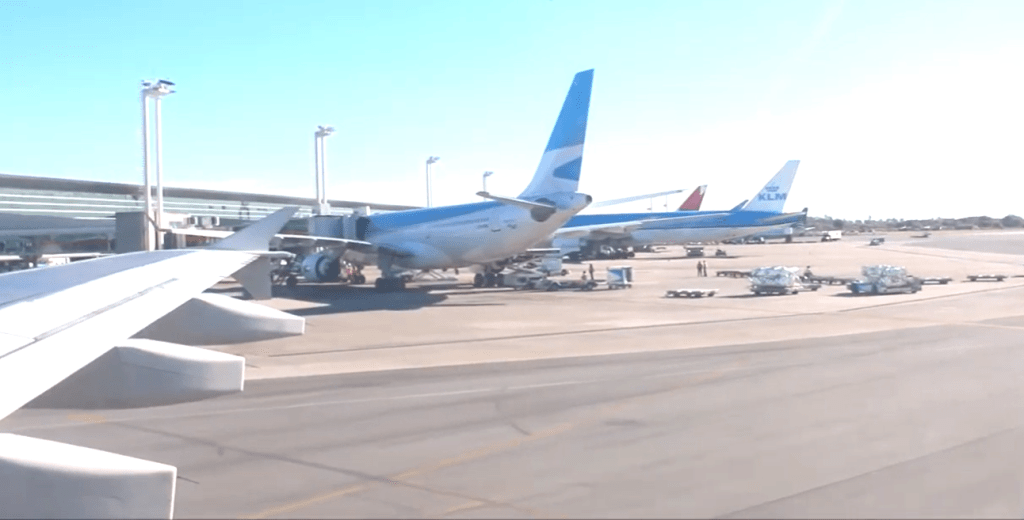
Líneas Aéreas restringen venta de pasajes en el exterior
Las medidas restrictivas apuntan a evitar que muchos usuarios que no residen en el país comenzaron a comprar, a través de familiares, amigos o algunas agencias de viajes, los pasajes emitidos en Argentina con tarjetas de crédito en Pesos para pagar una tarifa inferior, aprovechando el Dólar turista. De esta manera, se estaba disminuyendo la emisión de tickets en el exterior, lo que es la principal fuente de divisas para las compañías. Como contrapartida, se pretende incentivar al pasajero que comienza su itinerario en el exterior, a realizar como se hace habitualmente, la compra de su ticket en su lugar de origen.
La primera compañía aérea en tomar la decisión de limitar la emisión de pasajes de viajes que no inicien en el país fue Aerolíneas Argentinas, con el objetivo de evitar que se pierdan divisas en la compra de esos tickets. Otras líneas aéreas han seguido el paso como Copa Airlines y Air Europa que han suspendido la emisión en Argentina de pasajes aéreos que no despeguen en el país. En el caso de Air France, suspendió las ventas de pasajes que partan desde Brasil, Paraguay y Uruguay. Iberia lo hizo para los vuelos que despeguen desde Uruguay, además de haber restringido las ventas de esta clase a las categorías más caras.
Argentina: Foreign Ticket Issuance Restricted
Airlines restrict the sale of tickets abroad
The restrictive measures aim to prevent many users who do not reside in the country from buying, through family, friends or some travel agencies, the tickets issued in Argentina with credit cards in pesos to pay a lower rate, taking advantage of the tourist dollar. In this way, the issuance of tickets abroad, which is the main source of foreign exchange for companies, was being reduced. In return, it is intended to encourage the passenger who begins his itinerary abroad, to carry out, as is usually done, the purchase of his ticket in his place of origin.
The first airline to make the decision to limit the issuance of travel tickets that do not start in the country was Aerolíneas Argentinas, with the aim of preventing foreign exchange from being lost in the purchase of those tickets. Other airlines have followed suit, such as Copa Airlines and Air Europa, which have suspended the issuance in Argentina of air tickets that do not take off in the country. In the case of Air France, it suspended ticket sales departing from Brazil, Paraguay and Uruguay. Iberia did it for flights that take off from Uruguay, in addition to having restricted sales of this class to the most expensive categories.
PUBLISHER: Airgways.com DBk: Aerolineas.com / Aireuropa.com / Iberia.com / Copaair.com / Airgways.com AW-POST: 202208080944AR OWNERSHIP: Airgways Inc. A\W A I R G W A Y S ®
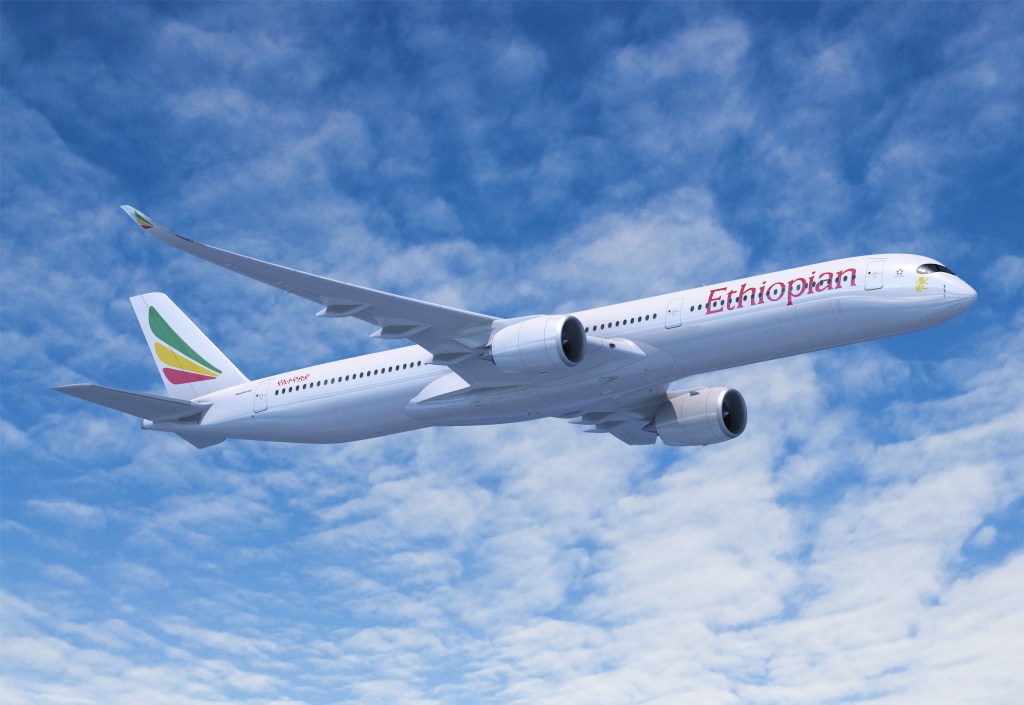
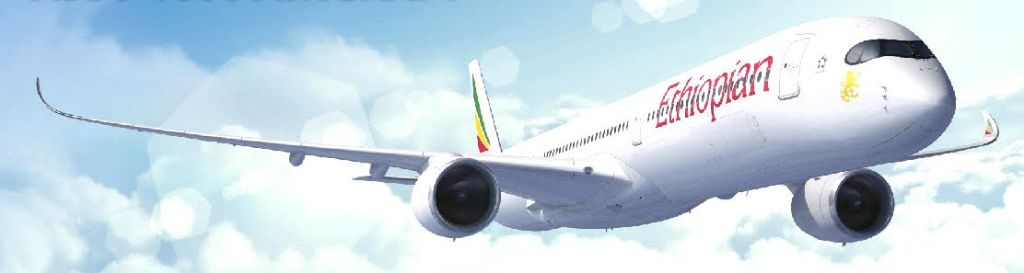
Ethiopian Airlines primer operador africano del A350-1000
Ethiopian Airlines, la aerolínea de bandera de Etiopía, ha aumentado sus órdenes iniciales de aeronave de gran porte de cuatro Airbus A350-900, a efectuar un nuevo pedido reformulado a la variante más grande de la familia A350, el Airbus A350-1000, convirtiéndose en el primer cliente de África para el avión. Ethiopian Airlines actualmente ha ordenado veintidós A350-900 (22), de los cuales se han entregado dieciséis unidades. La reconversión residual de los pedidos restantes consiste en cuatro A350-1000 (4) y dos A350-900 (2).
El CEO de Ethiopian Airlines Group, Mesfin Tasew, dijo: «Estamos encantados con el aumento de tamaño del A350-900 en orden a la variante más grande, A350-1000, que nos ayuda a mantenernos a la vanguardia en tecnología. Somos los líderes tecnológicos en el continente que introducen la última tecnología y la flota de bajo consumo de combustible en África. El A350-1000 es el más adecuado para nuestras rutas densas, y creemos que el aumento de tamaño será fundamental para satisfacer la creciente demanda de clientes en nuestra vasta red global en los cinco continentes. Continuaremos manteniéndonos al tanto de los avances de la tecnología de aviación para mejorar nuestro servicio y satisfacer la demanda de los clientes».
«Estamos orgullosos de nuestra sólida asociación con Ethiopian Airlines, la primera aerolínea en África en ordenar y operar el A350-900. En otra primicia, Ethiopian Airlines está liderando una vez más el camino en el sector de la aviación de África al presentar el A350-1000, la versión más grande del avión de pasajeros más eficiente y tecnológicamente avanzado del mundo. El A350-900 ha ofrecido una capacidad extraordinaria, eficiencia de combustible y confiabilidad operativa del 99.5 por ciento, junto con una flexibilidad y eficiencia operativas inmejorables, desde operaciones de corto a ultra largo alcance», dijo Mikail Houari, Presidente de Airbus África y Medio Oriente.
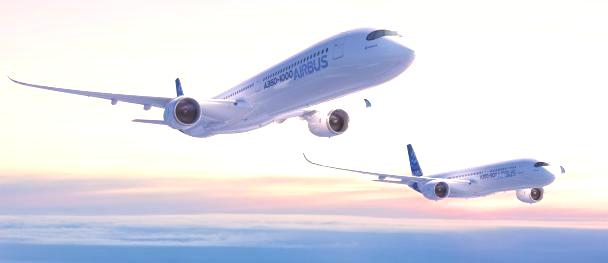
El A350-1000 aumentará la capacidad de la aerolínea de África Oriental y será una adición a su moderna flota de fuselaje ancho. El diseño de hoja limpia del airbus A350 cuenta con aerodinámica de última generación, un fuselaje y alas de fibra de carbono, además de los motores Rolls-Royce Trent XWB más eficientes en combustible. Juntas, estas últimas tecnologías se traducen en niveles inigualables de eficiencia operativa y sostenibilidad para Ethiopian Airlines, con una reducción del 25% en el consumo de combustible y las emisiones de CO2 en comparación con los aviones de doble pasillo de la generación anterior.
Ethiopian orders A350-1000
Ethiopian Airlines first African operator of the A350-1000
Ethiopian Airlines, the flag carrier of Ethiopia, has increased its initial large aircraft orders from four Airbus A350-900s, to place a new order reformulated to the largest variant of the A350 family, the Airbus A350-1000, becoming Africa’s first customer for the aircraft. Ethiopian Airlines currently has ordered twenty-two A350-900s (22), of which sixteen units have been delivered. The residual conversion of the remaining orders consists of four A350-1000 (4) and two A350-900 (2).
Ethiopian Airlines Group CEO Mesfin Tasew said: «We are delighted with the increase in size of the A350-900 in order to the largest variant, A350-1000, which helps us stay at the forefront of technology. We are the leaders on the continent introducing the latest technology and fuel efficient fleet to Africa The A350-1000 is best suited for our dense routes, and we believe the size increase will be key to meeting growing customer demand in our vast global network on five continents. We will continue to stay abreast of advances in aviation technology to improve our service and meet customer demand».
«We are proud of our strong partnership with Ethiopian Airlines, the first airline in Africa to order and operate the A350-900. In another first, Ethiopian Airlines is once again leading the way in Africa’s aviation sector by introducing the A350 -1000, the largest version of the world’s most efficient and technologically advanced airliner, the A350-900 has delivered outstanding capacity, fuel efficiency and 99.5 percent operational reliability, along with unbeatable operational flexibility and efficiency, since short to ultra-long range operations», said Mikail Houari, President of Airbus Africa and Middle East.
The A350-1000 will increase the capacity of the East African airline and will be an addition to its modern wide-body fleet. The clean-sheet design of the Airbus A350 features state-of-the-art aerodynamics, a carbon fiber fuselage and wings, plus the most fuel-efficient Rolls-Royce Trent XWB engines. Together, these latest technologies translate into unrivaled levels of operational efficiency and sustainability for Ethiopian Airlines, with a 25% reduction in fuel burn and CO2 emissions compared to previous generation twin-aisle aircraft.
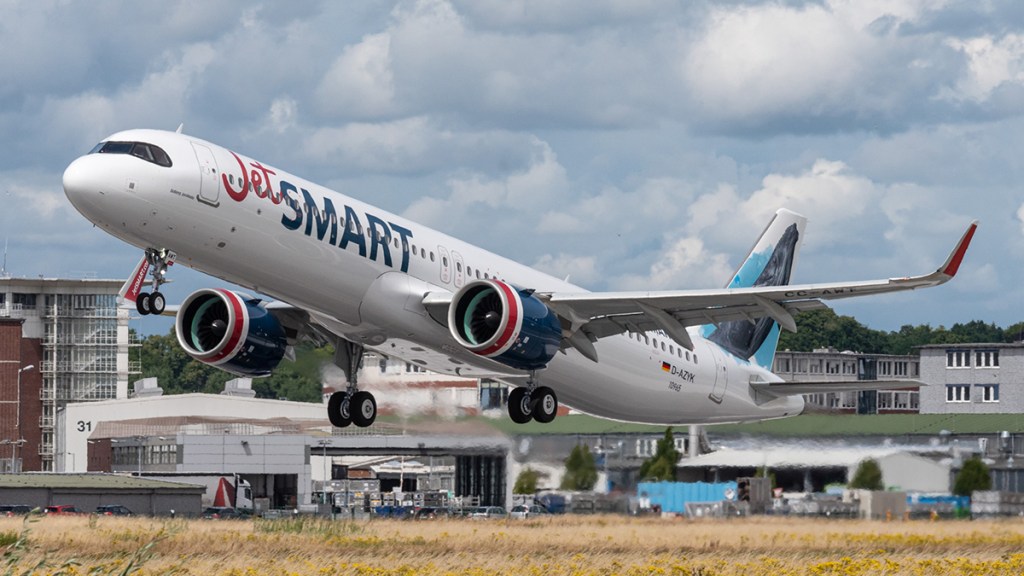
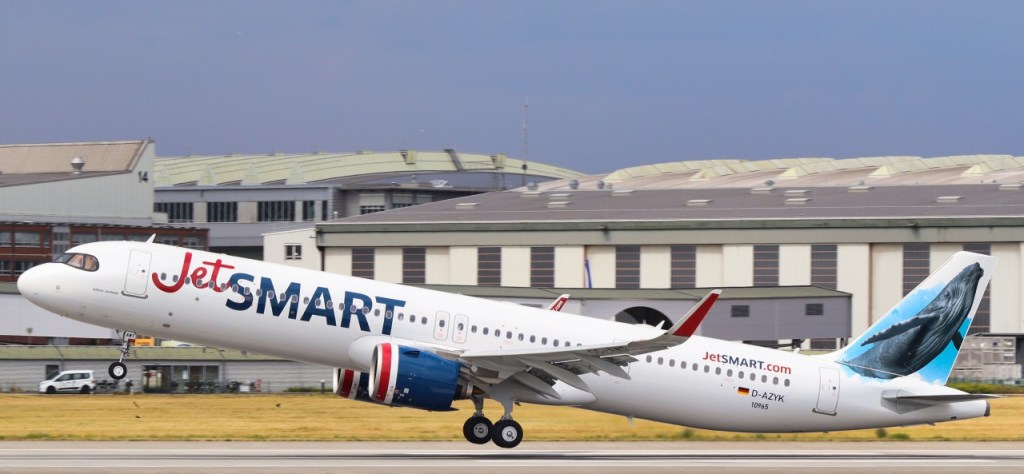
JetSmart expande su flota aeronaves Aumentará servicios en América Latina
Jetsmart Airlines retoma su crecimiento de flota con la incorporación del primer Airbus A321NEO. La aerolínea de bajo costo reforzar su presencia en rutas de mediano alcance como Santiago—Perú o Santiago—Buenos Aires, e incrementar así la competencia en el segmento internacional. «El aterrizaje de este nuevo modelo es muy simbólico para nosotros. Jetsmart está reiniciando una etapa que tuvimos que detener por el estallido del Covid-19. Y ahora vamos a retomar el crecimiento con el diseño de avión más sustentable de Sudamérica», apuntó el CEO de la empresa, Estuardo Ortíz.
El fondo Indigo Partners compró 23 aviones a Airbus, de los cuales son A321NEO (21) y A321XLR (2), aumentando a 124 la flota que tendrá Jetsmart en Latinoamérica para 2030. En Chile aterrizó la primera unidad en julio, pero en el transcurso de los meses se sumarán otras tres que van en camino, lo que permitirá a la compañía de bajo costo disminuir 25% su gasto por combustible y ampliar su capacidad.
Estrategia de Jetsmart
Jetsmart reconfiguró su estrategia a futuro para protegerse del complejo escenario económico. De hecho, el aterrizaje de este avión va en línea con ese plan: tiene mayor capacidad con 240 asientos y menor costo de operación, lo que implica vuelos más rentables. La próxima estrategia es concentrarse en servicios con mayor demanda, como los tramos internacionales a Lima y Buenos Aires, o incluso en el mercado nacional a Antofagasta, La Serena y Puerto Montt. Hasta ahora, Jetsmart cuenta con 69 destinos en Chile, Argentina, Brasil, Perú, Colombia y Uruguay.
El refuerzo de operaciones a estos destinos al extranjero se debe a que la aerolínea tiene base de operaciones en Buenos Aires y Lima. De hecho, a inicios de 2022 Jetsmart abrió Perú, territorio en que prevé convertirse a corto plazo en un rival relevante. En su primer año de operación estiman transportar un millón de pasajeros. «Este es un mercado que ha venido creciendo a niveles de 10% por año y tiene mucho potencial. Hubo una racionalización de la competencia, previo a la pandemia eran siete aerolíneas y hoy con Jetsmart son 3, entonces creemos que nuestras perspectivas de crecimiento son muy altas en este país», sostuvo el CEO de JetSmart Airlines.
De acuerdo a la visión de Estuardo Ortíz aún no se evidencia el impacto de la inflación porque la tendencia del tráfico aéreo nacional continúa creciendo mes a mes. Sin embargo, el alto ejecutivo explicó que en el corto plazo podría afectar el consumo porque la gente se volverá más sensible al precio. «El contexto económico y político de la región es muy desafiante, tenemos presión inflacionaria y precios de combustibles disparados. Somos muy sensibles a estos aspectos pero la clave es tener un modelo de negocios constante en el tiempo y mantener una flota renovada porque permite que los costos de operación sean más bajos y ser competitivamente más fuertes», aseguró Estuardo Ortíz. Añadió que ante el aumento del Índice de Precio al Consumidor (IPC) es un buen momento para ofrecer mejores ofertas que estimulen al mercado. «Desde que empezó a operar Jetmart tenemos un 35% menos de costos que una aerolínea tradicional y el plan es continuar en esos niveles e incluso incrementar nuestra eficiencia de cara al pasajero, pese al alza de gastos», aseguró Estuardo Ortiz.
Otra de las iniciativas que impulsó Jetsmart para optimizar sus gastos fue cerrar temporalmente la base de operaciones en Antofagasta. De acuerdo al CEO de la aerolínea esta decisión se tomó porque depende mucho de los vuelos internacionales, segmento que continúa de capa caída.
JetSmart expands in Latin America
JetSmart expands its aircraft fleet It will increase services in Latin America
Jetsmart Airlines resumes its fleet growth with the incorporation of the first Airbus A321NEO. The low-cost airline will strengthen its presence on medium-range routes such as Santiago-Peru or Santiago-Buenos Aires, and thus increase competition in the international segment. «The landing of this new model is very symbolic for us. Jetsmart is restarting a stage that we had to stop due to the outbreak of Covid-19. And now we are going to resume growth with the most sustainable aircraft design in South America», said the CEO of the company, Estuardo Ortíz.
The Indigo Partners fund bought 23 aircraft from Airbus, of which they are A321NEO (21) and A321XLR (2), increasing the fleet that Jetsmart will have in Latin America to 124 by 2030. The first unit landed in Chile in July, but in the course of of the months, another three will be added that are on the way, which will allow the low-cost company to reduce its fuel costs by 25% and expand its capacity.
Jetsmart’s strategy
Jetsmart reconfigured its future strategy to protect itself from the complex economic scenario. In fact, the landing of this plane is in line with that plan: it has a greater capacity with 240 seats and a lower operating cost, which implies more profitable flights. The next strategy is to focus on services with higher demand, such as the international stretches to Lima and Buenos Aires, or even in the domestic market to Antofagasta, La Serena and Puerto Montt. So far, Jetsmart has 69 destinations in Chile, Argentina, Brazil, Peru, Colombia and Uruguay.
The reinforcement of operations to these destinations abroad is due to the fact that the airline has an operations base in Buenos Aires and Lima. In fact, at the beginning of 2022 Jetsmart opened Peru, a territory in which it plans to become a relevant rival in the short term. In its first year of operation they estimate to transport a million passengers. «This is a market that has been growing at levels of 10% per year and has a lot of potential. There was a rationalization of competition, before the pandemic there were seven airlines and today with Jetsmart there are 3, so we believe that our growth prospects are very high in this country», said the CEO of JetSmart Airlines.
According to the vision of Estuardo Ortíz, the impact of inflation is not yet evident because the trend of national air traffic continues to grow month after month. However, the senior executive explained that in the short term it could affect consumption because people will become more sensitive to price. «The economic and political context of the region is very challenging, we have inflationary pressure and skyrocketing fuel prices. We are very sensitive to these aspects, but the key is to have a constant business model over time and maintain a renewed fleet because it allows lower operating costs and be competitively stronger», said Estuardo Ortíz. He added that given the increase in the Consumer Price Index (CPI) it is a good time to offer better offers that stimulate the market. «Since Jetmart began to operate, we have 35% less costs than a traditional airline and the plan is to continue at those levels and even increase our efficiency for the passenger, despite the rise in expenses», said Estuardo Ortiz.
Another of the initiatives promoted by Jetsmart to optimize its expenses was to temporarily close the base of operations in Antofagasta. According to the CEO of the airline, this decision was made because it depends a lot on international flights, a segment that continues to be in the doldrums.
PUBLISHER: Airgways.com DBk: Jetsmart.com / Airgways.com AW-POST: 202207050925AR OWNERSHIP: Airgways Inc. A\W A I R G W A Y S ®