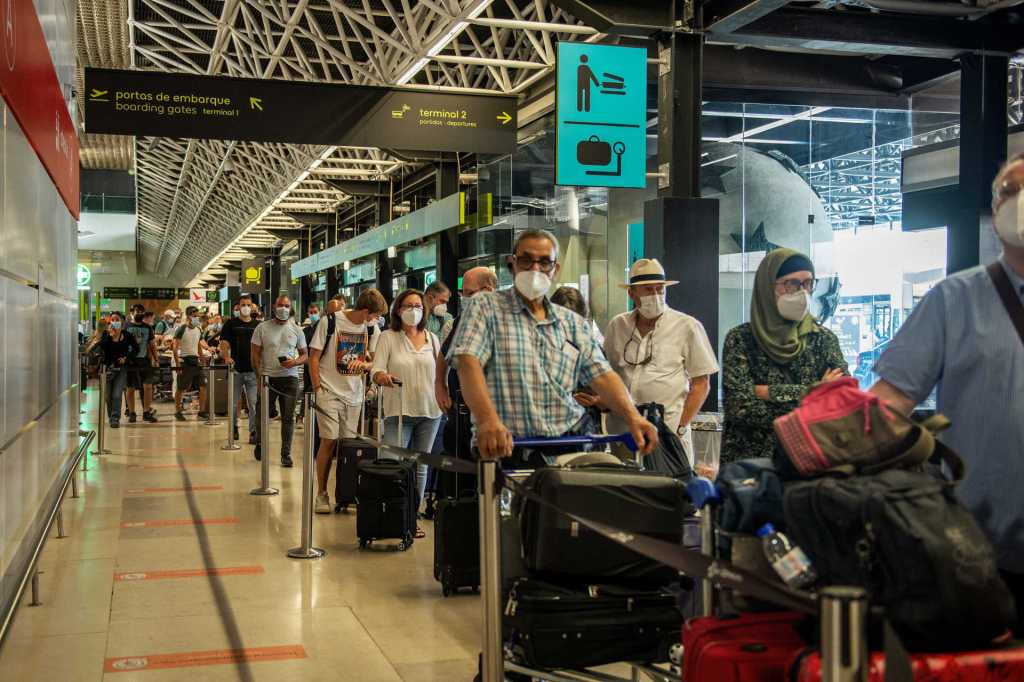
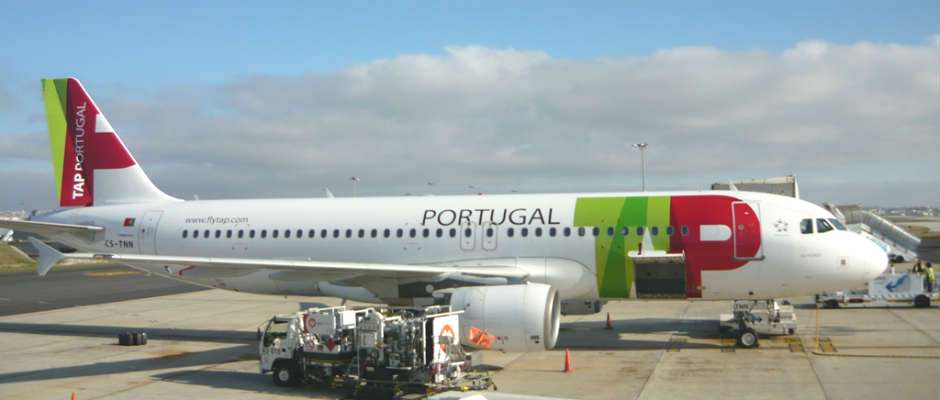
Dubái reabrirá Terminal 1

AW | 2021 06 20 19:47 | AIRPORTS

Dubai Airports reabrirá Terminal 1 y Sala D el 24/06

AW-Dubai Airport_Isologotype_0002

Dubai Airports ha anunciado que reabrirá la Terminal 1 y la Sala D del Aeropuerto Internacional Dubái/DXB el 24 de Junio de 2021. Las instalaciones fueron cerradas hacia el 25 de Marzo de 2020 tras la suspensión parcial de las operaciones del aeropuerto como parte de la estrategia para controlar la propagación del Coronavirus.

En un desarrollo significativo que señala el regreso del crecimiento del Aeropuerto Dubái, las aerolíneas, los viajes y el turismo de los Emiratos Árabes Unidos, se ha acogido a la reapertura de la Terminal 1 como un paso importante hacia el crecimiento previsto de la demanda de viajes en el corto plazo. Ahmed Bin Saeed Al Maktoum, Presidente de Dubai Airports, dijo: «El sector de la aviación de Dubai ha estado a la vanguardia de una campaña mundial para restaurar los servicios aéreos internacionales vitales con la apertura de corredores de viaje libres de cuarentena entre los Emiratos Árabes Unidos y múltiples países de todo el mundo. Esta medida indica nuestra confianza en que las perspectivas para el resto del año y más allá son de optimismo, además de ser una clara indicación de la intención de Dubai de liderar la industria de la aviación en sus esfuerzos por permitir la recuperación social y económica del mundo. Esta reapertura es un esfuerzo de colaboración de las muchas partes interesadas involucradas en la operación del aeropuerto internacional más grande del mundo y estamos encantados de poder dar este importante paso hacia la restauración de las operaciones aeroportuarias completas».

La reapertura de las instalaciones permitirá el regreso gradual de más de cuarenta compañías aéreas internacionales que actualmente operan en las Terminales T2 y T3 a su terminal de origen en DXB. Dubai Airports ha aconsejado a los pasajeros que confirmen su terminal de salida y llegada con su aerolínea antes de llegar al aeropuerto, ya que la transición se gestionará en varias etapas, con el plan para la reubicación que se completará a finales de Junio 2021. La Sala D ha sido inaugurada en Febrero 2016 con un presupuesto de US$ 1.2 mil millones de Dólares que se encuentra conectada a la Terminal 1 por un tren del aeropuerto, y la combinación de estas dos instalaciones proporciona niveles de servicio de clase mundial para una capacidad anual de 18 millones de pasajeros.

Dubai to reopen Terminal 1

Dubai Airports will reopen Terminal 1 and Lounge D on 06/24

Dubai Airports has announced that it will reopen Terminal 1 and Hall D of Dubai International Airport/DXB on June 24, 2021. The facilities were closed by March 25, 2020 following the partial suspension of airport operations as part of the strategy to control the spread of the Coronavirus.

AW-Dubai Airport_Isologotype_Tx

In a significant development signaling the return of growth for Dubai Airport, UAE airlines, travel and tourism, has embraced the reopening of Terminal 1 as a major step towards projected growth in demand for travel in the short term. Ahmed Bin Saeed Al Maktoum, President of Dubai Airports, said: «Dubai’s aviation sector has been at the forefront of a global campaign to restore vital international air services by opening quarantine-free travel corridors between the Emirates. United Arab Emirates and multiple countries around the world This measure indicates our confidence that the outlook for the remainder of the year and beyond is optimistic, as well as being a clear indication of Dubai’s intention to lead the aviation industry in their efforts to enable the world’s social and economic recovery. This reopening is a collaborative effort of the many stakeholders involved in the operation of the world’s largest international airport and we are delighted to be able to take this important step towards restoring operations complete airport facilities».

The reopening of the facilities will allow the gradual return of more than forty international airlines that currently operate in Terminals T2 and T3 to their home terminal in DXB. Dubai Airports has advised passengers to confirm their departure and arrival terminal with their airline before arriving at the airport, as the transition will be managed in several stages, with the plan for relocation to be completed by the end of June 2021. The Hall D has been inaugurated in February 2016 with a budget of US$ 1.2 billion dollars that is connected to Terminal 1 by an airport train, and the combination of these two facilities provides world-class service levels for a capacity annual of 18 million passengers.

دبي تعيد افتتاح المبنى رقم 1

ستعيد مطارات دبي افتتاح المبنى 1 والصالة D في 24/06

AW-مطار-دبى-الدولى_Isologotype

أعلنت مطارات دبي أنها ستعيد فتح المبنى رقم 1 والقاعة D الدولي مطارات دبي/DXB في 24 يونيو 2021. وأغلقت المرافق بحلول 25 مارس 2020 بعد الإيقاف الجزئي لعمليات المطار كجزء من استراتيجية السيطرة على الانتشار. من فيروس كورونا.

في تطور هام يشير إلى عودة النمو لمطار دبي ، تبنت شركات الطيران الإماراتية والسفر والسياحة إعادة افتتاح المبنى رقم 1 كخطوة رئيسية نحو النمو المتوقع في الطلب على السفر على المدى القصير. قال أحمد بن سعيد آل مكتوم ، رئيس مطارات دبي: «كان قطاع الطيران في دبي في طليعة الحملة العالمية لاستعادة الخدمات الجوية الدولية الحيوية من خلال فتح ممرات سفر خالية من الحجر الصحي بين الإمارات. والإمارات العربية المتحدة ودول متعددة حولها العالم يشير هذا المقياس إلى ثقتنا بأن التوقعات لبقية العام وما بعده متفائلة ، فضلاً عن كونه مؤشرًا واضحًا على نية دبي لقيادة صناعة الطيران في جهودها لتمكين الانتعاش الاجتماعي والاقتصادي للعالم. هو جهد تعاوني للعديد من أصحاب المصلحة المشاركين في تشغيل أكبر مطار دولي في العالم ، ويسعدنا أن نكون قادرين على اتخاذ هذه الخطوة المهمة نحو استعادة العمليات الكاملة لمرافق المطار».

ستسمح إعادة فتح المرافق بالعودة التدريجية لأكثر من أربعين شركة طيران دولية تعمل حاليًا في المحطات الطرفية T2 و T3 إلى محطتها الرئيسية في DXB. نصحت مطارات دبي المسافرين بتأكيد محطة المغادرة والوصول مع شركات الطيران الخاصة بهم قبل وصولهم إلى المطار ، حيث ستتم إدارة الانتقال على عدة مراحل ، مع استكمال خطة النقل بحلول نهاية يونيو 2021. القاعة D تم افتتاحه في فبراير 2016 بميزانية قدرها 1.2 مليار دولار أمريكي متصلة بالمبنى رقم 1 عن طريق قطار المطار ، ويوفر الجمع بين هذين المرفقين مستويات خدمة عالمية لسعة سنوية تبلغ 18 مليون مسافر.

PUBLISHER: Airgways.com
DBk: Dubaiairports.ae / Mediaoffice.ae / Airgways.com
AW-POST: 202106201947AR

A\W   A I R G W A Y S ®

Avances obras TWR en Río Grande

AW | 2021 06 16 06:37 | AIRPORTS / AIR TRAFFIC

Torre de control móvil para Aeropuerto Río Grande, Argentina

La aeroestación de Río Grande localizada en la Provincia de Tierra del Fuego ha incorporado una torre de control (TWR) desplegable que arribó en un Hércules de la Fuerza Aérea Argentina al Aeropuerto Río Grande/Gobernador Ramón Trejo Noel. La Empresa Argentina de Navegación Aérea SE (EANA), del Ministerio de Transporte, empleará esta solución innovadora para mantener la continuidad del servicio de control de tránsito aéreo en Río Grande mientras moderniza y pone en valor la vieja torre de control del aeropuerto, afectada por un deterioro avanzado y años de desinversión.

En un principio, la torre móvil, en un trabajo coordinado entre los equipos técnicos de EANA y de la Fuerza Aérea, será equipada con los sistemas con los que normalmente trabaja el personal de control aéreo, y brindará servicio en paralelo con la torre vieja, con el fin de que las y los controladores aéreos reciban instrucción y se familiaricen con ella. Luego, y por espacio de veintiún días, operará como única instalación, con la misma seguridad que una torre fija, en la fase final de los trabajos de modernización. Además del montaje de un moderno sistema de control de incendios, también se renueva completamente la instalación eléctrica, lo que significa un cambio fundamental en la operación de la torre, al garantizarse el suministro necesario de manera segura y eficaz a todo el equipamiento.

En forma similar, y con total éxito, EANA operó la torre de control desplegable el año pasado en el Aeropuerto Benjamín Matienzo, de la Ciudad de San Miguel de Tucumán, lo que permitió continuar con las operaciones del aeropuerto con total normalidad mientras se realizaron las obras que pusieron en valor su torre de control. Al igual que los trabajos realizados en Tucumán, en el marco del Plan de Modernización del Transporte, la obra en marcha en Río Grande se enmarca dentro del Plan de Inversiones y Servicios 2020-2024 de EANA. Los objetivos principales de la obra son mejorar las condiciones edilicias, optimizar las instalaciones de los puestos de trabajo de la cabina, incorporar una sala de descanso y rediseñar las áreas comunes.

El Aeropuerto de Río Grande puede recibir aeronaves de gran porte. Es el segundo de la región por cantidad de movimientos, después del Aeropuerto de Ushuaia. Si bien el aeropuerto actual abrió sus puertas en el año 2000, el edificio de la torre fue inaugurado en 1979. Además de la cabina de control, aloja diversas oficinas, tanto de EANA como de la Administración Nacional de Aviación Civil (ANAC).

TWR works progress in Río Grande

Mobile control tower for Rio Grande Airport, Argentina

The Rio Grande air station located in the Province of Tierra del Fuego has incorporated a deployable control tower (TWR) that arrived in a Hercules of the Argentine Air Force at the Rio Grande/Gobernador Ramón Trejo Noel Airport. The Argentine Air Navigation Company SE (EANA), of the Ministry of Transportation, will use this innovative solution to maintain the continuity of the air traffic control service in Rio Grande while modernizing and enhancing the old airport control tower, affected by advanced deterioration and years of divestment.

Initially, the mobile tower, in a coordinated work between the technical teams of EANA and the Air Force, will be equipped with the systems with which air traffic control personnel normally work, and will provide service in parallel with the old tower, in order for air traffic controllers to receive training and become familiar with it. Then, and for twenty-one days, it will operate as the only facility, with the same security as a fixed tower, in the final phase of the modernization works. In addition to the assembly of a modern fire control system, the electrical installation is also completely renewed, which means a fundamental change in the operation of the tower, by guaranteeing the necessary supply in a safe and efficient way to all the equipment.

Similarly, and with total success, EANA operated the deployable control tower last year at the Benjamín Matienzo Airport, in the City of San Miguel de Tucumán, which allowed the airport operations to continue with total normality while the operations were carried out. works that added value to its control tower. Like the work carried out in Tucumán, within the framework of the Transportation Modernization Plan, the work underway in Río Grande is part of EANA’s 2020-2024 Investment and Services Plan. The main objectives of the work are to improve building conditions, optimize the facilities of the booth workstations, incorporate a rest room and redesign the common areas.

The Rio Grande Airport can receive large aircraft. It is the second in the region by number of movements, after the Ushuaia Airport. Although the current airport opened its doors in 2000, the tower building was inaugurated in 1979. In addition to the control cabin, it houses various offices, both for EANA and the National Civil Aviation Administration (ANAC).

PUBLISHER: Airgways.com
DBk: Eana.com.ar / Airgways.com
AW-POST: 202106160637AR

A\W   A I R G W A Y S ®
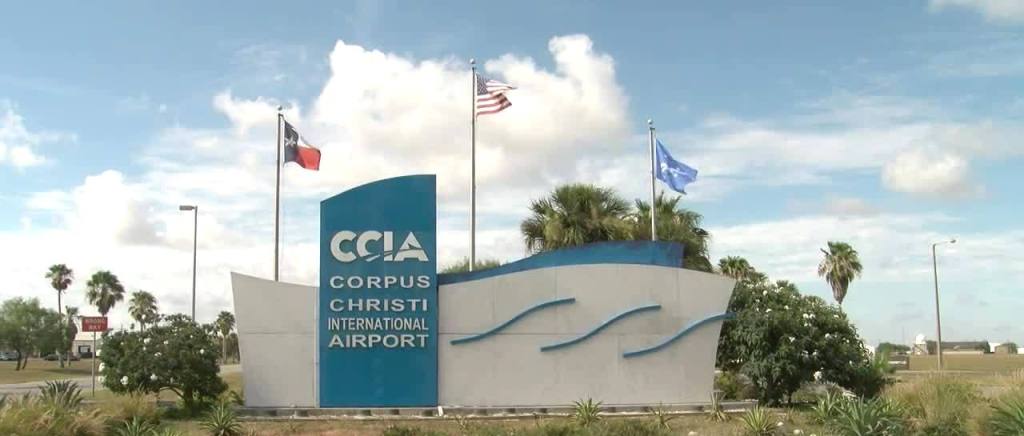
Puente aéreo brasileño «biométrico»

AW | 2021 06 15 20:11 | AIRPORTS / AVIATION TECHNOLOGY

Puente Aéreo Río-São Paulo prueba reconocimiento facial pasajeros

Los pasajeros del Puente Aéreo Río-São Paulo han inaugurado este Martes 15/06 en el Aeropuerto Congonhas/CGH (Sao Paulo) y en el Aeropuerto Santos Dumont/SDU (Rio de Janeiro) una prueba para el embarque con el uso de reconocimiento facial, sin necesidad de presentar tarjeta de embarque y documento de identificación. El enlace aéreo entre estas dos capitales es el quinto movimiento más grande del mundo. El Proyecto Boarding+Safe 100% Digital, desarrollado por el Ministerio de Infraestructura de Brasil, en alianza con Serpro y la Secretaría Especial de Desburocrización, Gestión y Gobierno Digital del Ministerio de Economía, ya ha sido probado en los aeropuertos de Florianópolis, Salvador, Río de Janeiro (Santos Dumont) y Belo Horizonte (Confins). Es la primera vez que los pasajeros de este tramo prueban al mismo tiempo el sistema de tecnología de extremo a extremo.

A lo largo del día, los pasajeros de Azul Linhas Aéreas que viajaron entre Congonhas y Santos Dumont fueron invitados, al momento del check-in, a probar la tecnología de reconocimiento biométrico facial para acceder a las áreas de embarque y aeronaves en ambas terminales. Aquellos que están de acuerdo recibieron un mensaje en su teléfono móvil solicitando permiso para obtener sus datos, incluyendo la CPF y una foto. Después de que el pasajero da su consentimiento, el asistente de la aerolínea realiza la validación biométrica del pasajero utilizando la aplicación Serpro, que se compadecen con los datos y la foto tomada en el acto con la información almacenada en las bases de datos gubernamentales. Una vez validado, el pasajero es autorizado a entrar en la sala de embarque y el avión, pasando por controles biométricos, realizados a través de cámaras. El pasajero ya no necesita presentar documentos.

La tecnología Boarding+Safe 100% Digital tiene como objetivo hacer que el proceso de embarque en el aeropuerto sea más eficiente, ágil y seguro. “Es la primera vez que las pruebas se realizan simultáneamente en dos de nuestros aeropuertos, estableciendo así, también de manera inédita, un puente aéreo biométrico entre RJ/SP, que es el quinto más transitado del mundo”, dijo el Secretario Ejecutivo del Ministerio de Infraestructura de Brasil, Marcelo Sampaio.

El proyecto ya había sido probado de manera individual en los aeropuertos de Florianópolis (SC), Salvador (BA), Santos Dumont (RJ) y Belo Horizonte (Confins). Para el Presidente de Infraero, Paes de Barros expresó: “Boarding+Safe 100% Digital en el puente aéreo reúne dos aspectos fundamentales para agilizar los procesos de embarque, que son la seguridad y facilidad para los pasajeros y todo el sistema de aviación civil”.

Brazilian «biometric» air bridge

Rio-São Paulo Air Bridge tests facial recognition on passengers

The passengers of the Rio-São Paulo Air Bridge have inaugurated this Tuesday 15/06 at the Congonhas/CGH Airport (Sao Paulo) and at the Santos Dumont/SDU Airport (Rio de Janeiro) a test for boarding with the use of facial recognition , without the need to present a boarding pass and identification document. The air link between these two capitals is the fifth largest movement in the world. The Boarding+Safe 100% Digital Project, developed by the Brazilian Ministry of Infrastructure, in alliance with Serpro and the Special Secretariat for De-bureaucracy, Management and Digital Government of the Ministry of Economy, has already been tested in the airports of Florianópolis, Salvador, Rio de Janeiro (Santos Dumont) and Belo Horizonte (Confins). It is the first time that passengers on this section have tested the end-to-end technology system at the same time.

Throughout the day, Azul Linhas Aéreas passengers who traveled between Congonhas and Santos Dumont were invited, at check-in, to test facial biometric recognition technology to access the boarding areas and aircraft in both terminals. Those who agree received a message on their mobile phone requesting permission to obtain their data, including the CPF and a photo. After the passenger gives his consent, the airline assistant performs the biometric validation of the passenger using the Serpro application, which is matched with the data and the photo taken on the spot with the information stored in government databases. Once validated, the passenger is authorized to enter the departure lounge and the plane, passing through biometric controls, carried out through cameras. The passenger no longer needs to present documents.

The Boarding+Safe 100% Digital technology aims to make the boarding process at the airport more efficient, agile and safe. «It is the first time that the tests are carried out simultaneously in two of our airports, thus establishing, also in an unprecedented way, a biometric airlift between RJ/SP, which is the fifth busiest in the world», said the Executive Secretary of the Ministry of Infrastructure of Brazil, Marcelo Sampaio.

The project had already been individually tested at the airports of Florianópolis (SC), Salvador (BA), Santos Dumont (RJ) and Belo Horizonte (Confins). For the President of Infraero, Paes de Barros expressed: «Boarding+Safe 100% Digital in the airlift brings together two fundamental aspects to streamline boarding processes, which are safety and ease for passengers and the entire civil aviation system».

Ponte aérea «biométrica» ​​brasileira

Ponte Aérea Rio-São Paulo testa reconhecimento facial passageiros

Os passageiros da Ponte Aérea Rio-São Paulo inauguraram nesta terça-feira 15/06 no Aeroporto de Congonhas/CGH (São Paulo) e no Aeroporto Santos Dumont/SDU (Rio de Janeiro) um teste para embarque com uso de reconhecimento facial , sem necessidade de apresentação de cartão de embarque e documento de identificação. A ligação aérea entre essas duas capitais é o quinto maior movimento do mundo. O Projeto Boarding+Safe 100% Digital, desenvolvido pelo Ministério da Infraestrutura, em parceria com o Serpro e a Secretaria Especial de Desburocratização, Gestão e Governo Digital do Ministério da Economia, já foi testado nos aeroportos de Florianópolis, Salvador, Rio de Janeiro (Santos Dumont) e Belo Horizonte (Confins). É a primeira vez que os passageiros desta seção testam o sistema de tecnologia ponta a ponta ao mesmo tempo.

Ao longo do dia, os passageiros da Azul Linhas Aéreas que viajaram entre Congonhas e Santos Dumont foram convidados, no check-in, a testar a tecnologia de reconhecimento biométrico facial para acessar as áreas de embarque e aeronaves dos dois terminais. Os que concordaram receberam uma mensagem no celular solicitando autorização para a obtenção de seus dados, incluindo CPF e foto. Após o consentimento do passageiro, o auxiliar de companhia aérea realiza a validação biométrica do passageiro por meio do aplicativo Serpro, que é confrontada com os dados e a foto tirada no local com as informações armazenadas em bancos de dados do Governo. Uma vez validado, o passageiro é autorizado a entrar na sala de embarque e no avião, passando por controles biométricos, realizados por câmeras. O passageiro não precisa mais apresentar documentos.

A tecnologia Boarding+Safe 100% Digital visa tornar o processo de embarque no aeroporto mais eficiente, ágil e seguro. “É a primeira vez que os testes são realizados simultaneamente em dois de nossos aeroportos, estabelecendo assim, também de forma inédita, um transporte aéreo biométrico entre RJ/SP, que é o quinto mais movimentado do mundo”, disse o Secretário Executivo do Ministério da Infraestrutura do Brasil, Marcelo Sampaio.

O projeto já havia sido testado individualmente nos aeroportos de Florianópolis (SC), Salvador (BA), Santos Dumont (RJ) e Belo Horizonte (Confins). Para o presidente da Infraero, Paes de Barros expressou: “Embarque+Seguro 100% Digital no transporte aéreo reúne dois aspectos fundamentais para agilizar os processos de embarque, que são a segurança e facilidade para os passageiros e todo o sistema de aviação civil”.

PUBLISHER: Airgways.com
DBk: Infraero.gov.br / Airgways.com
AW-POST: 202106152011AR

A\W   A I R G W A Y S ®

Nuevo T2 Aeropuerto Santiago

AW | 2021 06 13 12:31 | AIRPORTS

Aeropuerto de Santiago concluye obras de Terminal 2

La concesionaria Nuevo Pudahuel del Aeropuerto Internacional Santiago/SCL ha informado la conclusión de las obras de la Terminal 2 (T2). En Marzo 2021 estaban concluyendo la última etapa tras cinco años de construcción y una inversión de US$ 1.000 millones de inversión, el nuevo terminal está listo para su entrega. La edificación tiene una superficie aproximada de 200.000 metros cuadrados. Su construcción comenzó en 2016 y debía terminar durante el 2020, pero debido a la pandemia los plazos se extendieron. Con un video promocional Nuevo Pudahuel informó que las obras del nuevo Aeropuerto de Santiago se encuentra completa y lista para ser entregada. “Es un orgullo construir, operar, atraer nuevas aerolíneas y abrir nuevas rutas, en un inédito trabajo de la alianza público-privada de la industria aérea donde la Dirección de Aeropuertos (DAP), Subsecretaría de Turismo, Dirección General de Aeronáutica Civil (DGAC), Invest Chile y la Junta de Aeronáutica Civil (JAC) trabajamos en conjunto para que tú puedas volar más barato y a más lugares”, explicó Branko Karlezi, Subgerente de Comunicaciones de Nuevo Pudahuel.

El Terminal 2 (T2), nombre del nuevo sector del aeropuerto, estará dedicado exclusivamente a los vuelos internacionales. El actual terminal Arturo Merino Benítez quedará para los vuelos nacionales. El nuevo edificio cuenta con cuatro espigones denominados C, D, E y F. De ellos, dos tendrán modalidad swing, Es decir, podrían usarse para operaciones nacionales en caso de ser necesario. Es operado por Grupo ADP y VINCI Airports, que en conjunto gestionan más de setenta aeropuertos alrededor del mundo. La fecha de inauguración está proyectada para el segundo semestre.

Esta nueva terminal llega con interesantes novedades que prometen mejorar la experiencia de viaje de todos los pasajeros. Por ejemplo, la zona de counters presenta grandes cambios. Habrá más de sesenta puestos para check-in ordenados de la A a la H y divididos en cuatro grandes islas. La mayoría de los puestos serán de autoservicio. Otra novedad es el Duty Free, que tendrá una amplia superficie en el recinto, con un tamaño superior a los 6.500 metros cuadrados; y el amplio salón vip que tendrá Latam AIrlines, que será además el primer lounge 100% sustentable de la aerolínea. Finalmente se destaca que el objetivo del nuevo aeropuerto de Santiago de reducir las emisiones de CO2 en un 40% para el año 2030. La idea es no producir ninguna emisión neta para 2050. Se trata de un desafío que particularmente VINCI Airports ha asumido como propio en diversos terminales que opera, como el del Aeropuerto Lyon/Saint Exupéry. Nicolás Notebaert, CEO de VINCI Concessions presentó un programa de reforestación que permitirá que Lyon se convierta en el primer aeropuerto de aviación comercial de Francia en lograr cero emisiones netas para 2026. Se apostará con un proyecto local a 30 kilómetros del terminal, en un bosque de Cantinière. “Con la ONF (Oficina Nacional de Bosques de Francia) y en asociación con el departamento de Rhône, restauraremos, reforestaremos, mantendremos y gestionaremos esta parcela con especies resilientes localmente seleccionadas por su gran capacidad para adaptarse al estrés hídrico y absorber CO2. Este proyecto nos permitirá almacenar más de 500 toneladas de CO2 durante el período de crecimiento de las plantas”, explicó la compañía.

New T2 Santiago Airport

Santiago Airport concludes works on Terminal 2

The Nuevo Pudahuel concessionaire of the Santiago/SCL International Airport has reported the completion of the works on Terminal 2 (T2). In March 2021 they were completing the last stage after five years of construction and an investment of US$ 1,000 million investment, the new terminal is ready for delivery. The building has an approximate area of ​​200,000 square meters. Its construction began in 2016 and was due to finish during 2020, but due to the pandemic the deadlines were extended. With a promotional video, Nuevo Pudahuel reported that the works for the new Santiago Airport are complete and ready to be delivered. “It is a pride to build, operate, attract new airlines and open new routes, in an unprecedented work of the public-private alliance of the airline industry where the Airports Directorate (DAP), Tourism Undersecretariat, Civil Aeronautics Directorate General (DGAC ), Invest Chile and the Civil Aeronautics Board (JAC) work together so that you can fly cheaper and to more places”, explained Branko Karlezi, Nuevo Pudahuel’s Communications Deputy Manager.

Terminal 2 (T2), the name of the new airport sector, will be exclusively dedicated to international flights. The current Arturo Merino Benítez terminal will remain for domestic flights. The new building has four breakwaters called C, D, E and F. Of them, two will have a swing mode, that is, they could be used for national operations if necessary. It is operated by Grupo ADP and VINCI Airports, which together manage more than seventy airports around the world. The opening date is projected for the second semester.

This new terminal comes with interesting news that promise to improve the travel experience for all passengers. For example, the counters area has big changes. There will be more than sixty check-in stations arranged from A to H and divided into four large islands. Most of the stalls will be self-service. Another novelty is the Duty Free, which will have a large area in the enclosure, with a size greater than 6,500 square meters; and the spacious VIP lounge that Latam AIrlines will have, which will also be the airline’s first 100% sustainable lounge. Finally, it is highlighted that the objective of the new Santiago airport to reduce CO2 emissions by 40% by 2030. The idea is not to produce any net emissions by 2050. It is a challenge that VINCI Airports has taken on as its own in particular. in various terminals that it operates, such as the Lyon/Saint Exupéry Airport. Nicolás Notebaert, CEO of VINCI Concessions presented a reforestation program that will allow Lyon to become the first commercial aviation airport in France to achieve zero net emissions by 2026. It will bet on a local project 30 kilometers from the terminal, in a forest of Cantinière. “With the ONF (French National Forest Office) and in partnership with the Rhône department, we will restore, reforest, maintain and manage this plot with locally selected resilient species for their great capacity to adapt to water stress and absorb CO2. This project will allow us to store more than 500 tons of CO2 during the growth period of the plants”, explained the company.

PUBLISHER: Airgways.com
DBk: Vinci-concessions.com / Nuevopudahuel.cl / Airgways.com
AW-POST: 202106131231AR

A\W   A I R G W A Y S ®

Spirit estrena hub Miami

AW | 2021 06 08 22:27 | AIRLINES ROUTES / AIRPORTS

Spirit Airlines hace debut en MIA con primeros vuelos 10/2021

Spirit Airlines_Banner-001

La aerolínea de presupuesto estadounidense Spirit Airlines finalmente está arribando al Aeropuerto Internacional de Miami. La low cost con sede en Miramar (FL) planea lanzar vuelos a treinta ciudades desde MIA a partir de Octubre 2021, mientras mantiene su servicio en el Aeropuerto Internacional de Fort Lauderdale-Hollywood, anunció la compañía este Martes 08/06.

El plan de expansión de Spirit Airlines en Miami es una señal del regreso de la compañía después de un año lleno de baches lleno de restricciones de viaje relacionadas con la pandemia. La compañía espera terminar 2021 con el mismo número de pasajeros que en 2019. Continúa ampliando su flota, que se espera que alcance los 173 aviones a finales de 2021 y los 194 a finales de 2022. «Estamos dando vuelta la esquina en Julio, y seremos más grandes de lo que nunca hemos sido en nuestra historia. Florida es nuestro hogar. Conocemos este mercado mejor que nadie. Nos permite ofrecer servicio a esta zona que antes no tocamos», dijo John Kirby, Vicepresidente de Planificación de Redes.

Spirit Airlines es la cuarta aerolínea de bajo costo en anunciar su lanzamiento o expansión desde MIA recientemente, después de JetBlue Airways, Frontier Airlines y Southwest Airlines. Anteriormente, la compañía consideraba que las tarifas por uso de MIA para puertas eran demasiado caras. Pero durante la pandemia, el aeropuerto abrió más puertas para lo que se llama uso preferido, ofreciendo una tarifa fija para las aerolíneas que mantienen un cierto número de vuelos desde el aeropuerto por día, y eso atrajo a la compañía al área MIA. La alcaldesa de Miami-Dade, Daniella Levine Cava, dijo que está orgullosa de dar la bienvenida a Spirit al aeropuerto, que es administrado por el condado, y lo calificó como «una noticia más increíble para nuestros residentes, nuestra industria turística y nuestra economía», en un comunicado.

Perspectivas Spirit en MIA

Los planes de expansión en MIA de la compañía aún necesitan autorización del aeropuerto, y las rutas, las frecuencias y las fechas de inicio pueden cambiar. El siguiente es un cronograma de vuelos vigentes: 06/10 a Atlantic City y Newark, Nueva Jersey; Atlanta; Baltimore; Bogotá y Medellín, Colombia; Ciudad de Guatemala, Guatemala; Puerto Príncipe, Haití; y Santo Domingo, República Dominicana. 07/10: San Salvador, El Salvador. 17/11 Barranquilla y Cali, Colombia; San Pedro Sula, Honduras; San José, Costa Rica; San Juan, Puerto Rico; Boston; Chicago O’Hare; Cleveland; Dallas-Fort Worth y Houston Intercontinental; Denver; Detroit; Hartford-Bradley, Conn.; Las Vegas; Myrtle Beach, S.C.; LaGuardia de Nueva York; Orlando; Filadelfia; Raleigh-Durham, N.C.

Spirit Airlines se mudó del área de Detroit a Miramar en 1999, justo antes de que comenzara el cambio a una aerolínea de bajo costo. Ahora Spirit es la aerolínea más grande en el Aeropuerto Internacional de Fort Lauderdale-Hollywood, con planes de alcanzar las cien salidas diarias desde allí en Julio 2021. Emplea a cerca de 6.500 empleados en la Florida del sur, incluyendo pilotos, asistentes de vuelo, equipos de tierra y agentes contrarios. La compañía dijo que su plan para construir una nueva sede en Dania Beach todavía está en camino.

Spirit launches hub Miami

Spirit Airlines makes MIA debut with first flights 10/2021

SpiritAirlines

US budget airline Spirit Airlines is finally arriving at Miami International Airport. The low cost company based in Miramar (FL) plans to launch flights to thirty cities from MIA as of October 2021, while maintaining its service at the Fort Lauderdale-Hollywood International Airport, the company announced this Tuesday 06/08.

AW-700856

Spirit Airlines’ expansion plan in Miami is a sign of the company’s return after a bumpy year full of pandemic-related travel restrictions. The company expects to end 2021 with the same number of passengers as in 2019. It continues to expand its fleet, which is expected to reach 173 aircraft by the end of 2021 and 194 by the end of 2022. «We are turning the corner in July, and we will be bigger than we have ever been in our history. Florida is our home. We know this market better than anyone. It allows us to serve this area that we didn’t touch before», said John Kirby, Vice President of Network Planning.

Spirit Airlines is the fourth low-cost carrier to announce its launch or expansion from MIA recently, after JetBlue Airways, Frontier Airlines and Southwest Airlines. Previously, the company considered the MIA usage fees for doors to be too expensive. But during the pandemic, the airport opened more doors for what is called preferred use, offering a flat rate for airlines that maintain a certain number of flights from the airport per day, and that attracted the company to the MIA area. Miami-Dade Mayor Daniella Levine Cava said she is proud to welcome Spirit to the county-run airport, calling it «most incredible news for our residents, our tourism industry and our economy», it’s a statement.

Perspectives Spirit at MIA

The company’s MIA expansion plans still need authorization from the airport, and routes, frequencies and start dates may change. The following is a current flight schedule: 10/06 to Atlantic City and Newark, NJ; Atlanta; Baltimore; Bogotá and Medellín, Colombia; Guatemala City, Guatemala; Port au Prince, Haiti; and Santo Domingo, Dominican Republic. 10/07: San Salvador, El Salvador. 11/17 Barranquilla and Cali, Colombia; San Pedro Sula, Honduras; San Jose Costa Rica; San Juan Puerto Rico; Boston; Chicago O’Hare; Cleveland; Dallas-Fort Worth and Houston Intercontinental; Denver; Detroit; Hartford-Bradley, Conn.; Las Vegas; Myrtle Beach, S.C.; LaGuardia of New York; Orlando; Philadelphia; Raleigh-Durham, N.C.

Spirit Airlines moved from the Detroit area to Miramar in 1999, just before the switch to a low-cost carrier began. Spirit is now the largest airline at Fort Lauderdale-Hollywood International Airport, with plans to reach 100 daily departures from there in July 2021. It employs about 6,500 employees in South Florida, including pilots, flight attendants, ground teams and opposing agents. The company said its plan to build a new headquarters in Dania Beach is still underway.

PUBLISHER: Airgways.com
DBk: Spirit.com / Ryan Ferguson / Airgways.com
AW-POST: 202106082227AR

A\W   A I R G W A Y S ®

E190-E2 certificado para London City

AW | 2021 06 08 07:17 | AIRPORTS / AVIATION TECHNOLOGY

Embraer E190-E2 recibe certificación ops en London City

Embraer_Isologotype_002

AW-Emb_195E2

El Embraer E190-E2 ha recibido la certificación de aproximación empinada de EASA. En 2018, algo interesante sucedió en el Aeropuerto de London City. Un avión con librea de tiburón aterrizó en las instalaciones del centro de Londres a las 10:41 de la mañana. El vuelo destacó, no solo por la librea sino también porque era la primera vez que el Embraer E190-E2 aterrizaba en el aeropuerto. La visita fue parte del proceso para obtener la certificación E190-E2 para aproximaciones empinadas, un requisito para aterrizar en el Aeropuerto de la Ciudad de Londres. Los aviones que vuelan al aeropuerto también deben aterrizar en la pista corta (1,508m de 4,948ft) mientras cumplen con los estrictos estándares de ruido debido a la ubicación del centro de la ciudad.

Actualmente, EASA ha certificado que el E190-E2 marca todas estas casillas, otorgando la certificación a la aeronave el 11 de Mayo de 2021. La empresa Embraer, el aeropuerto de Londres y las aerolíneas operadores han recibido una excelente noticia para las operaciones. Como parte de las aprobaciones para el aterrizaje del E190-E2, el Ayuntamiento de Londres ha invertido en la construcción de ocho nuevas gradas junto a una nueva calle de rodaje eliminando la necesidad de dar marcha atrás en la pista. Según Alison FitzGerald, COO de London City, estos ocho nuevos stands fueron construidos con la perspectivas operativas del Embraer E2jets.

London City

La posición estratégica e interesante ubicación en el centro de la ciudad limita el número de aviones capaces de volar al aeropuerto de la ciudad de Londres, pero representa una practicidad para aquellos usuarios que desean una conexión segura y rápida con la gran urbe del Reino Unido. El aeropuerto tiene aproximaciones y salidas inusualmente empinadas, lo que significa que los tipos de aeronaves deben recibir una certificación específica para usar el aeropuerto. Ahora, casi tres años después de su visita, el Embraer E190-E2 ha recibido dicha certificación.

El Embraer E190 ha representado para el aeropuerto un avión clave de la ciudad de Londres. Aunque la actual crisis de la aviación actualmente limita a los operadores enel London City, la familia Embraer es una parte crucial de las operaciones del aeropuerto. BA Cityflyer, KLM Cityhopper, LOT Polish Airlines, Alitalia y Portugalia eran operadores regulares de Embraer al Aeropuerto de la Ciudad de Londres. Al comentar sobre la certificación, Cesar Pereira, Vicepresidente emea, Embraer Commercial Aviation, dijo: «Los aviones Embraer representan el 70% de los movimientos de aviones en este icónico aeropuerto, en el corazón de una de las ciudades más grandes del mundo. Esta es una fuente de gran orgullo para Embraer, London City se siente como en casa. Esperamos que los E190-E2 se unan a los aviones Embraer que ya vuelan desde la ciudad de Londres».

E190-E2 certified for London City

Embraer E190-E2 receives ops certification in London City

The Embraer E190-E2 has received steep approach certification from EASA. In 2018, something interesting happened at London City Airport. A shark-liveried plane landed at the central London facility at 10:41 a.m. The flight stood out, not only because of the livery but also because it was the first time the Embraer E190-E2 had landed at the airport. The visit was part of the process to obtain E190-E2 certification for steep approaches, a requirement for landing at London City Airport. Airplanes flying to the airport must also land on the short runway (1,508m by 4,948ft) while meeting strict noise standards due to the city center location.

Currently, EASA has certified that the E190-E2 marks all these boxes, granting the certification to the aircraft on May 11, 2021. The Embraer company, the London airport and the operating airlines have received excellent news for operations. As part of the E190-E2 landing approvals, London City Council has invested in the construction of eight new bleachers alongside a new taxiway eliminating the need to backtrack on the runway. According to Alison FitzGerald, COO of London City, these eight new stands were built with the operational perspectives of Embraer E2jets.

London city

AW-E190E2_0001

The strategic position and interesting location in the city center limits the number of aircraft capable of flying to London City Airport, but represents a practicality for those users who want a safe and fast connection with the great city of the United Kingdom. The airport has unusually steep approaches and departures, which means that aircraft types must receive specific certification to use the airport. Now, almost three years after your visit, the Embraer E190-E2 has received such certification.

The Embraer E190 has represented a key aircraft for the city of London for the airport. Although the current aviation crisis currently limits operators in London City, the Embraer family is a crucial part of the airport’s operations. BA Cityflyer, KLM Cityhopper, LOT Polish Airlines, Alitalia and Portugalia were regular Embraer carriers to London City Airport. Commenting on the certification, Cesar Pereira, emea Vice President, Embraer Commercial Aviation, said: «Embraer aircraft account for 70% of aircraft movements at this iconic airport, in the heart of one of the world’s largest cities. is a source of great pride for Embraer, London City feels like home. We look forward to the E190-E2 joining the Embraer aircraft already flying from London City».

CERTIFICACIÓN ENFOQUE EMPINADO
La certificación de enfoque empinado es exactamente lo que parece. Por lo general, los aviones se acercan a una pista en un ángulo de alrededor de tres grados. En el aeropuerto de la ciudad de Londres, esto es casi el doble, registrando en 5.5 grados. Según Embraer, el enfoque más empinado tiene como objetivo reducir la contaminación acústica de las áreas circundantes. Para aterrizar en el aeropuerto, las aeronaves necesitan certificación y modificación adicionales, mientras que la tripulación también debe obtener más capacitación. En el caso del E190-E2, Embraer modificó el software en el avión para permitir una aproximación tan empinada mientras agregaba un interruptor de aproximación empinada en la cabina para evitar que el sistema se activara cuando no fuera necesario.

STEEP APPROACH CERTIFICATION
The steep approach certification is exactly what it sounds like. Typically, airplanes approach a runway at an angle of about three degrees. At London City Airport, this is almost double, registering at 5.5 degrees. According to Embraer, the steepest approach aims to reduce noise pollution from surrounding areas. To land at the airport, aircraft need additional certification and modification, while the crew must also undergo further training. In the case of the E190-E2, Embraer modified the software on the plane to allow such a steep approach while adding a steep approach switch in the cockpit to prevent the system from activating when not needed.

PUBLISHER: Airgways.com
DBk: Easa.europa.eu / Embraer.com / Londoncityairport.com / Airgways.com
AW-POST: 202106080717AR

A\W   A I R G W A Y S ®

Rosario nueva tecnología meteorológica

AW | 2021 06 08 06:46 | AIRPORTS

Aeropuerto Rosario incorporó mejor tecnología meteorológica

AIR_Isologotype

En el Aeropuerto Internacional Rosario ha inaugurado un nuevo servicio de sistema de observación meteorológica de avanzada que brinda datos instantáneos y precisos, vitales para mantener la operación en condiciones meteorológicas adversas. La Empresa Argentina de Navegación Aérea SE (EANA), del Ministerio de Transporte, y el Servicio Meteorológico Nacional pusieron en servicio el Sistema Automático de Observación Meteorológica (AWOS) Categoría III en el Aeropuerto Internacional de Rosario Islas Malvinas. Este sistema de última tecnología, instalado por EANA, permitirá a las aeronaves operar aun con valores de visibilidad menores que los mínimos actuales, gracias a la mayor precisión y localización de los datos, obtenidos en forma continua.

Hasta ahora, el aeropuerto contaba con un sistema AWOS de precisión estándar, que permitía realizar aproximaciones mediante instrumentos radioeléctricos en lo que se denomina Categoría I. El nuevo sistema es de una precisión superior, que a futuro servirá para que el aeropuerto pueda operar en Categoría III, con valores de visibilidad similares a los actuales del Aeropuerto Internacional Ministro Pistarini de Ezeiza.

Un AWOS CAT III mide y transmite de manera automática datos de alta precisión de las condiciones meteorológicas del momento en ambas cabeceras de pista y en su punto medio: visibilidad, alcance visual en pista, altura de la base de las nubes, precipitación, dirección y velocidad de viento, temperatura, y presión atmosférica, entre otros parámetros. En consecuencia, se reducen los valores meteorológicos mínimos de operación del aeropuerto, y con ello las demoras o desvíos de vuelos.

El nuevo sistema AWOS instalado en Rosario en el marco del Plan de Modernización del Transporte, forma parte de un total de 18 sistemas AWOS adquiridos por EANA a la empresa VAISALA OYJ de Finlandia para ser instalados en distintos aeropuertos del país. El proceso de instalación a nivel nacional avanza aún a pesar de las dificultades planteadas por la situación del Covid-19. La modernización del sistema de observación meteorológica llevada a cabo por EANA en Rosario permitirá al personal de los servicios de navegación aérea y de meteorología del aeropuerto, así como a las empresas que operan en él, contar con información de alta calidad para su toma de decisiones.

Además, tanto el personal de control de tránsito aéreo como de apoyo técnico de los equipos (CNS/ATSEP) recibió la capacitación funcional, de mantenimiento y de utilización requerida para aprovechar adecuadamente las ventajas de las nuevas tecnologías instaladas. La suma de estas acciones significa una sustancial mejora en aspectos centrales de la seguridad operacional.

Rosario incorporates meteorological technology

Aeropuerto Rosario incorporated better meteorological technology

At the Rosario International Airport, in Argentina, a new advanced meteorological observation system service has been inaugurated that provides instantaneous and precise data, vital to maintain operation in adverse weather conditions. The Argentine Air Navigation Company SE (EANA), of the Ministry of Transportation, and the National Meteorological Service put into service the Automatic Meteorological Observation System (AWOS) Category III at the Rosario Islands Malvinas International Airport. This state-of-the-art system, installed by EANA, will allow aircraft to operate even with visibility values ​​lower than the current minimums, thanks to the greater precision and location of the data, obtained continuously.

Until now, the airport had a standard precision AWOS system, which made it possible to carry out approaches using radioelectric instruments in what is called Category I. The new system is of superior precision, which in the future will help the airport to operate in Category III, with visibility values ​​similar to those of the Ministro Pistarini International Airport in Ezeiza.

An AWOS CAT III automatically measures and transmits highly accurate data of the current weather conditions at both runway headwaters and at their midpoint: visibility, runway visual range, cloud base height, precipitation, direction and wind speed, temperature, and atmospheric pressure, among other parameters. Consequently, the minimum meteorological operating values ​​of the airport are reduced, and with it the delays or deviations of flights.

The new AWOS system installed in Rosario within the framework of the Transportation Modernization Plan, is part of a total of 18 AWOS systems acquired by EANA from the company VAISALA OYJ of Finland to be installed in different airports in the country. The installation process at the national level is still progressing despite the difficulties posed by the Covid-19 situation. The modernization of the meteorological observation system carried out by EANA in Rosario will allow the personnel of the airport’s air navigation and meteorology services, as well as the companies that operate there, to have high-quality information for their decision-making .

In addition, both the air traffic control and technical support personnel of the equipment (CNS/ATSEP) received the functional, maintenance and use training required to properly take advantage of the advantages of the new technologies installed. The sum of these actions means a substantial improvement in core aspects of operational safety.

PUBLISHER: Airgways.com
DBk: Eana.com.ar / Airgways.com
AW-POST: 202106080646AR

A\W   A I R G W A Y S ®

Definen nombre a Aeropuerto Orlando

AW | 2021 05 29 16:23 | AIRPORTS

Denominan al Aeropuerto Internacional Melbourne-Orlando

AW-Melbourne-Orlando Airport_Isologotype

El Viernes 28/05 se ha anunciado el cambio a un nombre oficial y definitivo del Aeropuerto Internacional de Orlando Melbourne cambiará su nombre al Aeropuerto Internacional Melbourne Orlando. Después de años de litigios y disputas en curso sobre el uso de «Orlando» en su nombre, el Aeropuerto Internacional de Orlando/MCO se ha rebautizado y pasará a denominarse como Aeropuerto Internacional Melbourne Orlando/MLB han acordado los derechos de denominación apropiados.

El aeropuerto con sede en Melbourne (FL) está a 70 millas de la ciudad de Orlando, ha utilizado la denominación «Orlando» en su nombre desde 2008 y referencias anteriores a eso como una estrategia de marketing para atraer a más visitantes a las playas de la costa Este de Florida. En un esfuerzo por evitar confusiones con el público viajero, ambas partes acordaron que la Autoridad aeroportuaria de Melbourne cambiara todas las marcas, identificadores y señalización de su aeropuerto desde el Aeropuerto Internacional de Orlando Melbourne hasta el Aeropuerto Internacional de Melbourne Orlando. «Ambos aeropuertos valoran el regionalismo y comparten un objetivo común de proporcionar experiencias de viajero de clase mundial, y esperamos un futuro brillante como el Aeropuerto Internacional de Melbourne Orlando, la puerta de entrada costera al centro de Florida», dijo el Director Ejecutivo de MLB Greg Donovan, A.A.E.

El Aeropuerto Internacional de Melbourne comenzó a operar en 1928 y cambió su nombre en 2015 al Aeropuerto Internacional de Orlando Melbourne con el fin de atraer a más viajeros. Pero una demanda en 2019 emitida por la Autoridad de Aviación del Gran Orlando (que opera el Aeropuerto Internacional de Orlando), afirmó que el Aeropuerto Internacional Orlando Melbourne estaba engañando a los pasajeros haciéndoles creer que iban a la capital mundial de los parques temáticos en Orlando en lugar de la ciudad costera de Melbourne, Florida. En la actualidad, el aeropuerto atrae a la mayoría de sus pasajeros comerciales de dos aerolíneas: American Airlines y Delta Air Lines, que dan servicio a sólo unas pocas rutas sin escalas en ciudades populares de la costa Este como Atlanta (ATL) y Washington D.C. (DCA).

Defining the name of Orlando Airport

They call the Melbourne-Orlando International Airport

On Friday 05/28 the change to an official and definitive name of the Orlando International Airport has been announced. Melbourne will change its name to the Melbourne Orlando International Airport. After years of ongoing litigation and disputes over the use of «Orlando» in its name, Orlando International Airport/MCO has been renamed and will be renamedMelbourne Orlando International Airport/MLB have agreed to appropriate naming rights.

The Melbourne (FL) based airport is 70 miles from the city of Orlando, it has used the designation «Orlando» in its name since 2008 and previous references to that as a marketing strategy to attract more visitors to the beaches of the east coast of Florida. In an effort to avoid confusion with the traveling public, both parties agreed that the Melbourne Airport Authority would change all markings, identifiers and signage at its airport from the Orlando Melbourne International Airport to the Melbourne Orlando International Airport. «Both airports value regionalism and share a common goal of providing world-class traveler experiences, and we look forward to a bright future as Melbourne Orlando International Airport, the coastal gateway to central Florida», said MLB Executive Director. Greg Donovan, AAE

AW-Florida_map

Melbourne International Airport began operations in 1928 and changed its name in 2015 to Orlando Melbourne International Airport in order to attract more travelers. But a 2019 lawsuit issued by the Greater Orlando Aviation Authority (which operates the Orlando International Airport) claimed that the Orlando Melbourne International Airport was misleading passengers into believing they were going to the theme park capital of the world in Orlando. instead of the coastal city of Melbourne, Florida. Today, the airport draws most of its commercial passengers from two airlines: American Airlines and Delta Air Lines, which serve only a few nonstop routes in popular East Coast cities such as Atlanta (ATL) and Washington D.C. (DCA).

PUBLISHER: Airgways.com
DBk: Mlbair.com / Airgways.com
AW-POST: 202105291623AR

A\W   A I R G W A Y S ®
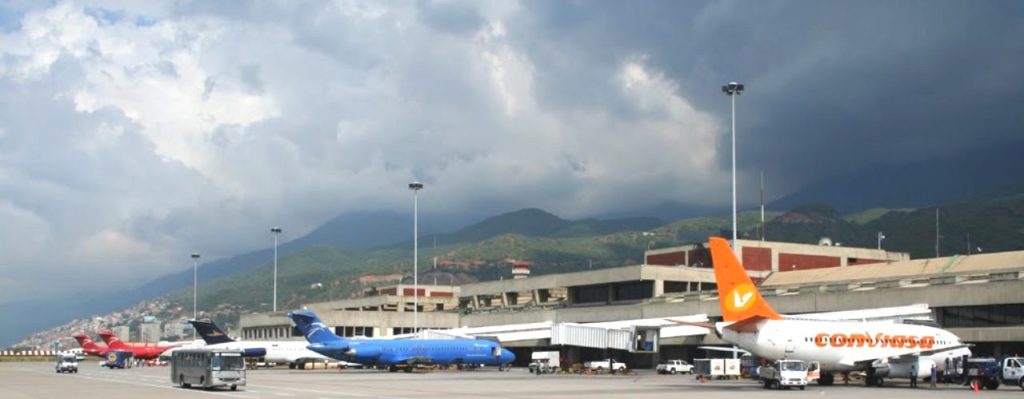
Sao Paulo/Guarulhos cierre preventivo

AW | 2021 05 28 16:38 | AIRPORTS / GOVERNMENT

Aeropuerto São Paulo cerraría por medidas sanitarias

El Aeropuerto Internacional São Paulo/Guarulhos podría estar cerrando operaciones comerciales debido a un fuerte aumento en la transmisión del virus. El aeropuerto podría cancelar operaciones por quince días para evitar el contagio de la variante india. El Alcalde de São Paulo solicitó el cierre temporal para tratar de controlar la entrada de más personas infectadas con la variante india del Coronavirus.

La terminal aérea de Cumbica, en el distrito de la Ciudad de São Paulo, es la terminal aérea más grande de Sudamérica y la segunda más concurrida de América Latina en número de pasajeros. En el documento, el alcalde argumenta que, «con la aparición de la nueva Cepa India de Covid-19 y la vacunación en marcha en el grupo prioritario del Aeropuerto, solicitamos el cierre del espacio aéreo para vuelos comerciales (excepto transporte de carga), más concretamente la suspensión de todos los aterrizajes y despegues de vuelos internacionales de pasajeros en el aeropuerto de Guarulhos durante los próximos 15 días, con el fin de evitar que los pasajeros propaguen nuevas cepas al aterrizar».

El Jueves 27/05, la ciudad de São Paulo inició una operación de vigilancia para verificar el aterrizaje de pasajeros en el aeropuerto de Congonhas, en la Zona Sur de la capital, con sospecha de Covid-19. Las acciones tienen como objetivo tratar de contener el contagio por las nuevas variantes, especialmente la cepa india.

Cepa india en Brasil

La variante india del Coronavirus, llamada B.1.617, fue identificada como un pasajero de 32 años que aterrizó en el Aeropuerto Internacional São Paulo/Guarulhos el 22/05. Es de Campos dos Goytacazes, en Río de Janeiro, y el diagnóstico fue confirmado por el Instituto Adolfo Lutz del Departamento de Salud del Estado de São Paulo. La información fue dada a conocer por el gobierno estatal la madrugada del Miércoles 26/05. Con la confirmación, el número de personas contaminadas por la variante en el país se eleva a siete. Los otros seis son pasajeros que llegaron a Maranhão a bordo del barco MV Shandong da Zhi, atracado en la costa del estado. También hay otros tres casos sospechosos en el Distrito Federal, Espírito Santo y Minas Gerais. También según el Gobierno de São Paulo, no hay registros de un autoconcaseo (contaminación local) de la variante india en el estado.

Guarulhos could preventively close

São Paulo airport closed due to sanitary measures

The São Paulo/Guarulhos International Airport could be closing commercial operations due to a sharp increase in the transmission of the virus. The airport could cancel operations for fifteen days to avoid contagion of the Indian variant. The Mayor of São Paulo requested the temporary closure to try to control the entry of more people infected with the Indian variant of the Coronavirus.

The Cumbica air terminal, in the São Paulo City district, is the largest air terminal in South America and the second busiest in Latin America in number of passengers. In the document, the mayor argues that, «with the appearance of the new Indian strain of Covid-19 and the vaccination underway in the priority group of the Airport, we request the closure of the airspace for commercial flights (except cargo transport), more specifically, the suspension of all international passenger flight landings and take-offs at Guarulhos airport for the next 15 days, in order to prevent passengers from spreading new strains when landing».

On Thursday 05/27, the city of São Paulo began a surveillance operation to verify the landing of passengers at the Congonhas airport, in the South Zone of the capital, with suspicion of Covid-19. The actions are aimed at trying to contain the contagion by the new variants, especially the Indian strain.

Indian strain in Brazil

The Indian variant of the Coronavirus, called B.1.617, was identified as a 32-year-old passenger who landed at São Paulo/Guarulhos International Airport on 05/22. He is from Campos dos Goytacazes, in Rio de Janeiro, and the diagnosis was confirmed by the Adolfo Lutz Institute of the São Paulo State Department of Health. The information was released by the state government in the early hours of Wednesday 05/26. With the confirmation, the number of people contaminated by the variant in the country rises to seven. The other six are passengers who arrived in Maranhão aboard the MV Shandong da Zhi ship, docked off the coast of the state. There are also three other suspected cases in the Federal District, Espírito Santo and Minas Gerais. Also according to the Government of São Paulo, there are no records of a self-confiscation (local contamination) of the Indian variant in the state.

Guarulhos poderia fechar preventivamente

Aeroporto de São Paulo fechado devido a medidas sanitárias

O Aeroporto Internacional de São Paulo/Guarulhos pode estar fechando suas operações comerciais devido ao forte aumento da transmissão do vírus. O aeroporto poderia cancelar as operações por quinze dias para evitar o contágio da variante indiana. O prefeito de São Paulo solicitou o fechamento temporário para tentar controlar a entrada de mais pessoas infectadas com a variante indígena do Coronavírus.

O terminal aéreo de Cumbica, no distrito de São Paulo, é o maior terminal aéreo da América do Sul e o segundo mais movimentado da América Latina em número de passageiros. No documento, o prefeito defende que, “com o surgimento da nova cepa indiana Covid-19 e a vacinação em curso no grupo prioritário do Aeroporto, solicitamos o fechamento do espaço aéreo para vôos comerciais (exceto transporte de carga), mais especificamente, a suspensão de todos os pousos e decolagens de vôos internacionais de passageiros no aeroporto de Guarulhos pelos próximos 15 dias, a fim de evitar que os passageiros espalhem novas tensões no pouso”.

Na quinta-feira, 27/05, a cidade de São Paulo iniciou uma operação de vigilância para verificar o desembarque de passageiros no aeroporto de Congonhas, na Zona Sul da capital, sob suspeita da Covid-19. As ações visam tentar conter o contágio pelas novas variantes, especialmente a cepa indiana.

Linhagem indiana no brasil

A variante indiana do Coronavírus, denominada B.1.617, foi identificada como um passageiro de 32 anos que pousou no Aeroporto Internacional de São Paulo/Guarulhos em 22/05. Ele é natural de Campos dos Goytacazes, no Rio de Janeiro, e o diagnóstico foi confirmado pelo Instituto Adolfo Lutz da Secretaria de Estado da Saúde de São Paulo. A informação foi divulgada pelo Governo do estado na madrugada desta quarta-feira, 26/05. Com a confirmação, o número de contaminados pela variante no país sobe para sete. Os outros seis são passageiros que desembarcaram no Maranhão a bordo do navio MV Shandong da Zhi, atracado no litoral do estado. Existem também outros três casos suspeitos no Distrito Federal, Espírito Santo e Minas Gerais. Ainda de acordo com o Governo de São Paulo, não há registros de autoconfisco (contaminação local) da variante indígena no estado.

PUBLISHER: Airgways.com
DBk: Saude.sp.gov.br / Gru.com.br / Shutterstock.com / Airgways.com
AW-POST: 202105281638AR

A\W   A I R G W A Y S ®
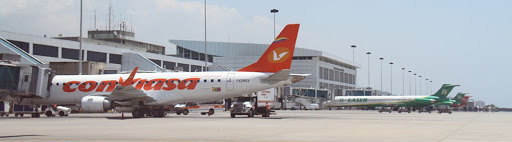
Nuevo ILS Aeropuerto Resistencia

AW | 2021 05 26 20:30 | AIRPORTS

Aeropuerto Resistencia recibe modernización sistema seguridad

El Ministerio de Transporte de Argentina continúa modernizando la seguridad aérea, con la puesta en funcionamiento operativo del nuevo sistema ILS en el Aeropuerto de Resistencia, localizado en la Provincia de Chaco. Con el objetivo de continuar invirtiendo en tecnología y mejorar el servicio, el Ministerio de Transporte, a través de la Empresa Argentina de Navegación Aérea (EANA), instaló un nuevo sistema ILS en el Aeropuerto de Resistencia, que además de reemplazar un sistema que tenía veinticinco años de antigüedad, mejora la operatividad de las aeronaves en condiciones climatológicas desfavorables y logra una mayor seguridad aérea incorporando más control y monitoreo centralizando.

El Gobierno de Argentina continúa en línea con el Plan de Modernización de Transporte que incluye la incorporación de tecnología en el sector aéreo con el objetivo de mejorar la seguridad operativa. La Presidente de EANA, Gabriela Logatto, puso en marcha un nuevo sistema de aterrizaje por instrumentos (ILS) en el Aeropuerto de Resistencia, que permitirá mejorar el posicionamiento de la aeroestación con un alto índice de seguridad en condiciones meteorológicas adversas. La nueva incorporación significa un avance tecnológico integral para el Aeropuerto Internacional Resistencia/José de San Martín que a través de la instalación del sistema ILS en la cabecera 21, avanza en la previsibilidad de las operaciones asegurando índices de disponibilidad mayores a los actuales y posibilita el aterrizaje de las aeronaves aunque haya baja visibilidad, logrando mayor seguridad aérea y un mejor servicio para todos los argentinos y argentinas. Además, el nuevo ILS de Resistencia también incorpora un transmisor de señales DME logrando que las tripulaciones puedan conocer con exactitud su distancia al aeropuerto.

Es importante remarcar que el Ministerio de Transporte ha puesto en marcha un plan integral para la instalación del sistema ILS en los principales aeropuertos del país con el objetivo de incrementar la seguridad aérea. Durante los últimos meses, la EANA ha instalado el nuevo sistema ILS en el Aeropuerto de Posada (Misiones) y en el Aeropuerto de Córdoba (Córdoba), además del Aeropuerto de Resistencia.

Sistema ILS

Consiste en un conjunto de transmisores de señales de navegación que brindan a las aeronaves guiado en el plano horizontal, con referencia al eje de la pista y vertical, trazando una trayectoria de descenso óptima. Estas señales conducen a las aeronaves hasta el punto de toque deseado. Las antenas de señal de eje de la pista se disponen en forma horizontal detrás de la cabecera opuesta al aterrizaje, mientras que las de trayectoria de descenso se encuentran montadas al costado de la pista, cercanas al punto previsto de toque. El anterior ILS de Resistencia llevaba más de veinticinco años de operación. Su reemplazo por uno capaz de operar en Categoría II incluyó el cambio de todas las antenas, la construcción de nuevas bases de hormigón y casetas protectoras para los equipos. Además, EANA instaló un sistema de comunicaciones robusto y duplicado (por fibra óptica y antenas de radioenlace) entre los equipos y la torre de control, que permite tanto al personal de control de tránsito aéreo como al de servicio técnico tener un seguimiento continuo del funcionamiento del sistema.

New ILS Resistencia Airport

Resistencia airport receives modernization of security system

The Argentine Ministry of Transportation continues to modernize air safety, with the operational start-up of the new ILS system at the Resistencia Airport, located in the Province of Chaco. In order to continue investing in technology and improve service, the Ministry of Transportation, through the Argentine Air Navigation Company (EANA), installed a new ILS system at Resistencia Airport, which in addition to replacing a system that had Twenty-five years old, it improves the operation of aircraft in unfavorable weather conditions and achieves greater air safety by incorporating more centralized control and monitoring.

The Government of Argentina continues in line with the Transportation Modernization Plan that includes the incorporation of technology in the air sector with the aim of improving operational safety. EANA President Gabriela Logatto launched a new instrument landing system (ILS) at Resistencia Airport, which will improve the positioning of the airstation with a high safety index in adverse weather conditions. The new incorporation means a comprehensive technological advance for the Resistencia/José de San Martín International Airport, which, through the installation of the ILS system at head 21, advances in the predictability of operations, ensuring availability rates higher than the current ones and enables landing of the aircraft even if there is low visibility, achieving greater air safety and a better service for all Argentines. In addition, the new Resistance ILS also incorporates a DME signal transmitter allowing crews to know exactly their distance to the airport.

It is important to note that the Ministry of Transportation has launched a comprehensive plan for the installation of the ILS system in the main airports of the country with the aim of increasing air safety. In recent months, EANA has installed the new ILS system at Posada Airport (Misiones) and Córdoba Airport (Córdoba), as well as Resistencia Airport.

ILS System

It consists of a set of navigation signal transmitters that provide aircraft with guidance in the horizontal plane, with reference to the axis of the runway and vertical, tracing an optimal descent path. These signals steer the aircraft to the desired touch point. The runway center line signal antennas are arranged horizontally behind the headland opposite the landing, while the descent path antennas are mounted to the side of the runway, close to the intended touch point. The former Resistance ILS had been in operation for more than 25 years. Its replacement by one capable of operating in Category II included the change of all antennas, the construction of new concrete bases and protective sheds for the equipment. In addition, EANA installed a robust and duplicated communications system (via fiber optics and radio link antennas) between the equipment and the control tower, which allows both air traffic control and technical service personnel to have continuous monitoring of the operation. of the system.

PUBLISHER: Airgways.com
DBk: Argentina.gob.ar / Eana.com.ar / Argentina.gob.ar/transporte / Airgways.com
AW-POST: 202105262030AR

A\W   A I R G W A Y S ®