AW | 2020 11 20 15:41 | AIR TRAFFIC / AVIATION ORGANISMS
Próximo paro actividades aéreas en Argentina para 25/11
Los trabajadores de la Empresa Argentina de Navegación Aérea (EANA) han anunciado un próximo paro de actividades para el 25 de Noviembre de 2020 en reclamos de recomposición salarial. Los trabajadores de la navegación aérea se encuentran nucleados en ATEPSA (Asociación Técnicos y Empleados de Protección y Seguridad a la Aeronavegación). La medida gremial ha sido anunciada este 20/11, después del fracaso de la reunión del 17/11 con el Ministerio de Transporte en la cual EANA propuso un incremento salarial del 7% y el pago del adelanto del aguinaldo a principios de Diciembre 2020.
Las medidas adoptadas por ATEPSA para el próximo 25/11 consideran la suspensión de despegues en horarios determinados, la demora de los planes de vuelo. Las acciones implementadas por los trabajadores provocará demoras y cancelaciones en vuelos comerciales y privados, quedando exceptuados los vuelos sanitarios, de emergencia, búsqueda y salvamento y médicos.
EANA Argentina strike
Next stop air activities in Argentina for 11/25
The workers of the Argentine Air Navigation Company (EANA) have announced an upcoming work stoppage for November 25, 2020 in claims of salary recomposition. Air navigation workers are nucleated in ATEPSA (Association of Technicians and Employees for the Protection and Safety of Air Navigation). The union measure was announced on 11/20, after the failure of the 11/17 meeting with the Ministry of Transportation in which EANA proposed a 7% salary increase and the payment of the advance payment of the Christmas bonus at the beginning of December 2020.
The measures adopted by ATEPSA for the next 11/25 consider the suspension of takeoffs at certain times, the delay of flight plans. The actions implemented by the workers will cause delays and cancellations in commercial and private flights, excepting medical, emergency, search and rescue and medical flights.
AW | 2020 11 20 14:48 | AIRLINES / GOVERNMENT / AVIATION ORGANISMS
Desaparición de Peruvian Airlines espejo intereses espurios
La historia de la desaparición de las líneas aéreas peruanas en los últimos veinte años ha estado precedida de campañas mediáticas de los grupos de comunicación que han tenido relación directa con intereses espurios entre el Gobierno y cierta animosidad por la ampliación de mercado en favor de una aerolínea que había desembarcado en Perú para negociar más del 70% del mercado aerocomercial doméstico.
Peruvian Airlines fue fundada en Noviembre de 2007, recibiendo su Certificado de Operador Aéreo (AOC) de la Dirección General de Aviación Civil de Perú el 7 de Agosto de 2008. La aerolínea comenzó sus operaciones aerocomerciales el 29 de octubre de 2009 desde su hub en el Aeropuerto Internacional Lima/Jorge Chávez. La aerolínea ofrecía principalmente vuelos nacionales en el jugoso mercado doméstico. Peruvian Airlines había alcanzado una consolidación en el 2011. El 2 de Octubre de 2019, la aerolínea cesó todas las operaciones debido a problemas de liquidez, debido a que el Tribunal Fiscal de Aduanas de Perú se apoderó de las cuentas bancarias de la aerolínea después de que la aerolínea no completara los pagos de combustible.
Caso Peruvian
La Dirección General de Aeronáutica Civil (DGAC) de Perú en 2011 había firmado el Acuerdo Administrativo con Chile, entregándole el mercado norteamericano de Quintas Libertades a Latam Airlines Group sin reciprocidad, bajo un paraguas que se considera anticonstitucional y que hoy está en discusión en la Asociación de Empresas de Transporte Aéreo Internacional (AETAI) que ha presentado un informe contra la línea aérea de bandera, que el Presidente de Asociación Peruana de Empresas Aéreas (APEA) nunca había gestionado. La DGAC suspendió el Certificado de Explotador Aéreo a Peruvian Airlines con el Informe Nº 391-2011/MTC/12.04AIR del Ministerio de Transportes y Comunicaciones.
Tras cinco días de paralización, Peruvian Airlines se encontraba al borde de la quiebra y fue salvada a solicitud del Gobierno de la época por el Informe Legal del Presidente de la Comisión Consultiva de Derecho Aeronáutico del Colegio de Abogados de Lima, Julián Palacin Fernández, quien se pronunció a solicitud de la Vicepresidente de la República del Perú de la época, Marisol Espinoza Cruz del Gobierno de Ollanta Humala.
En los nueve años de trayectoria de la compañía Peruvian Airlines alcanzando un 20% del mercado aéreo, las consecuencias de haber crecido tuvieron repercusiones en el acuerdo Latam-Gobierno, cuando la aerolínea Peruvian continuaba reclamando a la DGAC del Ministerio de Transporte y Comunicación (MTC) las solicitudes de las rutas internacionales a Estados Unidos y otros países del mundo, sin obtener respuestas por parte del Estado peruano. En concreto, las rutas internacionales del Perú eran propiedad de Latam Airlines por los Acuerdos Administrativos con Chile, razón por la cual no fueron otorgadas las solicitudes de expansión internacional a Peruvian Airlines.
Actualmente, Peruvian Airlines ha radicado las denuncias en el Instituto Nacional de Defensa de la Competencia y de la Protección de la Propiedad Intelectual (Indecopi) y alrededor de 800 familias peruanas se quedaron sin sus puestos de trabajo y la bancada de Acción Popular al presentar el Proyecto histórico 6153-2020-CR, que crea la línea aérea de bandera de bajo costo del Perú denominada AlPerú, en el Dictamen final que se debatirá este Viernes 20 de Noviembre del 2020 en la Comisión de Transportes del Congreso de la República, exponiendo el siguiente Artículo 5 referente a la soberanía nacional.
Artículo 5
«El Estado peruano ejerce soberanía completa y exclusiva sobre el espacio aéreo que cubre su territorio y mar adyacente, hasta el límite de 200 (doscientas) millas, de conformidad con la Constitución Política del Perú; en consecuencia, los tratados aprobados por el Congreso de la República o celebrados por el Presidente de la República de conformidad al Art. 56 y 57 de la Constitución o las actas o memorandas provisionales entre autoridades de Aeronáutica Civil firmadas por la DGAC, de conformidad al Art. 82 de la Ley de Aeronáutica Civil del Perú, que para entrar en vigencia requieren de la ratificación del Ministro de Transportes y Comunicaciones y del cumplimiento de dichos artículos de la Constitución, deben intercambiar derechos aerocomerciales gobernados por el principio de la reciprocidad real y efectiva, con los países del mundo, de conformidad al Art. 98 de la Ley 27261».
A partir de la vigencia de esta Ley quedan sin efecto las Resoluciones Administrativas del Ministerio de Transportes y Comunicaciones (MTC) que ratificaron las Actas o Memorandos de Entendimiento (MoU) firmadas entre las autoridades de Aeronáutica Civil del Perú con Chile del 22 de Marzo del 2007 aprobada por Resolución Ministerial 147-2007-MTC 02 del 23 de Marzo del 2007 y del 7 de Abril del 2011 aprobada por Resolución Ministerial Nº 412-2011-MTC/02 en donde por acto administrativo se otorgaron sin reciprocidad real y efectiva segmentos de Quinta Libertad aérea a este país, asimismo, queda sin efecto el Acta o Memorandos de Entendimiento (MuO) firmado por el Director General de Aeronáutica Civil del Perú del 17 de Julio de 2019 con Colombia en donde se le entregan quintas libertades a este país, sin reciprocidad real y efectiva.
La desaparición de varias líneas aéreas peruanas, como Peruvian Airlines en los últimos veinte años en el país se originan debido al desarrollo en el mercado doméstico y necesitaban fomentar rutas internacionales para continuar su expansión y luego desaparecieron, por los intereses que habían detentado las aerolíneas transnacionales Avianca y Latam Airlines Group.
Ahora que el Proyecto de Ley Nº 6153-2020-CR del Congresista Luis Carlos Simeón Hurtado de Acción Popular, corrige esta afectación de la soberanía y entrega de nuestros cielos. Anteriormente, la gestión de ciertos poderes del Estado bajo la participación de los organismos CONFIEP, AETAI y la DGAC del MTC defenderían los intereses colombianos y chilenos en la explotación del espacio aéreo peruano, dándole la espalda a los intereses de la aviación del pueblo del Perú.
Peruvian tied to laziness Government
Disappearance of Peruvian Airlines mirror spurious interests
The history of the disappearance of Peruvian airlines in the last twenty years has been preceded by media campaigns by communication groups that have had a direct relationship with spurious interests between the Government and a certain animosity over the expansion of the market in favor of an airline that had landed in Peru to negotiate more than 70% of the domestic commercial aviation market.
Peruvian Airlines was founded in November 2007, receiving its Air Operator Certificate (AOC) from the General Directorate of Civil Aviation of Peru on August 7, 2008. The airline began its commercial air operations on October 29, 2009 from its hub in Lima/Jorge Chávez International Airport. The airline mainly offered domestic flights in the juicy domestic market. Peruvian Airlines had reached a consolidation in 2011. On October 2, 2019, the airline ceased all operations due to liquidity problems, due to the fact that the Peruvian Customs Tax Court seized the airline’s bank accounts after that the airline failed to complete fuel payments.
Peruvian case
The General Directorate of Civil Aeronautics (DGAC) of Peru in 2011 had signed the Administrative Agreement with Chile, handing over the North American market of Fifth Freedoms to Latam Airlines Group without reciprocity, under an umbrella that is considered unconstitutional and that today is under discussion in the Association of International Air Transport Companies (AETAI) that has presented a report against the flag carrier, which the President of the Peruvian Association of Air Companies (APEA) had never managed. The DGAC suspended the Air Operator Certificate to Peruvian Airlines with Report No. 391-2011/MTC/12.04AIR from the Ministry of Transportation and Communications.
After five days of standstill, Peruvian Airlines was on the verge of bankruptcy and was saved at the request of the Government of the time by the Legal Report of the President of the Advisory Commission on Aeronautical Law of the Lima Bar Association, Julián Palacin Fernández, who it was pronounced at the request of the Vice President of the Republic of Peru at the time, Marisol Espinoza Cruz of the Government of Ollanta Humala.
In the nine-year history of the Peruvian Airlines company, reaching 20% of the air market, the consequences of having grown had repercussions on the Latam-Government agreement, when the Peruvian airline continued to claim the DGAC of the Ministry of Transport and Communication (MTC) requests for international routes to the United States and other countries in the world, without obtaining responses from the Peruvian State. Specifically, the international routes of Peru were owned by Latam Airlines by the Administrative Agreements with Chile, which is why the international expansion requests were not granted to Peruvian Airlines.
Currently, Peruvian Airlines has filed complaints with the National Institute for the Defense of Competition and the Protection of Intellectual Property (Indecopi) and around 800 Peruvian families were left without their jobs and the Popular Action bench when presenting the Historical project 6153-2020-CR, which creates the low-cost Flag Airline of Peru called AlPerú, in the final Opinion that will be debated this Friday, November 20, 2020 in the Transportation Commission of the Congress of the Republic, exposing the next Article 5 regarding national sovereignty.
Article 5
«The Peruvian State exercises complete and exclusive sovereignty over the airspace that covers its territory and adjacent sea, up to the limit of 200 (two hundred) miles, in accordance with the Political Constitution of Peru; consequently, the treaties approved by the Congress of the Republic or celebrated by the President of the Republic in accordance with Art. 56 and 57 of the Constitution or the provisional acts or memoranda between Civil Aeronautics authorities signed by the DGAC, in accordance with Art. 82 of the Civil Aeronautics Law of the Peru, which to enter into force requires the ratification of the Minister of Transport and Communications and compliance with said articles of the Constitution, must exchange commercial air rights governed by the principle of real and effective reciprocity, with the countries of the world, in accordance to Art. 98 of Law 27261».
As of the effective date of this Law, the Administrative Resolutions of the Ministry of Transport and Communications (MTC) that ratified the Minutes or Memoranda of Understanding (MoU) signed between the Civil Aeronautics authorities of Peru with Chile on March 22, 2007 approved by Ministerial Resolution 147-2007-MTC 02 of March 23, 2007 and of April 7, 2011 approved by Ministerial Resolution No. 412-2011-MTC/02 where by administrative act they were granted without real and effective reciprocity segments of Fifth Freedom aerial to this country, likewise, the act or memorandum of understanding signed by the Director General of Civil Aeronautics of Peru on July 17, 2019 with Colombia, where Fifth Freedoms are delivered to this country, without real reciprocity and effective.
The disappearance of several Peruvian airlines, such as Peruvian Airlines in the last twenty years in the country originated due to the development in the domestic market and they needed to promote international routes to continue their expansion and then they disappeared, due to the interests that the transnational airlines had held. Avianca and Latam Airlines Group.
Now that Bill No. 6153-2020-CR of Congressman Luis Carlos Simeón Hurtado of Popular Action, corrects this affectation of the sovereignty and delivery of our skies. Previously, the management of certain powers of the State under the participation of the bodies CONFIEP, AETAI and the DGAC of the MTC would defend the Colombian and Chilean interests in the exploitation of the Peruvian airspace, turning their back on the interests of the aviation of the Peruvian people.
Agencias aviación analizarán aprobaciones Boeing 737 MAX
El Boeing 737 MAX ha alcanzado el objetivo de introducir las aprobaciones de la Agencia de la Federal Aviation Administration (FAA) respectiva de los Estados Unidos para el regreso a los cielos estadounidense del avión de la compañía americana. Los próximos pasos estarán asignados a las demás agencias reguladoras de Europa, Reino unido, Canadá, Brasil, China, Australia, entre otras para determinar en sus países respectivos dar luz verde a los vuelos al determinar la cancelación de la puesta en tierra que ha demandado unos vente meses de incallación de la aeronave más representativa de el gigante estadounidense.
Las consecuencias derivadas a partir de Marzo 2019, cuando el segundo accidente de un Boeing 737-8 MAX en el lapso de cinco meses trajo rápidamente a puesta en tierra del modelo de la Boeing. China ha sido el primer país en poner en cuarentena la aeronave, lo que ha provocado un efecto dominó de prohibiciones de vuelo en todo el mundo. Los anuncios volaron de Este a Oeste del globo terráqueo, demostrando y poniendo de relieve la creciente influencia de China en los asuntos aeroespaciales y globales.
Tras los períodos de evaluaciones y pruebas que ha demandado unos veinte meses, el proceso de incallación podría prolongarse en un tiempo no especificado para las aprobaciones de los reguladores extranjeros para revisar las evaluaciones y reformas establecidas de la FAA e impongan sus propias condiciones para un regreso al servicio del Boeing 737 MAX. En el pasado, los reguladores siguieron rápidamente la orientación de la FAA, acreditada durante décadas por la seguridad de la aviación pionera. Pero muchos han puesto en dudas la confianza de la FAA después de que la agencia estadounidense fuera culpada por la supervisión laxa.
Naciones & 737 MAX
Se espera que Canadá y Brasil, dos naciones productoras de aeronaves con peso en la industria, respalde la decisión de la FAA en cuestión de semanas. Pero ambos dijeron el Miércoles 18/11 que aún no estaban listos para decidir. «Creo que está causando que los países sean un poco más críticos con el proceso de validación de certificados de tipo. Esperemos que sean un poco más críticos con lo que sus operadores aéreos están obligados a hacer con respecto a la capacitación», dijo Mike Daniel, un ex experto en certificación de la FAA e investigador de accidentes con sede en Singapur.
La capacidad de los reguladores para cooperar es crucial en un sector que abarca docenas de jurisdicciones. «Tener un regulador como la FAA, hacer el trabajo pesado para certificar un avión de Estados Unidos reduce los costos y el tiempo, porque las agencias en el extranjero pueden validar los resultados sin tener que duplicarlos. Lo que la FAA necesita son más recursos», dijo Richard Aboulafia, analista del Grupo Teal.
Emergente fortalecida de la crisis, muchos analistas dicen, es la Agencia de Seguridad Aérea de la Unión Europea (EASA), un par directo de la FAA que supervisa Airbus SE. Ha estado estrechamente involucrado en la investigación de los cambios MAX y se espera que tenga un mayor escrutinio de proyectos futuros como el 777X de Boeing, mientras que la FAA puede tener la misma reciprocidad con los aviones de fabricación europeo. La crisis ha aumentado la influencia de la EASA mientras algunas agencias esperan su decisión sobre el MAX en lugar de copiar la FAA.
«Hemos estado trabajando con EASA desde los primeros días en el tema y su posición será tenidela en cuenta», dijo un portavoz de la Autoridad de Seguridad de la Aviación Civil de Australia (CASA).
Fuentes de la industria dicen que EASA podría emitir su orden de incalladura tan pronto como la próxima semana, seguido de un período de comentarios de 30 días. Pero habrá algunas diferencias entre lo que la FAA aprobó y lo que Europa y Canadá requerirán para sus aerolíneas. Canadá, una de las últimas naciones importantes antes de estados Unidos en fundamentar el MAX, ha enfrentado críticas por hacer sombra a su aliado.
La FAA había trabajado brazo en brazo con Europa, Canadá y Brasil. «Por doloroso y tan arduo que haya sido el proceso, realmente ha fortalecido la cooperación entre estos reguladores y creo que nos puso en una posición mucho más fuerte a nivel mundial para la seguridad de la aviación en el futuro», dijo la FAA.
Eso todavía deja preguntas sin respuesta sobre los planes de China para aprobar el MAX. Como operador más importante, sus decisiones tienen un impacto inmediato en Boeing, y su prohibición más amplia del espacio aéreo podría obstaculizar el regreso al servicio de otras aerolíneas asiáticas. Pero como una potencia aeroespacial en ascenso con su propio programa de aviones comerciales y ambiciones de ser tomado en serio como regulador, China también tiene intereses más amplios, dicen los analistas. Algunos no excluyen a Beijing utilizando el 737 MAX como un chip de negociación política.
«Nos preocupa que pueda ser utilizado como una herramienta en las crecientes tensiones entre los gobiernos de Estados Unidos y China. Eso es lo que se observa, nos alienta el próximo cambio en el gobierno de los Estados Unidos y creemos que la nueva administración puede tener una política comercial menos combativa, que creemos que aumenta las posibilidades de la recertificación china», escribió Burkett Huey, Analista de Morningstar.
Global Regulators for 737 MAX
Aviation agencies will analyze Boeing 737 MAX approvals
The Boeing 737 MAX has reached the goal of introducing the approvals of the respective Federal Aviation Administration Agency (FAA) of the United States for the return to the American skies of the American company aircraft. The next steps will be assigned to the other regulatory agencies of Europe, the United Kingdom, Canada, Brazil, China, Australia, among others to determine in their respective countries to give the green light to the flights when determining the cancellation of the grounding that has demanded some twenty months of incallation of the most representative aircraft of the American giant.
The consequences derived from March 2019, when the second accident of a Boeing 737-8 MAX in the span of five months quickly brought the Boeing model to ground. China was the first country to quarantine the aircraft, which has led to a domino effect of flight bans around the world. The ads flew from East to West across the globe, demonstrating and highlighting China’s growing influence in aerospace and global affairs.
After the periods of evaluations and tests that it has demanded about twenty months, the incallation process could be extended in an unspecified time for the approvals of the foreign regulators to review the evaluations and reforms established of the FAA and impose their own conditions for a return. at the service of the Boeing 737 MAX. In the past, regulators were quick to follow the guidance of the FAA, credited for decades for pioneering aviation safety. But many have questioned the FAA’s trust after the US agency was blamed for lax oversight.
Nations & 737 MAX
Canada and Brazil, two major aircraft producing nations in the industry, are expected to back the FAA’s decision in a matter of weeks. But both said Wednesday they weren’t ready to decide yet. «I think it is causing countries to be a little more critical of the type certificate validation process. Hopefully they will be a little more critical of what their air operators are required to do with regards to training», said Mike Daniel, a former FAA certification expert and accident investigator based in Singapore.
The ability of regulators to cooperate is crucial in an industry that spans dozens of jurisdictions. «Having a regulator like the FAA do the heavy lifting to certify a United States aircraft reduces costs and time, because agencies abroad can validate the results without having to duplicate them. What the FAA needs are more resources», said Richard Aboulafia, an analyst at the Teal Group.
Emerging strengthened from the crisis, many analysts say, is the European Union Aviation Safety Agency (EASA), a direct peer of the FAA that oversees Airbus SE. He has been closely involved in researching the MAX changes and is expected to have greater scrutiny of future projects like Boeing’s 777X, while the FAA may have the same reciprocity with European-made jets. The crisis has increased EASA’s influence as some agencies await its decision on the MAX rather than copying the FAA.
«We have been working with EASA since the early days on the issue and their position will be taken into account», said a spokesman for the Australian Civil Aviation Safety Authority (CASA).
Industry sources say EASA could issue its overrun order as early as next week, followed by a 30-day comment period. But there will be some differences between what the FAA approved and what Europe and Canada will require for their airlines. Canada, one of the last major nations before the United States to found the MAX, has faced criticism for overshadowing its ally.
The FAA had worked arm in arm with Europe, Canada and Brazil. «As painful and arduous as the process has been, it has really strengthened cooperation between these regulators and I think it put us in a much stronger position globally for aviation security going forward», the FAA said.
That still leaves unanswered questions about China’s plans to pass the MAX. As the largest carrier, its decisions have an immediate impact on Boeing, and its broader airspace ban could hamper the return to service of other Asian airlines. But as a rising aerospace powerhouse with its own commercial jet program and ambitions to be taken seriously as a regulator, China also has broader interests, analysts say. Some don’t exclude Beijing using the 737 MAX as a political bargaining chip.
«We are concerned that it could be used as a tool in the growing tensions between the governments of the United States and China. That is what is observed, we are encouraged by the next change in the government of the United States and we believe that the new administration may have a less combative trade policy, which we believe increases the chances of Chinese recertification», wrote Morningstar Analyst Burkett Huey.
AW | 2020 11 18 16:55 | AVIATION ORGANISMS / GOVERNMENT
UE dictamina Sáhara Occidental no forma parte acuerdo aviación
La Comisión de la Unión Europea (UE) ha aclarado este 17/11 que el Sahara Occidental no está cubierto por ningún acuerdo de aviación de la UE y que no busca incluirlo en el acuerdo de aviación entre la UE y Marruecos. Sin embargo, algunas aerolíneas de la UE todavía ofrecen vuelos al territorio, ahora efectivamente una zona de guerra.
Según la Comisión Europea, «no se prevé ninguna negociación para incluir al Sáhara Occidental en un acuerdo de aviación». Esto se aclara en una carta de la Comisión que ha obtenido recientemente Western Sahara Resource Watch (WSRW), el observatorio de recursos naturales del Sáhara Occidental. La carta fue enviada por la Dirección General de Movilidad y Transportes de la Comisión al Diputado europeo irlandés Ciarán Cuffe el 6 de Marzo de 2020. La aclaración se produce en la parte posterior del Tribunal de Justicia de la UE anulando la aplicación del acuerdo de aviación UE-Marruecos al Sáhara Occidental en su sentencia de 30 Noviembre de 2018. La sentencia precisó que el territorio de Marruecos debe entenderse como «la zona geográfica sobre la que el Reino de Marruecos ejerce toda la gama de poderes reconocidos a las entidades soberanas por el derecho internacional, con exclusión de cualquier otro territorio como el del Sáhara Occidental». La Corte agregó que la inclusión del Sáhara Occidental infringe las normas del derecho internacional, «en particular, el principio de libre determinación a que se refiere el Artículo 1 de la Carta de las Naciones Unidas y el principio del efecto relativo de los tratados (Art. 27). La Unión Europea no puede compartir válidamente la intención del Reino de Marruecos de incluir el territorio en cuestión en el ámbito de aplicación del Acuerdo (Art. 33)».
En su forma actual, el Sáhara Occidental no está cubierto por ningún acuerdo de aviación de la UE. No existe un marco legal para regular los servicios aeroportuarios comerciales entre la UE y la última colonia en África. Empresas como Transavia, Air France y Binter, que operan una ruta comercial en el Sáhara Occidental ocupado, lo están haciendo en un vacío legal. La Comisión de la UE es consciente de que esto es muy preocupante para los pasajeros y la tripulación en términos de seguridad, afirmando que la sentencia del TJUE dejó claro que «la definición de territorio contenida en el acuerdo euro-mediterráneo de aviación no cubre el Sáhara Occidental. Siendo así, cualquier aerolínea certificada por un Estado miembro de la UE tiene que cumplir con las normas de la UE relativas, en particular, a la seguridad de sus operaciones, la concesión de licencias a su tripulación y el mantenimiento de su aeronave, independientemente del territorio en el que opera la aerolínea. Los Estados miembros conocen bien la orden».
Sin embargo, a pesar de ello, WSRW señala que Air France, Transavia y Binter todavía ofrecen vuelos al territorio. Además de eso, la guerra estalló en el Sáhara Occidental hace cinco días. El Viernes 13 de Noviembre de 2020, la intervención militar de Marruecos puso fin al alto el fuego de tres décadas en el Sáhara Occidental. En la actualidad, se están produciendo enfrentamientos en diferentes partes del territorio. La posición de la Comisión sobre no renegociar el acuerdo es significativa, ya que en el caso tanto del acuerdo comercial UE-Marruecos como del acuerdo pesquero UE-Marruecos, sí entró en renegociaciones con Marruecos con el fin de incluir una referencia específica al Sáhara Occidental en el ámbito territorial de los acuerdos. La Comisión señaló en la carta al eurodiputado Cuffe que la decisión del Tribunal sobre el acuerdo de aviación no se renovará «como se hizo en el caso de los productos agrícolas y la pesca, que están pendientes ante el Tribunal General».
El Tribunal de Justicia de la Unión Europea había anulado la aplicación de los acuerdos comerciales y pesqueros en el Sáhara Occidental, argumentando que Marruecos no tenía soberanía sobre el territorio, que tiene un estatus separado y distinto de cualquier país del mundo, incluido Marruecos. El Tribunal declaró que el pueblo del Sáhara Occidental debe ser considerado un tercero en los tratos de la UE con Marruecos y debe dar su consentimiento para que dicho trato afecte legalmente a su tierra. Teniendo en cuenta los argumentos de la Corte, es dudoso que la mera inclusión de una referencia rápida al territorio en el ámbito territorial de los acuerdos con Marruecos, sin el consentimiento de los saharauis, se sostenga en la Corte donde los casos están ahora nuevamente pendientes de resolución.
No está claro por qué el enfoque de la UE sobre la sentencia del Tribunal sobre el acuerdo de aviación difiere tan manifiestamente de su respuesta a las sentencias del Tribunal sobre el Acuerdo de Comercio y Pesca. En los dos últimos casos, la UE optó por renegociar estos acuerdos con Marruecos para incluir expresamente al Sáhara Occidental en el ámbito territorial. Ahora, sobre el acuerdo de aviación, esencialmente acepta el fallo. Una razón puede estar en el hecho de que un acuerdo de aviación es un acuerdo mixto, lo que significa que afecta a competencias que son exclusivas de la UE y exclusivas de los Estados miembros. Una modificación de dicho acuerdo no solo tendría que pasar por un proceso de ratificación en las instituciones de la UE, lo que fue suficiente para el acuerdo comercial y pesquero, sino también en cada uno de los Estados miembros de la UE.
EU rules Western Sahara aviation
EU rules Western Sahara is not part of aviation agreement
The Commission of the European Union (EU) has clarified on 11/17 that Western Sahara is not covered by any EU aviation agreement and that it does not seek to include it in the aviation agreement between the EU and Morocco. However, some EU airlines still offer flights to the territory, now effectively a war zone.
According to the European Commission, «no negotiations are foreseen to include Western Sahara in an aviation agreement». This is clarified in a Commission letter recently obtained by Western Sahara Resource Watch (WSRW), the Western Sahara natural resource observatory. The letter was sent by the Commission’s Directorate-General for Mobility and Transport to Irish MEP Ciarán Cuffe on March 6, 2020. The clarification occurs at the back of the EU Court of Justice annulling the application of the aviation agreement EU-Morocco to Western Sahara in its judgment of November 30, 2018. The judgment specified that the territory of Morocco should be understood as «the geographical area over which the Kingdom of Morocco exercises the full range of powers recognized to sovereign entities by the international law, to the exclusion of any other territory such as Western Sahara». The Court added that the inclusion of Western Sahara violates the norms of international law, «in particular, the principle of self-determination referred to in Article 1 of the Charter of the United Nations and the principle of the relative effect of treaties (Art. 27). The European Union cannot validly share the intention of the Kingdom of Morocco to include the territory in question within the scope of the Agreement (Art. 33)».
In its current form, Western Sahara is not covered by any EU aviation agreement. There is no legal framework to regulate commercial airport services between the EU and the last colony in Africa. Companies like Transavia, Air France and Binter, which operate a trade route in occupied Western Sahara, are doing so in a legal vacuum. The EU Commission is aware that this is very worrying for passengers and crew in terms of safety, stating that the CJEU ruling made it clear that «the definition of territory contained in the Euro-Mediterranean aviation agreement does not cover Western Sahara This being the case, any airline certified by an EU Member State has to comply with EU regulations relating, in particular, to the safety of its operations, the licensing of its crew and the maintenance of its aircraft, regardless of the territory in which the airline operates. Member States are well aware of the order».
Despite this, however, WSRW notes that Air France, Transavia and Binter still offer flights to the territory. On top of that, war broke out in Western Sahara five days ago. On Friday, November 13, 2020, the Moroccan military intervention ended the three-decade ceasefire in Western Sahara. At present, clashes are taking place in different parts of the territory. The Commission’s position on not renegotiating the agreement is significant, since in the case of both the EU-Morocco trade agreement and the EU-Morocco fisheries agreement, it did enter into renegotiations with Morocco in order to include a specific reference to Western Sahara in the territorial scope of the agreements. The Commission noted in the letter to MEP Cuffe that the Court’s decision on the aviation agreement will not be renewed «as was done in the case of agricultural products and fisheries, which are pending before the General Cour».
The Court of Justice of the European Union had annulled the application of trade and fisheries agreements in Western Sahara, arguing that Morocco did not have sovereignty over the territory, that it has a status separate and distinct from any country in the world, including Morocco. The Court declared that the people of Western Sahara must be considered a third party in the EU’s dealings with Morocco and must give their consent for such dealings to legally affect their land. Taking into account the arguments of the Court, it is doubtful that the mere inclusion of a quick reference to the territory in the territorial scope of the agreements with Morocco, without the consent of the Sahrawis, is upheld in the Court where the cases are now pending again. resolution.
It is not clear why the EU’s approach to the Court’s judgment on the aviation agreement differs so starkly from its response to the Court’s judgments on the Trade and Fisheries Agreement. In the last two cases, the EU chose to renegotiate these agreements with Morocco to expressly include Western Sahara in the territorial scope. Now, about the aviation deal, you essentially accept the ruling. One reason may lie in the fact that an aviation agreement is a mixed agreement, which means that it affects competences that are exclusive to the EU and exclusive to Member States. A modification of such an agreement would not only have to go through a ratification process in the EU institutions, which was sufficient for the trade and fisheries agreement, but also in each of the EU Member States.
Agencia FAA renueva certificación línea Boeing 737 MAX
La Federal Aviation Administration (FAA) ha anunciado este 18 de Noviembre de 2020 la aprobación de recertificación del modelo Boeing 737 MAX. El anuncio marca un hito en las habilitaciones y el comienzo para los operadores aéreos para poder retomar las operaciones con este tipo de aeronaves al autorizarse para volar nuevamente. La restauración del Certificado de Aeronavegabilidad del Boeing 737 MAX es el paso más significativo hasta ahora en el esfuerzo de la compañía Boeing por resucitar la aeronave que devastó su reputación y condujo a investigaciones del Congreso que revelaron deficiencias e incluso un engaño absoluto cuando surgieron problemas de seguridad durante el desarrollo del avión.
El regreso a los cielos del avión no será inmediato. Los aviones en tierra deberán reacondicionarse con las mejoras ordenadas por la FAA y los pilotos deberán ser reentrenados en los procedimientos que deberán realizar los cambios necesarios en el avión para que esté en condiciones de volar y reentrenar a las tripulaciones. El problema, sin embargo, era que los nuevos motores eran más grandes, lo que obligaba a un rediseño. Los motores tuvieron que reposicionarse hacia delante de las alas de una manera que les diera más espacio libre sobre la pista. Sin embargo, se descubrió que la nueva ubicación también cambia las características de vuelo del avión bajo ciertas circunstancias. Para compensar, Boeing agregó un software a la computadora de vuelo conocido como Maneuvering Characteristics Augmentation System (MCAS), que funcionaría en segundo plano para que los pilotos de la nueva variante Boeing 737 MAX se sintiera como versiones anteriores del avión. Luego vinieron las investigaciones. Boeing fue salpicado por una serie de revelaciones que pintaban una imagen oscura de errores graves en el desarrollo del 737 MAX que se había apresurado a competir con un avión similar desarrollado por su archirrival Airbus. La investigación descubrió fallas en MCAS y esfuerzos dentro de Boeing para engañar a los reguladores y sus clientes de aerolíneas sobre el avión. Muchas de las deficiencias se detallaron en un informe del Comité de Infraestructura y Transporte de la Cámara en septiembre. Afirmó que los pilotos de prueba de Boeing identificaron problemas de MCAS ya en 2012, incluido el hallazgo de que se necesitaron 10 segundos para lidiar con una activación no ordenada. Se consideró que el problema era potencialmente catastrófico, según el informe.
Activación línea ensamblaje
La línea 737 MAX es la última versión del avión de pasajeros que comprenden las variantes MAX 7, MAX 8, MAX 9, MAX 10. El primer prototipo había volado por primera vez a finales de la década de 1960 y se convirtió en uno de los aviones comerciales más exitosos de la historia. El 737 MAX, la cuarta generación de la afamada línea estaba destinado a aprovechar una nueva generación de motores a reacción que podrían ahorrar más combustible a las aerolíneas. La compañía Boeing ha anunciado que continuaría construyendo las aeronaves, pues todavía cuanta con una enorme cartera de pedidos sin completar para las 4.102 órdenes seleccionadas.
Regulador FAA
El Administrador de la Federal Aviation Administration (FAA) de Estados Unidos, Steve Dickson, ha firmado este 18 de Noviembre de 2020 una orden que allana el camino para que el Boeing 737 MAX vuelva al servicio comercial. La acción del Administrador Dickson siguió un proceso de revisión de seguridad integral y metódica que ha durado veinte meses en completarse. Durante ese tiempo, los empleados de la FAA trabajaron diligentemente para identificar y abordar los problemas de seguridad que jugaron un papel en la trágica pérdida de 346 vidas a bordo del vuelo JT-610 de Lion Air y el vuelo ET-302 de Ethiopian Airlines. A lo largo de nuestro proceso transparente, la FAA ha trabajado estrechamente con los organismos homólogos extranjeros en todos los aspectos de la vuelta al servicio. Además, el Administrador Steve Dickson ha tomado personalmente el entrenamiento recomendado de piloto en el test de vuelo del Boeing 737 MAX, para que pudiera experimentar el manejo de la aeronave de primera mano.
Además de rescindir el pedido que puso en tierra la aeronave, la FAA publicó este 18/11 una Directiva de Aeronavegabilidad (AD) en la que se especifican los cambios de diseño que deben realizarse antes de que la aeronave vuelva al servicio, emitió una Notificación de Aeronave Continua a la Comunidad Internacional (CANIC) y publicó los requisitos de capacitación del 737 MAX. Estas acciones no permiten que el MAX regrese inmediatamente a los cielos. La FAA debe aprobar 737 revisiones del programa de capacitación de pilotos MAX para cada aerolínea estadounidense que opere el MAX y conservará su autoridad para emitir certificados de aeronavegabilidad y certificados de exportación de aeronavegabilidad para todas las nuevas aeronaves 737 MAX fabricadas desde que la FAA emitió la orden de puesta a tierra. Además, las compañías aéreas que han estacionado sus aviones MAX deben tomar las medidas de mantenimiento necesarias para prepararlas para volar de nuevo.
El diseño y certificación de este avión incluyó un nivel sin precedentes de revisiones colaborativas e independientes por parte de las autoridades de aviación de todo el mundo. Esos reguladores han indicado que los cambios en el diseño de Boeing, junto con los cambios en los procedimientos de tripulación y las mejoras de capacitación, les darán la confianza de validar la aeronave como segura para volar en sus respectivos países y regiones. Después de la vuelta al servicio, la FAA continuará trabajando en estrecha colaboración con nuestros socios extranjeros de aviación civil para evaluar cualquier posible mejora adicional para la aeronave. La agencia también llevará a cabo la misma supervisión rigurosa y continua de la seguridad operacional del MAX que proporcionamos para toda la flota comercial de los Estados Unidos.
Perspectivas 737 MAX
La Administración Federal de Aviación ha anulado su orden de puesta a tierra para el avión 737 MAX, lo que permitirá el retorno a los cielos después de que se realicen ciertas modificaciones enlas aeronaves fabricadas. Alrededor de 400 aviones Boeing 737 MAX se encontraban en servicio comercial antes de la puesta a tierra mundial. Mientras que Boeing ha construido y almacenado alrededor de 450 más desde entonces. Todas las aeronaves deberán someterse a mantenimiento y obtener las próximas reconfiguraciones establecidas por el organismo regulador de la FAA. Los pilotos también deben someterse a un entrenamiento obligatorio de simulador.
«Nunca olvidaremos las vidas perdidas en los dos trágicos accidentes que llevaron a la decisión de suspender las operaciones. Estos eventos y las lecciones que hemos aprendido como resultado han remodelado nuestra empresa y centrado aún más nuestra atención en nuestros valores fundamentales de seguridad, calidad e integridad», dijo el CEO de The Boeing Company, David Calhoun, en un comunicado de Miércoles 18/11 ante la audiencia mundial.
Ξ FAA approves 737 MAX recertification Ξ
FAA agency renews Boeing 737 MAX line certification
The Federal Aviation Administration (FAA) has announced this November 18, 2020, the approval of the recertification of the Boeing 737 MAX model. The announcement marks a milestone in qualifications and the beginning for air operators to be able to resume operations with this type of aircraft when they are authorized to fly again. The restoration of the Certificate of Airworthiness for the Boeing 737 MAX is the most significant step yet in the Boeing company’s effort to resurrect the aircraft that devastated its reputation and led to Congressional investigations that revealed deficiencies and even outright hoax when problems arose. safety during aircraft development.
The return to the skies of the troublesome plane will not be immediate. Airplanes on the ground will have to be reconditioned with the improvements ordered by the FAA and pilots will have to be retrained in the procedures that will have to make the necessary changes in the airplane so that it is in condition to fly and retrain the crews. The problem, however, was that the new engines were larger, forcing a redesign. The engines had to be repositioned forward of the wings in a way that gave them more headroom on the runway. However, it was discovered that the new location also changes the flight characteristics of the aircraft under certain circumstances. To compensate, Boeing added software to the flight computer known as the Maneuvering Characteristics Augmentation System (MCAS), which would work in the background to make pilots of the new Boeing 737 MAX variant feel like previous versions of the plane. Then came the investigations. Boeing was peppered with a series of revelations that painted a dark picture of serious flaws in the development of the 737 MAX that had rushed to compete with a similar aircraft developed by archrival Airbus. The investigation uncovered flaws in MCAS and efforts within Boeing to mislead regulators and their airline customers about the plane. Many of the deficiencies were detailed in a report from the House Transportation and Infrastructure Committee in September. It stated that Boeing test pilots identified MCAS issues as early as 2012, including the finding that it took 10 seconds to deal with an unordered activation. The problem was deemed potentially catastrophic, according to the report.
Assembly line activation
The 737 MAX line is the latest version of the airliner comprising the MAX 7, MAX 8, MAX 9, MAX 10 variants. The first prototype had first flown in the late 1960s and became one of the most successful commercial aircraft in history. The 737 MAX, the fourth generation in the famed line, was intended to take advantage of a new generation of jet engines that could save airlines more fuel. The Boeing company has announced that it would continue to build the aircraft, as it still has a huge backlog of unfilled orders for the 4,102 selected orders.
FAA regulator
The Administrator of the Federal Aviation Administration (FAA) of the United States, Steve Dickson, has signed this November 18, 2020 an order that paves the way for the Boeing 737 MAX to return to commercial service. Administrator Dickson’s action followed a comprehensive and methodical security review process that has taken twenty months to complete. During that time, FAA employees worked diligently to identify and address the safety issues that played a role in the tragic loss of 346 lives aboard Lion Air Flight JT-610 and Ethiopian Airlines Flight ET-302. Throughout our transparent process, the FAA has worked closely with foreign counterparts on all aspects of the return to service. In addition, Administrator Steve Dickson has personally taken the recommended pilot training in the Boeing 737 MAX flight test so that he could experience handling the aircraft first-hand.
In addition to rescinding the order that grounded the aircraft, the FAA published on 11/18 an Airworthiness Directive (AD) specifying the design changes that must be made before the aircraft returns to service, issued a Notification of Continuous Aircraft to the International Community (CANIC) and published the 737 MAX training requirements. These actions do not allow the MAX to immediately return to the skies. The FAA must approve 737 reviews of the MAX pilot training program for each U.S. airline that operates the MAX and will retain its authority to issue certificates of airworthiness and export certificates of airworthiness for all new 737 MAX aircraft manufactured since the FAA issued the order of grounding. Additionally, airlines that have parked their MAX aircraft must take the necessary maintenance measures to prepare them to fly again.
The design and certification of this aircraft included an unprecedented level of collaborative and independent reviews by aviation authorities around the world. Those regulators have indicated that Boeing’s design changes, along with changes to crew procedures and training enhancements, will give them the confidence to validate the aircraft as safe to fly in their respective countries and regions. After the return to service, the FAA will continue to work closely with our foreign civil aviation partners to assess any possible further enhancements to the aircraft. The agency will also conduct the same rigorous and ongoing safety oversight of the MAX that we provide for the entire United States commercial fleet.
Perspective 737 MAX
The Federal Aviation Administration has rescinded its grounding order for the 737 MAX aircraft, which will allow a return to the skies after certain modifications are made to the manufactured aircraft. About 400 Boeing 737 MAX aircraft were in commercial service prior to global grounding. While Boeing has built and stored around 450 more since then. All aircraft must undergo maintenance and obtain the next reconfigurations established by the FAA regulatory body. Pilots must also undergo mandatory simulator training.
«We will never forget the lives lost in the two tragic accidents that led to the decision to suspend operations. These events and the lessons we have learned as a result have reshaped our company and further focused our attention on our core values of safety, quality and safety. integrity», said The Boeing Company CEO David Calhoun in a Wednesday 11/18 statement to a global audience.
AW | 2020 11 18 11:53 | AVIATION ORGANISMS / GOVERNMENT / AIRLINES
ONU continúa programando red de distribución masiva
La Organización de las Naciones Unidas (ONU) está en la etapa de reclutamiento de aerolíneas para entregar vacunas a países no alineados donde la pobreza extrema hace dificultoso el transporte por parte de los propios gobiernos. Este Lunes 16/11 se reunieron 40 operadores de la industria de la aviación comercial para planificar una posible distribución más ágil.
El Fondo de las Naciones Unidas para la Infancia, UNICEF, está intentando reclutar a algunos de los mayores operadores de la industria aérea para que ayuden a distribuir una vacuna contra el coronavirus a las naciones más pobres del mundo. UNICEF, que normalmente proporciona ayuda a los niños, organizó este Lunes 16/11 una teleconferencia con cerca de 40 aerolíneas para hacer planes para el transporte aéreo mundial y para identificar que tareas puede realizar cada parte, según Glyn Hughes, Director Global del segmento de Carga de la Asociación de Transporte Aéreo Internacional (IATA), que ha ayudado a organizar la reunión. UNICEF, que ya es el mayor comprador mundial de vacunas, está liderando los esfuerzos para comprar y distribuir vacunas contra el COVID-19 a 92 países con fondos de la Alianza Mundial para Vacunas e Inmunización (GAVI), que reúne a gobiernos, la Organización Mundial de la Salud y el Banco Mundial. La convocatoria de las aerolíneas surgió tras los positivos resultados de ensayos de fase avanzada que reportaron Pfizer Inc. y Moderna Inc. para dos vacunas diferentes, dijo Hughes en una entrevista.
Vacunas Coronavirus
Normalmente Unicef suministra más de 2.000 millones de vacunas al año. Actualmente, ninguna de las dos empresas ha recibido la aprobación para su uso médico, pero la atención se está centrando en como se puede distribuir una vacuna exitosa, especialmente a países con menos recursos que no cuentan con los medios para realizar grandes compras.
Aerolíneas, papel protagónico
Alrededor de treinta aerolíneas de carga más grandes fueron invitadas a participar en la reunión en línea, ha señalado Glyn Hughes. Entre los asistentes estaban especialistas en despacho express como FedEx Corp. y United Parcel Service Inc. (UPS), y operadores de carga especializados como Cargolux Airlines International SA. Grupos de aerolíneas con grandes divisiones de carga como Deutsche Lufthansa AG también participaron, junto con aerolíneas de pasajeros con experiencia en el traslado de productos especializados como Virgin Atlantic Airways Ltd. Otros participantes incluyeron operadores regionales de África, Latinoamérica y el sudeste asiático, donde se centraran en gran medida las labores.
Los esfuerzos iniciales proporcionarán vacunas para cerca de 20% de las poblaciones locales, comenzando con el personal médico y otros grupos claves, y probablemente utilizando vacunas con requerimientos de temperatura menos exigentes, dijo Glyn Hughes. En tiempos normales, Unicef suministra más de 2.000 millones de vacunas al año, lo que en 2019 tuvo un valor de casi US$ 1.700 millones de dólares.
Un enorme déficit
IATA estima que se necesitará el equivalente a 8.000 aviones de carga Boeing 747 con capacidad para 110 toneladas en el transporte aéreo de vacunas en todo el mundo. La industria cuenta con cerca de 2.000 aviones de carga especializados que generalmente llevan alrededor de la mitad de todos los bienes transportados por aire, mientras que 2.500 aviones de pasajeros están actualmente operando solo en tareas de carga. Pese a todo eso, aún existe un enorme déficit que sólo se puede solucionar mediante la apertura de más rutas por parte de los gobiernos, indico Hughes. Si bien los operadores de carga se encuentran actualmente en su ajetreada temporada de fin de año para el transporte de productos para minoristas, Glyn Hughes dijo que es vital que los aviones estén listos para el próximo año en un periodo en que, de otra forma, algunos estarían sin operar. «Lo último que queremos es que los aviones vuelvan al desierto», concluye Glyn Hughes.
UN seeks to recruit cargo airlines
UN continues to program mass distribution network
The United Nations (UN) is in the stage of recruiting airlines to deliver vaccines to non-aligned countries where extreme poverty makes transportation difficult for governments themselves. This Monday, 11/16, 40 operators from the commercial aviation industry met to plan a possible more agile distribution.
The United Nations Children’s Fund, UNICEF, is trying to recruit some of the biggest operators in the airline industry to help distribute a coronavirus vaccine to the world’s poorest nations. UNICEF, which normally provides help to children, organized a teleconference Monday with about 40 airlines to make plans for global air travel and to identify what tasks each party can perform, according to Glyn Hughes, Global Director of the Cargo segment of the International Air Transport Association (IATA), which has helped organize the meeting. UNICEF, already the world’s largest buyer of vaccines, is leading efforts to purchase and distribute COVID-19 vaccines to 92 countries with funds from the Global Alliance for Vaccines and Immunization (GAVI), which brings together governments, the Organization World Health and the World Bank. The call for the airlines came after positive late-stage trial results reported by Pfizer Inc. and Moderna Inc. for two different vaccines, Hughes said in an interview.
Coronavirus vaccines
Normally UNICEF supplies more than 2 billion vaccines a year. Currently, neither company has received approval for medical use, but attention is turning to how a successful vaccine can be distributed, especially to countries with fewer resources that do not have the means to make large purchases.
Airlines, leading role
About 30 larger cargo airlines were invited to participate in the online meeting, Glyn Hughes said. Among the attendees were express dispatch specialists such as FedEx Corp. and United Parcel Service Inc. (UPS), and specialized cargo operators such as Cargolux Airlines International SA. Groups of airlines with large cargo divisions such as Deutsche Lufthansa AG also participated, along with passenger airlines with experience in moving specialty products such as Virgin Atlantic Airways Ltd. Other participants included regional carriers from Africa, Latin America and Southeast Asia, where They will focus the work to a great extent.
Initial efforts will provide vaccines for about 20% of local populations, beginning with medical personnel and other key groups, and likely using vaccines with less stringent temperature requirements, Glyn Hughes said. In normal times, UNICEF supplies more than 2 billion vaccines a year, which in 2019 was worth almost US$ 1.7 billion.
A huge deficit
IATA estimates that the equivalent of 8,000 Boeing 747 cargo aircraft with a capacity of 110 tonnes will be needed in the air transport of vaccines worldwide. The industry has about 2,000 specialized cargo aircraft that generally carry around half of all goods transported by air, while 2,500 airliners are currently operating cargo only. Despite all this, there is still a huge deficit that can only be solved by opening more routes by governments, Hughes said. While freight operators are currently in their busy end-of-the-year season to transport goods for retailers, Glyn Hughes said it is vital that planes are ready for next year in a time when they would otherwise some would be without operating. «The last thing we want is for the planes to go back to the desert», concludes Glyn Hughes.
Mecánicos de American forzarían desvinculación Sindicato TWU-IAM
Los Mecánicos aeronáuticos de American Airlines podrían llegar a reemplazar a su Sindicato que los nuclea la Transport Workers Union of America-International Association of Machinists and Aerospace Workers (TWU-IAM) meses después de firmar un contrato de cinco años. El Gremio Aircraft Mechanics Fraternal Association (AMFA), que representa al área mecánica de Southwest Airlines, dice que ha reunido suficientes firmas para forzar una elección de representación. Un sindicato externo dice que ha recogido suficientes firmas de mecánicos en American Airlines para forzar una elección de representación pocos meses después de que la aerolínea y los mecánicos resolvieran un tenso enfrentamiento de cinco años por un nuevo contrato.
La Asociación de Mecánica Fraternal de Aeronaves (AMFA) dijo que reunió firmas del 60% de los empleados elegibles y que podrá forzar una elección para tratar de expulsar a la Asociación TWU-IAM que representa a unos 12,500 mecánicos y trabajadores relacionados en American Airlines. Los Mecánicos de American Airlines y los trabajadores afines aprobaron un acuerdo de cinco años y US$ 4.200 millones de Dólares con la aerolínea con sede en Fort Worth hace ocho meses que dio aumentos, bonificaciones y protecciones laborales a los empleados, estableciendo cinco años de negociación que enfrentaron a los mecánicos contra la gerencia y desembarcaron a las dos partes en los Tribunales por las acusaciones de una desaceleración ilegal del trabajo. Ese contrato fue ratificado por más de un 90% de votos y fue sombreado por la emergente pandemia COVID-19 que ha devastado el tráfico aéreo de las aerolíneas de todo el mundo.
Ahora AMFA, que también representa a los mecánicos de Southwest Airlines, con sede en Dallas, ha comunicado este Viernes que presentó firmas suficientes a la Junta Nacional de Mediación. Si se verifican esas firmas, se desencadenará una elección entre la AMFA y el sindicato actual. AMFA ha intentado ganarse a la mecánica de American Airlines antes cuando American se fusionó con US·Airways en 2013. Ese intento se quedó corto después de que AMFA no presentara el número necesario de firmas necesarias. Después de la fusión, el Transport Workers Union (TWU) representando a los mecánicos de American Airlines y la Asociación Internacional de Maquinistas (IAM) que representan a los trabajadores de US·Airways formaron un grupo de representación conjunta para trabajar en un nuevo contrato.
AMFA, sin embargo, dice que no planea interrumpir ese contrato firmado en Marzo 2020. «Entender, su actual acuerdo de negociación colectiva es un acuerdo entre el grupo de trabajo y el transportista y, por lo tanto, permanecerá en vigor hasta que alcance la fecha modificable; los cambios en la representación sindical no afectan a su CBA actual», dijo AMFA en una carta a los mecánicos de American Airlines el Viernes 13/11. AMFA es considerado un sindicato artesanal y a veces llamado un grupo renegado porque no es miembro de la AFL-CIO, la federación dominante en los sindicatos estadounidenses.
El Director Nacional de AMFA, Bret Oestreich, dijo que a los Mecánicos de American Airlines les preocupa que su unión no esté unificada, incluyendo diferentes beneficios, salarios y reglas para los antiguos Mecánicos de American and US·Airways. «Creemos que el 60% de los miembros han firmado tarjetas. Ese es un mensaje de que los miembros no están contentos», dijo Bret Oestreich.
El Presidente de TWU International, John Samuelson, dijo que los intentos de AMFA son un movimiento absoluto de poca vida que viene en medio de la pandemia COVID-19 y después de que la Asociación TWU-IAM luchó amargamente por un nuevo contrato. «El contrato con American fue aprobado abrumadoramente. No es como si hubiera muchos mecánicos que lucharan contra él», dijo John Samuelson.
AMFA ha estado recogiendo firmas y tratando de reemplazar la representación mucho antes de 2013, pero aumentó los esfuerzos hace un año a medida que las tensiones subieron durante las negociaciones para ese nuevo contrato. AMFA le dijo a los Mecánicos estadounidenses que no planea denigrar su sindicato existente, pero subrayó que un sindicato artesanal puede centrarse más en un grupo específico de trabajadores.
American mechanics would replace trustee
American Mechanics would force TWU-IAM union disbandment
American Airlines‘ aeronautical mechanics could eventually replace their union that is made up of the Transport Workers Union of America-International Association of Machinists and Aerospace Workers (TWU-IAM) months after signing a five-year contract. The Aircraft Mechanics Fraternal Association (AMFA), which represents Southwest Airlines’ mechanical division, says it has gathered enough signatures to force a proxy election. An outside union says it has collected enough signatures from mechanics at American Airlines to force a proxy election just months after the airline and the mechanics resolved a tense five-year spat over a new contract.
The Aircraft Fraternal Mechanics Association (AMFA) said it gathered signatures from 60% of eligible employees and will be able to force an election to try to oust the TWU-IAM Association that represents some 12,500 mechanics and related workers at American Airlines. American Airlines Mechanics and related workers approved a five-year, US$ 4.2 billion agreement with the Fort Worth-based airline eight months ago that gave raises, bonuses and job protections to employees, establishing five years of negotiation. that pitted the mechanics against the management and landed the two parties in court over the accusations of an illegal slowdown in work. That contract was ratified by more than 90% of the vote and was overshadowed by the emerging COVID-19 pandemic that has devastated air traffic for airlines around the world.
Now AMFA, which also represents the mechanics of Southwest Airlines, based in Dallas, has announced this Friday that it submitted sufficient signatures to the National Mediation Board. If those signatures are verified, it will trigger an election between the AMFA and the current union. AMFA has tried to win over American Airlines mechanics before when American merged with the U.S. Airways in 2013. That attempt fell short after AMFA failed to submit the required number of signatures required. After the merger, the Transport Workers Union (TWU) representing American Airlines mechanics and the International Association of Machinists (IAM) representing US Airways workers formed a joint representation group to work on a new contract.
AMFA, however, says it does not plan to discontinue that contract signed in March 2020. «Understand, your current collective bargaining agreement is an agreement between the working group and the carrier and therefore will remain in effect until it reaches the date can be changed; changes in union representation do not affect their current CBA», AMFA said in a letter to American Airlines mechanics on Friday 11/13. AMFA is considered a craft union and is sometimes called a rogue group because it is not a member of the AFL-CIO, the dominant federation in American unions.
AMFA National Director Bret Oestreich said that American Airlines Mechanics are concerned that their union is not unified, including different benefits, salaries and rules for former American and US·Airways Mechanics. «We believe that 60% of the members have signed cards. That is a message that the members are not happy», said Bret Oestreich.
TWU International President John Samuelson said the AMFA attempts are an absolute short-lived move coming amid the COVID-19 pandemic and after the TWU-IAM Association bitterly fought for a new contract. «The contract with American was overwhelmingly approved. It’s not like there are a lot of mechanics fighting him», John Samuelson said.
AMFA has been collecting signatures and trying to replace representation long before 2013, but increased efforts a year ago as tensions rose during negotiations for that new contract. AMFA told the American Mechanics that it does not plan to denigrate its existing union, but stressed that a craft union can focus more on a specific group of workers.
Aeropuerto Internacional Ezeiza acreditado como seguro
El Consejo de Aeropuertos Internacional para América Latina y el Caribe, ACI-LAC, entregó al Aeropuerto Internacional Ministro Pistarini de Ezeiza en Buenos Aires, operado por Aeropuertos Argentina 2000 (AA2000), una certificación que lo acredita como un aeropuerto seguro en relación a los estándares internacionales de prevención alcanzados, para prevenir la propagación de la pandemia, centrándose en la salud de los pasajeros y del personal que trabaja en la terminal aérea.
Con esta acreditación de la ACI-LAC, el Aeropuerto Internacional Ministro Pistarini de Ezeiza, se suma en Sudamérica a otros como el Bogotá/El Dorado y Sao Pulo/Guarulhos, como así también la acreditación reciente del Lima/Jorge Chávez de Perú, entre los que han alcanzado esta codiciada certificación de seguridad sanitaria.
ACI-LAC es la región de América Latina y el Caribe de Airports Council International, la única asociación profesional mundial de operadores aeroportuarios. ACI-LAC representa más de 270 aeropuertos en 34 países y territorios. Los aeropuertos miembros manejan el 95% del tráfico aéreo comercial en América Latina y el Caribe, dando la bienvenida a más de 570 millones de pasajeros, 5.4 millones de toneladas de carga y más de 9.0 millones de movimientos de aeronaves cada año.
Ezeiza receives ACI-LAC certification
Ezeiza International Airport accredited as safe
The International Airports Council for Latin America and the Caribbean, ACI-LAC, delivered to the Ministro Pistarini de Ezeiza International Airport in Buenos Aires, operated by Aeropuertos Argentina 2000 (AA2000), a certification that accredits it as a safe airport in relation to international prevention standards achieved, to prevent the spread of the pandemic, focusing on the health of passengers and staff working at the air terminal.
With this accreditation from the ACI-LAC, the Ministro Pistarini International Airport of Ezeiza, joins in South America others such as Bogotá/El Dorado and Sao Pulo/Guarulhos, as well as the recent accreditation of Lima/Jorge Chávez of Peru, among those who have achieved this coveted health safety certification.
ACI-LAC is the Latin American and Caribbean region of Airports Council International, the world’s only professional association of airport operators. ACI-LAC represents more than 270 airports in 34 countries and territories. Member airports handle 95% of commercial air traffic in Latin America and the Caribbean, welcoming more than 570 million passengers, 5.4 million tons of cargo and more than 9.0 million aircraft movements each year.
AW | 2020 11 10 19:25 | AVIATION ORGANISMS / GOVERNMENT
IATA-ITF solicitan a gobiernos intervención en aerolíneas
La Asociación Internacional de Transporte Aéreo (IATA) y la Federación Internacional de Trabajadores del Transporte (ITF) emitieron una declaración conjunta solicitando una intervención urgente por parte de los gobiernos para auxiliar a las aerolíneas después de la crisis sanitaria y la puesta entierra de los vuelos en el mundo entero.
Las estimaciones de la ITF sugieren que alrededor de 4,8 millones de puestos de trabajo de trabajadores de la aviación están en riesgo como consecuencia de que la demanda de viajes aéreos cae más del 75% en 08/2020 respecto a las cifras interanuales. El impacto de las restricciones fronterizas y las medidas de cuarentena relacionadas con la actual pandemia ha cerrado efectivamente a la industria de la aviación comercial.
La solicitud de la IATA y la ITF a los gobiernos incluye llamadas a: Proporcionar apoyo financiero continuo para la industria de la aviación, reabrir las fronteras sin cuarentena de forma segura mediante la implementación de un sistema armonizado a nivel mundial de pruebas COVID-19 previas a la cada vuelos. «La aviación se enfrenta a una catástrofe laboral sin precedentes. Las aerolíneas han reducido los costos hasta los huesos, pero sólo les quedan 8,5 meses de efectivo en las condiciones actuales. Decenas de miles de puestos de trabajo ya se han perdido, y a menos que los gobiernos proporcionen más alivio financiero, es probable que aumenten a cientos de miles. La aviación desempeña un papel esencial conectando a las naciones y transportando carga esencial, y es en interés de los gobiernos ofrecer más ayuda financiera para mantener la industria viable. Pero lo que es más importante, los gobiernos deben trabajar juntos para reabrir las fronteras de forma segura. Eso significa poner en marcha un plan global para probar pasajeros para COVID-19. Con esto en su lugar, la cuarentena puede ser eliminada y los pasajeros pueden tener la confianza para volar de nuevo», dijo Alexandre de Juniac, Director General y CEO de la IATA.
«La industria mundial de la aviación se encuentra en un estado de crisis prolongada. A finales de año, casi el 80% de los planes de sustitución salarial se agotarán, sin la intervención urgente de los gobiernos, presenciaremos la mayor crisis de empleo que la industria haya visto jamás. Pero la crisis catastrófica del empleo puede evitarse con una estrategia coordinada clara basada en el socorro, la recuperación y la reforma. Los trabajadores de la aviación del mundo piden a los gobiernos que actúen ahora, ofrezcan el apoyo financiero que protegerá sus puestos de trabajo y se comprometan a trabajar con los sindicatos y los empleadores para apoyar la recuperación a largo plazo de la industria. La fuerza de trabajo de aviación es una mano de obra cualificada que ha sido, y seguirá siendo, vital para la respuesta y recuperación COVID de las naciones. Si los gobiernos no actúan y apoyan a la aviación, no sólo perjudicarán a la industria, los impactos serán difíciles de sentir por la sociedad en general», dijo Stephen Cotton, Secretario General de la ITF.
Además de reabrir las fronteras con pruebas y apoyo financiero, las organizaciones también pidieron a los gobiernos que elaboraran una hoja de ruta para la recuperación de la industria a largo plazo, incluida la inversión en el reciclaje y la mejora de la capacitación de la fuerza de trabajo, y en tecnologías verdes, especialmente combustibles de aviación sostenibles. «La capacidad y la velocidad que los países recuperan de Covid-19 están estrechamente relacionadas con la recuperación de la conectividad aérea mundial. Por lo tanto, la intervención y la inversión del gobierno no sólo deben proporcionar apoyo a la industria del transporte aéreo ahora, sino también garantizar que sea adecuada para su propósito y sea capaz de apoyar el regreso del mundo a la normalidad de la pandemia», dijo el comunicado conjunto.
IATA / ITF issue joint declaration
IATA-ITF request governments to intervene in airlines
The International Air Transport Association (IATA) and the International Transport Workers Federation (ITF) issued a joint statement requesting an urgent intervention by governments to help airlines after the health crisis and the burying of flights in the entire world.
ITF estimates suggest that around 4.8 million aviation worker jobs are at risk as demand for air travel falls more than 75% in 08/2020 from year-on-year. The impact of border restrictions and quarantine measures related to the current pandemic has effectively shut down the commercial aviation industry.
The IATA and ITF request to governments includes calls to: Provide ongoing financial support for the aviation industry, reopen borders without quarantine safely by implementing a globally harmonized system of pre-COVID-19 testing to each flights. «Aviation faces an unprecedented job catastrophe. Airlines have cut costs to the bone, but have only 8.5 months of cash left under current conditions. Tens of thousands of jobs have already been lost, already Unless governments provide further financial relief, they are likely to rise to hundreds of thousands.Aviation plays an essential role in connecting nations and transporting essential cargo, and it is in the interest of governments to offer more financial assistance to keep the industry viable. But more importantly, governments must work together to reopen borders safely. That means putting in place a global plan to test passengers for COVID-19. With this in place, the quarantine can be eliminated and passengers they can have the confidence to fly again», said Alexandre de Juniac, IATA Director General and CEO.
«The global aviation industry is in a state of protracted crisis. By the end of the year, almost 80% of wage replacement plans will be exhausted, without urgent intervention from governments, we will witness the largest employment crisis that the industry has ever seen. But the catastrophic jobs crisis can be averted with a clear coordinated strategy based on relief, recovery and reform. The world’s aviation workers call on governments to act now, offer the financial support that will protect their jobs and commit to working with unions and employers to support the long-term recovery of the industry. The aviation workforce is a skilled workforce that has been, and will continue to be, vital to the response and COVID recovery of nations. If governments do not act and support aviation, they will not only harm the industry, the impacts will be difficult to feel by the society. ad in general», said Stephen Cotton, ITF General Secretary.
In addition to reopening borders with testing and financial support, the organizations also called on governments to develop a roadmap for long-term recovery of the industry, including investing in recycling and enhancing force training. work, and in green technologies, especially sustainable aviation fuels. «The capacity and speed that countries regain from Covid-19 are closely related to the recovery of global air connectivity. Therefore, government intervention and investment must not only provide support to the air transport industry now, but also ensuring that it is fit for purpose and capable of supporting the world’s return to normal from the pandemic», the joint statement said.
La Asociación Latinoamericana y del Caribe de Transporte Aéreo (ALTA) ha incorporado entre sus aerolíneas miembro a Voepass Linhas Aéreas. ALTA celebra la adhesión de la nueva aerolínea regional entre sus más de cien miembros que incluyen también a organizaciones y compañías proveedoras de la industria de la aviación.
“Me siento muy contento de dar la bienvenida a Voepass. Una aerolínea que consistentemente ha venido creciendo en Brasil, uniendo al país en todos sus extremos y llevando los beneficios de la aviación a más lugares. La conectividad genera desarrollo y por esto la aviación regional juega un papel fundamental en el bienestar socioeconómico de la población. La llegada de Voepass a ALTA suma fuerzas al trabajo que viene desarrollando la región para desarrollar su capilaridad y fortalecer el crecimiento de tantos sectores económicos”, comenta José Ricardo Botelho, Director Ejecutivo & CEO de ALTA.
“Convertirse en miembro de ALTA es un motivo de gran orgullo para Voepass. La asociación, que tiene un papel importante en el sector de la aviación, comparte con nosotros los mismos objetivos, como garantizar un transporte aéreo seguro en todos sus aspectos, eficiente y responsable, incluso en el tema medioambiental. Estamos seguros que será una alianza exitosa y una contribución fuerte al desarrollo de la aviación sudamericana, apoyando nuevos proyectos para ampliar la red aérea, la conectividad y fortalecer el sector”, comenta Eduardo Busch, CEO de Voepass Linhas Aéreas.
Acerca Voepass
Voepass Linhas Aéreas es una empresa brasilera de transporte aéreo de pasajeros y carga que opera en el segmento regional con una flota de 13 aeronaves ATR 72 / ATR 42. Actualmente es la compañía aérea de Brasil más antigua en operación, residual de Passaredo Linhas Aéreas, con 25 años de actividades y con 33 servicios de conexiones a ciudades en todas las regiones de Brasil, incluidos 8 destinos en la Región Amazónica, que incluyen destinos en el Aeroporto de São Paulo/Congonhas
Voepass Linhas Aéreas es responsable del mantenimiento integral de su flota con certificación RBAC 145 de la Agencia Nacional de Aviación Civil de Brasil (ANAC) y certificación de la Agencia Europea de Seguridad Aérea (EASA). En Ribeirão Preto, Brasil, cuenta con una estructura de hangares donde realiza servicios de mantenimiento, despacho y coordinación operativa de vuelos, además de cursos y capacitaciones para todos sus empleados.
Voepass Linhas Aéreas opera con certificación IOSA y en codeshare e interline con Latam Airlines y GOL Linhas Aéreas Inteligentes, que también son miembros de la Aesociación ALTA.
Voepass enters ALTA
Voepass Linhas Aéreas joins ALTA
The Latin American and Caribbean Air Transport Association (ALTA) has incorporated Voepass Linhas Aéreas among its member airlines. ALTA celebrates the accession of the new regional airline among its more than one hundred members, which also include organizations and companies that supply the aviation industry.
“I am very happy to welcome Voepass. An airline that has consistently been growing in Brazil, uniting the country at all its extremes and taking the benefits of aviation to more places. Connectivity generates development and for this reason regional aviation plays a fundamental role in the socioeconomic well-being of the population. The arrival of Voepass to ALTA adds strength to the work that the region has been developing to develop its capillarity and strengthen the growth of so many economic sectors”, comments José Ricardo Botelho, Executive Director & CEO of ALTA.
“Becoming a member of ALTA is a source of great pride for Voepass. The association, which plays an important role in the aviation sector, shares the same objectives with us, such as guaranteeing safe air transport in all its aspects, efficient and responsible, including environmental issues. We are sure that it will be a successful alliance and a strong contribution to the development of South American aviation, supporting new projects to expand the air network, connectivity and strengthen the sector”, comments Eduardo Busch, CEO of Voepass Linhas Aéreas.
About Voepass
Voepass Linhas Aéreas is a Brazilian passenger and cargo air transport company that operates in the regional segment with a fleet of 13 ATR 72 / ATR 42 aircraft. Currently it is the oldest Brazilian airline in operation, a residual of Passaredo Linhas Aéreas, with 25 years of activities and 33 connection services to cities in all regions of Brazil, including 8 destinations in the Amazon Region, which include destinations in the São Paulo/ Congonhas Airport.
Voepass Linhas Aéreas is responsible for the integral maintenance of its fleet with RBAC 145 certification from the National Civil Aviation Agency of Brazil (ANAC) and certification from the European Aviation Safety Agency (EASA). In Ribeirão Preto, Brazil, it has a hangar structure where it performs maintenance, dispatch and operational flight coordination services, as well as courses and training for all its employees.
Voepass Linhas Aéreas operates with IOSA certification and in codeshare and interline with Latam Airlines and GOL Linhas Aéreas Inteligentes, which are also members of the ALTA Association.
Voepass entra na ALTA
Voepass Linhas Aéreas ingressa na ALTA
A Associação Latino-Americana e do Caribe de Transporte Aéreo (ALTA) incorporou a Voepass Linhas Aéreas entre suas companhias aéreas associadas. ALTA comemora a adesão da nova companhia aérea regional entre seus mais de cem membros, que também incluem organizações e empresas que fornecem para a indústria da aviação.
“Estou muito feliz em receber o Voepass. Uma companhia aérea que tem crescido de maneira consistente no Brasil, unindo o país em todos os seus extremos e levando os benefícios da aviação a mais lugares. Conectividade gera desenvolvimento e por isso a aviação regional desempenha um papel fundamental no bem-estar socioeconômico da população. A chegada da Voepass à ALTA reforça o trabalho que a região vem desenvolvendo para desenvolver sua capilaridade e fortalecer o crescimento de tantos setores da economia”, comenta José Ricardo Botelho, Diretor Executivo e CEO da ALTA.
“Tornar-se membro da ALTA é um grande orgulho para o Voepass. A associação, que desempenha um papel importante no sector da aviação, partilha connosco os mesmos objectivos, como garantir um transporte aéreo seguro em todas as suas vertentes, eficiente e responsável, incluindo as questões ambientais. Temos certeza de que será uma aliança de sucesso e uma forte contribuição para o desenvolvimento da aviação sul-americana, apoiando novos projetos de expansão da malha aérea, conectividade e fortalecimento do setor”, comenta Eduardo Busch, CEO da Voepass Linhas Aéreas.
Sobre Voepass
A Voepass Linhas Aéreas é uma empresa brasileira de transporte aéreo de passageiros e carga que atua no segmento regional com uma frota de 13 aeronaves ATR 72 / ATR 42. Atualmente é a mais antiga companhia aérea brasileira em operação, resíduo da Passaredo Linhas Aéreas, com 25 anos de atividades e 33 serviços de conexão para cidades em todas as regiões do Brasil, incluindo 8 destinos na Região Amazônica, que inclui destinos no interior de São Paulo/Aeroporto de Congonhas.
A Voepass Linhas Aéreas é responsável pela manutenção integral de sua frota com certificação RBAC 145 da Agência Nacional de Aviação Civil do Brasil (ANAC) e certificação da Agência Europeia de Segurança da Aviação (EASA). Em Ribeirão Preto, RS, possui estrutura de hangar onde realiza serviços de manutenção, despacho e coordenação operacional de voos, além de cursos e treinamentos para todos os seus colaboradores.
A Voepass Linhas Aéreas atua com certificação IOSA e em codeshare e interline com a Latam Airlines e GOL Linhas Aéreas Inteligentes, também integrantes da Associação ALTA.






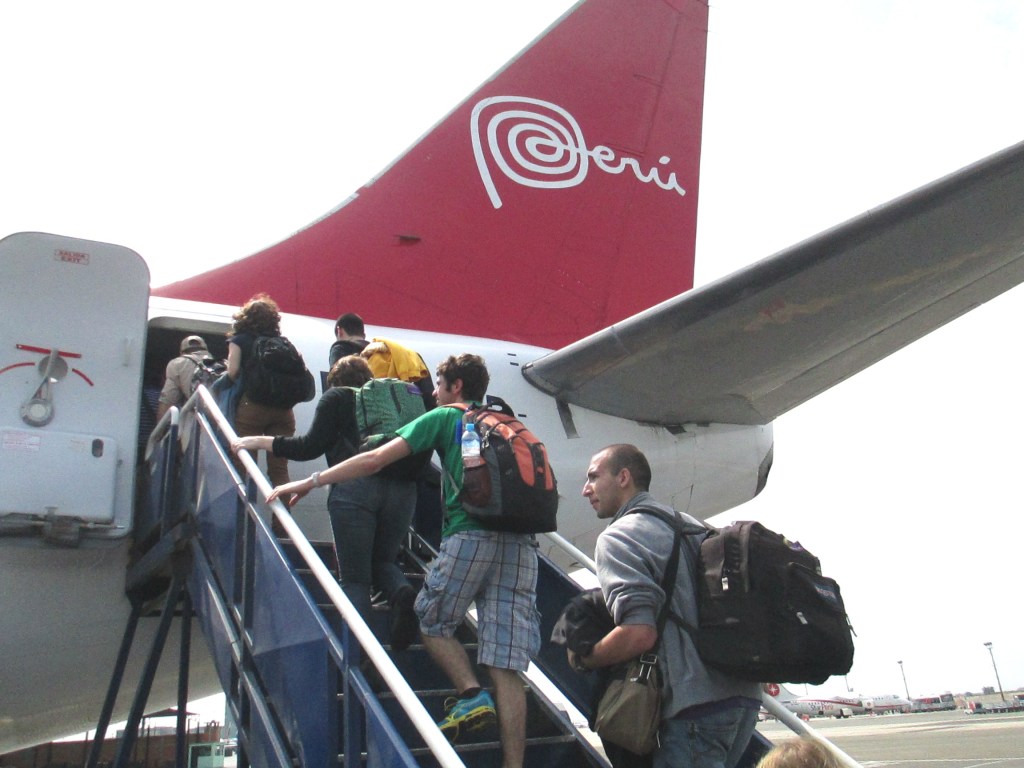
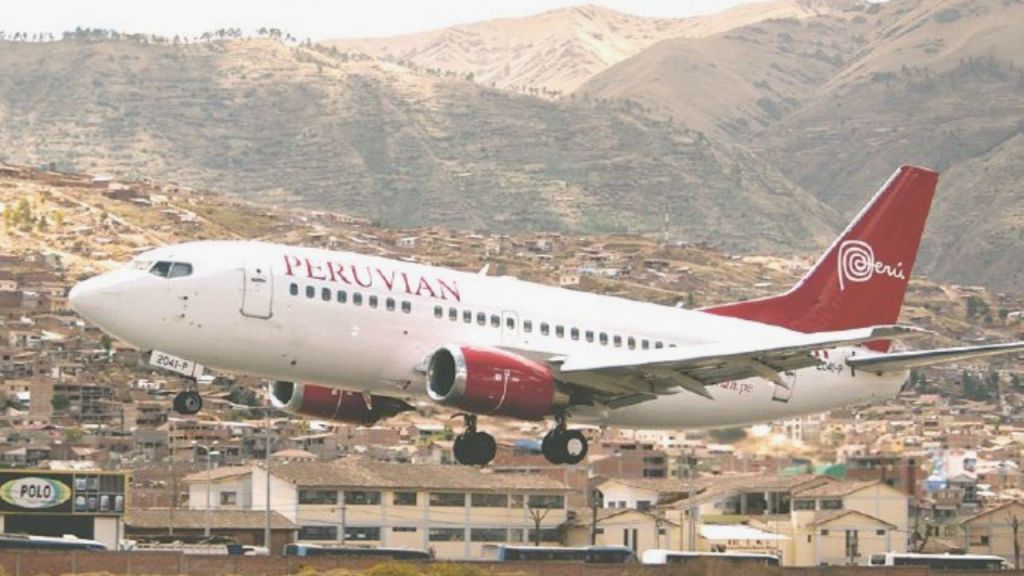


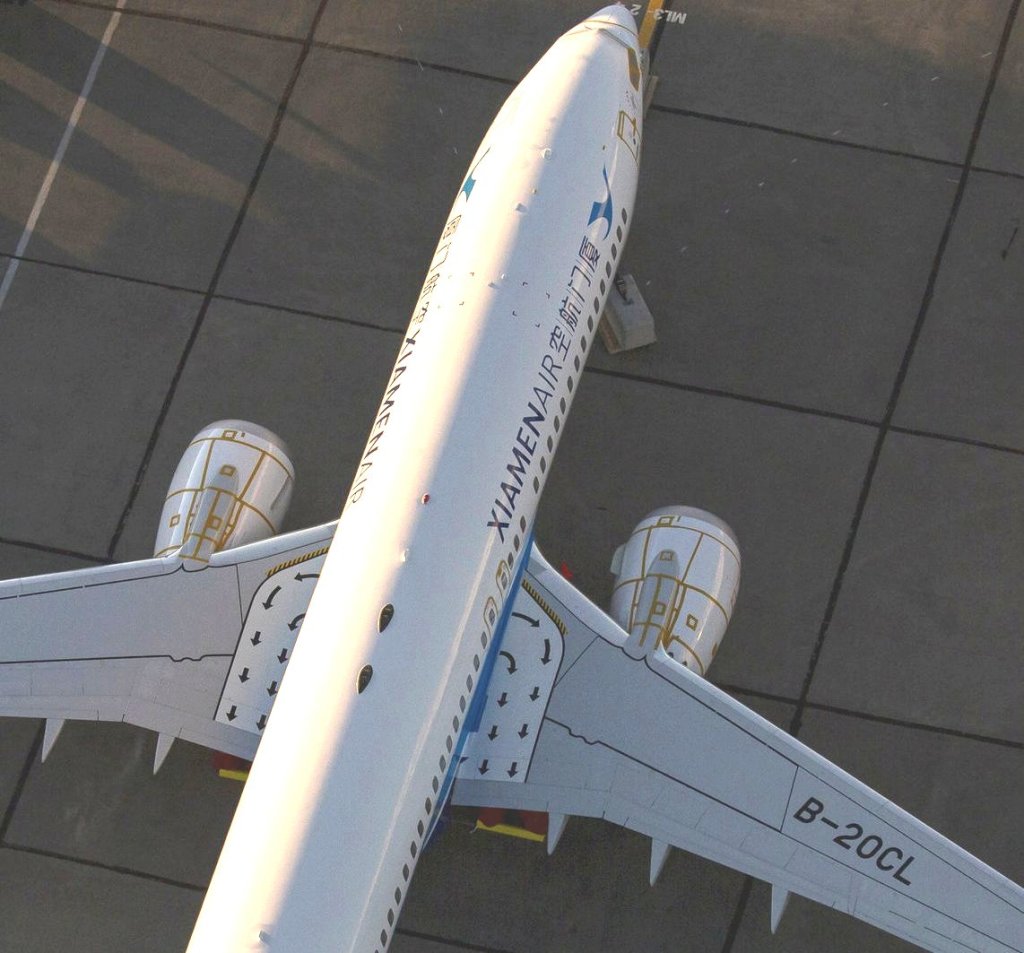
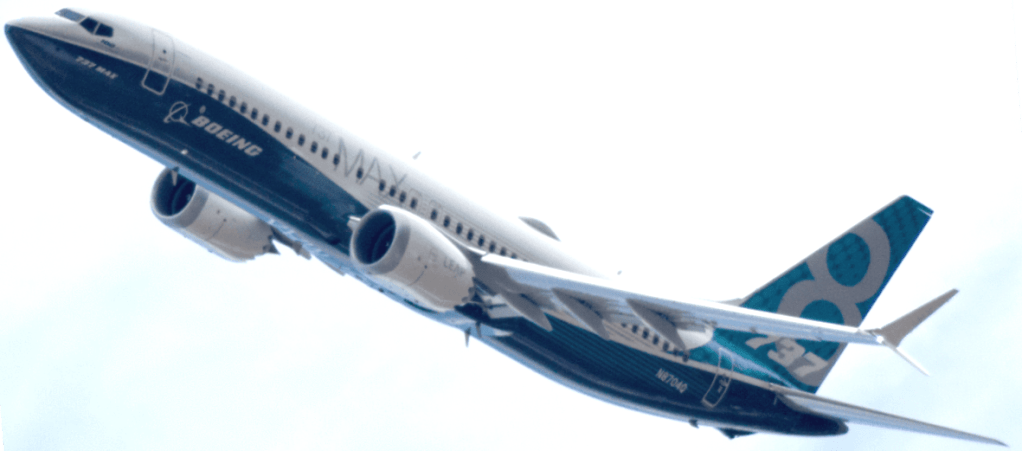


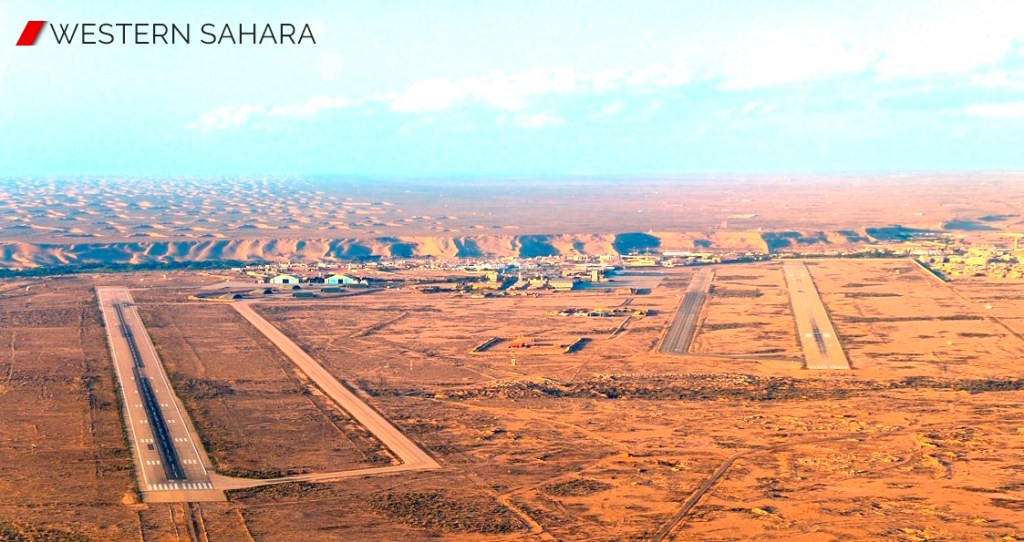

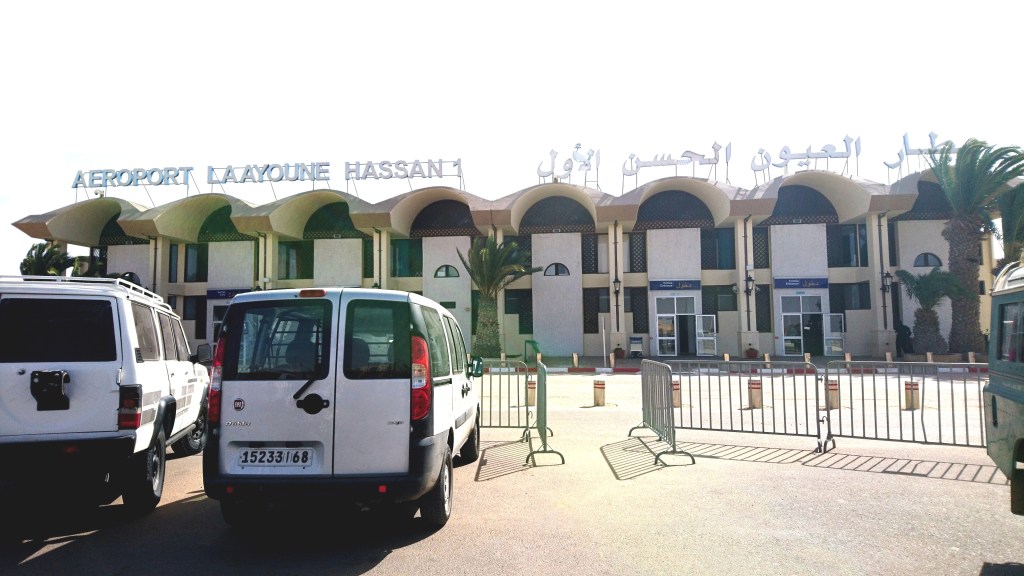

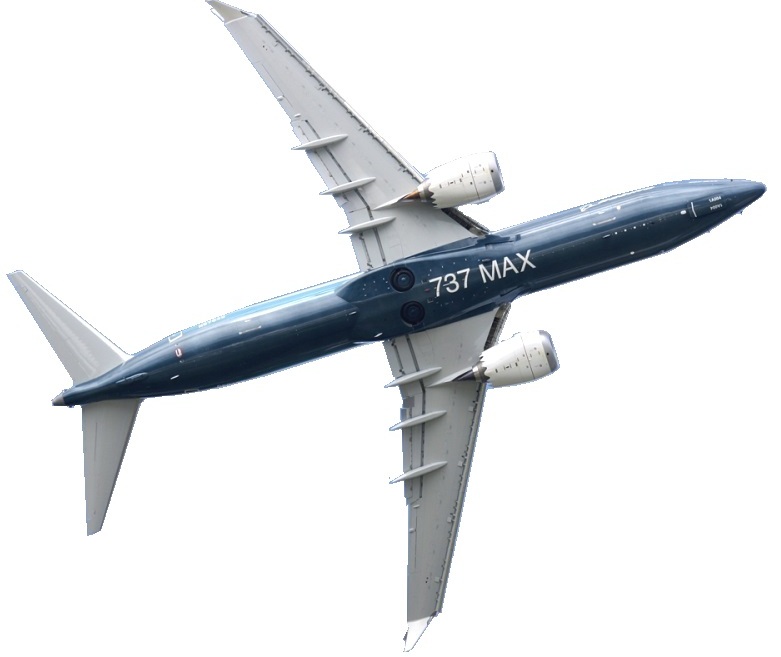


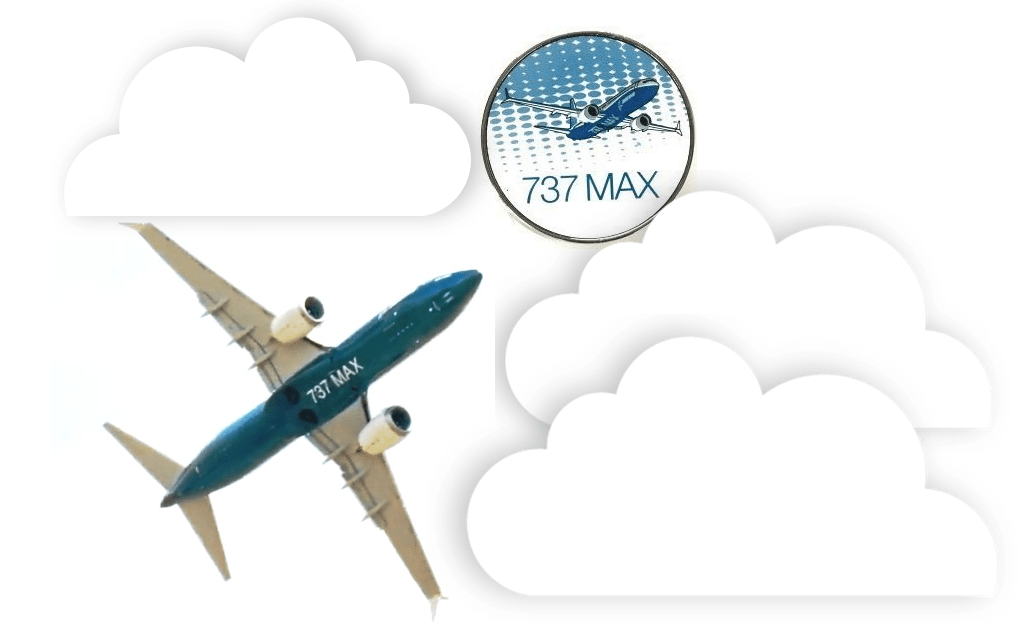




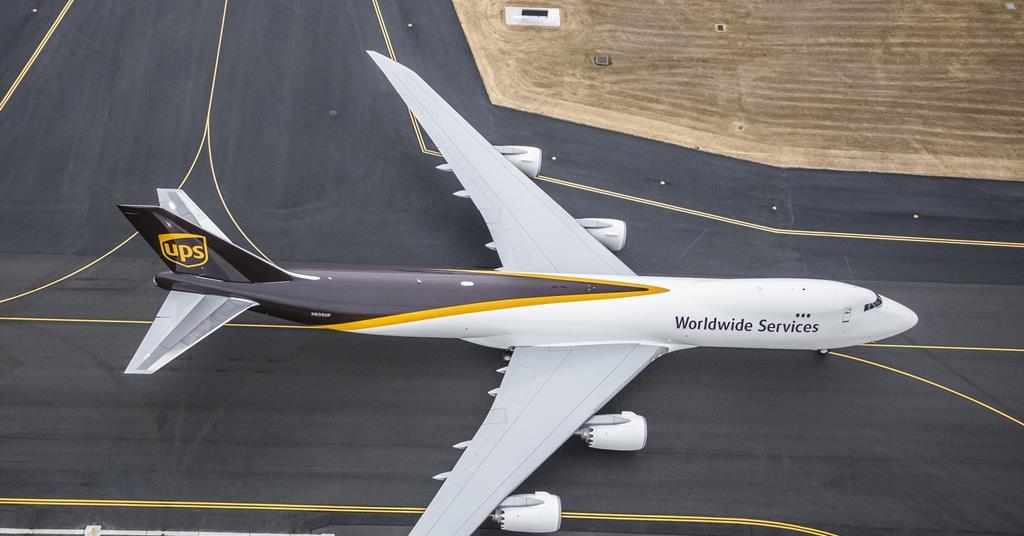
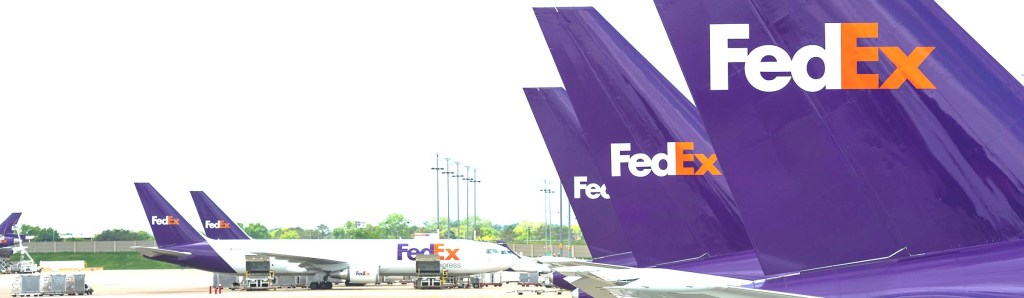

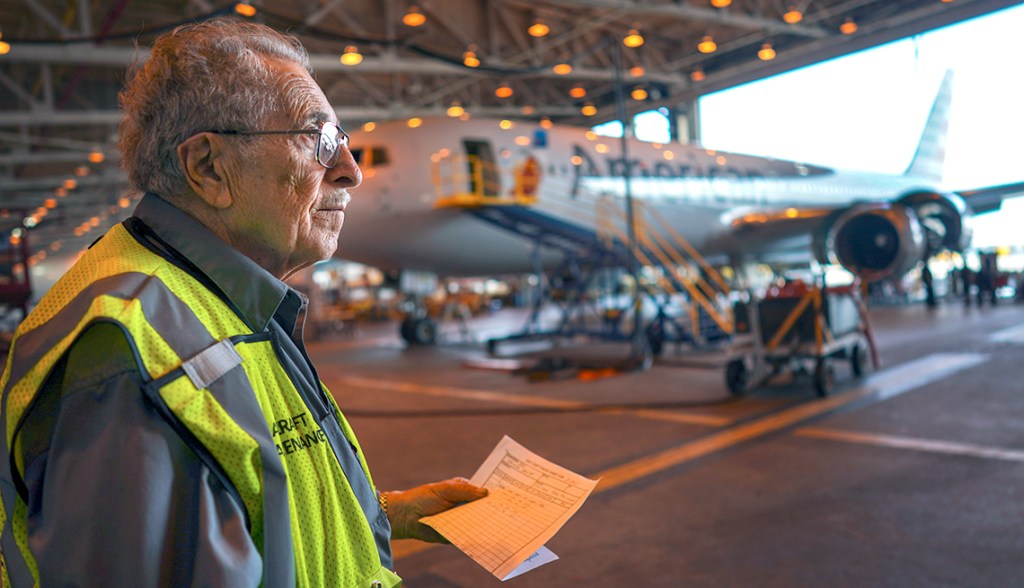




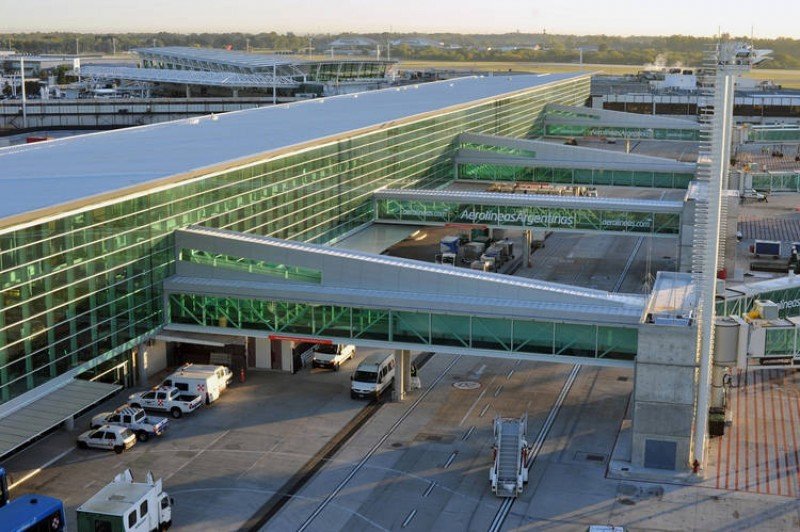





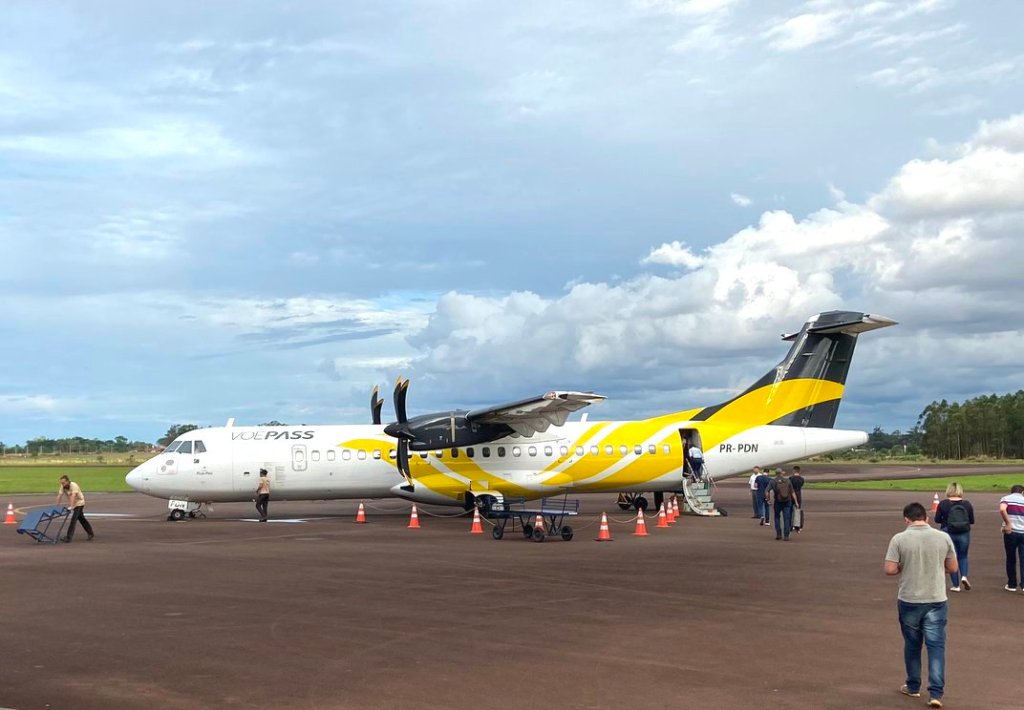

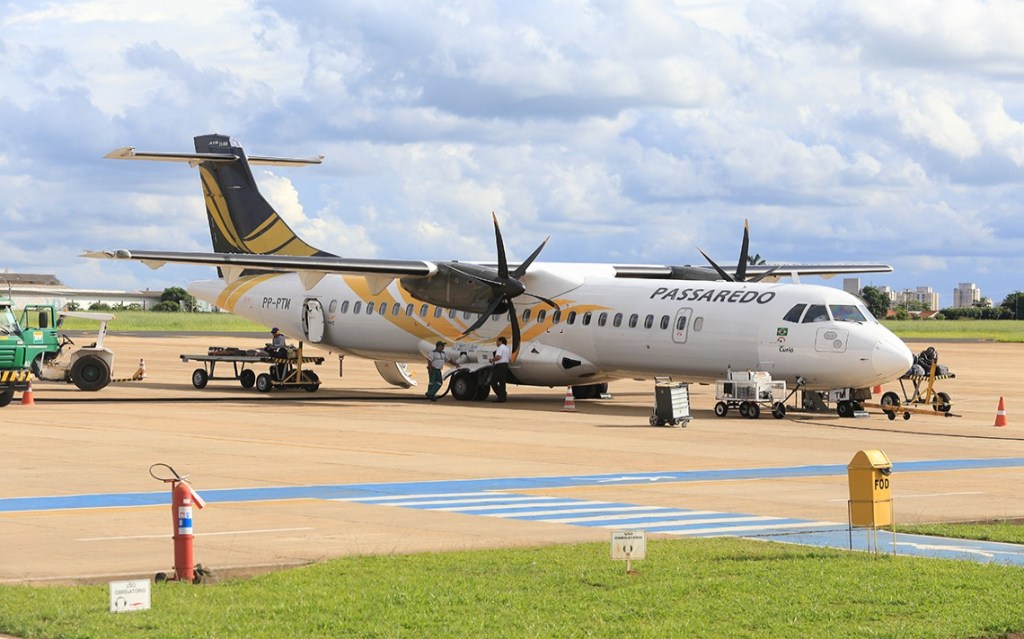


 airgways.com