AW | 2020 12 02 13:14 | INDUSTRY / AVIATION ORGANISMS
COMAC C919 de China se acerca a la certificación
El fabricante aeroespacial estatal chino COMAC Corp. ha finalizado el mayor proceso de diseño de su avión C919. COMAC espera ahora obtener la certificación de la Administración de Aviación Civil de China (CAAC), el regulador de aviación del país, en 2021, que daría luz verde para que comiencen las entregas. Actualmente, ha recibido una autorización de inspección de tipo de la CAAC, lo que significa que la estructura de la aeronave C919 no sufrirá cambios importantes. Fabricado para acomodar aproximadamente 150 pasajeros, el avión de cuerpo estrecho C919 amenaza el duopolio de Airbus y Boeing por primera vez en décadas, singularmente en territorio de Oriente Lejano.
El cliente de lanzamiento China Eastern Airlines se estableció para recibir el avión en 2018, según Reuters. La fecha objetivo fue retrasada a 2020,antes de ser golpeada con más retrasos. El nuevo jet de producción china se produce en medio de un rápido repunte de los viajes nacionales para la segunda economía más grande del mundo. En Octubre 2020, las aerolíneas chinas transportaron 50 millones de pasajeros, es decir, el 88% del tráfico del año pasado.
COMAC C919 certification approach
China’s COMAC C919 Approaches Certification
Chinese state-owned aerospace manufacturer COMAC Corp. has completed the largest design process for its C919 aircraft. Comac now hopes to obtain certification from the Civil Aviation Administration of China (CAAC), the country’s aviation regulator, in 2021, which would give the green light for deliveries to begin. Currently, it has received a type inspection authorization from the CAAC, which means that the structure of the C919 aircraft will not undergo major changes. Built to accommodate approximately 150 passengers, the C919 narrow-body aircraft threatens the Airbus and Boeing duopoly for the first time in decades, uniquely in the Far East.
Launch customer China Eastern Airlines was set to receive the aircraft in 2018, according to Reuters. The target date was pushed back to 2020, before being hit with further delays. The new Chinese-made jet comes amid a rapid rebound in domestic travel for the world’s second-largest economy. In October 2020, Chinese airlines carried 50 million passengers, that is, 88% of last year’s traffic.
Aerolíneas enfrentan mayor crisis historia dice sindicato AFACWA
La industria aérea se enfrenta a su mayor desastre cuando Capitol Hill continúa debatiendo sobre un proyecto de ley de ayudas adicionales por los efectos de la pandemia, reclamó Sara Nelson, Presidenta de la Asociación de Asistentes de Vuelo-CWA (AFACWA): «Estamos experimentando una crisis que es más grande que todas las crisis financieras que la industria aérea ha enfrentado desde que los aviones tomaron el vuelo por primera vez», expresó la sindicalista el Martes 01/12 por la noche.
Han transitado 250 días desde que se aprobó el último proyecto de ley de estímulo a la aviación comercial. Se ha hablado de una nueva medida bipartidista del Senado de US$ 908 mil millones ,que incluye dinero para pequeñas empresas, gobiernos estatales y locales, y financiamiento para beneficios de desempleo de US$ 300 por semana. Sara Nelson informó que el proyecto de ley de estímulo de Marzo 2020 debería haber quitado las conjeturas de las negociaciones y escribiendo otro proyecto de ley. «Fue el paquete más transparente y exitoso de todo el alivio del Coronavirus, y se supone que es la plantilla que se puede utilizar para cualquier otra industria», dijo.
Los trabajadores de las aerolíneas recibieron apoyo financiero a través del Programa de Apoyo a la Nómina de la Ley CARES, que se firmó como ley el 27 de Marzo de 2020. Mantuvo a los empleados de las aerolíneas en la nómina durante la pandemia, pero esos beneficios expiraron el 30 de septiembre. Nelson dijo que como resultado de la inacción federal, miles en la industria aérea se quedaron desempleados. «Cientos de miles de trabajadores han perdido su salario, muchos están desconectados de la atención médica y se preguntan cómo van a pagar su cheque de alquiler, cómo van a salir adelante, y están en esas líneas de pan ahora mismo con muchos otros estadounidenses. Hemos estado esperando esta legislación de sentido común que, en este momento, obtendría 95 votos en el Senado si estuviera allí para una votación, y hemos estado esperando que esto se apruebe desde Agosto», ha comunicado Sara Nelson, representante líder de AFACWA.
Las aerolíneas habrán recortado el equivalente a unos 90.000 puestos de trabajo para finales de año, incluyendo más de 30.000 permisos en aerolíneas como United Airlines y American Airlines que comenzaron el mes de Octubre 2020 y la salida de miles de otros trabajadores que aceptaron compras de Southwest Airlines, Delta Air Lines y otras aerolíneas. Las predicciones de Boston Consulting Group sugieren que los viajes no repuntarían a los niveles de 2019 hasta 2023 o 2024. Sara Nelson dijo que sigue siendo optimista de que los viajes aéreos se recuperarán. «Vamos a tener el repunte de la industria aérea, y la primera vez que alguien consiga un trato de negocios porque fue allí en persona, créeme, va a volver a la normalidad».
AFACWA union demands assistance
Airlines Facing Biggest Crisis History Says US Stewardess Union
The airline industry faces its biggest disaster when Capitol Hill continues to debate a bill for additional aid due to the effects of the pandemic, claimed Sara Nelson, President of the Association of Flight Attendants-CWA (AFACWA): «We are experimenting a crisis that is bigger than all the financial crises that the airline industry has faced since the planes took flight for the first time», said the union member on Tuesday night 01/12.
It has been 250 days since the last commercial aviation stimulus bill was passed. There has been talk of a new bipartisan Senate bill of US$ 908 billion, which includes money for small businesses, state and local governments, and funding for unemployment benefits of US$ 300 a week. Sara Nelson reported that the March 2020 stimulus bill should have taken the guesswork out of the negotiations and writing another bill. «It was the most transparent and successful package of all the Coronavirus relief, and it’s supposed to be the template that can be used for any other industry», she said.
Airline workers received financial support through the CARES Act Payroll Support Program, which was signed into law on March 27, 2020. It kept airline employees on the payroll during the pandemic, but those benefits expired on September 30. Nelson said that as a result of federal inaction, thousands in the airline industry were left unemployed. She added that lawmakers could take critical steps to help the industry in woe by authorizing another round of payroll support. «Hundreds of thousands of workers have lost their wages, many are disconnected from health care and wondering how they are going to pay their rent check, how they are going to get by, and they are on those bread lines right now with many other Americans. We have been waiting for this common sense legislation that, at this time, would get 95 votes in the Senate if it were there for a vote, and we have been waiting for this to pass since August», said Sara Nelson, lead representative of AFACWA.
Airlines will have cut the equivalent of about 90,000 jobs by the end of the year, including more than 30,000 permits on airlines such as United Airlines and American Airlines that began in October 2020 and the departure of thousands of other workers who accepted Southwest purchases. Airlines, Delta Air Lines and other airlines. Boston Consulting Group predictions suggest that travel would not rebound to 2019 levels until 2023 or 2024. Sara Nelson said she remains optimistic that air travel will rebound. «We are going to have the upturn in the airline industry, and the first time someone gets a business deal because they went there in person, trust me, it’s going to be back to normal».
Aviación de Brasil aprueba recertificación Boeing 737 MAX
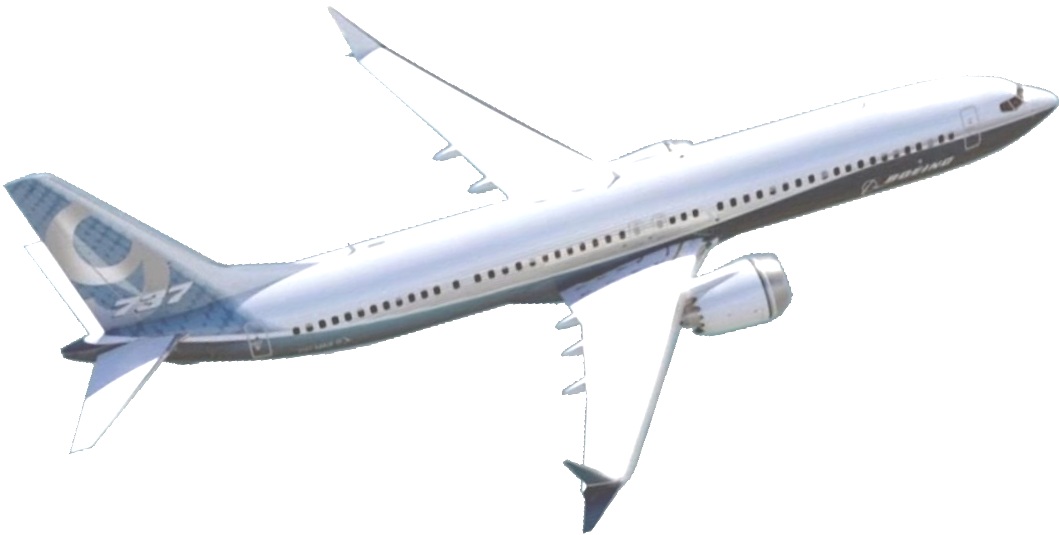
El regulador de aviación brasileño, la Agencia Nacional de Aviación Civil (ANAC) ha levantado este Miércoles 25/11 la puesta a tierra del Boeing 737 MAX, concluyendo el proceso de recertificación aprobado inicialmente por parte de la Federal Aviation Administration (FAA) de Estados Unidos, mientras que la GCAA de los Emiratos Árabes Unidos ha aprobado las regulaciones esta semana.
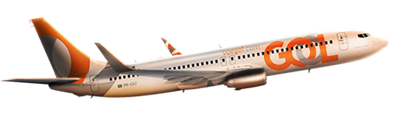
La ANAC Brasil ha terminado con su proceso de certificación levantando la prohibición en su país para las operaciones de la línea 737 MAX. El transportador que actualmente emplea este tipo de aeronaves es la compañía Gol Linhas Aéreas, que actualmente está implementando las medidas necesarias para reanudar los vuelos.
A principios de esta semana, la Agencia de Seguridad Aérea de la Unión Europea (EASA) estableció las condiciones para poner en condiciones las aprobaciones regulatorias estimadas hacia Enero 2021. Se espera que Canadá también levante la prohibición, pero persiste la incertidumbre sobre China, el mayor mercado para el avión y el primero en prohibirlo en Marzo de 2019.
La reapertura de los vuelos del Boeing 737 MAX en Estados Unidos se reanudarán el 29 de Diciembre de 2020 con la empresa American Airlines, abriendo así un nuevo capítulo con la cuarta generación de la línea 737 más representativa de la aviación comercial.
ANAC Brazil approves Boeing 737 MAX
Brazil aviation regulator approves Boeing 737 MAX recertification
The Brazilian aviation regulator, the National Civil Aviation Agency (ANAC) has lifted this Wednesday 25/11 the grounding of the Boeing 737 MAX, concluding the recertification process initially approved by the Federal Aviation Administration (FAA) of the States. The United Arab Emirates, while the GCAA approved the regulations this week.
ANAC Brazil has ended its certification process by lifting the ban in its country for the operations of the 737 MAX line. The carrier that currently uses this type of aircraft is the company Gol Linhas Aéreas, which is currently implementing the necessary measures to resume flights.
Earlier this week, the European Union Aviation Safety Agency (EASA) set the conditions to make the regulatory approvals estimated by January 2021 ready. Canada is also expected to lift the ban, but uncertainty persists over China, the largest market for the aircraft and the first to ban it in March 2019.
The reopening of Boeing 737 MAX flights in the United States will resume on December 29, 2020 with the American Airlines company, thus opening a new chapter with the fourth generation of the 737 line most representative of commercial aviation.
ANAC Brasil aprova Boeing 737 MAX
Regulador da aviação do Brasil aprova recertificação Boeing 737 MAX
O órgão regulador da aviação brasileira, a Agência Nacional de Aviação Civil (ANAC), levantou nesta quarta-feira 25/11 o encalhe do Boeing 737 MAX, concluindo o processo de recertificação inicialmente aprovado pela Administração Federal de Aviação (FAA) dos Estados. Os Emirados Árabes Unidos, enquanto o GCAA aprovou o regulamento esta semana.
A ANAC Brasil encerrou seu processo de certificação com o levantamento da proibição em seu país para a operação da linha 737 MAX. A transportadora que atualmente utiliza esse tipo de aeronave é a Gol Linhas Aéreas, que está implementando as medidas necessárias para a retomada dos vôos.
No início desta semana, a Agência de Segurança da Aviação da União Europeia (EASA) definiu as condições para tornar prontas as aprovações regulatórias estimadas para Janeiro de 2021. O Canadá também deve levantar a proibição, mas a incerteza permanece sobre a China maior mercado para a aeronave e o primeiro a bani-la em Março de 2019.
A reabertura dos vôos do Boeing 737 MAX nos Estados Unidos será retomada em 29 de Dezembro de 2020 com a companhia American Airlines, abrindo assim um novo capítulo com a quarta geração da linha 737 mais representativa da aviação comercial.
Gremio pilotos APLA absorbe a sindicato UALA de Austral
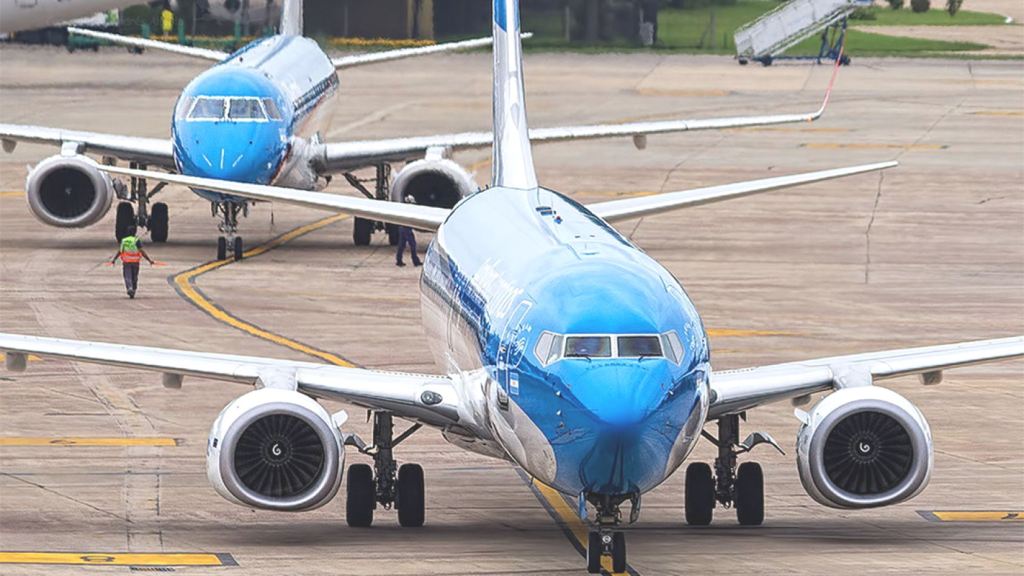
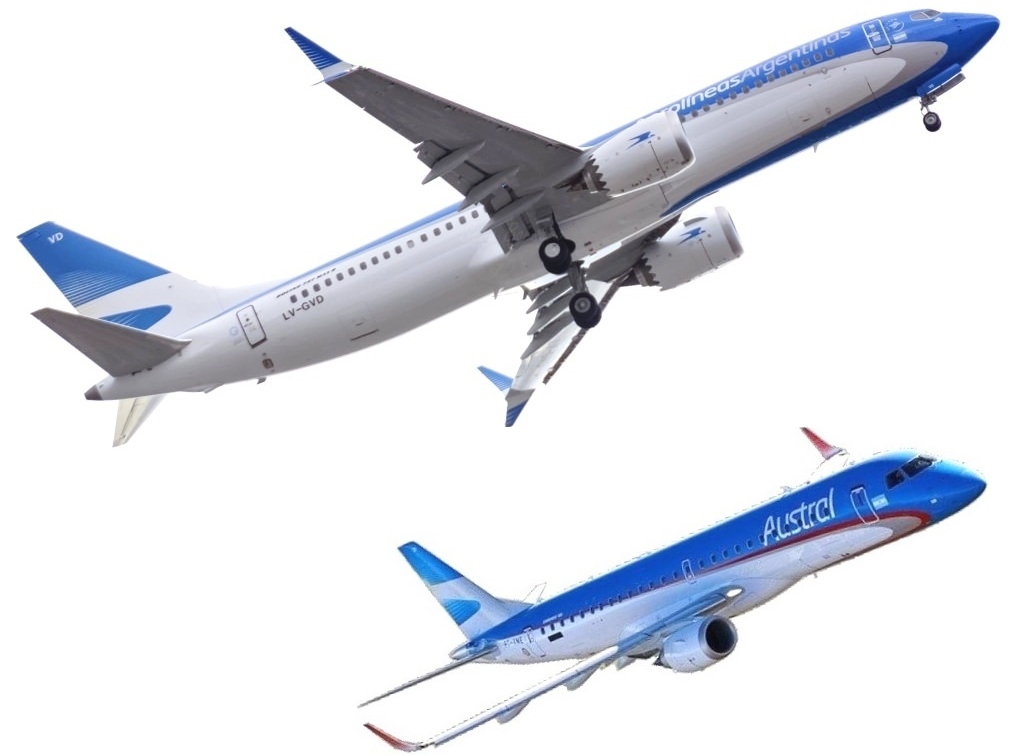
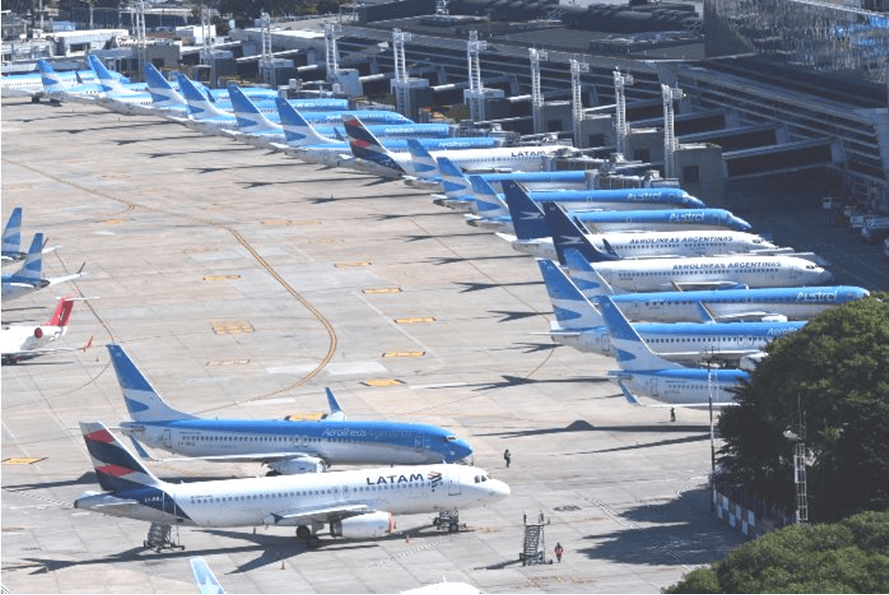
El acuerdo de integración establecido por el Gobierno de Argentina bajo el paraguas de las fuertes reestructuraciones de las aerolíneas por los efectos de la pandemia, ha llevado a varias negociaciones dentro del Grupo Aerolíneas para conformar una sola sindicatura gremial de los pilotos de Aerolíneas Argentinas y Austral Líneas Aéreas. El acuerdo establecido a principios de 11/2020 establecía el compromiso para alcanzar la unificación de los afiliados aeronáuticos. La Asociación de Pilotos de Líneas Aéreas (APLA), liderado por Pablo Biró, absorbe a sus colegas de la Unión de Aviadores de Líneas Aéreas (UALA), por lo que esta entidad gremial queda sin efectos.
La afiliación de los pilotos de Austral a partir de 12/2020 forma parte del proceso de integración que continúa llevándose a cabo en Aerolíneas/Austral. Este proceso de acuerdo de integración laboral rubricado se establece en el marco de la fusión de Aerolíneas Argentinas y Austral Líneas Aéreas.
Cronología Aerolíneas/Austral
La larga historia de la integración por parte del Estado de Aerolíneas Argentinas y Austral Líneas Aéreas en la década de 1990, cuando los pilotos abandonaron el gremio de APLA y conformaron una nueva agrupación llamada UALA. A partir de entonces siempre han existido recelos e intentos fallidos de absorciones. Pero ante la parálisis mundial por la crisis sanitaria, Aerolíneas Argentinas ha visto la tormenta perfecta para cumplir su viejo anhelo, de absorber a su filial Austral. «Ante la inminente integración de los trabajadores de Austral y Aerolíneas Argentinas, estamos avanzando en el proceso para que los pilotos hoy representados por UALA puedan afiliarse a APLA de una forma ordenada a partir de Diciembre», dijo el sindicato APLA en un comunicado.
Bajo la consigna la compañía esbozaba un plan de reducción de los costos en un proceso de fusión que ahorraría al grupo en cifras cercanas a US$ 100 millones de Dólares anuales.
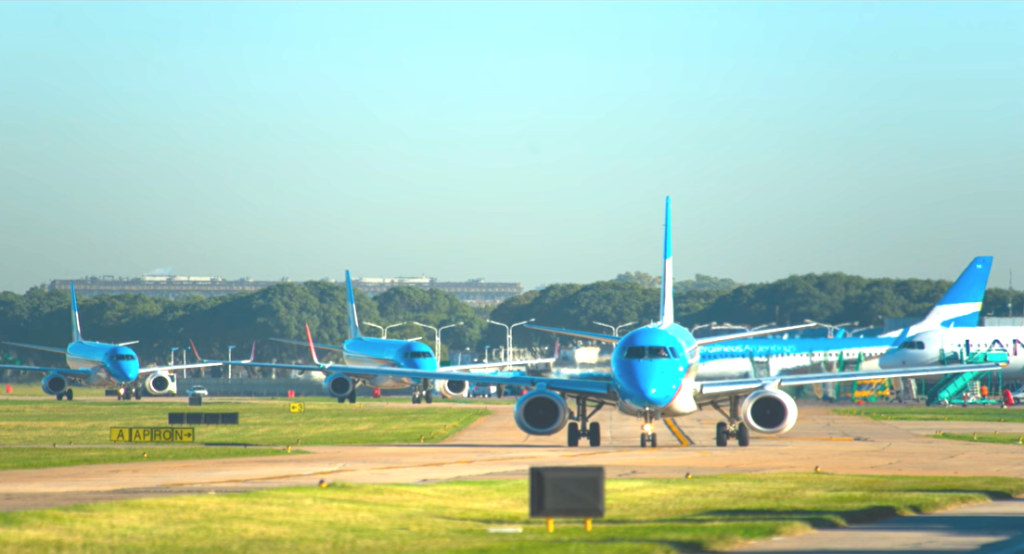
Las negociaciones por parte de los sindicatos de APLA y UALA continuaban trabadas en el ápice de la cuestión de las escalafones de los pilotos de Austral referentes al proceso de integración con Aerolíneas. Las acciones más trabadas era cómo integrar a los pilotos de Austral que vuelan aeronaves Embraer E190 con los pilotos de Aerolíneas Argentinas que comandan Boeing 737 y Airbus A330.
«En estos últimos días mantuvimos reuniones con la Comisión Directiva de UALA y delegados de Aerolíneas Argentinas y Austral. En este marco, tratamos distintos aspectos para seguir trabajando en la unidad de los pilotos argentinos, entendiendo que teníamos por delante un desafío sin precedentes […] así alcanzamos el acuerdo de fusión laboral firmado el 2 de Octubre de 2020», expresa el comunicado de APLA.
Perspectivas Aerolíneas/Austral
El proceso alcanzado de sinergia entre Aerolíneas Argentinas y Austral Líneas Aéreas ha sido logrado en parte. El titular del gremio de APLA, Pablo Biró, ha expresado que han «alcanzado el acuerdo de fusión laboral», entendiendo que la fusión APLA-UALA se ha logrado entre las partes involucradas satisfactoriamente. En datos concretos, no se ha alcanzado una fusión integral de empresas, sino más bien, de una integración de sus afiliados. En un intento de morigerar el mensaje de sinergia total, Austral Líneas Aéreas continuará viva, pero en los papeles, mientras que en su imagen corporativa volará bajo las alas de Aerolíneas Argentinas.
APLA-UALA of unions unification
The APLA pilots union absorbs the Austral union UALA
The integration agreement established by the Government of Argentina under the umbrella of the strong restructuring of the airlines due to the effects of the pandemic, has led to several negotiations within the Aerolíneas Group to form a single union union of the pilots of Aerolíneas Argentinas and Austral Líneas Aéreas. The agreement established at the beginning of 11/2020 established the commitment to achieve the unification of the aeronautical affiliates. The Airline Pilots Association (APLA), led by Pablo Biró, absorbs his colleagues from the Union of Airline Aviators (UALA), so this union entity is without effect.
The affiliation of Austral pilots as of 12/2020 is part of the integration process that continues to be carried out at Aerolíneas/Austral. This initialed labor integration agreement process is established within the framework of the merger of Aerolíneas Argentinas and Austral Líneas Aéreas.
Aerolíneas/Austral chronology
The long history of the integration by the State of Aerolíneas Argentinas and Austral Líneas Aéreas in the 1990s, when the pilots left the APLA union and formed a new group called UALA. Since then there have always been misgivings and unsuccessful attempts to absorb. But in the face of global paralysis due to the health crisis, Aerolíneas Argentinas has seen the perfect storm to fulfill its old desire, to absorb its Austral subsidiary. «Given the imminent integration of Austral and Aerolíneas Argentinas workers, we are advancing in the process so that the pilots today represented by UALA can join APLA in an orderly manner as of December», the APLA union said in a statement.
Under this slogan, the company outlined a plan to reduce costs in a merger process that would save the group in figures close to US$ 100 million annually.
Negotiations on the part of the APLA and UALA unions continued to be stuck at the apex of the issue of the ranks of Austral pilots regarding the integration process with Aerolíneas. The most difficult actions were how to integrate the Austral pilots who fly Embraer E190 aircraft with the Aerolíneas Argentinas pilots who command Boeing 737 and Airbus A330.
«In recent days we held meetings with the UALA Board of Directors and delegates from Aerolíneas Argentinas and Austral. In this framework, we dealt with different aspects to continue working in the unit of Argentine pilots, understanding that we had an unprecedented challenge ahead [.. .] thus we reached the labor merger agreement signed on October 2, 2020», says the APLA statement.
Perspectives Aerolíneas/Austral
The synergy process achieved between Aerolíneas Argentinas and Austral Líneas Aéreas has been partially achieved. The head of the APLA union, Pablo Biró, has stated that they have «reached the labor merger agreement», understanding that the APLA-UALA merger has been successfully achieved between the parties involved. In concrete data, a comprehensive merger of companies has not been achieved, but rather, an integration of their affiliates. In an attempt to temper the message of total synergy, Austral Líneas Aéreas will continue to live, but on paper, while in its corporate image it will fly under the wings of Aerolíneas Argentinas.
AW | 2020 11 24 17:37 | AIRLINES / AVIATION ORGANISMS / GOVERNMENT
Exigen reunión Ministerio Trabajo/Transporte
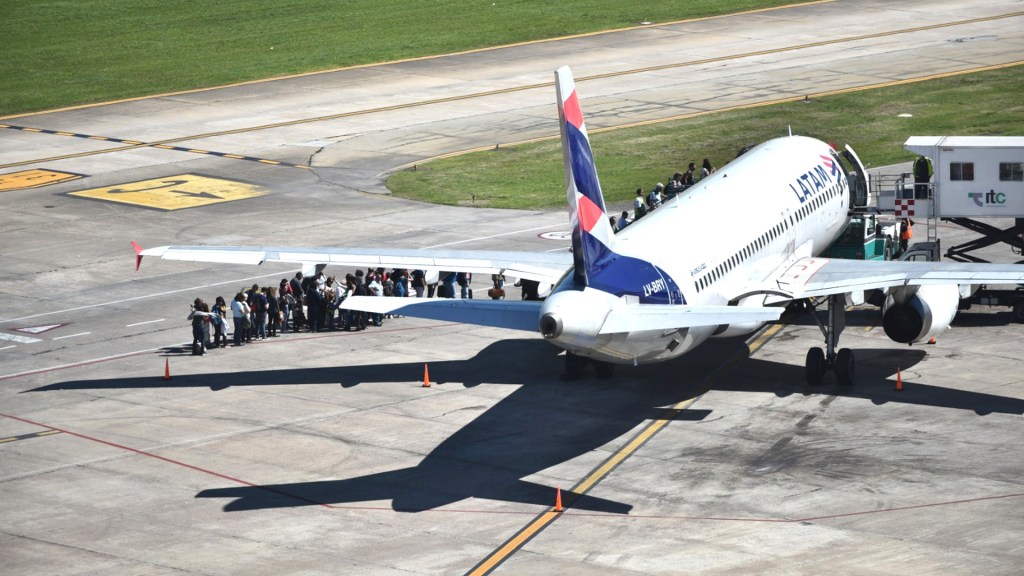
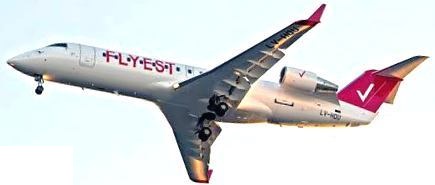
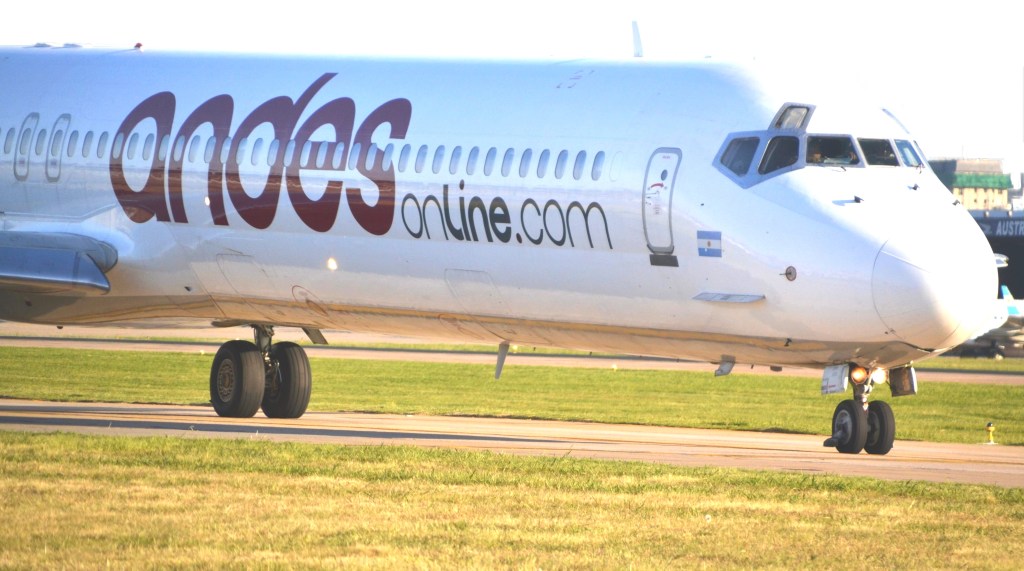
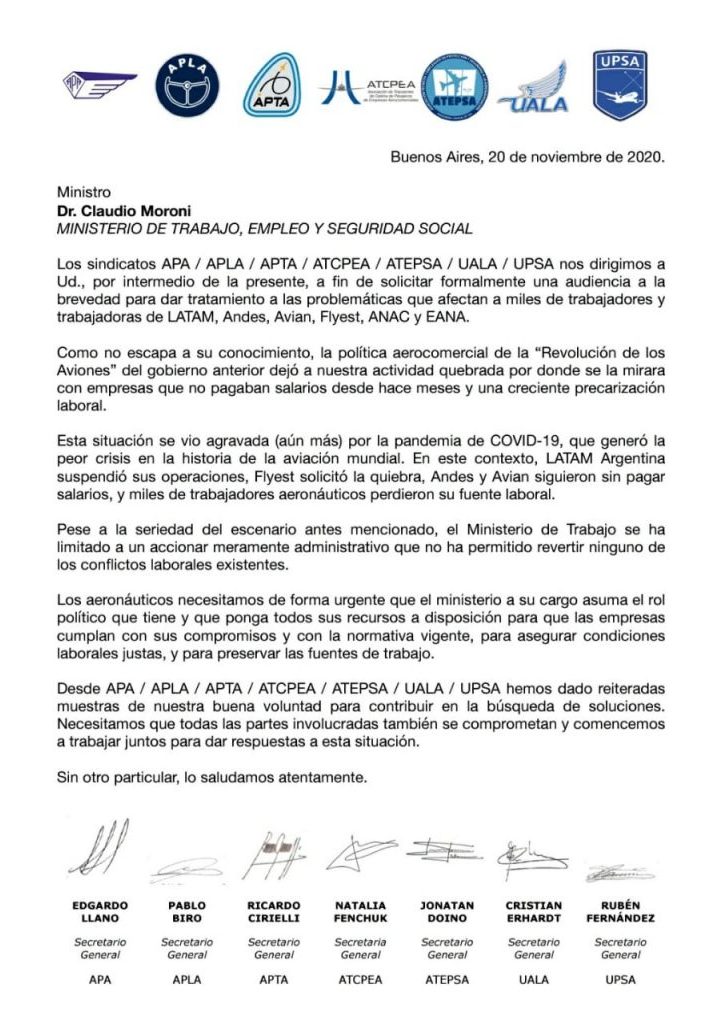
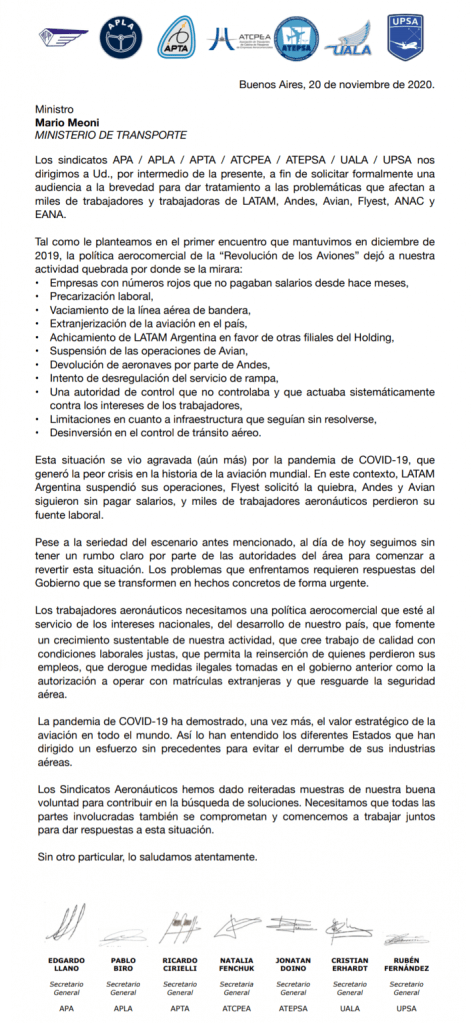
Los sindicatos aeronáuticos de la República Argentina han solicitado al Gobierno con carácter de urgencia una reunión para tratamientos respecto a trabajadores afectados por la industria de la aviación en el país. Los gremios APA, UALA, APLA, APTA, UPSA, UALA, ATCPEA, ATEPSA han solicitado un encuentro con los Ministerios Trabajo y Transporte para tratar las situaciones actuales de miles de empleados afectados actualmente de Latam Airlines Argentina, Flyest Líneas Aéreas, Avian Líneas Aéreas (Avianca Argentina), Andes Líneas Aéreas, EANA y ANAC. Mediante un comunicado oficial los gremios nucleados han elevado la línea de los reclamos a las carteras de Trabajo y Transporte, solicitando con carácter urgente ante la grave situación de desamparo potenciada por la pandemia de Coronavirus.
Los trabajadores de varias compañías han sido despedidos, mientras que otros no cobran sus salarios ni ayudas gubernamentales. La situación de Latam Airlines Argentina que ha suspendió sus operaciones y presentado su desvinculación en el país ha ocasionado mucho malestar, Flyest Líneas Aéreas ha presentado semanas atrás la quiebra ante la imposibilidad de poder llegar a un acuerdo para vender la línea aérea regional, mientras que Andes Líneas Aéreas y Avian Líneas Aéreas continúan sin abonar sus salarios que el riesgo de pérdidas de fuentes laborales.
Actualmente, ningún tema ha sido abordado ni solucionado por parte del Gobierno. La gravedad de la situación de miles de empleados ante la desidia del Estado por no atender las situaciones, ha encendido las alertas de los gremios para marcar una fuerte posición para respaldar a los trabajadores ante la inacción del Gobierno. Los sindicatos reclaman a la cartera de Trabajo que ponga a disposición los recursos necesarios para que las aerolíneas den cumplimiento con la normalización de la situación laboral de muchos trabajadores. Al Ministro de Transporte han reclamado en el comunicado por la ausencia de una política aerocomercial definida que tenga como eje central los intereses nacionales y el desarrollo del trabajo argentino, exigiendo al Gobierno ayudas al sector por la expansión de las dificultades que se ha enfrentado la aviación comercial.
Caso Latam Argentina
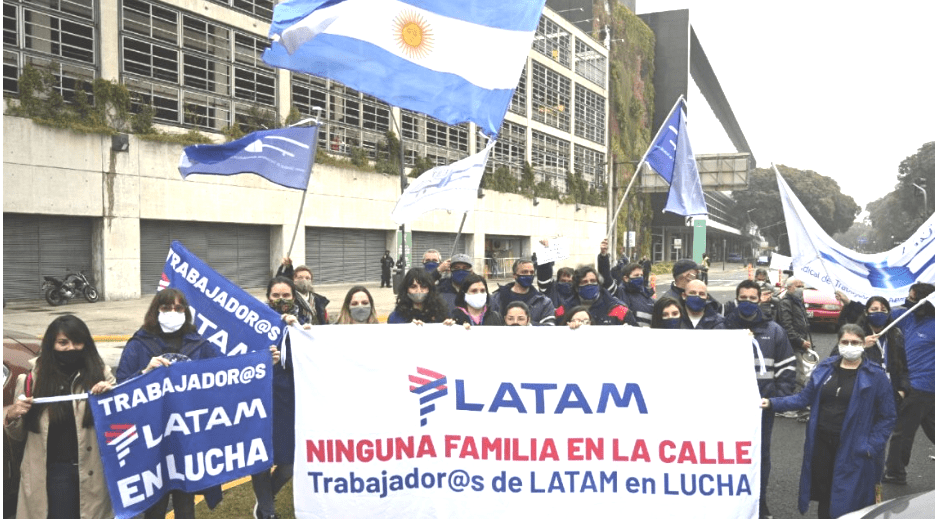
Los trabajadores de la aerolínea Latam Airlines Argentina han solicitado una toma de posición mucho más activa por parte del Gobierno para resolver el conflicto. Este Jueves 19/11 se habían movilizado a la sede del Ministerio de Trabajo, donde entregaron un escrito y fueron recibidos por funcionarios de la cartera, en el marco del plan de lucha que llevan adelante para garantizar la continuidad laboral. Aseguran que desde abril cobran el 50 por ciento de sus salarios, y pese a dos intimaciones, la empresa aérea no cambia su postura.
Luego de más de siete meses de lucha, los trabajadores de la empresa aérea Latam Airlines Argentina continúan reclamando una solución de fondo al conflicto que se desató en el inicio de la pandemia, cuando la empresa de capitales chileno-brasileño anunció que dejaría de operar las rutas argentinas. La decisión, apoyada en un Procedimiento Preventivo de Crisis (PPC), no evitó que desde hace un tiempo la firma esté operando sus rutas internacionales desde el país, con personal extranjero, lo que genera malestar entre los empleados que piden su continuidad laboral. En este contexto, un grupo de autoconvocados se movilizaron este jueves al Ministerio de Trabajo, donde fueron recibidos por primera vez por funcionarios de la cartera laboral, buscando darle respuesta a los más de 500 trabajadores en lucha, que no aceptaron los retiros voluntarios y piden la continuidad. En este contexto, se pidió una toma de posición mucho más activa tanto del Ministerio de Trabajo como el de Transporte, que intervienen en la crisis. Los gremios aeronáuticos vienen cuestionando la política oficial para el sector, y le apuntaron directamente a la figura de Mario Meoni, actual Ministro de Transporte.
El objetivo principal de los reclamos fue presentar un escrito donde se denuncia “el incumplimiento por parte la compañía de efectuar el pago íntegro de salarios al personal, tal cual fuere ordenado por esta entidad ministerial en dos ocasiones. Por primera vez los trabajadores autoconvocados de Latam estuvimos en el Ministerio de Trabajo, presentando este escrito dándole centralidad al impacto económico de las medidas que viene tomando la compañía del inicio de la pandemia a la fecha. De Abril a Noviembre hemos cobrado el 50 por ciento de nuestro salario, gracias a que Latam viene aplicando una reducción salarial arbitraria, que no fue acordada con ninguna de las entidades sindicales”, sostuvo Martín Tomé, referente de este espacio por los tripulantes de cabina de la Asociación de Aeronavegantes de Argentina (AAA). Desde que la aerolínea anunció la cancelación de su programación de vuelos en el país, inició un proceso de reducción de personal y “gestionó dos de los ocho ATP (Programa de Asistencia de Emergencia al Trabajo y la Producción)”, expresó Martín Tomé.
En este tiempo, la lucha de los trabajadores y los gremios generó que el conflicto se mantenga visible, pero con el correr del tiempo muchos empleados fueron aceptando algunas de las condiciones ofrecidas para salir de la empresa. En cuanto a la reducción de salarios, fue intimada dos oportunidades pero las mismas fueron desoídas, articulando una feroz campaña de retiros voluntarios como única opción que ofrecía la aerolínea. En este contexto, comenzó a perderse miles de fuentes de trabajo. Según los datos que manejan los autoconvocados, al principio de la pandemia Latam tenía 1.715 empleados, que ascendían a 3.000 si se les sumaban los trabajadores de empresas tercerizadas a su servicio. “Ahora quedamos 527 con un contrato vigente, contemplando la totalidad de los sectores. Latam parece que no se enteró de nada, hace poco reanudó sus vuelos comerciales desde el Aeropuerto Internacional de Ezeiza, reemplazando el trabajo de tripulación locales con personal extranjero, de Chile, de Brasil y de Perú, o por mandos medios o jerárquicos”, expresó Martín Tomé. Ante esta situación de atropello e inacción por parte del Estado, se ha solicitado una toma de posición mucho más activa para involucrar más ativamente al ministerio de Trabajo y de Transporte para que concerten una solución al conflicto.
En junio de este año, Latam Argentina presentó un Procedimiento Preventivo de Crisis (PPC) y confirmó su salida del país, y resolvió unilateralmente abonar el 50 por ciento de los salarios a los empleados, algo que comenzó con la pandemia. Hasta el momento, los trabajadores y los gremios realizaron actos, movilizaciones y caravanas, para pedir al gobierno que intervenga y garantice la continuidad laboral. “Latam sigue operando, el negocio sigue funcionando, lo que queda de su personal que cree que los retiros no son una solución necesitamos respuestas, la consigna compartida por todas las áreas es la continuidad laboral en el rubro aeronáutico y en esa línea vamos a seguir peleando y dándole forma a nuestro plan de lucha”, concluyó Martín Tomé.
Perspectivas aéreas
La aviación comercial ha sufrido en los últimos meses un desamparo casi exclusivo donde se han sentido malestar generalizado en toda la actividad aeronáutica por la pasividad e insensibilidad ante el conjunto de problemas que afectan a la situación laboral de miles de empleados. Desde los gremios destacaron que la protesta también apunta a criticar la falta de una verdadera política aérea que permita superar la crisis actual del mundo de los aviones.
Trade Unions-Argentine Government meeting
They demand a meeting of the Ministry of Labor/Transport
The aeronautical unions of the Argentine Republic have urgently requested the Government to hold a meeting for treatment of workers affected by the aviation industry in the country. The unions APA, UALA, APLA, APTA, UPSA, UALA, ATCPEA, ATEPSA have requested a meeting with the Ministries of Labor and Transport to discuss the current situations of thousands of employees currently affected by Latam Airlines Argentina, Flyest Líneas Aéreas, Avian Líneas Aéreas (Avianca Argentina), Andes Líneas Aéreas, EANA and ANAC. Through an official statement, the nucleated unions have raised the line of claims to the Labor and Transport portfolios, requesting urgently in the face of the serious situation of helplessness enhanced by the Coronavirus pandemic.
Workers at various companies have been laid off, while others do not receive their salaries or government aid. The situation of Latam Airlines Argentina that has suspended its operations and presented its separation in the country has caused a lot of discomfort, Flyest Líneas Aéreas has filed bankruptcy weeks ago due to the impossibility of reaching an agreement to sell the regional airline, while Andes Líneas Aéreas and Avian Líneas Aéreas continue without paying their salaries other than the risk of job losses.
Currently, no issue has been addressed or resolved by the Government. The seriousness of the situation of thousands of employees in the face of the neglect of the State for not attending to the situations, has ignited the alerts of the unions to mark a strong position to support the workers in the face of the government’s innaction. The unions demand that the Labor portfolio make available the necessary resources for the airlines to comply with the normalization of the employment situation of many workers. The Minister of Transport has complained in the statement for the absence of a defined commercial air policy that has as its central axis the national interests and the development of Argentine work, demanding from the Government aid to the sector for the expansion of the difficulties that aviation has faced commercial.
Latam Argentina case
The workers of the Latam Airlines Argentina airline have requested a much more active position by the Government to resolve the conflict. This Thursday, 11/19, they had mobilized to the headquarters of the Ministry of Labor, where they delivered a letter and were received by officials from the portfolio, within the framework of the plan of struggle that they are carrying out to guarantee job continuity. They assure that since April they have received 50 percent of their salaries, and despite two injunctions, the airline does not change its position.
After more than seven months of struggle, the workers of the airline company Latam Airlines Argentina continue to demand a substantive solution to the conflict that was unleashed at the beginning of the pandemic, when the Chilean-Brazilian capital company announced that it would stop operating the Argentine routes. The decision, supported by a Crisis Preventive Procedure (PPC), did not prevent the firm from operating its international routes from the country for some time, with foreign personnel, which generates discomfort among employees who request their work continuity. In this context, a group of self-convened mobilized this Thursday to the Ministry of Labor, where they were received for the first time by officials of the labor portfolio, seeking to respond to the more than 500 workers in struggle, who did not accept the voluntary withdrawals and request continuity. In this context, a much more active position was requested from both the Ministry of Labor and the Ministry of Transport, which are involved in the crisis. The aeronautical unions have been questioning the official policy for the sector, and they pointed directly to the figure of Mario Meoni, current Minister of Transport.
The main objective of the claims was to present a document denouncing “the failure by the company to make the full payment of salaries to the personnel, as ordered by this ministerial entity on two occasions. For the first time, the self-summoned workers of Latam were in the Ministry of Labor, presenting this letter giving centrality to the economic impact of the measures that the company has been taking since the start of the pandemic to date. From April to November we have received 50 percent of our salary, thanks to the fact that Latam has been applying an arbitrary salary reduction, which was not agreed with any of the union entities”, said Martín Tomé, a reference for this space by the cabin crew of the Argentine Air Navigation Association (AAA). Since the airline announced the cancellation of its flight schedule in the country, it began a process of staff reduction and «managed two of the eight ATPs (Emergency Assistance Program for Work and Production)», said Martín Tomé.
At this time, the struggle of the workers and the unions caused the conflict to remain visible, but with the passing of time many employees accepted some of the conditions offered to leave the company. Regarding the reduction of salaries, she was intimidated two opportunities but they were ignored, articulating a fierce campaign of voluntary withdrawals as the only option offered by the airline. In this context, thousands of jobs began to be lost. According to the data managed by the self-convened, at the beginning of the pandemic Latam had 1,715 employees, which rose to 3,000 if workers from outsourced companies were added to their service. “Now we are 527 with a current contract, contemplating all the sectors. It seems that Latam did not find out about anything, recently it resumed its commercial flights from the Ezeiza International Airport, replacing the work of local crew with foreign personnel, from Chile, Brazil and Peru, or by middle or hierarchical managers”, he said Martín Tomé. Faced with this situation of outrage and inaction by the State, a much more active position has been requested to more actively involve the Ministry of Labor and Transport so that they can agree to a resolution to the conflict.
In June of this year, Latam Argentina presented a Crisis Preventive Procedure (PPC) and confirmed its departure from the country, and unilaterally resolved to pay 50 percent of salaries to employees, something that began with the pandemic. So far, workers and unions have held events, mobilizations and caravans to ask the government to intervene and guarantee continuity of work. «Latam continues to operate, the business continues to operate, what remains of its staff who believes that retirements are not a solution, we need answers, the slogan shared by all areas is the continuity of employment in the aeronautical sector and in that line we will continue fighting and giving shape to our fight plan”, concluded Martín Tomé.
Aerial perspectives
In recent months, commercial aviation has suffered an almost exclusive helplessness where they have felt general malaise throughout the aeronautical activity due to passivity and insensitivity to the set of problems that affect the employment situation of thousands of employees. The unions stressed that the protest also aims to criticize the lack of a true air policy that allows us to overcome the current crisis in the world of airplanes.
EAU anunciará calendario regreso Boeing 737 MAX en tiempo y forma
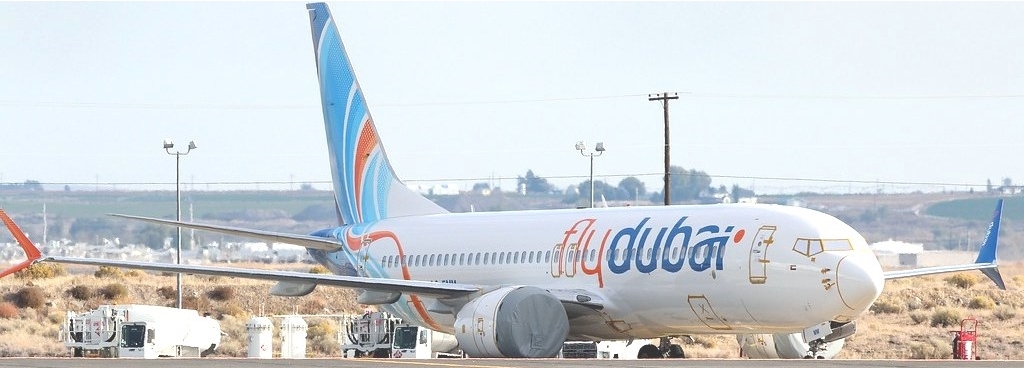
La General Civil Aviation Authority (GCAA), el regulador de aviación civil de los Emiratos Árabes Unidos, ha comunicado este Domingo 22/11 que anunciaría un horario de regreso para el Boeing 737 MAX de manera oportuna después de que los Estados Unidos levantaran la semana pasada una prohibición de vuelo de veinte meses de de incursión en tierra. «La Autoridad General de Aviación Civil emitirá una decisión de seguridad que establezca los requisitos técnicos para garantizar la devolución segura del servicio para el avión Boeing 737 MAX, y anunciará el calendario de la autorización de devolución de manera oportuna», dijo la agencia estatal de noticias WAM de los Emiratos Árabes Unidos.
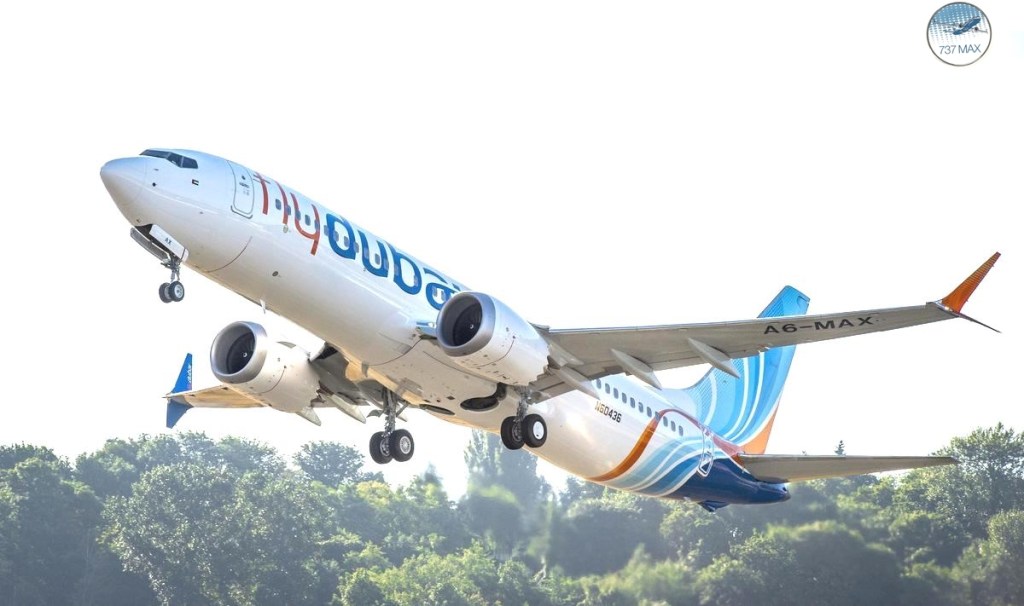
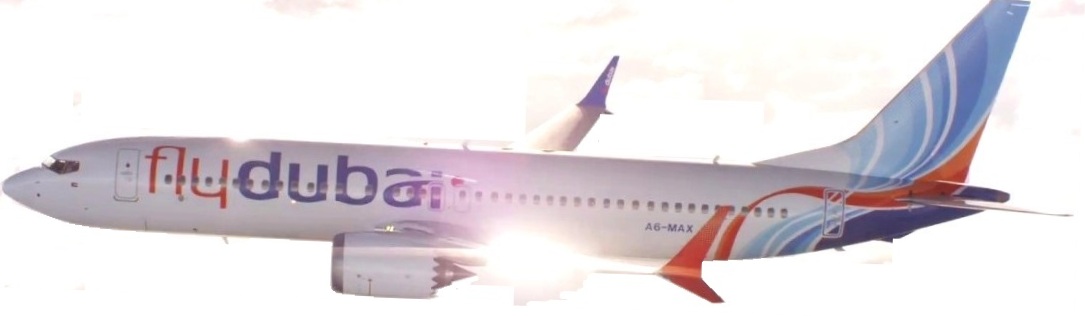
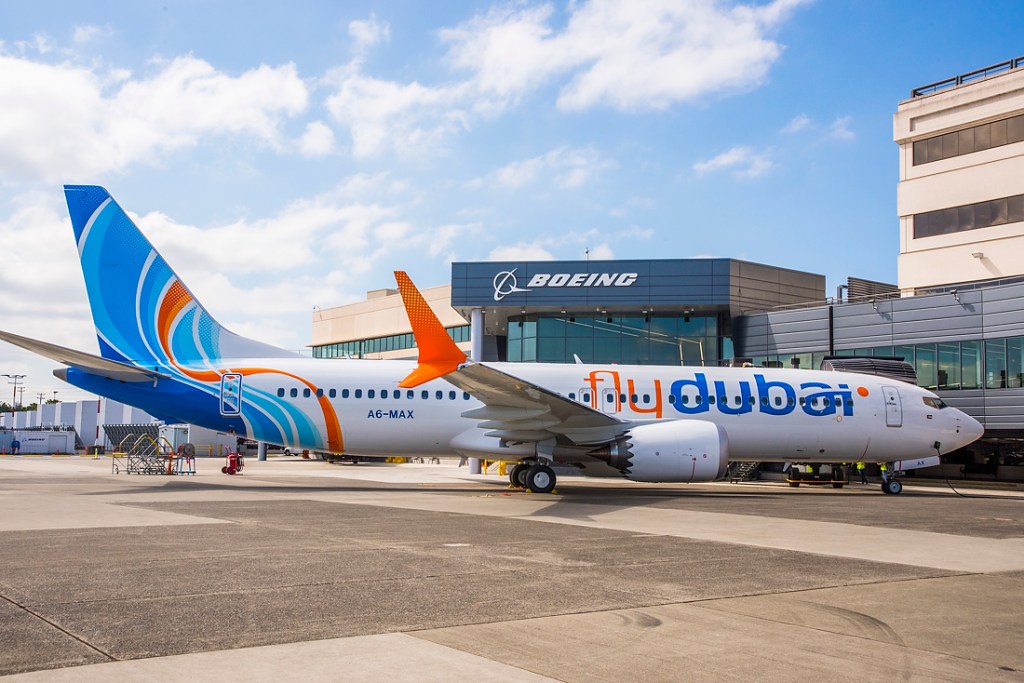
El regulador dijo que continuó trabajando con la Administración Federal de Aviación de los Estados Unidos (FAA) y la Agencia de Seguridad Aérea de la Unión Europea (EASA) en el proceso de recertificación de la línea 737 MAX. El transportador de los Emiratos Árabes Unidos, flydubai es un importante cliente del avión narrowbody de la compañía americana The Boeing Company.
UAE 737 MAX approvals schedule
UAE will announce return Boeing 737 MAX in a timely manner
The General Civil Aviation Authority (GCAA), the United Arab Emirates‘ civil aviation regulator, announced this Sunday 11/22 that it would announce a return schedule for the Boeing 737 MAX in a timely manner after the United States lifted the week past a twenty-month ground incursion ban. «The General Civil Aviation Authority will issue a safety decision establishing the technical requirements to ensure the safe return of service for the Boeing 737 MAX aircraft, and will announce the timetable for the return authorization in a timely manner», said the state agency of WAM news from the United Arab Emirates.
The regulator said it continued to work with the United States Federal Aviation Administration (FAA) and the European Union Aviation Safety Agency (EASA) on the recertification process for the 737 MAX line. The United Arab Emirates transporter, flydubai is a major customer of the narrowbody aircraft of the American company The Boeing Company.
جدول الموافقات الإمارات العربية المتحدة ماكس737
ستعلن دولة الإمارات العربية المتحدة عن جدول عودة طائرة بوينج 737 ماكس في الوقت المناسب
أعلنت الهيئة العامة للطيران المدني (GCAA) ، الجهة المنظمة للطيران المدني في دولة الإمارات العربية المتحدة ، يوم الأحد 11/22 أنها ستعلن عن جدول عودة طائرة بوينج737 ماكس في الوقت المناسب بعد أن رفعت الولايات المتحدة الأسبوع الماضي عشرين عامًا. – حظر التوغل البري لمدة شهر. وقالت وكالة أنباء الإمارات (وام): ستصدر الهيئة العامة للطيران المدني قرارًا بشأن السلامة يحدد المتطلبات الفنية لضمان عودة آمنة للخدمة لطائ بوينج 737 ماكس ، وستعلن الجدول الزمني لترخيص العودة في الوقت المناسب. أخبار من الإمارات العربية المتحدة.
قالت الهيئة التنظيمية إنها واصلت العمل مع إدارة الطيران الفيدرالية الأمريكية (FAA) ووكالة سلامة الطيران التابعة للاتحاد الأوروبي (EASA) في عملية إعادة التصديق على خط 737 MAX. شركة النقل الإماراتية ، فلاي دبي هي زبون رئيسي للطائرة ضيقة البدن لشركة بوينج الأمريكية.
Regulador europeo levantará cancelación en Enero 2021
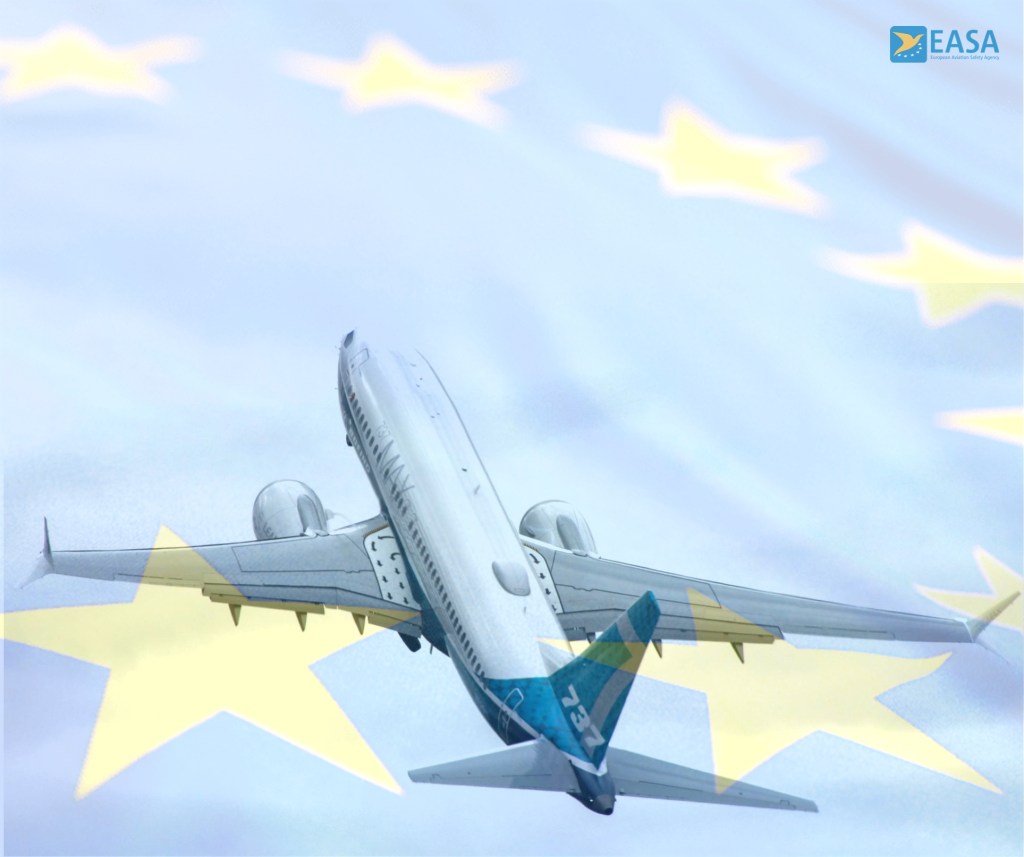
La European Union Aviation Safety Agency (EASA) ha anunciado el estudio para leventar las prohibiciones de vuelo al Boeing 737 MAX hacia Enero 2021 después de que los reguladores estadounidenses terminaran la semana pasada una conexión a tierra de veinte meses después de los trágicos accidentes aéreos ocurridos en Indonesia y Etiopía.
El Jefe de la EASA ha comunicado en comentarios emitidos el Sábado 21/11 que el Boeing 737 MAX será seguro para volar después de cambios en el diseño del jet. «Queríamos llevar a cabo un análisis totalmente independiente de la seguridad de este avión, por lo que realizamos nuestros propios controles y pruebas de vuelo. Todos estos estudios nos dicen que el 737 MAX puede volver al servicio. Hemos empezado a poner en marcha todas las medidas. Es probable que en nuestro caso adoptemos las decisiones, lo que le permitirá volver al servicio, en algún momento de Enero», dijo el Director Ejecutivo Patrick Ky al Paris Air Forum 2020, una conferencia de aviación en línea organizada por el diario La Tribune de Francia.
Los funcionarios confirmaron que la próxima semana se publicará un Proyecto de Directiva de la EASA que propone poner fin a la puesta a tierra en Europa, seguido de un Período de Comentarios de 30 días. Después de los toques finales, eso llevaría a una decisión de aprobación hacia Enero 2021.
El tiempo que tardan los vuelos en reanudarse en Europa depende de la formación de pilotos y de la cantidad de tiempo que tardan las aerolíneas en actualizar el software y llevar a cabo otras acciones encomendadas por la EASA. En los Estados Unidos, los vuelos comerciales están programados para comenzar el 29 de Diciembre de 2020, poco menos de seis semanas después de que la orden de la FAA se publicara el 18 de Noviembre de 2020.
Lecciones FAA
Los accidentes aéreos en Indonesia y Etiopía desencadenaron una serie de investigaciones sobre fallos de mal diseño en la línea 737 MAX y la supervisión laza de la FAA. También pusieron bajo escrutinio las estrechas relaciones de la agencia de aviación americana con The Boeing Company. «Está claro que hubo una serie de disfunciones en las acciones (FAA) y sus relaciones con Boeing. No voy a entrar en detalles, ya que no depende de mí para hacer eso. La FAA está en proceso de poner en marcha medidas correctivas», expresó Patrick Ky. La EASA cambiaría algunos de sus propios métodos y tomaría un papel más detallado en el análisis de características críticas en aviones extranjeros. También sería más intransigente asegurar que se completen las revisiones clave de seguridad antes de pasar a los siguientes pasos. Hasta ahora, un regulador primario certifica un avión y otros siguen principalmente el ejemplo después de diferentes grados de controles independientes. «Cuál es el cambio en la forma en que validamos y certificamos los aviones Boeing está claro, ¿pero tendrá un impacto en los tiempos de certificación? No, no lo creo; haremos las cosas de manera diferente», expresó el Jefe de la EASA.
La EASA es ampliamente vista como un fortalecimiento emergente de la crisis de Boeing y algunos reguladores están esperando sus decisiones sobre el 737 MAX en lugar de seguir inmediatamente a la FAA como en el pasado. El Jefe de la FAA, Steve Dickson, redujo las diferencias la semana pasada, diciendo que había muy poca luz del día entre los reguladores y que la FAA trabajó estrechamente con Europa, Canadá y Brasil.
EASA representa a los 27 países de la Unión Europea más otras cuatro naciones, incluyendo Noruega, que tiene 92 de los aviones en orden. Hasta el 31 de Diciembre 2020, también representa al Reino Unido, que dejó el bloque de la Unión Europea en Enero 2019. La decisión de la agencia de seguridad de aviación EASA es vista como el hito más importante después de la aprobación de la FAA, pues como regulador responsable de Airbus, también tiene un peso significativo en la industria europea y mundial.
EASA 737 MAX Certification on 01/2021
European regulator will lift cancellation in January 2021
The European Union Aviation Safety Agency (EASA) has announced the study to lift the flight bans on the Boeing 737 MAX by January 2021 after US regulators last week ended a twenty-month ground connection after tragic plane crashes. in Indonesia and Ethiopia.
The EASA Chief has communicated in comments issued on Saturday 11/21 that the Boeing 737 MAX will be safe to fly after changes to the jet’s design. «We wanted to carry out a totally independent analysis of the safety of this aircraft, so we carried out our own controls and flight tests. All these studies tell us that the 737 MAX can be returned to service. We have started to commission all the It is likely that in our case we will make the decisions, which will allow him to return to service, sometime in January», Executive Director Patrick Ky told the Paris Air Forum 2020, an online aviation conference organized by the newspaper La Tribune of France.
Officials confirmed that an EASA Draft Directive proposing to end the grounding in Europe will be published next week, followed by a 30-day Comment Period. After the final touches, that would lead to an approval decision by January 2021.
The time it takes for flights to resume in Europe depends on pilot training and the amount of time it takes for airlines to update software and carry out other actions mandated by EASA. In the United States, commercial flights are scheduled to begin on December 29, 2020, just under six weeks after the FAA order was published on November 18, 2020.
FAA Lessons
Air crashes in Indonesia and Ethiopia triggered a series of investigations into poor design flaws on the 737 MAX line and FAA oversight. The close relations of the American aviation agency with The Boeing Company also came under scrutiny. «It is clear that there were a number of dysfunctions in the (FAA) actions and their relationships with Boeing. I will not go into details as it is not up to me to do that. The FAA is in the process of putting corrective measures in place», said Patrick Ky. EASA would change some of its own methods and take a more detailed role in the analysis of critical characteristics in foreign aircraft. It would also be more uncompromising to ensure key security reviews are completed before proceeding to the next steps. So far, one primary regulator certifies an aircraft and others mainly follow suit after varying degrees of independent checks. «What is the change in the way we validate and certify Boeing aircraft is clear, but will it have an impact on certification times? No, I don’t think so; we will do things differently», said the Head of EASA.
EASA is widely seen as an emerging strengthening of the Boeing crisis and some regulators are awaiting its decisions on the 737 MAX rather than immediately following the FAA as in the past. FAA Chief Steve Dickson narrowed the differences last week, saying there was very little daylight between regulators and that the FAA worked closely with Europe, Canada and Brazil.
EASA represents the 27 countries of the European Union plus four other nations, including Norway, which has 92 of the planes on order. Until December 31, 2020, it also represents the United Kingdom, which left the European Union bloc in January 2019. The decision of the aviation security agency EASA is seen as the most important milestone after FAA approval, As the responsible regulator of Airbus, it also has a significant weight in European and global industry.
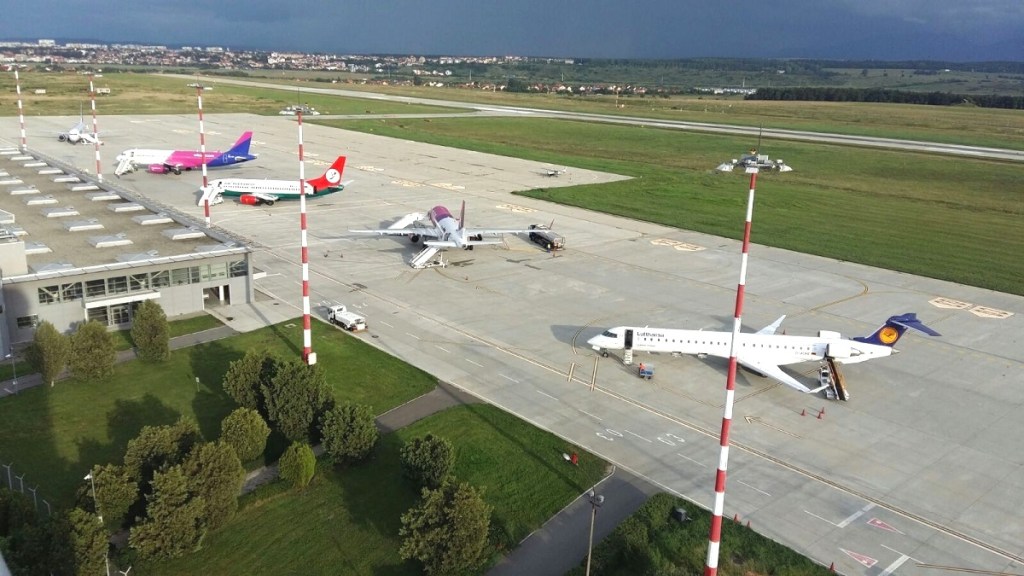
La Comisión Europea (CE) ha aprobado, de conformidad con las normas de la Unión Europea (UE) sobre ayudas estatales, un plan rumano de € 1,7 millones de Euros para las aerolíneas que reanudan o inician vuelos desde y hacia el Aeropuerto de Sibiu en Rumania. El Aeropuerto de Sibiu representa un papel importante en la conectividad regional e internacional del país. Este plan proporciona ayuda en forma de subvenciones directas y será accesible de manera transparente a todas las aerolíneas interesadas que inicien o reanuden sus operaciones en el Aeropuerto de Sibiu.
El objetivo de la medida es apoyar la actividad de los operadores aéreos y apoyar la recuperación económica y la viabilidad estructural de la región afectada por la pandemia del coronavirus. La Comisión constató que el régimen rumano se ajusta a las condiciones establecidas en el marco temporal. En particular, la ayuda no superará los € 800 000 Euros por empresa y se concederá antes del 30 de Junio de 2021. La Comisión concluyó que “la medida es necesaria, adecuada y proporcionada para remediar una perturbación grave en la economía de un Estado miembro”.
EC approves aid Romania
EU extends aid to Romanian plan to airlines
The European Commission (EC) has approved, in accordance with the rules of the European Union (EU) on state aid, a Romanian plan of € 1.7 million Euros for airlines that resume or start flights to and from the Airport of Sibiu in Romania. Sibiu Airport plays an important role in the country’s regional and international connectivity. This scheme provides support in the form of direct grants and will be transparently accessible to all interested airlines starting or resuming operations at the Sibiu eAport.
The objective of the measure is to support the activity of air operators and support the economic recovery and structural viability of the region affected by the coronavirus pandemic. The Commission found that the Romanian scheme complies with the conditions set out in the time frame. In particular, the aid will not exceed € 800,000 Euros per company and will be granted before June 30, 2021. The Commission concluded that “the measure is necessary, adequate and proportionate to remedy a serious disturbance in the economy of a Member State”.
CE aprobă ajutorul României
UE extinde ajutorul pentru planul românesc companiilor aeriene
Comisia Europeană (CE) a aprobat, în conformitate cu normele Uniunii Europene (UE) privind ajutorul de stat, un plan românesc de 1,7 milioane de euro pentru companiile aeriene care reiau sau încep zborurile către și de la Aeroportul Sibiu din România. Aeroportul Sibiu joacă un rol important în conectivitatea regională și internațională a țării. Acest sistem oferă sprijin sub formă de subvenții directe și va fi accesibil în mod transparent tuturor companiilor aeriene interesate care încep sau reiau operațiunile la portul electronic Sibiu.
Obiectivul măsurii este de a sprijini activitatea operatorilor aerieni și de a sprijini redresarea economică și viabilitatea structurală a regiunii afectate de pandemia de coronavirus. Comisia a constatat că schema românească respectă condițiile stabilite în intervalul de timp. În special, ajutorul nu va depăși 800.000 EUR pentru fiecare companie și va fi acordat înainte de 30 iunie 2021. Comisia a concluzionat că „măsura este necesară, adecvată și proporțională pentru a remedia o perturbare gravă a economiei unui stat membru”.
AW | 2020 11 21 11:50 | CONGRESS / AVIATION ORGANISMS
Aerolíneas necesitan US$ 80.000 millones adicionales para sobrevivir
El organismo de aviación de la Asociación Internacional de Transporte Aéreo (IATA) ha anunciado recientemente que las aerolíneas necesitarán entre US$ 70.000 millones y US$ 80.000 millones de Dólares en ayudas para sobrevivir a la crisis del Coronavirus, según ha dado advertencia la asociación en vista a los prolongados efectos sobre la aviación comercial. “Les estamos muy agradecidos por haber inyectado 160.000 millones de dólares en el sector. Para los próximos meses, las necesidades de la industria se evalúan en entre 70.000 millones y 80.000 millones de Dólares en ayuda adicional. De lo contrario, algunas aerolíneas no sobrevivirán”, dijo el Viernes 20/11 Alexandre de Juniac, Director Deneral de la Asociación Internacional del Transporte Aéreo (IATA), en el Paris Air Forum, organizado por el diario La Tribune.
Si bien los avances en las vacunas ofrecen esperanza, aún faltan muchos meses para el regreso de los viajes masivos, dicen las aerolíneas. A algunos les costará pasar el invierno boreal, cuando las ganancias son bajas incluso en épocas normales. Mientras, un renovado aumento de las infecciones por COVID-19 y las restricciones a los viajes han empañado aún más las perspectivas financieras para un sector que IATA ha pronosticado que perderá US$ 87.000 millones de Dólares este año. “Es bastante probable que veamos pérdidas mayores que las cifras que anunciamos”, dijo De Juniac, agregando que el déficit de todo el año se acercará probablemente a los US$ 100.000 millones de Dólares.
IATA ha pronosticado una recuperación dolorosamente lenta, con un regreso a los niveles de tráfico precrisis solo en 2024, con números de pasajeros que bajarán aún un 30% el próximo año. Eso también podría resultar optimista, advirtió De Juniac. “Calculamos que el tráfico aéreo estará al 33% de su nivel de 2019 a fines de 2020 y luego, esperamos, al 50-60% a fines de 2021”.
IATA airlines will require more aid
Airlines need an additional US$ 80 billion to survive
The aviation body of the International Air Transport Association (IATA) has recently announced that airlines will need between US$ 70,000 million and US$ 80,000 million in aid to survive the Coronavirus crisis, as the association has warned in in view of the prolonged effects on commercial aviction. “We are very grateful to them for having injected 160,000 million dollars into the sector. For the next few months, the needs of the industry are assessed at between US$ 70 billion and US$ 80 billion in additional aid. Otherwise, some airlines will not survive”, said on Friday 11/20 Alexandre de Juniac, General Director of the International Air Transport Association (IATA), at the Paris Air Forum, organized by the newspaper La Tribune.
While advances in vaccines offer hope, the return of mass travel is still many months away, airlines say. Some will find it difficult to make it through the boreal winter, when profits are low even in normal times. Meanwhile, a renewed rise in COVID-19 infections and travel restrictions have further clouded the financial outlook for a sector that IATA has predicted will lose US$ 87 billion this year. «It is quite likely that we will see losses greater than the figures we announced», De Juniac said, adding that the deficit for the entire year will probably approach US$ 100 billion.
IATA has forecast a painfully slow recovery, with a return to pre-crisis traffic levels only in 2024, with passenger numbers still down 30% next year. That might also be optimistic, de Juniac cautioned. «We estimate that air traffic will be at 33% of its 2019 level by the end of 2020 and then, we hope, at 50-60% by the end of 2021».
Regulador CAAC China toma distancia para aprobaciones
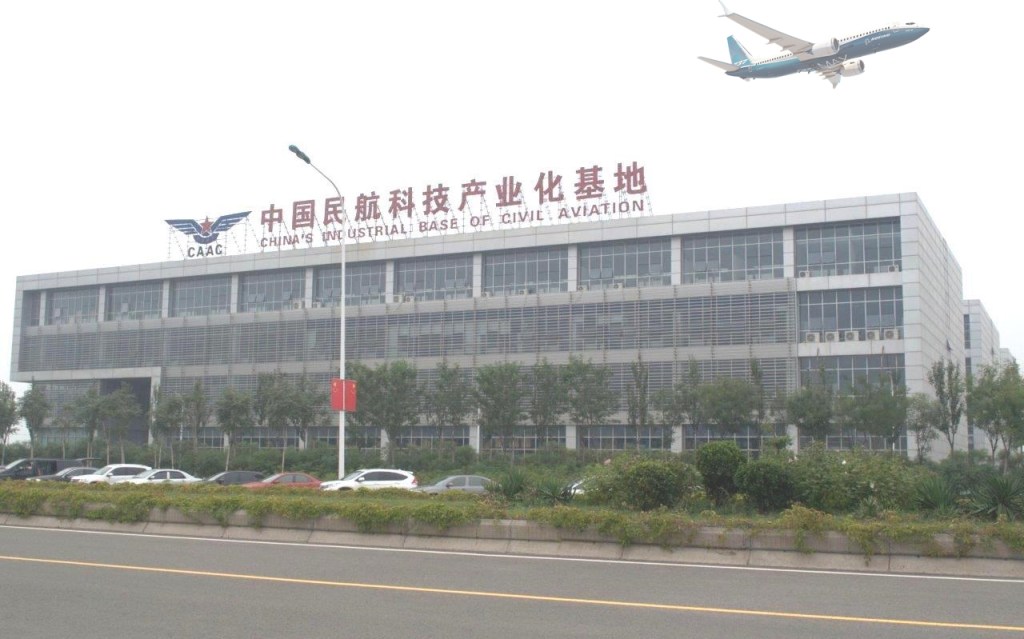
El Gobierno de China por medio de la Administración de Aviación Civil de China (CAAC) ha comunicado que no hay un calendario establecido para la reanudación de los vuelos. El regulador de aviación de China ha expresado que tomará las medidas necesarias para establecer un programa de escrutinio efectivo para determinar las aprobaciones del Boeing 737 MAX para que retorne a los cielos en el mercado más grande de la compañía americana. La CAAC ha sido uno de los primeros países en poner el 737 MAX en tierra después de un segundo accidente aéreo que había involucrado la línea de aeronaves cuestionada. Debido a las persistentes preocupaciones de seguridad que objetaban los diferentes organismos reguladores y a razón de que Estados Unidos ha levantado la prohibición de los vuelos comerciales, la agencia CAAC establecerá el tempo necesario para determinar si es necesario revisar algunos cambios adicionales.
La Administración Federal de Aviación (FAA) de los Estados Unidos aprobó el Miércoles 18/11 las operaciones de Certificación de Aeronavegabilidad de vuelo comercial de la línea Boeing 737 MAX.
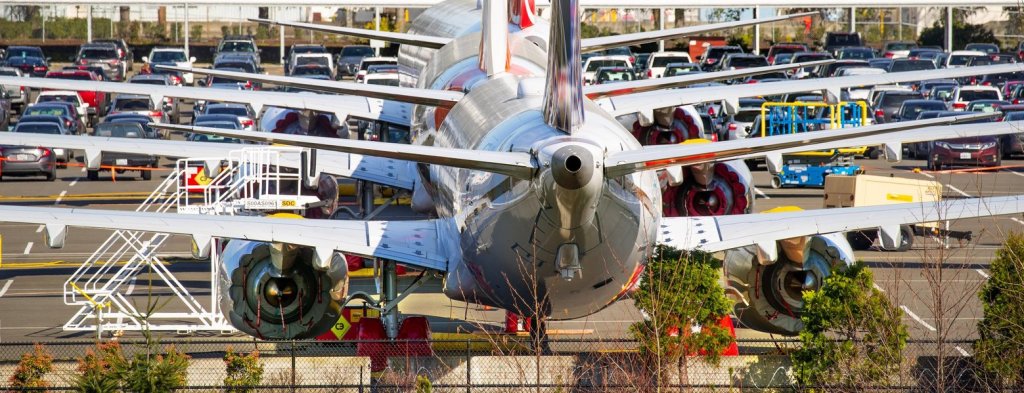
El avión más vendido de Boeing fue aterrizado en todo el mundo en Marzo de 2019 después de dos accidentes aéreos. Desde entonces se ha enfrentado a largos procesos de pruebas y aprobación con reguladores de aviación en todo el mundo. Pero la Administración de Aviación Civil de China (CAAC) dijo el Viernes 20/11 que no había un calendario establecido para la reanudación de los vuelos, asestando un golpe al gigante de la fabricación de aviones. El regulador chino ha añadido que los resultados de las investigaciones sobre los accidentes mortales en Indonesia y Etiopía deben quedar claros y que las mejoras en el diseño de las aeronaves deben ser eficaces y recibir aprobación. Feng Zhenglin, Director de la agencia CAAC, dijo en Octubre 2020 que el rápido aterrizaje de China de la aeronave se basó en la tolerancia cero hacia posibles riesgos para la seguridad.
Boeing dijo que la semana pasada espera que China compre más de 8.600 nuevos aviones por valor de US$ 1,4 billones de Dólares en las próximas dos décadas, aumentando su previsión a medida que los viajes nacionales en China se han recuperado a niveles previos a la pandemia de Coronavirus.
China no calendar for 737 MAX
Regulator CAAC China takes distance for approvals
The Government of China through the Civil Aviation Administration of China (CAAC) has communicated that there is no set timetable for the resumption of flights. China’s aviation regulator has expressed that it will take the necessary measures to establish an effective scrutiny program to determine the approvals of the Boeing 737 MAX to return to the skies in the largest market of the American company. The CAAC was one of the first countries to put the 737 MAX on the ground after a second plane crash that had involved the questioned line of aircraft. Due to the persistent security concerns obtained by the different regulatory bodies and because the United States has lifted the ban on commercial flights, the CAAC agency will establish the necessary time to determine if it is necessary to review any additional changes.
The Federal Aviation Administration (FAA) of the United States approved on Wednesday, 11/18, the operations of Airworthiness Certification of commercial flight of the Boeing 737 MAX line.
Boeing’s best-selling jet was landed around the world in March 2019 after two plane crashes. Since then it has faced lengthy testing and approval processes with aviation regulators around the world. But the Civil Aviation Administration of China (CAAC) said on Friday 11/20 that there was no set timetable for resuming flights, dealing a blow to the aircraft manufacturing giant. The Chinese regulator added that the results of the investigations into the fatal accidents in Indonesia and Ethiopia must be clear and that improvements in aircraft design must be effective and receive approval. Feng Zhenglin, Director of the CAAC agency, said in October 2020 that China’s rapid landing of the aircraft was based on zero tolerance for potential safety risks.
Boeing said last week it expects China to buy more than 8,600 new planes worth US$ 1.4 trillion in the next two decades, raising its forecast as domestic travel in China has recovered to levels prior to the Coronavirus pandemic.






















 airgways.com