Los cinco gremios aeronáuticos de Aerolíneas Argentinas y Austral Líneas Aéreas enviaron una carta conjunta al CEO de Aerolíneas Argentinas, Pablo Ceriani, en la que le exigen una recomposición salarial de los empleados. La carta fue firmada por los dos gremios de Pilotos (APLA y UALA), Técnicos (APTA), Jerárquicos (UPSA) y Personal de Tierra (APA). «Los sindicatos APA, APTA, APLA, UALA Y UPSA nos dirigimos a ud, por intermedio de la presente, a fin de solicitar formalmente una reunión a la brevedad para iniciar la discusión paritaria», dice la carta enviada al ejecutivo.
Los gremios aeronáuticos han planteado que no se moverán de su exigencia. «En tal sentido, si bien entendemos las dificultades que atraviesa la empresa y toda la industria aerocomercial (tanto a nivel nacional como internacional) como consecuencia de la pandemia COVID-19, resulta indispensable avanzar en una solución para recomponer los ingresos de nuestros representados prontamente», expresaron en su posición sindical.
Reactivación
Aerolíneas Argentinas ha iniciado el proceso de reapertura de vuelos de manera lenta pero organizada. La respuesta a los vuelos internacionales es más intrigante aún, cancelando los vuelos programados para esta semana a Montevideo durante Noviembre 2020, tras la decisión de Uruguay de restringir el turismo proveniente del exterior, sino además, que fueron cancelados los vuelos a Nueva York para Diciembre y reducidas a dos frecuencias semanales los vuelos entre Enero a Marzo 2021. También hubo una consolidación de algunas frecuencias en las rutas a Miami y Punta Cana, entre Enero a Marzo 2020.
Caravana gremial
El Miércoles 11/11 los mismos gremios aeronáuticos protagonizaron una demostración de fuerza con una caravana de vehículos, que partió desde el Aeropuerto de Ezeiza con destino final en el Aeropuerto El Palomar, para reclamar por la clausura definitiva de los vuelos de pasajeros de esta estación. La conducción política de Aerolíneas responde a Mariano Recalde, ex-Presidente de la línea aérea, actual Senador Nacional y dirigente de la Agrupación La Cámpora. Fue otro dirigente de esa agrupación política, Fernando Muriel, quien desde su cargo como Vicepresidente del Organismo Nacional Regulador del Sistema Aeroportuario (ORSNA) dictaminó que el único aeropuerto que puede funcionar como corredor sanitario seguro para que los aviones despeguen y aterricen en la zona del Área Metropolitana de Buenos Aires (AMBA) es el Aeropuerto Internacional Ezeiza. Con esa decisión, el ORSNA apartó al Aeropuerto El Palomar y la operación de las dos aerolíneas low cost de sus operaciones como base aérea, Flybondi Líneas Aéreas y JetSmart Airlines Argentina, aunque esta última moderó su posición para migrar sus operaciones desde Ezeiza, contando para mediados de 11/2020 con la autorización de la Agencia Nacional de Aviación Civil (ANAC) para comenzar a realizar vuelos regulares de cabotaje.
La caravana gremial hacia el Aeropuerto El Palomar no hubiera sido necesaria, pues la participación de los sindicatos aeronáuticos APA, APTA, APLA, UALA y UPSA no hacen otra cosa que confirmar la posición política del Gobierno para el cierre permanente de la aeroestación low cost y el proyecto nefasto entre bastidores de suprimir la libre competencia en el mercado aéreo en Argentina.
They demand salary recomposition Aerolíneas
Aeronautical unions demand salary increases
The five aeronautical unions of Aerolíneas Argentinas and Austral Líneas Aéreas sent a joint letter to the CEO of Aerolíneas Argentinas, Pablo Ceriani, in which they demand a salary recomposition of the employees. The letter was signed by the two guilds of Pilots (APLA and UALA), Technical (APTA), Hierarchical (UPSA) and Ground Personnel (APA). «The unions APA, APTA, APLA, UALA and UPSA are writing to you, through this letter, in order to formally request a meeting as soon as possible to start the joint discussion», says the letter sent to the executive.
The aeronautical unions have stated that they will not move from their demand. «In this sense, although we understand the difficulties that the company and the entire commercial aviation industry are going through (both nationally and internationally) as a result of the COVID-19 pandemic, it is essential to advance in a solution to quickly rebuild the income of our clients», they expressed in their union position.
Reactivation
Aerolíneas Argentinas has started the process of reopening flights in a slow but organized manner. The response to international flights is even more intriguing, canceling the flights scheduled for this week to Montevideo during November 2020, after Uruguay’s decision to restrict tourism from abroad, but also that flights to New York were canceled for December and the flights between January and March 2021 were reduced to two weekly frequencies. There was also a consolidation of some frequencies on the routes to Miami and Punta Cana, between January and March 2020.
Guild Caravan
On Wednesday 11/11 the same aeronautical unions staged a show of force with a caravan of vehicles, which departed from Ezeiza Airport with final destination at El Palomar Airport, to demand the definitive closure of passenger flights from this station. The political leadership of Aerolíneas responds to Mariano Recalde, former President of the airline, current National Senator and leader of the La Cámpora grouping. It was another leader of that political group, Fernando Muriel, who from his position as Vice President of the National Regulatory Body of the Airport System (ORSNA) ruled that the only airport that can function as a safe sanitary corridor for airplanes to take off and land in the area of the Buenos Aires Metropolitan Area (AMBA) is the Ezeiza International Airport. With this decision, the ORSNA separated El Palomar Airport and the operation of the two low cost airlines from their operations as an air base, Flybondi Líneas Aéreas and JetSmart Airlines Argentina, although the latter moderated its position to migrate its operations from Ezeiza, counting for mid-11/2020 with the authorization of the National Civil Aviation Agency (ANAC) to begin regular domestic flights.
The union caravan to El Palomar Airport would not have been necessary, since the participation of the aeronautical unions APA, APTA, APLA, UALA and UPSA do nothing other than confirm the government’s political position for the permanent closure of the low cost air station and the nefarious behind-the-scenes project to suppress free competition in Argentina’s air market.
El CEO de Norwegian Air Shuttle ASA, Jacob Schram, ha advertido que la aerolínea se enfrenta a un futuro muy incierto, ya que el Gobierno de Noruega indicó que no proporcionará más apoyo financiero a la compañía de bajo costo. A principios de 2020, la aerolínea dijo que había obtenido acceso a NOK 3.000 millones (€ 256 millones de Euros) en préstamos garantizados por el Estado, pero tras la notificación de pérdidas en el primer semestre de NOK 5.300 millones (€ 452 millones de euros) en Agosto 2020, advirtieron que se necesitaría más apoyo.
En una declaración Schram dijo: «En primer lugar, me gustaría dar las gracias a nuestros clientes, colegas, el Parlamento noruego, accionistas, empresas de arrendamiento financiero, acreedores, tenedores de bonos, la industria de viajes y todos los demás que han estado apoyando a Norwegian en estos tiempos difíciles. El hecho de que nuestro gobierno haya decidido abstenerse de proporcionar a Norwegian más apoyo financiero es muy decepcionante y se siente como una bofetada en la cara para todos los noruegos que luchan por la compañía cuando nuestros competidores están recibiendo miles de millones en financiación de sus respectivos gobiernos. Nos llamamos Norwegian, somos noruegos. Somos parte de Noruega y Norwegian es parte de nosotros. Así ha sido durante casi 20 años. El apoyo que hemos recibido de nuestros clientes a lo largo de todos estos años ha significado mucho para nosotros, en particular ahora durante la crisis de Covid-19. Ofrecemos rutas desde Kristiansand en el sur hasta Svalbard en el norte, rutas que no se pueden reemplazar durante la noche. Llevará tiempo y tendrá consecuencias para la situación competitiva en Noruega, como hemos visto antes. También notamos que las aerolíneas de todo el mundo que también dependen del apoyo para sobrevivir, están recibiendo miles de millones de sus respectivas autoridades. Basándonos en el número de turistas que volamos a Noruega, contribuimos a mantener a 24.000 personas en nuestro país e impulsamos la economía local en aproximadamente 18 mil millones de NOK al año. Esto demuestra claramente claramente que incluso una ayuda financiera moderada constituiría una inversión rentable para Norwegian Air. Es imposible entender cómo alguien podría llegar a una conclusión diferente. La industria local de viajes y las empresas han enfatizado una y otra vez la importancia de la red de rutas de Noruega. Recientemente visité todas nuestras cuatro bases en Noruega y también me reuní con políticos y negocios locales. Pudimos ver claramente los resultados de nuestro arduo trabajo para pasar del crecimiento a la rentabilidad, que se inició en 2018. Con más apoyo para lograr que Norwegian a través de esta crisis sin precedentes para la industria de la aviación, saldríamos como una aerolínea más sostenible y competitiva, con una nueva estructura y una mejor operación. Sin apoyo, el camino a seguir se ha vuelto mucho más incierto. Sin embargo, haremos todo lo que podamos superar esta crisis, en beneficio de nuestros arduos colegas, nuestros «Guerreros de la Nariz Roja» y nuestros clientes».
Paracaídas a Norwegian
Norwegian Air Shuttle recibe un paracaídas en la lucha en el tema de derechos suscrito por el magnate del transporte marítimo John Fredriksen y otros para evitar violar los convenios financieros. La aerolínea de presupuesto obtuvo el respaldo del hombre más rico de Noruega, proporcionando cierta estabilidad a la aerolínea de descuento en dificultades mientras busca un nuevo pretendiente después de la decisión de IAG de abandonar su persecución de ocho meses. Norwegian encontró cobertura pocos días después de que IAG, matriz de British Airways, dijera que había roto las conversaciones sobre una posible adquisición, aunque además mantuvo conversaciones con Deutsche Lufthansa, Ryanair que ha negado la especulación de su interés. Alrededor de NOK 2.400millones de Coronas Noruegas del total estarán garantizados por DNB Bank, Danske Bank y John Fredriksen.
Perspectivas Norwegian Air
La compañía dijo que su objetivo es reducir el nivel de gasto a través de las ventas de aeronaves y el aplazamiento de algunas entregas de aviones, y recuperar dinero de Rolls-Royce como compensación por tener que desechar algunos vuelos debido a problemas de motor. En Septiembre 2020, Norwegian Air dijo que estaba planeando la venta de aviones, incluyendo Boeing 737 usados, así como algunos de los nuevos aviones Airbus que tiene para reducir sus compromisos de deuda.
Norwegian Air se ha comprometido a adquirir 210 nuevos aviones de Boeing y Airbus para 2020. «Tenemos 90 aeronaves 60 A320NEO y 30 321LR de Airbus bajo pedido. Los Airbus 320NEO’s están a todos los efectos prácticos para la venta. Hemos iniciado un proceso en el que trataremos de encontrar un nuevo hogar para esos aviones. El problema no es venderlos, pero para obtener el precio que queremos esperemos que para finales de año podamos ser capaces de revelar noticias sobre una transacción», dijo en ese momento el Director Financiero Geir Karlsen.
Norwegian había anunciado previamente la venta de seis aviones usados, e indicó que hasta 140 aviones podrían ser vendidos con el tiempo como parte de la renovación de su flota y para ayudar a reducir la deuda. Las ventas de aviones usados continuarían. «Tales ventas probablemente se venderían más o menos valor contable como parece ahora. Esperemos un poco más arriba», dijo Geir Karlsen.
La compañía aérea ya ha anunciado este 2020 cortes de bases operativas y rutas, señalando el alcance de sus problemas de rentabilidad, algo que puede haber disuadido a IAG. Lufthansa también indicó en un momento que estaba meditando una oferta. Los licitadores también pueden ser pospuestos por una advertencia de beneficios en Ryanair, la aerolínea más grande de Europa, y la incertidumbre sobre cómo el Brexit afectará a los vuelos y la evolución del mercado como el Reino Unido, un importante mercado para Norwegian Air. Los accionistas existentes, incluidos el Sr. Kjos y el presidente Bjorn Halvor Kise, contribuirán a la oferta de derechos.
Norwegian calls for government support
Norwegian appeal lack of financial support
Norwegian Air Shuttle ASA, CEO Jacob Schram has warned that the airline faces a very uncertain future, as the Norwegian government indicated that it will not provide further financial support to the low-cost carrier. In early 2020, the airline said it had obtained access to NOK 3 billion (€ 256 million) in state-guaranteed loans, but following the notification of losses in the first half of NOK 5.3 billion (€ 452 million) in August 2020, they warned that more support would be needed.
In a statement Schram said: «Firstly, I would like to thank our clients, colleagues, the Norway Parliament, shareholders, leasing companies, creditors, bondholders, the travel industry and everyone else who has been supporting Norwegian in these difficult times. The fact that our government has decided to refrain from providing Norwegian further financial support is very disappointing and feels like a slap in the face to all Norwegians fighting for the company when our competitors are receiving billions in funding from their respective governments. We are called Norwegian, we are Norway. We are part of Norway and Norwegian is part of us. It has been this way for almost 20 years. The support we have received from our clients throughout all these Years has meant a lot to us, particularly now during the Covid-19 crisis. We offer routes from Kristiansand in the south to Svalbard in the north, routes that cannot be replaced overnight. It will take time and it will have consequences for the competitive situation in Norway, as we have seen before. We also note that airlines around the world that also depend on support to survive are receiving billions from their respective authorities. Based on the number of tourists we fly to Norway, we help support 24,000 people in our country and boost the local economy by approximately NOK 18 billion a year. This clearly shows clearly that even moderate financial assistance would constitute a profitable investment for Norway. It is impossible to understand how anyone could come to a different conclusion. The local travel industry and companies have emphasized time and again the importance of Norway’s route network. I recently visited all of our four bases in Norway and also met with local politicians and businesses. We were able to clearly see the results of our hard work to move from growth to profitability, which began in 2018. With more support to get Norwegian through this unprecedented crisis for the aviation industry, we would emerge as a more sustainable airline and competitive, with a new structure and a better operation. Without support, the way forward has become much more uncertain. However, we will do everything we can to overcome this crisis, for the benefit of our hard-working colleagues, our «Red Nose Warriors» and our clients».
Parachute to Norwegian
Norwegian Air Shuttle receives a parachute in the fight on the rights issue signed by shipping magnate John Fredriksen and others to avoid violating financial agreements. The budget airline got the backing of Norway’s richest man, providing some stability to the struggling discount airline as it searches for a new suitor after IAG’s decision to drop its eight-month pursuit. Norwegian found coverage just days after British Airways parent IAG said it had broken off talks about a possible acquisition, although it also held talks with Deutsche Lufthansa, Ryanair which has denied speculation of its interest. Around NOK 2.4 billion of the total will be guaranteed by DNB Bank, Danske Bank and John Fredriksen.
Perspective Norwegian Air
The company said its goal is to reduce the level of spending through aircraft sales and postponement of some aircraft deliveries, and to recover money from Rolls-Royce as compensation for having to scrap some flights due to engine problems. In September 2020, Norwegian Air said it was planning the sale of aircraft, including used Boeing 737s, as well as some of the new Airbus aircraft it has to reduce its debt commitments.
Norwegian Air has committed to acquiring 210 new Boeing and Airbus aircraft by 2020. «We have 90 Airbus 60 A320NEO and 30 321LR aircraft on order. The Airbus 320NEO’s are for all practical purposes for sale. We have initiated a process in the that we will try to find a new home for those planes. The problem is not to sell them, but to get the price we want we hope that by the end of the year we will be able to reveal news about a transaction», said at the time CFO Geir Karlsen.
Norwegian had previously announced the sale of six used aircraft, noting that as many as 140 aircraft could be sold over time as part of its fleet renewal and to help reduce debt. Used aircraft sales would continue. «Such sales would probably sell more/less book value as it seems now. Let’s wait a little higher», said Geir Karlsen.
The airline has already announced cuts to operating bases and routes in 2020, pointing out the extent of its profitability problems, something that may have deterred IAG. Lufthansa also indicated at one point that it was considering an offer. Bidders may also be postponed by a profit warning at Ryanair, Europe’s largest airline, and uncertainty about how Brexit will affect flights and market developments such as the UK, a major market for Norwegian Air. Existing shareholders, including Mr. Kjos and Chairman Bjorn Halvor Kise, will contribute to the rights offering.
Norwegian etterlyser statsstøtt
Norwegian Air anke mangler økonomisk støtte
Norwegian Air Shuttle ASA-sjef Jacob Schram har advart om at flyselskapet står overfor en veldig usikker fremtid, ettersom den norske regjeringen antydet at de ikke vil gi ytterligere økonomisk støtte til lavprisselskapet. Tidlig i 2020 sa flyselskapet at det hadde fått tilgang til 3 milliarder Kroner (256 millioner Euro) i statsgaranterte lån, men etter meldingen om tap i første halvdel på 5,3 milliarder Kroner (452 millioner Euro) i august 2020, de advarte om at mer støtte ville være nødvendig.
I en uttalelse sa Schram: «For det første vil jeg takke våre kunder, kolleger, Stortinget, aksjonærer, leasingselskaper, kreditorer, obligasjonseiere, reiselivsbransjen og alle andre som har støttet norsk i disse vanskelige tider. at regjeringen vår har bestemt seg for å avstå fra å yte norsk ytterligere økonomisk støtte, er veldig skuffende og føles som et slag i ansiktet til alle nordmenn som kjemper for selskapet når våre konkurrenter mottar milliarder i finansiering fra sine respektive regjeringer. Vi kalles Norwegian, vi er Norge vi er en del av Norge og Norwegian Air er en del av oss. Det har vært slik i nesten 20 år. Støtten vi har fått fra våre kunder gjennom alle disse årene har betydd mye for oss, spesielt nå under Covid-19. Vi tilbyr ruter fra Kristiansand i sør til Svalba nord i ruter, ruter som ikke kan byttes ut over natten. Det vil ta tid og det vil få konsekvenser for konkurransesituasjonen i Norge, som vi har sett før. Vi bemerker også at flyselskaper over hele verden som også er avhengige av støtte for å overleve, mottar milliarder fra sine respektive myndigheter. Basert på antall turister vi flyr til Norge, hjelper vi med å støtte 24 000 mennesker i landet vårt og øke den lokale økonomien med omtrent 18 milliarder kroner i året. Dette viser tydelig at selv moderat økonomisk bistand vil utgjøre en lønnsom investering for Norge. Det er umulig å forstå hvordan noen kan komme til en annen konklusjon. Den lokale reisebransjen og selskapene har gang på gang understreket viktigheten av Norges rutenett. Jeg besøkte nylig alle våre fire baser i Norge og møtte også lokale politikere og næringsliv. Vi klarte tydelig å se resultatene av vårt harde arbeid med å gå fra vekst til lønnsomhet, som begynte i 2018. Med mer støtte for å få Norwegian Air gjennom denne enestående krisen for luftfartsindustrien, ville vi fremstå som et mer bærekraftig flyselskap og konkurransedyktig, med ny struktur og bedre drift. Uten støtte har veien videre blitt mye mer usikker. Vi vil imidlertid gjøre alt vi kan for å overvinne denne krisen, til fordel for våre hardtarbeidende kolleger, våre «Red Nose Warriors» og våre kunder».
BØJRG KJOS / ADMINISTRERENDE DIREKTØR I NORWEGIAN AIR SHUTTLE ASA
Fallskjerm til Norwegian
Norwegian Air Shuttle mottar fallskjerm i kampen om rettighetsemisjonen som er undertegnet av skipsmagnat John Fredriksen og andre for å unngå brudd på økonomiske avtaler. Budsjettflyselskapet fikk støtte fra Norges rikeste mann, noe som ga stabilitet til det sliterende lavprisflyselskapet når det søker etter en ny frier etter IAGs beslutning om å legge ned sin åtte måneders jakt. Norwegian Air fant dekning bare noen dager etter at British Airways foreldre IAG sa at de hadde avbrutt samtalene om et mulig oppkjøp, selv om de også holdt samtaler med Deutsche Lufthansa, Ryanair, som har nektet spekulasjoner om sin interesse. Rundt 2,4 milliarder Kroner av totalen blir garantert av DNB Bank, Danske Bank og John Fredriksen.
Perspektiv Norwegian Air
Selskapet sa at målet er å redusere utgiftsnivået gjennom flysalg og utsettelse av noen flyleveranser, og å få tilbake penger fra Rolls-Royce som kompensasjon for å måtte skrote noen flyreiser på grunn av motorproblemer. I september 2020 sa Norwegian Air at de planla salg av fly, inkludert brukte Boeing 737-er, samt noen av de nye Airbus-flyene de har for å redusere gjeldsforpliktelsene.
Norwegian Air har forpliktet seg til å anskaffe 210 nye Boeing- og Airbus-fly innen 2020. «Vi har 90 Airbus 60 A320NEO-og 30 321LR-fly på bestilling. Airbus 320NEO er for alle praktiske formål til salgs. Vi har startet en prosess i den vi vil prøv å finne et nytt hjem for disse flyene. Problemet er ikke å selge dem, men for å få den prisen vi ønsker, håper vi at vi innen utgangen av året vil kunne avsløre nyheter om en transaksjon», sa den gangen Finansdirektør Geir Karlsen.
Norwegian hadde tidligere kunngjort salg av seks brukte fly, og bemerket at hele 140 fly kunne selges over tid som en del av fornyelsen av flåten og for å bidra til å redusere gjeld. Salget av brukte fly ville fortsette. «Slike salg vil trolig selge mer/mindre bokført verdi slik det ser ut nå. La oss vente litt høyere», sa Geir Karlsen.
Flyselskapet har allerede kunngjort kutt i driftsbaser og ruter i 2020, og peker på omfanget av dets lønnsomhetsproblemer, noe som kan ha avskrekket IAG. Lufthansa indikerte også på et tidspunkt at de vurderte et tilbud. Budgivere kan også bli utsatt av en advarsel om overskudd hos Ryanair, Europas største flyselskap, og usikkerhet om hvordan Brexit vil påvirke flyreiser og markedsutvikling som Storbritannia, et stort marked for Norwegian Air. Eksisterende aksjonærer, inkludert Kjos og styreleder Bjorn Halvor Kise, vil bidra til rettighetstilbudet.
Low cost recurre a la Justicia por Aeropuerto El Palomar
Flybondi Líneas Aéreas han presentado formalmente un recurso ante la Justicia de Argentina por la falta de permisos para volar desde el Aeropuerto El Palomar y comienza un alto voltaje de confrontación entre la aerolínea y el Gobierno. anteriormente, la aerolínea de presupuesto había denunciado al organismo ORSNA y la ANAC por incumplimientos de funciones. La decisión de las autoridades aeronáuticas de mantener fuera de operaciones el Aeropuerto de El Palomar/EPA, elevando los reclamos por la reapertura del aeropuerto low cost en un nuevo capítulo en la pelea de las aerolíneas por mantenerse operativas en la Argentina.
Flybondi ha presentado formalmente ante el Juzgado Federal Contencioso Administrativo N°7 una denuncia por incumplimiento contra la Administración Nacional de Aviación Civil (ANAC) y el Organismo Regulador del Sistema Nacional de Aeropuertos (ORSNA) ante la falta de aprobación de los vuelos solicitados por la compañía aérea. Mediante un comunicado en el día Martes 10/11, la compañía expone que esta ausencia de avales para retomar los servicios obliga a la low cost a trasladar su reprogramación de la reapertura de vuelos para Diciembre 2020. «Lamentablemente y debido a la constante falta de definiciones de aspectos operacionales, regulatorios y comerciales que resultan esenciales para la planificación y organización de la industria aérea, la aerolínea tomó la decisión de posponer el reinicio de toda su operación para la primera semana de Diciembre», indica la denuncia a los organismos nacionales. La aerolínea ha expresado que pese a que se encuentra habilitada las operaciones regulares en Argentina, no existe notificación oficial por parte de los organismos aeronáuticos que restrinja la operación en el Aeropuerto El Palomar y sumado a que Flybondi presentó el 15/10 ante ANAC la aprobación de su itinerario de vuelos, la aérea no ha recibido ninguna aprobación de su programación.
Ante la falta de una notificación oficial respecto de la imposibilidad de operar en El Palomar, consideran que es una incongruencia por parte del Gobierno que enfrentan las compañías low cost para reactivar sus operaciones desde el primer aeropuerto low cost de Sudamérica. Las compañías Flybondi y JetSmart señalan que el Gobierno de Argentina no emitió resolución alguna que explicite la desactivación del Aeropuerto Internacional El Palomar/EPA como terminal aerocomercial, marcando las desprolijidades irresponsables del Gobierno. Flybondi expresó que tienen los protocolos aprobados por Aeropuertos Argentina 2000 (AA2000) para iniciar las operaciones desde el Aeropuerto El Palomar de manera responsable y segura. «De hecho, el aeropuerto tiene todo el protocolo implementado por Aeropuertos Argentina 2000. O sea, el mismo que hoy rige para el resto de los aeropuertos de todo el país», comentaron desde Flybondi Líneas Aéreas. La imposibilidad de retomar los despegues desde El Palomar se conoció vía medios de comunicación y no mediante canales oficiales ni por algún decreto de Estado.
Mientras continúan las indefiniciones por la reapertura del Aeropuerto El Palomar, continúan las presentaciones de reclamos desde la política opositora y ante la Justicia. «Una aerolínea no puede cambiar su ‘hub’ de operaciones, mover todo su personal, programar todo su itinerario, cambiar su dinámica operacional, por un documento que se filtra en los medios. No es serio», expresaron desde el área de reclamos por el reinicio de las operaciones en El Palomar. Esto último guarda relación directa con la decisión del Gobierno de habilitar únicamente al Aeropuerto Internacional Ezeiza/EZE, hasta tanto quede rehabilitado el Aeropuerto Regional Jorge Newbery, pero aún así, no existen garantías que esta aeroestación sea compartida con otras aéreas locales. En torno a Flybondi, por ejemplo, destacan el hermetismo de las autoridades aeronáuticas y exponen como prueba la decisión de dejar al Aeroparque porteño fuera de toda consideración en términos de alternativa para las aerolíneas de los vuelos económicos.
En el caso de JetSmart Airlines Argentina informaron que la empresa está acomodando su operación para volar temporalmente desde Ezeiza pero sin dejar de reconocer que aún no hay precisiones respecto de cuándo comenzarán los servicios de la low cost desde y hacia este aeropuerto.
Diputados reclaman
El interbloque de Diputados nacionales de Juntos por el Cambio (JXC) fracasó este 11/11 al mediodía en su intento de reunir quórum para tratar un conjunto de proyectos sobre tablas, entre ellos el reclamo por el Aeropuerto El Palomar. Con la presencia de 85 diputados, el Presidente de la Cámara, Sergio Massa, dio por caída la sesión especial convocada por la oposición, tras lo que comenzaron las expresiones en minoría de los Diputados de Juntos por el Cambio. Al abrir la reunión, la diputada del PRO Silvia Lospennato se dirigió a Massa y pidió que: «en virtud de que el horario está cumplido y que no reunieron los diputados suficientes para formar el quórum, se les permita hacer uso de la palabra como expresiones en minoría». Entre los proyectos se encontraba el de expresar preocupación por la falta de apertura del Aeropuerto El Palomar ubicado en Morón, Provincia de Buenos Aires. «Para el Gran Buenos Aires, que es una zona que necesita trabajo y desarollo, la existencia de este aeropuerto es muy importante. Por eso las cámaras de comercio, los intendentes han hecho claras manifestaciones en el sentido de reabrir. El Gobierno nacional no tiene un mensaje claro. Hay que trabajar y dejar al Aeropuerto en funciones como corresponde. Esto está vinculado a las aerolíneas low cost, que han sido en beneficio para los usuarios, para las provincias. Que el Gobernador Axel Kicillof se haga cargo también de reclamarle al Gobierno por este aeropuerto. No puede ser que por defender intereses corporativos se le siga haciendo daño al crecimiento del país. Queremos acompañar a las organizaciones de la zona, a las cámaras de turismo de todo el país que se están pronunciando. Y le pedimos al Gobierno que actúe con responsabilidad para resolver estas cuestión», sostuvo el Diputado Radical por la Provincia de Buenos Aires, Miguel Bazze, en relación al aeropuerto low cost. las palabras del político están en sintonía con lo que denuncian las low cost Flybondi y Jetsmart: que todo está orquestado desde las fuerzas que hoy manejan la caja de Aerolíneas Argentinas, es decir La Cámpora y algunos gremios aeronáuticos.
Flybondi presents lawsuit to Justice
Low cost resorts to Justice for El Palomar Airport
Flybondi Líneas Aéreas have formally submitted an appeal to the Argentine Justice for the lack of permits to fly from El Palomar Airport and a high voltage confrontation between the airline and the Government begins. previously, the budget airline had denounced the ORSNA body and the ANAC for breaches of functions. The decision of the aeronautical authorities to keep the El Palomar/EPA Airport out of operations, raising the claims for the reopening of the low cost airport in a new chapter in the fight of the airlines to stay operational in Argentina.
Flybondi has formally submitted to the Federal Contentious Administrative Court No. 7 a complaint for non-compliance against the National Civil Aviation Administration (ANAC) and the Regulatory Body of the National Airport System (ORSNA) due to the lack of approval of the flights requested by the airline. Through a statement on Tuesday 10/11, the company states that this lack of guarantees to resume services forces the low cost to transfer its rescheduling of the reopening of flights for December 2020. «Unfortunately and due to the constant lack of definitions of operational, regulatory and commercial aspects that are essential for the planning and organization of the airline industry, the airline made the decision to postpone the restart of its entire operation until the first week of December», indicates the complaint to the national organizations. The airline has stated that despite the fact that regular operations in Argentina are enabled, there is no official notification from the aeronautical organizations that restricts the operation at El Palomar Airport and in addition to the fact that Flybondi presented the approval to ANAC on 10/15 of its flight itinerary, the airline has not received any approval of its schedule.
In the absence of an official notification regarding the impossibility of operating in El Palomar, they consider that it is an incongruity on the part of the Government that low cost companies face to reactivate their operations from the first low cost airport in South America. The companies Flybondi and JetSmart point out that the Government of Argentina did not issue any resolution that would make explicit the deactivation of the El Palomar International Airport/EPA as a commercial air terminal, marking the government’s irresponsible untidiness. Flybondi stated that they have the protocols approved by Aeropuertos Argentina 2000 (AA2000) to start operations from El Palomar Airport in a responsible and safe manner. «In fact, the airport has all the protocol implemented by Aeropuertos Argentina 2000. In other words, the same that now applies to the rest of the airports throughout the country», commented from Flybondi Líneas Aéreas. The impossibility of resuming takeoffs from El Palomar was known through the media and not through official channels or by any State decree.
While the uncertainties for the reopening of the El Palomar Airport continue, the presentation of claims from the opposition politics and before the Justice continues. «An airline cannot change its ‘hub’ of operations, move all its personnel, schedule its entire itinerary, change its operational dynamics, because of a document that is leaked in the media. It is not serious», they expressed from the claims area for the restart of operations at El Palomar. The latter is directly related to the Government’s decision to enable only the Ezeiza International Airport/EZE, until the Jorge Newbery Regional Airport is rehabilitated, but even so, there are no guarantees that this airstation will be shared with other local airlines. Regarding Flybondi, for example, they highlight the secrecy of the aeronautical authorities and expose as proof the decision to leave the Buenos Aires airport out of all consideration in terms of alternative for the airlines of the economic flights.
In the case of JetSmart Airlines Argentina, they reported that the company is accommodating its operation to fly temporarily from Ezeiza, but while acknowledging that there are still no details regarding when the low cost services to and from this airport will begin.
Deputies claim
The interblock of national Deputies of Together for Change (JXC) failed this 11/11 at noon in its attempt to gather a quorum to discuss a set of projects on tables, among them the claim for the El Palomar Airport. With the presence of 85 deputies, the President of the Chamber, Sergio Massa, declared the special session called by the opposition to fall, after which the minority expressions of the Deputies of Together for Change began. At the opening of the meeting, the PRO deputy Silvia Lospennato addressed Massa and asked that: «by virtue of the schedule being met and the deputies did not gather enough to form a quorum, they be allowed to speak as expressions minority». Among the projects was to express concern about the lack of opening of the El Palomar Airport located in Morón, Province of Buenos Aires. «For Greater Buenos Aires, which is an area that needs work and development, the existence of this airport is very important. That is why the chambers of commerce, the mayors have made clear demonstrations in the sense of reopening. The national government does not have a clear message. We must work and leave the Airport in proper function. This is linked to the low cost airlines, which have been to the benefit of users, for the provinces. That Governor Axel Kicillof also take charge of claiming the Government for this airport. It cannot be that defending corporate interests continues to harm the country’s growth. We want to accompany the organizations in the area, the tourism chambers throughout the country that are speaking out. And we ask the Government that acts responsibly to resolve these issues», said the Radical Deputy for the Province of Buenos Aires, Miguel Bazze, in relation to the low-cost airport. the politician’s words are in tune with what the low cost Flybondi and Jetsmart denounce: that everything is orchestrated from the forces that today manage the Aerolíneas Argentinas box, that is, La Cámpora and some aeronautical unions.
Inversor deja Interjet por conflicto con Gobierno México
En medio de una crisis entre aerolínea low cost Interjet y Gobierno mexicano, el inversionista Carlos Cabal Peniche ha abandonado este Martes 10/11 Interjet en medio de roces por el adeudo fiscal de la aerolínea. «Cabal Peniche decidió retirar su participación en esta empresa, lo cual no afectará los proyectos de capitalización para hacer frente a la reestructuración de la aerolínea», informó la compañía aérea en un comunicado. Interjet es una de las cuatro líneas aéreas más grandes de México.
Interjet había anunciado en Julio 2020 una inyección de US$ 150 millones de Dólares de Cabal Peniche y del empresario Alejandro del Valle para reforzar la estructura interna y el plan de operaciones de la empresa del Grupo Alemán. La inversión de Cabal Peniche causó controversia porque él estuvo acusado de beneficiarse del rescate del Fondo Bancario de Protección al Ahorro (Fobaproa) del Gobierno mexicano en los años 90 y estuvo encarcelado tres años en Australia desde 1998. Horas antes de revelarse su salida, la Jefa del Servicio de Administración Tributaria (SAT), Raquel Buenrostro, denunció en una conferencia pública que la aerolínea tiene un adeudo desde 2013 por retención de Impuesto al Valor Agregado (IVA) e Impuesto Sobre la Renta (ISR). «Los bienes que tienen no alcanzan a cubrir los adeudos, por eso necesita una capitalización, por eso hemos sido muy pacientes y muy prudentes porque somos empáticos con todos los trabajadores», declaró la encargada del fisco mexicano.
La situación financiera de Interjet despierta interés desde Febrero 2020, cuando la organización Mexicanos Contra la Corrupción y la Impunidad (MCCI) reportó que adeudaba más de Mx$ 3.000 millones de Pesos (más de US$ 140 millones de Dólares) a diversas instancias federales. La aerolínea tachó de imprecisa la información, al asegurar que ha realizado pagos pendientes de manera oportuna y en Abril 2020 confirmó un acuerdo con el SAT. Pero Buenrostro argumentó este Martes 10/11 que el único acuerdo es que Interjet debe pagar. «Hemos estado de acuerdo en que ellos nos paguen, porque siempre nos han dicho que nos van a pagar, entonces ahí sí estamos de acuerdo. Si el acuerdo es que nos van a pagar, sí hay acuerdo, eso es lo único, el saber cómo es lo que falta», aseveró.
La aerolínea afrontó la semana pasada otros conflictos con el Gobierno de México. Un juez admitió una demanda civil de Aeropuertos y Servicios Auxiliares (ASA), compañía del Estado mexicano, en contra de Interjet por el impago de combustible. Asimismo, la Procuraduría Federal del Consumidor (Profeco) emitió una alerta formal en la que advierte del riesgo de comprar viajes con la aerolínea por la cancelación de vuelos. Además, la Secretaría de Gobernación (Segob) estableció una mesa de diálogo para que los directivos acordaran con los trabajadores de la aerolínea el pago de salarios tras protestas en aeropuertos de Ciudad de México, Cancún y Monterrey.
Al participar en la Cumbre de Negocios, el presidente del Grupo Alemán, Miguel Alemán Magnani, prometió este Lunes 09/11 que dentro de las próximas semanas se cerrarán las negociaciones.
Investor leaves Interjet
Investor leaves Interjet due to conflict with Mexican Government
In the midst of a crisis between low-cost airline Interjet and the Mexican government, investor Carlos Cabal Peniche left Interjet on Tuesday 10/11 amid friction over the airline’s tax debt. «Cabal Peniche has decided to withdraw its stake in this company, which will not affect capitalization projects to deal with the airline’s restructuring», the airline said in a statement. Interjet is one of the four largest airlines in Mexico.
Interjet had announced in July 2020 an injection of US $ 150 million from Cabal Peniche and businessman Alejandro del Valle to strengthen the internal structure and operations plan of the German Group’s company. Cabal Peniche’s investment caused controversy because he was accused of benefiting from the Mexican government’s Bank Savings Protection Fund (Fobaproa) bailout in the 1990s and was jailed for three years in Australia since 1998. Head of the Tax Administration Service (SAT), Raquel Buenrostro, denounced in a public conference that the airline has had a debt since 2013 for withholding of Value Added Tax (VAT) and Income Tax (ISR). «The goods they have are not enough to cover the debts, that’s why it needs a capitalization, that’s why we have been very patient and very prudent because we are empathetic with all the workers», said the Mexican treasurer.
Interjet’s financial situation has aroused interest since February 2020, when the organization Mexicanos Contra la Corrupción y la Impunidad (MCCI) reported that it owed more than Mx$ 3 billion Pesos (more than US$ 140 million Dollars) to various federal authorities. The airline dismissed the information as inaccurate, assuring that it has made outstanding payments in a timely manner and in April 2020 confirmed an agreement with the SAT. But Buenrostro argued this Tuesday 10/11 that the only agreement is that Interjet must pay. «We have agreed that they will pay us, because they have always told us that they will pay us, then we do agree. If the agreement is that they will pay us, there is an agreement, that is the only thing, knowing how is what is missing», he said.
The airline faced other conflicts with the Mexican government last week. A judge has filed a civil lawsuit against Aerjetuertos y Servicios Auxiliares (ASA), a Mexican state-owned company, against Interjet for non-payment of fuel. The Federal Consumer Attorney’s Office (Profeco) also issued a formal alert warning of the risk of buying trips with the airline due to flight cancellations. In addition, the Ministry of the Interior (Segob) established a dialogue table for managers to agree with airline workers to pay salaries following protests at airports in Mexico City, Cancun and Monterrey.
By participating in the Business Summit, the president of the German Group, Miguel Alemán Magnani, promised this Monday 11/09 that the negotiations will be closed in the coming weeks.
AW | 2020 11 10 19:25 | AVIATION ORGANISMS / GOVERNMENT
IATA-ITF solicitan a gobiernos intervención en aerolíneas
La Asociación Internacional de Transporte Aéreo (IATA) y la Federación Internacional de Trabajadores del Transporte (ITF) emitieron una declaración conjunta solicitando una intervención urgente por parte de los gobiernos para auxiliar a las aerolíneas después de la crisis sanitaria y la puesta entierra de los vuelos en el mundo entero.
Las estimaciones de la ITF sugieren que alrededor de 4,8 millones de puestos de trabajo de trabajadores de la aviación están en riesgo como consecuencia de que la demanda de viajes aéreos cae más del 75% en 08/2020 respecto a las cifras interanuales. El impacto de las restricciones fronterizas y las medidas de cuarentena relacionadas con la actual pandemia ha cerrado efectivamente a la industria de la aviación comercial.
La solicitud de la IATA y la ITF a los gobiernos incluye llamadas a: Proporcionar apoyo financiero continuo para la industria de la aviación, reabrir las fronteras sin cuarentena de forma segura mediante la implementación de un sistema armonizado a nivel mundial de pruebas COVID-19 previas a la cada vuelos. «La aviación se enfrenta a una catástrofe laboral sin precedentes. Las aerolíneas han reducido los costos hasta los huesos, pero sólo les quedan 8,5 meses de efectivo en las condiciones actuales. Decenas de miles de puestos de trabajo ya se han perdido, y a menos que los gobiernos proporcionen más alivio financiero, es probable que aumenten a cientos de miles. La aviación desempeña un papel esencial conectando a las naciones y transportando carga esencial, y es en interés de los gobiernos ofrecer más ayuda financiera para mantener la industria viable. Pero lo que es más importante, los gobiernos deben trabajar juntos para reabrir las fronteras de forma segura. Eso significa poner en marcha un plan global para probar pasajeros para COVID-19. Con esto en su lugar, la cuarentena puede ser eliminada y los pasajeros pueden tener la confianza para volar de nuevo», dijo Alexandre de Juniac, Director General y CEO de la IATA.
«La industria mundial de la aviación se encuentra en un estado de crisis prolongada. A finales de año, casi el 80% de los planes de sustitución salarial se agotarán, sin la intervención urgente de los gobiernos, presenciaremos la mayor crisis de empleo que la industria haya visto jamás. Pero la crisis catastrófica del empleo puede evitarse con una estrategia coordinada clara basada en el socorro, la recuperación y la reforma. Los trabajadores de la aviación del mundo piden a los gobiernos que actúen ahora, ofrezcan el apoyo financiero que protegerá sus puestos de trabajo y se comprometan a trabajar con los sindicatos y los empleadores para apoyar la recuperación a largo plazo de la industria. La fuerza de trabajo de aviación es una mano de obra cualificada que ha sido, y seguirá siendo, vital para la respuesta y recuperación COVID de las naciones. Si los gobiernos no actúan y apoyan a la aviación, no sólo perjudicarán a la industria, los impactos serán difíciles de sentir por la sociedad en general», dijo Stephen Cotton, Secretario General de la ITF.
Además de reabrir las fronteras con pruebas y apoyo financiero, las organizaciones también pidieron a los gobiernos que elaboraran una hoja de ruta para la recuperación de la industria a largo plazo, incluida la inversión en el reciclaje y la mejora de la capacitación de la fuerza de trabajo, y en tecnologías verdes, especialmente combustibles de aviación sostenibles. «La capacidad y la velocidad que los países recuperan de Covid-19 están estrechamente relacionadas con la recuperación de la conectividad aérea mundial. Por lo tanto, la intervención y la inversión del gobierno no sólo deben proporcionar apoyo a la industria del transporte aéreo ahora, sino también garantizar que sea adecuada para su propósito y sea capaz de apoyar el regreso del mundo a la normalidad de la pandemia», dijo el comunicado conjunto.
IATA / ITF issue joint declaration
IATA-ITF request governments to intervene in airlines
The International Air Transport Association (IATA) and the International Transport Workers Federation (ITF) issued a joint statement requesting an urgent intervention by governments to help airlines after the health crisis and the burying of flights in the entire world.
ITF estimates suggest that around 4.8 million aviation worker jobs are at risk as demand for air travel falls more than 75% in 08/2020 from year-on-year. The impact of border restrictions and quarantine measures related to the current pandemic has effectively shut down the commercial aviation industry.
The IATA and ITF request to governments includes calls to: Provide ongoing financial support for the aviation industry, reopen borders without quarantine safely by implementing a globally harmonized system of pre-COVID-19 testing to each flights. «Aviation faces an unprecedented job catastrophe. Airlines have cut costs to the bone, but have only 8.5 months of cash left under current conditions. Tens of thousands of jobs have already been lost, already Unless governments provide further financial relief, they are likely to rise to hundreds of thousands.Aviation plays an essential role in connecting nations and transporting essential cargo, and it is in the interest of governments to offer more financial assistance to keep the industry viable. But more importantly, governments must work together to reopen borders safely. That means putting in place a global plan to test passengers for COVID-19. With this in place, the quarantine can be eliminated and passengers they can have the confidence to fly again», said Alexandre de Juniac, IATA Director General and CEO.
«The global aviation industry is in a state of protracted crisis. By the end of the year, almost 80% of wage replacement plans will be exhausted, without urgent intervention from governments, we will witness the largest employment crisis that the industry has ever seen. But the catastrophic jobs crisis can be averted with a clear coordinated strategy based on relief, recovery and reform. The world’s aviation workers call on governments to act now, offer the financial support that will protect their jobs and commit to working with unions and employers to support the long-term recovery of the industry. The aviation workforce is a skilled workforce that has been, and will continue to be, vital to the response and COVID recovery of nations. If governments do not act and support aviation, they will not only harm the industry, the impacts will be difficult to feel by the society. ad in general», said Stephen Cotton, ITF General Secretary.
In addition to reopening borders with testing and financial support, the organizations also called on governments to develop a roadmap for long-term recovery of the industry, including investing in recycling and enhancing force training. work, and in green technologies, especially sustainable aviation fuels. «The capacity and speed that countries regain from Covid-19 are closely related to the recovery of global air connectivity. Therefore, government intervention and investment must not only provide support to the air transport industry now, but also ensuring that it is fit for purpose and capable of supporting the world’s return to normal from the pandemic», the joint statement said.
AW | 2020 11 10 16:33 | AIRLINES MARKET / GOVERNMENT
Perspectivas período post-pandemia del mercado aerocomercial
La aviación comercial en la República Argentina continúa sincronizando uno de los períodos con mayor impacto económico-financiero a nivel mundial que atraviesan las industrias aeronáuticas, las aerolíneas, el turismo, entre muchas áreas afines al sector de la aviación. El proceso de adaptación a un nuevo escenario de mercado aéreo totalmente cambiado ha profundizado las preocupaciones por los efectos en Argentina, donde las aerolíneas han recibido el impacto en primera línea de batalla.
Aerolíneas Argentinas/Austral
La reapertura de los vuelos domésticos e internacionales ha permitido reactivar de manera ordenada el organigrama, pero razonablemente existe un comportamiento poco previsible en cuanto a la demanda esperada, logrando un coeficiente de ocupación casi al 100% como destinos Buenos Aires/EZE-Córdoba, pero con una demanda muy baja cercana al 5% en vuelos Buenos Aires/EZE-San Luis. La nueva etapa de apertura con protocolos biosanitarios y demás requisitos desorientan y desalientan a los viajeros por varios motivos, entre ellos, los valores de los precios de pasajes aéreos, la falta de estímulo en los usuarios del transporte y las condiciones económicas diezmadas, no generan demasiados incentivos en estos tiempos para volar. Aunque el período de reapertura continuará avanzando, Aerolíneas Argentinas, como empresa del Estado, ha salido muy fortalecida. Las asistencias del Tesoro Nacional con las partidas de asistencia económica por medio de subsidios, más la dominación de los cielos argentinos, concentrará una posición dominante en el mercado local.
La continuidad de los procesos de fusión Aerolíneas/Austral continúan con algunos obstáculos por delante respecto a la línea de reclamos por parte de algunos sindicatos. Mientras tanto, la reestructuración de las flotas en las líneas aéreas del mundo aplica también a Argentina, donde la demanda se ha reducido drásticamente y la oferta de aeronaves sobreabunda actualmente. Desde la Gerencia de la compañía vuelve a circular en una vuelta al tema de la venta de las aeronaves Embraer E190-100AR de Austral Líneas Aéreas, un tema que no tiene una solución definitiva debido al litigio que había generado la compra sobrevaluada a Embraer S.A. Aquellas aeronaves se adquirieron a valores demasiado altos. La denuncia penal había validado un sobreprecio de US$ 5 millones de Dólares por cada uno de los aviones comprados, aunque no se ha avanzado con fuerza en la investigación judicial. Aunque Aerolíneas desea desprenderse de estas aeronaves, continúan imposibilitadas de venderlas a precios atractivos, más aún en las presentes circunstancias donde la oferta de aeronaves en el mercado es sobreabundante por la puesta en tierra de muchos aviones innecesarios por falta de mercado.
Actualmente, Austral Líneas Aéreas posee en su flota activa 22 E190-100AR y almacenados 4 unidades. Desde la arena política nadie quiere asumir el costo en los balances contables por las pérdidas que ocasionará la posible venta de las aeronaves regionales, aunque delinean algunas opciones para no enfrentar el costo político de esta situación.
LASA Líneas Aéreas
LASA Líneas Aéreas es una compañía de la Región Patagonia, con sede en Neuquén que ha permanecido cerrada tiempo antes de la pandemia. El CEO Juan Carlos Silenzi, oportunamente ha acercado conversaciones con Aerolíneas Argentinas para adquirir algunos de los Embraer E190 para reactivar el proyecto en el sur del país. Tras las negociaciones con Aerolíneas, la compañía regional patagónica había solicitado no competir con ellos en algunas rutas, mientras que Aerolíneas busca una salida para desprenderse de las unidades regionales. El diario La Nación expresó metafóricamente: «Se busca aerolínea amiga para operar aviones Embraer a cambio de un acuerdo con Aerolíneas», lo que podría reflejar un acuerdo con subsidios como parte de las negociaciones.
Las conversaciones se iniciaron oportunamente en el período de pandemia. La idea de LASA Líneas Aéreas es que desde Neuquén se reactive la línea aérea patagónica, pero en la aerolínea estatal no están demasiado de acuerdo con despejar la Patagonia a cambio de abandonar la operación de los Embraer, aunque podría abrirse el paraguas con un acuerdo interlineal, al cobijo de las ayudas estatales.
Latam Airlines Argentina
Latam Airlines Argentina continúa la incertidumbre acerca de los destinos de la línea aérea. Actualmente se ha conocido los acuerdos de gran parte de sus empleados por indemnizaciones, solo resta una fuerza laboral minúscula que actualmente se encuentra dentro de la compañía.
JetSmart Airlines Argentina
La línea aérea low cost JetSmart Airlines Argentina es una de las compañías que aspira a lograr gran parte del mercado abandonado por Latam Argentina. Su disimulada posición objetiva de relación con el Gobierno de turno hace pretender posicionarse para convertirse en una verdadera competidora del mercado aéreo doméstico.
Avianca Argentina
Avian Líneas Aéreas, formalizó el despido de 60 empleados la semana pasada, formalizando las anuencias con el Gobierno se efectivizó el cese de la relación laboral. Avian ha solicitado acuerdos de complementariedad con Aerolíneas Argentinas para trabajar como compañía feeder en rutas de tercer nivel donde la demanda es más reducida.
Andes Líneas Aéreas
Andes Líneas Aéreas había anunciado la continuidad de sus operaciones, reactivando la línea Salta-Buenos Aires-Puerto Madryn. Pero continúa siendo otro interrogante. La aérea del Noroeste de Argentina ha devuelto varios aviones y las posibilidades de retorno de las operaciones se reducen a una mera expresión.
Flyest Líneas Aéreas
Flyest Líneas Aéreas, nacida como la heredera de Sol Líneas Aéreas. La firma había conseguido negociar el 90% de la deuda con los proveedores y busca desprenderse de la compañía para posicionarla para su venta. Flyest pertenece en un 63% al Grupo Transatlántica, un grupo inversor de capitales de Rosario, y un 37% a Grupo ILAI de España. La aerolínea regional posee actualmente dos Bombardier CRJ-200. Continúa en un compás de espera.
Flybondi Líneas Aéreas
Flybondi Líneas Aéreas se mantiene a flote con una sola aeronave Boeing 737-800 activa y continúa presentando batalla por el reclamo de la reapertura del Aeropuerto El Palomar, mientras el Gobierno entre idas y vueltas, quiere cerrarlo definitivamente.
La primera low cost de la era de la Revolución de los Aviones continúa reclamando por los derechos de la reapertura del aeropuerto low cost, en tanto que JetSmart ha cambiado de estrategia para concentrarse en aceptar volar desde el Aeropuerto Internacional Ezeiza. Pero la posición de Flybondi es en tanto más radical, las decisiones han sido puesta sobre la mesa: volar desde el Aeropuerto El Palomar o abandonar las operaciones en Argentina, lo que provocaría que desde el Gobierno se enciendan las alarmas por posibles reclamos ante el organismo del Centro Internacional de Arreglo de Diferencias Relativas a Inversiones (CIADI) que es una institución de arbitraje internacional establecida en 1966 para la resolución de controversias legales y la conciliación entre inversores internacionales. El Gobierno tendrá que sentarse a negociar, pues Flybondi podría reclamar por los cambios en la regulación y su impacto en la inversión, un derecho que apelará, pero el Gobierno de turno deberá atender con cintura política para no repetir las pérdidas que han ocasionado al pueblo la pérdida del juicio y el pago de multas en el caso Aerolíneas-Marsans Group.
Perspectivas aéreas
Argentina continúa atravesando un período de turbulencias aéreas, donde el Gobierno es el principal gestor de las decisiones que demandarán las nuevas acciones en políticas de aeronavegación, aunque existen más incógnitas que certezas en el mercado aéreo. La aviación comercial en la Argentina post-cuarentena continuará atada a las decisiones que atienda el Gobierno de turno, mientras que la desidia ha dominado el actual escenario de los cielos argentinos.
Post-pandemic Argentine aviation
Post-pandemic outlook for the commercial aviation market
Commercial aviation in the Argentine Republic continues to synchronize one of the periods with the greatest economic-financial impact worldwide that the aeronautical industries, airlines, and tourism are going through, among many areas related to the aviation sector. The process of adapting to a completely changed air market scenario has deepened concerns about the effects in Argentina, where airlines have been hit on the front line.
Aerolíneas Argentinas/Austral
The reopening of domestic and international flights has allowed the organization to be reactivated in an orderly manner, but there is reasonably little predictable behavior in terms of expected demand, achieving an almost 100% opucation coherent as destinations Buenos Aires/EZE-Córdoba, but o with a very low demand close to 5% on flights Buenos Aires/EZE-San Luis. The new opening stage with biosanitary protocols and other requirements disorient and discourage travelers due to several reasons, among them, the prices of air tickets, the lack of stimulus in transport users and decimated economic conditions, do not generate too much incentive these days to fly. Although the reopening period will continue to advance, Aerolíneas Argentinas, as a State company, has emerged very strengthened. The assistance of the National Treasury with the economic assistance items through subsidies, plus the domination of the Argentine skies, will concentrate a dominant position in the local market.
The continuity of the Aerolíneas/Austral merger processes continue with some obstacles ahead regarding the line of claims by some unions. Meanwhile, the restructuring of the fleets in the world’s airlines also applies to Argentina, where demand has been drastically reduced and the supply of aircraft is currently overwhelming. The company’s Management once again circulates around the issue of the sale of the Embraer E190-100AR aircraft from Austral Líneas Aéreas, an issue that does not have a definitive solution due to the litigation generated by the overvalued purchase from Embraer S.A. Those aircraft were purchased at too high a price. The criminal complaint had validated a surcharge of US$ 5 million for each of the planes purchased, although no strong progress has been made in the judicial investigation. Although Aerolineas wishes to get rid of these aircraft, they continue to be unable to sell them at attractive prices, especially in the present circumstances where the supply of aircraft in the market is overabundant due to the grounding of many unnecessary aircraft due to lack of market.
Currently, Austral Líneas Aéreas has 22 E190-100AR in its active fleet and 4 units in storage. From the political arena, no one wants to assume the cost in the balance sheets for the losses that the possible sale of regional aircraft will cause, although they outline some options to avoid facing the political cost of this situation.
LASA Líneas Aéreas
LASA Líneas Aéreas is a company of the Patagonia Region, based in Neuquén that has been closed for some time before the pandemic. The CEO Juan Carlos Silenzi, has timely approached talks with Aerolíneas Argentinas to acquire some of the Embraer E190s to reactivate the project in the south of the country. After negotiations with Aerolíneas, the regional company Patagonian had requested not to compete with them on some routes, while Aerolíneas seeks a way out to get rid of the regional units. The newspaper La Nación metaphorically expressed: «A friendly airline is being sought to operate Embraer planes in exchange for an agreement with Aerolíneas», which could reflect an agreement with subsidies as part of the negotiations.
The talks started in a timely manner in the pandemic period. The idea of LASA Líneas Aéreas is for the Patagonian airline to be reactivated from Neuquén, but the state airline does not agree too much with clearing Patagonia in exchange for abandoning the Embraer operation, although the umbrella could be opened with an interline agreement, under the shelter of state aid.
Latam Airlines Argentina
Latam Airlines Argentina continues the uncertainty about the destinations of the airline. Currently, the agreements of a large part of its employees for severance payments are known, only a miniscule workforce remains that is currently within the company.
JetSmart Airlines Argentina
The low cost airline JetSmart Airlines Argentina is one of the companies that aspires to achieve a large part of the market abandoned by Latam Argentina. Its disguised objective position in relation to the Government of the day makes it pretend to position itself to become a true competitor in the domestic air market.
Avianca Argentina
Avian Líneas Aéreas formalized the dismissal of 60 employees last week, formalizing the consent with the Government and the termination of the employment relationship was made effective. Avian has requested complementary agreements with Aerolíneas Argentinas to work as a feeder company on third-level routes where demand is lower.
Andes Líneas Aéreas
Andes Líneas Aéreas had announced the continuity of its operations, reactivating the Salta-Buenos Aires-Puerto Madryn line. But it continues to be another question. The Northwest Argentina Air Force has returned several aircraft and the possibilities of returning operations are reduced to a mere expression.
Flyest Líneas Aéreas
Flyest Líneas Aéreas, born as the heir to Sol Líneas Aéreas. The firm had managed to deny 90% of the debt with suppliers and seeks to divest itself of the company to position it for sale. Flyest is 63% owned by Grupo Transatlántica, a capital investment group from Rosario, and 37% by Grupo ILAI from Spain. The regional airline currently owns two Bombardier CRJ-200s. Continue in a waiting beat.
Flybondi Líneas Aéreas
Flybondi Líneas Aéreas remains afloat with a single active Boeing 737-800 aircraft and continues to fight for the claim to reopen El Palomar Airport, while the Government, between back and forth, wants to close it permanently.
The first low cost of the era of the Aircraft Revolution continues to claim for the rights to reopen the low cost airport, while JetSmart has changed its strategy to focus on accepting to fly from Ezeiza International Airport. But Flybondi’s position is more radical, the decisions have been put on the table: fly from El Palomar Airport or abandon operations in Argentina, which would cause the government to set off alarms for possible claims before the agency of the International Center for Settlement of Investment Disputes (ICSID) which is an international arbitration institution established in 1966 for the resolution of legal disputes and conciliation between international investors. The Government will have to sit down to negotiate, as Flybondi could complain about the changes in the regulation and their impact on investment, a right that will appeal, but the Government in turn will have to attend with a political waist so as not to repeat the losses they have caused the people the loss of the judgment and the payment of fines in the Aerolíneas-Marsans Group case.
Aerial perspectives
Argentina continues to go through a period of air turbulence, where the Government is the main manager of the decisions that the new actions in air navigation policies will demand, although there are more unknowns than certainties in the air market. Commercial aviation in post-quarantine Argentina will continue to be tied to the decisions made by the government in power, while laziness has dominated the current scenario of the Argentine skies.
Aranceles impactaría en exportaciones de productos Boeing
La Unión Europea (UE) tiene la intención de imponer aranceles a productos aeroespaciales de los Estados Unidos, lo que represente un impacto de lleno en las exportaciones de aviones de The Boeing Company por valores cercanos a los US$ 3.900 millones de Dólares, sumado a otros bienes estadounidenses anualmente, el último en una disputa de larga duración entre Estados Unidos y la Unión Europa por los subsidios aeroespaciales.
La UE ha ganado en Octubre 2020 la autorización de la Organización Mundial del Comercio (OMC) para los aranceles, argumentando con éxito que las subvenciones proporcionadas a Boeing por fuentes federales y estatales de los Estados Unidos dieron a la empresa un resumen ilegal de Airbus. Los Estados Unidos ya han impuesto aranceles a determinadas importaciones de Airbus como parte de un paquete de aranceles sobre unos US$ 7.500 millones de Dólares en bienes europeos.
Después de la resolución de la OMC, Airbus sonó un tono conciliador, pidiendo nuevas conversaciones entre las dos partes para tratar de eliminar todos los aranceles. Sin embargo, si bien el Comisario de Comercio de la UE, Valdis Dombrovskis, expresó interés en las negociaciones, dijo: «no teníamos otra opción que imponer estas contramedidas. Hemos dejado claro todo el tiempo que queremos resolver este problema de larga duración. Pedimos a Estados Unidos que acepte que ambas partes retiren las contramedidas existentes con efecto inmediato, para que podamos dejar esto rápidamente atrás». Los aranceles incluyen un derecho del 15 por ciento para todas las importaciones de Boeing, así como un arancel del 25 por ciento sobre determinados productos agropecuarios y productos industriales. Los productos Boeing representan alrededor del 44% de los 4.000 millones de dólares en ventas anuales estimadas.
EU aerospace tariffs to the US
Tariffs could impact exports of Boeing products
The European Union (EU) intends to impose tariffs on aerospace products from the United States, which represents a full impact on the exports of aircraft of The Boeing Company for values close to US$ 3,900 million dollars, added to other American goods annually, the latest in a long-running dispute between the United States and the European Union over aerospace subsidies.
The EU has won clearance from the World Trade Organization (WTO) for the tariffs in October 2020, successfully arguing that subsidies provided to Boeing by US federal and state sources gave the company an illegal Airbus summary. The United States has already imposed tariffs on certain Airbus imports as part of a tariff package on some US$ 7.5 billion in European goods.
After the WTO resolution, Airbus sounded a conciliatory tone, calling for further talks between the two sides to try to remove all tariffs. However, while EU Trade Commissioner Valdis Dombrovskis expressed interest in the negotiations, he said: «We had no choice but to impose these countermeasures. We have made it clear all along that we want to solve this long-standing problem. to the United States to accept that both parties withdraw existing countermeasures with immediate effect, so that we can quickly put this behind us». The tariffs include a 15 percent duty on all Boeing imports, as well as a 25 percent duty on certain agricultural and industrial products. Boeing products account for about 44% of the US$ 4 billion in estimated annual sales.
Gobierno prestaría ayudas condicionando reembolsos a pasajeros
El Gobierno de Canadá podría brindar ayudas económicas a las líneas aéreas del país estableciendo el requisito de retornar los pedidos de reembolsos de los clientes por viajes no realizados. El Ministerio de Transporte de Canadá ha comunicado que el Gobierno pronto anunciará ayuda para la industria de las aerolíneas del país, pero la ayuda estará supeditada a que las aerolíneas proporcionen reembolsos a los pasajeros cuyos vuelos fueron cancelados.
El Gobierno canadiense expresó el Domingo 080/11 por medio del Ministerio de Transporte a cargo de Marc Garneau que pronto se anunciará ayudas económicas para las aerolíneas del país, pero la ayuda estará supeditada a que proporcionen reembolsos a los pasajeros cuyos vuelos fueron cancelados. «Antes de que gastemos un centavo del dinero de los contribuyentes en aerolíneas, nos aseguraremos de que los canadienses reciban sus reembolsos. Nos aseguraremos de que los canadienses y las comunidades regionales mantengan conexiones aéreas con el resto de Canadá», dijo Marc Garneau en un comunicado antes de las conversaciones de esta semana.
Las aerolíneas comerciales canadienses se han visto muy afectadas por la pandemia del coronavirus, con un nivel de pasajeros de hasta el 90%, cancelando numerosos viajes previamente reservados, ofreciendo a los pasajeros créditos o cupones en lugar de reembolsos.
Canada conditional aid to airlines
Government would provide aid by conditioning reimbursements
The Government of Canada could provide financial assistance to the country’s airlines by establishing the requirement to return customer requests for reimbursements for trips not made. Canada’s Transportation Ministry has announced that the government will soon announce aid for the country’s airline industry, but the aid will be contingent on airlines providing refunds to passengers whose flights have been canceled.
The Canadian government expressed on Sunday 08/11 through the Ministry of Transportation led by Marc Garneau that economic aid will be announced soon for the country’s airlines, but the aid will be subject to providing refunds to passengers whose flights were canceled. «Before we spend a penny of taxpayer money on airlines, we will ensure that Canadians receive their refunds. We will ensure that Canadians and regional communities maintain air connections with the rest of Canada», Marc Garneau said in a communicated ahead of this week’s talks.
Canadian commercial airlines have been hit hard by the coronavirus pandemic, with passenger levels of up to 90% canceling numerous previously booked trips, offering passengers credits or coupons instead of refunds.
Aide conditionnelle du Canada aux compagnies aériennes
Gouvernement fournirait une aide en conditionnant les remboursements
Le Gouvernement du Canada pourrait fournir une aide financière aux compagnies aériennes du pays en établissant l’obligation de retourner les demandes de remboursement des clients pour les voyages non effectués. Le ministère des Transports du Canada a annoncé que le gouvernement annoncerait bientôt une aide à l’industrie aérienne du pays, mais cette aide dépendra des compagnies aériennes qui rembourseront les passagers dont les vols ont été annulés.
Le gouvernement canadien a exprimé dimanche 08/11 par l’intermédiaire du ministère des Transports dirigé par Marc Garneau qu’une aide économique sera annoncée prochainement pour les compagnies aériennes du pays, mais l’aide sera soumise à des remboursements aux passagers dont les vols ont été annulés. «Avant de dépenser un sou de l’argent des contribuables pour les compagnies aériennes, nous veillerons à ce que les Canadiens reçoivent leurs remboursements. Nous veillerons à ce que les Canadiens et les communautés régionales maintiennent des liaisons aériennes avec le reste du Canada», a déclaré Marc Garneau dans un communiqué avant les pourparlers de cette semaine. .
Les compagnies aériennes commerciales canadiennes ont été durement touchées par la pandémie de coronavirus, avec des niveaux de passagers allant jusqu’à 90% annulant de nombreux voyages précédemment réservés, offrant aux passagers des crédits ou des coupons au lieu de remboursements.
El Gobierno de Noruega ha anunciado este Lunes 09/11 por la mañana que cesará las ayudas económicas a la aerolínea low-cost Norwegian Air Shuttle ASA.
El 28/08, Norwegian Air había dicho que iba a necesitar ayudas públicas para poder sobrevivir a la crisis del coronavirus que agrava aún la situación ya de por sí negativa que arrastraba la compañía. Noruega había dispuesto algunas ayudas, no muy importantes, de cara a preservar los puestos de trabajo de la que fuera en el pasado la tercera low-cost europea. Pero hasta la actualidad, se situación ha agravado la perspectivas de la aerolínea tras la paralización de su flota al no haber podido obtener ayudas y la reducción de ingresos en el período de la pandemia. Una solución de urgencia para los acreedores, fundamentalmente bancos y especialmente chinos, propietarios de los aviones, que deseaban cobrar los atrasos en las mensualidad del alquiler de las aeronaves, capitalizaran sus deudas. No obstante, esto ha sido insuficiente y se requería ayudas públicas que ahora, inesperadamente el Gobierno noruego ha rechazado.
Government ceases aid to Norwegian
Norwegian Government cancels aid to Norwwegian Air
The Government of Norway has announced this Monday morning 09/11 that it will cease financial aid to the low-cost airline Norwegian Air Shuttle ASA.
On 08/28, Norwegian Air had said that it would need public aid in order to survive the coronavirus crisis, which further aggravates the already negative situation that the company was dragging on. Norway had arranged some aid, not very important, in order to preserve the jobs of what was in the past the third European low-cost. But until now, the situation has aggravated the prospects of the airline after the paralysis of its fleet as it was unable to obtain aid and the reduction in income in the period of the pandemic. An emergency solution for the creditors, mainly banks and especially Chinese, owners of the planes, who wanted to collect the arrears in the monthly rent of the aircraft, to capitalize their debts. However, this has been insufficient and public aid was required which now, unexpectedly, the Norwegian Government has rejected.
Regjeringen opphører bistanden til Norwegian
Norske myndigheter kansellerer bistand til Norwwegian Air
Norges Regjering kunngjorde mandag morgen 09/11 at de vil opphøre økonomisk støtte til lavprisflyselskapet Norwegian Air Shuttle ASA.
28/28 hadde Norwegian Air sagt at de ville trenge offentlig støtte for å overleve koronaviruskrisen, noe som ytterligere forverrer den allerede negative situasjonen som selskapet trakk på seg. Norge hadde ordnet litt hjelp, ikke veldig viktig, for å bevare jobbene til det som tidligere var den tredje europeiske lavprisen. Men til nå har situasjonen forverret utsiktene til flyselskapet etter lammelsen av flåten, ettersom det ikke var i stand til å skaffe hjelp og reduksjon i inntekt i pandemiperioden. En nødløsning for kreditorene, hovedsakelig banker og spesielt kinesere, eiere av flyene, som ønsket å samle inn restanse i den månedlige leien av flyet, for å kapitalisere gjelden. Dette har imidlertid vært utilstrekkelig og det var nødvendig med offentlig støtte, som den norske regjeringen nå uventet har avvist.
AW | 2020 11 09 07:44 | AIRPORTS / AIR TRAFFIC / GOVERNMENT
Uruguay retorna conexión con Estados Unidos
Después de ocho meses de la puesta en tierra de los vuelos en la República de Uruguay, el país ha retomado la reapertura de los vuelos internacionales con Estados Unidos. La principal aeroestación, el Aeropuerto Internacional Montevideo/Carrasco ha iniciado el proceso de aprobación de los protocolos, permitiendo establecer garantías sanitarias para la circulación del tráfico aéreo. El Domingo 08/11 el Ministerio de Turismo de Turismo, a cargo de Germán Cardoso, ha expresado que los pasajeros uruguayos y extranjeros viajan ajustados a las excepciones del decreto vigente.
La mayoría de los viajeros internacionales no pueden ingresar a Uruguay. Algunas aerolíneas han reanudado vuelos limitados desde y hacia Uruguay. Los pasajeros deben completar una declaración jurada indicando la ausencia de síntomas y contacto con confirmado o sospechoso de casos de Covid-19 en los catorce días. A su llegada, los viajeros están legalmente obligados a concurrir a una dirección declarada para llevar a cabo una cuarentena obligatoria de siete días. Todos los viajeros internacionales no residentes deben tener un comprobante de seguro médico que cubra específicamente covid-19. Los viajeros de 6 años o más deben presentar un resultado negativo de la prueba de RT-PCR Covid-19 tomada hasta 72 horas antes de la salida del vuelo, por un laboratorio.
Uruguay-US flights reopening
Uruguay returns connection with the United States
After eight months of the grounding of the flights in the Republic of Uruguay, the country has resumed the reopening of international flights with the United States. The main air station, the Montevideo / Carrasco International Airport, has started the process of approval of the protocols, allowing the establishment of sanitary guarantees for the circulation of air traffic. On Sunday 08/11 the Ministry of Tourism of Tourism, in charge of Germán Cardoso, has stated that Uruguayan and foreign passengers travel adjusted to the exceptions of the current decree.
Most international travelers cannot enter Uruguay. Some airlines have resumed limited flights to and from Uruguay. Passengers must complete an affidavit indicating the absence of symptoms and contact with confirmed or suspected Covid-19 cases within fourteen days. Upon arrival, travelers are legally required to go to a declared address to carry out a mandatory seven-day quarantine. All non-resident international travelers must have proof of medical insurance that specifically covers COVID-19. Travelers aged 6 years or older must present a negative result of the Covid-19 RT-PCR test taken up to 72 hours before flight departure, by a laboratory.



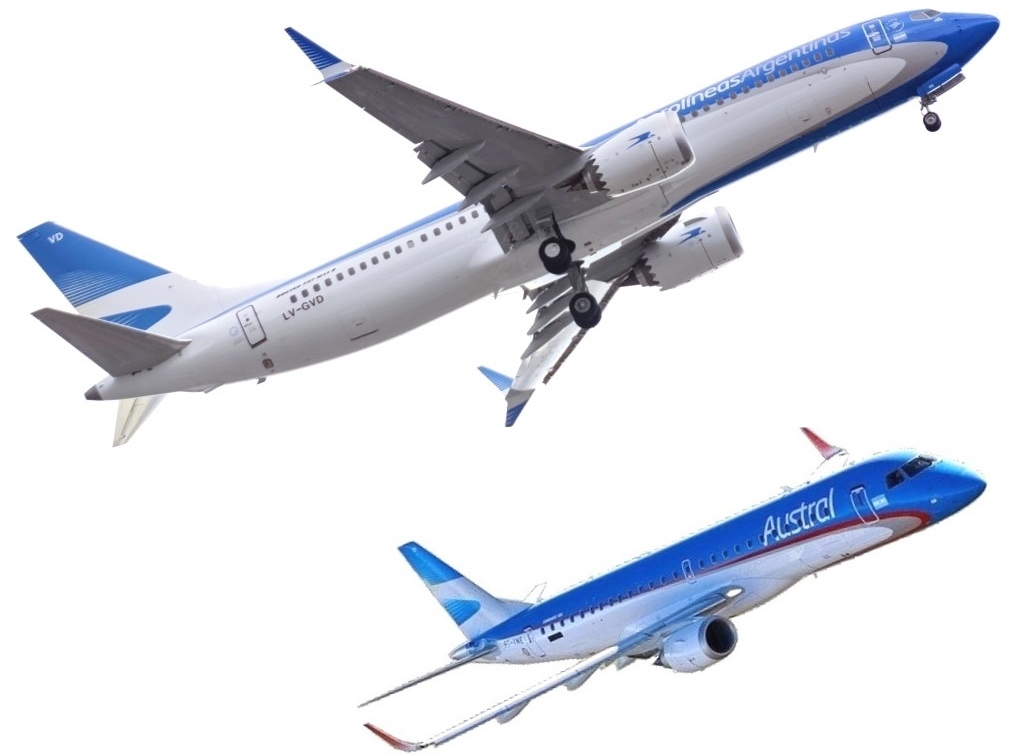









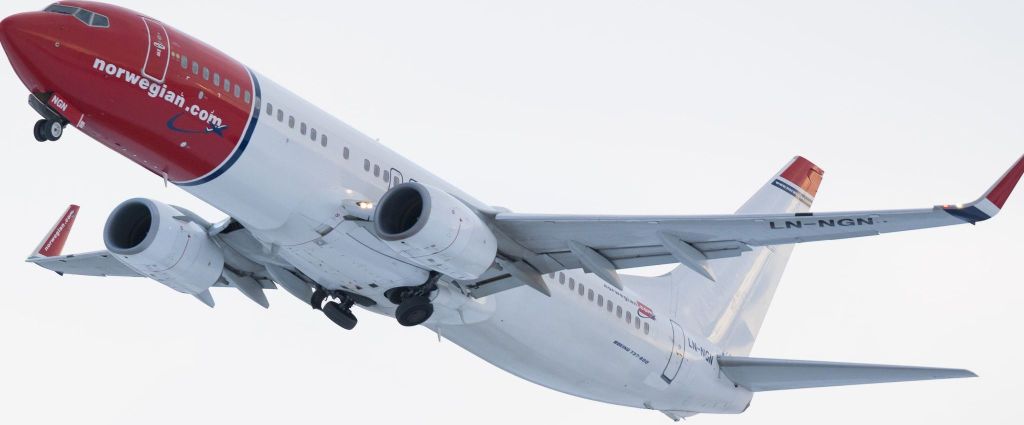


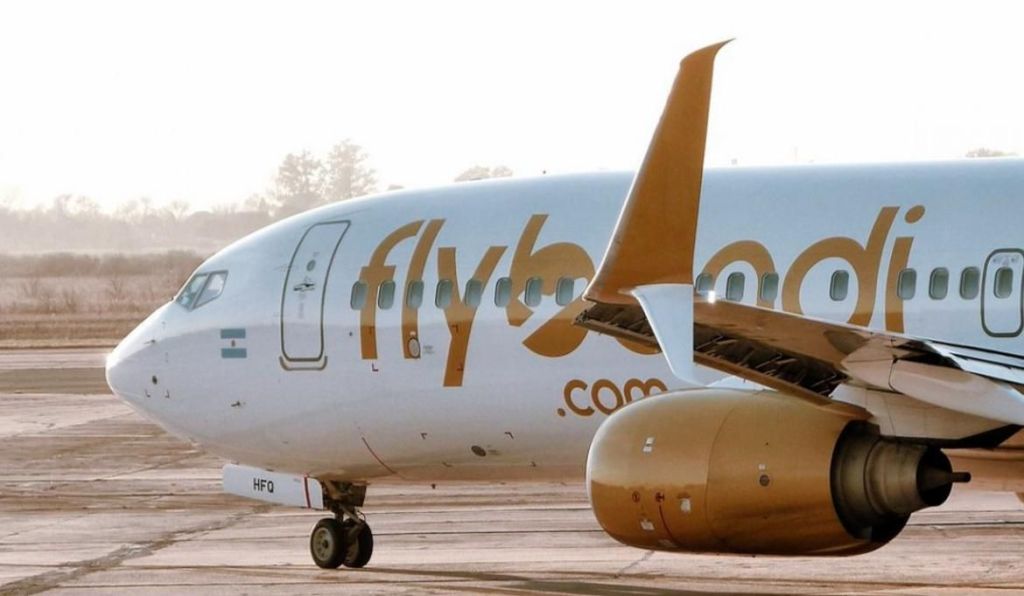

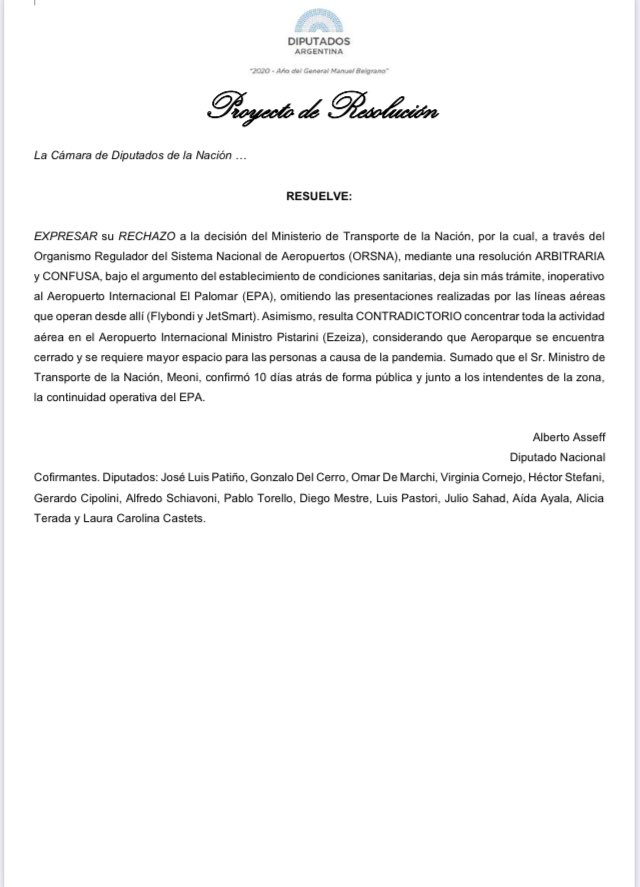
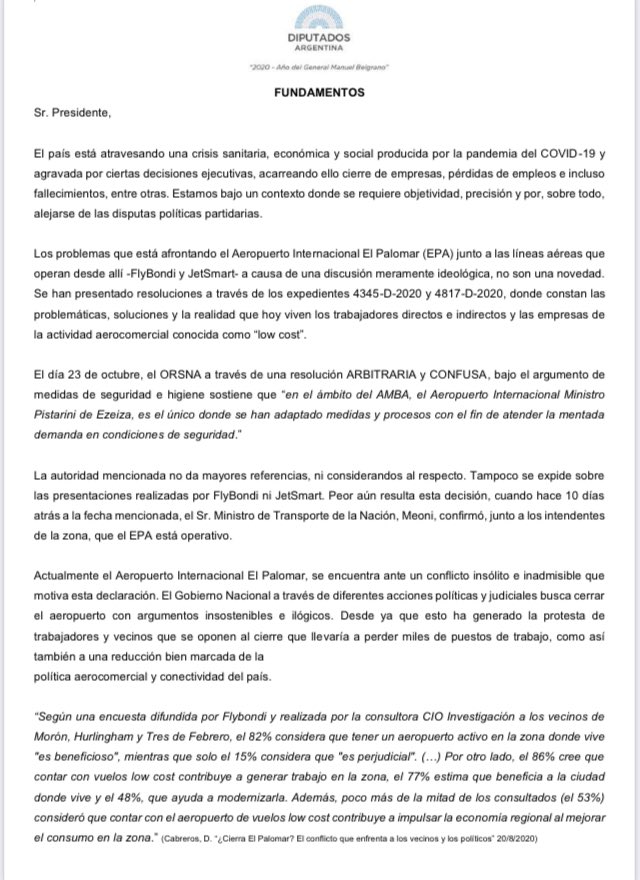
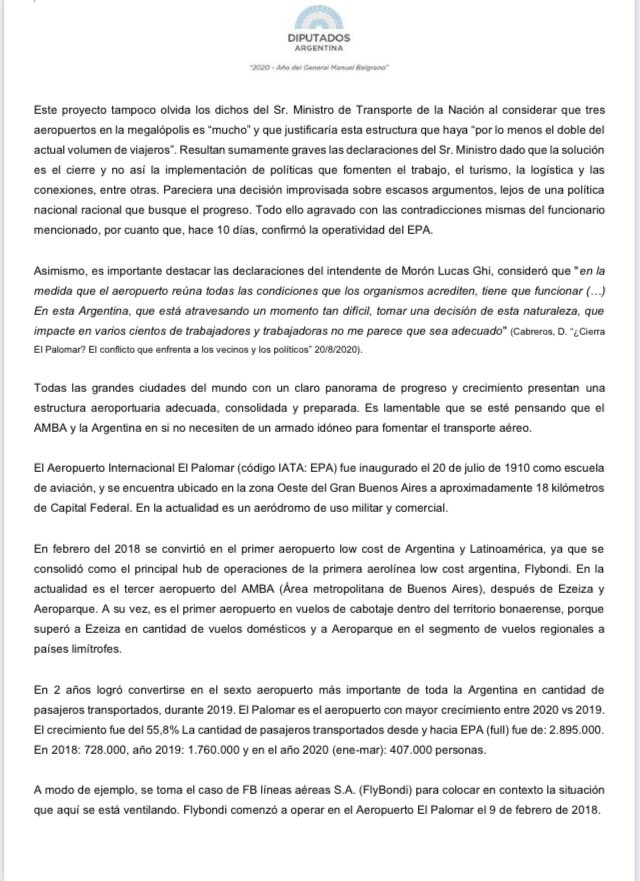
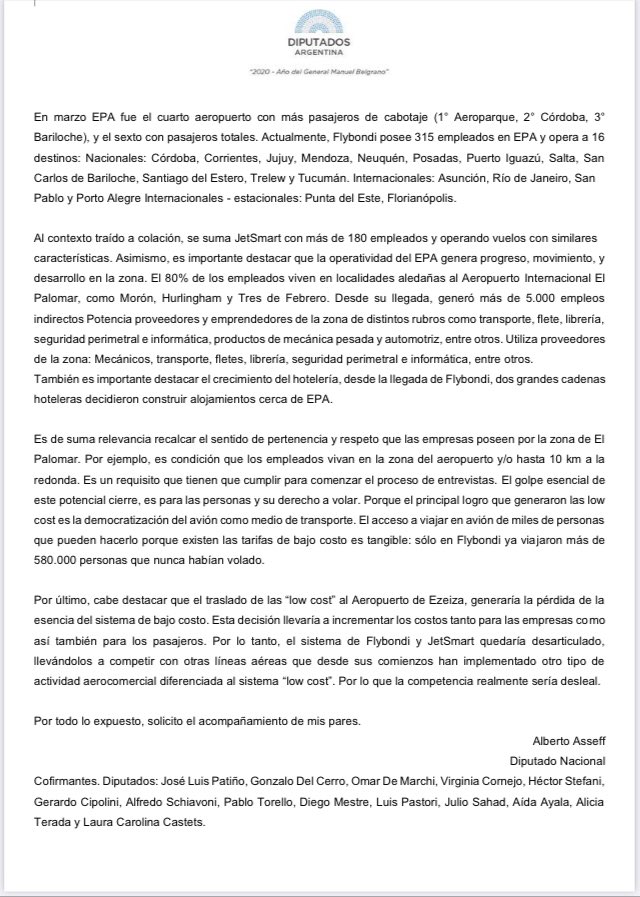
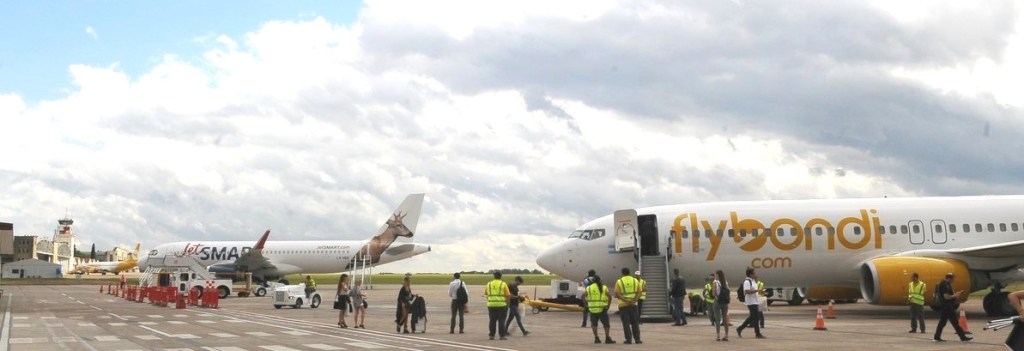
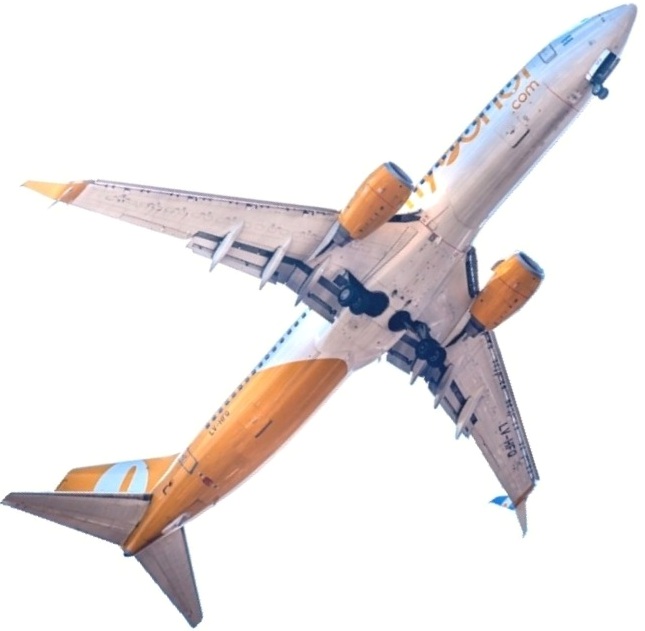
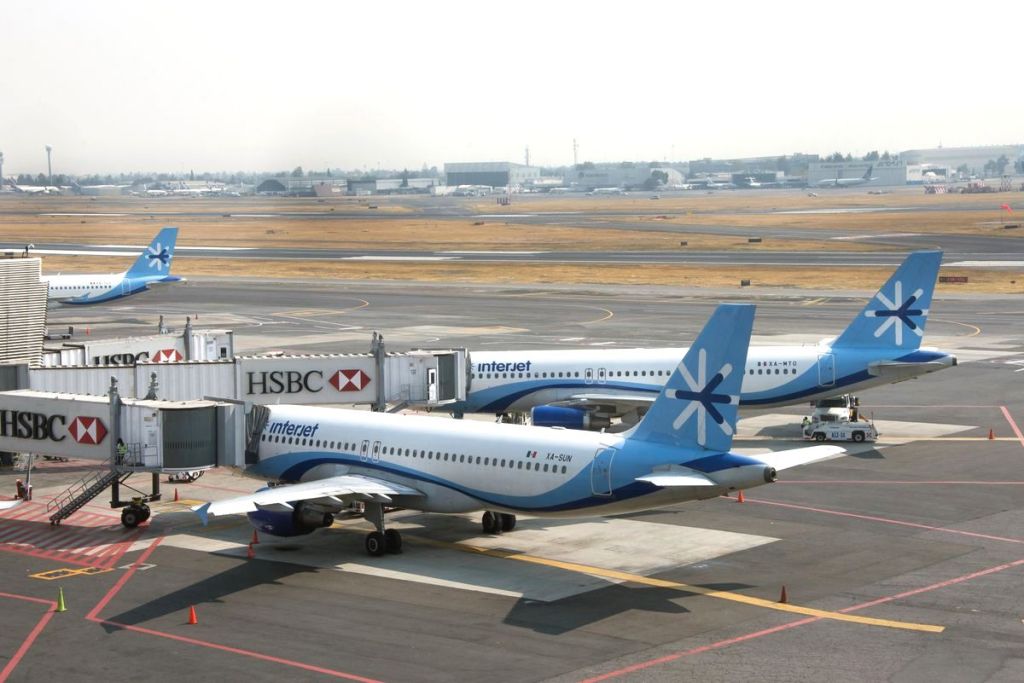


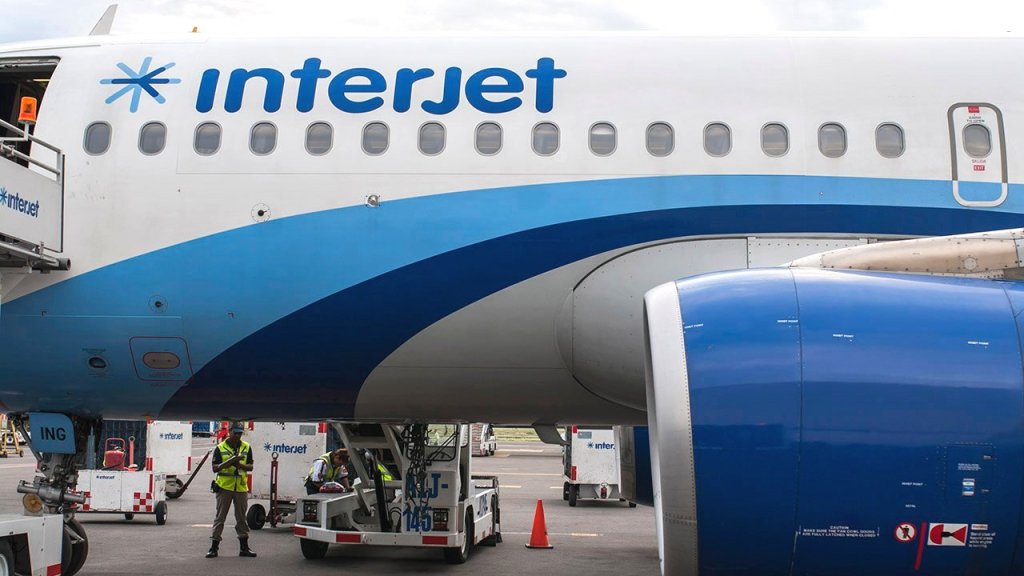






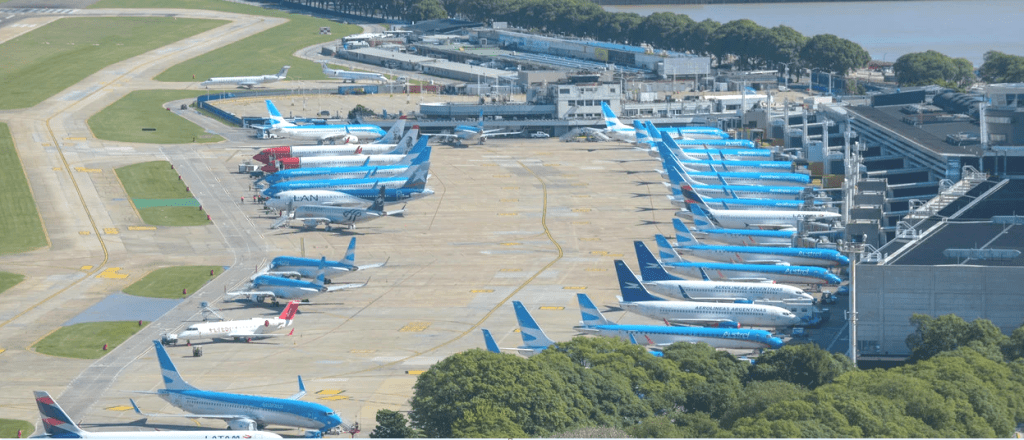
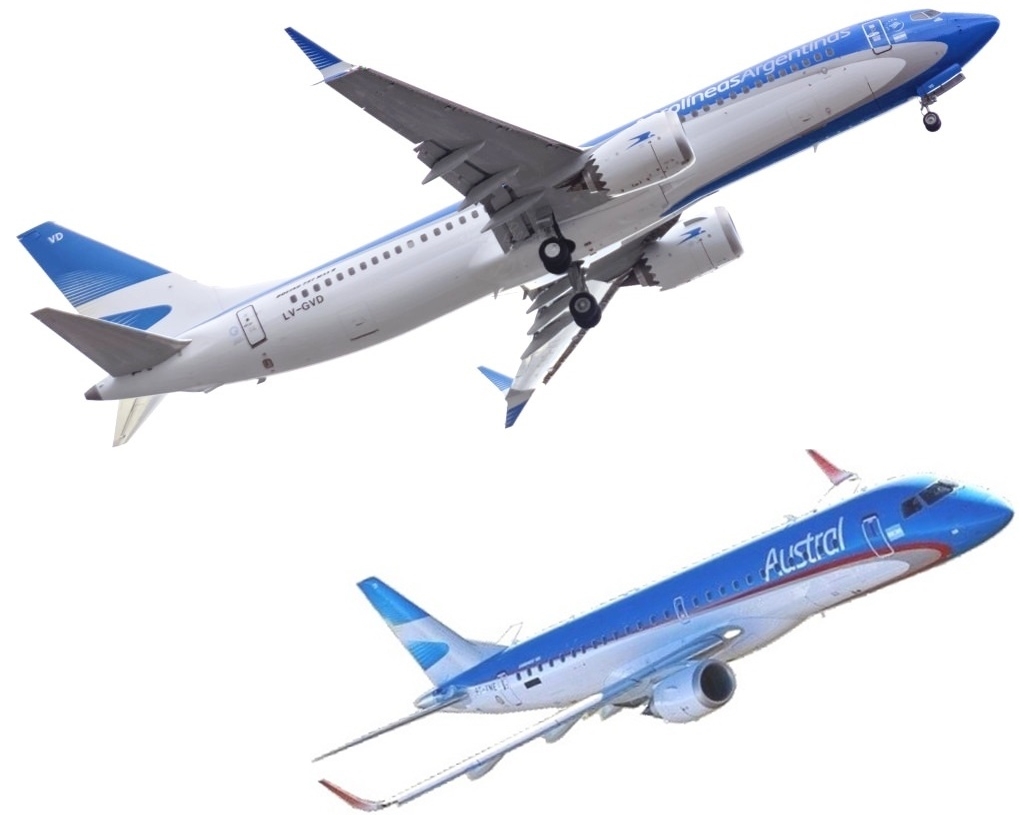
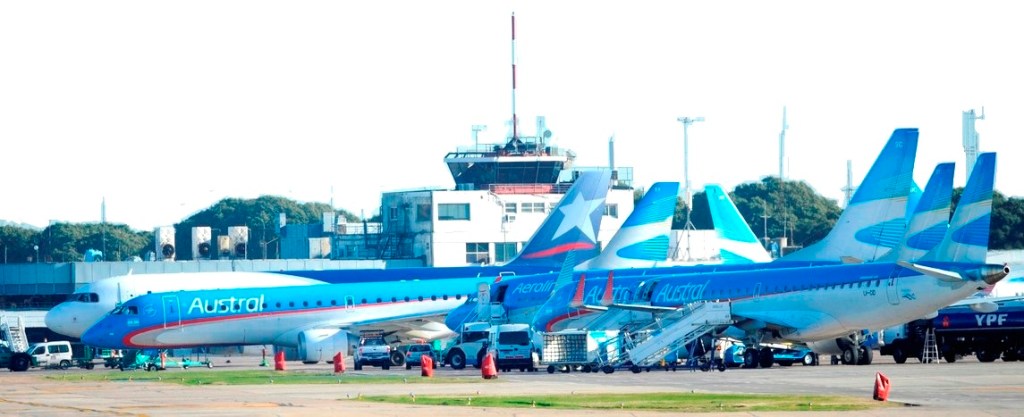

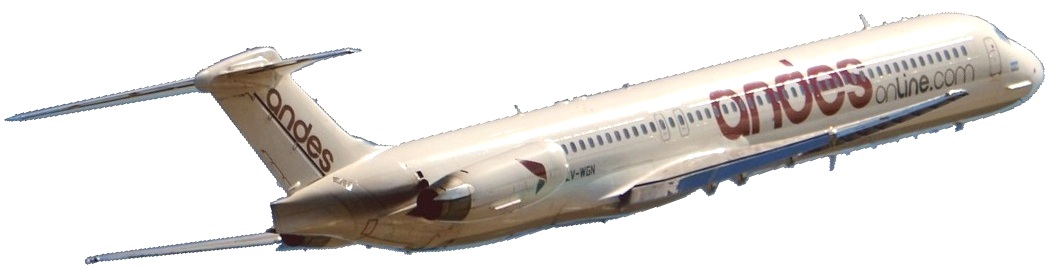
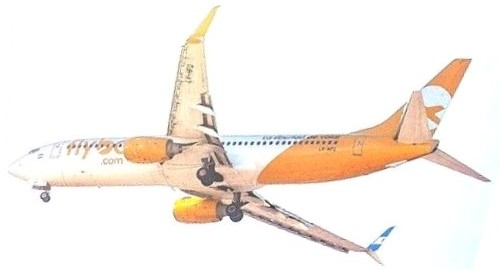
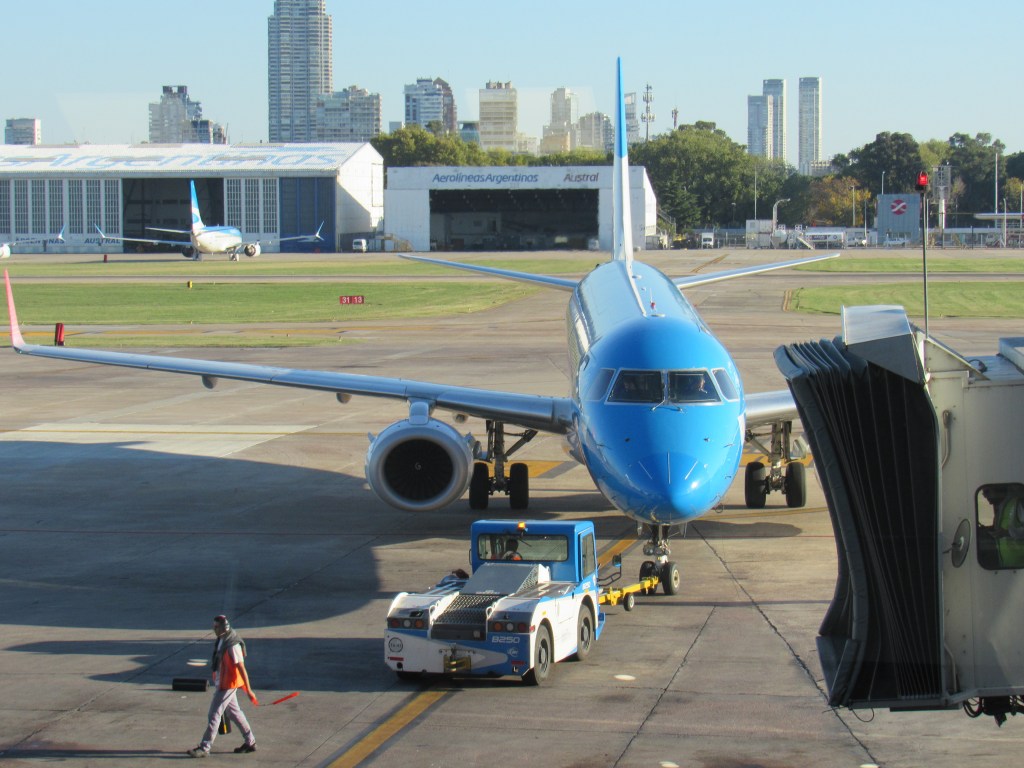
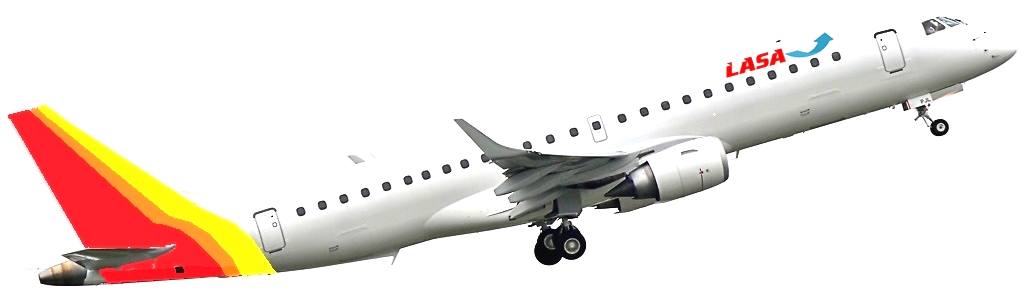
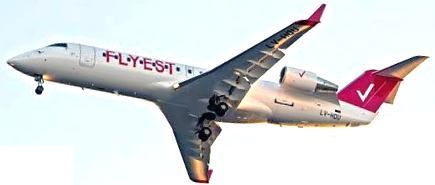






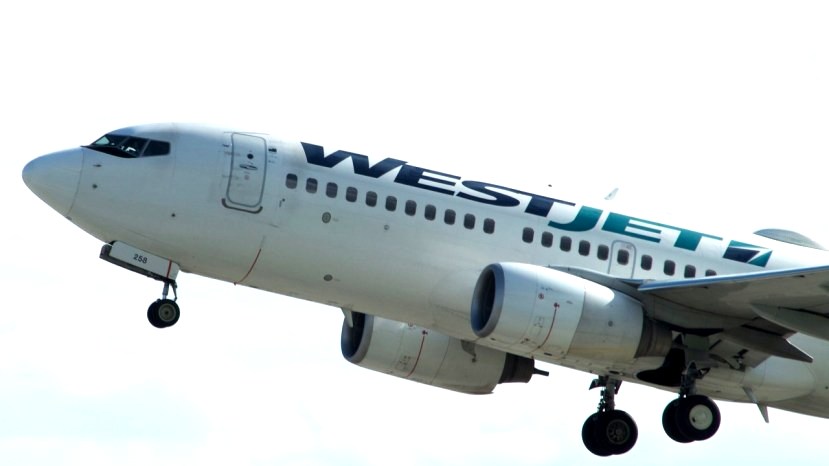
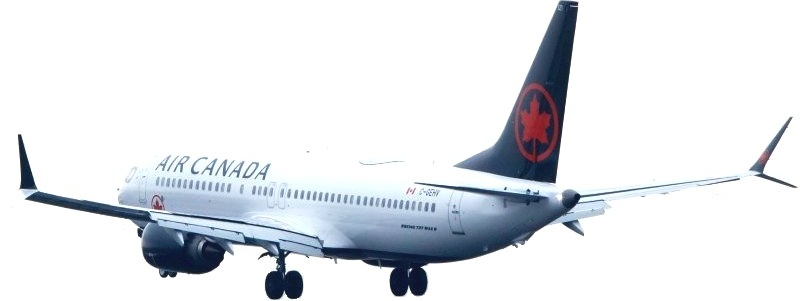


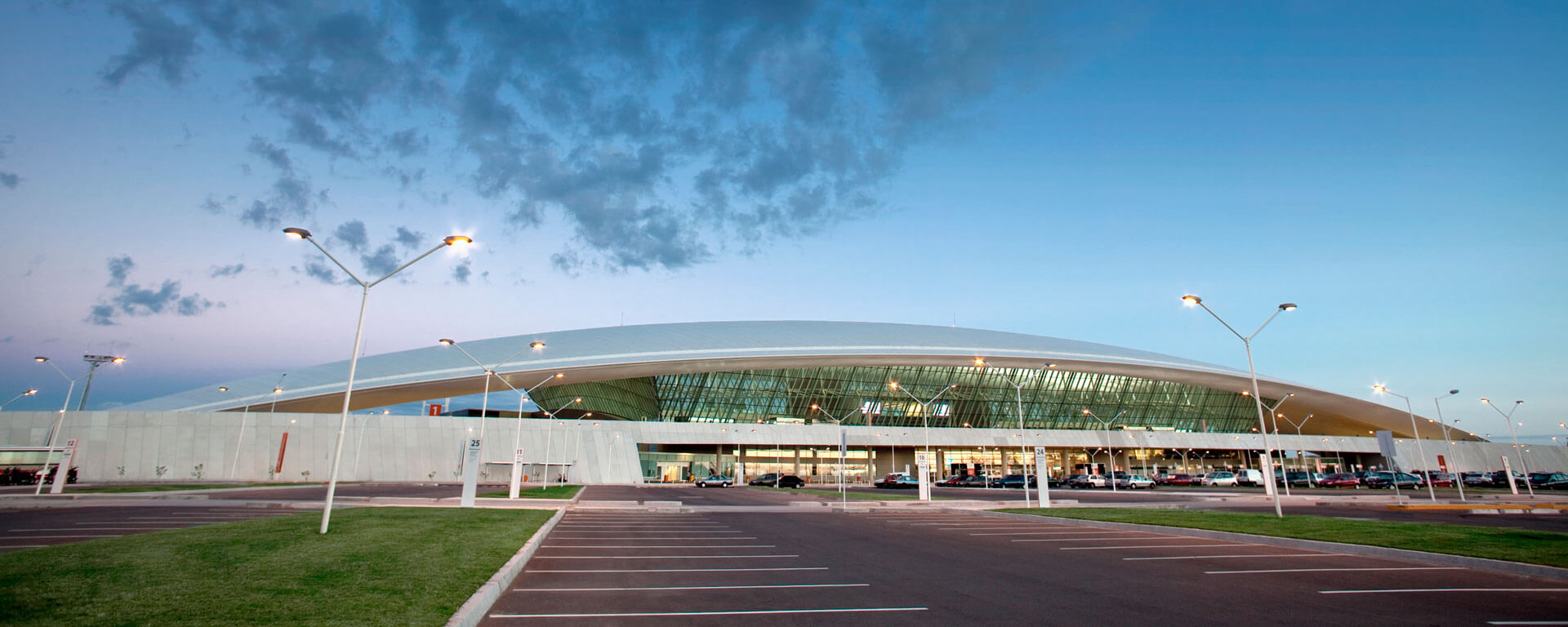
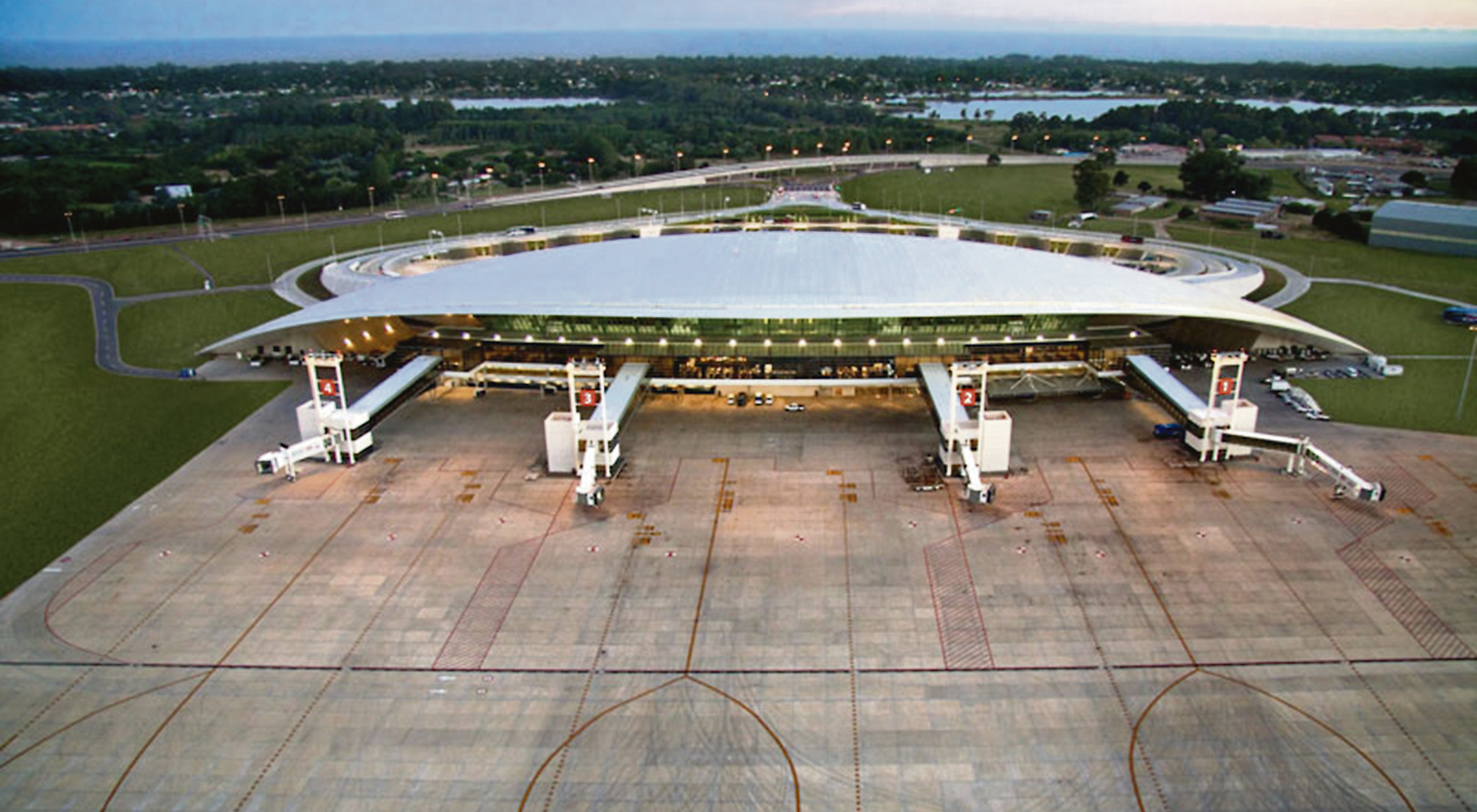
 airgways.com