Administración Trump evalúa emitir decreto ayudas a aerolíneas
La Casa Blanca podría recurrir a un decreto para ofrecer una nueva ayuda financiera a las aerolíneas afectadas por el cierre que trajo la pandemia de Covid-19. Desde la arena política existe fuego cruzado por la falta de atenciones a las ayudas para las diferentes áreas necesitadas, entre ellas la aviación comercial. El Secretario General de la Casa Blanca, Mark Meadows, ha acusado al Congreso de no trabajar luego de que compañías aéreas anunciaron dar licencias obligadas a miles de trabajadores. Dado que las conversaciones se estancaron hace semanas, Nancy Pelosi la Presidente de la Cámara de Representantes de Estados Unidos junto a la minoría del Senado, Chuck Schumer, acusaron a Mark Meadows y al Secretario del Tesoro, Steve Mnuchin, de no estar dispuestos a comprometerse.
Mientras se desarrolla el estancamiento partidista, muchos estadounidenses y empresas están pasando apuros. Esta semana, American Airlines ha anunciado que tendrá que despedir a 19.000 trabajadores si no recibe más ayuda federal para Octubre 2020.
Como si no hubiera mucho en juego, la fecha límite para financiar al Gobierno Federal es el 30 Septiembre 2020, lo que deja a muchos preocupados porque el estancamiento sobre un paquete de ayudas. No está claro cuándo se reanudarán las negociaciones formales entre Pelosi, Schumer y la Casa Blanca. La Cámara en pleno y el Senado no regresarán al Capitolio hasta después del Día del Trabajo, el primer Lunes del mes de Septiembre.
US evaluates more airline aid
Trump administration considers issuing decree to help airlines
The White House could resort to a decree to offer new financial aid to the airlines affected by the closure that brought the Covid-19 pandemic. From the political arena there is a crossfire due to the lack of attention to aid for the different needy areas, including commercial aviation. White House Secretary General Mark Meadows has accused Congress of not working after airlines announced compulsory licensing of thousands of workers. With talks stalling for weeks, Nancy Pelosi, Speaker of the US House of Representatives, along with Senate minority Chuck Schumer, accused Mark Meadows and Secretary of the Treasury Steve Mnuchin of being unwilling to compromise.
As partisan stalemate unfolds, many Americans and businesses are struggling. This week, American Airlines announced that it will have to lay off 19,000 workers if it does not receive more federal aid by October 2020.
As if there weren’t much at stake, the deadline to fund the Federal Government is September 30, 2020, which leaves many concerned about the stagnation on an aid package. It is not clear when formal negotiations between Pelosi, Schumer and the White House will resume. The full House and Senate will not return to the Capitol until after Labor Day, the first Monday of September.
Ξ A I R G W A Y S Ξ PUBLISHER: Airgways.com DBk: Usa.gov / Treasury.gov / Airgways.com AW-POST: 202008271057AR
El Ministerio de Transporte se ha reunido con el Gabinete de Gobierno de Argentina para esgrimir las definiciones para la reapertura de la aviación comercial. La República Argentina ha establecido la cuarentena más larga del mundo, con muchos reclamos por cierto, pero al mismo tiempo con muchos aciertos en materia sanitaria. El responsable de la cartera de Transporte, Mario Meoni, espera que se aprueben los protocolos sanitarios para una reapertura ordenada de los vuelos domésticos. El Ministerio de Transporte ha entregado lineamientos en la sala de espera, para que el Ministerio de Salud apruebe un Protocolo Integral de Viajeros que permita retomar a la brevedad los vuelos comerciales de cabotaje.
El denominado Gabinete de Promoción Federal analizó este Martes 25/08 la situación del transporte aéreo en la Casa Rosada, sede del Gobierno Nacional, durante una reunión con la participación del Jefe de Gabinete, Santiago Cafiero, y los Ministros del Interior, Eduardo de Pedro; Transporte, Mario Meoni; Educación, Nicolás Trotta; Cultura, Tristán Bauer; y de Turismo y Deportes, Matías Lammens; además de la Vicejefa de Gabinete, Cecilia Todesca; y el Secretario de Obras Públicas, Martín Gill. Mario Meoni actuó como vocero del encuentro, manifestó que se pudo repasar el programa de inversiones para los meses siguientes y el año próximo, con la idea de que pasada la pandemia poner a la Argentina en movimiento y recuperar rápidamente la actividad económica. Al finalizar la reunión, el Ministro de Transporte dijo esperar a que cuanto antes se puedan dar las condiciones para habilitar los vuelos, algo que estaba previsto para el 1 de septiembre debió ser postergado.
El Ministerio de Transporte ha resaltado que se está trabajando en un protocolo integral de viajeros para todas las modalidades que va a analizar desde el 26/08 con el Ministerio de Salud a partir del cual espera poder fijar una fecha para la reanudación de los vuelos de cabotaje.
«Mi voluntad es cuanto antes porque hay una situación de muchas personas dentro del país incomunicadas. La recomposición del cabotaje tanto en materia de vuelos como de larga distancia», aseveró Mario Meoni. La aviación comercial se ha visto paralizada desde mediados de Marzo 2020, que junto con la industria turística han impactado seriamente afectadas por la cuarentena.
El Ministro de Transporte ha expresado una aproximación acerca de la vuelta de los vuelos en Argentina: «La reanudación de los vuelos se dará mucho antes del verano. Se están aplicando protocolos sobre materiales y productos que puedan impactar en la mortandad del virus en al aire y las superficies». Las tecnologías aplicadas a la seguridad sanitaria permitirán innovar para poder viajar de manera segura y responsable.
Aeropuerto El Palomar
El Ministerio de Transporte ha avanzado con las declaraciones respecto a la decisión sobre la continuidad del Aeropuerto Internacional El Palomar, que entró en zona de conflicto dentro del Gobierno. «En cuanto a El Palomar, apuntó que se irá analizando en los próximos días», aunque advirtió de la «sobredimensión que hay que sostener en el tiempo, que no tiene que ver con cómo opera cada lugar o con qué compañías sino cuánto cuesta mantener esas pistas. Habrá que tomar una decisión con El Palomar a la par que vuelvan los vuelos en las próximas semanas», dijo.
Esta semana salieron a defender el Aeropuerto El Palomar los intendentes de Morón y Tres de Febrero. El ex intendente Ramiro Tagliaferro estuvo en la protesta de la semana pasada en la puerta del aeropuerto low cost.
En Julio 2020 fue la concesionaria AA2000 la que pidió un cierre de esa terminal en forma temporal. Pero desde un ala del kirchnerismo ya venían presionando para que eso ocurra y así beneficiar a Aerolíneas Argentinas. Desde el Ministerio de Transporte, han discimulado las intenciones alegando que ahora es un asunto de costos/beneficios y no necesariamente de seguridad ambiental.
Cuenta regresiva
El Gobierno de Argentina deberá atender las urgencias del sector de las líneas aéreas ante la puesta en tierra de más de cinco meses de inactividad donde la industria ha impactado vorazmente acelerando la cancelación de los servicios de Norwegian Air Argentina, la partida de Latam Airlines Argentina, la presentación de convocatoria de Flyest Líneas Aéreas y la liquidación de LAER Líneas Aéreas. Sumado a este panorama, la situación de la low cost Flybondi Líneas Aéreas había advertido oportunamente que tenía oxígeno hasta Julio 2020, pero la extensión de la cuarentena ha obligado a replantear la situación económica. La misma situación atraviesa JetSmart Airlines Argentina ante las indefiniciones del Gobierno nacional.
El CEO interino de Flybondi, Mauricio Sana, expresó respecto al tiempo de stand-by de la aviación comercial: «La economía de Flybondi entró en tiempo de descuento. En los primeros meses, esperamos una demanda un 70% abajo de la habitual y volaremos con uno o dos aviones. Hicimos reducciones salariales y achicamos los costos de leasing», describió el ejecutivo con un tono poco optimista. Los dichos han encendiendo las alarmas entre los aviadores respecto a las capacidades de las aerolíneas para sobrevivir a corto plazo.
La última palabra está en poder del Gobierno de Argentina aunado a la buena voluntad para alcanzar un consenso oportuno y rediagramar una política más responsable hacia el futuro de la aviación comercial en el país de la América Austral.
Government meeting for Argentina aviation
Ministry of Transportation seeks to define commercial air reopening
The Ministry of Transportation has met with the Argentine Government Cabinet to put forward the definitions for the reopening of commercial aviation. The Argentine Republic has established the longest quarantine in the world, with many complaints indeed, but at the same time with many successes in health matters. The head of the Transport portfolio, Mario Meoni, hopes that the sanitary protocols for an orderly reopening of domestic flights will be approved. The Ministry of Transportation has delivered guidelines in the waiting room, so that the Ministry of Health approves a Comprehensive Travelers Protocol that allows commercial cabotage flights to resume as soon as possible.
The so-called Federal Promotion Cabinet analyzed this Tuesday 08/25 the situation of air transport in the Casa Rosada, headquarters of the National Government, during a meeting with the participation of the Chief of Cabinet, Santiago Cafiero, and the Ministers of the Interior, Eduardo de Pedro; Transport, Mario Meoni; Education, Nicolás Trotta; Culture, Tristán Bauer; and from Tourism and Sports, Matías Lammens; in addition to the Deputy Chief of Cabinet, Cecilia Todesca; and the Secretary of Public Works, Martín Gill. Mario Meoni acted as a spokesperson for the meeting, said that the investment program for the following months and next year could be reviewed, with the idea that after the pandemic, put Argentina in motion and quickly recover economic activity. At the end of the meeting, the Minister of Transport said to wait until the conditions to enable the flights could be met as soon as possible, something that was scheduled for September 1, 2020 had to be postponed.
The Ministry of Transport has highlighted that it is working on a comprehensive passenger protocol for all modalities that it will analyze from 08/26 with the Ministry of Health, from which it hopes to be able to set a date for the resumption of flights from cabotage.
«My will is as soon as possible because there is a situation of many people in the country isolated. The recomposition of cabotage both in terms of flights and long distance», said Mario Meoni. Commercial aviation has been paralyzed since mid-March 2020, which together with the tourism industry have been seriously affected by the quarantine.
The Minister of Transport has expressed an approximation about the return of flights in Argentina: «The resumption of flights will take place long before the summer. Protocols are being applied on materials and products that may impact on the death of the virus in the air. and surfaces». Technologies applied to health security will allow innovation to travel safely and responsibly.
El Palomar Airport
The Ministry of Transportation has advanced with the statements regarding the decision on the continuity of the El Palomar International Airport, which entered a conflict zone within the Government. «As for El Palomar, he pointed out that it will be analyzed in the coming days», although he warned of the «oversize that must be sustained over time, which does not have to do with how each place operates or with which companies but how much it costs to maintain those tracks. We will have to make a decision with El Palomar as the flights return in the coming weeks», he said.
This week the mayors of Morón and Tres de Febrero came out to defend the El Palomar Airport. Former Mayor Ramiro Tagliaferro was at the protest last week at the low cost airport gate.
In July 2020, it was the AA2000 concessionaire that requested a temporary closure of that terminal. But from a wing of Kirchnerism they were already pressing for that to happen and thus benefit Aerolíneas Argentinas. From the Ministry of Transport, they have concealed the intentions claiming that now it is a matter of costs/benefits and not necessarily of environmental safety.
Countdown
The Government of Argentina will have to attend to the emergencies of the airline sector before the grounding of more than five months of inactivity where the industry has voraciously impacted by accelerating the cancellation of Norwegian Air Argentina services, the departure of Latam Airlines Argentina, the presentation of the call for Flyest Líneas Aéreas and the liquidation of LAER Líneas Aéreas. In addition to this panorama, the situation of the low cost Flybondi Líneas Aéreas had timely warned that it had oxygen until July 2020, but the extension of the quarantine has forced to rethink the economic situation. The same situation is going through JetSmart Airlines Argentina before the indefiniteness of the national Government.
The interim CEO of Flybondi, Mauricio Sana, expressed regarding the stand-by time of commercial aviation: «The economy of Flybondi entered into discount time. In the first months, we expect a demand 70% below the usual and we will fly with one or two planes. We made salary reductions and reduced leasing costs», the executive described with a not very optimistic tone. The sayings have set off alarms among aviators regarding the airlines’ capabilities to survive in the short term.
The last word is in the power of the Government of Argentina together with the good will to reach a timely consensus and redesign a more responsible policy towards the future of commercial aviation in the country of Southern America.
Ξ A I R G W A Y S Ξ PUBLISHER: Airgways.com DBk: Argentina.gob.ar/transporte / Unmedioenmoron.com.ar / Airgways.com AW-POST: 202008261645AR
AW | 2020 08 26 08:55 | AVIATION SAFETY / GOVERNMENT
Embajada de EEUU emite alerta aviso de viaje en aerolíneas paquistaníes
La Embajada de Estados Unidos en Islamabad, República de Pakistán, ha emitido una nueva Alerta de viaje para sus ciudadanos en el país pidiéndoles que monitoreen los medios locales para obtener actualizaciones antes de viajar en las compañías aéreas paquistaníes y registrarse en un programa de seguridad en viajes. La notificación, emitida el Martes 25/08 se refería a la degradación de Pakistán a la Categoría 2 por parte de la Administración Federal de Aviación (FAA) de Estados Unidos el 15 Julio 2020. Ha comunicado que las aerolíneas paquistaníes no cumplen con ciertos estándares de seguridad de la Organización de Aviación Civil Internacional (OACI).
«De acuerdo con el programa de Evaluación de la Seguridad de la Aviación Internacional de la FAA, las compañías aéreas de países con calificaciones de Categoría 2 no pueden iniciar un nuevo servicio a los Estados Unidos, están restringidas a los niveles actuales de servicio existente a los Estados Unidos y no se les permite transportar el código de las aerolíneas estadounidenses en cualquier vuelo», se lee en el comunicado de la embajada. El aviso pedía a los ciudadanos que «monitoreen los medios locales para obtener actualizaciones sobre viajes hacia, desde y dentro de Pakistán en las compañías aéreas pakistaníes y se inscriban en el Programa de Inscripción de Viajero Seguro (STEP) para recibir actualizaciones sobre viajes y seguridad». Además, declaró que a los ciudadanos estadounidenses que residen o viajan en Pakistán se les advierte que el personal de la Embajada y la Misión de los Estados Unidos no puede viajar en ninguna aerolínea pakistaní sin autorización previa.
Pakistán fue degradado a un rango más bajo por las autoridades estadounidenses después de que una emisión de licencias falsas de pilotos paquistaníes conmocionó a la industria de la aviación en Mayo 2020. En Junio 2020, Pakistán había puesto a tierra a casi un tercio de sus pilotos después de descubrir que podrían haber falsificado sus calificaciones.
El Ministro Federal de Aviación, Ghulam Sarwar Khan, al informar a la Asamblea Nacional sobre un accidente aéreo, dijo: “La investigación que se inició en Febrero de 2019 mostró que 262 pilotos no dieron el examen ellos mismos y pidieron a otra persona que lo hiciera en su nombre. Los pilotos tampoco tenían la experiencia de vuelo adecuada». Poco después de la declaración, a la aerolínea de bandera nacional se le prohibió ingresar al espacio aéreo de varios países y los pilotos paquistaníes, que habían recibido sus credenciales de la Autoridad de Aviación Civil (CAA), fueron castigados.
US issues CAT2 to Pakistan
US Embassy issues Travel Advisory Alert on pakistanis airlines
The United States Embassy in Islamabad, Republic of Pakistan, has issued a new Travel Alert for its citizens in the country asking them to monitor local media for updates before traveling on Pakistani airlines and to register for a security program in travels. The notification, issued on Tuesday 08/25, referred to the downgrade of Pakistan to Category 2 by the US Federal Aviation Administration (FAA) on July 15, 2020. It has communicated that Pakistani airlines do not meet certain standards. of the International Civil Aviation Organization (ICAO).
«According to the FAA’s International Aviation Safety Assessment program, airlines from countries with Category 2 qualifications cannot initiate new service to the United States, they are restricted to current levels of existing service to the United States and they are not allowed to carry the code of the American airlines on any flight», the embassy statement reads. The notice asked citizens to «monitor local media for updates on travel to, from and within Pakistan on Pakistani airlines and sign up for the Safe Traveler Enrollment Program (STEP) to receive updates on travel and security». Furthermore, it stated that US citizens residing or traveling in Pakistan are advised that US Embassy and Mission personnel cannot travel on any Pakistani airline without prior authorization.
Pakistan was demoted to a lower rank by US authorities after an issue of fake Pakistani pilot licenses shocked the aviation industry in May 2020. By June 2020, Pakistan had grounded nearly a third of its pilots after discovering they may have falsified their grades.
Federal Minister of Aviation Ghulam Sarwar Khan, reporting to the National Assembly about a plane crash, said: “The investigation that began in February 2019 showed that 262 pilots did not take the exam themselves and asked someone else to do it do in his name. The pilots also did not have adequate flight experience». Shortly after the declaration, the national flag carrier was banned from entering the airspace of several countries and the Pakistani pilots, who had received their credentials from the Civil Aviation Authority ( CAA), were punished.
Ξ A I R G W A Y S Ξ PUBLISHER: Airgways.com DBk: Usa.gov / Faa.gov / Airgways.com AW-POST: 202008260855AR
Low cost exigen al Gobierno por definición de El Palomar
Los Diputados de la oposición en Argentina han presentado junto con las compañías aéreas un reclamo al Gobierno de Argentina para un tratamiento en la Cámara Baja del Congreso de la Nación para determinar cuáles son los lineamientos del Estado por el Aeropuerto Internacional El Palomar.
Diputados de la oposición tomaron los reclamos de las líneas aéreas de presupuesto para solicitar al Ministerio de Transporte una urgente reunión para que el Gobierno explique sobre la continuidad del aeropuerto low cost y las razones que esgrime del cierre definitivo, detrás de las obras de mejoramiento del Aeropuerto jorge Newbery de la Ciudad de Buenos Aires. Los Diputados han solicitado la reunión con las comisiones de Transporte y Turismo por la situación delicada del sector del turismo y del transporte aéreo.
Aeropuerto El Palomar
Los Diputados del partido político PRO expresaron la importancia que el Aeropuerto El Palomar representa para el usuario del transporte aéreo argentino en tiempos de crisis. La apertura del nuevo aeropuerto ha incluido tres nuevas aerolíneas, ha generado 5.600 puestos de trabajo, ha aumentado el tráfico de pasajeros entre 2015-2019 de 23 millones a 30 millones. En 2019, la aeroestación low cost realizó 7.000 vuelos y transportó 925.000 pasajeros. Estas cifras, lejos de ser números negativos para el Gobierno, representan la variabilidad de mercado que Argentina necesita para poder volar con mayor libertad.
El Aeropuerto Internacional El Palomar no ha crecido a expensas se otros aeropuertos, al contrario, ha incorporado una franja de usuarios que estaban cautivos en el mercado aerocomercial. La captación del número de pasajeros por parte de las líneas aéreas de presupuesto, más bien preocupa al Gobierno para continuar atendiendo la reducción del déficit de Aerolíneas Argentinas. Por parte del Estado, no presenta argumento claros por las razones de peso para el cierre definitivo de un aeropuerto muy productivo.
El pedido de Diputados surge de las declaraciones del Ministro de Transporte Mario Meoni donde expresa que «tres aeropuerto en el área metropolitana no son razonables». La incertidumbre de la continuidad del aeropuerto low cost generó un fuerte reclamo el Jueves 20/08 con la participación de las aéreas Flybondi Líneas Aéreas y JetSmart Airlines Argentina en todo el país.
Aeropuerto Jorge Newbery
Los Diputados del PRO han solicitado adicionalmente a Transporte aclaraciones sobre las importantes obras del Aeropuerto Jorge Newbery. El escrito enviado expresa: «No nos parece oportuno la remodelación […] Implica una obra de altísimo costo de AR$ 7.100 millones de Pesos, en medio de una crisis sanitaria y económica». Entre bastidores, surge una cuestión de capital importancia: detrás de las remodelaciones y mejoras de Aeroparque, ¿qué sentido tiene cuando el único operador aéreo será Aerolíneas Argentinas? La posición dominante de la compañía de bandera en el Aeropuerto Jorge Newbery generará la apertura del monopolio aéreo en el mercado de cabotaje en Argentina. El Gobierno, ¿invitará a las low cost a participar de slots en el remodelado Aeroparque? Una respuesta poco satisfactoria para el actual Gobierno.
De todos modos, el debate y los reclamos están sobre la mesa, donde Diputados reclamará ante la Comisión de Transporte y Turismo por las arbitrarias acciones que ha impulsado el Gobierno de Argentina que ha tratado de manera sistemática de boicotear los sueños de miles de argentinos a volar con libertad.
Low cost meeting-Argentine Government
Low cost demand from the Government by definition of El Palomar
The opposition Deputies in Argentina have presented, together with the airlines, a claim to the Government of Argentina for a treatment in the Lower House of the National Congress to determine what are the State guidelines for the El Palomar International Airport.
Opposition deputies took up the claims of the budget airlines to ask the Ministry of Transport for an urgent meeting for the Government to explain about the continuity of the low cost airport and the reasons it puts forward for the final closure, behind the improvement works of the Jorge Newbery Airport of the City of Buenos Aires. The Deputies have requested a meeting with the Transport and Tourism commissions due to the delicate situation of the tourism and air transport sector.
El Palomar Airport
Deputies from the PRO political party expressed the importance that El Palomar Airport represents for the user of Argentine air transport in times of crisis. The opening of the new airport has included three new airlines, has generated 5,600 jobs, has increased passenger traffic between 2015-2019 from 23 million to 30 million. In 2019, the low cost airstation made 7,000 flights and transported 925,000 passengers. These figures, far from being negative numbers for the Government, represent the market variability that Argentina needs to be able to fly with greater freedom.
El Palomar International Airport has not grown at the expense of other airports, on the contrary, it has incorporated a range of users who were captives in the commercial aviation market. The capture of the number of passengers by budget airlines, rather worries the Government to continue addressing the reduction of the deficit of Aerolineas Argentinas. On the part of the State, it does not present a clear argument for the compelling reasons for the definitive closure of a very productive airport.
The request of Deputies arises from the declarations of the Transport Minister Mario Meoni where he states that «three airports in the metropolitan area are not reasonable». The uncertainty of the continuity of the low cost airport generated a strong claim on Thursday 20/08 with the participation of the airlines Flybondi Líneas Aéreas and JetSmart Airlines Argentina throughout the country.
Jorge Newbery Airport
The PRO deputies have also asked Transportation for clarifications on the important works at the Jorge Newbery Airport. The letter sent states: «The remodeling does not seem appropriate […] It involves a very high cost work of AR $ 7.1 billion pesos, in the midst of a health and economic crisis». Behind the scenes, a question of capital importance arises: behind the remodeling and improvements of Aeroparque, what sense does it make when the only airline operator will be Aerolíneas Argentinas? The dominant position of the flag carrier at the Jorge Newbery Airport will create the opening of the air monopoly in the cabotage market in Argentina. The Government, will invite the low cost to participate in slots in the remodeled Aeroparque? An unsatisfactory answer for the current government.
In any case, the debate and the claims are on the table, where Deputies will claim before the Transport and Tourism Commission for the arbitrary actions that the Government of Argentina has promoted, which has systematically tried to boycott the dreams of thousands of Argentines to fly freely.
Ξ A I R G W A Y S Ξ PUBLISHER: Airgways.com DBk: Airgways.com / Diputados.gov.ar / Cronista.com AW-POST: 202008251758AR
AW | 2020 08 25 16:55 | GOVERNMENT / AIRLINES MARKET
Cuarentena más larga del mundo sobre los argentinos
Los países del mundo han manisfestado diferentes métodos respecto al tratamiento de la pandemia de Coronavirus a lo largo de este año 2020. De manera directa o indirecta, afecta principalmente al corazón demográfico, financiero e industrial de los países. La República Argentina ha tratado la crisis sanitaria de manera radical, minimizando los efectos de contagios en la vulnerabilidad del sistema sanitario. La región metropolitana de Buenos Aires (AMBA), donde vive el 40% de la población argentina, y donde se concentra la pandemia del Coronavirus ha incrementado los casos de contagios en vista de los duros protocolos mantenidos hasta la fecha y por otro lado, del agotamiento sicológico de la población a continuar con el cumplimiento de la cuarentena obligatoria. Este 25 Agosto 2020 el Ministerio de Transporte, de Salud y Deporte se reúnen para definir nuevos lineamientos hacia el futuro de una salida progresiva.
Mientras en otras partes del mundo, incluso donde hubo decenas de miles de muertes a causa del Covid-19, la gente puede realizar actividades sociales. En el área metropolitana de Argentina todas las actividades no indispensables siguen vedadas desde que se decretó la cuarentena el 20 Marzo 2020. El transporte público está reservado exclusivamente para personal que realiza tareas esenciales o quienes tienen permiso especial, y los que utilizan su auto sin una autorización para circular corren el riesgo de que se les retire el carnet de conducir.
Datos positivos
Con unos 300.000 infectados y 6.000 víctimas fatales -13,6 cada 100.000 habitantes- Argentina tiene una tasa de letalidad mucho menor que muchos países de la región como Brasil, México, Perú, Chile, Colombia, Bolivia y Ecuador. Además, ha logrado evitar el colapso del sistema de salud, la principal meta de la llamada estrategia de «aplanar la curva de contagios». Sin embargo, muchos plantean que el objetivo original de la cuarentena supuestamente era ganar tiempo para que los servicios de salud pudieran prepararse, como ha ocurrido, y objetan que las restricciones se hayan mantenido todo este tiempo.
Aspecto social
Una gran proporción de argentinos ha dejado de acatar la órdenes del gobierno y las calles en las grandes urbes se han vuelto a llenar de gente. Sea por necesidad de salir a trabajar o de liberarse del largo encierro, hoy son pocos los habitantes que siguen cumpliendo con el aislamiento estricto que ordena el Decreto Presidencial. Curiosamente, lo dijo antes de anunciar la décima extensión del «Aislamiento social, preventivo y obligatorio», que durará hasta el 30 Agosto 2020.
Algunos argentinos le dicen en broma la «cuareterna» y con motivo, pues el decreto hace cinco meses ha sido promulgado por el Gobierno de Alberto Fernández y se ha convertido en la cuarentena, sin interrupciones, más larga en el mundo. Más allá de burlarse del término, no son muchos los que se ríen de los efectos económicos, sociales y psicológicos que está teniendo este largo confinamiento.
Daños económicos
Aunque es difícil determinar cuánto del daño económico fue causado por la pandemia y cuánto por la cuarentena, lo cierto es que Argentina está viviendo una caída económica mayor a la de la crisis del 2001-2002, hasta ahora el peor desastre económico de su historia.
Por qué hay multinacionales que abandonan Argentina y se habla de una masacre de empresas peor que en la crisis de 2001. El país ya atravesaba casi dos años de recesión y sostenía una deuda impagable cuando el Gobierno decretó la cuarentena, lo que obligó a cientos de miles de negocios no esenciales a cerrar por meses.
Si bien la decisión de prohibir los despidos, decretada en Abril 2020, ha permitido que gran parte de los asalariados sigan cobrando su sueldo, ayudados por el Estado. Según la Cámara Argentina de Comercio y Servicios, más de 42.000 pequeñas y medianas empresas (pymes) han cerrado desde marzo, el doble de las que desaparecieron durante la crisis de 2001/2002.
Efecto dominó
La extensión de la cuarentena en Argentina ha permitido lograr aciertos en materia de salud muy importantes, pero por otro lado, está produciendo un efecto dominó en la aceptación de la población a continuar con el cumplimiento efectivo, sea por los hechos recientes desproporcionados de Presidencia comparando la actual pandemia a la anterior gestión de Gobierno Nacional: «A la Argentina le fue mejor con el coronavirus que con Macri». El mandatario comparó los números de empleo y salario del último año del Gobierno de Mauricio Macri frente a los registrados en los meses de pandemia. La reacción del país no se ha hecho esperar ante tal irresponsable comentario; detrás de una foto del Presidente sin las medidas de seguridad sanitarias completa el cuadro de una clase dirigente en franco retroceso moral.
LA AVIACIÓN ARGENTINA HA SUFRIDO LA PEOR CRISIS DE SU HISTORIA TRAS LA CUARENTENA MÁS LARGA DEL MUNDO
Transporte Argentina
Este 25/08 se llevará a cabo una importante reunión entre funcionarios del Gobierno Nacional para analizar los protocolos de la liga de Fútbol de la Conmebol, de cara a la habilitación de los corredores sanitarios para las copas internacionales. La entidad sudamericana avanza con las aprobaciones de los países para poder llevar a cabo las copas internacionales, aunque con mayor inquietud en la Libertadores, dado que su reinicio está pactado para el 15 Septiembre. Salvo Uruguay y Argentina, el resto de los países del continente dieron el visto bueno para el regreso. La figura del Ministro de Transporte Mario Meoni en este encuentro será importante para establecer los programas de vuelos, las condiciones y la parte técnica, con el fin de facilitar los ingresos y egresos de clubes por los campeonatos.
La aviación argentina está desarrollando reaperturas de vuelos especiales internacionales, pero continua pendiente la reanudación de los vuelos de cabotaje, una acción poco lógica teniendo presente la administración meticulosa de la cuarentena en Argentina. La acción del pueblo tuvo sus primeros síntomas de reclamos el 17 Agosto con una movilización a nivel nacional (#17A), para este 26 Agosto continuarán las manifiestaciones (#26A) en reclamos de mayores garantías por la seguridad, los derechos de la Justicia y de trabajo. Después de todo, sobrevivir a los efectos de la política son más letales que a los efectos de la actual pandemia, así recoge el pueblo argentino el guante caído.
Pandemic effects in Argentina
Longest quarantine in the world on Argentines
The countries of the world have demonstrated different methods regarding the treatment of the Coronavirus pandemic throughout this year 2020. Directly or indirectly, it mainly affects the demographic, financial and industrial heart of the countries. The Argentine Republic has dealt with the health crisis in a radical way, minimizing the effects of contagion on the vulnerability of the health system. The metropolitan region of Buenos Aires (AMBA), where 40% of the Argentine population lives, and where the Coronavirus pandemic is concentrated, has increased the cases of infections in view of the harsh protocols maintained to date and on the other hand, the psychological exhaustion of the population to continue with the fulfillment of the oblogatory quarantine. This August 25, 2020 the Ministry of Transport, Health and Sports meet to define new guidelines towards the future of a progressive exit.
While in other parts of the world, even where there were tens of thousands of deaths from Covid-19, people can engage in social activities. In the metropolitan area of Argentina, all non-essential activities are prohibited since the quarantine was decreed on March 20, 2020. Public transport is reserved exclusively for personnel who perform essential tasks or who have special permission, and those who use their car without a license. authorization to circulate run the risk of having their driving license withdrawn.
Positive data
With some 300,000 infected and 6,000 fatalities -13.6 per 100,000 inhabitants- Argentina has a fatality rate much lower than many countries in the region such as Brazil, Mexico, Peru, Chile, Colombia, Bolivia and Ecuador. In addition, it has managed to avoid the collapse of the health system, the main goal of the so-called strategy of «flattening the contagion curve.» However, many argue that the original objective of the quarantine was supposedly to buy time for the health services to prepare, as has happened, and they object that the restrictions have been maintained all this time.
Social aspect
A large proportion of Argentines have stopped obeying the government’s orders and the streets in large cities have once again filled with people. Whether due to the need to go out to work or to free themselves from the long confinement, today few inhabitants continue to comply with the strict isolation ordered by the Presidential Decree. Curiously, he said it before announcing the tenth extension of the «Social, preventive and compulsory isolation», which will last until August 30, 2020.
Some Argentines jokingly call it the «quaranternal» (eternal quarantine) and for good reason, since the decree five months ago was promulgated by the Government of Alberto Fernández and has become the longest, uninterrupted, quarantine in the world. Beyond making fun of the term, there are not many who laugh at the economic, social and psychological effects that this long confinement is having.
Economic damages
Although it is difficult to determine how much of the economic damage was caused by the pandemic and how much by the quarantine, the truth is that Argentina is experiencing an economic decline greater than that of the 2001-2002 crisis, so far the worst economic disaster in its history.
Why are multinationals leaving Argentina and there is talk of a massacre of companies worse than in the 2001 crisis. The country was already going through almost two years of recession and had an unpayable debt when the Government decreed the quarantine, which forced hundreds of thousands of non-essential businesses to close for months.
Although the decision to prohibit layoffs, decreed in April 2020, has allowed a large part of the wage earners to continue receiving their salary, helped by the State. According to the Argentine Chamber of Commerce and Services, more than 42,000 small and medium-sized enterprises (SMEs) have closed since March, double the number that disappeared during the 2001/2002 crisis.
Domino effect
The extension of the quarantine in Argentina has made it possible to achieve very important successes in health matters, but on the other hand, it is producing a domino effect in the acceptance of the population to continue with effective compliance, be it due to the recent disproportionate events of the Presidency comparing the current pandemic at the previous National Government management: «Argentina did better with the coronavirus than with Macri». The president compared the employment and salary numbers of the last year of the Government of Mauricio Macri against those registered in the months of the pandemic. The country’s reaction has not been made to wait before such irresponsible comment; behind a photo of the President without health security measures, he completes the picture of a ruling class in clear moral decline.
Argentina transport
This 08/25 will take place an important meeting between officials of the National Government to analyze the protocols of the Conmebol Soccer League, with a view to the qualification of the sanitary corridors for international cups. The South American entity advances with the approvals of the countries to be able to carry out the international cups, although with greater concern in the Libertadores, since its restart is agreed for September 15. Except for Uruguay and Argentina, the rest of the countries of the continent gave the go-ahead for the return. The figure of the Minister of Transport Mario Meoni in this meeting will be important to establish the flight programs, the conditions and the technical part, in order to facilitate the entry and exit of clubs for the championships.
Argentine aviation is developing reopening of special international flights, but the resumption of domestic flights is still pending, an action that is not very logical considering the meticulous administration of quarantine in Argentina. The people’s action had its first symptoms of claims on August 16 with a nationwide mobilization (#17A), for this August 26 the demonstrations (#26A) will continue in claims of greater guarantees for security, the rights of Justice and of work. After all, surviving the effects of politics are more lethal than the effects of the current pandemic, thus the Argentine people pick up the fallen glove.
Ξ A I R G W A Y S Ξ PUBLISHER: Airgways.com DBk: Airgways.com / Bbc.com / Lanacion.com.ar / Clarin.com AW-POST: 202008251655AR
Principales aerolíneas de Australia eliminan miles empleos
La aviación australiana está atravezando una ola de recortes de empleos en el sector impactando profundamente a las dos principales compañías aéreas Qantas Airways y Virgin Australia Airlines, que se encuentran reestructurando drásticamente las operaciones para reducir los costos en medio de la agitación de la crisis sanitaria y las limitaciones de los viajes en curso en la industria aérea mundial.
Qantas Airways
La reestructuración de Qantas Airways es un intento de posicionarse en la despiadada guerra competitiva por la participación de mercado en la aviación global que verá hundirse a las aerolíneas y destruirse decenas de miles de puestos de trabajo. La aerolínea más grande de Australia ha afrontado una pérdida neta después de impuestos de US$ 1.9 mil millones Dólares la semana pasada. El CEO de Qantas Airways, Allan Joyce, declaró que habría más recortes de empleos además de los 6.000 iniciales, o alrededor del 20 por ciento de la fuerza laboral de la aerolínea, anunciada en Junio 2020. El Ejecutivo no ha expresado la cantidad de puestos adicionales que se eliminarían, pero dejó en claro que 4.000 de los recortes anunciados anteriormente se impondrían a fines de Septiembre 2020.
La eliminación anterior fue parte del plan de Qantas para lograr US$ 15 mil millones en ahorros para 2023 y US$ 1 mil millones en beneficios anuales en el futuro. En Abril 2020, al comienzo de la imposición de las restricciones de viaje COVID-19, Qantas, que tenía una fuerza laboral total de 29.000, retiró a unos 20.000 empleados y dejó en tierra a grandes secciones de su flota. Si bien Allan Joyce ha utilizado la pérdida reportada del año financiero para justificar la destrucción de empleos en curso, la pérdida fue impulsada en parte por una amortización de US$ 1.2 mil millones de sus superjumbos Airbus A380, que fueron almacenados después de que la compañía suspendió una serie de servicios nacionales e internacionales cuando comenzaron las restricciones pandémicas. Excluyendo las amortizaciones y varios costos únicos, Qantas permanece en números negros con una ganancia financiera reportada de US$ 124 millones. La destrucción de puestos de trabajo se está intensificando, a pesar de que ha recibido millones de Dólares en ayudas gubernamentales y está pidiendo aún más. La semana pasada, un portavoz de Qantas confirmó que la compañía había recibido US$ 248 millones de esquemas de apoyo gubernamentales específicos para la aviación y US$ 267 millones a través del esquema JobKeeper del Gobierno de Australia que proporciona a empleadores seleccionados US$ 1.500 por quincena por empleado. Si bien Qantas afirma que la mayoría de los pagos de JobKeeper se entregaron a los trabajadores despedidos, admitió que el resto se utilizó para subsidiar los salarios del personal que continuó trabajando. En otras palabras, Qantas ha podido reducir su factura salarial a expensas públicas. De hecho, Qantas reportó un beneficio neto de US$ 15 millones para su balance final del total de US$ 515 millones que obtuvo en apoyo del Gobierno.
Depredación pandémica
Los objetivos depredadores de la compañía Qantas Airways han quedado manifestados durante una conferencia de prensa la semana pasada por parte del CEO Allan Joyce, refiriéndose al plan de reducción de costos que ahora está implementando su rival Virgin Australia Airlines, que ha sido asumido por la firma de capital privado Bain Capital, declaró: “Ellos [Virgin] saldrán más delgados y malos y eso es un gran desafío para nosotros porque el margen [ventaja] que Qantas tenía es realmente importante». Insistiendo en que el programa de reestructuración de Qantas era ahora aún más importante, Allan Joyce agregó: «Si Virgin pudo superar esa ventaja de base de costos, esa es una amenaza a largo plazo para Qantas».
Virgin Australia Airlines
La declaración de Alan Joyce siguió a los anuncios de Virgin Australia Airlines a principios del mes de Agosto 2020 de que estaba eliminando 3.000 puestos de trabajo, o aproximadamente un tercio de la fuerza laboral del operador. Los recortes son parte de la reestructuración de Bain Capital de la empresa fallida, con el objetivo de establecer lo que describe como una operación más ágil y en mejor forma. Este salvaje ataque no ha disuadido al Gobierno del Estado de Queensland de ofrecer a Bain Capital US$ 200 millones en asistencia y otros incentivos para mantener la base de operaciones de Virgin Australia en ese estado. Virgin Australia fue puesta en administración en Marzo 2020 y debe más de US$ 6,8 mil millones a los acreedores, incluidos los bancos y los principales inversores. Junto con la destrucción de puestos de trabajo, Bain Capital anunció que se desharía de la aerolínea de bajo costo Tigerair de Virgin, una medida que costará cientos de puestos más. Alrededor de 220 pilotos de Tigerair han sido despedidos.
Algunos de los activos de Virgin Australia se están vendiendo, incluidos varios Boeing 737 a Regional Expres Airlines (REX), una aerolínea regional que ya ha recibido US$ 54 millones en asistencia del Gobierno. Los ingresos se destinarán a pagar a los acreedores garantizados de Virgin. La oferta de Bain Capital por Virgin, por un monto no revelado, fue seleccionada por el administrador Deloitte Australia en junio, mientras una gran cantidad de firmas corporativas de adquisición rodeaban la aerolínea fallida en busca de ganancias lucrativas. En un desarrollo que bloquea la oferta pública de adquisición de Bain Capital, el Tribunal Federal falló la semana pasada en contra de una solicitud de los fondos de cobertura con sede en Asia Broad Peak Investment y Tor Investments, que representan a los tenedores de bonos de Virgin para que se presente un acuerdo alternativo en una reunión de acreedores. programado para el 1 Septiembre 2020. El acuerdo, que fue apoyado por grandes gigantes de la inversión, incluidos Credit Suisse, Deutsche Bank y UBS, implicó que los tenedores de bonos de Virgin intercambiaran US$ 2 mil millones en deuda por acciones en una aerolínea relanzada y la recaudación de US$ 800 millones adicionales para recapitalizar la empresa. La solicitud de los bonistas no fue motivada por ninguna preocupación por los trabajadores de Virgin, sino por el temor de que si Bain Capital tenía éxito, podrían terminar obteniendo tan poco como diez centavos por Dólar en sus tenencias de deuda. Incluso si la propuesta de los bonistas hubiera tenido éxito, los trabajadores habrían enfrentado el mismo tipo de medidas de reducción de costos que está implementando Bain Capital.
Sindicatos en alerta
Desde el principio, la respuesta de los sindicatos de aerolíneas a la masacre de despidos de empleos en Qantas Airways y Virgin Australia Airlines ha sido profundizar su colaboración con la gerencia, evitar cualquier acción unificada por parte de los trabajadores de la industria y hacer eco de los llamamientos de la compañía al gobierno para obtener ayudas financieras aún mayores para los transportistas.
El Secretario del Sindicato de Trabajadores del Transporte (TWU), Michael Kaine, insistió en que era imperativo un mayor apoyo del Gobierno de Australia, solicitando que “se reúna ahora mismo con empresas, aeropuertos y trabajadores de la aviación para elaborar un plan de acción para evitar que la aviación se estrelle contra un muro”, es decir, para involucrar a los sindicatos en la destrucción y reestructuración de empleos en la industria de las aerolíneas.
Los sindicatos de aerolíneas respaldaron la adquisición de Virgin Australia por parte de Bain Capital, incluso después del anuncio este mes de sus recortes masivos de empleos. Micheal Kaine dijo cínicamente a los medios de comunicación que, si bien el anuncio de recortes de empleo fue un día difícil para los trabajadores, la decisión de la empresa de evitar convertirse en una empresa de transportes de bajo costo fue ampliamente positiva.
El creciente ataque a los puestos de trabajo y las condiciones en el sector de la aviación en Australia e internacionalmente subraya la necesidad de una lucha global unificada por parte de los trabajadores de las aerolíneas. El largo historial de recortes impuestos por los sindicatos demuestra la necesidad de una ruptura decisiva con los sindicatos y el establecimiento de nuevas organizaciones de lucha, incluidos comités de base independientes. Dichos comités tendrían la tarea de dirigirse a otras secciones de trabajadores en Australia e internacionalmente, quienes enfrentan ataques similares, y desarrollar una contraofensiva coordinada globalmente de toda la clase trabajadora. Esta lucha debe basarse en una perspectiva socialista y la lucha por un gobierno obrero que coloque a las aerolíneas y todas las industrias esenciales, junto con los principales bancos y corporaciones, bajo la propiedad pública y el control democrático de los trabajadores.
QANTAS/Virgin cut thousands of jobs
Australia’s major airlines cut thousands of jobs
Australian aviation is undergoing a wave of job cuts in the sector that has profoundly impacted the two major airlines Qantas Airways and Virgin Australia Airlines, which are dramatically restructuring operations to cut costs amid the turmoil of the health crisis and the limitations of ongoing travel in the global airline industry.
Qantas Airways
The restructuring of Qantas Airways is an attempt to position itself in the ruthless competitive war for market share in global aviation that will see airlines go under and tens of thousands of jobs destroyed. Australia’s largest airline faced a net after-tax loss of US$ 1.9 billion last week. QantasAirways CEO Allan Joyce stated that there would be more job cuts in addition to the initial 6,000, or about 20 percent of the airline’s workforce, announced in June 2020. The Executive has not expressed the number of additional positions that would be removed, but made it clear that 4,000 of the previously announced cuts would be imposed by the end of September 2020.
The earlier phase-out was part of Qantas’ plan to achieve US$ 15 billion in savings by 2023 and US$ 1 billion in annual benefits going forward. In April 2020, at the beginning of the imposition of the COVID-19 travel restrictions, Qantas, which had a total workforce of 29,000, retired some 20,000 employees and grounded large sections of its fleet. While Allan Joyce has used the reported loss from the financial year to justify ongoing job destruction, the loss was driven in part by a US$ 1.2 billion write-off of his Airbus A380 superjumbos, which were in storage after the company it suspended a series of national and international services when the pandemic restrictions began. Excluding write-offs and various one-time costs, Qantas remains in the black with a reported financial gain of US$ 124 million. The destruction of jobs is intensifying, even though it has received millions of dollars in government aid and is asking for even more. Last week, a Qantas spokesperson confirmed that the company had received US$ 248 million from aviation-specific government support schemes and US$ 267 million through the Australian Government’s JobKeeper scheme that provides selected employers US$ 1,500 per fortnight per employee. While Qantas claims that most of JobKeeper’s payments were given to laid off workers, it admitted that the remainder was used to subsidize the salaries of staff who continued to work. In other words, Qantas has been able to reduce its wage bill at public expense. In fact, Qantas reported a net profit of US$ 15 million to its bottom line of the total of US$ 515 million it obtained in support of the Government.
Pandemic predation
The predatory objectives of the company Qantas Airways have been manifested during a press conference last week by CEO Allan Joyce, referring to the cost reduction plan that his rival Virgin Australia Airlines is now implementing, which has been taken over by the firm. private equity firm Bain Capital stated: “They [Virgin] will come out thinner and bad and that’s a big challenge for us because the margin [lead] that Qantas had is really important”. Insisting that Qantas’ restructuring program was More importantly now, Allan Joyce added: «If Virgin was able to overcome that cost-base advantage, that’s a long-term threat to Qantas».
Virgin Australia Airlines
Allan Joyce’s statement followed Virgin Australia Airlines announcements in early August 2020 that it was cutting 3,000 jobs, or roughly a third of the operator’s workforce. The cuts are part of Bain Capital’s restructuring of the failed company, with the goal of establishing what it describes as a more agile and fitter operation. This savage attack has not deterred the Queensland State Government from offering Bain Capital US$ 200 million in assistance and other incentives to maintain Virgin Australia’s base of operations in that state. Virgin Australia was put into administration in March 2020 and owes more than US$ 6.8 billion to creditors, including banks and major investors. Along with the destruction of jobs, Bain Capital announced that it would ditch Virgin’s low-cost airline Tigerair, a move that will cost hundreds more jobs. Around 220 Tigerair pilots have been laid off.
Some of Virgin Australia’s assets are being sold, including several Boeing 737s to Regional Expres Airlines (REX), a regional airline that has already received US$ 54 million in government assistance. Proceeds will go to pay Virgin’s secured creditors. Bain Capital’s bid for Virgin, for an undisclosed amount, was selected by manager Deloitte Australia in June, as a slew of corporate takeover firms surrounded the failed airline in search of lucrative profits. In a development blocking Bain Capital’s takeover bid, the Federal Court ruled last week against a request from Asia-based hedge funds Broad Peak Investment and Tor Investments, which represent bondholders of Virgin for an alternative agreement to be presented at a meeting of creditors. scheduled for September 1, 2020. The deal, which was supported by major investment giants including Credit Suisse, Deutsche Bank and UBS, involved Virgin’s bondholders swapping US$ 2 billion in debt for shares in an airline. relaunched and raising an additional US$ 800 million to recapitalize the company. The bondholders’ request was not prompted by any concern for Virgin workers, but rather by fears that if Bain Capital were successful, they could end up getting as little as ten cents on the dollar on their debt holdings. Even if the bondholders’ proposal had been successful, workers would have faced the same kinds of cost-cutting measures that Bain Capital is implementing.
Unions on alert
From the beginning, the airline unions’ response to the massacre of job layoffs at Qantas Airways and Virgin Australia Airlines has been to deepen their collaboration with management, avoid any unified action by industry workers, and echo the the company’s appeals to the government for even greater financial aid for carriers.
The Secretary of the Transport Workers Union (TWU), Michael Kaine, insisted that greater support from the Australian Government was imperative, requesting that it “meet now with companies, airports and aviation workers to develop an action plan to prevent aviation from hitting a wall”, that is, to involve unions in the destruction and restructuring of jobs in the airline industry.
Airline unions backed Bain Capital’s takeover of Virgin Australia, even after the announcement this month of its massive job cuts. Micheal Kaine cynically told the media that while the announcement of job cuts was a difficult day for workers, the company’s decision to avoid becoming a low-cost trucking company was largely positive.
The growing attack on jobs and conditions in the aviation sector in Australia and internationally underscores the need for a unified global struggle on the part of airline workers. The long history of cuts imposed by the unions demonstrates the need for a decisive break with the unions and the establishment of new fighting organizations, including independent grassroots committees. Such committees would be tasked with targeting other sections of workers in Australia and internationally, who face similar attacks, and developing a globally coordinated, working-class counteroffensive. This fight must be based on a socialist perspective and the fight for a workers’ government that places the airlines and all essential industries, along with the major banks and corporations, under public ownership and democratic control of the workers.
Ξ A I R G W A Y S Ξ PUBLISHER: Airgways.com DBk: Australia.gov.au / Qantas.com / Virginaustralia.com / Baincapital.com / Airgways.com / Twu.org / Travelweekly.com.au / Airlive.net AW-POST: 202008241457AR
Comisión Europea aprueba € 290 millones de ayuda belga a Brussels Airlines en el contexto del brote de Coronavirus
La Comisión Europea ha aprobado una medida de ayuda belga de 290 millones de euros para apoyar a SN Group, que está compuesto por SN Airholding y su única filial Brussels Airlines, en el contexto del brote de coronavirus. La medida de ayuda consiste en un préstamo de € 287 millones de Euros y una aportación de capital de alrededor de € 3 millones de Euros. La medida de ayuda fue aprobada en el marco del marco temporal de ayudas estatales.
La vicepresidenta ejecutiva, Margrethe Vestager , a cargo de la política de competencia, dijo: “Brussels Airlines juega un papel importante en términos de empleo y conectividad en Bélgica. La aerolínea ha estado sufriendo pérdidas sustanciales como resultado de las restricciones de viaje que Bélgica y otros gobiernos tuvieron que imponer para limitar la propagación del virus. Con este paquete de apoyo de € 290 millones de euros, que en su mayoría adopta la forma de un préstamo con tipos de interés bonificados, pero que también incluye una pequeña inyección de capital, Bélgica proporcionará a SN Group, al que pertenece Brussels Airlines, la liquidez que necesita con urgencia para resistir el impacto de la crisis actual. Al mismo tiempo, Bélgica será suficientemente remunerada por el riesgo que asumen los contribuyentes y el apoyo vendrá con condiciones para limitar las distorsiones de la competencia”.
Brussels Airlines es una importante aerolínea de la red con su centro principal en el Aeropuerto Internacional de Bruselas. Junto con su empresa matriz SN Airholding, Brussels Airlines pertenece al Grupo SN, que a su vez es propiedad total de Deutsche Lufthansa AG (DLH). Desde el inicio del brote de coronavirus, Brussels Airlines y, en general, SN Group, han sufrido una reducción significativa de sus servicios, lo que ha provocado elevadas pérdidas operativas y una importante escasez de liquidez.
Bélgica notificó a la Comisión, con arreglo al Marco temporal, un paquete de ayuda de € 290 millones de Euros a favor de SN Group, que comprende: · Un préstamo a 6 años de hasta € 287,1 millones de Euros con interés subvencionado, no convertible en patrimonio, que podrá ser dispuesto en desembolsos de un mínimo de 30 millones de euros previa solicitud; · Una recapitalización de € 2,9 millones de Euros en forma de “certificados de participación en beneficios” (“parts bénéficiaires”/“winstaandelen”), un instrumento híbrido que califica como patrimonio neto según las normas contables belgas.
La medida forma parte de un paquete de apoyo más amplio otorgado por Alemania a todo el Grupo Lufthansa, al que pertenece SN Group. Como resultado de la medida de apoyo belga, la ayuda global concedida anteriormente al Grupo Lufthansa se reducirá proporcionalmente. En particular, el préstamo reducirá proporcionalmente el préstamo garantizado por el Estado concedido a DLH como ayuda individual por Alemania en virtud del régimen aprobado por la decisión de la Comisión de 22 Marzo 2020 (SA.56714). El importe de la recapitalización reducirá proporcionalmente la recapitalización de DLH aprobada por la decisión de la Comisión de 25 Junio 2020 (SA.57153). La Comisión constató que la medida de ayuda notificada por Bélgica se ajusta al artículo 107, apartado 3, letra b), del Tratado de Funcionamiento de la Unión Europea (TFUE) y a las condiciones establecidas en el Marco temporal.
Con respecto al préstamo con tipos de interés bonificados, la Comisión constató que: (I) el importe está vinculado a las necesidades de liquidez del Grupo SN en el futuro previsible y no supera el doble de la masa salarial anual del Grupo SN; (II) los tipos de interés aplicables al préstamo cumplen íntegramente los tipos de referencia y los márgenes de riesgo de crédito establecidos en el Marco Temporal; y (III) el préstamo tiene una duración limitada de seis años.
Con respecto a la recapitalización, la Comisión concluyó que: (I) la cantidad no excede el mínimo necesario para garantizar la viabilidad de SN Group y no va más allá de restaurar su estructura de capital antes del brote de coronavirus; (II) el Estado recibirá una remuneración adecuada por la inversión; (III) la inversión incluye suficientes incentivos de salida para que la empresa reembolse la ayuda lo antes posible; (IV) hasta la amortización total de la recapitalización, SN Group está sujeto a una prohibición de dividendos; y (V) hasta que se reembolse al menos el 75% de la recapitalización, se establece una limitación estricta de la remuneración de la dirección (“membre de la direction des bénéficiaire”/“management van de startedstigden”), incluida la prohibición de los pagos de bonificaciones aplicado, y SN Group está en principio impedido de adquirir una participación superior al 10% en competidores u otros operadores en la misma línea de negocio. SN Group tendrá que publicar información sobre el uso de la ayuda recibida, incluyendo cómo el uso de la ayuda recibida apoya sus actividades en línea con las obligaciones nacionales y de la UE relacionadas con la transformación verde y digital. La Comisión concluyó que la medida de ayuda es necesaria, apropiada y proporcionada para remediar una perturbación grave en la economía de un Estado miembro, de conformidad con el artículo 107, apartado 3, letra b), del TFUE y los principios generales establecidos en el Marco temporal. Sobre esta base, la Comisión aprobó la medida con arreglo a las normas de la UE sobre ayudas estatales.
Antecedentes
La Comisión ha adoptado un marco temporal para permitir a los Estados miembros utilizar toda la flexibilidad prevista en las normas sobre ayudas estatales para apoyar la economía en el contexto del brote de coronavirus. El Marco temporal, modificado el 3 Abril, el 8 Mayo y el 29 Junio 2020, prevé los siguientes tipos de ayudas, que pueden conceder los Estados miembros:
(I) Subvenciones directas, aportaciones de capital social, ventajas fiscales selectivas y anticipos de hasta € 100.000 a una empresa activa en el sector agrícola primario, € 120.000 a una empresa activa en el sector de la pesca y la acuicultura y € 800.000 a una empresa activa en todos los demás sectores para atender sus necesidades urgentes de liquidez. Los Estados miembros también pueden otorgar, hasta el valor nominal de € 800.000 por empresa, préstamos o garantías sin interés sobre préstamos que cubran el 100% del riesgo, excepto en el sector de la agricultura primaria y en el sector de la pesca y la acuicultura, donde los límites se aplican en € 100.000 y 120.000 Euros por empresa respectivamente.
(II) Garantías estatales para préstamos tomados por empresas para asegurar que los bancos sigan otorgando préstamos a los clientes que los necesitan. Estas garantías estatales pueden cubrir hasta el 90% del riesgo de los préstamos para ayudar a las empresas a cubrir las necesidades inmediatas de capital de trabajo e inversión.
(III) Préstamos públicos subsidiados a empresas (deuda senior y subordinada) con tasas de interés favorables a las empresas. Estos préstamos pueden ayudar a las empresas a cubrir las necesidades inmediatas de inversión y capital de trabajo.
(IV) Garantías para los bancos que canalizan la ayuda estatal a la economía real de que dicha ayuda se considera ayuda directa a los clientes de los bancos, no a los propios bancos, y proporciona orientación sobre cómo garantizar una distorsión mínima de la competencia entre bancos.
(V) Seguro público de crédito a la exportación a corto plazo para todos los países, sin necesidad de que el Estado miembro en cuestión demuestre que el país respectivo es temporalmente «no negociable».
(VI) Apoyo a la investigación y el desarrollo (I+D) relacionados con el coronavirus para abordar la actual crisis de salud en forma de subvenciones directas, anticipos reembolsables o ventajas fiscales. Se puede conceder una bonificación para proyectos de cooperación transfronteriza entre Estados miembros.
(VII) Apoyo para la construcción y ampliación de instalaciones de prueba para desarrollar y probar productos (incluidas vacunas, ventiladores y ropa protectora) útiles para hacer frente al brote de coronavirus, hasta el primer despliegue industrial. Esto puede tomar la forma de subvenciones directas, ventajas fiscales, anticipos reembolsables y garantías sin pérdidas. Las empresas pueden beneficiarse de una bonificación cuando su inversión esté respaldada por más de un Estado miembro y cuando la inversión finalice dentro de los dos meses posteriores a la concesión de la ayuda.
(VIII) Apoyo a la producción de productos relevantes para hacer frente al brote de coronavirus en forma de subvenciones directas, ventajas fiscales, anticipos reembolsables y garantías sin pérdidas. Las empresas pueden beneficiarse de una bonificación cuando su inversión esté respaldada por más de un Estado miembro y cuando la inversión finalice dentro de los dos meses posteriores a la concesión de la ayuda.
(IX) Apoyo focalizado en forma de aplazamiento del pago de impuestos y / o suspensiones de cotizaciones a la seguridad social para aquellos sectores, regiones o tipos de empresas más afectados por el brote.
(X) Apoyo focalizado en forma de subsidios salariales para los empleados de aquellas empresas de los sectores o regiones que más han sufrido por el brote de Coronavirus y, de lo contrario, habrían tenido que despedir personal.
(XI) Ayuda de recapitalización selectiva empresas no financieras, si no se dispone de otra solución adecuada. Existen salvaguardias para evitar distorsiones indebidas de la competencia en el mercado único: condiciones sobre la necesidad, idoneidad y magnitud de la intervención; condiciones de entrada del Estado en el capital social y retribución; condiciones relativas a la salida del Estado del capital de las empresas interesadas; condiciones relativas a la gobernanza, incluida la prohibición de dividendos y límites de remuneración para la alta dirección; prohibición de las subvenciones cruzadas y prohibición de adquisiciones y medidas adicionales para limitar las distorsiones de la competencia; requisitos de transparencia y presentación de informes. Las recapitalizaciones por encima del umbral de € 250 millones de Euros están sujetas a notificación separada.
El marco temporal permite a los Estados miembros combinar todas las medidas de apoyo entre sí, excepto los préstamos y garantías para el mismo préstamo y que superen los umbrales previstos por el marco temporal. También permite a los Estados miembros combinar todas las medidas de apoyo concedidas en el marco del marco temporal con las posibilidades existentes de conceder a una empresa de hasta € 25.000 durante tres ejercicios fiscales para empresas activas en el sector agrícola primario, € 30.000 durante tres ejercicios fiscales para empresas activas en el sector de la pesca y la acuicultura y € 200.000 durante tres ejercicios fiscales para empresas activas en todos los demás sectores. Al mismo tiempo, los Estados miembros deben comprometerse a evitar la acumulación indebida de medidas de apoyo para que las mismas empresas limiten el apoyo para satisfacer sus necesidades reales.
Además, el marco temporal complementa las muchas otras posibilidades que ya tienen los Estados miembros para mitigar el impacto socioeconómico del brote de Coronavirus, de conformidad con las normas de la UE sobre ayudas estatales. El 13 Marzo 2020, la Comisión adoptó una Comunicación sobre una respuesta económica coordinada al brote de COVID-19 en la que se establecen estas posibilidades. Por ejemplo, los Estados miembros pueden realizar cambios de aplicación general en favor de las empresas (por ejemplo, diferir impuestos o subvencionar el trabajo a tiempo reducido en todos los sectores), que quedan fuera de las normas sobre ayudas estatales. También pueden otorgar una compensación a las empresas por los daños sufridos debido y directamente causados por el brote de Coronavirus.
El marco temporal estará en vigor hasta finales de Diciembre 2020. Dado que los problemas de solvencia pueden materializarse solo en una fase posterior a medida que evolucione esta crisis, para las medidas de recapitalización solo la Comisión ha prorrogado este período hasta finales de Junio 2021. Con vistas a para garantizar la seguridad jurídica, la Comisión evaluará antes de esas fechas si es necesario ampliarla.
La versión no confidencial de la decisión estará disponible con el número de caso SA.57544 en el registro de ayudas estatales del sitio web de competencia de la Comisión una vez que se hayan resuelto los problemas de confidencialidad. Las nuevas publicaciones de decisiones sobre ayudas estatales en Internet y en el Diario Oficial se enumeran en State Aid Weekly e-News.
EC approves aid to Brussels
Commission approves € 290 million of Belgian aid to Brussels Airlines in the context of the coronavirus outbreak
The European Commission has approved a € 290 million Belgian aid measure to support SN Group, which is made up of SN Airholding and its sole subsidiary Brussels Airlines, in the context of the coronavirus outbreak. The aid measure consists of a loan of € 287 million Euros and a capital contribution of around € 3 million Euros. The aid measure was approved within the framework of the temporary state aid framework.
Executive Vice President Margrethe Vestager, in charge of competition policy, said: “Brussels Airlines plays an important role in terms of employment and connectivity in Belgium. The airline has been suffering substantial losses as a result of travel restrictions that Belgium and other governments had to impose to limit the spread of the virus. With this support package of € 290 million, which mostly takes the form of an interest rate subsidized loan, but also includes a small injection of capital, Belgium will provide SN Group, to which Brussels Airlines belongs, the liquidity it urgently needs to withstand the impact of the current crisis. At the same time, Belgium will be sufficiently remunerated for the risk assumed by taxpayers and the support will come with conditions to limit distortions of competition”.
Brussels Airlines is a major network airline with its main hub at Brussels International Airport. Together with its parent company SN Airholding, Brussels Airlines belongs to the SN Group, which in turn is wholly owned by Deutsche Lufthansa AG (DLH). Since the start of the coronavirus outbreak, Brussels Airlines and SN Group in general have suffered a significant reduction in their services, leading to high operating losses and significant liquidity shortages.
Belgium notified the Commission, under the Temporary Framework, an aid package of € 290 million Euros in favor of SN Group, comprising: · A 6-year loan of up to € 287.1 million with subsidized interest, not convertible into equity, which may be disbursed in disbursements of a minimum of € 30 million upon request; and · A € 2.9 million recapitalization in the form of “profit-sharing certificates” (“parts bénéficiaires” / “winstaandelen”), a hybrid instrument that qualifies as equity under Belgian accounting standards.
The move is part of a broader support package given by Germany to the entire Lufthansa Group, to which SN Group belongs. As a result of the Belgian support measure, the overall aid previously granted to the Lufthansa Group will be reduced proportionally. In particular, the loan will proportionally reduce the loan guaranteed by the State granted to DLH as individual aid by Germany under the scheme approved by the Commission decision of March 22, 2020 (SA.56714). The amount of the recapitalization will proportionally reduce the recapitalization of DLH approved by the Commission decision of June 25, 2020 (SA.57153). The Commission found that the aid measure notified by Belgium complies with Article 107 (3) (b) of the Treaty on the Functioning of the European Union (TFEU) and the conditions set out in the Temporary Framework.
With regard to the loan with discounted interest rates, the Commission found that: (I) the amount is linked to the liquidity needs of the SN Group in the foreseeable future and does not exceed twice the SN Group’s annual salary bill; (II) the interest rates applicable to the loan fully comply with the reference rates and the credit risk margins established in the Temporary Framework; and (III) the loan has a limited duration of six years.
With respect to recapitalization, the Commission concluded that: (I) the amount does not exceed the minimum necessary to guarantee SN Group’s viability and does not go beyond restoring its capital structure prior to the coronavirus outbreak; (II) the State will receive adequate remuneration for the investment; (III) the investment includes sufficient exit incentives for the company to repay the aid as soon as possible; (IV) until full amortization of the recapitalization, SN Group is subject to a dividend prohibition; and (V) until at least 75% of the recapitalization is repaid, a strict limitation of the remuneration of the management (“membre de la direction des bénéficiaire”/“management van de startedstigden”) is established, including the prohibition of bonus payments applied, and SN Group is in principle prevented from acquiring a stake of more than 10% in competitors or other operators in the same line of business. SN Group will have to publish information on the use of the aid received, including how the use of the aid received supports its activities in line with national and EU obligations related to green and digital transformation. The Commission concluded that the aid measure is necessary, appropriate and proportionate to remedy a serious disturbance in the economy of a Member State, in accordance with Article 107 (3) (b) TFEU and the general principles set out in the Time frame. On this basis, the Commission approved the measure in accordance with EU state aid rules.
Background
The Commission has adopted a temporary framework to allow Member States to use all the flexibility provided in the State aid rules to support the economy in the context of the coronavirus outbreak. The Temporary Framework, modified on April 3, May 8 and June 29, 2020, provides for the following types of aid, which may be granted by the Member States:
(I) Direct grants, capital contributions, selective tax advantages and advances of up to € 100,000 to a company active in the primary agricultural sector, € 120,000 to a company active in the fisheries and aquaculture sector and € 800,000 to a company active in all other sectors to meet your urgent liquidity needs. Member States may also grant, up to a nominal value of € 800,000 per company, interest-free loans or guarantees on loans that cover 100% of the risk, except in the primary agriculture sector and in the fisheries and aquaculture sector. , where the limits apply at € 100,000 and € 120,000 per company respectively.
(II) State guarantees for loans taken by companies to ensure that banks continue to grant loans to customers who need them. These state guarantees can cover up to 90% of loan risk to help companies meet immediate needs for working capital and investment.
(III) Subsidized public loans to companies (senior and subordinated debt) with favorable interest rates to companies. These loans can help businesses meet immediate investment and working capital needs.
(IV) Guarantees for banks that channel state aid to the real economy that such aid is considered direct aid to the banks’ customers, not to the banks themselves, and provides guidance on how to ensure minimal distortion of competition between banks.
(V) Public short-term export credit insurance for all countries, without the need for the Member State in question to demonstrate that the respective country is temporarily «non-negotiable».
(VI) Support for coronavirus-related research and development (R&D) to address the current health crisis in the form of direct grants, repayable advances, or tax benefits. A bonus can be awarded for cross-border cooperation projects between Member States.
(VII) Support for the construction and expansion of test facilities to develop and test products (including vaccines, ventilators and protective clothing) useful to cope with the coronavirus outbreak, until the first industrial deployment. This can take the form of direct grants, tax benefits, repayable advances, and no-loss guarantees. Companies can benefit from a bonus when their investment is backed by more than one Member State and when the investment is completed within two months of the granting of the aid.
(VIII) Support for the production of relevant products to deal with the coronavirus outbreak in the form of direct subsidies, tax advantages, repayable advances, and loss-free guarantees. Companies can benefit from a bonus when their investment is backed by more than one Member State and when the investment is completed within two months of the granting of the aid.
(IX) Targeted support in the form of tax deferral and/or suspension of social security contributions for those sectors, regions or types of companies most affected by the outbreak.
(X) Targeted support in the form of wage subsidies for the employees of those companies in the sectors or regions that have suffered the most from the Coronavirus outbreak and, otherwise, would have had to lay off staff.
(XI) Aid for selective recapitalization of non-financial companies, if no other suitable solution is available. There are safeguards to avoid undue distortions of competition in the single market: conditions on the need, appropriateness and magnitude of the intervention; conditions of entry of the State in the capital stock and remuneration; conditions relating to the State’s exit from the capital of the interested companies; conditions relating to governance, including the prohibition of dividends and remuneration limits for senior management; prohibition of cross-subsidies and prohibition of acquisitions and additional measures to limit distortions of competition; transparency and reporting requirements. Recapitalizations above the € 250 million threshold are subject to separate notification.
The time frame allows Member States to combine all support measures with each other, except for loans and guarantees for the same loan and that exceed the thresholds set by the time frame. It also allows Member States to combine all the support measures granted under the temporary framework with the existing possibilities to grant a company of up to € 25,000 for three fiscal years for companies active in the primary agricultural sector, € 30,000 for three years tax for companies active in the fisheries and aquaculture sector and € 200,000 for three tax years for companies active in all other sectors. At the same time, Member States should undertake to avoid the undue accumulation of support measures so that the same companies limit support to meet their real needs.
Furthermore, the time frame complements the many other possibilities Member States already have to mitigate the socio-economic impact of the Coronavirus outbreak, in line with EU state aid rules. On March 13, 2020, the Commission adopted a Communication on a coordinated economic response to the COVID-19 outbreak setting out these possibilities. For example, Member States can make generally applicable changes in favor of companies (for example, deferring taxes or subsidizing short-time work in all sectors), which fall outside the State aid rules. They can also award compensation to companies for damages suffered due and directly caused by the Coronavirus outbreak.
The time frame will be in force until the end of December 2020. Given that solvency problems can only materialize at a later stage as this crisis evolves, for recapitalization measures only the Commission has extended this period until the end of June 2021. In order to guarantee legal certainty, the Commission will assess before those dates whether it is necessary to extend it.
The non-confidential version of the decision will be available under case number SA.57544 in the state aid register on the Commission’s competition website once the confidentiality issues have been resolved. New publications of State aid decisions on the Internet and in the Official Gazette are listed in State Aid Weekly e-News.
Ξ A I R G W A Y S Ξ PUBLISHER: Airgways.com DBk: Ec.europa.eu/commission / Brusselsairlines.com / Airgways.com AW-POST: 202008231152AR
Virgin conversaciones acreedores antes de votación decisiva rescate
La aerolínea Virgin Atlantic Airways ha advirtido que podría quedarse sin liquidez si no se aprueba el paquete de rescate decisivo. La reunión clave entre los acreedores y los directivos de la aerolínea permitirá negociar con los proveedores que acepten una reducción del 20 por ciento en la deuda que Virgin Atlantic adeuda y que reciban el resto en pagos financiados.
Virgin Atlantic ha entrado en conversaciones finales con sus acreedores antes de una dura votación en el Tribunal Superior la próxima semana sobre el paquete de rescate de ₤ 1.200 millones de Libras Esterlinas (US$ 1.310 millones) que ha obtenido para que siga volando.
La aerolínea advirtió que podría quedarse sin liquidez y entrar en administración si los acreedores no firman el acuerdo con los accionistas e inversores privados en Julio 2020. El apoyo en la votación, que está programada para el Martes 25/08 en el Tribunal Superior de Londres, sería la pieza final del rompecabezas del complejo paquete de rescate de la aerolínea. Aproximadamente 170 de los principales proveedores de Virgin Atlantic, que van desde arrendadores de aeronaves hasta agencias de compra de medios, deberían aceptar una reducción del 20 por ciento en el dinero que la aerolínea les debe y recibir el resto en pagos escalonados.
Shai Weiss, Director Ejecutivo ha expresado en Julio 2020 que confiaba en que el acuerdo con los acreedores se llevaría a cabo, ya que solo se lanzó una vez finalizadas las negociaciones. La aerolínea sigue confiando en que podrá obtener el apoyo de los acreedores. Los abogados de Virgin Atlantic dijeron al Tribunal Superior a principios de Agosto 2020 que enfrentaría una situación crítica de flujo de caja en Septiembre si no se liberaban los fondos de rescate y que se quedaría sin dinero por completo en la última semana del mes. La aerolínea es una de las primeras compañías del Reino Unido en utilizar un nuevo tipo de procedimiento de insolvencia que permite al juez forzar el plan independientemente de la votación si lo considera en el mejor interés de la mayoría de los acreedores.
El nuevo esquema «mitiga la posibilidad de que un plan que de otro modo sería viable fracasara debido a una clase de acreedores disidentes. Es posible que veamos que el plan de reestructuración se utiliza nuevamente en el espacio de las aerolíneas en dificultades a medida que se sigue sintiendo el impacto de Covid-19», dijo Jonathan Dunkley, socio Gerente del bufete de abogados Womble Bond Dickinson.
La pandemia de Coronavirus ha sumido en la confusión a la industria de las aerolíneas. Virgin Atlantic Airways solo reinició sus vuelos a fines de Julio 2020 y ya ha generado importantes ahorros de costos. Estos incluyen alrededor de 3.500 recortes de puestos de trabajo, trasladar las operaciones del Aeropuerto London/Gatwick y la jubilación anticipada de la flota de sus aviones Boeing 747-400, que no son eficientes en combustible. Ahora tiene una flota de 36 aviones, frente a los 46 que tenía al comienzo de la crisis.
La aerolínea ya ha obtenido £ 200 millones en efectivo del Virgin Group de Richard Branson, que posee el 51 por ciento de la compañía, y £ 170 millones de fondos de deuda del fondo de cobertura estadounidense Davidson Kempner Capital Management como parte del acuerdo de rescate presentado en Julio 2020.
Virgin Atlantic se vio obligada a buscar financiación privada en el apogeo de la pandemia cuando el gobierno británico se negó a ofrecer un paquete de ayuda estatal a medida. El Financial Times reveló en Abril 2020 que el Gobierno había rechazado la solicitud de rescate de £ 500 millones de Libras Esterlinas de la aerolínea porque no buscó primero inversiones en otro lugar.
Virgin Atlantic decisive vote
Virgin Atlantic talks creditors ahead of decisive bailout vote
Virgin Atlantic Airways has warned that it could run out of liquidity if the decisive rescue package is not approved. The key meeting between creditors and airline executives will negotiate with suppliers that accept a 20 percent reduction in debt owed by Virgin Atlantic and receive the remainder in financed payments.
Virgin Atlantic has entered final talks with its creditors ahead of a tough High Court vote next week on the £ 1.2 billion (US$ 1.310 million) rescue package it has obtained to keep it flying.
The airline warned that it could run out of liquidity and go into administration if creditors do not sign the agreement with shareholders and private investors in July 2020. Support in the vote, which is scheduled for Tuesday 25/08 in the High Court of London It would be the final piece of the puzzle in the airline’s complex rescue package. About 170 of Virgin Atlantic’s top suppliers, ranging from aircraft lessors to media buying agencies, should accept a 20 percent reduction in the money the airline owes them and receive the rest in tiered payments.
Shai Weiss, Executive Director has expressed in July 2020 that he was confident that the agreement with the creditors would be carried out, since it was only launched after the negotiations were completed. The airline remains confident that it will be able to obtain support from creditors. Virgin Atlantic attorneys told the Superior Court in early August 2020 that it would face a critical cash flow situation in September if the bailout funds were not released and that it would run out of money completely in the last week of the month. The airline is one of the first UK companies to use a new type of insolvency procedure that allows the judge to force the plan regardless of the vote if it deems it in the best interest of the majority of creditors.
The new scheme «mitigates the possibility that an otherwise viable plan would fail due to a dissenting class of creditors. We may see the restructuring plan used again in the distressed airline space as we move forward. continues to feel the impact of Covid-19», said Jonathan Dunkley, Managing Partner at the Womble Bond Dickinson law firm.
The Coronavirus pandemic has thrown the airline industry into confusion. Virgin Atlantic Airways only restarted its flights at the end of July 2020 and has already generated significant cost savings. These include around 3,500 job cuts, relocating London/Gatwick Airport operations and the early retirement of the fleet of its Boeing 747-400 jets, which are not fuel efficient. It now has a fleet of 36 aircraft, compared to the 46 it had at the beginning of the crisis.
The airline has already raised £ 200 million in cash from Richard Branson’s Virgin Group, which owns 51 percent of the company, and £ 170 million from debt funds from US hedge fund Davidson Kempner Capital Management as part of the bailout deal. presented in July 2020.
Virgin Atlantic was forced to seek private funding at the height of the pandemic when the British government refused to offer a tailored state aid package. The Financial Times revealed in April 2020 that the government had rejected the airline’s £ 500 million bailout request because it did not first seek investment elsewhere.
Ξ A I R G W A Y S Ξ PUBLISHER: Airgways.com DBk: Ft.com / Judiciary.uk / Virginatlantic.com / Airgways.com / Foxnews.com AW-POST: 202008230900AR
Justicia demanda a Lawsa por infracción derechos consumidor
Juzgado Civil de la República de Chile acoge demanda contra aerolínea Lawsa (Latin American Wings S.A.) en liquidación forzosa por infracción a la Ley de Protección de los Derechos de los Consumidores. El Tribunal acogió la acción por el retraso y suspensión de vuelos nacionales e internacionales de la aerolínea entre Noviembre 2017 y Marzo 2018.
El Undécimo Juzgado Civil de Santiago de Chile acogió la demanda por infracción a la Ley de Protección de los Derechos de los Consumidores deducida en contra de la empresa Latin American Wings S.A. (LAW), aerolínea en liquidación forzosa en el mismo tribunal. La sentencia indica que con el mérito de la prueba referida en el motivo anterior es posible dejar asentado que la línea aérea Latin American Wings S.A. desde el mes de Noviembre 2017 comenzó a retardar, posterga y dejar sin efectos vuelos nacionales e internacionales hasta la fecha 12 Marzo 2018 al suspender totalmente sus operaciones a nivel nacional, lo que ha motivado que la autoridad aeronáutica nacional DGAC de Chile suspendiera totalmente su funcionamiento con el posterior revocamiento de su AOC.
Los retrazos, postergaciones y suspensiones que desarrolló la aerolínea LAWSA se tradujeron en que quienes habían comprado pasajes aéreos no pudieran ocuparlos en vuelos de Latin American Wings S.A. ni tampoco ser endosados en otras líneas aéreas. A consecuencia de las irregularidades en unos 1.973 usuarios formularon reclamos ante el Servicio Nacional del Consumidor (SERNAC), sin que se recibiera respuesta alguna. La resolución agrega que la normativa citada y transcrita debe ser relacionada con lo que establece el inciso final del artículo 23 de la Ley N° 19.496 sobre Protección de los Derechos de los Consumidores, que señala: «Serán sancionados con multa de hasta 2.250 unidades tributarias mensuales, los organizadores de espectáculos públicos, incluidos los artísticos y deportivos, que pongan en venta una cantidad de localidades que supere la capacidad del respectivo recinto. Igual sanción se aplicará a la venta de sobrecupos en los servicios de transporte de pasajeros, con excepción del transporte aéreo».
LATIN AMERICAN WINGS S.A. (LAW) FUE UNA AEROLÍNEA CHILENA CON UN ARRASTRE DE PROBLEMAS OPERATIVOS AÉREOS
Para el Tribunal, de la normativa señalada, se desprende que en virtud de la Ley las aerolíneas pueden suspender, retrasar y cancelar el vuelo o modificar sus condiciones, pero ello siempre y cuando concurran razones de seguridad o de fuerza mayor sobrevinientes, pudiendo incluso dejar sin efecto el contrato, soportando cada partes sus pérdidas. Incluso se les permite sobrevender pasajes. Sin embargo, en el caso de autos no concurre ninguna de las circunstancias que establece el legislado para poder suspender, retrasar y cancelar el vuelo o modificar sus condiciones; lo que se traduce en que los hechos reseñados en el motivo cuarto importan incumplimientos contractuales imputables directamente a la empresa demandada. Dicho incumplimiento importa una infracción al artículo 12 de la Ley N° 19.496 sobre Protección de los Derechos de los Consumidores y es así pues Latin American Wings S.A. incumplió con la obligación que el imponía el artículo contrato de transporte en razón del artículo 127 del Código Aeronáutico. No puede este sentenciador pasar por alto que las indemnizaciones que se han establecido en este proceso y que aquellas que se determinarán en el cumplimiento del presente fallo tienen un carácter casi programático.
La empresa Latin American Wings S.A. fue declarada en liquidación forzosa y se estableció un pasivo, en un primer momento, ascendiente a una suma superior a Ch$ 4.687.000.000. A la situación anterior se sumó la evidente desidia del liquidador Herrera a cargo de ese proceso; de hecho fue destituido de su cargo. La manifiesta negligencia del liquidador Herrera no sólo se tradujo en enormes gastos y pequeños recuperos, sino que hizo posible el soslayar evidentes señales que tendían a establecer acciones dolosas en los incumplimientos contractuales para con los pasajeros, como lo es que la venta de pasajes se mantuvo aun cuando era evidente la imposibilidad de cumplir los contratos, de hechos la autoridad aeronáutica con fecha 12 Marzo 2018 cierra las operaciones de la compañía cuando la misma informaba que retomaba funciones el día 16 de ese mes. En síntesis, no existe patrimonio en donde hacer efectivas las indemnizaciones, la compañía no existe y sus propietarios y/o representantes legales no dieron explicación alguna, manifestación de ello es la rebeldía en la que se han mantenido en esta causa detalla el fallo.
Por tanto, se resuelve que atendido lo antes razonado y lo establecido en la normativa invocada en la sentencia y lo dispuesto en los Artículos Nº 170 y Nº 144 del Código de Procedimiento Civil, se declara: I. Se acoge la demanda interpuesta por el SERNAC sólo en cuanto se ha establecido que Latin American Wings S.A.ha incurrido en infracción al artículo 12 de la Ley N° 19.496. II. Se impone una multa a Latin American Wings S.A. ascendente a la suma de 300 UTM. III. Se acoge la demanda de indemnización de perjuicios interpuesta por el SERNAC e los términos del motivo undécimo. IV. Se condena a pagar a Latin American Wings S.A. la suma equivalente a 0,15 UTM a cada cliente que formuló un reclamo ante el SERNAC por los hechos que han motivado el presente proceso. V. El pago se realizará conforme a las norma del cumplimiento incidental de la sentencias reguladas por el Código de Procedimiento Civil. VI. Se ordena efectuar, a costa de la demandada, las publicaciones de avisos, conforme lo estatuye el artículo 54 de la Ley 19.496, las que deberán efectuarse a través de la inserción respectiva en los diarios ‘El Mercurio’ y ‘La Tercera’ de circulación nacional, y en los siguientes periódicos regionales: La Estrella de Arica, La Estrella de Iquique, El Mercurio de Antofagasta, El Diario de Atacama, El Día, El Mercurio de Valparaíso, El Rancagüino, La Prensa, El Centro de Talca, El Sur de Concepción, El Austral de Temuco, El Austral de Valdivia, El Austral de Osorno, El Diario de Aysén y La Prensa Austral. VII. La señora Secretaria dará cumplimiento a lo dispuesto en el Artículo 54 A de la Ley Nº 19.496. VIII. Dese cumplimiento a lo dispuesto en el artículo 58 bis de la Ley N° 19.496. IX. Se condena en costas a Latin American Wings S.A.
Chile Justice sues Lawsa
Justice sues Lawsa for consumer rights infringement
Civil Court of the Republic of Chile welcomes lawsuit against airline Lawsa (Latin American Wings S.A.) in forced liquidation for violation of the Consumer Rights Protection Act. The Court accepted the action for the delay and suspension of national and international flights of the airline between November 2017 and March 2018.
The Eleventh Civil Court of Santiago de Chile accepted the lawsuit for infringement of the Consumer Rights Protection Law against the company Latin American Wings S.A. (LAW), airline in liquidation in the same court. The judgment indicates that with the merit of the evidence referred to in the previous reason, it is possible to establish that the airline Latin American Wings S.A. Since November 2017, it began to delay, postpone and render national and international flights ineffective until March 12, 2018 by completely suspending its operations at the national level, which has led the Chilean national aeronautical authority DGAC to totally suspend its operation. with the subsequent revocation of your AOC.
The delays, postponements and suspensions developed by LAWSA airline meant that those who had purchased air tickets could not use them on Latin American Wings S.A. flights. nor be endorsed on other airlines. As a result of the irregularities, some 1,973 users filed complaints with the National Consumer Service (SERNAC), without any response being received. The resolution adds that the cited and transcribed regulations must be related to what is established in the final paragraph of article 23 of Law No. 19,496 on the Protection of Consumer Rights, which states: «They will be sanctioned with a fine of up to 2,250 tax units monthly, the organizers of public shows, including artistic and sporting events, who put up for sale a number of seats that exceeds the capacity of the respective venue air Transport».
For the Court, from the aforementioned regulations, it follows that by virtue of the Law the airlines can suspend, delay and cancel the flight or modify its conditions, but this as long as there are supervening security or force majeure reasons, and may even leave without effect the contract, each party bearing their losses. They are even allowed to oversell tickets. However, in the present case, none of the circumstances established by the legislature concur in order to suspend, delay and cancel the flight or modify its conditions; which translates into the fact that the facts outlined in the fourth reason imply contractual breaches attributable directly to the defendant company. Said breach amounts to an infringement of article 12 of Law N ° 19,496 on the Protection of Consumer Rights and is thus Latin American Wings S.A. Failed to comply with the obligation imposed by the article transportation contract by reason of article 127 of the Aeronautical Code. This judgment cannot ignore that the compensations that have been established in this process and that those that will be determined in compliance with this ruling have an almost programmatic nature.
The company Latin American Wings S.A. It was declared in forced liquidation and a liability was established, initially, amounting to a sum greater than Ch$ 4,687,000,000. Added to the above situation was the evident negligence of the liquidator Herrera in charge of this process; in fact he was removed from office. The manifest negligence of the liquidator Herrera not only translated into huge expenses and small recoveries, but also made it possible to avoid evident signs that tended to establish fraudulent actions in contractual breaches with passengers, such as the fact that the sale of tickets was maintained Even when the impossibility of fulfilling the contracts was evident, in fact the aeronautical authority on March 12, 2018 closed the company’s operations when it reported that it was resuming functions on the 16th of that month. In short, there is no equity in which to make the compensation effective, the company does not exist and its owners and/or legal representatives did not give any explanation, a manifestation of this is the rebellion in which they have been maintained in this case, the ruling details.
Therefore, it is resolved that considering the above reasoned and the provisions of the regulations invoked in the judgment and the provisions of Articles No. 170 and No. 144 of the Code of Civil Procedure, it is declared: I. The claim filed by SERNAC is accepted only when it has been established that Latin American Wings S.A. has incurred in violation of article 12 of Law No. 19,496. II. A fine is imposed on Latin American Wings S.A. amounting to the sum of 300 UTM. III. The claim for compensation for damages filed by SERNAC is accepted under the terms of the eleventh reason. IV. It is ordered to pay Latin American Wings S.A. the sum equivalent to 0.15 UTM to each client who filed a claim with SERNAC for the events that have motivated this process. V. The payment will be made in accordance with the rules of incidental compliance with the judgments regulated by the Code of Civil Procedure. VI. It is ordered to carry out, at the defendant’s expense, the publication of notices, as established in article 54 of Law 19,496, which must be made through the respective insertion in the newspapers ‘El Mercurio’ and ‘La Tercera’ of circulation national, and in the following regional newspapers: La Estrella de Arica, La Estrella de Iquique, El Mercurio de Antofagasta, El Diario de Atacama, El Día, El Mercurio de Valparaíso, El Rancagüino, La Prensa, El Centro de Talca, El Sur de Concepción, El Austral de Temuco, El Austral de Valdivia, El Austral de Osorno, El Diario de Aysén and La Prensa Austral. VII. The Secretary will comply with the provisions of Article 54 A of Law No. 19,496. VIII. Comply with the provisions of article 58 bis of Law No. 19,496. IX. Latin American Wings S.A. is ordered to pay the costs.
Ξ A I R G W A Y S Ξ PUBLISHER: Airgways.com DBk: Pjud.cl / Airgways.com AW-POST: 202008221500AR
Efromovich entre investigaciones e inversiones en Avianca
El empresario Germán Efromovich ha expresado este Viernes 21/08 no haber pagado coimas en Brasil frente a la investigación que se adelanta por la trama de corrupción en la compañía Petrobras y ha adelantado que no descarta invertir en la aerolínea colombiana Avianca, de la que sigue siendo socio mayoritario. El empresario ha afirmado que jamás ha hecho ningún tipo de soborno a Transpetro, empresa subsidiaria de Petrobras, ni tampoco a su expresidente Sergio Machado. “Aquí hay una investigación y tenemos toda la documentación […], inclusive las declaraciones del señor ex-Presidente de Transpetro, en las que hace su confesión para cambiar casa por cárcel, en las que él mismo claramente en la documentación, varias veces y enfáticamente, dice que el único que no le aceptó ningún tipo de negocio para pagarle ningún soborno fue Germán Efromovich”, aseguró el ex-CEO de Avianca.
En el mismo sentido, indicó que esta situación no tiene impacto en sus negocios, porque «aquí no hay crimen y porque acá tampoco no hay ningún tipo de proceso iniciado todavía. Hay una investigación”, dijo Germán Efromovich. Argumentó que en este proceso indujeron al Ministerio Público a armar una ficción científica para hacer una conexión con el escándalo que hubo en Brasil de corrupción con él. “Yo no tengo duda, no solo con base de lo que yo sé, que yo nunca me he metido ni he pagado propina a ninguno de estos señores y que están claramente en los documentos, más en las propias declaraciones dadas por los implicados, que esto deberá terminar archivado”, aseguró Germán Efromovich.
El empresario se mostró interesado en volver a invertir en la aerolínea Avianca, mediante un proceso de reorganización, en el que, según ha expresado, ha podido obtener financiación de inversionistas interesados.
Contratos
El ex-Presidente y socio mayoritario de Avianca en Colombia, Germán Efromovich, fue detenido el 19 Agosto 2020 en Brasil por estar vinculado a un millonario caso de sobornos. La captura del empresario y su hermano, José Efromovich, fue resultado del Capítulo 72 del caso Lava Jato, una de las operaciones más grandes contra la corrupción en Brasil y que, de manera directa o indirecta, ha salpicado a empresarios de otros países de América Latina. Según las autoridades brasileñas, los hermanos Efromovich habrían pagado sobornos a altos ejecutivos de Transpetro, subsidiaria de Petrobras, para conseguir un contrato multimillonario de construcción de buques en ese país. «Las medidas buscan profundizar las investigaciones sobre la participación de dos empresarios en esquemas de corrupción en Transpetro [subsidiaria de Petrobras], relacionados con contratos de construcción de navíos firmados por la estatal con el astillero EISA Estaleiro Ilha S.A.», informó en un comunicado la Fiscalía.
Los investigadores señalaron que los pagos habrían sido por unos US$ 15 millones, al cambio promedio de 2008, a Sergio Machado, ex-Presidente de Transpetro, con el fin de obtener ventajas en los contratos con la empresa estatal, que está encargada del transporte y la logística de los combustibles en Brasil. El contrato tenía como finalidad la construcción de cuatro buques tipo Panamax que tenían un costo en moneda colombiana de US$ 600.000 millones. Sin embargo, según los investigadores, al no tener la empresa de los Efromovich la experiencia suficiente, los sobornos para adquirir el contrato ascendieron a US$ 7 millones.
Sergio Machado colabora con la justicia desde hace algunos años y en sus relatos asegura que los sobornos fueron disfrazados con contratos de negocios ficticios. La Fiscalía de Brasil estima que las irregularidades cometidas por los empresarios y Sergio Machado en el ámbito de Transpetro causaron a la estatal un perjuicio de más de R$ 600 millones de Reales (unos US$ 100 millones). Sobre estos contratos, que se consideran ficticios por las autoridades, Germán Efromovich había asegurado al Diario O Globo en 2016 haber transferido US$ 4,9 millones a Machado, entre 2009 y 2016, por el pago de una multa contractual, asegurando que no se trataba de nada ilegal.
Los hermanos Efromovich continúan teniendo acciones en Eisa-Ilha S. A., pero ya no las controlan ni forman parte del gobierno corporativo de la empresa, indicó un responsable de prensa. También son dueños de Avianca Brasil, la marca comercial de Oceanair Linhas Aéreas S.A, independiente de la firma colombiana, que está en proceso de recuperación judicial desde 2018.
Efromovich investments in Avianca
Efromovich between investigations and investments in Avianca
The businessman Germán Efromovich has expressed this Friday 08/21 not having paid bribes in Brazil in the face of the investigation that is being carried out into the corruption plot in the Petrobras company and has advanced that he does not rule out investing in the Colombian airline Avianca, of which he follows being the majority partner. The businessman has affirmed that he has never made any kind of bribery to Transpetro, a subsidiary of Petrobras, nor to its former president Sergio Machado. «Here is an investigation and we have all the documentation […], including the statements of the former President of Transpetro, in which he makes his confession to change house to prison, in which he himself clearly in the documentation, several Sometimes and emphatically, he says that the only one who did not accept any type of business to pay him a bribe was Germán Efromovich”, said the ex-CEO of Avianca.
In the same sense, he indicated that this situation has no impact on their businesses, because «there is no crime here and because here there is no type of process started yet. There is an investigation», said Germán Efromovich. He argued that in this process they induced to the Public Ministry to put together a scientific fiction to make a connection with the corruption scandal that took place in Brazil with him. «To none of these gentlemen and who are clearly in the documents, more in the statements made by those involved, that this should end up archived”, assured Germán Efromovich.
The businessman was interested in reinvesting in the Avianca airline, through a reorganization process, in which, as he has expressed, he has been able to obtain financing from interested investors.
Contracts
The ex-President and majority partner of Avianca in Colombia, Germán Efromovich, was arrested on August 19, 2020 in Brazil for being linked to a millionaire bribery case. The capture of the businessman and his brother, José Efromovich, was the result of Chapter 72 of the Lava Jato case, one of the largest operations against corruption in Brazil and that, directly or indirectly, has affected businessmen from other countries in America Latin. According to the Brazilian authorities, the Efromovich brothers have paid bribes to senior executives of Transpetro, a Petrobras subsidiary, to win a multimillion dollar contract to build ships in that country. «The measures seek to deepen the investigations into the participation of two businessmen in corruption schemes in Transpetro [Petrobras subsidiary], related to contracts for the construction of ships signed by the state company with the EISA Estaleiro Ilha SA shipyard», it said in a statement. the prosecution.
The investigators indicated that the payments would have been for about US$ 15 million, at the average rate of 2008, to Sergio Machado, former President of Transpetro, in order to obtain advantages in the contracts with the state company, which is in charge of transportation. and the logistics of fuels in Brazil. The purpose of the contract was to build four Panamax-type vessels that had a cost in Colombian currency of US$ 600,000 million. However, according to investigators, as the Efromovich company did not have enough experience, the bribes to acquire the contract amounted to US$ 7 million.
Sergio Machado has been collaborating with the justice system for some years and in his stories he assures that the bribes were disguised as fictitious business contracts. The Brazilian Prosecutor’s Office estimates that the irregularities committed by the businessmen and Sergio Machado in the area of Transpetro caused the state company a loss of more than R$ 600 million Reais (about US$ 100 million). Regarding these contracts, which are considered fictitious by the authorities, Germán Efromovich had assured the O Globo newspaper in 2016 that he had transferred US$ 4.9 million to Machado, between 2009 and 2016, for the payment of a contractual fine, ensuring that no It was about nothing illegal.
The Efromovich brothers continue to hold shares in Eisa-Ilha S. A., but they no longer control them or form part of the company’s corporate governance, a press official said. They also own Avianca Brasil, the commercial brand of Oceanair Linhas Aéreas S.A, independent of the Colombian firm, which has been in the process of judicial recovery since 2018.
Investimentos de Efromovich na Avianca
Efromovich entre investigações e investimentos na Avianca
O empresário Germán Efromovich manifestou nesta sexta-feira 21/08 não ter pago propina no Brasil em face da investigação que está sendo realizada sobre o complô de corrupção na empresa Petrobras e adiantou que não descarta investir na companhia aérea colombiana Avianca, da qual segue sendo o sócio majoritário. O empresário afirmou que nunca fez qualquer tipo de suborno à Transpetro, subsidiária da Petrobras, nem ao seu ex-presidente Sergio Machado. “Aqui está uma apuração e nós temos toda a documentação […], inclusive as declarações do ex-presidente da Transpetro, nas quais ele faz sua confissão de mudar de casa para prisão, na qual ele mesmo está claramente na documentação, várias Às vezes e com ênfase, ele diz que o único que não aceitou nenhum tipo de negócio para lhe pagar suborno foi Germán Efromovich”, disse o ex-CEO da Avianca.
No mesmo sentido, indicou que esta situação não tem impacto nos seus negócios, porque «aqui não há crime e porque aqui não há nenhum tipo de processo iniciado ainda. Há uma investigação», disse Germán Efromovich. Argumentou que neste processo eles induziram ao Ministério Público para «montar uma ficção científica para fazer uma conexão com o escândalo de corrupção que aconteceu no Brasil com ele. a nenhum destes senhores e que estão claramente nos documentos, mais nas declarações dos envolvidos, que isto deve acabar arquivado”, assegurou Germán Efromovich.
O empresário teve interesse em reinvestir na companhia aérea Avianca, através de um processo de reorganização, no qual, como já referiu, conseguiu obter financiamento de investidores interessados.
Contratos
O ex-presidente e sócio majoritário da Avianca na Colômbia, Germán Efromovich, foi preso em 19 de agosto de 2020 no Brasil por estar vinculado a um caso de suborno milionário. A captura do empresário e de seu irmão, José Efromovich, foi fruto do capítulo 72 do caso Lava Jato, uma das maiores operações contra a corrupção no Brasil e que, direta ou indiretamente, tem afetado empresários de outros países da América Latim. Segundo as autoridades brasileiras, os irmãos Efromovich supostamente pagaram propina a altos executivos da Transpetro, subsidiária da Petrobras, para garantir um contrato multimilionário para a construção de navios naquele país. “As medidas buscam aprofundar as investigações sobre a participação de dois empresários em esquemas de corrupção na Transpetro [subsidiária da Petrobras], relacionados a contratos de construção de navios firmados pela estatal com o estaleiro EISA Estaleiro Ilha SA», disse em nota. a acusação.
Os investigadores indicaram que os pagamentos teriam sido de cerca de US$ 15 milhões, à taxa média de 2008, a Sergio Machado, ex-presidente da Transpetro, para obter vantagens nos contratos com a estatal, que se encarrega do transporte e a logística de combustíveis no Brasil. O objetivo do contrato era a construção de quatro navios do tipo Panamax, com custo em moeda colombiana de US$ 600 bilhões. Porém, de acordo com os investigadores, como a empresa Efromovich não tinha experiência suficiente, os subornos para adquirir o contrato chegaram a US$ 7 milhões.
Sergio Machado colabora com a justiça há alguns anos e em suas histórias garante que os subornos foram disfarçados de contratos comerciais fictícios. O Ministério Público brasileiro estima que as irregularidades cometidas pelos empresários e Sergio Machado na área da Transpetro causaram à estatal um prejuízo de mais de R$ 600 milhões de reais (cerca de US$ 100 milhões). Relativamente a estes contratos, considerados fictícios pelas autoridades, Germán Efromovich havia assegurado ao jornal O Globo em 2016 que tinha transferido US$ 4,9 milhões para Machado, entre 2009 e 2016, para o pagamento de multa contratual, garantindo que não era nada ilegal.
Os irmãos Efromovich continuam a deter ações da Eisa-Ilha S. A., mas já não as controlam ou fazem parte da governança corporativa da empresa, disse um representante da imprensa. Também possuem a Avianca Brasil, marca comercial da Oceanair Linhas Aéreas S.A, independente da empresa colombiana, que está em processo de recuperação judicial desde 2018.
Ξ A I R G W A Y S Ξ PUBLISHER: Airgways.com DBk: Dinero.com / Oglobo.com / Airgways.com AW-POST: 202008221251AR
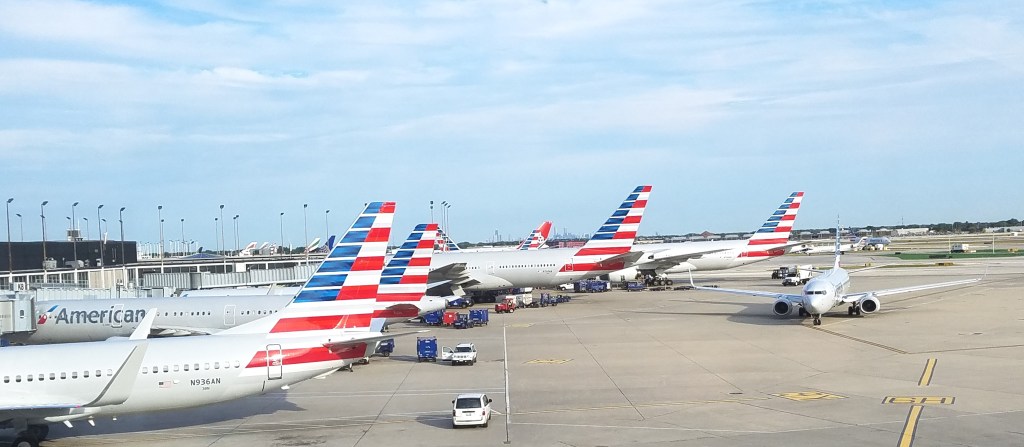

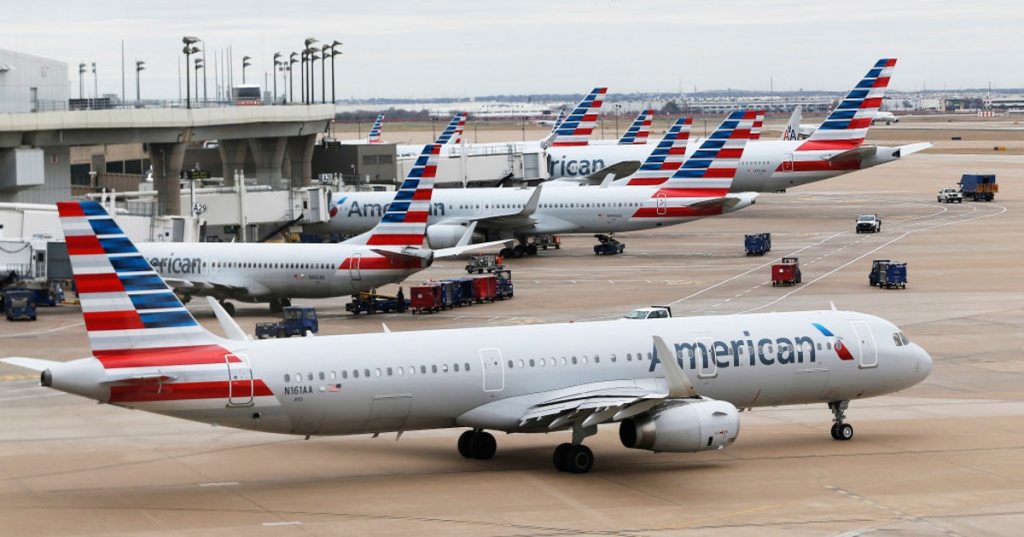

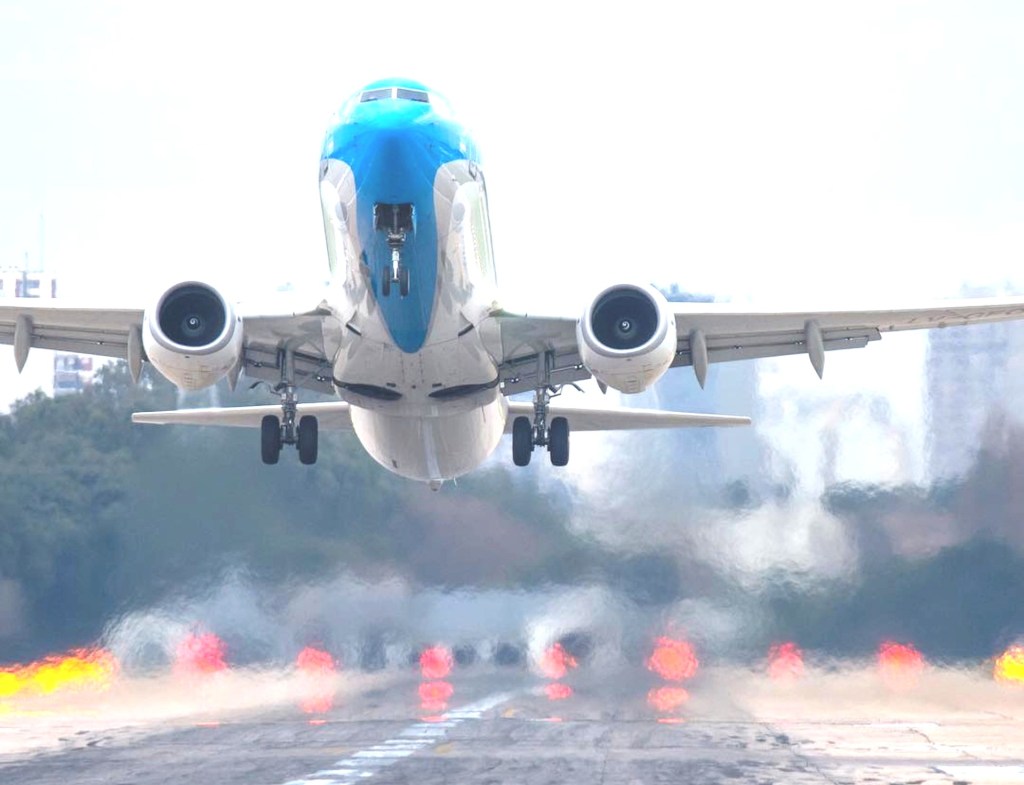

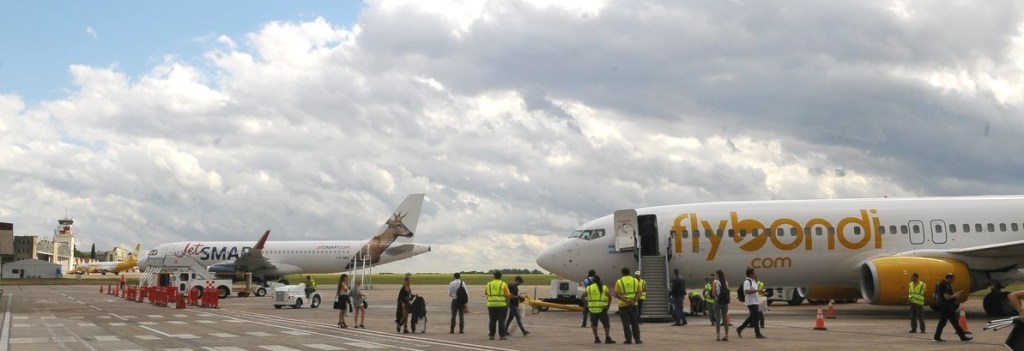

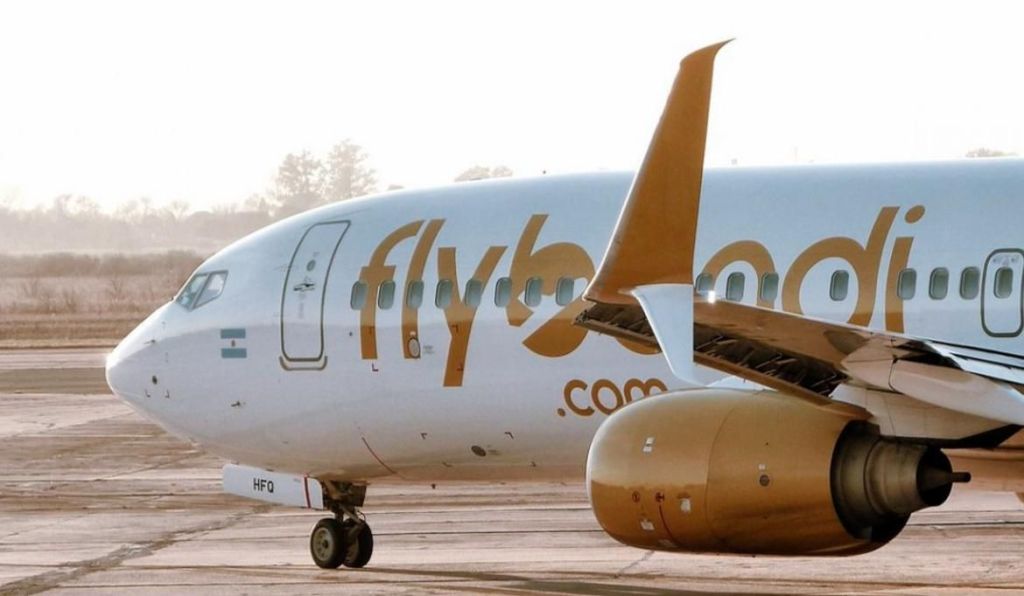



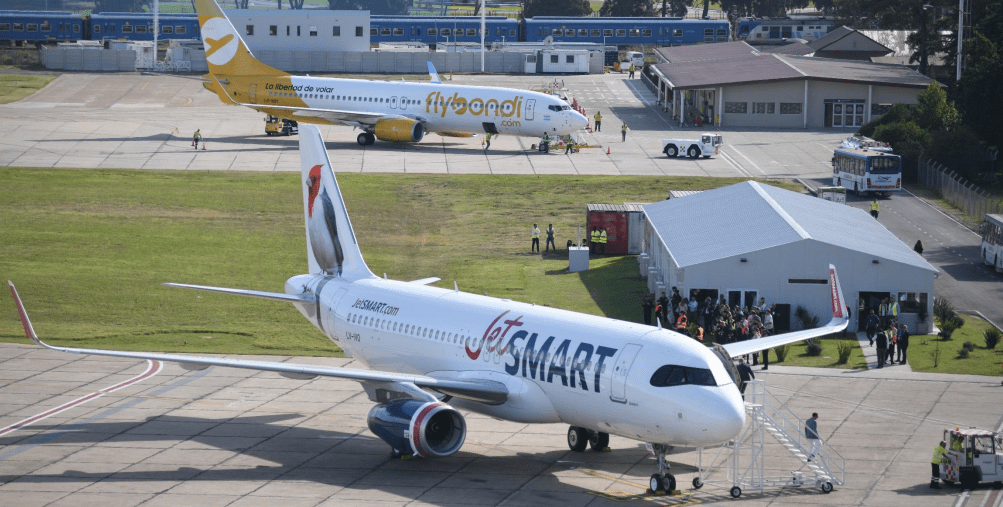

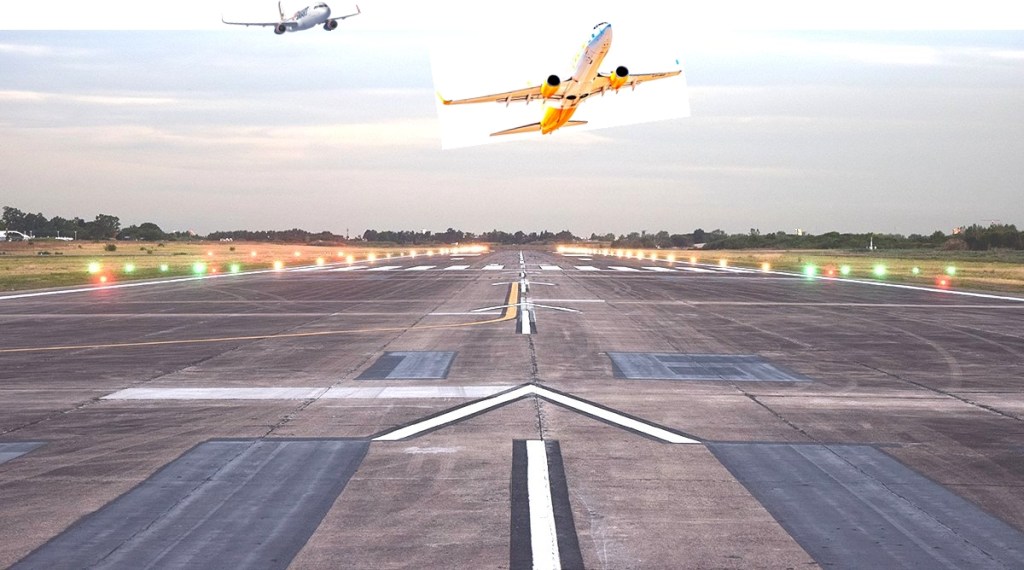
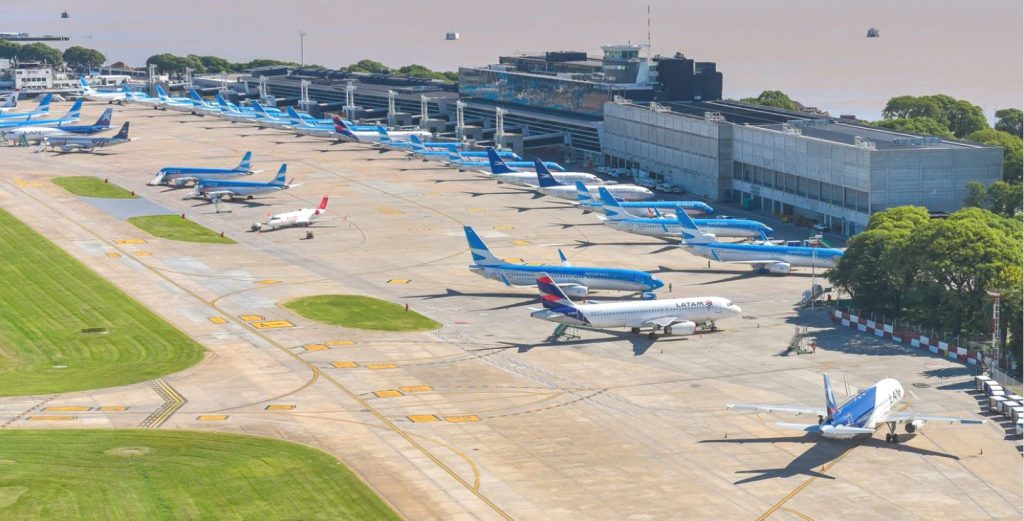

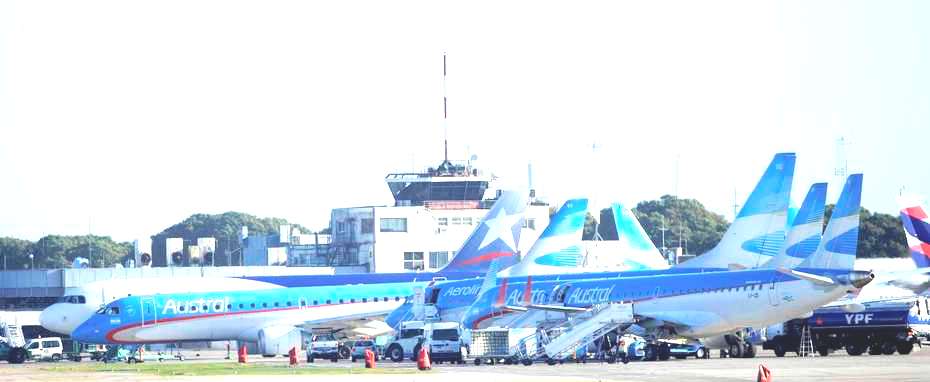
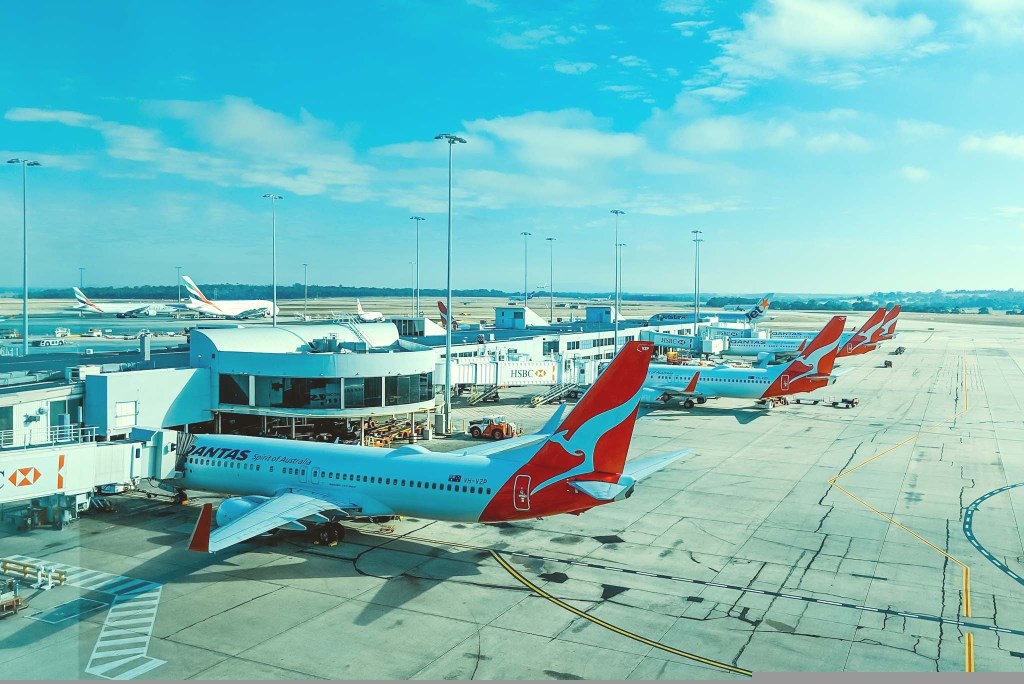
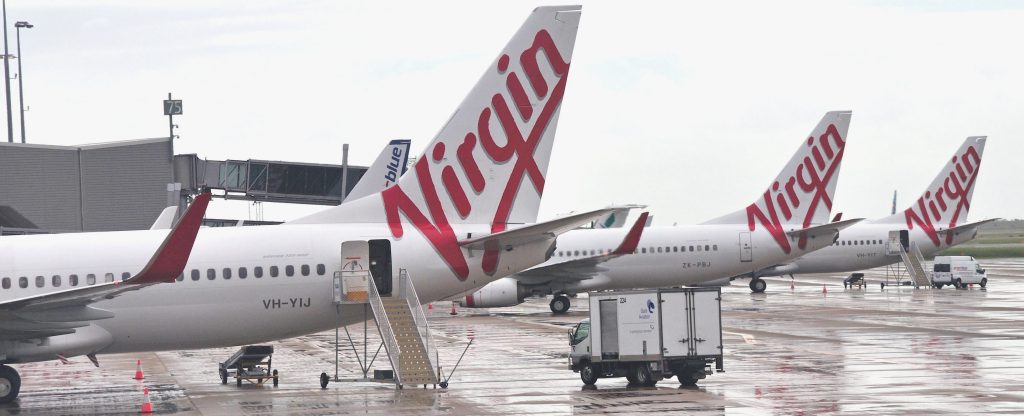
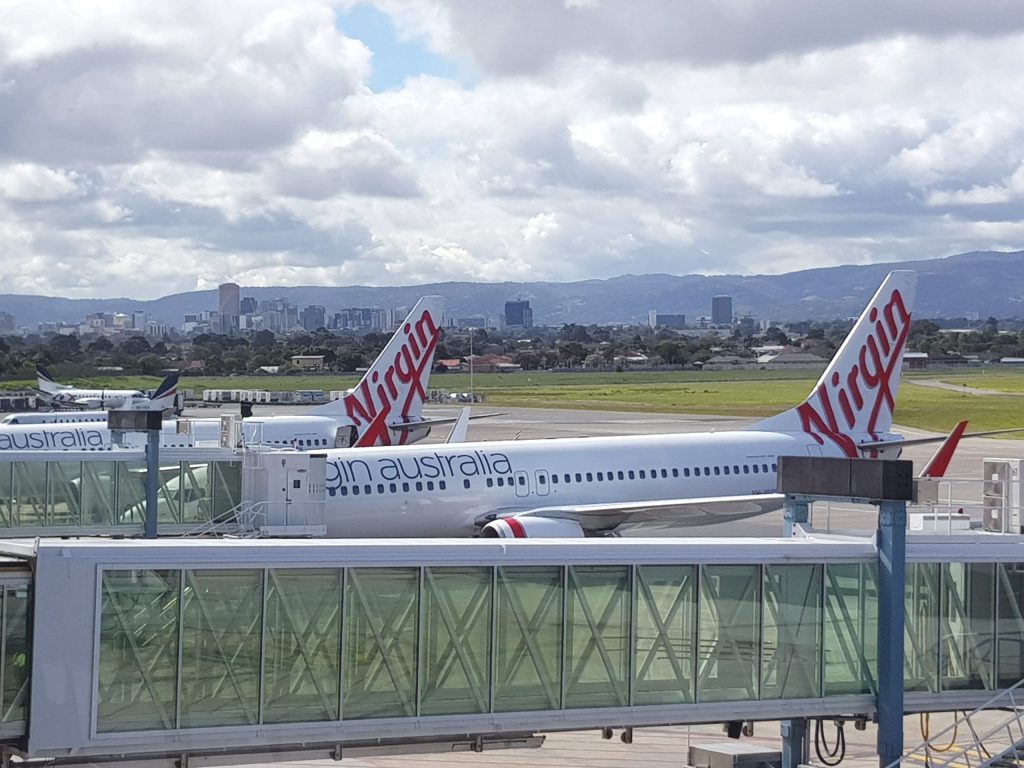
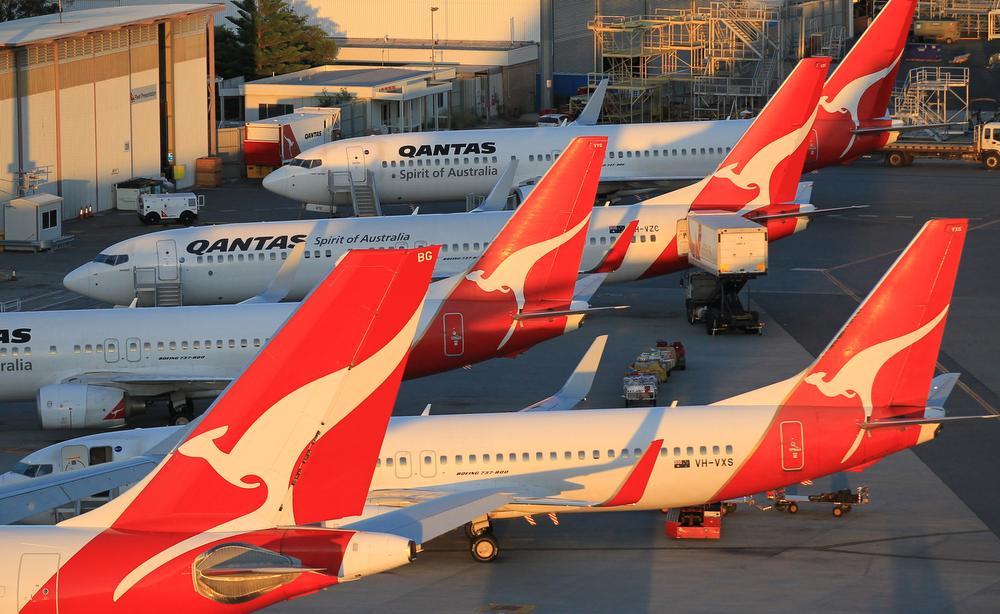
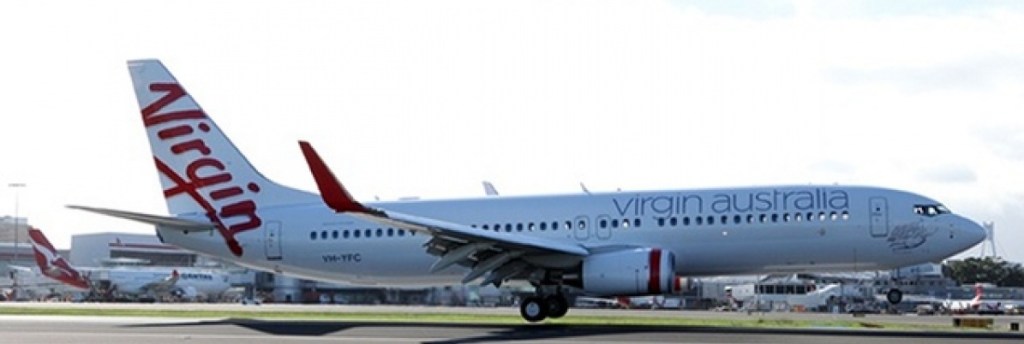
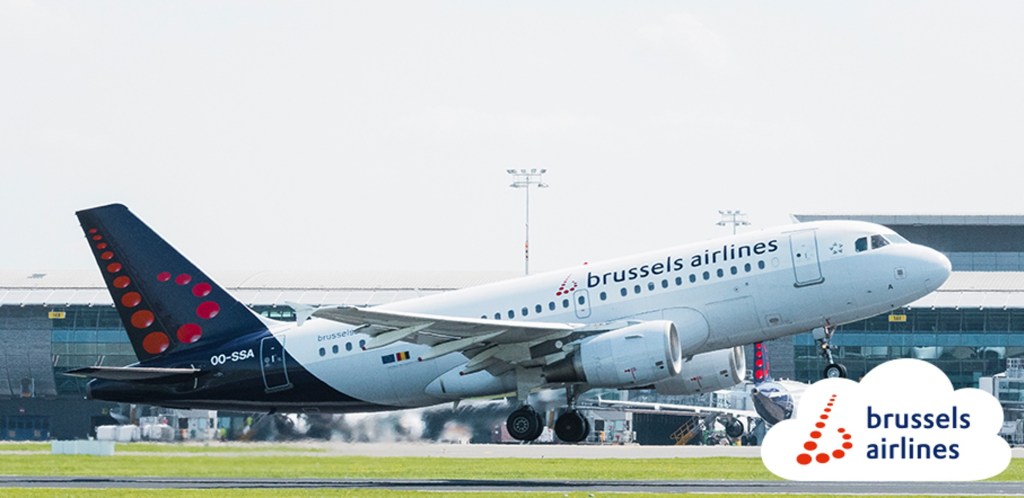

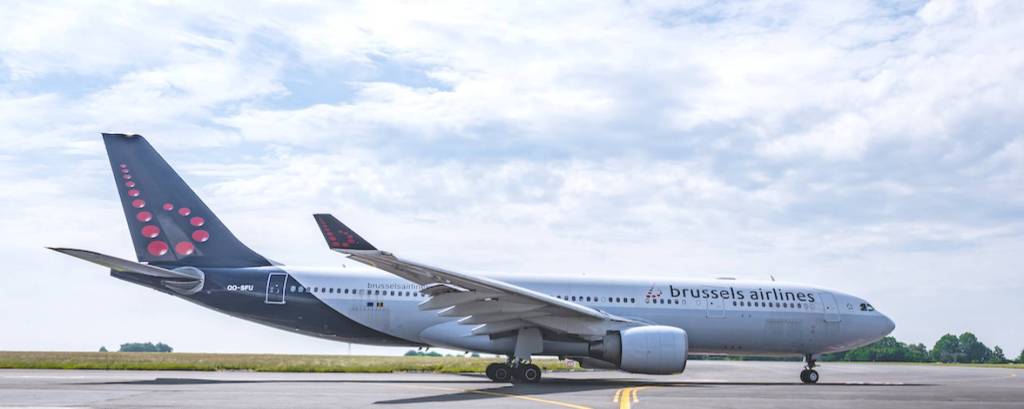

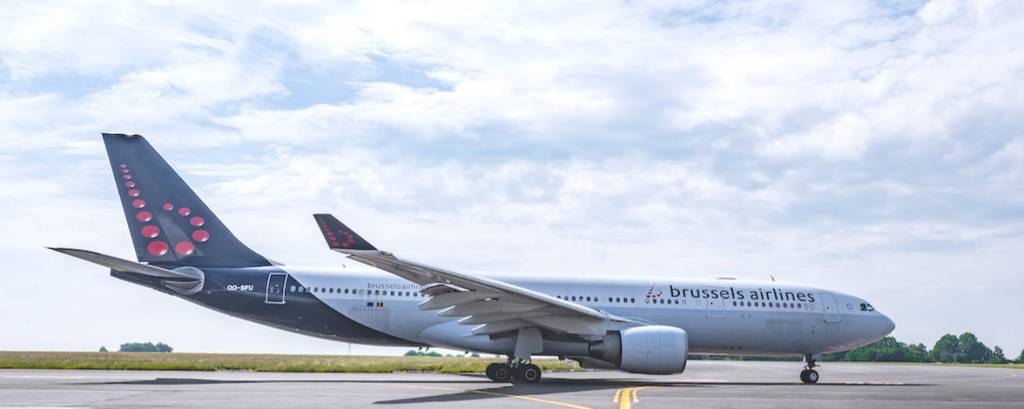

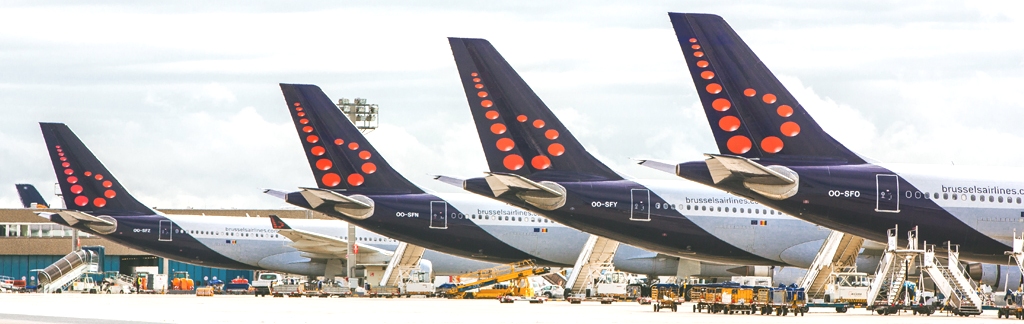

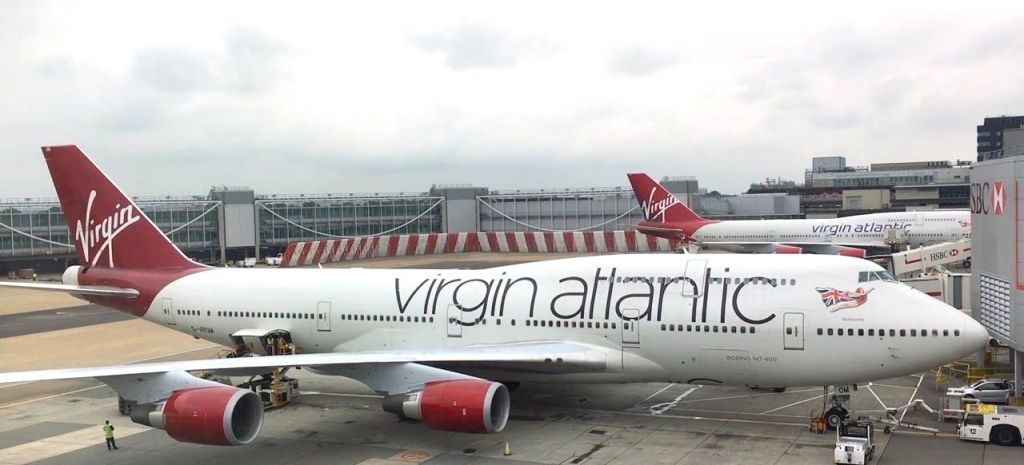
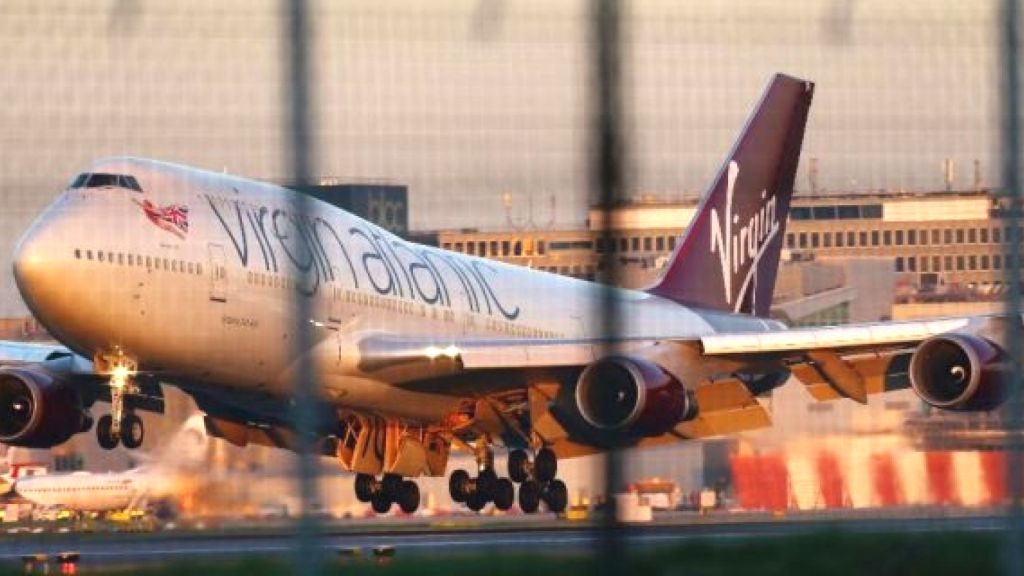
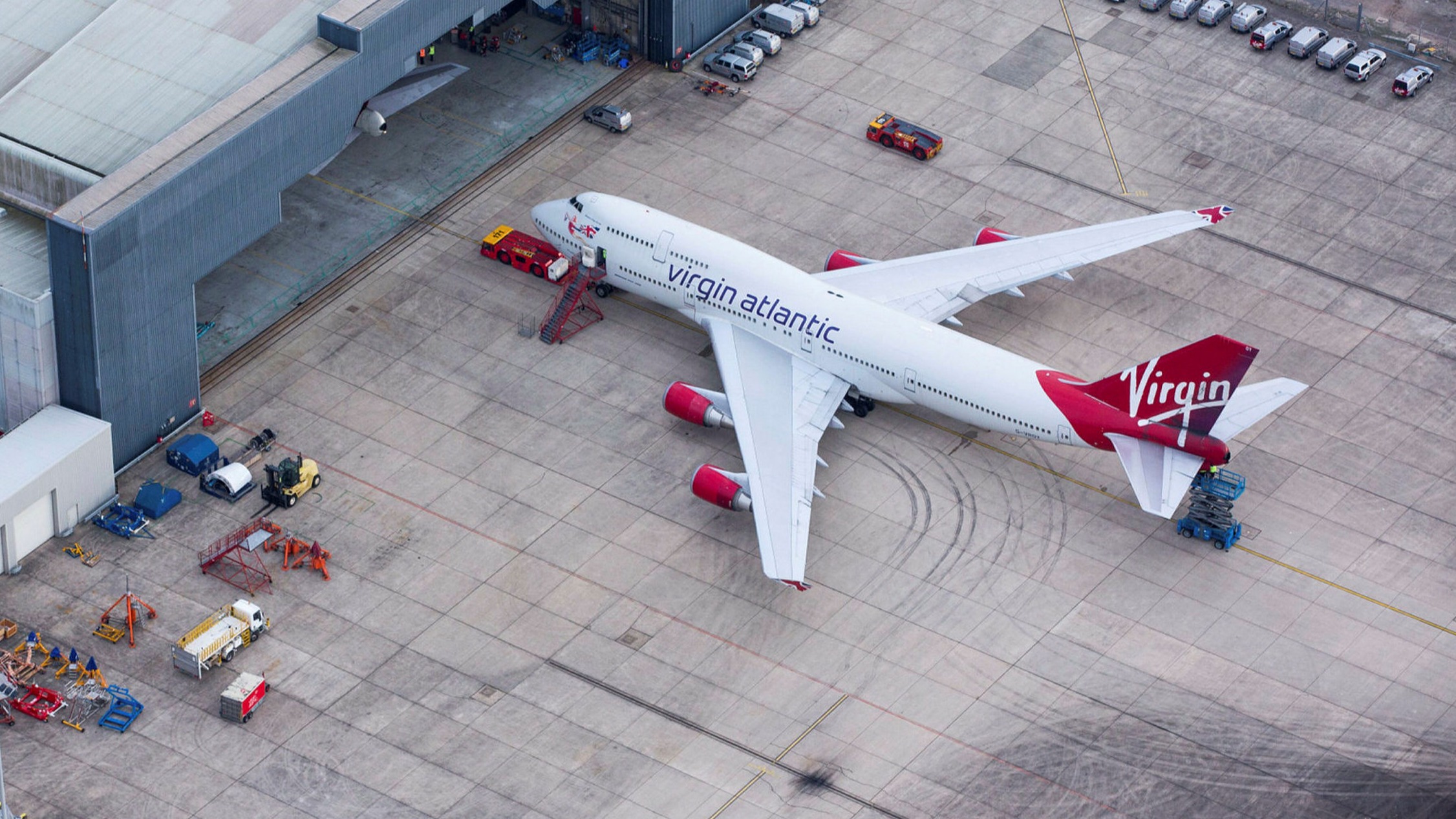


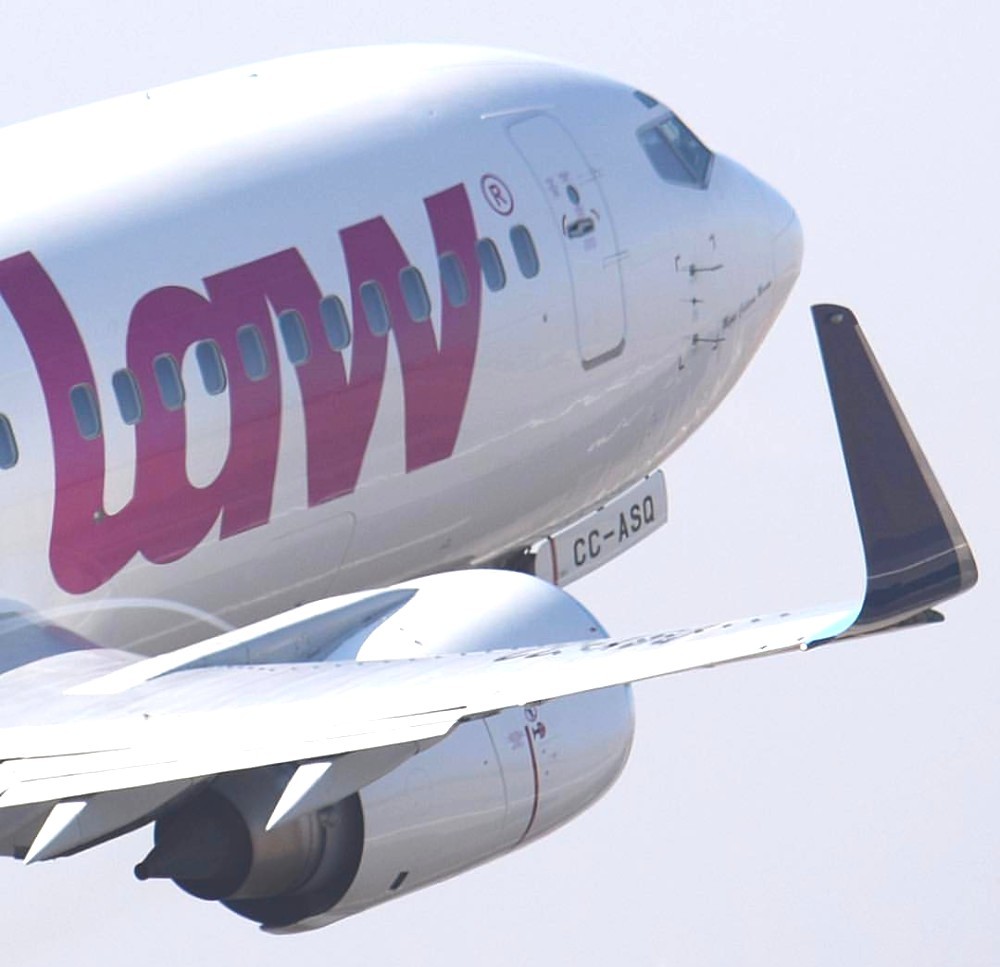




 airgways.com