Argentina procedería disolución LAER

AW | 2020 08 21 00:45 | AIRLINES / GOVERNMENT

Gobierno Provincia de Entre Ríos disolvería LAER

Este Jueves 20/08 ha ingresado a la Cámara de Diputados de la Provincia de Entre Ríos un proyecto del Poder Ejecutivo por el que se autoriza a «llevar a cabo el procedimiento de disolución y liquidación de la empresa Líneas Aéreas Entre Ríos Sociedad del Estado». La empresa LAER Líneas Aéreas no realiza actividad aerocomercial desde 2014.

La iniciativa, que ingresó este jueves a la Cámara de Diputados de Entre Ríos, autoriza al Poder Ejecutivo Provincial a “llevar a cabo el procedimiento de disolución y liquidación de la empresa Líneas Aéreas Entre Ríos Sociedad del Estado (LAERSE), conforme lo previsto por el Artículo Nº22 del Estatuto Constitutivo de la misma faculta al Poder Ejecutivo para que en un plazo de 60 días proceda a dictar los actos jurídicos que estime necesarios para facilitar la concreción efectiva de las operaciones relacionadas con las finalidades señaladas. La disolución y finalmente la liquidación cuya autorización se requiere encuentra su fundamento jurídico en el Artículo Nº22 del mencionado Estatuto, donde se dispuso que, conforme lo dispuesto en el Artículo 5° de la Ley de Sociedades del Estado N° 20.705, la sociedad podrá liquidarse mediante la autorización legislativa al Poder Ejecutivo, añadiendo las modalidades admitidas en cuento a los órganos habilitados. La Sociedad tuvo por objeto principal realizar los servicios comerciales de transporte aéreos, regulares y no regulares, de pasajeros y de carga como así también de correspondencia, encomiendas de trabajo aéreo, entre otros, cometidos que en la actualidad ha perdido la razón de ser atendida jurídicamente al momento de otorgarle existencia, en orden a que no se encuentra desarrollando actividad alguna vinculada de manera directa con aquél. Por ende, la liquidación final solicitada, la cual comenzará con las operaciones propias de la etapa de disolución, se encuadra en la falta de actividad de la sociedad, dado la imposibilidad sobreviniente de lograr el objeto social; siendo que no cabe duda que la inactividad está tácitamente reconocida en la vía administrativa. Dicho ello, teniendo en cuenta que la liquidación comienza con la disolución la misma se encuadra en las disposiciones del Artículo 94, inc. 4°) LGS, es decir por imposibilidad sobreviniente de cumplir con el objeto por el cual se formó. Actualmente la misma se encuentra intervenida por el Poder Ejecutivo Provincial a fin analizar su rentabilidad y con el objetivo de definir su funcionamiento o su disolución y liquidación. Bien sabido es que desde el año 2014 la aerolínea estatal entrerriana ha dejado de volar, por lo cual, al no tener vuelos el Ejecutivo ha sostenido, vía subsidios, el pago de salarios a personal que no tiene actividad alguna, el cual se fue relocalizando en otras áreas del Estado de modo tal de reducir costos ociosos, y que Fiscalía de Estado tiene bajo su órbita los juicios pendientes de resolución, por lo que este Poder Ejecutivo ha decidido su liquidación toda vez que la falta de actividad de la misma sólo representa un gasto para el Estado. A modo de síntesis se reproducen los objetivos para el presente año que interesa el Sr. Interventor sostener, a saber: ‘[…] mantener el taller de mantenimiento; trabajar con Fiscalía a fin de atender las demandas iniciadas contra L.A.E.R.S.E., confeccionar el Ejercicio Económico 2020, mantener un orden administrativo, técnico y legal frente a las inspecciones de los organismos nacionales, reparar la parte edilicia del hangar donde se brinda el servicio de hangares a terceros a cambio de un canon mensual, terminar de organizar el archivo de personal de la sociedad…’, entre otros”, se detalla.

“Claramente puede concluirse que ninguna de las propuestas elevadas por el Sr. Interventor se relaciona con la actividad principal para el cual fue constituida L.A.E.R.S.E. Asimismo, la Fiscalía de Estado por Nota N° 2369 3 indica todas las causas judiciales en que ha tomado intervención judicial y las judiciales en que ha intervenido como patrocinante legal de LAER. S.E. durante el período comprendido entre el 1 Julio 2016 al 30 Junio 2019, informando también si hubo o no acuerdo en las mismas. Dicho ello, se concluye en la necesidad de facultar expresamente a este Poder Ejecutivo para el dictado de los actos necesarios que posibiliten la realización ordenada y correcta de todas las operaciones tendientes a la culminación de la actividad societaria de acuerdo a las normas administrativas, civiles y tributarias vigentes, incluyendo la cancelación del pasivo, el reembolso del capital y la distribución del eventual remanente”, concluye el texto enviado a la Cámara de Diputados de la Provincia de Entre Ríos.

LAER entre el cielo y su liquidación |

Argentina would proceed dissolution LAER

Government of the Province of Entre Ríos would dissolve LAER

This Thursday 08/20 has entered the Chamber of Deputies of the Province of Entre Ríos a project of the Executive Power by which it is authorized to «carry out the dissolution and liquidation procedure of the company Lineas Aereas Entre Ríos Sociedad del Estado». The LAER Líneas Aéreas company has not carried out commercial aviation activity since 2014.

The initiative, which entered the Entre Ríos Chamber of Deputies this Thursday, authorizes the Provincial Executive Power to “carry out the dissolution and liquidation procedure of the company Líneas Aéreas Entre Ríos Sociedad del Estado (LAERSE), as provided by Article Nº22 of the Constitutive Statute of the same it empowers the Executive Power so that within a period of 60 days it proceeds to dictate the legal acts it deems necessary to facilitate the effective completion of the operations related to the aforementioned purposes. The dissolution and finally the liquidation whose authorization is required finds its legal basis in Article No. 22 of the aforementioned Statute, where it was established that, in accordance with the provisions of Article 5 of the State Companies Law No. 20,705, the company may be liquidated by means of legislative authorization to the Executive Power, adding the modalities admitted in the matter to the authorized bodies. The main objective of the Company was to carry out commercial services of air, regular and non-scheduled, passenger and cargo transport as well as correspondence, air work orders, among others, tasks that currently have lost the reason to be attended legally at the time of granting it existence, in order that it is not developing any activity directly linked to it. Therefore, the final liquidation requested, which will begin with the operations of the dissolution stage, is framed in the lack of activity of the company, given the supervening impossibility of achieving the corporate purpose; being that there is no doubt that inactivity is tacitly recognized in administrative channels. That said, taking into account that the liquidation begins with the dissolution, it falls within the provisions of Article 94, inc. 4°) LGS, that is to say, due to the supervening impossibility of fulfilling the purpose for which it was formed. Currently it is being intervened by the Provincial Executive Power in order to analyze its profitability and with the aim of defining its operation or its dissolution and liquidation. It is well known that since 2014 the state airline of Entre Ríos has stopped flying, for which, by not having flights, the Executive has supported, via subsidies, the payment of salaries to personnel who have no activity whatsoever, which has been relocated in other areas of the State in such a way as to reduce idle costs, and that the State Prosecutor’s Office has under its orbit the trials pending resolution, so this Executive Branch has decided to liquidate them since the lack of activity of the same only represents an expense for the state. By way of synthesis, the objectives for this year that the Controller is interested in maintaining are reproduced, namely: ‘[…] maintain the maintenance workshop; work with the Prosecutor’s Office in order to attend to the lawsuits filed against LAERSE, prepare the Financial Year 2020, maintain an administrative, technical and legal order against the inspections of national agencies, repair the building part of the hangar where the hangar service is provided to third parties in exchange for a monthly fee, finish organizing the company’s personnel file… ‘, among others”, it is detailed.

«It can clearly be concluded that none of the proposals submitted by Mr. Comptroller is related» to the main activity for which L.A.E.R.S.E. likewise, the State Prosecutor’s Office by Note No. 2369 3 indicates all the judicial cases in which it has taken judicial intervention and the judicial cases in which it has intervened as a legal sponsor of LAER. I know during the period from July 1, 2016 to June 30, 2019, also reporting whether or not there was agreement on them. That said, it is concluded in the need to expressly empower this Executive Power to dictate the necessary acts that enable the orderly and correct performance of all operations aimed at the culmination of the corporate activity in accordance with the administrative, civil and current tax laws, including the cancellation of the liability, the reimbursement of the capital and the distribution of the eventual remainder”, concludes the text sent to the Chamber of Deputies of the Province of Entre Ríos.

Ξ A I R G W A Y S Ξ
PUBLISHER: Airgways.com
DBk: Entrerios.gov.ar / Airgways.com / Baires Aviation Photography
AW-POST: 202008210045AR

A\W   A I R G W A Y S ®

EEUU-China acuerdan duplicar vuelos

AW | 2020 08 20 13:13 | AIRLINES MARKET / GOVERNMENT

China y Estados Unidos aprueban duplicar vuelos de reprocidad

La República Popular de China y Estados Unidos de América permitirán a las compañías aéreas duplicar las frecuencias de vuelos entre ambos países, elevando el número total de vuelos de ocho a 16; después de las restricciones impuestas por el país americano. El Departamento de Transporte de Estados Unidos (DOT) emitió el Martes 18/08 una orden que permite a las cuatro aerolíneas chinas que actualmente realizan servicios de pasajeros programados a EE.UU. aumentar a ocho vuelos semanales de ida y vuelta, totalizando 16 frecuencias entre países. Este nivel agregado de servicio es equivalente al número total de vuelos permitidos actualmente por las autoridades de aviación chinas para las aerolíneas estadounidenses, según el Departamento de Transporte de Estados Unidos.

El DOT anunció los vuelos adicionales el 18 Agosto 2020, que la Autoridad de Aviación de China (CAAC) ha permitido vuelos expandidos operados por United Airlines y Delta Air Lines, compañías ahora elegibles para duplicar sus vuelos a China de dos a cuatro veces por semana, según el DOT. De la misma manera, Air China, China Eastern Airlines, China Southern Airlines y Xiamen Airlines ahora podrán realizar ocho vuelos semanales de ida y vuelta, un aumento de cuatro por semana. El Departamento de Transporte ha señalado que este era «un paso en la dirección correcta», sin embargo, dijo que espera que China acepte restaurar completamente los derechos de las aerolíneas estadounidenses para servir a China.

Según el regulador de aviación de China, la Administración de Aviación Civil de China (CAAC), 19 aerolíneas chinas y 74 extranjeras operaban 210 frecuencias de regreso semanales en 187 rutas internacionales regulares de pasajeros hacia y desde China, al 12 Agosto 2020. China tiene servicios regulares de pasajeros con 50 países. China ha reanudado los servicios regulares de pasajeros con 20 países que fueron suspendidos debido a la pandemia de Coronavirus.

US-China agree to double flights

China and the United States approve doubling reprocity flights

The People’s Republic of China and the United States of America will allow airlines to double the frequencies of flights between the two countries, raising the total number of flights from eight to 16; after the restrictions imposed by the American country. The United States Department of Transportation (DOT) issued an order on Tuesday 18/08 that allows the four Chinese airlines that currently provide scheduled passenger services to the United States to increase to eight weekly roundtrip flights, totaling 16 frequencies. between countries. This aggregate level of service is equivalent to the total number of flights currently allowed by Chinese aviation authorities for US airlines, according to the US Department of Transportation.

The DOT announced the additional flights on August 18, 2020, that the China Aviation Authority (CAAC) has allowed expanded flights operated by United Airlines and Delta Air Lines, companies now eligible to double their flights to China from two to four times per week, according to DOT. Likewise, Air China, China Eastern Airlines, China Southern Airlines and Xiamen Airlines will now be able to fly eight round-trip flights per week, an increase of four per week. The Transportation Department has signaled that this was «a step in the right direction», however, it said it hopes China will agree to fully restore the rights of US airlines to serve China.

According to China’s aviation regulator, the Civil Aviation Administration of China (CAAC), 19 Chinese and 74 foreign airlines operated 210 weekly return frequencies on 187 scheduled international passenger routes to and from China, as of August 12, 2020. China has regular passenger services with 50 countries. China has resumed regular passenger services with 20 countries that were suspended due to the Coronavirus pandemic.

美中同意加倍航班

中美批准雙倍往返飛行

中華人民共和國和美利堅合眾國將允許航空公司將兩國之間的航班​​頻率加倍,使航班總數從八架增加到十六架;在美國國家施加限制之後。美國運輸部(DOT)在08/18星期二發布命令,允許目前向美國提供定期客運服務的四家中國航空公司,增加到每周八班往返航班,共16個班次。國家之間。據美國運輸部稱,這一服務總水平相當於中國航空當局目前允許美國航空公司乘坐的航班總數。

美國交通部(DOT)於2020年8月18日宣布增加航班,中國航空管理局(CAAC)允許由聯合航空和達美航空運營的擴大航班,現在有資格將飛往中國的航班增加一倍,每週兩次至四次,根據DOT。同樣,國航,中國東方航空,中國南方航空和廈門航空現在將能夠每週飛行八趟往返航班,每週增加四趟。美國運輸部已經表示這是“朝正確方向邁出的一步”,但是它希望中國將同意完全恢復美國航空公司為中國服務的權利。

根據中國航空管制局的資料,截至2020年8月12日,中國民航總局(CAAC)的19家中國航空公司和74家外國航空公司在187條定期往返中國的國際客運航線上,每週運營210次返航頻率。在50個國家/地區提供定期客運服務。中國已經恢復了與20個因冠狀病毒大流行而暫停的國家的定期客運服務。

Ξ A I R G W A Y S Ξ
PUBLISHER: Airgways.com
DBk: Transportation.gov / Caac.gov.cn / Ft.com / Scpm.com / Airgways.com
AW-POST: 202008201313AR

A\W   A I R G W A Y S ®
Solicitud vuelos especiales Argentina

Ministro Pistarini (Ezeiza) Airport Guide

AW | 2020 08 20 12:41 | AIRLINES MARKET / GOVERNMENT

Programación vuelos especiales ante demora reapertura aérea

Las aerolíneas de la República Argentina han asumido que los vuelos no se reanudarán el 1 Septiembre 2020 como el sector aéreo estipulaba, en vista que el Gobierno ha postergado el reinicio de las operaciones regulares en el país. Por este motivo, las aerolíneas comenzaron a solicitar permisos al Gobierno para realizar vuelos especiales hacia el mes entrante con la autorización excepcional de la autoridad aeronáutica de la ANAC Argentina.

Aerolíneas Argentinas preveía más vuelos, pero ha disminuido su programación a la ANAC. Según explican, este achicamiento tiene que ver sobre todo con la baja demanda registrada en algunos vuelos a la venta. Habían programado vuelos que había anticipado para Septiembre 2020 a Bogotá, Santa Cruz de la Sierra, Montevideo, Punta del Este, Río de Janeiro, Lima y Punta Cana, aunque quedan en stand-by, mantendría el resto de los destinos anunciados, aunque con menos frecuencias. La compañía efectivamente volará el mes que viene a los siguientes destinos: Asunción del Paraguay, Santiago de Chile, San Pablo, Nueva York, Madrid, Miami y Cancún. Los pedidos todavía están pendientes de ser autorizados por la agencia de la ANAC Argentina.

Las aerolíneas Air France, KLM e Iberia comenzaron a ofrecer en Julio 2020 vuelos semanales a París, Amsterdam y Madrid, respectivamente. También Aerolíneas Argentinas, que en Agosto 2020 ha solicitado volar todas las semanas a Miami y Madrid. En vista del nuevo panorama, algunas de las aerolíneas que ya operaban estos vuelos pidieron aumentar frecuencias y se sumaron a la lista otras compañías como American Airlines, que quiere volar semanalmente entre Miami y Ezeiza, y Air Europa, que solicitó autorización para volar de Madrid a Ezeiza. El grupo aéreo Air France-KLM había solicitado aumentar sus frecuencias desde y hacia el país a partir del 09/2020. El plan era realizar tres vuelos semanales de Air France a París y cinco de KLM a Amsterdam, desde donde podrían conectar a otras ciudades europeas. Sin embargo, han reducido sus pretensiones a partir de la decisión del Gobierno de no reanudar los vuelos regulares. Los vuelos programados especiales sólo pueden abordar quienes tengan ciudadanía o residencia europea o dispongan de algún permiso especial solicitado previamente en la embajada del país. Estados Unidos no tiene restricciones para el ingreso de argentinos.

Argentina special flights schedule

Scheduling special flights due to delayed air reopening

The airlines of the Argentine Republic have assumed that flights will not resume on September 1, 2020 as the air sector stipulated, given that the Government has postponed the restart of regular operations in the country. For this reason, the airlines began to request permits from the Government to carry out special flights towards the next month with the exceptional authorization of the aeronautical authority of ANAC Argentina.

Aerolineas Argentinas planned more flights, but it has reduced its programming to ANAC. As they explain, this reduction has to do above all with the low demand registered in some flights for sale. They had scheduled flights that he had anticipated for September 2020 to Bogotá, Santa Cruz de la Sierra, Montevideo, Punta del Este, Rio de Janeiro, Lima and Punta Cana, although they remain on stand-by, it would keep the rest of the announced destinations, although with less frequencies. The company will effectively fly next month to the following destinations: Asunción del Paraguay, Santiago de Chile, São Paulo, New York, Madrid, Miami and Cancun. The orders are still pending to be authorized by the ANAC Argentina agency.

Ministro Pistarini International Airport – Travel guide at Wikivoyage

The airlines Air France, KLM and Iberia began offering weekly flights to Paris, Amsterdam and Madrid, respectively, in July 2020. Also Aerolineas Argentinas, which in August 2020 has requested to fly every week to Miami and Madrid. In view of the new panorama, some of the airlines that already operated these flights asked to increase frequencies and other companies such as American Airlines, which wants to fly weekly between Miami and Ezeiza, and Air Europa, which requested authorization to fly from Madrid, joined the list. to Ezeiza. The Air France-KLM airline group had requested to increase its frequencies to and from the country as of 09/2020. The plan was to carry out three weekly Air France flights to Paris and five from KLM to Amsterdam, from where they could connect to other European cities. However, they have reduced their claims after the government’s decision not to resume regular flights. Special scheduled flights can only board those who have European citizenship or residence or have a special permit previously requested at the country’s embassy. The United States has no restrictions on the entry of Argentines.

Ξ A I R G W A Y S Ξ
PUBLISHER: Airgways.com
DBk: Airgways.com / Anac.gov.ar / Airport-worldwide.com / Trover.com
AW-POST: 202008201241AR

A\W   A I R G W A Y S ®

Efecto aviación EEUU post-30/09

AW | 2020 08 19 22:00 | AIRLINES MARKET / GOVERNMENT

Disyuntiva entre ayudas adicionales o desbanque de aerolíneas

En los primeros días de la crisis ddel sistema sanitario producto por la pandemia de Coronavirus, las aerolíneas podrían ver una caída en la demanda de viajes. Primero, pareció que las áreas afectadas quedarían aisladas de Asia. Incluso el Dr. Anthony Fauci declaró a mediados de febrero que el riesgo de que el virus llegara a Estados Unidos era minúsculo. Nadie vio venir la tormenta hasta que fue demasiado tarde, y la industria que se vio más golpeada fue la industria de viajes global, que incluye a las más de 800 aerolíneas comerciales del mundo.

A partir de 2018, la industria de viajes representó US$ 8,3 billones del PIB mundial y la asombrosa cantidad de 313 millones de empleos, lo que representa uno de cada diez trabajadores en el planeta en ese momento. La industria de los viajes es un componente importante de la economía nacional y mundial. Cuando la industria experimentó una caída sin precedentes de más del 90 por ciento, el impacto económico adverso fue la fuerza impulsora para preparar un paquete de estímulo para ayudar a las aerolíneas estadounidenses como nunca antes.

Ley CARES

La Ley de Ayuda, Alivio y Seguridad Económica por Coronavirus (CARES) proporcionó US$ 25 mil millones en apoyo de nómina. Pero llegó con la estipulación de que las aerolíneas que aceptan el dinero se abstengan de despedir a sus empleados hasta después de la fecha límite del 30 Septiembre 2020. Inicialmente, muchos ejecutivos de aerolíneas dudaban en aceptar el dinero debido a las condiciones impuestas. Con una apariencia de vacilación, las aerolíneas tomaron el efectivo necesario.

Ayudas vs Post-30/09

A medida que nos acercamos a la fecha límite del 1 Octubre 2020, los ejecutivos de las aerolíneas predicen una ola sin precedentes de licencias para empleados y el número colectivo de empleados de la aerolínea afectados podría superar los 100.000. Los sindicatos que representan a los empleados de las aerolíneas están pidiendo una segunda ronda de ayuda para ayudar a retrasar estos despidos por otros tres a seis meses. Para algunos, hacerlo sería una pérdida de dinero de los contribuyentes. Incluso según el cálculo más optimista, la demanda de viajes aéreos podría tardar hasta dos o tres años en recuperarse, entonces, ¿qué lograría realmente un paquete de extensión de nómina de unos pocos meses? Tras un examen detenido, nada más que mantener a las aerolíneas con exceso de personal durante unos meses más. Es por esta razón que no debería concederse una segunda ronda de dinero de nómina a las aerolíneas, sostienen algunos.

La idea de una segunda ronda de ayuda federal a las aerolíneas requeriría más rondas de ayudas, aunque por otro lado, sostener el las ayudas bajo el paraguas de la Ley CARES podría garantizar estirar las esperanzas para recuperarse más rapidamente y evitar un desbanque del sistema de aviavión en los Estados Unidos.

Delta operations returning to normal after systems outage | Delta ...

Post-30/09 US aviation effect

Dilemma between additional aid or the removal of airlines

In the early days of the health system crisis caused by the Coronavirus pandemic, airlines could see a drop in travel demand. First, it appeared that the affected areas would be cut off from Asia. Even Dr. Anthony Fauci declared in mid-February that the risk of the virus reaching the United States was miniscule. No one saw the storm coming until it was too late, and the industry that was hit the hardest was the global travel industry, which includes the world’s more than 800 commercial airlines.

As of 2018, the travel industry accounted for US$ 8.3 trillion of global GDP and a staggering 313 million jobs, accounting for one in ten workers on the planet at the time. The travel industry is an important component of the national and global economy. When the industry experienced an unprecedented drop of more than 90 percent, the adverse economic shock was the driving force to prepare a stimulus package to help US airlines like never before.

CARES Law

The Coronavirus Relief, Relief and Economic Security Act (CARES) provided US$ 25 billion in payroll support. But it came with the stipulation that airlines that accept the money refrain from laying off their employees until after the September 30, 2020 deadline. Initially, many airline executives were hesitant to accept the money due to the conditions imposed. With an appearance of hesitation, the airlines took the necessary cash.

Aid vs Post-30/09

As we approach the October 1, 2020 deadline, airline executives predict an unprecedented wave of employee licensing and the collective number of affected airline employees could exceed 100,000. Unions representing airline employees are calling for a second round of help to help delay these layoffs for another three to six months. For some, doing so would be a waste of taxpayer money. Even by the most optimistic estimate, it could take up to two to three years for air travel demand to recover, so what would a payroll extension package of a few months actually accomplish? On close scrutiny, nothing more than keeping over-staffed airlines for a few more months. It is for this reason that a second round of payroll money should not be awarded to airlines, some argue.

The idea of ​​a second round of federal aid to the airlines would require more rounds of aid, although on the other hand, sustaining the aid under the umbrella of the CARES Law could guarantee to stretch hopes for a faster recovery and avoid an unseating of the airline system. aircraft in the United States.

Ξ A I R G W A Y S Ξ
PUBLISHER: Airgways.com
DBk: Airgways.com / Transportation.gov / Gettyimages.com
AW-POST: 202008192200AR

A\W   A I R G W A Y S ®
Aprueban préstamo a TUI Group

TUI Group to 'right-size' airlines as cuts affect 8,000 staff ...

AW | 2020 08 19 13:01 | AIRLINES

Préstamo Alemania por € 1.200 millones a TUI Group

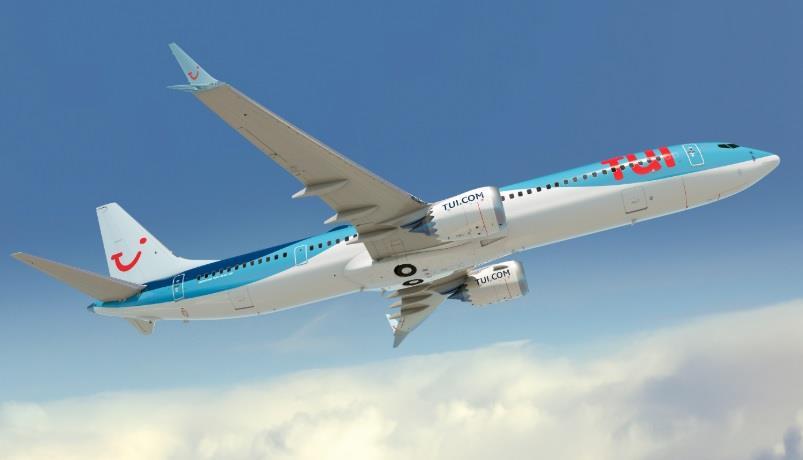
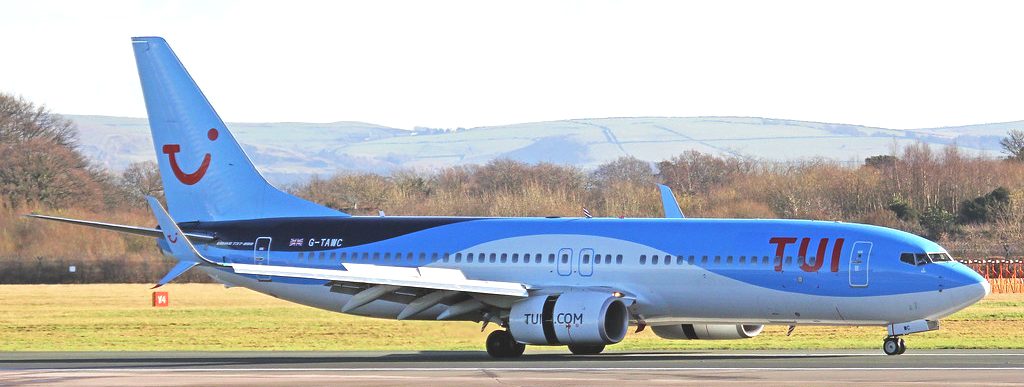
TUI Group obtiene un acuerdo con el Gobierno de Alemania por un paquete de € 1.200 millones de Euros a medida que la demanda comienza a aumentar. El gigante europeo de vacaciones TUI confirmó a finales de la semana pasada que el grupo y el Banco KfW Group acordaron ampliar la línea de crédito existente en € 1.050 millones de Euros, sujeto a determinadas condiciones y suscrito por el Fondo de Estabilización Económica (FSM). El paquete de estabilización de € 1.200 millones de Euros refuerza la posición del TUI Group y proporcionaría suficiente liquidez en este entorno de mercado volátil. Esto cubrirá tanto el cambio estacional en el turismo hasta el invierno 2020/21 como otras restricciones e interrupciones de viaje a largo plazo relacionadas con la actual pandemia de Coronavirus. Incluyendo los fondos del paquete de estabilización adicional, TUI AG tendría así líneas de efectivo y crédito de € 2.400 millones de Euros.

El CEO Fritz Joussen de TUI Group ha comunicado: «El paquete de estabilización adicional nos permite centrarnos en las operaciones y, al mismo tiempo, impulsar la realineación del Grupo. Ya antes de la pandemia, habíamos iniciado la siguiente transformación de TUI: la transformación en digital empresa de plataforma. Esta transformación ahora se acelerará significativamente. Nuestro modelo de negocio integrado está intacto. Las vacaciones de verano están teniendo lugar nuevamente en todos los mercados. Introdujimos reducciones masivas de costos temprano y las implementamos de manera rápida y constante. Sin embargo, nadie sabe en la actualidad cuándo la vacuna o la medicación estarán disponibles y qué efectos tendrá la pandemia en los mercados individuales en los próximos meses».

TUI Airways ha reanudado con éxito sus actividades de viajes en todos los mercados europeos. Los primeros viajes desde mediados de Junio 2020 vuelven a generar volumen de negocios. Implementación de medidas iniciales para la realineación y reducción de costes sostenible con el objetivo de alcanzar un ahorro anual de más de € 300 millones de Euros.

Fritz Joussen habló más sobre la continua reanudación de los servicios del grupo y el aumento de la demanda de viajes combinados: «Nuestro modelo de negocio integrado está demostrando su valor incluso en la crisis. La implementación de nuestros conceptos de higiene y seguridad y el relanzamiento del negocio podrían implementarse en los segmentos de vuelo, hotel, barco y destino desde un solo proveedor. Esto ha brindado a nuestros huéspedes un alto nivel de seguridad. Con la segunda línea de crédito del gobierno, estamos preparados si la pandemia vuelve a tener un impacto significativo en el turismo”.

TUI Airways ha reanudado con éxito sus actividades de viajes en todos los mercados europeos. Después del final oficial de las advertencias de viaje para la mayoría de los destinos europeos, las vacaciones también se lanzaron en los mercados restantes de TUI Airways a principios de Julio 2020. En este mes, más de medio millón de clientes de toda Europa viajaron con TUI en sus vacaciones de verano. Además, la demanda de vacaciones sigue siendo muy alta: desde la reanudación de las actividades de viajes, se han recibido 1,7 millones de nuevas reservas en todo el Grupo.

Las reservas para el verano de 2021 también son muy prometedoras. Actualmente son un 145 por ciento más altas que las reservas del año pasado para este verano. Desde el punto de vista operativo, los costos en efectivo actuales deben cubrirse en el cuarto trimestre y debe lograrse el punto de equilibrio en efectivo. El CEO Fritz Joussen dijo: «Nuestro modelo de negocio integrado con aviones, traslados, hoteles y cruceros está intacto y ha demostrado su valía en este difícil entorno. Durante la crisis, nos ha permitido ser la primera empresa de viajes en transportar pasajeros de vacaciones. Las vacaciones de verano se llevan a cabo de forma responsable y con los más altos estándares de higiene en todos los mercados. Estos fueron desarrollados e implementados en cooperación con los gobiernos de los destinos, los hoteles y aerolíneas del Grupo y los equipos en los destinos. Pudimos tomar decisiones integradas sobre planes de vuelo y aperturas de hoteles y también sobre la implementación de estándares de higiene para todas las etapas de las vacaciones. También introdujimos reducciones masivas de costos con anticipación y las implementamos de manera rápida y consistente. El préstamo gubernamental adicional garantizará nuestra liquidez en caso de que se produzcan más restricciones de viaje e interrupciones a través de COVID-19. La obtención de recursos financieros nos permitirá centrarnos en nuestro negocio operativo y, al mismo tiempo, impulsar la realineación del Grupo. Incluso antes de la pandemia, ya habíamos iniciado la próxima transformación de TUI: la transformación en una empresa de plataforma digital. Esto ahora se está acelerando significativamente. TUI después de la crisis será más fuerte, más rápida y más eficiente que TUI antes de la crisis».

TUI Group loan approved

Germany loan for € 1.2 billion to TUI Group

TUI Group secures an agreement with the German Government for a € 1.2 billion package as demand begins to increase. The European vacation giant TUI confirmed late last week that the group and the KfW Group Bank agreed to extend the existing credit line by € 1,050 million Euros, subject to certain conditions and underwritten by the Economic Stabilization Fund (FSM). The € 1.2 billion stabilization package strengthens the position of the TUI Group and would provide sufficient liquidity in this volatile market environment. This will cover both the seasonal change in tourism through winter 2020/21 as well as other long-term travel restrictions and interruptions related to the current Coronavirus pandemic. Including the funds from the additional stabilization package, TUI AG would thus have cash and credit lines of € 2.4 billion.

TUI Group CEO Fritz Joussen said: «The additional stabilization package allows us to focus on operations and at the same time drive the realignment of the Group. Already before the pandemic, we had started TUI’s next transformation: transformation into digital platform enterprise. This transformation will now accelerate significantly. Our integrated business model is intact. Summer holidays are taking place again in all markets. We introduced massive cost reductions early and implemented them quickly and consistently. No However, no one currently knows when the vaccine or medication will be available and what effects the pandemic will have on individual markets in the coming months».

TUI Airways has successfully resumed its travel activities in all European markets. The first trips since mid-June 2020 return to generate business volume. Implementation of initial measures for realignment and sustainable cost reduction with the aim of achieving annual savings of more than € 300 million Euros.

Fritz Joussen spoke further about the continued resumption of the group’s services and the increasing demand for package tours: «Our integrated business model is proving its value even in the crisis. The implementation of our hygiene and safety concepts and the relaunch could be implemented in the flight, hotel, ship and destination segments from a single provider. This has provided our guests with a high level of security. With the government’s second credit line, we are prepared if the pandemic returns to have a significant impact on tourism”.

TUI Airways has successfully resumed its travel activities in all European markets. After the official end of travel advisories for most European destinations, the holidays were also launched in the remaining TUI Airways markets in early July 2020. In this month, more than half a million customers from all over Europe traveled with TUI on your summer vacation. Furthermore, the demand for holidays remains very high: since the resumption of travel activities, 1.7 million new bookings have been received across the Group.

Reservations for the summer of 2021 are also very promising. They are currently 145 percent higher than last year’s bookings for this summer. Operationally, current cash costs must be met in the fourth quarter and breakeven in cash must be achieved. CEO Fritz Joussen said: «Our integrated business model with airplanes, transfers, hotels and cruises is intact and has proven its worth in this difficult environment. During the crisis, it has allowed us to be the first travel company to transport passengers on vacation. Summer holidays are carried out responsibly and with the highest hygiene standards in all markets. These were developed and implemented in cooperation with the destination governments, the Group’s hotels and airlines and the teams in the destinations. We were able to make integrated decisions about flight plans and hotel openings and also about the implementation of hygiene standards for all stages of the vacation. We also introduced massive cost reductions in advance and implemented them quickly and consistently. The loan Additional government will ensure our liquidity in the event of further travel restrictions and disruption. nes through COVID-19. Obtaining financial resources will allow us to focus on our operating business and, at the same time, drive the realignment of the Group. Even before the pandemic, we had already started TUI’s next transformation: transformation into a digital platform company. This is now accelerating significantly. TUI after the crisis will be stronger, faster and more efficient than TUI before the crisis».

Ξ A I R G W A Y S Ξ
PUBLISHER: Airgways.com
DBk: Tuigroup.com / Kfw.de / Airgways.com
AW-POST: 202008191301AR

A\W   A I R G W A Y S ®
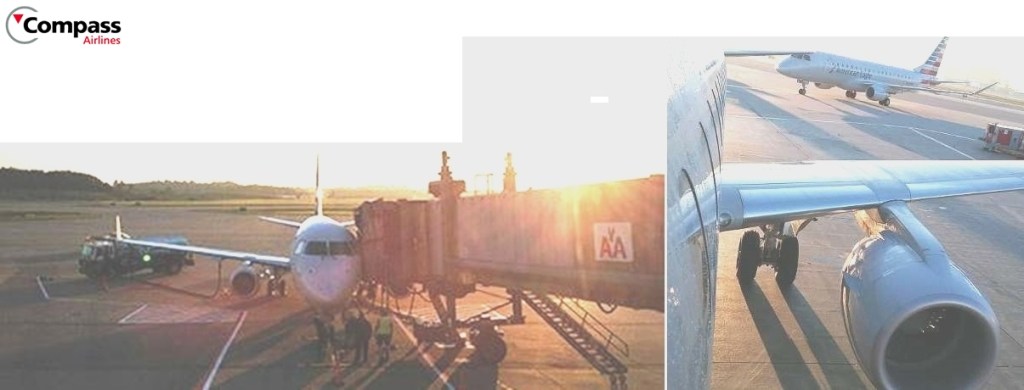
Breeze cancela oferta de Compass

AW | 2020 08 19 12:33 | AIRLINES / GOVERNMENT

Breeze Airways abandona adquisición certificado Compass Airlines

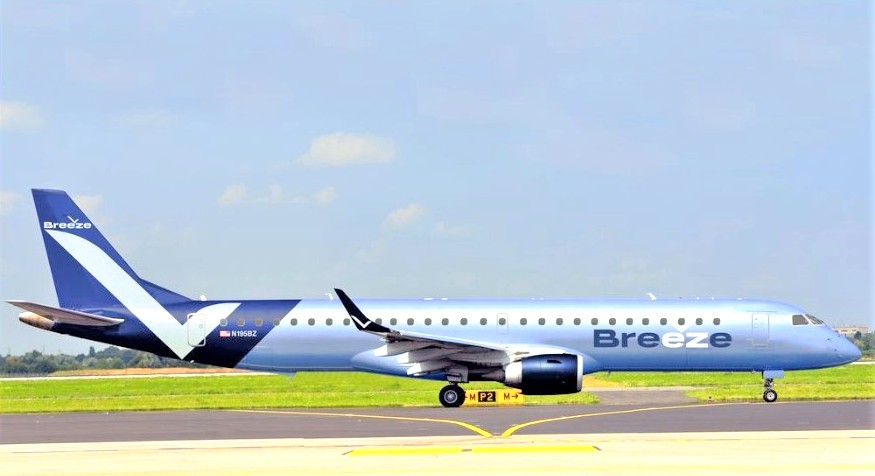
La startup Breeze Airways ha comunicado que ha rechazado la oferta por el Certificado Operativo de la aerolínea regional Compass Airlines. Tras un proceso de adquisición de Compass Airlines LLC, que era una aerolínea regional con sede en Delta Air Lines Building C en el Aeropuerto Internacional de Minneapolis-Saint Paul en Fort Snelling, condado de Hennepin, Estado de Minnesota, la nueva aerolínea regional emergente buscaba los derechos de rutas de la línea aérea Compass que canceló sus operaciones comerciales el 5 Abril 2020, citando la reducción de la demanda de viajes derivada de la pandemia de Coronavirus 2019-2020, junto con los intentos fallidos de sus propietarios de asegurar vuelos adicionales. La aerolínea solicitó transferir el certificado en Julio 2020, tres meses después de que Compass dejara de volar.

El sindicato Air Line Pilots Association (ALPA) y Sun Country Airlines objetaron el plan de Breeze de adquirir el certificado. ALPA argumentó que si se aprobaba la transferencia, su contrato laboral existente con Compass debía cumplirse. Sun Country argumentó que Breeze no cumplía con los requisitos de nivel de financiamiento del regulador.

Breeze Airways continúa el rumbo de lanzar vuelos comerciales de pasajeros en 2021 incluso después de decidir abandonar un plan para adquirir el certificado operativo desaparecido de Compass Airlines. La nueva aerolínea con sede en Salt Lake City, siniciará sus operaciones en 2021 bajo su propio certificado operativo, ha comunicado el Portavoz Gareth Edmondson-Jones.

La aerolínea mantiene su plan de arrendar inicialmente 15 Embraer E190 de segunda mano ​​antes de comenzar a recibir 60 nuevos Airbus A220-300 hacia Agosto 2021. La confirmación de ese cronograma prosigue a la decisión de abandonar los planes para adquirir el certificado de Compass, que Breeze Airways notificó al Departamento de Transporte el Martes 18/08.

La aerolínea ha planificado ofrecer inicialmente vuelos de punto a punto dirigidos a viajeros de placer entre 15 ciudades en la costa este y en el medio oeste, sur y Texas. Los planes a mediano plazo incluyen vuelos entre la costa este y el Estado de California.

El modelo es similar al de la aerolínea de presupuesto Allegiant Air. El Jefe Comercial de Breeze Airways, Lukas Johnson, compartió ocho años antes en esta compañía, luego de unirse a la nueva compañía. El Portavoz de Breeze Airways ha expresado que la aerolínea ofrecerá más detalles hacia Septiembre 2020.

Breeze cancels Compass offer

Breeze Airways abandons certified acquisition of Compass Airlines

The startup Breeze Airways has announced that it has rejected the offer for the Operational Certificate of the regional airline Compass Airlines. Following a process to acquire Compass Airlines LLC, which was a regional airline based in Delta Air Lines Building C at the Minneapolis-Saint Paul International Airport in Fort Snelling, Hennepin County, Minnesota, the new emerging regional airline was looking for the route rights of Compass airline that canceled its commercial operations on April 5, 2020, citing the reduction in travel demand derived from the 2019-2020 Coronavirus pandemic, along with the failed attempts by its owners to secure additional flights. The airline requested to transfer the certificate in July 2020, three months after Compass stopped flying.

The Air Line Pilots Association (ALPA) and Sun Country Airlines objected to Breeze’s plan to acquire the certificate. ALPA argued that if the transfer was approved, its existing employment contract with Compass should be honored. Sun Country argued that Breeze did not meet the regulator’s funding level requirements.

Breeze Airways continues on the path of launching commercial passenger flights in 2021 even after deciding to abandon a plan to acquire the defunct Compass Airlines operating certificate. The new Salt Lake City-based airline will begin operations in 2021 under its own operating certificate, Spokesperson Gareth Edmondson-Jones said.

The airline maintains its plan to initially lease 15 second-hand Embraer E190s before beginning to receive 60 new Airbus A220-300s by August 2021. Confirmation of that schedule follows the decision to abandon plans to acquire the Compass certificate, which Breeze Airways notified the Department of Transportation on Tuesday 08/18.

The airline has planned to initially offer point-to-point flights aimed at leisure travelers between 15 cities on the East Coast and in the Midwest, South and Texas. Medium-term plans include flights between the East Coast and the State of California.

The model is similar to the budget airline Allegiant Air. The Chief Commercial Officer of Breeze Airways, Lukas Johnson, shared eight years earlier with this company, after joining the new company. The Breeze Airways Spokesperson has expressed that the airline will offer more details towards.

Ξ A I R G W A Y S Ξ
PUBLISHER: Airgways.com
DBk: Flybreeze.com / Transportation.gov / Alpa.org / Airgways.com
AW-POST: 202008191233AR

A\W   A I R G W A Y S ®
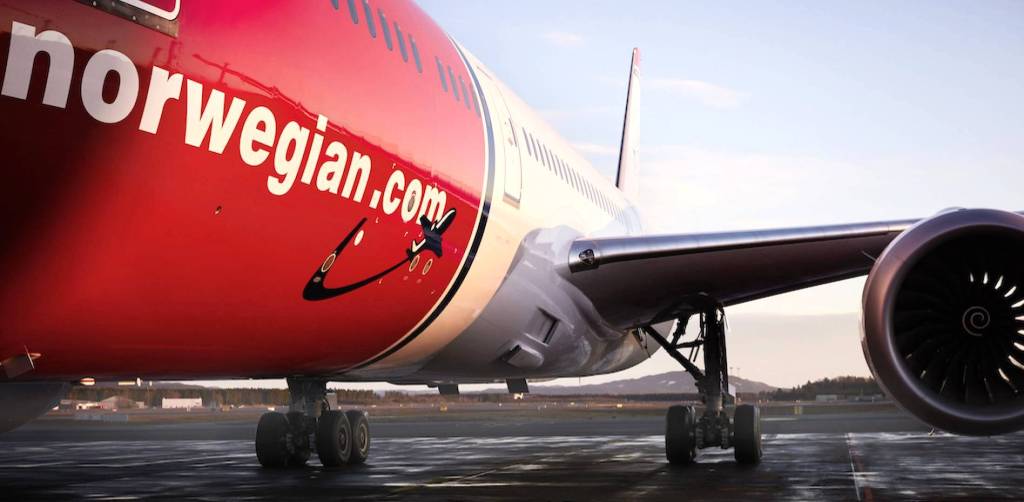
Suecia denega garantías a Norwegian

AW | 2020 08 18 20:58 | AIRLINES / GOVERNMENT

Norwegian Air Sweden con solicitud garantía de crédito denegada

La Oficina Nacional de Deuda de Suecia/Riksgalden ha decidido rechazar la solicitud de la compañía aérea Norwegian Air Sweden AB de una garantía de crédito estatal en el marco del programa de garantías para aerolíneas. La Oficina de Deuda tiene el mandato del Gobierno de emitir garantías crediticias para nuevos préstamos a aerolíneas que, el 1 Enero 2020, tenían una licencia sueca para realizar operaciones de aviación comercial y que tienen sus operaciones principales o tienen su domicilio en Suecia. La provisión de garantías se llevará a cabo de acuerdo con la Ordenanza 2011:211 sobre préstamos y ordenanza de garantías y de acuerdo con ciertas condiciones específicas establecidas en el mandato del Gobierno.

La Oficina de Deuda de Suecia tiene el mandato del Gobierno de emitir garantías crediticias para nuevos préstamos a aerolíneas que tengan una licencia sueca y sus principales operaciones estén domiciliadas en Suecia.

Norwegian Air Sweden AB ha solicitado poder recibir una garantía de crédito sueca en el marco del sistema de garantía de aviación. El mandato del Gobierno de Suecia estipula que solo se puede otorgar una garantía a las compañías aéreas que se evalúen como financieramente viables el 31 Diciembre 2019.

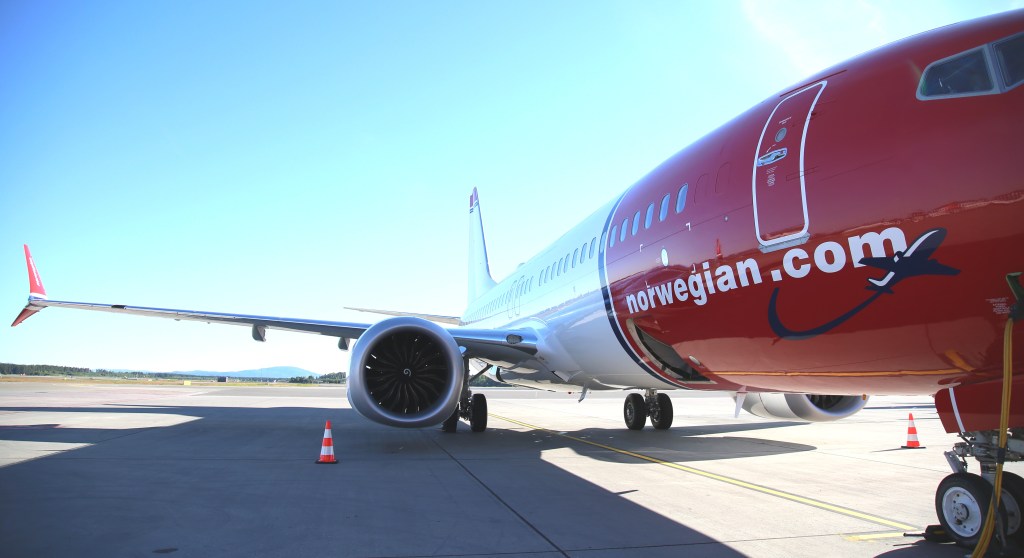
Norwegian Sweden, que genera pérdidas, se ha sometido a un extenso programa de conversión de deuda en capital como parte de una amplia reestructuración, con el fin de obtener financiación estatal del gobierno de Noruega. La aerolínea debe divulgar sus resultados financieros del primer semestre el 28 Agosto 2020, que describirán el impacto total de las interrupciones del segundo trimestre derivadas de la crisis del Coronavirus. Esto sigue a un primer trimestre durante el cual la pérdida operativa de Norwegian Sweden se profundizó en más del 40% a más de NKr 2 mil millones (US$ 226 millones) y su deuda con intereses aumentó a casi NKr 67 mil millones.

La operación de Norwegian Air Sweden opera una flota de 47 aeronaves con una combinación de Boeing 737-8 MAX, Boeing 737-800 y Boeing 787-9. La flota activa (ACT) y almacenada (STK) corresponden al Boeing 737-8 MAX (ACT:2/STK:6), Boeing 737-800 (ACT:15/STK:22) y Boeing 787-9 (STK:2).

La evaluación de la Oficina de la Deuda con respecto a Norwegian Sweden es que, al 31 de Diciembre 2019, existía un riesgo muy alto de que Norwegian Sweden no pudiera cumplir con sus compromisos financieros y de que la empresa no se considerara capaz de gestionar un mayor endeudamiento. Por lo tanto, la empresa no se ha considerado financieramente viable al 31/12/2019. En consecuencia, se denegó la solicitud de Norwegian. De acuerdo con la ordenanza de garantía, la decisión de la Oficina de Deuda no puede ser apelada.

Sweden denies guarantees to Norwegian

Norwegian Air Sweden AB has denied credit guarantee request

The Swedish National Debt Office/Riksgalden has decided to reject the application of the airline Norwegian Air Sweden AB for a state credit guarantee under the airline guarantee program. The Debt Office is mandated by the Government to issue credit guarantees for new loans to airlines which, as of 1 January 2020, had a Swedish license to conduct commercial aviation operations and which have their main operations or are domiciled in Sweden. The provision of guarantees will be carried out in accordance with Ordinance 2011:211 on loans and guarantees ordinance and in accordance with certain specific conditions established in the Government’s mandate.

The Swedish Debt Office is mandated by the Government to issue credit guarantees for new loans to airlines that have a Swedish license and their main operations are domiciled in Sweden.

Norwegian Air Sweden AB has applied to receive a Swedish credit guarantee under the aviation guarantee scheme. The mandate of the Swedish Government stipulates that a guarantee can only be given to airlines that are assessed as financially viable on December 31, 2019.

Loss-making Norwegian Sweden has undergone an extensive debt-to-equity program as part of a comprehensive restructuring in order to obtain state funding from the Norwegian government. The airline is due to disclose its first half financial results by August 28, 2020, which will describe the full impact of the second quarter disruptions stemming from the Coronavirus crisis. This follows a first quarter during which Norwegian Sweden’s operating loss deepened by more than 40% to over NKr 2 billion (US$ 226 million) and its interest-bearing debt increased to almost NKr 67 billion.

Norwegian Air Sweden’s operation operates a fleet of 47 aircraft with a combination of Boeing 737-8 MAX, Boeing 737-800 and Boeing 787-9. The active (ACT) and stored (STK) fleet correspond to the Boeing 737-8 MAX (ACT:2/STK:6), Boeing 737-800 (ACT:15/STK:22) and Boeing 787-9 (STK:2).

The Debt Office’s assessment with respect to Norwegian Sweden is that, as of December 31, 2019, there was a very high risk that Norwegian Sweden would not be able to meet its financial commitments and that the company would not be deemed capable of managing a higher indebtedness. Therefore, the company has not been considered financially viable as of 12/31/2019. Consequently, Norwegian’s request was denied. According to the guarantee ordinance, the decision of the Debt Office cannot be appealed.

Sverige nekar garantier till Norwegian

Norwegian Air Sweden AB har en avslagen begäran om kreditgaranti

Riksgalden/Riksgalden har beslutat att avslå ansökan från flygbolaget Norwegian Air Sweden AB om statlig kreditgaranti enligt flyggarantiprogrammet. Riksgäldskontoret har av regeringen mandat att utfärda kreditgarantier för nya lån till flygbolag som från och med den 1 januari 2020 hade en svensk licens för att bedriva kommersiell luftfartsverksamhet och som har sin huvudsakliga verksamhet eller har hemvist i Sverige. Tillhandahållande av garantier kommer att genomföras i enlighet med förordningen 2011: 211 om förordningar om lån och garantier och i enlighet med vissa specifika villkor fastställda i regeringens mandat.

Riksgäldskontoret har av mandatet mandat av regeringen att utfärda kreditgarantier för nya lån till flygbolag som har en svensk licens och deras huvudsakliga verksamhet har hemvist i Sverige.

Norwegian Air Sweden AB har ansökt om att få en svensk kreditgaranti enligt flyggarantisystemet. Den svenska regeringens mandat föreskriver att en garanti endast kan ges till flygbolag som bedöms vara ekonomiskt hållbara den 31 december 2019.

Förlustgivande norska Sverige har genomgått ett omfattande skuld-till-kapital-program som en del av en omfattande omstrukturering för att få statlig finansiering från den norska regeringen. Flygbolaget kommer att offentliggöra sina finansiella resultat för första halvåret senast den 28 augusti 2020, vilket kommer att beskriva den fulla effekten av störningar i andra kvartalet till följd av krisen i Coronavirus. Detta följer ett första kvartal där norska Sveriges rörelseförlust fördjupades med mer än 40% till mer än 2 miljarder NKR (226 miljoner US $) och dess räntebärande skuld ökade till nästan 67 miljarder NKR.

Norwegian Air Sveriges verksamhet driver en flotta på 47 flygplan med en kombination av Boeing 737-8 MAX, Boeing 737-800 och Boeing 787-9. Den aktiva (ACT) och lagrade (STK) flottan motsvarar Boeing 737-8 MAX (ACT:2/STK:6), Boeing 737-800 (ACT:15/STK:22) och Boeing 787-9 (STK:2).

Riksgäldskontorets bedömning avseende norska Sverige är att det per den 31 december 2019 fanns en mycket hög risk att norska Sverige inte skulle kunna uppfylla sina finansiella åtaganden och att företaget inte skulle bedömas kunna hantera högre skuldsättning. Därför har företaget inte anses vara ekonomiskt lönsamt per 31/12/2019. Följaktligen avslogs norska begäran. Enligt garantiförordningen kan Riksgäldskontorets beslut inte överklagas.

Ξ A I R G W A Y S Ξ
PUBLISHER: Airgways.com
DBk: Riksgalden.se / Norwegian.se / Airgways.com / Wikipedia.org / Gettyimages.com
AW-POST: 202008182058AR

A\W   A I R G W A Y S ®

Inversiones aeropuertos Argentina

Aeroparque cierra por refacciones |

AW | 2020 08 18 16:36 | AIRPORTS / GOVERNMENT

Gobierno y las inversiones en aeropuertos argentinos

El Gobierno de Argentina ha establecido un programa de inversiones por parte del Estado y el sector privado para continuar con las inversiones a pesar del complicado panorama socio-económico global.

En muchos países, los planes de inversión en aeropuertos, ya sea por parte de los gobiernos o del sector privado (o ambos), han quedado paralizados. El Gobierno argentino ha hecho un anuncio no esperado de inversiones por valor de unos US$ 1.400 millones durante cuatro años para mejorar los aeropuertos de la República Argentina. Actualmente existen numerosos planes de este tipo, todos los cuales deberían completarse en los próximos dos años y a la mitad del costo previsto.

Las complicaciones en el mercado aéreo en Argentina se asentuaron por la crisis económica pre-pandemia, que junto con el turismo reflejaban signos de retroceso hacia el 4Q2019. La crisis económico-financiera, sumadoa la crisis sanitaria ha condicionado al país con pocos recursos o alternativas para poder articular una estrategia de salida de bloqueo. El Gobierno parece decidido a adoptar una estrategia de proteccionismo en la aviación que acabará con la mayor parte del progreso logrado en los últimos cinco años.

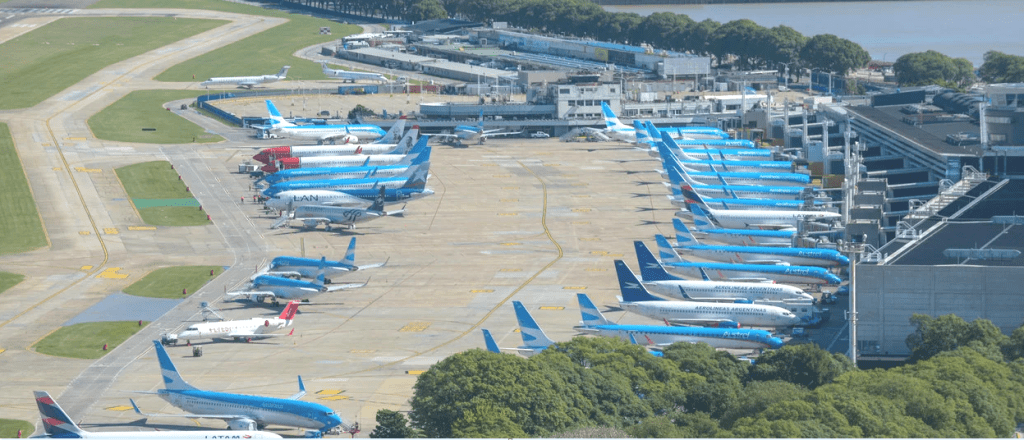
La mayoría de los aeropuertos son administrados por la empresa del sector privado en concesión Aeropuertos Argentina 2000 (AA2000), donde ha tenido poco margen para desarrollarse y ampliar sus potenciales recursos escasos. Ahora, el Gobierno está bajando el pulgar al Aeropuerto Internacional El Palomar. La próxima concentración del negocio aéreo pasará por el Aeropuerto Jorge Newbery, una aeroestación que traerá mucha demanda hacia el corto plazo, pero donde la oferta de mercado doméstico estará acaparada mayoritariamente por Aerolíneas Argentinas.

AIRLINES MARKET |

Argentina airport investments

Government and investments in Argentine airports

The Government of Argentina has established an investment program by the State and the private sector to continue with investments despite the complicated global socio-economic panorama.

In many countries, airport investment plans, whether by governments or the private sector (or both), have come to a standstill. The Argentine government has made an unexpected announcement of investments worth about US$ 1,400 million over four years to improve the airports of the Argentine Republic. There are currently numerous such plans, all of which should be completed within the next two years and at half the expected cost.

Complications in the air market in Argentina were settled by the pre-pandemic economic crisis, which together with tourism reflected signs of retreat towards 4Q2019. The economic-financial crisis, added to the health crisis, has conditioned the country with few resources or alternatives to be able to articulate an exit strategy from the blockade. The government appears determined to adopt a strategy of protectionism in aviation that will kill most of the progress made in the last five years.

Most airports are managed by the concessioned private sector company Aeropuertos Argentina 2000 (AA2000), where it has had little room to develop and expand its potential scarce resources. Now, the Government is lowering its thumb to El Palomar International Airport. The next concentration of the air business will go through the Jorge Newbery Airport, an air station that will bring a lot of demand in the short term, but where the domestic market supply will be dominated mainly by Aerolineas Argentinas.

Ξ A I R G W A Y S Ξ
PUBLISHER: Airgways.com
DBk: Aa2000.com.ar / Argentina.gob.ar / Airgways.com
AW-POST: 202008181636AR

A\W   A I R G W A Y S ®
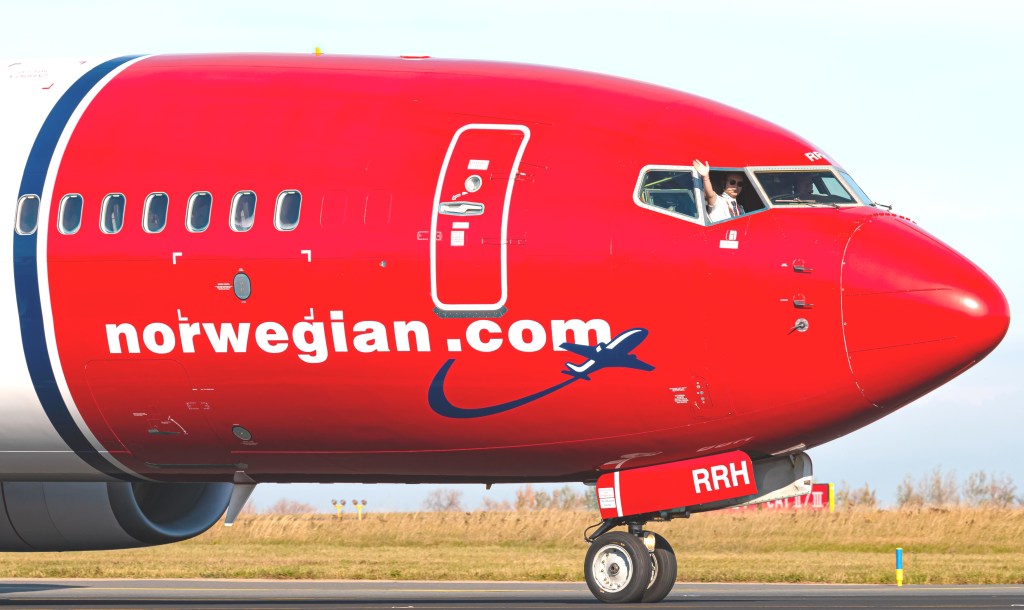
Justicia define Aeropuerto El Palomar

AW | 2020 08 18 15:02 | AIRPORTS / AIRLINES / GOVERNMENT

Justicia Argentina definirá pedido de clausura por daño ambiental

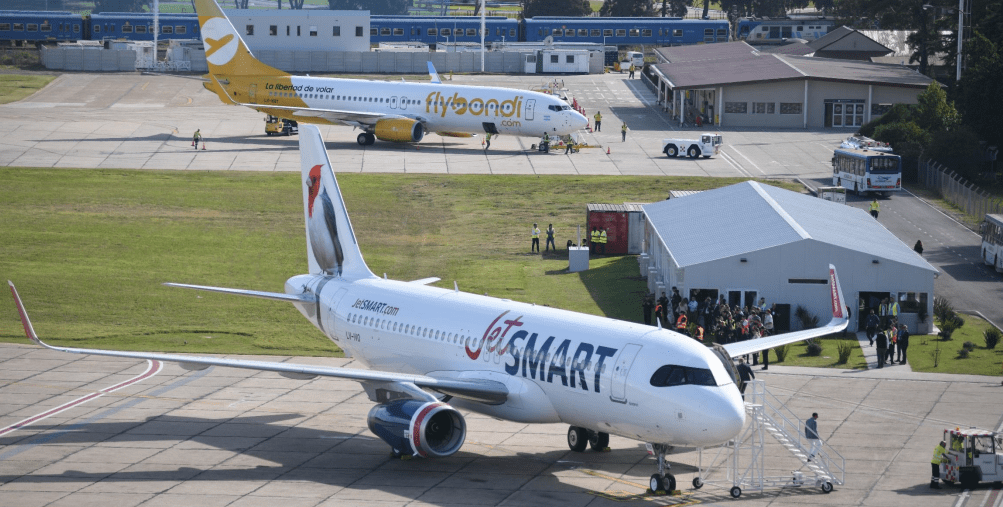
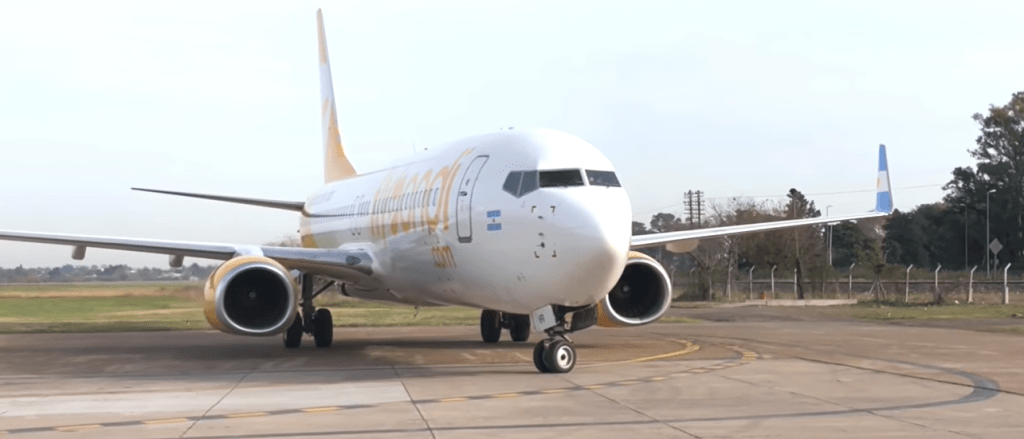
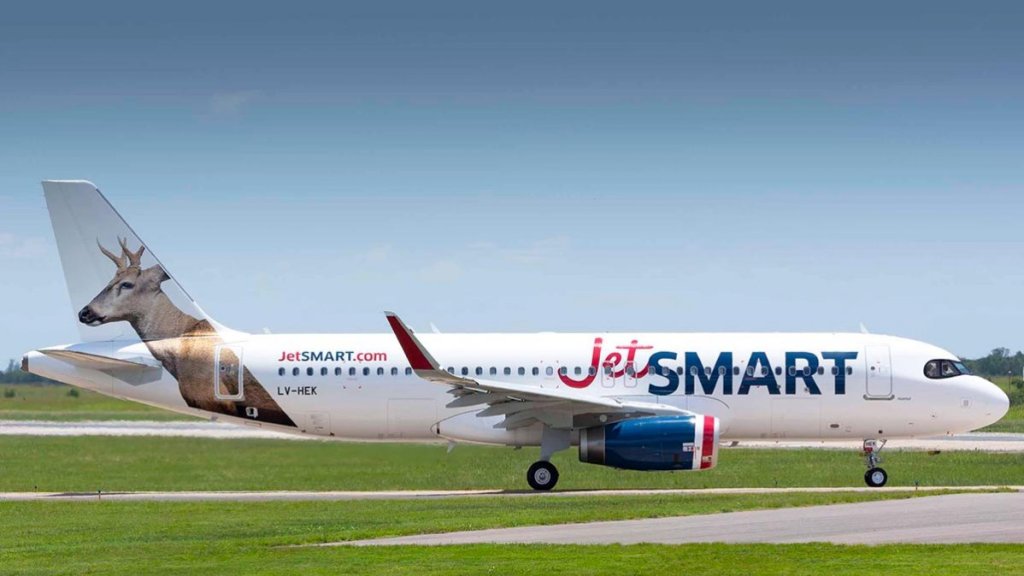
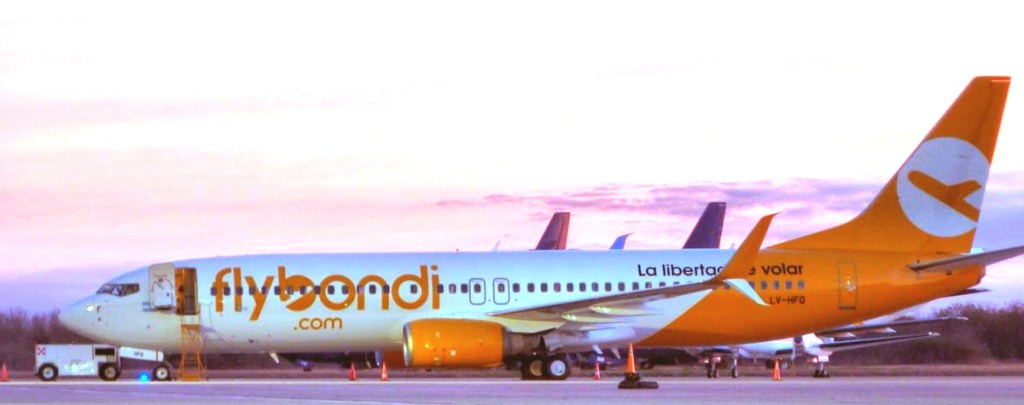
La Justicia Federal de la República Argentina deberá resolver en los próximos días el pedido de clausura del Aeropuerto Internacional El Palomar al haberse superado los límites de ruido admitidos por la Organización Mundial de Salud (OMS), en el marco de la causa que llevan adelante los vecinos de la zona oeste del conurbano bonaerense contra el uso comercial del aeropuerto por parte de las aerolíneas Flybondi Líneas Aéreas y JetSmart Airlines Argentina por el ruido y contaminación acústica. La denuncia vecinal fue radicada el 17 Diciembre 2019 pero quedó en suspenso a raíz de la feria judicial por la pandemia. Con la reanudación de los tribunales la Jueza Martina Forns debe fallar al respecto.

Ministerio Transporte

Las declaraciones del Minsterio de Transporte de Argentina a cargo de Mario Meoni había expresado que no es razonable que haya tres aeropuertos en el área metropolitana, por lo que el Área Metropolitana de Buenos Aires (AMBA) debería tener dos aeropuertos, razón por la cual el Gobierno Nacional mantuvo los planes de inversiones en el Aeropuerto Jorge Newbery y Aeropuerto Internacional Ezeiza. Las últimas declaraciones del la cartera de Transporte arrojan señales: “Nosotros tenemos muchas objeciones respecto del funcionamiento del Aeropuerto El Palomar. Para justificar el funcionamiento de tres aeropuertos, Buenos Aires debería registrar por lo menos el doble del actual volumen de viajeros, entre 27 y 28 millones de pasajeros por año, por lo cual el costo de sostener El Palomar no se justifica”.

Las ciudades del mundo que tienen tres aeropuertos poseen un movimiento de pasajeros por año que duplica, triplica y hasta cuadriplica la cantidad de pasajeros aéreos que registra actualmente el AMBA en Argentina, sostiene el Ministerio de Transporte. Así puso como ejemplo a Washington que tiene más de 50 millones de pasajeros y a Nueva York y Paris, cada una con alrededor de 130 millones de pasajeros anuales por vía aérea, cuatro veces más que el Área Metropolitana de Buenos Aires.

En Junio 2020, desde el Ministerio de Transporte ya se habían pronunciado a favor de establecer un sector low cost en el Aeropuerto Ezeiza, con costos similares a los del Aeropuerto Internacional El Palomar, para que Flybondi Líneas Aéreas y Jetsmart Airlines Argentina operen desde allí, en línea con lo solicitado por el concesionario Aeropuertos Argentina 2000 quien inició en Abril 2020 el procedimiento administrativo en dicho sentido ante el ORSNA, organismo que tiene pendiente la decisión al respecto.

Las declaraciones de Meoni y los planes de AA2000 recibieron un contundente respaldo y apoyo de los vecinos de la localidad de Hurlingham, Tres de Febrero, Morón, San Martín y La Matanza que vienen reclamando hace más de dos años el cese de vuelos comerciales desde el Aeropuerto Internacional El Palomar.

Alerta a low cost

Mientras tanto, trabajadores de Flybondi y JetSmart piden reactivar los vuelos. Las aerolíneas aéreas low cost que operan en Argentina emitieron un comunicado en respuesta a las afirmaciones que hizo el Ministro de Transporte de Argentina. Los reclamos centrales giran en torno a no al cierre de El Palomar, la preservación de 10.000 puestos de trabajo (directos e indirectos), la definición de un plan de reinicio de la actividad aérea y la necesidad de trabajar con protocolo sanitarios para la reapertura de vuelos desde Septiembre 2020.

Tras la declaraciones donde el Ministro de Transporte, Mario Meoni, que había dado trascendidos que los vuelos podrían volver entre 60 a 180 días, los trabajadores de las dos compañías low cost han expresado el repudio porque esos plazos significarán la desaparición de la industria aérea.

Las aerolíneas de presupuesto que operan en Argentina, Flybondi y JetSmart emitieron un comunicado en respuesta a las afirmaciones que hizo el ministro de Transporte, Mario Meoni, respecto no sólo a la fecha de reinicio de los vuelos, sino también al cierre del Aeropuerto El Palomar. “Los trabajadores de Flybondi y JetSmart necesitamos claridad con respesto a los recientes dichos del ministro de Transporte, reflejando una actitud pasiva a la espera de directivas de su par de la cartera de Salud, y desentendiéndose de cualquier precisión acerca del reinicio de la actividad aeronáutica. Peor aún, deslizó que ni siquiera habría vuelos de cabotaje durante los próximos seis meses”, expresan fuertemente los gremios.

La República Argentina es uno de los pocos países en el mundo que pasados ya casi 5 meses no reinició la actividad aérea. Esta actividad requiere de certezas y definiciones que permitan ver con claridad un horizonte: aprobación de protocolos sanitarios, puesta a la venta de pasajes con antelación, apertura de bases aéreas y de rutas definidas. Sin una planificación mínima, la actividad es insostenible. Las aéreas solicitan al Ministerio de Transporte un mayor grado de ocupación ante una situación que afecta a miles de trabajadores aeronáuticos y sus familias, quienes ven amenazada su fuente de trabajo y se encuentran sumidos en la angustia de la incertidumbre.

Perspectivas aéreas

La Justicia Argentina próximamente se expedirá por la continuidad o no del Aeropuerto Internacional El Palomar. Ante una decisión de fallo adverso para las líneas aéreas de presupuesto, las compañías aéreas tendrán que realizar las migraciones de sus bases hacia el Aeropuerto Internacional Ezeiza, donde el Gobierno le asignará un área para dichas operaciones, suprimiendo así la reapertura del primer aeropuerto low cost de Sudamérica. Detrás de todo este movimiento del Gobierno, habrá que esperar que destino tendrá el Aeropuerto El Palomar, después de muchas inversiones por parte de Aeropuertos Argentina 2000.

Respecto al Aeropuerto Jorge Newbery, la compañía JetSmart Airlines Argentina no podrá hacer uso de los slots de la ex-Norwegian Air Argentina. Latam Airlines Argentina ha retirado sus operaciones del país desde su base en este aeropuerto, por lo que su Hangar, por mucho tiempo politizado, pasará a disponibilidad. Austral Líneas Aéreas se fusionará con Aerolíneas Argentinas, barriendo cuestionamientos sindicales hacia el futuro. La próxima reapertura de Aeroparque encontrará a un nuevo aeropuerto con una alta disponibilidad de slots para Aerolíneas Argentinas como operadora local, concentrando más del 95% de las operaciones domésticas.

El próximo escenario del mercado aéreo de Argentina se enfrenta hacia una monopolización del transporte, donde lejos de poder operar las low cost en Aeroparque, Aerolíneas Argentinas de la mano del Gobierno está logrando su objetivo desde hace mucho tiempo, dominar los vuelos desde el Aeropuerto Jorge Newbery, un viejo sueño que se materializará ayudado con el arribo de la pandemia mundial.

Justice defines El Palomar Airport

Argentine Justice will define closure request for environmental damage

The Federal Justice of the Argentine Republic must resolve in the next few days the request to close the El Palomar International Airport as the noise limits admitted by the World Health Organization (WHO) have been exceeded, within the framework of the cause carried out by the residents of the western area of ​​the Buenos Aires suburbs against the commercial use of the airport by the airlines Flybondi Lineas Aereas and JetSmart Airlines Argentina due to noise and noise pollution. The neighborhood complaint was filed on December 17, 2019 but was suspended as a result of the judicial fair for the pandemic. With the resumption of the courts, Judge Martina Forns must rule in this regard.

Ministry of Transportation

The statements of the Ministry of Transport of Argentina in charge of Mario Meoni had expressed that it is not reasonable that there are three airports in the metropolitan area, therefore the Metropolitan Area of ​​Buenos Aires (AMBA) should have two airports, which is why the The National Government maintained the investment plans at the Jorge Newbery Airport and Ezeiza International Airport. The latest statements from the Transportation portfolio show signs: “We have many objections regarding the operation of the El Palomar Airport. To justify the operation of three airports, Buenos Aires should register at least twice the current volume of travelers, between 27 and 28 million passengers per year, so the cost of sustaining El Palomar is not justified”.

The cities of the world that have three airports have a passenger movement per year that doubles, triples and even quadruples the number of air passengers currently registered by the AMBA in Argentina, says the Ministry of Transport. Thus she gave as an example Washington, which has more than 50 million passengers and New York and Paris, each with around 130 million passengers per year by air, four times more than the Metropolitan Area of Buenos Aires.

In June 2020, the Ministry of Transportation had already spoken in favor of establishing a low cost sector at Ezeiza Airport, with costs similar to those at El Palomar International Airport, so that Flybondi Líneas Aéreas and Jetsmart Airlines Argentina can operate from there, in line with what was requested by the Aeropuertos Argentina 2000 concessionaire, who in April 2020 began the administrative procedure in this regard before the ORSNA, an organization that is pending the decision in this regard.

Meoni’s statements and AA2000 plans received strong backing and support from the residents of the town of Hurlingham, Tres de Febrero, Morón, San Martín and La Matanza who have been demanding for more than two years the cessation of commercial flights since El Palomar International Airport.

Low cost alert

Meanwhile, Flybondi and JetSmart workers ask to reactivate the flights. The low cost airlines that operate in Argentina issued a statement in response to the statements made by the Argentine Minister of Transportation. The central claims revolve around not closing El Palomar, the preservation of 10,000 jobs (direct and indirect), the definition of a plan to restart air activity and the need to work with a health protocol for the reopening of flights from September 2020.

After the statements made by the Minister of Transport, Mario Meoni, who had reported that the flights could return between 60 to 180 days, the workers of the two low cost companies have expressed their rejection because those deadlines will mean the disappearance of the airline industry.

The budget airlines that operate in Argentina, Flybondi and JetSmart issued a statement in response to the statements made by the Minister of Transport, Mario Meoni, regarding not only the date of restart of flights, but also the closure of El Palomar Airport. “Flybondi and JetSmart workers need clarity regarding the recent statements of the Minister of Transport, reflecting a passive attitude awaiting directives from his counterpart in the Health portfolio, and ignoring any precision regarding the restart of aeronautical activity . Worse still, it slipped that there would not even be domestic flights for the next six months”, the unions strongly express.

The Argentine Republic is one of the few countries in the world that after almost 5 months did not restart air activity. This activity requires certainties and definitions that allow a clear horizon to be seen: approval of health protocols, sale of tickets in advance, opening of air bases and defined routes. Without minimal planning, the activity is unsustainable. The airlines request a higher degree of occupation from the Ministry of Transport in the face of a situation that affects thousands of aeronautical workers and their families, who see their source of work threatened and are mired in the anguish of uncertainty.

Aerial perspectives

The Argentine Justice will soon be issued for the continuity or not of the El Palomar International Airport. Faced with an adverse ruling decision for budget airlines, airlines will have to migrate from their bases to Ezeiza International Airport, where the Government will assign an area for such operations, thus eliminating the reopening of the first low cost airport from South America. Behind all this movement of the Government, it will be necessary to wait in which destination the El Palomar Airport will have, after many investments by the Aeropuertos Argentina 2000.

Regarding the Jorge Newbery Airport, the JetSmart Airlines Argentina company will not be able to use the slots of the ex-Norwegian Air Argentina. Latam Airlines Argentina has withdrawn its operations from the country from its base at this airport, so its Hangar, for a long time politicized, will become available. Austral Líneas Aéreas will merge with Aerolíneas Argentinas, sweeping union questions into the future. The upcoming reopening of Aeroparque will find a new airport with high availability of slots for Aerolíneas Argentinas as a local operator, concentrating more than 95% of domestic operations.

The next scenario of the air market in Argentina is facing a monopolization of transport, where far from being able to operate the low cost in Aeroparque, Aerolíneas Argentinas, hand in hand with the Government, is achieving its objective for a long time, to dominate flights from Jorge Airport Newbery, an old dream that will materialize helped with the arrival of the global pandemic.

Ξ A I R G W A Y S Ξ
PUBLISHER: Airgways.com
DBk: Airgways.com / Ambito.com / Argentina.gob.ar/transporte
AW-POST: 202008181502AR

A\W   A I R G W A Y S ®
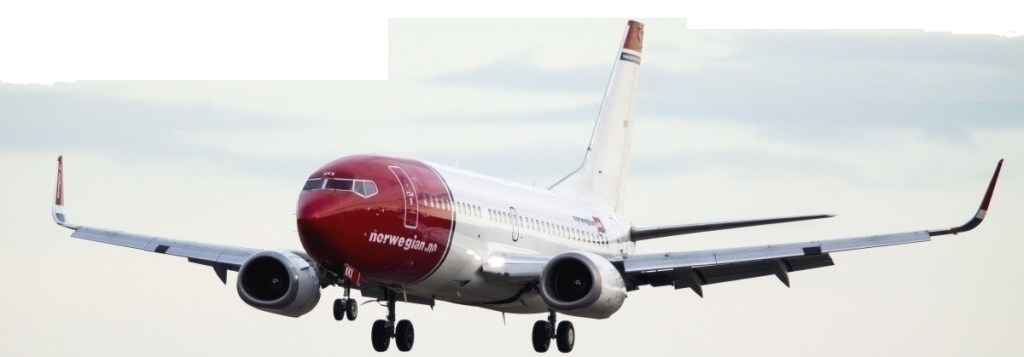
Aéreas/aeropuertos propuesta sanitaria

AW | 2020 08 18 10:12 | AIRPORTS / AIRLINES / GOVERNMENT / AVIATION SAFETY

Aerolíneas y aeropuertos proponen una alternativa a las cuarentenas

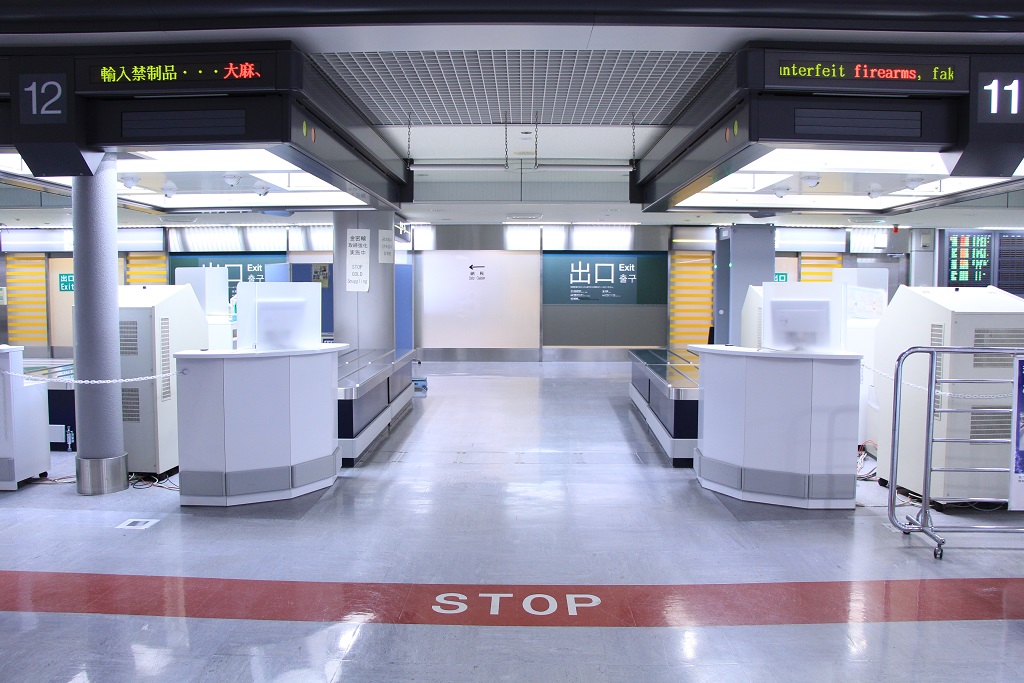
Las aerolíneas europeas y estadounidenses mantienen su propuesta de efectuar un programa global coordinado de test como alternativa efectiva a las cuarentenas y restricciones de entrada, nuevamente establecidas por varios gobiernos ante los rebrotes de casos de Coronavirus que están retrocediendo la reapertura a los viajes. Varios de los principales aeropuertos del mundo están ofreciendo o exigiendo pruebas de COVID-19 en el momento del vuelo para los pasajeros internacionales que arriban.

Según un informe de TravelWeekly, la experiencia más amplia en pruebas de COVID-19 en aeropuertos la registran en Alemania, donde los viajeros procedentes de zonas de alto riesgo, incluidos los Estados Unidos son sometidos a estos test durante las 72 horas siguientes a su llegada. De momento, se está llevando a cabo y de forma gratuita en varias de las principales instalaciones alemanas, entre ellas, Berlín/Tegel, Berlín/Schonefeld, Munich, Frankfurt y Dusseldorf. Paralelamente, Lufthansa German Airlines ha iniciado a finales de Junio 2020, en sus dos hubs principales, los aeropuertos de Munich y Frankfurt, su propio programa de pruebas para los viajeros internacionales de llegada, ofreciendo resultados en un plazo de cuatro a cinco horas. Aquellos que obtienen resultados negativos quedan inmediatamente libres de los requisitos de cuarentena de dos semanas. También es un servicio disponible para los pasajeros de salida que viajen a países donde se exige un test negativo.

En los aeropuertos de Tokio/Haneda y Tokio/Narita se ofrecen pruebas con tiempos de respuesta aún más rápidos. Los medios locales informaron a fines de Julio 2020 que los aeropuertos habían comenzado a ofrecer pruebas de antígeno COVID-19 con resultados en una hora. Se esperaba que la capacidad de prueba en Tokio/Haneda aumentara a 3.800 personas por día, según el diario de información financiera Nikkei Asian Review.

También ofrece pruebas de COVID-19 el Aeropuerto Internacional Estambul desde principios de Julio 2020 con un coste de US$ 16,00. La capacidad por día es de aproximadamente 40.000 pruebas. Los resultados se entregan en dos horas.

Mientras tanto, en el Aeropuerto de Hong Kong, los pasajeros que llegan deben tomar un autobús de enlace a un lugar de prueba, según el portal del aeropuerto.

Acción y coordinación global

Analistas señalan que si estas acciones fueran obligatorias y coordinadas globalmente podrían ser la clave para abrir los viajes intercontinentales y reducir algunas medidas restrictivas y las cuarentenas mientras continúa la pandemia de COVID-19 y cuya aplicación está echando para atrás la reactivación de la aviación y el sector turístico, con las repercusiones económicas que tendrá.

También algunas de las principales aerolíneas lo habían propuesto en julio. Las dos mayores operadoras estadounidense, American Airlines y United Airlines, y dos de los mayores grupos aéreos europeos, Lufthansa Group e International Airlines Group (IAG) el holding de British Airways, Iberia, Vueling, Aer Lingus y Level, están pidiendo la creación de un programa conjunto de pruebas de COVID-19 entre los Estados Unidos y la Unión Europea para facilitar el reinicio de los vuelos transatlánticos. En una carta dirigida al vicepresidente de los Estados Unidos, Mike Pence, y al comisionado europeo para Asuntos de Interior, Yiva Johansson, las aerolíneas de los mayores grupos aéreos de ambas regiones pedían que el programa comenzara con un proyecto piloto (ver: Aerolíneas plantean una salida para reabrir el tráfico aéreo transatlántico).

En estos momentos, los Estados Unidos prohíben la llegada de viajeros de la Unión Europea (UE) y el Reino Unido. La UE ha bloqueado la llegada de visitantes procedentes de los EEUU. Mientras que el Reino Unido exige que los viajeros que llegan permanezcan en cuarentena durante 14 días y las recomendaciones de no viajar a otros países como España, Italia o Francia vuelven aparecer en los portales de Asuntos Exteriores de varias naciones europeas, levantándose nuevamente y de forma unilateral las barreras internas del continente.

Josh Walker, Cofundador de Nomi Health, con sede en Utah, que realiza pruebas de COVID-19 bajo contrato con los estados de Utah, Nebraska e Iowa, dijo que cree que los programas de pruebas coordinados podrían ayudar a países de todo el mundo a aliviar las restricciones de viaje, pero no será una tarea fácil. Según agregó, Nomi Health ha tenido conversaciones con los aeropuertos de Miami, London/Heathrow y una gran aerolínea extranjera para realizar sus pruebas.

Protocolo único

Dijo que para que un programa de pruebas coordinado funcione, las diversas autoridades reguladoras deberían establecer un protocolo único. Los pasajeros aéreos podrían comenzar el proceso ingresando información básica de registro en una plataforma única y deberían hacerse las pruebas utilizando tecnología estandarizada. Josh Walker ha agregado que, si bien los aeropuertos que realizan pruebas de COVID-19 a su llegada son un buen paso, sería un mejor enfoque ordenar las pruebas antes de la salida al destino. Los aeropuertos podrían establecer áreas específicas para las pruebas, a las que los viajeros acudirían previa cita en un plazo que les permita tener los resultados antes de volar. «Los resultados podrían incluso codificarse en las tarjetas de embarque», expresó Josh Walker.

CENTOGENE on Twitter: "As part of a collaboration between ...

Alternative health air/airports

Airlines and airports propose an alternative to quarantines

European and US airlines maintain their proposal to carry out a coordinated global test program as an effective alternative to quarantines and entry restrictions, once again established by several governments in the face of outbreaks of Coronavirus cases that are pushing back the reopening to travel. Several of the world’s major airports are offering or requiring COVID-19 testing at the time of flight for arriving international passengers.

According to a report by TravelWeekly, the most extensive experience in COVID-19 tests at airports is in Germany, where travelers from high-risk areas, including the United States, are subjected to these tests within 72 hours of arrival . At the moment, it is being carried out and free of charge at several of the main German facilities, including Berlin/Tegel, Berlin/Schonefeld, Munich, Frankfurt and Dusseldorf. At the same time, Lufthansa German Airlines has started at the end of June 2020, at its two main hubs, the Munich and Frankfurt airports, its own test program for incoming international travelers, offering results within a period of four to five hours. Those who test negative are immediately released from the two-week quarantine requirements. It is also a service available for outbound passengers traveling to countries where a negative test is required.

You Can Now Be Tested For COVID-19 By Lufthansa In Germany
COVID-19 SANITARY CONTROL POST AT FRANKFURT INTERNATIONAL AIRPORT, GERMANY

Tests with even faster response times are offered at Tokyo/Haneda and Tokyo/Narita airports. Local media reported in late July 2020 that airports had started offering COVID-19 antigen tests with results within an hour. Testing capacity in Tokyo/Haneda was expected to increase to 3,800 people per day, according to the financial reporting newspaper Nikkei Asian Review.

The Istanbul International Airport also offers COVID-19 tests from the beginning of July 2020 at a cost of US$ 16.00. The capacity per day is approximately 40,000 tests. Results are delivered in two hours.

Meanwhile, at Hong Kong Airport, arriving passengers must take a shuttle bus to a test location, according to the airport portal.

Global action and coordination

Analysts point out that if these actions were mandatory and globally coordinated, they could be the key to opening up intercontinental travel and reducing some restrictive measures and quarantines while the COVID-19 pandemic continues and whose application is reversing the reactivation of aviation and the tourism sector, with the economic repercussions it will have.

Also some of the major airlines had proposed it in July. The two largest US carriers, American Airlines and United Airlines, and two of the largest European airline groups, Lufthansa Group and International Airlines Group (IAG), the holding company of British Airways, Iberia, Vueling, Aer Lingus and Level, are calling for the creation of a joint COVID-19 testing program between the United States and the European Union to facilitate the restart of transatlantic flights. In a letter addressed to the Vice President of the United States, Mike Pence, and the European Commissioner for Home Affairs, Yiva Johansson, the airlines of the largest airline groups in both regions requested that the program begin with a pilot project (see: Airlines propose an outlet to reopen transatlantic air traffic).

At this time, the United States prohibits the arrival of travelers from the European Union (EU) and the United Kingdom. The EU has blocked the arrival of visitors from the US. While the United Kingdom requires that arriving travelers remain in quarantine for 14 days and the recommendations not to travel to other countries such as Spain, Italy or France appear again on the Foreign Affairs portals of several European nations, rising again and in a unilateral internal barriers of the continent.

Josh Walker, Co-Founder of Utah-based Nomi Health, which tests for COVID-19 under contract with the states of Utah, Nebraska and Iowa, said he believes coordinated testing programs could help countries around the world to ease travel restrictions, but it won’t be an easy task. As she added, Nomi Health has had conversations with the airports of Miami, London/Heathrow and a large foreign airline to carry out its tests.

Single protocol

He said that for a coordinated testing program to work, the various regulatory authorities would need to establish a single protocol. Air passengers could start the process by entering basic registration information on a single platform and testing should be done using standardized technology. Josh Walker has added that while airports testing for COVID-19 upon arrival is a good move, it would be a better approach to order testing prior to departure. Airports could establish specific areas for testing, to which travelers would go by appointment within a period that allows them to have the results before flying. «The results could even be encoded on boarding passes», said Josh Walker.

Ξ A I R G W A Y S Ξ
PUBLISHER: Airgways.com
DBk: Airgways.com / TravelWeekly.com / Nomihealth.com / Nikkei.com / Hosteltur.com / Forbes.com / Narita-airport.jp
AW-POST: 202008181012AR

A\W   A I R G W A Y S ®