Argentina reactivación postpandemia

AW | 2020 08 11 11:24 | AIRLINES MARKET / GOVERNMENT

Indefiniciones apertura genera preocupación aviación

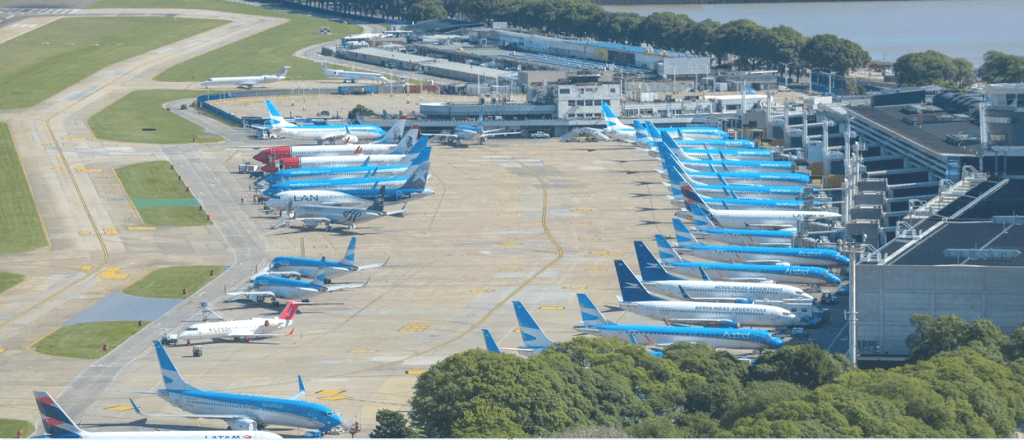
Las aerolíneas de Argentina se encuentran preocupadas por la fecha de reactivación de los vuelos proyectada para Septiembre 2020. La falta de declaraciones del Gobierno acerca de una política definida para reactivar la aviación comercial y las pocas herramientas que las líneas aéreas poseen para sobrevivir una cuarentena extendida son nulas. Sin asistencia del Gobierno de Argentina las compañías aéreas no tienen más oxígeno para enfrentar el 4Q2020.

El Gobierno ha expresado por medio del Ministerio de Transporte: «Hasta que no tengamos directrices de Salud vamos a mantener la mirada restrictiva respecto de empezar a recomponer los vuelos. Esperamos que haya una vuelta en los próximos 60 días», dijo el Ministro de Transporte, Mario Meoni, en una teleconferencia organizada por la Fundación Mediterránea el 10/08.

El plazo estipulado por el Gobierno en Abril 2020 establecía que las aerolíneas, a partir de una resolución de la Administración Nacional de Aviación Civil (ANAC), que autorizaba a vender pasajes a partir de Septiembre 2020. Sin embargo, las líneas aéreas comenzaron a observar que el Gobierno podría extender la cuarentena por el aumento del índice de contagios.

Líneas aéreas

Las aerolíneas no han efectuado un gran volumen venta de pasajes para Septiembre 2020 debido a la proximidad de la reapertura establecida primeramente, sino que la mayoría de los pasajes aéreos emitidos para la etapa de reactivación están concentrados sobre fin de año y el verano de 2021. Según detalló la agencia online Despegar.com, en el Hot Sale solo el 5% de las reservas hechas fueron realizadas para Septiembre. Aerolíneas Argentinas, que durante el Hot Sale ha realizado ventas del 27% de los pasajes para volar entre Septiembre y Noviembre 2020, ha confirmado que está cancelando algunos servicios planificados para el 10/2020, pero por un proceso de adecuación a la demanda de ese mes, que viene siendo muy baja y obliga a consolidar varias operaciones en una para mejorar el factor de ocupación. Por otro lado, la empresa aclaró que en el caso de no poder operar los vuelos vendidos a partir de septiembre, los pasajes serán reprogramados. «No se trata de expectativas, se trata del marco normativo y regulatorio, que hoy nos permite vender tickets a partir de septiembre. Por otro lado está el decreto de cancelación de las operaciones de cabotaje que está atado al decreto que dicta el aislamiento social preventivo y obligatorio», expresaron en la aerolínea, en línea con la postura del Gobierno.

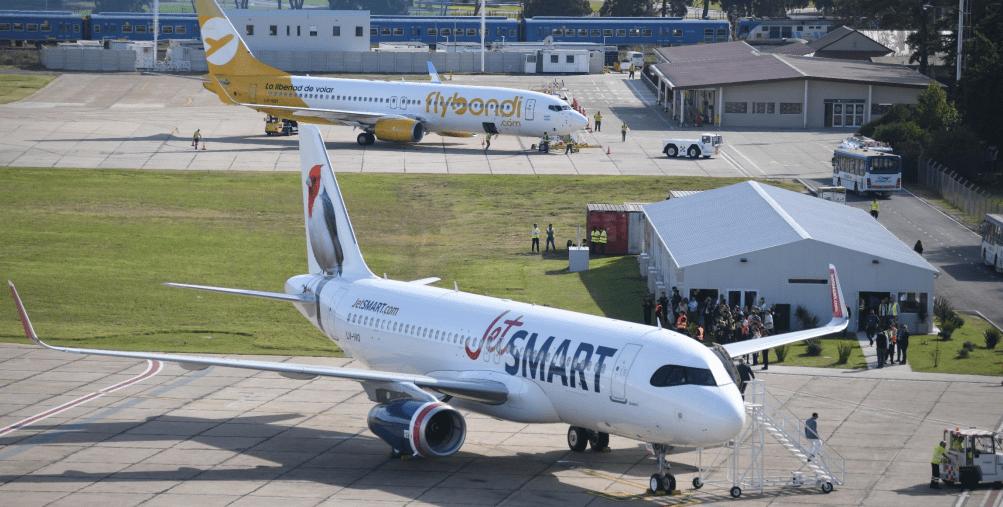
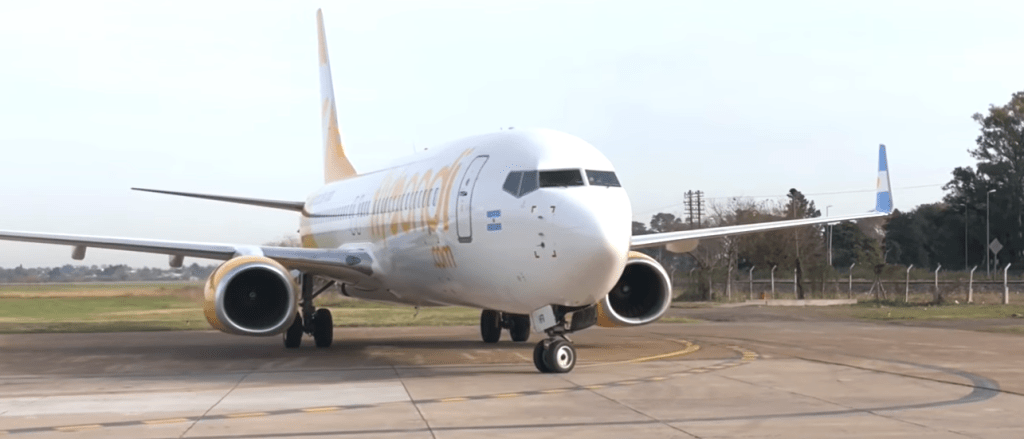
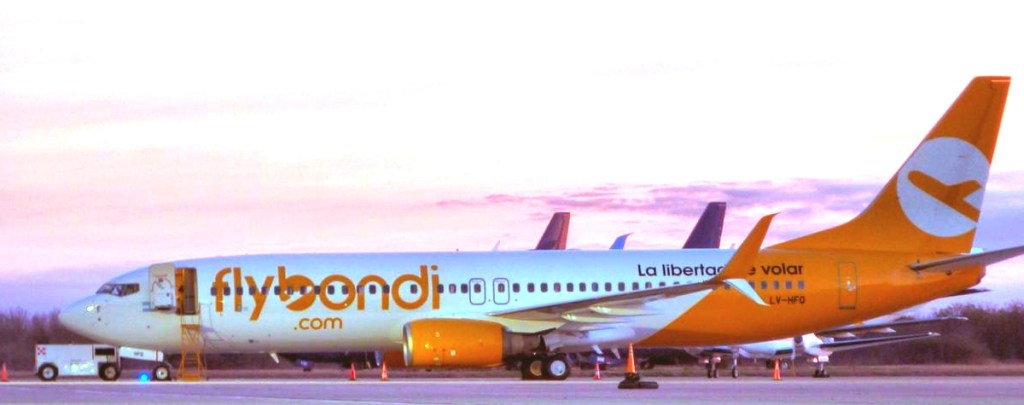
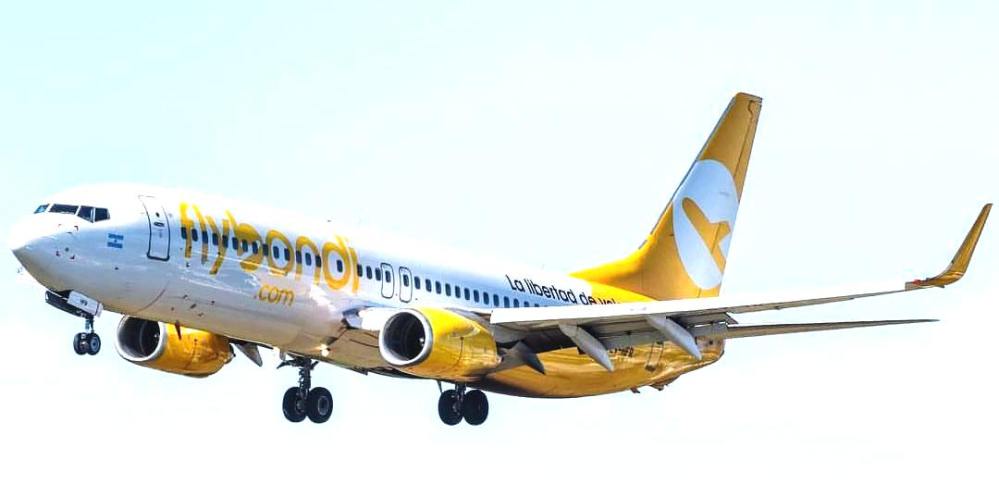
Las demás compañías aéreas como Andes Líneas Aéreas, JetSmart Airlines Argentina, Flybondi Líneas Aéreas, American Jet Líneas Aéreas entre otras, continúan sin poder acceder a ayudas económicas para afrontar la aguda crisis del sector aerocomercial. Mientras tanto, el Gobierno no ha mostrado signos de ofrecer asistencia financiera a las compañías aéreas, tiene el deber de determinar qué ayudas prácticas garantizadas ofrecerá para que puedan sobrevivir, de lo contrario las líneas aéreas recurrirán a la quiebra antes de fin de 2020.

Argentina post-pandemic reactivation

Openness uncertainty generates concern aviation

Argentina’s airlines are concerned about the flight reactivation date projected for September 2020. The lack of government statements about a defined policy to reactivate commercial aviation and the few tools that airlines have to survive an extended quarantine they are null. Without assistance from the Argentine Government, the airlines do not have more oxygen to face 4Q2020.

The Government has expressed through the Ministry of Transport: «Until we have Health guidelines we are going to keep a restrictive look regarding starting to rebuild flights. We hope that there will be a return in the next 60 days,» said the Minister of Transport , Mario Meoni, in a conference call organized by the Mediterranean Foundation on 08/10.

The deadline stipulated by the Government in April 2020 established that the airlines, based on a resolution of the National Civil Aviation Administration (ANAC), which authorized the sale of tickets as of September 2020. However, the airlines began to observe that the Government could extend the quarantine due to the increase in the rate of infections.

Airlines

The airlines have not carried out a large volume of ticket sales for September 2020 due to the proximity of the reopening established first, but most of the air tickets issued for the reactivation stage are concentrated around the end of the year and the summer of 2021. As detailed by the online agency Despegar.com, in the Hot Sale only 5% of the reservations made were made for September. Aerolíneas Argentinas, which during the Hot Sale has made sales of 27% of the tickets to fly between September and November 2020, has confirmed that it is canceling some services planned for 10/2020, but due to a process of adaptation to the demand of that month, which has been very low and requires consolidating several operations into one to improve the load factor. On the other hand, the company clarified that in the case of not being able to operate the flights sold from September, the tickets will be rescheduled. «It is not about expectations, it is about the normative and regulatory framework, which today allows us to sell tickets from September. On the other hand, there is the decree of cancellation of cabotage operations that is tied to the decree that dictates preventive social isolation and obligatory», they expressed in the airline, in line with the position of the Government.

The other airlines such as Andes Líneas Aéreas, JetSmart Airlines Argentina, Flybondi Líneas Aéreas, American Jet Líneas Aéreas, among others, continue to be unable to access financial aid to face the acute crisis in the commercial aviation sector. Meanwhile, the Government has shown no signs of offering financial assistance to airlines, it has a duty to determine what guaranteed practical aids it will offer so that they can survive, otherwise the airlines will go bankrupt before the end of 2020.

Ξ A I R G W A Y S Ξ
PUBLISHER: Airgways.com
DBk: Argentina.gob.ar/transporte / Anac.gov.ar / Lanacion.com.ar / Airgways.com
AW-POST: 202008111124AR

A\W   A I R G W A Y S ®

Iberia interés por Air Europa saneada

AW | 2020 08 10 15:25 | AIRLINES / GOVERNMENT

Iberia compraría Air Europa saneada por Gobierno de España

Iberia Líneas Aéreas de España mantiene su interés por comprar Air Europa con la sola condición de ser saneada por el Gobierno a través de la SEPI para evitar sorpresas y no encontrarse con una aerolínea hundida por las deudas provocadas por la crisis sanitaria, según informa este Lunes la compañía.

Los propios sindicatos vinculados a Air Europa admiten que la compañía habría quebrado de no ser porque continúa el proceso pendiente de venta a Iberia. La SEPI negocia la ayuda a Air Europa, pero la línea aérea puede terminar el año 2020 con un pasivo de € 400 millones de Euros.

Una vez que Iberia ha dejado claro que solo pagará la mitad de los 1.000 millones pactados por la compra de Air Europa en Noviembre 2019, la aerolínea que preside Luis Gallego se resiste a asumir una compañía lastrada por las deudas. Por ello una condición imprescindible para cerrar la operación es garantizar que Air Europa será viable económicamente cuando se incorpore a IAG Group.

Iberia tiene a su favor el gran interés mostrado por el Gobierno español para que Air Europa pase a formar parte del grupo IAG y por ello espera que en las próximas semanas se produzca una inyección económica que de viabilidad a la aerolínea del Grupo Globalia.

Para ello la SEPI pondría a disponcisión € 10.000 millones para hacer frente a ayudas económicas como las que necesita Air Europa y que aseguren su futuro. Las conversaciones entre la SEPPI y la filial de Globalia deben cerrarse en breve como paso imprescindible para formalizar la venta a Iberia.

Iberia interest in healthy Air Europa

Iberia would buy Air Europa sanitized by the Government of Spain

Iberia Lineas Aereas de España maintains its interest in buying Air Europa with the sole condition of being cleaned up by the Government through SEPI to avoid surprises and not find an airline sunk by debts caused by the health crisis, as reported this Monday the company.

The unions linked to Air Europa admit that the company would have gone bankrupt had it not been for the pending sale process to Iberia. SEPI negotiates aid to Air Europa, but the airline can end 2020 with a liability of € 400 million Euros.

Once Iberia has made it clear that it will only pay half of the 1,000 million agreed for the purchase of Air Europa in November 2019, the airline chaired by Luis Gallego is reluctant to take on a company burdened by debts. Therefore, an essential condition for closing the operation is to guarantee that Air Europa will be economically viable when it joins IAG Group.

Iberia has in its favor the great interest shown by the Spanish Government for Air Europa to become part of the IAG group and therefore expects that in the coming weeks there will be an economic injection that will make the Globalia Group airline viable.

To this end, SEPI would make € 10,000 million available to cover financial aid such as those needed by Air Europa and to ensure its future. The talks between SEPPI and the Globalia subsidiary should be closed shortly as an essential step to formalize the sale to Iberia.

Ξ A I R G W A Y S Ξ
PUBLISHER: Airgways.com
DBk: Iberia.com / Sepi.es / Airgways.com
AW-POST: 202008101525AR

A\W   A I R G W A Y S ®

Pakistán emite aviso aeronavegabilidad

AW | 2020 08 10 14:53 | AVIATION SAFETY / GOVERNMENT

Avisos aeronavegabilidad pilotos tras escándalo licencias dudosas

Archivo:Pakistan Civil Aviation Authority (PCAA) Logo.png ...

La Autoridad de Aviación Civil de Pakistán (PCAA) es el Departamento de propiedad estatal que se encarga de la supervisión de la aviación civil en Pakistán. La PCAA es responsable de la regulación del transporte aéreo, la publicación de aeronavegabilidad, los servicios de navegación aérea, los servicios aeroportuarios y la seguridad dentro del espacio aéreo de Pakistán. Correspondientemente con el escándalo de licencias aeronáuticas de dudosa reputación, el regulador de aviación de Pakistán ha emitido avisos de demostración de causa a 193 pilotos sospechosos de tener una licencia de vuelo dudosa, después de completar el proceso de escrutinio de 262 pilotos a raíz de un gran escándalo, según un informe de los medios emitido el Lunes 10/08.

El escándalo por las licencias de piloto en Pakistán surgió de una investigación sobre el accidente de un avión Airbus A320-200 del vuelo PK759 de Pakistan International Airlines en la República de Pakistan el 22 Mayo 2020 en Karachi donde fallecieron 97 personas. La investigación determinó que casi un tercio de los pilotos de Pakistán hicieron trampa en los exámenes, pero aún así recibieron licencias de la PCAA del país.

El 21 Julio 2020, la Corte Suprema encargó a la CAA que completara de inmediato una investigación contra los pilotos de la aerolínea nacional Pakistan International Airlines (PIA), tras la revelación del ministro de aviación sobre documentos falsos de decenas de pilotos. La CAA después de completar el proceso de escrutinio del registro de 262 pilotos emitió avisos de causa demostrativa a 193 de ellos, informó Dawn News.

Pakistani airline tells cabin crew to lose weight or 'be grounded ...

EEUU/UE cierran vuelos a PIA

El escándalo llevó a Estados Unidos en Julio 2020 a rebajar la calificación de seguridad del sistema de aviación de Pakistán y bloquear a las aerolíneas del país para que no lanzaran servicios aéreos a Estados Unidos. La Administración Federal de Aviación de Estados Unidos (FAA) dijo que colocó a Pakistán en la clasificación de Categoría 2, lo que significa que las aerolíneas de Pakistán no puede iniciar nuevos vuelos hacia Estados Unidos. Además, las aerolíneas estadounidenses no pueden vender asientos en vuelos pakistaníes, una práctica llamada código compartido que es común entre otras aerolíneas internacionales. Actualmente no hay vuelos programados regulares entre los EE.UU. y Pakistán.

En Julio 2020, la Unión Europea también ha llevado a cabo la prohibición de los vuelos de la aerolínea Pakistan International Airlines (PIA) en todo el Continente Europeo durante un lapso de menos de seis meses.

Junta Investigación

La Junta de Investigación de la PCAA encontró 850 pilotos con credenciales sospechosas, de las cuales 262 licencias se consideraron dudosas. La junta había castigado a los 262 pilotos, mientras que el gabinete federal había aprobado la cancelación de las licencias de 28 pilotos de estos 262, según el informe, citando fuentes. De los 193 pilotos, a los que se les emitieron avisos de demostración de causa, 140 han presentado sus respuestas y el comité de investigación los llama en lotes para explicar sus posiciones. Un alto funcionario dijo que no se pudieron enviar avisos a los pilotos restantes porque hubo errores técnicos en los nombres de algunos pilotos y sus números de registro o de referencia, que se están resolviendo. Un comité de cinco miembros constituido por la División de Aviación para investigar los casos de los pilotos ha estado examinando las credenciales de los pilotos.

La División de Aviación ha remitido a la Agencia Federal de Investigaciones (FIA) los casos contra cinco funcionarios de la PCAA, que habían sido suspendidos por su presunta participación en la emisión de licencias dudosas. También ha buscado la ayuda de la FIA contra los expertos en tecnología de la información de la PCAA involucrados en la estafa de exámenes.

Pakistan issues airworthiness notice

Airworthiness notices 193 pilots after dubious licensing scandal

The Pakistan Civil Aviation Authority (PCAA) is the state-owned department that is in charge of the supervision of civil aviation in Pakistan. The PCAA is responsible for air transport regulation, airworthiness posting, air navigation services, airport services and security within Pakistani airspace. Corresponding to the dubious aviation licensing scandal, Pakistan’s aviation regulator has issued show-of-cause notices to 193 pilots suspected of having a dubious flight license, after completing the scrutiny process of 262 pilots in the wake of a big scandal, according to a media report issued on Monday 10/08.

The scandal over pilot licenses in Pakistan arose from an investigation into the crash of an Airbus A320-200 plane of Pakistan International Airlines flight PK759 in the Republic of Pakistan on May 22, 2020 in Karachi where 97 people died. The investigation found that nearly a third of Pakistani pilots cheated on exams, but still received licenses from the country’s PCAA.

On July 21, 2020, the Supreme Court commissioned the CAA to immediately complete an investigation against the pilots of the national airline Pakistan International Airlines (PIA), following the revelation of the aviation minister about false documents of dozens of pilots. The CAA after completing the scrutiny process of the registration of 262 pilots issued notices of demonstrative cause to 193 of them, reported Dawn News.

US/EU close flights to PIA

The scandal led the United States in July 2020 to lower the security rating of Pakistan’s aviation system and block the country’s airlines from launching air services to the United States. The US Federal Aviation Administration (FAA) said it placed Pakistan in the Category 2 classification, which means that Pakistani airlines cannot start new flights to the United States. Also, US airlines cannot sell seats on Pakistani flights, a practice called codeshare that is common among other international airlines. There are currently no regularly scheduled flights between the US and Pakistan.

In July 2020, the European Union also carried out a ban on the flights of the airline Pakistan International Airlines (PIA) throughout the European Continent for a period of less than six months.

Research Board

The PCAA Board of Investigation found 850 pilots with suspicious credentials, of which 262 licenses were deemed questionable. The board had punished the 262 pilots, while the federal cabinet had approved the cancellation of the licenses of 28 pilots of these 262, according to the report, citing sources. Of the 193 pilots, who were issued show-of-cause advisories, 140 have submitted their responses and the inquiry committee calls them in batches to explain their positions. A senior official said that notices could not be sent to the remaining pilots because there were technical errors in the names of some pilots and their registration or reference numbers, which are being resolved. A five-member committee set up by the Aviation Division to investigate the pilots ‘cases has been examining the pilots’ credentials.

The Aviation Division has referred to the Federal Investigative Agency (FIA) the cases against five PCAA officials, who had been suspended for their alleged participation in the issuance of dubious licenses. He has also sought the FIA’s help against the PCAA information technology experts involved in the exam scam.

Ξ A I R G W A Y S Ξ
PUBLISHER: Airgways.com
DBk: Caapakistan.com.pk / Faa.gov / Airgways.com / Samchui.com
AW-POST: 202008101453AR

A\W   A I R G W A Y S ®

Inyectar capital Latam Group

AW | 2020 08 10 13:53 | AIRLINES / GOVERNMENT

Inversionistas rescatarían a Latam Airlines Group

Inversores de distintos perfiles aportarán fondos para financiar la supervivencia de Latam Airlines Group para salir de la presentación de la Ley de Bancarrota establecida por el acogimiento en el Capítulo 11 de Estados Unidos. Entre los principales interesados están los propios accionistas como la familia Cueto de Latam Airlines, la aerolínea Qatar Airways de capital de forma directa, Delta Air Lines con aportes de forma indirecta, así como firmas de inversión como Oaktree, y la posibilidad de participaciones accionarias de gobiernos.

Buscando nueva estructura

El Tramo A lo constituyen los US$ 1.300 millones que comprometió el inversor Oaktree Capital Management. El fondo Jefferies Finance LLC, para el Tramo A por US$ 1.300 millones ha quedado sin efectos el Miércoles 05/08 por el Juez James L. Garrity, en la Audiencia.

El Tramo B es el espacio para las ayudas de gobiernos de Latinoamérica con US$ 750 millones, aunque la aerolínea no cree que sea necesario.

La distribución accionaria para Latam Airlines Group estará conformada en el Tramo C por Costa Verde (familias Cueto y Amaro), con US$ 250 millones, Lozuy S.A. del grupo Eblen, dueña del 4,56% de Latam y aportará US$ 50 millones. Por parte de Qatar Airways establecerá aportes por valores de los US$ 600 millones, donde entraría Delta Air Lines, pués la aerolínea quatarí podría ceder parte de su Deudor de Poseción (DIP). Los actuales titulares del DIP que representan Cueto, Eblen, Amaro, Qatar Airways podrían ceder derechos en el DIP a un accionista que al 26 Mayo 2020 tuviera más del 10% de la compañía. Por esta razón, Delta Air Lines sería seleccionada por haber efectuado en Diciembre 2019 una inyección de capital por valor de US$ 1.900 millones para tener el 20% del paquete accionario de Latam Airlines Group. Por otra parte, Qatar organizó dos sociedades para contribuir al DIP, QA Investments Limited y QA Investments 2 Limited, cada una con US$ 300 millones, lo que facilitaría el traspaso a la aerolínea Delta, por lo que la compañía estadounidense no podría efectivizar las capitalizaciones directamente por las ayudas fiscales que el gobierno estadounidense le concedió bajo la Ley CARES. Delta Air Lines tiene el 20% de las acciones de Latam Airlines, pero no ha participado en el financiamiento del proceso de reorganización del Capítulo 11 de la Ley de Quiebras de Estados Unidos, al que se acogió Latam Airlines. Las negociaciones actuales giran en los aportes de los interesados, junto con Delta Air Lines con aportes de valor de US$ 300 millones para la nueva estructura.

La segunda jornada de audiencias de Latam Airlines a finales de Julio 2020, ante el Tribunal de Quiebras para el Distrito Sur de Nueva York estuvo marcada por un largo interrogatorio de tres horas al Director Financiero Ramiro Alfonsín, por parte de los acreedores del grupo aéreo que continúa con su proceso de quiebra, quienes criticaron las propuestas elaboradas.

Inject capital Latam Group

Investors would rescue Latam Airlines Group

Investors of different profiles will contribute funds to finance the survival of Latam Airlines Group to get out of the filing of the Bankruptcy Law established by the foster care in Chapter 11 of the United States. Among the main stakeholders are the shareholders themselves such as the Cueto family of Latam Airlines, the airline Qatar Airways with direct capital, Delta Air Lines with indirect contributions, as well as investment firms such as Oaktree, and the possibility of shareholdings of governments.

Looking for new structure

Tranche A is made up of the US$ 1.3 billion committed by the investor Oaktree Capital Management. The Jefferies Finance LLC fund, for Tranche A for US$ 1.3 billion, was terminated on Wednesday 05/08 by Judge James L. Garrity, at the Hearing.

Section B is the space for aid from Latin American governments with US$ 750 million, although the airline does not believe it is necessary.

The share distribution for Latam Airlines Group will be made up of Tranche C by Costa Verde (Cueto and Amaro families), with US$ 250 million, Lozuy S.A. from the Eblen group, which owns 4.56% of Latam and will contribute US$ 50 million. On the part of Qatar Airways, it will establish contributions for amounts of US$ 600 million, where Delta Air Lines would enter, since the Quatari airline could assign part of its Debtor of Possession (DIP). The current holders of the DIP that represent Cueto, Eblen, Amaro, Qatar Airways could assign rights in the DIP to a shareholder who as of May 26, 2020, had more than 10% of the company. For this reason, Delta Air Lines would be selected for having made in December 2019 a capital injection worth US$ 1,900 million to have 20% of the Latam Airlines Group share package. On the other hand, Qatar organized two companies to contribute to the DIP, QA Investments Limited and QA Investments 2 Limited, each with US$ 300 million, which would facilitate the transfer to Delta airline, so that the American company could not make the transactions effective. capitalizations directly by the fiscal aid that the United States government granted under the CARES Act. Delta Air Lines owns 20% of the shares of Latam Airlines, but has not participated in the financing of the reorganization process of Chapter 11 of the United States Bankruptcy Law, which Latam Airlines took advantage of. Current negotiations revolve around stakeholder input, along with Delta Air Lines with contributions worth US$ 300 million for the new structure.

The second day of hearings of Latam Airlines at the end of July 2020, before the Bankruptcy Court for the Southern District of New York was marked by a long three-hour interrogation of the Chief Financial Officer Ramiro Alfonsín, by the creditors of the airline group that continues with its bankruptcy process, who criticized the proposals made.

Ξ A I R G W A Y S Ξ
PUBLISHER: Airgways.com
DBk: Latam.com / Airgways.com
AW-POST: 202008101353AR

A\W   A I R G W A Y S ®

Continúan reclamos Latam Argentina

AW | 2020 08 10 12:16 | AIRLINES / GOVERNMENT

Empleados reclaman por vaciamiento de Latam

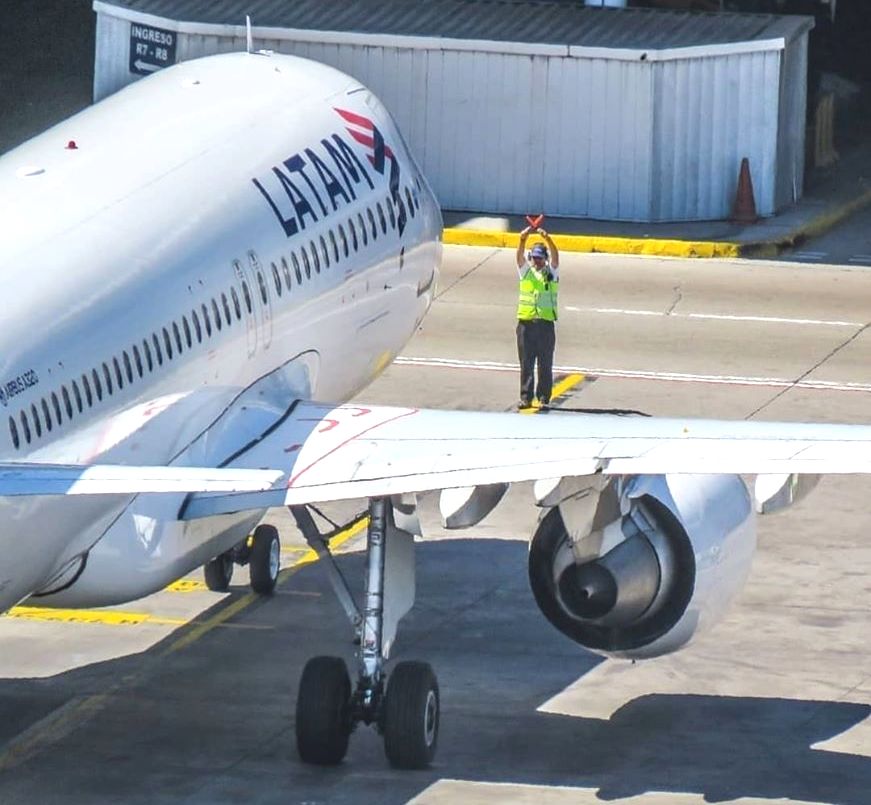
Los trabajadores exigen que el Gobierno de Argentina interceda para que Latam Airlines Argentina no realice un vaciamiento del patrimonio de la compañía en el país. Los reclamos de los empleados continúan tras el impase de indefiniciones entre el Gobierno y la aerolínea, que determinada la salida, debe asumir la responsabilidad política por los resarcimientos económicos de los 1750 trabajadores de la filial Argentina.

Los empleados de Latam Argentina continúan con los acampes en el Hangar del Aeropuerto Jorge Newbery para evitar el retiro de maquinarias, elementos de trabajo y aeronaves aparcadas en la plataforma, apoyados por la solidaridad de empleados aeronáuticos y de otros sectores, que continúan reclamando por la continuidad laboral.

La posición de muchos es que la aerolínea ha forzado los resultados negativos de sus balances de la filial para llevarlos a pérdida, para así reestructurar sus operaciones con las ayudas del Gobierno, forzando la situación en medio de la pandemia.

El Gobierno de Argentina ha rechazado en el Ministerio de Trabajo del Procedimiento Preventivo de Crisis (PPC), por la simple razón que intentaba evitar el decreto que prohíbe los despidos en medio de la pandemia. El problema es que no falla sobre las razones de fondo del conflicto, y por lo tanto es a favor del tiempo que Latam Argentina utiliza contra los trabajadores.

Los sindicatos aeronáuticos necesitan continuar con el apoyo de los trabajadores autoconvocados en Aeroparque para exigir restablecer la aerolínea o cumplimentar con todas las obligaciones que marca la ley para la salida de Latam Airlines de Argentina.

Claims for Latam Argentina continue

Employees claim for emptying of Latam

The workers demand that the Government of Argentina intercede so that Latam Airlines Argentina does not carry out an emptying of the company’s assets in the country. The claims of the employees continue after the impasse of uncertainties between the Government and the airline, which determined the exit, must assume political responsibility for the economic compensation of the 1,750 workers of the Argentine subsidiary.

The employees of Latam Argentina continue with the camping in the Hangar of the Jorge Newbery Airport to avoid the removal of machinery, work items and aircraft parked on the platform, supported by the solidarity of aeronautical employees and other sectors, who continue to claim for the job continuity.

The position of many is that the airline has forced the negative results of its balance sheets of the subsidiary to take them to a loss, in order to restructure its operations with government aid, forcing the situation in the midst of the pandemic.

The Government of Argentina has rejected the Crisis Preventive Procedure (PPC) in the Ministry of Labor, for the simple reason that it was trying to avoid the decree that prohibits layoffs in the midst of the pandemic. The problem is that it does not rule on the underlying reasons for the conflict, and therefore it is in favor of the time that Latam Argentina uses against the workers.

The aeronautical unions need to continue with the support of the self-summoned workers in Aeroparque to demand the reestablishment of the airline or fulfill all the obligations established by law for the departure of Latam Airlines from Argentina.

Ξ A I R G W A Y S Ξ
PUBLISHER: Airgways.com
DBk: Airgways.com / Latam.com / Infobae.com
AW-POST: 202008101216AR

A\W   A I R G W A Y S ®

Indonesia pendiente Proyecto R80

AW | 2020 08 09 23:04 | GOVERNMENT / INDUSTRY

Indonesia desarrollo avión regional Aviasi R80 en cuarentena

El proyecto de desarrollo del avión regional turboprop 80 pasajeros indonesia Aviasi Regional R80 ha sido cancelado por parte del Gobierno de Indonesia, eliminando del Proyecto Estratégico Nacional (PSN) del Gobierno para el programa 2020-2024 bajo el Presidente Joko Widodo. El motivo de la cancelación del prototipo ha sido anunciado por el Presidente comisionado de PT Regio Aviasi Industri, Ilham Habibie, que ha admitido que tuvo una audiencia con el Ministro Coordinador de Economía, Airlangga Hartarto, en relación con la retirada del R80 del PSN, no pudiendo permanecer en el programa de aviación. «Se nos dio información de que, especialmente con respecto a las políticas gubernamentales, todos los proyectos que todavía están en PSN deben completarse para el 2024. Por supuesto que no podemos cumplirlo y, por tanto, sí, ya no podemos clasificarnos para PSN», dijo Ilham Habibie, en una charla virtual, el Viernes 08/07. Se ha admitido que era imposible cumplir con el objetivo de completar el R80 en 2024. Esto se debe a que el desarrollo de aviones requiere un proceso que no se puede realizar en poco tiempo.

PT Regio Aviasi Industri ha expresado que el Gobierno continúa apoyando el desarrollo del R80 a través del proceso o procedimiento R80. El apoyo se obtuvo a través del papel del Ministerio de Investigación y Tecnología y la Agencia Nacional de Investigación e Innovación. No dio más detalles sobre el apoyo brindado. Lo que está claro, este apoyo no es en forma de asistencia financiera. «La presencia de R80 en la lista de PSN desde el principio es de hecho con una nota, que el gobierno no está de acuerdo con financiar R80 y nuestra presencia allí se entiende más como apoyo para encontrar inversores, no para recibir inversiones. Así que nosotros, con o sin estar en la lista de PSN, confió para la financiación de R80», dijo Ilham Habibie.

El Proyecto R80 se eliminó de la PSN y se reemplazó con el desarrollo de un avión no tripulado de combate que también se está probando. El avión regional R80 fue iniciado por el tercer presidente BJ Habibie a través de la bandera privada de PT Regio Aviasi Industri (RAI) como sucesor del desarrollo del avión turbohélice N250, que se retrasó durante la crisis de 1998. BJ Habibie se había convertido en Presidente de PT RAI.

Indonesia pending Project R80

Indonesia development of regional aircraft Aviasi R80 in quarantine

The Indonesian Aviasi Regional R80 turboprop 80 passenger regional aircraft development project has been canceled by the Indonesian Government, removing from the Government’s National Strategic Project (PSN) for the 2020-2024 program under President Joko Widodo. The reason for the cancellation of the prototype has been announced by the President Commissioner of PT Regio Aviasi Industri, Ilham Habibie, who has admitted that he had an audience with the Coordinating Minister of Economy, Airlangga Hartarto, regarding the withdrawal of the R80 from the PSN, not being able to stay in the aviation program. «We were given information that, especially with regard to government policies, all projects that are still on PSN are due to be completed by 2024. Of course we cannot fulfill this and therefore, yes, we can no longer qualify for PSN», said Ilham Habibie, in a virtual chat, on Friday 08/07. It has been admitted that it was impossible to meet the goal of completing the R80 by 2024. This is because aircraft development requires a process that cannot be done in a short time.

PT Regio Aviasi Industri has stated that the Government continues to support the development of R80 through the R80 process or procedure. Support was obtained through the role of the Ministry of Research and Technology and the National Agency for Research and Innovation. He did not elaborate on the support provided. What is clear, this support is not in the form of financial assistance. «The presence of R80 on the PSN list from the beginning is in fact with a note, that the government does not agree to finance R80 and our presence there is understood more as support to find investors, not to receive investments. So we, with or without being on the PSN list, relied on R80 for funding», said Ilham Habibie.

Project R80 was removed from the PSN and replaced with the development of a combat drone that is also being tested. The R80 regional aircraft was started by the third president BJ Habibie through the private banner of PT Regio Aviasi Industri (RAI) as a successor to the development of the N250 turboprop aircraft, which was delayed during the 1998 crisis. BJ Habibie had become President of PT RAI.

Indonesia menunggu Proyek R80

Pengembangan pesawat Indonesia Regional Aviasi R80 di karantina

Proyek pengembangan pesawat regional turboprop 80 penumpang Aviasi Regional Indonesia R80 telah dibatalkan oleh Pemerintah Indonesia, menghapus Proyek Strategis Nasional (PSN) Pemerintah untuk program 2020-2024 di bawah Presiden Joko Widodo. Alasan pembatalan prototipe tersebut sudah disampaikan oleh Presiden Komisaris PT Regio Aviasi Industri, Ilham Habibie yang mengaku sempat audiensi dengan Menteri Koordinator Perekonomian Airlangga Hartarto terkait penarikan R80 dari PSN. tidak bisa tinggal di program penerbangan. «Kami diberi informasi, terutama terkait dengan kebijakan pemerintah, semua proyek yang masih di PSN dijadwalkan selesai pada 2024. Tentu kami tidak bisa memenuhi itu dan oleh karena itu ya kami tidak bisa lagi lolos ke PSN», kata Ilham Habibie, dalam virtual chat, Jumat 08/07. Diakui, target penyelesaian R80 tidak mungkin tercapai pada 2024. Pasalnya, pengembangan pesawat membutuhkan proses yang tidak bisa dilakukan dalam waktu singkat.

PT Regio Aviasi Industri telah menyatakan bahwa Pemerintah terus mendukung pengembangan R80 melalui proses atau prosedur R80. Dukungan diperoleh melalui peran Kementerian Riset dan Teknologi dan Badan Riset dan Inovasi Nasional. Dia tidak merinci dukungan yang diberikan. Yang jelas, dukungan ini bukan dalam bentuk bantuan finansial. “Kehadiran R80 di daftar PSN dari awal sebenarnya dengan catatan, bahwa pemerintah tidak setuju untuk membiayai R80 dan kehadiran kami di sana lebih dipahami sebagai dukungan untuk mencari investor, bukan untuk menerima investasi. Jadi Kami, dengan atau tanpa masuk PSN, mengandalkan dana R80”, kata Ilham Habibie.

Proyek R80 telah dihapus dari PSN dan diganti dengan pengembangan drone tempur yang juga sedang diuji. Pesawat regional R80 ini dimulai oleh presiden ketiga BJ Habibie melalui bendera pribadi PT Regio Aviasi Industri (RAI) sebagai penerus pengembangan pesawat turboprop N250 yang sempat tertunda saat krisis 1998. BJ Habibie pun menjadi Presiden Direktur PT RAI.

Ξ A I R G W A Y S Ξ
PUBLISHER: Airgways.com
DBk: Regio-aviasi.co.id / Kappip.go.id / Airgways.com
AW-POST: 202008092304AR

A\W   A I R G W A Y S ®

Gobierno intima a JetSmart/Norwegian

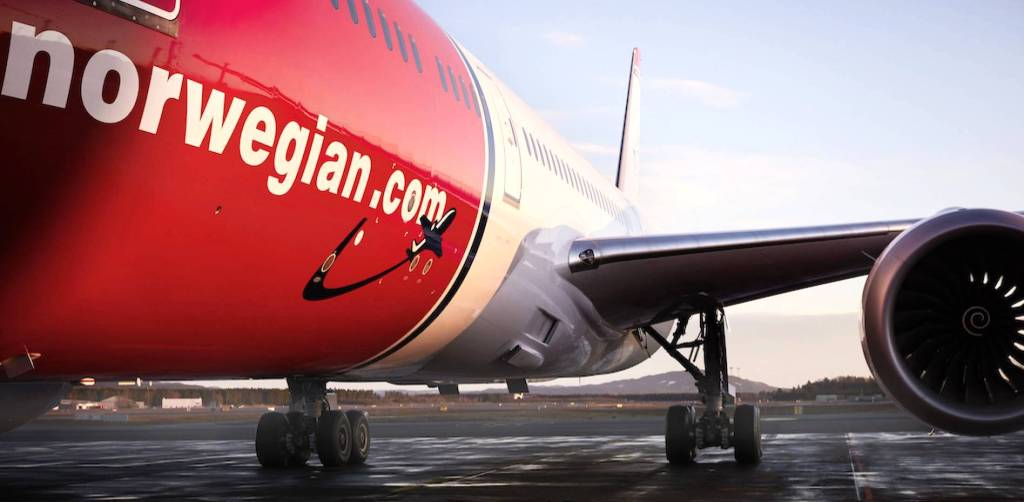
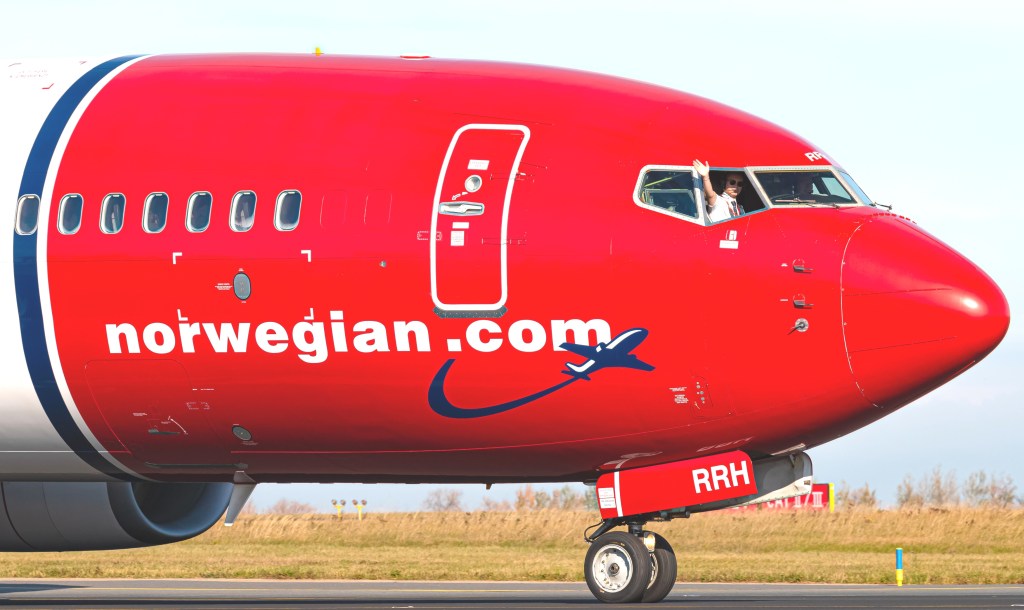
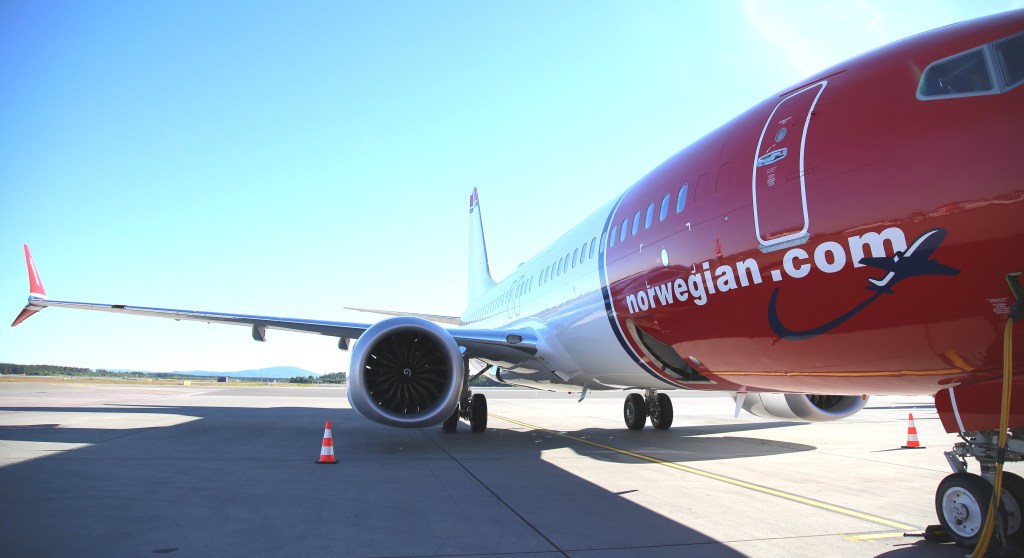
JetSmart-Norwegian sinergia 1Q2020 |

AW | 2020 08 09 15:55 | GOVERNMENT / AIRLINES / AIRPORTS

Gobierno intima JetSmart por compra Norwegian Air Argentina

Un nuevo conflicto se abre en puerta por la compra de la aerolínea Norwegian Air Argentina por parte de JetSmart Airlines Argentina. La línea aérea de presupuesto de capitales noruegos terminó sus operaciones al cambio de Gobierno. Posteriormente, desde el nuevo Gobierno detuvo la compra, pero luego la Justicia dictó a favor de JetSmart Argentina. La Agencia de la ANAC le ha exigido que en quince días le presente los detalles del acuerdo.

La compra por parte de JetSmart Airlines Argentina de Norwegian Air Argentina, había sido frenada por el nuevo Gobierno, con el argumento de que había una enormidad de cuestiones técnicas que no habían sido aprobadas ni siquiera por la funcionarios del anterior Gobierno nacional y que requerían de un análisis minucioso. Los funcionarios a cargo de analizar la compra no se pronunciaron por el acuerdo comercial, cuando sobrevino la pandemia y la cuarentena con las restricciones de los vuelos hasta la actualidad.

JetSmart Argentina ha presentado el reclamo ante la Justicia, solicitando poder utilizar los permisos de estacionamiento de aviones de Norwegian Air Argentina en Aeroparque. El tema de Aeroparque es el núcleo más importante de la compra de la aerolínea noruega. En el acuerdo de compra gira una disputa con el Gobierno acerca de las frecuencias de vuelos con derechos adquiridos.

​El reclamo de JetSmart fue rechazado en primera instancia por el juez Marcelo Dos Santos. La empresa apeló y la Sala II de la Cámara Federal de Apelaciones en lo Civil en Julio 2020, avalando los reclamos presentados. Mientras tanto, habían pasado siete meses de la asunción del nuevo Gobierno y tanto el Ministerio de Transporte como la Administración Nacional de Aviación Civil (ANAC) seguían sin pronunciarse sobre la cuestión de la compra.

Conflicto Aeroparque

El fallo Judicial favorable para la compañía aérea encendió las alertas el Viernes 07/08 a última hora en la ANAC, que ha publicado una resolución que desborda precisiones en lo técnico y describe con minuciosidad de reglamentos que deben seguir las líneas aéreas para poder operar en el país, permitiendo persivir una actitud intimidatoria hacia JetSmart Airlines Argentina y Norwegian Air Argentina, solicitando en quince días corridos presenten la totalidad de documentación que requiere el trámite de aprobación de la compra.

La resolución intima a las dos líneas aéreas a que se abstengan de hacer efectivo el trámite de compra, por lo que traducido, el organismo contralor está anticipando a JetSmart a desistir no comenzar a volar desde el Aeropuerto Jorge Newbery. La medida representa una orden abstracta, pues en la práctica posterior a los quince días la compañía no puede operar porque Aeroparque permanecerá cerrado por obras de mantenimiento hasta el 31/10.

La Resolución Nº 228 de la ANAC, extensa y minuciosa, va más allá de lo técnico, más bien, plantea que JetSmart y Norwegian cerraron un acuerdo de compra el 6 Diciembre 2019, sin haber esperado a contar con las aprobaciones técnicas de todas las áreas que debían haber intervenido, y que las mismas requerían de al menos 90 días antes de su aprobación definitiva. La titular de la ANAC, Paola Tamburelli, le pasa además factura a su antecesor, Tomás Insausti, por haber aprobado la compra: «[…] El procedimiento inusitadamente breve que antecedió al dictado de la Resolución […] amerita la identificación de cada una de las intervenciones que le cupieron a las áreas preopinantes, conforme han sido registradas en el Sistema de Gestión Documental Electrónica (GDE)», dice Paola Tamburelli en los considerandos de la resolución. Una vez finalizados los extensos considerandos, el foco apunta en particular hacia JetSmart: «Intímese a las empresas JetSmart Airlines S.A. y Norwegian Air Argentina SAU a a presentar ante esta Autoridad Aeronáutica la documentación requerida dentro del plazo extraordinario y perentorio de quince días corridos», expresa el texto de la ANAC.

JetSmart Airlines Argentina es una aerolínea argentina propiedad de la aerolínea chilena de ultra bajo costo JetSmart Airlines Group, propiedad del grupo estadounidense Indigo Partners. La aerolínea se estableció originalmente en 2016 como Alas del Sur Líneas Aéreas adquiriendo los derechos de rutas. En Junio 2018, Indigo Partners se crea la aerolínea a través de su filial chilena JetSmart, lo que permitió la entrada de JetSmart en el mercado de la aviación nacional de Argentina, y posteriormente la aerolínea fue rebautizada como JetSmart Airlines Argentina.

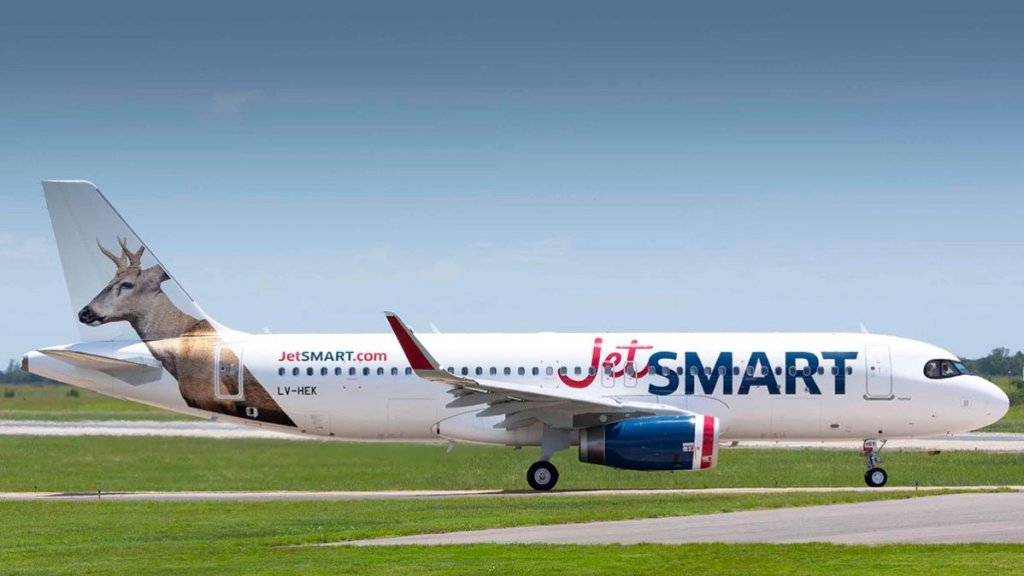
JetSmart Argentina recibió su certificado de operador aéreo y su primer avión, un Airbus A320-200 registrado como LV-HEK, en diciembre de 2018. En Febrero 2019, la aerolínea anunció y abrió reservas para sus primeros servicios a partir del 10 Abril 2019, que iban a ser operados desde una nueva base en el Aeropuerto El Palomar cerca de Buenos Aires, luego de que su empresa matriz hubiera operado previamente vuelos al aeropuerto desde Santiago de Chile.

La aerolínea low cost JetSmart Argentina cuenta con una infraestructura reducida y sus pérdidas hasta la fecha han sido menores que las de sus competidores, contando además con un fuerte respaldo externo del fondo Indigo Partners, de Estados Unidos. Tras el retiro de Latam Airlines Argentina del mercado de cabotaje, la unión entre JetSmart y Norwegian por el momento asoma como el principal competidor que tendrá Aerolíneas Argentinas tras la post-pandemia.

Resolución Nº 881

La aerolínea de presupuesto deberá cumplir con los plazos estipulados por parte de la ANAC para presentar los requerimientos de documentaciones necesarias que exigen que presenten las dos empresas, JetSmart Airlines Argentina que ha comprado a Norwegian Air Argentina, mientras que ésta no tiene más vinculaciones con las operaciones domésticas. El organismo aeronáutico advierte que hará efectivo el Artículo 3 de la Resolución Nº 881 que había tomado la ANAC en el Gobierno anterior. Este Artículo 3 plantea que si no se cumplen con todos los requisitos, cada uno de los ítem incumplidos dejan de tener cumplimiento efectivo, por lo que la compra queda anulada y por lo tanto JetSmart Argentina no podría hacer uso de los slots en Aeroparque.

La empresa ha respopndido con cautela: «JetSmart ha sido informada de una resolución de ANAC donde se pone suspensión a la implementación del acuerdo de consolidación de operaciones entre JetSmart y Norwegian en Argentina. El acuerdo fue aprobado el año pasado y ratificado por la Cámara Federal de Apelaciones. Esta situación nos preocupa en conjunto, en el contexto del reinicio de la operación y de la habilitación del Aeropuerto El Palomar», dice el comunicado emitido el Sábado 8 Agosto 2020 por la noche.

Aeropuerto El Palomar

El Gobierno de Argentina no ha precisado que aeropuertos serán utilizados en la reprogramación de los vuelos regulares con una fecha todavía indefinida. Desde el Ministerio de Transporte se ha dado a entender que el Gobierno no desea habilitar nuevamente al Aeropuerto El Palomar. El titular de Transporte, Mario Meoni ha expresado que haría falta el doble de pasajeros para justificar la reapertura de El Palomar, donde están las compañías aéreas JetSmart Airlines Argentina y Flybondi Líneas Aéreas. La agenda continúa abierta entre el Gobierno y las aerolíneas low cost. Pero todas las señales hasta el momento apuntan a que las low cost deberían migrar sus aeronaves hacia el Aeropuerto Ezeiza para continuar las operaciones en la Argentina.

La realidad, es que desde el Gobierno de Argentina no se promulga una línea definida para la reapertura de las líneas aéreas que continúan siendo afectadas no solo por la actual pandemia de Coronavirus, sino además, por las pocas reglas claras que no estimulan un país federal, donde podríamos encontrar una concentración de mercado monopólico en el Aeropuerto Jorge Newbery y además, no contar con otras ofertas aeroportuarias para poder volar en Argentina y el mundo.

JetSmart proceso absorción Norwegian |

Government intimate to JetSmart/Norwegian

Government intimates JetSmart for the purchase of Norwegian Air Argentina

A new conflict opens in the door due to the purchase of the airline Norwegian Air Argentina by JetSmart Airlines Argentina. The Norwegian capital budget airline ended its operations at the change of government. Subsequently, the new Government stopped the purchase, but then the Justice ruled in favor of JetSmart Argentina. The ANAC Agency has required him to present the details of the agreement within fifteen days.

The purchase by JetSmart Airlines Argentina of Norwegian Air Argentina, had been stopped by the new Government, arguing that there were an enormity of technical issues that had not been approved even by the officials of the previous national Government and that they required a thorough analysis. The officials in charge of analyzing the purchase did not comment on the commercial agreement, when the pandemic and quarantine occurred with the restrictions on flights until now.

JetSmart Argentina has presented the claim before the Justice, requesting to be able to use the aircraft parking permits of Norwegian Air Argentina at Aeroparque. The Aeroparque issue is the most important nucleus of the purchase of the Norwegian airline. In the purchase agreement revolves a dispute with the Government about the frequencies of flights with acquired rights.

JetSmart’s claim was rejected in the first instance by Judge Marcelo Dos Santos. The company appealed and the Chamber II of the Federal Chamber of Civil Appeals in July 2020, endorsing the claims presented. Meanwhile, seven months had passed since the new Government took office and both the Ministry of Transport and the National Civil Aviation Administration (ANAC) still did not comment on the issue of the purchase.

Conflict Aeroparque

The judicial ruling favorable to the airline set off the alerts on Friday 07/08 at the last minute in the ANAC, which has published a resolution that exceeds technical details and describes in detail the regulations that airlines must follow in order to operate in the country, allowing to persist an intimidating attitude towards JetSmart Airlines Argentina and Norwegian Air Argentina, requesting in fifteen days in a row they present all of the documentation that the purchase approval process requires.

The resolution intimates the two airlines to refrain from making the purchase process effective, so translated, the controlling body is anticipating JetSmart to give up not starting to fly from Jorge Newbery Airport. The measure represents an abstract order, since in practice after fifteen days the company cannot operate because Aeroparque will remain closed for maintenance works until 10/31.

Resolution No. 228 of the ANAC, extensive and detailed, goes beyond the technical, rather, it states that JetSmart and Norwegian closed a purchase agreement on December 6, 2019, without having waited for technical approvals in all areas that they should have intervened, and that they required at least 90 days before their final approval. The head of the ANAC, Paola Tamburelli, also invoices her predecessor, Tomás Insausti, for having approved the purchase: «[…] The unusually brief procedure that preceded the issuance of the Resolution […] merits the identification of each one of the interventions that fit the pre-opinionated areas, as they have been registered in the Electronic Document Management System (GDE)», says Paola Tamburelli in the recitals of the resolution. Once the extensive considerations have been completed, the focus points in particular towards JetSmart: «Get intimate with the companies JetSmart Airlines SA and Norwegian Air Argentina SAU to submit to this Aeronautical Authority the required documentation within the extraordinary and peremptory period of fifteen calendar days», the text of the ANAC.

JetSmart Airlines Argentina is an Argentine airline owned by the Chilean ultra-low-cost airline JetSmart Airlines Group, owned by the US group Indigo Partners. The airline was originally established in 2016 as Alas del Sur Lineas Aereas acquiring route rights. In June 2018, Indigo Partners created the airline through its Chilean subsidiary JetSmart, which allowed the entry of JetSmart in the Argentine national aviation market, and later the airline was renamed JetSmart Airlines Argentina.

JetSmart Argentina received its air operator certificate and its first aircraft, an Airbus A320-200 registered as LV-HEK, in December 2018. In February 2019, the airline announced and opened reservations for its first services as of April 10, 2019, that were to be operated from a new base at El Palomar Airport near Buenos Aires, after their parent company had previously operated flights to the airport from Santiago de Chile.

The low cost airline JetSmart Argentina has a reduced infrastructure and its losses to date have been lower than those of its competitors, also counting on strong external support from the Indigo Partners fund in the United States. After the withdrawal of Latam Airlines Argentina from the cabotage market, the union between JetSmart and Norwegian at the moment appears as the main competitor that Aerolíneas Argentinas will have after the post-pandemic.

Resolution No. 881

The budget airline must comply with the deadlines stipulated by the ANAC to present the necessary documentation requirements that the two companies, JetSmart Airlines Argentina, that have bought from Norwegian Air Argentina, demand that the two companies present, while the latter has no further ties to the domestic operations. The aeronautical organization warns that Article 3 of Resolution No. 881 that the ANAC had taken in the previous Government will take effect. This Article 3 states that if all the requirements are not met, each of the non-compliant items cease to have effective compliance, so the purchase is canceled and therefore JetSmart Argentina could not make use of the slots in Aeroparque.

The company has responded with caution: «JetSmart has been informed of an ANAC resolution suspending the implementation of the agreement to consolidate operations between JetSmart and Norwegian in Argentina. The agreement was approved last year and ratified by the Federal Chamber. This situation worries us as a whole, in the context of the restart of the operation and the habilitation of the El Palomar Airport», says the statement issued on Saturday 8 August 2020 at night.

El Palomar Airport

The Government of Argentina has not specified which airports will be used in the rescheduling of regular flights with an undefined date. The Ministry of Transportation has hinted that the Government does not want to re-enable the El Palomar Airport. The head of Transportation, Mario Meoni has expressed that it would take twice as many passengers to justify the reopening of El Palomar, where the airlines JetSmart Airlines Argentina and Flybondi Líneas Aéreas are located. The agenda remains open between the Government and low cost airlines. But all the signs so far indicate that the low cost companies should migrate their aircraft to the Ezeiza Airport to continue operations in Argentina.

The reality is that the Government of Argentina does not promulgate a defined line for the reopening of airlines that continue to be affected not only by the current Coronavirus pandemic, but also by the few clear rules that do not stimulate a federal country, where we could find a monopoly market concentration at Jorge Newbery Airport and also not have other airport offers to be able to fly in Argentina and the world.

Ξ A I R G W A Y S Ξ
PUBLISHER: Airgways.com
DBk: Anac.gov / Jetsmart.com / Clarin.com / Airgways.com
AW-POST: 202008091555AR

A\W   A I R G W A Y S ®

Declaraciones políticas por Aerolíneas

AW | 2020 08 09 14:08 | AIRLINES / GOVERNMENT

Político solicita que Aerolíneas Argentinas vuele solo cabotaje

Los diferentes gremios aeronáuticos de la República Argentina apuntaron contra el planteo del funcionario nacional Secretario de Relaciones Parlamentarias de la Jefatura de Gabinete nacional, Fernando Navarro, que propuso que Aerolíneas Argentinas solo se aboque a operar dentro del país y abandonar las rutas internacionales, al expresar que con éstos últimos se pierden cientos de millones de dólares. Posterior a las declaraciones, el rechazo gremial no se ha hecho esperar. En un duro comunicado dado a conocer este Sábado 08/08, la Asociación del Personal Aeronáutico (APA) ligó ese argumento del funcionario nacional a aquellos “que utilizaba el macrismo en el Gobierno para desmantelar Aerolíneas”.

En declaraciones a Crónica TV, Fernando Navarro había remarcado: «Si ganamos los vuelos de cabotaje, de acá a Jujuy, de acá a Trelew, de acá a Comodoro Rivadavia, de acá a Mendoza y perdemos de acá a Madrid, de acá a Londres. ¿No debemos repensar si Aerolíneas Argentinas no tiene que ser una empresa de vuelos de cabotaje, una empresa que transporte argentinos en el interior del país y quizás no tener planes de vuelos internacionales, donde perdemos cientos de millones de dólares».

Trabajadores de la compañía expresaron su disconformidad con los dichos del funcionario; pues reconocen el papel importante que representa la línea aérea para Argentina y el rol fundamental al servicio del país tanto en la actualidad como en la etapa post-pandemia. “Lamentamos estas declaraciones que nada tienen que ver con los objetivos del Gobierno ni con la enorme contribución que los trabajadores aeronáuticos hemos hecho y hacemos cotidianamente para desterrar la concepción neoliberal y construir un modelo al servicio del país y el pueblo argentino”, puntualizaron voces del sector de la empresa con tintes políticos.

Repercussions political statements by Aerolíneas

Politician requests that Aerolíneas Argentinas fly only cabotage

The different aeronautical unions of the Argentine Republic pointed out against the proposal of the national official Secretary of Parliamentary Relations of the National Cabinet Headquarters, Fernando Navarro, who proposed that Aerolíneas Argentinas only engage in operating within the country and abandon international routes, by expressing that hundreds of millions of dollars are lost with the latter. After the statements, the union rejection has not been long in coming. In a harsh statement released this Saturday 08/08, the Aeronautical Personnel Association (APA) linked this argument of the national official to those «who used macrism in the Government to dismantle Aerolíneas».

Speaking to Crónica TV, Fernando Navarro had remarked: «If we win the domestic flights, from here to Jujuy, from here to Trelew, from here to Comodoro Rivadavia, from here to Mendoza and we lose from here to Madrid, from here to London Should we not rethink whether Aerolíneas Argentinas does not have to be a domestic flight company, a company that transports Argentines within the country and perhaps not have international flight plans, where we lose hundreds of millions of dollars».

Company workers expressed their disagreement with the official’s statements; They recognize the important role that the airline represents for Argentina and the fundamental role in serving the country both at present and in the post-pandemic stage. «We regret these statements that have nothing to do with the objectives of the Government or with the enormous contribution that aeronautical workers have made and do on a daily basis to banish the neoliberal concept and build a model at the service of the country and the Argentine people», stated voices from the political sector of the company.

Ξ A I R G W A Y S Ξ
PUBLISHER: Airgways.com
DBk: Airgways.com
AW-POST: 202008091408AR

A\W   A I R G W A Y S ®

Encuesta empleados FAA al Congreso

AW | 2020 08 08 16:10 | AVIATION SAFETY / GOVERNMENT

Empleados de FAA expresan encuesta que agencia es complaciente

Los empleados federales de la Federal Aviation Administration (FAA) de Estados Unidos que supervisan a The Boeing Company y otros fabricantes de aviones dicen que enfrentan la presión de las empresas y temen represalias de sus propios jefes si plantean demasiadas preocupaciones de seguridad, según una encuesta de los trabajadores que se ha entregado al Congreso estadounidense el Viernes 7 Agosto 2020.

Muchos de los empleados de la Administración Federal de Aviación encuestados dijeron que creen que los gerentes de la agencia están demasiado preocupados por los objetivos de la industria y no son responsables de las decisiones sobre seguridad. Un empleado de la FAA dijo que las empresas dirán que perderán dinero si la FAA no certifica su avión lo suficientemente rápido. Otro dijo que el mensaje a los trabajadores de la FAA es: «No muevas el barco con Boeing». El resumen y los comentarios se incluyeron en el informe de una empresa privada, con fecha de febrero, sobre la cultura de seguridad en la FAA. La FAA se enfrenta al escrutinio del Congreso por su aprobación del Boeing 737 MAX, que permanece en tierra después de dos accidentes aéreos con menos de cinco meses de diferencia.

El informe refleja «un patrón perturbador de altos funcionarios de una agencia federal que se trasladan a la industria. Eso es especialmente perturbador de ver cuando se trata de Boeing, que, como sabemos ahora, empujó a un avión a través de un proceso regulatorio roto que resultó en la muerte de 346 personas inocentes», dijo el representante Peter DeFazio, Presidente del Comité de Transporte de la Cámara del Senado.

El Administrador de la FAA, Stephen Dickson, dijo que el informe muestra «que tenemos trabajo por hacer para abordar los problemas. Es completamente inaceptable que haya empleados que no tengan confianza en que sus preocupaciones de seguridad se tomen en serio». Dickson prometió cambios, incluida la creación de un programa para alentar a los empleados de la FAA a informar preocupaciones de seguridad. Stephen Dickson, un ex piloto y ejecutivo de Delta Air Lines que se convirtió en Jefe de la FAA en 2019, se salvó de las críticas más duras de la encuesta. El informe dice que los empleados perciben que él está demostrando un compromiso con la seguridad. Citó un video en el que Dickson rechazó los comentarios de los funcionarios de Boeing que presionaban a la FAA para que dejara que el Boeing 737 MAX volviera a volar.

La FAA le pidió a Mitre Corp. que realizara la encuesta y el informe el año pasado después de que la agencia prometiera mejorar su cultura de seguridad. Mitre dijo que envió encuestas a más de 7.000 empleados en el grupo de seguridad de la aviación de la FAA y el 25% respondió. Los empleados y gerentes de la FAA en la encuesta y los grupos focales, que no fueron identificados por su nombre, informaron una fuerte presión de la industria «para encontrar soluciones beneficiosas para todos que beneficien a la industria». Dijeron que las empresas se quejarán ante los líderes superiores de la FAA o el Congreso si creen que los empleados de seguridad de la agencia se interponen en su camino, según el informe.

El informe describe una situación en la que el personal de la sede de la FAA cree que tiene un fuerte compromiso con la seguridad. Sin embargo, según el informe, muchos empleados en el campo creen que sus principales líderes «están demasiado preocupados por lograr los resultados orientados al negocio de las partes interesadas de la industria y no son responsables de las decisiones relacionadas con la seguridad».

Los empleados también dijeron que la gestión de la organización de seguridad de la aviación dentro de la FAA no respalda a los empleados de seguridad de primera línea con la suficiente firmeza. «Hay una consecuencia de que no podamos hacer nuestro trabajo. Los accidentes ocurren y la gente muere», dijo un empleado.

Perspectivas

La encuesta encontró que menos del 40% de los empleados de la FAA creen que la industria de la aviación tiene el nivel adecuado de influencia sobre las decisiones de seguridad, según varios informes. Significa que los empleados de la FAA creen que la industria privada tiene demasiado control sobre la certificación de diseño de aeronaves.

La Administración Federal de Aviación es demasiado amable con Boeing, según una encuesta interna de empleados. El Congreso, como resultado, no está contento. Es un gran problema para la industria de la aviación.

Survey of FAA employees to Congress

FAA employees express survey which agency is complacent

Federal employees of the United States Federal Aviation Administration (FAA) who oversee The Boeing Company and other aircraft manufacturers say they face pressure from companies and fear retaliation from their own bosses if they raise too many safety concerns, according to a survey. of the workers that has been delivered to the US Congress on Friday, August 7, 2020.

Many of the Federal Aviation Administration employees surveyed said they believe agency managers are overly concerned with industry goals and are not responsible for safety decisions. An FAA employee said companies will say they will lose money if the FAA does not certify their aircraft quickly enough. Another said the message to FAA workers is: «Don’t move the boat with Boeing». The summary and comments were included in a private company report, dated February, on safety culture at the FAA. The FAA faces scrutiny from Congress over its approval of the Boeing 737 MAX, which remains on the ground after two plane crashes less than five months apart.

The report reflects «a disturbing pattern of top federal agency officials moving into the industry. That is especially disturbing to see when it comes to Boeing, which, as we now know, pushed an aircraft through a broken regulatory process. that resulted in the deaths of 346 innocent people», said Rep. Peter DeFazio, Chairman of the Senate House Transportation Committee.

FAA Administrator Stephen Dickson said the report shows «that we have work to do to address the issues. It is completely unacceptable that there are employees who are not confident that their safety concerns are being taken seriously». Dickson promised changes, including creating a program to encourage FAA employees to report safety concerns. Stephen Dickson, a former Delta Air Lines pilot and executive who became Chief of the FAA in 2019, was spared the harshest criticism in the survey. The report says that employees perceive that he is demonstrating a commitment to safety. He cited a video in which Dickson rejected comments from Boeing officials pressuring the FAA to let the Boeing 737 MAX fly again.

The FAA asked Miter Corp. to conduct the survey and report last year after the agency promised to improve its safety culture. Miter said he sent surveys to more than 7,000 employees in the FAA’s aviation security group and 25% responded. FAA employees and managers in the survey and focus groups, who were not identified by name, reported strong pressure from the industry «to find win-win solutions that benefit the industry», They said companies will complain to senior FAA leaders or Congress if they believe the agency’s security employees are getting in their way, according to the report.

The report describes a situation in which FAA headquarters personnel believe they have a strong commitment to safety. However, according to the report, many employees in the field believe their top leaders «are overly concerned with achieving the business-oriented results of industry stakeholders and are not responsible for decisions related to safety».

The employees also said that the management of the aviation security organization within the FAA does not support frontline security employees strongly enough. «There is a consequence that we cannot do our job. Accidents happen and people die», said one employee.

Perspectives

The survey found that fewer than 40% of FAA employees believe that the aviation industry has the right level of influence over safety decisions, according to various reports. It means that FAA employees believe that private industry has too much control over aircraft design certification.

The Federal Aviation Administration is too nice to Boeing, according to an internal employee survey. Congress, as a result, is not happy. It is a big problem for the aviation industry.

Ξ A I R G W A Y S Ξ
PUBLISHER: Airgways.com
DBk: Senate.gov / Faa.gov / Boeing.com / Airgways.com
AW-POST: 202008081610AR

A\W   A I R G W A Y S ®
Aéreas EEUU informan 80.000 licencias

AW | 2020 08 08 15:37 | AVIATION / AIRLINES / GOVERNMENT

Más de 80.000 trabajadores aerolíneas enfrentan licencias

La industria de las líneas aéreas enfrenta la licencia de 80.000 empleados de la aviación en Estados Unidos, los que incluyen pilotos, asistentes de vuelo y otros trabajadores en tierra de las aerolíneas. Tras los efectos de la pandemia de Coronavirus, las trabajadores enfrentan se están acogiendo a procesos de períodos no remunerados y un futuro incierto mientras los transportistas intentan sortear pérdidas económicas enormes tras la parálisis de los viajes aerocomerciales.

Las principales aerolíneas de Estados Unidos han perdido su red de servicios de ocio y negocios y decenas de miles de trabajadores de la industria de la aviación se aproximan al 10/2020 cuando las reglamentaciones gubernamentales expiran para las ayudas del Estado. Desde el Gobierno Federal han manifestado la decisión de continuar el apoyo a la industria de la aviación con nuevas partidas monetarias que se extenderían desde Octubre 2020 hacia seis meses adicionales, permitiendo a las líneas aéreas más oxígeno ante un abismo para principios del 4Q2020.

4Q2020, abismo vs recuperación

Los transportistas, que también gastan millones en efectivo a diario, han estado notificando a los empleados que es probable que se concedan licencias, y el 1 Octubre 2020 se avecina como un día especialmente oscuro para la industria. Eso se debe en gran parte a que las aerolíneas que mantienen a los trabajadores en su nómina hasta el 30 de septiembre no tendrían que reembolsar los fondos que recibieron bajo la Ley CARES, que incluyen casi US$ 50 mil millones en apoyo a las aerolíneas estadounidenses. Las notificaciones de licencias son requeridas bajo la Ley Federal de Notificación de Ajuste y Reentrenamiento de Trabajadores, o Ley WARN, y no son inesperadas, especialmente en el clima económico actual.

El Director Ejecutivo de Delta Air Lines, Ed Bastian, después del informe financiero en Julio 2020, con una pérdida trimestral ajustada récord de US$ 2.800 millones de Dólares, ha expresado: “No creo que volvamos nunca por completo a donde estábamos en 2019 en el volumen de tráfico comercial». Aproximadamente 17.000 empleados, o el 20% de la fuerza laboral de Delta Air Lines dejaron la empresa la semana pasada a través de paquetes de compra o jubilación anticipada, según el comunicado de la compañía. Los recortes son «un paso difícil pero necesario hacia la transformación de Delta en una aerolínea más pequeña y ágil que estará mejor posicionada para soportar la crisis y recuperarse rápidamente. En la segunda mitad del año nos guiaremos por nuestro objetivo de eliminar nuestro gasto diario de efectivo mientras mejoramos la satisfacción del cliente y fomentamos la lealtad que nos servirá cuando se recupere la demanda», escribió Ed Bastian en un memorando a los empleados.

American Airlines ha anunciado que aproximadamente 25.000 trabajadores de primera línea podrían quedar sin permiso el 1 Octubre 2020. Sin embargo, la aerolínea con sede en Dallas-Fort Worth, Texas, ha arribado recientemente a un acuerdo con su sindicato de pilotos de 14.000 miembros para ofrecer más permisos y paquetes de jubilación anticipada para limitar la carnicería que se avecina. También está extendiendo hasta el 12 Agosto 2020 un plazo para que otros trabajadores decidan si tomar una licencia voluntaria con salario reducido o jubilación anticipada.

Chicago O'Hare International Airport [ORD] - Terminal Guide [2020]

United Airlines advirtió en Julio 2020 que casi la mitad de su fuerza laboral de primera línea podría ser despedida en 4Q2020. La cuenta de la aerolínea de 36.000 trabajadores incluye 15.000 asistentes de vuelo, 11.000 representantes de servicio al cliente y agentes de puerta, 5.550 empleados de mantenimiento y 2.250 pilotos.

Alaska Airlines dijo que está enviando avisos de posibles licencias a 4.200 empleados de primera línea, pero espera que el recuento final sea menor. Aproximadamente un tercio de los 3.100 pilotos de Alaska Airlines han optado por tomar una licencia voluntaria o jubilarse anticipadamente, lo que permite que la aerolínea evite las licencias de pilotos por ahora. En general, Alaska Airlines planea reducir su fuerza laboral en un 35%, pero las condiciones del mercado podrían cambiar la ecuación. “Estamos tomando decisiones difíciles para adaptar Alaska Airlines para el éxito futuro, pero eso significa que estamos perdiendo gente fantástica. Debemos despedir a algunas personas, y esas decisiones son muy difíciles”, dijo un portavoz de Alaska Airlines. «Estamos en medio de la mayor contracción de la demanda en la historia de nuestra industria», dijo el Presidente de Alaska Airlines, Ben Minicucci, en la conferencia de resultados del segundo trimestre de la aerolínea.

Asociación Regional

RAA se ha reunidojunt con NBAA, HAI y NATA en una carta instando al Tesoro de Estados Unidos a mejorar el programa de préstamos para aerolíneas. El Lunes 3 Agosto 2020, la Asociación Regional de Aerolíneas se unió a la Asociación Internacional de Helicópteros (HAI), la Asociación Nacional de Transporte Aéreo (NATA) y la Asociación Nacional de Aviación Comercial (NBAA),solicitando en una carta instando al Tesoro a priorizar los préstamos al aire regional. transportistas y operadores comerciales de aviación general que han sido excluidos en gran medida del Programa de préstamos para transportistas aéreos.

Las regionales

Frontier Airlines que notificó al 35% de sus auxiliares de vuelo y pilotos que podrían ser dados de baja tan pronto como octubre, con 925 auxiliares de vuelo y 559 pilotos enviaron notificaciones a finales de Julio 2020. Allegiant Airlines, que planea recortar 220 puestos no sindicalizados después del 30 de septiembre y espera advertir a 275 pilotos, o casi el 30%, que podrían enfrentar tiempo libre no remunerado. ExpressJet, que probablemente cerrará sus operaciones después de perder su contrato de vuelo con United Airlines Inc. a partir del próximo 2021. La aerolínea emplea a 3.000 personas. Hawaiian Airlines, que advierte a 2.135 de sus empleados que podrían ser suspendidos, incluidos 226 de sus aproximadamente 850 pilotos. PSA Airlines es una aerolínea regional subsidiaria de American Airlines. La compañía podría despedir a 730 pilotos y 500 asistentes de vuelo. Piedmont Airlines, que ha notificado a 120 pilotos que se enfrentan a licencias. Republic Airways, también enfrentará ajustes con unos 1.800 pilotos y asistentes de vuelo podrían enfrentar licencias. GoJet, donde un portavoz de la aerolínea regional confirmó que se enviaron advertencias a todos sus 1.185 empleados. “El porcentaje exacto de empleados que finalmente se verán afectados se basa en la demanda del cronograma y se desconoce en este momento. Sin embargo, esperamos que nuestro horario continúe reduciéndose significativamente”, dijo el portavoz de GoJet.

Si bien los sindicatos aéreos están presionando para una extensión del Programa de Apoyo a la Nómina adoptado en la Ley CARES aprobada a fines de Marzo 2020, no está claro si el Congreso incluirá a las aerolíneas en el paquete de apoyo financiero que ahora se está considerando. «Los asistentes de vuelo y otros trabajadores de la aviación quemaron las líneas telefónicas del Congreso durante la semana pasada para obtener apoyo para una extensión limpia del Programa de Apoyo de Nómina. Esta disposición es el programa de empleo más exitoso de ayuda de COVID y mantiene el servicio a todas nuestras comunidades», dijo Sara Nelson, Presidenta de la Asociación de Auxiliares de Vuelo (AFACWA), cuyo sindicato representa a casi 50.000 asistentes de vuelo en diecinueve aerolíneas.

Perspectivas 4Q2020

La pandemia mundial ha puesto de rodillas a las principales aerolíneas, lo que ha reducido drásticamente la frecuencia de los vuelos, el estacionamiento de aviones y el despido de trabajadores. A medida que Estados Unidos se instala en una nueva normalidad de vida dentro de la crisis prolongada, la supervivencia de las aerolíneas depende de su capacidad para convencer a los pasajeros de que volar a bordo de sus aviones es seguro, mientras tanto el Gobierno de Estados Unidos se apresura para extender un paliativo adicional de seis meses para salvaguardar a las líneas aéreas de próximas bancarrotas, una decisión presidencial en una período de elecciones nacionales en los Estados Unidos de América.

US airlines report 80,000 licenses

More than 80,000 airline workers face licensing

The airline industry faces the licensing of 80,000 aviation employees in the United States, which includes pilots, flight attendants and other airline ground workers. In the aftermath of the Coronavirus pandemic, workers are facing unpaid period processes and an uncertain future as carriers try to avoid huge economic losses after the paralysis of commercial air travel.

America’s major airlines have lost their business and leisure services network and tens of thousands of workers in the aviation industry are approaching 10/2020 when government regulations expire for state aid. The Federal Government has expressed the decision to continue supporting the aviation industry with new monetary items that would extend from October 2020 to six additional months, allowing airlines more oxygen in the face of an abyss by the beginning of 4Q2020.

4Q2020, abyss vs recovery

Carriers, who also spend millions in cash on a daily basis, have been notifying employees that licenses are likely to be granted, with October 1, 2020 looming as an especially dark day for the industry. That’s largely because airlines that keep workers on their payroll through Sept. 30 would not have to repay the funds they received under the CARES Act, which includes nearly US$ 50 billion in support of U.S. airlines licensing notifications are required under the federal Worker Adjustment and Retraining Notification Act, or WARN Act, and are not unexpected, especially in today’s economic climate.

Delta Air Lines CEO Ed Bastian, after the financial report in July 2020, with a record adjusted quarterly loss of US$ 2.8 billion, said: “I don’t think we will ever fully return to where we were in 2019 in the volume of commercial traffic». Approximately 17,000 employees, or 20% of the Delta Air Lines workforce left the company last week through purchase or early retirement packages, according to the company’s statement. The cuts are «a difficult but necessary step toward transforming Delta into a smaller, more agile airline that will be better positioned to withstand the crisis and recover quickly. In the second half of the year we will be guided by our goal of eliminating our daily cash outlays while improving customer satisfaction and fostering loyalty that will serve us when demand recovers», wrote Ed Bastian in a memo to employees.

American Airlines has announced that approximately 25,000 frontline workers could be left without a permit on October 1, 2020. However, the Dallas-Fort Worth, Texas-based airline recently reached an agreement with its 14,000-member pilots union to offer more permits and early retirement packages to limit the carnage to come. It is also extending until August 12, 2020 a deadline for other workers to decide whether to take voluntary leave with reduced salary or early retirement.

United Airlines warned in July 2020 that nearly half of its frontline workforce could be laid off in 4Q2020. The airline’s 36,000-worker account includes 15,000 flight attendants, 11,000 customer service representatives and gate agents, 5,550 maintenance employees and 2,250 pilots.

Alaska Airlines said it is sending notices of possible licensing to 4,200 front-line employees, but expects the final count to be lower. About a third of Alaska Airlines’ 3,100 pilots have chosen to take a voluntary license or retire early, allowing the airline to avoid pilot licenses for now. Overall, Alaska Airlines plans to reduce its workforce by 35%, but market conditions could change the equation. “We are making tough decisions to adapt Alaska Airlines for future success, but that means we are losing great people. We have to fire some people, and those decisions are very difficult”, said an Alaska Airlines spokesman. «We are in the midst of the largest contraction in demand in our industry history», Alaska Airlines President Ben Minicucci said at the airline’s second-quarter earnings call.

Regional Association

RAA has met with NBAA, HAI and NATA in a letter urging the US Treasury to improve the airline loan program. On Monday August 3, 2020, the Regional Airline Association joined the International Helicopter Association (HAI), the National Air Transport Association (NATA), and the National Commercial Aviation Association (NBAA), requesting in a letter urging the Treasury to prioritize loans to regional air. carriers and commercial general aviation operators have been largely excluded from the Air Carrier Loan Program.

The regionals

Frontier Airlines that notified 35% of its flight attendants and pilots that they could be discharged as early as October, with 925 flight attendants and 559 pilots sent notifications by the end of July 2020. Allegiant Airlines, which plans to cut 220 positions does not unionized after September 30 and expects to warn 275 pilots, or nearly 30%, that they could face unpaid time off. ExpressJet, which will likely shut down after losing its flight contract with United Airlines Inc. starting in 2021. The airline employs 3,000 people. Hawaiian Airlines, which is warning 2,135 of its employees that they could be suspended, including 226 of its approximately 850 pilots. PSA Airlines is a regional airline subsidiary of American Airlines. The company could lay off 730 pilots and 500 flight attendants. Piedmont Airlines, which has notified 120 pilots facing licensing. Republic Airways will also face adjustments with some 1,800 pilots and flight attendants could face licensing. GoJet, where a spokesperson for the regional airline confirmed that warnings were sent to all of its 1,185 employees. “The exact percentage of employees that will ultimately be affected is based on demand on the schedule and is unknown at this time. However, we expect our hours to continue to be significantly reduced”, said the GoJet spokesperson.

While airline unions are pushing for an extension of the Payroll Support Program adopted in the CARES Act passed in late March 2020, it is unclear whether Congress will include airlines in the financial support package that is now being considered. «Flight attendants and other aviation workers burned down Congressional phone lines over the past week to gain support for a clean extension of the Payroll Support Program. This provision is the most successful COVID relief employment program and maintains serving all of our communities», said Sara Nelson, President of the Association of Flight Attendants (AFACWA), whose union represents nearly 50,000 flight attendants on nineteen airlines.

Perspective 4Q2020

The global pandemic has brought major airlines to their knees, dramatically reducing the frequency of flights, aircraft parking, and laying off workers. As the United States settles into a new normal of life within the protracted crisis, the airlines’ survival depends on their ability to convince passengers that flying aboard their planes is safe, meanwhile the United States Government The United States is rushing to extend an additional six-month palliative to safeguard airlines from upcoming bankruptcies, a presidential decision in a period of national elections in the United States of America.

Ξ A I R G W A Y S Ξ
PUBLISHER: Airgways.com
DBk: Transportation.gov / Raa.org / Afacwa.org / Airgways.com / Reuters.com / Gettyimages.com
AW-POST: 202008081537AR

A\W   A I R G W A Y S ®