Aerolíneas Argentinas programa cuatro nuevos vuelos especiales
Aerolíneas Argentinas ha anunciado la programación de nuevos vuelos especiales de repatriación a Asunción, Santiago de Chile, San Pablo y Cancún. Los mismos serán habilitados para regresar a ciudadanos argentinos desde el exterior y para llevar a extranjeros hacia esos destinos, informaron fuentes de la compañía aérea.
El primer vuelo partirá el próximo Miércoles 15/07 hacia Asunción del Paraguay; el Sábado 25/07 hacia Santiago de Chile y el Domingo 26/07 hacia San Pablo. Todos estos servicios serán operados con aeronaves Embraer E190-100AR de Austral Líneas Aéreas con capacidad para 97 pasajeros, mientras que el 30/07 partirá desde Buenos Aires un avión Airbus A330-200 de Aerolíneas Argentinas, con capacidad para 270 pasajeros, que llevará hacia Cancún a residentes mexicanos en Argentina y traerá de regreso a argentinos que aún se encuentran en aquel país. En todos los casos, los pasajeros podrán comprar sus tickets de manera directa mediante la web de la compañía y sin necesidad de inscripción previa a través los consulados argentinos en el exterior. Aerolíneas ha realizado un total de 120 vuelos especiales a 16 países, en los cuales han podido regresar casi 30.000 argentinos.
Aerolíneas Shanghai-Buenos Aires
Un vuelo con procedencia de Shanghai, China ha arribado a Argentina trayendo insumos médicos para el tratamiento sanitario contra la pandemia del Coronavirus. La aerolínea de Argentina lleva realizados 36 vuelos hacia Shanghai, República Popular China para la provisión de material médico.
Aerolíneas 4 flights repatriation
Aerolíneas Argentinas schedules four new special flights
Aerolíneas Argentinas has announced the programming of new special repatriation flights to Asunción, Santiago de Chile, San Pablo and Cancún. They will be empowered to return Argentine citizens from abroad and to bring foreigners to those destinations, sources from the airline reported.
The first flight will depart next Wednesday 15/07 to Asunción del Paraguay; on Saturday 25/07 towards Santiago de Chile and on Sunday 26/07 towards San Pablo. All these services will be operated with Embraer E190-100AR aircraft from Austral Líneas Aéreas with capacity for 97 passengers, while on 07/30 an Airbus A330-200 aircraft from Aerolineas Argentinas, with capacity for 270 passengers, will depart for Buenos Aires. Cancun to Mexican residents in Argentina and will bring back Argentines who are still in that country. In all cases, passengers will be able to buy their tickets directly through the company’s website and without prior registration through the Argentine consulates abroad. Aerolíneas has made a total of 120 special flights to 16 countries, in which almost 30,000 Argentines have been able to return.
Aerolíneas, Shanghai-Buenos Aires
A flight from Shanghai, China has arrived in Argentina bringing medical supplies for sanitary treatment against the Coronavirus pandemic. The Argentine airline has carried 36 flights to Shanghai, the People’s Republic of China for the provision of medical supplies.
Ξ A I R G W A Y S Ξ PUBLISHER: Airgways.com DBk: Argentina.gob.ar / Telam.com.ar / Aerolineas.com / Airgways.com AW-POST: 202007102107AR
El Gobierno de Argentina ha aprobado para continuar las rebajas salariales y congelar paritarias en Flybondi Líneas Aéreas. En un mercado aeronáutico convulsionado, el Gobierno ha tomado las medidas para que la aerolínea de presupuesto continúe recibiendo oxigenación por medio de medidas paliativas en un acuerdo flexible con el sindicato de empresa.
Flybondi ha adoptado nuevas medidas para mitigar el impacto económico de la pandemia y ha arribado a un acuerdo con el sindicato de empresa la prórroga de las suspensiones por Julio, Agosto y Septiembre 2020, con una rebaja salarial de hasta el 35% y el virtual congelamiento de las paritarias hasta fin de 2020.
El convenio fue presentado este Miércoles 08/07 en forma virtual ante el Ministerio de Trabajo, donde ven con interés la supervivencia de la aerolínea low cost en un escenario complicado para el Gobierno, después de la salida anunciada de Latam Airlines Argentina, que han empañado los compromisos del futuro de la aviación comercial.
Inicialmente, Flybondi había presentado su sistema de crisis ante la cartera laboral cuatro días antes del Decreto 329/20, por el que se prohibieron los despidos por fuerza mayor y se habilitaron licenciamientos con quitas en los sueldos negociadas con los gremios en el marco del Artículo 223 Bis, un modelo resistido por los gremios aeronáuticos que autorizaba recortes de hasta el 25% al personal sin tareas.
Flybondi fue pionera en el modelo de reducción salarial previsto por el Gobierno en el marco de la cuarentena. Ante el freno a la actividad aerocomercial desde Marzo 2020 por la emergencia sanitaria y el aislamiento impuesto a la base de operaciones de la firma en el Aeropuerto El Palomar, el entendimiento destaca una clara vocación de ambas partes por desplegar una estrategia defensiva del nivel de empleo, preservando recursos humanos y técnicos valiosos para cuando deban reactivarse las operaciones, sin perjuicio de tener que discontinuar todos los turnos diarios de trabajo y para todas las especialidades que conforman esta organización y que son representadas en su conjunto por la entidad sindical, salvo aquellas tareas programadas y que hagan el mantenimiento técnico de la flota de aeronaves y/u operativas y comerciales derivadas de esta sorpresiva e inmediata paralización aludida.
La Asociación de Trabajadores de Flybondi aprobó esta semana el acuerdo en una reunión por vía teleconferencia y dispuso que sea refrendado en forma individual por sus afiliados para dotarlo de mayor respaldo frente al rechazo unánime de los gremios aéreos a los recortes salariales.
The Government of Argentina has approved to continue the salary reductions and to freeze joint ventures at Flybondi Líneas Aéreas. In a convulsed aviation market, the government has taken steps to ensure that the budget airline continues to receive oxygenation through mitigation measures in a flexible agreement with the company union.
Flybondi has adopted new measures to mitigate the economic impact of the pandemic and has reached an agreement with the company union to extend the suspensions by July, August and September 2020, with a salary reduction of up to 35% and the virtual freeze of the parities until the end of 2020.
The agreement was presented this Wednesday 08/07 in virtual form before the Ministry of Labor, where they see with interest the survival of the low cost airline in a complicated scenario for the Government, after the announced departure of Latam Airlines Argentina, which have tarnished the commitments of the future of commercial aviation.
Initially, Flybondi had presented its crisis system to the labor portfolio four days before Decree 329/20, by which dismissals due to force majeure were prohibited and licenses were authorized with deductions in wages negotiated with the unions under the Article 223 Bis, a model resisted by the aeronautical unions that authorized cuts of up to 25% to personnel without tasks.
Flybondi was a pioneer in the salary reduction model envisaged by the Government in the context of quarantine. Faced with the brake on the commercial activity since March 2020 due to the health emergency and the isolation imposed on the firm’s base of operations at El Palomar Airport, the understanding highlights a clear vocation on both sides to deploy a defensive strategy for the level of employment, preserving valuable human and technical resources for when operations must be reactivated, without prejudice to having to discontinue all daily work shifts and for all the specialties that make up this organization and that are represented as a whole by the union entity, except those tasks scheduled and to carry out the technical maintenance of the aircraft fleet and/or operational and commercial derived from this surprise and immediate mentioned stoppage.
The Flybondi Workers Association this week approved the agreement in a meeting via teleconference and ordered that it be individually endorsed by its affiliates to give it greater support in the face of unanimous rejection by the air unions of the wage cuts.
Ξ A I R G W A Y S Ξ PUBLISHER: Airgways.com DBk: Argentina.gob.ar / Flybondi.com / Iprofesional.com / Airgways.com AW-POST: 202007101330AR
Float Shuttle compra activos de aerolíneas estadounidenses
Float Shuttle Inc., con sede en California, llegó a un acuerdo de US$ 8 millones poco antes de una audiencia en la Corte de Bancarrotas el Jueves para hacerse cargo de al menos seis aviones, así como ciertos arrendamientos de terminales, propiedad intelectual y dos certificados Part 121 [Ɖ] de la Administración Federal de Aviación (FAA) de Ravn Air Group Inc. de Anchorage, Alaska.
La compañía Float Shuttle con sede en Los Ángeles ha adquirido previa subasta de la aerolínea regional Ravn Air del Estado de Alaska, Estados Unidos. Ravn Air Group concluye la venta de las líneas aéreas Ravn Air Alaska y Pen Air a la compañía Float Shuttle.
«Estamos encantados de escuchar que el equipo de transporte Float tiene la intención de volver a contratar a la mayor cantidad posible de nuestros empleados restantes y reanudar rápidamente los vuelos a las muchas comunidades vitales a las que Ravn sirve en todo nuestro gran estado», dijo Dave Pflieger, CEO de Ravn Air, en un comunicado de prensa el Jueves 09/07.
El transbordador Float Shuttle ha comprado seis aviones De Havilland DHC-8, un Saab 340 y equipo de apoyo en tierra por US$ 8 millones. Ese precio de compra también incluye los certificados de la Parte 121. La FAA, así como el Departamento de Transporte e Instalaciones Públicas de Alaska aún deberán aprobar la transferencia de los certificados comerciales, según Jane Kim, asesora de Ravn Air.
La compañía mantendrá las operaciones de Alaska a pesar de ser una compañía externa, según los procedimientos judiciales del Jueves. El Tribunal de Justicia también aprobó la compra de último minuto de Everts Air Cargo el Miércoles 08/07 por la noche de seis aviones Cessna 208 por US$ 3.5 millones. Todas las ventas realizadas el martes también fueron aprobadas por el Tribunal de Quiebras de Estados Unidos, incluidos los activos de la aerolínea Parte 135, RavnAir Connect. Estos incluyen: 15 Cessnas, dos edificios para Yute Commuter Service, 4 aviones, edificios y equipos para Wright Air Service, la totalidad de la flota de Beechcraft a ACE Air Cargo. Se generaron más de US$ 47 millones de la venta, de acuerdo con los procedimientos judiciales.
Float Shuttle acquires Ravn Air
Float Shuttle buys assets of US airlines
California-based Float Shuttle Inc. reached a US$ 8 million settlement shortly before a hearing in Bankruptcy Court on Thursday to take over at least six planes, as well as certain terminal leases, intellectual property and two Part 121 [Ɖ] certificates from the Federal Aviation Administration (FAA) of Ravn Air Group Inc. of Anchorage, Alaska.
The Los Angeles-based Float Shuttle company has acquired a previous auction from the regional airline Ravn Air of the State of Alaska, United States. Ravn Air Group concludes the sale of the Ravn Air Alaska and Pen Air airlines to the Float Shuttle company.
«We are delighted to hear that the Float Transportation Team intends to rehire as many of our remaining employees as possible and quickly resume flights to the many vital communities Ravn serves throughout our great state», he said. Dave Pflieger, CEO of Ravn Air, in a press release on Thursday 09/07.
Shuttle Float Shuttle has purchased six De Havilland DHC-8 aircraft, a Saab 340, and ground support equipment for US$ 8 million. That purchase price also includes Part 121 certificates. The FAA as well as the Alaska Department of Transportation and Public Facilities will still have to approve the transfer of the commercial certificates, according to Jane Kim, a Ravn Air adviser.
The company will maintain Alaska operations despite being an outside company, according to Thursday’s court proceedings. The Court of Justice also approved the last minute purchase of Everts Air Cargo on Wednesday 08/07 at night for six Cessna 208 aircraft for US$ 3.5 million. All sales made Tuesday were also approved by the United States Bankruptcy Court, including the assets of Part 135 airline RavnAir Connect. These include: 15 Cessnas, two buildings for the Jute Commuter Service, 4 aircraft, buildings and equipment for the Wright Air Service, the entire fleet from Beechcraft to ACE Air Cargo. More than US$ 47 million was generated from the sale, according to court proceedings.
CERTIFICACIÓN TRANSPORTE AÉREO 14 CFR PARTE 121 Es una descripción general del proceso de certificación para el Título 14 del Código de Regulaciones Federales (14 CFR) Parte 121 de las compañías aéreas Este sitio está diseñado para guiar a un nuevo solicitante a través del Proceso de certificación de la compañía aérea y responder las preguntas que puedan tener sobre el Proceso de certificación.
CERTIFICATION OF AIR TRANSPORT 14 CFR PART 121 It is an overview of the certification process for Title 14 of the Code of Federal Regulations (14 CFR) Part 121 of airlines. This site is designed to guide a new applicant through the Airline Certification Process and answer the Questions You May Have About the Certification Process.
Ξ A I R G W A Y S Ξ PUBLISHER: Airgways.com DBk: Floatshuttle.com / Airgways.com AW-POST: 202007101039AR
Latam Airlines Group adquiere capitalización de sus unidades
Latam Airlines Group ha incorporado US$ 1.3 mil millones a la propuesta de financiamiento de bancarrota, mientras que la unidad de Brasil busca protección. El grupo de aerolíneas de Latam Airlines más grande de América Latina ha comunicado el Jueves 09/07 que ha obtenido US$ 1.300 millones de Dólares adicionales para su propuesta de financiamiento ante un Tribunal de Quiebras de Nueva York, al tiempo que agregaba su unidad en Brasil al proceso de reestructuración de la deuda.
Latam Airlines Group ha solicitado la protección por bancarrota estadounidense en Mayo, con el objetivo de reordenar una deuda con un pasivo de US$ 18 mil millones de Dólares. Fue la aerolínea más grande del mundo hasta la fecha en buscar una reorganización de emergencia debido a la pandemia de Coronavirus. El anuncio trae alivio acerca de una financiación adicional de US$ 1.300 millones de Oaktree Capital Management LP y sus filiales, suficiente para cumplir con los requisitos de financiamiento de la compañía en medio de la crisis. La compañía ya había asegurado US$ 900 millones para el proceso de los accionistas Cueto Group y Qatar Airways. «Combinado […] se espera que no se requiera apoyo financiero de los gobiernos», dijo la compañía en un comunicado el Jueves 09/07 temprano.
Filiales Latam Airlines
La propuesta aún requería la aprobación de la Corte de Justicia estadounidense. Latam Airlines Group también anunció que agregaría su unidad en Brasil al proceso de protección por bancarrota en los Estados Unidos, calificando la medida como un «paso natural a la luz de la continua pandemia de COVID-19».
Las filiales de la aerolínea en Chile, Colombia, Perú, Ecuador y Estados Unidos se unieron al proceso del Capítulo 11 luego del anuncio inicial de quiebra de la compañía en mayo. «LATAM Airlines Brasil continuará operando vuelos de pasajeros y de carga normalmente, como lo han hecho el grupo LATAM Airlines y sus afiliados desde que ingresaron al Capítulo 11», dijo el comunicado.
Tres de las aerolíneas más grandes de América Latina, Latam Airlines, Aeroméxico y Avianca Holdings, se encuentran ahora en el Capítulo 11, ya que los gobiernos han evitado posibles paquetes de rescate. Los analistas esperan un cambio en el panorama posterior a la crisis en la región con menos competidores y precios más altos.
Latam Group injects capital
Latam Airlines Group acquires capitalization of its units
Latam Airlines Group has added US$ 1.3 billion to the bankruptcy financing proposal, while the Brazil unit seeks protection. The largest group of Latin American airlines of Latam Airlines has announced on Thursday 09/07 that it has obtained an additional US$ 1,300 million for its financing proposal before a Bankruptcy Court in New York, while adding its unit in Brazil to the debt restructuring process.
Latam Airlines Group filed for bankruptcy protection in May, with the aim of reordering a debt with a liability of US$ 18 billion. It was the world’s largest airline to date seeking an emergency reorganization due to the Coronavirus pandemic. The announcement brings relief about an additional US$ 1.3 billion in financing from Oaktree Capital Management LP and its subsidiaries, enough to meet the company’s financing requirements amid the crisis. The company had already secured US$ 900 million for the Cueto Group and Qatar Airways shareholder process. «Combined […] it is expected that no financial support from governments will be required», the company said in a statement early Thursday 09/07.
Latam Airlines subsidiaries
The proposal still required the approval of the US Court of Justice. Latam Airlines Group also announced that it would add its unit in Brazil to the bankruptcy protection process in the United States, calling the measure a «natural step in light of the ongoing COVID-19 pandemic».
The airline’s subsidiaries in Chile, Colombia, Peru, Ecuador and the United States joined the Chapter 11 process after the company’s initial bankruptcy announcement in May. «LATAM Airlines Brasil will continue to operate passenger and cargo flights as normal, as LATAM Airlines group and its affiliates have done since entering Chapter 11», the statement said.
Three of Latin America’s largest airlines, Latam Airlines, Aeroméxico and Avianca Holdings, are now in Chapter 11, as governments have avoided potential rescue packages. Analysts expect a change in the post-crisis outlook in the region with fewer competitors and higher prices.
Ξ A I R G W A Y S Ξ PUBLISHER: Airgways.com DBk: Nycourts.gov / Latam.com / Airgways.com AW-POST: 202007091558AR
Indonesia aplicará una nueva normalidad en aviación comercial
La República de Indonesia ha implementado aún más las restricciones en el campo de la aviación al planear imponer pronto un nuevo escenario normal en el sector, con el objetivo de apuntalar a las aerolíneas maltratadas, dijo un ministro de alto rango.
Asuntos Marítimos y de Inversión, a cargo del Ministro Luhut Binsar Pandjaitan, ha comunicado el Jueves 09/07 que el nuevo escenario normal debe aplicarse en un futuro próximo con la esperanza de que ayude a elevar las tasas de ocupación de las aerolíneas, que últimamente han estado cayendo debido a la pandemia. «Las tasas de ocupación de las aerolíneas han disminuido. Hablaré con Lion Air, y Garuda Indonesia sobre la imposición gradual de nuevas condiciones normales, a condición de que los viajes sigan siendo seguros y la economía repunte», comentó el Ministro Luhut Binsar Pandjaitan, refiriéndose a los transportistas nacionales.
El ministro anunció que el nuevo plan apunta a aprovechar la nueva oportunidad en el sector de la aviación ya que el número de pasajeros tanto extranjeros como nacionales se ha incrementado recientemente. Indonesia ha relajado las reglas de viajes aéreos desde principios de junio, al permitir que los aviones transporten pasajeros hasta en un 100 por ciento de su capacidad de asientos, aumentando desde la regla restringida anterior del 50 por ciento, en un intento por apuntalar los negocios de las aerolíneas junto con la reapertura gradual del economía. Desafortunadamente, las tasas de ocupación de las aerolíneas siguen siendo bajas, lo que obliga a Lion Air a despedir a 2.600 empleados. Ahora, con la creciente cantidad de pasajeros, todos los empleados fueron reclutados nuevamente por la compañía, reveló el portavoz de Lion Air, Danang Mandala Prihantoro.
El número de turistas extranjeros que visitan Indonesia ha señalado un repunte, con un crecimiento que comienza a aumentar un 3,10 por ciento a 163.650 en mayo mensualmente, seguido de la reapertura de los destinos turísticos en junio, según la Agencia Nacional de Estadística. Sin embargo, anualmente, las cifras se mantuvieron moderadas, cayendo a 86.9 por ciento y 87.44 por ciento en Mayo 2020 y Abril 2020 respectivamente.
Indonesia applies aviation standardization
Indonesia to apply new standard in commercial aviation
The Republic of Indonesia has further implemented the restrictions in the aviation field by planning to soon impose a new normal scenario in the sector, with the aim of propping up battered airlines, said a senior minister.
Maritime and Investment Affairs, in charge of the Minister Luhut Binsar Pandjaitan, has communicated on Thursday 09/07 that the new normal scenario should be applied in the near future with the hope that it will help to increase the occupation rates of the airlines, which lately have been falling due to the pandemic. «Airline occupancy rates have decreased. I will speak to Lion Air and Garuda Indonesia about the gradual imposition of new normal conditions, provided that travel remains safe and the economy picks up», said Minister Luhut Binsar Pandjaitan, referring to national carriers.
The minister announced that the new plan aims to take advantage of the new opportunity in the aviation sector as the number of both foreign and domestic passengers has recently increased. Indonesia has relaxed air travel rules since early June, allowing planes to carry passengers up to 100 percent of their seating capacity, increasing from the previous 50 percent restricted rule, in an attempt to shore up business of airlines along with the gradual reopening of the economy. Unfortunately, airline occupancy rates remain low, forcing Lion Air to lay off 2,600 employees. Now, with the increasing number of passengers, all employees have been recruited by the company again, Lion Air spokesman Danang Mandala Prihantoro revealed.
The number of foreign tourists visiting Indonesia has signaled a rebound, with growth starting to rise 3.10 percent to 163,650 in May monthly, followed by the reopening of tourist destinations in June, according to the National Statistics Agency. However, annually, the figures remained moderate, falling to 86.9 percent and 87.44 percent in May 2020 and April 2020 respectively.
Indonesia menerapkan standardisasi penerbangan
Indonesia menerapkan standar baru dalam penerbangan komersial
Republik Indonesia selanjutnya telah menerapkan pembatasan di bidang penerbangan dengan berencana untuk segera memberlakukan skenario normal baru di sektor ini, dengan tujuan menopang maskapai-maskapai yang babak belur, kata seorang menteri senior.
Urusan Maritim dan Investasi, yang bertanggung jawab atas Menteri Luhut Binsar Pandjaitan, telah mengomunikasikan pada hari Kamis 09/07 bahwa skenario normal baru akan diterapkan dalam waktu dekat dengan harapan bahwa hal itu akan membantu meningkatkan tingkat pendudukan maskapai penerbangan, yang belakangan ini telah jatuh karena pandemi. «Tingkat hunian maskapai menurun. Saya akan berbicara dengan Lion Air dan Garuda Indonesia tentang pembebanan bertahap kondisi normal baru, asalkan perjalanan tetap aman dan ekonomi membaik», kata Menteri Luhut Binsar Pandjaitan, mengacu pada operator nasional.
Menteri mengumumkan bahwa rencana baru tersebut bertujuan untuk memanfaatkan peluang baru di sektor penerbangan karena jumlah penumpang asing dan domestik baru-baru ini meningkat. Indonesia telah melonggarkan aturan perjalanan udara sejak awal Juni, memungkinkan pesawat untuk mengangkut penumpang hingga 100 persen dari kapasitas tempat duduk mereka, meningkat dari aturan pembatasan 50 persen sebelumnya, dalam upaya untuk menopang bisnis maskapai penerbangan bersama dengan pembukaan kembali ekonomi secara bertahap. Sayangnya, tingkat hunian maskapai tetap rendah, memaksa Lion Air memberhentikan 2.600 karyawan. Sekarang, dengan meningkatnya jumlah penumpang, semua karyawan telah direkrut oleh perusahaan lagi, juru bicara Lion Air Danang Mandala Prihantoro mengungkapkan.
Jumlah wisatawan asing yang berkunjung ke Indonesia telah memberikan sinyal rebound, dengan pertumbuhan mulai naik 3,10 persen menjadi 163.650 pada bulan Mei, diikuti oleh pembukaan kembali tujuan wisata pada bulan Juni, menurut Badan Statistik Nasional. Namun, setiap tahun, angkanya tetap moderat, turun menjadi 86,9 persen dan 87,44 persen pada Mei 2020 dan April 2020.
Ξ A I R G W A Y S Ξ PUBLISHER: Airgways.com DBk: Maritim.go.id / Thejakartapost.com / Airgways.com AW-POST: 202007091450AR
Audiencia Latam-Gobierno anuncia cierre operaciones en Argentina
Tras la reunión de la Audiencia Pública de Latam Airlines Argentina y el Ministerio de Trabajo, reunidos este Miércoles 08 Julio 2020 han fracasado las negociaciones para la continuidad de la aerolínea en el país. La compañía abre retiros voluntarios y los gremios exigen doble indemnización.
El Ministerio de Trabajo de la Nación, Latam Airlines Argentina y los representantes gremiales aeronáuticos tuvieron la primera Audiencia de Conciliación en el marco del Procedimiento Preventivo de Crisis (PPC) presentado por la compañía el pasado 17 Junio 2020. Tras la misma, la aerolínea ha emitido un comunicado a través del cual ha informado a los funcionarios gubernamentales, sindicatos que el cese de operaciones anunciado constituye una decisión tomada, como se expresara oportunamente a las autoridades del Gobierno, dando por cerrado cualquier otro camino que signifique reactivar a la filial argentina de Latam Airlines Group.
Ministerio Trabajo
La decisión central que debe tomar el Ministerio de Trabajo, es habilitar o descartar el Procedimiento Preventivo de Crisis (PPC) solicitado por Latam Airlines Argentina, instrumento que le permitiría encontrar un acuerdo para cerrar la empresa y pagar las indemnizaciones de sus empleados.
Según consta en el acta del encuentro, las entidades gremiales solicitaron que el Gobierno reitere la intimación hecha a la empresa para que complete el pago de salarios adeudados y garantice la continuidad de los puestos de trabajo, de acuerdo con los decretos presidenciales vigentes. Entre otros puntos, reclamaron también que la aerolínea «cese su conducta de imponer retiros voluntarios a los trabajadores de dicha empresa queintenta eludir la prohibición de despidos y, en su caso, el pago de indemnizaciones duplicadas».
Latam Airlines Argentina
La aerolínea ha explicado que la decisión de dejar el país es irreversible, generando que parte significativa de su personal se interese por la posibilidad de postularse al programa de retiro voluntario que la empresa tuvo abierto hasta el 5 Mayo 2020. Por ese motivo, señalaron, decidieron reabrirlo en las mismas condiciones en las que existía, con «la intención de buscar una solución consensuada y pacífica en la mayor cantidad de casos posible y rechazando que se pudieran haber generado presiones, extorsiones, sometimientos y/u otro tipo de irregularidades en dicho proceso».
La empresa señaló que tiene recursos limitados y que irá volcándolos al pago de adhesiones al retiro voluntario y anticipos salariales. Su estrategia, según quedó registrado en el acta, es que dada la situación de fuerza mayor y falta de trabajo actual, no atribuible a la empresa, se pueda aplicar la pauta indemnizatoria establecida en el Artículo 247 de la Ley de Contrato de Trabajo. Es decir, que se le permita pagar la mitad de la compensación prevista en condiciones normales, lo que comenzaría a concretarse una vez finalizada la instancia administrativa de los retiros voluntarios.
La empresa volvió a insistir en que retirarse del mercado local es una decisión tomada y, por lo tanto, no está sujeta a discusión. La empresa tuvo pérdidas que superaron los US$ 130 millones los últimos dos años y la paralización que trajo al mercado aerocomercial la pandemia de coronavirus terminó por implosionar sus cuentas. Finalmente, argumentando que «se impidió la ejecución de los cambios estructurales necesarios para garantizar» su continuidad, Latam Airlines Argentina anunció que dejaría de volar en el país y que las rutas internacionales que tienen como destino y origen la Argentina serían operadas por las filiales extranjeras. Así, la relación con los gremios apareció como uno de los grandes obstáculos de la empresa y de las razones fundamentales de la drástica decisión de la empresa.
Posición gremial
Delegados de Latam Airlines Argentina y de los gremios que representan a los trabajadores de la compañía se reunieron en el marco de una audiencia virtual convocada por el Ministerio de Trabajo, en la que el eje central de la discusión fue el mecanismo que adoptará la compañía para desvincular a sus 1.715 empleados. Mientras que los gremios exigen que se restituyan los puestos de trabajo o, en su defecto, se pague una doble indemnización, la empresa apunta a avanzar con un plan de retiros voluntarios y a que se considere la situación de fuerza mayor en la que se tomó la decisión, lo que le permitiría pagar el 50% de la compensación que corresponde en condiciones habituales. En esta oportunidad, los representantes de Trabajo se limitaron a escuchar a las partes y, según pudo saber este medio, dictaminarán la semana que viene.
Tres de los gremios más representativos de los trabajadores de Latam Airlines Argentina no han participado de la discusión porque no tienen personería jurídica.
Los trabajadores de Latam Airlines Argentina se encuentran representadas por ocho sindicatos, tres de ellos agrupan a personas que desempeñan tareas exclusivamente en Latam. Se trata de la Unión Pilotos Aviadores de Latam (UPAL), que fue creada en 2019 por un grupo de trabajadores que rompió con la conducción gremial tradicional, más asociada con Aerolíneas Argentinas; la Asociación de Tripulantes de Cabina de Pasajeros de Empresas Aerocomerciales (ATCPEA) y Unión Industrial de Trabajadores Aeronáuticos de la República Argentina (USTARA).
Según datos de la empresa, estos gremios propios representan a la mayoría de sus empleados: el 70% de los pilotos, el 62% de los tripulantes de cabina y el 75% de los técnicos y despachantes, respectivamente. Sin embargo, no participan de la discusión por su condición formal: están simplemente inscriptos. Los que tienen personería gremial son otros cinco gremios que pertenecen a la industria y que son con los que la empresa debe negociar: APLA (pilotos), APTA (técnicos), APA (trabajadores de rampas) y UPSA (personal superior) y AAA (tripulantes de cabina). Los cuatro primeros, que integran el frente de Sindicatos Aeronáuticos Unidos, tuvieron la reunión hoy a las 11:00 hs mientras que el encuentro de la empresa con los aeronavegantes de AAA, con los que siempre negocian por separado, quedó pautado para la tarde y por ese motivo no están incluidos dentro del acta mencionada.
En los gremios aeronáuticos, la explicación de la crisis de Latam Airlines Argentina escapa a la coyuntura actual. Para Ricardo Cirielli, Secretario General de la Asociación del Personal Técnico Aeronáutico (APTA), la empresa ya empezó a tener déficit desde la concreción de su fusión con TAM Linhas Aéreas, en 2016 y «empezaron a trasladar pasajeros de ciudades argentinas a sus centros de operaciones en Brasil, Chile y Perú, lo que hizo que el grupo creciera en desmedro de LAN Argentina pero no del grupo. Ellos ya desde ese año dejaron de invertir en Lan Argentina, no renovaron la flota de aviones y tampoco crecieron en destinos», aseguró el sindicalista aeronáutico.
Perspectivas
Respecto de la decisión que tiene por delante el Ministerio de Trabajo a cargo de Claudio Moroni, un abogado del sector señaló que lo que se defina «tendrá siempre un problema de espejo» con Aerolíneas Argentinas. Si el Gobierno no le da el PPC a Latam Airlines Argentina, no va a poder habilitárselo tampoco a Aerolíneas Argentinas que, según señaló el experto, lo tiene como una alternativa disponible. Algo de esto quedó expuesto algunos días atrás, cuando la aerolínea de bandera decidió postergar el pago del 50% de los salarios, mientras que a Latam Airlines Argentina se la intimó a pagar el 100% incluso cuando ya había acordado con parte de sus empleados una reducción equivalente.
La reunión efectuada este 08/07 entre Latam Airlines Argentina con el Gobierno de Argentina y los gremios aeronáuticos ha despejado dudas acerca de la continuidad de la aerolínea en el país. Tras el fracaso de las negociaciones la aerolínea abandona definitivamente las operaciones nacionales en Argentina, pero abre una conflictiva postura al Gobierno frente a las señales que deja expresa hacia el futuro en la aviación comercial.
Latam Airlines leaves ops in Argentina
Latam-Government Hearing announces closure ops in Argentina
After the meeting of the Public Hearing of Latam Airlines Argentina and the Ministry of Labor, gathered this Wednesday, July 8, 2020, negotiations for the continuity of the airline in the country have failed. The company opens voluntary retreats and the unions demand double compensation.
The Ministry of Labor of the Nation, Latam Airlines Argentina and the aeronautical union representatives had the first Conciliation Hearing within the framework of the Crisis Preventive Procedure (PPC) presented by the company on June 17, 2020. After the same, the airline has issued a statement through which it has informed government officials, unions that the announced cessation of operations constitutes a decision taken, as the Government authorities will expressly say, closing any other way that means reactivating the Argentine subsidiary of Latam Airlines Group.
Ministry of Labor
The central decision that the Ministry of Labor must take is to enable or discard the Crisis Preventive Procedure (PPC) requested by Latam Airlines Argentina, an instrument that would allow it to find an agreement to close the company and pay the compensation of its employees.
As stated in the minutes of the meeting, the union entities requested that the Government reiterate the request made to the company to complete the payment of wages owed and guarantee the continuity of jobs, in accordance with current presidential decrees. Among other points, they also demanded that the airline «cease its conduct of imposing voluntary withdrawals on the workers of said company, which tries to evade the prohibition of dismissals and, where appropriate, the payment of duplicate compensation».
Latam Argentina
The airline has explained that the decision to leave the country is irreversible, generating a significant part of its staff to be interested in the possibility of applying to the voluntary retirement program that the company had open until May 5, 2020. For this reason, they noted, they decided to reopen it under the same conditions in which it existed, with «the intention of seeking a consensual and peaceful solution in as many cases as possible and rejecting that pressure, extortion, submission and/orother types of irregularities could have been generated in said process».
The company indicated that it has limited resources and that it will be turning them towards the payment of accessions to the voluntary retirement and salary advances. His strategy, as recorded in the minutes, is that given the situation of force majeure and current lack of work, not attributable to the company, the compensation guideline established in Article 247 of the Labor Contract Law can be applied. In other words, to be allowed to pay half of the compensation provided under normal conditions, which would begin to materialize once the administrative instance of voluntary withdrawals has ended.
The company again insisted that withdrawing from the local market is a decision made and is therefore not subject to discussion. The company had losses that exceeded US $ 130 million in the last two years and the paralysis that the coronavirus pandemic brought to the commercial market ended up imploding its accounts. Finally, arguing that «the execution of the structural changes necessary to guarantee» its continuity was prevented, Latam Airlines Argentina announced that it would stop flying in the country and that the international routes to and from Argentina would be operated by foreign subsidiaries. Thus, the relationship with the unions appeared as one of the great obstacles of the company and of the fundamental reasons for the drastic decision of the company.
Union position
Delegates from Latam Airlines Argentina and the unions representing the company’s workers met in the framework of a virtual hearing called by the Ministry of Labor, in which the central axis of the discussion was the mechanism that the company will adopt to unlink its 1,715 employees. While the unions demand that the jobs be restored or, failing that, double compensation be paid, the company aims to move forward with a voluntary retirement plan and to consider the situation of force majeure in which the decision, which would allow him to pay 50% of the corresponding compensation under normal conditions. On this occasion, the representatives of Labor limited themselves to listening to the parties and, according to what this medium could know, they will rule next week.
Three of the most representative unions of Latam Airlines Argentina workers have not participated in the discussion because they do not have legal status.
The workers of Latam Airlines Argentina are represented by eight unions, three of them group people who perform tasks exclusively in Latam. This is the Union Pilots Aviators of Latam (UPAL), which was created in 2019 by a group of workers who broke with traditional union leadership, more associated with Aerolineas Argentinas; the Association of Cabin Crews of Passengers of Aerocomerciales Companies (ATCPEA) and Industrial Union of Aeronautical Workers of the Argentine Republic (USTARA).
According to company data, these own unions represent the majority of their employees: 70% of the pilots, 62% of the cabin crew and 75% of the technicians and dispatchers, respectively. However, they do not participate in the discussion due to their formal status: they are simply registered. Those who have union status are five other unions that belong to the industry and that the company must negotiate with: APLA (pilots), APTA (technicians), APA (ramp workers) and UPSA (superior personnel) and AAA ( cabin crew). The first four, which make up the United Aeronautical Unions front, had the meeting today at 11:00 am, while the meeting of the company with AAA airmen, with whom they always negotiate separately, was scheduled for the afternoon and for this reason they are not included in the aforementioned act.
In the aeronautical unions, the explanation of the crisis of Latam Airlines Argentina escapes the current situation. For Ricardo Cirielli, Secretary General of the Association of Aeronautical Technical Personnel (APTA), the company already began to have a deficit since the merger with TAM Linhas Aéreas, in 2016, and «they began to transfer passengers from Argentine cities to their centers of operations in Brazil, Chile and Peru, which made the group grow to the detriment of LAN Argentina but not the group. They already stopped investing in Lan Argentina that year, they did not renew the aircraft fleet and they did not grow in destinations», assured the aeronautical unionist.
Perspectives
Regarding the decision before the Ministry of Labor in charge of Claudio Moroni, a lawyer from the sector pointed out that what is defined «will always have a mirror problem» with Aerolíneas Argentinas. If the Government does not give the PPC to Latam Airlines Argentina, it will not be able to enable it either to Aerolíneas Argentinas, which, according to the expert, has it as an available alternative. Some of this was exposed a few days ago, when the flag carrier decided to postpone the payment of 50% of wages, while Latam Airlines Argentina was encouraged to pay 100% even when it had already agreed with part of its employees a equivalent reduction.
The meeting held this 08/07 between Latam Airlines Argentina with the Government of Argentina and the aeronautical unions has cleared up doubts about the continuity of the airline in the country. After the failure of the negotiations, the airline definitively abandons national operations in Argentina, but opens a conflicting stance to the Government in the face of the signs it is expressing towards the future in commercial aviation.
Ξ A I R G W A Y S Ξ PUBLISHER: Airgways.com DBk: Argentina.gob.ar/trabajo / Latam.com / Lanacion.com.ar / Aviones.com / Apla.org.ar / Aeronavegantes.org.ar / Tripulantes.com.ar / Ustara.com.ar / Atcpea.com.ar / Airgways.com AW-POST: 202007081748AR
Conflicto Plan inversión Aeropuerto Elliniko y animales residentes
El Gobierno de la República de Grecia ha dado luz verde en Junio 2020 para la demolición de cinco estructuras en el antiguo Aeropuerto Elliniko, una inversión que reconstruiría el área en un complejo de residencias de lujo, hoteles y casinos, ofreciendo muchas oportunidades de trabajo, pero estiman también una destrucción ecológica. El Primer Ministro griego Kyriakos Mitsotakis ha expresado la semana pasada en el primer día de trabajo en el aeropuerto de Elliniko: «Hoy es un día muy importante, un día simbólico».
Nuevos «habitantes»
El antiguo Aeropuerto Elliniko ha sido abandonado desde 2001 cuando se construyó un nuevo aeropuerto más grande en Spata. Desde entonces, cientos de animales han encontrado refugio dentro de las instalaciones de los viejos edificios. Hay aproximadamente más de 40 gatos y gatitos, así como una cantidad significativa de animales salvajes, incluidas tortugas, zorros, erizos y nidos de pájaros.
La Anadolu Maria Ganoti, Directora de la Asociación para la Protección y Rehabilitación de la Vida Silvestre ANIMA: «Logramos recolectar una pequeña cantidad de tortugas, erizos de los viejos locales. Dado que las instalaciones del antiguo aeropuerto fueron selladas con una cerca, enviamos una solicitud a Elliniko SA, una de las empresas participantes en este proyecto de inversión, la semana pasada y estamos esperando su autorización para ir a recoger el resto de los animales». Se están realizando esfuerzos para trasladar los animales salvajes dentro de las instalaciones para transferirlos a su hábitat natural.
De acuerdo con la Ley Griega Nº 4039/2012, el Municipio es responsable de la esterilización, la recolección y el bienestar de los animales callejeros y domésticos, algo que la mayoría de los municipios en Grecia han estado ignorando durante años. «La ley establece que el municipio es responsable de estas acciones», dijo Achilleas Kourepis, Vicealcalde del suburbio ateniense del norte de Kifisia, quien también es responsable del bienestar animal.
A pesar de estas solicitudes, el municipio de Argiroupoli-Elliniko ha estado ignorando estas solicitudes de grupos de defensa de los animales. Recientemente, el 10 Junio 2020, hubo una reunión entre la Presidenta de la Federación Panhelénica de Bienestar Animal y Medio Ambiente, Natassa Bobolaki, la Vicealcaldesa de la Municipalidad de Elliniko Argiroupoli Irene Stellaki, el Gerente General de Elliniko SA Vaggelis Perperas, y el Presidente del equipo panhelénico Martha Poultidou contra el maltrato animal. Un comunicado de prensa publicado en la cuenta de redes sociales de la municipalidad de Ellinko-Argiroupoli dijo que los animales, más específicamente los gatos, en las instalaciones del antiguo aeropuerto serían transportados a un veterinario, examinados, castrados, recibirían un libro de salud, serían picados, y finalmente registrado en la base de datos de la municipalidad como lo establece la ley. Desde entonces, no se ha hecho mucho, y según los voluntarios, la compañía responsable de la estructura Elliniko SA colocó una cerca de alambre en todo el aeropuerto haciendo imposible el proceso de recolección y alimentación de los animales. La empresa no ha aceptado una solicitud de Adespotologio para ayudar con la recolección de los animales. Vivi Katifori, Presidenta de Adespotologio, ha expresado que el municipio rechazó su oferta y no les permitió participar en las reuniones celebradas para resolver el problema y que el asunto no era de interés para ninguna de las partes.
Finalmente, el problema tuvo mucha publicidad, en parte gracias a los esfuerzos de la Federación Panhelénica de Bienestar Animal y Medio Ambiente. Pero aún así, el municipio se negó a asumir la responsabilidad.
El Municipio dice que los gatos han sido recolectados y que el número de animales es mucho menor que lo que dicen los voluntarios, a pesar de que han estado yendo allí durante años.
En su discurso inaugural el Viernes 03/07, Mitsotakis dijo que Elliniko será «un proyecto moderno y respetuoso con el medio ambiente que simbolizará la ‘nueva Grecia’ y que, según él, todos lo imaginan. Sin embargo, ¿será un proyecto ecológico si estos animales mueren durante la demolición de los edificios antiguos? Hoy, Adespotologio emitió un comunicado de prensa diciendo que el grupo de bienestar animal presentó una solicitud al Fiscal Jefe de la Corte de Atenas, solicitando las acciones de la Oficina del Fiscal para permitir la entrada a los voluntarios de manera suave y segura, para ayudarlos a continuar coleccionar animales. «En caso de que haya indiferencia por parte de los cuerpos involucrados o se evite el rescate de los animales, solicitamos que se inicien todos los procedimientos previstos por la ley», señaló el comunicado de prensa.
Elliniko Airport investment plan
Elliniko Airport investment plan conflict and resident animals
The Government of the Republic of Greece has given the green light in June 2020 for the demolition of five structures at the old Elliniko Airport, an investment that would rebuild the area into a complex of luxury residences, hotels and casinos, offering many job opportunities, but they also estimate ecological destruction. Greek Prime Minister Kyriakos Mitsotakis said last week on the first day of work at Elliniko airport: «Today is a very important day, a symbolic day».
New «inhabitants»
The old Elliniko Airport has been abandoned since 2001 when a new, larger airport was built in Spata. Since then, hundreds of animals have found refuge within the facilities of the old buildings. There are approximately more than 40 cats and kittens, as well as a significant number of wild animals, including turtles, foxes, hedgehogs, and bird nests.
Anadolu Maria Ganoti, Director of the Association for the Protection and Rehabilitation of Wildlife ANIMA: «We managed to collect a small number of turtles, urchins from the old premises. Since the facilities of the old airport were sealed with a fence, we sent a request to Elliniko SA, one of the companies participating in this investment project, last week and we are waiting for your authorization to go and collect the rest of the animals», Efforts are underway to move wild animals within the facility to transfer them to their natural habitat.
According to Greek Law No. 4039/2012, the Municipality is responsible for the sterilization, collection and welfare of stray and domestic animals, something that most municipalities in Greece have been ignoring for years. «The law establishes that the municipality is responsible for these actions», said Achilleas Kourepis, vice mayor of the Athenian suburb of northern Kifisia, who is also responsible for animal welfare.
Despite these requests, the municipality of Argiroupoli-Elliniko has been ignoring these requests from animal defense groups. Recently, on June 10, 2020, there was a meeting between the President of the Panhellenic Federation of Animal Welfare and the Environment, Natassa Bobolaki, the Deputy Mayor of the Municipality of Elliniko Argiroupoli Irene Stellaki, the General Manager of Elliniko SA Vaggelis Perperas, and the President of the Panhellenic team Martha Poultidou against animal abuse. A press release published on the social media account of the municipality of Ellinko-Argiroupoli said that the animals, more specifically cats, in the facilities of the old airport would be transported to a veterinarian, examined, castrated, they would receive a health book, they would be chopped, and finally registered in the municipal database as established by law. Since then, not much has been done, and according to the volunteers, the company responsible for the structure Elliniko SA placed a wire fence throughout the airport making the process of collecting and feeding the animals impossible. The company has not accepted a request from Adespotologio to help with the collection of the animals. Vivi Katifori, President of Adespotologio, has expressed that the municipality rejected his offer and did not allow them to participate in the meetings held to resolve the problem and that the matter was not of interest to either party.
Finally, the problem was widely publicized, in part thanks to the efforts of the Panhellenic Federation for Animal Welfare and the Environment. But still, the municipality refused to take responsibility.
The Municipality says that the cats have been collected and that the number of animals is much less than what the volunteers say, despite the fact that they have been going there for years.
In his inaugural address on Friday 03/07, Mitsotakis said that Elliniko will be «a modern and environmentally friendly project that will symbolize the ‘new Greece’ and that, according to him, everyone imagines. However, will it be an ecological project If these animals die during the demolition of the old buildings? Today, Adespotologio issued a press release saying that the animal welfare group submitted a request to the Chief Prosecutor of the Court of Athens, requesting the actions of the Prosecutor’s Office to allow the entrance to volunteers in a smooth and safe way, to help them continue collecting animals. «In case there is indifference on the part of the bodies involved or the rescue of the animals is avoided, we request that all the procedures provided by law be initiated», the press release said.
Επενδυτικό πρόγραμμα Ελληνικού Αεροδρομίου
Το συγκρότημα επενδυτικών σχεδίων του Ελληνικού Αεροδρομίου συγκρούεται και κατοικίδια ζώα
Η κυβέρνηση της Ελληνικής Δημοκρατίας έδωσε το πράσινο φως τον Ιούνιο του 2020 για την κατεδάφιση πέντε κατασκευών στο παλιό Aεροδρόμιο Ελληνικού, μια επένδυση που θα μπορούσε να ξαναχτίσει την περιοχή σε ένα συγκρότημα πολυτελών κατοικιών, ξενοδοχείων και καζίνο, προσφέροντας πολλές ευκαιρίες εργασίας, αλλά εκτιμούν επίσης την οικολογική καταστροφή. Ο Πρωθυπουργός της Ελλάδας Κυριάκος Μητσοτάκης είπε την περασμένη εβδομάδα την πρώτη ημέρα εργασίας στο αεροδρόμιο Ελληνικό: «Η σημερινή είναι μια πολύ σημαντική ημέρα, μια συμβολική ημέρα».
Νέοι «κάτοικοι»
Το παλιό αεροδρόμιο Ελληνικού εγκαταλείφθηκε από το 2001 όταν χτίστηκε ένα νέο, μεγαλύτερο αεροδρόμιο στα Σπάτα. Από τότε, εκατοντάδες ζώα έχουν βρει καταφύγιο στις εγκαταστάσεις των παλαιών κτιρίων. Υπάρχουν περίπου περισσότερες από 40 γάτες και γατάκια, καθώς και ένας σημαντικός αριθμός άγριων ζώων, όπως χελώνες, αλεπούδες, σκαντζόχοιροι και φωλιές πουλιών.
Anadolu Maria Ganoti, Διευθύντρια του Συλλόγου Προστασίας και Αποκατάστασης Άγριας Ζωής ANIMA: «Καταφέραμε να συλλέξουμε έναν μικρό αριθμό χελωνών, σκαντζόχοιρων από τις παλιές εγκαταστάσεις. Δεδομένου ότι οι εγκαταστάσεις του παλιού αεροδρομίου ήταν σφραγισμένες με φράχτη, στείλαμε ένα να ζητήσετε από την Ελληνική Α.Ε., μία από τις εταιρείες που συμμετέχουν σε αυτό το επενδυτικό πρόγραμμα, την περασμένη εβδομάδα και περιμένουμε την έγκρισή σας να πάει και να παραλάβει τα υπόλοιπα ζώα». Καταβάλλονται προσπάθειες για τη μεταφορά άγριων ζώων εντός της εγκατάστασης για τη μεταφορά τους στο φυσικό τους περιβάλλον.
Σύμφωνα με τον ελληνικό νόμο 4039/2012, ο Δήμος είναι υπεύθυνος για την αποστείρωση, τη συλλογή και την καλή διαβίωση αδέσποτων και κατοικίδιων ζώων, κάτι που οι περισσότεροι δήμοι στην Ελλάδα αγνοούν εδώ και χρόνια. «Ο νόμος ορίζει ότι ο δήμος είναι υπεύθυνος για αυτές τις ενέργειες», δήλωσε ο Αχιλλέας Κουρέπης, αντιδήμαρχος του αθηναϊκού προαστίου της βόρειας Κηφισιάς, ο οποίος είναι επίσης υπεύθυνος για την καλή μεταχείριση των ζώων.
Παρά τα αιτήματα αυτά, ο δήμος Αργυρούπολης-Ελληνικού αγνοεί αυτά τα αιτήματα από ομάδες άμυνας ζώων. Πρόσφατα, στις 10 Ιουνίου 2020, πραγματοποιήθηκε συνάντηση μεταξύ του Προέδρου της Πανελλήνιας Ομοσπονδίας Ζωής και Περιβάλλοντος, Νατάσα Μπομπολάκη, Αντιδήμαρχου Δήμου Ελληνικού Αργυρούπολης Ειρήνης Στελάκη, Γενικού Διευθυντή της Ελληνικής Α.Ε. Βαγγέλης Πεπέρας, και του Προέδρου της Πανελλήνιας ομάδας Μάρθα Πουλτίδου κατά της κακοποίησης ζώων. Ένα δελτίο τύπου που δημοσιεύθηκε στον λογαριασμό των κοινωνικών μέσων μαζικής ενημέρωσης του δήμου Ellinko-Argiroupoli είπε ότι τα ζώα, ειδικότερα οι γάτες, στις εγκαταστάσεις του παλιού αεροδρομίου θα μεταφερθούν σε κτηνίατρο, θα εξεταστούν, θα ευνουχιστούν, θα λάβουν ένα βιβλίο υγείας, θα τεμαχιστούν και τελικά θα καταχωριστούν στη δημοτική βάση δεδομένων όπως ορίζεται από το νόμο. Έκτοτε, δεν έχουν γίνει πολλά, και σύμφωνα με τους εθελοντές, η εταιρεία που είναι υπεύθυνη για τη δομή Η Ελληνική Α.Ε. τοποθέτησε ένα συρματόπλεγμα σε όλο το αεροδρόμιο καθιστώντας αδύνατη τη διαδικασία συλλογής και σίτισης των ζώων. Η εταιρεία δεν έχει αποδεχτεί αίτημα από το Adespotologio για βοήθεια στη συλλογή των ζώων. Η Βιβή Κατηφόρι, Πρόεδρος του Adespotologio, έχει εκφράσει ότι ο δήμος απέρριψε την προσφορά της και δεν τους επέτρεψε να συμμετάσχουν στις συναντήσεις που πραγματοποιήθηκαν για την επίλυση του προβλήματος και ότι το ζήτημα δεν είχε ενδιαφέρον για κανένα από τα δύο μέρη.
Τέλος, το πρόβλημα δημοσιοποιήθηκε ευρέως, εν μέρει χάρη στις προσπάθειες της Πανελλήνιας Ομοσπονδίας για την καλή μεταχείριση των ζώων και το περιβάλλον. Ωστόσο, ο δήμος αρνήθηκε να αναλάβει την ευθύνη.
Ο Δήμος λέει ότι οι γάτες έχουν συλλεχθεί και ότι ο αριθμός των ζώων είναι πολύ μικρότερος από ό, τι λένε οι εθελοντές, παρά το γεγονός ότι πηγαίνουν εκεί εδώ και χρόνια.
Στην εναρκτήρια ομιλία του την Παρασκευή 03/07, ο Μητσοτάκης είπε ότι το Ελληνικό θα είναι ένα σύγχρονο και φιλικό προς το περιβάλλον έργο που θα συμβολίζει τη νέα Ελλάδα και ότι, σύμφωνα με τον ίδιο, όλοι φαντάζονται. Ωστόσο, θα είναι οικολογικό έργο Εάν αυτά τα ζώα πεθάνουν κατά την κατεδάφιση των παλαιών κτιρίων; Σήμερα, το Adespotologio εξέδωσε δελτίο τύπου λέγοντας ότι η ομάδα καλής μεταχείρισης των ζώων υπέβαλε αίτημα στον Αρχηγό Εισαγγελέα του Δικαστηρίου Αθηνών, ζητώντας τις ενέργειες της Εισαγγελίας να επιτρέψουν την είσοδος σε εθελοντές με ομαλό και ασφαλή τρόπο, για να τους βοηθήσουν να συνεχίσουν να συλλέγουν ζώα. «Σε περίπτωση αδιαφορίας εκ μέρους των εμπλεκομένων φορέων ή αποφεύγεται η διάσωση των ζώων, ζητάμε την έναρξη όλων των διαδικασιών που προβλέπονται από το νόμο», είπε το δελτίο τύπου.
Ξ A I R G W A Y S Ξ PUBLISHER: Airgways.com DBk: Aa.com.tr / Airgways.com / Telegraph.co.uk AW-POST: 202007081507AR
Avianca Brasil presenta ante el tribunal de São Paulo la quiebra
Avianca Brasil/Oceanair Linhas Aéreas ha presentado la quiebra ante el Tribunal de Justicia de São Paulo, después de más de un año y medio de recuperación judicial llena de giros y vueltas y disputas comerciales, luego de acogerse a finales de 2018 a la Ley de Bancarrotas y no conseguir la recuperación judicial. La compañía, que desde Mayo 2019 tiene su operación suspendida por parte de la Agencia Nacional de Aviación Civil, acumula deudas por US$ 540 millones y se vio obligada a entregar la totalidad de su flota de 48 aeronaves.
La quiebra presentada por la aerolínea brasileña desde los primeros meses de la reorganización judicial que inició su proceso en Diciembre 2018, después de cancelaciones de vuelos, cancelación de bases, devoluciones de aviones y la suspensión de operaciones en Mayo 2019, continuarían hacia la determinación del cierre de Avianca Brasil tras la pérdida de mercado. Sin embargo, la Justicia de São Paulo había rechazado la declaración de quiebra en Septiembre 2019.
Avianca Brasil tenía préstamos de Gol Linhas Aéreas y Latam Airlines Brasil e incluso recibió una propuesta de compra de Azul Linhas Aéreas, todos interesados en sus activos, principalmente los permisos de frecuencias de vuelos (slots) de la compañía en los aeropuertos de São Paulo/Congonhas y Rio/Santos Dumont. Sin embargo, la crisis causada por la pandemia hizo que la recuperación de la compañía fuera inviable, aún más en un escenario de un sector aéreo financieramente frágil y la caída de la demanda, debido a la pandemia.
Proceso de la quiebra
OceanAir fue fundada, la compañía pasó a llamarse Avianca Brasil después de un acuerdo con Avianca Holdings de Colombia. Según la empresa colombiana, el contrato para el uso de la marca finalizó en Agosto 2019. Después de que comenzó el proceso, la compañía comenzó el año pasado con el anuncio del fin de sus rutas internacionales a Santiago, Nueva York y Miami. La decisión fue seguida por el cierre de bases y el cierre de docenas de rutas nacionales, lo que resultó en la cancelación de más de 2,000 vuelos en los primeros cuatro meses de 2019.
Avianca Brasil experimentó un drama con respecto al regreso de los aviones. Las compañías de leasing presentaron pedidos a Agencia Nacional de Aviación Civil (ANAC) para recuperar el equipo por falta de pago. Avianca logró mantener el avión mediante recursos, pero después de la aprobación de su plan de reorganización judicial, la compañía perdió el avión y vio que su flota se redujo drásticamente.
El plan de reorganización judicial, diseñado en sociedad con la compañía de gestión de inversiones Elliott Management Corporation, el mayor acreedor de Avianca, dividió a la compañía en siete partes y, en consecuencia, también dividió los espacios de la compañía. El plan fue aprobado por la Junta General de Acreedores y generó insatisfacción por parte de la aerolínea Azul Linhas Aéreas, uno de los interesados en los activos de la compañía. Sin aviones, sin vuelos, sin rentabilidad y con una deuda cercana a los R$ 3 mil millones, la compañía no pudo garantizar los pagos de sus empleados y las indemnizaciones por despido, que culminaron en una huelga a principios de Mayo 2019. El escenario ha llevado a la ANAC a suspender las operaciones de la compañía el 24 Mayo 2019.
Luego de una decisión judicial que impidió la subasta de UPI, finalmente se realizó el 10 Julio 2019, sin la participación de Azul, y con Gol y Latam ganando cinco de las siete partes de Avianca Brasil, por US$ 147 millones. A pesar de las cifras, la subasta no tuvo efecto práctico. El 31 Julio 2010, la ANAC anunció la redistribución de las franjas horarias dejadas por Avianca en el Aeropuerto São Paulo/Congonhas entre Azul Linhas Aéreas, MAP Linhas Aéreas y Passaredo Linhas Aéreas (Voepass Linhas Aéreas).
Incluso sin activos considerables, el Tribunal de Justicia de São Paulo rechazó la quiebra de la compañía, en una sesión celebrada en Septiembre 2019 por la 2ª Cámara de Derecho Comercial, que decidió por 3 votos a favor y 2 en contra para continuar la recuperación judicial. En Diciembre 2019, Avianca Brasil devolvió sus últimos aviones Airbus A318-100 (2).
Avianca Brasil declares bankruptcy
Avianca Brasil files the bankruptcy in the São Paulo court
Avianca Brasil/Oceanair Linhas Aéreas has filed for bankruptcy before the São Paulo Court of Justice, after more than a year and a half of judicial recovery full of twists and turns and commercial disputes, after having filed in late 2018 for the Law of Bankruptcies and not getting judicial recovery. The company, which since May 2019 has had its operation suspended by the National Civil Aviation Agency, accumulates debts of US$ 540 million and was forced to deliver the entirety of its fleet of 48 aircraft.
The bankruptcy filed by the Brazilian airline from the first months of the judicial reorganization that began its process in December 2018, after flight cancellations, base cancellations, aircraft returns and the suspension of operations in May 2019, would continue towards the determination of the closing of Avianca Brasil after market loss. However, the São Paulo Justice had rejected the bankruptcy declaration in September 2019.
Avianca Brasil had loans from Gol Linhas Aéreas and Latam Airlines Brasil and even received a purchase proposal from Azul Linhas Aéreas, all interested in its assets, mainly the company’s flight frequency permits (slots) at São airports Paulo/Congonhas and Rio/Santos Dumont. However, the crisis caused by the pandemic made the company’s recovery unfeasible, all the more so in a scenario of a financially fragile airline sector and falling demand due to the pandemic.
Bankruptcy process
OceanAir was founded, the company was renamed Avianca Brasil after an agreement with Avianca Holdings de Colombia. According to the Colombian company, the contract for the use of the brand ended in August 2019. After the process began, the company began last year with the announcement of the end of its international routes to Santiago, New York and Miami. The decision was followed by the closure of bases and the closure of dozens of domestic routes, resulting in the cancellation of more than 2,000 flights in the first four months of 2019.
Avianca Brasil experienced a drama regarding the return of the planes. The leasing companies submitted requests to the National Civil Aviation Agency (ANAC) to recover the equipment for lack of payment. Avianca managed to maintain the plane through resources, but after the approval of its judicial reorganization plan, the company lost the plane and saw that its fleet was drastically reduced.
The judicial reorganization plan, designed in partnership with investment management company Elliott Management Corporation, Avianca’s largest creditor, divided the company into seven parts, and consequently also divided the company’s spaces. The plan was approved by the General Meeting of Creditors and generated dissatisfaction on the part of the Azul Linhas Aéreas airline, one of those interested in the company’s assets. Without planes, without flights, without profitability and with a debt close to R$ 3 billion, the company could not guarantee the payments of its employees and severance payments, which culminated in a strike in early May 2019. The scenario has led ANAC to suspend the company’s operations on May 24, 2019.
After a judicial decision that prevented the UPI auction, it was finally held on July 10, 2019, without the participation of Azul, and with Gol and Latam winning five of the seven parts of Avianca Brasil, for US$ 147 million. Despite the figures, the auction had no practical effect. On July 31, 2010, ANAC announced the redistribution of the time slots left by Avianca at the São Paulo/Congonhas Airport between Azul Linhas Aéreas, MAP Linhas Aéreas and Passaredo Linhas Aéreas (Voepass Linhas Aéreas).
Even without considerable assets, the São Paulo Court of Justice rejected the bankruptcy of the company, in a session held in September 2019 by the 2nd Chamber of Commercial Law, which decided by 3 votes in favor and 2 against to continue the judicial recovery . In December 2019, Avianca Brasil returned its last Airbus A318-100 (2) aircraft.
Avianca Brasil declara falência
Avianca Brasil entra com pedido de falência no tribunal de São Paulo
A Avianca Brasil/Oceanair Linhas Aéreas entrou com o pedido de falência no Tribunal de Justiça de São Paulo, após mais de um ano e meio de recuperação judicial cheia de reviravoltas e disputas comerciais, depois de entrar no final de 2018 a Lei de Falências e não obter recuperação judicial. A empresa, que desde maio de 2019 suspendeu sua operação pela Agência Nacional de Aviação Civil, acumula dívidas de US$ 540 milhões e foi forçada a entregar a totalidade de sua frota de 48 aeronaves.
A falência apresentada pela companhia aérea brasileira desde os primeiros meses da recuperação judicial que iniciou seu processo em dezembro de 2018, após cancelamentos de voos, cancelamentos de base, devoluções de aeronaves e suspensão de operações em maio de 2019, continuaria em direção à determinação da fechamento da Avianca Brasil após perda de mercado. No entanto, a Justiça de São Paulo rejeitou a declaração de falência em setembro de 2019.
A Avianca Brasil possuía empréstimos da Gol Linhas Aéreas e da Latam Airlines Brasil e até recebeu uma proposta de compra da Azul Linhas Aéreas, todas interessadas em seus ativos, principalmente as licenças de freqüência de vôo (slots) da companhia nos aeroportos de São Paulo. Paulo/Congonhas e Rio/Santos Dumont. No entanto, a crise causada pela pandemia inviabilizou a recuperação da empresa, ainda mais em um cenário de setor aéreo financeiramente frágil e com queda na demanda, devido à pandemia.
Processo de falência
Fundada a OceanAir, a empresa passou a se chamar Avianca Brasil após um acordo com a Avianca Holdings de Colombia. Segundo a empresa colombiana, o contrato de uso da marca terminou em agosto de 2019. Após o início do processo, a empresa começou no ano passado com o anúncio do fim de suas rotas internacionais para Santiago, Nova York e Miami. A decisão foi seguida pelo fechamento de bases e pelo fechamento de dezenas de rotas domésticas, resultando no cancelamento de mais de 2.000 voos nos primeiros quatro meses de 2019.
A Avianca Brasil experimentou um drama em relação ao retorno dos aviões. As empresas de leasing enviaram pedidos à Agência Nacional de Aviação Civil (ANAC) para recuperar o equipamento por falta de pagamento. A Avianca conseguiu manter o avião por meio de recursos, mas após a aprovação de seu plano de recuperação judicial, a companhia perdeu o avião e viu que sua frota foi drasticamente reduzida.
O plano de recuperação judicial, desenvolvido em parceria com a empresa de gestão de investimentos Elliott Management Corporation, maior credor da Avianca, dividiu a empresa em sete partes e, consequentemente, também dividiu os espaços da empresa. O plano foi aprovado pela Assembléia Geral de Credores e gerou insatisfação por parte da companhia aérea Azul Linhas Aéreas, uma das partes interessadas nos ativos da companhia. Sem aviões, sem voos, sem rentabilidade e com uma dívida próxima a R$ 3 bilhões, a empresa não poderia garantir os pagamentos de seus funcionários e indenizações, o que culminou em uma greve no início de Maio 2019 levou a ANAC a suspender as operações da empresa em 24 Maio 2019.
Após uma decisão judicial que impediu o leilão da UPI, foi finalmente realizada em 10 Julho 2019, sem a participação da Azul, e com a Gol e a Latam vencendo cinco das sete partes da Avianca Brasil, por US$ 147 milhões. Apesar dos números, o leilão não teve efeito prático. Em 31 Julho 2010, a ANAC anunciou a redistribuição dos horários deixados pela Avianca no Aeroporto de São Paulo/Congonhas entre a Azul Linhas Aéreas, a MAP Linhas Aéreas e a Passaredo Linhas Aéreas (Voepass Linhas Aéreas).
Mesmo sem ativos consideráveis, o Tribunal de Justiça de São Paulo rejeitou a falência da empresa, em sessão realizada em Setembro 2019 pela 2ª Câmara de Direito Comercial, que decidiu por 3 votos a favor e 2 contra a continuação da recuperação judicial. Em Dezembro 2019, a Avianca Brasil devolveu seus último aviãoes Airbus A318-100 (2).
Ξ A I R G W A Y S Ξ PUBLISHER: Airgways.com DBk: Tjsp.jus.br / Airgways.com AW-POST: 202007081131AR
Boeing resuelve casi todos los reclamos por accidente aéreo Lion Air
The Boeing Company ha llegado a acuerdos de solución en más del 90% de las demandas por homicidio culposo presentadas en un Tribunal Federal de Estados Unidos después del accidente aéreo del vuelo JT-610 el 29 Octubre 2018 de un Boeing 737-8 MAX de la aerolínea Lion Air en la República de Indonesia que fallecieron las 189 personas a bordo en el Mar de Java, dijo el Martes 07/07 una presentación judicial.
El accidente fatal, seguido en cinco meses por otro avión Boeing 737-8 MAX en Etiopía, condujo a la puesta a tierra mundial del modelo más vendido y a una crisis corporativa que ha incluido cientos de demandas alegando que el avión no era seguro y sondeos separados por parte del Departamento de Justicia y Legisladores estadounidenses.
Boeing ha estado compitiendo para superar una serie de obstáculos restantes para obtener la aprobación de la Administración Federal de Aviación (FAA) de los Estados Unidos para volar nuevamente el 737 MAX comercialmente, posiblemente más adelante este año.
En una presentación ante un Tribunal Federal en Chicago, The Boeing Company dijo que las reclamaciones relacionadas con 171 de las 189 personas a bordo del avión estrellado se han resuelto total o parcialmente. Eso incluye 140 de los 150 reclamos presentados en el Tribunal de Justicia de Distrito Norte de Illinois, Estados Unidos. La compañía no reveló cuánto pagó a las familias o propiedades de las víctimas. En 2019, la Agencia Reuters informó que algunos casos de Lion Air se habían resuelto por al menos US$ 1.2 millones por reclamo. Un portavoz de Boeing dijo que la compañía sigue comprometida a resolver los casos restantes.
«Expresamos nuestro más sentido pésame a las familias y seres queridos de todos los que están a bordo del Vuelo 610 de Lion Air. Nos complace haber logrado un progreso significativo en los últimos meses en la resolución de casos presentados por las familias de las víctimas en términos que creemos que los compensan de manera justa», dijo el Portavoz, Gordon Johndroe, por correo electrónico.
Boeing Settles Flight JT-610 Claims
Boeing Settles Almost All Lion Air Plane Crash Claims
The Boeing Company has reached settlement agreements in more than 90% of the wrongful death lawsuits filed in a United States Federal Court after the plane crash of flight JT-610 on October 29, 2018 of a Boeing 737-8 MAX of the Lion Air airline in the Republic of Indonesia who died the 189 people on board in the Java Sea, said Tuesday 07/07 a court filing.
The fatal accident, followed in five months by another Boeing 737-8 MAX aircraft in Ethiopia, led to the worldwide grounding of the best-selling model and a corporate crisis that has included hundreds of lawsuits alleging the aircraft was unsafe and separate probes. by the Department of Justice and US Lawmakers.
Boeing has been competing to overcome a number of remaining obstacles to obtain approval from the United States Federal Aviation Administration (FAA) to fly the 737 MAX commercially again, possibly later this year.
In a presentation to a Federal Court in Chicago, The Boeing Company said claims related to 171 of the 189 people aboard the crashed plane have been resolved in whole or in part. That includes 140 of the 150 claims filed in the United States District Court for the Northern District of Illinois. The company did not disclose how much it paid to the families or property of the victims. In 2019, the Reuters Agency reported that some Lion Air cases had been settled for at least US$ 1.2 million per claim. A Boeing spokesperson said the company remains committed to solving the remaining cases.
«We extend our condolences to the families and loved ones of all who are aboard Lion Air Flight 610. We are pleased to have made significant progress in recent months in resolving cases brought by the families of victims in terms we believe fairly compensate them», Spokesman Gordon Johndroe said by email.
Ξ A I R G W A Y S Ξ PUBLISHER: Airgways.com DBk: Boeing.com / Ilnd.uscourts.gov / Airgways.com AW-POST: 202007072153AR
En el período de post-pandemia las aerolíneas nacionales mundiales están desarrollando una tendencia hacia la nacionalización y capitalización como un nuevo recurso de los Estados para conservación de las compañías. Un caso presente es el de Alitalia, que tras un largo período de presentación de oferentes y fracasos de políticas privadas, ha sido necesario que el Gobierno de Italia reformulara una nueva estructura para desarrollar una nueva compañía respaldada por un nuevo compromiso de gestión pública.
El Presidente de Aerolíneas Argentinas, Pablo Ceriani expresó al respecto: «Debemos ser un modelo de gestión de empresa pública». En una carta dirigida al personal, el CEO del Grupo Aerolíneas sostuvo que las decisiones que anunciaron en las últimas semanas “tienen como único objetivo evitar medidas drásticas como las que tuvieron que implementar otras compañías”.
En una carta dirigida al personal, el directivo apuntó que “en unos días, se cumplen cuatro meses desde que se anunció la suspensión de nuestras operaciones a Estados Unidos y Europa, luego vendría el cierre del resto de los vuelos internacionales y, finalmente, la cancelación del tráfico doméstico. Sin lugar a dudas, los cuatro meses más difíciles que tuvo que atravesar nuestra compañía, en el marco de la peor crisis de la historia en la industria aerocomercial. En este contexto -continuó el texto de la carta- la realidad nos enfrentó a dos grandes desafíos: por un lado, tuvimos que diagramar una serie de operaciones especiales para repatriar a miles de personas y traer al país insumos sanitarios críticos para hacer frente a la pandemia. Por el otro, debimos adoptar una serie de medidas para sobrevivir a la crisis y evitar que Aerolíneas transite el mismo camino que otras compañías del mundo. En ese correr nos encontramos ahora, realizando importantes esfuerzos para superar esta difícil situación, con dos objetivos primordiales: sostener las fuentes de trabajo y mantener operativos nuestros aviones para cuando podamos volver a volar. Es muy importante que comprendamos que las decisiones que anunciamos en las últimas semanas tienen como único objetivo evitar medidas drásticas como las que tuvieron que implementar otras compañías. El cierre de otras aerolíneas nos debe hacer reflexionar sobre la responsabilidad que tenemos como línea aérea de bandera de ser una empresa eficiente y sustentable. Más allá del impacto que tuvieron en la industria las políticas aplicadas durante los últimos años y las decisiones que pudieron haber tomado otras compañías en desmedro de sus filiales locales, este escenario nos pone ante el desafío de mejorar nuestra productividad y adoptar las mejores prácticas de la industria”.
Fusión Aerolíneas/Austral
La fusión de Aerolíneas Argentinas y Austral Líneas Aéreas, que avanza de manera sostenida, requiere del compromiso de todos nuestros equipos. «La fusión ya fue informada a ambas asambleas de accionistas y las gerencias de operaciones y de seguridad operacional ya comenzaron a trabajar en conjunto”, remarcó el CEO Pablo Ceriani.
La carta solo menciona el proceso de fusión de Aerolíneas Argentinas y Austral Líneas Aéreas, que fue anunciado en Mayo 2020 y ya fue informada a ambas asambleas de accionistas, pero también podría incluirse dentro de la lista la suspensión de 4.000 de sus alrededor de 12.000 trabajadores por dos meses, el ajuste en los salarios e incluso las propuestas hechas por la empresa al ministerio de Transporte para reanudar la actividad de cabotaje, que incluyen la posibilidad de mudar temporalmente la base de operaciones a Córdoba.
El tema de la absorción total de Austral Líneas Aéreas no es nuevo, más bien es histórico y político. El grupo mejoraría si lograría una estructurar más eficiente de ambas compañías eliminando gastos innecesarios y superfluos, más bien que eliminando o suprimiendo a una aerolínea con trayectoria.
Perspectivas
«Es nuestro deber hacer de Aerolíneas Argentinas un modelo de gestión de empresa pública, que pueda mirar de frente a los millones de argentinos y argentinas que hoy, ante una crisis sin precedentes, están haciendo un esfuerzo enorme para que nos mantengamos de pie. Estoy convencido que, con mucho esfuerzo y poniendo lo mejor de cada uno de nosotros, vamos a lograr superar esta situación y volver a pensar en un futuro de grandeza para nuestra compañía”, expresó Pablo Ceriani.
El modelo de Estado para el nuevo horizonte de Aerolíneas Argentinas deberá ir acompañado de políticas definidas por parte del Gobierno priorizando un mercado abierto a las oportunidades de desarrollo de las líneas aéreas y a la libertad de volar de cada uno de los usuarios de Argentina.
Aerolíneas towards public management model
Post-pandemic trend of Aerolíneas Argentinas
In the post-pandemic period, global national airlines are developing a trend towards nationalization and capitalization as a new resource for States to conserve companies. A present case is that of Alitalia, which after a long period of bidder submission and private policy failures, it has been necessary for the Italian Government to reformulate a new structure to develop a new company backed by a new commitment to public management.
The President of Aerolíneas Argentinas, Pablo Ceriani expressed in this regard: «We must be a management model for a public company». In a letter to staff, the CEO of Grupo Aerolíneas said that the decisions they announced in recent weeks «have the sole objective of avoiding drastic measures such as those that other companies had to implement».
In a letter to staff, the manager noted that «in a few days, it will be four months since the suspension of our operations to the United States and Europe was announced, then the closure of the rest of the international flights would come and, finally, the cancellation of domestic traffic. Undoubtedly, the four most difficult months that our company had to go through, in the context of the worst crisis in history in the airline industry. In this context -continued the text of the letter- reality faced us with two great challenges: on the one hand, we had to diagram a series of special operations to repatriate thousands of people and bring critical health supplies to the country to face the pandemic. On the other hand, we had to adopt a series of measures to survive the crisis and prevent Airlines from traveling the same path as other companies in the world. In that run we are now, making significant efforts to overcome this difficult situation, with two primary objectives: to support the sources of work and keep our aircraft operational for when we can fly again. It is very important that we understand that the decisions that we have announced in the last few weeks have the sole objective of avoiding drastic measures such as those that other companies had to implement. The closure of other airlines should make us reflect on the responsibility we have as a flag carrier to be an efficient and sustainable company. Beyond the impact that the policies applied in recent years had on the industry and the decisions that other companies could have made at the expense of their local subsidiaries, this scenario presents us with the challenge of improving our productivity and adopting the best practices of the industry».
Aerolíneas/Austral merger
The merger of Aerolíneas Argentinas and Austral Líneas Aéreas, which is progressing steadily, requires the commitment of all our teams. «The merger has already been reported to both shareholders’ meetings and the operations and safety managers have already started working together», said CEO Pablo Ceriani.
The letter only mentions the merger process of Aerolíneas Argentinas and Austral Líneas Aéreas, which was announced in May 2020 and has already been reported to both shareholders’ meetings, but the suspension of 4,000 of its around 12,000 workers could also be included in the list. for two months, the adjustment in wages and even the proposals made by the company to the Ministry of Transport to resume cabotage, which include the possibility of temporarily moving the base of operations to Córdoba.
The issue of the total absorption of Austral Líneas Aéreas is not new, rather it is historical and political. The group would improve if it could achieve a more efficient structure of both companies by eliminating unnecessary and superfluous expenses, rather than eliminating or eliminating a long-established airline.
Perspective
«It is our duty to make Aerolíneas Argentinas a management model for apublic company that can look squarely at the millions of Argentines who today, in the face of an unprecedented crisis, are making an enormous effort to keep us on our feet. I am convinced that, with a lot of effort and putting the best of each one of us, we are going to overcome this situation and rethink a future of greatness for our company”, said Pablo Ceriani.
The State model for the new horizon of Aerolíneas Argentinas must be accompanied by policies defined by the Government, prioritizing an open market to the development opportunities of the airlines and the freedom to fly of each of the users of Argentina.
Ξ A I R G W A Y S Ξ PUBLISHER: Airgways.com DBk: Aerolineas.com / Telam.com.ar / Airgways.com AW-POST: 202007071919AR A\W A I R G W A Y S ®













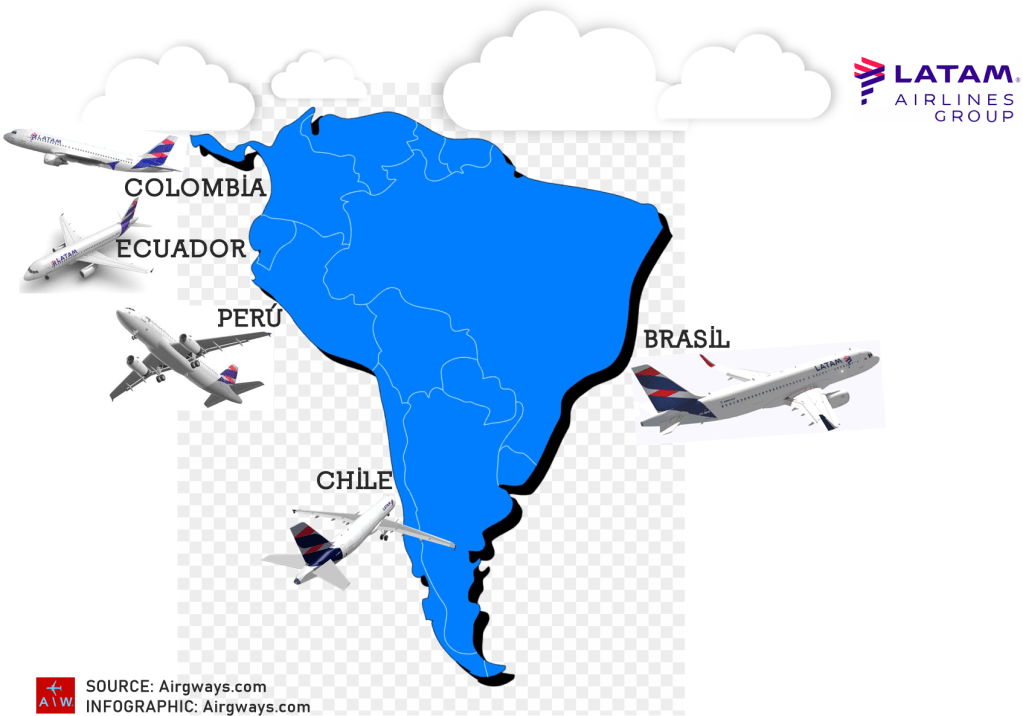









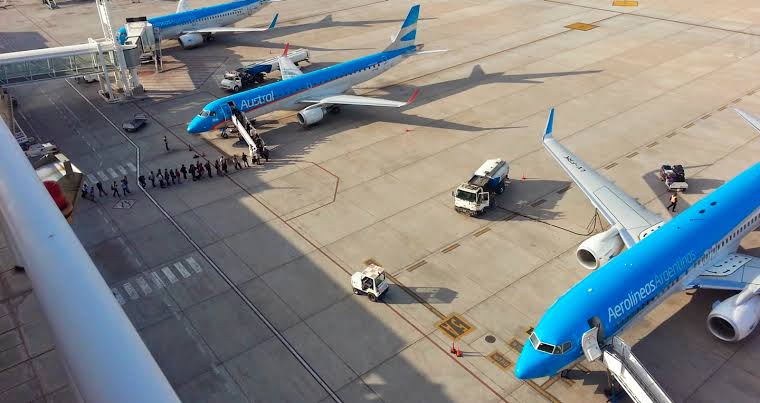

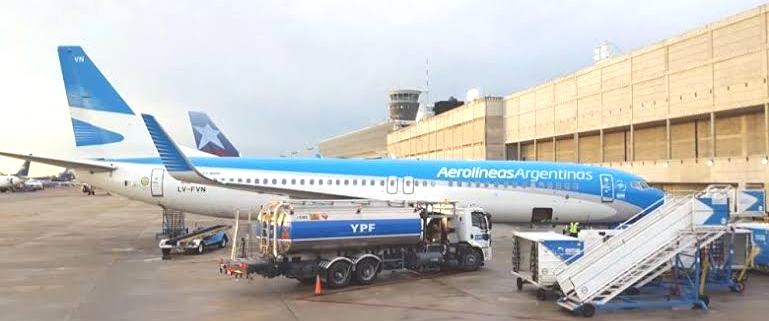
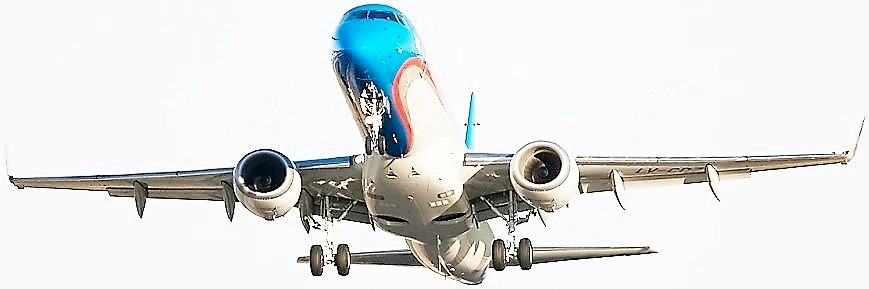
 airgways.com