Aerolíneas australianas afectadas por el cierre frontera NSW/Victoria
El Gobierno de Nueva Gales del Sur en Australia decidió cerrar su frontera con Victoria después de un aumento en los nuevos casos de Coronavirus en el área de Melbourne, que afecta el tráfico aéreo en una de las rutas más concurridas del mundo entre Sydney Kingsford Smith y Melbourne Tullamarine. El cierre se aplicará por etapas, con residentes del área metropolitana de Melbourne no permitidos en Nueva Gales del Sur desde 0001L el 7 Julio 2020, y todos los demás residentes de Victoria desde 0001L el 08/07. Mientras que el gobierno dijo que se harán excepciones para residentes de las regiones fronterizas y personas que realizan viajes esenciales, aún no se han publicado reglas específicas para estas excepciones.
La Primera Ministra de Nueva Gales del Sur, Gladys Berejiklian, dijo que durante las primeras 48-72 horas después de que el cierre entre en vigor, los viajes interestatales podrían suspenderse por completo mientras las autoridades determinan qué viajes podrían considerarse esenciales. Subrayó que el turismo probablemente quedaría excluido de la lista de razones válidas para viajar. El cierre es una decisión unidireccional del gobierno de NSW, lo que significa que la entrada a Victoria no estaría restringida.
El Territorio de la Capital Australiana impuso una obligación de cuarentena a todos los viajeros que llegan desde Victoria. ACT, que alberga la capital Canberra, no comparte frontera con Victoria y está rodeada por NSW por todos lados. La ruta Sydney-Melbourne fue la segunda más concurrida del mundo en 2019, aunque la capacidad actual se ha visto severamente restringida debido a la pandemia. Según el módulo de capacidades de aviación, hay 22.400 asientos unidireccionales programados en la ruta durante la semana que comienza el 6 Julio 2020, lo que representa el 85.3% de todo el mercado NSW-Victoria. Los servicios de pasajeros en la ruta son operados por Qantas Airways, QF, Sydney Kingsford Smith 8.916 asientos unidireccionales semanales, Jetstar Airways JQ, Melbourne Tullamarine 8.556 y Virgin Australia International VA, Brisbane Int’l 4.928.
Tanto Qantas Airways, matriz de Jetstar Airlines como Virgin Australia Airlines dijeron que estaban revisando su horario entre las ciudades. Además de las tres grandes aerolíneas, REX Regional Express ZL, Wagga Wagga desde Albury y Merimbula a Tullamarine, Fly Corporate FC, Canberra, Orange, NS y Wollongong operan servicios limitados de pasajeros entre NSW y Victoria a Melbourne Essendon y Sharp Airlines SH, Hamilton, VI de Griffith a Essendon.
Australia outbreak pandemic
Australian airlines affected by the closure NSW/Victoria border
The New South Wales Government in Australia decided to close its border with Victoria after an increase in new cases of Coronavirus in the Melbourne area, which affects air traffic on one of the world’s busiest routes between Sydney Kingsford Smith and Melbourne Tullamarine. The closure will apply in stages, with residents of the Melbourne metropolitan area not allowed in New South Wales from 0001L on July 7, 2020, and all other Victoria residents from 0001L on 07/08. While the government said that exceptions will be made for residents of the border regions and people who make essential trips, no specific rules have yet been published for these exceptions.
New South Wales Prime Minister Gladys Berejiklian said that for the first 48-72 hours after the closure takes effect, interstate travel could be suspended entirely while authorities determine which trips could be considered essential. She stressed that tourism would likely be excluded from the list of valid reasons for traveling. The closure is a one-way decision by the NSW government, meaning entry to Victoria would not be restricted.
The Australian Capital Territory imposed a quarantine obligation on all travelers arriving from Victoria. ACT, which houses the capital Canberra, does not share a border with Victoria and is surrounded by NSW on all sides. The Sydney-Melbourne route was the second busiest in the world in 2019, although current capacity has been severely restricted due to the pandemic. According to the Aviation Capabilities Module, there are 22,400 one-way seats scheduled on the route during the week beginning July 6, 2020, representing 85.3% of the entire NSW-Victoria market. Passenger services on the route are operated by Qantas Airways, QF, Sydney Kingsford Smith 8,916 weekly one-way seats, Jetstar Airways JQ, Melbourne Tullamarine 8,556, and Virgin Australia International VA, Brisbane Int’l 4,928.
Both Qantas Airways, parent of Jetstar Airlines and Virgin Australia Airlines said they were reviewing their schedules between cities. In addition to the three major airlines, REX Regional Express ZL, Wagga Wagga from Albury and Merimbula to Tullamarine, Fly Corporate FC, Canberra, Orange, NS and Wollongong operate limited passenger services between NSW and Victoria to Melbourne Essendon and Sharp Airlines SH, Hamilton, VI from Griffith to Essendon.
Ξ A I R G W A Y S Ξ PUBLISHER: Airgways.com DBk: Instructure.gov.au / Airgways.com AW-POST: 202007071557AR
Provincia Flevoland presenta proyecto 2021 Aeropuerto Lelystad
La Provincia de Flevoland, Reino Unido de los Países Bajos ha presentado su opinión sobre el Proyecto de Nota de Aviación 2020-2050 del Ministerio de Infraestructura y Gestión del Agua. La Provincia enfatiza la importancia de tomar una decisión lo antes posible sobre la apertura del Aeropuerto de Lelystad a partir de Noviembre 2021.
La Provincia de Flevoland es consciente de los cambios en el debate social sobre los vuelos y el impacto que el sector de la aviación tiene en el medio ambiente y la percepción de molestias. La aviación implica molestias por ruido y emisiones de CO2, nitrógeno y partículas. La provincia considera importante que los efectos negativos de la aviación sean lo más limitados posible. Continuará siendo necesario volar, por lo que el sector tendrá que dar pasos en el equilibrio entre la aviación y el entorno de vida. La provincia considera que el aeropuerto de Lelystad sigue desempeñando un papel importante desde la perspectiva de la calidad de vida, el medio ambiente y la reducción de molestias, y desde la recuperación del sector de la aviación de la crisis de la corona.
Medio ambiente
Volar en el Aeropuerto Lelystad resulta en menos molestias de ruido en el equilibrio. Volar hacia y desde el aeropuerto de Lelystad resulta en más de 150 personas severamente molestas; Para la misma cantidad de vuelos desde Schiphol, hay más de 100.000. El borrador de la Nota de aviación y los alrededores de Schiphol desean evitar los vuelos nocturnos. Esto significa que hay menos espacio durante el día para los vuelos de vacaciones, que suben y bajan con mayor frecuencia en un día. En el Aeropuerto de Lelystad, el tiempo entre el momento en que un avión aterriza y puede despegar nuevamente es mucho más corto que en Schiphol. El Aeropuerto Lelystad es un aeropuerto lógico y económicamente atractivo para vuelos de vacaciones. Lelystad también es compacto y moderno, debido a que las distancias en el aeropuerto son cortas, hay menos emisiones, menos rodaje, significa menos emisiones de partículas ultrafinas, nitrógeno y CO2.
Innovación y sostenibilidad
El borrador del Memorando de Aviación se centra principalmente en la innovación para el desarrollo sostenible y de reducción de molestias de la aviación. La provincia de Flevoland comparte esa ambición. Puede desempeñar un papel importante en la innovación y sostenibilidad de la aviación y las pruebas de movilidad integral. Flevoland tiene un espacio físico en el que están en marcha innovaciones en el campo de la movilidad inteligente y la sostenibilidad. Piense en el desarrollo del Centro de pruebas de movilidad e infraestructura en Marknesse. Las condiciones en el aeropuerto de Lelystad son ideales para probar nuevas tecnologías e innovaciones en la práctica junto con el tráfico aéreo existente y nuevo.
Restauración del sector de la aviación
El Aeropuerto Lelystad está preparado física y operativamente para la apertura de vuelos de vacaciones. En su opinión, la provincia pide que se utilice el aeropuerto lo antes posible. La apertura es necesaria para la recuperación del sector de la aviación debido a la crisis de la corona. Porque, debido a derechos históricos, hay escasez de fondos en Schiphol, durante y después de la crisis. La Provincia de Flevoland cree que la apertura del Aeropuerto de Lelystad y la operación de la Regla de distribución del tráfico son una solución esencial a la escasez de cierre en Schiphol. La demanda de volar para conectarse con el mundo continúa. Según la Provincia, el área densamente poblada de Schiphol ya puede aliviarse teniendo vuelos de vacaciones en Europa en gran parte desde el Aeropuerto Lelystad, dejando así espacio para la preservación y el fortalecimiento de la función del aeropuerto principal de Amsterdam/Schiphol.
Gobierno confiable
Además del interés nacional, la provincia también enfatiza la gran importancia económica y social de abrir el Aeropuerto de Lelystad a la región. La decisión de abrir el aeropuerto ahora se puede finalizar. Se han cumplido todas las condiciones previas. Entonces el acuerdo en el acuerdo de coalición puede cumplirse. Un gobierno confiable no solo tiene un papel en un proceso cuidadoso hacia los intereses de los ciudadanos y los grupos de interés, sino también una responsabilidad hacia la comunidad empresarial, los interlocutores sociales y las autoridades regionales y locales.
Dutch aviation project 2020-2050
Flevoland Province presents project 2021 Lelystad Luchthaven
The Province of Flevoland, United Kingdom of the Netherlands has presented its opinion on the Draft Aviation Note 2020-2050 of the Ministry of Infrastructure and Water Management. The Province emphasizes the importance of making a decision as soon as possible about the opening of the Lelystad Airport from November 2021.
The Province of Flevoland is aware of the changes in the social debate on flights and the impact that the aviation sector has on the environment and the perception of discomfort. Aviation involves noise nuisance and CO2, nitrogen and particulate emissions. The province considers it important that the negative effects of aviation be as limited as possible. It will continue to be necessary to fly, so the sector will have to take steps in the balance between aviation and the living environment. The province believes that Lelystad Airport continues to play an important role from the perspective of quality of life, the environment and the reduction of discomfort, and from the recovery of the aviation sector from the crown crisis.
Environment
Flying at Lelystad Airport results in less discomfort from noise on balance. Flying to and from Lelystad Airport results in over 150 severely annoying people; For the same number of flights from Schiphol, there are more than 100,000. The draft Aviation Note and the surroundings of Schiphol want to avoid night flights. This means there is less space during the day for vacation flights, which go up and down more frequently in one day. At Lelystad Airport, the time between the moment a plane lands and can take off again is much shorter than at Schiphol. Lelystad Airport is a logical and economically attractive airport for vacation flights. Lelystad is also compact and modern, because the distances at the airport are short, there are fewer emissions, less taxiing, it means less emissions of ultrafine particles, nitrogen and CO2.
Innovation and sustainability
The draft Aviation Memorandum focuses primarily on innovation for aviation’s hassle-free and sustainable development. The Flevoland province shares that ambition. It can play an important role in aviation innovation and sustainability and comprehensive mobility testing. Flevoland has a physical space where innovations in the field of smart mobility and sustainability are underway. Consider developing the Mobility and Infrastructure Testing Center in Marknesse. The conditions at Lelystad Airport are ideal for testing new technologies and innovations in practice alongside existing and new air traffic.
Restoration of the aviation sector
Lelystad Airport is physically and operationally prepared for the opening of holiday flights. In his opinion, the province requests that the airport be used as soon as possible. Openness is necessary for the recovery of the aviation sector due to the crisis in the crown. Because, due to historical rights, there is a shortage of funds in Schiphol, during and after the crisis. The opening of Lelystad Airport and the operation of the Traffic Distribution Rule are believed by the Province of Flevoland to be an essential solution to the shortage of closure in Schiphol. The demand to fly to connect with the world continues. According to the Province, the densely populated area of Schiphol can already be alleviated by taking vacation flights in Europe largely from Lelystad Airport, thus leaving room for the preservation and strengthening of the function of the main Amsterdam/Schiphol airport.
Reliable government
In addition to the national interest, the province also emphasizes the great economic and social importance of opening Lelystad Airport to the region. The decision to open the airport can now be finalized. All preconditions have been met. Then the agreement in the coalition agreement can be fulfilled. A trustworthy government not only has a role in a careful process towards the interests of citizens and interest groups, but also a responsibility towards the business community, social partners and regional and local authorities.
Nederlands luchtvaartproject 2020-2050
Provincie Flevoland presenteert project 2021 Lelystad Airport
De provincie Flevoland, Verenigd Koninkrijk der Nederlanden heeft haar advies gegeven over de Concept Aviation Note 2020-2050 van het Ministerie van Infrastructuur en Waterstaat. De provincie benadrukt het belang om zo snel mogelijk een beslissing te nemen over de opening van de Luchthaven Lelystad vanaf november 2021.
De provincie Flevoland is zich bewust van de veranderingen in het maatschappelijke debat over vluchten en de impact die de luchtvaartsector heeft op het milieu en de beleving van overlast. Luchtvaart is geluidhinder en CO2-, stikstof- en fijnstofemissies. De provincie vindt het belangrijk dat de negatieve effecten van de luchtvaart zo beperkt mogelijk zijn. Vliegen blijft nodig, dus de sector zal stappen moeten zetten in de balans tussen luchtvaart en leefomgeving. De provincie is van mening dat Lelystad Airport een belangrijke rol blijft spelen vanuit het perspectief van leefbaarheid, milieu en het terugdringen van ongemak, en vanuit het herstel van de luchtvaartsector na de krooncrisis.
Milieu
Vliegen op Lelystad Luchthaven leidt per saldo tot minder hinder door geluidsoverlast. Vliegen van en naar Lelystad Luchthaven levert meer dan 150 ernstig vervelende mensen op; Voor hetzelfde aantal vluchten vanaf Schiphol zijn het er meer dan 100.000. De concept Aviation Note en de omgeving van Schiphol willen nachtvluchten vermijden. Dit betekent dat er overdag minder ruimte is voor vakantievluchten, die in één dag vaker op en neer gaan. Op Lelystad Luchthaven is de tijd tussen het moment dat een vliegtuig landt en weer kan opstijgen veel korter dan op Schiphol. Lelystad Luchthaven is een logische en economisch aantrekkelijke luchthaven voor vakantievluchten. Lelystad is ook compact en modern, want de afstanden op de luchthaven zijn kort, er zijn minder emissies, minder taxiën, het betekent minder emissies van ultrafijne deeltjes, stikstof en CO2.
Innovatie en duurzaamheid
Het ontwerp-luchtvaartmemorandum richt zich primair op innovatie voor een probleemloze en duurzame ontwikkeling van de luchtvaart. De provincie Flevoland deelt die ambitie. Het kan een belangrijke rol spelen bij luchtvaartinnovatie en duurzaamheid en uitgebreide mobiliteitstesten. Flevoland heeft een fysieke ruimte waar innovaties op het gebied van slimme mobiliteit en duurzaamheid aan de gang zijn. Overweeg de ontwikkeling van het testcentrum voor mobiliteit en infrastructuur in Marknesse. De omstandigheden op Lelystad Luchthaven zijn ideaal om naast bestaand en nieuw luchtverkeer nieuwe technologieën en innovaties in de praktijk te testen.
Herstel van de luchtvaartsector
Lelystad Luchthaven is fysiek en operationeel voorbereid op het openen van vakantievluchten. De provincie vraagt naar zijn mening dat de luchthaven zo snel mogelijk wordt gebruikt. Openheid is noodzakelijk voor het herstel van de luchtvaartsector als gevolg van de crisis in de kroon. Want door historische rechten is er tijdens en na de crisis een tekort aan geld op Schiphol. Provincie Flevoland is van mening dat de opening van Lelystad Luchthaven en de werking van de Verkeersverdelingsregel een essentiële oplossing zijn voor het tekort aan sluiting op Schiphol. De vraag om te vliegen om verbinding te maken met de wereld gaat door. Volgens de provincie kan het dichtbevolkte gebied van Schiphol al worden verlicht door vakantievluchten in Europa grotendeels vanaf Lelystad Luchthaven te nemen, waardoor er ruimte overblijft voor behoud en versterking van de functie van de belangrijkste Amsterdam/Schiphol Luchthaven.
Betrouwbare overheid
Naast het nationale belang benadrukt de provincie ook het grote economische en sociale belang van het openstellen van Lelystad Luchthaven voor de regio. De beslissing om de luchthaven te openen kan nu worden afgerond. Aan alle voorwaarden is voldaan. Dan kan het akkoord in het regeerakkoord worden nagekomen. Een betrouwbare overheid heeft niet alleen een rol in een zorgvuldig proces richting de belangen van burgers en belangenorganisaties, maar ook een verantwoordelijkheid richting bedrijfsleven, sociale partners en regionale en lokale overheden.
Ξ A I R G W A Y S Ξ PUBLISHER: Airgways.com DBk: Lelystadairport.nl / Lokaleomroepzeewolde.nl / Airgways.com AW-POST: 202007071527
La compañía aérea Alitalia ha relanzado oficialmente a finales de Junio 2020 con un nuevo nombre, una nueva administración estatal y modificaciones a su flota. La República de Italia ha establecido un proceso de cambios en la aerolínea bajo la órbita del Gobierno introduciendos cambios significativos como el renombramiento como Alitalia TAI (Trasporto Aéreo Italiano) y nueva gestiónadministrativa.
Alitalia TAI tendrá un presupuesto de € 3.000 millones de Euros y una flota de 100 aeronaves. La transformación en una empresa estatal se produce después de tres años de una administración especial y sigue el decreto que determinó la nacionalización de la empresa, con la adquisición del 100% de las acciones por parte del Ministerio de Economía y Finanzas de Italia.
Nueva gestión, plan
La nueva administración designada la semana pasada ha terminado con la administración judicial en el proceso de la empresa. Fabio Lazzerini, ex Director de Alitalia, es el nuevo CEO, mientras que Francesco Caio, un ejecutivo con experiencia en el sector de telecomunicaciones y bancaria, como así del servicio postal de Poste Italiane, fue nombrado presidente de la renacida compañía italiana. «El nuevo consejo designado podrá comenzar a trabajar ahora, junto con asesores del Ministerio de Finanzas, en el nuevo plan industrial, que se enviará a la Comisión Europea», dijo el primer ministro italiano Giuseppe Conte en un comunicado.
La Ministra de Transporte italiana, Paola De Micheli, declaró que «está comenzando una nueva era. La nueva Alitalia tendrá un plan que rastrea la discontinuidad completa con modelos anteriores, lo que permitirá a Italia disponer de una compañía aérea que pueda contribuir a la recuperación económica del país, y sobre todo a competir en el mercado internacional del transporte aéreo».
El nuevo plan de negocios de la compañía aún no se ha publicado, pero la expectativa del Gobierno es que la compañía pueda obtener ganancias a partir de 2023. Alitalia TAI se centrará en un plan industrial, que debe presentarse a la Comisión Europea (CE).
A diferencia de otras aerolíneas europeas, la compañía ya estaba en crisis antes de la pandemia de Covid-19 y bajo una administración judicial extraordinaria. Por lo tanto, la intervención estatal solo sería permitida por la Comisión Europea si la nueva compañía no es una extensión de la anterior.
Sindicatos & CE
Los sindicatos aeronáuticos siguen siendo escépticos sobre el riesgo de recortes en la fuerza laboral. La predicción es que se perderán entre 4.000 y 5.000 empleos.
La Comisaria europea de Competencia, Margrethe Vestager, dijo el 2 Julio 2020 que la recién nacionalizada Alitalia debe romper con su pasado para calificar para el apoyo estatal. «La discontinuidad económica debe ser real, solo después de esto evaluaremos si realmente es un negocio nuevo».
Reactivación servicios
Además de las rutas antiguas, se han agregado algunas nuevas a la red de newco, incluidas varias desde Roma Fiumicino, hasta Brindisi, Reggio di Calabria y las islas de Lampedusa y Pantelleria. Alitalia también reanudó a Milán Malpensa a Brindisi, así como de Milán y Roma a Bari.
Alitalia TAI, a partir del 10 Julio 2020 inicia nueva red de servicios al sur de Italia con más vuelos a Sicilia y Puglia. La conexión entre Milán y Bari, restaurada a principios de 06/2020, incrementará las frecuencias de 2 a 4 vuelos diarios.
Alitalia TAI aumentará las frecuencias en las conexiones de Roma a Catania y Palermo, y de Milán a los dos aeropuertos sicilianos y a Bari. En las rutas Roma-Catania y Roma-Palermo, los servicios de Alitalia irán de 10 a 12 por día (entre viajes y retornos), mientras que en Milán-Catania y Milán-Palermo los vuelos aumentarán de 6 a 8 por día. La conexión entre Milán y Bari, restaurada a principios de Junio 2020, aumentando de dos a cuatro frecuencias diarias (4Frq/D).
En las rutas entre Roma y Sicilia, Alitalia agregará a los vuelos que ya operan desde el Aeropuerto Roma/Fiumicino un vuelo a Palermo que partirá a las 11:00 hs. y uno a Catania programado a las 15:10 hs. Los servicios adicionales para Roma despegarán de Palermo a la 13:00 hs. y de Catania a las 17:15 hs. Los vuelos adicionales de Milán a Sicilia partirán a las 11:25 hs. para Catania y 18:00 hs. Palermo; mientras que las frecuencias adicionales en dirección a Milán despegarán a las 14:00 hs. desde Catania y a las 19:55 hs. desde Palermo.
En la ruta entre Milán y Bari, los vuelos adicionales saldrán de la capital lombarda a las 18:15 hs. y de la ciudad de Apulia a las 20:30 hs. Con estos aumentos adicionales en las frecuencias, Alitalia ofrecerá ambos vuelos a Catania y Palermo 12 vuelos diarios (entre ida y vuelta) con Roma y 8 Frq/D con Milán, a lo que se suman los servicios de temporada en Lampedusa y Pantelleria. En Puglia, la compañía logra ofrecer 6 frecuancias diarias a Bari y Brindisi que incluyen 4 vuelos con Milán y 2 con Roma/Fiumicino.
Los vuelos a las principales ciudades europeas también se reanudarán en Julio 2020, por ejemplo a Amsterdam/Schiphol y Paris/Charles de Gaulle, tanto desde Roma como a Milán, así como a una ruta desde Roma a Boston.
Mumbai-Roma/Roma-New York
El primer vuelo carguero de Alitalia TAI elevó 45 toneladas de carga que volaron desde Mumbai con destino a Roma y luego a Nueva York el 21 Junio 2020. El transportista operará un vuelo semanal todos los domingos en la ruta Mumbai -Roma-Nueva York. Esta ruta será servida por aviones de pasajeros Boeing 777-200 reconfigurado a carguero.
Alitalia ha operado con éxito un servicio diario de pasajeros entre Roma y Nueva Delhi con aviones A330 desde 2018 hasta la suspensión de los servicios aéreos internacionales debido a la pandemia de Cronavirus. Alitalia tiene una amplia red que ofrece conectividad a Europa, Estados Unidos, América del Sur, África, Asia Pacífico y Oriente Medio, además de los destinos domésticos italianos.
Alitalia actualmente opera algunos vuelos programados a algunos destinos intercontinentales y de corto y mediano alcance, tanto nacionales como internacionales. Esto incluye vuelos limitados a Buenos Aires, Nueva York y Boston además de Mumbai (India). Las soluciones de flete de carga también están disponibles, utilizando la capacidad de bodega de los aviones de pasajeros, y se organizan vuelos especiales sobre una base puntual. Air Logistics Group ha estado representando a Alitalia en India como su GSSA de carga desde 2018. Con una red integral de 88 oficinas en 48 países en seis continentes, Air Logistics Group ofrece soluciones de carga a medida en todo el mundo.
New Alitalia is born
Alitalia introduces name/management changes
The airline Alitalia has officially relaunched in late June 2020 with a new name, a new state administration and modifications to its fleet. The Republic of Italy has established a process of changes in the airline under the orbit of the Government, introducing significant changes such as the renaming as Alitalia TAI (Italian Air Transport) and new administrative management.
Alitalia TAI will have a budget of € 3,000 million Euros and a fleet of 100 aircraft. The transformation into a state company occurs after three years of special administration and follows the decree that determined the nationalization of the company, with the acquisition of 100% of the shares by the Italian Ministry of Economy and Finance.
New management, plan
The new administration appointed last week has ended judicial administration in the business process. Fabio Lazzerini, former Director of Alitalia, is the new CEO, while Francesco Caio, an executive with experience in the telecommunications and banking sector, as well as the Poste Italiane postal service, was appointed president of the reborn Italian company. «The newly appointed council will now be able to start working, together with advisers from the Ministry of Finance, on the new industrial plan, which will be sent to the European Commission», Italian Prime Minister Giuseppe Conte said in a statement.
Italian Transport Minister Paola De Micheli stated that «a new era is beginning. The new Alitalia will have a plan that tracks the complete discontinuity with previous models, which will allow Italy to have an airline that can contribute to the recovery the country’s economy, and above all to compete in the international air transport market».
The company’s new business plan has yet to be released, but the government’s expectation is that the company can make a profit from 2023. Alitalia TAI will focus on an industrial plan, which must be submitted to the European Commission (EC).
Unlike other European airlines, the company was already in crisis before the Covid-19 pandemic and under extraordinary judicial administration. Therefore, state intervention would only be allowed by the European Commission if the new company is not an extension of the previous one.
Unions & CE
Aviation unions remain skeptical about the risk of cutbacks in the workforce. The prediction is that between 4,000 and 5,000 jobs will be lost.
European Competition Commissioner Margrethe Vestager said on July 2, 2020 that the newly nationalized Alitalia must break with her past to qualify for state support. «The economic discontinuity must be real, only after this we will assess if it really is a new business».
Services reactivation
In addition to the old routes, some new ones have been added to the newco network, including several from Rome Fiumicino, to Brindisi, Reggio di Calabria, and the islands of Lampedusa and Pantelleria. Alitalia also resumed Milan Malpensa to Brindisi, as well as Milan and Rome to Bari.
Alitalia TAI, starting July 10, 2020, starts a new service network in southern Italy with more flights to Sicily and Puglia. The connection between Milan and Bari, restored at the beginning of 06/2020, will increase frequencies from 2 to 4 daily flights.
Alitalia TAI will increase the frequencies on the connections from Rome to Catania and Palermo, and from Milan to the two Sicilian airports and to Bari. On the Rome-Catania and Rome-Palermo routes, Alitalia services will run from 10 to 12 per day (between trips and returns), while in Milan-Catania and Milan-Palermo flights will increase from 6 to 8 per day. The connection between Milan and Bari, restored in early June 2020, increasing from two to four daily frequencies (4Frq/D).
On the routes between Rome and Sicily, Alitalia will add to the flights that already operate from the Rome/Fiumicino Airport a flight to Palermo that will depart at 11:00 a.m. and one to Catania scheduled at 3:10 p.m. Additional services for Rome will take off from Palermo at 1:00 p.m. and from Catania at 5:15 p.m. Additional flights from Milan to Sicily will depart at 11:25 a.m. for Catania and 6:00 p.m. Palermo; while the additional frequencies in the direction of Milan will take off at 2:00 p.m. from Catania and at 7:55 p.m. from Palermo.
On the route between Milan and Bari, additional flights will depart from the Lombard capital at 18:15. and from the city of Apulia at 8:30 p.m. With these additional increases in frequencies, Alitalia will offer both flights to Catania and Palermo 12 daily flights (round trip) with Rome and 8 Frq/D with Milan, in addition to seasonal services in Lampedusa and Pantelleria. In Puglia, the company manages to offer 6 frequencies a day to Bari and Brindisi including 4 flights with Milan and 2 with Rome/Fiumicino.
Flights to major European cities will also resume in July 2020, for example to Amsterdam/Schiphol and Paris/Charles de Gaulle, from both Rome and Milan, as well as a route from Rome to Boston.
Mumbai-Rome/Rome-New York
Alitalia TAI’s first cargo flight lifted 45 tons of cargo that flew from Mumbai bound for Rome and then to New York on June 21, 2020. The carrier will operate a weekly flight every Sunday on the Mumbai-Rome-New York route. This route will be served by Boeing 777-200 passenger aircraft reconfigured to a freighter.
Alitalia has successfully operated a daily passenger service between Rome and New Delhi with A330 aircraft from 2018 until the suspension of international air services due to the Cronavirus pandemic. Alitalia has an extensive network that offers connectivity to Europe, the United States, South America, Africa, Asia Pacific and the Middle East, in addition to Italian domestic destinations.
Alitalia currently operates some scheduled flights to some intercontinental and short and medium range destinations, both national and international. This includes limited flights to Buenos Aires, New York and Boston in addition to Mumbai (India). Cargo freight solutions are also available, utilizing the hold capacity of passenger aircraft, and special flights are arranged on a one-off basis. Air Logistics Group has been representing Alitalia in India as its cargo GSSA since 2018. With a comprehensive network of 88 offices in 48 countries on six continents, Air Logistics Group offers tailor-made cargo solutions worldwide.
Nasce la nuova Alitalia
Alitalia introduce cambiamenti di nome/gestione nel processo ristrutturazione
La compagnia aerea Alitalia ha rilanciato ufficialmente alla fine di giugno 2020 con un nuovo nome, una nuova amministrazione statale e modifiche alla sua flotta. La Repubblica italiana ha avviato un processo di modifica della compagnia aerea sotto l’orbita del governo, introducendo cambiamenti significativi come la ridenominazione in Alitalia TAI (trasporto aereo italiano) e la nuova gestione amministrativa.
Il TAI Alitalia avrà un budget di € 3.000 milioni di euro e una flotta di 100 aeromobili. La trasformazione in società statale avviene dopo tre anni di amministrazione straordinaria e segue il decreto che determinava la nazionalizzazione della società, con l’acquisizione del 100% delle azioni da parte del Ministero dell’Economia e delle Finanze.
Nuova gestione, piano
La nuova amministrazione nominata la scorsa settimana ha posto fine all’amministrazione giudiziaria nel processo aziendale. Fabio Lazzerini, ex direttore di Alitalia, è il nuovo CEO, mentre Francesco Caio, dirigente con esperienza nel settore delle telecomunicazioni e bancario, nonché del servizio postale Poste Italiane, è stato nominato presidente della rinata società italiana. «Il nuovo consiglio sarà ora in grado di iniziare a lavorare, insieme ai consulenti del Ministero delle finanze, sul nuovo piano industriale, che sarà inviato alla Commissione europea», ha dichiarato il Primo Ministro italiano Giuseppe Conte in una nota.
Il ministro dei trasporti italiano Paola De Micheli ha dichiarato che «sta iniziando una nuova era. La nuova Alitalia avrà un piano che traccia la discontinuità completa con i modelli precedenti, che consentirà all’Italia di avere una compagnia aerea che può contribuire al recupero l’economia del paese, e soprattutto di competere nel mercato internazionale del trasporto aereo».
Il nuovo piano aziendale della società deve ancora essere pubblicato, ma l’aspettativa del governo è che la società possa realizzare un profitto dal 2023. Alitalia TAI si concentrerà su un piano industriale, che deve essere presentato alla Commissione europea (CE).
A differenza di altre compagnie aeree europee, la compagnia era già in crisi prima della pandemia di Covid-19 e sotto straordinaria amministrazione giudiziaria. Pertanto, l’intervento statale sarebbe consentito dalla Commissione europea solo se la nuova società non fosse un’estensione della precedente.
Sindacati e CE
I sindacati aeronautici rimangono scettici sul rischio di tagli alla forza lavoro. La previsione è che tra 4.000 e 5.000 posti di lavoro andranno persi.
La commissaria europea alla Concorrenza Margrethe Vestager ha dichiarato il 2 luglio 2020 che la nuova nazionalizzazione Alitalia deve rompere con il suo passato per qualificarsi per il sostegno statale. «La discontinuità economica deve essere reale, solo dopo questo valuteremo se si tratta davvero di una nuova attività».
Riattivazione dei servizi
Oltre alle vecchie rotte, alcune nuove sono state aggiunte alla rete newco, tra cui diverse da Roma Fiumicino, a Brindisi, Reggio di Calabria e le isole di Lampedusa e Pantelleria. Alitalia riprese anche Milano Malpensa a Brindisi, così come Milano e Roma a Bari.
Alitalia TAI, a partire dal 10 luglio 2020, avvia una nuova rete di servizi nel sud Italia con più voli per la Sicilia e la Puglia. Il collegamento tra Milano e Bari, ripristinato all’inizio del 06/2020, aumenterà le frequenze da 2 a 4 voli giornalieri.
Alitalia TAI aumenterà le frequenze sui collegamenti da Roma a Catania e Palermo e da Milano ai due aeroporti siciliani e Bari. Sulle rotte Roma-Catania e Roma-Palermo, i servizi Alitalia passeranno da 10 a 12 al giorno (tra viaggi e ritorno), mentre a Milano-Catania e Milano-Palermo i voli aumenteranno da 6 a 8 al giorno. Il collegamento tra Milano e Bari, ripristinato all’inizio di giugno 2020, passando da due a quattro frequenze giornaliere (4Frq/D).
Sulle rotte tra Roma e la Sicilia, Alitalia aggiungerà ai voli che già operano dall’aeroporto di Roma/Fiumicino un volo per Palermo che partirà alle 11:00. e uno a Catania in programma alle 15:10 I servizi aggiuntivi per Roma decolleranno da Palermo alle 13:00. e da Catania alle 17:15 Ulteriori voli da Milano per la Sicilia partiranno alle 11:25. per Catania e le 18:00 Palermo; mentre le frequenze aggiuntive in direzione di Milano decolleranno alle 14:00. da Catania e alle 19:55 da Palermo.
Sulla rotta tra Milano e Bari, ulteriori voli partiranno dalla capitale lombarda alle 18:15. e dalla città di Puglia alle 20:30 Con questi ulteriori aumenti di frequenza, Alitalia offrirà sia voli per Catania che Palermo 12 voli giornalieri (andata e ritorno) con Roma e 8 Frq/D con Milano, oltre ai servizi stagionali a Lampedusa e Pantelleria. In Puglia, la compagnia riesce a offrire 6 frequenze al giorno a Bari e Brindisi, tra cui 4 voli con Milano e 2 con Roma/Fiumicino.
I voli per le principali città europee riprenderanno anche a luglio 2020, ad esempio per Amsterdam/Schiphol e Parigi/Charles de Gaulle, sia da Roma che da Milano, nonché una rotta da Roma a Boston.
Mumbai-Roma / Roma-New York
Il primo volo cargo della TAI di Alitalia ha sollevato 45 tonnellate di merci che hanno volato da Mumbai diretto a Roma e poi a New York il 21 giugno 2020. Il vettore effettuerà un volo settimanale ogni domenica sulla rotta Mumbai-Roma-New York. Questa rotta sarà servita da aeromobili Boeing 777-200 riconfigurati in un mercantile.
Alitalia ha gestito con successo un servizio passeggeri giornaliero tra Roma e Nuova Delhi con aeromobili A330 dal 2018 fino alla sospensione dei servizi aerei internazionali a causa della pandemia di Cronavirus. Alitalia ha una vasta rete che offre connettività a Europa, Stati Uniti, Sud America, Africa, Asia Pacifico e Medio Oriente, oltre alle destinazioni nazionali italiane.
Alitalia opera attualmente alcuni voli di linea verso alcune destinazioni intercontinentali e di corto e medio raggio, sia nazionali che internazionali. Ciò include voli limitati per Buenos Aires, New York e Boston oltre a Mumbai (India). Sono inoltre disponibili soluzioni di trasporto merci che utilizzano la capacità di stiva dell’aeromobile passeggeri e voli speciali sono organizzati su base una tantum. Air Logistics Group rappresenta Alitalia in India come GSSA cargo dal 2018. Con una rete completa di 88 uffici in 48 paesi in sei continenti, Air Logistics Group offre soluzioni di trasporto su misura in tutto il mondo.
Ξ A I R G W A Y S Ξ PUBLISHER: Airgways.com DBk: Airgways.com / Alitalia.com / Lagazzettadelmezzogiorno.it / Stattimes.com / Azfleet.info AW-POST: 202007071153AR
Plan presentado al Gobierno para volar desde Hub Córdoba
Tras la reunión del Gobierno con los máximos directivos de Aerolíneas Argentinas/Austral Líneas Aéreas en el día 6 Julio 2020 ha trascendido que la compañía aérea a cargo del Estado descentralizaría parte de las operaciones aerocomerciales hacia el Hub Córdoba, siendo una propuesta de la compañía que analiza el Ministerio de Transporte, ante la situación de la actual crisis sanitaria en la Ciudad de Buenos Aires y el Conurbano bonaerense.
Aerolíneas Argentinas ya puso sobre la mesa del Ministerio de Transporte su propuesta de reactivación de los vuelos de cabotaje. El documento consta de tres alternativas que van desde la idea más conservadora de mantener la red de rutas actual, pero con frecuencias reducidas, a la de mudar temporalmente su centro de operaciones a Córdoba, desde donde conectaría distintos puntos del país sin pasar por Buenos Aires, el principal foco de Coronavirus.
Propuestas reaperturas
El documento «Propuesta sanitaria para el reinicio de la actividad» fue presentado al Ministro de Transporte, a cargo de Mario Meoni, por el CEO Pablo Ceriani de Aerolíneas Argentinas a principios del mes pasado, cuando el Gobierno todavía tenía la intención de reactivar el cabotaje a mediados de Julio 2020, pero han sido descartadas.
Hub Córdoba
La nueva propuesta establece una red de rutas con base en Córdoba, para lo que se trasladaría de manera temporal cuatro aviones Embraer E190-100AR de Austral Líneas Aéreas al Aeropuerto Internacional Córdoba. Según el proyecto, se efectuarían ocho vuelos triangulares conectando destinos norte-sur vía Córdoba e intertramos del interior en forma directa. Esto significaría una operación equivalente al 7% de la habitual de la empresa en el escenario previo a la pandemia.
La propuesta de establecer un centro de operaciones en Córdoba implicaría trasladar en un primer momento cuatro aviones de la empresa a la Provincia de Córdoba. La red de servicios podría diagramarse desde el Hub Córdoba hacia Tucumán, Neuquén, Rosario, Salta, Mendoza, entre otros destinos.
Corredores federales
Entre las propuestas involucradas están los Corredores Federales entre puntos del país con punto de partida Buenos Aires, pero esta propuesta generaría un bajo índice de ocupación saliendo de Aeroparque, por la situación sanitaria con un elevado índice de contagios. Según el plan presentado por la empresa, se atenderían cerca de 60 rutas, con 22 destinos desde o hacia Buenos Aires y 35 intertramos. Este esquema, de 12 salidas diarias desde Buenos Aires y 470 horas de vuelo semanales, equivaldría al 15% de la operación habitual de la red doméstica.
Pablo Ceriani también contempló la posibilidad de restablecer la red doméstica de rutas troncales desde y hacia Buenos Aires que opera habitualmente Aerolíneas Argentinas, pero con menos frecuencias.
Rutas troncales
La tercera opción que contiene el documento y la más difícil de llevar a la realidad en el corto plazo es la de restablecer la red doméstica de rutas troncales desde y hacia Buenos Aires que opera habitualmente Aerolíneas Argentinas, pero con menos frecuencias. En concreto, que representan poco más del 20% del nivel de operación previo a la pandemia. Según el plan de Aerolíneas se podrían programar 33 rutas desde y hacia Buenos Aires, con operación a todas las provincias y 29 salidas diarias desde el Aeropuerto Internacional Ezeiza.
Actualmente Aerolíneas Argentinas tiene habilitada la venta de pasajes con fecha posterior al 1 Septiembre 2020, tal como lo dispone la Administración Nacional de Aviación Civil (ANAC). Las rutas y horarios disponibles a partir de esa fecha son los de la red de operación regular de Aerolíneas Argentinas previo a la pandemia. Resta saber si cuando llegue el momento de hacer uso de esos tickets las rutas ya estarán restablecidas o deberán hacerse cambios para ajustar los vuelos, en caso de que sea posible, a los nuevos circuitos, con la posibilidad de políticas de flexibilidad vigentes que deberían permitir reprogramar sin penalidad para los pasajeros.
Las nuevas propuestas de Aerolíneas/Austral van en consonancia de las propuestas efectuadas por JetSmart Airlines Argentina y Flybondi Líneas Aéreas de trasladar parte de las operaciones hacia el Hub Córdoba.
Austral Líneas Aéreas
El Secretario de la Asociación Personal Técnicos Aeronáuticos (APTA), Sebastián Larrea, ha expresado este Lunes 06/07 su preocupación por la situación de Austral Líneas Aéreas. Se ha realizado una caravana en Avenida Libertador y el delegado general, ha expresado: “Es un pedido de información a las autoridades de la empresa. Porque desde hace un mes nos enteramos mediante un mail firmado por el director de ambas compañías, la intención de fusionar las empresas Aerolíneas Argentinas y Austral a través de una absorción por parte de Aerolíneas Argentinas de la empresa Austral. Con lo cual desaparecería la empresa Austral, entonces, esto genera el desconcierto. Esto trae aparejado para nosotros la incertidumbre sobre si la totalidad de los puestos de trabajos de los empleados de Austral está asegurada en ese traspaso. O el desconocimiento de cuáles serían las condiciones laborales con las que Aerolíneas Argentinas absorbería a los trabajadores de Austral. El cuerpo de delegados de Apta Austral presentó en varias oportunidades pedidos de reunión y pedidos de información sobre esas condiciones o de ese sistema de traspaso a implementar”.
Sin embargo, advirtió que “al día de hoy seguimos sin ningún tipo de respuestas. A las 13:00 horas la empresa convocó a reunión de accionistas de las dos empresas para tratar el tema de la fusión. En este momento se está tratando el tema, no sabemos qué es lo que pasa, no sabemos tampoco qué se va a presentar”.
Austral Líneas Aéreas emplea a 2.200 trabajadores. El Delegado General de los Técnicos Aeronáuticos de Austral Líneas Aéreas aprovechó para relatar que “tenemos la esperanza puesta en que por lo menos a través de un correo, de la misma manera que se nos informó que se iba a llevar adelante la fusión, se nos informe cuáles van a ser esas condiciones. O se nos asegure la totalidad de los puestos de trabajo dentro de Aerolíneas Argentina para todos los trabajadores de Austral”.
Aerolíneas analyzes decentralizing flights
Plan presented to the Government to fly from Hub Córdoba
After the Government meeting with the top executives of Aerolíneas Argentinas/Austral Líneas Aéreas on July 6, 2020, it has emerged that the airline in charge of the State would decentralize part of the commercial operations to the Córdoba Hub, being a proposal from the company that The Ministry of Transportation analyzes the situation of the current health crisis in the Buenos Aires City and the Buenos Aires suburbs.
Aerolíneas Argentinas has already put on the table of the Ministry of Transport its proposal to reactivate domestic flights. The document consists of three alternatives ranging from the most conservative idea of maintaining the current route network, but with reduced frequencies, to that of temporarily moving its operations center to Córdoba, from where it would connect different points of the country without going through Buenos Aires, the main focus of Coronavirus.
Reopening proposals
The document «Health proposal for the restart of activity» was presented to the Minister of Transport, by Mario Meoni, by the CEO Pablo Ceriani of Aerolíneas Argentinas at the beginning of last month, when the Government still intended to reactivate cabotage in mid-July 2020, but have been discarded.
Córdoba hub
The new proposal establishes a route network based in Córdoba, for which four Embraer E190-100AR aircraft from Austral Líneas Aéreas would be transferred to Córdoba International Airport. According to the project, eight triangular flights would be made connecting north-south destinations via Córdoba and we will enter the interior directly. This would mean an operation equivalent to 7% of the usual company in the scenario prior to the pandemic.
The proposal to establish an operations center in Córdoba would initially involve moving four of the company’s aircraft to the Province of Córdoba. The service network could be diagrammed from the Córdoba Hub to Tucumán, Neuquén, Rosario, Salta, Mendoza, among other destinations.
Federal corridors
Among the proposals involved are the Federal Corridors between points in the country with a starting point of Buenos Aires, but this proposal would generate a low occupancy rate leaving Aeroparque, due to the health situation with a high rate of contagion. According to the plan presented by the company, about 60 routes would be served, with 22 destinations from or to Buenos Aires and 35 intertramos. This scheme, with 12 daily departures from Buenos Aires and 470 weekly flight hours, would be equivalent to 15% of the normal operation of the domestic network.
Pablo Ceriani also considered the possibility of reestablishing the domestic network of trunk routes to and from Buenos Aires, which Aerolíneas Argentinas usually operates, but with fewer frequencies.
Trunk routes
The third option that the document contains and the most difficult to bring to reality in the short term is to reestablish the domestic network of trunk routes to and from Buenos Aires, which Aerolíneas Argentinas usually operates, but with fewer frequencies. Specifically, they represent just over 20% of the level of operation prior to the pandemic. According to the Aerolíneas plan, 33 routes to and from Buenos Aires could be programmed, with operation to all provinces and 29 daily departures from Ezeiza International Airport.
Currently, Aerolíneas Argentinas has enabled the sale of tickets with a date after September 1, 2020, as provided by the National Administration of Civil Aviation (ANAC). The routes and schedules available from that date are those of the regular operating network of Aerolineas Argentinas prior to the pandemic. It remains to be seen whether when the time comes to make use of these tickets, the routes will already be reestablished or changes should be made to adjust the flights, if possible, to the new circuits, with the possibility of current flexibility policies that should allow reschedule without penalty for passengers.
The new proposals by Aerolíneas/Austral are in line with the proposals made by JetSmart Airlines Argentina and Flybondi Líneas Aéreas to transfer part of the operations to the Córdoba Hub.
Austral Líneas Aéreas
The Secretary of the Aeronautical Technical Personnel Association (APTA), Sebastián Larrea, expressed this Monday 06/07 his concern about the situation of Austral Líneas Aéreas. A caravan has been held on Avenida Libertador and the general delegate has expressed: “It is a request for information from the company authorities. Because for a month we found out through an email signed by the director of both companies, the intention to merge the companies Aerolíneas Argentinas and Austral through an absorption by Aerolíneas Argentinas of the company Austral. With which the Austral company would disappear, then, this generates confusion. This brings with it uncertainty as to whether all the jobs of Austral employees are insured in this transfer. Or the ignorance of what would be the working conditions with which Aerolíneas Argentinas would absorb Austral workers. The body of delegates from Apta Austral presented on several occasions requests for meetings and requests for information on these conditions or on the transfer system to be implemented”.
However, he warned that “to this day we continue without any type of answers. At 1:00 p.m. the company called a meeting of shareholders of the two companies to discuss the merger. Right now the issue is being discussed, we don’t know what is going on, we don’t know what is going to be presented either”.
Austral Líneas Aéreas employs 2,200 workers. The General Delegate of Aeronautical Technicians of Austral Líneas Aéreas took the opportunity to report that “we are hopeful that at least through an email, in the same way that we were informed that the merger was going to be carried out, we were tell what those conditions are going to be. Or we are assured of all the jobs within Aerolineas Argentina for all Austral workers”.
Ξ A I R G W A Y S Ξ PUBLISHER: Airgways.com DBk: Argentina.gob.ar/transporte / Aviones.com / Aerolineas.com / Lanacion.com.ar / Airgways.com / Santiago Filipuzzi AW-POST: 202007062055AR
Latam-Gobierno negociación clave para evitar cierre compañía
El Miércoles 8 Julio 2020 la compañía Latam Airlines Argentina y el Gobierno de Argentina se reunirán en un día clave en la negociación por la supervivencia de la aérea y por los 1.715 empleado de la filial argentina. A tres semanas del anuncio de la compañía Latam Argentina, de dejar las operaciones en Argentina continúa la polémica respecto a la salida de la empresa del mercado local y de la desvinculación de los trabajadores, transitando una enorme incertidumbre respecto a la situación laboral.
La línea aérea fue citada para el Miércoles 08/07 por el Ministerio de Trabajo para analizar la propuesta de aceptación o no el Procedimiento Preventivo de Crisis (PPC), a lo cual los gremios del sector ya anticiparon su rechazo enérgico. La cita del Ministerio de Trabajo marca la certeza de medidas definitorias respecto a si se acepta abrir el Procedimiento Preventivo de Crisis para que las conversaciones puedan continuar avanzando para encontrar una solución de consenso entre la empresa, los gremios y el Gobierno, o si la aerolínea comunica definitivamente su salida del mercado argentino.
Latam Airlines Argentina ha manifestado que su decisión es levantar la base en el país, para lo cual tendrá que apelar a alguna vía alternativa, pues ha confirmado que la decisión de irse es irrevocable.
Posición gremial
El pedido de PPC es lograr una salida ordenada que le permita pagar las indemnizaciones con la reducción que prevé la norma para los casos de fuerza mayor, cuestión central que genera el rechazo unánime de los gremios. Las razones invocadas por Latam Argentina no son válidas porque la empresa arrastra pérdidas desde hace varios años y no se pueden atribuir a razones de fuerza mayor generadas por la pandemia. Además, remarcan la vigencia de los decretos que impiden los despidos.
“Desde el 2016 en que empezó su déficit, la compañía privilegió explotar nuestro mercado interno desde Mendoza, Salta, Tucumán ,Córdoba y Rosario, con sus filiales en vuelos hacia los hubs en Chile, Perú y Brasil en lugar de hacerlo con Lan Argentina y los trabajadores argentinos”, aseguraron desde el sindicato de los técnicos aeronáuticos que conduce Ricardo Cirielli (APTA).
A la hora de determinar responsabilidades, desde la entidad gremial apuntaron a que éste accionar fue posibilitado por la política aerocomercial del gobierno anterior a quien culparon de no renovar su flota y devolver dos aviones al holding que levantó escalas. En ese sentido, desde APTA remarcó que “Lan Argentina comenzó a retirarse en el 2016. Fue una decisión estratégica del holding privilegiando la rentabilidad del grupo sobre la sustentabilidad de su negocio en Argentina, con lo cual consideró que la pandemia y la caída brutal de la demanda interna sólo aceleró los planes de Lan Argentina de retirarse para no afrontar importantes déficits, pero fue previo. Tampoco se irá totalmente. Seguirá con empresas del holding operando desde Chile, Perú y Brasil y desde ahí hará conexiones internacionales, por lo que el grupo Lan mantendrá su lucrativa operación de carga general desde Argentina hacia el exterior mediante empresas cargueras propiedad de Lan Chile”, expresó en gremialista de APTA.
Latam Airlines Argentina posee actualmente doce rutas domésticas: Buenos Aires, Iguazú, Bariloche, Salta, Tucumán, Mendoza, Córdoba, Neuquén, Comodoro Rivadavia, Río Gallegos, Calafate y Ushuaia, tres regionales: San Pablo, Santiago de Chile y Lima, y un destino internacional: Miami.
El destino de Latam Airlines Argentina se negociará tras la reunión que se efectuará en el Ministerio de Trabajo el próximo 08/07 que determinará el rumbo de la aerolínea que pudo ser la principal competidora de Aerolíneas/Austral, y tras un posible cierre, el panorama del mercado aéreo podría virar hacia un monopolio feroz no solo de los destinos aéreos, sino además, del domino de los slots de los principales aeropuertos de Argentina.
Latam Argentina key negotiation
Latam-Government key negotiation to avoid company closure
On Wednesday, July 8, 2020, the company Latam Airlines Argentina and the Government of Argentina will meet on a key day in the negotiation for the survival of the airline and for the 1,715 employees of the Argentine subsidiary. Three weeks after the announcement of the Latam Argentina company, to leave operations in Argentina, the controversy continues regarding the company’s departure from the local market and the dismissal of workers, experiencing enormous uncertainty regarding the employment situation.
The airline was summoned for Wednesday 08/07 by the Ministry of Labor to analyze the proposal of acceptance or not of the Preventive Crisis Procedure (PPC), to which the unions of the sector have already anticipated their energetic rejection. The appointment of the Ministry of Labor marks the certainty of defining measures regarding whether it is accepted to open the Crisis Preventive Procedure so that the talks can continue to advance to find a consensus solution between the company, the unions and the Government, or if the airline definitively communicates its exit from the Argentine market.
Latam Airlines Argentina has stated that its decision is to lift the base in the country, for which it will have to appeal to some alternative route, since it has confirmed that the decision to leave is irrevocable.
Union position
The request of PPC is to achieve an orderly exit that allows it to pay compensation with the reduction provided by the rule for cases of force majeure, a central issue that generates unanimous rejection by the unions. The reasons invoked by Latam Argentina are not valid because the company has been carrying losses for several years and cannot be attributed to reasons of force majeure generated by the pandemic. In addition, they highlight the validity of the decrees that prevent dismissals.
“Since 2016, when its deficit began, the company privileged to exploit our internal market from Mendoza, Salta, Tucumán, Córdoba and Rosario, with its subsidiaries on flights to hubs in Chile, Peru and Brazil instead of with Lan Argentina and Argentine workers”, assured from the union of aeronautical technicians that Ricardo Cirielli (APTA) leads.
When determining responsibilities, from the union they pointed out that this action was made possible by the previous government’s commercial policy, who they blamed for not renewing their fleet and returning two planes to the holding company that raised scales. In this sense, APTA noted that “Lan Argentina began to retire in 2016. It was a strategic decision of the holding company, privileging the profitability of the group over the sustainability of its business in Argentina, with which it considered that the pandemic and the brutal fall of Internal demand only accelerated Lan Argentina’s plans to withdraw to avoid facing significant deficits, but it was prior. It won’t go away entirely either. It will continue with the holding companies operating from Chile, Peru and Brazil and from there it will make international connections, the Lan group will maintain its lucrative general cargo operation from Argentina abroad through cargo companies owned by Lan Chile”, he said in APTA unionist.
Latam Airlines Argentina currently has twelve domestic routes: Buenos Aires, Iguazú, Bariloche, Salta, Tucumán, Mendoza, Córdoba, Neuquén, Comodoro Rivadavia, Río Gallegos, Calafate and Ushuaia, three regional: San Pablo, Santiago de Chile and Lima, and one international destination: Miami.
The destination of Latam Airlines Argentina will be negotiated after the meeting to be held at the Ministry of Labor on 07/08 which will determine the course of the airline that could be the main competitor of Aerolíneas/Austral, and after a possible closure, the outlook of the air market could shift towards a fierce monopoly not only on air destinations, but also on the dominance of slots at Argentina’s main airports.
Ξ A I R G W A Y S Ξ PUBLISHER: Airgways.com DBk: Argentina.gob.ar/trabajo / Aviones.com / Latam.com / Airgways.com AW-POST: 202007061248AR
Seis aerolíneas muestran interés por aerolínea LIAT
Las aerolíneas de San Vicente y las Granadinas, Trinidad y Tobago, Martinica y Estados Unidos serían suficientes para mantener la conectividad, especialmente para la subregión. Los transportistas nombrados que han mostrado interés por LIAT Airlines son SVG Air, One Caribbean (San Vicente y las Granadinas), Caribbean Airlines (Trinidad y Tobago), Inter Caribbean (Turcas y Caicos), Silver Airways (Estados Unidos) y Air Antilles (Guadalupe).
La Primera Ministra de Barbados, Mia Amor Mottley ha anunciado el Viernes 3 Julio 2020 que los gobiernos accionistas de la aerolínea regional están avanzando en la decisión de liquidar el LIAT con problemas financieros mientras dan la bienvenida a seis aerolíneas privadas interesadas en la compañía caribeña. La Primera Ministra está transfiriendo la Presidencia de CARICOM al Primer Ministro de San Vicente y las Granadinas, el Dr. Ralph Gonsalves, que ha expresado que seis aerolíneas habían confirmado interés por la aerolínea federal de las Antillas. Los servicios para el sur del Caribe reanudarían en cuestión de semanas, según han establecido.
“Puedo informar con certeza que desde que se hicieron anuncios a principios de esta semana sobre la desaparición de LIAT, seis aerolíneas se han ofrecido para llenar el espacio. Estamos satisfechos de que estas seis aerolíneas pueden más que llenar el vacío inmediato, particularmente dado el tráfico reducido dentro de la pandemia COVID-19. Hay otros actores del sector privado que también han expresado su interés en poder ver cómo pueden trabajar solos o con algunos de los jugadores existentes», dijo Mia Mottley.
La decisión no ha sido una buena noticia para el Primer Ministro de Antigua y Barbuda, Gaston Browne, en cuyo país LIAT tiene su sede en su capital, St. John’s. Browne había optado por no participar en la ceremonia virtual del 3 Julio 2020, después de haber enviado una carta redactada el día anterior a Mia Mottley.
Interest purchase by LIAT airline
Six airlines show interest in LIAT airline
Airlines from Saint Vincent and the Grenadines, Trinidad and Tobago, Martinique and the United States would be sufficient to maintain connectivity, especially for the subregion. The named carriers that have shown interest for LIAT Airlines are SVG Air, One Caribbean (Saint Vincent and the Grenadines), Caribbean Airlines (Trinidad and Tobago), Inter Caribbean (Turks and Caicos), Silver Airways (United States) and Air Antilles (Guadeloupe).
Barbados Prime Minister Mia Amor Mottley has announced on Friday, July 3, 2020 that the shareholder governments of the regional airline are advancing in the decision to liquidate the LIAT with financial problems while welcoming six private airlines interested in the Caribbean company. The Prime Minister is transferring the CARICOM Presidency to the Prime Minister of Saint Vincent and the Grenadines, Dr. Ralph Gonsalves, who has expressed that six airlines have confirmed interest in the West Indies federal airline. Services for the southern Caribbean would resume in a matter of weeks, they have established.
“I can report with certainty that since announcements were made earlier this week about the disappearance of LIAT, six airlines have volunteered to fill the gap. We are satisfied that these six airlines can more than fill the immediate gap, particularly given the reduced traffic within the COVID-19 pandemic. There are other private sector players who have also expressed an interest in seeing how they can work alone or with some of the existing players», said Mia Mottley.
The decision was not good news for the Prime Minister of Antigua and Barbuda, Gaston Browne, in whose country LIAT is based in its capital, St. John’s. Browne had chosen not to participate in the virtual ceremony on July 3, 2020, having sent a letter written the day before to Mia Mottley.
Ξ A I R G W A Y S Ξ PUBLISHER: Airgways.com DBk: Airgways.com / Liat.com / Stabroeknews.com AW-POST: 202007051042AR
AW | 2020 07 04 17:48 | AIRLINES MARKET / GOVERNMENT
La perspectiva de la aviación argentina en tiempos post-pandemia
A medida que la presión de la pandemima mundial va dejando lugar a una reapertura organizada en todos los países del mundo, América Latina todavía se encuentra en el cénit del problema. Es especialmente particular para estos países continuar estableciendo reglas claras para salir de la crisis sanitaria lo más rápido y responsablemente posible, pues los gobiernos latinoamericanos representan economías más débiles que otras naciones más desarrolladas.
La mayoría de las líneas aéreas de la región de América del Sur poseen débiles reservas para continuar volando. Una economía débil agravada por la crisis sanitaria está dejando sin oxígeno a muchas de ellas. Latam Airlines Group, Avianca, Aeroméxico han fracasado en el intento de gobernarse a sí mismos y han presentado las convocatorias de acreedores para reestructurarse o morir en el intento a corto plazo.
Argentina, volar tiempos turbulentos
La República Argentina es una ecepción a la regla en el sentido de que la salud de su macroeconomía representa un síntoma muy preocupante acerca del futuro de la aviación comercial. Sin reglas claras definidas por el Estado, será imposible proyectar una aviación abierta y de libre mercado.
La política de turno no está manifestando señales de plan de progreso hacia una aviación diversificada y federal, más bien, los síntomas que se dejan entrever permiten observar un conservasionismo y protectorismo bajo el paragüas de Aerolíneas Argentinas como único recurso en el mercado aerocomercial, concentrando las perspectivas hacia un monopolio, con menos líneas aéreas, menos oferta, más aumento de precios de viajes. Los últimos detalles políticos en estos tiempos de pandemia en referencia al tema candente del Aeropuerto Internacional El Palomar, la primera aeroestación low cost de Sudamérica, permiten observar un movimiento astuto para correr a las low cost del mercado de Aerolíneas Argentinas que es el tema central: el Aeropuerto Jorge Newbery (Aeroparque). Con la idea de eliminar el Aeropuerto El Palomar para operaciones civiles y trasladar las operaciones de las aerolíneas low cost Flybondi Líneas Aéreas y JetSmart Airlines Argentina hacia el Aeropuerto Internacional Ezeiza, y tras el fracaso de Latam Airlines Argentina, el grupo Aerolíneas podría tener en exclusiva las operaciones en el Aeropuerto Jorge Newbery hacia finales de año 2020 al concluir las obras de mejoramiento de la aeroestación. El tiempo de apertura de Aeroparque hacia el 1 Diciembre 2020, unos 150 días aproximadamente, más de cuatro meses por delante, no le dejaría opciones al resto de las líneas aéreas para el reinicio de las operaciones que concentrarse en volar desde Ezeiza y desde el interior. Atendiendo a los reiterados reclamos de los organismos de aviación, es muy evidente que la actual administración no está fomentando el retorno a una aviación más competitiva. El tiempo podrá determinar si tras la apertura de Aeroparque en Diciembre 2020, las líneas aéreas locales podrán iniciar operaciones desde un aeropuerto reformado con categoría regional.
Las aerolíneas
Mientras tanto, la aviación argentina se ha convertido en un avispero, donde el Gobierno tiene muchos frentes de batallas a punto de estallar y las aerolíneas no tienen más oxígeno para continuar soportando la transición de la pandemia. El enemigo mayor es la falta de definiciones y reglas claras para determinar hacia dónde va la aviación comercial. Las aerolíneas junto al turismo, son unos de los rubros con más impacto por la crisis sanitaria mundial desatada por la pandemia. En Argentina, los vuelos comerciales han sido prohibidos desde Marzo hasta finales de Agosto 2020, la facturación para ventas de tickets aéreos es nula, y los trabajadores sufren las consecuencias.
Aerolíneas Argentinas/Austral
Aerolíneas Argentinas ha informado en estos días atrás que abonará el 50 por ciento del sueldo de Junio 2020 y el resto de los salarios está indefinido. La compañía estatal posee una plantilla de 11.800 empleados de Aerolíneas Argentinas y Austral Líneas Aéreas. Para los salarios más bajos, garantizarán un mínimo de 35 mil pesos. El restante no tiene fecha de pago. “Será cuando el gobierno gire los fondos necesarios”, indicaron fuentes oficiales. El aguinaldo se pagará en cuotas para los sueldos superiores a 80 mil pesos, como en toda la administración pública. Desde la empresa explican que tienen las operaciones paralizadas desde hace casi 4 meses, y los ingresos cayeron en un 97 por ciento. Agregan que, pese a esto, en Marzo, Abril y Mayo los salarios se pagaron en tiempo y forma. Incluso, a los trabajadores que fueron suspendidos por la caída en la actividad. Por otro lado, Aerolíneas avanzó en una reducción salarial del 20 por ciento para los cargos directivos. También implementó medidas para reducir en 350 millones de pesos los costos por mes, con la suspensión de 4 mil trabajadores, el no pago de viáticos, entre otros.
Los sindicatos aeronáuticos APLA, APTA y APA, saliueron con los tapones en punta al rechazar la medida y anticiparon que realizaran una denuncia ante el Ministerio de Trabajo para regularizar la situación.
JetSmart Argentina/Flybondi Líneas Aéreas
Las aerolíneas low cost de Argentina continúan desarrollando estrategias para poder sobrevivir detrás de un escenario poco definido y claro hacia el futuro. De todos modos, están planificando su vuelta a la aviación para Septiembre 2020, definiendo un cronograma de vuelos desde el Aeropuerto Internacional Ezeiza y esperando la solución y definición con respecto al posible cierre del Aeropuerto Internacional El Palomar.
Ambas compañías, ante este escenario, abrieron el paragüas para solicitar más operaciones desde el Hub Córdoba, para garantizar la rentabilidad de sus proyectos.
Latam Airlines Argentina
Los empleados de Latam Airlines Argentina aguardan por la resolución del Procedimiento Preventivo de Crisis (PPC) que ha solicitado la compañía ante el Ministerio de Trabajo, tras anunciar el cierre de las operaciones en el país.
A mediados de Junio 2020, Latam anunció el cierre de sus operaciones en Argentina, por lo que más de 1.700 personas quedarán desempleadas. Según información, al menos 50 pilotos tomaron el retiro voluntario, otros aguardan por el desenlace del PPC que solicitó la aerolínea. Hasta fines de Julio 2020 rige la prohibición de despidos y hasta fin de año, la doble indemnización.
“La empresa pretende tener el aval legal para despedir de forma masiva y abonar sólo el 50 por ciento de la indemnización”, indicaron desde la Unión de Trabajadores Aeronáuticos (USTARA). El Miércoles 08/07 habrá una reunión en el Ministerio de Trabajo entre la empresa, el sindicato y miembros de la cartera a cargo de Claudio Moroni. El pedido de PPC está condenado al fracaso, indicaron fuentes oficiales, dado que para avanzar, las partes deberían ponerse de acuerdo. La empresa ratificó que tiene la determinación de cerrar sus puertas. Los sindicatos alegan que en ese caso, deberán abonar sus deudas y someterse a un proceso de quiebra tradicional.
Andes Líneas Aéreas
La crisis en Andes Líneas Aéreas no comenzó con la pandemia. La línea aérea atraviesa varios años de pérdidas y dejó de pagar salarios en Octubre 2019. En la línea aérea Andes los trabajadores sólo cobran la parte del sueldo que les deposita el Estado por el programa ATP, que tiene un tope de AR$ 33.750 Pesos. Los 258 trabajadores recién comenzaron a percibir un ingreso en Mayo 2020, cuando la empresa ingresó en el Programa ATP. Sólo reciben como salario la parte que abona el Estado Argentino en el sueldo de Abril y Mayo. Volverán a cobrar sus salarios si la aerolínea Andes es aceptada nuevamente en el ATP 3 y 4, como se prevé.
A diferencia de Latam y de Avianca, Andes Líneas Aéreas planea volver a volar. Presentó a la ANAC un plan de vuelos a partir de septiembre con cuatro destinos nacionales. Además, intentará llegar a un acuerdo con YPF para financiar el combustible y con Aerolíneas para quedarse con ciertos horarios en vuelos del mercado doméstico. El acuerdo entre la empresa y el sindicato fue que no hubiera despidos, indicó Adrián Campilongo, piloto y delegado. Pero la situación podría complicarse, pues encuentran a una compañía sobredimensionada, cuentan con personal como para 6 aviones, y desde Septiembre 2020 a lo sumo funcionarán con vuelos mínimos.
Perspectivas aviación
El retroceso en la aviación comercial no representa un negocio que beneficie a nadie, ni siquiera al propio Gobierno. La actual política deberá estimular a la aviación para que nuevamente tome vuelo, permitiendo herramientas efectivas para la continuidad y el desarrollo de más lineas aéreas en el país.
Flying Argentina post-pandemic times
The perspective of Argentine aviation in post-pandemic times
As the pressure of the global pandemic leaves room for an organized reopening in all the countries of the world, Latin America is still at the zenith of the problem. It is especially particular for these countries to continue establishing clear rules to get out of the health crisis as quickly and responsibly as possible, since Latin American governments represent weaker economies than other more developed nations.
Most airlines in the South America region have weak reserves to continue flying. A weak economy aggravated by the health crisis is leaving many of them without oxygen. Latam Airlines Group, Avianca, Aeroméxico have failed in the attempt to govern themselves and have presented calls for creditors to restructure or die in the short-term attempt.
Argentina, fly turbulent times
The Argentine Republic is an exception to the rule in the sense that the health of its macroeconomy represents a very worrying symptom about the future of commercial aviation. Without clear rules defined by the State, it will be impossible to project an open and free-market aviation.
The current policy is not showing signs of a plan for progress towards a diversified and federal aviation, rather, the symptoms that are hinted at allow us to observe conservatism and protectorism under the umbrella of Aerolineas Argentinas as the only resource in the aero-commercial market, concentrating the prospects for a monopoly, with fewer airlines, less supply, more travel price increases. The latest political details in these times of pandemic in reference to the hot topic of El Palomar International Airport, the first low cost air station in South America, allow us to observe a cunning movement to run at the low cost of the Aerolineas Argentinas market which is the central issue: Jorge Newbery Airport (Aeroparque). With the idea of eliminating El Palomar Airport for civil operations and transferring the operations of low cost airlines Flybondi Airlines and JetSmart Airlines Argentina to Ezeiza International Airport, and after the failure of Latam Airlines Argentina, the Airlines group could have exclusive operations at Jorge Newbery Airport towards the end of 2020 at the conclusion of the works to improve the aerostation. The opening time of Aeroparque towards December 1, 2020, about 150 days approximately, more than four months ahead, would not leave options for the rest of the airlines to restart operations other than concentrating on flying from Ezeiza and from the interior . In response to repeated complaints from aviation agencies, it is very evident that the current administration is not promoting a return to more competitive aviation. The time will be able to determine if after the opening of the Aeropark in December 2020, the local airlines will be able to start operations from a renovated airport with a regional category.
The airlines
Meanwhile, Argentine aviation has become a hornet’s nest, where the government has many fronts of battles about to break out and the airlines have no more oxygen to continue supporting the transition of the pandemic. The biggest enemy is the lack of definitions and clear rules for determining where commercial aviation is going. The airlines, together with tourism, are one of the items with the most impact due to the global health crisis unleashed by the pandemic. In Argentina, commercial flights have been banned from March to the end of August 2020, billing for air ticket sales is nil, and workers suffer the consequences.
Aerolíneas Argentinas/Austral
Aerolíneas Argentinas has reported in these days ago that it will pay 50 percent of the June 2020 salary and the rest of the salaries are undefined. The state company has a staff of 11,800 employees of Aerolíneas Argentinas and Austral Líneas Aéreas. For the lowest wages, they will guarantee a minimum of 35 thousand pesos. The rest do not have a payment date. «It will be when the government turns the necessary funds», indicated official sources. The bonus will be paid in installments for salaries above 80 thousand pesos, as in all public administration. From the company they explain that they have been paralyzed for almost 4 months, and revenues fell by 97 percent. They add that, despite this, in March, April and May wages were paid on time and in due form. Even to workers who were suspended due to the drop in activity. On the other hand, Airlines advanced in a salary reduction of 20 percent for managerial positions. It also implemented measures to reduce costs by 350 million pesos per month, with the suspension of 4 thousand workers, the non-payment of per diem, among others.
The aeronautical unions APLA, APTA and APA, came out with the plugs pointed when rejecting the measure and anticipated that they would file a complaint with the Ministry of Labor to regularize the situation.
JetSmart Argentina/Flybondi Líneas Aéreas
Las aerolíneas low cost de Argentina continúan desarrollando estrategias para poder sobrevivir detrás de un escenario poco definido y claro hacia el futuro. De todos modos, están planificando su vuelta a la aviación para Septiembre 2020, definiendo un cronograma de vuelos desde el Aeropuerto Internacional Ezeiza y esperando la solución y definición con respecto al posible cierre del Aeropuerto Internacional El Palomar.
Ambas compañías, ante este escenario, abrieron el paragüas para solicitar más operaciones desde el Hub Córdoba, para garantizar la rentabilidad de sus proyectos.
Latam Airlines Argentina
Latam Airlines Argentina employees await the resolution of the Crisis Preventive Procedure (PPC) that the company has requested from the Ministry of Labor, after announcing the closure of operations in the country.
In mid-June 2020, Latam announced the closure of its operations in Argentina, so that more than 1,700 people will be unemployed. According to information, at least 50 pilots took the voluntary retirement, others are waiting for the outcome of the PPC that the airline requested. Until the end of July 2020, the prohibition of dismissals governs and until the end of the year, double compensation.
«The company intends to have the legal endorsement to dismiss massively and pay only 50 percent of the compensation», they indicated from the Union of Aeronautical Workers (USTARA). On Wednesday 08/07 there will be a meeting in the Ministry of Labor between the company, the union and members of the portfolio in charge of Claudio Moroni. PPC’s request is doomed to failure, official sources said, since to move forward the parties would have to agree. The company confirmed that it is determined to close its doors. The unions argue that in that case, they will have to pay off their debts and undergo a traditional bankruptcy process.
Andes Líneas Aéreas
The crisis in Andes Líneas Aéreas did not start with the pandemic. The airline is experiencing several years of losses and stopped paying wages in October 2019. At the Andes airline, workers only collect the part of the salary deposited by the State for the ATP program, which has a ceiling of AR$ 33,750 Pesos. The 258 workers only began to receive an income in May 2020, when the company entered the ATP Program. They only receive as wages the part that the Argentine State pays in the April and May salary. They will collect their wages again if the Andes airline is accepted again in ATP 3 and 4, as planned.
Unlike Latam and Avianca, Andes Líneas Aéreas plans to fly again. He presented to ANAC a flight plan starting in September with four national destinations. In addition, it will try to reach an agreement with YPF to finance the fuel and with Airlines to stay with certain schedules on flights from the domestic market. The agreement between the company and the union was that there would be no layoffs, said Adrián Campilongo, pilot and delegate. But the situation could be complicated, since they find an oversized company, they have personnel for 6 planes, and from September 2020 at most they will operate with minimal flights.
Aviation prospects
The decline in commercial aviation does not represent a business that benefits anyone, not even the government itself. The current policy should stimulate aviation to take flight again, allowing effective tools for the continuity and development of more airlines in the country.
Ξ A I R G W A Y S Ξ PUBLISHER: Airgways.com DBk: Airgways.com AW-POST: 202007041748AR
Bolivia establece combustible para aviones a precio nacional
El Ministerio de Desarrollo Productivo de la República de Bolivia ha anunciado que el combustible de aviación jet fuel se venderá a precio nacional por el período de un año, a fin de apoyar las operaciones internacionales de las aerolíneas nacionales. “Vamos a dar la posibilidad de que la gasolina que se usa para la aviación, el jet fuel, para los vuelos internacionales que tiene un precio que es más del doble con relación al precio nacional se venderá durante un año a precio nacional”, afirmó el Ministro Óscar Ortiz Antelo.
La autoridad señaló que la medida busca apoyar las operaciones externas de las líneas aéreas nacionales e incentivar a que las aerolíneas internacionales continúen volando a Bolivia y pueda ingresar un flujo de pasajeros que estimule el turismo. No obstante, Ortíz no ha dado más detalles sobre la fecha en que se comenzará a aplicar la medida.
Líneas aéreas
El 8 Junio 2020, Amaszonas Línea Aérea, en nombre de las aerolíneas nacionales, ha enviado una misiva al Gobierno de Bolivia solicitando ayuda para ese sector y la creación un fondo de financiamiento de US$ 100 millones para capital de operaciones, la reducción del 50% del precio internacional del combustible de aviación jet fuel, por tres años, y el descuento del 50% en el pago de servicios de Servicios de Aeropuertos Bolivianos (SABSA) y la Administración de Aeropuertos y Servicios Auxiliares de Navegación Aérea (AASANA).
Bolivia aviation fuel sale
Bolivia establishes jet fuel at national price
The Ministry of Productive Development of the Republic of Bolivia has announced that jet fuel will be sold at the national price for a period of one year, in order to support the international operations of national airlines. «We are going to give the possibility that the gasoline used for aviation, jet fuel, for international flights, which has a price that is more than double in relation to the national price, will be sold for a year at the national price,» he affirmed. the Minister Óscar Ortiz Antelo.
The authority noted that the measure seeks to support the external operations of national airlines and encourage international airlines to continue flying to Bolivia and to allow a flow of passengers to stimulate tourism. However, Ortíz has not given more details on the date on which the measure will begin to be applied.
Airlines
On June 8, 2020, Amaszonas Línea Aérea, on behalf of the national airlines, sent a letter to the Government of Bolivia requesting help for that sector and the creation of a financing fund of US $ 100 million for working capital, the reduction of 50 % of the international price of jet fuel aviation, for three years, and a 50% discount on the payment of services from Bolivian Airports Services (SABSA) and the Administration of Airports and Auxiliary Services of Air Navigation (AASANA).
Ξ A I R G W A Y S Ξ PUBLISHER: Airgways.com DBk: Produccion.gob.bo / Abi.bo / Airgways.com AW-POST: 202007041234AR
Asamblea de acreedores de Latam Airlines se aplaza
El Tribunal de Quiebras de Nueva York ha pospuesto la Asamblea de Acreedores de Latam Airlines Group. El Juez ha validado un esquema para que la firma pueda manejar contratos de coberturas y derivados. El proceso de reestructuración de la asamblea estaba pautada para el 16 Julio 2020. Sin embargo, Este Miércoles 1 Julio 2020 el Tribunal de Quiebra del Distrito Sur de Nueva York concedió una nueva fecha para la instancia, el 22 Julio 2020.
El Tribunal neoyorquino ha distado dos autorizaciones claves. La primera es que el juez autorizó a los deudores (Latam Airlines) y sus filiales, en proceso de reestructuración, a poder celebrar, garantizar y cumplir, modificar y liquidar contratos de coberturas y derivados, que son muy utilizados en la industria por las fluctuaciones de los precios de combustible y de los tipos de cambio. La moción aceptada tendrá vigencia hasta el 19 Agosto 2020. La segunda autorización que tuvo la compañía por parte del juez fue la del uso continuo del sistema de gestión del dinero efectivo, la continuidad de las transacciones intercompañías o entre afiliadas y el uso de las cuentas bancarias para su funcionamiento. También permitió la continuidad de programas de tarjetas ligados a bancos.
Latam Group Assembly postponed
Assembly of creditors of Latam Airlines is postponed
The New York Bankruptcy Court has postponed the Latam Airlines Group Creditors Assembly. The Judge has validated a scheme for the firm to manage hedging and derivative contracts. The restructuring process of the assembly was scheduled for July 16, 2020. However, this Wednesday, July 1, 2020, the Bankruptcy Court of the Southern District of New York granted a new date for the instance, July 22, 2020.
The New York Court has issued two key authorizations. The first is that the judge authorized the debtors (Latam Airlines) and its subsidiaries, in the process of restructuring, to be able to celebrate, guarantee and fulfill, modify and settle hedge and derivative contracts, which are widely used in the industry due to fluctuations. of fuel prices and exchange rates. The motion accepted will be valid until August 19, 2020. The second authorization that the company had from the judge was the continuous use of the cash management system, the continuity of intercompany or affiliate transactions and the use of accounts banking for its operation. It also allowed the continuation of card programs linked to banks.
Ξ A I R G W A Y S Ξ PUBLISHER: Airgways.com DBk: Nysd.uscourts.gov / Reuters.com / Airgways.com / Latam.com AW-POST: 202007041157AR
AW | 2020 07 04 11:27 | AVIATION / GOVERNMENT / INDUSTRY
SEPI de España incursiona en Iberia y la industria aeronáutica
La Sociedad Estatal de Participaciones Industriales (SEPI) de España ha iniciado un retorno a las inversiones en medio de la crisis sanitaria mundial. Después de las actuaciones en los años 90 en diferentes inversiones, la sociedad estatal regresa a la primera línea para representar un papel clave en la salida de la crisis de las compañías de primer nivel.
El Gobierno de España ha iniciado incursionar en la primera línea empresarial, con la misión de la SEPI de respaldar inversiones con una fibra de € 10.000 millones de Euros. Durante los próximos meses, la sociedad actuará como un salvavidas al que podrán recurrir compañías que se vean en situaciones comprometidas por la crisis generada por el Coronavirus. La filosofía que tiene detrás esta decisión es la de salvar empresas viables que sólo tienen que esperar a que la situación en su sector vuelva a un estado previo al de la crisis del Coronavirus para retomar su normal actividad.
Líneas aéreas
Un ejemplo claro de esta situación lo encontramos en las líneas aéreas. Empresas cuyo mercado ha desaparecido durante meses y para las que no hay un calendario claro de regreso. A la vez, en el momento en que se controle la situación sanitaria se espera que sus actividad se recupere. La estrategia de la SEPI perseguiría apoyar a estas empresas durante el tiempo que necesiten esa ayuda para luego salir cuando el mercado se recupere. Por el camino, este planteamiento puede traer alegrías a las arcas del Estado ya que las operaciones se realizarán en un momento de valoraciones muy bajas que, previsiblemente, subirán notablemente una vez que sus mercados recuperen los niveles de actividad necesarios para que operen sin ayudas.
Garantizar la solvencia
El fondo puesto en marcha por el Gobierno se ajustará a la normativa de ayudas de Estado de la Comisión Europea. «Su finalidad es garantizar la solvencia de las empresas que constituyen el corazón de nuestro tejido productivo», remarcó el Presidente del Gobierno, Pedro Sánchez. Según indicó, el fondo se reforzará con los recursos de los fondos europeos que aún tienen que llegar. Para realizar esta acción de ayuda, la SEPI contará con distintos instrumentos como la concesión de préstamos participativos, la adquisición de deuda subordinada o la suscripción de acciones u otros instrumentos de capital. El importe de los dividendos, intereses y plusvalías que resulten de las inversiones que se realicen se ingresarán en el Tesoro Público.
En principio esta iniciativa estará dirigida a sociedades que sean consideradas estratégicas por diversos motivos, como su impacto social y económico, su relevancia para la seguridad, la salud de las personas, las infraestructuras, las comunicaciones o su contribución al buen funcionamiento de los mercados. Se ha descartado que dentro de los sectores afectados vaya a estar el de las entidades financieras y de crédito.
Iberia, Airbus y la industria auxiliar
En la primera línea de las compañías que podrían contar con la ayuda de la SEPI aparece Iberia Líneas Aéreas. Además de las necesidades que pueda tener la empresa para aguantar, mientras los niveles de tráfico siguen tan bajos, las ayudas a la aerolínea del grupo IAG tendrían un efecto dominó muy positivo.
La operación de compra de Air Europa, que llegó a ser anunciada por € 1.000 millones de Euros, ha estado a punto de naufragar debido a la situación generada por el Coronavirus. La ayuda de la SEPI podría garantizar que se llevara finalmente a cabo, aunque muy probablemente a una menor valoración, y, de esta manera, el Grupo Globalia contaría con oxígeno para reconducir su maltrecha situación. Pero los efectos positivos de la ayuda a Iberia no terminarían ahí. La compañía tiene en marcha una importante renovación de flota. Iberia necesita contar con aviones más eficientes sobre todo en el rango de largo radio. Ante las dificultades actuales de liquidez, la aerolínea podría verse obligada a frenar este proceso. La ayuda de la SEPI facilitaría que la compra de nuevos aviones continuara, lo que tendría efecto sobre Airbus cuya producción de aviones comerciales ha caído estrepitosamente durante las últimas semanas.
El gigante aeronáutico Airbus Group SE también está en el radar del Estado español. El Gobierno y Airbus mantienen conversaciones para ampliar la participación de España en el accionariado del gigante aeronáutico europeo. Actualmente España controla un 4,1% de las acciones de Airbus a través de la SEPI. Una posición mucho menor a la que ostenta Francia con un 11% y Alemania con un 10,9%.
En estos momentos Airbus tiene una capitalización bursátil de unos € 51.000 millones de Euros lo que coloca el valor de la participación de España ligeramente por encima de los € 2.000 millones. El objetivo, por tanto, sería utilizar una parte significativa de los € 10.000 millones con los que cuenta la SEPI para abordar la operación.
En estas conversaciones, el consorcio aeronáutico también ha destacado la importancia de contar con recursos directos, al margen de la operación accionarial. El objetivo sería impulsar proyectos de I+D en la plantas españolas que amortiguaran la ausencia de carga de trabajo que van a sufrir durante los próximos meses. Además, desde Airbus se habría pedido al Gobierno que ayudara a sus empresas auxiliares que también van a verse muy dañadas por la reducción de producción del gigante aeronáutico.
Una serie de actuaciones que devolverían a la SEPI a un papel estelar similar al que ostentó en la década de los 90. La sociedad estatal fue creada en 1995. Su constitución se materializó en el marco de un proceso de reordenación y modernización del sector público-empresarial, para gestionar las participaciones industriales de titularidad pública procedentes de antiguos organismos como el Instituto Nacional de Industria (INI) e Instituto Nacional de Hidrocarburos (INH), suprimidos por la misma norma. Desde ese momento, este ente se convirtió en un instrumento clave del Estado durante los años en los que España realizó los procesos de liberalización de mercados que, hasta ese momento, habían actuado casi como monopolios públicos. Los gestores de la SEPI han tenido mucho que decir en la historia de empresas de los sectores más diversos. Desde la banca con Argentaria, a la Energía con Endesa, el transporte aéreo con Iberia o las telecomunicaciones con Telefónica, son casi innumerables las empresas españolas en las que, en algún momento, este ente tuvo un papel crucial.
Actualmente, las posiciones de la SEPI están compuestas por 15 empresas participadas mayoritariamente y de forma directa, con más de 78.000 profesionales. Además, tiene participación directa minoritaria en otras nueve compañías e indirecta en más de 100. Durante las próximas semanas veremos aparecer compañías de primer nivel en los listados de la sociedad estatal. De la gestión que realice durante los próximos años dependerá gran parte del éxito de una de las operaciones más singulares que veremos en medio de los planes para que España salga de la crisis del Coronavirus perdiendo el menor volumen de tejido empresarial posible.
SEPI injects assistance to Iberia, Airbus
SEPI of Spain ventures into Iberia and the aeronautical industry
The State Society for Industrial Participations (SEPI) of Spain has started a return on investments amid the global health crisis. After the performances in the 90s in different investments, the state company returns to the front line to play a key role in the emergence of the crisis from top-tier companies.
The Government of Spain has started to venture into the first business line, with SEPI’s mission of supporting investments with a € 10 billion euro fiber. Over the next few months, the company will act as a lifesaver to which companies that find themselves in situations compromised by the crisis caused by the Coronavirus will be able to turn to. The philosophy behind this decision is to save viable companies that only have to wait for the situation in their sector to return to a state prior to the Coronavirus crisis to resume normal activity.
Airlines
A clear example of this situation is found in the airlines. Companies whose market has disappeared for months and for which there is no clear return schedule. At the same time, when the health situation is controlled, it is expected that their activities will recover. SEPI’s strategy would be to support these companies for as long as they need that help and then leave when the market recovers. Along the way, this approach can bring joy to the coffers of the State since the operations will be carried out at a time of very low valuations that, foreseeably, will rise significantly once their markets recover the levels of activity necessary for them to operate without aid.
Guarantee solvency
The fund launched by the Government will comply with the State aid regulations of the European Commission. «Its purpose is to guarantee the solvency of the companies that constitute the heart of our productive fabric,» stressed the President of the Government, Pedro Sánchez. As indicated, the fund will be reinforced with the resources of the European funds that have yet to come. To carry out this aid action, the SEPI will have different instruments such as the granting of participative loans, the acquisition of subordinated debt or the subscription of shares or other capital instruments. The amount of dividends, interest and capital gains resulting from the investments made will be paid into the Public Treasury.
In principle, this initiative will be aimed at companies that are considered strategic for various reasons, such as their social and economic impact, their relevance to safety, people’s health, infrastructure, communications, or their contribution to the proper functioning of markets. It has been ruled out that within the affected sectors there will be that of financial and credit institutions.
Iberia, Airbus and the auxiliary industry
Iberia Líneas Aéreas appears in the first line of companies that could count on the help of SEPI. In addition to the needs that the company may have to endure, while traffic levels remain so low, aid to the IAG group airline would have a very positive ripple effect.
The purchase operation of Air Europa, which was announced for € 1 billion, has been on the brink of collapse due to the situation caused by the Coronavirus. The help of SEPI could guarantee that it was finally carried out, although most likely to a lower valuation, and, in this way, the Globalia Group would have oxygen to redirect its battered situation. But the positive effects of the aid to Iberia would not end there. The company has a major fleet renewal underway. Iberia needs to have more efficient aircraft, especially in the long-haul range. Given the current liquidity difficulties, the airline could be forced to stop this process. SEPI’s help would facilitate the purchase of new aircraft to continue, which would have an effect on Airbus whose production of commercial aircraft has declined sharply in recent weeks.
The aeronautical giant Airbus Group SE is also on the radar of the Spanish State. The Government and Airbus hold talks to expand Spain’s participation in the shareholding of the European aeronautical giant. Spain currently controls 4.1% of Airbus shares through SEPI. A much lower position than that of France with 11% and Germany with 10.9%.
At the moment, Airbus has a market capitalization of around € 51,000 million, which places the value of Spain’s participation slightly above € 2,000 million. The objective, therefore, would be to use a significant part of the € 10 billion that SEPI has to deal with the operation.
In these conversations, the aeronautical consortium has also highlighted the importance of having direct resources, apart from the shareholder operation. The objective would be to promote R&D projects in Spanish plants that cushion the absence of workload that they will suffer in the coming months. In addition, Airbus would have asked the Government to help its auxiliary companies, which are also going to be severely damaged by the reduction in production of the aeronautical giant.
A series of actions that would return SEPI to a stellar role similar to that held in the 1990s. The state company was created in 1995. Its constitution materialized within the framework of a process of reorganization and modernization of the public sector- business, to manage publicly owned industrial participations from former organizations such as the National Institute of Industry (INI) and the National Institute of Hydrocarbons (INH), suppressed by the same standard. From then on, this entity became a key instrument of the State during the years in which Spain carried out the processes of market liberalization that, until that moment, had acted almost as public monopolies. SEPI managers have had a lot to say in the history of companies in the most diverse sectors. From banking with Argentaria, to Energy with Endesa, air transportation with Iberia or telecommunications with Telefónica, there are almost innumerable Spanish companies in which, at some point, this entity played a crucial role.
Currently, SEPI’s positions are made up of 15 companies that are majority-owned and directly owned, with more than 78,000 professionals. In addition, it has a direct minority interest in nine other companies and indirect participation in more than 100. During the next few weeks we will see first-rate companies appear on the lists of the state company. Much of the success of one of the most unique operations that we will see in the midst of plans for Spain to emerge from the Coronavirus crisis, losing the smallest volume of business fabric possible, will depend on its management over the next few years.
Ξ A I R G W A Y S Ξ PUBLISHER: Airgways.com DBk: Sepi.es / Elespanol.com / Airgways.com AW-POST: 202007041127AR
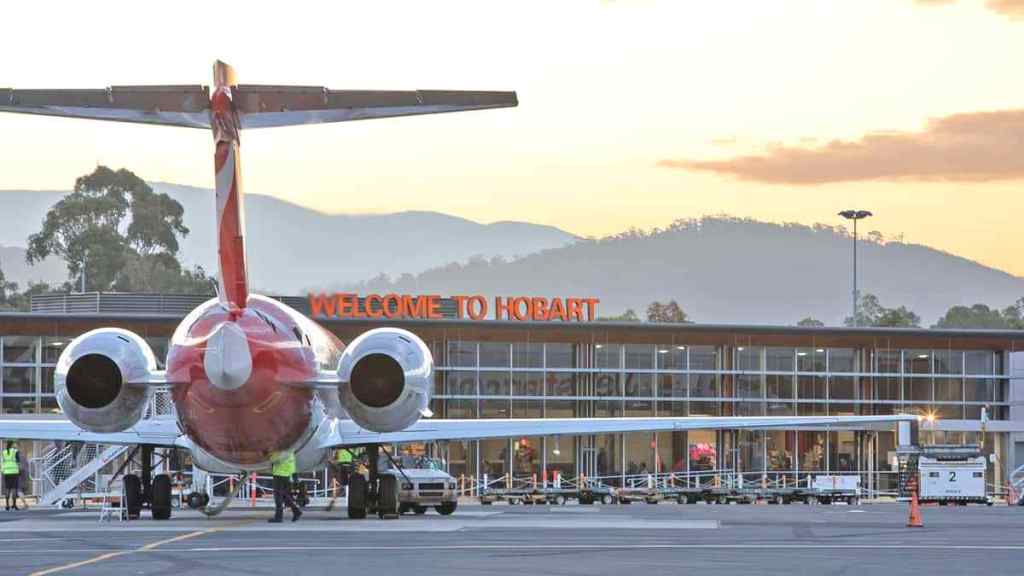

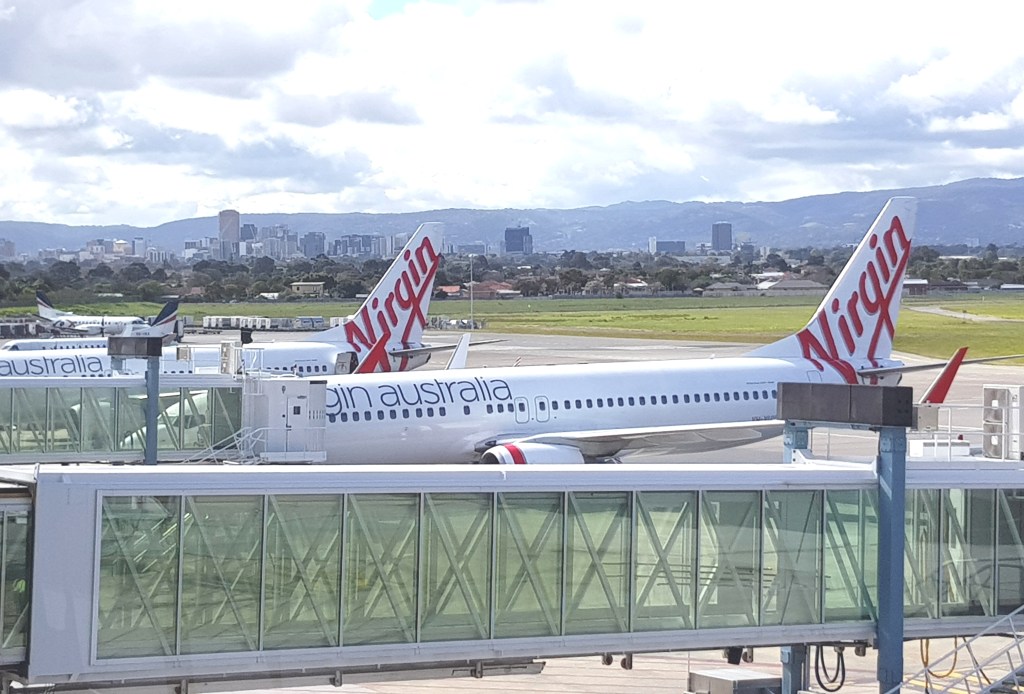



/s3/static.nrc.nl/bvhw/files/2019/06/data45970462-f5bf36.jpg)



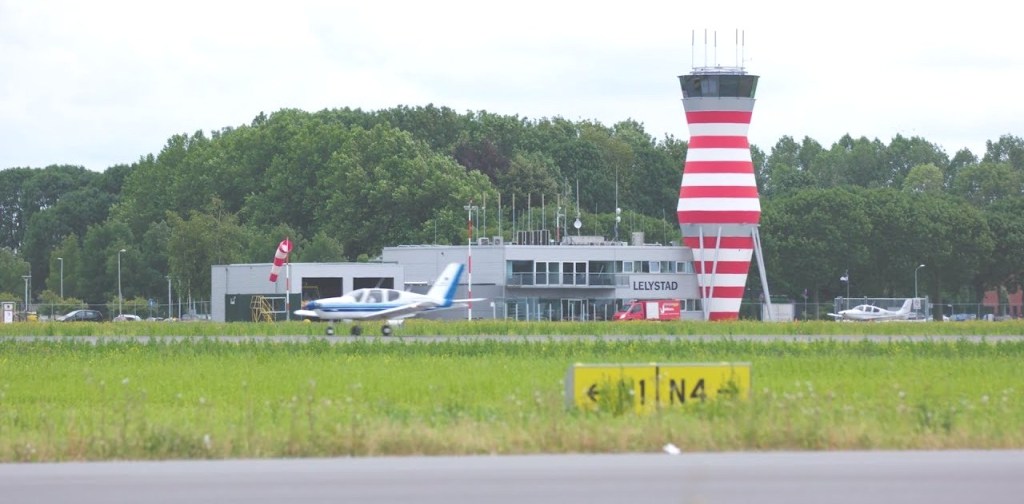

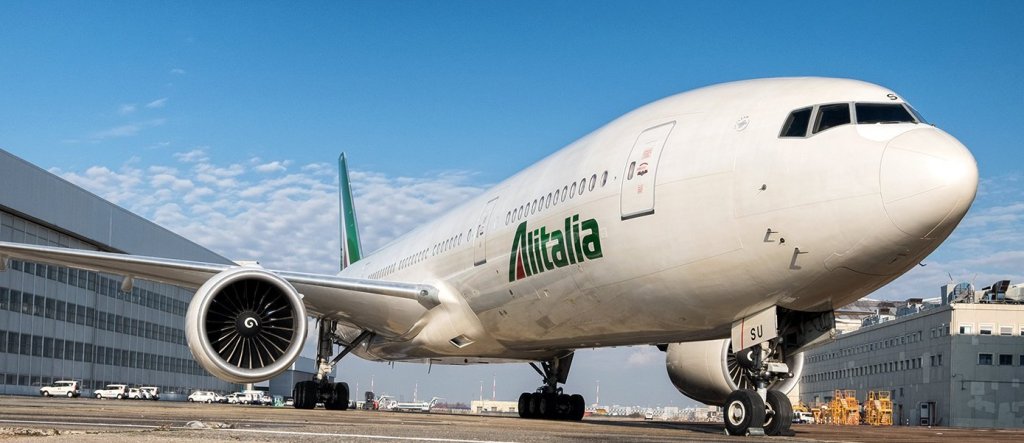
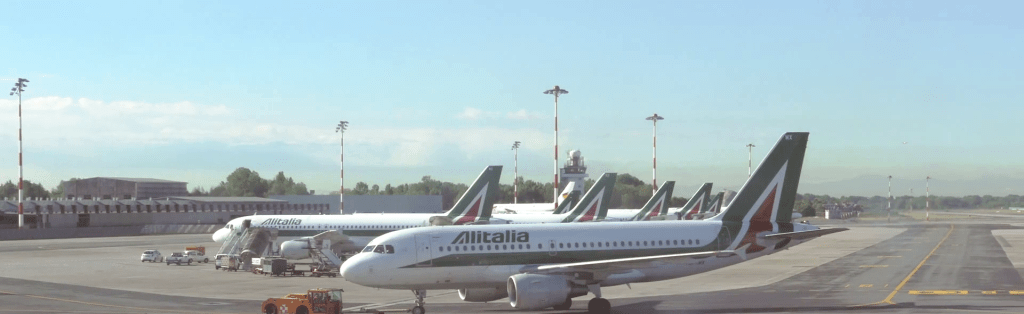
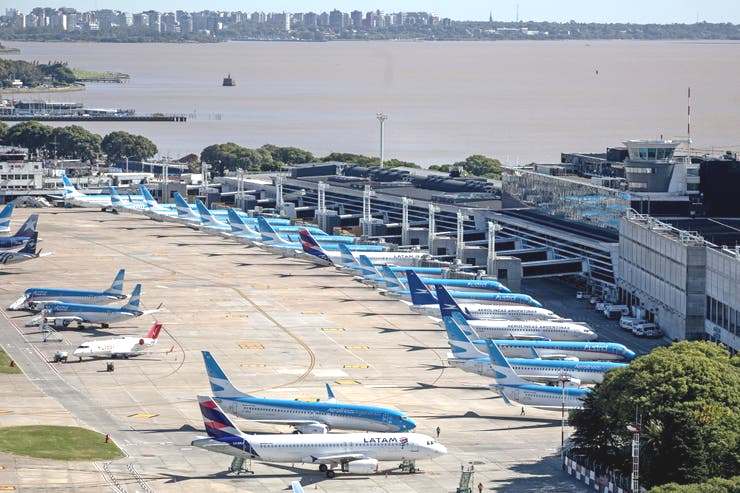



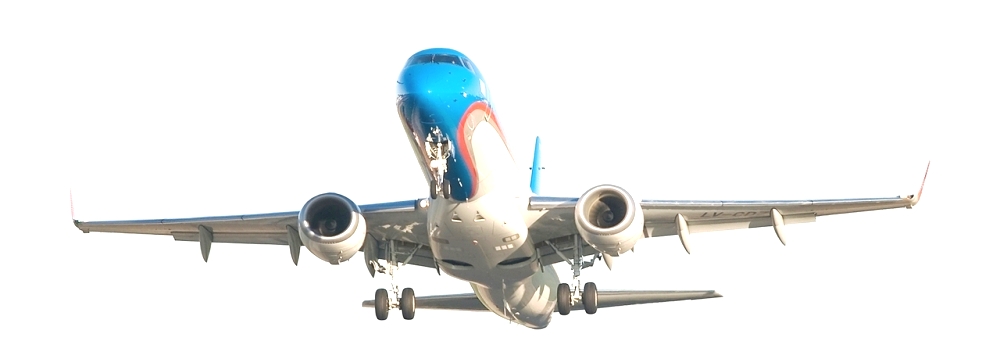


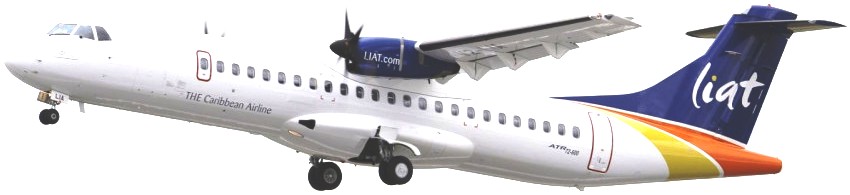

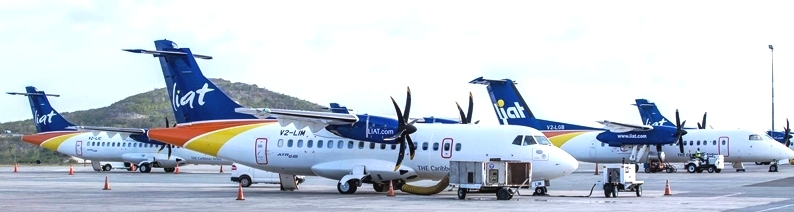


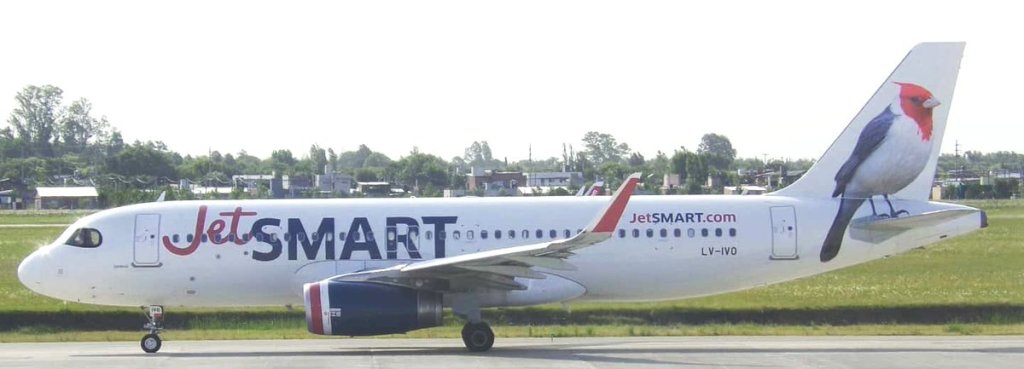
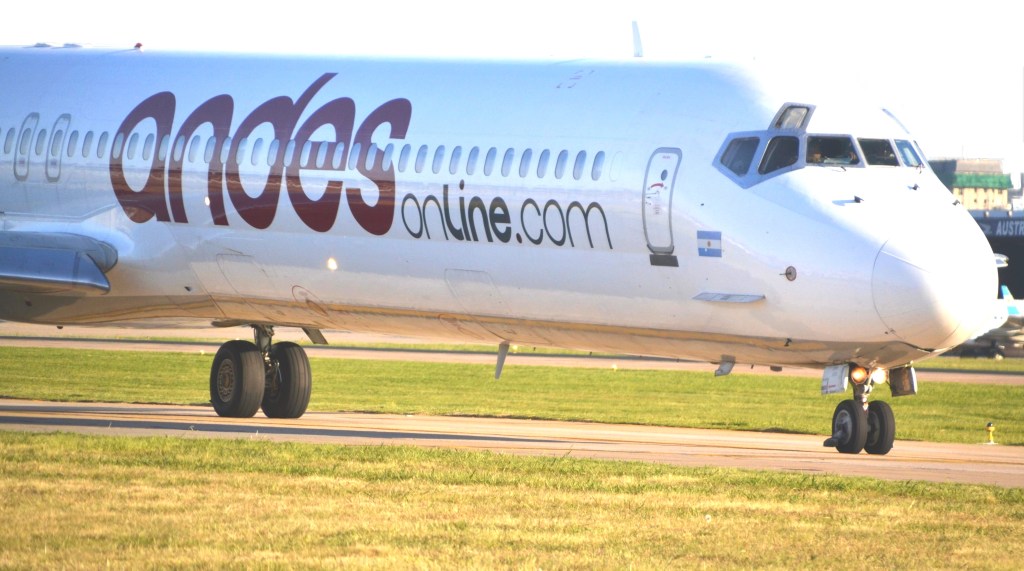









 airgways.com