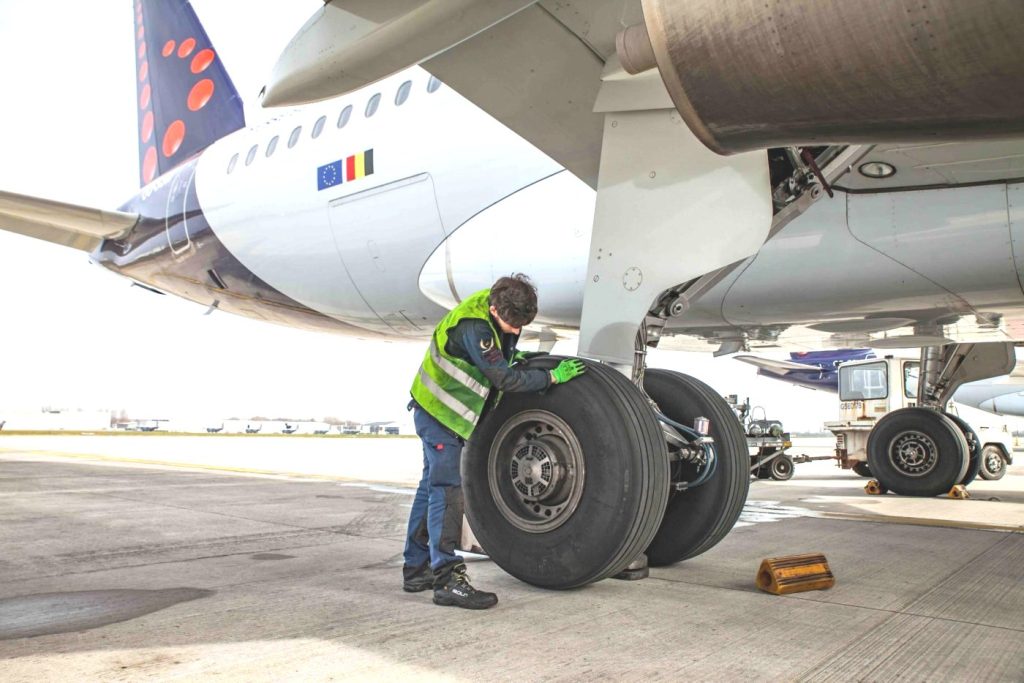
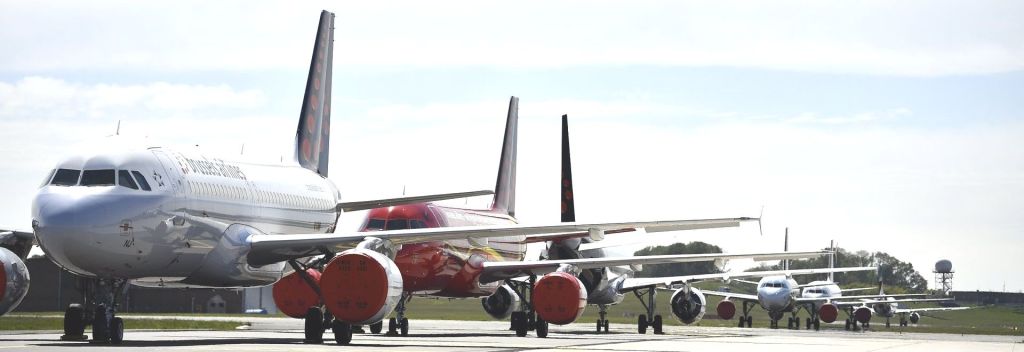
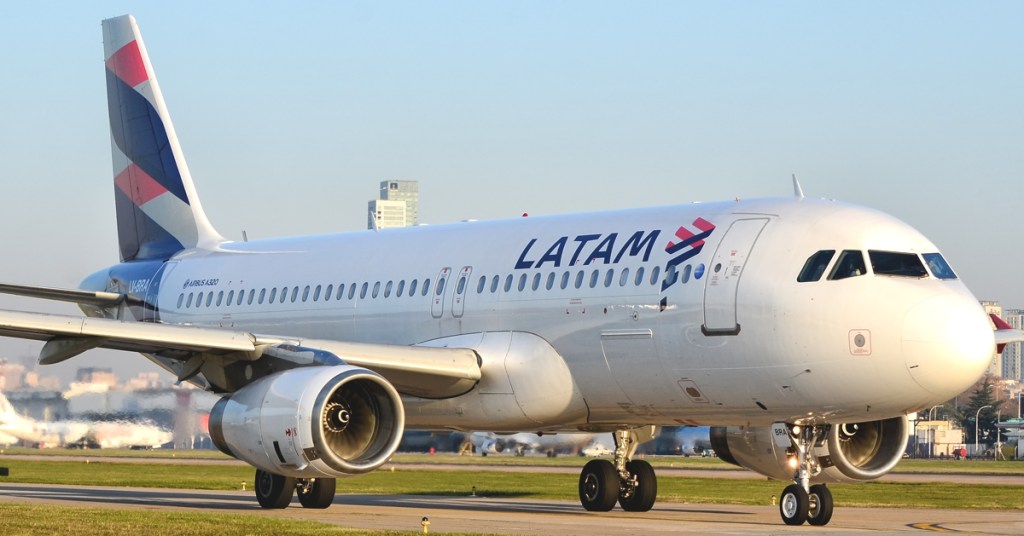
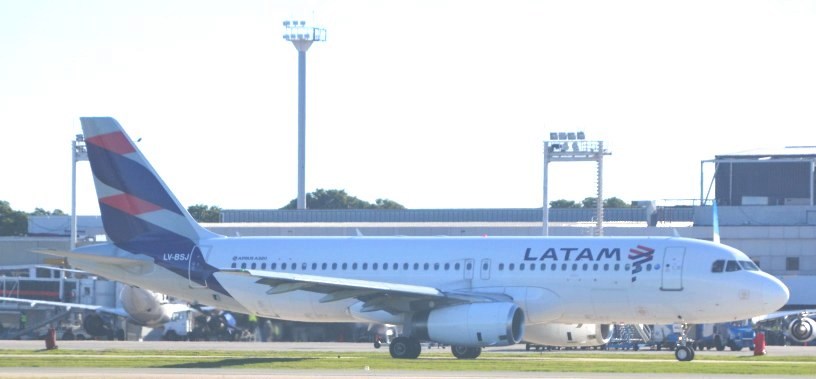
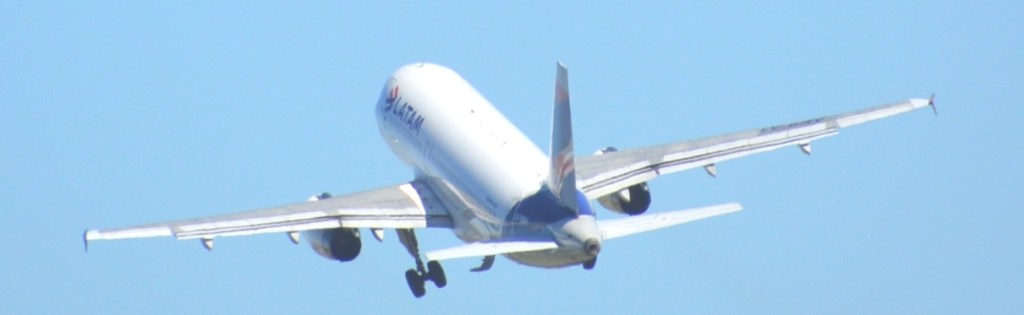
Lufthansa German Airlines ha comunicado su posición respecto al destino de la aerolínea belga Brussels Airlines que se balancea entre la venta o liquidacción sino alcanza un acuerdo con el personal sobre un nuevo convenio colectivo. El acuerdo revisado se ha considerado crítico para la reestructuración de la aerolínea.
El diario belga La Libre Belgique citó fuentes anónimas diciendo que representantes de Brussels Airlines y su matriz alemana se reunirán el 22 Junio 2020 para discutir el camino a seguir. Lufthansa no hizo comentarios sobre el informe, Brussels Airlines lo desestimó como especulación.
La aerolínea belga es la última aerolínea propiedad de Lufthansa sin un plan claro de ayuda estatal y reestructuración. Mientras que Swiss International Airlines ha recibido el respaldo de su propio gobierno a fines de Abril 2020, el rescate masivo de Lufthansa por € 9 mil millones de Euros (US$ 10.1 mil millones) aún no ha sido aprobado por sus accionistas a pesar de haber sido autorizado por las autoridades. El paquete también cubre otras unidades alemanas de Lufthansa, incluidas Eurowings. Austrian Airlines también ha llegado a un acuerdo con el Gobierno austríaco sobre los términos de un rescate, aunque su finalización depende de que los accionistas de Lufthansa aprueben el rescate de su matriz alemana.
El Gobierno de Bélgica se ha comprometido a inyectar al menos € 300 millones de Euros (US$ 335 millones) en Brussels Airlines, pero los términos de la asistencia aún no se han acordado.
Brussels Airlines planea recortar un 25% del plantel de sus aproximadamente 4.200 empleados en un intento por reducir los costos y sobrevivir a un período de disminución de la demanda a medida que el mundo se recupera de la primera ola de la pandemia de Coronavirus. Los sindicatos, en particular los que nuclean a los piloto, se han opuesto al plan.
Lufthansa defines position with Brussels
Brussels Airlines put up for sale or clearance
Lufthansa German Airlines has communicated its position regarding the destination of the Belgian airline Brussels Airlines, which is balancing between the sale or liquidation if it does not reach an agreement with the staff on a new collective agreement. The revised agreement has been deemed critical to the airline’s restructuring.
Belgian newspaper La Libre Belgique quoted anonymous sources as saying that representatives of Brussels Airlines and its German parent will meet on June 22, 2020 to discuss the way forward. Lufthansa did not comment on the report, Brussels Airlines dismissed it as speculation.
The Belgian airline is the last airline owned by Lufthansa without a clear plan for state aid and restructuring. While Swiss International Airlines has received the backing of its own government at the end of April 2020, Lufthansa’s massive bailout of € 9 billion Euros (US$ 10.1 billion) has yet to be approved by its shareholders despite having been authorized by the authorities. The package also covers other German Lufthansa units, including Eurowings. Austrian Airlines has also reached an agreement with the Austrian government on the terms of a bailout, although its completion depends on Lufthansa shareholders approving the bailout of its German parent.
The Belgian government has promised to inject at least € 300 million Euros (US$ 335 million) into Brussels Airlines, but the terms of the assistance have not yet been agreed.
Brussels Airlines plans to cut 25% of its approximately 4,200 employees in a bid to cut costs and survive a period of declining demand as the world recovers from the first wave of the Coronavirus pandemic. Unions, particularly those that nucleate the pilots, have opposed the plan.
Ξ A I R G W A Y S Ξ PUBLISHER: Airgways.com DBk: Lufthansa.com / Brusselsairlines.com / Lalibre.be / Airgways.com / Theavgeeks.com AW-POST: 202006231423AR
Canadá no reabrirá fronteras rápidamente a las aerolíneas
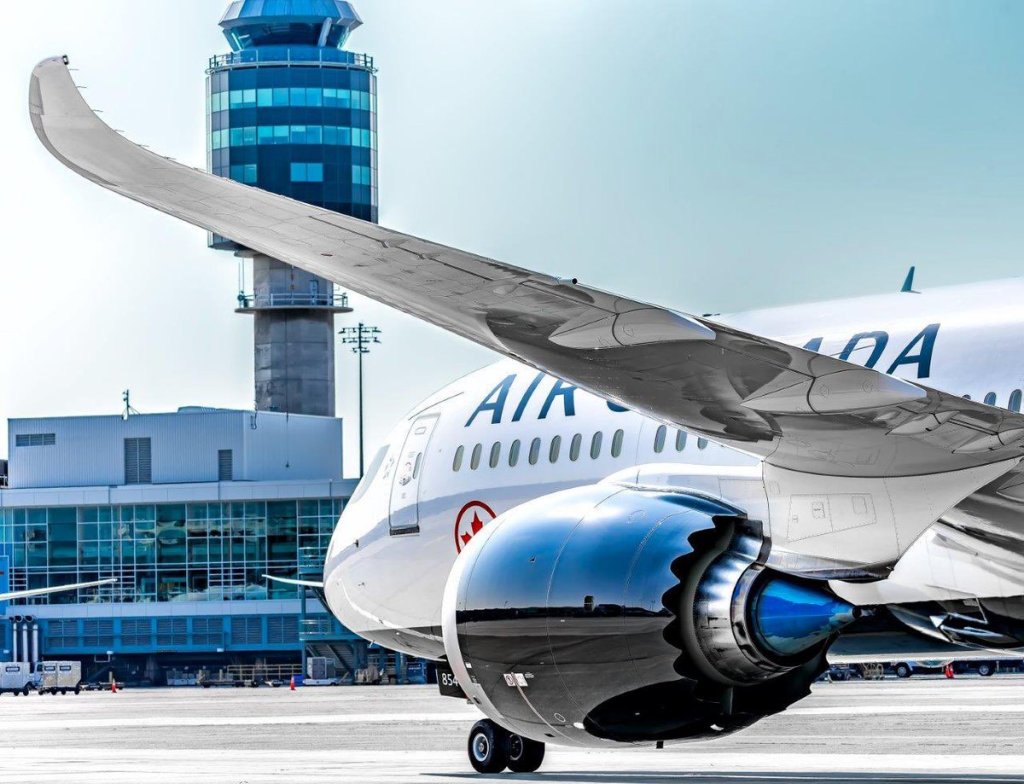
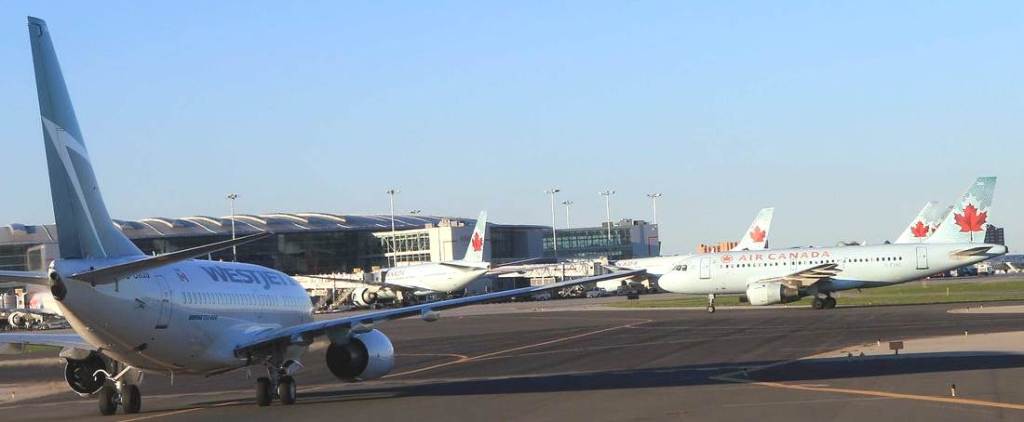
El Gobierno de Canadá ha establecido que la frontera continuará restringida a la apertura total de los vuelos. El Primer Ministro canadiense, Justin Trudeau, rechazó el Lunes 22/06 la presión de las aerolíneas para reabrir rápidamente las fronteras de la nación, diciendo que moverse demasiado rápido podría provocar una segunda ola del Coronavirus. «Entiendo que hay muchas empresas de turismo y aerolíneas que desean que podamos recibir nuevamente a los turistas. Pero todas estas personas deben comprender que si tomamos medidas demasiado rápido, si no estamos seguros de lo que estamos haciendo en cada etapa, corremos el riesgo de alcanzar una segunda ola … y tener que cerrar nuestra economía nuevamente», dijo Trudeau en una sesión informativa diaria.
A principios de Junio 2020, el Director Ejecutivo de Air Canada, Calin Rovinescu, y un importante grupo de la industria del turismo instaron al gobierno a levantar las restricciones de viaje. La semana pasada, un grupo de 27 ejecutivos principales se sumó a los llamamientos a Canadá para que alivie las restricciones aéreas lideradas por el coronavirus en una carta publicada en el periódico Globe and Mail.
La semana pasada, Canadá y Estados Unidos extendieron la prohibición de viajes no esenciales hasta fines de Julio 2020. Washington y Ottawa introdujeron restricciones en Marzo y las renovaron en Abril y Mayo. «Entiendo lo difícil que es esto y lo frustrante que es para algunas personas, pero … vamos a tener mucho cuidado con cuándo y cómo comenzamos a reabrir las fronteras internacionales», expresó Justin Trudeau.
Canada stiffens borders
Canada won’t quickly reopen borders to airlines
The Government of Canada has established that the border will continue to be restricted to full opening of flights. Canadian Prime Minister Justin Trudeau on Monday 06/22 rejected pressure from airlines to quickly reopen the nation’s borders, saying moving too fast could trigger a second wave of the Coronavirus. «I understand that there are many tourism companies and airlines that want us to be able to receive tourists again. But all these people must understand that if we take action too quickly, if we are not sure what we are doing at each stage, we risk catch a second wave … and have to shut down our economy again», Trudeau said in a daily briefing.
In early June 2020, the Executive Director of Air Canada, Calin Rovinescu, and a leading group in the tourism industry urged the government to lift travel restrictions. Last week, a group of 27 top executives joined calls for Canada to ease the coronavirus-led air restrictions in a letter published in the Globe and Mail newspaper.
Last week, Canada and the United States extended the non-essential travel ban until the end of July 2020. Washington and Ottawa introduced restrictions in March and renewed them in April and May. «I understand how difficult this is and how frustrating it is for some people, but … we will be very careful when and how we start to reopen international borders», said Justin Trudeau.
Le Canada renforce ses frontières
Le Canada ne rouvrira pas rapidement ses frontières aux compagnies aériennes
Le Gouvernement du Canada a établi que la frontière continuera d’être limitée à l’ouverture complète des vols. Le Premier ministre canadien Justin Trudeau a rejeté le lundi 06/22 la pression des compagnies aériennes pour rouvrir rapidement les frontières du pays, affirmant que trop vite pourrait déclencher une deuxième vague de coronavirus. «Je comprends qu’il existe de nombreuses entreprises touristiques et compagnies aériennes qui veulent que nous puissions à nouveau recevoir des touristes. Mais tous ces gens doivent comprendre que si nous agissons trop rapidement, si nous ne sommes pas sûrs de ce que nous faisons à chaque étape, nous risquons a frappé une deuxième vague … et doit de nouveau fermer notre économie», a déclaré Trudeau dans un briefing quotidien.
Au début de juin 2020, le directeur exécutif d’Air Canada, Calin Rovinescu, et un groupe de premier plan de l’industrie du tourisme ont exhorté le gouvernement à lever les restrictions de voyage. La semaine dernière, un groupe de 27 cadres supérieurs a rejoint les appels pour que le Canada assouplisse les restrictions aériennes liées aux coronavirus dans une lettre publiée dans le journal Globe and Mail.
La semaine dernière, le Canada et les États-Unis ont prolongé l’interdiction de voyager non essentielle jusqu’à la fin de juillet 2020. Washington et Ottawa ont introduit des restrictions en mars et les ont renouvelées en avril et mai. «Je comprends à quel point cela est difficile et frustrant pour certaines personnes, mais … nous serons très prudents quand et comment nous commencerons à rouvrir les frontières internationales», a déclaré Justin Trudeau.
Ξ A I R G W A Y S Ξ PUBLISHER: Airgways.com DBk: Canada.ca / Torontosun.com / Thestar.com / Airgways.com AW-POST: 202006231401AR
Inician negociación por futuro Latam en medio de fuertes presiones
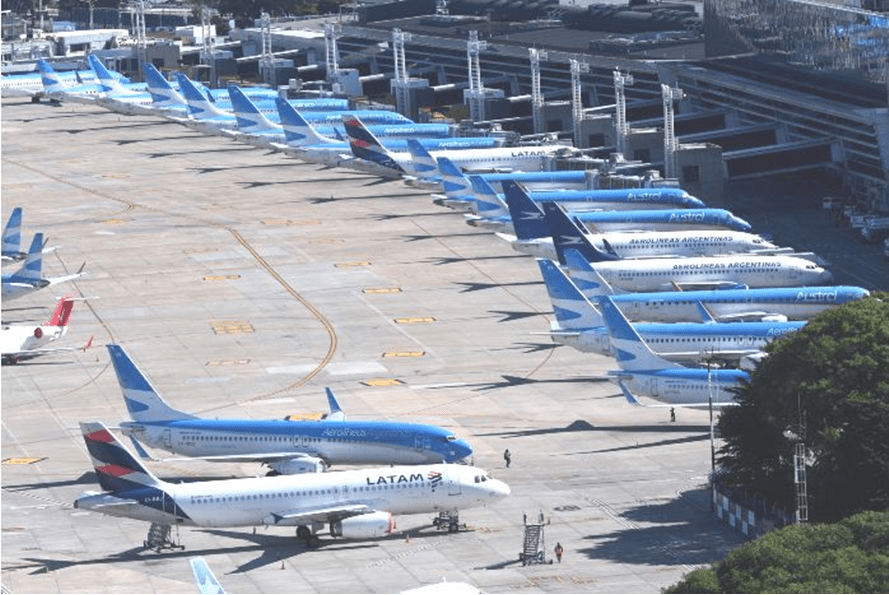
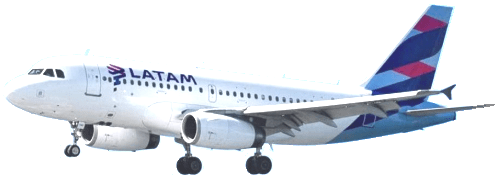
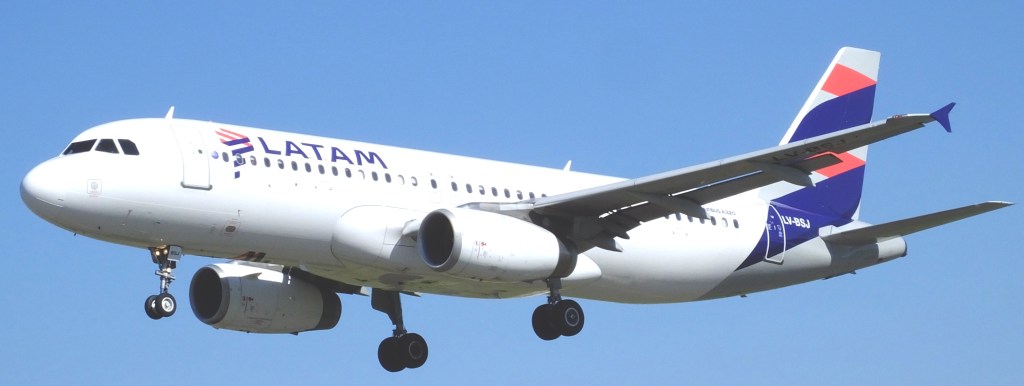
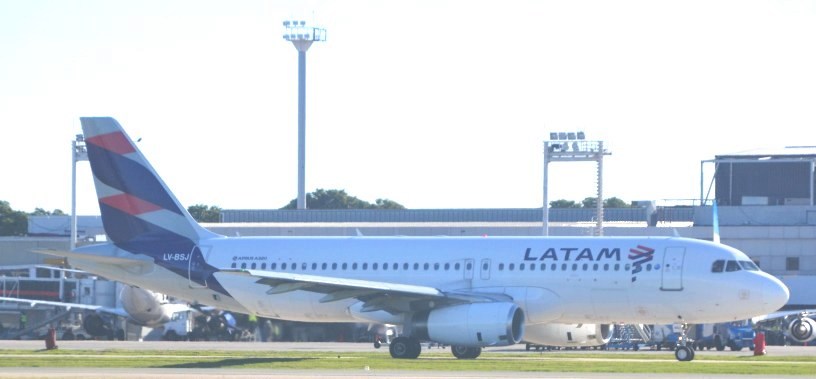
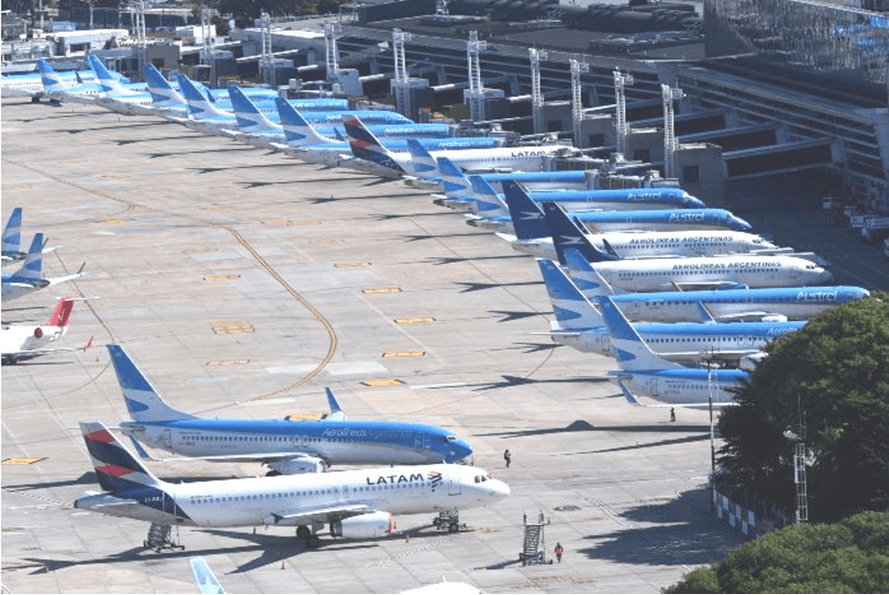
Latam Airlines Argentina, los empleados, los gremios aeronáuticos, el Estado Argentino están incluidos en una disyuntiva colectiva acerca del futuro próximo de la compañía aérea. Conocer cómo avanzan las decisiones permiten preguntar si la aerolínea cerrará y abonará la doble indemnización para el 90% de los 1.715 empleados de Latam Argentina o surgirán acuerdos individuales, o tal vez sea posible que la empresa revise su decisión y continúe desarrollando operaciones en el país, tres direcciones que surgen en las negociaciones.
El Ministerio de Trabajo ha comunicado el 22 Mayo 2020 por escrito a los cinco gremios aeronáuticos de Argentina la decisión de Latam de irse del país y activar un Procedimiento Preventivo de Crisis (PPC).
Encrucijada aérea
En Latam Airlines Argentina existen tres organizaciones alternativas que son de alcance exclusivo en la aerolínea, pues surgieron con su aval para contrarestar el poder de los sindicatos aeronáuticos tradicionales. La Unión de Pilotos de Aviadores de Latam (UPAL), ya tiene un borrador preparado.
El Ministerio de Transporte tendrá que definir si resuelve habilitar el PPC solicitado por Latam Airlines Argentina o descartarlo. La Cartera de las negociaciones está a cargo de Claudio Moroni, quien designó al abogado Pablo Topet para llevar la negociación.
Posición sindical
La Confederación General de Trabajo (CGT) ha marcado su postura el Viernes 19/06, cuando ha rechazado a través de un comunicado la alternativa del PPC y advirtió que no hay otra salida posible que el pago de la doble indeminización, como lo establece un decreto presidencial que fue extendido hasta fin de año para evitar una caída del empleo en tiempos de crisis. La posición de la central obrera coincide con la de los cinco gremios aeronáuticos que deberán negociar con Latam Argentina: APLA (Asociación Pilotos de Líneas Aéreas), APTA (Asociación Personal Técnicos Aeronáuticos), AAA (Asociación Argentina de Aeronavegantes), UPSA (Unión del Personal Superior y Profesional de Empresas Aerocomerciales) y la Asociación Personal Aeronáutico (APA), todos estos sindicatos recibieron la notificación de Transporte, con la probabilidad que se nieguen al camino del Proceso Preventivo de Crisis.
«Si Moroni acepta un recurso de los 90 para liquidar la empresa y esquivar la doble indemnización, tendrá que dar explicaciones. No es un proceso para despedir. Si lo hace, iremos a la Justicia», advirtió Pablo Biró, referente de los pilotos, que también descartó que el funcionario habilite a participar de la negociación a los tres gremios con simple inscripción. «No creo que lo haga, hay otros mecanismos como una compulsa. Sería desconocer el modelo sindical», dijo.
Los gremios del sector mantienen una pelea adicional con Moroni, que les habría prometido levantar la intervención impuesta por la gestión de Mauricio Macri a la Federación Argentina del Personal Aeronáutico (FAPA) y avanzar con su normalización. La federación es la excusa perfecta para ocultar las diferencias internas y unir a los sindicatos del rubro para exhibir más fortaleza.
Luego de que Latam Airlines anunciara que dejaría de volar en Argentina, ha surgido entre los pilotos agremiados a UPAL la vinculación para ser incorporados por Aerolíneas Argentinas. Desde la Unión del Personal de Aeronavegación de Entes Privados (UPADEP), el delegado Eduardo Saab, advirtió que si efectivamente Latam Airlines Argentina deja el país, pedirán que los absorba la aerolínea estatal. “Mientras esto sucedía, Latam repartía millonarios dividendos; la pandemia fue una excusa. La empresa no quiere perder nada”, sostuvo Eduardo Saab.
Posición de Latam
Entre los argumentos expresados por Latam Argentina, una de las razones de su salida fue la imposibilidad de avanzar en acuerdos con los sindicatos. Los coletazos económicos por la pandemia por el Coronavirus y la reconversión que demandará en la industria aeronáutica aceleraron la decisión final, que sería difícil de revertir.
Los representantes de Latam Argentina se convencieron que no había vuelta atrás cuando en medio de la pandemia la empresa ofreció pagar el 50% del sueldo no remunerativo a los 1.715 empleados (con un mínimo de AR$ 47.700), pero la medida fue rechazada no solo por los sindicatos sino también por Transporte, que intimó a pagar el 100% del sueldo, pero al mismo tiempo los empleado de la compañia estaban de acuerdo con las reducciones de salarios. En el caso de que el PPC no se termine de aplicar, es probable que la empresa avance en acuerdos individuales con algunos empleados mientras que con otros irá a un inevitable conflicto.
Perspectivas
El Gobierno Argentino buscará que la línea aérea pueda seguir operando en la Argentina. El Ministro de Transporte, Mario Meoni, afirmó que “el Ministerio de Trabajo aún debe emitir un dictamen al respecto, tras el anuncio de la empresa de que dejará de operar en el país”.
Negotiations in Latam Argentina
Negotiations for the future of Latam begin amid strong pressure
Latam Airlines Argentina, the employees, the aeronautical unions, the Argentine State are included in a collective dilemma about the near future of the airline. Knowing how the decisions are progressing allows us to ask if the airline will close and pay double compensation for 90% of the 1,715 employees of Latam Argentina or individual agreements will emerge, or perhaps it is possible for the company to review its decision and continue developing operations in the country, three directions that emerge in the negotiations.
The Ministry of Labor has communicated on May 22, 2020 in writing to the five aeronautical unions of Argentina the decision of Latam to leave the country and activate a Crisis Preventive Procedure (PPC).
Aerial crossroads
At Latam Airlines Argentina there are three alternative organizations that are exclusive in scope for the airline, since they emerged with their endorsement to counteract the power of traditional aeronautical unions. The Union of Pilots of Aviators of Latam (UPAL), already has a prepared draft.
The Ministry of Transport will have to define if it decides to enable the PPC requested by Latam Airlines Argentina or to discard it. The Portfolio of the negotiations is in charge of Claudio Moroni, who appointed lawyer Pablo Topet to lead the negotiation.
Union position
The General Confederation of Labor (CGT) has marked its position on Friday 19/06, when it has rejected through a statement the alternative of the PPC and warned that there is no other possible way out than the payment of double indeminization, as established by a Presidential decree that was extended until the end of the year to avoid a drop in employment in times of crisis. The position of the workers’ union coincides with that of the five aeronautical unions that must negotiate with Latam Argentina: APLA (Association of Airline Pilots), APTA (Association of Aeronautical Technical Personnel), AAA (Argentina Association of Air Navigation), UPSA (Union of the Higher and Professional Personnel of Aerocomerciales Companies) and the Aeronautical Personal Association (APA), all these unions received the notification of Transport, with the probability that they refuse the path of the Crisis Preventive Process.
«If Moroni accepts a recourse from the 90s to liquidate the company and avoid double compensation, he will have to give explanations. It is not a process to dismiss. If he does, we will go to Justice», said Pablo Biró, referring to the pilots, He also ruled out that the official enables the three unions to participate in the negotiation with simple registration. «I do not think it will, there are other mechanisms such as a vote. It would be unaware of the union model», he said.
The unions of the sector maintain an additional fight with Moroni, who would have promised to lift the intervention imposed by the management of Mauricio Macri on the Argentine Federation of Aeronautical Personnel (FAPA) and advance with its normalization. The federation is the perfect excuse to hide internal differences and unite unions in the industry to show more strength.
After Latam Airlines announced that it would stop flying in Argentina, the link to be incorporated by Aerolineas Argentinas has emerged among the pilots affiliated to UPAL. From the Union of Air Navigation Personnel of Private Entities (UPADEP), the delegate Eduardo Saab, warned that if indeed Latam Airlines Argentina leaves the country, they will ask to be absorbed by the state airline. “While this was happening, Latam distributed millionaire dividends; the pandemic was an excuse. The company does not want to lose anything», said Eduardo Saab.
Latam position
Among the arguments expressed by Latam Argentina, one of the reasons for his departure was the impossibility of advancing agreements with the unions. The economic shocks due to the Coronavirus pandemic and the reconversion it will demand in the aeronautical industry accelerated the final decision, which would be difficult to reverse.
The representatives of Latam Argentina were convinced that there was no going back when in the midst of the pandemic the company offered to pay 50% of the non-remunerative salary to the 1,715 employees (with a minimum of AR$ 47,700), but the measure was not only rejected by the unions but also by Transport, which encouraged them to pay 100% of the salary, but at the same time the company’s employees agreed with the salary reductions. In the event that the PPC is not fully implemented, it is likely that the company will advance in individual agreements with some employees while with others it will lead to an inevitable conflict.
Perspective
The Argentine Government will seek that the airline can continue operating in Argentina. The Minister of Transport, Mario Meoni, stated that «the Ministry of Labor has yet to issue an opinion in this regard, after the company’s announcement that it will stop operating in the country».
Ξ A I R G W A Y S Ξ PUBLISHER: Airgways.com DBk: Latam.com / Argentina.gob.ar/transporte / Airgways.com / Upsa-ospea.com.ar / Apa.org.ar / Aviones.com / Aeronavegantes.org.ar / Aeronauticosapa.org.ar AW-POST: 202006231230AR
AW | 2020 06 22 20:52 | AIRLINES / INDUSTRY / GOVERNMENT
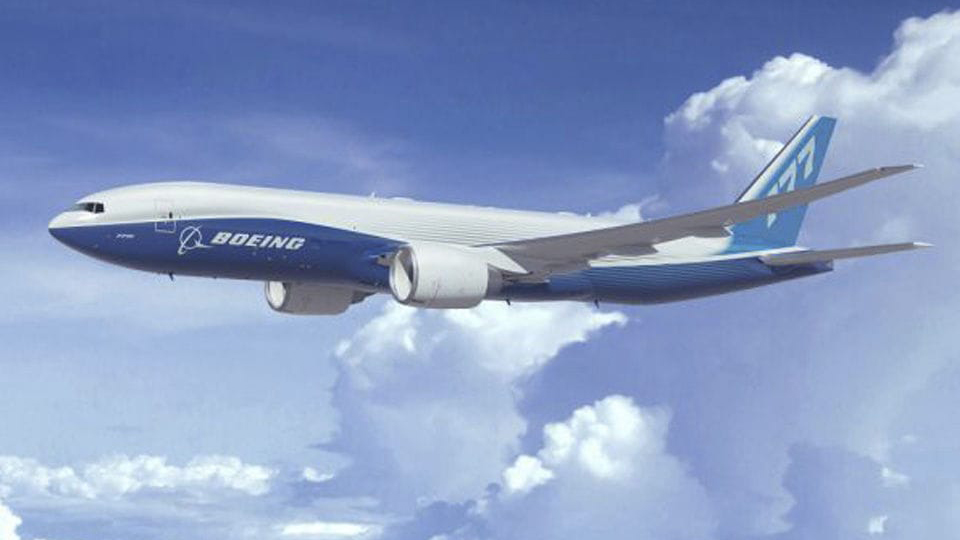
Turkmenistan Airlines comprará Boeing 777 carguero
El Gobierno de la República de Turkmenistán en Ashgabat, ha anunciado planes para comprar el primer Boeing 777-200F del país, que se agregará a la flota de Turkmenistan Airlines. El 19 Junio 2020, el Presidente Gurbanguly Berdimuhamedow ha ordenado a la compañía aérea estatal que firmara un acuerdo con la compañía de leasing de aviones Frankfurt Aircraft Finance de Alemania, en virtud del cual Turkmenistán comprará un avión Boeing 777-200F. El valor del acuerdo no ha sido revelado. Según los datos proporcionados por Statista.com, el avión puede costarle a Turkmenistán un estimado de US$ 352 millones.
Boeing 777 Freighter
Como parte de la familia de aviones Boeing 777, el 777-200F es un carguero eficiente, de largo alcance y alta capacidad que debutó en 2009. El avión 777-200F ofrece ahorros significativos para los operadores de carga en todo el mundo, permitiéndoles aprovechar menos paradas y tarifas de aterrizaje asociadas, menos congestión en los centros de transferencia, menores costos de manejo de carga y tiempos de entrega de carga más cortos. Con un peso máximo de despegue de 347.814 kilogramos, el 777-200F tiene una capacidad de carga útil de más de 105,233 kilogramos y puede volar 9.047 kilómetros con una carga completa en las densidades generales del mercado de carga, lo que lo convierte en el carguero bimotor de mayor alcance del mundo. La economía de combustible de la aeronave también proporciona beneficios ambientales, ya que su menor consumo de combustible da como resultado menores emisiones de carbono. El 777-200F también cumple con los estándares de ruido de Londres-Heathrow (QC2) para una máxima accesibilidad a los aeropuertos sensibles al ruido.
Los funcionarios en Turkmenistán creen que el nuevo avión modernizará la infraestructura aérea existente y expandirá la presencia del país en el extranjero. «Deberíamos aprovechar todas las oportunidades disponibles para convertir a Turkmenistán en uno de los mayores centros de transporte internacional. Gracias a esto, los aviadores nacionales podrán expandir la geografía del tráfico de carga regular y aumentar la frecuencia de los vuelos en las rutas existentes», dijo el Presidente de la República de Turkmenistán.
Los esfuerzos de Turkmenistán para desarrollar y fortalecer su capacidad de transporte aéreo se producen después de que los vuelos de Turkmenistan Airlines a Europa fueron suspendidos en Febrero 2020, a la espera de la confirmación de que la compañía aérea cumple con los estándares internacionales de seguridad aérea de la OACI.
Los funcionarios de la aerolínea nacional han estado durante meses mejorando la seguridad, junto con Lufthansa Consulting, una consultoría de aviación internacional para aerolíneas, aeropuertos e industrias relacionadas. El 16 Octubre 2020, las restricciones se levantaron después de que Turkmenistan Airlines confirmó el cumplimiento de los requisitos técnicos relacionados con las operaciones aéreas en el territorio de la Unión Europea (UE).
Turkmenistan Airlines es la aerolínea de bandera de Turkmenistán, con sede en la capital del país, Ashgabat. La aerolínea opera servicios de carga y pasajeros nacionales e internacionales principalmente desde su centro de operaciones en el aeropuerto internacional de Ashgabat. La aerolínea transporta a más de 3.000 pasajeros diariamente dentro del país y casi dos millones de pasajeros anualmente en las rutas internacionales y nacionales. Al 10 Octubre 2019, Turkmenistan Airlines poseía y operaba 19 aviones con una edad promedio de 9.6 años. La flota de la compañía aérea incluye Boeing 737-700 (4), Boeing 737-800 (8), Boeing 757-200 (3), Boeing 777-200 (3), Bombardier CRJ-700 (1) y un flota de aeronaves cargueras de Ilshuyin IL-76 (8).
La asociación actual de Turkmenistán con Boeing no es exactamente nueva. La relación de la compañía con el estado de la región del Caspio se remonta a 1992. En Junio 2020, los funcionarios de Boeing anunciaron que Turkmenistan Airlines compraría su cuarto avión 777-200LR (Long Range) para impulsar su flota y expandir sus servicios aéreos.
Turkmenistan to buy Boeing 777F
Turkmenistan Airlines to Buy Boeing 777 Freighter
The Government of the Republic of Turkmenistan in Ashgabat has announced plans to purchase the country’s first Boeing 777-200F, to be added to the Turkmenistan Airlines fleet. On June 19, 2020, President Gurbanguly Berdimuhamedow has ordered the state airline to sign an agreement with German aircraft leasing company Frankfurt Aircraft Finance, under which Turkmenistan will purchase a Boeing 777-200F aircraft. The value of the deal has not been disclosed. According to data provided by Statista.com, the plane can cost Turkmenistan an estimated $ 352 million.
Boeing 777 Freighter
As part of the Boeing 777 family of aircraft, the 777-200F is an efficient, long-range, high-capacity freighter that debuted in 2009. The 777-200F aircraft offers significant savings for cargo operators worldwide, allowing them to take advantage of Fewer stops and associated landing fees, less congestion at transfer centers, lower cargo handling costs, and shorter cargo delivery times. With a maximum takeoff weight of 347,814 kilograms, the 777-200F has a payload capacity of more than 105,233 kilograms and can fly 9,047 kilometers with a full load at the general cargo market densities, making it the freighter world’s largest twin-engine. The aircraft’s fuel economy also provides environmental benefits, as its lower fuel consumption results in lower carbon emissions. The 777-200F also complies with London-Heathrow (QC2) noise standards for maximum accessibility to noise sensitive airports.
Officials in Turkmenistan believe the new plane will modernize existing air infrastructure and expand the country’s presence abroad. «We should take advantage of all available opportunities to make Turkmenistan one of the largest hubs of international transport. Thanks to this, national airmen will be able to expand the geography of regular cargo traffic and increase the frequency of flights on existing routes», said the President of the Republic of Turkmenistan.
Turkmenistan’s efforts to develop and strengthen its air transport capacity come after Turkmenistan Airlines flights to Europe were suspended in February 2020, pending confirmation that the airline meets international aviation safety standards. of ICAO.
Officials at the national airline have been improving security for months, along with Lufthansa Consulting, an international aviation consultancy for airlines, airports and related industries. On October 16, 2020, restrictions were lifted after Turkmenistan Airlines confirmed compliance with technical requirements related to air operations on the territory of the European Union (EU).
Turkmenistan Airlines is the flag carrier of Turkmenistan, based in the country’s capital Ashgabat. The airline operates domestic and international cargo and passenger services primarily from its hub at Ashgabat International Airport. The airline transports more than 3,000 passengers daily within the country and almost two million passengers annually on international and national routes. As of October 10, 2019, Turkmenistan Airlines owned and operated 19 aircraft with an average age of 9.6 years. The airline’s fleet includes Boeing 737-700 (4), Boeing 737-800 (8), Boeing 757-200 (3), Boeing 777-200 (3), Bombardier CRJ-700 (1) and a fleet of Ilshuyin IL-76 cargo aircraft (8).
Turkmenistan’s current partnership with Boeing is not exactly new. The company’s relationship with the state of the Caspian region dates back to 1992. In June 2020, Boeing officials announced that Turkmenistan Airlines would purchase its fourth 777-200LR (Long Range) aircraft to boost its fleet and expand its air services.
Boieng 777F satyn almak üçin Türkmenistan
Türkmenistan howa ýollary Boeing 777 kysymly uçar satyn alar
Aşgabatdaky Türkmenistan Respublikasynyň hökümeti, Türkmenistan howa ýollarynyň flotuna goşuljak ilkinji Boeing 777-200F satyn almak meýilnamasyny yglan etdi. 2020-nji ýylyň 19-njy iýunynda Prezident Gurbanguly Berdimuhamedow döwlet awiakompaniýasyna Germaniýanyň uçar kärendesi kompaniýasy Frankfurt Aircraft Finans bilen şertnama baglaşmagy buýurdy, bu şertnama laýyklykda Türkmenistan Boeing 777-200F uçaryny satyn alar. Ylalaşygyň gymmaty aýan edilmedi. Statista.com tarapyndan berlen maglumatlara görä, uçar Türkmenistana takmynan 352 million dollar sarp edip biler.
Boeing 777
Boeing 777 uçar maşgalasynyň bir bölegi hökmünde, 777-200F 2009-njy ýylda ilkinji gezek öndürilen, uzak aralyga we ýokary kuwwatly ýük daşaýjydyr. 777-200F uçary dünýädäki ýük operatorlary üçin ep-esli tygşytlylygy hödürleýär we bu mümkinçiliklerden peýdalanmaga mümkinçilik berýär. Az duralgalar we baglanyşykly gonuş tölegleri, geçiriş merkezlerinde dyknyşyk az, ýük daşamak üçin çykdajylar we ýükleri eltmegiň wagty has gysga. Iň ýokary uçuş agramy 347,814 kilograma barabar bolan 777-200F, ýük göterijilik ukyby 105233 kilograma ýetýär we umumy ýük bazary dykyzlygynda doly ýük bilen 9,047 kilometre uçup bilýär we bu ýük göteriji bolýar dünýädäki iň uly goşa hereketlendiriji. Uçaryň ýangyç tygşytlylygy, daşky gurşawa peýdalydyr, sebäbi ýangyjyň az sarp edilmegi uglerodyň zyňyndylarynyň peselmegine getirýär. Şeýle hem, 777-200F ses-duýgur howa menzillerine iň ýokary elýeterlilik üçin London-Heathrow (QC2) ses standartlaryna laýyk gelýär.
Türkmenistanyň resmileri täze uçaryň bar bolan howa infrastrukturasyny döwrebaplaşdyrjakdygyna we ýurduň daşary ýurtlardaky gatnaşygyny giňeltjekdigine ynanýarlar. «Türkmenistany halkara ulaglarynyň iň uly merkezleriniň birine öwürmek üçin bar bolan ähli mümkinçiliklerden peýdalanmalydyrys. Munuň netijesinde milli uçarmanlar yzygiderli ýük gatnawynyň geografiýasyny giňeldip we bar bolan ugurlarda uçuşlaryň ýygylygyny artdyryp bilerler», diýip, Türkmenistan Respublikasynyň Prezidenti aýtdy.
Türkmenistanyň howa transport kuwwatyny ösdürmek we güýçlendirmek baradaky tagallalary, Türkmenistan howa ýollarynyň Europeewropa gatnawlary 2020-nji ýylyň fewral aýynda togtadylandan soň amala aşyryldy, awiakompaniýanyň halkara awiasiýa howpsuzlygy standartlaryna laýyk gelýändigi tassyklanmagyna garaşylýar. ICAO
Milli awiakompaniýanyň işgärleri, awiakompaniýalar, howa menzilleri we şuňa meňzeş pudaklar üçin halkara awiasiýa geňeşçisi Lufthansa Consulting bilen bilelikde birnäçe aý bäri howpsuzlygy gowulaşdyrýarlar. 2020-nji ýylyň 16-njy oktýabrynda Türkmenistan howa ýollary Europeanewropa Bileleşiginiň (EUB) çägindäki howa operasiýalary bilen baglanyşykly tehniki talaplaryň berjaý edilendigini tassyklandan soň çäklendirmeler ýatyryldy.
Türkmenistan howa ýollary ýurduň paýtagty Aşgabatda ýerleşýän Türkmenistanyň baýdak göterijisi. Awiakompaniýa, esasan, Aşgabat halkara howa menzilindäki merkezinden içerki we halkara ýük we ýolagçy hyzmatlaryny ýerine ýetirýär. Awiakompaniýa ýurduň içinde her gün 3000-den gowrak ýolagçyny we halkara we milli ugurlarda ýylda iki million ýolagçy gatnadýar. 2019-njy ýylyň 10-njy oktýabryna çenli Türkmenistan howa ýollary ortaça 9,6 ýaş 19 uçara eýeçilik etdi we işledi. Awiakompaniýanyň flotuna Boeing 737-700 (4), Boeing 737-800 (8), Boeing 757-200 (3), Boeing 777-200 (3), Bombardier CRJ-700 (1) floty girýär Ilşuýin IL-76 ýük uçary (8).
Türkmenistanyň Boeing bilen häzirki hyzmatdaşlygy düýbünden täze däl. Kompaniýanyň Kaspi sebiti bilen gatnaşygy 1992-nji ýyldan başlaýar. 2020-nji ýylyň iýun aýynda Boeing kompaniýasy Türkmenistan howa ýollarynyň flotuny güýçlendirmek we howa hyzmatlaryny giňeltmek üçin dördünji 777-200LR (Uzyn aralyk) uçaryny satyn aljakdygyny habar berdi.
Ξ A I R G W A Y S Ξ PUBLISHER: Airgways.com DBk: Turkmenistanairlines.tm / Boeing.com / Turkmenisitan.gov.tm / Airgways.com / Aviation-time.aero AW-POST: 202006222052AR
Sectores aeronáuticos esfuerzan por continuidad Latam Argentina
Después de la reunión desarrollada por el Ministerio de Transporte de Argentina y los altos directivos de Latam Airlines Group el Viernes 19/06, el fracaso de las negociaciones para la continuidad de la aerolínea ha sido recibida muy negativamente en el ámbito de la aviación comercial y la población. La decisión de Latam Airlines Argentina de abandonar la Argentina no fue bien recibida en el mercado, dada a conocer al mismo tiempo que la expropiación de la Aceitera Vicentín, que ha sufrido un revés judicial con la empresa agroexportadora, ahora buscan que la aérea se quede en la Argentina.
Reunión Transporte-Latam
El Ministro de Transporte, Mario Meoni fue quien recibió a los ejecutivos de Latam Airlines Argentina para intentar revertir la decisión de abandonar las operaciones de cabotaje. Por su parte, el titular de Trabajo, Claudio Moroni, citó a los gremios aeronáuticos para analizar el Procedimiento Preventivo de Crisis (PPC), pedido por la línea aérea. El gremio que reune a los trabajadores de la compañía entiende que se está a tiempo de salvar la empresa. La cartera de Transporte había recibido al CEO de Latam Group, Roberto Alvo, y otros ejecutivos de la aerolínea para buscar una alternativa a la decisión de dejar de operar en la Argentina, lo que pone en riesgo más de 1.715 puestos de trabajo. Esta fue la primera reunión entre el Gobierno y los ejecutivos de Latam Airlines Group, a horas de que la empresa presentara el pedido de PPC, que se encuentra pendiente de aprobación gubernamental. Fuentes del Gobierno señalaron que la reunión duró una hora y media y que fue muy respetuosa se le ofreció a la empresa colaboración y ayuda por la operación en el país. No obstante, durante el encuentro, la empresa aclaró que la decisión de abandonar los vuelos de cabotaje es irreversible, dado que le resulta imposible afrontar el pago del total de los salarios y demás costos, en un contexto sin operaciones, sobre todo después de que la casa matriz solicitara el concurso preventivo en Estados Unidos y con ello dejara de asistir a la filial local.
A todo esto los empleados nucleados en la, Unión Sindical de Trabajadores Aeronáuticos de la Argentina (USTARA), apuntaron contra la empresa por el desmanejo durante la crisis del Coronavirus. Sin embargo, señalaron que cuentan con el apoyo de los empleados para poder revertir la situación. «Sabemos que pueden existir sectores que hayan tenido intereses oscuros para perjudicar a la empresa, pero los trabajadores, en su mayoría, nunca han entrado en ese juego perverso. Es irresponsable echar culpas a los trabajadores por la crisis de gerenciamiento de Latam Argentina, que forma parte de una multinacional; el verdadero y único origen del problema fue la falta de administración de la crisis debido a la pandemia que sacudió al mundo», señaló un comunicado de la USTARA. El comunicado lleva la firma del Secretario General Guillermo Cruz Quival, entre otros dirigentes del gremio, indicó que para el sindicato, aún «se está a tiempo para salvar a la empresa y preservar las fuentes laborales», tras la anunciada decisión de dejar de operar en Argentina.
Latam Argentina will seek to reconcile
Aeronautical sectors strive for continuity of Latam Argentina
After the meeting held by the Argentine Ministry of Transportation and the senior managers of the Latam Airlines Group on Friday 19/06, the failure of the negotiations for the continuity of the airline has been received very negatively in the field of commercial aviation and the population. The decision of Latam Airlines Argentina to leave Argentina was not well received in the market, made known at the same time that the expropriation of the Vicentín Oil Company, which has suffered a judicial setback with the agro-export company, now they are looking for the airline to stay in Argentina.
Transport-Latam Meeting
The Minister of Transport, Mario Meoni, was the one who received the executives of Latam Airlines Argentina to try to reverse the decision to abandon cabotage operations. For his part, the Minister of Labor, Claudio Moroni, summoned the aeronautical unions to analyze the Preventive Crisis Procedure (PPC), requested by the airline. The union that brings together the workers of the company understands that there is time to save the company. The Transport portfolio had received the CEO of Latam Group, Roberto Alvo, and other airline executives to seek an alternative to the decision to stop operating in Argentina, which puts more than 1,715 jobs at risk. This was the first meeting between the Government and the executives of the Latam Airlines Group, hours before the company presented the request for PPC, which is pending government approval. Government sources indicated that the meeting lasted an hour and a half and that it was very respectful, the company was offered collaboration and help for the operation in the country. However, during the meeting, the company clarified that the decision to abandon cabotage flights is irreversible, given that it is impossible to face the payment of total wages and other costs, in a context without operations, especially after the parent company will request the preventive bankruptcy in the United States and thereby stop attending the local subsidiary.
To all this the nucleated employees in the Union of Aeronautical Workers of Argentina (USTARA), pointed against the company for the mismanagement during the Coronavirus crisis. However, they noted that they have the support of employees to reverse the situation. «We know that there may be sectors that have had dark interests to harm the company, but the workers, for the most part, have never entered this perverse game. It is irresponsible to blame the workers for the management crisis in Latam Argentina, which It is part of a multinational, the true and only source of the problem was the lack of administration of the crisis due to the pandemic that shook the world», said a statement from USTARA. The statement bears the signature of Secretary General Guillermo Cruz Quival, among other union leaders, indicated that for the union, there is still «time to save the company and preserve labor sources», after the announced decision to stop operating in Argentina.
Ξ A I R G W A Y S Ξ PUBLISHER: Airgways.com DBk: Airgways.com / Latam.com / Ustara.com AW-POST: 202006221020AR
El Aeropuerto London Cityha reabierto al público después de que estuvo cerrado durante casi tres meses por las restricciones al virus pandémico mundial. De la misma manera, los aeropuertos españoles han comenzado a recibir este Domingo 21/06 a los primeros visitantes de la Unión Europea (UE) y del Área Schengen después de que España haya abierto sus fronteras tras tres meses de estado de alarma motivados por el Coronavirus.
Aeropuerto London City
Los vuelos comerciales y privados dejaron de operar el 25 Marzo 2020 debido a restricciones de viaje y un colapso de la demanda. Las agencias gubernamentales y los militares han estado utilizando el Aeropuerto London City. El Domingo 21/06, el primer vuelo comercial para reiniciar el aeropuerto fue desde la Isla de Man, que aterrizó aproximadamente a las 18:00 hs.
Inicialmente, los vuelos estarán restringidos a aquellos dentro del Reino Unido e Irlanda. Se espera que los servicios a Edimburgo, Glasgow y Dublín regresen el próximo mes, mientras que las nuevas rutas a Teesside y Dundee se lanzarán el 6 de julio. Se espera que los vuelos europeos a destinos como Ibiza, Florencia, Málaga y Palma se reanuden en las próximas semanas.
El aeropuerto ha introducido medidas de seguridad e higiene para ayudar a detener la propagación de Covid-19, como los revestimientos faciales obligatorios, lo que limita el acceso a la terminal a aquellos con un boleto y una limpieza mejorada. Los resultados de una encuesta de 4.700 clientes de la ciudad de Londres publicada a principios de esta semana sugirieron que el 79% era muy probable o bastante probable que volara cuando el gobierno y los aeropuertos o las líneas aéreas les dijeron que era seguro hacerlo.
Robert Sinclair, Director Ejecutivo del aeropuerto, dijo que la encuesta mostró que los pasajeros tenían «un deseo no solo de disfrutar de unas vacaciones pronto después de casi tres meses de cierre, sino también de volver a los viajes de negocios». El año pasado fue el duodécimo aeropuerto más concurrido del Reino Unido, manejando 5.1 millones de pasajeros. Su ubicación coloca el aeropuerto cerca del distrito financiero de la capital y es particularmente popular entre los viajeros de negocios. El aeropuerto es utilizado por los vuelos de clase ejecutiva de British Airways solo hacia y desde Nueva York.
Aeropuertos españoles
Los aeropuertos españoles han iniciado este Domingo 21/06 la apertura de los primeros vuelos programados de la Unión Europea y del espacio del Área Schengen después de que España ha estado cerrada sus fronteras por tres meses. La red de aeropuertos de AENA recibirá 100 vuelos este domingo provenientes de la Unión Europea y del Área Schengen, aunque en total se realizarán unas 650 operaciones (salidas y llegadas). Fuentes de AENA han explicado que de estas 650 operaciones, unas 325 serán llegadas. Además de esos 100 vuelos, otros 225 serán domésticos.
En esta mañana, el Aeropuerto Madrid-Barajas/Adolfo Suárez ya ha recibido dos vuelos de la Unión Europea y el espacio Schengen, procedentes de París (Francia) y Milán (Italia). Las operaciones aerocomerciales se está desarrollando con total normalidad, según han asegurado las mismas fuentes.
El Aeropuerto Barcelona/El Prat Josep Tarradellas recibe vuelos con total normalidad desde primera hora de la mañana. El organismo de la AENA han informado que el aeropuerto está trabajando en unas ochenta operaciones, de las que 41 corresponderán a la llegada de vuelos nacionales e internacionales. El primer vuelo internacional en arribar a El Prat procedía esta mañana de la capital alemana, Berlín. El Aeropuerto Barcelona solo ha abierto para todos los vuelos y compañías la terminal T1. A la misma solo puede acceder el pasajero y un acompañante en el caso de que el viajero necesite asistencia. Hasta ayer, las llegadas que recibía España eran de terceros países, de una lista limitada. Los vuelos estaban justificados por situaciones como expatriaciones, por motivos de trabajo o de residencia.
Los aeropuertos españoles se han preparado para recibir a los nuevos pasajeros y garantizar «que vengan en condiciones de seguridad para ellos mismos y para quienes los acogen», según explicó ayer el Ministro de Sanidad, Salvador Illa, quien supervisó ayer junto al ministro de Transportes, Movilidad y Agenda Urbana, José Luis Ábalos, las medidas de seguridad puestas en marcha en el aeropuerto madrileño para la prevención del coronavirus.
Reopening of European airports
European airports gradually begin opening
London City Airport has reopened to the public after it was closed for nearly three months due to restrictions on the global pandemic virus. In the same way, Spanish airports have begun to receive the first visitors from the European Union (EU) and the Schengen Area this Sunday 21/06 after Spain has opened its borders after three months of alarm caused by the coronavirus.
London City Airport
Commercial and private flights stopped operating on March 25, 2020 due to travel restrictions and a collapse in demand. Government agencies and the military have been using the London City Airport. On Sunday 06/21, the first commercial flight to restart the airport was from the Isle of Man, which landed at approximately 6:00 p.m.
Initially, flights will be restricted to those within the UK and Ireland. Services to Edinburgh, Glasgow and Dublin are expected to return next month, while new routes to Teesside and Dundee will launch on July 6. European flights to destinations such as Ibiza, Florence, Malaga and Palma are expected to resume in the coming weeks.
The airport has introduced safety and hygiene measures to help stop the spread of Covid-19, such as mandatory face coatings, limiting access to the terminal to those with a ticket and improved cleanliness. The results of a survey of 4,700 City of London customers released earlier this week suggested that 79% were very or fairly likely to fly when the government and airports or airlines told them it was safe to do so.
Robert Sinclair, Executive Director of the airport, said the survey showed that passengers had «a desire not only to enjoy a vacation soon after nearly three months of closure, but also to return to business travel». Last year it was the UK’s 12th busiest airport, handling 5.1 million passengers. Its location places the airport near the capital’s financial district and is particularly popular with business travelers. The airport is used by British Airways business class flights only to and from New York.
Spanish airports
Spanish airports have started this Sunday 21/06 the opening of the first scheduled flights of the European Union and the Schengen Area space after Spain has closed its borders for three months. The AENA airport network will receive 100 flights this Sunday from the European Union and the Schengen Area, although a total of 650 operations (departures and arrivals) will be carried out. AENA sources have explained that of these 650 operations, some 325 will be arrivals. In addition to those 100 flights, another 225 will be domestic.
This morning, Madrid-Barajas/Adolfo Suárez Airport has already received two flights from the European Union and the Schengen area, from Paris (France) and Milan (Italy). Aero-commercial operations are proceeding normally, according to the same sources.
Barcelona/El Prat Josep Tarradellas Airport receives flights as normal from early in the morning. The AENA agency has reported that the airport is working on some eighty operations, of which 41 will correspond to the arrival of national and international flights. The first international flight to arrive in El Prat came this morning from the German capital, Berlin. Barcelona Airport has only opened terminal T1 for all flights and companies. It can only be accessed by the passenger and a companion in the event that the traveler needs assistance. Until yesterday, the arrivals that Spain received were from third countries, from a limited list. The flights were justified by situations such as expatriation, for work or residence reasons.
Spanish airports have prepared to receive new passengers and guarantee «that they come in safe conditions for themselves and for those who host them», explained yesterday the Minister of Health, Salvador Illa, who supervised yesterday with the Minister of Transport. , Mobility and Urban Agenda, José Luis Ábalos, the security measures put in place at the Madrid airport for the prevention of the coronavirus.
ÁREA SCHENGEN: (/ ʃ del ɛ ŋ ən /) es un área que comprende 26 europeos países que han abolido oficialmente toda pasaporte y todos los otros tipos de control fronterizo en las fronteras mutuas. El área funciona principalmente como una jurisdicción única para fines de viajes internacionales, con una política de visa común . El área lleva el nombre del Acuerdo de Schengen de 1985 firmado en Schengen, Luxemburgo. SCHENGEN AREA: (/ ʃ ɛ ŋ ən /) is an area comprising 26 European countries that have officially abolished all passports and all other types of border control at mutual borders. The area primarily functions as a single jurisdiction for international travel purposes, with a common visa policy. The area is named after the 1985 Schengen Agreement signed in Schengen, Luxembourg.
Ξ A I R G W A Y S Ξ PUBLISHER: Airgways.com DBk: Aena.es / Airgways.com / Yahoo.com AW-POST: 202006211833AR
AW | 2020 06 21 13:22 | AIRLINES MARKET / GOVERNMENT
Estados Unidos rechaza la solicitud de vuelos adicionales de China
Estados Unidos rechazó el Viernes 19/06 una solicitud de las aerolíneas chinas para vuelos semanales adicionales entre los dos países, pero dijo que la decisión no estaba destinada a aumentar las tensiones por las restricciones de viaje. En un comunicado, el Departamento de Transporte de Estados Unidos (DOT), dijo que se tomó la decisión de mantener la paridad en los servicios regulares de pasajeros entre los dos países, y agregó que estaba dispuesto a revisar la decisión si las autoridades de aviación chinas ajustaban sus políticas que afectaban a los transportistas estadounidenses. «El Departamento ha transmitido a nuestras contrapartes chinas que esta orden es solo un asunto de procedimiento y que no debe verse como una escalada de nuestra parte», dijo la declaración del Departamento de Transporte.
A principios de esta semana, Estados Unidos y China dijeron que cada uno permitiría cuatro vuelos semanales entre los dos países. El DOT dijo el Lunes 15/06 en su orden revisada sobre vuelos de China que el Gobierno de Estados Unidos todavía esperaba que China acuerde restablecer los derechos de vuelo de EE.UU. en virtud de su acuerdo de aviación bilateral.
Estados Unidos había amenazado con prohibir los vuelos de pasajeros chinos el 16 Junio 2020 debido a las restricciones de Beijing a las aerolíneas estadounidenses en medio de tensiones entre las dos economías más grandes del mundo, y ha expresado su preocupación por la cantidad de vuelos chárter que las aerolíneas chinas quieren volar. Entre las aerolíneas estadounidenses, Delta Air Lines y United Airlines habían tratado de reiniciar los vuelos diarios de pasajeros a China en Junio 2020, pero cambiaron sus planes en ausencia de la aprobación del Gobierno.
US rejects additional flights from China
United States rejects request for additional flights from China
The United States rejected on Friday 06/19 a request from Chinese airlines for additional weekly flights between the two countries, but said the decision was not intended to increase tensions over travel restrictions. In a statement, the United States Department of Transportation (DOT) said that the decision was made to maintain parity in regular passenger services between the two countries, adding that it was willing to review the decision if aviation authorities Chinese adjusted their policies affecting American carriers. «The Department has conveyed to our Chinese counterparts that this order is only a procedural matter and should not be seen as an escalation on our part», the Transportation Department statement said.
Earlier this week, the United States and China said they would each allow four weekly flights between the two countries. DOT said Monday 06/15 in its revised order on flights from China that the United States Government was still waiting for China to agree to reinstate US flight rights. under its bilateral aviation agreement.
The United States had threatened to ban Chinese passenger flights on June 16, 2020 due to Beijing’s restrictions on US airlines amid tensions between the world’s two largest economies, and has expressed concern about the number of charter flights that Chinese airlines want to fly. Between the US airlines, Delta Air Lines and United Airlines had tried to restart daily passenger flights to China in June 2020, but changed their plans in the absence of government approval.
Ξ A I R G W A Y S Ξ PUBLISHER: Airgways.com DBk: Transportation.gov / Skift.com / Airgways.com / Wsj.com AW-POST: 202006211322AR
Fracasa acuerdo Ministerio Transporte-Latam Argentina
El Ministerio de Transporte de Argentina y Latam Airlines Argentina confirman el fracaso de las negociaciones para la continuidad operativa de la línea aérea en el país. El Ministro de Transporte, Mario Meoni ha confirmado la desición compartida por la CEO Rosario Altgelt de la compañía en Argentina, ambas partes ratificaron el cese definitivo de Latam Airlines Argentina en el país como transportador aéreo.
«Esperamos encontrar un camino que permita que Latam siga operando enla Argentina y los trabajadores no pierdan su fuente de trabajo», había dicho ayer el ministro de Transporte, Mario Meoni. Para eso, hoy recibió a la CEO de la filial local de Latam, Rosario Altgelt. Pero ella asistió solo para ratificar la decisión de la casa matriz chilena de dejar de operar en el mercado doméstico argentino.
La compañía explicó enun comunicado: «Latam asistió a la audiencia convocada por el Ministerio de Transporte de la Nación. La conversación se desarrolló, en un clima cordial, en el marco de la situación que la compañía está transitando a raíz de la pandemia de Coronavirus. Transmitimos que se trata de una decisión tomada. Acordamos continuar el tema a través del Ministerio de Trabajo sobre la base del procedimiento preventivo de crisis».
Ese procedimiento servirá para organizar el retiro voluntario y los despidos de la mayoría de los 1.750 empleados, pero no de todos, pues la firma seguirá operando en vuelos internacionales. El trámite en el Ministerio que conduce Claudio Moroni le permitiría a Latam Airlines Argentina despedir empleados pagándoles la mitad de la doble indemnización que rige en la actualidad. En el Ministerio de Transporte intentaron relativizar la decisión de Latam Airlines Argentina. Por un lado, destacaron que aún la empresa no devolvió las rutas internas, más allá del anuncio del cese de actividades por tiempo indeterminado.
Latam Airlines Argentina se despide de las operaciones domésticas en Argentina y con ella concluye un período de quince años de vuelos en el país. Tras los anuncios de la confirmación de la compañía, el mercado aéreo virará hacia una posible concentración de unos pocos operadores en la aviación comercial.
Latam Argentina confirms cessation Ops
Transportation Ministry-Latam Argentina agreement fails
The Argentine Ministry of Transport and Latam Airlines Argentina confirm the failure of the negotiations for the operational continuity of the airline in the country. The Minister of Transportation, Mario Meoni has confirmed the decision shared by the CEO Rosario Altgelt of the company in Argentina, both parties ratified the definitive cessation of Latam Airlines Argentina in the country as an air carrier.
«We hope to find a path that will allow Latam to continue operating in Argentina and workers not to lose their source of work», Transport Minister Mario Meoni had said yesterday. For that, today he received the CEO of the local branch of Latam, Rosario Altgelt. But she attended only to ratify the decision of the Chilean parent company to stop operating in the Argentine domestic market.
The company explained in a statement: «Latam attended the hearing called by the Nation’s Ministry of Transportation. The conversation took place, in a cordial climate, in the context of the situation that the company is going through as a result of the Coronavirus pandemic We convey that this is a decision made. We agreed to continue the matter through the Ministry of Labor on the basis of the crisis prevention procedure».
This procedure will serve to organize the voluntary retirement and layoffs of most of the 1,750 employees, but not all, as the firm will continue to operate on international flights. The procedure in the Ministry that Claudio Moroni conducts would allow Latam Airlines Argentina to dismiss employees, paying them half the double compensation currently in force. In the Ministry of Transport they tried to relativize the decision of Latam Airlines Argentina. On the one hand, they highlighted that the company has not yet returned the internal routes, beyond the announcement of the cessation of activities for an indefinite time.
Latam Airlines Argentina says goodbye to domestic operations in Argentina and with it ends a period of fifteen years of flights in the country. Following the company’s confirmation announcements, the air market will shift to a possible concentration of a few operators in commercial aviation.
Ξ A I R G W A Y S Ξ PUBLISHER: Airgways.com DBk: Argentina.gob.ar/transporte / Latam.com / Airgways.com / Christian Mandel AW-POST: 202006191922AR
Ministro de Transporte está reunido con CEO de Latam Argentina
El encuentro se desarrollaba, desde las 15:00 hs [hora local Argentina/-3UCT], en las oficinas de la sede del Ministerio de Transporte de la Nación, en la que se buscarán alternativas al cese de operaciones de Latam Airlines Argentina en el país y la continuidad laboral de sus 1.750 empleados. El Ministro de Transporte, Mario Meoni, se ha reunido con la CEO de la compañía Latam Airlines Argentina, Rosario Altgelt, en busca de una solución a la situación planteada por la empresa de cesar sus operaciones de cabotaje en Argentina, informaron allegados al encuentro. La reunión se desarrollaba, desde las 15:00 hs. en las oficinas del Ministerio de Transporte, en la que se buscaban alternativas para destrabar la situación de cese de operaciones de la principal competencia de Aerolíneas Argentinas.
Esta semana la compañía Latam Argentina había anunciado que suspendía las operaciones comerciales y los servicios a doce destinos domésticos en la República Argentina, mientras que las cuatro rutas internacionales a Estados Unidos, Brasil, Chile y Perú, continuarían siendo operadas por las filiales del grupo. En un comunicado la compañía explicó que «el impacto que ha tenido en LATAM Airlines Argentina la pandemia de Coronavirus, así como la dificultad de generar múltiples acuerdos necesarios para enfrentar la situación actual, contribuye a configurar un escenario en extremo complejo, en el que no están dadas las condiciones para viabilizar y sostener a largo plazo las operaciones de la filial».
Latam vs APLA
Tras las declaraciones del Pablo Biró, Secretario Gerneral de la Asociación de Pilotos de Líneas Aéreas (APLA), respecto a la supuesta retención de los activos de la aerolínea, comúnmente denominada «expropiación», Latam Airlines Argentina ha salido al cruce afirmando que tiene derecho a usar sus activos de Argentina. Luego de que la Asociación de Pilotos de Líneas Aéreas pidiera al Gobierno que no le permita a la aerolínea chilena llevarse los aviones del país. “La compañía tiene derecho a hacer el uso de sus activos de manera ininterrumpida mientras cumpla con sus obligaciones, y me parece que eso es lo que corresponde en cualquier circunstancia y en este caso obviamente también”, afirmó el CEO de Latam Airlines Group, Roberto Alvo.
El Secretario General de APLA, había enviado el día 18/06 una nota a la Casa Rosada, sede del Gobierno de Argentina, para pedir formalmente que no le permitan a la aerolínea Latam Argentina llevarse los aviones del país. Esa nota fue dirigida a la titular de la Administración Nacional de Aviación Civil (ANAC), Paola Tamburelli, y el pedido consiste en que se «disponga cautela sobre el estado de matrícula de aeronaves». La intención de Pablo Biró es que esos aviones sean la garantía para que los trabajadores que resulten despedidos a partir de lo sucedido en esa aerolínea en los últimos días puedan cobrar el 100% de la indenmización, si se llegaran a concretar esos despidos. «Simplemente queremos dejar avisado al Gobierno de que tenemos un conflicto laboral. Si Latam indemniza a todo el mundo al 100%, no pasa nada. Pero si hay que litigar, tenemos que tener algún activo de dónde agarrarnos», afirmó Pablo Biró.
Para Flybondi, el cierre de Latam Airlines Argentina es muy negativo para el país. Tras las repercusiones negativas para el sector de la aviación comercial en Argentina, desde el Ministerio de Transporte a cargo de Mario Meoni, sostienen que «Latam podría volver a operar».
Meeting Ministry-Latam Argentina
Minister of Transport is meeting with CEO of Latam Argentina
The meeting was held, from 3:00 p.m. [local time Argentina/-3UCT], at the offices of the headquarters of the Ministry of Transport of the Nation, which will seek alternatives to the cessation of operations of Latam Airlines Argentina in the country and the labor continuity of its 1,750 employees.
The Minister of Transportation, Mario Meoni, has met with the CEO of the company Latam Airlines Argentina, Rosario Altgelt, in search of a solution to the situation posed by the company to cease its cabotage operations in Argentina, informed those close to the meeting. The meeting was held from 3:00 p.m. in the offices of the Ministry of Transport, where alternatives were sought to unlock the situation of cessation of operations of the main competence of Aerolíneas Argentinas.
This week the company Latam Argentina had announced that it was suspending commercial operations and services to twelve domestic destinations in the Argentine Republic, while the four international routes to the United States, Brazil, Chile and Peru would continue to be operated by the group’s subsidiaries. In a statement, the company explained that «the impact that the Coronavirus pandemic has had on LATAM Airlines Argentina, as well as the difficulty of generating multiple agreements necessary to face the current situation, contributes to configuring an extremely complex scenario, in which no the conditions are in place to make the subsidiary’s operations viable and long-term».
Latam vs APLA
After the statements of Pablo Biró, General Secretary of the Association of Airline Pilots (APLA), regarding the alleged retention of the airline’s assets, commonly called «expropriation», Latam Airlines Argentina has come out to the crossing claiming that it has the right to use their assets from Argentina. After the Association of Airline Pilots asked the Government not to allow the Chilean airline to take the country’s planes. «The company has the right to make uninterrupted use of its assets as long as it complies with its obligations, and it seems to me that this is the right thing to do in any circumstance and in this case, obviously, too», said Latam Airlines Group CEO Roberto Alvo.
The APLA Secretary General had sent a note on 06/18 to the Casa Rosada, the seat of the Government of Argentina, formally requesting that the airline Latam Argentina not be allowed to take the country’s planes. That note was addressed to the head of the National Civil Aviation Administration (ANAC), Paola Tamburelli, and the request is that «caution be placed on the status of aircraft registration». The intention of Pablo Biró is that these planes are the guarantee so that the workers who are dismissed from what happened in that airline in recent days can collect 100% of the compensation, if those dismissals were to materialize. «We simply want to warn the government that we have a labor conflict. If Latam compensates everyone 100%, nothing happens. But if we have to litigate, we have to have some asset to hold on to», said Pablo Biró.
For Flybondi, the closure of Latam Airlines Argentina is very negative for the country. After the negative repercussions for the commercial aviation sector in Argentina, from the Ministry of Transport in charge of Mario Meoni, they maintain that «Latam could operate again».
Ξ A I R G W A Y S Ξ PUBLISHER: Airgways.com DBk: Argentina.gob.ar/transporte / Latam.com / Airgways.com / Telam.com.ar AW-POST: 202006191833AR
AW | 2020 06 19 16:13 | AIRLINES / GOVERNMENT / AIRLINES MARKET
Latam Argentina presentó Procedimiento Preventivo de Crisis
La compañía aérea Latam Airlines Argentina no ha solicitado el cierre de la firma sino que ha presentado un Procedimiento Preventivo de Crisis (PPC)[Ɖ] ante el Ministerio de Trabajo. Todavía hay tiempo de salvar los 1700 puestos de trabajo. Latam Argentina estaba atravezando su propia crisis, pero en tiempos de pandemia la situación económica se acentuó.
Latam Argentina ha solicitado el cese de operaciones y no el cierre de la compañía. Ante el Ministerio de Trabajo de la Nación ha presentado un Procedimiento Preventivo de Crisis, que según el Ministro de Transporte de la Nación, Mario Meoni, «es diferente a cerrar definitivamente porque mantiene sus rutas y podría volver a operar». Pero para Sergio Giménez poder proyectarse hacia el futuro es difícil por las políticas aerocomerciales vigentes, donde solo se atienden las urgencias de los intereses estatales. «En los últimos 20 años más de 20 empresas quebraron con políticas que no se han renovado entonces hay que profundizar un poco más en eso», aseguró el gremialista.
Gremio USTARA
El gremio de la Unión Sindical de Trabajadores Aeronáuticos de la República Argentina (USTARA), creado después de la separación del personal de Latam Airlines Argentina de APLA, se ha expresado al rrespecto después de los infortunios que venían socavando a la aerolínea. «Era el punto que no queríamos ver. A partir de la pandemia surge la imposibilidad de vender pasajes hasta el 1 Septiembre y no hay forma alguna de que sin ayuda más allá de la económica una compañía privada subsista. Salvo la aerolínea de la bandera. Hace falta una política aerocomercial de emergencia clara e igual para todos. Donde todo sea equitativo y no sea solamente para una sola línea», dijo Sergio Giménez, Secretario General Adjunto de USTARA.
«Nosotros somos un gremio que abarcamos el 80% del personal técnico yoperativo del grupo Latam en Argentina. Estamos esperando que el Ministerio de Trabajo nos convoque para el día viernes porque por ahora solo se están reuniendo con los gremios con personería. Esto significa que otros decidan por la gente y no realmente los que tienen que estar en la mesa de negociación. Es lamentable que el desde el ministerio no convoquen a todos los sindicatos para ver las cosas claras y arriba de la mesa. El panorama es gris. Todavía no se entiende bien el tema de entrar en un Procedimiento Preventivo de Crisis. El que tiene que resolver esto es el Gobierno, el Estado. Hace tres meses que venimos cobrando el 50% del sueldo resolución que se tomó por parte de la mayoría de los empleados para colaborar con la compañía y tener la posibilidad de subsistir», explicó y agregó: «Desde el primer día de cuarentena nosotros seguimos trabajando porque los aviones hay que mantenerlos, inspeccionarlos y preservarlos. Entonces seguimos poniendo personal día a día para que esto se mantenga en pie. Hoy va a estar difícil porque hoy cómo le explicás a una persona que vaya a cumplir su función después de la noticia que salió ayer. Es complicadísimo. La empresa todavía no está cerrada y sigue en pie. Entonces puede haber bronca y malestar pero para nosotros prima el tema de que al avión hay que seguir manteniéndolo. El tema de la pandemia nos sorprendió a todos obviamente pero tampoco podemos seguir con una política aerocomercial como la que está hoy vigente. Pero bueno, nunca hay que bajar los brazos», explicó el sindicalista Sergio Giménez.
Ministerio de Trabajo
Desde la cartera de Trabajo, el Ministro Mario Meoni indicó que esperan «encontrar un camino para que Latam Argentina pueda seguir operando en la Argentina y que los trabajadores no pierden su fuente de trabajo. Tratamos de que todas las empresas trabajen. El tema está en manos del Ministerio de Trabajo y debemos esperar cómo se resuelven las cosas allí».
Repercusiones de alto vuelo
La noticia de que Latam Argentina dejaría de operar en la Argentina tuvo distintas interpretaciones y repercusiones en el ámbito de la política, el empresariado y la aviación comercial. Mientras que algunos señalan que la decisión estaba relacionada con que el sector aerocomercial debido al fuerte impacto de la crisis sanitaria, otros apuntan a la difícil competencia con Aerolíneas Argentinas/Austral Líneas Aéreas, que son subsidiadas por el Estado Argentino y a la intransigencia de los gremios del sector.
Las novedades se acumulan y esta retirada, junto con la intención de expropiar la Aceitera Vincentin y los retrocesos en la negociación de la deuda, «van conformando un cuadro de situación que no ayuda para nada a mejorar las expectativas», según apuntó Eduardo Costantini, creador de Nordelta y Presidente de Consultatio.
Ignacio Noel, principal accionista de Sociedad Comercial del Plata y dueño de Morixe, dijo que «tener que competir contra Aerolíneas Argentinas es muy poco atractivo, ya que la competencia es desigual porque el Estadopone plata en la aerolínea de bandera y es un barril sin fondo. El gran problema del sector en la Argentina es Aerolíneas Argentinas, lo que no quiere decir que yo tenga una propuesta superadora a si tiene que ser estatal o no. Cualquier empresa que sobreviva en condiciones desiguales al resto hace que sea muy poco atractivo participar de ese sector. Los gremios de Aerolíneas son de los pocos o únicos que, en este momento, siguen cobrando el 100% del sueldo cuando están en uno de los sectores más golpeados a nivel mundial. Tienen 16.000 empleados para 80 aviones cuando en cualquier empresa aerocomercial ese número es mucho menor, el nivel de sueldos es alto y, si tienen déficit, lo paga el Estado. La verdad es que ese modelo es injusto en un país que tiene un 50% de pobreza porque al final subsidias a los empleados y a los que tienen la suerte de poder tomarse un avión», señaló.
Latam Airlines Argentina
Latam Airlines Group tiene una historia de éxito notable en la forma en que fue creciendo y absorbiendo empresas de bajo costo y extremadamente eficientes. De ese modo fue creando nodos en diferentes lugares estratégicos de Sudamérica para mantener sus aviones cercanos a la plena ocupación. Probablemente la compra de TAM Linhas Aéreas de Brasil fue más difícil de digerir porque no era una low cost, y además tenía onerosos contratos de compra de aviones.
Latam Airlines Argentina ha perdido US$ 260 millones en los últimos dos años, debido a la recesión y a las sucesivas devaluaciones de la moneda local. Las perspectivas para finales del 2020 es que la compañía afrontaría un déficit mucho mayor.
A pesar de las dificultades de todas las compañías aéreas del país, uno de los factores más complicados para la operatoria de las líneas aéreas están relacionadas con el acoso de los sindicatos; y el nuevo panorama de color político del Gobierno le agrega nuevas hostilidades, lo cual le puede asegurar conflictos permanentes hacia el futuro.
Aeronavegantes
La Asociación de Aeronavegantes de Argentina (AAA) ha solicitado reccientemente una audiencia con el Gobierno por el posible cierre de Latam Argentina. El gremio que conduce Juan Pablo Brey, solicitó una audiencia en carácter de urgente con el Ministro de Transporte de la Nación, Mario Meoni, ante la decisión adoptada por el Holding Latam de poner fin a sus operaciones de cabotaje y cerrar la filial en Argentina. “Una vez más, tal como acostumbra hacerlo, Latam pretende hacer recaer en los sindicatos, y por ende en sus trabajadores, una supuesta responsabilidad ante la medida que adoptó y que deja a 1.700 compañeras y compañeros sin trabajo”, cuestionó Juan Pablo Brey.
El dirigente gremial remarcó: “Hemos estado ampliamente dispuestos a negociar en pos de la continuidad de las fuentes de trabajo, siendo además plenamente conscientes del contexto actual. Nunca en todo este proceso fue intención de la compañía entablar una negociación y llegar a acuerdos, tal como sí ocurrió en otras aerolíneas en problemas”, indicó el titular de Aeronavegantes. En ese marco, Brey cuestionó: “Latam se aprovecha inescrupulosamente de la situación, y en el peor contexto posible, deja sin sustento con un simple mail a todos sus trabajadores. Aguardamos las reuniones con las máximas autoridades de los ministerios de Trabajo y Transporte, a fin de evaluar de qué manera continúa esta inesperada situación”, concluyó el dirigente gremial.
Perspectivas aviación argentina
Los impactos de la crisis sanitaria mundial ha sido el detonante en muchos casos de agudizamiento de las dificultades económicas que continúa sufriendo la Argentina. La realidad se presenta como una tormenta perfecta y casi sin salida para muchas empresas al no encontrar un paraguas protector que las ayude a capear los problemas financieros. Genera gran tristeza la cantidad de gente que se queda sin trabajo y el cierre de una operación tan grande, que funcionaba como una alternativa de movilidad dentro del país, frente a una competencia que continúa siendo deficitaria y subvencionada. La realidad del mercado aéreo actual pareciera dirigirse hacia un monopolio agresivo, donde no exista competencia ni mucho menos competitividad. La sensación es que esto puede volver a ser como era antes, un operador aéreo que pudiera condicionar las rutas aéreas y el turismo.
Los problemas de la compañía Latam Argentina puede terminar afectando en las negociaciones de los contratos de leasing de los aviones de todas las otras compañías que quedan en el país, incluso a Aerolíneas Argentinas/Austral Líneas Aéreas. El Gobierno se ha encontrado con que a todos los pilotos se les habían vencido las licencias por no entender del tema, lo que expresa cierta preocupación sobre el tema.
El anuncio de Latam Argentina es el ápice de un problema mayor, las pocas reglas que no se aplican hacia el mercado aerocomercial. El problema es que no hay un interlocutor válido. En el Gobierno parecen atendiendo a su empresa aérea y están descuidando la malla de compañías aéreas que permiten a muchos argentinos conservar sus fuentes laborales.
Repercussions cessation Latam Argentina
Latam Argentina presented Crisis Preventive Procedure
The airline Latam Airlines Argentina has not requested the closure of the firm but has submitted a Crisis Preventive Procedure (PPC)[Ɖ] to the Ministry of Labor. There is still time to save the 1,700 jobs. Latam Argentina was experiencing its own crisis, but in times of pandemic the economic situation became more pronounced.
Latam Argentina has requested the cessation of operations and not the closure of the company. He has presented a Crisis Preventive Procedure before the Nation’s Ministry of Labor, which according to the Nation’s Minister of Transport, Mario Meoni, «is different from closing permanently because it maintains its routes and could operate again». But for Sergio Giménez being able to project himself into the future is difficult due to the current commercial policies, where only the urgencies of the state interests are attended. «In the last 20 years, more than 20 companies have gone bankrupt with policies that have not been renewed, so we have to go a little deeper into that», said the union leader.
USTARA guild
The union of the Union of Aeronautical Workers of the Argentine Republic (USTARA), created after the separation of the personnel of Latam Airlines Argentina from APLA, has expressed itself in this regard after the misfortunes that had been undermining the airline. «It was the point we did not want to see. After the pandemic, it became impossible to sell tickets until September 1 and there is no way that a private company could survive without help beyond the economic one. Except for the flag carrier. There is a need for a clear and equal aero-commercial emergency policy for everyone. Where everything is fair and is not just for one line», said Sergio Giménez, USTARA’s Assistant Secretary General.
LATAM AIRLINES ARGENTINA FLIGHT TEAM CLAIMS FOR A MORE FAIR AND INCLUSIVE AEROCOMERCIAL POLICY FOR AVIATION
«We are a union that covers 80% of the technical and operational personnel of the Latam group in Argentina. We are waiting for the Ministry of Labor to call us for Friday because for now they are only meeting with the unionswith legal status. This means that others decide for the people and not really those who have to be at the negotiating table. It is unfortunate that the Ministry does not call all unions to see things clearly and above the table. The picture is gray. Not yet The issue of entering a Crisis Preventive Procedure is well understood. The one that has to solve this is the Government, the State. For three months we have been collecting 50% of the salary resolution that was taken by most of the employees to collaborate with the company and have the possibility of subsisting», he explained and added: «From the first day of quarantine we continue to work because the planes must be maintained, inspected and preserved. varlos. So we continue to put staff on a daily basis so that this remains standing. Today is going to be difficult because today how do you explain to a person who is going to fulfill his role after the news that came out yesterday. It is very complicated. The company is not yet closed and still stands. Then there may be anger and discomfort, but for us the theme prevails that the airplane must continue to be maintained. The issue of the pandemic obviously surprised us all, but we cannot continue with an air-trade policy like the one in force today. But hey, you never have to lower your arms», explained union member Sergio Giménez.
Ministry of Labor
From the job portfolio, Minister Mario Meoni indicated that they hope «to find a way for Latam Argentina to continue operating in Argentina and that workers do not lose their source of work. We try to make all companies work. The issue is in the hands of the Ministry of Labor and we must wait for how things are resolved there».
High-flying repercussions
The news that Latam Argentina would cease to operate in Argentina had different interpretations and repercussions in the field of politics, business and commercial aviation. While some point out that the decision was related to the aero-commercial sector due to the strong impact of the health crisis, others point to the difficult competition with Aerolíneas Argentinas/Austral Líneas Aéreas, which are subsidized by the Argentine State and to the intransigence of the unions of the sector.
The news is accumulating and this withdrawal, together with the intention of expropriating the Vincentin Oil Company and the setbacks in the negotiation of the debt, «are creating a situation picture that does not help at all to improve expectations», according to Eduardo Costantini, creator of Nordelta and President of Consultatio.
Ignacio Noel, main shareholder of Sociedad Comercial del Plata and owner of Morixe, said «that having to compete against Aerolíneas Argentinas is very unattractive, since competition is uneven because the State «puts money into the flag carrier and is a barrel without The big problem of the sector in Argentina is Aerolíneas Argentinas, which does not mean that I have an overcoming proposal to whether it has to be state-owned or not. Any company that survives in unequal conditions to the rest makes it very unattractive to participate of this sector. The unions of Aerolíneas[Ɖ] are one of the few or only that, at this moment, continue to collect 100% of the salary when they are in one of the most hit sectors worldwide. They have 16,000 employees for 80 planes when in any company that number is much lower, the level of salaries is high and, if they have a deficit, it is paid by the State. The truth is that this model is unfair in a country that is 50% poor za because in the end you subsidize employees and those lucky enough to be able to take a plane», he said.
Latam Airlines Argentina
Latam Airlines Group has a remarkable success story in the way that it has grown and absorbed extremely efficient and low cost companies. In this way it was creating nodes in different strategic places in South America to keep its planes close to full occupation. The purchase of TAM Linhas Aéreas do Brasil was probably more difficult to digest because it was not a low cost, and it also had onerous aircraft purchase contracts.
Latam Airlines Argentina has lost US$ 260 million in the last two years, due to the recession and the subsequent devaluations of the local currency. The outlook for the end of 2020 is that the company would face a much larger deficit.
Despite the difficulties of all the country’s airlines, one of the most complicated factors for airline operations is related to harassment by unions; and the new political outlook for the Government adds new hostilities, which can assure permanent conflicts for the future.
Airnavigators
The Association of Argentine Airnavigators (AAA) has recently requested an audience with the Government for the possible closure of Latam Argentina. The union led by Juan Pablo Brey, requested an urgent hearing with the Minister of Transport of the Nation, Mario Meoni, before the decision taken by the Holding Latam to end its cabotage operations and close the subsidiary in Argentina. «Once again, as it is customary to do, Latam intends to place on the unions, and therefore on their workers, an alleged responsibility for the measure it adopted that leaves 1,700 colleagues without work», questioned Juan Pablo Brey.
The union leader remarked: “We have been widely willing to negotiate in pursuit of the continuity of the sources of work, being also fully aware of the current context. In all this process, it was never the intention of the company to enter into a negotiation and reach agreements, as it did in other airlines in trouble«, said the head of Aeronavegantes. In this context, Brey questioned: “Latam unscrupulously takes advantage of the situation, and in the worst possible context, leaves all its workers without a simple email. We await meetings with the highest authorities of the Ministries of Labor and Transport, in order to evaluate how this unexpected situation continues», concluded the union leader.
Argentina aviation prospects
The impacts of the world health crisis has been the trigger in many cases of exacerbation of the economic difficulties that Argentina continues to suffer. Reality presents itself as a perfect and almost dead-end storm for many companies by failing to find a protective umbrella to help them weather financial problems. The number of people who are out of work and the closure of such a large operation, which functioned as an alternative of mobility within the country, generates great sadness in the face of competition that continues to be deficient and subsidized. The reality of the current air market seems to be heading towards an aggressive monopoly, where there is no competition, much less competitiveness. The feeling is that this may return to being as it was before, an air operator that could condition air routes and tourism.
The problems of the Latam Argentina company may end up affecting in the negotiations of the aircraft leasing contracts of all the other companies that remain in the country, including Aerolíneas Argentinas/Austral Líneas Aéreas. The Government has found that all the pilots had their licenses expired for not understanding the subject, which expresses some concern on the subject.
Latam Argentina’s announcement is the apex of a bigger problem, the few rules that do not apply to the airline market. The problem is that there is no valid interlocutor. In the government they seem to be attending to their airline and they are neglecting the mesh of airlines that allow many Argentines to keep their job sources.
Procedimiento Preventivo de Crisis (PPC): Es un mecanismo tendiente a prevenir despidos tempranos interviniendo el Ministerio de Trabajo como mediador frente a las partes en dicho procedimiento. Aerolíneas: En algunos casos el lector encontrará la cita “Aerolíneas” en nuestras publicaciones de Airgways.com haciendo referencia particular a Aerolíneas Argentinas, debido a que es una palabra o expresión de localismo en Argentina; pero en cuyos casos no son preferenciales.
Crisis Preventive Procedure (PPC): It is a mechanism aimed at preventing early dismissals by intervening the Ministry of Labor as mediator against the parties in said procedure. Aerolíneas: In some cases the reader will find the quote «Aerolíneas» in our Airgways.com publications, making particular reference to Aerolíneas Argentinas, because it is a word or expression of localism in Argentina; but in whose cases they are not preferential.
Ξ A I R G W A Y S Ξ PUBLISHER: Airgways.com DBk: Airgways.com / Latam.com / Argentina.gob.ar/transporte / Ustara.com.ar / Aeronavegantes.org.ar / Lanacion.com.ar AW-POST: 202006191613AR