Gobierno Australia subsidiaría aéreas

AW-Wk_70022AW | 2020 04 13 11:44 | GOVERNMENT / AIRLINES

Australia analiza prestaciones de rescate a aerolíneas

Qantas-Boeing-787El Gobierno de Australia está en conversaciones con las aerolíneas de su país para analizar las posibilidades de poder concretar un auxilia o asistencia financiera debido a la pandemia mundial. Las líneas aéreas australianas han solicitado asistencia por parte del Estado para garantizar el mantenimiento de las compañías aéreas. Qantas Airways y Virgin Australia Airlines han apuntado la necesidad de asistencia de subsidios para vuelos domésticos.

La garantía de conectividad a los centros regionales permitirá el ingreso y el redireccionamiento del flujo de pasajeros que regresan del exterior, como así también de aquellos que necesitan arribar a sus hogares dentro del país. El Viceprimer Ministro Michael McCormack ha estado trabajando duro negociando con Virgin Australia Airlines y Qantas Airways para reabrir algunos servicios domésticos mucho antes de que se levante el bloqueo nacional. Las líneas aéreas son hasta ahora reticentes a operar estas rutas fantasmas, ya que implicaría ejecutar vuelos sin fines de lucro y exponer a sus tripulaciones a una posible infección de los visitantes que regresan. El Gobierno australiano no ha especificado cuánto será el aporte de asistencia monetaria para las rutas aéreas, pero las negociaciones continúan en curso. El objetivo de estos subsidios sería reabrir primero los aeropuertos abandonados, y el sistema de rutas troncales de Australia.

Los subsidios por parte del Estado australiano conseguirá continuar dando asistencia a las aerolíneas. Mientras tanto Qantas ha comunicado que posee suficientes reservas de efectivo para continuar volando por un año es estas condiciones; en tanto Virgin Australia se encuentra en una situación en mayor desventaja, pues la aerolínea ha pedido al gobierno australiano un rescate de alrededor de 1.400 millones de dólares australianos (US$ 890 millones), pero como solo el 10% de la compañía es propiedad de inversores australianos, con un 90% de acciones repartidas entre Singapore Airlines, Etihad Airways y el Gobierno chino a través de intermediarios, el gobierno no es entusiasta. Estos subsidios aportados por el Estado permitirán que las aerolíneas continuar con las operaciones para ayudar a la repatriación de sus ciudadanos y a compensar las graves consecuencias de la crisis de la aviación. AW-Icon Paragraph-01

Virgin Australia passenger aircraftAustralian government could subsidize airlines

Australia analyzes rescue benefits to airlines

Home | Community Grants HubThe Australian Government is in talks with the airlines of its country to analyze the possibilities of being able to arrange auxiliary or financial assistance due to the global pandemic. Australian airlines have requested assistance from the State to ensure the maintenance of the airlines. Qantas Airways and Virgin Australia Airlines have pointed to the need for subsidy assistance for domestic flights.

The guarantee of connectivity to the regional centers will allow the entry and redirection of the flow of passengers returning from abroad, as well as those who need to arrive at their homes within the country. Deputy Prime Minister Michael McCormack has been working hard negotiating with Virgin Australia Airlines and Qantas Airways to reopen some domestic services long before the national blockade is lifted. Airlines are so far reluctant to operate these phantom routes, as it would involve running nonprofit flights and exposing their crews to possible infection from returning visitors. The Australian government has not specified how much the monetary assistance contribution will be for air routes, but negotiations are ongoing. The goal of these grants would be to reopen abandoned airports first, and Australia’s trunk route system.

Subsidies from the Australian state will continue to assist airlines. Meanwhile, Qantas has communicated that it has enough cash reserves to continue flying for a year under these conditions; while Virgin Australia is in a more disadvantaged situation, as the airline has asked the Australian government for a bailout of around A $ 1.4 billion (US$ 890 million), but as only 10% of the company is owned by Australian investors, with 90% of shares spread between Singapore Airlines, Etihad Airways, and the Chinese government through intermediaries, the government is not enthusiastic. These state-provided subsidies will allow airlines to continue operations to assist in the repatriation of their citizens and to offset the serious consequences of the aviation crisis. AW-Icon Paragraph-02


Ξ A I R G W A Y S Ξ
SOURCE: Airgways.com
DBk: Airgways.com / Australia.gov.au / Blueswandaily.com / Forbes.com
AW-POST: 202004131144AR

A\W   A I R G W A Y S ®

CE aprueba garantías aviación Suecia

AW-SAS_7002AW | 2020 04 12 12:54 | AVIATION / GOVERNMENT

Comisión Europea aprueba sistema garantías para rescatar aerolíneas de Suecia

La Comisión Europea (CE) aprueba un sistema de garantía sueco de € 455 millones de euros para apoyar a las compañías aéreas afectadas por el brote de Coronavirus. El régimen fue aprobado en virtud del marco temporal de ayuda estatal adoptado por la Comisión el 19 Marzo 2020, modificado el 3 Abril 2020.

La Vicepresidenta Ejecutiva, Margrethe Vestager, a cargo de la política de competencia, dijo: “El brote de coronavirus está teniendo un impacto sin precedentes en el sector de la aviación en Europa y en todo el mundo. Este esquema de garantía de préstamo sueco de 5.000 millones de SEK, o aproximadamente 455 millones de euros, apoyará a las aerolíneas afectadas por el brote de coronavirus. Su objetivo es proporcionar liquidez a las aerolíneas que operan en Suecia en estos tiempos difíciles. Seguimos trabajando con los Estados miembros para garantizar que las medidas de apoyo nacional se puedan implementar de manera coordinada y efectiva, de acuerdo con las normas de la UE».

La medida sueca

Suecia notificó a la Comisión un plan de garantía de préstamo de 5.000 millones de coronas suecas (aproximadamente € 455 millones de Euros) para apoyar a las aerolíneas afectadas por el brote de coronavirus en el marco temporal. El apoyo, que tomará la forma de garantías estatales sobre préstamos, será accesible para todas las aerolíneas que tengan una licencia de aviación comercial sueca al menos a partir del 1 de enero de 2020, excepto aquellas que operan servicios de transporte aéreo de pasajeros no programados como su actividad principal.

Las autoridades suecas estiman que aproximadamente 20 aerolíneas serán elegibles para garantías de préstamos bajo el esquema. Esto incluye transportistas que operan servicios regulares de transporte aéreo de pasajeros, así como también aerolíneas más pequeñas que operan vuelos de ambulancia y compañías de helicópteros que realizan servicios de inspección.

El esquema apunta a limitar los riesgos asociados con la emisión de préstamos a aquellas aerolíneas que se ven más gravemente afectadas por el impacto económico del brote de coronavirus. Esto asegurará que esas aerolíneas tengan suficiente liquidez, asegurando así la continuación de sus actividades durante y después de la crisis actual.

La Comisión consideró que la medida sueca se ajusta a las condiciones establecidas en el Marco temporal. En particular: (i) el monto del préstamo subyacente por aerolínea está vinculado a sus necesidades de liquidez en el futuro previsible, (ii) las garantías solo se pueden proporcionar hasta el final de este año, (iii) las garantías se limitan a una duración máxima de seis años, (iv) la cobertura de garantía para cada préstamo y las primas de garantía no exceden los niveles previstos por el Marco Temporal.

La Comisión concluyó que la medida es necesaria, adecuada y proporcionada para remediar una perturbación grave en la economía del Estado miembro, de conformidad con el artículo 107, apartado 3, letra b), del TFUE y las condiciones establecidas en el Marco temporal. Sobre esta base, la Comisión aprobó la medida en virtud de las normas sobre ayudas estatales de la UE.

Antecedentes

La Comisión ha adoptado un marco temporal para permitir a los Estados miembros utilizar toda la flexibilidad prevista en las normas sobre ayudas estatales para apoyar la economía en el contexto del brote de coronavirus. El Marco temporal, modificado el 3 de abril de 2020 , prevé los siguientes tipos de ayuda, que pueden ser concedidos por los Estados miembros:

(i) Subvenciones directas, aportes de capital, ventajas fiscales selectivas y pagos anticipados de hasta € 100,000 a una empresa activa en el sector agrícola primario, € 120,000 a una empresa activa en el sector de la pesca y la acuicultura y € 800,000 a una empresa activa en todos los demás sectores para atender sus necesidades urgentes de liquidez. Los Estados miembros también pueden otorgar, hasta el valor nominal de 800.000 euros por empresa, préstamos o garantías de interés cero sobre préstamos que cubran el 100% del riesgo, excepto en el sector de la agricultura primaria y en el sector de la pesca y la acuicultura, donde los límites de € 100,000 y € 120,000 por compañía respectivamente, aplican.

(ii) Garantías estatales para préstamos tomados por compañías para asegurar que los bancos sigan otorgando préstamos a los clientes que los necesitan. Estas garantías estatales pueden cubrir hasta el 90% del riesgo de los préstamos para ayudar a las empresas a cubrir el capital de trabajo inmediato y las necesidades de inversión.

(iii) Préstamos públicos subsidiados a empresas con tasas de interés favorables para las empresas. Estos préstamos pueden ayudar a las empresas a cubrir el capital de trabajo inmediato y las necesidades de inversión.

(iv) Salvaguardas para los bancos que canalizan la ayuda estatal a la economía real que dicha ayuda se considera como ayuda directa a los clientes de los bancos, no a los bancos mismos, y brinda orientación sobre cómo garantizar una distorsión mínima de la competencia entre los bancos.

(v) Seguro público de crédito a la exportación a corto plazo para todos los países, sin la necesidad de que el Estado miembro en cuestión demuestre que el país respectivo es temporalmente «no comercializable».

(vi) Apoyo a la investigación y el desarrollo (I + D) relacionados con el coronavirus para abordar la actual crisis de salud en forma de subvenciones directas, anticipos reembolsables o ventajas fiscales. Se puede conceder una bonificación por proyectos de cooperación transfronteriza entre Estados miembros.

(vii) Apoyo para la construcción y ampliación de instalaciones de prueba para desarrollar y probar productos (incluidas vacunas, ventiladores y ropa protectora) útiles para abordar el brote de coronavirus, hasta el primer despliegue industrial. Esto puede tomar la forma de subvenciones directas, ventajas fiscales, anticipos reembolsables y garantías sin pérdidas. Las empresas pueden beneficiarse de una bonificación cuando su inversión está respaldada por más de un Estado miembro y cuando la inversión se concluye dentro de los dos meses posteriores a la concesión de la ayuda.

(viii) Apoyo a la producción de productos relevantes para abordar el brote de coronavirus en forma de subvenciones directas, ventajas fiscales, anticipos reembolsables y garantías sin pérdidas. Las empresas pueden beneficiarse de una bonificación cuando su inversión está respaldada por más de un Estado miembro y cuando la inversión se concluye dentro de los dos meses posteriores a la concesión de la ayuda.

(ix) Apoyo dirigido en forma de aplazamiento de pagos de impuestos y/o suspensiones de contribuciones a la seguridad social para aquellos sectores, regiones o para tipos de empresas que son las más afectadas por el brote.

(x) Apoyo dirigido en forma de subsidios salariales para los empleados de aquellas empresas en los sectores o regiones que más han sufrido el brote de coronavirus, y de lo contrario habrían tenido que despedir personal.

El Marco temporal permite a los Estados miembros combinar todas las medidas de ayuda entre sí, excepto los préstamos y garantías para el mismo préstamo y superar los umbrales previstos por el Marco temporal. También permite a los Estados miembros combinar todas las medidas de ayuda otorgadas en virtud del Marco temporal con las posibilidades existentes de otorgar de minimis a una empresa de hasta 25.000 euros durante tres años fiscales para empresas activas en el sector agrícola primario, 30 000 euros durante tres años fiscales para empresas activas en el sector de la pesca y la acuicultura y 200.000 euros durante tres años fiscales para empresas activas en todos los demás sectores. Al mismo tiempo, los Estados miembros deben comprometerse a evitar la acumulación indebida de medidas de apoyo para que las mismas empresas limiten el apoyo a sus necesidades reales.

Además, el Marco temporal complementa las muchas otras posibilidades ya disponibles para los Estados miembros para mitigar el impacto socioeconómico del brote de coronavirus, de conformidad con las normas de la UE sobre ayudas estatales. El 13 de marzo de 2020, la Comisión adoptó una Comunicación sobre una respuesta económica coordinada al brote de COVID-19 que establece estas posibilidades. Por ejemplo, los Estados miembros pueden hacer cambios generalmente aplicables a favor de las empresas (por ejemplo, diferiendo impuestos o subsidiando el trabajo a corto plazo en todos los sectores), que quedan fuera de las normas sobre ayudas estatales. También pueden otorgar una compensación a las empresas por el daño sufrido y causado directamente por el brote de coronavirus.

El marco temporal estará en vigor hasta finales de diciembre de 2020. Con el fin de garantizar la seguridad jurídica, la Comisión evaluará antes de esa fecha si es necesario ampliarlo.

La versión no confidencial de la decisión estará disponible con el número de caso SA.56812 en el registro de ayudas estatales en el sitio web de la competencia de la Comisión una vez que se hayan resuelto los problemas de confidencialidad. Las nuevas publicaciones de decisiones sobre ayudas estatales en Internet y en el Diario Oficial figuran en el boletín electrónico semanal sobre ayudas estatales. AW-Icon Paragraph-01

Sweden introduces eco-friendly aviation taxEC approves aviation guarantees Sweden

European Commission approves guarantees system to rescue Swedish airlines

The European Commission (EC) approves a Swedish € 455 million guarantee system to support airlines affected by the Coronavirus outbreak. The scheme was approved under the temporary framework of state aid adopted by the Commission on March 19, 2020, modified on April 3, 2020.

Executive Vice President Margrethe Vestager, in charge of competition policy, said: “The coronavirus outbreak is having an unprecedented impact on the aviation sector in Europe and worldwide. This Swedish loan guarantee scheme of SEK 5 billion, or approximately € 455 million, will support airlines affected by the coronavirus outbreak. Its aim is to provide liquidity to airlines operating in Sweden in these difficult times. We continue to work with Member States to ensure that national support measures can be implemented in a coordinated and effective manner, in accordance with EU rules».

Swedish measure

Sweden notified the Commission of a loan guarantee scheme of SEK 5 billion (approximately € 455 million) to support airlines affected by the coronavirus outbreak in the temporary framework. The support, which will take the form of state loan guarantees, will be accessible to all airlines holding a Swedish commercial aviation license at least as of January 1, 2020, except for those operating unscheduled passenger air transport services. as its main activity.

Swedish authorities estimate that approximately 20 airlines will be eligible for loan guarantees under the scheme. This includes carriers that operate regular passenger air transportation services, as well as smaller airlines that operate ambulance flights and helicopter companies that perform inspection services.

The scheme aims to limit the risks associated with issuing loans to those airlines that are most severely affected by the economic impact of the coronavirus outbreak. This will ensure that these airlines have sufficient liquidity, thus ensuring the continuation of their activities during and after the current crisis.

The Commission considered that the Swedish measure meets the conditions set out in the Temporary Framework. In particular: (i) the amount of the underlying loan per airline is linked to its liquidity needs for the foreseeable future, (ii) guarantees can only be provided until the end of this year, (iii) guarantees are limited to one maximum duration of six years, (iv) the guarantee coverage for each loan and the guarantee premiums do not exceed the levels established by the Temporary Framework.

The Commission concluded that the measure is necessary, appropriate and proportionate to remedy a serious disturbance in the economy of the Member State, in accordance with Article 107 (3) (b) of the TFEU and the conditions set out in the Temporary Framework. On this basis, the Commission approved the measure under the EU state aid rules.

Background

The Commission has adopted a temporary framework to allow Member States to use all the flexibility provided for in state aid rules to support the economy in the context of the coronavirus outbreak. The Temporary Framework, amended on April 3, 2020, foresees the following types of aid, which can be granted by the Member States:

(i) Direct grants, capital contributions, selective tax advantages and advance payments of up to € 100,000 to a company active in the primary agricultural sector, € 120,000 to a company active in the fisheries and aquaculture sector and € 800,000 to a Company active in all other sectors to meet its urgent liquidity needs. Member States may also grant, up to the nominal value of 800,000 euros per company, loans or guarantees of zero interest on loans that cover 100% of the risk, except in the sector of primary agriculture and in the sector of fishing and aquaculture, where the limits of € 100,000 and € 120,000 per company respectively apply.

(ii) State guarantees for loans taken by companies to ensure that banks continue to grant loans to customers who need them. These state guarantees can cover up to 90% of loan risk to help companies meet immediate working capital and investment needs.

(iii) Subsidized public loans to companies with interest rates favorable to companies. These loans can help companies meet immediate working capital and investment needs.

(iv) Safeguards for banks channeling state aid to the real economy that such aid is considered as direct aid to the bank’s customers, not to the banks themselves, and provides guidance on how to ensure minimal distortion of competition between the banks.

(v) Public short-term export credit insurance for all countries, without the need for the Member State concerned to demonstrate that the respective country is temporarily «non-marketable».

(vi) Support for coronavirus-related research and development (R&D) to address the current health crisis in the form of direct subsidies, repayable advances or tax breaks. A bonus can be awarded for cross-border cooperation projects between Member States.

(vii) Support for the construction and expansion of test facilities to develop and test products (including vaccines, ventilators, and protective clothing) useful to address the coronavirus outbreak, up to the first industrial deployment. This can take the form of direct grants, tax breaks, repayable advances, and no-loss guarantees. Companies can benefit from a bonus when their investment is backed by more than one Member State and when the investment is completed within two months after the aid is granted.

(viii) Support for the production of relevant products to address the coronavirus outbreak in the form of direct subsidies, tax advantages, repayable advances and guarantees without losses. Companies can benefit from a bonus when their investment is backed by more than one Member State and when the investment is completed within two months after the aid is granted.

(ix) Targeted support in the form of deferral of tax payments and/or suspensions of social security contributions for those sectors, regions or for types of companies that are most affected by the outbreak.

(x) Targeted support in the form of wage subsidies for the employees of those companies in the sectors or regions that have suffered the most from the coronavirus outbreak, and would otherwise have had to lay off staff.

The Temporary Framework allows Member States to combine all aid measures with each other except loans and guarantees for the same loan and to exceed the thresholds provided for in the Temporary Framework. It also allows Member States to combine all aid measures granted under the Temporary Framework with the existing possibilities of granting a de minimis to a company of up to € 25,000 for three fiscal years for companies active in the primary agricultural sector, € 30,000 during three fiscal years for companies active in the fishing and aquaculture sector and 200,000 euros for three fiscal years for companies active in all other sectors. At the same time, Member States must commit to avoiding the undue accumulation of support measures so that companies themselves limit support to their real needs.

Furthermore, the Temporary Framework complements the many other possibilities already available to Member States to mitigate the socio-economic impact of the coronavirus outbreak, in line with EU rules on state aid. On March 13, 2020, the Commission adopted a Communication on a coordinated economic response to the COVID-19 outbreak establishing these possibilities. For example, Member States may make generally applicable changes in favor of companies (for example, deferring taxes or subsidizing short-term work in all sectors), which are outside the state aid rules. They can also provide compensation to companies for damage suffered and caused directly by the coronavirus outbreak.

The time frame will be in force until the end of December 2020. In order to ensure legal certainty, the Commission will assess before then whether it needs to be extended.

The non-confidential version of the decision will be available under case number SA.56812 in the state aid register on the website of the Commission’s jurisdiction once confidentiality issues have been resolved. New publications of state aid decisions on the Internet and in the Official Journal appear in the weekly electronic newsletter on state aid. AW-Icon Paragraph-02


Ξ A I R G W A Y S Ξ
SOURCE: Airgways.com
DBk: Ec.europa.eu / Airgways.com / Phys.org / Dirk Gothe
AW-POST: 202004121254AR

A\W   A I R G W A Y S ®

Rescatando la industria Boeing

boeing-chicago-headquarters-1200xx2389-1344-246-0AW | 2020 04 11 00:33 | INDUSTRY / GOVERNMENT

Boeing_IsologotypeLa Administración Trump respalda apoyo a la aeroespacial Boeing

The Boeing Company ha recibido el aval del Gobierno de Estados Unidos para recibir ayudas económicas después de las dos razones principales que han puesto a la compañía aeroespacial americana en una situación un tanto delicada. los costos en tierra de la línea 737 MAX y el impacto de la pandemia del Coronavirus.

Desde el momento en que las agencias de regulación de aviación mundiales y la propia FAA decidieron detener los aviones 737 MAX hasta obtener las aprobaciones pertinentes, el fabricante aeroespacial estadounidense ha transitado uno de los años más difíciles de su centenaria historia. En estos meses Boeing ha soportado un largo y aún no concluido proceso de recertificación del controvertido avión, dificultades judiciales y políticas, demoras en el Programa 777X, complicaciones del Programa espacial Starliner y otras desavenencias en las áreas de defensa, lo que ha llevado a una carga de estrés financiero, caída de prestigio y pérdida de ventas de productos.

La compañía había solicitado en Enero 2020 un préstamo de US$ 10.000 millones de dólares de financiamiento. Sumando el factor de la actual pandemia, en Febrero la expansión de la emergencia sanitaria continuaría asfixiando tanto a fabricantes como aerolíneas comenzando a sufrir sus efectos. Marzo 2020 el mundo mostraba un escenario completamente distinto donde el mercado de aeronaves de transporte aéreo se había contraído como así el tráfico de pasajeros había alcanzado una disminución estrepitosa en todo el mundo.

Las ayudas a Boeing estarían estimadas en alrededor de US$ 60 mil millones de dólares, cifras que le permitiría a la compañía afrontar los problemas actuales de la línea 737 MAX y los efectos de la actual pandemia del Coronavirus. Boeing Commercial Airplanes necesitaba una caja de aproximadamente US$ 4 mil millones de dólares mensuales para mantener operativas todas sus plantas industriales. Hacia Diciembre 2019 Boeing poseía deudas por valores de US$ 27 mil millones de dólares. Hacia Marzo 2020, según fuentes de la compañía, su liquidez alcanzaba los US$ 14 mil millones, pero disponía de créditos por otros US$ 14 mil millones. Mientras tanto, las calificadoras de mercado bajaban la calificación crediticia debido a que su deuda se deterioraba. Por esta razón, activaron las alertas hacia el Gobierno para acudir de un mayor compromiso en las ayudas federales dando lugar a la Ley CARES (Coronavirus Aid, Relief, and Economic Security Act).

Boeing recibiría a partir de la Ley CARES sería una ayuda de unos US$ 17 mil millones de dólares, menos del 70% de los US$ 60 mil millones que se estimaban necesarios. Para el desembolso existen condiciones a seguir por la administración de la compañía, dentro de las cuales estarían regulaciones salariales para los ejecutivos, una férrea supervisión de las decisiones de la junta de directores, el sostén de una política de conservación de empleos, la recuperación de la innovación y la revisión del mal desempeño en programas de defensa que arrastran grandes retrasos, incremento de presupuestos y resultados poco satisfactorios.

Perspectivas en el horizonte

Boeing deberá continuar batallando para recertificar su producto estrella, el 737 MAX y al mismo tiempo hacer frente a los problemas legales de las investigaciones del Fiscal General de los Estados Unidos por el caso de los procesos de producción del 737 MAX y las víctimas de los accidentes aéreos, un posible proceso penal largo por atender. La compañía ha sufrido un deterioro tecnológico por la caída de inversión en I+D (Investigación y Desarrollo),como así también las cuestionables maniobras de apalancamiento en el sector bursátil a través de la recompra de las propias acciones de la compañía.

El salvataje de la industria de aviación en Boeing ha significado un giro de las perspectivas y expectativas hacia el futuro donde no existirán más márgenes para continuar especulando con el liderazgo de los cielos. AW-Icon Paragraph-01

United States Capitol 6Rescuing the Boeing industry

Trump Administration Backs Support for Boeing Aerospace

Boeing_Isologotype_BlueThe Boeing Company has received the endorsement of the United States Government to receive financial aid after the two main reasons that have put the American aerospace company in a somewhat delicate situation. the ground costs of the 737 MAX line and the impact of the Coronavirus pandemic.

Boeing737MAX8From the moment the global aviation regulatory agencies and the FAA itself decided to stop 737 MAX aircraft until obtaining the necessary approvals, the American aerospace manufacturer has gone through one of the most difficult years in its century-old history. In these months Boeing has endured aw-290150-02_cst-100_starlinera long and not yet completed recertification process of the controversial AW-78022112aircraft, legal and political difficulties, delays in the 777X Program, complications of the Starliner Space Program and other disagreements in the areas of defense, which has led to a burden of financial stress, loss of prestige and loss of product sales.

The company had requested in January 2020 a loan of US$ 10 billion in financing. Adding 1793902the factor of the current pandemic, in February the expansion of the health emergency would continue to suffocate both manufacturers and airlines, beginning to suffer. March 2020 the world was showing a completely different scenario where the market for air transport aircraft had contracted as passenger traffic had declined dramatically worldwide.
Aid to Boeing would be estimated at around US$ 60 billion, figures that would allow the company to face the current problems of the 737 MAX line and the effects of the current Coronavirus pandemic. Boeing Commercial Airplanes needed a box of approximately $ 4 billion a month to keep all its industrial plants operational. As of December 2019, Boeing had debts of US$ 27 billion. As of March 2020, according to company sources, its liquidity reached US$ 14 billion, but it had credits for another US$ 14 billion. Meanwhile, the credit rating agencies downgraded the credit rating as their debt deteriorated. For this reason, they activated alerts to the Government to seek a greater commitment in federal aid, giving rise to the CARES Act (Coronavirus Aid, Relief, and Economic Security Act).

Boeing would receive from the CARES Act would be an aid of about US$ 17 billion, less than 70% of the US$ 60 billion that was estimated necessary. For the disbursement, there are conditions to be followed by the company’s management, among which would be salary regulations for the executives, a tight supervision of the decisions of the board of directors, the support of a policy of job conservation, the recovery of innovation and the review of poor performance in defense programs that drag long delays, increased budgets, and unsatisfactory results.

Perspective on the horizon

Boeing must continue to battle to recertify its flagship product, the 737 MAX, while also addressing the legal problems of the United States Attorney General’s investigations of the 737 MAX production process case and accident victims. flights, a possible long criminal proceeding to attend. The company suffered a technological deterioration due to the drop in investment in I+D (Investigation and Development), as well as the questionable leverage maneuvers in the stock market sector through the repurchase of the company’s own shares.

The salvage of the aviation industry at Boeing has meant a shift of prospects and expectations into the future where there will be no more margin to continue speculating with the leadership of the skies. AW-Icon Paragraph-02


Ξ A I R G W A Y S Ξ
SOURCE: Airgways.com
DBk: Boeing.com / Airgways.com
AW-POST: 202004110033AR

A\W   A I R G W A Y S ®

Gobiernos de Europa preparan rescate

AW-Fri.fr_710AW | 2020 04 10 18:47 | AIRLINES / GOVERNMENT

Los gobiernos de Europa estatizarían aerolíneas

Tras los cambios abruptos de mercado en el sector de la aviación comercial y el turismo, los gobiernos de Europa se aprontan a planificar un rescate de las compañías aéreas para que puedan continuar su existencia. Aunque no todos los gobiernos podrán hacer frente a los rescates financieros de las líneas aéreas, muchas sufrirán el coletazo de los efectos de la pandemia del Coronavirus.

Caso Alitalia

Después de muchas idas y vueltas para conseguir un oferente de compra con respecto a la aerolínea Alitalia, el efecto pandemia ha traido una vuelta de visagra a las estrategias de la aerolínea italiana. Este golpe letal afectan directamente a los capitales de las aerolíneas del mundo; pero en el caso de Alitalia, ha traido una oportunidad para que el Gobierno de Italia efectúe un rescate tras su estatización como única alternativa presente para la línea aérea de Italia.

7551Alitalia en concurso de acreedores desde Mayo 2017, no ha podido conseguir un oferente que mostrara fuerte compromiso por adquirir la compañía. El Lunes 6 Abril 2020, por ley, el Gobierno ha promulgado la aprobación de inyección de 25.000 millones de Euros para articular la crisis del sector de la aerolínea. El Ministerio de Economía y Finanzas asumirá el control a las aerolíneas Alitalia y Alitalia Cityline S.p.A.
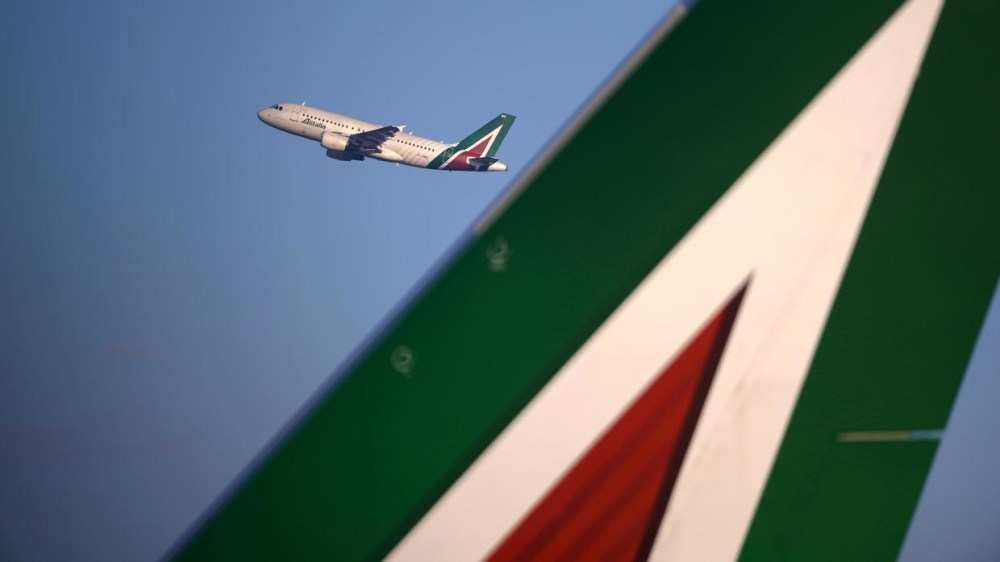
El Gobierno de Italia había cerrado la oferta de interesados para Alitalia el 18 Marzo 2020 como fecha límite para rescatar el grupo estableciendo un tope el 31 Mayo 2020 como tiempo límite para la venta de Alitalia. Por ahora, los vientos de cambios permitirán renacionalizar la aerolínea dando un giro completo al futuro de la aerolínea de bandera italiana.

Air France-KLM Group

El grupo Air France-KLM ha presentado a los estados respectivos el reclamo para ayudas para combatir el impacto de la pandemia del Coronavirus. Los miembros de la Junta del grupo Air France-KLM participarán en el esfuerzo de acuerdo con las medidas aplicables a los empleados de ambas compañías para una reducción de sus remuneraciones.

«A medida que la crisis continúa, las condiciones para una recuperación siguen siendo inciertas, tanto en términos de nuestras operaciones aéreas, como en términos más generales en términos del calendario de recuperación económica y de demanda. Nuestras mejores estimaciones actuales, que incorporan las medidas mencionadas anteriormente, muestran que en ausencia de financiamiento adicional, se espera un requerimiento de liquidez en el tercer trimestre de 2020», expresan desde Air France-KLM Group.

Air France y KLM, han entablado conversaciones en profundidad con sus respectivos gobiernos e instituciones financieras para otorgar los recursos que les permitirán asegurar y mantener niveles adecuados de liquidez para todos significa, en particular en el marco del Marco temporal de la Comisión Europea sobre ayudas estatales en vigor publicado el 19 Marzo 2020. En esta etapa, dadas las diversas opciones que se están considerando actualmente y la calidad de las discusiones con los dos Estados e instituciones financieras, el Grupo Air France-KLM confía en que podrá obtener financiamiento adicional para cumplir con todas sus obligaciones financieras futuras y permitirle asegurar la recuperación de su actividad más allá de la crisis actual.

«Nos enfrentamos a una crisis sin precedentes que afecta sin excepción a la industria de las aerolíneas, lo que está causando una gran incertidumbre sobre las perspectivas del transporte aéreo. Desde el comienzo de esta crisis, el Grupo Air France-KLM ha hecho todo lo posible para garantizar la seguridad sanitaria de sus empleados y clientes y, en el aspecto financiero, preservar su liquidez a corto plazo y prepararse para el futuro. Medidas de emergencia se han implementado rápidamente para reducir nuestros costos e inversiones. Saludo el compromiso excepcional de nuestros empleados, que están dando lo mejor de sí mismos en estos tiempos difíciles, particularmente los equipos operativos que están permitiendo los vuelos de repatriación de nuestros conciudadanos, así como el transporte de equipos médicos a Francia y los Países Bajos. Ahora es más claro que nunca que se necesita el apoyo de nuestros gobiernos holandés y francés para cumplir con nuestros requisitos de efectivo y permitirnos continuar nuestras operaciones una vez que la crisis haya terminado. Las conversaciones con ellos y socios financieros están en curso, y estoy seguro de su disposición a apoyarnos y al futuro del Grupo Air France-KLM, un jugador clave para el empleo y las economías más grandes de nuestras dos naciones, cuyas banderas ondean nuestras aerolíneas el mundo y confiamos en su disposición a apoyarnos y al futuro del Grupo Air France-KLM, un jugador clave para el empleo y las economías más grandes de nuestras dos naciones, cuyas banderas ondean nuestras aerolíneas en todo el mundo y confío en su disposición a apoyarnos y al futuro del Grupo Air France-KLM, un jugador clave para el empleo y las economías más grandes de nuestras dos naciones, cuyas banderas ondean nuestras aerolíneas en todo el mundo», dijo Benjamin Smith, Director Ejecutivo de Air France-KLM.

Desde el comienzo de la crisis del COVID-19, el Grupo ha implementado medidas adecuadas para proteger a sus pasajeros y personal, así como para preservar su sostenibilidad financiera. En vista de las medidas cada vez más estrictas tomadas por muchos países, incluidas las restricciones a las oportunidades de viaje o el cierre de fronteras, el Grupo Air France-KLM ha reducido drásticamente su actividad de vuelo, que en los próximos meses debería ser inferior al 10% del nivel del año pasado. AW-Icon Paragraph-01

AW-Fri.fr_711Governments of Europe prepare rescue

European governments would nationalize airlines

Following abrupt market changes in the commercial aviation and tourism sector, the governments of Europe are preparing to plan a rescue of the airlines so that they can continue their existence. Although not all governments will be able to cope with airline bailouts, many will be hit by the effects of the Coronavirus pandemic.

Alitalia case

alitalia-logo-2015After many twists and turns to get a purchase offeror regarding Alitalia airline, the pandemic effect has brought a hinge turn to the strategies of the Italian airline. This lethal blow directly affects the capital of the world’s airlines; But in the case of Alitalia, it has brought an opportunity for the Italian Government to carry out a rescue after its nationalization as the only alternative present for the Italian airline.

Alitalia in bankruptcy since May 2017, has not been able to get an offeror who showed a strong commitment to acquire the company. On Monday, April 6, 2020, by law, the Government has promulgated the injection approval of 25,000 million Euros to articulate the crisis in the airline sector. The Ministry of Economy and Finance will assume control of the airlines Alitalia and Alitalia Cityline S.p.A.

The Italian Government had closed the offer of interested parties for Alitalia on March 18, 2020, as the deadline to rescue the group, establishing a cap on May 31, 2020, as the deadline for the sale of Alitalia. For now, the winds of change will allow the airline to be renationalized, giving a complete turnaround to the future of the Italian flag carrier.

Air France-KLM Group

1000px-Air_France-KLM.svgThe Air France-KLM group has submitted to the respective states the claim for aid to combat the impact of the Coronavirus pandemic. The members of the Board of the Air France-KLM group will participate in the effort in accordance with the measures applicable to the employees of both companies to reduce their remuneration.

«As the crisis continues, conditions for a recovery remain uncertain, both in terms of our air operations, and more generally in terms of the economic recovery and demand schedule. Our best current estimates, which incorporate the measures mentioned above, show that in the absence of additional financing, a liquidity requirement is expected in the third quarter of 2020», they express from Air France-KLM Group.

Air France and KLM have entered into in-depth talks with their respective governments and financial institutions to provide the resources that will enable them to secure and maintain adequate levels of liquidity for all means, in particular within the framework of the European Commission’s Temporary Framework on State aid in force published on March 19, 2020. At this stage, given the various options currently being considered and the quality of discussions with the two states and financial institutions, the Air France-KLM Group is confident that it will be able to obtain additional financing to meet with all its future financial obligations and enable it to ensure the recovery of its activity beyond the current crisis.

imagem_release_1105878

«We are facing an unprecedented crisis affecting the airline industry without exception, which is causing great uncertainty about the prospects for air transport. Since the beginning of this crisis, the Air France-KLM Group has done everything possible to guarantee the health security of its employees and customers and, financially, preserve its liquidity in the short term and prepare for the future. emergencies have been rapidly implemented to reduce our costs and investments. I salute the exceptional commitment of our employees, who are doing their best in these difficult times, particularly the operational teams that are allowing the repatriation flights of our fellow citizens, as well as transporting medical equipment to France and the Netherlands It is now clearer than ever that the support of our Dutch and French governments is needed to meet our cash requirements and allow us to continue our operations once the crisis is over. conversations with them and financial partners are ongoing, and I am confident of their willingness to support us and the future of the Air France-KLM Group, a key player for employment and the largest economies of our two nations, whose flags fly our airlines around the world and we are confident in their readiness to support us and the future of the Air France-KLM Group, a key player for jobs and the largest economies of our two nations, whose flags fly our airlines around the world. And I am confident in your readiness to support us and the future of the Air France-KLM Group, a key player for employment and the larger economies of our two nations, whose flags fly our airlines around the world», said Benjamin Smith, Executive Director of Air France-KLM.

Since the beginning of the COVID-19 crisis, the Group has implemented adequate measures to protect its passengers and personnel, as well as to preserve its financial sustainability. In view of the increasingly stringent measures taken by many countries, including restrictions on travel opportunities or the closure of borders, the Air France-KLM Group has drastically reduced its flight activity, which in the coming months should be less at 10% of last year’s level. AW-Icon Paragraph-02


Ξ A I R G W A Y S Ξ
SOURCE: Airgways.com
DBk: Airfrance-klm.com / Alitalia.com / Airgways.com
AW-POST: 202004101847AR

A\W   A I R G W A Y S ®

EEUU declara rescatar sus aerolíneas

AW-Americam_70066AW | 2020 04 10 18:00 | AIRLINES MARKET / GOVERNMENT
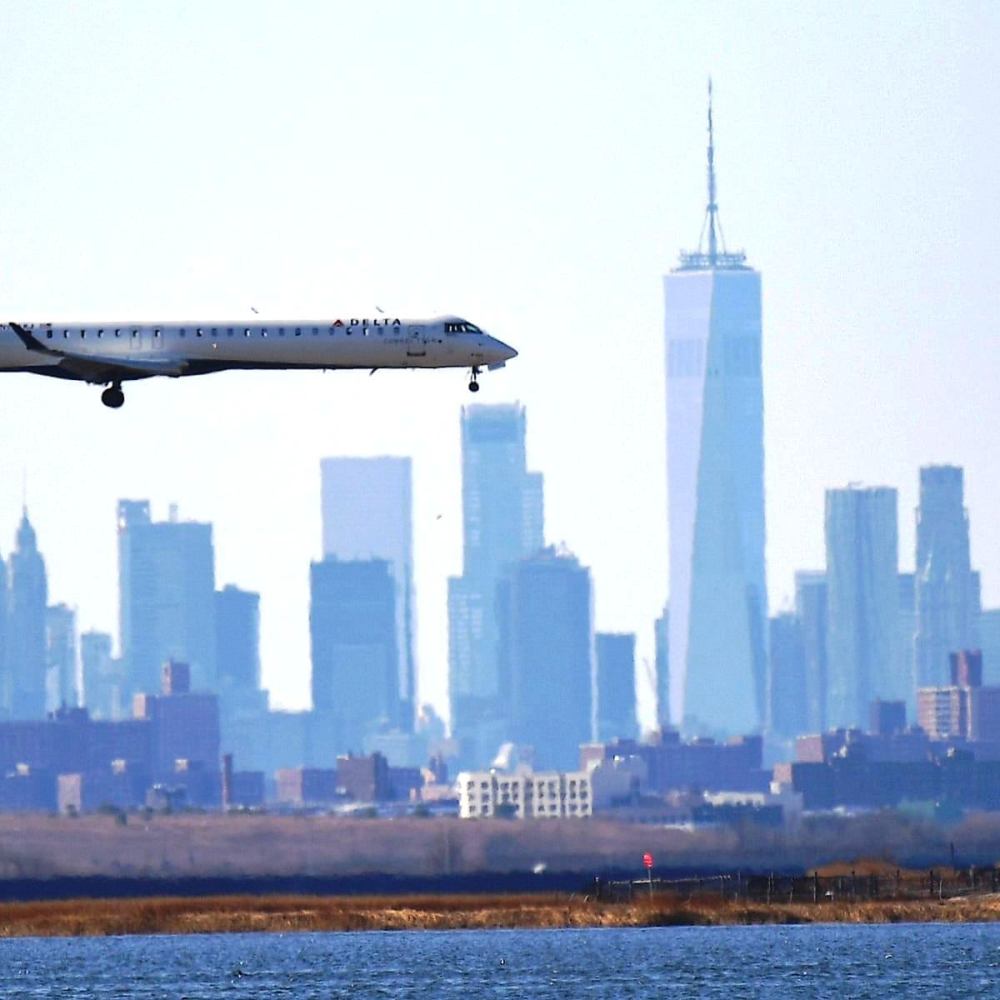
La Administración Trump apoya compromiso de rescate de aerolíneas de Estados Unidos

El Presidente de Estados Unidos, Donald Trump, ha expresado el Viernes 10/04 por medio de Twitter que se deben salvar las aerolíneas del país, mientras su gobierno se prepara para informar al sector este fin de semana sobre los términos de una ayuda por un monto de US$ 32.000 millones de dólares para compensar el impacto de la pandemia del Coronavirus.

El Presidente Donald Trump en un retuit de un artículo de un comentarista de Fox News Channel sobre el rescate a las aerolíneas, escribió: «No es bueno (…), pero es lo que es. ¡Hay que salvar las aerolíneas!». El fuerte compromiso de la actual Administración permitirá palear la situación del sector del mercado aéreo en Estados Unidos. Las perspectivas de las compañías con respecto a las ayudas bajo el paraguas de la Ley CARES permitirá atender las urgencias de pagos a empleados y compromisos a corto plazo; permitiendo observarse a futuro una fuerte restructuración después de las inyecciones de capital por parte del Estado. AW-Icon AW001

AW-Theguardian_7006The US declares to rescue its airlines

Trump Administration Supports U.S. Airline Rescue Commitment

The President of the United States, Donald Trump, expressed on Friday 10/04 through Twitter that the country’s airlines must be saved, while his government prepares to inform the sector this weekend about the terms of aid for amount of US $ 32,000 million to offset the impact of the Coronavirus pandemic.

President Donald Trump, in a retweet of an article by a Fox News Channel commentator on the airline bailout, wrote: «It is not good (…), but it is what it is. Airlines must be saved!». The strong commitment of the current Administration will enable the situation of the aviation market sector in the United States to be overcome. The companies’ perspectives regarding aid under the umbrella of the CARES Law will allow to attend to urgent payments to employees and short-term commitments; allowing a strong restructuring to be observed in the future after capital injections by the State. AW-Icon AW002


Ξ A I R G W A Y S Ξ
SOURCE: Airgways.com
DBk: Usa.gov / Airgways.com
AW-POST: 202004101800AR

A\W   A I R G W A Y S ®

Autorizan vuelos expatriación

AW-Wikipedia_Buenos_Aires_-_Aéroport_International_Ezeiza_-_Janvier_2010AW | 2020 04 10 10:17 | AIRLINES / GOVERNMENT
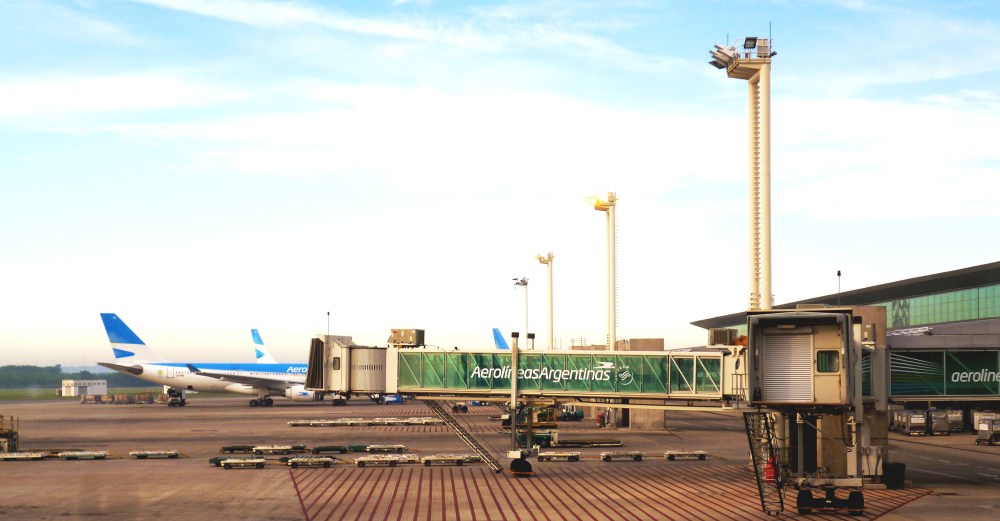
Gobierno Argentina autorizará vuelos de otras compañías para repatriación/expatriación

La Administración Nacional de Aviación Civil (ANAC) de Argentina será la encargada de analizar el pedido de otras líneas aéreas para realizar vuelos especiales que trasladen pasajeros de expatriación. El Gobierno de Argentina autorizará a las compañías aéreas que lo soliciten la posibilidad de realizar un vuelo especial para trasladar a los pasajeros que se encuentren en nuestro país y no pudieron viajar en los vuelos regulares que arribaron por última vez el Lunes 06/04, confirmaron fuentes del Ministerio de Transporte de la Nación.

La autorización será canalizada por la Administración Nacional de Aviación Civil de Argentina, que fue instruida en ese sentido por la cartera de Transporte y será la encargada de analizar cada solicitud en particular y resolver, en consecuencia, junto a las autoridades de Salud. La condición para poder concretar el vuelo, que tendrá carácter de sanitario, es que, en su viaje a Buenos Aires, traiga argentinos que se encuentran varados en el exterior y no lograron abordar alguno de los vuelos regulares que llegaron hasta el 06/04 o no tienen lugar en los vuelos especiales programados por Aerolíneas Argentinas.

Existen varias compañías que analizan la posibilidad de concretar un vuelo de estas características, teniendo en cuenta la cantidad de europeos y estadounidenses que se encuentran en Argentina sin haber podido retornar a sus países de origen. “Se está analizando cada pedido y se irá resolviendo puntualmente, de a uno por vez. Se trata de una situación de emergencia total, en la cual hay que ir tomando decisiones que permitan acercar una solución a los problemas que presenta cada viajero. Estamos ante un panorama complejo, con cierre de fronteras y circulación, con estrictas medidas sanitarias y hay que contemplar cada una de estas situaciones, antes de cada decisión”, indicó la cartera de Transporte.

La ANAC ha expresado que “se están tomando medidas sustanciales, haciendo todo lo posible para que esos vuelos finalmente se realicen y los argentinos que se encuentran en el exterior, puedan retornar a sus hogares. Se está hablando con aerolíneas de todo el mundo, procurando concretar vuelos a los que pueda acceder cada argentino varado. Existe un equipo en la ANAC que está trabajando a destajo para poder aportar las soluciones necesarias desde que se inició esto, con un cuerpo de médicos que no descansa en los aeropuertos”. AW-Icon AW001

AW-78788WkExpatriation flights authorized

Argentine Government will authorize flights from other companies for repatriation/expatriation

The National Civil Aviation Administration (ANAC) of Argentina will be in charge of analyzing the request of other airlines to carry out special flights that transfer expatriation passengers. The Government of Argentina will authorize the airlines that request it, the possibility of making a special flight to transfer passengers who are in our country and could not travel on the regular flights that last arrived on Monday 06/04, they confirmed sources of the Ministry of Transport of the Nation.

The authorization will be channeled by the National Civil Aviation Administration of Argentina, which was instructed in this regard by the Transportation portfolio and will be in charge of analyzing each particular request and, consequently, working with the Health authorities. The condition to be able to make the flight, which will be sanitary, is that, on your trip to Buenos Aires, you bring Argentines who are stranded abroad and were unable to board any of the regular flights that arrived until 06/04 or they do not take place on special flights scheduled by Aerolíneas Argentinas.

There are several companies that analyze the possibility of completing a flight of these characteristics, taking into account the number of Europeans and Americans who are in Argentina without having been able to return to their countries of origin. “Each order is being analyzed and will be resolved promptly, one at a time. It is a total emergency situation, in which decisions must be made to bring a solution to the problems that each traveler presents. We are faced with a complex panorama, with the closing of borders and circulation, with strict sanitary measures, and each of these situations must be considered before each decision», said the Transport Ministry.

ANAC has expressed that “substantial measures are being taken, doing everything possible so that these flights are finally carried out and the Argentines who are abroad can return to their homes. We are talking to airlines around the world, trying to specify flights that every stranded Argentine can access. There is a team at ANAC that is working overtime to be able to provide the necessary solutions since this started, with a body of doctors who do not rest at airports”. AW-Icon AW002


Ξ A I R G W A Y S Ξ
SOURCE: Airgways.com
DBk: Argentina.gob.ar/transporte / Anac.gov.ar / Airgways.com / Wikipedia.org
AW-POST: 202004101017AR

A\W   A I R G W A Y S ®

Repatriación Argentina Fase II

AW-Wikipedia_Buenos_Aires_-_Aéroport_International_Ezeiza_-_Janvier_2010AW | 2020 04 09 14:34 | AIRLINES / GOVERNMENT

Nuevo plan de repatriación de argentinos

Luego de una primera etapa de repatriaciones que, según datos de Cancillería, logró que alrededor de 60.000 argentinos ingresen a Argentina, el Operativo Regreso entró ahora en la fase II más controlada. La autorización de cada vuelo que aterriza en la principal puerta de ingreso al país por vía aérea, el Aeropuerto Internacional Ezeiza, es el final de un largo trámite en el que se analiza y evalúa la evolución de la pandemia del Coronavirus, el mapa de varados argentinos, el riesgo que implica cada país y la cantidad de pasajeros diarios que puede recibir el aeropuerto internacional sin disparar el contagio. La Cancillería presenta las peticiones, pero la última palabra la tiene las autoridades sanitarias.

Cronograma de repatriaciones

Para los próximos días se habilitarán tres operaciones de repatriación. El Viernes 10 AW-7000045Abril 2020 se espera el primer vuelo en esta segunda etapa a San José, República de Costa Rica. Existe un registro de varados de alrededor de 350 argentinos que esperan regresar. El Sábado 11/04 está estipulado el tercer viaje de la aerolínea Cubana de Aviación, que repatriaría a 600 argentinos repatriados desde la República de Cuba, donde todavía quedarían otros 400 en una situación muy compleja. Por el bloqueo económico que sufre la isla caribeña, es imposible transferir dinero, limitando las ayudas a los varados en aquella zona. Los acuerdos entre países, el gobierno argentino realiza el pago del transporte de la aerolínea cubana, solicitando a los pasajeros los pasajes de regreso para tramitar el reintegro del efectivo de las distintas aerolíneas.
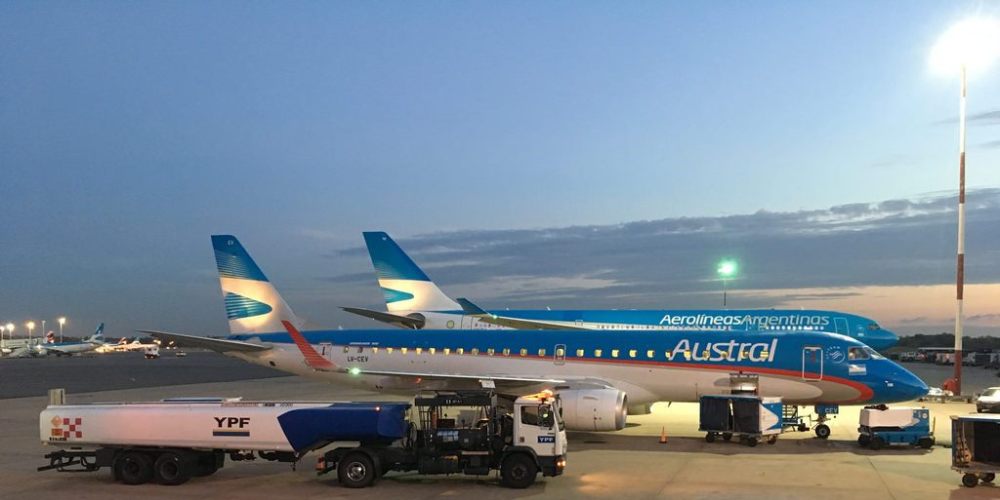
Además está en agenda la repatriación de argentinos varados en la República de Ecuador, una zona muy sensible al contagio de la pandemia del Coronavirus. El Domingo 12/04 un vuelo de Aerolíneas Argentinas arribaría el primer vuelo a Quito, capital de Ecuador. Sin embargo, todavía restan algunas autorizaciones de las autoridades ecuatorianas para establecer la repatriación.

Desde Cancillería Argentina ha comunicado que desde el 12 Marzo 2020, día que el Gobierno comenzó a restringir la frontera aérea, ingresaron al país alrededor de 60.000 argentinos en vuelos de distintas compañías y aviones militares. Sin embargo, todavía quedan aproximadamente 15.000 varados. Además las cifras estarían aumentando debido al marco cambiante de la dinámica de las economías de diferentes países donde se encuentran argentinos que estudiaban o trabajan en el exterior, donde la realidad ha cambiado diametralmente al quedarse sin ocupación y ahora necesitan retornar al país.

La forma de definir qué varados son los que suben a los pocos aviones que vuelan al país también cambió respecto del primer momento. Si antes la prioridad la tenían quienes contaban con un pasaje de regreso cancelado, ahora el criterio que prima es el de las complicaciones de salud. Quienes están afectados por alguna enfermedad grave o dependen de la toma de medicamentos son los primeros en las listas que confeccionan los distintos consulados argentinos en el mundo, al que deben remitirse las aerolíneas a la hora de llenar sus aviones.

Las dificultades económicas severas, en cambio, se intentan asistir a la distancia con una ayuda de entre US$ 25 y US$ 30 por día por persona. Para acceder a esa ayuda los varados también tienen que demostrar la imposibilidad de costearse con sus propios medios. Por otra parte, el reclamo de quedar liberados del Impuesto PAIS para disponer de mayor margen en el uso de la tarjeta también está sobre la mesa, pero falta el aval del Ministerio de Economía, que por estos días tiene en mente una prioridad opuesta, dilucidar cómo recaudar más.

Si en la primera etapa de repatriaciones, que ha culminado con el cierre total de fronteras el 27/03, Aerolíneas Argentinas concretó un cronograma de 44 vuelos especiales, en esta segunda fase la aerolínea de bandera ha incorporado otros tres servicios de repatriación, de Cancún el Lunes 06/04, de Punta Cana el Miércoles 08/04 y un tercero de Bogotá que aterrizará el Jueves 09/04 a las 21:25 hs [Hora Local Argentina] en el Aeropuerto internacional Ezeiza.

La programación de los vuelos pendientes se efectuarán con Airbus A330-200 con disponibilidad de 270 plazas. Todos vienen completos, con 264 asientos ocupados por pasajeros y seis liberados para la tripulación para descansando. Desde el cierre de fronteras total hasta la fecha, la transportadora Aerolíneas traerá de regreso a 792 argentinos. «Ahora no hay agenda de vuelos, no es como antes que teníamos una programación e íbamos anunciando de a cuatro, cinco vuelos. Esto es vuelo por vuelo, día por día», señalaron en la aerolínea.

«Cancillería plantea la necesidad de hacer alguno de estos vuelos, el Gobierno los aprueba y luego de pasar por una mesa de situación nos llega a nosotros la autorización a través de la Administración Nacional de Aviación Civil (ANAC)», explicaron sobre el procedimiento.

Según aseguraron, Aerolíneas Argentinas contacta y le ofrece la posibilidad de comprar tickets para esos vuelos solo a las personas que aparecen en los listados elaborados por Cancillería. La tarifa aplicada a los vuelos de Cancún y Punta Cana fue de US$ 550 y la de Bogotá de US$ 350, en todos los casos hay que sumarle impuestos y tasas.

Principales varados

De acuerdo con datos aproximados del Gobierno de Argentina, estos son los principales lugares de varados según la cantidad de personas. Si bien admiten que hay argentinos «en casi todos los países del mundo», en el resto de los destinos el número es menor. México entre 1700 y 1800 varados; España entre 1700 y 1800 varados; Estados Unidos entre 1700 y 1800 varados; Perú cerca de 1000 varados; Cuba 600 varados; Andorra 400 varados; Australia 350 varados; Ecuador 300 varados; Costa Rica poco menos de 300.AW-Icon AW001

AW-Flickr-78888Phase II Argentina Repatriation

New repatriation plan for Argentines

After a first stage of repatriations that, according to data from the Ministry of Foreign Affairs, managed to get around 60,000 Argentines to enter Argentina, Operation Return now entered phase II more controlled. The authorization of each flight that lands at the main gateway to the country by air, Ezeiza International Airport, is the end of a long process in which the evolution of the Coronavirus pandemic, the stranded map, is analyzed and evaluated Argentines, the risk that each country implies and the number of daily passengers that the international airport can receive without triggering contagion. The Foreign Ministry presents the requests, but the last word is with the health authorities.

Repatriation schedule

For the next few days, three repatriation operations will be enabled. On Friday, April 10, 2020, the first flight is expected in this second stage to San José, Republic of Costa Rica. There is a record of stranding of around 350 Argentines who hope to return. On Saturday 11/04, the third trip of the Cuban Aviation airline is stipulated, which would repatriate 600 Argentines repatriated from the Republic of Cuba, where there would still be another 400 in a very complex situation. Due to the economic blockade suffered by the Caribbean island, it is impossible to transfer money, limiting aid to those stranded in that area. The agreements between countries, the Argentine government makes the payment of the transport of the Cuban airline, requesting the passengers the return tickets to process the refund of the cash of the different airlines.

AW-A3302011PASSENGERS BOARDING ON A FLIGHT OF AN AIRBUS A330-200 FROM AEROLÍNEAS ARGENTINAS
Also on the agenda is the repatriation of Argentines stranded in the Republic of Ecuador, an area very sensitive to the spread of the Coronavirus pandemic. On Sunday 12/04 an Aerolíneas Argentinas flight would arrive the first flight to Quito, the capital of Ecuador. However, there are still some authorizations from the Ecuadorian authorities to establish the repatriation.

From the Argentine Chancellery, it has communicated that since March 12, 2020, the day the Government began to restrict the air border, around 60,000 Argentines entered the country on flights from different companies and military aircraft. However, there are still approximately 15,000 stranded. Furthermore, the figures are increasing due to the changing framework of the dynamics of the economies of different countries where Argentines who study or work abroad are found, where reality has changed diametrically when they became unemployed and now need to return to the country.

The way of defining which stranded are the ones that board the few planes that fly into the country also changed from the first moment. If previously the priority had those who had a canceled return ticket, now the prevailing criterion is that of health complications. Those who are affected by a serious illness or depend on taking medications are the first on the lists drawn up by the different Argentine consulates in the world, to which airlines must refer when filling their planes.

On the other hand, severe economic difficulties are attempted at a distance with an aid of between US$ 25 and US$ 30 per day per person. To access this help, the stranded also have to demonstrate the impossibility of paying for themselves. On the other hand, the claim to be released from the PAIS Tax to have a greater margin in the use of the card is also on the table, but the endorsement of the Ministry of Economy is missing, which these days has in mind an opposite priority, to elucidate how to raise more.

If in the first stage of repatriations, which has culminated with the total closure of borders on 03/27, Aerolíneas Argentinas established a schedule of 44 special flights, in this second phase the flag carrier has incorporated three other repatriation services, from Cancun on Monday 06/04, from Punta Cana on Wednesday 08/04 and a third from Bogotá that will land on Thursday 09/04 at 21:25 hrs [Argentine Local Time] at Ezeiza International Airport.

AW-A330200ARThe scheduling of pending flights will be carried out with Airbus A330-200 with availability of 270 seats. They all come complete, with 264 passenger seats and six freed for the crew to rest. From the total closure of borders to date, the carrier Aerolíneas will bring back 792 Argentines. «Now there is no flight schedule, it is not like before that we had a schedule and we were announcing four to five flights. This is flight by flight, day by day», they said in the airline.

«The Ministry of Foreign Affairs raises the need to do any of these flights, the government approves them and after going through a situation table, the authorization comes to us through the National Civil Aviation Administration (ANAC)», they explained about the procedure.

As they assured, Aerolíneas Argentinas contacts and offers the possibility of buying tickets for those flights only to the people who appear in the lists prepared by the Foreign Ministry. The fare applied to the flights from Cancun and Punta Cana was US$ 550 and that of Bogotá from US$ 350, in all cases we must add taxes and fees.

Main stranded

According to approximate data from the Government of Argentina, these are the main stranded places according to the number of people. Although they admit that there are Argentines «in almost all the countries of the world», in the rest of the destinations the number is lower. Mexico between 1700 and 1800 stranded; Spain between 1700 and 1800 stranded; United States between 1700 and 1800 stranded; Peru about 1000 stranded; Cuba 600 stranded; Andorra 400 stranded; Australia 350 stranded; Ecuador 300 stranded; Costa Rica just under 300. AW-Icon AW002


Ξ A I R G W A Y S Ξ
SOURCE: Airgways.com
DBk: Cancilleria.gob.ar / Airgways.com / Flickr.com / Wikipedia.org
AW-POST: 202004091434AR

A\W   A I R G W A Y S ®

Negociaciones Tesoro EEUU-Aerolíneas

Treasury Official: Global Regulators Must Follow US Lead in Crypto ...AW | 2020 04 07 11:50 | AIRLINES / GOVERNMENT

United States Department of the Treasury - WikipediaLas aerolíneas estadounidenses comienzan negociaciones con el Tesoro de Estados Unidos

Las aerolíneas de Estados Unidos ha solicitado la ayuda federal para mantenerse en funcionamiento en medio de la depresión del tráfico aéreo, por sobre todo a nivel internacional. Entre las disposiciones de la Ley CARES que el Presidente Trump promulgó el 27 Marzo 2020, están las que otorgarían US$ 29 mil millones en subvenciones a las aerolíneas para el apoyo de la nómina: US$ 25 mil millones a los transportistas de pasajeros y US$ 4 mil millones a los operadores de carga. Además, la legislación proporciona US$ 25 mil millones en préstamos o garantías de préstamos.

Los operadores ahora trabajarán con el Departamento del Tesoro para negociar los términos de un posible acuerdo. American Airlines, Delta Air Lines, JetBlue Airways, Southwest Airlines, Spirit Airlines y United Airlines se encuentran entre las aerolíneas que presentaron solicitudes antes de la fecha límite del Viernes 3 Abril 2020, garantizándoles una consideración rápida por su parte del paquete de rescate económico de US$ 2 billones aprobado por el Congreso en Marzo 2020.

United Airlines dijo que el dinero ayudaría a proteger los cheques de pago de más de 93.000 empleados. “La asistencia financiera provista por la Ley CARES asegurará que nuestros pilotos, asistentes de vuelo, agentes de aeropuertos y centros de contacto, servicio de rampa, técnicos y otros permanezcan en la línea del frente y puedan brindar el servicio aéreo vital que lleva a los estadounidenses a casa y ofrece mucho necesitábamos bienes en todo el país, incluidos alimentos, equipo médico y equipo de protección para proveedores de atención médica de primera línea, mientras nos unimos para luchar contra COVID-19”, dijo el comunicado de United. Un portavoz de Southwest Airlines confirmó que la aerolínea había presentado una solicitud pero, citando la confidencialidad en torno a las negociaciones en curso, dijo que la aerolínea no proporcionaría detalles adicionales.

Las aerolíneas solicitaron ayudas al Gobierno pero no se detallaban qué forma se realizarían, si fueran subvenciones, préstamos o ambos. Delta Air Lines y Alaska Airlines indicaron en los documentos presentados ante la Comisión de Bolsa y Valores que solicitaron solo subvenciones. Southwest Airlines también dijo que había solicitado fondos de subvención. La ley de rescate requiere que el Departamento del Tesoro revele cualquier préstamo dentro de las 72 horas. Los préstamos no vienen sin condiciones. Las empresas que reciban las subvenciones no podrán despedir trabajadores hasta el 30 Septiembre 2020 y no podrán emitir dividendos ni recomprar sus acciones hasta fines de 2021. También se les exigirá que mantengan los niveles de servicio hasta 2022, una condición que ha provocado un retroceso de algunos operadores que argumentan que no tienen en cuenta los servicios que funcionan solo estacionalmente, un reclamo efectuado por parte de las low cost (LLC) en Estados Unidos.

Alaska Air Group dijo que sus filiales Alaska Airlines y Horizon Air Industries habían solicitado las subvenciones de nómina. McGee Air Services, una compañía de servicios terrestres que es una subsidiaria de Alaska Airlines, también ha presentado una solicitud, según la divulgación. El grupo dijo que la demanda ha bajado un 80% y que reduciría su capacidad en la misma cantidad para Abril y Mayo, y dijo que dadas las tendencias y circunstancias actuales, esperamos que sean necesarios recortes considerables en los próximos meses.

Mientras tanto, algunos aeropuertos se han opuesto a las condiciones descritas por el Departamento de Transporte (DOT) que permitirían a las aerolíneas consolidar algunas rutas, diciendo que eso podría obstaculizar la capacidad de llevar personal o suministros a áreas que necesitan ayuda.

Los grupos laborales y algunos legisladores demócratas también plantearon objeciones sobre la posición de la Administración Trump de que podría tomar una participación accionaria en las aerolíneas que aceptan dinero del gobierno, diciendo que tal disposición podría impulsar a los transportistas a rechazar el dinero.

Tráfico en baja

La industria de la aviación presionó fuertemente para obtener alivio, citando caídas dramáticas en los viajes aéreos a raíz de las restricciones de vuelo impuestas por los Estados Unidos y los gobiernos de todo el mundo para controlar la propagación del virus. Algunas aerolíneas han reducido el servicio en más del 80%, y algunos vuelos operan con solo un puñado de pasajeros a bordo. Según la Administración de Seguridad del Transporte (TSA), sus oficiales examinaron a poco más de 122.000 personas el Domingo 05/04, en comparación con 2.462.929 el mismo día en 2019.

Sin embargo, el dinero aún podría llegar demasiado tarde para algunas aerolíneas, particularmente las aerolíneas regionales más pequeñas. El Domingo, RavnAir, un transportista regional en Alaska, anunció que estaba aterrizando sus 72 aviones y despidiendo a sus empleados temporalmente mientras se declara en bancarrota y busca ayuda del paquete de rescate. «Tomamos estas medidas para garantizar que nuestra aerolínea tenga futuro», escribió el presidente ejecutivo Dave Pflieger en una carta a los clientes.

Según la Ley CARES, las aerolíneas son elegibles para recibir pagos equivalentes a sus costos de nómina entre abril y octubre del año pasado. Eso pone a Delta y American en línea para recibir un máximo de casi US$ 7 mil millones cada uno, con US$ 6.5 mil millones adicionales para United Airlines, según datos publicados por el Departamento de Transporte. Southwest podría obtener hasta casi US$ 4,3 mil millones; JetBlue y Alaska están en línea para ver más de US$ 1 mil millones cada uno. Sin embargo, los US$ 31 mil millones en salarios y beneficios totales pagados por las aerolíneas en esos seis meses son más que la cantidad total en el paquete de rescate. El Departamento del Tesoro puede reducir los premios individuales si el fondo de US$ 25 mil millones se queda corto, según un formulario de solicitud publicado la semana pasada. AW-Icon AW001

AW-700566US Treasury-Airline Negotiations

US airlines begin negotiations with the US Treasury

United States airlines has requested federal aid to stay operational amid the depression of air traffic, especially at the international level. Among the provisions of the CARES Law that President Trump enacted on March 27, 2020, are those that would grant US$ 29 billion in subsidies to airlines to support payroll: US$ 25 billion to passenger carriers and US$ 4 billion to cargo operators. Additionally, the legislation provides US$ 25 billion in loans or loan guarantees.

Operators will now work with the Treasury Department to negotiate the terms of a possible deal. American Airlines, Delta Air Lines, JetBlue Airways, Southwest Airlines, Spirit Airlines, and United Airlines are among the airlines that submitted requests before the deadline of Friday, April 3, 2020, guaranteeing them prompt consideration for their part of the economic rescue package of US$ 2 billion approved by Congress in March 2020.

United Airlines said the money would help protect the paychecks of more than 93,000 employees. “The financial assistance provided by the CARES Act will ensure that our pilots, flight attendants, airport and contact center agents, ramp service, technicians and others remain on the front line and can provide the vital air service that brings Americans go home and offer much needed goods across the country, including food, medical equipment and protective gear for front-line healthcare providers, as we unite to fight COVID-19”, the United statement said. A Southwest Airlines spokesperson confirmed that the airline had submitted a request but, citing confidentiality around the ongoing negotiations, said the airline would not provide additional details.

The airlines requested aid from the Government but they did not detail what form they would take, whether they were subsidies, loans or both. Delta Air Lines and Alaska Airlines indicated in documents filed with the Securities and Exchange Commission that they applied for grants only. Southwest Airlines also said it had applied for grant funds. The bailout law requires the Treasury Department to disclose any loan within 72 hours. The loans do not come without conditions. Companies that receive the subsidies will not be able to fire workers until September 30, 2020, and will not be able to issue dividends or buy back their shares until the end of 2021. They will also be required to maintain service levels until 2022, a condition that has caused a drop in some operators who argue that they do not take into account services that work only seasonally, a claim made by the low cost (LLC) in the United States.

Alaska Air Group said its Alaska Airlines and Horizon Air Industries subsidiaries had applied for payroll grants. McGee Air Services, a ground services company that is a subsidiary of Alaska Airlines, has also filed an application, according to the disclosure. The group said demand is down 80% and would reduce capacity by the same amount for April and May, and said that given current trends and circumstances, we expect significant cuts to be necessary in the coming months.

Meanwhile, some airports have opposed conditions described by the Department of Transportation (DOT) that would allow airlines to consolidate some routes, saying that could hinder the ability to bring personnel or supplies to areas that need help.

Labor groups and some Democratic lawmakers also raised objections to the Trump Administration’s position that it could take a stake in airlines that accept government money, saying such a provision could prompt carriers to reject the money.

Low traffic

The aviation industry pushed hard for relief, citing dramatic declines in air travel in the wake of flight restrictions imposed by the United States and governments around the world to control the spread of the virus. Some airlines have reduced service by more than 80%, and some flights operate with only a handful of passengers on board. According to the Transportation Security Administration (TSA), its officers examined just over 122,000 people on Sunday 05/04, compared to 2,462,929 the same day in 2019.

However, the money may still be too late for some airlines, particularly smaller regional airlines. On Sunday, RavnAir, a regional carrier in Alaska, announced that it was landing its 72 planes and temporarily laying off its employees while filing for bankruptcy and seeking help from the rescue package. «We take these steps to ensure that our airline has a future», wrote Chief Executive Dave Pflieger in a letter to customers.

Under the CARES Law, airlines are eligible to receive payments equal to their payroll costs between April and October of last year. That puts Delta and American online to receive a maximum of nearly US$ 7 billion each, with an additional US$ 6.5 billion for United Airlines, according to data released by the Department of Transportation. Southwest could raise up to nearly US$ 4.3 billion; JetBlue and Alaska are online to see more than US$ 1 billion each. However, the US$ 31 billion in total wages and benefits paid by airlines in those six months is more than the total amount in the rescue package. The Treasury Department may reduce individual awards if the US$ 25 billion fund falls short, according to an application form released last week. AW-Icon AW002


Ξ A I R G W A Y S Ξ
SOURCE: Airgways.com
DBk: Airgways.com / Dot.gov / Treasury.gov / Tsa.gov
AW-POST: 202004071150AR

A\W   A I R G W A Y S ®

Desinfectan Aeropuerto Wuhan/Tianhe

File:Wuhan Tianhe International Airport (武汉天河国际机场) (WUH ...AW | 2020 04 06 12:22 | AIRPORTS / GOVERNMENT

Autoridades chinas desinfectan Aeropuerto Wuhan/Tianhe

Las autoridades desinfectaron la Terminal 3 en el Aeropuerto Internacional de Wuhan/Tianhe antes de que se abra a los pasajeros después de aproximadamente dos meses de cierre. En Enero 2020, China había cerrado todos los modos de transporte hacia y desde la Ciudad de Wuhan, que fue el epicentro del virus Covid-19.

El Jefe de administración de la terminal, Ye Tao, ha expresado que el proceso de desinfección para el área de 570,000m² en la terminal fue llevado a cabo por 161 profesionales. El aeropuerto se reabrirá el 8 Abril 2020 después de que se levanten las restricciones de viaje en la ciudad. La desinfección incluyó las principales instalaciones de la terminal, como bancos, elevadores y carros. Ye Tao dijo: «La desinfección tiene como objetivo crear un ambiente seguro y saludable para los clientes cuando se reanuden las operaciones».

El personal de servicio clave tuvo que someterse a capacitación y evaluaciones realizadas por el aeropuerto. Además, también realizó verificaciones de funcionamiento en instalaciones importantes que incluyen sistemas de aire fresco, junto con evaluaciones de riesgos para reanudar las operaciones.

El Aeropuerto Wuhan/Tianhe está situado a 26 km al norte de la ciudad de Wuhan y opera vuelos directos a Nueva York, Londres, San Francisco, París, Roma y Moscú.

NHC China

El 27 Marzo 2020, la evaluación del riesgo Covid-19 de Wuhan se redujo a riesgo medio de riesgo alto. No se declara que las ciudades o condados de la provincia de Hubei sean de alto riesgo. La pandemia de Covid-19 hasta ahora ha matado a más de 69.000 e infectado a más de 1.274.000 personas en todo el mundo. China, que anteriormente fue el epicentro del virus, ha reportado 82.626 casos y alrededor de 3.333 muertes. La Comisión Nacional de Salud de China (NHC) informó que el 4 Abril, se confirmaron 30 nuevos casos de Covid-19 en China continental, de los cuales 25 fueron casos importados. NHC agregó que hubo tres muertes, todas ellas de la Provincia de Hubei. El total de casos de infecciones importadas en el país actualmente es de 913. El mes pasado, el Ministerio de Relaciones Exteriores de China anunció que suspendió temporalmente la entrada de viajeros extranjeros con visas o permisos de residencia. AW-Icon AW001

Wuhan Tianhe International Airport, Hebei Province - Airport ...Sanitize Wuhan/Tianhe Airport

Chinese authorities disinfect Wuhan/Tianhe Airport

Authorities sanitized Terminal 3 at Wuhan/Tianhe International Airport before it opens to passengers after approximately two months of closing. In January 2020, China had closed all modes of transportation to and from Wuhan City, which was the epicenter of the COVID-19 virus.

The Terminal Administration Chief, Ye Tao, has expressed that the disinfection process for the 570,000m² area in the terminal was carried out by 161 professionals. The airport will reopen on April 8, 2020, after travel restrictions in the city are lifted. The disinfection included the main terminal facilities, such as banks, elevators, and cars. Ye Tao said, «Disinfection aims to create a safe and healthy environment for customers when operations resume».

Key service personnel had to undergo training and evaluations by the airport. In addition, it also performed performance checks on major facilities including fresh air systems, along with risk assessments to resume operations.

Wuhan/Tianhe Airport is located 26 km north of Wuhan City and operates direct flights to New York, London, San Francisco, Paris, Rome, and Moscow.

NHC China

On March 27, 2020, Wuhan’s COVID-19 risk assessment was reduced to medium to high risk. Cities or counties in Hubei province are not declared to be high risk. The COVID-19 pandemic so far has killed more than 69,000 and infected more than 1,274,000 people worldwide. China, which was previously the epicenter of the virus, has reported 82,626 cases and around 3,333 deaths. The China National Health Commission (NHC) reported that on April 4, 30 new cases of COVID-19 were confirmed in mainland China, of which 25 were imported cases. NHC added that there were three deaths, all of them from Hubei Province. The total number of imported infection cases in the country is currently 913. Last month, the Chinese Ministry of Foreign Affairs announced that it temporarily suspended the entry of foreign travelers with visas or residence permits. AW-Icon AW002

File:Inside view of Terminal 3 of Wuhan Tianhe International ...消毒武漢/天河機場

中國當局對武漢/天河機場進行消毒

當局在關閉大約兩個月後,對武漢/天河國際機場的3號航站樓進行了消毒。 2020年1月,中國關閉了往返武漢市的所有交通工具,武漢市是Covid-19病毒的中心。

碼頭管理局負責人葉濤表示,碼頭中570,000平方米區域的消毒過程由161名專業人員進行。在城市旅行限制解除後,該機場將於2020年4月8日重新開放。消毒包括主要候機樓設施,例如銀行,電梯和汽車。葉濤說:“消毒的目的是在恢復運營後為客戶創造一個安全健康的環境”

關鍵服務人員必須接受機場的培訓和評估。此外,它還對包括新風系統在內的主要設施進行了性能檢查,並進行了風險評估以恢復運營。

武漢/天河機場位於武漢市以北26公里處,可直飛紐約,倫敦,舊金山,巴黎,羅馬和莫斯科。

NHC中國

2020年3月27日,武漢的Covid-19風險評估被降低為中到高風險。湖北省的市縣沒有被宣佈為高風險。迄今為止,Covid-19大流行已導致全球69,000多人喪生,並感染了1,274,000多人。中國曾是該病毒的震中地,目前已報告82,626例病例,約3,333例死亡。中國國家衛生委員會(NHC)報告稱,4月4日,中國大陸確診了30例新的Covid-19病例,其中25例為進口病例。 NHC補充說,有三人死亡,全部是湖北省人。目前,中國進口的傳染病病例總數為913例。上個月,中國外交部宣布暫停簽證或居留許可的外國遊客入境。AW-Icon AW002


Ξ A I R G W A Y S Ξ
SOURCE: Airgways.com
DBk: Airport-technology.com / Airgways.com / Wikipedia.org
AW-POST: 202004061222AR

A\W   A I R G W A Y S ®

Aerolíneas EEUU obligadas reembolso

American Removes Dedicated First Class Check-In Area at JFK ...AW | 2020 04 03 17:10 | AIRLINES / GOVERNMENT
5JrvMSb4Las aerolíneas estadounidenses están obligadas a reembolsar a los pasajeros por vuelos cancelados
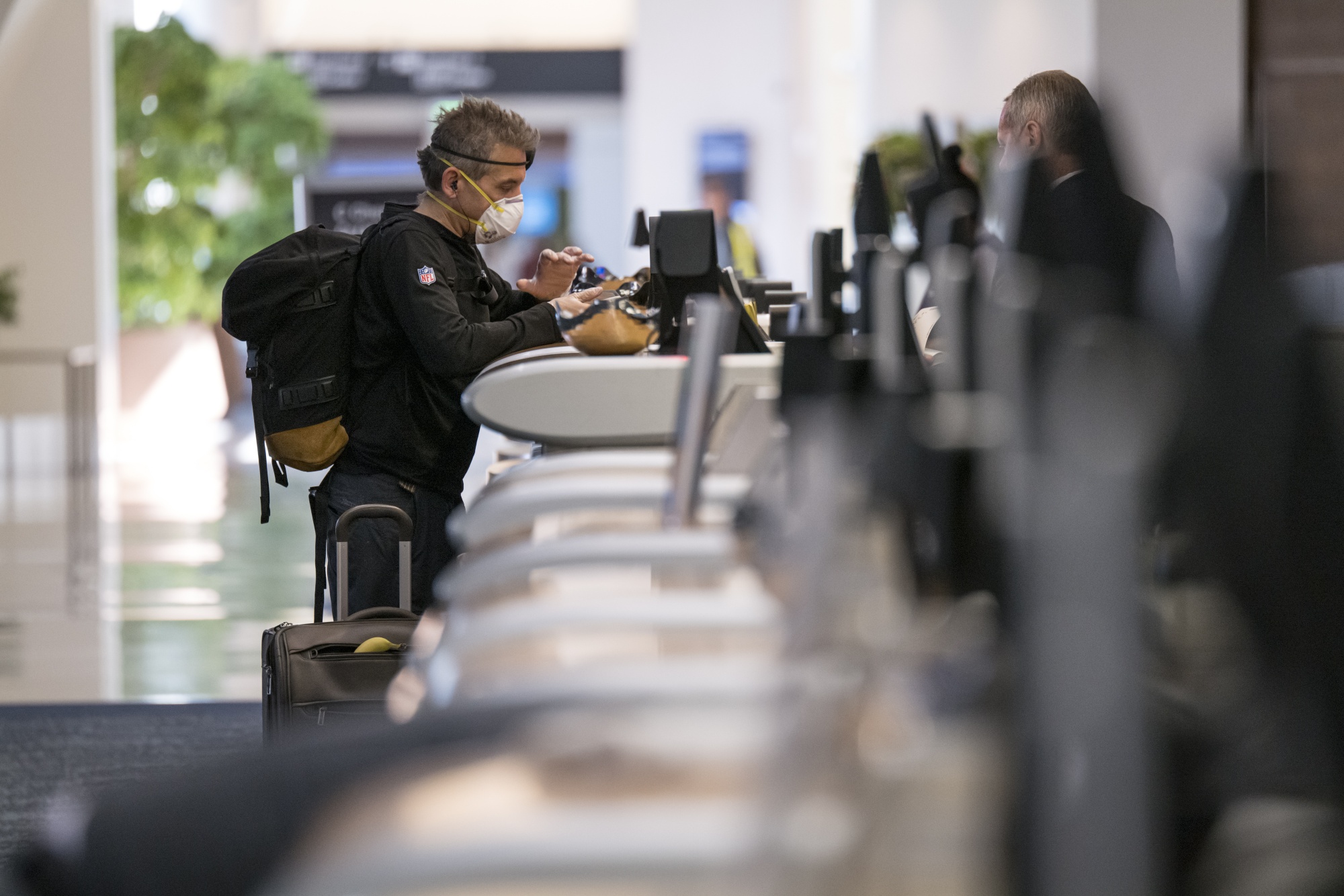
El Departamento de Transporte de Estados Unidos (DOT) ha emitido un documento obligando a las aerolíneas que prestan servicios en los Estados Unidos el Viernes 3 Abril 2020, recordándoles que deben proporcionar reembolsos en efectivo a los viajeros cuyos vuelos sean cancelados por la aerolínea. En su «Aviso de Cumplimiento», el DOT dijo que «los transportistas tienen una obligación de larga data de proporcionar un reembolso rápido a un pasajero con un boleto cuando el transportista cancela el vuelo del pasajero o realiza un cambio significativo en el horario de vuelo y el pasajero elige no aceptar la alternativa ofrecido por el transportista».

En un aviso de cumplimiento publicado el Viernes 3 Abril 2020, el Departamento de Transporte (DOT) de los Estados Unidos ha dejado poco margen de maniobra para las aerolíneas estadounidenses con problemas. «Los pasajeros deben ser reembolsados ​​de inmediato cuando sus vuelos programados se cancelen o se retrasen significativamente», escribió Blane Workie, el Asesor General adjunto del Departamento para el cumplimiento y procedimientos de la aviación.

El DOT está dejando en claro que incluso las circunstancias extraordinarias creadas por la pandemia no son excusa para que las aerolíneas ignoren la ley y que hacerlo no haya pasado desapercibido.

Proceso cancelaciones

En general, cuando se cancela un vuelo, las aerolíneas tienen dos opciones: deben reembolsar al pasajero en su totalidad u ofrecer una ruta alternativa. Si la alternativa propuesta no es satisfactoria para el cliente, tiene derecho a un reembolso completo. Este sigue siendo el caso, incluso si la cancelación se debe a factores muy fuera del control de la aerolínea, señaló Blane Workie, incluso debido a restricciones gubernamentales, después del Huracán Katrina y los ataques del 11 Septiembre 2001 (11-S), y en desastres naturales declarados presidencialmente: «Aunque La emergencia de salud pública de COVID-19 ha tenido un impacto sin precedentes en los viajes aéreos, la obligación de las aerolíneas de reembolsar a los pasajeros por vuelos cancelados o significativamente retrasados ​​no ha cambiado”.

Oficina Control Aviación

Las aerolíneas esperan compensar a los clientes en vuelos cancelados con vales, millas aéreas u otras formas de crédito, el aviso probablemente será un duro golpe. Aún así, los transportistas tienen algo de tiempo para reunirse con la Oficina de Control de Aviación donde se ha expedido que no procesaría a los transportistas de inmediato, les dio la oportunidad de ajustar sus políticas y hacerles saber a los clientes que podrían recibir un reembolso en efectivo en lugar de cualquier forma de crédito. Las aerolíneas también deben comunicarse con los pasajeros que ya han recibido cupones para vuelos cancelados o con demoras significativas y, en su lugar, informarles que tienen la opción de un reembolso. El aviso puede ser una respuesta a las líneas aéreas que instituyen políticas que impiden que los pasajeros afectados obtengan su reembolso de manera inmediata.

El organismo DOT dijo en un comunicado: «La obligación de las aerolíneas de proporcionar reembolsos, incluido el precio del boleto y cualquier tarifa opcional cobrada por los servicios que un pasajero no puede usar, no cesa cuando las interrupciones del vuelo están fuera del control del transportista».

La Oficina de Control de Aviación ha expresado: «La Oficina de Control de Aviación supervisará las políticas y prácticas de reembolso de las aerolíneas y tomará medidas de cumplimiento según sea necesario».

JetBlue Airways recientemente introdujo una política temporal vigente hasta el 15 Abril 2020 que establecía que los pasajeros solo calificarían para un reembolso si su vuelo fuera cambiaron en más de un día; de lo contrario, recibirían un crédito de viaje con una fecha de vencimiento de 18 meses.

United Airlines anunció una serie de cambios en la política de cancelación que van desde ofrecer reembolsos caso por caso, hasta solo permitir reembolsos con cambios de horario de seis horas o más. La acción más reciente de la compañía ofrece a los clientes un crédito de vuelo válido por un año. Solo al final del período de 12 meses se reembolsará el crédito a la tarjeta original.

Con respecto a las políticas de vuelos internacionales hacia Estados Unidos, por ejemplo el grupo Air France-KLM había comunicado que el alto grado de incertidumbre que rodea al transporte aéreo y la gran cantidad de solicitudes de reembolso, no emitirán reembolsos por vuelos cancelados durante el Coronavirus. Es probable que los operadores internacionales ahora tengan que replantear esa política, al menos en sus servicios hacia y desde los Estados Unidos, siguiendo las nuevas instrucciones del Departamento de Transporte de Estados Unidos. AW-Icon AW001

Airlines Must Pay Refunds for Flights Canceled by Coronavirus ...US airlines required refund

US airlines are required to reimburse passengers for canceled flights

descargaThe United States Department of Transportation (DOT) has issued a document obliging airlines serving the United States on Friday, April 3, 2020, reminding them to provide cash refunds to travelers whose flights are canceled by the airline. In its «Notice of Compliance,» DOT said, «Carriers have a long-standing obligation to provide a prompt refund to a passenger with a ticket when the carrier cancels the passenger’s flight or makes a significant change in flight schedule. and the passenger chooses not to accept the alternative offered by the carrier».

In a compliance notice released Friday, April 3, 2020, the U.S. Department of Transportation (DOT) has left little room for maneuver for troubled U.S. airlines. «Passengers must be reimbursed immediately when their scheduled flights are canceled or significantly delayed», wrote Blane Workie, the department’s deputy general counsel for aviation compliance and procedures.

DOT is making clear that even the extraordinary circumstances created by the pandemic are no excuse for airlines to ignore the law and that doing so has not gone unnoticed.

Cancellation process

In general, when a flight is canceled, airlines have two options: they must either reimburse the passenger in full or offer an alternative route. If the proposed alternative is not satisfactory to the customer, he is entitled to a full refund. This remains the case, even if the cancellation is due to factors far beyond the airline’s control, Blane Workie noted, including due to government restrictions after Hurricane Katrina and the attacks of September 11, 2001 (9/11), and in presidentially declared natural disasters: «Although the COVID-19 public health emergency has had an unprecedented impact on air travel, the obligation of airlines to reimburse passengers for canceled or significantly delayed flights has not changed».

Changes airlines have made in response to the coronavirus pandemic ...Aviation Control Office

As airlines hope to compensate customers on canceled flights with vouchers, airline miles, or other forms of credit, the notice will likely be a blow. Still, carriers have some time to meet with the Office of Aviation Control where it has been issued that it would not process carriers immediately, it gave them an opportunity to adjust their policies and let customers know that they might receive a refund. in cash instead of any form of credit. Airlines should also contact passengers who have already received coupons for flights canceled or with significant delays, and instead inform them that they have the option of a refund. The notice may be a response to airlines that institute policies that prevent affected passengers from getting their refund immediately.

The DOT agency said in a statement: «The airlines’ obligation to provide refunds, including the price of the ticket and any optional fees charged for services that a passenger cannot use, does not cease when flight interruptions are beyond the control of the carrier».

The Office of Aviation Control has stated: «The Office of Aviation Control will monitor airline reimbursement policies and practices and take compliance measures as necessary».

JetBlue Airways recently introduced a temporary policy in effect until April 15, 2020, that stated that passengers would only qualify for a refund if their flight was changed in more than one day; otherwise, they would receive a travel credit with an expiration date of 18 months.

United Airlines announced a series of cancellation policy changes ranging from offering case-by-case refunds, to only allowing refunds with schedule changes of six hours or more. The company’s latest action offers customers a flight credit valid for one year. Only at the end of the 12 month period will the credit to the original card be refunded.

With regard to international flight policies to the United States, for example, the Air France-KLM group had communicated that the high degree of uncertainty surrounding air transport and a large number of refund requests will not issue refunds for flights canceled during the Coronavirus. International operators are now likely to have to rethink that policy, at least in their services to and from the United States, following new instructions from the United States Department of Transportation. AW-Icon AW002


Ξ A I R G W A Y S Ξ
SOURCE: Airgways.com
DBk: Transportation.gov / Doi.gov/aviation / Airgways.com / Bloomberg.com / Businessinsider.com / Pinterest.com
AW-POST: 202004031710AR

A\W   A I R G W A Y S ®