Gobierno de Argentina ha suspendido el aumento a las tasas internacionales

Resultado de imagen para Ezeiza Airport

AW | 2018 07 24 16:11 | AIR TRAFFIC / GOVERNMENT

El Gobierno de Argentina suspendió los aumentos en tasas aéreas para vuelos internacionales

El Gobierno dispuso este martes suspender hasta fin de año los aumentos previstos en las tasas que abonan las líneas aéreas por vuelos con origen o destino internacional, con el objetivo de abaratar los precios de los tickets aéreos. La decisión se tomó a partir de una resolución de la Administración Nacional de la Aviación Civil (ANAC) publicada este martes en el Boletín Oficial. “Suspéndase desde el 1 de julio de 2018 hasta el 31 de diciembre de 2018, el aumento dispuesto en la Resolución E N 95 del 16 de febrero de 2018 de la ANAC, para las tasas de protección al Vuelo en Ruta y Apoyo al aterrizaje respecto de los vuelos con origen o destino internacional que aterricen o despeguen en y desde el territorio argentino”, según el texto oficial.

Para el Poder Ejecutivo, esta medida “redundará en beneficio de todos los usuarios, no sólo por la ampliación en la oferta de los vuelos internacionales, sino también en el consiguiente impacto hacia los precios de los pasajes aéreos”. La medida, que busca una ampliación en la oferta de los vuelos internacionales y una mejora en los precios de los tickets, barre con las especulaciones que indicaban que el Gobierno pretendía desalentar los viajes al exterior

Volar al exterior podría resultar un poco más accesible a partir de la segunda mitad del año. Ese es uno de los objetivos de una resolución —publicada en el Boletín Oficial— que suspende hasta fin de año los aumentos previstos para dos tasas que pagan las aerolíneas que realizan vuelos con origen o destino internacional: las tasas de protección al vuelo en ruta y de apoyo al aterrizaje.

La Administración Nacional de Aviación Civil (ANAC) del Ministerio de Transporte, expresó que la reducción en las tasas traerá como consecuencia una ampliación en la oferta de los vuelos internacionales y, además, impactará en los precios de los pasajes aéreos.

AW-7034471

Entre los motivos de la suspensión del aumento de dos de las tasas que cobra la Empresa Argentina de Navegación Aérea (EANA), encargada del servicio de control y gestión del tránsito aéreo, está el aumento de los costos que tuvieron que afrontar este año las líneas aéreas por la suba de los costos del petróleo.

La medida alcanza a todas las líneas aéreas internacionales o locales que vuelan al exterior, lo que incluye a las llamadas low cost. «El Gobierno Nacional ha decidido impulsar una política de expansión de la actividad aeronáutica, con el objetivo de acercar progresiva pero sostenidamente a nuestro país el número de pasajeros por habitante que se registran en la mayoría de la región latinoamericana, muy superiores a la de la República Argentina», señala el texto oficial.

El Gobierno de Argentina ha suspendido los aumentos a las tasas con el objetivo de incentivar tanto el número de operaciones de las empresas internacionales que ya operan en el país, como alentar la incorporación de nuevas aerolíneas internacionales al mercado argentino.  AIRWAYS® AW-Icon TXT

AW-70001125.JPG

Argentina suspends international rates increase

The Government of Argentina suspended the increases in air rates for international flights

The Government of Argentina decided on Tuesday to suspend until the end of the year the increases foreseen in the rates paid by the airlines for flights from or from abroad, with the aim of lowering the prices of air tickets. The decision was taken from a resolution of the National Civil Aviation Administration (ANAC) published on Tuesday in the Official Gazette. «Suspend from July 1, 2018 to December 31, 2018, the increase provided in the Resolution EN 95 of February 16, 2018 of the ANAC, for the protection fees for the Flight in Route and Support to the landing with respect to flights with origin or international destination that land or take off in and from Argentine territory», according to the official text.

For the Executive Branch, this measure «will benefit all users, not only because of the increase in the offer of international flights, but also in the consequent impact on the prices of airline tickets». The measure, which seeks an expansion in the supply of international flights and an improvement in the prices of tickets, sweeps away speculation that the government intended to discourage foreign travel.

Flying abroad could be a little more accessible from the second half of the year. That is one of the objectives of a resolution -published in the Official Gazette- which suspends until the end of the year the increases foreseen for two rates paid by the airlines that carry out flights from or to the international destination: protection rates for en route and of support to the landing.

The National Administration of Civil Aviation (ANAC) of the Ministry of Transportation, said that the reduction in rates will result in an increase in the supply of international flights and, in addition, impact on the prices of air tickets.

AW-7034472

Among the reasons for the suspension of the increase of two of the fees charged by the Argentine Air Navigation Company (EANA), in charge of the air traffic control and management service, is the increase in the costs that this line had to face this year by the rise in oil costs.

The measure covers all international or local airlines that fly abroad, which includes low cost calls. «The National Government has decided to promote a policy of expansion of aeronautical activity, with the objective of gradually but steadily bringing closer to our country the number of passengers per inhabitant that is registered in most of the Latin American region, much higher than that of the Argentine Republic», says the official text.

The Government of Argentina has suspended the rate increases in order to encourage both the number of operations of international companies already operating in the country, and encourage the incorporation of new international airlines to the Argentine market. A \ W


Ξ A I R G W A Y S Ξ
SOURCE:  Airgways.com
DBk: Argentina/transporte.gov.ar / Eana.com.ar / Anac.gov.ar / Airgways.com / Wikimedia.org
AW-POST: 201807241611AR

A\W   A I R G W A Y S ®

China reivindica Taiwán

AW-70183771.png

AW | 2018 07 24 13:50 | AIRLINES / GOVERNMENT

China ha comunicado que no hay espacio para la negociación en la denominación de Taiwán

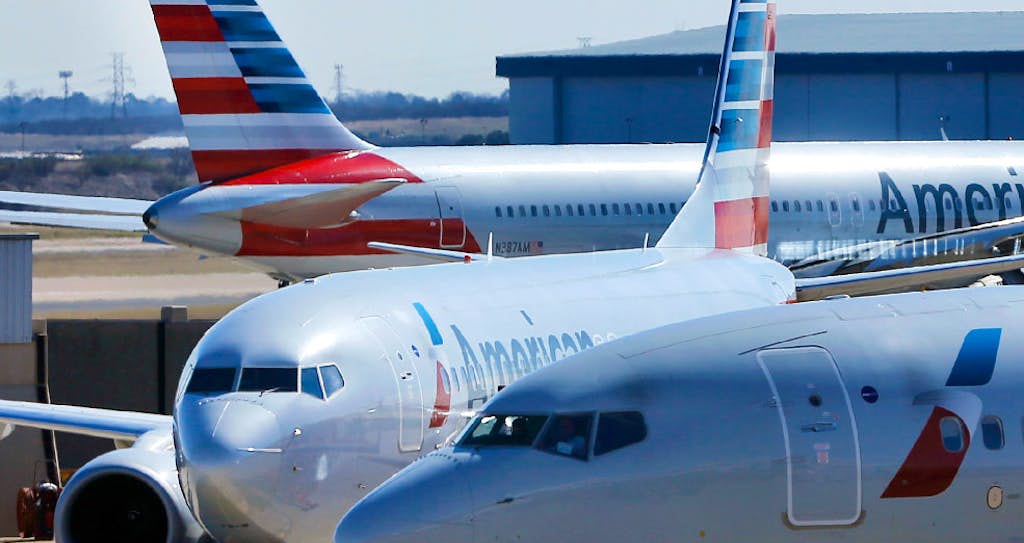
Las aerolíneas estadounidenses se preparan para cambiar las referencias de Taiwán a medida que se acerca la fecha límite de China. Se espera que las principales aerolíneas estadounidenses cambien la forma en que sus sitios web se refieren al Taiwán reclamado por China el Miércoles, 25 ÇJulio 2018 en un esfuerzo por evitar las sanciones chinas, luego de la coordinación entre los operadores y el gobierno de Estados Unidos.

China dice que no habrá espacio para la negociación en su demanda de que las aerolíneas estadounidenses describan a Taiwán como parte de China antes de una fecha límite esta semana. Beijing ha insistido en que los operadores cambien las referencias a Taiwán en sus sitios web a «Taiwán, China» antes del miércoles. Taiwán se separó de China en medio de una guerra civil en 1949, pero Pekín continúa reivindicándolo como su propio territorio.

El portavoz del Ministerio de Relaciones Exteriores, Geng Shuang, dijo el Martes que China espera que el gobierno de los EEUU instará a las empresas a cumplir con los requisitos de China. La Casa Blanca ha criticado anteriormente la demanda china como «tonterías orwellianas». Pekín ha exigido que las empresas extranjeras, y las aerolíneas en particular, no se refieran a Taiwán gobernado como territorio no chino en sus sitios web, junto con Hong Kong y Macao, una medida descrita por la Casa Blanca en mayo como «tonterías orwellianas».

China fijó un plazo final para este Miércoles 25 Julio 2018 para los cambios, y el mes pasado rechazó las solicitudes de los Estados Unidos para las conversaciones sobre el asunto, lo que aumentó la tensión en las relaciones ya desgastadas por un conflicto comercial en aumento.

Numerosas aerolíneas no estadounidenses, incluidas Air Canada, Lufthansa y British Airways, ya realizaron cambios en sus sitios web, luego de que la Administración de Aviación Civil de China (CAAC) enviara una carta a 36 transportistas aéreos extranjeros a principios de 2018.

El Gobierno de China ha informado a los operadores aéreos que eliminen las referencias en sus sitios web y otros materiales que sugieren que Taiwán, Hong Kong y Macao forman parte de países independientes de China, pero varios operadores estadounidenses, incluidas Delta Air Lines y United Airlines, había solicitado más tiempo para manejar el asunto.

Un ejecutivo de una aerolínea estadounidense informó que el Departamento de Estado de Estados Unidos (DOT) notificó a la embajada de China en Washington la decisión de las aerolíneas estadounidenses de listar ciertos destinos por ciudad en sitios web chinos e ingleses, y no referirse a Taiwán como una jurisdicción. Otra fuente en Beijing dijo que el gobierno de EEUU le informó extraoficialmente que las aerolíneas solo usarían ciertos nombres de ciudades en el futuro.

A partir del Martes por la tarde en Asia, el sitio web de Hawaiian Airlines ya parecía haber cambiado. Las búsquedas en los sitios web de American Airlines, Delta y United todavía lo mencionan como en Taiwán. Ninguna de las aerolíneas respondió inmediatamente a las solicitudes de comentarios, pero Airlines for America (A4A), un grupo comercial que representa a United, American y otros operadores importantes, reconoció que se estaban realizando cambios.

Se esperaba que las aerolíneas hicieran los cambios al final del día en China el miércoles. «Le hemos dicho a China que Estados Unidos se opone enérgicamente a los intentos de China de obligar a las empresas privadas a utilizar un lenguaje específico de naturaleza política en su contenido disponible públicamente. Continuamos tratando de resolver este problema», dijo un portavoz de la embajada de EEUU. AIRWAYS® AW-Icon TXT

Resultado de imagen para China US airlines

China claims Taiwan to airlines

China has reported that there is no room for negotiation in the denomination of Taiwan

US airlines are preparing to change Taiwan’s references as China’s deadline approaches. The major US airlines are expected to change the way their websites refer to Taiwan claimed by China on Wednesday, 25 July 2018 in an effort to avoid Chinese sanctions, after coordination between operators and the United States government .

China says there will be no room for negotiation in its demand that US airlines describe Taiwan as part of China before a deadline this week. Beijing has insisted that operators change references to Taiwan on their websites to «Taiwan, China» before Wednesday. Taiwan separated from China in the midst of a civil war in 1949, but Beijing continues to claim it as its own territory.

Foreign Ministry spokesman Geng Shuang said on Tuesday that China expects the US government will urge companies to comply with China’s requirements. The White House has previously criticized China’s demand as «Orwellian nonsense.» Beijing has demanded that foreign companies, and airlines in particular, not refer to Taiwan ruled as non-Chinese territory on its websites, along with Hong Kong and Macao, a measure described by the White House in May as «Orwellian nonsense» .

China set a final deadline for this Wednesday, 25 July 2018 for the changes, and last month rejected US requests for talks on the matter, which increased the tension in relations already worn out by an escalating trade dispute.

Numerous non-US airlines, including Air Canada, Lufthansa and British Airways, have already made changes to their websites, after the Chinese Civil Aviation Administration (CAAC) sent a letter to 36 foreign air carriers in early 2018.

The Chinese government has informed air operators to remove references on their websites and other materials suggesting that Taiwan, Hong Kong and Macao are part of countries independent of China, but several US operators, including Delta Air Lines and United Airlines He had requested more time to handle the matter.

An executive of a US airline reported that the US Department of State (DOT) notified the Chinese Embassy in Washington of the decision of US airlines to list certain destinations by city on Chinese and English websites, and not to refer to Taiwan. as a jurisdiction. Another source in Beijing said that the US government has informed him unofficially that airlines would only use certain names of cities in the future.

As of Tuesday afternoon in Asia, the Hawaiian Airlines website already seemed to have changed. Searches on American Airlines, Delta and United websites still mention it as in Taiwan. None of the airlines responded immediately to requests for comments, but Airlines for America (A4A), a business group representing United, American and other major operators, acknowledged that changes were being made.

The airlines were expected to make the changes at the end of the day in China on Wednesday. «We have told China that the United States is strongly opposed to China’s attempts to force private companies to use a specific language of a political nature in their publicly available content, and we continue to try to solve this problem», said a spokesman for China. Embassy of the USA. A \ W


Ξ A I R G W A Y S Ξ
SOURCE:  Airgways.com
DBk: English.gov.cn / Usatoday.com / Taipeitimes.com
AW-POST: 201807241350AR

A\W   A I R G W A Y S ®

Rusia inyecta capital Programa SSJ100

Resultado de imagen para SSJ-100 factory

AW | 2018 07 09 17:17 | INDUSTRY / GOVERNMENT

logo_sukhoi.jpgLa Federación Rusia inyecta capital para enfrentar pérdidas

Rusia inyecta 3.200 millones de rublos (US$ 51 millones) a la indigenización del Sukhoi Superjet SSJ100, parte de un programa de investigación y desarrollo de 20 años para el sector de aviación civil del país destinado a reducir la exposición del programa al endurecimiento de los regímenes de sanciones estadounidenses.

La medida se produce un año después de que los representantes del gobierno en la administración de United Aircraft Corporation (UAC) autorizaran el desarrollo del SSJ-SV, una versión del SSJ100 con propulsión y aviónica indígenas. En el Eurasia Airshow 2018 en Antalya, Turquía, Sukhoi Civil Aircraft (SCAC) presentó el SSJ100R, una variante personalizada para Irán Airtour e Iran Aseman, así como el SSJ75, una solución más avanzada tecnológicamente para las aerolíneas S7 de Rusia. Ambos surgieron del esfuerzo SSJ-SV antes mencionado.

La nueva inyección presupuestaria impulsa un esfuerzo obstaculizado por pérdidas financieras continuas, a pesar de la ganancia de ingresos del 19% de SCAC en 2017. De acuerdo con el informe anual 2017 de UAC, durante los últimos dos años, su subsidiaria SCAC generó pérdidas de casi 5 mil millones de rublos, elevando su deuda consolidada a 25.3 mil millones de rublos. SCAC espera ayudar a pagar la deuda mediante la generación de más ventas de las aerolíneas iraníes después de la cancelación de sus pedidos con Boeing, Airbus y ATR tras la retirada estadounidense del Plan de Acción Integral Conjunto, más conocido como el acuerdo nuclear de Irán. Privado de piezas de Estados Unidos y tecnologías críticas, el SSJ100R puede venderse en la República Islámica sin la aprobación de la Oficina de Control de Activos Extranjeros (OFAC) del Tesoro de los Estados Unidos.

Las ventas iraníes llegarían a la cima de las de Rusia. El mercado nacional absorbió la mayor parte de la producción de SCAC durante los últimos tres años, ya que las aerolíneas rusas tomaron 93 aviones de pasajeros fabricados localmente. Después de 27, 36 y 30 entregas en 2015, 2016 y 2017, respectivamente, UAC planea 30 este año. Aunque la compañía afirma tener una participación del 37,5 por ciento en el mercado mundial de aviones con capacidad para 80 a 120 asientos, y para los aviones regionales de pasajeros en general del 19 por ciento, las estadísticas no reflejan necesariamente un aumento en las entregas. Pero UAC necesita hacerlo para lograr los objetivos establecidos en su establecimiento hace más de 10 años. El Kremlin todavía tiene aspiraciones para que UAC supere a Embraer, ATR y Bombardier en términos de entregas.

La estrategia corporativa renovada en septiembre de 2016 establece que la UAC debe ser rentable después de impuestos para 2025 y atractiva para los inversionistas externos antes de 2035. También exige que la participación de la compañía en el mercado global de aviones de pasajeros con más de 20 asientos crezca a 4.5% en valor en 2025. Mientras mantiene una participación del 8 por ciento del mercado global para la aviación de combate, el fabricante debe demostrar un crecimiento rentable en el negocio de aviones civiles, de modo que genere más del 40% de los ingresos de la corporación en 2025 y 45% en 2035. Última los programas civiles de UAC del año generaron un ingreso total de 75 mil millones de rublos o menos del 17 por ciento de su total de 452 mil millones de rublos.

Con una fuerza laboral de 103,000 personas, UAC pretende aumentar la producción a través de un aumento de cinco veces en la productividad laboral para el año 2025. Durante los próximos tres años, el fabricante planea invertir 403 mil millones de rublos en renovación de herramientas e I + D, con el 32 por ciento del financiamiento del las propias fuentes de la compañía y el resto de fuentes gubernamentales. Una cuarta parte de esa inversión se destinará a programas de aviones civiles, incluido un 14 por ciento para el MC-21, un 3,3 por ciento para SSJ, un 1,9 por ciento para el turbohélice Il-114-300 y un 1,8 por ciento para widebody CR929, actualmente en desarrollo con socios chinos. El año pasado, el Kremlin inyectó 3.6 mil millones de rublos en el Ilyushin Il-96-400M de fuselaje ancho y 9.6 mil millones de rublos en el turbopropulsor regional Il-114-300.  AIRWAYS® AW-Icon TXT

Resultado de imagen para SSJ-100 factory

Russia injects capital into the SSJ100 Program

The Russian Federation injects capital to confront losses

Russia injects 3,200 million rubles (US $ 51 million) to the indigenization of the Sukhoi Superjet SSJ100, part of a 20-year research and development program for the country’s civil aviation sector aimed at reducing the exposure of the program to the hardening of the US sanctions regimes.

The measure comes a year after government representatives in the United Aircraft Corporation (UAC) administration authorized the development of the SSJ-SV, a version of the SSJ100 with indigenous propulsion and avionics. At the Eurasia Airshow 2018 in Antalya, Turkey, Sukhoi Civil Aircraft (SCAC) presented the SSJ100R, a customized variant for Iran Airtour and Iran Aseman, as well as the SSJ75, a more technologically advanced solution for the Russian S7 airlines. Both arose from the aforementioned SSJ-SV effort.

The new budget injection drives an effort hampered by continued financial losses, despite the 19% profit of SCAC in 2017. According to UAC’s 2017 annual report, during the last two years, its subsidiary SCAC generated losses of almost 5 billion rubles, raising its consolidated debt to 25.3 billion rubles. SCAC hopes to help pay off the debt by generating more sales from Iranian airlines after the cancellation of their orders with Boeing, Airbus and ATR following the US withdrawal of the Joint Comprehensive Action Plan, better known as the Iran nuclear agreement. Deprived of US parts and critical technologies, the SSJ100R can be sold in the Islamic Republic without the approval of the Office of Foreign Assets Control (OFAC) of the United States Treasury.

Iranian sales would reach the top of those of Russia. The domestic market absorbed most of SCAC’s production over the past three years, as Russian airlines took 93 locally manufactured passenger planes. After 27, 36 and 30 deliveries in 2015, 2016 and 2017, respectively, UAC plans 30 this year. Although the company claims to have a 37.5 percent share in the global aircraft market with capacity for 80 to 120 seats, and for regional passenger aircraft in general 19 percent, the statistics do not necessarily reflect an increase in deliveries. But UAC needs to do it to achieve the objectives established in its establishment more than 10 years ago. The Kremlin still has aspirations for UAC to overtake Embraer, ATR and Bombardier in terms of deliveries.

The corporate strategy renewed in September 2016 establishes that the UAC should be profitable after taxes by 2025 and attractive to external investors before 2035. It also requires that the company’s participation in the global passenger aircraft market with more than 20 seats grow to 4.5% in value by 2025. While maintaining an 8 percent share of the global market for combat aviation, the manufacturer must demonstrate profitable growth in the civil aircraft business, so that it generates more than 40% of the income of the corporation in 2025 and 45% in 2035. Last civilian UAC programs of the year generated a total income of 75 billion rubles or less than 17 percent of its total of 452 billion rubles.

With a workforce of 103,000 people, UAC aims to increase production through a fivefold increase in labor productivity by the year 2025. Over the next three years, the manufacturer plans to invest 403 billion rubles in tool renovation and R & D, with 32 percent of financing from the company’s own sources and the rest of government sources. A quarter of that investment will go to civilian aircraft programs, including 14 percent for the MC-21, 3.3 percent for the SSJ, 1.9 percent for the turboprop Il-114-300 and a 1.8 percent for widebody CR929, currently under development with Chinese partners. Last year, the Kremlin injected 3.6 billion rubles in the Ilyushin Il-96-400M wide-body and 9.6 billion rubles in the regional turboprop Il-114-300. A \ W


Ξ A I R G W A Y S Ξ
SOURCE:  Airgways.com
DBk: Sukhoi.org / Ainonline.com
AW-POST: 201807091717AR

A\W   A I R G W A Y S ®

La FAA informa que asientos ajustados no implican inseguridad para la aviación

AW | 2018 07 04 18:37 | AVIATION SAFETY / AIRLINES / GOVERNMENT

Seal_of_the_United_States_Federal_Aviation_Administration.svgLa FAA no obligará a aerolíneas modificación asientos porque no representan dificultades a la seguridad

La Administración Federal de Aviación (FAA) no obligará a las aerolíneas a brindar a los pasajeros más espacio para las piernas y asientos más anchos porque los arreglos actuales no presentan problemas de seguridad ni dificultan la velocidad de evacuación, dijo la agencia este martes. Los asientos más ajustados no parecen obstaculizar la seguridad o ralentizar las evacuaciones.

En un documento, la FAA dijo que no pudo encontrar evidencia de que el ancho actual del asiento, las dimensiones de las piernas o el aumento del tamaño de los pasajeros ralentizarán las evacuaciones. La agencia también dijo que se requiere más tiempo para que las tripulaciones de vuelo abran la puerta de salida que para que los pasajeros se levanten de sus asientos. «La FAA no tiene evidencia de que un pasajero típico, incluso uno más grande, tome más de un par de segundos para levantarse de su asiento», dice el documento.

Caso Flyers Rights

El año pasado, el Tribunal de Apelaciones de Estados Unidos para el Circuito de DC ordenó a la FAA que revisara las reglas de seguridad de sus asientos después de que un grupo llamado Flyers Rights desafió a la administración por preocupaciones de que asientos más apretados y pasajeros más grandes podrían ralentizar las evacuaciones. Flyers Rights reconoció la decisión de la FAA, pero no dio más detalles.

Distancias entre asientos

Hace un par de décadas, la distancia entre un respaldo y el respaldo de la siguiente fila solía ser de 35 pulgadas. Ahora son 28 y los reguladores dicen que aún cumple con los estándares de evacuación.

La distancia entre asientos, llamada altura, ha pasado de un promedio de 35» pulgadas antes de 1978 a 31» pulgadas en la actualidad. A veces puede medir solo 28» pulgadas. Mientras tanto, el ancho promedio del asiento de 18» pulgadas se ha reducido de una a dos pulgadas. Algunos fabricantes de asientos de líneas aéreas están presionando para un asiento aún más ajustado. El proyecto Skyrider se parece más a una percha que a un asiento completo y tiene un paso de tan solo 23» pulgadas.

Imagen relacionadaASIENTOS SKYRIDER, UN ASPECTO FUTURÍSTICO DE «AVIONES SARDINAS»

Con el advenimiento de las aerolíneas low cost que desean aprovechar mejor, los espacios de las cabinas de los aviones de manera extraordinaria, han permitido bajo normas de seguridad internacionales achicar los márgenes de espacios no solo entre asientos, sino además, eliminando espacios como galley, toallet, entre otras modificaciones.

A través del Departamento de Transporte de Estados Unidos (DOT), la FAA ha determinado en el expediente FAA-2015-4011 que no existen pruebas fehacientes acerca de que los asientos de reducido porte o la selección de distancias entre filas atentan contra la seguridad a la aviación en las aerolíneas.

Airplane fabrica videos de pruebas de evacuación para argumentar que las nuevas reglas no son necesarias. Boeing dijo que en 1996 probó aviones con 351 pasajeros y 28 pulgadas entre filas, y los resultados cumplieron con los estándares de evacuación de la FAA.

Jeffrey Gardlin, un ingeniero de seguridad que ha trabajado para la FAA durante 36 años, dijo que los pasajeros grandes pueden tardar más en escapar de las salidas, por lo que la agencia establece los tamaños mínimos para las salidas con exceso de alas. Pero, dijo, el tamaño no hace mucha diferencia en el tiempo que toma pasar de un asiento al pasillo.

En una declaración jurada, Gardlin citó siete accidentes desde 2015 en los que los pasajeros pudieron escapar de aviones diseñados para cumplir con los estándares actuales. Algunos pasajeros resultaron heridos durante las evacuaciones, pero ninguno murió en incendios, incluso aquellos que destruyeron el avión. Dijo que no había informes de que el tamaño del asiento o la inclinación de la fila frenaron cualquiera de las evacuaciones.

Gobierno & FAA

La decisión del martes no es necesariamente la última palabra sobre los asientos de los aviones. Un proyecto de ley aprobado por la Cámara de Representantes indicaría a la FAA que establezca el tamaño mínimo de los asientos, aunque deja la decisión sobre las medidas exactas a la agencia. El proyecto de ley está pendiente en el Senado.

El mes pasado, el inspector general del Departamento de Transporte anunció una revisión de los estándares de evacuación de la FAA, señalando que los aviones de hoy tienen más asientos, los pasajeros son más grandes y tienen más bolsas de mano.

El inspector general estaba respondiendo a una solicitud de los miembros del Comité de Transporte de la Cámara, que siguió a una evacuación confusa de un avión de American Airlines en Chicago después de un incendio en el motor. AIRWAYS® AW-Icon TXT

Resultado de imagen para seat airplane

FAA tight seats do not imply insecurity

The FAA will not force airlines to modify seats because they do not represent safety difficulties

The Federal Aviation Administration (FAA) will not force airlines to provide passengers with more leg room and wider seats because the current arrangements do not present safety problems or hinder the speed of evacuation, the agency said Tuesday. The tightest seats do not seem to hinder safety or slow evacuations.

In a document, the FAA said it could not find evidence that the current width of the seat, leg dimensions or increased passenger size will slow evacuations. The agency also said that more time is required for flight crews to open the exit door than for passengers to get up from their seats. «The FAA has no evidence that a typical passenger, even a larger one, takes more than a couple of seconds to get up from their seat», the document says.

Case Flyers Rights

Last year, the US Court of Appeals for the DC Circuit ordered the FAA to review the rules of seat security after a group called Flyers Rights challenged the administration over concerns that tighter seats and passengers larger ones could slow evacuations. Flyers Rights acknowledged the FAA’s decision, but gave no further details.

Distances between seats

A couple of decades ago, the distance between a backrest and the back of the next row used to be 35 inches. Now there are 28 and regulators say it still meets the evacuation standards.

The distance between seats, called height, has gone from an average of 35» inches before 1978 to 31» inches today. Sometimes it can measure only 28» inches. Meanwhile, the average width of the 18-inch seat has been reduced from one to two inches. Some airline seat manufacturers are pushing for an even tighter seat. The Skyrider project looks more like a hanger than a full seat and has a pitch of only 23 inches.

With the advent of low cost airlines that want to take advantage of the best, the spaces of the aircraft cabins have allowed under international safety standards to reduce the margins of spaces not only between seats, but also, eliminating spaces such as galley, toallet, among other modifications.

Resultado de imagen para seat airlines historyTHE LOW COST AIRLINES HAVE USED THE TYPE OF SERVICE TO REDUCE THE SPACES BETWEEN SEATS

Through the Department of Transportation of the United States (DOT), the FAA has determined in the FAA-2015-4011 file that there is no reliable evidence that small seats or the selection of distances between rows threaten safety at aviation in airlines.

Airplane makes evacuation test videos to argue that the new rules are not necessary. Boeing said that in 1996 it tested planes with 351 passengers and 28 inches between rows, and the results met the FAA’s evacuation standards.

Jeffrey Gardlin, a security engineer who has worked for the FAA for 36 years, said that large passengers may take longer to escape from exits, so the agency sets the minimum sizes for exits with excess wings. But, he said, the size does not make much difference in the time it takes to move from a seat to the aisle.

In an affidavit, Gardlin cited seven accidents since 2015 in which passengers were able to escape aircraft designed to meet current standards. Some passengers were injured during the evacuations, but none died in fires, even those that destroyed the plane. He said there were no reports that the size of the seat or the tilt of the row slowed down any of the evacuations.

Government & FAA

Tuesday’s decision is not necessarily the last word on aircraft seats. A bill passed by the House of Representatives would indicate to the FAA that it establish the minimum size of the seats, although it leaves the decision on exact measures to the agency. The bill is pending in the Senate.

Last month, the inspector general of the Department of Transportation announced a review of the FAA’s evacuation standards, noting that today’s planes have more seats, passengers are larger and have more hand bags.

The inspector general was responding to a request from members of the Transportation Committee of the House, which followed a confused evacuation of an American Airlines plane in Chicago after a fire in the engine. A \ W


Ξ A I R G W A Y S Ξ
SOURCE:  Airgways.com
DBk: Faa.gov / Transportation.gov / FlyersRights.org / Akbartravels.com / Hithaonthego.com / Medium.com
AW-POST: 201807041837AR

A\W   A I R G W A Y S ®

Argentina elimina precio mínimo lowcost

Resultado de la imagen para Ministerio Transporte Argentina aviacion

AW | 2018 07 03 08:39 | AIRLINES MARKET / GOVERNMENT

Resultado de la imagen para Ministerio Transporte ArgentinaArgentina elimina el precio mínimo de los ticket para aerolíneas low cost

Argentina ha aprobado la eliminación del tope mínimo de los precios a las aerolíneas low cost. El Ministerio de Transporte de Argentina anunció la regulación que impedía que el mercado aéreo del país latinoamericano se desatase una guerra de ofertas entre las compañías aéreas similar a la de otros países. A partir del próximo 15 Agosto 2018, las aerolíneas podrán vender billetes domésticos al precio que quieran con un mes de antelación. Todo se mantiene igual para quienes deseen volar antes de 30 días o a un destino internacional.

El Gobierno de Macri ha permitido perforar la bando límite de las tarifas aéreas para las compañías de bajo coste. De esta manera comienza una verdadera batalla por los billetes aéreos, generando una verdadera revolución en el techo del valor de los boletos aéreos. «Quienes antes no podían acceder a volar porque no lo encontraban accesible podrán hacerlo. Pero además, fomentará la compra con anticipación y aumentará así la ocupación del avión», indicó la cartera de Transporte en un comunicado. El Gobierno de Mauricio Macri aspira a alcanzar los 20 millones de pasajeros de avión a fines de 2019, el doble que en 2015.

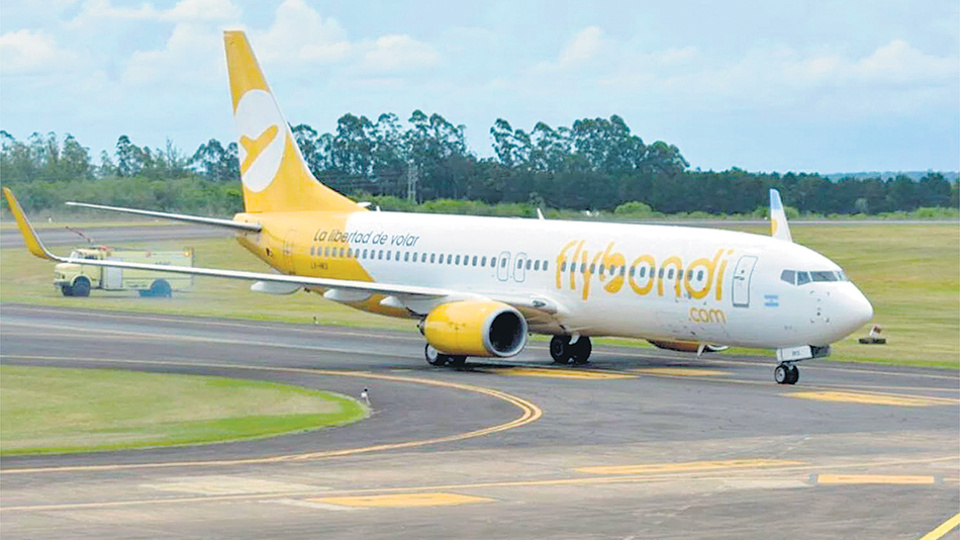
Flybondi alineada a la «Revolución de los Aviones»

AW-Flybondi_Aircraft-001Flybondi Líneas Aéreas comenzó a operar en Argentina en Enero 2018, que consideraron el anuncio del Gobierno de Argentina como una muy buena noticia para todos pero, más que nada, para el 93% de los argentinos que no vuelan en avión. La aerolínea consideró que la desregulación «será muy beneficiosa para los argentinos, para el turismo y las economías regionales».

Dab2fceW4AA54q9large_logo - copia

En tanto, Norwegian Air Argentina expresó: «La experiencia en Europa indica que incluso las aerolíneas tradicionales se ven favorecidas y aumentan la venta de boletos por el ingreso de aerolíneas de bajas tarifas, puesto que ayudan a dinamizar el mercado. Estamos convencidos de que las autoridades han tomado una decisión que favorecerá el crecimiento del sector», declaró Ole Christian Melhus, Consejero Delegado de la filial en Argentina.

Era kirchnerista

Durante los 12 años de kirchnerismo, Argentina quedó al margen del desembarco de las aerolíneas de bajo coste en otros países de la región, como Chile y Brasil. La escasa competencia y años de inflación elevada dispararon los precios de los billetes aéreos y la mayoría de la población optaba por recorrer enormes distancias en autobús o endeudarse pagando en 12, 18 o incluso 24 plazos. Las compañías de transporte, que en 2015 transportaban al triple de pasajeros que los aviones, son las grandes perjudicadas.

«Revolución de los Aviones»

La «Revolución de los Aviones» permitió atraer inversiones, las aerolíneas de bajo costo vieron un gran potencial en Argentina. Es el octavo país más extenso del mundo, con 5.000 kilómetros de norte a sur y 40 millones de habitantes acostumbrados a pagar precios mucho más altos que en los países vecinos por viajar. Otra de las ventajas son los grandes atractivos turísticos del país austral, con Buenos Aires, las cataratas de Iguazú y el Perito Moreno a la cabeza. El sector turístico local confía en que la enorme devaluación del peso, que ha perdido más de un 50% de su valor frente al dólar en lo que va de año, junto a la oferta de billetes aéreos a menor precio sea un imán para los extranjeros.

El despegue de las aerolíneas de bajo coste ha sido más lento de lo que se esperaba. El precio mínimo fijado para los billetes era uno de los factores que jugaba en contra. El otro es el rechazo de los gremios aeronáuticos. Se oponen a la política laboral y salarial de las low cost, más dura que la de las aerolíneas convencionales, y a la desregulación del mercado que emprendió el Gobierno de Argentina.  AIRWAYS® AW-Icon TXT

AW-700899992.jpg

Argentina eliminates minimum price at low cost

Argentina eliminates the minimum ticket price for low cost airlines

Argentina has approved the elimination of the minimum price cap for low cost airlines. The Ministry of Transportation of Argentina announced the regulation that prevented the airline market of the Latin American country from unleashing a bidding war between airlines similar to that of other countries. From next August 15, 2018, airlines can sell domestic tickets at the price they want one month in advance. Everything stays the same for those who wish to fly before 30 days or to an international destination.

The Government of Macri has allowed to perforate the limit band of the air fares for the companies of low cost. Thus begins a real battle for air tickets, generating a real revolution in the ceiling of the value of air tickets. «Those who could not afford to fly before because they could not find it accessible will be able to do so, but in addition, it will encourage the purchase in advance and thus increase the occupation of the plane» ,the transport ministry said in a statement. The government of Mauricio Macri aims to reach 20 million passengers by the end of 2019, twice as many as in 2015.

Flybondi aligned to the «Aircraft Revolution»

Flybondi Líneas Aéreas began operating in Argentina in January 2018, which considered the announcement by the Government of Argentina as very good news for all but, more than anything, for 93% of Argentines who do not fly by plane. The airline considered that deregulation «will be very beneficial for Argentines, for tourism and regional economies».bui053h3 (1)norwegianairshuttle-001

Meanwhile, Norwegian Air Argentina said: «The experience in Europe indicates that even traditional airlines are favored and increase ticket sales due to the entry of low fare airlines, since they help to stimulate the market. authorities have taken a decision that will favor the growth of the sector», said Ole Christian Melhus, CEO of the subsidiary in Argentina.

He was a Kirchner

During the 12 years of Kirchnerism, Argentina was left out of the disembarkation of low-cost airlines in other countries in the region, such as Chile and Brazil. The scarce competition and years of high inflation triggered the prices of airline tickets and the majority of the population opted to travel enormous distances by bus or get into debt by paying in 12, 18 or even 24 installments. Transport companies, which in 2015 transported three times as many passengers as planes, are the big losers.

«Aircraft Revolution»

The «Aircraft Revolution» allowed attracting investments, low-cost airlines saw great potential in Argentina. It is the eighth largest country in the world, with 5,000 kilometers from north to south and 40 million inhabitants accustomed to paying much higher prices than in neighboring countries to travel. Another advantage is the great tourist attractions of the southern country, with Buenos Aires, Iguazu Falls and Perito Moreno at the head. The local tourism sector is confident that the huge devaluation of the peso, which has lost more than 50% of its value against the dollar so far this year, along with the offer of air tickets at a lower price is a magnet for foreigners.

The take-off of low-cost airlines has been slower than expected. The minimum price set for the tickets was one of the factors that played against. The other is the rejection of the aeronautical guilds. They oppose the low-cost labor and salary policy, which is tougher than that of conventional airlines, and the deregulation of the market that the Government of Argentina undertook. A \ W


Ξ A I R G W A Y S Ξ
SOURCE:  Airgways.com
DBk: Argentina.gob.ar/transporte / Airgways.com
AW-POST: 201807030839AR

A\W   A I R G W A Y S ®

China condiciona aerolíneas por Taiwán

Resultado de imagen para Taoyuan Taiwan Airport

AW | 2018 06 18 13:16 | AIRLINES / GOVERNMENT

China ha solicitado a las aerolíneas que identifiquen a Taiwán como parte de China

Beijing rechaza la solicitud de conversaciones por parte de Estados Unidos sobre su demanda de aerolíneas internacionales para que comiencen a referirse a Taiwán como parte de China.

China rechazó una solicitud de Estados Unidos para que se dialogue sobre la demanda china de aerolíneas internacionales para que comiencen a referirse a Taiwán como parte de China, dijo el jueves un vocero de la embajada de Estados Unidos en Beijing. Tras expresar su desilusión de que la parte china se haya negado a discutir el asunto, el portavoz dijo que Estados Unidos estaba haciendo un llamamiento a China para que deje de amenazar y coaccionar a compañías y ciudadanos estadounidenses. AIRWAYS® AW-Icon TXT

Resultado de imagen para Taoyuan Airport Taipei airlines

China conditions airlines by case Taiwan

China has asked airlines to identify Taiwan as part of China

Beijing rejects the request of conversations on the part of the United States on its demand of international airlines so that they begin to refer to Taiwan as part of China.

China has rejected a request from the United States to discuss China’s demand for international airlines to begin referring to Taiwan as part of China, a spokesman for the US embassy in Beijing said on Thursday. Expressing his disappointment that the Chinese side has refused to discuss the matter, the spokesman said the United States was calling on China to stop threatening and coercing US companies and citizens. A \ W


Ξ A I R G W A Y S Ξ
SOURCE:  Airgways.com
DBk: Weninchina.com
AW-POST: 201806281316AR

A\W   A I R G W A Y S ®

ATR suspende ATR 72 a Irán

Resultado de imagen para atr aircraft Iran Air

AW | 2018 06 27 16:23 | INDUSTRY / GOVERNMENT

Resultado de imagen para atr aircraft logoATR ha ordenado la suspensión de las entregas de los aviones ATR-72-600 por sanciones económicas impuestas a Irán

Imagen relacionadaEl fabricante de aviones regionales ítalo-francés ATR Aircraft ha comunicado que no efectuará la entrega de los ATR-72-600 a IranAir por sanciones económicas impuestas por parte de organismos internacionales, debido a nuevas sanciones estadounidenses.

IranAir, la aerolínea de bandera nacional, firmó un contrato para comprar 20 aviones del fabricante de turbohélice ATR 72-600 en Abril 2017. El acuerdo se produjo después de que Irán firmara contratos con Airbus de Europa y su rival estadounidense Boeing para comprar unos 180 aviones. Irán recibió los primeros cuatro aviones ATR en Mayo 2018, dos más en septiembre y otros dos en diciembre, y el resto se entregará al país a fines de 2018. «De los 80 aviones que esperamos entregar en 2018, hubo 12 para Irán, eso es mucho», dijo Scherer, cuya compañía es de propiedad conjunta de Airbus y Leonardo de Italia. Scherer dijo que los iraníes quieren recibir los aviones, «pero ATR no correrá el riesgo de caerse con las autoridades estadounidenses y exponer a nuestros accionistas Leonardo y Airbus a las sanciones de Estados Unidos».

Línea producción ATR-72

En la línea de producción se encuentran completado dos aviones ATR-72-600, seis están siendo ensamblados y los últimos cuatro han sido lanzados y personalizados para Irán, particularmente con dispositivos de presurización, para volar sobre áreas montañosas. Como resultado, «estos dispositivos serán más difíciles de reclasificar. Estamos trabajando duro, pero aún no tenemos pistas firmes». Para entregar aún a Irán, ATR está tratando de obtener una exención de los estadounidenses, pero Scherer dijo que no estaba completamente seguro de ello.

Los estadounidenses han prometido un período de tres meses (Mayo-Agosto 2018) para permitir que las empresas entreguen los materiales que estaban en producción, después del anuncio del presidente estadounidense Donald Trump de reimponer sanciones a Teherán. «Para la industria de la aviación, este período de tres meses es ridículamente corto», dijo Scherer.

ATR Aircraft tiene la intención de contar con la ayuda ofrecida por el gobierno francés para proteger a las empresas. «Queremos utilizar la ayuda del gobierno francés para negociar las mejores licencias posibles durante este período de tres meses para poder entregar el avión fabricado para amortiguar este impacto, que en cualquier caso nos perjudicará mucho»AIRWAYS® AW-Icon TXT

Resultado de imagen para atr aircraft Iran Air

ATR suspends ATR 72 to Iran

ATR has ordered the suspension of deliveries of aircraft ATR-72-600 for economic sanctions imposed on Iran

The Italian-French regional aircraft manufacturer ATR Aircraft has announced that it will not deliver the ATR-72-600 to IranAir due to economic sanctions imposed by international organizations, due to new US sanctions.

IranAir, the national flag carrier, signed a contract to buy 20 aircraft from turboprop manufacturer ATR 72-600 in April 2017. The agreement came after Iran signed contracts with Airbus Europe and US rival Boeing to buy about 180 planes. Iran received the first four ATR planes in May 2018, two more in September and another two in December, and the rest will be delivered to the country by the end of 2018. «Of the 80 aircraft we hope to deliver in 2018, there were 12 for Iran, that it’s a lot», said Scherer, whose company is jointly owned by Airbus and Leonardo of Italy. Scherer said the Iranians want to receive the planes, «but ATR will not risk falling with the US authorities and expose our Leonardo and Airbus shareholders to US sanctions».

Production line ATR-72

Two ATR-72-600 aircraft have been completed on the production line, six are being assembled and the last four have been launched and customized for Iran, particularly with pressurization devices, to fly over mountainous areas. As a result, «these devices will be harder to reclassify, we’re working hard, but we do not have firm tracks yet». To deliver yet to Iran, ATR is trying to get an exemption from the Americans, but Scherer said he was not completely sure of it.

The Americans have promised a three-month period (May-August 2018) to allow companies to deliver the materials that were in production, after the announcement by US President Donald Trump to reimpose sanctions on Tehran. «For the aviation industry, this three-month period is ridiculously short», said Scherer.

ATR Aircraft intends to count on the help offered by the French government to protect companies. «We want to use the help of the French government to negotiate the best possible licenses during this three-month period in order to deliver the manufactured aircraft to cushion this impact, which in any case will hurt us a lot.» A \ W


Ξ A I R G W A Y S Ξ
SOURCE:  Airgways.com
DBk: Atraircraft.com / Airgways.com
AW-POST: 201806271623AR

A\W   A I R G W A Y S ®

Estado noruego retira acciones en SAS

Imagen relacionada

AW | 2018 06 27 14:34 | AIRLINES / GOVERNMENT

Resultado de imagen para SAS Scandinavian logoEl Gobierno de Noruega retira su cuota accionarial de SAS Airlines

El Estado noruego ha dejado de ser accionista de la aerolínea Scandinavian Airlines Systems (SAS) tras efectuar la venta de sus acciones que representaban en el orden del 9,88% por un valor de NOK 597 millones de coronas noruegas (€ 63 millones de euros).

El Gobierno de Noruega ha mantenido a través del tiempo que no era accionista a largo plazo. El Parlamento noruego ha comunicado que en varias oportunidades estaba las intenciones para la venta accionarial en SAS, que en el día de hoy se ha materializado. Los compradores de los 37,8 millones de acciones vendidas son inversores noruegos y extranjeros.Tras la operación se mantiene como principal accionista el Estado sueco, con el 14,8%, seguido por el danés con el 14,2%. El Parlamento sueco ha dado luz verde a su Gobierno para vender su parte, aunque el Ejecutivo todavía no ha hecho efectivo ese mandato.

SAS ha atravesado por graves problemas económicos en la última década, que han provocado despidos y la adopción de varios programas de recortes. La aerolínea escandinava ganó el año pasado fiscal (noviembre-octubre) NOK 1.149 millones de coronas suecas netos (€115 millones de euros), un 13 % menos interanual, y transportó a más de 29 millones de pasajeros.

SAS Scandinavian Air System nació en 1946 de la unión de las aerolíneas nacionales de Noruega, Dinamarca y Suecia, y en 2001 se convirtió en una compañía privada, con los respectivos estados escandinavos como mayores accionistas. AIRWAYS® AW-Icon TXT

Resultado de imagen para SAS Scandinavian oslo airport

Norwegian state withdraws shares in SAS

The Government of Norway withdraws its shares of SAS Airlines

Resultado de imagen para SAS Scandinavian logoThe Norwegian State has ceased to be a shareholder of the airline Scandinavian Airlines Systems (SAS) after making the sale of its shares representing in the order of 9.88% for NOK 597 million Norwegian crowns (€ 63 million).

Resultado de imagen para SAS Scandinavian oslo airportThe Norwegian Government has maintained over time that it was not a long-term shareholder. The Norwegian Parliament has announced that on several occasions there were the intentions for the shareholding in SAS, which has materialized today. The buyers of the 37.8 million shares sold are Norwegian and foreign investors. After the operation, the Swedish State remains the main shareholder, with 14.8%, followed by the Danish shareholder with 14.2%. The Swedish Parliament has given its government the green light to sell its share, although the Executive has not yet made that mandate effective.

SAS has gone through serious economic problems in the last decade, which have led to layoffs and the adoption of several cuts programs. The Scandinavian airline won last fiscal year (November-October) NOK 1,149 million Swedish crowns net (€ 115 million), down 13% year-on-year, and transported more than 29 million passengers.

SAS Scandinavian Air System was born in 1946 from the union of the national airlines of Norway, Denmark and Sweden, and in 2001 it became a private company, with the respective Scandinavian states as major shareholders. A \ W

Resultado de imagen para SAS Scandinavian oslo airport

Norsk stat trekker aksjer i SAS

Norges regjering trekker sine aksjer fra SAS Airlines

Imagen relacionadaDen norske staten har opphørt å være aksjonær i flyselskapet Scandinavian Airlines Systems (SAS) etter at salget av sine aksjer representerte i størrelsesorden 9,88% for NOK 597 millioner norske kroner (63 millioner euro) ).

Den norske regjeringen har over tid bevart at det ikke var en langsiktig aksjonær. Folketinget har kunngjort at det flere ganger var intensjoner for aksjebeholdningen i SAS, som har blitt realisert i dag. Kjøperne av de 37,8 millioner aksjene som selges er norske og utenlandske investorer. Etter operasjonen er svenske staten hovedaksjonæren, med 14,8%, etterfulgt av den danske aksjonæren med 14,2%. Det svenske parlamentet har gitt sin regjering det grønne lyset for å selge sin andel, selv om direktøren ennå ikke har gjort dette mandatet effektivt.

SAS har gjennomgått alvorlige økonomiske problemer i det siste tiåret, noe som har ført til oppsigelser og vedtak av flere kuttprogrammer. Det skandinaviske flyselskapet vant det siste regnskapsåret (november-oktober) 1.149 millioner kroner svenske kroner netto (115 millioner euro), 13% lavere enn året før og transportert mer enn 29 millioner passasjerer. A \ W


Ξ A I R G W A Y S Ξ
SOURCE:  Airgways.com
DBk: Sas.com / Flirck.com / Thelocal.no / Triposo.com
AW-POST: 2018062771434AR

A\W   A I R G W A Y S ®
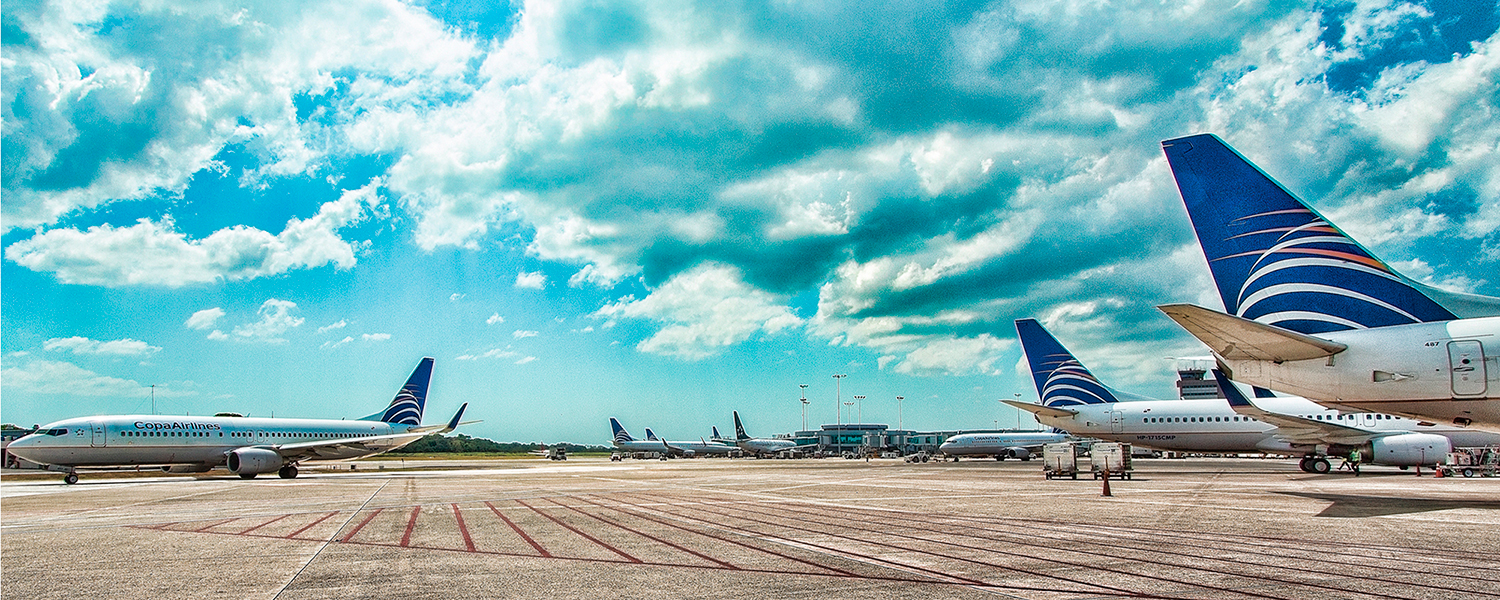
China presiona por identidad de Taiwán

Resultado de imagen para Taiwan Taoyuan International Airport

AW | 2018 06 26 12:57 | AIRLINES / AIR TRAFFIC / GOVERNMENT

Las aerolíneas estadounidenses podrían perder mercado sobre la postura de Taiwán

Las aerolíneas chinas se convierten en daños colaterales en la guerra comercial con los Estados Unidos. La principal amenaza a largo plazo es el establecimiento de un tratado de aviación de cielos abiertos entre China y Estados Unidos, una condición previa para las alianzas de códigos compartidos que pueden pasar el examen con las agencias antimonopolio.

Las principales aerolíneas del mundo deberán tomar una postura a un mes para la resolución de Pekín de reconocer a Taiwán como parte de China. Los transportistas estadounidenses corren el riesgo de experimentar dificultades en sus vuelos a la República de China al permanecer con una postura desafiante al no reconocer a Taiwán como parte de la china continental. Las aerolíneas Japan Airlines, ANA Airlines y Qantas Airways han cambiado la forma en que describieron a Taiwán en sus sitios web, Delta Air Lines y American Airlines se encuentran entre los últimos, llamando a la isla una región o país. Podrían enfrentar medidas como retrasos en el control del tráfico aéreo, inspecciones en rampa, detenciones en los controles de inmigración y seguridad. A falta de una prohibición absoluta, los chinos podrían hacerlo comercialmente, operacionalmente difícil para los transportistas estadounidenses que lleguen y salgan de los aeropuertos chinos.

Delta y American Airlines, que tienen hasta el 25 Julio 2018 para ajustarse a la cuestión de Taiwán, dicen que están consultando con el gobierno de los Estados Unidos incluso cuando la Casa Blanca desestimó la orden como «tonterías orwellianas». Un representante de United Continental Holdings Inc., la compañía estadounidense con más servicios a China continental, se negó a hacer comentarios. La disputa diplomática se produce en medio de una guerra comercial cada vez peor entre Donald Trump y Xi Jinping.

Hay más opciones en el libro de estrategias de China para infligir dolor, dijo Corrine Png, directora ejecutiva y fundadora de Crucial Perspective Pte., Una firma de investigación con sede en Singapur centrada en el transporte. Los transportistas estadounidenses tienen una exposición mucho mayor a las rutas de China y, por lo tanto, tienen más que perder al ofender a China.

El gobierno de China podría incitar a los viajeros del continente a boicotear las aerolíneas estadounidenses y también podría imponer restricciones al turismo mediante la aprobación de menos paquetes turísticos, una táctica que resultó efectiva contra Corea del Sur cuando el país decidió desplegar un escudo antimisiles estadounidense el año pasado. quejas, dijo Png.

La cuestión «Made in Taiwán»

China, que dice que sus relaciones con los Estados Unidos dependen de la aceptación estadounidense de su reclamo de «una sola China», últimamente se ha enojado por los crecientes vínculos entre la administración Trump y el gobierno de la isla encabezado por el presidente independentista Tsai Ing-wen. En Marzo 2018, Xi advirtió que los esfuerzos para ensanchar las divisiones con Taiwan serían castigados por la historia.

En Abril 2018, la Administración de Aviación Civil de China (CAAC) envió una carta a más de 40 aerolíneas extranjeras, diciéndoles que no deberían ubicar a China, Hong Kong y Taiwán en pie de igualdad, y que deben referirse a «China Taiwán» o «China». «Los mapas deben mostrar los territorios del mismo color que China continental y los sitios web no pueden ubicar a Taiwán en otras categorías como el sudeste asiático», dijo. Después de que algunos operadores solicitaran más tiempo, el plazo se extendió hasta el 25 de julio.

La secretaria de prensa de la Casa Blanca, Sarah Huckabee Sanders, dijo en Mayo 2018 que era parte de una tendencia creciente por parte del Partido Comunista Chino de imponer sus puntos de vista políticos sobre los ciudadanos estadounidenses y las empresas privadas, que serán resistidos.  AIRWAYS® AW-Icon TXT

Resultado de imagen para airport Taiwan

China press for Taiwan identity

US airlines could lose market over Taiwan’s stance

Chinese airlines become collateral damage in the commercial war with the United States. The main long-term threat is the establishment of an open-skies aviation treaty between China and the United States, a precondition for code-share partnerships that can pass the test with antitrust agencies.

The world’s top airlines will have to take a one-month stand for Beijing’s resolution to recognize Taiwan as part of China. US carriers are at risk of experiencing difficulties on their flights to the Republic of China by remaining defiant in not recognizing Taiwan as part of mainland China. Airlines Japan Airlines, ANA Airlines and Qantas Airways have changed the way they described Taiwan on their websites, Delta Air Lines and American Airlines are among the last, calling the island a region or country. They could face measures such as delays in air traffic control, ramp inspections, detentions in immigration and security controls. In the absence of an outright ban, the Chinese could do it commercially, operationally difficult for US carriers to and from Chinese airports.

Delta and American Airlines, which have until July 25, 2018 to adjust to the question of Taiwan, say they are consulting with the US government even when the White House dismissed the order as «Orwellian nonsense.» A representative of United Continental Holdings Inc., the US company with the most services to mainland China, declined to comment. The diplomatic dispute occurs in the midst of a worsening trade war between Donald Trump and Xi Jinping.

There are more options in China’s strategy book to inflict pain, said Corrine Png, executive director and founder of Crucial Perspective Pte., A Singapore-based research firm focused on transportation. American carriers have a much greater exposure to China’s routes and, therefore, have more to lose by offending China.

China’s government could encourage travelers from the mainland to boycott US airlines and could also impose restrictions on tourism by approving fewer package holidays, a tactic that proved effective against South Korea when the country decided to deploy a US anti-missile shield. last year. complaints, said Png.

The question «Made in Taiwan»

China, which says its relations with the United States depend on US acceptance of its claim to «one China,» has recently been angered by the growing links between the Trump administration and the island’s government led by pro-independence president Tsai. Ing-wen In March 2018, Xi warned that efforts to widen the divisions with Taiwan would be punished by history.

In April 2018, the Civil Aviation Administration of China (CAAC) sent a letter to more than 40 foreign airlines, telling them that they should not place China, Hong Kong and Taiwan on an equal footing, and that they should refer to «China Taiwan» or «China». «The maps should show the territories of the same color as mainland China and the websites can not place Taiwan in other categories like Southeast Asia,» he said. After some operators requested more time, the deadline was extended until July 25.

White House press secretary Sarah Huckabee Sanders said in May 2018 that it was part of a growing trend on the part of the Chinese Communist Party to impose its political views on US citizens and private companies, which will be resisted. A \ W


Ξ A I R G W A Y S Ξ
SOURCE:  Airgways.com
DBk: Bloomberg.com / Halaltrip.com / Justgola.com
AW-POST: 201806011550AR

A\W   A I R G W A Y S ®

LAER entre el cielo y su liquidación

800px-106bb_-_LAER_ATR_42-320,_LV-ZNV@AEP,22.08.2000_-_Flickr_-_Aero_Icarus

AW | 2018 06 21 10:14 | AIRLINES / GOVERNMENT

Imagen relacionadaEvalúan liquidación de LAER Líneas Aéreas de Argentina

Después de cuatro años sin levantar vuelo, LAER (Líneas Aéreas de Entre Ríos), analizan una posible liquidación de aerolínea regional de Argentina. Es una aerolínea estatal no operativa de Argentina oriunda de la Provincia de Entre Ríos que realizaba vuelos regulares desde esta provincia del la Región Litoral hacia Buenos Aires y otros puntos.

LAER es una empresa que fue creada en 1967 por el Gobierno de Entre Ríos para unir el aislamiento en las rutas entre la Provincia de Entre Ríos con el resto del país, empleando aeronaves regionales.

El actual interventor de Líneas Aéreas de Entre Ríos (LAER), Luis Alfredo De Meyer, explicó que desde 2014 no realiza vuelos pero que continúa funcionando con una mínima estructura. Al respecto comunicó que “se evalúa la liquidación de la empresa y la posibilidad de encaminar una transformación en una dirección de aeronáutica, pero son decisiones que debe tomar el Ejecutivo. Se están saneando los balances que faltaban regularizar precisando que ya se efectuaron los ejercicios económicos 2014, 2015, 2016 y estamos en proceso de terminar el 2017 y 2018”. Actualmente la empresa cuenta con siete empleados, de los 33 que había cuando asumió la intervención. Comunicó que “LAER no paga sueldos; teníamos transferencias del Poder Ejecutivo para los contratados y para los otros empleados ya que se les pagaba un plus por la actividad que se desarrollaba y que dichas transferencias rondaban los AR$ 250.000 pesos mensuales. Hoy los contratados que se fueron los paga el gobierno en las distintas reparticiones y el plus que tenían en LAER ya no lo cobran”. Mientras que el taller no presta servicios mecánicos dado que reparar una aeronave no es un tema menor sino que hay que hacerlo con toda la pericia y todas las habilitaciones de la Administración Nacional de Aviación Civil (ANAC). AIRWAYS® AW-Icon TXT


LAER between heaven and its liquidation

Evaluated liquidation of LAER Líneas Aéreas de Argentina

After four years without taking off, LAER (Líneas Aéreas Entre Ríos), analyzed a possible liquidation of the regional airline of Argentina. It is a non-operating state airline of Argentina, native of the Province of Entre Ríos, which carried out regular flights from this province of the Litoral Region to Buenos Aires and other points.

LAER is a company that was created in 1967 by the Government of Entre Rios to join the isolation on the routes between the Province of Entre Ríos with the rest of the country, using regional aircraft.

The current interconnector of Líneas Aéreas de Entre Ríos (LAER), Luis Alfredo De Meyer, explained that since 2014 he does not carry out flights but that he continues to operate with a minimum structure. In this regard, he reported that «the liquidation of the company and the possibility of directing a transformation in an aeronautical direction are evaluated, but they are decisions that the Executive must make. The balances that needed to be regularized are being cleaned up, stating that the financial years 2014, 2015, 2016 have already been carried out and we are in the process of finishing 2017 and 2018». Currently the company has seven employees, of the 33 that were when he took over the intervention. He explained that «LAER does not pay salaries; We had transfers from the Executive Power for those hired and for the other employees since they were paid a bonus for the activity that was carried out and that these transfers were around AR $ 250,000 pesos per month. Today the contractors who left were paid by the government in the different departments and the extra they had in LAER no longer charge it». While the workshop does not provide mechanical services since repairing an aircraft is not a minor issue but must be done with all the expertise and all the qualifications of the National Civil Aviation Administration (ANAC). A\W


Ξ A I R G W A Y S Ξ
SOURCE:  Airgways.com
DBk: Entrerios.gov.ar / Wikimedia.org
AW-POST: 201806211014AR

A\W   A I R G W A Y S ®