Partido político PRO moviliza para defender Aeropuerto El Palomar
El candidato a Diputado Nacional Diego Santilli, junto a intendentes, legisladores y postulantes a concejales, marcharán este Martes 12/10 junto a un colectivo de vecinos solicitando la reapertura del Aeropuerto Internacional El Palomar/EPA ubicado en la localidad de Morón, Provincia de Buenos Aires. Tras un fallo de la Justicia por no contar con estudios de impacto ambiental ha sido cerrado. Los convocantes consideran que el cierre es un capricho ideológico del nuevo Gobierno actual.
La transformación de la Base Militar de El Palomar en un aeropuerto comercial ha sido una de las grandes banderas durante la gestión del macrismo que lo mostró como un modelo de desarrollo y de inclusión permitieron a miles de argentinos poder viajar en avión en las aerolíneas low cost, convirtiendo la aeroestación en el primer aeropuerto low cost de Latinoamérica. Sin embargo, la Corte Suprema de Justicia ratificó, en un contundente fallo, que la queja de muchos vecinos por los niveles sonoros que ocasionaba el uso de la base eran justificados, haciendo hincapié en que la gestión de Mauricio Macri nunca impulsó la realización de un estudio de impacto ambiental, suspendiendo la actividad en ese lugar hasta tanto se completen dichos trámites. Desde el colectivo «Banquemos al Aeropuerto de El Palomar» no se resignan en su lucha por la reapertura, para lo cual organizaron una manifestación a la estación aerocomercial, que tendrá lugar este Martes 121/10 a partir de las 18:00 horas. La movilización contará con la presencia de varios de los principales referentes del PRO, como el candidato a diputado nacional Diego Santilli, además de intendentes del espacio y otros dirigentes que conforman las listas de Juntos por el Cambio (JXC) en el Conurbano bonaerense.
Por su parte, el titular de la bancada del PRO en la Cámara de Diputados de la Nación, Cristian Ritondo, convocó a manifestarse a través de sus redes sociales. «Esta tarde vamos a defender juntos los puestos de trabajo, la inclusión y la libertad en El Palomar. ¡Te esperamos!», lanzó desde su cuenta de Twitter. La plataforma que impulsa la reapertura de El Palomar, que inició sus actividades cuando gobernaba el intendente macrista Ramiro Tagliaferro, aseguró que «toda expansión comercial industrial tiene un impacto ambiental y este debe ser lo menos nocivo para la población, pero en ningún aspecto las sociedades deben frenar el verdadero progreso”.
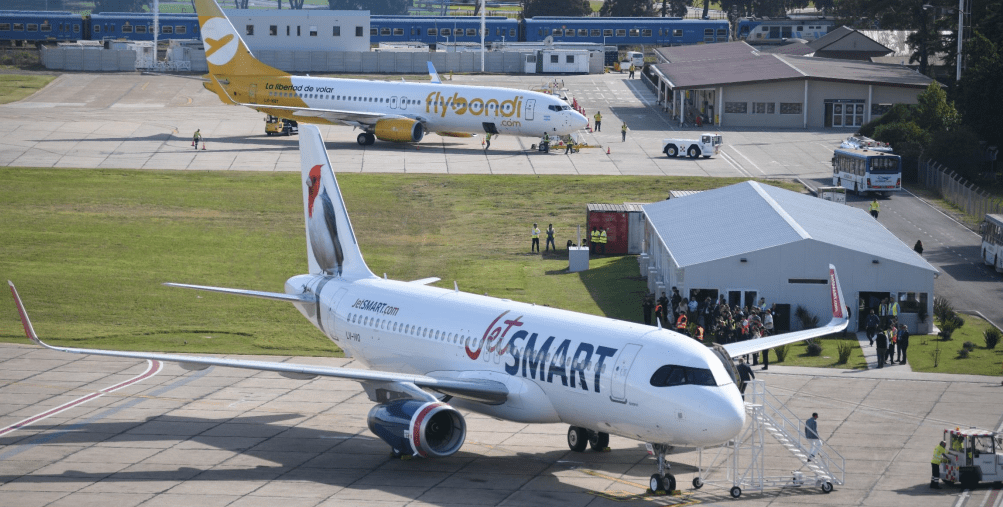
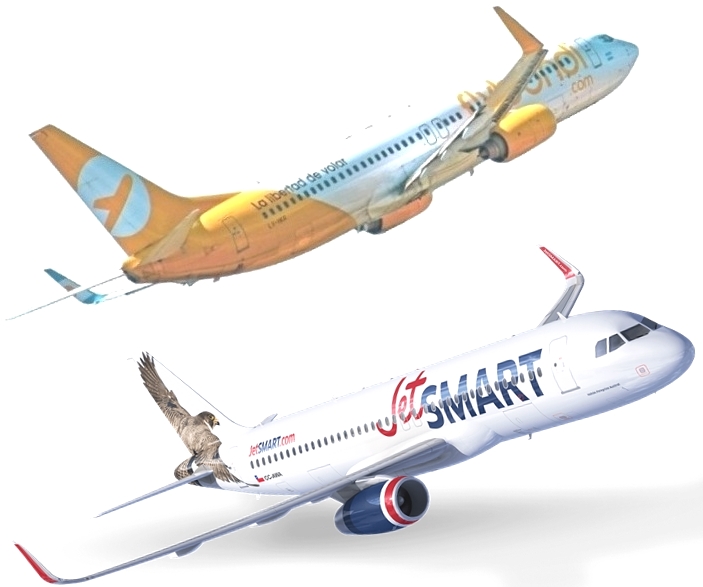
«Banquemos al Aeropuerto de El Palomar» sostuvo que «ese progreso que fue tangible por años y con el cambio de gobierno el caprichito ideológico hizo que miles de argentinos se queden sin poder viajar, impactando en forma directa e indirecta a toda actividad industrial, comercial, cultural y, por sobre todas las cosas, la intercomunicación, algo extremadamente importante en un país tan extenso como Argentina. Bregamos por que se vuelva aplicar la política de cielos abiertos que se instrumentó en la gestión anterior del presidente Mauricio Macri”, aseguraron desde el colectivo de vecinos, recordando que desde allí operaban empresas como Flybondi Líneas Aéreas y JetSmart Airlines Argentina, entre otras proyectadas. En tanto, desde la estructura partidaria del PRO aseguraron que «nosotros no movilizamos, simplemente nos sumamos a una marcha que ya estaba convocada. Si la promoveríamos, trataríamos de convocar y aparatear. Nada de eso va a suceder», señalaron desde el Partido PRO.
PRO mobilizes defense El Palomar
Political party PRO mobilizes to defend El Palomar Airport
The candidate for National Deputy Diego Santilli, along with mayors, legislators and applicants for councilors, will march this Tuesday 10/12 together with a group of residents requesting the reopening of the El Palomar International Airport/EPA located in the town of Morón, Province of Buenos Aires. After a court ruling for not having environmental impact studies, it has been closed. The organizers consider that the closure is an ideological whim of the new current government.
The transformation of the El Palomar Military Base into a commercial airport has been one of the great flags during the macrismo management that showed it as a model of development and inclusion that allowed thousands of Argentines to travel by plane on low cost airlines, making the air station the first low cost airport in Latin America. However, the Supreme Court of Justice ratified, in a forceful ruling, that the complaint of many neighbors about the noise levels caused by the use of the base were justified, emphasizing that Mauricio Macri’s management never promoted the realization of a environmental impact study, suspending the activity in that place until such procedures are completed. From the collective «Banquemos al Aeropuerto de El Palomar» they are not resigned in their fight for the reopening, for which they organized a demonstration at the commercial air station, which will take place this Tuesday, October 121, starting at 06:00 p.m. The mobilization will include the presence of several of the main PRO leaders, such as the candidate for national deputy Diego Santilli, as well as mayors of space and other leaders that make up the lists of Together for Change (JXC) in the Greater Buenos Aires.
On his part, the head of the PRO bench in the National Chamber of Deputies, Cristian Ritondo, called for a demonstration through his social networks. «This afternoon we are going to defend jobs, inclusion and freedom together at El Palomar. We are waiting for you!», he launched from his Twitter account. The platform that promotes the reopening of El Palomar, which began its activities when the macrista mayor Ramiro Tagliaferro was in power, assured that «all industrial commercial expansion has an environmental impact and this should be the least harmful to the population, but in no way should societies stop true progress”.
«Banquemos al Aeropuerto de El Palomar» stated that «that progress that was tangible for years and with the change of government, the ideological whim made thousands of Argentines remain unable to travel, directly and indirectly impacting all industrial, commercial, cultural activity and, above all, intercommunication, something extremely important in a country as large as Argentina. We are struggling to re-apply the open skies policy that was implemented in the previous administration of President Mauricio Macri ”, they assured from the community of residents, recalling that companies such as Flybondi Líneas Aéreas and JetSmart Airlines Argentina operated from there, among others projected. Meanwhile, from the PRO party structure, they assured that «we did not mobilize, we simply joined a march that was already called. If we would promote it, we would try to convene and organize. None of that is going to happen», they said from the PRO Party.
Lufthansa devuelve parte ayudas estatales tras ampliación capital
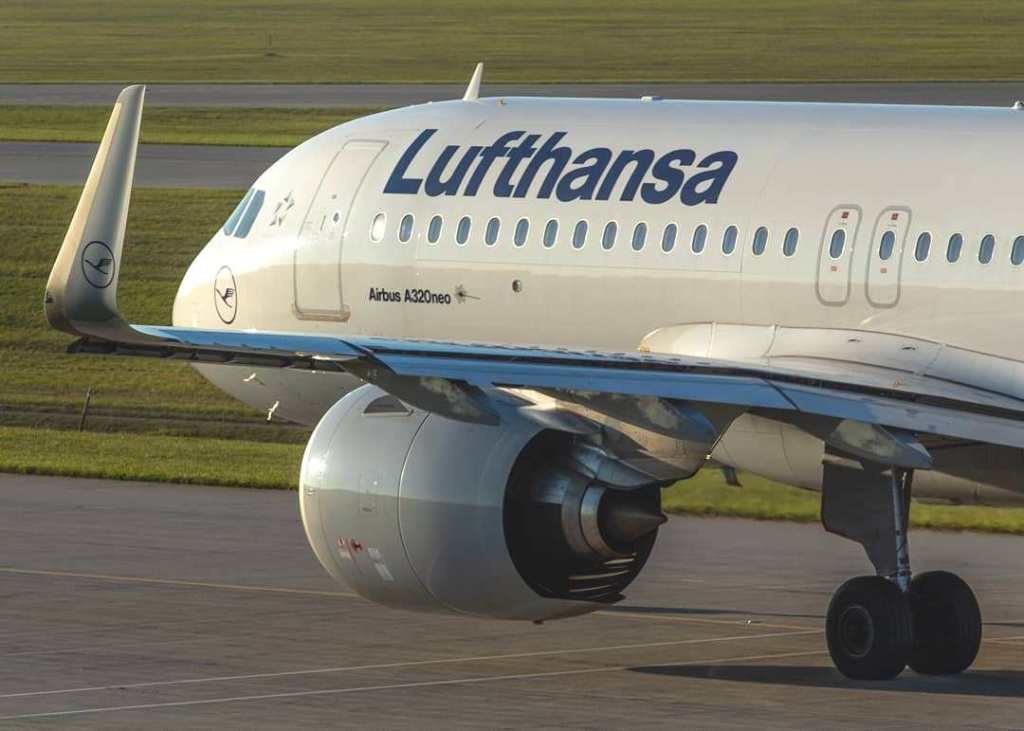
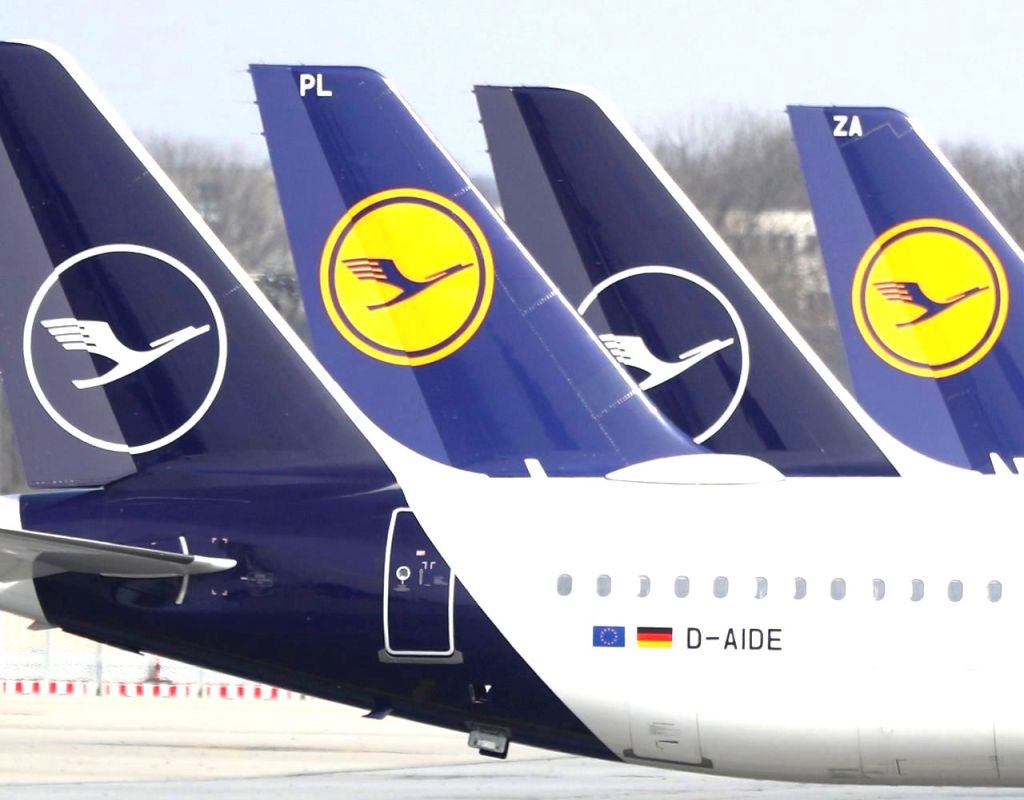
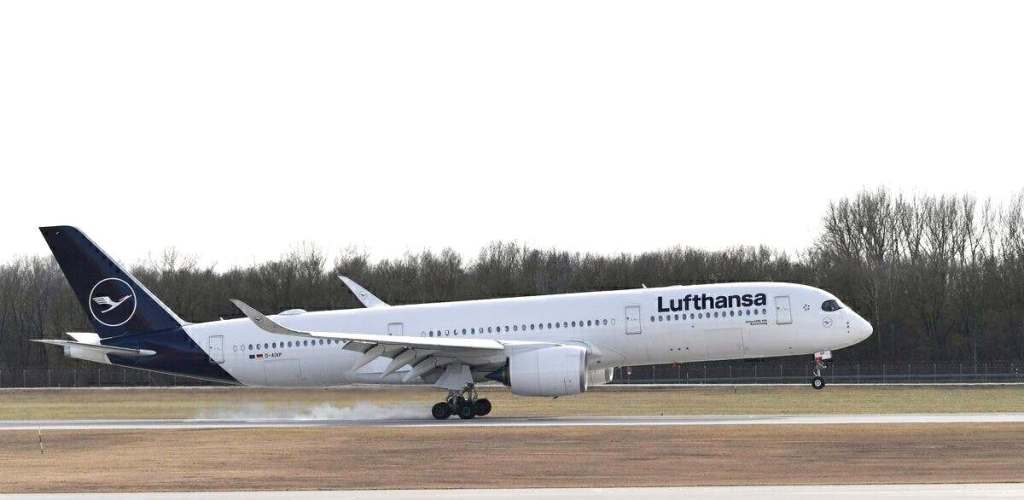
Lufthansa AG ha anunciado el reintegro al Estado alemán de € 1.500 millones de Euros de ayudas que le proporcionó para superar la crisis por la pandemia de Coronavirus tras una ampliación de capital en la que ha obtenido € 2.162 millones de Euros brutos. Lufthansa German Airlines informó la pasada noche de que hasta finales de este año prevé devolver otros € 1.000 millones de Euros y rescindir las ayudas que no ha utilizado.
El Estado alemán rescató el año pasado a Lufthansa a través del Fondo de Estabilización Económica, Wirtschaftsstabilisierungsfond (WSF) para evitar su quiebra porque las restricciones de vuelos para frenar la pandemia desplomaron sus ingresos. El Fondo de Estabilización Económica, que ahora tiene una participación silenciosa, sin derecho a voto, en la compañía, del 14 %, se compromete a no vender acciones de la compañía durante los seis meses posteriores a la ampliación de capital. Pero la venta de la participación del Estado alemán en Lufthansa debe completarse a más tardar 24 meses después de la ampliación de capital, una vez que la compañía devuelva todas las ayudas.
Alemania, Austria, Bélgica y Suiza proporcionaron a Lufthansa € 9.000 millones de Euros. El grupo Lufthansa también tiene filiales en esos país, las aerolíneas Austrian Airlines, Brussels Airlines y Swiss International Air Lines.
Lufthansa returns state aid
Lufthansa returns part of state aid after capital increase
Lufthansa AG has announced the reimbursement to the German State of € 1,500 million Euros of aid that it provided to overcome the crisis due to the Coronavirus pandemic after a capital increase in which it has obtained € 2,162 million gross Euros. Lufthansa German Airlines reported last night that until the end of this year it plans to return another € 1 billion Euros and cancel the aid it has not used.
The German state bailed out Lufthansa last year through the Economic Stabilization Fund, Wirtschaftsstabilisierungsfond (WSF) to avoid bankruptcy because flight restrictions to curb the pandemic plummeted its revenues. The Economic Stabilization Fund, which now has a silent, non-voting stake in the company of 14%, undertakes not to sell shares of the company for six months after the capital increase. But the sale of the German state stake in Lufthansa must be completed no later than 24 months after the capital increase, once the company returns all aid.
Germany, Austria, Belgium and Switzerland provided Lufthansa with € 9 billion. The Lufthansa group also has subsidiaries in those countries, Austrian Airlines, Brussels Airlines and Swiss International Air Lines.
Lufthansa gibt staatliche beihilfen zurück
Lufthansa gibt nach Kapitalerhöhung einen teil der beihilfen zurück
Die Lufthansa AG hat die Rückzahlung von € 1.500 Mio. Lufthansa German Airlines teilte gestern Abend mit, dass sie bis Ende dieses Jahres eine weitere Milliarde Euro zurückgeben und die nicht in Anspruch genommenen Hilfen streichen will.
Der deutsche Staat hat Lufthansa im vergangenen Jahr über den Wirtschaftsstabilisierungsfonds (WSF) gerettet, um eine Insolvenz zu vermeiden, weil Flugbeschränkungen zur Eindämmung der Pandemie ihre Einnahmen einbrachen. Der Wirtschaftsstabilisierungsfonds, der nunmehr einen stillen, stimmrechtslosen Anteil von 14 % an der Gesellschaft hält, verpflichtet sich, für sechs Monate nach der Kapitalerhöhung keine Aktien der Gesellschaft zu veräußern. Der Verkauf der deutschen Staatsbeteiligung an Lufthansa muss jedoch spätestens 24 Monate nach der Kapitalerhöhung abgeschlossen sein, wenn das Unternehmen alle Beihilfen zurückgibt.
Deutschland, Österreich, Belgien und die Schweiz stellten Lufthansa 9 Milliarden Euro zur Verfügung. Darüber hinaus hat die Lufthansa-Gruppe in diesen Ländern Tochtergesellschaften, Austrian Airlines, Brussels Airlines und Swiss International Air Lines.
AW | 2021 10 11 18:40 | AVIATION HISTORY / GOVERNMENT
20ª aniversarios accidente aéreo del MD-87 de SAS Airlines
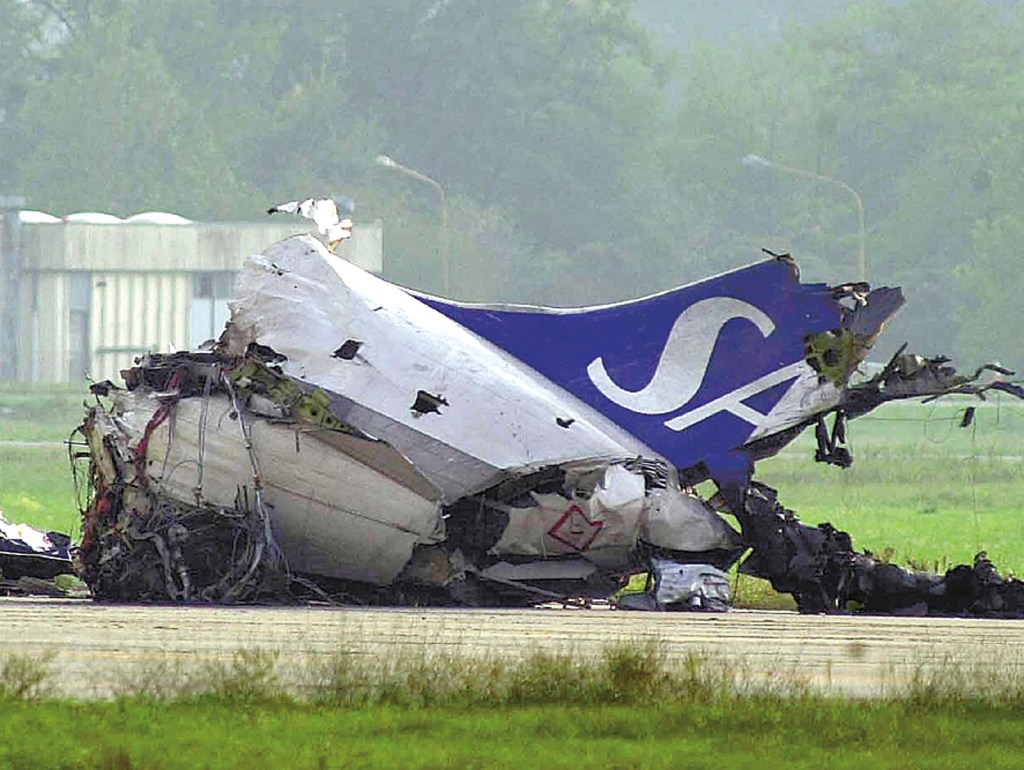
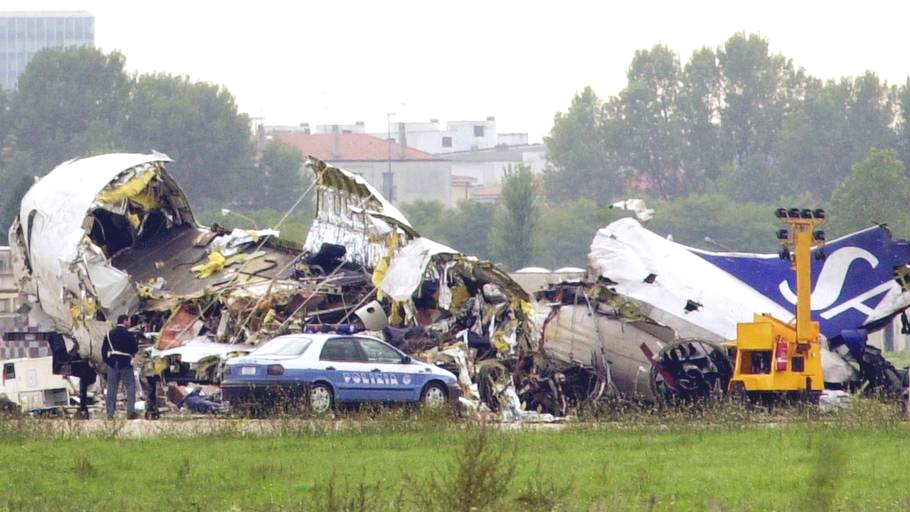
Italia celebra el veinte aniversarios del accidente aéreo del vuelo SK686 del McDonnell Douglas MD-87 de SAS Scandinavian Airlines y un avión privado Cessna Citation CJ2 en el Aeropuerto Milan/Linate en una colisión en pista. Ciudadanos italianos han mantenido un minuto de silencio para recordar a las víctimas veinte años después del accidente aéreo. Los memoriales se llevaron a cabo a las 08:10 en todos los aeropuertos del país para conmemorar el aniversario del peor desastre de aviación de Italia. Un total de 118 personas murieron cuando el vuelo de Scandinavian Airlines chocó con un pequeño avión privado Cessna en el Aeropuerto de Milán el Lunes 8 de Octubre de 2001.
El accidente ocurrió cuando el avión debía despegar hacia Copenhague, Dinamarca, en medio de una espesa niebla, con 110 pasajeros y tripulantes a bordo. Las cuatro personas en el avión de negocios Cessna rumbo a París también murieron, así como cuatro personas en tierra. Una investigación sobre el desastre encontró que fue causado por normas y procedimientos de seguridad negligentes en el aeropuerto. «Es imperativo que las instituciones salvaguarden y fortalezcan el capital de confianza en el que se basa nuestra sociedad. El dolor desgarrador en compromiso cívico con la seguridad aérea, para que tales accidentes aéreos nunca vuelvan a suceder», Letizia Moratti, Vicepresidenta y Consejera de Bienestar de la Región de Lombardía. «La sociedad civil puede lograr un cambio y esto ha sucedido, y mi invitación es seguir adelante y continuar. Es un dolor con el que solo puedes vivir, la comunidad milanesa está agradecida y siempre recordará esta tragedia», agregó el Alcalde de Milán, Giuseppe Sala, quien perdió a un amigo en el desastre. Adele Scarani Pesapane, Presidenta de la asociación de víctimas 8 de Octubre de 2021, también rindió homenaje a su esposo Maurizio, quien murió en el accidente. «Las cicatrices son la señal de que fue difícil y la sonrisa es la señal de que lo hiciste. Estamos aquí en este lugar tan significativo porque no queremos que los caprichos y los cuentos de hadas borren la memoria, no queremos que la tragedia alimente la ira y el resentimiento».
20th SAS SK686 accident in Milan
20th anniversary of the SAS Airlines MD-87 plane crash
Italy celebrates the twentieth anniversary of the plane crash of SAS Scandinavian AirlinesMcDonnell Douglas MD-87 flight SK686 and a Cessna Citation CJ2 private plane at Milan/Linate Airport in a runway collision. Italian citizens have maintained a minute of silence to remember the victims twenty years after the plane crash. The memorials were held at 08:10 at all airports in the country to commemorate the anniversary of Italy’s worst aviation disaster. A total of 118 people were killed when the Scandinavian Airlines flight collided with a small private Cessna plane at Milan Airport on Monday, October 8, 2001.
The accident occurred when the plane was supposed to take off for Copenhagen, Denmark, amid thick fog, with 110 passengers and crew on board. All four people on the Cessna business jet bound for Paris were also killed, as well as four people on the ground. An investigation into the disaster found that it was caused by negligent security rules and procedures at the airport. «It is imperative that institutions safeguard and strengthen the trust capital on which our society is based. The heartbreaking pain in civic commitment to air safety, so that such air accidents never happen again», Letizia Moratti, Vice President and Counselor of Well-being of the Lombardy Region. «Civil society can bring about change and this has happened, and my invitation is to go ahead and continue. It is a pain that you can only live with, the Milanese community is grateful and will always remember this tragedy», added the Mayor of Milan, Giuseppe Sala, who lost a friend in the disaster. Adele Scarani Pesapane, President of the victims’ association October 8, 2021, also paid tribute to her husband Maurizio, who died in the accident. «The scars are the sign that it was difficult and the smile is the sign that you did it. We are here in this very significant place because we do not want whims and fairy tales to erase the memory, we do not want tragedy to feed the memory. anger and resentment».
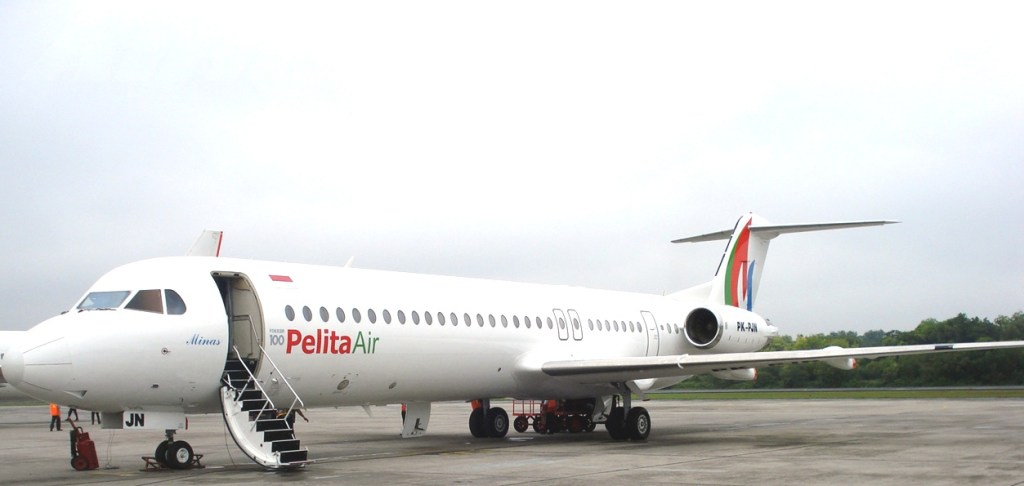
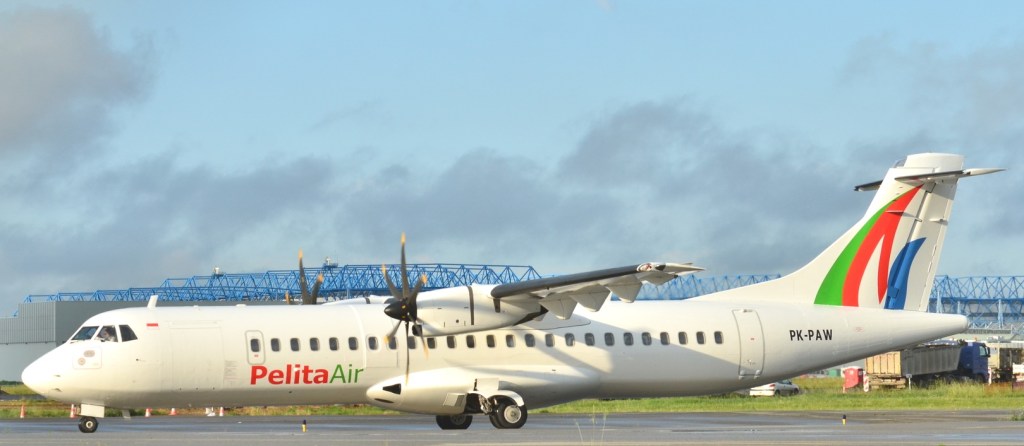
Pelita Air fortalecería aerolínea Garuda Indonesia
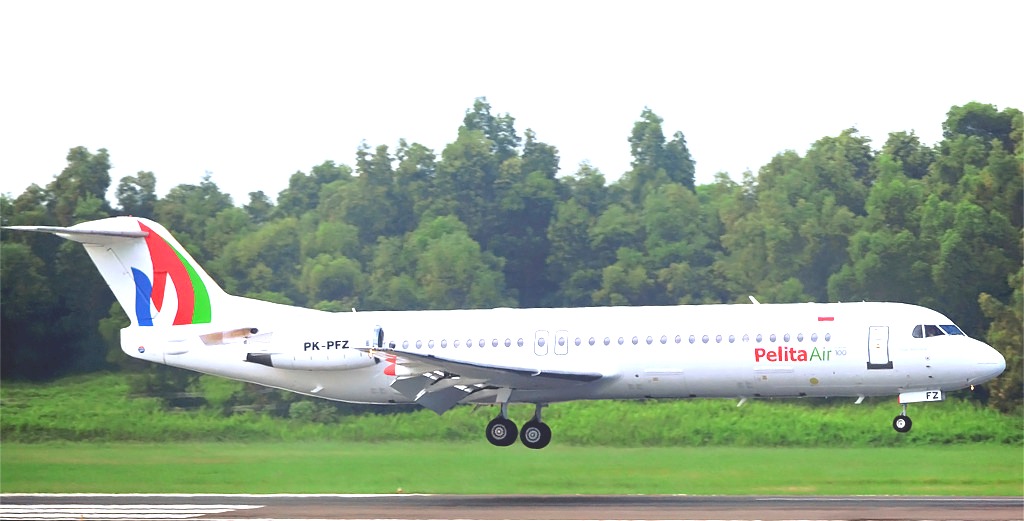
El Ministerio de Transporte de Indonesia no ha recibido una solicitud de permiso de vuelos regulares de Pelita Air, que se prevé que fortalezca los servicios junto con Garuda Indonesia. El plan de Pelita Air Service de abrir servicios de vuelos regulares en un esfuerzo por fortalecer el grupo de aerolíneas con PT Garuda Indonesia Tbk. (GIAA) en la participación de Empresas Estatales (SOE) Aviación y Turismo no se ha presentado al Ministerio de Transporte(Kemenhub). El Director General del Ministerio de Transporte Aéreo, Novie Riyanto, dijo que Pelita Air está compilando documentos de desarrollo de negocios en un esfuerzo por hacer mejoras. Sin embargo, hasta ahora Novie tampoco ha podido determinar los detalles de la presentación del servicio programado. «Actualmente el plan [servicios programados] aún no está claro porque los documentos no han sido presentados a la Dirección General de Transporte Aéreo», dijo, Lunes 11/10.
Anteriormente, Pelita Air Service transmitió su misión de llevar a cabo una serie de mejoras después del nombramiento del ex CEO de Citilink Indonesia, Albert Burhan, como Presidente Director de la compañía. El comisionado presidente de PT Pelita Air Service, Michael Umbas, dijo que llevaría a cabo una dirección de accionistas para ver oportunidades de negocios en el futuro. «Tal es el potencial para volar programado. Pero todos siguen siendo cuidadosamente estudiados y calculados por Pertamina como accionista de PT PAS», explicó.
Sobre la base de la presentación del Ministro de Empresas Estatales (SOE) Erick Thohir, el establecimiento de holdings de aviación y turismo ayudará al programa de trabajo del Ministerio de Turismo y Economía Creativa. Actualmente se ha formado un grupo de trabajo para posibles miembros titulares. El propio Ministerio de Empresas Estatales ha formado cuatro grupos principales para fomentar el desempeño de los negocios de holding de aviación y turismo. Donde, las ocho empresas se colocan en cuatro grupos por separado. Los cuatro son, el clúster de Aerolíneas, el clúster de Aeropuertos, el clúster de Gestión de Destinos y el clúster de Servicios de Aviación y Logística. El Clúster aeroportuario está ocupado por AP I Aeropuertos y AP II. Destination Management Cluster está lleno de ITDC, TWC, Hotel Inna, Aerowisata, Garuda Indonesia Holiday France. Mientras tanto, el grupo de aerolíneas allí es Garuda Indonesia y Pelita Air Service. Mientras que el clúster de Aviación y Logística en él está Gapura, Angkasa Pura Solusi, GMF Indonesia, Garuda Indonesia Kargo, Angkasa Pura Kargo, Aero Express, Angkasa Pura Supports, Aerofood ACS y Sarinah. La formación de este clúster se completará en los próximos dos años o 2021-2022.
Pelita would strengthen Garuda
Pelita Air would strengthen Garuda Indonesia airline
The Indonesian Ministry of Transport has not received a regular flight permit application from Pelita Air, which is expected to strengthen services together with Garuda Indonesia. Pelita Air Service’s plan to open scheduled flight services in an effort to strengthen the airline group with PT Garuda Indonesia Tbk. (GIAA) in the participation of State Companies (SOE) Aviation and Tourism has not been presented to the Ministry of Transport (Kemenhub). The Director General of the Air Transport Ministry, Novie Riyanto, said that Pelita Air is compiling business development documents in an effort to make improvements. However, so far Novie has also been unable to determine the details of the scheduled service presentation. «Currently the plan [scheduled services] is not yet clear because the documents have not been submitted to the General Directorate of Air Transport», he said, Monday 10/11.
Previously, Pelita Air Service conveyed its mission to carry out a number of improvements after the appointment of former Citilink Indonesia CEO Albert Burhan as the company’s Chief Executive Officer. PT Pelita Air Service President Commissioner Michael Umbas said he would conduct a shareholders’ address to see business opportunities in the future. «Such is the potential for scheduled flying. But all of them continue to be carefully studied and calculated by Pertamina as a shareholder of PT PAS», he explained.
Based on the presentation of the Minister of State Enterprises (SOE) Erick Thohir, the establishment of aviation and tourism holding companies will help the work program of the Ministry of Tourism and Creative Economy. Currently a working group has been formed for potential full members. The Ministry of State Enterprises itself has formed four main groups to promote the performance of the aviation and tourism holding businesses. Where, the eight companies are placed in four separate groups. The four are the Airlines cluster, the Airports cluster, the Destination Management cluster and the Aviation and Logistics Services cluster. The airport cluster is occupied by AP I Airports and AP II. Destination Management Cluster is full of ITDC, TWC, Hotel Inna, Aerowisata, Garuda Indonesia Holiday France. Meanwhile, the airline group there is Garuda Indonesia and Pelita Air Service. While the Aviation and Logistics cluster in it is Gapura, Angkasa Pura Solusi, GMF Indonesia, Garuda Indonesia Kargo, Angkasa Pura Kargo, Aero Express, Angkasa Pura Supports, Aerofood ACS and Sarinah. The formation of this cluster will be completed in the next two years or 2021-2022.
Pelita akan memperkuat Garuda
Pelita Air akan perkuat maskapai Garuda Indonesia
Kementerian Perhubungan Indonesia belum menerima permohonan izin terbang reguler dari Pelita Air, yang diharapkan dapat memperkuat layanan bersama Garuda Indonesia. Rencana Pelita Air Service membuka layanan penerbangan berjadwal dalam upaya memperkuat grup maskapai dengan PT Garuda Indonesia Tbk. (GIAA) dalam partisipasi Badan Usaha Milik Negara (BUMN) Penerbangan dan Pariwisata belum disampaikan kepada Kementerian Perhubungan (Kemenhub). Direktur Jenderal Kementerian Perhubungan Udara Novie Riyanto mengatakan Pelita Air sedang menyusun dokumen pengembangan bisnis sebagai upaya untuk melakukan perbaikan. Namun, hingga saat ini Novie juga belum bisa memastikan detail jadwal presentasi layanan tersebut. «Saat ini rencana [layanan terjadwal] belum jelas karena dokumen belum diserahkan ke Ditjen Perhubungan Udara», katanya, Senin 10/11.
Sebelumnya, Pelita Air Service menyampaikan misinya untuk melakukan sejumlah pembenahan pasca penunjukan mantan CEO Citilink Indonesia Albert Burhan sebagai Chief Executive Officer perusahaan. Presiden Komisaris PT Pelita Air Service Michael Umbas mengatakan akan melakukan pidato pemegang saham untuk melihat peluang bisnis di masa depan. «Begitulah potensi penerbangan berjadwal. Namun semuanya terus dikaji dan diperhitungkan secara matang oleh Pertamina selaku pemegang saham PT PAS», jelasnya.
Berdasarkan paparan Menteri Badan Usaha Milik Negara (BUMN) Erick Thohir, pembentukan holding company penerbangan dan pariwisata akan membantu program kerja Kementerian Pariwisata dan Ekonomi Kreatif. Saat ini kelompok kerja telah dibentuk untuk calon anggota penuh. Kementerian BUMN sendiri telah membentuk empat kelompok utama untuk mendorong kinerja holding bisnis penerbangan dan pariwisata. Dimana, kedelapan perusahaan tersebut ditempatkan dalam empat grup terpisah. Keempatnya adalah cluster Airlines, cluster Airports, cluster Destination Management dan cluster Aviation and Logistics Services. Klaster bandara ditempati oleh Bandara AP I dan AP II. Destination Management Cluster penuh dengan ITDC, TWC, Hotel Inna, Aerowisata, Garuda Indonesia Holiday France. Sedangkan grup maskapai penerbangan ada Garuda Indonesia dan Pelita Air Service. Sedangkan cluster Aviation and Logistics di dalamnya adalah Gapura, Angkasa Pura Solusi, GMF Indonesia, Garuda Indonesia Kargo, Angkasa Pura Kargo, Aero Express, Angkasa Pura Supports, Aerofood ACS dan Sarinah. Pembentukan klaster ini akan selesai dalam dua tahun ke depan atau 2021-2022.
AW | 2021 10 11 16:38 | AVIATION / AIRLINES MARKET / GOVERNMENT
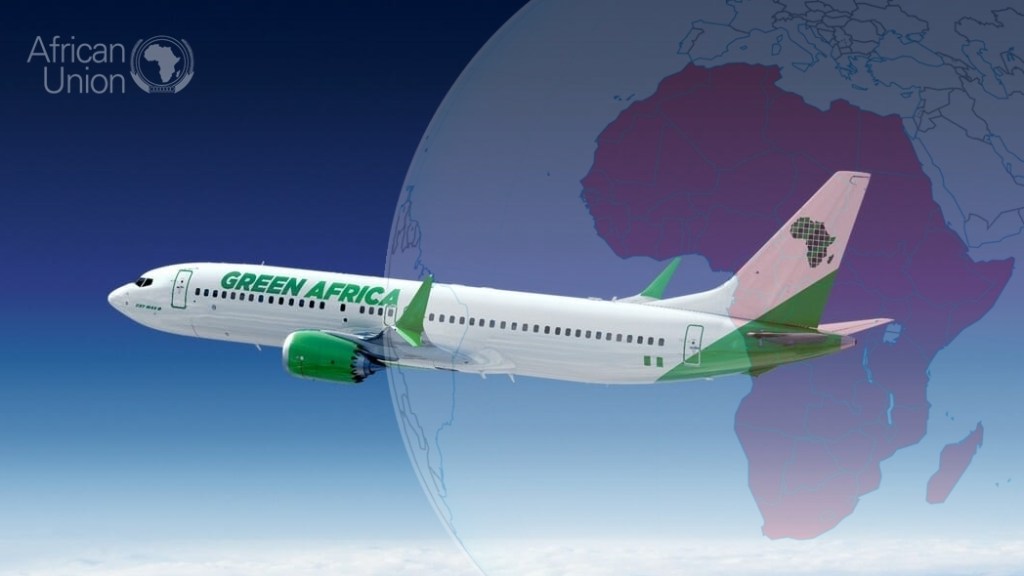
Buscan crear Mercado Único Africano de Transporte Aéreo (SAATM) Impulsan área mercado libre AfCFTA
La Federación de la Organización Africana de Ingeniería (FAEO) ha resuelto apoyar la implementación del acuerdo del Área de Libre Comercio Continental Africana (AfCFTA) para ayudar a impulsar el libre comercio en todo el continente africano. Esto fue parte de la declaración al final del 7º Edición de la Semana de la Ingeniería de África y 5º Conferencia de Ingeniería de África en Accra, el Viernes 8 de Octubre de 2021. En una declaración al final de la conferencia de cinco días, FAEO señaló que el papel de la ingeniería es importante para la realización de los objetivos del AfCFTA. Los participantes de la conferencia, conscientes de los efectos actuales de Covid-19 en la Agenda 2063 de la Unión Africana (UA), también estaban preocupados por el lento progreso de los países africanos.
La declaración expresa además que la FAEO lideraría un programa de capacitación para los derechos de propiedad intelectual; Firmar el Mercado Único Africano de Transporte Aéreo (SAATM); Liderar en el desarrollo de Infraestructura; Establecer un Centro de Arbitraje Africano y capacitar a árbitros de clase mundial, así como liderar la promoción de una mejor colaboración entre la industria y la academia.
África, cielos abiertos
La FAEO persigue alcanzar los objetivos de unificar la aviación comercial en todo el continente africano. Un primer logro africano fue la cita en Noviembre de 1999 en la República de Côte d’Ivoire para llegar a un acuerdo sobre la integración de la aviación comercial en toda África. El resultado fue la Decisión Yamoussoukro, un documento que apoya la liberalización del transporte aéreo en el continente africano y que transcurre con veintidós años posteriores a afianzar el desarrollo de la aviación comercial necesaria para los países que la componen.
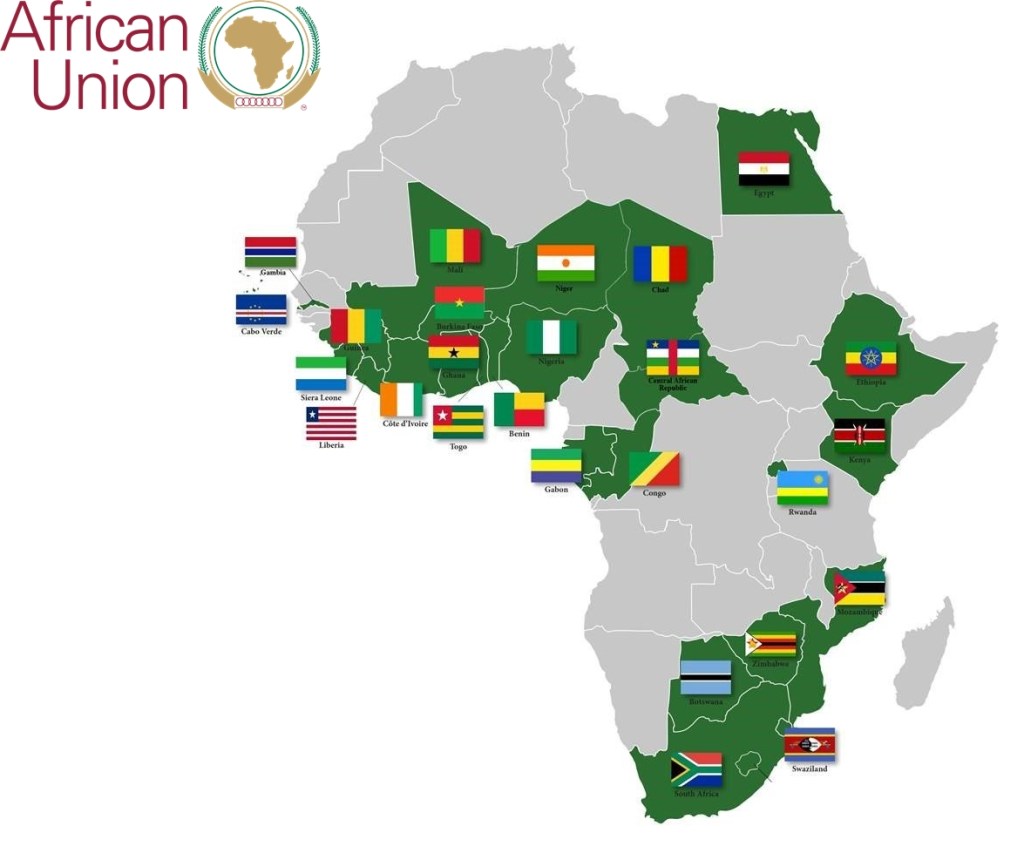
El Mercado Único Africano de Transporte Aéreo (SAATM), un marco regulatorio armonizado que proporciona un mercado unificado de transporte aéreo en África sigue siendo un trabajo en progreso desde su lanzamiento a principios de 2018. Según la Asociación Internacional de Transporte Aéreo (IATA), treinta y cuatro de los cincuenta y cuatro países de África se han adherído a SAATM. No obstante, el marco sigue siendo un proyecto emblemático de la Agenda 2063 de la Unión Africana, un conjunto de iniciativas de la Unión Africana para avanzar en el desarrollo de África.
Perspectivas SAATM
La SAATM tiene cuatro objetivos principales en pro de la aviación comercial africana. El primer objetivo es levantar las restricciones de acceso a los mercados para las compañías aéreas de los países signatarios. En segundo objetivo es eliminar las restricciones a la propiedad de las aerolíneas. En tercer objetivo es conceder derechos de tráfico aéreo ampliados, como los derechos de quinta libertad. El cuarto objetivo, abrir la frecuencia de vuelo y los límites de capacidad de pasajeros. La SAATM tiene como máximo perspectiva fomentar las reglas de seguridad aérea de acuerdo con las normas de la agencia de aviación de la OACI.
El SAATM tendría el potencial de una transformación notable que construirá prosperidad mientras conecta el continente africano a todo el mundo, impulsado el tráfico, levantado las economías y creando empleos. La IATA también pronosticó un crecimiento anual del 5,95% en la aviación africana en las próximas dos décadas. Se espera que el número de pasajeros aumente de 100 millones a más de 300 millones para 2026. Más de un tercio de África aún no se ha registrado en SAATM. En 2018, la Unión Africana quería tener a todos los 54 países de África a bordo para fines de este año 2021 embarcados en el proyecto, pero a falta de tres meses, ese objetivo parece ser inalcanzable. Aunque los efectos de la crisis de la pandemia ha golpeado directamente al sector de la aviación comercial, la destrucción que causó en la industria del transporte y turismo podría ser un fuerte aliciente o argumento de que la destrucción incentivaría a los países para que despeguen con un proyecto alentador, unir a toda África bajo los cielos abiertos.
Africa chases the open skies
They seek to create the Single African Air Transport Market (SAATM) AfCFTA free market area promoted
The Federation of the African Engineering Organization (FAEO) has resolved to support the implementation of the African Continental Free Trade Area (AfCFTA) agreement to help advance free trade throughout the African continent. This was part of the statement at the end of the 7th Edition of Africa Engineering Week and 5th Africa Engineering Conference in Accra, on Friday, October 8, 2021. In a statement at the end of the five-day conference, FAEO noted that the role of engineering is important to the realization of the AfCFTA’s goals. Conference participants, aware of the current effects of Covid-19 on the African Union (AU) Agenda 2063, were also concerned about the slow progress of African countries.
The statement further states that FAEO would lead a training program for intellectual property rights; Sign the Single African Air Transport Market (SAATM); Lead in the development of Infrastructure; Establish an African Referee Center and train world-class referees, as well as lead the promotion of better collaboration between industry and academia.
Africa, open skies
FAEO pursues the goals of unifying commercial aviation across the African continent. A first African achievement was the meeting in November 1999 in the Republic of Côte d’Ivoire to reach an agreement on the integration of commercial aviation throughout Africa. The result was the Yamoussoukro Decision, a document that supports the liberalization of air transport on the African continent and that takes place twenty-two years after consolidating the development of the commercial aviation necessary for the countries that comprise it.
The Single African Air Transport Market (SAATM), a harmonized regulatory framework that provides a unified air transport market in Africa remains a work in progress since its launch in early 2018. According to the International Air Transport Association (IATA), thirty-four of the fifty-four countries in Africa have joined SAATM. Nonetheless, the framework remains a flagship project of the African Union Agenda 2063, a set of African Union initiatives to advance Africa’s development.
SAATM perspectives
SAATM has four main objectives for the African commercial avation. The first objective is to lift the restrictions on market access for the airlines of the signatory countries. The second goal is to remove restrictions on airline ownership. The third objective is to grant expanded air traffic rights, such as fifth freedom rights. Fourth, open the flight frequency and passenger capacity limits. SAATM’s main objective is to promote aviation safety rules in accordance with the standards of the ICAO aviation agency.
SAATM would have the potential for a remarkable transformation that will build prosperity while connecting the African continent to the entire world, boosting traffic, boosting economies and creating jobs. IATA also forecast 5.95% annual growth in African aviation over the next two decades. The number of passengers is expected to increase from 100 million to more than 300 million by 2026. More than a third of Africa has yet to register with SAATM. In 2018, the African Union wanted to have all 54 countries in Africa on board by the end of this year 2021 embarked on the project, but with three months to go, that goal appears to be unattainable. Although the effects of the pandemic crisis have hit the commercial aviation sector directly, the destruction it caused in the transportation and tourism industry could be a strong incentive or argument that the destruction would incentivize countries to take off with a encouraging project, to unite all of Africa under the open skies.
Estados Unidos aceptará vacunas COVID-19 aprobadas por OMS
Estados Unidos ha aanunciado ha aceptación del uso por parte de visitantes internacionales de vacunas contra el COVID-19 autorizadas por los reguladores estadounidenses o la Organización Mundial de la Salud (OMS), dijeron el Viernes 08/10 por la noche, el Centro para el Control y la Prevención de Enfermedades (CDC).
El 20 de Septiembre de 2021, la Casa Blanca anunció que Estados Unidos levantaría en Noviembre 2021 las restricciones de viaje a los usuarios del transporte aéreo de treinta y tres países, incluidos China, India, Brasil y la mayor parte de Europa que están completamente vacunados contra COVID-19. No se había especificado para entonces qué vacunas serían aceptadas. Una portavoz de los CDC dijo el Viernes 08/10: «Seis vacunas que están autorizadas/aprobadas por la FDA o listadas para uso de emergencia por la OMScumplirán con los criterios para viajar a los Estados Unidos».
A última hora del Viernes 08/10, la CDC ha expresado que a principios de esta semana serían aceptadas las dosis , mientras que la CDC publicará orientación e información adicionales a medida que se finalicen los requisitos de viaje con el objetivo para ayudar a las aerolíneas a preparar sus sistemas.
Airlines for America (A4A), un grupo comercial que representa a American Airlines, Delta Air Lines, United Airlines entre otros, dijo que estaba «complacido por la decisión de los CDC de aprobar una lista de vacunas autorizadas para los viajeros que ingresan a los Estados Unidos. Esperamos trabajar con la administración para implementar este nuevo marco global de vacunas y pruebas para principios de noviembre de 2021».
Algunos países habían presionado a la Administración Biden para que aceptara las vacunas aprobadas por la OMS, ya que las vacunas autorizadas por la Administración de Alimentos y Medicamentos de los Estados Unidos no se usan ampliamente en todos los países. Estados Unidos admitirá a los viajeros aéreos completamente vacunados de los veintiséis llamados países Schengen en Europa, así como de Gran Bretaña, Irlanda, China, India, Sudáfrica, Irán y Brasil. Las restricciones sin precedentes de Estados Unidos han prohibido a la mayoría de los no estadounidenses, ciudadanos que estuvieron en esos países en los últimos catorce (14) días. Los nuevos requisitos de la vacuna COVID-19 ahora se aplicarán a casi todos los ciudadanos extranjeros que vuelan a los Estados Unidos, incluidos aquellos que no están sujetos a las restricciones anteriores.
La CDC aún deben finalizar y publicar nuevas reglas de rastreo de contratos para visitantes internacionales, que enviaron a la Casa Blanca para su revisión el 15 de Septiembre de 2021. También deben detallar las reglas para las excepciones, que incluyen a los niños que aún no son elegibles para las vacunas, así como para los visitantes de países donde las vacunas no están ampliamente disponibles. La administración también debe decidir si admite visitantes que formen parte de los ensayos clínicos de COVID-19 o si han contraído recientemente COVID-19 y aún no son elegibles para la vacunación.
US approves vaccines WHO
United States to Accept WHO-Approved COVID-19 Vaccines
The United States has announced it has accepted the use by international visitors of vaccines against COVID-19 authorized by US regulators or the World Health Organization (WHO), said on Friday night 08/10, the Center for the Disease Control and Prevention (CDC).
On September 20, 2021, the White House announced that in November 2021 the United States would lift travel restrictions on air transport users from thirty-three countries, including China, India, Brazil and most of Europe who are fully vaccinated. against COVID-19. It had not been specified by then which vaccines would be accepted. A CDC spokeswoman said Friday 10/08: «Six vaccines that are cleared/approved by the FDA or listed for emergency use by WHO will meet the criteria for travel to the United States».
Late on Friday 10/08, the CDC has stated that the doses would be accepted earlier this week, while the CDC will release additional guidance and information as travel requirements are finalized with the goal of helping airlines. to prepare your systems.
Airlines for America (A4A), a trade group representing American Airlines, Delta Air Lines, United Airlines among others, said it was «pleased by the CDC’s decision to approve a list of authorized vaccines for travelers entering the United States. United States. We look forward to working with the administration to implement this new global vaccine and testing framework by early November 2021».
Some countries had lobbied the Biden Administration to accept WHO-approved vaccines, as vaccines licensed by the US Food and Drug Administration are not widely used in all countries. The United States will admit fully vaccinated air travelers from the 26 so-called Schengen countries in Europe, as well as Great Britain, Ireland, China, India, South Africa, Iran and Brazil. The unprecedented restrictions of the United States have banned the majority of non-Americans, citizens who have been in those countries in the last fourteen (14) days. The new COVID-19 vaccine requirements will now apply to nearly all foreign nationals flying to the United States, including those who are not subject to the above restrictions.
The CDC has yet to finalize and publish new contract tracking rules for international visitors, which they sent to the White House for review on September 15, 2021. They must also spell out the rules for exceptions, which include children who have not yet are eligible for vaccines, as well as for visitors from countries where vaccines are not widely available. The administration must also decide whether to admit visitors who are part of COVID-19 clinical trials or have recently contracted COVID-19 and are not yet eligible for vaccination.
Latam Airlines selecciona orden por setenta A320NEO Delineando futuro recuperación a más largo plazo
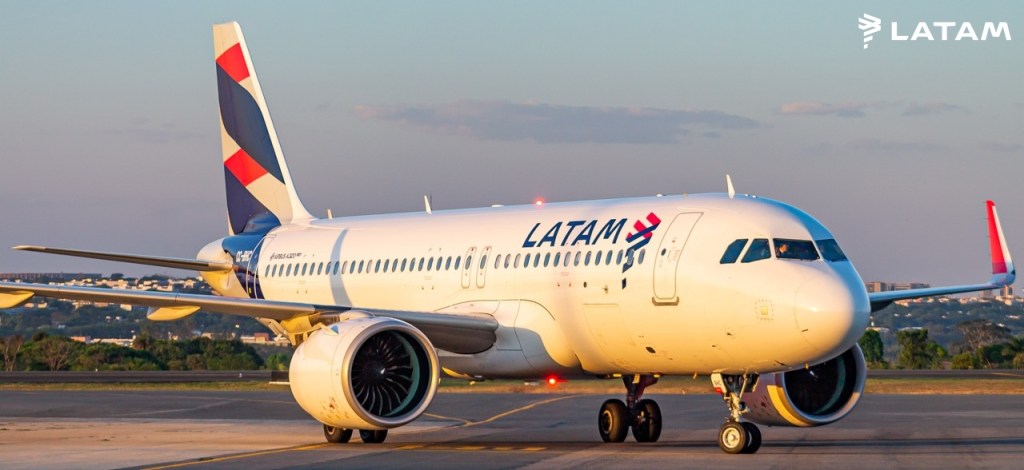
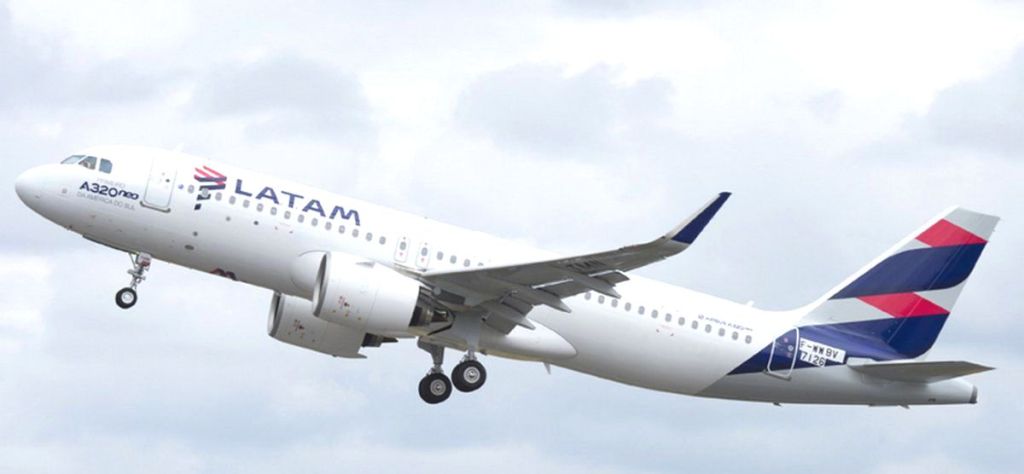
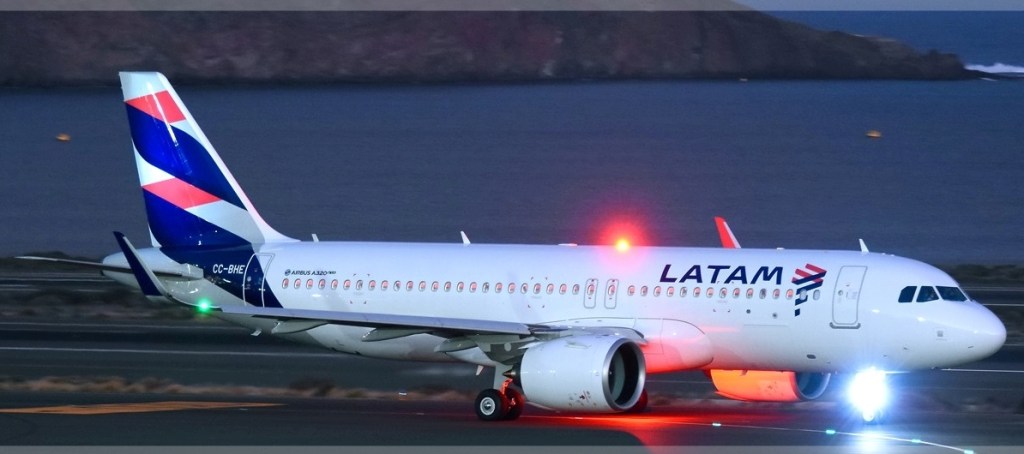
Latam Airlines Group ha anunciado formalmente una reconfiguración de pedido total de setenta nuevos aviones de la familia Airbus A320NEO (70) del constructor europeo Airbus Group SE. El CEO de Latam Airlines, Roberto Alvo ha anunciado en la Asamblea Anual de la Asociación Internacional de Transporte Aéreo (IATA) en Boston, Estados Unidos, la solicitud de un nuevo pedido de aeronaves como parte de la planificación de la compañía aérea en vista hacia la reactivación de sector de la aviación comercial.
El nuevo pedido de veintiocho nuevas aeronaves de la familia Airbus A320NEO se incorporan a los cuarenta y dos A320NEO (42) solicitados anteriormente. La orden de compra es en incrementos de los cuarenta y dos aviones que se ordenaron anteriormente. Las aeronaves comenzarán a ser entregadas entre 2022 y 2027. Alcanzando el recibimiento de la totalidad de las unidades, Latam Airlines Group poseería alrededor de trescientas aeronaves tras las desprogramaciones de las anteriores series A320CEO (Curren Engine Option).
El grupo chileno-brasileño continúa trabajando para afianzar la aprobación del Acuerdo de Joint Venture con Delta Air Lines que permitirá fortalecer su posición en Sudamérica y acceder a una vasta red de servicios como representa Delta Air Lines en Estados Unidos y en el mundo. Latam Airlines prevé que la compañía vuelva a ser rentable en el mediano plazo hacia el 2023. Respecto a las subsidiarias del grupo en Sudamérica que representan a Brasil, Chile y Colombia, buscará el fortalecimiento de su presencia. Latam Airlines Group informó en un comunicado reciente sobre el fortalecimiento de su red en Sudamérica. La compañía ha anunciado la reanudación del vuelo directo Santiago—Río de Janeiro/Galeão con tres frecuencias semanales (3Frq/S). Los vuelos comenzarán el 1 de Noviembre de 2021. Adicionalmente, el grupo incrementó las frecuencias en la ruta Santiago—São Paulo/Guarulhos, planificando incorporar dieciocho vuelos semanales para Diciembre 2021.
Latam Airlines Colombia
En Colombia, el grupo ha manifestado que Latam Airlines tenía el 22% del mercado aéreo. Ahora, esa participación ha representado un 27% de la cuota doméstica, conservando la posición número dos en el país sudamericano por debajo de Avianca Airlines con un 37% y por arriba de Viva Air con un 21%.
Latam delinea futuro
La aerolínea más grande de América del Sur, ha publicado recientemente su plan de negocios a mediano y largo plazo en conjunto con el proceso en curso del Capítulo 11, junto con los avances en su proceso de financiamiento de salida. Latam Airlines Group continúa con su plan de reestructuración bajo la Ley de Quiebras de Estados Unidos que permitirá fortalecer las operaciones pre-pandemia que obligaron a reducir su plantilla de empleados de 43.000 a 27.000 agentes. El financiamiento de reorganización en Estados Unidos, contempla la aprobación del plan que podría representar una dilución considerable de los actuales accionistas. El plan de negocios presentó algunos detalles perspicaces sobre la visión de un plan de recuperación de la demanda y flota posterior a la pandemia, las proyecciones financieras y operativas a mediano y largo plazo hasta el año fiscal 2026 fueron decepcionantes.
Latam Group está solicitando intereses de prestamistas potenciales para proporcionar hasta US$ 750 millones de su Financiamiento DIP (Deudor en Posesión) además de los cerca de US$ 800 millones en financiamiento DIP no retirado. Esto se relaciona con el financiamiento DIP existente de Latam Group que prevé un posible Tercer Tramo adicional de financiamiento garantizado de hasta US$ 750 millones, además del Tramo A existente de US$ 1.3 mil millones y el Tramo C de US$ 1.15 mil millones que no se encuentra completamente dibujado a partir del anuncio del plan de negocios. Por ahora, la aerolínea tiene una sólida posición financiera, con alrededor de US$ 1.9 mil millones en liquidez en el balance general a fines de Julio 2021, de los cuales aproximadamente US$ 1.1 mil millones se mantienen en efectivo y cerca de US$ 800 millones en financiamiento DIP no dibujado.
Actualizaciones Capítulo 11
Latam Airlines Group está negociando con las partes interesadas un plan de reorganización y financiamiento de salida que surgirá del Capítulo 11. Si bien las negociaciones siguen en curso, la aerolínea reveló que había recibido propuestas de financiamiento de salida no vinculantes de sus titulares de reclamos más importantes y accionistas mayoritarios. Cada propuesta contempla recaudar más de US$ 5 mil millones a través de la emisión de nueva deuda y capital, y Latam Airlines Group ha recibido propuestas para capitalizar la compañía. Si bien los términos específicos no se han revelado, la escala del financiamiento propuesto probablemente implique una dilución masiva de capital para los accionistas actuales en el futuro.
Latam Airlines orders new A320NEOs
Latam Airlines selects order for seventy A320NEOs Outlining future longer-term recovery
Latam Airlines Group has formally announced a total order reconfiguration of seventy new aircraft of the Airbus A320NEO family (70) from the European manufacturer Airbus Group SE. The CEO of Latam Airlines, Roberto Alvo has announced at the Annual Assembly of the International Air Transport Association (IATA) in Boston, United States, the request for a new aircraft order as part of the airline’s planning in view of the reactivation of the commercial aviation sector.
The new order for twenty-eight new Airbus A320NEO family aircraft is added to the forty-two A320NEOs (42) previously ordered. The purchase order is in increments of the forty-two aircraft that were previously ordered. The aircraft will begin to be delivered between 2022 and 2027. Upon receipt of all the units, Latam Airlines Group would have around three hundred aircraft after the de-programming of the previous A320CEO series (Curren Engine Option).
The Chilean-Brazilian group continues to work to secure the approval of the Joint Venture Agreement with Delta Air Lines that will allow it to strengthen its position in South America and access a vast network of services as represented by Delta Air Lines in the United States and in the world. Latam Airlines expects the company to become profitable again in the medium term towards 2023. Regarding the group’s subsidiaries in South America that represent Brazil, Chile and Colombia, it will seek to strengthen its presence. Latam Airlines Group reported in a recent statement about strengthening its network in South America. The company has announced the resumption of the direct Santiago-Rio de Janeiro/Galeão flight with three weekly frequencies (3Frq/S). The flights will begin on November 1, 2021. Additionally, the group increased the frequencies on the Santiago-São Paulo/Guarulhos route, planning to incorporate eighteen weekly flights by December 2021.
Latam Airlines Colombia
In Colombia, the group has stated that Latam Airlines had 22% of the air market. Now, that participation has represented 27% of the domestic quota, keeping the number two position in the South American country below Avianca Airlines with 37% and above Viva Air with 21%.
Latam delineates the future
South America’s largest airline, has recently released its medium and long-term business plan in conjunction with the ongoing Chapter 11 process, along with progress in its departure financing process. Latam Airlines Group continues with its restructuring plan under the United States Bankruptcy Law that will strengthen the pre-pandemic operations that forced the reduction of its staff of employees from 43,000 to 27,000 agents. The reorganization financing in the United States contemplates the approval of the plan that could represent a considerable dilution of the current shareholders. The business plan presented some insightful details on the vision for a post-pandemic fleet and demand recovery plan, the medium and long-term financial and operational projections through fiscal 2026 were disappointing.
Latam Group is seeking interest from potential lenders to provide up to US$ 750 million of its DIP (Debtor in Possession) Financing in addition to the approximately US$ 800 million in undrawn DIP financing. This relates to Latam Group’s existing DIP financing that provides for a possible additional Third Tranche of guaranteed financing of up to US$ 750 million, in addition to the existing Tranche A of US$ 1.3 billion and Tranche C of US$ 1.15 billion that It is not fully drawn from the announcement of the business plan. For now, the airline is in a strong financial position, with around US$ 1.9 billion in liquidity on the balance sheet at the end of July 2021, of which approximately US$ 1.1 billion is held in cash and close to US$ 800. million in DIP financing not drawn.
Updates Chapter 11
Latam Airlines Group is negotiating with interested parties an exit financing and reorganization plan that will emerge from Chapter 11. While negotiations are still ongoing, the airline disclosed that it had received non-binding exit financing proposals from its claim holders. major and majority shareholders. Each proposal contemplates raising more than US$ 5 billion through the issuance of new debt and equity, and Latam Airlines Group has received proposals to capitalize the company. While the specific terms have not been disclosed, the scale of the proposed financing is likely to imply a massive dilution of equity for current shareholders going forward.
AW | 2021 10 07 10:43 | AIR INVESTIGATION / AVIATION SAFETY / GOVERNMENT
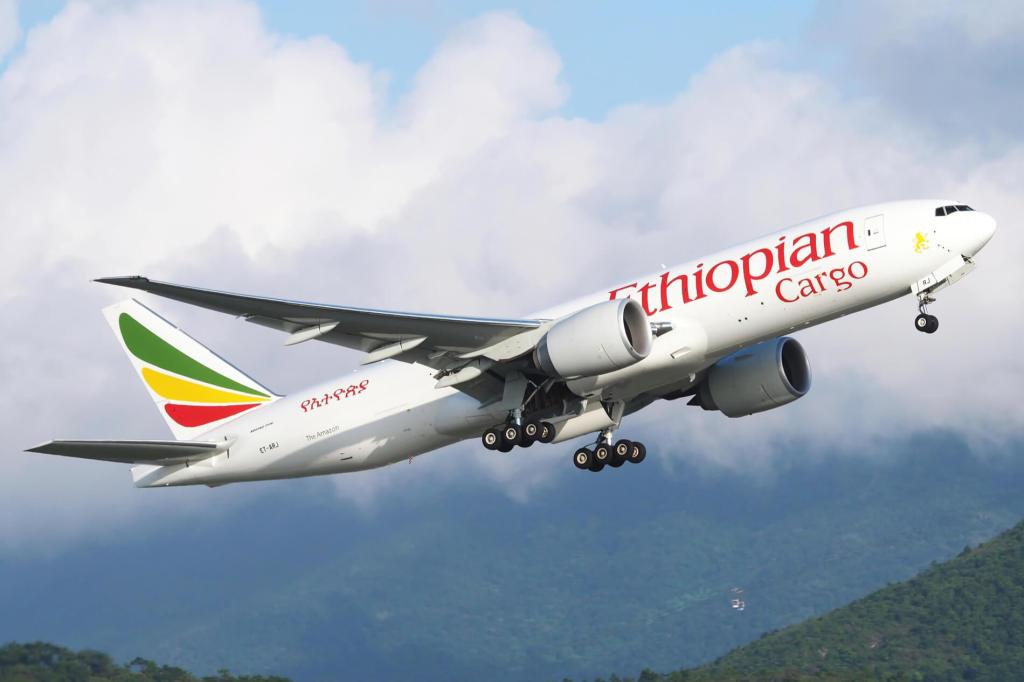
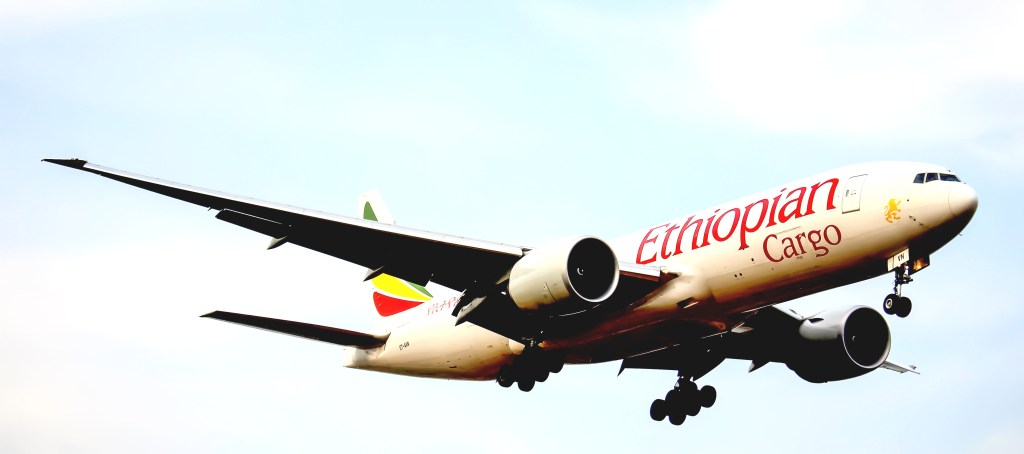
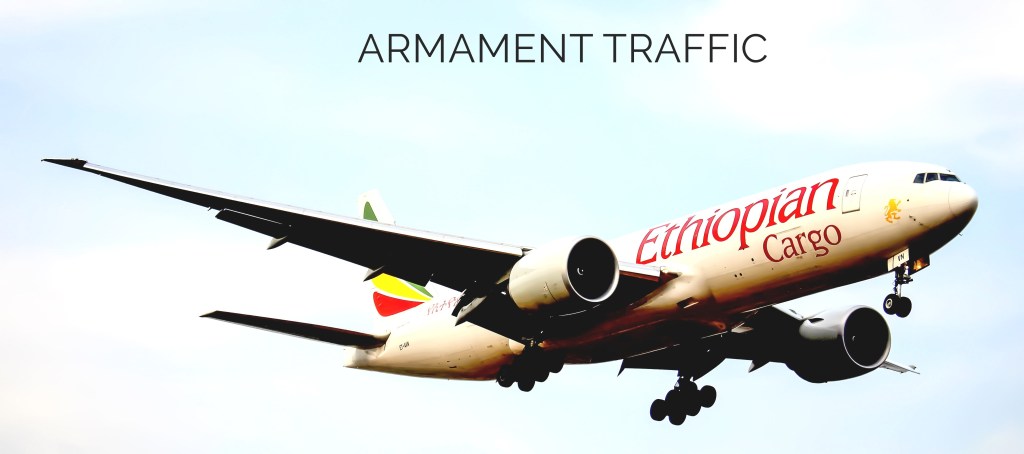
Etiopía utilizó aerolínea transportar armas durante guerra Tigray Escándalo internacional contravenciones a la aviación comercial
El Gobierno de Etiopía utilizó a Ethiopian Airlines, la aerolínea comercial de bandera del país, para transportar armas desde y hacia la vecina Eritrea durante la guerra civil en la región etíope de Tigray, según ha descubierto una investigación de CNN. El incidente ha movido todo el arco político y jurisdiccional de reclamos internacionales.
Los documentos y manifiestos de carga vistos por CNN, así como los relatos de testigos presenciales y las pruebas fotográficas, confirman que se transportaron armas entre el Aeropuerto Internacional Adís Abeba y los aeropuertos de las ciudades eritreas de Asmara y Massawa a bordo de múltiples aviones de Ethiopian Airlines en Noviembre de 2020, durante las primeras semanas del conflicto de Tigray. Es la primera vez que se documenta este comercio de armas entre los antiguos países enemigos durante la guerra. Según los expertos, los vuelos constituirían una violación de la legislación internacional sobre aviación, que prohíbe el contrabando de armas de uso militar en aviones civiles. Las atrocidades cometidas durante el conflicto bélico Etiopía-Tigray también parecen violar los términos de un programa comercial que proporciona un lucrativo acceso al mercado de Estados Unidos y del que Ethiopian Airlines se ha beneficiado enormemente.
Ethiopian Airlines es una aerolínea propiedad del Estado de Etiopía que genera miles de millones de Dólares al año transportando pasajeros a centros de operaciones en todo el continente africano y en todo el mundo, y también es miembro de la Star Alliance, un grupo de algunas de las principales compañías de aviación del mundo. La aerolínea ya había negado en dos ocasiones haber transportado armas. En respuesta a la última investigación de CNN, Ethiopian Airlines dijo que cumple estrictamente con todas las regulaciones nacionales, regionales e internacionales relacionadas con la aviación y que según su conocimiento y sus registros, no ha transportado ningún armamento de guerra en ninguna de sus rutas por ninguno de sus aviones.
Conflicto Etiopía-Tigray
Las tensiones que desde hace tiempo existen entre el Gobierno de Etiopía y el partido gobernante en la Región de Tigray estallaron el 4 de Noviembre 2020, cuando Etiopía acusó al Frente de Liberación Popular de Tigray (TPLF) de atacar una base del ejército federal. Abiy Ahmed, Primer Ministro de Etiopía y ganador del Premio Nobel de la Paz, ordenó una ofensiva militar para expulsar al TPLF del poder. Las fuerzas gubernamentales y las milicias regionales entraron en Tigray, a las que se unieron en el frente las tropas de Eritrea. Se calcula que miles de personas murieron en el conflicto, que según muchos testimonios tiene el características de genocidio y limpieza étnica. Aunque todas las partes han sido acusadas de cometer graves abusos contra los derechos humanos durante la guerra de Tigray, investigaciones anteriores de CNN establecieron que los soldados eritreos han estado detrás de algunas de las peores atrocidades, como la violencia sexual y los asesinatos en masa. Eritrea ha negado que sus soldados hayan cometido infracciones y solo admitió recientemente tener tropas en Tigray.
Vuelos armamentos
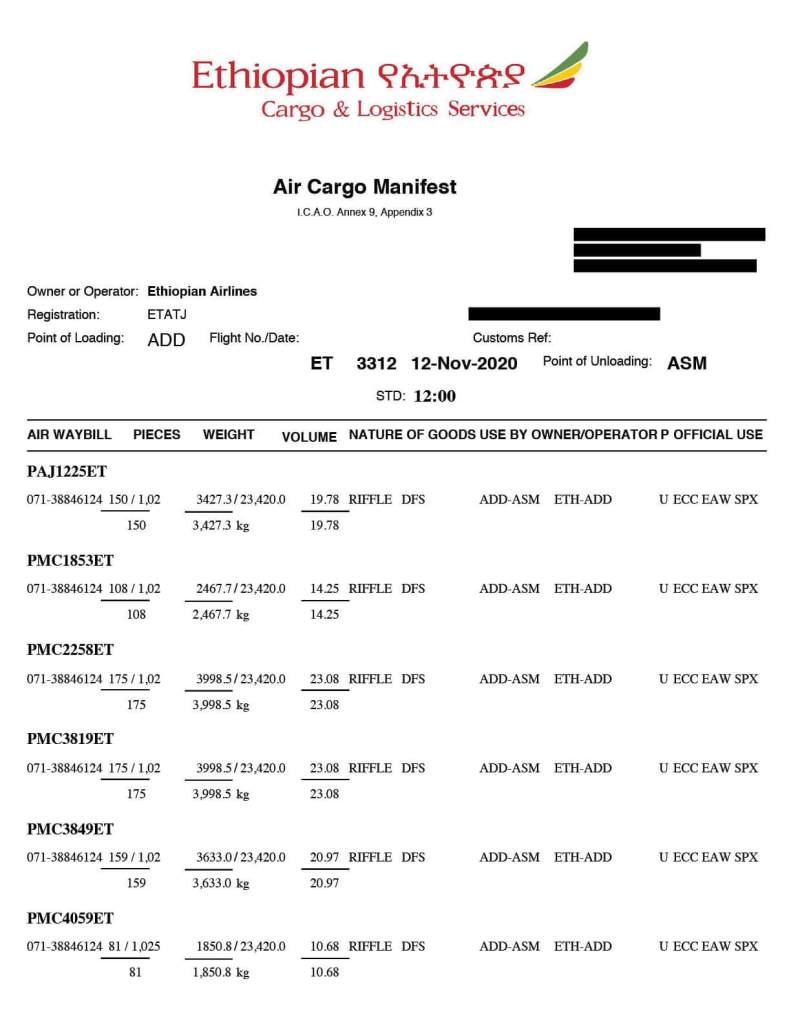
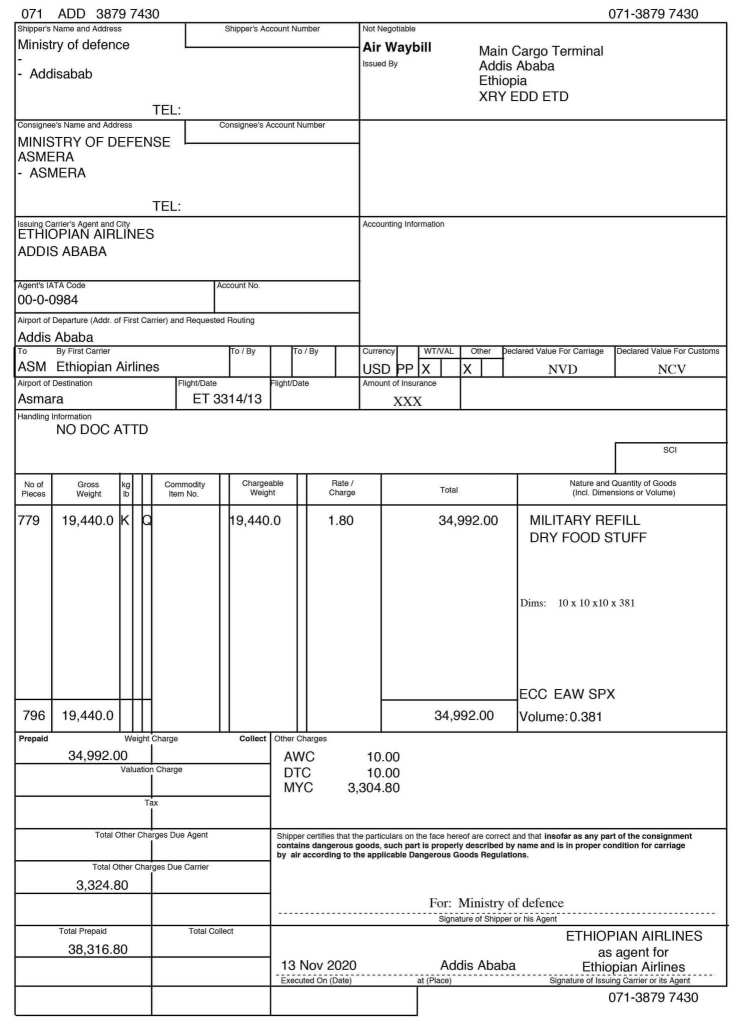
Los documentos obtenidos por CNN indican que los vuelos con armas entre Etiopía y Eritrea comenzaron al menos unos días después del inicio del conflicto de Tigray. En al menos seis ocasiones, entre el 9 y el 28 de Noviembre de 2020, Ethiopian Airlines facturó al Ministerio de Defensa de Etiopía decenas de miles de Dólares por artículos militares, incluidas armas y municiones, que se enviaron a Eritrea. Los documentos, conocidos como guías de embarque, detallan el contenido de cada envío. En uno de los documentos, la «naturaleza y cantidad de los bienes» figura como «recarga militar» y «material alimentario seco». Otras entradas incluían la descripción «consolidado». Los registros también tenían abreviaturas y errores ortográficos como «AM» para munición y «RIFFLES» para rifles, según los empleados de la aerolínea. Dijeron a CNN que los errores ortográficos se introdujeron cuando los empleados introdujeron manualmente el contenido en la base de datos de carga.
Benno Baksteen, Presidente de DEGAS, el Grupo de Expertos Holandeses en Seguridad Aérea, declaró que estas guías de embarque son necesarias para todos los vuelos comerciales, ya que la tripulación a bordo necesita conocer el contenido de la carga para garantizar su transporte seguro.
El 9 de Noviembre de 2020, cinco días después de que Abiy Ahmed ordenara una ofensiva militar en Tigray, los registros muestran que un vuelo de Ethiopian Airlines transportó armas y municiones desde Adís Abeba a Asmara, la capital de Eritrea. Una guía de embarque y un manifiesto de carga de esa fecha muestran que Ethiopian Airlines cobró a Etiopía US$ 166.398,32 por unas 2.643 piezas de «DFS & RIFFLE CON AM (sic)» en ese vuelo. DFS es una referencia a «Dry Food Stuff» (Material Alimentario Seco), según fuentes de la aerolínea. Otra guía de embarque de unos días después, el 13 de noviembre, tiene el mismo remitente y destinatario. El contenido de ese envío era «recarga militar y alimentos secos», según el documento. Los envíos llegaron en un momento de mayor actividad militar; fuentes de seguridad de la región dijeron que los eritreos necesitaban reabastecerse para la lucha en Tigray.
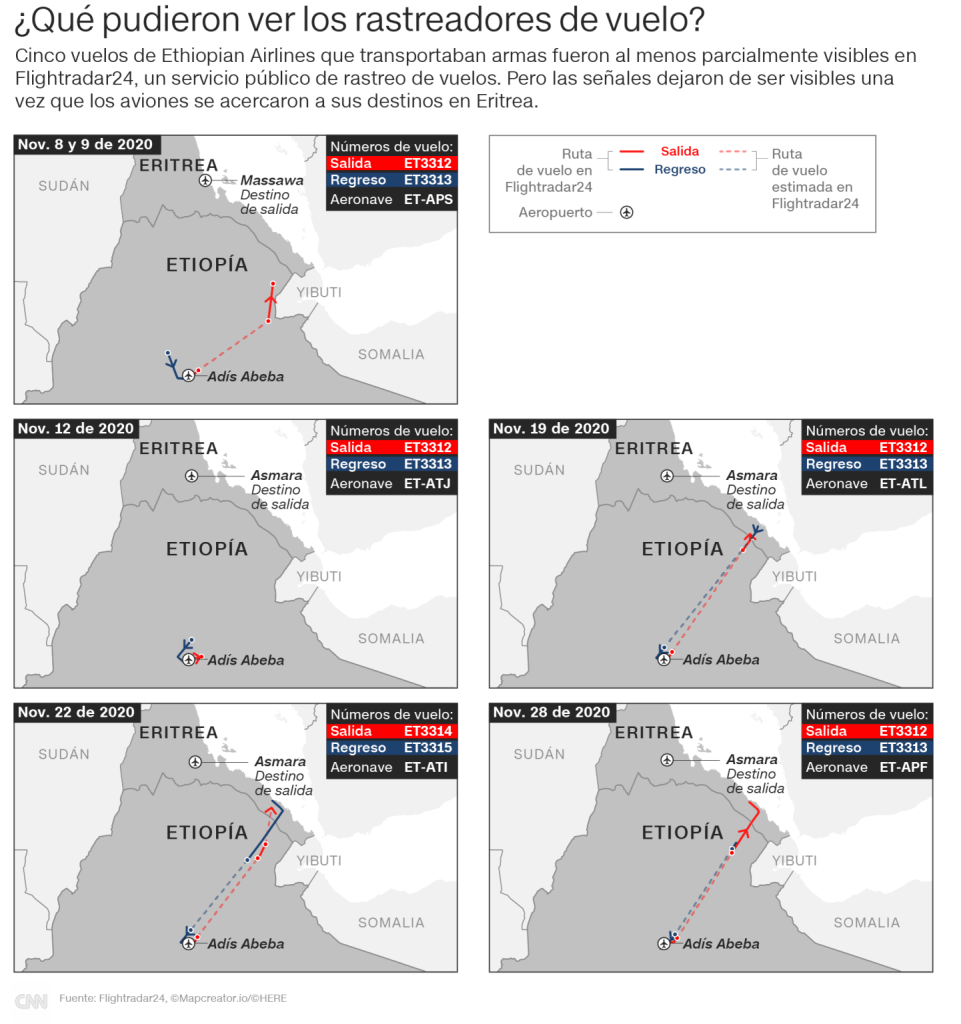
Mientras los aviones transportaban el cargamento entre los dos países, se produjeron masacres de tigrino en la ciudad de Axum y en el pueblo de Dengelat por parte de las tropas eritreas el 19 y el 30 de Noviembre de 2020, respectivamente. Los documentos de carga muestran una serie de vuelos entre Etiopía y Eritrea que continuó al menos hasta el 28 de noviembre de 2020. Algunos empleados de Ethiopian Airlines, que hablaron bajo condición de anonimato por temor a las repercusiones, dijeron que los vuelos continuaron más allá de esta fecha, pero que la mayoría de los viajes de armas a Eritrea fueron en noviembre. En la operación se utilizaron tanto aviones de carga como de pasajeros. Muchos de estos vuelos no aparecen en las populares plataformas de seguimiento de vuelos en línea, como Flightradar24. Cuando lo hacen, el destino en Eritrea no suele ser visible y la ruta de vuelo desaparece una vez que el avión cruza la frontera de Etiopía.
Los empleados dijeron que el personal podía apagar manualmente la señal ADS-B a bordo para evitar que los vuelos fueran rastreados públicamente. Los vuelos solían tener asignados los mismos números de vuelo, principalmente ET3312, ET3313 y ET3314, siendo «ET» el código de Ethiopian Airlines. Todos los aviones mencionados en los archivos de carga vistos por CNN son aviones Boeing 777-200 de fabricación estadounidense. La aerolínea mantiene una larga relación con el gigante de la aviación estadounidense. Un representante de Boeing declinó hacer comentarios.
Carga y descarga de armas
Los trabajadores de Ethiopian Airlines describieron haber presenciado cómo otros empleados de la aerolínea cargaban y descargaban armas y vehículos militares en los vuelos dirigidos a Asmara. Algunos incluso afirmaron que ayudaron a cargar las armas en los aviones. Todos hablaron de haber sido investigados previamente por ser tigrino. CNN ha visto las tarjetas de identificación de Ethiopian Airlines de estos empleados y ha confirmado sus identidades. Uno de los exempleados dijo que recibieron instrucciones en el Aeropuerto Internacional de Bole, en Adís Abeba, para cargar armas y cuatro vehículos militares en un avión de carga de Ethiopian Airlines que debía volar a Bélgica, pero que fue enviado en su lugar a Eritrea. «Los vehículos eran camionetas Toyota que tienen un soporte para francotiradores. Recibí una llamada del Director General a última hora de la noche informándome que debía ocuparme de la carga. Los soldados vinieron a las cinco de la mañana para empezar a cargar dos grandes camiones cargados de armas y las camionetas. Tuve que detener un vuelo a Bruselas, un avión de carga 777, que estaba cargado de flores, y luego descargamos la mitad de los productos perecederos para hacer espacio para el armamento», dijo el empleado, advirtiendo a los soldados que los vehículos llevaban mucha más gasolina de la permitida por las normas internacionales de transporte aéreo, pero dijo que fueron desestimados tras una llamada directa de un comandante del ejército. «Él [el comandante] dijo que íbamos a la guerra y que necesitábamos que se cargara el combustible. Entonces remití el asunto a mi jefe y mi jefe asumió la responsabilidad y les permitió cargarlo», dijo el empleado.
El vuelo, cargado tanto de armas como de flores, viajó a Eritrea y luego regresó a Adís Abeba antes de volar a Bruselas al día siguiente, dijo el empleado. CNN cruzó este testimonio con Flightradar24 y encontró el registro de un avión de Ethiopian Airlines que regresaba de la dirección de Eritrea y volaba a Bruselas al día siguiente, pero no pudo verificar de forma independiente que fuera el mismo vuelo al que se refería el empleado.
Suspendidos de su trabajos
Días más tarde, el empleado dijo que habían sido suspendidos temporalmente del trabajo. Creen que se les suspendió por ser tigrinos, pero también por el incidente con los soldados. El empleado huyó de Etiopía en Marzo 2020. Ethiopian Airlines dijo a CNN en su declaración que ningún empleado había sido suspendido o despedido debido a su origen étnico. Parece que no es el único vuelo internacional de larga distancia con paradas imprevistas. Un vuelo de Adís Abeba a Shanghái del 9 de Noviembre de 2020 dio un largo rodeo a través de Eritrea, según la señal ADS-B que rastrea la ruta en Flightradar24. Varios empleados del Aeropuerto de Adís Abeba afirmaron haber visto salir cada día múltiples vuelos cargados de armas con destino a Eritrea al comienzo del conflicto. También hablaron de vuelos que llevaban armas desde Eritrea de vuelta a Etiopía. No está claro por qué se trasladaba el armamento de vuelta a Etiopía. Uno de ellos dijo que vio tanques y artillería pesada cargados en aviones que llegaban a Adís Abeba, mientras que las armas pequeñas como morteros, lanzadores se enviaban a Asmara. Los empleados dijeron a CNN que creían que el armamento más pequeño se enviaba a Asmara para armar a las tropas eritreas.
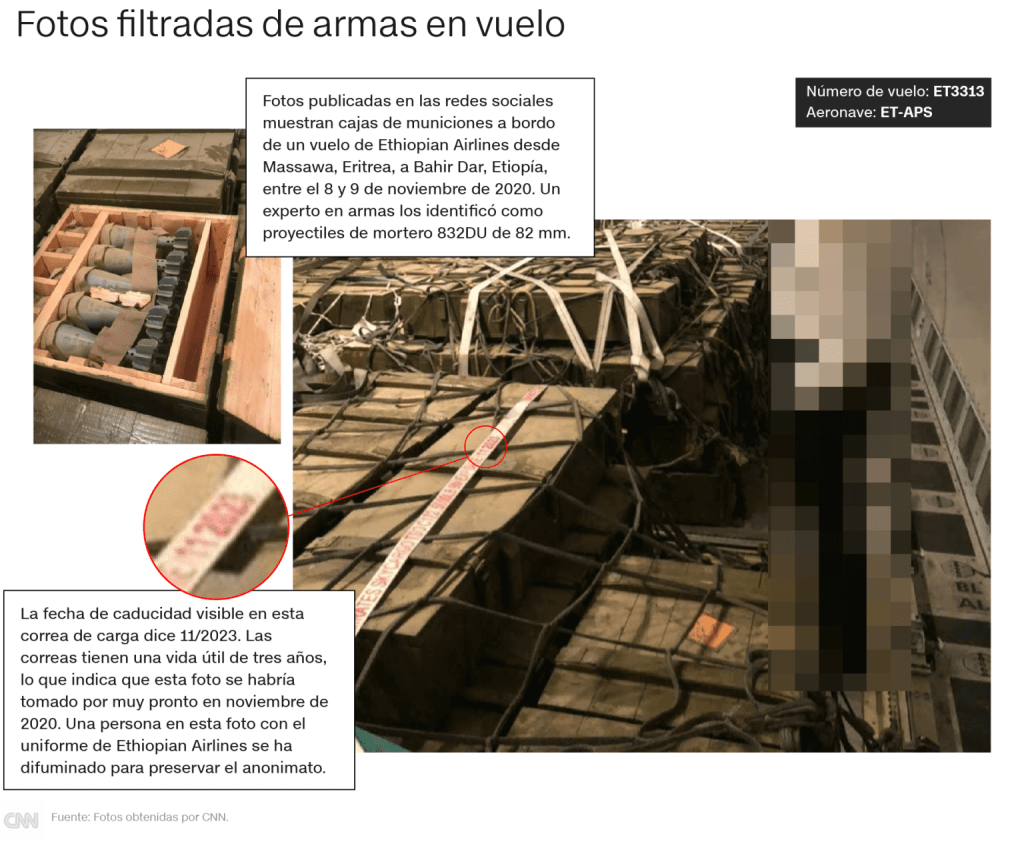
En Junio 2021, circularon fotos en las redes sociales que mostraban cajas con morteros a bordo de un vuelo de Ethiopian Airlines y las mismas cajas siendo cargadas en el avión en Massawa, Eritrea. La compañía emitió un comunicado en el que negaba rotundamente la acusación de que sus aviones transportaran armas y afirmaba que las fotos estaban retocadas. Sin embargo, CNN ha corroborado las fotos mediante técnicas de análisis visual, entrevistas y pruebas documentales, y las ha fechado a un vuelo de carga de un Boeing 777-200 Freighter que voló de Etiopía a Eritrea y viceversa entre el 8 y el 9 de Noviembre de 2020.
Según la base de datos pública de la Unión Europea, la República de Bulgaria vendió armas a Etiopía en fecha tan reciente como 2020.
En otra imagen aparece un empleado con un uniforme que coincide con el de Ethiopian Airlines. El interior del avión también se ajusta a la disposición de un avión de carga 777F de Ethiopian Airlines. En las fotos se puede ver la fecha de caducidad de las correas de Emirates SkyCargo apretadas alrededor de las cajas: noviembre de 2023. Dado que este tipo concreto de correas de carga -TSO C172- tiene una vida útil de tres años, se habrían utilizado como muy pronto en noviembre de 2020. CNN ha confirmado que estas correas de Emirates SkyCargo se han utilizado en otros vuelos de Ethiopian Airlines. Emirates SkyCargo dijo a CNN que sus «correas pueden ser mezcladas inadvertidamente con las de otras aerolíneas por los manipuladores de tierra, que son contratistas de terceros, y pueden ser utilizadas para asegurar la carga transportada en otros aviones». Un representante del fabricante de correas de carga TSO C172, AmSafe Bridport, declinó hacer comentarios.
El avión de carga Boeing 777-200F en cuestión despegó el 8 de Noviembre de 2020 de Adís Abeba vacío antes de aterrizar en Massawa, donde los trabajadores locales se encargaron de cargarlo manualmente con diversas armas, incluidos los morteros.
Repercusiones legales
Varios expertos en aviación con los que habló CNN sobre estos hallazgos dijeron que Ethiopian Airlines parecía estar violando la Convención sobre Aviación Civil Internacional, comúnmente conocida como la Convención de Chicago, que prohíbe a los transportistas comerciales transportar municiones de guerra o implementos de guerra. Pablo Mendes de León, profesor de Derecho Aéreo y Espacial en La Haya, dijo que «hay varios indicios de que estos vuelos eran comerciales, no militares ni estatales, entre ellos que los vuelos llevan un número de vuelo comercial de Ethiopian Airlines junto con el hecho de que se ha emitido una guía aérea. He llegado a la conclusión de que [estos vuelos] han sido operados por aeronaves civiles que caen bajo los términos de la Convención de Chicago. Tienen muchas repercusiones legales y condiciones, todas las cuales pueden no haberse cumplido», dijo Mendes de León.
El estatus de Etiopía como potencia económica regional depende en parte del dominio de Ethiopian Airlines en materia de carga. El país y la aerolínea se han beneficiado de un programa comercial estadounidense que proporciona un acceso favorable al mercado de Estados Unidos a los países que cumplen ciertos criterios. Esta relación es importante para ambos países: en 2017, las exportaciones estadounidenses a Etiopía consistieron principalmente en aviones y componentes de aviones de Boeing, por valor de más de US$ 857 millones. Pero una cláusula de la Ley de Crecimiento y Oportunidad de África (AGOA) de Estados Unidos estipula que las naciones elegibles no deben participar en «violaciones graves de los derechos humanos reconocidos internacionalmente».
En anteriores investigaciones de CNN se constató que las atrocidades cometidas por el gobierno etíope y sus aliados tenían el sello de genocidio y limpieza étnica. A finales de Agosto 2021, la representante Comercial de Estados Unidos, Katherine Tai, advirtió al principal negociador comercial de Etiopía que «las continuas violaciones de los derechos humanos internacionalmente reconocidos en Tigray podrían afectar a la futura elegibilidad [según la AGOA] de Etiopía si no se abordan».
El Martes 5 de Octubre de 20212, un portavoz dijo que la oficina de Representación Comercial llevaría a cabo su próxima revisión de la elegibilidad para la AGOA en 2022, «basándose en el cumplimiento de las normas que incluyen la adhesión a los derechos de los trabajadores reconocidos internacionalmente, el estado de derecho y los derechos humanos». Tras la revisión, Katherine Tai podría «recomendar al Presidente que añada o elimine a determinados países de la condición de país beneficiario de la AGOA», mostrando así las violaciones flagrantes al transporte aéreo comercial y a los derechos humanos.
Ethiopian involved arms trafficking
Ethiopia used airline to transport weapons during Tigray war International scandal violations of commercial aviation
The Ethiopian Government used Ethiopian Airlines, the country’s flagged commercial airline, to transport weapons to and from neighboring Eritrea during the civil war in Ethiopia’s Tigray region, a CNN investigation has found. The incident has moved the entire political and jurisdictional arc of international claims.
Documents and cargo manifests seen by CNN, as well as eyewitness accounts and photographic evidence, confirm that weapons were transported between Addis Ababa International Airport and the airports of the Eritrean cities of Asmara and Massawa aboard multiple aircraft from Ethiopian Airlines in November 2020, during the first weeks of the Tigray conflict. It is the first time that this arms trade between former enemy countries during the war has been documented. According to experts, the flights would constitute a violation of international aviation law, which prohibits the smuggling of weapons for military use on civilian aircraft. The atrocities committed during the Ethiopia-Tigray war also appear to violate the terms of a commercial program that provides lucrative access to the US market and from which Ethiopian Airlines has benefited greatly.
Ethiopian Airlines is an Ethiopian State-owned airline that generates billions of Dollars a year carrying passengers to hubs across the African continent and around the world, and is also a member of the Star Alliance, a group of some of the world’s leading aviation companies. The airline had already twice denied having transported weapons. In response to the latest CNN investigation, Ethiopian Airlines said that it strictly complies with all national, regional and international regulations related to aviation and that to the best of its knowledge and records, it has not transported any weapons of war on any of its routes via none of their planes.
Ethiopia-Tigray Conflict
Long-standing tensions between the Ethiopian Government and the ruling party in the Tigray Region erupted on November 4, 2020, when Ethiopia accused the Tigray People’s Liberation Front (TPLF) of attacking a federal army base. Abiy Ahmed, Prime Minister of Ethiopia and winner of the Nobel Peace Prize, ordered a military offensive to oust the TPLF from power. Government forces and regional militias entered Tigray, joined at the front by Eritrean troops. It is estimated that thousands of people died in the conflict, which according to many testimonies has the characteristics of genocide and ethnic cleansing. Although all parties have been accused of serious human rights abuses during the Tigray war, previous CNN investigations established that Eritrean soldiers have been behind some of the worst atrocities, such as sexual violence and mass killings. Eritrea has denied any wrongdoing by its soldiers and only recently admitted having troops in Tigray.
Arms flights
Documents obtained by CNN indicate that the arms flights between Ethiopia and Eritrea began at least a few days after the start of the Tigray conflict. On at least six occasions, between November 9 and 28, 2020, Ethiopian Airlines billed the Ethiopian Ministry of Defense tens of thousands of dollars for military items, including weapons and ammunition, which were shipped to Eritrea. The documents, known as bills of lading, detail the contents of each shipment. In one of the documents, the «nature and quantity of the goods» is listed as «military recharge» and «dry food material». Other entries included the description «consolidated». The records also had abbreviations and misspellings such as «AM» for ammunition and «RIFFLES» for rifles, according to airline employees. They told CNN that the spelling errors were introduced when employees manually entered the content into the upload database.
Benno Baksteen, President of DEGAS, the Dutch Expert Group on Aviation Safety, stated that these waybills are necessary for all commercial flights, as the crew on board need to know the contents of the cargo to ensure its safe transport.
On November 9, 2020, five days after Abiy Ahmed ordered a military offensive in Tigray, records show that an Ethiopian Airlines flight transported weapons and ammunition from Addis Ababa to Asmara, the capital of Eritrea. A bill of lading and cargo manifest from that date show Ethiopian Airlines charged Ethiopia US$ 166,398.32 for some 2,643 pieces of «DFS & RIFFLE CON AM (sic)» on that flight. DFS is a reference to «Dry Food Stuff», according to airline sources. Another waybill from a few days later, on November 13, has the same sender and recipient. The content of that shipment was «military recharge and dry food», according to the document. The shipments arrived at a time of increased military activity; Security sources in the region said the Eritreans needed to resupply for the fighting in Tigray.
While the planes were transporting the cargo between the two countries, Tigrino massacres occurred in the city of Axum and in the town of Dengelat by Eritrean troops on November 19 and 30, 2020, respectively. The cargo documents show a series of flights between Ethiopia and Eritrea that continued until at least November 28, 2020. Some Ethiopian Airlines employees, who spoke on condition of anonymity for fear of repercussions, said the flights continued further. of this date, but that most of the arms trips to Eritrea were in November. Both cargo and passenger aircraft were used in the operation. Many of these flights do not appear on popular online flight tracking platforms such as Flightradar24. When they do, the destination in Eritrea is usually not visible and the flight path disappears once the plane crosses the Ethiopian border.
Employees said staff could manually turn off the ADS-B signal on board to prevent flights from being publicly tracked. Flights used to be assigned the same flight numbers, mainly ET3312, ET3313 and ET3314, with «ET» being the code for Ethiopian Airlines. All of the aircraft mentioned in the cargo files seen by CNN are US-made Boeing 777-200 aircraft. The airline has a long relationship with the American aviation giant. A representative for Boeing declined to comment.
Loading and unloading of weapons
Ethiopian Airlines workers described witnessing other airline employees loading and unloading weapons and military vehicles on flights to Asmara. Some even claimed that they helped load the weapons onto planes. All spoke of having been previously investigated for being a Tigrine. CNN has seen the Ethiopian Airlines ID cards of these employees and confirmed their identities. One of the former employees said they were instructed at Bole International Airport in Addis Ababa to load weapons and four military vehicles onto an Ethiopian Airlines cargo plane that was supposed to fly to Belgium but was sent to Eritrea instead. «The vehicles were Toyota pickups that have a sniper support. I got a call from the CEO late at night informing me that I had to take care of the loading. The soldiers came at five in the morning to start loading two large loaded trucks. weapons and vans. I had to stop a flight to Brussels, a 777 cargo plane, which was loaded with flowers, and then we unloaded half of the perishable goods to make room for the weapons», said the employee, warning the soldiers said the vehicles carried much more gasoline than allowed by international air transport regulations, but said they were dismissed after a direct call from an army commander. «He [the commander] said we were going to war and we needed the fuel to be loaded. So I referred the matter to my boss and my boss took responsibility and allowed them to load it», the employee said.
The flight, laden with both weapons and flowers, traveled to Eritrea and then returned to Addis Ababa before flying to Brussels the next day, the employee said. CNN crossed this testimony with Flightradar24 and found the record of an Ethiopian Airlines plane returning from the direction of Eritrea and flying to Brussels the next day, but could not independently verify that it was the same flight the employee was referring to.
Suspended from their jobs
Days later, the employee said they had been temporarily suspended from work. They believe they were suspended for being Tigrinos, but also for the incident with the soldiers. The employee fled Ethiopia in March 2020. Ethiopian Airlines told CNN in its statement that no employee had been suspended or fired due to his ethnicity. It seems that it is not the only long-haul international flight with unexpected stops. A flight from Addis Ababa to Shanghai on November 9, 2020, took a long detour through Eritrea, according to the ADS-B signal that tracks the route on Flightradar24. Several Addis Ababa Airport employees reported seeing multiple arms-laden flights depart each day to Eritrea at the start of the conflict. They also spoke of flights carrying weapons from Eritrea back to Ethiopia. It is not clear why the weapons were being transferred back to Ethiopia. One of them said he saw tanks and heavy artillery loaded onto planes arriving in Addis Ababa, while small arms such as mortars, launchers were sent to Asmara. Employees told CNN they believed the smaller weaponry was being sent to Asmara to arm Eritrean troops.
In June 2021, photos circulated on social media showing boxes with mortars on board an Ethiopian Airlines flight and the same boxes being loaded onto the plane in Massawa, Eritrea. The company issued a statement in which it flatly denied the allegation that its planes carried weapons and claimed that the photos were retouched. However, CNN has corroborated the photos through visual analysis techniques, interviews and documentary evidence, and has dated them to a cargo flight of a Boeing 777-200 Freighter that flew from Ethiopia to Eritrea and vice versa between 8 and 9 of November 2020.
According to the European Union public database, the Republic of Bulgaria sold arms to Ethiopia as recently as 2020.
Another image shows an employee wearing a uniform that matches that of Ethiopian Airlines. The interior of the aircraft also fits the layout of an Ethiopian Airlines 777F cargo plane. In the photos you can see the expiration date of the Emirates SkyCargo straps tightened around the boxes: November 2023. Since this particular type of cargo straps -TSO C172- has a useful life of three years, they would have been used November 2020 at the earliest. CNN has confirmed that these Emirates SkyCargo straps have been used on other Ethiopian Airlines flights. Emirates SkyCargo told CNN that its «straps can be inadvertently mixed with those of other airlines by ground handlers, who are third-party contractors, and can be used to secure cargo carried on other aircraft». A representative for TSO C172 cargo strap manufacturer AmSafe Bridport declined to comment.
The Boeing 777-200F cargo plane in question took off on November 8, 2020 from Addis Ababa empty before landing in Massawa, where local workers were tasked with manually loading it with various weapons, including mortars.
Legal repercussions
Several aviation experts CNN spoke with about these findings said Ethiopian Airlines appeared to be violating the Convention on International Civil Aviation, commonly known as the Chicago Convention, which prohibits commercial carriers from transporting munitions of war or implements of war. Pablo Mendes de León, professor of Air and Space Law at The Hague, said «there are several indications that these flights were commercial, not military or state, including that the flights carry an Ethiopian Airlines commercial flight number along with the fact that an air waybill has been issued. I have come to the conclusion that [these flights] have been operated by civil aircraft that fall under the terms of the Chicago Convention. They have many legal repercussions and conditions, all of which may not have been met», Mendes de León said.
Ethiopia’s status as a regional economic powerhouse depends in part on Ethiopian Airlines’ dominance over cargo. The country and the airline have benefited from a US commercial program that provides favorable access to the US market for countries that meet certain criteria. This relationship is important to both countries: In 2017, US exports to Ethiopia consisted primarily of Boeing aircraft and aircraft components, worth more than US$ 857 million. But a clause in the United States’ Africa Growth and Opportunity Act (AGOA) stipulates that eligible nations must not engage in «gross violations of internationally recognized human rights».
Previous CNN investigations found that atrocities committed by the Ethiopian government and its allies bore the stamp of genocide and ethnic cleansing. In late August 2021, US Trade Representative Katherine Tai warned Ethiopia’s chief trade negotiator that «continued violations of internationally recognized human rights in Tigray could affect Ethiopia’s future [AGOA] eligibility if they are not addressed».
On Tuesday, October 5, 20212, a spokesperson said that the Trade Representative office would conduct its next AGOA eligibility review in 2022, «based on compliance with regulations that include adherence to workers’ rights. recognized internationally, the rule of law and human rights». Following the review, Katherine Tai could «recommend to the President to add or remove certain countries from AGOA beneficiary status», thus demonstrating flagrant violations of commercial air transport and human rights.
Acuerdo Bruselas-aerolíneas traslada problema a las agencias
La Asociación Europea de Agencias de Viajes y Operadores Turísticos (ECTAA) y la Asociación del Sector de los Servicios Tecnológicos de Viajes, Eu Travel Tech, aplauden la decisión de la Comisión Europea y de la Red de Cooperación para la Protección de los Consumidores sobre los compromisos asumidos por dieciséis grandes compañías aéreas europeas en relación con sus prácticas de cancelación y reembolso. Celebran que las compañías aéreas se han comprometido así a abordar por fin su total incumplimiento de la obligación de reembolso prevista en la legislación de la UE sobre derechos de los pasajeros, permitiendo ser un alivio para los consumidores.
No obstante, el pacto no comenta nada acerca de que pasará con el importe de los viajes cancelados durante la pandemia que la agencia de viajes ha adelantado a los clientes, así como aquellos vuelos incluídos en un paquete vacacional. «Es una pena que este compromiso no se extienda a los vuelos que forman parte de un paquete, no hace más que trasladar el problema a las agencias», lamenta el Presidente de la ECTAA, Pawel Niewiadomski. Sin embargo, en cierto modo considera que se trata de una buena noticia, porque el viajero que haya reservado o reserve en una agencia y aún no haya recibido su dinero podrá exigirlo directamente a la aerolínea. De este modo, Eu Travel Tech y ECTAA instan a la Comisión Europea y a las autoridades a supervisar de cerca la aplicación de estos compromisos y el respeto general de las compañías aéreas a los derechos de los pasajeros. En caso de que las aerolíneas no cumplan sus promesas, creen que deberían adoptarse inmediatamente las medidas de ejecución adecuadas. Es crucial que se recupere la confianza de los consumidores con un marco de protección de los consumidores de la UE más estricto.
«Llevamos mucho tiempo abogando por una aplicación más estricta de los derechos de los consumidores, a la luz de las prácticas de cancelación y reembolso de las aerolíneas durante la crisis de Covid-19, que han perjudicado tanto a los consumidores como a las empresas de tecnología de viajes. Los nuevos compromisos de las aerolíneas son un paso en la dirección correcta, pero las autoridades deben garantizar que las aerolíneas cumplan su palabra. En este contexto, nos decepciona ver que algunas compañías aéreas siguen negándose a cumplir la ley y reembolsar a sus clientes los vales impuestos unilateralmente», apunta el secretario general de Eu Travel Tech, Emmanuel Mounier.
Improvements advance refunds Europe
Brussels-airlines agreement transfers problem to agencies
The European Association of Travel Agencies and Tour Operators (ECTAA) and the Association of the Travel Technology Services Sector, Eu Travel Tech, applaud the decision of the European Commission and the Cooperation Network for the Protection of Consumers on the commitments made by 16 major European airlines in relation to their cancellation and refund practices. They welcome the fact that airlines have thus committed themselves to finally address their total breach of the refund obligation under EU legislation on passenger rights, allowing it to be a relief to consumers.
However, the pact does not comment on what will happen to the amount of trips canceled during the pandemic that the travel agency has advanced to customers, as well as those flights included in a vacation package. «It is a pity that this commitment does not extend to the flights that are part of a package, it only transfers the problem to the agencies», laments the President of ECTAA, Pawel Niewiadomski. However, in a way he considers this to be good news, because the traveler who has booked or reserves in an agency and has not yet received the money from him will be able to demand it directly from the airline. In this way, Eu Travel Tech and ECTAA urge the European Commission and the authorities to closely monitor the implementation of these commitments and the general respect of airlines for passenger rights. In the event that airlines fail to deliver on their promises, they believe that appropriate enforcement actions should be taken immediately. It is crucial that consumer confidence is restored with a stricter EU consumer protection framework.
«We have long advocated for stricter enforcement of consumer rights, in light of airline cancellation and refund practices during the Covid-19 crisis, which have hurt both consumers and businesses in travel technology. New airline commitments are a step in the right direction, but authorities must ensure that airlines keep their word. In this context, we are disappointed to see some airlines continue to refuse to comply with the law and reimburse their customers are unilaterally imposed vouchers», says the Secretary General of Eu Travel Tech, Emmanuel Mounier.
La República de Azerbaiyán ha comenzado a sobrevolar el espacio aéreo de Armenia para efectuar vuelos internos a la República Autónoma de Najicheván, informó este Miércoles 06/10 la aerolínea azerbaiyana Azal Airlines. «A partir del 6 de Octubre de 2021 las Azal Airlines comenzó a usar el espacio aéreo de Armenia efectuando el vuelo doméstico Bakú—Najicheván—Bakú. A partir de ahora al realizar ese vuelo Azal podrá utilizar todos los corredores aéreos existentes, incluidos los que pasan sobre los territorios de Armenia e Irán», señala el comunicado de prensa. De acuerdo con la compañía muestra la disposición de Azerbaiyán para desbloquear las comunicaciones de transporte en la región, lo que responde a los intereses de todos los países fronterizos. Azal Airlines precisa que el cambio de la ruta, que antes se efectuaba eludiendo el territorio armenio, reducirá el tiempo de vuelo y ahorrará combustible.
Azerbaiyán y Armenia firmaron el pasado otoño septentrional un alto el fuego mediado por la Federación Rusia para poner fin a las hostilidades en el enclave de Nagorno Karabaj, donde la reciente guerra entre las dos repúblicas ex-soviéticas dejó miles de muertos y decenas de miles de heridos.
Azerbaijan launches Armenian airspace
Azerbaijan restores connection with Nakhichevan
The Republic of Azerbaijan has begun to fly over the airspace of Armenia to carry out internal flights to the Autonomous Republic of Nakhichevan, the Azerbaijani airline Azal Airlines reported this Wednesday 06/10. «As of October 6, 2021, Azal Airlines began to use the airspace of Armenia by carrying out the domestic flight Baku-Nakhichevan-Baku. From now on, when carrying out this flight, Azal will be able to use all the existing air corridors, including those that they pass over the territories of Armenia and Iran», the press release said. According to the company, it shows Azerbaijan’s willingness to unblock transport communications in the region, which responds to the interests of all border countries. Azal Airlines specifies that the change of the route, which was previously carried out bypassing Armenian territory, will reduce flight time and save fuel.
Azerbaijan and Armenia signed a Russian Federation-brokered ceasefire last autumn to end hostilities in the Nagorno Karabakh enclave, where the recent war between the two ex-Soviet republics left thousands dead and tens of thousands of wounded.
Azərbaycan Ermənistanın hava məkanını buraxır
Azərbaycan Naxçıvanla əlaqəni bərpa edir
Naxçıvan muxtar daxili uçuşlar həyata keçirmək üçün Azərbaycan Respublikası Ermənistanın hava məkanı üzərində uçmağa başlayıb. «6 Oktyabr 2021-ci il tarixindən etibarən Azal Hava Yolları Bakı-Naxçıvan-Bakı daxili reysini həyata keçirərək Ermənistanın hava məkanından istifadə etməyə başladı. Bundan sonra Azal bu reysi həyata keçirərkən bütün mövcud hava dəhlizlərindən istifadə edə biləcək. Ermənistan və İran ərazilərindən keçdikləri ərazilər də daxil olmaqla”, məlumatda deyilir. Şirkətdən verilən məlumata görə, bu, Azərbaycanın bütün sərhəd ölkələrinin maraqlarına cavab verən nəqliyyat kommunikasiyalarını blokdan çıxarmaq istəyini göstərir. Azal Hava Yolları, əvvəllər Ermənistan ərazisini aşaraq həyata keçirilən marşrutun dəyişdirilməsinin uçuş müddətini azaldacağını və yanacağa qənaət edəcəyini bildirir.
Azərbaycan və Ermənistan keçmiş Sovet İttifaqı respublikaları arasında son müharibənin minlərlə insanın öldüyü və on minlərlə insanın yaralandığı Dağlıq Qarabağ anklavında hərbi əməliyyatlara son qoymaq üçün Rusiya Federasiyasının vasitəçiliyi ilə atəşkəs imzaladılar.