Guerra vs impacto mercado aviación

AW | 2022 03 06 23:20 | AIRLINES MARKET / AVIATION / INDUSTRY / GOVERNMENT

Impacto industria aviación guerra Rusia-Ucrania

A medida que la guerra continúa proyectándose sin alcanzar acuerdos en el plano político-diplomático, las sanciones por parte de Occidente continúan incrementándose bloqueando política-económicamente a la Federación Rusia. En el sector de aviación, la nación rusa ha tenido el bloqueo de los vuelos internacionales de las líneas aéreas de la Federación y el impacto de la industria aerocomercial causarán estragos a largo plazo en la economía rusa.

El escenario de las aerolíneas y las industrias aeronáuticas rusas se vean gravemente dañadas por un triple golpe de cierres de espacio aéreo, prohibiciones de venta y arrendamiento de aviones extranjeros y prohibiciones de importación de componentes técnicos cruciales para la construcción de los aviones nacionales.

Aerolíneas rusas

Las aerolíneas rusas no podrán volar a los mercado internacionales por las duras sanciones por parte de Estados Unidos, la Unión Europea, entre muchos países del planeta, quedando aislado del mundo, con una ventana en el mercado de Bielorrusia, Cuba y Venezuela. El impacto no se ha hecho esperar con la renuncia de ejecutivos, la expropiación por parte del Estado ruso de las aeronaves bajo régimen de alquiler de los operadores aéreos de Rusia, hacen vislumbrar un escenario muy complicado para el mercado de las aerolíneas rusas.

La agencia de aviación rusa Rosaviatsia recomendó a las aerolíneas rusas que utilizan aviones registrados en el extranjero o arrendados que suspendan todos los vuelos al extranjero a partir del 6 de Marzo de 2022, y todos los vuelos desde el extranjero a Rusia a partir del 8 de Marzo de 2022, debido a los altos riesgos de arresto y confiscación de aeronaves. La postura de la agencia de aviación marcará un conflicto legal entre la Federación Rusia, las aerolíneas rusas y las compañías lessors de las aeronaves comerciales.

A mediados de Febrero de 2022, las aerolíneas más grandes de Rusia operaban 491 aviones de Airbus, Boeing y Embraer, transportando a 80 millones de personas, o el 72% de la facturación total de pasajeros.

Las aerolíneas más grandes de Rusia, la compañía aérea nacional Aeroflot Russian Airlines, el grupo privado S7 Airlines y la filial de bajo costo de Aeroflot, Pobeda Airlines, han anunciado la suspensión de vuelos al extranjero. Un avión operado por Urals Airlines fue detenido en Dubai para una verificación de papeleo el 4 de Marzo de 2022. Otro vuelo de los Urals fue detenido en Egipto, y todos los pasajeros fueron desembarcados. La aerolínea ha suspendido los vuelos a Armenia, Azerbaiyán, Israel y los Emiratos Árabes Unidos hasta el 26 de Marzo de 2022.

Mientras tanto, los altos directivos de las aerolíneas rusas Aeroflot, S7, Urals y Utair en una reunión con el Viceministro de Transporte, Igor Chalik, el 28/02 habían discutido la opción de nacionalizar los aviones Airbus y Boeing para mantenerlos en la flota nacional. Según se informa, el Ministerio de Transporte está a favor de la nacionalización, pero la decisión final aún no se ha tomado. Al mismo tiempo, los expertos de la industria han expresado que los aviones nacionalizados permanecerían operativos por no más de seis meses si se bloquean los suministros de servicios y componentes, por lo que esta opción no es muy viable, más bien agravaría la situación legal de las aerolíneas rusas frente a los reclamos de los lessors internacionales.

La mayoría de las aerolíneas rusas habían sido notificadas por las compañías de arrendamiento europeas de que los contratos de reaseguro en sus flotas se están terminando, lo que significa una prohibición de facto de operar la flota. Según los informes, los principales proveedores de Pobeda Airlines se negaron a reasegurar su flota con la Compañía Nacional de Reaseguros De Rusia (RNPK), respaldada por el banco central nacional.

AW-Aeroflot__A320200CEO

Las compañías de arrendamiento estaban extremadamente preocupadas por los rumores de nacionalización. En este entorno de noticias extremadamente negativas, el Jefe de Pobeda, Andrei Kalmykov, y el Director Konstantin Tarasov abandonaron la compañía. Pobeda Airlines fue el activo de más rápido crecimiento de Aeroflot y la columna vertebral de su estrategia y caso de inversión. La renuncia del CEO de Aeroflot, Mikhail Poluboyarinov, fue negada por el servicio de prensa de la principal aerolínea rusa.

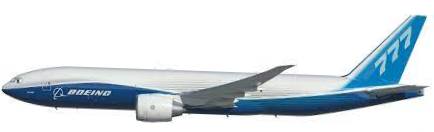
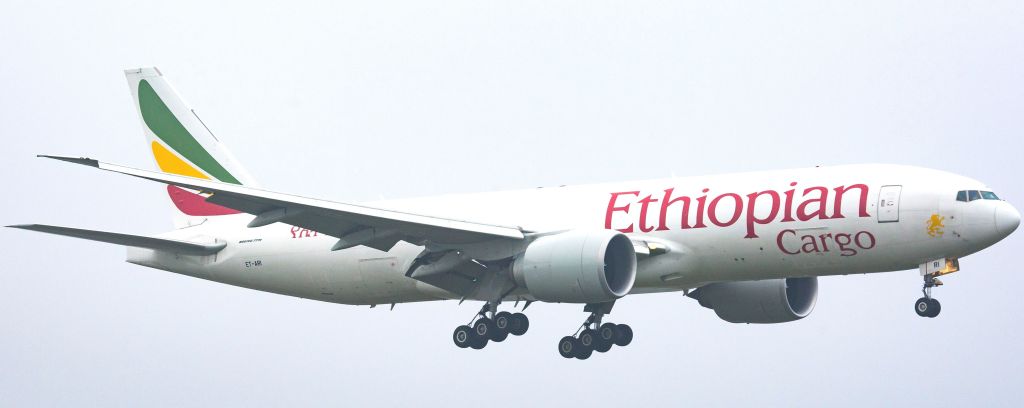
Boeing tiene actualmente pedidos pendientes de entregas de 42 aviones con aerolíneas rusas en este momento. Estos incluyen seis 777-200F para AirBridgeCargo y 36 737-8 MAX destinados a UTair, Ural Airlines y S7 Airlines. AirBridgeCargo (ABC) es una rama del especialista en carga de gran tamaño Volga-Dnepr. La rama principal de la aerolínea de carga utiliza aviones Antonov e Ilyushin para sus operaciones, pero ABC vuela Boeings. El Grupo expresó su interés en la plataforma 777 en 2018. En 2019, confirmó un pedido de nueve 777-200F. El primero fue entregado a ABC en agosto de 2020. Si bien algunas partes de ese pedido han sido objeto de transacciones de venta y arrendamiento, seis aeronaves siguen pendientes. Estos no están planeados para su entrega hasta 2024–2025. Potencialmente, la situación puede haberse aliviado antes de que estas ventanas de entrega se cumplan.

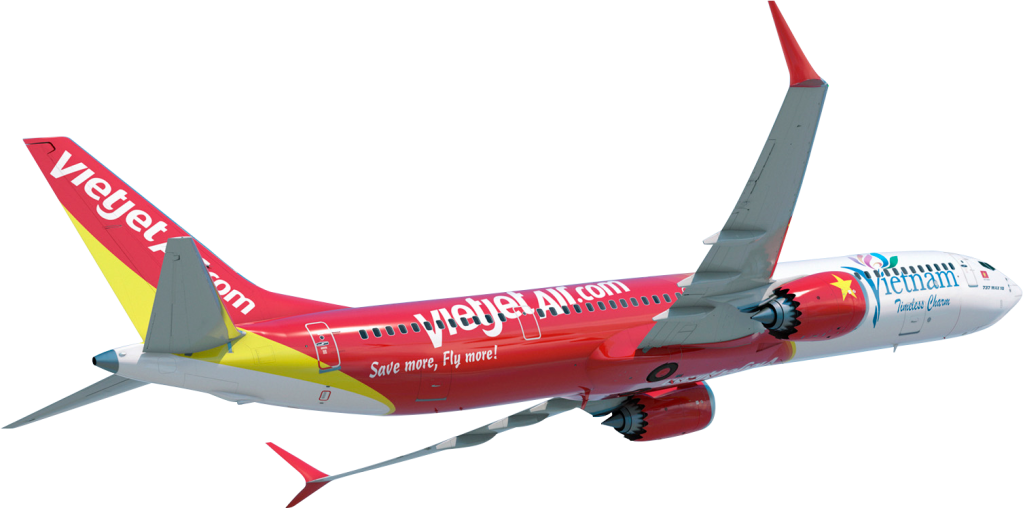
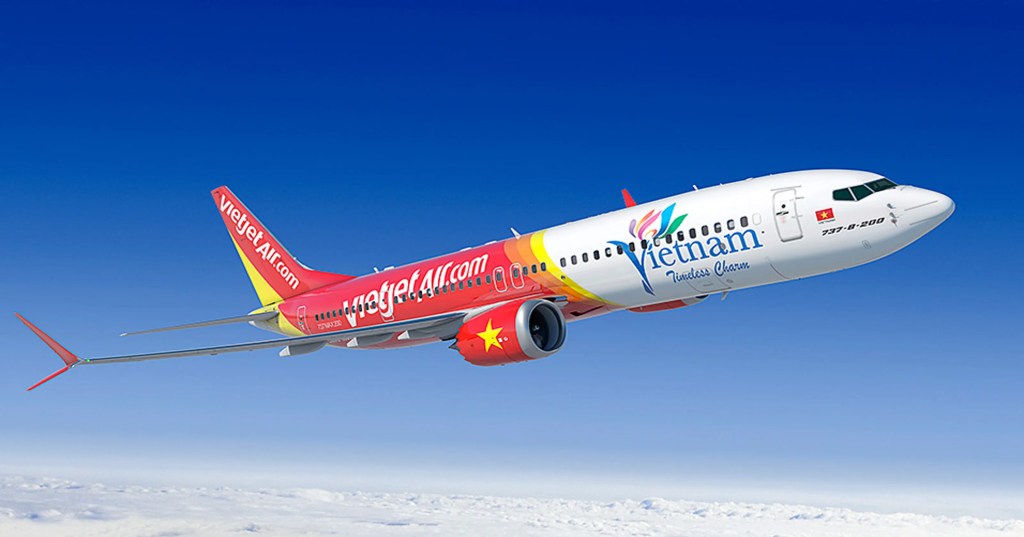
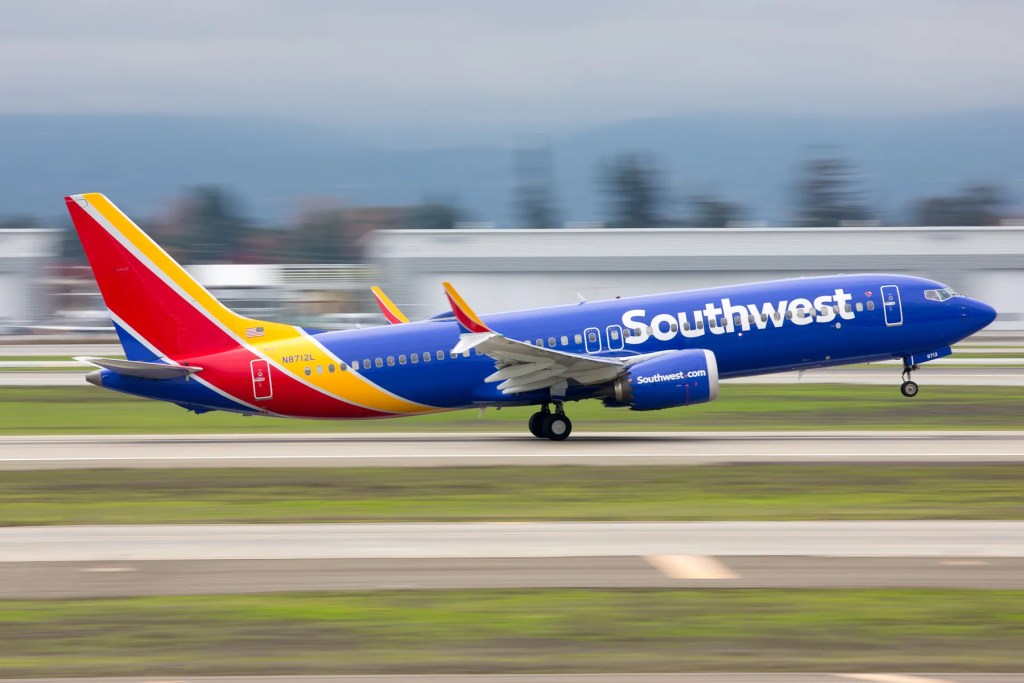
Más de un problema para Boeing son los muchos 737 MAX que se dirigen a Rusia. El mayor dolor de cabeza será UTair, una aerolínea con 28 Boeing 737 MAX en pedidos pendientes. El transportista originalmente realizó un pedido de treinta de los nuevos narrowbodies en 2018, seis de los cuales debían entregarse en 2020. Estos fueron críticos para su futura flota para la aerolínea, ya que estaba reemplazando su flota con Boeing 737 Classics, incluidos sus 26 737-500 envejecidos. Hasta la fecha, UTair no ha recibido la entrega de un solo 737 MAX, en gran parte debido a la prolongada puesta a tierra. Incluso tuvo que arrendar una capacidad de 737 NG para mantenerse en su curso de expansión planificado mientras esperaba que llegaran los MAX. Según ch-aviation, el primer MAX debía llegar en Marzo de 2023, entregando regularmente hasta Diciembre de 2027, cuando se entregarían los 28.

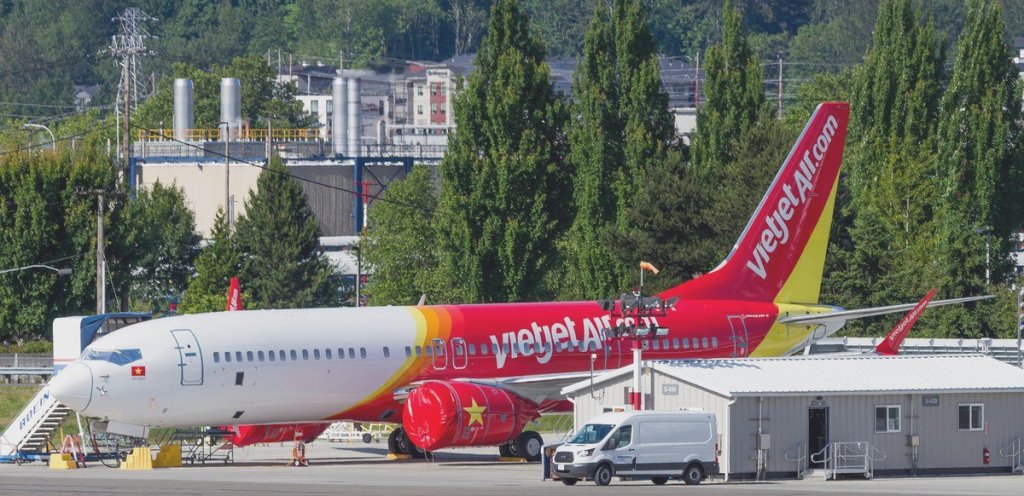
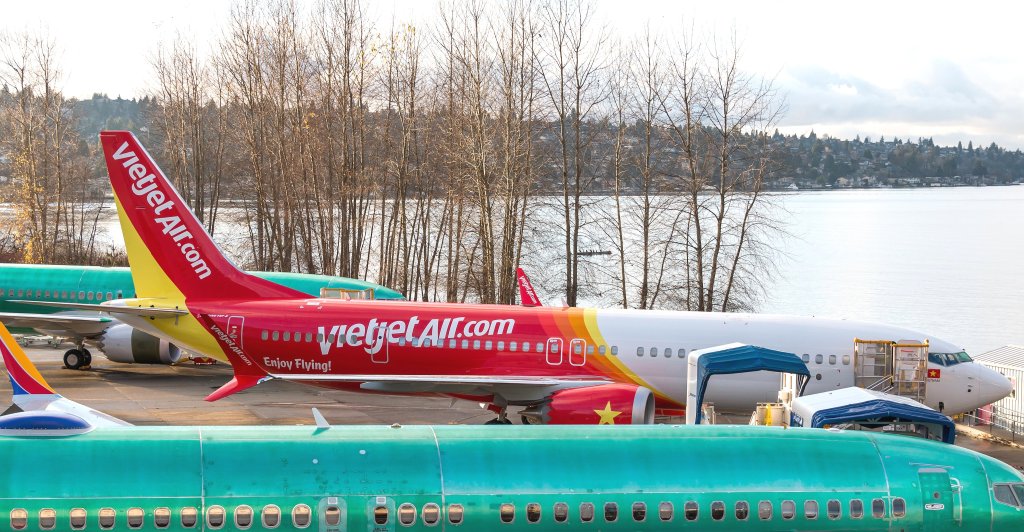
En términos de entregas inminentes, tanto S7 como Ural Airlines esperaban la llegada del 737 MAX muy pronto. Ural Airlines solo tiene dos pedidos de Boeing, los cuales estaban programados para llegar este mes. Al menos dos han sido vistos en pruebas de vuelo alrededor de Boeing Field en las últimas semanas. S7 Airlines fue la primera en volar el Boeing 737 MAX en Rusia, recibiendo su primer vuelo en Octubre de 2018. Actualmente, posee una orden por seis (6) adicionales por llegar. Si bien no todos han tenido fechas de entrega estimadas aplicadas, se esperaba que al menos dos se entregaran antes del verano boreal. Se han visto aviones casi terminados con la identidad visual de S7 Airlines alrededor de Renton (WA) en las últimas semanas, pero que seguramente no tendrán ese destino debido a la ruptura con el régimen ruso.

Airbus tiene una exposición de mercado más pequeña que la compañía americana. Posee un total de 22 aviones en aerolíneas rusas, una gran parte de los cuales el A350 es su buque insignia de fuselaje ancho.

El mayor cliente ruso de Airbus es Aeroflot, que tiene trece A350-900 (13) por encargo del fabricante de aviones europeo. Actualmente, ha recibido nueve unidades, el último de los cuales fue entregado el 24/02. Si bien no hay fechas de entrega enumeradas para la aeronave pendiente, AIBFamilyFlights señala que MSN 471 se ha estado sometiendo a pruebas de vuelo antes de su entrega planificada.

Respecto a las aeronaves de fuselaje estrecho, la popular familia A320NEO tiene algunos pedidos rusos sobresalientes. S7 Airlines posee cuatro aviones en su lista de órdenes establecidas tres A321LR (3) y un A320NEO (1). No se ha indicado ninguna fecha de entrega para estos aviones.

AW-Smartavia__737-5001

El otro cliente de fuselaje estrecho es Smartavia, que espera tres A320NEO (3). Estos deberían haberse entregado a principios de este año. Uno de este tramo de pedidos se entregó en Febrero 2022, uniéndose a los tres que actualmente estaban en la flota de Smartavia. AIBFamilyFlights señala que dos han estado en camino a la fecha de entrega, con MSN10791 tomando su primer vuelo el 01/03 y el MSN10786 el 18/02.

Perspectivas aerolíneas rusas & sanciones industriales

Actualmente, Rusia posee una incipiente industria aeronáutica. En las presentes circunstancias de bloqueo, las aerolíneas rusas tienen una opción sobre la mesa: volar aviones de industria nacional. Los pedidos pendientes están en su lugar para cientos de SSJ 100 de transportistas, incluidos Rossiya, Red Wings, Azimuth, entre otros. Respecto al MC-21 también poseen pedidos para Aeroflot, IrAero, Red Wings, entre otros, mientras que Aurora Airlines posee órdenes por diecinueve Ilyushin Il-114-300 (19).

Ilyushin-Il-114-300

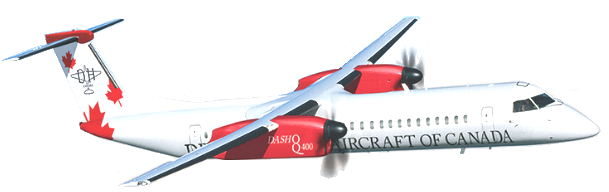
El Il-114-300 es una versión resucitada de un turbohélice de tres décadas de antigüedad que nunca se vendió tan bien en primer lugar. United Aircraft quería modernizar y revivir el diseño, enfrentándolo a los competidores en este espacio de DHC y ATR. Originalmente, la idea era trasladar parte de la producción del Dash 8-400 a Rusia con el fin de suministrar el avión a las aerolíneas rusas. Pero, después de que las conversaciones se tensaron tras la anexión de Crimea, Rusia tomó el asunto en sus propias manos.

El Il-114-300 es un turbohélice prometedor, pero aún no ha sido certificado. En 2021, United Aircraft comenzó a probar en vuelo el primer prototipo. Dijo que esperaba la certificación este año, pero eso ahora parece cada vez más improbable. Incluso si comienza a entregarse antes de fin de año, la producción de la planta de producción en serie solo está planificada para ser de alrededor de 12 aviones por año.

AW-MC-21-30003

El MC-21, de nuevo, aún no está certificado. Se ha sometido a un riguroso proceso de prueba, más recientemente realizando pruebas de remojo en frío en Yakutsk. Las cosas están avanzando en la certificación, pero es un proceso lento. Rusia ha dicho anteriormente que apuntaría a veinte aviones por año, pero más recientemente actualizó esto a una tasa anual de 36.

El segundo gran problema es que solo uno de estos aviones llegaría lejos para llenar el agujero en la cartera de pedidos por la pérdida de Boeing y Airbus. Tanto el SS-100 como el Il-114 son en gran medida aviones regionales, y solo el MC-21 es capaz de grandes rutas transrusas.

En total, 45 aviones de fuselaje estrecho van a faltar en las flotas rusas. Incluso si todo va precisamente según lo planeado para United Aircraft, pasará algún tiempo antes de que obtenga una producción de hasta 36 aviones al año, por lo que estas aerolíneas podrían estar esperando muchos años por una alternativa rusa. En el lado de la carrocería ancha, no hay alternativa, por lo que Aeroflot se verá obligada a volar lo que tiene ahora mismo por el momento.

Aunque el mercado de aeronaves de fuselaje ancho para la industria rusa se verá seriamente afectada, no serán necesarios por un tiempo. Rusia está cada vez más aislada del resto del mundo, con naciones de todo el mundo que cierran sus puertas a las aerolíneas del país. Aunque algunas conexiones internacionales permanecen, los lugares para que las aerolíneas rusas vuelen larga distancia son cada vez menos.

La propia Rusia tiene una sólida escena de aviación nacional. A medida que el resto del mundo se quedaba en casa y dejaba de viajar, las aerolíneas rusas volaban tanto más, que antes de la pandemia. De hecho, a mediados de 2020, Aeroflot había visto una recuperación completa del tráfico doméstico, en algunos mercados por encima de los índices previos ala pandemia de Coronavirus.

Alrededor de un tercio de la flota comercial de Rusia es de cosecha propia, la mayoría son aviones pequeños. Los dos tercios que proporcionan Airbus, Embraer y Boeing siguen siendo críticos para todas las aerolíneas rusas. Una vez que estos aviones alcanzan su siguiente intervalo de servicio, o experimentan un problema de mantenimiento inesperado, las aerolíneas iniciarían una etapa de dificultades de mantenimiento y operatividad. Las líneas aéreas rusas tendrán una corta ventana operativa con los aviones occidentales, pero cuando se agote tendrán que recurrir a la canibalización de sus flotas para mantener al menos algunos aviones volando.

Tras las sanciones a la invasión militar rusa en Ucrania, Boeing, Airbus y las mayores compañías de arrendamiento anunciaron el fin de su cooperación con todas las aerolíneas rusas. A medida que Boeing, Airbus y Embraer se retiran del suministro de aviones y piezas a las aerolíneas rusas, los tres están mirando el barril de una cartera de pedidos potencialmente vacía en ese país. Si bien se desconoce el período de tiempo que Rusia estará bajo sanciones, la historia ha demostrado cuál podría ser el impacto de tales movimientos. Tanto Airbus como Boeing tienen un número significativo de pedidos con aerolíneas rusas, y ambos podrían verse obligados a buscar otro lugar para colocar sus aviones si las sanciones duran un período prolongado.

Desde 2018, la estrategia de seis años del Gobierno ruso para el transporte aéreo ha estado fomentando la interconectividad regional a través de una combinación de centros aéreos regionales y tiendas de descuento nacionales y aerolíneas regionales, que potencialmente volarían más aviones nacionales de media distancia como Sukhoi SuperJet 100 o MS-21. Es probable que esta estrategia ahora se vea seriamente socavada si las sanciones sectoriales de la Unión Europea y los Estados Unidos eliminan las importaciones de componentes cruciales para la construcción de aviones nacionales, mientras que al mismo tiempo impiden que las aerolíneas arrienden o compren aviones nacionales.

Los informes también sugirieron que el Ministerio de Transporte podría adoptar una serie de medidas urgentes contra las sanciones para facilitar la explotación de la flota de aviones nacionales, pero que conllevarían graves riesgos para la seguridad. Esto incluye ampliar el número de licenciatarios para el control técnico de la aeronave y extender las licencias de seguridad vencidas por seis meses. Para recordar, la reputación del Sukhoi SuperJet SSJ-100 ruso producido por Sukhoi Aircraft sancionado, se encontraba perseguida por problemas técnicos, tanto en Rusia como en el extranjero. Aeroflot es el mayor operador del modelo SSJ-100. El modelo emergente Irkut MC-21, también se encontraría seriamente amenazado por no poder alcanzar acuerdo con aerolíneas del mundo y la homologación de autopartes 100% rusas que podrían garantizar la continuidad del programa de permitiría competir con el Boeing 737 MAX.

Perspectivas aviación rusa

El nuevo escenario para la aviación rusa y la economía del país marcan tiempos muy difíciles. Se pronostica que la Federación Rusia quedará aislada del mundo por mucho tiempo, donde el costo de una guerra y una invasión injustificada en Ucrania serán menores que el fuerte impacto del bloqueo mundial hacia Rusia. El Gobierno de Vladimir Putin ha tomado la peor de las decisiones para el destino de su propio país, donde sus expectativas como nación poderosa quedarán en la historia, y el accionar de su política será reclamada por los líderes del mundo como criminal de guerra.

War vs aviation market impact

Impact industry aviation Russia-Ukraine war

As the war continues to be projected without reaching agreements at the political-diplomatic level, the sanctions by the West continue to increase, blocking the Russian Federation politically and economically. In the aviation sector, the Russian nation has had the blockade of international flights of the Federation airlines and the impact of the commercial airline industry will cause long-term havoc in the Russian economy.

The scenario for Russian airlines and aviation industries is severely damaged by a triple blow of airspace closures, bans on the sale and lease of foreign aircraft, and import bans on technical components crucial to the construction of domestic aircraft.

Russian airlines

Russian airlines will not be able to fly to international markets due to harsh sanctions by the United States, the European Union, among many countries on the planet, being isolated from the world, with a window in the market of Belarus, Cuba and Venezuela. The impact has not been long in coming with the resignation of executives, the expropriation by the Russian State of the aircraft under the rental regime of Russian air operators, suggest a very complicated scenario for the Russian airline market.

The Russian aviation agency Rosaviatsia has recommended that Russian airlines using foreign-registered or leased aircraft suspend all flights abroad from March 6, 2022, and all flights from abroad to Russia from March 8. March 2022, due to high risks of aircraft arrest and seizure. The position of the aviation agency will mark a legal conflict between the Russian Federation, Russian airlines and lessor companies of commercial aircraft.

As of mid-February 2022, Russia’s largest airlines operated 491 aircraft from Airbus, Boeing and Embraer, carrying 80 million people, or 72% of total passenger turnover.

Russia’s largest airlines, the national carrier Aeroflot Russian Airlines, the private group S7 Airlines and Aeroflot’s low-cost subsidiary Pobeda Airlines, have announced the suspension of flights abroad. A plane operated by Urals Airlines was stopped in Dubai for a paperwork check on March 4, 2022. Another Urals flight was stopped in Egypt, and all passengers were disembarked. The airline has suspended flights to Armenia, Azerbaijan, Israel and the United Arab Emirates until March 26, 2022.

Meanwhile, the top managers of the Russian airlines Aeroflot, S7, Urals and Utair in a meeting with the Deputy Minister of Transport, Igor Chalik, on 02/28 had discussed the option of nationalizing Airbus and Boeing aircraft to keep them in the national fleet. The Ministry of Transport is reportedly in favor of nationalization, but the final decision has yet to be made. At the same time, industry experts have expressed that the nationalized aircraft would remain operational for no more than six months if supplies of services and components are blocked, so this option is not very viable, rather it would aggravate the legal situation of Russian airlines against the claims of international lessors.

Most Russian airlines had been notified by European leasing companies that reinsurance contracts on their fleets are ending, meaning a de facto ban on operating the fleet. Pobeda Airlines’ main suppliers reportedly refused to reinsure their fleet with the Russian National Reinsurance Company (RNPK), backed by the national central bank.

Leasing companies were extremely concerned about rumors of nationalization. In this extremely negative news environment, Pobeda Head Andrei Kalmykov and Director Konstantin Tarasov left the company. Pobeda Airlines was Aeroflot’s fastest growing asset and the backbone of its strategy and investment case. The resignation of the CEO of Aeroflot, Mikhail Poluboyarinov, was denied by the press service of the main Russian airline.

Boeing currently has backorders for 42 aircraft with Russian airlines at this time. These include six 777-200Fs for AirBridgeCargo and 36 737-8 MAXs destined for UTair, Ural Airlines and S7 Airlines. AirBridgeCargo (ABC) is an offshoot of oversized cargo specialist Volga-Dnepr. The main branch of the cargo airline uses Antonov and Ilyushin planes for its operations, but ABC flies Boeings. The Group expressed interest in the 777 platform in 2018. In 2019, it confirmed an order for nine 777-200Fs. The first was delivered to ABC in August 2020. While parts of that order have been the subject of sale and lease transactions, six aircraft remain outstanding. These are not planned for delivery until 2024–2025. Potentially, the situation may have eased before these delivery windows are met.

More of a problem for Boeing is the many 737 MAXs heading to Russia. The biggest headache will be UTair, an airline with 28 Boeing 737 MAXs on backorder. The carrier originally placed an order for thirty of the new narrowbodies in 2018, six of which were due for delivery in 2020. These were critical to its future fleet for the airline as it was replacing its fleet with Boeing 737 Classics, including its 26 737 -500 aged. To date, UTair has not taken delivery of a single 737 MAX, largely due to the lengthy grounding. It even had to lease 737 NG capacity to stay on its planned expansion course while it waited for the MAXs to arrive. According to ch-aviation, the first MAX was due to arrive in March 2023, delivering regularly until December 2027, when all 28 would be delivered.

In terms of impending deliveries, both S7 and Ural Airlines were expecting the 737 MAX to arrive very soon. Ural Airlines only has two orders from Boeing, both of which were scheduled to arrive this month. At least two have been seen in flight tests around Boeing Field in recent weeks. S7 Airlines was the first to fly the Boeing 737 MAX in Russia, receiving its first flight in October 2018. It currently has an order for an additional six (6) to come. While not all have had estimated delivery dates applied, at least two were expected to be delivered before the summer. Almost completed planes with the visual identity of S7 Airlines have been seen around Renton (WA) in recent weeks, but they will surely not have that destination due to the break with the Russian regime.

Airbus has a smaller market exposure than the American company. It owns a total of 22 aircraft on Russian airlines, a large part of which the A350 is its wide-body flagship.

Airbus’ largest Russian customer is Aeroflot, which has thirteen A350-900s (13) on order from the European aircraft manufacturer. Currently, it has received nine units, the last of which was delivered on 02/24. While there are no delivery dates listed for the pending aircraft, AIBFamilyFlights notes that MSN 471 has been undergoing flight testing ahead of its planned delivery.

Regarding narrow-body aircraft, the popular A320NEO family has some outstanding Russian orders. S7 Airlines has four aircraft on its order list, three A321LRs (3) and one A320NEO (1). No delivery date has been indicated for these aircraft.

The other narrow-body customer is Smartavia, which expects three A320NEOs (3). These should have been delivered earlier this year. One of this tranche of orders was delivered in February 2022, joining the three that were currently in the Smartavia fleet. AIBFamilyFlights notes that two have been on track for delivery, with MSN10791 taking its maiden flight on 03/01 and MSN10786 on 02/18.

Prospects Russian airlines & industrial sanctions

Russia currently has a fledgling aircraft industry. In the current lockdown circumstances, Russian airlines have one option on the table: fly domestic industry aircraft. Backorders are in place for hundreds of SSJ 100s from carriers including Rossiya, Red Wings, Azimuth, and more. Regarding the MC-21, they also have orders for Aeroflot, IrAero, Red Wings, among others, while Aurora Airlines has orders for nineteen Ilyushin Il-114-300 (19).

The Il-114-300 is a revived version of a three-decade-old turboprop that never sold so well in the first place. United Aircraft wanted to modernize and revive the design, pitting it against competitors in this space from DHC and ATR. Originally, the idea was to move part of the production of the Dash 8-400 to Russia in order to supply the aircraft to Russian airlines. But, after talks grew tense following the annexation of Crimea, Russia took matters into its own hands.

The Il-114-300 is a promising turboprop, but it has not yet been certified. In 2021, United Aircraft began flight testing the first prototype. He said he was hoping for certification this year, but that now seems increasingly unlikely. Even if it begins delivery before the end of the year, production from the mass production plant is only planned to be around 12 aircraft per year.

The MC-21, again, is not certified yet. It has undergone a rigorous testing process, most recently undergoing cold soak tests in Yakutsk. Things are moving forward on certification, but it’s a slow process. Russia has previously said it would target 20 aircraft per year, but more recently updated this to an annual rate of 36.

The second big problem is that just one of these planes would go far to fill the hole in the backlog from the loss of Boeing and Airbus. Both the SS-100 and Il-114 are very much regional aircraft, with only the MC-21 capable of large trans-Russian routes.

In total, 45 narrow-body aircraft are going to be missing from the Russian fleets. Even if all goes precisely as planned for United Aircraft, it will be some time before it gets production up to 36 planes a year, so these airlines could be waiting many years for a Russian alternative. On the widebody side, there is no alternative, so Aeroflot will be forced to fly what it has right now for the time being.

Although the market for wide-body aircraft for Russian industry will be seriously affected, they will not be needed for a while. Russia is increasingly isolated from the rest of the world, with nations around the world closing their doors to the country’s airlines. Although some international connections remain, the places for Russian airlines to fly long-haul are fewer and fewer.

Russia itself has a strong domestic aviation scene. As the rest of the world stayed home and stopped traveling, Russian airlines were flying so much more than before the pandemic. Indeed, by mid-2020, Aeroflot had seen a full recovery in domestic traffic, in some markets above pre-Coronavirus pandemic rates.

About a third of Russia’s commercial fleet is homegrown, most of it small planes. The two-thirds provided by Airbus, Embraer and Boeing remain critical for all Russian airlines. Once these aircraft reach their next service interval, or experience an unexpected maintenance issue, airlines would enter a stage of maintenance and operational difficulties. Russian airlines will have a short operating window on Western planes, but when that runs out they will have to resort to cannibalizing their fleets to keep at least some planes flying.

Following the sanctions on the Russian military invasion of Ukraine, Boeing, Airbus and the largest leasing companies announced the end of their cooperation with all Russian airlines. As Boeing, Airbus and Embraer withdraw from supplying planes and parts to Russian airlines, all three are staring down the barrel of a potentially empty order book in that country. While the length of time Russia will be under sanctions is unknown, history has shown what the impact of such moves could be. Both Airbus and Boeing have a significant number of orders with Russian airlines, and both could be forced to find another place to put their planes if the sanctions last for an extended period.

Since 2018, the Russian government’s six-year strategy for air transport has been fostering regional interconnectivity through a combination of regional air hubs and national discounters and regional airlines, potentially flying more domestic medium-haul aircraft such as Sukhoi. SuperJet 100 or MS-21. This strategy is now likely to be seriously undermined if sectoral sanctions from the European Union and the United States eliminate imports of crucial components for the construction of domestic aircraft, while at the same time preventing airlines from leasing or purchasing domestic aircraft.

The reports also suggested that the Ministry of Transport could take a series of urgent anti-sanctions measures to facilitate the exploitation of the national aircraft fleet, but that they would carry serious security risks. This includes expanding the number of licensees for aircraft technical control and extending expired security licenses by six months. To recall, the reputation of the Russian Sukhoi SuperJet SSJ-100 produced by the sanctioned Sukhoi Aircraft was dogged by technical problems, both in Russia and abroad. Aeroflot is the largest operator of the SSJ-100 model. The emerging Irkut MC-21 model would also be seriously threatened by not being able to reach an agreement with world airlines and the homologation of 100% Russian auto parts that could guarantee the continuity of the program that would allow it to compete with the Boeing 737 MAX.

Prospects Russian aviation

The new scenario for Russian aviation and the country’s economy mark very difficult times. It is predicted that the Russian Federation will be isolated from the world for a long time, where the cost of a war and an unwarranted invasion in Ukraine will be less than the strong impact of the global blockade on Russia. The Government of Vladimir Putin has made the worst decision for the destiny of his own country, where his expectations as a powerful nation will remain in history, and his political actions will be claimed by world leaders as criminal. of war.

PUBLISHER: Airgways.com
DBk: Airgways.com / Airbus.com / Boeing.com / Mintrans.gov.ru / Ruaviation.com / Dailynews.lk
AW-POST: 202203062320AR
OWNERSHIP: Airgways Inc.
A\W A I R G W A Y S ®

Boeing duplicaría producción 737 MAX

AW | 2022 03 05 21:57 | INDUSTRY

Objetivo duplicar producción del 737 MAX para fines 2023

Boeing_Isologo.svg

AW-Boeing 737 MAX_png (57)

The Boeing Company ha expresado planes preliminares para aumentar la producción de su familia 737 MAX, el verdadero caballo de batalla y la vaca de efectivo para repuntar su cartera de pedidos post-pandemia. La compañía apunta a desarrollar un factor de producción mensual de 47 aeronaves para fines del próximo año 2023, dijeron personas familiarizadas con el asunto. Después de recortar la producción debido principalmente a la pandemia, Boeing y su rival europeo Airbus están viendo una mayor demanda de sus aviones de pasajeros de media distancia.

El fabricante de aviones estadounidense busca extender su recuperación de sucesivas crisis. Después de recortar la producción debido principalmente a la pandemia, Boeing y su rival europeo Airbus están viendo una mayor demanda de sus aviones de pasajeros de media distancia, y ambos fabricantes de aviones agregaron ofertas llamativas a sus libros de pedidos en las últimas semanas.

Los planes de producción de Boeing cambian y están influenciados por muchos factores. Las dudas ya están girando en la industria sobre si la cadena de suministro será capaz de cumplir con los agresivos planes de aumento de la producción, particularmente en Europa. Los proveedores están lidiando con la escasez de mano de obra y materiales y los balances debilitados tras las situaciones superpuestas de la pandemia y la crisis de puesta a tierra de seguridad del 737 MAX.

Boeing dijo a fines de Enero 2022 que estaba trabajando para limpiar un inventario de 335 aviones Boeing 737 MAX acumulados después que los organismos de aviación pusieran en tierra dejaron durante veinte meses por cuestiones de seguridad industrial al encontrarse fallas en el sistema de Control de Vuelo. La cartera de backlog ha estimado que la mayoría de esos aviones se entregarían a fines de 2023.

A fines de Enero 2022, el Director Financiero Brian West dijo que el Programa 737 estaba produciendo a una tasa de 27 aviones por mes y se proyecta alcanzar a 31 durante la segunda mitad del año, aunque estiman que podría alcanzarse mucho antes.

Perspectivas 737 MAX

Una tasa de 47 aviones por mes está a cinco de su tasa de construcción en 2019, cuando el 737 MAX quedó en tierra. Boeing estaba sentando las bases para casi duplicar la producción para fines de 2023, pero los planes podrían cambiar debido a restricciones en la cadena de suministro u otros factores.

Airbus, por su parte, ha establecido un objetivo de producción de 65 aeronaves al mes para el verano de 2023 para su familia A320NEO de fuselaje estrecho, aunque ha estado en desacuerdo con los fabricantes de motores liderados por la francesa Safran sobre sus ambiciones de impulsar la producción después hasta 75 unidades al mes.

Boeing to double production of 737 MAX

Objective to double production of the 737 MAX by the end of 2023

AW-Boeing_737_MAX_Isologotype

The Boeing Company has expressed preliminary plans to ramp up production of its 737 MAX family, the true workhorse and cash cow to rebound its post-pandemic order book. The company aims to build a monthly production output of 47 aircraft by the end of next year, 2023, people familiar with the matter said. After cutting production mainly due to the pandemic, Boeing and its European rival Airbus are seeing increased demand for their medium-haul airliners.

The US aircraft manufacturer seeks to extend its recovery from successive crises. After cutting production mainly due to the pandemic, Boeing and European rival Airbus are seeing increased demand for their medium-haul jetliners, with both planemakers adding eye-catching deals to their order books in recent weeks.

Boeing’s production plans change and are influenced by many factors. Doubts are already swirling in the industry about whether the supply chain will be able to meet aggressive production ramp-up plans, particularly in Europe. Suppliers are grappling with labor and material shortages and weakened balance sheets following the overlapping situations of the pandemic and the 737 MAX safety grounding crisis.

AW-Boeing 737 MAX_png (44)

Boeing said at the end of January 2022 that it was working to clean up an inventory of 335 Boeing 737 MAX aircraft accumulated after aviation agencies grounded them for twenty months for industrial safety reasons when faults were found in the Flight Control system. The backlog portfolio has estimated that most of those aircraft would be delivered by the end of 2023.

At the end of January 2022, Chief Financial Officer Brian West said that the 737 Program was producing at a rate of 27 aircraft per month and is projected to reach 31 during the second half of the year, although they estimate that it could be reached much sooner.

Perspectives 737 MAX

A rate of 47 planes per month is five from its build rate in 2019, when the 737 MAX was grounded. Boeing was laying the groundwork to nearly double production by the end of 2023, but plans could change due to supply chain constraints or other factors.

Airbus, for its part, has set a production target of 65 aircraft per month by the summer of 2023 for its narrow-body A320NEO family, though it has been at odds with engine makers led by France’s Safran over its ambitions to boost production after up to 75 units per month.

PUBLISHER: Airgways.com
DBk: Boeing.com / Airgways.com
AW-POST: 202203052157AR
OWNERSHIP: Airgways Inc.
A\W A I R G W A Y S ®

Boeing-Ethiopian MoU Boeing 777-8F

AW | 2022 03 05 17:55 | AIRLINES / INDUSTRY

Boeing y Ethiopian Airlines firman MoU para nuevo carguero 777-8

Boeing 777X Program

AW-Ethiopian Airlines_Isologotype

The Boeing Company y su antiguo cliente Ethiopian Airlines anunciaron este 4 de Marzo de 2022 la firma de un Memorando de Entendimiento (MoU) con la intención de comprar cinco cargueros Boeing 777-8F, el carguero bimotor más nuevo, capaz y más eficiente en combustible de la industria. El Memorando de Entendimiento para ordenar el 777-8 Freighter permitirá a Ethiopian Airlines satisfacer la creciente demanda mundial de carga desde su centro de operaciones en Addis Abeba y posicionar a la aerolínea para un crecimiento sostenible a largo plazo.

«De acuerdo con nuestra historia de liderazgo en tecnología de aviación en África, nos complace firmar este memorando de entendimiento con nuestro socio de larga data Boeing, lo que nos hará unirnos a un grupo selecto de aerolíneas clientes de lanzamiento para la flota. En nuestra visión 2035, planeamos expandir nuestro negocio de Carga y Logística para ser uno de los mayores proveedores globales de logística multimodal en todos los continentes. A tal efecto, estamos aumentando nuestra flota de cargueros dedicados con la última tecnología, aviones eficientes en combustible y respetuosos con el medio ambiente del siglo 21. También hemos comenzado la construcción de la terminal de centros de comercio electrónico más grande de África. Los nuevos cargueros 777-8 serán fundamentales en este largo viaje de agenda de crecimiento. Hoy en día, nuestros servicios de carga aérea cubren más de 120 destinos internacionales en todo el mundo con capacidad de bodega y servicios de carga dedicados», dijo el CEO del Grupo Ethiopian Airlines, Tewolde Gebremariam.

Boeing lanzó el nuevo 777-8 Freighter en enero y ya ha reservado 34 pedidos en firme para el modelo, que cuenta con la tecnología avanzada de la nueva familia 777X y el rendimiento comprobado del 777 Freighter líder en el mercado. Con una capacidad de carga útil casi idéntica a la del 747-400 Freighter y una mejora del 30% en la eficiencia del combustible, las emisiones y los costos operativos, el 777-8 Freighter permitirá un negocio más sostenible y rentable para los operadores.

«Ethiopian Airlines ha estado a la vanguardia del mercado de carga de África durante décadas, aumentando su flota de cargueros Boeing y conectando el continente con el flujo del comercio global. La intención de comprar el nuevo 777-8 Freighter subraya aún más el valor de nuestro último avión y garantiza que Ethiopian seguirá siendo un jugador clave en la carga global, proporcionándole una mayor capacidad, flexibilidad y eficiencia para el futuro», dijo Ihssane Mounir, Vicepresidente Senior de Ventas Comerciales y Marketing.

Ethiopian Airlines actualmente opera nueve cargueros 777, conectando África con más de 40 centros de carga en Asia, Europa, Medio Oriente y América. La flota de la aerolínea también incluye tres 737-800 Boeing Converted Freighters y una flota comercial combinada de más de 80 aviones Boeing, incluidos 737, 767, 787 y 777.

Boeing-Ethiopian MoU Boeing 777-8F

Boeing and Ethiopian Airlines sign MoU for the new 777-8 freighter

AW-78022112

Boeing_Isologo.svg

The Boeing Company and its former customer Ethiopian Airlines announced this March 4, 2022 the signing of a Memorandum of Understanding (MoU) with the intention of purchasing five Boeing 777-8F freighters, the newest, most capable and most fuel efficient twin-engine freighter of the industry. The Memorandum of Understanding to order the 777-8 Freighter will enable Ethiopian Airlines to meet growing global demand for cargo from its Addis Ababa hub and position the airline for long-term sustainable growth.

«In keeping with our history of aviation technology leadership in Africa, we are pleased to sign this MoU with our long-standing partner Boeing, which will see us join a select group of airline launch customers for the fleet. In our vision 2035, we plan to expand our Freight & Logistics business to be one of the largest global providers of multimodal logistics across all continents.To that end, we are growing our fleet of dedicated freighters with the latest technology, fuel-efficient and environmentally friendly aircraft. the environment of the 21st century. We have also begun construction of the largest e-commerce hub terminal in Africa. The new 777-8 freighters will be instrumental in this long journey of growth agenda. Today, our cargo services airlines cover more than 120 international destinations around the world with warehouse capacity and dedicated cargo services», said the CEO of the Ethiopian Airlines Group, Tewolde Gebremariam.

Boeing launched the new 777-8 Freighter in January and has already booked 34 firm orders for the model, which features the advanced technology of the new 777X family and the proven performance of the market-leading 777 Freighter. With nearly identical payload capacity to the 747-400 Freighter and a 30% improvement in fuel efficiency, emissions and operating costs, the 777-8 Freighter will enable a more sustainable and profitable business for operators.

«Ethiopian Airlines has been at the forefront of Africa’s cargo market for decades, growing its fleet of Boeing freighters and connecting the continent to the flow of global commerce. The intent to purchase the new 777-8 Freighter further underscores the value of our latest aircraft and ensures that Ethiopian will continue to be a key player in global cargo, providing it with greater capacity, flexibility and efficiency for the future», said Ihssane Mounir, Senior Vice President of Commercial Sales and Marketing.

Ethiopian Airlines currently operates nine 777 freighters, connecting Africa with more than 40 cargo hubs in Asia, Europe, the Middle East and the Americas. The airline’s fleet also includes three 737-800 Boeing Converted Freighters and a combined commercial fleet of more than 80 Boeing aircraft, including 737s, 767s, 787s and 777s.

PUBLISHER: Airgways.com
DBk: Boeing.com / Ethiopianairlines.com / Airgways.com
AW-POST: 202203051755AR
OWNERSHIP: Airgways Inc.
A\W A I R G W A Y S ®

Etihad adopta solución digital de Boeing

AW | 2022 03 04 21:00 | AIRLINES / INDUSTRY

Optimización más eficiente de la flota de 787

Etihad Airways_Isologotype.svg

The Boeing Company ha sido seleccionada este 04/03 para proporcionar a Etihad Airways la solución digital Jeppesen FliteDeck Advisor para la flota de 787 Dreamliner de la aerolínea con el fin de optimizar la eficiencia operativa y reducir el consumo de combustible. Etihad ya ha encontrado beneficios del uso de FliteDeck Advisor. Durante una prueba en varios de sus 787 Dreamliners, la aerolínea descubrió que la solución digital ofrecía un ahorro de combustible de crucero del 1,4%, ahorrando un promedio de 350 kilogramos de combustible y 1.100 kilogramos de CO2 por vuelo.

«Estamos muy satisfechos con el ahorro de combustible y costos que hemos logrado con FliteDeck Advisor. FliteDeck Advisor se probó como parte del programa Etihad Greenliner, y es genial verlo ahora desplegado en toda la flota de 787, ayudando a Etihad a lograr ganancias de eficiencia y reducir las emisiones de CO2″, dijo Sulaiman Yaqoobi, Vicepresidente de Operaciones de Vuelo de Etihad Airways.

Desde 2019, Boeing y Etihad han colaborado en esfuerzos de sostenibilidad centrados en la flota de 787 Dreamliner de la aerolínea, incluida la participación de Etihad en el programa ecoDemonstrator de Boeing, donde se probó inicialmente la solución FliteDeck Advisor. En 2021, las dos compañías renovaron y ampliaron su alianza de sostenibilidad para centrarse en mejorar la eficiencia de las operaciones de navegación y vuelo, las tecnologías de fuselaje y las prácticas sostenibles para reducir las emisiones.

Jeppesen FliteDeck Advisor analiza las métricas de rendimiento específicas del avión para todas las aeronaves Boeing, incluidos los cambios a lo largo del tiempo con la antigüedad de la aeronave y la acción de mantenimiento. La herramienta permite a las tripulaciones de vuelo realizar pequeños ajustes en tiempo real a su curso, altitud y velocidad para optimizar el uso de combustible y minimizar la huella de carbono de cada vuelo.

«Etihad ha sido un gran socio en el avance de las tecnologías de aviación sostenible, y estamos entusiasmados de continuar brindándoles soluciones que les ayuden a descarbonizar su flota mientras cumplen con sus objetivos comerciales», dijo Duane Wehking, Vicepresidente de Soluciones de Aviación Digital de Boeing Global Services.

Boeing proporciona varias otras soluciones y servicios digitales a la flota de 787 de Etihad, incluidos Jeppesen FliteDeck Pro, Jeppesen Crew Rostering y Boeing Wind Updates, que proporcionan capacidades de programación de tripulación, gráficos, navegación y eficiencia de vuelo.

Con 39 aviones Boeing Dreamliner actualmente en operación, Etihad es el mayor operador en el Medio Oriente del 787, una familia de aviones diseñados con una eficiencia superior que permite a las aerolíneas abrir nuevas rutas de manera rentable para volar a las personas directamente a donde les gustaría ir con una comodidad excepcional.

La estrategia de Boeing para descarbonizar la industria aeroespacial se centra en cuatro áreas clave, que abarcan la renovación de la flota, la eficiencia operativa, la energía renovable y la tecnología avanzada. Dentro de la estrategia de eficiencia operativa, Boeing Global Services proporciona una cartera de servicios que incluye herramientas de análisis de datos para ayudar a los clientes a descubrir ahorros de costos o eficiencia que reducen el consumo de combustible.

Etihad adopts digital solution from Boeing

More efficient optimization of the 787 fleet

The Boeing Company has been selected this 03/04 to provide Etihad Airways with the Jeppesen FliteDeck Advisor digital solution for the airline’s 787 Dreamliner fleet in order to optimize operational efficiency and reduce fuel consumption. Etihad has already found benefits from using FliteDeck Advisor. During a test on several of its 787 Dreamliners, the airline found that the digital solution offered cruising fuel savings of 1.4%, saving an average of 350 kilograms of fuel and 1,100 kilograms of CO2 per flight.

«We are very pleased with the fuel and cost savings we have achieved with FliteDeck Advisor. FliteDeck Advisor was trialled as part of the Etihad Greenliner programme, and it is great to see it now deployed across the entire 787 fleet, helping Etihad achieve efficiency gains and reduce CO2 emissions», said Sulaiman Yaqoobi, Vice President of Flight Operations at Etihad Airways.

Since 2019, Boeing and Etihad have collaborated on sustainability efforts focused on the airline’s 787 Dreamliner fleet, including Etihad’s participation in Boeing’s ecoDemonstrator program, where the FliteDeck Advisor solution was initially tested. In 2021, the two companies renewed and expanded their sustainability alliance to focus on improving the efficiency of navigation and flight operations, airframe technologies, and sustainable practices to reduce emissions.

Jeppesen FliteDeck Advisor analyzes aircraft-specific performance metrics for all Boeing aircraft, including changes over time with aircraft age and maintenance action. The tool allows flight crews to make small, real-time adjustments to their course, altitude, and speed to optimize fuel use and minimize the carbon footprint of each flight.

«Etihad has been a great partner in advancing sustainable aviation technologies, and we are excited to continue providing them with solutions that help them decarbonize their fleet while meeting their business goals», said Duane Wehking, Vice President of Digital Aviation Solutions at Etihad. Boeing Global Services.

Boeing provides several other digital solutions and services to Etihad’s 787 fleet, including Jeppesen FliteDeck Pro, Jeppesen Crew Rostering and Boeing Wind Updates, which provide crew scheduling, charting, navigation and flight efficiency capabilities.

With 39 Boeing Dreamliner aircraft currently in operation, Etihad is the Middle East’s largest operator of the 787, a family of aircraft designed with superior efficiency that enables airlines to cost-effectively open new routes to fly people directly to where they want to go. would like to go with exceptional comfort.

Boeing’s strategy to decarbonize the aerospace industry focuses on four key areas, encompassing fleet renewal, operational efficiency, renewable energy and advanced technology. Within the operational efficiency strategy, Boeing Global Services provides a portfolio of services that includes data analysis tools to help customers uncover cost savings or efficiencies that reduce fuel consumption.

PUBLISHER: Airgways.com
DBk: Boeing.com / Etihad.com / Airgways.com
AW-POST: 202203042100AR
OWNERSHIP: Airgways Inc.
A\W A I R G W A Y S ®

Embraer rompe relaciones con Rusia

AW | 2022 03 03 17:05 | INDUSTRY / GOVERNMENT

Embraer adhiere a bloqueo mundial a Rusia

Embraer_Isologotype_Central

El fabricante brasileño de aviones Embraer S.A. ha confirmado este Jueves 3 de Marzo de 2022 que se unirá a The Boeing Company y Airbus Group para detener el suministro de piezas y aviones a la Federación Rusia como parte de los bloqueos políticos y económicos impuestos por innumerables estados, organismos y compañías alrededor del mundo.

La compañía brasileña ha expresado el total apoyo a las restricciones impuestas a Rusia debido al atropello a la paz mundial. Embraer está monitoreando de cerca la evolución de la situación y continuará cumpliendo, con las sanciones internacionales impuestas a Rusia y ciertas regiones de Ucrania mediante la suspensión de piezas, mantenimiento y servicios de soporte técnico para clientes afectados por sanciones.

Embraer posee actualmente dos importantes clientes de aerolíneas comerciales en Rusia: S7 Airlines que posee una flota de diecisiete E170 (17) en operación, mientras que Pegas Fly tiene seis E190 (6) más grandes. Varios operadores privados y chárter también utilizan los aviones de negocios del fabricante, incluidos Sirius-Aero, RusJet y PremierAvia.

El mercado en la Federación Rusia se ha convertido en una importante plaza para el constructor brasileño. A medida que Occidente continúa aplicando medidas de bloqueos, más compañías se adhieren a aislar al país como represalias por los graves atropellos a la dignidad humana, donde la guerra nunca será un justificativo de la garantía por la paz.

Embraer breaks relations with Russia

Embraer joins global blockade of Russia

Brazilian aircraft manufacturer Embraer S.A. has confirmed this Thursday, March 3, 2022 that it will join The Boeing Company and Airbus Group in stopping the supply of parts and aircraft to the Russian Federation as part of the political and economic blockades imposed by countless states, organizations and companies around the world.

The Brazilian company has expressed full support for the restrictions imposed on Russia due to the violation of world peace. Embraer is closely monitoring the evolution of the situation and will continue to comply with the international sanctions imposed on Russia and certain regions of Ukraine by suspending parts, maintenance and technical support services for customers affected by sanctions.

Embraer currently has two major commercial airline customers in Russia: S7 Airlines which has a fleet of seventeen E170s (17) in operation, while Pegas Fly has six larger E190s (6). Several private and charter operators also use the manufacturer’s business jets, including Sirius-Aero, RusJet and PremierAvia.

The market in the Russian Federation has become an important place for the Brazilian manufacturer. As the West continues to apply blockade measures, more companies join in isolating the country in retaliation for the serious violations of human dignity, where war will never be a justification for the guarantee of peace.

PUBLISHER: Airgways.com
DBk: Embraer.com / Airgways.com
AW-POST: 202203031705AR
OWNERSHIP: Airgways Inc.
A\W A I R G W A Y S ®

Boeing respalda ayudas a Ucrania

AW | 2022 03 03 16:18 | INDUSTRY / GOVERNMENT

Compromete US$ 2 millones para apoyar respuesta humanitaria

Boeing_Isologo.svg

The Boeing Company ha anunciado este 3 de Marzo de 2022 un paquete de asistencia de emergencia de US$ 2 millones para apoyar los esfuerzos de respuesta humanitaria en Ucrania. El paquete de asistencia se dirigirá a las organizaciones que trabajan para llevar alimentos, agua, ropa, medicinas y refugio a los ucranianos desplazados, incluidos aquellos que buscan refugio en los países vecinos. Además, Boeing igualará todas las contribuciones de los empleados calificados realizadas en apoyo de la ayuda humanitaria ucraniana a través del programa de igualación caritativa de la compañía.

«El conflicto que se desarrolla en Ucrania está llevando a una emergencia humanitaria significativa, y Boeing tomará medidas para apoyar al pueblo ucraniano. Nuestros pensamientos están con todos aquellos que han sido empujados en medio de esta crisis. Mientras trabajamos para garantizar la seguridad de los empleados de Boeing en la región, esperamos que este paquete de asistencia ayude a brindar un apoyo muy necesario a aquellos que están desplazados y sufren», dijo Dave Calhoun, Presidente y CEO de Boeing.

La financiación del Boeing Charitable Trust apoyará a las siguientes organizaciones: US$ 1.000.000 a CARE para ayudar con la distribución de alimentos, agua y kits de higiene, así como asistencia monetaria y apoyo psicosocial para los ucranianos afectados, con un enfoque en mujeres, niños y ancianos. US$ 500.000 a la Cruz Roja Americana para apoyar el movimiento mundial de la Cruz Roja que brinda ayuda humanitaria crítica a las personas afectadas por la crisis de Ucrania. US$ 250.000 a Americares para ayudar con la distribución de medicamentos y suministros médicos, así como para apoyar la atención médica crítica para las familias desplazadas por la crisis, incluidos los servicios de salud mental. US$ 250.000 a organizaciones que trabajan para apoyar a las poblaciones vulnerables y desplazadas en Ucrania y los países vecinos.

«La situación humanitaria en Ucrania empeora cada hora. En la última semana, más de 500.000 personas han huido de Ucrania hacia los países vecinos. Se espera que este número aumente a más de un millón en los próximos días. El apoyo de Boeing es muy oportuno e impactante. Nos ayudará a proporcionar alimentos duraderos, artículos de higiene, pañales, sacos de dormir, colchonetas y otras necesidades críticas para aliviar el sufrimiento», dijo Michelle Nunn, Presidenta y CEO de CARE USA.

«Gracias al generoso apoyo de Boeing, la red mundial de la Cruz Roja está ayudando a las familias afectadas por los continuos combates en Ucrania. Estamos agradecidos por socios como Boeing mientras trabajamos juntos para proporcionar ayuda humanitaria crítica en respuesta a la crisis de Ucrania», dijo Anne McKeough, Directora de Desarrollo de la Cruz Roja Americana.

«Estamos muy agradecidos por el increíble apoyo de Boeing mientras trabajamos para proteger la salud de las familias que huyen de la devastadora crisis en Ucrania. Esta donación apoyará directamente los esfuerzos de respuesta de Americares y ayudará a nuestro equipo de respuesta de emergencia en el terreno a restaurar el acceso a la atención para aquellos que más lo necesitan», dijo Kate Dischino, Vicepresidenta de Programas de Emergencia de Americares.

La salud y el bienestar de los empleados de Boeing y sus familias en todo el mundo siguen siendo una prioridad para la compañía. Boeing y los equipos asociados están verificando a los empleados afectados mientras continúan coordinando con agencias gubernamentales, clientes y proveedores para evaluar los impactos humanos y comerciales en la región.

Los esfuerzos de ayuda humanitaria se alinean con el compromiso continuo de la compañía con las comunidades donde viven y trabajan nuestros empleados de Boeing. Boeing está activo y comprometido en Europa, contribuyendo con un total combinado de US$ 11 millones de Dólares/€ 9,9 millones de Euros en contribuciones caritativas en todo el continente en los últimos cinco años. En 2021, Boeing donó US$ 13 millones de Dólares a los esfuerzos humanitarios y de socorro en casos de desastre a nivel mundial.

Como empresa aeroespacial líder a nivel mundial, Boeing desarrolla, fabrica y presta servicios a aviones comerciales, productos de defensa y sistemas espaciales para clientes en más de 150 países. El diverso equipo de Boeing está comprometido a innovar para el futuro y vivir los valores fundamentales de la compañía de seguridad, calidad e integridad.

Boeing backs aid to Ukraine

Commits US$ 2 million to support humanitarian response

AW-Boeing_Isologotype_Cicle

The Boeing Company has announced this March 3, 2022 a US$ 2 million emergency assistance package to support humanitarian response efforts in Ukraine. The aid package will go to organizations working to bring food, water, clothing, medicine and shelter to displaced Ukrainians, including those seeking refuge in neighboring countries. In addition, Boeing will match all qualified employee contributions made in support of Ukrainian humanitarian aid through the company’s charitable matching program.

«The unfolding conflict in Ukraine is leading to a significant humanitarian emergency, and Boeing will take action to support the Ukrainian people. Our thoughts are with all those who have been thrust into the midst of this crisis. As we work to ensure the safety of the Boeing employees in the region, we hope this assistance package will help provide much-needed support to those who are displaced and suffering», said Dave Calhoun, Boeing president and CEO.

Funding from the Boeing Charitable Trust will support the following organizations: US$1,000,000 to CARE to help with the distribution of food, water and hygiene kits, as well as cash assistance and psychosocial support for affected Ukrainians, with a focus on women , children and the elderly. US$ 500,000 to the American Red Cross to support the global Red Cross movement providing critical humanitarian aid to people affected by the Ukraine crisis. US$ 250,000 to Americares to help with the distribution of medicines and medical supplies, as well as to support critical health care for families displaced by the crisis, including mental health services. US$ 250,000 to organizations working to support vulnerable and displaced populations in Ukraine and neighboring countries.

«The humanitarian situation in Ukraine is getting worse by the hour. In the last week, more than 500,000 people have fled Ukraine for neighboring countries. This number is expected to rise to more than a million in the coming days. Boeing’s support is very timely and impactful. It will help us provide durable food, hygiene items, diapers, sleeping bags, sleeping mats and other critical necessities to alleviate suffering», said Michelle Nunn, President and CEO of CARE USA.

«Thanks to Boeing’s generous support, the Red Cross global network is helping families affected by the ongoing fighting in Ukraine. We are grateful for partners like Boeing as we work together to provide critical humanitarian assistance in response to the Ukraine crisis», said Anne McKeough, Director of Development for the American Red Cross.

«We are so grateful for Boeing’s incredible support as we work to protect the health of families fleeing the devastating crisis in Ukraine. This donation will directly support Americares’ response efforts and help our emergency response team on the ground restore access to care for those who need it most», said Kate Dischino, Americares Vice President of Emergency Programs.

The health and well-being of Boeing employees and their families around the world remain a top priority for the company. Boeing and partner teams are verifying affected employees while continuing to coordinate with government agencies, customers and suppliers to assess human and business impacts in the region.

Humanitarian relief efforts align with the company’s ongoing commitment to the communities where our Boeing employees live and work. Boeing is active and engaged in Europe, contributing a combined US$ 11 million/€ 9.9 million Euro in charitable contributions across the continent over the past five years. In 2021, Boeing donated US$13 million to global disaster relief and humanitarian efforts.

As a leading global aerospace company, Boeing develops, manufactures and services commercial aircraft, defense products and space systems for customers in more than 150 countries. Boeing’s diverse team is committed to innovating for the future and living the company’s core values ​​of safety, quality and integrity.

PUBLISHER: Airgways.com
DBk: Boeing.com / Airgways.com
AW-POST: 202203031618AR
OWNERSHIP: Airgways Inc.
A\W A I R G W A Y S ®

Airbus Centro formación Francia

AW | 2022 03 03 16:00 | INDUSTRY / TRAINING

Airbus inaugura nuevo campus formación futuros pilotos

Airbus Flight Academy Europe (AFAE), una filial al 100 % de Airbus Group, ha inaugurado este Miércoles 2 de Marzo de 2022 un nuevo campus en Angoulême, suroeste de Francia. Durante la ceremonia, Airbus confirmó que Volotea Airlines, la aerolínea con sede en Barcelona, ​​España, es la primera en contratar a sus pilotos cadetes de Airbus. La decisión de Volotea de contratar a once de los pilotos cadetes recién graduados de Airbus es un respaldo a la calidad del Programa de Formación Ab-Initio de Airbus, que abrió sus puertas en 2019. El programa equipa a los cadetes con las habilidades y la mentalidad necesarias para convertirse en un “piloto operacionalmente listo” que se enfoca en el importante desarrollo de las competencias técnicas y conductuales clave del piloto. Actualmente en las etapas finales de su formación como piloto, los cadetes de Airbus se unirán a Volotea y volarán como pilotos de aerolíneas comerciales de Abril a Mayo de este año 2022.

“Este es un día muy importante para Volotea, ya que por primera vez recibimos cadetes directamente de la Airbus Flight Academy Europe. Estamos todos muy emocionados porque sabemos que la calidad del programa es de un nivel muy alto, adaptándose perfectamente a la filosofía de formación de Volotea. Nuestra empresa sigue creciendo año tras año nuestra flota de Airbus, y vamos a necesitar muchos más pilotos. Ciertamente esperamos que este sea el comienzo de una asociación a largo plazo muy exitosa con la Academia de Vuelo de Airbus que beneficie a muchos pilotos jóvenes», dijo Carlos Muñoz, CEO de Volotea.

La inauguración de las nuevas instalaciones proporciona a AFAE, que es la primera escuela de vuelo en ofrecer el Programa de formación de pilotos cadetes de Airbus en Europa, una mayor capacidad para formar hasta 200 pilotos cadetes a la vez. El sitio, que se extiende por 4,7 hectáreas, incluye un nuevo edificio de aprox. 3200m² que se dedicarán a la formación de aspirantes a pilotos con 14 aulas y salas de briefing, sala de simuladores, auditorio y restaurante.

Al ampliar su base de formación ab-initio, Airbus reafirma su compromiso de larga data de ayudar a sus clientes de aerolíneas a anticiparse y prepararse para el futuro. Al ayudar a capacitar a los pilotos del mañana, una demanda que ahora se estima en alrededor de 550.000 durante los próximos veinte años, Airbus garantiza que la industria de aviones comerciales esté lista para la recuperación del tráfico aéreo en el período 2023-2025 y los años posteriores.

El cambio a un nuevo campus también es una oportunidad para que AFAE se comprometa y se alinee con el enfoque global de sustentabilidad de Airbus. Un primer paso fue el logro de la certificación ISO 14001 para el sitio en 2021. Ahora, AFAE centra sus esfuerzos en reducir las emisiones de CO₂ de su flota de aviones de entrenamiento. complementar la flota actual de Cirrus, además de garantizar una huella ambiental descarbonizada en términos de sus sitios físicos y cadena de suministro.

En el futuro, AFAE está lista para adaptar sus operaciones en línea con la ambición de cero emisiones a largo plazo de Airbus, al mismo tiempo que garantiza que mantiene el enfoque integral e innovador de la capacitación por el que Airbus ha sido reconocido durante los últimos 50 años, a través de la capacitación regular. introducción de las últimas tecnologías y conceptos de aprendizaje, incluida la educación ambiental desde el Día 1.

El Programa de formación de cadetes de pilotos de Airbus está abierto a graduados de secundaria mayores de 18 años de todo el mundo. Los candidatos se someterán a pruebas de selección en línea y en el sitio antes de ser elegibles para la capacitación que incluirá más de 750 horas de escuela en tierra, más 200 horas de capacitación práctica de vuelo y simulador.

Airbus Training Center France

Airbus inaugurates new campus training future pilots

Airbus Flight Academy Europe (AFAE), a 100% subsidiary of Airbus Group, has inaugurated this Wednesday, March 2, 2022, a new campus in Angoulême, southwestern France. During the ceremony, Airbus confirmed that Volotea Airlines, the airline based in Barcelona, ​​Spain, is the first to hire its cadet pilots from Airbus. Volotea’s decision to hire eleven of Airbus’ newly graduated pilot cadets is an endorsement of the quality of the Airbus Ab-Initio Training Program, which opened its doors in 2019. The program equips cadets with the skills and mindset required to become an “operationally ready pilot” that focuses on the important development of key technical and behavioral pilot competencies. Currently in the final stages of their pilot training, Airbus cadets will join Volotea and fly as commercial airline pilots from April to May this year 2022.

“This is a very important day for Volotea, since for the first time we receive cadets directly from the Airbus Flight Academy Europe. We are all very excited because we know that the quality of the program is of a very high level, adapting perfectly to Volotea’s training philosophy. Our company continues to grow our Airbus fleet year after year, and we are going to need many more pilots. We certainly hope that this is the beginning of a very successful long-term partnership with the Airbus Flight Academy that will benefit many young pilots», said Carlos Muñoz, CEO of Volotea.

The opening of the new facility provides AFAE, which is the first flight school to offer the Airbus Cadet Pilot Training Program in Europe, with increased capacity to train up to 200 cadet pilots at a time. The site, which is spread over 4.7 hectares, includes a new building of approx. 3,200m² that will be dedicated to the training of aspiring pilots with 14 classrooms and briefing rooms, a simulator room, an auditorium and a restaurant.

By expanding its ab-initio training base, Airbus reaffirms its long-standing commitment to helping its airline customers anticipate and prepare for the future. By helping to train the pilots of tomorrow, a demand now estimated at around 550,000 over the next twenty years, Airbus ensures that the commercial aircraft industry is ready for the recovery of air traffic in the period 2023-2025 and the later years.

The move to a new campus is also an opportunity for AFAE to engage and align with Airbus’ global approach to sustainability. A first step was achieving ISO 14001 certification for the site in 2021. AFAE is now focusing its efforts on reducing CO₂ emissions from its trainer aircraft fleet. complement the current Cirrus fleet, as well as ensuring a decarbonized environmental footprint in terms of its physical sites and supply chain.

Going forward, AFAE stands ready to align its operations in line with Airbus’ long-term zero-emissions ambition, while ensuring that it maintains the comprehensive and innovative approach to training that Airbus has been recognized for over the past few years. 50 years, through regular training. introduction of the latest technologies and learning concepts, including environmental education from Day 1.

The Airbus Pilot Cadet Training Program is open to high school graduates over the age of 18 from around the world. Candidates will undergo online and on-site selection tests before being eligible for training that will include more than 750 hours of ground school, plus 200 hours of practical flight and simulator training.

PUBLISHER: Airgways.com
DBk: Airbus.com / Airgways.com
AW-POST: 202203031600AR
OWNERSHIP: Airgways Inc.
A\W A I R G W A Y S ®

Airbus suspende servicio a Rusia

AW | 2022 03 03 15:35 | INDUSTRY

Airbus suspende servicios de apoyo a la Federación Rusia

Airbus_Isologotype_svg

Airbus Group ha dejado de proporcionar servicios de apoyo a sus clientes en Rusia en respuesta a las sanciones internacionales impuestas por la Unión Europea, dijo la compañía el Miércoles 02/03, obstaculizando aún más la capacidad de las aerolíneas rusas para operar vuelos. El fabricante de aviones también ha detenido el suministro de piezas de repuesto para sus aviones a las aerolíneas rusas en línea con las nuevas restricciones, dijo en un comunicado. Los operadores de Airbus en Rusia incluyen tres de los más grandes del país: la aerolínea de bandera nacional Aeroflot Russian Airlines, S7 Airlines y Rossiya Airlines. Airbus opera un Centro de Ingeniería en Rusia que emplea a alrededor de 200 ingenieros rusos y se formó como una empresa conjunta entre Airbus y dos compañías rusas, según su sitio web. Un portavoz dijo que la compañía cumple «con todas las regulaciones de control de exportaciones y las leyes aplicables».

La confirmación de los bloqueos sigue a una medida similar de The Boeing Company, que dijo el Martes 01/03 que había suspendido las piezas y el soporte de mantenimiento en la región y pausado las operaciones en su Campus de Entrenamiento de Moscú.

Airbus suspends service to Russia

Airbus suspends support services to the Russian Federation

Airbus Group has stopped providing support services to its customers in Russia in response to international sanctions imposed by the European Union, the company said on Wednesday 02/03, further hampering the ability of Russian airlines to operate flights. The planemaker has also stopped supplying spare parts for its planes to Russian airlines in line with the new restrictions, it said in a statement. Airbus operators in Russia include three of the country’s largest: the national flag carrier Aeroflot Russian Airlines, S7 Airlines and Rossiya Airlines. Airbus operates an Engineering Center in Russia that employs around 200 Russian engineers and was formed as a joint venture between Airbus and two Russian companies, according to its website. A spokesman said the company complies «with all export control regulations and applicable laws».

The confirmation of the lockdowns follows a similar move by The Boeing Company, which said on Tuesday 03/01 that it had suspended parts and maintenance support in the region and paused operations at its Moscow Training Campus.

PUBLISHER: Airgways.com
DBk: Airbus.com / Airgways.com
AW-POST: 202203031535AR
OWNERSHIP: Airgways Inc.
A\W A I R G W A Y S ®

Garuda Indonesia restructura pedidos

AW | 2022 03 01 21:22 | AIRLINES / INDUSTRY

Garuda Indonesia negocia términos pedidos de Airbus y Boeing

Garuda Indonesia Airlines está negociando los términos de sus acuerdos de aviones con los fabricantes Airbus Group y The Boeing Company con la cancelación de los pedidos entre las opciones, dijo su Director Ejecutivo este Martes 01/03. La decisión ha sido tomada en base a la consideración de la demanda a corto plazo de la aerolínea, dijo el CEO Irfan Setiaputra. Las ganancias de Garuda Airlines se han visto muy afectadas por la pandemia, que obligó a la compañía a lanzar una importante reestructuración que busca reducir su deuda a US$ 3.700 millones de Dólares desde US$ 9.800 millones de Dólares. «Esperemos que podamos obtener una solución en la que todos salgan ganando», dijo Irfan Setiaputra sobre las negociaciones con los fabricantes.

Garuda Airlines se está sometiendo a un procedimiento de reestructuración de deuda, conocido localmente como PKPU, después de que un proveedor solicitara a un Tribunal de Jakarta sobre pasivos impagos. La aerolínea indonesia ha propuesto convertir parte de su deuda en capital, ofreciendo un recorte de deuda y un nuevo cupón de deuda.

Garuda Airlines posee órdenes de pedidos pendientes de nueve aviones A330-900 (9) y cuatro A330-800 (4). Garuda había manifestado previamente que cancelaría los pedidos restantes de Boeing 737-8 MAX después de los accidentes fatales de los vuelos JT-610 de Lion Air y ET-302 de Ethiopian Airlines. Garuda ordenó cincuenta de estas aeronaves en 2014 valorados en US$ 4.9 mil millones en ese momento, y solo había recibido una unidad, en 2017. La aerolínea ha dicho que devolvería más aviones mientras busca reducir su flota a 66 de 142 antes de la pandemia.

Garuda Indonesia restructures orders

Garuda Indonesia negotiates terms of Airbus and Boeing orders

Garuda Indonesia Airlines is negotiating the terms of its aircraft agreements with manufacturers Airbus Group and The Boeing Company with the cancellation of orders among the options, said its Executive Director this Tuesday 03/01. The decision has been made based on consideration of the airline’s short-term demand, CEO Irfan Setiaputra said. Garuda Airlines’ profits have been hit hard by the pandemic, which forced the company to launch a major restructuring that seeks to reduce its debt to US$ 3.7 billion from US$ 9.8 billion. «Hopefully we can get a win-win solution», Irfan Setiaputra said of the negotiations with the manufacturers.

AW-Garuda__A330800011

Garuda Airlines is undergoing debt restructuring proceedings, known locally as PKPU, after a supplier petitioned a Jakarta Court over unpaid liabilities. The Indonesian airline has proposed converting some of its debt into equity, offering a debt haircut and a new debt coupon.

Garuda Airlines has backorders for nine A330-900 (9) and four A330-800 (4) aircraft. Garuda had previously said it would cancel remaining Boeing 737-8 MAX orders after the fatal crashes involving Lion Air’s JT-610 and Ethiopian Airlines’ ET-302. Garuda ordered fifty of these aircraft in 2014 valued at US$ 4.9 billion at the time, and had only received one unit, in 2017. The airline has said it would return more aircraft as it seeks to reduce its fleet to 66 from 142 before the pandemic.

Garuda Indonesia merestrukturisasi pesanan

Garuda Indonesia merundingkan syarat pesanan Airbus dan Boeing

Garuda Indonesia Airlines sedang menegosiasikan persyaratan perjanjian pesawatnya dengan produsen Airbus Group dan The Boeing Company dengan pembatalan pesanan di antara opsi, kata Direktur Eksekutifnya Selasa 03/01 ini. Keputusan itu diambil berdasarkan pertimbangan permintaan jangka pendek maskapai, kata CEO Irfan Setiaputra. Laba Garuda Airlines telah terpukul keras oleh pandemi, yang memaksa perusahaan untuk meluncurkan restrukturisasi besar-besaran yang berupaya mengurangi utangnya menjadi US$ 3,7 miliar dari US$ 9,8 miliar. “Mudah-mudahan kita bisa mendapatkan win-win solution”, kata Irfan Setiaputra tentang negosiasi dengan produsen.

Garuda Airlines sedang menjalani proses restrukturisasi utang, yang dikenal secara lokal sebagai PKPU, setelah pemasok mengajukan petisi ke Pengadilan Jakarta atas kewajiban yang belum dibayar. Maskapai penerbangan Indonesia telah mengusulkan untuk mengubah sebagian utangnya menjadi ekuitas, menawarkan potongan utang dan kupon utang baru.

Garuda Airlines memiliki backorder untuk sembilan pesawat A330-900 (9) dan empat pesawat A330-800 (4). Garuda sebelumnya mengatakan akan membatalkan pesanan Boeing 737-8 MAX yang tersisa setelah kecelakaan fatal yang melibatkan JT-610 Lion Air dan ET-302 milik Ethiopian Airlines. Garuda memesan lima puluh pesawat ini pada tahun 2014 senilai US$ 4,9 miliar pada saat itu, dan hanya menerima satu unit, pada tahun 2017. Maskapai ini mengatakan akan mengembalikan lebih banyak pesawat karena berupaya mengurangi armadanya menjadi 66 dari 142 sebelum pandemi.

PUBLISHER: Airgways.com
DBk: Garuda-indonesia.com / Airbus.com / Boeing.com / Airgways.com
AW-POST: 202203012122AR
OWNERSHIP: Airgways Inc.
A\W A I R G W A Y S ®

Reunión General Anual Airbus 2022

AW | 2022 03 01 14:31 | INDUSTRY

Airbus publica su agenda anual 2022

Airbus_Isologotype_svg

Airbus Group SE ha publicado este 1 de Marzo de 2022 el orden del día de su Junta General Anual (AGM) que tendrá lugar el 12 de Abril de 2022, con resoluciones que incluyen la propuesta de nombramiento de un nuevo director y la renovación de los mandatos del Consejo de Director General Guillaume Faury y otros dos directores. Una resolución propone el nombramiento de Irene Rummelhoff como directora no ejecutiva, en sustitución de Carlos Tavares, cuyo mandato en la Junta expira al cierre de la AGM y no ha buscado la reelección. Irene Rummelhoff es Vicepresidenta Ejecutiva de Marketing, Midstream y Procesamiento de la empresa energética noruega Equinor ASA y miembro de su Comité Ejecutivo Corporativo. Su amplia experiencia en el sector energético, incluso en el campo de la transición energética y las energías renovables, aportaría habilidades importantes para ayudar a la empresa a alcanzar sus objetivos de sostenibilidad a largo plazo. Los acuerdos también incluyen la propuesta de reelección de Guillaume Faury como miembro ejecutivo del Consejo, junto con los miembros no ejecutivos Catherine Guillouard y Claudia Nemat.

Los mandatos del Consejo de Airbus se renuevan cada año en bloques de cuatro, por periodos de tres años, con el fin de garantizar una transición fluida en la composición del Consejo. Esto también evita reemplazos de grandes bloques de directores en una sola AGM. Con estas renovaciones propuestas y nuevos nombramientos, la Compañía aumentaría la proporción de mujeres en el Directorio a un 33% desde el 25% actual. También está en la agenda de votaciones la propuesta de pago de un dividendo bruto para 2021 de € 1,50 por acción, tal y como se comunicó en el comunicado de resultados del 17 de Febrero de 2022.

La configuración de la AGM de 2022 en Ámsterdam refleja la mejora de la situación de COVID-19 en comparación con el año pasado y las últimas pautas en los Países Bajos. Los accionistas registrados pueden asistir mientras se mantiene la opción de votar remotamente por poder. Cualquier cambio en la organización del evento se comunicará a través de la página AGM del sitio web de Airbus. Los documentos para la AGM, incluido el Aviso informativo con una agenda completa, están disponibles en línea en: https://www.airbus.com/en/investors/annual-general-meetings.

Airbus Annual General Meeting 2022

Airbus publishes its 2022 annual agenda

Airbus Group SE has published this March 1, 2022 the agenda of its Annual General Meeting (AGM) that will take place on April 12, 2022, with resolutions that include the proposal for the appointment of a new director and the renewal of the terms of the Board of Director General Guillaume Faury and two other directors. A resolution proposes the appointment of Irene Rummelhoff as non-executive director, replacing Carlos Tavares, whose term on the Board expires at the close of the AGM and has not sought re-election. Irene Rummelhoff is Executive Vice President of Marketing, Midstream and Processing at Norwegian energy company Equinor ASA and a member of its Corporate Executive Committee. Her extensive experience in the energy sector, including in the field of energy transition and renewable energy, would bring important skills to help the company achieve its long-term sustainability goals. The agreements also include the proposal for the re-election of Guillaume Faury as executive member of the Council, together with non-executive members Catherine Guillouard and Claudia Nemat.

The mandates of the Airbus Board are renewed each year in blocks of four, for periods of three years, in order to ensure a smooth transition in the composition of the Board. This also prevents replacements of large blocks of directors in a single AGM. With these proposed renewals and new appointments, the Company would increase the proportion of women on the Board to 33% from the current 25%. Also on the voting agenda is the proposal to pay a gross dividend for 2021 of €1.50 per share, as announced in the results release of February 17, 2022.

The setup for the 2022 AGM in Amsterdam reflects the improved COVID-19 situation compared to last year and the latest guidelines in the Netherlands. Shareholders of record may attend while maintaining the option to vote remotely by proxy. Any changes in the organization of the event will be communicated through the AGM page of the Airbus website. Documents for the AGM, including the Information Notice with a full agenda, are available online at: https://www.airbus.com/en/investors/annual-general-meetings.

PUBLISHER: Airgways.com
DBk: Airbus.com / Airgways.com
AW-POST: 202203011431AR
OWNERSHIP: Airgways Inc.
A\W A I R G W A Y S ®