Airbus entregó 142 aviones comerciales a China en 2021
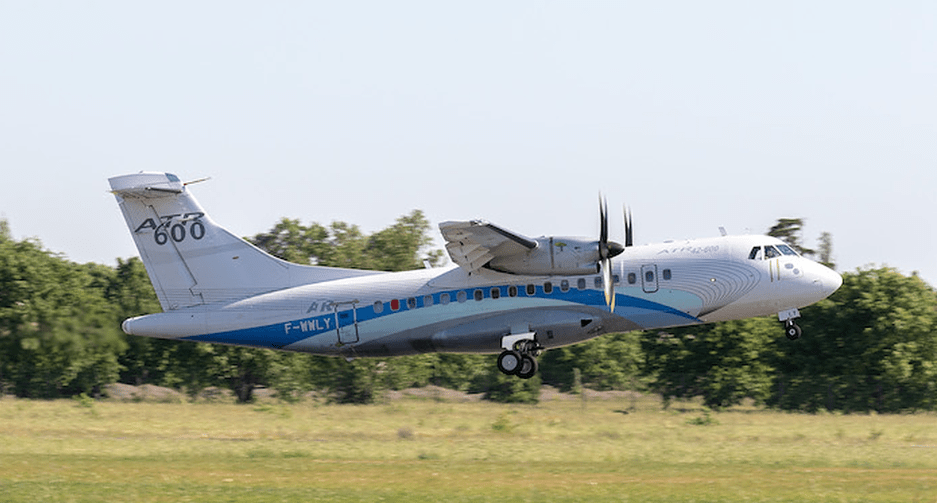
Airbus Group entregó un total de 142 aviones comerciales al mercado chino en 2021. China ha continuado siendo el mercado de un solo país más grande del constructor europeo a nivel mundial. Las entregas de aviones comerciales en el país representaron más del 23% de las entregas globales de Airbus en 2021, según Airbus China.
El volumen de entrega también marca un aumento interanual de más del 40% en comparación con sus entregas en el mercado chino en 2020. Entre los 142 aviones comerciales entregados al mercado chino, 130 son aviones de pasillo único y 12 son aviones de fuselaje ancho. A finales del año pasado, alrededor de 2.100 aviones comerciales de Airbus prestaban servicio en el mercado de aviación civil chino. Mientras tanto, más de 330 helicópteros Airbus prestaban servicio en el mercado chino, según datos de Airbus China.
Airbus 142 deliveries China 2021
Airbus delivered 142 commercial aircraft to China in 2021
Airbus Group delivered a total of 142 commercial aircraft to the Chinese market in 2021. China has continued to be the largest single-country market for the European manufacturer globally. Commercial aircraft deliveries in the country accounted for more than 23% of Airbus’ global deliveries in 2021, according to Airbus China.
The delivery volume also marks a year-on-year increase of more than 40% compared to its deliveries to the Chinese market in 2020. Among the 142 commercial aircraft delivered to the Chinese market, 130 are single-aisle aircraft and 12 are wide-body aircraft. At the end of last year, around 2,100 Airbus commercial aircraft were serving the Chinese civil aviation market. Meanwhile, more than 330 Airbus helicopters were serving the Chinese market, according to data from Airbus China.
PUBLISHER: Airgways.com DBk: Airbus.com / Airgways.com AW-POST: 202202262339AR OWNERSHIP: Airgways Inc. A\W A I R G W A Y S ®
Air Peace es el cliente de lanzamiento en África de los Embraer E2, el avión más nuevo, eficiente y cómodo del segmento. Embraer anunció, durante el evento MRO Middle East en Dubai 2022, que ha firmado un acuerdo integral de servicios a largo plazo con Air Peace, la aerolínea más grande de Nigeria y África Occidental, para respaldar las flotas E195-E2 y ERJ 145 de la aerolínea. El contrato incluye el acceso al Programa Pool, que incluye intercambios de componentes y servicios de reparación para cientos de artículos reparables para los aviones Embraer de Air Peace, y la instalación del Ahead-Pro (Aircraft Health Analysis and Diagnosis–PROgnosis) en la flota E195-E2 de la aerolínea.
«Este acuerdo de servicio con Embraer es importante para el éxito operativo de Air Peace, ya que nos ofrece acceso inmediato a un inventario de piezas, que se gestiona de manera eficiente y reduce nuestro requisito de capex (gasto de capital) para el suministro inicial de piezas de repuesto. Además, con el Ahead-Pro, podremos anticipar cualquier posible problema de mantenimiento y optimizar el uso de la aeronave, mejorando la confiabilidad del programa de nuestra flota», dijo Oluwatoyin Olajide, Director de Operaciones de Air Peace.
Air Peace es el cliente de lanzamiento en África de los E2, el avión más nuevo, eficiente y cómodo del segmento. La aerolínea también es el cliente de lanzamiento global para el innovador diseño de asientos escalonados premium de Embraer. La aerolínea tiene 13 pedidos en firme para los E195-E2, con diecisiete (17) derechos de compra restantes para el mismo modelo, también opera ocho ERJ 145. Cinco de los 13 pedidos en firme se entregaron en 2021, y se entregarán más este año.
«Tener los aviones E195-E2 y ERJ 145 cubiertos por nuestro Programa de Piscinas muestra la confianza de Air Peace en los productos y servicios de Embraer. Como el primer operador E2 en África, nuestro objetivo principal es apoyar la operación fluida de las aeronaves de Air Peace y mantener la preparación de los ERJ», dijo Danielle Vardaro, Directora de Atención al Cliente Mundial y Ventas de Posventa, Embraer Services & Support.
El Programa Pool proporcionará las soluciones más eficientes y confiables a la flota de Air Peace. La aerolínea se beneficiará de la disponibilidad de piezas de repuesto, disfrutará de ahorros significativos en costos de reparación y servicio, y mantendrá una operación rentable. El Programa Embraer Pool está diseñado para permitir a las aerolíneas minimizar su inversión inicial en inventarios y recursos reparables de alto valor y aprovechar la experiencia técnica de Embraer y su vasta red de proveedores de servicios de reparación de componentes. Actualmente, el Programa Pool apoya a más de 50 aerolíneas en todo el mundo.
El Ahead-Pro es una herramienta de gestión de diagnóstico de mantenimiento de última generación. El sistema conduce a la optimización de la gestión de la planificación del mantenimiento correctivo y preventivo y ha sido bien reconocido por los clientes de todo el mundo. El sistema es una plataforma computacional basada en la web que permite a las aerolíneas monitorear continuamente la salud de una aeronave mientras está en vuelo. Esto se hace a través de la transmisión automática y en tiempo real de mensajes de alerta y mantenimiento desde los sistemas de la aeronave a una base terrestre, que se recibirán y utilizarán para generar informes de identificación de fallas. La resolución de problemas y la planificación de recursos de mantenimiento se producen incluso antes de la llegada de la aeronave a su destino, optimizando el tiempo de respuesta entre vuelos.
Embraer-Air Peace agreement
Service agreement for the fleet of E-Jets
Air Peace is the launch customer in Africa for the Embraer E2, the newest, most efficient and most comfortable aircraft in the segment. Embraer announced, during the MRO Middle East event in Dubai 2022, that it has signed a comprehensive long-term services agreement with Air Peace, the largest airline in Nigeria and West Africa, to support the E195-E2 and ERJ 145 fleets of the airline. The contract includes access to the Pool Program, which includes component exchanges and repair services for hundreds of repairable items for Air Peace’s Embraer aircraft, and the installation of Ahead-Pro (Aircraft Health Analysis and Diagnosis–PROgnosis) in the fleet. E195-E2 of the airline.
«This service agreement with Embraer is important to Air Peace’s operational success as it gives us immediate access to parts inventory, which is managed efficiently and reduces our capex (Capital Expenditure) requirement for initial supply In addition, with the Ahead-Pro, we will be able to anticipate any potential maintenance issues and optimize the use of the aircraft, improving the reliability of our fleet program», said Oluwatoyin Olajide, Director of Operations at Air Peace.
Air Peace is the launch customer in Africa for the E2, the newest, most efficient and most comfortable aircraft in the segment. The airline is also the global launch customer for Embraer’s innovative premium staggered seat design. The airline has 13 firm orders for the E195-E2s, with seventeen (17) purchase rights remaining for the same model, it also operates eight ERJ 145s. Five of the 13 firm orders were delivered in 2021, with more to be delivered this anus.
«Having the E195-E2 and ERJ 145 aircraft covered by our Pool Program shows Air Peace’s confidence in Embraer’s products and services. As the first E2 operator in Africa, our primary goal is to support the smooth operation of Embraer’s aircraft. Air Peace and maintain ERJ readiness», said Danielle Vardaro, Director of Worldwide Customer Care and Aftermarket Sales, Embraer Services & Support.
The Pool Program will provide the most efficient and reliable solutions to the Air Peace fleet. The airline will benefit from the availability of spare parts, enjoy significant savings on repair and service costs, and maintain a profitable operation. The Embraer Pool Program is designed to enable airlines to minimize their initial investment in high-value repairable inventory and resources and to take advantage of Embraer’s technical expertise and its vast network of component repair service providers. Currently, the Pool Program supports more than 50 airlines worldwide.
The Ahead-Pro is a state-of-the-art maintenance diagnostic management tool. The system leads to optimization of preventive and corrective maintenance planning management and has been well recognized by customers all over the world. The system is a web-based computing platform that allows airlines to continuously monitor the health of an aircraft while it is in flight. This is done through the automatic, real-time transmission of alert and maintenance messages from aircraft systems to a ground base, which will be received and used to generate fault identification reports. Troubleshooting and maintenance resource planning occur even before the aircraft arrives at its destination, optimizing response time between flights.
PUBLISHER: Airgways.com DBk: Embraer.com / Flyairpeace.com / Airgways.com AW-POST: 202202260744AR OWNERSHIP: Airgways Inc. A\W A I R G W A Y S ®
Boeing y Airbus en conversaciones para orden aviones
Tata Sons, que compró la aerolínea al Gobierno de la India en Enero 2022, ha iniciado conversaciones con los fabricantes de aviones para adquirir candidatos como los Airbus A350-900 y Boeing 787-9 Dreamliners. The Boeing Company y Airbus Group se encuentran en conversaciones con los nuevos propietarios de Air India Ltd. sobre un pedido de una serie de nuevos aviones, según personas familiarizadas con el asunto, parte de un plan para rejuvenecer la flota envejecida.
Tata Sons Pvt., que adquirió la aerolínea cargada de deudas del Gobierno indio el mes pasado, ha comenzado conversaciones con los fabricantes de aviones y arrendadores de aviones. Las conversaciones se encuentran en una etapa preliminar, con Tata Sons evaluando la combinación correcta de flotas y aún no se han tomado decisiones sobre el tipo de avión o el tamaño del pedido, según las personas. La aerolínea está en conversaciones para nuevos aviones de fuselaje estrecho Airbus o Boeing que forman el pilar de las operaciones nacionales y de corta distancia de Air India, así como aviones de fuselaje ancho capaces de volar hasta Estados Unidos, dijeron las personas. Un portavoz de Tata no respondió de inmediato a una solicitud de comentarios. Un representante de Boeing en India dijo que la compañía siempre busca oportunidades y mantiene conversaciones con clientes actuales y potenciales sobre el apoyo a su flota. Un representante de Airbus también dijo que el fabricante de aviones está en constantes discusiones con los clientes actuales y potenciales sobre los requisitos de la flota.
La modernización de la flota de Air India es crucial para el Grupo Tata, que en Enero 2022 se hizo con el control de la aerolínea en dificultades después de ofertar un valor empresarial de ₹ 180.000 millones de Rupias/US$ 2.400 millones de Dólares. La aerolínea, una vez conocida por sus servicios premium y anuncios posee lucrativos espacios de aterrizaje y estacionamiento en casi todos los principales aeropuertos del mundo. Pero se enfrenta a una dura competencia de aerolíneas extranjeras con servicios sin escalas a la India, así como de aerolíneas que operan desde centros en el Medio Oriente.
«En términos de flota, sabemos que tenemos trabajo que hacer. Lo abordaremos con la máxima urgencia. Actualizaremos nuestra flota, traeremos modernidad a nuestra flota, traeremos una nueva flota», dijo Natarajan Chandrasekaran, presidente del Grupo Tata, a los empleados de Air India a principios de este mes de Febrero 2022 en una sesión informativa interna de la compañía. Air India aumentará el número de aviones que tiene, tanto de fuselaje ancho como de cuerpo estrecho, y se moverá para hacerlo con velocidad en los próximos meses, dijo Chandrasekaran al personal. La edad media de la flota de Air India es de más de diez años.
Flota binomia
La aerolínea tiene actualmente 153 aviones en su flota, según su sitio web. Eso incluye 49 aviones de fuselaje ancho fabricados por Boeing y Airbus, incluidos los jets de las familias 737 y 320 más vendidas, lo que lo convierte en una combinación complicada considerando que cada tipo de avión requiere conjuntos de habilidades separados de pilotos y tripulación. Un trato por cincuenta Boeing 787-9 nuevos podría valorarse en US$ 14.6 mil millones a precios de lista, aunque los descuentos son comunes en transacciones tan grandes. Air India, uno de los primeros compradores del mundo del Dreamliner, opera las versiones más antiguas del caballo de batalla de bajo consumo de combustible, aunque varios de ellos permanecen en tierra debido a la falta de piezas.
Las aerolíneas suelen pedir jets con años de anticipación porque la capacidad de fabricación de los fabricantes de aviones es limitada y obtener espacios de entrega anticipada sigue siendo un desafío. La demanda de aviones de fuselaje estrecho, como los de las familias de aviones A320NEO y 737 MAX, es particularmente alta, lo que significa que pueden pasar años después de que se realiza un pedido para incorporar aviones a una flota. Un acuerdo por 100 aviones 737-9 MAX podría valer casi US$ 13.000 millones de Dólares.
Air India pursues fleet upgrade
Boeing and Airbus in talks to order planes
Tata Sons, which bought the airline from the Government of India in January 2022, has started talks with aircraft manufacturers to acquire candidates such as the Airbus A350-900 and Boeing 787-9 Dreamliners. The Boeing Company and Airbus Group are in talks with the new owners of Air India Ltd. over an order for a number of new planes, according to people familiar with the matter, part of a plan to rejuvenate the aging fleet.
Tata Sons Pvt., which acquired the debt-laden airline from the Indian government last month, has begun talks with aircraft manufacturers and aircraft lessors. Talks are at a preliminary stage, with Tata Sons evaluating the right mix of fleets and no decisions yet on the type of aircraft or the size of the order, according to the people. The airline is in talks for new Airbus or Boeing narrow-body jets that form the mainstay of Air India’s domestic and short-haul operations, as well as wide-body jets capable of flying as far as the United States, the people said. A Tata spokesman did not immediately respond to a request for comment. A Boeing representative in India said the company is always looking for opportunities and is in talks with current and potential customers about supporting its fleet. An Airbus representative also said the planemaker is in constant discussions with current and potential customers about fleet requirements.
Upgrading Air India’s fleet is crucial for the Tata Group, which in January 2022 took control of the struggling airline after bidding an enterprise value of ₹ 180bn Rupees/US$ 2.4bn. The airline, once known for its premium services and advertisements, has lucrative landing and parking spaces at almost every major airport in the world. But it faces stiff competition from foreign airlines with nonstop services to India, as well as airlines operating from hubs in the Middle East.
«In terms of the fleet, we know we have work to do. We will tackle it with the utmost urgency. We will upgrade our fleet, we will bring modernity to our fleet, we will bring a new fleet», Tata Group Chairman Natarajan Chandrasekaran told employees at Air India earlier this month of February 2022 in an internal company briefing. Air India will increase the number of aircraft it has, both wide-body and narrow-body, and will move to do so with speed in the coming months, Chandrasekaran told staff. The average age of Air India’s fleet is over ten years.
Binomial fleet
The airline currently has 153 aircraft in its fleet, according to its website. That includes 49 wide-body aircraft made by Boeing and Airbus, including the best-selling 737 and 320 family jets, making for a tricky mix considering each type of aircraft requires separate skill sets of pilots and crew. A deal for 50 new Boeing 787-9s could be valued at US$ 14.6 billion at list prices, though discounts are common in deals this big. Air India, one of the world’s first buyers of the Dreamliner, operates older versions of the fuel-efficient workhorse, though several remain grounded due to lack of parts.
Airlines often order jets years in advance because planemakers’ manufacturing capacity is limited and getting early delivery slots remains a challenge. Demand for narrow-body aircraft, such as those in the A320NEO and 737 MAX aircraft families, is particularly high, meaning it can take years after an order is placed to add aircraft to a fleet. A deal for 100 737-9 MAX planes could be worth nearly US$ 13 billion.
एयर इंडिया ने बेड़े के उन्नयन का प्रयास किया
विमानों का ऑर्डर देने के लिए बातचीत में बोइंग और एयरबस
टाटा संस, जिसने जनवरी 2022 में भारत सरकार से एयरलाइन खरीदी थी, ने एयरबस A350-900 और बोइंग 787-9 ड्रीमलाइनर जैसे उम्मीदवारों के अधिग्रहण के लिए विमान निर्माताओं के साथ बातचीत शुरू कर दी है। मामले से परिचित लोगों के अनुसार, बोइंग कंपनी और एयरबस समूहएयर इंडिया लिमिटेड के नए मालिकों के साथ कई नए विमानों के ऑर्डर के लिए बातचीत कर रहे हैं, जो पुराने बेड़े को फिर से जीवंत करने की योजना का हिस्सा है।
टाटा संस प्राइवेट।, जिसने पिछले महीने भारत सरकार से कर्ज में डूबी एयरलाइन का अधिग्रहण किया था, ने विमान निर्माताओं और विमान पट्टेदारों के साथ बातचीत शुरू कर दी है। बातचीत प्रारंभिक चरण में है, टाटा संस ने बेड़े के सही मिश्रण का मूल्यांकन किया है और लोगों के अनुसार विमान के प्रकार या ऑर्डर के आकार पर अभी तक कोई निर्णय नहीं लिया है। लोगों ने कहा कि एयरलाइन नए एयरबस या बोइंग नैरो-बॉडी जेट के लिए बातचीत कर रही है, जो एयर इंडिया के घरेलू और शॉर्ट-हॉल संचालन का मुख्य आधार है, साथ ही संयुक्त राज्य अमेरिका तक उड़ान भरने में सक्षम वाइड-बॉडी जेट हैं। टाटा के एक प्रवक्ता ने टिप्पणी के अनुरोध का तुरंत जवाब नहीं दिया। भारत में बोइंग के एक प्रतिनिधि ने कहा कि कंपनी हमेशा अवसरों की तलाश में रहती है और अपने बेड़े का समर्थन करने के लिए वर्तमान और संभावित ग्राहकों के साथ बातचीत कर रही है। एयरबस के एक प्रतिनिधि ने यह भी कहा कि योजना निर्माता बेड़े की आवश्यकताओं के बारे में वर्तमान और संभावित ग्राहकों के साथ लगातार चर्चा कर रहा है।
एयर इंडिया के बेड़े का उन्नयन टाटा समूह के लिए महत्वपूर्ण है, जिसने जनवरी 2022 में ₹180bn रुपये/US$2.4bn के उद्यम मूल्य की बोली लगाने के बाद संघर्षरत एयरलाइन का नियंत्रण अपने हाथ में ले लिया। कभी अपनी प्रीमियम सेवाओं और विज्ञापनों के लिए जानी जाने वाली एयरलाइन के पास दुनिया के लगभग हर बड़े हवाई अड्डे पर आकर्षक लैंडिंग और पार्किंग स्थान हैं। लेकिन इसे भारत के लिए नॉनस्टॉप सेवाओं वाली विदेशी एयरलाइनों के साथ-साथ मध्य पूर्व में हब से संचालित होने वाली एयरलाइनों से कड़ी प्रतिस्पर्धा का सामना करना पड़ रहा है।
«टाटा समूह के अध्यक्ष नटराजन ने कहा, «बेड़े के संदर्भ में, हम जानते हैं कि हमें काम करना है। हम इसे अत्यंत तत्परता से करेंगे। हम अपने बेड़े को अपग्रेड करेंगे, हम अपने बेड़े में आधुनिकता लाएंगे, हम एक नया बेड़ा लाएंगे«। चंद्रशेखरन ने फरवरी 2022 के इस महीने की शुरुआत में एयर इंडिया के कर्मचारियों को एक आंतरिक कंपनी ब्रीफिंग में बताया। चंद्रशेखरन ने कर्मचारियों से कहा कि एयर इंडिया अपने पास चौड़े और संकीर्ण दोनों तरह के विमानों की संख्या में वृद्धि करेगी और आने वाले महीनों में गति के साथ ऐसा करने के लिए आगे बढ़ेगी। एयर इंडिया के बेड़े की औसत आयु दस वर्ष से अधिक है।
द्विपद बेड़ा
वेबसाइट के मुताबिक, एयरलाइन के बेड़े में फिलहाल 153 विमान हैं। इसमें बोइंग और एयरबस द्वारा बनाए गए 49 वाइड-बॉडी विमान शामिल हैं, जिनमें सबसे अधिक बिकने वाले 737 और 320 परिवार जेट शामिल हैं, प्रत्येक प्रकार के विमान को देखते हुए एक मुश्किल मिश्रण के लिए पायलटों और चालक दल के अलग-अलग कौशल सेट की आवश्यकता होती है। 50 नए बोइंग 787-9 के लिए एक सौदे का मूल्य सूची कीमतों पर 14.6 अरब डॉलर हो सकता है, हालांकि इस बड़े सौदों में छूट आम है। ड्रीमलाइनर के दुनिया के पहले खरीदारों में से एक, एयर इंडिया, ईंधन-कुशल वर्कहॉर्स के पुराने संस्करणों का संचालन करती है, हालांकि कई पुर्जों की कमी के कारण बंद रहते हैं।
एयरलाइंस अक्सर जेट विमानों का ऑर्डर कई साल पहले कर देती हैं क्योंकि योजना निर्माताओं की निर्माण क्षमता सीमित होती है और जल्दी डिलीवरी स्लॉट प्राप्त करना एक चुनौती बना रहता है। संकीर्ण-शरीर वाले विमानों की मांग, जैसे कि A320NEO और 737 MAX विमान परिवारों में, विशेष रूप से अधिक है, जिसका अर्थ है कि एक बेड़े में विमान जोड़ने के लिए एक आदेश दिए जाने के बाद वर्षों लग सकते हैं। 100 737-9 मैक्स विमानों का सौदा करीब 13 अरब डॉलर का हो सकता है।
PUBLISHER: Airgways.com DBk: Airindia.in / Airbus.com / Boeing.com / Airgways.com AW-POST: 202202252337AR OWNERSHIP: Airgways Inc. A\W A I R G W A Y S ®
Qantas planea finalizar pedido Airbus a mediados de 2022
El CEO de Qantas Airways, Alan Joyce, ha anunciado las actualizaciones sobre los dos importantes proyectos de la aerolínea que involucran aviones de la flota del constructor europeo Airbus Group. Durante una sesión de discusión de los resultados financieros semestrales de la mayor aerolínea australiana, el CEO ha anunciado las pérdidas financieras, las nuevas rutas y el camino hacia la recuperación de la compañía aérea. También discutió el pedido de flota nacional y ha anunciado una actualización rápida sobre el Proyecto Sunshine.
Proyecto Winton
Qantas Airways ha nombrado a su programa de renovación de flota nacional Proyecto Winton, en honor a la ciudad de Queensland donde el transportista comenzó su historia. A fines del año 2021, la aerolínea estaba ocupada decidiendo el tipo de aviones que formarían la columna vertebral de sus futuras necesidades domésticas. A medida que Qantas entraba en las etapas finales de las discusiones con los fabricantes de aviones y motores, los aviones en disputa incluían a los sospechosos habituales, como la familia Boeing 737 MAX, la familia Airbus A320NEO e incluso la familia A220 y Embraer E-Jet E2.
El Qantas Group poseía un pedido existente de más de 100 aviones Airbus A320 y A321, pero estaban destinados principalmente a su filial Jetstar. Mientras Airbus esperaba cerrar otro lucrativo acuerdo de aviones con Qantas, Boeing depositaba su esperanza en que la aerolínea reemplazara su actual avión doméstico, el 737, con la versión de curta generación más avanzada del tipo, el 737 MAX.
En Diciembre de 2021, en un gran golpe para el constructor americano Boeing, Qantas Airways optó por los aviones de fuselaje estrecho de Airbus para sus futuras operaciones nacionales. La aerolínea anunció que compraría cuarenta unidades de los aviones de las familias A320NEO y A220 con opciones para otros 94 opciones. Las primeras cuarenta aeronaves se dividirán en veinte A321XLR Extra Largo Alcance (20) y veinte A220 (20). Teniendo en cuenta todas las opciones en el acuerdo, Airbus estaba buscando un pedido potencial de más de 130 de aviones narrowbodies durante un período de diez años. Se esperaba que la orden se finalizara en algún momento a mediados de este año 2022, y Alan Joyce dio una actualización adicional recientemente de que todo parece encaminado, diciendo: «Sujeto a la aprobación de la Junta, esperamos finalizar el pedido para la renovación de nuestra flota nacional con Airbus, un programa de una década de duración que llamamos Proyecto Winton, a mediados del año calendario. Estos aviones serán la columna vertebral de Qantas Domestic, ofrecerán una gran reducción en el consumo de combustible y representarán una gran parte de nuestro futuro». Qantas Airways espera que la flota de Airbus permita mejores opciones de red y economía de ruta y que sus motores Pratt & Whitney GTF ofrezcan ahorros de combustible de entre el 15%—20%.
Proyecto Sunshine
El Jefe de Qantas también dio recientemente una actualización sobre Project Sunshine. Se discutió en la sesión de resultados semestrales, donde se ha confiado en el avión A350-1000 modificado de Airbus con tanques de combustible adicionales para conectar Sydney y Melbourne con vuelos directos a ciudades como Londres y Nueva York. Si bien Alan Joyce no dio ningún detalle específico sobre el pedido del A350, sí mencionó que el trabajo en el Proyecto Sunshine ha comenzado de nuevo, diciendo: «También se ha reanudado el trabajo en el Proyecto Sunrise. Nuestra última investigación de clientes muestra que la demanda de vuelos directos de larga distancia es aún más fuerte de lo que era antes de COVID, por lo que nuestro enfoque en la prestación de servicios sin escalas desde Sydney y Melbourne a Nueva York y Londres permanece».
Outlook QANTAS fleet Airbus
Qantas plans to finalize Airbus order in mid-2022
Qantas Airways CEO Alan Joyce has announced updates on the airline’s two major projects involving aircraft from European constructor Airbus Group‘s fleet. During a discussion session of the half-year financial results of the largest Australian airline, the CEO has announced the financial losses, the new routes and the path to recovery of the airline. He also discussed the national fleet order and has announced a quick update on Project Sunshine.
Winton Project
Qantas Airways has named its domestic fleet renewal program Project Winton, after the city in Queensland where the carrier began its history. At the end of the year 2021, the airline was busy deciding the type of aircraft that would form the backbone of its future domestic needs. As Qantas entered the final stages of discussions with aircraft and engine manufacturers, the planes in dispute included the usual suspects such as the Boeing 737 MAX family, the Airbus A320NEO family, and even the A220 family and Embraer E- Jet E2.
The Qantas Group had an existing order for more than 100 Airbus A320 and A321 aircraft, but these were mainly destined for its subsidiary Jetstar. While Airbus hoped to close another lucrative aircraft deal with Qantas, Boeing was pinning its hopes that the airline would replace its current domestic jet, the 737, with the more advanced fourth-generation version of the type, the 737 MAX.
In December 2021, in a major blow to the American manufacturer Boeing, Qantas Airways opted for Airbus narrow-body aircraft for its future domestic operations. The airline announced that it would purchase forty units of the A320NEO and A220 family aircraft with options for a further 94 options. The first forty aircraft will be divided into twenty A321XLR Extra Long Range (20) and twenty A220 (20). Taking into account all the options in the deal, Airbus was seeking a potential order of more than 130 narrowbodies over a ten-year period. The order was expected to be finalized sometime in the middle of this year 2022, and Alan Joyce recently gave a further update that everything seems on track, saying, «Subject to Board approval, we look forward to finalizing the order for the renewal of our domestic fleet with Airbus, a decade-long program we call Project Winton, by the middle of the calendar year.These aircraft will be the backbone of Qantas Domestic, offering vast savings in fuel consumption and representing a large part of our future». Qantas Airways expects that the Airbus fleet will enable better network options and route economy and that its Pratt & Whitney GTF engines will deliver fuel savings of between 15%-20%.
Sunshine Project
The Qantas boss also recently gave an update on Project Sunshine. It was discussed in the half-year earnings session, where Airbus’ modified A350-1000 aircraft with extra fuel tanks have been relied on to connect Sydney and Melbourne with direct flights to cities including London and New York. While Alan Joyce did not give any specific details about the A350 order, he did mention that work on Project Sunshine has started again, saying: «Work on Project Sunrise has also resumed. Our latest customer research shows that Demand for direct long-haul flights is even stronger than it was pre-COVID, so our focus on providing non-stop service from Sydney and Melbourne to New York and London remains».
PUBLISHER: Airgways.com DBk: Qantas.com / Airbus.com / Airgways.com AW-POST: 202202252311AR OWNERSHIP: Airgways Inc. A\W A I R G W A Y S ®
Incorpora su 21º Airbus A320NEO de una orden de 120 unidades
La primera aerolínea de bajo costo del Reino de Arabia Saudita Flynas ha incorporado recientemente su vigésimo primer Airbus A320NEO a sus instalaciones en Riad. Flynas firmó un acuerdo con Airbus Group en 2017 para asumir 120 aviones de la familia A320NEO. La aerolínea con sede en Riad ha crecido significativamente desde su fundación bajo el nombre de Nas Air en 2007 y está creciendo rápidamente su flota exclusiva de la familia Airbus A320. El operador saudí ha estado fascinado por la eficiencia del tipo de aeronave, una característica que le permite ser la principal aerolínea de bajo costo de su país al tiempo que equilibra la comodidad de los pasajeros.
La semana pasada, otro miembro de la creciente familia A320NEO se unió a la aerolínea low cost Flynas siendo el primer avión introducido en 2022. La entrega de la vigésima primer aeronave se llevó a cabo en las instalaciones de Airbus en Toulouse, Francia. El acuerdo de compra y arrendamiento se anunció el mes pasado y verá a CDB recibir los cuerpos estrechos restantes y arrendarlos a la aerolínea. Esta entrega se realizó a través de un acuerdo de compra y arrendamiento con la compañía de leasing CDB Aviation, que es una subsidiaria irlandesa de propiedad total de China Development Bank Financial Leasing Co. Es la primera unidad de cinco en medio de la transacción entre la aerolínea y la firma. Patrick Hannigan, Director Ejecutivo de CDB Aviation compartió lo siguiente en un comunicado: «Esta última incorporación de aviones NEO a la creciente flota de flynas avanza sus ambiciosos planes para expandir la flota y aumentar el alcance de sus ofertas en línea con el Programa Vision 2030. El mercado saudí continúa recuperándose con fuerza después de la pandemia y las moscas estarán bien posicionadas para aprovechar la importante demanda reprimida».
Peter Goodman, Director de Marketing de CDB Aviation, ha expresado: «Nuestro equipo comercial continúa abordando los requisitos de las aerolíneas en todos los rincones del mundo, aprovechando la posición líder de nuestra plataforma en el mercado y las soluciones de financiamiento de amplio alcance para mejorar sus flotas y aumentar las operaciones frente a la recuperación progresiva en toda la industria global del transporte aéreo».
Flynas posee una flota de veinte A320NEO (20) dentro de su flota. El primero de ellos en llegar fue el registro HZ-NS22, que se unió a la aerolínea en Noviembre de 2018. El último en unirse antes de la entrega de este mes fue el registro HZ-NS45, que se entregó en Julio 2021.
Flynas A320NEO
El avión tiene capacidad para 174 asientos. El A320NEO ofrece alrededor de un 15% menos de consumo de combustible por asiento y un 5% menos de costes de mantenimiento del fuselaje en comparación con las generaciones anteriores. Los asientos de 18 pulgadas de la cabina también ofrecen un valioso espacio personal, pero los beneficios también se notan en el suelo con una huella de ruido menores en 50%.
Actualmente, Flynas vuela a numerosos destinos en todo el Medio Oriente, Asia, África y Europa con sus A320NEO. La aerolínea saudí Flynas continúa mostrando su compromiso con el constructor Airbus Group y la serie A320, lo que permitirá expandirse como una de las aerolíneas líderes en la región en su categoría low cost.
Flynas celebrates delivery of 21st A320NEO
Incorporates its 21st Airbus A320NEO from an order of 120 units
The Kingdom of Saudi Arabia’s leading low-cost airline Flynas has recently added its 21st Airbus A320NEO to its facilities in Riyadh. Flynas signed an agreement with Airbus Group in 2017 to take over 120 A320NEO family aircraft. The Riyadh-based airline has grown significantly since its founding under the Nas Air name in 2007 and is rapidly growing its dedicated fleet of the Airbus A320 family. The Saudi carrier has long been fascinated by the aircraft type’s efficiency, a feature that allows it to be its country’s leading low-cost carrier while balancing passenger comfort.
Last week, another member of the growing A320NEO family joined low-cost carrier Flynas as the first aircraft to be introduced in 2022. Delivery of the 21st aircraft took place at the Airbus facility in Toulouse, France. The purchase and lease agreement was announced last month and will see CDB take delivery of the remaining narrow bodies and lease them to the airline. This delivery was made through a purchase and lease agreement with the leasing company CDB Aviation, which is a wholly owned Irish subsidiary of China Development Bank Financial Leasing Co. It is the first of five units in the middle of the transaction between the airline and firm. Patrick Hannigan, CEO of CDB Aviation shared the following in a statement: «This latest addition of NEO aircraft to flynas’ growing fleet advances their ambitious plans to expand the fleet and increase the scope of their offerings in line with the Vision 2030 Program. The Saudi market continues to recover strongly after the pandemic and flies will be well positioned to take advantage of significant pent-up demand».
Peter Goodman, Marketing Director of CDB Aviation, said: «Our commercial team continues to address the requirements of airlines in all corners of the world, leveraging our platform’s leading position in the market and wide-reaching financing solutions for improve their fleets and increase operations in the face of progressive recovery throughout the global air transport industry».
Flynas has a fleet of twenty A320NEOs (20) within its fleet. The first to arrive was registration HZ-NS22, which joined the airline in November 2018. The last to join before this month’s delivery was registration HZ-NS45, which was delivered in July 2021.
Flynas A320NEO
The aircraft has a capacity of 174 seats. The A320NEO offers around 15% lower fuel burn per seat and 5% lower airframe maintenance costs compared to previous generations. The cabin’s 18-inch seats also offer valuable personal space, but the benefits are also felt on the floor with a 50% lower noise footprint.
Flynas currently flies to numerous destinations throughout the Middle East, Asia, Africa and Europe with its A320NEOs. The Saudi airline Flynas continues to show its commitment to the constructor Airbus Group and the A320 series, which will allow it to expand as one of the leading airlines in the region in its low cost category.
طيران ناس تحتفل بتسليم طائرتها الـ21 من طراز A320NEO
أدرجت طائرة إيرباص A320NEO الحادية والعشرين من طلبية من 120 وحدة
أضافت شركة طيران ناس الرائدة منخفضة التكلفة في المملكة العربية السعودية مؤخرًا طائرتها رقم 21 من طراز إيرباص A320NEO إلى منشآتها في الرياض. وقع طيران ناس اتفاقية مع مجموعة إيرباص في عام 2017 للاستحواذ على 120 طائرة من عائلة A320NEO. نمت شركة الطيران التي تتخذ من الرياض مقراً لها بشكل كبير منذ تأسيسها تحت اسم Nas Air في عام 2007 وهي تعمل على تنمية أسطولها المخصص من عائلة Airbus A320. لطالما كان المشغل السعودي مفتونًا بكفاءة نوع الطائرة ، وهي ميزة تسمح له بأن يكون الناقل الاقتصادي الرائد في بلاده مع تحقيق التوازن بين راحة الركاب.
في الأسبوع الماضي ، انضم عضو آخر من عائلة A320NEO المتنامية إلى شركة الطيران منخفضة التكلفة Flynas كأول طائرة يتم طرحها في عام 2022. تم تسليم الطائرة الحادية والعشرين في منشأة إيرباص في تولوز بفرنسا. تم الإعلان عن اتفاقية الشراء والإيجار الشهر الماضي وسيشهد تسليم CDB ما تبقى من الهياكل الضيقة وتأجيرها لشركة الطيران. تم هذا التسليم من خلال اتفاقية شراء وإيجار مع شركة التأجير CDB Aviation ، وهي شركة تابعة إيرلندية مملوكة بالكامل لشركة China Development Bank Financial Leasing Co. وهي الأولى من خمس وحدات في منتصف الصفقة بين شركة الطيران والشركة. . شارك باتريك هانيجان ، الرئيس التنفيذي لشركة CDB Aviation ، ما يلي في بيان»: «تعمل هذه الإضافة الأخيرة لطائرات NEO إلى أسطول طيران ناس المتنامي على تطوير خططها الطموحة لتوسيع الأسطول وزيادة نطاق عروضها بما يتماشى مع برنامج رؤية 2030. يستمر السوق السعودي في التعافي بقوة بعد الوباء وسيكون الذباب في وضع جيد للاستفادة من الطلب المكبوت الكبير».
وقال بيتر جودمان ، مدير التسويق في CDB Aviation: «يواصل فريقنا التجاري تلبية متطلبات شركات الطيران في جميع أنحاء العالم ، والاستفادة من مكانة منصتنا الرائدة في السوق وحلول التمويل واسعة النطاق لتحسين أساطيلهم وزيادة عملياتهم. في مواجهة الانتعاش التدريجي في صناعة النقل الجوي العالمية».
طيران ناس لديها أسطول من عشرين طائرة A320NEO (20) ضمن أسطولها. كان أول من وصل هو تسجيل HZ-NS22 ، الذي انضم إلى شركة الطيران في نوفمبر 2018. وكان آخر من انضم قبل تسليم هذا الشهر هو تسجيل HZ-NS45 ، والذي تم تسليمه في يوليو 2021.
طيران ناس A320NEO
تبلغ سعة الطائرة 174 مقعدًا. توفر A320NEO حرق وقود أقل بحوالي 15٪ لكل مقعد وتكاليف صيانة أقل بنسبة 5٪ مقارنة بالأجيال السابقة. توفر مقاعد المقصورة مقاس 18 بوصة أيضًا مساحة شخصية قيّمة ، ولكن الفوائد محسوسة أيضًا على الأرض مع تأثير ضوضاء أقل بنسبة 50٪.
يطير طيران ناس حاليًا إلى وجهات عديدة في جميع أنحاء الشرق الأوسط وآسيا وأفريقيا وأوروبا مع A320NEOs. تواصل شركة طيران ناس السعودية إظهار التزامها تجاه الشركة المُصنعة لمجموعة إيرباص وسلسلة A320 ، مما سيسمح لها بالتوسع كواحدة من شركات الطيران الرائدة في المنطقة في فئتها منخفضة التكلفة.
PUBLISHER: Airgways.com DBk: Flynas.com / Airbus.com / Cdbaviation.aero / Airgways.com AW-POST: 202202252244AR OWNERSHIP: Airgways Inc. A\W A I R G W A Y S ®
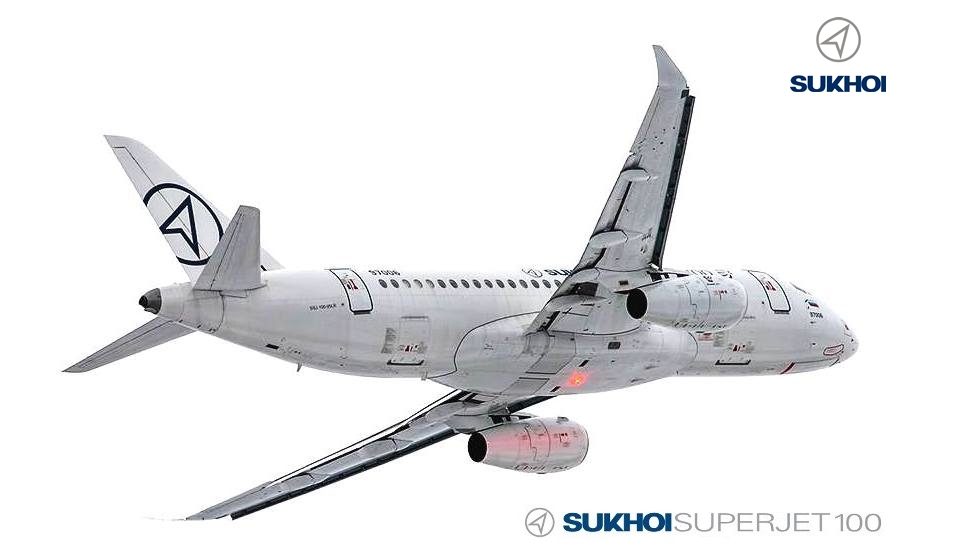
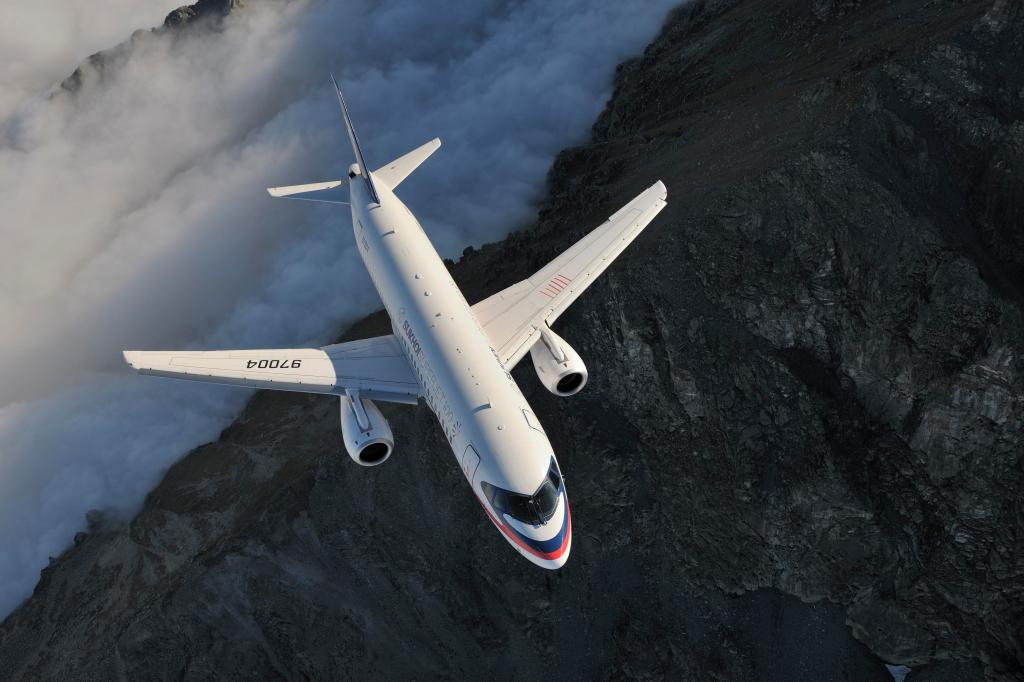
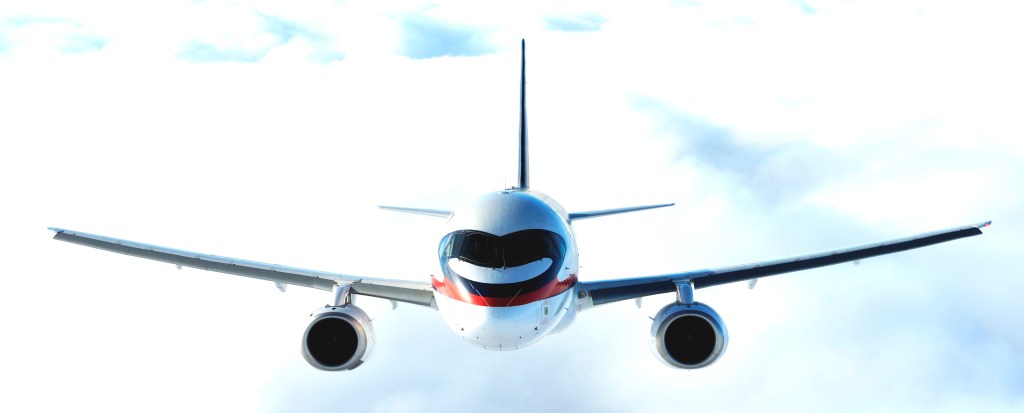
United Engine Corporation de Rostec ha fabricado tres componentes para un demostrador del prometedor motor PD-8 diseñado para la versión de sustitución de importaciones del Sukhoi SSJ-New avión de gama media. Los componentes se han fabricado en un plazo ajustado para impulsar las unidades de la central eléctrica y garantizar el funcionamiento de los sistemas de la aeronave, como el generador de cabina y la bomba hidráulica para controlar los alerones. La empresa Salyut (parte del UEC de Rostec) se unió a la cooperación en PD-8 a fines de 2020. Hasta ahora, la empresa ha fabricado la transmisión de accesorios, la caja de cambios de accesorios y el engranaje cónico, que juntos forman la unidad de transmisión del motor de demostración.
“Nuestro trabajo en los componentes del último motor PD-8 utiliza la experiencia adquirida en la creación de piezas para miembros senior de la familia moderna de motores de aviación civil rusa: PD-14 y PD-35. Aún así, ciertas tareas han tenido que ser resueltas por primera vez. Nuestra gran experiencia ha hecho posible fabricar una unidad de accionamiento para el modelo de demostración en muy poco tiempo: un año y medio. Este año planeamos ensamblar componentes para un lote experimental de motores PD-8″, dice un oficial del grupo de aviación de Rostec.
Rostec components for SSJ-New
Rostec manufactures engine components for SSJ-New
Rostec’s United Engine Corporation has manufactured three components for a demonstrator of the promising PD-8 engine designed for the «import substitution» version of the SSJ-New mid-range aircraft. Components have been manufactured on a tight schedule to power the power plant units and ensure the operation of aircraft systems such as the cabin generator and the hydraulic pump to control the ailerons. Salyut company (part of Rostec UEC) joined the cooperation in PD-8 at the end of 2020. Up to now, the company has manufactured the accessory transmission, accessory gearbox and bevel gear, which together form the demo engine transmission unit.
“Our work on the components of the latest PD-8 engine uses the experience gained in creating parts for senior members of the modern Russian civil aviation engine family – PD-14 and PD-35. Still, certain tasks have had to be solved for the first time. Our great experience has made it possible to manufacture a drive unit for the demo model in a very short time one and a half years. This year we plan to assemble components for an experimental batch of PD-8 engines», says an official from the Rostec aviation group.
Комплектующие Ростеха для SSJ-New
Ростех изготовил компоненты двигателей для SSJ-New
Объединенная двигателестроительная корпорация Ростеха изготовила три детали для демонстратора перспективного двигателя ПД-8, предназначенного для «импортозамещающей» версии среднемагистрального самолета Sukhoi SSJ-New. В сжатые сроки изготовлены комплектующие для питания агрегатов силовой установки и обеспечения работы систем самолета, таких как салонный генератор и гидронасос для управления элеронами. Компания «Салют» (входит в ОДК Ростех) присоединилась к кооперации по ПД-8 в конце 2020 года. К настоящему времени компания изготовила вспомогательную трансмиссию, вспомогательный редуктор и коническую шестерню, которые в совокупности образуют демонстрационный агрегат трансмиссии двигателя.
«В своей работе над компонентами новейшего двигателя ПД-8 мы используем опыт, полученныйпри создании деталей для старших представителей семейства современных двигателей гражданской авиации России—ПД-14 и ПД-35. Тем не менее некоторые задачи приходилось решать впервые. Наш большой опыт позволил изготовить привод для демонстрационной модели в очень короткие сроки – полтора года. В этом году планируем собрать комплектующие для опытной партии двигателей ПД-8″, — рассказал представитель авиационной группы Ростех.
PUBLISHER: Airgways.com DBk: Rostec.ru / Airgways.com AW-POST: 202202242044AR OWNERSHIP: Airgways Inc. A\W A I R G W A Y S ®

Airbus-CFM International pioneros tecnología combustión hidrógeno
Airbus Group ha firmado un acuerdo de asociación con CFM International, una empresa conjunta como Joint Venture al 50% entre General Electric (GE) y Safran Aircraft Engines, para colaborar en un programa de demostración de hidrógeno que comenzará a volar a mediados de esta década. El objetivo del programa es probar en tierra y en vuelo un motor de combustión directa alimentado por hidrógeno, como preparación para la entrada en servicio de un avión de cero emisiones para 2035. La demostración utilizará un banco de pruebas volador A380 equipado con tanques de hidrógeno líquido preparados en Airbus instalaciones en Francia y Alemania. Airbus también definirá los requisitos del sistema de propulsión de hidrógeno, supervisará las pruebas de vuelo y proporcionará la plataforma A380 para probar el motor de combustión de hidrógeno en la fase de crucero.
CFM International (CFM) modificará la cámara de combustión, el sistema de combustible y el sistema de control de un turboventilador GE Passport para que funcione con hidrógeno. El motor, que se ensambla en los Estados Unidos., fue seleccionado para este programa debido a su tamaño físico, maquinaria turbo avanzada y capacidad de flujo de combustible. Se montará a lo largo del fuselaje trasero del banco de pruebas volador para permitir que las emisiones del motor, incluidas las estelas, se controlen por separado de las de los motores que impulsan la aeronave. CFM ejecutará un amplio programa de pruebas en tierra antes de la prueba de vuelo del A380.
“Este es el paso más importante que ha dado Airbus para marcar el comienzo de una nueva era de vuelos propulsados por hidrógeno desde la presentación de nuestros conceptos ZEROe en Septiembre de 2020. Al aprovechar la experiencia de los fabricantes de motores estadounidenses y europeos para avanzar en la tecnología de combustión de hidrógeno, esta asociación internacional envía un mensaje claro de que nuestra industria está comprometida con hacer realidad los vuelos con cero emisiones”, dijo Sabine Klauke, Directora Técnica de Airbus Group.
“La capacidad de combustión de hidrógeno es una de las tecnologías fundamentales que estamos desarrollando y madurando como parte del programa CFM RISE. Reuniendo las capacidades colectivas y la experiencia de CFM, nuestras empresas matrices y Airbus, realmente tenemos el equipo soñado para demostrar con éxito un sistema de propulsión de hidrógeno”, dijo Gaël Méheust, Presidente y Director Ejecutivo de CFM.
CFM comparte la ambición de Airbus de cumplir la promesa que hizo al firmar el objetivo del Grupo de Acción de Transporte Aéreo en octubre de 2021 para lograr cero emisiones netas de carbono de la industria de la aviación para 2050 mediante el desarrollo y la prueba de la tecnología necesaria para hacer realidad los aviones de cero emisiones dentro del ambicioso línea de tiempo definida. Airbus tiene una relación de larga data con CFM y sus empresas matrices, GE Aviation y Safran Aircraft Engines y, juntos, los socios han establecido un excelente historial de entrega de productos de alto rendimiento que satisfacen las necesidades de los clientes de las aerolíneas.
Airbus-CFM alliance for ZEROe
Airbus and CFM International hydrogen combustion technology
Airbus Group has signed a partnership agreement with CFM International, a 50/50 Joint Venture between General Electric (GE) and Safran Aircraft Engines, to collaborate on a hydrogen demonstration program that will begin flying in the middle of this decade. The goal of the program is to test a hydrogen-powered direct combustion engine on the ground and in flight, in preparation for the entry into service of a zero-emission aircraft by 2035. The demonstration will use an A380 flying testbed equipped with hydrogen tanks. liquid prepared at Airbus facilities in France and Germany. Airbus will also define the requirements for the hydrogen propulsion system, oversee flight tests and provide the A380 platform to test the hydrogen combustion engine in the cruise phase.
CFM International (CFM) will modify the combustion chamber, fuel system and control system of a GE Passport turbofan to run on hydrogen. The engine, which is assembled in the United States, was selected for this program due to its physical size, advanced turbo machinery and fuel flow capabilities. It will be mounted along the rear fuselage of the flying test bed to allow engine emissions, including contrails, to be controlled separately from those of the engines powering the aircraft. CFM will run an extensive ground test program prior to the A380’s flight test.
“This is the most important step Airbus has taken to usher in a new era of hydrogen-powered flight since the unveiling of our ZEROe concepts in September 2020. By leveraging the expertise of American and European engine manufacturers to advance hydrogen-burning technology, this international partnership sends a clear message that our industry is committed to making zero-emission flights a reality”, said Sabine Klauke, Chief Technical Officer, Airbus Group.
“Hydrogen combustion capability is one of the core technologies that we are developing and maturing as part of the CFM RISE program. Bringing together the collective capabilities and experience of CFM, our parent companies and Airbus, we truly have the dream team to successfully demonstrate a hydrogen propulsion system”, said Gaël Méheust, President and CEO of CFM.
CFM shares Airbus’ ambition to deliver on the promise it made when signing the Air Transport Action Group’s goal in October 2021 to achieve net-zero carbon emissions from the aviation industry by 2050 by developing and testing the technology needed to make zero-emission aircraft a reality within the ambitious defined timeline. Airbus has a long-standing relationship with CFM and its parent companies, GE Aviation and Safran Aircraft Engines, and together the partners have established an excellent track record of delivering high-performance products that meet the needs of airline customers.
PUBLISHER: Airgways.com DBk: Airbus.com / Airgways.com AW-POST: 202202242017AR OWNERSHIP: Airgways Inc. A\W A I R G W A Y S ®
Finalizan ensayos de temperaturas extremas prototipo MC 21-300
El avión prototipo Irkut MC-21-300 fabricado por Irkut Corporation (parte de United Aircraft Corporation) completó sus pruebas bajo temperaturas extremadamente frías en Yakutsk y regresa a su aeropuerto base en Zhukovsky, región de Moscú. Desde el 23 de Enero de 2022, la aeronave y sus sistemas se han probado en Yakutia a temperaturas inferiores a -30º grados centígrados como parte de los esfuerzos para extender el certificado de tipo. Antes de cada etapa de prueba, la aeronave se enfrió completamente al pasar unas doce horas al aire libre. A esto le siguieron los procedimientos habituales de preparación del vuelo: reabastecimiento de combustible, encendido de los sistemas, arranque de los motores y la unidad de potencia auxiliar, calentamiento de la aeronave, etc.
Durante los vuelos se probaron conjuntamente todos los sistemas de la aeronave. Se realizó una serie de vuelos que duraron hasta 6 horas sobre diferentes áreas de la región de Yakutsk, incluidas las del norte. La mayoría de los desembarques se realizaron por la noche, cuando se registran las temperaturas más bajas. Se probaron modos de rendimiento desafiantes, como un apagado en vuelo y el posterior arranque de uno de los motores de propulsión. Andrei Boginsky, CEO de Irkut Corporation, comentó: “Hemos completado una importante etapa de prueba para extender el certificado de tipo para el avión MC-21-300. El Ministerio de Transporte y Carreteras de la República de Sakha (Yakutia) y el Aeropuerto de Yakutsk nos ayudaron mucho en la organización de este trabajo. Este año estamos planeando probar intensamente la aeronave en diferentes regiones de nuestro país y en el exterior, incluyendo condiciones de alta montaña, fuertes cambios de viento y altas temperaturas”.
They conclude Cold-test MC 21-300
MC 21-300 prototype Cold-test tests completed
The Irkut MC-21-300 prototype aircraft manufactured by Irkut Corporation (part of United Aircraft Corporation) has completed its tests in extremely cold temperatures in Yakutsk and is returning to its base airport in Zhukovsky, Moscow region. Since January 23, 2022, the aircraft and its systems have been tested in Yakutia at temperatures below -30 degrees Celsius as part of the efforts to extend the type certificate. Before each stage of testing, the aircraft was completely cooled down by spending about twelve hours in the open air. This was followed by the usual flight preparation procedures: refueling, powering up the systems, starting the engines and the auxiliary power unit, warming up the aircraft, etc.
During the flights, all aircraft systems were tested together. A series of flights lasting up to 6 hours were carried out over different areas of the Yakutsk region, including those in the north. Most of the landings were made at night, when the lowest temperatures are recorded. Challenging performance modes were tested, such as an in-flight shutdown and subsequent startup of one of the propulsion engines. Andrei Boginsky, CEO of Irkut Corporation, commented: “We have completed an important testing stage to extend the type certificate for the MC-21-300 aircraft. The Ministry of Transport and Roads of the Republic of Sakha (Yakutia) and the Yakutsk Airport helped us a lot in organizing this work. This year we are planning to test the aircraft intensively in different regions of our country and abroad, including high mountain conditions, strong wind changes and high temperatures”.
Они завершают испытание MC 21-300
Опытный образец МЦ 21-300 Завершены холодовые испытания
Опытный образец самолета Иркут МС-21-300 производства корпорации Иркут (входит в Объединенную авиастроительную корпорацию) завершил испытания в условиях экстремально низких температур в Якутске и возвращается в аэропорт базирования в подмосковном Жуковском. С 23 января 2022 года самолет и его системы проходят испытания в Якутии при температуре ниже -30 градусов Цельсия в рамках работы по продлению сертификата типа. Перед каждым этапом испытаний самолет полностью охлаждали, проводя около двенадцати часов на открытом воздухе. Далее следовали обычные процедуры подготовки к полету: заправка топливом, включение систем, запуск двигателей и вспомогательной силовой установки, прогрев самолета и т.д.
В ходе полетов все системы самолета испытывались совместно. Выполнена серия полетов продолжительностью до 6 часов над различными районами Якутской области, в том числе на севере. Большинство посадок было совершено ночью, когда фиксируются самые низкие температуры. Были испытаны сложные режимы работы, такие как отключение в полете и последующий запуск одного из маршевых двигателей. Андрей Богинский, генеральный директор корпорации «Иркут», прокомментировал: «Мы завершили важный этап испытаний по продлению сертификата типа на самолет МС-21-300. В организации этой работы нам очень помогли Министерство транспорта и дорог Республики Саха (Якутия) и аэропорт Якутска. В этом году мы планируем провести интенсивные испытания самолета в различных регионах нашей страны и за рубежом, в том числе в высокогорных условиях, при сильных перепадах ветра и высоких температурах».
PUBLISHER: Airgways.com DBk: Uacrussia.ru / Irkut.com / Airgways.com AW-POST: 202202230903AR OWNERSHIP: Airgways Inc. A\W A I R G W A Y S ®
Kuwait Airways eleva pedido 31 aviones acuerdo de US$ 6.000 millones
Kuwait Airways anunció el Lunes 21/02 un acuerdo ampliado de US$ 6.000 millones de Dólares con Airbus Group por treinta y un (31) aviones, reestructurando un acuerdo alcanzado en 2014. El acuerdo se produce después de lo que la aerolínea calificó de negociaciones ocasionalmente acaloradas tras las investigaciones sobre las acusaciones de sobornos en torno a la orden inicial. Las negociaciones tuvieron lugar en el contexto de acusaciones de soborno que le costaron a Airbus Group miles de millones de Dólares en tarifas de liquidación en otros países en 2020. «Hemos logrado acordar una reestructuración monumental que posicionará a Kuwait Airways en un lugar mucho más fuerte para tener éxito durante los próximos quince años», dijo el Presidente de la compañía, Ali Al-Dukhan, en una conferencia de prensa.
El nuevo acuerdo, que agrega tres nuevos aviones al pedido existente de 28 unidades iniciales, incluye nueve Airbus A320NEO (9), seis A321NEO (6), tres A321NEO LR (3), cuatro A330-800NEO (4), siete A330-900NEO (7) y dos A350-900 (2). Ali Al-Dukhan dijo que el acuerdo reformado, destinado a dar a la aerolínea una mayor flexibilidad después de que la industria de viajes se vio sacudida por la pandemia de Coronavirus, ahora tenía un valor total de alrededor de US$ 6 mil millones. «Aunque se hicieron correcciones en 2018, el acuerdo necesitaba más correcciones para adaptarse al futuro de Kuwait Airways, especialmente con la necesidad de hacer la transición y ser más flexibles en una industria de la aviación post-Covid», dijo el CEO de Kuwait Airways.
Ganancias récord
«Cuando iniciamos las negociaciones, sabíamos que ya éramos los perdedores, ya que el 40 por ciento del valor del acuerdo ya se había pagado y la entrega había comenzado. Entramos en cuatro meses de negociaciones serias y profesionales, que a veces se calentaron, pero siempre mantuvimos el respeto y la comprensión de los deseos y necesidades del otro», dijo Al-Dukhan.
Kuwait Airways había ordenado inicialmente quince Airbus A320NEO (15) y diez A350 (10) en 2014, con entrega a partir de 2019. En Febrero de 2020, el Parlamento de la República de Kuwait abrió un panel de investigación para investigar las acusaciones de sobornos, después de que Airbus pagara enormes multas para resolver casos de soborno en los tribunales franceses, británicos y estadounidenses. Según el acuerdo, Airbus acordó pagar € 3.600 millones de Euros/US$ 4.100 millones de Dólares en concepto de multas para resolver las investigaciones de corrupción en algunas de sus ventas de aviones.
La semana pasada, el gigante europeo anunció ganancias récord de € 4.200 millones de Euros/US$ 4.800 millones de Dólares en 2021, después de dos años consecutivos de pérdidas durante la pandemia. Las entregas de aviones aumentaron un ocho por ciento a 611 aviones, dijo Airbus en un comunicado de ganancias.
Kuwait Airways restructures order
Kuwait Airways places order for 31 planes in US$ 6 billion deal
Kuwait Airways announced on Monday 02/21 an expanded agreement of US$ 6,000 million Dollars with Airbus Group for thirty-one (31) aircraft, restructuring an agreement reached in 2014. The agreement comes after what the airline described as negotiations occasionally heated after investigations into bribery allegations surrounding the initial warrant. The negotiations took place against the backdrop of bribery allegations that cost Airbus Group billions of dollars in settlement fees abroad in 2020. «We have managed to agree on a monumental restructuring that will position Kuwait Airways in a much stronger place.» to be successful for the next fifteen years», company Chairman Ali Al-Dukhan told a news conference.
The new agreement, which adds three new aircraft to the existing order of 28 initial units, includes nine Airbus A320NEO (9), six A321NEO (6), three A321NEO LR (3), four A330-800NEO (4), seven A330-900NEO (7) and two A350-900 (2). Ali Al-Dukhan said the reformed deal, intended to give the airline more flexibility after the travel industry was rocked by the coronavirus pandemic, was now worth a total of around US$ 6bn. «Although corrections were made in 2018, the agreement needed further corrections to fit the future of Kuwait Airways, especially with the need to transition and be more flexible in a post-Covid aviation industry», said the CEO of Kuwait Airways.
Record profits
«When we started the negotiations, we knew we were already the losers, as 40 percent of the value of the deal had already been paid and delivery had started. We entered four months of serious and professional negotiations, which got heated at times, but we always maintained respect and understanding of each other’s wants and needs», Al-Dukhan said.
Kuwait Airways had initially ordered fifteen Airbus A320NEOs (15) and ten A350s (10) in 2014, with delivery starting in 2019. In February 2020, the Parliament of the Republic of Kuwait opened an investigation panel to investigate allegations of bribery , after Airbus paid huge fines to settle bribery cases in French, British and American courts. Under the settlement, Airbus agreed to pay €3.6bn/US$4.1bn in fines to resolve corruption investigations into some of its aircraft sales.
Last week, the European giant announced record profits of €4.2bn/US$ 4.8bn in 2021, after two consecutive years of losses during the pandemic. Aircraft deliveries rose eight percent to 611 planes, Airbus said in an earnings release.
الخطوط الجوية الكويتية تعيد هيكلة أمر الشراء
الخطوط الجوية الكويتية طلبت 31 طائرة في صفقة قيمتها 6 مليارات دولار
أعلنت الخطوط الجوية الكويتية يوم الاثنين 21/2 / عن اتفاقية موسعة بقيمة 6000 مليون دولار مع مجموعة إيرباص لإحدى وثلاثين (31) طائرة ، لإعادة هيكلة اتفاق تم التوصل إليه في عام 2014. وتأتي الاتفاقية بعد ما وصفته شركة الطيران بالمفاوضات التي تسخن بين الحين والآخر بعد التحقيقات. في مزاعم الرشوة المحيطة بالأمر الأولي. جرت المفاوضات على خلفية مزاعم الرشوة التي كلفت مجموعة إيرباص مليارات الدولارات من رسوم التسوية في الخارج في عام 2020. «لقد تمكنا من الاتفاق على إعادة هيكلة ضخمة من شأنها أن تضع الخطوط الجوية الكويتية في مكان أقوى بكثير». وقال علي الدخان رئيس مجلس ادارة الشركة في مؤتمر صحفي خلال الخمسة عشر عاما القادمة.
الاتفاقية الجديدة ، التي تضيف ثلاث طائرات جديدة إلى الطلب الحالي المكون من 28 وحدة أولية ، تشمل تسع طائرات إيرباص A320NEO (9) ، وست طائرات من طراز A321NEO (6) ، وثلاث طائرات من طراز A321NEO LR (3) ، وأربع طائرات A330-800NEO (4) ، وسبعة A330- 900NEO (7) واثنان A350-900 (2). قال علي الدخان إن الصفقة التي تم إصلاحها ، والتي تهدف إلى منح شركة الطيران مزيدًا من المرونة بعد أن اهتزت صناعة السفر بسبب جائحة فيروس كورونا ، تبلغ قيمتها الإجمالية الآن حوالي 6 مليارات دولار. قال الرئيس التنفيذي للخطوط الجوية الكويتية: «على الرغم من إجراء تصحيحات في عام 2018 ، إلا أن الاتفاقية كانت بحاجة إلى مزيد من التصحيحات لتلائم مستقبل الخطوط الجوية الكويتية ، لا سيما مع الحاجة إلى التحول وأن تكون أكثر مرونة في صناعة الطيران بعد كوفيد».
ارباح قياسية
«عندما بدأنا المفاوضات ، علمنا أننا كنا الخاسرين بالفعل ، حيث تم بالفعل دفع 40 في المائة من قيمة الصفقة وبدأ التسليم. لقد دخلنا أربعة أشهر من المفاوضات الجادة والمهنية ، والتي كانت ساخنة في بعض الأحيان ، ولكن وقال الدخان «لقد حافظنا دائما على الاحترام والتفهم لرغبات واحتياجات بعضنا البعض».
كانت الخطوط الجوية الكويتية قد أمرت في البداية بخمسة عشر طائرة من طراز إيرباص A320NEOs (15) وعشرة طائرات A350 (10) في عام 2014 ، مع بدء التسليم في 2019. في فبراير 2020 ، فتح برلمان جمهورية الكويت لجنة تحقيق للتحقيق في مزاعم الرشوة ، بعد أن دفعت شركة إيرباص غرامات ضخمة للفصل في قضايا الرشوة في المحاكم الفرنسية والبريطانية والأمريكية. وبموجب التسوية ، وافقت شركة إيرباص على دفع 3.6 مليار يورو / 4.1 مليار دولار كغرامات لحل تحقيقات الفساد في بعض مبيعات طائراتها.
في الأسبوع الماضي ، أعلن العملاق الأوروبي عن أرباح قياسية بلغت 4.2 مليار يورو / 4.8 مليار دولار في عام 2021 ، بعد عامين متتاليين من الخسائر خلال الوباء. وقالت شركة «إيرباص» في بيان للأرباح ، إن شحنات الطائرات ارتفعت ثمانية بالمئة إلى 611 طائرة.
PUBLISHER: Airgways.com DBk: Airbus.com / Kuwaitairways.com / Airgways.com AW-POST: 202202212317AR OWNERSHIP: Airgways Inc. A\W A I R G W A Y S ®
La Junta Directiva de Embraer ha comunicado la aprobación para detener el desarrollo de su avión de línea E175-E2, el desarrollo de aeronave más pequeña de la versión Etapa 2 (E2) por el espacio de tres años debido a una reestructuración de su peso operativo. La compañía ha informado que el actual mercado no favorece un avión pequeño con un peso estructural que sobrepasa a las aeronaves de su clase, lo que no lo hace atractivo para operaciones regionales, principalmente en el mercado estadounidense donde las Cláusulas de Alcances obstaculizan la introducción en ese importante país.
La junta de Embraer aprobó una pausa en el desarrollo del avión E175-E2 durante otros tres años, debido a la baja demanda, retrasando nuevamente el debut en el mercado de la aeronave. Embraer está considerando introducirlo en algún momento de 2027-2028 la entrada en servicio del avión más pequeño de la segunda generación de los E-Jets.
El fabricante brasileño de aviones planea reanudar el trabajo después de la pausa, apuntando a la entrada en servicio entre 2027 y 2028, dijo Embraer el Viernes 18/02. El avión configurado para ochenta asientos es el más pequeño de una familia de tres aviones fabricados por Embraer que apuntan a rutas aéreas que no pueden soportar un avión de tamaño mediano como los Boeing 737 MAX o Airbus A320NEO.
El E175-E2 estaba programado para su debut en 2021, pero su introducción comercial se ha pospuesto repetidamente debido a un problema de peso excedido que lo hace poco competitivo frente a las aeronaves de su categoría. El avión fue diseñado para reemplazar un modelo anterior Embraer E175-E1 que es un caballo de batalla para las aerolíneas regionales que alimentan el tráfico a Delta Air Lines, American Airlines y United Airlines.
Pero las ventas actuales de la Serie E175-E2 nunca despegaron debido a un tecnicismo en los contratos de los pilotos de las aerolíneas estadounidenses más grandes, la llamada Cláusula de Alcance que anula el uso de aeronaves regionales con un peso específico que se excede a lo establecido por el convenio de pilotos entre las aerolíneas clásicas y las alimentadores o feeder. Sus motores Pratt & Whitney más grandes y eficientes empujaron el peso máximo de despegue del modelo de avión por encima del límite contractual para los aviones volados por subcontratistas de aerolíneas, y los líderes sindicales se han negado a ceder los niveles de la Cláusula de Alcance.
Embraer stops line E175-E2
Brazilian company postpones service entry E175-E2
The Board of Directors of Embraer has communicated the approval to stop the development of its airliner E175-E2, the smallest aircraft development of the Stage 2 (E2) version for the space of three years due to a restructuring of its operating weight. The company has reported that the current market does not favor a small aircraft with a structural weight that exceeds that of aircraft in its class, which makes it unattractive for regional operations, mainly in the US market where the Scope Clauses hinder the introduction into that important country.
Embraer’s board approved a pause in the development of the E175-E2 aircraft for another three years, due to low demand, again delaying the aircraft’s market debut. Embraer is considering introducing it sometime in 2027-2028 the entry into service of the smallest aircraft of the second generation of the E-Jets.
The Brazilian aircraft manufacturer plans to resume work after the break, targeting entry into service between 2027 and 2028, Embraer said on Friday 02/18. The 80-seat aircraft is the smallest in a family of three aircraft made by Embraer targeting air routes that cannot support a mid-size aircraft such as the Boeing 737 MAX or Airbus A320NEO.
The E175-E2 was scheduled for its debut in 2021, but its commercial introduction has been repeatedly postponed due to an excess weight issue that makes it uncompetitive against other aircraft in its class. The plane was designed to replace an earlier Embraer E175-E1 model that is a workhorse for regional airlines that feed traffic to Delta Air Lines, American Airlines and United Airlines.
But current sales of the E175-E2 Series never took off because of a technicality in the pilots’ contracts of the largest US airlines, the so-called Scope Clause that voids the use of regional aircraft with a specific weight that exceeds what established by the pilot agreement between the classic airlines and the feeders or feeder. Its larger, more efficient Pratt & Whitney engines pushed the aircraft model’s maximum takeoff weight above the contractual limit for planes flown by airline subcontractors, and union leaders have refused to budge on Scope Clause levels.
Embraer interrompe linha E175-E2
Empresa brasileira adia entrada de serviço E175-E2
O Conselho de Administração da Embraer comunicou a aprovação para interromper o desenvolvimento de seu avião E175-E2, o menor desenvolvimento de aeronave da versão Stage 2 (E2) pelo espaço de três anos devido a uma reestruturação de seu peso operacional. A empresa informou que o mercado atual não favorece uma aeronave de pequeno porte com peso estrutural superior ao das aeronaves de sua classe, o que a torna pouco atraente para operações regionais, principalmente no mercado norte-americano onde as Cláusulas de Escopo dificultam a introdução nesse importante país.
A diretoria da Embraer aprovou uma pausa no desenvolvimento da aeronave E175-E2 por mais três anos, devido à baixa demanda, atrasando novamente a estreia da aeronave no mercado. A Embraer está considerando introduzir em algum momento de 2027-2028 a entrada em serviço da menor aeronave da segunda geração dos E-Jets.
A fabricante brasileira de aeronaves planeja retomar os trabalhos após o intervalo, visando a entrada em serviço entre 2027 e 2028, informou a Embraer na Sexta-feira 18/02. A aeronave de 80 lugares é a menor de uma família de três aeronaves fabricadas pela Embraer visando rotas aéreas que não podem suportar aeronaves de médio porte, como o Boeing 737 MAX ou o Airbus A320NEO.
O E175-E2 estava programado para estrear em 2021, mas sua introdução comercial foi repetidamente adiada devido a um problema de excesso de peso que o torna pouco competitivo em relação a outras aeronaves de sua classe. O avião foi projetado para substituir um modelo anterior da Embraer E175-E1 que é um cavalo de batalha para as companhias aéreas regionais que fornecem tráfego para a Delta Air Lines, American Airlines e United Airlines.
Mas as vendas atuais da Série E175-E2 nunca decolaram por conta de um tecnicismo nos contratos dos pilotos das maiores companhias aéreas dos Estados Unidos, a chamada Cláusula de Escopo que anula o uso de aeronaves regionais com peso específico que exceda o estabelecido pelo acordo piloto entre as companhias aéreas clássicas e os alimentadores ou alimentador. Seus motores Pratt & Whitney maiores e mais eficientes elevaram o peso máximo de decolagem do modelo de aeronave acima do limite contratual para aviões pilotados por subcontratadas de companhias aéreas, e os líderes sindicais se recusaram a ceder nos níveis da Cláusula de Escopo.
PUBLISHER: Airgways.com DBk: Embraer.com / Airgways.com AW-POST: 202202201705AR OWNERSHIP: Airgways Inc. A\W A I R G W A Y S ®