Producción 737 MAX afectada por problemas cadena de suministro
Los aviones Boeing 737 MAX se enfrentan a un nuevo desafío después del segundo accidente en cinco meses. The Boeing Company dijo el Miércoles 11/05 que las interrupciones en la cadena de suministro han ralentizado la producción y las entregas de su avión 737 MAX en las últimas semanas, pero no espera ningún cambio en su plan general para el año 2022. El Director Financiero Brian West dijo en una conferencia de Goldman Sachs que está lidiando con la escasez de múltiples proveedores de un conector de cableado en particular, pero en general la compañía podría producir 31 aviones mensuales según lo planeado. «Es un reflejo de un mundo loco de la cadena de suministro en el que vivimos en este momento. Está bastante localizado y aislado, pero tenemos opciones y las estamos trabajando duro», expresó Brain West.
Brian West culpó a la caída de Abril 2022 en las entregas del 737 MAX a la falta de conectores de cableado. Boeing reportó entregas totales de 35 aviones en 04/2022, incluidos 28 aviones MAX, que cayeron de los 41 aviones entregados en 03/2022.
El Director Financiero también dijo que Boeing está llegando a su fin a los retrasos en la entrega del 787 Dreamliner que han perjudicado el flujo de efectivo y elevado la deuda, y que la compañía no necesitaría aprovechar las líneas de crédito o recaudar capital de inmediato. Sin embargo, ha expresado que todas las opciones están sobre la mesa a largo plazo, como un aumento de capital, a medida que las entregas y la producción se recuperan.
Boeing 737 MAX supplies problems
737 MAX production affected by supply chain problems
Boeing 737 MAX aircraft are facing a new challenge after the second accident in five months. The Boeing Company said Wednesday 5/11 that supply chain disruptions have slowed production and deliveries of its 737 MAX aircraft in recent weeks, but it does not expect any changes to its overall plan for 2022. Chief Financial Officer Brian West told a Goldman Sachs conference that he is dealing with multiple vendor shortages of a particular wiring connector, but overall the company could produce 31 planes a month as planned. «It’s a reflection of the crazy supply chain world we live in right now. It’s pretty localized and isolated, but we have options and we’re working hard on them», said Brain West.
Brian West blamed the April 2022 drop in 737 MAX deliveries on a lack of wiring connectors. Boeing reported total deliveries of 35 aircraft on 04/2022, including 28 MAX aircraft, which fell from 41 aircraft delivered on 03/2022.
The CFO also said that Boeing is ending 787 Dreamliner delivery delays that have hurt cash flow and raised debt, and that the company would not need to tap credit lines or raise capital immediately. However, he has expressed that all options are on the table in the long term, such as a capital increase, as deliveries and production recover.
PUBLISHER: Airgways.com DBk: Boeing.com / Airgways.com AW-POST: 202205111949AR OWNERSHIP: Airgways Inc. A\W A I R G W A Y S ®
India entre socios potenciales para el turbohélice Embraer
La brasileña Embraer está en conversaciones con posibles socios en India y en otros lugares sobre las propuestas de un nuevo avión turbohélice denominado E3 Turboprop, que podría lanzar a mediados de 2023, dijo el Martes 10/05 el Jefe Comercial del fabricante de aviones brasileño. Embraer también está en conversaciones detalladas con los fabricantes de motores sobre el nuevo avión regional propuesto, que buscaría penetrar en un mercado dominado por el franco-italiano ATR, dijo el Presidente Ejecutivo de Embraer Commercial Aviation, Arjan Meijer, en la conferencia Airline Economics.
Embraer ha estado discutiendo el regreso al sector de turbohélices desde 2017 mientras busca expandir su cartera. Dijo que en 2020 podría optar por una combinación de respaldo industrial y financiero, aunque algunos analistas esperan un enfoque más tradicional basado en acuerdos de riesgo compartido con los proveedores. «Estamos avanzando con eso. Esa va a ser una gran decisión que tenemos que tomar. Para el lanzamiento estamos mirando a mediados de 2023», agregó Arjan Meijer. La nueva aeronave turboprop podría entrar en servicio a fines de 2027 o principios de 2028. Embraer ha emitido una solicitud de propuestas a los fabricantes de motores y espera tomar una decisión para fin de año.
E-Jets cargo
El fabricante de aviones brasileño anunció anteriormente el primer cliente de arrendamiento delproyecto de reconversión de aeronaves comerciales de pasajeros a cargueros E-Jets, Nordic Aviation Capital. NAC y Embraer han llegado a un acuerdo sobre diez aviones con el primer avión en 2024. Embraer ve un mercado total para 700 conversiones de este tipo en los próximos 20 años y tiene como objetivo capturar el 20%. «La carga es lo más importante en este momento. Todos pedimos más desde casa, por lo que hay muchas más entregas en su puerta principal. La pandemia ha acelerado estas tendencias en todo el mundo», expresó Arjan Meijer.
Al igual que la mayoría de los fabricantes, Embraer está viendo problemas en la cadena de suministro, pero espera que eso resulte en que las cadenas de suministro para la fabricación y otras industrias se acorten en general. Eso, a su vez, debería impulsar la demanda de viajes más cortos que se adapten al mercado regional atendido por Embraer.
India profiles Embraer partner
India among potential partners for Embraer turboprop
Brazil’s Embraer is in talks with possible partners in India and elsewhere on proposals for a new turboprop aircraft called E3 Turboprop, which could launch in mid-2023, the Commercial Chief of the Brazilian aircraft manufacturer said on Tuesday 05/10. Embraer is also in detailed talks with engine makers about the proposed new regional jet, which would seek to penetrate a market dominated by the Franco-Italian ATR, Embraer Commercial Aviation Chief Executive Officer Arjan Meijer said at the Airline Economics conference.
Embraer has been discussing a return to the turboprop sector since 2017 as it looks to expand its portfolio. He said that in 2020 it could opt for a combination of industrial and financial backing, although some analysts expect a more traditional approach based on joint venture agreements with suppliers. «We’re moving forward with that. That’s going to be a big decision that we have to make. For launch we’re looking at mid-2023», added Arjan Meijer. The new turboprop aircraft could enter service in late 2027 or early 2028. Embraer has issued a request for proposals to engine manufacturers and expects to make a decision by the end of the year.
E-Jets charge
The Brazilian aircraft manufacturer previously announced the first leasing client of the E-Jets commercial passenger aircraft conversion project, Nordic Aviation Capital. NAC and Embraer have reached an agreement on ten aircraft with the first aircraft in 2024. Embraer sees a total market for 700 such conversions in the next 20 years and aims to capture 20%. «Freight is top of mind right now. We all order more from home, so there are a lot more deliveries at your front door. The pandemic has accelerated these trends around the world», said Arjan Meijer.
Like most manufacturers, Embraer is seeing supply chain problems, but expects that will result in supply chains for manufacturing and other industries being shortened across the board. That, in turn, should drive demand for shorter trips that suit the regional market served by Embraer.
Índia perfila parceira da Embraer
Índia entre potenciais parceiros para turboélice da Embraer
A brasileira Embraer está conversando com possíveis parceiros na Índia e em outros lugares sobre propostas para uma nova aeronave turboélice chamada E3 Turboprop, que poderá ser lançada em meados de 2023, disse o chefe comercial da fabricante brasileira de aeronaves na terça-feira 10/05. A Embraer também está em conversas detalhadas com fabricantes de motores sobre o novo jato regional proposto, que buscaria penetrar em um mercado dominado pelo ATR franco-italiano, disse o CEO da Embraer Aviação Comercial, Arjan Meijer, na conferência Airline Economics.
A Embraer vem discutindo um retorno ao setor de turboélices desde 2017, enquanto busca expandir seu portfólio. Ele disse que em 2020 pode optar por uma combinação de apoio industrial e financeiro, embora alguns analistas esperem uma abordagem mais tradicional baseada em acordos de joint venture com fornecedores. «Estamos avançando com isso. Essa será uma grande decisão que temos que tomar. Para o lançamento, estamos olhando para meados de 2023», acrescentou Arjan Meijer. A nova aeronave turboélice pode entrar em serviço no final de 2027 ou início de 2028. A Embraer emitiu um pedido de propostas aos fabricantes de motores e espera tomar uma decisão até o final do ano.
E-Jets cargo
A fabricante brasileira de aeronaves anunciou anteriormente o primeiro cliente de leasing do projeto de conversão de aeronaves comerciais de passageiros E-Jets, a Nordic Aviation Capital. A NAC e a Embraer chegaram a um acordo sobre dez aeronaves com a primeira aeronave em 2024. A Embraer prevê um mercado total para 700 dessas conversões nos próximos 20 anos e pretende capturar 20%. «O frete está em primeiro lugar no momento. Todos nós pedimos mais em casa, então há muito mais entregas na sua porta. A pandemia acelerou essas tendências em todo o mundo», disse Arjan Meijer.
Como a maioria dos fabricantes, a Embraer está vendo problemas na cadeia de suprimentos, mas espera que isso resulte no encurtamento geral das cadeias de suprimentos para manufatura e outros setores. Isso, por sua vez, deve impulsionar a demanda por viagens mais curtas que se adequem ao mercado regional atendido pela Embraer.
PUBLISHER: Airgways.com DBk: Embraer.com / Airgways.com AW-POST: 202205111217AR OWNERSHIP: Airgways Inc. A\W A I R G W A Y S ®
La alemana Lufthansa German Airlines anunció el Lunes 10/05 planes para comprar aeronaves Boeing 777X de pasajeros y carga con un precio de lista total de casi US$ 6 mil millones, citando un impulso para modernizar su flota y satisfacer la fuerte demanda de transporte de carga. Los beneficios de costos asociados con la modernización y la adición de modelos de bajo consumo de combustible permitirían a la aerolínea alcanzar sus objetivos de un margen operativo ajustado de al menos el 8% y un retorno del capital empleado de al menos el 10% para 2024, dijo Lufthansa. Como parte del plan, el grupo comprará siete aviones de pasajeros Boeing 787-9 de larga distancia, que llenarán los vacíos de capacidad creados por la entrega retrasada del Boeing 777-9, ha expresado Lufthansa en un comunicado. Lufthansa dijo que comprará un total de diez aviones de carga familiares 777F, que comprenden tres modelos 777F y siete 777-8F de próxima generación.
Boeing estaba en el centro de un tira y afloja sobre el futuro de su avión más nuevo el lunes cuando la alemana Lufthansa ordenó el 777X Freighter horas después de que un influyente líder de la industria cuestionara la viabilidad del programa retrasado. El fabricante de aviones estadounidense retrasó el mes pasado la primera entrega del avión bimotor más grande del mundo por más de un año hasta 2025, cinco años después de lo que se debía hacer originalmente. La versión de carga es una expansión reciente del proyecto de jet retrasado.
El Boeing 777-9 estaba programado originalmente para su entrega en 2023 y actualmente se espera que se realice en 2025. Lufthansa recibirá el avión Boeing 787-9, que originalmente estaba destinado a otras aerolíneas, en 2025 y 2026, dijo la aerolínea. Al mismo tiempo, las fechas de entrega de los 787-9 ya pedidos a Boeing se revisarán y, en algunos casos, se adelantarán a 2023 y 2024, dijo Lufthansa.
Uno de los 777F, que ha estado volando para otra aerolínea, será reasignado a Lufthansa Cargo en las próximas semanas, y dos nuevos aviones seguirán más tarde. Lufthansa también está extendiendo los contratos de arrendamiento de dos aviones de carga 777F, que debían finalizar en 2024. Los nuevos cargueros 777-8F que se están ordenando, que se basan en la nueva tecnología del Boeing 777X, se entregarán a partir de 2027.
Los aviones de pasajeros tienen un precio de lista total de alrededor de US$ 2.05 mil millones y los aviones de carga de alrededor de US$ 3.9 mil millones. Incluyendo las medidas anunciadas el Lunes 10/05, Lufthansa espera gastos de capital netos de alrededor de € 2.500 millones de Euros en 2022, y prevé que esa cifra anual se mantenga en torno a ese nivel hasta 2024.
Lufthansa interest in Boeing 777X
Lufthansa to buy seven Boeing 777-9 aircraft
Germany’s Lufthansa German Airlines announced on Monday 05/10 plans to buy Boeing 777X passenger and cargo aircraft with a total list price of nearly US$ 6 billion, citing a drive to modernize its fleet and meet strong transport demand from burden. The cost benefits associated with modernizing and adding fuel-efficient models would allow the airline to achieve its goals of an adjusted operating margin of at least 8% and a return on capital employed of at least 10% by 2024. Lufthansa said. As part of the plan, the group will buy seven long-haul Boeing 787-9 airliners, which will fill capacity gaps created by the delayed delivery of the Boeing 777-9, Lufthansa said in a statement. Lufthansa said it will buy a total of 10 777F family freighters, comprising three 777F models and seven next-generation 777-8Fs.
Boeing was at the center of a tug-of-war over the future of its newest plane on Monday when Germany’s Lufthansa ordered the 777X Freighter hours after an influential industry leader questioned the feasibility of the delayed program. The US planemaker last month delayed the first delivery of the world’s largest twin-engine plane by more than a year to 2025, five years later than it was originally due. The cargo version is a recent expansion of the delayed jet project.
The Boeing 777-9 was originally scheduled for delivery in 2023 and is currently expected to be delivered in 2025. Lufthansa will take delivery of the Boeing 787-9 aircraft, which was originally intended for other airlines, in 2025 and 2026, the airline said. At the same time, delivery dates for 787-9s already on order from Boeing will be reviewed and in some cases pushed forward to 2023 and 2024, Lufthansa said.
One of the 777Fs, which has been flying for another airline, will be reassigned to Lufthansa Cargo in the coming weeks, with two new planes to follow later. Lufthansa is also extending leases for two 777F freighters, which were due to end in 2024. The new 777-8F freighters being ordered, which are based on new technology from the Boeing 777X, are due for delivery beginning in 2027.
Passenger planes have a total list price of around US$ 2.05 billion and cargo planes around US$ 3.9 billion. Including the measures announced on Monday 05/10, Lufthansa expects net capital expenditures of around € 2.5 billion in 2022, and expects that annual figure to remain around that level through 2024.
Lufthansa-Interesse an Boeing 777X
Lufthansa kauft sieben flugzeuge des typs Boeing 777-9
Die deutsche Lufthansa German Airlines kündigte am Montag, den 10. Mai, Pläne zum Kauf von Boeing 777X Passagier und Frachtflugzeugen mit einem Gesamtlistenpreis von fast 6 Milliarden US-Dollar an, und verwies auf Bemühungen zur Modernisierung ihrer Flotte und zur Deckung der starken Transportnachfrage von Last. Die mit der Modernisierung und Hinzufügung treibstoffeffizienter Modelle verbundenen Kostenvorteile würden es der Fluggesellschaft ermöglichen, ihre Ziele einer bereinigten operativen Marge von mindestens 8% und einer Kapitalrendite von mindestens 10% bis 2024 zu erreichen, sagte Lufthansa. Als Teil des Plans wird die Gruppe sieben Langstreckenflugzeuge vom Typ Boeing 787-9 kaufen, um Kapazitätslücken zu schließen, die durch die verspätete Auslieferung der Boeing 777-9 entstanden sind, sagte Lufthansa in einer Erklärung. Lufthansa kündigte an, insgesamt 10 Frachtflugzeuge der 777F-Familie zu kaufen, darunter drei 777F-Modelle und sieben 777-8F der nächsten Generation.
Boeing befand sich am Montag im Zentrum eines Tauziehens um die Zukunft seines neuesten Flugzeugs, als die deutsche Lufthansa den 777X-Frachter Stunden bestellte, nachdem ein einflussreicher Branchenführer die Machbarkeit des verzögerten Programms in Frage gestellt hatte. Der US-Flugzeughersteller hat im vergangenen Monat die Erstauslieferung des größten zweimotorigen Flugzeugs der Welt um mehr als ein Jahr auf 2025 verschoben, fünf Jahre später als ursprünglich fällig. Die Frachtversion ist eine kürzliche Erweiterung des verzögerten Jet-Projekts.
Die Auslieferung der Boeing 777-9 war ursprünglich für 2023 geplant und wird derzeit voraussichtlich 2025 ausgeliefert. Lufthansa wird die ursprünglich für andere Fluggesellschaften bestimmte Boeing 787-9 in den Jahren 2025 und 2026 übernehmen, teilte die Airline mit . Gleichzeitig werden Liefertermine für bereits bei Boeing bestellte 787-9 überprüft und teilweise auf 2023 und 2024 verschoben, teilte Lufthansa mit.
Eine der 777F, die bisher für eine andere Fluggesellschaft geflogen ist, wird in den kommenden Wochen zu Lufthansa Cargo versetzt, zwei neue Flugzeuge sollen später folgen. Außerdem verlängert Lufthansa die Leasingverträge für zwei 777F-Frachter, die 2024 auslaufen sollten. Die neu bestellten 777-8F-Frachter, die auf neuer Technologie der Boeing 777X basieren, sollen ab 2027 ausgeliefert werden.
Passagierflugzeuge haben einen Gesamtlistenpreis von etwa 2,05 Milliarden US-Dollar und Frachtflugzeuge von etwa 3,9 Milliarden US-Dollar. Einschließlich der am Montag, 05.10, angekündigten Maßnahmen erwartet Lufthansa für 2022 Nettoinvestitionen in Höhe von rund 2,5 Milliarden Euro und erwartet, dass diese jährliche Zahl bis 2024 in etwa auf diesem Niveau bleibt.
PUBLISHER: Airgways.com DBk: Lufthansa.com / Boeing.com / Airgways.com AW-POST: 202205101310AR OWNERSHIP: Airgways Inc. A\W A I R G W A Y S ®
Airbus anuncia 6.000 nuevos puestos de trabajo Incluyen 450 empleados para Broughton/UK
Airbus Group ha anunciado la creación de 6.000 nuevos puestos de trabajo en todo el mundo, incluidos 450-550 que se espera que lleguen a su planta de ensamblaje de alas de Broughton, Gales, Reino Unido. La noticia arriba a medida que aumenta la producción de aviones comerciales para la familia A320 que se encuentra progresando hacia una tasa mensual de 65 aviones para el verano boreal de 2023. Tras un análisis de la demanda global de los clientes, así como una evaluación de la preparación del ecosistema industrial, la compañía ahora está trabajando con sus proveedores y socios para permitir tasas de producción mensuales de 75 en 2025. Airbus cumplirá con las tasas de producción más altas aumentando la capacidad en sus sitios industriales existentes, incluidos los del Reino Unido. Las inversiones de la instalación incluirán £ 100 millones de Libras para la FAL Broughton.
La compañía también dice que aumentará la huella industrial en Mobile, Estados Unidos, e invertirá para garantizar que todos los sitios de ensamblaje de aviones comerciales sean compatibles con A321. Para el Programa A321XLR, Airbus continúa trabajando para lograr un primer vuelo a finales del segundo trimestre de 2022. Inicialmente prevista para finales de 2023, ahora se espera que la entrada en servicio tenga lugar a principios de 2024 para cumplir con los requisitos de certificación. El aumento de la producción del A320, Faury dijo: «Mirando más allá de 2022, vemos un fuerte crecimiento continuo en la demanda de aviones comerciales impulsado por la familia A320. Como resultado, ahora estamos trabajando con nuestros socios de la industria para aumentar las tasas de producción de la familia A320 a 75 aviones al mes en 2025. Este aumento beneficiará a la cadena de valor global de la industria aeroespacial».
El Director Ejecutivo, Guillaume Faury, comentó sobre los últimos resultados financieros: «Estos resultados del 1Q2022 reflejan un sólido desempeño en nuestros negocios de aviones comerciales, helicópteros y defensa. Nuestra orientación para 2022 no ha cambiado, a pesar de que el perfil de riesgo para el resto del año se ha vuelto más desafiante debido al complejo entorno geopolítico y económico».
Airbus personal selection
Airbus announces 6,000 new jobs Includes 450 employees for Broughton/UK
Airbus Group has announced the creation of 6,000 new jobs worldwide, including 450-550 expected to come to its wing assembly plant in Broughton, Wales, UK. The news comes as commercial aircraft production ramps up for the A320 Family which is progressing towards a monthly rate of 65 aircraft by summer 2023. Following an analysis of global customer demand as well as an assessment of preparing the industrial ecosystem, the company is now working with its suppliers and partners to enable monthly production rates of 75 by 2025. Airbus will meet the higher production rates by increasing capacity at its existing industrial sites, including those in the UK. The facility’s investments will include £100 million for the FAL Broughton.
The company also says it will increase the industrial footprint in Mobile, United States, and invest to ensure all commercial aircraft assembly sites are A321-compliant. For the A321XLR Program, Airbus continues to work towards achieving a first flight by the end of the second quarter of 2022. Initially planned for the end of 2023, entry into service is now expected to take place in early 2024 to meet certification requirements. Scaling up A320 production, Faury said: «Looking beyond 2022, we see continued strong growth in commercial aircraft demand driven by the A320 Family. As a result, we are now working with our industry partners to increase A320 Family production rates to 75 aircraft per month by 2025. This increase will benefit the global value chain of the aerospace industry».
Chief Executive Officer, Guillaume Faury, commented on the latest financial results: «These 1Q2022 results reflect strong performance across our commercial aircraft, helicopter and defense businesses. Our guidance for 2022 has not changed, despite the fact that the risk profile for the rest of the year it has become more challenging due to the complex geopolitical and economic environment«.
PUBLISHER: Airgways.com DBk: Airbus.com / Airgways.com AW-POST: 202205092207AR OWNERSHIP: Airgways Inc. A\W A I R G W A Y S ®
Airbus establecerá una tercera línea de montaje final
La Gobernadora del Estado de Alabama, Kay Ivey, se unió a funcionarios de Airbus, líderes de Mobile y profesionales de la educación en un evento comunitario el lunes 05/09 por la tarde para celebrar los nuevos planes de crecimiento de la compañía aeroespacial en su planta de fabricación de Alabama. La gobernadora Kay Ivey da la bienvenida al proyecto de expansión de Airbus Group que agrega 1000 puestos de trabajo móviles.
El último proyecto de expansión de Airbus requiere la adición de una tercera línea de ensamblaje final (FAL), en su fábrica de Mobile, Alabama (AL), para respaldar una mayor producción de su familia de aviones de pasajeros A320. solo pasillo. Durante el evento en Bishop State Community College, Airbus describió planes para agregar 1.000 nuevos puestos de trabajo en los próximos años a su fuerza laboral en la planta de fabricación de Mobile, que hoy cuenta con alrededor de 1.200, lo que le permitirá casi duplicar su fuerza laboral de acuerdo con las perspectivas de producción de estimaciones para el mercado americano. «Es maravilloso ver que Airbus continúa haciendo crecer su única operación de fabricación de aviones de pasajeros en EE. UU. con otra expansión en Mobile. Este crecimiento es posible gracias a la mano de obra calificada de la compañía en Alabama y nuestro compromiso de desarrollar una cartera de futuros trabajadores aeroespaciales», dijo el gobernador Kay. Ivey.
Airbus América
La semana pasada, Airbus anunció planes para aumentar la producción mundial de aviones de la familia A320, incluida la incorporación del nuevo FAL de 350.000 pies cuadrados en Mobile. Los detalles sobre los nuevos puestos de trabajo en las instalaciones de Alabama no se dieron a conocer en ese momento. «El hecho de que Mobile lidere nuestro aumento de la tasa de producción global sin precedentes en los próximos años es un tributo a la fuerza laboral de clase mundial en Alabama. Estoy muy orgulloso de nuestros empleados de Mobile por demostrar a través de años de arduo trabajo de lo que Alabama es capaz. y también estoy inmensamente agradecido con el liderazgo estatal por hacer de Alabama un gran lugar para invertir y hacer negocios”, dijo C. Jeffrey Knittel, presidente y director ejecutivo de Airbus Americas.
Para facilitar los planes de contratación de Airbus, las organizaciones de educación y desarrollo de la fuerza laboral de Alabama están colaborando en nuevas iniciativas de contratación y capacitación para construir la fuente de trabajo, dijo Ed Castile, director de AIDT y subsecretario del Departamento de Comercio. de alabama «Airbus ha sido un socio increíble, ya que trabajamos juntos todos los días para ayudar a cambiar la vida de las personas. Airbus ofrece increíbles oportunidades profesionales y tenemos una oportunidad increíble para ayudarlos a encontrar su equipo y ayudarlos con la capacitación», dijo Ed Castilian.
AIDT planea expandir su Centro de Capacitación de Aviación en Mobile Aeroplex en Brookley, una instalación de 36,500 pies cuadrados que se inauguró en 2014 específicamente para ayudar a Airbus a poner en marcha la producción. AIDT también está ampliando los programas de aprendizaje y apoyando las iniciativas de capacitación de Airbus en Flight Works Alabama, incluidos FlightPath9, We Build It Better y la inscripción dual en aviación en las escuelas del área. Flight Works Alabama es un centro de educación aeroespacial ubicado cerca de las instalaciones de Airbus que tiene como objetivo inspirar a los futuros trabajadores de la aviación en toda la región de Mobile. La instalación de 15,000 pies cuadrados, que cuenta con más de 40 exhibiciones de alta tecnología, se inauguró en agosto de 2020. Flight Works también ejecuta el programa FlightPath9 que está dirigido a estudiantes de último año de secundaria en la comunidad móvil que desean trabajar en el sector aeroespacial. We Build It Better es un programa de aprendizaje innovador que proporciona kits para el aula y técnicas interactivas diseñadas para ayudar a los instructores a expandir las habilidades creativas de los estudiantes y fomentar el descubrimiento.
«Vemos a Airbus como la punta de lanza con su ubicación en Alabama y su crecimiento continuo como un poderoso catalizador para la expansión de la industria aeroespacial en nuestro estado. Esta expansión de Airbus simplemente destaca que Alabama está abierta para los negocios y es un gran lugar». trabajar y criar una familia», Ed Castile.
Airbus produjo el primer avión A320 construido en Mobile, Alabama en 2015 y lanzó la producción del avión de pasajeros de un solo pasillo A220 durante 2019, con una nueva línea de montaje específica para el A220 que abrirá en 2023. Airbus ha invertido más de mil millones de dólares en su planta de fabricación de Alabama.
Greg Canfield, Secretario del Departamento de Comercio de Alabama, dijo que la industria aeroespacial que el Estado está preparado para el crecimiento. Durante 2021, las empresas del sector anunciaron nuevas inversiones por un total de US$ 220 millones de Dólares en proyectos que se espera creen 667 empleos, indican datos de Comercio. «El crecimiento de la industria aeroespacial continúa siendo una oportunidad de alto valor para Alabama, no solo en términos de inversión de capital sino también en la creación de empleos. Hay muchas cosas emocionantes sucediendo en la industria aeroespacial y la aviación en el estado, y lo estamos viendo hoy con la expansión de Airbus», dijo el Secretario Greg Canfield.
Los funcionarios de Mobile elogiaron a Airbus por su compromiso con el crecimiento en el sitio de fabricación de Brookley. «Mobile se está convirtiendo rápidamente en un epicentro global para la industria aeroespacial, y la adición de una tercera línea de ensamblaje final en Mobile es un testimonio de la fuerza laboral de nuestra área», dijo David Rodgers, Vicepresidente de Desarrollo económico de la Cámara de Comercio del Área Móvil.
Airbus expansion in America
Airbus will establish a third final assembly line
The Governor of the State of Alabama, Kay Ivey, joined Airbus officials, Mobile leaders and education professionals in a community event on Monday 05/09 in the afternoon to celebrate the new growth plans of the aerospace company in its Alabama manufacturing plant. Governor Kay Ivey welcomes the Airbus Group expansion project adding 1,000 mobile jobs.
Airbus’ latest expansion project calls for the addition of a third Final Assembly Line (FAL), at its Mobile, Alabama (AL) factory, to support increased production of its A320 family of airliners. single hallway. During the event at Bishop State Community College, Airbus outlined plans to add 1,000 new jobs over the next few years to its workforce at the Mobile manufacturing plant, which today numbers about 1,200, allowing it to nearly double its workforce. labor force according to production prospects. estimates for the American market. «It is wonderful to see Airbus continue to grow its only US airliner manufacturing operation with another expansion in Mobile. This growth is made possible by the company’s skilled workforce in Alabama and our commitment to developing a pipeline of future aerospace workers», said Governor Kay Ivey.
Airbus America
Last week, Airbus announced plans to increase global production of A320 Family aircraft, including the addition of the new 350,000-square-foot FAL at Mobile. Details about the new jobs at the Alabama facility were not released at the time. «The fact that Mobile will lead our unprecedented global production rate increase in the coming years is a tribute to the world-class workforce in Alabama. I am so proud of our Mobile employees for demonstrating through years of hard I work what Alabama is capable of… and I am also immensely grateful to the state leadership for making Alabama a great place to invest and do business”, said C. Jeffrey Knittel, President and CEO of Airbus Americas.
To facilitate Airbus’ hiring plans, Alabama workforce development and education organizations are collaborating on new hiring and training initiatives to build the workforce, said Ed Castile, director of AIDT and deputy secretary of the Department of Commerce from Alabama «Airbus has been an amazing partner as we work together every day to help change people’s lives. Airbus offers amazing career opportunities and we have an amazing opportunity to help them find their team and help them with training», Ed Castilian said.
AIDT plans to expand its Aviation Training Center at the Mobile Aeroplex in Brookley, a 36,500-square-foot facility that opened in 2014 specifically to help Airbus get production up and running. AIDT is also expanding apprenticeship programs and supporting Airbus training initiatives at Flight Works Alabama, including FlightPath9, We Build It Better and aviation dual enrollment at area schools. Flight Works Alabama is an aerospace education center located near the Airbus facility that aims to inspire future aviation workers throughout the Mobile region. The 15,000-square-foot facility, which features more than 40 high-tech exhibits, opened in August 2020. Flight Works also runs the FlightPath9 program that is geared toward high school seniors in the mobile community who want to work in the aerospace sector. We Build It Better is an innovative learning program that provides classroom kits and interactive techniques designed to help instructors expand students’ creative abilities and encourage discovery.
«We see Airbus spearheading its location in Alabama and its continued growth as a powerful catalyst for the expansion of the aerospace industry in our state. This expansion by Airbus simply highlights that Alabama is open for business and is a great place work and raise a family», Ed Castile.
Airbus produced the first A320 aircraft built in Mobile, Alabama in 2015 and launched production of the A220 single-aisle airliner during 2019, with a new A220-specific assembly line set to open in 2023. Airbus has invested more than US$ 1,000 million Dollars at its Alabama manufacturing plant.
PUBLISHER: Airgways.com DBk: Airbus.com / Airgways.com AW-POST: 202205092056AR OWNERSHIP: Airgways Inc. A\W A I R G W A Y S ®
Cierra acuerdo sobre mantenimiento motores de aeronaves
La compañía Fokker Services ha cerrado un acuerdo con la brasileña Embraer para el mantenimiento del motor para varios aviones de la línea Embraer E1. Fokker Services, localizado en Hoogerheide, Países Bajos, gana un acuerdo multimillonario para el mantenimiento de las aeronaves regionales del constructor brasileño.
A finales de 2021, Embraer firmó un acuerdo con Fokker Services en Hoogerheide que debería proporcionar a la empresa de mantenimiento, reparación y conversión de Aviolanda los pedidos necesarios. El primer proyecto concreto es ahora un hecho. Embraer está adjudicando parte del mantenimiento de su primera generación de E1-Jets a Fokker Services, que reparará unas sesenta piezas de motor de los aviones E170, E175, E190 y E195, similares a los aviones Fokker.
«Nuestra sucursal en LaGrange, ha conseguido este acuerdo para las tiendas que tenemos en los EE.UU. y en Schiphol», confirma Robert Koolen, Director de Marketing y Ventas de Fokker Techniek en Hoogerheide. Según él, aún no se puede especificar el valor y el impacto del pedido plurianual para Brabante Occidental. Cuanto más se vuela, más componentes envía Embraer de las aerolíneas que vuelan sus E-Jets. «Para el conjunto de Fokker Services es de unos muchos millones por año, pero eso aún no es muy específico. El contrato depende de las horas de vuelo que realicen las aeronaves. Cuanto más se vuela, más componentes envía Embraer de las aerolíneas que vuelan sus E-Jets», ha expresado Robert Koolen.
Menzo van der Beek, CEO de Fokker Services, habla de un gran paso. «Con nuestra experiencia en términos de motores, cumplimos con los altos requisitos de Embraer. Y nuestra asociación está creciendo aún más. Con nuestra experiencia en motores, satisfacemos las altas demandas de Embraer. Y nuestra asociación está creciendo aún más».
Fokker Services at Hoogerheide es propiedad de Panta Holdings desde 2021. Por lo tanto, no pertenece a GKN, la empresa matriz de Fokker Elmo que trasladará la fábrica de cableado en Hoogerheide a Papendrecht en 2023.
Embraer-Fokker Services agreement
Close agreement on aircraft engine maintenance
The company Fokker Services has closed an agreement with the Brazilian Embraer for the maintenance of the engine for several aircraft of the Embraer E1 line. Fokker Services, located in Hoogerheide, the Netherlands, wins a multi-million dollar agreement for the maintenance of the Brazilian manufacturer’s regional aircraft.
At the end of 2021, Embraer signed an agreement with Fokker Services in Hoogerheide that should provide the Aviolanda maintenance, repair and conversion company with the necessary orders. The first concrete project is now a fact. Embraer is awarding part of the maintenance of its first generation of E1-Jets to Fokker Services, which will repair some sixty engine parts of the E170, E175, E190 and E195 aircraft, similar to Fokker aircraft.
«Our LaGrange branch has secured this deal for our stores in the US and at Schiphol», confirms Robert Koolen, Sales and Marketing Director at Fokker Techniek in Hoogerheide. According to him, the value and impact of the multi-year order for West Brabant cannot yet be specified. The more you fly, the more components Embraer ships from the airlines that fly its E-Jets. «For Fokker Services as a whole it’s a few million a year, but that’s still not very specific. The contract depends on the flight hours the aircraft fly. The more you fly, the more components Embraer sends from the airlines that fly their E-Jets», said Robert Koolen.
Menzo van der Beek, CEO of Fokker Services, speaks of «a big step. With our experience in terms of engines, we meet the high requirements of embraer. And our partnership is growing even more. With our experience in engines, we meet the high demands of Embraer. And our association is growing even more«.
Fokker Services at Hoogerheide has been owned by Panta Holdings since 2021. It is therefore not owned by GKN, the parent company of Fokker Elmo which will move the wiring factory in Hoogerheide to Papendrecht in 2023.
Embraer-Fokker dienstenovereenkomst
Nauwe overeenkomst over onderhoud vliegtuigmotoren
Het bedrijf Fokker Services heeft een overeenkomst gesloten met het Braziliaanse Embraer voor het onderhoud van de motor voor meerdere vliegtuigen van de Embraer E1-lijn. Fokker Services, gevestigd in Hoogerheide, Nederland, wint een miljoenenovereenkomst voor het onderhoud van de regionale vliegtuigen van de Braziliaanse fabrikant.
Eind 2021 tekende Embraer een overeenkomst met Fokker Services in Hoogerheide die het onderhouds-, reparatie- en ombouwbedrijf Aviolanda van de nodige opdrachten moet voorzien. Het eerste concrete project is nu een feit. Embraer gunt een deel van het onderhoud van haar eerste generatie E1-Jets aan Fokker Services, dat een zestigtal motoronderdelen van de E170, E175, E190 en E195 toestellen gaat repareren, vergelijkbaar met die van Fokker.
«Onze LaGrange-vestiging heeft deze deal binnen voor onze winkels in de VS en op Schiphol», bevestigt Robert Koolen, Sales en Marketing Director bij Fokker Techniek in Hoogerheide. De waarde en impact van de meerjarige opdracht voor West-Brabant kan volgens hem nog niet worden aangegeven. Hoe meer u vliegt, hoe meer componenten Embraer verzendt van de luchtvaartmaatschappijen die met haar E-Jets vliegen. “Voor Fokker Services als geheel zijn dat een paar miljoen per jaar, maar dat is nog niet heel concreet. Het contract hangt af van de vlieguren van het vliegtuig. Hoe meer je vliegt, hoe meer componenten Embraer verstuurt van de luchtvaartmaatschappijen die hun E -Jets», zei Robert Koole
Menzo van der Beek, CEO van Fokker Services, spreekt van «een grote stap. Met onze ervaring op het gebied van motoren voldoen we aan de hoge eisen van embraer. En onze samenwerking groeit nog meer. Met onze ervaring in motoren voldoen we aan de hoge eisen aan Embraer en onze vereniging groeit nog meer».
Fokker Services op Hoogerheide is sinds 2021 eigendom van Panta Holdings. Het is dus geen eigendom van GKN, het moederbedrijf van Fokker Elmo dat de bedradingsfabriek in Hoogerheide in 2023 gaat verhuizen naar Papendrecht.
PUBLISHER: Airgways.com DBk: Fokkerservices.com / Embraer.com / Airgways.com AW-POST: 202205092055AR OWNERSHIP: Airgways Inc. A\W A I R G W A Y S ®
Boeing anuncia traslado de sede de Chicago a Arlington (VA)
The Boeing Company ha anunciado el traslado de su sede corporativa hacia Arlington, Estado de Virginia (VA). El declive de Chicago se acelera a medida que la compañía aeroespacial abandona la «ciudad de los vientos». Boeing, el tercer contratista de defensa más grande del mundo y un famoso fabricante de aviones de pasajeros, está trasladando su sede de Chicago, Estado de Illinois (IL) a Arlington, Estado de Virginia (VA). Boeing actualmente posee un campus en el norte de Virginia y cree que se beneficiarán de estar más cerca de Washington D.C. para que pueda estar más cerca de los clientes, las partes interesadas y los funcionarios clave del gobierno. Además del movimiento de su sede, Boeing planea desarrollar un centro de investigación y tecnología para atraer nuevos empleados.
The Boeing Company anunció este Jueves 5 de Mayo de 2022 que su campus de Arlington, Estado de Virginia (VA), servirá como sede global de la compañía. Los empleados de la firma aeroespacial y de defensa en la región apoyan diversas funciones corporativas y se especializan en el desarrollo avanzado de aviones y sistemas autónomos. Además de designar el norte de Virginia como su nueva sede, Boeing planea desarrollar un centro de investigación y tecnología en el área para aprovechar y atraer capacidades técnicas y de ingeniería. «Estamos entusiasmados de construir sobre nuestra base aquí en el norte de Virginia. La región tiene sentido estratégico para nuestra sede global dada su proximidad a nuestros clientes y partes interesadas, y su acceso a talento técnico y de ingeniería de clase mundial», dijo el Presidente y Director Ejecutivo de Boeing, Dave Calhoun.
Boeing mantendrá una presencia significativa en su ubicación de Chicago y la región circundante. «Apreciamos enormemente nuestras relaciones continuas en Chicago y en todo Illinois. Esperamos mantener una fuerte presencia en la ciudad y el Estado. También queremos agradecer especialmente al gobernador Youngkin por su asociación, y al senador Warner por su apoyo mientras trabajábamos en el proceso», expresó David Calhoun.
El futuro del trabajo permite una mayor inversión en fabricación, ingeniería y capacitación. En los últimos dos años, Boeing ha implementado soluciones flexibles y virtuales que han permitido a la compañía reducir sus necesidades de espacio de oficinas. En su oficina de Chicago, se requerirá menos espacio de oficina para los empleados que continuarán teniendo su sede allí. Boeing adaptará y modernizará el espacio de trabajo para respaldar mejor los requisitos de trabajo futuros. «En el entorno empresarial actual, hemos adoptado una estrategia de trabajo flexible en partes de nuestra empresa y estamos tomando medidas para ser más eficientes dentro de una huella reducida. Esto nos ayuda a canalizar las inversiones hacia nuestras instalaciones críticas de fabricación e ingeniería y recursos de capacitación«, dijo David Calhoun.
Arlington, nueva IT
Como parte de su esfuerzo por aprovechar el talento de ingeniería y tecnología en los Estados Unidos y en todo el mundo, Boeing planea establecer un centro de investigación y tecnología en el norte de Virginia. El centro se centrará en el desarrollo de innovaciones en las áreas de seguridad cibernética, operaciones autónomas, ciencias cuánticas e ingeniería de software y sistemas. «El futuro de Boeing es digital. Enfocar nuestra I+D y desarrollo de talento en áreas que apoyan la innovación digital impulsará la introducción de capacidades de vanguardia. Este nuevo centro en el norte de Virginia seguirá la implementación exitosa de esta estrategia tecnológica en otras regiones», dijo Greg Hyslop, Ingeniero Jefe de Boeing y Vicepresidente Ejecutivo de Ingeniería, Pruebas y Tecnología.
La huella y el impacto de Boeing
Como el mayor exportador del país, Boeing emplea a más de 140.000 personas y está contratando a medida que el mercado comercial se recupera y la compañía invierte en producción, innovación y desarrollo de productos. Las tres unidades de negocio de la compañía continuarán estando ubicadas en su sede actual, que incluyen: Boeing Aviones comerciales en Seattle, Washington; Boeing Global Services en Plano, Texas; Boeing Defense, Space and Security en Arlington, Virginia. Además de las operaciones de la compañía, Boeing trabaja con más de 12,000 empresas que respaldan más de un millón de empleos de proveedores en los Estados Unidos y ubicados en todos los estados. A nivel mundial, la compañía tiene operaciones en más de 65 países.
Declive Chicago
El aumento de la delincuencia, un clima de negocios hostil y líderes despistados están expulsando a las empresas en una ola de crisis de seguridad. El crimen en Chicago ha aumentado un 35 por ciento este año en comparación con el mismo período en 2021. El robo ha aumentado en un 67 por ciento. El clima de negocios es sombrío, el resultado de castigar las políticas fiscales y regulatorias que hacen de Illinois el tercer estado más hostil para la creación de empleos en la nación. Por lo tanto, no es de extrañar que la tasa de desempleo del Estado sea la sexta más alta de la nación. El Gobernador Demócrata J.B. Pritzker ha propuesto un presupuesto récord de US$ 46.5 mil millones, con dinero extra para todos, desde legisladores estatales hasta hogares, y este último está programado para recibir beneficios directos en efectivo.
La reacción de los líderes políticos de Illinois al éxodo va de la defensiva a la delirante. La alcaldesa de Chicago, Lori Lightfoot, insiste: «Tenemos una sólida cartera de importantes reubicaciones y expansiones corporativas, y esperamos más anuncios». Pero el único que se conoce públicamente es un casino Bally’s de US$ 1.7 mil millones, no exactamente lo que una ciudad próspera tendría como primera opción para una fuente de empleos. El Senador Dick Durbin, quien ha servido a Illinois en el Congreso de Estados Unidos durante cuarenta años, decidió culpar a la víctima: «La decisión de Boeing de abandonar Illinois es increíblemente decepcionante: todos los niveles de Gobierno en nuestro estado han trabajado para hacer de Chicago e Illinois el hogar perfecto para la sede de Boeing durante los últimos veinte años». Cualesquiera que sean las virtudes de la ciudad, llamar a Chicago un «hogar perfecto» para un negocio está fuera de la tierra del cuco de las nubes. La combinación de calles inseguras y un entorno cada vez más hostil entre negocios e impuestos ha estado ahuyentando a las empresas de la ciudad durante años.
Los observadores más objetivos están utilizando la noticia de la partida de Boeing de Chicago para emitir advertencias sobre la dirección de la tercera ciudad más grande de Estados Unidos. «Podría ser la llamada de atención que Lightfoot y el Ayuntamiento necesitan para hacer del resurgimiento del Loop una tarea de primera línea. Pero eso requiere prestar atención a la alarma», editorializó el Chicago Tribune la semana pasada. Pero pocos esperan correcciones de rumbo a corto plazo. «Todos y todo en la vida tienen un propósito. En el caso de Chicago, uno de sus propósitos actuales es servir como un mal ejemplo advirtiendo a otros que no hagan las mismas cosas», suspira Grover Norquist, el Jefe de Americans for Tax Reform.
Virginia, nuevo núcleo aeronáutico
El Gobernador del Estado de Virginia, Glenn Youngkin, es el ex co-CEO del Grupo Carlyle y tiene una relación con el actual CEO de The Boeing Company, David Calhoun, de empresas comerciales anteriores. El Estado de Virginia está bajando los impuestos y reduciendo las regulaciones. En su anuncio de que Boeing se estaba mudando, el CEO de Boeing, Dave Calhoun, hizo todo lo posible para «agradecer especialmente al Gobernador Glenn Youngkin por su asociación». El Wall Street Journal informó que Glenn Youngkin había estado en conversaciones con Boeing desde el día en que asumió el cargo en Enero 2022.
The Boeing Company había trasladado su sede de Seattle (WA) a Chicago (IL) en 2001, alimentando las esperanzas de que la Ciudad de los Vientos se convirtiera una vez más en un imán para los negocios. Chicago pagó caro el premio de Boeing, ofreciendo US$ 60 millones en reducciones de impuestos a la propiedad y otros beneficios. Pero los subsidios terminaron en 2021, y Boeing comenzó a planificar su salida. No hay sustituto para políticas fiscales y regulatorias sólidas para atraer empresas de forma permanente.
Jonathan Williams, del American Legislative Exchange Council, expresó que la medida de Boeing es «una gran noticia para Virginia, especialmente si a todos esos residentes entrantes se les recuerda por qué su salario y nivel de vida serán mayores en un estado con impuestos más bajos».
Boeing moves headquarters to Virginia
Boeing announces Headquarters move from Chicago to Arlington (VA)
The Boeing Company has announced the relocation of its corporate headquarters to Arlington, Virginia (VA). Chicago’s decline accelerates as the aerospace company leaves the «windy city». Boeing, the world’s third-largest defense contractor and a famous manufacturer of passenger aircraft, is moving its headquarters from Chicago, Illinois (IL) to Arlington, Virginia (VA). Boeing currently has a campus in Northern Virginia and believes they will benefit from being closer to Washington, D.C. so you can be closer to customers, stakeholders and key government officials. In addition to its headquarters move, Boeing plans to develop a research and technology center to attract new employees.
The Boeing Company announced this Thursday, May 5, 2022, that its Arlington, Virginia (VA) campus will serve as the company’s global headquarters. The aerospace and defense firm’s employees in the region support various corporate functions and specialize in the development of advanced aircraft and autonomous systems. In addition to designating Northern Virginia as its new headquarters, Boeing plans to develop a research and technology center in the area to harness and attract engineering and technical capabilities. «We are excited to build on our foundation here in Northern Virginia. The region makes strategic sense for our global headquarters given its proximity to our customers and stakeholders, and its access to world-class engineering and technical talent», said Mr. Boeing Chairman and CEO Dave Calhoun.
Boeing will maintain a significant presence at its Chicago location and the surrounding region. «We greatly appreciate our continued relationships in Chicago and throughout Illinois. We look forward to maintaining a strong presence in the city and state. We also want to give a special thanks to Governor Youngkin for his partnership, and Senator Warner for his support as we worked through the process», David Calhoun said.
The future of work allows for greater investment in manufacturing, engineering and training. Over the past two years, Boeing has implemented flexible, virtual solutions that have allowed the company to reduce its office space needs. At its Chicago office, less office space will be required for employees who will continue to be based there. Boeing will adapt and modernize the workspace to better support future work requirements. «In the current business environment, we have adopted a flexible working strategy in parts of our business and are taking steps to be more efficient within a reduced footprint. This helps us channel investments into our critical manufacturing and engineering facilities and resources. training», said David Calhoun.
Arlington, new IT
As part of its effort to tap into engineering and technology talent in the United States and around the world, Boeing plans to establish a research and technology center in Northern Virginia. The center will focus on developing innovations in the areas of cyber security, autonomous operations, quantum sciences, and software and systems engineering. «Boeing’s future is digital. Focusing our R&D and talent development in areas that support digital innovation will drive the introduction of cutting-edge capabilities. This new hub in Northern Virginia will follow the successful implementation of this technology strategy in other regions», said Greg Hyslop, Boeing Chief Engineer and Executive Vice President of Engineering, Test and Technology.
The footprint and impact of Boeing
As the nation’s largest exporter, Boeing employs more than 140,000 people and is hiring as the commercial market recovers and the company invests in production, innovation and product development. The company’s three business units will continue to be located at their current headquarters, including: Boeing Commercial Aircraft in Seattle, Washington; Boeing Global Services in Plano, Texas; Boeing Defense, Space and Security in Arlington, Virginia. In addition to the company’s operations, Boeing works with more than 12,000 companies supporting more than one million supplier jobs in the United States and located in every state. Globally, the company has operations in more than 65 countries.
Decline Chicago
Rising crime, a hostile business climate and clueless leaders are driving businesses out in a wave of security crises. Crime in Chicago is up 35 percent this year compared to the same period in 2021. Theft is up 67 percent. The business climate is bleak, the result of punishing tax and regulatory policies that make Illinois the third most unfriendly state for job creation in the nation. Therefore, it is not surprising that the State’s unemployment rate is the sixth highest in the nation. Democratic Governor J.B. Pritzker has proposed a record US$ 46.5 billion budget, with extra money for everyone from state lawmakers to households, with the latter set to receive direct cash benefits.
The reaction of Illinois political leaders to the exodus ranges from defensive to delusional. Chicago Mayor Lori Lightfoot insists, «We have a strong pipeline of major relocations and corporate expansions, and we look forward to more announcements». But the only one that is publicly known is a US$ 1.7 billion Bally’s casino, not exactly what a prosperous city would have as a first choice for a source of jobs. Senator Dick Durbin, who has served Illinois in the United States Congress for forty years, decided to blame the victim: «Boeing’s decision to leave Illinois is incredibly disappointing: every level of government in our state has worked to make Chicago and Illinois the perfect home for Boeing headquarters for the last twenty years». Whatever the virtues of the city, calling Chicago a «perfect home» for a business is out of the land of the cloud cuckoo. The combination of unsafe streets and an increasingly hostile business and tax environment has been driving businesses out of the city for years.
More objective observers are using the news of Boeing’s departure from Chicago to issue warnings about the direction of America’s third-largest city. «It could be the wake-up call Lightfoot and the City Council need to make reviving the Loop a front-line task. But that requires heeding the alarm», the Chicago Tribune editorialized last week. But few expect short-term course corrections. «Everyone and everything in life has a purpose. In the case of Chicago, one of its current purposes is to serve as a bad example by warning others not to do the same things», sighs Grover Norquist, the Chief of Americans for Tax Reform.
Virginia, new aeronautical nucleus
Virginia State Governor Glenn Youngkin is the former co-CEO of the Carlyle Group and has a relationship with current The Boeing Company CEO David Calhoun from previous business ventures. The State of Virginia is lowering taxes and reducing regulations. In his announcement that Boeing was moving, Boeing CEO Dave Calhoun went out of his way to «especially thank Governor Glenn Youngkin for his partnership». The Wall Street Journal reported that Glenn Youngkin had been in talks with Boeing since the day he took office in January 2022.
The Boeing Company had moved its headquarters from Seattle, WA to Chicago, IL in 2001, fueling hopes that the Windy City would once again become a business magnet. Chicago paid dearly for Boeing’s prize, offering US$ 60 million in property tax cuts and other benefits. But the subsidies ended in 2021, and Boeing began planning its exit. There is no substitute for sound fiscal and regulatory policies to attract business permanently.
Jonathan Williams of the American Legislative Exchange Council said Boeing’s move is «great news for Virginia, especially if all those incoming residents are reminded why their wages and standard of living will be higher in a lower-tax state».
PUBLISHER: Airgways.com DBk: Boeing.com / Illinois.gov / Virginia.gov / Airgways.com AW-POST: 202205082203AR OWNERSHIP: Airgways Inc. A\W A I R G W A Y S ®
Airbus informa resultados del primer trimestre 2022
Airbus Group SE informó resultados financieros consolidados para su primer trimestre (1Q2022) finalizado el 31 de Marzo de 2022. “Estos resultados del primer trimestre reflejan un desempeño sólido en nuestros negocios de aeronaves comerciales, helicópteros y defensa. Nuestra orientación para 2022 no ha cambiado, aunque el perfil de riesgo para el resto del año se ha vuelto más desafiante debido al complejo entorno geopolítico y económico. Mirando más allá de 2022, vemos un fuerte crecimiento continuo en la demanda de aviones comerciales impulsada por la Familia A320. Como resultado, ahora estamos trabajando con nuestros socios de la industria para aumentar las tasas de producción de la Familia A320 a 75 aviones por mes en 2025. Este aumento beneficiará a la cadena de valor global de la industria aeroespacial”, dijo Guillaume Faury, Director Ejecutivo de Airbus.
Los pedidos brutos de aviones comerciales aumentaron a 253, primer trimestre de 2021: 39 aviones, con pedidos netos de 83 aviones después de las cancelaciones, primer trimestre de 2021: -61 aviones. La cartera de pedidos ascendía a 7.023 aviones comerciales el 31 de Marzo de 2022. Airbus Helicopters registró 56 pedidos netos, primer trimestre de 2021: 40 unidades, y se adjudicó un contrato para el programa de actualización de helicópteros de ataque Tiger MkIII. La entrada de pedidos de Airbus Defence and Space por valor aumentó a € 3.200 millones de Euros, primer trimestre de 2021: € 2.000 millones de Euros, lo que corresponde a una relación book-to-bill de alrededor de 1,3. Se incluye el contrato global de Eurodrone firmado en Febrero de 2022, que cubre el desarrollo y la fabricación de 20 sistemas y 5 años de soporte inicial en servicio para Alemania, Francia, Italia y España.
Los ingresos consolidados aumentaron un 15 por ciento a € 12.000 millones de Euros, primer trimestre de 2021: € 10.500 millones de Euros, lo que refleja principalmente el mayor número de entregas de aviones comerciales y una combinación favorable. Se entregó un total de 142 aviones comerciales, primer trimestre de 2021: 125 aviones, incluidos A220 (11), familia A320 (109), A330 (6) y A350 (16). Los resultados financieros reflejan 140 entregas de aviones comerciales después de la reducción de dos aviones previamente registrados como vendidos en Diciembre de 2021 para los cuales no fue posible transferir debido a las sanciones internacionales vigentes. Los ingresos generados por las actividades de aviones comerciales de Airbus aumentaron un 17%, reflejando principalmente las mayores entregas y la mezcla favorable. Airbus Helicopters entregó 39 unidades, primer trimestre de 2021: 39 unidades, con un aumento de los ingresos del 7% que refleja principalmente el crecimiento de los servicios y una combinación favorable de programas. Los ingresos de Airbus Defence and Space aumentaron un 16%, impulsados principalmente por el negocio de aviones militares y tras la firma del contrato Eurodrone. Se entregó un avión de transporte A400M en el primer trimestre de 2022.
EBIT Ajustado Consolidado, una alternativa medida de rendimiento e indicador clave que captura el margen comercial subyacente mediante la exclusión de cargos importantes o beneficios causados por movimientos en provisiones relacionadas con programas, reestructuraciones o impactos cambiarios, así como ganancias/pérdidas de capital por la enajenación y adquisición de negocios, aumentado a € 1263 millones de Euros (1Q2021: € 694 millones de Euros. Incluye un elemento positivo no recurrente de 400 millones de euros relacionado con la nueva medición del coste de los servicios pasados en las obligaciones de jubilación y también refleja los esfuerzos en competitividad y el impacto de la contención de costes. Se registró una cantidad de € -200 millones de Euros en el primer trimestre de 2022 como resultado del impacto de las sanciones internacionales contra Rusia.
El EBIT ajustado relacionado con las actividades de aviones comerciales de Airbus aumentó a € 1.065 millones de Euros, 1Q2021: € 533 millones de Euros, reflejando principalmente mayores entregas, así como los esfuerzos en competitividad y el efecto de la contención de costos. También incluye el impacto no recurrente de las obligaciones de jubilación, parcialmente compensado por el impacto de las sanciones internacionales contra Rusia.
La producción de aviones comerciales para la Familia A320 avanza hacia una tasa mensual de 65 aviones para el verano de 2023, en un entorno complejo. Luego de un análisis de la demanda global de los clientes, así como de una evaluación de la preparación del ecosistema industrial, la Compañía ahora está trabajando con sus proveedores y socios para permitir tasas de producción mensual de 75 en 2025. Este aumento de producción beneficiará a toda la cadena de valor industrial global. Airbus cumplirá con las tasas de producción más altas aumentando la capacidad en sus sitios industriales existentes y aumentando la huella industrial en Mobile, EE.UU., mientras invierte para garantizar que todos los sitios de ensamblaje de aviones comerciales tengan capacidad para A321.
En el A321XLR, la compañía continúa trabajando para realizar un primer vuelo a fines del segundo trimestre de 2022. Inicialmente planeado para fines de 2023, ahora se espera que la entrada en servicio se realice a principios de 2024 para cumplir con los requisitos de certificación.
El EBIT ajustado de Airbus Helicopters aumentó hasta los € 90 millones de Euros, primer trimestre de 2021: € 62 millones de Euros, impulsado en parte por el crecimiento de los servicios y la combinación favorable de programas. También refleja elementos no recurrentes, incluido el impacto de las obligaciones de jubilación.
El EBIT ajustado de Airbus Defence and Space fue de € 106 millones de Euros, primer trimestre de 2021: € 59 millones de Euros, impulsado principalmente por Military Aircraft y tras la firma del contrato Eurodrone. También refleja el impacto no recurrente de las obligaciones de jubilación, compensado en parte por las consecuencias para el negocio espacial de las sanciones internacionales contra Rusia.
En el programa A400M, las actividades de desarrollo continúan para lograr la hoja de ruta de capacidad revisada. Las actividades de reacondicionamiento están progresando en estrecha alineación con el cliente. Siguen existiendo riesgos en la calificación de las capacidades técnicas y los costos asociados, en la confiabilidad operativa de la aeronave, en particular con respecto al motor, en la reducción de costos y en la obtención de pedidos de exportación a tiempo según la línea de base revisada.
Los gastos de I+D autofinanciados consolidados ascendieron a € 586 millones de Euros, primer trimestre de 2021: € 620 millones de Euros.
EBIT consolidado (reportado) ascendió a € 1429 millones de Euros, primer trimestre de 2021: € 462 millones de Euros, incluidos ajustes netos de € +166 millones de Euros.
Estos Ajustes comprendieron: € +190 millones de Euros relacionados con el descalce de pagos previos a la entrega en dólares y la revaluación del balance; € -11 millones de Euros relacionados con el programa A380; € -13 millones de Euros de otros costes, incluido el cumplimiento. El resultado financiero fue de € 166 millones de Euros (1Q2021: € 59 millones de Euros). Refleja principalmente el impacto neto positivo de la revalorización de determinadas participaciones, parcialmente compensado por la revalorización de instrumentos financieros así como el resultado neto de intereses de € -76 millones de Euros. El beneficio neto consolidado fue de € 1219 millones de Euros (1Q2021: € 362 millones de Euros) con un beneficio por acción informado consolidado de € 1,55 EUR (1Q2021: € 0,46 EUR).
El flujo de caja libre consolidado antes de fusiones y adquisiciones y financiación de clientes fue € 213 millones de Euros (1Q2021: € 1202 millones de Euros), lo que refleja el nivel de entregas, la competitividad y el impacto de la contención de costos, parcialmente compensado por un aumento en el capital de trabajo impulsado principalmente por el inventario. El flujo de caja libre consolidado fue de € 161 millones de Euros (primer trimestre de 2021: € 1164 millones de Euros).
El 31 de Marzo de 2022, la posición de caja bruta se situó en € 22.800 millones de Euros (final de 2021: € 22.700 millones de Euros) con una posición de caja neta consolidada de € 7.700 millones de Euros (final de 2021: € 7.700 millones de Euros). La posición de liquidez de la compañía sigue siendo sólida, situándose en € 28.800 millones de Euros a finales de Marzo de 2022.
Airbus Report 1Q2022
Airbus reports first quarter 2022 results
Airbus Group SE reported consolidated financial results for its first quarter (1Q2022) ended March 31, 2022. “These first quarter results reflect strong performance across our commercial aircraft, helicopter and defense businesses. Our guidance for 2022 has not changed, although the risk profile for the rest of the year has become more challenging due to the complex geopolitical and economic environment. Looking beyond 2022, we see continued strong growth in commercial aircraft demand driven by the A320 Family. As a result, we are now working with our industry partners to increase A320 Family production rates to 75 aircraft per month by 2025. This increase will benefit the global value chain of the aerospace industry”, said Guillaume Faury, Director Airbus executive.
Gross commercial aircraft orders increased to 253, Q1 2021: 39 aircraft, with net orders of 83 aircraft after cancellations, Q1 2021: -61 aircraft. The order book stood at 7,023 commercial aircraft as of March 31, 2022. Airbus Helicopters booked 56 net orders, Q1 2021: 40 units, and was awarded a contract for the Tiger MkIII attack helicopter upgrade programme. Airbus Defense and Space order intake by value increased to € 3.2 billion Euros, Q1 2021: € 2 billion Euros, corresponding to a book-to-bill ratio of around 1.3. Included is the global Eurodrone contract signed in February 2022, which covers the development and manufacture of 20 systems and 5 years of initial in-service support for Germany, France, Italy and Spain.
Consolidated revenue increased 15 percent to €12 billion Euros, Q1 2021: €10.5 billion Euros, primarily reflecting higher commercial aircraft deliveries and a favorable mix. A total of 142 commercial aircraft were delivered, Q1 2021: 125 aircraft, including A220 (11), A320 family (109), A330 (6) and A350 (16). The financial results reflect 140 commercial aircraft deliveries after the reduction of two aircraft previously registered as sold in December 2021 for which it was not possible to transfer due to current international sanctions. Revenue from Airbus’ commercial aircraft activities increased 17%, primarily reflecting higher deliveries and a favorable mix. Airbus Helicopters delivered 39 units, Q1 2021: 39 units, with revenue increasing 7% primarily reflecting service growth and a favorable program mix. Airbus Defense and Space revenues increased by 16%, mainly driven by the military aircraft business and following the signing of the Eurodrone contract. An A400M transport aircraft was delivered in the first quarter of 2022.
Consolidated Adjusted EBIT, an alternative performance measure and key indicator that captures the underlying trading margin by excluding material charges or benefits caused by movements in provisions related to programs, restructurings or foreign exchange impacts, as well as capital gains/losses from the disposal and acquisition of businesses, increased to € 1,263 million Euros (1Q2021: € 694 million Euros. Includes a non-recurring positive item of € 400 million related to the remeasurement of past service cost in the obligations and also reflects the efforts in competitiveness and the impact of cost containment An amount of € -200 million Euros was recorded in the first quarter of 2022 as a result of the impact of international sanctions against Russia.
Adjusted EBIT related to Airbus commercial aircraft activities increased to € 1,065 million Euros, 1Q2021: € 533 million Euros, mainly reflecting higher deliveries, as well as the efforts in competitiveness and the effect of cost containment. It also includes the non-recurring impact of retirement obligations, partially offset by the impact of international sanctions against Russia.
Commercial aircraft production for the A320 Family is moving towards a monthly rate of 65 aircraft by the summer of 2023, in a complex environment. Following an analysis of global customer demand, as well as an assessment of the readiness of the industrial ecosystem, the Company is now working with its suppliers and partners to enable monthly production rates of 75 in 2025. This increased production will benefit to the entire global industrial value chain. Airbus will meet higher production rates by increasing capacity at its existing industrial sites and increasing the industrial footprint in Mobile, USA, while investing to ensure all commercial aircraft assembly sites have A321 capacity.
On the A321XLR, the Company continues to work towards a first flight in late second quarter 2022. Initially planned for late 2023, service entry is now expected in early 2024 to meet certification requirements.
Airbus Helicopters Adjusted EBIT increased to € 90 million Euros, Q1 2021: €62 million Euros, driven in part by service growth and favorable program mix. It also reflects non-recurring items, including the impact of retirement obligations.
Airbus Defense and Space Adjusted EBIT was € 106 million Euros, Q1 2021: € 59 million Euros, mainly driven by Military Aircraft and following the signing of the Eurodrone contract. It also reflects the non-recurring impact of retirement obligations, partially offset by the consequences for the space business of international sanctions against Russia.
On the A400M programme, development activities continue to achieve the revised capability roadmap. Reconditioning activities are progressing in close alignment with the customer. Risks remain in qualifying technical capabilities and associated costs, in operational reliability of the aircraft, particularly with respect to the engine, in cost reduction, and in obtaining export orders on time as per baseline revised.
Consolidated self-funded R&D expenses amounted to € 586 million Euros, Q1 2021: € 620 million Euros.
Consolidated EBIT (reported) amounted to € 1,429 million Euros, Q1 2021: € 462 million Euros, including net adjustments of € +166 million Euros.
These Adjustments included: € +190 million Euros related to the mismatch of pre-delivery payments in dollars and the revaluation of the balance sheet; € -11 million Euros related to the A380 programme; € -13 million Euros of other costs, including compliance. The financial result was €166 million Euros (1Q2021: € 59 million Euros). It mainly reflects the net positive impact of the revaluation of certain holdings, partially offset by the revaluation of financial instruments as well as the net interest result of € -76 million Euros. Consolidated net profit was € 1,219 million Euros (1Q2021: € 362 million Euros) with consolidated reported earnings per share of € 1.55 EUR (1Q2021: € 0.46 EUR).
Consolidated free cash flow before M&A and customer financing was € 213 million Euros (1Q2021: € 1,202 million Euros), reflecting the level of deliveries, competitiveness and the impact of cost containment, partially offset by an increase in working capital driven primarily by inventory. Consolidated free cash flow was € 161 million Euros (Q1 2021: € 1,164 million Euros).
On March 31, 2022, the gross cash position stood at € 22.8 billion Euros (end 2021: € 22.7 billion Euros) with a consolidated net cash position of € 7.7 billion Euros (end 2021: € 7,700 million Euros). The company’s liquidity position remains strong, standing at € 28.8 billion at the end of March 2022.
PUBLISHER: Airgways.com DBk: Airbus.com / Airgways.com AW-POST: 202205051303AR OWNERSHIP: Airgways Inc. A\W A I R G W A Y S ®
Airbus agregará segunda línea ensamblaje A320NEO en Mobile Constructor busca acelerar cadena de producción
Airbus Group sigue adelante con ambiciosos planes para aumentar la producción de su exitosa familia de aviones A320. La compañía busca alcanzar un régimen de producción en serie de cincuenta a setenta y cinco hacia 2025 en todo el grupo incluido una nueva línea de ensamblaje final en su planta de Mobile, Alabama (AL), Estados Unidos. La cifra representa un salto desde una tasa mensual de alrededor de cincuenta unidades para los aviones de fuselaje estrecho (narrowbodies) en este momento a los 65 proyectados para mediados de 2023, alcanzando la cuota de los 75 aviones. El incremento de la línea de producción se produce a medida que la demanda se recupera de la crisis sanitaria mundial, dijo el Miércoles 04/05 la compañía aeronáutica europea, mientras que anunciaba la construcción de una nueva línea de ensamblaje en Estados Unidos para ayudar a cumplir con el objetivo.
Pronóstico entregas 2022
Airbus ha anunciado un pronóstico de al menos 720 entregas de aviones este año 2022, incluso cuando la guerra en Ucrania y los bloqueos de COVID-19 en China hacen que la construcción y operación de aviones sea más desafiante. La firma reportó ganancias en el primer trimestre (1Q2022) que superaron las estimaciones de los analistas y respaldaron los objetivos financieros anteriores para 2022. «Tenemos una demanda muy fuerte y, por lo tanto, hemos evaluado la capacidad de la cadena de suministro para continuar creciendo más allá de los 65. La cadena de suministro es capaz de hacer esto, tenemos la demanda de ello y por eso decidimos ir», dijo el Presidente Ejecutivo Guillaume Faury.
Los proveedores y las empresas de arrendamiento inicialmente habían retrocedido contra el ritmo de la aceleración de la construcción planificada, antes de que Airbus asegurara una extensión de dieciocho meses a los contratos clave de suministro de motores la semana pasada. El aumento debería ayudar a la compañía a consolidar su ventaja sobre la compañía americana Boeing en un mercado de aviones de pasillo único que domina las ventas, reduciendo los retrasos en la producción y liberando espacios de entrega.
Los planes de Airbus Group significan que la compañía asegurará más capacidad de proveedores. El proveedor de motores Safran SA reconoció la semana pasada que la decisión de Boeing de mantener el 737 MAX a un ritmo de treinta y un aviones mensuales hace que sea más fácil apoyar el aumento de la familia Airbus A320NEO.
Del otro lado del Atlántico, la actual tasa de producción de fuselaje estrecho de Boeing sigue a su rival, y la compañía estadounidense dijo la semana pasada que estaba produciendo 31 unidades mensuales de sus 737 MAX, mientras que ha argumentado que incrementar la tasa de producción es una decisión hacia el futuro que actualmente no están preparados para tomar.
Capacidades Airbus
El objetivo de mayor producción del constructor Airbus requerirá una mayor capacidad en las fábricas existentes y la adición de una segunda línea de ensamblaje final en Mobile, así como la inversión para garantizar que todas las plantas de ensamblaje puedan manejar el modelo A321 más grande. Actualmente, la compañía no ha proporcionado detalles de la expansión de la FAL de Mobile, Alabama. El aumento de la fabricación en Mobile mejorará la proximidad a los clientes estadounidenses, tal como lo hace una línea de ensamblaje en Tianjin, China, con las aerolíneas en ese país. La producción china es difícil en este momento con el nuevo brote de Coronavirus, aunque las entregas de aviones continúan, ayudadas por las llamadas entregas electrónicas en las que los clientes firman de forma remota.
Airbus continúa esperando aumentar la producción del modelo de fuselaje ancho A350 de aproximadamente cinco por mes ahora a alrededor de seis a principios de 2023.
Menos positivos para la compañía son los problemas que complican la introducción de su nuevo avión de largo alcance extra largo A321 XLR, que dijo que se deslizará en 2024 en medio de retrasos en la certificación de la nueva variante. El modelo está bajo el escrutinio de los reguladores en medio de las preocupaciones sobre el aumento del riesgo de incendio de un tanque de combustible adicional, y es probable que las mejoras de seguridad agreguen peso y reduzcan ligeramente su alcance. Guillaume Faury dijo en la llamada que ningún cambio material en la especificación y el alcance del avión se compartirá actualmente, mientras que Airbus ha señalado que se encuentra en proceso de madurar su diseño.
Resultados económicos
Las ganancias ajustadas antes de intereses e impuestos del fabricante con sede en Toulouse, Francia, aumentaron a € 1.260 millones de Euros/US$ 1.300 millones de Dólares en los primeros tres meses, desde los € 694 millones de Euros del año anterior. Los resultados fueron ayudados por una ganancia única de € 400 millones de Euros de una nueva medición de las obligaciones de pensiones. Al mismo tiempo, las ganancias se vieron afectadas por el impacto de las sanciones en Rusia en € 200 millones de Euros. Sobre una base neta, la cifra aún representaba un sólido ritmo del 20% en comparación con el consenso, dijo la Analista de Jefferies International, Chloe Lemarie.
Airbus también reiteró un objetivo de flujo de caja libre de € 3.500 millones de Euros para 2022 antes de la financiación de los clientes y el gasto en adquisiciones, casi lo mismo que el año pasado, y un aumento del EBIT ajustado a € 5.500 millones de Euros.
Airbus Second assembly-line Alabama
Airbus to add second A320NEO assembly line in Mobile Builder seeks to speed up production chain
Airbus Group is pressing ahead with ambitious plans to increase production of its successful A320 family of aircraft. The company aims to achieve a series production rate of fifty to seventy-five by 2025 across the group including a new final assembly line at its plant in Mobile, Alabama (AL), USA. The figure represents a jump from a monthly rate of around 50 units for narrowbodies right now to a projected 65 by mid-2023, reaching the 75 aircraft quota. The increase in the production line occurs as demand recovers from the global health crisis, the European aeronautical company said on Wednesday 04/05, while announcing the construction of a new assembly line in the United States to help meet the target.
Forecast deliveries 2022
Airbus has announced a forecast of at least 720 aircraft deliveries this year 2022, even as the war in Ukraine and COVID-19 lockdowns in China make building and operating aircraft more challenging. The firm reported first-quarter (1Q2022) earnings that beat analyst estimates and supported previous financial targets for 2022. «We have very strong demand and therefore have assessed the supply chain’s ability to continue growing past 65. The supply chain is capable of doing this, we have the demand for it and that’s why we decided to go», said Chief Executive Guillaume Faury.
Suppliers and leasing companies had initially backed off against the pace of the planned construction ramp-up, before Airbus secured an 18-month extension to key engine supply contracts last week. The increase should help the company consolidate its lead over American carrier Boeing in a single-aisle market that dominates sales, reducing production delays and freeing up delivery slots.
Airbus Group’s plans mean the company will secure more supplier capacity. Engine supplier Safran SA acknowledged last week that Boeing’s decision to keep the 737 MAX at a rate of 31 planes per month makes it easier to support the growth of the Airbus A320NEO family.
Across the Atlantic, Boeing’s current narrow-body production rate trails its rival, with the US company saying last week that it was producing 31 monthly units of its 737 MAXs, while it has argued that increasing production rate it is a decision for the future that they are not currently prepared to make.
Airbus capabilities
Builder Airbus’ goal of increased production will require increased capacity at existing factories and the addition of a second final assembly line in Mobile, as well as investment to ensure all assembly plants can handle the larger A321 model. Currently, the company has not provided details of the expansion of the Mobile, Alabama FAL. Increased manufacturing in Mobile will improve proximity to US customers, much like an assembly line in Tianjin, China, does with airlines in that country. Chinese production is difficult at the moment with the new Coronavirus outbreak, although aircraft deliveries continue, helped by so-called electronic deliveries where customers sign remotely.
Airbus continues to expect to increase production of the A350 widebody model from around five a month now to around six in early 2023.
Less positive for the company are issues complicating the introduction of its new A321 XLR extra-long-range jet, which it said will slip in 2024 amid delays in certifying the new variant. The model is under scrutiny from regulators amid concerns about the increased risk of fire from an extra fuel tank, and safety improvements are likely to add weight and slightly reduce its range. Guillaume Faury said on the call that no material changes to the aircraft’s specification and scope will currently be shared, while Airbus has signaled that it is in the process of maturing its design.
Economic results
The Toulouse, France-based manufacturer’s adjusted earnings before interest and tax rose to € 1.26bn/US$ 1.3bn in the first three months, from € 694m a year earlier. The results were helped by a one-time gain of € 400 million Euros from a remeasurement of pension obligations. At the same time, earnings were affected by the impact of the sanctions in Russia by € 200 million Euros. On a net basis, the figure still represented a solid 20% pace compared to consensus, said Jefferies International Analyst Chloe Lemarie.
Airbus also reiterated a € 3.5 billion free cash flow target for 2022 before customer financing and acquisition spending, about the same as last year, and an adjusted EBIT increase of € 5.5 billion Euros.
PUBLISHER: Airgways.com DBk: Airbus.com / Airbusalabama.com / Airgways.com AW-POST: 202205051200AR OWNERSHIP: Airgways Inc. A\W A I R G W A Y S ®
AW | 2022 05 04 10:51 | AVIATION SAFETY / INDUSTRY / GOVERNMENT
JST Argentina-Boeing fortalecen seguridad
La Junta Seguridad del Transporte (JST) de la República Argentina trabaja junto a The Boeing Company para fortalecer la seguridad en el transporte aeronáutico en la región. El organismo descentralizado del Ministerio de Transporte de la Nación definió junto a la empresa fabricante de aeronaves los puntos focales para intercambiar información técnica, experiencias e ideas.
El Presidente de la JST, Julián Obaid, mantuvo una reunión virtual con autoridades de la nueva Oficina de Seguridad Global y Asuntos Regulatorios de Boeing en América Latina y el Caribe. Se trata de la empresa multinacional estadounidense que diseña, fabrica y vende aviones y posee el 60% de la flota activa en el país, concentrado principalmente en Aerolíneas Argentinas, luego Flybondi Líneas Aéreas, la flota Presidencial y las Fuerzas Armadas. Durante el encuentro, ambas partes compartieron el trabajo que llevan adelante en materia de seguridad operacional aeronáutica en la región. Definieron puntos focales para intercambiar información técnica, experiencias e ideas. La JST cooperará con Boeing facilitándole las necesidades de capacitación y asistencia y apoyo técnicos de los organismos latinoamericanos, a través del Mecanismo de Cooperación Regional Sudamericano (ARCM), institución que nuclea a los organismos de investigación de sucesos aeronáuticos en Sudamérica. Este organismo de cooperación estuvo presidido por la Argentina durante el periodo 2015 – 2021.
“Estamos muy orgullosos de poder trabajar junto a uno de los mayores fabricantes de aeronaves del mundo. Este es el primer paso de una relación de colaboración que tiene como fin fortalecer la seguridad en todos los modos de transporte en la región. Es muy importante que tengamos una manera de colaborar e intercambiar ideas y preguntas. Cuenten con nosotros, es un placer poder empezar a trabajar juntos, creemos que es fundamental estar en contacto”, expresó Julián Obaid durante la reunión.
Participaron del encuentro la Directora Nacional de Investigación de Sucesos Aeronáuticos de la JST, Mariana Huber, la Directora Nacional de Evaluación y Monitoreo Accidentológico de la JST, Estefanía Demichelis, mientras que por parte de Boeing se hicieron presentes el Director de Seguridad y Asuntos Reglamentarios para América Latina y el Caribe, Michael Snover, y el Especialista de Seguridad para América Latina y el Caribe Fabio Catani, entre otras autoridades.
JST-Boeing strengthen security
JST Argentina-Boeing strengthen security
The Transportation Safety Board (JST) of the Argentine Republic works together with The Boeing Company to strengthen safety in aeronautical transport in the region. The decentralized body of the National Ministry of Transportation defined, together with the aircraft manufacturing company, the focal points to exchange technical information, experiences and ideas.
The President of the JST, Julián Obaid, held a virtual meeting with authorities from Boeing’s new Office of Global Security and Regulatory Affairs in Latin America and the Caribbean. This is the American multinational company that designs, manufactures and sells aircraft and owns 60% of the active fleet in the country, mainly concentrated in Aerolineas Argentinas, then Flybondi Lineas Aereas, the Presidential fleet and the Armed Forces. During the meeting, both parties shared the work they are carrying out in terms of aviation safety in the region. They defined focal points to exchange technical information, experiences and ideas. The JST will cooperate with Boeing by facilitating the training and technical assistance and support needs of Latin American organizations, through the South American Regional Cooperation Mechanism (ARCM), an institution that brings together aeronautical incident investigation organizations in South America. This cooperation organization was chaired by Argentina during the period 2015-2021.
“We are very proud to be able to work together with one of the largest aircraft manufacturers in the world. This is the first step in a collaborative relationship that aims to strengthen security in all modes of transportation in the region. It is very important that we have a way to collaborate and exchange ideas and questions. Count on us, it is a pleasure to be able to start working together, we believe that it is essential to be in contact”, said Julián Obaid during the meeting.
The meeting was attended by the National Director of Investigation of Aeronautical Events of the JST, Mariana Huber, the National Director of Evaluation and Accident Monitoring of the JST, Estefanía Demichelis, while the Director of Safety and Regulatory Affairs for Latin America and the Caribbean, Michael Snover, and the Security Specialist for Latin America and the Caribbean Fabio Catani, among other authorities.
PUBLISHER: Airgways.com DBk: Argentina.gob.ar/jst / Boeing.com Airgways.com AW-POST: 202205041051AR OWNERSHIP: Airgways Inc. A\W A I R G W A Y S ®
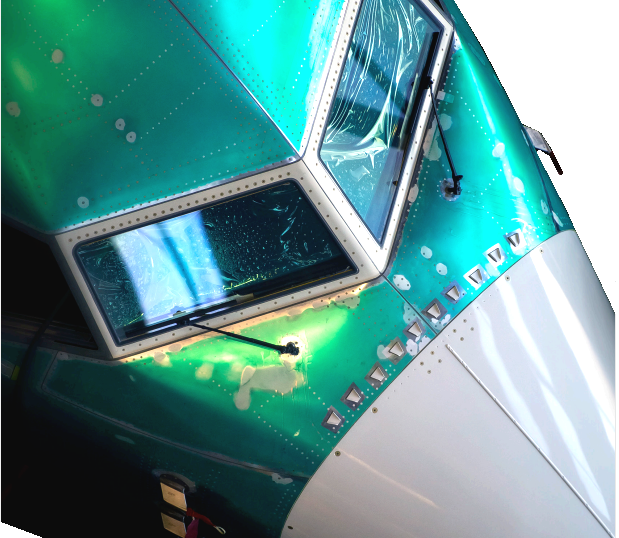



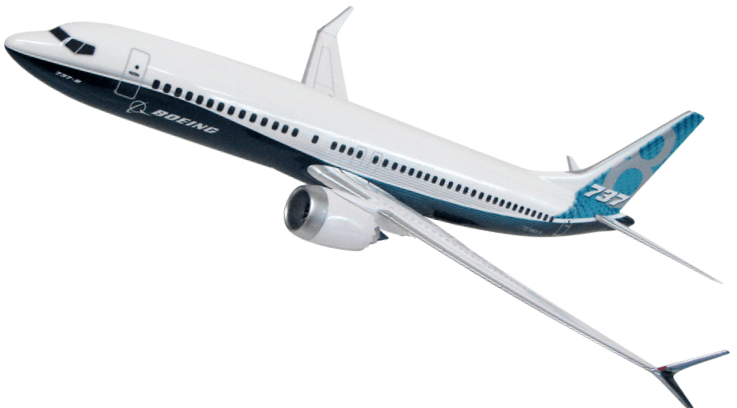



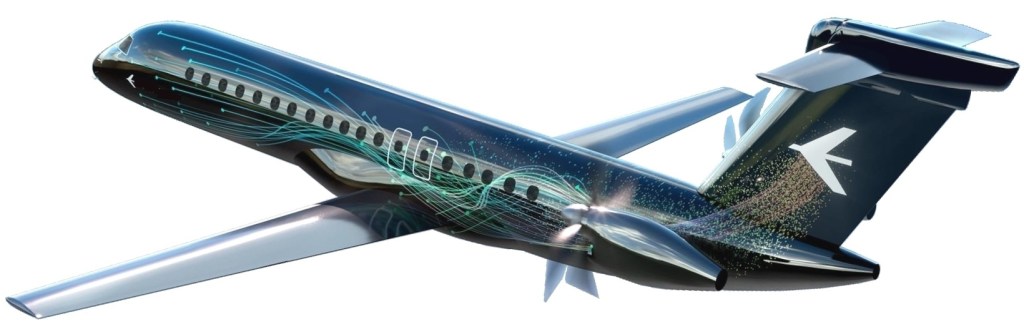


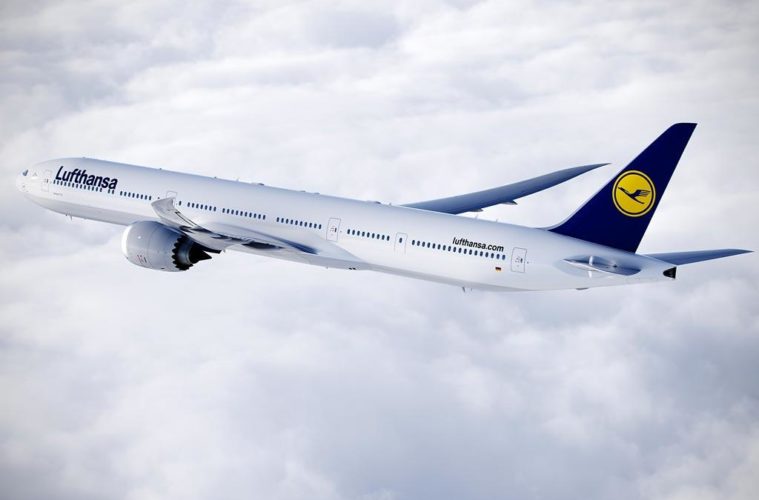


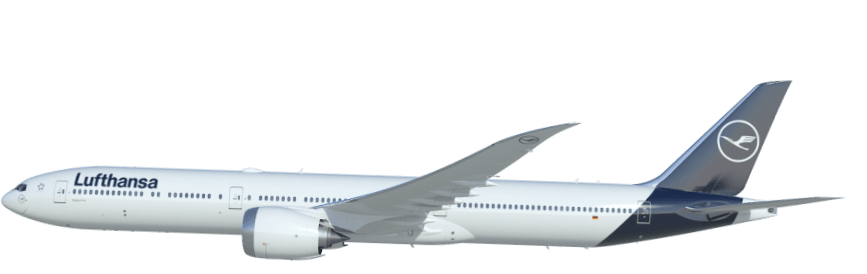

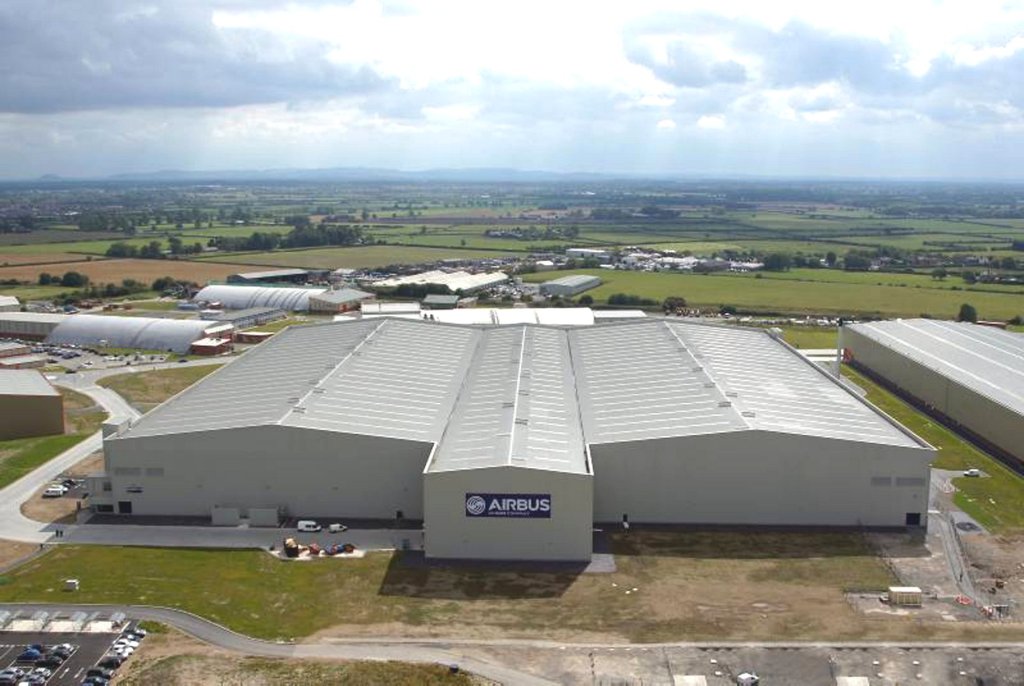



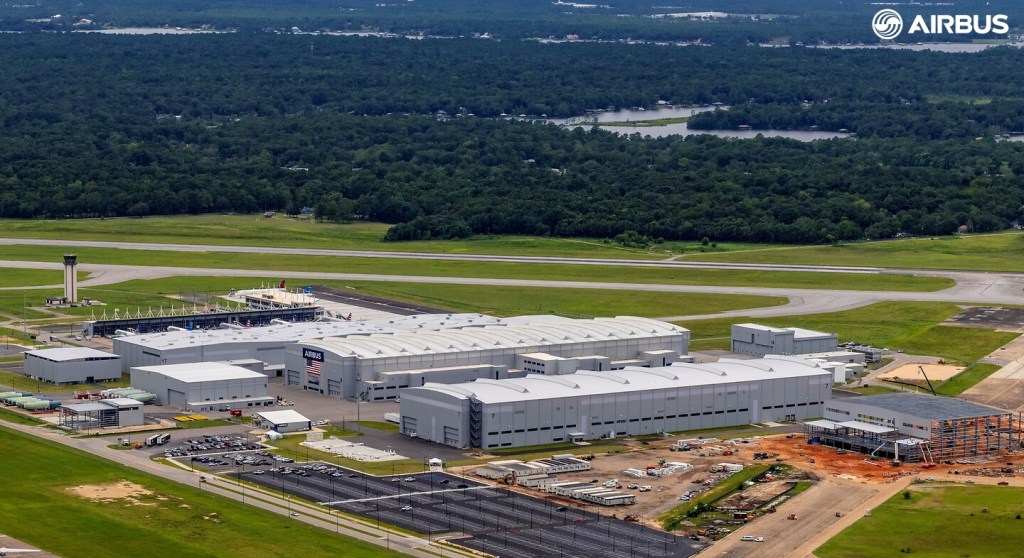



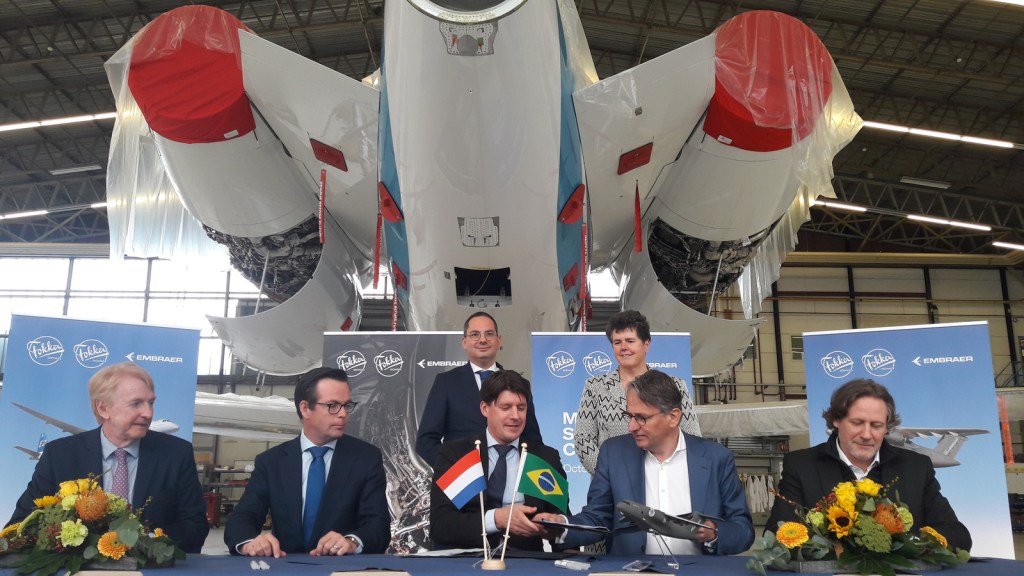
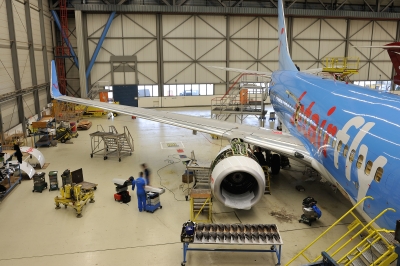





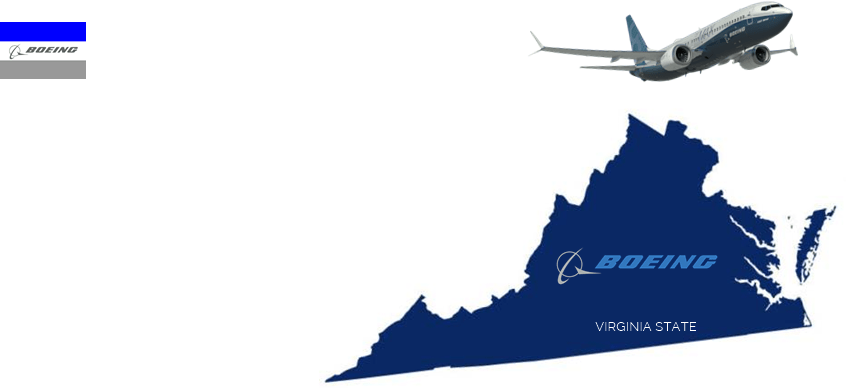



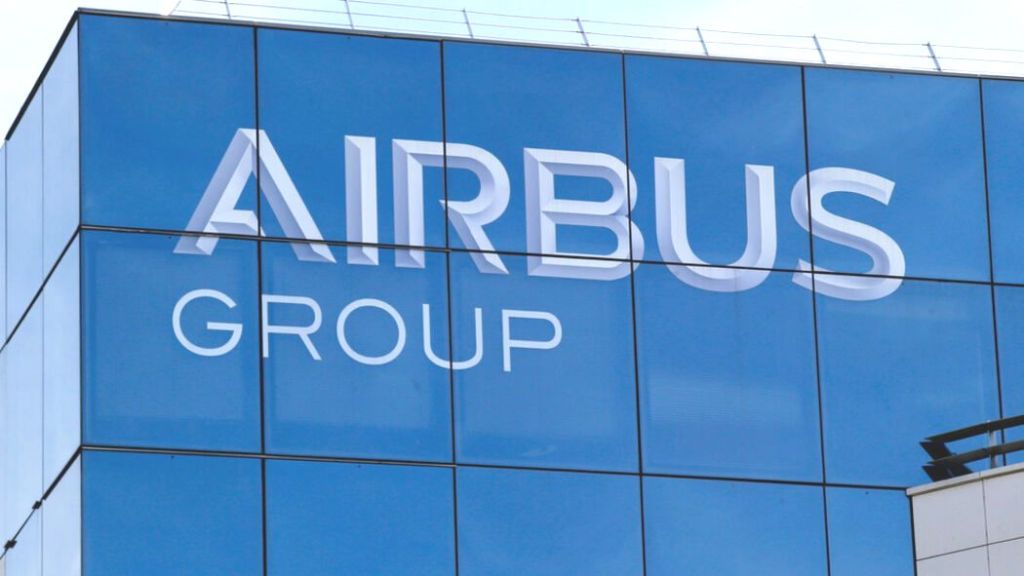


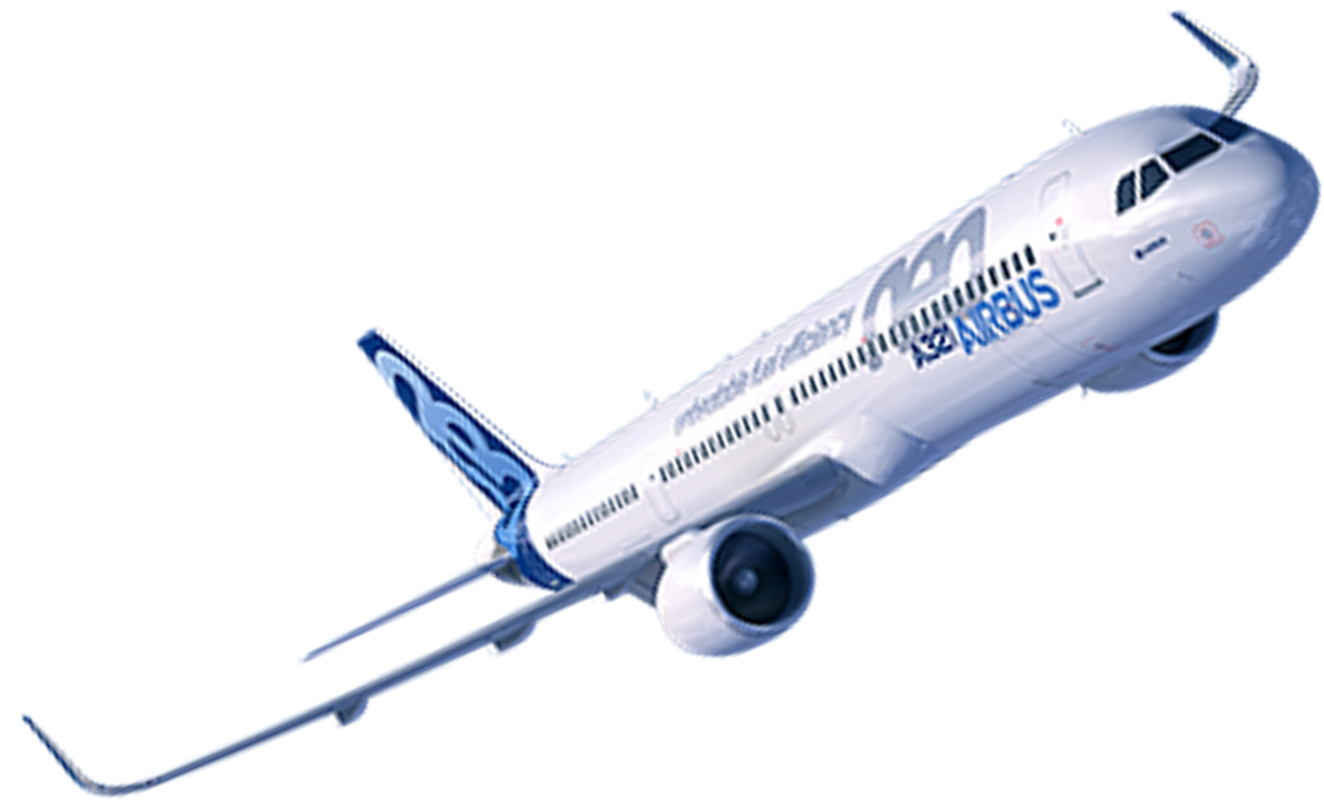
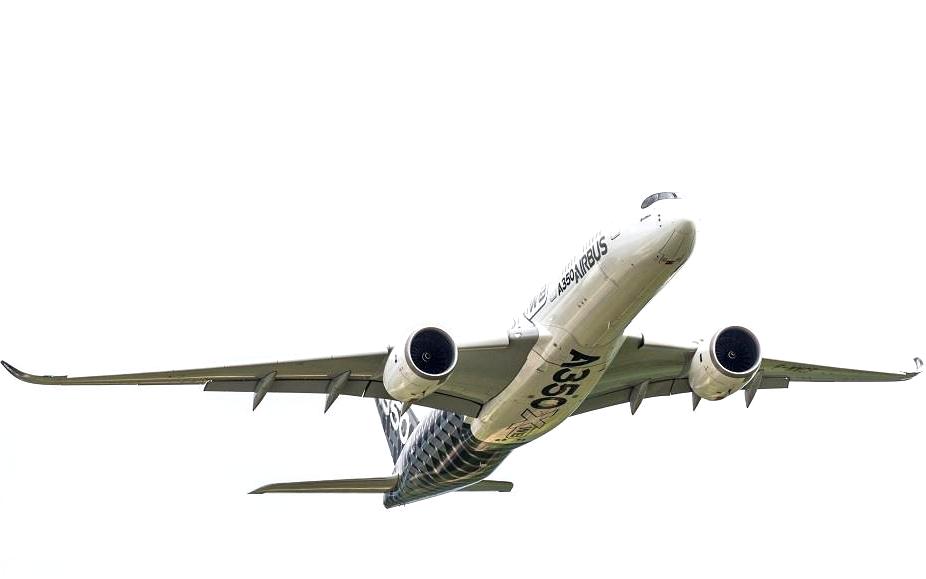


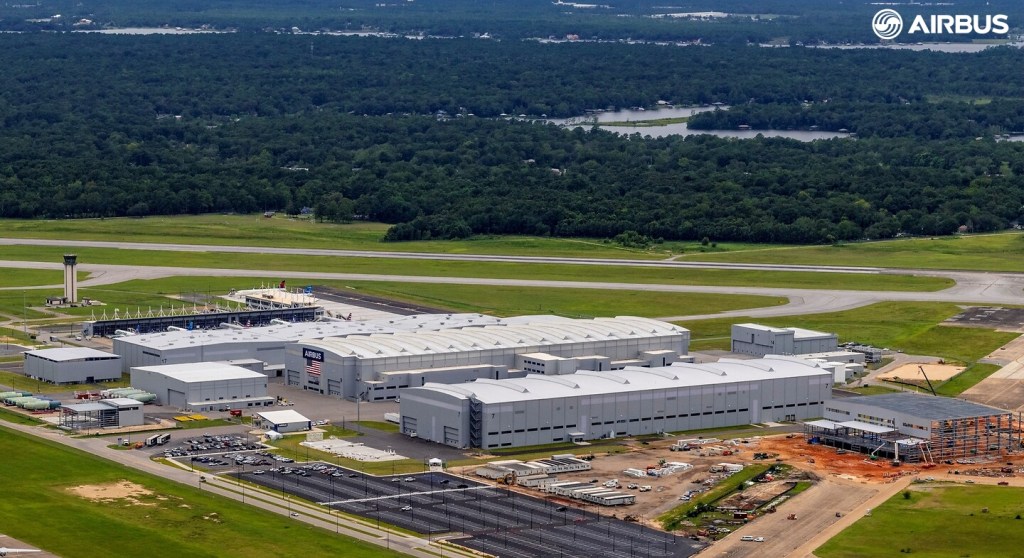
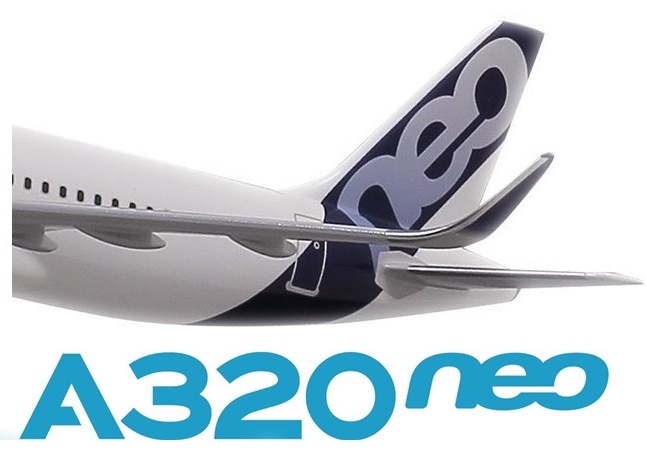

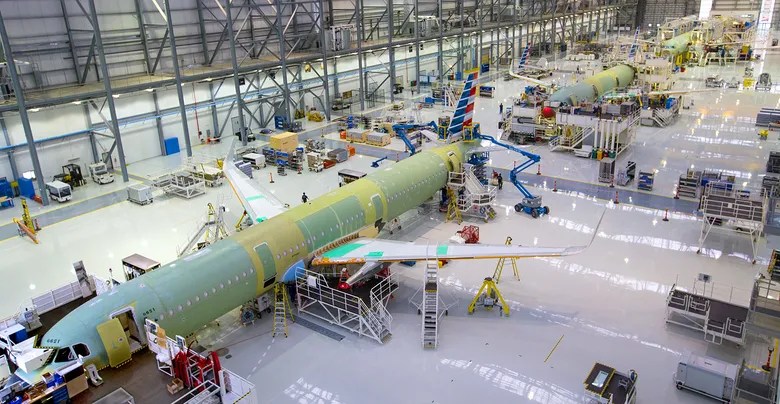



 airgways.com