Embraer ha informado la contratación de personal en el área de Melbourne, Florida, Estados Unidos. La compañía brasileña estaría seleccionando 150 empleos a las instalaciones de Melbourne Florida (FL) para su unidad Executive Jets. La compañía está contratando para múltiples puestos, incluidos técnicos de ensamblaje, técnicos de A&P, pintores de aeronaves, inspectores de calidad e ingenieros de fabricación.
El campus de Embraer en Melbourne sirve como sede de la compañía para su unidad Executive Jets. Inaugurada en 2011, la instalación alberga la línea de montaje de dos de los aviones ligeros de la compañía: el Phenom 100EV y el Phenom 300E. Los empleados también trabajan en el montaje final de los Praetor 500 y Praetor 600, los jets de tamaño medio más disruptivos y tecnológicamente avanzados del mercado. Además, el campus de 67 acres incluye un Centro de Atención al Cliente Global de 58,000 pies cuadrados y un Centro de Ingeniería y Tecnología de última generación.
«Embraer eligió la Costa Espacial debido a la mano de obra altamente calificada del área y debido a esto, tenemos la suerte de trabajar con personas extremadamente talentosas todos los días. Nuestra compañía está creciendo a un ritmo notable y ahora estamos buscando expandir nuestra búsqueda de talentos, no solo en Brevard, sino en todo el estado. A medida que experimentamos este crecimiento, esta es una oportunidad para trabajar para una empresa apasionada por estirar los límites de lo que es posible e integra diferentes culturas en un entorno global», dijo Darrel Stern, Jefe de Adquisición de Talento y Gerente de Programas de Campus, Embraer North America.
En 2021, Embraer entregó 93 aviones ejecutivos y la compañía en su conjunto terminó el 4T21 con su cartera de pedidos trimestral más alta desde el 2T18. Recientemente, la serie Phenom 300 de Embraer, que se ensambla en Melbourne, fue nombrada el avión ligero más vendido del mundo por 10º año consecutivo y el twinjet más entregado de 2021.
Embraer organizará un evento de reclutamiento con CareerSource Brevard County el 21 de Abril de 2022, de 10 a.m. a 3 p.m. El evento tendrá lugar en el Rockledge Career Center en 295 Barnes Boulevard en Rockledge, Florida.
Embraer/FL releases hiring
Embraer selects contracting in Florida
Embraer has reported the hiring of personnel in the area of Melbourne, Florida, United States. The Brazilian company would be selecting 150 jobs at the Melbourne Florida (FL) facilities for its Executive Jets unit. The company is hiring for multiple positions, including Assembly Technicians, A&P Technicians, Aircraft Painters, Quality Inspectors, and Manufacturing Engineers.
Embraer’s Melbourne campus serves as the company’s headquarters for its Executive Jets unit. Opened in 2011, the facility houses the assembly line for two of the company’s light aircraft: the Phenom 100EV and the Phenom 300E. Employees also work on the final assembly of the Praetor 500 and Praetor 600, the most disruptive and technologically advanced mid-size jets on the market. Additionally, the 67-acre campus includes a 58,000-square-foot Global Customer Center and a state-of-the-art Engineering and Technology Center.
«Embraer chose the Space Coast because of the area’s highly-skilled workforce and because of this, we are fortunate to work with extremely talented people every day. Our company is growing at a remarkable rate and we are now looking to expand our search for talent, not just in Brevard, but across the state. As we experience this growth, this is an opportunity to work for a company that is passionate about stretching the boundaries of what is possible and integrating different cultures in a global environment», said Darrel Stern, Head of Talent Acquisition and Campus Program Manager, Embraer North America.
In 2021, Embraer delivered 93 business jets and the company as a whole ended 4Q21 with its highest quarterly order book since 2Q18. Recently, Embraer’s Phenom 300 series, which is assembled in Melbourne, was named the world’s best-selling light aircraft for the 10th consecutive year and the most delivered twinjet of 2021.
Embraer will host a recruiting event with CareerSource Brevard County on April 21, 2022, from 10:00 a.m. to 05:00 p.m. to 03:00 p.m. The event will take place at the Rockledge Career Center at 295 Barnes Boulevard in Rockledge, Florida.
PUBLISHER: Airgways.com DBk: Embraer.com / Airgways.com AW-POST: 202204201941AR OWNERSHIP: Airgways Inc. A\W A I R G W A Y S ®
La aerolínea Congo Airways actualmente tiene cuatro (4) Embraer E2-Jets seleccionados como parte de un pedido conjunto. El comunicado de la línea aérea congoleña está considerando cambiar la orden brasileña a favor de la familia Airbus A220. Los informes han sugerido que la aerolínea con sede en Kinshasa, República Democrática del Congo, anteriormente arrendaba Embraer E-Jets de primera generación de la compañía aérea Kenya Airways, debería haber recibido el avión en Diciembre 2021. Airspace Africa ha informado que la aerolínea Congo Airways tiene cuatro de los aviones regionales de próxima generación en orden: dos E190-E2 (2) y dos E195-E2 (2). Los E190-E2 tienen una configuración de 96 asientos.
Las entregas de las aeronaves brasileñas se encuentran programadas para este año 2022: los E190-E2 para Abril/Mayo y los E195-E2 para Novienbre/Diciembre. El Gobierno congoleño ha pagado los primeros US$ 14 millones de Dólares adeudados a Embraer por el avión. A pesar de esto, su aerolínea nacional ahora puede estar preparándose para archivar el acuerdo a favor del Airbus A220. En Marzo 2022 Congo Airways había optado por no extender los arrendamientos de sus E190 alquilados de Kenya Airways. Estos factores parecen sugerir que Congo Airways estaría inclinando su balanza por la selección del nuevo avión regional europeo. La aerolínea buscaría uniformidad de flota, pues el resto de las aeronaves se componen de Airbus A320.
Los rumores podrían llevar a Congo Airways a realizar el reemplazo de aviones regionales brasileños por los A220, pero la línea aérea sin dudas pagaría un alto costo por modificar la flota en la proximidad de las entregas de los aviones Embraer E-Jets brasileños.
Congo Airways uncertainty Embraer E2
African airline would switch to Airbus A220 fleet
Congo Airways currently has four (4) Embraer E2-Jets selected as part of a joint order. The statement from the Congolese airline is considering changing the Brazilian order in favor of the Airbus A220 family. Reports have suggested that the Kinshasa, Democratic Republic of the Congo-based airline, previously leasing first-generation Embraer E-Jets from carrier Kenya Airways, should have taken delivery of the aircraft in December 2021. Airspace Africa has reported that Congo Airways has four of the next-generation regional jets on order: two E190-E2s (2) and two E195-E2s (2). The E190-E2s have a 96-seat configuration.
The deliveries of the Brazilian aircraft are scheduled for this year 2022: the E190-E2 for April/May and the E195-E2 for November/December. The Congolese government has paid the first US$14 million dollars owed to Embraer for the plane. Despite this, your national airline may now be preparing to shelve the deal in favor of the Airbus A220. As of March 2022 Congo Airways had opted not to extend the leases of its leased E190s from Kenya Airways. These factors seem to suggest that Congo Airways is leaning its weight on the selection of the new European regional airliner. The airline would seek fleet uniformity, since the rest of the aircraft are made up of Airbus A320s.
Rumors could lead Congo Airways to replace Brazilian regional jets with A220s, but the airline would undoubtedly pay a high cost to modify the fleet in the proximity of deliveries of Brazilian Embraer E-Jets.
PUBLISHER: Airgways.com DBk: Congoairways.com / Airgways.com AW-POST: 202204201923AR OWNERSHIP: Airgways Inc. A\W A I R G W A Y S ®

La aerolínea malaya AirAsia X canceló la mayoría de sus pedidos de Airbus A330NEO. La cancelación del pedido se anticipó a principios de 2020 y se acordó en Noviembre de 2021. Para Airbus, no es necesario realizar ajustes en la producción en línea. Tras la crisis sanitaria mundial, la industria del mercado de aviones de fuselaje ancho es actualmente débil con proyecciones a mediano plazo para su recuperación, involucrando significativamente a la línea Airbus A330NEO de manera directa.
AirAsia X ha sido uno de los mayores clientes del Airbus A330NEO del constructor europeo desde su lanzamiento en 2014. En Diciembre de 2014, la aerolínea de bajo costo de Malasia ordenó 55 aviones, y un año después, agregó otros 11 pedidos a la cartera, lo que elevó su participación en la cartera de pedidos a casi el 40%. En Julio de 2018, Airbus y AirAsia X acordaron agregar otras 34 unidades a la cartera de pedidos, lo que elevó los pedidos a 100 unidades. Sin embargo, en Septiembre de 2012, después de una revisión, solo se agregaron 12 unidades, lo que elevó el número total de A330NEO que AirAsia X tenía en orden a 78 en lugar de 100. Para entonces, la participación de AirAsia X en la cartera de pedidos del A330NEO ya había disminuido al 33%. El total de pedidos representaba uno de cada tres órdenes globales destinada a AirAsia X.
Hacia 2017 las órdenes de A330NEO de AirAsia estaban en riesgo. Una revisión del pedido eran las posibles dificultades para las transacciones de venta y arrendamiento de la aeronave porque los arrendadores habían comenzado a acumular pedidos para el avión y las posibles limitaciones en las rutas a Europa que AirAsia X observó una configuración muy densa que empujaba a la aeronave cerca de sus límites. Tras el arribo de la pandemia en 2019 comenzarían las dificultades, mientras que AirAsia X había sido encantada por el lanzamiento del Airbus A321XLR, que proporciona adiciones de capacidad incrementales para destinos de largo recorrido. Cuando la pandemia comenzó a afectar a la industria de las aerolíneas, el pedido de AirAsia X para el Airbus A330NEO atentaba con su cancelación debido a las cancelaciones de viajes internacionales. Hacia Noviembre 2021, AirAsia X y Airbus acordaron reducir el pedido de Airbus A330NEO a solo quince unidades y veinte Airbus A321XLR, lo que implica la cancelación de 63 Airbus A330NEO y 10 Airbus A321XLR. La reducción del pedido de sesenta y tres (63) Airbus A330NEO representan un valor de US$ 7.300 millones de Dólares, según la herramienta de análisis de datos TAF Airbus Cancellation Monitors y 10 Airbus A321XLR valorados en casi US$ 600 millones de Dólares.
Como parte de la reestructuración de Air Asia X, su flota de A330CEO ahora se ha reducido a solo trece aviones. Unos quince aviones quedan en orden para reemplazar esos trece aviones y representan un crecimiento modesto en el futuro. Como resultado de la cancelación, Airbus ha perdido el 27% de su cartera de pedidos para el Airbus A330NEO. Esta es una pérdida significativa para Airbus, pero la realidad es que Airbus ha alineado las tasas de producción del programa con la nueva realidad del programa Airbus A330NEO. Aunque las cancelaciones se consideran negativas, las cancelaciones significan que la calidad del backlog ha mejorado sustancialmente, pero el éxito futuro del Airbus A330NEO dependerá en gran medida de cómo las aerolíneas asiáticas, que han sido los principales clientes del Airbus A330CEO, podrían renovar o actualizar su flota en el corto plazo.
AirAsia X cancels A330NEO order
Airbus suffers A330NEO fleet cancellation
Malaysian airline AirAsia X has canceled most of its Airbus A330NEO orders. The cancellation of the order was anticipated in early 2020 and agreed in November 2021. For Airbus, no adjustments to line production are necessary. Following the global health crisis, the wide-body aircraft market industry is currently weak with medium-term projections for its recovery, significantly involving the Airbus A330NEO line directly.
AirAsia X has been one of the largest customers for the European builder’s Airbus A330NEO since its launch in 2014. In December 2014, the Malaysian low-cost carrier ordered 55 aircraft, and a year later, it added a further 11 orders to the backlog. which raised its share of the order book to almost 40%. In July 2018, Airbus and AirAsia X agreed to add a further 34 units to the order book, bringing orders to 100 units. However, in September 2012, after a review, only 12 aircraft were added, bringing the total number of A330NEOs AirAsia X had on order to 78 instead of 100. By then, AirAsia X’s participation in the A330NEO order book had already decreased to 33%. The order total represented one in three global orders destined for AirAsia X.
By 2017 AirAsia’s A330NEO orders were at risk. A review of the order was the possible difficulties for the sale and lease transactions of the aircraft because the lessors had started to accumulate orders for the aircraft and the possible limitations in the routes to Europe that AirAsia X observed a very dense configuration that pushed the aircraft near its limits. After the arrival of the pandemic in 2019 the difficulties would begin, while AirAsia X had been delighted by the launch of the Airbus A321XLR, which provides incremental capacity additions for long-haul destinations. When the pandemic started to hit the airline industry, AirAsia X’s order for the Airbus A330NEO was facing cancellation due to international travel cancellations. By November 2021, AirAsia X and Airbus agreed to reduce the Airbus A330NEO order to just fifteen units and twenty Airbus A321XLRs, which implies the cancellation of 63 Airbus A330NEOs and 10 Airbus A321XLRs. The order reduction of sixty-three (63) Airbus A330NEOs represents a value of US$7.3 billion, according to the TAF data analysis tool Airbus Cancellation Monitors and 10 Airbus A321XLRs valued at almost US$600 million.
As part of Air Asia X’s restructuring, its A330CEO fleet has now been reduced to just thirteen aircraft. Some fifteen aircraft remain on order to replace those thirteen aircraft and represent modest growth going forward. As a result of the cancellation, Airbus has lost 27% of its order book for the Airbus A330NEO. This is a significant loss for Airbus, but the reality is that Airbus has brought the program production rates in line with the new reality of the Airbus A330NEO programme. Although the cancellations are seen as negative, the cancellations mean that the quality of the backlog has improved substantially, but the future success of the Airbus A330NEO will largely depend on how Asian airlines, which have been the main customers of the Airbus A330CEO, could renew or upgrade your fleet in the short term.
PUBLISHER: Airgways.com DBk: Airasia.com / Airbus.com / Airgways.com AW-POST: 202204201404AR OWNERSHIP: Airgways Inc. A\W A I R G W A Y S ®
Compañías de Rostec buscan reemplazos componentes nacionales Bloqueo occidental genera cambios en líneas MC-21 y SSJ100
Las empresas de Rostec State Corp. están acelerando el trabajo en unidades y componentes de sustitución de importaciones para el avión de pasajeros Irkut MC-21 y han desarrollado equipos de comunicación domésticos para el avión, dijo Oleg Yevtushenko, director ejecutivo de Rostec. “La empresa Polet del holding Ruselectronics ha desarrollado equipos de comunicación de corto y largo alcance para el avión MC-21. Para fines de este año, 20 estaciones de radio serán entregadas al cliente. También desarrollamos equipos de intercomunicación para MC-21. La certificación del equipo debe completarse este septiembre. Además, desarrollamos software para la transmisión de datos en redes de aviación civil”, dijo la Oficina de Prensa de Rostec.
La aceleración de la incorporación de las partes componentes de la nueva línea de aviones MC-21 obedecen a los problemas generados con occidente y el actual conflicto por la guerra en Ucrania, lo que ha generado un bloqueo occidental.
Anteriormente, Yury Slyusar, Director General de United Aircraft Corporation (UAC), dijo que la UAC planeaba producir 36 aviones MC-21 para 2025 y luego espera aumentar las tasas de producción a 72 aviones por año. La demanda de Irkut MC-21 y Sukhoi SSJ 100 sustituidos por importación aumentó drásticamente en medio de las sanciones impuestas por los Estados Unidos y la Unión Europea, que incluyen en particular una prohibición total del suministro de aviones Airbus y Boeing y sus partes a Rusia.
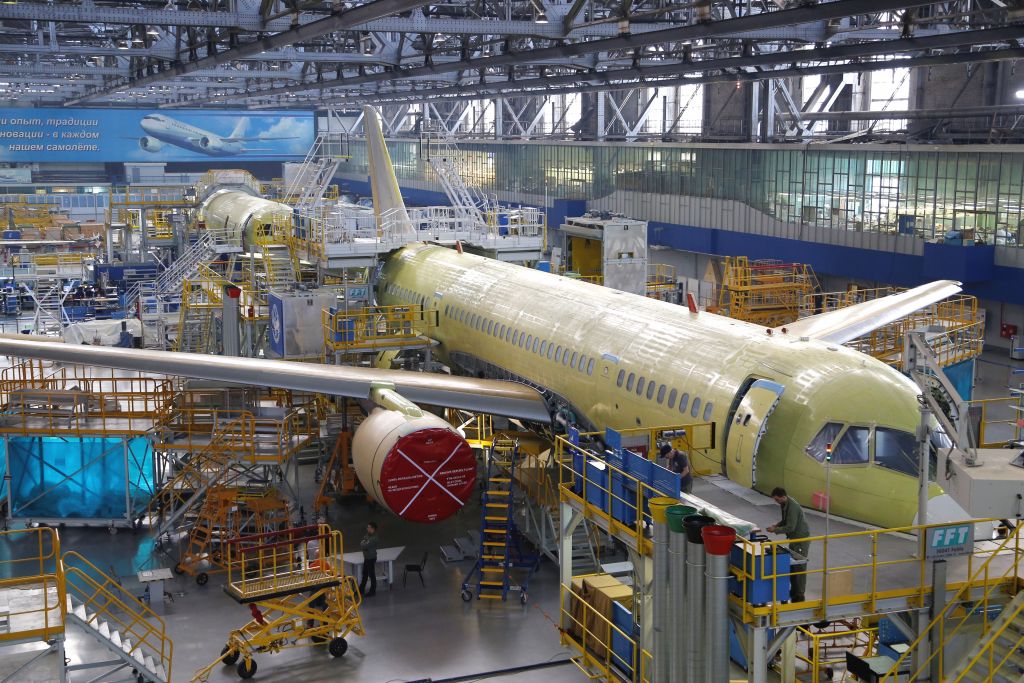
MC-21 es el primer avión de medio alcance de la Federación Rusia. El avión tuvo su ceremonia de lanzamiento en Junio de 2016 en Irkutsk. El vuelo inaugural del MC-21 equipado con motores PW1400 estadounidenses se realizó el 28 de Mayo de 2017. Su primer vuelo con motores rusos PD-14 se realizó en Diciembre de 2020.
Work on the MC-21 line is accelerated
Rostec companies seek domestic component replacements Western blockade generates changes in MC-21 and SSJ100 lines
Rostec State Corp. companies are accelerating work on import substitution units and components for the Irkut MC-21 airliner and have developed domestic communication equipment for the plane, said Oleg Yevtushenko, chief executive of Rostec. “The Polet company of the Ruselectronics holding has developed short-range and long-range communication equipment for the MC-21 aircraft. By the end of this year, 20 radio stations will be delivered to the customer. We also develop intercom equipment for MC-21. Equipment certification is due to be completed this September. In addition, we develop software for data transmission in civil aviation networks”, said the Rostec Press Office.
The acceleration of the incorporation of the component parts of the new line of MC-21 aircraft is due to the problems generated with the West and the current conflict over the war in Ukraine, which has generated a Western blockade.
Earlier, Yury Slyusar, Director General of the United Aircraft Corporation (UAC), said that the UAC planned to produce 36 MC-21 aircraft by 2025 and then expects to increase production rates to 72 aircraft per year. Demand for import-substituted Irkut MC-21s and Sukhoi SSJ 100s rose sharply amid sanctions imposed by the United States and the European Union, including in particular a total ban on the supply of Airbus and Boeing aircraft and their parts to Russia. .
MC-21 is the first medium-range aircraft of the Russian Federation. The aircraft had its launch ceremony in June 2016 in Irkutsk. The maiden flight of the MC-21 equipped with American PW1400 engines was made on May 28, 2017. Its first flight with Russian PD-14 engines was made in December 2020.
Работа на линии МС-21 ускорена
Компании Ростеха ищут замену отечественным комплектующим Западная блокада порождает изменения в линиях MC-21 и SSJ100
Предприятия Госкорпорации Ростех форсируют работы по импортозамещению узлов и агрегатов для авиалайнера Irkut МС-21, а также разработали отечественную аппаратуру связи для самолета, сообщил генеральный директор Ростеха Олег Евтушенко. «Компания Полет холдинга «Росэлектроника» разработала аппаратуру ближней и дальней связи для самолета МС-21. До конца текущего года заказчику будет передано 20 радиостанций. Мы также разрабатываем переговорное оборудование для МС-21. Сертификация оборудования должна быть завершена в сентябре этого года. Кроме того, мы разрабатываем программное обеспечение для передачи данных в сетях гражданской авиации», — сообщили в пресс-службе Ростеха.
Ускорение ввода в строй составных частей новой линейки самолетов МС-21 связано с проблемами, возникшими с Западом, и текущим конфликтом из-за войны на Украине, породившим западную блокаду.
Ранее генеральный директор Объединенной авиастроительной корпорации (ОАК) Юрий Слюсарь сообщил, что до 2025 года ОАК планирует произвести 36 самолетов МС-21, а затем рассчитывает увеличить темпы производства до 72 самолетов в год. Спрос на импортозамещенные МС-21 и Сухой SSJ 100 резко вырос на фоне санкций, введенных США и Евросоюзом, включая, в частности, полный запрет на поставку в Россию самолетов Airbus и Boeing и их комплектующих.
МС-21 первый среднемагистральный самолет Российской Федерации. Церемония запуска самолета состоялась в июне 2016 года в Иркутске. Первый полет МС-21 с американскими двигателями PW1400 совершил 28 мая 2017 года. Первый полет с российскими двигателями ПД-14 совершил в декабре 2020 года.
PUBLISHER: Airgways.com DBk: Rostec.ru / Airgways.com AW-POST: 202204201035AR OWNERSHIP: Airgways Inc. A\W A I R G W A Y S ®
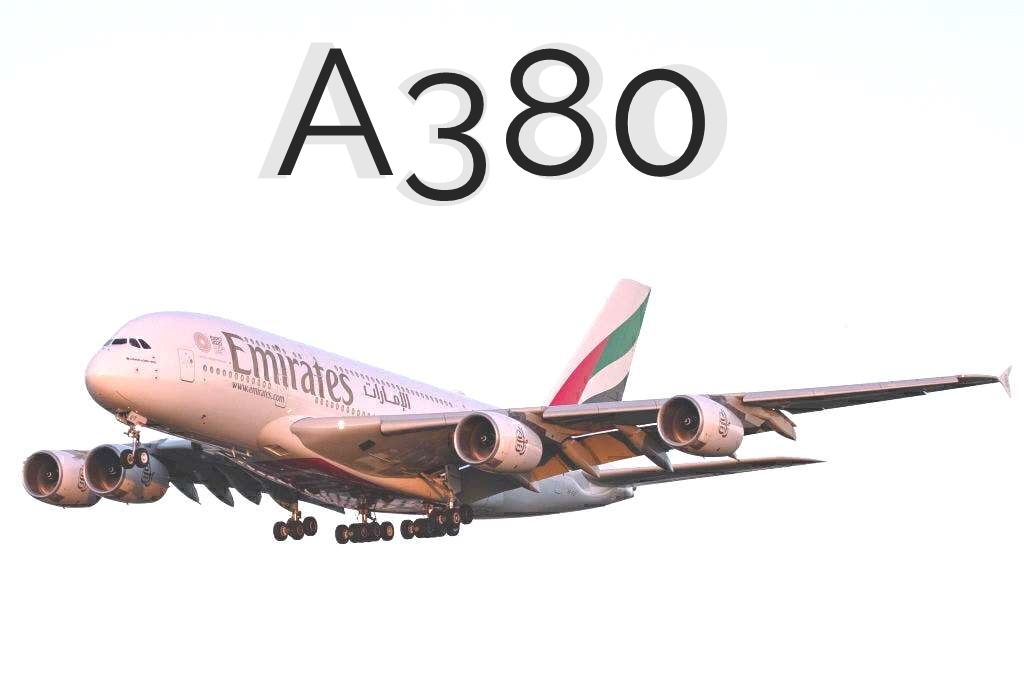
El Boeing 777-9 continúa mostrando progreso en su vuelo hacia la etapa para el servicio comercial. Un prototipo 777-9 ha estado realizando vuelos de prueba durante esta semana en la zona del Estado de Washinton (WA) acumulando horas de prueba de vuelo con la perspectiva hacia la certificación de la nueva variante del 777. Según datos de FlightRadar24.com, el Boeing 777-9 registrado N779XW MSN 64240, S/N1567 realizó sus dos últimos vuelos de prueba el 15/04. El primer vuelo del día se realizó desde Seattle Boeing Field/BFI a Moses Lake/MWH, pasando dos horas en el aire. El segundo vuelo de la aeronave hizo que regresara a Boeing Field desde el lago Moses. Esta vez, con 90 minutos en el aire.
A lo largo de Marzo y Abril 2022, el avión de prueba ha estado volando principalmente dentro y fuera de Seattle y Moses Lake, realizando vuelos de pruebas y regresando al aeropuerto de origen. En Febrero 2022, el avión estaba en Singapur, mostrándose a posibles clientes con una serie de vuelos de demostración. Se realizaron unos seis vuelos de demostración durante su tiempo en el Singapore Airshow 2022. Este mismo avión también fue el avión mostrado en el Dubai Airshow en 2021.
Boeing tiene un total de cuatro prototipos 777-9. Estos son N779XW, N779XX, N779XY y N779XZ registrados. Los datos de FlightRadar24.com indican que N779XZ no ha tomado los cielos desde Noviembre de 2021, mientras que los vuelos más recientes de N779XX y N779XY tuvieron lugar a principios de Abril y mediados de Marzo de 2022, respectivamente. El avión N779XW tuvo dos vuelos de prueba el 15 de Abril de 2022.
Singapure Airshow 2022
El equipo de Boeing se mostró optimista y confiado en el Salón Aeronáutico de Singapur sobre el progreso realizado por el 777-9. Brian Hermesmeyer, Director Senior de Marketing de Productos de Boeing, informó que los cuatro prototipos 777X de la compañía habían completado unas 1.900 horas de prueba de vuelo en 650 vuelos a mediados de Febrero de 2022. Otros miembros del equipo de Boeing elogiaron los motores y sistemas de vuelo de la aeronave, así como las innovadoras puntas de ala plegables de la aeronave, una noticia positiva que uno esperaría de los representantes de la compañía que esperan encontrar más clientes en un espectáculo aéreo.
Boeing 777-9 tests continue
Boeing 777-9X test progress
The Boeing 777-9 continues to show progress as it moves toward commercial service. A 777-9 prototype has been conducting test flights this week in the Washington State (WA) area, accumulating flight test hours with a view to certification of the new 777 variant. According to data from FlightRadar24.com, the Boeing 777-9 registered N779XW MSN 64240, S/N1567 made its last two test flights on 04/15. The first flight of the day was from Seattle Boeing Field/BFI to Moses Lake/MWH, spending two hours in the air. The aircraft’s second flight caused it to return to Boeing Field from Moses Lake. This time, with 90 minutes on the air.
Throughout March and April 2022, the test aircraft has been flying primarily in and out of Seattle and Moses Lake, performing test flights and returning to the home airport. In February 2022, the aircraft was in Singapore, showing off to potential customers with a series of demonstration flights. Some six demonstration flights were flown during its time at the Singapore Airshow 2022. This same aircraft was also the aircraft shown at the Dubai Airshow in 2021.
Boeing has a total of four 777-9 prototypes. These are registered N779XW, N779XX, N779XY and N779XZ. Data from FlightRadar24.com indicates that N779XZ has not taken to the skies since November 2021, while the most recent flights of N779XX and N779XY took place in early April and mid-March 2022, respectively. The N779XW aircraft had two test flights on April 15, 2022.
Singapore Airshow 2022
The Boeing team was optimistic and confident at the Singapore Air Show about the progress made by the 777-9. Brian Hermesmeyer, Boeing Senior Director of Product Marketing, reported that the company’s four 777X prototypes had completed some 1,900 hours of flight testing over 650 flights as of mid-February 2022. Other Boeing team members praised the engines and the aircraft’s flight systems, as well as the aircraft’s innovative folding wingtips, positive news one would expect from company representatives hoping to find more customers at an air show.
PUBLISHER: Airgways.com DBk: Boeing.com / Flightradar24.com / Airgways.com AW-POST: 202204170520AR OWNERSHIP: Airgways Inc. A\W A I R G W A Y S ®
AW | 2022 04 14 19:38 | AIRLINES / TRAINING / INDUSTRY
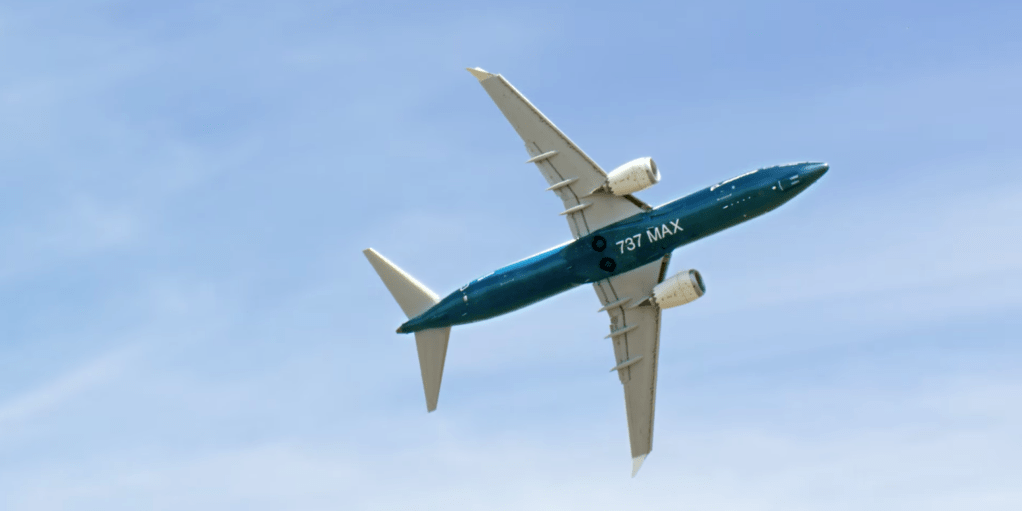
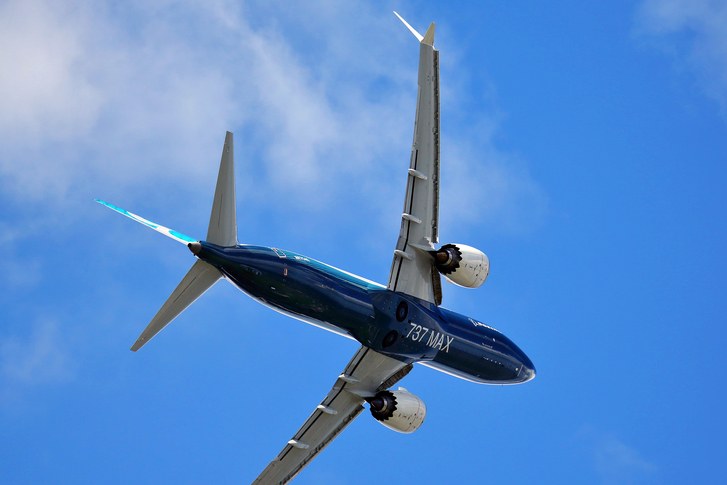
Boeing pondrá a tierra el simulador 737 MAX defectuoso Fabricante dice que Stick Shaker necesita reemplazo
Los pilotos no pueden ser entrenados para volar Boeing 737 MAX de forma segura si el agitador de palos en un simulador está defectuoso, informó el fabricante del avión al Director General de Aviación Civil de la India, que prohibió a noventa pilotos de SpiceJet volar estos aviones después de una inspección de una instalación de entrenamiento de la aerolínea.
Boeing también ha dicho que pondrá a tierra el simulador hasta que se reemplace el Stick Shaker (Agitador de Palos), que es un dispositivo mecánico que mueve rápidamente el yugo de control de una aeronave para advertir al piloto de una parada inminente, o del avión que cae cuando hay una reducción drástica en la velocidad de un avión que le da sustentación. La capacitación se estaba llevando a cabo en un centro de simuladores de terceros, CAE Simulation Training Centre, en Greater Noida. Es propiedad conjunta del promotor de IndiGo Rahul Bhatia y el fabricante canadiense de tecnologías de simulación CAE. Sin embargo, la capacitación estaba siendo impartida por instructores de SpiceJet.
La Agencia DGCA de la India descubrió los fallos en una inspección del centro el 30 de Marzo de 2022. La DGCA ha emitido avisos de causa justificada a SpiceJet y al centro de capacitación por no impartir la capacitación adecuada a 90 pilotos en el simulador 737 MAX, dijeron funcionarios el Jueves 14/04. Según fuentes de la DGCA, cuando SpiceJet se enfrentó a la respuesta de Boeing, la aerolínea respondió que había tomado una medida interna para continuar dicha capacitación, aunque Boeing no fue consultada por ella.
SpiceJet estaba llevando a cabo el entrenamiento como parte del regreso al servicio de los 737 MAX después de que el tipo de avión estuvo en tierra a nivel mundial durante más de dos años después de dos accidentes. La capacitación es para familiarizar a los pilotos con las modificaciones llevadas a cabo por Boeing. La DGCA levantó la prohibición de 737 MAX en Agosto de 2021. SpiceJet tiene trece (13) Boeing 737-8 MAX, de los cuales once se encuentran en funcionamiento.
De acuerdo con las reglas de la DGCA o los Requisitos de Aviación Civil: «Ninguna persona puede usar o permitir a sabiendas el uso o tergiversar la capacidad de un Diseño de Entrenamiento de Simulación de Vuelo para cualquier maniobra, procedimiento o tarea que deba realizarse para cumplir con el entrenamiento cuando falta un componente, que funciona mal o que no está operativo».
Los Pilotos Senior a cargo de la capacitación dicen que en caso de un dispositivo que funciona mal, se supone que el centro de entrenamiento del simulador y la aerolínea deben mantener un «registro de defectos» y la investigación de la DGCA revelará si hubo una negligencia en registrar la falla con el Agitador de Palos y si CAE también necesita ser castigado. «La mayoría de las veces estos problemas no se registran. La DGCA debe ser aplaudida por su vigilancia y los inspectores que detectaron el inconveniente han hecho un trabajo encomiable», dijo un capacitador Senior.
SpiceJet respondió a estas nuevas revelaciones de la DGCA y dijo: «hemos recibido una comunicación del regulador sobre el asunto y la aerolínea presentará su respuesta dentro del período especificado». «Estamos trabajando estrechamente con todas las partes involucradas, incluido nuestro proveedor y la DGCA, para garantizar que el mantenimiento y la operación de este dispositivo específico cumplan con todos los requisitos reglamentarios. Estamos comprometidos a garantizar que nuestros clientes reciban experiencias de simulación de alta calidad de acuerdo con todas las regulaciones», dijo Boeing en respuesta a una consulta.
SpiceJet irregularities training
Boeing to ground faulty 737 MAX simulator Manufacturer Says Stick Shaker Needs Replacement
Pilots cannot be trained to fly Boeing 737 MAX safely if the stick shaker in a simulator is faulty, the plane’s manufacturer has told India’s Director General of Civil Aviation, which has banned ninety SpiceJet pilots from flying the planes. after an inspection of an airline training facility.
Boeing has also said it will ground the simulator until it replaces the Stick Shaker, which is a mechanical device that rapidly moves an aircraft’s control yoke to warn the pilot of an impending stall, or the plane. that falls when there is a drastic reduction in the speed of an airplane that gives it lift. Training was taking place at a third-party simulator center, CAE Simulation Training Center, in Greater Noida. It is jointly owned by IndiGo developer Rahul Bhatia and Canadian simulation technology manufacturer CAE. However, the training was being delivered by SpiceJet instructors.
India’s DGCA discovered the flaws in an inspection of the center on March 30, 2022. The DGCA has issued good cause notices to SpiceJet and the training center for failing to properly train 90 pilots in the 737 MAX simulator. officials said on Thursday 04/14. According to DGCA sources, when SpiceJet was confronted with Boeing’s response, the airline responded that it had taken internal action to continue such training, although Boeing was not consulted by it.
SpiceJet was conducting the training as part of the 737 MAX’s return to service after the plane type was grounded globally for more than two years after two accidents. The training is to familiarize pilots with the modifications carried out by Boeing. The DGCA lifted the 737 MAX ban in August 2021. SpiceJet has thirteen (13) Boeing 737-8 MAXs, of which eleven are in operation.
According to DGCA rules or Civil Aviation Requirements: «No person may knowingly use or permit the use or misrepresent the capability of a Flight Simulation Training Design for any maneuver, procedure or task that must be performed to comply with training when a component is missing, malfunctioning, or non-operational».
Senior Pilots in charge of training say that in the event of a malfunctioning device, the simulator training center and the airline are supposed to keep a «defect log» and the DGCA’s investigation will reveal whether there was negligence. in registering the failure with the Stick Shaker and if CAE also needs to be punished. «Most of the time these issues go unrecorded. The DGCA is to be applauded for their vigilance and the inspectors who spotted the issue have done a commendable job», said a Senior Trainer.
SpiceJet responded to these new revelations from the DGCA, saying «we have received a communication from the regulator on the matter and the airline will submit its response within the specified period.» «We are working closely with all parties involved, including our supplier and the DGCA, to ensure that the maintenance and operation of this specific device meets all regulatory requirements. We are committed to ensuring that our customers receive high-quality simulation experiences, in accordance with all regulation», Boeing said in response to a query.
स्पाइसजेट की अनियमितताओं का प्रशिक्षण
बोइंग टू ग्राउंड दोषपूर्ण 737 मैक्स सिम्युलेटर निर्माता कहते हैं स्टिक शेकर को बदलने की आवश्यकता है
पायलटों को बोइंग 737 मैक्स को सुरक्षित रूप से उड़ाने के लिए प्रशिक्षित नहीं किया जा सकता है, अगर सिम्युलेटर में स्टिक शेकर दोषपूर्ण है, तो विमान के निर्माता ने भारत के नागरिक उड्डयन के महानिदेशक को बताया है, जिसने नब्बे स्पाइसजेट पायलटों को विमानों के उड़ान भरने पर प्रतिबंध लगा दिया है। एक एयरलाइन प्रशिक्षण के निरीक्षण के बाद। सुविधा।
बोइंग ने यह भी कहा है कि यह सिम्युलेटर को तब तक ग्राउंड करेगा जब तक कि यह स्टिक शेकर की जगह नहीं ले लेता, जो एक यांत्रिक उपकरण है जो एक आसन्न स्टाल या विमान के पायलट को चेतावनी देने के लिए एक विमान के नियंत्रण योक को तेजी से ले जाता है। एक हवाई जहाज की गति जो उसे लिफ्ट देती है। ग्रेटर नोएडा में एक थर्ड पार्टी सिम्युलेटर सेंटर सीएई सिमुलेशन ट्रेनिंग सेंटर में प्रशिक्षण हो रहा था। यह संयुक्त रूप से इंडिगो डेवलपर राहुल भाटिया और कनाडाई सिमुलेशन प्रौद्योगिकी निर्माता सीएई के स्वामित्व में है। हालांकि प्रशिक्षण स्पाइसजेट के प्रशिक्षकों द्वारा दिया जा रहा था।
भारत के डीजीसीए ने 30 मार्च, 2022 को केंद्र के निरीक्षण में खामियों का पता लगाया। डीजीसीए ने स्पाइसजेट और प्रशिक्षण केंद्र को 737 मैक्स सिम्युलेटर में 90 पायलटों को ठीक से प्रशिक्षित करने में विफल रहने के लिए कारण नोटिस जारी किया है। डीजीसीए के सूत्रों के अनुसार, जब स्पाइसजेट को बोइंग की प्रतिक्रिया का सामना करना पड़ा, तो एयरलाइन ने जवाब दिया कि उसने इस तरह के प्रशिक्षण को जारी रखने के लिए एक आंतरिक कदम उठाया था, हालांकि बोइंग से इसके द्वारा परामर्श नहीं लिया गया था।
दो दुर्घटनाओं के बाद दो साल से अधिक समय तक विमान के प्रकार को वैश्विक स्तर पर रोके जाने के बाद स्पाइसजेट 737 मैक्स की सेवा में वापसी के हिस्से के रूप में प्रशिक्षण आयोजित कर रहा था। प्रशिक्षण पायलटों को बोइंग द्वारा किए गए संशोधनों से परिचित कराने के लिए है। DGCA ने अगस्त 2021 में 737 MAX प्रतिबंध हटा लिया। स्पाइसजेट के पास तेरह (13) बोइंग 737-8 MAX हैं, जिनमें से ग्यारह परिचालन में हैं।
DGCA के नियमों या नागरिक उड्डयन आवश्यकताओं के अनुसार: «कोई भी व्यक्ति जानबूझकर किसी भी पैंतरेबाज़ी, प्रक्रिया या कार्य के लिए फ़्लाइट सिमुलेशन ट्रेनिंग डिज़ाइन की क्षमता का उपयोग या अनुमति नहीं दे सकता है, जो कि एक घटक के गायब होने पर प्रशिक्षण का अनुपालन करने के लिए किया जाना चाहिए, खराबी, या गैर-परिचालन»।
प्रशिक्षण के प्रभारी वरिष्ठ पायलटों का कहना है कि खराब उपकरण की स्थिति में, सिम्युलेटर प्रशिक्षण केंद्र और एयरलाइन को «डिफेक्ट लॉग» रखना होता है और डीजीसीए जांच से पता चलेगा कि क्या लापरवाही थी। स्टिक के साथ विफलता दर्ज करने में। शेखर और अगर सीएई को भी दंडित करने की जरूरत है। एक वरिष्ठ प्रशिक्षक ने कहा, «ज्यादातर समय ये मुद्दे बिना रिकॉर्ड किए रह जाते हैं। उनकी सतर्कता के लिए डीजीसीए की सराहना की जानी चाहिए और जिन निरीक्षकों ने इस मुद्दे को देखा, उन्होंने एक सराहनीय काम किया है»।
स्पाइसजेट ने डीजीसीए के इन नए खुलासे का जवाब देते हुए कहा, «हमें इस मामले पर नियामक से एक संचार मिला है और एयरलाइन निर्दिष्ट अवधि के भीतर अपनी प्रतिक्रिया प्रस्तुत करेगी» ।«हम अपने सप्लायर और डीजीसीए सहित सभी पक्षों के साथ मिलकर काम कर रहे हैं, ताकि यह सुनिश्चित हो सके कि इस विशिष्ट डिवाइस का रखरखाव और संचालन सभी नियामक आवश्यकताओं को पूरा करता है। हम यह सुनिश्चित करने के लिए प्रतिबद्ध हैं कि हमारे ग्राहकों को उच्च गुणवत्ता वाले सिमुलेशन अनुभव प्राप्त हों।» सभी नियमों के अनुसार», बोइंग ने एक प्रश्न के उत्तर में कहा।
PUBLISHER: Airgways.com DBk: Boeing.com / Dgca.gov.in / Airgways.com AW-POST: 202204141938AR OWNERSHIP: Airgways Inc. A\W A I R G W A Y S ®

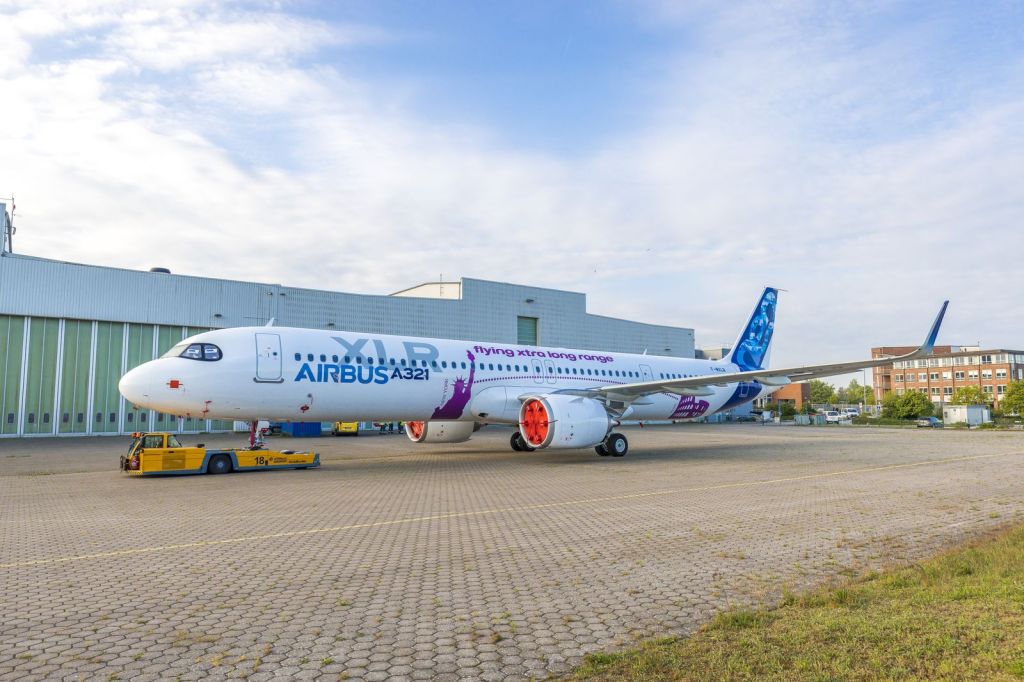
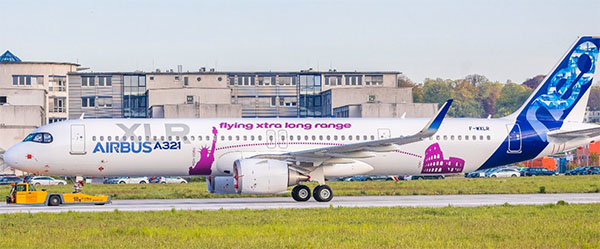
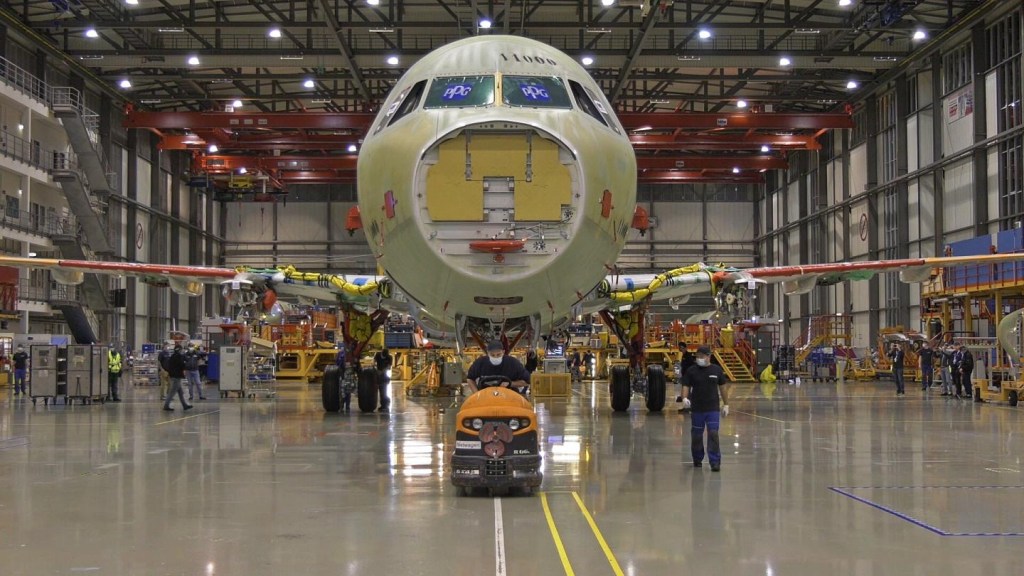
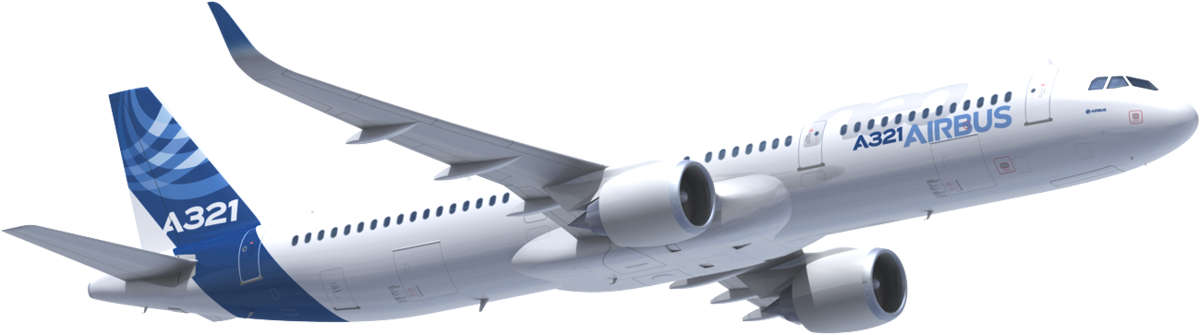
El Airbus A321XLR es uno de los diseños más esperados del fabricante europeo en los últimos años. Establecido para ser la respuesta definitiva al debate de fuselaje estrecho de larga distancia, se espera que su entrada en servicio tenga lugar el próximo año. Este hito ahora parece un poco más cercano, con el primer ejemplo equipado con motores. El avión lleva un número de serie del fabricante MSN11000.
Con las rutas punto a punto de menor demanda que se han convertido en la opción favorita para los viajes intercontinentales en los últimos años, la industria de las aerolíneas ha visto un auge en los vuelos de larga distancia operados por aviones de fuselaje estrecho. Esta tendencia también ha llegado a algunos de los corredores más lucrativos del mundo, con el Airbus A321LR de JetBlue que ahora conecta Londres y Nueva York. Los días de los quadjets casi han terminado. El A321LR es un avión capaz, con las lujosas suites Mint de JetBlue demostrando que su fuselaje estrecho no significa que los niveles de comodidad sean más bajos que los de fuselaje ancho.
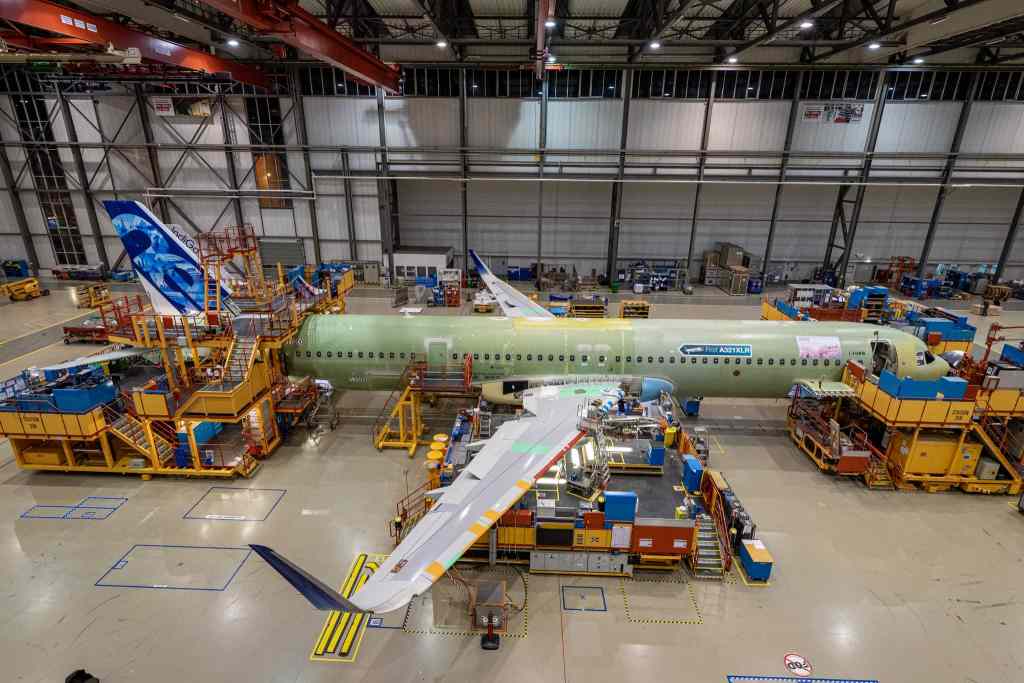
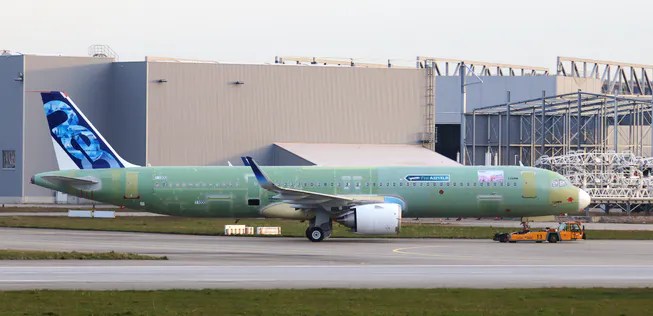
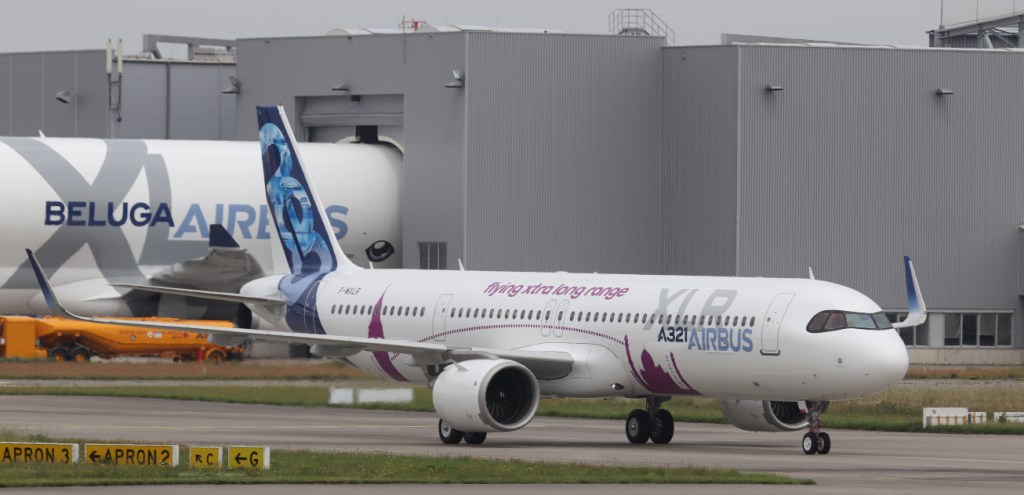
En los últimos días, tras la aparición de fotos que muestran que el primer ejemplo del modelo MSN 11000 ahora ha tenido sus motores instalados en la FAL de Hamburgo, Alemania. Este hito muestra que Airbus ha dado un paso más cerca de volar el avión por primera vez, un paso clave en su viaje hacia la entrada en servicio. El avión es un proyecto verdaderamente europeo, con sus componentes producidos en todo el continente. El A321XLR cuenta con numerosas ventajas sobre sus compañeros de Clase Airbus A321NEO. En términos de armar la aeronave, este fue un proceso largo que comenzó en Mayo 2021. Esto pudo comenzar después de la entrega del tanque central trasero de la aeronave, que es un factor clave en su rango extendido. En Diciembre 2021, el fabricante europeo había comenzado a dar los toques finales al avión. Un portavoz de Airbus ha anunciado que la compañía apunta a realizar el primer vuelo en el segundo trimestre de 2022. A largo plazo, se espera que la entrada en servicio se produzca en 2023.
El principal punto de venta de la aeronave A321XLR es su alcance extra largo con una autonomía de 4.700 NM (8.700 km), que representa un 15% más de autonomía que el A321LR y un 32,25% respecto al A321NEO. Esto es posible gracias a la presencia del tanque central trasero antes mencionado, así como un tanque central adicional opcional. Para adaptarse a estos aspectos, el diseño tiene un peso máximo de despegue aumentado de 101 toneladas, en comparación con 97 para el A321NEO. Airbus espera que los diseños de dos clases tengan capacidad para 180-200 pasajeros.
Advance assembly-line A321XLR
Connected engines first A321XLR in Hamburg
The Airbus A321XLR is one of the most anticipated designs of the European manufacturer in recent years. Set to be the ultimate answer to the long-haul narrowbody debate, it is expected to enter service next year. This milestone now seems a bit closer, with the first example fitted with motors. The aircraft carries a manufacturer’s serial number MSN11000.
With lower demand point-to-point routes becoming the preferred option for intercontinental travel in recent years, the airline industry has seen a boom in long-haul flights operated by narrow-body aircraft. This trend has also reached some of the world’s most lucrative corridors, with JetBlue’s Airbus A321LR now connecting London and New York. The days of quadjets are almost over. The A321LR is a capable aircraft, with JetBlue’s luxurious Mint suites proving that its narrow body doesn’t mean comfort levels are lower than wide-body. Excitement regarding the design has been building in recent days, following the emergence of photos showing that the first example of the MSN 11000 model has now had its engines installed at the FAL in Hamburg, Germany. This milestone shows that Airbus has come one step closer to flying the aircraft for the first time, a key step in its journey towards entry into service.
The aircraft is a truly European project, with its components produced throughout the continent. The A321XLR has numerous advantages over its Airbus A321NEO classmates. In terms of arming the aircraft, this was a long process that began in May 2021. This was able to start after the delivery of the aircraft’s rear center tank, which is a key factor in its extended range. In December 2021, the European manufacturer had started putting the finishing touches on the plane. An Airbus spokesperson has announced that the company aims to make the first flight in the second quarter of 2022. In the long term, entry into service is expected to occur in 2023.
The main selling point of the A321XLR aircraft is its extra-long range with a range of 4,700 NM (8,700 km), which represents 15% more range than the A321LR and 32.25% more than the A321NEO. This is made possible by the presence of the aforementioned rear center tank, as well as an optional additional center tank. To accommodate these aspects, the design has an increased maximum takeoff weight of 101 tonnes, compared to 97 for the A321NEO. Airbus expects the two-class layouts to seat 180-200 passengers.
PUBLISHER: Airgways.com DBk: Airbus.com / Airgways.com AW-POST: 202204141624AR OWNERSHIP: Airgways Inc. A\W A I R G W A Y S ®
Airbus y Kawasaki se asociarán en el desarrollo del hidrógeno
Airbus Group y Kawasaki Heavy Industries han firmado un Memorando de Entendimiento (MoU) para estudiar conjuntamente cuestiones relacionadas con el suministro de hidrógeno, la infraestructura y la entrega de combustible para apoyar el futuro despliegue de aviones comerciales impulsados por hidrógeno, dijeron las compañías el Miércoles.
El Memorando de Entendimiento, firmado en una ceremonia en Tokio a la que asistieron Stéphane Ginoux, Jefe de la región del norte de Asia para Airbus y presidente de Airbus Japón, y Motohiko Nishimura, Director Ejecutivo y Subdirector General de la división de Estrategia de Hidrógeno de Kawasaki, pide a las compañías que preparen una hoja de ruta para abordar los desafíos y definir un plan de promoción sobre las necesidades de hidrógeno de la aviación. Ambas partes también se embarcarán en proyectos para ser pioneros en el despliegue de una infraestructura de hidrógeno para la aviación con un enfoque particular en el desarrollo de centros de hidrógeno en los aeropuertos.
«Esta asociación obviamente acelerará y promoverá los esfuerzos del gobierno japonés para lograr una sociedad descarbonizada y neutra en carbono a partir de las operaciones generales de los aviones para 2050. Creemos firmemente que el uso de hidrógeno, tanto en combustibles sintéticos como como fuente de energía primaria para aviones comerciales, tiene el potencial de reducir significativamente el impacto climático de la aviación», dijo Stéphane Ginoux.
Según el acuerdo, Airbus proporcionará características de las aeronaves, uso de energía de la flota y conocimientos sobre aviones impulsados por hidrógeno para operaciones en tierra. Kawasaki realizará una perspectiva de costos, trabajará en los llamados impulsores tecnológicos en los diversos elementos de la cadena de suministro y construirá escenarios de despliegue de infraestructura para el suministro de aeropuertos específicos.
Airbus ya ha forjado varias otras asociaciones en el campo, incluida la compañía francesa de soluciones y tecnologías de gas industrial Air Liquide y el operador aeroportuario Vinci Airports para analizar la posibilidad de equipar la red europea de Vinci de 25 aeropuertos con las instalaciones de producción, almacenamiento y suministro de hidrógeno necesarias para su uso en tierra y en aeronaves. El aeropuerto francés de Lyon-Saint Exupery servirá como sede piloto para el proyecto y recibirá una estación de distribución de gas hidrógeno en 2023 para suministrar tanto los vehículos terrestres del aeropuerto como los de sus socios. Esta primera fase pondrá a prueba las instalaciones y la dinámica del aeropuerto como un centro de hidrógeno. Air Liquide y Airbus ya cooperan en el programa espacial Ariane y comparten la responsabilidad de los tanques de almacenamiento de hidrógeno líquido y oxígeno de los vehículos de lanzamiento, desde su diseño hasta su integración.
Airbus también ha firmado acuerdos con cuatro aerolíneas: la aerolínea de bajo coste europea EasyJet, SAS Scandinavian Airlines, Air New Zealand y Delta Air Lines, para estudiar las necesidades de infraestructura para futuros aviones impulsados por hidrógeno.
Bajo un proyecto llamado Zero E, Airbus reveló tres conceptos para posibles aviones impulsados por hidrógeno en septiembre de 2020. El fabricante cree que tomará unos cinco años desarrollar y madurar la tecnología y espera decidir sobre la plataforma de tecnología de hidrógeno más adecuada en 2024 o 2025. En Febrero 2022, dijo que CFM International servirá como su principal socio para el sistema de propulsión de un avión de media distancia que espera poner en servicio comercial en 2035.
Airbus-Kawasaki alliance
Airbus and Kawasaki will partner in the development of hydrogen
Airbus Group and Kawasaki Heavy Industries have signed a Memorandum of Understanding (MoU) to jointly study issues related to hydrogen supply, infrastructure and fuel delivery to support the future deployment of hydrogen-powered commercial aircraft, the companies said on Wednesday.
The Memorandum of Understanding, signed at a ceremony in Tokyo attended by Stéphane Ginoux, Head of North Asia Region for Airbus and President of Airbus Japan, and Motohiko Nishimura, Executive Director and Deputy General Manager of the Hydrogen Strategy division of Kawasaki, asks the companies to prepare a roadmap to address the challenges and define a promotion plan on the hydrogen needs of aviation. Both parties will also embark on projects to pioneer the deployment of hydrogen infrastructure for aviation with a particular focus on the development of hydrogen hubs at airports.
«This partnership will obviously accelerate and further the Japanese government’s efforts to achieve a decarbonized and carbon neutral society from overall aircraft operations by 2050. We strongly believe that the use of hydrogen, both in synthetic fuels and as a source of energy for commercial aircraft, has the potential to significantly reduce the climate impact of aviation», said Stéphane Ginoux.
Under the agreement, Airbus will provide aircraft characteristics, fleet energy usage and knowledge of hydrogen-powered aircraft for ground operations. Kawasaki will carry out a cost perspective, work on so-called technology drivers in the various elements of the supply chain, and build infrastructure deployment scenarios for the supply of specific airports.
Airbus has already forged several other partnerships in the field, including French industrial gas technologies and solutions company Air Liquide and airport operator Vinci Airports to explore the possibility of equipping Vinci’s European network of 25 airports with production facilities, storage and supply of hydrogen necessary for use on the ground and in aircraft. France’s Lyon-Saint Exupery airport will serve as a pilot site for the project and will receive a hydrogen gas distribution station in 2023 to supply both the airport’s ground vehicles and those of its partners. This first phase will test the facilities and dynamics of the airport as a hydrogen hub. Air Liquide and Airbus already cooperate on the Ariane space program and share responsibility for liquid hydrogen and oxygen storage tanks on launch vehicles, from design to integration.
Airbus has also signed agreements with four airlines: European low-cost carrier EasyJet, SAS Scandinavian Airlines, Air New Zealand and Delta Air Lines, to study the infrastructure needs for future hydrogen-powered aircraft.
Under a project called Zero E, Airbus revealed three concepts for possible hydrogen-powered aircraft in September 2020. The manufacturer believes it will take about five years to develop and mature the technology and hopes to decide on the most suitable hydrogen technology platform in 2024 or 2025. In February 2022, he said that CFM International will serve as his main partner for the propulsion system of a medium-haul aircraft that he hopes to put into commercial service in 2035.
PUBLISHER: Airgways.com DBk: Airbus.com / Kawasaki.com / Airgways.com AW-POST: 202204141610AR OWNERSHIP: Airgways Inc. A\W A I R G W A Y S ®

Accionistas aprueban resoluciones Junta General de Accionistas 2022
La Junta General de Accionistas (JGA) de Airbus SE aprobaron el 12 de Abril de 2022 todas las resoluciones propuestas en la Asamblea General Anual (AGM) de 2022, incluido el nombramiento de un nuevo director y la renovación de tres miembros del Consejo, entre ellos el Director Ejecutivo Oficial.
Irene Rummelhoff, Vicepresidenta Ejecutiva de Marketing, Midstream y Procesamiento de la empresa energética noruega Equinor ASA, fue nombrada Directora no ejecutiva en el Consejo de Airbus tras el respaldo de la AGM. Su amplia experiencia en el campo de la transición energética y las energías renovables aporta importantes habilidades para ayudar a Airbus a alcanzar sus objetivos de sostenibilidad a largo plazo. Los accionistas aprobaron la renovación del mandato del Directorio de Guillaume Faury como Director Ejecutivo y fue reelegido formalmente como CEO de Airbus en una reunión del Directorio posterior a la AGM. Catherine Guillouard y Claudia Nemat fueron reelegidas consejeras no ejecutivas.
Para asegurar una transición fluida en la composición del Directorio, un tercio de los doce directores son reelegidos o reemplazados cada año, por períodos de tres años. Durante la AGM, se anunció que, después de cinco años como director no ejecutivo, Lord Drayson ha decidido dejar el Consejo de Airbus para centrarse en sus intereses políticos y comerciales. El Comité de Retribuciones, Nombramientos y Gobierno ha iniciado la búsqueda de un reemplazo adecuado.
En la Junta también se aprobó la propuesta de pago de un dividendo bruto para 2021 de € 1,50 por acción. La fecha de pago es el 21 de Abril de 2022, siendo el 20 de Abril de 2022 la fecha de registro. Los accionistas mostraron un alto nivel de compromiso, con 573 millones de votos y representando alrededor del 73% del capital social en circulación.
Airbus approve AGM resolutions
Shareholders approve resolutions General Meeting Shareholders
The General Meeting of Shareholders (AGM) of Airbus SE approved on April 12, 2022 all the resolutions proposed in the Annual General Meeting (AGM) of 2022, including the appointment of a new director and the renewal of three members of the Council, among them the Chief Executive Officer.
Irene Rummelhoff, Executive Vice President of Marketing, Midstream and Processing at Norwegian energy company Equinor ASA, has been appointed as a Non-Executive Director on the Board of Airbus following the endorsement of the AGM. Her extensive experience in the field of energy transition and renewable energy brings important skills to help Airbus achieve its long-term sustainability goals. Shareholders approved the renewal of Guillaume Faury’s Board term as Chief Executive Officer and he was formally re-elected as CEO of Airbus at a post-AGM Board meeting. Catherine Guillouard and Claudia Nemat were re-elected non-executive directors.
To ensure a smooth transition in the composition of the Board of Directors, one third of the 12 directors are re-elected or replaced each year, for periods of three years. During the AGM, it was announced that, after five years as a non-executive director, Lord Drayson has decided to leave the Board of Airbus to focus on his political and commercial interests. The Remuneration, Appointments and Governance Committee has begun the search for a suitable replacement.
The proposal to pay a gross dividend for 2021 of € 1.50 per share was also approved at the Meeting. The payment date is April 21, 2022, with April 20, 2022 being the registration date. Shareholders showed a high level of commitment, with 573 million votes and representing around 73% of the outstanding share capital.
PUBLISHER: Airgways.com DBk: Airbus.com / Airgways.com AW-POST: 202204130955AR OWNERSHIP: Airgways Inc. A\W A I R G W A Y S ®
El arrendador global de operaciones de aeronaves BOC Aviation ha firmado un pedido en firme de ochenta (80) aviones de la familia Airbus A320NEO, que comprende diez A321XLR (10), cincuenta A321NEO (50) y veinte A320NEO (20). El último acuerdo eleva los pedidos directos totales de BOC Aviation con el constructor europeo a 453 aviones desde la familia A320 de pasillo único hasta los A330 y A350 de fuselaje ancho.
BOC Aviation es una compañía global de arrendamiento de aeronaves de propiedad estatal mayoritaria y la compañía de arrendamiento de aeronaves operativa más grande con sede en Singapure.
“Estamos orgullosos de continuar nuestra relación de larga data con Airbus, con quien nos hemos asociado durante más de 26 años. Este es el pedido individual más grande que hemos realizado y elevará nuestro total de aviones Airbus comprados desde el inicio a 546. Subraya nuestra continua confianza en la familia A320NEO por su confiabilidad y eficiencia operativa y refleja la popularidad del avión entre nuestros clientes. clientes de aerolíneas. Esperamos poder proporcionar continuamente a nuestros clientes soluciones de aeronaves tecnológicamente avanzadas y de bajo consumo de combustible”, dijo Robert Martin, Director Gerente y Director ejecutivo de BOC Aviation.
“Airbus agradece a BOC Aviation por su inquebrantable confianza y respaldo a la Familia A320NEO con el mayor pedido jamás realizado. Este importante pedido a largo plazo de ochenta aviones adicionales es un gran testimonio del valor sostenido de nuestros productos de pasillo único por parte de uno de los principales arrendadores del mundo, BOC Aviation. Saludamos su visión y previsión para asegurar futuras posiciones de entrega de estos activos más deseables en el segmento de pasillo único ahora y a largo plazo”, dijo Christian Scherer, Director Comercial de Airbus y Director de Airbus International.
La Familia A320NEO incorpora motores de nueva generación y Sharklets, que en conjunto ofrecen un ahorro de combustible y CO2 de al menos un veinte por ciento, así como una reducción del ruido del cincuenta por ciento. La versión A321XLR proporciona una extensión de rango adicional a 4.700nm. Esto le da al A321XLR un tiempo de vuelo de hasta once horas, y los pasajeros se benefician durante todo el viaje del galardonado interior Airspace de Airbus, que trae la última tecnología y diseño de cabina a la Familia A320.
A finales de Febrero de 2022, la Familia A320NEO había totalizado más de 7.900 pedidos de más de 120 clientes. Desde su entrada en servicio hace seis años, Airbus ha entregado más de 2.100 aviones de la familia A320NEO que contribuyen a ahorrar 10 millones de toneladas de CO2.
BOC orders 80 A320NEO Family
BOC Aviation orders 80 A320NEO Family
Global aircraft operations lessor BOC Aviation has signed a firm order for eighty (80) Airbus A320NEO Family aircraft, comprising ten A321XLRs (10), fifty A321NEOs (50) and twenty A320NEOs (20). The latest deal brings BOC Aviation’s total direct orders with the European manufacturer to 453 aircraft from the single-aisle A320 family to the A330 and A350 wide-body.
BOC Aviation is a majority state-owned global aircraft leasing company and the largest operating aircraft leasing company headquartered in Singapore.
“We are proud to continue our long-standing relationship with Airbus, with whom we have partnered for more than 26 years. This is the largest single order we have placed and will bring our total number of Airbus aircraft purchased since inception to 546. It underlines our continued confidence in the A320NEO Family for its reliability and operational efficiency and reflects the aircraft’s popularity with our customers. airline customers. We look forward to continually providing our customers with fuel-efficient and technologically advanced aircraft solutions”, said Robert Martin, Managing Director and Chief Executive Officer of BOC Aviation.
“Airbus thanks BOC Aviation for their unwavering trust and support of the A320NEO Family with the largest order ever placed. This significant long-term order for an additional eighty aircraft is a great testament to the sustained value of our single-aisle products from one of the world’s leading lessors, BOC Aviation. We salute their vision and foresight to secure future delivery positions for these most desirable assets in the single-aisle segment now and for the long term”, said Christian Scherer, Airbus Chief Commercial Officer and Head of Airbus International.
The A320NEO Family incorporates new generation engines and Sharklets, which together offer fuel and CO2 savings of at least twenty percent, as well as a noise reduction of fifty percent. The A321XLR version provides additional range extension to 4,700nm. This gives the A321XLR a flight time of up to eleven hours, and passengers benefit throughout the journey from Airbus’ award-winning Airspace interior, which brings the latest technology and cabin design to the A320 Family.
By the end of February 2022, the A320NEO Family had totaled more than 7,900 orders from more than 120 customers. Since entering service six years ago, Airbus has delivered more than 2,100 A320NEO Family aircraft, contributing to savings of 10 million tonnes of CO2.
PUBLISHER: Airgways.com DBk: Airbus.com / Bocaviation.com / Airgways.com AW-POST: 202204121212AR OWNERSHIP: Airgways Inc. A\W A I R G W A Y S ®