Boeing encuentra cliente lanzamiento para carguero 777X
Qatar Airways está programado para convertirse en el cliente de lanzamiento del carguero Boeing 777X con un pedido en firme de quince y opciones para cincuenta aviones. Un anuncio oficial está programado para el 31 de enero de 2022, en Washington, D.C., durante una reunión con el Emir Gobernante de Qatar, el Jeque Tamim bin Hamad Al Thani y el Presidente Joe Biden. La aerolínea firmó una carta de intención en Abril de 2018 para comprar cinco cargueros 777 (5), valorados en US$ 1.7 mil millones.
Este nuevo pedido representa una victoria para Boeing alcanzando un nuevo cliente importante para el desarrollo del Programa 777X. Este nuevo pedido muestra que el mercado de cargueros sigue siendo fuerte incluso cuando Boeing y Airbus continúan luchando para realizar grandes ventas de aviones en el lado comercial del mercado. Airbus presentó el A350F, una versión de carga del A350-1000, en 2021 para desafiar a Boeing en el creciente segmento de aviones de carga del mercado. Singapore Airlines firmó una carta de intención para siete cargueros A350F como cliente de lanzamiento, para reemplazar su flota actual de Boeing 747-400F, para su entrega a partir del cuarto trimestre de 2025.
Boeing actualmente tiene 351 pedidos y compromisos de Boeing 777X de ocho aerolíneas: All Nippon Airways, British Airways, Cathay Pacific Airways, Emirates Airline, Etihad Airways, Lufthansa Airlines, Qatar Airways y Singapur Airlines. El avión realizó su primer viaje fuera de los Estados Unidos, apareciendo en el Dubai Airshow en Noviembre de 2021. El 777X tiene puntas de ala plegables deportivas, que permitirán que la aeronave encaje en puertas donde los modelos existentes del 777 pueden ir, a pesar de una envergadura más larga de 235 pies, 5 pulgadas. Cuatro prototipos del 777X han acumulado más de 1.700 horas de pruebas de vuelo, un poco menos de la mitad de las aproximadamente 3.500 horas de vuelo a las que se sometieron el 777 original y el 787 Dreamliner antes de recibir la certificación de la FAA.
Qatar customer launch 777X cargo
Boeing finds launch customer for 777X freighter
Qatar Airways is scheduled to become the launch customer for the Boeing 777X freighter with a firm order for fifteen and options for fifty aircraft. An official announcement is scheduled for January 31, 2022, in Washington, D.C., during a meeting with the Ruling Emir of Qatar, Sheikh Tamim bin Hamad Al Thani, and President Joe Biden. The airline signed a letter of intent in April 2018 to purchase five 777 freighters (5), valued at US$1.7 billion.
This new order represents a victory for Boeing reaching an important new customer for the development of the 777X Program. This new order shows that the freighter market remains strong even as Boeing and Airbus continue to struggle to make big aircraft sales on the commercial side of the market. Airbus introduced the A350F, a freighter version of the A350-1000, in 2021 to challenge Boeing in the growing freighter segment of the market. Singapore Airlines has signed a letter of intent for seven A350F freighters as a launch customer, to replace its current fleet of Boeing 747-400Fs, for delivery from the fourth quarter of 2025.
Boeing currently has 351 Boeing 777X orders and commitments from eight airlines: All Nippon Airways, British Airways, Cathay Pacific Airways, Emirates Airline, Etihad Airways, Lufthansa Airlines, Qatar Airways and Singapore Airlines. The aircraft made its first trip outside the United States, appearing at the Dubai Airshow in November 2021. The 777X sports folding wingtips, which will allow the aircraft to fit into doorways where existing 777 models can go, despite with a longer wingspan of 235 feet, 5 inches. Four 777X prototypes have accumulated more than 1,700 hours of flight testing, slightly less than half of the approximately 3,500 flight hours the original 777 and 787 Dreamliner underwent before receiving FAA certification.
عميل قطري يطلق طائرة شحن 777
بوينغ تعثر على عميل إطلاق لطائرة شحن 777
من المقرر أن تصبح الخطوط الجوية القطرية الزبون الأول لطائرة الشحن Boeing 777X مع طلب مؤكد لخمسة عشر وخيارًا لخمسين طائرة. ومن المقرر إعلان رسمي في 31 يناير 2022 ، في واشنطن العاصمة ، خلال اجتماع مع أمير قطر الحاكم ، الشيخ تميم بن حمد آل ثاني ، والرئيس جو بايدن. وقعت شركة الطيران خطاب نوايا في أبريل 2018 لشراء خمس طائرات شحن 777 (5) بقيمة 1.7 مليار دولار أمريكي.
يمثل هذا الطلب الجديد انتصارًا لشركة Boeing في الوصول إلى عميل جديد مهم لتطوير برنامج 777X. يُظهر هذا الطلب الجديد أن سوق الشحن لا يزال قوياً حتى مع استمرار معاناة شركتي بوينج وإيرباص لتحقيق مبيعات ضخمة للطائرات في الجانب التجاري من السوق. طرحت إيرباص طائرة A350F ، وهي نسخة شحن من A350-1000 ، في عام 2021 لتحدي شركة Boeing في قطاع الشحن المتنامي في السوق. وقعت الخطوط الجوية السنغافورية خطاب نوايا لسبع طائرات شحن A350F كعميل إطلاق ، لتحل محل أسطولها الحالي من بوينج 747-400 إف ، للتسليم من الربع الرابع من عام 2025.
لدى بوينج حاليًا 351 طلب شراء على طائرات بوينج 777 إكس والتزامات من ثماني شركات طيران: خطوط نيبون الجوية ، والخطوط الجوية البريطانية ، وخطوط طيران كاثي باسيفيك ، وطيران الإمارات ، والاتحاد للطيران ، وخطوط لوفتهانزا الجوية ، والخطوط الجوية القطرية ، والخطوط الجوية السنغافورية. قامت الطائرة بأول رحلة لها خارج الولايات المتحدة ، حيث ظهرت في معرض دبي للطيران في نوفمبر 2021. رؤوس الأجنحة الرياضية 777X القابلة للطي ، والتي ستسمح للطائرة بالاندماج في المداخل حيث يمكن لطرازات 777 الحالية أن تذهب ، على الرغم من أن طول جناحيها يبلغ 235 قدمًا. ، 5 بوصات. جمعت أربعة نماذج أولية للطائرة 777X أكثر من 1700 ساعة من اختبارات الطيران ، أي أقل بقليل من نصف ما يقرب من 3500 ساعة طيران خضعت للطائرة 777 و 787 الأصلية دريملاينر قبل الحصول على شهادة FAA.
PUBLISHER: Airgways.com DBk: Boeing.com / Qatarairways.com / Airgways.com AW-POST: 202201310023AR OWNERSHIP: Airgways Inc. A\W A I R G W A Y S ®
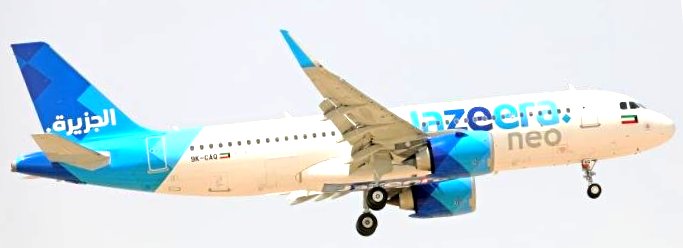
Jazeera Airways acuerdo valorado US$ 3.400 millones por 28 aviones
La junta directiva de la aerolínea kuwaití Jazeera Airways ha aprobado un acuerdo de valorado en KD 1.030 millones de Dinares kuwaitíes/US$ 3.400 millones de Dólares con la compañía europea Airbus Group para la compra de veintiocho aeronaves. La nueva adquisición comprende aviones de fuselaje estrecho Airbus A320NEO (20) y A321NEO (8), según un comunicado. Las compañías habían firmado el pacto en el Salón Aeronáutico de Dubai en Noviembre 2021. Además, la aerolínea firmó otro acuerdo para comprar dos motores de avión con un valor acumulado de KD 9,8 millones de Dinares/US$ 32,3 millones de Dólares para ayudar a las operaciones de la empresa. La aerolínea aclaró que se prevé que ambos acuerdos generen un impacto positivo en la corporación a mediano y largo plazo.
The board of directors of the Kuwaiti airline Jazeera Airways has approved an agreement valued at KD 1,030 million Kuwaiti Dinars/US$ 3,400 million Dollars with the European company Airbus Group for the purchase of twenty-eight aircraft. The new acquisition comprises Airbus A320NEO (20) and A321NEO (8) narrow-body aircraft, according to a statement. The companies had signed the pact at the Dubai Air Show in November 2021. In addition, the airline signed another agreement to buy two aircraft engines with a cumulative value of KD 9.8 million Dinars/US$ 32.3 million Dollars to help the company’s operations. The airline clarified that both agreements are expected to generate a positive impact on the corporation in the medium and long term.
اتفاقية شراء إيرباص وطيران الجزيرة
أبرمت طيران الجزيرة الكويتية صفقة قيمتها 3.4 مليار دولار لـ 28 طائرة
وافق مجلس إدارة شركة طيران الجزيرة الكويتية على اتفاقية بقيمة 1.03 مليار دينار كويتي / 3.4 مليار دولار أمريكي مع شركة مجموعة إيرباص الأوروبية لشراء 28 طائرة. وتضم عملية الاستحواذ الجديدة طائرات إيرباص A320NEO (20) و A321NEO (8) طائرات ضيقة البدن ، وفقًا للبيان. ووقعت الشركتان الاتفاقية في معرض دبي للطيران في نوفمبر 2021. بالإضافة إلى ذلك ، وقعت الشركة اتفاقية أخرى لشراء محركي طائرات بقيمة تراكمية 9.8 مليون دينار كويتي / 32.3 مليون دولار أمريكي لمساعدة عمليات الشركة. وأوضحت شركة الطيران أن كلا الاتفاقيتين من المتوقع أن يكون لهما تأثير إيجابي على الشركة على المدى المتوسط والطويل.
PUBLISHER: Airgways.com DBk: Jazeeraairways.com / Airbus.com / Airgways.com AW-POST: 202201302213AR OWNERSHIP: Airgways Inc. A\W A I R G W A Y S ®
United Engine Corporation de Rostec Corp. ha creado un Sistema de Control Automático (ACS) para el nuevo motor de avión PD-8, que está previsto que equipe el avión de pasajeros Sukhoi Super Jet SSJ-NEW. El equipo que controla el funcionamiento de la central, incluidos los parámetros de empuje y el consumo de combustible, se ensambla con componentes y materiales 100% nacionales. Los especialistas de la empresa UEC-STAR con sede en Perm completaron el desarrollo del PD-8 ACS en el menor tiempo posible: solo tomó un año y medio pasar de la firma de la asignación técnica al ensamblaje de la primera muestra. La producción en masa de este equipo está programada para comenzar en 2023 cuando se complete el trabajo de calificación y se obtengan los permisos.
“El sistema de control automático del motor PD-8 para equipar el avión SSJ-NEW utilizado en el marco del programa de sustitución de importaciones será ensamblado con materiales y componentes electrónicos completamente nacionales. El sistema tiene una larga vida útil y es resistente a fallas. En enero de 2022, completará el ajuste fino y las pruebas de banco, después de lo cual se entregará para pruebas de banco como parte del motor”, dijo Vladimir Artyakov, Primer Director General adjunto de Rostec State Corporation.
En resumen, Rostec presentó el generador de gas PD-8, el corazón del motor PD-8, en la exhibición aérea MAKS en 2021. Por el momento, se han ensamblado dos copias del generador de gas y han superado con éxito las pruebas. Las pruebas confirmaron el correcto funcionamiento de las unidades, cumpliendo con los parámetros de temperatura y presión requeridos, y su conformidad con las normas ambientales pertinentes. La obtención de un certificado de tipo para el PD-8 está prevista para 2023. La creación del sistema de propulsión básico PD-8 para su uso en el avión SSJ-NEW se lleva a cabo en una amplia cooperación entre las empresas de UEC utilizando la experiencia de fabricar el PD-14 motor.
UEC-Star development PD-8 ACS
Improved engine to power jet SSJ-100NEW
Rostec Corp.’s United Engine Corporation has created an Automatic Control System (ACS) for the new PD-8 aircraft engine, which is planned to equip the Sukhoi Super Jet SSJ-NEW passenger plane. The equipment that controls the operation of the plant, including thrust parameters and fuel consumption, is assembled with 100% national components and materials. Specialists of the Perm-based company «UEC-STAR» completed the development of the PD-8 ACS in the shortest possible time: it took only one and a half years to go from the signing of the technical assignment to the assembly of the first sample. Mass production of this equipment is scheduled to begin in 2023 when qualification work is completed and permits are obtained.
“The PD-8 automatic engine control system to equip the SSJ-NEW aircraft used under the import substitution program will be assembled from completely domestic materials and electronic components. The system has a long service life and is resistant to failure. In January 2022, it will complete fine-tuning and bench testing, after which it will be delivered for bench testing as part of the engine”, said Vladimir Artyakov, First Deputy General Director of Rostec State Corporation.
In short, Rostec presented the PD-8 gas generator, the heart of the PD-8 engine, at the MAKS air show in 2021. At the moment, two copies of the gas generator have been assembled and have successfully passed the evidence. The tests confirmed the correct operation of the units, complying with the required temperature and pressure parameters, and their compliance with the relevant environmental standards. Obtaining a type certificate for the PD-8 is planned for 2023. The creation of the PD-8 basic propulsion system for use on the SSJ-NEW aircraft is carried out in extensive cooperation between UEC companies using the experience of manufacturing the PD-14. motor.
ОДК-Звезда разработка САУ ПД-8
Улучшенный двигатель для управления SSJ-100NEW
Объединенная двигателестроительная корпорация Госкорпорации Ростех создала Систему автоматического управления (АСУ) нового авиадвигателя ПД-8, которым планируется оснастить пассажирский самолет Sukhoi Super Jet SSJ-NEW. Оборудование, управляющее работой станции, в том числе параметрами тяги и расходом топлива, собрано из 100% отечественных комплектующих и материалов. Специалисты пермской компании ОДК-СТАР завершили разработку САУ ПД-8 в кратчайшие сроки: от подписания технического задания до сборки первой прошло всего полтора года. образец. Массовое производство этого оборудования планируется начать в 2023 году, когда будут завершены квалификационные работы и получены разрешительные документы.
«Система автоматического управления двигателем ПД-8 для оснащения самолетов SSJ-NEW, используемых в рамках программы импортозамещения, будет собрана из полностью отечественных материалов и электронных компонентов. Система имеет длительный срок службы и устойчива к сбоям. В январе 2022 года он завершит доводку и стендовые испытания, после чего будет поставлен на стендовые испытания в составе двигателя», —сообщил первый заместитель генерального директора Госкорпорации Ростех Владимир Артяков.
Одним словом, газогенератор ПД-8, сердце двигателя ПД-8, Ростех представил на авиасалоне МАКС в 2021 году. На данный момент собраны и успешно прошли приемо-сдаточные испытания два экземпляра газогенератора. . Испытания подтвердили правильную работу агрегатов, соблюдение требуемых параметров температуры и давления, а также их соответствие действующим экологическим нормам. Получение сертификата типа на ПД-8 запланировано на 2023 год. Создание базовой двигательной установки ПД-8 для использования на самолете SSJ-NEW осуществляется в широкой кооперации компаний ОДК с использованием опыта изготовления ПД-14 мотор.
PUBLISHER: Airgways.com DBk: Rostec.ru / Uecrus.com / Viktor Molodtsov / Airgways.com AW-POST: 202201281628AR OWNERSHIP: Airgways Inc. A\W A I R G W A Y S ®
China Airlines y Boeing anuncian pedido 777 cargueros
The Boeing Company y China Airlines anunciaron este Jueves 27/01 que la aerolínea ha ordenado cuatro Boeing 777 Freighters, que se suman a su extensa flota de aviones de la línea americana. Valorado en US$ 1.400 millones de Dólares a precios de lista, el pedido permitirá a la aerolínea capturar nuevas oportunidades de mercado a medida que la demanda mundial de carga aérea continúa creciendo.
«El 777 Freighter ha desempeñado un papel fundamental en nuestros esfuerzos por mantener la rentabilidad durante la pandemia, y estos aviones adicionales serán una parte integral de nuestra estrategia de crecimiento a largo plazo. Estamos entusiasmados de agregar más cargueros 777 debido a su eficiencia operativa y confiabilidad. Nuestro programa de modernización de flotas nos permitirá ofrecer valor agregado a nuestros clientes, especialmente a medida que la cadena de suministro global continúa evolucionando», dijo el Presidente de China Airlines, Hsieh Su-Chien.
El 777 Freighter es el carguero bimotor más grande y capaz del mundo. Tiene un alcance de 4.970 millas náuticas (9.200 km) con una carga útil máxima de ingresos de 102 toneladas (224.900 libras), al tiempo que contribuye a una reducción del 17% en el uso de combustible y las emisiones de CO2 por tonelada en comparación con los aviones de la generación anterior. Además, el 777F permitirá a China Airlines hacer menos paradas en rutas de larga distancia, reduciendo aún más las tarifas de aterrizaje asociadas y resultando en el costo de viaje más bajo de cualquier carguero grande.
«Estamos encantados de que China Airlines haya seleccionado nuevamente al 777 Freighter para que sirva como la columna vertebral de su flota de carga aérea de clase mundial. Las capacidades líderes en el mercado del 777 Freighter proporcionan capacidad adicional, eficiencia mejorada y mayor valor a los clientes de China Airlines, lo que permite a la aerolínea satisfacer la demanda de carga aérea y posicionarse para el crecimiento a largo plazo», dijo Ihssane Mounir, Vicepresidente Senior de Ventas Comerciales y Marketing de Boeing.
En 2021, los ingresos de carga aérea de China Airlines aumentaron un 186% por encima del año anterior a la pandemia de 2019, lo que casi equilibró una caída del 96% en los ingresos por pasajeros. El año pasado, China Airlines Cargo registró el mejor año de su historia, más de TWD 100 mil millones/US$ 3.6 mil millones en ingresos, al aprovechar su flota existente de Boeing 747-400F (18) Boeing 777F (3). Con una orden por Boeing 777 Freighters (3) en pedido, el 777 Freighter de China Airlines es el complemento perfecto para la flota existente de 747-400 Freighter de la aerolínea, acomodando sin problemas los palets de 3 metros (10 pies) de altura y maximizando la flexibilidad para sus operaciones de carga aérea.
China Airlines orders Boeing 777F (4)
China Airlines and Boeing announce order for 777 freighters
The Boeing Company and China Airlines announced this Thursday 01/27 that the airline has ordered four Boeing 777 Freighters, which are added to its extensive fleet of aircraft from the American line. Valued at US$1.4 billion at list prices, the order will allow the airline to capture new market opportunities as global demand for air cargo continues to grow.
«The 777 Freighter has played a critical role in our efforts to maintain profitability during the pandemic, and these additional aircraft will be an integral part of our long-term growth strategy. We are excited to add more 777 Freighters because of their operational efficiency and reliability Our fleet modernization program will enable us to deliver added value to our customers, especially as the global supply chain continues to evolve», said China Airlines President Hsieh Su-Chien.
The 777 Freighter is the world’s largest and most capable twin-engine freighter. It has a range of 4,970 nautical miles (9,200 km) with a maximum revenue payload of 102 tonnes (224,900 lbs), while contributing to a 17% reduction in fuel use and CO2 emissions per tonne compared with previous generation aircraft. Additionally, the 777F will allow China Airlines to make fewer stops on long-haul routes, further reducing associated landing fees and resulting in the lowest travel cost of any large freighter.
«We are delighted that China Airlines has again selected the 777 Freighter to serve as the backbone of its world-class air cargo fleet. The 777 Freighter’s market-leading capabilities provide additional capacity, improved efficiency and greater value to customers. customers of China Airlines, enabling the airline to meet air cargo demand and position itself for long-term growth», said Ihssane Mounir, senior vice president, Commercial Sales and Marketing, Boeing.
In 2021, China Airlines’ air cargo revenue rose 186% over the pre-pandemic year of 2019, almost offsetting a 96% drop in passenger revenue. Last year, China Airlines Cargo posted its best year ever, over TWD 100 billion/US$ 3.6 billion in revenue, by leveraging its existing fleet of Boeing 747-400F (18) Boeing 777F (3). With an order for Boeing 777 Freighters (3) on order, China Airlines’ 777 Freighter is the perfect complement to the airline’s existing fleet of 747-400 Freighters, seamlessly accommodating 3-meter (10-foot) high pallets and maximizing flexibility for your air cargo operations.
PUBLISHER: Airgways.com DBk: Boeing.com / China-airlines.com / Airgways.com AW-POST: 202201281540AR OWNERSHIP: Airgways Inc. A\W A I R G W A Y S ®
The Boeing Company ha recibido casi US$ 4.000 millones de Dólares en cargos relacionados con los problemas que tuvo con su 787 Dreamliner, lo que provocó que las pérdidas se dispararan por tercer año consecutivo. La compañía había sido golpeada con los problemas que rodearon al 737 MAX, que estuvo en tierra durante veinte meses a partir de 2019 después de dos accidentes aéreos. La demanda de nuevos aviones se desplomó debido a las pérdidas económicas masivas de aerolíneas causadas por la pandemia. Boeing esencialmente no ha podido entregar el avión 787 de fuselaje ancho durante un año debido a problemas de control de calidad.
La compañía aeroespacial dijo que tendrá que pagar US$ 3.500 millones de Dólares para compensar a los clientes por las entregas retrasadas. Entregó solo 1catorce unidades de los aviones en 2021, y ninguno desde Junio 2021. También dijo que los retrasos aumentarían los costos de producción del avión en un estimado de US$ 2 mil millones, y la mayoría de esos costos llegarán a fines de este año 2022. Registró US$ 285 millones de esos costos aumentados en el trimestre recién completado 3Q2021. «Estamos progresando a través de un esfuerzo integral para garantizar que cada avión en nuestro sistema de producción cumpla con nuestras exigentes especificaciones. Este esfuerzo continúa impactando nuestras entregas y nuestros resultados financieros, pero estamos totalmente seguros de que es lo correcto. Si bien nunca queremos decepcionar a nuestros clientes o perder las expectativas, el trabajo que estamos realizando ahora generará estabilidad y previsibilidad en el futuro», dijo el CEO de Boeing, Dave Calhoun, en un memorando a los empleados el miércoles.
Los cargos hicieron que la compañía reportara una pérdida neta de US$ 4.3 mil millones para el año 2021, que en realidad representa una mejora de los US$ 11.9 mil millones que perdió en 2020. Su pérdida básica, excluyendo partidas especiales, llegó a US$ 4.100 millones de Dólares en el año 2021, revirtiendo una ganancia estrecha sobre esa base en los primeros nueve meses de 2021. Es una pérdida trimestral básica sobre esa base de US$ 4.5 mil millones. Eso fue mucho peor de lo que los analistas habían pronosticado. Los resultados trimestrales incluyeron algunas buenas noticias para Boeing. La compañía tuvo un flujo de caja positivo por primera vez desde el primer trimestre de 2019, el período en el que comenzaron los problemas con el 737 MAX. «Nos hemos centrado implacablemente en mejorar nuestra situación de flujo de caja libre. Ha sido nuestra métrica #1. Y poder lograr eso, creo, es una excelente noticia», dijo David Calhoun a los inversores en una conferencia telefónica el Miércoles 26/01.
La puesta a tierra de Boeing 737 MAX y el inicio de la pandemia hicieron que la compañía quemara efectivo. El MAX finalmente le costó a Boeing más de US$ 21 mil millones en costos documentados y llevó a más de 1.000 pedidos cancelados para los aviones que redujeron drásticamente sus ingresos. Sumado a estos problemas, se iniciaban dificultades con la línea 787 Dreamliner, mientras todavía lidia con el Programa 777X de próxima generación para rematar la tormenta perfecta. Los problemas de entrega y calidad de los 787 no son los únicos vientos en contra para el avión. Construido con una innovadora fibra de carbono ligera en lugar de aluminio para gran parte de su fuselaje, el Dreamliner fue diseñado principalmente para rutas internacionales de larga distancia. Pero los viajes internacionales son el sector de la industria aérea que se espera que sea el último en recuperarse de la actual recesión pandémica. Los pedidos del avión cayeron a solo veintiún unidades en 2021, frente a los 113 de 2019.
«Nos estamos tomando el tiempo ahora para asegurarnos de que estamos bien posicionados a medida que se recupera la demanda de cuerpo ancho», dijo David Calhoun en su memorando a los empleados. Las acciones de Boeing cayeron casi un 4% en las operaciones del Miércoles 26/01 por la mañana en los resultados, incluso cuando los índices bursátiles estadounidenses más amplios se recuperaron antes de una reunión muy esperada de la Reserva Federal. Ejecutivos de la compañía trataron de asegurar a los inversionistas el 26/01 que en el esquema de las cosas los problemas con el 787 son temporales. «Si bien esto duele en el corto plazo, todavía creemos que es lo correcto porque a largo plazo, vamos a vender muchos de estos 787 durante décadas. Así que solo tenemos que abrirnos camino a través de esto«, dijo el CFO de Boein Brian West.
Boeing, charges arising from the 787
Boeing posts massive charge for 787 problems
The Boeing Company has been hit with nearly US$ 4 billion in charges related to problems with its 787 Dreamliner, causing losses to soar for the third year in a row. The company had been hit with problems surrounding the 737 MAX, which was grounded for twenty months beginning in 2019 after two plane crashes. Demand for new aircraft has plummeted due to massive airline economic losses caused by the pandemic. Boeing has essentially been unable to deliver the 787 widebody for a year due to quality control issues.
The aerospace company said it will have to pay US$ 3.5 billion to compensate customers for delayed deliveries. It delivered just 114 of the planes in 2021, and none since June 2021. It also said the delays would increase the plane’s production costs by an estimated US$ 2 billion, with most of those costs coming later this year. 2022. Recorded US$ 285 million of those increased costs in the just completed quarter 3Q2021. «We are making progress through a comprehensive effort to ensure that every aircraft in our production system meets our exacting specifications. This effort continues to impact our deliveries and financial results, but we are fully confident that it is the right thing to do. While we never want to disappoint our customers or miss expectations, the work we’re doing now will build stability and predictability in the future», Boeing CEO Dave Calhoun said in a memo to employees on Wednesday.
The charges caused the company to report a net loss of US$ 4.3 billion for 2021, which is actually an improvement from the US$ 11.9 billion it lost in 2020. Its basic loss, excluding special items, came to US$ 4.1 billion in 2021, reversing a narrow gain on that basis in the first nine months of 2021. That’s a basic quarterly loss on that basis of US$ 4.5 billion. That was much worse than analysts had predicted. The quarterly results included some good news for Boeing. The company was cash flow positive for the first time since the first quarter of 2019, the period in which the problems with the 737 MAX began. «We’ve been relentlessly focused on improving our free cash flow situation. It’s been our #1 metric. And to be able to do that, I think, is great news», David Calhoun told investors in a conference call on Wednesday 1/26.
The grounding of the Boeing 737 MAX and the start of the pandemic caused the company to burn cash. The MAX ultimately cost Boeing more than US$ 21 billion in documented costs and led to more than 1,000 canceled orders for the planes that slashed its revenue. Adding to these issues was the beginning of difficulties with the 787 Dreamliner line, while still dealing with the Next Generation 777X Program to top off the perfect storm. The 787’s delivery and quality issues aren’t the only headwinds for the plane. Built with an innovative lightweight carbon fiber instead of aluminum for much of its fuselage, the Dreamliner was primarily designed for long-haul international routes. But international travel is the sector of the airline industry that is expected to be the last to recover from the current pandemic downturn. Orders for the plane fell to just twenty-one units in 2021, down from 113 in 2019.
«We’re taking the time now to make sure we’re well positioned as widebody demand picks up», David Calhoun said in his memo to employees. Shares of Boeing fell nearly 4% in Wednesday morning 1/26 trading in the results, even as broader US stock indices rallied ahead of a much-anticipated Federal Reserve meeting. Company executives tried to assure investors on 01/26 that in the scheme of things the problems with the 787 are temporary. «While this hurts in the short term, we still think it’s the right thing to do because in the long term, we’re going to be selling a lot of these 787s for decades. So we just have to work our way through this», said Boeing CFO Brian West.
PUBLISHER: Airgways.com DBk: Boeing.com / Airgways.com AW-POST: 202201280711AR OWNERSHIP: Airgways Inc. A\W A I R G W A Y S ®
Reintegración Comercial después fracaso Embraer-Boeing
Después de casi dos años del fracaso de la integración Boeing-Embraer cuando se rescindiera oficialmente el acuerdo para comprar el brazo de aviación comercial de la compañía Embraer S.A., la compañía brasileña ha reintegrado con éxito el área de aviación comercial en sus operaciones principales. La reintegración se ha completado este Miércoles 26/01 que ha implicado la realineación de sus sistemas y procesos informáticos claves. La compañía aeroespacial Embraer ha realineado su brazo de aviación comercial después de dieciocho meses, la demora en reincorporarse estriba en la forma en que estaría asimilada la estructura para el gigante de la aviación estadounidense The Boeing Company. Tras casi dos años después de que Boeing terminara oficialmente el acuerdo, Embraer finalmente ha terminado de reintegrar el negocio a su unidad de operaciones.
Antonio Carlos García, Vicepresidente Ejecutivo de Finanzas y Relaciones con el Cliente ha expresado referente al importante hito de la compañía: «Creemos que 2022 será un año de crecimiento y estamos bien preparados para aprovechar todo el potencial de la compañía. De esta manera, la reintegración exitosa del negocio de la aviación comercial es otro paso importante en el proceso de ejecución de nuestra planificación estratégica y debería resultar en mejoras operativas significativas y una mejor rentabilidad. Hay que felicitar a todo el equipo de Embraer por el excelente trabajo realizado y completado en menos tiempo del previsto».
La reorganización de migración de la unidad Comercial hacia Embraer se inició en Mayo de 2020. Desde entonces, ha prestado una atención significativa a desenrollar el spin out, recuperando sinergias entre las diversas especialidades de la firma. En particular, la medida ha implicado la reintegración de varios sistemas y procesos de Tecnologías de la Información (IT), lo que permitirá al fabricante ser más ágil y eficiente en su perspectiva hacia el futuro.
Boeing Brasil
La alta competitividad entre los fabricantes de aeronaves había llevado a Boeing a acercar un posicionamiento después de la alianza Airbus-Bombardier con la venta de la unidad Comercial CSeries al constructor europeo. Embraer había sido seducida por el gigante americano para separar su unidad de aviación comercial del resto de sus negocios. A principios de Enero de 2019, las partes tenían el acuerdo de empresa conjunta conocida como Joint Venture aprobado por el Gobierno de la República de Brasil, y en Marzo 2019 se dio a conocer el nombre de la nueva compañía, Boeing Brasil Commercial. Tras retrasos significativos ambas compañías proyectaban alcanzar los acuerdos, pero a medida que la crisis sanitaria mundial iniciaba un largo procesos con las consecuencias conocidas en la industria de la aviación, la alta gerencia de Boeing enfriaron la relación del acuerdo y en Abril de 2020 se anunciaba la cancelación del proyecto de adquirir el área comercial de la compañía brasileña, causando gran zozobra y estupor por parte de la opinión mundial. La noticia fue un duro golpe para Embraer, quien sufrió mucho en los meses siguientes. Las entregas de aviones cayeron y su fuerza laboral se redujo en 900 empleados, un recorte que significaría el 4,5% de su fuerza laboral.
Un conjunto de factores han hecho que The Boeing Company retrocediera en su posición para adquirir la línea Comercial de la compañía Embraer entre ellas la falta de planificación y el asomo de la crisis del Coronavirus han llevado a dar marcha atrás para la creación de la nueva unidad comercial de Boeing que le permitiría captar un segmento comercial-regional importante frente al posicionamiento de Airbus con su nuevo producto Airbus A220.
Perspectivas Embraer
Embraer continúa apostando hacia el mercado futuro después de haber fracasado la venta de la unidad comercial al constructor americano. Tras su recuperación de los embates de la crisis sanitaria y de la supresión de los vuelos a nivel mundial, que han impactado directamente en la industria aeronáutica, el brazo de aviación comercial ha revelado planes para continuar en el desarrollo de nuevos productos. Un nuevo turbohélice denominado provisoriamente E3 de diseño moderno continúa siento planificado para las exigencias de la próxima generación de aeronaves hacia una tendencia hacia la combustión con hidrógeno, mientras también desarrolla la línea de aviones Energy, que establece un camino hacia un futuro con menos emisiones de carbono. Ahora, con la reintegración de la unidad Comercial a la estructura de la compañía brasileña, Embraer S.A. mira su perspectiva hacia la consolidación del mercado aerocomercial para convertirse en la compañía lider del mercado de la aviación comercial regional en el mundo entero. Con el negocio de la aviación comercial reintegrado con éxito al cuerpo de la empresa brasileña, Embraer puede enfocarse completamente en el futuro.
Embraer reintegrates Commercial area
Commercial reintegration after Embraer-Boeing failure
After almost two years of the failure of the Boeing-Embraer integration when the agreement to buy the commercial aviation arm of the company Embraer S.A. was officially rescinded, the Brazilian company has successfully reintegrated the commercial aviation area into its main operations. The reintegration has been completed this Wednesday 01/26, which has involved the realignment of its key computer systems and processes. The aerospace company Embraer has realigned its commercial aviation arm after eighteen months, the delay in rejoining lies in the way the structure would be assimilated for the American aviation giant The Boeing Company. Nearly two years after Boeing officially ended the deal, Embraer has finally finished reintegrating the business into its operating unit.
Antonio Carlos García, Executive Vice President of Finance and Customer Relations, has expressed regarding the company’s important milestone: «We believe that 2022 will be a year of growth and we are well prepared to take advantage of the company’s full potential. In this way, the The successful reintegration of the commercial aviation business is another important step in the process of executing our strategic planning and should result in significant operational improvements and improved profitability. The entire Embraer team is to be congratulated for the excellent work done and completed in less time than expected».
The migration reorganization of the Commercial unit to Embraer began in May 2020. Since then, significant attention has been paid to unwinding the spin out, recovering synergies between the various specialties of the firm. In particular, the measure has involved the reintegration of various Information Technology (IT) systems and processes, which will allow the manufacturer to be more agile and efficient in its future outlook.
Boeing Brasil
The high level of competition between aircraft manufacturers had led Boeing to move closer to a position after the Airbus-Bombardier alliance with the sale of the Commercial CSeries unit to the European manufacturer. Embraer had been seduced by the American giant to separate its commercial aviation unit from the rest of its businesses. At the beginning of January 2019, the parties had the joint venture agreement known as Joint Venture approved by the Government of the Republic of Brazil, and in March 2019 the name of the new company, Boeing Brasil Commercial, was announced. After significant delays, both companies planned to reach the agreements, but as the global health crisis began a long process with the known consequences in the aviation industry, Boeing’s senior management cooled the agreement relationship and in April 2020 it was announced the cancellation of the project to acquire the commercial area of the Brazilian company, causing great anxiety and stupor on the part of world opinion. The news was a blow to Embraer, which suffered greatly in the following months. Aircraft deliveries fell and its workforce was cut by 900 employees, a cut that would mean 4.5% of its workforce.
A set of factors have made The Boeing Company back down in its position to acquire the Commercial line of the Embraer company, among them the lack of planning and the appearance of the Coronavirus crisis have led to backtracking on the creation of the new unit. commercial of Boeing that would allow it to capture an important commercial-regional segment against the positioning of Airbus with its new product Airbus A220.
Embraer Perspectives
Embraer continues betting on the future market after having failed to sell the commercial unit to the American manufacturer. After recovering from the ravages of the health crisis and the suppression of flights worldwide, which have directly impacted the aeronautical industry, the commercial aviation arm has revealed plans to continue developing new products. A new turboprop provisionally named E3 of modern design continues to be planned for the demands of the next generation of aircraft towards a trend towards hydrogen combustion, while also developing the Energy line of aircraft, which establishes a path towards a future with lower carbon emissions. carbon. Now, with the reintegration of the Commercial unit into the structure of the Brazilian company, Embraer S.A. looks at its perspective towards the consolidation of the commercial aviation market to become the leading company in the regional commercial aviation market in the world. With the commercial aviation business successfully reintegrated into the Brazilian company body, Embraer can fully focus on the future.
Embraer reintegra área Comercial
Reintegração comercial após o fracasso da Embraer-Boeing
Após quase dois anos do fracasso da integração Boeing-Embraer quando o acordo para comprar o braço de aviação comercial da empresa Embraer S.A. foi oficialmente rescindido, a empresa brasileira reintegra com sucesso a área de aviação comercial em suas principais operações. A reintegração foi concluída nesta Quarta-feira 26/01, que envolveu o realinhamento de seus principais sistemas e processos de informática. A empresa aeroespacial Embraer realinhou seu braço de aviação comercial após dezoito meses, o atraso na reintegração está na forma como a estrutura seria assimilada pela gigante americana da aviação The Boeing Company. Quase dois anos após a Boeing encerrar oficialmente o acordo, a Embraer finalmente concluiu a reintegração do negócio em sua unidade operacional.
Antonio Carlos García, Vice-Presidente Executivo de Finanças e Relacionamento com o Cliente, se manifestou sobre o importante marco da empresa: «Acreditamos que 2022 será um ano de crescimento e estamos bem preparados para aproveitar todo o potencial da empresa. a A reintegração bem-sucedida do negócio de aviação comercial é mais um passo importante no processo de execução do nosso planejamento estratégico e deve resultar em melhorias operacionais significativas e maior rentabilidade. Toda a equipe da Embraer está de parabéns pelo excelente trabalho realizado e concluído em menos tempo do que o esperado».
A reorganização da migração da unidade Comercial para a Embraer teve início em maio de 2020. Desde então, muita atenção tem sido dada ao desenrolar do spin out, recuperando sinergias entre as diversas especialidades da firma. Em particular, a medida envolveu a reintegração de diversos sistemas e processos de Tecnologia da Informação (TI), o que permitirá ao fabricante ser mais ágil e eficiente em suas perspectivas futuras.
Boeing Brasil
O alto nível de competição entre os fabricantes de aeronaves levou a Boeing a se aproximar de uma posição após a aliança Airbus-Bombardier com a venda da unidade Commercial CSeries para o fabricante europeu. A Embraer havia sido seduzida pela gigante americana a separar sua unidade de aviação comercial do restante de seus negócios. No início de janeiro de 2019, as partes tiveram o acordo de joint venture conhecido como Joint Venture aprovado pelo Governo da República do Brasil, e em março de 2019 foi anunciado o nome da nova empresa, Boeing Brasil Commercial. Após atrasos significativos, ambas as empresas planejavam chegar aos acordos, mas como a crise sanitária mundial iniciou um longo processo com as conhecidas consequências no setor de aviação, a alta administração da Boeing esfriou a relação do acordo e em abril de 2020 foi anunciado o cancelamento do projeto adquirir a área comercial da empresa brasileira, causando grande ansiedade e estupor por parte da opinião mundial. A notícia foi um golpe para a Embraer, que sofreu muito nos meses seguintes. As entregas de aeronaves caíram e sua força de trabalho foi reduzida em 900 funcionários, um corte que significaria 4,5% de sua força de trabalho.
Um conjunto de fatores fez a The Boeing Company recuar em sua posição para adquirir a linha Comercial da empresa Embraer, entre eles a falta de planejamento e o surgimento da crise do Coronavírus levaram a um retrocesso na criação da nova unidade. da Boeing que lhe permitiria capturar um importante segmento comercial-regional frente ao posicionamento da Airbus com seu novo produto Airbus A220.
Perspectivas da Embraer
A Embraer segue apostando no mercado futuro após não ter conseguido vender a unidade comercial para a fabricante americana. Depois de se recuperar dos estragos da crise sanitária e da supressão de vôos em todo o mundo, que impactaram diretamente a indústria aeronáutica, o braço de aviação comercial revelou planos para continuar desenvolvendo novos produtos. Um novo turboélice provisoriamente denominado E3 de design moderno continua sendo planejado para as demandas da próxima geração de aeronaves em direção a uma tendência à combustão de hidrogênio, ao mesmo tempo em que desenvolve a linha de aeronaves Energy, que estabelece um caminho para um futuro com menos emissões de carbono. carbono. Agora, com a reintegração da unidade Comercial na estrutura da empresa brasileira, a Embraer S.A. analisa sua perspectiva para a consolidação do mercado de aviação comercial para se tornar a empresa líder no mercado de aviação comercial regional no mundo. Com o negócio de aviação comercial reintegrado com sucesso ao corpo da empresa brasileira, a Embraer pode focar totalmente no futuro.
PUBLISHER: Airgways.com DBk: Embraer.com / Airgways.com AW-POST: 202201280700AR OWNERSHIP: Airgways Inc. A\W A I R G W A Y S ®
Supertransportadores Beluga atenderán demanda mundial carga
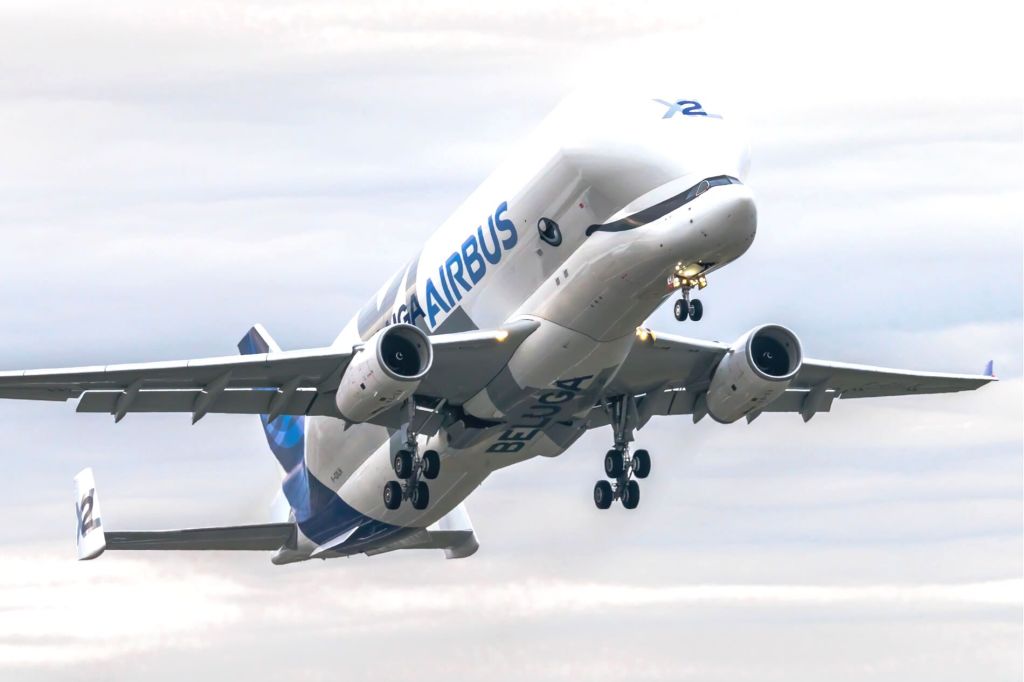
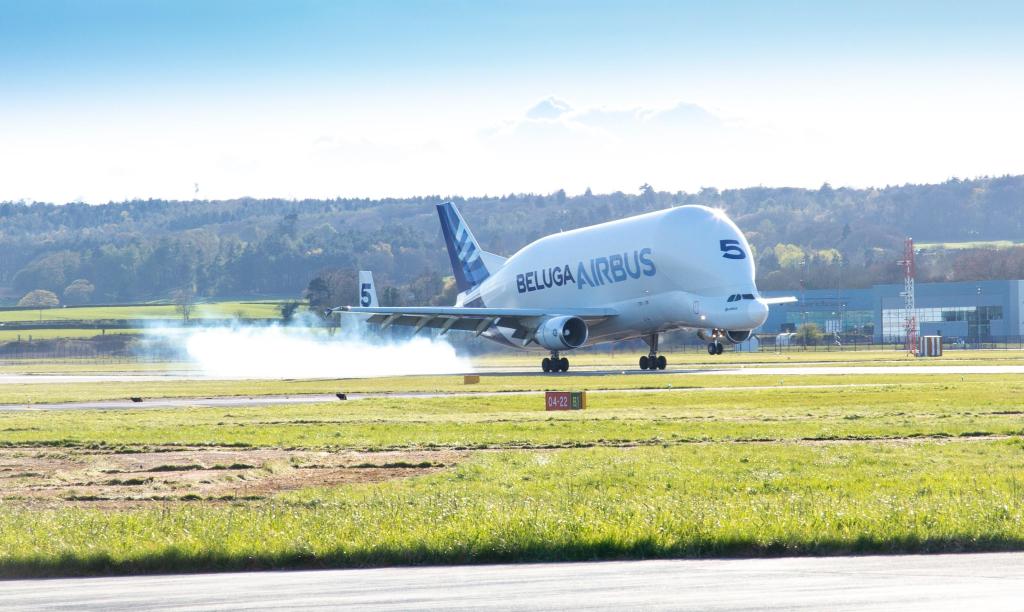
Airbus Group ha lanzado un nuevo servicio de carga aérea utilizando su exclusiva flota BelugaST para ofrecer a las empresas de transporte y otros clientes potenciales una solución a sus necesidades de transporte de carga de gran tamaño. El nuevo servicio, Airbus Beluga Transport, proporcionará a los clientes con contrato comercial en una variedad de sectores, incluidos los sectores espacial, energético, militar, aeronáutico, marítimo y humanitario, con una solución a sus necesidades de transporte de grandes cargas. La primera misión tuvo lugar a fines de 2021 con una entrega desde el sitio de fabricación de Airbus Helicopters en Marignane, Francia, a Kobe en Japón para un cliente no revelado. Beluga #3 se detuvo para repostar en Varsovia (Polonia), Novosibirsk (Rusia) y Seúl (Corea).
Phillippe Sabo, Director de ATI y Transporte Aéreo de Gran Tamaño en Airbus, dijo: “La sección transversal más amplia del Beluga abrirá nuevos mercados y nuevas posibilidades logísticas para los clientes. En el caso de cargar helicópteros -no tener que desmontarlos antes- realmente es un plus. Del mismo modo, los motores de aviones comerciales más grandes se pueden acomodar en una configuración completa”.
Basada en el diseño del A300-600, la flota BelugaST de cinco miembros, que hasta ahora ha sido la columna vertebral del transporte entre sitios de Airbus de grandes secciones de aviones, está siendo reemplazada por seis BelugaXL de nueva generación para respaldar la aceleración de Airbus. de su producción de aviones de pasajeros. El nuevo servicio de transporte de Airbus Beluga puede atender una multitud de posibles aplicaciones de mercado, ya que los aviones poseen la sección transversal interior más grande del mundo de cualquier avión de transporte, acomodando carga de gran tamaño de hasta 7,1 m de ancho y 6,7 m de alto.
En un futuro próximo, una vez que Airbus haya puesto en servicio los seis nuevos BelugaXL, la flota BelugaST totalmente liberada se entregará a una aerolínea subsidiaria de nueva creación con su propio Certificado de Operador Aéreo (AOC) y personal. Philippe Sabo agregó: “La nueva aerolínea será flexible y ágil para abordar las necesidades de los mercados mundiales externos”.
Para maximizar la capacidad de respuesta de BelugaST para su base de clientes internacionales objetivo, se están desarrollando nuevas técnicas y equipos de carga para la operación. Estas soluciones incluyen un cargador de carga a bordo (OBCL) automatizado para misiones en las que no se dispone de una plataforma de carga/descarga en el aeropuerto de origen o de destino.
Airbus launches BelugaST service
Beluga supertransporters will meet global cargo demand
Airbus Group has launched a new air cargo service using its unique BelugaST fleet to offer carriers and other potential customers a solution to their oversized cargo transportation needs. The new service, Airbus Beluga Transport, will provide commercial contract customers in a variety of sectors, including space, energy, military, aeronautics, maritime and humanitarian, with a solution to their large cargo transport needs. The first mission took place in late 2021 with a delivery from the Airbus Helicopters manufacturing site in Marignane, France, to Kobe in Japan for an undisclosed customer. Beluga #3 stopped to refuel in Warsaw (Poland), Novosibirsk (Russia) and Seoul (Korea).
Phillippe Sabo, Director of ATI and Large Air Transport at Airbus, said: “The Beluga’s wider cross-section will open up new markets and new logistics possibilities for customers. In the case of loading helicopters – not having to disassemble them beforehand – it really is a plus. Similarly, larger commercial aircraft engines can be accommodated in a full configuration.”
Based on the A300-600 design, the five-member BelugaST fleet, which has so far been the backbone of Airbus’ inter-site transport of large aircraft sections, is being replaced by six new-generation BelugaXLs to support the acceleration of Airbus. of its production of passenger aircraft. The new Airbus Beluga shuttle can serve a multitude of potential market applications, as the aircraft have the world’s largest interior cross-section of any shuttle aircraft, accommodating oversized cargo up to 7.1m wide. and 6.7m high.
In the near future, once all six new BelugaXLs have been commissioned by Airbus, the fully released BelugaST fleet will be handed over to a newly created subsidiary airline with its own Air Operator Certificate (AOC) and staff. Philippe Sabo added: «The new airline will be flexible and agile in addressing the needs of external world markets».
To maximize BelugaST’s responsiveness to its target international customer base, new loading techniques and equipment are being developed for the operation. These solutions include an automated on-board cargo loader (OBCL) for missions where a loading/unloading platform is not available at the origin or destination airport.
PUBLISHER: Airgways.com DBk: Airbus.com / Airgways.com AW-POST: 202201261526AR OWNERSHIP: Airgways Inc. A\W A I R G W A Y S ®
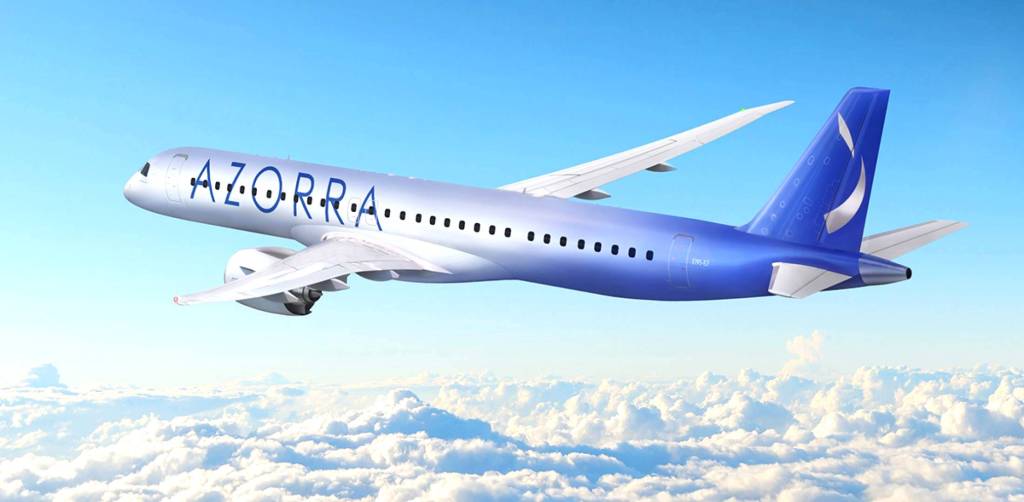
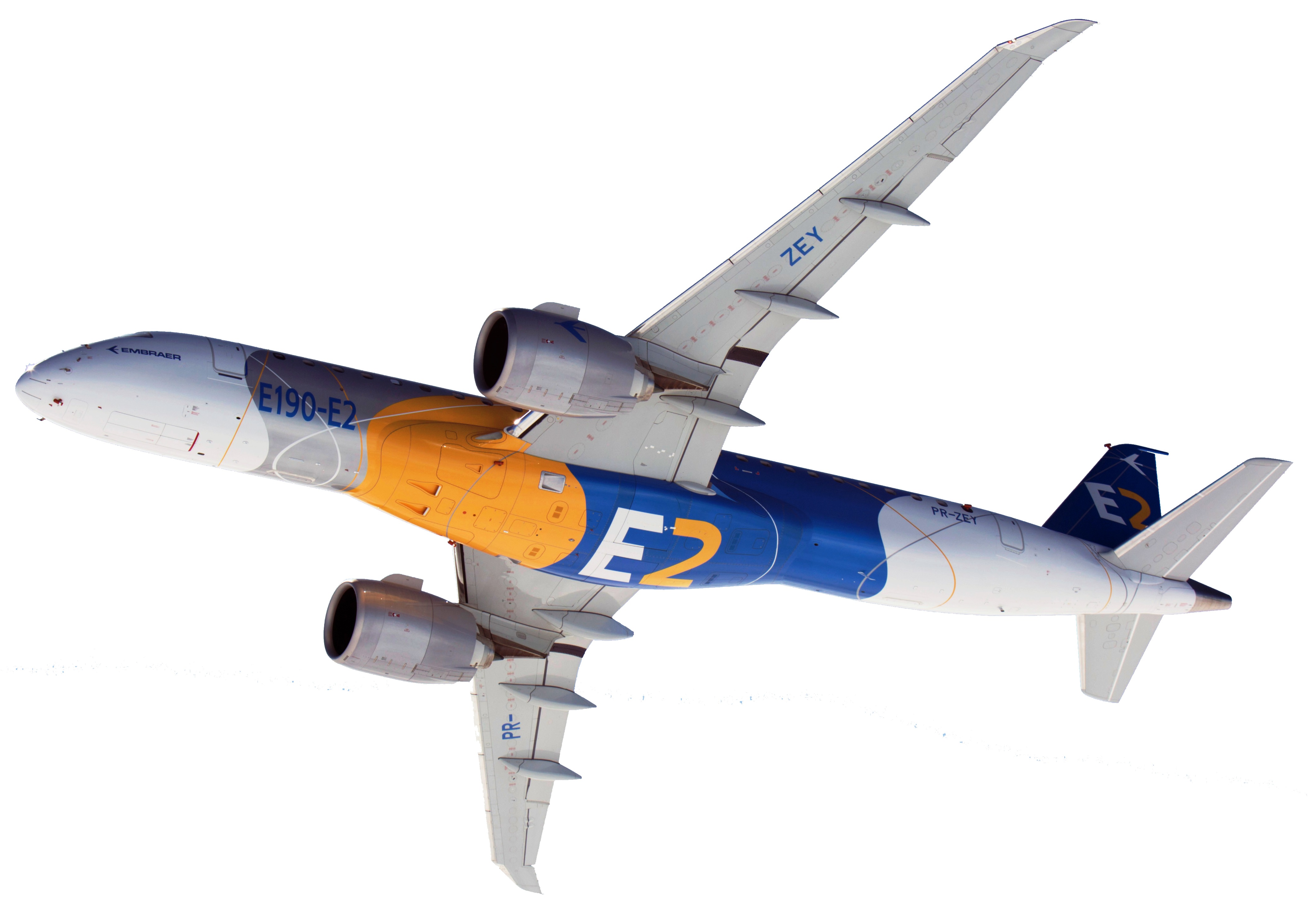
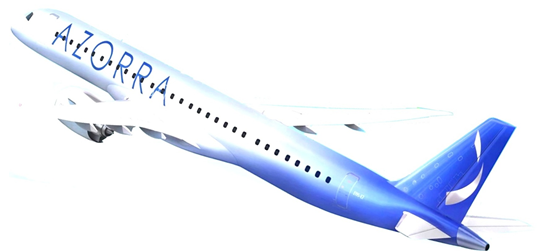
El gigante aeronáutico brasileño Embraer, el tercer mayor fabricante de aviones del mundo, informó este Lunes 24/01 que ha formalizado el acuerdo para la venta de hasta cincuenta aeronaves de la familia E2 para la aerolínea estadounidense Azorra Aviation. El contrato prevé la adquisición de veinte nuevos aviones modelos E190-E2 y E195-E2, así como el derecho a compra de otras treinta unidades, con entregas previstas a partir de 2023, según explicó Embraer en un comunicado remitido a la Bolsa de Valores de Sao Paulo.
El precio de lista de la orden se encuentra valorado en US$ 3.900 millones de Dólares. “Con esta encomienda de 20 aeronaves E2, Azorra refuerza aún más el valor excepcional que la próxima generación de la familia E2 trae para el mercado como la aeronave más silenciosa y eficiente del segmento”, afirmó el Presidente de Embraer Aviación Comercial, Arjan Meijer. Para John Evans, el Primer Ejecutivo de Azorra Aviation, empresa especializada en el leasing de aeronaves con sede en Florida, Estados Unidos, el acuerdo fortalece la creencia de la compañía en el E2, una familia de aeronaves modernas con desempeño económico y ambiental superior que le permitirá una excelente oportunidad para establecer una posición de liderazgo en el sector.
Las características técnicas de la Familia E-Jets permiten desarrollar la entrega de la más moderna tecnología en el actualidad. El E195-E2 posee 41,5 metros de largo y capacidad para hasta 146 personas, siendo es el mayor avión para pasajeros producido por el fabricante brasileño, líder mundial en el segmento de aviones regionales. Asimismo, está considerado como el más eficiente de los aparatos producidos por la empresa brasileña, ya que su avanzada tecnología le permiten reducir los costos operacionales en un 25% por el menor consumo de combustible.
Embraer-Azorra sign agreement 50 E-jet
Embraer will deliver 50 E2 aircraft to Azorra Aviation
The Brazilian aeronautical giant Embraer, the third largest aircraft manufacturer in the world, informed this Monday 01/24 that it has formalized the agreement for the sale of up to fifty aircraft of the E2 family for the American airline Azorra Aviation. The contract provides for the acquisition of twenty new aircraft models E190-E2 and E195-E2, as well as the right to purchase another thirty units, with deliveries expected from 2023, as explained by Embraer in a statement sent to the Stock Exchange of São Paulo.
The list price of the order is valued at US$3.9 billion. «With this order of 20 E2 aircraft, Azorra further reinforces the exceptional value that the next generation of the E2 family brings to the market as the quietest and most efficient aircraft in the segment», said the President of Embraer Commercial Aviation, Arjan Meijer. For John Evans, the CEO of Azorra Aviation, a company specialized in aircraft leasing based in Florida, United States, the agreement strengthens the company’s belief in the E2, a family of modern aircraft with superior economic and environmental performance that It will allow you an excellent opportunity to establish a leading position in the sector.
The technical characteristics of the E-Jets Family allow to develop the delivery of the most modern technology today. The E195-E2 is 41.5 meters long and has a capacity for up to 146 people, making it the largest passenger plane produced by the Brazilian manufacturer, a world leader in the regional aircraft segment. Likewise, it is considered the most efficient of the devices produced by the Brazilian company, since its advanced technology allows it to reduce operating costs by 25% due to lower fuel consumption.
Embraer-Azorra assina acordo 50 E-jet
Embraer entregará 50 aeronaves E2 à Azorra Aviation
A gigante aeronáutica brasileira Embraer, terceira maior fabricante de aeronaves do mundo, informou nesta segunda-feira 24/01 que formalizou o acordo para a venda de até cinquenta aeronaves da família E2 para a companhia aérea americana Azorra Aviation. O contrato prevê a aquisição de vinte novos modelos de aeronaves E190-E2 e E195-E2, bem como o direito de compra de mais trinta unidades, com entregas previstas a partir de 2023, conforme explica a Embraer em comunicado enviado à Bolsa de Valores de São Paulo.
O preço de tabela do pedido está avaliado em US$ 3,9 bilhões. “Com esta encomenda de 20 aeronaves E2, a Azorra reforça ainda mais o valor excepcional que a próxima geração da família E2 traz ao mercado como a aeronave mais silenciosa e eficiente do segmento”, disse o presidente da Embraer Aviação Comercial, Arjan Meijer. Para John Evans, CEO da Azorra Aviation, empresa especializada em leasing de aeronaves com sede na Flórida, nos Estados Unidos, o acordo reforça a crença da empresa no E2, uma família de aeronaves modernas com desempenho econômico e ambiental superior que lhe permitirá uma excelente oportunidade para estabelecer uma posição de liderança no setor.
As características técnicas da Família de E-Jets permitem desenvolver a entrega da tecnologia mais moderna da atualidade. O E195-E2 tem 41,5 metros de comprimento e capacidade para até 146 pessoas, tornando-se o maior avião de passageiros produzido pela fabricante brasileira, líder mundial no segmento de aeronaves regionais. Da mesma forma, é considerado o mais eficiente dos aparelhos produzidos pela empresa brasileira, pois sua tecnologia avançada permite reduzir os custos operacionais em 25% devido ao menor consumo de combustível.
PUBLISHER: Airgways.com DBk: Embraer.com / Azorra.com / Airgways.com AW-POST: 202201250025AR OWNERSHIP: Airgways Inc. A\W A I R G W A Y S ®
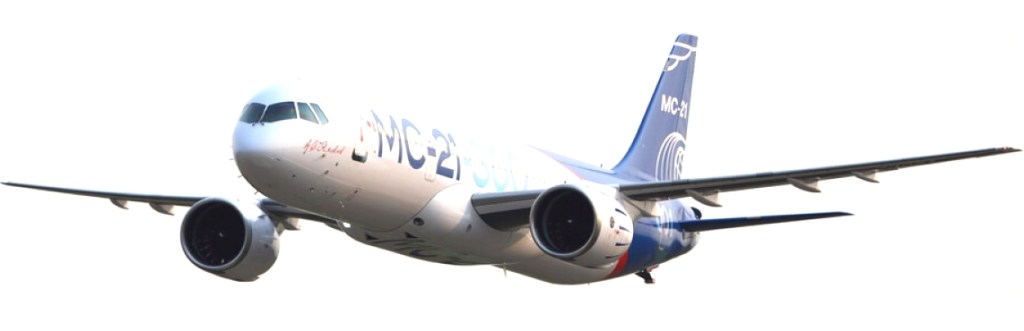
Realizan pruebas condiciones temperatura jet ruso MC21-300
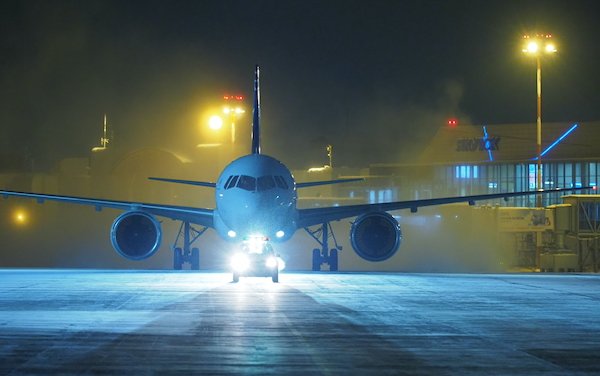
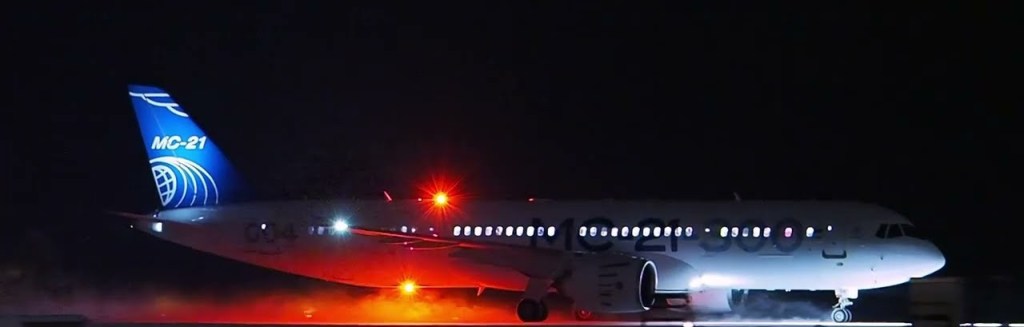
El avión prototipo Irkut MC-21-300, de Irkut Corporation, miembro de United Aircraft Corporation y Rostec Inc., voló desde Zhukovsky, región de Moscú, a Yakutsk para realizar pruebas bajo temperaturas exteriores bajo cero. Las pruebas de la aeronave MC-21-300 se realizarán como parte de la extensión del certificado de tipo que actualmente permite su operación a temperaturas del aire exterior cerca del suelo de menos 30 grados centígrados. Anteriormente, los sistemas de la aeronave se probaron con éxito en puestos de estacionamiento en condiciones de temperatura de hasta -55 grados centígrados.
“El vuelo de hoy es el primero que combina dos factores: la distancia al punto de destino desde Zhukovsky y la prueba de capacidad de servicio de todos los sistemas de la aeronave para un vuelo largo y cómodo con muchos pasajeros a bordo. El número de especialistas transportados superó las 70 personas. Realizarán pruebas para expandir la capacidad de la aeronave para operar bajo temperaturas exteriores por debajo de los 30 grados centígrados bajo cero. Este es un seguimiento del arduo trabajo que se llevó a cabo el año pasado y resultó en la obtención de un certificado de tipo para el MC-21-300. Tendremos que realizar una serie de pruebas para ampliar el certificado y entregar sus primeros aviones producidos en masa a las aerolíneas Rossiya para que operen a finales de este año”, dijo Andrei Boginsky, Director General de PJSC Irkut Corporation.
MC21-300 temperature test
Russian jet MC21-300 tests temperature conditions
The Irkut MC-21-300 prototype aircraft, from Irkut Corporation, a member of United Aircraft Corporation and Rostec Inc., flew from Zhukovsky, Moscow region, to Yakutsk for testing in sub-zero outside temperatures. Testing of the MC-21-300 aircraft will be conducted as part of the type certificate extension that currently allows its operation at near-ground outside air temperatures of minus 30 degrees Celsius. Previously, aircraft systems were successfully tested on parking stands in temperature conditions down to -55 degrees Celsius.
“Today’s flight is the first that combines two factors: the distance to the destination point from Zhukovsky and the serviceability test of all aircraft systems for a long and comfortable flight with many passengers on board. The number of transported specialists exceeded 70 people. They will conduct tests to expand the aircraft’s ability to operate in outside temperatures below minus 30 degrees Celsius. This is a follow-up to the hard work that went into last year and resulted in the MC-21-300 being awarded a type certificate. We will have to carry out a series of tests to extend the certificate and deliver its first mass-produced aircraft to Rossiya Airlines for operation by the end of this year”, said Andrei Boginsky, Director General of PJSC Irkut Corporation.
Температурный тест MC21-300
МС21-300 испытывает температурный режим
Опытный образец самолета Иркут МС-21-300 корпорации Иркут, входящей в ОАК и Ростех, вылетел из подмосковного Жуковского в Якутск для проведения испытаний в условиях минусовой температуры наружного воздуха. Испытания самолета МС-21-300 будут проводиться в рамках продления сертификата типа, который в настоящее время допускает его эксплуатацию при приземной температуре наружного воздуха минус 30 градусов Цельсия. Ранее системы самолета успешно прошли испытания на стояночных стоянках в температурном режиме до -55 градусов Цельсия.
«Сегодняшний рейс первый, сочетающий в себе два фактора: расстояние до пункта назначения от Жуковского и проверку работоспособности всех систем самолета для длительного и комфортного полета с большим количеством пассажиров на борту. Количество перевезенных специалистов превысило 70 человек. Они проведут испытания, чтобы расширить возможности эксплуатации самолета при температуре наружного воздуха ниже минус 30 градусов по Цельсию. Это продолжение напряженной работы, проделанной в прошлом году, в результате которой МС-21-300 получил сертификат типа. Нам предстоит провести ряд испытаний для продления сертификата и до конца этого года сдать первый серийный самолет авиакомпании «Россия» в эксплуатацию», сообщил генеральный директор ПАО Корпорация Иркут Андрей Богинский.
PUBLISHER: Airgways.com DBk: Irkut.com / Rostec.ru / Airgways.com AW-POST: 202201240653AR OWNERSHIP: Airgways Inc. A\W A I R G W A Y S ®
El primer Ministro ruso, Mikhail Mishustin, ha visitado este Viernes 21/01 la sucursal VASO (Voronezh Aircraft Manufacturing Association) de United Aircraft Corporation durante su viaje de trabajo a la Región de Voronezh. El Primer Ministro inspeccionó el taller de montaje final, donde ahora se encuentran los aviones IL-96, y mantuvo una conversación con los trabajadores de la planta. Voronezh Aircraft Plant es la única empresa en el país que tiene la competencia para construir aviones de pasajeros de fuselaje ancho de larga distancia. El proyecto IL-96 ahora proporciona la mayor parte de la carga de trabajo de VASO. La empresa también participa en otros programas civiles de la UAC, como SSJ100, MS-21 e IL-114, mediante la producción de pilones, nacelles de motores, elementos de cola y alas. Se demostró al Primer Ministro la amplia cooperación de los fabricantes rusos de sistemas y equipos de aviación, muchos de los cuales son miembros de la Corporación Estatal Rostec.
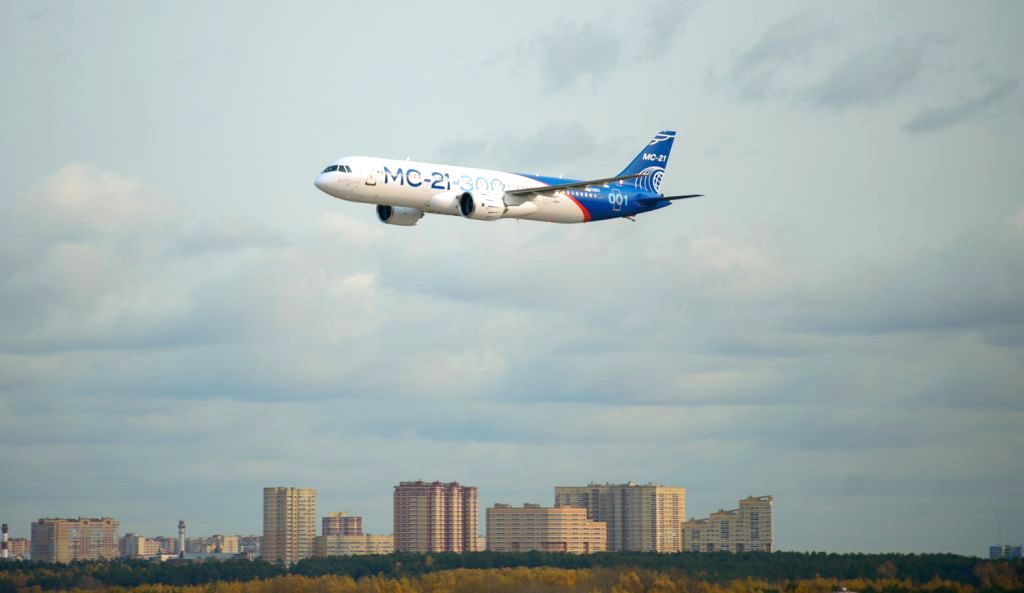
El Primer Ministro también visitó la estación de pruebas de vuelo, donde abordó un nuevo avión ruso de alcance medio MC-21-300 y recorrió su cabina de pasajeros, que es particularmente cómoda debido a un fuselaje más ancho en comparación con otros aviones de este segmento. El Viernes 21/01, el MC-21-300 voló desde el Aeropuerto de Ramenskoye (Zhukovsky) a Voronezh. Cabe mencionar que a fines de Diciembre MC-21-300 recibió un certificado de tipo de la Agencia Federal de Transporte Aéreo. El suministro de estos aviones a Rossiya Airlines está previsto que comience este año.
MC21-300 flights continue
Russian Prime Minister visits VASO-UAK Plant
The Russian Prime Minister, Mikhail Mishustin, visited this Friday 01/21 the VASO (Voronezh Aircraft Manufacturing Association) branch of United Aircraft Corporation during his work trip to the Voronezh Region. The Prime Minister inspected the final assembly shop, where the IL-96 aircraft are now housed, and had a conversation with workers at the plant. Voronezh Aircraft Plant is the only company in the country that has the competence to build long-haul wide-body passenger aircraft. The IL-96 project now provides the bulk of VASO’s workload. The company is also involved in other civilian UAC programs, such as the SSJ100, MS-21 and IL-114, through the production of pylons, engine nacelles, tail elements and wings. The Prime Minister was shown the extensive cooperation of Russian manufacturers of aviation systems and equipment, many of which are members of the Rostec State Corporation.
The Prime Minister also visited the flight test station, where he boarded a new Russian MC-21-300 medium-range aircraft and toured its passenger cabin, which is particularly comfortable due to a wider fuselage compared to other aircraft of this segment. On Friday 01/21, the MC-21-300 flew from Ramenskoye Airport (Zhukovsky) to Voronezh. It is worth mentioning that at the end of December MC-21-300 received a type certificate from the Federal Air Transport Agency. The supply of these aircraft to Rossiya Airlines is scheduled to start this year.
Полеты МС21-300 продолжаются
Премьер-министр России посетил завод ВАСО-УАК
В пятницу, 21 января, премьер-министр России Михаил Мишустин посетил филиал BАCО (Воронежское Aвиационное Производственное Oбъединение) Объединенной Aвиастроительной Kорпорации в рамках рабочей поездки в Воронежскую область. Премьер-министр осмотрел цех окончательной сборки, где сейчас размещаются самолеты Ил-96, и побеседовал с рабочими завода. Воронежский авиазавод—единственное предприятие в стране, имеющее компетенцию строить дальнемагистральные широкофюзеляжные пассажирские самолеты. Проект Ил-96 сейчас обеспечивает основную нагрузку ВАСО. Компания также участвует в других гражданских программах ОАК, таких как SSJ100, МС-21 и Ил-114, посредством производства пилонов, гондол двигателей, оперения и крыльев. Премьер-министру продемонстрировали широкое сотрудничество российских производителей авиационных систем и оборудования, многие из которых входят в Госкорпорацию Ростех.
Премьер-министр также посетил летно-испытательную станцию, где поднялся на борт нового российского среднемагистрального самолета МС-21-300 и осмотрел его пассажирский салон, отличающийся особой комфортабельностью благодаря более широкому фюзеляжу по сравнению с другими самолетами этого сегмента. В пятницу 21.01 рейс МС-21-300 вылетел из аэропорта Раменское (Жуковский) в Воронеж. Стоит отметить, что в конце декабря МС-21-300 получил сертификат типа от Росавиации. Поставка этих самолетов авиакомпании «Россия» должна начаться в этом году.
PUBLISHER: Airgways.com DBk: Rostec.ru / Uacrussia.ru / Airgways.com AW-POST: 202201221543AR OWNERSHIP: Airgways Inc. A\W A I R G W A Y S ®
















 airgways.com