AW | 2021 11 04 17:00 | AVIATION SAFETY / AVIATION ORGANISMS / INDUSTRY
FAA expresa que Boeing tiene más trabajo mejoramiento seguridad
El Jefe de la Administración Federal de Aviación (FAA) de Estados Unidos, Steve Dickson, dijo a un panel del Congreso de Estados Unidos que The Boeing Company tiene «más trabajo por hacer» mientras el fabricante de aviones continúa enfrentando escrutinio después de dos accidentes aéreos relacionados con los desperfectos de la línea Boeing 737 MAX. «Boeing no es lo mismo que hace dos años, pero tienen más que trabajar. Hemos restablecido la relación con Boeing en términos inequívocos», dijo Steve Dickson al Comité de Comercio del Senado el Miércoles 3 de Noviembre de 2021.
Boeing dijo este 03/11 que está «comprometido con la total transparencia y cooperación en todos los aspectos de nuestra relación con la FAA. El diálogo continuo facilita la mejora continua en el cumplimiento y la seguridad de la aviación para garantizar que la aviación comercial siga siendo la forma de transporte más segura del mundo». Los comentarios del Jefe de la FAA se produjeron ante el escrutinio del Congreso de los Estados Unidos. La senadora Maria Cantwell, Presidenta del Comité de Comercio reveló que planea publicar un informe sobre los denunciantes de aviación para fin de 2021. «Los ingenieros de línea tenían advertencias tempranas, ya sea el problema de la batería del Boeing 787, o si se trataba de este problema relacionado con las velocidades aéreas sintéticas o la complejidad de la automatización y la sobrecarga de los pilotos en el sistema. Esos ingenieros de línea no fueron escuchados», dijo Maria Cantwell.
Steve Dickson dijo que la FAA está delegando menos responsabilidades a Boeing para la certificación de aeronaves. Le dijo al Comité de Comercio que la FAA está exigiendo más transparencia de los fabricantes. La agencia reguladora de aviación está examinando actualmente una serie de problemas relacionados con los aviones comerciales de la línea Boeing.
Boeing more security to be completed
FAA says Boeing has more work to improve safety
US Federal Aviation Administration (FAA) Chief Steve Dickson told a US Congressional panel that The Boeing Company has «more work to do» as the aircraft manufacturer continues to face scrutiny after two crashes. related to the damage to the Boeing 737 MAX line. «Boeing is not the same as two years ago, but they have more to work on. We have reestablished the relationship with Boeing in no uncertain terms», Steve Dickson told the Senate Commerce Committee on Wednesday, November 3, 2021.
Boeing said this 03/11 that it is «committed to full transparency and cooperation in all aspects of our relationship with the FAA. Continuous dialogue facilitates continuous improvement in aviation safety and compliance to ensure that commercial aviation continues. being the safest form of transport in the world». The FAA Chief’s comments came under the scrutiny of the United States Congress. Sen. Maria Cantwell, Chair of the Commerce Committee revealed that she plans to publish a report on the aviation whistleblowers by the end of 2021. «The line engineers had early warnings, whether it was the Boeing 787 battery problem, or whether it was about of this problem related to synthetic airspeeds or the complexity of automation and the overload of the pilots in the system. Those line engineers were not listened to», said Maria Cantwell.
Steve Dickson said the FAA is delegating fewer responsibilities to Boeing for aircraft certification. He told the Trade Committee that the FAA is demanding more transparency from manufacturers. The aviation regulatory agency is currently examining a number of problems related to commercial aircraft on the Boeing line.
Los Premios a la Innovación Valor Econômico Brasil han nombrado a Embraer S.A. como la «Empresa Más Innovadora de Brasil», marcando la quinta vez que Embraer gana el premio. Los Premios a la Innovación Valor Econômico Brasil son organizados por el periódico Valor Econômico, un diario líder en Brasil, y apoyados por Strategy & Consulting, una consultora de PwC. Los premios evalúan las prácticas de innovación en las empresas que operan en Brasil. El ranking se basa en cinco criterios: intención de innovar, esfuerzo por llevar a cabo la innovación, resultados obtenidos, evaluación del mercado y generación de conocimiento. El objetivo es analizar cómo cada uno de estos pilares están integrados en las empresas participantes y distinguir a las empresas verdaderamente innovadoras de aquellas que solo siguen las tendencias tecnológicas.
La encuesta tiene un modelo de construcción personalizado, desarrollado específicamente para el mercado brasileño, y basado en indicadores cualitativos y cuantitativos, que identifican a las empresas que adoptan la mejor gestión de la innovación, logran sus inversiones en el mercado y logran resultados. La encuesta también evalúa a las empresas por sector en la economía. Sobre la base de comparaciones y análisis, se elaboran clasificaciones sectoriales. Los grupos se crean tras analizar los cinco criterios de innovación mencionados anteriormente, que ilustran el tipo de innovación común a cada sector. «Como cinco veces titular, demuestra claramente que estamos en el camino correcto en nuestro proceso de transformación. Nuestro enfoque en el crecimiento sostenido y la creación de valor conducirá a inversiones continuas en negocios innovadores. Dedico este premio a todos nuestros 18,000 empleados en todo el mundo, que superan los desafíos todos los días, con gran habilidad, enfoque y energía», declaró Francisco Gomes Neto, CEO de Embraer.
Embraer ve su papel en el ecosistema de innovación como global y colaborativo. En 2020, el 43% de sus ingresos provino de innovaciones que tuvieron lugar en los últimos cinco años. Embraer dice que esto ilustra la importancia de tener una inversión ininterrumpida en innovación para el futuro y la competitividad a largo plazo de la empresa. «Embraer es el resultado de la visión a largo plazo adoptada por visionarios que en la década de 1940 creían que Brasil podía construir su propio avión. Su espíritu innovador y emprendedor se centró en generar y promover el conocimiento», añade Gomes Neto.
Embraer awarded in Brazil
Embraer named Brazil’s most innovative company
The Valor Econômico Brasil Innovation Awards have named Embraer S.A. as the «Most Innovative Company in Brazil», marking the fifth time that Embraer has won the award. The Valor Econômico Brasil Innovation Awards are organized by Valor Econômico newspaper, a leading Brazilian newspaper, and supported by Strategy & Consulting, a PwC consultancy. The awards evaluate innovation practices in companies operating in Brazil. The ranking is based on five criteria: intention to innovate, effort to carry out innovation, results obtained, market evaluation and knowledge generation. The objective is to analyze how each of these pillars are integrated into the participating companies and distinguish truly innovative companies from those that only follow technological trends.
The survey has a customized construction model, developed specifically for the Brazilian market, and based on qualitative and quantitative indicators, which identify companies that adopt the best innovation management, achieve their investments in the market and achieve results. The survey also assesses companies by sector in the economy. Based on comparisons and analysis, sectoral classifications are developed. The groups are created after analyzing the five innovation criteria mentioned above, which illustrate the type of innovation common to each sector. «As a five-time holder, it clearly demonstrates that we are on the right track in our transformation process. Our focus on sustained growth and value creation will lead to continued investments in innovative businesses. I dedicate this award to all of our 18,000 employees across the world. world, who overcome challenges every day, with great skill, focus and energy», stated Francisco Gomes Neto, CEO of Embraer.
Embraer views its role in the innovation ecosystem as global and collaborative. In 2020, 43% of its revenue came from innovations that took place in the last five years. Embraer says this illustrates the importance of having an uninterrupted investment in innovation for the future and long-term competitiveness of the company. «Embraer is the result of the long-term vision adopted by visionaries who in the 1940s believed that Brazil could build its own aircraft. Its innovative and entrepreneurial spirit focused on generating and promoting knowledge», adds Gomes Neto.
Embraer premiada no Brasil
Embraer eleita a empresa mais inovadora do Brasil
O Prêmio Valor Econômico Brasil de Inovação nomeou a Embraer S.A. como a «Empresa Mais Inovadora do Brasil», marcando a quinta vez que a Embraer recebe o prêmio. O Prêmio Valor Econômico Brasil de Inovação é organizado pelo jornal Valor Econômico, um dos principais jornais brasileiros, e apoiado pela Strategy & Consulting, consultoria da PwC. Os prêmios avaliam as práticas de inovação em empresas que atuam no Brasil. O ranking é baseado em cinco critérios: intenção de inovar, esforço para inovar, resultados obtidos, avaliação de mercado e geração de conhecimento. O objetivo é analisar como cada um desses pilares se integra às empresas participantes e distinguir as empresas verdadeiramente inovadoras daquelas que apenas seguem tendências tecnológicas.
A pesquisa possui um modelo construtivo customizado, desenvolvido especificamente para o mercado brasileiro, e baseado em indicadores qualitativos e quantitativos, que identificam as empresas que adotam a melhor gestão da inovação, realizam seus investimentos no mercado e alcançam resultados. A pesquisa também avalia as empresas por setor da economia. Com base em comparações e análises, são desenvolvidas classificações setoriais. Os grupos são formados a partir da análise dos cinco critérios de inovação mencionados acima, que ilustram o tipo de inovação comum a cada setor. “Como titular por cinco vezes, demonstra claramente que estamos no caminho certo em nosso processo de transformação. Nosso foco no crescimento sustentado e na criação de valor levará a investimentos contínuos em negócios inovadores. Dedico este prêmio a todos os nossos 18.000 funcionários mundo. mundo, que superam desafios a cada dia, com muita habilidade, foco e energia», afirmou Francisco Gomes Neto, CEO da Embraer.
A Embraer vê seu papel no ecossistema de inovação como global e colaborativo. Em 2020, 43% de sua receita veio de inovações ocorridas nos últimos cinco anos. A Embraer diz que isso ilustra a importância de ter um investimento ininterrupto em inovação para o futuro e a competitividade de longo prazo da empresa. “A Embraer é fruto da visão de longo prazo adotada por visionários que na década de 1940 acreditavam que o Brasil poderia construir suas próprias aeronaves. Seu espírito inovador e empreendedor focado na geração e promoção do conhecimento”, acrescenta Gomes Neto.
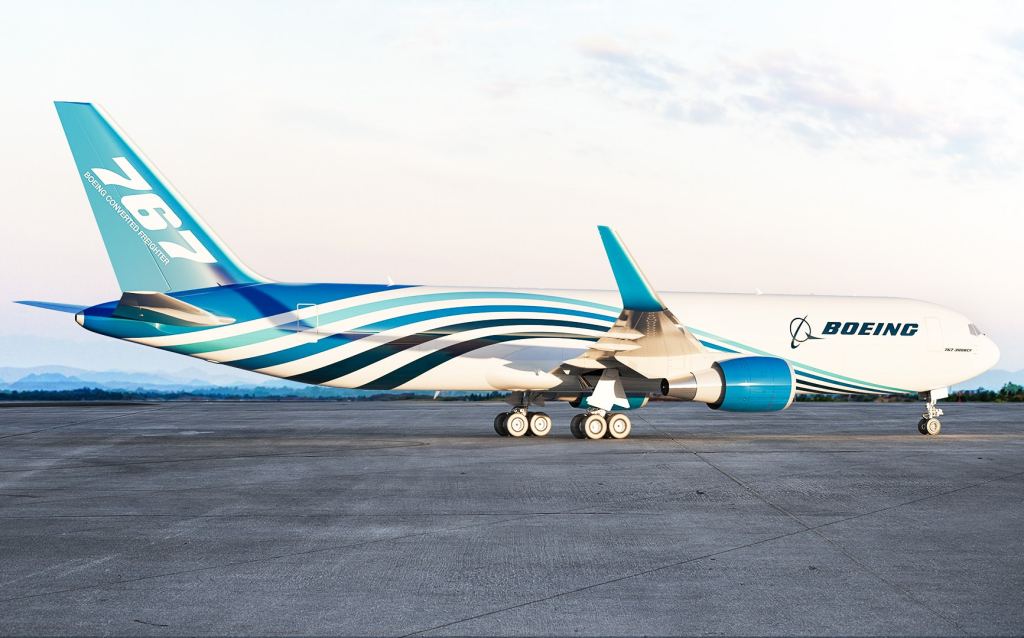
ATSG selecciona a Boeing para próximo pedido conversión carguero
Air Transport Services Group, Inc., el arrendador más grande del mundo de cargueros convertidos de Boeing 767-300BCF, ha contratado a The Boeing Company para la conversión de cuatro aviones a Boeing 767-300BCF (Boeing Converted Freighters). «Nuestra continua confianza en la plataforma 767-300, ahora junto con los servicios y el soporte del OEM, refuerza nuestro compromiso de ofrecer los mejores servicios confiables de su clase a nuestros clientes. Estamos orgullosos de asociarnos con Boeing a medida que ampliamos nuestra flota para satisfacer la creciente demanda y esperamos un crecimiento futuro juntos», dijo Mike Berger, Director Comercial de ATSG.
El Boeing 767-300BCF ahora tiene más de 100 pedidos y compromisos de clientes de todo el mundo, proporcionando capacidad de carguero convertido de fuselaje ancho para satisfacer la creciente demanda del mercado y aprovechando un año récord para los pedidos de clientes de la familia de cargueros de Boeing. «Nos sentimos honrados de que ATSG haya decidido hacer del 767-300BCF una parte integral de su estrategia de expansión de flota, apoyando a los clientes que buscan capitalizar la fuerte demanda de comercio electrónico. Como OEM, Boeing tiene los datos de diseño originales, cadenas de suministro sólidas y programas de entrega confiables que benefician a los clientes de BCF como ATSG. Con esa ventaja OEM, estamos listos para satisfacer las necesidades de ATSG al incorporar 767-300BCF líderes en el mercado a su flota», dijo Jens Steinhagen, Director de Boeing Converted Freighters.
ATSG es un líder mundial en arrendamiento de carga, operando una flota de 106 aviones Boeing, incluidos más de noventa cargueros convertidos 767. ATSG es un proveedor líder de arrendamiento de aeronaves y transporte aéreo de carga y pasajeros y servicios relacionados con compañías aéreas nacionales y extranjeras y otras compañías que subcontratan sus requisitos de transporte aéreo de carga y pasajeros. ATSG, a través de sus subsidiarias de arrendamiento y aerolíneas, es el mayor propietario y operador del mundo de aviones de carga Boeing 767 convertidos. Boeing tiene más de cuarenta años de experiencia exitosa en conversiones de pasajeros a cargueros, confiando en datos de diseño originales y una profunda comprensión de las necesidades de la industria de carga aérea para ofrecer un producto superior e integrado, que incluye manuales totalmente integrados y soporte técnico de clase mundial. Boeing Converted Freighters también viene con la ventaja de estar asociado con la cartera de servicios, soporte y soluciones más grande de la industria.
ATSG selects Boeing 767BCF
ATSG selects Boeing for next freighter conversion order
Air Transport Services Group, Inc., the world’s largest lessor of converted Boeing 767-300BCF freighters, has contracted with The Boeing Company to convert four aircraft to 767-300 Boeing Converted Freighters. «Our continued confidence in the 767-300 platform, now coupled with OEM services and support, reinforces our commitment to providing reliable best-in-class services to our customers. We are proud to partner with Boeing as we expand our fleet. to meet the growing demand and we look forward to future growth together,», said Mike Berger, Commercial Director of ATSG.
The Boeing 767-300BCF now has more than 100 customer orders and commitments from around the world, providing wide-body converted freighter capacity to meet growing market demand and building on a record year for freighter family customer orders. from Boeing. «We are honored that ATSG has decided to make the 767-300BCF an integral part of its fleet expansion strategy, supporting customers looking to capitalize on strong e-commerce demand. As an OEM, Boeing has the original design data, Strong supply chains and reliable delivery programs that benefit BCF customers like ATSG. With that OEM advantage, we are ready to meet ATSG’s needs by adding market-leading 767-300BCFs to its fleet», said Jens Steinhagen, Director of Boeing Converted Freighters.
ATSG is a world leader in cargo leasing, operating a fleet of 106 Boeing aircraft, including more than ninety converted 767 freighters. ATSG is a leading provider of aircraft leasing and air freight and passenger transport and related services to domestic and international airlines. foreign companies and other companies that outsource their air freight and passenger transport requirements. ATSG, through its airline and leasing subsidiaries, is the world’s largest owner and operator of converted Boeing 767 freighters. Boeing has more than forty years of successful experience in passenger-to-freighter conversions, relying on original design data and a deep understanding of the needs of the air cargo industry to deliver a superior, integrated product, including fully integrated manuals and support. world-class technician. Boeing Converted Freighters also comes with the advantage of being associated with the largest portfolio of services, support and solutions in the industry.
AW | 2021 11 03 10:07 | INDUSTRY / AVIATION TECHNOLOGY
Airbus evoluciona panorama innovación Airbus Scale
Airbus Group ha lanzado este 3 de Noviembre de 2021 Airbus Scale, una nueva unidad de innovación que reúne la innovación corporativa, el compromiso con las empresas emergentes y las actividades de creación de empresas. Esto apoyará la recuperación y el crecimiento futuro de Airbus, contribuyendo al desarrollo de futuros programas y negocios como parte de la ambición de cero emisiones de la compañía. Esta nueva unidad refuerza el panorama general de innovación en Airbus y complementa otros centros de innovación de Airbus como Acubed en Silicon Valley, el Airbus China Innovation Center (ACIC) en Shenzhen y la entidad demostradora de tecnología Airbus UpNext.
“Ser pionero en la industria aeroespacial sostenible será un desafío colectivo y la innovación es su núcleo. Al configurar Airbus Scale, utilizaremos nuestro conocimiento interno y nuestro know-how para escalar nuevas empresas a partir de activos infrautilizados. También miraremos hacia afuera para buscar e inyectar en Airbus nuevas empresas que tengan tecnología relevante para nuestra futura ambición de cero emisiones. Esta palanca adicional en nuestro conjunto de herramientas de innovación ayudará a crear el ecosistema que necesitamos en nuestro camino hacia el cero neto”, dijo Sabine Klauke, Directora Técnica de Airbus.
La nueva unidad de innovación es una evolución de cómo Airbus enfoca sus actividades de innovación internas y externas. Sobre la base de la experiencia adquirida en los últimos siete años con BizLab, Airbus Scale convergerá y diversificará el espíritu emprendedor y las asociaciones de puesta en marcha para construir y hacer crecer negocios cofinanciados, rentables y plenamente desarrollados y ampliar aún más la ventaja competitiva de Airbus. En este enfoque, Airbus Scale promoverá e identificará oportunidades de innovación corporativa interna que se pueden desarrollar en soluciones para el mundo externo, llevándolas al mercado y atrayendo inversiones externas que podrían resultar en spin-offs, con el fin de generar valor para Airbus. En paralelo, Airbus Scale buscará y se asociará con startups externas en etapas posteriores para madurar y desarrollar innovaciones tecnológicas y productos, combinando conceptos internos e inteligencia de startups externa para colaboraciones mutuamente beneficiosas. En ambos casos, Airbus Scale facilita y permite un ecosistema de innovación más eficaz.
Evolution of Airbus Scale
Airbus evolves innovation landscape Airbus Scale
Airbus Group has launched this November 3, 2021 Airbus Scale, a new innovation unit that brings together corporate innovation, commitment to emerging companies and business creation activities. This will support Airbus’ recovery and future growth, contributing to the development of future programs and businesses as part of the company’s zero emissions ambition. This new unit reinforces the overall innovation landscape at Airbus and complements other Airbus innovation centers such as Acubed in Silicon Valley, the Airbus China Innovation Center (ACIC) in Shenzhen and technology demonstrator Airbus UpNext.
“Being a pioneer in the sustainable aerospace industry will be a collective challenge and innovation is at its core. When configuring Airbus Scale, we will use our internal knowledge and know-how to scale new companies from underutilized assets. We will also look outside to find and inject into Airbus new companies that have technology relevant to our future zero emissions ambition. This additional lever in our innovation toolkit will help create the ecosystem we need on our journey to net zero”, said Sabine Klauke, Airbus Technical Director.
The new innovation unit is an evolution of how Airbus approaches its internal and external innovation activities. Building on the experience gained over the past seven years with BizLab, Airbus Scale will converge and diversify entrepreneurship and start-up partnerships to build and grow fully developed, profitable, co-financed businesses and further expand the competitive advantage of Airbus. In this approach, Airbus Scale will promote and identify internal corporate innovation opportunities that can be developed into solutions for the external world, bringing them to market and attracting external investments that could result in spin-offs, in order to generate value for Airbus. In parallel, Airbus Scale will seek out and partner with external startups in later stages to mature and develop technology and product innovations, combining internal concepts and external startup intelligence for mutually beneficial collaborations. In both cases, Airbus Scale facilitates and enables a more effective innovation ecosystem.
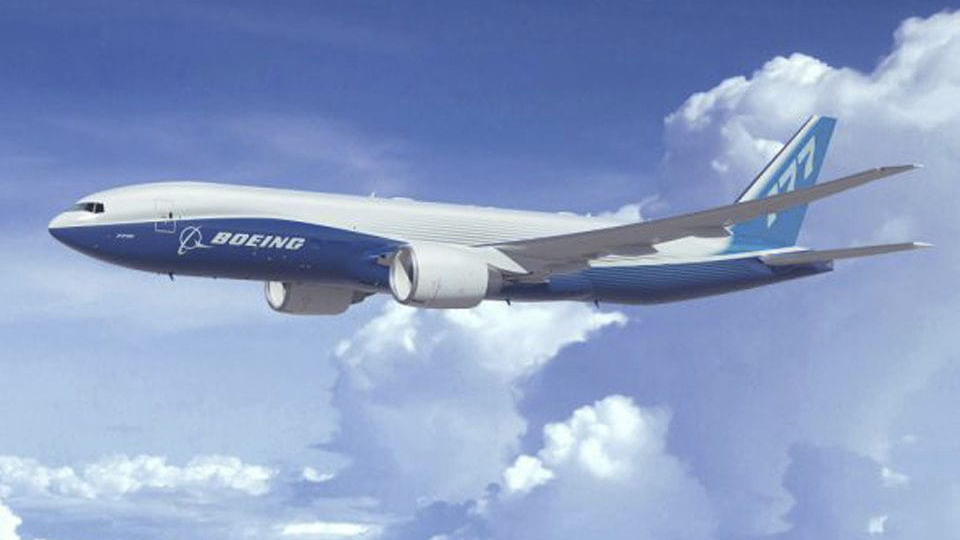
A. P. Møller–Mærsk y The Boeing Company anunciaron este Domingo 31/10 que el proveedor global de logística de contenedores de extremo a extremo ha realizado un pedido de dos cargueros Boeing 777F (2). Los cargueros serán operados por Star Air, el operador de aviones interno de Maersk y es el primer pedido de 777 de la compañía. Star Air actualmente opera una flota de Boeing 767 Freighter. «Como integrador global de la logística de contenedores, Maersk está mejorando la capacidad de proporcionar capacidades logísticas integrales y de ventanilla única a nuestros clientes. Este año, hemos fortalecido nuestra oferta de logística integrada a través de adquisiciones de logística de comercio electrónico, inversiones en tecnología, expansión de nuestra huella de almacén y, como siguiente paso natural, ahora estamos aumentando nuestra capacidad de carga aérea, creando una red más amplia para satisfacer aún mejor las necesidades de los clientes», dijo Vincent Clerc, Vicepresidente Ejecutivo y CEO de Ocean & Logistics, A.P. Moller–Maersk.
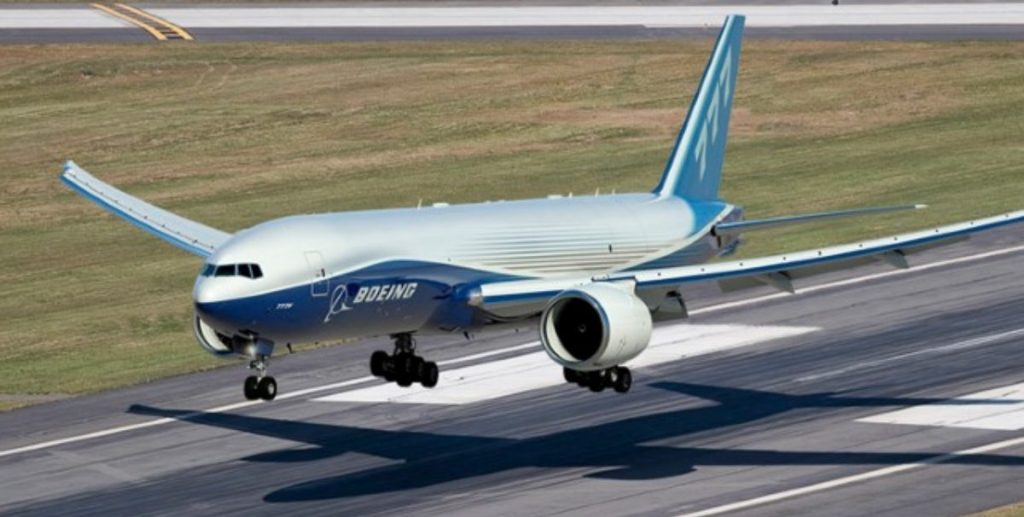
El 777 Freighter es el carguero bimotor más grande, de mayor alcance y más capaz del mundo. El avión ofrece un 17 por ciento más de eficiencia de combustible y emisiones de CO2 reducidas en comparación con los aviones heredados. Con un alcance de 9.200 kilómetros, el 777 Freighter puede transportar una carga útil máxima de ingresos de 102.000 kilogramos, lo que permite a Star Air hacer menos paradas y reducir las tarifas de aterrizaje en rutas de larga distancia.
«Estamos encantados de dar la bienvenida a Maersk’s Star Air a la familia Boeing de operadores 777 y esperamos muchos años de asociación continua a medida que crece su división de carga aérea. La eficiencia líder en el mercado y el increíble alcance del 777 Freighter proporcionarán a Maersk flexibilidad para operar de manera rentable el avión a través de su gran red de carga aérea», dijo Ihssane Mounir, Vicepresidente Senior de Ventas Comerciales y Marketing de Boeing.
El 777 Freighter es el carguero más vendido de Boeing de todos los tiempos. Clientes de todo el mundo han pedido más de 300 cargueros 777 desde que comenzó el programa en 2005. A medida que el mercado de carga aérea continúa fortaleciéndose en todo el mundo, los transportistas de carga recurren a Boeing para su familia completa de cargueros nuevos y convertidos. Los aviones Boeing proporcionan más del 90% de la capacidad mundial de cargueros dedicados.
Maersk es una empresa de logística de contenedores integrada que trabaja para conectar y simplificar las cadenas de suministro de sus clientes. Como líder mundial en servicios de envío, la compañía opera en 130 países y emplea a aproximadamente 80.000 personas.
Maersk orders Boeing 777F
Danish company select Boeing 777 Freighter
A. P. Møller-Mærsk and The Boeing Company announced this Sunday 31/10 that the overall end-to-end container logistics provider has performed an order of two Boeing 777F (2) cargo (2). The carriers will be operated by Star Air, the Maersk internal aircraft operator and is the first order of 777 of the company. Star Air currently operates a fleet of Boeing 767 Freighter. «As a global integrator of container logistics, MAERSK is improving the ability to provide integral logistics and unique window capabilities to our customers. This year, we have strengthened our integrated logistics offer through e-commerce logistics acquisitions, investments in Technology, expansion of our warehouse footprint and, as next natural step, now we are increasing our air cargo capacity, creating a wider network to better meet the needs of customers», said Vincent Clerc, Executive Vice President and Ocean CEO & Logistics, AP Moller-Maersk.
The 777 Freighter is the largest, greater and more capable bimotor freighter in the world. The plane offers 17 percent more fuel efficiency and reduced CO2 emissions compared to inherited aircraft. With a scope of 9,200 kilometers, the 777 Freighter can transport a maximum income payload of 102,000 kilograms, allowing Star Air to make less stops and reduce landing fees on long distance routes.
«We are delighted to welcome Maersk’s Star Air to the Boeing family of operators 777 and we waited many years of continuous association as its air cargo division grows. The leading market efficiency and the incredible scope of 777 Freighter will provide A MAERSK flexibility to profitably operate the plane through its large air cargo network», said Ihssane Mounir, Senior Vice President of Commercial Sales and Boeing Marketing.
The 777 Freighter is the best-selling Boeing freighter of all time. Customers around the world have requested more than 300 cargo 777 since the program began in 2005. As the air cargo market continues to be strengthened around the world, cargo carriers resort to Boeing for their full family of new freighters and Converted. Boeing aircraft provide more than 90% of the global capacity of dedicated freighters.
Maersk is an integrated container logistics company that works to connect and simplify the supply chains of its customers. As a world leader in shipping services, the company operates in 130 countries and employs approximately 80,000 people.
Maersk bestiller Boeing 777F
Dansk virksomhed vælg Boeing 777 Freighter
A. P. Møller-Mærsk og The Boeing Company annoncerede denne søndag 31/10, at den samlede end-to-end container logistik udbyder har udført en ordre af to Boeing 777F (2) last (2). Bærerne vil blive betjent af Star Air, Maersk Internal Aircraft Operator og er den første rækkefølge af 777 af virksomheden. Star Air driver i øjeblikket en flåde af Boeing 767 Freighter. «Som en global integrator af containerlogistik forbedrer Maersk evnen til at yde integreret logistik og unikke vinduesfunktioner til vores kunder. I år har vi styrket vores integrerede logistik tilbud gennem e-handel logistikopkøb, investeringer i teknologi, udvidelse af vores Lagerfodaftryk og, som næste naturlige skridt, øger vi nu vores luftfragtkapacitet, hvilket skaber et bredere netværk for bedre at imødekomme kundernes behov», sagde Vincent Clerc, Executive Vice President og Ocean CEO & Logistics, AP Møller-Maersk.
777 fragtskibet er den største, større og mere kompatible bimotorfremviser i verden. Flyet tilbyder 17 procent mere brændstofeffektivitet og reducerede CO2-emissioner i forhold til arvelige fly. Med et omfang på 9.200 kilometer kan 777 fragtskibet transportere en maksimal indkomst nyttelast på 102.000 kg, hvilket gør det muligt for Star Air at gøre mindre stop og reducere landingsgebyrer på langdistanceruter.
«Vi er glade for at byde Maersks Star Air til Boeing-familien af operatører 777, og vi ventede mange års løbende forening, da dens luftfragtdivision vokser. Den førende markedseffektivitet og det utrolige omfang på 777 Freighter vil give en Maersk-fleksibilitet til rentabelt at fungere Planet gennem sit store luftfragt netværk», sagde Ihssane Mounir, senior vicepræsident for kommerciel salg og Boeing Marketing.
777 fragtskibet er den bedst sælgende Boeing Freight hele tiden. Kunder over hele verden har anmodet mere end 300 Cargo 777, da programmet begyndte i 2005. Da luftfragtmarkedet fortsat styrkes rundt om i verden, siger Cargo Carriers til Boeing for deres fulde familie af nye fragtnere og omdannet. Boeing fly giver mere end 90% af den globale kapacitet af dedikerede fragtskibe.
Maersk er et integreret containerlogistikfirma, der arbejder for at forbinde og forenkle forsyningskæderne hos sine kunder. Som verdens førende inden for skibsfarten opererer virksomheden i 130 lande og beskæftiger ca. 80.000 mennesker.
Conversaciones con Airbus y Boeing para pedidos aviones
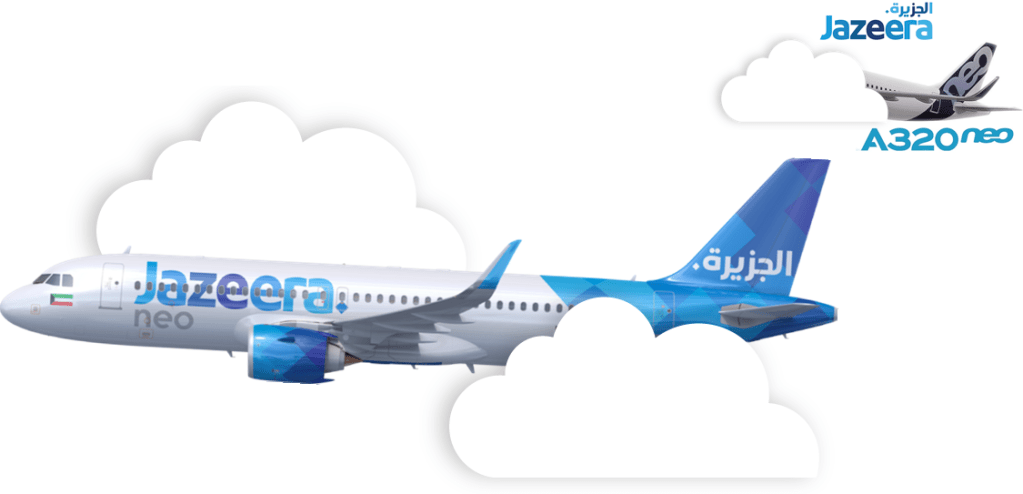
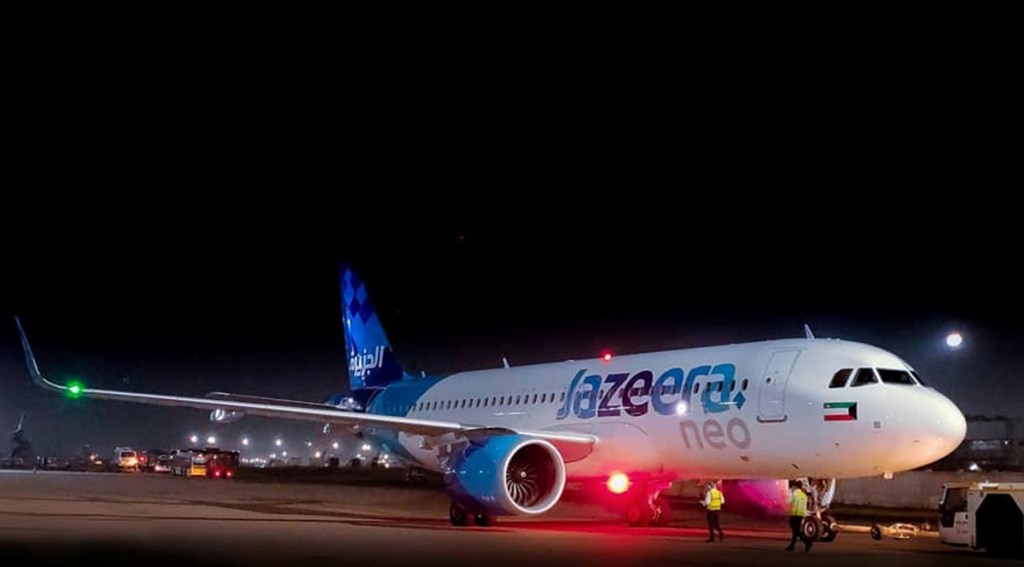
Jazeera Airways de Kuwait se encuentra en conversaciones para comprar treinta Airbus A320NEO (30) o Boeing 737 MAX (30) en un acuerdo por valor de hasta US$ 2.000 millones de Dólares, dijo el Lunes 01/11 el Presidente de la aerolínea Marwan Marzouk Boodai. La aerolínea de bajo costo esperaba realizar el pedido de aviones considerado desde hace mucho tiempo.
La aerolínea buscaría aumentar la deuda para financiar parte de las compras, y el resto se financiará con las propias reservas de efectivo de la compañía, que actualmente se sitúan en KD 41 millones de Dinares kuwaitíes/US$ 136 millones de Dólares. La divulgación de las conversaciones sobre pedidos de aviones se produce solo dos semanas antes del inicio del Dubai Airshow 2021 de cinco días, que será la mayor feria comercial aeroespacial de este año y un espectáculo para contratos comerciales y militares por valor de miles de millones de Dólares.
Jazeera Airways, propiedad mayoritaria de Boodai Group, ha considerado durante muchos años un pedido de aviones para expandir y reemplazar su flota de aviones Airbus A320 de fuselaje estrecho arrendados, aunque nunca realizó un pedido. Actualmente, opera una flota de diecisiete aviones Airbus A320 (17).
La aerolínea reportó el Lunes 01/11 una ganancia neta en el tercer trimestre de KD 11,8 millones de Dinares/US$ 39,15 millones de Dólares, su primera ganancia trimestral en dos años, según datos de Refinitiv. «Estamos seguros de que los viajes volverán más fuertes para alcanzar el rendimiento operativo de 2019 muy pronto. Ahora creemos que lo peor ha quedado atrás», dijo Marwan Marzouk Boodai en un comunicado.
Jazeera Airways goes shopping
Conversations with Airbus and Boeing for aircraft orders
Kuwait’s Jazeera Airways is in talks to buy thirty Airbus A320NEO (30) or Boeing 737 MAX (30) in a deal worth up to US$ 2 billion, said on Monday 01/11 the President of the airline Marwan Marzouk Boodai. The low-cost carrier had been hoping to place the long-considered aircraft order.
The airline would seek to increase debt to finance part of the purchases, and the remainder will be financed from the company’s own cash reserves, which currently stand at KD 41 million Kuwaiti Dinars/US$ 136 million Dollars. The disclosure of the aircraft ordering talks comes just two weeks before the start of the five-day Dubai Airshow 2021, which will be this year’s largest aerospace trade show and a show for commercial and military contracts worth billions of dollars. Dollars.
Jazeera Airways, majority owned by the Boodai Group, has for many years considered an order for aircraft to expand and replace its fleet of leased narrow-body Airbus A320 aircraft, although it never placed an order. It currently operates a fleet of seventeen Airbus A320 aircraft (17).
The airline reported on Monday 11/01 a net profit in the third quarter of KD 11.8 million Dinars/US$ 39.15 million Dollars, its first quarterly profit in two years, according to Refinitiv data. «We are confident that travel will come back stronger to reach 2019 operational performance very soon. We now believe that the worst is behind us», Marwan Marzouk Boodai said in a statement.
Aerospacial americana apuesta inversiones híbridas
The Boeing Company ha engrosado su gasto desde el inicio de la crisis de la pandemia, mientras que ha realizado algunas incursiones en compañías nuevas en el sector de la movilidad, fabricación y conectividad espacial. El fabricante de aviones americano ha recortado su cartera de capital de riesgo de cuatrenta nuevas empresas en Agosto 2021 en un acuerdo con la firma de capital privado del Estado de Florida AE Industrial Partners. El acuerdo ha creado un enfoque de inversión híbrido que permite a Boeing y al nuevo fondo AE HorizonX, recaudar capital adicional de terceros, al tiempo que proporciona a las nuevas empresas un «enfoque personalizado que puede acceder a todo Boeing», dijo Brian Schettler, socio y jefe de AEI HorizonX.
Las tecnologías a las que apunta la compañía a través del fondo no han cambiado, dijo un portavoz de Boeing. Eso incluye un enfoque en la reducción de la huella de carbono de la compañía. Los esfuerzos de sostenibilidad proporcionan un buen ejemplo de cómo las inversiones pueden complementar los proyectos internos de Investigation Development (I+D) de la compañía Boeing. «No hay una bala de plata que resuelva el problema. Se requerirán asociaciones, apoyar el espíritu empresarial dentro de la industria y avanzar en un ecosistema general, y el capital de riesgo juega un papel importante en el logro de esos objetivos. Boeing tendrá que hacer eso mientras encuentra nuevas tecnologías que puedan ayudarlo a escalar la producción de manera eficiente. Boeing sabe bastante bien dónde tiene brechas, dónde necesitará capacidades en el futuro y esa retroalimentación directa nos permite tomar decisiones informadas sobre qué compañías estamos buscando», expresó Brian Schettler. El fabricante de aviones ha participado en 34 acuerdos en los últimos cinco años, incluidos doce en 2021.
Boeing I+D investments
American aerospace bets hybrid investments
The Boeing Company has increased its spending since the onset of the pandemic crisis, while it has made some forays into new companies in the space mobility, manufacturing and connectivity sectors. The American aircraft manufacturer has cut its venture capital portfolio to forty new companies in August 2021 in an agreement with the private equity firm of the State of Florida AE Industrial Partners. The agreement has created a hybrid investment approach that allows Boeing and the new AE HorizonX fund to raise additional capital from third parties, while providing startups with a «personalized approach that can be accessed by all of Boeing», said Brian Schettler, partner and head of AEI HorizonX.
The technologies the company is targeting through the fund have not changed, a Boeing spokesman said. That includes a focus on reducing the company’s carbon footprint. Sustainability efforts provide a good example of how investments can complement Boeing company’s internal Investigation Development (R&D) projects. «There is no silver bullet that will solve the problem. It will take partnerships, support entrepreneurship within the industry, and advance a broader ecosystem, and venture capital plays an important role in achieving those goals. Boeing will have to. do that while finding new technologies that can help you scale production efficiently. Boeing knows quite well where you have gaps, where you will need capabilities in the future, and that direct feedback allows us to make informed decisions about which companies we are looking for», said Brian Schettler. The aircraft maker has entered into 34 deals in the past five years, including twelve in 2021.
Las últimas entregas de los resultados económicos de The Boeing Company han arrojado un destello de luz al avión de próxima generación totalmente nuevo de hoja limpia. El Miércoles 27/10 el CEO de Boeing, Dave Calhoun, hizo una pequeña mención del próximo avión comercial de Boeing, diciendo que se están sentando las bases para su desarrollo. El Boeing 787 Dreamliner fue el último diseño establecido por la compañía americana. Ahora, el mundo continua expectante acerca de la capacidad del fabricante por dar luz verde a un nuevo modelo totalmente nuevo enfocado en el rango medio de autonomía para sustituir al legendario Boeing 757. El CEO de Boeing se dirigía con las siguientes palabras: «Al compartir una actualización sobre el desempeño de nuestra compañía hoy, quiero agradecerles por su resiliencia y dedicación. Has seguido aportando lo mejor de ti a Boeing todos los días. Gracias a su trabajo en equipo y esfuerzos incansables, estamos progresando».
Próximo avión
Después de proporcionar una actualización sobre el Programa 787, así como la producción del 737 MAX y la versión del Boeing 777X carguero, David Calhoun dio revista de los acontecimientos hacia el futuro de la compañía. Boeing recordó al público que un nuevo diseño de avión comercial todavía está en el horizonte, lo que abre un abanico de incertidumbres acerca del nuevo modelo. El 797/NMA (New Midsize Aircraft) se ha convertido en una base para el nuevo avión en el segmento de las distancias de autonomía media. Es algo que ha sido rigurosamente discutido por los medios de comunicación y especulado por los analistas de aviación. Al mismo tiempo, Boeing le ha dado al público solo pequeñas pistas para continuar, y la carta del miércoles no es una excepción. El mensaje más claro de Boeing llegó hace casi dos años cuando se informó que los planes de la NMA se revisarían significativamente. «Desde que se le tomó la primera hoja de papel limpia, las cosas han cambiado un poco el campo de juego competitivo es un poco diferente. Vamos a empezar con una hoja de papel limpia de nuevo; Estoy deseando que llegue», dijo el Presidente Ejecutivo de Boeing, Dave Calhoun, a periodistas en Enero 2020.
The Boeing Company tendría más detalles firmes sobre su próximo avión comercial. Sin embargo, dados los problemas del fabricante de aviones durante ese período, que incluyen la recertificación del 737 MAX, la producción del 787 y el desarrollo y la certificación del 777X, todo en medio de una crisis sanitaria global, el NMA haya seguido ocupando una posición cómoda en la parte inferior de la lista de prioridades de Boeing. Aunque no ha sido una prioridad, es posible que todavía estemos bastante tiempo antes de que tengamos un nombre confirmado para el próximo programa de aviones comerciales de Boeing.
Boeing continues 797/NMA study
Boeing prospects bases next airliner
The latest installments of The Boeing Company‘s financial results have thrown a flash of light on the all-new Linmpia-bladed next-generation aircraft. On Wednesday 10/27 Boeing CEO Dave Calhoun made a small mention of Boeing’s upcoming commercial jet, saying the groundwork for its development is being laid. The Boeing 787 Dreamliner was the last design established by the American company. Now, the world remains expectant about the manufacturer’s ability to green-light an all-new mid-range model to replace the legendary Boeing 757. The Boeing CEO addressed the following words: «As I share an update on our company’s performance today, I want to thank you for your resilience and dedication. You have continued to bring your best to Boeing every day. Thanks to your work at team and unremitting efforts, we are making progress».
Next plane
After providing an update on the 787 Program, as well as the production of the 737 MAX and the Boeing 777X freighter version, David Calhoun reviewed the company’s future developments. Boeing reminded the public that a new commercial aircraft design is still on the horizon, opening up a range of uncertainties about the new model. The 797/NMA (New Midsize Aircraft) has become a basis for the new aircraft in the medium range distance segment. It is something that has been rigorously discussed by the media and speculated by aviation analysts. At the same time, Boeing has given the public only little hints to continue, and Wednesday’s letter is no exception. The clearest message from Boeing came almost two years ago when it was reported that the NMA’s plans would be significantly revised. «Since the first clean sheet of paper was taken, things have changed a bit the competitive playing field is a little different. We are going to start with a clean sheet of paper again; I am looking forward to it», said the President Boeing Executive Dave Calhoun to reporters in January 2020.
The Boeing Company would have more firm details on its next commercial jet. However, given the aircraft manufacturer’s problems during that period, including the recertification of the 737 MAX, production of the 787, and the development and certification of the 777X, all amid a global health crisis, the NMA has continued to occupy a comfortable position at the bottom of Boeing’s priority list. While it hasn’t been a priority, we may still be around for quite some time before we have a confirmed name for Boeing’s next commercial jet program.
Embraer SA ha anunciado este Jueves 28/10 que su junta aprobó una reorganización de su subsidiaria Yaborã Indústria Aeronáutica en una medida que permite al fabricante de aviones brasileño desarrollar directamente su unidad de negocios de aviación comercial con el objetivo de reducir costos. Los términos y condiciones del Protocolo y Justificación de la Escisión Parcial de Yaborã Indústria Aeronáutica S.A., con transferencia de la parte escindida a Embraer S.A. celebrados por la dirección de la compañía y su subsidiaria de propiedad total Yaborã Indústria Aeronáutica S.A.
La ratificación de la contratación de la empresa especializada PriceWaterhouseCoopers (PWC) Auditores Independentes, inscrita en el Registro de Contribuyentes (CNPJ/ME) bajo el Nº 61.562.112/0011-00, para preparar el informe de tasación sobre la parte escindida de Yaborã que se transferirá a la compañía, a valor contable, con base en el balance de Yaborão preparado al 31 de Julio de 2021, según Informe de Evaluación. La Transacción, en los términos y condiciones establecidos en el Protocolo y Justificación, sin aumento de capital ni emisión de nuevas acciones y con efecto a partir del 1 de Enero de 2022. El otorgamiento de autorización para que la gerencia de la compañía Embraer realice los actos requeridos para la implementación de la Transacción, así como ratificar los actos que actualmente se han realizado. Embraer SA publicó el contenido el 29 de Octubre de 2021.
Embraer reorganizes Yaborã
Embraer Board approves reorganization of Yaborã SA
Embraer SA announced this Thursday 10/28 that its board approved a reorganization of its subsidiary Yaborã Indústria Aeronáutica in a measure that allows the Brazilian aircraft manufacturer to directly develop its commercial aviation business unit with the aim of reducing costs. The terms and conditions of the Protocol and Justification for the Partial Spin-off of Yaborã Indústria Aeronáutica S.A., with transfer of the split part to Embraer S.A. held by the management of the company and its wholly owned subsidiary Yaborã Indústria Aeronáutica S.A.
The ratification of the hiring of the specialized company PriceWaterhouseCoopers (PWC) Auditores Independentes, registered in the Taxpayers Registry (CNPJ/ME) under No. 61.562.112/0011-00, to prepare the appraisal report on the divided part of Yaborã which will be transferred to the company, at book value, based on the Yaborão balance sheet prepared as of July 31, 2021, according to the Evaluation Report. The Transaction, under the terms and conditions established in the Protocol and Justification, without capital increase or issuance of new shares and with effect from January 1, 2022. The granting of authorization for the management of the Embraer company to carry out the acts required for the implementation of the Transaction, as well as to ratify the acts that have currently been carried out. Embraer SA published the content on October 29, 2021.
Embraer reorganiza Yaborã
Conselho da Embraer aprova reorganização da Yaborã SA
A Embraer SA anunciou nesta quinta-feira, 28/10, que seu conselho aprovou a reorganização de sua subsidiária Yaborã Indústria Aeronáutica em uma medida que permite à fabricante brasileira de aeronaves desenvolver diretamente sua unidade de negócios de aviação comercial com o objetivo de reduzir custos. Os termos e condições do Protocolo e Justificação de Cisão Parcial da Yaborã Indústria Aeronáutica S.A., com transferência da parte cindida para a Embraer S.A. detida pela administração da sociedade e da sua subsidiária integral Yaborã Indústria Aeronáutica S.A.
A ratificação da contratação da empresa especializada PriceWaterhouseCoopers (PWC) Auditores Independentes, inscrita no Cadastro de Contribuintes (CNPJ/ME) sob o Nº 61.562.112/0011-00, para elaboração do laudo de avaliação da parte cindida de Yaborã que irá ser repassado à empresa, a valor contábil, com base no balanço de Yaborão levantado em 31 de Julho de 2021, conforme Laudo de Avaliação. A Operação, nos termos e condições estabelecidos no Protocolo e Justificação, sem aumento de capital ou emissão de novas ações e com vigência a partir de 1 de Janeiro de 2022. A concessão de autorização para a administração da empresa Embraer praticar os atos necessários para a implementação da Operação, bem como a ratificação dos atos ora praticados. A Embraer SA publicou o conteúdo em 29 de Outubro de 2021.
Prueba de ceniza volcánica certificación del motor ruso PD-14
United Engine Corporation (UAC) de la Federación Rusia ha probado el último motor de avión doméstico PD-14 bajo la influencia de cenizas volcánicas. Esto fue reportado en Rostec Corporation. La inspección mostró que la presencia cada hora del generador de gas del motor en este entorno agresivo no conduce a graves consecuencias indeseables para la planta de energía. Según los analistas, la ceniza volcánica representa un grave peligro para las aeronaves y en la historia de la aviación se registraron casos de falla completa del motor debido a la entrada de partículas de ceniza en él. Los expertos señalan que la protección del motor ruso contra tales amenazas hace que su uso sea más seguro.
Especialistas de la United Engine Corporation probaron el funcionamiento del generador de gas del motor de avión PD-14 en las condiciones de exposición a las cenizas del volcán Kamchatka Shiveruch. Se observa que tales pruebas se llevaron a cabo por primera vez en la historia de la construcción de motores rusos. «La inspección mostró que el vuelo de la aeronave a través de una nube de ceniza volcánica no conduce a consecuencias indeseables para la planta de energía creada por UEC-Aviadvigatel, cuyos características en un entorno tan agresivo prácticamente no disminuyen», informó el servicio de prensa de Rostec.
El generador de gas se considera el corazón del motor de la aeronave. Consta de un compresor de alta presión, una cámara de combustión y una turbina de alta presión. Las pruebas se organizaron en el stand del Instituto Central de Construcción de Motores de Aviación que lleva el nombre de Baranov como parte de la validación del certificado de motor PD-14 en la Agencia Europea de Seguridad Aérea (EASA). El generador de gas funcionó durante una hora bajo la influencia de cenizas volcánicas. «Después del desmontaje, los especialistas de la Oficina de Diseño de Perm no encontraron ninguna consecuencia indeseable para el producto, lo que confirma la seguridad de la operación al volar a través de la nube de cenizas», dijo Anatoly Serdyukov, Director Industrial del complejo de aviación Rostec. Con base en los datos obtenidos, los especialistas de UEC-Aviadvigatel desarrollaron recomendaciones para el mantenimiento y operación de vuelo de aeronaves con motores PD-14 en caso de ceniza volcánica en las nubes.
Cenizas peligrosas
Vale la pena señalar que la ceniza volcánica puede representar un grave peligro para las aeronaves. Según el Instituto de Vulcanología y Sismología de la Rama del Lejano Oriente de la Academia de Ciencias de Rusia, hay varias docenas de volcanes activos en Rusia. A su vez, expertos de la Smithsonian Institution de Estados Unidos informaron que solo en 2021 se registraron 69 erupciones volcánicas en el mundo. Como resultado de estos procesos, se pueden formar nubes de ceniza caliente, que se elevan a la altura del vuelo de la aeronave. Estas emisiones transportan una gran cantidad de partículas que pueden entrar en el motor de la aeronave. Dentro de la unidad, se asientan en las palas de la turbina calentadas, se funden, enyesan las partes móviles y finalmente detienen las turbinas.
El 25 de Mayo de 1980, una aeronave Lockheed L-100-30 estuvo en una nube de ceniza volcánica cerca de la ciudad estadounidense de Tacoma durante unos cinco minutos. Como resultado, dos de los cuatro motores dejaron de funcionar a una altitud de 3400 m, y los motores restantes funcionaron a bajas velocidades. Como resultado, el avión aterrizó, nadie resultó herido. Un incidente aún más peligroso ocurrió el 15 de Diciembre de 1989, cuando un Boeing 747-200 de KLM que volaba desde Amsterdam durante una disminución para la aproximación al anclaje a una altitud de 7500 m pasó a través de la nube de ceniza del Volcán Ridout, la erupción de la cual ocurrió una hora y media antes. A bordo de la aeronave viajaban 231 pasajeros y 13 tripulantes. Las partículas de ceniza, una vez en los motores, se derritieron, y debido a la masa de radios de ceniza se estancaron las cuatro unidades de la aeronave. En ocho minutos, el forro estaba cayendo. Los pilotos lograron arrancar dos motores cuando quedaban menos de 2 km en tierra. Después de un aterrizaje seguro, se extrajeron unos 60 kg de ceniza volcánica de cada turbina. Los cuatro motores tuvieron que ser reemplazados. Sin embargo, como señaló el Director del Museo de las Fuerzas de Defensa Aérea en Balashikha Yuri Knutov, la ceniza volcánica puede entrar en los motores de la aeronave no solo durante el vuelo. Debido a la dirección del viento, la ceniza puede asentarse en el territorio del aeropuerto. En este caso, la aeronave tendrá grandes problemas. Un incidente similar ocurrió el 7 de Mayo de 2008 en la ciudad de Bariloche, en el oeste de Argentina, donde un avión de LAN Airlines no pudo despegar debido a que la ceniza volcánica expulsada del cráter del Volcán Chaitén golpeó la turbina.
EMBRAER E190-100AR DE AUSTRAL LÍNEAS AÉREAS AFECTADA POR LAS CENIZAS VOLCÁNICAS EN 2008
Según el experto militar Alexei Leonkov, los desarrolladores deberían tratar de minimizar el posible impacto de este entorno agresivo en el funcionamiento del motor. «Cuando ocurre una erupción volcánica, toneladas de cenizas volcánicas se liberan a la atmósfera. Si las partículas entran en el dispositivo de entrada del motor, pueden dañar seriamente los mecanismos. Por lo tanto, los requisitos de la OACI (Organización de Aviación Civil Internacional) prohíben que las aeronaves se encuentran en áreas donde hay cenizas volcánicas. Pero puede haber una situación en la que los pilotos no puedan evitar esto. En este caso, la protección contra la entrada de elementos extraños hará que el motor sea más confiable y capaz de trabajar en condiciones extremas», dijo el analista Alexei Leonkov.
Factores externos
La empresa de Perm UEC-Aviadvigatel desarrolla el motor PD-14 para el último avión civil ruso de media distancia MS-21. Al principio, los motores Pratt & Whitney PW140 se instalarán en este avión. Para Diciembre 2021, el proceso de certificación de este avión en Rusia debería completarse. Después de la finalización del trabajo en la creación del PD-14, una versión del revestimiento con unidades rusas también estará disponible para los clientes. En Diciembre de 2020, el avión MS-21-310, equipado con el PD-14, realizó su primer vuelo. La certificación del MS-21 con el motor ruso está prevista para completarse en 2023. El PD-14 es el primer motor turbofan diseñado en Rusia después del colapso de la URSS.
Sobre la base de PD-14 también se crearon motores PD-8 y PD-35. Entre sí, difieren en el nivel de tracción. Se supone que el PD-8 se instalará en el avión regional Sukhoi SSJ New, una versión actualizada del avión de pasajeros de fuselaje estrecho de corta distancia Sukhoi Superjet 100. La versión original de este avión vuela en el motor ruso-francés SaM146. El PD-35 es el más potente de los tres motores. Se instalará en aviones más grandes: Il-96 y en el avión de pasajeros de fuselaje ancho de larga distancia ruso-chino CR929. Según Yuri Knutov, el PD-14 ruso podrá competir en igualdad de condiciones con análogos extranjeros. «Este motor será capaz de competir con los mejores análogos de los fabricantes occidentales. Y en algunos aspectos, superará a los competidores», dijo el experto.
Según Rostec, los costos operativos del PD-14 serán más bajos en un 14-17% que los de los motores similares existentes, y el costo del ciclo de vida es menor en un 15-20%. A su vez, Alexey Leonkov señaló la importancia de establecer la propia producción rusa de motores de aviones para la seguridad del transporte del país. «Rusia necesita depender de motores de su propia producción. La sustitución de importaciones hace que la Federación de Rusia esté más protegida de influencias externas como las sanciones. Las restricciones de 2014 afectaron duramente a muchos sectores de nuestra industria, pero la política de sustitución de importaciones llevó al hecho de que ya hemos reemplazado algunos de los componentes por los nuestros. Al poseer tales tecnologías, podemos crear aviones nosotros mismos y, al mismo tiempo, no depender de la situación de la política exterior«, dijo Alexey Leonkov. El analista expresó su confianza en que la producción nacional de automóviles respalde la independencia del Estado. «No hay tantos países que produzcan toda la gama de motores de aviones. Solo los Estados Unidos y Rusia tienen tal nomenclatura. Por lo tanto, la aparición de un motor como el PD-14 sugiere que la Federación Rusa aún puede desarrollar su propia industria de aviación y complejos de aviación, que estarán en demanda no solo en Rusia sino también en el extranjero», concluyó el experto Alexey Leonkov.
PD-14 Ash Test engine certification
Volcanic Ash Test Russian PD-14 Engine Certification
United Engine Corporation (UAC) of the Russian Federation has tested the latest PD-14 domestic aircraft engine under the influence of volcanic ash. This was reported in Rostec Corporation. The inspection showed that the hourly presence of the engine gas generator in this aggressive environment does not lead to serious undesirable consequences for the power plant. According to analysts, volcanic ash represents a serious danger to aircraft and in the history of aviation there have been cases of complete engine failure due to the entry of ash particles into it. Experts note that protecting the Russian engine against such threats makes its use safer.
Specialists from the United Engine Corporation tested the operation of the PD-14 aircraft engine gas generator under the conditions of exposure to the ashes of the Kamchatka Shiveruch volcano. It is noted that such tests were carried out for the first time in the history of Russian engine construction. «The inspection showed that the flight of the aircraft through a volcanic ash cloud does not lead to undesirable consequences for the power plant created by UEC-Aviadvigatel, whose characteristics in such an aggressive environment practically do not diminish», reported the service of Rostec press.
The gas generator is considered the heart of the aircraft engine. It consists of a high pressure compressor, a combustion chamber and a high pressure turbine. The tests were organized at the stand of the Central Aviation Engine Construction Institute named after Baranov as part of the PD-14 engine certificate validation at the European Aviation Safety Agency (EASA). The gas generator ran for an hour under the influence of volcanic ash. «After disassembly, the specialists from the Perm Design Office did not find any undesirable consequences for the product, confirming the safety of the operation when flying through the ash cloud», said Anatoly Serdyukov, Industrial Director of the complex. Rostec aviation. Based on the data obtained, UEC-Aviadvigatel specialists developed recommendations for the maintenance and flight operation of aircraft with PD-14 engines in the event of volcanic ash in the clouds.
Dangerous ashes
It is worth noting that volcanic ash can pose a serious hazard to aircraft. According to the Institute of Volcanology and Seismology of the Far Eastern Branch of the Russian Academy of Sciences, there are several dozen active volcanoes in Russia. In turn, experts from the Smithsonian Institution in the United States reported that 69 volcanic eruptions were recorded in the world alone in 2021. As a result of these processes, hot ash clouds can form, rising to the height of the aircraft’s flight. These emissions carry a large amount of particulate matter that can enter the aircraft engine. Inside the unit, they settle on heated turbine blades, melt, plaster the moving parts, and finally stop the turbines.
On May 25, 1980, a Lockheed L-100-30 aircraft was in a volcanic ash cloud near the American city of Tacoma for about five minutes. As a result, two of the four engines stopped operating at an altitude of 3400 m, and the remaining engines ran at low speeds. As a result, the plane landed, no one was injured. An even more dangerous incident occurred on December 15, 1989, when a KLM Boeing 747-200 flying from Amsterdam during a decline for approach to anchorage at an altitude of 7500 m passed through the ash cloud of Ridout Volcano, the eruption of which occurred an hour and a half earlier. There were 231 passengers and 13 crew members on board the aircraft. The ash particles, once in the engines, melted, and due to the mass of ash rays the four units of the aircraft stalled. In eight minutes, the liner was falling off. The pilots managed to start two engines with less than 2 km left on the ground. After a safe landing, about 60 kg of volcanic ash was extracted from each turbine. All four engines had to be replaced. However, as noted by the Director of the Museum of Air Defense Forces in Balashikha Yuri Knutov, volcanic ash can enter the aircraft engines not only during flight. Due to the direction of the wind, the ash can settle on the territory of the airport. In this case, the aircraft will have big problems. A similar incident occurred on May 7, 2008 in the city of Bariloche, in western Argentina, where a LAN Airlines plane was unable to take off due to volcanic ash ejected from the Chaitén volcano crater hitting the turbine.
According to military expert Alexei Leonkov, developers should try to minimize the possible impact of this aggressive environment on engine operation. «When a volcanic eruption occurs, tons of volcanic ash are released into the atmosphere. If the particles enter the engine input device, they can seriously damage the mechanisms. Therefore, the requirements of ICAO (International Civil Aviation Organization ) prohibit aircraft from being in areas where volcanic ash is present. But there may be a situation where pilots cannot avoid this. In this case, protection against the ingress of foreign elements will make the engine more reliable and capable from working in extreme conditions», said analyst Alexei Leonkov.
External factors
The Perm company UEC-Aviadvigatel develops the PD-14 engine for the latest Russian MS-21 medium-haul civil aircraft. Initially, Pratt & Whitney PW140 engines will be installed on this aircraft. By December 2021, the certification process for this aircraft in Russia should be completed. After the completion of work on the creation of the PD-14, a version of the lining with Russian units will also be available to customers. In December 2020, the MS-21-310 aircraft, equipped with the PD-14, made its first flight. Certification of the MS-21 with the Russian engine is scheduled to be completed in 2023. The PD-14 is the first turbofan engine designed in Russia after the collapse of the USSR.
On the basis of PD-14 PD-8 and PD-35 engines were also created. From each other, they differ in the level of traction. The PD-8 is supposed to be installed on the Sukhoi SSJ New regional aircraft, an updated version of the Sukhoi Superjet 100 short-haul narrow-body passenger aircraft. The original version of this aircraft flies on the Russian-French SaM146 engine. The PD-35 is the most powerful of the three engines. It will be installed on larger aircraft – Il-96 and on the CR929 Russian-Chinese long-haul wide-body passenger aircraft. According to Yuri Knutov, the Russian PD-14 will be able to compete on equal terms with foreign analogues. «This engine will be able to compete with the best analogues from Western manufacturers. And in some respects, it will outperform the competitors», said the expert.
According to Rostec, the operating costs of the PD-14 will be 14-17% lower than those of similar existing engines, and the life cycle cost is 15-20% lower. In turn, Alexey Leonkov noted the importance of establishing Russia’s own production of aircraft engines for the safety of the country’s transportation. «Russia needs to rely on engines of its own production. Import substitution makes the Russian Federation more protected from external influences such as sanctions. The 2014 restrictions hit many sectors of our industry hard, but the policy of import substitution imports led to the fact that we have already replaced some of the components with our own. By owning such technologies, we can create airplanes ourselves and, at the same time, not depend on the foreign policy situation», said Alexey Leonkov. The analyst expressed his confidence that the national automobile production supports the independence of the state. «There are not so many countries that produce the full range of aircraft engines. Only the United States and Russia have such a nomenclature. Therefore, the appearance of an engine like the PD-14 suggests that the Russian Federation can still develop its own industry. of aviation and aviation complexes, which will be in demand not only in Russia but also abroad», concluded expert Alexey Leonkov.
Сертификация двигателя ПД-14 для испытаний на золу
Сертификат испытания на вулканический пепел PD-14
Объединенная моторная корпорация (ОАК) Российской Федерации испытала новейший отечественный авиадвигатель ПД-14 под воздействием вулканического пепла. Об этом сообщили в корпорации Ростех. Проверка показала, что ежечасное нахождение газогенератора двигателя в этой агрессивной среде не приводит к серьезным нежелательным последствиям для силовой установки. По мнению аналитиков, вулканический пепел представляет серьезную опасность для самолетов и в истории авиации были случаи полного отказа двигателя из-за попадания в него частиц пепла. Эксперты отмечают, что защита российского двигателя от подобных угроз делает его использование более безопасным.
Специалисты Объединенной моторной корпорации проверили работу газогенератора авиационного двигателя ПД-14 в условиях воздействия пепла вулкана Камчатский Шиверуч. Отмечается, что подобные испытания проводились впервые в истории отечественного двигателестроения. «Проверка показала, что полет самолета через облако вулканического пепла не приводит к нежелательным последствиям для созданной ОДК-Авиадвигателем силовой установки, характеристики которой в столь агрессивной среде практически не снижаются», сообщили в службе прессы Ростеха. .
Газогенератор считается сердцем авиационного двигателя. Он состоит из компрессора высокого давления, камеры сгорания и турбины высокого давления. Испытания были организованы на стенде Центрального авиационного двигателестроительного института им. Баранова в рамках проверки сертификата двигателя ПД-14 Европейским агентством авиационной безопасности (EASA). Газогенератор проработал час под воздействием вулканического пепла. «После разборки специалисты Пермского конструкторского бюро не обнаружили для изделия каких-либо нежелательных последствий, подтверждающих безопасность эксплуатации при пролете через облако пепла», сказал Анатолий Сердюков, производственный директор комплекса. Авиация Ростеха. На основе полученных данных специалистами ОДК-Авиадвигатель разработаны рекомендации по обслуживанию и летной эксплуатации самолетов с двигателями ПД-14 в случае попадания вулканического пепла в облака.
Опасный пепел
Стоит отметить, что вулканический пепел может представлять серьезную опасность для самолетов. По данным Института вулканологии и сейсмологии ДВО РАН, в России несколько десятков действующих вулканов. В свою очередь, специалисты Смитсоновского института в США сообщили, что только в 2021 году в мире было зафиксировано 69 извержений вулканов. В результате этих процессов могут образовываться облака горячего пепла, поднимающиеся на высоту полета самолета. Эти выбросы несут большое количество твердых частиц, которые могут попасть в двигатель самолета. Внутри агрегата они оседают на нагретых лопатках турбины, плавятся, оштукатуривают движущиеся части и, наконец, останавливают турбины.
25 мая 1980 года самолет Lockheed L-100-30 находился в облаке вулканического пепла недалеко от американского города Такома около пяти минут. В результате два из четырех двигателей перестали работать на высоте 3400 м, а остальные двигатели работали на малых оборотах. В результате самолет приземлился, никто не пострадал. Еще более опасный инцидент произошел 15 декабря 1989 года, когда самолет KLM Boeing 747-200, летевший из Амстердама во время захода на посадку на якорную стоянку на высоте 7500 м, пролетел через облако пепла вулкана Ридаут, извержение которого произошло. на полтора часа раньше. На борту самолета находился 231 пассажир и 13 членов экипажа. Частицы пепла, попав в двигатели, расплавились, и из-за массы пепловых лучей четыре единицы самолета заглохли. Через восемь минут лайнер начал падать. Пилотам удалось запустить два двигателя за менее чем 2 км земли. После безопасной посадки из каждой турбины было извлечено около 60 кг вулканического пепла. Все четыре двигателя пришлось заменить. Однако, как отмечает директор Музея войск ПВО в Балашихе Юрий Кнутов, вулканический пепел может попасть в двигатели самолета не только во время полета. Из-за направления ветра пепел может осесть на территории аэропорта. В этом случае у самолета будут большие проблемы. Похожий инцидент произошел 7 мая 2008 года в городе Барилоче на западе Аргентины, где самолет LAN Airlines не смог взлететь из-за того, что вулканический пепел, выброшенный из кратера вулкана Чайтен, попал в турбину.
По мнению военного эксперта Алексея Леонкова, разработчикам следует постараться минимизировать возможное влияние этой агрессивной среды на работу двигателя. «Когда происходит извержение вулкана, в атмосферу выбрасываются тонны вулканического пепла. Если частицы попадают во входное устройство двигателя, они могут серьезно повредить механизмы. Поэтому требования ИКАО (Международной организации гражданской авиации) запрещают воздушным судам находиться в зоны, где присутствует вулканический пепел. Но может возникнуть ситуация, когда пилоты не смогут этого избежать. В этом случае защита от попадания посторонних элементов сделает двигатель более надежным и способным работать в экстремальных условиях», сказал аналитик Алексей Леонков.
Внешние факторы
Пермская компания ОДК-Авиадвигатель разрабатывает двигатель ПД-14 для новейшего российского среднемагистрального гражданского самолета МС-21. Первоначально на этот самолет будут устанавливаться двигатели Pratt & Whitney PW140. К декабрю 2021 года должен быть завершен процесс сертификации этого самолета в России. После завершения работ по созданию ПД-14 заказчику также будет доступен вариант футеровки с российскими агрегатами. В декабре 2020 года самолет МС-21-310, оснащенный ПД-14, совершил первый полет. Сертификацию МС-21 с российским двигателем планируется завершить в 2023 году. ПД-14 первый турбовентиляторный двигатель, разработанный в России после распада СССР.
На базе ПД-14 были созданы двигатели ПД-8 и ПД-35. Между собой они отличаются уровнем тяги. ПД-8 предполагается установить на региональный самолет Sukhoi SSJ New, являющийся обновленной версией ближнемагистрального узкофюзеляжного пассажирского самолета Sukhoi Superjet 100. Исходный вариант этого самолета летает на российско-французском двигателе SaM146. ПД-35 – самый мощный из трех двигателей. Он будет устанавливаться на более крупные самолеты Ил-96 и российско-китайский дальнемагистральный широкофюзеляжный пассажирский самолет CR929. По словам Юрия Кнутова, российский ПД-14 сможет на равных конкурировать с зарубежными аналогами. «Этот двигатель сможет составить конкуренцию лучшим аналогам западных производителей. А по некоторым параметрам будет превосходить конкурентов», сказал эксперт.
По данным Ростеха, эксплуатационные расходы ПД-14 будут на 14-17% ниже, чем у аналогичных существующих двигателей, а стоимость жизненного цикла на 15-20%. В свою очередь Алексей Леонков отметил важность создания в России собственного производства авиадвигателей для обеспечения безопасности перевозок страны. «России необходимо делать ставку на двигатели собственного производства. Импортозамещение делает Российскую Федерацию более защищенной от внешних воздействий, таких как санкции. Ограничения 2014 года сильно ударили по многим отраслям нашей промышленности, но политика импортозамещения импорта привела к тому, что Мы уже заменили некоторые компоненты на свои. Обладая такими технологиями, мы можем сами создавать самолеты и при этом не зависеть от внешнеполитической ситуации», сказал Алексей Леонков. Аналитик выразил уверенность, что отечественное автомобильное производство поддерживает независимость государства. «Не так много стран, которые производят полный спектр авиадвигателей. Такая номенклатура есть только в США и России. Поэтому появление двигателя, подобного ПД-14, говорит о том, что Российская Федерация еще может развивать свою промышленность. авиационных и авиационных комплексов, которые будут востребованы не только в России, но и за рубежом», заключил эксперт Алексей Леонков.
















 airgways.com