Incremento consecutivo ventas/entregas sobre cancelaciones
Las ventas de aviones en The Boeing Company en Marzo 2021 volvieron a superar las cancelaciones por segundo mes consecutivo. Tras la retracción de los índices de contagiosidad y la aplicación del plan de vacunación, están permitiendo a las aerolíneas en el hemisferio norte presentar signos de recuperación centrando la atención en la recuperación de la industria de viajes domésticos.
Boeing dijo que sus pedidos brutos de Marzo 2021 incluyen pedidos previamente anunciados de 100 737 MAX para Southwest y 24 pedidos 737 MAX para la firma de inversión privada 777 Partners y 11 pedidos para aviones militares P8. Turkish Airlines canceló 10 pedidos de aviones 737 MAX en Marzo y convirtió 40 pedidos de aviones 737 MAX en opciones. Cdb Financial de China desechó 16 737 pedidos MAX el mes pasado y China Aircraft Leasing canceló 26 737 pedidos MAX. Las entregas en Marzo 2021 totalizaron 29 aviones, incluyendo dos Boeing 787 Dreamliner para United Airlines. Boeing reanudó las entregas de los Dreamliners a los clientes a finales del mes pasado, un proceso que se detuvo el año pasado después de que detectara problemas de producción. Eso es un aumento de 22 entregas en marzo y noticias bienvenidas para el gigante aeroespacial. La mayor parte del precio de un avión se paga tras la entrega y la compañía todavía está luchando por el impacto de la pandemia en la demanda de aviones y la puesta en tierra de 20 meses de su avión 737 MAX más vendido. Las aerolíneas recontrataron unidades de la línea MAX Alaska Airlines 737 MAX (9) y United Airlines 737 MAX (25) en Marzo 2021. Diecinueve pedidos de 737 MAX fueron cancelados por clientes no identificados en Marzo 2021.
Los pedidos brutos de Boeing para el primer trimestre fueron de 282 aviones. Al neto de cancelaciones y conversiones, los pedidos se situaron en 69 aviones en el trimestre 1Q2021. Ajustados para estándares contables más estrictos, los pedidos netos de Boeing fueron de 76 aviones en el primer trimestre terminado en Marzo 2021. El atraso de Boeing se situó en 4.054 aviones a finales del mes pasado, frente a los 4.041 de finales de Febrero 2021.
La semana pasada, las aerolíneas aterrizaron temporalmente más de 60 aviones Boeing 737 MAX después de que Boeing señalara un problema de cableado que podría afectar a una unidad de energía de respaldo.
Sales at Boeing pick up
Consecutive increase in sales/deliveries on cancellations
Aircraft sales at The Boeing Company in March 2021 again exceeded cancellations for the second month in a row. Following the retraction of contagion rates and the implementation of the vaccination plan, they are allowing airlines in the northern hemisphere to show signs of recovery, focusing on the recovery of the domestic travel industry.
Boeing said its March 2021 gross orders include previously announced orders for 100 737 MAXs for Southwest and 24 737 MAX orders for private investment firm 777 Partners and 11 orders for P8 military jets. Turkish Airlines canceled 10 orders for 737 MAX aircraft in March and converted 40 orders for 737 MAX aircraft into options. China’s Cdb Financial scrapped 16,737 MAX orders last month and China Aircraft Leasing canceled 26,737 MAX orders. Deliveries in March 2021 totaled 29 aircraft, including two Boeing 787 Dreamliners for United Airlines. Boeing resumed deliveries of the Dreamliners to customers late last month, a process that was halted last year after it detected production problems. That’s an increase from 22 deliveries in March and welcome news for the aerospace giant. Most of the price of an aircraft is paid upon delivery and the company is still struggling with the impact of the pandemic on aircraft demand and the 20-month grounding of its best-selling 737 MAX aircraft. Airlines rehired units of the MAX line Alaska Airlines 737 MAX (9) and United Airlines 737 MAX (25) in March 2021. Nineteen 737 MAX orders were canceled by unidentified customers in March 2021.
Boeing’s gross orders for the first quarter were 282 aircraft. Net of cancellations and conversions, orders were placed at 69 aircraft in the 1Q2021 quarter. Adjusted for stricter accounting standards, Boeing’s net orders were 76 aircraft in the first quarter ending March 2021. Boeing’s backlog stood at 4,054 aircraft at the end of last month, down from 4,041 at the end of February 2021.
Last week, airlines temporarily landed more than 60 Boeing 737 MAX jets after Boeing pointed out a wiring problem that could affect a backup power unit.
Embraer considera colaboración industrial en Malasia
Embraer S.A. está considerando establecer su presencia en Malasia a través de la colaboración industrial para aprovechar las capacidades aeroespaciales de la región del sudeste asiático. El Jefe de Aviación Comercial para Asia Pacífico, Raúl Villaron, dijo que el conglomerado aeroespacial brasileño había reconocido a Malasia como un importante centro aeroespacial en la región de Asia Pacífico con capacidad industrial en el sector aeroespacial. «Ciertamente vemos la posibilidad de colaboración industrial. Algunos proveedores en Malasia ya proporcionan piezas para nuestra familia E-Jet de segunda generación, el E-Jet E2», dijo en una entrevista el Viernes 09/04 Raúl Villaron.
La familia Embraer E-Jet es una serie de pequeños aviones bimotores de cuerpo estrecho con una capacidad de transportar entre 70 y 146 pasajeros comercialmente. Una plataforma relativamente joven, la primera generación de aviones electrónicos entró en servicio en 2004 y la nueva generación de E-Jets E2 entró en servicio desde 2018. Raúl Villaron dijo que Embraer continuaría interactuando con los proveedores locales para posibles proyectos en el futuro para expandir su presencia localmente. «Asia Pacífico es un mercado importante y estratégico para que Embraer crezca en términos de base de clientes, atención al cliente y asociaciones», agregó el Jefe Comercial.
Mercado sudeste asiático
Mientras tanto, Embraer observa el mercado de colocación de aeronaves en la Región Asia Sudeste, pués continúa en conversaciones con las aerolíneas locales para promover el último avión E195-E2 de la compañía que entró en servicio en 2019. «Hemos estado en conversaciones con las aerolíneas locales para dimensionar correctamente su flota de aviones», dijo Raúl Villaron. Embraer ha expresado que observa un definido entendimiento para aeronaves más estrechas como clave para la recuperación de la compañía Malaysia Airlines. «Incluso antes de la pandemia, la mayoría de las aerolíneas tenían un desajuste entre la capacidad y la demanda en varias rutas. Por lo tanto, vemos el tamaño de nuestros aviones con capacidad entre 80 y 146 asientos como un buen ajuste para Malasia», dijo Raúl Villaron.
La necesidad de aviones de fuselaje estrecho más pequeños en Malasia se mantendrá durante más de una década, y agregó que había un requisito para este segmento de aeronaves antes de la pandemia. «Si en tiempos previos al Covid ya había una gran demanda de E2s, la necesidad ahora es aún más evidente, con al menos 50 unidades para empezar», dijo el Jefe Comercial de Embraer para la Región Sudeste asiático.
Embraer tuvo una reducción del 30 por ciento en las entregas de aeronaves en 2020 debido al aplazamiento y no a las cancelaciones, causada por la pandemia Covid-19. A pesar de los desafíos pandémicos, Embraer había alcanzado algunos hitos importantes, incluyendo la entrega del 50º E-Jet de KLM, el primer E195-E2, destacando la importancia de los aviones de tamaño correcto.
Perspectivas mercado
Las perspectivas de mercado a 10 años de Embraer Commercial Aviation publicadas en Diciembre de 2020 pronosticaban una demanda global de 5.500 nuevos aviones en el segmento de menos de 150 asientos de aeronaves jet y turbohélices. Del total, se prevé que el 30% o su equivalente a 1.710 unidades se entreguen en Asia Pacífico, incluida China. En Noviembre de 2020, el 90% de la flota de E-Jet había regresado al servicio en Asia Pacífico.
Embraer perspectives on Malaysia
Embraer considers industrial collaboration in Malaysia
Embraer S.A. is considering establishing its presence in Malaysia through industrial collaboration to leverage the aerospace capabilities of the Southeast Asian region. The Head of Commercial Aviation for Asia Pacific, Raúl Villaron, said that the Brazilian aerospace conglomerate had recognized Malaysia as an important aerospace hub in the Asia Pacific region with industrial capacity in the aerospace sector. «We certainly see the possibility of industrial collaboration. Some suppliers in Malaysia already provide parts for our second generation E-Jet family, the E-Jet E2», Raúl Villaron said in an interview on Friday 04/09.
The Embraer E-Jet family is a series of small, narrow-body twin-engine aircraft with a capacity to carry between 70 and 146 passengers commercially. A relatively young platform, the first generation of electronic aircraft entered service in 2004 and the new generation of E-Jets E2 entered service since 2018. Raúl Villaron said that Embraer would continue to interact with local suppliers for possible projects in the future to expand. your presence locally. «Asia Pacific is an important and strategic market for Embraer to grow in terms of customer base, customer service and partnerships», added the Chief Commercial Officer.
East Asian market
Meanwhile, Embraer watches the aircraft placement market in the Southeast Asia Region, as it continues in talks with local airlines to promote the company’s latest E195-E2 aircraft that entered service in 2019. «We have been in discussions with the companies. local airlines to correctly size their aircraft fleet», said Raúl Villaron. Embraer has expressed that it sees a clear understanding for narrower aircraft as key to the recovery of the Malaysia Airlines company. «Even before the pandemic, most airlines had a mismatch between capacity and demand on various routes. Therefore, we see the size of our aircraft with capacity between 80 and 146 seats as a good fit for Malaysia», Raúl Villaron said.
The need for smaller narrow-body aircraft in Malaysia will continue for more than a decade, and he added that there was a requirement for this aircraft segment before the pandemic. «If in pre-Covid times there was already a great demand for E2s, the need is now even more evident, with at least 50 units to start with», said Embraer’s Commercial Head for the Southeast Asia Region.
Embraer had a 30 percent reduction in aircraft deliveries in 2020 due to postponement and not cancellations, caused by the Covid-19 pandemic. Despite the pandemic challenges, Embraer had reached some important milestones, including the delivery of KLM’s 50th E-Jet, the first E195-E2, highlighting the importance of the right size aircraft.
Market prospects
Embraer Commercial Aviation’s 10-year market outlook released in December 2020 forecast global demand for 5,500 new aircraft in the less than 150 seat segment of jet and turboprop aircraft. Of the total, 30% or the equivalent of 1,710 units are expected to be delivered in Asia Pacific, including China. By November 2020, 90% of the E-Jet fleet had returned to service in Asia Pacific.
Perspektif Embraer mengenai Malaysia
Embraer menganggap kerjasama industri di Malaysia
Embraer S.A. sedang mempertimbangkan untuk mewujudkan kehadirannya di Malaysia melalui kerjasama industri untuk memanfaatkan keupayaan aeroangkasa di rantau Asia Tenggara. Ketua Penerbangan Komersial untuk Asia Pasifik, Raúl Villaron, mengatakan bahawa konglomerat aeroangkasa Brazil telah mengakui Malaysia sebagai hab aeroangkasa penting di rantau Asia Pasifik dengan kapasiti perindustrian di sektor aeroangkasa. «Kami pasti melihat kemungkinan adanya kerjasama industri. Beberapa pembekal di Malaysia sudah menyediakan alat ganti untuk keluarga E-Jet generasi kedua kami, E-Jet E2», kata Raúl Villaron dalam wawancara pada hari Jumaat 04/09.
Keluarga Embraer E-Jet adalah rangkaian pesawat kecil berkembar dengan mesin berkembar berkapasiti untuk membawa antara 70 dan 146 penumpang secara komersial. Platform yang agak muda, generasi pertama pesawat elektronik mula beroperasi pada tahun 2004 dan generasi baru E-Jets E2 mula beroperasi sejak tahun 2018. Raúl Villaron mengatakan bahawa Embraer akan terus berinteraksi dengan pembekal tempatan untuk kemungkinan projek di masa depan berkembang. kehadiran anda secara tempatan. «Asia Pasifik adalah pasaran penting dan strategik untuk Embraer berkembang dari segi asas pelanggan, perkhidmatan pelanggan dan perkongsian», tambah Ketua Pegawai Komersial.
Pasar Asia Tenggara
Sementara itu, Embraer mengawasi pasar penempatan pesawat di Wilayah Asia Tenggara, ketika ia terus berunding dengan syarikat penerbangan tempatan untuk mempromosikan pesawat E195-E2 terbaru syarikat yang mulai beroperasi pada tahun 2019. «Kami telah berbincang dengan syarikat penerbangan tempatan untuk mengukur dengan betul armada pesawat mereka», kata Raúl Villaron. Embraer telah menyatakan bahawa ia melihat pemahaman yang jelas untuk pesawat yang lebih sempit sebagai kunci pemulihan syarikat Malaysia Airlines. «Bahkan sebelum wabak ini, kebanyakan syarikat penerbangan mengalami ketidakcocokan antara kapasiti dan permintaan di pelbagai laluan. Oleh itu, kami melihat ukuran pesawat kami dengan kapasiti antara 80 hingga 146 tempat duduk sebagai yang sesuai untuk Malaysia», Kata Raúl Villaron.
Keperluan untuk pesawat berbadan sempit yang lebih kecil di Malaysia akan berlanjutan selama lebih dari satu dekad, sambil menambah bahawa ada syarat untuk segmen pesawat ini sebelum wabah. «Sekiranya pada zaman pra-Covid sudah ada permintaan yang besar untuk E2, kebutuhannya sekarang lebih jelas, dengan sekurang-kurangnya 50 unit untuk memulai», kata Ketua Komersial Embraer untuk Wilayah Asia Tenggara.
Embraer mengalami penurunan 30 persen dalam pengiriman pesawat pada tahun 2020 kerana penangguhan dan bukan pembatalan, yang disebabkan oleh pandemi Covid-19. Walaupun menghadapi pelbagai cabaran, Embraer telah mencapai beberapa tonggak penting, termasuk penyampaian E-Jet ke-50 KLM, E195-E2 pertama, yang menekankan pentingnya pesawat bersaiz tepat.
Prospek pasaran
Prospek pasar 10 tahun Embraer Commercial Aviation yang dirilis pada Disember 2020 meramalkan permintaan global untuk 5,500 pesawat baru dalam segmen kurang dari 150 tempat duduk pesawat jet dan turboprop. Dari jumlah tersebut, 30% atau setara dengan 1,710 unit dijangka dihantar di Asia Pasifik, termasuk China. Menjelang November 2020, 90% armada E-Jet telah kembali beroperasi di Asia Pasifik.
Empleados votan autorizar huelga ante falta acuerdo contractual
The Boeing Company podría estar enfrentando un huelga sindical de unos 220 empleados de Boeing votaron por unanimidad para autorizar una huelga si no se puede llegar a un nuevo acuerdo contractual con su empleador antes del 17 de Abril de 2021. Los miembros del Teamsters Local 174, el sindicato que representa a empleados de Boeing, se reunieron este Domingo 11/04 y votaron unánimemente para autorizar una huelga.
Los empleados nucleados en Teamsters Local 174 trabajan en Transporte, Almacenamiento y Logística e Instalaciones y Gestión de Activos para Boeing. Se encargan del transporte de motores de aeronaves, fuselajes y otras piezas de aeronaves, así como de la explotación de buques cisterna implicados en el suministro y desabastecimiento de aeronaves, según ha comunicado el sindicato en un comunicado. Un representante del sindicato dijo que las negociaciones contractuales se agriaron cuando los ejecutivos de Boeing llegaron a la mesa con lo que parecía ser una «negativa filosófica a reconocer las habilidades y la profesionalidad de su fuerza de trabajo Teamster. Boeing ha pasado los últimos 20 años creando un ambiente de trabajo que incluye la subcontratación, reducción de tamaño y eliminación del trabajo que nuestros miembros realizan al mismo tiempo que aumenta la gestión y los bonos ejecutivos a alturas increíbles. Ahora, están tratando de usar su situación actual autoinfligida para atascar un contrato sub-estándar en las gargantas de nuestros miembros. Nuestros miembros estarán a la altura de ese desafío», dijo el Secretario-Tesorero Local de Teamsters, Rick Hicks, en un comunicado.
Un portavoz de Boeing emitió la siguiente declaración después de la votación del sindicato: «Boeing continúa participando y negociando de buena fe para llegar a un acuerdo que funcione para todas las partes interesadas de la compañía: empleados, clientes, la comunidad y el sindicato«.
Si no se llega a un nuevo acuerdo contractual antes de la medianoche del 17 de Abril de 2021, los empleados de la sección Teamsters Local 174 de Boeing votarán si hacen o no huelga a partir de la fecha pactada.
Boeing employees approach strike
Employees vote to authorize strike absence contractual agreement
The Boeing Company could be facing a union strike by about 220 Boeing employees who voted unanimously to authorize a strike if a new contractual agreement cannot be reached with their employer by April 17, 2021. Members of Teamsters Local 174, the union representing Boeing employees, met this Sunday 04/11 and voted unanimously to authorize a strike.
Employees nucleated in Teamsters Local 174 work in Transportation, Warehousing and Logistics and Facilities and Asset Management for Boeing. They are responsible for the transport of aircraft engines, fuselages and other aircraft parts, as well as the operation of tankers involved in the supply and shortage of aircraft, according to the union in a statement. A union representative said contract negotiations turned sour when Boeing executives came to the table with what appeared to be a «philosophical refusal to acknowledge the skills and professionalism of its Teamster workforce. Boeing has spent the last 20 years creating a work environment that includes outsourcing, downsizing and eliminating the work our members do while increasing management and executive bonuses to incredible heights. Now, they are trying to use their current self-inflicted situation to jam a contract sub-standard down the throats of our members. Our members will rise to that challenge», said Teamsters Local Secretary-Treasurer Rick Hicks in a statement.
A Boeing spokesperson issued the following statement after the union vote: «Boeing continues to engage and negotiate in good faith to reach an agreement that works for all of the company’s stakeholders-employees, customers, the community, and the union».
If a new contractual agreement is not reached before midnight on April 17, 2021, the employees of Boeing’s Teamsters Local 174 section will vote whether or not to strike as of the agreed date.
AW | 2021 04 09 17:11 | INDUSTRY / AVIATION SAFETY
Boeing informa algunas aerolíneas problema eléctrico 737 MAX
The Boeing Company dijo este Viernes 09/04 que había notificado a dieciséis clientes de un posible problema eléctrico con su línea Boeing 737 MAX y ha recomendado que dejaran temporalmente de volar algunos aviones. Las aerolíneas afectadas deben verificar «que existe una trayectoria terrestre suficiente para un componente del sistema de energía eléctrica en ciertos aviones MAX. Estamos trabajando estrechamente con la Administración Federal de Aviación de Estados Unidos en este tema de producción. También estamos informando a nuestros clientes de números de cola específicos afectados y proporcionaremos orientación sobre las acciones correctivas apropiadas», dijo Boeing en un comunicado. La declaración se produce pocos meses después de que las compañías reanudaran el vuelo del avión, que había estado en tierra durante casi dos años debido a errores de diseño, tras dos accidentes aéreos.
Alcance medidas
American Airlines, Southwest Airlines y United Airlines, los tres principales operadores del Boeing 737 MAX, dijeron que habían retirado más de 60 aviones del servicio. No está claro cuánto tiempo estarán marginados los aviones. Southwest Airlines, uno de los mayores clientes del avión, dijo que 30 de sus aviones 58 MAX se vieron afectados por la notificación y que estaba cambiando esos aviones por ahora. La aerolínea dijo que sólo tenía quince o menos aviones 737 MAX programados para volar cada día. «Southwest anticipa una interrupción mínima en nuestra operación, y apreciamos la comprensión de nuestros clientes y empleados, ya que la seguridad es siempre nuestra prioridad intransigente», dijo en un comunicado la aerolínea de presupuesto. United Airlines dijo que 16 de sus 30 aviones MAX se vieron afectados por el anuncio de Boeing y que no serían utilizados para transportar pasajeros. American Airlines dijo que el problema afectó a 17 de sus 737 MAX más recientemente entregados, todos los cuales han sido temporalmente marginados. American dijo que 24 aviones aeronaves de cuarta generación entregados antes de la puesta a tierra global no se vieron afectados. «Como compartimos cuando devolvimos el 737 MAX al servicio comercial, la seguridad de nuestros clientes y miembros del equipo está por encima de todo. Es con este estándar inequívoco que mantenemos y monitoreamos rigurosamente todos nuestros aviones, incluido el Boeing 737 MAX, para asegurarnos de que todos los aviones en el aire sean seguros», dijo American en un comunicado.
La Federal Aviation Adminitration (FAA) dijo en un comunicado que Boeing le notificó del asunto a última hora del Jueves 08/04 a las aerolíneas y que la agencia «se aseguraría de que el problema se aborde». Además de exigir que se actualizara el Software de Control de Vuelo del avión, la FAA en Noviembre 2020 también requirió que se redirija algún cableado eléctrico antes de que el Boeing 737 MAX pudiera volar de nuevo.
Boeing notifies revisions in 737 MAX
Boeing reports some airlines 737 MAX electrical problem
The Boeing Company said this Friday 04/09 that it had notified sixteen customers of a possible electrical problem with its Boeing 737 MAX line and has recommended that they temporarily stop flying some aircraft. Affected airlines must verify «that there is sufficient ground path for a component of the electrical power system on certain MAX aircraft. We are working closely with the US Federal Aviation Administration on this production issue. We are also informing our customers of specific queue numbers affected and we will provide guidance on appropriate corrective actions», Boeing said in a statement. The statement comes just months after the companies resumed flying the plane, which had been on the ground for nearly two years due to design errors, following two plane crashes.
Scope measures
American Airlines, Southwest Airlines and United Airlines, the top three operators of the Boeing 737 MAX, said they had withdrawn more than 60 aircraft from service. It’s unclear how long the planes will be sidelined. Southwest Airlines, one of the plane’s biggest customers, said 30 of its 58 MAX planes were affected by the notification and that it was switching those planes for now. The airline said it only had 15 or fewer 737 MAX planes scheduled to fly each day. «Southwest anticipates minimal disruption to our operation, and we appreciate the understanding of our customers and employees, as safety is always our uncompromising priority», the budget airline said in a statement. United Airlines said 16 of its 30 MAX planes were affected by the Boeing announcement and would not be used to carry passengers. American Airlines said the problem affected 17 of its most recently delivered 737 MAXs, all of which have been temporarily sidelined. American said 24 fourth-generation aircraft delivered prior to global grounding were unaffected. «As we shared when we returned the 737 MAX to commercial service, the safety of our customers and team members comes first. It is with this unambiguous standard that we rigorously maintain and monitor all of our aircraft, including the Boeing 737 MAX, to ensure make all planes in the air safe», American said in a statement.
The Federal Aviation Administration (FAA) said in a statement that Boeing notified the airlines of the matter late on Thursday 04/08 and that the agency would «make sure the problem is addressed», In addition to requiring the aircraft’s Flight Control Software to be updated, the FAA in November 2020 also required some electrical wiring to be rerouted before the Boeing 737 MAX could fly again.
Airbus Group SE ha reportado una colocación de unas 72 aeronaves comerciales en Marzo 2021 como parte de las estrategias de aceleración de las entregas de la compañía, incluso cuando los rebrotes de Coronavirus retrasaron la recuperación de los viajes aéreos. Las entregas han repuntado gradualmente en los primeros tres meses de 2021, con el recuento de Marzo marcando el mejor desempeño en lo que va del año, aunque oficialmente la factoría todavía no ha anunciado oficialmente las auditorías de las cifras para el 1Q2021.
El total trimestral del fabricante de aviones europeo, que podría cambiar ligeramente antes de ser finalizado, superó los 122 aviones entregados en el período de hace un año, en gran parte antes de que la pandemia se afianzara. El repunte aliviará las preocupaciones sobre el inventario de aviones no entregados de Airbus, que se situado en unos cien a mediados de Febrero 2021. Igualar las entregas con las tasas de producción es vital para el fabricante busque aumentar el proceso de las líneas de ensamblaje de su familia de aviones insignia A320 durante el tercer trimestre (3Q2020).
Airbus acceleration deliveries
Airbus accelerated 72 deliveries in March 2021
Airbus Group SE has reported a placement of some 72 commercial aircraft in March 2021 as part of the company’s delivery acceleration strategies, even as Coronavirus outbreaks delayed the recovery of air travel. Deliveries have gradually picked up in the first three months of 2021, with the March tally marking the best performance so far this year, although officially the factory has not yet officially announced audits of the figures for 1Q2021.
The European aircraft maker’s quarterly total, which could change slightly before completion, surpassed 122 aircraft delivered in the period a year ago, largely before the pandemic took hold. The rebound will alleviate concerns about Airbus’ undelivered aircraft inventory, which stands at around 100 in mid-February 2021. Matching deliveries to production rates is vital for the manufacturer seeking to increase the process of the assembly lines of its A320 family of flagship aircraft during the third quarter (3Q2020).
Airbus/Malaysia amplían contrato FHS-C para flota widebodies
Airbus Group y Malaysia Airlines han llegado a un acuerdo para extender su contrato de Componentes de Servicios de Hora de Vuelo (FHS-C) en aeronaves de fuselaje ancho. La extensión del contrato abarca las flotas A330 y A350 de Malaysia Airlines y se produce después de que la aerolínea completara recientemente su ejercicio de reestructuración. El Director de Operaciones de Malaysia Airlines, Ahmad Luqman Mohd Azmi, dijo: «Nos complace extender nuestra asociación con Airbus y confiar en la marca para proporcionar soporte técnico vital para nuestra flota de widebody. A medida que avancemos como aerolínea y compartamos nuestra hospitalidad malasia en todo el mundo, el avión Airbus que volamos se convertirá en un símbolo de fiabilidad y consistencia».
En virtud de este contrato plurianario, Airbus proporcionará soporte técnico a las actuales flotas de ancho cuerpo A350 y A330 de Malaysia Airlines, así como a la compañía de carga MASKargo-operated A330-200F. El fabricante de aeronaves también ofrecerá servicios de componentes, ingeniería y reparación de acceso a piscina de repuesto, stock in situ en la base principal, disponibilidad garantizada de piezas y rendimiento técnico seguro de aeronaves. Hacia Octubre de 2020, Malaysia Airlines poseía una flota de A330-300 (15), A350-900 (6) y A330-200 (6), mientras que MASKargo tenía cargueros A330-200F (3).
El Presidente de Airbus Asia-Pacífico, Anand Stanley, dijo: «Nos complace continuar nuestra estrecha relación con Malaysia Airlines con la extensión de este acuerdo FHS. Especialmente en estos tiempos difíciles, Airbus se esfuerza por proporcionar soluciones a medida, de mayor calidad, valor añadido y a medida a nuestros socios de aerolíneas para apoyarlos y mejorar las operaciones diarias de su flota».
Airbus and Malaysia Airlines extend contract
Airbus/Malaysia extend FHS-C contract for widebodies fleet
Airbus Group and Malaysia Airlines have reached an agreement to extend their Flight Time Service Components (FHS-C) contract on wide-body aircraft. The contract extension covers Malaysia Airlines’ A330 and A350 fleets and comes after the airline recently completed its restructuring exercise. Malaysia Airlines Chief Operating Officer Ahmad Luqman Mohd Azmi said: «We are pleased to extend our partnership with Airbus and rely on the brand to provide vital technical support for our widebody fleet. As we move forward as an airline and share our Malaysian hospitality Around the world, the Airbus aircraft we fly will become a symbol of reliability and consistency».
Under this multi-year contract, Airbus will provide technical support to Malaysia Airlines’ current A350 and A330 widebody fleets, as well as the MASKargo-operated A330-200F cargo company. The aircraft manufacturer will also offer component services, spare pool access engineering and repair, on-site stock at the main base, guaranteed parts availability, and safe technical performance of aircraft. As of October 2020, Malaysia Airlines had a fleet of A330-300 (15), A350-900 (6) and A330-200 (6), while MASKargo had A330-200F freighters (3).
Airbus Asia Pacific President Anand Stanley said: «We are pleased to continue our close relationship with Malaysia Airlines with the extension of this FHS agreement. Especially in these difficult times, Airbus strives to provide higher quality, tailored solutions, added value and tailored to our airline partners to support them and improve the day-to-day operations of their fleet».
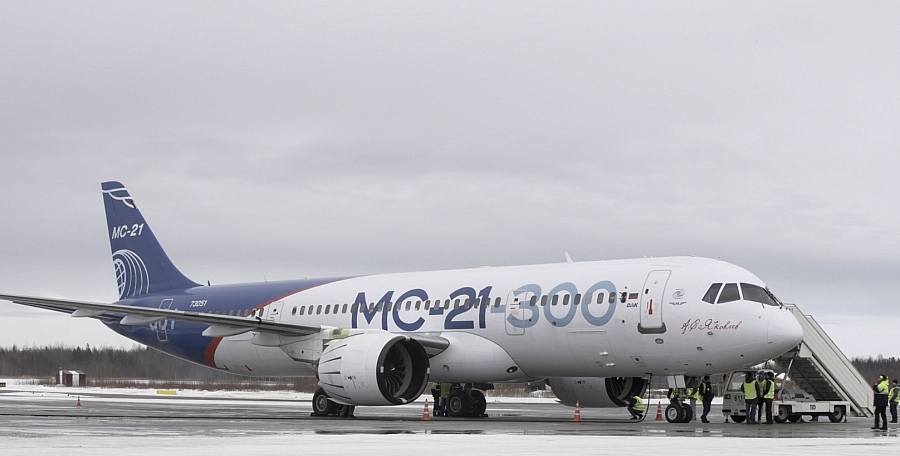
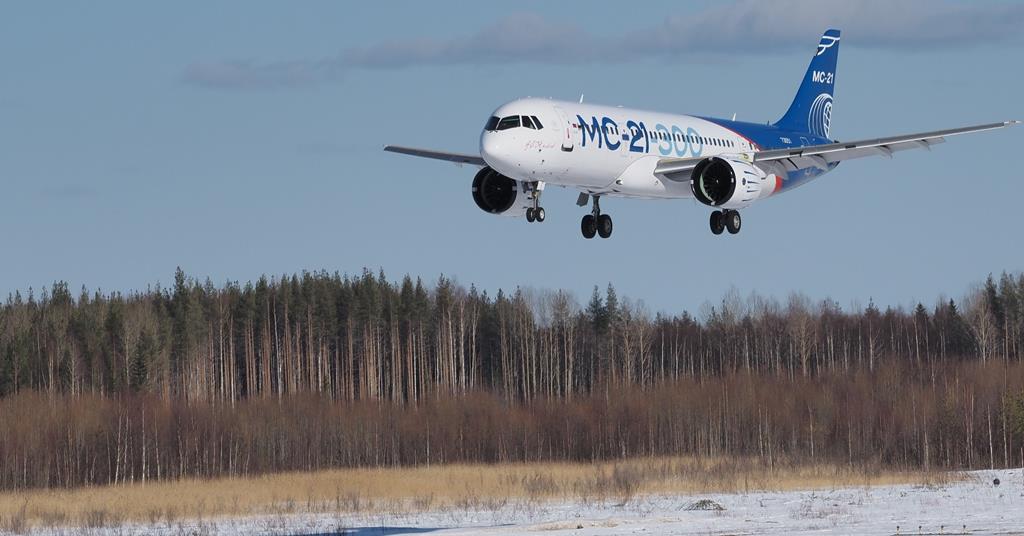
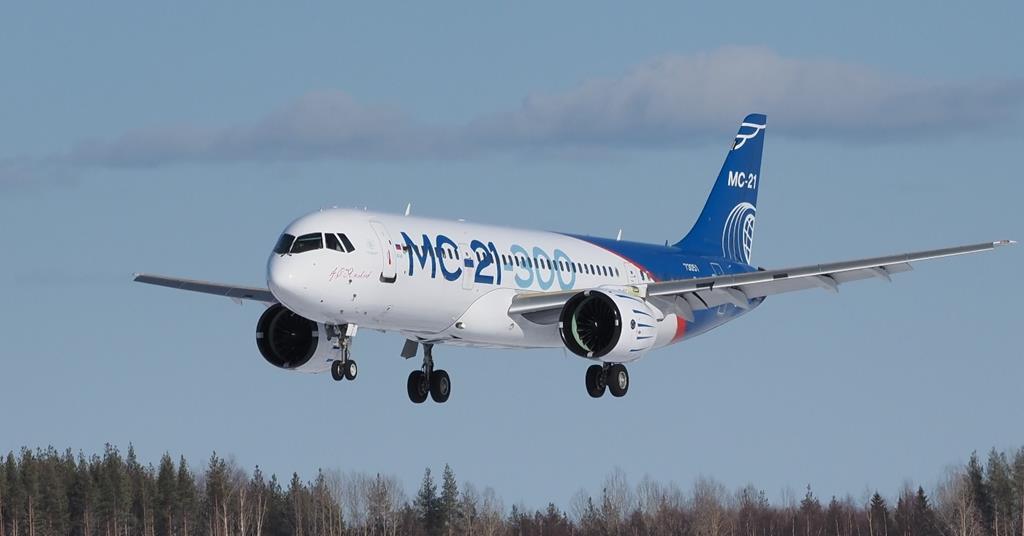
PJSC Irkut Corporation, parte de United Aircraft Corporation of Rostec, ha completado con éxito las pruebas de certificación del avión MC-21-300 en condiciones naturales de formación de hielo. La aeronave alcanzó un rendimiento normal incluso cuando estaba cubierta con una capa de hielo de 8 cm de espesor. Esto cumple totalmente con los estándares de aviación rusos y europeos: de acuerdo con las reglas de certificación, las características de rendimiento deben mantenerse con una capa de hielo de 7,6 cm de espesor. El avión realizó 14 vuelos de prueba que duraron entre 3 y 5 horas sobre la costa del Mar Blanco, la Bahía de Pechora del Mar de Barents, al sur de Novaya Zemlya, así como en la región de los Urales Subpolares. El avión regresó hoy del aeropuerto de Arkhangelsk al aeródromo de Ramenskoye en Zhukovsky. Las condiciones primaverales en los mares Blanco y Barents crean nubes de múltiples capas, constantes precipitaciones y cambios bruscos de presión que provocan riesgos constantes de formación de hielo en las aeronaves. El principal peligro que provoca el hielo es la deformación de la delicada forma del ala y otras superficies de la aeronave, como resultado de lo cual su rendimiento de vuelo puede deteriorarse.
Los vuelos de prueba MS-21-300 desde el aeropuerto de Arkhangelsk se organizaron en varias etapas. Durante la primera etapa, la tripulación de la aeronave utilizó datos del servicio meteorológico para buscar nubes que causaría engelamiento comparable a las condiciones para la certificación de la aeronave. Al volar en estas nubes, la tripulación utilizó instrumentos especiales para monitorear la formación de hielo en el superficies de la aeronave. Al alcanzar el espesor de hielo requerido, el avión voló a un determinado altitud, a la que se pudo observar su comportamiento en condiciones de formación de hielo natural. El espesor de la capa de hielo aumentó de vuelo en vuelo. Además de la estabilidad y controlabilidad de la aeronave, el funcionamiento del antihielo. También se probaron los sistemas de la aeronave MS-21-300. Según la normativa vigente, las pruebas también tienen que confirmar la capacidad de la aeronave para continuar volando incluso cuando el sistema de formación anti-hielo no funciona. Se probaron varios sistemas de aeronaves separados bajo estos condiciones, en particular, equipos de iluminación externa, equipos de radiocomunicación y tren de aterrizaje.
Los vuelos fueron realizados por la tripulación de Irkut Corporation compuesta por el piloto de pruebas Vasily Sevastyanov, el navegador de pruebas Sergei Kudryashov, los ingenieros de pruebas Nikolai Fonurin y Alexander Popov. La tripulación también incluía a Nikolai Grigoriev, un piloto que trabajaba con el proceso de certificación del Instituto Estatal de Investigaciones de Aviación Civil.
Posteriormente, representantes de los centros de certificación autorizados y del Registro de Aviación de Rusia participó en el procesamiento de los materiales recibidos durante los vuelos. La sociedad anónima pública United Aircraft Corporation (PJSC UAC, parte de Rostec State Corporation) fue establecida en 2006 para consolidar los activos de las principales empresas de aviación rusas. Empresas dentro de la estructura de la corporación produce marcas de fama mundial como Su, MiG, IL, Tu, Yak, Beriev, así como los nuevos Superjet 100 y MS-21. Las empresas de UAC realizan un ciclo completo de trabajo desde el diseño hasta el servicio posventa y la eliminación de aeronaves. El Director General de la UAC Yury Slyusar, es el Vicepresidente de la Sociedad Anónima Pública SoyuzMash de Rusia.
Rosteс State Corporation es una de las empresas industriales más grandes de Rusia. Reúne a más de 800 científicos y organizaciones industriales en 60 regiones del país. Sus áreas clave de actividad son la ingeniería aeronáutica, radioelectrónica, tecnologías médicas, materiales innovadores, etc. La cartera de la corporación incluye marcas tan conocidas como AvtoVAZ, KAMAZ, UAC, Russian Helicopters, UEC, Uralvagonzavod, Shvabe, Kalashnikov, etc. Rostec está activo en el implementación de los 12 proyectos nacionales. La empresa es un proveedor clave de tecnología Smart City, se dedica a la digitalización de la administración pública, industria y sectores sociales, y está desarrollando planes para el desarrollo de 5G tecnologías inalámbricas, un Internet industrial de las cosas, big data y sistemas blockchain. Rostec se asocia con líderes fabricantes mundiales como Boeing, Airbus, Daimler, Pirelli y Renault. Los productos de la corporación se entregan a más de 100 países en todo el mundo. Casi un tercio de los ingresos de la empresa proviene de la exportación de productos de alta tecnología.
Irkut MC21-300 Cert. Icing Conditions
MC21-300 receives Icing Conditions certification
PJSC Irkut Corporation, part of United Aircraft Corporation of Rostec, has successfully completed certification testing of the MC-21-300 aircraft under natural icing conditions. The aircraft achieved normal performance even when covered with an 8 cm thick layer of ice. This fully complies with Russian and European aviation standards: according to the certification rules, the performance characteristics must be maintained with a 7.6 cm thick layer of ice. The aircraft carried out 14 test flights lasting between 3 and 5 hours over the White Sea coast, the Pechora Bay of the Barents Sea, south of Novaya Zemlya, as well as in the Subpolar Urals region. The plane returned today from Arkhangelsk airport to Ramenskoye airfield in Zhukovsky. Spring conditions in the White and Barents Seas create multi-layered clouds, constant rainfall and sudden pressure changes that cause constant risks of icing on aircraft. The main danger caused by ice is the deformation of the delicate shape of the wing and other surfaces of the aircraft, as a result of which its flight performance can deteriorate.
The MS-21-300 test flights from Arkhangelsk airport were organized in several stages. During the first stage, the aircraft crew used data from the meteorological service to search for clouds that would cause icing comparable to the conditions for the certification of the aircraft. When flying in these clouds, the crew used special instruments to monitor ice formation on the aircraft surfaces. Upon reaching the required ice thickness, the aircraft flew at a certain altitude, at which its behavior could be observed under conditions of natural ice formation. The thickness of the ice sheet increased from flight to flight. In addition to the stability and controllability of the aircraft, the operation of the antifreeze. The systems of the MS-21-300 aircraft were also tested. According to current regulations, tests also have to confirm the aircraft’s ability to continue flying even when the anti-icing system is not working. Several separate aircraft systems were tested under these conditions, in particular external lighting equipment, radio communication equipment and landing gear.
The flights were performed by the Irkut Corporation crew consisting of test pilot Vasily Sevastyanov, test navigator Sergei Kudryashov, test engineers Nikolai Fonurin and Alexander Popov. The crew also included Nikolai Grigoriev, a pilot who worked with the certification process of the State Civil Aviation Research Institute.
Subsequently, representatives of the authorized certification centers and the Russian Aviation Registry participated in the processing of the materials received during the flights. The public limited company United Aircraft Corporation (PJSC UAC, part of Rostec State Corporation) was established in 2006 to consolidate the assets of major Russian aviation companies. Companies within the corporation structure produce world famous brands such as Su, MiG, IL, Tu, Yak, Beriev, as well as the new Superjet 100 and MS-21. UAC companies perform a complete work cycle from design to after-sales service and disposal of aircraft. The General Director of UAC Yury Slyusar, is the Vice President of the SoyuzMash Public Stock Company of Russia.
Rosteс State Corporation is one of the largest industrial companies in Russia. It brings together more than 800 scientists and industrial organizations in 60 regions of the country. Its key areas of activity are aeronautical engineering, radioelectronics, medical technologies, innovative materials, etc. The corporation’s portfolio includes such well-known brands as AvtoVAZ, KAMAZ, UAC, Russian Helicopters, UEC, Uralvagonzavod, Shvabe, Kalashnikov, etc. Rostec is active in the implementation of the 12 national projects. The company is a key provider of Smart City technology, is dedicated to the digitization of public administration, industry and social sectors, and is developing plans for the development of 5G wireless technologies, an industrial Internet of things, big data and blockchain systems. . Rostec partners with world leading manufacturers such as Boeing, Airbus, Daimler, Pirelli and Renault. The corporation’s products are delivered to more than 100 countries around the world. Almost a third of the company’s income comes from the export of high-tech products.
Иркут МС21-300 Серт. Условия обледенения
MC21-300 получает сертификат условий обледенения
ПАО Корпорация Иркут, входит в Объединенную авиастроительную корпорацию Ростеха, успешно завершило сертификационные испытания самолета МС-21-300 в условиях естественного обледенения. Самолет достиг нормальных летно-технических характеристик даже при покрытии слоем льда толщиной 8 см. Это полностью соответствует российским и европейским авиационным стандартам: согласно правилам сертификации, летно-технические характеристики должны поддерживаться при толщине льда толщиной 7,6 см. Самолет совершил 14 испытательных полетов продолжительностью от 3 до 5 часов над побережьем Белого моря, Печорским заливом Баренцева моря, южнее Новой Земли, а также в районе Приполярного Урала. Самолет вернулся сегодня из аэропорта Архангельска на аэродром Раменское в Жуковском. Весенние условия в Белом и Баренцевом морях создают многослойные облака, постоянные осадки и резкие перепады давления, которые создают постоянный риск обледенения самолетов. Основная опасность, вызванная льдом, – это деформация хрупкой формы крыла и других поверхностей самолета, в результате чего его летные характеристики могут ухудшиться.
Испытательные полеты МС-21-300 из аэропорта Архангельск были организованы в несколько этапов. На первом этапе экипаж самолета использовал данные метеорологической службы для поиска облаков, которые могут вызвать обледенение, сопоставимое с условиями сертификации самолета. При полете в этих облаках экипаж с помощью специальных приборов контролировал образование льда на поверхности самолетов. Достигнув необходимой толщины льда, самолет летел на определенной высоте, на которой его поведение можно было наблюдать в условиях естественного ледообразования. В толщина ледяного покрова увеличивалась от полета к полету. Помимо устойчивости и управляемости самолета, работает антифриз. Также были испытаны системы самолета МС-21-300. Согласно действующим правилам, испытания также должны подтвердить способность самолета продолжать полет даже при неработающей противообледенительной системе. В рамках этих условий, в частности внешнего светового оборудования, оборудования радиосвязи и шасси.
Полеты выполнял экипаж Корпорации «Иркут» в составе летчика-испытателя Василия Севастьянова, штурмана-испытателя Сергея Кудряшова, инженеров-испытателей Николая Фонурина и Александра Попова. В состав экипажа также входил Николай Григорьев, пилот, работавший в процессе сертификации Государственного научно-исследовательского института гражданской авиации.
В дальнейшем в обработке материалов, полученных в ходе полетов, участвовали представители уполномоченных сертификационных центров и Российского авиационного регистра. Открытое акционерное общество «Объединенная авиастроительная корпорация» (ПАО «ОАК», входит в Госкорпорацию Ростех) создано в 2006 году для консолидации активов крупнейших российских авиационных компаний. Компании, входящие в структуру корпорации, производят такие всемирно известные бренды, как Су, МиГ, Ил, Ту, Як, Бериев, а также новые Superjet 100 и МС-21. Компании ОАК выполняют полный цикл работ от проектирования до послепродажного обслуживания и утилизации самолетов. Генеральный директор ОАК Юрий Слюсарь вице-президент Российского публичного акционерного общества «СоюзМаш».
Госкорпорация «Ростех» одна из крупнейших промышленных компаний России. Он объединяет более 800 ученых и производственные организации в 60 регионах страны. Основные направления деятельности авиационная техника, радиоэлектроника, медицинские технологии, инновационные материалы и др. В портфеле корпорации такие известные бренды, как АвтоВАЗ, КАМАЗ, ОАК, Вертолеты России, ОДК, Уралвагонзавод, Швабе, Калашников и др. Ростех активно реализует 12 национальных проектов. Компания является ключевым поставщиком технологий Smart City, занимается оцифровкой государственного управления, промышленности и социальных секторов и разрабатывает планы по развитию беспроводных технологий 5G, промышленного Интернета вещей, больших данных и систем блокчейн. Ростех сотрудничает с ведущими мировыми производителями, такими как Boeing, Airbus, Daimler, Pirelli и Renault. Продукция корпорации поставляется более чем в 100 стран мира. Почти треть доходов компании приходится на экспорт высокотехнологичной продукции.
Boeing publicará los resultados del primer trimestre el 28 de Abril de 2021
The Boeing Company dará a conocer sus resultados financieros para el primer trimestre de 2021 el Miércoles 28 de Abril de 2021. El Presidente y Director Ejecutivo, David Calhoun, y el Vicepresidente Ejecutivo de Operaciones Empresariales y Director Financiero, Greg Smith, analizarán los resultados y las perspectivas de la empresa durante una conferencia telefónica ese día a las 10:30 am ET.
El evento se transmitirá por Internet en http://services.choruscall.com/links/ba210428.html. También se puede acceder al evento marcando 1-877-692-8955 dentro de los Estados Unidos y marcando 234-720-6979 fuera de los EE.UU. El código de acceso para ambos es 8868170. Las personas deben consultar el sitio webcast antes de la sesión para asegurarse de que sus computadoras puedan acceder a la transmisión de audio y la presentación de diapositivas. Las instrucciones para obtener el software descargable gratuito requerido se publicarán en el sitio.
Boeing to publish 1Q2021 report
Boeing to release first quarter results on April 28, 2021
The Boeing Company will release its financial results for the first quarter of 2021 on Wednesday, April 28, 2021. President and CEO David Calhoun and Executive Vice President of Business Operations and Chief Financial Officer Greg Smith will discuss the results and the company’s prospects during a conference call that day at 10:30 am ET.
The event will be webcast at http://services.choruscall.com/links/ba210428.html. The event can also be accessed by dialing 1-877-692-8955 within the United States and by dialing 234-720-6979 outside the US The access code for both is 8868170. Individuals should check the webcast site first. session to make sure their computers can access the audio stream and slide show. Instructions for obtaining the required free downloadable software will be posted on the site.
AW | 2021 04 07 15:22 | INDUSTRY / AVIATION TECHNOLOGY
Airbus cambia control mecánico a Timón electrónico
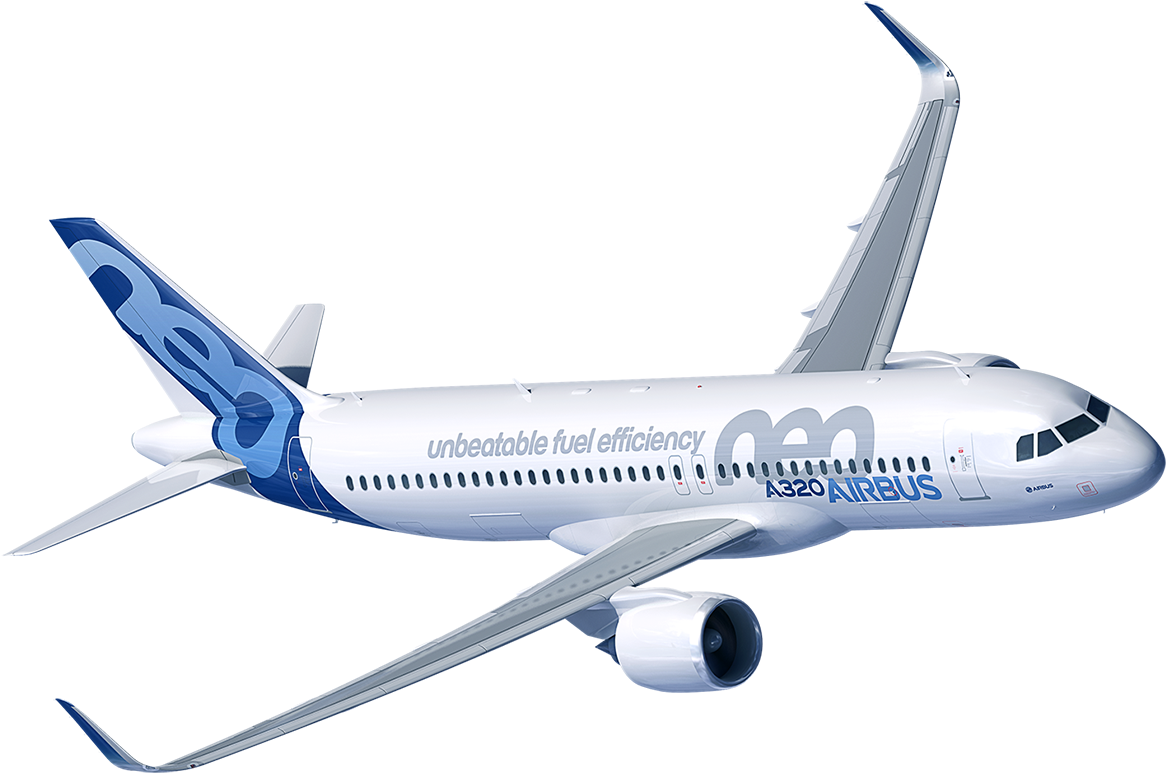
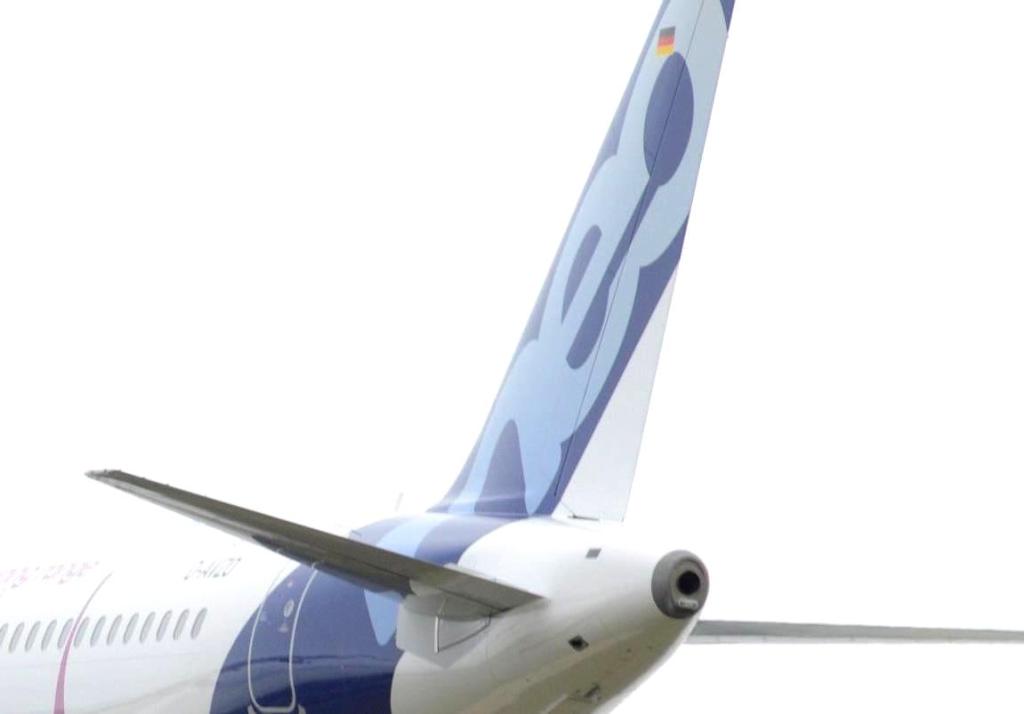
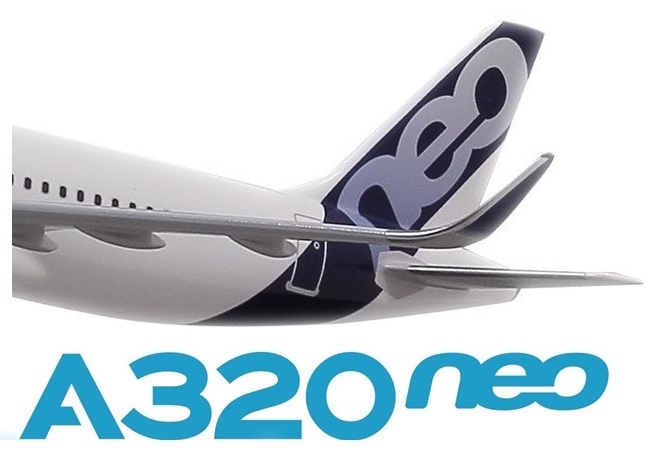
Airbus Group ha anunciado un cambio en los sistemas técnicos-mecánicos del Sistema de Timón de la familia A320NEO (New Engine Option). El cambio de arquitectura del Sistema de Timón pasará de Sistema Mecánico a Sistema Eléctrico que tiene como objetivo reemplazar los controles mecánicos del Timón en los aviones de la familia A320NEO, cambiando a un sistema de timón eléctrico completo a principios de 2024. La modificación coincidirá con la entrada en servicio del A321XLR de largo alcance que se está desarrollando teniendo en cuenta la arquitectura E-rudder.
Aunque la entrega inicial había sido prevista a finales de este año 2021 con un A320neo propulsado por motores CFM International LEAP-1A, Airbus dice que está revisando el escenario de introducción dada la interrupción de las perspectivas de desarrollo. El E-rudder se convertirá en estándar en toda la línea A319NEO/A320NEO/A321NEO, pero no se instalará en aviones convencionales de la familia A320CEO (Current Engine Option), ni estará disponible como adaptación.
Bajo la arquitectura actual A320CEO/A320NEO fly-by-wire, siete computadoras están incorporadas: dos computadoras de aumento de vuelo, dos computadoras de ascensor-aileron y tres computadoras de elevador de spoiler, manejan las superficies de control de vuelo. Pero aunque las computadoras de aumento de vuelo proporcionan entrada para amortiguación de guiñada, límite de viaje de timón y recorte, el sistema de timón conserva los enlaces mecánicos entre los pedales de la cabina y los actuadores hidráulicos del timón.
Airbus convertirá la producción de aviones de la familia A320NEO en la serie E-rudder. El programa E-rudder reemplazará la interfaz mecánica por una eléctrica, ahorrando unos 40 kg de peso al permitir la eliminación de varios accesorios y tres unidades informáticas. Tanto las computadoras de aumento de vuelo como una de las computadoras de elevador de alerón serán retiradas, junto con los actuadores de amortiguador de guiñada y ajuste de timón, y la unidad limitadora de viaje. La conversión al sistema E-rudder implica la instalación de una nueva unidad de timón-pedal en la cabina, nuevos sensores de posición de timón y un módulo de control de respaldo. El timón será controlado a través de las dos computadoras elevadora-aileron, para el derecho normal, y los dos ordenadores de spoiler-ascensor restantes, más el módulo de respaldo, en derecho directo. Airbus también reconfigurará el control de los spoilers integrados, que anteriormente estaban atados al tercer ordenador de elevador de alerón. Las computadoras primarias de control de vuelo tendrán hardware y software actualizados, y se realizarán cambios de software en varios otros, mientras que los sistemas de accionamiento del timón serán modificados.
Proveedores como Thales, Safran, Collins y Liebherr están participando en las actualizaciones de equipos para el programa. Airbus añade que no será necesaria la reubicación de los ordenadores en la bahía de la aviónica. Los cambios en arquitectura de la línea A320NEO permitirá una aeronave más liviana con los consecuentes ahorros de costos operativos, combustibles y de mantenimmiento. «El aumento se hará a lo largo de 2023 para estandarizar el timón electrónico a principios de 2024», dice Airbus Group.
A320NEO rudder system changes
Airbus changes mechanical control to electronic rudder
Airbus Group has announced a change in the technical-mechanical systems of the A320NEO Family Rudder System (New Engine Option). The architecture change of the Rudder System will move from Mechanical to Electrical System which aims to replace mechanical Rudder controls on A320NEO family aircraft, switching to a full electric rudder system in early 2024. The modification will coincide with the commissioning of the long-range A321XLR being developed with the E-rudder architecture in mind.
Although initial delivery had been planned for later this year 2021 with an A320NEO powered by CFM International LEAP-1A engines, Airbus says it is reviewing the introduction scenario given the interruption of development prospects. The E-rudder will become standard across the entire A319NEO/A320NEO/A321NEO line, but will not be installed on conventional A320CEO family aircraft (Current Engine Option), nor will it be available as an retrofit.
Under the current A320CEO/A320NEO fly-by-wire architecture, seven computers are built-in: two flight augmentation computers, two elevator-aileron computers, and three spoiler elevator computers, handle the flight control surfaces. But while the flight augmentation computers provide input for yaw damping, rudder travel limit, and trim, the rudder system retains the mechanical links between the cockpit pedals and the hydraulic rudder actuators.
Airbus will convert production of the A320NEO family to the E-rudder series. The E-rudder program will replace the mechanical interface with an electrical one, saving about 40 kg in weight by allowing the removal of various accessories and three computing units. Both the flight enhancement computers and one of the aileron lift computers will be retired, along with the yaw damper and rudder trim actuators, and the trip limiting unit. The conversion to the E-rudder system involves the installation of a new rudder-pedal unit in the cabin, new rudder position sensors and a backrest control module. The rudder will be controlled through the two lift-aileron computers, for normal right, and the two remaining spoiler-lift computers, plus the back-up module, on direct right. Airbus will also reconfigure control of the integrated spoilers, which were previously tied to the third aileron lift computer. The primary flight control computers will have updated hardware and software, and software changes will be made to various others, while the rudder drive systems will be modified.
Vendors such as Thales, Safran, Collins and Liebherr are participating in equipment upgrades for the program. Airbus adds that relocation of the computers in the avionics bay will not be necessary. The changes in architecture of the A320NEO line will allow a lighter aircraft with the consequent savings in operating, fuel and maintenance costs. «The increase will be made throughout 2023 to standardize the electronic helm in early 2024,» says Airbus Group.
AW | 2021 04 06 20:30 | AVIATION ORGANISMS / INDUSTRY
EASA certificación Boeing 737 MAX de alta densidad
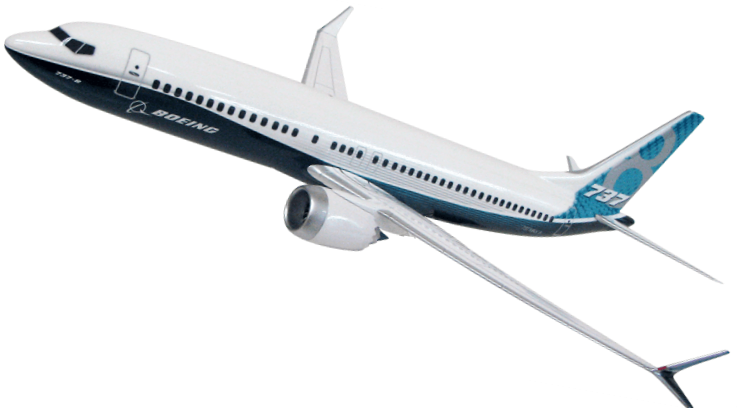
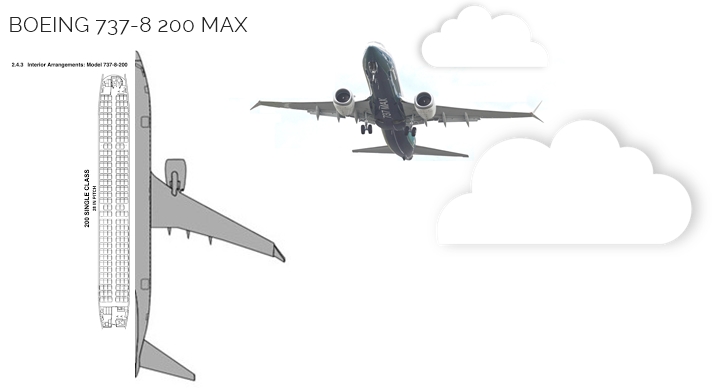
La European Union Aviation Safety Agency (EASA) ha anunciado la Certificación Tipo del Boeing 737-8 200 MAX, la variante MAX 8 de alta densidad. Tras la aprobación de la agencia americana de la FAA el 31 de Marzo de 2021, la agencia europea EASA también ha aprobado el Boeing 737-8 200 MAX este Martes 6 de Abril de 2021.
El Boeing 737-8 200 MAX es un derivado del 737-8 MAX con unas dimensiones exteriores idénticas, pero con modificaciones en su performance y prestaciones. La versión standard acomoda 189 asientos, mientras la variante de alta densidad se configura con una capacidad para 197-202 pasajeros, contando con dos salidas de emergencia adicionales que cumplen con los requisitos técnicos/operativos para evacuación. Conservan el mismo peso máximo de despegue con 82,2 toneladas. Los nuevos modelos poseen el diseño Sky Interior para continuar con la filosofía de desarrollar un ambiente espacioso y dinámico. De acuerdo con las regulaciones de la EASA, la agencia europea ha aprobado al MAX 8 200 se permite un máximo de 202 pasajeros y 5 tripulantes de cabina.
Ryanair, cliente lanzamiento
La aerolínea irlandesa de bajo coste Ryanair es el cliente de lanzamiento del avión y ha aumentado su pedido de 135 a 210 del tipo en Diciembre 2020. Las entregas de los primeros 16 aviones a Ryanair extendiéndose a lo largo del 2021. Actualmente, la versión MAX 8 de alta densidad posee dos clientes en su cartera de pedidos que corresponden a Ryanair y su filial, Malta Air. Mientras continúa el proceso de aprobación a través del mundo, más aerolíneas observarán esta versión orientada a las aerolíneas de presupuesto orientada a un mercado muy competitivo y de alta demanda como Europa, China, India, entre otros.
EASA certifies Boeing 737-8 200 MAX
EASA high-density Boeing 737 MAX certification
The European Union Aviation Safety Agency (EASA) has announced Type Certification for the Boeing 737-8 200 MAX, the high-density MAX 8 variant. Following the approval of the American FAA agency on March 31, 2021, the European agency EASA has also approved the Boeing 737-8 200 MAX this Tuesday, April 6, 2021. The Boeing 737-8 200 MAX is a derivative of the 737-8 MAX with identical exterior dimensions, but with modifications in its performance and perstations. The standard version accommodates 189 seats, while the high-density variant is configured with a capacity for 197-202 passengers, with two additional emergency exits that meet the technical/operational requirements for evacuation. They retain the same maximum takeoff weight at 82.2 tons. The new models have the Sky Interior design to continue the philosophy of developing a spacious and dynamic environment. In accordance with EASA regulations, the European agency has approved the MAX 8 200, a maximum of 202 passengers and 5 cabin crew are allowed.
Ryanair, launch customer
Irish low-cost carrier Ryanair is the launch customer for the aircraft and has increased its order from 135 to 210 of the type in December 2020. Deliveries of the first sixteen aircraft to Ryanair extending through 2021. Currently, the high-density MAX 8 version has two customers in its order book corresponding to Ryanair and its subsidiary, Malta Air. As the approval process continues throughout the world, more airlines will see this version targeting budget airlines targeting a highly competitive and high-demand market such as Europe, China, India, among others.



















 airgways.com