Perspectivas industria Boeing

AW | 2021 02 11 12:40 | INDUSTRY

Analistas divididos sobre las perspectivas de la aviación de EE.UU.

Boeing_Isologotype

AW-Boeing_737_MAX_1

Los oradores de la conferencia de proveedores locales de aviación Pacific Northwest Aerospace Alliance han expresado este Miércoles 10/02 que estuvieron fuertemente divididos sobre la rapidez con la que la industria aeroespacial puede salir de las profundidades de la actual recesión impulsada por la pandemia. La conferencia anual de proveedores de la Pacific Northwest Aerospace Alliance celebrada este año con cerca de 480 participantes de la industria y del gobierno local, convocó en un punto de crisis que nadie podría haber predicho en la conferencia de 2020.

«Estamos exactamente en el punto más bajo y mejorará desde aquí. Los buenos tiempos comienzan a volver a finales de 2021 y realmente están de vuelta a finales de 2022», pronosticó Richard Aboulafia, Analista de Aviación del Grupo Teal. Pero Adam Pilarski, Analista de Aviación y Economista de Avitas, que tiene 40 años en la industria, respondió con incredulidad: «No puedo ver eso. En las aerolíneas, las flotas en uno o dos años serán mucho más pequeñas. Aún no retiraron los aviones. Pero va a suceder». Expectantes por los índices de recuperación post-pandemia, otro analista esbozó un futuro sombrío para la aeroespacial del Estado de Washington si The Boeing Company decide construir su próximo nuevo avión en otros lugares. En ese caso, Michel Merluzeau, un Analista de AirInsight Research, con sede en Bellevue, Canadá, expresó que la producción de Boeing de sus plantas de ensamblaje de Everett y Renton (WA) disminuiría rápidamente después de 2026, cayendo en picado a sólo unos 48 aeronaves por año una década más tarde, en vez de 741 aviones entregados en el pico de 2018.

Optimismo vs. pesimismo

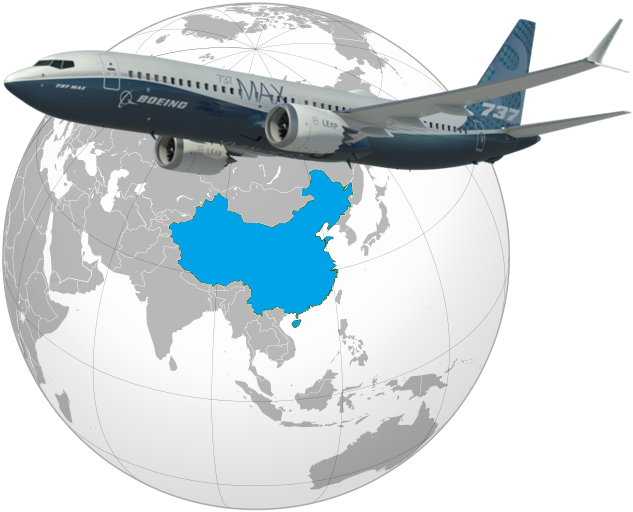
El tráfico aéreo mundial el año pasado fue un tercio del nivel en 2019. Casi un tercio de la flota mundial de aviones comerciales permanece estacionada. Sin embargo, Richard Aboulafia argumentó que la economía está en mucho mejor forma de lo que nadie esperaba cuando la pandemia había truncado toda posibilidad de volar en Marzo 2020. Se están implementando múltiples vacunas COVID-19 con altas tasas de eficacia. El efectivo del Gobierno ha mantenido a flote a industrias enteras, incluido el sector de las aerolíneas. Los precios de las acciones de las empresas están montando altas y los consumidores tienen tasas de ahorro récord. Anticipa una recuperación de aerolíneas estadounidenses similar a la de China, que regresó casi a los niveles pre-COVID a los pocos meses de controlar la propagación del virus. Prevé que la gente vuelva a viajar a la pista a finales de este año y el próximo. «Cuando pueden volar de nuevo, tienen el dinero. Pasará mucho tiempo antes de que alguien realmente necesite un cuerpo ancho», dijo Richard Aboulafia, al reconocer que los grandes jets de cuerpo ancho no serán demandados durante años.

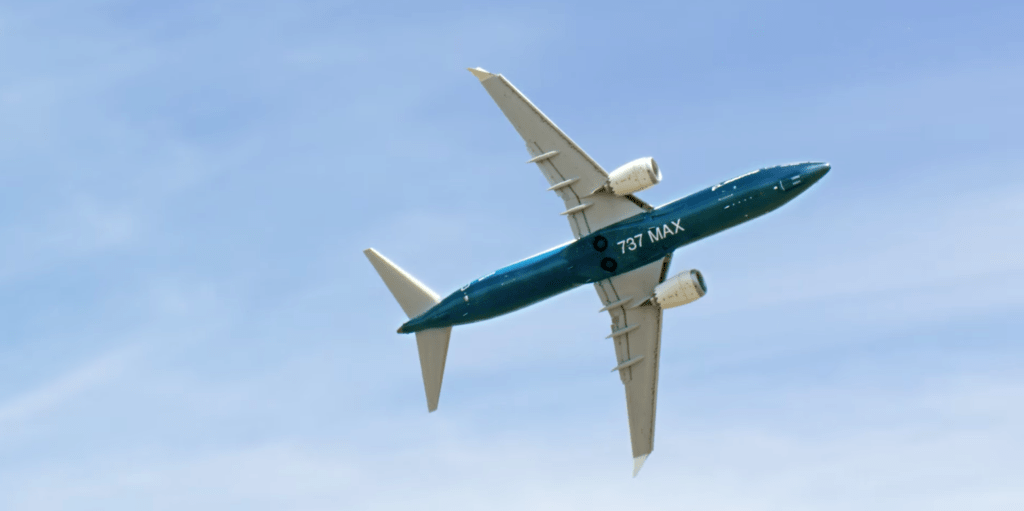
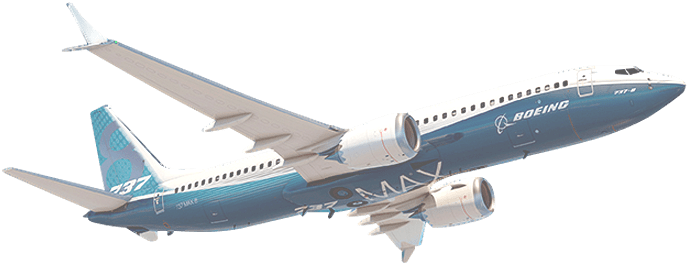
Ron Epstein, Analista de la industria de Bank of America, estuvo de acuerdo y predijo que Boeing tendrá que reducir aún más la producción de su línea Boeing 787 Dreamliner, de cinco jets por mes a cuatro. Todos los analistas están de acuerdo en que la recuperación estará liderada por modelos de cuerpo estrecho, principalmente el Airbus A320NEO y el Boeing 737 MAX. Sin embargo, Boeing no cosechará un gran beneficio en efectivo hasta el próximo año, a pesar de una avalancha de más de 400 entregas pendientes de las aeronaves 737 MAX para este 2021.

La postura de Adam Pilarski es más oscura. Dijo que las aerolíneas que probablemente deberían haber salido del negocio en esta crisis han sido retenidas artificialmente sólo por dinero en efectivo del Gobierno. «No creo que eso pueda continuar para siempre», dijo. Una vez que termina, anticipa una oleada de quiebras y consolidación entre aerolíneas y proveedores aeroespaciales más pequeños.

Bill Alderman, quien asesora en fusiones y adquisiciones de proveedores aeroespaciales, estuvo de acuerdo en que es probable que una ola de consolidación golpee a la industria cuando el apoyo gubernamental termine finalmente. Adam Pilarski proyecta que el tráfico aéreo mundial tardará unos cinco años en recuperarse a los niveles de 2019. «Entonces, ¿cuántos aviones adicionales necesitas?», preguntó retóricamente.

Miradas hacia Sound Puget

Todos los expertos de la conferencia acordaron que tarde o temprano los fundamentos que han impulsado el auge de los viajes aéreos durante décadas harán que la industria vuelva a su tendencia de crecimiento robusta anterior. También fueron unánimes en dos puntos clave para esta región: para mantener su posición competitiva contra Airbus, Boeing debe lanzar un nuevo avión en un par de años para enfrentarse al A321NEO XLR para evitar un grave declive de la industria aeroespacial de esta región, Boeing debe construir ese jet en el Estado de Washington, en la Región del Sound Puget.

Mientras que Boeing pasó 18 meses lanzando recursos para arreglar el 737 MAX, Airbus Group siguió adelante con nuevos productos y estableció una clara ventaja en el mercado con el A321NEO. Entonces la pandemia COVID-19 golpeó duramente a Boeing, drenando su dinero y requiriendo un enfoque en la supervivencia. Sin embargo, Richard Aboulafia dijo: «El caso del lanzamiento de un avión que sería esencialmente un reemplazo para el Boeing 757, requeriría transportar alrededor de 230 pasajeros con un alcance de unas 5.800 millas náuticas. El A321 ni siquiera es un avión fantástico. Es un diseño antiguo con un ala menos que perfecta. El éxito de Airbus en la venta de más de 3.000 de ellos es una cuestión de lugar correcto, el momento adecuado», dijo.

Boeing no tiene un modelo competitivo y ese tamaño y rango de avión está repentinamente en alta demanda, ya que las aerolíneas están a favor de sacar costosos cuerpos anchos de las rutas internacionales regionales y reemplazarlos por un cuerpo tan estrecho. Richard Aboulafia dijo que Boeing podría hacerlo. Tendría que gastar un par de miles de millones de Dólares extra al año para desarrollarlo, pero eso «no movería mucho la aguja» dada la deuda actual de la compañía de US$ 64 mil millones de Dólares. «Si Boeing no hace nada, esta es una enorme parte del mercado perdido para ellos», dijo. Proyecta lo que significaría que Airbus obtendría el 60% de la cuota de mercado global, contando a Boeing a un segundo violín permanente.

En su presentación, Michel Merluzeau se centró en el impacto de que Boeing eligiera construir su próximo avión en algún lugar fuera de Washington, el «peor caso posible para el noroeste del Pacífico». Su análisis muestra que el empleo de Boeing en el estado se derrumbaría a entre 15.000 y 20.000 puestos de trabajo para 2035, ya que la producción desapareció esencialmente. Los trabajos restantes serían trabajos de ingeniería de alta gama, diseñando aviones y sistemas de fabricación que se implementarían en otros estados.

Una encuesta de AirInsight Research encontró que los profesionales de la industria consideran Charleston, S.C. y Huntsville, Alabama, como tan probable que sea el sitio de montaje para el próximo avión nuevo de Boeing como el área de Seattle. «La cuestión de los costos y la fiscalidad será un elemento impulsor», dijo Michel Merluzeau.

Vago Muradian, Redactor Jefe de Defensa e Informe Aeroespacial, moderando un panel que incluía a Ron Epstein y Richard Aboulafia, cerrado haciendo hincapié en las apuestas para los participantes de la conferencia local y para Boeing. «Un Boeing saludable no sólo es bueno para el noroeste del Pacífico, sino para los Estados Unidos. La gente está arraigando para que Boeing lo haga bien», concluye Vago Muradian.

Boeing industry perspective

Analysts divided on US aviation outlook

PNAA Congress

Speakers at the Pacific Northwest Aerospace Alliance local aviation provider conference on Wednesday 02/10 said they were sharply divided on how quickly the aerospace industry can emerge from the depths of the current pandemic-driven recession. The Pacific Northwest Aerospace Alliance annual vendor conference held this year with nearly 480 industry and local government participants convened at a crisis point that no one could have predicted at the 2020 conference.

«We are exactly at the lowest point and it will get better from here. The good times start to return in late 2021 and are really back in late 2022», predicted Richard Aboulafia, Aviation Analyst at Teal Group. But Adam Pilarski, Aviation Analyst and Economist at Avitas, who has 40 years in the industry, responded in disbelief: «I can’t see that. In the airlines, the fleets in a year or two will be much smaller. planes. But it’s going to happen». Expecting post-pandemic recovery rates, another analyst outlined a bleak future for Washington State aerospace if The Boeing Company decides to build its next new jet elsewhere. In that case, Michel Merluzeau, an Analyst at AirInsight Research based in Bellevue, Canada, said that Boeing’s production from its Everett and Renton (WA) assembly plants would decline rapidly after 2026, plummeting to just a few. 48 aircraft per year a decade later, instead of 741 aircraft delivered at the peak of 2018.

Optimism vs. pessimism

Global air traffic last year was a third of the level in 2019. Almost a third of the global fleet of commercial aircraft remains parked. However, Richard Aboulafia argued that the economy is in much better shape than anyone expected when the pandemic had truncated all possibility of flying in March 2020. Multiple COVID-19 vaccines are being implemented with high rates of efficacy. Government cash has kept entire industries afloat, including the airline industry. Company stock prices are riding high and consumers have record savings rates. He anticipates a recovery for US airlines similar to China’s, which returned almost to pre-COVID levels within a few months of controlling the spread of the virus. He expects people to hit the track again later this year and next. «When they can fly again, they have the money. It will be a long time before someone really needs a widebody», Richard Aboulafia said, acknowledging that large widebody jets won’t be in demand for years.

Ron Epstein, an industry analyst at Bank of America, agreed and predicted that Boeing will have to further reduce production of its Boeing 787 Dreamliner line, from five jets a month to four. All analysts agree that the recovery will be led by narrow-body models, primarily the Airbus A320NEO and the Boeing 737 MAX. However, Boeing won’t reap a huge cash benefit until next year, despite a flurry of more than 400 pending deliveries of 737 MAX aircraft by 2021.

Adam Pilarski’s position is darker. He said the airlines that probably should have gone out of business in this crisis have been artificially held back just for government cash. «I don’t think that can go on forever», he said. Once he’s done, he anticipates a wave of bankruptcies and consolidation between airlines and smaller aerospace providers.

Bill Alderman, who advises on mergers and acquisitions for aerospace suppliers, agreed that a wave of consolidation is likely to hit the industry when government support finally ends. Adam Pilarski projects that global air traffic will take about five years to recover to 2019 levels. «So how many additional planes do you need?», he asked rhetorically.

Glances towards Sound Puget

All experts at the conference agreed that sooner or later the fundamentals that have driven the air travel boom for decades will see the industry return to its previous robust growth trend. They were also unanimous on two key points for this region: to maintain its competitive position against Airbus, Boeing must launch a new aircraft in a couple of years to take on the A321NEO XLR to avoid a serious decline of the aerospace industry in this region, Boeing must build that jet in Washington State, in the Sound Puget Region.

While Boeing spent 18 months launching resources to fix the 737 MAX, Airbus Group went ahead with new products and established a clear advantage in the market with the A321NEO. Then the COVID-19 pandemic hit Boeing hard, draining its money and requiring a focus on survival. However, Richard Aboulafia said: «The case of launching a plane that would essentially be a replacement for the Boeing 757 would require carrying around 230 passengers with a range of about 5,800 nautical miles. The A321 is not even a fantastic plane. It is an old design with a less than perfect wing. Airbus’s success in selling more than 3,000 of them is a matter of the right place, the right time», he said.

Boeing does not have a competitive model, and that size and range of aircraft is suddenly in high demand, as airlines are in favor of pulling expensive wide bodies off regional international routes and replacing them with such a narrow body. Richard Aboulafia said Boeing could do it. It would have to spend an extra couple of billion dollars a year to develop it, but that «wouldn’t move the needle much» given the company’s current debt of US$ 64 billion. «If Boeing doesn’t do anything, this is a huge part of the market lost to them», he said. He projects what it would mean that Airbus would get 60% of the global market share, counting Boeing to a second permanent fiddle.

In his presentation, Michel Merluzeau focused on the impact of Boeing choosing to build its next aircraft somewhere outside of Washington, the «worst possible case for the Pacific Northwest». His analysis shows that Boeing’s employment in the state would plummet to between 15,000 and 20,000 jobs by 2035, as production essentially disappeared. The remaining jobs would be high-end engineering jobs, designing aircraft and manufacturing systems that would be implemented in other states.

An AirInsight Research survey found that industry professionals consider Charleston, S.C. and Huntsville, Alabama, as likely to be the assembly site for Boeing’s next new aircraft as the Seattle area. «The issue of costs and taxation will be a driver», said Michel Merluzeau.

Vago Muradian, Aerospace Reporting and Defense Chief Editor, moderating a panel that included Ron Epstein and Richard Aboulafia, closed with an emphasis on stakes for local conference participants and for Boeing. «A healthy Boeing is not only good for the Pacific Northwest, but for the United States. People are rooting for Boeing to get it right», concludes Vago Muradian.


PUBLISHER: Airgways.com
DBk: Pnaa.net / Seattletimes.com / Afp.com/Gettyimages.com/David Ryder / Airgways.com
AW-POST: 202102111240AR

A\W   A I R G W A Y S ®

Rostec producción PD-14 para MC-21

AW | 2021 02 11 10:03 | INDUSTRY

Aprobaciones para producción motores PD-14 para avión MC-21

Rostec_Isologotype

Rostec State Corporation (Rostekhnologii) recibió la aprobación para la producción en serie de motores PD-14 para el avión de pasajeros MC-21. El certificado de aprobación de la organización de producción otorga el derecho a la producción en serie de motores de propulsión de aviones PD-14 y su suministro a los clientes para su instalación en el avión MS-21. El documento, otorgado por la Agencia Federal de Transporte Aéreo (Rosaviatsiya), fue emitido a UEC-Perm Engines (United Engine Corporation), parte de Rostec.

El proceso de certificación se organizó en dos etapas. En la primera etapa, una comisión de Rosaviatsiya y representantes del Registro de Aviación analizaron el sistema de gestión de calidad (SGC) para verificar el cumplimiento de los requisitos de las regulaciones federales de aviación. En la segunda etapa, los expertos evaluaron los procesos tecnológicos de fabricación, montaje y prueba de motores de aeronaves. «El PD-14 se ha convertido en el antepasado de toda una familia de motores domésticos que integran tecnologías y materiales modernos. El certificado permite lanzar la producción en serie de estos motores. En 2021, planeamos producir varios PD-14 nuevos, que serán utilizado como reserva durante las pruebas de vuelo del nuevo avión de pasajeros MC-21-310», dijo el Director Industrial del Clúster de Aviación de Rostec Anatoly Serdyukov. El proceso de certificación de producción también incluyó pruebas de calificación de uno de los nuevos motores PD-14, que confirmaron la conformidad de sus características técnicas con la documentación de diseño.

El motor PD-14 es el primer turboventilador creado en la Federación de Rusia moderna. Su diseño se basó en soluciones de diseño probadas en el tiempo utilizando tecnologías modernas y materiales domésticos. Se prevé que los costos operativos del PD-14 serán entre un 14% y un 17% más bajos que los de motores similares existentes, y el costo del ciclo de vida será un 15-20% menor.

Rostec State Corporation es una de las empresas industriales más grandes de Rusia. Une a más de 800 organizaciones científicas e industriales en 60 regiones del país. Sus áreas clave de actividad son la ingeniería aeronáutica, radioelectrónica, tecnologías médicas, materiales innovadores, etc. La cartera de la corporación incluye marcas tan conocidas como AvtoVAZ, KAMAZ, UAC, Russian Helicopters, UEC, Uralvagonzavod, Shvabe, Kalashnikov, etc. Rostec es activo en la implementación de los doce proyectos nacionales. La compañía es un proveedor clave de tecnología Smart City, se dedica a la digitalización de la administración pública, la industria y los sectores sociales, y está desarrollando planes para el desarrollo de tecnologías inalámbricas 5G, un Internet industrial de las cosas, big data y sistemas blockchain. Rostec se asocia con los principales fabricantes mundiales como Boeing, Airbus, Daimler, Pirelli y Renault. Los productos de la corporación se entregan a más de cien países en todo el mundo. Casi un tercio de los ingresos de la empresa proviene de la exportación de productos de alta tecnología.

Rostec production PD-14 for MC-21

Approvals for production of PD-14 engines for MC-21 aircraft

Rostec State Corporation (Rostekhnologii) received approval for serial production of PD-14 engines for the MC-21 airliner. The approval certificate from the production organization grants the right to serial production of PD-14 aircraft propulsion engines and their supply to customers for installation on the MS-21 aircraft. The document, granted by the Federal Air Transport Agency (Rosaviatsiya), was issued to UEC-Perm Engines (United Engine Corporation), part of Rostec.

The certification process was organized in two stages. In the first stage, a Rosaviatsiya commission and representatives of the Aviation Registry analyzed the quality management system (QMS) to verify compliance with the requirements of federal aviation regulations. In the second stage, the experts evaluated the technological processes for manufacturing, assembling and testing aircraft engines. «The PD-14 has become the ancestor of a whole family of domestic engines that integrate modern technologies and materials. The certificate allows to launch series production of these engines. In 2021, we plan to produce several new PD-14s, which will be used as a reserve during flight tests of the new MC-21-310 passenger plane», said Industrial Director of the Rostec Aviation Cluster Anatoly Serdyukov. The production certification process also included qualification tests of one of the new PD-14 engines, which confirmed the conformity of its technical characteristics with the design documentation.

The PD-14 engine is the first turbofan created in the modern Russian Federation. Its design was based on time-tested design solutions using modern technologies and household materials. PD-14 operating costs are expected to be 14-17% lower than existing similar engines, and the life cycle cost will be 15-20% lower.

Rostec State Corporation is one of the largest industrial companies in Russia. It unites more than 800 scientific and industrial organizations in 60 regions of the country. Its key areas of activity are aeronautical engineering, radioelectronics, medical technologies, innovative materials, etc. The corporation’s portfolio includes such well-known brands as AvtoVAZ, KAMAZ, UAC, Russian Helicopters, UEC, Uralvagonzavod, Shvabe, Kalashnikov, etc. Rostec is active in the implementation of the twelve national projects. The company is a key provider of Smart City technology, is dedicated to the digitization of public administration, industry and social sectors, and is developing plans for the development of 5G wireless technologies, an industrial Internet of things, big data and blockchain systems. Rostec partners with leading global manufacturers such as Boeing, Airbus, Daimler, Pirelli and Renault. The corporation’s products are delivered to more than one hundred countries around the world. Almost a third of the company’s income comes from the export of high-tech products.

Ростех производство ПД-14 для МС-21

Допуски на производство двигателей ПД-14 для самолета МС-21.

Госкорпорация Ростех (Ростехнологии) получила разрешение на серийное производство двигателей ПД-14 для авиалайнера МС-21. Свидетельство о допуске производственной организации дает право на серийное производство авиадвигателей ПД-14 и их поставку заказчикам для установки на самолет МС-21. Документ, выданный Федеральным агентством воздушного транспорта (Росавиация), выдан ООО ОДК-Пермские двигатели, входящему в Ростех.

MC21

Процесс сертификации был организован в два этапа. На первом этапе комиссия Росавиации и представители Авиационного регистра проанализировали систему менеджмента качества (СМК) на предмет соответствия требованиям федеральных авиационных правил. На втором этапе эксперты оценили технологические процессы изготовления, сборки и испытаний авиадвигателей. «ПД-14 стал родоначальником целого семейства отечественных двигателей, сочетающих современные технологии и материалы. Полученный сертификат позволяет начать серийное производство этих двигателей. В 2021 году мы планируем выпустить несколько новых ПД-14, которые будут используется в качестве резерва при летных испытаниях нового пассажирского самолета МС-21-310», сообщил производственный директор авиационного кластера Ростех Анатолий Сердюков. Процесс сертификации производства также включал квалификационные испытания одного из новых двигателей ПД-14, подтвердившие соответствие его технических характеристик проектной документации.

Двигатель ПД-14 – первый ТРДД, созданный в современной Российской Федерации. В его дизайне использованы проверенные временем дизайнерские решения с использованием современных технологий и бытовых материалов. Ожидается, что эксплуатационные расходы ПД-14 будут на 14-17% ниже, чем у существующих аналогичных двигателей, а стоимость жизненного цикла – на 15-20%.

Госкорпорация Ростех – одна из крупнейших промышленных компаний России. Он объединяет более 800 научных и производственных организаций в 60 регионах страны. Основные направления деятельности авиационная техника, радиоэлектроника, медицинские технологии, инновационные материалы и др. В портфеле корпорации такие известные бренды, как АвтоВАЗ, КАМАЗ, ОАК, Вертолеты России, ОДК, Уралвагонзавод, Швабе, Калашников и др. Ростех принимает активное участие в реализации двенадцати национальных проектов. Компания является ключевым поставщиком технологий Smart City, занимается оцифровкой государственного управления, промышленности и социальных секторов и разрабатывает планы развития беспроводных технологий 5G, промышленного Интернета вещей, больших данных и систем блокчейн. Ростех сотрудничает с ведущими мировыми производителями, такими как Boeing, Airbus, Daimler, Pirelli и Renault. Продукция корпорации поставляется более чем в 100 стран мира. Почти треть доходов компании приходится на экспорт высокотехнологичной продукции.


PUBLISHER: Airgways.com
DBk: Rostec.ru / Airgways.com
AW-POST: 202102111003AR

A\W   A I R G W A Y S ®

Airbus 1er actualización cockpit A300

AW | 2021 02 10 15:12 | INDUSTRY

UPS toma entrega del primer A300 actualizado

Airbus_Isologotype_svg

Airbus Group ha entregado la primera actualización de cabina completada de la línea A300 para la flota de 52 cargadores A300-600 de UPS Airlines. La primer aeronave con registro MSN868, se introduce con mejoras bajo el programa de actualización para la línea de aeronaves cargueras mundiales, alcanzando mayores capacidades y flexibilidad gracias a la valiosa actualización revitalizada con aviónica de cabina Honeywell de última generación. Esta es la primera vez que se realiza una actualización compleja y avanzada en ela línea de aeronaves A300. UPS espera tener toda la flota convertida hacia la temporada alta de 2022.

Las mejoras transforman la cabina del A300-600 para conferir la máxima flexibilidad operativa y capacidades, lo que la acerca a la generación actual de aeronaves. La clave para lograrlo es el nuevo y avanzado sistema de aviónica integrado suministrado por Honeywell, que se basa en su suite Primus Epic. Las cuatro grandes pantallas principales LCD de 10×8 pulgadas y la nueva unidad de control y visualización multifunción en color (MCDU), que reemplazan varios instrumentos analógicos, son los cambios más inmediatamente visibles para adornar el panel de instrumentos mejorado del A300-600. Otros nuevos elementos incluyen: un nuevo sistema de gestión de vuelos (FMS); soporte para una base de datos de navegación mundial; un nuevo receptor multimodo (MMR) que incorpora los últimos sistemas de navegación por satélite basados en GPS; un enlace de datos digital para comunicaciones con control de tráfico aéreo (ATC); un ordenador de mantenimiento central; y un sistema de radar meteorológico digital con detección de turbulencias y predicción de cortavientos, entre otras muchas capacidades.

La actualización también brindó la oportunidad de integrar varias funciones mejoradas de seguridad y conciencia situacional. Estos incluyen el último Sistema Mejorado de Advertencia de Proximidad Terrestre (EGPWS), funciones de prevención de colisiones de tráfico (TCAS) totalmente integradas, una pantalla de situación vertical y una nueva capacidad de enfoque de instrumentos basada en GPS que es una ayuda valiosa para los pilotos cuando vuelan a aeropuertos que no están equipados con equipos ILS tradicionales basados en radio.

La imagen tiene un atributo ALT vacío; su nombre de archivo es aw-airbus.com_a300600f_001.jpg

El Director Senior de Plataforma de Honeywell, Allen Fenske, en el Equipo de Negocios del Cliente de Airbus, destacó algunos de los beneficios que sus nuevos sistemas integrados aportarán a la operación de UPS: «Nuestra moderna capacidad de FMS con FANS ayudará a dar prioridad a los controladores de UPS con los controladores ATC. Y con el MMR integrado, que incluye capacidades GPS y SBAS, UPS puede volar a aeropuertos ILS o no ILS, y también les ayuda a aterrizar en condiciones climáticas inclementes».

Desde un punto de vista arquitectónico, la actualización aporta una simplicidad adicional de tal manera que si una función en particular necesita ser actualizada o cambiada, entonces en la mayoría de los casos esto sólo requiere que una placa de circuito se intercambie rápidamente desde un gabinete central, en lugar de tener que quitar todo el hardware asociado, como se realizaba anteriormente. En general, la actualización permitirá a UPS operar y mantener el tipo de manera confiable hasta alrededor de 2035, y para que estos A300-600F con tecnología PW4000 aprovechen sin problemas los requisitos actuales y futuros del espacio aéreo y las infraestructuras ATM en evolución. Allen Fenske añade: «También hemos modernizado el sistema de mantenimiento que permite a UPS descargar datos de la aeronave de forma inalámbrica. Esto facilita tiempos de respuesta rápidos. La nueva base de datos mundial se puede actualizar en 10 minutos, en comparación con el tedioso sistema original que requiere la carga manual de varios disquetes de bases de datos solo regionales».

Larga vida al A300

Ed Walton, Director General de Ingeniería de UPS Airlines, dijo el día de la entrega: «Estos aviones que compramos a estrenar de Airbus siguen siendo nuestros bebés. Todavía son jóvenes en términos de ciclos de vuelo, y por lo tanto tienen una gran cantidad de vida útil por delante de ellos. El diseño del A300 tiene la capacidad perfecta para el mercado nacional express de los Estados Unidos; es un gran avión en términos de cómo encaja en nuestra red. En términos de la estrategia general, la actualización de la cabina de Airbus con la aviónica Honeywell realmente nos permite seguir utilizando un activo y desbloquear la capacidad operativa más eficiente. Es un hermoso fuselaje para nosotros y sigue siendo un carguero muy eficiente. Y para los pilotos mejora en gran medida su conciencia situacional; mientras que para la tripulación de mantenimiento de aeronaves ahora hemos transformado este avión en el reino moderno con su computadora de mantenimiento central que les permite una solución de problemas mucho más rápida».

El programa de adaptación comenzó con Airbus elegido para diseñar la nueva arquitectura de cabina integrada para los A300 de UPS, y para gestionar el proyecto de desarrollo general, incluidas las pruebas de vuelo y la certificación. Airbus también suministraría los boletines de servicio y kits a UPS, que comprenden tanto los nuevos módulos de aviónica Honeywell como el cableado específico de aeronaves, paneles de cabina y otros elementos estructurales de Airbus. También vale la pena señalar que al ser el titular del certificado de tipo, Airbus proporciona la garantía y la documentación actualizada con la actualización.

Olivier Criou, Vicepresidente del Programa A300/A310, Jefe de Ingeniería, comentó en Mobile, Alabama: «Estoy orgulloso de que después de 50 años desde el lanzamiento del programa A300, el avión se someta a una fantástica actualización y alcanza la funcionalidad de vanguardia para el funcionamiento de UPS. Sin embargo, 50 años en la aviación todavía nos convierte en una compañía relativamente joven, y ese espíritu pionero todavía habita el equipo A300/A310 y Airbus en su conjunto. Ha sido un viaje de tres años y medio. Siento que con los equipos de Honeywell, Airbus y UPS éramos muy unidos y colaborativos. Y con esta entrega, puedo imaginar lo emocionados que van a estar los pilotos de UPS. Han estado volando en la cabina original, y ahora tienen nuestro moderno sistema Primus Epic con pantallas LCD de color más grandes, proporcionando más información mejor integrada con espacio para adaptarse al entorno en continuo cambio, (mandatos y capacidades futuras)».

Olivier Criou concluye: «Como empresa, Airbus siempre se ha comprometido a proporcionar soporte a largo plazo a nuestros clientes y esto es cierto para nuestro cliente UPS y su flota A300-600F. Así que nos sentimos honrados de haber colaborado con ellos y con nuestro proveedor Honeywell, así como lo que hemos sido capaces de lograr con los equipos de Airbus. Al responder a la solicitud de UPS de una nueva cabina, incluso 13 años después del final de la producción para este programa, todavía estamos allí como su socio de soporte de servicios a largo plazo para garantizar las operaciones futuras de sus aviones».

Airbus 1st update cockpit A300

UPS takes delivery of the first upgraded A300

AW-7003006001

Airbus Group has delivered the first completed A300 line cabin upgrade for UPS Airlines’ fleet of 52 A300-600 chargers. The first aircraft with registration MSN868, is introduced with improvements under the upgrade program for the world cargo aircraft line, achieving greater capacities and flexibility thanks to the valuable upgrade revitalized with Honeywell cabin avionics of the latest generation. This is the first time that a complex and advanced upgrade has been performed on the A300 aircraft line. UPS expects to have the entire fleet converted by the peak season of 2022.

The upgrades transform the A300-600 cabin to provide maximum operational flexibility and capabilities, bringing it closer to the current generation of aircraft. The key to achieving this is the new advanced integrated avionics system supplied by Honeywell, which is based on its Primus Epic suite. The four large 10 × 8-inch LCD main displays and the new Multifunction Color Display and Control Unit (MCDU), which replace various analog instruments, are the most immediately visible changes to grace the A300-600’s improved instrument panel. Other new elements include: a new flight management system (FMS); support for a world navigation database; a new multimode receiver (MMR) incorporating the latest GPS-based satellite navigation systems; a digital data link for communications with air traffic control (ATC); a central maintenance computer; and a digital weather radar system with turbulence detection and windbreak prediction, among many other capabilities.

The upgrade also provided an opportunity to integrate several enhanced security and situational awareness features. These include the latest Enhanced Ground Proximity Warning System (EGPWS), fully integrated Traffic Collision Avoidance (TCAS) functions, a vertical situation display, and a new GPS-based instrument focusing capability that is a valuable aid to pilots when flying to airports that are not equipped with traditional radio-based ILS equipment.

UPDATED CONTROL CAB FOR AIRBUS A300-600F. UPS AIRLINES BECOMES A LAUNCH CUSTOMER

Honeywell Senior Platform Director Allen Fenske on the Airbus Customer Business Team highlighted some of the benefits that their new integrated systems will bring to the UPS operation: «Our modern FMS capability with FANS will help prioritize to UPS controllers with ATC controllers. And with the built-in MMR, which includes GPS and SBAS capabilities, UPS can fly to ILS or non-ILS airports, and it also helps them land in inclement weather conditions».

From an architectural point of view, the upgrade brings additional simplicity such that if a particular function needs to be upgraded or changed, then in most cases this only requires a circuit board to be quickly swapped from a central cabinet , rather than having to remove all associated hardware, as previously done. Overall, the upgrade will allow UPS to operate and maintain the type reliably until around 2035, and for these PW4000 powered A300-600Fs to seamlessly take advantage of current and future airspace requirements and evolving ATM infrastructures. Allen Fenske adds: «We have also modernized the maintenance system that allows UPS to download aircraft data wirelessly. This facilitates fast response times. The new global database can be updated in 10 minutes, compared to the tedious original system requiring manual loading of multiple regional-only database floppies».

Long live the A300

Ed Walton, CEO of Engineering for UPS Airlines, said on the day of delivery: «These planes that we bought brand new from Airbus are still our babies. They are still young in terms of flight cycles, and therefore have a lot of service life ahead of them. The A300’s design is perfectly suited for the US domestic express market, it’s a great aircraft in terms of how it fits into our network. In terms of overall strategy, updating the Airbus cockpit with Honeywell avionics really allows us to continue to use an asset and unlock more efficient operational capability. It’s a beautiful airframe for us and it’s still a very efficient freighter. And for pilots it greatly improves their situational awareness; while for the aircraft maintenance crew we have now transformed this aircraft into the modern realm with its central maintenance computer allowing them a solution problems much faster».

The adaptation program began with Airbus chosen to design the new integrated cabin architecture for the UPS A300s, and to manage the overall development project, including flight testing and certification. Airbus would also supply the service bulletins and kits to UPS, which comprise both the new Honeywell avionics modules and Airbus specific aircraft wiring, cockpit panels and other structural elements. It is also worth noting that as the holder of the type certificate, Airbus provides the warranty and updated documentation with the update.

Olivier Criou, Vice President, A300/A310 Program, Head of Engineering, commented in Mobile, Alabama: «I am proud that after 50 years since the launch of the A300 program, the aircraft undergoes a fantastic upgrade and reaches state-of-the-art functionality. However, 50 years in aviation still makes us a relatively young company, and that pioneering spirit still inhabits the A300 / A310 team and Airbus as a whole. It’s been a three-and-a-half-year journey. We were very close and collaborative with the Honeywell, Airbus and UPS teams. And with this delivery, I can imagine how excited the UPS pilots are going to be. They have been flying in the original cockpit, and now they have our modern Primus Epic system with larger color LCD screens, providing more information better integrated with room to adapt to the ever-changing environment, (future mandates and capabilities)«.

Olivier Criou concludes: «As a company, Airbus has always been committed to providing long-term support to our customers and this is true for our customer UPS and their A300-600F fleet. So we are honored to have collaborated with them and our supplier Honeywell, as well as what we have been able to achieve with Airbus equipment.Responding to UPS’s request for a new cabin, even 13 years after the end of production for this program, we are still there as your partner in long-term service support to ensure the future operations of its aircraft».


PUBLISHER: Airgways.com
DBk: Airbus.com / Airgways.com
AW-POST: 202102101512AR

A\W   A I R G W A Y S ®

Boeing | Entregas Enero 2021

AW | 2021 02 09 22:42 | INDUSTRY

Boeing entrega 26 aviones incluyendo 21 737 MAX

Boeing_Isologotype

The Boeing Company entregó 26 aviones en Enero 2021, registrando uno de sus mejores meses desde la puesta en tierra del 737 MAX en Marzo de 2019. El 737 MAX mostrado índices de recuperación significativas aumentando las cifras de veintiún entregas en 01/2021. La compañía ha estado trabajando a través de un atraso de más de 400 Boeing 737 MAX que fueron construidos durante sus veinte meses de conexión a tierra, pero no pudieron ser entregados. Después de dos accidentes que mataron a 346 personas, el 737 MAX fue castigado en Marzo de 2019. La Administración Federal de Aviación (FAA) de Estados Unidos no levantó las restricciones hasta finales de Noviembre de 2020.

Las entregas son cruciales para Boeing que registró una pérdida récord en 2020. La compañía obtiene la mayor parte de su dinero de las ventas de aviones en el momento de la entrega. También son importantes para las aerolíneas, a pesar de la todavía débil demanda de vuelo, ya que los nuevos aviones son más eficientes en el consumo de combustible que los que reemplazarán. El año pasado, las entregas de Boeing cayeron un 59%, perjudicadas por las crisis del 737 MAX y la caída impulsada por la pandemia en la demanda de viajes aéreos. Las aerolíneas, que como grupo registraron pérdidas récord, pusieron las entregas en espera en un esfuerzo desesperado por preservar el efectivo. No todos los clientes de Boeing pueden tomar la entrega, ya que los reguladores de la aviación en China y en otros lugares todavía no han aprobado el avión para transportar pasajeros.

Entregas 01/2021

100_737MAX8-1

Entre las 26 entregas de Boeing en Enero 2021 se encuentran dos aviones a Alaska Airlines, que se convirtió en la cuarta aerolínea estadounidense con el avión en su flota. Alaska Airlines comenzará a volar el jet por primera vez el 01/03, y sus ejecutivos dicen que producirá ahorros significativos para la aerolínea. «Hemos esperado ansiosamente este día. Fue un momento de orgullo abordar nuestros nuevos aviones 737 y volarlo a casa. Este avión es una parte significativa de nuestro futuro. Creemos en ello. Creemos en Boeing», dijo el presidente de Alaska Airlines, Ben Minicucci, el mes pasado, cuando se entregaron los aviones. Minicucci y otros ejecutivos de Alaska tomaron el primer vuelo corto desde la fábrica del estado de Boeing en Washington a su centro de operaciones en el aeropuerto Sea-Tac. Alaska espera recibir la entrega de trece de los aviones este año en total, produciendo ahorros de combustible y mantenimiento de alrededor de US$ 10 millones, y planea tomar la entrega de 68 de los aviones en los próximos cuatro años. El 737 MAX también tiene 28 asientos más que los aviones Airbus que reemplazará. American Airlines se convirtió en la primera aerolínea estadounidense en comenzar a volar el avión después del tierra a finales del año pasado. Dice que hasta ahora la información de reserva no muestra ninguna renuencia de los pasajeros a volar en los jets. Pero los críticos de Boeing y el avión, incluyendo algunas de las familias de los muertos en los accidentes, argumentan que los arreglos no han hecho que el avión sea seguro y aconsejaron a la gente que no lo volara. Boeing también entregó seis de los 737 MAX a Southwest Airlines que ya cuenta con la flota más grande de los aviones de cuarta generación, así como American Airlines (5) y United Airlines (5). También ha tomado entrega a la aerolínea panameña Copa Airlines (2) y GOL Linhas Aéreas (1). Boeing también entregó dos cargueros de fuselaje ancho a FedEx y China Air, y dos aviones 777F a una compañía de arrendamiento de aeronaves.

Pero todavía no ha reanudado las entregas del Boeing 787 Dreamliner, que ha tenido entregas pausadas por sus propios problemas de control de calidad. No espera reanudar esas entregas hasta el mes que viene como muy pronto. Ese problema hace que las entregas de 737 Max jets sea mucho más importante. Mientras tanto, Boeing tenía sólo cuatro nuevos pedidos en 01/2021 para el carguero 747, ordenado por Atlas Air. Pero tenía tres pedidos para ese carguero cancelados en el mismo mes, junto con dos pedidos 737 MAX y un pedido 787 Dreamliner cancelado.

Boeing | Deliveries January 2021

Boeing delivers 26 aircraft including 21 737 MAXs

AA-7378MAX

The Boeing Company delivered 26 aircraft in January 2021, recording one of its best months since the 737 MAX was grounded in March 2019. The 737 MAX showed significant recovery rates increasing the figures to twenty-one deliveries on 01/2021. The company has been working through a backlog of more than 400 Boeing 737 MAXs that were built during its twenty months of grounding, but could not be delivered. After two accidents that killed 346 people, the 737 MAX was punished in March 2019. The United States’ Federal Aviation Administration (FAA) did not lift the restrictions until the end of November 2020.

Deliveries are crucial for Boeing, which posted a record loss in 2020. The company makes most of its money from aircraft sales at the time of delivery. They are also important to airlines, despite still weak flight demand, as the new jets are more fuel efficient than the ones they will replace. Last year, Boeing deliveries fell 59%, hurt by the 737 MAX crises and the pandemic-driven decline in demand for air travel. The airlines, which as a group posted record losses, put deliveries on hold in a desperate effort to preserve cash. Not all Boeing customers can take delivery, as aviation regulators in China and elsewhere have not yet approved the plane to carry passengers.

Deliveries 01/2021

AW-Alaska_000012

Among Boeing’s 26 deliveries in January 2021 are two aircraft to Alaska Airlines, which became the fourth US airline with the aircraft in its fleet. Alaska Airlines will begin flying the jet for the first time on 03/01, and its executives say it will produce significant savings for the airline. «We have eagerly awaited this day. It was a proud moment to board our new 737 aircraft and fly it home. This aircraft is a significant part of our future. We believe in it. We believe in Boeing», said Alaska Airlines President Ben Minicucci, last month, when the planes were delivered. Minicucci and other Alaska executives took the first short flight from Boeing’s state factory in Washington to its hub at Sea-Tac airport. Alaska expects to take delivery of thirteen of the planes this year in total, yielding fuel and maintenance savings of about US$ 10 million, and plans to take delivery of 68 of the planes over the next four years. The 737 MAX also has 28 more seats than the Airbus aircraft it will replace. American Airlines became the first American airline to start flying the plane after the ground late last year. He says that so far the booking information does not show any reluctance from passengers to fly in the jets. But critics of Boeing and the plane, including some of the families of those killed in the crashes, argue that the fixes have not made the plane safe and advised people not to fly it. Boeing also delivered six of the 737 MAXs to Southwest Airlines, which already has the largest fleet of fourth-generation aircraft, as well as American Airlines (5) and United Airlines (5). It has also taken delivery to the Panamanian airline Copa Airlines (2) and GOL Linhas Aéreas (1). Boeing also delivered two wide-body freighters to FedEx and China Air, and two 777Fs to an aircraft leasing company.

But it has yet to resume deliveries of the Boeing 787 Dreamliner, which has had deliveries paused due to its own quality control problems. He does not expect to resume those deliveries until next month at the earliest. That problem makes 737 Max jet deliveries that much more important. Meanwhile, Boeing had only four new orders in 01/2021 for the 747 freighter, ordered by Atlas Air. But it had three orders for that freighter canceled in the same month, along with two 737 MAX orders and a canceled 787 Dreamliner order.


PUBLISHER: Airgways.com
DBk: Boeing.com / Airgways.com
AW-POST: 202102092242AR

A\W   A I R G W A Y S ®

Acuerdo producción Boeing-India

AW | 2021 02 09 21:55 | INDUSTRY

Tata Boeing Aerospace lanzará producción deriva Boeing 737 MAX

Boeing_Isologotype

The Boeing Company está lanzando una nueva planta de producción de deriva vertical en el Estado de Telangana, India. La instalación es una empresa conjunta con Tata Advanced Systems y verá crecer una planta de defensa existente para acomodar la nueva línea de producción. Boeing fabricará el inicio de la sección de la deriva vertical para los Boeing 737 MAX en la Republica de la India. Tata Boeing Aerospace Limited ha anunciado en sintonía con la feria Aero India 2021, que planea abrir una nueva línea de producción en su planta de Telangana. La nueva línea fabricará la estructura vertical de la deriva para la familia Boeing 737 MAX, una estructura compleja que requiere un uso intensivo de la robótica y la automatización. La instalación de Telangana tiene actualmente 14.000 m2 y fabrica piezas clave para el helicóptero Boeing AH-64 Apache, incluyendo el fuselaje y las cajas de larguero vertical. La expansión de las piezas de aeronaves comerciales es notable y podría estar señalando el compromiso de Boeing con el mercado.

La medida creará nuevas oportunidades de empleo y hará que la India sea más autosuficiente en la fabricación de defensa. En un comunicado, el CEO de Tata Advanced Services Sukaran Singh dijo: «La expansión de nuestras capacidades de fabricación de aeroestructuras con la nueva línea de producción para ofrecer aletas verticales complejas para los 737 es otro hito en nuestra colaboración con Boeing… Esta nueva línea de producción para estructuras de aleta verticales complejas es otro testimonio del compromiso de TASL de hacer que la India sea autosuficiente en la fabricación de defensa».

India & 737 MAX

AW-7378MAX_PNG_001

Una preocupación es la continua puesta a tierra del MAX en el país. La India es un mercado muy importante para Boeing, mientras que la Directorate General of Civil Aviation (DGCA) todavía continúa analizando la recertificación de toda la línea 737 MAX. Los reguladores de la India se encuentran estudiando el retorno a los cielos, cuando incluso la EASA (Unión Europea) y la FAA (Estados Unidos) han aprobado la nueva certificación, la India llevará a cabo más pruebas para garantizar que la aeronave sea completamente segura. La medida continúa postergando el retorno de los trece Boeing 737-8 MAX de SpiceJet, que actualmente se encuentra en medio de una expansión nacional e internacional. Sin acceder a su flota actual y tomar las entregas de aviones producidos, la aerolínea tendrá problemas con la capacidad pronto.

Perspectivas Boeing India

La decisión de ampliar la producción de la línea 737 en la India indica que The Boeing Company quiere asegurar una mayor cuota de mercado de aeronaves narrobodies; mientras que el fabricante domina el pequeño mercado de cuerpo ancho en la India, Airbus lidera con la familia A320. Sólo dos aerolíneas indias vuelan actualmente una flota all-737, las aerolíneas de presupuesto SpiceJet y Air India Express. La caída de Jet Airways en 2019 vio la presencia de Boeing en la India como el primero era un gran operador del tipo. La puesta en tierra del 737 MAX lastimó aún más las oportunidades de crecimiento para las aerolíneas y dejó que Airbus aumentara su ventaja competitiva.

A medida que el mercado de la aviación se recupera del peor año en la industria de la aviación, Boeing se está centrando en apuntalar su libro de pedidos. La ausencia del 737 MAX de la India está perjudicando los planes de Boeing de volver a la normalidad rápidamente. Por ahora, la nueva planta de producción impulsará los puestos de trabajo en la asediada industria de la aviación y continuará con el proceso de recuperación. Sin embargo, aún no se ha visto cómo Boeing emerge de la pandemia en la India.

Boeing-India production agreement

Tata Boeing Aerospace to launch drift production for 737 MAX

The Boeing Company is launching a new vertical drift production facility in the State of Telangana, India. The facility is a joint venture with Tata Advanced Systems and will see an existing defense plant grow to accommodate the new production line. Boeing will manufacture the start of the vertical drift section for the Boeing 737 MAX in the Republic of India. Tata Boeing Aerospace Limited has announced in tune with the Aero India 2021 fair, that it plans to open a new production line at its Telangana plant. The new line will fabricate the vertical drift structure for the Boeing 737 MAX family, a complex structure that requires extensive use of robotics and automation. The Telangana facility currently covers 14,000 m2 and manufactures key parts for the Boeing AH-64 Apache helicopter, including the fuselage and vertical spar boxes. The expansion of commercial aircraft parts is notable and could be signaling Boeing’s commitment to the market.

The move will create new job opportunities and make India more self-sufficient in defense manufacturing. In a statement, Tata Advanced Services CEO Sukaran Singh said: «The expansion of our aerostructure manufacturing capabilities with the new production line to offer complex vertical fins for the 737s is another milestone in our collaboration with Boeing … This new production line for complex vertical fin structures is another testament to TASL’s commitment to making India self-sufficient in defense manufacturing».

India & 737 MAX

AW-Boeing_737_MAX_1

One concern is the continued grounding of the MAX in the country. India is a very important market for Boeing, while the Directorate General of Civil Aviation (DGCA) is still discussing the recertification of the entire 737 MAX line. Regulators in India are studying the return to the skies, when even the EASA (European Union) and the FAA (United States) have approved the new certification, India will carry out more tests to ensure that the aircraft is completely safe. The move continues to postpone the return of SpiceJet’s thirteen Boeing 737-8 MAXs, which is currently in the midst of national and international expansion. Without accessing its current fleet and taking deliveries of produced aircraft, the airline will have problems with capacity soon.

Boeing India perspectives

The decision to expand production of the 737 line in India indicates that The Boeing Company wants to secure a greater market share of narrobodies aircraft; While the manufacturer dominates the small widebody market in India, Airbus leads with the A320 family. Only two Indian airlines currently fly an all-737 fleet, the budget airlines SpiceJet and Air India Express. The crash of Jet Airways in 2019 saw Boeing’s presence in India as the former was a large operator of the type. Grounding the 737 MAX further hurt growth opportunities for airlines and allowed Airbus to increase its competitive advantage.

As the aviation market recovers from the worst year in the aviation industry, Boeing is focusing on propping up its order book. The absence of India’s 737 MAX is hurting Boeing’s plans to get back to normal quickly. For now, the new production facility will boost jobs in the beleaguered aviation industry and continue the recovery process. However, Boeing has yet to emerge from the pandemic in India.

बोइंग-भारत उत्पादन समझौता

टाटा बोइंग एयरोस्पेस बोइंग 737 मैक्स के लिए बहाव उत्पादन शुरू करने के लिए

TATA_Boeing_Isologotype

बोइंग कंपनी भारत के तेलंगाना राज्य में एक नई ऊर्ध्वाधर बहाव उत्पादन सुविधा शुरू कर रही है। यह सुविधा टाटा एडवांस्ड सिस्टम्स के साथ एक संयुक्त उद्यम है और नई उत्पादन लाइन को समायोजित करने के लिए एक मौजूदा रक्षा संयंत्र विकसित होगा। बोइंग भारत गणराज्य में बोइंग 737 मैक्स के लिए ऊर्ध्वाधर बहाव खंड की शुरुआत का निर्माण करेगा। टाटा बोइंग एयरोस्पेस लिमिटेड ने एयरो इंडिया 2021 मेले के साथ घोषणा की है, कि वह अपने तेलंगाना संयंत्र में एक नई उत्पादन लाइन खोलने की योजना बना रही है। नई लाइन बोइंग 737 मैक्स परिवार के लिए ऊर्ध्वाधर बहाव संरचना का निर्माण करेगी, एक जटिल संरचना जिसमें रोबोटिक्स और स्वचालन के व्यापक उपयोग की आवश्यकता होती है। तेलंगाना सुविधा वर्तमान में 14,000 एम 2 को कवर करती है और बोइंग एएच -64 अपाचे हेलीकाप्टर के लिए प्रमुख भागों का निर्माण करती है, जिसमें धड़ और ऊर्ध्वाधर स्पर बक्से भी शामिल हैं। वाणिज्यिक विमान भागों का विस्तार उल्लेखनीय है और बाजार के लिए बोइंग की प्रतिबद्धता का संकेत दे सकता है।

इस कदम से रोजगार के नए अवसर पैदा होंगे और भारत को रक्षा विनिर्माण क्षेत्र में अधिक आत्मनिर्भर बनाया जा सकेगा। टाटा एडवांस्ड सर्विसेज के सीईओ सुकरन सिंह ने एक बयान में कहा, «737 के लिए जटिल ऊर्ध्वाधर पंखों की पेशकश करने के लिए नई उत्पादन लाइन के साथ हमारी एयरस्ट्रक्चर विनिर्माण क्षमताओं का विस्तार बोइंग के साथ हमारे सहयोग में एक और मील का पत्थर है … यह नई उत्पादन लाइन जटिल के साथ है। रक्षा निर्माण में भारत को आत्मनिर्भर बनाने के लिए टीएएसएल की प्रतिबद्धता के लिए एक अन्य परीक्षण है वर्टिकल फिन स्ट्रक्चर्स»

भारत और 737 मैक्स

एक चिंता देश में मैक्स की निरंतर ग्राउंडिंग है। बोइंग के लिए भारत एक बहुत ही महत्वपूर्ण बाजार है, जबकि नागरिक उड्डयन महानिदेशालय (DGCA) अभी भी पूरे 737 MAX लाइन के पुनर्गठन पर चर्चा कर रहा है। भारत में नियामक आकाश में वापसी का अध्ययन कर रहे हैं, जब ईएएसए (यूरोपीय संघ) और एफएए (संयुक्त राज्य अमेरिका) ने भी नए प्रमाणन को मंजूरी दे दी है, भारत यह सुनिश्चित करने के लिए और परीक्षण करेगा कि विमान पूरी तरह से सुरक्षित है। स्पाइसजेट की तेरह बोइंग 737-8 मैक्स की वापसी में देरी जारी है, जो वर्तमान में एक राष्ट्रीय और अंतर्राष्ट्रीय विस्तार के बीच है। अपने वर्तमान बेड़े तक पहुँचने और उत्पादित विमानों की डिलीवरी लेने के बिना, एयरलाइन को जल्द ही क्षमता के साथ समस्या होगी।

बोइंग इंडिया आउटलुक

भारत में 737 लाइन के उत्पादन का विस्तार करने का निर्णय इंगित करता है कि बोइंग कंपनी नैरोबॉड्स एयरक्राफ्ट की अधिक से अधिक बाजार हिस्सेदारी को सुरक्षित करना चाहती है; जबकि निर्माता भारत में छोटे से वाइडबॉडी बाजार पर हावी है, एयरबस ए 320 परिवार के साथ है। केवल दो भारतीय एयरलाइंस वर्तमान में एक सभी -737 बेड़े, बजट एयरलाइंस स्पाइसजेट और एयर इंडिया एक्सप्रेस को उड़ाती हैं। 2019 में जेट एयरवेज के दुर्घटनाग्रस्त होने के बाद बोइंग की भारत में उपस्थिति देखी गई क्योंकि यह पूर्व का बड़ा ऑपरेटर था। 737 MAX ग्राउंडिंग ने एयरलाइंस के लिए विकास के अवसरों को प्रभावित किया और एयरबस को अपने प्रतिस्पर्धी लाभ को बढ़ाने की अनुमति दी।

चूंकि विमानन उद्योग विमानन उद्योग में सबसे खराब वर्ष से उबर रहा है, इसलिए बोइंग अपनी ऑर्डर बुक को आगे बढ़ाने पर ध्यान केंद्रित कर रहा है। भारत के 737 मैक्स की अनुपस्थिति बोइंग की योजनाओं को जल्दी से सामान्य करने के लिए वापस ला रही है। अभी के लिए, नई उत्पादन सुविधा, उड्डयन विमानन उद्योग में नौकरियों को बढ़ावा देगी और वसूली प्रक्रिया को जारी रखेगी। हालाँकि, बोइंग का भारत में महामारी से उभरना अभी बाकी है।


PUBLISHER: Airgways.com
DBk: Boeing.com / Boeing.co.in / Civilaviation.gov.in / Airgways.com
AW-POST: 202102092155AR

A\W   A I R G W A Y S ®

Singapore respalda al Boeing 777X

AW | 2021 02 09 19:01 | AIRLINES / INDUSTRY

Singapore Airlines impulsa órdenes para Boeing 777-9

Singapore_Airlines_Isologotype

Como parte de un acuerdo con los constructores de aviación, ha anunciado que Singapore Airlines ha llegado a acuerdos con Airbus y Boeing sobre aplazamientos de aeronaves. En el caso de Boeing, esto implica un intercambio de órdenes de 14 Boeing 787-10 por 11 Boeing 777-9. Con esta actualización, Singapore Airlines ahora tiene planes de tener un total de 30 Boeing 787-10 (anteriormente 44) y 31 Boeing 777-9 (anteriormente 20). Las entregas de estos 11 Boeing 777-9 adicionales están previstas hacia el 2025/26.

Singapore Airlines utiliza el Boeing 787-10 como un avión regional, principalmente operando vuelos dentro de Asia. Mientras tanto, Singapore Airlines planea utilizar el 777-9 como un nuevo buque insignia de larga distancia.

Retrazos en línea 777X

La semana pasada The Boeing Company había perdido potencialmente más de un tercio de sus pedidos de la línea 777X. Boeing anunció que las entregas del Boeing 777X comenzarían a finales de 2023 como muy pronto, lo que representa un retraso de otros dos años. Con esta actualización, lo más probable es que las entregas de los Boeing 777-9 para Singapore Airlines no hubieran comenzado hasta 2024, en el mejor de los casos, dado que la aerolínea no es un cliente de lanzamiento para el avión. Muchas de estas transacciones de intercambio de órdenes implican aplazamientos, especialmente en situaciones en las que una aerolínea aumenta un pedido de un avión que no se está vendiendo bien.

Singapore backs the Boeing 777X

Singapore Airlines boosts orders for Boeing 777-9

As part of an agreement with the aviation builders, it has announced that Singapore Airlines has reached agreements with Airbus and Boeing on aircraft deferrals. In the case of Boeing, this implies an exchange of orders for 14 Boeing 787-10 for 11 Boeing 777-9. With this update, Singapore Airlines now has plans to have a total of 30 Boeing 787-10 (previously 44) and 31 Boeing 777-9 (previously 20). Deliveries of these 11 additional Boeing 777-9s are scheduled for 2025/26.

Singapore Airlines uses the Boeing 787-10 as a regional aircraft, primarily operating flights within Asia. Meanwhile, Singapore Airlines plans to use the 777-9 as a new long-haul flagship.

777X line delays

Last week The Boeing Company had potentially lost more than a third of its orders for the 777X line. Boeing announced that deliveries of the Boeing 777X would begin in late 2023 at the earliest, representing a delay of another two years. With this update, most likely deliveries of the Boeing 777-9s for Singapore Airlines would not have started until 2024, at best, given that the airline is not a launch customer for the aircraft. Many of these order exchange transactions involve postponements, especially in situations where an airline increases an order for an aircraft that is not selling well.


PUBLISHER: Airgways.com
DBk: Singaporeair.com / Boeing.com / Airgways.com
AW-POST: 202102091901AR

A\W   A I R G W A Y S ®

Airbus busca certificación ETOPS Beluga

AW | 2021 02 08 12:47 | INDUSTRY

Airbus Group introduciría vuelos ETOPS al Beluga XL

Airbus_Group_Logo_2014.svg - copia

Airbus Group persigue la aprobación ampliada para operaciones bimotores (ETOPS) para el transportador de autopartes de gran tamaño Beluga XL con el fin de apoyar servicios de transportes de insumos y autopartes de aeronaves para vuelos transatlánticos con ETOPS 180. El constructor europeo ha desarrollado los Beluga XL (3) que están basados en el A330, el más reciente introducido en Octubre de 2020. Airbus estima la fabricación de otros tres aviones, para los que desarrollarán los dos últimos con rango operativo de 180min para operaciones ETOPS, según ha expresado el Ingeniero Jefe de Beluga XL, Pascal Vialleton. Airbus quiere tener los dos últimos aviones, que llegarán en 2022 y 2023, para tener la flexibilidad de realizar vuelos transatlánticos, apuntando a la posibilidad de transporte por satélite a las estaciones de lanzamiento en América del Norte.

La flota actual de A300-600ST Beluga será eliminada gradualmente a medida que lleguen los XL. La demanda de la flota de los series 600ST aumentó de 6.000h en 2014 a 8.600h en 2017, pero la XL ofrece alivio de capacidad porque es capaz de acomodar dos alas A350 a la vez. Cada Beluga XL operará alrededor de 1.000 vuelos y 1.700h por año. Esta estrategia de capacidad en lugar del 600ST, dijo Pascual Vialleton, es la razón principal de la renovación de la flota: «Todavía podemos usar el 600ST. Pero, ¿qué hacer con él después?». Dijo que Airbus ha iniciado un proyecto para proponer nuevos servicios para el 600ST, para el que se obtuvieron 180min ETOPS en 2010.

Airbus había señalado anteriormente que no estaba solicitando autorización ETOPS porque los saltos logísticos europeos relativamente cortos de la aeronave no lo justificaban, lo que generaría ahorros de costos de desarrollo. Pero el Beluga XL tiene un alcance sustancialmente mayor que el 600ST, y tener capacidad ETOPS permitiría que los aviones más grandes sirviera como soporte para futuros servicios 600ST. «Por eso estamos desarrollando ETOPS para el XL», dijo Pascual Vialleton. Sugiere que Airbus también ha considerado otras opciones para la flota 600ST, señalando que se puede utilizar para llevar lo que sea grande y necesite ser transportado, aunque a diferencia de aeronaves como el Antonov An-124, no puede descargar a nivel de tierra, por lo que una plataforma móvil almacenada en la aeronave podría ser necesaria para tales funciones.

Airbus está buscando mejorar las capacidades del Beluga XL tras su entrada en servicio en Enero 2021. Su avión de prueba de vuelo original pasará a formar parte de la flota XL operativa pero es probable que sea el último en ser introducido, uniéndose una vez que se haya eliminado su instrumentación de prueba a bordo. El avión ha estado realizando una serie de pruebas de vuelo, alrededor de 60 horas hasta ahora, para obtener la aprobación para el aterrizaje automático de Cat III en la aeronave. Esto requiere un gran esfuerzo para probar el aterrizaje automático en diversas condiciones, incluidas las pruebas de viento cruzado realizadas en Newcastle en diciembre del año pasado.

Airbus necesita justificar los objetivos de servicio de diseño de 33.000 ciclos, y señaló que había logrado solo 3.200 horas en el momento de la certificación de tipo. El sistema de aire acondicionado tuvo que ser reexaminado porque los pilotos del XL experimentaban un diferencial de temperatura en la cabina en invierno. Vialleton dijo que esto «realmente no era cómodo», pero la revisión de la ventilación significó cambiar el flujo de aire en la cabina, requiriendo pruebas de vuelo adicionales para asegurar que no haya efecto en la detección de humo en áreas como la bahía de aviónica. Airbus también ha abordado un problema de desgaste prematuro de las puertas y el funcionamiento certificado de la puerta principal de carga delantera con viento cruzado de hasta 30 nudos y viento de cola de 40 nudos, que Pascual Vailleton describió como bastante impresionante.

Airbus seeks ETOPS Beluga certification

Airbus Group would introduce ETOPS flights to the Beluga XL

Beluga XL_0005

Airbus Group is pursuing expanded approval for twin-engine operations (ETOPS) for the Beluga XL oversized auto parts carrier in order to support aircraft auto parts and supplies transportation services for transatlantic flights with ETOPS 180. The European manufacturer has developed the BelugaXL (3) which are based on the A330, the most recent one introduced in October 2020. Airbus estimates the manufacture of another three aircraft, for which they will develop the last two with an operating range of 180min for ETOPS operations. , as expressed by the Chief Engineer of Beluga XL, Pascal Vialleton. Airbus wants to have the last two aircraft, which will arrive in 2022 and 2023, to have the flexibility to conduct transatlantic flights, targeting the possibility of satellite transport to launch stations in North America.

The current fleet of Beluga A300-600STs will be phased out as the XL arrive. Demand for the 600ST series fleet increased from 6,000h in 2014 to 8,600h in 2017, but the XL offers capacity relief because it is capable of accommodating two A350 wings at once. Each Beluga XL will operate around 1,000 flights and 1,700h per year. This capacity strategy instead of the 600ST, Pascual Vialleton said, is the main reason for the renewal of the fleet: «We can still use the 600ST. But what to do with it next?», he said Airbus has started a project to propose new services for the 600ST, for which 180min ETOPS were obtained in 2010.

Airbus had previously stated that it was not requesting ETOPS authorization because the aircraft’s relatively short European logistics hops did not justify it, resulting in development cost savings. But the Beluga XL has a substantially greater range than the 600ST, and having ETOPS capability would allow the larger aircraft to serve as support for future 600ST services. «That is why we are developing ETOPS for the XL», said Pascual Vialleton. He suggests that Airbus has also considered other options for the 600ST fleet, noting that it can be used to carry whatever is large and needs to be transported, although unlike aircraft like the Antonov An-124, it cannot unload at ground level, for what a mobile platform stored in the aircraft might be necessary for such functions.

Airbus is looking to enhance the capabilities of the Beluga XL following its entry into service in January 2021. Its original flight test aircraft will become part of the operational XL fleet but is likely to be the last to be introduced, joining once has removed its onboard test instrumentation. The aircraft has been running a series of flight tests, around 60 hours so far, to gain approval for Cat III auto-landing on the aircraft. This requires a lot of effort to test the automatic landing in various conditions, including the crosswind tests carried out in Newcastle in December last year.

Airbus needs to justify the design service targets of 33,000 cycles, noting that it had achieved only 3,200 hours at the time of type certification. The air conditioning system had to be re-examined because the XL pilots experienced a differential in cabin temperature in winter. Vialleton said this was «really not comfortable», but the ventilation review meant changing the airflow in the cabin, requiring additional flight tests to ensure there is no effect on smoke detection in areas like the avionics bay. Airbus has also addressed an issue of premature door wear and certified front cargo main door performance with up to 30 knot crosswind and 40 knot tailwind, which Pascual Vailleton described as quite impressive.


PUBLISHER: Airgways.com
DBk: Airbus.com / Airgways.com
AW-POST: 202102081247AR

A\W   A I R G W A Y S ®
Boeing 777X Cold-hot Soak Testing

AW | 2021 02 07 16:12 | INDUSTRY

Boeing ensayará pruebas sobre el 777-9X en Alaska

Boeing_Isologotype

The Boeing Company iniciará las pruebas sobre un Boeing 777-9X en Fairbanks, Estado de Alaska, para someterse al Cold-hot Soak Testing. El movimiento de esta semana es parte del programa de preparación de test antes de su introducción en 2023.

Las pruebas de Cold-hot Soak Testing garantizan la capacidad operativa del fuselaje de un avión y componentes como motores en una amplia gama de condiciones de temperatura entre frío extremo y calor. La aeronave Boeing 777-9X con registro N779XZ, ha sido transportado desde Seattle a la ciudad de Fairbanks para realizar una serie de pruebas. Estos experimentos incluyen la supervisión de cómo las condiciones climáticas significativas pueden afectar a diferentes partes del avión, considerando a Alaska como ubicación perfecta en esta época del año.

Los test peritirán estudiar los factores a tener en cuenta como la estabilidad de los metales por su contracción en diferentes duraciones. Además, los lubricantes pueden gastar su viscosidad, lo que puede crear problemas de desgaste para las piezas móviles. Los materiales plásticos y de caucho también podrían volverse frágiles. El juicio consiste en cerrar el avión durante veinticuatro horas antes de actuar un arranque en frío. Este movimiento sigue a importantes desarrollos con respecto al Programa 777X a principios de este mes de Enero 2021.

Boeing 777X Cold-hot Soak Testing

Boeing to test 777-9X in Alaska

Boeing-777X-002

The Boeing Company will begin testing a Boeing 777-9X in Fairbanks, Alaska, to undergo Cold-hot Soak Testing. This week’s move is part of the test preparation program ahead of its introduction in 2023.

Cold-hot Soak Testing guarantees the operational capacity of an aircraft fuselage and components such as engines in a wide range of temperature conditions between extreme cold and hot. The Boeing 777-9X aircraft with registration N779XZ, has been transported from Seattle to the city of Fairbanks to perform a series of tests. These experiments include monitoring how significant weather conditions can affect different parts of the plane, making Alaska the perfect location at this time of year.

The tests will allow to study the factors to take into account, such as the stability of the metals due to their contraction in different durations. Additionally, lubricants can wear down their viscosity, which can create wear problems for moving parts. Plastic and rubber materials could also become brittle. The trial consists of closing the plane for twenty-four hours before performing a cold start. This move follows important developments regarding the 777X Program earlier this month of January 2021.


PUBLISHER: Airgways.com
DBk: Boeing.com / Airgways.com
AW-POST: 202102071612AR

A\W   A I R G W A Y S ®

Airbus Delivery Enero 2021

AW | 2021 02 07 16:03 | INDUSTRY

Airbus entregó 21 aviones en 01/2021, sin nuevos pedidos

Airbus Group ha alcanzado entregar 21 aviones a 15 compañías durante el mes de Enero 2021, mientras que el fabricante no ha recibido órdenes por nuevos pedidos, permitiendo observar un estancamiento en las actuales condiciones de mercado. Los modelos entregados en 01/2021 han sido Airbus A320CEO (4), A320NEO (12), A220 (3), A330NEO (1) y A350 (1).

Airbus había cerrado el año anterior entregando un total de 89 aviones en Diciembre 2020, en un esfuerzo por equilibrar las alicaídas entregas y ventas de aeronaves comerciales. A pesar de esa esperanza, la mayoría de las aerolíneas han tenido una gran parte de su flota en tierra mientras operaban la mitad de su red normal a lo largo de 2020, lo que ha afectado negativamente a los fabricantes de aeronaves que dependen directamente de las compañías aéreas que necesitan nuevos aviones. A principios de 2021, la industria del transporte aéreo espera que la demanda del mercado mejore con la llegada de nuevas vacunas contra el COVID-19, para contrarrestar las dificultades del transporte y reactivar las economías de la industria de la aviación.

Airbus Delivery January 2021

Airbus delivered 21 aircraft in 01/2021, no new orders

Airbus Group has managed to deliver 21 aircraft to 15 companies during the month of January 2021, while the manufacturer has not received orders for new orders, allowing to observe a stagnation in current market conditions. The models delivered on 01/2021 were Airbus A320CEO (4), A320NEO (12), A220 (3), A330NEO (1) and A350 (1).

Airbus had closed the previous year delivering a total of 89 aircraft in December 2020, in an effort to balance declining deliveries and sales of commercial aircraft. Despite that hope, most airlines have had a large part of their fleet on the ground while operating half of their normal network throughout 2020, which has negatively affected aircraft manufacturers that are directly dependent on airlines. airlines that need new planes. In early 2021, the air transport industry expects market demand to improve with the arrival of new vaccines against COVID-19, to counter transport difficulties and revive the economies of the aviation industry.


PUBLISHER: Airgways.com
DBk: Airbus.com / Airgways.com
AW-POST: 202102071603AR

A\W   A I R G W A Y S ®

C919 test formación hielo

AW | 2021 02 05 17:20 | INDUSTRY

COMAC C919 realizará prueba de formación hielo en Canadá

COMAC_Isologotype

La Canadian International Test Pilot Academy ha informado que COMAC Corp. realizará pruebas de test de formación de hielo al avión C919 de fabricación china en el Aeropuerto Internacional de London YXU/CYXU, Estado de Ontario, en Canadá. El viaje se realizará en Marzo 2021, pero puede retrasarse hasta el otoño boreal debido a la crisis sanitaria. El vuelo de prueba de engelamiento natural llega a la aeronave para revisar los sujetos de prueba de vuelo que no son necesarios y requieren requisitos meteorológicos especiales el día de la prueba de vuelo, y los temas como la prueba de vuelo en pérdida y la prueba de vuelo de aleteo se enumeran como clases diurnas.

La prueba de vuelo de prueba de formación de hielo natural comprobará las funciones antihielo y descongelación de las alas, el parabrisas, la góndola del motor, etc., y verificará las funciones del sistema del motor, la unidad de potencia auxiliar y la calidad del control de la aeronave, entre otros detalles, para demostrar que la aeronave puede operar en clima helado sin alterarse la seguridad del vuelo. De acuerdo con los requisitos pertinentes, la aeronave debe poder operar de manera segura en el estado de engelamiento máximo continuo e intermitente especificado, la resistencia máxima continua del estado de engelamiento atmosférico está determinada por las tres variables del contenido de agua líquida de la nube, el diámetro efectivo promedio de las gotas de nubes y la temperatura del aire circundante. Los sistemas meteorológicos que cumplen con este requisito tienen altos requisitos sobre el contenido de agua líquida de las nubes, el diámetro de las gotas de las nubes y la temperatura del aire circundante, por lo que la probabilidad de ocurrencia es pequeña y el rango de tiempo es pequeño.

Un aeropuerto que cumpla con estas duras condiciones climáticas y del espacio aéreo es difícil de encontrar en China, pero el Aeropuerto Internacional de Londres en la región de los Grandes Lagos de América del Norte tiene condiciones climáticas muy adecuadas. En 2014, el avión ARJ21 #104 también fue al Aeropuerto de Windsor en Ontario, donde ha realizado una prueba de formación de hielo natural. Según informes anteriores, en 2021, Shanghai promoverá el gran avión C919 de fabricación nacional para obtener el certificado de aeronavegabilidad y entregar el primer avión.

C919 ice formation test

COMAC C919 will conduct ice formation test in Canada

The Canadian International Test Pilot Academy has reported that COMAC Corp. will conduct icing tests on the Chinese-made C919 aircraft at London International Airport YXU/CYXU, State of Ontario, Canada. The trip will take place in March 2021, but may be delayed until autumn due to the health crisis. The natural icing test flight comes to the aircraft to review the flight test subjects that are not necessary and require special meteorological requirements on the day of the flight test, and topics such as the stall test and the stall test. flapping flight are listed as diurnal classes.

The natural icing test flight test will check the anti-icing and de-icing functions of the wings, windshield, engine nacelle, etc., and will verify the functions of the engine system, auxiliary power unit and the quality of the control of the aircraft, among other details, to demonstrate that the aircraft can operate in freezing weather without altering flight safety. According to the relevant requirements, the aircraft must be able to safely operate in the specified maximum continuous and intermittent icing state, the maximum continuous resistance of the atmospheric icing state is determined by the three variables of the liquid water content of the cloud, the average effective diameter of the cloud droplets and the temperature of the surrounding air. Meteorological systems that meet this requirement have high requirements on the liquid water content of clouds, the diameter of cloud droplets, and the surrounding air temperature, so the probability of occurrence is small and the time range it is small.

An airport that meets these harsh weather and airspace conditions is difficult to find in China, but London International Airport in the Great Lakes region of North America has very suitable weather conditions. In 2014, the ARJ21 #104 aircraft also went to Windsor Airport in Ontario, where it has conducted a natural icing test. According to previous reports, in 2021, Shanghai will promote the large domestic-made C919 aircraft to obtain the certificate of airworthiness and deliver the first aircraft.

C919成冰測試

中國商飛C919將在加拿大進行製冰測試

COMAC_Isologotype_Ch

據加拿大國際試驗飛行員學院報導,中國商飛公司將在加拿大安大略省倫敦國際機場YXU/CYXU上對中國製造的C919飛機進行結冰測試。這次旅行將在2021年3月進行,但由於健康危機可能會推遲到秋天。自然結冰試飛降落到飛機上,以審查在試飛當天沒有必要並且需要特殊氣象要求的試飛對象,以及失速測試和失速測試等主題。類。

自然結冰測試飛行測試將檢查機翼,擋風玻璃,發動機機艙等的防冰和除冰功能,並將驗證發動機系統,輔助動力裝置的功能以及控制系統的質量。飛機,除其他細節外,以證明飛機可以在寒冷的天氣下運行而不會改變飛行安全性。根據相關要求,飛機必須能夠在規定的最大連續和間歇結冰狀態下安全運行,大氣結冰狀態的最大連續阻力取決於雲層中液態水含量的三個變量,即平均值雲滴的有效直徑和周圍空氣的溫度。滿足此要求的氣象系統對雲的液態水含量,雲滴的直徑和周圍的空氣溫度有很高的要求,因此發生的可能性很小,時間範圍也很小。

在中國很難找到一個滿足這些惡劣天氣和空域條件的機場,但是北美大湖區的倫敦國際機場的天氣條件卻非常合適。 2014年,ARJ21#104飛機還飛往安大略省的溫莎機場,並在那裡進行了自然結冰測試。根據先前的報導,上海將在2021年推廣大型國產C919飛機,以獲得適航證書並交付首架飛機。


PUBLISHER: Airgways.com
DBk: Comac.cc / Airgways.com
AW-POST: 202102051720AR

A\W   A I R G W A Y S ®