Brasileña Embraer anuncia pérdida en 3er trimestre
Embraer SA ha anunciado los resultados del tercer trimestre 2022 (3Q2022). A pesar de sus pérdidas, la deuda de Embraer de US$ 1.300 millones es menor que el año anterior. El fabricante brasileño de aviones Embraer anunció el Lunes 14/11 una pérdida de R$ 160,4 millones de Reales/US$ 30,2 millones de Dólares en el tercer trimestre debido a la caída de los ingresos en sus sectores de defensa y seguridad.
En comparación con el tercer trimestre de 2021, cuando Embraer perdió R$ 234 millones de Reales, los ingresos de defensa y seguridad cayeron un 42 por ciento. Sin embargo, eso fue parcialmente compensado por aumentos del cinco por ciento en la aviación comercial, el seis por ciento en los negocios ejecutivos y el siete por ciento en el apoyo y los servicios.
Embraer, el tercer mayor fabricante de aviones del mundo después de Airbus y Boeing, había obtenido una ganancia neta de R$ 372,6 millones de Reales en el segundo trimestre, habiendo perdido R$ 170,7 millones de Reales en los primeros tres meses del año. La deuda total de Embraer se situó en US$ 1.300 millones de Dólares al final del tercer trimestre, por debajo de la cifra de US$ 1.800 millones de dólares del año anterior.
En un comunicado, Embraer dijo que había entregado diez (10) aviones comerciales y veintitrés (23) aviones ejecutivos durante el último trimestre. Ha entregado setenta y nueve (79) aviones en el año hasta la fecha. La compañía dijo que la interrupción continua de la cadena de suministro que afecta a la industria de las aerolíneas representó las pérdidas del tercer trimestre.
Embraer announces losses in 3Q2022
Brazil’s Embraer posts 3rd quarter loss
Embraer SA has announced the results of the third quarter 2022 (3Q2022). Despite its losses, Embraer’s debt of US$ 1.3 billion is less than the previous year. Brazilian aircraft manufacturer Embraer announced on Monday 11/14 a loss of R$ 160.4 million Reais/US$ 30.2 million in the third quarter due to falling revenues in its defense and security sectors.
Compared to the third quarter of 2021, when Embraer lost R$ 234 million Reais, defense and security revenues fell 42 percent. However, that was partially offset by increases of five percent in commercial aviation, six percent in executive business and seven percent in support and services.
Embraer, the third largest aircraft manufacturer in the world after Airbus and Boeing, had obtained a net profit of R$ 372.6 million Reais in the second quarter, having lost R$ 170.7 million Reais in the first three months of the year. Embraer’s total debt stood at US$1.3 billion at the end of the third quarter, down from US$ 1.8 billion a year earlier.
In a statement, Embraer said that it had delivered ten (10) business jets and twenty-three (23) executive jets during the last quarter. It has delivered seventy-nine (79) aircraft in the year to date. The company said continued supply chain disruption affecting the airline industry accounted for third-quarter losses.
PUBLISHER: Airgways.com DBk: Embraer.com / Airgways.com AW-POST: 202211142100AR OWNERSHIP: Airgways Inc. A\W A I R G W A Y S ®
AW | 2022 11 14 14:49 | AVIATION ORGANISMS / AVIATION TECHNOLOGY / INDUSTRY
Continúan estudios tamaños asientos de aeronaves comerciales
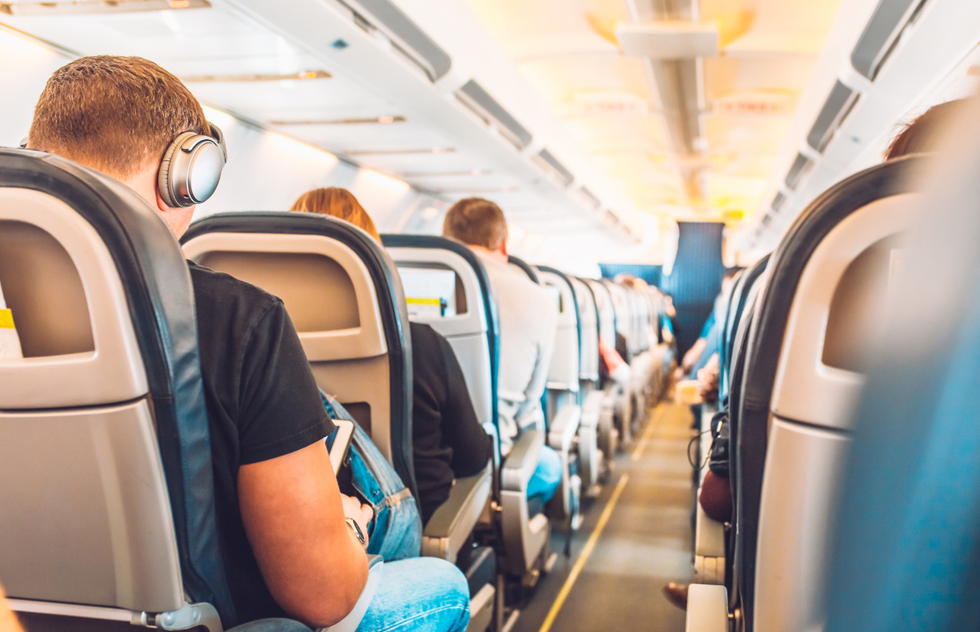
Recientemente, en Estados Unidos ha habido mucho ruido sobre la regulación del tamaño de los asientos de las aerolíneas. Como nación, la gente se está volviendo más pesada, por lo que con asientos de un tamaño fijo hay presiones crecientes para hacer que los asientos sean más anchos, o con más espacio entre filas (llamado espacio entre asientos). Sin embargo, las aerolíneas se han estado moviendo en la dirección opuesta, generalmente agregando más asientos y encontrando formas de hacer que los asientos sean más delgados.
Este movimiento es un subconjunto de las iniciativas inclusivas más amplias, y como concepto esto es genial y hacia dónde deberíamos ir. Dicho esto, este aspecto de la inclusión se topa con la economía de los precios de los boletos de avión, pues crea conflictos con la idea de asientos más grandes. Este es un tema difícil de abordar, y tampoco es como si no hubiera regulación en esta área.
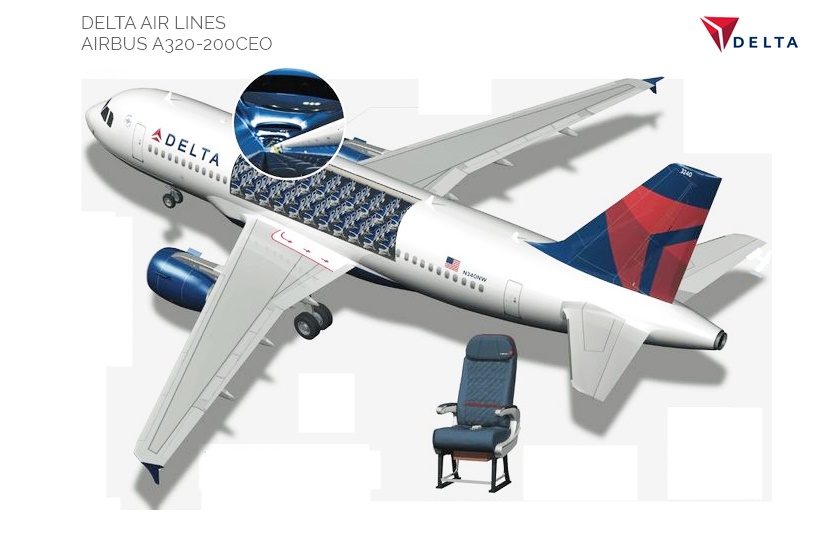
La Administración Federal de Aviación (FAA) determina el número máximo de asientos que se pueden instalar en la mayoría de los aviones comerciales, que se encuentra determinado en función del número y tamaño de las salidas de emergencias, pues una evacuación rápida en una emergencia es el estándar. Las aerolíneas deben demostrar que un avión completo puede ser evacuado en 90 segundos. Esto se traduce, por ejemplo, en un máximo de 210 asientos en un Boeing 737-8 MAX 200 o 186 asientos en un Airbus A320NEO. Ryanair ha volado el Boeing 737-800 con un máximo de 189 asientos durante muchos años.
En 2015, Airbus vio competencia entre su A320 y el Boeing 737 por el mercado de aerolíneas de ultra bajo costo. El A320 en ese momento estaba certificado para un máximo de 180 asientos, pero el competidor 737 podía tener 189 asientos. Airbus pasó por un proceso para volver a medir y confirmar que las aberturas de las puertas del A320 eran lo suficientemente anchas como para permitir otra fila de asientos. Tuvieron éxito, y el asiento máximo para el A320 se incrementó a 186. Ahora, solo con tres asientos menos que el entonces 737, Airbus sintió que habían cerrado la brecha. La nueva serie Boeing MAX impulsa esto aún más al agregar aún más asientos a esos modelos.
Las aerolíneas deben demostrar regularmente que pueden cumplir con los estándares de evacuación. Tienden a hacer esto en un hangar de aviones estéril, cargan el avión lleno de personas sanas y usan un cronómetro para medir el tiempo de evacuación. Los críticos argumentan que estos mejores ejemplos de casos no reflejan la realidad de una emergencia de pánico donde muchos clientes pueden no ser capaces de moverse tan rápido.
Economía & aerolíneas
La economía de los asientos de las aerolíneas es dura. Las aerolíneas tienen altos costos fijos y contratan gran parte de su mano de obra independientemente del número de asientos en el avión. Por ejemplo, un 737 usa dos pilotos sin importar cuántos asientos haya en el avión. Los asistentes de vuelo cuentan con personal cada 50 asientos, o 40 en algunos países, lo que significa que agregar una o dos filas de asientos en su mayoría tampoco significa un aumento en los asistentes de vuelo. El mantenimiento en el avión está determinado por el tiempo o las operaciones: número de aterrizajes u horas que el motor ha funcionado, por ejemplo, ninguno de los cuales está influenciado por el número de asientos en los aviones.
Esto significa que agregar asientos al avión, en la mayoría de los casos, agrega una poderosa economía marginal a la aerolínea. Mover un A320 de 162 asientos a 168 asientos agregando una fila agrega seis asientos más de ingresos casi sin aumento en los costos. Con los márgenes de las aerolíneas tradicionalmente estrechos, agregar asientos ha sido una forma relativamente fácil para que las aerolíneas aumenten las ganancias. El tubo del avión en sí es fijo en tamaño, por lo que esta oportunidad no es ilimitada. Sin embargo, es una de las principales formas en que las aerolíneas de ultra bajo costo mantienen una ventaja de costos en aerolíneas más centradas en el producto. Agregar asientos no agrega compartimentos superiores, por lo que este problema también está relacionado con la práctica común de cobrar ahora por el equipaje.
Tratamiento pasajeros
Actualmente, las aerolíneas tratan con pasajeros pesados de dos maneras principales. Primero, ofrecen extensores de cinturón de seguridad para personas que caben en el asiento pero necesitan la longitud adicional. En segundo lugar, muchas personas más pesadas compran el asiento de al lado para que tengan suficiente espacio. Esto es costoso para el pasajero y, aunque muchos se han quejado de esto, no ha habido un caso judicial que lo impugne por motivos de discriminación.
Estudio factibilidad
Los recientes esfuerzos para tratar de hacer que los asientos sean más grandes, o reducir el número de asientos en cada avión, no sugieren ninguna forma de compensar a las aerolíneas por la pérdida significativa para que esto suceda. Más importante aún, no muestran ningún reconocimiento de que las tarifas tendrían que aumentar significativamente para que esto suceda y ser económicamente neutrales. Esta es la razón por la que incluso algunos grupos de defensa del consumidor, como Traveler’s United, han pedido suspender estos esfuerzos mientras se completa un estudio importante para comprender todas las consecuencias de tal acción. Cualquier acción que ponga todos los costes en las compañías aéreas está condenada al fracaso.
Existen algunas otras cosas que las aerolíneas y la FAA podrían hacer para acomodar mejor a los pasajeros pesados. Una es hacer cumplir las regulaciones que actualmente están en los libros, probando las evacuaciones con pasajeros más realistas y en diferentes entornos. Otra sería evitar que las aerolíneas tengan que cumplir con regulaciones contradictorias. La Ley Estadounidense con Discapacidades (ADA) requiere que las compañías aéreas suministren sillas de ruedas para cada cliente que las necesite. Este mandato muy bien intencionado choca con el requisito de evacuación de 90 segundos de la FAA. Todos los días, las aerolíneas a sabiendas no cumplen con el mandato de seguridad de la FAA porque no pueden permitirse el lujo de ser señaladas por no poner a disposición una silla de ruedas. Otra idea es que las aerolíneas con asientos más espaciosos en algunas cabinas permitan que los clientes más pesados los compren con un descuento. Esto sería de bajo costo en algunos momentos, si el asiento estuviera vacío. Pero podría ser bastante caro en vuelos completos.
Este no es un problema fácil de resolver y las soluciones políticas que ignoran la economía subyacente no son prácticas ni útiles. La mejor respuesta es estudiar más opciones y trabajar tanto con las aerolíneas como con los fabricantes de asientos para encontrar soluciones creativas para que todos puedan volar a un precio justo.
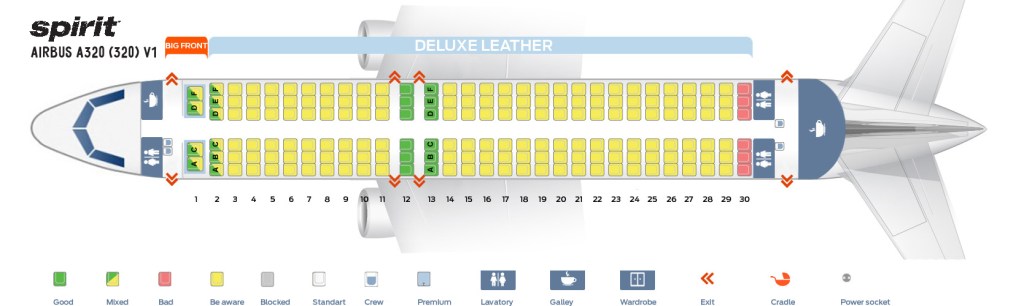
Spirit, butacas más amplias
Mientras se discute si hay que obligar a las aerolíneas a mejorar los asientos de los aviones, Spirit Airlines anunció sus nuevas butacas para sus aeronaves Airbus A320. Viajar en clase turista en muchas aerolíneas puede ser un verdadero desafío para los pasajeros, no sólo por los usuarios con estatura muy alta para colocar sus piernas, sino también para las personas que tienen sobrepeso y no pueden encontrar una ubicación cómoda, incluso, para aquellos con una altura y pesos promedio.
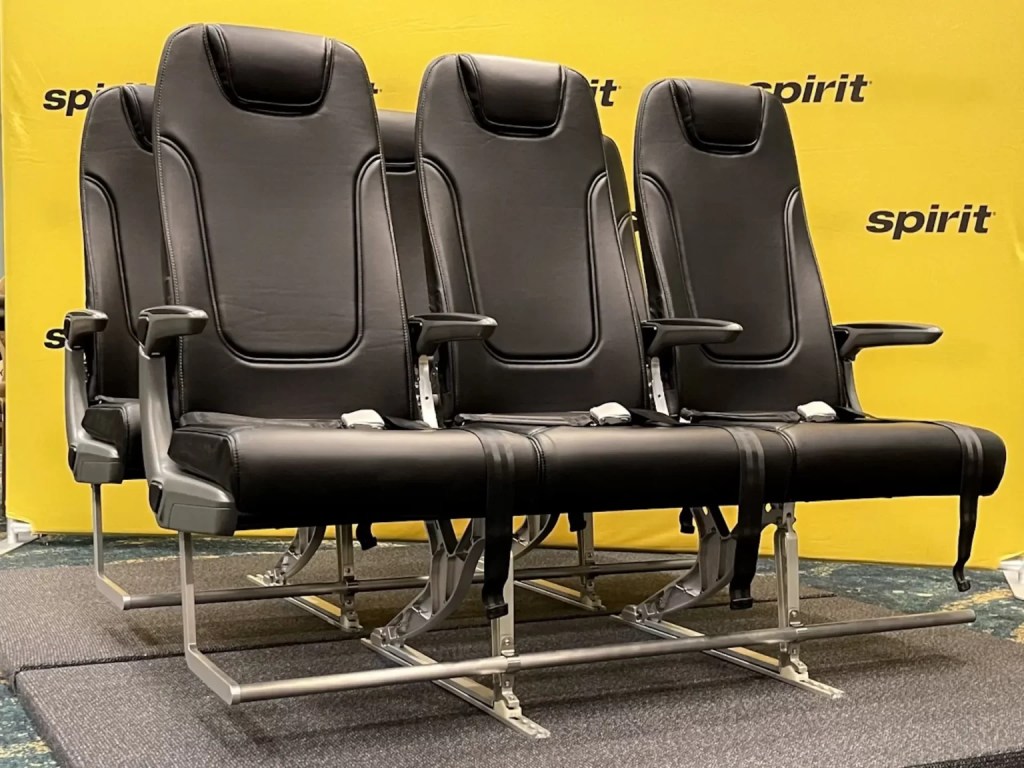
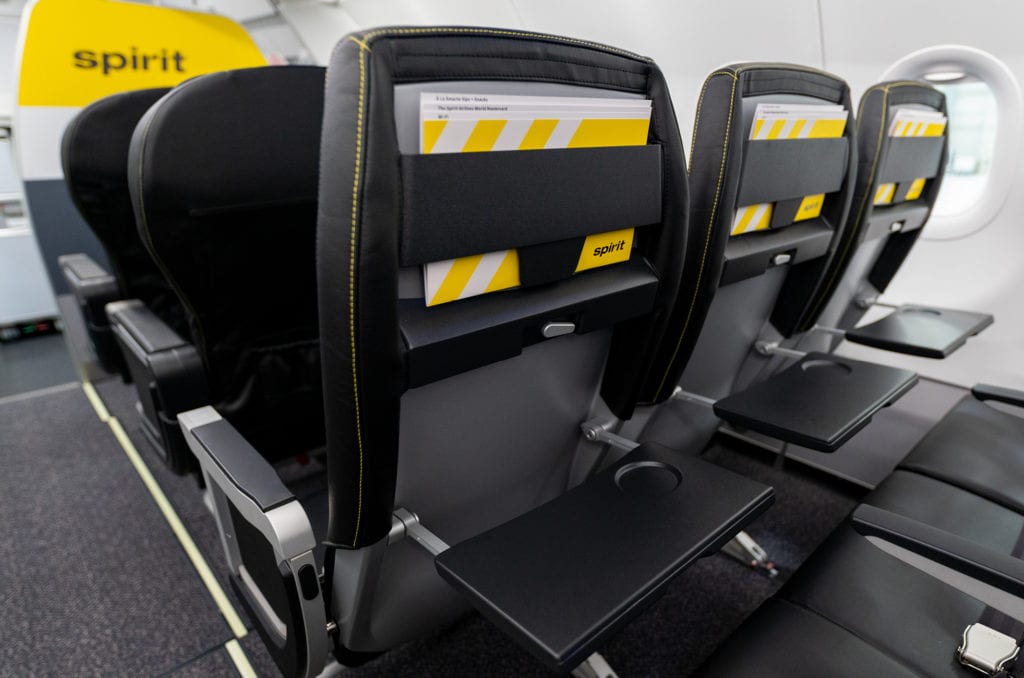
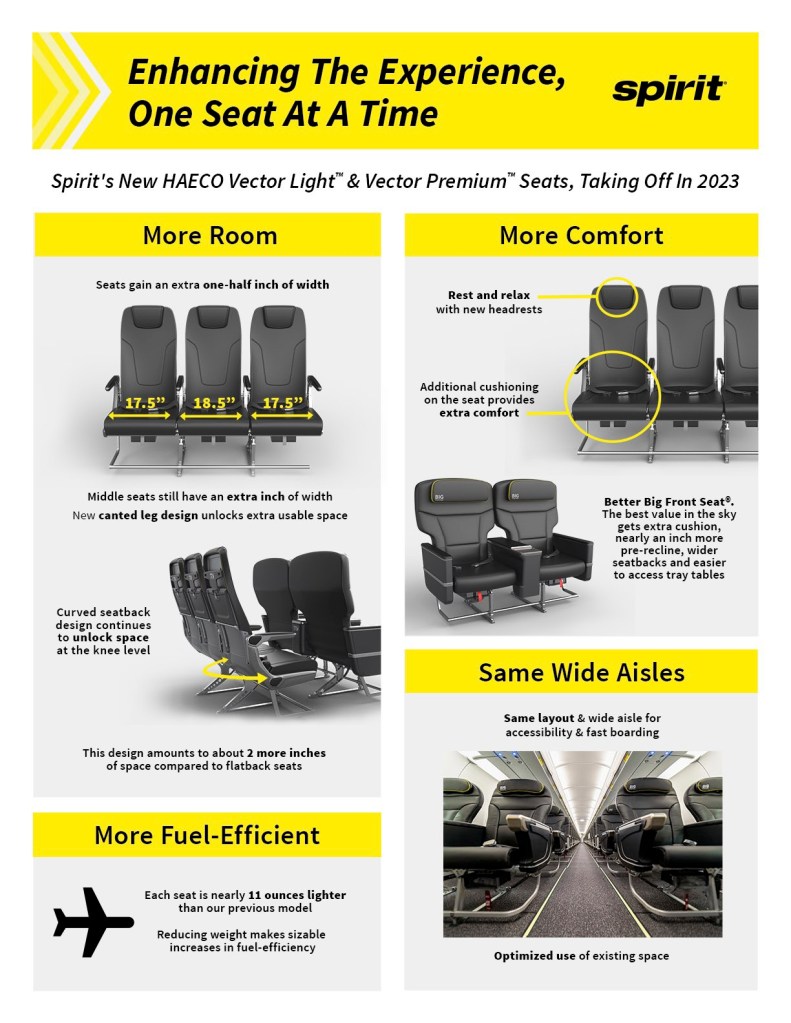
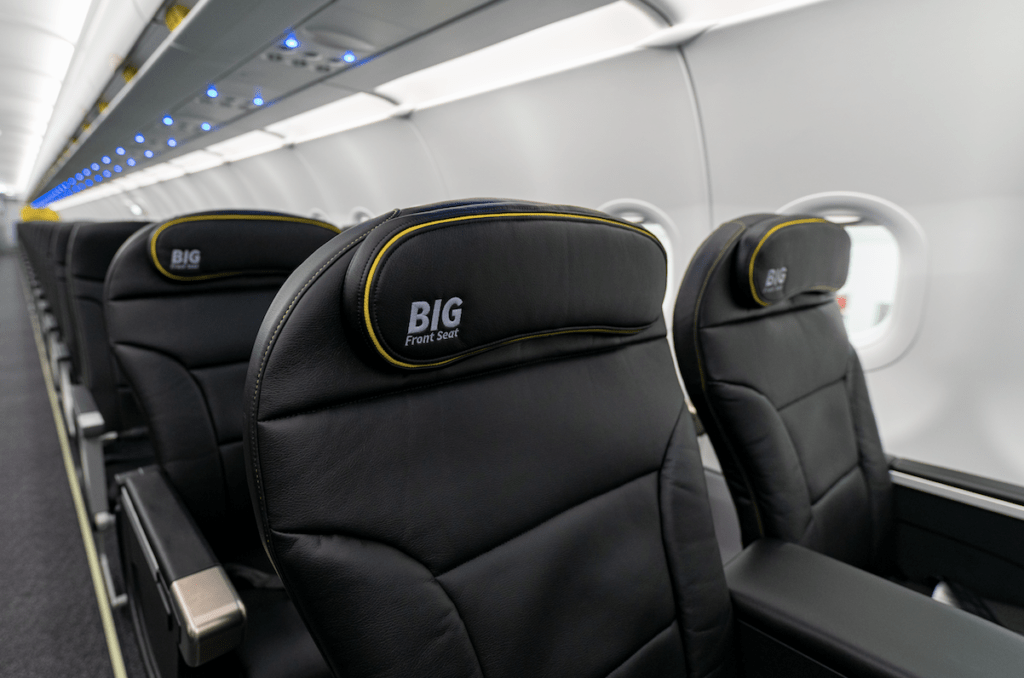
La aerolínea de bajo costo estadounidense Spirit Airlines reveló en Octubre 2022 sus nuevos asientos en Economy, que buscan ofrecer una mejor experiencia a los pasajeros. La compañía presentó sus asientos Vector Light y Vector Premium. Las butacas Vector Light serás más anchas, incluyendo un cojín adicional. El interior rediseñado se instalará en las nuevas entregas de aviones de Spirit a partir de finales de enero de 2023, en los nuevos aviones de la familia A320.
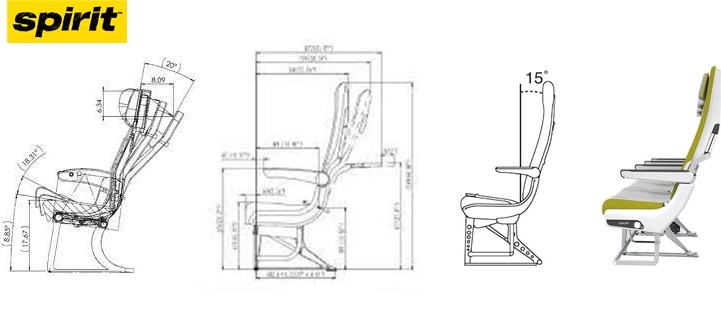
Cada asiento ganará cerca de un centímetro y medio de ancho, que en números no parece mucho. Pero además, los asientos del medio seguirán siendo dos centímetros y medio más anchos que los asientos del pasillo y las ventanas. Además, los respaldos curvos de las butacas rediseñadas liberan espacio a la altura de las rodillas. Este espacio equivale a cinco centímetros más para las rodillas en comparación con los asientos con respaldo plano en las aerolíneas tradicionales. Tal vez, a simple vista no represente un gran cambio, pero es una gran mejora, teniendo en cuenta que estamos hablando de una aerolínea low-cost, medida que deberían mejorar e implementar otras compañías.
FAA size seats without regulation
Aircraft commercial seat size studies continue
There has been a lot of noise recently in the United States about regulating airline seat sizes. As a nation, people are getting heavier, so with fixed-size seats there are increasing pressures to make seats wider, or with more space between rows (called seat pitch). However, airlines have been moving in the opposite direction, usually adding more seats and finding ways to make the seats thinner.
This movement is a subset of the broader inclusive initiatives, and as a concept this is great and where we should be going. That said, this aspect of inclusion runs up against the economics of airline ticket prices, conflicting with the idea of bigger seats. This is a difficult topic to tackle, and it’s not like there is no regulation in this area either.
The Federal Aviation Administration (FAA) determines the maximum number of seats that can be installed in most commercial aircraft, which is determined based on the number and size of emergency exits, since a quick evacuation in an emergency is the standard. Airlines must show that an entire plane can be evacuated in 90 seconds. This translates, for example, to a maximum of 210 seats on a Boeing 737-8 MAX 200 or 186 seats on an Airbus A320NEO. Ryanair has flown the Boeing 737-800 with up to 189 seats for many years.
In 2015, Airbus saw competition between its A320 and the Boeing 737 for the ultra-low-cost airline market. The A320 at the time was certified for a maximum of 180 seats, but the 737 competitor could have 189 seats. Airbus went through a process to re-measure and confirm that the A320’s door openings were wide enough to allow for another row of seats. They were successful, and the maximum seat for the A320 was increased to 186. Now only three seats short of the then 737, Airbus felt they had closed the gap. The new Boeing MAX series pushes this further by adding even more seats to those models.
Airlines must regularly demonstrate that they can meet evacuation standards. They tend to do this in a sterile aircraft hangar, loading the plane full of healthy people and using a stopwatch to time the evacuation. Critics argue that these best case examples do not reflect the reality of a panic emergency where many clients may not be able to move as quickly.
Economy & airlines
Airline seat economics are tough. Airlines have high fixed costs and hire much of their workforce regardless of the number of seats on the plane. For example, a 737 uses two pilots no matter how many seats there are on the plane. Flight attendants are staffed every 50 seats, or 40 in some countries, which means adding one or two rows of seats mostly doesn’t mean an increase in flight attendants either. Maintenance on the plane is determined by time or operations: number of landings or hours the engine has run, for example, neither of which is influenced by the number of seats on the planes.
This means that adding seats to the plane, in most cases, adds powerful marginal economics to the airline. Moving an A320 from 162 seats to 168 seats by adding a row adds six more seats of revenue with almost no increase in costs. With airline margins traditionally tight, adding seats has been a relatively easy way for airlines to boost profits. The aircraft tube itself is fixed in size, so this opportunity is not unlimited. However, it is one of the main ways ultra-low-cost carriers maintain a cost advantage over more product-focused carriers. Adding seats does not add overhead bins, so this issue is also related to the common practice of charging now for baggage.
Passenger treatment
Currently, airlines deal with heavy passengers in two main ways. First, they offer seat belt extenders for people who can fit in the seat but need the extra length. Second, many heavier people buy the seat next to them so they have enough space. This is costly for the passenger and although many have complained about this, there has not been a court case challenging it on the grounds of discrimination.
Feasibility study
Recent efforts to try to make seats bigger, or reduce the number of seats on each plane, suggest no way to compensate airlines for the significant loss to make this happen. More importantly, they show no recognition that rates would have to increase significantly for this to happen and be economically neutral. This is why even some consumer advocacy groups, such as Traveler’s United, have called for these efforts to be suspended while a major study is completed to understand the full consequences of such action. Any action that puts all the costs on the airlines is doomed to fail.
There are some other things that airlines and the FAA could do to better accommodate heavy passengers. One is to enforce regulations that are currently on the books, testing evacuations with more realistic passengers and in different settings. Another would be to prevent airlines from having to comply with conflicting regulations. The Americans with Disabilities Act (ADA) requires airlines to provide wheelchairs for each customer who needs them. This very well-intentioned mandate conflicts with the FAA’s 90-second evacuation requirement. Every day, airlines knowingly fail to comply with the FAA’s safety mandate because they can’t afford to be singled out for not making a wheelchair available. Another idea is that airlines with roomier seats in some cabins allow heavier customers to buy them at a discount. This would be inexpensive at times, if the seat was empty. But it could be quite expensive on full flights.
This is not an easy problem to solve, and political solutions that ignore the underlying economics are neither practical nor useful. The best answer is to explore more options and work with both airlines and seat manufacturers to come up with creative solutions so everyone can fly at a fair price.
Spirit, wider seats
While discussing whether to force airlines to improve aircraft seats, Spirit Airlines announced its new seats for its Airbus A320 aircraft. Traveling in economy class on many airlines can be a real challenge for passengers, not only for users with too high a height to place their legs, but also for people who are overweight and cannot find a comfortable position, even for those with an average height and weights.
The American low-cost airline Spirit Airlines revealed in October 2022 its new seats in Economy, which seek to offer a better experience to passengers. The company introduced its Vector Light and Vector Premium seats. The Vector Light seats will be wider, including an additional cushion. The redesigned interior will be installed on new Spirit aircraft deliveries beginning in late January 2023, on new A320 Family aircraft.
Each seat will gain about an inch and a half in width, which in numbers doesn’t sound like much. But in addition, the middle seats will still be two and a half centimeters wider than the aisle and window seats. In addition, the curved backrests of the redesigned seats free up space at the height of the knees. This space equates to two inches more knee space compared to flat-back seats on traditional airlines. Perhaps, at first glance, it does not represent a big change, but it is a great improvement, considering that we are talking about a low-cost airline, a measure that other companies should improve and implement.
PUBLISHER: Airgways.com DBk: Faa.gov / Travelersunited.org / Airgways.com AW-POST: 202211141449AR OWNERSHIP: Airgways Inc. A\W A I R G W A Y S ®
Boeing espera conversaciones Biden-Xi conduzcan reapertura China Líderes planean reunirse Lunes 14/11 en medio agitación geopolítica
The Boeing Company está buscando un rayo de esperanza cuando el Presidente de Estados Unidos, Joe Biden, se reúna con su homólogo chino, Xi Jinping, el Lunes 14 de Noviembre de 2022 para restablecer los lazos políticos-comerciales devastados por la erosión de los acontecimientos geopolíticos. Boeing no ha entregado un Boeing 737 MAX a China en tres años y medio, producto de la crisis del sector de la aviación entre ambos países.
Aspectos militares
Los mandatarios buscarán establecer la confianza entre Estados Unidos y China en las conversaciones entre Joe Biden y Xi Jinping. Se espera que el Presidente de Estados Unidos inste a Beijing a hacer más para frenar a Corea del Norte y elevar los objetivos de reducción de carbono. Joe Biden, animado por el avance militar en Ucrania y la retención Demócrata del Senado de Estados Unidos, dijo que buscaría establecer líneas rojas en la relación de Estados Unidos con China cuando se reúna con el Presidente Xi Jinping el Lunes 14/11 antes de la cumbre de líderes mundiales del G20 en Bali, Indonesia.
China se opone a lo que considera como un arma para el comercio, mientras que el Ministerio de Relaciones Exteriores acusó a Estados Unidos de intentar crear una versión Asia-Pacífico de la OTAN con Australia, Japón y Corea del Sur para «interrumpir la seguridad y la estabilidad» en la región.
En una cumbre asiática el Domingo 13/11 antes de su primera reunión bilateral con Xi Jinping, Joe Biden estableció algunos parámetros firmes sobre la libertad de navegación en el Mar del Surde China y advirtió a China contra el intento de una invasión de Taiwán, a la que reclama. Pero también dijo que quería mantener abiertas las líneas de comunicación con Beijing.
Aspectos políticos
Los dos se conocen desde hace más de una década, desde la época de Biden como Vicepresidente, pero el Lunes 14/11 será su primera reunión cara a cara como líderes. «Tenemos muy pocos malentendidos. Solo tenemos que descubrir cuáles son las líneas rojas», dijo Joe Biden. Sus asesores dicen que están buscando una fórmula con China que permita la competencia y la convivencia. Al exponer su visión para la región guiada por el estado de derecho, Joe Biden dijo: «Construiremos un Indo-Pacífico que sea libre y abierto, estable y próspero, resistente y seguro».
El Presidente de Estados Unidos habló al cierre de la Cumbre de Asia Oriental en Camboya, la primera de cuatro a las que asiste en la región. Tras la reunión con Xi Jinping en Bali, asistirá a la Cumbre del G20 de dos días el Martes 15/11 y Miércoles 16/11, seguida de una reunión del Foro de Cooperación Económica Asia-Pacífico en Bangkok.
Muchos de los actores clave en el sudeste asiático son reacios a ser absorbidos por tomar partido en una confrontación entre Estados Unidos y China. El Presidente de Indonesia, Joko Widodo, por ejemplo, prometió el Domingo 13/11 no permitir que el sudeste asiático se convierta en la primera línea de una nueva guerra fría, diciendo queIndonesiano se convertiría en «un representante de ninguna potencia». Dijo que la región debe convertirse en pacífica y un ancla para la estabilidad global.
Es probable que Biden presione a China para que haga más para frenarlas ambiciones nucleares de Corea del Norte e impulse objetivos de reducción de carbono más ambiciosos. En Agosto 2022, China suspendió las conversaciones sobre el clima con Estados Unidos después de la visita a Taiwán de la Presidenta de la Cámara de Representantes, Nancy Pelosi.
Aspectos comerciales
También es probable que Xi se queje de una formidable ronda de nuevos controles de exportación de Estados Unidos implementados en Octubre 2022 que apuntan a frenar la capacidad de China para obtener chips avanzados, desarrollar y mantener supercomputadoras y fabricar semiconductores avanzados para aplicaciones militares.
El Presidente ruso, Vladimir Putin, ansioso por permanecer en el rebufo de China pero temiendo el aislamiento público en las cumbres, ha decidido no ir al G20, enviando a su veterano Ministro de Relaciones Exteriores, Sergei Lavrov, en su lugar. El temor de Rusia es que Xi Jinping esté cada vez más dispuesto a distanciarse del ataque de Rusia contra Ucrania, y al menos dispuesto a repetir que se opone a la amenaza o al uso de armas nucleares, palabras que usó junto al canciller alemán, Olaf Scholz, a principios de este mes.
En materia aerocomercial, Boeing buscará un rayo de esperanza para reactivar sus ventas en China, después de atravesar dificultades con la incursión en tierra de la línea 737 MAX por cuestiones de seguridad. Actualmente, China ha levantado las restricciones a las aeronaves, mientras que las líneas aéreas continúan sin restablecer los vuelos con este tipo de aeronaves.
La reunión de los mandatarios chino-estadounidense permitiría a Boeing mantener las esperanzas por incorporar nuevamente al país oriental como parte de un mercado muy importante para la salud de la economía del gigante aeroespacial.
US-China summit meeting
Boeing hopes Biden-Xi talks will lead to China reopening Leaders plan to meet Monday 11/14 amid geopolitical turmoil
The Boeing Company is looking for a glimmer of hope when US President Joe Biden meets with his Chinese counterpart Xi Jinping on Monday, November 14, 2022 to restore political-business ties devastated by eroding events. geopolitical. Boeing has not delivered a Boeing 737 MAX to China in three and a half years, as a result of the crisis in the aviation sector between the two countries.
Military aspects
The leaders will seek to establish trust between the United States and China in the talks between Joe Biden and Xi Jinping. The US president is expected to urge Beijing to do more to rein in North Korea and raise carbon reduction targets. Joe Biden, buoyed by the military advance in Ukraine and the Democratic retention of the US Senate, said he would seek to draw red lines in the US relationship with China when he meets with President Xi Jinping on Monday 11/14 before the G20 world leaders summit in Bali, Indonesia.
China opposes what it sees as a weapon for trade, while the Foreign Ministry has accused the United States of trying to create an Asia-Pacific version of NATO with Australia, Japan and South Korea to «disrupt the security and stability» in the region.
At an Asian summit on Sunday 11/13 ahead of his first bilateral meeting with Xi Jinping, Joe Biden laid down some firm parameters on freedom of navigation in the South China Sea and warned China against attempting an invasion of Taiwan, the one claiming. But he also said that he wanted to keep the lines of communication open with Beijing.
Politic aspects
The two have known each other for more than a decade, since Biden’s time as Vice President, but Monday 11/14 will be their first face-to-face meeting as leaders. «We have very few misunderstandings. We just have to figure out what the red lines are», Joe Biden said. His advisers say they are looking for a formula with China that allows competition and coexistence. Laying out his vision for the region guided by the rule of law, Biden said: «We will build an Indo-Pacific that is free and open, stable and prosperous, resilient and secure».
The US president was speaking at the close of the East Asia Summit in Cambodia, the first of four he is attending in the region. Following the meeting with Xi Jinping in Bali, he will attend the two-day G20 Summit on Tuesday 11/15 and Wednesday 11/16, followed by a meeting of the Asia-Pacific Economic Cooperation Forum in Bangkok.
Many of the key players in Southeast Asia are reluctant to be sucked into taking sides in a US-China confrontation. The President of Indonesia, Joko Widodo, for example, promised on Sunday 11/13 not to allow Southeast Asia to become the front line of a new cold war, saying that the Indonesian would become «a representative of no power». He said the region must become peaceful and an anchor for global stability.
Biden is likely to push China to do more to curb North Korea’s nuclear ambitions and push for more ambitious carbon reduction targets. In August 2022, China suspended climate talks with the United States after House Speaker Nancy Pelosi visited Taiwan.
Commercial aspects
Xi Jinping is also likely to complain about a formidable round of new US export controls put in place in October 2022 that are aimed at curbing China’s ability to source advanced chips, develop and maintain supercomputers, and make advanced semiconductors for military applications.
Russian President Vladimir Putin, eager to stay in China’s slipstream but fearing public isolation at summits, has decided not to go to the G20, sending his veteran Foreign Minister Sergei Lavrov in his place. Russia’s fear is that Xi Jinping is increasingly willing to distance himself from Russia’s attack on Ukraine, and at least willing to repeat that he opposes the threat or use of nuclear weapons, words he used alongside German Chancellor Olaf. Scholz, earlier this month.
In aviation matters, Boeing will seek a ray of hope to reactivate its sales in China, after experiencing difficulties with the incursion into the land of the 737 MAX line for security reasons. Currently, China has lifted the restrictions on the aircraft, while the airlines continue without reinstating the flights with this type of aircraft.
The meeting of the Chinese-American leaders would allow Boeing to maintain hopes of incorporating the eastern country again as part of a very important market for the health of the economy of the aerospace giant.
PUBLISHER: Airgways.com DBk: Usa.gov / Gov.cn / Boeing.com / Airgways.com AW-POST: 202211140057AR OWNERSHIP: Airgways Inc. A\W A I R G W A Y S ®
AW | 2022 11 14 00:04 | AIRLINES / AVIATION / INDUSTRY
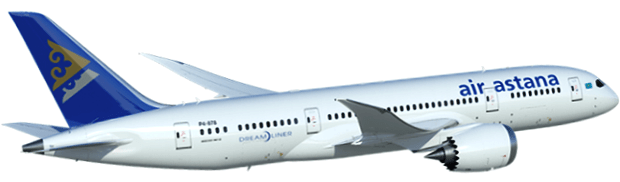
Air Astana firma contrato arrendamiento 3 Boeing 787-9 Dreamliner
Air Astana ha firmado un acuerdo con Air Lease Corporation para el arrendamiento a largo plazo de tres nuevos Boeing 787-9 Dreamliner de fuselaje ancho. Los aviones arrendados están programados para comenzar a llegar a partir de la primera mitad de 2025.
Peter Foster, Presidente y Director ejecutivo de Air Astana, comentó: «El Boeing 787-9 es un avión importante para la modernización de la flota de Air Astana a medida que ampliamos nuestras rutas y nos centramos en la experiencia del pasajero. El Dreamliner ofrece eficiencia de combustible y flexibilidad de alcance que se sumará en gran medida a nuestras crecientes operaciones de flota».
Steven Udvar-Házy, Presidente Ejecutivo de Air Lease Corporation, agregó: «Nos complace anunciar hoy esta colocación de arrendamiento para tres nuevos aviones Boeing 787-9 con Air Astana. Estos aviones mejorarán en gran medida las capacidades de red de largo alcance de Air Astana y la comodidad de los pasajeros a medida que la aerolínea expande las rutas internacionales desde Kazajstán».
El Grupo Air Astana continúa con éxito la actualización de su flota. Actualmente, la flota del Grupo consta de cuarenta (40) aviones con una edad media de 5,2 años. Desde principios de año, Air Astana ha agregado dos nuevos Airbus A321LR (2) a su flota y se espera que uno más se entregue en los próximos meses. La filial LCC de Air Astana, FlyArystan, también ha agregado dos aviones Airbus a su flota y se espera que se agreguen dos más para fin de año.
Air Astana leases Boeing 787-9
Air Astana signs lease contract 3 Boeing 787-9 Dreamliner
Air Astana has signed an agreement with Air Lease Corporation for the long-term lease of three new wide-body Boeing 787-9 Dreamliners. Leased aircraft are scheduled to begin arriving in the first half of 2025.
Peter Foster, President and CEO of Air Astana, commented: «The Boeing 787-9 is an important aircraft for the modernization of the Air Astana fleet as we expand our routes and focus on the passenger experience. The Dreamliner offers fuel efficiency and range flexibility that will greatly add to our growing fleet operations».
Steven Udvar-Házy, Executive Chairman of Air Lease Corporation, added: «We are pleased to announce today this lease placement for three new Boeing 787-9 aircraft with Air Astana. These aircraft will greatly enhance Air’s long-range network capabilities. Astana and passenger comfort as the airline expands international routes from Kazakhstan».
The Air Astana Group continues to successfully update its fleet. Currently, the Group’s fleet consists of forty (40) aircraft with an average age of 5.2 years. Since the beginning of the year, Air Astana has added two new Airbus A321LR (2) to its fleet and one more is expected to be delivered in the coming months. Air Astana’s LCC subsidiary FlyArystan has also added two Airbus aircraft to its fleet with two more expected to be added by the end of the year.
PUBLISHER: Airgways.com DBk: Airastana.com / Airleasecorp.com / Airgways.com AW-POST: 202211140004AR OWNERSHIP: Airgways Inc. A\W A I R G W A Y S ®
AW | 2022 11 14 00:00 | INDUSTRY / AVIATION TECHNOLOGY
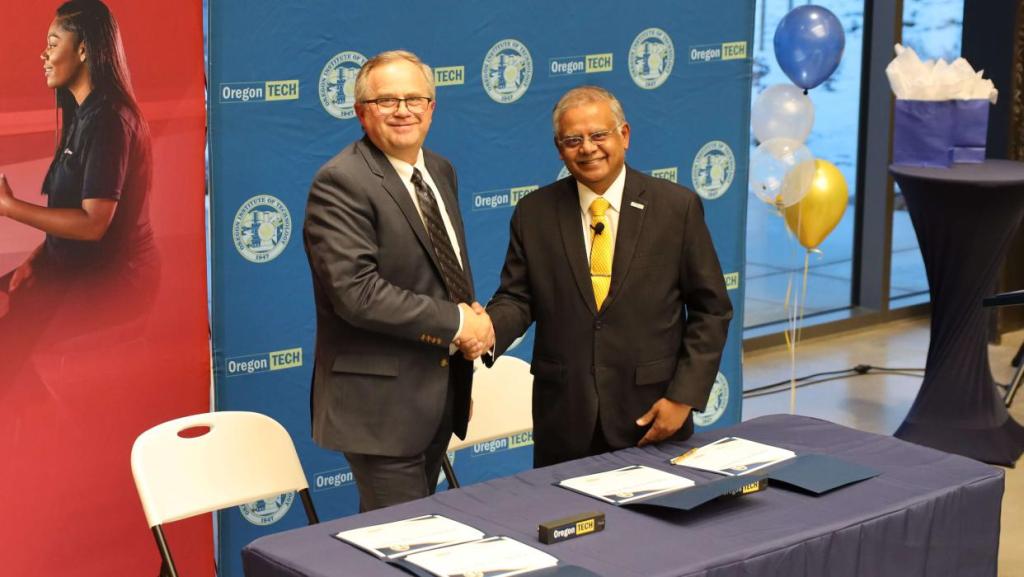
Boeing y Oregon Tech anuncian nueva colaboración en Klamath Falls
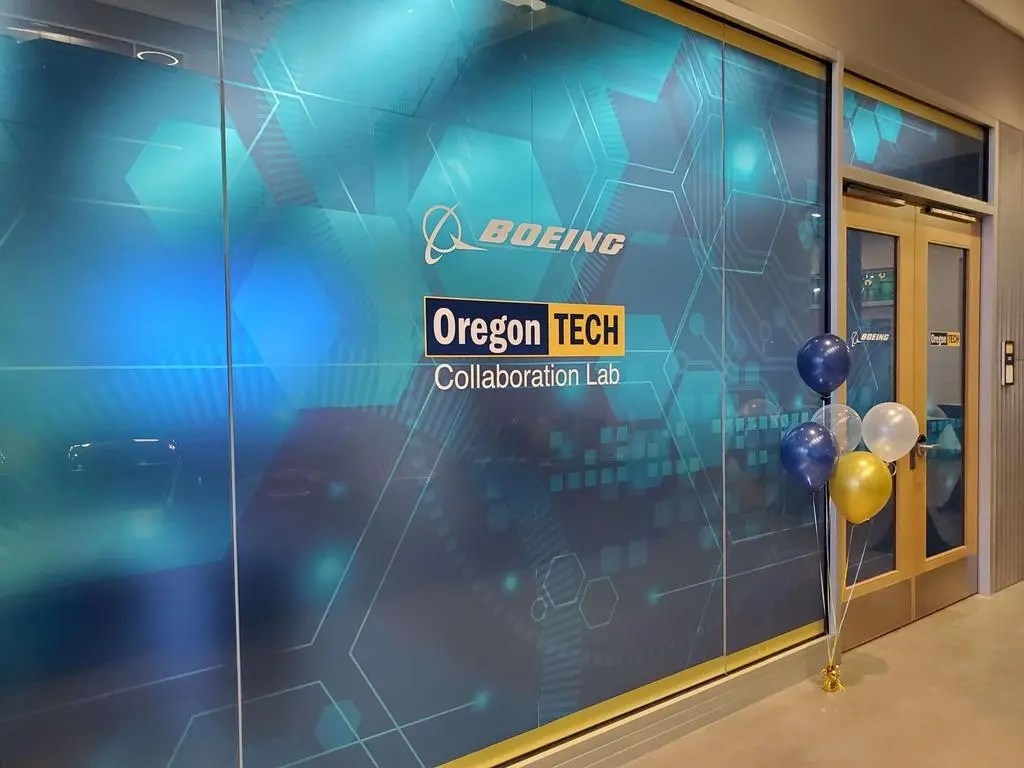
The Boeing Commercial Airplanes y el Instituto de Tecnología de Oregón (Oregon Tech) firmaron un acuerdo el Martes 08/11 para desarrollar un laboratorio de colaboración en el campus Klamath Falls de Oregon Tech, que proporcionaría un entorno seguro para los estudiantes de Oregon Tech que completan proyectos para Boeing.
El Gerente de Ingeniería de Producción de Boeing, Stan L. Carr, y el presidente de Oregon Tech, el Dr. Nagi Naganathan, firmaron una intención de colaboración entre Boeing y Oregon Tech que permitirá a los estudiantes obtener una valiosa experiencia industrial en un puesto remunerado mientras permanecen como estudiantes de tiempo completo en Klamath Falls.
«Oregon Tech, como universidad de la industria, se enorgullece de ser un laboratorio sustituto para la innovación de la industria. Esta asociación con Boeing es un gran ejemplo. Agradecemos sinceramente a The Boeing Company por crear esta tremenda experiencia inmersiva en la industria para nuestros estudiantes en el campus mientras cursan sus programas de grado. Estoy seguro de que esta increíble experiencia atraerá a más estudiantes e industrias a Oregon Tech y Klamath Falls y les dará a nuestros estudiantes una ventaja distintiva en la graduación», dijo el Presidente Nagi Naganathan.
Boeing y Oregon Tech se han asociado en pasantías y programas de grado durante décadas. Actualmente, Oregon Tech ofrece varios programas de certificación, programas de pregrado y posgrado para empleados de Boeing en sitios en el área de Puget Sound. Oregon Tech será la universidad piloto con Boeing Commercial Airplanes con la intención de colaborar con otras universidades en el futuro. Otras universidades han establecido asociaciones similares con Boeing Defense Systems.
La colaboración inicial será para estudiantes de mecánica, electricidad y otros estudiantes de ingeniería y puede expandirse a sistemas informáticos y programas de gestión dependiendo de las necesidades de Boeing. Boeing proporcionará declaraciones detalladas de trabajo para que la universidad las complete para las necesidades específicas del proyecto.
«El proceso debería ser relativamente fluido para los estudiantes, a quienes Oregon Tech ya entrena en parte del software utilizado en Boeing. Los estudiantes obtendrán experiencia industrial y tendrán entregables en un proyecto, tal como lo harían en Boeing. Serán supervisados por un miembro de la facultad y asesorados por un empleado de Boeing, tal como lo harían si fuera una oportunidad fuera del campus. Pero no tienen que abandonar el campus y no tienen que ralentizar sus estudios», dijo el Dr. Tom Keyser, quien es el Decano de la Facultad de Ingeniería, Tecnología y Administración de Oregon Tech y lidera la asociación.
La asociación se encuentra en las etapas iniciales, con espacio asignado en el Centro de Excelencia para Tecnología de Ingeniería (CEET) para albergar el Laboratorio de Colaboración. Oregon Tech y Boeing anticipan una fecha de lanzamiento de primavera.
Boeing-Oregon Tech Collaboration
Boeing/Oregon Tech announce new collaboration in Klamath Falls
The Boeing Commercial Airplanes and the Oregon Institute of Technology (Oregon Tech) signed an agreement on Tuesday 11/08 to develop a collaborative lab at Oregon Tech’s Klamath Falls campus that would provide a safe environment for Oregon Tech students who complete projects for Boeing.
Boeing Production Engineering Manager Stan L. Carr and Oregon Tech President Dr. Nagi Naganathan signed a collaborative intent between Boeing and Oregon Tech that will enable students to gain valuable industry experience in a paid while they remain as full-time students in Klamath Falls.
«Oregon Tech, as an industry university, prides itself on being a surrogate laboratory for industry innovation. This partnership with Boeing is a great example. We sincerely thank The Boeing Company for creating this tremendous immersive industry experience for our students on campus while pursuing their degree programs. I am confident this incredible experience will attract more students and industries to Oregon Tech and Klamath Falls and give our students a distinct head start on graduation», said President Nagi Naganathan.
Boeing and Oregon Tech have partnered on internship and degree programs for decades. Currently, Oregon Tech offers various certificate programs, undergraduate and graduate programs for Boeing employees at sites in the Puget Sound area. Oregon Tech will be the pilot university with Boeing Commercial Airplanes with the intention of collaborating with other universities in the future. Other universities have established similar partnerships with Boeing Defense Systems.
The initial collaboration will be for mechanical, electrical and other engineering students and may expand to computer systems and management programs depending on Boeing’s needs. Boeing will provide detailed statements of work for the university to complete for the specific needs of the project.
«The process should be relatively seamless for the students, who are already trained by Oregon Tech on some of the software used at Boeing. The students will gain industry experience and have deliverables on a project, just as they would at Boeing. They will be supervised by a member of faculty and mentored by a Boeing employee, just like they would if it was an off-campus opportunity. But they don’t have to leave campus and they don’t have to slow down», said Dr. Tom Keyser, who is the Dean of the Oregon Tech College of Engineering, Technology and Management and leads the association.
The partnership is in the early stages, with space allocated at the Center of Excellence for Engineering Technology (CEET) to house the Collaborative Laboratory. Oregon Tech and Boeing anticipate a spring release date.
PUBLISHER: Airgways.com DBk: Boeing.com / Oit.edu / Airgways.com AW-POST: 202211140000AR OWNERSHIP: Airgways Inc. A\W A I R G W A Y S ®
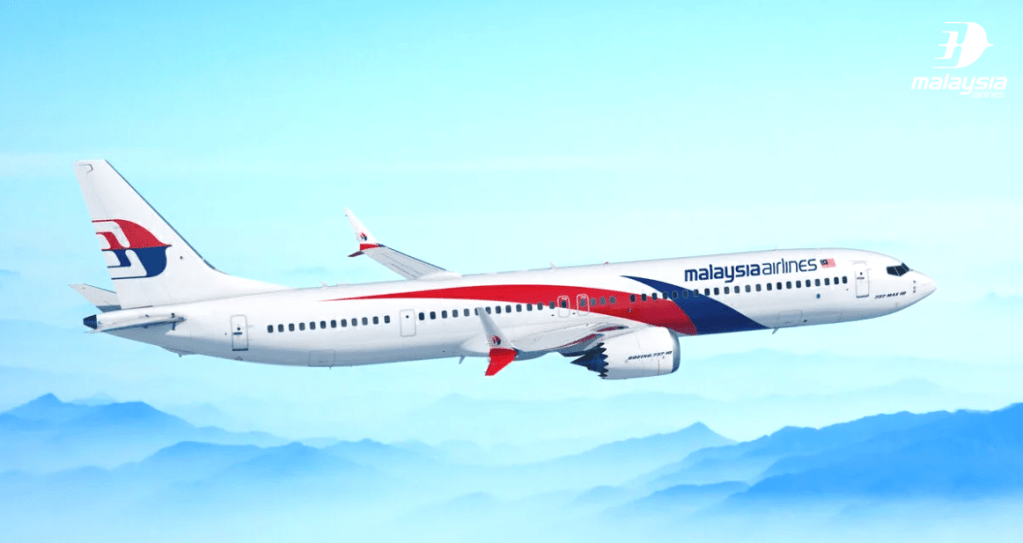
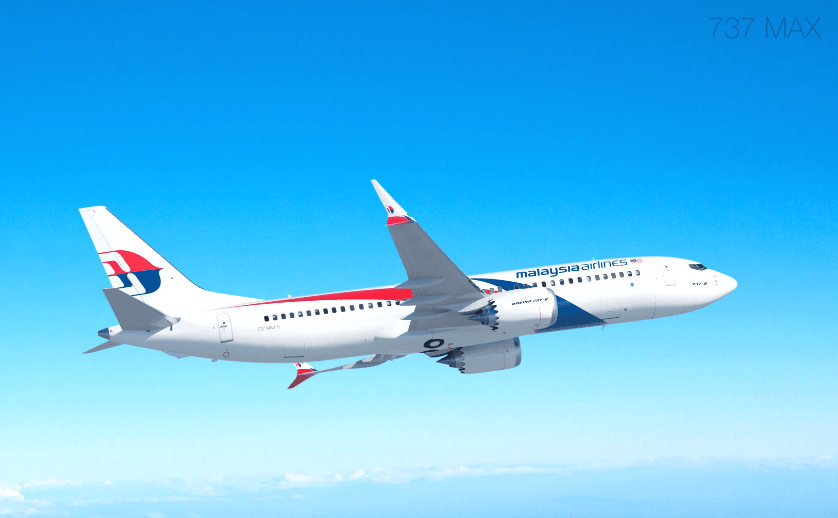
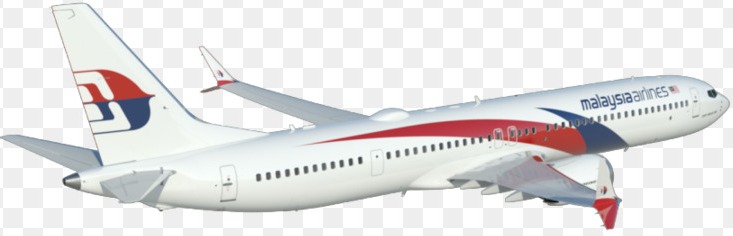
Malaysia Airlines considera duplicar pedido de Boeing 737 MAX
Malaysia Airlines está considerando ordenar veinticinco aviones adicionales de pasillo único Boeing 737 MAX además de un pedido en firme existente de veinticinco de esos aviones, según el Director Ejecutivo Izham Ismail. «Nuestra futura red requiere 50 aviones de fuselaje estrecho, por lo que todavía tenemos espacio para 25Tenemos que tomar alguna decisión para el próximo año», dijo Izham Ismail al margen de una Reunión Anual de la Asociación de Aerolíneas de Asia Pacífico en Bangkok.
Las entregas del pedido de 737 MAX existente comenzarán en 2024 con un valor de US$ 1.200 millones, según los precios compilados por el tasador de aviones Avitas Inc. «Continuamos trabajando con nuestros clientes para cumplir con los requisitos de su flota. No revelamos discusiones continuas con los clientes», dijo un portavoz de Boeing.
Malaysia Airlines ordenó veinte aviones de fuselaje ancho Airbus A330NEO (30) en Agosto 2022. La aerolínea no ha considerado tomar ningún avión 737 MAX de transportistas de China continental, dijo Izham Ismael, citando la incompatibilidad y la falta de consistencia con Malaysia Airlines. El transportista busca eliminar todos los Airbus A380 (6), el avión de pasajeros más grande del mundo, para fin de año y devolverlos al fabricante de aviones europeo.
El tráfico de pasajeros de Malaysia Airlines ha vuelto al 76% de los niveles anteriores a Covid, con una recuperación total a nivel nacional, y debería alcanzar el 82% para fin de 2022, dijo Izham Ismael. China representaba el 17% de la capacidad antes de la pandemia y el país podría reabrir para el segundo trimestre del próximo año.
La aerolínea continúa estudiando ampliar el parque de aeronaves por la alta demanda a cubrir ante la falta de aviones para cubrir las rutas planificadas. La aerolínea se está enfocando en cambiar la capacidad de pasajeros de los mercados nacionales a internacionales en medio de las preocupaciones de exceso de capacidad entre las aerolíneas en Malasia. Otros desafíos incluyen los altos precios del combustible, el aumento de las tasas de interés y un Dólar fuerte en 2023.
Malaysia orders 25 additional Boeing 737 MAXs
Malaysia Airlines considers doubling Boeing 737 MAX order
Malaysia Airlines is considering ordering an additional twenty-five Boeing 737 MAX single-aisle aircraft on top of an existing firm order for twenty-five such aircraft, according to CEO Izham Ismail. «Our future network requires 50 narrow-body aircraft, so we still have room for 25. We have to make some decision for next year», Izham Ismail said on the sidelines of an Asia Pacific Airlines Association Annual Meeting in Bangkok.
Deliveries of the existing 737 MAX order will begin in 2024 worth US$ 1.2 billion, according to prices compiled by aircraft appraiser Avitas Inc. «We continue to work with our customers to meet their fleet requirements. We do not disclose discussions. with customers», a Boeing spokesman said.
Malaysia Airlines ordered twenty Airbus A330NEO (30) wide-body jets in August 2022. The airline has not considered taking any 737 MAX aircraft from mainland Chinese carriers, Izham Ismael said, citing incompatibility and lack of consistency with Malaysia Airlines. The carrier seeks to phase out all Airbus A380s (6), the world’s largest passenger plane, by the end of the year and return them to the European planemaker.
Malaysia Airlines passenger traffic has returned to 76% of pre-Covid levels, with a full recovery nationwide, and should reach 82% by the end of 2022, Izham Ismael said. China represented 17% of capacity before the pandemic and the country could reopen by the second quarter of next year.
The airline continues to study expanding the fleet of aircraft due to the high demand to be covered due to the lack of aircraft to cover the planned routes. The airline is focusing on shifting passenger capacity from domestic to international markets amid overcapacity concerns among airlines in Malaysia. Other challenges include high fuel prices, rising interest rates and a strong dollar in 2023.
PUBLISHER: Airgways.com DBk: Malaysiaairlines.com / Boeing.com / Airgways.com AW-POST: 202211131600AR OWNERSHIP: Airgways Inc. A\W A I R G W A Y S ®
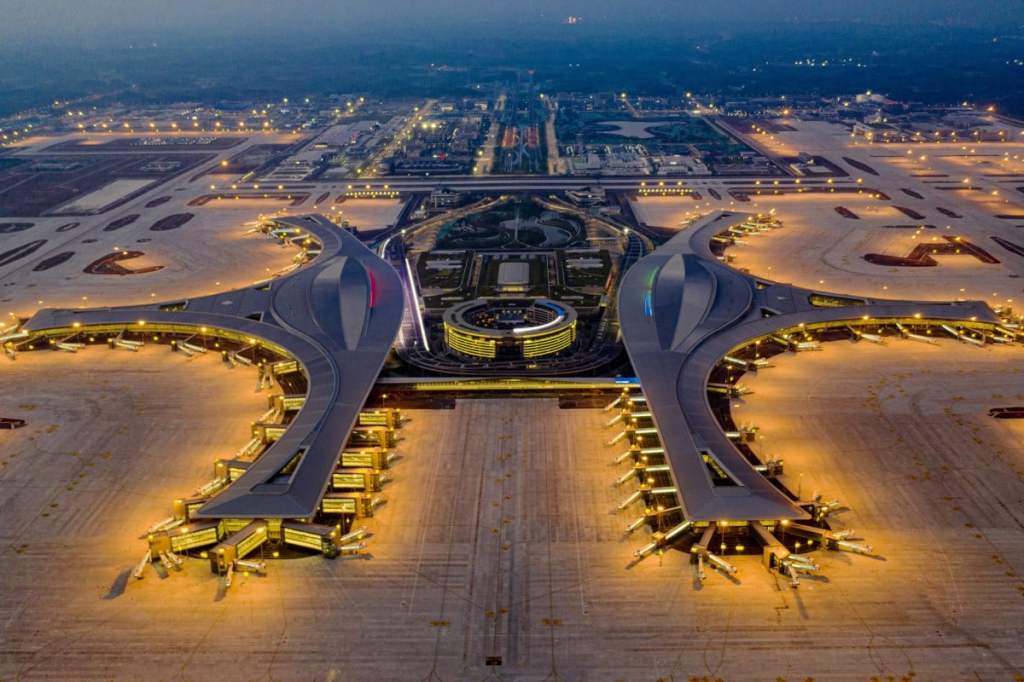
Zona Económica Chengdu hace importantes inversiones aviación Chengdu, capital de la economía de la aviación
Durante la 14ª Exposición Internacional de Aviación y Aeroespacial de Airshow China, la Feria de Promoción de la Zona Económica del Aeropuerto Internacional de Chengdu, celebrada el 9 de Noviembre de 2022 por el Distrito de Shuangliu de Chengdu, ha cosechado siete proyectos de la industria de la aviación con una inversión total de más de ¥ 8.000 millones de Yuanes.
En la feria de promoción, se firmó, estableció y abrió una letanía de proyectos entre el Distrito de Shuangliu y la Sociedad China de Aeronáutica y Astronáutica, Guangzhou Hangxin Aviation Technology, Longjiang Airlines, Kuehne & Nagel Cargo Transportation Agency, Loongrise Avionics, Tianli Times Aviation Technology, se establecieron y abrieron en la ciudad de Zhuhai y Shuangliu. La inversión total de siete proyectos superó los ¥ 8.000 millones de Yuanes, según el Gobierno del Distrito de Shuangliu.
Girando en torno al «Full Life Circle Aircraft International Forum», un próximo evento en 2023, el Distrito de Shuangliu de Chengdu comenzó el plan de solicitud global y se unió a industrias como Airbus Group para invitar a empresas afiliadas globales a intercambiar sobre temas como operación y mantenimiento de aviación, servicios de reacondicionamiento y comercio de materiales de aviación, mejorando así la influencia de Chengduen el mapa de aviación global.
El distrito de Shuangliu de Chengdu es apodado como la «capital de la economía de la aviación china». La Zona Económica del Aeropuerto Internacional de Chengdu/CTU, ubicada en el lado oeste de la Pista 2 del Aeropuerto Internacional de Chengdu, Shuangliu, tiene un área planificada de 4,98 kilómetros cuadrados. En la actualidad, ha reunido a Airbus Lifecycle Service Project, COMAC Aircraft Demonstration Industrial Park, SF Airlines y más de veinte empresas de mantenimiento de aviación. Mientras tanto, cuenta con cuatro plataformas funcionales: Centro de Certificación de Aeronavegabilidad de Aviones, Centro de Certificación de Aeronavegabilidad de Combustible de Aviación, Centro de Verificación de Vuelo y Centro Médico de Aviación.
El 26 de Julio de 2022, el Proyecto de Servicio del Ciclo de Vida de los Aviones Airbus comenzó a construirse en el Distrito de Shuangliu. Este proyecto es el primer proyecto de reciclaje de aviones invertido directamente por Airbus fuera de Europa, con una inversión total de ¥ 6 mil millones de Yuanes. Dividido en dos líneas de negocio, este proyecto consta de la línea de negocio MRO (Mantenimiento, Reparación, Revisión) y la línea de negocio USM, gestión y comercialización de material aéreo de segunda mano, y tiene como objetivo llevar a cabo negocios de comercio y distribución de materiales aéreos de segunda mano desmontados en todo el mundo. Tras el Proyecto de Servicio del Ciclo de Vida de Airbus, la industria de la aviación en el distrito de Shuangliu ha agregado otro proyecto de cooperación afiliado a Airbus: AMECO y Airbus comenzarán el negocio de Avión de Pasajeros a Carguero (P2F) del A330 en Chengdu, y el plan de trabajo del primer carguero A330 se iniciará en 2023. Según el plan, la escala de la industria de la aviación en la Zona Económica del Aeropuerto Internacional de Chengdu se esforzará por superar los ¥ 20.000 millones de Yuanes para 2025, y la proporción de la industria de la aviación en el PIB aumentará en 4,5 puntos porcentuales en comparación con la de 2022. Para 2027, la escala de la industria de la aviación en la Zona Económica del Aeropuerto Internacional de Chengdu se esforzará por superar los ¥ 30 mil millones de Yuanes, y la proporción de la industria de la aviación en el PIB aumentará en 3,5 puntos porcentuales sobre la base de 2025, lo que promoverá la integración profunda de la industria de fabricación de aviación y la industria de servicios de aviación.
Investments aviation Chengdu, China
Chengdu Economic Zone makes significant aviation investments Chengdu, capital of aviation economy
During the 14th Airshow China International Aviation and Aerospace Exhibition, the Chengdu International Airport Economic Zone Promotion Fair, held on November 9, 2022 by the Chengdu Shuangliu District, has garnered seven aviation industry projects. aviation with a total investment of more than ¥8 billion Yuan.
At the promotion fair, a litany of projects were signed, established and opened between Shuangliu District and the China Society of Aeronautics and Astronautics, Guangzhou Hangxin Aviation Technology, Longjiang Airlines, Kuehne & Nagel Cargo Transportation Agency, Loongrise Avionics, Tianli Times Aviation Technology, were established and opened in Zhuhai and Shuangliu city. The total investment of seven projects exceeded ¥8 billion Yuan, according to the Shuangliu District Government.
Revolving around the «Full Life Circle Aircraft International Forum», an upcoming event in 2023, Chengdu’s Shuangliu District started the global solicitation plan and joined industries such as Airbus Group to invite global affiliated companies to exchange on topics such as aviation operation and maintenance, refurbishment services and aviation materials trade, thus enhancing Chengdu’s influence on the global aviation map.
Shuangliu District of Chengdu is dubbed as the «capital of Chinese aviation economy». Chengdu/CTU International Airport Economic Zone, located on the west side of Runway 2 of Chengdu Shuangliu International Airport, has a planned area of 4.98 square kilometers. Currently, it has brought together the Airbus Lifecycle Service Project, COMAC Aircraft Demonstration Industrial Park, SF Airlines and more than twenty aviation maintenance companies. Meanwhile, it has four functional platforms: Aircraft Airworthiness Certification Center, Aviation Fuel Airworthiness Certification Center, Flight Verification Center and Aviation Medical Center.
On July 26, 2022, the Airbus Aircraft Life Cycle Service Project started construction in Shuangliu District. This project is the first aircraft recycling project directly invested by Airbus outside of Europe, with a total investment of ¥6 billion Yuan. Divided into two business lines, this project consists of the MRO (Maintenance, Repair, Overhaul) business line and the USM business line, management and marketing of second-hand aerial material, and aims to carry out commercial and distribution of disassembled second-hand aerial materials throughout the world. Following the Airbus Life Cycle Service Project, the aviation industry in Shuangliu District has added another Airbus-affiliated cooperation project: AMECO and Airbus will start the A330 Passenger to Freighter (P2F) business in Chengdu, and the work plan of the first A330 freighter will start in 2023. According to the plan, the scale of the aviation industry in the Chengdu International Airport Economic Zone will strive to exceed ¥20 billion Yuan by 2025, and the aviation industry’s share of GDP will increase by 4.5 percentage points compared with that of 2022. By 2027, the scale of the aviation industry in the Chengdu International Airport Economic Zone will strive to exceed the ¥30 billion Yuan, and the aviation industry’s share of GDP will increase by 3.5 percentage points based on 2025, which will promote the deep integration of the manufacturing industry. aviation ication and the aviation services industry.
AW | 2022 11 11 00:51 | AVIATION ORGANISMS / INDUSTRY
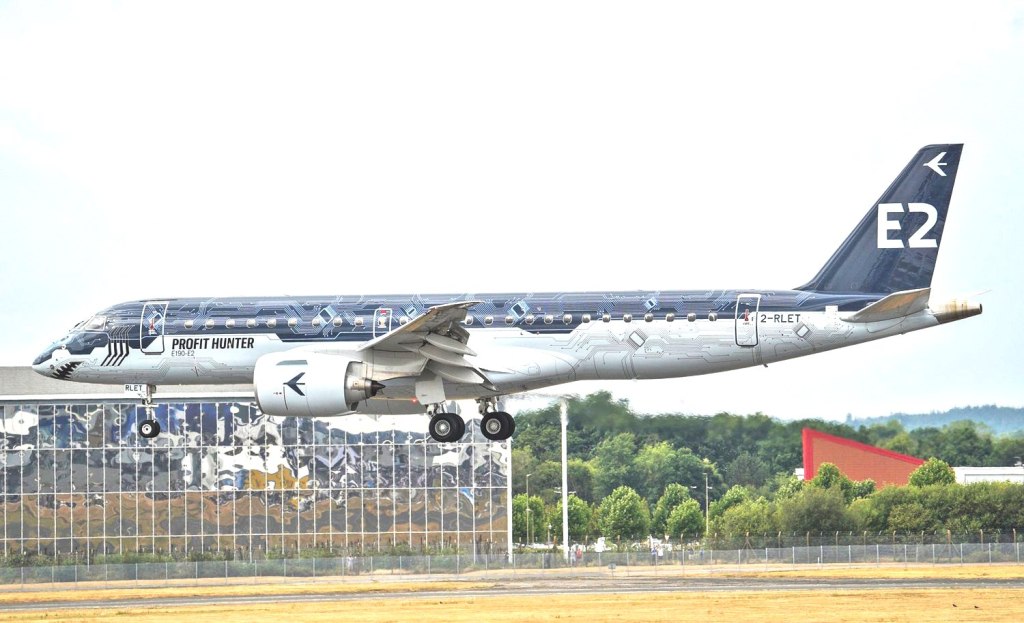
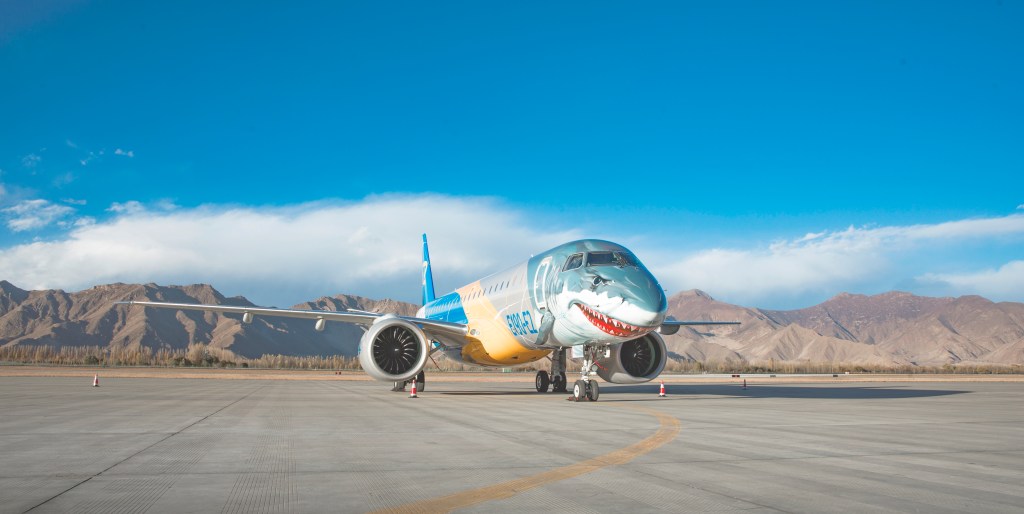
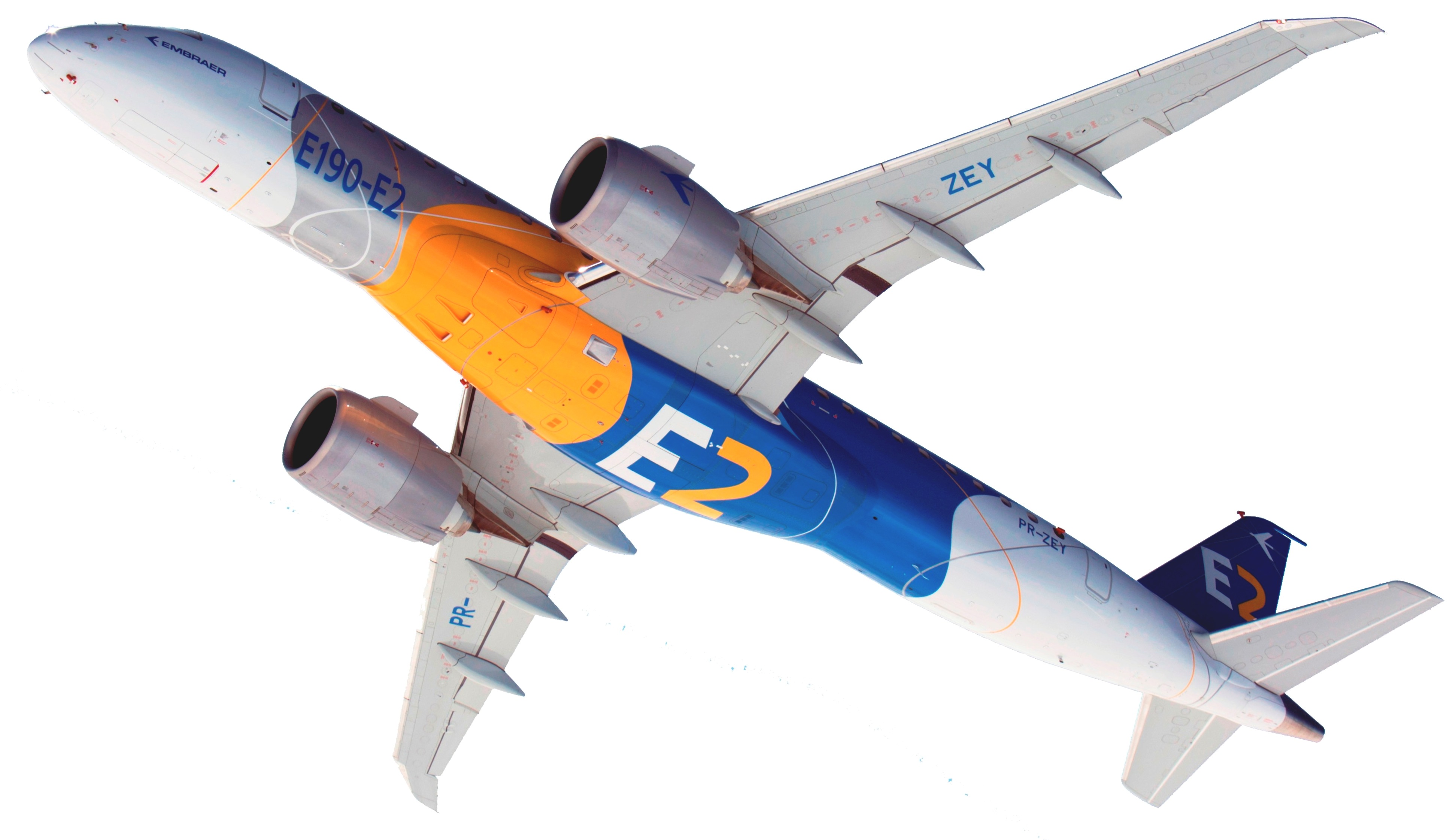
CAAC certifica aeronaves Embraer E190-E2 Jets
La Administración de Aviación Civil de China (CAAC) ha otorgado la certificación de tipo al avión de pasajeros Embraer E190-E2, pocos días después de que el turbohélice ATR 42 recibiera la misma certificación. Embraer dijo que la certificación china para el avión E195-E2 más grande de Embraer, en el que se está trabajando, seguirá en breve.
El anuncio se hizo en el Salón Aeronáutico Zhuhai de China 2022, al que Embraer llevó su avión E195-E2 Tech Lion para exhibición. Arjan Meijer, Presidente y CEO de la división de aviación comercial de Embraer, dijo que el avión puede ayudar a acelerar la implementación del «Plan de Servicio Aéreo Básico» de China que apunta a conectar más aeropuertos urbanos de segundo y tercer nivel.
Guo Qing, Presidente de Embraer China y vicepresidente de aviones comerciales, dijo que la certificación era un momento importante para la compañía en el mercado chino. El E190-E2 es el primer modelo de su tipo en realizar múltiples operaciones a gran altitud durante vuelos de demostración entre Lhasa y Yushu en el oeste de China, lo que lo convierte en el avión más adecuado para servir a los mercados escasos allí, agregó Guo Qing.
En China hay 91 aviones de la familia Embraer E-Jet en servicio. Los operadores más grandes incluyen Colorful Guizhou Airlines, Guangxi Beibu Gulf Airlines, también conocida como GX Airlines, y Tianjin Airlines, que vuelan principalmente el E190LR. En su última perspectiva de mercado, Embraer estima que el mercado chino verá una demanda de 1.445 nuevos aviones dentro del rango de 150 asientos en los próximos veinte años.
China certifies Embraer E190-E2
CAAC certifies Embraer E190-E2 Jets aircraft
The Civil Aviation Administration of China (CAAC) has granted type certification to the Embraer E190-E2 airliner, just days after the ATR 42 turboprop received the same certification. Embraer said Chinese certification for Embraer’s larger E195-E2 aircraft, which is being worked on, will follow shortly.
The announcement was made at the 2022 China Zhuhai Air Show, where Embraer brought its E195-E2 Tech Lion aircraft for display. Arjan Meijer, President and CEO of Embraer’s commercial aviation division, said the aircraft can help speed up the implementation of China’s «Basic Air Service Plan» that aims to connect more second-tier and third-tier urban airports.
Guo Qing, President of Embraer China and Vice President of Commercial Aircraft, said the certification was an important moment for the company in the Chinese market. The E190-E2 is the first model of its kind to perform multiple high-altitude operations during demonstration flights between Lhasa and Yushu in western China, making it the most suitable aircraft to serve the scarce markets there, he added. Guo Qing.
There are 91 Embraer E-Jet family aircraft in service in China. Larger carriers include Colorful Guizhou Airlines, Guangxi Beibu Gulf Airlines, also known as GX Airlines, and Tianjin Airlines, which primarily fly the E190LR. In its latest market outlook, Embraer estimates that the Chinese market will see a demand for 1,445 new aircraft within the 150-seat range in the next twenty years.
PUBLISHER: Airgways.com DBk: Caac.gov.cn / Embraer.com / Airgways.com AW-POST: 202211110051AR OWNERSHIP: Airgways Inc. A\W A I R G W A Y S ®
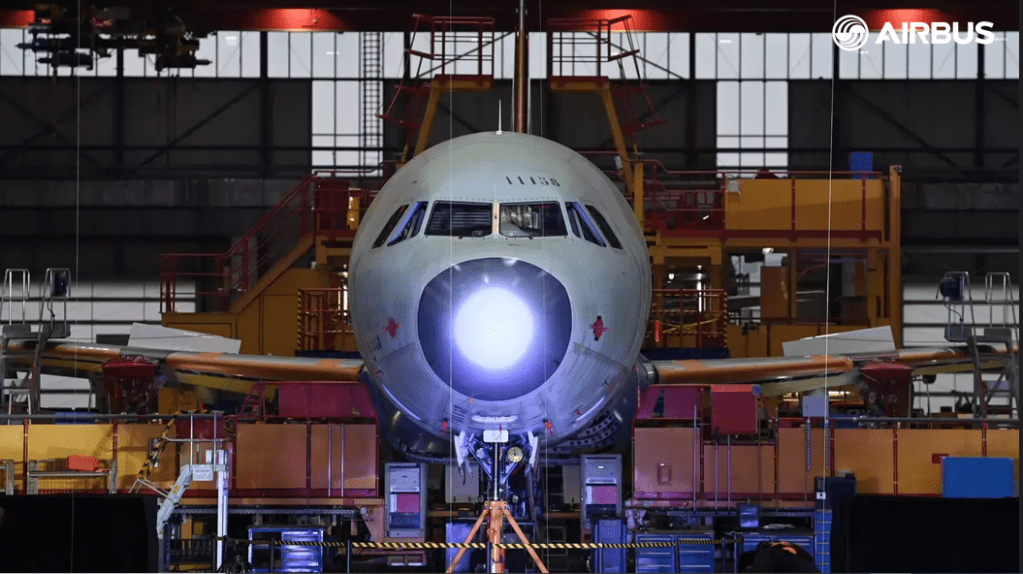
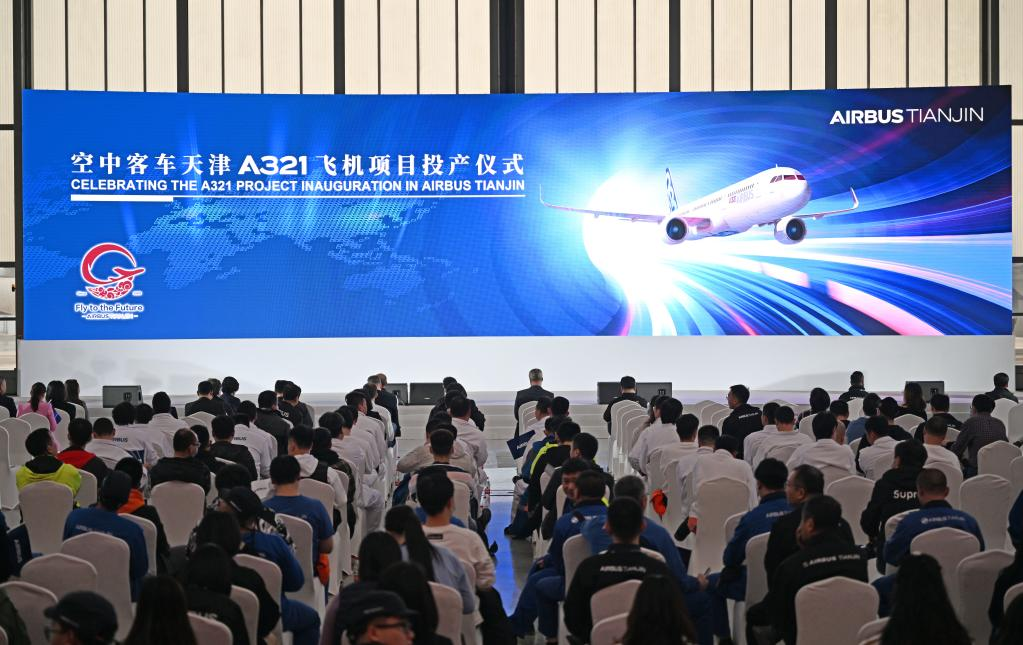
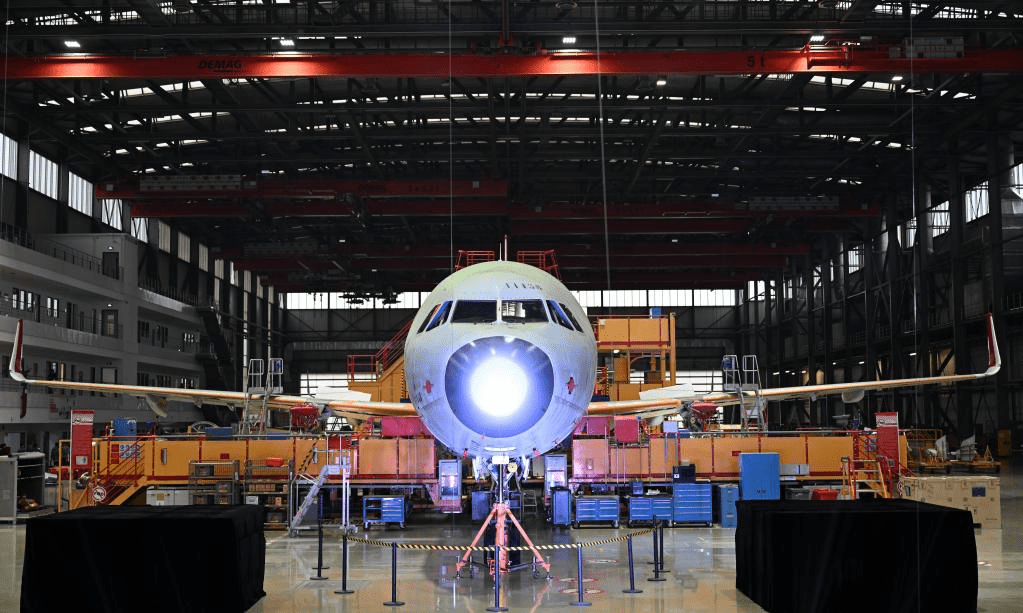
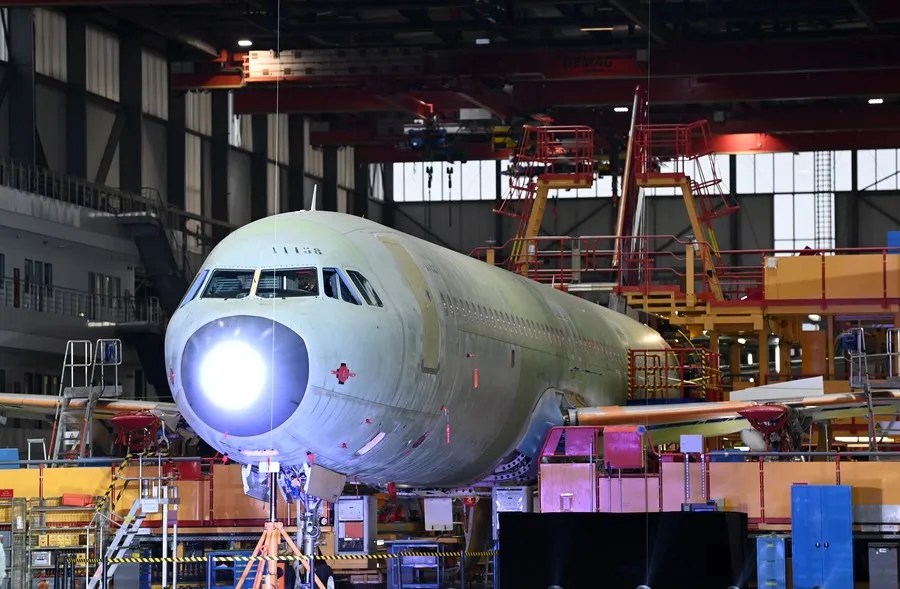
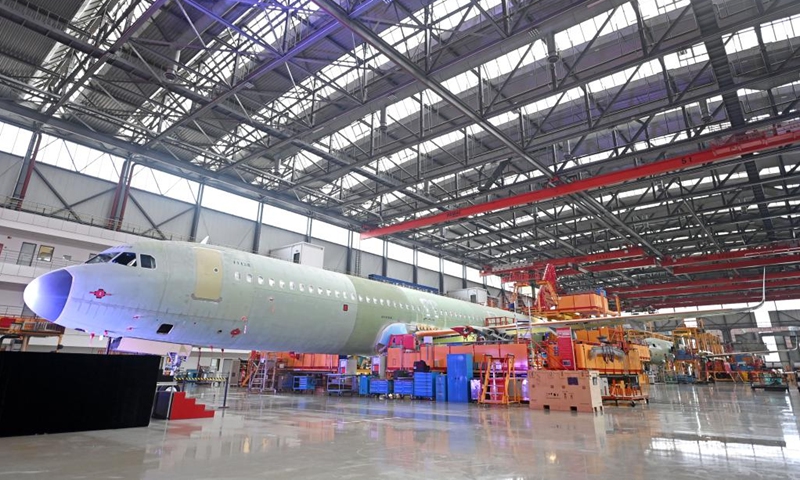
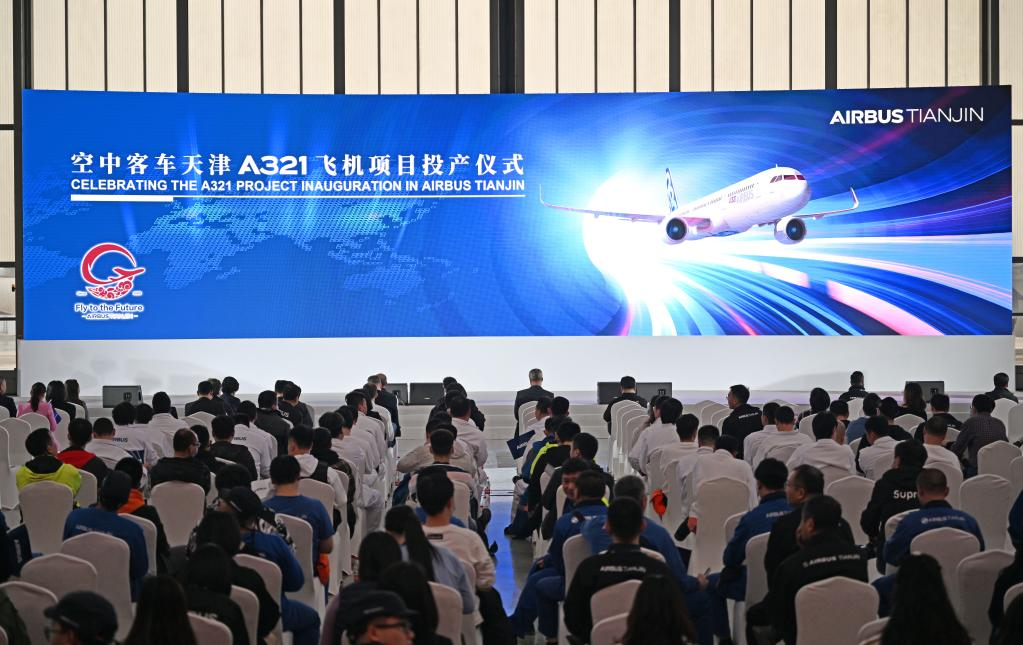
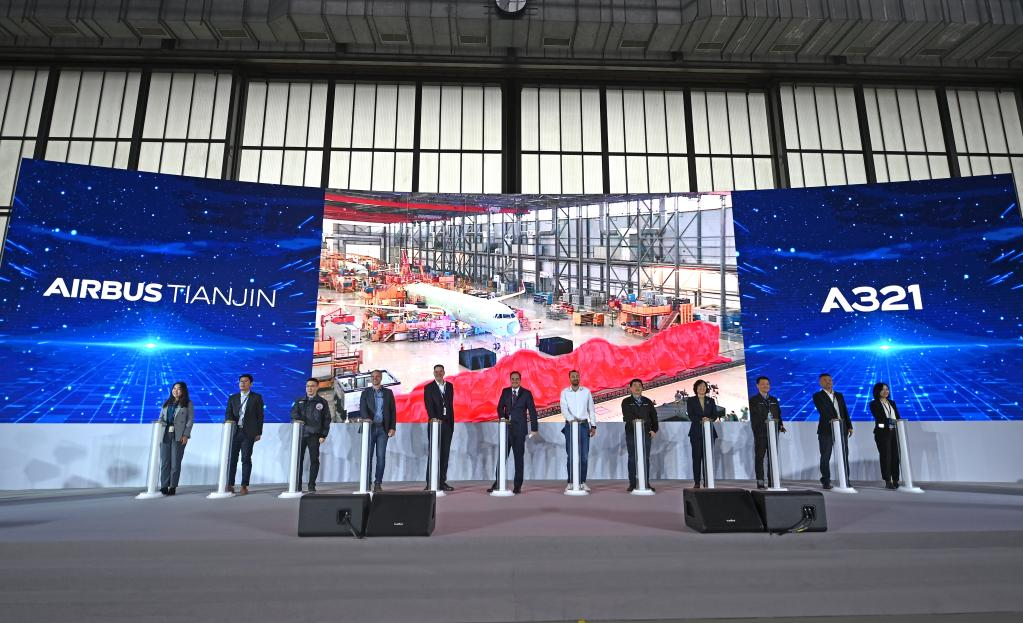
El primer avión Airbus A321NEO se produce en las instalaciones de la Línea de Ensamblaje Final (FAL) de Airbus China en Tianjin el 9 de Noviembre de 2022. El fabricante europeo de aviones Airbus dijo el Miércoles 09/11 que comenzó a ensamblar el avión de pasillo único A321NEO en su línea de ensamblaje final en Tianjin, y que la entrega del primer avión A321NEO está programada para principios de 2023. El avance amplía y profundiza su colaboración con la industria de la aviación de China y muestra su compromiso para mejorar la asociación estratégica a largo plazo con China, dijo la compañía. El A321, el miembro más grande de la familia A320, ahora es el avión de fuselaje estrecho de Airbus con la mayor demanda a nivel mundial.
Airbus Tianjin FAL
Inaugurada en 2008, FAL Tianjin fue la primera línea de ensamblaje de aviones comerciales Airbus fuera de Europa. En el mismo año, las primeras secciones de aviones llegaron al sitio. Desde su primera entrega del A320 en 2009, FAL Tianjin ha entregado más de 600 aviones en sus catorce años de operación. Se ha convertido en un modelo a seguir de una cooperación chino-europea exitosa. La línea de ensamblaje final en Tianjin comenzó el trabajo de adaptación para que sea compatible con A321 en Agosto 2022. Es la primera actualización importante de la línea de ensamblaje desde que comenzó su operación en 2008.
«Desde que anunciamos planes para expandir la capacidad de la línea de ensamblaje final en Tianjin a la producción del A321 en noviembre pasado, el equipo de Airbus Tianjin ha completado el trabajo de adaptación relevante a tiempo al trabajar en estrecha colaboración con expertos europeos y nuestros proveedores para superar el impacto de la COVID -19. La puesta en servicio del primer avión A321 subraya el compromiso de Airbus con China y marca un nuevo hito en la cooperación industrial con nuestros socios chinos», dijo George Xu, Vicepresidente Ejecutivo de Airbus y CEO de Airbus China.
Airbus tiene cuatro plantas de ensamblaje de la familia A320 en todo el mundo ubicadas en Toulouse, Francia; Hamburgo, Alemania; Tianjín, China; y Mobile, Estados Unidos. Para fines de este año, todos los sitios de ensamblaje de aviones comerciales tendrán capacidad para A321, como parte de su estrategia industrial para satisfacer la creciente demanda de producción de A321. Mientras tanto, Airbus ha firmado acuerdos con Xiamen Airlines, Zhejiang Loong Airlines y Colorful Guizhou Airlines para promover el uso de combustible de aviación sostenible para vuelos comerciales en China durante la 14ª Exposición Aeroespacial y de Aviación Internacional de China en Zhuhai, Provincia de Guangdong, el Martes 08/11. Con estos acuerdos, Airbus y sus operadores chinos apoyarán aún más la estrategia de aviación verde en China. El SAF para esos vuelos comerciales se produce localmente a partir de aceite de cocina usado por Sinopec Zhenhai Refining and Chemical Co, un fabricante estatal en China. El SAF chino fabricado por la única instalación china certificada también se utiliza para vuelos de entrega desde Airbus Tianjin.
Desde Octubre 2022, el centro de entrega de Airbus en Tianjin comenzó a ofrecer a las aerolíneas la opción de una mezcla de combustible SAF al 5 por ciento para todos los vuelos de entrega de aviones de la familia A320 de pasillo único y aviones de fuselaje ancho A350.
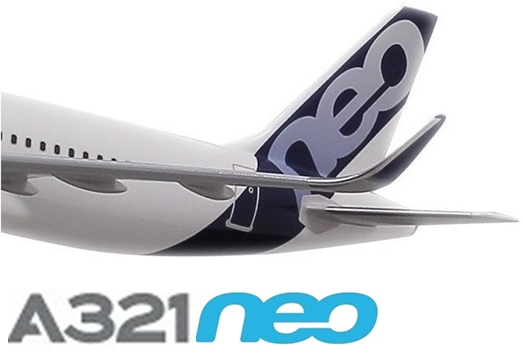
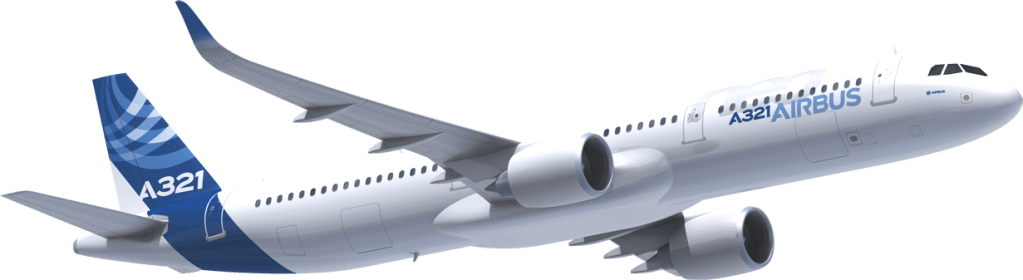
A321NEO
El A321NEO es el miembro de fuselaje más largo de la Familia A320 de pasillo único más vendida de Airbus, con capacidad para 244 pasajeros en una disposición de mayor densidad, con un alcance más largo que alcanza los 4.700 nm/8.700 km. Con la cabina de pasillo único más ancha del cielo, la Familia A320NEO ofrece una reducción del 20% en el consumo de combustible y CO2, así como una reducción del ruido del 50% en comparación con los aviones de la generación anterior, gracias a la incorporación de las últimas tecnologías, incluidos los motores de nueva generación y Sharklets. A finales de septiembre de 2022, la Familia A320NEO ha recibido más de 8.500 pedidos en firme de más de 130 clientes en todo el mundo.
Airbus China starts A321 production
Tianjin starts production of A321NEO aircraft
The first Airbus A321NEO aircraft is produced at the Airbus China Final Assembly Line (FAL) facility in Tianjin on November 9, 2022. The European aircraft manufacturer Airbus said on Wednesday 09/11 that it began assembling the aircraft from single-aisle A321NEO on its final assembly line in Tianjin, with delivery of the first A321NEO aircraft scheduled for early 2023. The breakthrough broadens and deepens its collaboration with China’s aviation industry and shows its commitment to enhancing the partnership. long-term strategic relationship with China, the company said. The A321, the largest member of the A320 family, is now Airbus’ most in-demand narrow-body aircraft worldwide.
Airbus Tianjin FAL
Opened in 2008, FAL Tianjin was the first Airbus commercial aircraft assembly line outside of Europe. In the same year, the first aircraft sections arrived at the site. Since its first A320 delivery in 2009, FAL Tianjin has delivered more than 600 aircraft in its fourteen years of operation. It has become a role model for successful Sino-European cooperation. The final assembly line in Tianjin began retrofit work to be A321 compatible in August 2022. It is the first major upgrade of the assembly line since it began operation in 2008.
«Since we announced plans to expand the capacity of the final assembly line in Tianjin to A321 production last November, the Airbus Tianjin team has completed the relevant retrofit work on time by working closely with European experts and our suppliers to overcome the impact of COVID -19. The commissioning of the first A321 aircraft underlines Airbus’ commitment to China and marks a new milestone in industrial cooperation with our Chinese partners», said George Xu, Airbus Executive Vice President and CEO of Airbus China.
Airbus has four A320 Family assembly plants around the world located in Toulouse, France; Hamburg, Germany; Tianjin, China; and Mobile, United States. By the end of this year, all commercial aircraft assembly sites will have A321 capacity, as part of its industrial strategy to meet growing demand for A321 production. Meanwhile, Airbus has signed agreements with Xiamen Airlines, Zhejiang Loong Airlines and Colorful Guizhou Airlines to promote the use of sustainable aviation fuel for commercial flights in China during the 14th China International Aviation and Aerospace Exhibition in Zhuhai, Guangdong Province, on Tuesday 08/11. With these agreements, Airbus and its Chinese operators will further support the green aviation strategy in China. The SAF for those commercial flights is produced locally from used cooking oil by Sinopec Zhenhai Refining and Chemical Co, a state-owned manufacturer in China. Chinese SAF manufactured by the only certified Chinese facility is also used for delivery flights from Airbus Tianjin.
From October 2022, the Airbus delivery hub in Tianjin began offering airlines the option of a 5 percent SAF fuel blend for all A320 family single-aisle and wide-body aircraft delivery flights. A350.
A321NEO
The A321NEO is the longest-fuselage member of Airbus’ best-selling single-aisle A320 Family, seating 244 passengers in a higher-density layout, with a longer range reaching 4,700nm/8,700km. With the widest single-aisle cabin in the sky, the A320NEO Family offers a 20% reduction in fuel and CO2 consumption, as well as a 50% reduction in noise compared to previous generation aircraft, thanks to the incorporating the latest technologies, including new generation engines and Sharklets. As of the end of September 2022, the A320NEO Family has received more than 8,500 firm orders from more than 130 customers worldwide.
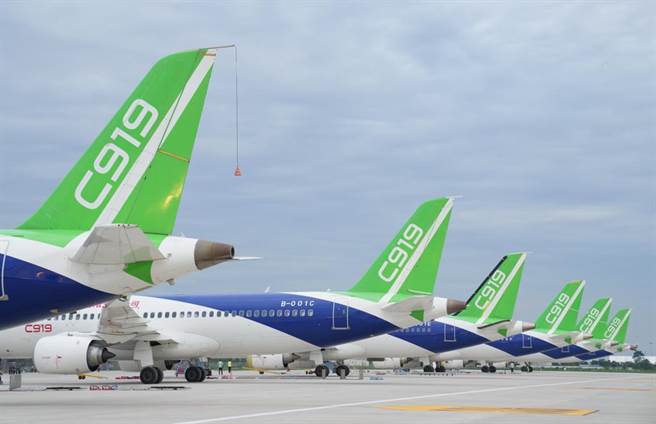
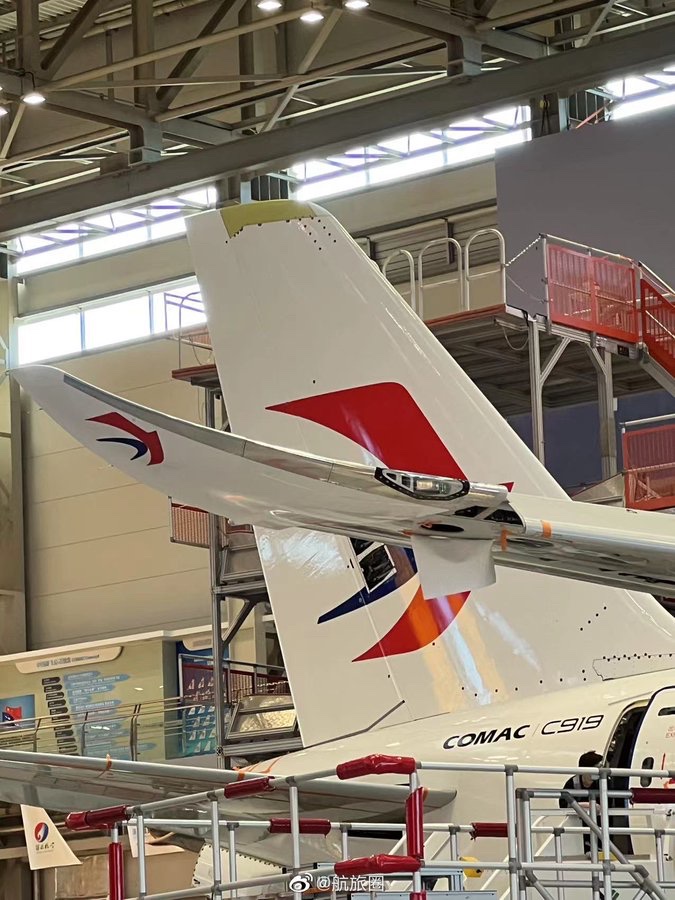
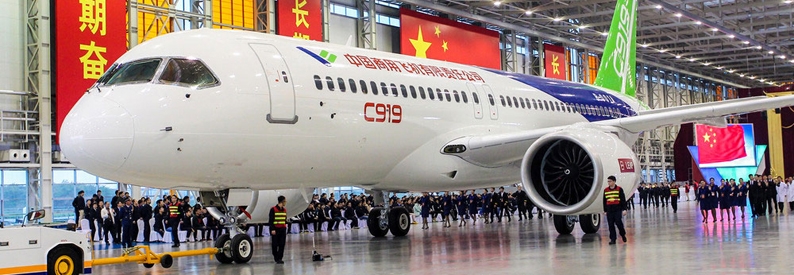
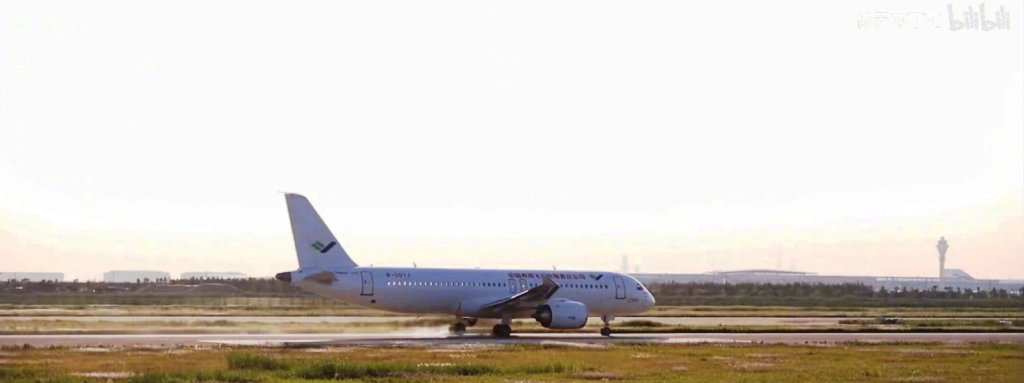
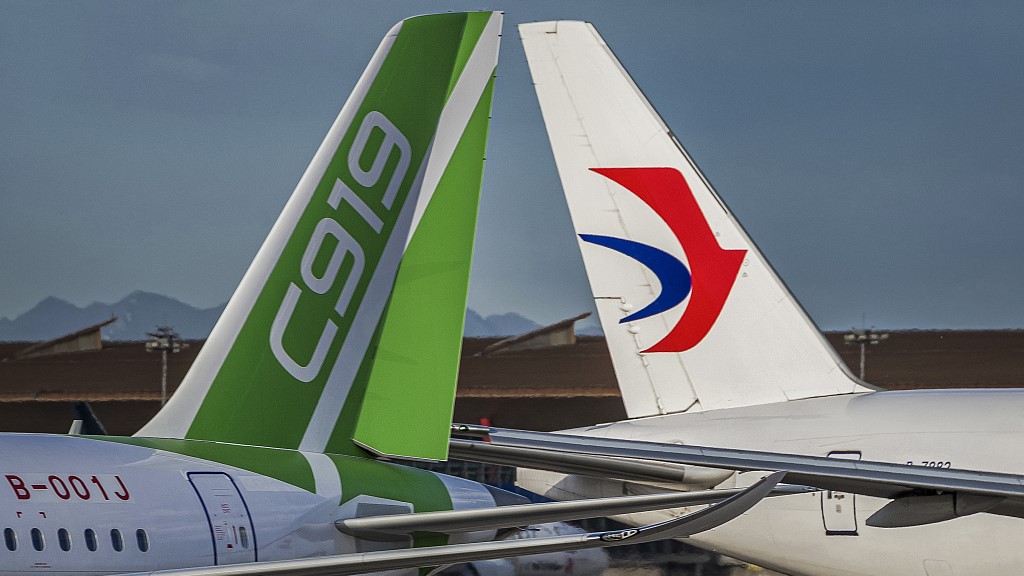
La Commercial Aircraft Corporation of China (COMAC), el fabricante de aeronaves del país asiático, ha anunciado un total de venta de 330 aviones hasta la fecha de los que trescientos (300) corresponden al recién certificado COMAC C919 y treinta (30) al ARJ21, que lleva varios años en línea de producción y venta.
El nuevo modelo no tiene certificaciones para otros países, aunque es previsible alcanzar con el tiempo las certificaciones correspondientes para otros países. El COMAC C919 chino ha sido aprobado en la República Popular de China por la Agencia Civil Aviation Administration of China (CAAC) para iniciar vuelos comerciales con pasajeros a partir de Diciembre de 2022.
Las ventas corresponden fundamentalmente a empresas de leasing (alquiler de aviones) chinas entre ellas: Bocom Leasing, CMB Financial Leasing, China Development Bank Leasing, ICBC Leasing y otras. Todas ellas están vinculadas a entidades bancarias y, en el caso de Europa, tienen su sede por razones fiscales en Irlanda. Las firmas de los acuerdos, como suele ocurrir con otros fabricantes en el resto del mundo, tuvieron lugar en una feria de la aviación, en este caso en la ciudad de Zhuhai. Según publica el South China Morning Post de Hong Kong, no han trascendido más detalles de estas operaciones, ni los precios, ni las fechas de entrega. En la actualidad, solamente hay un cliente de lanzamiento anunciado, China Eastern Airlines. La compañía aérea será la primera aerolínea en el mundo en volar comercialmente el C919 en Diciembre de 2022.
El mercado chino continuará con su nivel de crecimiento hacia el futuro, el ingreso del nuevo modelo de avión narrobodies C919, competirá con los Airbus A320NEO, mientras que el Boeing 737 MAX continúa rezagado por las líneas aéreas chinas para iniciar operaciones a saber que la agencia CAAC ha homologado la certificación aeronáutica habilitante. Para Boeing, la relación con China es trascendental y está también atada al conflicto entre los gobiernos de Waashington y Pekín.
COMAC C919
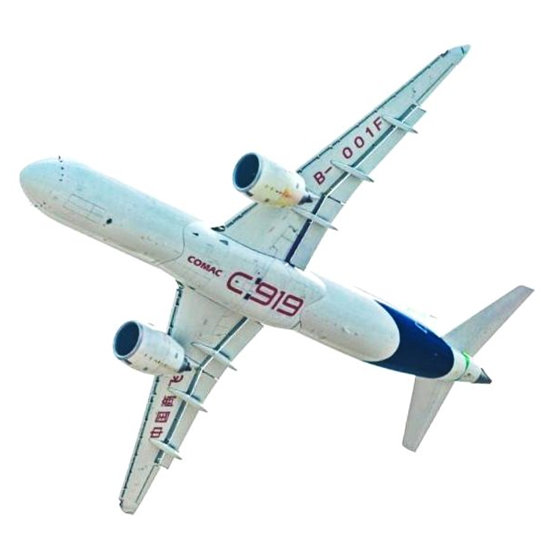
El COMAC C919 es un avión de pasajeros de fuselaje estrecho (narrowbody) desarrollado por el fabricante de aviones chino COMAC Corporation. El programa de desarrollo se lanzó en 2008. La producción del prototipo comenzó en Diciembre de 2011, con el primer prototipo terminado el 2 de Noviembre de 2015 y teniendo su primer vuelo el 5 de Mayo de 2017. La aeronave recibió su certificación de aeronavegabilidad por parte de la Administración de Aviación Civil de China (CAAC) el 29 de Septiembre de 2022.
El avión COMAC C919 ofrecerá dos variantes el C919EST, con un alcance con Carga Útil Máxima de 2.629 kilómetros/1.420 nmi y C919ER con una autonomía con Carga Útil Máxima de 3.922 kilómetros/2.118 nmi. Construido principalmente con aleaciones de aluminio, estará propulsado por motores turbofan CFM International LEAP o ACAE CJ-1000A, y podrá transportar de 156 a 168 pasajeros en una configuración operativa normal de hasta 5.555 km/3000 nmi en diferentes versiones de configuración.
Al 31 de Agosto de 2018, COMAC alcanzó la cifra de 305 pedidos, más 45 opciones de compras y 658 Cartas de Intención (LOI/MOU) sumando un total de 1008 compromisos, principalmente de compañías de arrendamiento financiero y aerolíneas chinas.
COMAC reaches 330 aircraft sold
COMAC industry reaches 300 sales of the C919
The Commercial Aircraft Corporation of China (COMAC), the aircraft manufacturer of the Asian country, has announced a total sale of 330 aircraft to date, of which three hundred (300) correspond to the newly certified COMAC C919 and thirty (30) to the ARJ21 , which has been on the production and sale line for several years.
The new model does not have certifications for other countries, although it is foreseeable that it will eventually achieve the corresponding certifications for other countries. The Chinese COMAC C919 has been approved in the People’s Republic of China by the Civil Aviation Administration of China (CAAC) to start commercial flights with passengers from December 2022.
Sales correspond mainly to Chinese leasing companies (aircraft rental), including: Bocom Leasing, CMB Financial Leasing, China Development Bank Leasing, ICBC Leasing and others. All of them are linked to banking entities and, in the case of Europe, are based for tax reasons in Ireland. The signing of the agreements, as is often the case with other manufacturers in the rest of the world, took place at an aviation fair, in this case in the city of Zhuhai. As published by the South China Morning Post of Hong Kong, no further details of these operations have been disclosed, nor the prices, nor the delivery dates. Currently, there is only one announced launch customer, China Eastern Airlines. The airline will be the first airline in the world to fly the C919 commercially in December 2022.
The Chinese market will continue with its level of growth in the future, the entry of the new aircraft model narrobodies C919, will compete with the Airbus A320NEO, while the Boeing 737 MAX continues to lag behind Chinese airlines to start operations knowing that the agency CAAC has approved the qualifying aeronautical certification. For Boeing, the relationship with China is transcendental and is also tied to the conflict between the governments of Waashington and Beijing.
COMAC C919
The COMAC C919 is a narrowbody airliner developed by the Chinese aircraft manufacturer COMAC Corporation. The development program was launched in 2008. Prototype production began in December 2011, with the first prototype completed on November 2, 2015 and having its first flight on May 5, 2017. The aircraft received its airworthiness certification by part of the Civil Aviation Administration of China (CAAC) on September 29, 2022.
The COMAC C919 aircraft will offer two variants: the C919EST with a Max Payload range of 2,629 km/1,420 nmi and the C919ER with a Max Payload range of 3,922 km/2,118 nmi. Mainly built with aluminum alloys, it will be powered by CFM International LEAP or ACAE CJ-1000A turbofan engines, and will be able to carry 156 to 168 passengers in normal operating configuration up to 5,555 km/3,000 nmi in different configuration versions.
As of August 31, 2018, COMAC reached the figure of 305 orders, plus 45 purchase options and 658 Letters of Intent (LOI/MOU), adding a total of 1,008 commitments, mainly from financial leasing companies and Chinese airlines.






































 airgways.com